EP3699753B1 - Systeme und verfahren zur virtuellen programmierung durch künstliche intelligenz - Google Patents
Systeme und verfahren zur virtuellen programmierung durch künstliche intelligenz Download PDFInfo
- Publication number
- EP3699753B1 EP3699753B1 EP20159041.1A EP20159041A EP3699753B1 EP 3699753 B1 EP3699753 B1 EP 3699753B1 EP 20159041 A EP20159041 A EP 20159041A EP 3699753 B1 EP3699753 B1 EP 3699753B1
- Authority
- EP
- European Patent Office
- Prior art keywords
- data
- input data
- computing instructions
- logic programming
- artificial intelligence
- Prior art date
- Legal status (The legal status is an assumption and is not a legal conclusion. Google has not performed a legal analysis and makes no representation as to the accuracy of the status listed.)
- Active
Links
Images






Classifications
-
- G—PHYSICS
- G06—COMPUTING OR CALCULATING; COUNTING
- G06F—ELECTRIC DIGITAL DATA PROCESSING
- G06F8/00—Arrangements for software engineering
- G06F8/30—Creation or generation of source code
- G06F8/36—Software reuse
-
- G—PHYSICS
- G06—COMPUTING OR CALCULATING; COUNTING
- G06F—ELECTRIC DIGITAL DATA PROCESSING
- G06F8/00—Arrangements for software engineering
- G06F8/30—Creation or generation of source code
-
- G—PHYSICS
- G06—COMPUTING OR CALCULATING; COUNTING
- G06F—ELECTRIC DIGITAL DATA PROCESSING
- G06F40/00—Handling natural language data
- G06F40/20—Natural language analysis
-
- G—PHYSICS
- G06—COMPUTING OR CALCULATING; COUNTING
- G06F—ELECTRIC DIGITAL DATA PROCESSING
- G06F40/00—Handling natural language data
- G06F40/30—Semantic analysis
-
- G—PHYSICS
- G06—COMPUTING OR CALCULATING; COUNTING
- G06N—COMPUTING ARRANGEMENTS BASED ON SPECIFIC COMPUTATIONAL MODELS
- G06N3/00—Computing arrangements based on biological models
- G06N3/004—Artificial life, i.e. computing arrangements simulating life
- G06N3/006—Artificial life, i.e. computing arrangements simulating life based on simulated virtual individual or collective life forms, e.g. social simulations or particle swarm optimisation [PSO]
-
- G—PHYSICS
- G06—COMPUTING OR CALCULATING; COUNTING
- G06N—COMPUTING ARRANGEMENTS BASED ON SPECIFIC COMPUTATIONAL MODELS
- G06N3/00—Computing arrangements based on biological models
- G06N3/02—Neural networks
- G06N3/04—Architecture, e.g. interconnection topology
- G06N3/042—Knowledge-based neural networks; Logical representations of neural networks
-
- G—PHYSICS
- G06—COMPUTING OR CALCULATING; COUNTING
- G06N—COMPUTING ARRANGEMENTS BASED ON SPECIFIC COMPUTATIONAL MODELS
- G06N3/00—Computing arrangements based on biological models
- G06N3/02—Neural networks
- G06N3/04—Architecture, e.g. interconnection topology
- G06N3/048—Activation functions
-
- G—PHYSICS
- G06—COMPUTING OR CALCULATING; COUNTING
- G06N—COMPUTING ARRANGEMENTS BASED ON SPECIFIC COMPUTATIONAL MODELS
- G06N3/00—Computing arrangements based on biological models
- G06N3/02—Neural networks
- G06N3/08—Learning methods
- G06N3/084—Backpropagation, e.g. using gradient descent
-
- G—PHYSICS
- G06—COMPUTING OR CALCULATING; COUNTING
- G06N—COMPUTING ARRANGEMENTS BASED ON SPECIFIC COMPUTATIONAL MODELS
- G06N5/00—Computing arrangements using knowledge-based models
- G06N5/02—Knowledge representation; Symbolic representation
-
- G—PHYSICS
- G06—COMPUTING OR CALCULATING; COUNTING
- G06N—COMPUTING ARRANGEMENTS BASED ON SPECIFIC COMPUTATIONAL MODELS
- G06N5/00—Computing arrangements using knowledge-based models
- G06N5/04—Inference or reasoning models
-
- G—PHYSICS
- G06—COMPUTING OR CALCULATING; COUNTING
- G06N—COMPUTING ARRANGEMENTS BASED ON SPECIFIC COMPUTATIONAL MODELS
- G06N5/00—Computing arrangements using knowledge-based models
- G06N5/04—Inference or reasoning models
- G06N5/043—Distributed expert systems; Blackboards
-
- G—PHYSICS
- G06—COMPUTING OR CALCULATING; COUNTING
- G06N—COMPUTING ARRANGEMENTS BASED ON SPECIFIC COMPUTATIONAL MODELS
- G06N3/00—Computing arrangements based on biological models
- G06N3/02—Neural networks
- G06N3/08—Learning methods
- G06N3/088—Non-supervised learning, e.g. competitive learning
-
- G—PHYSICS
- G06—COMPUTING OR CALCULATING; COUNTING
- G06N—COMPUTING ARRANGEMENTS BASED ON SPECIFIC COMPUTATIONAL MODELS
- G06N5/00—Computing arrangements using knowledge-based models
- G06N5/04—Inference or reasoning models
- G06N5/048—Fuzzy inferencing
-
- G—PHYSICS
- G06—COMPUTING OR CALCULATING; COUNTING
- G06N—COMPUTING ARRANGEMENTS BASED ON SPECIFIC COMPUTATIONAL MODELS
- G06N7/00—Computing arrangements based on specific mathematical models
- G06N7/01—Probabilistic graphical models, e.g. probabilistic networks
Definitions
- Embodiments of the present invention are generally directed to systems and methods for generating a computer program using artificial intelligence.
- a software developer starts with an understanding of requirements for the software to be developed. Based on the requirements, the software developer creates the software, and implements the software to achieve desired functionality. In software development, the software developer can rely on similar implementations and/or one's own knowledge.
- the goal of a software development process is to create an output programming language based on the requirements, which are usually written in a natural human communication language (such as English, French, Hindi, German or any other language).
- a natural human communication language such as English, French, Hindi, German or any other language.
- the software developer Upon gaining an understanding of the intended meaning of the text, the software developer creates logic in a programming language, so that the output programming language achieves an expected result and/or functionality.
- the process is usually performed manually, and therefore, can be repetitive and time consuming. Furthermore, additional time and/or effort is spent by the software developer to understand a reference logic in one programming language and develop an equivalent logic in another programming language.
- US 2016/357519 A1 discloses a natural language coding engine for computer programming and/or computer program debugging via natural language content (e.g., verbs, phrases and clauses intended to act as controls for an electronic device).
- the natural language coding engine may determine a result objective associated with the natural language content and generates programming instructions to accomplish the result objective.
- GB 2 562 038 A discloses integrating a sink device with a source device via an artificial intelligence, Al, mediator.
- the Al mediator is configured to map a function of a programmatic interface exposed by the source device to an associated function of the sink device.
- US 9 946 514 B1 discloses a method and apparatus for generating functional application designs by one or more natural language utterances corresponding to natural language design commands for editing an application being designed.
- the method may also include editing one or more components of the application being designed based on each of the natural language utterances.
- US 2018/275967 Al discloses machine-learning approaches for program synthesis, and associated neural-network architectures that facilitate generating programs incrementally without the need for an explicit search.
- a method of generating a computer program using artificial intelligence is provided, according to claim 1
- a system for generating a computer program using artificial intelligence is provided, according to claim 9.
- a non-transitory computer readable medium having instructions embodied thereon is provided, according to claim 17.
- the AI Virtual Programmer can operate independently to develop code in the various programming languages based on specific requirement(s) without assistance from an external control or an individual.
- the AI Virtual Programmer can read and understand natural human languages such as English, French, Hindi, German or any other language.
- the AI Virtual Programmer can be programmed to read and understand any natural human language.
- the AI Virtual Programmer can communicate with, and assist, an individual in the natural human language.
- the AI Virtual Programmer can also understand the programming languages and helps an individual in programming.
- a system for generating a computer program using artificial intelligence includes a processor; and a memory storing a program for execution by the processor.
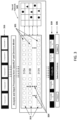
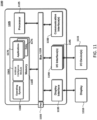
- the program includes instructions for generating, at an artificial intelligence ("AI") module 100, logic programming by analyzing natural language in input data 105.
- Input data 105 are received from one (or more external sources, in an embodiments not belonging to the present invention) external source 130 ( e.g., applications and/or tools), input data 105 can be received from a computing device associated with an individual 110 (e.g., a software developer), and/or other input (e.g ., coding instructions) from the computing device associated with the individual 110.
- Input data 105 can be sample input data that results in a known software source code output.
- Artificial intelligence module 100 interacts with the computing device associated with the individual 110, receive input data 105 from external source(s) 130, select external source(s) 130 for providing input data 105, and/or retrieve input data 105 based on the occurrence of one or more external events (e.g ., a specific task, step or implementation of a coding instruction). Artificial intelligence module 100 can generate and capture input data 105 from one or more external source(s) 130 by identifying one or more events that occur at external source(s) 130.
- Artificial intelligence module 100 can receive input data 105 in one or more formats and/or programming languages. To receive the input data 105 from external source(s) 130, artificial intelligence module 100 is configured to communicate with the external source(s) 130. Artificial intelligence module 100 can communicate with the external source(s) 130 through an application program interface (“API") provided by the respective external source(s) 130 (such as JIRA, Bugzilla or a similar software application) in order to communicate with the external source(s) 130.
- API application program interface
- An API is an interface which performs predefined tasks based on input.
- artificial intelligence module 100 provides recommendations and/or suggestions for the input data 105.
- Artificial intelligence module 100 recommends one or more types of fixes/solutions to resolve a given issue with software source code in the input data 105.
- Artificial intelligence module 100 can suggest, for instance, that a portion of the software source code in the input data 105 be fixed, or an entirety of the software source code in the input data 105 be fixed.
- artificial intelligence module 100 outputs a solution for resolving a given issue with the input data 105.
- the solution provided by artificial intelligence module 100 is determined based on the nature of the input data 105.
- Artificial intelligence module 100 can communicate with the computing device associated with the individual 110 and/or external source(s) 130 through a communication adaptor/interface 115.
- Communication adapter 115 can communicate with external source(s) 130 (e.g ., software applications such as JIRA, Bugzilla or similar applications) through a software connector ( e.g ., API) provided by the external source(s) 130.
- External source(s) 130 e.g ., software applications such as JIRA, Bugzilla or similar applications
- Communication adapter 115 receives input data 105, and then transmits the input data 105 to an OPENNLP module 120 for further processing.
- communication adapter 115 Upon receiving output data 125, communication adapter 115 transmits the output data 125 to individual 110 and/or external source(s) 130.
- a supporting software connector can be installed on artificial intelligence module 100 so that the artificial intelligence module 100 can interact with external source(s) 130.
- communication adapter 115 can interact with only individual 110, only external source(s) 130, or both individual 110 and external source(s) 130 through different input communication channels.
- the input communication channel can include a user interface or a chat/messaging box configured to receive coding instruction(s) from individual 110 and/or input data 105 from external source(s) 130 or the computing device associated with the individual 110.
- the input communication channel may include an interactive messaging box, which appears during an event.
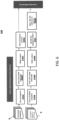
- FIG. 1B is a flow diagram of input data processing using artificial intelligence in accordance with an embodiment.
- input data is received by the artificial intelligence module from an individual and/or one or more external sources, at 104.
- the input data includes natural human language.
- the input data can be a set of program files (referred to as an "inventory") uploaded to the artificial intelligence module from the one or more external sources and/or the individual.
- the inventory can include with multiple data files.
- entity information is extracted from logic programming and natural human language in the input data by categorizing and identifying variables, functions and other components of the input data. Extraction of entity information includes generating context data by processing, at the artificial intelligence module, the natural human language. For instance, in an embodiment, artificial intelligence module extracts entity information from java programs by parsing the input data into known java categories by processing the natural human language in the input data, and identifying variables, functions and other components in the input data.
- the artificial intelligence module determines the validity of entity information extracted from the input data, and classifies relevant portions of the input data based on intent, thus generating metadata for the input data. For instance, generating the metadata includes generating context data and references from the classified portions of the input data.
- the artificial intelligence module generates an output data response by selecting logic programming, using a neural network and information from a knowledge repository, for rectifying logic programming in the input data based on the context data and references.
- Generating the output data response includes determining, at the artificial intelligence module, a computing instruction for the input data using logic programming in the knowledge repository, and generating the computer program, the computer program including the computing instruction.
- the artificial intelligence module provides the output data response to an individual (e.g ., a software programmer).
- the artificial intelligence module stores the input data in a deferred learning log, at 154.
- the artificial intelligence module modifies the logic programming in the input data using the output data response, at 124.
- the artificial intelligence module generates learned logic programming information by "learning" from the generation of the output data response, and updates the knowledge repository with the learned logic programming information. Artificial intelligence module can also update the deferred learning log with the learned logic programming information in order to resolve stored output data responses that the learned logic programming information may be applied to.
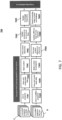
- FIG. 2 is a flow diagram of communication along an input communication channel of the artificial intelligence module in accordance with an embodiment.
- one or more coding or coding-related instructions (or tasks) from an individual is received at a user interface of an artificial intelligence module, at 212.
- the coding instruction(s) includes natural human language, programming language or a combination of the natural human language and the programming language.
- the coding instruction(s) can include a "TODO" computer programing tag, for instance.
- a TODO is a computer programming tag placed in a comment to indicate that something more is required. For instance, the TODO tag can indicate that a piece of software source code did not get converted during an automated code conversion process.
- a TODO tag can be added by an automated programming tool to flag portions (e.g ., software source code) of the input data that were not programmable during automation and therefore need to be addressed and/or fixed.
- context data is generated by processing the natural human language in input data 105 and/or coding instruction(s) from a computing device associated with an individual 110.
- communication adapter 115 transmits input data 105 and/or coding instruction(s) from the computing device associated with the individual 110 to OPENNLP 120 for entity extraction by validation and/or parsing, at 214.
- OPENNLP 120 generates context data from the instructions and/or input data 105. If invalid, then a correction request is sent via communication adapter 115 to the computing device associated with the individual 110 and/or external source(s) 130 to provide valid input data.
- the correction request can be in the form of the natural human language used in input data 105 and/or the instructions received from the computing device associated with the individual 110. For example, if input data 105 and/or the instruction(s) are invalid, then communication adapter 115 transmits a validation message such as "provide correct the input message format" or "invalid input message format" to the computing device associated with the individual 110.
- OPENNLP 120 is a natural language parser that can extract sentence structure and/or phrases from the natural human language in input data 105 and/or the coding instruction(s) received from the computing device associated with the individual 110.
- OPENNLP 120 also supports other natural language processing ("NLP") tasks such language detection, tokenization, sentence segmentation, part-of-speech tagging, named entity extraction, chunking, parsing and reference resolution.
- NLP natural language processing
- OPENNLP 120 is configured to analyze input data 105 and/or the coding instruction(s) from the computing device associated with the individual 110, and generate/build context data, at 218.
- OPENNLP 120 is configured to resolve structural ambiguity of the natural human language in input data 105, and identify phrases and structure of phrases in the natural human language.
- OPENNLP 120 Based on the analysis of input data 105, OPENNLP 120 generates context data by processing input data 105 and/or the coding instruction(s) from the computing device associated with the individual 110, and in particular, based on the natural human language in input data 105 and/or the coding instruction(s) from the computing device associated with the individual 110.
- Context data is data containing a group of similar and/or related references for specific keyword(s). If input data 105 has been received from more than one external source, OPENNLP 120 then parses input data 105 received from a subsequent external source, after parsing input data 105 received from a first external source.
- OPENNLP 120 can have contextual awareness built and configured in a language processing model. With contextual awareness, OPENNLP 120 extracts one or more contexts from input data 105 and/or the coding instruction(s) from the computing device associated with the individual 110.
- OPENNLP 120 is configured to identify different references in input data 105 and/or the coding instruction(s) from the computing device associated with the individual 110. Based on the identified references, OPENNLP 120 is further configured to determine a reference chain around the context(s) in an upward direction ( i.e., preceding the context(s)) and a downward direction ( i.e., following the context(s)). For example, if input data 105 include one or more TODO line(s) in computer business-oriented language ("COBOL"), then OPENNLP 120 analyzes input data 105 to identify a specific TODO line, and references preceding and following the specific TODO line. OPENNLP 120 can analyze the reference chain for the specific TODO line based on the references. OPENNLP 120 can analyze additional reference(s) that are referred to in the references preceding and following the specific TODO line.
- COBOL computer business-oriented language
- artificial intelligence module 100 is configured to understand the natural human language, and use the natural human language for communication with the computing device associated with the individual 110 and/or external source(s) 130.
- Artificial intelligence module 100 is configured to communicate using natural human language, for instance, as included in input data 105 or in any other natural human language.
- Decision Model 135 is configured to receive the context data and references from OPENNLP 120.
- Decision Model 135 is also configured to receive metadata for the context data and/or references.
- the metadata can contain information such as how many different references are involved in input data 105 and/or the coding instruction(s) from the computing device associated with the individual 110, the relation of specific keywords in input data 105 and/or the coding instruction(s) from the computing device associated with the individual 110, how specific keywords are related with a reference (within and/or excluded from input data 105 and/or the coding instruction(s) from the computing device associated with the individual 110).
- Metadata is data that provides information about other data (i.e., data about data).
- the metadata as used herein includes descriptive metadata, structural metadata, administrative metadata, reference metadata and statistical metadata.
- the information received from OPENNLP 120 contains different contexts.
- the information received from OPENNLP 120 can include, for instance, domain, natural language, technology related information and/or programming language information.
- Decision Model 135 is configured to arrange input data 105 in a logical manner, and select an appropriate action or logic programming for resolving the given issue with software source code in the input data 105 or the coding instruction received from the computing device associated with the individual 110.
- Decision Model 135 is configured to search for logic programming area(s) that will likely resolve the given issue.
- the training data received from knowledge repository 140 includes training data of the multiple programming languages.
- Knowledge repository 140 also includes information associated with the natural human language communication, languages semantics, programming languages references, domain specific contexts, programming language contextual trained data, metadata and other references (such as references required for the communication and to make decisions).
- Decision Model 135 Upon identifying the logic programming area(s), Decision Model 135 transmits the logic programming area(s) to a neural network 145 or Action Plan API 150, along with the context data, the references, the natural language processing summary and/or the metadata received from OPENNLP 120.
- neural network 145 determines one or more probable solutions by mapping information (such as logic programming areas, the context data, the references, the natural language processing summary and/or the metadata) in a data signal to the probable solution(s).
- Neural network 145 also referred to as an "artificial neural network” provides a "learning" functionality to artificial intelligence module 100 by classifying, grouping and/or extracting features using algorithms.
- artificial intelligence module 100 is configured to learn how to perform task(s) from examples and/or previously-learned information (e.g ., computing instruction(s) or logic programming).
- artificial intelligence module 100 is configured to learn without being programmed with a task-specific rule.
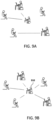
- FIG. 3 is a neural network in accordance with an embodiment.
- neural network 345 includes one or more tiers or layers 313.
- Tiers 313 can include an input layer 313A, an output layer 313N, and, optionally, one or more hidden layers 313B.
- input layer 313A is configured to receive various forms of information that neural network 345 attempts to learn about, recognize or otherwise process.
- Output layer 313N is configured to output one or more probable solutions 319 to the information learned by neural network 345.
- Hidden layer(s) 313B which are between input layer 313A and output layer 313N, are configured to learn about, recognize or otherwise process information received from input layer 313A.
- An input layer of a neural network is composed of artificial input neurons, and receives (or retrieves) initial data into the AI system for further processing by subsequent layers of artificial neurons.
- the input layer is the very beginning of the workflow for the artificial neural network.
- An output layer of a neural network is the last layer of artificial neurons that produces given outputs for the program.
- Each tier 313 contains neurons 321 (also referred to as “artificial neurons") that receive input data signal(s) from neurons 321 in a preceding tier, apply an algorithm function to the input data signal(s), and generate an output data signal.
- the output data signal may be transmitted to neurons 321 in subsequent tier via dendrites 324.
- Neurons are mathematical functions modeled similar to biological neurons of a biological neural network. Generally, in a neuron, each input of data is separately weighted, and the sum is passed through a non-linear function known as an activation function or transfer function.
- input layer 313A contains neurons 321 that are configured to receive an input data signal (containing logic programming areas, the context data, the references, the natural language processing summary and/or the metadata) from Decision Model 135, apply an algorithm function to the input data signal to generate a modified data signal, and transmit the modified data signal to either hidden layer(s) 313B or output layer 313N.
- the data signal received by input layer 313A can be generated in response to input data received from one or more components 316 via OPENNLP 120 and Decision Model 135.
- Decision Model is an intellectual template for perceiving, organizing, and managing the business logic behind a business decision.
- an algorithm function is a set of rules or instructions given to an AI module, a neural network, system or machine to help it learn on its own.
- hidden layer(s) 313B can collectively form a majority of neural network 345. However, there is no limit on the number of hidden layer(s) 313B.
- neural network 345 can adjust one or more hidden layer(s) 313B if the modified data signal does not, or alternatively, would not, match an expected output. For instance, as the complexity in the relationship between the input data and the desired output increases, the number of the processing hidden layers can also be increased.
- neural network 345 includes only input layer 313A and output layer 313N, and no hidden layers 313B.
- a backpropagation algorithm is an algorithm used to calculate derivatives quickly.
- Artificial neural networks use the backpropagation algorithm as a learning algorithm to compute a gradient descent with respect to weights.
- neural network 345 can use a sigmoid function to introduce nonlinearity in the learning model.
- Neural network 345 can compute a linear combination of input data signals, and apply the sigmoid function to the result.
- a sigmoid function is generally used in an artificial neural network to introduce nonlinearity in a model.
- a neural network element computes a linear combination of its input signals, and applies a sigmoid function to the result.
- Sigmoid functions including the logistic function and the hyperbolic tangent function can be used as an activation function of an artificial neuron.
- the activation function defines the output of a neuron given an input or set of inputs.
- Probable solutions 319 output by neural network 345 can have different probabilities.
- One or more solutions 326 with the most favorable probabilities can be selected, and transmitted to Decision Model 135 and Action Plan API 150 to generate an action plan.
- Action Plan API 150 includes various programs (e.g., Java) available to generate the action plan by taking selected solutions from Decision Model 135. Using the programs in Action Plan API 150, Action Plan API 150 takes selected solutions from Decision Model 135, and refers to the metadata information in knowledge repository 140 to generate the action plan. The action plan is then transmitted to an output processing unit (not shown) for further processing.
- a "repository”, in software development, is a central file storage location.
- the output processing unit receives the action plan from Action Plan API 150, and formats and packages the action plan as output data 125. Output data 125 is then transferred to communication adaptor/interface 115 where it is sent to individual 110 and/or external source(s) 130.
- artificial intelligence module 100 receives the following TODO line as input data 105 coded in COBOL: //TODO: MOVE POB1-OP2 TO PHV-POB1-OP2.
- OPENNLP 120 reads and interprets the TODO line as follows:
- a MOVE statement is used to assign a value to a variable from another variable or literal.
- artificial intelligence module 100 scans the COBOL language in input data 105 for references to the "POB1-OP2" source to understand the source element in input data 105.
- Artificial intelligence module 100 generates context data and references by determining input preceding the "POB1-OP2" source, input subsequent to the "POB1-OP2” source, and/or any input associated with the "POB1-OP2" source. By determining the preceding references, the subsequent references and the associated references, action items are identified. The process is repeated for the "PHV- POB1-OP2" target.
- Artificial intelligence module 100 sends all the context data and reference information obtained at OPENNLP 120 to Decision Model 135.
- Decision Model 135 determines one or more suitable solutions. Using the suitable solution(s), Action Plan API 150 determines an action plan that includes software source code for resolving the TODO fix. An output processing unit generates output data 125 by modifying input data 105 using the software source code, and transmits output data 125 to external source(s) 130 and/or individual 110.
- FIG. 4 is a flow diagram of communication along an input communication channel in accordance with another embodiment.
- a set of program files (referred to as an "inventory") is uploaded from one or more external sources or an individual, at 414.
- An inventory is a group of related programs. The inventory includes multiple data files.
- artificial intelligence module loads, and processes, each data file in the inventory.
- Each data file is processed as discussed at steps 214, 216 and 218 of FIG. 2 .
- the data files are loaded and processed one at a time.
- artificial intelligence module presents one or more suggested solution(s) to the individual.
- the one or more suggested solution(s) are determined using a neural network and information from a knowledge repository.
- artificial intelligence module stores the data file in a deferred learning log, at 422.
- the deferred learning log is available for review to a user.
- the deferred learning log includes detailed information about events that occur when the deferred learning log is generated.
- the detailed information can include information such as skill details, skill-variation, type of input used, type of output generated, what is the exact input, input parameters used for skill to generate the output and so on so forth.
- the detailed information can also include time, place and user information. Information about the generated output and the expected output, and any other suggestion entered by the user and other related information.
- a learning log is a personalized learning resource for an artificial intelligence system.
- Input parameters are the parameters that are transmitted to the artificial intelligence system and are used to generate programming logic.
- artificial intelligence module automatically generates a deferred learning log report including information about any stored deferred learning logs that need to be revisited and reviewed by the user.
- artificial intelligence module modifies the data file and provides a status update to the user through a user interface (for example, through chat box), at 424.
- artificial intelligence module provides a modified data inventory to the user and/or the external sources.
- FIG. 5 is a flow diagram of learning from a natural human language by an artificial intelligence module in accordance with an embodiment.
- a flow diagram is a collective term for a diagram representing a flow or set of dynamic relationships in a system.
- an OPENNLP of an artificial intelligence module parses natural human language in input data using natural language processing (NLP), at 510.
- the OPENNLP is configured to understand and interpret written human language and/or verbal human language.
- the artificial intelligence module is provided with pre-trained data of various conversations, speeches of the natural language from a knowledge repository.
- the NLP function performs tasks such as sentiment analysis, sentence recognition, and relationship extraction.
- the OPENNLP uses the parsed natural human language and the learned logic programming information provided from a knowledge repository to analyze programming language in the input data. From analysis of the programming language in the input data, the OPENNLP extracts the intent of the natural human language using data from a knowledge repository.
- the OPENNLP Based on the analysis of the programming language, the OPENNLP generates a learning context file including context data and references, at 530.
- the OPENNLP provides a response in a natural human language based on the learning context file. Then, the OPENNLP transmits the learning context file to a Decision Model and the knowledge repository.
- the knowledge repository From the learning context file from the OPENNLP and the selected solutions from a neural network, the knowledge repository "learns" and generates learned logic programming information.
- the learned logic programming information is stored in the knowledge repository.
- FIG. 6 is a flow diagram of supervised learning by an artificial intelligence module in accordance with an embodiment.
- supervised learning 600 by the artificial intelligence module can include learning based on a response generated for a task request for initial logic programming (pathway A), and/or learning based on a response generated for a task request for deferred logic programming with fixes (pathway B).
- Pathway A After parsing with OPENNLP and NLU (discussed in FIG. 5 ), an initial context information is created. Then, referring to FIG. 6 , in pathway A where a task is requested for initial logic programming (for instance, a TODO tag in a converted program), a neural network receives the converted program(s) at 620A, and scans and creates metadata for the converted program(s) at 630A. The neural network builds a full context for output data for target program(s) at 640A, and transmits the full context for the target program(s) to a knowledge repository for storage at 660A.
- OPENNLP and NLU discussed in FIG. 5
- a neural network receives the converted program(s) at 620A, and scans and creates metadata for the converted program(s) at 630A.
- the neural network builds a full context for output data for target program(s) at 640A, and transmits the full context for the target program(s) to a knowledge repository for storage at 660A
- Pathway B After parsing with OPENNLP and NLU (discussed in FIG. 5 ), an initial context information is created.
- the neural network receives the converted program(s) at 620B, and scans and creates metadata for the converted program(s) at 630B.
- the neural network builds a second full context for output data for target program(s) at 640B, and identifies the changed context at 650.
- the neural network transmits the second full context to the knowledge repository for storage with the first full context previously stored in the knowledge repository.
- the knowledge repository stores the original problem dataset and corresponding fixes (referred to as a "training data set"), or provides a solution for the problem if available in the knowledge repository.
- the changed dataset with the corresponding solution collectively as a training data set, is available for further unsupervised learnings. Subsequent problems, which require a same solution, can be addressed based on the previously stored training data set in the knowledge repository.
- the first stage in an artificial intelligence module is an initial supervised learning.
- each training data set consists of an input data object and an expected output data.
- the training data consists of one or more training data sets.
- the following is an example of supervised learning according to an embodiment.
- a COBOL file having multiple TODO tag is given as input data to an artificial intelligence module, along with reference metadata for the expected output.
- the artificial intelligence module identifies the program structure of the COBOL file. References preceding and subsequent to the TODO fixing lines are identified from metadata.
- the expected output for each TODO fixing line is stored in a knowledge repository along with the references for the respective TODO.
Landscapes
- Engineering & Computer Science (AREA)
- Theoretical Computer Science (AREA)
- Physics & Mathematics (AREA)
- General Engineering & Computer Science (AREA)
- Software Systems (AREA)
- General Physics & Mathematics (AREA)
- Artificial Intelligence (AREA)
- Computational Linguistics (AREA)
- Computing Systems (AREA)
- Mathematical Physics (AREA)
- Data Mining & Analysis (AREA)
- Evolutionary Computation (AREA)
- General Health & Medical Sciences (AREA)
- Health & Medical Sciences (AREA)
- Molecular Biology (AREA)
- Biophysics (AREA)
- Biomedical Technology (AREA)
- Life Sciences & Earth Sciences (AREA)
- Audiology, Speech & Language Pathology (AREA)
- Machine Translation (AREA)
- Devices For Executing Special Programs (AREA)
Claims (24)
- Verfahren zum Generieren eines Computerprogramms unter Verwendung künstlicher Intelligenz, wobei das Verfahren in einem Modul für künstliche Intelligenz umfasst:Empfangen von Eingabedaten von einer externen Quelle (130), wobei die Eingabedaten eine oder mehrere Rechenanweisungen einschließlich natürlicher Sprache einschließen und die Eingabedaten in der Generierung einer bekannten Ausgabedatenantwort resultieren;Generieren von Kontextdaten (218) durch Verarbeiten der natürlichen Sprache in den Eingabedaten unter Verwendung eines künstlichen neuronalen Netzes des Moduls für künstliche Intelligenz;Auswählen eines oder mehrerer Typen von Logikprogrammierungslösungen zum Lösen eines Problems mit der einen oder den mehreren Rechenanweisungen durch ein Entscheidungsmodell (135) des Moduls für künstliche Intelligenz und Verwenden von Trainingsdaten, die in einem Wissensspeicher gespeichert sind, wobei die Trainingsdaten Eingabedaten, Kontextdaten und auf den Kontextdaten basierende erwartete Ausgabedaten umfassen;Bestimmen einer oder mehrerer Rechenanweisungen als Ausgabedaten durch ein neuronales Netz (145) des Moduls für künstliche Intelligenz zum Modifizieren der einen oder mehreren Rechenanweisungen, die in den Eingabedaten enthalten sind, unter Verwendung des einen oder der mehreren Typen von Logikprogrammierungslösungen und Kontextdaten, die als Eingabe bereitgestellt werden;Bereitstellen der Ausgabedaten an einen Benutzer;falls die Ausgabedaten für den Benutzer akzeptabel sind (418),Modifizieren der Eingabedaten mit der einen oder den mehreren Rechenanweisungen, die von dem neuronalen Netz (145) bestimmt werden, und Aktualisieren des Wissensspeichers mit den Eingabedaten, Kontextdaten und Ausgabedaten; undGenerieren des Computerprogramms unter Verwendung der modifizierten Eingabedaten.
- Verfahren nach Anspruch 1, ferner umfassend:Speichern einer oder mehrerer durch das neuronale Netz (145) bestimmter Rechenanweisungen in einer logischen Programmiersprache in dem Wissensspeicher;Empfangen von Prozesseingabedaten,wobei die Prozesseingabedaten ein Ergebnis der Rechenanweisungen sind, undwobei die Prozesseingabedaten die natürliche Sprache einschließen oder die Rechenanweisung die natürliche Sprache einschließt;Generieren von Prozesskontextdaten durch Verarbeiten der natürlichen Sprache in den Prozesseingabedaten in dem Modul für künstliche Intelligenz;Generieren zusätzlicher Rechenanweisungen in einer logischen Programmiersprache basierend auf einem Vergleich zwischen den Prozesskontextdaten und den Kontextdaten; undSpeichern der zusätzlichen Rechenanweisungen in logischer Programmiersprache in dem Wissensspeicher.
- Verfahren nach Anspruch 1, ferner umfassend:Speichern der einen oder mehreren Rechenanweisungen in einer logischer Programmiersprache in dem Wissensspeicher; undEmpfangen nachfolgender Eingabedaten,wobei die nachfolgenden Eingabedaten die natürliche Sprache einschließen oder die eine oder die mehreren Rechenanweisungen die natürliche Sprache einschließen, undwobei sich die nachfolgenden Eingabedaten von den ausgewählten Eingabedaten unterscheiden;Generieren nachfolgender Kontextdaten durch Verarbeiten der natürlichen Sprache in den nachfolgenden Eingabedaten in dem Modul für künstliche Intelligenz;Abrufen einer oder mehrerer Rechenanweisungen in der Logikprogrammierung aus dem Wissensspeicher basierend auf einem Vergleich zwischen den nachfolgenden Kontextdaten und den Kontextdaten; undBestimmen einer oder mehrerer nachfolgender Rechenanweisungen für die nachfolgenden Eingabedaten in der logischen Programmiersprache in dem Modul für künstliche Intelligenz; undAktualisieren des Computerprogramms unter Verwendung der nachfolgenden Eingabedaten, die modifiziert wurden, um die nachfolgenden Rechenanweisungen einzuschließen.
- Verfahren nach Anspruch 1, wobei die Eingabedaten in einer ersten logischen Programmiersprache codiert werden und die Logikprogrammierung in einer zweiten logischen Programmiersprache codiert wird, wobei sich die zweite logische Programmiersprache von der ersten logischen Programmiersprache unterscheidet.
- Verfahren nach Anspruch 1, wobei das Generieren der Kontextdaten einschließtErstellen von Metadaten für die Eingabedaten durch Durchführen von mindestens einem von Stimmungsanalyse, Satzerkennung, Beziehungsextraktion oder Spracherkennung unter Verwendung eines Moduls zur Verarbeitung natürlicher Sprache; undGenerieren der Kontextdaten unter Verwendung der Metadaten.
- Verfahren nach Anspruch 1, ferner umfassend:Speichern der einen oder mehreren Rechenanweisungen, die durch die logische Programmiersprache des neuronalen Netzes bestimmt werden, in einem Wissensspeicher;Empfangen anfänglicher Eingabedaten, wobei die anfänglichen Eingabedaten natürliche Sprache einschließen oder eine oder mehrere Rechenanweisungen die natürliche Sprache einschließen;Generieren von Kontextdaten durch Verarbeiten der natürlichen Sprache in dem Modul für künstliche Intelligenz;Identifizieren ausgewählter Daten in den Kontextdaten, wobei die ausgewählten Daten die natürliche Sprache einschließen oder die Rechenanweisung die natürliche Sprache einschließt;Generieren ausgewählter Kontextdaten durch Verarbeiten der natürlichen Sprache in den ausgewählten Daten in dem Modul für künstliche Intelligenz;Auswählen eines oder mehrerer Typen von Logikprogrammierungslösungen in dem Modul für künstliche Intelligenz zum Lösen eines Problems mit der einen oder den mehreren Rechenanweisungen basierend auf den ausgewählten Kontextdaten und unter Verwendung von in dem Wissensspeicher gespeicherten Trainingsdaten;Bestimmen einer oder mehrerer ausgewählter Rechenanweisungen für die ausgewählten Daten in dem Modul für künstliche Intelligenz als Ausgabedaten unter Verwendung des einen oder der mehreren Typen von Logikprogrammierlösungen und ausgewählter Kontextdaten, die als Eingabe bereitgestellt werden; undGenerieren eines ausgewählten Computerprogramms unter Verwendung der anfänglichen Eingabedaten, die modifiziert wurden, um die ausgewählten Rechenanweisungen einzuschließen.
- Verfahren nach Anspruch 6, ferner umfassend:Speichern einer oder mehrerer ausgewählter Rechenanweisungen in der logischen Programmiersprache in dem Wissensspeicher; undEmpfangen nachfolgender Eingabedaten,wobei die nachfolgenden Eingabedaten die natürliche Sprache einschließen oder Rechenanweisungen die natürliche Sprache einschließen, undwobei sich die nachfolgenden Eingabedaten von den ausgewählten Daten unterscheiden;Generieren nachfolgender Kontextdaten durch Verarbeiten der natürlichen Sprache in den nachfolgenden Eingabedaten in dem Modul für künstliche Intelligenz;Abrufen der einen oder mehreren ausgewählten Rechenanweisungen in der logischen Programmiersprache aus dem Wissensspeicher basierend auf einem Vergleich zwischen den nachfolgenden Kontextdaten und den ausgewählten Kontextdaten; undBestimmen einer oder mehrerer nachfolgender Rechenanweisungen für die nachfolgenden Eingabedaten in dem Modul für künstliche Intelligenz unter Verwendung der einen oder mehreren abgerufenen Rechenanweisungen; undAktualisieren des ausgewählten Computerprogramms unter Verwendung der nachfolgenden Eingabedaten, die modifiziert wurden, um die nachfolgenden Rechenanweisungen einzuschließen.
- Verfahren nach Anspruch 6, wobei die anfänglichen Eingabedaten und die ausgewählten Daten in einer ersten logischen Programmiersprache codiert werden und die Logikprogrammierung in einer zweiten logischen Programmiersprache codiert wird, wobei sich die zweite logische Programmiersprache von der ersten logischen Programmiersprache unterscheidet.
- System zum Generieren eines Computerprogramms unter Verwendung künstlicher Intelligenz, wobei das System umfasst:einen Prozessor; undeinen Speicher, in dem ein Programm zur Ausführung durch den Prozessor gespeichert ist, wobei das Programm Anweisungen einschließt zum,an einem Modul für künstliche Intelligenz:Empfangen von Eingabedaten von einer externen Quelle (130), wobei die Eingabedaten eine oder mehrere Rechenanweisungen einschließlich natürlicher Sprache einschließen und die Eingabedaten in der Generierung einer bekannten Ausgabedatenantwort resultieren;Generieren von Kontextdaten durch Verarbeiten der natürlichen Sprache in den Eingabedaten unter Verwendung eines künstlichen neuronalen Netzes des Moduls für künstliche Intelligenz;Auswählen eines oder mehrerer Typen von Logikprogrammierungslösungen zum Lösen eines Problems mit der einen oder den mehreren Rechenanweisungen basierend auf Kontextdaten durch ein Entscheidungsmodell (135) des Moduls für künstliche Intelligenz und Verwenden von Trainingsdaten, die in einem Wissensspeicher gespeichert sind, wobei die Trainingsdaten Eingabedaten, Kontextdaten und erwartete Ausgabedaten umfassen;Bestimmen einer oder mehrerer Rechenanweisungen als Ausgabedaten durch ein neuronales Netz (145) des Moduls für künstliche Intelligenz zum Modifizieren der einen oder mehreren Rechenanweisungen, die in den Eingabedaten enthalten sind, unter Verwendung des einen oder der mehreren Typen von Logikprogrammierungslösungen und Kontextdaten, die als Eingabe bereitgestellt werden; undBereitstellen der Ausgabedaten für einen Benutzer:falls die Ausgabedaten für den Benutzer akzeptabel sind,Modifizieren der Eingabedaten mit der einen oder den mehreren Rechenanweisungen, die von dem neuronalen Netz (145) bestimmt werden, und Aktualisieren des Wissensspeichers mit den Eingabedaten, Kontextdaten und Ausgabedaten; undGenerieren des Computerprogramms unter Verwendung der modifizierten Eingabedaten.
- System nach Anspruch 9, wobei das Programm Anweisungen einschließt zum:Speichern der einen oder mehreren Rechenanweisungen in der logischen Programmiersprache in dem Wissensspeicher;Empfangen von Prozesseingabedaten,wobei die Prozesseingabedaten ein Ergebnis der Rechenanweisungen sind, undwobei die Prozesseingabedaten die natürliche Sprache einschließen oder die Rechenanweisungen die natürliche Sprache einschließen;Generieren von Prozesskontextdaten durch Verarbeiten der natürlichen Sprache in den Prozesseingabedaten in dem Modul für künstliche Intelligenz;Generieren zusätzlicher Rechenanweisungen in einer Logikprogrammierung basierend auf einem Vergleich zwischen den Prozesskontextdaten und den Kontextdaten; undSpeichern der zusätzlichen Rechenanweisungen in einer logischen Programmiersprache in dem Wissensspeicher.
- System nach Anspruch 9, wobei das Programm Anweisungen einschließt zum:Speichern der Rechenanweisungen in einer logischen Programmiersprache in dem Wissensspeicher; undEmpfangen nachfolgender Eingabedaten,wobei die nachfolgenden Eingabedaten die natürliche Sprache einschließen oder die Rechenanweisungen die natürliche Sprache einschließen, undwobei sich die nachfolgenden Eingabedaten von den Eingabedaten unterscheiden;Generieren nachfolgender Kontextdaten durch Verarbeiten der natürlichen Sprache in den nachfolgenden Eingabedaten in dem Modul für künstliche Intelligenz;Abrufen einer oder mehrerer Rechenanweisungen in der Logikprogrammierung aus dem Wissensspeicher basierend auf einem Vergleich zwischen den nachfolgenden Kontextdaten und den Kontextdaten; undBestimmen einer oder mehrerer nachfolgender Rechenanweisungen für die nachfolgenden Eingabedaten in dem Modul für künstliche Intelligenz unter Verwendung der logischen Programmiersprache und der abgerufenen einen oder mehreren Rechenanweisungen; undAktualisieren des Computerprogramms basierend auf nachfolgenden Eingabedaten, die modifiziert wurden, um die nachfolgenden Rechenanweisungen einzuschließen.
- System nach Anspruch 9, wobei die Eingabedaten in einer ersten logischen Programmiersprache codiert sind und die Logikprogrammierung in einer zweiten logischen Programmiersprache codiert ist, wobei sich die zweite logische Programmiersprache von der ersten logischen Programmiersprache unterscheidet.
- System nach Anspruch 9, wobei das Generieren der Kontextdaten einschließtErstellen von Metadaten für die ausgewählten Eingabedaten durch Durchführen von mindestens einem von Stimmungsanalyse, Satzerkennung, Beziehungsextraktion oder Spracherkennung unter Verwendung eines Moduls zur Verarbeitung natürlicher Sprache; undGenerieren der Kontextdaten unter Verwendung der Metadaten.
- System nach Anspruch 9, wobei das Programm Anweisungen einschließt zum:Speichern der einen oder mehreren Rechenanweisungen in der logischen Programmiersprache in dem Wissensspeicher;Empfangen anfänglicher Eingabedaten, wobei die anfänglichen Eingabedaten natürliche Sprache einschließen oder eine oder mehrere Rechenanweisungen die natürliche Sprache einschließen;Generieren von Kontextdaten durch Verarbeiten der natürlichen Sprache in einem Modul für künstliche Intelligenz;Identifizieren ausgewählter Daten in den Kontextdaten, wobei die ausgewählten Daten die natürliche Sprache einschließen oder die eine oder mehreren Rechenanweisungen die natürliche Sprache einschließen;Generieren ausgewählter Kontextdaten durch Verarbeiten der natürlichen Sprache in den ausgewählten Daten in dem Modul für künstliche Intelligenz;Generieren eines oder mehrerer Typen von Logikprogrammierungslösungen für die ausgewählten Kontextdaten in dem Modul für künstliche Intelligenz, wobei das Generieren der ausgewählten Logikprogrammierung auf den Trainingsdaten basiert;Bestimmen einer oder mehrerer ausgewählter Rechenanweisungen in einer logischen Programmiersprache für die ausgewählten Daten in dem Modul für künstliche Intelligenz unter Verwendung des einen oder der mehreren Typen von logischen Programmierlösungen; undGenerieren eines ausgewählten Computerprogramms unter Verwendung der anfänglichen Eingabedaten, die modifiziert wurden, um die ausgewählten Rechenanweisungen einzuschließen.
- System nach Anspruch 14, wobei die Anweisungen ferner umfassen:Speichern der einen oder mehreren ausgewählten Rechenanweisungen in einer logischen Programmiersprache in dem Wissensspeicher; undEmpfangen nachfolgender Eingabedaten,wobei die nachfolgenden Eingabedaten die natürliche Sprache einschließen oder die Rechenanweisungen die natürliche Sprache einschließen, undwobei sich die nachfolgenden Eingabedaten von den ausgewählten Daten unterscheiden;Generieren nachfolgender Kontextdaten durch Verarbeiten der natürlichen Sprache in den nachfolgenden Eingabedaten in dem Modul für künstliche Intelligenz;Abrufen der einen oder mehreren ausgewählten Rechenanweisungen in einer logischen Programmiersprache aus dem Wissensspeicher basierend auf einem Vergleich zwischen den nachfolgenden Kontextdaten und den ausgewählten Kontextdaten; undBestimmen einer oder mehrerer nachfolgender Rechenanweisungen für die nachfolgenden Eingabedaten in dem Modul für künstliche Intelligenz unter Verwendung der logischen Programmiersprache und basierend auf den abgerufenen ausgewählten Rechenanweisungen; undAktualisieren des ausgewählten Computerprogramms unter Verwendung der nachfolgenden Eingabedaten, die modifiziert wurden, um die nachfolgenden Rechenanweisungen einzuschließen.
- System nach Anspruch 14, wobei die anfänglichen Eingabedaten und die ausgewählten Daten in einer ersten logischen Programmiersprache codiert sind und die Logikprogrammierung in einer zweiten logischen Programmiersprache codiert ist, wobei sich die zweite logische Programmiersprache von der ersten logischen Programmiersprache unterscheidet.
- Nicht-transitorisches, computerlesbares Medium mit darauf verkörperten Anweisungen, die, wenn sie durch einen Prozessor ausgeführt werden, den Prozessor veranlassen, Operationen durchzuführen, die umfassen: in einem Modul für künstliche Intelligenz:Empfangen von Eingabedaten von einer externen Quelle (130), wobei die Eingabedaten eine oder mehrere Rechenanweisungen einschließlich natürlicher Sprache einschließen und die Eingabedaten in der Generierung einer bekannten Ausgabedatenantwort resultieren;Generieren von Kontextdaten durch Verarbeiten der natürlichen Sprache in den Eingabedaten unter Verwendung eines künstlichen neuronalen Netzes des Moduls für künstliche Intelligenz;Auswählen eines oder mehrerer Typen von Logikprogrammierungslösungen zum Lösen eines Problems mit der einen oder den mehreren Rechenanweisungen basierend auf Kontextdaten durch ein Entscheidungsmodell (135) des Moduls für künstliche Intelligenz und Verwenden von Trainingsdaten, die in einem Wissensspeicher gespeichert sind, wobei die Trainingsdaten Eingabedaten, Kontextdaten und erwartete Ausgabedaten umfassen;Bestimmen einer oder mehrerer Rechenanweisungen als Ausgabedaten durch ein neuronales Netz (145) des Moduls für künstliche Intelligenz zum Modifizieren der einen oder mehreren Rechenanweisungen, die in den Eingabedaten enthalten sind, basierend auf dem einen oder den mehreren Typen von Logikprogrammierungslösungen und Kontextdaten, die als Eingabe bereitgestellt werden; undBereitstellen der Ausgabedaten an einen Benutzer;falls die Ausgabedaten für den Benutzer akzeptabel sind,Modifizieren der Eingabedaten mit der einen oder den mehreren Rechenanweisungen, die von dem neuronalen Netz (145) bestimmt werden, und Aktualisieren des Wissensspeichers mit den Eingabedaten, Kontextdaten und Ausgabedaten; undGenerieren eines Computerprogramms, wobei das Computerprogramm die modifizierten Eingabedaten verwendet.
- Nicht-transitorisches, computerlesbares Medium nach Anspruch 17, wobei die Operationen ferner umfassen:Speichern der einen oder mehreren Rechenanweisungen in einer logischen Programmiersprache in dem Wissensspeicher;Empfangen von Prozesseingabedaten,wobei die Prozesseingabedaten ein Ergebnis der Rechenanweisungen sind, undwobei die Prozesseingabedaten die natürliche Sprache einschließen oder eine oder mehrere Rechenanweisungen die natürliche Sprache einschließen;Generieren von Prozesskontextdaten durch Verarbeiten der natürlichen Sprache in den Prozesseingabedaten in dem Modul für künstliche Intelligenz;Generieren zusätzlicher Rechenanweisungen in einer Logikprogrammierung basierend auf einem Vergleich zwischen den Prozesskontextdaten und den Kontextdaten; undSpeichern der zusätzlichen Rechenanweisungen in einer logischen Programmiersprache in dem Wissensspeicher.
- Nicht-transitorisches, computerlesbares Medium nach Anspruch 17, wobei die Operationen ferner umfassen:Speichern der Rechenanweisungen in einer logischen Programmiersprache in dem Wissensspeicher; undEmpfangen nachfolgender Eingabedaten,wobei die nachfolgenden Eingabedaten die natürliche Sprache einschließen oder die Rechenanweisungen die natürliche Sprache einschließen, undwobei sich die nachfolgenden Eingabedaten von den Eingabedaten unterscheiden;Generieren nachfolgender Kontextdaten durch Verarbeiten der natürlichen Sprache in den nachfolgenden Eingabedaten in dem Modul für künstliche Intelligenz;Abrufen von Rechenanweisungen in einer logischen Programmiersprache aus dem Wissensspeicher basierend auf einem Vergleich zwischen den nachfolgenden Kontextdaten und den Kontextdaten; undBestimmen einer oder mehrerer nachfolgender Rechenanweisungen für die nachfolgenden Eingabedaten in dem Modul für künstliche Intelligenz unter Verwendung der abgerufenen Rechenanweisungen; undAktualisieren des Computerprogramms unter Verwendung der nachfolgenden Eingabedaten, die modifiziert wurden, um die nachfolgenden Rechenanweisungen einzuschließen.
- Nicht-transitorisches, computerlesbares Medium nach Anspruch 17, wobei die Eingabedaten in einer ersten logischen Programmiersprache codiert sind und die Logikprogrammierung in einer zweiten logischen Programmiersprache codiert ist, wobei sich die zweite logische Programmiersprache von der ersten logischen Programmiersprache unterscheidet.
- Nicht-transitorisches, computerlesbares Medium nach Anspruch 17, wobei das Generieren der Kontextdaten einschließtErstellen von Metadaten für die ausgewählten Eingabedaten durch Durchführen von mindestens einem von Stimmungsanalyse, Satzerkennung, Beziehungsextraktion oder Spracherkennung unter Verwendung eines Moduls zur Verarbeitung natürlicher Sprache; undGenerieren der Kontextdaten unter Verwendung der Metadaten.
- Nicht-transitorisches, computerlesbares Medium nach Anspruch 17, wobei die Operationen ferner umfassen:Speichern der Rechenanweisungen in einer logischen Programmiersprache in dem Wissensspeicher;Empfangen anfänglicher Eingabedaten, wobei die anfänglichen Eingabedaten natürliche Sprache einschließen oder eine oder mehrere Rechenanweisungen die natürliche Sprache einschließen;Generieren von Kontextdaten durch Verarbeiten der natürlichen Sprache in dem Modul für künstliche Intelligenz;Identifizieren ausgewählter Daten in den Kontextdaten, wobei die ausgewählten Daten die natürliche Sprache einschließen oder die Codieranweisung die natürliche Sprache einschließt;Generieren ausgewählter Kontextdaten durch Verarbeiten der natürlichen Sprache in den ausgewählten Daten in dem Modul für künstliche Intelligenz;Auswählen eines oder mehrerer Typen von Logikprogrammierungslösungen zum Lösen eines Problems mit der einen oder den mehreren Rechenanweisungen basierend auf Kontextdaten durch ein Entscheidungsmodell (135) des Moduls für künstliche Intelligenz und Verwenden von Trainingsdaten, die in einem Wissensspeicher gespeichert sind, wobei die Trainingsdaten Eingabedaten, Kontextdaten und erwartete Ausgabedaten umfassen;Bestimmen einer oder mehrerer ausgewählter Rechenanweisungen in einer logischen Programmiersprache als Ausgabedaten durch ein neuronales Netz (145) des Moduls für künstliche Intelligenz zum Modifizieren der einen oder mehreren Rechenanweisungen, die in den anfänglichen Eingabedaten enthalten sind, unter Verwendung des einen oder der mehreren Typen von Logikprogrammierungslösungen und Kontextdaten, die als Eingabe bereitgestellt werden; undGenerieren eines ausgewählten Computerprogramms unter Verwendung der anfänglichen Eingabedaten, die modifiziert wurden, um die ausgewählten Rechenanweisungen einzuschließen.
- Nicht-transitorisches, computerlesbares Medium nach Anspruch 22, wobei die Operationen ferner umfassen:Speichern der einen oder mehreren ausgewählten Rechenanweisungen in einer logischen Programmiersprache in dem Wissensspeicher; undEmpfangen nachfolgender Eingabedaten,wobei die nachfolgenden Eingabedaten die natürliche Sprache einschließen oder die Rechenanweisungen die natürliche Sprache einschließen, undwobei sich die nachfolgenden Eingabedaten von den ausgewählten Daten unterscheiden;Generieren nachfolgender Kontextdaten durch Verarbeiten der natürlichen Sprache in den nachfolgenden Eingabedaten in dem Modul für künstliche Intelligenz;Abrufen der ausgewählten Rechenanweisungen in einer logischen Programmiersprache aus dem Wissensspeicher basierend auf einem Vergleich zwischen den nachfolgenden Kontextdaten und den ausgewählten Kontextdaten; undBestimmen nachfolgender Rechenanweisungen für die nachfolgenden Eingabedaten in dem Modul für künstliche Intelligenz unter Verwendung der abgerufenen ausgewählten Rechenanweisungen; undAktualisieren des ausgewählten Computerprogramms unter Verwendung der geänderten ursprünglichen Eingabedaten, um die nachfolgenden Rechenanweisungen einzuschließen.
- Nicht-transitorisches, computerlesbares Medium nach Anspruch 22, wobei die anfänglichen Eingabedaten und die ausgewählten Daten in einer ersten logischen Programmiersprache codiert sind und die Logikprogrammierung in einer zweiten logischen Programmiersprache codiert ist, wobei sich die zweite logische Programmiersprache von der ersten logischen Programmiersprache unterscheidet.
Applications Claiming Priority (2)
| Application Number | Priority Date | Filing Date | Title |
|---|---|---|---|
| US201962810103P | 2019-02-25 | 2019-02-25 | |
| US16/714,219 US11016740B2 (en) | 2019-02-25 | 2019-12-13 | Systems and methods for virtual programming by artificial intelligence |
Publications (2)
| Publication Number | Publication Date |
|---|---|
| EP3699753A1 EP3699753A1 (de) | 2020-08-26 |
| EP3699753B1 true EP3699753B1 (de) | 2025-06-25 |
Family
ID=69726492
Family Applications (1)
| Application Number | Title | Priority Date | Filing Date |
|---|---|---|---|
| EP20159041.1A Active EP3699753B1 (de) | 2019-02-25 | 2020-02-24 | Systeme und verfahren zur virtuellen programmierung durch künstliche intelligenz |
Country Status (2)
| Country | Link |
|---|---|
| US (1) | US11016740B2 (de) |
| EP (1) | EP3699753B1 (de) |
Families Citing this family (19)
| Publication number | Priority date | Publication date | Assignee | Title |
|---|---|---|---|---|
| US20240362424A1 (en) * | 2020-10-23 | 2024-10-31 | Kognitos, Inc. | Method, System, and Computer Program Product to Upgrade an Automation System Leveraging Business Logic and Context in Natural Language Form |
| CN112558954B (zh) * | 2020-12-29 | 2024-11-12 | 北京来也网络科技有限公司 | 结合rpa和ai的信息抽取方法、装置、介质及电子设备 |
| CN112395876B (zh) * | 2021-01-21 | 2021-04-13 | 华东交通大学 | 基于知识蒸馏和多任务学习的篇章关系识别方法与装置 |
| CN113204330B (zh) * | 2021-06-01 | 2024-03-26 | 李麟 | 一种基于人工智能的程序开发设计方法及系统 |
| CN113886140A (zh) * | 2021-09-30 | 2022-01-04 | 西北工业大学 | 基于可信性验证的人工智能模型输出数据判断系统 |
| CN114217849B (zh) * | 2021-11-08 | 2023-11-07 | 中国电子产品可靠性与环境试验研究所((工业和信息化部电子第五研究所)(中国赛宝实验室)) | 人工智能模型算法的解释方法、装置和计算机设备 |
| US12164412B2 (en) * | 2021-11-12 | 2024-12-10 | Microsoft Technology Licensing, Llc | System and method for identifying performance bottlenecks |
| WO2023219574A1 (en) * | 2022-05-13 | 2023-11-16 | Brane Cognitives Pte. Ltd. | Building solutions using natural language processing |
| US20240241750A1 (en) * | 2023-01-12 | 2024-07-18 | The Charles Stark Draper Laboratory, Inc. | Method of abstraction of data and function references for software system runtime reconfiguration |
| US12141554B2 (en) * | 2023-02-22 | 2024-11-12 | Replit, Inc. | Intelligent and predictive modules for software development and coding using artificial intelligence and machine learning |
| CN116306672A (zh) * | 2023-02-28 | 2023-06-23 | 华为技术有限公司 | 一种数据处理方法及其装置 |
| US11960500B1 (en) * | 2023-06-06 | 2024-04-16 | Flowfinity Wireless, Inc. | Natural language data analysis, visualization and editing system |
| CN116720512A (zh) * | 2023-06-12 | 2023-09-08 | 中央民族大学 | 基于深度学习及人工蜂群的古籍文本实体抽取方法 |
| US12619399B1 (en) | 2023-06-30 | 2026-05-05 | Amazon Technologies, Inc. | Requirements discovery for generative ai software development assistant |
| US12524214B1 (en) | 2023-06-30 | 2026-01-13 | Amazon Technologies, Inc. | Automated error troubleshooting via generative AI software development assistant |
| US12530173B1 (en) | 2023-06-30 | 2026-01-20 | Amazon Technologies, Inc. | Graphical user interface for generative AI software development assistant |
| US20250200455A1 (en) * | 2023-12-14 | 2025-06-19 | Sap Se | Project management tool integrated with artificial intelligence chatbot |
| US20250265548A1 (en) * | 2024-02-20 | 2025-08-21 | Capital One Services, Llc | Software development process controller |
| US20250278268A1 (en) * | 2024-02-29 | 2025-09-04 | Micro Focus Llc | Using Artificial Intelligence (AI) Algorithms to Identify Input that Produces Issues in AI Generated Source Code |
Family Cites Families (7)
| Publication number | Priority date | Publication date | Assignee | Title |
|---|---|---|---|---|
| US20160357519A1 (en) * | 2015-06-05 | 2016-12-08 | Microsoft Technology Licensing, Llc | Natural Language Engine for Coding and Debugging |
| US10452521B2 (en) * | 2016-08-11 | 2019-10-22 | Accenture Global Solutions Limited | Development and production data based application evolution |
| US10795645B2 (en) * | 2017-03-27 | 2020-10-06 | Microsoft Technology Licensing, Llc | Neural network for program synthesis |
| GB2562038A (en) * | 2017-04-25 | 2018-11-07 | Bae Systems Plc | Apparatus and method for integrating a sink device with a source device |
| US9946514B1 (en) * | 2017-07-27 | 2018-04-17 | Huma.Ai | Systems and methods for generating functional application designs |
| US11488029B2 (en) * | 2017-09-15 | 2022-11-01 | International Business Machines Corporation | Cognitive process code generation |
| US10565093B1 (en) * | 2018-10-09 | 2020-02-18 | International Business Machines Corporation | Providing cognitive intelligence across continuous delivery pipeline data |
-
2019
- 2019-12-13 US US16/714,219 patent/US11016740B2/en active Active
-
2020
- 2020-02-24 EP EP20159041.1A patent/EP3699753B1/de active Active
Also Published As
| Publication number | Publication date |
|---|---|
| US20200272435A1 (en) | 2020-08-27 |
| US11016740B2 (en) | 2021-05-25 |
| EP3699753A1 (de) | 2020-08-26 |
Similar Documents
| Publication | Publication Date | Title |
|---|---|---|
| US11016740B2 (en) | Systems and methods for virtual programming by artificial intelligence | |
| US20240020116A1 (en) | Systems and methods for generating natural language using language models trained on computer code | |
| US11023210B2 (en) | Generating program analysis rules based on coding standard documents | |
| Burgueno et al. | A generic LSTM neural network architecture to infer heterogeneous model transformations | |
| US12541707B2 (en) | Method and system for developing a machine learning model | |
| US20240212061A1 (en) | Machine Learning System for Summarizing Tax Documents With Non-Structured Portions | |
| US20260017023A1 (en) | Systems and methods for generating natural language using language models trained on computer code | |
| US12493819B2 (en) | Utilizing machine learning models to generate initiative plans | |
| Bass et al. | Engineering AI systems: architecture and DevOps essentials | |
| CN120632683A (zh) | 基于强化学习的多模态大模型任务处理方法、装置及设备 | |
| US12174913B2 (en) | Parameterized neighborhood memory adaptation | |
| US12242797B2 (en) | Corpus quality processing for a specified task | |
| US12625732B2 (en) | Systems and methods for generating and executing function calls using machine learning | |
| Lamons et al. | Python Deep Learning Projects: 9 projects demystifying neural network and deep learning models for building intelligent systems | |
| Singh et al. | Artificial intelligence and machine learning | |
| US12293168B2 (en) | Generating digital assistants from source code repositories | |
| Verma et al. | Handbook of Deep Learning Models: Volume One: Fundamentals | |
| Gandhi et al. | Advancing Software Maintenance with LLMs and Cloud-Based Deep Learning | |
| US12562168B1 (en) | Mass-based clustering of utterances in financial contexts | |
| US12541342B1 (en) | Platform for automated infrastructure-as-code generation and deployment using multi-agent architecture | |
| US20250317370A1 (en) | Model stacking for support ticket categorization | |
| US20260105094A1 (en) | Systems and methods for mitigating positional bias in language models | |
| US20260037842A1 (en) | Contrastive Explanations For Machine Learning Forecasting Models | |
| US20260120120A1 (en) | System and method for accelerating and automating regulatory dossier and systematic review planning and writing from multiple complex inputs, in alignment with guidelines, using ai | |
| US20260099674A1 (en) | Automated pipeline for training language models |
Legal Events
| Date | Code | Title | Description |
|---|---|---|---|
| PUAI | Public reference made under article 153(3) epc to a published international application that has entered the european phase |
Free format text: ORIGINAL CODE: 0009012 |
|
| STAA | Information on the status of an ep patent application or granted ep patent |
Free format text: STATUS: THE APPLICATION HAS BEEN PUBLISHED |
|
| AK | Designated contracting states |
Kind code of ref document: A1 Designated state(s): AL AT BE BG CH CY CZ DE DK EE ES FI FR GB GR HR HU IE IS IT LI LT LU LV MC MK MT NL NO PL PT RO RS SE SI SK SM TR |
|
| AX | Request for extension of the european patent |
Extension state: BA ME |
|
| STAA | Information on the status of an ep patent application or granted ep patent |
Free format text: STATUS: REQUEST FOR EXAMINATION WAS MADE |
|
| 17P | Request for examination filed |
Effective date: 20210223 |
|
| RBV | Designated contracting states (corrected) |
Designated state(s): AL AT BE BG CH CY CZ DE DK EE ES FI FR GB GR HR HU IE IS IT LI LT LU LV MC MK MT NL NO PL PT RO RS SE SI SK SM TR |
|
| STAA | Information on the status of an ep patent application or granted ep patent |
Free format text: STATUS: EXAMINATION IS IN PROGRESS |
|
| 17Q | First examination report despatched |
Effective date: 20210618 |
|
| RAP1 | Party data changed (applicant data changed or rights of an application transferred) |
Owner name: BULL SAS |
|
| P01 | Opt-out of the competence of the unified patent court (upc) registered |
Effective date: 20230330 |
|
| REG | Reference to a national code |
Ref country code: DE Ref legal event code: R079 Free format text: PREVIOUS MAIN CLASS: G06F0008300000 Ipc: G06F0040200000 Ref document number: 602020053169 Country of ref document: DE |
|
| GRAP | Despatch of communication of intention to grant a patent |
Free format text: ORIGINAL CODE: EPIDOSNIGR1 |
|
| STAA | Information on the status of an ep patent application or granted ep patent |
Free format text: STATUS: GRANT OF PATENT IS INTENDED |
|
| RIC1 | Information provided on ipc code assigned before grant |
Ipc: G06N 3/048 20230101ALI20250205BHEP Ipc: G06F 8/30 20180101ALI20250205BHEP Ipc: G06N 3/042 20230101ALI20250205BHEP Ipc: G06N 5/048 20230101ALI20250205BHEP Ipc: G06N 5/043 20230101ALI20250205BHEP Ipc: G06N 5/02 20060101ALI20250205BHEP Ipc: G06N 3/088 20230101ALI20250205BHEP Ipc: G06N 3/084 20230101ALI20250205BHEP Ipc: G06N 3/006 20230101ALI20250205BHEP Ipc: G06F 40/20 20200101AFI20250205BHEP |
|
| GRAJ | Information related to disapproval of communication of intention to grant by the applicant or resumption of examination proceedings by the epo deleted |
Free format text: ORIGINAL CODE: EPIDOSDIGR1 |
|
| STAA | Information on the status of an ep patent application or granted ep patent |
Free format text: STATUS: EXAMINATION IS IN PROGRESS |
|
| INTG | Intention to grant announced |
Effective date: 20250311 |
|
| GRAS | Grant fee paid |
Free format text: ORIGINAL CODE: EPIDOSNIGR3 |
|
| STAA | Information on the status of an ep patent application or granted ep patent |
Free format text: STATUS: GRANT OF PATENT IS INTENDED |
|
| GRAP | Despatch of communication of intention to grant a patent |
Free format text: ORIGINAL CODE: EPIDOSNIGR1 |
|
| INTC | Intention to grant announced (deleted) | ||
| GRAA | (expected) grant |
Free format text: ORIGINAL CODE: 0009210 |
|
| STAA | Information on the status of an ep patent application or granted ep patent |
Free format text: STATUS: THE PATENT HAS BEEN GRANTED |
|
| INTG | Intention to grant announced |
Effective date: 20250508 |
|
| AK | Designated contracting states |
Kind code of ref document: B1 Designated state(s): AL AT BE BG CH CY CZ DE DK EE ES FI FR GB GR HR HU IE IS IT LI LT LU LV MC MK MT NL NO PL PT RO RS SE SI SK SM TR |
|
| REG | Reference to a national code |
Ref country code: GB Ref legal event code: FG4D |
|
| REG | Reference to a national code |
Ref country code: CH Ref legal event code: EP |
|
| REG | Reference to a national code |
Ref country code: DE Ref legal event code: R096 Ref document number: 602020053169 Country of ref document: DE |
|
| REG | Reference to a national code |
Ref country code: CH Ref legal event code: EP |
|
| REG | Reference to a national code |
Ref country code: IE Ref legal event code: FG4D |
|
| PG25 | Lapsed in a contracting state [announced via postgrant information from national office to epo] |
Ref country code: FI Free format text: LAPSE BECAUSE OF FAILURE TO SUBMIT A TRANSLATION OF THE DESCRIPTION OR TO PAY THE FEE WITHIN THE PRESCRIBED TIME-LIMIT Effective date: 20250625 |
|
| REG | Reference to a national code |
Ref country code: LT Ref legal event code: MG9D |
|
| PG25 | Lapsed in a contracting state [announced via postgrant information from national office to epo] |
Ref country code: GR Free format text: LAPSE BECAUSE OF FAILURE TO SUBMIT A TRANSLATION OF THE DESCRIPTION OR TO PAY THE FEE WITHIN THE PRESCRIBED TIME-LIMIT Effective date: 20250926 Ref country code: NO Free format text: LAPSE BECAUSE OF FAILURE TO SUBMIT A TRANSLATION OF THE DESCRIPTION OR TO PAY THE FEE WITHIN THE PRESCRIBED TIME-LIMIT Effective date: 20250925 |
|
| PG25 | Lapsed in a contracting state [announced via postgrant information from national office to epo] |
Ref country code: BG Free format text: LAPSE BECAUSE OF FAILURE TO SUBMIT A TRANSLATION OF THE DESCRIPTION OR TO PAY THE FEE WITHIN THE PRESCRIBED TIME-LIMIT Effective date: 20250625 |
|
| PG25 | Lapsed in a contracting state [announced via postgrant information from national office to epo] |
Ref country code: HR Free format text: LAPSE BECAUSE OF FAILURE TO SUBMIT A TRANSLATION OF THE DESCRIPTION OR TO PAY THE FEE WITHIN THE PRESCRIBED TIME-LIMIT Effective date: 20250625 |
|
| PG25 | Lapsed in a contracting state [announced via postgrant information from national office to epo] |
Ref country code: RS Free format text: LAPSE BECAUSE OF FAILURE TO SUBMIT A TRANSLATION OF THE DESCRIPTION OR TO PAY THE FEE WITHIN THE PRESCRIBED TIME-LIMIT Effective date: 20250925 |
|
| PG25 | Lapsed in a contracting state [announced via postgrant information from national office to epo] |
Ref country code: LV Free format text: LAPSE BECAUSE OF FAILURE TO SUBMIT A TRANSLATION OF THE DESCRIPTION OR TO PAY THE FEE WITHIN THE PRESCRIBED TIME-LIMIT Effective date: 20250625 |
|
| REG | Reference to a national code |
Ref country code: NL Ref legal event code: MP Effective date: 20250625 |
|
| PG25 | Lapsed in a contracting state [announced via postgrant information from national office to epo] |
Ref country code: NL Free format text: LAPSE BECAUSE OF FAILURE TO SUBMIT A TRANSLATION OF THE DESCRIPTION OR TO PAY THE FEE WITHIN THE PRESCRIBED TIME-LIMIT Effective date: 20250625 |
|
| PG25 | Lapsed in a contracting state [announced via postgrant information from national office to epo] |
Ref country code: PT Free format text: LAPSE BECAUSE OF FAILURE TO SUBMIT A TRANSLATION OF THE DESCRIPTION OR TO PAY THE FEE WITHIN THE PRESCRIBED TIME-LIMIT Effective date: 20251027 |
|
| REG | Reference to a national code |
Ref country code: AT Ref legal event code: MK05 Ref document number: 1807244 Country of ref document: AT Kind code of ref document: T Effective date: 20250625 |
|
| PG25 | Lapsed in a contracting state [announced via postgrant information from national office to epo] |
Ref country code: IS Free format text: LAPSE BECAUSE OF FAILURE TO SUBMIT A TRANSLATION OF THE DESCRIPTION OR TO PAY THE FEE WITHIN THE PRESCRIBED TIME-LIMIT Effective date: 20251025 |
|
| PG25 | Lapsed in a contracting state [announced via postgrant information from national office to epo] |
Ref country code: AT Free format text: LAPSE BECAUSE OF FAILURE TO SUBMIT A TRANSLATION OF THE DESCRIPTION OR TO PAY THE FEE WITHIN THE PRESCRIBED TIME-LIMIT Effective date: 20250625 Ref country code: SM Free format text: LAPSE BECAUSE OF FAILURE TO SUBMIT A TRANSLATION OF THE DESCRIPTION OR TO PAY THE FEE WITHIN THE PRESCRIBED TIME-LIMIT Effective date: 20250625 |
|
| PG25 | Lapsed in a contracting state [announced via postgrant information from national office to epo] |
Ref country code: CZ Free format text: LAPSE BECAUSE OF FAILURE TO SUBMIT A TRANSLATION OF THE DESCRIPTION OR TO PAY THE FEE WITHIN THE PRESCRIBED TIME-LIMIT Effective date: 20250625 |
|
| PG25 | Lapsed in a contracting state [announced via postgrant information from national office to epo] |
Ref country code: PL Free format text: LAPSE BECAUSE OF FAILURE TO SUBMIT A TRANSLATION OF THE DESCRIPTION OR TO PAY THE FEE WITHIN THE PRESCRIBED TIME-LIMIT Effective date: 20250625 |
|
| PG25 | Lapsed in a contracting state [announced via postgrant information from national office to epo] |
Ref country code: EE Free format text: LAPSE BECAUSE OF FAILURE TO SUBMIT A TRANSLATION OF THE DESCRIPTION OR TO PAY THE FEE WITHIN THE PRESCRIBED TIME-LIMIT Effective date: 20250625 |
|
| PG25 | Lapsed in a contracting state [announced via postgrant information from national office to epo] |
Ref country code: SK Free format text: LAPSE BECAUSE OF FAILURE TO SUBMIT A TRANSLATION OF THE DESCRIPTION OR TO PAY THE FEE WITHIN THE PRESCRIBED TIME-LIMIT Effective date: 20250625 |
|
| PG25 | Lapsed in a contracting state [announced via postgrant information from national office to epo] |
Ref country code: ES Free format text: LAPSE BECAUSE OF FAILURE TO SUBMIT A TRANSLATION OF THE DESCRIPTION OR TO PAY THE FEE WITHIN THE PRESCRIBED TIME-LIMIT Effective date: 20250625 |
|
| PGFP | Annual fee paid to national office [announced via postgrant information from national office to epo] |
Ref country code: GB Payment date: 20260219 Year of fee payment: 7 |
|
| PG25 | Lapsed in a contracting state [announced via postgrant information from national office to epo] |
Ref country code: DK Free format text: LAPSE BECAUSE OF FAILURE TO SUBMIT A TRANSLATION OF THE DESCRIPTION OR TO PAY THE FEE WITHIN THE PRESCRIBED TIME-LIMIT Effective date: 20250625 |
|
| PGFP | Annual fee paid to national office [announced via postgrant information from national office to epo] |
Ref country code: DE Payment date: 20260217 Year of fee payment: 7 |
|
| PG25 | Lapsed in a contracting state [announced via postgrant information from national office to epo] |
Ref country code: IT Free format text: LAPSE BECAUSE OF FAILURE TO SUBMIT A TRANSLATION OF THE DESCRIPTION OR TO PAY THE FEE WITHIN THE PRESCRIBED TIME-LIMIT Effective date: 20250625 |
|
| PGFP | Annual fee paid to national office [announced via postgrant information from national office to epo] |
Ref country code: FR Payment date: 20260223 Year of fee payment: 7 |
|
| PLBE | No opposition filed within time limit |
Free format text: ORIGINAL CODE: 0009261 |
|
| STAA | Information on the status of an ep patent application or granted ep patent |
Free format text: STATUS: NO OPPOSITION FILED WITHIN TIME LIMIT |
|
| REG | Reference to a national code |
Ref country code: CH Ref legal event code: L10 Free format text: ST27 STATUS EVENT CODE: U-0-0-L10-L00 (AS PROVIDED BY THE NATIONAL OFFICE) Effective date: 20260507 |