EP3689340A1 - R-ketamine and derivative thereof as prophylactic or therapeutic agent for neurodegeneration disease or recognition functional disorder - Google Patents
R-ketamine and derivative thereof as prophylactic or therapeutic agent for neurodegeneration disease or recognition functional disorder Download PDFInfo
- Publication number
- EP3689340A1 EP3689340A1 EP18860618.0A EP18860618A EP3689340A1 EP 3689340 A1 EP3689340 A1 EP 3689340A1 EP 18860618 A EP18860618 A EP 18860618A EP 3689340 A1 EP3689340 A1 EP 3689340A1
- Authority
- EP
- European Patent Office
- Prior art keywords
- disease
- ketamine
- cognitive dysfunction
- neurodegenerative disease
- therapeutic agent
- Prior art date
- Legal status (The legal status is an assumption and is not a legal conclusion. Google has not performed a legal analysis and makes no representation as to the accuracy of the status listed.)
- Pending
Links
- 230000004770 neurodegeneration Effects 0.000 title claims abstract description 91
- 239000003814 drug Substances 0.000 title claims abstract description 63
- 229940124597 therapeutic agent Drugs 0.000 title claims abstract description 37
- 229960003299 ketamine Drugs 0.000 title claims description 98
- 208000037265 diseases, disorders, signs and symptoms Diseases 0.000 title claims description 20
- 201000010099 disease Diseases 0.000 title claims description 19
- 230000000069 prophylactic effect Effects 0.000 title 1
- 208000010877 cognitive disease Diseases 0.000 claims abstract description 93
- 208000015122 neurodegenerative disease Diseases 0.000 claims abstract description 86
- 150000003839 salts Chemical class 0.000 claims abstract description 54
- 150000001875 compounds Chemical class 0.000 claims abstract description 44
- 230000003449 preventive effect Effects 0.000 claims abstract description 38
- 239000004480 active ingredient Substances 0.000 claims abstract description 12
- 208000018737 Parkinson disease Diseases 0.000 claims description 37
- YQEZLKZALYSWHR-ZDUSSCGKSA-N (S)-ketamine Chemical compound C=1C=CC=C(Cl)C=1[C@@]1(NC)CCCCC1=O YQEZLKZALYSWHR-ZDUSSCGKSA-N 0.000 claims description 35
- 229940079593 drug Drugs 0.000 claims description 22
- 208000024827 Alzheimer disease Diseases 0.000 claims description 21
- 208000009829 Lewy Body Disease Diseases 0.000 claims description 19
- 201000002832 Lewy body dementia Diseases 0.000 claims description 19
- 208000011117 substance-related disease Diseases 0.000 claims description 14
- 125000000217 alkyl group Chemical group 0.000 claims description 13
- 125000003342 alkenyl group Chemical group 0.000 claims description 11
- 239000008194 pharmaceutical composition Substances 0.000 claims description 11
- 208000030814 Eating disease Diseases 0.000 claims description 9
- 208000019454 Feeding and Eating disease Diseases 0.000 claims description 9
- 125000003118 aryl group Chemical group 0.000 claims description 9
- 235000014632 disordered eating Nutrition 0.000 claims description 9
- 206010034010 Parkinsonism Diseases 0.000 claims description 8
- 201000011510 cancer Diseases 0.000 claims description 7
- 208000020016 psychiatric disease Diseases 0.000 claims description 7
- 206010028980 Neoplasm Diseases 0.000 claims description 6
- 210000000278 spinal cord Anatomy 0.000 claims description 6
- 208000019901 Anxiety disease Diseases 0.000 claims description 5
- 208000020925 Bipolar disease Diseases 0.000 claims description 5
- 206010008748 Chorea Diseases 0.000 claims description 5
- 208000012601 choreatic disease Diseases 0.000 claims description 5
- 208000024172 Cardiovascular disease Diseases 0.000 claims description 4
- 206010002026 amyotrophic lateral sclerosis Diseases 0.000 claims description 4
- 210000004227 basal ganglia Anatomy 0.000 claims description 4
- 208000025434 cerebellar degeneration Diseases 0.000 claims description 4
- 230000007850 degeneration Effects 0.000 claims description 4
- 102100032187 Androgen receptor Human genes 0.000 claims description 3
- 206010003805 Autism Diseases 0.000 claims description 3
- 208000020706 Autistic disease Diseases 0.000 claims description 3
- 101000775732 Homo sapiens Androgen receptor Proteins 0.000 claims description 3
- 208000008601 Polycythemia Diseases 0.000 claims description 3
- 208000032319 Primary lateral sclerosis Diseases 0.000 claims description 3
- 206010042928 Syringomyelia Diseases 0.000 claims description 3
- 208000030886 Traumatic Brain injury Diseases 0.000 claims description 3
- 206010046298 Upper motor neurone lesion Diseases 0.000 claims description 3
- 208000006269 X-Linked Bulbo-Spinal Atrophy Diseases 0.000 claims description 3
- 206010008118 cerebral infarction Diseases 0.000 claims description 3
- 208000026106 cerebrovascular disease Diseases 0.000 claims description 3
- 201000010901 lateral sclerosis Diseases 0.000 claims description 3
- 208000005264 motor neuron disease Diseases 0.000 claims description 3
- 201000006417 multiple sclerosis Diseases 0.000 claims description 3
- 208000002320 spinal muscular atrophy Diseases 0.000 claims description 3
- 230000009529 traumatic brain injury Effects 0.000 claims description 3
- 239000002504 physiological saline solution Substances 0.000 description 44
- PLRACCBDVIHHLZ-UHFFFAOYSA-N 1-methyl-4-phenyl-1,2,3,6-tetrahydropyridine Chemical compound C1N(C)CCC(C=2C=CC=CC=2)=C1 PLRACCBDVIHHLZ-UHFFFAOYSA-N 0.000 description 41
- 101001135571 Mus musculus Tyrosine-protein phosphatase non-receptor type 2 Proteins 0.000 description 41
- 230000000694 effects Effects 0.000 description 30
- 241000699670 Mus sp. Species 0.000 description 28
- 102000006441 Dopamine Plasma Membrane Transport Proteins Human genes 0.000 description 26
- 108010044266 Dopamine Plasma Membrane Transport Proteins Proteins 0.000 description 26
- 238000012360 testing method Methods 0.000 description 22
- 239000000203 mixture Substances 0.000 description 19
- 208000024891 symptom Diseases 0.000 description 19
- 230000001225 therapeutic effect Effects 0.000 description 19
- 102000013455 Amyloid beta-Peptides Human genes 0.000 description 18
- 108010090849 Amyloid beta-Peptides Proteins 0.000 description 18
- 238000002474 experimental method Methods 0.000 description 18
- 238000009472 formulation Methods 0.000 description 17
- 230000037396 body weight Effects 0.000 description 16
- 210000004556 brain Anatomy 0.000 description 16
- VYFYYTLLBUKUHU-UHFFFAOYSA-N dopamine Chemical compound NCCC1=CC=C(O)C(O)=C1 VYFYYTLLBUKUHU-UHFFFAOYSA-N 0.000 description 16
- 241001465754 Metazoa Species 0.000 description 13
- 102000003802 alpha-Synuclein Human genes 0.000 description 13
- 108090000185 alpha-Synuclein Proteins 0.000 description 13
- 238000010171 animal model Methods 0.000 description 12
- TUSCYCAIGRVBMD-UHFFFAOYSA-N ANA-12 Chemical compound C=1C2=CC=CC=C2SC=1C(=O)NC1=CC=CC=C1C(=O)NC1CCCCNC1=O TUSCYCAIGRVBMD-UHFFFAOYSA-N 0.000 description 11
- 241000699666 Mus <mouse, genus> Species 0.000 description 11
- 238000011282 treatment Methods 0.000 description 11
- 230000000324 neuroprotective effect Effects 0.000 description 10
- 102000004868 N-Methyl-D-Aspartate Receptors Human genes 0.000 description 9
- 108090001041 N-Methyl-D-Aspartate Receptors Proteins 0.000 description 9
- 238000000034 method Methods 0.000 description 9
- 230000003920 cognitive function Effects 0.000 description 8
- 229960003638 dopamine Drugs 0.000 description 8
- YQEZLKZALYSWHR-UHFFFAOYSA-N Ketamine Chemical compound C=1C=CC=C(Cl)C=1C1(NC)CCCCC1=O YQEZLKZALYSWHR-UHFFFAOYSA-N 0.000 description 7
- ZPUCINDJVBIVPJ-LJISPDSOSA-N cocaine Chemical compound O([C@H]1C[C@@H]2CC[C@@H](N2C)[C@H]1C(=O)OC)C(=O)C1=CC=CC=C1 ZPUCINDJVBIVPJ-LJISPDSOSA-N 0.000 description 6
- 238000010586 diagram Methods 0.000 description 6
- 238000007912 intraperitoneal administration Methods 0.000 description 6
- 238000001543 one-way ANOVA Methods 0.000 description 6
- 229940126585 therapeutic drug Drugs 0.000 description 6
- XLYOFNOQVPJJNP-UHFFFAOYSA-N water Chemical compound O XLYOFNOQVPJJNP-UHFFFAOYSA-N 0.000 description 6
- BEQZHFIKTBVCAU-LBPRGKRZSA-N (2s)-2-amino-2-(2-chlorophenyl)cyclohexan-1-one Chemical compound C=1C=CC=C(Cl)C=1[C@@]1(N)CCCCC1=O BEQZHFIKTBVCAU-LBPRGKRZSA-N 0.000 description 5
- HTSGKJQDMSTCGS-UHFFFAOYSA-N 1,4-bis(4-chlorophenyl)-2-(4-methylphenyl)sulfonylbutane-1,4-dione Chemical compound C1=CC(C)=CC=C1S(=O)(=O)C(C(=O)C=1C=CC(Cl)=CC=1)CC(=O)C1=CC=C(Cl)C=C1 HTSGKJQDMSTCGS-UHFFFAOYSA-N 0.000 description 5
- 239000007924 injection Substances 0.000 description 5
- 238000002347 injection Methods 0.000 description 5
- 229960004184 ketamine hydrochloride Drugs 0.000 description 5
- 210000001577 neostriatum Anatomy 0.000 description 5
- 210000002569 neuron Anatomy 0.000 description 5
- 230000002265 prevention Effects 0.000 description 5
- 102000004219 Brain-derived neurotrophic factor Human genes 0.000 description 4
- 108090000715 Brain-derived neurotrophic factor Proteins 0.000 description 4
- WTDRDQBEARUVNC-LURJTMIESA-N L-DOPA Chemical compound OC(=O)[C@@H](N)CC1=CC=C(O)C(O)=C1 WTDRDQBEARUVNC-LURJTMIESA-N 0.000 description 4
- WTDRDQBEARUVNC-UHFFFAOYSA-N L-Dopa Natural products OC(=O)C(N)CC1=CC=C(O)C(O)=C1 WTDRDQBEARUVNC-UHFFFAOYSA-N 0.000 description 4
- 208000021384 Obsessive-Compulsive disease Diseases 0.000 description 4
- 230000002776 aggregation Effects 0.000 description 4
- 238000004220 aggregation Methods 0.000 description 4
- 208000029560 autism spectrum disease Diseases 0.000 description 4
- 239000003795 chemical substances by application Substances 0.000 description 4
- 230000003247 decreasing effect Effects 0.000 description 4
- 238000010150 least significant difference test Methods 0.000 description 4
- -1 mannitol Chemical class 0.000 description 4
- 125000002496 methyl group Chemical group [H]C([H])([H])* 0.000 description 4
- 210000000653 nervous system Anatomy 0.000 description 4
- WEXRUCMBJFQVBZ-UHFFFAOYSA-N pentobarbital Chemical compound CCCC(C)C1(CC)C(=O)NC(=O)NC1=O WEXRUCMBJFQVBZ-UHFFFAOYSA-N 0.000 description 4
- 208000028173 post-traumatic stress disease Diseases 0.000 description 4
- 239000000126 substance Substances 0.000 description 4
- 206010002091 Anaesthesia Diseases 0.000 description 3
- 208000011990 Corticobasal Degeneration Diseases 0.000 description 3
- YMWUJEATGCHHMB-UHFFFAOYSA-N Dichloromethane Chemical compound ClCCl YMWUJEATGCHHMB-UHFFFAOYSA-N 0.000 description 3
- 208000001089 Multiple system atrophy Diseases 0.000 description 3
- 208000028017 Psychotic disease Diseases 0.000 description 3
- 208000006011 Stroke Diseases 0.000 description 3
- 230000037005 anaesthesia Effects 0.000 description 3
- 230000000903 blocking effect Effects 0.000 description 3
- 229960003920 cocaine Drugs 0.000 description 3
- 230000003291 dopaminomimetic effect Effects 0.000 description 3
- 229940088679 drug related substance Drugs 0.000 description 3
- 235000013305 food Nutrition 0.000 description 3
- 239000012535 impurity Substances 0.000 description 3
- 239000004615 ingredient Substances 0.000 description 3
- 239000003112 inhibitor Substances 0.000 description 3
- 229960001252 methamphetamine Drugs 0.000 description 3
- MYWUZJCMWCOHBA-VIFPVBQESA-N methamphetamine Chemical compound CN[C@@H](C)CC1=CC=CC=C1 MYWUZJCMWCOHBA-VIFPVBQESA-N 0.000 description 3
- 238000010172 mouse model Methods 0.000 description 3
- 239000003921 oil Substances 0.000 description 3
- 238000007911 parenteral administration Methods 0.000 description 3
- 239000000546 pharmaceutical excipient Substances 0.000 description 3
- 201000002212 progressive supranuclear palsy Diseases 0.000 description 3
- 238000011160 research Methods 0.000 description 3
- 239000000243 solution Substances 0.000 description 3
- 238000007619 statistical method Methods 0.000 description 3
- 239000000829 suppository Substances 0.000 description 3
- 208000006096 Attention Deficit Disorder with Hyperactivity Diseases 0.000 description 2
- 102000006378 Catechol O-methyltransferase Human genes 0.000 description 2
- 108020002739 Catechol O-methyltransferase Proteins 0.000 description 2
- 208000028698 Cognitive impairment Diseases 0.000 description 2
- DHMQDGOQFOQNFH-UHFFFAOYSA-N Glycine Chemical compound NCC(O)=O DHMQDGOQFOQNFH-UHFFFAOYSA-N 0.000 description 2
- 208000023105 Huntington disease Diseases 0.000 description 2
- VEXZGXHMUGYJMC-UHFFFAOYSA-N Hydrochloric acid Chemical compound Cl VEXZGXHMUGYJMC-UHFFFAOYSA-N 0.000 description 2
- PIWKPBJCKXDKJR-UHFFFAOYSA-N Isoflurane Chemical compound FC(F)OC(Cl)C(F)(F)F PIWKPBJCKXDKJR-UHFFFAOYSA-N 0.000 description 2
- 108700027654 Mitogen-Activated Protein Kinase 10 Proteins 0.000 description 2
- 102100026931 Mitogen-activated protein kinase 10 Human genes 0.000 description 2
- 102000010909 Monoamine Oxidase Human genes 0.000 description 2
- 108010062431 Monoamine oxidase Proteins 0.000 description 2
- HOKKHZGPKSLGJE-GSVOUGTGSA-N N-Methyl-D-aspartic acid Chemical compound CN[C@@H](C(O)=O)CC(O)=O HOKKHZGPKSLGJE-GSVOUGTGSA-N 0.000 description 2
- 238000010162 Tukey test Methods 0.000 description 2
- 238000010521 absorption reaction Methods 0.000 description 2
- OIPILFWXSMYKGL-UHFFFAOYSA-N acetylcholine Chemical compound CC(=O)OCC[N+](C)(C)C OIPILFWXSMYKGL-UHFFFAOYSA-N 0.000 description 2
- 229960004373 acetylcholine Drugs 0.000 description 2
- 239000002253 acid Substances 0.000 description 2
- 239000008186 active pharmaceutical agent Substances 0.000 description 2
- 239000000443 aerosol Substances 0.000 description 2
- 230000003444 anaesthetic effect Effects 0.000 description 2
- 229940077737 brain-derived neurotrophic factor Drugs 0.000 description 2
- 125000004432 carbon atom Chemical group C* 0.000 description 2
- 238000002512 chemotherapy Methods 0.000 description 2
- 239000003086 colorant Substances 0.000 description 2
- 239000006071 cream Substances 0.000 description 2
- 230000008021 deposition Effects 0.000 description 2
- 229910052805 deuterium Inorganic materials 0.000 description 2
- 239000012153 distilled water Substances 0.000 description 2
- 239000003623 enhancer Substances 0.000 description 2
- 210000003743 erythrocyte Anatomy 0.000 description 2
- 125000001495 ethyl group Chemical group [H]C([H])([H])C([H])([H])* 0.000 description 2
- 239000012458 free base Substances 0.000 description 2
- ASUTZQLVASHGKV-JDFRZJQESA-N galanthamine Chemical compound O1C(=C23)C(OC)=CC=C2CN(C)CC[C@]23[C@@H]1C[C@@H](O)C=C2 ASUTZQLVASHGKV-JDFRZJQESA-N 0.000 description 2
- 230000002055 immunohistochemical effect Effects 0.000 description 2
- 238000003364 immunohistochemistry Methods 0.000 description 2
- 238000000185 intracerebroventricular administration Methods 0.000 description 2
- 238000001990 intravenous administration Methods 0.000 description 2
- 229960002725 isoflurane Drugs 0.000 description 2
- 238000001948 isotopic labelling Methods 0.000 description 2
- 230000014759 maintenance of location Effects 0.000 description 2
- 208000024714 major depressive disease Diseases 0.000 description 2
- 230000007246 mechanism Effects 0.000 description 2
- 230000001404 mediated effect Effects 0.000 description 2
- 230000003340 mental effect Effects 0.000 description 2
- 239000002207 metabolite Substances 0.000 description 2
- VLKZOEOYAKHREP-UHFFFAOYSA-N n-Hexane Chemical compound CCCCCC VLKZOEOYAKHREP-UHFFFAOYSA-N 0.000 description 2
- 230000003961 neuronal insult Effects 0.000 description 2
- 230000000508 neurotrophic effect Effects 0.000 description 2
- 239000002547 new drug Substances 0.000 description 2
- 208000019906 panic disease Diseases 0.000 description 2
- 230000008506 pathogenesis Effects 0.000 description 2
- 229960001412 pentobarbital Drugs 0.000 description 2
- 229920001515 polyalkylene glycol Polymers 0.000 description 2
- 229920000136 polysorbate Polymers 0.000 description 2
- 238000002600 positron emission tomography Methods 0.000 description 2
- 239000000843 powder Substances 0.000 description 2
- 102000004169 proteins and genes Human genes 0.000 description 2
- 108090000623 proteins and genes Proteins 0.000 description 2
- 238000009256 replacement therapy Methods 0.000 description 2
- 239000002904 solvent Substances 0.000 description 2
- 239000004094 surface-active agent Substances 0.000 description 2
- 239000000725 suspension Substances 0.000 description 2
- 238000002560 therapeutic procedure Methods 0.000 description 2
- 238000012549 training Methods 0.000 description 2
- 102000015534 trkB Receptor Human genes 0.000 description 2
- 108010064880 trkB Receptor Proteins 0.000 description 2
- BPICBUSOMSTKRF-UHFFFAOYSA-N xylazine Chemical compound CC1=CC=CC(C)=C1NC1=NCCCS1 BPICBUSOMSTKRF-UHFFFAOYSA-N 0.000 description 2
- 229960001600 xylazine Drugs 0.000 description 2
- SYTBZMRGLBWNTM-SNVBAGLBSA-N (R)-flurbiprofen Chemical compound FC1=CC([C@H](C(O)=O)C)=CC=C1C1=CC=CC=C1 SYTBZMRGLBWNTM-SNVBAGLBSA-N 0.000 description 1
- BEQZHFIKTBVCAU-UHFFFAOYSA-N 2-amino-2-(2-chlorophenyl)-1-cyclohexanone Chemical compound C=1C=CC=C(Cl)C=1C1(N)CCCCC1=O BEQZHFIKTBVCAU-UHFFFAOYSA-N 0.000 description 1
- 125000003903 2-propenyl group Chemical group [H]C([*])([H])C([H])=C([H])[H] 0.000 description 1
- UPXRTVAIJMUAQR-UHFFFAOYSA-N 4-(9h-fluoren-9-ylmethoxycarbonylamino)-1-[(2-methylpropan-2-yl)oxycarbonyl]pyrrolidine-2-carboxylic acid Chemical compound C1C(C(O)=O)N(C(=O)OC(C)(C)C)CC1NC(=O)OCC1C2=CC=CC=C2C2=CC=CC=C21 UPXRTVAIJMUAQR-UHFFFAOYSA-N 0.000 description 1
- 108010088751 Albumins Proteins 0.000 description 1
- 102000009027 Albumins Human genes 0.000 description 1
- 206010006187 Breast cancer Diseases 0.000 description 1
- 208000026310 Breast neoplasm Diseases 0.000 description 1
- 238000011814 C57BL/6N mouse Methods 0.000 description 1
- 101100180402 Caenorhabditis elegans jun-1 gene Proteins 0.000 description 1
- 102100032404 Cholinesterase Human genes 0.000 description 1
- 108090000322 Cholinesterases Proteins 0.000 description 1
- FBPFZTCFMRRESA-KVTDHHQDSA-N D-Mannitol Chemical compound OC[C@@H](O)[C@@H](O)[C@H](O)[C@H](O)CO FBPFZTCFMRRESA-KVTDHHQDSA-N 0.000 description 1
- 206010012239 Delusion Diseases 0.000 description 1
- 206010012289 Dementia Diseases 0.000 description 1
- YZCKVEUIGOORGS-OUBTZVSYSA-N Deuterium Chemical compound [2H] YZCKVEUIGOORGS-OUBTZVSYSA-N 0.000 description 1
- FEWJPZIEWOKRBE-JCYAYHJZSA-N Dextrotartaric acid Chemical compound OC(=O)[C@H](O)[C@@H](O)C(O)=O FEWJPZIEWOKRBE-JCYAYHJZSA-N 0.000 description 1
- PIICEJLVQHRZGT-UHFFFAOYSA-N Ethylenediamine Chemical class NCCN PIICEJLVQHRZGT-UHFFFAOYSA-N 0.000 description 1
- 102000018899 Glutamate Receptors Human genes 0.000 description 1
- 108010027915 Glutamate Receptors Proteins 0.000 description 1
- 239000004471 Glycine Substances 0.000 description 1
- 208000004547 Hallucinations Diseases 0.000 description 1
- 206010019280 Heart failures Diseases 0.000 description 1
- WHUUTDBJXJRKMK-VKHMYHEASA-N L-glutamic acid Chemical compound OC(=O)[C@@H](N)CCC(O)=O WHUUTDBJXJRKMK-VKHMYHEASA-N 0.000 description 1
- GUBGYTABKSRVRQ-QKKXKWKRSA-N Lactose Natural products OC[C@H]1O[C@@H](O[C@H]2[C@H](O)[C@@H](O)C(O)O[C@@H]2CO)[C@H](O)[C@@H](O)[C@H]1O GUBGYTABKSRVRQ-QKKXKWKRSA-N 0.000 description 1
- 241000124008 Mammalia Species 0.000 description 1
- 229930195725 Mannitol Natural products 0.000 description 1
- 208000010428 Muscle Weakness Diseases 0.000 description 1
- 206010028372 Muscular weakness Diseases 0.000 description 1
- HOKKHZGPKSLGJE-UHFFFAOYSA-N N-methyl-D-aspartic acid Natural products CNC(C(O)=O)CC(O)=O HOKKHZGPKSLGJE-UHFFFAOYSA-N 0.000 description 1
- 229940099433 NMDA receptor antagonist Drugs 0.000 description 1
- 108010025020 Nerve Growth Factor Proteins 0.000 description 1
- 102000007072 Nerve Growth Factors Human genes 0.000 description 1
- 241000282376 Panthera tigris Species 0.000 description 1
- 102000001675 Parvalbumin Human genes 0.000 description 1
- 108060005874 Parvalbumin Proteins 0.000 description 1
- 239000002202 Polyethylene glycol Substances 0.000 description 1
- 206010037180 Psychiatric symptoms Diseases 0.000 description 1
- 208000029808 Psychomotor disease Diseases 0.000 description 1
- XSVMFMHYUFZWBK-NSHDSACASA-N Rivastigmine Chemical compound CCN(C)C(=O)OC1=CC=CC([C@H](C)N(C)C)=C1 XSVMFMHYUFZWBK-NSHDSACASA-N 0.000 description 1
- 244000299461 Theobroma cacao Species 0.000 description 1
- 235000005764 Theobroma cacao ssp. cacao Nutrition 0.000 description 1
- 235000005767 Theobroma cacao ssp. sphaerocarpum Nutrition 0.000 description 1
- 239000012655 TrkB antagonist Substances 0.000 description 1
- 229940044572 TrkB antagonist Drugs 0.000 description 1
- 230000002159 abnormal effect Effects 0.000 description 1
- 230000009471 action Effects 0.000 description 1
- 230000004913 activation Effects 0.000 description 1
- 239000013543 active substance Substances 0.000 description 1
- 230000001154 acute effect Effects 0.000 description 1
- 238000009098 adjuvant therapy Methods 0.000 description 1
- 230000032683 aging Effects 0.000 description 1
- VREFGVBLTWBCJP-UHFFFAOYSA-N alprazolam Chemical compound C12=CC(Cl)=CC=C2N2C(C)=NN=C2CN=C1C1=CC=CC=C1 VREFGVBLTWBCJP-UHFFFAOYSA-N 0.000 description 1
- 150000001413 amino acids Chemical class 0.000 description 1
- 239000002269 analeptic agent Substances 0.000 description 1
- 230000000202 analgesic effect Effects 0.000 description 1
- 239000005557 antagonist Substances 0.000 description 1
- 239000003963 antioxidant agent Substances 0.000 description 1
- 230000003078 antioxidant effect Effects 0.000 description 1
- 239000003833 bile salt Substances 0.000 description 1
- 229940093761 bile salts Drugs 0.000 description 1
- 239000000872 buffer Substances 0.000 description 1
- 125000000484 butyl group Chemical group [H]C([*])([H])C([H])([H])C([H])([H])C([H])([H])[H] 0.000 description 1
- 235000001046 cacaotero Nutrition 0.000 description 1
- 239000002775 capsule Substances 0.000 description 1
- 230000036996 cardiovascular health Effects 0.000 description 1
- 239000000969 carrier Substances 0.000 description 1
- 150000001860 citric acid derivatives Chemical class 0.000 description 1
- 230000019771 cognition Effects 0.000 description 1
- 125000001995 cyclobutyl group Chemical group [H]C1([H])C([H])([H])C([H])(*)C1([H])[H] 0.000 description 1
- 125000001511 cyclopentyl group Chemical group [H]C1([H])C([H])([H])C([H])([H])C([H])(*)C1([H])[H] 0.000 description 1
- 125000001559 cyclopropyl group Chemical group [H]C1([H])C([H])([H])C1([H])* 0.000 description 1
- 125000004186 cyclopropylmethyl group Chemical group [H]C([H])(*)C1([H])C([H])([H])C1([H])[H] 0.000 description 1
- 229960001270 d- tartaric acid Drugs 0.000 description 1
- 230000006735 deficit Effects 0.000 description 1
- 239000013530 defoamer Substances 0.000 description 1
- 231100000868 delusion Toxicity 0.000 description 1
- 230000001419 dependent effect Effects 0.000 description 1
- 150000001975 deuterium Chemical group 0.000 description 1
- 238000011161 development Methods 0.000 description 1
- 230000018109 developmental process Effects 0.000 description 1
- 235000005911 diet Nutrition 0.000 description 1
- 230000037213 diet Effects 0.000 description 1
- HPNMFZURTQLUMO-UHFFFAOYSA-N diethylamine Chemical compound CCNCC HPNMFZURTQLUMO-UHFFFAOYSA-N 0.000 description 1
- 239000002270 dispersing agent Substances 0.000 description 1
- 238000010494 dissociation reaction Methods 0.000 description 1
- 230000005593 dissociations Effects 0.000 description 1
- 229960003135 donepezil hydrochloride Drugs 0.000 description 1
- XWAIAVWHZJNZQQ-UHFFFAOYSA-N donepezil hydrochloride Chemical compound [H+].[Cl-].O=C1C=2C=C(OC)C(OC)=CC=2CC1CC(CC1)CCN1CC1=CC=CC=C1 XWAIAVWHZJNZQQ-UHFFFAOYSA-N 0.000 description 1
- 210000005064 dopaminergic neuron Anatomy 0.000 description 1
- 239000002552 dosage form Substances 0.000 description 1
- 239000006196 drop Substances 0.000 description 1
- 229940000406 drug candidate Drugs 0.000 description 1
- 239000000890 drug combination Substances 0.000 description 1
- 230000004064 dysfunction Effects 0.000 description 1
- 239000003995 emulsifying agent Substances 0.000 description 1
- 229960000450 esketamine Drugs 0.000 description 1
- 230000029142 excretion Effects 0.000 description 1
- 239000000796 flavoring agent Substances 0.000 description 1
- 235000013355 food flavoring agent Nutrition 0.000 description 1
- 210000005153 frontal cortex Anatomy 0.000 description 1
- 230000006870 function Effects 0.000 description 1
- 229960003980 galantamine Drugs 0.000 description 1
- ASUTZQLVASHGKV-UHFFFAOYSA-N galanthamine hydrochloride Natural products O1C(=C23)C(OC)=CC=C2CN(C)CCC23C1CC(O)C=C2 ASUTZQLVASHGKV-UHFFFAOYSA-N 0.000 description 1
- 239000000499 gel Substances 0.000 description 1
- 239000003349 gelling agent Substances 0.000 description 1
- 230000002068 genetic effect Effects 0.000 description 1
- 229930195712 glutamate Natural products 0.000 description 1
- 230000036541 health Effects 0.000 description 1
- 238000004128 high performance liquid chromatography Methods 0.000 description 1
- 210000001320 hippocampus Anatomy 0.000 description 1
- 238000007918 intramuscular administration Methods 0.000 description 1
- 125000000959 isobutyl group Chemical group [H]C([H])([H])C([H])(C([H])([H])[H])C([H])([H])* 0.000 description 1
- 125000001449 isopropyl group Chemical group [H]C([H])([H])C([H])(*)C([H])([H])[H] 0.000 description 1
- 239000007951 isotonicity adjuster Substances 0.000 description 1
- 229940039412 ketalar Drugs 0.000 description 1
- 239000008101 lactose Substances 0.000 description 1
- FEWJPZIEWOKRBE-LWMBPPNESA-N levotartaric acid Chemical compound OC(=O)[C@@H](O)[C@H](O)C(O)=O FEWJPZIEWOKRBE-LWMBPPNESA-N 0.000 description 1
- 239000000865 liniment Substances 0.000 description 1
- 239000007788 liquid Substances 0.000 description 1
- 239000000594 mannitol Substances 0.000 description 1
- 235000010355 mannitol Nutrition 0.000 description 1
- 238000004519 manufacturing process Methods 0.000 description 1
- 230000010534 mechanism of action Effects 0.000 description 1
- BUGYDGFZZOZRHP-UHFFFAOYSA-N memantine Chemical compound C1C(C2)CC3(C)CC1(C)CC2(N)C3 BUGYDGFZZOZRHP-UHFFFAOYSA-N 0.000 description 1
- 229960004640 memantine Drugs 0.000 description 1
- 208000027061 mild cognitive impairment Diseases 0.000 description 1
- 239000003703 n methyl dextro aspartic acid receptor blocking agent Substances 0.000 description 1
- 150000002790 naphthalenes Chemical class 0.000 description 1
- 230000003533 narcotic effect Effects 0.000 description 1
- 210000005036 nerve Anatomy 0.000 description 1
- 230000001537 neural effect Effects 0.000 description 1
- 239000003900 neurotrophic factor Substances 0.000 description 1
- 239000003002 pH adjusting agent Substances 0.000 description 1
- 125000001147 pentyl group Chemical group C(CCCC)* 0.000 description 1
- JTJMJGYZQZDUJJ-UHFFFAOYSA-N phencyclidine Chemical compound C1CCCCN1C1(C=2C=CC=CC=2)CCCCC1 JTJMJGYZQZDUJJ-UHFFFAOYSA-N 0.000 description 1
- 229950010883 phencyclidine Drugs 0.000 description 1
- 125000001997 phenyl group Chemical group [H]C1=C([H])C([H])=C(*)C([H])=C1[H] 0.000 description 1
- 229920001223 polyethylene glycol Polymers 0.000 description 1
- 239000003755 preservative agent Substances 0.000 description 1
- 230000002335 preservative effect Effects 0.000 description 1
- 125000001436 propyl group Chemical group [H]C([*])([H])C([H])([H])C([H])([H])[H] 0.000 description 1
- 230000008565 psychomotor impairment Effects 0.000 description 1
- 238000011552 rat model Methods 0.000 description 1
- 102000005962 receptors Human genes 0.000 description 1
- 108020003175 receptors Proteins 0.000 description 1
- 230000009467 reduction Effects 0.000 description 1
- 230000004043 responsiveness Effects 0.000 description 1
- 238000012552 review Methods 0.000 description 1
- 229960004136 rivastigmine Drugs 0.000 description 1
- 201000000980 schizophrenia Diseases 0.000 description 1
- 239000007787 solid Substances 0.000 description 1
- 230000003381 solubilizing effect Effects 0.000 description 1
- 239000012453 solvate Substances 0.000 description 1
- 239000007921 spray Substances 0.000 description 1
- 239000003381 stabilizer Substances 0.000 description 1
- 238000007920 subcutaneous administration Methods 0.000 description 1
- 235000000346 sugar Nutrition 0.000 description 1
- 150000008163 sugars Chemical class 0.000 description 1
- 230000005062 synaptic transmission Effects 0.000 description 1
- 230000009897 systematic effect Effects 0.000 description 1
- 102000013498 tau Proteins Human genes 0.000 description 1
- 108010026424 tau Proteins Proteins 0.000 description 1
- 125000000999 tert-butyl group Chemical group [H]C([H])([H])C(*)(C([H])([H])[H])C([H])([H])[H] 0.000 description 1
- 230000005945 translocation Effects 0.000 description 1
- 208000037820 vascular cognitive impairment Diseases 0.000 description 1
- 229940099259 vaseline Drugs 0.000 description 1
- 235000013311 vegetables Nutrition 0.000 description 1
- 125000000391 vinyl group Chemical group [H]C([*])=C([H])[H] 0.000 description 1
- 229920002554 vinyl polymer Polymers 0.000 description 1
Images







Classifications
-
- A—HUMAN NECESSITIES
- A61—MEDICAL OR VETERINARY SCIENCE; HYGIENE
- A61K—PREPARATIONS FOR MEDICAL, DENTAL OR TOILETRY PURPOSES
- A61K31/00—Medicinal preparations containing organic active ingredients
- A61K31/13—Amines
- A61K31/135—Amines having aromatic rings, e.g. ketamine, nortriptyline
-
- A—HUMAN NECESSITIES
- A61—MEDICAL OR VETERINARY SCIENCE; HYGIENE
- A61P—SPECIFIC THERAPEUTIC ACTIVITY OF CHEMICAL COMPOUNDS OR MEDICINAL PREPARATIONS
- A61P25/00—Drugs for disorders of the nervous system
- A61P25/14—Drugs for disorders of the nervous system for treating abnormal movements, e.g. chorea, dyskinesia
- A61P25/16—Anti-Parkinson drugs
-
- A—HUMAN NECESSITIES
- A61—MEDICAL OR VETERINARY SCIENCE; HYGIENE
- A61P—SPECIFIC THERAPEUTIC ACTIVITY OF CHEMICAL COMPOUNDS OR MEDICINAL PREPARATIONS
- A61P25/00—Drugs for disorders of the nervous system
- A61P25/28—Drugs for disorders of the nervous system for treating neurodegenerative disorders of the central nervous system, e.g. nootropic agents, cognition enhancers, drugs for treating Alzheimer's disease or other forms of dementia
-
- A—HUMAN NECESSITIES
- A61—MEDICAL OR VETERINARY SCIENCE; HYGIENE
- A61P—SPECIFIC THERAPEUTIC ACTIVITY OF CHEMICAL COMPOUNDS OR MEDICINAL PREPARATIONS
- A61P25/00—Drugs for disorders of the nervous system
- A61P25/24—Antidepressants
Definitions
- the present invention relates to a preventive or therapeutic agent for a neurodegenerative disease or a cognitive dysfunction, which contains R-ketamine and a derivative thereof.
- an L-dopa formulation for the treatment of Parkinson's disease, an L-dopa formulation, a dopamine release promotor, a dopaminergic stimulant, a catechol-O-methyltransferase (COMT) inhibitor, a monoamine oxidase B (MAOB) inhibitor, and the like are used, and treatment is essentially a dopamine replacement therapy.
- a dopamine release promotor for the treatment of Parkinson's disease, an L-dopa formulation, a dopamine release promotor, a dopaminergic stimulant, a catechol-O-methyltransferase (COMT) inhibitor, a monoamine oxidase B (MAOB) inhibitor, and the like are used, and treatment is essentially a dopamine replacement therapy.
- a dopaminergic stimulant for the treatment of Parkinson's disease, an L-dopa formulation, a dopaminergic stimulant, a catechol-O-methyltransferase (COMT) inhibitor,
- NMDA N-methyl-D-aspartic acid
- these existing therapeutic agents cannot suppress neuronal damage and loss, and thus they cannot stop the progression of symptoms.
- these existing therapeutic agents have a sufficient therapeutic effect on these neurodegenerative diseases, and currently, there are practically no effective preventive methods or therapeutic methods.
- L-dopa when L-dopa is used for treating Parkinson's disease, while the effect of L-dopa is still there, the symptoms of Parkinson's disease can be suppressed, and the patient can live normally. However, when L-dopa is no longer effective, the symptoms of Parkinson's disease appear. This is the on-off phenomenon of Parkinson's disease, and this has become a major problem for dopamine replacement therapy in clinical settings.
- PET Positron emission tomography
- the loss of nerve cells in the brain or spinal cord is observed as the symptoms worsen.
- Parkinson's disease marked loss of dopaminergic neurons of the nigrostriatal system is observed, and in the brain of patients who died from Alzheimer's disease, loss of acetylcholine nerve and deposition of ⁇ -amyloid and tau protein are observed in a number of brain regions including the frontal cortex and the hippocampus.
- compounds with a neuroprotective effect and a neurotrophic effect are considered to be preventive or therapeutic agents for these neurodegenerative diseases.
- RS-ketamine which is known to be a NMDA receptor antagonist, has a neuroprotective effect in an animal model of Parkinson's disease (non-patent literature 2).
- non-patent literature 2 RS-ketamine is used at a high dose of 50 mg/kg, which is an anesthetic dose. At this dose, side effects such as an acute activity increase effect are notably observed.
- RS-ketamine is designated as a narcotic because it has problems of side effects related to mental symptoms such as hallucinations and delusions, dissociation symptoms, and dependence (non-patent literature 4), there is difficulty in clinical implementation.
- R-ketamine has fewer side effects (psychotic disorder triggering effect, drug dependency, and the like) as compared with S-ketamine in animal experiments, and the intensity of the psychotic disorder symptom triggering effect of ketamine correlates to the blocking intensity of the NMDA receptor (non-patent literature 5).
- both the analgesic effect and the psychotic disorder symptom triggering effect of RS-ketamine are mainly mediated by blockade of the NMDA receptor (non-patent literature 6). It is believed that the effect of RS-ketamine is mainly caused by S-ketamine because the affinity of S-ketamine for the NMDA receptor is high.
- Cognitive dysfunction is observed not only in psychiatric diseases such as bipolar disorder, major depressive disorder, general anxiety disorder, panic disorder, obsessive compulsive disorder (OCD), post-traumatic stress disorder (PTSD), attention deficit hyperactivity disorder (ADHD), autism spectrum disorder (ASD), eating disorders, and substance use disorders (drug dependency) (non-patent literature 7), but also in the neurodegenerative diseases described above and a number of medical diseases (cardiovascular diseases, cancer (also referred to as malignant tumors), and the like) (non-patent literatures 7 to 12). However, there is no drug for preventing or treating these cognitive dysfunctions.
- Non-patent literatures 2 and 3 both show the neuroprotective effect of RS-ketamine under anesthesia. Since prevention or treatment of neurodegenerative disease may not be carried out for patients under anesthesia, it is difficult to say that the disclosures in non-patent literatures 2 and 3 have confirmed that RS-ketamine is clinically effective for Parkinson's disease.
- the problem to be solved by the present invention is to provide a new compound having a preventive or therapeutic effect on a neurodegenerative disease or a cognitive dysfunction.
- the present inventors have carried out intensive studies to solve the problems described above, found a new compound having a preventive or therapeutic effect on a neurodegenerative disease or a cognitive dysfunction, and completed the present invention.
- the present invention is as follows.
- a compound represented by the formula (I) typified by R-ketamine or a pharmacologically acceptable salt thereof is effective for preventing or treating a neurodegenerative disease or a cognitive dysfunction.
- the preventive or therapeutic agent for a neurodegenerative disease or a cognitive dysfunction of the present invention contains a compound represented by the following formula (I) or a pharmacologically acceptable salt thereof as an active ingredient (hereinafter, the compound represented by the formula (I) may be simply referred to as "compound I” in some cases.).
- the number of carbon atoms of alkyl and alkenyl is preferably 1 to 10, more preferably 1 to 6, and still more preferably 1 to 5.
- X and Ri are alkyl, there is no particular limitation, but examples thereof include methyl, ethyl, propyl, isopropyl, cyclopropyl, butyl, isobutyl, t-butyl, cyclobutyl, cyclopropylmethyl, pentyl, cyclopentyl and the like. It is preferably a linear alkyl, more preferably a linear chain alkyl having one to five carbon atoms, even more preferably methyl or ethyl, and still more preferably methyl.
- X and Ri are alkenyl, they may be an alkenyl which is a group having one or more double bonds in the group listed for alkyl. Although there is no particular limitation, examples thereof include vinyl, allyl, and the like.
- X and Ri are aryl, although there is no particular limitation, examples thereof include phenyl and the like.
- the preventive or therapeutic agent for a neurodegenerative disease or a cognitive dysfunction preferably contains R-ketamine or a pharmacologically acceptable salt thereof as an active ingredient.
- the present invention relates to a preventive or therapeutic agent for a neurodegenerative disease or a cognitive dysfunction, containing the compound I or a pharmacologically acceptable salt thereof. Furthermore, the present invention relates to a pharmaceutical composition for preventing or treating a neurodegenerative disease or a cognitive dysfunction, containing the compound (I) or a pharmacologically acceptable salt thereof in an amount effective for reducing the symptoms of a neurodegenerative disease or a cognitive dysfunction and not substantially containing the compound represented by the formula (II) or a pharmacologically acceptable salt thereof (hereinafter, the compound represented by the formula (II) may be simply referred to as "compound II" in some cases.).
- the term "as an active ingredient” means to contain as a main active ingredient, and if the compound I or a pharmacologically acceptable salt thereof is contained as a medical ingredient, the content thereof is not particularly limited.
- the compound II or a pharmacologically acceptable salt thereof is not substantially contained.
- the term "not substantially containing the compound represented by the formula (II) or a pharmacologically acceptable salt thereof' means that the compound II or a pharmacologically acceptable salt thereof is not contained at all, the compound II or a pharmacologically acceptable salt thereof may be contained in such an amount that the effect or side effect does not occur, or it may be contained as an impurity inevitably mixed in the production.
- the term "not substantially containing the compound represented by the formula (II) or a pharmacologically acceptable salt thereof' may mean that "the compound represented by the formula (II) or a pharmacologically acceptable salt thereof' may be contained as a impurity as in the "Impurities in New Drug Substances" for the compound represented by the formula (I) which is a drug substance in the case of a drug or a pharmacologically acceptable salt thereof, and the drug substance may contain 0.15% or less of the compound II.
- the compound represented by the formula (I) in “the compound represented by the formula (I) or a pharmacologically acceptable salt thereof' is preferably R-ketamine
- the compound represented by the formula (II) in “the compound represented by the formula (II) or a pharmacologically acceptable salt thereof' is preferably S-ketamine
- RS-ketamine is a racemic mixture which is an equal mixture of R-ketamine and S-ketamine.
- neurodegenerative disease means a disease, in which a specific group of nerve cells among nerve cells in the brain and spinal cord, is gradually damaged and lost.
- the neurodegenerative disease is not particularly limited, but examples thereof include Parkinson's disease, Parkinson's syndrome, multiple system atrophy, progressive supranuclear palsy, corticobasal degeneration, and the like, which affect movement, spinal cord cerebellar degeneration and the like, which affect body balance, amyotrophic lateral sclerosis and the like, which cause muscle weakness, and Alzheimer's disease, Lewy body dementia, basal ganglia degeneration, and the like, in which cognitive function is decreased.
- R-ketamine having a neuroprotective effect may be used for the treatment of a disease associated with a decrease in a substance like a neurotrophic factor, that is, neurodegeneration (loss of nerve cells).
- Such neurodegenerative disease is not particularly limited, but examples thereof include Parkinson's disease, Parkinson's syndrome (multiple system atrophy, progressive supranuclear palsy, corticobasal degeneration, and the like), a disease that shows chorea movement (Huntington's disease, spiny erythrocyte chorea, and the like), spinal cord cerebellar degeneration, amyotrophic lateral sclerosis, spinal muscular atrophy, primary lateral sclerosis, spinal and bulbar muscular atrophy, syringomyelia, neurospinous erythrocytosis, eating disorders, substance use disorders (drug dependency), Alzheimer's disease, Lewy body dementia, basal ganglia degeneration, multiple sclerosis, or the like or include a neurodegenerative disease or the like based on traumatic brain injury, cerebral infarction, or cardiovascular disease.
- Parkinson's disease Parkinson's syndrome (multiple system atrophy, progressive supranuclear palsy, corticobasal degeneration, and the like)
- neurodegenerative diseases include Parkinson's disease, Parkinson's syndrome, Alzheimer's disease or Lewy body dementia, and more preferably Parkinson's disease, Alzheimer's disease or Lewy body dementia.
- the preventive or therapeutic agent for a neurodegenerative disease or a cognitive dysfunction according to the present invention is also suitably used for preventing or treating an eating disorder or a substance use disorder (drug dependency) in an eating disorder patient or a substance use disorder (drug dependency) patient.
- cognitive dysfunction means a state in which it is difficult to memorize something, pay attention to things, take actions based thereon, and carry out actual work. It is known that cognitive dysfunction greatly affects the level of living function more than mental symptoms.
- the cognitive dysfunction is not particularly limited, but examples thereof include cognitive dysfunctions based on the neurodegenerative disease described above, cognitive dysfunctions based on psychiatric diseases including eating disorders, substance use disorders, depression, bipolar disorder, anxiety disorder, autism, circulatory diseases, and medical diseases including cancer, and the like.
- Psychiatric diseases in cognitive dysfunction based on psychiatric diseases include bipolar disorder, major depressive disorder, general anxiety disorder, panic disorder, obsessive compulsive disorder (OCD), post-traumatic stress disorder (PTSD), attention deficit hyperactivity disorder (ADHD), autism spectrum disorder (ASD), and the like.
- a preferable example of cognitive dysfunction is a cognitive dysfunction based on a neurodegenerative disease.
- a preferable example of cognitive dysfunction is a cognitive dysfunction based on Parkinson's disease, Parkinson's syndrome, Alzheimer's disease, Lewy body dementia, or substance use disorder (drug dependency).
- Parkinson's disease model animals since Parkinson's disease model animals ( Jackson-Lewis V. et al. Protocol for the MPTP mouse model of Parkinson's disease. Nat Protoc. 2007; 2 (1): 141-51 ).) have brain dopamine nervous system loss and R-ketamine shows a neuroprotective effect on the loss, R-ketamine may be used as a preventive or therapeutic agent for diseases associated with the brain dopamine nervous system loss.
- diseases associated with brain dopamine loss include cognitive dysfunctions as described above for the description of the term "cognitive dysfunction," and among them, R-ketamine may be used for preventing or treating diseases associated with a decrease of dopamine transporters (DAT).
- DAT dopamine transporters
- examples of dysfunctions of the brain dopamine nervous system include substance use disorders (drug dependency) known in abusers of stimulant drugs or cocaine, and R-ketamine is considered to be effective as a preventive or therapeutic drug for substance use disorders (drug dependency).
- substance use disorders drug dependency
- R-ketamine is considered to be effective as a preventive or therapeutic drug for substance use disorders (drug dependency).
- DAT dopamine transporter
- methamphetamine stimulant drug
- R-ketamine is considered to have a BDNF-like neurotrophic factor-like effect, leading to a neuroprotective effect.
- R-ketamine may be used not only for the prevention or treatment of neurodegenerative diseases, but also for the prevention or treatment of cognitive dysfunctions described above as the description of the term "cognitive dysfunction.”
- the preventive or therapeutic agent for a neurodegenerative disease or a cognitive dysfunction By using the preventive or therapeutic agent for a neurodegenerative disease or a cognitive dysfunction according to the present invention, it is possible to prevent the onset of a neurodegenerative disease or a cognitive dysfunction and to exert therapeutic effects such as alleviating and improving symptoms in patients suffering from a neurodegenerative disease or a cognitive dysfunction.
- a neurodegenerative disease or a cognitive dysfunction is a disease that progresses over a long period (measured in years), early treatment may also prevent the progression of symptoms.
- it may also be used for a patient with a genetic background potentially predisposing him or her to a neurodegenerative disease or a cognitive dysfunction to prevent the onset of a neurodegenerative disease or a cognitive dysfunction by administering it before the symptoms of the neurodegenerative disease or the cognitive dysfunction are exhibited.
- the administration of the drug is scheduled to be a long period of time.
- the compound represented by the formula (I) which is an R-form or a pharmacologically acceptable salt thereof it is possible to administer the drug for a long period of time without exerting side effects, so the compound represented by the formula (I) or a pharmacologically acceptable salt thereof may be used as a preventive or therapeutic agent for a neurodegenerative disease or a cognitive dysfunction.
- the preventive agent for a neurodegenerative disease or a cognitive dysfunction in the present invention may be an agent for preventing the onset of a neurodegenerative disease or a cognitive dysfunction, or an agent for preventing the progression of the symptoms.
- the therapeutic agent for a neurodegenerative disease or a cognitive dysfunction according to the present invention has a therapeutic effect of preventing the progression of the symptoms, and alleviating or improving the symptoms.
- the compound represented by the formula (I), which is an active ingredient in the present invention, may be used in the form of both a free base and a pharmacologically acceptable salt thereof.
- R-ketamine will be exemplified and described.
- the items described for R-ketamine can also be applied to the compound represented by the formula (I).
- the portion described as S-ketamine may be replaced with the compound represented by the formula (II).
- R-ketamine is a free base and has a chemical structure represented by the following formula (III).
- an addition salt of a pharmacologically acceptable acid is preferable, and the pharmacologically acceptable acid is not particularly limited, but hydrochloric acid is preferable.
- R-ketamine hydrochloride has a chemical structure represented by a following formula (IV).
- R-ketamine or a pharmacologically acceptable salt thereof used in the present invention may be in the form of a hydrate or in the form of a solvate.
- R-ketamine or a pharmacologically acceptable salt thereof may be labeled with an isotope.
- the isotope is not particularly limited, and examples thereof include stable isotopes such as 13 C and 2 H (D).
- R-ketamine hydrochloride having a chemical structure represented by a following formula (V) (in the formula (V), D represents a deuterium atom) is considered to be slowly metabolized, and it is expected that the duration time will be longer.
- V deuterium-labeled R-ketamine hydrochloride having a chemical structure represented by a following formula (V) (in the formula (V), D represents a deuterium atom) is considered to be slowly metabolized, and it is expected that the duration time will be longer.
- the preventive or therapeutic agent, drug, and pharmaceutical composition for a neurodegenerative disease or a cognitive dysfunction according to the present invention may be administered orally or parenterally.
- parenteral administration examples include intravenous, intramuscular, or subcutaneous administration by injection, nasal or oral transmucosal administration using powders, drops, sprays, aerosols, or the like, rectal administration using creams, suppositories, or the like, transdermal administration using patches, liniments, gels, or the like,.
- the administration route is preferably oral administration, nasal administration, or intravenous administration by injection.
- the pharmaceutical composition according to the present invention may contain, in addition to R-ketamine or a pharmacologically acceptable salt thereof, another medical ingredient having a neuroprotective effect other than S-ketamine or a pharmacologically acceptable salt thereof.
- the pharmaceutical composition may appropriately contain, in addition to these medical ingredients, a suitable pharmacologically acceptable carrier well known to those skilled in the art depending on the administration form and the like.
- the pharmacologically acceptable carriers are not particularly limited, but examples thereof include an antioxidant, a stabilizer, a preservative, a flavoring agent, a coloring agent, a solubilizer, a solubilizing agent, a surfactant, a emulsifier, a defoamer, a viscosity adjuster, a gelling agent, an absorption enhancer, a dispersant, an excipient, a pH adjuster, and the like.
- an antioxidant a stabilizer, a preservative, a flavoring agent, a coloring agent, a solubilizer, a solubilizing agent, a surfactant, a emulsifier, a defoamer, a viscosity adjuster, a gelling agent, an absorption enhancer, a dispersant, an excipient, a pH adjuster, and the like.
- the preventive or therapeutic agent, drug, and pharmaceutical composition for a neurodegenerative disease or a cognitive dysfunction are prepared as a formulation for injection, a formulation with the form of a solution or a suspension is preferable, when they are prepared as a formulation for nasal or oral transmucosal administration, a formulation with the form of a powder, a drop, or an aerosol agent is preferable, and when they are prepared as a formulation for rectal administration, a formulation with the form of a semisolid formulation such as a cream or a suppository is preferable.
- formulations may be prepared by any method known to those skilled in the pharmaceutical arts, for example, the methods described in Remington's Pharmaceutical Sciences (Mac Publishing Company, Easton, PA, 1970 ).
- plasma-derived proteins such as albumin, amino acids such as glycine, and sugars such as mannitol
- buffers, solubilizing aid, isotonic agents, and the like may be used.
- surfactants such as Tween (registered trademark) 80 and Tween (registered trademark) 20 may be used to prevent aggregation.
- a polyalkylene glycol such as polyethylene glycol, oils of vegetable origin, hydrogenated naphthalene, and the like may be used.
- the formulation for rectal administration such as a suppository may use, as excipients, for example, a polyalkylene glycol, vaseline, cacao oil, and the like.
- absorption enhancers such as bile salts, ethylenediamine salts, and citrates may be used.
- the formulations for inhalation may be solid, and as excipients, for example, lactose may be used.
- the drops for nasal administration may be a water or oil solution.
- the exact dosage and administration plan of the preventive or therapeutic agent, drug, and pharmaceutical composition for a neurodegenerative disease or a cognitive dysfunction according to the present invention are adjusted depending on the required amount, the treatment method, the disease, the degree of need, and the like for each individual subject.
- the dosage may be determined depending specifically on the age, the body weight, the general health state, the gender, the diet, the administration time, the administration method, the excretion rate, the drug combination, the medical condition of the patient, and the like. Furthermore, the dosage may be determined in consideration of other factors.
- R-ketamine or a pharmacologically acceptable salt thereof is preferably contained in an amount effective to reduce the symptom of each neurodegenerative disease or cognitive dysfunction, preferably the loss of neurons of each neurodegenerative disease or cognitive dysfunction.
- R-ketamine or a pharmacologically acceptable salt thereof may be safely used because it has few of the side effects observed with S-ketamine or RS-ketamine, and the daily dosage differs depending on the condition and weight of the patient, the type of compound, the administration route, and the like.
- the parenteral administration it is usually about 0.01 to 1000 mg/person/day, and it is preferably 0.1 to 500 mg/person/day.
- the oral administration it is usually about 0.01 to 500 mg/person/day, and it is preferably 0.1 to 100 mg/person/day.
- the present invention may be a method for preventing or treating a neurodegenerative disease or a cognitive dysfunction, which includes administering the compound I or a pharmacologically acceptable salt thereof to a patient in need thereof.
- the patient in need thereof is not particularly limited, the patient is a mammal, and the patient is preferably a human.
- the compound I or a pharmacologically acceptable salt thereof is preferably administered in a therapeutically effective amount.
- the compound I or a pharmacologically acceptable salt thereof has a neuronal loss alleviating effect, by administering before the onset of a neurodegenerative disease or a cognitive dysfunction, it may be used for the prevention of the neurodegenerative disease or the cognitive dysfunction, or it may be used for the treatment of the neurodegenerative disease or the cognitive dysfunction by the neuronal loss alleviating effect for each neurodegenerative disease or cognitive dysfunction.
- a Parkinson's disease model animal ( Jackson-Lewis V. et al. Protocol for the MPTP mouse model of Parkinson's disease. Nat Protoc. 2007; 2 (1): 141-51 .), which is a representative Parkinson's disease animal model and has been used by a number of research groups so far, was used to study the therapeutic effect of R-ketamine and S-ketamine on the loss of the dopamine nervous system in the brain of the model animal.
- R-ketamine hydrochloride and S-ketamine hydrochloride were prepared from RS-ketamine (Ketalar (registered trademark), ketamine hydrochloride, Daiichi Sankyo Co., Ltd., Tokyo, Japan) using D-tartaric acid or L-tartaric acid by the method described in the specification of the U.S. Patent No. 6040479 .
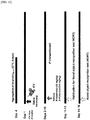
- FIG. 1 The creation of the Parkinson's disease model animal and the administration of the drug were specifically carried out as described below ( FIG. 1 ).
- a male C57BL/6N mouse (12 weeks of age, SLC Japan Co., Ltd., Hamamatsu, Japan) was purchased. Mice had free access to water and food. For the experiment, those above 14 weeks of age were used.
- physiological saline (5 mL/kg body weight) or MPTP (10 mg/kg body weight) was intraperitoneally administered three times at two hours intervals.
- R-ketamine (10 mg/kg body weight) or S-ketamine (10 mg/kg body weight) was intranasally administered.
- R-ketamine (10 mg/kg body weight) or S-ketamine (10 mg/kg body weight), or the vehicle (physiological saline 0.5 mL/kg) was intranasally administered.
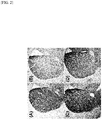
- A is a group administered with physiological saline + physiological saline
- B is a group administered with MPTP + physiological saline
- C is a group administered with MPTP + R-ketamine
- D is a group administered with MPTP + S-ketamine.
- mice were perfused and fixed, and immunohistochemistry of dopamine transporter (DAT) was carried out.
- the immunohistochemistry of DAT was photographed with a microscope equipped with a CCD camera (Olympus IX70, Tokyo, Japan), and the shading was analyzed using SCION IMAGE software. Representative immunohistochemical photographs were taken with a Keyence microscope (BZ-9000, Osaka, Japan).
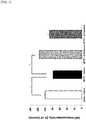
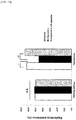
- mice of the group (B) in which MPTP was administered to male mice DAT density in the striatum was significantly decreased as compared with normal mice of the group (A) in which physiological saline was administered.
- intranasal administration of R-ketamine significantly improved the decrease in DAT density in the striatum due to MPTP administration.
- intranasal administration of S-ketamine did not improve the decrease in DAT density in the striatum ( FIG. 2 and FIG. 3 ).
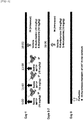
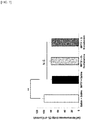
- the test was carried out in the same manner as in the test in FIG. 1 except that R-ketamine (10 mg/kg body weight) or the vehicle (physiological saline 0.5 mL/kg) was intranasally administered once ( FIG. 4 ).
- R-ketamine suppressed MPTP-induced decrease in DAT density in the striatum even with a single administration ( FIG. 5 ).
- the test was carried out in the same manner as in the test in FIG. 1 except that R-norketamine (10 mg/kg body weight) or S-norketamine (10 mg/kg body weight) was administered ( FIG. 6 ).
- Norketamine is a metabolite of ketamine, but R-norketamine and S-norketamine did not suppress MPTP-induced decrease in DAT density in the striatum ( FIG. 7 ).
- ANA-12 0.5 mg/kg
- BDNF Brain-derived Neurotrophic Factor
- R-norketamine which is the main metabolite of R-ketamine
- R-ketamine itself which is the active substance. More interestingly, R-ketamine showed a therapeutic effect even with a single administration.
- mice were a male ICR mouse (five weeks of age, SLC Japan Co., Ltd., Hamamatsu, Japan) was purchased. Mice had free access to water and food.
- ⁇ -amyloid BACHEM, Cat. #: H-1 192.0005 was incubated at 37°C for four days to let aggregate.
- mice were anesthetized with isoflurane and pentobarbital, and placed on a mouse brain fixation apparatus. Distilled water (6 ⁇ L) or ⁇ -amyloid (6 ⁇ g) was administered intracerebroventricularly.
- R-ketamine (10 mg/kg body weight) or S-ketamine (10 mg/kg body weight) or a vehicle (physiological saline 10 mL/kg) was intraperitoneally administered.
- R-ketamine (10 mg/kg body weight) or S-ketamine (10 mg/kg body weight) or the vehicle (physiological saline 10 mL/kg) was intraperitoneally administered once a day ( FIG. 10 ).
- Administration was not made after the 11 th day of the experiment.
- the novel object recognition test (NORT: Novel Object Recognition Test) is a system used for evaluating cognitive functions. NORT was carried out in accordance with the previous report ( Hashimoto et al.
- R-ketamine and S-ketamine were studied using animal models of Lewy body dementia and diseases caused by ⁇ -synuclein aggregation (intracerebroventricular administration of ⁇ -synuclein), which have been used by a number of research groups so far.
- mice were a male ICR mouse (five weeks of age, SLC Japan Co., Ltd., Hamamatsu, Japan) was purchased. Mice had free access to water and food.
- ⁇ -synuclein StressMarq @ Bioscience, Cat #: SPR-322
- mice were anesthetized with isoflurane and pentobarbital, and placed on a mouse brain fixation apparatus.
- Physiological saline (6 ⁇ L) or ⁇ -synuclein (6 ⁇ g) was administered intracerebroventricularly.
- R-ketamine (10 mg/kg body weight) or a vehicle (physiological saline 10 mL/kg) was intraperitoneally administered.
- vehicle physiological saline 10 mL/kg
- R-ketamine 10 mg/kg body weight or the vehicle (physiological saline 10 mL/kg) was intraperitoneally administered once a day ( FIG. 12 ).
- Administration was not made after the 11 th day of the experiment.
- NORT was carried out in the same manner as described above. Acclimation with a NORT apparatus was carried out for 10 minutes a day from the 11 th to the 13 th day of the experiment. On the 14 th day of the experiment, a training session was carried out, and a test session (5 minutes) was carried out on the following day, the 15 th day of the experiment ( FIG. 12 ).
- a preventive or therapeutic agent for a neurodegenerative disease or a cognitive dysfunction containing the compound I, preferably R-ketamine or a pharmacologically acceptable salt thereof, as an active ingredient is useful as a novel pharmaceutical.
Landscapes
- Health & Medical Sciences (AREA)
- Neurosurgery (AREA)
- Bioinformatics & Cheminformatics (AREA)
- Neurology (AREA)
- Engineering & Computer Science (AREA)
- Biomedical Technology (AREA)
- General Health & Medical Sciences (AREA)
- Chemical & Material Sciences (AREA)
- Public Health (AREA)
- Veterinary Medicine (AREA)
- Animal Behavior & Ethology (AREA)
- Medicinal Chemistry (AREA)
- Life Sciences & Earth Sciences (AREA)
- Pharmacology & Pharmacy (AREA)
- Chemical Kinetics & Catalysis (AREA)
- General Chemical & Material Sciences (AREA)
- Nuclear Medicine, Radiotherapy & Molecular Imaging (AREA)
- Organic Chemistry (AREA)
- Epidemiology (AREA)
- Hospice & Palliative Care (AREA)
- Psychiatry (AREA)
- Psychology (AREA)
- Acyclic And Carbocyclic Compounds In Medicinal Compositions (AREA)
Abstract

Description
- The present invention relates to a preventive or therapeutic agent for a neurodegenerative disease or a cognitive dysfunction, which contains R-ketamine and a derivative thereof.
- As aging of society progresses, the number of cases of neurodegenerative diseases such as Parkinson's disease, Alzheimer's disease, and Lewy body dementia has been increasing, and the development of a preventive or therapeutic agent for these neurodegenerative diseases is urgently needed.
- At present, for the treatment of Parkinson's disease, an L-dopa formulation, a dopamine release promotor, a dopaminergic stimulant, a catechol-O-methyltransferase (COMT) inhibitor, a monoamine oxidase B (MAOB) inhibitor, and the like are used, and treatment is essentially a dopamine replacement therapy.
- For the treatment of dementia such as Alzheimer's disease, donepezil hydrochloride, galantamine, and rivastigmine, which are inhibitors of the enzyme cholinesterase that degrades acetylcholine, and memantine, a blocker of the N-methyl-D-aspartic acid (hereinafter, abbreviated as NMDA) receptor which is a glutamate receptor, have been used.
- However, these existing therapeutic agents cannot suppress neuronal damage and loss, and thus they cannot stop the progression of symptoms. In addition, it is difficult to say that these existing therapeutic agents have a sufficient therapeutic effect on these neurodegenerative diseases, and currently, there are practically no effective preventive methods or therapeutic methods.
- For example, when L-dopa is used for treating Parkinson's disease, while the effect of L-dopa is still there, the symptoms of Parkinson's disease can be suppressed, and the patient can live normally. However, when L-dopa is no longer effective, the symptoms of Parkinson's disease appear. This is the on-off phenomenon of Parkinson's disease, and this has become a major problem for dopamine replacement therapy in clinical settings.
- Positron emission tomography (PET) studies have shown that β-amyloid is deposited in the brains of Alzheimer's disease patients. However, a number of new drug candidates (β-amyloid antibodies and the like) based on the β-amyloid hypothesis of Alzheimer's disease have failed in clinical trials (non-patent literature 1).
- In these neurodegenerative diseases, the loss of nerve cells in the brain or spinal cord is observed as the symptoms worsen. For example, in the brain of patients who died from Parkinson's disease, marked loss of dopaminergic neurons of the nigrostriatal system is observed, and in the brain of patients who died from Alzheimer's disease, loss of acetylcholine nerve and deposition of β-amyloid and tau protein are observed in a number of brain regions including the frontal cortex and the hippocampus. When considering the importance of neural loss and abnormal protein deposition in the pathogenesis of these neurodegenerative diseases, compounds with a neuroprotective effect and a neurotrophic effect are considered to be preventive or therapeutic agents for these neurodegenerative diseases.
- It has been reported that RS-ketamine, which is known to be a NMDA receptor antagonist, has a neuroprotective effect in an animal model of Parkinson's disease (non-patent literature 2). However, in non-patent literature 2, RS-ketamine is used at a high dose of 50 mg/kg, which is an anesthetic dose. At this dose, side effects such as an acute activity increase effect are notably observed.
- In addition, the neuroprotective effect of RS-ketamine in an animal model of Parkinson's disease under anesthesia has been studied by using RS-ketamine in combination with xylazine, which is an anesthetic (non-patent literature 3).
- It should be noted that although it has been suggested that glutamate neurotransmission via the NMDA receptor is involved in the pathogenesis of Parkinson's disease, since RS-ketamine is designated as a narcotic because it has problems of side effects related to mental symptoms such as hallucinations and delusions, dissociation symptoms, and dependence (non-patent literature 4), there is difficulty in clinical implementation.
- In addition, among RS-ketamines, it is known that S-ketamine, which is the S-isomer, has an affinity for the NMDA receptor about four times higher than R-ketamine, which is the R-isomer (non-patent literature 4).
- On the other hand, it has been reported that R-ketamine has fewer side effects (psychotic disorder triggering effect, drug dependency, and the like) as compared with S-ketamine in animal experiments, and the intensity of the psychotic disorder symptom triggering effect of ketamine correlates to the blocking intensity of the NMDA receptor (non-patent literature 5).
- Furthermore, it is generally understood that both the analgesic effect and the psychotic disorder symptom triggering effect of RS-ketamine are mainly mediated by blockade of the NMDA receptor (non-patent literature 6). It is believed that the effect of RS-ketamine is mainly caused by S-ketamine because the affinity of S-ketamine for the NMDA receptor is high.
- Cognitive dysfunction is observed not only in psychiatric diseases such as bipolar disorder, major depressive disorder, general anxiety disorder, panic disorder, obsessive compulsive disorder (OCD), post-traumatic stress disorder (PTSD), attention deficit hyperactivity disorder (ADHD), autism spectrum disorder (ASD), eating disorders, and substance use disorders (drug dependency) (non-patent literature 7), but also in the neurodegenerative diseases described above and a number of medical diseases (cardiovascular diseases, cancer (also referred to as malignant tumors), and the like) (non-patent literatures 7 to 12). However, there is no drug for preventing or treating these cognitive dysfunctions.
-
- [Non-patent Literature 1] Abbott A. et al. Failed Alzheimer's trial does not kill leading theory of disease. Nature. 2016 Nov 23; 540 (7631): 15-16.
- [Non-patent Literature 2] Pan J. et al. Blockade of the translocation and activation of c-Jun N-terminal kinase 3 (JNK3) attenuates dopaminergic neuronal damage in mouse model of Parkinson's disease. Neurochem Int. 2009 Jun; 54 (7): 418-25.
- [Non-patent Literature 3] Ferro1 MM. et al. Neuroprotective effect of ketamine/xylazine on two rat models of Parkinson's disease. Braz J Med Biol Res. 2007 Jan; 40 (1): 89-96.
- [Non-patent Literature 4] Domino EF. Taming the ketamine tiger. 1965. Anesthesiology. 2010 Sep; 113 (3): 678-84.
- [Non-patent Literature 5] Yang C. et al. Loss of parvalbumin-immunoreactivity in mouse brain regions after repeated intermittent administration of esketamine, but not R-ketamine. Psychiatry Res. 2016 May 30; 239: 281-3.
- [Non-patent Literature 6] Javitt DC. et al. Recent advances in the phencyclidine model of schizophrenia. Am J Psychiatry. 1991 Oct; 148 (10): 1301-8.
- [Non-patent Literature 7] Millan MJ, et al. Cognitive dysfunction in psychiatric disorders: characteristics, causes and the quest for improved therapy. Nat Rev. Drug Discov. 2012 Feb 1; 11 (2): 141-168.
- [Non-patent Literature 8] Hachinski V. et al. National Institute of Neurological Disorders and Stroke-Canadian Stroke Network vascular cognitive impairment harmonization standards. Stroke. 2006 Sep; 37 (9): 2220-41.
- [Non-patent Literature 9] Lopez OL. et al. Risk factors for mild cognitive impairment in the Cardiovascular Health Study Cognition Study: part 2. Arch Neurol. 2003 Oct; 60 (10): 1394-9.
- [Non-patent Literature 10] Tannock IF et al. Cognitive impairment associated with chemotherapy for cancer: report of a workshop. J Clin Oncol. 2004 Jun 1; 22 (11): 2233-9.
- [Non-patent Literature 11] van Dam FS et al. Impairment of cognitive function in women receiving adjuvant treatment for high-risk breast cancer: high-dose versus standard-dose chemotherapy. J Natl Cancer Inst. 1998 Feb 4; 90 (3): 210-8.
- [Non-patent Literature 12] Vogels RL et al. Cognitive impairment in heart failure: a systematic review of the literature. Eur J Heart Fail. 2007 May; 9 (5): 440-9.
- Non-patent literatures 2 and 3 both show the neuroprotective effect of RS-ketamine under anesthesia. Since prevention or treatment of neurodegenerative disease may not be carried out for patients under anesthesia, it is difficult to say that the disclosures in non-patent literatures 2 and 3 have confirmed that RS-ketamine is clinically effective for Parkinson's disease.
- The problem to be solved by the present invention is to provide a new compound having a preventive or therapeutic effect on a neurodegenerative disease or a cognitive dysfunction.
- The present inventors have carried out intensive studies to solve the problems described above, found a new compound having a preventive or therapeutic effect on a neurodegenerative disease or a cognitive dysfunction, and completed the present invention.
- That is, the present invention is as follows.
- (1) A preventive or therapeutic agent for a neurodegenerative disease or a cognitive dysfunction, containing a compound represented by the following formula (I) or a pharmacologically acceptable salt thereof as an active ingredient.
Formula (I):
- X is H, alkyl, alkenyl, aryl, F, Cl, Br, or I; and
- Ri is alkyl, alkenyl, or aryl.)
- (2) The preventive or therapeutic agent for a neurodegenerative disease or a cognitive dysfunction according to (1), containing R-ketamine or a pharmacologically acceptable salt thereof.
- (3) The preventive or therapeutic agent for a neurodegenerative disease or a cognitive dysfunction according to (1) or (2), wherein the neurodegenerative disease includes Parkinson's disease, Parkinson's syndrome (multiple system atrophy, progressive supranuclear palsy, corticobasal degeneration, and the like), a disease that shows chorea movement (Huntington's disease, spiny erythrocyte chorea, and the like), spinal cord cerebellar degeneration, amyotrophic lateral sclerosis, spinal muscular atrophy, primary lateral sclerosis, spinal and bulbar muscular atrophy, syringomyelia, neurospinous erythrocytosis, eating disorders, substance use disorders (drug dependency), Alzheimer's disease, Lewy body dementia, basal ganglia degeneration, multiple sclerosis, or the like or includes a neurodegenerative disease based on traumatic brain injury, cerebral infarction, or cardiovascular disease, preferably Parkinson's disease, Parkinson's syndrome, Alzheimer's disease, or Lewy body dementia, and more preferably Parkinson's disease, Alzheimer's disease, or Lewy body dementia.
Here, the present invention may be a preventive or therapeutic agent for eating disorders or substance use disorders (drug dependency), containing a compound represented by the following formula (I) or a pharmacologically acceptable salt thereof as an active ingredient. - (4) The preventive or therapeutic agent for a neurodegenerative disease or a cognitive dysfunction according to (1) or (2), wherein the cognitive dysfunction is a cognitive dysfunction based on a neurodegenerative disease or a cognitive dysfunction based on a psychiatric disease including eating disorders, substance use disorders (drug dependency), depression, bipolar disorder, anxiety disorders, and autism, a circulatory disease, and a medical disease including cancer, preferably cognitive dysfunction based on neurodegenerative disease, and wherein preferable specific cognitive dysfunctions include a cognitive dysfunction based on Parkinson's disease, Parkinson's syndrome, Alzheimer's disease, Lewy body dementia, or substance use disorders (drug dependency).
Here, the neurodegenerative disease in the cognitive dysfunction based on a neurodegenerative disease may be the neurodegenerative disease according to (3). - (5) The preventive or therapeutic agent for a neurodegenerative disease or a cognitive dysfunction according to any one of (1) to (4), not substantially containing a compound represented by a following formula (II) or a pharmacologically acceptable salt thereof.
Formula (II):
the definitions of X and Ri are the same as the definitions in the formula (I).) - (6) The preventive or therapeutic agent for a neurodegenerative disease or a cognitive dysfunction according to any one of (1) to (5), not substantially containing S-ketamine or a pharmacologically acceptable salt thereof.
- (7) A preventive or therapeutic agent for a neurodegenerative disease or a cognitive dysfunction composed of a compound represented by the formula (I) described above or a pharmacologically acceptable salt thereof as an active ingredient.
- (8) A preventive or therapeutic agent for a neurodegenerative disease or a cognitive dysfunction composed of R-ketamine or a pharmacologically acceptable salt thereof.
- (9) A pharmaceutical composition containing the preventing or therapeutic agent for a neurodegenerative disease or a cognitive dysfunction according to any one of (1) to (7).
- (10) A pharmaceutical composition for preventing or treating a neurodegenerative disease or a cognitive dysfunction, containing a compound represented by the formula (I) described above or a pharmacologically acceptable salt thereof in an amount effective for reducing the symptoms of a neurodegenerative disease or a cognitive dysfunction and not substantially containing the compound represented by the formula (II) described above or a pharmacologically acceptable salt thereof.
- (11) A pharmaceutical composition for preventing or treating a neurodegenerative disease or a cognitive dysfunction, containing R-ketamine or a pharmacologically acceptable salt thereof in an amount effective for reducing the symptoms of a neurodegenerative disease or a cognitive dysfunction and not substantially containing S-ketamine or a pharmacologically acceptable salt thereof.
- (12) A compound represented by the formula (I) described above or a pharmacologically acceptable salt thereof for preventing or treating a neurodegenerative disease or a cognitive dysfunction.
- (13) R-ketamine or a pharmacologically acceptable salt thereof for preventing or treating a neurodegenerative disease or a cognitive dysfunction.
- (14) A method for preventing or treating a neurodegenerative disease or a cognitive dysfunction, wherein a compound represented by the formula (I) described above or a pharmacologically acceptable salt thereof is administered to a patient in need thereof.
- (15) A method for preventing or treating a neurodegenerative disease or a cognitive dysfunction, wherein R-ketamine or a pharmacologically acceptable salt thereof is administered to a patient in need thereof.
- A compound represented by the formula (I) typified by R-ketamine or a pharmacologically acceptable salt thereof is effective for preventing or treating a neurodegenerative disease or a cognitive dysfunction.
-
-
FIG. 1 is a diagram describing a test plan for studying the effects of R-ketamine and S-ketamine in a model animal of Parkinson's disease. -
FIG. 2 is a representative DAT immunohistochemical photograph of groups (A) to (D) in MPTP-treated mice. (A) shows a physiological saline + physiological saline administration group, (B) shows an MPTP + physiological saline administration group, (C) shows an MPTP + R-ketamine administration group, and (D) shows an MPTP + S-ketamine administration group. The shade of the photograph indicates the density of the DAT protein. DAT means dopamine transporter. -
FIG. 3 shows the DAT density data of groups (A) to (D) in the MPTP-treated mice. -
FIG. 4 is a diagram describing a test plan for studying the effect of a single administration of R-ketamine in a model animal of Parkinson's disease. -
FIG. 5 shows the DAT density data of three groups in the MPTP-treated mice. The physiological saline + physiological saline administration group, the MPTP + physiological saline administration group, and the MPTP + R-ketamine administration group are shown. -
FIG. 6 is a diagram describing a test plan for studying the effect of R-norketamine and S-norketamine administration in a model animal of Parkinson's disease. -
FIG. 7 shows the DAT density data of four groups in the MPTP-treated mice. The physiological saline + physiological saline administration group, the MPTP + physiological saline administration group, the MPTP + R-norketamine administration group, and the MPTP + S-norketamine administration group are shown. -
FIG. 8 is a diagram describing a test plan for examining the effect of ANA-12 on the therapeutic effect of R-ketamine in a model animal of Parkinson's disease. -
FIG. 9 shows the DAT density data of five groups in the MPTP-treated mice. The physiological saline + physiological saline administration group, the MPTP + physiological saline administration group, the MPTP + R-ketamine administration group, the MPTP + R-ketamine/ANA-12 administration group, and the MPTP + ANA-12 administration group are shown. -
FIG. 10 is a diagram describing a test plan for studying the effects of R-ketamine and S-ketamine in a model animal of Alzheimer's disease. -
FIG. 11 shows the data of a novel object recognition test (NORT: Novel Object Recognition Test) of four groups in the β-amyloid-treated mice. The physiological saline + physiological saline administration group, the - β-amyloid + physiological saline administration group, the β-amyloid + R-ketamine administration group, and the β-amyloid + S-ketamine administration group are shown.
-
FIG. 12 is a diagram describing a test plan for studying the effect of R-ketamine in a model animal of Lewy body dementia or the like. -
FIG. 13 shows the data of a novel object recognition tests (NORT) of three groups in the α-synuclein-treated mice. The physiological saline + physiological saline administration group, the α-synuclein + physiological saline administration group, and the α-synuclein + R-ketamine administration group are shown. - The preventive or therapeutic agent for a neurodegenerative disease or a cognitive dysfunction of the present invention contains a compound represented by the following formula (I) or a pharmacologically acceptable salt thereof as an active ingredient (hereinafter, the compound represented by the formula (I) may be simply referred to as "compound I" in some cases.).
Formula (I):
- X is H, alkyl, alkenyl, aryl, F, Cl, Br, or I; and
- Ri is alkyl, alkenyl, or aryl.)
- X is H, alkyl, alkenyl, aryl, F, Cl, Br, or I, preferably F or Cl, and more preferably Cl.
- Ri is alkyl, alkenyl, or aryl.
- In the present invention, the number of carbon atoms of alkyl and alkenyl is preferably 1 to 10, more preferably 1 to 6, and still more preferably 1 to 5.
- When X and Ri are alkyl, there is no particular limitation, but examples thereof include methyl, ethyl, propyl, isopropyl, cyclopropyl, butyl, isobutyl, t-butyl, cyclobutyl, cyclopropylmethyl, pentyl, cyclopentyl and the like. It is preferably a linear alkyl, more preferably a linear chain alkyl having one to five carbon atoms, even more preferably methyl or ethyl, and still more preferably methyl.
- When X and Ri are alkenyl, they may be an alkenyl which is a group having one or more double bonds in the group listed for alkyl. Although there is no particular limitation, examples thereof include vinyl, allyl, and the like.
- When X and Ri are aryl, although there is no particular limitation, examples thereof include phenyl and the like.
- In the formula (I), the compound wherein X is Cl and Ri is methyl is R-ketamine.
- The preventive or therapeutic agent for a neurodegenerative disease or a cognitive dysfunction according to the present invention preferably contains R-ketamine or a pharmacologically acceptable salt thereof as an active ingredient.
- The present invention relates to a preventive or therapeutic agent for a neurodegenerative disease or a cognitive dysfunction, containing the compound I or a pharmacologically acceptable salt thereof. Furthermore, the present invention relates to a pharmaceutical composition for preventing or treating a neurodegenerative disease or a cognitive dysfunction, containing the compound (I) or a pharmacologically acceptable salt thereof in an amount effective for reducing the symptoms of a neurodegenerative disease or a cognitive dysfunction and not substantially containing the compound represented by the formula (II) or a pharmacologically acceptable salt thereof (hereinafter, the compound represented by the formula (II) may be simply referred to as "compound II" in some cases.).
Formula (II):
the definitions of X and Ri are the same as the definitions in the formula (I).) - In the present invention, the term "as an active ingredient" means to contain as a main active ingredient, and if the compound I or a pharmacologically acceptable salt thereof is contained as a medical ingredient, the content thereof is not particularly limited.
- When the compound I or a pharmacologically acceptable salt thereof is contained as an active ingredient, it is preferable that the compound II or a pharmacologically acceptable salt thereof is not substantially contained.
- In the present invention, the term "not substantially containing the compound represented by the formula (II) or a pharmacologically acceptable salt thereof' means that the compound II or a pharmacologically acceptable salt thereof is not contained at all, the compound II or a pharmacologically acceptable salt thereof may be contained in such an amount that the effect or side effect does not occur, or it may be contained as an impurity inevitably mixed in the production.
- In addition, the term "not substantially containing the compound represented by the formula (II) or a pharmacologically acceptable salt thereof' may mean that "the compound represented by the formula (II) or a pharmacologically acceptable salt thereof' may be contained as a impurity as in the "Impurities in New Drug Substances" for the compound represented by the formula (I) which is a drug substance in the case of a drug or a pharmacologically acceptable salt thereof, and the drug substance may contain 0.15% or less of the compound II.
- In the present invention, "the compound represented by the formula (I)" in "the compound represented by the formula (I) or a pharmacologically acceptable salt thereof' is preferably R-ketamine, and "the compound represented by the formula (II)" in "the compound represented by the formula (II) or a pharmacologically acceptable salt thereof' is preferably S-ketamine.
- It should be noted that RS-ketamine is a racemic mixture which is an equal mixture of R-ketamine and S-ketamine.
- In the present invention, the term "neurodegenerative disease" means a disease, in which a specific group of nerve cells among nerve cells in the brain and spinal cord, is gradually damaged and lost.
- The neurodegenerative disease is not particularly limited, but examples thereof include Parkinson's disease, Parkinson's syndrome, multiple system atrophy, progressive supranuclear palsy, corticobasal degeneration, and the like, which affect movement, spinal cord cerebellar degeneration and the like, which affect body balance, amyotrophic lateral sclerosis and the like, which cause muscle weakness, and Alzheimer's disease, Lewy body dementia, basal ganglia degeneration, and the like, in which cognitive function is decreased. In addition, R-ketamine having a neuroprotective effect may be used for the treatment of a disease associated with a decrease in a substance like a neurotrophic factor, that is, neurodegeneration (loss of nerve cells). Such neurodegenerative disease is not particularly limited, but examples thereof include Parkinson's disease, Parkinson's syndrome (multiple system atrophy, progressive supranuclear palsy, corticobasal degeneration, and the like), a disease that shows chorea movement (Huntington's disease, spiny erythrocyte chorea, and the like), spinal cord cerebellar degeneration, amyotrophic lateral sclerosis, spinal muscular atrophy, primary lateral sclerosis, spinal and bulbar muscular atrophy, syringomyelia, neurospinous erythrocytosis, eating disorders, substance use disorders (drug dependency), Alzheimer's disease, Lewy body dementia, basal ganglia degeneration, multiple sclerosis, or the like or include a neurodegenerative disease or the like based on traumatic brain injury, cerebral infarction, or cardiovascular disease.
- Preferable examples of neurodegenerative diseases include Parkinson's disease, Parkinson's syndrome, Alzheimer's disease or Lewy body dementia, and more preferably Parkinson's disease, Alzheimer's disease or Lewy body dementia.
The preventive or therapeutic agent for a neurodegenerative disease or a cognitive dysfunction according to the present invention is also suitably used for preventing or treating an eating disorder or a substance use disorder (drug dependency) in an eating disorder patient or a substance use disorder (drug dependency) patient. - In the present invention, the term "cognitive dysfunction" means a state in which it is difficult to memorize something, pay attention to things, take actions based thereon, and carry out actual work. It is known that cognitive dysfunction greatly affects the level of living function more than mental symptoms.
- The cognitive dysfunction is not particularly limited, but examples thereof include cognitive dysfunctions based on the neurodegenerative disease described above, cognitive dysfunctions based on psychiatric diseases including eating disorders, substance use disorders, depression, bipolar disorder, anxiety disorder, autism, circulatory diseases, and medical diseases including cancer, and the like.
- Psychiatric diseases in cognitive dysfunction based on psychiatric diseases include bipolar disorder, major depressive disorder, general anxiety disorder, panic disorder, obsessive compulsive disorder (OCD), post-traumatic stress disorder (PTSD), attention deficit hyperactivity disorder (ADHD), autism spectrum disorder (ASD), and the like.
- A preferable example of cognitive dysfunction is a cognitive dysfunction based on a neurodegenerative disease. In addition, a preferable example of cognitive dysfunction is a cognitive dysfunction based on Parkinson's disease, Parkinson's syndrome, Alzheimer's disease, Lewy body dementia, or substance use disorder (drug dependency).
- In the present invention, as shown in the following examples, since Parkinson's disease model animals (Jackson-Lewis V. et al. Protocol for the MPTP mouse model of Parkinson's disease. Nat Protoc. 2007; 2 (1): 141-51).) have brain dopamine nervous system loss and R-ketamine shows a neuroprotective effect on the loss, R-ketamine may be used as a preventive or therapeutic agent for diseases associated with the brain dopamine nervous system loss.
Specifically, examples of diseases associated with brain dopamine loss include cognitive dysfunctions as described above for the description of the term "cognitive dysfunction," and among them, R-ketamine may be used for preventing or treating diseases associated with a decrease of dopamine transporters (DAT). In particular, examples of dysfunctions of the brain dopamine nervous system include substance use disorders (drug dependency) known in abusers of stimulant drugs or cocaine, and R-ketamine is considered to be effective as a preventive or therapeutic drug for substance use disorders (drug dependency). It has been reported that dopamine transporter (DAT) is decreased in the brains of cocaine abusers and stimulant drug (methamphetamine) users, and it has been pointed out that the decrease in DAT is associated with cognitive dysfunction. The following three literatures are cited as references. In addition, the decrease in DAT in substance use disorder patients is similar to the decrease in DAT seen in Parkinson's disease patients.
Sekine Y, et al. Methamphetamine-related psychiatric symptoms and reduced brain dopamine transporters studied with PET. Am J Psychiatry. 2001 Aug; 158 (8): 1206-14.
Volkow ND. et al. Association of dopamine transporter reduction with psychomotor impairment in methamphetamine abusers. Am J Psychiatry. 2001 Mar; 158 (3): 377-82.
Volkow ND. et al. Decreased striatal dopaminergic responsiveness in detoxified cocaine-dependent subjects. Nature. 1997 Apr 24; 386 (6627): 830-3. - In addition, as shown in the following examples, it is considered that the effect of R-ketamine is involved with a signal mediated by the brain-derived neurotrophic factor BDNF. Therefore, R-ketamine is considered to have a BDNF-like neurotrophic factor-like effect, leading to a neuroprotective effect.
- Due to these neuroprotective effects, R-ketamine may be used not only for the prevention or treatment of neurodegenerative diseases, but also for the prevention or treatment of cognitive dysfunctions described above as the description of the term "cognitive dysfunction."
- By using the preventive or therapeutic agent for a neurodegenerative disease or a cognitive dysfunction according to the present invention, it is possible to prevent the onset of a neurodegenerative disease or a cognitive dysfunction and to exert therapeutic effects such as alleviating and improving symptoms in patients suffering from a neurodegenerative disease or a cognitive dysfunction.
- Since a neurodegenerative disease or a cognitive dysfunction is a disease that progresses over a long period (measured in years), early treatment may also prevent the progression of symptoms.
- In addition, it may also be used for a patient with a genetic background potentially predisposing him or her to a neurodegenerative disease or a cognitive dysfunction to prevent the onset of a neurodegenerative disease or a cognitive dysfunction by administering it before the symptoms of the neurodegenerative disease or the cognitive dysfunction are exhibited.
- In the present invention, since the compound represented by the formula (I) or a pharmacologically acceptable salt thereof is used for the prevention or treatment of a neurodegenerative disease or a cognitive dysfunction, the administration of the drug is scheduled to be a long period of time.
- Therefore, by using the compound represented by the formula (I) which is an R-form or a pharmacologically acceptable salt thereof, it is possible to administer the drug for a long period of time without exerting side effects, so the compound represented by the formula (I) or a pharmacologically acceptable salt thereof may be used as a preventive or therapeutic agent for a neurodegenerative disease or a cognitive dysfunction.
- The preventive agent for a neurodegenerative disease or a cognitive dysfunction in the present invention may be an agent for preventing the onset of a neurodegenerative disease or a cognitive dysfunction, or an agent for preventing the progression of the symptoms. In addition, the therapeutic agent for a neurodegenerative disease or a cognitive dysfunction according to the present invention has a therapeutic effect of preventing the progression of the symptoms, and alleviating or improving the symptoms.
- The compound represented by the formula (I), which is an active ingredient in the present invention, may be used in the form of both a free base and a pharmacologically acceptable salt thereof.
- Hereinafter, R-ketamine will be exemplified and described. The items described for R-ketamine can also be applied to the compound represented by the formula (I). In that case, the portion described as S-ketamine may be replaced with the compound represented by the formula (II).
- R-ketamine is a free base and has a chemical structure represented by the following formula (III).
Formula (III):
- As the pharmacologically acceptable salt of R-ketamine, an addition salt of a pharmacologically acceptable acid is preferable, and the pharmacologically acceptable acid is not particularly limited, but hydrochloric acid is preferable.
- R-ketamine hydrochloride has a chemical structure represented by a following formula (IV).
Formula (IV):
- R-ketamine or a pharmacologically acceptable salt thereof used in the present invention may be in the form of a hydrate or in the form of a solvate.
- In addition, R-ketamine or a pharmacologically acceptable salt thereof may be labeled with an isotope.
- The isotope is not particularly limited, and examples thereof include stable isotopes such as 13C and 2H (D).
- By carrying out the isotope labeling, the biokinetics of R-ketamine or a pharmacologically acceptable salt thereof before the isotope labeling may be changed. For example, deuterium-labeled R-ketamine hydrochloride having a chemical structure represented by a following formula (V) (in the formula (V), D represents a deuterium atom) is considered to be slowly metabolized, and it is expected that the duration time will be longer.
Formula (V):
- The preventive or therapeutic agent, drug, and pharmaceutical composition for a neurodegenerative disease or a cognitive dysfunction according to the present invention may be administered orally or parenterally.
- For oral administration, known dosage forms such as tablets, capsules, coated tablets, troches, liquids such as solutions or suspensions may be used. In addition, examples of parenteral administration include intravenous, intramuscular, or subcutaneous administration by injection, nasal or oral transmucosal administration using powders, drops, sprays, aerosols, or the like, rectal administration using creams, suppositories, or the like, transdermal administration using patches, liniments, gels, or the like,.
- The administration route is preferably oral administration, nasal administration, or intravenous administration by injection.
- The pharmaceutical composition according to the present invention may contain, in addition to R-ketamine or a pharmacologically acceptable salt thereof, another medical ingredient having a neuroprotective effect other than S-ketamine or a pharmacologically acceptable salt thereof.
- In addition, the pharmaceutical composition may appropriately contain, in addition to these medical ingredients, a suitable pharmacologically acceptable carrier well known to those skilled in the art depending on the administration form and the like.
- The pharmacologically acceptable carriers are not particularly limited, but examples thereof include an antioxidant, a stabilizer, a preservative, a flavoring agent, a coloring agent, a solubilizer, a solubilizing agent, a surfactant, a emulsifier, a defoamer, a viscosity adjuster, a gelling agent, an absorption enhancer, a dispersant, an excipient, a pH adjuster, and the like.
- When the preventive or therapeutic agent, drug, and pharmaceutical composition for a neurodegenerative disease or a cognitive dysfunction according to the present invention are prepared as a formulation for injection, a formulation with the form of a solution or a suspension is preferable, when they are prepared as a formulation for nasal or oral transmucosal administration, a formulation with the form of a powder, a drop, or an aerosol agent is preferable, and when they are prepared as a formulation for rectal administration, a formulation with the form of a semisolid formulation such as a cream or a suppository is preferable.
- Any of these formulations may be prepared by any method known to those skilled in the pharmaceutical arts, for example, the methods described in Remington's Pharmaceutical Sciences (Mac Publishing Company, Easton, PA, 1970).
- For the formulation for injection, as examples of the carrier, plasma-derived proteins such as albumin, amino acids such as glycine, and sugars such as mannitol, may be used, and furthermore, buffers, solubilizing aid, isotonic agents, and the like may be used. In addition, when it is used as a water-soluble formulation or a freeze-dried formulation, for example, surfactants such as Tween (registered trademark) 80 and Tween (registered trademark) 20 may be used to prevent aggregation.
- For the formulation for parenteral administration other than the formulation for injection, as examples of the carrier, distilled water or physiological saline, a polyalkylene glycol such as polyethylene glycol, oils of vegetable origin, hydrogenated naphthalene, and the like may be used. For example, the formulation for rectal administration such as a suppository may use, as excipients, for example, a polyalkylene glycol, vaseline, cacao oil, and the like. For the formulation for vaginal administration, as examples of the carrier, absorption enhancers such as bile salts, ethylenediamine salts, and citrates may be used. The formulations for inhalation may be solid, and as excipients, for example, lactose may be used. The drops for nasal administration may be a water or oil solution.
- The exact dosage and administration plan of the preventive or therapeutic agent, drug, and pharmaceutical composition for a neurodegenerative disease or a cognitive dysfunction according to the present invention are adjusted depending on the required amount, the treatment method, the disease, the degree of need, and the like for each individual subject.
- The dosage may be determined depending specifically on the age, the body weight, the general health state, the gender, the diet, the administration time, the administration method, the excretion rate, the drug combination, the medical condition of the patient, and the like. Furthermore, the dosage may be determined in consideration of other factors.
- When the preventive or therapeutic agent, drug, and pharmaceutical composition for a neurodegenerative disease or a cognitive dysfunction according to the present invention are administered to a patient having a neurodegenerative disease or a cognitive dysfunction, R-ketamine or a pharmacologically acceptable salt thereof is preferably contained in an amount effective to reduce the symptom of each neurodegenerative disease or cognitive dysfunction, preferably the loss of neurons of each neurodegenerative disease or cognitive dysfunction.
- R-ketamine or a pharmacologically acceptable salt thereof may be safely used because it has few of the side effects observed with S-ketamine or RS-ketamine, and the daily dosage differs depending on the condition and weight of the patient, the type of compound, the administration route, and the like. In the case of the parenteral administration, it is usually about 0.01 to 1000 mg/person/day, and it is preferably 0.1 to 500 mg/person/day. In the case of the oral administration, it is usually about 0.01 to 500 mg/person/day, and it is preferably 0.1 to 100 mg/person/day.
- The present invention may be a method for preventing or treating a neurodegenerative disease or a cognitive dysfunction, which includes administering the compound I or a pharmacologically acceptable salt thereof to a patient in need thereof.
- The patient in need thereof is not particularly limited, the patient is a mammal, and the patient is preferably a human.
- The compound I or a pharmacologically acceptable salt thereof is preferably administered in a therapeutically effective amount.
- In the present invention, since the compound I or a pharmacologically acceptable salt thereof has a neuronal loss alleviating effect, by administering before the onset of a neurodegenerative disease or a cognitive dysfunction, it may be used for the prevention of the neurodegenerative disease or the cognitive dysfunction, or it may be used for the treatment of the neurodegenerative disease or the cognitive dysfunction by the neuronal loss alleviating effect for each neurodegenerative disease or cognitive dysfunction.
- Hereinafter, the present invention will be described more specifically with reference to examples, but the present invention is not limited to the following examples. In addition, various changes can be made without departing from the technical concept of the present invention.
- All tests were carried out with the permission of the Chiba University Animal Experiment Committee.
- A Parkinson's disease model animal (Jackson-Lewis V. et al. Protocol for the MPTP mouse model of Parkinson's disease. Nat Protoc. 2007; 2 (1): 141-51.), which is a representative Parkinson's disease animal model and has been used by a number of research groups so far, was used to study the therapeutic effect of R-ketamine and S-ketamine on the loss of the dopamine nervous system in the brain of the model animal.
- R-ketamine hydrochloride and S-ketamine hydrochloride were prepared from RS-ketamine (Ketalar (registered trademark), ketamine hydrochloride, Daiichi Sankyo Co., Ltd., Tokyo, Japan) using D-tartaric acid or L-tartaric acid by the method described in the specification of the
U.S. Patent No. 6040479 . The purity of each isomer was confirmed by high performance liquid chromatography (CHIRALPAK (registered trademark) IA, column size: 250 x 4.6 mm, mobile phase: n-hexane/dichloromethane/diethylamine (75/25/0.1), the retention time of S-ketamine = 6.99 min, and the retention time of R-ketamine = 10.56 min, Daicel Corporation, Tokyo, Japan). - The creation of the Parkinson's disease model animal and the administration of the drug were specifically carried out as described below (
FIG. 1 ). As the mouse, a male C57BL/6N mouse (12 weeks of age, SLC Japan Co., Ltd., Hamamatsu, Japan) was purchased. Mice had free access to water and food. For the experiment, those above 14 weeks of age were used. On the first day of the experiment, physiological saline (5 mL/kg body weight) or MPTP (10 mg/kg body weight) was intraperitoneally administered three times at two hours intervals. Three hours after the final administration, R-ketamine (10 mg/kg body weight) or S-ketamine (10 mg/kg body weight), or a vehicle (physiological saline 0.5 mL/kg) was intranasally administered. Similarly, from the second day to the seventh day of the experiment, R-ketamine (10 mg/kg body weight) or S-ketamine (10 mg/kg body weight), or the vehicle (physiological saline 0.5 mL/kg) was intranasally administered. (A) is a group administered with physiological saline + physiological saline, (B) is a group administered with MPTP + physiological saline, (C) is a group administered with MPTP + R-ketamine, and (D) is a group administered with MPTP + S-ketamine. - On the eighth day of the experiment, mice were perfused and fixed, and immunohistochemistry of dopamine transporter (DAT) was carried out. The immunohistochemistry of DAT was photographed with a microscope equipped with a CCD camera (Olympus IX70, Tokyo, Japan), and the shading was analyzed using SCION IMAGE software. Representative immunohistochemical photographs were taken with a Keyence microscope (BZ-9000, Osaka, Japan).
- Statistical analysis was carried out by one-way analysis of variance (one-way ANOVA) followed by Tukey's test (Tukey HSD test). Data are expressed as mean ± standard error (n = 7 to 8 mouse/group). * p < 0.05, ** p < 0.01, and *** p < 0.001 show significant differences compared to the (B) group of mice treated with MPTP + physiological saline.
- In mice of the group (B) in which MPTP was administered to male mice, DAT density in the striatum was significantly decreased as compared with normal mice of the group (A) in which physiological saline was administered. In the group (C), intranasal administration of R-ketamine significantly improved the decrease in DAT density in the striatum due to MPTP administration. On the other hand, in the group (D), intranasal administration of S-ketamine did not improve the decrease in DAT density in the striatum (
FIG. 2 andFIG. 3 ). - The test was carried out in the same manner as in the test in
FIG. 1 except that R-ketamine (10 mg/kg body weight) or the vehicle (physiological saline 0.5 mL/kg) was intranasally administered once (FIG. 4 ). - There were a group administered with physiological saline + physiological saline, a group administered with MPTP + physiological saline, and a group administered with MPTP + R-ketamine.
- R-ketamine suppressed MPTP-induced decrease in DAT density in the striatum even with a single administration (
FIG. 5 ). - The test was carried out in the same manner as in the test in
FIG. 1 except that R-norketamine (10 mg/kg body weight) or S-norketamine (10 mg/kg body weight) was administered (FIG. 6 ). - There were a group administered with physiological saline + physiological saline, a group administered with MPTP + physiological saline, a group administered with MPTP + R-norketamine, and a group administered with MPTP + S-norketamine.
- Norketamine is a metabolite of ketamine, but R-norketamine and S-norketamine did not suppress MPTP-induced decrease in DAT density in the striatum (
FIG. 7 ). - The test was carried out in the same manner as in the test in
FIG. 1 except that ANA-12 (0.5 mg/kg), an antagonist of the TrkB receptor for brain-derived neurotrophic factor (BDNF: Brain-derived Neurotrophic Factor), was administered before the administration of R-ketamine. (FIG. 8 ). It should be noted that inFIG. 8 , ANA-12 is described as ANA. - There was a group administered with physiological saline + physiological saline, a group administered with MPTP + physiological saline, a group administered with MPTP + R-ketamine, a group administered with MPTP + R-ketamine + ANA-12, and a group administered with MPTP + ANA-12.
- No effect of R-ketamine was observed by administration of ANA-12 (
FIG. 9 ). On the other hand, administration of ANA-12 alone did not affect MPTP-induced decrease in DAT density (FIG. 9 ). - The above results revealed that intranasal administration of R-ketamine at a dose of 10 mg/kg showed a therapeutic effect in the MPTP-treated mice, which were an animal model of Parkinson's disease. On the other hand, intranasal administration of S-ketamine at a dose of 10 mg/kg showed no therapeutic effect in the MPTP-treated mice, which were an animal model of Parkinson's disease. Since the pharmacokinetics of both isomers of ketamine were the same, it was not considered to be due to differences in pharmacokinetics.
- In addition, since R-norketamine, which is the main metabolite of R-ketamine, did not show a therapeutic effect, it was found that the effect after the administration of R-ketamine was not caused by the metabolite but by R-ketamine itself, which is the active substance. More interestingly, R-ketamine showed a therapeutic effect even with a single administration.
- From the results of the present example, it was confirmed that S-ketamine had no effect and R-ketamine had an effect. Since S-ketamine has a higher affinity for NMDA receptors, it was considered that the therapeutic effect of R-ketamine in the MPTP-treated mice, which were an animal model of Parkinson's disease, was due to a mechanism other than the NMDA receptor blocking effect.
- Furthermore, the results of the present example, in which the TrkB antagonist ANA-12 was pre-administered to investigate the mechanism of action of R-ketamine, suggested that the TrkB receptor was involved in the therapeutic effect of R-ketamine.
- Using an animal model of Alzheimer's disease (intracerebroventricular administration of β-amyloid), which has been used by a number of research groups so far, the therapeutic effect of R-ketamine and S-ketamine on the cognitive dysfunction was studied.
- The creation of the Alzheimer's disease model animal and the administration of the drug were specifically carried out as described below (
FIG. 10 ). As the mouse, a male ICR mouse (five weeks of age, SLC Japan Co., Ltd., Hamamatsu, Japan) was purchased. Mice had free access to water and food. First, β-amyloid (BACHEM, Cat. #: H-1 192.0005) was incubated at 37°C for four days to let aggregate. On the first day of the experiment, mice were anesthetized with isoflurane and pentobarbital, and placed on a mouse brain fixation apparatus. Distilled water (6 µL) or β-amyloid (6 µg) was administered intracerebroventricularly. On the next day (24 hours after the last administration), R-ketamine (10 mg/kg body weight) or S-ketamine (10 mg/kg body weight) or a vehicle (physiological saline 10 mL/kg) was intraperitoneally administered. Similarly, until the 10th day of the experiment, R-ketamine (10 mg/kg body weight) or S-ketamine (10 mg/kg body weight) or the vehicle (physiological saline 10 mL/kg) was intraperitoneally administered once a day (FIG. 10 ). Administration was not made after the 11th day of the experiment.
The novel object recognition test (NORT: Novel Object Recognition Test) is a system used for evaluating cognitive functions. NORT was carried out in accordance with the previous report (Hashimoto et al. Eur. J. Pharmacol. 2005; 519 (1-2): 114-117). Acclimation with a NORT apparatus (50.8 × 50.8 × 25.4 cm) was carried out for 10 minutes a day from the 11th to the 13th day of the experiment. On the 14th day of the experiment, two objects having different shapes and colors were placed on the NORT apparatus at a distance of 35.5 cm, and the time for searching for each object was measured. A training session (10 minutes) was carried out, and a test session (5 minutes) was carried out on the following day, the 15th day of the experiment (FIG. 10 ). In the test session on the next day, one object was changed to another new object (novel object). The time to search for two objects was measured, and the ratio of the time to search for a new object to the time to search for the two objects in the test session on the second day was calculated. - Statistical analysis was carried out by one-way analysis of variance (one-way ANOVA) followed by the Fisher's least significant difference test (Fisher's Least Significant Difference test). Data are expressed as mean ± standard error (n = 5 to 9 mouse/group). ** p < 0.01 and *** p < 0.001 show significant differences compared to the group of mice treated with β-amyloid + physiological saline.
- Significant decrease in cognitive function was observed in the male mice treated with β-amyloid. Intraperitoneal administration of R-ketamine significantly improved the decrease in cognitive function caused by β-amyloid administration. On the other hand, intraperitoneal administration of S-ketamine did not improve the decrease in cognitive function caused by β-amyloid administration (
FIG. 11 ). - The above results revealed that intraperitoneal administration of R-ketamine at a dose of 10 mg/kg showed a therapeutic effect in the β-amyloid-treated mice, which were an animal model of Alzheimer's disease. However, intraperitoneal administration of S-ketamine at a dose of 10 mg/kg did not show a therapeutic effect in the β-amyloid treated mice, which were an animal model of Alzheimer's disease. Since the pharmacokinetics of both isomers of ketamine were the same, it was not considered to be due to differences in pharmacokinetics.
- In addition, from the results of the present example, it was confirmed that S-ketamine had no effect and R-ketamine had an effect. Since S-ketamine has a higher affinity for NMDA receptors, it was considered that the therapeutic effect of R-ketamine in the β-amyloid-treated mice, which was an animal model of Alzheimer's disease, was due to a mechanism other than the NMDA receptor blocking effect.
- The therapeutic effects of R-ketamine and S-ketamine on cognitive dysfunction were studied using animal models of Lewy body dementia and diseases caused by α-synuclein aggregation (intracerebroventricular administration of α-synuclein), which have been used by a number of research groups so far.
- The creation of the Lewy body dementia model animal and the administration of the drugs were specifically carried out as described below (
FIG. 12 ). As the mouse, a male ICR mouse (five weeks of age, SLC Japan Co., Ltd., Hamamatsu, Japan) was purchased. Mice had free access to water and food. First, α-synuclein (StressMarq @ Bioscience, Cat #: SPR-322) was incubated at 37°C for four days to let aggregate. On the first day of the experiment, mice were anesthetized with isoflurane and pentobarbital, and placed on a mouse brain fixation apparatus. Physiological saline (6 µL) or α-synuclein (6 µg) was administered intracerebroventricularly. On the next day (24 hours after the last administration), R-ketamine (10 mg/kg body weight) or a vehicle (physiological saline 10 mL/kg) was intraperitoneally administered. Similarly, until the 10th day of the experiment, R-ketamine (10 mg/kg body weight) or the vehicle (physiological saline 10 mL/kg) was intraperitoneally administered once a day (FIG. 12 ). Administration was not made after the 11th day of the experiment. - NORT was carried out in the same manner as described above. Acclimation with a NORT apparatus was carried out for 10 minutes a day from the 11th to the 13th day of the experiment. On the 14th day of the experiment, a training session was carried out, and a test session (5 minutes) was carried out on the following day, the 15th day of the experiment (
FIG. 12 ). - Statistical analysis was carried out by one-way analysis of variance (one-way ANOVA) followed by the Fisher's least significant difference test (Fisher's Least Significant Difference test). Data are expressed as mean ± standard error (n = 4 mouse/group). * p < 0.05 and ** p < 0.01 show significant differences compared to the group of mice treated with α-synuclein + physiological saline.
- Significant decrease in cognitive function was observed in the male mice treated with α-synuclein. Intraperitoneal administration of R-ketamine significantly improved the decrease in cognitive function caused by α-synuclein administration (
FIG. 13 ). - The above results revealed that intraperitoneal administration of R-ketamine at a dose of 10 mg/kg showed a therapeutic effect in the α-synuclein-treated mice, which were animal models of Lewy body dementia and diseases caused by aggregation of α-synuclein. In addition, from the results of the present example, R-ketamine is useful as a preventive or therapeutic drug for Lewy body dementia and diseases caused by aggregation of α-synuclein.
- In the present invention, a preventive or therapeutic agent for a neurodegenerative disease or a cognitive dysfunction containing the compound I, preferably R-ketamine or a pharmacologically acceptable salt thereof, as an active ingredient is useful as a novel pharmaceutical.
Claims (7)
- A preventive or therapeutic agent for a neurodegenerative disease or a cognitive dysfunction, comprising a compound represented by a following formula (I) or a pharmacologically acceptable salt thereof as an active ingredient.
Formula (I): X is H, alkyl, alkenyl, aryl, F, Cl, Br, or I; andRi is alkyl, alkenyl, or aryl.)
 - The preventive or therapeutic agent for a neurodegenerative disease or a cognitive dysfunction according to claim 1, comprising R-ketamine or a pharmacologically acceptable salt thereof.
- The preventive or therapeutic agent for a neurodegenerative disease or a cognitive dysfunction according to claim 1 or 2, wherein the neurodegenerative disease is Parkinson's disease, Parkinson's syndrome, a disease that shows chorea movement, spinal cord cerebellar degeneration, amyotrophic lateral sclerosis, spinal muscular atrophy, primary lateral sclerosis, spinal and bulbar muscular atrophy, syringomyelia, neurospinous erythrocytosis, eating disorders, substance use disorders (drug dependency), Alzheimer's disease, Lewy body dementia, basal ganglia degeneration, multiple sclerosis, or the like or is a neurodegenerative disease based on traumatic brain injury, cerebral infarction, or cardiovascular disease.
- The preventive or therapeutic agent for a neurodegenerative disease or a cognitive dysfunction according to claim 1 or 2, wherein the cognitive dysfunction is a cognitive dysfunction based on a neurodegenerative disease or a cognitive dysfunction based on a psychiatric disease comprising depression, bipolar disorder, anxiety disorder, and autism, a circulatory disease, and a medical disease comprising cancer.
- The preventive or therapeutic agent for a neurodegenerative disease or a cognitive dysfunction according to any one of claims 1 to 4, not substantially comprising a compound represented by a following formula (II) or a pharmacologically acceptable salt thereof.
Formula (II):
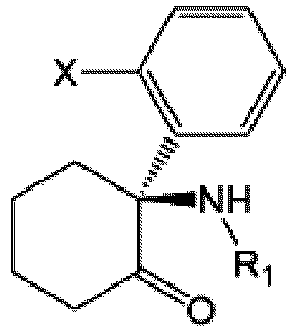
the definitions of X and Ri are the same as the definitions in the formula (I).) - The preventive or therapeutic agent for a neurodegenerative disease or a cognitive dysfunction according to any one of claims 1 to 5, not substantially comprising S-ketamine or a pharmacologically acceptable salt thereof.
- A pharmaceutical composition comprising the preventive or therapeutic agent for a neurodegenerative disease or a cognitive dysfunction according to any one of claims 1 to 6.
Applications Claiming Priority (2)
| Application Number | Priority Date | Filing Date | Title |
|---|---|---|---|
| JP2017186867 | 2017-09-27 | ||
| PCT/JP2018/036079 WO2019065900A1 (en) | 2017-09-27 | 2018-09-27 | R-KETAMINE AND ITS DERIVATIVE AS A PROPHYLACTIC OR THERAPEUTIC AGENT FOR NEURODEGENERATIVE DISEASE OR FUNCTIONAL DISORDER OF RECOGNITION |
Publications (2)
| Publication Number | Publication Date |
|---|---|
| EP3689340A1 true EP3689340A1 (en) | 2020-08-05 |
| EP3689340A4 EP3689340A4 (en) | 2021-07-21 |
Family
ID=65903642
Family Applications (1)
| Application Number | Title | Priority Date | Filing Date |
|---|---|---|---|
| EP18860618.0A Pending EP3689340A4 (en) | 2017-09-27 | 2018-09-27 | R-KETAMINE AND DERIVATIVES THEREOF AS A PROPHYLACTIC OR THERAPEUTIC AGENT FOR NEURODEGENERATIONAL DISEASE OR DETECTIVE DISTANCES |
Country Status (5)
| Country | Link |
|---|---|
| US (2) | US20200405663A1 (en) |
| EP (1) | EP3689340A4 (en) |
| JP (1) | JP7265990B2 (en) |
| TW (1) | TW201919595A (en) |
| WO (1) | WO2019065900A1 (en) |
Cited By (2)
| Publication number | Priority date | Publication date | Assignee | Title |
|---|---|---|---|---|
| EP3903775A4 (en) * | 2018-12-27 | 2022-10-12 | National University Corporation Chiba University | R-KETAMIN AND DERIVATIVES THEREOF AS A PROPHYLACTIC OR THERAPEUTIC AGENT FOR NEURODEVELOPMENTAL DISORDERS |
| US11980595B2 (en) | 2018-02-15 | 2024-05-14 | National University Corporation Chiba University | Preventive or therapeutic agent and pharmaceutical composition for inflammatory diseases or bone diseases |
Families Citing this family (8)
| Publication number | Priority date | Publication date | Assignee | Title |
|---|---|---|---|---|
| HRP20211629T1 (en) * | 2013-09-13 | 2022-02-04 | National University Corporation Chiba University | Application of r-ketamine and salt thereof as pharmaceuticals |
| PL3505157T3 (en) | 2017-12-29 | 2022-04-11 | Celon Pharma S.A. | Dry powder ketamine composition for pulmonary administration in treatment-resistant depression |
| CA3099293A1 (en) * | 2018-05-04 | 2019-11-07 | Perception Neuroscience, Inc. | Methods of treating substance abuse |
| US20210322669A1 (en) * | 2020-04-16 | 2021-10-21 | Invictus Health, Inc. | Method for treatment of traumatic brain injuries |
| CN114903840A (en) * | 2021-02-08 | 2022-08-16 | 四川普锐特药业有限公司 | Low-dose R-ketamine intranasal medicament for treating depression |
| WO2023064363A1 (en) | 2021-10-12 | 2023-04-20 | Perception Neuroscience, Inc. | R-ketamine salts and methods of use thereof |
| JP2025509517A (en) | 2022-03-14 | 2025-04-11 | パーセプション ニューロサイエンス,インコーポレイティド | Pharmaceutical formulations of R-ketamine |
| WO2025106879A1 (en) * | 2023-11-15 | 2025-05-22 | Gilgamesh Pharmaceuticals, Inc. | Methods of treating psychiatric disorders or pain using (r)-2-(4-fluorophenyl)-2-(methylamino)cyclohexan-1-one or pharmaceutically acceptable salts thereof |
Family Cites Families (7)
| Publication number | Priority date | Publication date | Assignee | Title |
|---|---|---|---|---|
| US5679714A (en) * | 1995-06-07 | 1997-10-21 | Weg; Stuart L. | Administration of ketamine for detoxification and treatment of tobacco addiction |
| DE19619665C2 (en) | 1996-05-15 | 2001-03-08 | Goedecke Ag | Racemate separation of ketamine |
| CA2506615A1 (en) * | 2002-11-18 | 2004-06-03 | Yaupon Therapeutics, Inc. | Analgesic uses of norketamine and ketamine/norketamine prodrugs |
| HRP20211629T1 (en) * | 2013-09-13 | 2022-02-04 | National University Corporation Chiba University | Application of r-ketamine and salt thereof as pharmaceuticals |
| EP3085366A1 (en) * | 2015-04-22 | 2016-10-26 | Institut du Cerveau et de la Moelle Epiniere-ICM | Nmda antagonists for the treatment of mental disorders with occurrence of aggressive and/or impulsive behavior |
| WO2016186968A1 (en) * | 2015-05-15 | 2016-11-24 | The Arizona Board Of Regents On Behalf Of The University Of Arizona | Compositions and methods for treating motor disorders |
| WO2017087691A1 (en) * | 2015-11-17 | 2017-05-26 | The Trustees Of Columbia University In The City Of New York | Pharmacological prophylactics against stress-induced affective disorders and their associated symptoms |
-
2018
- 2018-09-27 JP JP2019545640A patent/JP7265990B2/en active Active
- 2018-09-27 US US16/651,004 patent/US20200405663A1/en not_active Abandoned
- 2018-09-27 WO PCT/JP2018/036079 patent/WO2019065900A1/en not_active Ceased
- 2018-09-27 EP EP18860618.0A patent/EP3689340A4/en active Pending
- 2018-09-27 TW TW107134200A patent/TW201919595A/en unknown
-
2023
- 2023-11-14 US US18/508,831 patent/US20240390296A1/en active Pending
Cited By (2)
| Publication number | Priority date | Publication date | Assignee | Title |
|---|---|---|---|---|
| US11980595B2 (en) | 2018-02-15 | 2024-05-14 | National University Corporation Chiba University | Preventive or therapeutic agent and pharmaceutical composition for inflammatory diseases or bone diseases |
| EP3903775A4 (en) * | 2018-12-27 | 2022-10-12 | National University Corporation Chiba University | R-KETAMIN AND DERIVATIVES THEREOF AS A PROPHYLACTIC OR THERAPEUTIC AGENT FOR NEURODEVELOPMENTAL DISORDERS |
Also Published As
| Publication number | Publication date |
|---|---|
| JP7265990B2 (en) | 2023-04-27 |
| US20200405663A1 (en) | 2020-12-31 |
| TW201919595A (en) | 2019-06-01 |
| EP3689340A4 (en) | 2021-07-21 |
| JPWO2019065900A1 (en) | 2020-10-22 |
| WO2019065900A1 (en) | 2019-04-04 |
| US20240390296A1 (en) | 2024-11-28 |
Similar Documents
| Publication | Publication Date | Title |
|---|---|---|
| US20240390296A1 (en) | R-ketamine and derivative thereof as prophylactic or therapeutic agent for neurodegeneration disease or recognition functional disorder | |
| JP7398836B2 (en) | Application of R-ketamine and its salts as pharmaceuticals | |
| US9593070B2 (en) | Exo-S-mecamylamine formulation and use in treatment | |
| EP1634498A2 (en) | Exo-S-mecamylamine formulation | |
| JP7483630B2 (en) | R-Ketamine and its derivatives as preventive or therapeutic agents for neurodevelopmental disorders | |
| US20230139543A1 (en) | Compounds for use in a method of treating, preventing and/or reducing the symptoms of pain | |
| JP2017510607A (en) | S1P modulator immediate release dosing regimen | |
| JP2002544232A (en) | Method for producing and using N-desmethylzopiclone | |
| KR101408650B1 (en) | Treating psychological conditions using muscarinic receptor m1 antagonists | |
| JP2024524312A (en) | Arylcyclohexylamine derivatives and their use in the treatment of psychiatric disorders - Patents.com | |
| Sorbera et al. | Dapoxetine hydrochloride | |
| CN119215038A (en) | Use of mGluR5 antagonists for treating opioid analgesic tolerance | |
| RU2387446C2 (en) | 1-phenyl-2-dimethylaminomethylcyclohexane compounds for depression treatment and pain management | |
| HK40033382A (en) | R-ketamine and derivative thereof as prophylactic or therapeutic agent for neurodegeneration disease or recognition functional disorder | |
| WO2021010348A1 (en) | TRANSFORMING GROWTH FACTOR β1 AS PREVENTIVE OR THERAPEUTIC AGENT FOR DEPRESSION OR SYMPTOMS OF DEPRESSION | |
| RU2477634C2 (en) | Treating psychological conditions with using m1-muscarinic antagonists | |
| JP2025160326A (en) | Treatment method | |
| HK40063625A (en) | R-ketamine and derivative thereof as prophylactic or therapeutic agent for neurodevelopmental disorder | |
| EA046106B1 (en) | USE OF AN mGluR5 ANTAGONIST FOR THE TREATMENT OF TOLERANCE TO OPIOID ANALGESICS | |
| CA2750265A1 (en) | Methods of alleviating or treating signs and/or symptoms associated with moderate to severe parkinson's disease | |
| JP2002255820A (en) | Activators of monoaminergic nerves |
Legal Events
| Date | Code | Title | Description |
|---|---|---|---|
| STAA | Information on the status of an ep patent application or granted ep patent |
Free format text: STATUS: THE INTERNATIONAL PUBLICATION HAS BEEN MADE |
|
| PUAI | Public reference made under article 153(3) epc to a published international application that has entered the european phase |
Free format text: ORIGINAL CODE: 0009012 |
|
| STAA | Information on the status of an ep patent application or granted ep patent |
Free format text: STATUS: REQUEST FOR EXAMINATION WAS MADE |
|
| 17P | Request for examination filed |
Effective date: 20200424 |
|
| AK | Designated contracting states |
Kind code of ref document: A1 Designated state(s): AL AT BE BG CH CY CZ DE DK EE ES FI FR GB GR HR HU IE IS IT LI LT LU LV MC MK MT NL NO PL PT RO RS SE SI SK SM TR |
|
| AX | Request for extension of the european patent |
Extension state: BA ME |
|
| DAV | Request for validation of the european patent (deleted) | ||
| DAX | Request for extension of the european patent (deleted) | ||
| REG | Reference to a national code |
Ref country code: HK Ref legal event code: DE Ref document number: 40033382 Country of ref document: HK |
|
| A4 | Supplementary search report drawn up and despatched |
Effective date: 20210621 |
|
| RIC1 | Information provided on ipc code assigned before grant |
Ipc: A61K 31/135 20060101AFI20210615BHEP Ipc: A61P 25/16 20060101ALI20210615BHEP Ipc: A61P 25/28 20060101ALI20210615BHEP |
|
| STAA | Information on the status of an ep patent application or granted ep patent |
Free format text: STATUS: EXAMINATION IS IN PROGRESS |
|
| 17Q | First examination report despatched |
Effective date: 20240717 |