EP3684355B1 - Ovothiols for the treatment of chronic low grade systemic inflammation (clgsi) and related diseases - Google Patents
Ovothiols for the treatment of chronic low grade systemic inflammation (clgsi) and related diseases Download PDFInfo
- Publication number
- EP3684355B1 EP3684355B1 EP18782202.8A EP18782202A EP3684355B1 EP 3684355 B1 EP3684355 B1 EP 3684355B1 EP 18782202 A EP18782202 A EP 18782202A EP 3684355 B1 EP3684355 B1 EP 3684355B1
- Authority
- EP
- European Patent Office
- Prior art keywords
- clgsi
- systemic inflammation
- chronic low
- grade systemic
- chronic
- Prior art date
- Legal status (The legal status is an assumption and is not a legal conclusion. Google has not performed a legal analysis and makes no representation as to the accuracy of the status listed.)
- Active
Links
Images


Classifications
-
- A—HUMAN NECESSITIES
- A61—MEDICAL OR VETERINARY SCIENCE; HYGIENE
- A61K—PREPARATIONS FOR MEDICAL, DENTAL OR TOILETRY PURPOSES
- A61K31/00—Medicinal preparations containing organic active ingredients
- A61K31/33—Heterocyclic compounds
- A61K31/395—Heterocyclic compounds having nitrogen as a ring hetero atom, e.g. guanethidine or rifamycins
- A61K31/41—Heterocyclic compounds having nitrogen as a ring hetero atom, e.g. guanethidine or rifamycins having five-membered rings with two or more ring hetero atoms, at least one of which being nitrogen, e.g. tetrazole
- A61K31/4164—1,3-Diazoles
- A61K31/4172—Imidazole-alkanecarboxylic acids, e.g. histidine
-
- A—HUMAN NECESSITIES
- A61—MEDICAL OR VETERINARY SCIENCE; HYGIENE
- A61K—PREPARATIONS FOR MEDICAL, DENTAL OR TOILETRY PURPOSES
- A61K31/00—Medicinal preparations containing organic active ingredients
- A61K31/33—Heterocyclic compounds
- A61K31/395—Heterocyclic compounds having nitrogen as a ring hetero atom, e.g. guanethidine or rifamycins
- A61K31/41—Heterocyclic compounds having nitrogen as a ring hetero atom, e.g. guanethidine or rifamycins having five-membered rings with two or more ring hetero atoms, at least one of which being nitrogen, e.g. tetrazole
- A61K31/4164—1,3-Diazoles
- A61K31/4178—1,3-Diazoles not condensed 1,3-diazoles and containing further heterocyclic rings, e.g. pilocarpine, nitrofurantoin
-
- A—HUMAN NECESSITIES
- A61—MEDICAL OR VETERINARY SCIENCE; HYGIENE
- A61P—SPECIFIC THERAPEUTIC ACTIVITY OF CHEMICAL COMPOUNDS OR MEDICINAL PREPARATIONS
- A61P29/00—Non-central analgesic, antipyretic or antiinflammatory agents, e.g. antirheumatic agents; Non-steroidal antiinflammatory drugs [NSAID]
-
- A—HUMAN NECESSITIES
- A61—MEDICAL OR VETERINARY SCIENCE; HYGIENE
- A61P—SPECIFIC THERAPEUTIC ACTIVITY OF CHEMICAL COMPOUNDS OR MEDICINAL PREPARATIONS
- A61P3/00—Drugs for disorders of the metabolism
- A61P3/08—Drugs for disorders of the metabolism for glucose homeostasis
- A61P3/10—Drugs for disorders of the metabolism for glucose homeostasis for hyperglycaemia, e.g. antidiabetics
Definitions
- the present invention relates to the pharmaceutical sector as it concerns the use of ovothiol for the treatment of Chronic Low-grade Systemic Inflammation (CLGSI) and related pathologies.
- CLGSI Chronic Low-grade Systemic Inflammation
- Ovothiol is a metyl-5-thioistidine isolated from the eggs of various echinoderms. Three forms have been characterized, ovothiol A, B and C. Ovothiol A was isolated and then characterized from the eggs of the sea urchin Paracentrotus lividus ( Palumbo, A., d'Ischia, M., Misuraca, G., Prota, G. (1982) Isolation and structure of a new sulphur containing aminoacid from sea urchin eggs. Tetrahedron Lett., 23, 3207-3208 ; Palumbo, A., Castellano, I., Napolitano, A. (2017) Ovothiol: a potent natural antioxidant from marine organisms.
- Ovothiol B was isolated from the scallop Chlamys hastata ( Turner, E., Klevit, R., Hager, L.J., Shapiro, BM. (1987) Ovothiols, a family of redox-active mercaptohistidine compounds from marine invertebrate eggs. Biochemistry, 26, 4028-4036 ) and ovothiol C from the eggs of the sea urchins Sphaerechinus granularis ( Palumbo, A., Misuraca. G., d'Ischia, M., Donaudy, F., Prota, G.
- Ovothiol A has been recently identified in the green microalga Euglena gracilis ( O'Neill, E.C., Trick, M., Hill, L., Rejzek, M., Dusi, R.G., Hamilton, C.J., Zimba, P.V., Henrissat, B., Field, R.A. (2015)
- the transcriptome of Euglena gracilis reveals unexpected metabolic capabilities for carbohydrate and natural product biochemistry. Mol. Biosyst., 11, 2808-2820 ).
- the class of ovothiols shows antioxidant properties, thanks to the peculiar position of the thiol group on the imidazole ring of histidine ( Holler, T.P. and Hopkins, P.B. (1988) Ovothiols as biological antioxidants.
- the thiol groups of ovothiol and glutathione are chemically distinct. J. Am. Chem. Soc., 110, 4837-4838 ).
- ovothiols play a key role in controlling the cellular redox status since they are able to react with glutathione (Shapiro, B.M., Turner, E.E., Hopkins, P.B., Klevit, R.E., Holler, T.P., Spaltenstein, A. (1990) Antioxidant Thiohistidine Compounds. Patent US 4898878 A ; Jacob, C. (2006) A scent of therapy: pharmacological implications of natural products containing redox-active sulfur atoms. Nat. Prod. Rep., 23, 851-863 ).
- an ovothiol analogue has been shown to possess neuro-protective activity by regulation of redox homeostasis ( Vamecq, J., Maurois, P., Bac, P., Bailly, F., Bernier, J.L., Stables, J.P., Husson, I., Gressens, P. (2003) Potent mammalian cerebroprotection and neuronal cell death inhibition are afforded by a synthetic antioxidant analogue of marine invertebrate cell protectant ovothiols. Eur. J. Neurosci., 18, 1110-1120 ).
- ovothiol A induces autophagy in epatocarcinoma cell lines, without inducing a reduction of reactive oxygen species ( Russo, G.L., Russo, M., Castellano, I., Napolitano, A., Palumbo, A. (2014) Ovothiol isolated from sea urchin oocytes induces autophagy in the Hep-G2 cell line. Mar. Drugs, 12, 4069-4085 ).
- Chronic Low-grade Systemic Inflammation plays a crucial role in the development and progression of a large number of diseases such as diabetes, cardiovascular diseases, numerous cancers and all degenerative diseases, which have this common denominator. It is a subtle pathological condition, sometimes hidden for years, with important consequences and considerable unexpected frequency.
- CLGSI onset may be mainly found in environmental, food, and in general in lifestyle-related factors.
- CGSI chronic low-grade systemic inflammation
- Chronic Low Degree Systemic Inflammation CLGSI Chronic Low Degree Systemic Inflammation
- factors that trigger the Chronic Low Degree Systemic Inflammation CLGSI is also chronic stress of different origins such as metabolic stress due to poor nutrition, chronic diseases, and use of drugs; physical stress due to sedentary lifestyle and sarcopenia, sports overload, heavy work, reduction of sleep hours, increase in age; emotional stress caused by traumas and accidents, grief, physical or mental abuse, reduction of socio-economic status, divergences between common and social values, hereditary factors or acquired during the fetal period.
- the chronic stress causes the reduction of the muscular mass, the activation of the hypothalamus-hypophysis-adrenal hormonal axis and of the sympathetic nervous system.
- TNF ⁇ Tumor Necrosis Factor alpha
- the combination of overweight or obesity and hyperglycaemia, arterial hypertension and dyslipidemia leads to an increased risk of cardio-vascular diseases such as, for example, myocardial infarction, stroke, chronic cerebral ischemia. It also determines the increase in thyroid hormones, the reduction of antibodies, testosterone, and growth hormone (GH) and vitamins of the B type.
- cardio-vascular diseases such as, for example, myocardial infarction, stroke, chronic cerebral ischemia. It also determines the increase in thyroid hormones, the reduction of antibodies, testosterone, and growth hormone (GH) and vitamins of the B type.
- GH growth hormone
- Chronic Low-grade Systemic Inflammation can cause the onset of related diseases: chronic inflammatory diseases, such as rheumatoid arthritis, polymyalgia rheumatica, fibromyalgia, chronic fatigue syndrome and psoriatic arthritis; autoimmune diseases, such as atopic dermatitis, psoriasis and allergic conjunctivitis; chronic degenerative diseases, such as multiple sclerosis, Parkinson's disease, amyotrophic lateral sclerosis (ALS) and Alzheimer's disease; tunours, such as breast, prostate and colorectal cancers; obesity; diabetes; arterial hypertension; hypercholesterolemia; cardiovascular diseases, such as myocardial infarction and stroke; osteoporosis; diseases of the respiratory apparatus, such as allergic rhinitis and asthma; and polycystic ovary syndrome.
- chronic inflammatory diseases such as rheumatoid arthritis, polymyalgia rheumatica, fibromyalgia, chronic fatigue
- Philip C. Calder ET AL "Dietary factors and low-grade inflammation in relation to overweight and obesity", British Journal of Nutrition, vol. 106, no. S3, 1 December 2011 (2011-12-01), pages S5-S78 discloses the use of antioxidants such as vitamin C, vitamin E and carotenoids against chronic low-grade systemic inflammation.
- diabetes mellitus which is associated with the onset of plasma oxidative stress and chronic vascular inflammation, which are the main alterations underlying the development of diabetes-associated cardiovascular diseases ( Pandolfi, A., De Filippis, EA (2007) Chronic hyperglycemia and nitric oxide bioavailability play a pivotal role in pro-atherogenic vascular modifications, Genes Nutr. 2, 195-208 ).
- endothelial dysfunction is the main cause of cardiovascular disease development and is linked to a greater expression of endothelium adhesion molecules and to the infiltration of monocytes in the intima, two events that are crucial in the promotion of atherosclerosis.
- NO nitric oxide
- ovothiol upon incorporation into endothelial cells, acts on the endogenous mechanism of inflammation, which is mainly regulated by the inflammatory cytokines.
- the pathway triggered by the inflammatory cytokine TNF ⁇ is inhibited by incubation with ovothiol in endothelial cultures from the umbilical cord of women with gestational diabetes.
- ovothiol on the inflammatory process differs from that of the induction of autophagy in hepatocellular carcinoma cells because in the last case ovothiol does not act on cytokines but induces the expression of specific molecular autophagic markers independently from the ability of the molecule to reduce reactive oxygen species.
- the inventors of the present application have extracted ovothiol from the eggs of P. lividus in large amounts.
- the sea urchin can be bred, without depleting marine resources.
- Chronic Low-Grade Systemic Inflammation means the chronic and non-acute inflammatory state due to environmental and dietary factors, correlated to the lifestyle, that cause metabolic, physical and emotional stress. This leads to the reduction of muscle mass, activation of the hypothalamus-hypophysis-adrenal axis and the sympathetic nervous system with consequent increase in the values of cortisol, angiotensin, adrenaline and noradrenaline, blood glucose that causes hyper-insulinemia and insulin resistance, increased adipose tissue with hypertrophy-hyperplasia of adipose cells that determines the recruitment of macrophages and the production of pro-inflammatory factors, such as interleukins IL2, IL6 and the TNF ⁇ factor. It also determines metabolic acidosis, alteration of body composition, reduction of calcium, magnesium, potassium, increase in sodium, and anomalous development of bacterial flora of the oral, gingival and intestinal cavities.
- pathologies related to Chronic Low-Grade Systemic Inflammation means the pathologies included in the group: chronic inflammatory diseases, auto-immune diseases, chronic degenerative diseases, the CLGSI-associated tumors, the obesity, diabetes, arterial hypertension, osteoporosis, respiratory disorders, polycystic ovary syndrome.
- the chronic inflammatory diseases are rheumatoid arthritis, polymyalgia rheumatica, fibromyalgia, chronic fatigue syndrome and psoriatic arthritis.
- the autoimmune diseases are atopic dermatitis, psoriasis and allergic conjunctivitis.
- the chronic degenerative diseases are multiple sclerosis, Parkinson's disease, Amyotrophic lateral sclerosis (ALS) and Alzheimer's disease.
- tumours related to Chronic low-grade systemic inflammation are breast, prostate and colorectal cancers.
- diseases of the respiratory apparatus are Allergic rhinitis and Asthma.
- the present invention concerns Compounds of formula (I): or of formula (II) wherein R 1 and R 2 , the same or different, are H or CH 3 for the prevention and the treatment of Chronic low-grade systemic inflammation (CLGSI) associated with the diseases related to Chronic low-grade systemic inflammation (CLGSI) selected from the group consisting of: chronic inflammatory diseases, autoimmune diseases, chronic degenerative diseases, tumours related to Chronic low-grade systemic inflammation (CLGSI), obesity, diabetes, arterial hypertension, osteoporosis, diseases of the respiratory apparatus and polycystic ovary syndrome wherein the compounds of formula (I) and (II) reduce chronic low-grade systemic inflammation (CLGSI).
- CLGSI Chronic low-grade systemic inflammation
- the compounds of formula (I) are selected in the group of:
- compound of formula (I) is ovothiol A.
- the compounds of formula (II) are compounds of formula (I) in the oxidized form.
- Ovothiol A can be also in the disulphide form of formula (III)
- the diseases related to Chronic low-grade systemic inflammation are selected from the group consisting of: chronic inflammatory diseases, autoimmune diseases, chronic degenerative diseases, tumours related to Chronic low-grade systemic inflammation (CLGSI), obesity, diabetes, arterial hypertension, osteoporosis, diseases of the respiratory apparatus and polycystic ovary syndrome.
- the chronic inflammatory diseases are selected in the group of: rheumatoid arthritis, polymyalgia rheumatica, fibromyalgia, chronic fatigue syndrome and psoriatic arthritis.
- the autoimmune diseases are selected in the group of: atopic dermatitis, psoriasis and allergic conjunctivitis.
- the chronic degenerative diseases are selected in the group of: multiple sclerosis, Parkinson's disease, Amyotrophic lateral sclerosis (ALS) and Alzheimer's disease.
- tumours related to Chronic low-grade systemic inflammation are selected in the group of: breast, prostate and colorectal cancers.
- the diseases of the respiratory apparatus are selected in the group of: Allergic rhinitis and Asthma.
- diabetes is of type 2.
- ovothiol A was purified as disulphide from P. lividus eggs.
- the animals were collected in the Gulf of Naples, in non-private and unprotected areas, near the city center, by divers, according to the authorization of the Merchant Marine (DPR 1639/68, 09/19/1980 confirmed by D. Lgs. 9/01/2012 n. 4). All animal procedures are in agreement with the guidelines of the European Union (directive 2010/63 and D. Lgs. 4/03/2014 n. 26).
- the recovered eggs were subjected to a process that involves the fractionation of the aqueous extract without lipids on ion-exchange chromatographic columns and gel filtration ( Palumbo, A., d'Ischia, M., Misuraca, G., Prota, G. (1982) Isolation and structure of a new sulphur containing aminoacid from sea urchin eggs. Tetrahedron Lett., 23, 3207-3208 ). Recently, the procedure has been slightly modified obtaining a yield of 2.5 mg of ovotiolo A for 10 g of eggs ( Russo G.L., Russo, M., Castellano, I., Napolitano, A., Palumbo, A. (2014) Ovothiol isolated from sea urchin oocytes induces autophagy in the Hep-G2 cell line. Mar. Drugs, 12, 4069-4085 ).
- umbilical cords were obtained from randomly selected healthy Caucasian (Control, C) and with Gestational Diabetes (GD) mothers delivering at the Hospital of Chieti and Pescara. All procedures were in agreement with the ethical standards of the Institutional Committee on Human Experimentation (Reference Number: 1879/09COET) and with the Declaration of Helsinki Principles. After approval of the protocol by the Institutional Review Board, signed informed consent was obtained from each participating subject. Primary C- and GD-HUVECs were obtained and used between the 3rd and 5th passages in vitro.
- HUVECs were stimulated for 24h with different doses (10 - 100 ⁇ M) of ovothiol A.
- the best doses of ovothiol A were used to evaluate their effects on the cells treated with TNF ⁇ (1ng/ml, Sigma Aldrich) which activated the inflammatory response.
- TNF ⁇ (1ng/ml, Sigma Aldrich
- HUVECs were grown to sub-confluence in complete culture medium DMEM/M199 (Mascia Brunelli, Italia). The cells were pre-incubated with ovothiol A (10 and 50 ⁇ M) for 24 hours or with medium alone as basal condition. Subsequently the cells were stimulated with TNF ⁇ for 16 hours.
- HUVEC cells (1,2 x 10 6 cellule) were cultured in flasks (25 cm 2 ) in the absence and in the presence of 50 ⁇ M ovothiol A and collected after incubation at different time intervals. The culture media were recovered by centrifugation and frozen for ovothiol A quantitation by HPLC analysis. The cellular pellets were resuspended in PBS pH 7.5, sonicated three times for 15 sec and 30 % amplitude. The samples were then centrifuged at 13.000 rpm over 15 min to remove cellular debris, ultrafiltered by Microcon 3 to remove all molecules with MW > 3 kDa and frozen for further analysis by HPLC.
- HPLC analyses were performed in duplicate on an LC10AD instrument equipped with binary pumps and a Shimadzu SPD-10AVP detector set at 254 nm and 280 nm.
- a Phenomenex Synergi Sphereclone octadecylsilane (25 cm ⁇ 0,46 cm, 4 ⁇ m particle size) column was used with 1% formic acid taken to pH 4.5 with ammonia, as the eluant, at a 0.7 mL/min flow rate.
- GSH intracellular glutathione levels
- the supernatant was used for the determination of glutathione by performing a kinetic assay in which catalytic amounts (nmoles) of GSH caused a continuous reduction of 5,5-dithiobis (2-nitrobenzoic acid) (DTNB) to 5-thio-2-nitrobenzoic (TNB), measured at 405 nm by a Thermo ScientificTM MultiskanTM FC Microplate Photometer.
- MTT assay ovothiol effect on the viability of C- and GD-HUVECs was evaluated by the 3-(4,5 dimethylthiazolyl-2)-2, 5-diphenyltetrazolium bromide (MTT, Sigma-Aldrich) assay. 1 ⁇ 10 5 cells were plated in 96-well plates, grown to sub-confluence with the medium alone (as control) or stimulated for 24 h with growing doses of ovothiol A (10-100 ⁇ M), in the presence or absence of TNF ⁇ stimulation (1ng/ml). A solution of MTT in phosphate buffer saline (PBS) was added to each well to a final concentration of 5 mg/ml.
- PBS phosphate buffer saline
- DMSO dimethylsulfoxide
- Flow cytometry for flow cytofluorimetry analysis, C- and GD-HUVECs were stimulated as described in the experimental protocols. Non-permeabilized cells were detached by tetraacetic ethylene-diamine acid solution (EDTA) 5 mM, washed and resuspended in bovine serum albumin (BSA) 0.5%. Cells harvested by centrifugation at 800 rpm for 15 min were incubated with anti-VCAM-1 PE-conjugate (1:100, phycoerythrin; Biolegend, San Diego, CA, USA) and anti-ICAM-1 FITC-conjugate (1:100, fluorescein isothiocyanate; Biolegend) antibodies, both for 30 min at 4°C.
- EDTA tetraacetic ethylene-diamine acid solution
- BSA bovine serum albumin
- the intracellular levels of peroxynitrite (ONOO-) were detected in C- and GD-HUVECs by using the HKGreen-4A probe (10 ⁇ M, 30 min at 37°C) synthesized and provided by the laboratory of Prof. Dan Yang's.
- Reactive Oxygen Species (ROS) levels were evaluated with the fluorogenic reagent dichlorofluorescein diacetate (DCF-DA, Sigma-Aldrich) (20 ⁇ M, 45 min at 37° C). All samples were analyzed using a FACS Calibur or FACS Canto II (BD Bioscences).
- the levels of membrane proteins (VCAM-1 and ICAM-1), fluorescence detection of ONOO- and ROS were evaluated by cytometric analysis of over 10.000 events for each sample.
- MFI Ratio was calculated by dividing the MFI of positive events by the MFI of negative events (MFI of secondary antibody).
- Cyclic guanosine mono phosphate assay (cGMP): intracellular cGMP levels were evaluated by using a commercially available Enzyme Immunoassay (EIA) kit (GE Healthcare, Little Chalfont, Buckinghamshire, UK).
- EIA Enzyme Immunoassay
- Adhesion of monocytes to endothelium assay adhesion of U937 monocytes to C- and GD-HUVECs was evaluated in the basal state, after 16 hours of TNF ⁇ treatment (1 ng/ml) and in presence of ovothiol A (10-50 ⁇ M). The cells were grown to confluence in six-well culture plates and U937 adhesion was evaluated as previously described ( Di Tomo, P., Lanuti, P., Di Pietro, N., Baldassarre, M.P.A., Marchisio, M., Pandolfi, A., Consoli, A., Formoso, G. (2017) Liraglutide mitigates TNF- ⁇ induced pro-atherogenic changes and Microvesicles release in HUVEC from diabetic women. Diabetes Metab. Res. Rev. doi: 10.1002/dmrr.2925 ).
- the viability of C-HUVECs and GD-HUVECs was first evaluated by MTT assay. Since at the concentration of 100 ⁇ M ovothiol A was cytotoxic in the cellular model tested (as shown in figure 1A ), the concentration of 50 ⁇ M was selected to carry out the subsequent assays. The C- and GD-HUVEC cells treated with 50 ⁇ M of ovothiol A in the presence or absence of TNF ⁇ showed no significant changes in the cell viability parameters, as shown in Figure 1B .
- ovothiol A for endothelial cells was evaluated.
- C- and GD-HUVECs were incubated for 30 minutes with ovothiol A (50 ⁇ M) and the presence of the molecule in the culture medium and within cells was determined by HPLC.
- the kinetic decay of the compound in the medium of either cell types was very rapid, as shown in Figure 2 , compared to the medium without the cells.
- VCAM-1 vascular
- ICAM-1 intercellular cell adhesion molecule
- Figure 4 shows increased exposure levels of VCAM-1 and ICAM-1 in both endothelial cell models after treatment with TNF ⁇ (p ⁇ 0.05).
- Ovothiol A significantly reduced the exposure of VCAM-1 on the membrane in both C-HUVEC and GD-HUVEC cells, while the effect on ICAM-1 levels did not reach the statistical significance.
- nitric oxide As shown in Figure 5 , the bioavailability of nitric oxide (NO) was evaluated by determining the cGMP levels with EIA assay. Following ovothiol A treatment, cGMP levels significantly increased in C- but not in GD-HUVECs and this effect was abolished by TNF ⁇ treatment (TNF ⁇ +Ovot). The effect of ovothiol A was not affected by pre-incubation with L-NAME (1 mM for 45 minutes), a known inhibitor of nitric oxide synthase (NOS), thus suggesting that NO production is not derived from the modulation of the enzymatic activity of eNOS but by the reduction of oxidative stress. As expected, in C-HUVECs the positive control Ionomycin (Iono) induced the increase of cGMP levels and the addition of L-NAME restored the initial levels.
- Iono Ionomycin
- the levels of peroxynitrite were evaluated by flow cytometry using HKGreen-4A probe. After exposure to TNF ⁇ , the pre-treatment with 50 ⁇ M ovothiol A significantly reduced the levels of peroxynitrite, a marker of nitro-oxidative stress, in both cultures.
- Ionomycin (Iono) 50 nM in combination with phorbol 12-myristate 13-acetate (PMA) 0,3 ⁇ M induced peroxynitrite formation in both HUVEC cells, as shown in Figure 6 .
- ROS levels in C- and GD-HUVECs were assessed in the absence and presence of TNF ⁇ .
- the addition of ovothiol A reduced ROS levels in C-HUVECs in the absence of TNF ⁇ and in GD-HUVECs under inflammatory conditions, as shown in Figure 7 .
- intracellular levels of glutathione were measured in the first stage of absorption of ovothiol by the GD-HUVECs compared to C-HUVECs.
- intracellular GSH levels increased significantly after 10 minutes of incubation of ovothiol A, at least in GD-HUVECs, suggesting a redox exchange with glutathione.
Landscapes
- Health & Medical Sciences (AREA)
- Medicinal Chemistry (AREA)
- Veterinary Medicine (AREA)
- Public Health (AREA)
- General Health & Medical Sciences (AREA)
- Animal Behavior & Ethology (AREA)
- Life Sciences & Earth Sciences (AREA)
- Pharmacology & Pharmacy (AREA)
- Chemical & Material Sciences (AREA)
- Diabetes (AREA)
- Nuclear Medicine, Radiotherapy & Molecular Imaging (AREA)
- General Chemical & Material Sciences (AREA)
- Chemical Kinetics & Catalysis (AREA)
- Organic Chemistry (AREA)
- Epidemiology (AREA)
- Engineering & Computer Science (AREA)
- Bioinformatics & Cheminformatics (AREA)
- Hematology (AREA)
- Endocrinology (AREA)
- Emergency Medicine (AREA)
- Pain & Pain Management (AREA)
- Rheumatology (AREA)
- Obesity (AREA)
- Pharmaceuticals Containing Other Organic And Inorganic Compounds (AREA)
Description
- The present invention relates to the pharmaceutical sector as it concerns the use of ovothiol for the treatment of Chronic Low-grade Systemic Inflammation (CLGSI) and related pathologies.
- Ovothiol is a metyl-5-thioistidine isolated from the eggs of various echinoderms. Three forms have been characterized, ovothiol A, B and C. Ovothiol A was isolated and then characterized from the eggs of the sea urchin Paracentrotus lividus (Palumbo, A., d'Ischia, M., Misuraca, G., Prota, G. (1982) Isolation and structure of a new sulphur containing aminoacid from sea urchin eggs. Tetrahedron Lett., 23, 3207-3208; Palumbo, A., Castellano, I., Napolitano, A. (2017) Ovothiol: a potent natural antioxidant from marine organisms. In Blue Biotechnology. Production and use of marine molecules. PART 2: MARINE MOLECULES FOR DISEASE TREATMENT / PREVENTION AND FOR BIOLOGICAL RESEARCH. Edited by Stephane La Barre, Stephen S. Bates, Wiley, pp. 583-610).
- Ovothiol B was isolated from the scallop Chlamys hastata (Turner, E., Klevit, R., Hager, L.J., Shapiro, BM. (1987) Ovothiols, a family of redox-active mercaptohistidine compounds from marine invertebrate eggs. Biochemistry, 26, 4028-4036) and ovothiol C from the eggs of the sea urchins Sphaerechinus granularis (Palumbo, A., Misuraca. G., d'Ischia, M., Donaudy, F., Prota, G. (1984) Isolation and distribution of 1-methyl-5-thiol-L-histidine disulphide and a related metabolite in eggs from echinoderms. Comp. Biochem. Physiol., 78B, 81-83) and Strongylocentrotus purpuratus (Turner, E., Klevit, R., Hopkins, P.B., Shapiro, B.M. (1986) Ovothiol: a novel thiohistidine compound from sea urchin eggs that confers NAD(P)H-02 oxidoreductase activity on ovoperoxidase. J. Biol. Chem., 261, 13056-13063).
- Ovothiol A has been recently identified in the green microalga Euglena gracilis (O'Neill, E.C., Trick, M., Hill, L., Rejzek, M., Dusi, R.G., Hamilton, C.J., Zimba, P.V., Henrissat, B., Field, R.A. (2015) The transcriptome of Euglena gracilis reveals unexpected metabolic capabilities for carbohydrate and natural product biochemistry. Mol. Biosyst., 11, 2808-2820).
- The class of ovothiols shows antioxidant properties, thanks to the peculiar position of the thiol group on the imidazole ring of histidine (Holler, T.P. and Hopkins, P.B. (1988) Ovothiols as biological antioxidants. The thiol groups of ovothiol and glutathione are chemically distinct. J. Am. Chem. Soc., 110, 4837-4838). In particolar, ovothiols play a key role in controlling the cellular redox status since they are able to react with glutathione (Shapiro, B.M., Turner, E.E., Hopkins, P.B., Klevit, R.E., Holler, T.P., Spaltenstein, A. (1990) Antioxidant Thiohistidine Compounds. Patent
US 4898878 A ; Jacob, C. (2006) A scent of therapy: pharmacological implications of natural products containing redox-active sulfur atoms. Nat. Prod. Rep., 23, 851-863). - In sea urchin the role of ovothiol A has been associated to detoxification from peroxides produced during fertilization (Turner, E., Hager, L.J., Shapiro, B.M. (1988) Ovothiol replaces glutathione peroxidase as a hydrogen peroxide scavenger in sea urchin eggs. Science, 242, 939-941), and as response to environmental stress during development of embryos in sea water (Castellano, I., Migliaccio, O., D'Aniello, S., Merlino, A., Napolitano, A., Palumbo, A. (2016) Shedding light on ovothiol biosynthesis in marine metazoans. Sci. Rep., 6, 21506) .
- Regarding the biological activities, an ovothiol analogue has been shown to possess neuro-protective activity by regulation of redox homeostasis (Vamecq, J., Maurois, P., Bac, P., Bailly, F., Bernier, J.L., Stables, J.P., Husson, I., Gressens, P. (2003) Potent mammalian cerebroprotection and neuronal cell death inhibition are afforded by a synthetic antioxidant analogue of marine invertebrate cell protectant ovothiols. Eur. J. Neurosci., 18, 1110-1120).
- Moreover, it is known that ovothiol A induces autophagy in epatocarcinoma cell lines, without inducing a reduction of reactive oxygen species (Russo, G.L., Russo, M., Castellano, I., Napolitano, A., Palumbo, A. (2014) Ovothiol isolated from sea urchin oocytes induces autophagy in the Hep-G2 cell line. Mar. Drugs, 12, 4069-4085).
- At present, a synthetic chemical procedure for the synthesis of ovothiol and its derivatives is available, which is is very expensive in terms of costs and time and not eco-compatible (Holler, T.P., Ruan, F., Spaltenstein, A., Hopkins, P.B. (1989) Total synthesis of marine mercaptohistidines: ovothiols A, B, and C. J. Org. Chem., 54, 4570-4575). This synthesis has been recently modified, but although faster it is not very reproducible (Mirzahosseini, A., Hosztafi, S., Tóth, G., Noszál, B. (2014) A cost-effective synthesis of enantiopure ovothiol A from L-histidine, its natural precursor. Arkivoc (vi) 1-9). Recently, an alternative organic synthesis has been reported which leads to the formation of 5-thio-histidine, the unmethylated precursor of oviolanol A (Daunay, S., Lebel, R., Farescour, L., Jean-Claude Yadan, J.-C., Erdelmeier I. (2016) Short protecting-group-free synthesis of 5-acetylsulfanylhistidines in water: novel precursors of 5-sulfanyl-histidine and its analogues. Org. Biomol. Chem., 14, 10473-10480).
- Chronic Low-grade Systemic Inflammation (CLGSI) plays a crucial role in the development and progression of a large number of diseases such as diabetes, cardiovascular diseases, numerous cancers and all degenerative diseases, which have this common denominator. It is a subtle pathological condition, sometimes hidden for years, with important consequences and considerable unexpected frequency.
- The specific causes of CLGSI onset may be mainly found in environmental, food, and in general in lifestyle-related factors.
- In particular, they are responsible for the onset of chronic low-grade systemic inflammation (CLGSI): the excessive consumption of saturated fats of animal and vegetable origin, trans fatty acids of industrial origin and carbohydrates with a high glycemic index, the low intake of long-chain polyunsaturated fat acids,
omega 3 type, of vegetable fibers and fruit and vegetables, the altered distribution of food intake during the day not in line with the physiological metabolic-hormonal circadian cycles, chronic stress, the lack or the excess of physical activity, the sleep deficit, or the displacement of the falling asleep to non-physiological and late hours, environmental pollution, cigarette smoking, infections and acute inflammations partially resolved or too rapid for the use of suppressive pharmacological therapies. - Among the factors that trigger the Chronic Low Degree Systemic Inflammation CLGSI) is also chronic stress of different origins such as metabolic stress due to poor nutrition, chronic diseases, and use of drugs; physical stress due to sedentary lifestyle and sarcopenia, sports overload, heavy work, reduction of sleep hours, increase in age; emotional stress caused by traumas and accidents, grief, physical or mental abuse, reduction of socio-economic status, divergences between common and social values, hereditary factors or acquired during the fetal period.
- Therefore the chronic stress causes the reduction of the muscular mass, the activation of the hypothalamus-hypophysis-adrenal hormonal axis and of the sympathetic nervous system. This leads to an increase in the values of cortisol and angiotensin, adrenaline and noradrenaline, blood glucose with hyper-insulinemia and insulin resistance and subsequent development of type 2 diabetes mellitus; the increase in adipose tissue with hypertrophy-hyperplasia of adipose cells that causes the recruitment of macrophages and the production of pro-inflammatory factors, such as interleukins IL2, IL6 and the Tumor Necrosis Factor alpha (TNFα).
- The combination of overweight or obesity and hyperglycaemia, arterial hypertension and dyslipidemia leads to an increased risk of cardio-vascular diseases such as, for example, myocardial infarction, stroke, chronic cerebral ischemia. It also determines the increase in thyroid hormones, the reduction of antibodies, testosterone, and growth hormone (GH) and vitamins of the B type.
- Further it is responsible for the tendency to develop a metabolic acidosis, which is promptly neutralized by the bone system with the consumption of phosphates, calcium, magnesium and the onset of osteoporosis; by the blood-albumin, renal and respiratory systems.
- There are also alterations in body composition such as reduction of total body water, calcium, magnesium, and potassium, and increase of sodium, with consequent increase or loss of weight, depending on the alterations present. Finally, an anomalous development of the bacterial flora of the oral, gingival and intestinal cavities can occur.
- The persistence of the condition of Chronic Low-grade Systemic Inflammation (CLGSI) can cause the onset of related diseases: chronic inflammatory diseases, such as rheumatoid arthritis, polymyalgia rheumatica, fibromyalgia, chronic fatigue syndrome and psoriatic arthritis; autoimmune diseases, such as atopic dermatitis, psoriasis and allergic conjunctivitis; chronic degenerative diseases, such as multiple sclerosis, Parkinson's disease, amyotrophic lateral sclerosis (ALS) and Alzheimer's disease; tunours, such as breast, prostate and colorectal cancers; obesity; diabetes; arterial hypertension; hypercholesterolemia; cardiovascular diseases, such as myocardial infarction and stroke; osteoporosis; diseases of the respiratory apparatus, such as allergic rhinitis and asthma; and polycystic ovary syndrome.
- Philip C. Calder ET AL: "Dietary factors and low-grade inflammation in relation to overweight and obesity", British Journal of Nutrition, vol. 106, no. S3, 1 December 2011 (2011-12-01), pages S5-S78 discloses the use of antioxidants such as vitamin C, vitamin E and carotenoids against chronic low-grade systemic inflammation.
- At present, diseases associated with oxidative stress and related to cardio- and cerebro-vascular diseases are of particular interest. Among these the most widespread is diabetes mellitus which is associated with the onset of plasma oxidative stress and chronic vascular inflammation, which are the main alterations underlying the development of diabetes-associated cardiovascular diseases (Pandolfi, A., De Filippis, EA (2007) Chronic hyperglycemia and nitric oxide bioavailability play a pivotal role in pro-atherogenic vascular modifications, Genes Nutr. 2, 195-208). In particular, endothelial dysfunction is the main cause of cardiovascular disease development and is linked to a greater expression of endothelium adhesion molecules and to the infiltration of monocytes in the intima, two events that are crucial in the promotion of atherosclerosis.
- Also nitric oxide (NO), which is constantly produced by endothelial cells, plays an important role in the maintenance of vascular homeostasis and in the pro-inflammatory response that characterizes the initial phases of atherosclerosis. Endothelial bioavailability of NO is therefore considered beneficial for endothelial functions and more generally for vascular health.
- In the pharmaceutical field there is a lot of attention in the research of active ingredients of natural origin to be used as food supplements in the prevention of the onset of inflammatory diseases and as medicaments for the treatment of the same pathologies.
- It is important that the active ingredients are available in large quantities and can be used through easy application, high yield and low cost.
- The inventors of the present invention have surprisingly found that ovothiol, upon incorporation into endothelial cells, acts on the endogenous mechanism of inflammation, which is mainly regulated by the inflammatory cytokines. In particular, the inventors have shown that the pathway triggered by the inflammatory cytokine TNFα is inhibited by incubation with ovothiol in endothelial cultures from the umbilical cord of women with gestational diabetes. The mechanism of action of ovothiol on the inflammatory process differs from that of the induction of autophagy in hepatocellular carcinoma cells because in the last case ovothiol does not act on cytokines but induces the expression of specific molecular autophagic markers independently from the ability of the molecule to reduce reactive oxygen species.
- Moreover, the inventors of the present application have extracted ovothiol from the eggs of P. lividus in large amounts. The sea urchin can be bred, without depleting marine resources.
- With reference to the attached claims, the technical problem is therefore solved by providing
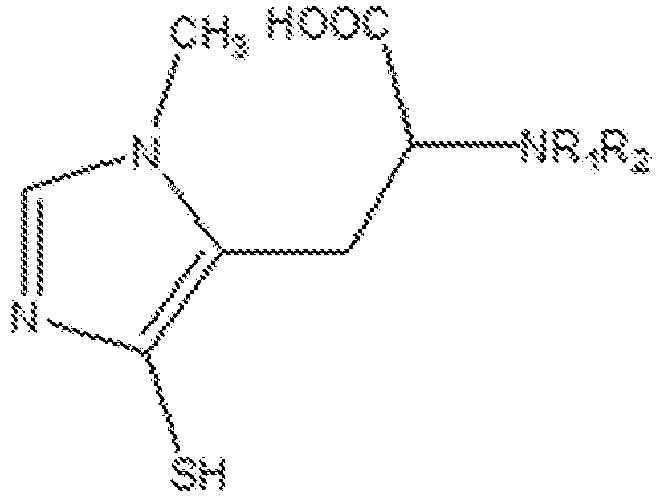
- 1. Compounds of formula (I):

-
-
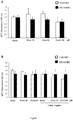
Figure 1 shows the histogram, panel A, of the results of a MTT assay on the viability of the human umbilical cord endothelial cells (Human Umbilical Cord Endothelial Cells - HUVEC) control (C-HUVEC) and cells extracted from umbilical cord of women with Gestational Diabetes (GD-HUVEC) in the presence of increasing concentrations of ovotain A; panel B, the results of an MTT assay on the viability of C-HUVEC and GD-HUVEC in the presence of increasing concentrations of ovothiol A in the presence and absence of TNFα (ANOVA test: * p <0.05 vs Basal). -
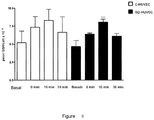
Figure 2 shows the graph of the results of the analysis by high-pressure liquid chromatography (HPLC) of the bioavailability of ovothiol A in the culture medium of C- and GD-HUVEC cells treated with 50 µM ovothiol. -
Figure 3 shows the histogram of the results of the adhesion of the human monocytes (U937 cells) in C- and GD-HUVEC (number of adherent cells / field) in the presence and absence of ovothiol A, stimulated or not with TNFα, and treated with antibodies anti- VCAM-1 and anti-ICAM-1 (ANOVA test: *p<0.05 vs Basal C-HUVEC; **p<0.05 vs TNFα C-HUVEC, §p<0.05 vs Basal GD-HUVEC, #p<0.05 vs TNFα GD-HUVEC) T-Test:p<0.01 Basal GD-HUVEC vs Basal C-HUVEC, Φp<0.00001 TNFα GD-HUVEC vs TNFα C-HUVEC).
-
Figure 4 shows the histogram of the results obtained by flow cytometry of the exposure of the molecules VCAM-1 (panel A) and ICAM-1 (panel B) on the surface of C-HUVEC and GD-HUVEC cells treated and not treated with 50 µM of ovothiol A, in the presence or absence of TNFα (ANOVA test: *p<0.05 vs Basal, **p<0.05 vs TNFα). -
Figure 5 shows the histogram of the results of the EIA assay for cGMP levels in C-HUVEC and GD-HUVEC treated and untreated with ovothiol A and in the presence and absence of TNFα and L-NAME (ANOVA test: *p<0.05 vs Basal C-HUVEC, **p<0.05 vs Iono C-HUVEC, #p<0.05 vs Basal GD-HUVEC,p<0.05 vs Ovothiol C-HUVEC). -
Figure 6 shows the results of experiments performed by flow cytometry using the HK-Green-4A probe for the dosage of peroxynitrite in C-HUVEC and GD-HUVEC treated or not with ovotiolo A and in the presence and absence of TNFα (ANOVA test: *p<0.05 vs TNFα C-HUVEC, #p<0.05 vs TNFα GD-HUVEC, †p<0.05 vs Basal C-HUVEC, §p<0.05 vs Basal GD-HUVEC). -
Figure 7 shows the results of flow cytometry for ROS levels in C-HUVEC and GD-HUVEC treated and untreated with ovothiol A and in the presence and absence of TNFα (ANOVA test: *p<0.05 vs Basal C-HUVEC, **p<0.05 vs TNFα GD-HUVEC, †p<0.05 vs TNFα C-HUVEC). -
Figure 8 shows the results of intracellular glutathione levels in C-HUVEC and GD-HUVEC treated and untreated with ovothiol A (ANOVA test: **p<0.05 vs Basal). - Within the meaning of the present invention, Chronic Low-Grade Systemic Inflammation (CLGSI) means the chronic and non-acute inflammatory state due to environmental and dietary factors, correlated to the lifestyle, that cause metabolic, physical and emotional stress. This leads to the reduction of muscle mass, activation of the hypothalamus-hypophysis-adrenal axis and the sympathetic nervous system with consequent increase in the values of cortisol, angiotensin, adrenaline and noradrenaline, blood glucose that causes hyper-insulinemia and insulin resistance, increased adipose tissue with hypertrophy-hyperplasia of adipose cells that determines the recruitment of macrophages and the production of pro-inflammatory factors, such as interleukins IL2, IL6 and the TNFα factor. It also determines metabolic acidosis, alteration of body composition, reduction of calcium, magnesium, potassium, increase in sodium, and anomalous development of bacterial flora of the oral, gingival and intestinal cavities.
- Within the meaning of the present invention, pathologies related to Chronic Low-Grade Systemic Inflammation (CLGSI) means the pathologies included in the group: chronic inflammatory diseases, auto-immune diseases, chronic degenerative diseases, the CLGSI-associated tumors, the obesity, diabetes, arterial hypertension, osteoporosis, respiratory disorders, polycystic ovary syndrome.
- Within the meaning of the present invention, the chronic inflammatory diseases are rheumatoid arthritis, polymyalgia rheumatica, fibromyalgia, chronic fatigue syndrome and psoriatic arthritis.
- Within the meaning of the present invention, the autoimmune diseases are atopic dermatitis, psoriasis and allergic conjunctivitis.
- Within the meaning of the present invention, the chronic degenerative diseases are multiple sclerosis, Parkinson's disease, Amyotrophic lateral sclerosis (ALS) and Alzheimer's disease.
- Within the meaning of the present invention, tumours related to Chronic low-grade systemic inflammation (CLGSI) are breast, prostate and colorectal cancers.
- Within the meaning of the present invention, diseases of the respiratory apparatus are Allergic rhinitis and Asthma.
- The present invention concerns Compounds of formula (I):


for the prevention and the treatment of Chronic low-grade systemic inflammation (CLGSI) associated with the diseases related to Chronic low-grade systemic inflammation (CLGSI) selected from the group consisting of: chronic inflammatory diseases, autoimmune diseases, chronic degenerative diseases, tumours related to Chronic low-grade systemic inflammation (CLGSI), obesity, diabetes, arterial hypertension, osteoporosis, diseases of the respiratory apparatus and polycystic ovary syndrome wherein the compounds of formula (I) and (II) reduce chronic low-grade systemic inflammation (CLGSI). - Preferably, the compounds of formula (I) are selected in the group of:
- compound of formula(I) wherein R1 e R2 are the same and are H (ovothiol A),
- compound of formula (I) wherein R1 is H and R2 is CH3 (ovothiol B)
- compound of formula (I) wherein R1 and R2 are the same and are CH3 (ovothiol C).
- More preferably, compound of formula (I) is ovothiol A.
- The compounds of formula (II) are compounds of formula (I) in the oxidized form.
- Ovothiol A can be also in the disulphide form of formula (III)

- Preferably the diseases related to Chronic low-grade systemic inflammation (CLGSI) are selected from the group consisting of: chronic inflammatory diseases, autoimmune diseases, chronic degenerative diseases, tumours related to Chronic low-grade systemic inflammation (CLGSI), obesity, diabetes, arterial hypertension, osteoporosis, diseases of the respiratory apparatus and polycystic ovary syndrome.
- Preferably the chronic inflammatory diseases are selected in the group of: rheumatoid arthritis, polymyalgia rheumatica, fibromyalgia, chronic fatigue syndrome and psoriatic arthritis.
- Preferably the autoimmune diseases are selected in the group of: atopic dermatitis, psoriasis and allergic conjunctivitis. Preferably the chronic degenerative diseases are selected in the group of: multiple sclerosis, Parkinson's disease, Amyotrophic lateral sclerosis (ALS) and Alzheimer's disease.
- Preferably the tumours related to Chronic low-grade systemic inflammation (CLGSI) are selected in the group of: breast, prostate and colorectal cancers.
- Preferably the diseases of the respiratory apparatus are selected in the group of: Allergic rhinitis and Asthma.
- Preferably diabetes is of type 2.
- Preparation of ovothiol A from sea urchin P. lividus eggs: ovothiol A was purified as disulphide from P. lividus eggs. The animals were collected in the Gulf of Naples, in non-private and unprotected areas, near the city center, by divers, according to the authorization of the Merchant Marine (DPR 1639/68, 09/19/1980 confirmed by D. Lgs. 9/01/2012 n. 4). All animal procedures are in agreement with the guidelines of the European Union (directive 2010/63 and D. Lgs. 4/03/2014 n. 26). The recovered eggs were subjected to a process that involves the fractionation of the aqueous extract without lipids on ion-exchange chromatographic columns and gel filtration (Palumbo, A., d'Ischia, M., Misuraca, G., Prota, G. (1982) Isolation and structure of a new sulphur containing aminoacid from sea urchin eggs. Tetrahedron Lett., 23, 3207-3208). Recently, the procedure has been slightly modified obtaining a yield of 2.5 mg of ovotiolo A for 10 g of eggs (Russo G.L., Russo, M., Castellano, I., Napolitano, A., Palumbo, A. (2014) Ovothiol isolated from sea urchin oocytes induces autophagy in the Hep-G2 cell line. Mar. Drugs, 12, 4069-4085).
- Cell endothelial cultures and experimental protocols: umbilical cords were obtained from randomly selected healthy Caucasian (Control, C) and with Gestational Diabetes (GD) mothers delivering at the Hospital of Chieti and Pescara. All procedures were in agreement with the ethical standards of the Institutional Committee on Human Experimentation (Reference Number: 1879/09COET) and with the Declaration of Helsinki Principles. After approval of the protocol by the Institutional Review Board, signed informed consent was obtained from each participating subject. Primary C- and GD-HUVECs were obtained and used between the 3rd and 5th passages in vitro. To evaluate the potential cytotoxicity of ovothiol, HUVECs were stimulated for 24h with different doses (10 - 100 µM) of ovothiol A. The best doses of ovothiol A were used to evaluate their effects on the cells treated with TNFα (1ng/ml, Sigma Aldrich) which activated the inflammatory response. Briefly, HUVECs were grown to sub-confluence in complete culture medium DMEM/M199 (Mascia Brunelli, Italia). The cells were pre-incubated with ovothiol A (10 and 50 µM) for 24 hours or with medium alone as basal condition. Subsequently the cells were stimulated with TNFα for 16 hours.
- Analysis of Ovothiol A levels in cell cultures: HUVEC cells (1,2 x 10⁶ cellule) were cultured in flasks (25 cm2) in the absence and in the presence of 50 µM ovothiol A and collected after incubation at different time intervals. The culture media were recovered by centrifugation and frozen for ovothiol A quantitation by HPLC analysis. The cellular pellets were resuspended in PBS pH 7.5, sonicated three times for 15 sec and 30 % amplitude. The samples were then centrifuged at 13.000 rpm over 15 min to remove cellular debris, ultrafiltered by
Microcon 3 to remove all molecules with MW > 3 kDa and frozen for further analysis by HPLC. HPLC analyses were performed in duplicate on an LC10AD instrument equipped with binary pumps and a Shimadzu SPD-10AVP detector set at 254 nm and 280 nm. A Phenomenex Synergi Sphereclone octadecylsilane (25 cm × 0,46 cm, 4 µm particle size) column was used with 1% formic acid taken to pH 4.5 with ammonia, as the eluant, at a 0.7 mL/min flow rate. Samples exhibiting a peak at the same elution time of standard solutions of ovothiol A were checked by LC/MS run on a LC/MSD Agilent 1100 VL: 0.1% formic acid, pH 4.5 with ammonia, m/z 401 ([M + H]+) for disulfide form and m/z 202 ([M + H]+) for ovothiol A reduced form. - Determination of intracellular glutathione levels (GSH): total GSH was determined by using the Glutathione Assay Kit (Sigma). An aliquot of ultrafiltered samples was added to 3 volumes of 5% 5-sulfosalicylic acid and mixed. Samples were then frozen (-80°C) and thawed at 37°C twice, left for 5 min at 4°C and finally centrifuged at 10.000 g for 10 min. The supernatant was used for the determination of glutathione by performing a kinetic assay in which catalytic amounts (nmoles) of GSH caused a continuous reduction of 5,5-dithiobis (2-nitrobenzoic acid) (DTNB) to 5-thio-2-nitrobenzoic (TNB), measured at 405 nm by a Thermo Scientific™ Multiskan™ FC Microplate Photometer.
- MTT assay: ovothiol effect on the viability of C- and GD-HUVECs was evaluated by the 3-(4,5 dimethylthiazolyl-2)-2, 5-diphenyltetrazolium bromide (MTT, Sigma-Aldrich) assay. 1×10⁵ cells were plated in 96-well plates, grown to sub-confluence with the medium alone (as control) or stimulated for 24 h with growing doses of ovothiol A (10-100 µM), in the presence or absence of TNFα stimulation (1ng/ml). A solution of MTT in phosphate buffer saline (PBS) was added to each well to a final concentration of 5 mg/ml. After 3 h incubation at 37°C, the cellular viability was evaluated before addition of 0.2 ml dimethylsulfoxide (DMSO, Sigma-Aldrich) for crystal solubilization in the vital cells. The absorbance at 540 nm was read using a micro-plate reader (SpectraMAX 190, Molecular Devices Inc., Sunnyvale, California, USA) and results were expressed as the absorbance at 540 nm (
ABS 540 nm). - Flow cytometry: for flow cytofluorimetry analysis, C- and GD-HUVECs were stimulated as described in the experimental protocols. Non-permeabilized cells were detached by tetraacetic ethylene-diamine acid solution (EDTA) 5 mM, washed and resuspended in bovine serum albumin (BSA) 0.5%. Cells harvested by centrifugation at 800 rpm for 15 min were incubated with anti-VCAM-1 PE-conjugate (1:100, phycoerythrin; Biolegend, San Diego, CA, USA) and anti-ICAM-1 FITC-conjugate (1:100, fluorescein isothiocyanate; Biolegend) antibodies, both for 30 min at 4°C. The intracellular levels of peroxynitrite (ONOO-) were detected in C- and GD-HUVECs by using the HKGreen-4A probe (10 µM, 30 min at 37°C) synthesized and provided by the laboratory of Prof. Dan Yang's. Reactive Oxygen Species (ROS) levels were evaluated with the fluorogenic reagent dichlorofluorescein diacetate (DCF-DA, Sigma-Aldrich) (20 µM, 45 min at 37° C). All samples were analyzed using a FACS Calibur or FACS Canto II (BD Bioscences). The levels of membrane proteins (VCAM-1 and ICAM-1), fluorescence detection of ONOO- and ROS were evaluated by cytometric analysis of over 10.000 events for each sample. All data were analyzed using FACS Diva (BD Bioscences) and FlowJo v.8.8.6 software (TreeStar, Ashland, OR) and expressed as percentage (%) of positive cells or MFI (Mean Fluorescence Intensity) Ratio. The MFI Ratio was calculated by dividing the MFI of positive events by the MFI of negative events (MFI of secondary antibody).
- Cyclic guanosine mono phosphate assay (cGMP): intracellular cGMP levels were evaluated by using a commercially available Enzyme Immunoassay (EIA) kit (GE Healthcare, Little Chalfont, Buckinghamshire, UK).
- Adhesion of monocytes to endothelium assay: adhesion of U937 monocytes to C- and GD-HUVECs was evaluated in the basal state, after 16 hours of TNFα treatment (1 ng/ml) and in presence of ovothiol A (10-50 µM). The cells were grown to confluence in six-well culture plates and U937 adhesion was evaluated as previously described (Di Tomo, P., Lanuti, P., Di Pietro, N., Baldassarre, M.P.A., Marchisio, M., Pandolfi, A., Consoli, A., Formoso, G. (2017) Liraglutide mitigates TNF-α induced pro-atherogenic changes and Microvesicles release in HUVEC from diabetic women. Diabetes Metab. Res. Rev. doi: 10.1002/dmrr.2925).
- Statistical analysis: all experiments were repeated at least three times employing different cell strains of C- e GD-HUVECs and the results are presented as means ± standard deviation (SD). Differences between the two cell strains and between the different treatments were analyzed by Student's t-test and one-way analysis of variance (ANOVA) followed by Bonferroni multiple comparison test for post hoc comparisons.
- In order to ensure the validity of the chosen experimental system, the viability of C-HUVECs and GD-HUVECs was first evaluated by MTT assay. Since at the concentration of 100 µM ovothiol A was cytotoxic in the cellular model tested (as shown in
figure 1A ), the concentration of 50 µM was selected to carry out the subsequent assays. The C- and GD-HUVEC cells treated with 50 µM of ovothiol A in the presence or absence of TNFα showed no significant changes in the cell viability parameters, as shown inFigure 1B . - Subsequently, the bioavailability of ovothiol A for endothelial cells was evaluated. C- and GD-HUVECs were incubated for 30 minutes with ovothiol A (50 µM) and the presence of the molecule in the culture medium and within cells was determined by HPLC. The kinetic decay of the compound in the medium of either cell types was very rapid, as shown in
Figure 2 , compared to the medium without the cells. However, molecule absorption is slightly more effective in GD-HUVECs compared to C-HUVECs, as the amount found within cells in the first 30 minutes is higher in GD-HUVECs than in C-HUVECs (1,53 pmol/cell vs 1,18 pmol/cell), as shown in Table 1.Table 1 medium cells (µmol/L) (pmol/cell) Control 45 C-HUVECs 14.86 ±1,24 1.18 GD-HUVECs 10.08 ±1,68 1.53 - Later, the effect of ovothiol A on the adhesion of human monocytes to the endothelium was investigated. Human endothelial cells GD-HUVEC and related controls (C-HUVEC) were incubated for 24 hours with ovothiol A (10-50 µM) and stimulated with TNFα (1 ng/ml) for 16 hours to induce the inflammation. U937 human monocytes adhesion to endothelium was measured, counting the number of U937 adherent cells on the HUVEC monolayer, since it represents an early event in the development of atherosclerosis. As shown in
Figure 3 , the number of adherent cells on both types of HUVEC monolayers increased dramatically after TNFα stimulation. After 24 hours of pre-treatment with 10 and 50 µM of ovothiol A a significant reduction of cell adhesion was observed only on GD-HUVECs. As expected, when C- and GD-HUVECs were treated with antibodies against VCAM-1 or ICAM-1 at saturatingconcentrations 1 hour before the assay, U937 adhesion was suppressed in both cell types, suggesting that VCAM-1 and ICAM-1 hyper-expression on the cell surface plays a crucial role for increased monocytes adhesion to HUVECs. - Furthermore, membrane exposure levels of vascular (VCAM-1) and intercellular (ICAM-1) cell adhesion molecule were evaluated by flow cytometry.
Figure 4 shows increased exposure levels of VCAM-1 and ICAM-1 in both endothelial cell models after treatment with TNFα (p <0.05). Ovothiol A significantly reduced the exposure of VCAM-1 on the membrane in both C-HUVEC and GD-HUVEC cells, while the effect on ICAM-1 levels did not reach the statistical significance. - As shown in
Figure 5 , the bioavailability of nitric oxide (NO) was evaluated by determining the cGMP levels with EIA assay. Following ovothiol A treatment, cGMP levels significantly increased in C- but not in GD-HUVECs and this effect was abolished by TNFα treatment (TNFα+Ovot). The effect of ovothiol A was not affected by pre-incubation with L-NAME (1 mM for 45 minutes), a known inhibitor of nitric oxide synthase (NOS), thus suggesting that NO production is not derived from the modulation of the enzymatic activity of eNOS but by the reduction of oxidative stress. As expected, in C-HUVECs the positive control Ionomycin (Iono) induced the increase of cGMP levels and the addition of L-NAME restored the initial levels. - The levels of peroxynitrite were evaluated by flow cytometry using HKGreen-4A probe. After exposure to TNFα, the pre-treatment with 50 µM ovothiol A significantly reduced the levels of peroxynitrite, a marker of nitro-oxidative stress, in both cultures. As positive control, Ionomycin (Iono) 50 nM in combination with phorbol 12-myristate 13-acetate (PMA) 0,3 µM induced peroxynitrite formation in both HUVEC cells, as shown in
Figure 6 . - Subsequently, ROS levels in C- and GD-HUVECs were assessed in the absence and presence of TNFα. The addition of ovothiol A reduced ROS levels in C-HUVECs in the absence of TNFα and in GD-HUVECs under inflammatory conditions, as shown in
Figure 7 . - Further, the intracellular levels of glutathione were measured in the first stage of absorption of ovothiol by the GD-HUVECs compared to C-HUVECs. As shown in
Figure 8 , intracellular GSH levels increased significantly after 10 minutes of incubation of ovothiol A, at least in GD-HUVECs, suggesting a redox exchange with glutathione.
for the prevention and the treatment of Chronic low-grade systemic inflammation (CLGSI) associated with the diseases related to Chronic low-grade systemic inflammation (CLGSI) selected from the group consisting of: chronic inflammatory diseases, autoimmune diseases, chronic degenerative diseases, tumours related to Chronic low-grade systemic inflammation (CLGSI), obesity, diabetes, arterial hypertension, osteoporosis, diseases of the respiratory apparatus and polycystic ovary syndrome wherein the compounds of formula (I) and (II) reduce chronic low-grade systemic inflammation.
Claims (9)
- Compounds of formula (I):


for use for the prevention and the treatment of Chronic low-grade systemic inflammation (CLGSI) associated with the diseases related to Chronic low-grade systemic inflammation (CLGSI) selected from the group consisting of: chronic inflammatory diseases, autoimmune diseases, chronic degenerative diseases, tumours related to Chronic low-grade systemic inflammation (CLGSI), obesity, diabetes, arterial hypertension, osteoporosis, diseases of the respiratory apparatus and polycystic ovary syndrome wherein the compounds of formula (I) and (II) reduce chronic low-grade systemic inflammation. - Compounds for use for the prevention and the treatment of Chronic low-grade systemic inflammation (CLGSI) and the diseases related to Chronic low-grade systemic inflammation (CLGSI) according to claim 1 selected from the group consisting of:R1 and R2 are the same and are H,R1 is H and R2 is CH3,R1 and R2 are the same and are CH3.
- Compounds for use for the prevention and the treatment of Chronic low-grade systemic inflammation (CLGSI) and the diseases related to Chronic low-grade systemic inflammation (CLGSI) according to claim 2 wherein R1 and R2 are the same and are in the form of disulfide of formula (III)

- Compounds for use for the prevention and the treatment of Chronic low-grade systemic inflammation (CLGSI) and the diseases related to Chronic low-grade systemic inflammation (CLGSI) according to claim 1 wherein chronic inflammatory diseases are selected from the group consisting of: rheumatoid arthritis, polymyalgia rheumatica, fibromyalgia, chronic fatigue syndrome and psoriatic arthritis.
- Compounds for use for the prevention and the treatment of Chronic low-grade systemic inflammation (CLGSI) and the diseases related to Chronic low-grade systemic inflammation (CLGSI) according to claim 1 wherein autoimmune diseases are selected from the group consisting of: atopic dermatitis, psoriasis and allergic conjunctivitis.
- Compounds for use for the prevention and the treatment of Chronic low-grade systemic inflammation (CLGSI) and the diseases related to Chronic low-grade systemic inflammation (CLGSI) according to claim 1 wherein chronic degenerative diseases are selected from the group consisting of: multiple sclerosis, Parkinson's disease, Amyotrophic lateral sclerosis (ALS) and Alzheimer's disease.
- Compounds for use for the prevention and the treatment of Chronic low-grade systemic inflammation (CLGSI) and the diseases related to Chronic low-grade systemic inflammation (CLGSI) according to claim 1 wherein tumours related to Chronic low-grade systemic inflammation (CLGSI) are selected from the group consisting of: breast cancer, prostate cancer and colorectal cancer.
- Compounds for use for the prevention and the treatment of Chronic low-grade systemic inflammation (CLGSI) and the diseases related to Chronic low-grade systemic inflammation (CLGSI) according to claim 1 wherein diseases of the respiratory apparatus are selected from the group consisting of: Allergic rhinitis and Asthma.
- Compounds for use for the prevention and the treatment of Chronic low-grade systemic inflammation (CLGSI) and the diseases related to Chronic low-grade systemic inflammation (CLGSI) according to claim 1 wherein diabetes is type 2 diabetes.
Applications Claiming Priority (2)
| Application Number | Priority Date | Filing Date | Title |
|---|---|---|---|
| IT102017000104529A IT201700104529A1 (en) | 2017-09-19 | 2017-09-19 | Ovothyols for the treatment of Low-grade Chronic Systemic Inflammation (ISC) and related diseases |
| PCT/IB2018/057098 WO2019058247A1 (en) | 2017-09-19 | 2018-09-17 | Ovotiols for the treatment of chronic low—grade systemic inflammation (clgsi) and related diseases |
Publications (2)
| Publication Number | Publication Date |
|---|---|
| EP3684355A1 EP3684355A1 (en) | 2020-07-29 |
| EP3684355B1 true EP3684355B1 (en) | 2021-09-08 |
Family
ID=61006167
Family Applications (1)
| Application Number | Title | Priority Date | Filing Date |
|---|---|---|---|
| EP18782202.8A Active EP3684355B1 (en) | 2017-09-19 | 2018-09-17 | Ovothiols for the treatment of chronic low grade systemic inflammation (clgsi) and related diseases |
Country Status (6)
| Country | Link |
|---|---|
| US (1) | US20200276165A1 (en) |
| EP (1) | EP3684355B1 (en) |
| CN (1) | CN111132678A (en) |
| ES (1) | ES2898362T3 (en) |
| IT (1) | IT201700104529A1 (en) |
| WO (1) | WO2019058247A1 (en) |
Families Citing this family (1)
| Publication number | Priority date | Publication date | Assignee | Title |
|---|---|---|---|---|
| IT201800010907A1 (en) * | 2018-12-10 | 2020-06-10 | Stazione Zoologica Anton Dohrn | 5-THIOISTIDINS AND METHYLATED DERIVATIVES (EGGS) AS GAMMAGLUTAMIL-TRANSPEPTIDASE (GGT) ACTIVITY INHIBITORS |
Family Cites Families (2)
| Publication number | Priority date | Publication date | Assignee | Title |
|---|---|---|---|---|
| US4898878A (en) * | 1987-10-02 | 1990-02-06 | The Board Of Regents Of The University Of Washington | Antioxidant thiohistidine compounds |
| US20090306125A1 (en) * | 2005-11-22 | 2009-12-10 | Anders Marion W | Mitochondria-Targeted Antioxidant Prodrugs and Methods of Use |
-
2017
- 2017-09-19 IT IT102017000104529A patent/IT201700104529A1/en unknown
-
2018
- 2018-09-17 ES ES18782202T patent/ES2898362T3/en active Active
- 2018-09-17 CN CN201880060677.0A patent/CN111132678A/en active Pending
- 2018-09-17 WO PCT/IB2018/057098 patent/WO2019058247A1/en not_active Ceased
- 2018-09-17 EP EP18782202.8A patent/EP3684355B1/en active Active
- 2018-09-17 US US16/646,716 patent/US20200276165A1/en not_active Abandoned
Also Published As
| Publication number | Publication date |
|---|---|
| US20200276165A1 (en) | 2020-09-03 |
| EP3684355A1 (en) | 2020-07-29 |
| IT201700104529A1 (en) | 2019-03-19 |
| ES2898362T3 (en) | 2022-03-07 |
| WO2019058247A1 (en) | 2019-03-28 |
| CN111132678A (en) | 2020-05-08 |
Similar Documents
| Publication | Publication Date | Title |
|---|---|---|
| Ren et al. | Anti-inflammatory effects of Aureusidin in LPS-stimulated RAW264. 7 macrophages via suppressing NF-κB and activating ROS-and MAPKs-dependent Nrf2/HO-1 signaling pathways | |
| Qiao et al. | Antioxidant activities of polysaccharides from Hyriopsis cumingii | |
| Glick et al. | Anaplerotic metabolism of alloreactive T cells provides a metabolic approach to treat graft-versus-host disease | |
| KR102245702B1 (en) | Compositions comprising selenium and use of same for the treatment and prevention of disease or conditions associated with mitochondrial dysfunction | |
| KR102639313B1 (en) | Differentiation-induced cell population from which undifferentiated cells have been removed, use of same, and method for producing same | |
| Wang et al. | Dietary supplementation with chlorogenic acid derived from Lonicera macranthoides Hand-Mazz improves meat quality and muscle fiber characteristics of finishing pigs via enhancement of antioxidant capacity | |
| Utsunomiya et al. | Fruit-juice concentrate of Asian plum inhibits growth signals of vascular smooth muscle cells induced by angiotensin II | |
| US20220387392A1 (en) | Methods and compositions related to the use of ergothioneine | |
| Wang et al. | The nutritional value of Spirulina and utilization research | |
| Lu et al. | 2-Deoxy-D-glucose ameliorates inflammation and fibrosis in a silicosis mouse model by inhibiting hypoxia-inducible factor-1α in alveolar macrophages | |
| Nnemolisa et al. | Antidiabetic and antioxidant potentials of Pleurotus ostreatus-derived compounds: an in vitro and in Silico approach | |
| Maharjan et al. | In vivo collagen and mixed muscle protein turnover in 2 meat-type broiler strains in relation to woody breast myopathy | |
| Gambari et al. | Glucoraphanin increases intracellular hydrogen sulfide (H2S) levels and stimulates osteogenic differentiation in human mesenchymal stromal cell | |
| CN118166061A (en) | CD38 protein inhibitor, screening method thereof and application thereof in anti-aging | |
| US20200276165A1 (en) | Ovotiols for the treatment of chronic low-grade systemic inflammation (clgsi) and related diseases | |
| Du et al. | Exploring the mechanism of allicin in lowering blood lipids based on the CSE/H2S pathway | |
| Hashimoto | Effect of the intracerebroventricular and systemic administration of L-serine on the concentrations of D-and L-serine in several brain areas and periphery of rat | |
| Li et al. | Mixed nuts with high nutrient density improve insulin resistance in mice by gut microbiota remodeling | |
| CN116528854A (en) | Methods and compositions related to the use of ergothioneine | |
| Ko et al. | Dietary Supplemental Glutamine Enhances the Percentage of Circulating Endothelial Progenitor Cells in Mice with High‐Fat Diet‐Induced Obesity Subjected to Hind Limb Ischemia | |
| Wu et al. | Disruption of BCAA degradation is a critical characteristic of diabetic cardiomyopathy revealed by integrated transcriptome and metabolome analysis | |
| WO2022050230A1 (en) | Composition inhibiting activation of adenosine receptor | |
| TWI615141B (en) | Use of α-eleostearic acid for anti-aging | |
| Liu et al. | Effects of dexmedetomidine on the degree of myocardial ischemia-reperfusion injury, oxidative stress and TLR4/NF-κB signaling pathway in rats. | |
| CN119818474B (en) | Application of salvianolic acid B in the preparation of drugs for treating aging-related muscle dysfunction |
Legal Events
| Date | Code | Title | Description |
|---|---|---|---|
| STAA | Information on the status of an ep patent application or granted ep patent |
Free format text: STATUS: UNKNOWN |
|
| STAA | Information on the status of an ep patent application or granted ep patent |
Free format text: STATUS: THE INTERNATIONAL PUBLICATION HAS BEEN MADE |
|
| PUAI | Public reference made under article 153(3) epc to a published international application that has entered the european phase |
Free format text: ORIGINAL CODE: 0009012 |
|
| STAA | Information on the status of an ep patent application or granted ep patent |
Free format text: STATUS: REQUEST FOR EXAMINATION WAS MADE |
|
| 17P | Request for examination filed |
Effective date: 20200224 |
|
| AK | Designated contracting states |
Kind code of ref document: A1 Designated state(s): AL AT BE BG CH CY CZ DE DK EE ES FI FR GB GR HR HU IE IS IT LI LT LU LV MC MK MT NL NO PL PT RO RS SE SI SK SM TR |
|
| AX | Request for extension of the european patent |
Extension state: BA ME |
|
| DAV | Request for validation of the european patent (deleted) | ||
| DAX | Request for extension of the european patent (deleted) | ||
| GRAP | Despatch of communication of intention to grant a patent |
Free format text: ORIGINAL CODE: EPIDOSNIGR1 |
|
| STAA | Information on the status of an ep patent application or granted ep patent |
Free format text: STATUS: GRANT OF PATENT IS INTENDED |
|
| INTG | Intention to grant announced |
Effective date: 20210329 |
|
| GRAS | Grant fee paid |
Free format text: ORIGINAL CODE: EPIDOSNIGR3 |
|
| GRAA | (expected) grant |
Free format text: ORIGINAL CODE: 0009210 |
|
| STAA | Information on the status of an ep patent application or granted ep patent |
Free format text: STATUS: THE PATENT HAS BEEN GRANTED |
|
| AK | Designated contracting states |
Kind code of ref document: B1 Designated state(s): AL AT BE BG CH CY CZ DE DK EE ES FI FR GB GR HR HU IE IS IT LI LT LU LV MC MK MT NL NO PL PT RO RS SE SI SK SM TR |
|
| REG | Reference to a national code |
Ref country code: GB Ref legal event code: FG4D |
|
| REG | Reference to a national code |
Ref country code: AT Ref legal event code: REF Ref document number: 1427946 Country of ref document: AT Kind code of ref document: T Effective date: 20210915 Ref country code: CH Ref legal event code: EP |
|
| REG | Reference to a national code |
Ref country code: IE Ref legal event code: FG4D |
|
| REG | Reference to a national code |
Ref country code: DE Ref legal event code: R096 Ref document number: 602018023338 Country of ref document: DE |
|
| REG | Reference to a national code |
Ref country code: LT Ref legal event code: MG9D |
|
| REG | Reference to a national code |
Ref country code: NL Ref legal event code: MP Effective date: 20210908 |
|
| PG25 | Lapsed in a contracting state [announced via postgrant information from national office to epo] |
Ref country code: LT Free format text: LAPSE BECAUSE OF FAILURE TO SUBMIT A TRANSLATION OF THE DESCRIPTION OR TO PAY THE FEE WITHIN THE PRESCRIBED TIME-LIMIT Effective date: 20210908 Ref country code: BG Free format text: LAPSE BECAUSE OF FAILURE TO SUBMIT A TRANSLATION OF THE DESCRIPTION OR TO PAY THE FEE WITHIN THE PRESCRIBED TIME-LIMIT Effective date: 20211208 Ref country code: NO Free format text: LAPSE BECAUSE OF FAILURE TO SUBMIT A TRANSLATION OF THE DESCRIPTION OR TO PAY THE FEE WITHIN THE PRESCRIBED TIME-LIMIT Effective date: 20211208 Ref country code: RS Free format text: LAPSE BECAUSE OF FAILURE TO SUBMIT A TRANSLATION OF THE DESCRIPTION OR TO PAY THE FEE WITHIN THE PRESCRIBED TIME-LIMIT Effective date: 20210908 Ref country code: SE Free format text: LAPSE BECAUSE OF FAILURE TO SUBMIT A TRANSLATION OF THE DESCRIPTION OR TO PAY THE FEE WITHIN THE PRESCRIBED TIME-LIMIT Effective date: 20210908 Ref country code: HR Free format text: LAPSE BECAUSE OF FAILURE TO SUBMIT A TRANSLATION OF THE DESCRIPTION OR TO PAY THE FEE WITHIN THE PRESCRIBED TIME-LIMIT Effective date: 20210908 Ref country code: FI Free format text: LAPSE BECAUSE OF FAILURE TO SUBMIT A TRANSLATION OF THE DESCRIPTION OR TO PAY THE FEE WITHIN THE PRESCRIBED TIME-LIMIT Effective date: 20210908 |
|
| REG | Reference to a national code |
Ref country code: AT Ref legal event code: MK05 Ref document number: 1427946 Country of ref document: AT Kind code of ref document: T Effective date: 20210908 |
|
| PG25 | Lapsed in a contracting state [announced via postgrant information from national office to epo] |
Ref country code: LV Free format text: LAPSE BECAUSE OF FAILURE TO SUBMIT A TRANSLATION OF THE DESCRIPTION OR TO PAY THE FEE WITHIN THE PRESCRIBED TIME-LIMIT Effective date: 20210908 Ref country code: GR Free format text: LAPSE BECAUSE OF FAILURE TO SUBMIT A TRANSLATION OF THE DESCRIPTION OR TO PAY THE FEE WITHIN THE PRESCRIBED TIME-LIMIT Effective date: 20211209 |
|
| REG | Reference to a national code |
Ref country code: ES Ref legal event code: FG2A Ref document number: 2898362 Country of ref document: ES Kind code of ref document: T3 Effective date: 20220307 |
|
| PG25 | Lapsed in a contracting state [announced via postgrant information from national office to epo] |
Ref country code: AT Free format text: LAPSE BECAUSE OF FAILURE TO SUBMIT A TRANSLATION OF THE DESCRIPTION OR TO PAY THE FEE WITHIN THE PRESCRIBED TIME-LIMIT Effective date: 20210908 |
|
| REG | Reference to a national code |
Ref country code: BE Ref legal event code: MM Effective date: 20210930 |
|
| PG25 | Lapsed in a contracting state [announced via postgrant information from national office to epo] |
Ref country code: IS Free format text: LAPSE BECAUSE OF FAILURE TO SUBMIT A TRANSLATION OF THE DESCRIPTION OR TO PAY THE FEE WITHIN THE PRESCRIBED TIME-LIMIT Effective date: 20220108 Ref country code: SM Free format text: LAPSE BECAUSE OF FAILURE TO SUBMIT A TRANSLATION OF THE DESCRIPTION OR TO PAY THE FEE WITHIN THE PRESCRIBED TIME-LIMIT Effective date: 20210908 Ref country code: SK Free format text: LAPSE BECAUSE OF FAILURE TO SUBMIT A TRANSLATION OF THE DESCRIPTION OR TO PAY THE FEE WITHIN THE PRESCRIBED TIME-LIMIT Effective date: 20210908 Ref country code: RO Free format text: LAPSE BECAUSE OF FAILURE TO SUBMIT A TRANSLATION OF THE DESCRIPTION OR TO PAY THE FEE WITHIN THE PRESCRIBED TIME-LIMIT Effective date: 20210908 Ref country code: PT Free format text: LAPSE BECAUSE OF FAILURE TO SUBMIT A TRANSLATION OF THE DESCRIPTION OR TO PAY THE FEE WITHIN THE PRESCRIBED TIME-LIMIT Effective date: 20220110 Ref country code: PL Free format text: LAPSE BECAUSE OF FAILURE TO SUBMIT A TRANSLATION OF THE DESCRIPTION OR TO PAY THE FEE WITHIN THE PRESCRIBED TIME-LIMIT Effective date: 20210908 Ref country code: NL Free format text: LAPSE BECAUSE OF FAILURE TO SUBMIT A TRANSLATION OF THE DESCRIPTION OR TO PAY THE FEE WITHIN THE PRESCRIBED TIME-LIMIT Effective date: 20210908 Ref country code: EE Free format text: LAPSE BECAUSE OF FAILURE TO SUBMIT A TRANSLATION OF THE DESCRIPTION OR TO PAY THE FEE WITHIN THE PRESCRIBED TIME-LIMIT Effective date: 20210908 Ref country code: CZ Free format text: LAPSE BECAUSE OF FAILURE TO SUBMIT A TRANSLATION OF THE DESCRIPTION OR TO PAY THE FEE WITHIN THE PRESCRIBED TIME-LIMIT Effective date: 20210908 Ref country code: AL Free format text: LAPSE BECAUSE OF FAILURE TO SUBMIT A TRANSLATION OF THE DESCRIPTION OR TO PAY THE FEE WITHIN THE PRESCRIBED TIME-LIMIT Effective date: 20210908 |
|
| REG | Reference to a national code |
Ref country code: DE Ref legal event code: R097 Ref document number: 602018023338 Country of ref document: DE |
|
| PG25 | Lapsed in a contracting state [announced via postgrant information from national office to epo] |
Ref country code: MC Free format text: LAPSE BECAUSE OF FAILURE TO SUBMIT A TRANSLATION OF THE DESCRIPTION OR TO PAY THE FEE WITHIN THE PRESCRIBED TIME-LIMIT Effective date: 20210908 |
|
| PLBE | No opposition filed within time limit |
Free format text: ORIGINAL CODE: 0009261 |
|
| STAA | Information on the status of an ep patent application or granted ep patent |
Free format text: STATUS: NO OPPOSITION FILED WITHIN TIME LIMIT |
|
| PG25 | Lapsed in a contracting state [announced via postgrant information from national office to epo] |
Ref country code: LU Free format text: LAPSE BECAUSE OF NON-PAYMENT OF DUE FEES Effective date: 20210917 Ref country code: IE Free format text: LAPSE BECAUSE OF NON-PAYMENT OF DUE FEES Effective date: 20210917 Ref country code: DK Free format text: LAPSE BECAUSE OF FAILURE TO SUBMIT A TRANSLATION OF THE DESCRIPTION OR TO PAY THE FEE WITHIN THE PRESCRIBED TIME-LIMIT Effective date: 20210908 Ref country code: BE Free format text: LAPSE BECAUSE OF NON-PAYMENT OF DUE FEES Effective date: 20210930 |
|
| 26N | No opposition filed |
Effective date: 20220609 |
|
| PG25 | Lapsed in a contracting state [announced via postgrant information from national office to epo] |
Ref country code: SI Free format text: LAPSE BECAUSE OF FAILURE TO SUBMIT A TRANSLATION OF THE DESCRIPTION OR TO PAY THE FEE WITHIN THE PRESCRIBED TIME-LIMIT Effective date: 20210908 |
|
| PG25 | Lapsed in a contracting state [announced via postgrant information from national office to epo] |
Ref country code: IT Free format text: LAPSE BECAUSE OF FAILURE TO SUBMIT A TRANSLATION OF THE DESCRIPTION OR TO PAY THE FEE WITHIN THE PRESCRIBED TIME-LIMIT Effective date: 20210908 |
|
| PG25 | Lapsed in a contracting state [announced via postgrant information from national office to epo] |
Ref country code: CY Free format text: LAPSE BECAUSE OF FAILURE TO SUBMIT A TRANSLATION OF THE DESCRIPTION OR TO PAY THE FEE WITHIN THE PRESCRIBED TIME-LIMIT Effective date: 20210908 |
|
| P01 | Opt-out of the competence of the unified patent court (upc) registered |
Effective date: 20230530 |
|
| PG25 | Lapsed in a contracting state [announced via postgrant information from national office to epo] |
Ref country code: HU Free format text: LAPSE BECAUSE OF FAILURE TO SUBMIT A TRANSLATION OF THE DESCRIPTION OR TO PAY THE FEE WITHIN THE PRESCRIBED TIME-LIMIT; INVALID AB INITIO Effective date: 20180917 |
|
| PG25 | Lapsed in a contracting state [announced via postgrant information from national office to epo] |
Ref country code: MK Free format text: LAPSE BECAUSE OF FAILURE TO SUBMIT A TRANSLATION OF THE DESCRIPTION OR TO PAY THE FEE WITHIN THE PRESCRIBED TIME-LIMIT Effective date: 20210908 |
|
| PG25 | Lapsed in a contracting state [announced via postgrant information from national office to epo] |
Ref country code: TR Free format text: LAPSE BECAUSE OF FAILURE TO SUBMIT A TRANSLATION OF THE DESCRIPTION OR TO PAY THE FEE WITHIN THE PRESCRIBED TIME-LIMIT Effective date: 20210908 |
|
| PG25 | Lapsed in a contracting state [announced via postgrant information from national office to epo] |
Ref country code: MT Free format text: LAPSE BECAUSE OF FAILURE TO SUBMIT A TRANSLATION OF THE DESCRIPTION OR TO PAY THE FEE WITHIN THE PRESCRIBED TIME-LIMIT Effective date: 20210908 |
|
| PGFP | Annual fee paid to national office [announced via postgrant information from national office to epo] |
Ref country code: DE Payment date: 20240918 Year of fee payment: 7 |
|
| PGFP | Annual fee paid to national office [announced via postgrant information from national office to epo] |
Ref country code: GB Payment date: 20240920 Year of fee payment: 7 |
|
| PGFP | Annual fee paid to national office [announced via postgrant information from national office to epo] |
Ref country code: FR Payment date: 20240925 Year of fee payment: 7 |
|
| PGFP | Annual fee paid to national office [announced via postgrant information from national office to epo] |
Ref country code: ES Payment date: 20241028 Year of fee payment: 7 |
|
| PGFP | Annual fee paid to national office [announced via postgrant information from national office to epo] |
Ref country code: CH Payment date: 20241001 Year of fee payment: 7 |
|
| REG | Reference to a national code |
Ref country code: CH Ref legal event code: H13 Free format text: ST27 STATUS EVENT CODE: U-0-0-H10-H13 (AS PROVIDED BY THE NATIONAL OFFICE) Effective date: 20260504 |