EP3682865A1 - Composition for skin-whitening or preventing or improving skin wrinkles comprising green tea extract which has modified amounts of ingredients - Google Patents
Composition for skin-whitening or preventing or improving skin wrinkles comprising green tea extract which has modified amounts of ingredients Download PDFInfo
- Publication number
- EP3682865A1 EP3682865A1 EP19213633.1A EP19213633A EP3682865A1 EP 3682865 A1 EP3682865 A1 EP 3682865A1 EP 19213633 A EP19213633 A EP 19213633A EP 3682865 A1 EP3682865 A1 EP 3682865A1
- Authority
- EP
- European Patent Office
- Prior art keywords
- extract
- composition
- green tea
- gcg
- egcg
- Prior art date
- Legal status (The legal status is an assumption and is not a legal conclusion. Google has not performed a legal analysis and makes no representation as to the accuracy of the status listed.)
- Granted
Links
Images


Classifications
-
- A—HUMAN NECESSITIES
- A61—MEDICAL OR VETERINARY SCIENCE; HYGIENE
- A61K—PREPARATIONS FOR MEDICAL, DENTAL OR TOILETRY PURPOSES
- A61K8/00—Cosmetics or similar toiletry preparations
- A61K8/18—Cosmetics or similar toiletry preparations characterised by the composition
- A61K8/30—Cosmetics or similar toiletry preparations characterised by the composition containing organic compounds
- A61K8/49—Cosmetics or similar toiletry preparations characterised by the composition containing organic compounds containing heterocyclic compounds
- A61K8/4973—Cosmetics or similar toiletry preparations characterised by the composition containing organic compounds containing heterocyclic compounds with oxygen as the only hetero atom
- A61K8/498—Cosmetics or similar toiletry preparations characterised by the composition containing organic compounds containing heterocyclic compounds with oxygen as the only hetero atom having 6-membered rings or their condensed derivatives, e.g. coumarin
-
- A—HUMAN NECESSITIES
- A61—MEDICAL OR VETERINARY SCIENCE; HYGIENE
- A61K—PREPARATIONS FOR MEDICAL, DENTAL OR TOILETRY PURPOSES
- A61K8/00—Cosmetics or similar toiletry preparations
- A61K8/18—Cosmetics or similar toiletry preparations characterised by the composition
- A61K8/96—Cosmetics or similar toiletry preparations characterised by the composition containing materials, or derivatives thereof of undetermined constitution
- A61K8/97—Cosmetics or similar toiletry preparations characterised by the composition containing materials, or derivatives thereof of undetermined constitution from algae, fungi, lichens or plants; from derivatives thereof
- A61K8/9783—Angiosperms [Magnoliophyta]
- A61K8/9789—Magnoliopsida [dicotyledons]
-
- A—HUMAN NECESSITIES
- A23—FOODS OR FOODSTUFFS; TREATMENT THEREOF, NOT COVERED BY OTHER CLASSES
- A23L—FOODS, FOODSTUFFS OR NON-ALCOHOLIC BEVERAGES, NOT OTHERWISE PROVIDED FOR; PREPARATION OR TREATMENT THEREOF
- A23L33/00—Modifying nutritive qualities of foods; Dietetic products; Preparation or treatment thereof
- A23L33/10—Modifying nutritive qualities of foods; Dietetic products; Preparation or treatment thereof using additives
- A23L33/105—Plant extracts, their artificial duplicates or their derivatives
-
- A—HUMAN NECESSITIES
- A61—MEDICAL OR VETERINARY SCIENCE; HYGIENE
- A61K—PREPARATIONS FOR MEDICAL, DENTAL OR TOILETRY PURPOSES
- A61K36/00—Medicinal preparations of undetermined constitution containing material from algae, lichens, fungi or plants, or derivatives thereof, e.g. traditional herbal medicines
- A61K36/18—Magnoliophyta (angiosperms)
- A61K36/185—Magnoliopsida (dicotyledons)
- A61K36/82—Theaceae (Tea family), e.g. camellia
-
- A—HUMAN NECESSITIES
- A61—MEDICAL OR VETERINARY SCIENCE; HYGIENE
- A61K—PREPARATIONS FOR MEDICAL, DENTAL OR TOILETRY PURPOSES
- A61K8/00—Cosmetics or similar toiletry preparations
- A61K8/18—Cosmetics or similar toiletry preparations characterised by the composition
- A61K8/96—Cosmetics or similar toiletry preparations characterised by the composition containing materials, or derivatives thereof of undetermined constitution
- A61K8/97—Cosmetics or similar toiletry preparations characterised by the composition containing materials, or derivatives thereof of undetermined constitution from algae, fungi, lichens or plants; from derivatives thereof
-
- A—HUMAN NECESSITIES
- A61—MEDICAL OR VETERINARY SCIENCE; HYGIENE
- A61P—SPECIFIC THERAPEUTIC ACTIVITY OF CHEMICAL COMPOUNDS OR MEDICINAL PREPARATIONS
- A61P17/00—Drugs for dermatological disorders
-
- A—HUMAN NECESSITIES
- A61—MEDICAL OR VETERINARY SCIENCE; HYGIENE
- A61P—SPECIFIC THERAPEUTIC ACTIVITY OF CHEMICAL COMPOUNDS OR MEDICINAL PREPARATIONS
- A61P39/00—General protective or antinoxious agents
- A61P39/06—Free radical scavengers or antioxidants
-
- A—HUMAN NECESSITIES
- A61—MEDICAL OR VETERINARY SCIENCE; HYGIENE
- A61Q—SPECIFIC USE OF COSMETICS OR SIMILAR TOILETRY PREPARATIONS
- A61Q19/00—Preparations for care of the skin
- A61Q19/02—Preparations for care of the skin for chemically bleaching or whitening the skin
-
- A—HUMAN NECESSITIES
- A61—MEDICAL OR VETERINARY SCIENCE; HYGIENE
- A61Q—SPECIFIC USE OF COSMETICS OR SIMILAR TOILETRY PREPARATIONS
- A61Q19/00—Preparations for care of the skin
- A61Q19/08—Anti-ageing preparations
-
- A—HUMAN NECESSITIES
- A23—FOODS OR FOODSTUFFS; TREATMENT THEREOF, NOT COVERED BY OTHER CLASSES
- A23V—INDEXING SCHEME RELATING TO FOODS, FOODSTUFFS OR NON-ALCOHOLIC BEVERAGES AND LACTIC OR PROPIONIC ACID BACTERIA USED IN FOODSTUFFS OR FOOD PREPARATION
- A23V2002/00—Food compositions, function of food ingredients or processes for food or foodstuffs
-
- A—HUMAN NECESSITIES
- A61—MEDICAL OR VETERINARY SCIENCE; HYGIENE
- A61K—PREPARATIONS FOR MEDICAL, DENTAL OR TOILETRY PURPOSES
- A61K2800/00—Properties of cosmetic compositions or active ingredients thereof or formulation aids used therein and process related aspects
- A61K2800/74—Biological properties of particular ingredients
- A61K2800/78—Enzyme modulators, e.g. Enzyme agonists
- A61K2800/782—Enzyme inhibitors; Enzyme antagonists
Definitions
- the present disclosure relates to a composition for skin-whitening or preventing or improving skin wrinkles, comprising a green tea extract which has modified amounts of ingredients.
- the causes of the skin aging phenomenon can be greatly classified into two: internal factors such as gene variation, structure change, etc. of cells, and external factors such as ultraviolet rays, humidity, etc. ( Masamitsu Ichihashi, Fragrance Journal, Vol. 32, No. 5, 24 to 30 ).
- internal factors such as gene variation, structure change, etc. of cells
- external factors such as ultraviolet rays, humidity, etc.
- the phenomenon such as reduction of skin regeneration, change of the environment surrounding the cells, and weakening of the intercellular networks occurs, which results in scattering of the skin structure, and thereby, the phenomenon such as skin elasticity loss, keratinization, wrinkle generation, skin transparency degradation and skin atrophia, etc. occurs.
- the biggest change in aged skin is caused by a reduction of the growth factor that was active in younger skin. Since growth factors act as the first switch in the regeneration process in the skin, the reduction of growth factors in the skin causes deterioration of various functions in the skin, resulting in the loss of the components in the skin and the breakdown of the skin structure.
- the phenomenon of aging due to ultraviolet rays is called photoaging, and it has been known that this photoaging phenomenon generates reactive oxygen radicals (ROS) inside the cell by ultraviolet rays, and the active oxygen promotes the synthesis of proteolytic enzymes (MMP-1, MMP-3 and MMP-9, etc.) that degrade proteins such as collagen and elastin, which are elastic fibers of a dermal layer, through a signaling system causing an inflammatory reaction ( Fisher GJ et al., Nature, Vol. 379, 335-339 ), thereby reducing elasticity of the dermal layer which causes skin wrinkles.
- ROS reactive oxygen radicals
- the skin when exposed to ultraviolet rays, the skin has physical and chemical defense factors, and has a mechanism of action to minimize skin disorders caused by various photochemical reactions.
- the stratum corneum of the skin reduces energy by reflecting and diffusing ultraviolet rays, and melanin, superoxide dismutase (SOD), and other antioxidants protect against skin disorders by absorbing the ultraviolet rays that are penetrated into the skin and reducing its energy or by eliminating active oxygen that the ultraviolet rays secondarily generate.
- SOD superoxide dismutase
- various skin disorders occur when a living body receives a large amount of ultraviolet rays exceeding the above-described defensive factors or its ability decreases as the body ages.
- melanin plays an important role in forming a cap-like structure around the nucleus to protect genes from ultraviolet rays and in protecting proteins in cells by eliminating free radicals. Enzymes that degrade such melanin do not exist in body, and melanin are removed together from the skin as keratinocytes is aged and fully functioned and fall off the epidermis. However, when melanin is produced more than necessary, it causes hyperpigmentation such as blemishes, freckles, and spots, which may cause cosmetically bad results.
- the basic mechanisms of drugs mixed in whitening cosmetics for the purpose of preventing pigmentation include: inhibiting tyrosinase action, inhibiting tyrosinase production, inhibiting melanin-producing intermediates, inhibiting melanin reduction and inhibiting photooxidation, promoting melanin excretion, and cutting ultraviolet rays, and the like.
- the object of the present disclosure is to provide a composition derived from natural plants, which is nontoxic and is effective for preventing or improving skin wrinkles, and a method for preparing the same.
- the object of the present disclosure is to provide a composition derived from natural plants, which is nontoxic and is effective for skin-whitening, and a method for preparing the same.
- the present disclosure provides a composition for preventing or improving skin wrinkles, comprising, as an effective ingredient, a green tea extract containing 4 to 15 wt.% of (-)-gallocatechin gallate (GCG) and 4 to 15 wt.% of (-)-epigallocatechin gallate (EGCG), on the basis of the total weight of the extract.
- a green tea extract containing 4 to 15 wt.% of (-)-gallocatechin gallate (GCG) and 4 to 15 wt.% of (-)-epigallocatechin gallate (EGCG), on the basis of the total weight of the extract.
- the present disclosure provides a composition for skin-whitening, comprising, as an effective ingredient, a green tea extract containing 4 to 15 wt.% of (-)-gallocatechin gallate (GCG) and 4 to 15 wt.% of (-)-epigallocatechin gallate (EGCG), on the basis of the total weight of the extract.
- a green tea extract containing 4 to 15 wt.% of (-)-gallocatechin gallate (GCG) and 4 to 15 wt.% of (-)-epigallocatechin gallate (EGCG), on the basis of the total weight of the extract.
- the present disclosure provides a use of a green tea extract containing 4 to 15 wt.% of (-)-gallocatechin gallate (GCG) and 4 to 15 wt.% of (-)-epigallocatechin gallate (EGCG), on the basis of the total weight of the extract, for the preparation of the composition for preventing or improving skin wrinkles.
- GCG gallocatechin gallate
- EGCG EGCG
- the present disclosure provides a use of a green tea extract containing 4 to 15 wt.% of (-)-gallocatechin gallate (GCG) and 4 to 15 wt.% of (-)-epigallocatechin gallate (EGCG), on the basis of the total weight of the extract, for the preparation of the composition for skin-whitening.
- GCG gallocatechin gallate
- EGCG EGCG
- the present disclosure provides a green tea extract containing 4 to 15 wt.% of (-)-gallocatechin gallate (GCG) and 4 to 15 wt.% of (-)-epigallocatechin gallate (EGCG), on the basis of the total weight of the extract, for use in preventing or improving skin wrinkles.
- GCG gallocatechin gallate
- EGCG EGCG
- the present disclosure provides a green tea extract containing 4 to 15 wt.% of (-)-gallocatechin gallate (GCG) and 4 to 15 wt.% of (-)-epigallocatechin gallate (EGCG), on the basis of the total weight of the extract, for use in skin-whitening.
- GCG gallocatechin gallate
- EGCG EGCG
- the present disclosure provides a method for preventing or improving skin wrinkles, comprising administering, to a subject in need thereof, a green tea extract containing 4 to 15 wt.% of (-)-gallocatechin gallate (GCG) and 4 to 15 wt.% of (-)-epigallocatechin gallate (EGCG), on the basis of the total weight of the extract.
- a green tea extract containing 4 to 15 wt.% of (-)-gallocatechin gallate (GCG) and 4 to 15 wt.% of (-)-epigallocatechin gallate (EGCG), on the basis of the total weight of the extract.
- the present disclosure provides a method for skin-whitening, comprising administering, to a subject in need thereof, a green tea extract containing 4 to 15 wt.% of (-)-gallocatechin gallate (GCG) and 4 to 15 wt.% of (-)-epigallocatechin gallate (EGCG), on the basis of the total weight of the extract.
- a green tea extract containing 4 to 15 wt.% of (-)-gallocatechin gallate (GCG) and 4 to 15 wt.% of (-)-epigallocatechin gallate (EGCG), on the basis of the total weight of the extract.
- green tea extract includes an extract derived from a tea which is evergreen belonging to Camellia sinensis or an extract derived from tea leaf which was inoculated with Bacillus subtilis spp. and fermented, and includes a fraction obtained by fractionating the extract using a certain solvent, regardless of an extraction method, an extraction solvent, an extracted component or the form of the extract.
- the tea includes one or more selected from the group consisting of tea plant leaf, blossom, stem, fruit, root, branch, and heartwood of roots, and may preferably be leaf.
- the form of the extract may preferably be a powder form.
- the extraction or fraction can be performed using water, an organic solvent or a mixture solvent thereof.
- the organic solvent alcohol, isopropanol, acetone, hexane, ethyl acetate, carbon dioxide or a mixture solvent of two or more thereof can be used, but this is not limited thereto, and the extraction or fraction can be performed at a room temperature or by raising the temperature under a condition where the effective ingredient of the green tea is not destroyed or minimized.
- the alcohol may be a C 1 to C 5 lower alcohol.
- the frequency or method of the extraction or fraction is not particularly limited, and for example, methods such as cold extraction, ultrasonic extraction, reflux cooling extraction, hot water extraction, etc. can be used.
- the green tea extract of the present disclosure can be obtained by extracting or fractionating and filtering the effective ingredient by cooling or heating, and then decompressing and concentrating the filtrate.
- epicatechin includes epigallocatechin (EGC), (-)epicatechin (EC), (-)-epigallocatechin gallate (EGCG), and epicatechin 3-O-gallate (ECG).
- epicatechin epimer includes gallocatechin (GC), catechin (C), (-)-gallocatechin gallate (GCG) and catechin gallate (CG).
- the present disclosure may relate to a composition for preventing or improving skin wrinkles, comprising, as an effective ingredient, a green tea extract containing 4 to 15 wt.% of (-)-gallocatechin gallate (GCG) and 4 to 15 wt.% of (-)-epigallocatechin gallate (EGCG), on the basis of the total weight of the extract.
- a green tea extract containing 4 to 15 wt.% of (-)-gallocatechin gallate (GCG) and 4 to 15 wt.% of (-)-epigallocatechin gallate (EGCG), on the basis of the total weight of the extract.
- the present disclosure may relate to a composition for skin-whitening, comprising, as an effective ingredient, a green tea extract containing 4 to 15 wt.% of (-)-gallocatechin gallate (GCG) and 4 to 15 wt.% of (-)-epigallocatechin gallate (EGCG), on the basis of the total weight of the extract.
- a green tea extract containing 4 to 15 wt.% of (-)-gallocatechin gallate (GCG) and 4 to 15 wt.% of (-)-epigallocatechin gallate (EGCG), on the basis of the total weight of the extract.
- the present disclosure may relate to a use of the green tea extract containing 4 to 15 wt.% of (-)-gallocatechin gallate (GCG) and 4 to 15 wt.% of (-)-epigallocatechin gallate (EGCG), on the basis of the total weight of the extract, for the preparation of the composition for preventing or improving skin wrinkles.
- GCG gallocatechin gallate
- EGCG EGCG
- the present disclosure may relate to a green tea extract containing 4 to 15 wt.% of (-)-gallocatechin gallate (GCG) and 4 to 15 wt.% of (-)-epigallocatechin gallate (EGCG), on the basis of the total weight of the extract, for the preparation of the composition for skin-whitening.
- GCG gallocatechin gallate
- EGCG EGCG
- the present disclosure may relate to a green tea extract containing 4 to 15 wt.% of (-)-gallocatechin gallate (GCG) and 4 to 15 wt.% of (-)-epigallocatechin gallate (EGCG), on the basis of the total weight of the extract, for use in preventing or improving skin wrinkles.
- GCG gallocatechin gallate
- EGCG EGCG
- the present disclosure may relate to a green tea extract containing 4 to 15 wt.% of (-)-gallocatechin gallate (GCG) and 4 to 15 wt.% of (-)-epigallocatechin gallate (EGCG), on the basis of the total weight of the extract, for use in skin-whitening.
- GCG gallocatechin gallate
- EGCG EGCG
- the present disclosure may relate to a method for preventing or improving skin wrinkles, comprising administering, to a subject in need thereof, a green tea extract containing 4 to 15 wt.% of (-)-gallocatechin gallate (GCG) and 4 to 15 wt.% of (-)-epigallocatechin gallate (EGCG), on the basis of the total weight of the extract.
- a green tea extract containing 4 to 15 wt.% of (-)-gallocatechin gallate (GCG) and 4 to 15 wt.% of (-)-epigallocatechin gallate (EGCG), on the basis of the total weight of the extract.
- the present disclosure may relate to a method for skin-whitening, comprising administering, to a subject in need thereof, a green tea extract containing 4 to 15 wt.% of (-)-gallocatechin gallate (GCG) and 4 to 15 wt.% of (-)-epigallocatechin gallate (EGCG), on the basis of the total weight of the extract.
- a green tea extract containing 4 to 15 wt.% of (-)-gallocatechin gallate (GCG) and 4 to 15 wt.% of (-)-epigallocatechin gallate (EGCG), on the basis of the total weight of the extract.
- the GCG may be contained in the amount of 4 wt.% or more, 5 wt.% or more, 5.3 wt.% or more, 5.59 wt.% or more, 5.7 wt.% or more, 6 wt.% or more, 7 wt.% or more, 8 wt.% or more, 9 wt.% or more, 10 wt.% or more, 11 wt.% or more, 12 wt.% or more, 13 wt.% or more, or 14 wt.% or more, on the basis of the total weight of the extract.
- the GCG may be contained in the amount of 15 wt.% or less, 14 wt.% or less, 13 wt.% or less, 12 wt.% or less, 11 wt.% or less, 10 wt.% or less, 9 wt.% or less, 8 wt.% or less, 7 wt.% or less, 6 wt.% or less, 5.7 wt.% or less, 5.59 wt.% or less, 5.3 wt.% or less, or 5 wt.% or less, on the basis of the total weight of the extract. If the GCG is contained within said amount range, the composition may exhibit excellent MMP-1 inhibition activity, melanin production inhibition activity or tyrosinase activity inhibition effect.
- the EGCG may be contained in the amount of 4 wt.% or more, 5 wt.% or more, 5.2 wt.% or more, 5.27 wt.% or more, 5.5 wt.% or more, 6 wt.% or more, 7 wt.% or more, 8 wt.% or more, 9 wt.% or more, 10 wt.% or more, 11 wt.% or more, 12 wt.% or more, 13 wt.% or more, or 14 wt.% or more, on the basis of the total weight of the extract.
- the EGCG may be contained in the amount of 15 wt.% or less, 14 wt.% or less, 13 wt.% or less, 12 wt.% or less, 11 wt.% or less, 10 wt.% or less, 9 wt.% or less, 8 wt.% or less, 7 wt.% or less, 6 wt.% or less, 5.5 wt.% or less, 5.27 wt.% or less, 5.2 wt.% or less or 5 wt.% or less, on the basis of the total weight of the extract.
- the total amount of GCG and EGCG in the extract may be 30 wt.% or less, on the basis of the total weight of the extract. In one aspect, the total amount of GCG and EGCG in the extract may be 30 wt.% or less, 25 wt.% or less, 20 wt.% or less, 18 wt.% or less, 16 wt.% or less, 15 wt.% or less, 14 wt.% or less, 12 wt.% or less, 10.5 wt.% or less, 10 wt.% or less, or 9 wt.% or less, on the basis of the total weight of the extract.
- the total amount of the GCG and the EGCG in the extract may be 8 wt.% or more, 9 wt.% or more, 10 wt.% or more, 10.5 wt.% or more, 12 wt.% or more, 13 wt.% or more, 14 wt.% or more, 16 wt.% or more, 18 wt.% or more, 20 wt.% or more, or 25 wt.% or more, on the basis of the total weight of the extract.
- the amount of epicatechin in the extract may be 20 wt.% or less, on the basis of the total weight of the extract. In one aspect, the amount of epicatechin in the extract may be 20 wt.% or less, 18 wt.% or less, 16 wt.% or less, 15 wt.% or less, 14 wt.% or less, 12 wt.% or less, 11 wt.% or less, or 10 wt.% or less, on the basis of the total weight of the extract.
- the amount of epicatechin in the extract may be 9 wt.% or more, 10 wt.% or more, 11 wt.% or more, 12 wt.% or more, 13 wt.% or more, 14 wt.% or more, 16 wt.% or more, or 18 wt.% or more, on the basis of the total weight of the extract.
- the total amount of 8 types of catechins in the extract i.e. the total amount of EGCG, (-)-epigallocatechin (EGC), (-)epicatechin (EC), epicatechin 3-O-gallate (ECG), GCG, gallocatechin (GC), catechin (C) and catechin gallate (CG) in the extract may be from 19 to 30 wt.%, on the basis of the total weight of the extract.
- the total amount of the 8 types of catechins may be 19 wt.% or more, 21 wt.% or more, 23 wt.% or more, 24 wt.% or more, 24.5 wt.% or more, 25 wt.% or more, 26 wt.% or more, 27 wt.% or more, 28 wt.% or more, or 29 wt.% or more, on the basis of the total weight of the extract.
- the total amount of the 8 types of catechins may be 30 wt.% or less, 29 wt.% or less, 28 wt.% or less, 27 wt.% or less, 26 wt.% or less, 25 wt.% or less, 24.5 wt.% or less, 24 wt.% or less, 23 wt.% or less, or 21 wt.% or less, on the basis of the total weight of the extract.
- the weight ratio of GCG:EGCG in the extract may be 1:0.5 to 2. In one aspect, the weight ratio of GCG:EGCG in the extract may be 1:0.5, 1:0.8, 1:1, 1:1.2, 1:1.5, 1:1.8 or 1:2.
- the extract may be an extract obtained by extracting using one or more of water and C1 to C4 alcohol one or more times.
- the alcohol may be ethanol.
- the alcohol may be ethanol of 20% or more, 30% or more, 40% or more, 50% or more, 60% or more or 70% or more.
- the alcohol may be ethanol of 70% or less, 60% or less, 50% or less, 40% or less or 30% or less.
- the amount of the green tea extract in the composition for preventing or improving skin wrinkles may be from 1 wt.% to 100 wt.% relative to the total weight of the composition.
- the amount of the extract in the composition may be 1 wt.% or more, 10 wt.% or more, 20 wt.% or more, 30 wt.% or more, 40 wt.% or more, 50 wt.% or more, 60 wt.% or more, 70 wt.% or more, 80 wt.% or more or 90 wt.% or more.
- the amount of the extract in the composition may be 100 wt.% or less, 90 wt.% or less, 80 wt.% or less, 70 wt.% or less, 60 wt.% or less, 50 wt.% or less, 40 wt.% or less, 30 wt.% or less or 20 wt.% or less.
- the dosage of the effective ingredient may be from 5 mg/kg/day to 1000 mg/kg/day.
- the dosage may be 5 mg/kg/day or more, 100 mg/kg/day or more, 200 mg/kg/day or more, 300 mg/kg/day or more, 400 mg/kg/day or more, 500 mg/kg/day or more, 600 mg/kg/day or more, 700 mg/kg/day or more, 800 mg/kg/day or more, or 900 mg/kg/day or more.
- the dosage may be 1000 mg/kg/day or less, 900 mg/kg/day or less, 800 mg/kg/day or less, 700 mg/kg/day or less, 600 mg/kg/day or less, 500 mg/kg/day or less, 400 mg/kg/day or less, 300 mg/kg/day or less, 200 mg/kg/day or less, 100 mg/kg/day or less, 50 mg/kg/day or less, or 10 mg/kg/day or less.
- the extract can inhibit the expression of MMP-1 (matrix metalloproteinase-1).
- MMP-1 matrix metalloproteinase-1
- the extract or composition can exhibit the effect of preventing or improving skin wrinkles by inhibiting the expression of MMP-1.
- the extract can inhibit melanin production, and as one another embodiment, the extract can inhibit the activity of tyrosinase.
- the extract or composition can exhibit the effect of skin-whitening by inhibiting melanin production or inhibiting the activity of tyrosinase.
- the composition may be a food, pharmaceutical or cosmetic composition.
- the formulation of the food composition is not particularly limited, but the food composition may be formulated into, for example, tablets, granules, pills, powders, solutions such as drinks, caramels, gels, bars, tea bags, etc.
- ingredients typically used in the pertinent field can be suitably selected and mixed by a person skilled in the art without any difficulty depending on the formulation or purpose of use, and when this composition is applied together with other raw material, a synergistic effect would be generated.
- the food may be health functional food.
- composition may be administered by various methods, such as simple intake, drinking, injection administration, spray administration, or squeeze administration.
- the determination of the dosage of the effective ingredient is made at the level of a person skilled in the art, and may vary depending on various factors such as age, health conditions, complications, etc. of the subject to which the composition is administered.
- the food composition according to one aspect of the present disclosure may be health functional food such as chewing gums, caramels, candies, ice creams, snacks, breads, etc., and beverage products such as soft drink, mineral water, alcoholic drinks, etc., and functional foods including vitamin or mineral, etc.
- health functional food such as chewing gums, caramels, candies, ice creams, snacks, breads, etc.
- beverage products such as soft drink, mineral water, alcoholic drinks, etc., and functional foods including vitamin or mineral, etc.
- the food composition according to one aspect of the present disclosure may include several nutritional supplements, vitamins, minerals (electrolyte), flavoring agents such as synthetic flavoring agents and natural flavoring agents, colorants and enhancers (cheese, chocolate, etc.), pectic acids and salts thereof, alginic acids and salts thereof, organic acids, protective colloid thickeners, pH regulators, stabilizers, preservatives, glycerin, alcohol, carbonation used for carbonated beverages, and the like.
- the food compositions according to one aspect of the present disclosure may include natural fruit juices and fruit pulps for the preparation of fruit juice drink and vegetable drink. Such ingredients may be used independently or in combination. The ratio of such additives is not important, but the additives are generally comprised in the amount ranging from 0 to about 60 parts by weight per 100 parts by weight of the composition according to one aspect of the present disclosure.
- the pharmaceutical composition according to one aspect of the present disclosure can be administered orally, parenterally, rectally, topically, transdermally, intravenously, intramuscularly, intraperitoneally, subcutaneously, etc.
- the formulation for the oral administration may be tablets, pills, soft and hard capsules, granules, powders, fine granules, solutions, emulsifying agents or pellets, but not limited thereto.
- the formulation for the parenteral administration may be solutions, suspensions, liquids, gels, injections, drops, suppository, patches or sprays, but not limited thereto.
- the formulations can be easily prepared according to the typical method in the pertinent field, and may further comprise surfactants, excipients, wettable powders, emulsifiers, suspensions, salts or buffers for osmotic pressure control, colorants, spices, stabilizers, antimicrobial agents, preservatives, or other commercial auxiliaries.
- composition according to one aspect of the present disclosure may comprise pharmaceutically acceptable salts, wherein the salts may include (1) acid addition salts that are formed from inorganic acids such as hydrochloric acids, hydrobromic acids, sulfuric acids, nitric acids, phosphoric acids, or the like; or formed from organic acids such as acetic acids, propionic acids, hexanoic acids, cyclopentanepropionic acids, glycolic acids, pyruvic acids, lactic acids, malonic acids, succinic acids, malic acids, maleic acids, fumaric acids, tartaric acids, citric acids, benzoic acids, 3-(4-hydroxybenzoyl) benzoic acids, cinnamic acids, mandelic acids, methanesulfonic acids, ethanesulfonic acids, 1,2-ethane-disulfonic acids, 2-hydroxyethanesulfonic acids, benzenesulfonic acids, 4-chlorobenzenesulfonic acids, 2-naphthalen
- the amount or dosage of the pharmaceutical composition used according to one aspect of the present disclosure may vary depending on age, gender and weight, pathology and its severity of the subject to which the composition is administered, dosing route and prescriber's decision. The determination of the dosage based on such factors is made at the level of a person skilled in the art.
- the cosmetic composition according to one aspect of the present disclosure may contain cosmetically or dermatologically acceptable medium or base.
- This may be provided in all of formulations suitable for topical application, for example, solutions, gels, solid, pasty anhydride products, emulsions obtained by dispersing an oily phase into an aqueous phase, suspensions, microemulsions, microcapsules, fine granules or ionic (liposome) and non-ionic sacculated dispersions, or creams, skins, lotions, powders, ointments, sprays or conceal sticks.
- These compositions may be prepared according to the typical method in the pertinent field.
- the cosmetic composition may also be used in the form of an aerosol composition further containing a propellant compressed in the form of foam.
- the formulation of the cosmetic composition is not particularly limited, and can be suitably selected depending on the purpose.
- the cosmetic composition can be prepared in the formulation of, for example, skin lotion, skin softener, skin toner, lotion, milk lotion, moisture lotion, nourishing lotion, massage cream, nourishing cream, moisture cream, hand bream, foundation, essence, nourishing essence, pack, soap, cleansing foam, cleansing lotion, cleansing cream, cleansing water, powder, body lotion, body cream, body oil, body cleanser and body essence, etc.
- formulation of the present disclosure is paste, cream or gel, animal fiber, vegetable fiber, wax, paraffin, starch, tragacanth, cellulose derivative, polyethylene glycol, silicon, bentonite, silica, talc or zinc oxide, etc. may be used as a carrier ingredient.
- lactose, talc, silica, aluminum hydroxide, calcium silicate or polyamide powder may be used as a carrier ingredient, and particularly, in the case of spray, the composition may further comprise propellants such as chlorofluorohydrocarbon, propane/butane or dimethyl ether.
- a solvent, a solvating agent or a emulsifier is used as a carrier ingredient, and the examples thereof include water, ethanol, isopropanol, ethyl carbonate, ethyl acetate, benzyl alcohol, benzyl benzoate, propylene glycol, 1,3-butylglycol oil, glycerol fatty acid, polyethylene glycol or fatty acid ester of sorbitan.
- a liquid diluent such as water, ethanol or propylene glycol
- suspensions such as ethoxylated isostearyl alcohol, polyoxyethylene sorbitol ester and polyoxyethylene sorbitan ester, microcrystalline cellulose, aluminum metahydroxide, bentonite, agar-agar or tragacanth, etc. may be used as a carrier ingredient.
- the formulation of the present disclosure is a surfactant-containing cleansing, aliphatic alcohol sulfate, aliphatic alcohol ether sulfate, sulfosuccinic monoester, isethionate, imidazolinium derivatives, methyltauride, sarcosinate, fatty acid amide ether sulphate, alkylamidobetaine, fatty alcohols, fatty acid glycerides, fatty acid diethanolamide, vegetable oil, lanolin derivatives, or ethoxylated glycerol fatty acid ester, etc.
- a carrier ingredient may be used as a carrier ingredient.
- the cosmetic composition may further include, in addition to the green tea extract, functional additives and ingredients that are comprised in general cosmetic compositions.
- the examples of the functional additives may include ingredient selected from the group consisting of water-soluble vitamins, oil-soluble vitamins, polypeptide, polysaccharide, sphingolipid and plant extracts.
- ingredients that are comprised in general cosmetic composition other than the aforementioned functional additives, can be suitably mixed as needed.
- the examples of the additionally comprised ingredients to be mixed include fat, a moisturizing agent, an emollient, a surfactant, organic and inorganic pigments, organic powders, an ultraviolet absorbent, an antimicrobial agent, a sterilizer, an antioxidant, a plant extract, a pH regulator, alcohol, a colorant, a flavoring agent, a blood circulation promoter, a cooling agent, an antiperspirant, a purified water, etc.
- the change of the amounts of the 8 types of catechins in the high temperature-processed green tea extract obtained at each stirring time (1-7 hours) was measured using the device shown in the following Table 1, and it was verified that at 5 hours, the conversion from EGCG into GCG by heat was the most, and the amounts of the 8 types of catechins were not reduced anymore.
- the resultant 10g of high temperature-processed green tea extract (HTP-GTE) was used as Sample 2.
- Sample 2 contained EGCG (5.27 wt.%), EGC (3.53 wt.%) and total catechins (24.41 wt.%) in significantly lower amounts as compared to Sample 1, Sample 2 additionally produced 4 types of epicatechin epimers that were not found in Sample 1.
- MMP-1 inhibition activity was conducted in order to verify the effects of the green tea extracts of Samples 1 and 2 of Example 1 in inhibiting the production of MMP-1, which is skin tissue breakdown enzyme, in human skin fibroblast of aged human skin and in inhibiting the production of MMP-1 according to the weight ratio of EGCG and GCG, and the amount of GCG. To be specific, the evaluation was conducted through the following steps.
- Normal human dermal fibroblast (NHDF; Lonza, Switzerland) was cultured in a DMEM medium (Dulbecco's modified Eagle's Medium, Gibco 1210-0038) comprising 10% of fetal bovine serum, and the culturing was all performed in a 37°C, 5% CO 2 culture medium. Cells that had 6-9 sub-culture frequencies were used as young cells, and aged dermal fibroblasts were obtained by sub-culturing 37 times in such a manner that the number of cells was calculated for every sub-culture and then 1/5 of the total number of cells were newly cultured. The aged dermal fibroblasts were treated with EGCG and GCG depending on the ratio of EGCG:GCG and the concentration of GCG, or treated with Sample 1 or Sample 2.
- DMEM medium Dulbecco's modified Eagle's Medium, Gibco 1210-0038
- the aged dermal fibroblasts were treated with EGCG and GCG depending on the ratio of EGCG:GCG and the concentration of GCG,
- the enzyme-linked immunosorbent assay (ELISA) method was used (Amersham, USA).
- the culture medium of the cells treated with the samples at the step 1-1 was collected and the supernatant was isolated by centrifuging at 1000xg, and then the culture medium was put into a 96-well plate coated with an MMP-1 antibody, and then a secondary antibody (horse reddish peroxidase, HRP) was reacted at room temperature for 1 hour, and washed with 100 LPBS.
- HRP horse reddish peroxidase
- MMP-1 inhibition activity % O . D . of the group treated with the sample at 490 nm / O . D . of the group not treated with sample at 490 nm ⁇ 100
- the high temperature-processed green tea extract (Sample 2), comprising GCG in the amount of 5.59 wt.%, EGCG in the amount of 5.27 wt.%, epicatechin in the amount of 11.05 wt.%, epicatechin epimers in the amount of 13.36 wt.%, and 8 types of catechin in the total amount of 24.41 wt.%, had the excellent inhibition activity of MMP-1 as compared to the typical green team extract (Sample 1).
- the MMP-1 inhibition activity of the high temperature-processed green tea extract according to the present disclosure was significantly superior, despite that the total amount of the 8 types of catechin was lower than the typical green tea extract.
- the high temperature-processed green tea extract comprising 4 to 15 wt.% of GCG and 4 to 15 wt.% of EGCG according to the present disclosure can effectively prevent or improve skin wrinkles through excellent MMP-1 inhibition activity, and in addition, it was confirmed that when the composition comprises GCG and EGCG in certain weight ratio according to the present disclosure, the effect of preventing or improving skin wrinkles through MMP-1 inhibition activity would be more improved.
- Example 2 Melanocyte cell lines (skin cytoma) obtained from Lonza were seeded in a 96-well plate (FALCON) at 1X10 5 per well, and cultured in a 37°C, 5% CO 2 incubator for 24 hours, and then it was treated with the high temperature-processed green tea extract of Example 1 (Sample 2) in the amounts of 10 ppm and 100 ppm and then further cultured for 48 hours.
- the MNT-1 cells which are human melanoma cell lines (Lonza, SWISS) with overproduction of melamine, were seeded in a 6-well plate at 1x10 6 cell/well, cultured for 24 hours under the 37°C, 5% CO 2 conditions, then treated with Sample 1 and Sample 2 of Example 1 in the amounts of 10 ppm and 100 ppm, and cultured a 37°C, 5% CO 2 incubator for 48 hours.
- the cell cultured for 48 hours was processed with 500 l of Lysis Buffer(1% NP-40, 50mM Tris-HCL; pH 7.5, 150mM NaCl), collected in a microtube using a cell scraper, and then centrifuged at 13,000rpm for 15 minutes (Eppendorf, centrifuge 5415R, Germany). Thereafter, the precipitates were isolated and dissolved using 50 1 of IN sodium hydroxide, and then absorbance at a 450nm wavelength specific to melanin was measured and the amount of melanin was corrected to the total amount of proteins according to the following equation.
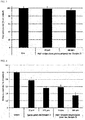
- As a control MNT-1 cell, which was not treated with the sample, was used, and the result is shown in FIG. 4 .
- Amount of melanin % absorbance / the total amount of proteins
- the high temperature-processed green tea extract according to the present disclosure has much excellent effect of inhibiting tyrosinase activity as compared to the typical green tea extract.
- Sample 2 150 mg was prepared, and mixed with 440 mg of lactose, 430 mg of cornstarch, and 2 mg of magnesium stearate to prepare a soft capsule filling solution. Thereafter, separately from the above, a soft capsule sheet was prepared at the ratio of 66 parts by weight of gelatin, 24 parts by weight of glycerin, and 10 parts by weight of solbitol solution and filled with the filling solution to prepare a soft capsule.
- Sample 2 150 mg was prepared, mixed with 15 mg of vitamin E, 15 mg of vitamin C, 250 mg of galactooligosaccharide, 60 mg of milk sugar. and 140 mg of malt sugar, then granulated using a fluidized bed drier, and then 8 mg of sugar ester was added.
- the tablet was prepared by tableting this composition by a typical method.
- Sample 2 according to Example 1 80 mg was prepared, mixed with 9 mg of vitamin E, 9 mg of vitamin C, 10g of glucose, 0.6g of citric acid, and 25g of liquid oligosaccharide, and then filled by adding 400ml of purified water. After filling it in the bottle, the bottle was sterilized for 4-5 seconds at 30°C to prepare the drink.
- a granule was prepared by preparing 150 mg of Sample 2 according to Example 1, mixing it with 9 mg of vitamin E, 9 mg of vitamin C, 250 mg of anhydrous crystalline glucose, and 550 mg of starch, then molding it in granules using a fluidized bed granulator, and then filling it in a pouch.
- Sample 2 150 mg was prepared, mixed with vitamin mixtures (70 g of vitamin A acetate, 1.0 mg of vitamin E, 0.13 mg of vitamin B1, 0.15 mg of vitamin B2, 0.5 mg of vitamin B6, 0.2 g of vitamin B12, 10 mg of vitamin C, 10 g of biotin, 1.7 mg of nicotine acid amide, 50 g of folic acid) and mineral mixture (1.75 mg of ferrous sulfate, 0.82 mg of zinc oxide, 25.3 mg of magnesium carbonate, 15 mg of potassium phosphate monobasic, 55 mg of potassium phosphate polybasic, 90 mg of potassium citrate, 100 mg of calcium carbonate, 24.8 mg of magnesium chloride) to prepare health food.
- vitamin mixtures 70 g of vitamin A acetate, 1.0 mg of vitamin E, 0.13 mg of vitamin B1, 0.15 mg of vitamin B2, 0.5 mg of vitamin B6, 0.2 g of vitamin B12, 10 mg of vitamin C, 10 g of biotin, 1.7 mg of nicotine acid amide, 50 g of folic
- Sample 2 according to Example 1 50 mg was prepared, and mixed with 1000 mg of citric acid, 100g of oligosaccharide, 2g of plum concentrate, 1g of taurine, and the balance of purified water to prepare 900 mL of health beverage.
- the extract and composition according to one aspect of the present disclosure are derived from natural plants that cause less irritation to the skin and are eco-friendly, thus they are safe, and thereby the extract and composition can exhibit excellent effects of effectively inhibiting the expression of MMP-1 and preventing or improving skin wrinkles.
- the extract and composition according to one aspect of the present disclosure are derived from natural plants that cause less irritation to the skin and are eco-friendly, thus they are safe, and thereby the extract and composition can exhibit excellent effects of effectively inhibiting melanin production and tyrosinase activity and preventing or improving skin whitening.
Landscapes
- Health & Medical Sciences (AREA)
- Life Sciences & Earth Sciences (AREA)
- General Health & Medical Sciences (AREA)
- Public Health (AREA)
- Veterinary Medicine (AREA)
- Animal Behavior & Ethology (AREA)
- Natural Medicines & Medicinal Plants (AREA)
- Engineering & Computer Science (AREA)
- Botany (AREA)
- Mycology (AREA)
- Chemical & Material Sciences (AREA)
- Dermatology (AREA)
- Epidemiology (AREA)
- Microbiology (AREA)
- Biotechnology (AREA)
- Pharmacology & Pharmacy (AREA)
- Birds (AREA)
- Medicinal Chemistry (AREA)
- Gerontology & Geriatric Medicine (AREA)
- Nutrition Science (AREA)
- Medical Informatics (AREA)
- Alternative & Traditional Medicine (AREA)
- Polymers & Plastics (AREA)
- Food Science & Technology (AREA)
- Chemical Kinetics & Catalysis (AREA)
- Organic Chemistry (AREA)
- General Chemical & Material Sciences (AREA)
- Nuclear Medicine, Radiotherapy & Molecular Imaging (AREA)
- Toxicology (AREA)
- Bioinformatics & Cheminformatics (AREA)
- Biochemistry (AREA)
- Cosmetics (AREA)
- Medicines Containing Plant Substances (AREA)
- Coloring Foods And Improving Nutritive Qualities (AREA)
- Pharmaceuticals Containing Other Organic And Inorganic Compounds (AREA)
Abstract
Description
- The present disclosure relates to a composition for skin-whitening or preventing or improving skin wrinkles, comprising a green tea extract which has modified amounts of ingredients.
- The causes of the skin aging phenomenon can be greatly classified into two: internal factors such as gene variation, structure change, etc. of cells, and external factors such as ultraviolet rays, humidity, etc. (Masamitsu Ichihashi, Fragrance Journal, Vol. 32, No. 5, 24 to 30). In the skin damaged by these internal and external factors, the phenomenon such as reduction of skin regeneration, change of the environment surrounding the cells, and weakening of the intercellular networks occurs, which results in scattering of the skin structure, and thereby, the phenomenon such as skin elasticity loss, keratinization, wrinkle generation, skin transparency degradation and skin atrophia, etc. occurs.
- The biggest change in aged skin is caused by a reduction of the growth factor that was active in younger skin. Since growth factors act as the first switch in the regeneration process in the skin, the reduction of growth factors in the skin causes deterioration of various functions in the skin, resulting in the loss of the components in the skin and the breakdown of the skin structure.
- In addition, the phenomenon of aging due to ultraviolet rays is called photoaging, and it has been known that this photoaging phenomenon generates reactive oxygen radicals (ROS) inside the cell by ultraviolet rays, and the active oxygen promotes the synthesis of proteolytic enzymes (MMP-1, MMP-3 and MMP-9, etc.) that degrade proteins such as collagen and elastin, which are elastic fibers of a dermal layer, through a signaling system causing an inflammatory reaction (Fisher GJ et al., Nature, Vol. 379, 335-339), thereby reducing elasticity of the dermal layer which causes skin wrinkles. Therefore, in order to prevent such skin aging phenomenon and maintain a healthier and more elastic skin, research activities have been steadily conducted to develop a bioactive substance having an anti-wrinkle effect. For example, in 1995, tretinoin (trans-retinoic acid) was approved by the US FDA as a medicine for the improvement of photo-aged skin, and as Retinol, which has low side effects, began to be used in cosmetic raw materials in the late 1990s, wrinkle improvement cosmetics have been started to be released. Since then, female hormone-like substances and antioxidants derived from various plants have been introduced into cosmetics as raw materials for improving wrinkles. As such, consumers' interest in and demand for cosmetics related to skin aging are increasing rapidly, but side effects of synthetic functional cosmetics have continuously occurred, and therefore, research on the development of cosmetics using natural products that are effective and nontoxic has been actively conducted.
- On the other hand, when exposed to ultraviolet rays, the skin has physical and chemical defense factors, and has a mechanism of action to minimize skin disorders caused by various photochemical reactions. The stratum corneum of the skin reduces energy by reflecting and diffusing ultraviolet rays, and melanin, superoxide dismutase (SOD), and other antioxidants protect against skin disorders by absorbing the ultraviolet rays that are penetrated into the skin and reducing its energy or by eliminating active oxygen that the ultraviolet rays secondarily generate. However, various skin disorders occur when a living body receives a large amount of ultraviolet rays exceeding the above-described defensive factors or its ability decreases as the body ages.
- The distribution and amount of melanin in the skin occupy the largest proportion of skin color determinants. Melanin plays an important role in forming a cap-like structure around the nucleus to protect genes from ultraviolet rays and in protecting proteins in cells by eliminating free radicals. Enzymes that degrade such melanin do not exist in body, and melanin are removed together from the skin as keratinocytes is aged and fully functioned and fall off the epidermis. However, when melanin is produced more than necessary, it causes hyperpigmentation such as blemishes, freckles, and spots, which may cause cosmetically bad results.
- Several factors have been known as affecting melanin production, and the increase of melanin production caused by ultraviolet rays and the resulting pigmentation are very important in cosmetic field. The basic mechanisms of drugs mixed in whitening cosmetics for the purpose of preventing pigmentation include: inhibiting tyrosinase action, inhibiting tyrosinase production, inhibiting melanin-producing intermediates, inhibiting melanin reduction and inhibiting photooxidation, promoting melanin excretion, and cutting ultraviolet rays, and the like.
- There is an increasing need for prevention and improvement of skin pigment abnormalities and hyperpigmentation, and it has been necessary to develop a whitening product that suppresses excessive melanin production. Specific examples thereof include inhibitors such as kojic acid, arbutin that inhibit tyrosinase activity, hydroquinone, vitamin A, vitamin C, and derivatives thereof, etc. However, their use has been limited due to problems such as insufficient whitening effect, stability in the formulation and safety to the skin. Therefore, researches on raw materials derived from natural products that are highly effective for skin whitening, easy to formulate, and safe for skin are being actively conducted.
- The object of the present disclosure is to provide a composition derived from natural plants, which is nontoxic and is effective for preventing or improving skin wrinkles, and a method for preparing the same.
- In addition, the object of the present disclosure is to provide a composition derived from natural plants, which is nontoxic and is effective for skin-whitening, and a method for preparing the same.
- In order to achieve the aforementioned objects, in one aspect, the present disclosure provides a composition for preventing or improving skin wrinkles, comprising, as an effective ingredient, a green tea extract containing 4 to 15 wt.% of (-)-gallocatechin gallate (GCG) and 4 to 15 wt.% of (-)-epigallocatechin gallate (EGCG), on the basis of the total weight of the extract.
- In another aspect, the present disclosure provides a composition for skin-whitening, comprising, as an effective ingredient, a green tea extract containing 4 to 15 wt.% of (-)-gallocatechin gallate (GCG) and 4 to 15 wt.% of (-)-epigallocatechin gallate (EGCG), on the basis of the total weight of the extract.
- In one another aspect, the present disclosure provides a use of a green tea extract containing 4 to 15 wt.% of (-)-gallocatechin gallate (GCG) and 4 to 15 wt.% of (-)-epigallocatechin gallate (EGCG), on the basis of the total weight of the extract, for the preparation of the composition for preventing or improving skin wrinkles.
- In one another aspect, the present disclosure provides a use of a green tea extract containing 4 to 15 wt.% of (-)-gallocatechin gallate (GCG) and 4 to 15 wt.% of (-)-epigallocatechin gallate (EGCG), on the basis of the total weight of the extract, for the preparation of the composition for skin-whitening.
- In one another aspect, the present disclosure provides a green tea extract containing 4 to 15 wt.% of (-)-gallocatechin gallate (GCG) and 4 to 15 wt.% of (-)-epigallocatechin gallate (EGCG), on the basis of the total weight of the extract, for use in preventing or improving skin wrinkles.
- In one another aspect, the present disclosure provides a green tea extract containing 4 to 15 wt.% of (-)-gallocatechin gallate (GCG) and 4 to 15 wt.% of (-)-epigallocatechin gallate (EGCG), on the basis of the total weight of the extract, for use in skin-whitening.
- In one another aspect, the present disclosure provides a method for preventing or improving skin wrinkles, comprising administering, to a subject in need thereof, a green tea extract containing 4 to 15 wt.% of (-)-gallocatechin gallate (GCG) and 4 to 15 wt.% of (-)-epigallocatechin gallate (EGCG), on the basis of the total weight of the extract.
- In one another aspect, the present disclosure provides a method for skin-whitening, comprising administering, to a subject in need thereof, a green tea extract containing 4 to 15 wt.% of (-)-gallocatechin gallate (GCG) and 4 to 15 wt.% of (-)-epigallocatechin gallate (EGCG), on the basis of the total weight of the extract.
-
-
FIG. 1 shows a chromatogram for a notified green tea extract (Sample 1) of Example 1. -
FIG. 2 shows a chromatogram for a high temperature-processed green tea extract (Sample 2) according to one aspect of the present disclosure. -
FIG. 3 shows the test results of cell cytotoxicity of the high temperature-processed green tea extract according to Test Example 2. -
FIG. 4 shows the evaluation results of the effect of the high temperature-processed green tea extract in inhibiting the production of melanin cells according to Test Example 3. -
FIG. 5 shows the evaluation results of the effect of the high temperature-processed green tea extract in inhibiting tyrosinase activity according to Test Example 4. - In the present specification, "green tea extract" includes an extract derived from a tea which is evergreen belonging to Camellia sinensis or an extract derived from tea leaf which was inoculated with Bacillus subtilis spp. and fermented, and includes a fraction obtained by fractionating the extract using a certain solvent, regardless of an extraction method, an extraction solvent, an extracted component or the form of the extract. The tea includes one or more selected from the group consisting of tea plant leaf, blossom, stem, fruit, root, branch, and heartwood of roots, and may preferably be leaf. In addition, the form of the extract may preferably be a powder form. The extraction or fraction can be performed using water, an organic solvent or a mixture solvent thereof. As the organic solvent, alcohol, isopropanol, acetone, hexane, ethyl acetate, carbon dioxide or a mixture solvent of two or more thereof can be used, but this is not limited thereto, and the extraction or fraction can be performed at a room temperature or by raising the temperature under a condition where the effective ingredient of the green tea is not destroyed or minimized. The alcohol may be a C1 to C5 lower alcohol. The frequency or method of the extraction or fraction is not particularly limited, and for example, methods such as cold extraction, ultrasonic extraction, reflux cooling extraction, hot water extraction, etc. can be used. Preferably, the green tea extract of the present disclosure can be obtained by extracting or fractionating and filtering the effective ingredient by cooling or heating, and then decompressing and concentrating the filtrate.
- In the present specification, "epicatechin" includes epigallocatechin (EGC), (-)epicatechin (EC), (-)-epigallocatechin gallate (EGCG), and epicatechin 3-O-gallate (ECG).
- In the present specification, "epicatechin epimer" includes gallocatechin (GC), catechin (C), (-)-gallocatechin gallate (GCG) and catechin gallate (CG).
- In one aspect, the present disclosure may relate to a composition for preventing or improving skin wrinkles, comprising, as an effective ingredient, a green tea extract containing 4 to 15 wt.% of (-)-gallocatechin gallate (GCG) and 4 to 15 wt.% of (-)-epigallocatechin gallate (EGCG), on the basis of the total weight of the extract.
- In another aspect, the present disclosure may relate to a composition for skin-whitening, comprising, as an effective ingredient, a green tea extract containing 4 to 15 wt.% of (-)-gallocatechin gallate (GCG) and 4 to 15 wt.% of (-)-epigallocatechin gallate (EGCG), on the basis of the total weight of the extract.
- In one another aspect, the present disclosure may relate to a use of the green tea extract containing 4 to 15 wt.% of (-)-gallocatechin gallate (GCG) and 4 to 15 wt.% of (-)-epigallocatechin gallate (EGCG), on the basis of the total weight of the extract, for the preparation of the composition for preventing or improving skin wrinkles.
- In one another aspect, the present disclosure may relate to a green tea extract containing 4 to 15 wt.% of (-)-gallocatechin gallate (GCG) and 4 to 15 wt.% of (-)-epigallocatechin gallate (EGCG), on the basis of the total weight of the extract, for the preparation of the composition for skin-whitening.
- In one another aspect, the present disclosure may relate to a green tea extract containing 4 to 15 wt.% of (-)-gallocatechin gallate (GCG) and 4 to 15 wt.% of (-)-epigallocatechin gallate (EGCG), on the basis of the total weight of the extract, for use in preventing or improving skin wrinkles.
- In one another aspect, the present disclosure may relate to a green tea extract containing 4 to 15 wt.% of (-)-gallocatechin gallate (GCG) and 4 to 15 wt.% of (-)-epigallocatechin gallate (EGCG), on the basis of the total weight of the extract, for use in skin-whitening.
- In one another aspect, the present disclosure may relate to a method for preventing or improving skin wrinkles, comprising administering, to a subject in need thereof, a green tea extract containing 4 to 15 wt.% of (-)-gallocatechin gallate (GCG) and 4 to 15 wt.% of (-)-epigallocatechin gallate (EGCG), on the basis of the total weight of the extract.
- In one another aspect, the present disclosure may relate to a method for skin-whitening, comprising administering, to a subject in need thereof, a green tea extract containing 4 to 15 wt.% of (-)-gallocatechin gallate (GCG) and 4 to 15 wt.% of (-)-epigallocatechin gallate (EGCG), on the basis of the total weight of the extract.
- In one aspect, the GCG may be contained in the amount of 4 wt.% or more, 5 wt.% or more, 5.3 wt.% or more, 5.59 wt.% or more, 5.7 wt.% or more, 6 wt.% or more, 7 wt.% or more, 8 wt.% or more, 9 wt.% or more, 10 wt.% or more, 11 wt.% or more, 12 wt.% or more, 13 wt.% or more, or 14 wt.% or more, on the basis of the total weight of the extract. In another aspect, the GCG may be contained in the amount of 15 wt.% or less, 14 wt.% or less, 13 wt.% or less, 12 wt.% or less, 11 wt.% or less, 10 wt.% or less, 9 wt.% or less, 8 wt.% or less, 7 wt.% or less, 6 wt.% or less, 5.7 wt.% or less, 5.59 wt.% or less, 5.3 wt.% or less, or 5 wt.% or less, on the basis of the total weight of the extract. If the GCG is contained within said amount range, the composition may exhibit excellent MMP-1 inhibition activity, melanin production inhibition activity or tyrosinase activity inhibition effect.
- In one aspect, the EGCG may be contained in the amount of 4 wt.% or more, 5 wt.% or more, 5.2 wt.% or more, 5.27 wt.% or more, 5.5 wt.% or more, 6 wt.% or more, 7 wt.% or more, 8 wt.% or more, 9 wt.% or more, 10 wt.% or more, 11 wt.% or more, 12 wt.% or more, 13 wt.% or more, or 14 wt.% or more, on the basis of the total weight of the extract. In another aspect, the EGCG may be contained in the amount of 15 wt.% or less, 14 wt.% or less, 13 wt.% or less, 12 wt.% or less, 11 wt.% or less, 10 wt.% or less, 9 wt.% or less, 8 wt.% or less, 7 wt.% or less, 6 wt.% or less, 5.5 wt.% or less, 5.27 wt.% or less, 5.2 wt.% or less or 5 wt.% or less, on the basis of the total weight of the extract.
- As another embodiment, the total amount of GCG and EGCG in the extract may be 30 wt.% or less, on the basis of the total weight of the extract. In one aspect, the total amount of GCG and EGCG in the extract may be 30 wt.% or less, 25 wt.% or less, 20 wt.% or less, 18 wt.% or less, 16 wt.% or less, 15 wt.% or less, 14 wt.% or less, 12 wt.% or less, 10.5 wt.% or less, 10 wt.% or less, or 9 wt.% or less, on the basis of the total weight of the extract. In another aspect, the total amount of the GCG and the EGCG in the extract may be 8 wt.% or more, 9 wt.% or more, 10 wt.% or more, 10.5 wt.% or more, 12 wt.% or more, 13 wt.% or more, 14 wt.% or more, 16 wt.% or more, 18 wt.% or more, 20 wt.% or more, or 25 wt.% or more, on the basis of the total weight of the extract.
- As another embodiment, the amount of epicatechin in the extract may be 20 wt.% or less, on the basis of the total weight of the extract. In one aspect, the amount of epicatechin in the extract may be 20 wt.% or less, 18 wt.% or less, 16 wt.% or less, 15 wt.% or less, 14 wt.% or less, 12 wt.% or less, 11 wt.% or less, or 10 wt.% or less, on the basis of the total weight of the extract. In another aspect, the amount of epicatechin in the extract may be 9 wt.% or more, 10 wt.% or more, 11 wt.% or more, 12 wt.% or more, 13 wt.% or more, 14 wt.% or more, 16 wt.% or more, or 18 wt.% or more, on the basis of the total weight of the extract.
- As another embodiment, the total amount of 8 types of catechins in the extract, i.e. the total amount of EGCG, (-)-epigallocatechin (EGC), (-)epicatechin (EC), epicatechin 3-O-gallate (ECG), GCG, gallocatechin (GC), catechin (C) and catechin gallate (CG) in the extract may be from 19 to 30 wt.%, on the basis of the total weight of the extract. In one aspect, the total amount of the 8 types of catechins may be 19 wt.% or more, 21 wt.% or more, 23 wt.% or more, 24 wt.% or more, 24.5 wt.% or more, 25 wt.% or more, 26 wt.% or more, 27 wt.% or more, 28 wt.% or more, or 29 wt.% or more, on the basis of the total weight of the extract. In another aspect, the total amount of the 8 types of catechins may be 30 wt.% or less, 29 wt.% or less, 28 wt.% or less, 27 wt.% or less, 26 wt.% or less, 25 wt.% or less, 24.5 wt.% or less, 24 wt.% or less, 23 wt.% or less, or 21 wt.% or less, on the basis of the total weight of the extract.
- As another embodiment, the weight ratio of GCG:EGCG in the extract may be 1:0.5 to 2. In one aspect, the weight ratio of GCG:EGCG in the extract may be 1:0.5, 1:0.8, 1:1, 1:1.2, 1:1.5, 1:1.8 or 1:2.
- As one another embodiment, the extract may be an extract obtained by extracting using one or more of water and C1 to C4 alcohol one or more times. In one aspect, the alcohol may be ethanol. In another aspect, the alcohol may be ethanol of 20% or more, 30% or more, 40% or more, 50% or more, 60% or more or 70% or more. In another aspect, the alcohol may be ethanol of 70% or less, 60% or less, 50% or less, 40% or less or 30% or less.
- As another embodiment, the amount of the green tea extract in the composition for preventing or improving skin wrinkles may be from 1 wt.% to 100 wt.% relative to the total weight of the composition. In one aspect, the amount of the extract in the composition may be 1 wt.% or more, 10 wt.% or more, 20 wt.% or more, 30 wt.% or more, 40 wt.% or more, 50 wt.% or more, 60 wt.% or more, 70 wt.% or more, 80 wt.% or more or 90 wt.% or more. In another aspect, the amount of the extract in the composition may be 100 wt.% or less, 90 wt.% or less, 80 wt.% or less, 70 wt.% or less, 60 wt.% or less, 50 wt.% or less, 40 wt.% or less, 30 wt.% or less or 20 wt.% or less.
- As another embodiment, the dosage of the effective ingredient may be from 5 mg/kg/day to 1000 mg/kg/day. In one aspect, the dosage may be 5 mg/kg/day or more, 100 mg/kg/day or more, 200 mg/kg/day or more, 300 mg/kg/day or more, 400 mg/kg/day or more, 500 mg/kg/day or more, 600 mg/kg/day or more, 700 mg/kg/day or more, 800 mg/kg/day or more, or 900 mg/kg/day or more. In another aspect, the dosage may be 1000 mg/kg/day or less, 900 mg/kg/day or less, 800 mg/kg/day or less, 700 mg/kg/day or less, 600 mg/kg/day or less, 500 mg/kg/day or less, 400 mg/kg/day or less, 300 mg/kg/day or less, 200 mg/kg/day or less, 100 mg/kg/day or less, 50 mg/kg/day or less, or 10 mg/kg/day or less.
- As one embodiment, the extract can inhibit the expression of MMP-1 (matrix metalloproteinase-1). In other words, the extract or composition can exhibit the effect of preventing or improving skin wrinkles by inhibiting the expression of MMP-1.
- As another embodiment, the extract can inhibit melanin production, and as one another embodiment, the extract can inhibit the activity of tyrosinase. In other words, the extract or composition can exhibit the effect of skin-whitening by inhibiting melanin production or inhibiting the activity of tyrosinase.
- As one embodiment, the composition may be a food, pharmaceutical or cosmetic composition.
- The formulation of the food composition is not particularly limited, but the food composition may be formulated into, for example, tablets, granules, pills, powders, solutions such as drinks, caramels, gels, bars, tea bags, etc. In the food composition of the respective formulations, in addition to the effective ingredient, ingredients typically used in the pertinent field can be suitably selected and mixed by a person skilled in the art without any difficulty depending on the formulation or purpose of use, and when this composition is applied together with other raw material, a synergistic effect would be generated. In addition, the food may be health functional food.
- The composition may be administered by various methods, such as simple intake, drinking, injection administration, spray administration, or squeeze administration.
- In the food composition according to one aspect of the present disclosure, the determination of the dosage of the effective ingredient is made at the level of a person skilled in the art, and may vary depending on various factors such as age, health conditions, complications, etc. of the subject to which the composition is administered.
- The food composition according to one aspect of the present disclosure may be health functional food such as chewing gums, caramels, candies, ice creams, snacks, breads, etc., and beverage products such as soft drink, mineral water, alcoholic drinks, etc., and functional foods including vitamin or mineral, etc.
- Other than the above, the food composition according to one aspect of the present disclosure may include several nutritional supplements, vitamins, minerals (electrolyte), flavoring agents such as synthetic flavoring agents and natural flavoring agents, colorants and enhancers (cheese, chocolate, etc.), pectic acids and salts thereof, alginic acids and salts thereof, organic acids, protective colloid thickeners, pH regulators, stabilizers, preservatives, glycerin, alcohol, carbonation used for carbonated beverages, and the like. In addition, the food compositions according to one aspect of the present disclosure may include natural fruit juices and fruit pulps for the preparation of fruit juice drink and vegetable drink. Such ingredients may be used independently or in combination. The ratio of such additives is not important, but the additives are generally comprised in the amount ranging from 0 to about 60 parts by weight per 100 parts by weight of the composition according to one aspect of the present disclosure.
- The pharmaceutical composition according to one aspect of the present disclosure can be administered orally, parenterally, rectally, topically, transdermally, intravenously, intramuscularly, intraperitoneally, subcutaneously, etc. The formulation for the oral administration may be tablets, pills, soft and hard capsules, granules, powders, fine granules, solutions, emulsifying agents or pellets, but not limited thereto. The formulation for the parenteral administration may be solutions, suspensions, liquids, gels, injections, drops, suppository, patches or sprays, but not limited thereto. The formulations can be easily prepared according to the typical method in the pertinent field, and may further comprise surfactants, excipients, wettable powders, emulsifiers, suspensions, salts or buffers for osmotic pressure control, colorants, spices, stabilizers, antimicrobial agents, preservatives, or other commercial auxiliaries.
- The composition according to one aspect of the present disclosure may comprise pharmaceutically acceptable salts, wherein the salts may include (1) acid addition salts that are formed from inorganic acids such as hydrochloric acids, hydrobromic acids, sulfuric acids, nitric acids, phosphoric acids, or the like; or formed from organic acids such as acetic acids, propionic acids, hexanoic acids, cyclopentanepropionic acids, glycolic acids, pyruvic acids, lactic acids, malonic acids, succinic acids, malic acids, maleic acids, fumaric acids, tartaric acids, citric acids, benzoic acids, 3-(4-hydroxybenzoyl) benzoic acids, cinnamic acids, mandelic acids, methanesulfonic acids, ethanesulfonic acids, 1,2-ethane-disulfonic acids, 2-hydroxyethanesulfonic acids, benzenesulfonic acids, 4-chlorobenzenesulfonic acids, 2-naphthalenesulfonic acids, 4-toluenesulfonic acids, camphorsulfonic acids, 4-methylbicyclo [2,2,2]-oct-2-ene-1-carboxylic acids, glucoheptonic acids, 3-phenylpropionic acids, trimethylacetic acids, tert-butylacetic acids, lauryl sulfuric acids, gluconic acids, glutamic acids, hydroxynaphthoic acids, salicylic acids, stearic acids, and muconic acids; or (2) salts formed when acidic protons present in the parent compound are substituted.
- The amount or dosage of the pharmaceutical composition used according to one aspect of the present disclosure may vary depending on age, gender and weight, pathology and its severity of the subject to which the composition is administered, dosing route and prescriber's decision. The determination of the dosage based on such factors is made at the level of a person skilled in the art.
- The cosmetic composition according to one aspect of the present disclosure may contain cosmetically or dermatologically acceptable medium or base. This may be provided in all of formulations suitable for topical application, for example, solutions, gels, solid, pasty anhydride products, emulsions obtained by dispersing an oily phase into an aqueous phase, suspensions, microemulsions, microcapsules, fine granules or ionic (liposome) and non-ionic sacculated dispersions, or creams, skins, lotions, powders, ointments, sprays or conceal sticks. These compositions may be prepared according to the typical method in the pertinent field. The cosmetic composition may also be used in the form of an aerosol composition further containing a propellant compressed in the form of foam.
- The formulation of the cosmetic composition is not particularly limited, and can be suitably selected depending on the purpose. For example, the cosmetic composition can be prepared in the formulation of, for example, skin lotion, skin softener, skin toner, lotion, milk lotion, moisture lotion, nourishing lotion, massage cream, nourishing cream, moisture cream, hand bream, foundation, essence, nourishing essence, pack, soap, cleansing foam, cleansing lotion, cleansing cream, cleansing water, powder, body lotion, body cream, body oil, body cleanser and body essence, etc.
- In case where the formulation of the present disclosure is paste, cream or gel, animal fiber, vegetable fiber, wax, paraffin, starch, tragacanth, cellulose derivative, polyethylene glycol, silicon, bentonite, silica, talc or zinc oxide, etc. may be used as a carrier ingredient.
- In case where the formulation of the present disclosure is power or spray, lactose, talc, silica, aluminum hydroxide, calcium silicate or polyamide powder may be used as a carrier ingredient, and particularly, in the case of spray, the composition may further comprise propellants such as chlorofluorohydrocarbon, propane/butane or dimethyl ether.
- In case where the formulation of the present disclosure is a solution or an emulsion, a solvent, a solvating agent or a emulsifier is used as a carrier ingredient, and the examples thereof include water, ethanol, isopropanol, ethyl carbonate, ethyl acetate, benzyl alcohol, benzyl benzoate, propylene glycol, 1,3-butylglycol oil, glycerol fatty acid, polyethylene glycol or fatty acid ester of sorbitan.
- In case where the formulation of the present disclosure is a suspension, a liquid diluent such as water, ethanol or propylene glycol, suspensions such as ethoxylated isostearyl alcohol, polyoxyethylene sorbitol ester and polyoxyethylene sorbitan ester, microcrystalline cellulose, aluminum metahydroxide, bentonite, agar-agar or tragacanth, etc. may be used as a carrier ingredient.
- In case where the formulation of the present disclosure is a surfactant-containing cleansing, aliphatic alcohol sulfate, aliphatic alcohol ether sulfate, sulfosuccinic monoester, isethionate, imidazolinium derivatives, methyltauride, sarcosinate, fatty acid amide ether sulphate, alkylamidobetaine, fatty alcohols, fatty acid glycerides, fatty acid diethanolamide, vegetable oil, lanolin derivatives, or ethoxylated glycerol fatty acid ester, etc. may be used as a carrier ingredient.
- The cosmetic composition may further include, in addition to the green tea extract, functional additives and ingredients that are comprised in general cosmetic compositions. The examples of the functional additives may include ingredient selected from the group consisting of water-soluble vitamins, oil-soluble vitamins, polypeptide, polysaccharide, sphingolipid and plant extracts.
- In addition, in the composition, ingredients that are comprised in general cosmetic composition, other than the aforementioned functional additives, can be suitably mixed as needed. The examples of the additionally comprised ingredients to be mixed include fat, a moisturizing agent, an emollient, a surfactant, organic and inorganic pigments, organic powders, an ultraviolet absorbent, an antimicrobial agent, a sterilizer, an antioxidant, a plant extract, a pH regulator, alcohol, a colorant, a flavoring agent, a blood circulation promoter, a cooling agent, an antiperspirant, a purified water, etc.
- Hereinafter, the constitution and effect of the present specification will be explained in more detail with reference to the examples, test examples and formulation examples. However, these examples are provided only for the purpose of illustration in order to help the understanding of the present specification, and the scope and range of the present specification are not limited thereto.
- 1000ml of 50% ethanol was added to 100g of green tea (Camellia sinensis; O'sulloc in Jeju), and then refluxed and stirred at 60°C for 1 hour. A solution, which was obtained by lowering the temperature of the sample to a room temperature and filtering, was decompressed and distilled to obtain 20g of dark brown powder of general notified green tea extract (GT-LE-35CAT, Sample 1) (yield 23%).
- On the other hand, in order to prepare a high temperature-processed green tea extract, 1000ml of 50% ethanol was added to 100g of green tea (Camellia sinensis; O'sulloc in Jeju), and then refluxed and stirred at 60°C for 1 hour. This was concentrated and then stirred at 1.5 kgf/cm2 of steam for 1-7 hours. Thereafter, 10g of a high temperature-processed green tea extract was obtained by lowering the temperature to a room temperature, filtering insoluble substances, and decompressing and concentrating it. Herein, the change of the amounts of the 8 types of catechins in the high temperature-processed green tea extract obtained at each stirring time (1-7 hours) was measured using the device shown in the following Table 1, and it was verified that at 5 hours, the conversion from EGCG into GCG by heat was the most, and the amounts of the 8 types of catechins were not reduced anymore. The resultant 10g of high temperature-processed green tea extract (HTP-GTE) was used as
Sample 2. - The conditions and results of the analysis of the two types of extracts obtained therefrom are shown in the following Table 1 (composition analysis conditions of
Samples 1 and 2), Table 2 (composition analysis results of Sample 1) and Table 3 (composition analysis results of Sample 1), respectively. In addition, the chromatograms of the two types of extracts are shown inFIG. 1 (Sample 1) andFIG. 2 (Sample 2). From the above, it was verified that the composition ofSample 2 is different from that of the typical green tea extract. Specifically, it was verified that whileSample 2 contained EGCG (5.27 wt.%), EGC (3.53 wt.%) and total catechins (24.41 wt.%) in significantly lower amounts as compared toSample 1,Sample 2 additionally produced 4 types of epicatechin epimers that were not found inSample 1.Table 1 Column Thermofisher C18 5um, 4.6 X 250mm Detector UV 280nm Dilution Water in Gradient A-0.1% TFA (Trifluoro acetic acid) B- Acetonitrile Gradient profile 0 min A(90) : B(10) 30 min A(85) : B(15) 42 min A(80) : B(20) 44 min A(5) : B(95) 49 min A(90) : B(10) Flow rate 1 ml/min Injection volume 201 Table 2 Sample 1GC EGC Caffeine C EC GCG EGCG CG ECG Total amounts of epicatechins Total amounts of epicatechin epimers Total amounts of 8 types 0 9.16 3.21 0 3.6 3 0 20.93 0 2.62 36.34 0 36.34 Table 3 Sa mple 2GC EGC Caffeine C EC GCG EGCG CG ECG Total amounts of epicatechins Total amounts of epicatechin epimers Total amounts of 8 types 4.9 3.53 3.9 1.57 0.95 5.59 5.27 1.3 1.3 11.05 13.36 24.41 (In Tables 2 and 3, GC is gallocatechin, EGC is epigallocatechin, C is catechin, EC is (-)epicatechin, GCG is gallocatechin gallate, EGCG is epigallocatechin gallate, CG is catechin gallate, and ECG is epicatechin 3-O-gallate.)
(The units of Tables 2 and 3 are all wt.% of the corresponding ingredient relative to the total weight of the green tea extracts (Samples 1 and 2).) - The evaluation on MMP-1 inhibition activity was conducted in order to verify the effects of the green tea extracts of
Samples - Normal human dermal fibroblast (NHDF; Lonza, Switzerland) was cultured in a DMEM medium (Dulbecco's modified Eagle's Medium, Gibco 1210-0038) comprising 10% of fetal bovine serum, and the culturing was all performed in a 37°C, 5% CO2 culture medium. Cells that had 6-9 sub-culture frequencies were used as young cells, and aged dermal fibroblasts were obtained by sub-culturing 37 times in such a manner that the number of cells was calculated for every sub-culture and then 1/5 of the total number of cells were newly cultured. The aged dermal fibroblasts were treated with EGCG and GCG depending on the ratio of EGCG:GCG and the concentration of GCG, or treated with
Sample 1 orSample 2. - In order to verify the amount of MMP-1 produced, the enzyme-linked immunosorbent assay (ELISA) method was used (Amersham, USA). The culture medium of the cells treated with the samples at the step 1-1 was collected and the supernatant was isolated by centrifuging at 1000xg, and then the culture medium was put into a 96-well plate coated with an MMP-1 antibody, and then a secondary antibody (horse reddish peroxidase, HRP) was reacted at room temperature for 1 hour, and washed with 100 LPBS. The amount of MMP-1 produced was confirmed by measuring absorbance at a 490nm wavelength after reaction and confirming its degree of color formation using a TMB substrate solution (Pierce, USA), and the MMP-1 inhibition activity (%) was calculated using the following equation.

- The results are shown in the following tables 4 and 5.
Table 4 Treated amount (g/ml) MMP-1 inhibition activity (%) Processed immediately Processed after 24 hours Sample 1 200 66±10.2 10±1.0 Sample 2200 83±12.1 78±6.9 Table 5 Amount (g/ml) EGCG:GCG MMP-1 inhibition activity (%) EGCG GCG Processed immediately Processed after 24 hours 3 0 - 56±9.7 6±1.0 2.4 0.6 4:1 53±5.4 9.4±0.9 2 1 2:1 67±6.1 22±1.1 1.8 1.2 1.5:1 76±5.2 54±3.1 1.5 1.5 1:1 74±4.2 57±0.8 1.2 1.8 1:1.5 73 ±3.7 60±6.3 0 3 - 55±9.2 10±1.0 - From the result of Table 4, it was verified that the high temperature-processed green tea extract (Sample 2), comprising GCG in the amount of 5.59 wt.%, EGCG in the amount of 5.27 wt.%, epicatechin in the amount of 11.05 wt.%, epicatechin epimers in the amount of 13.36 wt.%, and 8 types of catechin in the total amount of 24.41 wt.%, had the excellent inhibition activity of MMP-1 as compared to the typical green team extract (Sample 1). In particular, it was verified that in case where the aged fibroblast was left at a room temperature for 24 hours and then processed, the MMP-1 inhibition activity of the high temperature-processed green tea extract according to the present disclosure was significantly superior, despite that the total amount of the 8 types of catechin was lower than the typical green tea extract.
- In addition, from the result of Table 5, it was verified that in case where the weight ratio of EGCG:GCG is 2:1, 1.5:1, 1:1 or 1:1.5, it exhibited excellent MMP-1 inhibition activity as compared to the case where only EGCG was treated, only GCG was treated, or where the weight ratio of EGCG:GCG is 4:1. Particularly, in case where the weight ratio of EGCG:GCG is 1.5:1, 1:1 or 1:1.5, it exhibited more excellent MMP-1 inhibition activity.
- As the result, it was confirmed that the high temperature-processed green tea extract comprising 4 to 15 wt.% of GCG and 4 to 15 wt.% of EGCG according to the present disclosure can effectively prevent or improve skin wrinkles through excellent MMP-1 inhibition activity, and in addition, it was confirmed that when the composition comprises GCG and EGCG in certain weight ratio according to the present disclosure, the effect of preventing or improving skin wrinkles through MMP-1 inhibition activity would be more improved.
- Melanocyte cell lines (skin cytoma) obtained from Lonza were seeded in a 96-well plate (FALCON) at 1X10⁵ per well, and cultured in a 37°C, 5% CO2 incubator for 24 hours, and then it was treated with the high temperature-processed green tea extract of Example 1 (Sample 2) in the amounts of 10 ppm and 100 ppm and then further cultured for 48 hours.
- Thereafter, the medium was removed, and the survival rate of the cells was verified using cell counting kit-8 (Dojindo). 10 l of cell counting kit-8 (Dojindo) solution was added to 100 l of RPMI1640 (Lonza) to process the cells, then absorbance was confirmed at 450 nm, and then the number of living cells was quantified. The number of cells or the cell viability (%) was calculated by the following equation.

- The result is shown in
FIG. 3 , and it was verified that both 10 ppm and 100 ppm of the high temperature-green tea extracts (Sample 2) exhibited no cell cytotoxicity. - The MNT-1 cells, which are human melanoma cell lines (Lonza, SWISS) with overproduction of melamine, were seeded in a 6-well plate at 1x10⁶ cell/well, cultured for 24 hours under the 37°C, 5% CO2 conditions, then treated with
Sample 1 andSample 2 of Example 1 in the amounts of 10 ppm and 100 ppm, and cultured a 37°C, 5% CO2 incubator for 48 hours. The cell cultured for 48 hours was processed with 500 l of Lysis Buffer(1% NP-40, 50mM Tris-HCL; pH 7.5, 150mM NaCl), collected in a microtube using a cell scraper, and then centrifuged at 13,000rpm for 15 minutes (Eppendorf, centrifuge 5415R, Germany). Thereafter, the precipitates were isolated and dissolved using 50 1 of IN sodium hydroxide, and then absorbance at a 450nm wavelength specific to melanin was measured and the amount of melanin was corrected to the total amount of proteins according to the following equation. Herein, as a control, MNT-1 cell, which was not treated with the sample, was used, and the result is shown inFIG. 4 .
- From the result of
FIG. 4 , it was verified that as compared to the typical green tea extract (Sample 1), the high temperature-processed green tea extract (Sample 2) was much excellent in inhibiting melanin production. - In particular, in case where 100 ppm of the high temperature-processed green tea extract was treated, the effect of inhibiting melanin production was significantly high. In addition, in case where 10 ppm of the high temperature-processed green tea extract was treated, the effect of inhibiting melanin production was similar to the case of being treated with 100 ppm of the typical green tea extract. From this result, it was confirmed that the effect of the high temperature-processed green tea extract according to the present disclosure in inhibiting melanin production is 10 times more excellent than the typical green tea extract.
- 10 mM of DOPA (dihydroxyphenylalanine) (equivalent amount 10 g) was added to 10 g of cell dissolution according to Test Example 2, and the amount of dopachrome produced by the action of tyrosinase was measured by comparing absorbance at 490nm. The tyrosinase activity was calculated as the ratio to the absorbance of the group not treated with sample, and then shown in
FIG. 5 . - From the result of
FIG. 5 , it was verified that the high temperature-processed green tea extract according to the present disclosure has much excellent effect of inhibiting tyrosinase activity as compared to the typical green tea extract. - 150 mg of
Sample 2 according to Example 1 was prepared, and mixed with 440 mg of lactose, 430 mg of cornstarch, and 2 mg of magnesium stearate to prepare a soft capsule filling solution. Thereafter, separately from the above, a soft capsule sheet was prepared at the ratio of 66 parts by weight of gelatin, 24 parts by weight of glycerin, and 10 parts by weight of solbitol solution and filled with the filling solution to prepare a soft capsule. - 150 mg of
Sample 2 according to Example 1 was prepared, mixed with 15 mg of vitamin E, 15 mg of vitamin C, 250 mg of galactooligosaccharide, 60 mg of milk sugar. and 140 mg of malt sugar, then granulated using a fluidized bed drier, and then 8 mg of sugar ester was added. The tablet was prepared by tableting this composition by a typical method. - 80 mg of
Sample 2 according to Example 1 was prepared, mixed with 9 mg of vitamin E, 9 mg of vitamin C, 10g of glucose, 0.6g of citric acid, and 25g of liquid oligosaccharide, and then filled by adding 400ml of purified water. After filling it in the bottle, the bottle was sterilized for 4-5 seconds at 30°C to prepare the drink. - A granule was prepared by preparing 150 mg of
Sample 2 according to Example 1, mixing it with 9 mg of vitamin E, 9 mg of vitamin C, 250 mg of anhydrous crystalline glucose, and 550 mg of starch, then molding it in granules using a fluidized bed granulator, and then filling it in a pouch. - 150 mg of
Sample 2 according to Example 1 was prepared, mixed with vitamin mixtures (70 g of vitamin A acetate, 1.0 mg of vitamin E, 0.13 mg of vitamin B1, 0.15 mg of vitamin B2, 0.5 mg of vitamin B6, 0.2 g of vitamin B12, 10 mg of vitamin C, 10 g of biotin, 1.7 mg of nicotine acid amide, 50 g of folic acid) and mineral mixture (1.75 mg of ferrous sulfate, 0.82 mg of zinc oxide, 25.3 mg of magnesium carbonate, 15 mg of potassium phosphate monobasic, 55 mg of potassium phosphate polybasic, 90 mg of potassium citrate, 100 mg of calcium carbonate, 24.8 mg of magnesium chloride) to prepare health food. - 50 mg of
Sample 2 according to Example 1 was prepared, and mixed with 1000 mg of citric acid, 100g of oligosaccharide, 2g of plum concentrate, 1g of taurine, and the balance of purified water to prepare 900 mL of health beverage. - 10 mg of
Sample 2 according to Example 1 was prepared, mixed with maltodextrin, then 15 ml of purified water was added, and filled in an ample bottle. The bottle was sterilized to prepare a liquid ample. - The extract and composition according to one aspect of the present disclosure are derived from natural plants that cause less irritation to the skin and are eco-friendly, thus they are safe, and thereby the extract and composition can exhibit excellent effects of effectively inhibiting the expression of MMP-1 and preventing or improving skin wrinkles.
- In addition, the extract and composition according to one aspect of the present disclosure are derived from natural plants that cause less irritation to the skin and are eco-friendly, thus they are safe, and thereby the extract and composition can exhibit excellent effects of effectively inhibiting melanin production and tyrosinase activity and preventing or improving skin whitening.
- While the present disclosure has been described with respect to the specific embodiments, it will be apparent to those skilled in the art that various changes and modifications may be made without departing from the spirit and scope of the invention as defined in the following claims.
Claims (15)
- A green tea extract containing 4 to 15 wt.% of (-)-gallocatechin gallate (GCG) and 4 to 15 wt.% of (-)-epigallocatechin gallate (EGCG), on the basis of the total weight of the extract, for use in preventing or improving skin wrinkles.
- The green tea extract according to claim 1,
wherein the total amount of EGCG, epigallocatechin (EGC), (-)epicatechin (EC), epicatechin 3-O-gallate (ECG), GCG, gallocatechin (GC), catechin (C) and catechin gallate (CG) in the extract are from 19 to 30 wt.%, on the basis of the total weight of the extract, or
wherein the weight ratio of GCG:EGCG in the extract is 1:0.5 to 2, or
wherein the extract is an extract obtained by extracting with one or more of water and C1 to C4 alcohol one or more times. - The green tea extract according to claim 1 or 2,
wherein the green tea extract is formulated in a form of a composition which is a pharmaceutical composition,
wherein the amount of the extract in the composition is from 1 wt.% to 100 wt.% relative to the total weight of the composition. - The green tea extract according to any one of claims 1-3,
wherein the dosage of the extract is from 5 mg/kg/day to 1000 mg/kg/day, or
wherein the extract inhibits the expression of MMP-1 (matrix metalloproteinase-1). - A non-therapeutic use of a green tea extract containing 4 to 15 wt.% of (-)-gallocatechin gallate (GCG) and 4 to 15 wt.% of (-)-epigallocatechin gallate (EGCG), on the basis of the total weight of the extract, for preventing or improving skin wrinkles.
- The non-therapeutic use according to claim 5,
wherein the total amount of EGCG, epigallocatechin (EGC), (-)epicatechin (EC), epicatechin 3-O-gallate (ECG), GCG, gallocatechin (GC), catechin (C) and catechin gallate (CG) in the extract are from 19 to 30 wt.%, on the basis of the total weight of the extract, or
wherein the weight ratio of GCG:EGCG in the extract is 1:0.5 to 2, or
wherein the extract is an extract obtained by extracting with one or more of water and C1 to C4 alcohol one or more times. - The non-therapeutic use according to claim 5 or 6,
wherein the green tea extract is formulated in a form of a composition which is a food or cosmetic composition,
wherein the amount of the extract in the composition is from 1 wt.% to 100 wt.% relative to the total weight of the composition. - The non-therapeutic use according to any one of claims 5-7,
wherein the dosage of the extract is from 5 mg/kg/day to 1000 mg/kg/day, or
wherein the extract inhibits the expression of MMP-1 (matrix metalloproteinase-1). - A green tea extract containing 4 to 15 wt.% of (-)-gallocatechin gallate (GCG) and 4 to 15 wt.% of (-)-epigallocatechin gallate (EGCG), on the basis of the total weight of the extract, for use in skin-whitening.
- The green tea extract according to claim 9,
wherein the total amount of EGCG, epigallocatechin (EGC), (-)epicatechin (EC), epicatechin 3-O-gallate (ECG), GCG, gallocatechin (GC), catechin (C) and catechin gallate (CG) in the extract are from 19 to 30 wt.%, on the basis of the total weight of the extract, or
wherein the weight ratio of GCG:EGCG in the extract is 1:0.5 to 2, or
wherein the extract is an extract obtained by extracting with one or more of water and C1 to C4 alcohol one or more times. - The green tea extract according to claim 9 or 10,
wherein the green tea extract is formulated in a form of a composition which is a pharmaceutical composition,
wherein the amount of the extract in the composition is from 1 wt.% to 100 wt.% relative to the total weight of the composition. - The green tea extract according to any one of claims 9-11,
wherein the dosage of the effective ingredient is from 5 mg/kg/day to 1000 mg/kg/day, or
wherein the extract inhibits at least one of melanin production and the activity of tyrosinase. - A non-therapeutic use of a green tea extract containing 4 to 15 wt.% of (-)-gallocatechin gallate (GCG) and 4 to 15 wt.% of (-)-epigallocatechin gallate (EGCG), on the basis of the total weight of the extract, for skin-whitening.
- The non-therapeutic use according to claim 13,
wherein the total amount of EGCG, epigallocatechin (EGC), (-)epicatechin (EC), epicatechin 3-O-gallate (ECG), GCG, gallocatechin (GC), catechin (C) and catechin gallate (CG) in the extract are from 19 to 30 wt.%, on the basis of the total weight of the extract, or
wherein the weight ratio of GCG:EGCG in the extract is 1:0.5 to 2, or
wherein the extract is an extract obtained by extracting with one or more of water and C1 to C4 alcohol one or more times, or
wherein the dosage of the effective ingredient is from 5 mg/kg/day to 1000 mg/kg/day, or
wherein the extract inhibits at least one of melanin production and the activity of tyrosinase. - The non-therapeutic use according to claim 13 or 14,
wherein the green tea extract is formulated in a form of a composition which is a food or cosmetic composition,
wherein the amount of the extract in the composition is from 1 wt.% to 100 wt.% relative to the total weight of the composition.
Applications Claiming Priority (2)
| Application Number | Priority Date | Filing Date | Title |
|---|---|---|---|
| KR1020190005271A KR102764692B1 (en) | 2019-01-15 | 2019-01-15 | Composition for preventing or improving skin wrinkles comprising green tea extract which has modified amounts of ingredients |
| KR1020190005248A KR102714335B1 (en) | 2019-01-15 | 2019-01-15 | Compoisition for skin-whitening comprising green tea extract which has modified amounts of ingredients |
Publications (2)
| Publication Number | Publication Date |
|---|---|
| EP3682865A1 true EP3682865A1 (en) | 2020-07-22 |
| EP3682865B1 EP3682865B1 (en) | 2026-04-29 |
Family
ID=68771567
Family Applications (1)
| Application Number | Title | Priority Date | Filing Date |
|---|---|---|---|
| EP19213633.1A Active EP3682865B1 (en) | 2019-01-15 | 2019-12-04 | Use of a green tea extract which has modified amounts of ingredients for skin-whitening or preventing or improving skin wrinkles |
Country Status (4)
| Country | Link |
|---|---|
| US (2) | US11896640B2 (en) |
| EP (1) | EP3682865B1 (en) |
| JP (1) | JP7453783B2 (en) |
| CN (1) | CN111434333B (en) |
Cited By (1)
| Publication number | Priority date | Publication date | Assignee | Title |
|---|---|---|---|---|
| FR3132436A1 (en) | 2022-02-08 | 2023-08-11 | Isp Investments Llc | METHOD FOR OBTAINING PLANT EXTRACTS COMPRISING A SELF-FERMENTATION STEP, COMPOSITIONS COMPRISING SUCH EXTRACTS AND THEIR COSMETIC USES |
Families Citing this family (2)
| Publication number | Priority date | Publication date | Assignee | Title |
|---|---|---|---|---|
| JP7680661B2 (en) * | 2020-09-30 | 2025-05-21 | 株式会社ピカソ美化学研究所 | Actin reorganization inhibitor, phagocytosis inhibitor, pigmentation formation inhibitor containing said inhibitor, and skin external preparation containing said inhibitor |
| JP7636654B2 (en) * | 2020-09-30 | 2025-02-27 | 株式会社ピカソ美化学研究所 | Actin reorganization inhibitor, phagocytosis inhibitor, pigmentation formation inhibitor containing said inhibitor, and skin external preparation containing said inhibitor |
Citations (8)
| Publication number | Priority date | Publication date | Assignee | Title |
|---|---|---|---|---|
| WO2001049285A1 (en) * | 2000-01-03 | 2001-07-12 | Slk Foundation | Flavonoid drug and dosage form, its production and use |
| JP2006094825A (en) * | 2004-09-30 | 2006-04-13 | Saga Univ | Catechin type catechins-rich tea leaves |
| KR20070028903A (en) * | 2005-09-08 | 2007-03-13 | (주)아모레퍼시픽 | Skin external preparation composition for epidermal-dermal border protection |
| JP2007112717A (en) * | 2005-10-18 | 2007-05-10 | Ito En Ltd | Method for producing non-epimeric catechins |
| KR20080101419A (en) * | 2007-05-18 | 2008-11-21 | (주)아모레퍼시픽 | External preparation composition for skin containing green tea flower extract |
| US20190091276A1 (en) * | 2017-09-25 | 2019-03-28 | Amorepacific Corporation | Composition for protecting cell from oxidative stress comprising green tea extract which has modified amounts of ingredients |
| US20190091275A1 (en) * | 2017-09-25 | 2019-03-28 | Amorepacific Corporation | Composition for enhancing cognitive function comprising green tea extract which has modified amounts of ingredients |
| WO2019088412A1 (en) * | 2017-10-30 | 2019-05-09 | (주)아모레퍼시픽 | Composition containing tea extract with increased specific ingredient content for prevention or alleviation of lipid metabolism disorders |
Family Cites Families (13)
| Publication number | Priority date | Publication date | Assignee | Title |
|---|---|---|---|---|
| WO2007029982A1 (en) | 2005-09-08 | 2007-03-15 | Amorepacific Corporation | Composition of skin external application for anti-aging |
| KR101149686B1 (en) * | 2005-09-08 | 2012-05-23 | (주)아모레퍼시픽 | Cosmetic composition for suppressing sebum containing catechins and kaempferol |
| KR20080006895A (en) * | 2006-07-14 | 2008-01-17 | (주)아모레퍼시픽 | GCG green tea and its manufacturing method |
| KR101800213B1 (en) | 2010-07-02 | 2017-11-24 | (주)아모레퍼시픽 | Skin Whitening Cosmetic Composition Containing Extracts of Acer barbinerve Max., Acer barbinervis var. glabrescens or Acer tschonoskii var. rubripes |
| KR20120089407A (en) * | 2010-12-17 | 2012-08-10 | 계명대학교 산학협력단 | Composition For Improving Skin Condition Comprising Extract From Black Tea As Active Ingredient |
| ES2609403T3 (en) * | 2013-01-28 | 2017-04-20 | Unilever N.V. | Composition for skin care |
| WO2015090853A1 (en) * | 2013-12-20 | 2015-06-25 | Unilever N.V. | Sunless tanning |
| KR102322441B1 (en) | 2014-02-24 | 2021-11-09 | (주)아모레퍼시픽 | Composition for skin whitening containing an extract derived from a petiole of Green tea |
| KR101722429B1 (en) * | 2015-04-27 | 2017-04-04 | 강원대학교산학협력단 | Composition for anti-aging comprising methylated catechin as effective component |
| KR101780692B1 (en) * | 2015-06-24 | 2017-09-25 | 주식회사 티젠 농업회사법인 | Composition comprising natural mixture extract for preventing lose of hair or promoting growth of hair |
| KR102112806B1 (en) * | 2017-03-15 | 2020-05-19 | 한국생명공학연구원 | A use of Pistacia weinmannifolia for skin whitening and wrinkle improvement |
| KR101863053B1 (en) | 2017-04-13 | 2018-06-01 | 서울대학교 산학협력단 | Composition with the extract of roasted Schisandra chinensis for improvement of skin wrinkle |
| KR20170107943A (en) | 2017-09-14 | 2017-09-26 | (주)아모레퍼시픽 | Skin Whitening Cosmetic Composition Containing Extracts of Wikstroemia trichotoma |
-
2019
- 2019-12-04 EP EP19213633.1A patent/EP3682865B1/en active Active
- 2019-12-16 JP JP2019226797A patent/JP7453783B2/en active Active
-
2020
- 2020-01-14 CN CN202010035802.1A patent/CN111434333B/en active Active
- 2020-01-14 US US16/742,812 patent/US11896640B2/en active Active
-
2023
- 2023-11-27 US US18/520,281 patent/US12178837B2/en active Active
Patent Citations (8)
| Publication number | Priority date | Publication date | Assignee | Title |
|---|---|---|---|---|
| WO2001049285A1 (en) * | 2000-01-03 | 2001-07-12 | Slk Foundation | Flavonoid drug and dosage form, its production and use |
| JP2006094825A (en) * | 2004-09-30 | 2006-04-13 | Saga Univ | Catechin type catechins-rich tea leaves |
| KR20070028903A (en) * | 2005-09-08 | 2007-03-13 | (주)아모레퍼시픽 | Skin external preparation composition for epidermal-dermal border protection |
| JP2007112717A (en) * | 2005-10-18 | 2007-05-10 | Ito En Ltd | Method for producing non-epimeric catechins |
| KR20080101419A (en) * | 2007-05-18 | 2008-11-21 | (주)아모레퍼시픽 | External preparation composition for skin containing green tea flower extract |
| US20190091276A1 (en) * | 2017-09-25 | 2019-03-28 | Amorepacific Corporation | Composition for protecting cell from oxidative stress comprising green tea extract which has modified amounts of ingredients |
| US20190091275A1 (en) * | 2017-09-25 | 2019-03-28 | Amorepacific Corporation | Composition for enhancing cognitive function comprising green tea extract which has modified amounts of ingredients |
| WO2019088412A1 (en) * | 2017-10-30 | 2019-05-09 | (주)아모레퍼시픽 | Composition containing tea extract with increased specific ingredient content for prevention or alleviation of lipid metabolism disorders |
Non-Patent Citations (2)
| Title |
|---|
| FISHER GJ ET AL., NATURE, vol. 379, pages 335 - 339 |
| MASAMITSU ICHIHASHI, FRAGRANCE JOURNAL, vol. 32, no. 5, pages 24 - 30 |
Cited By (2)
| Publication number | Priority date | Publication date | Assignee | Title |
|---|---|---|---|---|
| FR3132436A1 (en) | 2022-02-08 | 2023-08-11 | Isp Investments Llc | METHOD FOR OBTAINING PLANT EXTRACTS COMPRISING A SELF-FERMENTATION STEP, COMPOSITIONS COMPRISING SUCH EXTRACTS AND THEIR COSMETIC USES |
| WO2023152080A1 (en) | 2022-02-08 | 2023-08-17 | Isp Investments Llc | Method for obtaining plant extracts comprising an autofermentation step, compositions comprising such extracts and cosmetic uses thereof |
Also Published As
| Publication number | Publication date |
|---|---|
| CN111434333A (en) | 2020-07-21 |
| JP2020110143A (en) | 2020-07-27 |
| US20200222488A1 (en) | 2020-07-16 |
| US20240091296A1 (en) | 2024-03-21 |
| EP3682865B1 (en) | 2026-04-29 |
| CN111434333B (en) | 2024-01-02 |
| US11896640B2 (en) | 2024-02-13 |
| US12178837B2 (en) | 2024-12-31 |
| JP7453783B2 (en) | 2024-03-21 |
Similar Documents
| Publication | Publication Date | Title |
|---|---|---|
| US12178837B2 (en) | Composition for skin-whitening or preventing or improving skin wrinkles comprising green tea extract which has modified amounts of ingredients | |
| EP2200576B1 (en) | Novel use of lignan-type compounds isolated from extract of nutmeg or aril of nutmeg | |
| EP2434911B1 (en) | Green tea extracts of improved bioavailability | |
| KR101289813B1 (en) | Composition for anti-wrinkle comprising an extract of Sophora japonica L., Leguminosae | |
| US11306117B2 (en) | Whitening composition containing novel quercetin-based compound | |
| US9730872B2 (en) | Method for improving skin conditions with veratric acid or acceptable salt thereof as an active ingredient | |
| KR20200025386A (en) | Compositions for Improving Skin Wrinkles or Skin-lightening Using an Essential Oil Extract of Vitex rotundifolia | |
| HK40027884A (en) | Composition for skin-whitening or preventing or improving skin wrinkles comprising green tea extract which has modified amounts of ingredients | |
| KR102128168B1 (en) | Composition comprising the extract of Lentinula edodes and Acer pictum subsp. mono leaf for antioxidant effect | |
| EP3510991A1 (en) | Skin anti-aging composition containing dehydrogenated abietic acid and compound k | |
| KR102714335B1 (en) | Compoisition for skin-whitening comprising green tea extract which has modified amounts of ingredients | |
| KR102764692B1 (en) | Composition for preventing or improving skin wrinkles comprising green tea extract which has modified amounts of ingredients | |
| HK40027884B (en) | Composition for skin-whitening or preventing or improving skin wrinkles comprising green tea extract which has modified amounts of ingredients | |
| KR102548612B1 (en) | Compositions for Improving Skin Wrinkles and for Skin Moisturizing Using an Extract of Parsnip | |
| KR102772559B1 (en) | Functional composition containing sheep placental extract as an effective ingredient and method for producing the same | |
| KR102859435B1 (en) | Compositions for Improving Skin Wrinkles and for Skin Moisturizing Using an Extract of Gleichenia japonica | |
| KR101289811B1 (en) | Composition for anti-wrinkle comprising an extract of Prunus persica var. davidiana | |
| KR102962174B1 (en) | Composition for skin whitening comprising isolindleyin | |
| KR102134968B1 (en) | Skin whitening composition comprising node of Lotus Rhizome extract and unripe apple extract | |
| US10881599B2 (en) | Whitening composition including novel kaempferol-based compound derived from post-fermented tea | |
| KR20240127784A (en) | Composition for skin moisturizing comprising genus Dioscorea peel or phenanthrene compounds derived from the same | |
| KR20220132761A (en) | Skin-lightening Composition Using an Extract of Broccoli Sprout or a Fermentation Thereof | |
| KR20210115745A (en) | Composition for skin whitening comprising isolindleyin | |
| KR20160019765A (en) | Cosmetic or pharmaceutical composition for melanism, elasticity, anti-wrinkle, or skin moisturizing comprising dihydroartemisinin | |
| HK40013997A (en) | Whitening composition including kaempferol-based compound derived from post-fermented tea |
Legal Events
| Date | Code | Title | Description |
|---|---|---|---|
| PUAI | Public reference made under article 153(3) epc to a published international application that has entered the european phase |
Free format text: ORIGINAL CODE: 0009012 |
|
| STAA | Information on the status of an ep patent application or granted ep patent |
Free format text: STATUS: THE APPLICATION HAS BEEN PUBLISHED |
|
| AK | Designated contracting states |
Kind code of ref document: A1 Designated state(s): AL AT BE BG CH CY CZ DE DK EE ES FI FR GB GR HR HU IE IS IT LI LT LU LV MC MK MT NL NO PL PT RO RS SE SI SK SM TR |
|
| AX | Request for extension of the european patent |
Extension state: BA ME |
|
| STAA | Information on the status of an ep patent application or granted ep patent |
Free format text: STATUS: REQUEST FOR EXAMINATION WAS MADE |
|
| 17P | Request for examination filed |
Effective date: 20201229 |
|
| RBV | Designated contracting states (corrected) |
Designated state(s): AL AT BE BG CH CY CZ DE DK EE ES FI FR GB GR HR HU IE IS IT LI LT LU LV MC MK MT NL NO PL PT RO RS SE SI SK SM TR |
|
| STAA | Information on the status of an ep patent application or granted ep patent |
Free format text: STATUS: EXAMINATION IS IN PROGRESS |
|
| 17Q | First examination report despatched |
Effective date: 20230220 |
|
| GRAP | Despatch of communication of intention to grant a patent |
Free format text: ORIGINAL CODE: EPIDOSNIGR1 |
|
| STAA | Information on the status of an ep patent application or granted ep patent |
Free format text: STATUS: GRANT OF PATENT IS INTENDED |
|
| INTG | Intention to grant announced |
Effective date: 20251218 |
|
| RIN1 | Information on inventor provided before grant (corrected) |
Inventor name: KIM, JUEWON Inventor name: CHO, SI YOUNG Inventor name: KIM, HYUNGSU Inventor name: PARK, WONSEOK Inventor name: CHOI, JOONHO Inventor name: KIM, DONG HYUN Inventor name: YOU, JAEWON Inventor name: PARK, MIYOUNG |
|
| GRAS | Grant fee paid |
Free format text: ORIGINAL CODE: EPIDOSNIGR3 |
|
| GRAA | (expected) grant |
Free format text: ORIGINAL CODE: 0009210 |
|
| STAA | Information on the status of an ep patent application or granted ep patent |
Free format text: STATUS: THE PATENT HAS BEEN GRANTED |
|
| AK | Designated contracting states |
Kind code of ref document: B1 Designated state(s): AL AT BE BG CH CY CZ DE DK EE ES FI FR GB GR HR HU IE IS IT LI LT LU LV MC MK MT NL NO PL PT RO RS SE SI SK SM TR |
|
| REG | Reference to a national code |
Ref country code: CH Ref legal event code: F10 Free format text: ST27 STATUS EVENT CODE: U-0-0-F10-F00 (AS PROVIDED BY THE NATIONAL OFFICE) Effective date: 20260429 Ref country code: GB Ref legal event code: FG4D |