EP3680322B1 - Sertoli-ähnliche zelle aus stammzelle, verfahren zu ihrer herstellung und ihre verwendung - Google Patents
Sertoli-ähnliche zelle aus stammzelle, verfahren zu ihrer herstellung und ihre verwendung Download PDFInfo
- Publication number
- EP3680322B1 EP3680322B1 EP18854264.1A EP18854264A EP3680322B1 EP 3680322 B1 EP3680322 B1 EP 3680322B1 EP 18854264 A EP18854264 A EP 18854264A EP 3680322 B1 EP3680322 B1 EP 3680322B1
- Authority
- EP
- European Patent Office
- Prior art keywords
- cells
- slc
- cell
- fshr
- induced
- Prior art date
- Legal status (The legal status is an assumption and is not a legal conclusion. Google has not performed a legal analysis and makes no representation as to the accuracy of the status listed.)
- Active
Links
Images









Classifications
-
- C—CHEMISTRY; METALLURGY
- C12—BIOCHEMISTRY; BEER; SPIRITS; WINE; VINEGAR; MICROBIOLOGY; ENZYMOLOGY; MUTATION OR GENETIC ENGINEERING
- C12N—MICROORGANISMS OR ENZYMES; COMPOSITIONS THEREOF; PROPAGATING, PRESERVING, OR MAINTAINING MICROORGANISMS; MUTATION OR GENETIC ENGINEERING; CULTURE MEDIA
- C12N5/00—Undifferentiated human, animal or plant cells, e.g. cell lines; Tissues; Cultivation or maintenance thereof; Culture media therefor
- C12N5/06—Animal cells or tissues; Human cells or tissues
- C12N5/0602—Vertebrate cells
- C12N5/0681—Cells of the genital tract; Non-germinal cells from gonads
- C12N5/0683—Cells of the male genital tract, e.g. prostate, epididymis; Non-germinal cells from testis, e.g. Leydig cells, Sertoli cells
-
- A—HUMAN NECESSITIES
- A61—MEDICAL OR VETERINARY SCIENCE; HYGIENE
- A61K—PREPARATIONS FOR MEDICAL, DENTAL OR TOILETRY PURPOSES
- A61K35/00—Medicinal preparations containing materials or reaction products thereof with undetermined constitution
- A61K35/12—Materials from mammals; Compositions comprising non-specified tissues or cells; Compositions comprising non-embryonic stem cells; Genetically modified cells
- A61K35/48—Reproductive organs
- A61K35/52—Sperm; Prostate; Seminal fluid; Leydig cells of testes
-
- C—CHEMISTRY; METALLURGY
- C12—BIOCHEMISTRY; BEER; SPIRITS; WINE; VINEGAR; MICROBIOLOGY; ENZYMOLOGY; MUTATION OR GENETIC ENGINEERING
- C12N—MICROORGANISMS OR ENZYMES; COMPOSITIONS THEREOF; PROPAGATING, PRESERVING, OR MAINTAINING MICROORGANISMS; MUTATION OR GENETIC ENGINEERING; CULTURE MEDIA
- C12N5/00—Undifferentiated human, animal or plant cells, e.g. cell lines; Tissues; Cultivation or maintenance thereof; Culture media therefor
- C12N5/06—Animal cells or tissues; Human cells or tissues
- C12N5/0602—Vertebrate cells
- C12N5/0696—Artificially induced pluripotent stem cells, e.g. iPS
-
- C—CHEMISTRY; METALLURGY
- C12—BIOCHEMISTRY; BEER; SPIRITS; WINE; VINEGAR; MICROBIOLOGY; ENZYMOLOGY; MUTATION OR GENETIC ENGINEERING
- C12N—MICROORGANISMS OR ENZYMES; COMPOSITIONS THEREOF; PROPAGATING, PRESERVING, OR MAINTAINING MICROORGANISMS; MUTATION OR GENETIC ENGINEERING; CULTURE MEDIA
- C12N2500/00—Specific components of cell culture medium
- C12N2500/05—Inorganic components
- C12N2500/10—Metals; Metal chelators
- C12N2500/20—Transition metals
- C12N2500/24—Iron; Fe chelators; Transferrin
- C12N2500/25—Insulin-transferrin; Insulin-transferrin-selenium
-
- C—CHEMISTRY; METALLURGY
- C12—BIOCHEMISTRY; BEER; SPIRITS; WINE; VINEGAR; MICROBIOLOGY; ENZYMOLOGY; MUTATION OR GENETIC ENGINEERING
- C12N—MICROORGANISMS OR ENZYMES; COMPOSITIONS THEREOF; PROPAGATING, PRESERVING, OR MAINTAINING MICROORGANISMS; MUTATION OR GENETIC ENGINEERING; CULTURE MEDIA
- C12N2500/00—Specific components of cell culture medium
- C12N2500/30—Organic components
- C12N2500/32—Amino acids
-
- C—CHEMISTRY; METALLURGY
- C12—BIOCHEMISTRY; BEER; SPIRITS; WINE; VINEGAR; MICROBIOLOGY; ENZYMOLOGY; MUTATION OR GENETIC ENGINEERING
- C12N—MICROORGANISMS OR ENZYMES; COMPOSITIONS THEREOF; PROPAGATING, PRESERVING, OR MAINTAINING MICROORGANISMS; MUTATION OR GENETIC ENGINEERING; CULTURE MEDIA
- C12N2501/00—Active agents used in cell culture processes, e.g. differentation
- C12N2501/02—Compounds of the arachidonic acid pathway, e.g. prostaglandins, leukotrienes
-
- C—CHEMISTRY; METALLURGY
- C12—BIOCHEMISTRY; BEER; SPIRITS; WINE; VINEGAR; MICROBIOLOGY; ENZYMOLOGY; MUTATION OR GENETIC ENGINEERING
- C12N—MICROORGANISMS OR ENZYMES; COMPOSITIONS THEREOF; PROPAGATING, PRESERVING, OR MAINTAINING MICROORGANISMS; MUTATION OR GENETIC ENGINEERING; CULTURE MEDIA
- C12N2501/00—Active agents used in cell culture processes, e.g. differentation
- C12N2501/10—Growth factors
- C12N2501/115—Basic fibroblast growth factor (bFGF, FGF-2)
-
- C—CHEMISTRY; METALLURGY
- C12—BIOCHEMISTRY; BEER; SPIRITS; WINE; VINEGAR; MICROBIOLOGY; ENZYMOLOGY; MUTATION OR GENETIC ENGINEERING
- C12N—MICROORGANISMS OR ENZYMES; COMPOSITIONS THEREOF; PROPAGATING, PRESERVING, OR MAINTAINING MICROORGANISMS; MUTATION OR GENETIC ENGINEERING; CULTURE MEDIA
- C12N2501/00—Active agents used in cell culture processes, e.g. differentation
- C12N2501/10—Growth factors
- C12N2501/119—Other fibroblast growth factors, e.g. FGF-4, FGF-8, FGF-10
-
- C—CHEMISTRY; METALLURGY
- C12—BIOCHEMISTRY; BEER; SPIRITS; WINE; VINEGAR; MICROBIOLOGY; ENZYMOLOGY; MUTATION OR GENETIC ENGINEERING
- C12N—MICROORGANISMS OR ENZYMES; COMPOSITIONS THEREOF; PROPAGATING, PRESERVING, OR MAINTAINING MICROORGANISMS; MUTATION OR GENETIC ENGINEERING; CULTURE MEDIA
- C12N2501/00—Active agents used in cell culture processes, e.g. differentation
- C12N2501/10—Growth factors
- C12N2501/13—Nerve growth factor [NGF]; Brain-derived neurotrophic factor [BDNF]; Cilliary neurotrophic factor [CNTF]; Glial-derived neurotrophic factor [GDNF]; Neurotrophins [NT]; Neuregulins
-
- C—CHEMISTRY; METALLURGY
- C12—BIOCHEMISTRY; BEER; SPIRITS; WINE; VINEGAR; MICROBIOLOGY; ENZYMOLOGY; MUTATION OR GENETIC ENGINEERING
- C12N—MICROORGANISMS OR ENZYMES; COMPOSITIONS THEREOF; PROPAGATING, PRESERVING, OR MAINTAINING MICROORGANISMS; MUTATION OR GENETIC ENGINEERING; CULTURE MEDIA
- C12N2501/00—Active agents used in cell culture processes, e.g. differentation
- C12N2501/30—Hormones
- C12N2501/31—Pituitary sex hormones, e.g. follicle-stimulating hormone [FSH], luteinising hormone [LH]; Chorionic gonadotropins
-
- C—CHEMISTRY; METALLURGY
- C12—BIOCHEMISTRY; BEER; SPIRITS; WINE; VINEGAR; MICROBIOLOGY; ENZYMOLOGY; MUTATION OR GENETIC ENGINEERING
- C12N—MICROORGANISMS OR ENZYMES; COMPOSITIONS THEREOF; PROPAGATING, PRESERVING, OR MAINTAINING MICROORGANISMS; MUTATION OR GENETIC ENGINEERING; CULTURE MEDIA
- C12N2501/00—Active agents used in cell culture processes, e.g. differentation
- C12N2501/30—Hormones
- C12N2501/38—Hormones with nuclear receptors
- C12N2501/385—Hormones with nuclear receptors of the family of the retinoic acid recptor, e.g. RAR, RXR; Peroxisome proliferator-activated receptor [PPAR]
-
- C—CHEMISTRY; METALLURGY
- C12—BIOCHEMISTRY; BEER; SPIRITS; WINE; VINEGAR; MICROBIOLOGY; ENZYMOLOGY; MUTATION OR GENETIC ENGINEERING
- C12N—MICROORGANISMS OR ENZYMES; COMPOSITIONS THEREOF; PROPAGATING, PRESERVING, OR MAINTAINING MICROORGANISMS; MUTATION OR GENETIC ENGINEERING; CULTURE MEDIA
- C12N2501/00—Active agents used in cell culture processes, e.g. differentation
- C12N2501/70—Enzymes
- C12N2501/72—Transferases [EC 2.]
- C12N2501/727—Kinases (EC 2.7.)
-
- C—CHEMISTRY; METALLURGY
- C12—BIOCHEMISTRY; BEER; SPIRITS; WINE; VINEGAR; MICROBIOLOGY; ENZYMOLOGY; MUTATION OR GENETIC ENGINEERING
- C12N—MICROORGANISMS OR ENZYMES; COMPOSITIONS THEREOF; PROPAGATING, PRESERVING, OR MAINTAINING MICROORGANISMS; MUTATION OR GENETIC ENGINEERING; CULTURE MEDIA
- C12N2501/00—Active agents used in cell culture processes, e.g. differentation
- C12N2501/80—Neurotransmitters; Neurohormones
- C12N2501/84—Excitatory amino acids
-
- C—CHEMISTRY; METALLURGY
- C12—BIOCHEMISTRY; BEER; SPIRITS; WINE; VINEGAR; MICROBIOLOGY; ENZYMOLOGY; MUTATION OR GENETIC ENGINEERING
- C12N—MICROORGANISMS OR ENZYMES; COMPOSITIONS THEREOF; PROPAGATING, PRESERVING, OR MAINTAINING MICROORGANISMS; MUTATION OR GENETIC ENGINEERING; CULTURE MEDIA
- C12N2506/00—Differentiation of animal cells from one lineage to another; Differentiation of pluripotent cells
- C12N2506/02—Differentiation of animal cells from one lineage to another; Differentiation of pluripotent cells from embryonic cells
-
- C—CHEMISTRY; METALLURGY
- C12—BIOCHEMISTRY; BEER; SPIRITS; WINE; VINEGAR; MICROBIOLOGY; ENZYMOLOGY; MUTATION OR GENETIC ENGINEERING
- C12N—MICROORGANISMS OR ENZYMES; COMPOSITIONS THEREOF; PROPAGATING, PRESERVING, OR MAINTAINING MICROORGANISMS; MUTATION OR GENETIC ENGINEERING; CULTURE MEDIA
- C12N2506/00—Differentiation of animal cells from one lineage to another; Differentiation of pluripotent cells
- C12N2506/13—Differentiation of animal cells from one lineage to another; Differentiation of pluripotent cells from connective tissue cells, from mesenchymal cells
- C12N2506/1346—Differentiation of animal cells from one lineage to another; Differentiation of pluripotent cells from connective tissue cells, from mesenchymal cells from mesenchymal stem cells
Definitions
- the present invention relates to a method of preparing Sertoli-like cells (SLCs) from stem cells.
- Cell therapeutic agent refers to a medication used for the treatment, diagnosis and prevention which are performed by proliferating or screening viable autologous, allogenic, or xenogenic cells in vitro to restore the function of cells and tissues.
- Cell therapeutic agent can be classified into somatic cell therapeutics and stem cell therapeutics, depending on the type of cell used and the degree of differentiation.
- Stem cell therapeutics can be classified into embryonic stem cell therapeutics and adult stem cell therapeutics.
- Stem cell therapeutic agent has attracted attention for the ideal reason that stem cells with self-proliferative and multipotent capability can help regenerate damaged cells to treat the disease of patients and ameliorate symptoms.
- research on stem cells has difficulty in ethical problems and securing the desired number of cells.
- Embryonic stem cells have superior performance to adult stem cells, but have negative aspects in terms of bioethics. In the case of adult stem cells, the collecting and isolation processes of stem cells cause pains in the donor, and the isolation efficiency of stem cells is low.
- SCs Sertoli cells
- SCs are cells present in male testes. SCs form tight junctions to form immunoprivileged sites in the testes, and secrete a substance that modulates the function of the immune cells and thus, by themselves, have an immunoprivileged character and anti-inflammatory function. Accordingly, SCs can be used as cell therapeutic agent.
- SCs are not proliferated after puberty, it is very difficult to secure the desired number thereof through in-vitro culture. Therefore, recently, studies to obtain SCs using pluripotent stem cells or direct differentiation have been carried out by a small number of researchers without any fruitful results.
- One aspect provides a method of producing Sertoli-like cells from stem cells, according to claim 1.
- Described and not claimed per se is a composition for differentiation of stem cells into Sertoli-like cells.
- Another aspect provides Sertoli-like cells produced by the method.
- Another aspect provides a cell therapeutic agent for treating autoimmune disease including Sertoli-like cells produced by the method.
- one aspect provides a method of producing Sertoli-like cells (SLCs) from stem cells, the method including: inducing differentiation into intermediate mesoderm (IM) by culturing stem cells in a medium containing s glycogen synthase kinase 3 ⁇ (glycogen synthase kinase 3: GSK-3) inhibitor, a base fibroblast growth factor (bFGF), and s retinoic acid (RA), wherein the stem cells are embryonic stem cells (ESC), for 3 to 8 days, wherein the inducing of differentiation into the IM comprises (a) culturing stem cells in a medium containing a GSK-3 inhibitor for 1 to 3 days, and (b) additionally culturing after adding of bFGF and RA to the medium for 2 to 5 days; inducing differentiation into SLC by culturing the induced IM in a medium containing bFGF, a fibroblast growth factor (fibroblast growth factor 9: FGF9), prostaglandin
- stem cells refers to non-human totipotent cells capable of differentiating into all kinds of cells or pluripotent cells capable of differentiating into different types of cells.
- Stem cells are undifferentiated cells and can be differentiated into cells of a specific tissue.
- stem cells are embryonic stem cells (ESC).
- the embryonic stem cells are non-human cells that are obtained by culturing in vitro the inner cell mass that is extracted from the blastocyst embryonic just before the fertilized egg implants in the mother's uterus.
- the adult stem cells are undifferentiated non-human cells present only in a small amount in each tissue of the body and replace dead cells or damaged tissues.
- the induced pluripotent stem cells refer to non-human cells of which pluripotency is induced, like embryonic stem cells, by injecting differentiation-related genes into somatic cells that have undergone differentiation to return them to the cell stage before differentiation.
- the embryonic stem cells may be, for example, mouse embryonic stem cells derived from a mouse.
- Sertoli-like cells expresses sertoli-cell markers and refers to cells that have the characteristic of SCs. In general, Sertoli cells are present in the testes of males and regulate the maintenance and function of germ cells.
- the Sertoli-cell marker may be Wt1, Sox9, Sf1, Gata4, Fshr, Scf, or a combination thereof.
- the term "differentiation” refers to the process of changing the structure and shape of stem cells to specific cells. Specifically, a fertilized egg, which is a single cell and made by fertilization of sperm and egg, divides into several cells of the same shape through the division called egg-split. Then, the respective cells change into specialized structures that form various tissues or organs through division and growth. The cells with these specialized structures perform their respective functions. As described above, the differentiation refers to the process of changing into the structure and shape appropriate for each function. The differentiation may include naturally occurring differentiation and induced differentiation.
- the method includes inducing differentiation to IM by culturing stem cells in a medium containing a GSK-3 inhibitor, bFGF, and RA, as disclosed in claim 1.
- the inducing of differentiation into the IM may include (a) culturing stem cells in a medium containing a GSK-3 inhibitor, and (b) additionally culturing after adding of bFGF and RA to the medium, wherein the culturing period of the process (a) is 1 day to 3 days, for example, 2 days, and the culturing period of the process (b) is 2 days to 5 days, for example, 4 days.
- the medium may be replaced with new medium.
- the medium in the process (a) may further include L-glutamine, antibiotics, or a combination thereof.
- the antibiotic may be, for example, but not limited to penicillin/streptomycin.
- the method includes inducing of differentiation into
- the culturing period of the inducing of differentiation into the SLC is 5 days to 7 days, for example, about 6 days.
- the concentration of the GSK-3 inhibitor may be from 1 ⁇ M to 10 ⁇ M, for example, 1 ⁇ M, 3 ⁇ M, 5 ⁇ M, 7 ⁇ M, or 10 ⁇ M.
- the concentration of bFGF may be from 50 ng/ ml to 200 ng/ml, for example, 50 ng/ml, 75 ng/ ml, 100 ng/ ml, 150 ng/ ml, or 200 ng/ ml.
- the concentration of RA may be from 0.5 ⁇ M to 1.5 ⁇ M, for example, 0.5 ⁇ M, 1.0 ⁇ M, or 1.5 ⁇ M.
- the concentration of FGF9 may be from 50 ng/ ml to 200 ng/ml, for example, 50 ng/ml, 75 ng/ ml, 100 ng/ ml, 150 ng/ ml, or 200 ng/ ml.
- the concentration of PDG2 may be from 250 ng/ml to 750 ng/ml, for example, 250 ng/ml, 300 ng/ml, 400 ng/ml, 500 ng/ml, 600 ng/ml, 700 ng/ml, or 750 ng/ml.
- the concentration of FSH may be from 5 ng/ml to 15 ng/ml, for example, 5 ng/ml, 10 ng/ml, or 15 ng/ml.
- the concentration of GDNF may be from 5 ng/ml to 15 ng/ml, for example, 5 ng/ml, 10 ng/ml, or 15 ng/ml.
- the IM may express PAX2, LHX1, or a combination thereof.
- GSK-3 Glycogen Synthase Kinase 3
- GSK-3 Glycogen Synthase Kinase 3
- stem cells for example, embryonic stem cells may be induced into intermediate mesoderm.
- the GSK-3 inhibitor may be commercially available, synthetic, or isolated from organisms.
- the GSK-3 inhibitor may include, but is not limited to, CHIR99021 (CT99021, CAS 252917-06-9 ).
- base fibroblast growth factor refers to factors involved in angiogenesis, wound healing, embryonic development and various endocrine signaling pathways. bFGF may play an important role in the process of proliferation and differentiation of various cells and tissues.
- retinoic acid refers to the metabolite of vitamin A (retinol). RA may act as a molecule for intercellular signaling.
- PDG2 prostaglandin D2
- DP1 receptors for prostaglandin D2
- DP2 may be found in large amounts in the brain and mast cells in mammalian organs.
- FSH follicle-stimulating hormone
- glial cell-induced neurotrophic factor is a protein encoded by the GDNF gene and may be involved in the survival of many types of neurons.
- the medium used in the process of inducing differentiation may include any conventional medium that can be used for the culture of stem cells.
- the medium may include at least one selected from Dulbecco's modified eagle medium (DMEM), Keratinocyte- serum-free medium (SFM), and Roswell Park Memorial Institute 1640 medium (RPMI 1640 medium).
- the medium may be supplemented with an additive.
- the medium may include neutral buffers in isotonic solutions (such as phosphates and/or high concentration bicarbonates) and protein nutrients (for example, serums such as FBS, serum substitutes, albumin, or essential and non-essential amino acids such as glutamine).
- the medium may include lipids (fatty acids, cholesterol, HDL or LDL extracts of serum) and other components found in most preservative mediums of this kind (such as insulin or transferrin, nucleosides or nucleotides, pyruvate salts, sugar sources in any ionized form or salt, such as glucose, selenium, glucocorticoids such as hydrocortisone and/or reducing agents such as ⁇ -mercaptoethanol.
- the medium may include insulin-transferrin-selenium (ITS).
- the method further includes isolating or purifying the induced SLC.
- the isolating or purifying refer to isolating, sorting, or purifying, and the isolating or purifying may include any method that divides the cells according to specific criteria in the art.
- the isolating or purifying may include magentic-activated cell sorting (MACS), fluorescence-activated cell sorting (FACS), or chromatography.
- the isolating or purifying may be isolating or purifying cells that are positive for Sertoli-cell markers.
- the term "positive" may refer to, regarding a cell marker, meaning that the marker is present in greater amounts, or in higher concentrations, compared to other cells.
- the term may also mean that the cell has the marker in an amount sufficient to signal a signal greater than the background value, for example, a signal from a cytometry device.
- Sertoli cells which are present in male testis and do not proliferate after puberty and cannot be obtained through in vitro culture, can be induced from embryonic stem cells with infinite proliferative capacity, and thus it is possible to produce a large amount of Sertoli-like cells.
- compositions for differentiation of stem cells into SLC including: a composition for inducing differentiation of stem cells into IM, the composition comprising a GSK-3 inhibitor, bFGF, and RA; and a composition for inducing differentiation of IM into SLC, the composition comprising bFGF, FGF9, PDG2, FSH, and GDNF.
- the composition may be a medium for cell culture.
- the composition may further include L-glutamine, antibiotics, Insulin-Transferrin-Selenium (ITS), or a combination thereof.
- Insulin is a peptide hormone secreted from ⁇ cells on the islet of Langerhans of pancreas.
- Transferrin is a type of ⁇ -globulin that binds to trivalent iron ions of two molecules absorbed in the serum, and is an iron transporter protein that supplies iron necessary for cell proliferation or hemoglobin production to the inside of cells through transferrin receptors.
- Selenium is a trace mineral that is essential for various functions in the body and is an antioxidant.
- Another aspect provides Sertoli-like cells (SLC) produced by the method.
- SLC Sertoli-like cells
- the SLCs are obtained in vitro by differentiating from stem cells, as disclosed in claim 1. That is, the SLCs are induced from stem cells.
- the SLCs may express Sertoli-cell markers.
- the Sertoli-cell marker may include Wt1, Sox9, Sf1, Gata4, Fshr, Scf, or a combination thereof.
- SLCs may not express Oct4, which is a pluripotent marker.
- the SLCs exhibit similar characteristics to mature or immature Sertoli cells that express sertoli cell markers.
- the SLCs form a tube-like structure during culturing, wherein the SLCs are cultured in a medium on Matrigel, and the SLCs form tube-like structures.
- the SLCs exhibit high phagocytosis activity as Sertoli cells.
- the SLCs may be maintained in the basal region of the seminiferous tubule or testicles, such as Sertoli cells.
- the SLCs may express genes related to immune regulation. Therefore, the SLCs may have the superior immunomodulatory ability and form immunoprivilege than other cells.
- the SLCs do not proliferate after differentiation, and thus do not form carcinogenic or teratomas.
- the SLCs have a significant immunosuppressive function and anti-inflammatory function, thereby avoiding autoimmune and immune rejection reactions, and since they are induced from stem cells, they can be cultured in large quantities. Accordingly, SLCs may be useful for the treatment of disease requiring immunosuppressive effect, such as autoimmune disease, as cell therapeutic agent.
- Another aspect provides a cell therapeutic agent or pharmaceutical composition for treating autoimmune disease including SLCs produced by the method.
- SLCs for use in the manufacture of a cell therapeutic agent, pharmaceutical compositions, or formulations.
- Described and not claimed per se is the use of SLCs or the cell populations or cultures thereof, lysates, or extracts thereof for use in the manufacture of a medicament for use in the treatment or prevention of a disease, for example, autoimmune disease.
- Described and not claimed per se is a method of treating or preventing a disease, for example, autoimmune disease, the method including administering SLCs or the cell populations thereof, or cultures, lysates, or extracts thereof of an effective ingredient to a subject in need.
- a disease for example, autoimmune disease
- cell therapeutic agent is cells and tissues prepared by isolating from a subject, culturing and special manipulations, and a medicine (US FDA regulation) used for the purpose of treatment, diagnosis, and prevention, that is, a medicine used for therapeutic, diagnostic and prophylactic purposes through a series of actions, such as proliferating and screening living autologous, allogeneic or heterologous cells in vitro or otherwise altering the biological characteristics of cells, to restore the function of cells or tissues.
- a medicine US FDA regulation
- treatment refers to any action that improves or benefits the condition of the disease by administration of the cell therapeutic agent or pharmaceutical composition.
- active ingredient or “effective amount” refers to any amount of a composition used in the practice of the disclosure provided herein that is sufficient to ameliorate, inhibit, or prevent a disease, disorder, or condition, or one or more symptoms thereof.
- the culture, lysate or extract of SLCs may be used instead of SLCs.
- the culture, lysate, or extract may be a useful alternative when it is difficult to use the cell as it is, and because they contain components of the cell including proteins, may show biological activities similar to or equivalent to the original cell.
- the lysate or extract can be obtained using a commercially available cell lysis kit or extraction kit.
- the cell therapeutic agent or pharmaceutical composition including SLCs produced by the method may be formulated into a pharmaceutical preparation in a unit dosage form suitable for administration in the body of a patient according to a conventional method in the pharmaceutical field, and the preparation may include dosages that are effective by one or several administrations.
- Formulations suitable for this purpose include parenteral preparations including injectables such as injectable ampoules, injectable agents such as infusion bags, sprays such as aerosol preparations, and the like.
- the injectable ampoule may be mixed with an injection solution immediately before use, and physiological saline, glucose, mannitol, and Ringer's solution may be used as the injection solution.
- the infusion bag may be made of polyvinyl chloride or polyethylene and may be those of Baxter, Becton Dickinson, Medcep, National Hospital Products, or Terumo.
- the pharmaceutical preparations may include, in addition to the active ingredient, one or more conventional pharmaceutically acceptable inert carriers such as preservatives, analgesic agents, solubilizers or stabilizers in the case of injections, and excipients, lubricants or preservatives in the case of topical administration.
- one or more conventional pharmaceutically acceptable inert carriers such as preservatives, analgesic agents, solubilizers or stabilizers in the case of injections, and excipients, lubricants or preservatives in the case of topical administration.
- the cell therapeutic agent or pharmaceutical composition thus prepared according to the present disclosure may be for use in therapeutic treatment of subject in need thereof, wherein said agent or composition is administered with other stem cells used for transplantation and other uses or in the form of a mixture with such stem cells using administration methods commonly used in the art.
- they may be engrafted or implanted directly into the lesion of the patient in need of treatment, or may be directly implanted or injected into the abdominal cavity.
- the administration may be both non-surgical administration using a catheter and surgical administration methods such as injection or transplantation after dissection of the lesion.
- the non-surgical administration method using a catheter is preferable.
- parenteral administration according to a conventional method for example, in addition to direct administration to the lesion, it is also possible to transplant by vascular infusion, which is a common method.
- the SLCs may be administered in a single or divided doses of 1.0 ⁇ 10 4 to 1.0 ⁇ 10 10 cells/kg body weight, preferably 1.0 ⁇ 10 5 to 1.0 ⁇ 10 9 cells/kg body weight.
- the actual dosage of the active ingredient should be determined in light of several relevant factors such as the disease to be treated, the severity of the disease, the route of administration, the patient's weight, age and gender. Accordingly, the dosage shall not limit the scope of the present disclosure in terms of any aspects.
- the cell therapeutic agent or pharmaceutical composition may induce immunosuppression and anti-inflammatory function, may form immunoprivilege, and may be able to be transformed using a method known in the art. Accordingly, the cell therapeutic agent or pharmaceutical composition may be useful as cell therapy for treating autoimmune disease.
- the autoimmune disease may include at least one selected from rheumatoid arthritis, osteoarthritis, Behcet's disease, autoimmune cytopenia, autoimmune myocarditis, atopic dermatitis, asthma, primary cirrhosis, dermatomyositis, Goodfitz syndrome, autoimmune meningitis, Sjogren's syndrome, systemic lupus erythematosus, Addison's disease, alopecia areata, ankylosing spondylitis, autoimmune hepatitis, autoimmune mumps, Crohn's disease, diabetic disease, dystrophic epidermolysis bullosa, epididymitis, glomerulonephritis, Graves' disease, Guillain-Barré syndrome, Hashimoto's disease, hemolytic anemia, systemic lupus erythematosus, multiple sclerosis, myasthenia gravis, pemphigus vulgaris, psoriasis,
- the SLCs can be for use in various types of treatment protocols in which the tissues or organs of the body are enriched, treated or replaced by engraftment, transplantation or infusion of the desired cell population.
- the cell therapeutic agent and the pharmaceutical composition may be used unfrozen, or frozen for future use.
- standard cryopreservatives for example, DMSO, glycerol, Epilife ® cell freezing medium (Cascade Biologics)
- DMSO methyl methoxylate
- glycerol glycerol
- Epilife ® cell freezing medium (Cascade Biologics)
- administration refers to introducing the cell therapeutic agent of the present disclosure to a patient in any suitable manner and includes the implantation of differentiated cells.
- the route of administration of the cell therapeutic agent or pharmaceutical composition of the present disclosure may be administered through various routes as long as the target tissue can be reached.
- a cell of the composition according to an embodiment or at least a portion of cellular components may be administered by any suitable route for delivery to a desired location within a living subject.
- Cell survival after subject administration may last several hours, for example, 24 hours to several days, or to several years.
- Administration of the cell therapeutic agent or pharmaceutical composition is applicable to any animal, and the animal may include humans and primates, and domestic animals such as cattle, pigs, sheep, horses, dogs, mice, rats, and cats.
- Another aspect provides a health functional food composition for preventing or ameliorating autoimmune disease, including SLCs prepared by the method of present invention.
- the health food composition may be used with other foods or food ingredients in addition to the SLCs, and may be appropriately used according to conventional methods.
- the mixed amount of the active ingredient may be determined suitably according to the purpose of use (prevention, health or therapeutic treatment).
- the composition of the present disclosure may be added in an amount of 15 parts by weight or less based on the raw material. There is no particular limitation on the kind of the health food.
- compositions including the same may be useful for the treatment, prevention, or improvement of autoimmune disease.
- SLCs according to one embodiment can be obtained in large quantities because they can be differentiated from embryonic stem cells with excellent proliferative capacity. Also, since SLCs secrete immunosuppressive substances and induce anti-inflammatory functions, they can be used for the development of cell therapeutic agent for autoimmune diseases.
- mESC strain (karyotype: XY) was derived from C57BL/6 substrain mice and GFP-expressing transgenic mice [C57BL/6-Tg (CAG-EGFP), Japan SLC, Inc., Shuzuoka, Japan], and the mouse embryonic fibroblasts (MEFs; CF1 strain, Jackson Laboratory, Los GoTos, Calif.) were cultured as feeder cells.
- C57BL/6-Tg CAG-EGFP
- MEFs mouse embryonic fibroblasts
- the cells were stored in a culture medium consisting of 80% (v/v) DMEM high glucose (HyClone, Logan, UT) containing 20% (v/v) mESC, SR (Gibco-BRL, Frankin Lakes, NJ), 1% (v/v) NEAA (Gibco-BRL), 0.1% (v/v) ⁇ -mercaptoethanol (Gibco-BRL), 100 U/ml LIF (ESGRO, Chemicon, Temecula, CA), in an incubator at a temperature of an 37 °C in a 5% wet CO 2 . For passage, mESC was treated with 0.05% trypsin-EDTA (TE; HyClone) for 3 minutes, removed from the dish and divided into new MEF-seed dishes every 3 to 4 days. mESC culture medium was exchanged daily.
- DMEM high glucose HyClone, Logan, UT
- SR Gibco-BRL, Frankin Lakes, NJ
- NEAA G
- Undifferentiated mESCs stored as described above were seeded on an eltrex (Gibco-BRL) -coated plate at a density of 6 ⁇ 10 4 cells/cm 2 in an EC cell culture medium. After overnight incubation, the cells were treated with Advanced RPMI (A-RPMI 1640; Gibco-BRL) supplemented with 100X L-GlutaMAX (L-glu; Gibco-BRL) and 1% penicillin/streptomycin (P/S; Gibco-BRL) and 5 ⁇ M CHIR99021 (glycogen synthase kinase-3 ⁇ inhibitor; Stemgent, Lexington, MA), for 36-48 hours (for about 2 days).
- A-RPMI 1640 Gibco-BRL
- P/S penicillin/streptomycin
- CHIR99021 glycogen synthase kinase-3 ⁇ inhibitor; Stemgent, Lexington, MA
- the cells were induced into IM by treatment with 100 ng/ml bFGF (Peprotech, Rocky Hill, NJ) and 1 ⁇ M retinoic acid (RA; Sigma, St.Louis, MO) for about 4 days. After about 2 days, the medium was replaced.
- bFGF Peprotech, Rocky Hill, NJ
- RA retinoic acid
- FIG. 1 illustrates a simplified diagram showing the method of specification from embryonic stem cells (ES) into intermediate mesoderm (IM) via mesendodem (ME).
- ES embryonic stem cells
- IM intermediate mesoderm
- ME mesendodem
- FIG. 2 shows a day-2 (D2) phase change image of mESC treated with CHIR, and day-4, 5, and 6 (D4, D5, D6) phase change images of mESC treated with bFGF and RA (CHIR: CHIR99021).
- RT-PCR was performed using First Strand cDNA Synthesis kit (Takara Bio, Shiga, Japan) and AccuPower PCR premix (Bioneer, Deajeon, Korea) according to the manufacturer's instructions.
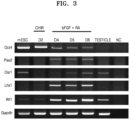
- FIGS. 3 and 4 show the results of RT-PCR and real time PCR confirming mRNA expression levels of Oct4 , Pax2 , Osr1 , Lhx2 , and Wt1 on days 2, 4, 5, and 6 (D2, D4, D5, and D6) while mESC was induced into IM.
- IM mRNA expression levels
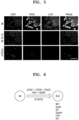
- PAX2 and LHX1 which are IM markers, in mESC-induced IM were confirmed by immunofluorescent staining.
- the analyte cells were fixed with 4% paraformaldehyde (PFA, Biosesang, Gyeonggi-do, Korea) in PBS at a temperature of 4°C and permeated for 5 minutes with 0.1% Triton X-100 (Sigma) in PBS. Then, the cells were blocked with a blocking solution (DAKO North America Inc., Carpinteria, Calif.) at room temperature for 1 hour and incubated with primary antibody overnight at a temperature of 4 °C.
- PFA paraformaldehyde
- Triton X-100 Sigma
- FIG. 5 shows the results of immunofluorescence staining for IM markers PAX2 and LHX1 in mESC-induced IM.
- the cells at the stage of IM were treated, for about 6 days, with 100 ng/ml bFGF, 100 ng/ml FGF-9 (Peprotech), 500 ng/ml prostaglandin D2 (PGD2, Santa Cruz Biotechnology, Dallas, TX), 10 ng/ml glia cell line-induced neurotrophic factor (GDNF; R&D, Minneapolis, MN), 10 ng/ml follicle stimulating hormone (FSH; Sigma), and 100XITS (insulin-transferrin-selenium; Invitrogen, Grand Island, NY).
- 100 ng/ml bFGF 100 ng/ml FGF-9 (Peprotech)
- PPD2 Protaglandin D2
- FIG. 6 shows a schematic view illustrating a method of differentiating mESC-induced IM into SLC.
- FIG. 7 shows phase change images of SLCs 3 days after differentiation from IM (D3 SLCs) and 7 days after differentiation from IM (D7 SLCs), and 5-day old mouse SCs, which are immature mouse SCs.
- the experiment was performed as follows to determine whether the induced SLC as described above can easily form a tube-like structure.
- Immature Sertoli cells obtained from 5 day-old mouse (5d mouse SCs) and SLC induced from ESCs were cultured for about 48 hours in a differentiation medium on matrigel (the same as the medium for SLC differentiation).
- a differentiation medium on matrigel the same as the medium for SLC differentiation.
- FBS 10% FBS
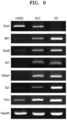
- FIGS. 9 and 10 are the graphs showing the results of RT-PCR and real time PCR confirming mRNA expression levels of Oct4 , Wt1 , Sox9 , Sf1 , Gata4 , Fshr , and Scf in mES cells, induced SLC, and SCs.As shown in FIGS. 9 and 10 , sertoli cell markers were not expressed in mES, whereas expressions of sertoli cell markers Wt1 , Sox9 , Sf1 , Gata4 , Fshr and Scf in induced SLC were at the level similar to those of Sertoli cells.
- FIG. 11 shows immunofluorescence staining results for SC markers GATA4 and FSHR in SLC induced from IM.
- the weak expression of Oct4 mRNA which is a pluripotent marker in SLC, indicates that ESC that is undifferentiated or SLC that is in differentiation remains in differentiated SLC. Therefore, in order to isolate and purify differentiated SLC from the culture, MACS using an antibody against FSHR, which is a testicle sertoli cell marker, was performed.
- differentiated SLC 1 ⁇ 10 7 was trypsinized, collected, and the anti-FSHR-biotin antibody (1:20, Bioss, Woburn, MA) was Incubated in 100 ⁇ l MACS solution (Miltenyi Biotec, Gladbach) for 30 minutes at room temperature. Unbound anti-FSHR-biotin antibody was washed and removed by centrifugation twice at 300 ⁇ g for 10 min after the addition of 1 ml to 2 ml of buffer.
- the wash solution is then processed and, according to the manufacturer's guidelines, the pellets were resuspended in 500 ⁇ l buffer at maximum column capacity and the suspension was placed on a pretreated LD column (Miltenyi Biotec) mounted on a MACSMidi magentic cell isolator (Miltenyl Biotec). The column was washed twice with 2 ml buffer to remove unmarked cells. After removing the column from the magentic isolator, the isolated cells were eluted with 1 ml buffer to collect purified, isolated SLC.
- FIG. 12 shows an image showing the results of immunostaining of SLC before and after purification and isolation with FSHR and GATA4.
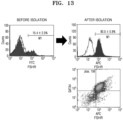
- flow cytometric analysis was further performed as follows. SLC before and after isolation were collected and fixed with 4% paraformaldehyde for 4 minutes at room temperature. After washing, the cells were permeated with cooled 90% methanol for 10 minutes. Cells were then blocked with 0.5% BSA (Sigma)/PBS for 30 minutes at room temperature and cultured with primary antibody. To assess the efficiency of FSHR MACS, cells were incubated with anti-rabbit FSHR antibody (Santa Cruz) and anti-mouse GATA4 antibody at a temperature of 4 °C for 1 hour. Secondary antibodies were detected by incubation using APC-conjugated (Life technology) and PE-conjugated antibodies at a temperature of 4 ° C for 1 hour.
- Control cells were not treated with the primary antibody. Cells were stored on ice in the dark condition until analysis, using Becton DicKinson FACS IV Calibur (Becton Dickinson, San Jose, Calif.). At least 5,000 or 10,000 events were collected for each sample.
- FIG. 13 shows a graph of the flow cytometry results before and after isolation.
- mRNA expression levels of Oct4 , Wt1 , Sox9 , Gata4 , and Fshr genes in FSHR-positive SLC and FSHR-negative SLC were confirmed by real time PCR and RT-PCR.
- real time PCR was performed in such a manner that total RNA was extracted from each cell using the method as described above, and for quantification of gene expression levels, in Bio-Rad CFX96 TM real-time PCR, iQ TM ⁇ SYBR Green supermix (Bio-Rad Laboratories, Alfred Nobel Drive Hercules, CA) was used at the final concentration of 25 ng cDNA.
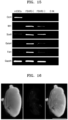
- FIG.16 shows images of a testicle and seminiferous tubule of a mouse of which EGFP expression was confirmed by ultraviolet (UV) light after SLC transplantation.
- UV ultraviolet
- FIG. 17 shows the results of immunofluorescence of testicles stained with anti-GATA4 (red) and anti-GFP (green) antibodies 1 and 7 days after SLC transplantation.
- ESC-induced SLC can be transplanted into the seminiferous tubule of the receptor and, after transplantation, like Sertoli cells, located at the base of the seminiferous tubule and can functionally replace Sertoli cells.
- each cell was washed twice to remove E . coli that did not undergo extracellular phagocytosis, and a solution containing 100 ng/ml Hoechst (for staining cell nuclei; Thermo Scientific) in PBS was added in an amount of 0.5 ml to each well, followed by the incubation at a temperature of 37 ° C for 15 minutes. Each cell was then washed twice with PBS. An image of each cell was obtained using a confocal microscope (Carl Zeiss LSM 880). Phagocytosis activity was measured with respect to cells having GFP particles/whole cells by using ImageJ (NIH, Bethesda, MD) software.
- Hoechst for staining cell nuclei
- FIG. 18 shows images showing phagocytosis activity of FSHR-positive SLC (FSHR (+)) and FSHR-negative SLC (FSHR (-)).
- Blue Hoechst-stained nucleus
- Green fluorescent microbeads
- Red induced SLC, derived from RFP-transplanted mESCs.
- FIG. 19 shows a graph comparing phagocytosis activities of adult SC, 5-day old SC, FSHR-positive SLC, FSHR-negative SLC and MEF. Phagocytosis activity was calculated with respect to cells/whole cells (mean ⁇ SEM) containing fluorescent microbeads, with different alphabets representing P ⁇ 0.05.
- FSHR-positive SLC was significantly greater than MEF cells (somatic control) and FSHR-negative SLC, similar to that of the adult Sertoli cells.
- Splenocytes were isolated from 6 to 8 week-old male mouse, and erythrocytes were removed by adding erythrocyte lysate (Sigma).
- the cells were isolated using the CD4 T cell isolation kit (Miltenyi Biotecn) according to the manufacturer's method. Isolated CD4+ T cells were labeled with carboxyfluorescein diacetate succinimidyl ester (CFSC, BD bioscience). 1.2 ⁇ M of CFSE was labeled at a temperature of 37 °C for 10 minutes and washed three times at room temperature.
- CFSE-labeled CD4+ T cells were cocultured with splenocytes, human bone marrow induced mesenchymal stem cells (hBM-MSC, Lonza), adult SC, and induced SLC (FSHR (+)) at a 5: 1 ratio for 5 days.
- splenocytes human bone marrow induced mesenchymal stem cells
- FSHR (+) induced SLC
- To induce the proliferation of CD4+ T cells 50 ng/ml of phorbol myristate acetate (PMA, Sigma) and 1 ⁇ M of ionomycin (Sigma) were co-cultured in culture. After co-culture, proliferative activity of CD4+ T cells was measured by flow cytometry (BD bioscience).
- FIG. 20 is a histogram confirming CD4+ T cell proliferation activity through CSFE in splenocytes, hBM-MSC, adult SC, and induced SLC.
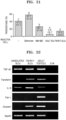
- FIG. 21 is a graph showing the average value of the CD4+ T cell proliferation activities which were measured three or more times through CSFE in splenocyte, hBM-MSC, adult SC, and induced SLC. Different alphabets represent P ⁇ 0.05.
- the CD 4+ T cell proliferative activity of induced SLC was significantly lower than in a group treated with PMA and ionomycin to induce proliferation, splenocytes and hBM-MSC, and was similar to that of adult SC.
- FIG. 22 shows the results of RT-PCR confirming mRNA expression levels of TGF- ⁇ 1 , Transferrin , IL-6 , Fas-L and Clusterin in un-isolated SLC, FSHR-positive SLC, and adult testicles.As shown in FIG. 22 , it was confirmed that Clusterin , II-6 and TGF- ⁇ 1 were highly expressed in FSHR-positive SLC and adult testicle tissues. In addition, the expression of Transferrin was detected in FSHR-positive SLC and adult testicle tissues.
- SLC induced in mESC has an immunosuppressive function and functional characteristics of mature Sertoli cells.
Landscapes
- Health & Medical Sciences (AREA)
- Life Sciences & Earth Sciences (AREA)
- Engineering & Computer Science (AREA)
- Biomedical Technology (AREA)
- Zoology (AREA)
- Chemical & Material Sciences (AREA)
- Biotechnology (AREA)
- Reproductive Health (AREA)
- Organic Chemistry (AREA)
- Bioinformatics & Cheminformatics (AREA)
- Wood Science & Technology (AREA)
- Genetics & Genomics (AREA)
- Cell Biology (AREA)
- General Health & Medical Sciences (AREA)
- General Engineering & Computer Science (AREA)
- Biochemistry (AREA)
- Microbiology (AREA)
- Developmental Biology & Embryology (AREA)
- Veterinary Medicine (AREA)
- Public Health (AREA)
- Animal Behavior & Ethology (AREA)
- Epidemiology (AREA)
- Pharmacology & Pharmacy (AREA)
- Medicinal Chemistry (AREA)
- Virology (AREA)
- Immunology (AREA)
- Transplantation (AREA)
- Micro-Organisms Or Cultivation Processes Thereof (AREA)
- Medicines Containing Material From Animals Or Micro-Organisms (AREA)
Claims (4)
- Verfahren zur Herstellung von Sertoli-ähnlichen Zellen (SLC) aus Stammzellen, wobei das Verfahren umfasst:Induzieren der Differenzierung in intermediäres Mesoderm (IM) durch Kultivierung von Stammzellen in einem Medium, das einen Glykogensynthase-Kinase 3β (Glykogensynthase-Kinase 3: GSK-3) Inhibitor, einen basischen Fibroblasten-Wachstumsfaktor (bFGF) und eine Retinsäure (RA) enthält, wobei die Stammzellen embryonale Stammzellen (ESC) sind, für 3 bis 8 Tage, wobei das Induzieren der Differenzierung in das IM (IM) (a) das Kultivieren der Stammzellen in einem Medium, das einen GSK-3 Inhibitor enthält, für 1 bis 3 Tage, und (b) das zusätzliche Kultivieren nach Zugabe von bFGF und RA zu dem Medium für 2 bis 5 Tage umfasst; Induzieren der Differenzierung in SLC durch Kultivieren des induzierten IM in einem Medium, das bFGF, einen Fibroblasten-Wachstumsfaktor (Fibroblasten-Wachstumsfaktor 9: FGF9), Prostaglandin D2 (PDG2), Follikel-stimulierendes Hormon (FSH) und einen Gliazelleninduzierten neurotrophen Faktor (GDNF) für 5 bis 7 Tage;Kultivieren der SLCs in einem Medium auf Matrigel, wobei die SLCs eine röhrenartige Struktur bilden; undIsolieren oder Reinigen von induzierten SLC.
- Verfahren nach Anspruch 1, wobei das Medium im Verfahren (a) außerdem L-Glutamin, Antibiotika oder eine Kombination davon enthält.
- Verfahren nach Anspruch 1, wobei bei dem Verfahren (a) die Konzentration des GSK-3-Inhibitors zwischen 1 µM und 10 µM liegt und
wobei bei dem Verfahren (b) die Konzentration von bFGF zwischen 50 ng/ml und 200 ng/ml liegt, die Konzentration von RA zwischen 0,5 µM und 1,5 µM liegt. - Verfahren nach Anspruch 1, wobei die embryonalen Stammzellen embryonale Stammzellen einer Maus sind.
Applications Claiming Priority (2)
| Application Number | Priority Date | Filing Date | Title |
|---|---|---|---|
| KR1020170114680A KR101986830B1 (ko) | 2017-09-07 | 2017-09-07 | 줄기세포 유래 세르톨리유사세포, 그 제조방법, 및 그의 용도 |
| PCT/KR2018/010525 WO2019050350A2 (ko) | 2017-09-07 | 2018-09-07 | 줄기세포 유래 세르톨리유사세포, 그 제조방법, 및 그의 용도 |
Publications (3)
| Publication Number | Publication Date |
|---|---|
| EP3680322A2 EP3680322A2 (de) | 2020-07-15 |
| EP3680322A4 EP3680322A4 (de) | 2021-05-26 |
| EP3680322B1 true EP3680322B1 (de) | 2024-07-17 |
Family
ID=65634415
Family Applications (1)
| Application Number | Title | Priority Date | Filing Date |
|---|---|---|---|
| EP18854264.1A Active EP3680322B1 (de) | 2017-09-07 | 2018-09-07 | Sertoli-ähnliche zelle aus stammzelle, verfahren zu ihrer herstellung und ihre verwendung |
Country Status (4)
| Country | Link |
|---|---|
| US (1) | US12110509B2 (de) |
| EP (1) | EP3680322B1 (de) |
| KR (1) | KR101986830B1 (de) |
| WO (1) | WO2019050350A2 (de) |
Families Citing this family (4)
| Publication number | Priority date | Publication date | Assignee | Title |
|---|---|---|---|---|
| CN111394302B (zh) * | 2020-02-24 | 2021-10-08 | 中山大学 | 人睾丸间质干细胞的分离与培养方法 |
| CN115074307B (zh) * | 2021-03-15 | 2024-01-09 | 广州暨南大学医药生物技术研究开发中心有限公司 | 小分子化合物诱导成纤维细胞重编程为睾丸支持细胞的方法及其应用 |
| JP2025508776A (ja) * | 2022-02-22 | 2025-04-10 | ザ リージェンツ オブ ザ ユニバーシティ オブ ミシガン | 人工セルトリ細胞およびその人工セルトリ細胞を産生するための方法 |
| KR20250173089A (ko) * | 2024-05-31 | 2025-12-10 | 주식회사 입셀 | 유도만능줄기세포 유래 미토콘드리아를 포함하는 퇴행성 뇌질환의 예방 또는 치료용 약학적 조성물 |
Family Cites Families (13)
| Publication number | Priority date | Publication date | Assignee | Title |
|---|---|---|---|---|
| US6037175A (en) | 1996-03-12 | 2000-03-14 | The University Of South Florida | Method and media for enhancing cryopreservation of cells |
| US20020065212A1 (en) * | 1996-11-08 | 2002-05-30 | Selawry Helena P. | Methods of treating disease using sertoli cells and allografts or xenografts |
| US20030113910A1 (en) * | 2001-12-18 | 2003-06-19 | Mike Levanduski | Pluripotent stem cells derived without the use of embryos or fetal tissue |
| CA2848954A1 (en) * | 2003-07-03 | 2005-03-03 | Sertoli Technologies, Llc | Compositions containing sertoli cells and myoid cells and use thereof in cellular transplants |
| JP2007124923A (ja) * | 2005-11-01 | 2007-05-24 | St Marianna Univ School Of Medicine | セルトリ細胞様細胞株 |
| US20090028833A1 (en) | 2006-01-26 | 2009-01-29 | John Constance M | Proliferative Primary Human Sertoli Cell Cultures And Their Applications |
| US20120009156A1 (en) | 2009-11-05 | 2012-01-12 | Fariborz Izadyar | Germline stem cell banking system |
| WO2013051722A1 (ja) * | 2011-10-06 | 2013-04-11 | 学校法人 慶應義塾 | 角膜内皮細胞の製造方法 |
| US20170165230A1 (en) | 2014-04-09 | 2017-06-15 | Christopher Rudd | Use of gsk-3 inhibitors or activators which modulate pd-1 or t-bet expression to modulate t cell immunity |
| EP3231863B1 (de) * | 2014-12-11 | 2023-05-03 | Keio University | Verfahren zur herstellung einer therapeutischen hornhautendothelersatzzellsphäre |
| CN105087467B (zh) * | 2015-08-30 | 2019-03-29 | 中国医学科学院基础医学研究所 | 肾脏足细胞的制备方法及其专用培养基 |
| KR20170114680A (ko) | 2016-04-06 | 2017-10-16 | 강선중 | 난방용 파이프 연결장치 |
| AU2019271288B2 (en) * | 2018-05-16 | 2025-09-25 | Washington University | Methods and compositions for generating cells of endodermal lineage and beta cells and uses thereof |
-
2017
- 2017-09-07 KR KR1020170114680A patent/KR101986830B1/ko active Active
-
2018
- 2018-09-07 WO PCT/KR2018/010525 patent/WO2019050350A2/ko not_active Ceased
- 2018-09-07 EP EP18854264.1A patent/EP3680322B1/de active Active
-
2020
- 2020-03-06 US US16/811,086 patent/US12110509B2/en active Active
Non-Patent Citations (1)
| Title |
|---|
| WU YONGMING ET AL: "Long-term self-renewal of naïve neural stem cells in a defined condition", BIOCHIMICA ET BIOPHYSICA ACTA, vol. 1866, no. 6, 1 June 2019 (2019-06-01), pages 971 - 977, XP085649966, ISSN: 0167-4889, DOI: 10.1016/J.BBAMCR.2019.03.001 * |
Also Published As
| Publication number | Publication date |
|---|---|
| EP3680322A4 (de) | 2021-05-26 |
| US20200239853A1 (en) | 2020-07-30 |
| WO2019050350A2 (ko) | 2019-03-14 |
| US12110509B2 (en) | 2024-10-08 |
| KR101986830B1 (ko) | 2019-06-07 |
| KR20190027651A (ko) | 2019-03-15 |
| WO2019050350A3 (ko) | 2019-04-25 |
| EP3680322A2 (de) | 2020-07-15 |
Similar Documents
| Publication | Publication Date | Title |
|---|---|---|
| US12480095B2 (en) | Multifunctional immature dental pulp stem cells and therapeutic applications | |
| US11026940B2 (en) | Compositions for the mobilization, homing, expansion and differentiation of stem cells and methods of using the same | |
| EP1261694B1 (de) | Pluripotente stammzellen erzeugt aus stromalzellen aus dem fettgewebe und deren verwendungen | |
| US7582292B2 (en) | Adipose tissue derived stromal cells for the treatment of neurological disorders | |
| US12110509B2 (en) | Stem cell-derived Sertoli-like cell, preparation method therefor, and use thereof | |
| KR20230109119A (ko) | 줄기세포능을 증대시키기 위한 조성물 및 이의 용도 | |
| EP1099754A1 (de) | Mesenchym-Stammzellen und/oder Vorlaüferzellen, ihre Isolierung und ihre Verwendung | |
| KR101690872B1 (ko) | 편도 유래 중간엽 줄기세포로부터 인슐린 분비 세포의 분화 방법 | |
| KR20220143092A (ko) | 만성 이식편 대 숙주 질환의 치료 방법 | |
| Wang et al. | Myocardial regeneration with stem cells: pharmacological possibilities for efficacy enhancement | |
| KR20250161495A (ko) | 배아줄기세포 유래 레이디그유사세포, 그 제조방법, 및 그의 용도 | |
| Fauza | Tissue engineering and transplantation in the fetus | |
| HK40082342A (en) | Multifunctional immature dental pulp stem cells and therapeutic applications | |
| HK1219506B (en) | Multifunctional immature dental pulp stem cells and therapeutic applications | |
| HK1214143B (en) | Compositions for the mobilization, homing, expansion and differentiation of stem cells and methods of using the same |
Legal Events
| Date | Code | Title | Description |
|---|---|---|---|
| STAA | Information on the status of an ep patent application or granted ep patent |
Free format text: STATUS: THE INTERNATIONAL PUBLICATION HAS BEEN MADE |
|
| PUAI | Public reference made under article 153(3) epc to a published international application that has entered the european phase |
Free format text: ORIGINAL CODE: 0009012 |
|
| STAA | Information on the status of an ep patent application or granted ep patent |
Free format text: STATUS: REQUEST FOR EXAMINATION WAS MADE |
|
| 17P | Request for examination filed |
Effective date: 20200407 |
|
| AK | Designated contracting states |
Kind code of ref document: A2 Designated state(s): AL AT BE BG CH CY CZ DE DK EE ES FI FR GB GR HR HU IE IS IT LI LT LU LV MC MK MT NL NO PL PT RO RS SE SI SK SM TR |
|
| AX | Request for extension of the european patent |
Extension state: BA ME |
|
| DAV | Request for validation of the european patent (deleted) | ||
| DAX | Request for extension of the european patent (deleted) | ||
| A4 | Supplementary search report drawn up and despatched |
Effective date: 20210423 |
|
| RIC1 | Information provided on ipc code assigned before grant |
Ipc: C12N 5/071 20100101AFI20210419BHEP Ipc: A61K 35/52 20150101ALI20210419BHEP |
|
| STAA | Information on the status of an ep patent application or granted ep patent |
Free format text: STATUS: EXAMINATION IS IN PROGRESS |
|
| 17Q | First examination report despatched |
Effective date: 20220325 |
|
| GRAP | Despatch of communication of intention to grant a patent |
Free format text: ORIGINAL CODE: EPIDOSNIGR1 |
|
| STAA | Information on the status of an ep patent application or granted ep patent |
Free format text: STATUS: GRANT OF PATENT IS INTENDED |
|
| INTG | Intention to grant announced |
Effective date: 20240502 |
|
| GRAS | Grant fee paid |
Free format text: ORIGINAL CODE: EPIDOSNIGR3 |
|
| GRAA | (expected) grant |
Free format text: ORIGINAL CODE: 0009210 |
|
| STAA | Information on the status of an ep patent application or granted ep patent |
Free format text: STATUS: THE PATENT HAS BEEN GRANTED |
|
| AK | Designated contracting states |
Kind code of ref document: B1 Designated state(s): AL AT BE BG CH CY CZ DE DK EE ES FI FR GB GR HR HU IE IS IT LI LT LU LV MC MK MT NL NO PL PT RO RS SE SI SK SM TR |
|
| REG | Reference to a national code |
Ref country code: CH Ref legal event code: EP |
|
| REG | Reference to a national code |
Ref country code: DE Ref legal event code: R096 Ref document number: 602018071987 Country of ref document: DE |
|
| REG | Reference to a national code |
Ref country code: IE Ref legal event code: FG4D |
|
| REG | Reference to a national code |
Ref country code: LT Ref legal event code: MG9D |
|
| REG | Reference to a national code |
Ref country code: NL Ref legal event code: MP Effective date: 20240717 |
|
| PG25 | Lapsed in a contracting state [announced via postgrant information from national office to epo] |
Ref country code: PT Free format text: LAPSE BECAUSE OF FAILURE TO SUBMIT A TRANSLATION OF THE DESCRIPTION OR TO PAY THE FEE WITHIN THE PRESCRIBED TIME-LIMIT Effective date: 20241118 |
|
| REG | Reference to a national code |
Ref country code: AT Ref legal event code: MK05 Ref document number: 1704175 Country of ref document: AT Kind code of ref document: T Effective date: 20240717 |
|
| PG25 | Lapsed in a contracting state [announced via postgrant information from national office to epo] |
Ref country code: NL Free format text: LAPSE BECAUSE OF FAILURE TO SUBMIT A TRANSLATION OF THE DESCRIPTION OR TO PAY THE FEE WITHIN THE PRESCRIBED TIME-LIMIT Effective date: 20240717 |
|
| PG25 | Lapsed in a contracting state [announced via postgrant information from national office to epo] |
Ref country code: PT Free format text: LAPSE BECAUSE OF FAILURE TO SUBMIT A TRANSLATION OF THE DESCRIPTION OR TO PAY THE FEE WITHIN THE PRESCRIBED TIME-LIMIT Effective date: 20241118 Ref country code: NL Free format text: LAPSE BECAUSE OF FAILURE TO SUBMIT A TRANSLATION OF THE DESCRIPTION OR TO PAY THE FEE WITHIN THE PRESCRIBED TIME-LIMIT Effective date: 20240717 |
|
| PG25 | Lapsed in a contracting state [announced via postgrant information from national office to epo] |
Ref country code: NO Free format text: LAPSE BECAUSE OF FAILURE TO SUBMIT A TRANSLATION OF THE DESCRIPTION OR TO PAY THE FEE WITHIN THE PRESCRIBED TIME-LIMIT Effective date: 20241017 |
|
| PG25 | Lapsed in a contracting state [announced via postgrant information from national office to epo] |
Ref country code: GR Free format text: LAPSE BECAUSE OF FAILURE TO SUBMIT A TRANSLATION OF THE DESCRIPTION OR TO PAY THE FEE WITHIN THE PRESCRIBED TIME-LIMIT Effective date: 20241018 Ref country code: FI Free format text: LAPSE BECAUSE OF FAILURE TO SUBMIT A TRANSLATION OF THE DESCRIPTION OR TO PAY THE FEE WITHIN THE PRESCRIBED TIME-LIMIT Effective date: 20240717 Ref country code: PL Free format text: LAPSE BECAUSE OF FAILURE TO SUBMIT A TRANSLATION OF THE DESCRIPTION OR TO PAY THE FEE WITHIN THE PRESCRIBED TIME-LIMIT Effective date: 20240717 |
|
| PG25 | Lapsed in a contracting state [announced via postgrant information from national office to epo] |
Ref country code: BG Free format text: LAPSE BECAUSE OF FAILURE TO SUBMIT A TRANSLATION OF THE DESCRIPTION OR TO PAY THE FEE WITHIN THE PRESCRIBED TIME-LIMIT Effective date: 20240717 |
|
| PG25 | Lapsed in a contracting state [announced via postgrant information from national office to epo] |
Ref country code: LV Free format text: LAPSE BECAUSE OF FAILURE TO SUBMIT A TRANSLATION OF THE DESCRIPTION OR TO PAY THE FEE WITHIN THE PRESCRIBED TIME-LIMIT Effective date: 20240717 |
|
| PG25 | Lapsed in a contracting state [announced via postgrant information from national office to epo] |
Ref country code: IS Free format text: LAPSE BECAUSE OF FAILURE TO SUBMIT A TRANSLATION OF THE DESCRIPTION OR TO PAY THE FEE WITHIN THE PRESCRIBED TIME-LIMIT Effective date: 20241117 Ref country code: AT Free format text: LAPSE BECAUSE OF FAILURE TO SUBMIT A TRANSLATION OF THE DESCRIPTION OR TO PAY THE FEE WITHIN THE PRESCRIBED TIME-LIMIT Effective date: 20240717 |
|
| PG25 | Lapsed in a contracting state [announced via postgrant information from national office to epo] |
Ref country code: HR Free format text: LAPSE BECAUSE OF FAILURE TO SUBMIT A TRANSLATION OF THE DESCRIPTION OR TO PAY THE FEE WITHIN THE PRESCRIBED TIME-LIMIT Effective date: 20240717 |
|
| PG25 | Lapsed in a contracting state [announced via postgrant information from national office to epo] |
Ref country code: RS Free format text: LAPSE BECAUSE OF FAILURE TO SUBMIT A TRANSLATION OF THE DESCRIPTION OR TO PAY THE FEE WITHIN THE PRESCRIBED TIME-LIMIT Effective date: 20241017 Ref country code: ES Free format text: LAPSE BECAUSE OF FAILURE TO SUBMIT A TRANSLATION OF THE DESCRIPTION OR TO PAY THE FEE WITHIN THE PRESCRIBED TIME-LIMIT Effective date: 20240717 |
|
| PG25 | Lapsed in a contracting state [announced via postgrant information from national office to epo] |
Ref country code: RS Free format text: LAPSE BECAUSE OF FAILURE TO SUBMIT A TRANSLATION OF THE DESCRIPTION OR TO PAY THE FEE WITHIN THE PRESCRIBED TIME-LIMIT Effective date: 20241017 Ref country code: PL Free format text: LAPSE BECAUSE OF FAILURE TO SUBMIT A TRANSLATION OF THE DESCRIPTION OR TO PAY THE FEE WITHIN THE PRESCRIBED TIME-LIMIT Effective date: 20240717 Ref country code: NO Free format text: LAPSE BECAUSE OF FAILURE TO SUBMIT A TRANSLATION OF THE DESCRIPTION OR TO PAY THE FEE WITHIN THE PRESCRIBED TIME-LIMIT Effective date: 20241017 Ref country code: LV Free format text: LAPSE BECAUSE OF FAILURE TO SUBMIT A TRANSLATION OF THE DESCRIPTION OR TO PAY THE FEE WITHIN THE PRESCRIBED TIME-LIMIT Effective date: 20240717 Ref country code: IS Free format text: LAPSE BECAUSE OF FAILURE TO SUBMIT A TRANSLATION OF THE DESCRIPTION OR TO PAY THE FEE WITHIN THE PRESCRIBED TIME-LIMIT Effective date: 20241117 Ref country code: HR Free format text: LAPSE BECAUSE OF FAILURE TO SUBMIT A TRANSLATION OF THE DESCRIPTION OR TO PAY THE FEE WITHIN THE PRESCRIBED TIME-LIMIT Effective date: 20240717 Ref country code: GR Free format text: LAPSE BECAUSE OF FAILURE TO SUBMIT A TRANSLATION OF THE DESCRIPTION OR TO PAY THE FEE WITHIN THE PRESCRIBED TIME-LIMIT Effective date: 20241018 Ref country code: FI Free format text: LAPSE BECAUSE OF FAILURE TO SUBMIT A TRANSLATION OF THE DESCRIPTION OR TO PAY THE FEE WITHIN THE PRESCRIBED TIME-LIMIT Effective date: 20240717 Ref country code: ES Free format text: LAPSE BECAUSE OF FAILURE TO SUBMIT A TRANSLATION OF THE DESCRIPTION OR TO PAY THE FEE WITHIN THE PRESCRIBED TIME-LIMIT Effective date: 20240717 Ref country code: BG Free format text: LAPSE BECAUSE OF FAILURE TO SUBMIT A TRANSLATION OF THE DESCRIPTION OR TO PAY THE FEE WITHIN THE PRESCRIBED TIME-LIMIT Effective date: 20240717 Ref country code: AT Free format text: LAPSE BECAUSE OF FAILURE TO SUBMIT A TRANSLATION OF THE DESCRIPTION OR TO PAY THE FEE WITHIN THE PRESCRIBED TIME-LIMIT Effective date: 20240717 |
|
| PG25 | Lapsed in a contracting state [announced via postgrant information from national office to epo] |
Ref country code: DK Free format text: LAPSE BECAUSE OF FAILURE TO SUBMIT A TRANSLATION OF THE DESCRIPTION OR TO PAY THE FEE WITHIN THE PRESCRIBED TIME-LIMIT Effective date: 20240717 Ref country code: RO Free format text: LAPSE BECAUSE OF FAILURE TO SUBMIT A TRANSLATION OF THE DESCRIPTION OR TO PAY THE FEE WITHIN THE PRESCRIBED TIME-LIMIT Effective date: 20240717 Ref country code: SM Free format text: LAPSE BECAUSE OF FAILURE TO SUBMIT A TRANSLATION OF THE DESCRIPTION OR TO PAY THE FEE WITHIN THE PRESCRIBED TIME-LIMIT Effective date: 20240717 |
|
| REG | Reference to a national code |
Ref country code: DE Ref legal event code: R097 Ref document number: 602018071987 Country of ref document: DE |
|
| PG25 | Lapsed in a contracting state [announced via postgrant information from national office to epo] |
Ref country code: MC Free format text: LAPSE BECAUSE OF FAILURE TO SUBMIT A TRANSLATION OF THE DESCRIPTION OR TO PAY THE FEE WITHIN THE PRESCRIBED TIME-LIMIT Effective date: 20240717 Ref country code: EE Free format text: LAPSE BECAUSE OF FAILURE TO SUBMIT A TRANSLATION OF THE DESCRIPTION OR TO PAY THE FEE WITHIN THE PRESCRIBED TIME-LIMIT Effective date: 20240717 |
|
| PG25 | Lapsed in a contracting state [announced via postgrant information from national office to epo] |
Ref country code: CZ Free format text: LAPSE BECAUSE OF FAILURE TO SUBMIT A TRANSLATION OF THE DESCRIPTION OR TO PAY THE FEE WITHIN THE PRESCRIBED TIME-LIMIT Effective date: 20240717 |
|
| PG25 | Lapsed in a contracting state [announced via postgrant information from national office to epo] |
Ref country code: SK Free format text: LAPSE BECAUSE OF FAILURE TO SUBMIT A TRANSLATION OF THE DESCRIPTION OR TO PAY THE FEE WITHIN THE PRESCRIBED TIME-LIMIT Effective date: 20240717 |
|
| REG | Reference to a national code |
Ref country code: CH Ref legal event code: PL |
|
| PG25 | Lapsed in a contracting state [announced via postgrant information from national office to epo] |
Ref country code: LU Free format text: LAPSE BECAUSE OF NON-PAYMENT OF DUE FEES Effective date: 20240907 |
|
| PLBE | No opposition filed within time limit |
Free format text: ORIGINAL CODE: 0009261 |
|
| STAA | Information on the status of an ep patent application or granted ep patent |
Free format text: STATUS: NO OPPOSITION FILED WITHIN TIME LIMIT |
|
| 26N | No opposition filed |
Effective date: 20250422 |
|
| REG | Reference to a national code |
Ref country code: BE Ref legal event code: MM Effective date: 20240930 |
|
| PG25 | Lapsed in a contracting state [announced via postgrant information from national office to epo] |
Ref country code: BE Free format text: LAPSE BECAUSE OF NON-PAYMENT OF DUE FEES Effective date: 20240930 |
|
| PG25 | Lapsed in a contracting state [announced via postgrant information from national office to epo] |
Ref country code: FR Free format text: LAPSE BECAUSE OF NON-PAYMENT OF DUE FEES Effective date: 20240917 |
|
| PG25 | Lapsed in a contracting state [announced via postgrant information from national office to epo] |
Ref country code: CH Free format text: LAPSE BECAUSE OF NON-PAYMENT OF DUE FEES Effective date: 20240930 |
|
| PG25 | Lapsed in a contracting state [announced via postgrant information from national office to epo] |
Ref country code: IE Free format text: LAPSE BECAUSE OF NON-PAYMENT OF DUE FEES Effective date: 20240907 |
|
| PG25 | Lapsed in a contracting state [announced via postgrant information from national office to epo] |
Ref country code: SE Free format text: LAPSE BECAUSE OF FAILURE TO SUBMIT A TRANSLATION OF THE DESCRIPTION OR TO PAY THE FEE WITHIN THE PRESCRIBED TIME-LIMIT Effective date: 20240717 |
|
| PGFP | Annual fee paid to national office [announced via postgrant information from national office to epo] |
Ref country code: GB Payment date: 20250919 Year of fee payment: 8 |
|
| PGFP | Annual fee paid to national office [announced via postgrant information from national office to epo] |
Ref country code: DE Payment date: 20250930 Year of fee payment: 8 |
|
| PG25 | Lapsed in a contracting state [announced via postgrant information from national office to epo] |
Ref country code: CY Free format text: LAPSE BECAUSE OF FAILURE TO SUBMIT A TRANSLATION OF THE DESCRIPTION OR TO PAY THE FEE WITHIN THE PRESCRIBED TIME-LIMIT; INVALID AB INITIO Effective date: 20180907 Ref country code: IT Free format text: LAPSE BECAUSE OF FAILURE TO SUBMIT A TRANSLATION OF THE DESCRIPTION OR TO PAY THE FEE WITHIN THE PRESCRIBED TIME-LIMIT Effective date: 20240717 |
|
| PG25 | Lapsed in a contracting state [announced via postgrant information from national office to epo] |
Ref country code: HU Free format text: LAPSE BECAUSE OF FAILURE TO SUBMIT A TRANSLATION OF THE DESCRIPTION OR TO PAY THE FEE WITHIN THE PRESCRIBED TIME-LIMIT; INVALID AB INITIO Effective date: 20180907 |