EP3674710A2 - Composition for predicting or diagnosing liver disease, and liver disease prediction or diagnosis method using same - Google Patents
Composition for predicting or diagnosing liver disease, and liver disease prediction or diagnosis method using same Download PDFInfo
- Publication number
- EP3674710A2 EP3674710A2 EP18848723.5A EP18848723A EP3674710A2 EP 3674710 A2 EP3674710 A2 EP 3674710A2 EP 18848723 A EP18848723 A EP 18848723A EP 3674710 A2 EP3674710 A2 EP 3674710A2
- Authority
- EP
- European Patent Office
- Prior art keywords
- liver
- gdf15
- fibrosis
- liver disease
- protein
- Prior art date
- Legal status (The legal status is an assumption and is not a legal conclusion. Google has not performed a legal analysis and makes no representation as to the accuracy of the status listed.)
- Granted
Links
Images









Classifications
-
- C—CHEMISTRY; METALLURGY
- C12—BIOCHEMISTRY; BEER; SPIRITS; WINE; VINEGAR; MICROBIOLOGY; ENZYMOLOGY; MUTATION OR GENETIC ENGINEERING
- C12Q—MEASURING OR TESTING PROCESSES INVOLVING ENZYMES, NUCLEIC ACIDS OR MICROORGANISMS; COMPOSITIONS OR TEST PAPERS THEREFOR; PROCESSES OF PREPARING SUCH COMPOSITIONS; CONDITION-RESPONSIVE CONTROL IN MICROBIOLOGICAL OR ENZYMOLOGICAL PROCESSES
- C12Q1/00—Measuring or testing processes involving enzymes, nucleic acids or microorganisms; Compositions therefor; Processes of preparing such compositions
- C12Q1/68—Measuring or testing processes involving enzymes, nucleic acids or microorganisms; Compositions therefor; Processes of preparing such compositions involving nucleic acids
- C12Q1/6876—Nucleic acid products used in the analysis of nucleic acids, e.g. primers or probes
- C12Q1/6883—Nucleic acid products used in the analysis of nucleic acids, e.g. primers or probes for diseases caused by alterations of genetic material
-
- G—PHYSICS
- G01—MEASURING; TESTING
- G01N—INVESTIGATING OR ANALYSING MATERIALS BY DETERMINING THEIR CHEMICAL OR PHYSICAL PROPERTIES
- G01N33/00—Investigating or analysing materials by specific methods not covered by groups G01N1/00 - G01N31/00
- G01N33/48—Biological material, e.g. blood, urine; Haemocytometers
- G01N33/50—Chemical analysis of biological material, e.g. blood, urine; Testing involving biospecific ligand binding methods; Immunological testing
- G01N33/68—Chemical analysis of biological material, e.g. blood, urine; Testing involving biospecific ligand binding methods; Immunological testing involving proteins, peptides or amino acids
-
- G—PHYSICS
- G01—MEASURING; TESTING
- G01N—INVESTIGATING OR ANALYSING MATERIALS BY DETERMINING THEIR CHEMICAL OR PHYSICAL PROPERTIES
- G01N33/00—Investigating or analysing materials by specific methods not covered by groups G01N1/00 - G01N31/00
- G01N33/48—Biological material, e.g. blood, urine; Haemocytometers
- G01N33/50—Chemical analysis of biological material, e.g. blood, urine; Testing involving biospecific ligand binding methods; Immunological testing
- G01N33/68—Chemical analysis of biological material, e.g. blood, urine; Testing involving biospecific ligand binding methods; Immunological testing involving proteins, peptides or amino acids
- G01N33/6893—Chemical analysis of biological material, e.g. blood, urine; Testing involving biospecific ligand binding methods; Immunological testing involving proteins, peptides or amino acids related to diseases not provided for elsewhere
-
- G—PHYSICS
- G01—MEASURING; TESTING
- G01N—INVESTIGATING OR ANALYSING MATERIALS BY DETERMINING THEIR CHEMICAL OR PHYSICAL PROPERTIES
- G01N33/00—Investigating or analysing materials by specific methods not covered by groups G01N1/00 - G01N31/00
- G01N33/48—Biological material, e.g. blood, urine; Haemocytometers
- G01N33/50—Chemical analysis of biological material, e.g. blood, urine; Testing involving biospecific ligand binding methods; Immunological testing
- G01N33/68—Chemical analysis of biological material, e.g. blood, urine; Testing involving biospecific ligand binding methods; Immunological testing involving proteins, peptides or amino acids
- G01N33/6872—Intracellular protein regulatory factors and their receptors, e.g. including ion channels
-
- G—PHYSICS
- G01—MEASURING; TESTING
- G01N—INVESTIGATING OR ANALYSING MATERIALS BY DETERMINING THEIR CHEMICAL OR PHYSICAL PROPERTIES
- G01N2333/00—Assays involving biological materials from specific organisms or of a specific nature
- G01N2333/435—Assays involving biological materials from specific organisms or of a specific nature from animals; from humans
- G01N2333/475—Assays involving growth factors
-
- G—PHYSICS
- G01—MEASURING; TESTING
- G01N—INVESTIGATING OR ANALYSING MATERIALS BY DETERMINING THEIR CHEMICAL OR PHYSICAL PROPERTIES
- G01N2500/00—Screening for compounds of potential therapeutic value
- G01N2500/04—Screening involving studying the effect of compounds C directly on molecule A (e.g. C are potential ligands for a receptor A, or potential substrates for an enzyme A)
-
- G—PHYSICS
- G01—MEASURING; TESTING
- G01N—INVESTIGATING OR ANALYSING MATERIALS BY DETERMINING THEIR CHEMICAL OR PHYSICAL PROPERTIES
- G01N2800/00—Detection or diagnosis of diseases
- G01N2800/08—Hepato-biliairy disorders other than hepatitis
- G01N2800/085—Liver diseases, e.g. portal hypertension, fibrosis, cirrhosis, bilirubin
-
- G—PHYSICS
- G01—MEASURING; TESTING
- G01N—INVESTIGATING OR ANALYSING MATERIALS BY DETERMINING THEIR CHEMICAL OR PHYSICAL PROPERTIES
- G01N2800/00—Detection or diagnosis of diseases
- G01N2800/50—Determining the risk of developing a disease
Definitions
- the present invention was made with the support of the Ministry of Education of the Republic of Korea, under Project No. 2016934590, which was conducted under a program entitled “ Science and Engineering Individual Basic Research Support” within a project entitled “Collaboration Translational Research for Development of Novel Biomarker for Prediction of Histological Liver Fibrosis Progression in Non-Alcoholic Fatty Liver Disease Patient", by Seoul Metropolitan Government - Seoul National University Boramae Medical Center, under the management of the National Research Foundation of Korea, 1 November 2016 to 31 October 2017 .
- the present invention was also made with the support of the Ministry of Health and Welfare of the Republic of Korea, under Project No. 1465023825, which was conducted under a program entitled " Disease Overcoming Technology Development” within a project entitled "Analysis of Serum Metabolites Through Hepatic Histopathological finding in Large-Scale Korean Non-Alcoholic Fatty Liver Prospective Cohorts", by Seoul Metropolitan Government - Seoul National University Boramae Medical Center, under the management of the National Research Foundation of Korea, 10 April 2017 to 31 December 2017 .
- the present invention relates to a composition for prediction or diagnosis of a liver disease and a method for prediction or diagnosis of a liver disease using the same and, more specifically, to a marker for prediction or diagnosis of liver fibrosis in nonalcoholic fatty liver disease and a method for prediction or diagnosis using the same.
- GDF15 Growth differentiation factor 15
- TGF- ⁇ 1 transforming growth factor beta 1
- NASH non-alcoholic steatohepatitis
- NAFLD non-alcoholic fatty liver disease
- GDF15 the pathogenic roles of GDF15 in the development and progression of NAFLD need to be established by investigating whether GDF15 increases the risk of NASH development and advanced fibrosis among biopsy-proven NAFLD patients, independently from known metabolic risk factors, and whether the exposure of hepatocytes to a high concentration of GDF15 influences liver fibrosis.
- the present inventors endeavored to develop a marker for prediction or diagnosis of liver fibrosis in non-alcoholic fatty liver disease (NAFLD) and a prediction or diagnosis method using the same.
- NAFLD non-alcoholic fatty liver disease
- the present inventors established that there is a positive correlation between the growth differentiation factor 15 (GDF15) protein level and liver fibrosis, and thus completed the present invention.
- GDF15 growth differentiation factor 15
- an aspect of the present invention is to provide a composition for prediction or diagnosis of a liver disease, the composition comprising an agent for measuring the expression of a nucleic acid sequence encoding a growth differentiation factor 15 (GDF15) protein or the activity of the GDF15 protein.
- GDF15 growth differentiation factor 15
- Another aspect of the present invention is to provide a method for prediction or diagnosis of a liver disease, the method comprising a measurement step of measuring the expression of a nucleic acid sequence encoding a GDF15 protein or the concentration of the GDF15 protein in a sample.
- Still another aspect of the present invention is to provide a method for screening a candidate substance for prevention, treatment, or alleviation of a liver disease, the method comprising:
- Still another aspect of the present invention is to provide a method for screening a candidate substance for prevention, treatment, or alleviation of a liver disease, the method including:
- the present invention relates to a composition for prediction or diagnosis of a liver disease and a method for prediction or diagnosis of a liver disease using the same, and more specifically, the present invention includes a marker for prediction or diagnosis of liver fibrosis in non-alcoholic fatty liver disease (NAFLD).
- NAFLD non-alcoholic fatty liver disease
- compositions for prediction or diagnosis of a liver disease comprising an agent for measuring the expression of a nucleic acid sequence encoding a growth differentiation factor 15 (GDF15) protein or the activity of the GDF15 protein.
- GDF15 growth differentiation factor 15
- the liver disease may be liver fibrosis, liver sclerosis, acute hepatitis, chronic hepatitis, liver cirrhosis, or liver cancer, and for example, may be liver fibrosis, but is not limited thereto.
- the liver fibrosis may be liver fibrosis in non-alcoholic fatty liver disease, but is not limited thereto.
- the GDF15 protein may comprise the amino acid sequence of SEQ ID NO: 1 and, for example, may consist of the amino acid sequence of SEQ ID NO: 1.
- the agent may be an antibody capable of specifically binding to a GDF15 protein or a fragment thereof, but is not limited thereto.
- the agent may further comprise a detector, which specifically binds to an antibody capable of specifically binding to the GDF15 protein or a fragment thereof.
- the detector may be: a conjugate labeled with a chromogenic enzyme, a fluorescent substance, a radioactive isotope, or a colloid; or a secondary antibody capable of specifically binding to an antibody capable of specifically binding to the GDF15 protein or a fragment thereof, but is not limited thereto.
- the GDF15 protein may be derived from a biological sample isolated from a subject.
- the biological sample may be obtained from blood or biopsy tissue, but is not limited thereto.
- a method for prediction or diagnosis of a liver disease comprising a measurement step of measuring the expression of a nucleic acid sequence encoding a growth differentiation factor 15 (GDF15) protein or the concentration of the GDF15 protein in a sample.
- GDF15 growth differentiation factor 15
- the liver disease may be liver fibrosis, liver sclerosis, acute hepatitis, chronic hepatitis, liver cirrhosis, or liver cancer, and for example, may be liver fibrosis, but is not limited thereto.
- the liver fibrosis may be liver fibrosis in non-alcoholic fatty liver disease, but is not limited thereto.
- the GDF15 protein may comprise the amino acid sequence of SEQ ID NO: 1 and, for example, may consist of the amino acid sequence of SEQ ID NO: 1.
- the GDF15 protein may be derived from a biological sample isolated from a subject.
- the biological sample may be obtained from blood or biopsy, but is not limited thereto.
- the measurement step may be performed using any one selected from the group consisting of enzyme-linked immunosorbent assay (ELISA), a colorimetric method, an electrochemical method, a fluorimetric method, luminometry, a particle counting method, visual assessment, a scintillation counting method, and immunohistochemical staining, and for example, may be performed using ELISA, but is not limited thereto.
- ELISA enzyme-linked immunosorbent assay
- the concentration of the GDF15 protein is 1.52 ng/mL or more may be determined.
- GDF15 levels were classified into four quartiles (Q).
- Q4 is the highest quartile of GDF15 levels, indicating that the concentration of GDF15 protein was 1.52 ng/mL or more, and in such a case, the prevalence of advanced fibrosis was 41.7%.
- the GDF15 levels corresponding to Q4 may be considered to be associated with advanced fibrosis, and therefore, GDF15 can be utilized as a marker for predicting or diagnosing liver fibrosis in non-alcoholic fatty liver disease (NAFLD) by using a method for determining whether the concentration of GDF15 protein is 1.52 ng/ml or more.
- NAFLD non-alcoholic fatty liver disease
- a method for screening a candidate substance for prevention, treatment, or alleviation of a liver disease comprising:
- the liver disease may be liver fibrosis, liver sclerosis, acute hepatitis, chronic hepatitis, liver cirrhosis, or liver cancer, and for example, may be liver fibrosis, but is not limited thereto.
- the liver fibrosis may be liver fibrosis in non-alcoholic fatty liver disease, but is not limited thereto.
- the analysis sample may be obtained from blood or biopsy, but is not limited thereto.
- the analysis step may be performed to measure the activity of GDF15 protein by using a method selected from the group consisting of SDS-PAGE, immunofluorescent assay, enzyme-linked immunosorbent assay (ELISA), mass spectrometry, and protein chip assay, but is not limited thereto.
- a method selected from the group consisting of SDS-PAGE, immunofluorescent assay, enzyme-linked immunosorbent assay (ELISA), mass spectrometry, and protein chip assay, but is not limited thereto.
- the GDF15 protein may include the amino acid sequence of SEQ ID NO: 1 and, for example, may consist of the amino acid sequence of SEQ ID NO: 1
- a method for screening a candidate substance for prevention, treatment, or alleviation of a liver disease including:
- the liver disease may be liver fibrosis, liver sclerosis, acute hepatitis, chronic hepatitis, liver cirrhosis, or liver cancer, and for example, may be liver fibrosis, but is not limited thereto.
- the liver fibrosis may be liver fibrosis in non-alcoholic fatty liver disease, but is not limited thereto.
- the analysis sample may be obtained from blood or biopsy, but is not limited thereto.
- the measurement step may be performed, in order to measure the expression of the GDF15 protein, by using a method selected from the group consisting of western blotting, enzyme-linked immunosorbent assay (ELISA), immunohistochemical staining, immunoprecipitation, and immunofluorescence, but is not limited thereto.
- ELISA enzyme-linked immunosorbent assay
- the GDF15 protein may include the amino acid sequence of SEQ ID NO: 1 and, for example, may consist of the amino acid sequence of SEQ ID NO: 1.
- the present invention is directed to a composition for prediction or diagnosis of a liver disease and a method for prediction or diagnosis of a liver disease using the same, wherein growth differentiation factor 15 (GDF15) protein levels, which are positively correlated with liver fibrosis in non-alcoholic fatty liver disease (NAFLD), can be checked through the composition, and thus GDF15 can be effectively used in the prediction and diagnosis of liver fibrosis in NAFLD.
- GDF15 growth differentiation factor 15
- the present invention is directed to a composition for prediction or diagnosis of a liver disease, the composition comprising an agent for measuring the expression of a nucleic acid sequence encoding a growth differentiation factor 15 (GDF15) protein or the activity of the GDF15 protein.
- GDF15 growth differentiation factor 15
- Subjects were selected based on whether or not they had a radiological evidence of hepatic steatosis.
- a test group included patients who underwent live biopsy for suspected nonalcoholic steatohepatitis (NASH) or fibrosis.
- NASH nonalcoholic steatohepatitis
- a control group was established to include sera collected in a liver biopsy of liver tissues and a pre-evaluation for donor liver transplantation or sera collected for characterization of solid liver mass suspected of hepatic adenoma or focal nodular hyperplasia without any evidence of hepatic steatosis, on the basis of radiological results.
- a body mass index (BMI, ⁇ 25 kg/m 2 ) was used as a criterion for obesity on the basis of the World Health Organization Asia- Pacific criteria.
- Metabolic syndrome was defined on the basis of the revised National Cholesterol Education Program Adult Treatment Panel III criteria.
- the insulin resistance was evaluated for venous blood samples having undergone fast biopsy for 12 hours (overnight) using the homeostasis model assessment of insulin resistance (HOMA-IR).
- ASM appendicular skeletal muscle mass
- ASM/weight body weight
- LSMM Low skeletal muscle mass
- ASM appendicular skeletal muscle mass
- BMI BMI
- GDF15 Growth differentiation factor 15
- ELISA enzyme-linked immunosorbent assay kit
- TE transient elastography
- NFS NAFLD fibrosis score
- Fibrosis-4 Fibrosis-4
- AST aspartate aminotransferase
- APRI platelet ratio index
- Non-alcoholic fatty liver disease was diagnosed according to the presence or absence of 5% or more macrovesicular steatosis. NASH was diagnosed based on an overall pattern of histological hepatic injury in the form of macrovesicular steatosis. Fibrosis was assessed according to such criteria. Advanced fibrosis was defined only at the stage of F3 or higher.
- Recombinant human GDF15 (rhGDF15; R&D Systems; 957-GD-025) was added to LX-2 cells (human hepatic stellate cells, KAIST), cultured in the presence of 100 ng/mL GDF15 and 10 ng/mL TGF- ⁇ , and primary hepatocytes, directly isolated from the mouse liver, at 100 mg/ml per 3x10 5 cells/6 wells.
- LX-2 cells human hepatic stellate cells, KAIST
- the levels of fibrosis markers such as alpha-smooth muscle actin ( ⁇ -SMA) and collagen 1, were assessed by immunoblotting, immunohistochemistry, and immunofluorescence staining.
- Test Example 5 Assessment of GDF15 mRNA expression level change through palmitate treatment
- Kupffer cells are macrophages present in the liver, and are known to play an essential role in the initiation of inflammation.
- MCS magnetic-activated cell sorting
- RT-PCR Reverse-transcription polymerase chain reaction
- real-time PCR were performed to assess the expression of GDF15 mRNA after palmitate treatment.
- a general linear model adjusted for age, gender, and insulin resistance was used to compare GDF15 levels according to NASH or advanced fibrosis status.
- the present inventors found a linear correlation between NAFLD severity and BMI, waist circumference, relevant conditions (diabetes, hypertension, and maculopathy), alanine transaminase (ALT) and aspartate transaminase (AST) levels, and insulin resistance (HOMA-IR) ( 1 BMI ⁇ 25kg/m 2 , 2 ASM/BMI ⁇ 0.789 in men and ⁇ 0.512 in women according to the Foundation for the National Institutes of Health Sarcopenia Project, 3 independent t-test or Mann-Whitney analysis test for continuous variables; chi-square test for categorical variables).
- Advanced fibrosis showed a significant correlation with diabetes, hypertension, higher insulin resistance, and lower ASM/BMI (P: 0.003, 0.001, ⁇ 0.001, 0.008), but not with waist circumference or BMI ( 1 BMI ⁇ 25 kg/m 2 , 2 ASM/BMI ⁇ 0.789 in men and ⁇ 0.512 in women according to the Foundation for the National Institutes of Health Sarcopenia Project, 3 ANOVA or Kruskal-Wallis test for continuous variables; chi-square test for categorical variables).
- NASH patients showed significantly higher GDF15 levels than those shown in controls or NAFL patients.
- the degree of fibrosis was significantly correlated with serum GDF15 levels (Spearman's p, 0.337; P ⁇ 0.001).
- GDF15 levels have a stepwise relationship with the histological severity of NAFLD and a positive correlation with the severity of lobular inflammation, ballooning, and fibrosis.
- immunohistochemical analysis confirmed that hepatic GDF15 expression levels were markedly higher in the subjects with advanced fibrosis shown in FIG. 2H than in subjects without advanced fibrosis shown in FIGS. 2B , 2D , and 2F .
- GDF15 levels were independently associated with advanced fibrosis ( ⁇ F3), it was investigated whether there was a correlation between GDF15 levels and TE values indicating fibrosis severity and expressed as liver stiffness.
- GDF15 levels were classified into four quartiles (Q), Q1 and Q4 being the lowest and highest quartiles, respectively.
- the prevalence of advanced fibrosis was 2.2%, 8.2%, 8.5%, and 41.7% in Q1, Q2, Q3, and Q4, respectively (P ⁇ 0.001).
- the highest quartile (Q4; GDF15 level ⁇ 1.52 ng/mL) of GDF15 was significantly associated with advanced fibrosis (unadjusted odds ratio (OR), 10.56; 95% confidence interval (CI), 4.35-25.60; P ⁇ 0.001).
- Multivariable Model 1 was adjusted for age, gender, and body mass index as variables. Additionally, Multivariable Model 2 was adjusted for smoking, hypertension, and diabetes in addition to the factors included in Multivariable Model 1; Multivariable Model 3 was adjusted for AST, platelet, and albumin in addition to the factors included in Multivariable Model 2; Multivariable Model 4 was adjusted for HOMA-IR in addition to the factors included in Multivariable Model 3; and Multivariable Model 5 was adjusted for LSMM in addition to the factors included in Multivariable Model 4.
- the GDF15 level in Q4 was significantly associated with advanced fibrosis, which remained significant in the analysis of multivariable models adjusted for age, gender, BMI, smoking status, diabetes, hypertension, AST levels, platelet counts, and albumin levels.
- GDF15 functions as an independent determinant factor in advanced fibrosis of NAFLD even after adjustment for LSMM and insulin resistance.
- the prevalence of advanced fibrosis was 54.2% for GDF15 levels in Q4, and only 12.1% for GDF15 levels in Q1 to Q3.
- the GDF15 levels correspond to Q4 the prevalence of advanced fibrosis was 31.3% even in non-diabetic patients, indicating a 6-fold higher risk of advanced fibrosis compared with the risk of non-diabetic patients with GDF15 levels corresponding to Q1 to Q3 (OR, 6.72, 95% CI, 1.50-30.13).
- immunofluorescent staining results similar to the immunoblotting results, also showed high expression of ⁇ -SMA in the GDF15 treatment for 12 hours, as shown in the portions indicated by the white arrows.
- the ⁇ -SMA level increased quickly within 12 hours after GDF15 treatment, and the SMAD phosphorylation was induced very quickly within 3 hours. It was revealed that GDF15 activates human hepatocytes and induces fibrosis since the phosphorylation of SMAD2 and SMAD3, known to play an important role in hepatocyte activation and fibrosis, was increased after the GDF15 treatment.
- the present invention relates to a composition for prediction or diagnosis of a liver disease and a method for prediction or diagnosis of a liver disease using the same and, more specifically, to a marker for prediction or diagnosis of liver fibrosis in nonalcoholic fatty liver disease and a method for prediction or diagnosis using the same.
Landscapes
- Life Sciences & Earth Sciences (AREA)
- Health & Medical Sciences (AREA)
- Engineering & Computer Science (AREA)
- Chemical & Material Sciences (AREA)
- Molecular Biology (AREA)
- Immunology (AREA)
- Urology & Nephrology (AREA)
- Biomedical Technology (AREA)
- Hematology (AREA)
- Proteomics, Peptides & Aminoacids (AREA)
- Analytical Chemistry (AREA)
- Cell Biology (AREA)
- Biotechnology (AREA)
- Physics & Mathematics (AREA)
- Biochemistry (AREA)
- General Health & Medical Sciences (AREA)
- Pathology (AREA)
- Microbiology (AREA)
- Food Science & Technology (AREA)
- Medicinal Chemistry (AREA)
- General Physics & Mathematics (AREA)
- Organic Chemistry (AREA)
- Genetics & Genomics (AREA)
- Wood Science & Technology (AREA)
- Zoology (AREA)
- Biophysics (AREA)
- Bioinformatics & Cheminformatics (AREA)
- General Engineering & Computer Science (AREA)
- Investigating Or Analysing Biological Materials (AREA)
- Measuring Or Testing Involving Enzymes Or Micro-Organisms (AREA)
- Peptides Or Proteins (AREA)
- Medicines That Contain Protein Lipid Enzymes And Other Medicines (AREA)
Abstract
Description
- The present invention was made with the support of the Ministry of Education of the Republic of Korea, under Project No. 2016934590, which was conducted under a program entitled "Science and Engineering Individual Basic Research Support" within a project entitled "Collaboration Translational Research for Development of Novel Biomarker for Prediction of Histological Liver Fibrosis Progression in Non-Alcoholic Fatty Liver Disease Patient", by Seoul Metropolitan Government - Seoul National University Boramae Medical Center, under the management of the National Research Foundation of Korea, 1 November 2016 to 31 October 2017.
- The present invention was also made with the support of the Ministry of Health and Welfare of the Republic of Korea, under Project No. 1465023825, which was conducted under a program entitled "Disease Overcoming Technology Development" within a project entitled "Analysis of Serum Metabolites Through Hepatic Histopathological finding in Large-Scale Korean Non-Alcoholic Fatty Liver Prospective Cohorts", by Seoul Metropolitan Government - Seoul National University Boramae Medical Center, under the management of the National Research Foundation of Korea, 10 April 2017 to 31 December 2017.
- This application claims priority to and the benefit of Korean Patent Application No.
10-2017-0105714 - The present invention relates to a composition for prediction or diagnosis of a liver disease and a method for prediction or diagnosis of a liver disease using the same and, more specifically, to a marker for prediction or diagnosis of liver fibrosis in nonalcoholic fatty liver disease and a method for prediction or diagnosis using the same.
- Growth differentiation factor 15 (GDF15) is widely distributed in mammalian tissues and has been known to play multiple roles in inflammation, cancer, and cardiovascular diseases. In recent years, serum GDF15 levels were found to increase in patients with liver cirrhosis and hepatocellular carcinoma associated with chronic hepatitis B or C virus infection. Although the roles in the mechanism of GDF15 in liver diseases are not clear, GDF15 has been revealed not only to stimulate the expression of transforming growth factor beta 1 (TGF-β1) but also to directly activate the SMAD signal system which plays an important role in liver fibrosis/carcinogenesis pathways.
- It has been recently reported that sarcopenia is an independent risk factor for non-alcoholic steatohepatitis (NASH) and non-alcoholic fatty liver disease (NAFLD). Since GDF15 expression is up-regulated in muscle-wasting conditions, serum GDF15 levels might influence the histological severity of DAFLD through the control of muscle mass.
- Accordingly, the pathogenic roles of GDF15 in the development and progression of NAFLD need to be established by investigating whether GDF15 increases the risk of NASH development and advanced fibrosis among biopsy-proven NAFLD patients, independently from known metabolic risk factors, and whether the exposure of hepatocytes to a high concentration of GDF15 influences liver fibrosis.
- The present inventors endeavored to develop a marker for prediction or diagnosis of liver fibrosis in non-alcoholic fatty liver disease (NAFLD) and a prediction or diagnosis method using the same.
- As a result, the present inventors established that there is a positive correlation between the growth differentiation factor 15 (GDF15) protein level and liver fibrosis, and thus completed the present invention.
- Therefore, an aspect of the present invention is to provide a composition for prediction or diagnosis of a liver disease, the composition comprising an agent for measuring the expression of a nucleic acid sequence encoding a growth differentiation factor 15 (GDF15) protein or the activity of the GDF15 protein.
- Another aspect of the present invention is to provide a method for prediction or diagnosis of a liver disease, the method comprising a measurement step of measuring the expression of a nucleic acid sequence encoding a GDF15 protein or the concentration of the GDF15 protein in a sample.
- Still another aspect of the present invention is to provide a method for screening a candidate substance for prevention, treatment, or alleviation of a liver disease, the method comprising:
- a treatment step of treating an analysis sample with a GDF15 protein; and
- an analysis step of selecting an analysis sample inhibiting the activity of the GDF15 protein.
- Still another aspect of the present invention is to provide a method for screening a candidate substance for prevention, treatment, or alleviation of a liver disease, the method including:
- a treatment step of treating an analysis sample with GDF15 protein-expressing cells; and
- an analysis step of selecting an analysis sample inhibiting the activity of GDF15 protein in the cells.
- The present invention relates to a composition for prediction or diagnosis of a liver disease and a method for prediction or diagnosis of a liver disease using the same, and more specifically, the present invention includes a marker for prediction or diagnosis of liver fibrosis in non-alcoholic fatty liver disease (NAFLD).
- Hereinafter, the present invention will be described in detail.
- In accordance with an aspect of the present invention, there is provided a composition for prediction or diagnosis of a liver disease, the composition comprising an agent for measuring the expression of a nucleic acid sequence encoding a growth differentiation factor 15 (GDF15) protein or the activity of the GDF15 protein.
- The liver disease may be liver fibrosis, liver sclerosis, acute hepatitis, chronic hepatitis, liver cirrhosis, or liver cancer, and for example, may be liver fibrosis, but is not limited thereto.
- The liver fibrosis may be liver fibrosis in non-alcoholic fatty liver disease, but is not limited thereto.
- The GDF15 protein may comprise the amino acid sequence of SEQ ID NO: 1 and, for example, may consist of the amino acid sequence of SEQ ID NO: 1.
- The agent may be an antibody capable of specifically binding to a GDF15 protein or a fragment thereof, but is not limited thereto.
- The agent may further comprise a detector, which specifically binds to an antibody capable of specifically binding to the GDF15 protein or a fragment thereof.
- The detector may be: a conjugate labeled with a chromogenic enzyme, a fluorescent substance, a radioactive isotope, or a colloid; or a secondary antibody capable of specifically binding to an antibody capable of specifically binding to the GDF15 protein or a fragment thereof, but is not limited thereto.
- The GDF15 protein may be derived from a biological sample isolated from a subject.
- The biological sample may be obtained from blood or biopsy tissue, but is not limited thereto.
- In accordance with another aspect of the present invention, there is provided a method for prediction or diagnosis of a liver disease, the method comprising a measurement step of measuring the expression of a nucleic acid sequence encoding a growth differentiation factor 15 (GDF15) protein or the concentration of the GDF15 protein in a sample.
- The liver disease may be liver fibrosis, liver sclerosis, acute hepatitis, chronic hepatitis, liver cirrhosis, or liver cancer, and for example, may be liver fibrosis, but is not limited thereto.
- The liver fibrosis may be liver fibrosis in non-alcoholic fatty liver disease, but is not limited thereto.
- The GDF15 protein may comprise the amino acid sequence of SEQ ID NO: 1 and, for example, may consist of the amino acid sequence of SEQ ID NO: 1.
- The GDF15 protein may be derived from a biological sample isolated from a subject.
- The biological sample may be obtained from blood or biopsy, but is not limited thereto.
- The measurement step may be performed using any one selected from the group consisting of enzyme-linked immunosorbent assay (ELISA), a colorimetric method, an electrochemical method, a fluorimetric method, luminometry, a particle counting method, visual assessment, a scintillation counting method, and immunohistochemical staining, and for example, may be performed using ELISA, but is not limited thereto.
- In the measurement step, whether the concentration of the GDF15 protein is 1.52 ng/mL or more may be determined.
- In an example of the present invention, GDF15 levels were classified into four quartiles (Q). Q4 is the highest quartile of GDF15 levels, indicating that the concentration of GDF15 protein was 1.52 ng/mL or more, and in such a case, the prevalence of advanced fibrosis was 41.7%.
- The GDF15 levels corresponding to Q4 may be considered to be associated with advanced fibrosis, and therefore, GDF15 can be utilized as a marker for predicting or diagnosing liver fibrosis in non-alcoholic fatty liver disease (NAFLD) by using a method for determining whether the concentration of GDF15 protein is 1.52 ng/ml or more.
- In accordance with a still another aspect of the present invention, there is provided a method for screening a candidate substance for prevention, treatment, or alleviation of a liver disease, the method comprising:
- a treatment step of treating an analysis sample with a growth differentiation factor 15 (GDF15) protein; and
- an analysis step of selecting an analysis sample inhibiting the activity of the GDF15 protein.
- The liver disease may be liver fibrosis, liver sclerosis, acute hepatitis, chronic hepatitis, liver cirrhosis, or liver cancer, and for example, may be liver fibrosis, but is not limited thereto.
- The liver fibrosis may be liver fibrosis in non-alcoholic fatty liver disease, but is not limited thereto.
- The analysis sample may be obtained from blood or biopsy, but is not limited thereto.
- The analysis step may be performed to measure the activity of GDF15 protein by using a method selected from the group consisting of SDS-PAGE, immunofluorescent assay, enzyme-linked immunosorbent assay (ELISA), mass spectrometry, and protein chip assay, but is not limited thereto.
- The GDF15 protein may include the amino acid sequence of SEQ ID NO: 1 and, for example, may consist of the amino acid sequence of SEQ ID NO: 1
- In accordance with a still another aspect of the present invention, there is provided a method for screening a candidate substance for prevention, treatment, or alleviation of a liver disease, the method including:
- a treatment step of treating an analysis sample with growth differentiation factor 15 (GDF15) protein-expressing cells; and
- an analysis step of selecting an analysis sample inhibiting the activity of GDF15 protein in the cells.
- The liver disease may be liver fibrosis, liver sclerosis, acute hepatitis, chronic hepatitis, liver cirrhosis, or liver cancer, and for example, may be liver fibrosis, but is not limited thereto.
- The liver fibrosis may be liver fibrosis in non-alcoholic fatty liver disease, but is not limited thereto.
- The analysis sample may be obtained from blood or biopsy, but is not limited thereto.
- The measurement step may be performed, in order to measure the expression of the GDF15 protein, by using a method selected from the group consisting of western blotting, enzyme-linked immunosorbent assay (ELISA), immunohistochemical staining, immunoprecipitation, and immunofluorescence, but is not limited thereto.
- The GDF15 protein may include the amino acid sequence of SEQ ID NO: 1 and, for example, may consist of the amino acid sequence of SEQ ID NO: 1.
- The present invention is directed to a composition for prediction or diagnosis of a liver disease and a method for prediction or diagnosis of a liver disease using the same, wherein growth differentiation factor 15 (GDF15) protein levels, which are positively correlated with liver fibrosis in non-alcoholic fatty liver disease (NAFLD), can be checked through the composition, and thus GDF15 can be effectively used in the prediction and diagnosis of liver fibrosis in NAFLD.
-
-
FIG. 1A is a graph showing that growth differentiation factor 15 (GDF15) levels increased significantly with the histological severity of non-alcoholic fatty liver disease (NAFLD). -
FIG. 1B is a graph showing mean GDF15 levels according to steatosis grades. -
FIG. 1C is a graph showing mean GDF15 levels according to ballooning grades. -
FIG. 1D is a graph showing mean GDF15 levels according to lobular inflammation grades. -
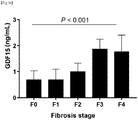
FIG. 1E is a graph showing mean GDF15 levels according to fibrosis stages. -
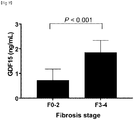
FIG. 1F is a graph showing mean GDF15 levels according to the fibrosis stage severity. -
FIG. 2A is an image showing liver tissue corresponding to fibrosis stage F0, the liver tissue being stained with Masson's trichrome. -
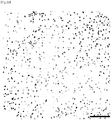
FIG. 2B is an image showing liver tissue corresponding to fibrosis stage F0, the liver tissue being stained with anti-GDF15 antibody. -
FIG. 2C is an image showing liver tissue corresponding to fibrosis stage F1, the liver tissue being stained with Masson's trichrome. -
FIG. 2D is an image showing liver tissue corresponding to fibrosis stage F1, the liver tissue being stained with anti-GDF15 antibody. -
FIG. 2E is an image showing liver tissue corresponding to fibrosis stage F2, the liver tissue being stained with Masson's trichrome. -
FIG. 2F is an image showing liver tissue corresponding to fibrosis stage F2, the liver tissue being stained with anti-GDF15 antibody. -
FIG. 2G is an image showing liver tissue corresponding to fibrosis stage F3, the liver tissue being stained with Masson's trichrome. -
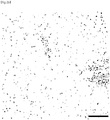
FIG. 2H is an image showing liver tissue corresponding to fibrosis stage F3, the liver tissue being stained with anti-GDF15 antibody. -
FIG. 3A is a graph showing a correlation between the GDF15 level and liver stiffness. -
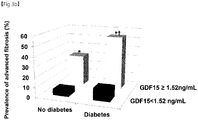
FIG. 3B is a graph showing advanced fibrosis verified according to the serum GDF15 level and diabetes status. -
FIG. 4A is an immuno-blotting image of α-smooth muscle actin (α-SMA) over time after an extract of LX-2 cells, which are human hepatic stellate cells (HSCs), was treated with recombinant human GDF15 (rhGDF15). -
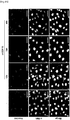
FIG. 4B provides immunofluorescent staining images of α-SMA over time after LX-2 cells were treated with rhGDF15. -
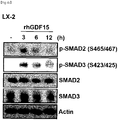
FIG. 4C is an immuno-blotting image of α-SMA over time after LX-2 cells were treated with rhGDF15. -
FIG. 4D is an immuno-blotting image of α-SMA over time after an extract of hepatocytes was treated with rhGDF15. -
FIG. 5A is a graph showing expression levels of GDF15 mRNA after 3 hours of hepatocytes, HSCs, and Kupffer cells were subjected to palmitate treatment. -
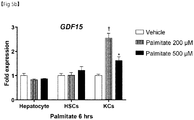
FIG. 5B is a graph showing expression levels of GDF15 mRNA after 6 hours of hepatocytes, HSCs, and Kupffer cells were subjected to palmitate treatment. - The present invention is directed to a composition for prediction or diagnosis of a liver disease, the composition comprising an agent for measuring the expression of a nucleic acid sequence encoding a growth differentiation factor 15 (GDF15) protein or the activity of the GDF15 protein.
- Hereinafter, the present invention will be described in more detail with reference to examples. These examples are only for illustrating the present invention, and it would be obvious to those skilled in the art that the scope of the present invention is not construed as being limited to the examples.
- Subjects were selected based on whether or not they had a radiological evidence of hepatic steatosis.
- The eligibility criteria for subjects were as follows:
- (i) at least 18 years old;
- (ii) bright echogenic liver on ultrasound scanning (increased liver/kidney ecogenicity and posterior attenuation); and
- (iii) unexplained elevation of alanine transaminase (ALT) levels above the reference value within 6 months.
- The following exclusion criteria were applied:
- (i) hepatitis B or C virus infection;
- (ii) autoimmune hepatitis;
- (iii) drug-induced liver injury or steatosis;
- (iv) Wilson disease or haemochromatosis;
- (v) excessive alcohol consumption (male > 30 g/day, female > 20 g/day); and
- (vi) malignancy diagnosis.
- A test group included patients who underwent live biopsy for suspected nonalcoholic steatohepatitis (NASH) or fibrosis.
- In addition, a control group was established to include sera collected in a liver biopsy of liver tissues and a pre-evaluation for donor liver transplantation or sera collected for characterization of solid liver mass suspected of hepatic adenoma or focal nodular hyperplasia without any evidence of hepatic steatosis, on the basis of radiological results.
- A body mass index (BMI, ≥ 25 kg/m2) was used as a criterion for obesity on the basis of the World Health Organization Asia-Pacific criteria.
- Metabolic syndrome was defined on the basis of the revised National Cholesterol Education Program Adult Treatment Panel III criteria.
- The insulin resistance was evaluated for venous blood samples having undergone fast biopsy for 12 hours (overnight) using the homeostasis model assessment of insulin resistance (HOMA-IR).
- Sarcopenia was evaluated by appendicular skeletal muscle mass (ASM) divided by body weight (ASM/weight, ASM%).
- Low skeletal muscle mass (LSMM) was defined as appendicular skeletal muscle mass (ASM) divided by BMI (ASM/BMI) according to the Foundation for the National Institutes of Health Sarcopenia Project.
- Growth differentiation factor 15 (GDF15) levels were measured using a commercially available enzyme-linked immunosorbent assay kit (ELISA; R&D Systems, Minneapolis, MN). The amino acid sequence information of GDF15 is shown in Table 1 below.
[Table 1] SEQ ID NO. Name Sequence 1 GDF15 
- For measurement of liver stiffness, transient elastography (TE) was performed to predict advanced fibrosis. The NAFLD fibrosis score (NFS), Fibrosis-4 (Fib4) index, and aspartate aminotransferase (AST) to platelet ratio index (APRI) were calculated to compare these indices against GDF15 in view of diagnostic performance for predicting advanced fibrosis.
- Non-alcoholic fatty liver disease (NAFLD) was diagnosed according to the presence or absence of 5% or more macrovesicular steatosis. NASH was diagnosed based on an overall pattern of histological hepatic injury in the form of macrovesicular steatosis. Fibrosis was assessed according to such criteria. Advanced fibrosis was defined only at the stage of F3 or higher.
- Recombinant human GDF15 (rhGDF15; R&D Systems; 957-GD-025) was added to LX-2 cells (human hepatic stellate cells, KAIST), cultured in the presence of 100 ng/mL GDF15 and 10 ng/mL TGF-β, and primary hepatocytes, directly isolated from the mouse liver, at 100 mg/ml per 3x10⁵ cells/6 wells. The levels of fibrosis markers, such as alpha-smooth muscle actin (α-SMA) and
collagen 1, were assessed by immunoblotting, immunohistochemistry, and immunofluorescence staining. - Primary hepatic cells were isolated and differentiated into hepatocytes, HSCs, Kupffer cells, and liver sinusoidal endothelial cells (LSECs). Kupffer cells are macrophages present in the liver, and are known to play an essential role in the initiation of inflammation.
- To distinguish Kupffer cells and LSECs, magnetic-activated cell sorting (MACS) was performed using the MiniMACS™ separator system (MiltenyiBiotec, Seoul, Korea). The purity of LSECs was evaluated by fluorescence-activated cell sorting using anti-PE antibody (purity of 90% or higher).
- Primary cells were cultured in 1.5 mL of a serum-free medium for 4 hours, and treated with 5(w/w)% of bovine serum albumin (BSA, control), 200 µM palmitate/ 5 (w/w) % BSA solution, and 500 µM palmitate / 5 (w/w) % BSA, respectively.
- After 3 and 6 hours, cells were collected and further analyzed. Reverse-transcription polymerase chain reaction (RT-PCR) and real-time PCR were performed to assess the expression of GDF15 mRNA after palmitate treatment.
- Between-group differences were evaluated using the independent t test, Mann-Whitney U test, analysis of variance (ANOVA), or Kruskal-Wallis test for continuous variables, and the chi-square test for categorical variables. Spearman's correlation analysis was performed to assess the relationship between GDF15 levels and histological parameters.
- A general linear model adjusted for age, gender, and insulin resistance (homeostasis model assessment of insulin resistance, HOMA-IR), was used to compare GDF15 levels according to NASH or advanced fibrosis status.
- To investigate the independent prediction factors of NASH or fibrosis, a binary logistic regression model adjusted for covariates was created. Significance was defined as P <0.05.
- All statistical analyses were performed using IBM SPSS statistics software version 20.0 (IBM Inc., Armonk, NY) .
- As shown in Table 2, 150 NAFLD patients and 40 control subjects were explored. The NAFLD patients were classified into 72 non-alcoholic fatty liver patients (male, 65.3%) and 78 NASH patients (male, 44.9%) through biopsy.
[Table 2] Control NAFL NASH P-value3 N 40 72 78 Male, n (%) 17 (42.5) 47 (65.3) 35 (44.9) 0.732 Age, year 54.1 ± 13.9 53.0 ± 12.1 52.9 ± 16.2 0.903 Body mass index (BMI), kg/m2 24.8 (23.4, 26.3) 27.4 (25.0, 29.5) 28.4 (25.8, 31.6) <0.001 Systolic blood pressure (SBP), mmHg 123.2 ± 12.9 126.4 ± 13.7 128.8 ± 17.0 0.154 Diastolic blood pressure (DBP), mmHg 77.2 ± 7.4 79.1 ± 11.4 79.6 ± 12.5 0.529 Waist circumference (WC), cm 87.1 (82.0, 93.5) 92.0 (87.6, 99.6) 95.1 (89.1, 103.6) <0.001 Diabetes, n (%) 5 (12.5) 25 (34.7) 32 (41.0) 0.003 Hypertension, n (%) 15 (37.5) 33 (45.8) 46 (59.0) 0.021 Metabolic syndrome, n (%) 14 (35.0) 45 (65.2) 61 (79.2) <0.001 Obesity1, n (%) 16 (40.0) 55 (76.4) 65 (83.3) <0.001 LSMM2, n (%) 2 (5.0) 13 (18.6) 26 (34.2) <0.001 ALT, IU/L 22.5 (13.3, 34.8) 28.0 (22.0, 45.8) 59.5 (36.8, 108.0) <0.001 AST, IU/L 25.0 (19.3, 37.0) 28.5 (22.0, 34.8) 54.0 (35.8, 80.3) <0.001 Platelet (Plt), x109/L 228.4 ± 44.7 242.5 ± 62.3 218.6 ± 61.1 0.046 Albumin, mg/dL 4.1 ± 0.4 4.2 ± 0.3 4.3 ± 0.3 0.022 HbA1c, % 5.7 (5.4, 5.8) 5.8 (5.4, 6.5) 6.2 (5.6, 7.0) <0.001 Triglyceride, mg/dL 94.0 (71.3, 127.0) 145.5 (106.5, 192.0) 142.0 (107.0, 191.8) <0.001 LDL cholesterol, mg/dL 109.3 ± 34.0 103.7 ± 33.6 108.2 ± 30.3 0.602 ASM/BMI 0.73 (0.60, 0.89) 0.81 (0.64, 0.90) 0.67 (0.55, 0.81) 0.005 Insulin, pIU/mL 7.8 (6.2, 9.6) 10.4 (7.9, 13.2) 15.7 (11.0, 25.2) <0.001 Insulin resistance (HOMA-IR) 2.05 (1.69, 2.54) 2.62 (1.97, 3.55) 4.30 (2.95, 7.86) <0.001 GDF15, ng/mL 0.71 (0.41, 1.22) 0.67 (0.43, 1.07) 1.1 (0.65, 1.83) 0.002 Fibrosis stage 0 23 (57.5) 24 (33.3) 4 (5.1) <0.001 1 13 (32.5) 42 (58.3) 24 (30.8) 2 2 (5.0) 2 (2.8) 27 (34.6) 3 1 (2.5) 4 (5.6) 9 (11.5) 4 1 (2.5) 0 14 (17.9) - As can be seen from Table 2 above, the present inventors found a linear correlation between NAFLD severity and BMI, waist circumference, relevant conditions (diabetes, hypertension, and maculopathy), alanine transaminase (ALT) and aspartate transaminase (AST) levels, and insulin resistance (HOMA-IR) (1BMI ≥ 25kg/m2, 2ASM/BMI < 0.789 in men and < 0.512 in women according to the Foundation for the National Institutes of Health Sarcopenia Project, 3independent t-test or Mann-Whitney analysis test for continuous variables; chi-square test for categorical variables).
- As can be confirmed from Table 3, among NAFLD patients (n = 150), patients with advanced fibrosis were older, more likely to be female, and had significantly lower serum albumin levels and platelet counts than the values noted among NAFLD patients without advanced fibrosis.
[Table 3] F0-2 F3-4 P-value3 N 123 27 Male, n (%) 73 (59.3) 9 (33.3) 0.014 Age, year 50.7 ± 14.2 63.1 ± 9.9 <0.001 Body mass index (BMI), kg/m2 27.7 (25.2, 30.6) 27.4 (25.6, 30.0) 0.959 Systolic blood pressure (SBP), mmHg 127.3 ± 15.6 129.2 ± 15.2 0.561 Diastolic blood pressure (DBP), mmHg 80.0 ± 12.1 76.4 ± 11.0 0.156 Waist circumference (WC), cm 92.8 (88.6, 100.5) 93.8 (89.0, 102.7) 0.459 Diabetes, n (%) 40 (32.5) 17 (63.0) 0.003 Hypertension, n (%) 57 (46.3) 22 (81.5) 0.001 Metabolic syndrome, n (%) 85 (70.8) 21 (80.3) 0.303 Obesity1, n (%) 98 (79.7) 22 (81.5) 0.832 LSMM2, n (%) 30 (25.0) 9 (34.6) 0.315 ALT, IU/L 40.0 (25.0, 75.0) 46.0 (28.0, 85.0) 0.492 AST, IU/L 34.0 (25.0, 58.0) 53.0 (35.0, 75.0) 0.003 Platelets (Plt), x109/L 239.0 ± 60.3 189.2 ± 57.7 <0.001 Albumin, mg/dL 4.3 ± 0.3 4.1 ± 0.2 0.028 HbA1c, % 6.0 (5.5, 6.4) 6.7 (5.6, 7.8) 0.005 Triglyceride, mg/dL 144.0 (112.0, 192.0) 121.0 (82.0, 197.0) 0.136 LDL cholesterol, mg/dL 108.6 ± 32.2 94.2 ±28.2 0.037 ASM/BMI 0.77 (0.61, 0.88) 0.61 (0.54, 0.76) 0.008 Insulin, µIU/mL 11.3 (8.7, 15.6) 19.9 (12.5, 24.5) <0.001 Insulin resistance (HOMA-IR) 2.97 (2.21, 4.35) 5.10 (3.98, 7.91) <0.001 GDF15, ng/mL 0.73 (0.52, 1.24) 1.81 (1.01, 2.17) <0.001 - Advanced fibrosis showed a significant correlation with diabetes, hypertension, higher insulin resistance, and lower ASM/BMI (P: 0.003, 0.001, <0.001, 0.008), but not with waist circumference or BMI (1BMI ≥25 kg/m2, 2ASM/BMI < 0.789 in men and < 0.512 in women according to the Foundation for the National Institutes of Health Sarcopenia Project, 3ANOVA or Kruskal-Wallis test for continuous variables; chi-square test for categorical variables).
- As shown in Table 2 above, the GDF15 levels significantly increased with the histological severity of NAFLD.
- As can be confirmed in
FIG. 1A , NASH patients showed significantly higher GDF15 levels than those shown in controls or NAFL patients. - On the other hand, as can be confirmed in
FIG. 1B , there was no association between GDF15 levels and steatosis grades (P = 0.202). - As can be confirmed in
FIGS. 1C and1D , serum GDF15 levels increased significantly with the severity of ballooning (Spearman's p, 0.200; P = 0.006) and lobular inflammation (Spearman's p, 0.271; P <0.001). - As can be confirmed in
FIG. 1E , the degree of fibrosis was significantly correlated with serum GDF15 levels (Spearman's p, 0.337; P <0.001). - As can be confirmed in
FIG. 1F , F3 and F4, that is, subjects with advanced fibrosis, showed significantly higher GDF15 levels compared with F0 to F2, that is, those without (P <0.001). - As a result, it can be verified that GDF15 levels have a stepwise relationship with the histological severity of NAFLD and a positive correlation with the severity of lobular inflammation, ballooning, and fibrosis.
- As can be confirmed in
FIG. 2 , immunohistochemical analysis confirmed that hepatic GDF15 expression levels were markedly higher in the subjects with advanced fibrosis shown inFIG. 2H than in subjects without advanced fibrosis shown inFIGS. 2B ,2D , and2F . - Since the GDF15 levels were independently associated with advanced fibrosis (≥F3), it was investigated whether there was a correlation between GDF15 levels and TE values indicating fibrosis severity and expressed as liver stiffness.
- As can be confirmed in
FIG. 3A , a significant positive correlation between GDF15 levels and liver stiffness was found (Spearman's p, 0.525; P <0.001). - Next, GDF15 levels were classified into four quartiles (Q), Q1 and Q4 being the lowest and highest quartiles, respectively. The prevalence of advanced fibrosis was 2.2%, 8.2%, 8.5%, and 41.7% in Q1, Q2, Q3, and Q4, respectively (P <0.001). The highest quartile (Q4; GDF15 level ≥ 1.52 ng/mL) of GDF15 was significantly associated with advanced fibrosis (unadjusted odds ratio (OR), 10.56; 95% confidence interval (CI), 4.35-25.60; P < 0.001).
- It was subsequently investigated whether the risk of fibrosis progression could be restrictively predicted by means of GDF15 levels only in NAFLD patients.
- As shown in Table 4,
Multivariable Model 1 was adjusted for age, gender, and body mass index as variables. Additionally,Multivariable Model 2 was adjusted for smoking, hypertension, and diabetes in addition to the factors included inMultivariable Model 1;Multivariable Model 3 was adjusted for AST, platelet, and albumin in addition to the factors included inMultivariable Model 2;Multivariable Model 4 was adjusted for HOMA-IR in addition to the factors included inMultivariable Model 3; andMultivariable Model 5 was adjusted for LSMM in addition to the factors included inMultivariable Model 4.[Table 4] NASH Advanced fibrosis (≥F3) NAFLD (n=150) OR (95% CI) P-value OR (95% CI) P-value Before adjustment 1.79 (0.85, 3.76) 0.123 9.18 (3.65, 23.12) <0.001 Age, gender adjusted 1.94 (0.88, 4.27) 0.099 6.39 (2.35, 17.39) <0.001 Multivariable Model 11.95 (0.88, 4.31) 0.098 6.39 (2.35, 17.40) <0.001 Multivariable Model 21.87 (0.82, 4.27) 0.135 6.56 (2.20, 19.61) 0.001 Multivariable Model 31.36 (0.47, 3.96) 0.575 5.48 (1.71, 17.59) 0.004 Multivariable Model 41.53 (0.47, 5.02) 0.480 4.39 (1.08, 17.90) 0.039 Multivariable Model 51.36 (0.39, 4.75) 0.630 4.27 (1.04, 17.63) 0.045 - The GDF15 level in Q4 was significantly associated with advanced fibrosis, which remained significant in the analysis of multivariable models adjusted for age, gender, BMI, smoking status, diabetes, hypertension, AST levels, platelet counts, and albumin levels.
- Additional adjustment for insulin resistance and LSMM showed statistical significance in the association between the GDF15 level and advanced fibrosis. In contrast, the GDF15 level in Q4 was not associated with the risk of NASH among NAFLD subjects.
- However, it could be verified that GDF15 functions as an independent determinant factor in advanced fibrosis of NAFLD even after adjustment for LSMM and insulin resistance.
- It was investigated whether GDF15 could have a decisive effect on advanced fibrosis regardless of the presence or absence of diabetes.
- As can be confirmed in
FIG. 3B , the results of stratified analysis using four quartiles of GDF15 levels showed additional differences for the severity of advanced fibrosis. - Especially, among subjects with diabetes, the prevalence of advanced fibrosis was 54.2% for GDF15 levels in Q4, and only 12.1% for GDF15 levels in Q1 to Q3. Particularly, when the GDF15 levels correspond to Q4, the prevalence of advanced fibrosis was 31.3% even in non-diabetic patients, indicating a 6-fold higher risk of advanced fibrosis compared with the risk of non-diabetic patients with GDF15 levels corresponding to Q1 to Q3 (OR, 6.72, 95% CI, 1.50-30.13).
- The prevalence of advanced fibrosis associated with GDF15 levels was 29.8% (17/57) and 10.8% (10/93) in the NAFLD group, regardless of the presence or absence of diabetes (P = 0.003, chi-square test).
- As can be confirmed in
FIG. 4A , the expression of existing fibrosis markers, such as α-SMA andcollagen 1, was increased in LX-2 cells by rhGDF15 treatment, and cell apoptosis was not influenced by the rhGDF15 treatment. - As can be confirmed in
FIG. 4B , immunofluorescent staining results, similar to the immunoblotting results, also showed high expression of α-SMA in the GDF15 treatment for 12 hours, as shown in the portions indicated by the white arrows. - As can be confirmed in
FIG. 4C , it was validated that GDF15 induced fibrosis by increasing the phosphorylation of SMAD2 and SMAD3 in human hepatocytes. As can be confirmed inFIG. 4D , the GDF15 treatment induced fibrosis by upregulating the phosphorylation of SMAD2 and SMAD3 in primary hepatocytes. - The α-SMA level increased quickly within 12 hours after GDF15 treatment, and the SMAD phosphorylation was induced very quickly within 3 hours. It was revealed that GDF15 activates human hepatocytes and induces fibrosis since the phosphorylation of SMAD2 and SMAD3, known to play an important role in hepatocyte activation and fibrosis, was increased after the GDF15 treatment.
- The acute stimulatory effect of GDF15 on hepatocytes was remarkably reduced after 12 hours, suggesting that GDF15 may be involved in the early response to liver injury or inflammation.
- It was investigated whether GDF15 can have a decisive effect on advanced fibrosis regardless of LSMM. Palmitate, known to induce muscle mass reduction, was applied to hepatocytes in a time- and dose-dependent manner, and GDF15 mRNA expression was assessed.
- As can be confirmed in
FIG. 5A , there is no change in hepatocytes after 3 hours of palmate treatment, and HSCs showed a slightly elevated expression level at 200 µM palmate, with no significance. However, Kupffer cells showed an approximately 2-fold significant increase in GDF15 mRNA expression level at 500 µM palmate (P = 0.004). - As can be confirmed in
FIG. 5B , there were no significant changes in GDF15 mRNA expression levels in hepatocytes and HSCs after 6 hours of palmate treatment. The expression of GDF15 mRNA in Kupffer cells was increased 2.5-fold at 200 µM palmate (P = 0.009), and increased 1.5-fold at 500 µM palmate (P = 0.032). - Resultantly, it was verified that palmate treatment can increase the expression level of GDF15 mRNA in Kupffer cells, indicating that there is an inverse correlation between GDF15 expression and muscle mass.
- The present invention relates to a composition for prediction or diagnosis of a liver disease and a method for prediction or diagnosis of a liver disease using the same and, more specifically, to a marker for prediction or diagnosis of liver fibrosis in nonalcoholic fatty liver disease and a method for prediction or diagnosis using the same.

Claims (21)
- A composition for prediction or diagnosis of a liver disease, the composition comprising an agent for measuring the expression of a nucleic acid sequence encoding a growth differentiation factor 15 (GDF15) protein or the activity of the GDF15 protein.
- The composition of claim 1, wherein the liver disease is selected from the group consisting of liver fibrosis, liver sclerosis, acute hepatitis, chronic hepatitis, liver cirrhosis, and liver cancer.
- The composition of claim 2, wherein the liver fibrosis is liver fibrosis in non-alcoholic fatty liver disease (NAFLD).
- The composition of claim 1, wherein the GDF15 protein includes the amino acid sequence of SEQ ID NO: 1.
- The composition of claim 1, wherein the agent is an antibody capable of specifically binding to the GDF15 protein or a fragment thereof.
- The composition of claim 1, wherein the GDF15 protein is derived from a biological sample isolated from a subject.
- The composition of claim 6, wherein the biological sample is obtained from blood or biopsy tissue.
- A method for prediction or diagnosis of a liver disease, the method comprising a measurement step of measuring the expression of a nucleic acid sequence encoding a growth differentiation factor 15 (GDF15) protein or the concentration of the GDF15 protein in a sample.
- The method of claim 8, wherein the liver disease is selected from the group consisting of liver fibrosis, liver sclerosis, acute hepatitis, chronic hepatitis, liver cirrhosis, and liver cancer.
- The method of claim 9, wherein the liver fibrosis is liver fibrosis in non-alcoholic fatty liver disease (NAFLD).
- The method of claim 8, wherein the GDF15 protein includes the amino acid sequence of SEQ ID NO: 1.
- The method of claim 8, wherein the GDF15 protein is derived from a biological sample isolated from a subject.
- The method of claim 12, wherein the biological sample is obtained from blood or biopsy tissue.
- The method of claim 8, wherein the measurement step is performed using any one selected from the group consisting of enzyme-linked immunosorbent assay (ELISA), a colorimetric method, an electrochemical method, a fluorimetric method, luminometry, a particle counting method, visual assessment, a scintillation counting method, and immunohistochemical staining.
- The method of claim 8, wherein in the measurement step, it is determined whether the concentration of the GDF15 protein is 1.52 ng/mL or more.
- A method for screening a candidate substance for prevention, treatment, or alleviation of a liver disease, the method comprising:a treatment step of treating an analysis sample with a growth differentiation factor 15 (GDF15) protein; andan analysis step of selecting an analysis sample inhibiting the activity of the GDF15 protein.
- The method of claim 16, wherein the liver disease is selected from the group consisting of liver fibrosis, liver sclerosis, acute hepatitis, chronic hepatitis, liver cirrhosis, and liver cancer.
- The method of claim 17, wherein the liver fibrosis is liver fibrosis in non-alcoholic fatty liver disease (NAFLD).
- A method for screening a candidate substance for prevention, treatment, or alleviation of a liver disease, the method comprising:a treatment step of treating an analysis sample with growth differentiation factor 15 (GDF15) protein-expressing cells; andan analysis step of selecting an analysis sample inhibiting the activity of GDF15 protein in the cells.
- The method of claim 19, wherein the liver disease is selected from the group consisting of liver fibrosis, liver sclerosis, acute hepatitis, chronic hepatitis, liver cirrhosis, and liver cancer.
- The method of claim 20, wherein the liver fibrosis is liver fibrosis in non-alcoholic fatty liver disease (NAFLD).
Applications Claiming Priority (2)
| Application Number | Priority Date | Filing Date | Title |
|---|---|---|---|
| KR1020170105714A KR102010652B1 (en) | 2017-08-21 | 2017-08-21 | Composition for predicting or diagnosing liver disease and method for predicting or diagnosing using the same |
| PCT/KR2018/009548 WO2019039817A2 (en) | 2017-08-21 | 2018-08-20 | Composition for predicting or diagnosing liver disease, and liver disease prediction or diagnosis method using same |
Publications (4)
| Publication Number | Publication Date |
|---|---|
| EP3674710A2 true EP3674710A2 (en) | 2020-07-01 |
| EP3674710A4 EP3674710A4 (en) | 2020-08-05 |
| EP3674710C0 EP3674710C0 (en) | 2024-02-28 |
| EP3674710B1 EP3674710B1 (en) | 2024-02-28 |
Family
ID=65439516
Family Applications (1)
| Application Number | Title | Priority Date | Filing Date |
|---|---|---|---|
| EP18848723.5A Active EP3674710B1 (en) | 2017-08-21 | 2018-08-20 | Liver disease prediction or diagnosis method for patients with nafld. |
Country Status (6)
| Country | Link |
|---|---|
| US (1) | US20200292553A1 (en) |
| EP (1) | EP3674710B1 (en) |
| JP (1) | JP7053783B2 (en) |
| KR (1) | KR102010652B1 (en) |
| CN (1) | CN111316103B (en) |
| WO (1) | WO2019039817A2 (en) |
Families Citing this family (11)
| Publication number | Priority date | Publication date | Assignee | Title |
|---|---|---|---|---|
| EP3710831A4 (en) * | 2017-11-15 | 2022-01-12 | Beth Israel Deaconess Medical Center, Inc. | MARKERS FOR THE DIAGNOSIS AND TREATMENT OF NON-ALCOHOLIC STEATOHEPATITIS (NASH) AND ADVANCED HEPATIC FIBROSIS |
| KR102569644B1 (en) | 2020-10-30 | 2023-08-23 | 가톨릭대학교 산학협력단 | Composition for preventing and treating immune diseases comprising gdf15 |
| CN113160983A (en) * | 2021-04-09 | 2021-07-23 | 南京医科大学附属逸夫医院 | Metabolism-related fatty liver disease clinical prediction model |
| US20240344134A1 (en) * | 2021-07-26 | 2024-10-17 | Osaka University | Diagnostic marker for hepatic cancer development in chronic hepatic disease |
| WO2023008673A1 (en) * | 2021-07-30 | 2023-02-02 | 숙명여자대학교산학협력단 | Machine learning-based complex marker for determining nonalcoholic steatohepatitis, and use thereof |
| CN115948563A (en) * | 2023-03-13 | 2023-04-11 | 中国医学科学院北京协和医院 | Application of detection reagents for protein markers in the preparation of products for diagnosing liver cancer |
| KR20250071598A (en) | 2023-11-15 | 2025-05-22 | 주식회사 아이도트 | Liver disease diagnosis system and method using intestinal microbiome entire level data |
| KR20250074386A (en) | 2023-11-20 | 2025-05-27 | 주식회사 아이도트 | Learning system and method for diagnosing liver disease using data from the entire level of intestinal microbiome |
| KR20250075910A (en) | 2023-11-22 | 2025-05-29 | 주식회사 아이도트 | Liver disease diagnosis system and method using intestinal microbiome species level data |
| KR20250077720A (en) | 2023-11-24 | 2025-06-02 | 주식회사 아이도트 | Learning system and method for diagnosing liver disease using intestinal microbiome species level data |
| CN121331222B (en) * | 2025-12-15 | 2026-03-10 | 北京大学 | Protein combination for predicting chronic liver disease onset based on proteome, prediction model and application |
Family Cites Families (9)
| Publication number | Priority date | Publication date | Assignee | Title |
|---|---|---|---|---|
| CA2390820A1 (en) * | 2002-06-17 | 2003-12-17 | St. Vincent's Hospital Sydney Limited | Methods of diagnosis, prognosis and treatment of cardiovascular disease |
| US20070237713A1 (en) * | 2006-04-04 | 2007-10-11 | Fan Rong A | PCan065 Antibody Compositions and Methods of Use |
| EP2209003A1 (en) * | 2009-01-16 | 2010-07-21 | F. Hoffmann-Roche AG | Means and methods for differentiating between fibrosis and cirrhosis |
| EP2211182A1 (en) * | 2009-01-16 | 2010-07-28 | Roche Diagnostics GmbH | Method for the assessment of severity of liver cirrhosis |
| JP5636567B2 (en) * | 2010-10-13 | 2014-12-10 | 学校法人東京女子医科大学 | Biomarker for diagnosing fatty liver disease, measuring method thereof, computer program, and storage medium |
| PT2900263T (en) * | 2012-09-26 | 2019-07-29 | Univ Wuerzburg J Maximilians | MONOCLONAL ANTIBODIES AGAINST GROWTH AND DIFFERENTIATION FACTOR 15 (GDF-15) |
| UA116665C2 (en) * | 2013-07-31 | 2018-04-25 | Емджен Інк. | Growth differentiation factor 15 (gdf-15) constructs |
| PT3408287T (en) * | 2016-01-29 | 2022-08-17 | Univ Washington | Gdf15 in glaucoma and methods of use thereof |
| KR102266627B1 (en) | 2016-03-10 | 2021-06-17 | 엘에스엠트론 주식회사 | Connector for Flat Cable |
-
2017
- 2017-08-21 KR KR1020170105714A patent/KR102010652B1/en active Active
-
2018
- 2018-08-20 US US16/630,064 patent/US20200292553A1/en not_active Abandoned
- 2018-08-20 EP EP18848723.5A patent/EP3674710B1/en active Active
- 2018-08-20 WO PCT/KR2018/009548 patent/WO2019039817A2/en not_active Ceased
- 2018-08-20 JP JP2020501172A patent/JP7053783B2/en active Active
- 2018-08-20 CN CN201880049717.1A patent/CN111316103B/en active Active
Also Published As
| Publication number | Publication date |
|---|---|
| EP3674710C0 (en) | 2024-02-28 |
| EP3674710A4 (en) | 2020-08-05 |
| CN111316103A (en) | 2020-06-19 |
| CN111316103B (en) | 2023-12-26 |
| JP2020528138A (en) | 2020-09-17 |
| WO2019039817A2 (en) | 2019-02-28 |
| US20200292553A1 (en) | 2020-09-17 |
| WO2019039817A3 (en) | 2019-06-06 |
| EP3674710B1 (en) | 2024-02-28 |
| KR102010652B1 (en) | 2019-08-13 |
| WO2019039817A9 (en) | 2019-07-18 |
| KR20190020581A (en) | 2019-03-04 |
| JP7053783B2 (en) | 2022-04-12 |
Similar Documents
| Publication | Publication Date | Title |
|---|---|---|
| EP3674710B1 (en) | Liver disease prediction or diagnosis method for patients with nafld. | |
| JP4677545B2 (en) | Method for fractional determination of multimeric adiponectin | |
| KR101032607B1 (en) | Protein marker for diagnosing liver cancer | |
| KR102185987B1 (en) | A biomarker for diagnosing diabetic nephropathy comprising RIPK3 and the uses thereof | |
| Wang et al. | Diagnostic and prognostic value of protein post-translational modifications in hepatocellular carcinoma | |
| US20100151457A1 (en) | Detection of Unhealthy Cell and Uses Thereof | |
| WO2009064927A2 (en) | Phosphorylated fatty acid synthase and cancer | |
| WO2022029066A1 (en) | Method for nash risk assessment | |
| US20240103014A1 (en) | Inspection Method Enabling Specific Diagnosis of Pathological State of Diabetic Nephropathy at Early Stage | |
| US20240410908A1 (en) | Biomarker for diagnosing cancer and use thereof | |
| KR102180982B1 (en) | ADM2 gene marker for predicting diagnosis or prognosis of thyroid cancer and uses thereof | |
| JP5090332B2 (en) | Measurement of short chain SRL alcohol dehydrogenase (DHRS4) as a biomarker for inflammation and infection | |
| US20230393148A1 (en) | Kits, reagents and methods for the assessment of liver diseases | |
| US20240410902A1 (en) | Use of soluble trem2 as a non-invasive biomarker for non-alcoholic steatohepatitis (nash) | |
| CN116482374A (en) | Proteins and detection kits for early diagnosis of liver fibrosis | |
| KR20190023708A (en) | The biomarker for lung Squamous cell carcinoma and Diagnosis method for lung Squamous cell carcinoma using thereof | |
| KR100896328B1 (en) | Proglenulin useful as a diagnostic marker for metabolic disease | |
| NL2035166B1 (en) | Methods for diagnosing fibrotic nash | |
| US20240175871A1 (en) | Alpha-1-antitrypsin phenotype c detection and treatment of inflammation and inflammatory conditions associated with said phenotype | |
| Maier | Non-invasive biomarkers for the prediction of disease progression in metabolic associated fatty liver disease | |
| CA3036256C (en) | Inspection method enabling specific diagnosis of pathological state of diabetic nephropathy at early stage | |
| KR102166788B1 (en) | Information providing method, diagnostic composition and kit for the diagnosis of the severity of non-alcoholic fatty liver disease | |
| Singh | ASSOCIATION OF SERUM ADIPONECTIN AND INSULIN RESISTANCE WITH METABOLIC SYNDROME: A CROSS-SECTIONAL STUDY IN A TERTIARY CARE CENTER. | |
| HK40049526A (en) | Method for testing for liver disease, test kit therefor, and companion diagnostic agent | |
| CN112771377A (en) | Method for examining liver disease, examination kit therefor, and diagnostic agent therefor |
Legal Events
| Date | Code | Title | Description |
|---|---|---|---|
| STAA | Information on the status of an ep patent application or granted ep patent |
Free format text: STATUS: THE INTERNATIONAL PUBLICATION HAS BEEN MADE |
|
| PUAI | Public reference made under article 153(3) epc to a published international application that has entered the european phase |
Free format text: ORIGINAL CODE: 0009012 |
|
| STAA | Information on the status of an ep patent application or granted ep patent |
Free format text: STATUS: REQUEST FOR EXAMINATION WAS MADE |
|
| 17P | Request for examination filed |
Effective date: 20200110 |
|
| AK | Designated contracting states |
Kind code of ref document: A2 Designated state(s): AL AT BE BG CH CY CZ DE DK EE ES FI FR GB GR HR HU IE IS IT LI LT LU LV MC MK MT NL NO PL PT RO RS SE SI SK SM TR |
|
| AX | Request for extension of the european patent |
Extension state: BA ME |
|
| A4 | Supplementary search report drawn up and despatched |
Effective date: 20200707 |
|
| RIC1 | Information provided on ipc code assigned before grant |
Ipc: G01N 33/68 20060101AFI20200701BHEP Ipc: C12Q 1/6883 20180101ALI20200701BHEP |
|
| DAV | Request for validation of the european patent (deleted) | ||
| DAX | Request for extension of the european patent (deleted) | ||
| STAA | Information on the status of an ep patent application or granted ep patent |
Free format text: STATUS: EXAMINATION IS IN PROGRESS |
|
| 17Q | First examination report despatched |
Effective date: 20220404 |
|
| GRAP | Despatch of communication of intention to grant a patent |
Free format text: ORIGINAL CODE: EPIDOSNIGR1 |
|
| STAA | Information on the status of an ep patent application or granted ep patent |
Free format text: STATUS: GRANT OF PATENT IS INTENDED |
|
| INTG | Intention to grant announced |
Effective date: 20231106 |
|
| GRAS | Grant fee paid |
Free format text: ORIGINAL CODE: EPIDOSNIGR3 |
|
| GRAA | (expected) grant |
Free format text: ORIGINAL CODE: 0009210 |
|
| STAA | Information on the status of an ep patent application or granted ep patent |
Free format text: STATUS: THE PATENT HAS BEEN GRANTED |
|
| AK | Designated contracting states |
Kind code of ref document: B1 Designated state(s): AL AT BE BG CH CY CZ DE DK EE ES FI FR GB GR HR HU IE IS IT LI LT LU LV MC MK MT NL NO PL PT RO RS SE SI SK SM TR |
|
| REG | Reference to a national code |
Ref country code: GB Ref legal event code: FG4D |
|
| REG | Reference to a national code |
Ref country code: CH Ref legal event code: EP |
|
| REG | Reference to a national code |
Ref country code: DE Ref legal event code: R096 Ref document number: 602018065977 Country of ref document: DE |
|
| REG | Reference to a national code |
Ref country code: IE Ref legal event code: FG4D |
|
| U01 | Request for unitary effect filed |
Effective date: 20240322 |
|
| U07 | Unitary effect registered |
Designated state(s): AT BE BG DE DK EE FI FR IT LT LU LV MT NL PT SE SI Effective date: 20240402 |
|
| PG25 | Lapsed in a contracting state [announced via postgrant information from national office to epo] |
Ref country code: IS Free format text: LAPSE BECAUSE OF FAILURE TO SUBMIT A TRANSLATION OF THE DESCRIPTION OR TO PAY THE FEE WITHIN THE PRESCRIBED TIME-LIMIT Effective date: 20240628 |
|
| PG25 | Lapsed in a contracting state [announced via postgrant information from national office to epo] |
Ref country code: GR Free format text: LAPSE BECAUSE OF FAILURE TO SUBMIT A TRANSLATION OF THE DESCRIPTION OR TO PAY THE FEE WITHIN THE PRESCRIBED TIME-LIMIT Effective date: 20240529 |
|
| PG25 | Lapsed in a contracting state [announced via postgrant information from national office to epo] |
Ref country code: RS Free format text: LAPSE BECAUSE OF FAILURE TO SUBMIT A TRANSLATION OF THE DESCRIPTION OR TO PAY THE FEE WITHIN THE PRESCRIBED TIME-LIMIT Effective date: 20240528 Ref country code: HR Free format text: LAPSE BECAUSE OF FAILURE TO SUBMIT A TRANSLATION OF THE DESCRIPTION OR TO PAY THE FEE WITHIN THE PRESCRIBED TIME-LIMIT Effective date: 20240228 |
|
| PG25 | Lapsed in a contracting state [announced via postgrant information from national office to epo] |
Ref country code: ES Free format text: LAPSE BECAUSE OF FAILURE TO SUBMIT A TRANSLATION OF THE DESCRIPTION OR TO PAY THE FEE WITHIN THE PRESCRIBED TIME-LIMIT Effective date: 20240228 |
|
| PG25 | Lapsed in a contracting state [announced via postgrant information from national office to epo] |
Ref country code: RS Free format text: LAPSE BECAUSE OF FAILURE TO SUBMIT A TRANSLATION OF THE DESCRIPTION OR TO PAY THE FEE WITHIN THE PRESCRIBED TIME-LIMIT Effective date: 20240528 Ref country code: NO Free format text: LAPSE BECAUSE OF FAILURE TO SUBMIT A TRANSLATION OF THE DESCRIPTION OR TO PAY THE FEE WITHIN THE PRESCRIBED TIME-LIMIT Effective date: 20240528 Ref country code: IS Free format text: LAPSE BECAUSE OF FAILURE TO SUBMIT A TRANSLATION OF THE DESCRIPTION OR TO PAY THE FEE WITHIN THE PRESCRIBED TIME-LIMIT Effective date: 20240628 Ref country code: HR Free format text: LAPSE BECAUSE OF FAILURE TO SUBMIT A TRANSLATION OF THE DESCRIPTION OR TO PAY THE FEE WITHIN THE PRESCRIBED TIME-LIMIT Effective date: 20240228 Ref country code: GR Free format text: LAPSE BECAUSE OF FAILURE TO SUBMIT A TRANSLATION OF THE DESCRIPTION OR TO PAY THE FEE WITHIN THE PRESCRIBED TIME-LIMIT Effective date: 20240529 Ref country code: ES Free format text: LAPSE BECAUSE OF FAILURE TO SUBMIT A TRANSLATION OF THE DESCRIPTION OR TO PAY THE FEE WITHIN THE PRESCRIBED TIME-LIMIT Effective date: 20240228 |
|
| PG25 | Lapsed in a contracting state [announced via postgrant information from national office to epo] |
Ref country code: PL Free format text: LAPSE BECAUSE OF FAILURE TO SUBMIT A TRANSLATION OF THE DESCRIPTION OR TO PAY THE FEE WITHIN THE PRESCRIBED TIME-LIMIT Effective date: 20240228 |
|
| PG25 | Lapsed in a contracting state [announced via postgrant information from national office to epo] |
Ref country code: PL Free format text: LAPSE BECAUSE OF FAILURE TO SUBMIT A TRANSLATION OF THE DESCRIPTION OR TO PAY THE FEE WITHIN THE PRESCRIBED TIME-LIMIT Effective date: 20240228 |
|
| U20 | Renewal fee for the european patent with unitary effect paid |
Year of fee payment: 7 Effective date: 20240827 |
|
| PG25 | Lapsed in a contracting state [announced via postgrant information from national office to epo] |
Ref country code: SM Free format text: LAPSE BECAUSE OF FAILURE TO SUBMIT A TRANSLATION OF THE DESCRIPTION OR TO PAY THE FEE WITHIN THE PRESCRIBED TIME-LIMIT Effective date: 20240228 |
|
| PG25 | Lapsed in a contracting state [announced via postgrant information from national office to epo] |
Ref country code: CZ Free format text: LAPSE BECAUSE OF FAILURE TO SUBMIT A TRANSLATION OF THE DESCRIPTION OR TO PAY THE FEE WITHIN THE PRESCRIBED TIME-LIMIT Effective date: 20240228 |
|
| PG25 | Lapsed in a contracting state [announced via postgrant information from national office to epo] |
Ref country code: SK Free format text: LAPSE BECAUSE OF FAILURE TO SUBMIT A TRANSLATION OF THE DESCRIPTION OR TO PAY THE FEE WITHIN THE PRESCRIBED TIME-LIMIT Effective date: 20240228 |
|
| PG25 | Lapsed in a contracting state [announced via postgrant information from national office to epo] |
Ref country code: SM Free format text: LAPSE BECAUSE OF FAILURE TO SUBMIT A TRANSLATION OF THE DESCRIPTION OR TO PAY THE FEE WITHIN THE PRESCRIBED TIME-LIMIT Effective date: 20240228 Ref country code: SK Free format text: LAPSE BECAUSE OF FAILURE TO SUBMIT A TRANSLATION OF THE DESCRIPTION OR TO PAY THE FEE WITHIN THE PRESCRIBED TIME-LIMIT Effective date: 20240228 Ref country code: RO Free format text: LAPSE BECAUSE OF FAILURE TO SUBMIT A TRANSLATION OF THE DESCRIPTION OR TO PAY THE FEE WITHIN THE PRESCRIBED TIME-LIMIT Effective date: 20240228 Ref country code: CZ Free format text: LAPSE BECAUSE OF FAILURE TO SUBMIT A TRANSLATION OF THE DESCRIPTION OR TO PAY THE FEE WITHIN THE PRESCRIBED TIME-LIMIT Effective date: 20240228 |
|
| REG | Reference to a national code |
Ref country code: DE Ref legal event code: R097 Ref document number: 602018065977 Country of ref document: DE |
|
| PLBE | No opposition filed within time limit |
Free format text: ORIGINAL CODE: 0009261 |
|
| STAA | Information on the status of an ep patent application or granted ep patent |
Free format text: STATUS: NO OPPOSITION FILED WITHIN TIME LIMIT |
|
| 26N | No opposition filed |
Effective date: 20241129 |
|
| REG | Reference to a national code |
Ref country code: CH Ref legal event code: PL |
|
| GBPC | Gb: european patent ceased through non-payment of renewal fee |
Effective date: 20240820 |
|
| PG25 | Lapsed in a contracting state [announced via postgrant information from national office to epo] |
Ref country code: CH Free format text: LAPSE BECAUSE OF NON-PAYMENT OF DUE FEES Effective date: 20240831 Ref country code: MC Free format text: LAPSE BECAUSE OF FAILURE TO SUBMIT A TRANSLATION OF THE DESCRIPTION OR TO PAY THE FEE WITHIN THE PRESCRIBED TIME-LIMIT Effective date: 20240228 |
|
| U20 | Renewal fee for the european patent with unitary effect paid |
Year of fee payment: 8 Effective date: 20250604 |
|
| PG25 | Lapsed in a contracting state [announced via postgrant information from national office to epo] |
Ref country code: GB Free format text: LAPSE BECAUSE OF NON-PAYMENT OF DUE FEES Effective date: 20240820 |
|
| PG25 | Lapsed in a contracting state [announced via postgrant information from national office to epo] |
Ref country code: IE Free format text: LAPSE BECAUSE OF NON-PAYMENT OF DUE FEES Effective date: 20240820 |
|
| PG25 | Lapsed in a contracting state [announced via postgrant information from national office to epo] |
Ref country code: CY Free format text: LAPSE BECAUSE OF FAILURE TO SUBMIT A TRANSLATION OF THE DESCRIPTION OR TO PAY THE FEE WITHIN THE PRESCRIBED TIME-LIMIT; INVALID AB INITIO Effective date: 20180820 |
|
| PG25 | Lapsed in a contracting state [announced via postgrant information from national office to epo] |
Ref country code: HU Free format text: LAPSE BECAUSE OF FAILURE TO SUBMIT A TRANSLATION OF THE DESCRIPTION OR TO PAY THE FEE WITHIN THE PRESCRIBED TIME-LIMIT; INVALID AB INITIO Effective date: 20180820 |