EP3674379A1 - Adhesive composition, adhesive comprising same, and manufacturing method therefor - Google Patents
Adhesive composition, adhesive comprising same, and manufacturing method therefor Download PDFInfo
- Publication number
- EP3674379A1 EP3674379A1 EP18848085.9A EP18848085A EP3674379A1 EP 3674379 A1 EP3674379 A1 EP 3674379A1 EP 18848085 A EP18848085 A EP 18848085A EP 3674379 A1 EP3674379 A1 EP 3674379A1
- Authority
- EP
- European Patent Office
- Prior art keywords
- adhesive
- water
- adhesive composition
- polyvinyl alcohol
- compound
- Prior art date
- Legal status (The legal status is an assumption and is not a legal conclusion. Google has not performed a legal analysis and makes no representation as to the accuracy of the status listed.)
- Withdrawn
Links
Images

Classifications
-
- C—CHEMISTRY; METALLURGY
- C09—DYES; PAINTS; POLISHES; NATURAL RESINS; ADHESIVES; COMPOSITIONS NOT OTHERWISE PROVIDED FOR; APPLICATIONS OF MATERIALS NOT OTHERWISE PROVIDED FOR
- C09J—ADHESIVES; NON-MECHANICAL ASPECTS OF ADHESIVE PROCESSES IN GENERAL; ADHESIVE PROCESSES NOT PROVIDED FOR ELSEWHERE; USE OF MATERIALS AS ADHESIVES
- C09J129/00—Adhesives based on homopolymers or copolymers of compounds having one or more unsaturated aliphatic radicals, each having only one carbon-to-carbon double bond, and at least one being terminated by an alcohol, ether, aldehydo, ketonic, acetal, or ketal radical; Adhesives based on hydrolysed polymers of esters of unsaturated alcohols with saturated carboxylic acids; Adhesives based on derivatives of such polymers
- C09J129/02—Homopolymers or copolymers of unsaturated alcohols
- C09J129/04—Polyvinyl alcohol; Partially hydrolysed homopolymers or copolymers of esters of unsaturated alcohols with saturated carboxylic acids
-
- A—HUMAN NECESSITIES
- A61—MEDICAL OR VETERINARY SCIENCE; HYGIENE
- A61K—PREPARATIONS FOR MEDICAL, DENTAL OR TOILETRY PURPOSES
- A61K9/00—Medicinal preparations characterised by special physical form
- A61K9/70—Web, sheet or filament bases ; Films; Fibres of the matrix type containing drug
- A61K9/7023—Transdermal patches and similar drug-containing composite devices, e.g. cataplasms
-
- A—HUMAN NECESSITIES
- A61—MEDICAL OR VETERINARY SCIENCE; HYGIENE
- A61K—PREPARATIONS FOR MEDICAL, DENTAL OR TOILETRY PURPOSES
- A61K47/00—Medicinal preparations characterised by the non-active ingredients used, e.g. carriers or inert additives; Targeting or modifying agents chemically bound to the active ingredient
- A61K47/06—Organic compounds, e.g. natural or synthetic hydrocarbons, polyolefins, mineral oil, petrolatum or ozokerite
- A61K47/22—Heterocyclic compounds, e.g. ascorbic acid, tocopherol or pyrrolidones
-
- C—CHEMISTRY; METALLURGY
- C09—DYES; PAINTS; POLISHES; NATURAL RESINS; ADHESIVES; COMPOSITIONS NOT OTHERWISE PROVIDED FOR; APPLICATIONS OF MATERIALS NOT OTHERWISE PROVIDED FOR
- C09J—ADHESIVES; NON-MECHANICAL ASPECTS OF ADHESIVE PROCESSES IN GENERAL; ADHESIVE PROCESSES NOT PROVIDED FOR ELSEWHERE; USE OF MATERIALS AS ADHESIVES
- C09J11/00—Features of adhesives not provided for in group C09J9/00, e.g. additives
- C09J11/08—Macromolecular additives
-
- C—CHEMISTRY; METALLURGY
- C09—DYES; PAINTS; POLISHES; NATURAL RESINS; ADHESIVES; COMPOSITIONS NOT OTHERWISE PROVIDED FOR; APPLICATIONS OF MATERIALS NOT OTHERWISE PROVIDED FOR
- C09J—ADHESIVES; NON-MECHANICAL ASPECTS OF ADHESIVE PROCESSES IN GENERAL; ADHESIVE PROCESSES NOT PROVIDED FOR ELSEWHERE; USE OF MATERIALS AS ADHESIVES
- C09J161/00—Adhesives based on condensation polymers of aldehydes or ketones; Adhesives based on derivatives of such polymers
- C09J161/04—Condensation polymers of aldehydes or ketones with phenols only
-
- A—HUMAN NECESSITIES
- A61—MEDICAL OR VETERINARY SCIENCE; HYGIENE
- A61K—PREPARATIONS FOR MEDICAL, DENTAL OR TOILETRY PURPOSES
- A61K47/00—Medicinal preparations characterised by the non-active ingredients used, e.g. carriers or inert additives; Targeting or modifying agents chemically bound to the active ingredient
- A61K47/06—Organic compounds, e.g. natural or synthetic hydrocarbons, polyolefins, mineral oil, petrolatum or ozokerite
-
- A—HUMAN NECESSITIES
- A61—MEDICAL OR VETERINARY SCIENCE; HYGIENE
- A61K—PREPARATIONS FOR MEDICAL, DENTAL OR TOILETRY PURPOSES
- A61K47/00—Medicinal preparations characterised by the non-active ingredients used, e.g. carriers or inert additives; Targeting or modifying agents chemically bound to the active ingredient
- A61K47/30—Macromolecular organic or inorganic compounds, e.g. inorganic polyphosphates
- A61K47/32—Macromolecular compounds obtained by reactions only involving carbon-to-carbon unsaturated bonds, e.g. carbomers, poly(meth)acrylates, or polyvinyl pyrrolidone
-
- C—CHEMISTRY; METALLURGY
- C08—ORGANIC MACROMOLECULAR COMPOUNDS; THEIR PREPARATION OR CHEMICAL WORKING-UP; COMPOSITIONS BASED THEREON
- C08L—COMPOSITIONS OF MACROMOLECULAR COMPOUNDS
- C08L2312/00—Crosslinking
- C08L2312/04—Crosslinking with phenolic resin
-
- C—CHEMISTRY; METALLURGY
- C09—DYES; PAINTS; POLISHES; NATURAL RESINS; ADHESIVES; COMPOSITIONS NOT OTHERWISE PROVIDED FOR; APPLICATIONS OF MATERIALS NOT OTHERWISE PROVIDED FOR
- C09J—ADHESIVES; NON-MECHANICAL ASPECTS OF ADHESIVE PROCESSES IN GENERAL; ADHESIVE PROCESSES NOT PROVIDED FOR ELSEWHERE; USE OF MATERIALS AS ADHESIVES
- C09J2301/00—Additional features of adhesives in the form of films or foils
- C09J2301/30—Additional features of adhesives in the form of films or foils characterized by the chemical, physicochemical or physical properties of the adhesive or the carrier
- C09J2301/312—Additional features of adhesives in the form of films or foils characterized by the chemical, physicochemical or physical properties of the adhesive or the carrier parameters being the characterizing feature
Definitions
- the present invention relates to an adhesive composition, an adhesive comprising the same, and a preparation method thereof.
- Adhesives are materials used to attach an object to the surface of another object. According to Internal Organization for Standardization (ISO), it is defined that 'adhesion means a state in which two surfaces are integrated by chemical and/or physical force, and adhesive is a material by which integration of two or more objects is allowed.
- Adhesives have been used widely in various fields, including daily life and industrial work due to their handiness. Such adhesives may be classified into inorganic adhesives and organic adhesives depending on their main ingredients. Organic adhesives may be further classified into synthetic organic adhesives and natural organic adhesives. Particularly, synthetic organic adhesives may be further classified into resin-based adhesives including thermosetting resins or thermoplastic resins, rubber-based adhesives, and mixed adhesives including phenolic adhesives and epoxy adhesives.
- synthetic organic adhesives may be further classified into resin-based adhesives including thermosetting resins or thermoplastic resins, rubber-based adhesives, and mixed adhesives including phenolic adhesives and epoxy adhesives.
- emission of harmful substances has become a serious problem recently. Such problems are caused by the use of volatile organic solvents and volatilization of unreacted monomers.
- Patent Document Korean Laid-open Patent Publication No. 10-2012-0028175 (2012.03.22), Adhesive composition comprising tannin, polyethylene glycol, and water, low carbon alcohol or the mixture thereof.
- the inventors of the present invention have conducted many studies to develop an adhesive that is non-toxic, is not harmful to the human body, has moisture resistance and requires no heating upon curing, and as a result, have completed the present invention by confirming that the adhesive mixed with a polyvinyl alcohol and a polyphenol compound is hardly soluble in water and can be adhered in an underwater environment or an environment out of water without a curing process.
- an object of the present invention to provide an adhesive composition comprising a polyvinyl alcohol compound, a water-soluble polyphenol compound and water.
- the present invention provides an adhesive composition comprising a polyvinyl alcohol compound, a water-soluble polyphenol compound and water.
- the polyvinyl alcohol compound may be in the form of a random copolymer.
- the polyvinyl alcohol compound may comprise a functional group selected from the group consisting of hydroxyl group (OH), amine group (NH2), succinimidyl succinate, succinic acid, thiol group (SH), acrylate, epoxide group, maleimide, nitrophenyl carbonate, pyridyl disulfide, tosylate group, azide, phosphoric acid group, oligoamine group ([-CH2-CH2-NH-]n), catechol and catechol amine.
- the water-soluble polyphenol compound may be at least one selected from the group consisting of hydroxybenzoic acid-based compound, hydroxycinnamic acid-based compound, flavonoid-based compound, lignan-based compound, stilbene-based compound, caffeic acid, chlorogenic acid, anthocyan, pyrogallol, ellagic acid, gallic acid, catechin, hydrolyzable tannin, condensed tannin and theaflavin-3-gallate.
- the hydrolyzable tannin may be at least one selected from the group consisting of tannic acid, gallotannins and ellagitannins.
- the polyvinyl alcohol compound and the water-soluble polyphenol compound may be hydrogen-bonded to each other.
- the composition may have a tensile adhesion strength in water of 10 kPa or more.
- the content of the polyvinyl alcohol compound may be 5 to 60% by weight based on the total weight of the composition.
- the content of the water-soluble polyphenol compound may be 20 to 70% by weight based on the total weight of the composition.
- the content of water may be 10 to 60% by weight based on the total weight of the composition.
- composition may further comprise at least one selected from the group consisting of alcohols and organic solvents.
- the composition may have a ratio of tensile adhesive strength after 10 times of attachment and detachment relative to the initial (once) attachment and detachment in water (tensile adhesive strength after 10 times of attachment and detachment/initial tensile adhesive strength) of 0.7 to 2.0, preferably 0.8 to 1.2.
- the composition may have a ratio of the tensile adhesive strength out of the water and the tensile adhesive strength in the water (tensile adhesive strength in water/tensile adhesive strength out of water) of 0.7 to 1.3, preferably 0.8 to 1.2.
- the composition may be used in an industrial adhesive, medical adhesive, an adhesive for underwater use, a sealant for underwater use, an adhesive patty, an adhesive tape, a moist wound healing dressing, and a medical anti-adhesive agent.
- the present invention provides a controlled drug delivery adhesive comprising the composition.
- the controlled drug delivery adhesive may be at least one selected from the group consisting of a sparingly soluble drug, a therapeutic peptide, a protein and an antibody.
- the present invention provides a method for preparing an adhesive composition comprising the steps of (a) mixing a polyvinyl alcohol compound, a water-soluble polyphenol compound, and water; and (b) obtaining an adhesive composition mixed and formed in step (a).
- the present invention provides a method for preparing an adhesive composition comprising the steps of (a) dissolving the polyvinyl alcohol compound in water; (b) dissolving the water-soluble polyphenol compound in water; (c) mixing the respective dissolved substances obtained in steps (a) and (b) to form an adhesive composition; and (d) obtaining the adhesive composition formed in step (c).
- any one solvent of alcohols and organic solvents may be added to the water.
- the present invention relates to an adhesive composition
- an adhesive composition comprising a polyvinyl alcohol compound and a water-soluble polyphenol compound, which has little toxicity, can adhere even without a curing process unlike a conventional adhesive, enables the preparation of a gel by hydrogen binding characteristics between the polyvinyl alcohol compound and the water-soluble polyphenol compound, and retains the adhesive property in water.
- the adhesive composition can be applied to various fields such as a medical adhesive, an adhesive patch, an adhesive tape. a moist wound healing dressing, a drug delivery adhesive or a medical anti-adhesive agent.
- an adhesive composition comprising a polyvinyl alcohol compound, a water-soluble polyphenol compound and water is presented, which has little toxicity, can adhere even without a curing process unlike a conventional adhesive, enables the manufacturing of a gel by hydrogen binding characteristics between the polyvinyl alcohol compound and the water-soluble polyphenol compound, and retains the adhesive property in water.
- the adhesive composition referred to herein comprises a polyvinyl alcohol compound, a water-soluble polyphenol compound, and water.
- a general underwater adhesive it is often toxic.
- the present invention provides an adhesive composition exhibiting water resistance in water using a harmless raw material.
- the adhesive composition of the present invention comprises a polyvinyl alcohol.
- the polyvinyl alcohol compound (poly(vinyl alcohol), PVA) was first synthesized by Herrmann and Haehnel in 1924 during the saponification of polyvinyl acetate (poly (vinyl acetate), PVAc) and began to be commercialized as a resin for vinylon fiber in Japan after World War II.
- the polyvinyl alcohol (PVA) cannot be obtained by polymerization of vinyl alcohol, and is mainly prepared by producing PVAc through emulsion polymerization from vinyl acetate and then hydrolyzing it with alkali or acid.
- the PVA prepared from saponification of PVAc is a white powdery polymer that is easy to form a film and a fiber, and has high surface activity, high mechanical strength and adhesive strength, and excellent solubility and chemical reactivity.
- the PVA is biodegradable, water soluble, and degraded by bacteria found in the soil, and thus is in the spotlight as a material for sensitive use in the protection of the environment.
- the PVA has a very wide range of applications, and thus is widely used in applications ranging from household products to highly functional industrial materials.
- the PVA was used in a cardboard, a veneer board, an office adhesive, a binder for ferrite or ceramic, a solid parasiticide, a fermented soil, a fiber sizing agent, a thickening agent for color printing, a laundry starch, a coating or reinforcing agent for paper, an emulsifying agent for emulsion polymerization or suspension polymerization, a stabilizer, a sponge and the like, and until recently, has been used in an asbestos fiber, high performance fiber for replacing concrete rebar, an environmental-friendly water-soluble fiber, and various optical films and separators including a polarizing film depending on molecular weight and stereoregularity, and also is used as state-of-the-art materials such as a hydrogel for replacing human organs, drug delivery systems, bioreactor, biosensor, and embolic materials for treating cancer diseases and angioplasty.
- the polyvinyl alcohol compound of the present invention may be in the form of a random copolymer, and specifically, the polyvinyl alcohol compound of Formula 1 may be used.
- the polyvinyl alcohol compound may comprise a functional group selected from the group consisting of hydroxyl group (OH), amine group (NH2), succinimidyl succinate, succinic acid, thiol group (SH), acrylate, epoxide group, maleimide, nitrophenyl carbonate, pyridyl disulfide (orthopyridyl disulfide), tosylate group, azide, phosphoric acid group, oligoamine group ([-CH2-CH2-NH-]n), catechol and catechol amine.
- the epoxy functional group may be present in combination with each monomer of Chemical Formula 1, and it may react with the hydroxyl group (-OH) of the polyphenol compound to form a chemical bond.
- the polyvinyl alcohol compound of the present invention can be applied as a polyvinyl alcohol compound of various molecular weights, depending on the field to which the adhesive composition is applied, and thus is not specified in terms of the molecular weight of the polyvinyl alcohol compound, but preferably may have a weight average molecular weight (Mw) of 5,000 to 2,000,000.
- Mw weight average molecular weight
- the flexibility of the prepared adhesive composition is increased and the adhesive property (tackiness, stickiness) of the surface is increased.
- the weight average molecular weight of the polyvinyl alcohol compound is increased, the flexibility is decreased and the adhesive property of the surface is decreased, but it appears characteristics that the internal cohesion of the composition is increased.
- the polyvinyl alcohol compound may be contained in an amount of 5 to 60% by weight, more preferably in an amount of 15 to 40% by weight, based on the total weight of the adhesive composition prepared in the present invention. If the content of the polyvinyl alcohol compound is lower than 5% by weight, there is a problem that the flexibility of the adhesive composition is lowered. If the content of the polyvinyl alcohol compound exceeds 60% by weight, there is a problem that the water resistance is reduced and thus it is easily dissolved in water.
- the adhesive composition of the present invention comprises a water-soluble polyphenol compound.
- phenol a substance in which one of the hydrogens in the benzene ring (C6H6) is substituted with a hydroxyl group (-OH) is called phenol, and substances having two or more hydroxyl groups are referred to collectively as a water-soluble polyphenol, or a polyhydric phenol.
- Compounds with this structure exist in nature a lot. Catechins contained in green tea, chlorogenic acid contained in coffee, and red or purple anthocyanin pigments contained in strawberries, eggplants, grapes, black soybeans, and adzuki beans are all polyphenol compounds.
- the polyphenol compounds can be found in many varieties, such as vegetables, fruits, cacao and red wine.
- the polyphenols have the effect of preventing oxidation, that is, antioxidant activity.
- antioxidant activity The reason why polyphenols are attracting attention recently is that their function is expected to contribute to maintaining health and preventing disease by acting as an antioxidant in vivo.
- the polyphenols prevent cholesterol from being absorbed into the digestive tract, thereby acting to lower the level of the cholesterol in the blood.
- the water-soluble polyphenol compound of the present invention may be at least one selected from the group consisting of hydroxybenzoic acid-based compound, hydroxycinnamic acid-based compound, flavonoid-based compound, lignan-based compound, stilbene-based compound, caffeic acid, chlorogenic acid, anthocyan, pyrogallol, ellagic acid, gallic acid, catechin, hydrolyzable tannin, condensed tannin and theaflavin-3-gallate, and specifically, the hydrolyzable tannin may be one or more selected from the group consisting of tannic acid, gallotannins, and ellagitannins, but is not necessarily limited thereto.
- the water-soluble polyphenol compound of the present invention may be specifically selected from the group consisting of tannic acid of Formula 2, gallic acid of Formula 3, ellagic acid of Formula 4, catechin of Formula 5, and polymers thereof.
- the weight average molecular weight of the water-soluble polyphenol compound is not particularly limited, but may be preferably 100 to 10,000.
- the water-soluble polyphenol compound may be contained in an amount of 20 to 70% by weight, more preferably in an amount of 30 to 55% by weight based on the total weight of the adhesive composition prepared in the present invention. If the content of the water-soluble polyphenol compound is lower than 20% by weight, there is a problem in the water-resistant adhesion of the adhesive composition. If the content of the water-soluble polyphenol compound exceeds 70% by weight, there is a problem that the flexibility is reduced.
- the polyvinyl alcohol compound and the water-soluble polyphenol compound may be hydrogen-bonded to each other, as shown in Scheme 1 below.
- Scheme 1 shows a hydrogen bond between tannic acid, which is a water-soluble polyphenol compound, and the polyvinyl alcohol compound.
- the adhesive composition of the present invention can be prepared in the form of a gel, since a hydrogen bond is formed between the polyvinyl alcohol compound and the water-soluble polyphenol compound, as in Formula 6.
- the adhesive composition of the present invention improves the solubility of PVA in water, thereby enabling the characteristics of the adhesive composition that can be used in an underwater environment
- the adhesive composition of the present invention may have excellent underwater adhesive force, and specifically may have a tensile adhesive strength of 10 kPa or more in water, preferably a tensile adhesive strength of 30 kPa to 300 kPa in water, and more preferably a tensile adhesive strength of 50 kPa to 100 kPa.
- the tensile adhesive strength in water may be 30 kPa to 300 kPa, and more preferably the tensile adhesive strength in water may be 50 kPa to 100 kPa.
- the adhesive strength in water is less than 30 kPa, the adhesive force is too low to be suitable for application as an underwater adhesive. If the adhesive force is 300 kPa or more, it may be difficult to achieve the composition claimed in the present invention. However, since the upper limit of adhesive force can be overcome depending on the applied pressure, the time required, the attachment time, water or the type of solvent in the attachment process, and the temperature in the attachment process, the upper limit of tensile adhesive strength in water obtained from this is not necessarily limited.
- the adhesive composition of the present invention may have a ratio of the tensile adhesive strength out of the water and the tensile adhesive strength in the water (tensile adhesive strength in water/tensile adhesive strength out of water) of 0.7 to 1.3, preferably 0.8 to 1.2, the adhesive force in water does not drop compared to the adhesive force out of water.
- the composition may have a ratio of tensile adhesive strength after 10 times of attachment and detachment relative to the initial (one time) attachment and detachment in water (tensile adhesive strength after 10 times of attachment and detachment/initial tensile adhesive strength) of 0.7 to 2.0, preferably 0.8 to 1.2, and can maintain the adhesive force even if used for a long time in water.
- the water contained in the adhesive composition of the present invention may be contained as the remaining amount, except for the polyvinyl alcohol compound and the water-soluble polyphenol compound, and preferably, 10 to 60 wt.% based on the total weight of the composition.
- the adhesive composition of the present invention may further contain at least one selected from the group consisting of alcohols and organic solvents.
- the alcohol used in the present invention is not particularly limited, but may be lower alcohol, such as methanol, ethanol, normal propanol, isopropanol, butanol, amyl alcohol, normal amyl alcohol, isoamyl alcohol, normal hexyl alcohol, preferably ethanol.
- organic solvent used in the present invention there is no particular limitation to the organic solvent used in the present invention.
- the adhesive composition of the present invention may contain an additive for improving cohesion, in order to improve interface failure or cohesive failure characteristics by which the adhesive itself is destroyed.
- the additive may be an additive capable of hydrogen-bonding, chelate-bonding, covalent-bonding by hydrophobic interaction, and ionic-bonding with the polyvinyl alcohol compound or the water-soluble polyphenol compound, and specifically may be used at least one selected from the group consisting of inorganic particles, metal particles, DNA, metal oxides or metal ions, BSA and protein.
- the adhesive composition of the present invention may further contain an additive for improving its physical properties and the like, and may further contain thickeners for improving the viscosity, plasticizers for decreasing the viscosity, dyes and pigments for the appearance of color, ultraviolet absorbers and ultraviolet stabilizers for the stability of light, antistatic agents for preventing static electricity.
- the adhesive composition of the present invention may be used in an industrial adhesive, a medical adhesive, an adhesive for underwater use, a sealant for underwater use, an adhesive patty, an adhesive tape, a moist wound healing dressing, and a medical anti-adhesive agent.
- the adhesive composition of the present invention can be used for the adhesion of adherends made from wood or wood materials.
- the term 'adhesion' refers to a conventional meaning, which means to solidify at an initial time and then become inelastic with time, and also means that when detached again, it is difficult to reattach.
- the term “adhesion” is meant to comprise “stickiness”.
- the term “stickiness” refers to something that can be easily adhered by pressure and re-adhered several times after detachment, which is in the form of a state in which a viscoelastic characteristic is maintained.
- the adhesive composition of the present invention has a property as a sticking agent.
- the adhesive of the present invention is nontoxic. Therefore, the adhesive composition of the present invention can be used as a medical adhesive, can be directly in contact with the skin, and is characterized in that it is not toxic and dangerous even when the adhesive is used in vivo and flows into body fluids and blood and thus is directly involved in the living body.
- the adhesive composition of the present invention can be used in a medical adhesive, a moist wound healing dressing, an anti-adhesive agent and the like.
- the medical adhesive refers to an adhesive that can be applied to a wide range of fields from the packaging of medical devices in a broad sense to the surgical sticking, adhesion and hemostasis, and is biocompatible and thus can be used directly on the skin and generally has no toxicity and risk completely even when directly involved in a living body so that it can be used in vivo.
- the medical adhesive should have biodegradability, water resistance, sterility, non-toxic property and hemostatic effects in addition to biocompatibility, and should not interfere with the healing of the living body.
- the adhesive of the present invention has a use as a medical adhesive, and the use comprises a use as a sticking agent. More specifically, the adhesive of the present invention can be used in vivo as a surgical adhesive hemostatic agent and a medical adhesive for suture after colon incision.
- the anti-adhesive agent refers to a material that maintains as a physical barrier for a period of time at a site where adhesion is expected, and thus serves to prevent adhesion formation between adjacent tissues. Therefore, the anti-adhesive agent should be decomposed or absorbed into the body after a certain period of time and thus should not remain as foreign substances.
- the adhesive composition of the present invention may be contained in the preparation of an anti-adhesive agent that prevents the adhesion that may be induced after a surgical operation.
- the moist wound healing dressing has sufficient antimicrobial activity to effectively treat or prevent serious infections by various pathogenic bacteria that cause deterioration of the wound site, delay the treatment, and cause complications, and it also provides a wet environment by the absorption of exudate, thereby rapidly increasing the growth rate of epithelial cells for skin regeneration, and is to alleviate the pain, shorten the treatment period, minimize the scar after treatment, and the like. Therefore, for use in the moist wound healing dressing, it must be non-toxic. Since the adhesive composition of the present invention is non-toxic, it can be used as a moist wound healing dressing.
- the adhesive of the present invention is characterized by having a water resistance that can be used even in an aqueous environment.
- the term 'water resistance' refers to a property capable of maintaining the adhesive force even in an environment where water is present, for example, in an environment where moisture is present. In order to have water resistance, it must not dissolve well in a material with high humidity or an aqueous solution containing water and must be able to stably maintain adhesion even in the presence of a fluid flow. Since the adhesive of the present invention has a property of being sparingly soluble in water, the adhesive agent of the present invention can be utilized as an adhesive for underwater use, a sealant for underwater use, and the like which has a moisture resistance.
- the adhesive composition of the present invention may be used as a controlled drug delivery adhesive, and thus may contain a therapeutic drug for this purpose, and for example, may contain a sparingly soluble drug, therapeutic peptide, protein and antibody that can be delivered by a controlled drug delivery adhesive.
- examples of the sparingly soluble substance comprise paclitaxel and doxorubicin having a low molecular weight and the like
- examples of therapeutic peptide comprise somatostatin, calicitonin, vasopressions, platelet coagulation inhibition peptides (platelet aggregate inhibitors), gornadotropin-releasing hormone and the like
- examples of the protein and the antibody comprise an interleukin family, erythropoietin (EPO), granulocyte colony-stimulating factor (G-CSF), human growth hormone and the like.
- EPO erythropoietin
- G-CSF granulocyte colony-stimulating factor
- the present invention relates to a method for preparing an adhesive composition the steps of (a) mixing a polyvinyl alcohol compound, a water-soluble polyphenol compound, and water; and (b) obtaining an adhesive composition mixed and formed in step (a).
- the preparation method of the adhesive composition of the present invention is described as follows for each step.
- Step (a) is a step of mixing a polyvinyl alcohol compound, a water-soluble polyphenol compound, and water.
- the adhesive composition of the present invention is prepared by mixing the polyvinyl alcohol compound, the water-soluble polyphenol compound and water.
- a solvent of any one of alcohols and organic solvents may be further added.
- the order of mixing is not limited to that as described above.
- Step (b) is a step of obtaining an adhesive composition mixed and formed in step (a).
- step (a) does not cause an additional reaction during mixing, and it is possible to obtain an adhesive composition without a separate process.
- the gelation process proceeds rapidly, and a liquid consisting of water, alcohol, organic solvent, unreacted polyvinyl alcohol compound and unreacted polyphenol compound and an adhesive substance in gel state are separated.
- the present invention relates to a method for preparing an adhesive composition the steps of (a) a step of dissolving the polyvinyl alcohol compound in water; (b) a step of dissolving the water-soluble polyphenol compound in water; (c) a step of mixing the respective dissolved substances obtained in steps (a) and (b) to form an adhesive composition; and (d) a step of obtaining the adhesive composition formed in step (c).
- the preparation method is described as follows for each step.
- Step (a) is a step of dissolving the polyvinyl alcohol compound in water
- step (b) is a step of dissolving the water-soluble polyphenol compound in water.
- any one of alcohols and organic solvents in addition to water may be further added.
- These are the processes of dissolving the water-soluble polyphenol compound and the polyvinyl alcohol compound, which are the compositions of the present invention discussed above, in water, respectively to make them easy to mix, and the processes are independent steps.
- a buffer for pH adjustment may be used when preparing dissolved substance.
- Step (c) is a step of mixing the respective dissolved substances obtained in steps (a) and (b) to form an adhesive composition.
- This step is a step to form an adhesive composition by mixing the dissolved substances of the polyvinyl alcohol compound and the water-soluble polyphenol compound of the present invention, and the mixing order is not limited to the described order, and the mixing volume ratio is the same as discussed above.
- Step (d) is a step of obtaining the adhesive composition of step (c).
- the mixture of the present invention does not cause an additional reaction during mixing, it is possible to obtain the adhesive composition from the mixture without a separate process, and the brown material corresponds to the adhesive composition of the present invention.
- polyvinyl alcohol compound of formula a (PVA, weight average molecular weight of 13,000 ⁇ 23,000, degree of hydrolysis of 87 ⁇ 89%) was added and stirred at 85 °C for 5 hours in an oven to prepare 20 wt.% of aqueous PVA solution.
- 40 wt.% of an aqueous PVA solution was prepared in the same manner as described above.
- tannic acid (Formula b) was added, and stirred at room temperature for 24 hours to prepare 50 wt.% of aqueous TA solution. 10, 20, 30, and 40 wt.% of aqueous TA solution were prepared, respectively, in the same manner as described above.
- the aqueous solution of the polyvinyl alcohol and the aqueous solution of tannic acid were quantified in the same amount (weight ratio of 1 : 1) as shown in Table 1 and Table 2, and stirred for 10 minutes using a spatula to prepare an adhesive composition.
- Example 1 Example 2
- Example 3 Example 4
- Example 5 Aqueous PVA solution 40 wt.% 40 wt.% 40 wt.% 40 wt.% 40 wt.% Aqueous TA solution 5 wt.% 10 wt.% 20 wt.% 30 wt.% 40 wt.% Content ratio (TA solids/PVA solids) 0.125 0.25 0.5 0.75 1.0
- Table 2 Item Example 6
- Example 7 Example 8
- Example 9 Example 10
- TA/PVA content ratio (TA solids/PVA solids) 0.25 0.5 1.0 1.5 2.0
- An adhesive composition was prepared by mixing 38 ⁇ l of linear poly ethylene glycol (PEG, weight average molecular weight of 2kDa) at a concentration of 1 g/mL and 162 ⁇ l of tannic acid (Formula b) at a concentration of 1 g/mL, in accordance with the method described in Example 1 of Korean Patent No. 10-1307367 .
- PEG linear poly ethylene glycol
- Forma b 162 ⁇ l of tannic acid
- the device was designed as shown in FIG. 1 to measure the tensile adhesive strength in water.
- a cylindrical specimen having a diameter of 10 mm was made of SUS, attached to a water bath, and filled with water, and then 40 mg of an adhesive composition was coated on the cylindrical specimen in water.
- the adhesive composition was pressed for 30 seconds with a force of 5 N, and then detached at a rate of 1 mm/min to measure its tensile adhesive strength in water, and the process thereof was shown in FIG. 1 .
- the tensile adhesive strength in water of the adhesive compositions prepared in Examples 1 to 10 were shown in FIGs. 2 and 3 .
- the tensile adhesive strength in water of Examples 1 to 10 it was confirmed that the tensile adhesive strength in water at 30 kPa or more was expressed at a TA/PVA content ratio (TA solids/PVA solids) of 0.5 or more that was employed to prepare the adhesive composition, and it was confirmed that when the TA/PVA content ratio (TA solids/PVA solids) was 1.0 or more, the adhesive force showed the maximum value. It was confirmed that the adhesive composition thus prepared showed higher adhesive property than Comparative Example 1.
- the adhesive composition produced at a TA/PVA content ratio (TA solids/PVA solids) of 0.5 or more employed in the initial blending is preferable as the adhesive, and more preferably, it is determined to be 1.0 or more.
- the adhesive composition produced at a TA/PVA content ratio (TA solids/PVA solids) of 0.5 or more and 4.0 or less employed in the initial blending is preferable as the adhesive, and more preferably, it is determined to be 2.0 or more.
- TA does not all participate in the composition formed from hydrogen bonding or interaction, and exists as supernatant. There is a disadvantage that the yield of the resulting composition is lowered due to this phenomenon.
- the TA/PVA content ratio (TA solids/PVA solids) employed in the initial blending is not necessarily upper-limited in the present invention.
- the ratio of the initial tensile adhesive strength in water within 1 hour and the tensile adhesive strength in water after 24 hours was 0.8 to 1.2, and thus the width of change of the adhesive force with time was very low.
- the adhesive composition of the present invention exhibited excellent tensile adhesive strength in water and out of water, and it was confirmed that the ratio of the tensile adhesive strength out of water and in water is maintained at a constant ratio (0.8 to 1.2).
Landscapes
- Health & Medical Sciences (AREA)
- Chemical & Material Sciences (AREA)
- General Health & Medical Sciences (AREA)
- Public Health (AREA)
- Veterinary Medicine (AREA)
- Medicinal Chemistry (AREA)
- Pharmacology & Pharmacy (AREA)
- Epidemiology (AREA)
- Life Sciences & Earth Sciences (AREA)
- Animal Behavior & Ethology (AREA)
- Engineering & Computer Science (AREA)
- Organic Chemistry (AREA)
- Bioinformatics & Cheminformatics (AREA)
- Inorganic Chemistry (AREA)
- Chemical Kinetics & Catalysis (AREA)
- General Chemical & Material Sciences (AREA)
- Oil, Petroleum & Natural Gas (AREA)
- Dermatology (AREA)
- Adhesives Or Adhesive Processes (AREA)
- Medicinal Preparation (AREA)
- Materials For Medical Uses (AREA)
- Medicines That Contain Protein Lipid Enzymes And Other Medicines (AREA)
- Medicines Containing Antibodies Or Antigens For Use As Internal Diagnostic Agents (AREA)
Abstract
Description
- The present invention relates to an adhesive composition, an adhesive comprising the same, and a preparation method thereof.
- Adhesives are materials used to attach an object to the surface of another object. According to Internal Organization for Standardization (ISO), it is defined that 'adhesion means a state in which two surfaces are integrated by chemical and/or physical force, and adhesive is a material by which integration of two or more objects is allowed.'
- Adhesives have been used widely in various fields, including daily life and industrial work due to their handiness. Such adhesives may be classified into inorganic adhesives and organic adhesives depending on their main ingredients. Organic adhesives may be further classified into synthetic organic adhesives and natural organic adhesives. Particularly, synthetic organic adhesives may be further classified into resin-based adhesives including thermosetting resins or thermoplastic resins, rubber-based adhesives, and mixed adhesives including phenolic adhesives and epoxy adhesives. However, in the case of synthetic organic adhesives, emission of harmful substances has become a serious problem recently. Such problems are caused by the use of volatile organic solvents and volatilization of unreacted monomers.
- As such, various adhesives have been developed, but there are many difficulties in developing a composition that can be adhered in water, and in general. In the case of general underwater adhesives, they are often toxic. Therefore, there is a need to develop an adhesive composition that does not lose adhesive properties in water using harmless raw materials.
- [Patent Document] Korean Laid-open Patent Publication No.
10-2012-0028175 - Accordingly, the inventors of the present invention have conducted many studies to develop an adhesive that is non-toxic, is not harmful to the human body, has moisture resistance and requires no heating upon curing, and as a result, have completed the present invention by confirming that the adhesive mixed with a polyvinyl alcohol and a polyphenol compound is hardly soluble in water and can be adhered in an underwater environment or an environment out of water without a curing process.
- Therefore, it is an object of the present invention to provide an adhesive composition comprising a polyvinyl alcohol compound, a water-soluble polyphenol compound and water.
- It is another object of the present invention to provide an industrial adhesive, a medical adhesive, an adhesive for underwater use, a sealant for underwater use, an adhesive patty, an adhesive tape, a moist wound healing dressing, a medical anti-adhesive agent or a controlled drug delivery adhesive comprising the composition described above.
- In order to achieve the above objects, the present invention provides an adhesive composition comprising a polyvinyl alcohol compound, a water-soluble polyphenol compound and water.
- At this time, the polyvinyl alcohol compound may be in the form of a random copolymer.
- At this time, the polyvinyl alcohol compound may be represented by the following
Formula 1.
- At this time, the polyvinyl alcohol compound may comprise a functional group selected from the group consisting of hydroxyl group (OH), amine group (NH2), succinimidyl succinate, succinic acid, thiol group (SH), acrylate, epoxide group, maleimide, nitrophenyl carbonate, pyridyl disulfide, tosylate group, azide, phosphoric acid group, oligoamine group ([-CH2-CH2-NH-]n), catechol and catechol amine.
- The water-soluble polyphenol compound may be at least one selected from the group consisting of hydroxybenzoic acid-based compound, hydroxycinnamic acid-based compound, flavonoid-based compound, lignan-based compound, stilbene-based compound, caffeic acid, chlorogenic acid, anthocyan, pyrogallol, ellagic acid, gallic acid, catechin, hydrolyzable tannin, condensed tannin and theaflavin-3-gallate.
- At this time, the hydrolyzable tannin may be at least one selected from the group consisting of tannic acid, gallotannins and ellagitannins.
- At this time, the polyvinyl alcohol compound and the water-soluble polyphenol compound may be hydrogen-bonded to each other.
- At this time, the composition may have a tensile adhesion strength in water of 10 kPa or more.
- At this time, the content of the polyvinyl alcohol compound may be 5 to 60% by weight based on the total weight of the composition.
- At this time, the content of the water-soluble polyphenol compound may be 20 to 70% by weight based on the total weight of the composition.
- At this time, the content of water may be 10 to 60% by weight based on the total weight of the composition.
- At this time, the composition may further comprise at least one selected from the group consisting of alcohols and organic solvents.
- At this time, the composition may have a ratio of tensile adhesive strength after 10 times of attachment and detachment relative to the initial (once) attachment and detachment in water (tensile adhesive strength after 10 times of attachment and detachment/initial tensile adhesive strength) of 0.7 to 2.0, preferably 0.8 to 1.2.
- At this time, the composition may have a ratio of the tensile adhesive strength out of the water and the tensile adhesive strength in the water (tensile adhesive strength in water/tensile adhesive strength out of water) of 0.7 to 1.3, preferably 0.8 to 1.2.
- At this time, the composition may be used in an industrial adhesive, medical adhesive, an adhesive for underwater use, a sealant for underwater use, an adhesive patty, an adhesive tape, a moist wound healing dressing, and a medical anti-adhesive agent.
- In addition, the present invention provides a controlled drug delivery adhesive comprising the composition.
- At this time, the controlled drug delivery adhesive may be at least one selected from the group consisting of a sparingly soluble drug, a therapeutic peptide, a protein and an antibody.
- In addition, the present invention provides a method for preparing an adhesive composition comprising the steps of (a) mixing a polyvinyl alcohol compound, a water-soluble polyphenol compound, and water; and (b) obtaining an adhesive composition mixed and formed in step (a).
- In addition, the present invention provides a method for preparing an adhesive composition comprising the steps of (a) dissolving the polyvinyl alcohol compound in water; (b) dissolving the water-soluble polyphenol compound in water; (c) mixing the respective dissolved substances obtained in steps (a) and (b) to form an adhesive composition; and (d) obtaining the adhesive composition formed in step (c).
- At this time, any one solvent of alcohols and organic solvents may be added to the water.
- The present invention relates to an adhesive composition comprising a polyvinyl alcohol compound and a water-soluble polyphenol compound, which has little toxicity, can adhere even without a curing process unlike a conventional adhesive, enables the preparation of a gel by hydrogen binding characteristics between the polyvinyl alcohol compound and the water-soluble polyphenol compound, and retains the adhesive property in water.
- The adhesive composition can be applied to various fields such as a medical adhesive, an adhesive patch, an adhesive tape. a moist wound healing dressing, a drug delivery adhesive or a medical anti-adhesive agent.
-
-
FIG. 1 is a photograph showing a method of measuring the adhesive force of the adhesive composition of the present invention. -
FIG. 2 is a graph of the results obtained by measuring tensile adhesive strength in water of the adhesive compositions prepared in Examples 1 to 5. -
FIG. 3 is a graph of the results obtained by measuring tensile adhesive strength in water of the adhesive compositions prepared in Examples 6 to 10. -
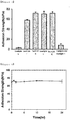
FIG. 4 is a graph showing the tensile adhesive strength measured while varying the storage time after coating the adhesive composition prepared in Example 8 in water. - In the present invention, an adhesive composition comprising a polyvinyl alcohol compound, a water-soluble polyphenol compound and water is presented, which has little toxicity, can adhere even without a curing process unlike a conventional adhesive, enables the manufacturing of a gel by hydrogen binding characteristics between the polyvinyl alcohol compound and the water-soluble polyphenol compound, and retains the adhesive property in water.
- Hereinafter, the present invention will be described in more detail.
- The adhesive composition referred to herein comprises a polyvinyl alcohol compound, a water-soluble polyphenol compound, and water. In the case of a general underwater adhesive, it is often toxic. However, the present invention provides an adhesive composition exhibiting water resistance in water using a harmless raw material.
- The adhesive composition of the present invention comprises a polyvinyl alcohol. The polyvinyl alcohol compound (poly(vinyl alcohol), PVA) was first synthesized by Herrmann and Haehnel in 1924 during the saponification of polyvinyl acetate (poly (vinyl acetate), PVAc) and began to be commercialized as a resin for vinylon fiber in Japan after World War II.
- In general, since vinyl alcohol, which is a monomer, is unstable, the polyvinyl alcohol (PVA) cannot be obtained by polymerization of vinyl alcohol, and is mainly prepared by producing PVAc through emulsion polymerization from vinyl acetate and then hydrolyzing it with alkali or acid.
- Depending on the degree of hydrolysis of PVAc, the constituents of the resulting PVA are determined (n and m in
Formula 1 described below), which is generally referred to as a degree of saponification or a degree of hydrolysis. For example, if n = 0.88 and m = 0.12 in Formula 1, the degree of hydrolysis of the PVA of Formula 1 is said to be 88%. - The PVA prepared from saponification of PVAc is a white powdery polymer that is easy to form a film and a fiber, and has high surface activity, high mechanical strength and adhesive strength, and excellent solubility and chemical reactivity. In addition, the PVA is biodegradable, water soluble, and degraded by bacteria found in the soil, and thus is in the spotlight as a material for sensitive use in the protection of the environment. The PVA has a very wide range of applications, and thus is widely used in applications ranging from household products to highly functional industrial materials.
- The PVA was used in a cardboard, a veneer board, an office adhesive, a binder for ferrite or ceramic, a solid parasiticide, a fermented soil, a fiber sizing agent, a thickening agent for color printing, a laundry starch, a coating or reinforcing agent for paper, an emulsifying agent for emulsion polymerization or suspension polymerization, a stabilizer, a sponge and the like, and until recently, has been used in an asbestos fiber, high performance fiber for replacing concrete rebar, an environmental-friendly water-soluble fiber, and various optical films and separators including a polarizing film depending on molecular weight and stereoregularity, and also is used as state-of-the-art materials such as a hydrogel for replacing human organs, drug delivery systems, bioreactor, biosensor, and embolic materials for treating cancer diseases and angioplasty.
- The polyvinyl alcohol compound of the present invention may be in the form of a random copolymer, and specifically, the polyvinyl alcohol compound of
Formula 1 may be used.
- In
Formula 1, when n is less than 0.7 or m is more than 0.3, the content of the PVA is lowered, so that the water-soluble property (solubility) is lowered, thereby making it difficult to prepare a solution of the polyvinyl alcohol compound. - In addition, the polyvinyl alcohol compound may comprise a functional group selected from the group consisting of hydroxyl group (OH), amine group (NH2), succinimidyl succinate, succinic acid, thiol group (SH), acrylate, epoxide group, maleimide, nitrophenyl carbonate, pyridyl disulfide (orthopyridyl disulfide), tosylate group, azide, phosphoric acid group, oligoamine group ([-CH2-CH2-NH-]n), catechol and catechol amine. For example, the epoxy functional group may be present in combination with each monomer of
Chemical Formula 1, and it may react with the hydroxyl group (-OH) of the polyphenol compound to form a chemical bond. - The polyvinyl alcohol compound of the present invention can be applied as a polyvinyl alcohol compound of various molecular weights, depending on the field to which the adhesive composition is applied, and thus is not specified in terms of the molecular weight of the polyvinyl alcohol compound, but preferably may have a weight average molecular weight (Mw) of 5,000 to 2,000,000. As the weight average molecular weight of the polyvinyl alcohol compound is reduced, the flexibility of the prepared adhesive composition is increased and the adhesive property (tackiness, stickiness) of the surface is increased. As the weight average molecular weight of the polyvinyl alcohol compound is increased, the flexibility is decreased and the adhesive property of the surface is decreased, but it appears characteristics that the internal cohesion of the composition is increased.
- The polyvinyl alcohol compound may be contained in an amount of 5 to 60% by weight, more preferably in an amount of 15 to 40% by weight, based on the total weight of the adhesive composition prepared in the present invention. If the content of the polyvinyl alcohol compound is lower than 5% by weight, there is a problem that the flexibility of the adhesive composition is lowered. If the content of the polyvinyl alcohol compound exceeds 60% by weight, there is a problem that the water resistance is reduced and thus it is easily dissolved in water.
- The adhesive composition of the present invention comprises a water-soluble polyphenol compound.
- In relation to the water-soluble polyphenol compound, a substance in which one of the hydrogens in the benzene ring (C6H6) is substituted with a hydroxyl group (-OH) is called phenol, and substances having two or more hydroxyl groups are referred to collectively as a water-soluble polyphenol, or a polyhydric phenol. Compounds with this structure exist in nature a lot. Catechins contained in green tea, chlorogenic acid contained in coffee, and red or purple anthocyanin pigments contained in strawberries, eggplants, grapes, black soybeans, and adzuki beans are all polyphenol compounds. In addition, the polyphenol compounds can be found in many varieties, such as vegetables, fruits, cacao and red wine.
- The polyphenols have the effect of preventing oxidation, that is, antioxidant activity. The reason why polyphenols are attracting attention recently is that their function is expected to contribute to maintaining health and preventing disease by acting as an antioxidant in vivo. In addition, the polyphenols prevent cholesterol from being absorbed into the digestive tract, thereby acting to lower the level of the cholesterol in the blood.
- The water-soluble polyphenol compound of the present invention may be at least one selected from the group consisting of hydroxybenzoic acid-based compound, hydroxycinnamic acid-based compound, flavonoid-based compound, lignan-based compound, stilbene-based compound, caffeic acid, chlorogenic acid, anthocyan, pyrogallol, ellagic acid, gallic acid, catechin, hydrolyzable tannin, condensed tannin and theaflavin-3-gallate, and specifically, the hydrolyzable tannin may be one or more selected from the group consisting of tannic acid, gallotannins, and ellagitannins, but is not necessarily limited thereto.
- In addition, the water-soluble polyphenol compound of the present invention may be specifically selected from the group consisting of tannic acid of
Formula 2, gallic acid ofFormula 3, ellagic acid ofFormula 4, catechin ofFormula 5, and polymers thereof. The weight average molecular weight of the water-soluble polyphenol compound is not particularly limited, but may be preferably 100 to 10,000.


- The water-soluble polyphenol compound may be contained in an amount of 20 to 70% by weight, more preferably in an amount of 30 to 55% by weight based on the total weight of the adhesive composition prepared in the present invention. If the content of the water-soluble polyphenol compound is lower than 20% by weight, there is a problem in the water-resistant adhesion of the adhesive composition. If the content of the water-soluble polyphenol compound exceeds 70% by weight, there is a problem that the flexibility is reduced.
- In the adhesive composition of the present invention, the polyvinyl alcohol compound and the water-soluble polyphenol compound may be hydrogen-bonded to each other, as shown in
Scheme 1 below.
Scheme 1 shows a hydrogen bond between tannic acid, which is a water-soluble polyphenol compound, and the polyvinyl alcohol compound. The adhesive composition of the present invention can be prepared in the form of a gel, since a hydrogen bond is formed between the polyvinyl alcohol compound and the water-soluble polyphenol compound, as inFormula 6. The adhesive composition of the present invention improves the solubility of PVA in water, thereby enabling the characteristics of the adhesive composition that can be used in an underwater environment - Therefore, the adhesive composition of the present invention may have excellent underwater adhesive force, and specifically may have a tensile adhesive strength of 10 kPa or more in water, preferably a tensile adhesive strength of 30 kPa to 300 kPa in water, and more preferably a tensile adhesive strength of 50 kPa to 100 kPa.
- In particular, if the content ratio (based on solids) of the water-soluble polyphenol compound/polyvinyl alcohol compound is 0.5 or more, the tensile adhesive strength in water may be 30 kPa to 300 kPa, and more preferably the tensile adhesive strength in water may be 50 kPa to 100 kPa.
- If the adhesive strength in water is less than 30 kPa, the adhesive force is too low to be suitable for application as an underwater adhesive. If the adhesive force is 300 kPa or more, it may be difficult to achieve the composition claimed in the present invention. However, since the upper limit of adhesive force can be overcome depending on the applied pressure, the time required, the attachment time, water or the type of solvent in the attachment process, and the temperature in the attachment process, the upper limit of tensile adhesive strength in water obtained from this is not necessarily limited.
- In addition, it can be seen that since the adhesive composition of the present invention may have a ratio of the tensile adhesive strength out of the water and the tensile adhesive strength in the water (tensile adhesive strength in water/tensile adhesive strength out of water) of 0.7 to 1.3, preferably 0.8 to 1.2, the adhesive force in water does not drop compared to the adhesive force out of water.
- In addition, the composition may have a ratio of tensile adhesive strength after 10 times of attachment and detachment relative to the initial (one time) attachment and detachment in water (tensile adhesive strength after 10 times of attachment and detachment/initial tensile adhesive strength) of 0.7 to 2.0, preferably 0.8 to 1.2, and can maintain the adhesive force even if used for a long time in water.
- The water contained in the adhesive composition of the present invention may be contained as the remaining amount, except for the polyvinyl alcohol compound and the water-soluble polyphenol compound, and preferably, 10 to 60 wt.% based on the total weight of the composition.
- The adhesive composition of the present invention may further contain at least one selected from the group consisting of alcohols and organic solvents.
- The alcohol used in the present invention is not particularly limited, but may be lower alcohol, such as methanol, ethanol, normal propanol, isopropanol, butanol, amyl alcohol, normal amyl alcohol, isoamyl alcohol, normal hexyl alcohol, preferably ethanol.
- There is no particular limitation to the organic solvent used in the present invention.
- In addition, the adhesive composition of the present invention may contain an additive for improving cohesion, in order to improve interface failure or cohesive failure characteristics by which the adhesive itself is destroyed. The additive may be an additive capable of hydrogen-bonding, chelate-bonding, covalent-bonding by hydrophobic interaction, and ionic-bonding with the polyvinyl alcohol compound or the water-soluble polyphenol compound, and specifically may be used at least one selected from the group consisting of inorganic particles, metal particles, DNA, metal oxides or metal ions, BSA and protein.
- In addition, the adhesive composition of the present invention may further contain an additive for improving its physical properties and the like, and may further contain thickeners for improving the viscosity, plasticizers for decreasing the viscosity, dyes and pigments for the appearance of color, ultraviolet absorbers and ultraviolet stabilizers for the stability of light, antistatic agents for preventing static electricity.
- The adhesive composition of the present invention may be used in an industrial adhesive, a medical adhesive, an adhesive for underwater use, a sealant for underwater use, an adhesive patty, an adhesive tape, a moist wound healing dressing, and a medical anti-adhesive agent.
- In addition, the adhesive composition of the present invention can be used for the adhesion of adherends made from wood or wood materials.
- As used herein, the term 'adhesion' refers to a conventional meaning, which means to solidify at an initial time and then become inelastic with time, and also means that when detached again, it is difficult to reattach. However, as used herein, the term "adhesion" is meant to comprise "stickiness". The term "stickiness" refers to something that can be easily adhered by pressure and re-adhered several times after detachment, which is in the form of a state in which a viscoelastic characteristic is maintained. The adhesive composition of the present invention has a property as a sticking agent.
- The adhesive of the present invention is nontoxic. Therefore, the adhesive composition of the present invention can be used as a medical adhesive, can be directly in contact with the skin, and is characterized in that it is not toxic and dangerous even when the adhesive is used in vivo and flows into body fluids and blood and thus is directly involved in the living body.
- Therefore, the adhesive composition of the present invention can be used in a medical adhesive, a moist wound healing dressing, an anti-adhesive agent and the like.
- The medical adhesive refers to an adhesive that can be applied to a wide range of fields from the packaging of medical devices in a broad sense to the surgical sticking, adhesion and hemostasis, and is biocompatible and thus can be used directly on the skin and generally has no toxicity and risk completely even when directly involved in a living body so that it can be used in vivo. To be used as a medical adhesive, the medical adhesive should have biodegradability, water resistance, sterility, non-toxic property and hemostatic effects in addition to biocompatibility, and should not interfere with the healing of the living body. The adhesive of the present invention has a use as a medical adhesive, and the use comprises a use as a sticking agent. More specifically, the adhesive of the present invention can be used in vivo as a surgical adhesive hemostatic agent and a medical adhesive for suture after colon incision.
- The anti-adhesive agent refers to a material that maintains as a physical barrier for a period of time at a site where adhesion is expected, and thus serves to prevent adhesion formation between adjacent tissues. Therefore, the anti-adhesive agent should be decomposed or absorbed into the body after a certain period of time and thus should not remain as foreign substances. The adhesive composition of the present invention may be contained in the preparation of an anti-adhesive agent that prevents the adhesion that may be induced after a surgical operation.
- The moist wound healing dressing has sufficient antimicrobial activity to effectively treat or prevent serious infections by various pathogenic bacteria that cause deterioration of the wound site, delay the treatment, and cause complications, and it also provides a wet environment by the absorption of exudate, thereby rapidly increasing the growth rate of epithelial cells for skin regeneration, and is to alleviate the pain, shorten the treatment period, minimize the scar after treatment, and the like. Therefore, for use in the moist wound healing dressing, it must be non-toxic. Since the adhesive composition of the present invention is non-toxic, it can be used as a moist wound healing dressing.
- In addition, the adhesive of the present invention is characterized by having a water resistance that can be used even in an aqueous environment. As used herein, the term 'water resistance' refers to a property capable of maintaining the adhesive force even in an environment where water is present, for example, in an environment where moisture is present. In order to have water resistance, it must not dissolve well in a material with high humidity or an aqueous solution containing water and must be able to stably maintain adhesion even in the presence of a fluid flow. Since the adhesive of the present invention has a property of being sparingly soluble in water, the adhesive agent of the present invention can be utilized as an adhesive for underwater use, a sealant for underwater use, and the like which has a moisture resistance.
- In addition, the adhesive composition of the present invention may be used as a controlled drug delivery adhesive, and thus may contain a therapeutic drug for this purpose, and for example, may contain a sparingly soluble drug, therapeutic peptide, protein and antibody that can be delivered by a controlled drug delivery adhesive. Without being limited to these, examples of the sparingly soluble substance comprise paclitaxel and doxorubicin having a low molecular weight and the like, examples of therapeutic peptide comprise somatostatin, calicitonin, vasopressions, platelet coagulation inhibition peptides (platelet aggregate inhibitors), gornadotropin-releasing hormone and the like, examples of the protein and the antibody comprise an interleukin family, erythropoietin (EPO), granulocyte colony-stimulating factor (G-CSF), human growth hormone and the like. In the present invention, the type of drug is not particularly limited.
- In addition, the present invention relates to a method for preparing an adhesive composition the steps of (a) mixing a polyvinyl alcohol compound, a water-soluble polyphenol compound, and water; and (b) obtaining an adhesive composition mixed and formed in step (a). The preparation method of the adhesive composition of the present invention is described as follows for each step.
- Step (a) is a step of mixing a polyvinyl alcohol compound, a water-soluble polyphenol compound, and water.
- The adhesive composition of the present invention is prepared by mixing the polyvinyl alcohol compound, the water-soluble polyphenol compound and water. In addition to water, a solvent of any one of alcohols and organic solvents may be further added. In mixing the materials, the order of mixing is not limited to that as described above.
- Step (b) is a step of obtaining an adhesive composition mixed and formed in step (a).
- The mixture of step (a) does not cause an additional reaction during mixing, and it is possible to obtain an adhesive composition without a separate process. When mixing the two mixtures, the gelation process proceeds rapidly, and a liquid consisting of water, alcohol, organic solvent, unreacted polyvinyl alcohol compound and unreacted polyphenol compound and an adhesive substance in gel state are separated.
- In addition, the present invention relates to a method for preparing an adhesive composition the steps of (a) a step of dissolving the polyvinyl alcohol compound in water; (b) a step of dissolving the water-soluble polyphenol compound in water; (c) a step of mixing the respective dissolved substances obtained in steps (a) and (b) to form an adhesive composition; and (d) a step of obtaining the adhesive composition formed in step (c). The preparation method is described as follows for each step.
- Step (a) is a step of dissolving the polyvinyl alcohol compound in water, and step (b) is a step of dissolving the water-soluble polyphenol compound in water. In steps (a) and (b), any one of alcohols and organic solvents in addition to water may be further added. These are the processes of dissolving the water-soluble polyphenol compound and the polyvinyl alcohol compound, which are the compositions of the present invention discussed above, in water, respectively to make them easy to mix, and the processes are independent steps. In addition, a buffer for pH adjustment may be used when preparing dissolved substance.
- Step (c) is a step of mixing the respective dissolved substances obtained in steps (a) and (b) to form an adhesive composition.
- This step is a step to form an adhesive composition by mixing the dissolved substances of the polyvinyl alcohol compound and the water-soluble polyphenol compound of the present invention, and the mixing order is not limited to the described order, and the mixing volume ratio is the same as discussed above.
- Step (d) is a step of obtaining the adhesive composition of step (c).
- The mixture of the present invention does not cause an additional reaction during mixing, it is possible to obtain the adhesive composition from the mixture without a separate process, and the brown material corresponds to the adhesive composition of the present invention.
- Hereinafter, the preparation method of the adhesive composition of the present invention through the examples of the present invention will be described in more detail. It is to be understood that the present invention is not limited to these examples.
- To 80 g of water, 20 g of polyvinyl alcohol compound of formula a (PVA, weight average molecular weight of 13,000 ∼ 23,000, degree of hydrolysis of 87 ∼ 89%) was added and stirred at 85 °C for 5 hours in an oven to prepare 20 wt.% of aqueous PVA solution. 40 wt.% of an aqueous PVA solution was prepared in the same manner as described above.
- To 50 g of water, 50 g of tannic acid (Formula b) was added, and stirred at room temperature for 24 hours to prepare 50 wt.% of aqueous TA solution. 10, 20, 30, and 40 wt.% of aqueous TA solution were prepared, respectively, in the same manner as described above.
- The aqueous solution of the polyvinyl alcohol and the aqueous solution of tannic acid were quantified in the same amount (weight ratio of 1 : 1) as shown in Table 1 and Table 2, and stirred for 10 minutes using a spatula to prepare an adhesive composition.
Table 1: Item Example 1 Example 2 Example 3 Example 4 Example 5 Aqueous PVA solution 40 wt.% 40 wt.% 40 wt.% 40 wt.% 40 wt.% Aqueous TA solution 5 wt.% 10 wt.% 20 wt.% 30 wt.% 40 wt.% Content ratio (TA solids/PVA solids) 0.125 0.25 0.5 0.75 1.0 Table 2: Item Example 6 Example 7 Example 8 Example 9 Example 10 Aqueous PVA solution 20 wt.% 20 wt.% 20 wt.% 20 wt.% 20 wt.% Aqueous TA solution 5 wt.% 10 wt.% 20 wt.% 30 wt.% 40 wt.% TA/PVA content ratio (TA solids/PVA solids) 0.25 0.5 1.0 1.5 2.0 - Thereafter, these were treated for 10 minutes at 10 kRPM using a centrifuge to obtain an adhesive composition that sank to the bottom.


- An adhesive composition was prepared by mixing 38 µℓ of linear poly ethylene glycol (PEG, weight average molecular weight of 2kDa) at a concentration of 1 g/mL and 162 µℓ of tannic acid (Formula b) at a concentration of 1 g/mL, in accordance with the method described in Example 1 of Korean Patent No.
10-1307367 - In order to measure the adhesive force in water of the adhesive compositions prepared in Examples 1 to 10 and Comparative Example 1, the device was designed as shown in
FIG. 1 to measure the tensile adhesive strength in water. - A cylindrical specimen having a diameter of 10 mm was made of SUS, attached to a water bath, and filled with water, and then 40 mg of an adhesive composition was coated on the cylindrical specimen in water. Using a cylindrical specimen having a diameter of 10 mm made of SUS material, the adhesive composition was pressed for 30 seconds with a force of 5 N, and then detached at a rate of 1 mm/min to measure its tensile adhesive strength in water, and the process thereof was shown in
FIG. 1 . - In addition, the tensile adhesive strength in water of the adhesive compositions prepared in Examples 1 to 10 were shown in
FIGs. 2 and3 . As a result of the analysis of the tensile adhesive strength in water of Examples 1 to 10, it was confirmed that the tensile adhesive strength in water at 30 kPa or more was expressed at a TA/PVA content ratio (TA solids/PVA solids) of 0.5 or more that was employed to prepare the adhesive composition, and it was confirmed that when the TA/PVA content ratio (TA solids/PVA solids) was 1.0 or more, the adhesive force showed the maximum value. It was confirmed that the adhesive composition thus prepared showed higher adhesive property than Comparative Example 1. Therefore, in the preparation of the adhesive composition, the adhesive composition produced at a TA/PVA content ratio (TA solids/PVA solids) of 0.5 or more employed in the initial blending is preferable as the adhesive, and more preferably, it is determined to be 1.0 or more. The adhesive composition produced at a TA/PVA content ratio (TA solids/PVA solids) of 0.5 or more and 4.0 or less employed in the initial blending is preferable as the adhesive, and more preferably, it is determined to be 2.0 or more. - In the case of two materials after blending at a TA/PVA content ratio of 2.0 or 4.0 or more employed in the initial blending, TA does not all participate in the composition formed from hydrogen bonding or interaction, and exists as supernatant. There is a disadvantage that the yield of the resulting composition is lowered due to this phenomenon. Of course, since the TA solution can be reused by a method of reprocessing a solution existing as a supernatant, the TA/PVA content ratio (TA solids/PVA solids) employed in the initial blending is not necessarily upper-limited in the present invention.
- After coating and storing in water for a certain time, the degree of change in adhesive force over time was confirmed. The tensile adhesive strength was measured for the adhesive composition prepared in Example 8 in the same manner as in Experimental Example 1, while varying the storage time after coating in water.
- As shown in
FIG. 4 , it was found that after coating in water, the ratio of the initial tensile adhesive strength in water within 1 hour and the tensile adhesive strength in water after 24 hours (tensile adhesive strength in water after 24 hours/initial tensile adhesive strength in water within 1 hour) was 0.8 to 1.2, and thus the width of change of the adhesive force with time was very low. - The tensile adhesive strength according to the number of attachment and detachment in water was measured for the adhesive composition prepared in Example 3, and the results are shown in Table 3.
- As shown in Table 3, it was confirmed that even if the attachment and detachment are carried out ten times in water, the adhesive force was not reduced, it was confirmed that the width of change in the ratio of tensile adhesive strength after initial (one time) and ten times attachment and detachment is 0.8 to 1.2 or less.
- Therefore, it was confirmed that the adhesive composition of the present invention can be attached and detached in plural in water.
Table 3: Number of attachments and detachments Tensile adhesive strength (kPa) Tensile adhesive strength after relevant number of times/initial tensile adhesive strength 1 (initial adhesion) 65.2 0.96 2 62.3 1.03 3 67.4 0.93 4 60.5 0.98 5 63.6 1.05 6 68.2 1.10 7 71.9 1.01 8 65.7 1.07 9 69.8 1.11 10 72.4 0.96 - The tensile adhesive strength in water and out of water was measured using the adhesive composition prepared in Example 3, and was measured while varying its applied pressure to 5N and 10N. The results are shown in Table 4.
Table 4: Item Tensile adhesive strength in water (kPa) Tensile adhesive strength out of water (kPa) Ration of tensile adhesive strength in water/tensile adhesive strength out of water Applied pressure_5N 65.2 67.2 0.97 Applied pressure_10N 69.0 66.8 1. 03 - As shown in Table 4, the adhesive composition of the present invention exhibited excellent tensile adhesive strength in water and out of water, and it was confirmed that the ratio of the tensile adhesive strength out of water and in water is maintained at a constant ratio (0.8 to 1.2).
Claims (23)
- An adhesive composition comprising a polyvinyl alcohol compound, a water-soluble polyphenol compound, and water.
- The adhesive composition according to claim 1, wherein the polyvinyl alcohol compound is in the form of a random copolymer.
- The adhesive composition according to claim 1, wherein the polyvinyl alcohol compound is represented by the following Formula 1.

- The adhesive composition according to claim 1, wherein the polyvinyl alcohol compound comprises a functional group selected from the group consisting of hydroxyl group (OH), amine group (NH2), succinimidyl succinate, succinic acid, thiol group (SH), acrylate, epoxide group, maleimide, nitrophenyl carbonate, pyridyl disulfide, tosylate group, azide, phosphoric acid group, oligoamine group ([-CH2-CH2-NH-]n), catechol and catechol amine.
- The adhesive composition according to claim 1, wherein the content ratio (based on solids) of the water-soluble polyphenol compound/polyvinyl alcohol compound is 0.5 or more.
- The adhesive composition according to claim 1, wherein the water-soluble polyphenol compound is at least one selected from the group consisting of hydroxybenzoic acid-based compound, hydroxycinnamic acid-based compound, flavonoid-based compound, stilbene-based compound, caffeic acid, chlorogenic acid, anthocyan, pyrogallol, gallic acid, ellagic acid, catechin, hydrolyzable tannin, condensed tannin and theaflavin-3-gallate.
- The adhesive composition according to claim 6, wherein the hydrolyzable tannin is at least one selected from the group consisting of tannic acid, gallotannins and ellagitannins.
- The adhesive composition according to claim 1, wherein the polyvinyl alcohol compound and the water-soluble polyphenol compound are hydrogen bonded to each other.
- The adhesive composition according to claim 1, wherein the composition has a tensile adhesive strength of 30 kPa or more in water.
- The adhesive composition according to claim 1, wherein the content of the polyvinyl alcohol compound is 5 to 60 wt.% based on the total weight of the composition.
- The adhesive composition according to claim 1, wherein the content of the water-soluble polyphenol compound is 20 to 70 wt.% based on the total weight of the composition.
- The adhesive composition according to claim 1, wherein the water content is 10 to 60% by weight based on the total weight of the composition.
- The adhesive composition according to claim 1, wherein the composition further comprises at least one selected from the group consisting of alcohols and organic solvents.
- The adhesive composition according to claim 1, wherein the composition has a ratio of tensile adhesive strength in and out of water (tensile adhesive strength in water/ tensile adhesive strength out of water) of 0.8 to 1.2.
- The adhesive composition according to claim 1, wherein the composition has a ratio of tensile adhesive strength after 10 times of attachment and detachment relative to the initial (once) attachment and detachment in water (tensile adhesive strength after 10 times of attachment and detachment/initial tensile adhesive strength) of 0.8 to 1.2.
- The adhesive composition according to claim 1, wherein the composition has a ratio of the initial tensile adhesive strength in water within 1 hour and the tensile adhesive strength in water after 24 hours after coating in water (tensile adhesive strength in water after 24 hours/initial tensile adhesive strength in water within 1 hour) of 0.8 to 1.2.
- The adhesive composition according to claim 1, wherein the composition is used in an industrial adhesive, a medical adhesive, an adhesive for underwater use, a sealant for underwater use, an adhesive patty, an adhesive tape, a moist wound healing dressing, or a medical anti-adhesive agent.
- The adhesive composition according to claim 1, wherein the composition is used for the adhesion of adherends made from wood or wood materials.
- A controlled drug delivery adhesive comprising the composition of claim 1.
- The controlled drug delivery adhesive according to claim 19, wherein the controlled drug delivery adhesive comprises any one or more selected from the group consisting of a sparingly soluble drug, a therapeutic peptide, a protein and an antibody.
- A method for preparing an adhesive composition comprising the steps of:(a) mixing a polyvinyl alcohol compound, a water-soluble polyphenol compound, and water; and (b) obtaining an adhesive composition mixed and formed in step (a).
- A method for preparing an adhesive composition comprising the steps of:(a) dissolving the polyvinyl alcohol compound in water;(b) dissolving the water-soluble polyphenol compound in water;(c) mixing the respective dissolved substances obtained in steps (a) and (b) to form an adhesive composition; and(d) obtaining the adhesive composition formed in step (c) .
- The method for preparing an adhesive composition according to claim 21 or 22, wherein to the water, one or more solvents of alcohols and organic solvents are further added.
Applications Claiming Priority (3)
| Application Number | Priority Date | Filing Date | Title |
|---|---|---|---|
| KR20170106364 | 2017-08-23 | ||
| KR1020180097589A KR102368895B1 (en) | 2017-08-23 | 2018-08-21 | An adheisve composition, the adhesive having the same, the manufacturing method thereof |
| PCT/KR2018/009654 WO2019039858A1 (en) | 2017-08-23 | 2018-08-22 | Adhesive composition, adhesive comprising same, and manufacturing method therefor |
Publications (2)
| Publication Number | Publication Date |
|---|---|
| EP3674379A1 true EP3674379A1 (en) | 2020-07-01 |
| EP3674379A4 EP3674379A4 (en) | 2021-03-24 |
Family
ID=65761347
Family Applications (1)
| Application Number | Title | Priority Date | Filing Date |
|---|---|---|---|
| EP18848085.9A Withdrawn EP3674379A4 (en) | 2017-08-23 | 2018-08-22 | ADHESIVE COMPOSITION, ADHESIVE INCLUDING THE SAME AND ASSOCIATED MANUFACTURING PROCESS |
Country Status (6)
| Country | Link |
|---|---|
| US (1) | US11613679B2 (en) |
| EP (1) | EP3674379A4 (en) |
| JP (1) | JP7032517B2 (en) |
| KR (1) | KR102368895B1 (en) |
| CN (1) | CN111094492B (en) |
| TW (1) | TWI771475B (en) |
Cited By (1)
| Publication number | Priority date | Publication date | Assignee | Title |
|---|---|---|---|---|
| EP4316469A4 (en) * | 2021-03-23 | 2024-10-09 | Mitsubishi Chemical Corporation | COMPOSITION FOR A SOLID PREPARATION WITH SUSPENDED RELEASE, SUSPENDED RELEASE TABLET COMPRISING THE SAME AND MANUFACTURING METHOD THEREOF |
Families Citing this family (22)
| Publication number | Priority date | Publication date | Assignee | Title |
|---|---|---|---|---|
| KR102713121B1 (en) | 2019-12-03 | 2024-10-07 | 컨템포러리 엠퍼렉스 테크놀로지 (홍콩) 리미티드 | Secondary battery, its manufacturing method, copolymer and device |
| KR102877896B1 (en) * | 2020-11-02 | 2025-11-04 | 삼성전자주식회사 | Compound for adhesive, method for fabricating the same, reticle assembly including the same, and method for fabricating reticle assembly including the same |
| KR102609171B1 (en) * | 2021-01-13 | 2023-12-01 | 삼성에스디아이 주식회사 | Adhesive composition for polarizing plate, polarizing plate and optical display apparatus |
| CN112870989B (en) * | 2021-01-11 | 2023-03-17 | 中化(宁波)润沃膜科技有限公司 | Anti-pollution composite reverse osmosis membrane and preparation method thereof |
| KR102602244B1 (en) * | 2021-01-20 | 2023-11-16 | 주식회사 세라트젠 | Decellularized tissue-derived extracellular matrix modified with phenol derivative and use thereof |
| KR102748568B1 (en) * | 2021-04-26 | 2024-12-31 | 삼성에스디아이 주식회사 | Polarizing plate and optical display apparatus comprising the same |
| KR102572019B1 (en) | 2021-06-08 | 2023-08-31 | 왕미정 | Waterproof structure for rooftop and waterproofing methods for rooftop |
| KR102728741B1 (en) * | 2021-09-03 | 2024-11-11 | 한국과학기술원 | Adhesive composition and method for preparing same |
| US12421432B2 (en) | 2021-09-03 | 2025-09-23 | Korea Advanced Institute Of Science And Technology | Adhesive composition and method for preparing same |
| EP4448671A4 (en) * | 2021-12-16 | 2025-11-26 | Purdue Research Foundation | Underwater bonding with a bio-based adhesive |
| CN114149777B (en) * | 2021-12-21 | 2023-04-11 | 忻州师范学院 | Phenol-based multifunctional solvent-free adhesive and preparation method thereof |
| CN114250053B (en) * | 2021-12-30 | 2022-09-20 | 山东大学 | Preparation and use method of polyphenol-polyethylene glycol-based eutectic adhesive |
| CN114806464A (en) * | 2022-05-24 | 2022-07-29 | 宁波锋成先进能源材料研究院有限公司 | Environment-friendly nontoxic adhesive and preparation method thereof |
| KR102706508B1 (en) * | 2022-06-15 | 2024-09-11 | 주식회사 케이씨씨 | Fibrous material bound using an aqueous binder composition |
| KR102706496B1 (en) * | 2022-06-15 | 2024-09-11 | 주식회사 케이씨씨 | Fibrous material bound using an aqueous thermosetting binder composition |
| BR102022012591A2 (en) * | 2022-06-23 | 2024-01-02 | Inst Hercilio Randon | Composition for adhesion of metals and composite materials, process for their preparation, friction composite, friction composite forming process |
| KR102825830B1 (en) * | 2023-05-30 | 2025-06-25 | 단국대학교 산학협력단 | Underwater adhesive composition and the underwater adhesives comprising the same |
| WO2025100826A1 (en) * | 2023-11-10 | 2025-05-15 | 코오롱인더스트리 주식회사 | Adhesive composition for rubber and article containing same |
| KR20250080734A (en) | 2023-11-28 | 2025-06-05 | 한국과학기술원 | Polypenol coacervate cosmetic adhesive composition and method for producing the same |
| KR20250125848A (en) | 2024-02-15 | 2025-08-22 | 한국과학기술원 | Polyphenol-polymer coacervate cosmetic adhesive composition |
| CN118620547B (en) * | 2024-06-19 | 2025-08-19 | 东北林业大学 | Bionic supermolecule waterproof polyvinyl alcohol adhesive and preparation method and application thereof |
| CN119875539B (en) * | 2025-01-20 | 2026-05-01 | 四川大学 | Water-soluble core mold material and preparation method and application thereof |
Family Cites Families (22)
| Publication number | Priority date | Publication date | Assignee | Title |
|---|---|---|---|---|
| GB488033A (en) | 1935-12-30 | 1938-06-29 | Carborundum Co | Improvements in abrasive products and methods of manufacturing them |
| US4564649A (en) * | 1984-04-16 | 1986-01-14 | H. B. Fuller Company | Polyvinyl alcohol and lignin sulfonate containing adhesive |
| JPS6162573A (en) * | 1984-09-03 | 1986-03-31 | Isao Sakata | Tannin adhesive composition |
| CA1289297C (en) | 1987-12-08 | 1991-09-17 | Toshihide Shimizu | Method of preventing polymer-scale formation |
| JP2845630B2 (en) | 1991-02-22 | 1999-01-13 | 信越化学工業株式会社 | Method for preventing scale adhesion during polymer production |
| AU1963997A (en) | 1996-02-20 | 1997-09-02 | Kbms Industrial Holdings, Ltd. | Modified polyvinyl alcohol adhesive for binding aggregate particles |
| US6146497A (en) | 1998-01-16 | 2000-11-14 | Hercules Incorporated | Adhesives and resins, and processes for their production |
| JP4479867B2 (en) | 2000-04-21 | 2010-06-09 | 田島ルーフィング株式会社 | Roofing adhesive cloth, roofing laminated with it, and waterproof construction method using the same |
| WO2005056708A2 (en) | 2003-12-09 | 2005-06-23 | Spherics, Inc. | Bioadhesive polymers with catechol functionality |
| KR100733926B1 (en) | 2005-04-22 | 2007-07-02 | 주식회사 엘지화학 | Functional adhesive, Construction material using the same, and method for preparing the adhesive |
| US20130045393A1 (en) | 2007-07-12 | 2013-02-21 | Dsm Ip Assets B.V. | Organic nano-particles and process for their preparation |
| CN101475790B (en) * | 2008-01-04 | 2012-10-10 | 杨光 | Novel timber adhesive and preparation thereof |
| KR101103423B1 (en) | 2009-09-04 | 2012-01-06 | 아주대학교산학협력단 | Bio-injectable tissue adhesive hydrogels and their biomedical uses |
| KR101307367B1 (en) | 2010-09-14 | 2013-09-25 | 주식회사 이노테라피 | Adhesive composition comprising tannin, polyethylene glycol, and water, low carbon alcohol or the mixture thereof |
| US10160891B2 (en) | 2012-02-08 | 2018-12-25 | Honeywell International Inc. | High performance water-based tackified acrylic pressure sensitive adhesives |
| WO2015115453A1 (en) | 2014-01-30 | 2015-08-06 | テイカ製薬株式会社 | Composition for orally rapidly disintegrating solid preparation |
| JP6687535B2 (en) * | 2014-04-15 | 2020-04-22 | ハネウェル・インターナショナル・インコーポレーテッドHoneywell International Inc. | High performance aqueous adhesive compositions and uses |
| GB201412706D0 (en) | 2014-07-17 | 2014-09-03 | Knauf Insulation And Knauf Insulation Ltd | Improved binder compositions and uses thereof |
| CU20170107A7 (en) | 2015-02-16 | 2018-07-05 | Petro Andriyovych Manoryk | HEMOSTATIC COMPOSITION AND HEMOSTATIC DEVICE (VARIANTS) |
| CN105950071A (en) | 2016-06-17 | 2016-09-21 | 枞阳县新天地高新材料有限公司 | High-performance glue |
| CN106364202B (en) | 2016-08-28 | 2019-02-05 | 杭州华大海天科技有限公司 | Temperature-sensitive viscous instant-drying type thermal sublimation transfer printing digital cloth |
| CN106668931A (en) | 2017-01-05 | 2017-05-17 | 温州医科大学附属第二医院、温州医科大学附属育英儿童医院 | Biological adhesive and preparation method thereof |
-
2018
- 2018-08-21 KR KR1020180097589A patent/KR102368895B1/en active Active
- 2018-08-22 CN CN201880054652.XA patent/CN111094492B/en not_active Expired - Fee Related
- 2018-08-22 JP JP2020511270A patent/JP7032517B2/en active Active
- 2018-08-22 US US16/638,401 patent/US11613679B2/en active Active
- 2018-08-22 EP EP18848085.9A patent/EP3674379A4/en not_active Withdrawn
- 2018-08-23 TW TW107129374A patent/TWI771475B/en not_active IP Right Cessation
Cited By (1)
| Publication number | Priority date | Publication date | Assignee | Title |
|---|---|---|---|---|
| EP4316469A4 (en) * | 2021-03-23 | 2024-10-09 | Mitsubishi Chemical Corporation | COMPOSITION FOR A SOLID PREPARATION WITH SUSPENDED RELEASE, SUSPENDED RELEASE TABLET COMPRISING THE SAME AND MANUFACTURING METHOD THEREOF |
Also Published As
| Publication number | Publication date |
|---|---|
| CN111094492B (en) | 2022-02-08 |
| CN111094492A (en) | 2020-05-01 |
| JP7032517B2 (en) | 2022-03-08 |
| KR20190022359A (en) | 2019-03-06 |
| TW201912750A (en) | 2019-04-01 |
| TWI771475B (en) | 2022-07-21 |
| JP2020531649A (en) | 2020-11-05 |
| US20200362208A1 (en) | 2020-11-19 |
| US11613679B2 (en) | 2023-03-28 |
| KR102368895B1 (en) | 2022-03-02 |
| EP3674379A4 (en) | 2021-03-24 |
Similar Documents
| Publication | Publication Date | Title |
|---|---|---|
| US11613679B2 (en) | Adhesive composition, adhesive comprising same, and manufacturing method therefor | |
| KR101307367B1 (en) | Adhesive composition comprising tannin, polyethylene glycol, and water, low carbon alcohol or the mixture thereof | |
| CN101111272B (en) | Self-decomposing two-component reactive adhesive for medical use and resin for medical use | |
| KR101301276B1 (en) | Methods to prepare hemostatic adhesive hydrogels for medical use by catechol-containing chitosan or related polyamines and thiol-conjugated polaxomers | |
| EP2416811B1 (en) | Hydrogel tissue adhesive having reduced degradation time | |
| JP4391686B2 (en) | Mixed cyanoacrylate composition | |
| EP2821087B1 (en) | Anti-adhesion polymer composition capable of supporting growth factor | |
| US20100160960A1 (en) | Hydrogel tissue adhesive having increased degradation time | |
| JP6952348B2 (en) | Sterilizing polymers and composites of polymers and cells and their synthesis | |
| Shao et al. | Laponite stabilized endogenous antibacterial hydrogel as wet-tissue adhesive | |
| WO2019039858A1 (en) | Adhesive composition, adhesive comprising same, and manufacturing method therefor | |
| WO2019231763A1 (en) | Tissue adhesives and sealants using naturally derived aldehydes | |
| KR101201984B1 (en) | Tissue adhesives for wound-connection and method for preparing threrof | |
| WO2024003602A1 (en) | Bioadhesives, method of preparation and uses thereof | |
| KR20250125848A (en) | Polyphenol-polymer coacervate cosmetic adhesive composition | |
| KR102620831B1 (en) | Adhesive composition comprising epigallocatechin gallate and polyethylene glycol | |
| CN113365652A (en) | Hemostatic composition and container containing same | |
| KR102040850B1 (en) | Hydro colloid composition for medical use, medical dressing including the hydro colloid composition | |
| KR102138268B1 (en) | Composition for Medical Adhesive | |
| WO2015014540A1 (en) | Improved cyanoacrylate compositions | |
| KR20250080734A (en) | Polypenol coacervate cosmetic adhesive composition and method for producing the same |
Legal Events
| Date | Code | Title | Description |
|---|---|---|---|
| STAA | Information on the status of an ep patent application or granted ep patent |
Free format text: STATUS: THE INTERNATIONAL PUBLICATION HAS BEEN MADE |
|
| PUAI | Public reference made under article 153(3) epc to a published international application that has entered the european phase |
Free format text: ORIGINAL CODE: 0009012 |
|
| STAA | Information on the status of an ep patent application or granted ep patent |
Free format text: STATUS: REQUEST FOR EXAMINATION WAS MADE |
|
| 17P | Request for examination filed |
Effective date: 20200218 |
|
| AK | Designated contracting states |
Kind code of ref document: A1 Designated state(s): AL AT BE BG CH CY CZ DE DK EE ES FI FR GB GR HR HU IE IS IT LI LT LU LV MC MK MT NL NO PL PT RO RS SE SI SK SM TR |
|
| AX | Request for extension of the european patent |
Extension state: BA ME |
|
| DAV | Request for validation of the european patent (deleted) | ||
| DAX | Request for extension of the european patent (deleted) | ||
| A4 | Supplementary search report drawn up and despatched |
Effective date: 20210223 |
|
| RIC1 | Information provided on ipc code assigned before grant |
Ipc: A61K 47/32 20060101ALI20210217BHEP Ipc: A61K 9/70 20060101ALI20210217BHEP Ipc: C09J 161/04 20060101ALI20210217BHEP Ipc: C09J 129/04 20060101AFI20210217BHEP Ipc: A61K 47/06 20060101ALI20210217BHEP |
|
| STAA | Information on the status of an ep patent application or granted ep patent |
Free format text: STATUS: EXAMINATION IS IN PROGRESS |
|
| 17Q | First examination report despatched |
Effective date: 20230216 |
|
| STAA | Information on the status of an ep patent application or granted ep patent |
Free format text: STATUS: THE APPLICATION HAS BEEN WITHDRAWN |
|
| 18W | Application withdrawn |
Effective date: 20230531 |