EP3656862A2 - Putrescine-producing microorganism and putrescine-producing method using same - Google Patents
Putrescine-producing microorganism and putrescine-producing method using same Download PDFInfo
- Publication number
- EP3656862A2 EP3656862A2 EP18836158.8A EP18836158A EP3656862A2 EP 3656862 A2 EP3656862 A2 EP 3656862A2 EP 18836158 A EP18836158 A EP 18836158A EP 3656862 A2 EP3656862 A2 EP 3656862A2
- Authority
- EP
- European Patent Office
- Prior art keywords
- putrescine
- gapn
- seq
- strain
- gene
- Prior art date
- Legal status (The legal status is an assumption and is not a legal conclusion. Google has not performed a legal analysis and makes no representation as to the accuracy of the status listed.)
- Pending
Links
Classifications
-
- C—CHEMISTRY; METALLURGY
- C12—BIOCHEMISTRY; BEER; SPIRITS; WINE; VINEGAR; MICROBIOLOGY; ENZYMOLOGY; MUTATION OR GENETIC ENGINEERING
- C12P—FERMENTATION OR ENZYME-USING PROCESSES TO SYNTHESISE A DESIRED CHEMICAL COMPOUND OR COMPOSITION OR TO SEPARATE OPTICAL ISOMERS FROM A RACEMIC MIXTURE
- C12P13/00—Preparation of nitrogen-containing organic compounds
- C12P13/001—Amines; Imines
-
- C—CHEMISTRY; METALLURGY
- C12—BIOCHEMISTRY; BEER; SPIRITS; WINE; VINEGAR; MICROBIOLOGY; ENZYMOLOGY; MUTATION OR GENETIC ENGINEERING
- C12N—MICROORGANISMS OR ENZYMES; COMPOSITIONS THEREOF; PROPAGATING, PRESERVING, OR MAINTAINING MICROORGANISMS; MUTATION OR GENETIC ENGINEERING; CULTURE MEDIA
- C12N15/00—Mutation or genetic engineering; DNA or RNA concerning genetic engineering, vectors, e.g. plasmids, or their isolation, preparation or purification; Use of hosts therefor
- C12N15/09—Recombinant DNA-technology
- C12N15/63—Introduction of foreign genetic material using vectors; Vectors; Use of hosts therefor; Regulation of expression
- C12N15/74—Vectors or expression systems specially adapted for prokaryotic hosts other than E. coli, e.g. Lactobacillus, Micromonospora
- C12N15/77—Vectors or expression systems specially adapted for prokaryotic hosts other than E. coli, e.g. Lactobacillus, Micromonospora for Corynebacterium; for Brevibacterium
-
- C—CHEMISTRY; METALLURGY
- C12—BIOCHEMISTRY; BEER; SPIRITS; WINE; VINEGAR; MICROBIOLOGY; ENZYMOLOGY; MUTATION OR GENETIC ENGINEERING
- C12P—FERMENTATION OR ENZYME-USING PROCESSES TO SYNTHESISE A DESIRED CHEMICAL COMPOUND OR COMPOSITION OR TO SEPARATE OPTICAL ISOMERS FROM A RACEMIC MIXTURE
- C12P19/00—Preparation of compounds containing saccharide radicals
- C12P19/26—Preparation of nitrogen-containing carbohydrates
- C12P19/28—N-glycosides
- C12P19/30—Nucleotides
- C12P19/36—Dinucleotides, e.g. nicotineamide-adenine dinucleotide phosphate
-
- C—CHEMISTRY; METALLURGY
- C12—BIOCHEMISTRY; BEER; SPIRITS; WINE; VINEGAR; MICROBIOLOGY; ENZYMOLOGY; MUTATION OR GENETIC ENGINEERING
- C12Y—ENZYMES
- C12Y101/00—Oxidoreductases acting on the CH-OH group of donors (1.1)
- C12Y101/01—Oxidoreductases acting on the CH-OH group of donors (1.1) with NAD+ or NADP+ as acceptor (1.1.1)
- C12Y101/01044—Phosphogluconate dehydrogenase (decarboxylating) (1.1.1.44)
-
- C—CHEMISTRY; METALLURGY
- C12—BIOCHEMISTRY; BEER; SPIRITS; WINE; VINEGAR; MICROBIOLOGY; ENZYMOLOGY; MUTATION OR GENETIC ENGINEERING
- C12Y—ENZYMES
- C12Y101/00—Oxidoreductases acting on the CH-OH group of donors (1.1)
- C12Y101/01—Oxidoreductases acting on the CH-OH group of donors (1.1) with NAD+ or NADP+ as acceptor (1.1.1)
- C12Y101/01049—Glucose-6-phosphate dehydrogenase (1.1.1.49)
-
- C—CHEMISTRY; METALLURGY
- C12—BIOCHEMISTRY; BEER; SPIRITS; WINE; VINEGAR; MICROBIOLOGY; ENZYMOLOGY; MUTATION OR GENETIC ENGINEERING
- C12Y—ENZYMES
- C12Y102/00—Oxidoreductases acting on the aldehyde or oxo group of donors (1.2)
- C12Y102/01—Oxidoreductases acting on the aldehyde or oxo group of donors (1.2) with NAD+ or NADP+ as acceptor (1.2.1)
- C12Y102/01013—Glyceraldehyde-3-phosphate dehydrogenase (NADP+) (phosphorylating) (1.2.1.13)
-
- C—CHEMISTRY; METALLURGY
- C12—BIOCHEMISTRY; BEER; SPIRITS; WINE; VINEGAR; MICROBIOLOGY; ENZYMOLOGY; MUTATION OR GENETIC ENGINEERING
- C12Y—ENZYMES
- C12Y106/00—Oxidoreductases acting on NADH or NADPH (1.6)
- C12Y106/01—Oxidoreductases acting on NADH or NADPH (1.6) with NAD+ or NADP+ as acceptor (1.6.1)
- C12Y106/01001—NAD(P)+ transhydrogenase (B-specific) (1.6.1.1)
-
- C—CHEMISTRY; METALLURGY
- C12—BIOCHEMISTRY; BEER; SPIRITS; WINE; VINEGAR; MICROBIOLOGY; ENZYMOLOGY; MUTATION OR GENETIC ENGINEERING
- C12Y—ENZYMES
- C12Y106/00—Oxidoreductases acting on NADH or NADPH (1.6)
- C12Y106/01—Oxidoreductases acting on NADH or NADPH (1.6) with NAD+ or NADP+ as acceptor (1.6.1)
- C12Y106/01002—NAD(P)+ Transhydrogenase (AB-specific) (1.6.1.2)
-
- C—CHEMISTRY; METALLURGY
- C12—BIOCHEMISTRY; BEER; SPIRITS; WINE; VINEGAR; MICROBIOLOGY; ENZYMOLOGY; MUTATION OR GENETIC ENGINEERING
- C12Y—ENZYMES
- C12Y202/00—Transferases transferring aldehyde or ketonic groups (2.2)
- C12Y202/01—Transketolases and transaldolases (2.2.1)
- C12Y202/01001—Transketolase (2.2.1.1)
-
- C—CHEMISTRY; METALLURGY
- C12—BIOCHEMISTRY; BEER; SPIRITS; WINE; VINEGAR; MICROBIOLOGY; ENZYMOLOGY; MUTATION OR GENETIC ENGINEERING
- C12Y—ENZYMES
- C12Y203/00—Acyltransferases (2.3)
- C12Y203/01—Acyltransferases (2.3) transferring groups other than amino-acyl groups (2.3.1)
- C12Y203/01057—Diamine N-acetyltransferase (2.3.1.57)
-
- C—CHEMISTRY; METALLURGY
- C12—BIOCHEMISTRY; BEER; SPIRITS; WINE; VINEGAR; MICROBIOLOGY; ENZYMOLOGY; MUTATION OR GENETIC ENGINEERING
- C12Y—ENZYMES
- C12Y204/00—Glycosyltransferases (2.4)
- C12Y204/02—Pentosyltransferases (2.4.2)
- C12Y204/02011—Nicotinate phosphoribosyltransferase (2.4.2.11)
-
- C—CHEMISTRY; METALLURGY
- C12—BIOCHEMISTRY; BEER; SPIRITS; WINE; VINEGAR; MICROBIOLOGY; ENZYMOLOGY; MUTATION OR GENETIC ENGINEERING
- C12Y—ENZYMES
- C12Y207/00—Transferases transferring phosphorus-containing groups (2.7)
- C12Y207/01—Phosphotransferases with an alcohol group as acceptor (2.7.1)
- C12Y207/01012—Gluconokinase (2.7.1.12)
-
- C—CHEMISTRY; METALLURGY
- C12—BIOCHEMISTRY; BEER; SPIRITS; WINE; VINEGAR; MICROBIOLOGY; ENZYMOLOGY; MUTATION OR GENETIC ENGINEERING
- C12Y—ENZYMES
- C12Y207/00—Transferases transferring phosphorus-containing groups (2.7)
- C12Y207/01—Phosphotransferases with an alcohol group as acceptor (2.7.1)
- C12Y207/01023—NAD+ kinase (2.7.1.23)
-
- C—CHEMISTRY; METALLURGY
- C12—BIOCHEMISTRY; BEER; SPIRITS; WINE; VINEGAR; MICROBIOLOGY; ENZYMOLOGY; MUTATION OR GENETIC ENGINEERING
- C12Y—ENZYMES
- C12Y401/00—Carbon-carbon lyases (4.1)
- C12Y401/01—Carboxy-lyases (4.1.1)
- C12Y401/01017—Ornithine decarboxylase (4.1.1.17)
-
- C—CHEMISTRY; METALLURGY
- C12—BIOCHEMISTRY; BEER; SPIRITS; WINE; VINEGAR; MICROBIOLOGY; ENZYMOLOGY; MUTATION OR GENETIC ENGINEERING
- C12Y—ENZYMES
- C12Y603/00—Ligases forming carbon-nitrogen bonds (6.3)
- C12Y603/04—Other carbon-nitrogen ligases (6.3.4)
Definitions
- the present disclosure relates to a putrescine-producing microorganism and a method of producing putrescine using the corresponding microorganism.
- Coryneform microorganisms are Gram-positive microorganisms that are frequently used in industrial production of substances with various applications, such as feeds, pharmaceuticals, and foods including L-amino acids and various nucleic acids. In recent years, diamine and keto-acid are produced from coryneform microorganisms.
- NADPH nicotinamide adenine dinucleotide phosphate
- the oxidized form NADP + and the reduced form NADPH are in vivo electron transfer materials and are involved in various synthesis processes.
- NADPH is known to be mainly produced by 1) the oxidative pentose phosphate pathway and 2) the NADP-dependent isocitrate dehydrogenase (Icd gene) of the TCA pathway.
- various microorganisms have malate enzyme, glucose dehydrogenase, and non-phosphorylating glyceraldehyde-3-phosphate dehydrogenase in various alternative pathways to supply NADPH.
- NADPH-producing enzymes include transhydrogenase, Ferredoxin:NADP + oxidoreductase, etc.
- putrescine is known as one of the raw materials of polyamide.
- Putrescine has been mainly produced by chemical methods of using petroleum compounds as raw materials, and technologies for producing putrescine by fermentation using genetic engineering technology and fermentation technology are currently being studied.
- a method of producing a high concentration of putrescine by transforming E.coli and a microorganism of the genus Corynebacterium is disclosed ( Morris et al., J Biol. Chem. 241: 13, 3129-3135, 1966 , International Publication No. WO06/005603 ; International Publication No. WO09/125924 ; Qian ZD et al., Biotechnol. Bioeng.
- the present inventors have made intensive efforts to increase putrescine production in a putrescine-producing microorganism, and as a result, through various studies for enhancing NADPH for the production of a high concentration of putrescine, they have confirmed that putrescine production is increased in a microorganism of the genus Corynebacterium, thereby completing the present disclosure.
- An object of the present disclosure is to provide a putrescine-producing microorganism of the genus Corynebacterium, in which NADPH (reduced nicotinamide adenine dinucleotide phosphate) productivity is increased, as compared with a non-modified microorganism.
- NADPH reduced nicotinamide adenine dinucleotide phosphate
- Another object of the present disclosure is to provide a method of producing putrescine using the microorganism.
- the present disclosure relates to a putrescine-producing microorganism and a method of producing putrescine using the corresponding microorganism, and the present disclosure has an excellent effect of increasing putrescine production in a microorganism of the genus Corynebacterium.
- one aspect of the present disclosure is to provide a putrescine-producing microorganism of the genus Corynebacterium, in which NADPH (reduced nicotinamide adenine dinucleotide phosphate) productivity is increased, as compared with a non-modified microorganism.
- NADPH reduced nicotinamide adenine dinucleotide phosphate
- NADPH reduced nicotinamide adenine dinucleotide phosphate
- Oxides (NAD + and NADP + ) of these coenzymes are known to perform an important function of receiving energy generated in biological catabolism in the form of electron and proton, and to participate in the reaction of oxidoreductase as an electron acceptor.
- the putrescine-producing microorganism of the genus Corynebacterium may have (1) enhancement of activities of one or more from the group consisting of NADP-dependent glyceraldehyde-3-phosphate dehydrogenase, transketolase, glucose-6-phosphate dehydrogenase, 6-phosphogluconate dehydrogenase, NAD(P) transhydrogenase, nicotinate phosphoribosyltransferase, and NAD + kinase, (2) inactivation of activities of one or more from the group consisting of gluconate kinase and NAD + diphosphatase, or (3) a combination of (1) and (2), but is not limited thereto.
- the (1) enhancement of activities of one or more from the group consisting of NADP-dependent glyceraldehyde-3-phosphate dehydrogenase, transketolase, glucose-6-phosphate dehydrogenase, 6-phosphogluconate dehydrogenase, NAD(P) transhydrogenase, nicotinate phosphoribosyltransferase, and NAD + kinase may be enhancement of activities of one or more thereof, two or more thereof, three or more thereof, four or more thereof, five or more thereof, or all of the enzymes.
- gluconate kinase and NAD + diphosphatase may be inactivated.
- the combination of (1) and (2) may be a combination of enhancement of activities of one or more, two or more, three or more, four or more, five or more, or all enzymes from the group consisting of NADP-dependent glyceraldehyde-3-phosphate dehydrogenase, transketolase, glucose-6-phosphate dehydrogenase, 6-phosphogluconate dehydrogenase, NAD(P) transhydrogenase, nicotinate phosphoribosyltransferase, and NAD + kinase, and inactivation of activity or activities of any one or all from the group consisting of gluconate kinase and NAD + diphosphatase.
- NADP-dependent glyceraldehyde-3-phosphate dehydrogenase transketolase
- glucose-6-phosphate dehydrogenase 6-phosphogluconate dehydrogenase
- NAD(P) transhydrogenase nicotinate phosphoribosy
- NADP-dependent glyceraldehyde-3-phosphate dehydrogenase collectively refers to an enzyme that synthesizes one molecule of NADPH by converting D-glyceraldehyde-3-phosphate into 3-phospho-D-glycerate.
- the NADP-dependent glyceraldehyde-3-phosphate dehydrogenase may be a protein including an amino acid sequence represented by SEQ ID NO: 1 or SEQ ID NO: 7, but is not limited thereto, and may be used interchangeably with a protein having the amino acid sequence represented by SEQ ID NO: 1 or SEQ ID NO: 7, or a protein composed of the amino acid sequence represented by SEQ ID NO: 1 or SEQ ID NO: 7.
- transketolase is an enzyme that affects the pentose phosphate pathway, and produces D-sedoheptulose-7-phosphate and D-glyceraldehyde-3-phosphate from D-xylulose-5-phosphate and D-ribose-5-phosphate.
- the transketolase may be a protein including an amino acid sequence represented by SEQ ID NO: 10 or SEQ ID NO: 16, but is not limited thereto, and may be used interchangeably with a protein having the amino acid sequence represented by SEQ ID NO: 10 or SEQ ID NO: 16, or a protein composed of the amino acid sequence represented by SEQ ID NO: 10 or SEQ ID NO: 16.
- glucose-6-phosphate dehydrogenase collectively refers to an enzyme that synthesizes one molecule of NADPH by converting ⁇ -D-glucose 6-phosphate into 6-phospho D-glucono-1,5-lactone.
- the glucose-6-phosphate dehydrogenase is also called a different name, G6PD, G6PDH, etc. Further, in the present disclosure, the glucose-6-phosphate dehydrogenase may be used interchangeably with G6PD or G6PDH.
- the glucose-6-phosphate dehydrogenase may be a protein including an amino acid sequence represented by SEQ ID NO: 20 or SEQ ID NO: 27, but is not limited thereto, and may be used interchangeably with a protein having the amino acid sequence represented by SEQ ID NO: 20 or SEQ ID NO: 27, or a protein composed of the amino acid sequence represented by SEQ ID NO: 20 or SEQ ID NO: 27.
- 6-phosphogluconate dehydrogenase collectively refers to an enzyme that synthesizes one molecule of NADPH by converting D-gluconate 6-phosphate into D-ribulose 5-phosphate.
- the 6-phosphogluconate dehydrogenase is also called a different name, 6PGD, etc. Further, in the present disclosure, the 6-phosphogluconate dehydrogenase may be used interchangeably with 6PGD.
- the 6-phosphogluconate dehydrogenase may be a protein including an amino acid sequence represented by SEQ ID NO: 32 or SEQ ID NO: 36, but is not limited thereto, and may be used interchangeably with a protein having the amino acid sequence represented by SEQ ID NO: 32 or SEQ ID NO: 36, or a protein composed of the amino acid sequence represented by SEQ ID NO: 32 or SEQ ID NO: 36.
- NAD(P) transhydrogenase collectively refers to an enzyme that synthesizes one molecule of NADPH by transferring hydrogen of NADH to NADP + .
- the NAD(P) transhydrogenase may be a protein including an amino acid sequence represented by SEQ ID NO: 39 or SEQ ID NO: 41, but is not limited thereto, and may be used interchangeably with a protein having the amino acid sequence represented by SEQ ID NO: 39 or SEQ ID NO: 41, or a protein composed of the amino acid sequence represented by SEQ ID NO: 39 or SEQ ID NO: 41.
- glucose kinase collectively refers to an enzyme that converts 6-phospho-D-gluconate as an intermediate in the pentose phosphorylation pathway into gluconate.
- the gluconate kinase may be a protein including an amino acid sequence represented by SEQ ID NO: 45, SEQ ID NO: 53, SEQ ID NO: 51, or SEQ ID NO: 59, but is not limited thereto, and may be used interchangeably with a protein having the amino acid sequence represented by SEQ ID NO: 51 or SEQ ID NO: 59, or a protein composed of the amino acid sequence represented by SEQ ID NO: 51 or SEQ ID NO: 59.
- the term "nicotinate phosphoribosyltransferase” collectively refers to an enzyme that synthesizes ⁇ -nicotinate D-ribonucleotide from nicotinate.
- the ⁇ -nicotinate D-ribonucleotide may be converted into NAD + via Deamino-NAD + , and NAD + may be converted into NADP + , and thus enhancement of nicotinate phosphoribosyltransferase may increase the amounts of NADPH precursors.
- the nicotinate phosphoribosyltransferase may be a protein including an amino acid sequence represented by SEQ ID NO: 61, SEQ ID NO: 65, or SEQ ID NO: 69, but is not limited thereto, and may be used interchangeably with a protein having the amino acid sequence represented by SEQ ID NO: 65 or SEQ ID NO: 69, or a protein composed of the amino acid sequence represented by SEQ ID NO: 65 or SEQ ID NO: 69.
- NAD + diphosphatase collectively refers to an enzyme that cleaves NAD + into ⁇ -nicotinamide D-ribonucleotide. Attenuation of the NAD + diphosphatase may increase the amounts of NAD which is a NADPH precursor.
- the NAD + diphosphatase may be a protein including an amino acid sequence represented by SEQ ID NO: 73 or SEQ ID NO: 79, but is not limited thereto, and may be used interchangeably with a protein having the amino acid sequence represented by SEQ ID NO: 73 or SEQ ID NO: 79, or a protein composed of the amino acid sequence represented by SEQ ID NO: 73 or SEQ ID NO: 79.
- NAD + kinase collectively refers to an enzyme that synthesizes NADP + from NAD + .
- NADP + is a precursor of NADPH.
- the NAD + kinase may be a protein including an amino acid sequence represented by SEQ ID NO: 81 or SEQ ID NO: 85, but is not limited thereto, and may be used interchangeably with a protein having the amino acid sequence represented by SEQ ID NO: 81 or SEQ ID NO: 85, or a protein composed of the amino acid sequence represented by SEQ ID NO: 81 or SEQ ID NO: 85.
- NADP-dependent glyceraldehyde-3-phosphate dehydrogenase, transketolase, glucose-6-phosphate dehydrogenase, 6-phosphogluconate dehydrogenase, NAD(P) transhydrogenase, nicotinate phosphoribosyltransferase, NAD + kinase, gluconate kinase, or NAD + diphosphatase may be obtained from a public database, and example thereof may be GenBank of National Center for Biotechnology Information (NCBI), etc., but is not limited thereto.
- NADP-dependent glyceraldehyde-3-phosphate dehydrogenase, transketolase, glucose-6-phosphate dehydrogenase, 6-phosphogluconate dehydrogenase, NAD(P) transhydrogenase, nicotinate phosphoribosyltransferase, NAD + kinase, gluconate kinase, or NAD+ diphosphatase the amino sequence of the given protein showing the activity may vary depending on the species or strain of the microorganism, and therefore, and thus is not limited to the origin or sequence thereof.
- each of the above enzymes may include the protein having the amino acid sequence of the above-described SEQ ID NO., or a protein having 80 % or more, 85 % or more, specifically 90 % or more, more specifically 95% or more, and much more specifically 99% or more homology or identity to the amino acid sequence.
- sequence having homology or identity to the sequence if the amino acid sequence substantially has biological activities identical or corresponding to those of each enzyme protein of the above-described SEQ ID NO., it is obvious in that the an amino acid sequence with deletion, modification, substitution, or addition in part of the sequences should also be included in the scope of the present disclosure.
- a polynucleotide encoding NADP-dependent glyceraldehyde-3-phosphate dehydrogenase, transketolase, glucose-6-phosphate dehydrogenase, 6-phosphogluconate dehydrogenase, NAD(P) transhydrogenase, nicotinate phosphoribosyltransferase, NAD + kinase, gluconate kinase, or NAD + diphosphatase of the present disclosure may include a polynucleotide encoding the protein having the amino acid sequence of the above-described SEQ ID NO., or the protein having 80 % or more, 85 % or more, specifically 90 % or more, more specifically 95% or more, much more specifically 99% or more homology or identity to the above sequence, as long as it has biological activity identical or corresponding to that of the enzyme protein of NADP-dependent glyceraldehyde-3-phosphate dehydrogenase, transketolase, glucose-6
- the NADP-dependent glyceraldehyde-3-phosphate dehydrogenase may be encoded by a polynucleotide sequence of SEQ ID NO: 2 or SEQ ID NO: 8
- the transketolase may be encoded by a polynucleotide sequence of SEQ ID NO: 11 or SEQ ID NO: 17
- the glucose-6-phosphate dehydrogenase may be encoded by a polynucleotide sequence of SEQ ID NO: 21 or SEQ ID NO: 28
- the 6-phosphogluconate dehydrogenase may be encoded by a polynucleotide sequence of SEQ ID NO: 33 or SEQ ID NO: 37
- the NAD(P) transhydrogenase may be encoded by a polynucleotide sequence of SEQ ID NO: 40 or SEQ ID NO: 42
- the nicotinate phosphoribosyltransferase may be encoded by a polynucleotide sequence of
- any polynucleotide encoding NADP-dependent glyceraldehyde-3-phosphate dehydrogenase, transketolase, glucose-6-phosphate dehydrogenase, 6-phosphogluconate dehydrogenase, NAD(P) transhydrogenase, nicotinate phosphoribosyltransferase, NAD + kinase, gluconate kinase, or NAD + diphosphatase may be included without limitation, as long as it is a polynucleotide sequence encoding the enzyme protein.
- the 'homology' or 'identity' means the degree of relevance between two given amino acid sequences or nucleotide sequences, and may be expressed as a percentage.
- sequence homology or identity of the conserved polynucleotide or polypeptide may be determined by standard alignment algorithms, and may be used with default gap penalties established by the used program. Substantially, homologous or identical sequences may hybridize under moderately or highly stringent conditions such that the full length of the sequence or at least about 50%, 60%, 70%, 80%, or 90% or more of the full-length may hybridize. Also, contemplated are polynucleotides that contain degenerate codons in place of codons in the hybridization.
- Whether or not any two polynucleotide or polypeptide sequences have homology, similarity, or identity may be determined using known computer algorithms such as the "FASTA" program, using, for example, the default parameters as in Pearson et al (1988)[Proc. Natl. Acad. Sci. USA 85]: 2444 , or determined using the Needleman-Wunsch algorithm ( Needleman and Wunsch, 1970, J. Mol. Biol. 48: 443-453 ) as implemented in the Needle program of the EMBOSS package ( EMBOSS: The European Molecular Biology Open Software Suite, Rice et al., 2000, Trends Genet.
- homology, similarity, or identity of polynucleotides or polypeptides may be determined, for example, by comparing sequence information using a GAP computer program such as Needleman et al. (1970), J Mol Biol.48: 443 , as disclosed in Smith and Waterman, Adv. Appl. Math (1981) 2:482 . Briefly, the GAP program defines similarity as the number of aligned symbols (i.e., nucleotides or amino acids), which are similar, divided by the total number of symbols in the shorter of the two sequences.
- Default parameters for the GAP program may include: (1) a unary comparison matrix (containing a value of 1 for identities and 0 for non-identities) and the weighted comparison matrix of Gribskov et al(1986) Nucl. Acids Res. 14: 6745 , as disclosed in Schwartz and Dayhoff, eds., Atlas Of Protein Sequence And Structure, National Biomedical Research Foundation, pp. 353-358 (1979 ) (or EDNAFULL (EMBOSS version of NCBI NUC4.4) substitution matrix); (2) a penalty of 3.0 for each gap and an additional 0.10 penalty for each symbol in each gap (or gap open penalty of 10, gap extension penalty of 0.5); and (3) no penalty for end gaps. Therefore, as used herein, the term "homology" or "identity" represents relevance between sequences.
- the term “enhancement of activity” means that the activity of the enzyme protein is introduced, or the activity is improved, as compared with the endogenous activity possessed by a microorganism or its activity before modification.
- the "introduction” of the activity means that activity of a specific protein which is not originally possessed by a microorganism is naturally or artificially exhibited.
- the "non-modified microorganism” refers to a microorganism that has activity of a specific protein originally possessed by the parent strain before transformation, when the trait of the microorganism to be compared is changed by a genetic variation in the specific protein of the microorganism, which is caused by natural or artificial factors.
- the "endogenous activity” refers to activity of a specific protein originally possessed by the parent strain before transformation, when the trait of the microorganism is changed by a genetic variation caused by natural or artificial factors.
- the non-modification may be used interchangeably with a state having the endogenous activity without genetic variation.
- the enhancement of activity may include all of introducing exogenous NADP-dependent glyceraldehyde-3-phosphate dehydrogenase and/or NAD(P) transhydrogenase or enhancing the activity thereof after introduction, and enhancing activity of the endogenous transketolase, glucose-6-phosphate dehydrogenase, 6-phosphogluconate dehydrogenase, nicotinate phosphoribosyltransferase, and/or NAD + kinase.
- the enhancement of the activity in the present disclosure may be performed by
- the increase of the copy number of the polynucleotide may be, but is not particularly limited to, performed in a form in which the polynucleotide is operably linked to a vector, or by inserting the polynucleotide into the chromosome of a host cell. Further, the increase of the copy number may be carried out by introducing a foreign polynucleotide exhibiting the enzyme activity or a codon-optimized variant polynucleotide of the polynucleotide into a host cell. Any foreign polynucleotide sequence may be used without limitation in the origin or sequence thereof, as long as it exhibits the activity identical/similar to that of the above enzyme. The introduction may be carried out by a known transformation method which is appropriately selected by those skilled in the art, and the enzyme may be produced by expression of the introduced polynucleotide in the host cell, and as a result, its activity may be increased.
- the modification of the expression control sequence for increasing the expression of the polynucleotide may be, but is not particularly limited to, performed by inducing a modification on the sequence through deletion, insertion, non-conservative or conservative substitution of the nucleotide sequence, or a combination thereof to further enhance the activity of the expression control sequence, or by replacing the polynucleotide sequence with a nucleotide sequence having a stronger activity.
- the expression control sequence includes, but is not particularly limited to, a promoter, an operator sequence, a sequence encoding a ribosome-binding site, and a sequence regulating the termination of transcription and translation.
- a strong exogenous promoter instead of the original promoter, may be connected to the upstream region of the expression unit of the polynucleotide.
- the strong promoter may include CJ7 promoter, lysCP1 promoter, EF-Tu promoter, groEL promoter, aceA or aceB promoter, etc. More specifically, lysCP1 promoter ( WO 2009/096689 ) or CJ7 promoter ( WO2006/065095 ), which is a Corynebacterium -derived promoter, may be operably linked to increase the expression rate of the polynucleotide encoding the enzyme, but is not limited thereto.
- the modification of the polynucleotide sequence on the chromosome may be, but is not particularly limited to, performed by inducing a modification on the expression control sequence through deletion, insertion, non-conservative or conservative substitution of the polynucleotide sequence, or a combination thereof to further enhance the activity of the polynucleotide sequence, or by replacing the polynucleotide sequence with a polynucleotide sequence which is improved to have a stronger activity.
- the method of modifying for the enhancement by a combination of 1) to 3) may be performed by applying one or more of the methods of increasing the copy number of the polynucleotide encoding the protein, modifying the expression control sequence for increasing the expression of the polynucleotide, modifying the polynucleotide sequence on the chromosome, and introducing a foreign polynucleotide exhibiting the activity of the protein or a variant polynucleotide in which the codons thereof are codon-optimized.
- the term "vector” is a DNA construct that includes a nucleotide sequence of a polynucleotide encoding a desired protein operably linked to an appropriate regulatory sequence to enable expression of the desired protein in an appropriate host cell.
- the regulatory sequence may include a promoter capable of initiating transcription, any operator sequence for the regulation of such transcription, a sequence encoding an appropriate mRNA ribosome-binding domain, and a sequence regulating termination of transcription and translation. After the vector is transformed into the appropriate host cell, it may replicate or function independently of the host genome, and may be integrated into the genome itself.
- the vector used in the present disclosure is not particularly limited, as long as it is able to replicate in the host cell, and any vector known in the art may be used.
- Examples of commonly used vectors may include a natural or recombinant plasmid, cosmid, virus, and bacteriophage.
- pWE15, M13, MBL3, MBL4, IXII, ASHII, APII, t10, t11, Charon4A, Charon21A, etc. may be used as a phage vector or cosmid vector.
- pBR type, pUC type, pBluescriptII type, pGEM type, pTZ type, pCL type, pET type, etc. may be used as a plasmid vector.
- pDZ pACYC177, pACYC184, pCL, pECCG117, pUC19, pBR322, pMW118, pCClBAC vector, etc. may be used, but is not limited thereto.
- the vector applicable in the present disclosure is not particularly limited, and a known expression vector may be used.
- the polynucleotide encoding the desired protein may be inserted into the chromosome using a vector for intracellular chromosomal insertion.
- the chromosomal insertion of the polynucleotide may be performed by any method known in the art, for example, homologous recombination, but is not limited thereto.
- a selection marker to confirm the chromosomal insertion may be further included.
- the selection marker is to select cells transformed with the vector, that is, to confirm insertion of the desired nucleotide molecule
- the selection marker may include markers providing selectable phenotypes, such as drug resistance, auxotrophy, resistance to cytotoxic agents, or expression of surface proteins. Since only cells expressing the selection marker are able to survive or to show different phenotypes under the environment treated with a selective agent, the transformed cells may be selected.
- the term "transformation” means introduction of a vector including a polynucleotide encoding a target protein into a host cell in such a way that the protein encoded by the polynucleotide is expressed in the host cell.
- the transformed polynucleotide may be integrated into and placed in the chromosome of the host cell, or it may exist extrachromosomally, or irrespective thereof.
- the polynucleotide includes DNA and RNA encoding the target protein.
- the polynucleotide may be introduced in any form, as long as it may be introduced into the host cell and expressed therein.
- the polynucleotide may be introduced into the host cell in the form of an expression cassette, which is a gene construct including all elements required for its autonomous expression.
- the expression cassette includes a promoter operably linked to the polynucleotide, transcriptional termination signals, ribosome binding sites, and translation termination signals.
- the expression cassette may be in the form of a self-replicable expression vector.
- the polynucleotide as it is may be introduced into the host cell and operably linked to sequences required for expression in the host cell, but is not limited thereto.
- a method of performing the transformation may include any method of introducing nucleic acids into a cell, and the transformation may be performed by selecting an appropriate standard technique as known in the art depending on the host cell.
- the method may include electroporation, calcium phosphate (CaPO 4 ) precipitation, calcium chloride (CaCl 2 ) precipitation, microinjection, a polyethylene glycol (PEG) method, a DEAE-dextran method, a cationic liposome method, and a lithium acetate-DMSO method, etc., but is not limited thereto.
- operably linked means a functional linkage between the polynucleotide sequence encoding the desired protein of the present disclosure and a promoter sequence which initiates and mediates transcription of the polynucleotide.
- the operable linkage may be prepared using a genetic recombinant technology known in the art, and site-specific DNA cleavage and linkage may be prepared using restriction and ligation enzymes in the art, but is not limited thereto.
- activation refers to attenuation of the activity, no expression of the activity, or no activity even though expressed, as compared with the endogenous activity of the enzyme protein originally possessed by the microorganism or the activity before modification.
- the inactivation is a concept referring to a case when the activity of an enzyme is attenuated or eliminated, compared with that originally possessed by the microorganism, due to a modification in the enzyme-encoding polynucleotide, a case when the overall intracellular enzymatic activity is attenuated or eliminated, as compared with that of the natural type strain of the microorganism, due to inhibition of expression of the gene encoding the same or inhibition of translation thereof, a case when part or all of the gene is deleted, and a combination thereof, but is not limited thereto.
- the inactivation of the enzyme activity may be achieved by applying various methods well known in the art.
- the methods may include 1) a method of replacing the gene encoding the enzyme on the chromosome with a mutated gene so that the enzyme activity may be attenuated, including the case when the enzyme activity is eliminated; 2) a method of modifying the expression regulatory sequence of the gene encoding the enzyme on the chromosome; 3) a method of replacing the expression regulatory sequence of the gene encoding the enzyme with a sequence having a weak activity or no activity; 4) a method of deleting part or all of the gene encoding the enzyme on the chromosome; 5) a method of introducing an antisense oligonucleotide (e.g., antisense RNA), which inhibits the translation from the mRNA into an enzyme via a complementary binding to the transcript of the gene on the chromosome; 6) a method of making the attachment of ribosome impossible by forming a secondary structure by artificially adding a sequence complementary to SD
- the method of modifying the nucleotide sequence on the chromosome may be carried out by inducing a modification on the sequence through deletion, insertion, non-conservative or conservative substitution of a nucleotide sequence or a combination thereof to further attenuate the activity of the enzyme, or may be carried out by replacing the nucleotide sequence with a nucleotide sequence which is improved to have weaker activity or a nucleotide sequence which is improved to have no activity, but is not limited thereto.
- the method of modifying the expression regulatory sequence may be carried out by inducing a modification on the expression regulatory sequence through deletion, insertion, non-conservative or conservative substitution of a nucleotide sequence, or a combination thereof to further attenuate the activity of the expression regulatory sequence, or may be carried out by replacing the nucleotide sequence with a nucleotide sequence which has weaker activity.
- the expression regulatory sequence includes a promoter, an operator sequence, a sequence encoding a ribosome-binding site, and a sequence for regulating the termination of transcription and translation, but is not limited thereto.
- the method of deleting part or all of the polynucleotide encoding the enzyme may be performed by replacing the polynucleotide, which encodes the endogenous target protein within the chromosome via a vector for chromosomal insertion in a microorganism, with a polynucleotide or a marker where part of the nucleotide sequence is deleted.
- Example of the method of deleting part or all of the polynucleotide may include a method of deleting the polynucleotide via homologous recombination, but is not limited thereto.
- the polynucleotide may be described as a gene, if it is a collection of polynucleotides that may function. In the present disclosure, the polynucleotide may be used interchangeably with the gene.
- the term "putrescine-producing microorganism” or "microorganism having putrescine productivity” refers to a microorganism naturally having putrescine productivity or a microorganism acquiring putrescine productivity through variation in a parent strain having no putrescine productivity or remarkably low putrescine productivity.
- the putrescine-producing microorganism in the present disclosure may refer to a natural form of the microorganism itself, or a microorganism acquiring the putrescine-producing ability by insertion of a foreign polynucleotide related to the putrescine production mechanism or by enhancement or inactivation of the activity of an endogenous gene.
- the putrescine-producing microorganism in the present disclosure may be a "microorganism of the genus Corynebacterium".
- the microorganism of the genus Corynebacterium may include specifically Corynebacterium glutamicum, Corynebacterium ammoniagenes, Brevibacterium lactofermentum, Brevibacterium flavum, Corynebacterium thermoaminogenes, Corynebacterium efficiens, etc., but is not limited thereto.
- the microorganism of the genus Corynebacterium in the present disclosure may be Corynebacterium glutamicum.
- the putrescine-producing microorganism may be, but is not particularly limited to, a microorganism in which activity of ornithine decarboxylase (ODC) is additionally introduced.
- ODC ornithine decarboxylase
- the ornithine decarboxylase refers to an enzyme that produces putrescine via decarboxylation of ornithine.
- the microorganism of the genus Corynebacterium has no putrescine biosynthesis pathway, but may synthesize putrescine by introduction of foreign ornithine decarboxylase (ODC).
- the putrescine-producing microorganism may be, but is not particularly limited to, a microorganism in which ornithine carbamoyltransferase (ArgF) involved in the synthesis of arginine from ornithine and a protein (NCgl1221) involved in glutamate export are inactivated.
- ArgF ornithine carbamoyltransferase
- NCgl1221 protein involved in glutamate export
- the putrescine-producing microorganism may be, but is not particularly limited to, for example, a microorganism in which productivity of ornithine used as a raw material for putrescine biosynthesis is improved by enhancing the activity of acetylglutamate synthase converting glutamate into N-acetylglutamate, ornithine acetyltransferase (ArgJ) converting acetylornithine into ornithine, acetylglutamate kinase (ArgB) converting acetylglutamate into N-acetylglutamyl phosphate, acetyl gamma glutamyl phosphate reductase (ArgC) converting acetylglutamyl phosphate into N-acetylglutamate semialdehyde, acetylornithine aminotransferase (ArgD) converting acetylglutamate semi
- the putrescine-producing microorganism may be, but is not particularly limited to, a microorganism of the genus Corynebacterium having putrescine productivity, in which activity of putrescine acetyltransferase is additionally attenuated.
- the putrescine-producing microorganism may be, but is not particularly limited to, a microorganism in which activity of putrescine-exporting protein is enhanced, but is not limited thereto.
- the enhancement of the activity of putrescine-exporting protein may be enhancement of the activity of a protein having an amino acid sequence of SEQ ID NO: 87 in the microorganism of the genus Corynebacterium having putrescine productivity, but is not limited thereto.
- the enhancement of the activity of putrescine-exporting protein may be inactivation of the activity of a protein having an amino acid sequence of SEQ ID NO: 88 in the microorganism of the genus Corynebacterium having putrescine productivity, but is not limited thereto.
- Another aspect of the present disclosure provides a method of producing putrescine, the method including the steps of culturing in a medium the putrescine-producing microorganism of the genus Corynebacterium, in which NADPH productivity is increased by (1) enhancing activities of one or more from the group consisting of NADP-dependent glyceraldehyde-3-phosphate dehydrogenase, transketolase, glucose-6-phosphate dehydrogenase, 6-phosphogluconate dehydrogenase, NAD(P) transhydrogenase, nicotinate phosphoribosyltransferase, and NAD + kinase, by (2) inactivating activities of one or more from the group consisting of gluconate kinase and NAD + diphosphatase, or by (3) a combination of (1) and (2); and collecting putrescine from the microorganism or the medium obtained in step (b).
- NADPH productivity is increased by (1) enhancing activities of one or more
- NADP-dependent glyceraldehyde-3-phosphate dehydrogenase "transketolase”, "glucose-6-phosphate 1-dehydrogenase”, “6-phosphogluconate dehydrogenase”, “NAD(P) transhydrogenase”, “nicotinate phosphoribosyltransferase”, “NAD kinase”, “enhancement of activity”, “gluconate kinase” “NAD + diphosphatase”, “inactivation of activity” and "putrescine-producing microorganism of the genus Corynebacterium” are the same as described above.
- the step of culturing the microorganism may be, but is not particularly limited to, performed by known batch culture, continuous culture, fed-batch culture, etc.
- the culture conditions are not particularly limited, but an appropriate pH (e.g., a pH of 5 to 9, specifically a pH of 6 to 8, and most specifically a pH of 6.8) may be adjusted using a basic compound (e.g., sodium hydroxide, potassium hydroxide, or ammonia) or an acidic compound (e.g., phosphoric acid or sulfuric acid).
- Oxygen or an oxygen-containing gas mixture may be introduced into the culture to maintain aerobic conditions.
- the temperature of the culture may be maintained at 20°C to 45°C, specifically, 25°C to 40°C, and may be cultured for about 10 hours to about 160 hours, but are not limited thereto.
- the putrescine produced by the culture may be secreted into the medium or may remain in the cells.
- carbon sources such as sugars and carbohydrates (e.g., glucose, sucrose, lactose, fructose, maltose, molasses, starch, and cellulose), oils and fats (e.g., soybean oil, sunflower seed oil, peanut oil, and coconut oil), fatty acids (e.g., palmitic acid, stearic acid, and linoleic acid), alcohols (e.g., glycerol and ethanol), and organic acids (e.g., acetic acid), may be used individually or in a mixture thereof, but are not limited thereto.
- sugars and carbohydrates e.g., glucose, sucrose, lactose, fructose, maltose, molasses, starch, and cellulose
- oils and fats e.g., soybean oil, sunflower seed oil, peanut oil, and coconut oil
- fatty acids e.g., palmitic acid, stearic acid, and linoleic acid
- alcohols e.g
- Nitrogen sources such as nitrogen-containing organic compounds (e.g., peptone, yeast extract, meat juice, malt extract, corn steep liquor, soybean flour, and urea) or inorganic compounds (e.g., ammonium sulfate, ammonium chloride, ammonium phosphate, ammonium carbonate, and ammonium nitrate), may be used individually or in a mixture thereof, but are not limited thereto.
- Phosphorous sources such as potassium dihydrogen phosphate, dipotassium hydrogen phosphate, or sodium-containing salts corresponding thereto, may be used individually or in a mixture thereof, but are not limited thereto.
- other essential growth-stimulating substances including metal salts (e.g., magnesium sulfate or iron sulfate), amino acids, and vitamins may be included in the medium.
- the desired amino acid may be collected from the culture medium by an appropriate method known in the art depending on the culture method. For example, centrifugation, filtration, anion exchange chromatography, crystallization, HPLC, etc., may be used, and the desired putrescine may be collected from the cultured medium or microorganism using an appropriate method known in the art.
- the method of collecting putrescine may further include a purification step.
- Example 1 Production of putrescine by introduction of NADP-dependent glyceraldehyde-3-phosphate dehydrogenase
- Bulgaricus-derived NADP-dependent glyceraldehyde-3-phosphate dehydrogenase was selected as a NADP-dependent glyceraldehyde-3-phosphate dehydrogenase with high affinity for Corynebacterium. Thereafter, to enhance its activity, the following experiment was performed.
- SEQ ID NO: 1 An amino acid sequence (SEQ ID NO: 1) and a nucleotide sequence (SEQ ID NO: 2) of Lactobacillus delbrueckii subsp. Bulgaricus ATCC 11842-derived gapN-encoding Ldb1179 gene were obtained from NIH GenBank.
- Ldb1179 gene into the chromosome using a transposon gene region of a microorganism of the genus Corynebacterium
- a vector for transformation, pDZTn ( WO2009/125992 ) was used, and cj7 ( WO 2006/65095 ) was used as a promoter.
- the Ldb1179 gene was amplified as about 1.43 kb of a gene fragment using the chromosome of Lactobacillus delbrueckii subsp.
- Bulgaricus ATCC 11842 strain as a template and primers of SEQ ID NOS: 3 and 4 by modifying the start codon TTG with ATG (Table 1).
- PCR reaction was performed by repeating 30 cycles of denaturation at 95°C for 30 seconds, annealing at 55°C for 30 seconds, and extension at 72°C for 1 minute and 30 seconds.
- This PCR product was subjected to electrophoresis in a 0.8% agarose gel, and a band of about 1.4 kb was eluted and purified.
- PCR of CJ7 promoter region was performed using a pair of primers of SEQ ID NOS: 5 and 6 under the same conditions to obtain a PCR product.
- PCR reaction was performed by repeating 30 cycles of denaturation at 95°C for 30 seconds, annealing at 55°C for 30 seconds, and extension at 72°C for 30 seconds.
- the pDZTn vector was treated with XhoI, and then each of the PCR products obtained above was subjected to fusion cloning.
- the fusion cloning was performed using an In-Fusion® HD cloning kit (Clontech).
- the resulting plasmid was designated as pDZTn:P(CJ7)-(L). [Table 1] SEQ ID NO.
- SEQ ID NO: 7 An amino acid sequence (SEQ ID NO: 7) and a nucleotide sequence (SEQ ID NO: 8) of Streptococcus mutans ATCC 25175-derived gapN-encoding SMUFR_0590 gene were obtained from NIH GenBank, and a vector for introducing SMUFR_0590 expressed by CJ7 promoter into the transposon gene was prepared.
- pDZTn was used as a vector for transformation and cj7 was used as a promoter.
- Streptococcus mutans ATCC 25175-derived SMUFR_0590 gene was amplified as a gene fragment of about 1.7 kb using pECCG117-Pcj7-gapN1 (Korean Patent No. 1182033 ) as a template and primers of SEQ ID NOS: 5 and 9 (Table 2). At this time, PCR reaction was performed by repeating 30 cycles of denaturation at 95°C for 30 seconds, annealing at 55°C for 30 seconds, and extension at 72°C for 2 minutes.
- This PCR product was subjected to electrophoresis in a 0.8% agarose gel, and a band of a desired size was eluted and purified.
- the pDZTn vector was treated with XhoI, and then the PCR product obtained above was subjected to fusion cloning.
- the fusion cloning was performed using an In-Fusion® HD cloning kit (Clontech).
- the resulting plasmid was designated as pDZTn:P(CJ7)-gapN(S). [Table 2] SEQ ID NO.
- the plasmid pDZTn:P(CJ7)-gapN(L) prepared in Example 1-1 or the plasmid pDZTn:P(CJ7)-gapN(S) prepared in Example 1-2 was introduced into Corynebacterium glutamicum KCCM11240P (Korean Patent Publication No. 2013-0003648 ), KCCM11240P P(CJ7)-NCgl2522 (Korean Patent Publication No. 2014-0115244 ), or KCCM11520P (Korean Patent Publication No.
- each transformant was spread on a BHIS plate medium (37 g/l of Braine heart infusion, 91 g/l of sorbitol, 2% agar) containing kanamycin (25 ⁇ g/ml) and X-gal (5-bromo-4-chloro-3-indolyl- ⁇ -D-galactoside), and cultured to form colonies. From the colonies thus formed, blue colonies were selected to select a strain introduced with the plasmid pDZTn:P(CJ7)-gapN(L) or pDZTn:P(CJ7)-gapN(S).
- the selected strain was seeded in a CM medium (10 g/l of glucose, 10 g/l of polypeptone, 5 g/l of yeast extract, 5 g/l of beef extract, 2.5 g/l of sodium chloride (NaCl), 2 g/l of urea, pH 6.8), and cultured at 30°C for 8 hours under shaking. Serial dilution from 10 -4 to 10 -10 was performed and then spread on a solid medium containing X-gal, and cultured to form colonies.
- CM medium 10 g/l of glucose, 10 g/l of polypeptone, 5 g/l of yeast extract, 5 g/l of beef extract, 2.5 g/l of sodium chloride (NaCl), 2 g/l of urea, pH 6.8
- Corynebacterium glutamicum variant strains thus prepared were designated as KCCM11240P Tn:P(CJ7)-gapN(L), KCCM11240P Tn:P(CJ7)-gapN(S), KCCM11240P P(CJ7)-NCgl2522 Tn:P(CJ7)-gapN(L), KCCM11240P P(CJ7)-NCgl2522 Tn:P(CJ7)-gapN(S), KCCM11520P Tn:P(CJ7)-gapN(L), and KCCM11520P Tn:P(CJ7)-gapN(S), respectively.
- Corynebacterium glutamicum ATCC13869-based putrescine-producing strains DAB12-b (Korean Patent Publication No. 2013-0003648 ), DAB12-b P(CJ7)-NCgl2522 (Korean Patent Publication No. 2014-0115244 ), and DAB12-b ⁇ NCgl2523 (Korean Patent Publication No. 2014-0049766 ) were transformed with the prepared pDZTn:P(CJ7)-gapN(L) or pDZTn:P(CJ7)-gapN(S) in the same manner as in Example ⁇ 1-3-1>.
- Corynebacterium glutamicum mutant strains prepared therefrom were designated as DAB12-b Tn:P(CJ7)-gapN(L), DAB12-b Tn:P(CJ7)-gapN(S), DAB12-b P(CJ7)-NCgl2522 Tn:P(CJ7)-gapN(L), DAB12-b P(CJ7)-NCgl2522 Tn:P(CJ7)-gapN(S), DAB 12-b ⁇ NCgl2523 Tn:P(CJ7)-gapN(L), and DAB12-b ⁇ NCgl2523 Tn:P(CJ7)-gapN(S), respectively.
- putrescine productivity was compared between Corynebacterium glutamicum mutant strains prepared in Examples ⁇ 1-3-1> and ⁇ 1-3-2>.
- KCCM11240P 6 kinds of control groups (KCCM11240P, KCCM11240P P(CJ7)-NCgl2522, KCCM11520P, DAB12-b, DAB12-b P(CJ7)-NCgl2522, and DAB12-b ⁇ NCgl2523) and 12 kinds of Corynebacterium glutamicum mutant strains (KCCM11240P Tn:P(CJ7)-gapN(L), KCCM11240P Tn:P(CJ7)-gapN(S), KCCM11240P P(CJ7)-NCgl2522 Tn:P(CJ7)-gapN(L), KCCM11240P P(CJ7)-NCgl2522 Tn:P(CJ7)-gapN(S), KCCM11520P Tn:P(CJ7)-gapN(L), KCCM11520P Tn:P(CJ7)-gapN(S), DAB12-
- a platinum loop of each strain thus cultured was inoculated into 25 mL of a production medium, and then sampled at 30°C and 200 rpm for 50 hours. For total 98 hours, sampling was performed. At the time of culturing all the strains, 1 mM arginine was added to each medium.
- KCCM11240P Tn:P(CJ7)-gapN(L), KCCM11240P Tn:P(CJ7)-gapN(S), DAB12-b Tn:P(CJ7)-gapN(L), and DAB12-b Tn:P(CJ7)-gapN(S) which are 4 kinds of KCCM11240P or DAB12-b-based gapN-enhanced mutant strains showed putrescine productivity equivalent to or higher than that of the control group
- Bulgaricus-derived gapN(L) or Streptococcus mutans-derived gapN(S) was compared in Ldb1179 gene or SMUFR_0590 gene-introduced KCCM11240P Tn:P(CJ7)-gapN(L) or KCCM11240P Tn:P(CJ7)-gapN(S) strain.
- KCCM11240P strain having no gapN gene was used as a control group.
- Putrescine production was examined by enhancing transketolase activity in putrescine-producing strains.
- a vector for transformation pDZ was used.
- Two gene fragments of about 0.5 kb were amplified using the chromosome of Corynebacterium glutamicum ATCC 13032 strain as a template and primers of SEQ ID NOS: 12 and 13 and primers of SEQ ID NOS: 14 and 15 (Table 6).
- PCR reaction was performed by repeating 30 cycles of denaturation at 95°C for 30 seconds, annealing at 55°C for 30 seconds, and extension at 72°C for 30 seconds.
- This PCR product was subjected to electrophoresis in a 0.8% agarose gel, and a band of a desired size was eluted and purified.
- the pDZ vector was treated with XbaI, and then the PCR product obtained above was subjected to fusion cloning.
- the fusion cloning was performed using an In-Fusion® HD cloning kit (Clontech).
- the resulting plasmid was designated as pDZ-1'tkt(ATG).
- [Table 6] SEQ ID NO. Primer Sequence (5'-3') 12 NCgl1512_5F 13 NCgl1512_5R TCCTTCCTGGGTTAAACCGGG 14 NCgl1512_ATG_3F gtttaacccaggaaggaaTGACCACCTTGACGCTGTCAC 15 NCgl1512_3R
- an amino acid sequence (SEQ ID NO: 16) and a nucleotide sequence (SEQ ID NO: 17) of the gene having homology to NCgl1512 encoding transketolase of Corynebacterium glutamicum ATCC 13869 were obtained.
- Corynebacterium glutamicum ATCC 13032-based putrescine-producing strain KCCM11240P P(CJ7)-NCgl2522 (Korean Patent Publication No. 2014-0115244 ) or KCCM11520P (Korean Patent Publication No. 2014-0049766 ) was transformed with the plasmid pDZ-1'tkt(ATG) prepared in Example 2-1-1 in the same manner as in Example ⁇ 1-4-1> to prepare a strain in which the start codon of NCgl1512 was replaced with ATG, respectively.
- Corynebacterium glutamicum mutant strains selected therefrom were designated as KCCM11240P P(CJ7)-NCgl2522 tkt(ATG) and KCCM11520P tkt(ATG), respectively.
- Corynebacterium glutamicum ATCC13869-based putrescine-producing strain DAB12-b P(CJ7)-NCgl2522 (Korean Patent Publication No. 2014-0115244 ) or DAB12-b ⁇ NCgl2523 (Korean Patent Publication No. 2014-0049766 ) was transformed with the plasmid pDZ-2'tkt(ATG) prepared in Example 2-1-1 in the same manner as in Example ⁇ 1-4-1> to prepare a strain in which the start codon of NCgl1512 was replaced with ATG, respectively.
- Corynebacterium glutamicum mutant strains selected therefrom were designated as DAB12-b P(CJ7)-NCgl2522 tkt(ATG) and DAB12-b ⁇ NCgl2523 tkt(ATG), respectively.
- putrescine productivity was compared between Corynebacterium glutamicum mutant strains prepared in Examples 2-1-2 and 2-1-3 in the same manner as in Example 1-4-3.
- NCgl1512 having transketolase activity To enhance activity of NCgl1512 having transketolase activity, a vector for introducing CJ7 promoter before the start codon of the NCgl1512 gene on the chromosome was prepared.
- a vector for transformation pDZ was used.
- Two gene fragments of about 0.5 kb were amplified using the chromosome of Corynebacterium glutamicum ATCC 13032 strain as a template and primers of SEQ ID NOS: 12 and 13 and primers of SEQ ID NOS: 19 and 15 (Table 8).
- PCR reaction was performed by repeating 30 cycles of denaturation at 95°C for 30 seconds, annealing at 55°C for 30 seconds, and extension at 72°C for 30 seconds.
- This PCR product was subjected to electrophoresis in a 0.8% agarose gel, and a band of a desired size was eluted and purified.
- CJ7 promoter region was obtained using a pair of primers of SEQ ID NOS: 18 and 6 by repeating 30 cycles of denaturation at 95°C for 30 seconds, annealing at 55°C for 30 seconds, and extension at 72°C for 30 seconds.
- the pDZ vector was treated with XbaI, and then the PCR product obtained above was subjected to fusion cloning.
- the fusion cloning was performed using an In-Fusion® HD cloning kit (Clontech).
- the resulting plasmid was designated as pDZ-P(CJ7)-1'tkt(ATG).
- Table 8 SEQ ID NO.
- Corynebacterium glutamicum ATCC 13032-based putrescine-producing strain KCCM11240P P(CJ7)-NCgl2522 (Korean Patent Publication No. 2014-0115244 ) or KCCM11520P (Korean Patent Publication No. 2014-0049766 ) was transformed with the plasmid pDZ-P(CJ7)-1'tkt(ATG) prepared in Example 2-2-1 in the same manner as in Example ⁇ 1-4-1> to prepare a strain in which CJ7 promoter was introduced before the start codon of NCgl1512, respectively.
- Corynebacterium glutamicum mutant strains selected therefrom were designated as KCCM11240P P(CJ7)-NCgl2522 P(CJ7)-tkt(ATG) and KCCM11520P P(CJ7)-tkt(ATG), respectively.
- Corynebacterium glutamicum ATCC13869-based putrescine-producing strain DAB12-b P(CJ7)-NCgl2522 (Korean Patent Publication No. 2014-0115244 ) or DAB12-b ⁇ NCgl2523 (Korean Patent Publication No. 2014-0049766 ) was transformed with the plasmid pDZ-P(CJ7)-2'tkt(ATG) prepared in Example 2-2-1 in the same manner as in Example ⁇ 1-4-1> to prepare a strain in which CJ7 promoter was introduced before the start codon of NCgl1512, respectively.
- Corynebacterium glutamicum mutant strains selected therefrom were designated as DAB12-b P(CJ7)-NCgl2522 P(CJ7)-tkt(ATG) and DAB12-b ⁇ NCgl2523 P(CJ7)-tkt(ATG), respectively.
- putrescine productivity was compared between Corynebacterium glutamicum mutant strains prepared in Examples 2-2-2 and 2-2-3 in the same manner as in Example 1-4-3.
- Putrescine production was examined by enhancing glucose-6-phosphate dehydrogenase activity in putrescine-producing strains.
- a vector for introducing CJ7 promoter before the start codon of the gene encoding the same on the chromosome was prepared.
- An amino acid sequence (SEQ ID NO: 20) and a nucleotide sequence (SEQ ID NO: 21) of Corynebacterium glutamicum ATCC 13032-derived G6PD-encoding NCgl1514 gene were obtained from NIH GenBank.
- a vector for transformation pDZ was used.
- Two gene fragments of about 0.5 kb were amplified using the chromosome of Corynebacterium glutamicum ATCC 13032 strain as a template and primers of SEQ ID NOS: 22 and 23 and primers of SEQ ID NOS: 25 and 26 (Table 10).
- PCR reaction was performed by repeating 30 cycles of denaturation at 95°C for 30 seconds, annealing at 55°C for 30 seconds, and extension at 72°C for 30 seconds.
- This PCR product was subjected to electrophoresis in a 0.8% agarose gel, and a band of a desired size was eluted and purified.
- CJ7 promoter region was obtained using a pair of primers of SEQ ID NOS: 24 and 6 by repeating 30 cycles of denaturation at 95°C for 30 seconds, annealing at 55°C for 30 seconds, and extension at 72°C for 30 seconds.
- the pDZ vector was treated with XbaI, and then the PCR product obtained above was subjected to fusion cloning.
- the fusion cloning was performed using an In-Fusion® HD cloning kit (Clontech).
- the resulting plasmid was designated as pDZ-P(CJ7)-1'zwf. [Table 10] SEQ ID NO.
- NCgl1514-5F 22 NCgl1514-5F 23 NCgl1514-5R GATGGTAGTGTCACGATCCTTTC 24 PC7-F(1514) gatcgtgacactaccatcGCCGGCATAGCCTACCGAT 6 PC7-R GATATCAGTGTTTCCTTTCGTTGG 25 NCgl1514-3F(C7-GTG) aaggaaacactgatatcGTGAGCACAAACACGACCCCC 26 NCgl1514-3R
- an amino acid sequence (SEQ ID NO: 27) and a nucleotide sequence (SEQ ID NO: 28) of the gene having homology to NCgl1514 encoding G6PD of Corynebacterium glutamicum ATCC 13869 were obtained from NIH GenBank.
- PCR reaction was performed by repeating 30 cycles of denaturation at 95°C for 30 seconds, annealing at 55°C for 30 seconds, and extension at 72°C for 30 seconds. This PCR product was subjected to electrophoresis in a 0.8% agarose gel, and a band of a desired size was eluted and purified.
- the CJ7 promoter region was obtained using a pair of primers of SEQ ID NOS: 30 and 6 by repeating 30 cycles of denaturation at 95°C for 30 seconds, annealing at 55°C for 30 seconds, and extension at 72°C for 30 seconds.
- the pDZ vector was treated with XbaI, and then the PCR product obtained above was subjected to fusion cloning.
- the fusion cloning was performed using an In-Fusion® HD cloning kit (Clontech).
- the resulting plasmid was designated as pDZ-P(CJ7)-2'zwf. [Table 11] SEQ ID NO.
- Corynebacterium glutamicum ATCC 13032-based putrescine-producing strain KCCM11240P P(CJ7)-NCgl2522 (Korean Patent Publication No. 2014-0115244 ) or KCCM11520P (Korean Patent Publication No. 2014-0049766 ) was transformed with the plasmid pDZ-P(CJ7)-1'zwf prepared in Example 3-1-1 in the same manner as in Example ⁇ 1-4-1> to prepare a strain in which the CJ7 promoter was introduced before the start codon of NCgl1514, respectively.
- Corynebacterium glutamicum mutant strains selected therefrom were designated as KCCM11240P P(CJ7)-NCgl2522 P(CJ7)-zwf and KCCM11520P P(CJ7)-zwf, respectively.
- Corynebacterium glutamicum ATCC13869-based putrescine-producing strain DAB12-b P(CJ7)-NCgl2522 (Korean Patent Publication No. 2014-0115244 ) or DAB12-b ⁇ NCgl2523 (Korean Patent Publication No. 2014-0049766 ) was transformed with the plasmid pDZ-P(CJ7)-2'zwf prepared in Example 3-1-1 in the same manner as in Example ⁇ 1-4-1> to prepare a strain in which the CJ7 promoter was introduced before the start codon of NCgl1512, respectively.
- Corynebacterium glutamicum mutant strains selected therefrom were designated as DAB12-b P(CJ7)-NCgl2522 P(CJ7)-zwf and DAB12-b ⁇ NCgl2523 P(CJ7)-zwf, respectively.
- putrescine productivity was compared between Corynebacterium glutamicum mutant strains prepared in Examples 3-1-2 and 3-1-3 in the same manner as in Example 1-4-3.
- a vector for transformation pDZ was used.
- Two gene fragments of about 0.5 kb were amplified using the chromosome of Corynebacterium glutamicum ATCC 13032 strain as a template and primers of SEQ ID NOS: 22 and 23 and primers of SEQ ID NOS: 31 and 26 (Table 13).
- PCR reaction was performed by repeating 30 cycles of denaturation at 95°C for 30 seconds, annealing at 55°C for 30 seconds, and extension at 72°C for 30 seconds.
- This PCR product was subjected to electrophoresis in a 0.8% agarose gel, and a band of a desired size was eluted and purified.
- CJ7 promoter region was obtained using a pair of primers of SEQ ID NOS: 24 and 6 by repeating 30 cycles of denaturation at 95°C for 30 seconds, annealing at 55°C for 30 seconds, and extension at 72°C for 30 seconds.
- the pDZ vector was treated with XbaI, and then the PCR product obtained above was subjected to fusion cloning.
- the fusion cloning was performed using an In-Fusion® HD cloning kit (Clontech).
- the resulting plasmid was designated as pDZ-P(CJ7)-1'zwf(ATG). [Table 13] SEQ ID NO.
- PCR reaction was performed by repeating 30 cycles of denaturation at 95°C for 30 seconds, annealing at 55°C for 30 seconds, and extension at 72°C for 30 seconds. This PCR product was subjected to electrophoresis in a 0.8% agarose gel, and a band of a desired size was eluted and purified.
- the CJ7 promoter region was obtained using a pair of primers of SEQ ID NOS: 30 and 6 by repeating 30 cycles of denaturation at 95°C for 30 seconds, annealing at 55°C for 30 seconds, and extension at 72°C for 30 seconds.
- the pDZ vector was treated with XbaI, and then the PCR product obtained above was subjected to fusion cloning.
- the fusion cloning was performed using an In-Fusion® HD cloning kit (Clontech).
- the resulting plasmid was designated as pDZ-P(CJ7)-2'zwf(ATG).
- Table 14 SEQ ID NO.
- Corynebacterium glutamicum ATCC 13032-based putrescine-producing strain KCCM11240P P(CJ7)-NCgl2522 (Korean Patent Publication No. 2014-0115244 ) or KCCM11520P (Korean Patent Publication No. 2014-0049766 ) was transformed with the plasmid pDZ-P(CJ7)-1'zwf(ATG) prepared in Example 3-2-1 in the same manner as in Example ⁇ 1-4-1> to prepare a strain in which the CJ7 promoter was introduced before the start codon of NCgl15124 and the start codon was replaced with ATG, respectively.
- Corynebacterium glutamicum mutant strains selected therefrom were designated as KCCM11240P P(CJ7)-NCgl2522 P(CJ7)-zwf(ATG) and KCCM11520P P(CJ7)-zwf(ATG), respectively.
- Corynebacterium glutamicum ATCC13869-based putrescine-producing strain DAB12-b P(CJ7)-NCgl2522 (Korean Patent Publication No. 2014-0115244 ) or DAB12-b ⁇ NCgl2523 (Korean Patent Publication No. 2014-0049766 ) was transformed with the plasmid pDZ-P(CJ7)-2'zwf(ATG) prepared in Example 3-2-1 in the same manner as in Example ⁇ 1-4-1> to prepare a strain in which the CJ7 promoter was introduced before the start codon of NCgl1512, respectively.
- Corynebacterium glutamicum mutant strains selected therefrom were designated as DAB12-b P(CJ7)-NCgl2522 P(CJ7)-zwf(ATG) and DAB12-b ⁇ NCgl2523 P(CJ7)-zwf(ATG), respectively.
- putrescine productivity was compared between Corynebacterium glutamicum mutant strains prepared in Examples 3-2-2 and 3-2-3 in the same manner as in Example 1-4-3.
- the putrescine production was examined by enhancing 6PGD (6-phosphogluconate dehydrogenase) activity in putrescine-producing strains.
- NCgl1396 having 6PGD activity To enhance activity of NCgl1396 having 6PGD activity, a vector for introducing NCgl1396 expressed by CJ7 promoter into the transposon gene on the chromosome was prepared.
- An amino acid sequence (SEQ ID NO: 32) and a nucleotide sequence (SEQ ID NO: 33) of NCgl1396 encoding Gnd having Corynebacterium glutamicum ATCC 13032-derived 6PGD activity were obtained from NIH GenBank.
- a vector for transformation pDZTn was used in order to introduce the gene into the transposon gene on the chromosome using the transposon gene region of the microorganism of the genus Corynebacterium.
- a gene fragment of about 1.45 kb was amplified using the chromosome of Corynebacterium glutamicum ATCC 13032 strain as a template and primers of SEQ ID NOS: 34 and 35 (Table 16).
- PCR reaction was performed by repeating 30 cycles of denaturation at 95°C for 30 seconds, annealing at 55°C for 30 seconds, and extension at 72°C for 1 minute and 30 seconds.
- This PCR product was subjected to electrophoresis in a 0.8% agarose gel, and a band of a desired size was eluted and purified.
- CJ7 promoter region was obtained using a pair of primers of SEQ ID NOS: 5 and 6 by repeating 30 cycles of denaturation at 95°C for 30 seconds, annealing at 55°C for 30 seconds, and extension at 72°C for 30 seconds.
- the pDZ vector was treated with XbaI, and then the PCR product obtained above was subjected to fusion cloning.
- the fusion cloning was performed using an In-Fusion® HD cloning kit (Clontech).
- pDZTn:P(CJ7)-1'gnd The resulting plasmid was designated as pDZTn:P(CJ7)-1'gnd.
- Table 16 SEQ ID NO. Primer Sequence (5'-3') 34 NCgl1396-F aaggaaacactgatatcATGACTAATGGAGATAATCTCGCAC 35 1'NCgl1396-R gccaaaacagcctcgagTTAAGCTTCAACCTCGGAGCG 5 CJ7-F ggcccactagtctcgagGCCGGCATAGCCTACCGAT 6 CJ7-R GATATCAGTGTTTCCTTTCGTTGG
- an amino acid sequence (SEQ ID NO: 36) and a nucleotide sequence (SEQ ID NO: 37) of the gene having homology to NCgl1396 encoding Gnd of Corynebacterium glutamicum ATCC 13869 were obtained from NIH GenBank.
- a gene fragment of about 1.45 kb was amplified using the chromosome of Corynebacterium glutamicum ATCC 13869 strain as a template and primers of SEQ ID NOS: 34 and 38 (Table 17).
- PCR reaction was performed by repeating 30 cycles of denaturation at 95°C for 30 seconds, annealing at 55°C for 30 seconds, and extension at 72°C for 30 seconds.
- This PCR product was subjected to electrophoresis in a 0.8% agarose gel, and a band of a desired size was eluted and purified.
- CJ7 promoter region was obtained using a pair of primers of SEQ ID NOS: 5 and 6 by repeating 30 cycles of denaturation at 95°C for 30 seconds, annealing at 55°C for 30 seconds, and extension at 72°C for 30 seconds.
- the pDZ vector was treated with XbaI, and then the PCR product obtained above was subjected to fusion cloning.
- the fusion cloning was performed using an In-Fusion® HD cloning kit (Clontech).
- the resulting plasmid was designated as pDZTn:P(CJ7)-2'gnd.
- Table 17 SEQ ID NO.
- Corynebacterium glutamicum ATCC 13032-based putrescine-producing strain KCCM11240P P(CJ7)-NCgl2522 (Korean Patent Publication No. 2014-0115244 ) or KCCM11520P (Korean Patent Publication No. 2014-0049766 ) was transformed with the plasmid pDZTn:P(CJ7)-1'gnd prepared in Example 4-1 in the same manner as in Example ⁇ 1-4-1> to confirm whether NCgl1396 which is a Gnd-encoding gene was introduced into the transposon.
- Corynebacterium glutamicum mutant strains selected therefrom were designated as KCCM11240P P(CJ7)-NCgl2522 Tn:P(CJ7)-gnd and KCCM11520P Tn:P(CJ7)-gnd, respectively.
- Corynebacterium glutamicum ATCC13869-based putrescine-producing strain DAB12-b P(CJ7)-NCgl2522 (Korean Patent Publication No. 2014-0115244 ) or DAB12-b ⁇ NCgl2523 (Korean Patent Publication No. 2014-0049766 ) was transformed with the plasmid pDZTn:P(CJ7)-1'gnd prepared in Example 4-1 in the same manner as in Example ⁇ 1-4-1> to confirm whether NCgl1396 which is a Gnd-encoding gene was introduced into the transposon.
- Corynebacterium glutamicum mutant strains selected therefrom were designated as DAB12-b P(CJ7)-NCgl2522 Tn:P(CJ7)-gnd and DAB12-b ⁇ NCgl2523 Tn:P(CJ7)-gnd, respectively.
- putrescine productivity was compared between Corynebacterium glutamicum mutant strains prepared in Examples 4-2 and 4-3.
- control groups KCCM11240P P(CJ7)-NCgl2522, KCCM11520P, DAB12-b P(CJ7)-NCgl2522, and DAB12-b ⁇ NCgl2523
- Corynebacterium glutamicum mutant strains KCCM11240P P(CJ7)-NCgl2522 Tn:P(CJ7)-gnd
- KCCM11520P Tn:P(CJ7)-gnd KCCM11520P Tn:P(CJ7)-gnd
- DAB12-b P(CJ7)-NCgl2522 Tn:P(CJ7)-gnd DAB12-b ⁇ NCgl2523 Tn:P(CJ7)-gnd
- CM plate medium containing 1 mM arginine
- a platinum loop of each strain thus cultured was inoculated into 25 mL of a production medium, and then cultured under shaking at 30°C and 200 rpm for 98 hours. At the time of culturing all the strains, 1 mM arginine was added to each medium.
- Putrescine production according to NADPH supply was examined by enhancing NAD(P) transhydrogenase activity in putrescine-producing Corynebacterium glutamicum.
- Y75_p1579 and Y75_p1578 encoding PntAB having E.coli W3110-derived NAD(P) transhydrogenase activity a vector for introducing Y75_p1579 and Y75_p1578 gene expressed by CJ7 promoter into the transposon gene on the chromosome was prepared.
- E.coli W3110-derived NAD(P) transhydrogenase forms a complex of PntA and PntB.
- amino acid sequence (SEQ ID NO: 39) and a nucleotide sequence (SEQ ID NO: 40) of PntA-encoding Y75_p1579 gene and an amino acid sequence (SEQ ID NO: 41) and a nucleotide sequence (SEQ ID NO: 42) of PntB-encoding Y75_p1578 gene were obtained from NIH GenBank.
- a vector for transformation pDZTn was used in order to introduce the gene into the transposon gene on the chromosome using the transposon gene region of the microorganism of the genus Corynebacterium.
- a gene fragment of about 2.92 kb was amplified using the chromosome of E.coli W3110 strain as a template and primers of SEQ ID NOS: 43 and 44 (Table 19).
- PCR reaction was performed by repeating 30 cycles of denaturation at 95°C for 30 seconds, annealing at 55°C for 30 seconds, and extension at 72°C for 3 minutes.
- This PCR product was subjected to electrophoresis in a 0.8% agarose gel, and a band of a desired size was eluted and purified.
- CJ7 promoter region was obtained using a pair of primers of SEQ ID NOS: 5 and 6 by repeating 30 cycles of denaturation at 95°C for 30 seconds, annealing at 55°C for 30 seconds, and extension at 72°C for 30 seconds.
- the pDZTn vector was treated with XhoI, and then the PCR product obtained above was subjected to fusion cloning.
- the fusion cloning was performed using an In-Fusion® HD cloning kit (Clontech).
- pDZTn:P(CJ7)-pntAB The resulting plasmid was designated as pDZTn:P(CJ7)-pntAB.
- Table 19 SEQ ID NO. Primer Sequence (5'-3') 43 Y75_p1579-F aaggaaacactgatatcATGCGAATTGGCATACCAAGAGAAC 44 Y75_p1578-R gccaaaacagcctcgagTTACAGAGCTTTCAGGATTGCATCC 5 CJ7-F ggcccactagtctcgagGCCGGCATAGCCTACCGAT 6 CJ7-R GATATCAGTGTTTCCTTTCGTTGG
- Corynebacterium glutamicum ATCC 13032-based putrescine-producing strain KCCM11240P (Korean Patent Publication No. 2013-0003648 ) or KCCM11240P P(CJ7)-NCgl2522 (Korean Patent Publication No. 2014-0115244 ) was transformed with the plasmid pDZTn:P(CJ7)-pntAB prepared in Example 5-1 in the same manner as in Example ⁇ 1-4-1> to confirm whether Y75_p1579 and Y75_p1578 which are PntAB-encoding genes were introduced into the transposon.
- Corynebacterium glutamicum mutant strains selected therefrom were designated as KCCM11240P Tn:P(CJ7)-pntAB and KCCM11240P P(CJ7)-NCgl2522 Tn:P(CJ7)-pntAB, respectively.
- Corynebacterium glutamicum ATCC13869-based putrescine-producing strain DAB12-b (Korean Patent Publication No. 10-2013-0003648 ) or DAB12-b P(CJ7)-NCgl2522 (Korean Patent Publication No. 2014-0115244 ) was transformed with the plasmid pDZTn:P(CJ7)-pntAB prepared in Example 5-1 in the same manner as in Example ⁇ 1-4-1> to confirm whether Y75_p1579 and Y75_p1578 which are PntAB-encoding genes were introduced into the transposon.
- Corynebacterium glutamicum mutant strains selected therefrom were designated as DAB12-b Tn:P(CJ7)-pntAB and DAB12-b P(CJ7)-NCgl2522 Tn:P(CJ7)-pntAB, respectively.
- putrescine productivity was compared between Corynebacterium glutamicum mutant strains prepared in Examples 5-2 and 5-3 in the same manner as in Example 1-4-3.
- Example 6 Putrescine production through inactivation of gluconate kinase
- Putrescine production was examined by attenuating gluconate kinase activity in the putrescine-producing strain.
- Example 6-1 Preparation of vector for deletion of gluconate kinase gene NCgl2399 or NCgl2905
- the chromosome of Corynebacterium glutamicum ATCC 13032 includes NCgl2399 and NCgl2905 genes having gluconate kinase activity. Of the two genes having gluconate kinase activity, a vector for NCgl2399 gene deletion was prepared. An amino acid sequence (SEQ ID NO: 45) and a nucleotide sequence (SEQ ID NO: 46) of NCgl2399 gene of Corynebacterium glutamicum ATCC 13032 strain were obtained from NIH GenBank.
- a vector for transformation pDZ was used.
- Two gene fragments of about 0.5 kb were amplified using the chromosome of Corynebacterium glutamicum ATCC 13032 strain as a template and primers of SEQ ID NOS: 47 and 48 and primers of SEQ ID NOS: 49 and 50 (Table 21).
- PCR reaction was performed by repeating 30 cycles of denaturation at 95°C for 30 seconds, annealing at 55°C for 30 seconds, and extension at 72°C for 30 seconds.
- This PCR product was subjected to electrophoresis in a 0.8% agarose gel, and a band of a desired size was eluted and purified.
- the pDZ vector was treated with XbaI, and then the PCR product obtained above was subjected to fusion cloning.
- the fusion cloning was performed using an In-Fusion® HD cloning kit (Clontech).
- the resulting plasmid was designated as pDZ-1'NCgl2399(K/O). [Table 21] SEQ ID NO.
- an amino acid sequence (SEQ ID NO: 51) and a nucleotide sequence (SEQ ID NO: 52) of the gene having homology to NCgl2399 of Corynebacterium glutamicum ATCC 13869 were obtained from NIH GenBank.
- NCgl2905 gene which is another gene having gluconate kinase activity was prepared.
- An amino acid sequence (SEQ ID NO: 53) and a nucleotide sequence (SEQ ID NO: 54) of NCgl2905 gene of Corynebacterium glutamicum ATCC 13032 strain were obtained from NIH GenBank.
- a vector for transformation pDZ was used.
- Two gene fragments of about 0.5 kb were amplified using the chromosome of Corynebacterium glutamicum ATCC 13032 strain as a template and primers of SEQ ID NOS: 55 and 56 and primers of SEQ ID NOS: 57 and 58 (Table 22).
- PCR reaction was performed by repeating 30 cycles of denaturation at 95°C for 30 seconds, annealing at 55°C for 30 seconds, and extension at 72°C for 30 seconds.
- This PCR product was subjected to electrophoresis in a 0.8% agarose gel, and a band of a desired size was eluted and purified.
- the pDZ vector was treated with XbaI, and then the PCR product obtained above was subjected to fusion cloning.
- the fusion cloning was performed using an In-Fusion® HD cloning kit (Clontech).
- the resulting plasmid was designated as pDZ-1'NCgl2905(K/O).
- [Table 22] SEQ ID NO. Primer Sequence (5'-3') 55 NCgl2905-del-5F 56 NCgl2905-del-5R GTGCCTTTGATTGGGCAGC 57 NCgl2905-del-3F 58 NCgl2905-del-3R
- an amino acid sequence (SEQ ID NO: 59) and a nucleotide sequence (SEQ ID NO: 60) of the gene having homology to NCgl2905 of Corynebacterium glutamicum ATCC 13869 were obtained from NIH GenBank.
- Corynebacterium glutamicum ATCC 13032-based putrescine-producing strain Corynebacterium glutamicum KCCM11240P (Korean Patent Publication No. 2013-0003648 ) was transformed with the plasmid pDZ-1'NCgl2399(K/O) prepared in Example 6-1-1 in the same manner as in Example ⁇ 1-4-1> to prepare a strain in which NCgl2399 gene was deleted.
- Corynebacterium glutamicum mutant strain selected therefrom was designated as KCCM11240P ⁇ NCgl2399.
- KCCM11240P ⁇ NCgl2399 prepared in Example 6-2-1 was transformed with the plasmid pDZ-1'NCgl2905(K/O) prepared in Example 6-1-2 in the same manner as in Example ⁇ 1-4-1> to prepare a strain in which both of the NCgl2399 gene and the NCgl2905 gene were deleted.
- Corynebacterium glutamicum mutant strain selected therefrom was designated as KCCM11240P ⁇ NCgl2399 ⁇ NCgl2905.
- Corynebacterium glutamicum ATCC 13032-based putrescine-producing strain Corynebacterium glutamicum DAB12-b (Korean Patent Publication No. 2013-0003648 ) was transformed with the plasmid pDZ-1'NCgl2399(K/O) prepared in Example 6-1-1 in the same manner as in Example ⁇ 1-4-1> to prepare a strain in which NCgl2399 gene was deleted.
- Corynebacterium glutamicum mutant strain selected therefrom was designated as DAB12-b ⁇ NCgl2399.
- KCCM11240P ⁇ NCgl2399 prepared in Example 6-2-3 was transformed with the plasmid pDZ-2'NCgl2905(K/O) prepared in Example 6-1-2 in the same manner as in Example ⁇ 1-4-1> to prepare a strain in which both of the NCgl2399 gene and the NCgl2905 gene were deleted.
- Corynebacterium glutamicum mutant strain selected therefrom was designated as DAB12-b ⁇ NCgl2399 ⁇ NCgl2905.
- putrescine productivity was compared between Corynebacterium glutamicum mutant strains prepared in Examples 6-2-1, 6-2-2, 6-2-3, and 6-2-4 in the same manner as in Example 1-4-3.
- Example 7 Putrescine production through introduction of NADP-dependent slyceraldehyde-3-phosphate dehydrogenase and enhancement of transketolase
- Putrescine production was examined by enhancing both NADP-dependent glyceraldehyde-3-phosphate dehydrogenase activity and transketolase activity in the putrescine-producing strain.
- KCCM11240P P(CJ7)-NCg12522 Tn:P(CJ7)-gapN(S) prepared in Example 1-4-1 was transformed with the plasmid pDZ-1'tkt(ATG) prepared in Example 2-1-1 in the same manner as in Example ⁇ 1-4-1>.
- Corynebacterium glutamicum mutant strain prepared therefrom was designated as KCCM11240P P(CJ7)-NCg12522 Tn:P(cj7)-gapN(S) tkt(ATG).
- DAB-b P(CJ7)-NCgl2522 P(CJ7)-gapN(S) prepared in Example 1-4-2 was transformed with the plasmid pDZ-2'tkt(ATG) prepared in Example 2-1-1 in the same manner as in Example ⁇ 1-4-1>.
- Corynebacterium glutamicum mutant strain prepared therefrom was designated as DAB-b P(CJ7)-NCg12522 Tn:P(cj7)-gapN(S) tkt(ATG).
- KCCM11240P P(CJ7)-NCg12522 Tn:P(CJ7)-gapN(S) prepared in Example 1-4-1 was transformed with the plasmid pDZ-P(CJ7)-1'tkt(ATG) prepared in Example 2-2-1 in the same manner as in Example ⁇ 1-4-1>.
- Corynebacterium glutamicum mutant strain prepared therefrom was designated as KCCM11240P P(CJ7)-NCg12522 Tn:P(cj7)-gapN(S) P(CJ7)-tkt(ATG).
- ATCC 13869-based putrescine-producing strain DAB-b P(CJ7)-NCgl2522 P(CJ7)-gapN(S) prepared in Example 1-4-2 was transformed with the plasmid pDZ-P(CJ7)-2'tkt(ATG) prepared in Example 2-2-1 in the same manner as in Example ⁇ 1-4-1>.
- Corynebacterium glutamicum mutant strain prepared therefrom was designated as DAB-b P(CJ7)-NCg12522 Tn:P(cj7)-gapN(S) P(CJ7)-tkt(ATG).
- Example 8 Putrescine production through introduction of NADP-dependent slyceraldehyde-3-phosphate dehydrogenase and enhancement of G6PD
- Putrescine production was examined by enhancing both NADP-dependent glyceraldehyde-3-phosphate dehydrogenase activity and G6PD activity in the putrescine-producing strain.
- the ATCC 13032-based putrescine-producing strain, KCCM11240P P(CJ7)-NCgl2522 Tn:P(CJ7)-gapN(S) prepared in Example 1-4-1 was transformed with the plasmid pDZ-P(CJ7)-1'zwf prepared in Example 3-1-1 in the same manner as in Example ⁇ 1-4-1> to prepare a strain in which CJ7 promoter was introduced before the start codon of NCgl1514.
- Corynebacterium glutamicum mutant strain selected therefrom was designated as KCCM11240P P(CJ7)-NCg12522 Tn:P(CJ7)-gapN(S) P(CJ7)-zwf.
- Example 1-4-2 the ATCC 13869-based putrescine-producing strain, DAB-b P(CJ7)-NCgl2522 P(CJ7)-gapN(S) prepared in Example 1-4-2 was transformed with the plasmid pDZ-P(CJ7)-2'zwf prepared in Example 3-1-1 in the same manner as in Example ⁇ 1-4-1> to prepare a strain in which CJ7 promoter was introduced before the start codon of NCgl1514.
- Corynebacterium glutamicum mutant strain prepared therefrom was designated as DAB-b P(CJ7)-NCgl2522 Tn:P(CJ7)-gapN(S) P(CJ7)-zwf.
- Example 9 Putrescine production through introduction of NADP-dependent slyceraldehyde-3-phosphate dehydrogenase and enhancement of nicotinate phosphoribosyltransferase
- a vector for introducing Y75_p0903 encoding pncB having E.coli W3110-derived nicotinate phosphoribosyltransferase activity into the transposon gene on the chromosome was prepared.
- An amino acid sequence (SEQ ID NO: 61) and a nucleotide sequence (SEQ ID NO: 62) of Y75_p0903 gene encoding pncB having E.coli W3110-derived nicotinate phosphoribosyltransferase activity were obtained from NIH GenBank.
- a vector for transformation pDZTn was used to introduce the gene into the chromosome using the transposon gene region of the microorganism of the genus Corynebacterium.
- a gene fragment of about 1.2 kb of Y75_p0903 gene was amplified using the chromosome of E.coli W3110 strain as a template and primers of SEQ ID NOS: 63 and 64 (Table 26).
- PCR reaction was performed by repeating 30 cycles of denaturation at 95°C for 30 seconds, annealing at 55°C for 30 seconds, and extension at 72°C for 1 minute and 30 seconds.
- This PCR product was subjected to electrophoresis in a 0.8% agarose gel, and a band of a desired size was eluted and purified. Further, the CJ7 promoter region was subjected to PCR using a pair of primers of SEQ ID NOS: 5 and 6 under the same conditions to obtain a PCR product. At this time, PCR reaction was performed by repeating 30 cycles of denaturation at 95°C for 30 seconds, annealing at 55°C for 30 seconds, and extension at 72°C for 30 seconds. The pDZTn vector was treated with XhoI, and then the PCR product obtained above was subjected to fusion cloning.
- the fusion cloning was performed using an In-Fusion® HD cloning kit (Clontech).
- the resulting plasmid was designated as pDZTn:P(CJ7)-pncB(Eco). [Table 26] SEQ ID NO.
- a vector for introducing NCgl2431 encoding PncB having Corynebacterium glutamicum ATCC 13032-derived nicotinate phosphoribosyltransferase activity into the chromosome was prepared.
- An amino acid sequence (SEQ ID NO: 65) and a nucleotide sequence (SEQ ID NO: 66) of Corynebacterium glutamicum ATCC 13032-derived NCgl2431 gene were obtained from NIH GenBank. At this time, ATG, instead of GTG, was introduced as the start codon of NCgl2431.
- a vector for transformation pDZTn was used to introduce the gene into the chromosome using the transposon gene region of the microorganism of the genus Corynebacterium.
- a gene fragment of about 1.3 kb was amplified using the chromosome of Corynebacterium glutamicum ATCC 13032 strain as a template and primers of SEQ ID NOS: 67 and 68 (Table 27).
- PCR reaction was performed by repeating 30 cycles of denaturation at 95°C for 30 seconds, annealing at 55°C for 30 seconds, and extension at 72°C for 1 minute and 30 seconds.
- This PCR product was subjected to electrophoresis in a 0.8% agarose gel, and a band of a desired size was eluted and purified. Further, the CJ7 promoter region was obtained using a pair of primers of SEQ ID NOS: 5 and 6 by repeating 30 cycles of denaturation at 95°C for 30 seconds, annealing at 55°C for 30 seconds, and extension at 72°C for 30 seconds.
- the pDZ vector was treated with XbaI, and then the PCR product obtained above was subjected to fusion cloning. The fusion cloning was performed using an In-Fusion® HD cloning kit (Clontech).
- pDZTn:P(CJ7)-1'pncB The resulting plasmid was designated as pDZTn:P(CJ7)-1'pncB.
- SEQ ID NO. Primer Sequence (5'-3') 67 1 'NCgl2431-F aaggaaacactgatatcATGAATACCAATCCGTCTGAATTCTCC 68 1'NCgl2431-R gccaaaacagcctcgagCTAAGCGGCCGGCGGGAA 5 CJ7-F ggcccactagtctcgagGCCGGCATAGCCTACCGAT 6 CJ7-R GATATCAGTGTTTCCTTTCGTTGG
- a gene fragment of about 1.45 kb was amplified using the chromosome of Corynebacterium glutamicum ATCC 13869 strain as a template and primers of SEQ ID NOS: 71 and 72 (Table 28).
- PCR reaction was performed by repeating 30 cycles of denaturation at 95°C for 30 seconds, annealing at 55°C for 30 seconds, and extension at 72°C for 30 seconds.
- This PCR product was subjected to electrophoresis in a 0.8% agarose gel, and a band of a desired size was eluted and purified.
- the CJ7 promoter region was obtained using a pair of primers of SEQ ID NOS: 5 and 6 by repeating 30 cycles of denaturation at 95°C for 30 seconds, annealing at 55°C for 30 seconds, and extension at 72°C for 30 seconds.
- the pDZ vector was treated with XbaI, and then the PCR product obtained above was subjected to fusion cloning.
- the fusion cloning was performed using an In-Fusion® HD cloning kit (Clontech).
- the resulting plasmid was designated as pDZTn:P(CJ7)-2'pncB.
- the ATCC 13032-based putrescine-producing strain, KCCM11240P P(CJ7)-NCgl2522 Tn:P(CJ7)-gapN(S) prepared in Example 1-4-1 was transformed with the plasmid pDZTn:P(CJ7)-pncB(Eco) prepared in Example 9-1 or the plasmid pDZTn:P(CJ7)-1'pncB prepared in Example 9-2 in the same manner as in ⁇ 1-4-1> to prepare a strain in which the E.coli W3110-derived pncB-encoding Y75_p0903 gene or Corynebacterium glutamicum ATCC 13032-derived pncB-encoding NCgl2431 gene was introduced into the transposon.
- Corynebacterium glutamicum mutant strains selected therefrom were designated as KCCM11240P P(CJ7)-NCg12522 Tn:P(CJ7)-gapN(S) Tn:P(CJ7)-pncB(Eco) and KCCM11240P P(CJ7)-NCg12522 Tn:P(CJ7)-gapN(S) Tn:P(CJ7)-1'NCgl2431, respectively.
- the ATCC 13869-based putrescine-producing strain, DAB-b P(CJ7)-NCgl2522 P(CJ7)-gapN(S) prepared in Example 1-4-2 was transformed with the plasmid pDZTn:P(CJ7)-pncB(Eco) prepared in Example 9-1 or the plasmid pDZTn:P(CJ7)-2'pncB prepared in Example 9-2 in the same manner as in ⁇ 1-4-1> to prepare a strain in which the E.coli W3110-derived pncB-encoding Y75_p0903 gene or Corynebacterium glutamicum ATCC 13869-derived pncB-encoding NCgl2431 gene was introduced into the transposon.
- the Corynebacterium glutamicum mutant strains selected therefrom were designated as DAB-b P(CJ7)-NCg12522 Tn:P(CJ7)-gapN(S) Tn:P(CJ7)-pncB(Eco) and DAB-b P(CJ7)-NCgl2522 Tn:P(CJ7)-gapN(S) Tn:P(CJ7)-2'NCgl2431, respectively.
- Example 10 Putrescine production through introduction of NADP-dependent slyceraldehyde-3-phosphate dehydrogenase and deletion of NAD + diphosphatase
- Putrescine production was examined by enhancing both NADP-dependent glyceraldehyde-3-phosphate dehydrogenase activity and NAD + diphosphatase activity in the putrescine-producing strain.
- NCgl0744 gene having NAD + diphosphatase activity An amino acid sequence (SEQ ID NO: 73) and a nucleotide sequence (SEQ ID NO: 74) of NCgl0744 gene having NAD + diphosphatase activity were obtained from NIH GenBank. To attenuate NAD + diphosphatase activity, a vector for NCgl0744 gene deletion was prepared.
- a vector for transformation pDZ was used.
- Two gene fragments of about 0.5 kb were amplified using the chromosome of Corynebacterium glutamicum ATCC 13032 strain as a template and primers of SEQ ID NOS: 75 and 76 and primers of SEQ ID NOS: 77 and 78 (Table 30).
- PCR reaction was performed by repeating 30 cycles of denaturation at 95°C for 30 seconds, annealing at 55°C for 30 seconds, and extension at 72°C for 30 seconds.
- This PCR product was subjected to electrophoresis in a 0.8% agarose gel, and a band of a desired size was eluted and purified.
- the pDZ vector was treated with XbaI, and then the PCR product obtained above was subjected to fusion cloning.
- the fusion cloning was performed using an In-Fusion® HD cloning kit (Clontech).
- the resulting plasmid was designated as pDZ-1'NCgl0744(K/O).
- SEQ ID NO. Primer Sequence (5'-3') 75 0744-del-5F CCGGGGATCCTCTAGAGCAGATGTGTTGCGTCTAGC 76 0744-del-5R TTGTCATTTACCTCCTCGCTAAATAC 77 0744-del-3F 78 0744-del-3R GCAGGTCGACTCTAGACAGATTACCCGCCACCTGAG
- the ATCC 13032-based putrescine-producing strain, KCCM11240P P(CJ7)-NCgl2522 Tn:P(CJ7)-gapN(S) prepared in Example 1-4-1 was transformed with the plasmid pDZ-1'NCgl0744(K/O) prepared in Example 10-1 in the same manner as in ⁇ 1-4-1> to prepare a strain in which NCgl0744 gene was deleted.
- Corynebacterium glutamicum mutant strains selected therefrom were designated as KCCM11240P P(CJ7)-NCgl2522 Tn:P(CJ7)-gapN(S) ⁇ NCgl0744 and KCCM11240P P(CJ7)-NCgl2522 Tn:P(CJ7)-gapN(S) ⁇ NCgl0744, respectively.
- Example 1-4-2 the ATCC 13869-based putrescine-producing strain, DAB-b P(CJ7)-NCgl2522 P(CJ7)-gapN(S) prepared in Example 1-4-2 was transformed with the plasmid pDZ-2'NCgl0744(K/O) prepared in Example 10-1 in the same manner as in ⁇ 1-4-1> to prepare a strain in which NCgl0744 gene was deleted.
- Corynebacterium glutamicum mutant strains selected therefrom were designated as DAB-b P(CJ7)-NCgl2522 Tn:P(CJ7)-gapN(S) ⁇ NCgl0744, DAB-b P(CJ7)-NCgl2522 Tn:P(CJ7)-gapN(S) ⁇ NCgl0744, respectively.
- Example 10-2-1 In order to examine putrescine production when NAD + diphosphatase gene NCgl0744 is deleted in the putrescine-producing strain, the Corynebacterium glutamicum mutant strain prepared in Example 10-2-1 was examined for putrescine productivity in the same manner as in Example 1-4-3.
- Example 11 Putrescine production through introduction of NADP-dependent slyceraldehyde-3-phosphate dehydrogenase and enhancement of NAD + kinase
- Putrescine production was examined by enhancing both NADP-dependent glyceraldehyde-3-phosphate dehydrogenase activity and NAD + kinase activity in the putrescine-producing strain.
- NCgl1358 having NAD + kinase activity To enhance activity of NCgl1358 having NAD + kinase activity, a vector for introducing NCgl1358 expressed by CJ7 promoter into the transposon gene on the chromosome was prepared.
- An amino acid sequence (SEQ ID NO: 81) and a nucleotide sequence (SEQ ID NO: 82) of Corynebacterium glutamicum ATCC 13032-derived NCgl1358 gene were obtained from NIH GenBank.
- a vector for transformation pDZTn was used to introduce the gene into the transposon gene on the chromosome using the transposon gene region of the microorganism of the genus Corynebacterium.
- a gene fragment of about 0.96 kb was amplified using the chromosome of Corynebacterium glutamicum ATCC 13032 strain as a template and primers of SEQ ID NOS: 83 and 84 (Table 32).
- PCR reaction was performed by repeating 30 cycles of denaturation at 95°C for 30 seconds, annealing at 55°C for 30 seconds, and extension at 72°C for 1 minute.
- This PCR product was subjected to electrophoresis in a 0.8% agarose gel, and a band of a desired size was eluted and purified.
- CJ7 promoter region was obtained using a pair of primers of SEQ ID NOS: 5 and 6 by repeating 30 cycles of denaturation at 95°C for 30 seconds, annealing at 55°C for 30 seconds, and extension at 72°C for 30 seconds.
- the pDZ vector was treated with XbaI, and then the PCR product obtained above was subjected to fusion cloning.
- the fusion cloning was performed using an In-Fusion® HD cloning kit (Clontech).
- pDZTn:P(CJ7)-1'ppnk The resulting plasmid was designated as pDZTn:P(CJ7)-1'ppnk.
- SEQ ID NO. Primer Sequence (5'-3') 83 NCgl1358-F AAGGAAACACTGATATC_ATGACTGCACCCACGAACGC 84 NCgl1358-R GCCAAAACAGCCTCGAG TTACCCCGCTGACCTGGG 5 CJ7-F GGCCCACTAGTCTCGAG GCCGGCATAGCCTACCGAT 6 CJ7-R GATATCAGTGTTTCCTTTCGTTGG
- an amino acid sequence (SEQ ID NO: 85) and a nucleotide sequence (SEQ ID NO: 86) of the gene having homology to ppnK-encoding NCgl1358 of Corynebacterium glutamicum ATCC 13869 were obtained.
- a gene fragment of about 0.96 kb was amplified using the chromosome of Corynebacterium glutamicum ATCC 13869 strain as a template and the same primers.
- PCR reaction and cloning method were the same as above, and the resulting plasmid was designated as pDZTn:P(CJ7)-2'ppnk.
- the ATCC 13032-based putrescine-producing strain, KCCM11240P P(CJ7)-NCgl2522 Tn:P(CJ7)-gapN(S) prepared in Example 1-4-1 was transformed with the plasmid pDZTn:P(CJ7)-1'ppnk prepared in Example 11-1 in the same manner as in ⁇ 1-4-1> to prepare a strain in which NCgl1358 gene was introduced into the transposon.
- the Corynebacterium glutamicum mutant strain selected therefrom was designated as KCCM11240P P(CJ7)-NCg12522 Tn:P(CJ7)-gapN(S) Tn:P(CJ7)-1'ppnk.
- the ATCC 13869-based putrescine-producing strain, DAB-b P(CJ7)-NCgl2522 P(CJ7)-gapN(S) prepared in Example 1-4-2 was transformed with the plasmid pDZTn:P(CJ7)-2'ppnk prepared in Example 11-1 in the same manner as in ⁇ 1-4-1> to prepare a strain in which NCgl1358 gene was introduced into the transposon.
- the Corynebacterium glutamicum mutant strain selected therefrom was designated as DAB-b P(CJ7)-NCg12522 Tn:P(CJ7)-gapN(S) Tn:P(CJ7)-2'ppnK.
- the Corynebacterium glutamicum strain in which Ldb1179 was introduced into the transposon of the putrescine-producing microorganism of the genus Corynebacterium having deletion of the acetyl putrescine synthetic pathway to enhance NADP-dependent glyceraldehyde-3-phosphate dehydrogenase activity, is able to produce putrescine with high yield and high productivity, and the strain was designated as KCCM11240P Tn:P(CJ7)-gapN(L), CC01-0811, and then deposited at the Korean Culture Center of Microorganisms (KCCM) which is the international depository authority under the Budapest Treaty on June 29, 2017 with the Accession No. KCCM12052P.
- KCCM Korean Culture Center of Microorganisms
Landscapes
- Life Sciences & Earth Sciences (AREA)
- Chemical & Material Sciences (AREA)
- Organic Chemistry (AREA)
- Engineering & Computer Science (AREA)
- Health & Medical Sciences (AREA)
- Genetics & Genomics (AREA)
- Wood Science & Technology (AREA)
- Zoology (AREA)
- General Engineering & Computer Science (AREA)
- Bioinformatics & Cheminformatics (AREA)
- Biotechnology (AREA)
- General Health & Medical Sciences (AREA)
- Biochemistry (AREA)
- Microbiology (AREA)
- Biomedical Technology (AREA)
- Chemical Kinetics & Catalysis (AREA)
- General Chemical & Material Sciences (AREA)
- Proteomics, Peptides & Aminoacids (AREA)
- Molecular Biology (AREA)
- Plant Pathology (AREA)
- Biophysics (AREA)
- Physics & Mathematics (AREA)
- Micro-Organisms Or Cultivation Processes Thereof (AREA)
- Preparation Of Compounds By Using Micro-Organisms (AREA)
Abstract
Description
- The present disclosure relates to a putrescine-producing microorganism and a method of producing putrescine using the corresponding microorganism.
- Coryneform microorganisms are Gram-positive microorganisms that are frequently used in industrial production of substances with various applications, such as feeds, pharmaceuticals, and foods including L-amino acids and various nucleic acids. In recent years, diamine and keto-acid are produced from coryneform microorganisms.
- In order to produce useful products through microbial fermentation, a demand for an energy source or a reducing power is increased, along with strengthening the biosynthetic pathway of a target product in microorganisms. Among them, NADPH (nicotinamide adenine dinucleotide phosphate) is an essential element in providing a reducing power. The oxidized form NADP+ and the reduced form NADPH are in vivo electron transfer materials and are involved in various synthesis processes. Among the central metabolic pathways, NADPH is known to be mainly produced by 1) the oxidative pentose phosphate pathway and 2) the NADP-dependent isocitrate dehydrogenase (Icd gene) of the TCA pathway. In addition, various microorganisms have malate enzyme, glucose dehydrogenase, and non-phosphorylating glyceraldehyde-3-phosphate dehydrogenase in various alternative pathways to supply NADPH.
- Further, regardless of the central metabolic pathway, NADPH-producing enzymes include transhydrogenase, Ferredoxin:NADP+ oxidoreductase, etc.
- Meanwhile, putrescine is known as one of the raw materials of polyamide. Putrescine has been mainly produced by chemical methods of using petroleum compounds as raw materials, and technologies for producing putrescine by fermentation using genetic engineering technology and fermentation technology are currently being studied. For example, a method of producing a high concentration of putrescine by transforming E.coli and a microorganism of the genus Corynebacterium is disclosed (Morris et al., J Biol. Chem. 241: 13, 3129-3135, 1966, International Publication No.
WO06/005603 WO09/125924 - However, there have been no reports on the relationship between a reducing power and a putrescine production capacity.
- The present inventors have made intensive efforts to increase putrescine production in a putrescine-producing microorganism, and as a result, through various studies for enhancing NADPH for the production of a high concentration of putrescine, they have confirmed that putrescine production is increased in a microorganism of the genus Corynebacterium, thereby completing the present disclosure.
- An object of the present disclosure is to provide a putrescine-producing microorganism of the genus Corynebacterium, in which NADPH (reduced nicotinamide adenine dinucleotide phosphate) productivity is increased, as compared with a non-modified microorganism.
- Another object of the present disclosure is to provide a method of producing putrescine using the microorganism.
- The present disclosure relates to a putrescine-producing microorganism and a method of producing putrescine using the corresponding microorganism, and the present disclosure has an excellent effect of increasing putrescine production in a microorganism of the genus Corynebacterium.
- The present disclosure will be described in detail as follows. Meanwhile, each description and embodiment disclosed in this disclosure may also be applied to other descriptions and embodiments. That is, all combinations of various elements disclosed in this disclosure fall within the scope of the present disclosure. Further, the scope of the present disclosure is not limited by the specific description described below.
- To achieve the above objects, one aspect of the present disclosure is to provide a putrescine-producing microorganism of the genus Corynebacterium, in which NADPH (reduced nicotinamide adenine dinucleotide phosphate) productivity is increased, as compared with a non-modified microorganism.
- As used herein, the term "NADPH (reduced nicotinamide adenine dinucleotide phosphate)" is a kind of coenzyme participating in reactions of a lot of oxidoreductase and dehydrogenase as an electron donor to provide a reducing power, together with NADH sharing a nicotinamide adenine dinucleotide structure. Oxides (NAD+ and NADP+) of these coenzymes are known to perform an important function of receiving energy generated in biological catabolism in the form of electron and proton, and to participate in the reaction of oxidoreductase as an electron acceptor.
- Specifically, to increase NADPH productivity, the putrescine-producing microorganism of the genus Corynebacterium may have (1) enhancement of activities of one or more from the group consisting of NADP-dependent glyceraldehyde-3-phosphate dehydrogenase, transketolase, glucose-6-phosphate dehydrogenase, 6-phosphogluconate dehydrogenase, NAD(P) transhydrogenase, nicotinate phosphoribosyltransferase, and NAD+ kinase, (2) inactivation of activities of one or more from the group consisting of gluconate kinase and NAD+ diphosphatase, or (3) a combination of (1) and (2), but is not limited thereto.
- Further, the (1) enhancement of activities of one or more from the group consisting of NADP-dependent glyceraldehyde-3-phosphate dehydrogenase, transketolase, glucose-6-phosphate dehydrogenase, 6-phosphogluconate dehydrogenase, NAD(P) transhydrogenase, nicotinate phosphoribosyltransferase, and NAD+ kinase may be enhancement of activities of one or more thereof, two or more thereof, three or more thereof, four or more thereof, five or more thereof, or all of the enzymes.
- Further, (2) one or all from the group consisting of gluconate kinase and NAD+ diphosphatase may be inactivated.
- Further, in (3), the combination of (1) and (2) may be a combination of enhancement of activities of one or more, two or more, three or more, four or more, five or more, or all enzymes from the group consisting of NADP-dependent glyceraldehyde-3-phosphate dehydrogenase, transketolase, glucose-6-phosphate dehydrogenase, 6-phosphogluconate dehydrogenase, NAD(P) transhydrogenase, nicotinate phosphoribosyltransferase, and NAD+ kinase, and inactivation of activity or activities of any one or all from the group consisting of gluconate kinase and NAD+ diphosphatase.
- As used herein, the term "NADP-dependent glyceraldehyde-3-phosphate dehydrogenase" collectively refers to an enzyme that synthesizes one molecule of NADPH by converting D-glyceraldehyde-3-phosphate into 3-phospho-D-glycerate.
- Specifically, the NADP-dependent glyceraldehyde-3-phosphate dehydrogenase may be a protein including an amino acid sequence represented by SEQ ID NO: 1 or SEQ ID NO: 7, but is not limited thereto, and may be used interchangeably with a protein having the amino acid sequence represented by SEQ ID NO: 1 or SEQ ID NO: 7, or a protein composed of the amino acid sequence represented by SEQ ID NO: 1 or SEQ ID NO: 7.
- As used herein, the term "transketolase" is an enzyme that affects the pentose phosphate pathway, and produces D-sedoheptulose-7-phosphate and D-glyceraldehyde-3-phosphate from D-xylulose-5-phosphate and D-ribose-5-phosphate.
- Specifically, the transketolase may be a protein including an amino acid sequence represented by SEQ ID NO: 10 or SEQ ID NO: 16, but is not limited thereto, and may be used interchangeably with a protein having the amino acid sequence represented by SEQ ID NO: 10 or SEQ ID NO: 16, or a protein composed of the amino acid sequence represented by SEQ ID NO: 10 or SEQ ID NO: 16.
- As used herein, the term "glucose-6-phosphate dehydrogenase" collectively refers to an enzyme that synthesizes one molecule of NADPH by converting β-D-glucose 6-phosphate into 6-phospho D-glucono-1,5-lactone. The glucose-6-phosphate dehydrogenase is also called a different name, G6PD, G6PDH, etc. Further, in the present disclosure, the glucose-6-phosphate dehydrogenase may be used interchangeably with G6PD or G6PDH.
- Specifically, the glucose-6-phosphate dehydrogenase may be a protein including an amino acid sequence represented by SEQ ID NO: 20 or SEQ ID NO: 27, but is not limited thereto, and may be used interchangeably with a protein having the amino acid sequence represented by SEQ ID NO: 20 or SEQ ID NO: 27, or a protein composed of the amino acid sequence represented by SEQ ID NO: 20 or SEQ ID NO: 27.
- As used herein, the term "6-phosphogluconate dehydrogenase" collectively refers to an enzyme that synthesizes one molecule of NADPH by converting D-gluconate 6-phosphate into D-ribulose 5-phosphate. The 6-phosphogluconate dehydrogenase is also called a different name, 6PGD, etc. Further, in the present disclosure, the 6-phosphogluconate dehydrogenase may be used interchangeably with 6PGD.
- Specifically, the 6-phosphogluconate dehydrogenase may be a protein including an amino acid sequence represented by SEQ ID NO: 32 or SEQ ID NO: 36, but is not limited thereto, and may be used interchangeably with a protein having the amino acid sequence represented by SEQ ID NO: 32 or SEQ ID NO: 36, or a protein composed of the amino acid sequence represented by SEQ ID NO: 32 or SEQ ID NO: 36.
- As used herein, the term "NAD(P) transhydrogenase" collectively refers to an enzyme that synthesizes one molecule of NADPH by transferring hydrogen of NADH to NADP+.
- Specifically, the NAD(P) transhydrogenase may be a protein including an amino acid sequence represented by SEQ ID NO: 39 or SEQ ID NO: 41, but is not limited thereto, and may be used interchangeably with a protein having the amino acid sequence represented by SEQ ID NO: 39 or SEQ ID NO: 41, or a protein composed of the amino acid sequence represented by SEQ ID NO: 39 or SEQ ID NO: 41.
- As used herein, the term "gluconate kinase" collectively refers to an enzyme that converts 6-phospho-D-gluconate as an intermediate in the pentose phosphorylation pathway into gluconate.
- Specifically, the gluconate kinase may be a protein including an amino acid sequence represented by SEQ ID NO: 45, SEQ ID NO: 53, SEQ ID NO: 51, or SEQ ID NO: 59, but is not limited thereto, and may be used interchangeably with a protein having the amino acid sequence represented by SEQ ID NO: 51 or SEQ ID NO: 59, or a protein composed of the amino acid sequence represented by SEQ ID NO: 51 or SEQ ID NO: 59.
- As used herein, the term "nicotinate phosphoribosyltransferase" collectively refers to an enzyme that synthesizes β-nicotinate D-ribonucleotide from nicotinate. The β-nicotinate D-ribonucleotide may be converted into NAD+ via Deamino-NAD+, and NAD+ may be converted into NADP+, and thus enhancement of nicotinate phosphoribosyltransferase may increase the amounts of NADPH precursors.
- Specifically, the nicotinate phosphoribosyltransferase may be a protein including an amino acid sequence represented by SEQ ID NO: 61, SEQ ID NO: 65, or SEQ ID NO: 69, but is not limited thereto, and may be used interchangeably with a protein having the amino acid sequence represented by SEQ ID NO: 65 or SEQ ID NO: 69, or a protein composed of the amino acid sequence represented by SEQ ID NO: 65 or SEQ ID NO: 69.
- As used herein, the term "NAD+ diphosphatase" collectively refers to an enzyme that cleaves NAD+ into β-nicotinamide D-ribonucleotide. Attenuation of the NAD+ diphosphatase may increase the amounts of NAD which is a NADPH precursor.
- Specifically, the NAD+ diphosphatase may be a protein including an amino acid sequence represented by SEQ ID NO: 73 or SEQ ID NO: 79, but is not limited thereto, and may be used interchangeably with a protein having the amino acid sequence represented by SEQ ID NO: 73 or SEQ ID NO: 79, or a protein composed of the amino acid sequence represented by SEQ ID NO: 73 or SEQ ID NO: 79.
- As used herein, the term "NAD+ kinase" collectively refers to an enzyme that synthesizes NADP+ from NAD+. NADP+ is a precursor of NADPH.
- Specifically, the NAD+ kinase may be a protein including an amino acid sequence represented by SEQ ID NO: 81 or SEQ ID NO: 85, but is not limited thereto, and may be used interchangeably with a protein having the amino acid sequence represented by SEQ ID NO: 81 or SEQ ID NO: 85, or a protein composed of the amino acid sequence represented by SEQ ID NO: 81 or SEQ ID NO: 85.
- Genetic information of the NADP-dependent glyceraldehyde-3-phosphate dehydrogenase, transketolase, glucose-6-phosphate dehydrogenase, 6-phosphogluconate dehydrogenase, NAD(P) transhydrogenase, nicotinate phosphoribosyltransferase, NAD+ kinase, gluconate kinase, or NAD+ diphosphatase may be obtained from a public database, and example thereof may be GenBank of National Center for Biotechnology Information (NCBI), etc., but is not limited thereto.
- With regard to the NADP-dependent glyceraldehyde-3-phosphate dehydrogenase, transketolase, glucose-6-phosphate dehydrogenase, 6-phosphogluconate dehydrogenase, NAD(P) transhydrogenase, nicotinate phosphoribosyltransferase, NAD+ kinase, gluconate kinase, or NAD+ diphosphatase, the amino sequence of the given protein showing the activity may vary depending on the species or strain of the microorganism, and therefore, and thus is not limited to the origin or sequence thereof.
- Further, in the present disclosure, each of the above enzymes may include the protein having the amino acid sequence of the above-described SEQ ID NO., or a protein having 80 % or more, 85 % or more, specifically 90 % or more, more specifically 95% or more, and much more specifically 99% or more homology or identity to the amino acid sequence.
- Further, as a sequence having homology or identity to the sequence, if the amino acid sequence substantially has biological activities identical or corresponding to those of each enzyme protein of the above-described SEQ ID NO., it is obvious in that the an amino acid sequence with deletion, modification, substitution, or addition in part of the sequences should also be included in the scope of the present disclosure.
- A polynucleotide encoding NADP-dependent glyceraldehyde-3-phosphate dehydrogenase, transketolase, glucose-6-phosphate dehydrogenase, 6-phosphogluconate dehydrogenase, NAD(P) transhydrogenase, nicotinate phosphoribosyltransferase, NAD+ kinase, gluconate kinase, or NAD+ diphosphatase of the present disclosure may include a polynucleotide encoding the protein having the amino acid sequence of the above-described SEQ ID NO., or the protein having 80 % or more, 85 % or more, specifically 90 % or more, more specifically 95% or more, much more specifically 99% or more homology or identity to the above sequence, as long as it has biological activity identical or corresponding to that of the enzyme protein of NADP-dependent glyceraldehyde-3-phosphate dehydrogenase, transketolase, glucose-6-phosphate dehydrogenase, 6-phosphogluconate dehydrogenase, NAD(P) transhydrogenase, nicotinate phosphoribosyltransferase, NAD+ kinase, gluconate kinase, or NAD+ diphosphatase. For example, the NADP-dependent glyceraldehyde-3-phosphate dehydrogenase may be encoded by a polynucleotide sequence of SEQ ID NO: 2 or SEQ ID NO: 8, the transketolase may be encoded by a polynucleotide sequence of SEQ ID NO: 11 or SEQ ID NO: 17, the glucose-6-phosphate dehydrogenase may be encoded by a polynucleotide sequence of SEQ ID NO: 21 or SEQ ID NO: 28, the 6-phosphogluconate dehydrogenase may be encoded by a polynucleotide sequence of SEQ ID NO: 33 or SEQ ID NO: 37, the NAD(P) transhydrogenase may be encoded by a polynucleotide sequence of SEQ ID NO: 40 or SEQ ID NO: 42, the nicotinate phosphoribosyltransferase may be encoded by a polynucleotide sequence of SEQ ID NO: 62, SEQ ID NO: 66, or SEQ ID NO: 70, the NAD+ kinase may be encoded by a polynucleotide sequence of SEQ ID NO: 82 or SEQ ID NO: 86, and the gluconate kinase may be encoded by a polynucleotide sequence of SEQ ID NO: 46, SEQ ID NO: 52, SEQ ID NO: 54, or SEQ ID NO: 60, and the NAD+ diphosphatase may be encoded by a polynucleotide sequence of SEQ ID NO: 74 or SEQ ID NO: 80, but is not limited thereto.
- Further, in the polynucleotide, various modifications may be made in the coding region provided that they do not change the amino acid sequence of the protein expressed from the coding region, due to codon degeneracy or in consideration of codons preferred by an organism in which the protein is to be expressed. Therefore, any polynucleotide encoding NADP-dependent glyceraldehyde-3-phosphate dehydrogenase, transketolase, glucose-6-phosphate dehydrogenase, 6-phosphogluconate dehydrogenase, NAD(P) transhydrogenase, nicotinate phosphoribosyltransferase, NAD+ kinase, gluconate kinase, or NAD+ diphosphatase may be included without limitation, as long as it is a polynucleotide sequence encoding the enzyme protein.
- Further, a probe which may be produced from a known nucleotide sequence, for example, a sequence which hybridizes with a complementary sequence to all or a part of the polynucleotide sequence under stringent conditions to encode the protein having activity of the enzyme protein of NADP-dependent glyceraldehyde-3-phosphate dehydrogenase, transketolase, glucose-6-phosphate dehydrogenase, 6-phosphogluconate dehydrogenase, NAD(P) transhydrogenase, nicotinate phosphoribosyltransferase, NAD+ kinase, gluconate kinase, or NAD+ diphosphatase may also be included without limitation.
- The 'homology' or 'identity' means the degree of relevance between two given amino acid sequences or nucleotide sequences, and may be expressed as a percentage.
- The terms 'homology' and 'identity' may be often used interchangeably.
- The sequence homology or identity of the conserved polynucleotide or polypeptide may be determined by standard alignment algorithms, and may be used with default gap penalties established by the used program. Substantially, homologous or identical sequences may hybridize under moderately or highly stringent conditions such that the full length of the sequence or at least about 50%, 60%, 70%, 80%, or 90% or more of the full-length may hybridize. Also, contemplated are polynucleotides that contain degenerate codons in place of codons in the hybridization.
- Whether or not any two polynucleotide or polypeptide sequences have homology, similarity, or identity may be determined using known computer algorithms such as the "FASTA" program, using, for example, the default parameters as in Pearson et al (1988)[Proc. Natl. Acad. Sci. USA 85]: 2444, or determined using the Needleman-Wunsch algorithm (Needleman and Wunsch, 1970, J. Mol. Biol. 48: 443-453) as implemented in the Needle program of the EMBOSS package (EMBOSS: The European Molecular Biology Open Software Suite, Rice et al., 2000, Trends Genet. 16: 276-277) (version 5.0.0 or later) (including GCG program package (Devereux, J., et al, Nucleic Acids Research 12: 387 (1984)), BLASTP, BLASTN, FASTA (Atschul, [S.] [F.,] [ET AL, J MOLEC BIOL 215]: 403 (1990); Guide to Huge Computers, Martin J. Bishop, [ED.,] Academic Press, San Diego,1994, and [CARILLO ETA/.](1988) SIAM J Applied Math 48: 1073). For example, BLAST of the National Center for Biotechnology Information database, or ClustalW may be used to determine homology, similarity, or identity.
- Homology, similarity, or identity of polynucleotides or polypeptides may be determined, for example, by comparing sequence information using a GAP computer program such as Needleman et al. (1970), J Mol Biol.48: 443, as disclosed in Smith and Waterman, Adv. Appl. Math (1981) 2:482. Briefly, the GAP program defines similarity as the number of aligned symbols (i.e., nucleotides or amino acids), which are similar, divided by the total number of symbols in the shorter of the two sequences. Default parameters for the GAP program may include: (1) a unary comparison matrix (containing a value of 1 for identities and 0 for non-identities) and the weighted comparison matrix of Gribskov et al(1986) Nucl. Acids Res. 14: 6745, as disclosed in Schwartz and Dayhoff, eds., Atlas Of Protein Sequence And Structure, National Biomedical Research Foundation, pp. 353-358 (1979) (or EDNAFULL (EMBOSS version of NCBI NUC4.4) substitution matrix); (2) a penalty of 3.0 for each gap and an additional 0.10 penalty for each symbol in each gap (or gap open penalty of 10, gap extension penalty of 0.5); and (3) no penalty for end gaps. Therefore, as used herein, the term "homology" or "identity" represents relevance between sequences.
- As used herein, the term "enhancement of activity" means that the activity of the enzyme protein is introduced, or the activity is improved, as compared with the endogenous activity possessed by a microorganism or its activity before modification. The "introduction" of the activity means that activity of a specific protein which is not originally possessed by a microorganism is naturally or artificially exhibited. The "non-modified microorganism" refers to a microorganism that has activity of a specific protein originally possessed by the parent strain before transformation, when the trait of the microorganism to be compared is changed by a genetic variation in the specific protein of the microorganism, which is caused by natural or artificial factors. The "endogenous activity" refers to activity of a specific protein originally possessed by the parent strain before transformation, when the trait of the microorganism is changed by a genetic variation caused by natural or artificial factors. In the present disclosure, the non-modification may be used interchangeably with a state having the endogenous activity without genetic variation.
- For example, the enhancement of activity may include all of introducing exogenous NADP-dependent glyceraldehyde-3-phosphate dehydrogenase and/or NAD(P) transhydrogenase or enhancing the activity thereof after introduction, and enhancing activity of the endogenous transketolase, glucose-6-phosphate dehydrogenase, 6-phosphogluconate dehydrogenase, nicotinate phosphoribosyltransferase, and/or NAD+ kinase. Specifically, the enhancement of the activity in the present disclosure may be performed by
- (1) increasing the copy number of the polynucleotide encoding each of the enzymes;
- (2) modifying the expression control sequence for increasing expression of the polynucleotide;
- (3) modifying the polynucleotide sequence on the chromosome for enhancing the activity of each of the enzymes; and
- (4) modifying for the enhancement by a combination thereof, but is not limited thereto.
- 1) The increase of the copy number of the polynucleotide may be, but is not particularly limited to, performed in a form in which the polynucleotide is operably linked to a vector, or by inserting the polynucleotide into the chromosome of a host cell. Further, the increase of the copy number may be carried out by introducing a foreign polynucleotide exhibiting the enzyme activity or a codon-optimized variant polynucleotide of the polynucleotide into a host cell. Any foreign polynucleotide sequence may be used without limitation in the origin or sequence thereof, as long as it exhibits the activity identical/similar to that of the above enzyme. The introduction may be carried out by a known transformation method which is appropriately selected by those skilled in the art, and the enzyme may be produced by expression of the introduced polynucleotide in the host cell, and as a result, its activity may be increased.
- Next, 2) the modification of the expression control sequence for increasing the expression of the polynucleotide may be, but is not particularly limited to, performed by inducing a modification on the sequence through deletion, insertion, non-conservative or conservative substitution of the nucleotide sequence, or a combination thereof to further enhance the activity of the expression control sequence, or by replacing the polynucleotide sequence with a nucleotide sequence having a stronger activity. The expression control sequence includes, but is not particularly limited to, a promoter, an operator sequence, a sequence encoding a ribosome-binding site, and a sequence regulating the termination of transcription and translation.
- Specifically, a strong exogenous promoter, instead of the original promoter, may be connected to the upstream region of the expression unit of the polynucleotide. Examples of the strong promoter may include CJ7 promoter, lysCP1 promoter, EF-Tu promoter, groEL promoter, aceA or aceB promoter, etc. More specifically, lysCP1 promoter (
WO 2009/096689 ) or CJ7 promoter (WO2006/065095 ), which is a Corynebacterium-derived promoter, may be operably linked to increase the expression rate of the polynucleotide encoding the enzyme, but is not limited thereto. - Furthermore, 3) the modification of the polynucleotide sequence on the chromosome may be, but is not particularly limited to, performed by inducing a modification on the expression control sequence through deletion, insertion, non-conservative or conservative substitution of the polynucleotide sequence, or a combination thereof to further enhance the activity of the polynucleotide sequence, or by replacing the polynucleotide sequence with a polynucleotide sequence which is improved to have a stronger activity.
- Lastly, 4) the method of modifying for the enhancement by a combination of 1) to 3) may be performed by applying one or more of the methods of increasing the copy number of the polynucleotide encoding the protein, modifying the expression control sequence for increasing the expression of the polynucleotide, modifying the polynucleotide sequence on the chromosome, and introducing a foreign polynucleotide exhibiting the activity of the protein or a variant polynucleotide in which the codons thereof are codon-optimized.
- As used herein, the term "vector" is a DNA construct that includes a nucleotide sequence of a polynucleotide encoding a desired protein operably linked to an appropriate regulatory sequence to enable expression of the desired protein in an appropriate host cell. The regulatory sequence may include a promoter capable of initiating transcription, any operator sequence for the regulation of such transcription, a sequence encoding an appropriate mRNA ribosome-binding domain, and a sequence regulating termination of transcription and translation. After the vector is transformed into the appropriate host cell, it may replicate or function independently of the host genome, and may be integrated into the genome itself.
- The vector used in the present disclosure is not particularly limited, as long as it is able to replicate in the host cell, and any vector known in the art may be used. Examples of commonly used vectors may include a natural or recombinant plasmid, cosmid, virus, and bacteriophage. For instance, pWE15, M13, MBL3, MBL4, IXII, ASHII, APII, t10, t11, Charon4A, Charon21A, etc. may be used as a phage vector or cosmid vector. As a plasmid vector, pBR type, pUC type, pBluescriptII type, pGEM type, pTZ type, pCL type, pET type, etc. may be used. Specifically, pDZ, pACYC177, pACYC184, pCL, pECCG117, pUC19, pBR322, pMW118, pCClBAC vector, etc. may be used, but is not limited thereto.
- The vector applicable in the present disclosure is not particularly limited, and a known expression vector may be used. Further, the polynucleotide encoding the desired protein may be inserted into the chromosome using a vector for intracellular chromosomal insertion. The chromosomal insertion of the polynucleotide may be performed by any method known in the art, for example, homologous recombination, but is not limited thereto. A selection marker to confirm the chromosomal insertion may be further included. The selection marker is to select cells transformed with the vector, that is, to confirm insertion of the desired nucleotide molecule, and the selection marker may include markers providing selectable phenotypes, such as drug resistance, auxotrophy, resistance to cytotoxic agents, or expression of surface proteins. Since only cells expressing the selection marker are able to survive or to show different phenotypes under the environment treated with a selective agent, the transformed cells may be selected.
- As used herein, the term "transformation" means introduction of a vector including a polynucleotide encoding a target protein into a host cell in such a way that the protein encoded by the polynucleotide is expressed in the host cell. As long as the transformed polynucleotide is expressed in the host cell, it may be integrated into and placed in the chromosome of the host cell, or it may exist extrachromosomally, or irrespective thereof. Further, the polynucleotide includes DNA and RNA encoding the target protein. The polynucleotide may be introduced in any form, as long as it may be introduced into the host cell and expressed therein. For example, the polynucleotide may be introduced into the host cell in the form of an expression cassette, which is a gene construct including all elements required for its autonomous expression. Commonly, the expression cassette includes a promoter operably linked to the polynucleotide, transcriptional termination signals, ribosome binding sites, and translation termination signals. The expression cassette may be in the form of a self-replicable expression vector. Also, the polynucleotide as it is may be introduced into the host cell and operably linked to sequences required for expression in the host cell, but is not limited thereto. A method of performing the transformation may include any method of introducing nucleic acids into a cell, and the transformation may be performed by selecting an appropriate standard technique as known in the art depending on the host cell. For example, the method may include electroporation, calcium phosphate (CaPO4) precipitation, calcium chloride (CaCl2) precipitation, microinjection, a polyethylene glycol (PEG) method, a DEAE-dextran method, a cationic liposome method, and a lithium acetate-DMSO method, etc., but is not limited thereto.
- As used herein, the term "operably linked" means a functional linkage between the polynucleotide sequence encoding the desired protein of the present disclosure and a promoter sequence which initiates and mediates transcription of the polynucleotide. The operable linkage may be prepared using a genetic recombinant technology known in the art, and site-specific DNA cleavage and linkage may be prepared using restriction and ligation enzymes in the art, but is not limited thereto.
- As used herein, the term "inactivation" refers to attenuation of the activity, no expression of the activity, or no activity even though expressed, as compared with the endogenous activity of the enzyme protein originally possessed by the microorganism or the activity before modification. The inactivation is a concept referring to a case when the activity of an enzyme is attenuated or eliminated, compared with that originally possessed by the microorganism, due to a modification in the enzyme-encoding polynucleotide, a case when the overall intracellular enzymatic activity is attenuated or eliminated, as compared with that of the natural type strain of the microorganism, due to inhibition of expression of the gene encoding the same or inhibition of translation thereof, a case when part or all of the gene is deleted, and a combination thereof, but is not limited thereto.
- The inactivation of the enzyme activity may be achieved by applying various methods well known in the art. Examples of the methods may include 1) a method of replacing the gene encoding the enzyme on the chromosome with a mutated gene so that the enzyme activity may be attenuated, including the case when the enzyme activity is eliminated; 2) a method of modifying the expression regulatory sequence of the gene encoding the enzyme on the chromosome; 3) a method of replacing the expression regulatory sequence of the gene encoding the enzyme with a sequence having a weak activity or no activity; 4) a method of deleting part or all of the gene encoding the enzyme on the chromosome; 5) a method of introducing an antisense oligonucleotide (e.g., antisense RNA), which inhibits the translation from the mRNA into an enzyme via a complementary binding to the transcript of the gene on the chromosome; 6) a method of making the attachment of ribosome impossible by forming a secondary structure by artificially adding a sequence complementary to SD sequence on the front end of the SD sequence of the gene encoding the enzyme; 7) a method of RTE (reverse transcription engineering), which adds a promoter so as to be reversely transcribed on the 3' terminus of ORF (open reading frame) of the corresponding sequence, etc., and also include a combination thereof, but are not limited thereto.
- The method of modifying the nucleotide sequence on the chromosome may be carried out by inducing a modification on the sequence through deletion, insertion, non-conservative or conservative substitution of a nucleotide sequence or a combination thereof to further attenuate the activity of the enzyme, or may be carried out by replacing the nucleotide sequence with a nucleotide sequence which is improved to have weaker activity or a nucleotide sequence which is improved to have no activity, but is not limited thereto.
- The method of modifying the expression regulatory sequence may be carried out by inducing a modification on the expression regulatory sequence through deletion, insertion, non-conservative or conservative substitution of a nucleotide sequence, or a combination thereof to further attenuate the activity of the expression regulatory sequence, or may be carried out by replacing the nucleotide sequence with a nucleotide sequence which has weaker activity. The expression regulatory sequence includes a promoter, an operator sequence, a sequence encoding a ribosome-binding site, and a sequence for regulating the termination of transcription and translation, but is not limited thereto.
- Further, the method of deleting part or all of the polynucleotide encoding the enzyme may be performed by replacing the polynucleotide, which encodes the endogenous target protein within the chromosome via a vector for chromosomal insertion in a microorganism, with a polynucleotide or a marker where part of the nucleotide sequence is deleted. Example of the method of deleting part or all of the polynucleotide may include a method of deleting the polynucleotide via homologous recombination, but is not limited thereto.
- The polynucleotide may be described as a gene, if it is a collection of polynucleotides that may function. In the present disclosure, the polynucleotide may be used interchangeably with the gene.
- As used herein, the term "part", although it may vary depending on the kind of polynucleotide, may specifically refer to 1 nucleotide to 300 nucleotides, more specifically 1 nucleotide to 100 nucleotides, and much more specifically 1 nucleotide to 50 nucleotides, but is not particularly limited thereto.
- As used herein, the term "putrescine-producing microorganism" or "microorganism having putrescine productivity" refers to a microorganism naturally having putrescine productivity or a microorganism acquiring putrescine productivity through variation in a parent strain having no putrescine productivity or remarkably low putrescine productivity.
- Specifically, the putrescine-producing microorganism in the present disclosure may refer to a natural form of the microorganism itself, or a microorganism acquiring the putrescine-producing ability by insertion of a foreign polynucleotide related to the putrescine production mechanism or by enhancement or inactivation of the activity of an endogenous gene.
- More specifically, the putrescine-producing microorganism in the present disclosure may be a "microorganism of the genus Corynebacterium". The microorganism of the genus Corynebacterium may include specifically Corynebacterium glutamicum, Corynebacterium ammoniagenes, Brevibacterium lactofermentum, Brevibacterium flavum, Corynebacterium thermoaminogenes, Corynebacterium efficiens, etc., but is not limited thereto. Much more specifically, the microorganism of the genus Corynebacterium in the present disclosure may be Corynebacterium glutamicum.
- The putrescine-producing microorganism may be, but is not particularly limited to, a microorganism in which activity of ornithine decarboxylase (ODC) is additionally introduced. The ornithine decarboxylase refers to an enzyme that produces putrescine via decarboxylation of ornithine. The microorganism of the genus Corynebacterium has no putrescine biosynthesis pathway, but may synthesize putrescine by introduction of foreign ornithine decarboxylase (ODC).
- Further, the putrescine-producing microorganism may be, but is not particularly limited to, a microorganism in which ornithine carbamoyltransferase (ArgF) involved in the synthesis of arginine from ornithine and a protein (NCgl1221) involved in glutamate export are inactivated.
- Further, the putrescine-producing microorganism may be, but is not particularly limited to, for example, a microorganism in which productivity of ornithine used as a raw material for putrescine biosynthesis is improved by enhancing the activity of acetylglutamate synthase converting glutamate into N-acetylglutamate, ornithine acetyltransferase (ArgJ) converting acetylornithine into ornithine, acetylglutamate kinase (ArgB) converting acetylglutamate into N-acetylglutamyl phosphate, acetyl gamma glutamyl phosphate reductase (ArgC) converting acetylglutamyl phosphate into N-acetylglutamate semialdehyde, acetylornithine aminotransferase (ArgD) converting acetylglutamate semialdehyde into N-acetylornithine, as compared with the endogenous activity thereof, in order to enhance the biosynthesis pathway from glutamate into ornithine.
- Further, the putrescine-producing microorganism may be, but is not particularly limited to, a microorganism of the genus Corynebacterium having putrescine productivity, in which activity of putrescine acetyltransferase is additionally attenuated.
- Moreover, the putrescine-producing microorganism may be, but is not particularly limited to, a microorganism in which activity of putrescine-exporting protein is enhanced, but is not limited thereto. The enhancement of the activity of putrescine-exporting protein may be enhancement of the activity of a protein having an amino acid sequence of SEQ ID NO: 87 in the microorganism of the genus Corynebacterium having putrescine productivity, but is not limited thereto.
- Further, the enhancement of the activity of putrescine-exporting protein may be inactivation of the activity of a protein having an amino acid sequence of SEQ ID NO: 88 in the microorganism of the genus Corynebacterium having putrescine productivity, but is not limited thereto.
- Another aspect of the present disclosure provides a method of producing putrescine, the method including the steps of culturing in a medium the putrescine-producing microorganism of the genus Corynebacterium, in which NADPH productivity is increased by (1) enhancing activities of one or more from the group consisting of NADP-dependent glyceraldehyde-3-phosphate dehydrogenase, transketolase, glucose-6-phosphate dehydrogenase, 6-phosphogluconate dehydrogenase, NAD(P) transhydrogenase, nicotinate phosphoribosyltransferase, and NAD+ kinase, by (2) inactivating activities of one or more from the group consisting of gluconate kinase and NAD+ diphosphatase, or by (3) a combination of (1) and (2); and collecting putrescine from the microorganism or the medium obtained in step (b).
- The "NADP-dependent glyceraldehyde-3-phosphate dehydrogenase", "transketolase", "glucose-6-phosphate 1-dehydrogenase", "6-phosphogluconate dehydrogenase", "NAD(P) transhydrogenase", "nicotinate phosphoribosyltransferase", "NAD kinase", "enhancement of activity", "gluconate kinase" "NAD+ diphosphatase", "inactivation of activity" and "putrescine-producing microorganism of the genus Corynebacterium" are the same as described above.
- In the method, the step of culturing the microorganism may be, but is not particularly limited to, performed by known batch culture, continuous culture, fed-batch culture, etc. In this regard, the culture conditions are not particularly limited, but an appropriate pH (e.g., a pH of 5 to 9, specifically a pH of 6 to 8, and most specifically a pH of 6.8) may be adjusted using a basic compound (e.g., sodium hydroxide, potassium hydroxide, or ammonia) or an acidic compound (e.g., phosphoric acid or sulfuric acid). Oxygen or an oxygen-containing gas mixture may be introduced into the culture to maintain aerobic conditions. The temperature of the culture may be maintained at 20°C to 45°C, specifically, 25°C to 40°C, and may be cultured for about 10 hours to about 160 hours, but are not limited thereto. The putrescine produced by the culture may be secreted into the medium or may remain in the cells.
- Additionally, in the culture medium to be used, carbon sources, such as sugars and carbohydrates (e.g., glucose, sucrose, lactose, fructose, maltose, molasses, starch, and cellulose), oils and fats (e.g., soybean oil, sunflower seed oil, peanut oil, and coconut oil), fatty acids (e.g., palmitic acid, stearic acid, and linoleic acid), alcohols (e.g., glycerol and ethanol), and organic acids (e.g., acetic acid), may be used individually or in a mixture thereof, but are not limited thereto. Nitrogen sources, such as nitrogen-containing organic compounds (e.g., peptone, yeast extract, meat juice, malt extract, corn steep liquor, soybean flour, and urea) or inorganic compounds (e.g., ammonium sulfate, ammonium chloride, ammonium phosphate, ammonium carbonate, and ammonium nitrate), may be used individually or in a mixture thereof, but are not limited thereto. Phosphorous sources, such as potassium dihydrogen phosphate, dipotassium hydrogen phosphate, or sodium-containing salts corresponding thereto, may be used individually or in a mixture thereof, but are not limited thereto. Additionally, other essential growth-stimulating substances including metal salts (e.g., magnesium sulfate or iron sulfate), amino acids, and vitamins may be included in the medium.
- With regard to the method of collecting the putrescine which is produced in the culturing step of the present disclosure, the desired amino acid may be collected from the culture medium by an appropriate method known in the art depending on the culture method. For example, centrifugation, filtration, anion exchange chromatography, crystallization, HPLC, etc., may be used, and the desired putrescine may be collected from the cultured medium or microorganism using an appropriate method known in the art. The method of collecting putrescine may further include a purification step.
- Hereinafter, the present disclosure will be described in more detail with reference to Examples. However, these Examples are for illustrative purposes only, and the scope of the present disclosure is not intended to be limited by these Examples.
- Production of putrescine was examined by enhancement of NADP-dependent glyceraldehyde-3-phosphate dehydrogenase activity in a putrescine-producing microorganism.
- Lactobacillus delbrueckii subsp. Bulgaricus-derived NADP-dependent glyceraldehyde-3-phosphate dehydrogenase was selected as a NADP-dependent glyceraldehyde-3-phosphate dehydrogenase with high affinity for Corynebacterium. Thereafter, to enhance its activity, the following experiment was performed.
- An amino acid sequence (SEQ ID NO: 1) and a nucleotide sequence (SEQ ID NO: 2) of Lactobacillus delbrueckii subsp. Bulgaricus ATCC 11842-derived gapN-encoding Ldb1179 gene were obtained from NIH GenBank.
- Further, to introduce Ldb1179 gene into the chromosome using a transposon gene region of a microorganism of the genus Corynebacterium, a vector for transformation, pDZTn (
WO2009/125992 ) was used, and cj7 (WO 2006/65095 [Table 1] SEQ ID NO. Primer Sequence (5'-3') 3 gapN(L)-F 
4 gapN(L)-R gccaaaacagcctcgagTTAGTCTTCGATGTTGAAGACAACG 5 CJ7-F ggcccactagtctcgagGCCGGCATAGCCTACCGAT 6 CJ7-R GATATCAGTGTTTCCTTTCGTTGG - As a control group of Lactobacillus delbrueckii subsp. Bulgaricus ATCC 11842-derived gapN, to introduce SMUFR_0590 (Korean Patent No.
1182033 - An amino acid sequence (SEQ ID NO: 7) and a nucleotide sequence (SEQ ID NO: 8) of Streptococcus mutans ATCC 25175-derived gapN-encoding SMUFR_0590 gene were obtained from NIH GenBank, and a vector for introducing SMUFR_0590 expressed by CJ7 promoter into the transposon gene was prepared.
- As in Example 1-1, pDZTn was used as a vector for transformation and cj7 was used as a promoter. Streptococcus mutans ATCC 25175-derived SMUFR_0590 gene was amplified as a gene fragment of about 1.7 kb using pECCG117-Pcj7-gapN1 (Korean Patent No.
1182033 [Table 2] SEQ ID NO. Primer Sequence (5'-3') 5 CJ7-F ggcccactagtctcgagGCCGGCATAGCCTACCGAT 9 gapN(S)-R gccaaaacagcctcgagTTATTTGATATCAAATACGACGGATTTA - The plasmid pDZTn:P(CJ7)-gapN(L) prepared in Example 1-1 or the plasmid pDZTn:P(CJ7)-gapN(S) prepared in Example 1-2 was introduced into Corynebacterium glutamicum KCCM11240P (Korean Patent Publication No.
2013-0003648 2014-0115244 2014-0049766 - The selected strain was seeded in a CM medium (10 g/l of glucose, 10 g/l of polypeptone, 5 g/l of yeast extract, 5 g/l of beef extract, 2.5 g/l of sodium chloride (NaCl), 2 g/l of urea, pH 6.8), and cultured at 30°C for 8 hours under shaking. Serial dilution from 10-4 to 10-10 was performed and then spread on a solid medium containing X-gal, and cultured to form colonies. From the colonies thus formed, white colonies formed at a relatively low ratio were selected to obtain a putrescine-producing Corynebacterium glutamicum introduced with Ldb1179 or SMUFR_0590 gene encoding gapN(L) or gapN(S), respectively. The Corynebacterium glutamicum variant strains thus prepared were designated as KCCM11240P Tn:P(CJ7)-gapN(L), KCCM11240P Tn:P(CJ7)-gapN(S), KCCM11240P P(CJ7)-NCgl2522 Tn:P(CJ7)-gapN(L), KCCM11240P P(CJ7)-NCgl2522 Tn:P(CJ7)-gapN(S), KCCM11520P Tn:P(CJ7)-gapN(L), and KCCM11520P Tn:P(CJ7)-gapN(S), respectively.
- Corynebacterium glutamicum ATCC13869-based putrescine-producing strains, DAB12-b (Korean Patent Publication No.
2013-0003648 2014-0115244 2014-0049766 - In order to examine the production of putrescine by introducing NADP-dependent glyceraldehyde-3-phosphate dehydrogenase gene into the putrescine-producing strain, putrescine productivity was compared between Corynebacterium glutamicum mutant strains prepared in Examples <1-3-1> and <1-3-2>.
- In detail, 6 kinds of control groups (KCCM11240P, KCCM11240P P(CJ7)-NCgl2522, KCCM11520P, DAB12-b, DAB12-b P(CJ7)-NCgl2522, and DAB12-b ΔNCgl2523) and 12 kinds of Corynebacterium glutamicum mutant strains (KCCM11240P Tn:P(CJ7)-gapN(L), KCCM11240P Tn:P(CJ7)-gapN(S), KCCM11240P P(CJ7)-NCgl2522 Tn:P(CJ7)-gapN(L), KCCM11240P P(CJ7)-NCgl2522 Tn:P(CJ7)-gapN(S), KCCM11520P Tn:P(CJ7)-gapN(L), KCCM11520P Tn:P(CJ7)-gapN(S), DAB12-b Tn:P(CJ7)-gapN(L), DAB12-b Tn:P(CJ7)-gapN(S), DAB12-b P(CJ7)-NCgl2522 Tn:P(CJ7)-gapN(L), DAB12-b P(CJ7)-NCgl2522 Tn:P(CJ7)-gapN(S), DAB12-b ΔNCgl2523 Tn:P(CJ7)-gapN(L), and DAB12-b ΔNCgl2523 Tn:P(CJ7)-gapN(S)) were spread on CM plate medium containing 1 mM arginine, respectively and cultured at 30°C for 24 hours. A platinum loop of each strain thus cultured was inoculated into 25 mL of a production medium, and then sampled at 30°C and 200 rpm for 50 hours. For total 98 hours, sampling was performed. At the time of culturing all the strains, 1 mM arginine was added to each medium.
- 1% glucose, 1% polypeptone, 0.5% yeast extract, 0.5% beef extract, 0.25% sodium chloride (NaCl), 0.2% urea, 100 µl of 50% sodium hydroxide (NaOH), 2% agar, pH 6.8 (based on 1 L of distilled water).
- 8% glucose, 0.25% soybean protein, 0.50% corn steep solids, 4% ammonium sulfate ((NH4)2SO4), 0.1% potassium phosphate (KH2PO4), 0.05% magnesium sulfate heptahydrate (MgSO4·7H2O), 0.15% urea, 100 µg of biotin, 3 mg of thiamine·HCl, 3 mg of calcium-pantothenic acid, 3 mg of nicotinamide, 5% calcium carbonate (CaCO3) (based on 1 L of distilled water).
- Concentrations of putrescine produced from the cultures which were sampled for 50 hours were measured, and the results are shown in Table 3 below.
[Table 3] Name of strain Putrescine (g/L) Productivity (g/l/min) KCCM11240P 5.8 6.96 KCCM11240P Tn:P(CJ7)-gapN(L) 6.4 7.68 KCCM11240P Tn:P(CJ7)-gapN(S) 6.3 7.56 KCCM11240P P(CJ7)-NCgl2522 7.3 8.76 KCCM11240P P(CJ7)-NCgl2522 Tn:P(CJ7)-gapN(L) 10.6 12.72 KCCM11240P P(CJ7)-NCgl2522 Tn:P(CJ7)-gapN(S) 9.8 11.76 KCCM11520P 7.0 8.40 KCCM11520P P(CJ7)-NCgl2522 Tn:P(CJ7)-gapN(L) 9.8 11.76 KCCM11520P P(CJ7)-NCgl2522 Tn:P(CJ7)-gapN(S) 9.2 11.04 DAB 12-b 6.5 7.80 DAB12-b Tn:P(CJ7)-gapN(L) 7.0 8.40 DAB12-b Tn:P(CJ7)-gapN(S) 6.9 8.28 DAB12-b P(CJ7)-NCgl2522 7.8 9.36 DAB12-b P(CJ7)-NCgl2522 Tn:P(CJ7)-gapN(L) 11.5 13.80 DAB12-b P(CJ7)-NCgl2522 Tn:P(CJ7)-gapN(S) 10.7 12.84 DAB12-b ΔNCgl2523 7.5 9.00 DAB12-b ΔNCgl2523 Tn:P(CJ7)-gapN(L) 10.6 12.72 DAB12-b ΔNCgl2523 Tn:P(CJ7)-gapN(S) 10.1 12.12 - As shown in Table 3, all of 12 kinds of Corynebacterium glutamicum mutant strains obtained by introducing L. delbrueckii subsp. Bulgaricus ATCC 11842-derived gapN(L) gene or Streptococcus mutans ATCC 25175-derived gapN(S) gene into Corynebacterium glutamicum ATCC 13032 or 13869-derived putrescine-producing strain showed increased putrescine productivity, as compared with the control group, indicating that putrescine productivity was increased by providing NADPH through NADP-dependent glyceraldehyde-3-phosphate dehydrogenase.
- Further, 6 kinds of L. delbrueckii subsp. Bulgaricus-derived gapN(L)-introduced mutant strains, KCCM11240P Tn:P(CJ7)-gapN(L), KCCM11240P P(CJ7)-NCgl2522 Tn:P(CJ7)-gapN(L), KCCM11520P Tn:P(CJ7)-gapN(L), DAB12-b Tn:P(CJ7)-gapN(L), DAB12-b P(CJ7)-NCgl2522 Tn:P(CJ7)-gapN(L), and DAB12-b ΔNCgl2523 Tn:P(CJ7)-gapN(L) showed high putrescine productivity, as compared with 6 kinds of Streptococcus mutans ATCC 25175-derived gapN(S)-introduced mutant strains, KCCM11240P Tn:P(CJ7)-gapN(S), KCCM11240P P(CJ7)-NCgl2522 Tn:P(CJ7)-gapN(S), KCCM11520P Tn:P(CJ7)-gapN(S), DAB12-b Tn:P(CJ7)-gapN(S), DAB12-b P(CJ7)-NCgl2522 Tn:P(CJ7)-gapN(S), and DAB12-b ΔNCgl2523 Tn:P(CJ7)-gapN(S).
- Concentrations of putrescine produced from the cultures which were sampled for 98 hours were measured, and the results are shown in Table 4 below.
[Table 4] Name of strain Putrescine (g/L) Productivity (g/L/min) KCCM11240P 12.3 7.52 KCCM11240P Tn:P(cj7)-gapN(L) 12.5 7.65 KCCM11240P Tn:P(cj7)-gapN(S) 12.3 7.52 KCCM11240P P(CJ7)-NCgl2522 15.5 9.48 KCCM11240P P(CJ7)-NCgl2522 Tn:P(cj7)-gapN(L) 16.5 10.01 KCCM11240P P(CJ7)-NCgl2522 Tn:P(cj7)-gapN(S) 16.0 9.79 KCCM11520P 14.5 8.87 KCCM11520P P(CJ7)-NCgl2522 Tn:P(cj7)-gapN(L) 15.3 9.36 KCCM11520P P(CJ7)-NCgl2522 Tn:P(cj7)-gapN(S) 15.0 9.18 DAB 12-b 13.1 8.02 DAB12-b Tn:P(cj7)-gapN(L) 13.4 8.20 DAB12-b Tn:P(cj7)-gapN(S) 13.3 8.14 DAB12-b P(CJ7)-NCgl2522 15.9 9.73 DAB12-b P(CJ7)-NCgl2522 Tn:P(cj7)-gapN(L) 16.7 10.22 DAB12-b P(CJ7)-NCgl2522 Tn:P(cj7)-gapN(S) 16.4 10.04 DAB12-b ΔNCgl2523 15.0 9.18 DAB12-b ΔNCgl2523 Tn:P(cj7)-gapN(L) 15.7 9.61 DAB12-b ΔNCgl2523 Tn:P(cj7)-gapN(S) 15.5 9.49 - Similarly, in Table 4, KCCM11240P Tn:P(CJ7)-gapN(L), KCCM11240P Tn:P(CJ7)-gapN(S), DAB12-b Tn:P(CJ7)-gapN(L), and DAB12-b Tn:P(CJ7)-gapN(S) which are 4 kinds of KCCM11240P or DAB12-b-based gapN-enhanced mutant strains showed putrescine productivity equivalent to or higher than that of the control group, and KCCM11240P P(CJ7)-NCgl2522 Tn:P(CJ7)-gapN(L), KCCM11240P P(CJ7)-NCgl2522 Tn:P(CJ7)-gapN(S), KCCM11520P Tn:P(CJ7)-gapN(L), KCCM11520P Tn:P(CJ7)-gapN(S), DAB12-b P(CJ7)-NCgl2522 Tn:P(CJ7)-gapN(L), DAB12-b P(CJ7)-NCgl2522 Tn:P(CJ7)-gapN(S), DAB12-b ΔNCgl2523 Tn:P(CJ7)-gapN(L), DAB12-b ΔNCgl2523 Tn:P(CJ7)-gapN(S) which are 8 kinds of KCCM11240P P(CJ7)-NCgl2522-, KCCM11520P-, DAB12-b P(CJ7)-NCgl2522-, DAB12-b ΔNCgl2523-based gapN-enhanced mutant strains having enhanced putrescine export ability showed much increased putrescine productivity.
- Accordingly, it was confirmed that when the NADP-dependent glyceraldehyde-3-phosphate dehydrogenase gene was enhanced in Corynebacterium glutamicum ATCC 13032 or 13869-derived putrescine-producing strain, productivity and production were all increased, and when the putrescine export ability was enhanced together, the increase was further increased.
- NADP-dependent glyceraldehyde-3-phosphate dehydrogenase activity of L.delbrueckii subsp. Bulgaricus-derived gapN(L) or Streptococcus mutans-derived gapN(S) was compared in Ldb1179 gene or SMUFR_0590 gene-introduced KCCM11240P Tn:P(CJ7)-gapN(L) or KCCM11240P Tn:P(CJ7)-gapN(S) strain. As a control group, KCCM11240P strain having no gapN gene was used. Each strain was cultured in a complex plate medium containing 1 mM arginine for about one day, and then cultured in a seed medium containing 1 mM arginine at an initial OD600=0.2. The cells were recovered at OD600=10.
- 20 g of glucose, 10 g of peptone, 10 g of yeast extract, 5 g of urea, 4 g of KH2PO4, 8 g of K2HPO4, 0.5 g of MgSO4 7 H2O, 100 µg of biotin, 1000 µg of thiamine-HCl (based on 1 L of process water)
- A known method (A. Soukri et al., Protein Expression and Purification; 25; (2002) 519-529) was used to measure NADP-dependent glyceraldehyde-3-phosphate dehydrogenase activity, and the results are shown in Table 5 below.
[Table 5] Name of strain gapN activity (%) KCCM 11240P 0 KCCM 11240P Tn:P(CJ7)-gapN(L) 154 KCCM 11240P Tn:P(CJ7)-gapN(S) 100 - As shown in Table 5, when the NADP-dependent glyceraldehyde-3-phosphate dehydrogenase activity of Streptococcus mutans-derived gapN(S)-introduced KCCM 11240P Tn:P(CJ7)-gapN(S) was regarded as 100, the NADP-dependent glyceraldehyde-3-phosphate dehydrogenase activity of L.delbrueckii subsp. Bulgaricus-derived gapN(L)-introduced KCCM 11240P Tn:P(CJ7)-gapN(L) strain was 1.5 times higher, indicating that as the NADP-dependent glyceraldehyde-3-phosphate dehydrogenase activity was higher and the amount of NADPH provided was larger, putrescine productivity and production were increased.
- Putrescine production was examined by enhancing transketolase activity in putrescine-producing strains.
- To enhance transketolase activity, a vector for replacing the start codon TTG of the gene encoding the same with ATG was prepared.
- An amino acid sequence (SEQ ID NO: 10) and a nucleotide sequence (SEQ ID NO: 11) of Corynebacterium glutamicum ATCC 13032-derived transketolase-encoding NCgl1512 gene were obtained from NIH GenBank.
- In a specific Example of the present disclosure, a vector for transformation, pDZ was used. Two gene fragments of about 0.5 kb were amplified using the chromosome of Corynebacterium glutamicum ATCC 13032 strain as a template and primers of SEQ ID NOS: 12 and 13 and primers of SEQ ID NOS: 14 and 15 (Table 6). At this time, PCR reaction was performed by repeating 30 cycles of denaturation at 95°C for 30 seconds, annealing at 55°C for 30 seconds, and extension at 72°C for 30 seconds. This PCR product was subjected to electrophoresis in a 0.8% agarose gel, and a band of a desired size was eluted and purified. The pDZ vector was treated with XbaI, and then the PCR product obtained above was subjected to fusion cloning. The fusion cloning was performed using an In-Fusion® HD cloning kit (Clontech). The resulting plasmid was designated as pDZ-1'tkt(ATG).
[Table 6] SEQ ID NO. Primer Sequence (5'-3') 12 NCgl1512_5F 
13 NCgl1512_5R TCCTTCCTGGGTTAAACCGGG 14 NCgl1512_ATG_3F gtttaacccaggaaggaaTGACCACCTTGACGCTGTCAC 15 NCgl1512_3R 
- Further, through PCR reaction and sequencing based on the nucleotide sequence of Corynebacterium glutamicum ATCC 13032, an amino acid sequence (SEQ ID NO: 16) and a nucleotide sequence (SEQ ID NO: 17) of the gene having homology to NCgl1512 encoding transketolase of Corynebacterium glutamicum ATCC 13869 were obtained.
- Similarly, two gene fragments of about 0.5 kb were amplified using the chromosome of Corynebacterium glutamicum ATCC 13869 strain as a template and the same primers, and a vector was prepared in the same manner as above. The resulting plasmid was designated as pDZ-2'tkt(ATG).
- Corynebacterium glutamicum ATCC 13032-based putrescine-producing strain, KCCM11240P P(CJ7)-NCgl2522 (Korean Patent Publication No.
2014-0115244 2014-0049766 - Corynebacterium glutamicum ATCC13869-based putrescine-producing strain, DAB12-b P(CJ7)-NCgl2522 (Korean Patent Publication No.
2014-0115244 2014-0049766 - In order to examine the production of putrescine by increasing expression of transketolase-encoding gene tkt in the putrescine-producing strain, putrescine productivity was compared between Corynebacterium glutamicum mutant strains prepared in Examples 2-1-2 and 2-1-3 in the same manner as in Example 1-4-3.
[Table 7] Name of strain Putrescine (g/L) Productivity (g/l/min) KCCM11240P P(CJ7)-NCgl2522 7.3 8.76 KCCM11240P P(CJ7)-NCgl2522 tkt(ATG) 8.3 9.96 KCCM11520P 7.0 8.40 KCCM11520P P(CJ7)-NCgl2522 tkt(ATG) 7.9 9.48 DAB12-b P(CJ7)-NCgl2522 7.8 9.36 DAB12-b P(CJ7)-NCgl2522 tkt(ATG) 8.9 10.68 DAB12-b ΔNCgl2523 7.5 9.00 DAB12-b ΔNCgl2523 tkt(ATG) 8.5 10.2 - As shown in Table 7, in Corynebacterium glutamicum ATCC 13032 or 13869-derived putrescine-producing strain, all the mutant strains in which the start codon of tkt was replaced with ATG showed the increased putrescine productivity, as compared with the control group.
- To enhance activity of NCgl1512 having transketolase activity, a vector for introducing CJ7 promoter before the start codon of the NCgl1512 gene on the chromosome was prepared.
- In a specific Example of the present disclosure, a vector for transformation, pDZ was used. Two gene fragments of about 0.5 kb were amplified using the chromosome of Corynebacterium glutamicum ATCC 13032 strain as a template and primers of SEQ ID NOS: 12 and 13 and primers of SEQ ID NOS: 19 and 15 (Table 8). At this time, PCR reaction was performed by repeating 30 cycles of denaturation at 95°C for 30 seconds, annealing at 55°C for 30 seconds, and extension at 72°C for 30 seconds. This PCR product was subjected to electrophoresis in a 0.8% agarose gel, and a band of a desired size was eluted and purified. CJ7 promoter region was obtained using a pair of primers of SEQ ID NOS: 18 and 6 by repeating 30 cycles of denaturation at 95°C for 30 seconds, annealing at 55°C for 30 seconds, and extension at 72°C for 30 seconds. The pDZ vector was treated with XbaI, and then the PCR product obtained above was subjected to fusion cloning. The fusion cloning was performed using an In-Fusion® HD cloning kit (Clontech). The resulting plasmid was designated as pDZ-P(CJ7)-1'tkt(ATG).
[Table 8] SEQ ID NO. Primer Sequence (5'-3') 12 NCgl1512_5F CCGGGGATCCTCTAGAGTAGACGCTTGATTGGCGGAC 13 NCgl1512_5R TCCTTCCTGGGTTAAACCGGG 18 NCgl1512-PC7-F gtttaacccaggaaggaGCCGGCATAGCCTACCGAT 6 PC7-R GATATCAGTGTTTCCTTTCGTTGG 19 NCgl1512-PC7-ATG-F aaggaaacactgatatcaTGACCACCTTGACGCTGTCAC 15 NCgl1512_3R GCAGGTCGACTCTAGAGTCGAATAGGCCACGCTCAC - Similarly, three gene fragments were amplified using the chromosome of Corynebacterium glutamicum ATCC 13869 strain as a template and the same primers, and a vector was prepared in the same manner as above. The resulting plasmid was designated as pDZ-P(CJ7)-2'tkt(ATG).
- Corynebacterium glutamicum ATCC 13032-based putrescine-producing strain, KCCM11240P P(CJ7)-NCgl2522 (Korean Patent Publication No.
2014-0115244 2014-0049766 - Corynebacterium glutamicum ATCC13869-based putrescine-producing strain, DAB12-b P(CJ7)-NCgl2522 (Korean Patent Publication No.
2014-0115244 2014-0049766 - In order to examine the production of putrescine by replacing transketolase promoter in the putrescine-producing strain, putrescine productivity was compared between Corynebacterium glutamicum mutant strains prepared in Examples 2-2-2 and 2-2-3 in the same manner as in Example 1-4-3.
[Table 9] Name of strain Putrescine (g/L) Productivity (g/l/min) KCCM11240P P(CJ7)-NCgl2522 7.3 8.76 KCCM11240P P(CJ7)-NCgl2522 P(CJ7)-tkt(ATG) 12.4 14.94 KCCM11520P 7.0 8.4 KCCM11520P P(CJ7)-NCgl2522 P(CJ7)-tkt(ATG) 11.8 14.22 DAB12-b P(CJ7)-NCgl2522 7.8 9.36 DAB12-b P(CJ7)-NCgl2522 P(CJ7)-tkt(ATG) 13.4 16.08 DAB12-b ΔNCgl2523 7.5 9.00 DAB12-b ΔNCgl2523 P(CJ7)-tkt(ATG) 12.5 15.06 - As shown in Table 9, in Corynebacterium glutamicum ATCC 13032 or 13869-derived putrescine-producing strain, all the mutant strains in which the tkt promoter was replaced with CJ7 promoter showed the greatly increased putrescine productivity, as compared with the control group.
- Putrescine production was examined by enhancing glucose-6-phosphate dehydrogenase activity in putrescine-producing strains.
- To enhance G6PD activity, a vector for introducing CJ7 promoter before the start codon of the gene encoding the same on the chromosome was prepared. An amino acid sequence (SEQ ID NO: 20) and a nucleotide sequence (SEQ ID NO: 21) of Corynebacterium glutamicum ATCC 13032-derived G6PD-encoding NCgl1514 gene were obtained from NIH GenBank.
- In a specific Example of the present disclosure, a vector for transformation, pDZ was used. Two gene fragments of about 0.5 kb were amplified using the chromosome of Corynebacterium glutamicum ATCC 13032 strain as a template and primers of SEQ ID NOS: 22 and 23 and primers of SEQ ID NOS: 25 and 26 (Table 10). At this time, PCR reaction was performed by repeating 30 cycles of denaturation at 95°C for 30 seconds, annealing at 55°C for 30 seconds, and extension at 72°C for 30 seconds. This PCR product was subjected to electrophoresis in a 0.8% agarose gel, and a band of a desired size was eluted and purified. CJ7 promoter region was obtained using a pair of primers of SEQ ID NOS: 24 and 6 by repeating 30 cycles of denaturation at 95°C for 30 seconds, annealing at 55°C for 30 seconds, and extension at 72°C for 30 seconds. The pDZ vector was treated with XbaI, and then the PCR product obtained above was subjected to fusion cloning. The fusion cloning was performed using an In-Fusion® HD cloning kit (Clontech). The resulting plasmid was designated as pDZ-P(CJ7)-1'zwf.
[Table 10] SEQ ID NO. Primer Sequence (5'-3') 22 NCgl1514-5F 
23 NCgl1514-5R GATGGTAGTGTCACGATCCTTTC 24 PC7-F(1514) gatcgtgacactaccatcGCCGGCATAGCCTACCGAT 6 PC7-R GATATCAGTGTTTCCTTTCGTTGG 25 NCgl1514-3F(C7-GTG) aaggaaacactgatatcGTGAGCACAAACACGACCCCC 26 NCgl1514-3R 
- Further, through PCR reaction and sequencing based on the nucleotide sequence of Corynebacterium glutamicum ATCC 13032, an amino acid sequence (SEQ ID NO: 27) and a nucleotide sequence (SEQ ID NO: 28) of the gene having homology to NCgl1514 encoding G6PD of Corynebacterium glutamicum ATCC 13869 were obtained from NIH GenBank.
- Similarly, two gene fragments of about 0.5 kb were amplified using the chromosome of Corynebacterium glutamicum ATCC 13869 strain as a template and primers of SEQ ID NOS: 22 and 29 and primers of SEQ ID NOS: 25 and 26 (Table 11). At this time, PCR reaction was performed by repeating 30 cycles of denaturation at 95°C for 30 seconds, annealing at 55°C for 30 seconds, and extension at 72°C for 30 seconds. This PCR product was subjected to electrophoresis in a 0.8% agarose gel, and a band of a desired size was eluted and purified. Further, the CJ7 promoter region was obtained using a pair of primers of SEQ ID NOS: 30 and 6 by repeating 30 cycles of denaturation at 95°C for 30 seconds, annealing at 55°C for 30 seconds, and extension at 72°C for 30 seconds. The pDZ vector was treated with XbaI, and then the PCR product obtained above was subjected to fusion cloning. The fusion cloning was performed using an In-Fusion® HD cloning kit (Clontech). The resulting plasmid was designated as pDZ-P(CJ7)-2'zwf.
[Table 11] SEQ ID NO. Primer Sequence (5'-3') 22 NCgl1514-5F 
29 2'NCgl1514-5R GATGGTAGCGTCACGATCCTTTC 30 2'PC7-F(1514) GATCGTGACGCTACCATCGCCGGCATAGCCTACCGAT 6 PC7-R GATATCAGTGTTTCCTTTCGTTGG 25 NCgl1514-3F(C7-GTG) 
26 NCgl1514-3R GCAGGTCGACTCTAGACGGTGGATTCAGCCATGCC - Corynebacterium glutamicum ATCC 13032-based putrescine-producing strain, KCCM11240P P(CJ7)-NCgl2522 (Korean Patent Publication No.
2014-0115244 2014-0049766 - Corynebacterium glutamicum ATCC13869-based putrescine-producing strain, DAB12-b P(CJ7)-NCgl2522 (Korean Patent Publication No.
2014-0115244 2014-0049766 - In order to examine the production of putrescine by replacing the G6PD promoter in the putrescine-producing strain, putrescine productivity was compared between Corynebacterium glutamicum mutant strains prepared in Examples 3-1-2 and 3-1-3 in the same manner as in Example 1-4-3.
[Table 12] Name of strain Putrescine (g/L) Productivity (g/l/h) KCCM11240P P(CJ7)-NCgl2522 7.3 8.76 KCCM11240P P(CJ7)-NCgl2522 P(CJ7)-zwf 7.9 9.48 KCCM11520P 7.0 8.40 KCCM11520P P(CJ7)-NCgl2522 P(CJ7)-zwf 7.5 9.00 DAB12-b P(CJ7)-NCgl2522 7.8 9.36 DAB12-b P(CJ7)-NCgl2522 P(CJ7)-zwf 8.5 10.20 DAB12-b ΔNCgl2523 7.5 9.00 DAB12-b ΔNCgl2523 P(CJ7)-zwf 8.0 9.60 - As shown in Table 12, in Corynebacterium glutamicum ATCC 13032 or 13869-derived putrescine-producing strain, all the mutant strains in which the G6PD promoter was replaced with CJ7 promoter showed the increased putrescine productivity, as compared with the control group.
- To enhance G6PD activity, a vector for introducing CJ7 promoter before the start codon of the gene encoding the same on the chromosome and replacing the start codon GTG with ATG at the same time was prepared.
- In a specific Example of the present disclosure, a vector for transformation, pDZ was used. Two gene fragments of about 0.5 kb were amplified using the chromosome of Corynebacterium glutamicum ATCC 13032 strain as a template and primers of SEQ ID NOS: 22 and 23 and primers of SEQ ID NOS: 31 and 26 (Table 13). At this time, PCR reaction was performed by repeating 30 cycles of denaturation at 95°C for 30 seconds, annealing at 55°C for 30 seconds, and extension at 72°C for 30 seconds. This PCR product was subjected to electrophoresis in a 0.8% agarose gel, and a band of a desired size was eluted and purified. CJ7 promoter region was obtained using a pair of primers of SEQ ID NOS: 24 and 6 by repeating 30 cycles of denaturation at 95°C for 30 seconds, annealing at 55°C for 30 seconds, and extension at 72°C for 30 seconds. The pDZ vector was treated with XbaI, and then the PCR product obtained above was subjected to fusion cloning. The fusion cloning was performed using an In-Fusion® HD cloning kit (Clontech). The resulting plasmid was designated as pDZ-P(CJ7)-1'zwf(ATG).
[Table 13] SEQ ID NO. Primer Sequence (5'-3') 22 NCgl1514-5F 
23 NCgl1514-5R GATGGTAGTGTCACGATCCTTTC 24 PC7-F(1514) gatcgtgacactaccatcGCCGGCATAGCCTACCGAT 6 PC7-R GATATCAGTGTTTCCTTTCGTTGG 31 NCgl1514-3F(C7-ATG) aaggaaacactgatatcATGAGCACAAACACGACCCCC 26 NCgl1514-3R 
- Similarly, two gene fragments of about 0.5 kb were amplified using the chromosome of Corynebacterium glutamicum ATCC 13869 strain as a template and primers of SEQ ID NOS: 22 and 29 and primers of SEQ ID NOS: 31 and 26 (Table 14). At this time, PCR reaction was performed by repeating 30 cycles of denaturation at 95°C for 30 seconds, annealing at 55°C for 30 seconds, and extension at 72°C for 30 seconds. This PCR product was subjected to electrophoresis in a 0.8% agarose gel, and a band of a desired size was eluted and purified. Further, the CJ7 promoter region was obtained using a pair of primers of SEQ ID NOS: 30 and 6 by repeating 30 cycles of denaturation at 95°C for 30 seconds, annealing at 55°C for 30 seconds, and extension at 72°C for 30 seconds. The pDZ vector was treated with XbaI, and then the PCR product obtained above was subjected to fusion cloning. The fusion cloning was performed using an In-Fusion® HD cloning kit (Clontech). The resulting plasmid was designated as pDZ-P(CJ7)-2'zwf(ATG).
[Table 14] SEQ ID NO. Primer Sequence (5'-3') 22 NCgl1514-5F 
29 2'NCgl1514-5R GATGGTAGCGTCACGATCCTTTC 30 2'PC7-F(1514) gatcgtgacgctaccatcGCCGGCATAGCCTACCGAT 6 PC7-R GATATCAGTGTTTCCTTTCGTTGG 31 NCgl1514-3F(C7-ATG) aaggaaacactgatatcATGAGCACAAACACGACCCCC 26 NCgl1514-3R 
- Corynebacterium glutamicum ATCC 13032-based putrescine-producing strain, KCCM11240P P(CJ7)-NCgl2522 (Korean Patent Publication No.
2014-0115244 2014-0049766 - Corynebacterium glutamicum ATCC13869-based putrescine-producing strain, DAB12-b P(CJ7)-NCgl2522 (Korean Patent Publication No.
2014-0115244 2014-0049766 - In order to examine the production of putrescine by replacing the G6PD promoter with CJ7 promoter and replacing the start codon with ATG in the putrescine-producing strain, putrescine productivity was compared between Corynebacterium glutamicum mutant strains prepared in Examples 3-2-2 and 3-2-3 in the same manner as in Example 1-4-3.
[Table 15] Name of strain Putrescine (g/L) Productivity (g/l/min) KCCM11240P P(CJ7)-NCgl2522 7.3 8.76 KCCM11240P P(CJ7)-NCgl2522 P(CJ7)-zwf(ATG) 7.9 9.48 KCCM11520P 7.0 8.40 KCCM11520P P(CJ7)-NCgl2522 P(CJ7)-zwf(ATG) 7.6 9.12 DAB12-b P(CJ7)-NCgl2522 7.8 9.36 DAB12-b P(CJ7)-NCgl2522 P(CJ7)-zwf(ATG) 8.6 10.32 DAB 12-b ΔNCgl2523 7.5 9.00 DAB 12-b ΔNCgl2523 P(CJ7)-zwf(ATG) 8.1 9.72 - As shown in Table 15, in Corynebacterium glutamicum ATCC 13032 or 13869-derived putrescine-producing strain, all the mutant strains in which the zwf promoter was replaced with CJ7 promoter and the start codon was replaced with ATG showed the increased putrescine productivity, as compared with the control group.
- The putrescine production was examined by enhancing 6PGD (6-phosphogluconate dehydrogenase) activity in putrescine-producing strains.
- To enhance activity of NCgl1396 having 6PGD activity, a vector for introducing NCgl1396 expressed by CJ7 promoter into the transposon gene on the chromosome was prepared. An amino acid sequence (SEQ ID NO: 32) and a nucleotide sequence (SEQ ID NO: 33) of NCgl1396 encoding Gnd having Corynebacterium glutamicum ATCC 13032-derived 6PGD activity were obtained from NIH GenBank.
- In a specific Example of the present disclosure, a vector for transformation, pDZTn was used in order to introduce the gene into the transposon gene on the chromosome using the transposon gene region of the microorganism of the genus Corynebacterium. A gene fragment of about 1.45 kb was amplified using the chromosome of Corynebacterium glutamicum ATCC 13032 strain as a template and primers of SEQ ID NOS: 34 and 35 (Table 16). At this time, PCR reaction was performed by repeating 30 cycles of denaturation at 95°C for 30 seconds, annealing at 55°C for 30 seconds, and extension at 72°C for 1 minute and 30 seconds. This PCR product was subjected to electrophoresis in a 0.8% agarose gel, and a band of a desired size was eluted and purified. CJ7 promoter region was obtained using a pair of primers of SEQ ID NOS: 5 and 6 by repeating 30 cycles of denaturation at 95°C for 30 seconds, annealing at 55°C for 30 seconds, and extension at 72°C for 30 seconds. The pDZ vector was treated with XbaI, and then the PCR product obtained above was subjected to fusion cloning. The fusion cloning was performed using an In-Fusion® HD cloning kit (Clontech). The resulting plasmid was designated as pDZTn:P(CJ7)-1'gnd.
[Table 16] SEQ ID NO. Primer Sequence (5'-3') 34 NCgl1396-F aaggaaacactgatatcATGACTAATGGAGATAATCTCGCAC 35 1'NCgl1396-R gccaaaacagcctcgagTTAAGCTTCAACCTCGGAGCG 5 CJ7-F ggcccactagtctcgagGCCGGCATAGCCTACCGAT 6 CJ7-R GATATCAGTGTTTCCTTTCGTTGG - Further, through PCR reaction and sequencing based on the nucleotide sequence of Corynebacterium glutamicum ATCC 13032, an amino acid sequence (SEQ ID NO: 36) and a nucleotide sequence (SEQ ID NO: 37) of the gene having homology to NCgl1396 encoding Gnd of Corynebacterium glutamicum ATCC 13869 were obtained from NIH GenBank.
- Similarly, a gene fragment of about 1.45 kb was amplified using the chromosome of Corynebacterium glutamicum ATCC 13869 strain as a template and primers of SEQ ID NOS: 34 and 38 (Table 17). At this time, PCR reaction was performed by repeating 30 cycles of denaturation at 95°C for 30 seconds, annealing at 55°C for 30 seconds, and extension at 72°C for 30 seconds. This PCR product was subjected to electrophoresis in a 0.8% agarose gel, and a band of a desired size was eluted and purified. CJ7 promoter region was obtained using a pair of primers of SEQ ID NOS: 5 and 6 by repeating 30 cycles of denaturation at 95°C for 30 seconds, annealing at 55°C for 30 seconds, and extension at 72°C for 30 seconds. The pDZ vector was treated with XbaI, and then the PCR product obtained above was subjected to fusion cloning. The fusion cloning was performed using an In-Fusion® HD cloning kit (Clontech). The resulting plasmid was designated as pDZTn:P(CJ7)-2'gnd.
[Table 17] SEQ ID NO. Primer Sequence (5'-3') 34 NCgl1396-F aaggaaacactgatatcATGTCTGGAGGATTAGTTACAGC 38 2'NCgl1396-R gccaaaacagcctcgagTTAAGCTTCCACCTCGGAGC 5 CJ7-F ggcccactagtctcgagGCCGGCATAGCCTACCGAT 6 CJ7-R GATATCAGTGTTTCCTTTCGTTGG - Corynebacterium glutamicum ATCC 13032-based putrescine-producing strain, KCCM11240P P(CJ7)-NCgl2522 (Korean Patent Publication No.
2014-0115244 2014-0049766 - Corynebacterium glutamicum ATCC13869-based putrescine-producing strain, DAB12-b P(CJ7)-NCgl2522 (Korean Patent Publication No.
2014-0115244 2014-0049766 - In order to examine the production of putrescine by introducing the 6PGD-encoding NCgl1396 into the transposon gene on the chromosome in the putrescine-producing strain, putrescine productivity was compared between Corynebacterium glutamicum mutant strains prepared in Examples 4-2 and 4-3.
- In detail, 4 kinds of control groups (KCCM11240P P(CJ7)-NCgl2522, KCCM11520P, DAB12-b P(CJ7)-NCgl2522, and DAB12-b ΔNCgl2523) and 4 kinds of Corynebacterium glutamicum mutant strains (KCCM11240P P(CJ7)-NCgl2522 Tn:P(CJ7)-gnd, KCCM11520P Tn:P(CJ7)-gnd, DAB12-b P(CJ7)-NCgl2522 Tn:P(CJ7)-gnd, and DAB12-b ΔNCgl2523 Tn:P(CJ7)-gnd) were spread on CM plate medium containing 1 mM arginine, respectively and cultured at 30°C for 24 hours. A platinum loop of each strain thus cultured was inoculated into 25 mL of a production medium, and then cultured under shaking at 30°C and 200 rpm for 98 hours. At the time of culturing all the strains, 1 mM arginine was added to each medium.
- 1% glucose, 1% polypeptone, 0.5% yeast extract, 0.5% beef extract, 0.25% sodium chloride (NaCl), 0.2% urea, 100 µl of 50% sodium hydroxide (NaOH), 2% agar, pH 6.8 (based on 1 L of distilled water)
- 8% glucose, 0.25% soybean protein, 0.50% corn steep solids, 4% ammonium sulfate ((NH4)2SO4), 0.1% potassium phosphate (KH2PO4), 0.05% magnesium sulfate heptahydrate (MgSO4·7H2O), 0.15% urea, 100 µg of biotin, 3 mg of thiamine·HCl, 3 mg of calcium-pantothenic acid, 3 mg of nicotinamide, 5% calcium carbonate (CaCO3) (based on 1 L of distilled water).
- Concentrations of putrescine produced from the final products which were cultured for 98 hours were measured, and the results are shown in Table 18 below.
[Table 18] Name of strain Putrescine (g/L) Productivity (g/L/min) KCCM11240P P(CJ7)-NCgl2522 15.5 9.48 KCCM11240P P(CJ7)-NCgl2522 Tn:P(CJ7)-gnd 15.9 9.73 KCCM11520P 14.5 8.87 KCCM11520P P(CJ7)-NCgl2522 Tn:P(CJ7)-gnd 15.2 9.30 DAB12-b P(CJ7)-NCgl2522 15.9 9.73 DAB12-b P(CJ7)-NCgl2522 Tn:P(CJ7)-gnd 16.2 9.91 DAB 12-b ΔNCgl2523 15.0 9.18 DAB12-b ΔNCgl2523 Tn:P(CJ7)-gnd 15.5 9.49 - As shown in Table 18, all of the mutant strains obtained by increasing the expression level of gnd in the Corynebacterium glutamicum ATCC 13032 or 13869-derived putrescine-producing strain showed slightly increased putrescine production, as compared with the control group.
- Putrescine production according to NADPH supply was examined by enhancing NAD(P) transhydrogenase activity in putrescine-producing Corynebacterium glutamicum.
- To enhance expression of Y75_p1579 and Y75_p1578 encoding PntAB having E.coli W3110-derived NAD(P) transhydrogenase activity, a vector for introducing Y75_p1579 and Y75_p1578 gene expressed by CJ7 promoter into the transposon gene on the chromosome was prepared. E.coli W3110-derived NAD(P) transhydrogenase forms a complex of PntA and PntB. An amino acid sequence (SEQ ID NO: 39) and a nucleotide sequence (SEQ ID NO: 40) of PntA-encoding Y75_p1579 gene and an amino acid sequence (SEQ ID NO: 41) and a nucleotide sequence (SEQ ID NO: 42) of PntB-encoding Y75_p1578 gene were obtained from NIH GenBank.
- In a specific Example of the present disclosure, a vector for transformation, pDZTn was used in order to introduce the gene into the transposon gene on the chromosome using the transposon gene region of the microorganism of the genus Corynebacterium. A gene fragment of about 2.92 kb was amplified using the chromosome of E.coli W3110 strain as a template and primers of SEQ ID NOS: 43 and 44 (Table 19). At this time, PCR reaction was performed by repeating 30 cycles of denaturation at 95°C for 30 seconds, annealing at 55°C for 30 seconds, and extension at 72°C for 3 minutes. This PCR product was subjected to electrophoresis in a 0.8% agarose gel, and a band of a desired size was eluted and purified. CJ7 promoter region was obtained using a pair of primers of SEQ ID NOS: 5 and 6 by repeating 30 cycles of denaturation at 95°C for 30 seconds, annealing at 55°C for 30 seconds, and extension at 72°C for 30 seconds. The pDZTn vector was treated with XhoI, and then the PCR product obtained above was subjected to fusion cloning. The fusion cloning was performed using an In-Fusion® HD cloning kit (Clontech). The resulting plasmid was designated as pDZTn:P(CJ7)-pntAB.
[Table 19] SEQ ID NO. Primer Sequence (5'-3') 43 Y75_p1579-F aaggaaacactgatatcATGCGAATTGGCATACCAAGAGAAC 44 Y75_p1578-R gccaaaacagcctcgagTTACAGAGCTTTCAGGATTGCATCC 5 CJ7-F ggcccactagtctcgagGCCGGCATAGCCTACCGAT 6 CJ7-R GATATCAGTGTTTCCTTTCGTTGG - Corynebacterium glutamicum ATCC 13032-based putrescine-producing strain, KCCM11240P (Korean Patent Publication No.
2013-0003648 2014-0115244 - Corynebacterium glutamicum ATCC13869-based putrescine-producing strain, DAB12-b (Korean Patent Publication No.
10-2013-0003648 2014-0115244 - In order to examine the production of putrescine by introducing the NAD(P) transhydrogenase gene in the putrescine-producing strain, putrescine productivity was compared between Corynebacterium glutamicum mutant strains prepared in Examples 5-2 and 5-3 in the same manner as in Example 1-4-3.
[Table 20] Name of strain Putrescine (g/L) Productivity (g/l/min) KCCM11240P 5.8 6.96 KCCM11240P Tn:P(CJ7)-pntAB 6.1 7.32 KCCM11240P P(CJ7)-NCgl2522 7.3 8.76 KCCM11240P P(CJ7)-NCg12522 Tn:P(CJ7)-pntAB 7.5 9.00 DAB 12-b 6.5 7.80 DAB12-b Tn:P(CJ7)-pntAB 6.7 8.04 DAB 12-b P(CJ7)-NCg12522 7.8 9.36 DAB12-b P(CJ7)-NCg12522 Tn:P(CJ7)-pntAB 8.1 9.72 - As shown in Table 20, in Corynebacterium glutamicum ATCC 13032 or 13869-derived putrescine-producing strain, all the mutant strains into which the E.coli-derived NADP transhydrogenase pntAB was introduced showed the slightly increased putrescine productivity, as compared with the control group.
- Putrescine production was examined by attenuating gluconate kinase activity in the putrescine-producing strain.
- The chromosome of Corynebacterium glutamicum ATCC 13032 includes NCgl2399 and NCgl2905 genes having gluconate kinase activity. Of the two genes having gluconate kinase activity, a vector for NCgl2399 gene deletion was prepared. An amino acid sequence (SEQ ID NO: 45) and a nucleotide sequence (SEQ ID NO: 46) of NCgl2399 gene of Corynebacterium glutamicum ATCC 13032 strain were obtained from NIH GenBank.
- In a specific Example of the present disclosure, a vector for transformation, pDZ was used. Two gene fragments of about 0.5 kb were amplified using the chromosome of Corynebacterium glutamicum ATCC 13032 strain as a template and primers of SEQ ID NOS: 47 and 48 and primers of SEQ ID NOS: 49 and 50 (Table 21). At this time, PCR reaction was performed by repeating 30 cycles of denaturation at 95°C for 30 seconds, annealing at 55°C for 30 seconds, and extension at 72°C for 30 seconds. This PCR product was subjected to electrophoresis in a 0.8% agarose gel, and a band of a desired size was eluted and purified. The pDZ vector was treated with XbaI, and then the PCR product obtained above was subjected to fusion cloning. The fusion cloning was performed using an In-Fusion® HD cloning kit (Clontech). The resulting plasmid was designated as pDZ-1'NCgl2399(K/O).
[Table 21] SEQ ID NO. Primer Sequence (5'-3') 47 NCgl2399-del-5F CCGGGGATCCTCTAGAgcccacgctttgtatcaatgg 48 NCgl2399-del-5R GAAGTTCGTCGCCGTCTTTG 49 NCgl2399-del-3F GACGGCGACGAACTTCGGCCGCCCAATCTGCAG 50 NCgl2399-del-3R GCAGGTCGACTCTAGAGGGTGGGGTCTGCTTTGG - Further, through PCR reaction and sequencing based on the nucleotide sequence of Corynebacterium glutamicum ATCC 13032, an amino acid sequence (SEQ ID NO: 51) and a nucleotide sequence (SEQ ID NO: 52) of the gene having homology to NCgl2399 of Corynebacterium glutamicum ATCC 13869 were obtained from NIH GenBank.
- Similarly, two gene fragments of about 0.5 kb were amplified using the chromosome of Corynebacterium glutamicum ATCC 13869 strain as a template and the same primers to prepare a vector in the same manner as above. The resulting plasmid was designated as pDZ-2'NCgl2399(K/O).
- A vector for deletion of NCgl2905 gene which is another gene having gluconate kinase activity was prepared. An amino acid sequence (SEQ ID NO: 53) and a nucleotide sequence (SEQ ID NO: 54) of NCgl2905 gene of Corynebacterium glutamicum ATCC 13032 strain were obtained from NIH GenBank.
- In a specific Example of the present disclosure, a vector for transformation, pDZ was used. Two gene fragments of about 0.5 kb were amplified using the chromosome of Corynebacterium glutamicum ATCC 13032 strain as a template and primers of SEQ ID NOS: 55 and 56 and primers of SEQ ID NOS: 57 and 58 (Table 22). At this time, PCR reaction was performed by repeating 30 cycles of denaturation at 95°C for 30 seconds, annealing at 55°C for 30 seconds, and extension at 72°C for 30 seconds. This PCR product was subjected to electrophoresis in a 0.8% agarose gel, and a band of a desired size was eluted and purified. The pDZ vector was treated with XbaI, and then the PCR product obtained above was subjected to fusion cloning. The fusion cloning was performed using an In-Fusion® HD cloning kit (Clontech). The resulting plasmid was designated as pDZ-1'NCgl2905(K/O).
[Table 22] SEQ ID NO. Primer Sequence (5'-3') 55 NCgl2905-del-5F 
56 NCgl2905-del-5R GTGCCTTTGATTGGGCAGC 57 NCgl2905-del-3F 
58 NCgl2905-del-3R 
- Further, through PCR reaction and sequencing based on the nucleotide sequence of Corynebacterium glutamicum ATCC 13032, an amino acid sequence (SEQ ID NO: 59) and a nucleotide sequence (SEQ ID NO: 60) of the gene having homology to NCgl2905 of Corynebacterium glutamicum ATCC 13869 were obtained from NIH GenBank.
- Similarly, two gene fragments of about 0.5 kb were amplified using the chromosome of Corynebacterium glutamicum ATCC 13869 strain as a template and the same primers to prepare a vector in the same manner as above. The resulting plasmid was designated as pDZ-2'NCgl2905(K/O).
- Corynebacterium glutamicum ATCC 13032-based putrescine-producing strain, Corynebacterium glutamicum KCCM11240P (Korean Patent Publication No.
2013-0003648 - KCCM11240P ΔNCgl2399 prepared in Example 6-2-1 was transformed with the plasmid pDZ-1'NCgl2905(K/O) prepared in Example 6-1-2 in the same manner as in Example <1-4-1> to prepare a strain in which both of the NCgl2399 gene and the NCgl2905 gene were deleted. Corynebacterium glutamicum mutant strain selected therefrom was designated as KCCM11240P ΔNCgl2399 ΔNCgl2905.
- Corynebacterium glutamicum ATCC 13032-based putrescine-producing strain, Corynebacterium glutamicum DAB12-b (Korean Patent Publication No.
2013-0003648 - KCCM11240P ΔNCgl2399 prepared in Example 6-2-3 was transformed with the plasmid pDZ-2'NCgl2905(K/O) prepared in Example 6-1-2 in the same manner as in Example <1-4-1> to prepare a strain in which both of the NCgl2399 gene and the NCgl2905 gene were deleted. Corynebacterium glutamicum mutant strain selected therefrom was designated as DAB12-b ΔNCgl2399 ΔNCgl2905.
- In order to examine the production of putrescine by deleting gluconate kinase genes NCgl2399 and NCgl2905 in the putrescine-producing strain, putrescine productivity was compared between Corynebacterium glutamicum mutant strains prepared in Examples 6-2-1, 6-2-2, 6-2-3, and 6-2-4 in the same manner as in Example 1-4-3.
[Table 23] Name of strain Putrescine (g/L) Productivity (g/l/min) KCCM11240P 5.8 6.96 KCCM11240P ΔNCgl2399 5.9 7.08 KCCM11240P ΔNCgl2399 ΔNCgl2905 6.4 7.68 DAB 12-b 6.5 7.80 DAB12-b ΔNCgl2399 6.5 7.80 DAB12-b ΔNCgl2399 ΔNCgl2905 7.1 8.52 - As shown in Table 23, in Corynebacterium glutamicum ATCC 13032 or 13869-derived putrescine-producing strain, all the mutant strains in which both of the gluconate kinase genes NCgl2399 and NCgl2905 were deleted showed the increased putrescine productivity, as compared with the control group. Further, the strains in which both NCgl2399 and NCgl2905 were deleted showed the higher putrescine productivity than the strain in which NCgl2399 alone was deleted.
- Putrescine production was examined by enhancing both NADP-dependent glyceraldehyde-3-phosphate dehydrogenase activity and transketolase activity in the putrescine-producing strain.
- ATCC 13032-based putrescine-producing strain, KCCM11240P P(CJ7)-NCg12522 Tn:P(CJ7)-gapN(S) prepared in Example 1-4-1 was transformed with the plasmid pDZ-1'tkt(ATG) prepared in Example 2-1-1 in the same manner as in Example <1-4-1>. Corynebacterium glutamicum mutant strain prepared therefrom was designated as KCCM11240P P(CJ7)-NCg12522 Tn:P(cj7)-gapN(S) tkt(ATG).
- Similarly, ATCC 13869-based putrescine-producing strain, DAB-b P(CJ7)-NCgl2522 P(CJ7)-gapN(S) prepared in Example 1-4-2 was transformed with the plasmid pDZ-2'tkt(ATG) prepared in Example 2-1-1 in the same manner as in Example <1-4-1>. Corynebacterium glutamicum mutant strain prepared therefrom was designated as DAB-b P(CJ7)-NCg12522 Tn:P(cj7)-gapN(S) tkt(ATG).
- ATCC 13032-based putrescine-producing strain, KCCM11240P P(CJ7)-NCg12522 Tn:P(CJ7)-gapN(S) prepared in Example 1-4-1 was transformed with the plasmid pDZ-P(CJ7)-1'tkt(ATG) prepared in Example 2-2-1 in the same manner as in Example <1-4-1>. Corynebacterium glutamicum mutant strain prepared therefrom was designated as KCCM11240P P(CJ7)-NCg12522 Tn:P(cj7)-gapN(S) P(CJ7)-tkt(ATG).
- Similarly, ATCC 13869-based putrescine-producing strain, DAB-b P(CJ7)-NCgl2522 P(CJ7)-gapN(S) prepared in Example 1-4-2 was transformed with the plasmid pDZ-P(CJ7)-2'tkt(ATG) prepared in Example 2-2-1 in the same manner as in Example <1-4-1>. Corynebacterium glutamicum mutant strain prepared therefrom was designated as DAB-b P(CJ7)-NCg12522 Tn:P(cj7)-gapN(S) P(CJ7)-tkt(ATG).
- In order to examine putrescine production when the gapN gene having NADP-dependent glyceraldehyde-3-phosphate dehydrogenase activity is enhanced, and at the same time, the start codon TTG of transketolase NCgl1512 is replaced with ATG, or when the promoter of NCgl1512 is replaced with CJ7, Corynebacterium glutamicum mutant strains prepared in Examples 7-1 and 7-2 were examined for putrescine productivity.
- In detail, two control groups (KCCM11240P P(CJ7)-NCg12522 and DAB12-b P(CJ7)-NCgl2522), two mutant strains in which Streptococcus mutans ATCC 25175-derived gapN was introduced (KCCM11240P P(CJ7)-NCg12522 Tn:P(CJ7)-gapN(S) and DAB12-b P(CJ7)-NCg12522 Tn:P(CJ7)-gapN(S)), Corynebacterium glutamicum mutant strains (KCCM11240P P(CJ7)-NCg12522 Tn:P(cj7)-gapN(S) tkt(ATG) and DAB12-b P(CJ7)-NCg12522 Tn:P(cj7)-gapN(S) tkt(ATG)) of two mutant strains in which Streptococcus mutans ATCC 25175-derived gapN was introduced and TTG which is the start codon of tkt was replaced with ATG, and Corynebacterium glutamicum mutant strains (KCCM11240P P(CJ7)-NCg12522 Tn:P(cj7)-gapN(S) P(CJ7)-tkt(ATG) and DAB12-b P(CJ7)-NCg12522 Tn:P(cj7)-gapN(S) P(CJ7)-tkt(ATG)) of two mutant strains in which Streptococcus mutans ATCC 25175-derived gapN was introduced and the promoter of tkt was replaced with CJ7 were compared for putrescine productivity in the same manner as in Example 1-4-3.
[Table 24] Name of strain Putrescine (g/L) Productivity (g/l/min) KCCM11240P P(CJ7)-NCgl2522 7.3 8.76 KCCM11240P P(CJ7)-NCgl2522 Tn:P(cj7)-gapN(S) 9.9 11.88 KCCM11240P P(CJ7)-NCgl2522 Tn:P(cj7)-gapN(S) tkt(ATG) 10.5 12.60 KCCM11240P P(CJ7)-NCgl2522 Tn:P(cj7)-gapN(S) 12.7 15.24 P(CJ7)-tkt(ATG) DAB12-b P(CJ7)-NCg12522 7.9 9.48 DAB12-b P(CJ7)-NCg12522 Tn:P(cj7)-gapN(S) 10.7 12.84 DAB12-b P(CJ7)-NCg12522 Tn:P(cj7)-gapN(S) tkt(ATG) 11.3 13.56 DAB12-b P(CJ7)-NCg12522 Tn:P(cj7)-gapN(S) P(CJ7)-tkt(ATG) 13.6 16.32 - As shown in Table 24, when NADP-dependent glyceraldehyde-3-phosphate dehydrogenase gapN was introduced and ATG which is the start codon of tkt was replaced with ATG, or gapN was introduced and tkt promoter was replaced to increase the expression level in Corynebacterium glutamicum ATCC 13032 or 13869-derived putrescine-producing strain, putrescine productivity was increased, as compared with the strain in which gapN alone was enhanced.
- Putrescine production was examined by enhancing both NADP-dependent glyceraldehyde-3-phosphate dehydrogenase activity and G6PD activity in the putrescine-producing strain.
- The ATCC 13032-based putrescine-producing strain, KCCM11240P P(CJ7)-NCgl2522 Tn:P(CJ7)-gapN(S) prepared in Example 1-4-1 was transformed with the plasmid pDZ-P(CJ7)-1'zwf prepared in Example 3-1-1 in the same manner as in Example <1-4-1> to prepare a strain in which CJ7 promoter was introduced before the start codon of NCgl1514. Corynebacterium glutamicum mutant strain selected therefrom was designated as KCCM11240P P(CJ7)-NCg12522 Tn:P(CJ7)-gapN(S) P(CJ7)-zwf.
- Similarly, the ATCC 13869-based putrescine-producing strain, DAB-b P(CJ7)-NCgl2522 P(CJ7)-gapN(S) prepared in Example 1-4-2 was transformed with the plasmid pDZ-P(CJ7)-2'zwf prepared in Example 3-1-1 in the same manner as in Example <1-4-1> to prepare a strain in which CJ7 promoter was introduced before the start codon of NCgl1514. Corynebacterium glutamicum mutant strain prepared therefrom was designated as DAB-b P(CJ7)-NCgl2522 Tn:P(CJ7)-gapN(S) P(CJ7)-zwf.
- In order to examine putrescine production when the gapN gene having NADP-dependent glyceraldehyde-3-phosphate dehydrogenase activity is enhanced, and at the same time, CJ7 promoter is introduced before the start codon of G6PD NCgl1514, the Corynebacterium glutamicum mutant strain prepared in Example 8-1 was examined for putrescine productivity.
- In detail, two control groups (KCCM11240P P(CJ7)-NCg12522 and DAB12-b P(CJ7)-NCgl2522), two mutant strains in which Streptococcus mutans ATCC 25175-derived gapN was introduced (KCCM11240P P(CJ7)-NCg12522 Tn:P(CJ7)-gapN(S) and DAB12-b P(CJ7)-NCg12522 Tn:P(CJ7)-gapN(S)), and Corynebacterium glutamicum mutant strains ((KCCM11240P P(CJ7)-NCg12522 Tn:P(CJ7)-gapN(S) P(CJ7)-zwf and DAB12-b P(CJ7)-NCg12522 Tn:P(CJ7)-gapN(S) P(CJ7)-zwf) of two mutant strains in which Streptococcus mutans ATCC 25175-derived gapN was introduced and CJ7 promoter was introduced before NCgl1514 were compared for putrescine productivity in the same manner as in Example 1-4-3.
[Table 25] Name of strain Putrescine (g/L) Productivity (g/l/min) KCCM11240P P(CJ7)-NCg12522 7.3 8.76 KCCM11240P P(CJ7)-NCg12522 Tn:P(CJ7)-gapN(S) 9.9 11.88 KCCM11240P P(CJ7)-NCg12522 Tn:P(CJ7)-gapN(S) P(CJ7)-zwf 10.0 12.00 DAB12-b P(CJ7)-NCg12522 7.8 9.48 DAB12-b P(CJ7)-NCg12522 Tn:P(CJ7)-gapN(S) 10.7 12.84 DAB12-b P(CJ7)-NCg12522 Tn:P(CJ7)-gapN(S) P(CJ7)-zwf 10.9 13.08 - As shown in Table 25, when NADP-dependent glyceraldehyde-3-phosphate dehydrogenase gapN was introduced and CJ7 promoter was introduced before the start codon of zwf in Corynebacterium glutamicum ATCC 13032 or 13869-derived putrescine-producing strain, putrescine productivity was slightly increased, as compared with the strain in which gapN alone was enhanced.
- In this Example, to activate the reaction of synthesizing NADPH from NADP and to enhance β-nicotinate D-ribonucleotide which is a precursor of NAD and NADP at the same time, the putrescine production was examined by enhancing both NADP-dependent glyceraldehyde-3-phosphate dehydrogenase activity and nicotinate phosphoribosyltransferase activity in the putrescine-producing strain. As the nicotinate phosphoribosyltransferase, E.coli-derived gene and Corynebacterium glutamicum-derived gene were applied, respectively.
- A vector for introducing Y75_p0903 encoding pncB having E.coli W3110-derived nicotinate phosphoribosyltransferase activity into the transposon gene on the chromosome was prepared. An amino acid sequence (SEQ ID NO: 61) and a nucleotide sequence (SEQ ID NO: 62) of Y75_p0903 gene encoding pncB having E.coli W3110-derived nicotinate phosphoribosyltransferase activity were obtained from NIH GenBank.
- In a specific Example of the present disclosure, a vector for transformation, pDZTn was used to introduce the gene into the chromosome using the transposon gene region of the microorganism of the genus Corynebacterium. A gene fragment of about 1.2 kb of Y75_p0903 gene was amplified using the chromosome of E.coli W3110 strain as a template and primers of SEQ ID NOS: 63 and 64 (Table 26). At this time, PCR reaction was performed by repeating 30 cycles of denaturation at 95°C for 30 seconds, annealing at 55°C for 30 seconds, and extension at 72°C for 1 minute and 30 seconds. This PCR product was subjected to electrophoresis in a 0.8% agarose gel, and a band of a desired size was eluted and purified. Further, the CJ7 promoter region was subjected to PCR using a pair of primers of SEQ ID NOS: 5 and 6 under the same conditions to obtain a PCR product. At this time, PCR reaction was performed by repeating 30 cycles of denaturation at 95°C for 30 seconds, annealing at 55°C for 30 seconds, and extension at 72°C for 30 seconds. The pDZTn vector was treated with XhoI, and then the PCR product obtained above was subjected to fusion cloning. The fusion cloning was performed using an In-Fusion® HD cloning kit (Clontech). The resulting plasmid was designated as pDZTn:P(CJ7)-pncB(Eco).
[Table 26] SEQ ID NO. Primer Sequence (5'-3') 63 pncB(Eco)-F aaggaaacactgatatcATGACACAATTCGCTTCTCCTG 64 pncB(Eco)-R gccaaaacagcctcgagTTAACTGGCTTTTTTAATATGCGGAAG 5 CJ7-F ggcccactagtctcgagGCCGGCATAGCCTACCGAT 6 CJ7-R GATATCAGTGTTTCCTTTCGTTGG - A vector for introducing NCgl2431 encoding PncB having Corynebacterium glutamicum ATCC 13032-derived nicotinate phosphoribosyltransferase activity into the chromosome was prepared. An amino acid sequence (SEQ ID NO: 65) and a nucleotide sequence (SEQ ID NO: 66) of Corynebacterium glutamicum ATCC 13032-derived NCgl2431 gene were obtained from NIH GenBank. At this time, ATG, instead of GTG, was introduced as the start codon of NCgl2431.
- In a specific Example of the present disclosure, a vector for transformation, pDZTn was used to introduce the gene into the chromosome using the transposon gene region of the microorganism of the genus Corynebacterium. A gene fragment of about 1.3 kb was amplified using the chromosome of Corynebacterium glutamicum ATCC 13032 strain as a template and primers of SEQ ID NOS: 67 and 68 (Table 27). At this time, PCR reaction was performed by repeating 30 cycles of denaturation at 95°C for 30 seconds, annealing at 55°C for 30 seconds, and extension at 72°C for 1 minute and 30 seconds. This PCR product was subjected to electrophoresis in a 0.8% agarose gel, and a band of a desired size was eluted and purified. Further, the CJ7 promoter region was obtained using a pair of primers of SEQ ID NOS: 5 and 6 by repeating 30 cycles of denaturation at 95°C for 30 seconds, annealing at 55°C for 30 seconds, and extension at 72°C for 30 seconds. The pDZ vector was treated with XbaI, and then the PCR product obtained above was subjected to fusion cloning. The fusion cloning was performed using an In-Fusion® HD cloning kit (Clontech). The resulting plasmid was designated as pDZTn:P(CJ7)-1'pncB.
[Table 27] SEQ ID NO. Primer Sequence (5'-3') 67 1 'NCgl2431-F aaggaaacactgatatcATGAATACCAATCCGTCTGAATTCTCC 68 1'NCgl2431-R gccaaaacagcctcgagCTAAGCGGCCGGCGGGAA 5 CJ7-F ggcccactagtctcgagGCCGGCATAGCCTACCGAT 6 CJ7-R GATATCAGTGTTTCCTTTCGTTGG - Further, through PCR reaction and sequencing based on the nucleotide sequence of Corynebacterium glutamicum ATCC 13032, an amino acid sequence (SEQ ID NO: 69) and a nucleotide sequence (SEQ ID NO: 70) of the gene having homology to NCgl2431 of Corynebacterium glutamicum ATCC 13869 were obtained.
- Similarly, a gene fragment of about 1.45 kb was amplified using the chromosome of Corynebacterium glutamicum ATCC 13869 strain as a template and primers of SEQ ID NOS: 71 and 72 (Table 28). At this time, PCR reaction was performed by repeating 30 cycles of denaturation at 95°C for 30 seconds, annealing at 55°C for 30 seconds, and extension at 72°C for 30 seconds. This PCR product was subjected to electrophoresis in a 0.8% agarose gel, and a band of a desired size was eluted and purified. Further, the CJ7 promoter region was obtained using a pair of primers of SEQ ID NOS: 5 and 6 by repeating 30 cycles of denaturation at 95°C for 30 seconds, annealing at 55°C for 30 seconds, and extension at 72°C for 30 seconds. The pDZ vector was treated with XbaI, and then the PCR product obtained above was subjected to fusion cloning. The fusion cloning was performed using an In-Fusion® HD cloning kit (Clontech). The resulting plasmid was designated as pDZTn:P(CJ7)-2'pncB.
[Table 28] SEQ ID NO. Primer Sequence (5'-3') 71 2'NCgl2431-F aaggaaacactgatatcATGAATACCAATCCTTCTGAATTCTCC 72 2'NCgl2431-R gccaaaacagcctcgagCTAAGCGACCGGCGGGAATC 5 CJ7-F ggcccactagtctcgagGCCGGCATAGCCTACCGAT 6 CJ7-R GATATCAGTGTTTCCTTTCGTTGG - The ATCC 13032-based putrescine-producing strain, KCCM11240P P(CJ7)-NCgl2522 Tn:P(CJ7)-gapN(S) prepared in Example 1-4-1 was transformed with the plasmid pDZTn:P(CJ7)-pncB(Eco) prepared in Example 9-1 or the plasmid pDZTn:P(CJ7)-1'pncB prepared in Example 9-2 in the same manner as in <1-4-1> to prepare a strain in which the E.coli W3110-derived pncB-encoding Y75_p0903 gene or Corynebacterium glutamicum ATCC 13032-derived pncB-encoding NCgl2431 gene was introduced into the transposon. The Corynebacterium glutamicum mutant strains selected therefrom were designated as KCCM11240P P(CJ7)-NCg12522 Tn:P(CJ7)-gapN(S) Tn:P(CJ7)-pncB(Eco) and KCCM11240P P(CJ7)-NCg12522 Tn:P(CJ7)-gapN(S) Tn:P(CJ7)-1'NCgl2431, respectively.
- Similarly, the ATCC 13869-based putrescine-producing strain, DAB-b P(CJ7)-NCgl2522 P(CJ7)-gapN(S) prepared in Example 1-4-2 was transformed with the plasmid pDZTn:P(CJ7)-pncB(Eco) prepared in Example 9-1 or the plasmid pDZTn:P(CJ7)-2'pncB prepared in Example 9-2 in the same manner as in <1-4-1> to prepare a strain in which the E.coli W3110-derived pncB-encoding Y75_p0903 gene or Corynebacterium glutamicum ATCC 13869-derived pncB-encoding NCgl2431 gene was introduced into the transposon. The Corynebacterium glutamicum mutant strains selected therefrom were designated as DAB-b P(CJ7)-NCg12522 Tn:P(CJ7)-gapN(S) Tn:P(CJ7)-pncB(Eco) and DAB-b P(CJ7)-NCgl2522 Tn:P(CJ7)-gapN(S) Tn:P(CJ7)-2'NCgl2431, respectively.
- In order to examine putrescine production when E.coli W3110-derived PncB-encoding Y75_p0903 gene or Corynebacterium glutamicum-derived PncB-encoding NCgl2431 gene is enhanced, the Corynebacterium glutamicum mutant strain prepared in Example 9-1 was examined for putrescine productivity.
- In detail, two control groups (KCCM11240P P(CJ7)-NCg12522 and DAB12-b P(CJ7)-NCgl2522), two mutant strains in which Streptococcus mutans ATCC 25175-derived gapN was introduced (KCCM11240P P(CJ7)-NCg12522 Tn:P(CJ7)-gapN(S), DAB12-b P(CJ7)-NCg12522 Tn:P(CJ7)-gapN(S)), and Corynebacterium glutamicum mutant strains (KCCM11240P P(CJ7)-NCg12522 Tn:P(CJ7)-gapN(S) Tn:P(CJ7)-pncB(Eco), KCCM11240P P(CJ7)-NCgl2522 Tn:P(CJ7)-gapN(S) Tn:P(CJ7)-1'NCgl2431, DAB12-b P(CJ7)-NCg12522 Tn:P(CJ7)-gapN(S) Tn:P(CJ7)-pncB(Eco), DAB12-b P(CJ7)-NCg12522 Tn:P(CJ7)-gapN(S) Tn:P(CJ7)-2'NCgl2431) of 4 kinds of mutant strains in which Streptococcus mutans ATCC 25175-derived gapN was introduced, and E.coli W3110-derived pncB-encoding Y75_p0903 gene or Corynebacterium glutamicum-derived pncB-encoding NCgl2431 gene was introduced were compared for putrescine productivity in the same manner as in Example 1-4-3.
[Table 29] Name of strain Putrescine (g/L) Productivity (g/l/min) KCCM11240P P(CJ7)-NCg12522 7.3 8.76 KCCM11240P P(CJ7)-NCgl2522 Tn:P(CJ7)-gapN(S) 9.9 11.88 KCCM11240P P(CJ7)-NCgl2522 Tn:P(CJ7)-gapN(S) Tn:P(CJ7)-pncB(Eco) 10.0 12.00 KCCM11240P P(CJ7)-NCgl2522 Tn:P(CJ7)-gapN(S) Tn:P(CJ7)-1'NCgl2431 10.2 12.24 DAB12-b P(CJ7)-NCgl2522 7.8 9.48 DAB12-b P(CJ7)-NCg12522 Tn:P(CJ7)-gapN(S) 10.7 12.84 DAB12-b P(CJ7)-NCgl2522 Tn:P(CJ7)-gapN(S) Tn:P(CJ7)-pncB(Eco) 10.9 13.08 DAB12-b P(CJ7)-NCgl2522 Tn:P(CJ7)-gapN(S) Tn:P(CJ7)-2'NCgl2431 11.1 13.32 - As shown in Table 29, it was confirmed that when NADP-dependent glyceraldehyde-3-phosphate dehydrogenase gapN was introduced and E.coli W3110-derived pncB-encoding Y75_p0903 gene or Corynebacterium glutamicum-derived pncB-encoding NCgl2431 was enhanced in Corynebacterium glutamicum ATCC 13032 or 13869-derived putrescine-producing strain, putrescine productivity was increased. It was also confirmed that putrescine productivity was more increased by the enhancement of Coryne-derived pncB than the introduction of E.coli-derived pncB.
- Putrescine production was examined by enhancing both NADP-dependent glyceraldehyde-3-phosphate dehydrogenase activity and NAD+ diphosphatase activity in the putrescine-producing strain.
- An amino acid sequence (SEQ ID NO: 73) and a nucleotide sequence (SEQ ID NO: 74) of NCgl0744 gene having NAD+ diphosphatase activity were obtained from NIH GenBank. To attenuate NAD+ diphosphatase activity, a vector for NCgl0744 gene deletion was prepared.
- In a specific Example of the present disclosure, a vector for transformation, pDZ was used. Two gene fragments of about 0.5 kb were amplified using the chromosome of Corynebacterium glutamicum ATCC 13032 strain as a template and primers of SEQ ID NOS: 75 and 76 and primers of SEQ ID NOS: 77 and 78 (Table 30). At this time, PCR reaction was performed by repeating 30 cycles of denaturation at 95°C for 30 seconds, annealing at 55°C for 30 seconds, and extension at 72°C for 30 seconds. This PCR product was subjected to electrophoresis in a 0.8% agarose gel, and a band of a desired size was eluted and purified. The pDZ vector was treated with XbaI, and then the PCR product obtained above was subjected to fusion cloning. The fusion cloning was performed using an In-Fusion® HD cloning kit (Clontech). The resulting plasmid was designated as pDZ-1'NCgl0744(K/O).
[Table 30] SEQ ID NO. Primer Sequence (5'-3') 75 0744-del-5F CCGGGGATCCTCTAGAGCAGATGTGTTGCGTCTAGC 76 0744-del-5R TTGTCATTTACCTCCTCGCTAAATAC 77 0744-del-3F 
78 0744-del-3R GCAGGTCGACTCTAGACAGATTACCCGCCACCTGAG - Further, through PCR reaction and sequencing based on the nucleotide sequence of Corynebacterium glutamicum ATCC 13032, an amino acid sequence (SEQ ID NO: 79) and a nucleotide sequence (SEQ ID NO: 80) of the gene having homology to NCgl0744 of Corynebacterium glutamicum ATCC 13869 were obtained.
- Similarly, two gene fragments of about 0.5 kb were amplified using the chromosome of Corynebacterium glutamicum ATCC 13869 strain as a template and the same primers to prepare a vector in the same manner as above. The resulting plasmid was designated as pDZ-2'NCgl0744(K/O).
- The ATCC 13032-based putrescine-producing strain, KCCM11240P P(CJ7)-NCgl2522 Tn:P(CJ7)-gapN(S) prepared in Example 1-4-1 was transformed with the plasmid pDZ-1'NCgl0744(K/O) prepared in Example 10-1 in the same manner as in <1-4-1> to prepare a strain in which NCgl0744 gene was deleted. The Corynebacterium glutamicum mutant strains selected therefrom were designated as KCCM11240P P(CJ7)-NCgl2522 Tn:P(CJ7)-gapN(S) ΔNCgl0744 and KCCM11240P P(CJ7)-NCgl2522 Tn:P(CJ7)-gapN(S) ΔNCgl0744, respectively.
- Similarly, the ATCC 13869-based putrescine-producing strain, DAB-b P(CJ7)-NCgl2522 P(CJ7)-gapN(S) prepared in Example 1-4-2 was transformed with the plasmid pDZ-2'NCgl0744(K/O) prepared in Example 10-1 in the same manner as in <1-4-1> to prepare a strain in which NCgl0744 gene was deleted. The Corynebacterium glutamicum mutant strains selected therefrom were designated as DAB-b P(CJ7)-NCgl2522 Tn:P(CJ7)-gapN(S) ΔNCgl0744, DAB-b P(CJ7)-NCgl2522 Tn:P(CJ7)-gapN(S) ΔNCgl0744, respectively.
- In order to examine putrescine production when NAD+ diphosphatase gene NCgl0744 is deleted in the putrescine-producing strain, the Corynebacterium glutamicum mutant strain prepared in Example 10-2-1 was examined for putrescine productivity in the same manner as in Example 1-4-3.
[Table 31] Name of strain Putrescine (g/L) Productivity (g/l/min) KCCM11240P P(CJ7)-NCgl2522 7.3 8.76 KCCM11240P P(CJ7)-NCg12522 Tn:P(CJ7)-gapN(S) 9.9 11.88 KCCM11240P P(CJ7)-NCg12522 Tn:P(CJ7)-gapN(S) ΔNCgl0744 10.1 12.12 DAB12-b P(CJ7)-NCg12522 7.8 9.48 DAB12-b P(CJ7)-NCg12522 Tn:P(CJ7)-gapN(S) 10.7 12.84 DAB12-b P(CJ7)-NCg12522 Tn:P(CJ7)-gapN(S) ΔNCgl0744 11.0 13.20 - As shown in Table 31, it was confirmed that when NADP-dependent glyceraldehyde-3-phosphate dehydrogenase gapN was introduced and NAD+ diphosphatase-encoding NCgl0744 was deleted in Corynebacterium glutamicum ATCC 13032 or 13869-derived putrescine-producing strain, putrescine productivity was slightly increased.
- Putrescine production was examined by enhancing both NADP-dependent glyceraldehyde-3-phosphate dehydrogenase activity and NAD+ kinase activity in the putrescine-producing strain.
- To enhance activity of NCgl1358 having NAD+ kinase activity, a vector for introducing NCgl1358 expressed by CJ7 promoter into the transposon gene on the chromosome was prepared. An amino acid sequence (SEQ ID NO: 81) and a nucleotide sequence (SEQ ID NO: 82) of Corynebacterium glutamicum ATCC 13032-derived NCgl1358 gene were obtained from NIH GenBank.
- In a specific Example of the present disclosure, a vector for transformation, pDZTn was used to introduce the gene into the transposon gene on the chromosome using the transposon gene region of the microorganism of the genus Corynebacterium. A gene fragment of about 0.96 kb was amplified using the chromosome of Corynebacterium glutamicum ATCC 13032 strain as a template and primers of SEQ ID NOS: 83 and 84 (Table 32). At this time, PCR reaction was performed by repeating 30 cycles of denaturation at 95°C for 30 seconds, annealing at 55°C for 30 seconds, and extension at 72°C for 1 minute. This PCR product was subjected to electrophoresis in a 0.8% agarose gel, and a band of a desired size was eluted and purified. CJ7 promoter region was obtained using a pair of primers of SEQ ID NOS: 5 and 6 by repeating 30 cycles of denaturation at 95°C for 30 seconds, annealing at 55°C for 30 seconds, and extension at 72°C for 30 seconds. The pDZ vector was treated with XbaI, and then the PCR product obtained above was subjected to fusion cloning. The fusion cloning was performed using an In-Fusion® HD cloning kit (Clontech). The resulting plasmid was designated as pDZTn:P(CJ7)-1'ppnk.
[Table 32] SEQ ID NO. Primer Sequence (5'-3') 83 NCgl1358-F AAGGAAACACTGATATC_ATGACTGCACCCACGAACGC 84 NCgl1358-R GCCAAAACAGCCTCGAG TTACCCCGCTGACCTGGG 5 CJ7-F GGCCCACTAGTCTCGAG GCCGGCATAGCCTACCGAT 6 CJ7-R GATATCAGTGTTTCCTTTCGTTGG - Further, through PCR reaction and sequencing based on the nucleotide sequence of Corynebacterium glutamicum ATCC 13032, an amino acid sequence (SEQ ID NO: 85) and a nucleotide sequence (SEQ ID NO: 86) of the gene having homology to ppnK-encoding NCgl1358 of Corynebacterium glutamicum ATCC 13869 were obtained.
- Similarly, a gene fragment of about 0.96 kb was amplified using the chromosome of Corynebacterium glutamicum ATCC 13869 strain as a template and the same primers. At this time, PCR reaction and cloning method were the same as above, and the resulting plasmid was designated as pDZTn:P(CJ7)-2'ppnk.
- The ATCC 13032-based putrescine-producing strain, KCCM11240P P(CJ7)-NCgl2522 Tn:P(CJ7)-gapN(S) prepared in Example 1-4-1 was transformed with the plasmid pDZTn:P(CJ7)-1'ppnk prepared in Example 11-1 in the same manner as in <1-4-1> to prepare a strain in which NCgl1358 gene was introduced into the transposon. The Corynebacterium glutamicum mutant strain selected therefrom was designated as KCCM11240P P(CJ7)-NCg12522 Tn:P(CJ7)-gapN(S) Tn:P(CJ7)-1'ppnk.
- Similarly, the ATCC 13869-based putrescine-producing strain, DAB-b P(CJ7)-NCgl2522 P(CJ7)-gapN(S) prepared in Example 1-4-2 was transformed with the plasmid pDZTn:P(CJ7)-2'ppnk prepared in Example 11-1 in the same manner as in <1-4-1> to prepare a strain in which NCgl1358 gene was introduced into the transposon. The Corynebacterium glutamicum mutant strain selected therefrom was designated as DAB-b P(CJ7)-NCg12522 Tn:P(CJ7)-gapN(S) Tn:P(CJ7)-2'ppnK.
- In order to examine putrescine production when NCgl1358 having NAD+ kinase activity was introduced in the form of being expressed by CJ7 promoter into the transposon gene on the chromosome in order to facilitate supply of NADP as a precursor of Corynebacterium glutamicum NADPH, the Corynebacterium glutamicum mutant strain prepared in Example 11-2-1 was examined for putrescine productivity.
- In detail, two control groups (KCCM11240P P(CJ7)-NCg12522 and DAB12-b P(CJ7)-NCgl2522), two mutant strains in which Streptococcus mutans ATCC 25175-derived gapN was introduced (KCCM11240P P(CJ7)-NCg12522 Tn:P(CJ7)-gapN(S), DAB12-b P(CJ7)-NCg12522 Tn:P(CJ7)-gapN(S)), and Corynebacterium glutamicum mutant strains (KCCM11240P P(CJ7)-NCgl2522 Tn:P(CJ7)-gapN(S) Tn:P(CJ7)-1'ppnK and DAB12-b P(CJ7)-NCg12522 Tn:P(CJ7)-gapN(S) Tn:P(CJ7)-2'ppnK) of 4 kinds of mutant strains in which Streptococcus mutans ATCC 25175-derived gapN was introduced and Corynebacterium glutamicum-derived ppnK was introduced were compared for putrescine productivity from the final products which were cultured for 98 hours in the same manner as in Example 1-4-3.
[Table 33] Name of strain Putrescine (g/L) Productivity (g/L/min) KCCM11240P P(CJ7)-NCgl2522 15.5 9.48 KCCM11240P P(CJ7)-NCgl2522 Tn:P(CJ7)-gapN(S) 16.1 9.85 KCCM11240P P(CJ7)-NCg12522 Tn:P(CJ7)-gapN(S) Tn:P(CJ7)-1'ppnK 16.7 10.22 DAB12-b P(CJ7)-NCgl2522 15.9 9.73 DAB12-b P(CJ7)-NCgl2522 Tn:P(CJ7)-gapN(S) 16.5 10.01 DAB 12-b P(CJ7)-NCgl2522 Tn:P(CJ7)-gapN(S) Tn:P(CJ7)-2'ppnK 16.9 10.34 - As shown in Table 33, it was confirmed that when NADP-dependent glyceraldehyde-3-phosphate dehydrogenase gapN was introduced and NCgl1358 encoding Corynebacterium glutamicum-derived NAD+ kinase ppnK was enhanced in Corynebacterium glutamicum ATCC 13032 or 13869-derived putrescine-producing strain, putrescine productivity was slightly increased.
- In the present disclosure, it was confirmed that the Corynebacterium glutamicum strain, in which Ldb1179 was introduced into the transposon of the putrescine-producing microorganism of the genus Corynebacterium having deletion of the acetyl putrescine synthetic pathway to enhance NADP-dependent glyceraldehyde-3-phosphate dehydrogenase activity, is able to produce putrescine with high yield and high productivity, and the strain was designated as KCCM11240P Tn:P(CJ7)-gapN(L), CC01-0811, and then deposited at the Korean Culture Center of Microorganisms (KCCM) which is the international depository authority under the Budapest Treaty on June 29, 2017 with the Accession No. KCCM12052P.
- Based on the above description, it will be understood by those skilled in the art that the present disclosure may be implemented in a different specific form without changing the technical spirit or essential characteristics thereof. Therefore, it should be understood that the above embodiment is not limitative, but illustrative in all aspects. The scope of the disclosure is defined by the appended claims rather than by the description preceding them, and therefore all changes and modifications that fall within metes and bounds of the claims, or equivalents of such metes and bounds are therefore intended to be embraced by the claims.
-
- Deposit authority: Korean Culture Center of Microorganisms (overseas)
- Accession Number: KCCM12052P
- Date of deposit: 2017. 06. 29.


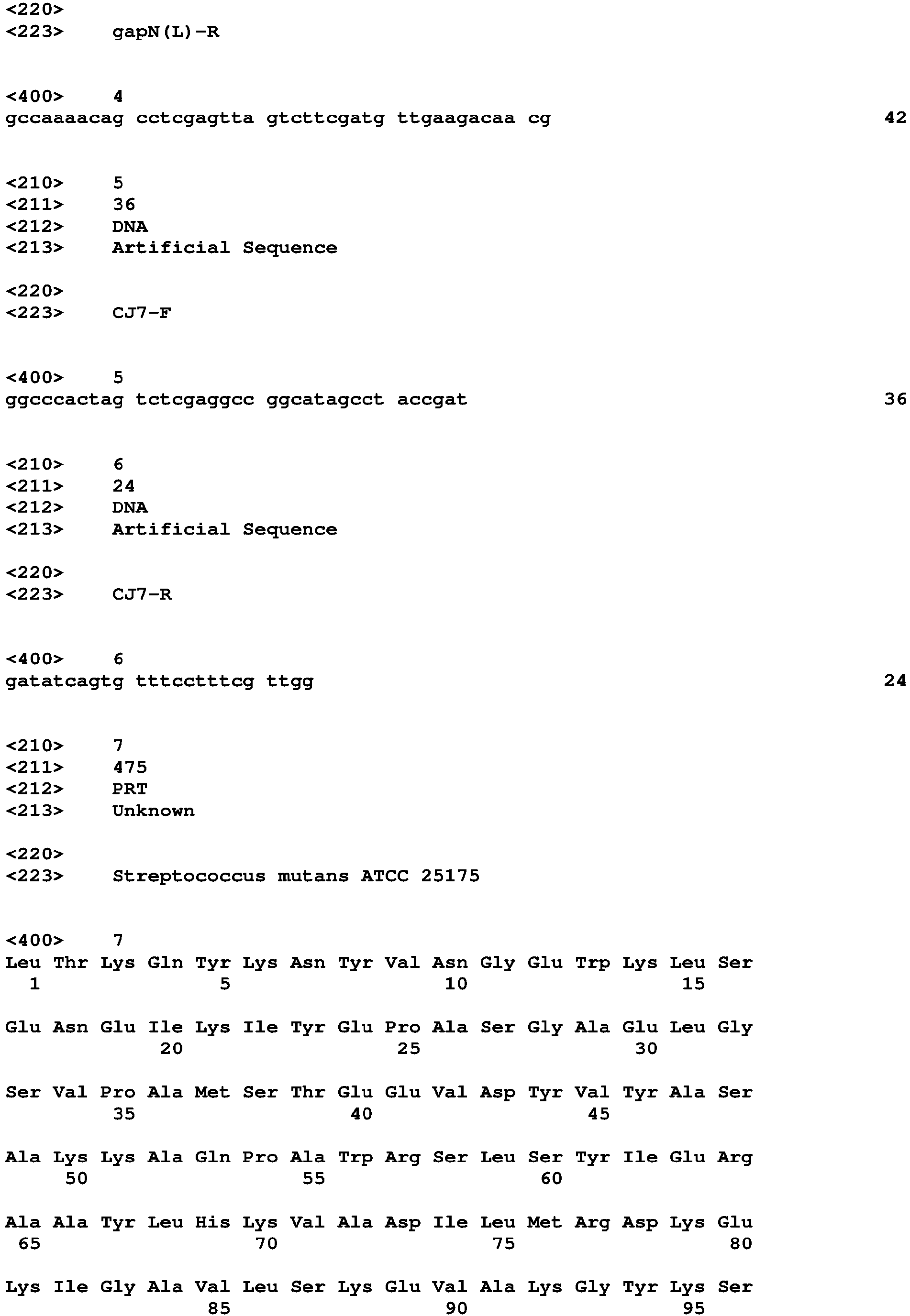




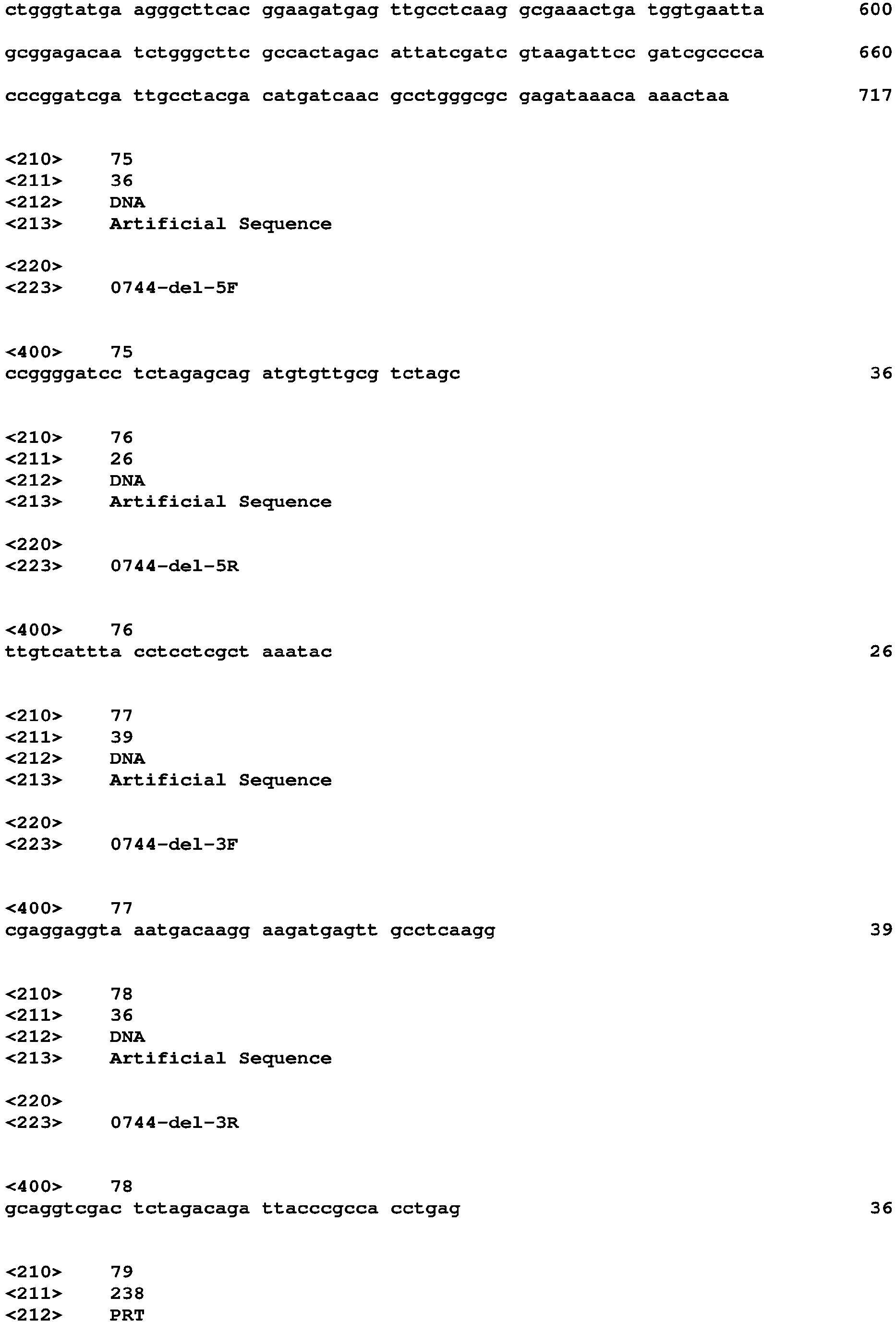


Claims (7)
- A putrescine-producing microorganism of the genus Corynebacterium, wherein NADPH (reduced nicotinamide adenine dinucleotide phosphate) productivity is increased, as compared with a non-modified microorganism.
- The putrescine-producing microorganism of the genus Corynebacterium of claim 1, wherein the microorganism has (1) enhancement of activities of one or more from the group consisting of NADP-dependent glyceraldehyde-3-phosphate dehydrogenase, transketolase, glucose-6-phosphate dehydrogenase, 6-phosphogluconate dehydrogenase, NAD(P) transhydrogenase, nicotinate phosphoribosyltransferase, and NAD+ kinase, (2) inactivation of activities of one or more from the group consisting of gluconate kinase and NAD+ diphosphatase, or (3) a combination of (1) and (2), thereby showing increased NADPH productivity, as compared with a non-modified microorganism.
- The putrescine-producing microorganism of the genus Corynebacterium of claim 1, wherein activity of ornithine decarboxylase is further introduced.
- The putrescine-producing microorganism of the genus Corynebacterium of claim 1, wherein activity of putrescine acetyltransferase is further attenuated.
- The putrescine-producing microorganism of the genus Corynebacterium of claim 1, wherein activity of putrescine export protein is further enhanced.
- The putrescine-producing microorganism of the genus Corynebacterium of claim 1, wherein the microorganism is Corynebacterium glutamicum.
- A method of producing putrescine, the method comprising the steps of:(i) culturing the putrescine-producing microorganism of any one of claims 1 to 6 in a medium; and(ii) collecting putrescine from the cultured microorganism or medium.
Applications Claiming Priority (2)
| Application Number | Priority Date | Filing Date | Title |
|---|---|---|---|
| KR1020170091628A KR102011394B1 (en) | 2017-07-19 | 2017-07-19 | Microorganism producing putrescine and method of producing putrescine using the microorganism |
| PCT/KR2018/008165 WO2019017706A2 (en) | 2017-07-19 | 2018-07-19 | Putrescine-producing microorganism and putrescine-producing method using same |
Publications (2)
| Publication Number | Publication Date |
|---|---|
| EP3656862A2 true EP3656862A2 (en) | 2020-05-27 |
| EP3656862A4 EP3656862A4 (en) | 2021-06-09 |
Family
ID=65015781
Family Applications (1)
| Application Number | Title | Priority Date | Filing Date |
|---|---|---|---|
| EP18836158.8A Pending EP3656862A4 (en) | 2017-07-19 | 2018-07-19 | Putrescine-producing microorganism and putrescine-producing method using same |
Country Status (6)
| Country | Link |
|---|---|
| US (1) | US10801047B2 (en) |
| EP (1) | EP3656862A4 (en) |
| JP (1) | JP6901621B2 (en) |
| KR (1) | KR102011394B1 (en) |
| CN (1) | CN111655859B (en) |
| WO (1) | WO2019017706A2 (en) |
Families Citing this family (5)
| Publication number | Priority date | Publication date | Assignee | Title |
|---|---|---|---|---|
| CN111394268B (en) * | 2019-12-20 | 2021-06-18 | 合肥康诺生物制药有限公司 | Genetically engineered bacteria and its construction method, application, and method for producing NAD+ |
| KR102207867B1 (en) * | 2020-01-21 | 2021-01-26 | 씨제이제일제당 주식회사 | Method for producing L-amino acids using microorganisms containing NADP dependent glyceraldehyde-3-phosphate dehydrogenase |
| CN117264924B (en) * | 2023-11-21 | 2024-02-06 | 内蒙古伊品生物科技有限公司 | BBD29_11900 gene mutant and application thereof in preparation of L-glutamic acid |
| WO2025143782A1 (en) * | 2023-12-28 | 2025-07-03 | 대상 주식회사 | Mutant microorganism with enhanced ability to produce nicotinamide mononucleotide and method for producing nicotinamide mononucleotide using same |
| CN119876081B (en) * | 2025-03-26 | 2025-07-11 | 浙江工业大学 | NAD kinase mutant, immobilized enzyme and application thereof |
Family Cites Families (17)
| Publication number | Priority date | Publication date | Assignee | Title |
|---|---|---|---|---|
| US8497098B2 (en) | 2004-07-15 | 2013-07-30 | Dsm Ip Assets B.V. | Biochemical synthesis of 1,4-butanediamine |
| KR100620092B1 (en) | 2004-12-16 | 2006-09-08 | 씨제이 주식회사 | Novel promoter sequences derived from Corynebacterium spp., Expression cassettes and vectors comprising the same, host cells comprising the vector and methods of expressing genes using the same |
| KR100768748B1 (en) * | 2004-12-30 | 2007-10-19 | 씨제이 주식회사 | Escherichia spp. Or Corynebacterium spp. Microorganisms comprising a foreign NadP dependent glyceraldehyde-3-phosphate dehydrogenase gene and a method for producing L-lysine using the same |
| DE102007005072A1 (en) * | 2007-02-01 | 2008-08-07 | Evonik Degussa Gmbh | Process for the fermentative production of cadaverine |
| KR100930203B1 (en) | 2008-01-28 | 2009-12-07 | 씨제이제일제당 (주) | Improved promoter and method for producing L-lysine using the same |
| KR101126041B1 (en) | 2008-04-10 | 2012-03-19 | 씨제이제일제당 (주) | A transformation vector using transposon, a microorganism transformed with the vector and method of producing l-lysine using the microorganism |
| BRPI0903495B1 (en) | 2008-04-10 | 2019-01-29 | Korea Advanced Institute Of Science And Technology | mutant microorganisms capable of producing putrescine and method for producing putrescine using the same |
| KR101188432B1 (en) | 2008-04-10 | 2012-10-08 | 한국과학기술원 | Variant Microorganism Having Putrescine Producing Ability and Method for Preparing Putrescine Using the Same |
| KR101182033B1 (en) * | 2009-07-08 | 2012-09-11 | 씨제이제일제당 (주) | The Method of L-lysine production in corynebacteirum sp. by amplifying glyceraldehyde-3-phophate dehydrogenase gene derived from other |
| KR101269810B1 (en) * | 2010-07-15 | 2013-05-30 | 씨제이제일제당 (주) | A microorganism having enhanced L-lysine productivity and a method of producing L-lysine using the same |
| KR101234040B1 (en) | 2011-06-30 | 2013-02-15 | (주) 레몬봇 | Method for generating barcodes and judging a validity of the bar-codes, bar-code generating device, and system having the same |
| BR112014017091A2 (en) | 2012-01-11 | 2020-10-27 | Cj Cheiljedang Corporation | recombinant microorganisms with improved putrescine productivity and putrescine production method using the same |
| KR20140049766A (en) | 2012-10-18 | 2014-04-28 | 유흥열 | Vehicle mounted type a swing apparatus of ship type |
| KR101607741B1 (en) | 2013-03-20 | 2016-03-31 | 씨제이제일제당 (주) | Microorganisms having putrescine productivity and process for producing putrescine using the same |
| AU2015250431B2 (en) * | 2014-04-25 | 2017-09-28 | Cj Cheiljedang Corporation | Microorganisms for Producing Putrescine and Process for Producing Putrescine Using Them |
| US10072150B2 (en) * | 2014-12-22 | 2018-09-11 | INVISTA North America S.à r.l. | Methods and materials for the production of monomers for nylon-4/polyester production |
| KR101735935B1 (en) | 2015-07-20 | 2017-05-16 | 씨제이제일제당 (주) | Microorganisms for producing putrescine or ornithine and process for producing putrescine or ornithine using them |
-
2017
- 2017-07-19 KR KR1020170091628A patent/KR102011394B1/en active Active
-
2018
- 2018-07-19 WO PCT/KR2018/008165 patent/WO2019017706A2/en not_active Ceased
- 2018-07-19 JP JP2020502140A patent/JP6901621B2/en active Active
- 2018-07-19 US US16/632,084 patent/US10801047B2/en active Active
- 2018-07-19 CN CN201880059726.9A patent/CN111655859B/en active Active
- 2018-07-19 EP EP18836158.8A patent/EP3656862A4/en active Pending
Also Published As
| Publication number | Publication date |
|---|---|
| KR20190009872A (en) | 2019-01-30 |
| US10801047B2 (en) | 2020-10-13 |
| KR102011394B1 (en) | 2019-10-22 |
| EP3656862A4 (en) | 2021-06-09 |
| JP6901621B2 (en) | 2021-07-14 |
| US20200224227A1 (en) | 2020-07-16 |
| WO2019017706A3 (en) | 2019-04-11 |
| WO2019017706A2 (en) | 2019-01-24 |
| CN111655859B (en) | 2024-09-03 |
| BR112020001174A2 (en) | 2020-07-28 |
| JP2020528271A (en) | 2020-09-24 |
| CN111655859A (en) | 2020-09-11 |
Similar Documents
| Publication | Publication Date | Title |
|---|---|---|
| EP3896165A1 (en) | Mutant strain having enhanced l-glutamic acid producing ability, and l-glutamic acid preparation method using same | |
| KR102207867B1 (en) | Method for producing L-amino acids using microorganisms containing NADP dependent glyceraldehyde-3-phosphate dehydrogenase | |
| US10801047B2 (en) | Putrescine-producing microorganism and method of producing putrescine using the same | |
| EP4520830A1 (en) | Microorganism with l-ornithine production capability and method for producing l-ornithine using same | |
| EP3640257A1 (en) | Novel polypeptide and method for producing ornithine-based product using same | |
| EP3640258A1 (en) | Novel polypeptide and method for producing ornithine-based product using same | |
| AU2025267453A1 (en) | Microorganism having enhanced L-glutamine producing ability, and L-glutamine producing method using same | |
| JP2025506948A (en) | Mutant L-threonine export protein and method for producing L-threonine using the same | |
| CA3222017A1 (en) | Strain for producing highly concentrated l-glutamic acid, and l-glutamic acid production method using same | |
| AU2021394840B2 (en) | Shewanella atlantica-derived protein-expressing microorganism and L-amino acid production method using same | |
| EP4092115B1 (en) | Novel dihydrolipoamide acetyltransferase variant and method for producing l-valine using same | |
| KR102279696B1 (en) | Novel L-serine ammonia-lyase variant and a method for producing XMP or GMP using the same | |
| KR102273639B1 (en) | Novel bifunctional methylenetetrahydrofolate dehydrogenase/methenyltetrahydrofolate cyclohydrolase variant and a method for producing XMP or GMP using the same | |
| EP4481033A1 (en) | L-amino acid-producing microorganism having weakened carbamoyl phosphate synthase activity, and l-amino acid production method using same | |
| KR20240105684A (en) | A microorganism introduced with exogenous glutamine synthase and method for producing L-tryptophan using the same | |
| EP4092042A1 (en) | Novel branched-chain amino acid permease variant and method for producing l-valine using same | |
| KR102919411B1 (en) | Novel bifunctional glutamate N-acetyltransferase/amino-acid acetyltransferase variant and a method for producing glutamate family amino acids using the same | |
| KR102932577B1 (en) | Protein variants and a method for producing L-arginine using the same | |
| EP4060030B1 (en) | Novel tetrahydrodipicolinate n-succinyltransferase variant, and method for producing l-valine using same | |
| EP4067484A1 (en) | Novel galactoside o-acetyltransferase variant, and method for producing l-glutamic acid using same | |
| BR112020001174B1 (en) | Putrescine-producing microorganism of the genus Corynebacterium and method of producing putrescine using said microorganism. | |
| KR20250169494A (en) | Microorganism Having Increased Activity Of Glycine Cleavage System, And Use Thereof | |
| JP2025509686A (en) | Carbamoyl phosphate synthetase large subunit mutant and method for producing L-ornithine using the same | |
| EP4092041A1 (en) | Novel whib-affiliated transcriptional regulator whca variant and method for producing l-valine using same | |
| EP4092114A1 (en) | Novel 2-isopropylmalate synthase variant and method for producing l-valine using same |
Legal Events
| Date | Code | Title | Description |
|---|---|---|---|
| STAA | Information on the status of an ep patent application or granted ep patent |
Free format text: STATUS: THE INTERNATIONAL PUBLICATION HAS BEEN MADE |
|
| PUAI | Public reference made under article 153(3) epc to a published international application that has entered the european phase |
Free format text: ORIGINAL CODE: 0009012 |
|
| STAA | Information on the status of an ep patent application or granted ep patent |
Free format text: STATUS: REQUEST FOR EXAMINATION WAS MADE |
|
| 17P | Request for examination filed |
Effective date: 20200217 |
|
| AK | Designated contracting states |
Kind code of ref document: A2 Designated state(s): AL AT BE BG CH CY CZ DE DK EE ES FI FR GB GR HR HU IE IS IT LI LT LU LV MC MK MT NL NO PL PT RO RS SE SI SK SM TR |
|
| AX | Request for extension of the european patent |
Extension state: BA ME |
|
| DAV | Request for validation of the european patent (deleted) | ||
| DAX | Request for extension of the european patent (deleted) | ||
| A4 | Supplementary search report drawn up and despatched |
Effective date: 20210507 |
|
| RIC1 | Information provided on ipc code assigned before grant |
Ipc: C12N 15/77 20060101AFI20210430BHEP Ipc: C12P 13/00 20060101ALI20210430BHEP |
|
| P01 | Opt-out of the competence of the unified patent court (upc) registered |
Effective date: 20230606 |
|
| STAA | Information on the status of an ep patent application or granted ep patent |
Free format text: STATUS: EXAMINATION IS IN PROGRESS |
|
| 17Q | First examination report despatched |
Effective date: 20231115 |