EP3656857A1 - Utilization of phosphoketolase for production of aromatic amino acid derived products - Google Patents
Utilization of phosphoketolase for production of aromatic amino acid derived products Download PDFInfo
- Publication number
- EP3656857A1 EP3656857A1 EP18207629.9A EP18207629A EP3656857A1 EP 3656857 A1 EP3656857 A1 EP 3656857A1 EP 18207629 A EP18207629 A EP 18207629A EP 3656857 A1 EP3656857 A1 EP 3656857A1
- Authority
- EP
- European Patent Office
- Prior art keywords
- genetically modified
- amino acid
- seq
- modified microorganism
- activity
- Prior art date
- Legal status (The legal status is an assumption and is not a legal conclusion. Google has not performed a legal analysis and makes no representation as to the accuracy of the status listed.)
- Withdrawn
Links
- 238000004519 manufacturing process Methods 0.000 title claims description 97
- -1 aromatic amino acid Chemical class 0.000 title claims description 78
- 108010004621 phosphoketolase Proteins 0.000 title claims description 19
- 244000005700 microbiome Species 0.000 claims description 130
- 230000000694 effects Effects 0.000 claims description 112
- 108090000623 proteins and genes Proteins 0.000 claims description 108
- 108090000765 processed proteins & peptides Proteins 0.000 claims description 94
- 229920001184 polypeptide Polymers 0.000 claims description 93
- 102000004196 processed proteins & peptides Human genes 0.000 claims description 93
- 108700019146 Transgenes Proteins 0.000 claims description 54
- NGSWKAQJJWESNS-UHFFFAOYSA-N 4-coumaric acid Chemical compound OC(=O)C=CC1=CC=C(O)C=C1 NGSWKAQJJWESNS-UHFFFAOYSA-N 0.000 claims description 38
- 238000000034 method Methods 0.000 claims description 33
- 108700023158 Phenylalanine ammonia-lyases Proteins 0.000 claims description 32
- 108010080376 3-Deoxy-7-Phosphoheptulonate Synthase Proteins 0.000 claims description 26
- 108010000898 Chorismate mutase Proteins 0.000 claims description 25
- NGSWKAQJJWESNS-ZZXKWVIFSA-M 4-Hydroxycinnamate Natural products OC1=CC=C(\C=C\C([O-])=O)C=C1 NGSWKAQJJWESNS-ZZXKWVIFSA-M 0.000 claims description 20
- ZQSIJRDFPHDXIC-UHFFFAOYSA-N daidzein Chemical compound C1=CC(O)=CC=C1C1=COC2=CC(O)=CC=C2C1=O ZQSIJRDFPHDXIC-UHFFFAOYSA-N 0.000 claims description 20
- DFYRUELUNQRZTB-UHFFFAOYSA-N Acetovanillone Natural products COC1=CC(C(C)=O)=CC=C1O DFYRUELUNQRZTB-UHFFFAOYSA-N 0.000 claims description 19
- 108700023175 Phosphate acetyltransferases Proteins 0.000 claims description 17
- 108010015724 Prephenate Dehydratase Proteins 0.000 claims description 16
- 108010036937 Trans-cinnamate 4-monooxygenase Proteins 0.000 claims description 15
- 150000001413 amino acids Chemical group 0.000 claims description 14
- 108010011939 Pyruvate Decarboxylase Proteins 0.000 claims description 12
- 230000002255 enzymatic effect Effects 0.000 claims description 12
- 108010045510 NADPH-Ferrihemoprotein Reductase Proteins 0.000 claims description 11
- 108010036076 Phenylpyruvate decarboxylase Proteins 0.000 claims description 10
- 235000007240 daidzein Nutrition 0.000 claims description 10
- FXNFHKRTJBSTCS-UHFFFAOYSA-N Baicalein Natural products C=1C(=O)C=2C(O)=C(O)C(O)=CC=2OC=1C1=CC=CC=C1 FXNFHKRTJBSTCS-UHFFFAOYSA-N 0.000 claims description 9
- UDFLTIRFTXWNJO-UHFFFAOYSA-N baicalein Chemical compound O1C2=CC(=O)C(O)=C(O)C2=C(O)C=C1C1=CC=CC=C1 UDFLTIRFTXWNJO-UHFFFAOYSA-N 0.000 claims description 9
- 229940015301 baicalein Drugs 0.000 claims description 9
- 102000007605 Cytochromes b5 Human genes 0.000 claims description 8
- IPQKDIRUZHOIOM-UHFFFAOYSA-N Oroxin A Natural products OC1C(O)C(O)C(CO)OC1OC(C(=C1O)O)=CC2=C1C(=O)C=C(C=1C=CC=CC=1)O2 IPQKDIRUZHOIOM-UHFFFAOYSA-N 0.000 claims description 8
- RXUWDKBZZLIASQ-UHFFFAOYSA-N Puerarin Natural products OCC1OC(Oc2c(O)cc(O)c3C(=O)C(=COc23)c4ccc(O)cc4)C(O)C(O)C1O RXUWDKBZZLIASQ-UHFFFAOYSA-N 0.000 claims description 8
- IKIIZLYTISPENI-ZFORQUDYSA-N baicalin Chemical compound O1[C@H](C(O)=O)[C@@H](O)[C@H](O)[C@@H](O)[C@@H]1OC(C(=C1O)O)=CC2=C1C(=O)C=C(C=1C=CC=CC=1)O2 IKIIZLYTISPENI-ZFORQUDYSA-N 0.000 claims description 8
- 229960003321 baicalin Drugs 0.000 claims description 8
- AQHDANHUMGXSJZ-UHFFFAOYSA-N baicalin Natural products OC1C(O)C(C(O)CO)OC1OC(C(=C1O)O)=CC2=C1C(=O)C=C(C=1C=CC=CC=1)O2 AQHDANHUMGXSJZ-UHFFFAOYSA-N 0.000 claims description 8
- HKEAFJYKMMKDOR-VPRICQMDSA-N puerarin Chemical compound O[C@@H]1[C@@H](O)[C@H](O)[C@@H](CO)O[C@H]1C1=C(O)C=CC(C2=O)=C1OC=C2C1=CC=C(O)C=C1 HKEAFJYKMMKDOR-VPRICQMDSA-N 0.000 claims description 8
- HIMJIPRMECETLJ-UHFFFAOYSA-N Wogonin Natural products COc1cc(O)c(O)c2C(=O)C=C(Oc12)c3ccccc3 HIMJIPRMECETLJ-UHFFFAOYSA-N 0.000 claims description 7
- 241000894007 species Species 0.000 claims description 7
- XLTFNNCXVBYBSX-UHFFFAOYSA-N wogonin Chemical compound COC1=C(O)C=C(O)C(C(C=2)=O)=C1OC=2C1=CC=CC=C1 XLTFNNCXVBYBSX-UHFFFAOYSA-N 0.000 claims description 7
- 241000235070 Saccharomyces Species 0.000 claims description 6
- 108010078791 Carrier Proteins Proteins 0.000 claims description 4
- 238000012258 culturing Methods 0.000 claims description 3
- 239000001963 growth medium Substances 0.000 claims description 3
- 102100038261 Glycerol-3-phosphate phosphatase Human genes 0.000 claims description 2
- 101710171812 Glycerol-3-phosphate phosphatase Proteins 0.000 claims description 2
- 239000000758 substrate Substances 0.000 claims description 2
- 101100490139 Mus musculus Acer3 gene Proteins 0.000 description 76
- 125000003275 alpha amino acid group Chemical group 0.000 description 63
- COLNVLDHVKWLRT-QMMMGPOBSA-N L-phenylalanine Chemical compound OC(=O)[C@@H](N)CC1=CC=CC=C1 COLNVLDHVKWLRT-QMMMGPOBSA-N 0.000 description 49
- OUYCCCASQSFEME-QMMMGPOBSA-N L-tyrosine Chemical compound OC(=O)[C@@H](N)CC1=CC=C(O)C=C1 OUYCCCASQSFEME-QMMMGPOBSA-N 0.000 description 49
- 108091026890 Coding region Proteins 0.000 description 48
- 230000014509 gene expression Effects 0.000 description 44
- 238000011144 upstream manufacturing Methods 0.000 description 37
- 235000001014 amino acid Nutrition 0.000 description 36
- 240000004808 Saccharomyces cerevisiae Species 0.000 description 35
- 235000014680 Saccharomyces cerevisiae Nutrition 0.000 description 35
- 229940024606 amino acid Drugs 0.000 description 35
- 238000006243 chemical reaction Methods 0.000 description 35
- 229960005190 phenylalanine Drugs 0.000 description 34
- 229960004441 tyrosine Drugs 0.000 description 34
- 101100491995 Neurospora crassa (strain ATCC 24698 / 74-OR23-1A / CBS 708.71 / DSM 1257 / FGSC 987) aro-1 gene Proteins 0.000 description 33
- 230000010354 integration Effects 0.000 description 33
- 101150009006 HIS3 gene Proteins 0.000 description 28
- 101100394989 Rhodopseudomonas palustris (strain ATCC BAA-98 / CGA009) hisI gene Proteins 0.000 description 28
- 210000004027 cell Anatomy 0.000 description 24
- 102000004190 Enzymes Human genes 0.000 description 22
- 108090000790 Enzymes Proteins 0.000 description 22
- 239000008103 glucose Substances 0.000 description 22
- WQZGKKKJIJFFOK-GASJEMHNSA-N Glucose Natural products OC[C@H]1OC(O)[C@H](O)[C@@H](O)[C@@H]1O WQZGKKKJIJFFOK-GASJEMHNSA-N 0.000 description 20
- 230000037361 pathway Effects 0.000 description 20
- NGHMDNPXVRFFGS-IUYQGCFVSA-N D-erythrose 4-phosphate Chemical compound O=C[C@H](O)[C@H](O)COP(O)(O)=O NGHMDNPXVRFFGS-IUYQGCFVSA-N 0.000 description 19
- 238000012217 deletion Methods 0.000 description 19
- 230000037430 deletion Effects 0.000 description 19
- COLNVLDHVKWLRT-UHFFFAOYSA-N phenylalanine Natural products OC(=O)C(N)CC1=CC=CC=C1 COLNVLDHVKWLRT-UHFFFAOYSA-N 0.000 description 19
- 101150108780 pta gene Proteins 0.000 description 18
- OUYCCCASQSFEME-UHFFFAOYSA-N tyrosine Natural products OC(=O)C(N)CC1=CC=C(O)C=C1 OUYCCCASQSFEME-UHFFFAOYSA-N 0.000 description 18
- 235000002374 tyrosine Nutrition 0.000 description 18
- SEHFUALWMUWDKS-UHFFFAOYSA-N 5-fluoroorotic acid Chemical compound OC(=O)C=1NC(=O)NC(=O)C=1F SEHFUALWMUWDKS-UHFFFAOYSA-N 0.000 description 17
- 108020005004 Guide RNA Proteins 0.000 description 17
- 108010052982 Tyrosine 2,3-aminomutase Proteins 0.000 description 17
- 230000015572 biosynthetic process Effects 0.000 description 17
- 239000013604 expression vector Substances 0.000 description 17
- 108091033409 CRISPR Proteins 0.000 description 16
- 230000001965 increasing effect Effects 0.000 description 16
- PJWIPEXIFFQAQZ-PUFIMZNGSA-N 7-phospho-2-dehydro-3-deoxy-D-arabino-heptonic acid Chemical compound OP(=O)(O)OC[C@@H](O)[C@@H](O)[C@H](O)CC(=O)C(O)=O PJWIPEXIFFQAQZ-PUFIMZNGSA-N 0.000 description 15
- 108010004539 Chalcone isomerase Proteins 0.000 description 15
- QIVBCDIJIAJPQS-VIFPVBQESA-N L-tryptophane Chemical compound C1=CC=C2C(C[C@H](N)C(O)=O)=CNC2=C1 QIVBCDIJIAJPQS-VIFPVBQESA-N 0.000 description 14
- 238000010276 construction Methods 0.000 description 13
- 108010060641 flavanone synthetase Proteins 0.000 description 13
- 108010032776 glycerol-1-phosphatase Proteins 0.000 description 13
- 238000000338 in vitro Methods 0.000 description 13
- FQVLRGLGWNWPSS-BXBUPLCLSA-N (4r,7s,10s,13s,16r)-16-acetamido-13-(1h-imidazol-5-ylmethyl)-10-methyl-6,9,12,15-tetraoxo-7-propan-2-yl-1,2-dithia-5,8,11,14-tetrazacycloheptadecane-4-carboxamide Chemical compound N1C(=O)[C@@H](NC(C)=O)CSSC[C@@H](C(N)=O)NC(=O)[C@H](C(C)C)NC(=O)[C@H](C)NC(=O)[C@@H]1CC1=CN=CN1 FQVLRGLGWNWPSS-BXBUPLCLSA-N 0.000 description 12
- 102100034035 Alcohol dehydrogenase 1A Human genes 0.000 description 12
- 101000892220 Geobacillus thermodenitrificans (strain NG80-2) Long-chain-alcohol dehydrogenase 1 Proteins 0.000 description 12
- 101000780443 Homo sapiens Alcohol dehydrogenase 1A Proteins 0.000 description 12
- 101000579123 Homo sapiens Phosphoglycerate kinase 1 Proteins 0.000 description 12
- KJWZYMMLVHIVSU-IYCNHOCDSA-N PGK1 Chemical compound CCCCC[C@H](O)\C=C\[C@@H]1[C@@H](CCCCCCC(O)=O)C(=O)CC1=O KJWZYMMLVHIVSU-IYCNHOCDSA-N 0.000 description 12
- 102100028251 Phosphoglycerate kinase 1 Human genes 0.000 description 12
- 230000002708 enhancing effect Effects 0.000 description 12
- DTUQWGWMVIHBKE-UHFFFAOYSA-N phenylacetaldehyde Chemical compound O=CCC1=CC=CC=C1 DTUQWGWMVIHBKE-UHFFFAOYSA-N 0.000 description 12
- LIPOUNRJVLNBCD-UHFFFAOYSA-N acetyl dihydrogen phosphate Chemical compound CC(=O)OP(O)(O)=O LIPOUNRJVLNBCD-UHFFFAOYSA-N 0.000 description 11
- 101150073130 ampR gene Proteins 0.000 description 11
- 230000004907 flux Effects 0.000 description 11
- 108020004414 DNA Proteins 0.000 description 10
- DHMQDGOQFOQNFH-UHFFFAOYSA-N Glycine Chemical compound NCC(O)=O DHMQDGOQFOQNFH-UHFFFAOYSA-N 0.000 description 10
- 240000004534 Scutellaria baicalensis Species 0.000 description 10
- 235000017089 Scutellaria baicalensis Nutrition 0.000 description 10
- 229960004799 tryptophan Drugs 0.000 description 10
- 102100039555 Galectin-7 Human genes 0.000 description 9
- 108030002254 Phosphate acyltransferases Proteins 0.000 description 9
- 239000012634 fragment Substances 0.000 description 9
- FPWMCUPFBRFMLH-UHFFFAOYSA-N prephenic acid Chemical compound OC1C=CC(CC(=O)C(O)=O)(C(O)=O)C=C1 FPWMCUPFBRFMLH-UHFFFAOYSA-N 0.000 description 9
- 241000219195 Arabidopsis thaliana Species 0.000 description 8
- 108090000364 Ligases Proteins 0.000 description 8
- 101100010928 Saccharolobus solfataricus (strain ATCC 35092 / DSM 1617 / JCM 11322 / P2) tuf gene Proteins 0.000 description 8
- MTCFGRXMJLQNBG-UHFFFAOYSA-N Serine Natural products OCC(N)C(O)=O MTCFGRXMJLQNBG-UHFFFAOYSA-N 0.000 description 8
- 101150001810 TEAD1 gene Proteins 0.000 description 8
- 101150074253 TEF1 gene Proteins 0.000 description 8
- 102100029898 Transcriptional enhancer factor TEF-1 Human genes 0.000 description 8
- XCCTYIAWTASOJW-XVFCMESISA-N Uridine-5'-Diphosphate Chemical group O[C@@H]1[C@H](O)[C@@H](COP(O)(=O)OP(O)(O)=O)O[C@H]1N1C(=O)NC(=O)C=C1 XCCTYIAWTASOJW-XVFCMESISA-N 0.000 description 8
- ZSLZBFCDCINBPY-ZSJPKINUSA-N acetyl-CoA Chemical compound O[C@@H]1[C@H](OP(O)(O)=O)[C@@H](COP(O)(=O)OP(O)(=O)OCC(C)(C)[C@@H](O)C(=O)NCCC(=O)NCCSC(=O)C)O[C@H]1N1C2=NC=NC(N)=C2N=C1 ZSLZBFCDCINBPY-ZSJPKINUSA-N 0.000 description 8
- 108010091111 cytochrome P-450 CYP93B1 (Glycyrrhiza echinata) Proteins 0.000 description 8
- 230000002018 overexpression Effects 0.000 description 8
- 235000004400 serine Nutrition 0.000 description 8
- 238000012224 gene deletion Methods 0.000 description 7
- 230000001404 mediated effect Effects 0.000 description 7
- DTBNBXWJWCWCIK-UHFFFAOYSA-K phosphonatoenolpyruvate Chemical compound [O-]C(=O)C(=C)OP([O-])([O-])=O DTBNBXWJWCWCIK-UHFFFAOYSA-K 0.000 description 7
- 238000006467 substitution reaction Methods 0.000 description 7
- QTBSBXVTEAMEQO-UHFFFAOYSA-M Acetate Chemical compound CC([O-])=O QTBSBXVTEAMEQO-UHFFFAOYSA-M 0.000 description 6
- WEVYAHXRMPXWCK-UHFFFAOYSA-N Acetonitrile Chemical compound CC#N WEVYAHXRMPXWCK-UHFFFAOYSA-N 0.000 description 6
- 238000010354 CRISPR gene editing Methods 0.000 description 6
- 101150004714 GPP1 gene Proteins 0.000 description 6
- 239000004471 Glycine Substances 0.000 description 6
- 244000046146 Pueraria lobata Species 0.000 description 6
- 235000010575 Pueraria lobata Nutrition 0.000 description 6
- GAMYVSCDDLXAQW-AOIWZFSPSA-N Thermopsosid Natural products O(C)c1c(O)ccc(C=2Oc3c(c(O)cc(O[C@H]4[C@H](O)[C@@H](O)[C@H](O)[C@H](CO)O4)c3)C(=O)C=2)c1 GAMYVSCDDLXAQW-AOIWZFSPSA-N 0.000 description 6
- QIVBCDIJIAJPQS-UHFFFAOYSA-N Tryptophan Natural products C1=CC=C2C(CC(N)C(O)=O)=CNC2=C1 QIVBCDIJIAJPQS-UHFFFAOYSA-N 0.000 description 6
- 108050003289 Xylulose 5-phosphate/Fructose 6-phosphate phosphoketolases Proteins 0.000 description 6
- 229930003944 flavone Natural products 0.000 description 6
- 150000002212 flavone derivatives Chemical class 0.000 description 6
- 235000011949 flavones Nutrition 0.000 description 6
- BDAGIHXWWSANSR-UHFFFAOYSA-N methanoic acid Natural products OC=O BDAGIHXWWSANSR-UHFFFAOYSA-N 0.000 description 6
- 108020004707 nucleic acids Proteins 0.000 description 6
- 102000039446 nucleic acids Human genes 0.000 description 6
- 150000007523 nucleic acids Chemical class 0.000 description 6
- 229940100595 phenylacetaldehyde Drugs 0.000 description 6
- 239000002243 precursor Substances 0.000 description 6
- 239000000047 product Substances 0.000 description 6
- 102000004169 proteins and genes Human genes 0.000 description 6
- 230000001105 regulatory effect Effects 0.000 description 6
- 238000003786 synthesis reaction Methods 0.000 description 6
- VHBFFQKBGNRLFZ-UHFFFAOYSA-N vitamin p Natural products O1C2=CC=CC=C2C(=O)C=C1C1=CC=CC=C1 VHBFFQKBGNRLFZ-UHFFFAOYSA-N 0.000 description 6
- MTCFGRXMJLQNBG-REOHCLBHSA-N (2S)-2-Amino-3-hydroxypropansäure Chemical compound OC[C@H](N)C(O)=O MTCFGRXMJLQNBG-REOHCLBHSA-N 0.000 description 5
- 108010016192 4-coumarate-CoA ligase Proteins 0.000 description 5
- 241000186012 Bifidobacterium breve Species 0.000 description 5
- OKTJSMMVPCPJKN-UHFFFAOYSA-N Carbon Chemical compound [C] OKTJSMMVPCPJKN-UHFFFAOYSA-N 0.000 description 5
- 241000186570 Clostridium kluyveri Species 0.000 description 5
- XUJNEKJLAYXESH-REOHCLBHSA-N L-Cysteine Chemical compound SC[C@H](N)C(O)=O XUJNEKJLAYXESH-REOHCLBHSA-N 0.000 description 5
- AYFVYJQAPQTCCC-GBXIJSLDSA-N L-threonine Chemical compound C[C@@H](O)[C@H](N)C(O)=O AYFVYJQAPQTCCC-GBXIJSLDSA-N 0.000 description 5
- ROHFNLRQFUQHCH-UHFFFAOYSA-N Leucine Natural products CC(C)CC(N)C(O)=O ROHFNLRQFUQHCH-UHFFFAOYSA-N 0.000 description 5
- 102000003960 Ligases Human genes 0.000 description 5
- 108091034117 Oligonucleotide Proteins 0.000 description 5
- 241001063879 Saccharomyces eubayanus Species 0.000 description 5
- AYFVYJQAPQTCCC-UHFFFAOYSA-N Threonine Natural products CC(O)C(N)C(O)=O AYFVYJQAPQTCCC-UHFFFAOYSA-N 0.000 description 5
- 239000004473 Threonine Substances 0.000 description 5
- 102000014701 Transketolase Human genes 0.000 description 5
- 108010043652 Transketolase Proteins 0.000 description 5
- 229910052799 carbon Inorganic materials 0.000 description 5
- XUJNEKJLAYXESH-UHFFFAOYSA-N cysteine Natural products SCC(N)C(O)=O XUJNEKJLAYXESH-UHFFFAOYSA-N 0.000 description 5
- 235000018417 cysteine Nutrition 0.000 description 5
- 101150025953 gal7 gene Proteins 0.000 description 5
- 238000004128 high performance liquid chromatography Methods 0.000 description 5
- BTNMPGBKDVTSJY-UHFFFAOYSA-N keto-phenylpyruvic acid Chemical compound OC(=O)C(=O)CC1=CC=CC=C1 BTNMPGBKDVTSJY-UHFFFAOYSA-N 0.000 description 5
- 239000003550 marker Substances 0.000 description 5
- 230000004048 modification Effects 0.000 description 5
- 238000012986 modification Methods 0.000 description 5
- 238000010561 standard procedure Methods 0.000 description 5
- 235000008521 threonine Nutrition 0.000 description 5
- 230000009466 transformation Effects 0.000 description 5
- WTFXTQVDAKGDEY-UHFFFAOYSA-N (-)-chorismic acid Natural products OC1C=CC(C(O)=O)=CC1OC(=C)C(O)=O WTFXTQVDAKGDEY-UHFFFAOYSA-N 0.000 description 4
- WBYWAXJHAXSJNI-VOTSOKGWSA-M .beta-Phenylacrylic acid Natural products [O-]C(=O)\C=C\C1=CC=CC=C1 WBYWAXJHAXSJNI-VOTSOKGWSA-M 0.000 description 4
- 108030005790 2-hydroxyisoflavanone dehydratases Proteins 0.000 description 4
- 108010049926 Acetate-CoA ligase Proteins 0.000 description 4
- 102100035709 Acetyl-coenzyme A synthetase, cytoplasmic Human genes 0.000 description 4
- 101100434663 Bacillus subtilis (strain 168) fbaA gene Proteins 0.000 description 4
- 108010007167 Cytochromes b5 Proteins 0.000 description 4
- GSXOAOHZAIYLCY-UHFFFAOYSA-N D-F6P Natural products OCC(=O)C(O)C(O)C(O)COP(O)(O)=O GSXOAOHZAIYLCY-UHFFFAOYSA-N 0.000 description 4
- 101150095274 FBA1 gene Proteins 0.000 description 4
- 101150081655 GPM1 gene Proteins 0.000 description 4
- 102100028501 Galanin peptides Human genes 0.000 description 4
- KDXKERNSBIXSRK-UHFFFAOYSA-N Lysine Natural products NCCCCC(N)C(O)=O KDXKERNSBIXSRK-UHFFFAOYSA-N 0.000 description 4
- 239000004472 Lysine Substances 0.000 description 4
- 241000075727 Saccharomyces arboricola H-6 Species 0.000 description 4
- 101100507956 Saccharomyces cerevisiae (strain ATCC 204508 / S288c) HXT7 gene Proteins 0.000 description 4
- 238000009825 accumulation Methods 0.000 description 4
- 238000007792 addition Methods 0.000 description 4
- 125000000539 amino acid group Chemical group 0.000 description 4
- WTFXTQVDAKGDEY-HTQZYQBOSA-N chorismic acid Chemical compound O[C@@H]1C=CC(C(O)=O)=C[C@H]1OC(=C)C(O)=O WTFXTQVDAKGDEY-HTQZYQBOSA-N 0.000 description 4
- 150000001875 compounds Chemical class 0.000 description 4
- 230000002950 deficient Effects 0.000 description 4
- 230000005782 double-strand break Effects 0.000 description 4
- 229930003935 flavonoid Natural products 0.000 description 4
- 150000002215 flavonoids Chemical class 0.000 description 4
- 235000017173 flavonoids Nutrition 0.000 description 4
- 238000012239 gene modification Methods 0.000 description 4
- 230000005017 genetic modification Effects 0.000 description 4
- 235000013617 genetically modified food Nutrition 0.000 description 4
- 101150084612 gpmA gene Proteins 0.000 description 4
- 230000000813 microbial effect Effects 0.000 description 4
- 229930029653 phosphoenolpyruvate Natural products 0.000 description 4
- 239000013612 plasmid Substances 0.000 description 4
- OSWFIVFLDKOXQC-UHFFFAOYSA-N 4-(3-methoxyphenyl)aniline Chemical compound COC1=CC=CC(C=2C=CC(N)=CC=2)=C1 OSWFIVFLDKOXQC-UHFFFAOYSA-N 0.000 description 3
- DMZOKBALNZWDKI-JBNLOVLYSA-N 4-Coumaroyl-CoA Natural products S(C(=O)/C=C/c1ccc(O)cc1)CCNC(=O)CCNC(=O)[C@@H](O)C(CO[P@@](=O)(O[P@@](=O)(OC[C@H]1[C@@H](OP(=O)(O)O)[C@@H](O)[C@@H](n2c3ncnc(N)c3nc2)O1)O)O)(C)C DMZOKBALNZWDKI-JBNLOVLYSA-N 0.000 description 3
- DCXYFEDJOCDNAF-UHFFFAOYSA-N Asparagine Natural products OC(=O)C(N)CC(N)=O DCXYFEDJOCDNAF-UHFFFAOYSA-N 0.000 description 3
- 238000010442 DNA editing Methods 0.000 description 3
- 108700023372 Glycosyltransferases Proteins 0.000 description 3
- 101000608772 Homo sapiens Galectin-7 Proteins 0.000 description 3
- 241001532504 Kluyveromyces marxianus DMKU3-1042 Species 0.000 description 3
- QNAYBMKLOCPYGJ-REOHCLBHSA-N L-alanine Chemical compound C[C@H](N)C(O)=O QNAYBMKLOCPYGJ-REOHCLBHSA-N 0.000 description 3
- DCXYFEDJOCDNAF-REOHCLBHSA-N L-asparagine Chemical compound OC(=O)[C@@H](N)CC(N)=O DCXYFEDJOCDNAF-REOHCLBHSA-N 0.000 description 3
- ZDXPYRJPNDTMRX-VKHMYHEASA-N L-glutamine Chemical compound OC(=O)[C@@H](N)CCC(N)=O ZDXPYRJPNDTMRX-VKHMYHEASA-N 0.000 description 3
- AGPKZVBTJJNPAG-WHFBIAKZSA-N L-isoleucine Chemical compound CC[C@H](C)[C@H](N)C(O)=O AGPKZVBTJJNPAG-WHFBIAKZSA-N 0.000 description 3
- ROHFNLRQFUQHCH-YFKPBYRVSA-N L-leucine Chemical compound CC(C)C[C@H](N)C(O)=O ROHFNLRQFUQHCH-YFKPBYRVSA-N 0.000 description 3
- FFEARJCKVFRZRR-BYPYZUCNSA-N L-methionine Chemical compound CSCC[C@H](N)C(O)=O FFEARJCKVFRZRR-BYPYZUCNSA-N 0.000 description 3
- KZSNJWFQEVHDMF-BYPYZUCNSA-N L-valine Chemical compound CC(C)[C@H](N)C(O)=O KZSNJWFQEVHDMF-BYPYZUCNSA-N 0.000 description 3
- OKKJLVBELUTLKV-UHFFFAOYSA-N Methanol Chemical compound OC OKKJLVBELUTLKV-UHFFFAOYSA-N 0.000 description 3
- 108091028043 Nucleic acid sequence Proteins 0.000 description 3
- 241001440673 Saccharomyces arboricola Species 0.000 description 3
- KZSNJWFQEVHDMF-UHFFFAOYSA-N Valine Natural products CC(C)C(N)C(O)=O KZSNJWFQEVHDMF-UHFFFAOYSA-N 0.000 description 3
- 241000222126 [Candida] glabrata Species 0.000 description 3
- 235000004279 alanine Nutrition 0.000 description 3
- 238000013459 approach Methods 0.000 description 3
- 235000009582 asparagine Nutrition 0.000 description 3
- 229960001230 asparagine Drugs 0.000 description 3
- 230000033228 biological regulation Effects 0.000 description 3
- 208000032343 candida glabrata infection Diseases 0.000 description 3
- 108010011897 chalcone reductase Proteins 0.000 description 3
- 210000000349 chromosome Anatomy 0.000 description 3
- 108010035317 cytochrome P-450 CYP93C2 (Glycyrrhiza echinata) Proteins 0.000 description 3
- 230000001419 dependent effect Effects 0.000 description 3
- 238000000855 fermentation Methods 0.000 description 3
- 230000004151 fermentation Effects 0.000 description 3
- 235000019253 formic acid Nutrition 0.000 description 3
- 239000000446 fuel Substances 0.000 description 3
- ZDXPYRJPNDTMRX-UHFFFAOYSA-N glutamine Natural products OC(=O)C(N)CCC(N)=O ZDXPYRJPNDTMRX-UHFFFAOYSA-N 0.000 description 3
- 235000004554 glutamine Nutrition 0.000 description 3
- XLYOFNOQVPJJNP-ZSJDYOACSA-N heavy water Substances [2H]O[2H] XLYOFNOQVPJJNP-ZSJDYOACSA-N 0.000 description 3
- 230000006801 homologous recombination Effects 0.000 description 3
- 238000002744 homologous recombination Methods 0.000 description 3
- 238000003780 insertion Methods 0.000 description 3
- 230000037431 insertion Effects 0.000 description 3
- 229960000310 isoleucine Drugs 0.000 description 3
- AGPKZVBTJJNPAG-UHFFFAOYSA-N isoleucine Natural products CCC(C)C(N)C(O)=O AGPKZVBTJJNPAG-UHFFFAOYSA-N 0.000 description 3
- 235000014705 isoleucine Nutrition 0.000 description 3
- MWDZOUNAPSSOEL-UHFFFAOYSA-N kaempferol Natural products OC1=C(C(=O)c2cc(O)cc(O)c2O1)c3ccc(O)cc3 MWDZOUNAPSSOEL-UHFFFAOYSA-N 0.000 description 3
- GSXOAOHZAIYLCY-HSUXUTPPSA-N keto-D-fructose 6-phosphate Chemical compound OCC(=O)[C@@H](O)[C@H](O)[C@H](O)COP(O)(O)=O GSXOAOHZAIYLCY-HSUXUTPPSA-N 0.000 description 3
- 229930182817 methionine Natural products 0.000 description 3
- 235000006109 methionine Nutrition 0.000 description 3
- 235000018102 proteins Nutrition 0.000 description 3
- JXOHGGNKMLTUBP-HSUXUTPPSA-N shikimic acid Chemical compound O[C@@H]1CC(C(O)=O)=C[C@@H](O)[C@H]1O JXOHGGNKMLTUBP-HSUXUTPPSA-N 0.000 description 3
- JXOHGGNKMLTUBP-JKUQZMGJSA-N shikimic acid Natural products O[C@@H]1CC(C(O)=O)=C[C@H](O)[C@@H]1O JXOHGGNKMLTUBP-JKUQZMGJSA-N 0.000 description 3
- 239000002904 solvent Substances 0.000 description 3
- 239000000126 substance Substances 0.000 description 3
- 101150106193 tal gene Proteins 0.000 description 3
- WBYWAXJHAXSJNI-VOTSOKGWSA-N trans-cinnamic acid Chemical compound OC(=O)\C=C\C1=CC=CC=C1 WBYWAXJHAXSJNI-VOTSOKGWSA-N 0.000 description 3
- 239000004474 valine Substances 0.000 description 3
- 235000014393 valine Nutrition 0.000 description 3
- YBJHBAHKTGYVGT-ZKWXMUAHSA-N (+)-Biotin Chemical compound N1C(=O)N[C@@H]2[C@H](CCCCC(=O)O)SC[C@@H]21 YBJHBAHKTGYVGT-ZKWXMUAHSA-N 0.000 description 2
- KKADPXVIOXHVKN-UHFFFAOYSA-M 3-(4-hydroxyphenyl)pyruvate Chemical compound OC1=CC=C(CC(=O)C([O-])=O)C=C1 KKADPXVIOXHVKN-UHFFFAOYSA-M 0.000 description 2
- FWMNVWWHGCHHJJ-SKKKGAJSSA-N 4-amino-1-[(2r)-6-amino-2-[[(2r)-2-[[(2r)-2-[[(2r)-2-amino-3-phenylpropanoyl]amino]-3-phenylpropanoyl]amino]-4-methylpentanoyl]amino]hexanoyl]piperidine-4-carboxylic acid Chemical compound C([C@H](C(=O)N[C@H](CC(C)C)C(=O)N[C@H](CCCCN)C(=O)N1CCC(N)(CC1)C(O)=O)NC(=O)[C@H](N)CC=1C=CC=CC=1)C1=CC=CC=C1 FWMNVWWHGCHHJJ-SKKKGAJSSA-N 0.000 description 2
- VXIXUWQIVKSKSA-UHFFFAOYSA-N 4-hydroxycoumarin Chemical compound C1=CC=CC2=C1OC(=O)C=C2O VXIXUWQIVKSKSA-UHFFFAOYSA-N 0.000 description 2
- IKHGUXGNUITLKF-UHFFFAOYSA-N Acetaldehyde Chemical compound CC=O IKHGUXGNUITLKF-UHFFFAOYSA-N 0.000 description 2
- QGZKDVFQNNGYKY-UHFFFAOYSA-N Ammonia Chemical compound N QGZKDVFQNNGYKY-UHFFFAOYSA-N 0.000 description 2
- 241001610404 Capsella rubella Species 0.000 description 2
- 108090000489 Carboxy-Lyases Proteins 0.000 description 2
- 102000004031 Carboxy-Lyases Human genes 0.000 description 2
- 108010003662 Chorismate synthase Proteins 0.000 description 2
- 102000018832 Cytochromes Human genes 0.000 description 2
- 108010052832 Cytochromes Proteins 0.000 description 2
- SRBFZHDQGSBBOR-IOVATXLUSA-N D-xylopyranose Chemical compound O[C@@H]1COC(O)[C@H](O)[C@H]1O SRBFZHDQGSBBOR-IOVATXLUSA-N 0.000 description 2
- 102000053602 DNA Human genes 0.000 description 2
- 101710088194 Dehydrogenase Proteins 0.000 description 2
- 241000589565 Flavobacterium Species 0.000 description 2
- 101150094690 GAL1 gene Proteins 0.000 description 2
- 101150037782 GAL2 gene Proteins 0.000 description 2
- 241000453701 Galactomyces candidum Species 0.000 description 2
- 102100021735 Galectin-2 Human genes 0.000 description 2
- VFRROHXSMXFLSN-UHFFFAOYSA-N Glc6P Natural products OP(=O)(O)OCC(O)C(O)C(O)C(O)C=O VFRROHXSMXFLSN-UHFFFAOYSA-N 0.000 description 2
- 102000051366 Glycosyltransferases Human genes 0.000 description 2
- 241000566362 Hanseniaspora osmophila Species 0.000 description 2
- 101100121078 Homo sapiens GAL gene Proteins 0.000 description 2
- 241000804322 Kazachstania saulgeensis Species 0.000 description 2
- 241001506991 Komagataella phaffii GS115 Species 0.000 description 2
- HNDVDQJCIGZPNO-YFKPBYRVSA-N L-histidine Chemical compound OC(=O)[C@@H](N)CC1=CN=CN1 HNDVDQJCIGZPNO-YFKPBYRVSA-N 0.000 description 2
- ILEYXPCRQKRNIJ-UHFFFAOYSA-N Lunularin Chemical compound C1=CC(O)=CC=C1CCC1=CC=CC(O)=C1 ILEYXPCRQKRNIJ-UHFFFAOYSA-N 0.000 description 2
- YQHMWTPYORBCMF-UHFFFAOYSA-N Naringenin chalcone Natural products C1=CC(O)=CC=C1C=CC(=O)C1=C(O)C=C(O)C=C1O YQHMWTPYORBCMF-UHFFFAOYSA-N 0.000 description 2
- PVNIIMVLHYAWGP-UHFFFAOYSA-N Niacin Chemical compound OC(=O)C1=CC=CN=C1 PVNIIMVLHYAWGP-UHFFFAOYSA-N 0.000 description 2
- 101710163270 Nuclease Proteins 0.000 description 2
- PDHAOJSHSJQANO-OWOJBTEDSA-N Oxyresveratrol Chemical compound OC1=CC(O)=CC=C1\C=C\C1=CC(O)=CC(O)=C1 PDHAOJSHSJQANO-OWOJBTEDSA-N 0.000 description 2
- REFJWTPEDVJJIY-UHFFFAOYSA-N Quercetin Chemical compound C=1C(O)=CC(O)=C(C(C=2O)=O)C=1OC=2C1=CC=C(O)C(O)=C1 REFJWTPEDVJJIY-UHFFFAOYSA-N 0.000 description 2
- QNVSXXGDAPORNA-UHFFFAOYSA-N Resveratrol Natural products OC1=CC=CC(C=CC=2C=C(O)C(O)=CC=2)=C1 QNVSXXGDAPORNA-UHFFFAOYSA-N 0.000 description 2
- 241000198071 Saccharomyces cariocanus Species 0.000 description 2
- 241001123227 Saccharomyces pastorianus Species 0.000 description 2
- INVGWHRKADIJHF-UHFFFAOYSA-N Sanguinarin Chemical compound C1=C2OCOC2=CC2=C3[N+](C)=CC4=C(OCO5)C5=CC=C4C3=CC=C21 INVGWHRKADIJHF-UHFFFAOYSA-N 0.000 description 2
- LUKBXSAWLPMMSZ-OWOJBTEDSA-N Trans-resveratrol Chemical compound C1=CC(O)=CC=C1\C=C\C1=CC(O)=CC(O)=C1 LUKBXSAWLPMMSZ-OWOJBTEDSA-N 0.000 description 2
- 238000010521 absorption reaction Methods 0.000 description 2
- 239000002253 acid Substances 0.000 description 2
- 230000002411 adverse Effects 0.000 description 2
- 238000013019 agitation Methods 0.000 description 2
- VZTDIZULWFCMLS-UHFFFAOYSA-N ammonium formate Chemical compound [NH4+].[O-]C=O VZTDIZULWFCMLS-UHFFFAOYSA-N 0.000 description 2
- PYMYPHUHKUWMLA-UHFFFAOYSA-N arabinose Natural products OCC(O)C(O)C(O)C=O PYMYPHUHKUWMLA-UHFFFAOYSA-N 0.000 description 2
- 101150007004 aroL gene Proteins 0.000 description 2
- ZYGHJZDHTFUPRJ-UHFFFAOYSA-N benzo-alpha-pyrone Natural products C1=CC=C2OC(=O)C=CC2=C1 ZYGHJZDHTFUPRJ-UHFFFAOYSA-N 0.000 description 2
- WPYMKLBDIGXBTP-UHFFFAOYSA-N benzoic acid Chemical compound OC(=O)C1=CC=CC=C1 WPYMKLBDIGXBTP-UHFFFAOYSA-N 0.000 description 2
- 229930015408 benzyl-isoquinoline alkaloid Natural products 0.000 description 2
- 150000005516 benzylisoquinolines Chemical class 0.000 description 2
- SRBFZHDQGSBBOR-UHFFFAOYSA-N beta-D-Pyranose-Lyxose Natural products OC1COC(O)C(O)C1O SRBFZHDQGSBBOR-UHFFFAOYSA-N 0.000 description 2
- 230000000975 bioactive effect Effects 0.000 description 2
- 230000006696 biosynthetic metabolic pathway Effects 0.000 description 2
- 101150038500 cas9 gene Proteins 0.000 description 2
- 230000002759 chromosomal effect Effects 0.000 description 2
- 238000003776 cleavage reaction Methods 0.000 description 2
- VRSRXLJTYQVOHC-YEJXKQKISA-N corydaline Chemical compound C=1([C@H]2[C@H]3C)C=C(OC)C(OC)=CC=1CCN2CC1=C3C=CC(OC)=C1OC VRSRXLJTYQVOHC-YEJXKQKISA-N 0.000 description 2
- 235000001671 coumarin Nutrition 0.000 description 2
- 150000004775 coumarins Chemical class 0.000 description 2
- VEVZSMAEJFVWIL-UHFFFAOYSA-O cyanidin cation Chemical compound [O+]=1C2=CC(O)=CC(O)=C2C=C(O)C=1C1=CC=C(O)C(O)=C1 VEVZSMAEJFVWIL-UHFFFAOYSA-O 0.000 description 2
- XMOCLSLCDHWDHP-IUODEOHRSA-N epi-Gallocatechin Chemical compound C1([C@H]2OC3=CC(O)=CC(O)=C3C[C@H]2O)=CC(O)=C(O)C(O)=C1 XMOCLSLCDHWDHP-IUODEOHRSA-N 0.000 description 2
- 239000013613 expression plasmid Substances 0.000 description 2
- XHEFDIBZLJXQHF-UHFFFAOYSA-N fisetin Chemical compound C=1C(O)=CC=C(C(C=2O)=O)C=1OC=2C1=CC=C(O)C(O)=C1 XHEFDIBZLJXQHF-UHFFFAOYSA-N 0.000 description 2
- 229930182830 galactose Natural products 0.000 description 2
- 238000010353 genetic engineering Methods 0.000 description 2
- 235000014304 histidine Nutrition 0.000 description 2
- HNDVDQJCIGZPNO-UHFFFAOYSA-N histidine Natural products OC(=O)C(N)CC1=CN=CN1 HNDVDQJCIGZPNO-UHFFFAOYSA-N 0.000 description 2
- BJRNKVDFDLYUGJ-RMPHRYRLSA-N hydroquinone O-beta-D-glucopyranoside Chemical compound O[C@@H]1[C@@H](O)[C@H](O)[C@@H](CO)O[C@H]1OC1=CC=C(O)C=C1 BJRNKVDFDLYUGJ-RMPHRYRLSA-N 0.000 description 2
- 229930005303 indole alkaloid Natural products 0.000 description 2
- 230000001939 inductive effect Effects 0.000 description 2
- 230000005764 inhibitory process Effects 0.000 description 2
- 239000000543 intermediate Substances 0.000 description 2
- GOMNOOKGLZYEJT-UHFFFAOYSA-N isoflavone Chemical compound C=1OC2=CC=CC=C2C(=O)C=1C1=CC=CC=C1 GOMNOOKGLZYEJT-UHFFFAOYSA-N 0.000 description 2
- CJWQYWQDLBZGPD-UHFFFAOYSA-N isoflavone Natural products C1=C(OC)C(OC)=CC(OC)=C1C1=COC2=C(C=CC(C)(C)O3)C3=C(OC)C=C2C1=O CJWQYWQDLBZGPD-UHFFFAOYSA-N 0.000 description 2
- 235000008696 isoflavones Nutrition 0.000 description 2
- IYRMWMYZSQPJKC-UHFFFAOYSA-N kaempferol Chemical compound C1=CC(O)=CC=C1C1=C(O)C(=O)C2=C(O)C=C(O)C=C2O1 IYRMWMYZSQPJKC-UHFFFAOYSA-N 0.000 description 2
- 125000001909 leucine group Chemical group [H]N(*)C(C(*)=O)C([H])([H])C(C([H])([H])[H])C([H])([H])[H] 0.000 description 2
- 238000004895 liquid chromatography mass spectrometry Methods 0.000 description 2
- XIXADJRWDQXREU-UHFFFAOYSA-M lithium acetate Chemical compound [Li+].CC([O-])=O XIXADJRWDQXREU-UHFFFAOYSA-M 0.000 description 2
- KZMACGJDUUWFCH-UHFFFAOYSA-O malvidin Chemical compound COC1=C(O)C(OC)=CC(C=2C(=CC=3C(O)=CC(O)=CC=3[O+]=2)O)=C1 KZMACGJDUUWFCH-UHFFFAOYSA-O 0.000 description 2
- 239000002609 medium Substances 0.000 description 2
- 238000012269 metabolic engineering Methods 0.000 description 2
- 239000002207 metabolite Substances 0.000 description 2
- BQJCRHHNABKAKU-KBQPJGBKSA-N morphine Chemical compound O([C@H]1[C@H](C=C[C@H]23)O)C4=C5[C@@]12CCN(C)[C@@H]3CC5=CC=C4O BQJCRHHNABKAKU-KBQPJGBKSA-N 0.000 description 2
- XQYZDYMELSJDRZ-UHFFFAOYSA-N papaverine Chemical compound C1=C(OC)C(OC)=CC=C1CC1=NC=CC2=CC(OC)=C(OC)C=C12 XQYZDYMELSJDRZ-UHFFFAOYSA-N 0.000 description 2
- 239000002245 particle Substances 0.000 description 2
- VGEREEWJJVICBM-UHFFFAOYSA-N phloretin Chemical compound C1=CC(O)=CC=C1CCC(=O)C1=C(O)C=C(O)C=C1O VGEREEWJJVICBM-UHFFFAOYSA-N 0.000 description 2
- 230000026731 phosphorylation Effects 0.000 description 2
- 238000006366 phosphorylation reaction Methods 0.000 description 2
- 229930001119 polyketide Natural products 0.000 description 2
- 125000000830 polyketide group Chemical group 0.000 description 2
- 150000008442 polyphenolic compounds Chemical class 0.000 description 2
- 235000013824 polyphenols Nutrition 0.000 description 2
- GPTFURBXHJWNHR-UHFFFAOYSA-N protopine Chemical compound C1=C2C(=O)CC3=CC=C4OCOC4=C3CN(C)CCC2=CC2=C1OCO2 GPTFURBXHJWNHR-UHFFFAOYSA-N 0.000 description 2
- ZCCUUQDIBDJBTK-UHFFFAOYSA-N psoralen Chemical compound C1=C2OC(=O)C=CC2=CC2=C1OC=C2 ZCCUUQDIBDJBTK-UHFFFAOYSA-N 0.000 description 2
- 238000011002 quantification Methods 0.000 description 2
- 230000008844 regulatory mechanism Effects 0.000 description 2
- 230000008439 repair process Effects 0.000 description 2
- 229940016667 resveratrol Drugs 0.000 description 2
- 235000021283 resveratrol Nutrition 0.000 description 2
- 230000007017 scission Effects 0.000 description 2
- 229930000044 secondary metabolite Natural products 0.000 description 2
- 238000000926 separation method Methods 0.000 description 2
- 108020001482 shikimate kinase Proteins 0.000 description 2
- LKMNXYDUQXAUCZ-UHFFFAOYSA-N sinensetin Chemical compound C1=C(OC)C(OC)=CC=C1C1=CC(=O)C2=C(OC)C(OC)=C(OC)C=C2O1 LKMNXYDUQXAUCZ-UHFFFAOYSA-N 0.000 description 2
- 150000003436 stilbenoids Chemical class 0.000 description 2
- ULSUXBXHSYSGDT-UHFFFAOYSA-N tangeretin Chemical compound C1=CC(OC)=CC=C1C1=CC(=O)C2=C(OC)C(OC)=C(OC)C(OC)=C2O1 ULSUXBXHSYSGDT-UHFFFAOYSA-N 0.000 description 2
- 101150003389 tdh2 gene Proteins 0.000 description 2
- 238000013518 transcription Methods 0.000 description 2
- 230000035897 transcription Effects 0.000 description 2
- 230000004102 tricarboxylic acid cycle Effects 0.000 description 2
- 239000013598 vector Substances 0.000 description 2
- PFTAWBLQPZVEMU-DZGCQCFKSA-N (+)-catechin Chemical compound C1([C@H]2OC3=CC(O)=CC(O)=C3C[C@@H]2O)=CC=C(O)C(O)=C1 PFTAWBLQPZVEMU-DZGCQCFKSA-N 0.000 description 1
- PFTAWBLQPZVEMU-ZFWWWQNUSA-N (+)-epicatechin Natural products C1([C@@H]2OC3=CC(O)=CC(O)=C3C[C@@H]2O)=CC=C(O)C(O)=C1 PFTAWBLQPZVEMU-ZFWWWQNUSA-N 0.000 description 1
- PFTAWBLQPZVEMU-UKRRQHHQSA-N (-)-epicatechin Chemical compound C1([C@H]2OC3=CC(O)=CC(O)=C3C[C@H]2O)=CC=C(O)C(O)=C1 PFTAWBLQPZVEMU-UKRRQHHQSA-N 0.000 description 1
- LSHVYAFMTMFKBA-TZIWHRDSSA-N (-)-epicatechin-3-O-gallate Chemical compound O([C@@H]1CC2=C(O)C=C(C=C2O[C@@H]1C=1C=C(O)C(O)=CC=1)O)C(=O)C1=CC(O)=C(O)C(O)=C1 LSHVYAFMTMFKBA-TZIWHRDSSA-N 0.000 description 1
- AKNNEGZIBPJZJG-MSOLQXFVSA-N (-)-noscapine Chemical compound CN1CCC2=CC=3OCOC=3C(OC)=C2[C@@H]1[C@@H]1C2=CC=C(OC)C(OC)=C2C(=O)O1 AKNNEGZIBPJZJG-MSOLQXFVSA-N 0.000 description 1
- FDKWRPBBCBCIGA-REOHCLBHSA-N (2r)-2-azaniumyl-3-$l^{1}-selanylpropanoate Chemical compound [Se]C[C@H](N)C(O)=O FDKWRPBBCBCIGA-REOHCLBHSA-N 0.000 description 1
- LVRIRMAKAGGWQR-PUFIMZNGSA-N (4r,5s,6r)-4,5,6,7-tetrahydroxy-2-oxoheptanoic acid Chemical compound OC[C@@H](O)[C@@H](O)[C@H](O)CC(=O)C(O)=O LVRIRMAKAGGWQR-PUFIMZNGSA-N 0.000 description 1
- ZWTDXYUDJYDHJR-UHFFFAOYSA-N (E)-1-(2,4-dihydroxyphenyl)-3-(2,4-dihydroxyphenyl)-2-propen-1-one Natural products OC1=CC(O)=CC=C1C=CC(=O)C1=CC=C(O)C=C1O ZWTDXYUDJYDHJR-UHFFFAOYSA-N 0.000 description 1
- KJTLQQUUPVSXIM-ZCFIWIBFSA-N (R)-mevalonic acid Chemical compound OCC[C@](O)(C)CC(O)=O KJTLQQUUPVSXIM-ZCFIWIBFSA-N 0.000 description 1
- YLRXAIKMLINXQY-ZDUSSCGKSA-O (S)-magnoflorine Chemical compound C1=C(OC)C(O)=C2C3=C(O)C(OC)=CC=C3C[C@@H]3[N+](C)(C)CCC1=C23 YLRXAIKMLINXQY-ZDUSSCGKSA-O 0.000 description 1
- FTVWIRXFELQLPI-ZDUSSCGKSA-N (S)-naringenin Chemical compound C1=CC(O)=CC=C1[C@H]1OC2=CC(O)=CC(O)=C2C(=O)C1 FTVWIRXFELQLPI-ZDUSSCGKSA-N 0.000 description 1
- KNWVMRVOBAFFMH-HNNXBMFYSA-N (S)-scoulerine Chemical compound C1CN2CC(C(=C(OC)C=C3)O)=C3C[C@H]2C2=C1C=C(OC)C(O)=C2 KNWVMRVOBAFFMH-HNNXBMFYSA-N 0.000 description 1
- OWEGMIWEEQEYGQ-UHFFFAOYSA-N 100676-05-9 Natural products OC1C(O)C(O)C(CO)OC1OCC1C(O)C(O)C(O)C(OC2C(OC(O)C(O)C2O)CO)O1 OWEGMIWEEQEYGQ-UHFFFAOYSA-N 0.000 description 1
- YQHMWTPYORBCMF-ZZXKWVIFSA-N 2',4,4',6'-tetrahydroxychalcone Chemical compound C1=CC(O)=CC=C1\C=C\C(=O)C1=C(O)C=C(O)C=C1O YQHMWTPYORBCMF-ZZXKWVIFSA-N 0.000 description 1
- VXGRJERITKFWPL-UHFFFAOYSA-N 4',5'-Dihydropsoralen Natural products C1=C2OC(=O)C=CC2=CC2=C1OCC2 VXGRJERITKFWPL-UHFFFAOYSA-N 0.000 description 1
- ALYNCZNDIQEVRV-PZFLKRBQSA-N 4-amino-3,5-ditritiobenzoic acid Chemical compound [3H]c1cc(cc([3H])c1N)C(O)=O ALYNCZNDIQEVRV-PZFLKRBQSA-N 0.000 description 1
- 101150096316 5 gene Proteins 0.000 description 1
- QEWSAPKRFOFQIU-UHFFFAOYSA-N 5-Hydroxy-6,7,3',4'-tetramethoxyflavone Natural products C1=C(OC)C(OC)=CC=C1C1=CC(=O)C2=C(O)C(OC)=C(OC)C=C2O1 QEWSAPKRFOFQIU-UHFFFAOYSA-N 0.000 description 1
- LGZKGOGODCLQHG-CYBMUJFWSA-N 5-[(2r)-2-hydroxy-2-(3,4,5-trimethoxyphenyl)ethyl]-2-methoxyphenol Chemical compound C1=C(O)C(OC)=CC=C1C[C@@H](O)C1=CC(OC)=C(OC)C(OC)=C1 LGZKGOGODCLQHG-CYBMUJFWSA-N 0.000 description 1
- FVFVNNKYKYZTJU-UHFFFAOYSA-N 6-chloro-1,3,5-triazine-2,4-diamine Chemical group NC1=NC(N)=NC(Cl)=N1 FVFVNNKYKYZTJU-UHFFFAOYSA-N 0.000 description 1
- CJIJXIFQYOPWTF-UHFFFAOYSA-N 7-hydroxycoumarin Natural products O1C(=O)C=CC2=CC(O)=CC=C21 CJIJXIFQYOPWTF-UHFFFAOYSA-N 0.000 description 1
- 229930008281 A03AD01 - Papaverine Natural products 0.000 description 1
- 101150114788 ARO4 gene Proteins 0.000 description 1
- 229920001817 Agar Polymers 0.000 description 1
- GUBGYTABKSRVRQ-XLOQQCSPSA-N Alpha-Lactose Chemical compound O[C@@H]1[C@@H](O)[C@@H](O)[C@@H](CO)O[C@H]1O[C@@H]1[C@@H](CO)O[C@H](O)[C@H](O)[C@H]1O GUBGYTABKSRVRQ-XLOQQCSPSA-N 0.000 description 1
- 108090000673 Ammonia-Lyases Proteins 0.000 description 1
- 102000004118 Ammonia-Lyases Human genes 0.000 description 1
- 244000099147 Ananas comosus Species 0.000 description 1
- 235000007119 Ananas comosus Nutrition 0.000 description 1
- 240000001436 Antirrhinum majus Species 0.000 description 1
- 241001610442 Arabidopsis lyrata subsp. lyrata Species 0.000 description 1
- 101100135422 Arabidopsis thaliana PAL2 gene Proteins 0.000 description 1
- 101000666774 Arabidopsis thaliana Trans-cinnamate 4-monooxygenase Proteins 0.000 description 1
- 239000005711 Benzoic acid Substances 0.000 description 1
- WVDDGKGOMKODPV-UHFFFAOYSA-N Benzyl alcohol Chemical compound OCC1=CC=CC=C1 WVDDGKGOMKODPV-UHFFFAOYSA-N 0.000 description 1
- 241000186021 Bifidobacterium cuniculi Species 0.000 description 1
- 241000186148 Bifidobacterium pseudolongum Species 0.000 description 1
- 241001468229 Bifidobacterium thermophilum Species 0.000 description 1
- 101000918303 Bos taurus Exostosin-2 Proteins 0.000 description 1
- 101150087009 CYB5A gene Proteins 0.000 description 1
- UXVMQQNJUSDDNG-UHFFFAOYSA-L Calcium chloride Chemical compound [Cl-].[Cl-].[Ca+2] UXVMQQNJUSDDNG-UHFFFAOYSA-L 0.000 description 1
- PMBLOLOJQZPEND-GIDUJCDVSA-N Calophyllolide Chemical compound C=1C(=O)OC2=C(C(=O)C(\C)=C\C)C(OC)=C3C=CC(C)(C)OC3=C2C=1C1=CC=CC=C1 PMBLOLOJQZPEND-GIDUJCDVSA-N 0.000 description 1
- PMBLOLOJQZPEND-UUASQNMZSA-N Calophyllolide Natural products O=C(/C(=C\C)/C)c1c(OC)c2c(OC(C)(C)C=C2)c2C(c3ccccc3)=CC(=O)Oc12 PMBLOLOJQZPEND-UUASQNMZSA-N 0.000 description 1
- 241000340909 Chryseobacterium piscium Species 0.000 description 1
- WBYWAXJHAXSJNI-SREVYHEPSA-N Cinnamic acid Chemical compound OC(=O)\C=C/C1=CC=CC=C1 WBYWAXJHAXSJNI-SREVYHEPSA-N 0.000 description 1
- 241000193403 Clostridium Species 0.000 description 1
- 241000193454 Clostridium beijerinckii Species 0.000 description 1
- 241000193167 Clostridium cochlearium Species 0.000 description 1
- 241001468167 Clostridium magnum Species 0.000 description 1
- 229910021580 Cobalt(II) chloride Inorganic materials 0.000 description 1
- VRSRXLJTYQVOHC-UHFFFAOYSA-N Corydaline Natural products CC1C2C=3C=C(OC)C(OC)=CC=3CCN2CC2=C1C=CC(OC)=C2OC VRSRXLJTYQVOHC-UHFFFAOYSA-N 0.000 description 1
- 240000001980 Cucurbita pepo Species 0.000 description 1
- 235000009852 Cucurbita pepo Nutrition 0.000 description 1
- DTMXRZMJFCVJQS-AWEZNQCLSA-N Cularine Chemical compound O1C=2C=C(OC)C(OC)=CC=2C[C@@H]2N(C)CCC3=CC=C(OC)C1=C23 DTMXRZMJFCVJQS-AWEZNQCLSA-N 0.000 description 1
- NBSCHQHZLSJFNQ-GASJEMHNSA-N D-Glucose 6-phosphate Chemical compound OC1O[C@H](COP(O)(O)=O)[C@@H](O)[C@H](O)[C@H]1O NBSCHQHZLSJFNQ-GASJEMHNSA-N 0.000 description 1
- FDKWRPBBCBCIGA-UWTATZPHSA-N D-Selenocysteine Natural products [Se]C[C@@H](N)C(O)=O FDKWRPBBCBCIGA-UWTATZPHSA-N 0.000 description 1
- 239000011665 D-biotin Substances 0.000 description 1
- 235000000638 D-biotin Nutrition 0.000 description 1
- WQZGKKKJIJFFOK-QTVWNMPRSA-N D-mannopyranose Chemical compound OC[C@H]1OC(O)[C@@H](O)[C@@H](O)[C@@H]1O WQZGKKKJIJFFOK-QTVWNMPRSA-N 0.000 description 1
- PPQRONHOSHZGFQ-VPENINKCSA-N D-xylose 5-phosphate Chemical compound OP(=O)(O)OC[C@@H](O)[C@H](O)[C@@H](O)C=O PPQRONHOSHZGFQ-VPENINKCSA-N 0.000 description 1
- KJTLQQUUPVSXIM-UHFFFAOYSA-N DL-mevalonic acid Natural products OCCC(O)(C)CC(O)=O KJTLQQUUPVSXIM-UHFFFAOYSA-N 0.000 description 1
- 238000007702 DNA assembly Methods 0.000 description 1
- 102000016928 DNA-directed DNA polymerase Human genes 0.000 description 1
- 108010014303 DNA-directed DNA polymerase Proteins 0.000 description 1
- 235000002243 Daucus carota subsp sativus Nutrition 0.000 description 1
- 241001338022 Daucus carota subsp. sativus Species 0.000 description 1
- AQASRZOCERRGBL-UHFFFAOYSA-N Dauricine Natural products CN1CCC2=CC(OC)=C(OC)C=C2C1CC1=CC=C(O)C(OC2=CC=C(C=C2)CC2N(C)CCC=3C=C(C(=CC=32)OC)OC)=C1 AQASRZOCERRGBL-UHFFFAOYSA-N 0.000 description 1
- GCPYCNBGGPHOBD-UHFFFAOYSA-N Delphinidin Natural products OC1=Cc2c(O)cc(O)cc2OC1=C3C=C(O)C(=O)C(=C3)O GCPYCNBGGPHOBD-UHFFFAOYSA-N 0.000 description 1
- UBSCDKPKWHYZNX-UHFFFAOYSA-N Demethoxycapillarisin Natural products C1=CC(O)=CC=C1OC1=CC(=O)C2=C(O)C=C(O)C=C2O1 UBSCDKPKWHYZNX-UHFFFAOYSA-N 0.000 description 1
- LSHVYAFMTMFKBA-UHFFFAOYSA-N ECG Natural products C=1C=C(O)C(O)=CC=1C1OC2=CC(O)=CC(O)=C2CC1OC(=O)C1=CC(O)=C(O)C(O)=C1 LSHVYAFMTMFKBA-UHFFFAOYSA-N 0.000 description 1
- ZGTMUACCHSMWAC-UHFFFAOYSA-L EDTA disodium salt (anhydrous) Chemical compound [Na+].[Na+].OC(=O)CN(CC([O-])=O)CCN(CC(O)=O)CC([O-])=O ZGTMUACCHSMWAC-UHFFFAOYSA-L 0.000 description 1
- 241000588724 Escherichia coli Species 0.000 description 1
- LFQSCWFLJHTTHZ-UHFFFAOYSA-N Ethanol Chemical compound CCO LFQSCWFLJHTTHZ-UHFFFAOYSA-N 0.000 description 1
- FCEXWTOTHXCQCQ-UHFFFAOYSA-N Ethoxydihydrosanguinarine Natural products C12=CC=C3OCOC3=C2C(OCC)N(C)C(C2=C3)=C1C=CC2=CC1=C3OCO1 FCEXWTOTHXCQCQ-UHFFFAOYSA-N 0.000 description 1
- 241001250566 Eutrema salsugineum Species 0.000 description 1
- 108091029865 Exogenous DNA Proteins 0.000 description 1
- 241000771244 Flavobacterium denitrificans Species 0.000 description 1
- 241000646747 Flavobacterium swingsii Species 0.000 description 1
- 229930091371 Fructose Natural products 0.000 description 1
- 239000005715 Fructose Substances 0.000 description 1
- RFSUNEUAIZKAJO-ARQDHWQXSA-N Fructose Chemical compound OC[C@H]1O[C@](O)(CO)[C@@H](O)[C@@H]1O RFSUNEUAIZKAJO-ARQDHWQXSA-N 0.000 description 1
- 108010052764 Fructose-6-phosphate phosphoketolase Proteins 0.000 description 1
- 241000233866 Fungi Species 0.000 description 1
- 102000048120 Galactokinases Human genes 0.000 description 1
- 108700023157 Galactokinases Proteins 0.000 description 1
- 101000887163 Gallus gallus Gallinacin-4 Proteins 0.000 description 1
- 101000887166 Gallus gallus Gallinacin-7 Proteins 0.000 description 1
- 108700028146 Genetic Enhancer Elements Proteins 0.000 description 1
- 108700039691 Genetic Promoter Regions Proteins 0.000 description 1
- 244000194101 Ginkgo biloba Species 0.000 description 1
- 235000008100 Ginkgo biloba Nutrition 0.000 description 1
- 244000068988 Glycine max Species 0.000 description 1
- 235000010469 Glycine max Nutrition 0.000 description 1
- 241000566361 Hanseniaspora guilliermondii Species 0.000 description 1
- 108010044467 Isoenzymes Proteins 0.000 description 1
- 241000489433 Isoetes lacustris Species 0.000 description 1
- 239000007836 KH2PO4 Substances 0.000 description 1
- 241000751806 Kazachstania africana CBS 2517 Species 0.000 description 1
- 241001159781 Kazachstania spencerorum Species 0.000 description 1
- 241000039979 Kazachstania turicensis Species 0.000 description 1
- 241001123232 Kazachstania unispora Species 0.000 description 1
- 241000965982 Kazachstania zonata Species 0.000 description 1
- XMOCLSLCDHWDHP-UHFFFAOYSA-N L-Epigallocatechin Natural products OC1CC2=C(O)C=C(O)C=C2OC1C1=CC(O)=C(O)C(O)=C1 XMOCLSLCDHWDHP-UHFFFAOYSA-N 0.000 description 1
- CKLJMWTZIZZHCS-REOHCLBHSA-N L-aspartic acid Chemical compound OC(=O)[C@@H](N)CC(O)=O CKLJMWTZIZZHCS-REOHCLBHSA-N 0.000 description 1
- WHUUTDBJXJRKMK-VKHMYHEASA-N L-glutamic acid Chemical compound OC(=O)[C@@H](N)CCC(O)=O WHUUTDBJXJRKMK-VKHMYHEASA-N 0.000 description 1
- 125000003798 L-tyrosyl group Chemical group [H]N([H])[C@]([H])(C(=O)[*])C([H])([H])C1=C([H])C([H])=C(O[H])C([H])=C1[H] 0.000 description 1
- 241000235087 Lachancea kluyveri Species 0.000 description 1
- GUBGYTABKSRVRQ-QKKXKWKRSA-N Lactose Natural products OC[C@H]1O[C@@H](O[C@H]2[C@H](O)[C@@H](O)C(O)O[C@@H]2CO)[C@H](O)[C@@H](O)[C@H]1O GUBGYTABKSRVRQ-QKKXKWKRSA-N 0.000 description 1
- KYEAXNAYHSCLMT-CVVGWEDFSA-N Magnoflorine Natural products C[C@H]1OC=C2[C@@H]3[C@@H]1CN4CCc5c([nH]c6ccccc56)[C@@H]4[C@@H]3OC2=O KYEAXNAYHSCLMT-CVVGWEDFSA-N 0.000 description 1
- GUBGYTABKSRVRQ-PICCSMPSSA-N Maltose Natural products O[C@@H]1[C@@H](O)[C@H](O)[C@@H](CO)O[C@@H]1O[C@@H]1[C@@H](CO)OC(O)[C@H](O)[C@H]1O GUBGYTABKSRVRQ-PICCSMPSSA-N 0.000 description 1
- 229910021380 Manganese Chloride Inorganic materials 0.000 description 1
- GLFNIEUTAYBVOC-UHFFFAOYSA-L Manganese chloride Chemical compound Cl[Mn]Cl GLFNIEUTAYBVOC-UHFFFAOYSA-L 0.000 description 1
- MZSGWZGPESCJAN-MOBFUUNNSA-N Melitric acid A Natural products O([C@@H](C(=O)O)Cc1cc(O)c(O)cc1)C(=O)/C=C/c1cc(O)c(O/C(/C(=O)O)=C/c2cc(O)c(O)cc2)cc1 MZSGWZGPESCJAN-MOBFUUNNSA-N 0.000 description 1
- 101100435931 Methanosarcina acetivorans (strain ATCC 35395 / DSM 2834 / JCM 12185 / C2A) aroK gene Proteins 0.000 description 1
- 102000008109 Mixed Function Oxygenases Human genes 0.000 description 1
- 108010074633 Mixed Function Oxygenases Proteins 0.000 description 1
- 101100194350 Mus musculus Rere gene Proteins 0.000 description 1
- IKMDFBPHZNJCSN-UHFFFAOYSA-N Myricetin Chemical compound C=1C(O)=CC(O)=C(C(C=2O)=O)C=1OC=2C1=CC(O)=C(O)C(O)=C1 IKMDFBPHZNJCSN-UHFFFAOYSA-N 0.000 description 1
- 229910004619 Na2MoO4 Inorganic materials 0.000 description 1
- 241001123224 Naumovozyma dairenensis Species 0.000 description 1
- 101100216944 Neurospora crassa (strain ATCC 24698 / 74-OR23-1A / CBS 708.71 / DSM 1257 / FGSC 987) aro-2 gene Proteins 0.000 description 1
- OBIOZWXPDBWYHB-UHFFFAOYSA-N Nobiletin Natural products C1=CC(OC)=CC=C1C1=C(OC)C(=O)C2=C(OC)C(OC)=C(OC)C(OC)=C2O1 OBIOZWXPDBWYHB-UHFFFAOYSA-N 0.000 description 1
- 102000004316 Oxidoreductases Human genes 0.000 description 1
- 108090000854 Oxidoreductases Proteins 0.000 description 1
- 101150053185 P450 gene Proteins 0.000 description 1
- 238000012408 PCR amplification Methods 0.000 description 1
- 238000010222 PCR analysis Methods 0.000 description 1
- 101150063668 PHA2 gene Proteins 0.000 description 1
- 229910019142 PO4 Inorganic materials 0.000 description 1
- 241000726661 Parrya nudicaulis Species 0.000 description 1
- FSXRLASFHBWESK-HOTGVXAUSA-N Phe-Tyr Chemical class C([C@H](N)C(=O)N[C@@H](CC=1C=CC(O)=CC=1)C(O)=O)C1=CC=CC=C1 FSXRLASFHBWESK-HOTGVXAUSA-N 0.000 description 1
- IOUVKUPGCMBWBT-DARKYYSBSA-N Phloridzin Natural products O[C@H]1[C@@H](O)[C@H](O)[C@H](CO)O[C@H]1OC1=CC(O)=CC(O)=C1C(=O)CCC1=CC=C(O)C=C1 IOUVKUPGCMBWBT-DARKYYSBSA-N 0.000 description 1
- 108090000608 Phosphoric Monoester Hydrolases Proteins 0.000 description 1
- 102000004160 Phosphoric Monoester Hydrolases Human genes 0.000 description 1
- IIXHQGSINFQLRR-UHFFFAOYSA-N Piceatannol Natural products Oc1ccc(C=Cc2c(O)c(O)c3CCCCc3c2O)cc1O IIXHQGSINFQLRR-UHFFFAOYSA-N 0.000 description 1
- 239000002202 Polyethylene glycol Substances 0.000 description 1
- ONIBWKKTOPOVIA-UHFFFAOYSA-N Proline Natural products OC(=O)C1CCCN1 ONIBWKKTOPOVIA-UHFFFAOYSA-N 0.000 description 1
- 108010076504 Protein Sorting Signals Proteins 0.000 description 1
- GTRPODKMSBFDOI-UHFFFAOYSA-N Protopine Natural products CN1Cc2c3OCOc3ccc2C4C1Cc5cc6OCOc6cc5C4=O GTRPODKMSBFDOI-UHFFFAOYSA-N 0.000 description 1
- ZAALQOFZFANFTF-UHFFFAOYSA-N Pseudoprotipine Natural products C1=C2C(=O)CC3=CC=4OCOC=4C=C3CN(C)CCC2=CC2=C1OCO2 ZAALQOFZFANFTF-UHFFFAOYSA-N 0.000 description 1
- LCTONWCANYUPML-UHFFFAOYSA-M Pyruvate Chemical compound CC(=O)C([O-])=O LCTONWCANYUPML-UHFFFAOYSA-M 0.000 description 1
- ZVOLCUVKHLEPEV-UHFFFAOYSA-N Quercetagetin Natural products C1=C(O)C(O)=CC=C1C1=C(O)C(=O)C2=C(O)C(O)=C(O)C=C2O1 ZVOLCUVKHLEPEV-UHFFFAOYSA-N 0.000 description 1
- MUPFEKGTMRGPLJ-RMMQSMQOSA-N Raffinose Natural products O(C[C@H]1[C@@H](O)[C@H](O)[C@@H](O)[C@@H](O[C@@]2(CO)[C@H](O)[C@@H](O)[C@@H](CO)O2)O1)[C@@H]1[C@H](O)[C@@H](O)[C@@H](O)[C@@H](CO)O1 MUPFEKGTMRGPLJ-RMMQSMQOSA-N 0.000 description 1
- XRBIHOLQAKITPP-SBHAEUEKSA-N Rhoeadine Chemical compound CN([C@H]1[C@@H](C2=C3)O[C@@H](C4=C5OCOC5=CC=C41)OC)CCC2=CC1=C3OCO1 XRBIHOLQAKITPP-SBHAEUEKSA-N 0.000 description 1
- QXPNCCVBNLAVEG-UHFFFAOYSA-N Rhoeadine Natural products COC1OC2(Cc3ccc4OCOc4c13)N(C)CCc5cc6OCOc6cc25 QXPNCCVBNLAVEG-UHFFFAOYSA-N 0.000 description 1
- HWTZYBCRDDUBJY-UHFFFAOYSA-N Rhynchosin Natural products C1=C(O)C(O)=CC=C1C1=C(O)C(=O)C2=CC(O)=C(O)C=C2O1 HWTZYBCRDDUBJY-UHFFFAOYSA-N 0.000 description 1
- 241000235072 Saccharomyces bayanus Species 0.000 description 1
- 235000006207 Saccharomyces cerevisiae Kyokai no 7 Nutrition 0.000 description 1
- 241000452111 Saccharomyces cerevisiae Kyokai no. 7 Species 0.000 description 1
- 241000938857 Saccharomyces cerevisiae YJM627 Species 0.000 description 1
- 241001543394 Saccharomyces cerevisiae x Saccharomyces kudriavzevii VIN7 Species 0.000 description 1
- 241000877399 Saccharomyces chevalieri Species 0.000 description 1
- 241000877401 Saccharomyces ellipsoideus Species 0.000 description 1
- 244000253911 Saccharomyces fragilis Species 0.000 description 1
- 241000198063 Saccharomyces kudriavzevii Species 0.000 description 1
- 241000304211 Saccharomyces kudriavzevii IFO 1802 Species 0.000 description 1
- 241000198072 Saccharomyces mikatae Species 0.000 description 1
- 241001407717 Saccharomyces norbensis Species 0.000 description 1
- 241001123228 Saccharomyces paradoxus Species 0.000 description 1
- 241000582914 Saccharomyces uvarum Species 0.000 description 1
- 241001138501 Salmonella enterica Species 0.000 description 1
- GVTRUVGBZQJVTF-DJJJIMSYSA-N Salutaridine Natural products C1C2=CC=C(OC)C(O)=C2[C@]23C=C(OC)C(=O)C=C3[C@H]1N(C)CC2 GVTRUVGBZQJVTF-DJJJIMSYSA-N 0.000 description 1
- 101100297393 Schizosaccharomyces pombe (strain 972 / ATCC 24843) pha2 gene Proteins 0.000 description 1
- 108050008280 Shikimate dehydrogenase Proteins 0.000 description 1
- 229930006000 Sucrose Natural products 0.000 description 1
- CZMRCDWAGMRECN-UGDNZRGBSA-N Sucrose Chemical compound O[C@H]1[C@H](O)[C@@H](CO)O[C@@]1(CO)O[C@@H]1[C@H](O)[C@@H](O)[C@H](O)[C@@H](CO)O1 CZMRCDWAGMRECN-UGDNZRGBSA-N 0.000 description 1
- 108700005078 Synthetic Genes Proteins 0.000 description 1
- 108700026226 TATA Box Proteins 0.000 description 1
- 101150052008 TKL-1 gene Proteins 0.000 description 1
- 108091023040 Transcription factor Proteins 0.000 description 1
- 102000040945 Transcription factor Human genes 0.000 description 1
- 102100021436 UDP-glucose 4-epimerase Human genes 0.000 description 1
- 108010075202 UDP-glucose 4-epimerase Proteins 0.000 description 1
- MUPFEKGTMRGPLJ-UHFFFAOYSA-N UNPD196149 Natural products OC1C(O)C(CO)OC1(CO)OC1C(O)C(O)C(O)C(COC2C(C(O)C(O)C(CO)O2)O)O1 MUPFEKGTMRGPLJ-UHFFFAOYSA-N 0.000 description 1
- 108010058532 UTP-hexose-1-phosphate uridylyltransferase Proteins 0.000 description 1
- 102000006321 UTP-hexose-1-phosphate uridylyltransferase Human genes 0.000 description 1
- 241001203124 Zygosaccharomyces parabailii Species 0.000 description 1
- 238000002835 absorbance Methods 0.000 description 1
- 229960002054 acenocoumarol Drugs 0.000 description 1
- VABCILAOYCMVPS-UHFFFAOYSA-N acenocoumarol Chemical compound OC=1C2=CC=CC=C2OC(=O)C=1C(CC(=O)C)C1=CC=C([N+]([O-])=O)C=C1 VABCILAOYCMVPS-UHFFFAOYSA-N 0.000 description 1
- 230000021736 acetylation Effects 0.000 description 1
- 238000006640 acetylation reaction Methods 0.000 description 1
- 230000003213 activating effect Effects 0.000 description 1
- 239000012190 activator Substances 0.000 description 1
- 239000008186 active pharmaceutical agent Substances 0.000 description 1
- 230000006978 adaptation Effects 0.000 description 1
- QNHQEUFMIKRNTB-UHFFFAOYSA-N aesculetin Natural products C1CC(=O)OC2=C1C=C(O)C(O)=C2 QNHQEUFMIKRNTB-UHFFFAOYSA-N 0.000 description 1
- 239000008272 agar Substances 0.000 description 1
- 230000001476 alcoholic effect Effects 0.000 description 1
- WQZGKKKJIJFFOK-PHYPRBDBSA-N alpha-D-galactose Chemical compound OC[C@H]1O[C@H](O)[C@H](O)[C@@H](O)[C@H]1O WQZGKKKJIJFFOK-PHYPRBDBSA-N 0.000 description 1
- AKNNEGZIBPJZJG-UHFFFAOYSA-N alpha-noscapine Natural products CN1CCC2=CC=3OCOC=3C(OC)=C2C1C1C2=CC=C(OC)C(OC)=C2C(=O)O1 AKNNEGZIBPJZJG-UHFFFAOYSA-N 0.000 description 1
- 229910021529 ammonia Inorganic materials 0.000 description 1
- BFNBIHQBYMNNAN-UHFFFAOYSA-N ammonium sulfate Chemical compound N.N.OS(O)(=O)=O BFNBIHQBYMNNAN-UHFFFAOYSA-N 0.000 description 1
- 229910052921 ammonium sulfate Inorganic materials 0.000 description 1
- 235000011130 ammonium sulphate Nutrition 0.000 description 1
- 239000003242 anti bacterial agent Substances 0.000 description 1
- XADJWCRESPGUTB-UHFFFAOYSA-N apigenin Natural products C1=CC(O)=CC=C1C1=CC(=O)C2=CC(O)=C(O)C=C2O1 XADJWCRESPGUTB-UHFFFAOYSA-N 0.000 description 1
- 235000008714 apigenin Nutrition 0.000 description 1
- KZNIFHPLKGYRTM-UHFFFAOYSA-N apigenin Chemical compound C1=CC(O)=CC=C1C1=CC(=O)C2=C(O)C=C(O)C=C2O1 KZNIFHPLKGYRTM-UHFFFAOYSA-N 0.000 description 1
- 229940117893 apigenin Drugs 0.000 description 1
- PYMYPHUHKUWMLA-WDCZJNDASA-N arabinose Chemical compound OC[C@@H](O)[C@@H](O)[C@H](O)C=O PYMYPHUHKUWMLA-WDCZJNDASA-N 0.000 description 1
- 229960000271 arbutin Drugs 0.000 description 1
- 159000000032 aromatic acids Chemical class 0.000 description 1
- 229940009098 aspartate Drugs 0.000 description 1
- 235000010233 benzoic acid Nutrition 0.000 description 1
- BGWGXPAPYGQALX-ARQDHWQXSA-N beta-D-fructofuranose 6-phosphate Chemical compound OC[C@@]1(O)O[C@H](COP(O)(O)=O)[C@@H](O)[C@@H]1O BGWGXPAPYGQALX-ARQDHWQXSA-N 0.000 description 1
- WQZGKKKJIJFFOK-VFUOTHLCSA-N beta-D-glucose Chemical compound OC[C@H]1O[C@@H](O)[C@H](O)[C@@H](O)[C@@H]1O WQZGKKKJIJFFOK-VFUOTHLCSA-N 0.000 description 1
- GUBGYTABKSRVRQ-QUYVBRFLSA-N beta-maltose Chemical compound OC[C@H]1O[C@H](O[C@H]2[C@H](O)[C@@H](O)[C@H](O)O[C@@H]2CO)[C@H](O)[C@@H](O)[C@@H]1O GUBGYTABKSRVRQ-QUYVBRFLSA-N 0.000 description 1
- 230000003115 biocidal effect Effects 0.000 description 1
- KGBXLFKZBHKPEV-UHFFFAOYSA-N boric acid Chemical compound OB(O)O KGBXLFKZBHKPEV-UHFFFAOYSA-N 0.000 description 1
- FAPWYRCQGJNNSJ-UBKPKTQASA-L calcium D-pantothenic acid Chemical class [Ca+2].OCC(C)(C)[C@@H](O)C(=O)NCCC([O-])=O.OCC(C)(C)[C@@H](O)C(=O)NCCC([O-])=O FAPWYRCQGJNNSJ-UBKPKTQASA-L 0.000 description 1
- 239000001110 calcium chloride Substances 0.000 description 1
- 235000011148 calcium chloride Nutrition 0.000 description 1
- 229910001628 calcium chloride Inorganic materials 0.000 description 1
- 238000004364 calculation method Methods 0.000 description 1
- ADRVNXBAWSRFAJ-UHFFFAOYSA-N catechin Natural products OC1Cc2cc(O)cc(O)c2OC1c3ccc(O)c(O)c3 ADRVNXBAWSRFAJ-UHFFFAOYSA-N 0.000 description 1
- 235000005487 catechin Nutrition 0.000 description 1
- 230000010261 cell growth Effects 0.000 description 1
- 229950001002 cianidanol Drugs 0.000 description 1
- 229930016911 cinnamic acid Natural products 0.000 description 1
- 235000013985 cinnamic acid Nutrition 0.000 description 1
- 238000010367 cloning Methods 0.000 description 1
- LGZKGOGODCLQHG-UHFFFAOYSA-N combretastatin Natural products C1=C(O)C(OC)=CC=C1CC(O)C1=CC(OC)=C(OC)C(OC)=C1 LGZKGOGODCLQHG-UHFFFAOYSA-N 0.000 description 1
- 238000009833 condensation Methods 0.000 description 1
- 230000005494 condensation Effects 0.000 description 1
- ARUVKPQLZAKDPS-UHFFFAOYSA-L copper(II) sulfate Chemical compound [Cu+2].[O-][S+2]([O-])([O-])[O-] ARUVKPQLZAKDPS-UHFFFAOYSA-L 0.000 description 1
- 229910000366 copper(II) sulfate Inorganic materials 0.000 description 1
- 230000008878 coupling Effects 0.000 description 1
- 238000010168 coupling process Methods 0.000 description 1
- 238000005859 coupling reaction Methods 0.000 description 1
- DTMXRZMJFCVJQS-UHFFFAOYSA-N cularine Natural products O1C=2C=C(OC)C(OC)=CC=2CC2N(C)CCC3=CC=C(OC)C1=C23 DTMXRZMJFCVJQS-UHFFFAOYSA-N 0.000 description 1
- 235000007336 cyanidin Nutrition 0.000 description 1
- AQASRZOCERRGBL-ROJLCIKYSA-N dauricine Chemical compound CN1CCC2=CC(OC)=C(OC)C=C2[C@H]1CC1=CC=C(O)C(OC2=CC=C(C=C2)C[C@H]2N(C)CCC=3C=C(C(=CC=32)OC)OC)=C1 AQASRZOCERRGBL-ROJLCIKYSA-N 0.000 description 1
- 235000007242 delphinidin Nutrition 0.000 description 1
- JKHRCGUTYDNCLE-UHFFFAOYSA-O delphinidin Chemical compound [O+]=1C2=CC(O)=CC(O)=C2C=C(O)C=1C1=CC(O)=C(O)C(O)=C1 JKHRCGUTYDNCLE-UHFFFAOYSA-O 0.000 description 1
- 230000002074 deregulated effect Effects 0.000 description 1
- 238000013461 design Methods 0.000 description 1
- 238000001514 detection method Methods 0.000 description 1
- 238000011161 development Methods 0.000 description 1
- DOBMPNYZJYQDGZ-UHFFFAOYSA-N dicoumarol Chemical compound C1=CC=CC2=C1OC(=O)C(CC=1C(OC3=CC=CC=C3C=1O)=O)=C2O DOBMPNYZJYQDGZ-UHFFFAOYSA-N 0.000 description 1
- 229960001912 dicoumarol Drugs 0.000 description 1
- 235000015872 dietary supplement Nutrition 0.000 description 1
- CHWPMFMUQATVNK-ARYYTZDLSA-N dihydrosporogen AO-1 Natural products O[C@H]1[C@]2(C(C)=C)O[C@@H]2[C@]2(C)[C@@H](C)[C@H](O)CCC2=C1 CHWPMFMUQATVNK-ARYYTZDLSA-N 0.000 description 1
- 150000004141 diterpene derivatives Chemical class 0.000 description 1
- 230000002900 effect on cell Effects 0.000 description 1
- 238000004520 electroporation Methods 0.000 description 1
- 239000003480 eluent Substances 0.000 description 1
- 238000006911 enzymatic reaction Methods 0.000 description 1
- LPTRNLNOHUVQMS-UHFFFAOYSA-N epicatechin Natural products Cc1cc(O)cc2OC(C(O)Cc12)c1ccc(O)c(O)c1 LPTRNLNOHUVQMS-UHFFFAOYSA-N 0.000 description 1
- 235000012734 epicatechin Nutrition 0.000 description 1
- DZYNKLUGCOSVKS-UHFFFAOYSA-N epigallocatechin Natural products OC1Cc2cc(O)cc(O)c2OC1c3cc(O)c(O)c(O)c3 DZYNKLUGCOSVKS-UHFFFAOYSA-N 0.000 description 1
- 229910052564 epsomite Inorganic materials 0.000 description 1
- SBHXYTNGIZCORC-ZDUSSCGKSA-N eriodictyol Chemical compound C1([C@@H]2CC(=O)C3=C(O)C=C(C=C3O2)O)=CC=C(O)C(O)=C1 SBHXYTNGIZCORC-ZDUSSCGKSA-N 0.000 description 1
- TUJPOVKMHCLXEL-UHFFFAOYSA-N eriodictyol Natural products C1C(=O)C2=CC(O)=CC(O)=C2OC1C1=CC=C(O)C(O)=C1 TUJPOVKMHCLXEL-UHFFFAOYSA-N 0.000 description 1
- 235000011797 eriodictyol Nutrition 0.000 description 1
- SBHXYTNGIZCORC-UHFFFAOYSA-N eriodyctiol Natural products O1C2=CC(O)=CC(O)=C2C(=O)CC1C1=CC=C(O)C(O)=C1 SBHXYTNGIZCORC-UHFFFAOYSA-N 0.000 description 1
- ILEDWLMCKZNDJK-UHFFFAOYSA-N esculetin Chemical compound C1=CC(=O)OC2=C1C=C(O)C(O)=C2 ILEDWLMCKZNDJK-UHFFFAOYSA-N 0.000 description 1
- 229960002822 ethyl biscoumacetate Drugs 0.000 description 1
- JCLHQFUTFHUXNN-UHFFFAOYSA-N ethyl biscoumacetate Chemical compound C1=CC=C2OC(=O)C(C(C=3C(OC4=CC=CC=C4C=3O)=O)C(=O)OCC)=C(O)C2=C1 JCLHQFUTFHUXNN-UHFFFAOYSA-N 0.000 description 1
- 238000011156 evaluation Methods 0.000 description 1
- 235000011990 fisetin Nutrition 0.000 description 1
- 230000004927 fusion Effects 0.000 description 1
- 238000003208 gene overexpression Methods 0.000 description 1
- 230000002068 genetic effect Effects 0.000 description 1
- TZBJGXHYKVUXJN-UHFFFAOYSA-N genistein Natural products C1=CC(O)=CC=C1C1=COC2=CC(O)=CC(O)=C2C1=O TZBJGXHYKVUXJN-UHFFFAOYSA-N 0.000 description 1
- 235000006539 genistein Nutrition 0.000 description 1
- 229940045109 genistein Drugs 0.000 description 1
- ZCOLJUOHXJRHDI-CMWLGVBASA-N genistein 7-O-beta-D-glucoside Chemical compound O[C@@H]1[C@@H](O)[C@H](O)[C@@H](CO)O[C@H]1OC1=CC(O)=C2C(=O)C(C=3C=CC(O)=CC=3)=COC2=C1 ZCOLJUOHXJRHDI-CMWLGVBASA-N 0.000 description 1
- 229930195712 glutamate Natural products 0.000 description 1
- 229940049906 glutamate Drugs 0.000 description 1
- 229960002743 glutamine Drugs 0.000 description 1
- 125000003630 glycyl group Chemical group [H]N([H])C([H])([H])C(*)=O 0.000 description 1
- 230000012010 growth Effects 0.000 description 1
- LIIALPBMIOVAHH-UHFFFAOYSA-N herniarin Chemical compound C1=CC(=O)OC2=CC(OC)=CC=C21 LIIALPBMIOVAHH-UHFFFAOYSA-N 0.000 description 1
- JHGVLAHJJNKSAW-UHFFFAOYSA-N herniarin Natural products C1CC(=O)OC2=CC(OC)=CC=C21 JHGVLAHJJNKSAW-UHFFFAOYSA-N 0.000 description 1
- AIONOLUJZLIMTK-AWEZNQCLSA-N hesperetin Chemical compound C1=C(O)C(OC)=CC=C1[C@H]1OC2=CC(O)=CC(O)=C2C(=O)C1 AIONOLUJZLIMTK-AWEZNQCLSA-N 0.000 description 1
- 229960001587 hesperetin Drugs 0.000 description 1
- 230000033444 hydroxylation Effects 0.000 description 1
- 238000005805 hydroxylation reaction Methods 0.000 description 1
- OLOOJGVNMBJLLR-UHFFFAOYSA-N imperatorin Chemical compound C1=CC(=O)OC2=C1C=C1C=COC1=C2OCC=C(C)C OLOOJGVNMBJLLR-UHFFFAOYSA-N 0.000 description 1
- XKVWLLRDBHAWBL-UHFFFAOYSA-N imperatorin Natural products CC(=CCOc1c2OCCc2cc3C=CC(=O)Oc13)C XKVWLLRDBHAWBL-UHFFFAOYSA-N 0.000 description 1
- 230000001976 improved effect Effects 0.000 description 1
- 150000002475 indoles Chemical class 0.000 description 1
- 230000006698 induction Effects 0.000 description 1
- 230000000977 initiatory effect Effects 0.000 description 1
- CDAISMWEOUEBRE-GPIVLXJGSA-N inositol Chemical compound O[C@H]1[C@H](O)[C@@H](O)[C@H](O)[C@H](O)[C@@H]1O CDAISMWEOUEBRE-GPIVLXJGSA-N 0.000 description 1
- BAUYGSIQEAFULO-UHFFFAOYSA-L iron(2+) sulfate (anhydrous) Chemical compound [Fe+2].[O-]S([O-])(=O)=O BAUYGSIQEAFULO-UHFFFAOYSA-L 0.000 description 1
- 229910000359 iron(II) sulfate Inorganic materials 0.000 description 1
- 235000008777 kaempferol Nutrition 0.000 description 1
- 239000008101 lactose Substances 0.000 description 1
- LRDGATPGVJTWLJ-UHFFFAOYSA-N luteolin Natural products OC1=CC(O)=CC(C=2OC3=CC(O)=CC(O)=C3C(=O)C=2)=C1 LRDGATPGVJTWLJ-UHFFFAOYSA-N 0.000 description 1
- 235000009498 luteolin Nutrition 0.000 description 1
- IQPNAANSBPBGFQ-UHFFFAOYSA-N luteolin Chemical compound C=1C(O)=CC(O)=C(C(C=2)=O)C=1OC=2C1=CC=C(O)C(O)=C1 IQPNAANSBPBGFQ-UHFFFAOYSA-N 0.000 description 1
- 230000014759 maintenance of location Effects 0.000 description 1
- 235000009584 malvidin Nutrition 0.000 description 1
- 239000011565 manganese chloride Substances 0.000 description 1
- 235000002867 manganese chloride Nutrition 0.000 description 1
- 229930183979 marchantin Natural products 0.000 description 1
- 238000005259 measurement Methods 0.000 description 1
- 230000002503 metabolic effect Effects 0.000 description 1
- WBYWAXJHAXSJNI-UHFFFAOYSA-N methyl p-hydroxycinnamate Natural products OC(=O)C=CC1=CC=CC=C1 WBYWAXJHAXSJNI-UHFFFAOYSA-N 0.000 description 1
- BGVUIJDZTQIJIO-AZUAARDMSA-N miltiradiene Chemical compound CC1(C)CCC[C@]2(C)C(CC=C(C3)C(C)C)=C3CC[C@H]21 BGVUIJDZTQIJIO-AZUAARDMSA-N 0.000 description 1
- 230000003278 mimic effect Effects 0.000 description 1
- 239000006151 minimal media Substances 0.000 description 1
- 239000011812 mixed powder Substances 0.000 description 1
- 238000010369 molecular cloning Methods 0.000 description 1
- 229910000402 monopotassium phosphate Inorganic materials 0.000 description 1
- 235000019796 monopotassium phosphate Nutrition 0.000 description 1
- UXOUKMQIEVGVLY-UHFFFAOYSA-N morin Natural products OC1=CC(O)=CC(C2=C(C(=O)C3=C(O)C=C(O)C=C3O2)O)=C1 UXOUKMQIEVGVLY-UHFFFAOYSA-N 0.000 description 1
- 229960005181 morphine Drugs 0.000 description 1
- 238000002887 multiple sequence alignment Methods 0.000 description 1
- PCOBUQBNVYZTBU-UHFFFAOYSA-N myricetin Natural products OC1=C(O)C(O)=CC(C=2OC3=CC(O)=C(O)C(O)=C3C(=O)C=2)=C1 PCOBUQBNVYZTBU-UHFFFAOYSA-N 0.000 description 1
- 229940116852 myricetin Drugs 0.000 description 1
- 235000007743 myricetin Nutrition 0.000 description 1
- PLPRGLOFPNJOTN-UHFFFAOYSA-N narcotine Natural products COc1ccc2C(OC(=O)c2c1OC)C3Cc4c(CN3C)cc5OCOc5c4OC PLPRGLOFPNJOTN-UHFFFAOYSA-N 0.000 description 1
- WGEYAGZBLYNDFV-UHFFFAOYSA-N naringenin Natural products C1(=O)C2=C(O)C=C(O)C=C2OC(C1)C1=CC=C(CC1)O WGEYAGZBLYNDFV-UHFFFAOYSA-N 0.000 description 1
- 235000007625 naringenin Nutrition 0.000 description 1
- 229940117954 naringenin Drugs 0.000 description 1
- 229960003512 nicotinic acid Drugs 0.000 description 1
- 235000001968 nicotinic acid Nutrition 0.000 description 1
- 239000011664 nicotinic acid Substances 0.000 description 1
- MRIAQLRQZPPODS-UHFFFAOYSA-N nobiletin Chemical compound C1=C(OC)C(OC)=CC=C1C1=CC(=O)C2=C(OC)C(OC)=C(OC)C(OC)=C2O1 MRIAQLRQZPPODS-UHFFFAOYSA-N 0.000 description 1
- 229960004708 noscapine Drugs 0.000 description 1
- 239000002773 nucleotide Substances 0.000 description 1
- 125000003729 nucleotide group Chemical group 0.000 description 1
- BJRNKVDFDLYUGJ-UHFFFAOYSA-N p-hydroxyphenyl beta-D-alloside Natural products OC1C(O)C(O)C(CO)OC1OC1=CC=C(O)C=C1 BJRNKVDFDLYUGJ-UHFFFAOYSA-N 0.000 description 1
- 229960001789 papaverine Drugs 0.000 description 1
- HKUHOPQRJKPJCJ-UHFFFAOYSA-N pelargonidin Natural products OC1=Cc2c(O)cc(O)cc2OC1c1ccc(O)cc1 HKUHOPQRJKPJCJ-UHFFFAOYSA-N 0.000 description 1
- 235000006251 pelargonidin Nutrition 0.000 description 1
- XVFMGWDSJLBXDZ-UHFFFAOYSA-O pelargonidin Chemical compound C1=CC(O)=CC=C1C(C(=C1)O)=[O+]C2=C1C(O)=CC(O)=C2 XVFMGWDSJLBXDZ-UHFFFAOYSA-O 0.000 description 1
- 229930015721 peonidin Natural products 0.000 description 1
- 235000006404 peonidin Nutrition 0.000 description 1
- XFDQJKDGGOEYPI-UHFFFAOYSA-O peonidin Chemical compound C1=C(O)C(OC)=CC(C=2C(=CC=3C(O)=CC(O)=CC=3[O+]=2)O)=C1 XFDQJKDGGOEYPI-UHFFFAOYSA-O 0.000 description 1
- DQDAYGNAKTZFIW-UHFFFAOYSA-N phenprocoumon Chemical compound OC=1C2=CC=CC=C2OC(=O)C=1C(CC)C1=CC=CC=C1 DQDAYGNAKTZFIW-UHFFFAOYSA-N 0.000 description 1
- 229960004923 phenprocoumon Drugs 0.000 description 1
- LMKPPOCIIACDQU-UHFFFAOYSA-N phenyl 2-oxopropanoate Chemical compound CC(=O)C(=O)OC1=CC=CC=C1 LMKPPOCIIACDQU-UHFFFAOYSA-N 0.000 description 1
- IOUVKUPGCMBWBT-UHFFFAOYSA-N phloridzosid Natural products OC1C(O)C(O)C(CO)OC1OC1=CC(O)=CC(O)=C1C(=O)CCC1=CC=C(O)C=C1 IOUVKUPGCMBWBT-UHFFFAOYSA-N 0.000 description 1
- IOUVKUPGCMBWBT-QNDFHXLGSA-N phlorizin Chemical compound O[C@@H]1[C@@H](O)[C@H](O)[C@@H](CO)O[C@H]1OC1=CC(O)=CC(O)=C1C(=O)CCC1=CC=C(O)C=C1 IOUVKUPGCMBWBT-QNDFHXLGSA-N 0.000 description 1
- 235000019139 phlorizin Nutrition 0.000 description 1
- 239000010452 phosphate Substances 0.000 description 1
- CDRPUGZCRXZLFL-OWOJBTEDSA-N piceatannol Chemical compound OC1=CC(O)=CC(\C=C\C=2C=C(O)C(O)=CC=2)=C1 CDRPUGZCRXZLFL-OWOJBTEDSA-N 0.000 description 1
- 229920001223 polyethylene glycol Polymers 0.000 description 1
- 230000008092 positive effect Effects 0.000 description 1
- 230000004481 post-translational protein modification Effects 0.000 description 1
- GNSKLFRGEWLPPA-UHFFFAOYSA-M potassium dihydrogen phosphate Chemical compound [K+].OP(O)([O-])=O GNSKLFRGEWLPPA-UHFFFAOYSA-M 0.000 description 1
- FPWMCUPFBRFMLH-HDKIZWTHSA-N prephenic acid Chemical compound O[C@H]1C=C[C@](CC(=O)C(O)=O)(C(O)=O)C=C1 FPWMCUPFBRFMLH-HDKIZWTHSA-N 0.000 description 1
- 230000006861 primary carbon metabolism Effects 0.000 description 1
- 230000009822 protein phosphorylation Effects 0.000 description 1
- 229960001285 quercetin Drugs 0.000 description 1
- 235000005875 quercetin Nutrition 0.000 description 1
- MUPFEKGTMRGPLJ-ZQSKZDJDSA-N raffinose Chemical compound O[C@H]1[C@H](O)[C@@H](CO)O[C@@]1(CO)O[C@@H]1[C@H](O)[C@@H](O)[C@H](O)[C@@H](CO[C@@H]2[C@@H]([C@@H](O)[C@@H](O)[C@@H](CO)O2)O)O1 MUPFEKGTMRGPLJ-ZQSKZDJDSA-N 0.000 description 1
- 238000001448 refractive index detection Methods 0.000 description 1
- 230000022532 regulation of transcription, DNA-dependent Effects 0.000 description 1
- 230000027756 respiratory electron transport chain Effects 0.000 description 1
- 230000029058 respiratory gaseous exchange Effects 0.000 description 1
- GVTRUVGBZQJVTF-YJYMSZOUSA-N salutaridine Chemical compound C1C2=CC=C(OC)C(O)=C2[C@]23C=C(OC)C(=O)C=C3[C@@H]1N(C)CC2 GVTRUVGBZQJVTF-YJYMSZOUSA-N 0.000 description 1
- 229940084560 sanguinarine Drugs 0.000 description 1
- YZRQUTZNTDAYPJ-UHFFFAOYSA-N sanguinarine pseudobase Natural products C1=C2OCOC2=CC2=C3N(C)C(O)C4=C(OCO5)C5=CC=C4C3=CC=C21 YZRQUTZNTDAYPJ-UHFFFAOYSA-N 0.000 description 1
- DJRZPPQHJDVOQW-UHFFFAOYSA-N scoulerine Natural products COc1cc2C3Cc4ccc(OC)c(O)c4CC3NCc2cc1O DJRZPPQHJDVOQW-UHFFFAOYSA-N 0.000 description 1
- 235000016491 selenocysteine Nutrition 0.000 description 1
- ZKZBPNGNEQAJSX-UHFFFAOYSA-N selenocysteine Natural products [SeH]CC(N)C(O)=O ZKZBPNGNEQAJSX-UHFFFAOYSA-N 0.000 description 1
- 229940055619 selenocysteine Drugs 0.000 description 1
- 238000002864 sequence alignment Methods 0.000 description 1
- 235000015393 sodium molybdate Nutrition 0.000 description 1
- 239000011684 sodium molybdate Substances 0.000 description 1
- TVXXNOYZHKPKGW-UHFFFAOYSA-N sodium molybdate (anhydrous) Chemical compound [Na+].[Na+].[O-][Mo]([O-])(=O)=O TVXXNOYZHKPKGW-UHFFFAOYSA-N 0.000 description 1
- 239000005720 sucrose Substances 0.000 description 1
- 239000006228 supernatant Substances 0.000 description 1
- 235000008603 tangeritin Nutrition 0.000 description 1
- 150000003505 terpenes Chemical class 0.000 description 1
- 229910021654 trace metal Inorganic materials 0.000 description 1
- NGSWKAQJJWESNS-ZZXKWVIFSA-N trans-4-coumaric acid Chemical compound OC(=O)\C=C\C1=CC=C(O)C=C1 NGSWKAQJJWESNS-ZZXKWVIFSA-N 0.000 description 1
- DMZOKBALNZWDKI-MATMFAIHSA-N trans-4-coumaroyl-CoA Chemical compound O=C([C@H](O)C(C)(COP(O)(=O)OP(O)(=O)OC[C@@H]1[C@H]([C@@H](O)[C@@H](O1)N1C2=NC=NC(N)=C2N=C1)OP(O)(O)=O)C)NCCC(=O)NCCSC(=O)\C=C\C1=CC=C(O)C=C1 DMZOKBALNZWDKI-MATMFAIHSA-N 0.000 description 1
- 230000002103 transcriptional effect Effects 0.000 description 1
- 238000010361 transduction Methods 0.000 description 1
- 230000026683 transduction Effects 0.000 description 1
- 238000000844 transformation Methods 0.000 description 1
- 238000013519 translation Methods 0.000 description 1
- ORHBXUUXSCNDEV-UHFFFAOYSA-N umbelliferone Chemical compound C1=CC(=O)OC2=CC(O)=CC=C21 ORHBXUUXSCNDEV-UHFFFAOYSA-N 0.000 description 1
- HFTAFOQKODTIJY-UHFFFAOYSA-N umbelliferone Natural products Cc1cc2C=CC(=O)Oc2cc1OCC=CC(C)(C)O HFTAFOQKODTIJY-UHFFFAOYSA-N 0.000 description 1
- 229940088594 vitamin Drugs 0.000 description 1
- 239000011782 vitamin Substances 0.000 description 1
- 235000013343 vitamin Nutrition 0.000 description 1
- 229930003231 vitamin Natural products 0.000 description 1
- 150000003722 vitamin derivatives Chemical class 0.000 description 1
- 229960005080 warfarin Drugs 0.000 description 1
- PJVWKTKQMONHTI-UHFFFAOYSA-N warfarin Chemical compound OC=1C2=CC=CC=C2OC(=O)C=1C(CC(=O)C)C1=CC=CC=C1 PJVWKTKQMONHTI-UHFFFAOYSA-N 0.000 description 1
- XLYOFNOQVPJJNP-UHFFFAOYSA-N water Substances O XLYOFNOQVPJJNP-UHFFFAOYSA-N 0.000 description 1
- NWONKYPBYAMBJT-UHFFFAOYSA-L zinc sulfate Chemical compound [Zn+2].[O-]S([O-])(=O)=O NWONKYPBYAMBJT-UHFFFAOYSA-L 0.000 description 1
- 229910000368 zinc sulfate Inorganic materials 0.000 description 1
- 239000011686 zinc sulphate Substances 0.000 description 1
- 235000009529 zinc sulphate Nutrition 0.000 description 1
Images


Classifications
-
- C—CHEMISTRY; METALLURGY
- C12—BIOCHEMISTRY; BEER; SPIRITS; WINE; VINEGAR; MICROBIOLOGY; ENZYMOLOGY; MUTATION OR GENETIC ENGINEERING
- C12N—MICROORGANISMS OR ENZYMES; COMPOSITIONS THEREOF; PROPAGATING, PRESERVING, OR MAINTAINING MICROORGANISMS; MUTATION OR GENETIC ENGINEERING; CULTURE MEDIA
- C12N9/00—Enzymes; Proenzymes; Compositions thereof; Processes for preparing, activating, inhibiting, separating or purifying enzymes
- C12N9/88—Lyases (4.)
-
- C—CHEMISTRY; METALLURGY
- C12—BIOCHEMISTRY; BEER; SPIRITS; WINE; VINEGAR; MICROBIOLOGY; ENZYMOLOGY; MUTATION OR GENETIC ENGINEERING
- C12N—MICROORGANISMS OR ENZYMES; COMPOSITIONS THEREOF; PROPAGATING, PRESERVING, OR MAINTAINING MICROORGANISMS; MUTATION OR GENETIC ENGINEERING; CULTURE MEDIA
- C12N9/00—Enzymes; Proenzymes; Compositions thereof; Processes for preparing, activating, inhibiting, separating or purifying enzymes
- C12N9/0004—Oxidoreductases (1.)
- C12N9/0012—Oxidoreductases (1.) acting on nitrogen containing compounds as donors (1.4, 1.5, 1.6, 1.7)
- C12N9/0036—Oxidoreductases (1.) acting on nitrogen containing compounds as donors (1.4, 1.5, 1.6, 1.7) acting on NADH or NADPH (1.6)
- C12N9/0038—Oxidoreductases (1.) acting on nitrogen containing compounds as donors (1.4, 1.5, 1.6, 1.7) acting on NADH or NADPH (1.6) with a heme protein as acceptor (1.6.2)
-
- C—CHEMISTRY; METALLURGY
- C12—BIOCHEMISTRY; BEER; SPIRITS; WINE; VINEGAR; MICROBIOLOGY; ENZYMOLOGY; MUTATION OR GENETIC ENGINEERING
- C12N—MICROORGANISMS OR ENZYMES; COMPOSITIONS THEREOF; PROPAGATING, PRESERVING, OR MAINTAINING MICROORGANISMS; MUTATION OR GENETIC ENGINEERING; CULTURE MEDIA
- C12N9/00—Enzymes; Proenzymes; Compositions thereof; Processes for preparing, activating, inhibiting, separating or purifying enzymes
- C12N9/0004—Oxidoreductases (1.)
- C12N9/0071—Oxidoreductases (1.) acting on paired donors with incorporation of molecular oxygen (1.14)
-
- C—CHEMISTRY; METALLURGY
- C12—BIOCHEMISTRY; BEER; SPIRITS; WINE; VINEGAR; MICROBIOLOGY; ENZYMOLOGY; MUTATION OR GENETIC ENGINEERING
- C12N—MICROORGANISMS OR ENZYMES; COMPOSITIONS THEREOF; PROPAGATING, PRESERVING, OR MAINTAINING MICROORGANISMS; MUTATION OR GENETIC ENGINEERING; CULTURE MEDIA
- C12N9/00—Enzymes; Proenzymes; Compositions thereof; Processes for preparing, activating, inhibiting, separating or purifying enzymes
- C12N9/10—Transferases (2.)
- C12N9/1025—Acyltransferases (2.3)
- C12N9/1029—Acyltransferases (2.3) transferring groups other than amino-acyl groups (2.3.1)
-
- C—CHEMISTRY; METALLURGY
- C12—BIOCHEMISTRY; BEER; SPIRITS; WINE; VINEGAR; MICROBIOLOGY; ENZYMOLOGY; MUTATION OR GENETIC ENGINEERING
- C12N—MICROORGANISMS OR ENZYMES; COMPOSITIONS THEREOF; PROPAGATING, PRESERVING, OR MAINTAINING MICROORGANISMS; MUTATION OR GENETIC ENGINEERING; CULTURE MEDIA
- C12N9/00—Enzymes; Proenzymes; Compositions thereof; Processes for preparing, activating, inhibiting, separating or purifying enzymes
- C12N9/10—Transferases (2.)
- C12N9/1085—Transferases (2.) transferring alkyl or aryl groups other than methyl groups (2.5)
-
- C—CHEMISTRY; METALLURGY
- C12—BIOCHEMISTRY; BEER; SPIRITS; WINE; VINEGAR; MICROBIOLOGY; ENZYMOLOGY; MUTATION OR GENETIC ENGINEERING
- C12N—MICROORGANISMS OR ENZYMES; COMPOSITIONS THEREOF; PROPAGATING, PRESERVING, OR MAINTAINING MICROORGANISMS; MUTATION OR GENETIC ENGINEERING; CULTURE MEDIA
- C12N9/00—Enzymes; Proenzymes; Compositions thereof; Processes for preparing, activating, inhibiting, separating or purifying enzymes
- C12N9/14—Hydrolases (3)
- C12N9/16—Hydrolases (3) acting on ester bonds (3.1)
-
- C—CHEMISTRY; METALLURGY
- C12—BIOCHEMISTRY; BEER; SPIRITS; WINE; VINEGAR; MICROBIOLOGY; ENZYMOLOGY; MUTATION OR GENETIC ENGINEERING
- C12N—MICROORGANISMS OR ENZYMES; COMPOSITIONS THEREOF; PROPAGATING, PRESERVING, OR MAINTAINING MICROORGANISMS; MUTATION OR GENETIC ENGINEERING; CULTURE MEDIA
- C12N9/00—Enzymes; Proenzymes; Compositions thereof; Processes for preparing, activating, inhibiting, separating or purifying enzymes
- C12N9/90—Isomerases (5.)
-
- C—CHEMISTRY; METALLURGY
- C12—BIOCHEMISTRY; BEER; SPIRITS; WINE; VINEGAR; MICROBIOLOGY; ENZYMOLOGY; MUTATION OR GENETIC ENGINEERING
- C12P—FERMENTATION OR ENZYME-USING PROCESSES TO SYNTHESISE A DESIRED CHEMICAL COMPOUND OR COMPOSITION OR TO SEPARATE OPTICAL ISOMERS FROM A RACEMIC MIXTURE
- C12P17/00—Preparation of heterocyclic carbon compounds with only O, N, S, Se or Te as ring hetero atoms
- C12P17/02—Oxygen as only ring hetero atoms
- C12P17/06—Oxygen as only ring hetero atoms containing a six-membered hetero ring, e.g. fluorescein
-
- C—CHEMISTRY; METALLURGY
- C12—BIOCHEMISTRY; BEER; SPIRITS; WINE; VINEGAR; MICROBIOLOGY; ENZYMOLOGY; MUTATION OR GENETIC ENGINEERING
- C12P—FERMENTATION OR ENZYME-USING PROCESSES TO SYNTHESISE A DESIRED CHEMICAL COMPOUND OR COMPOSITION OR TO SEPARATE OPTICAL ISOMERS FROM A RACEMIC MIXTURE
- C12P19/00—Preparation of compounds containing saccharide radicals
- C12P19/44—Preparation of O-glycosides, e.g. glucosides
-
- C—CHEMISTRY; METALLURGY
- C12—BIOCHEMISTRY; BEER; SPIRITS; WINE; VINEGAR; MICROBIOLOGY; ENZYMOLOGY; MUTATION OR GENETIC ENGINEERING
- C12P—FERMENTATION OR ENZYME-USING PROCESSES TO SYNTHESISE A DESIRED CHEMICAL COMPOUND OR COMPOSITION OR TO SEPARATE OPTICAL ISOMERS FROM A RACEMIC MIXTURE
- C12P19/00—Preparation of compounds containing saccharide radicals
- C12P19/44—Preparation of O-glycosides, e.g. glucosides
- C12P19/60—Preparation of O-glycosides, e.g. glucosides having an oxygen of the saccharide radical directly bound to a non-saccharide heterocyclic ring or a condensed ring system containing a non-saccharide heterocyclic ring, e.g. coumermycin, novobiocin
-
- C—CHEMISTRY; METALLURGY
- C12—BIOCHEMISTRY; BEER; SPIRITS; WINE; VINEGAR; MICROBIOLOGY; ENZYMOLOGY; MUTATION OR GENETIC ENGINEERING
- C12P—FERMENTATION OR ENZYME-USING PROCESSES TO SYNTHESISE A DESIRED CHEMICAL COMPOUND OR COMPOSITION OR TO SEPARATE OPTICAL ISOMERS FROM A RACEMIC MIXTURE
- C12P7/00—Preparation of oxygen-containing organic compounds
- C12P7/40—Preparation of oxygen-containing organic compounds containing a carboxyl group including Peroxycarboxylic acids
- C12P7/42—Hydroxy-carboxylic acids
-
- C—CHEMISTRY; METALLURGY
- C12—BIOCHEMISTRY; BEER; SPIRITS; WINE; VINEGAR; MICROBIOLOGY; ENZYMOLOGY; MUTATION OR GENETIC ENGINEERING
- C12Y—ENZYMES
- C12Y106/00—Oxidoreductases acting on NADH or NADPH (1.6)
- C12Y106/02—Oxidoreductases acting on NADH or NADPH (1.6) with a heme protein as acceptor (1.6.2)
- C12Y106/02004—NADPH-hemoprotein reductase (1.6.2.4), i.e. NADP-cytochrome P450-reductase
-
- C—CHEMISTRY; METALLURGY
- C12—BIOCHEMISTRY; BEER; SPIRITS; WINE; VINEGAR; MICROBIOLOGY; ENZYMOLOGY; MUTATION OR GENETIC ENGINEERING
- C12Y—ENZYMES
- C12Y114/00—Oxidoreductases acting on paired donors, with incorporation or reduction of molecular oxygen (1.14)
- C12Y114/13—Oxidoreductases acting on paired donors, with incorporation or reduction of molecular oxygen (1.14) with NADH or NADPH as one donor, and incorporation of one atom of oxygen (1.14.13)
- C12Y114/13011—Trans-cinnamate 4-monooxygenase (1.14.13.11)
-
- C—CHEMISTRY; METALLURGY
- C12—BIOCHEMISTRY; BEER; SPIRITS; WINE; VINEGAR; MICROBIOLOGY; ENZYMOLOGY; MUTATION OR GENETIC ENGINEERING
- C12Y—ENZYMES
- C12Y203/00—Acyltransferases (2.3)
- C12Y203/01—Acyltransferases (2.3) transferring groups other than amino-acyl groups (2.3.1)
- C12Y203/01008—Phosphate acetyltransferase (2.3.1.8)
-
- C—CHEMISTRY; METALLURGY
- C12—BIOCHEMISTRY; BEER; SPIRITS; WINE; VINEGAR; MICROBIOLOGY; ENZYMOLOGY; MUTATION OR GENETIC ENGINEERING
- C12Y—ENZYMES
- C12Y205/00—Transferases transferring alkyl or aryl groups, other than methyl groups (2.5)
- C12Y205/01—Transferases transferring alkyl or aryl groups, other than methyl groups (2.5) transferring alkyl or aryl groups, other than methyl groups (2.5.1)
- C12Y205/01054—3-Deoxy-7-phosphoheptulonate synthase (2.5.1.54)
-
- C—CHEMISTRY; METALLURGY
- C12—BIOCHEMISTRY; BEER; SPIRITS; WINE; VINEGAR; MICROBIOLOGY; ENZYMOLOGY; MUTATION OR GENETIC ENGINEERING
- C12Y—ENZYMES
- C12Y301/00—Hydrolases acting on ester bonds (3.1)
- C12Y301/03—Phosphoric monoester hydrolases (3.1.3)
- C12Y301/03021—Glycerol-1-phosphatase (3.1.3.21)
-
- C—CHEMISTRY; METALLURGY
- C12—BIOCHEMISTRY; BEER; SPIRITS; WINE; VINEGAR; MICROBIOLOGY; ENZYMOLOGY; MUTATION OR GENETIC ENGINEERING
- C12Y—ENZYMES
- C12Y401/00—Carbon-carbon lyases (4.1)
- C12Y401/01—Carboxy-lyases (4.1.1)
- C12Y401/01001—Pyruvate decarboxylase (4.1.1.1)
-
- C—CHEMISTRY; METALLURGY
- C12—BIOCHEMISTRY; BEER; SPIRITS; WINE; VINEGAR; MICROBIOLOGY; ENZYMOLOGY; MUTATION OR GENETIC ENGINEERING
- C12Y—ENZYMES
- C12Y401/00—Carbon-carbon lyases (4.1)
- C12Y401/01—Carboxy-lyases (4.1.1)
- C12Y401/01043—Phenylpyruvate decarboxylase (4.1.1.43)
-
- C—CHEMISTRY; METALLURGY
- C12—BIOCHEMISTRY; BEER; SPIRITS; WINE; VINEGAR; MICROBIOLOGY; ENZYMOLOGY; MUTATION OR GENETIC ENGINEERING
- C12Y—ENZYMES
- C12Y401/00—Carbon-carbon lyases (4.1)
- C12Y401/02—Aldehyde-lyases (4.1.2)
- C12Y401/02022—Fructose-6-phosphate phosphoketolase (4.1.2.22)
-
- C—CHEMISTRY; METALLURGY
- C12—BIOCHEMISTRY; BEER; SPIRITS; WINE; VINEGAR; MICROBIOLOGY; ENZYMOLOGY; MUTATION OR GENETIC ENGINEERING
- C12Y—ENZYMES
- C12Y402/00—Carbon-oxygen lyases (4.2)
- C12Y402/01—Hydro-lyases (4.2.1)
- C12Y402/01051—Prephenate dehydratase (4.2.1.51)
-
- C—CHEMISTRY; METALLURGY
- C12—BIOCHEMISTRY; BEER; SPIRITS; WINE; VINEGAR; MICROBIOLOGY; ENZYMOLOGY; MUTATION OR GENETIC ENGINEERING
- C12Y—ENZYMES
- C12Y403/00—Carbon-nitrogen lyases (4.3)
- C12Y403/01—Ammonia-lyases (4.3.1)
- C12Y403/01024—Phenylalanine ammonia-lyase (4.3.1.24)
-
- C—CHEMISTRY; METALLURGY
- C12—BIOCHEMISTRY; BEER; SPIRITS; WINE; VINEGAR; MICROBIOLOGY; ENZYMOLOGY; MUTATION OR GENETIC ENGINEERING
- C12Y—ENZYMES
- C12Y504/00—Intramolecular transferases (5.4)
- C12Y504/99—Intramolecular transferases (5.4) transferring other groups (5.4.99)
- C12Y504/99005—Chorismate mutase (5.4.99.5)
Definitions
- the invention relates to a genetically modified microorganism for production of aromatic amino acid derived products; where the microorganism is capable of expressing enhanced levels of DAHP synthase and chorismate mutase, and further comprises transgenes encoding polypeptides having enzymatic activity of phosphoketolase and phosphate acetyltransferase.
- the invention further relates to a method for producing aromatic amino acid derived products using the genetically modified microorganism of the invention; as well as the use of the genetically modified microorganism for aromatic amino acid derivatives production.
- Microbial synthesis of aromatic amino acids proceeds via the shikimate pathway, which consists of several enzymatic reactions leading to the generation of chorismate, the common precursor to all three aromatic amino acids: L-phenylalanine (L-Phe), L-tyrosine (L-Tyr), and L-tryptophan (L-Trp) ( Figure 1 ).
- the first committed step of the shikimate pathway is the condensation of phosphoenolpyruvate (PEP) and erythrose 4-phosphate (E4P) to form 3-deoxy-D-arabino-heptulosonate-7-phosphate (DAHP).
- DAHP is consumed by the pentafunctional AROM polypeptide: Aro1, which catalyzes five reactions (E.C.4.2.3.4, E.C.2.5.1.19, E.C.2.7.1.71, E.C.4.2.1.10, and E.C.1.1.1.25), including shikimate synthesis.
- the last conversion step to chorismate is carried out by chorismate synthase: Aro2 (EC 4.2.3.5).
- Carbon is diverted away from the tryptophan biosynthesis branch by the activity of chorismate mutase: Aro7 (E.C.5.4.99.5), which catalyzes the conversion of chorismate to prephenate, the last precursor common to both phenylalanine and tyrosine.
- Aro7 is allosterically inhibited by tyrosine and activated by tryptophan. Substitution of the glycine residue 141 by a serine abolishes the effects of both tyrosine and tryptophan, thus leading to a non-allosterically regulated chorismate mutase.
- aromatic amino acid derivatives may be produced from L-Phe, L-Tyr, and L-Trp, such as stilbenoids, flavonoids, benzylisoquinoline alkaloids, indole alkaloids, isoprenoids indole alkaloids and coumarins.
- p-coumaric acid is an aromatic amino acids derivative. It is a valuable chemical building block and serves as a precursor for biosynthesis of many secondary metabolites, such as polyphenols, flavonoids, and some polyketides.
- Tyrosine ammonia-lyase can be used to deaminate tyrosine and directly synthesize pHCA from tyrosine.
- Phenylalanine is similarly deaminated by phenylalanine ammonialyase (PAL), but hydroxylation of the resulting trans-cinnamic acid into p-coumaric acid is further catalyzed by cinnamic acid hydroxylase (C4H), an enzyme which requires cytochrome P450 reductase for efficient electron transfer.
- PAL phenylalanine ammonialyase
- C4H cinnamic acid hydroxylase
- S . cerevisiae has proven well amenable for genetic engineering and industrial-scale fermentation and is currently used for production of active pharmaceutical ingredients, dietary supplements, chemicals, fuels, etc.
- S . cerevisiae has been used as a platform for genetically engineering strains for production of pHCA (Rodriguez et al 2015).
- pHCA Rodriguez et al 2015
- the invention provides a genetically modified microorganism for production of aromatic amino acid derivatives; wherein said microorganism is capable of expressing enhanced levels of 3-deoxy-D-arabino-heptulosonate-7-phosphate synthase activity (E.C.2.5.1.54) and chorismate mutase activity (E.C.5.4.99.5) compared to a parent microorganism from which said genetically modified microorganism was derived; and wherein said genetically modified microorganism comprises transgenes encoding polypeptides having enzymatic activity of phosphoketolase (E.C. 4.1.2.11) and phosphate acetyltransferase (E.C.2.3.1.8)
- the genetically modified microorganism of the invention is further capable of expressing enhanced levels of prephenate dehydratase activity (E.C.4.2.1.51) compared to a parent microorganism from which said genetically modified microorganism was derived.
- one or more genes encoding a polypeptide having enzymatic activity of glycerol-3-phosphate phosphatase are deleted in the genetically modified microorganism of the invention.
- the invention further provides a method for producing aromatic amino acid derivatives comprising the steps of (a) introducing a genetically modified microorganism according to any one of claims 1-13 into a growth medium to produce a culture; (b) providing a substrate for the production of an aromatic amino acid derivative to said culture, and culturing said culture; and (c) recovering said aromatic amino acid derivative produced by said culture, and optionally purifying the recovered aromatic amino acid derivative.
- the invention further provides for the use of the genetically modified microorganism according to any one embodiment of the invention for the production of aromatic amino acid derivatives.
- gi number (genInfo identifier) is a unique integer which identifies a particular sequence, independent of the database source, which is assigned by NCBI to all sequences processed into Entrez, including nucleotide sequences from DDBJ/EMBL/GenBank, protein sequences from SWISS-PROT, PIR and many others.
- sequence identity indicates a quantitative measure of the degree of homology between two amino acid sequences of substantially equal length. The two sequences to be compared must be aligned to give a best possible fit, by means of the insertion of gaps or alternatively, truncation at the ends of the protein sequences.
- sequence identity can be calculated as ((Nref-Ndif)100)/(Nref), wherein Ndif is the total number of non-identical residues in the two sequences when aligned and wherein Nref is the number of residues in one of the sequences. Sequence identity calculations are preferably automated using the BLAST program e.g.
- the numbers of substitutions, insertions, additions or deletions of one or more amino acid residues in the polypeptide as compared to its comparator polypeptide is limited, i.e. no more than 1, 2, 3, 4, 5, 6, 7, 8, 9, or 10 substitutions, no more than 1, 2, 3, 4, 5, 6, 7, 8, 9, or 10 insertions, no more than 1, 2, 3, 4, 5, 6, 7, 8, 9, or 10 additions, and no more than 1, 2, 3, 4, 5, 6, 7, 8, 9, or 10 deletions.
- substitutions are conservative amino acid substitutions: limited to exchanges within members of group 1: Glycine, Alanine, Valine, Leucine, Isoleucine; group 2: Serine, Cysteine, Selenocysteine, Threonine, Methionine; group 3: proline; group 4: Phenylalanine, Tyrosine, Tryptophan; Group 5: Aspartate, Glutamate, Asparagine, Glutamine.
- Deleted gene the deletion of a gene from the genome of a microbial cell leads to a loss of function (knockout) of the gene and hence where the gene encodes a polypeptide the deletion results in a loss of expression of the encoded polypeptide.
- the encoded polypeptide is an enzyme
- the gene deletion leads to a loss of detectable enzymatic activity of the respective polypeptide in the microbial cell.
- a deleted gene in the genome of a microbial cell is characterized by a loss of function due to the deletion of, or substitution of, or addition of, at least one nucleotide leading to a loss of expression of a polypeptide encoded by the gene.
- Genome is the genetic material present in a cell or organism; said genome comprising all of the information needed to build and maintain that cell or organism; and includes the genetic material in both chromosome(s) and plasmid(s) present within the cell or organism.
- Native gene endogenous gene in a microorganism cell genome, homologous to host microorganism.
- Transgene a gene or genetic material that has been transferred naturally or by any of a number of genetic engineering techniques from one organism to another.
- the transgene that is transferred to the recipient can be from other individuals of the same species or even from unrelated species.
- PAL-branch or PAL-pathway Conversion of L-phenylalanine (L-Phe) to pHCA facilitated by phenylalanine ammonia-lyase (Pal2) and cinnamate-4-hydroxylase (C4H).
- TAL-branch or TAL-pathway Conversion of L-tyrosine (L-Tyr) to pHCA facilitated by tyrosine ammonia-lysase (TAL).
- Aro4* the asterisk denotes that the polypeptide encoded by the aro4* gene is a feedback resistant DAHP synthase, such as S . cerevisiae ARO4 K229L
- Aro7* the asterisk denotes that the polypeptide encoded by the aro7* gene is a feedback resistant chorismate mutase, such as S. cerevisiae ARO7 G141S Table 1: List of most relevant genes and polypeptides Gene Polypeptide encoded by gene E.C.
- the present invention provides a two-fold approach to the adaptation of a microorganism for use as a cell factory for production of aromatic amino acid derivatives: (i) modification of the existing aromatic amino acid production pathway wherein phosphoenolpyruvate (PEP) and erythrose 4-phosphate (E4P) are converted to aromatic amino acids, and (ii) expression of transgenes encoding enzymes capable of increasing the supply of E4P.
- PEP phosphoenolpyruvate
- E4P erythrose 4-phosphate
- the second approach involves the expression of recombinant enzymes phosphoketolase (xfpk) and phosphate acetyltransferase (pta).
- the present invention provides a genetically modified microorganism capable of producing enhanced levels of aromatic amino acid derivatives.
- the present invention provides a genetically modified microorganism for use as a platform strain for enhanced production of aromatic amino acid derivatives.
- the present invention provides a genetically modified microorganism as a platform for producing aromatic amino acid derivatives selected from among stilbenoids (such as resveratrol, combretastatin A, resveratrol oligomers, piceatannol oligomers, oxyresveratrol oligomers), flavonoids (such as lunularine, marchantins A and C, hirchinol, luteolin, apigenin, tangeritin, tageretin, nobiletin, sinensetin, baicalein, kaempferol, quercetin, myricetin, fisetin, hesperitin, naringenin, eriodictyol, genistein, daidzein, puerarin, calophyllolide, catechin, epicatechin, epigallocatechin, epicatechin gallate, cyanidin, delphinidin, malvidin, pelargoni
- the present invention provides a genetically modified microorganism for enhanced production of aromatic amino acid intermediates, selected from prephenate and phenylpyruvate.
- the present invention provides a genetically modified microorganism for enhanced production of aromatic amino acids selected from L-Phe and L-Tyr.
- the microorganism of the invention is capable of expressing enhanced levels of 3-deoxy-D-arabino-heptulosonate-7-phosphate (DAHP) synthase activity (E.C.2.5.1.54) and chorismate mutase activity (E.C. 5.4.99.5).
- DAHP 3-deoxy-D-arabino-heptulosonate-7-phosphate
- E.C. 5.4.99.5 chorismate mutase activity
- the microorganism of the invention is capable of expressing enhanced levels of DAHP synthase activity (E.C.2.5.1.54) for conversion of phosphoenolpyruvate (PEP) and D-erythrose 4-phosphate (E4P) to 3-deoxy-D-arabino-hept-2-ulosonate-7-phosphate (DAHP).
- E.C.2.5.1.54 enhanced levels of DAHP synthase activity
- PEP phosphoenolpyruvate
- E4P D-erythrose 4-phosphate
- DAHP 3-deoxy-D-arabino-hept-2-ulosonate-7-phosphate
- Enhanced levels of DAHP synthase activity (E.C.2.5.1.54) in the microorganism of the invention may be facilitated by standard methods of enhancing gene expression recognized by a person skilled in the art; such as but not limited to the methods described in Section III.
- the amino acid sequence of the expressed polypeptide having DAHP synthase activity (E.C.2.5.1.54) has at least 70, 72, 74, 76, 78, 80, 82, 84, 86, 88, 90, 92, 94, 96, 98, 99 or 100% sequence identity to the amino acid sequence of the DAHP synthase encoded by the S. cerevisiae gene aro4 (SEQ ID NO: 1).
- the amino acid sequence of the expressed polypeptide having DAHP synthase activity has at least 70, 72, 74, 76, 78, 80, 82, 84, 86, 88, 90, 92, 94, 96, 98, 99 or 100% sequence identity to an amino acid sequence selected from among SEQ ID NO: 2 (derived from Galactomyces candidus ), SEQ ID NO: 3 (derived from Saccharomyces eubayanus ), SEQ ID NO: 4 (derived from Kazachstania saulgeensis ), and SEQ ID NO: 5 (derived from Komagataella phaffii GS115).
- SEQ ID NO: 2 derived from Galactomyces candidus
- SEQ ID NO: 3 derived from Saccharomyces eubayanus
- SEQ ID NO: 4 derived from Kazachstania saulgeensis
- SEQ ID NO: 5 derived from Komagataella phaffii GS115.
- enhanced levels of DAHP synthase activity are facilitated by expression of a mutant gene encoding a feedback resistant DAHP synthase polypeptide.
- Feedback resistant DAHP synthase is in S. cerevisiae encoded by gene aro4*.
- the amino acid sequence of the feedback resistant DAHP synthase polypeptide has at least 70, 72, 74, 76, 78, 80, 82, 84, 86, 88, 90, 92, 94, 96, 98, 99 or 100% sequence identity to the amino acid sequence of the DAHP synthase encoded by the S.
- amino acid residue lysine at position Lys229 is substituted by any amino acid other than lysine, preferably by a non-polar amino acid, such as by an amino acid selected from the group consisting of leucine, glycine, alanine, valine, cysteine, isoleucine, and methionine, most preferably substituted by leucine.
- the amino acid sequence of the feedback resistant DAHP synthase polypeptide has at least 70, 72, 74, 76, 78, 80, 82, 84, 86, 88, 90, 92, 94, 96, 98, 99 or 100% sequence identity to the amino acid sequence selected from among SEQ ID NO: 2 (derived from Galactomyces candidus ), SEQ ID NO: 3 (derived from Saccharomyces eubayanus ), SEQ ID NO: 4 (derived from Kazachstania saulgeensis ), and SEQ ID NO: 5 (derived from Komagataella phaffii GS115), wherein amino acid residue lysine at position Lys232, Lys229, Lys224, and Lys119, respectively, is substituted by any amino acid other than lysine, preferably substituted by an non-polar amino acid, such as by an amino acid selected from the group consisting of leucine, glycine, alanine, valine, cysteine
- the amino acid sequence of the feedback resistant DAHP synthase polypeptide has at least 70, 72, 74, 76, 78, 80, 82, 84, 86, 88, 90, 92, 94, 96, 98, 99 or 100% sequence identity to the amino acid sequence of the DAHP synthase encoded by the S. cerevisiae gene aro4 (SEQ ID NO: 1 ARO4) wherein one or more amino acid residues at positions 162, 166, 193, 195, 226, 229, or 236 is substituted by an amino acid different from the native amino acid residue.
- the aro4* gene encoding the feedback resistant DAHP synthase polypeptide may be present in one or more copies in the genome of the microorganism, such as present in two copies, such as present in three, four, five or more copies.
- the aro4* gene copies may be identical copies of the same gene or copies of different genes encoding polypeptides having feedback resistant DAHP synthase activity.
- the microorganism of the invention is further capable of expressing enhanced levels of chorismate mutase activity (E.C.5.4.99.5) for conversion of chorismate to prephenate.
- chorismate mutase is encoded by the gene aro7.
- Enhanced levels of chorismate mutase activity in the microorganism of the invention may be facilitated by standard methods of enhancing gene expression recognized by a person skilled in the art; such as, but not limited to, the methods described in Section III.
- the amino acid sequence of the polypeptide having chorismate mutase activity (E.C.5.4.99.5) has at least 70, 72, 74, 76, 78, 80, 82, 84, 86, 88, 90, 92, 94, 96, 98, 99 or 100% sequence identity to the amino acid sequence of the chorismate mutase encoded by the S. cerevisiae gene aro7 (SEQ ID NO: 6).
- the amino acid sequence of the polypeptide having chorismate mutase activity has at least 70, 72, 74, 76, 78, 80, 82, 84, 86, 88, 90, 92, 94, 96, 98, 99 or 100% sequence identity to an amino acid sequence selected from among SEQ ID NO: 7 (derived from Hanseniaspora osmophila ), SEQ ID NO: 8 (derived from Saccharomyces arboricola ), SEQ ID NO: 9 (derived from Kluyveromyces marxianus DMKU3-1042), and SEQ ID NO: 10 (derived from Candida glabrata ) .
- SEQ ID NO: 7 derived from Hanseniaspora osmophila
- SEQ ID NO: 8 derived from Saccharomyces arboricola
- SEQ ID NO: 9 derived from Kluyveromyces marxianus DMKU3-1042
- SEQ ID NO: 10 derived from Candida glabrata
- enhanced levels of chorismate mutase activity are facilitated by expression of a mutant gene encoding a feedback resistant chorismate mutase polypeptide.
- feedback resistant chorismate mutase is encoded by gene aro7*.
- the amino acid sequence of the feedback resistant chorismate mutase polypeptide has at least 70, 72, 74, 76, 78, 80, 82, 84, 86, 88, 90, 92, 94, 96, 98, 99 or 100% sequence identity to the amino acid sequence of the chorismate mutase encoded by the S.
- amino acid residue glycine at position Gly141 is substituted by any amino acid other than glycine, such as by a polar amino acid, preferably by an amino acid selected from the group consisting of glutamine, asparagine, histidine, serine, threonine, tyrosine, cysteine, and tryptophan, more preferably by threonine or serine, and most preferably by serine.
- a polar amino acid preferably by an amino acid selected from the group consisting of glutamine, asparagine, histidine, serine, threonine, tyrosine, cysteine, and tryptophan, more preferably by threonine or serine, and most preferably by serine.
- the amino acid sequence of the feedback resistant chorismate mutase polypeptide has at least 70, 72, 74, 76, 78, 80, 82, 84, 86, 88, 90, 92, 94, 96, 98, 99 or 100% sequence identity to the amino acid sequence selected from among SEQ ID NO: 7 (derived from Hanseniaspora osmophila ), SEQ ID NO: 8 (derived from Saccharomyces arboricola ), SEQ ID NO: 9 (derived from Kluyveromyces marxianus DMKU3-1042), and SEQ ID NO: 10 (derived from Candida glabrata ), wherein amino acid residue glycine at position Gly141, Gly141, Gly141, and Gly142, respectively, is substituted by a polar amino acid, such as by an amino acid selected from the group consisting of glutamine, asparagine, histidine, serine, threonine, tyrosine, cysteine, and tryptophan,
- the aro7* gene encoding the feedback resistant chorismate mutase polypeptide may be present in one or more copies in the genome of the microorganism, such as present in two copies, or present in three, four, five or more copies.
- the aro7* gene copies may be identical copies of the same gene or copies of different genes encoding polypeptides having feedback resistant chorismate mutase activity.
- the microorganism of the invention comprises transgenes encoding polypeptides having phosphoketolase activity (E.C.4.1.2.22) and phosphate acyltransferase activity (E.C.2.3.1.8). Expression of transgenes encoding these enzymes facilitates an increased supply of E4P for aromatic amino acid production.
- the microorganism of the invention comprises a transgene encoding a polypeptide having phosphoketolase activity (E.C.4.1.2.22) that converts D-fructose 6-phosphate (F6P) to D-erythrose 4-phosphate (E4P) and acetyl phosphate (AcP).
- E.C.4.1.2.22 a polypeptide having phosphoketolase activity that converts D-fructose 6-phosphate (F6P) to D-erythrose 4-phosphate (E4P) and acetyl phosphate (AcP).
- the amino acid sequence of the polypeptide encoded by the phosphoketolase transgene has at least 70, 72, 74, 76, 78, 80, 82, 84, 86, 88, 90, 92, 94, 96, 98, 99 or 100% sequence identity to the amino acid sequence of the xylulose-5-phosphate/fructose-6-phosphate phosphoketolase encoded by the Bifidobacterium breve xfpk gene (SEQ ID NO: 12).
- the amino acid sequence of the polypeptide having phosphoketolase activity (E.C.4.1.2.22), has at least 70, 72, 74, 76, 78, 80, 82, 84, 86, 88, 90, 92, 94, 96, 98, 99 or 100% sequence identity to an amino acid sequence selected from among SEQ ID NO: 12 (derived from Bifidobacterium cuniculi ), SEQ ID NO: 14 (derived from Bifidobacterium pseudolongum ) and SEQ ID NO: 15 (derived from Bifidobacterium thermophilum ) .
- the transgene encoding phosphoketolase (E.C.4.1.2.22) may be present in one or more copies in the genome of the microorganism, such as present in two copies, or in three, four, five or more copies.
- the transgene copies may be identical copies of the same gene or copies of different genes encoding polypeptides having phosphoketolase activity.
- the microorganism of the invention further comprises a transgene encoding a polypeptide having phosphate acyltransferase activity (E.C.2.3.1.8) that converts acetyl phosphate to acetyl-CoA.
- the amino acid sequence of the polypeptide encoded by the phosphate acyltransferase gene has at least 70, 72, 74, 76, 78, 80, 82, 84, 86, 88, 90, 92, 94, 96, 98, 99 or 100% sequence identity to the amino acid sequence of the phosphate acyltransferase encoded by the Clostridium kluveri pta gene (SEQ ID NO: 17).
- the amino acid sequence of the polypeptide having phosphate acyltransferase activity (E.C.2.3.1.8), has at least 70, 72, 74, 76, 78, 80, 82, 84, 86, 88, 90, 92, 94, 96, 98, 99 or 100% sequence identity to an amino acid sequence selected from among SEQ ID NO: 18 (derived from Clostridium beijerinckii ), SEQ ID NO: 19 (derived from Clostridium cochlearium ), and SEQ ID NO: 20 (derived from Clostridium magnum ) .
- the transgene encoding phosphate acyltransferase may be present in one or more copies in the genome of the microorganism, such as present in two copies, such as present in three, four, five or more copies.
- the transgene copies may be identical copies of the same gene or copies of different genes encoding polypeptides having phosphate acyltransferase activity.
- a genetically modified microorganism that is capable of expressing enhanced levels of 3-deoxy-D-arabino-heptulosonate-7-phosphate (DAHP) synthase activity (E.C.2.5.1.54) and chorismate mutase activity (E.C. 5.4.99.5) and further expressing transgenes encoding polypeptides having phosphoketolase activity (E.C.4.1.2.11) and phosphate acyltransferase activity (E.C.2.3.1.8), is shown to produce enhanced levels of aromatic amino acid derivatives in Example 2.
- DAHP 3-deoxy-D-arabino-heptulosonate-7-phosphate
- this genetically modified microorganism provides a platform strain; which may be tailored for production of a desired aromatic amino acid derivative by introducing further appropriate transgenes required for production of the desired derivative. Measuring increased flux to aromatic amino acid derivatives cannot be done by direct measurement of aromatic amino acids as they are consumed by the microorganism. Instead, the aromatic amino acid derivative, pHCA, was used as a "marker” for determining the efficiency of aromatic amino acid derivative production by the microorganism. For this purpose, additional transgenes (PAL or TAL pathway, as explained in greater detail later) needed for the conversion of phenylalanine or tyrosine to pHCA were introduced into the platform strain.
- PAL or TAL pathway as explained in greater detail later
- Increased levels of the "marker” pHCA provide an indirect measure of an increase in flux towards phenylalanine and/or tyrosine synthesis and their derivatives.
- An increased flux towards aromatic amino acid derivatives reflected by the levels of pHCA in a microorganism of the invention (Example 2), can be expected to give rise to a corresponding increase in production of other aromatic amino acid derivatives in cells of the platform microorganism additionally expressing transgenes required for their production.
- the microorganism of the invention may further be capable of expressing enhanced levels of prephenate dehydratase activity (E.C.4.2.1.51) for conversion of prephanate to phenylpyruvate (a precursor of phenylalanine in the phenylalanine biosynthesis pathway), as shown in Figure 1 .
- Prephenic acid is the branching point in the synthesis of phenylalanine and tyrosine.
- prephenate dehydratase is encoded by the gene pha2. Overexpression (or other means of enhanced activity) of the pha2 gene has not previously been reported; only limited information on the gene product of pha2 is available.
- enhanced levels of prephenate dehydratase activity may be facilitated by standard methods of enhancing gene expression recognized by a person skilled in the art; such as but not limited to the methods described in Section III.
- the amino acid sequence of the polypeptide having prephenate dehydratase activity (E.C.5.4.99.5) has at least 70, 72, 74, 76, 78, 80, 82, 84, 86, 88, 90, 92, 94, 96, 98, 99 or 100% sequence identity to the amino acid sequence of the prephenate dehydratase encoded by the S. cerevisiae gene pha2 (SEQ ID NO: 22).
- the amino acid sequence of the polypeptide having prephenate dehydratase activity has at least 70, 72, 74, 76, 78, 80, 82, 84, 86, 88, 90, 92, 94, 96, 98, 99 or 100% sequence identity to an amino acid sequence selected from among SEQ ID NO: 23 (derived from Saccharomyces arboricola H-6), SEQ ID NO: 24 (derived from Saccharomyces cerevisiae Kyokai no. 7), and SEQ ID NO: 25 (derived from Saccharomyces cerevisiae x Saccharomyces kudriavzevii VIN7).
- a microorganism capable of expressing enhanced levels of prephenate dehydratase activity as provided in one embodiment of the invention is demonstrated in Example 5.
- pHCA was used as a "marker” for production of aromatic amino acid derivatives.
- Additional transgenes (PAL pathway, as explained in greater detail later) were introduced for conversion of phenylalanine to pHCA.
- Increased levels of pHCA detected in the microorganism of the invention reflects an increased flux towards phenylalanine, which can be expected to give rise to a corresponding increase in the production of other Phe-derivatives in cells of the platform microorganism additionally expressing transgenes required for their production.
- the microorganism of the invention may be deficient of glycerol-3-phosphatase (E.C.3.1.3.21) activity, such as by having one or more endogenous native genes encoding a polypeptide having glycerol-3-phosphatase activity knocked out, causing a block in the conversion of acetyl-P to acetate in the microorganism.
- glycerol-3-phosphatase E.C.3.1.3.21
- endogenous native genes encoding a polypeptide having glycerol-3-phosphatase activity knocked out, causing a block in the conversion of acetyl-P to acetate in the microorganism.
- glycerol-3-phosphatase enzyme (E.C.3.1.3.21) provides a microorganism of the invention with enhanced conversion of Acetyl-P to Acetyl-CoA by the phosphate acetyltransferase enzyme to fuel the TCA cycle, rather than conversion of the acetyl-P to acetate, accumulation of which can have adverse effects on cell growth.
- the deleted gene may be an endogenous gene encoding a polypeptide having glycerol-3-phosphatase activity in the respective microorganism.
- the amino acid sequence of the polypeptide having glycerol-3-phosphatase activity has at least 70, 72, 74, 76, 78, 80, 82, 84, 86, 88, 90, 92, 94, 96, 98, 99 or 100% amino acid sequence identity to a sequence selected from among: SEQ ID NO: 27 in S. cerevisiae, SEQ ID NO: 28 in Kazachstania africana CBS 2517, SEQ ID NO: 29 in Saccharomyces arboricola H-6, and SEQ ID NO: 30 in Zygosaccharomyces parabailii.
- an endogenous gene encoding a polypeptide having glycerol-3-phosphatase enzymatic activity (E.C.3.1.3.21) is deleted from the genome of the microorganism of the invention.
- the deleted glycerol-3-phosphatase gene encodes a polypeptide whose sequence has at least 70, 72, 74, 76, 78, 80, 82, 84, 86, 88, 90, 92, 94, 96, 98, 99 or 100% amino acid sequence identity to SEQ ID NO: 27.
- Example 4 Deletion of an endogenous gene encoding a polypeptide having glycerol-3-phosphatase (ggp1) enzymatic activity as provided in one embodiment of the invention is demonstrated in Example 4.
- pHCA was used as a "marker” for production of aromatic amino acid derivatives, whereby transgenes (PAL or TAL pathway, as explained in greater detail later) required for conversion of phenylalanine or tyrosine to pHCA were introduced into the tested stain.
- Increased levels of pHCA must inherently be due to an increased flux towards phenylalanine and/or tyrosine, which can be expected to give rise to a corresponding increase in the production of other Phe-Tyr derivatives in cells of the platform microorganism additionally expressing transgenes required for their production.
- the advantageous effect of deleting the ggp1 gene is reported in Figure 5 and 6 , showing enhanced titers of pHCA production as compared to a parent strain comprising the native ggp1 gene.
- the microorganism of the invention may further comprise transgenes encoding polypeptides having phenylalanine ammonia-lyase activity (E.C.4.3.1.24) and cinnamate-4-hydroxylase activity (E.C.1.14.13.11). Expression of transgenes encoding these enzymes facilitates conversion of L-Phe to pHCA by a cytochrome P450 reductase mediated pathway. This is herein referred to as the PAL-pathway.
- the microorganism of the invention may comprise a transgene encoding a polypeptide having phenylalanine ammonia-lyase activity (E.C.4.3.1.24) that converts L-phenylalanine to ammonia and trans-cinnamate.
- the amino acid sequence of the polypeptide encoded by the phenylalanine ammonia-lyase gene has at least 70, 72, 74, 76, 78, 80, 82, 84, 86, 88, 90, 92, 94, 96, 98, 99 or 100% sequence identity to the amino acid sequence of the phenylalanine ammonia-lyase encoded by the Arabidopsis thaliana pal2 gene (SEQ ID NO: 32).
- the amino acid sequence of the polypeptide having phenylalanine ammonia-lyase activity (E.C.4.3.1.24), has at least 70, 72, 74, 76, 78, 80, 82, 84, 86, 88, 90, 92, 94, 96, 98, 99 or 100% sequence identity to an amino acid sequence selected from among SEQ ID NO: 33 (derived from Isoetes lacustris ), SEQ ID NO: 34 (derived from Arabidopsis lyrata subsp. lyrata), and SEQ ID NO: 35 (derived from Parrya nudicaulis ) .
- the transgene encoding phenylalanine ammonia-lyase may be present in one or more copies in the genome of the microorganisml, such as present in two copies, such as present in three, four, five or more copies.
- the transgene copies may be identical copies of the same gene or copies of different genes encoding polypeptides having phenylalanine ammonia-lyase activity.
- the microorganism of the invention may further comprise a transgene encoding a polypeptide having cinnamate-4-hydroxylase activity (E.C.1.14.13.11) that converts trans-cinnamate to 4-hydroxycinnamate (also known as p-coumaric acid (pHCA)).
- the amino acid sequence of the polypeptide encoded by the cinnamate-4-hydroxylase gene has at least 70, 72, 74, 76, 78, 80, 82, 84, 86, 88, 90, 92, 94, 96, 98, 99 or 100% sequence identity to the amino acid sequence of the cinnamate-4-hydroxylase encoded by the Arabidopsis thaliana c4h gene (SEQ ID NO: 37).
- the amino acid sequence of the polypeptide having cinnamate-4-hydroxylase activity (E.C.1.14.13.11), has at least 70, 72, 74, 76, 78, 80, 82, 84, 86, 88, 90, 92, 94, 96, 98, 99 or 100% sequence identity to an amino acid sequence selected from among SEQ ID NO: 38 (derived from Daucus carota subsp. sativus), SEQ ID NO: 39 (derived from Capsella rubella ) , and SEQ ID NO: 40 (derived from Ginkgo biloba ) .
- the transgene encoding cinnamate-4-hydroxylase (E.C.1.14.13.11) may be present in one or more copies in the genome of the microorganism, such as present in two copies, such as present in three, four, five or more copies.
- the transgene copies may be identical copies of the same gene or copies of different genes encoding polypeptides having phenylalanine ammonia-lyase activity.
- the microorganism of the invention may further be capable of expressing (i) enhanced amounts of electron transporter protein cytochrome b5 and (ii) enhanced levels of cytochrome P450 reductase activity (E.C.1.6.2.4).
- enhanced amounts of electron transporter protein cytochrome b5 may be facilitated by standard methods of enhancing gene expression recognized by a person skilled in the art; such as but not limited to the methods described in Section III.
- the amino acid sequence of the cytochrome b5 polypeptide has at least 70, 72, 74, 76, 78, 80, 82, 84, 86, 88, 90, 92, 94, 96, 98, 99 or 100% sequence identity to the amino acid sequence of the cytochrome b5 encoded by the S. cerevisiae gene cyb5 (SEQ ID NO: 42).
- the amino acid sequence of the cytochrome b5 polypeptide has at least 70, 72, 74, 76, 78, 80, 82, 84, 86, 88, 90, 92, 94, 96, 98, 99 or 100% sequence identity to an amino acid sequence selected from among SEQ ID NO: 43 (derived from Saccharomyces eubayanus), SEQ ID NO: 44 (derived from Saccharomyces cerevisiae YJM627), and SEQ ID NO: 45 (derived from Saccharomyces arboricola H-6).
- enhanced levels of cytochrome P450 reductase activity may be facilitated by standard methods of enhancing gene expression recognized by a person skilled in the art; such as but not limited to the methods described in Section III.
- the amino acid sequence of the polypeptide having cytochrome P450 reductase activity (E.C.1.6.2.4) has at least 70, 72, 74, 76, 78, 80, 82, 84, 86, 88, 90, 92, 94, 96, 98, 99 or 100% sequence identity to the amino acid sequence of the cytochrome P450 reductase encoded by the Arabidopsis thaliana gene atr2 (SEQ ID NO: 47).
- the amino acid sequence of the polypeptide having cytochrome P450 reductase activity has at least 70, 72, 74, 76, 78, 80, 82, 84, 86, 88, 90, 92, 94, 96, 98, 99 or 100% sequence identity to an amino acid sequence selected from among SEQ ID NO: 48 (derived from Ananas comosus ), SEQ ID NO: 49 (derived from Capsella rubella ), and SEQ ID NO: 50 (derived from Eutrema salsugineum ) .
- the microorganism of the invention may comprise a transgene encoding a polypeptide having tyrosine ammonia-lyase activity (E.C.4.3.1.25) for conversion of L-Tyr to pHCA. This is herein referred to as the TAL-pathway.
- the amino acid sequence of the polypeptide encoded by the tyrosine ammonia-lyase gene has at least 70, 72, 74, 76, 78, 80, 82, 84, 86, 88, 90, 92, 94, 96, 98, 99 or 100% sequence identity to the amino acid sequence of the tyrosine ammonia-lyase encoded by the Flavobacerium johnsoniaeu tal gene (SEQ ID NO: 52).
- the amino acid sequence of the polypeptide having tyrosine ammonia-lyase activity (E.C.4.3.1.24), has at least 70, 72, 74, 76, 78, 80, 82, 84, 86, 88, 90, 92, 94, 96, 98, 99 or 100% sequence identity to an amino acid sequence selected from among SEQ ID NO: 53 (derived from Chryseobacterium piscium ), SEQ ID NO: 54 (derived from Flavobacterium denitrificans ), and SEQ ID NO: 55 (derived from Flavobacterium swingsii).
- the transgene encoding tyrosine ammonia-lyase may be present in one or more copies in the genome of the microorganism, such as present in two copies, such as present in three, four, five or more copies.
- the transgene copies may be identical copies of the same gene or copies of different genes encoding polypeptides having tyrosine ammonia-lyase activity.
- the microorganism of the invention may be characterized by comprising both the PAL-pathway and the TAL-pathway for production of pHCA, as described above.
- a microorganism expressing phenylalanine ammonia-lyase (pal2) and cinnamate-4-hydroxylase (c4h) while having enhanced amounts of electron transporter protein cytochrome b5 (cyb5) and enhanced levels of cytochrome P450 reductase activity (atr2) for conversion of L-Phe to pHCA (PAL pathway) as provided in one embodiment of the invention is demonstrated in Example 2.
- a microorganism expressing tyrosine ammonia-lyase for conversion of L-Tyr to pHCA (TAL pathway) as provided in another embodiment of the invention is also demonstrated in Example 2.
- pHCA was used as a marker for production of aromatic amino acid derivative production; the PAL or TAL pathway was therefore introduced for conversion of phenylalanine or tyrosine to pHCA.
- the microorganism of the invention may be deficient of phenylpyruvate decarboxylase (E.C.4.1.1.43) activity, such as by having one or more endogenous native genes encoding a polypeptide having phenylpyruvate decarboxylase activity knocked out, causing a block in the conversion of phenyl pyruvate (PPY) to phenylacetaldehyde (PAC) in the microorganism (see figure 1 ).
- PPY phenyl pyruvate
- PAC phenylacetaldehyde
- Deletion of phenylpyruvate decarboxylase (E.C.4.1.1.43) provides a microorganism of the invention with enhanced flux to aromatic amino acids, rather than formation of aromatic alcohols.
- the deleted endogenous gene is one encoding a polypeptide having phenylpyruvate decarboxylase activity in the respective microorganism.
- the amino acid sequence of the polypeptide having phenylpyruvate decarboxylase activity (E.C.4.1.1.43) has at least 70, 72, 74, 76, 78, 80, 82, 84, 86, 88, 90, 92, 94, 96, 98, 99 or 100% amino acid sequence identity to a sequence selected from among: SEQ ID NO: 57 in S.
- SEQ ID NO: 58 in Saccharomyces eubayanus
- SEQ ID NO: 59 in Saccharomyces arboricola H-6
- SEQ ID NO: 60 in Saccharomyces kudriavzevii IFO 1802.
- an endogenous gene encoding a polypeptide having phenylpyruvate decarboxylase activity (E.C.4.1.1.43) is deleted from the microorganism of the invention.
- the deleted phenylpyruvate decarboxylase gene encodes a polypeptide whose sequence has at least 70, 72, 74, 76, 78, 80, 82, 84, 86, 88, 90, 92, 94, 96, 98, 99 or 100% amino acid sequence identity to SEQ ID NO: 57.
- the microorganism of the invention may further be deficient of pyruvate decarboxylase (E.C.4.1.1.1) activity, such as by having one or more endogenous native genes encoding a polypeptide having pyruvate decarboxylase activity knocked out, causing a block in the conversion of pyruvate to acetaldehyde in the microorganism.
- Deletion of pyruvate decarboxylase (E.C.4.1.1.1) provides a microorganism of the invention with enhanced flux to aromatic amino acids, rather than formation of aromatic alcohols.
- the deleted endogenous gene is one encoding a polypeptide having pyruvate decarboxylase activity in the respective microorganism.
- the amino acid sequence of the polypeptide having pyruvate decarboxylase activity (E.C.4.1.1.1) has at least 70, 72, 74, 76, 78, 80, 82, 84, 86, 88, 90, 92, 94, 96, 98, 99 or 100% amino acid sequence identity to a sequence selected from among: SEQ ID NO: 62 in S. cerevisiae, SEQ ID NO: 63 in Hanseniaspora guilliermondii, SEQ ID NO: 64 in Candida glabrata, and SEQ ID NO 65 in Kluyveromyces marxianus DMKU3-1042.
- an endogenous gene encoding a polypeptide having pyruvate decarboxylase activity (E.C.4.1.1.1) is deleted from the microorganism of the invention.
- the deleted pyruvate decarboxylase gene encodes a polypeptide whose sequence has at least 70, 72, 74, 76, 78, 80, 82, 84, 86, 88, 90, 92, 94, 96, 98, 99 or 100% amino acid sequence identity to SEQ ID NO: 62.
- the microorganism of the invention may be deficient in both phenylpyruvate decarboxylase (E.C.4.1.1.43) and pyruvate decarboxylase (E.C.4.1.1.1) activity, as described above.
- the genetically modified microorganism according to the invention for producing aromatic amino acid derivatives may be any eukaryotic microorganism such as yeast or fungi.
- the genetically modified microorganism of the invention for producing aromatic amino acid derivatives is a yeast strain, such as a member of the genus Saccharomyces.
- the microorganism of the invention may for example be a Saccharomyces species selected from the group consisting of S . arboricolus, S. bayanus, S. boulardii, S. bulderi, S. cariocanus, S. cariocus, S. cerevisiae, S. chevalieri, S. dairenensis, S. ellipsoideus, S. eubayanus, S. exiguous, S. florentinus, S. fragilis, S. kluyveri, S.
- microorganism of the invention is Saccharomyces cerevisiae.
- Enhancing the levels of different enzyme activities in a microorganism may be engineered at different regulatory levels as a person skilled in the art would recognize. Illustrative, but non-exhaustive, examples of such regulatory measures are described herein.
- Methods of transcriptional/translational regulation may be used for enhancing the levels of enzyme activity by enhancing the amount of a polypeptide of interest that is produced.
- Enhanced expression of a gene encoding a polypeptide of interest may be engineered by (i) coupling the gene to a strong promoter, such as a constitutive or inducible promoter; (ii) engineering promoters such as stitching transcription factor binding sites or manipulating upstream activating sequence elements, or (iii) expressing extra or multiple copies of the genes in the microorganism.
- Enzyme activity may further be affected by regulatory mechanisms such as feedback inhibition. Alleviating such inhibition, e.g. by engineering the enzyme amino acid sequence to be feedback resistant, can enhance the activity of the respective enzyme. Enzyme activity may further be affected by regulatory mechanisms such as posttranslational modifications in protein phosphorylation or acetylation. For example, phosphorylation of a protein may lead to a decrease or increase its enzyme activity; hence enzyme activity can be enhanced by engineering the phosphorylated amino acid residue to remove or mimic its phosphorylation.
- a nucleic acid molecule that encodes one or more polypeptide(s) having an enzymatic activity associated with aromatic amino acid derivative synthesis according to the invention, can be introduced into a host cell and integrated into the host cell genome by techniques that are standard in the art.
- Methods employing a self-replicating vector may be used as a means of introducing such nucleic acid molecules into a host cell.
- Nucleic acid molecules can be introduced into the genome of a microorganism by standard protocols such as transformation including chemical transformation and electroporation, transduction, particle bombardment, etc. Expressing the nucleic acid molecule encoding the enzymes of the claimed invention is accomplished by integrating the nucleic acid molecule into a chromosome the genome or introduced on self-replicating episome.
- Genomic integrations may be accomplished by CRISPR/Cas9-mediated DNA editing tools which are commercially available and known to those skilled in the art (see, e.g. Mans et al., 2015).
- the host cell harbors an integrated Cas9 expression cassette under the control of a constitutive promoter.
- DNA integration constructs are produced and integrated at selected genomic loci via the CRISPR/cas9 system.
- Such integration constructs may be generated by overlapping extension PCR (OE-PCR) procedure or any other method of DNA assembly known to those skilled in the art.
- Some constructs or fragments thereof may be synthetic fragments, manufactured and directly used.
- regulatory sequences needed for gene expression may vary between species or cell types, but shall in general include, as necessary, 5' non-transcribed and 5' non-translated sequences involved with the initiation of transcription and translation respectively, such as a TATA box, capping sequence, CAAT sequence, and the like.
- 5' non-transcribed regulatory sequences will include a promoter region which includes a promoter sequence for transcriptional control of the operably joined gene.
- Expression of the nucleic acid molecule(s) encoding the polypeptide(s) of the claimed invention may be inducible, such as promoters controlled by the presence or absence of a molecule, or constitutive i.e. the promoter is unregulated allowing for continual transcription of its associated gene.
- the promoter can be a native promoter, i.e., the promoter of the gene in its endogenous context, which provides normal regulation of expression of the gene. In some embodiments the promoter can be constitutive. Regulatory sequences may also include enhancer sequences or upstream activator sequences as desired.
- the vectors of the invention may optionally include 5' leader or signal sequences. The choice and design of an appropriate expression system is within the ability and discretion of one of ordinary skill in the art.
- microorganism cells expressing genes encoding one or more polypeptide(s) having an enzymatic activity associated with aromatic amino acid derivate synthesis in a microorganism of the invention is demonstrated in the Example 1.
- Deletion of endogenous genes in a host microorganism cell can be achieved by a variety of methods; for example by transformation of the host cell with linear DNA fragments containing a locus for resistance to an antibiotic, or any other gene allowing for rapid phenotypic selection, flanked by sequences homologous to closely spaced regions on the cell chromosome on either side of the gene to be deleted.
- gene deletion may be accomplished by CRISPR/Cas9-mediated DNA editing tools, where a double stranded DNA fragment consisting of sequences homologous to up- and down-stream regions of the chromosomal target site (e.g. two 60 bp sequences) may be used for the homologous repair of genome double-strand break introduced by the cleavage of Cas9 nuclease.
- CRISPR/Cas9-mediated DNA editing tools where a double stranded DNA fragment consisting of sequences homologous to up- and down-stream regions of the chromosomal target site (e.g. two 60 bp sequences) may be used for the homologous repair of genome double-strand break introduced by the cleavage of Cas9 nuclease.
- aromatic amino acids and their derivatives can be produced using a microorganism of the invention by introducing the cells into a culture medium comprising a carbon source for biosynthesis of one or more aromatic amino acids; culturing the cells for a desired period of time for sufficient production of aromatic amino acid derivatives, and finally recovering (and optionally purifying) the aromatic amino acid derivatives produced by the culture.
- the microorganism of the invention will produce aromatic amino acid derivatives when supplied with a suitable carbon source including glucose, maltose, galactose, fructose, sucrose, arabinose, xylose, raffinose, mannose, and lactose.
- a suitable carbon source including glucose, maltose, galactose, fructose, sucrose, arabinose, xylose, raffinose, mannose, and lactose.
- Methods for detecting and quantifying aromatic amino acid derivatives produced by a microorganism of the invention include high performance liquid chromatography (HPLC) combined with refractive index detection to identify and quantify the product compared to standards, as one of ordinary skill in the art would be familiar with.
- HPLC high performance liquid chromatography
- Example 2 comprises the outline of one method of detection and quantification of pHCA.
- Example 1 Genetically modified S. cerevisiae strains engineered for enhanced production of aromatic amino acids
- IMX581 Saccharomyces cerevisiae strain CEN.PK113-5D-derivative IMX581 (MATa ura3-52 can1 ⁇ ::cas9-natNT2 TRP1 LEU2 HIS3) was used as parent strain. IMX581 harbors an integrated Cas9 expression cassette under the control of constitutive TEF1p promoter. All genomic integrations and gene deletion were accomplished by CRISPR/Cas9-mediated DNA editing tools (Mans et al., 2015).
- DNA integration constructs were produced and integrated at selected genomic loci via the CRISPR/cas9 system. All native promoters, genes and terminators were PCR amplified using CEN.PK113-5D genomic DNA as template. For optimized heterologous genes, synthetic fragments obtained from GenScript (www.genscript.com) were used for PCR amplification. High-fidelity Phusion DNA polymerase was utilized throughout the entire molecular cloning procedures, except PrimeSTAR HS polymerase was employed for in-vitro DNA part fusion and module generation. Functional modules (integration constructs) were generated according to described overlapping extension PCR (OE-PCR) procedure (Zhou et al., 2012).
- OE-PCR overlapping extension PCR
- a double-stranded DNA fragment consisting of two 60 bp sequences homologous to up- and down-stream regions of the chromosomal target site was used for the homologous repair of the genome double-strand break introduced by the cleavage of Cas9 nuclease.
- Table 1 provides a list of all integration constructs used, while table 2 provides a list of the relevant characteristics of each plasmid used. Genetic transformation of exogenous DNA into S. cerevisiae was carried out using the standard lithium acetate protocol (Gietz et al., 2002). Table 1. Overview of DNA fragments in the different integrations constructs used in construction of pHCA producing strains.
- Integration construct ID DNA fragments in the different integrations constructs M3 XII-2us - GPM1p- AtPAL2 -FBA1t - CYC1t- AtC4H -TDH3p - tHXT7p-AtATR2-pYX212t - ADH1t- CYB5 -PGK1p - XII-2ds M2 XI-3us - TEF1p- FjTAL -TDH2t - XI-3ds M210 X-3us - PGK1p- ARO4 K229L -CYC1t - X-3ds M211 X-3us - ADH1t- ARO7 G141S -TEF1p - PGK1p- ARO4 K229L -CYC1t - X-3ds M196 XII-5us - ADH1t- Bbxfpk -TDH3p - tHXT7
- Synthetic complete (SC) medium as well as drop-out media (SC-Ura) and agar plates were prepared using pre-mixed powders from Sigma-Aldrich (cat# Y1501). All transformations and selections were performed on SC-Ura plates. Six single clones were grown and subject to diagnostic PCR analysis to confirm the integration of modules or gene deletions. Table 3 provides a list of the genotype of all strains constructed. Table 3.
- Strain QL264 was generated through construct integration and gene deletion in strain QL120.
- integration construct M1 (table 1) was introduced into strain QL120.
- M1 consists of (i) one copy of yeast optimized Escherichia coli shikimate kinase aroL gene (SEQ ID No 66) under the control of TPI promoter (SEQ ID No 68 consisting of 578 basepairs upstream of the native S. cerevisiae TPI coding region) and pYX212 terminator (SEQ ID No 69 consisting of 559 bp from yeast expression plasmid pYX212); (ii) the S. cerevisiae feedback-resistant mutant gene ARO7 G141S (SEQ ID No 70) under the control of the TEF1 promoter (SEQ ID No 72 consisting 412 basepairs upstream of the native S.
- the construct was in vitro assembled using the previously described overlapping-extension PCR method.
- the construct was co-transformed with X-3 specific gRNA expression vector pQC005 into QL120, and transformants were selected on SC-URA plates with 2% glucose and identified by diagnostic PCR. Correct transformants were streaked on 5-FOA plates and the resulting strain was QL124.
- gRNA expression vector pQC184 and double-strand 120 bp oligos consisting of 60 bp sequences homologous to up- and downstream regions of these two genes ((SEQ ID No 78 and SEQ ID No 79) and (SEQ ID No 80 and SEQ ID No 81), respectively) were co-transformed into QL124.
- Transformants were selected on SC-URA plates with 2% glucose and identified by diagnostic PCR. Correct transformants were streaked on 5-FOA plates and the resulting strain QL264. This benchmark strain corresponds to the S. cerevisiae strain QL264 described by Rodriguez et al 2015.
- pHCA may be produced from L-Phe and/or L-Tyr, utilizing the Pal- and/or Tal-pathway, respectively ( Figure 1 ). Strains comprising each of these pathways were created.
- M3 yeast codon-optimized phenylalanine ammonia-lyase gene from Arabidopsis thaliana (AtPAL2) (SEQ ID No 31) under the control of the GPM1 promoter (SEQ ID No 82 consisting of 760 basepairs upstream of the native S. cerevisiae GPM1 coding region) and the FBA1 terminator (SEQ ID No 83 consisting of 401 basepairs downstream of the native S.
- AtPAL2 yeast codon-optimized phenylalanine ammonia-lyase gene from Arabidopsis thaliana
- GPM1 promoter SEQ ID No 82 consisting of 760 basepairs upstream of the native S. cerevisiae GPM1 coding region
- FBA1 terminator SEQ ID No 83 consisting of 401 basepairs downstream of the native S.
- cerevisiae cytochrome 5 gene (cyb5) (SEQ ID No 41) under the control of the PGK1 promoter (SEQ ID No 76 consisting of 750 basepairs upstream of the native S. cerevisiae PGK1 coding region) and the ADH1 terminator (SEQ ID No 73 consisting of 243 basepairs downstream of the native S. cerevisiae ADH1 coding region).
- These four components are flanked by upstream and downstream sequences of the Cas9-targeting locus XII-2 (SEQ ID No 86 and SEQ ID No 87, respectively).
- the construct was in vitro assembled using the previously described overlapping-extension PCR method.
- Strain QL120 was generated by introducing integration construct M2 (see table 1) into strain IMX581.
- M2 comprises a yeast codon-optimized tyrosine ammonia-lyase gene from Flavobacterium johnsoniaeu (FjTAL) (SEQ ID No 51) under control of the TEF1 promoter (SEQ ID No 72 consisting of 412 basepairs upstream of the native S. cerevisiae TEF1 coding region) and the TDH2 terminator (SEQ ID No 88 consisting of 400 basepairs downstream of the native S. cerevisiae TDH2 coding region).
- FjTAL Flavobacterium johnsoniaeu
- PEP and E4P are converted to the aromatic acids L-Phe and L-Tyr via the DAHP pathway.
- the pathway comprises several genes, including aro4 and aro7 ( Figure 1 ). Strains comprising feedback resistant mutants of genes Aro4 and Aro7 were created.
- Strain QL111 was generated by introducing integration construct M210 (see table 1) into strain QL110.
- M210 comprises a sequences of S. cerevisiae encoding the feedback-resistant mutant gene ARO4 K229L (SEQ ID No 74) under the control of the PGK1 promoter (SEQ ID No 76 consisting of 750 basepairs upstream of the native S. cerevisiae PGK1 coding region) and the CYC1 terminator (SEQ ID No 77 consisting of 277 basepairs downstream of the native S.
- the construct was in vitro assembled using the previously described overlapping-extension PCR method.
- the construct was co-transformed with X-3 specific gRNA expression vector pQC005 (table 2) into QL110, and transformants were selected on SC-URA plates with 2% glucose and identified by diagnostic PCR. Correct transformants were streaked on 5-FOA plates and the resulting strain was QL111.
- Strain QL213 was similarly generated by introducing integration construct M210 (described above and summarized in table 1) into strain QL120.
- M211 consists of two S. cerevisiae genes encoding (i) the feedback-resistant mutant gene ARO7 G141S (SEQ ID No 70) under the control of the TEF1 promoter (SEQ ID No 72 consisting of 412 basepairs upstream of the native S. cerevisiae TEF1 coding region) and the ADH1 terminator (SEQ ID No 73 consisting of 243 basepairs downstream of the native S.
- the construct was co-transformed with X-3 specific gRNA expression vector pQC005 (see Table 2) into QL110, and transformants were selected on SC-URA plates with 2% glucose and identified by diagnostic PCR. Correct transformants were streaked on 5-FOA plates and the resulting strain was QL112.
- Strain QL216 was similarly generated by introducing integration construct M211 (described above and summarized in table 1) into strain QL120.
- Strain QL210 was generated by introducing integration construct M196 (see table 1) into strain QL110.
- M196 consists of (i) one copy of yeast codon-optimized xylulose-5-phosphate/fructose-6-phosphate phosphoketolase from Bifidobacterium breve (Bbxfpk) (SEQ ID No 11) under the control of the TDH3 promoter (SEQ ID No 84 consisting of 675 basepairs upstream of the native S. cerevisiae TDH3 coding region) and the ADH1 terminator (SEQ ID No 73 consisting of 243 basepairs downstream of the native S.
- yeast codon-optimized phosphate acetyltransferase from Clostridium kluyveri (Ckpta) (SEQ ID No 16) under the control of the tHXT7 promoter (SEQ ID No 85 consisting of 391 basepairs upstream of the native S. cerevisiae HXT7 coding region) and the CYC1 terminator (SEQ ID No 77 consisting of 277 basepairs downstream of the native S. cerevisiae CYC1 coding region).
- the construct was in vitro assembled using the previously described overlapping-extension PCR method.
- the construct was co-transformed with XII-5 specific gRNA expression vector pQC033 (table 2) into QL110, and transformants were selected on SC-URA plates with 2% glucose and identified by diagnostic PCR. Correct transformants were streaked on 5-FOA plates and the resulting strain was QL210.
- Strain QL214 was similarly generated by introducing integration construct M196 (described above and summarized in table 1) into strain QL120.
- Strain QL286 was similarly generated by introducing integration construct M196 (described above and summarized in table 1) into strain QL264.
- Strain QL211 was generated by introducing integration constructs M211 and M196 (previously described and summarized in table 1) into strain QL110. The two constructs were co-transformed with X-3/XII-5 specific gRNA expression vector pQC190 (table 2) into QL110, and transformants were selected on SC-URA plates with 2% glucose and identified by diagnostic PCR. Correct transformants were streaked on 5-FOA plates and the resulting strain was QL211.
- Strain QL215 was similarly generated by introducing integration constructs M211 and M196 (previously described and summarized in table 1) into strain QL120 strain.
- Strain QL212 was generated by introducing integration constructs M210 and M196 (previously described and summarized in table 1) into QL110 strain. The two constructs were co-transformed with X-3/XII-5 specific gRNA expression vector pQC190 (table 2) into QL110, and transformants were selected on SC-URA plates with 2% glucose and identified by diagnostic PCR. Correct transformants were streaked on 5-FOA plates and the resulting strain was QL211.
- Strain QL217 was similarly generated by introducing integration constructs M210 and M196 (previously described and summarized in table 1) into strain QL120.
- Strain QL218 was generated by introducing integration construct M214 (see table 1) into strain QL212.
- M214 consists of the yeast native sequence encoding transketolase TKL1 (SEQ ID No 95) under the control of the tHXT7 promoter (SEQ ID No 85 consisting of 391 basepairs upstream of the native S. cerevisiae HXT7 coding region) and the FBA1 terminator (SEQ ID No 83 consisting of 401 basepairs downstream of the native S. cerevisiae FBA1 coding region). These components are flanked by upstream and downstream sequences of the Cas9-targeting locus XII-5 (SEQ ID No 93 and SEQ ID No 94, respectively).
- the construct was in vitro assembled using the previously described overlapping-extension PCR method.
- the construct was co-transformed with XII-5 specific gRNA expression vector pQC033 (table 2) into QL212, and transformants were selected on SC-URA plates with 2% glucose and identified by diagnostic PCR. Correct transformants were streaked on 5-FOA plates and the resulting strain was QL218.
- Strain QL219 was generated by deleting the coding region of native glycerol-1-phosphatase gene gpp1 (SEQ ID No 26) in strain QL212.
- gRNA expression vector pQC157 (table 2) and double-strand 120 bp oligos consisting of two 60 bp sequences homologous to up- and downstream regions of GPP1(SEQ ID No 97 and SEQ ID No 98), respectively, were co-transformed into QL212. Genomic double strand break was repaired by the 120 bp oligos resulting in the removal of GPP1 coding region.
- Transformants were selected on SC-URA plates with 2% glucose and identified by diagnostic PCR. Correct transformants were streaked on 5-FOA plates and the resulting strain was QL219.
- Strain QL294 was similarly generated by deleting the coding region of native glycerol-1-phosphatase gene gpp1 (SEQ ID No 26) in strain QL217.
- Strain QL295 was similarly generated by deleting the coding region of native glycerol-1-phosphatase gene gpp1 (SEQ ID No 26) in strain QL286
- M213 consists of one copy of yeast codon-optimized acetyl-CoA synthetase from Salmonella enterica (Seacs) (SEQ ID No 99) under the control of the tHXT7 promoter (SEQ ID No 85 consisting of 391 basepairs upstream of the native S. cerevisiae HXT7 coding region) and the CYC1 terminator (SEQ ID No 77 consisting of 277 basepairs downstream of the native S. cerevisiae CYC1 coding region).
- the construct was in vitro assembled using the previously described overlapping-extension PCR method.
- the construct was co-transformed with XI-2 specific gRNA expression vector pQC130 (table 2) into QL212, and transformants were selected on SC-URA plates with 2% glucose and identified by diagnostic PCR. Correct transformants were streaked on 5-FOA plates and the resulting strain was QL220.
- M212 consists of one copy of yeast codon-optimized phosphate acetyltransferase from Clostridium kluyveri (Ckpta) (SEQ ID No 16) under the control of the tHXT7 promoter (SEQ ID No 85 consisting of 391 basepairs upstream of the native S. cerevisiae HXT7 coding region) and the CYC1 terminator (SEQ ID No 77 consisting of 277 basepairs downstream of the native S. cerevisiae CYC1 coding region).
- the construct was in vitro assembled using the previously described overlapping-extension PCR method.
- the construct was co-transformed with XI-2 specific gRNA expression vector pQC130 (table 2) into QL212, and transformants were selected on SC-URA plates with 2% glucose and identified by diagnostic PCR. Correct transformants were streaked on 5-FOA plates and the resulting strain was QL221.
- Strain QL263 was generated by deleting the coding regions of native GAL7/10/1 genes in QL110.
- gRNA expression vector pQC127 (table 2) and double-strand 120 bp oligos consisting of 60 bp sequences homologous to up- and downstream regions of GAL7/10/1 genes, respectively, were co-transformed into QL110.
- Genomic double strand break was repaired by the 120 bp oligos resulting in the removal of GAL7/10/1 genes.
- Transformants were selected on SC-URA plates with 2% glucose and identified by diagnostic PCR. Correct transformants were streaked on 5-FOA plates and the resulting strain was QL263.
- Strain QL270 was generated by introducing integration constructs M136 and M204 (see table 1) into strain QL263.
- M136 consists (i) one copy of xylulose-5-phosphate/fructose-6-phosphate phosphoketolase from Bifidobacterium breve (SEQ ID No 11) under the control of the GAL1 promoter (SEQ ID No 103 consisting of 442 basepairs upstream of the native S. cerevisiae GAL1 coding region) and the ADH1 terminator (SEQ ID No 73 consisting of 243 basepairs downstream of the native S.
- yeast codon-optimized phosphate acetyltransferase from Clostridium kluyveri (SEQ ID No 16) under the control of the GAL2 promoter (SEQ ID No 104 consisting of 743 basepairs upstream of the native S. cerevisiae GAL2 coding region) and the CYC1 terminator (SEQ ID No 77 consisting of 277 basepairs downstream of the native S. cerevisiae CYC1 coding region). These components are flanked by upstream and downstream sequences of the Cas9-targeting locus XII-5 (SEQ ID No 93 and SEQ ID No 94, respectively).
- M204 consists of the feedback-resistant mutant gene ARO4 K229L (SEQ ID No 74) under the control of the PGK1 promoter (SEQ ID No 76 consisting of 750 basepairs upstream of the native S. cerevisiae PGK1 coding region) and the CYC1 terminator (SEQ ID No 77 consisting of 277 basepairs downstream of the native S. cerevisiae CYC1 coding region), flanked by homologous sequences corresponding to upstream and downstream nucleotide sequences of the GPP1 locus (SEQ ID No 97 and SEQ ID No 98, respectively). Both constructs were in vitro assembled using the previously described overlapping-extension PCR method.
- constructs were co-transformed with XII-5/GPP1 specific gRNA expression vector pQC162 (table 2) into QL263, and transformants were selected on SC-URA plates with 2% glucose and identified by diagnostic PCR. Correct transformants were streaked on 5-FOA plates and the resulting strain was QL270.
- Strain QL271 was generated by introducing integration constructs M136 (described above and summarized in table 1) and M205 (see table 1) into QL263 strain.
- M205 consists of the two S. cerevisiae feedback-resistant mutant genes (i) ARO7 G141S (SEQ ID No 70) under the control of the TEF1 promoter (SEQ ID No 72 consisting of 412 basepairs upstream of the native S. cerevisiae TEF1 coding region) and the ADH1 terminator (SEQ ID No 73 consisting of 243 basepairs downstream of the native S. cerevisiae ADH1 coding region); and (ii) ARO4 K229L (SEQ ID No 74) under the control of the PGK1 promoter (SEQ ID No 76 consisting of 750 basepairs upstream of the native S.
- ARO7 G141S SEQ ID No 70
- TEF1 promoter SEQ ID No 72 consisting of 412 basepairs upstream of the native S. cerevisiae TEF1 coding region
- ADH1 terminator SEQ ID No 73 consisting of 243 basepairs downstream of the native S.
- Strain QL287 was generated by introducing integration construct M50 (see table 1) into strain QL270.
- M50 consists of the yeast native prephenate dehydratase PHA2 (SEQ ID No 21) under control of the GPM1 promoter (SEQ ID No 82 consisting of 760 basepairs upstream of the native S. cerevisiae GPM1 coding region) and the CYC1 terminator (SEQ ID No 77 consisting of 277 basepairs downstream of the native S. cerevisiae CYC1 coding region). These components are flanked by upstream and downstream sequences of the Cas9-targeting locus X-2 (SEQ ID No 105 and SEQ ID No 106, respectively).
- the construct was in vitro assembled using the previously described overlapping-extension PCR method.
- the construct was co-transformed with X-2 specific gRNA expression vector pQC029 (table 2) into QL270, and transformants were selected on SC-URA plates with 2% glucose and identified by diagnostic PCR. Correct transformants were streaked on 5-FOA plates and the resulting strain was QL287.
- Strain QL288 was similarly generated by introducing integration construct M50 (described above and summarized in table 1) into QL271 strain.
- EXAMPLE 2 pHCA production is enhanced in genetically modified S. cerevisiae having feedback resistant aro4* and aro7* combined with expression of Xfpk and Pta.
- p-Coumaric acid is an aromatic amino acids derivative. It is a valuable chemical building block and serves as precursor for biosynthesis of many secondary metabolites, such as polyphenols, flavonoids, and some polyketides.
- p-HCA p-Coumaric acid
- precultures were then inoculated into a 125 ml non-baffled flask carrying 20 ml minimal media, and 1% galactose was supplemented for the induction of GAL promoters, if necessary.
- the initial OD600 value was kept at 0.05, and 6 tablets of Feedbeads (SMFB08001, Kuhner Shaker, Basel, Switzerland) corresponding to 20 g/l glucose were used as the sole carbon source. Fermentation was carried out for 96 h at 30 °C with 200 rpm agitation.
- p-HCA was quantified on HPLC (Thermo) equipped with a Discovery HS F5 150 mm x 4.6 mm column (particle size 5 ⁇ m). The eluent flow rate was 1.5 ml/min. Linear gradient from 5% to 60% of solvent A over 0.5-14 min was used. Solvent A was 10 mM ammonium formate (pH 3.0, adjusted by formic acid). Solvent B was acetonitrile. p-HCA was detected by absorbance at 277 nm with a retention time of 6.2 min. p-HCA concentration was calculated from the standard curves, and p-HCA standard was purchased from Sigma-Aldrich.
- Figure 3 shows data for production of pHCA though the TAL-branch. Different strain modifications are tested individually and combined, including introducing feedback resistant DAHP synthase (aro4*) and/or chlorismate mutase (aro7*), and expression of phosphoketolase (Bbxfpk) and phosphate acetyltransferase (Ckpta).
- aro4* feedback resistant DAHP synthase
- aro7* chlorismate mutase
- Bbxfpk phosphoketolase
- Ckpta phosphate acetyltransferase
- pHCA production titers of ⁇ 41 mg/l were obtained for strain QL217, resembling those obtained for the benchmark strain QL264 (see figure 8 ), despite the fact that the benchmark strain additionally has gene deletions ( ⁇ pdc5/ ⁇ aro10) removing enzymes needed for the conversion of para-hydroxy-phenylpyruvate (HPP) to phenylacetaldehyde (PAC); thereby enhancing flux towards L-tyrosine .
- HPP para-hydroxy-phenylpyruvate
- PAC phenylacetaldehyde
- Figure 2 shows data for production of pHCA though the PAL-branch. Different strain modifications are tested individually and combined, including introducing feedback resistant DAHP synthase (aro4*) and/or chlorismate mutase (aro7*), and expression of phosphoketolase (Bbxfpk) and phosphate acetyltransferase (Ckpta).
- aro4* feedback resistant DAHP synthase
- aro7* chlorismate mutase
- Bbxfpk phosphoketolase
- Ckpta phosphate acetyltransferase
- the PAL-branch provides a more efficient route for pHCA production with much higher titers than the TAL-branch.
- transketolase activity (E.C.2.2.1.1) represents an alternative route for increasing E4P levels for enhanced production of aromatic amino acid derivatives (see Figure 1 ).
- Figure 4 compares the pHCA production by strain QL212 and QL218 engineered to express the PAL-pathway. Both strains express feedback resistant DAHP synthase (aro4*) and chlorismate mutase (aro7*), but strain QL212 further expresses phosphoketolase (Bbxfpk) and phosphate acetyltransferase (Ckpta), while strain QL218 overexpresses transketolase (tkl1).
- strain QL219 wherein the native glycerol-phosphatase (gpp1) was deleted
- strain QL220 wherein transgene acetyl-coA-synthetase (Seacs) was expressed
- strain QL221 wherein a second phosphate acetyltransferase (Ckpta) was expressed.
- Expression of phosphoketolase leads to formation of both E4P and acetyl-P.
- the produced acetyl-P can be degraded by nonspecific phosphatases Gpp1 and Gpp2 to form acetate, accumulation of which can have an adverse effect on cell growth (Meadows et al, 2016; Bergman et al, 2016).
- the modifications provided in strains QL291, QL220, and QL221 (i) reduce conversion of acetyl-P to acetate (QL219), (ii) reduce accumulation of acetate (QL220), and (iii) achieve an efficient conversion of acetyl-P to acetyl-CoA (QL221).
- Figure 5 shows that deletion of native gpp1 (QL219) has a positive effect on pHCA titers, while introducing transgene Seacs (QL220) or expressing a second Ckpta (QL221) has no significant effect. While all the strains presented in Figure 5 have the PAL-pathway for production of pHCA, Figure 6 further confirms the results in Figure 5 in TAL-branch strain QL294, again showing increased pHCA titers by deletion of gpp1.
- Baicalin, baicalein, and wogonin are valuable bioactive compounds that can be derived from phenylalanine (see Figure 9 ).
- a microorganism For production of baicalin, a microorganism is prepared expressing transgenes encoding polypeptides having enzyme activities of xfpk, pta, aro4* and aro7* in combination with transgenes encoding polypeptides having enzyme activities of phenylalanine ammonia lyase (PAL, EC 4.3.1.24), 4-coumaroyl-CoA-like ligase (4CLL, EC 6.2.1.12), chalcone synthase (CHS, EC 2.3.1.74), chalcone isomerase (CHI, EC 5.5.1.6), flavone synthase II (FNSII, EC 1.14.11.22), and flavone 6-hydroxylase (F6H, EC 1.14.13.-).
- PAL EC 4.3.1.24
- CHS chalcone synthase
- CHS EC 2.3.1.74
- yeast codon-optimized xylulose-5-phosphate/fructose-6-phosphate phosphoketolase gene BbXfpk from Bifidobacterium breve (SEQ ID No 11)
- yeast codon-optimized phosphate acetyltransferase CkPta from Clostridium kluyveri (SEQ ID No 16)
- feedback-resistant mutant aro4* gene from S. cerevisiae (SEQ ID No 74)
- baicalein producing strain described above is further modified, expressing the additional transgenes uridine diphosphate (UDP)-glucose dehydrogenase (UGD, EC1.1.1.22) and UDP-dependent glycosyltransferase (UGT, EC 2.4.1.-).
- UDP uridine diphosphate
- UHT UDP-dependent glycosyltransferase
- UDP uridine diphosphate
- SEQ ID No 117 Arabidopsis thaliana
- SEQ ID No 119 UDP-dependent glycosyltransferase gene from Antirrhinum majus
- a strain is prepared expressing transgenes encoding polypeptides having activities of xfpk, pta, aro4* and aro7* in combination with transgenes encoding polypeptides having activities of phenylalanine ammonia lyase (PAL), 4-coumaroyl-CoA-like ligase (4CL), chalcone synthase (CHS), chalcone isomerase (CHI), flavone synthase II (FNSII), flavone 8-hydroxylase (F8H, EC 1.14.13.-) and 8-O-methyltransferase (8OMT, EC 2.1.1.88).
- PAL phenylalanine ammonia lyase
- 4CL 4-coumaroyl-CoA-like ligase
- CHS chalcone synthase
- CHI chalcone isomerase
- FNSII flavone synthase II
- F8H flavone 8
- yeast codon-optimized xylulose-5-phosphate/fructose-6-phosphate phosphoketolase gene BbXfpk from Bifidobacterium breve (SEQ ID No 11)
- yeast codon-optimized phosphate acetyltransferase CkPta from Clostridium kluyveri (SEQ ID No 16)
- feedback-resistant mutant aro4* gene from S. cerevisiae (SEQ ID No 74)
- SEQ ID No 70 yeast codon-optimized phenylalanine ammonia-lyase gene AtPal2 from Arabidopsis thaliana (SEQ ID No 31), 4-coumaroyl-CoA-like ligase gene from Scutellaria baicalensis (SEQ ID No 107), chalcone synthase gene from Scutellaria baicalensis (SEQ ID No 109), chalcone isomerase gene from Scutellaria baicalensis (SEQ ID No 111), flavone synthase II gene from Scutellaria baicalensis (SEQ ID NOo 113), flavone 8-hydroxylase gene from Scutellaria baicalensis (SEQ ID No 121), and 8-O-methyltransferase gene from Cucurbita maxima (SEQ ID No 123) are expressed in S. cerevisiae strain IMX581.
- Baicalin, baicalein, and wogonin are detected by HPLC and LC/MS. Separation is carried out on a 100*2-mm 3 ⁇ Luna C18 column using 0.1% formic acid in water (A) versus 1:1 CAN/MeOH +0.1% formic acid (B) and run at 260 ⁇ l min -1 with the following gradient: 0-3 min, 20% B; 20 min, 50% B; 20-30 min, 50% B; 36 min, 30% B; 37 min, 20% B, and 37-43 min, 20% B; the column is maintained at 35 degrees and absorption detected at 280 nm with diode array detector. Metabolites and products are measured by comparing the area of the individual peaks with standard curves obtained from standard compounds.
- Daidzein and puerarin are valuable bioactive compounds that can be derived from pHCA (see Figure 10 ).
- a microorganism For production of daidzein from p-coumaric acid, a microorganism is prepared as described in any of examples 1-6, further expressing transgenes encoding polypeptides having enzyme activities of 4-coumaroyl-CoA ligase (4CL, EC 6.2.1.12), chalcone synthase (CHS, 2.3.1.74), chalcone reductase (CHR, EC 1.1.1.285), chalcone isomerase (CHI, EC 5.5.1.6), 2-hydroxyisoflavanone synthase (IFS, EC 1.14.14.87), and 2-hydroxyisoflavanone dehydratase (HID, EC 4.2.1.105).
- 4-coumaroyl-CoA ligase (4CL, EC 6.2.1.12
- CHS chalcone synthase
- CHR chalcone reductase
- CHI chalcone isomerase
- IFS 2-hydroxyisoflavanone
- 4-coumaroyl-CoA ligase gene from Pueraria montana var. lobata (SEQ ID No 125), chalcone synthase gene from Pueraria montana var. lobata (SEQ ID No 127), chalcone reductase gene from Glycine max (SEQ ID No 129), chalcone isomerase gene from Pueraria montana var. lobata (SEQ ID No 131), 2-hydroxyisoflavanone synthase gene from Pueraria montana var. lobata (SEQ ID No 133), and 2-hydroxyisoflavanone dehydratase gene from Pueraria montana var. lobata (SEQ ID No 135) are expressed in strains QL212, QL219, and QL288.
- the daidzein producing strain described above is further modified, expressing the additional transgene isoflavone 8-C-glucosyltransferase (8-C-GT, EC 2.4.1.170).
- isoflavone 8-C-glucosyltransferase gene from Pueraria montana var. lobata (SEQ ID No 137) is expressed in the daidzein producing strains described above.
- HPLC and LC/MS is used to detect daidzein and puerarin and/or any intermediates. Separation is carried out on a Discovery HS F5 150 mm* 4.6 mm column using 10 mM ammonium formate pH 3.0 (A) versus 1:10 acetonitrile (B) and run at 1.5 ml min -1 with the following gradient: 0-0.5 min, 5% B; 0.5-7 min, linear increase from 5% B to 60% B; 7-9.5 min, decrease from 60% B to 5% B; 9.6-12 min, 5% B; the column is maintained at 35 degrees and absorption detected at 277, 290, 333, 370 nm with UV detector. Metabolites and products are measured by comparing the area of the individual peaks with standard curves obtained from standard compounds.
Landscapes
- Chemical & Material Sciences (AREA)
- Organic Chemistry (AREA)
- Life Sciences & Earth Sciences (AREA)
- Health & Medical Sciences (AREA)
- Engineering & Computer Science (AREA)
- Zoology (AREA)
- Wood Science & Technology (AREA)
- Bioinformatics & Cheminformatics (AREA)
- Genetics & Genomics (AREA)
- General Health & Medical Sciences (AREA)
- General Engineering & Computer Science (AREA)
- Biochemistry (AREA)
- Biotechnology (AREA)
- Microbiology (AREA)
- Molecular Biology (AREA)
- Biomedical Technology (AREA)
- Medicinal Chemistry (AREA)
- Chemical Kinetics & Catalysis (AREA)
- General Chemical & Material Sciences (AREA)
- Micro-Organisms Or Cultivation Processes Thereof (AREA)
- Preparation Of Compounds By Using Micro-Organisms (AREA)
Abstract
The invention provides a genetically modified microorganism for production of aromatic amino acid derivatives; where the microorganism is capable of expressing enhanced levels of DAHP synthase and chorismate mutase, and further comprises transgenes encoding polypeptides having enzymatic activity of phosphoketolase and phosphate acetyltransferase. The invention further provides a method for producing aromatic amino acid derivatives using the genetically modified microorganism of the invention; as well as the use of the genetically modified microorganism for aromatic amino acid derivatives production.
Description
- The invention relates to a genetically modified microorganism for production of aromatic amino acid derived products; where the microorganism is capable of expressing enhanced levels of DAHP synthase and chorismate mutase, and further comprises transgenes encoding polypeptides having enzymatic activity of phosphoketolase and phosphate acetyltransferase. The invention further relates to a method for producing aromatic amino acid derived products using the genetically modified microorganism of the invention; as well as the use of the genetically modified microorganism for aromatic amino acid derivatives production.
- Microbial synthesis of aromatic amino acids proceeds via the shikimate pathway, which consists of several enzymatic reactions leading to the generation of chorismate, the common precursor to all three aromatic amino acids: L-phenylalanine (L-Phe), L-tyrosine (L-Tyr), and L-tryptophan (L-Trp) (
Figure 1 ). The first committed step of the shikimate pathway is the condensation of phosphoenolpyruvate (PEP) and erythrose 4-phosphate (E4P) to form 3-deoxy-D-arabino-heptulosonate-7-phosphate (DAHP). In yeast this reaction is catalyzed by one of two DAHP synthase (E.C.2.5.1.54) isozymes: Aro3 and Aro4, which are allosterically inhibited by phenylalanine and tyrosine, respectively. A single lysine-to-leucine substitution in Aro4 at position 229 results in a deregulated enzyme that is no longer feedback inhibited by tyrosine. Further in yeast, DAHP is consumed by the pentafunctional AROM polypeptide: Aro1, which catalyzes five reactions (E.C.4.2.3.4, E.C.2.5.1.19, E.C.2.7.1.71, E.C.4.2.1.10, and E.C.1.1.1.25), including shikimate synthesis. The last conversion step to chorismate is carried out by chorismate synthase: Aro2 (EC 4.2.3.5). Carbon is diverted away from the tryptophan biosynthesis branch by the activity of chorismate mutase: Aro7 (E.C.5.4.99.5), which catalyzes the conversion of chorismate to prephenate, the last precursor common to both phenylalanine and tyrosine. Aro7 is allosterically inhibited by tyrosine and activated by tryptophan. Substitution of the glycine residue 141 by a serine abolishes the effects of both tyrosine and tryptophan, thus leading to a non-allosterically regulated chorismate mutase. - Many aromatic amino acid derivatives may be produced from L-Phe, L-Tyr, and L-Trp, such as stilbenoids, flavonoids, benzylisoquinoline alkaloids, indole alkaloids, isoprenoids indole alkaloids and coumarins.
- p-coumaric acid (pHCA) is an aromatic amino acids derivative. It is a valuable chemical building block and serves as a precursor for biosynthesis of many secondary metabolites, such as polyphenols, flavonoids, and some polyketides.
- Tyrosine ammonia-lyase (TAL) can be used to deaminate tyrosine and directly synthesize pHCA from tyrosine. Phenylalanine is similarly deaminated by phenylalanine ammonialyase (PAL), but hydroxylation of the resulting trans-cinnamic acid into p-coumaric acid is further catalyzed by cinnamic acid hydroxylase (C4H), an enzyme which requires cytochrome P450 reductase for efficient electron transfer.
- S. cerevisiae has proven well amenable for genetic engineering and industrial-scale fermentation and is currently used for production of active pharmaceutical ingredients, dietary supplements, chemicals, fuels, etc. S. cerevisiae has been used as a platform for genetically engineering strains for production of pHCA (Rodriguez et al 2015). However, there remains a need for the development of microorganisms tailor-made for production of a wider range of aromatic amino acid derivatives with enhanced yields and higher carbon conversion efficiency.
- The invention provides a genetically modified microorganism for production of aromatic amino acid derivatives; wherein said microorganism is capable of expressing enhanced levels of 3-deoxy-D-arabino-heptulosonate-7-phosphate synthase activity (E.C.2.5.1.54) and chorismate mutase activity (E.C.5.4.99.5) compared to a parent microorganism from which said genetically modified microorganism was derived; and wherein said genetically modified microorganism comprises transgenes encoding polypeptides having enzymatic activity of phosphoketolase (E.C. 4.1.2.11) and phosphate acetyltransferase (E.C.2.3.1.8)
- According to a further embodiment, the genetically modified microorganism of the invention is further capable of expressing enhanced levels of prephenate dehydratase activity (E.C.4.2.1.51) compared to a parent microorganism from which said genetically modified microorganism was derived.
- According to an even further embodiment, one or more genes encoding a polypeptide having enzymatic activity of glycerol-3-phosphate phosphatase (E.C.3.1.3.21) are deleted in the genetically modified microorganism of the invention.
- The invention further provides a method for producing aromatic amino acid derivatives comprising the steps of (a) introducing a genetically modified microorganism according to any one of claims 1-13 into a growth medium to produce a culture; (b) providing a substrate for the production of an aromatic amino acid derivative to said culture, and culturing said culture; and (c) recovering said aromatic amino acid derivative produced by said culture, and optionally purifying the recovered aromatic amino acid derivative.
- The invention further provides for the use of the genetically modified microorganism according to any one embodiment of the invention for the production of aromatic amino acid derivatives.
-
-
Figure 1 : Schematic map of genetic modifications for pHCA production, wherein G6P= glucose-6-phosphate; F6P= fructose-6-phosphate; PEP= phosphoenolpyruvate; E4P= eryhrose 4-phosphate; DAHP= 3-deoxy-D-arabino-heptulosonic acid; PPA= prephenate; PPY= phenylpyruvate; HPP= para-hydroxy-phenylpyruvate; PAC= phenylacetaldehyde; pPAC= para-hydroxy-acetaldehyde; L-Phe= L-phenylalamine; L-Tyr= L-tyrosine; L-Trp= L-trypophane; pHCA= p-coumaric acid; xfpk=xylose-5-phosphate/fructose-6-phosphate phosphoketolase; pta= phosphate acetyltransferase; gpp1= glycerol-1-phosphatase; acs= acetyl-CoA-synthetase; tkl1= transketolase; aro4*=feedback resistant DAHP synthase; aro7*= feedback resistant choismate mutase; pha2= prephenate dehydratase; pdc5=pyruvate decarboxylase; aro10= phenylpyruvae decarboxylase; pal2= phenylalanine ammonia-lyase; c4h= cinnamate-4-hydroxylase; cyb5= cytochrome 5; atr2= cytochrome P450 reductase; tal= tyosine ammonia-lyase. -
Figure 2 : p-Coumaric acid (pHCA) production by genetically modified S. cerevisias strains (PAL-branch); demonstrating that xfpk and pta expression in combination with aro4* and aro7' enhances pHCA production. -
Figure 3 : p-Coumaric acid (pHCA) production by genetically modified S. cerevisias strains (TAL-branch); demonstrating that xfpk and pta expression in combination with aro4* and aro7' enhances pHCA production. -
Figure 4 : p-Coumaric acid (pHCA) production by genetically modified S. cerevisias strains; comparing the effect of xfpk and pta expression and tkl1 overexpression. -
Figure 5 : p-Coumaric acid (pHCA) production by genetically modified S. cerevisias strains (PAL-branch); comparing the effect of gpp1 deletion, heterologous acs expression, and expression of a second pta. -
Figure 6 : p-Coumaric acid (pHCA) production by genetically modified S. cerevisias strains (TAL-branch); demonstrating that gpp1 deletion enhances pHCA production. -
Figure 7 : p-Coumaric acid (pHCA) production by genetically modified S. cerevisias strains; demonstrating that Pha2 overexpression enhances pHCA production. -
Figure 8 : p-Coumaric acid (pHCA) production by genetically modified S. cerevisias strains; demonstrating that xfpk and pta expression enhance pHCA production in a benchmark strain. -
Figure 9 : Schematic map of enzymes involved in production of baicalin, baicalein, and wogonin from phenylalanine, wherein PAL= phenylalanine ammonia lyase; 4CLL= 4-coumaroyl-CoA-like ligase; CHS= chalcone synthase; CHI= chalcone isomerase; FNSII= flavone synthase II; F6H= flavone 6-hydroxylase; UGT= uridine diphosphate (UDP)-dependent glycosyltransferase; F8H= flavone 8-hydroxylase; 8OMT= 8-O-methyltransferase. -
Figure 10 : Schematic map of enzymes involved in production of daidzein and puerarin from p-coumaric acid, wherein 4CL= 4-coumaroyl-CoA ligase; CHS= chalcone synthase; CHR= chalcone reductase; CHI= chalcone isomerase, IFS= 2-hydroxyisoflavanone synthase; HID= 2-hydroxyisoflavanone dehydratase; 8-C-GT= 8-C-glucosyltransferase. - gi number: (genInfo identifier) is a unique integer which identifies a particular sequence, independent of the database source, which is assigned by NCBI to all sequences processed into Entrez, including nucleotide sequences from DDBJ/EMBL/GenBank, protein sequences from SWISS-PROT, PIR and many others.
- Amino acid sequence identity: The term "sequence identity" as used herein, indicates a quantitative measure of the degree of homology between two amino acid sequences of substantially equal length. The two sequences to be compared must be aligned to give a best possible fit, by means of the insertion of gaps or alternatively, truncation at the ends of the protein sequences. The sequence identity can be calculated as ((Nref-Ndif)100)/(Nref), wherein Ndif is the total number of non-identical residues in the two sequences when aligned and wherein Nref is the number of residues in one of the sequences. Sequence identity calculations are preferably automated using the BLAST program e.g. the BLASTP program (Pearson W.R and D.J. Lipman (1988)) (www.ncbi.nlm.nih.gov/cgi-bin/BLAST). Multiple sequence alignment is performed with the sequence alignment method ClustalW with default parameters as described by Thompson J., et al 1994, available at http://www2.ebi.ac.uk/clustalw/.
- Preferably, the numbers of substitutions, insertions, additions or deletions of one or more amino acid residues in the polypeptide as compared to its comparator polypeptide is limited, i.e. no more than 1, 2, 3, 4, 5, 6, 7, 8, 9, or 10 substitutions, no more than 1, 2, 3, 4, 5, 6, 7, 8, 9, or 10 insertions, no more than 1, 2, 3, 4, 5, 6, 7, 8, 9, or 10 additions, and no more than 1, 2, 3, 4, 5, 6, 7, 8, 9, or 10 deletions. Preferably the substitutions are conservative amino acid substitutions: limited to exchanges within members of group 1: Glycine, Alanine, Valine, Leucine, Isoleucine; group 2: Serine, Cysteine, Selenocysteine, Threonine, Methionine; group 3: proline; group 4: Phenylalanine, Tyrosine, Tryptophan; Group 5: Aspartate, Glutamate, Asparagine, Glutamine.
- Deleted gene: the deletion of a gene from the genome of a microbial cell leads to a loss of function (knockout) of the gene and hence where the gene encodes a polypeptide the deletion results in a loss of expression of the encoded polypeptide. Where the encoded polypeptide is an enzyme, the gene deletion leads to a loss of detectable enzymatic activity of the respective polypeptide in the microbial cell. A deleted gene in the genome of a microbial cell is characterized by a loss of function due to the deletion of, or substitution of, or addition of, at least one nucleotide leading to a loss of expression of a polypeptide encoded by the gene.
- Genome: is the genetic material present in a cell or organism; said genome comprising all of the information needed to build and maintain that cell or organism; and includes the genetic material in both chromosome(s) and plasmid(s) present within the cell or organism.
- Native gene: endogenous gene in a microorganism cell genome, homologous to host microorganism.
- Transgene: a gene or genetic material that has been transferred naturally or by any of a number of genetic engineering techniques from one organism to another. The transgene that is transferred to the recipient can be from other individuals of the same species or even from unrelated species.
- PAL-branch or PAL-pathway: Conversion of L-phenylalanine (L-Phe) to pHCA facilitated by phenylalanine ammonia-lyase (Pal2) and cinnamate-4-hydroxylase (C4H).
- TAL-branch or TAL-pathway: Conversion of L-tyrosine (L-Tyr) to pHCA facilitated by tyrosine ammonia-lysase (TAL).
- Aro4*: the asterisk denotes that the polypeptide encoded by the aro4* gene is a feedback resistant DAHP synthase, such as S. cerevisiae ARO4K229L
- Aro7*: the asterisk denotes that the polypeptide encoded by the aro7* gene is a feedback resistant chorismate mutase, such as S. cerevisiae ARO7G141S
Table 1: List of most relevant genes and polypeptides Gene Polypeptide encoded by gene E.C. number Aro4 3-deoxy-D-arabino-heptulosonate-7-phosphate (DAHP) synthase E.C.2.5.1.54 Aro7 chorismate mutase E.C.5.4.99.5 Xfpk xylulose-5-phosphate/fructose-6-phosphate phosphoketolase E.C.4.1.2.22 Pta phosphate acetyltransferase E.C.2.3.1.8 Pal2 phenylalanine ammonia-lyase E.C.4.3.1.24 C4h cinnamate-4-hydroxylase E.C.1.14.13.11 Atr2 P450 reductase E.C.1.6.2.4 Cyb5 cytochrome b5 Pha2 prephenate dehydratase E.C.4.2.1.51 Gpp1 glycerol-1-phosphatase E.C.3.1.3.21 Tal tyrosine ammonia-lyase E.C.4.3.1.25 Tkl1 transketolase E.C.2.2.1.1 Acs acetyl-CoA synthetase E.C.6.2.1.1 aroL Shikimate kinase E.C.2.7.1.7 Aro10 Phenylpyruvate decarboxylase E.C.4.1.1.43 Pdc5 Pyruvate decarboxylase E.C.4.1.1.1 Gal7 Galactose-1-phosphate uridyl transferase EC:2.7.7.12 GallO UDP-glucose-4-epimerase EC:5.1.3.2 Gall Galactokinase EC:2.7.1.6 - The present invention provides a two-fold approach to the adaptation of a microorganism for use as a cell factory for production of aromatic amino acid derivatives: (i) modification of the existing aromatic amino acid production pathway wherein phosphoenolpyruvate (PEP) and erythrose 4-phosphate (E4P) are converted to aromatic amino acids, and (ii) expression of transgenes encoding enzymes capable of increasing the supply of E4P.
- The second approach, which has not previously been described, involves the expression of recombinant enzymes phosphoketolase (xfpk) and phosphate acetyltransferase (pta).
- The present invention provides a genetically modified microorganism capable of producing enhanced levels of aromatic amino acid derivatives.
- In one embodiment, the present invention provides a genetically modified microorganism for use as a platform strain for enhanced production of aromatic amino acid derivatives.
- In a further embodiment, the present invention provides a genetically modified microorganism as a platform for producing aromatic amino acid derivatives selected from among stilbenoids (such as resveratrol, combretastatin A, resveratrol oligomers, piceatannol oligomers, oxyresveratrol oligomers), flavonoids (such as lunularine, marchantins A and C, hirchinol, luteolin, apigenin, tangeritin, tageretin, nobiletin, sinensetin, baicalein, kaempferol, quercetin, myricetin, fisetin, hesperitin, naringenin, eriodictyol, genistein, daidzein, puerarin, calophyllolide, catechin, epicatechin, epigallocatechin, epicatechin gallate, cyanidin, delphinidin, malvidin, pelargonidin, peonidin, phloridzin, arbutin, phloretin, chalconaringenin), benzylisoquinoline alkaloids (such as papaverine, scoulerine, corydaline, protopine, magnoflorine, sanguinarine, noscapine, salutaridine, cularine, rhoeadine, morphine, dauricine, eschsholtzidine), and coumarins (such as p-coumeric acid, umbelliferone, aesculetin, herniarin, psoralen, imperatorin, 4-hydroxycoumarin, warfarin, dicoumarol, acenocoumarol, ethyl biscoumacetate, phenprocoumon). Production of specific aromatic amino acid derivatives may necessitate addition of relevant pathway genes to the platform strain of the present invention.
- In another embodiment, the present invention provides a genetically modified microorganism for enhanced production of aromatic amino acid intermediates, selected from prephenate and phenylpyruvate.
- In yet another embodiment, the present invention provides a genetically modified microorganism for enhanced production of aromatic amino acids selected from L-Phe and L-Tyr.
- The microorganism of the invention is capable of expressing enhanced levels of 3-deoxy-D-arabino-heptulosonate-7-phosphate (DAHP) synthase activity (E.C.2.5.1.54) and chorismate mutase activity (E.C. 5.4.99.5). The native aromatic amino acid production pathway of the microorganism is thereby modified to obtain an improved conversion of PEP and E4P into aromatic amino acids.
- The microorganism of the invention is capable of expressing enhanced levels of DAHP synthase activity (E.C.2.5.1.54) for conversion of phosphoenolpyruvate (PEP) and D-erythrose 4-phosphate (E4P) to 3-deoxy-D-arabino-hept-2-ulosonate-7-phosphate (DAHP). In S. cerevisiae, DAHP synthase is encoded by the gene aro4.
- Enhanced levels of DAHP synthase activity (E.C.2.5.1.54) in the microorganism of the invention may be facilitated by standard methods of enhancing gene expression recognized by a person skilled in the art; such as but not limited to the methods described in Section III.
- In one embodiment, the amino acid sequence of the expressed polypeptide having DAHP synthase activity (E.C.2.5.1.54) has at least 70, 72, 74, 76, 78, 80, 82, 84, 86, 88, 90, 92, 94, 96, 98, 99 or 100% sequence identity to the amino acid sequence of the DAHP synthase encoded by the S. cerevisiae gene aro4 (SEQ ID NO: 1). Alternatively, the amino acid sequence of the expressed polypeptide having DAHP synthase activity (E.C.2.5.1.54), has at least 70, 72, 74, 76, 78, 80, 82, 84, 86, 88, 90, 92, 94, 96, 98, 99 or 100% sequence identity to an amino acid sequence selected from among SEQ ID NO: 2 (derived from Galactomyces candidus), SEQ ID NO: 3 (derived from Saccharomyces eubayanus), SEQ ID NO: 4 (derived from Kazachstania saulgeensis), and SEQ ID NO: 5 (derived from Komagataella phaffii GS115).
- In a preferred embodiment, enhanced levels of DAHP synthase activity are facilitated by expression of a mutant gene encoding a feedback resistant DAHP synthase polypeptide. Feedback resistant DAHP synthase is in S. cerevisiae encoded by gene aro4*.
- In a preferred embodiment, the amino acid sequence of the feedback resistant DAHP synthase polypeptide has at least 70, 72, 74, 76, 78, 80, 82, 84, 86, 88, 90, 92, 94, 96, 98, 99 or 100% sequence identity to the amino acid sequence of the DAHP synthase encoded by the S. cerevisiae gene aro4 (SEQ ID NO: 1) wherein the amino acid residue lysine at position Lys229 is substituted by any amino acid other than lysine, preferably by a non-polar amino acid, such as by an amino acid selected from the group consisting of leucine, glycine, alanine, valine, cysteine, isoleucine, and methionine, most preferably substituted by leucine.
- Alternatively, the amino acid sequence of the feedback resistant DAHP synthase polypeptide has at least 70, 72, 74, 76, 78, 80, 82, 84, 86, 88, 90, 92, 94, 96, 98, 99 or 100% sequence identity to the amino acid sequence selected from among SEQ ID NO: 2 (derived from Galactomyces candidus), SEQ ID NO: 3 (derived from Saccharomyces eubayanus), SEQ ID NO: 4 (derived from Kazachstania saulgeensis), and SEQ ID NO: 5 (derived from Komagataella phaffii GS115), wherein amino acid residue lysine at position Lys232, Lys229, Lys224, and Lys119, respectively, is substituted by any amino acid other than lysine, preferably substituted by an non-polar amino acid, such as by an amino acid selected from the group consisting of leucine, glycine, alanine, valine, cysteine, isoleucine, and methionine, most preferably substituted by leucine.
- In another embodiment, the amino acid sequence of the feedback resistant DAHP synthase polypeptide has at least 70, 72, 74, 76, 78, 80, 82, 84, 86, 88, 90, 92, 94, 96, 98, 99 or 100% sequence identity to the amino acid sequence of the DAHP synthase encoded by the S. cerevisiae gene aro4 (SEQ ID NO: 1 ARO4) wherein one or more amino acid residues at positions 162, 166, 193, 195, 226, 229, or 236 is substituted by an amino acid different from the native amino acid residue.
- The aro4* gene encoding the feedback resistant DAHP synthase polypeptide may be present in one or more copies in the genome of the microorganism, such as present in two copies, such as present in three, four, five or more copies. The aro4* gene copies may be identical copies of the same gene or copies of different genes encoding polypeptides having feedback resistant DAHP synthase activity.
- The microorganism of the invention is further capable of expressing enhanced levels of chorismate mutase activity (E.C.5.4.99.5) for conversion of chorismate to prephenate. In S. cerevisiae, chorismate mutase is encoded by the gene aro7.
- Enhanced levels of chorismate mutase activity in the microorganism of the invention may be facilitated by standard methods of enhancing gene expression recognized by a person skilled in the art; such as, but not limited to, the methods described in Section III.
- In one embodiment, the amino acid sequence of the polypeptide having chorismate mutase activity (E.C.5.4.99.5) has at least 70, 72, 74, 76, 78, 80, 82, 84, 86, 88, 90, 92, 94, 96, 98, 99 or 100% sequence identity to the amino acid sequence of the chorismate mutase encoded by the S. cerevisiae gene aro7 (SEQ ID NO: 6). Alternatively, the amino acid sequence of the polypeptide having chorismate mutase activity (E.C.5.4.99.5), has at least 70, 72, 74, 76, 78, 80, 82, 84, 86, 88, 90, 92, 94, 96, 98, 99 or 100% sequence identity to an amino acid sequence selected from among SEQ ID NO: 7 (derived from Hanseniaspora osmophila), SEQ ID NO: 8 (derived from Saccharomyces arboricola), SEQ ID NO: 9 (derived from Kluyveromyces marxianus DMKU3-1042), and SEQ ID NO: 10 (derived from Candida glabrata).
- In a preferred embodiment, enhanced levels of chorismate mutase activity are facilitated by expression of a mutant gene encoding a feedback resistant chorismate mutase polypeptide. In S. cerevisiae, feedback resistant chorismate mutase is encoded by gene aro7*.
- In a preferred embodiment, the amino acid sequence of the feedback resistant chorismate mutase polypeptide has at least 70, 72, 74, 76, 78, 80, 82, 84, 86, 88, 90, 92, 94, 96, 98, 99 or 100% sequence identity to the amino acid sequence of the chorismate mutase encoded by the S. cerevisiae gene aro7 (SEQ ID NO: 6) wherein the amino acid residue glycine at position Gly141 is substituted by any amino acid other than glycine, such as by a polar amino acid, preferably by an amino acid selected from the group consisting of glutamine, asparagine, histidine, serine, threonine, tyrosine, cysteine, and tryptophan, more preferably by threonine or serine, and most preferably by serine.
- Alternatively, the amino acid sequence of the feedback resistant chorismate mutase polypeptide has at least 70, 72, 74, 76, 78, 80, 82, 84, 86, 88, 90, 92, 94, 96, 98, 99 or 100% sequence identity to the amino acid sequence selected from among SEQ ID NO: 7 (derived from Hanseniaspora osmophila), SEQ ID NO: 8 (derived from Saccharomyces arboricola), SEQ ID NO: 9 (derived from Kluyveromyces marxianus DMKU3-1042), and SEQ ID NO: 10 (derived from Candida glabrata), wherein amino acid residue glycine at position Gly141, Gly141, Gly141, and Gly142, respectively, is substituted by a polar amino acid, such as by an amino acid selected from the group consisting of glutamine, asparagine, histidine, serine, threonine, tyrosine, cysteine, and tryptophan, preferably by threonine or serine, most preferably by serine.
- The aro7* gene encoding the feedback resistant chorismate mutase polypeptide may be present in one or more copies in the genome of the microorganism, such as present in two copies, or present in three, four, five or more copies. The aro7* gene copies may be identical copies of the same gene or copies of different genes encoding polypeptides having feedback resistant chorismate mutase activity.
- The microorganism of the invention comprises transgenes encoding polypeptides having phosphoketolase activity (E.C.4.1.2.22) and phosphate acyltransferase activity (E.C.2.3.1.8). Expression of transgenes encoding these enzymes facilitates an increased supply of E4P for aromatic amino acid production.
- The microorganism of the invention comprises a transgene encoding a polypeptide having phosphoketolase activity (E.C.4.1.2.22) that converts D-fructose 6-phosphate (F6P) to D-erythrose 4-phosphate (E4P) and acetyl phosphate (AcP). In one embodiment, the amino acid sequence of the polypeptide encoded by the phosphoketolase transgene has at least 70, 72, 74, 76, 78, 80, 82, 84, 86, 88, 90, 92, 94, 96, 98, 99 or 100% sequence identity to the amino acid sequence of the xylulose-5-phosphate/fructose-6-phosphate phosphoketolase encoded by the Bifidobacterium breve xfpk gene (SEQ ID NO: 12). Alternatively, the amino acid sequence of the polypeptide having phosphoketolase activity (E.C.4.1.2.22), has at least 70, 72, 74, 76, 78, 80, 82, 84, 86, 88, 90, 92, 94, 96, 98, 99 or 100% sequence identity to an amino acid sequence selected from among SEQ ID NO: 12 (derived from Bifidobacterium cuniculi), SEQ ID NO: 14 (derived from Bifidobacterium pseudolongum) and SEQ ID NO: 15 (derived from Bifidobacterium thermophilum).
- The transgene encoding phosphoketolase (E.C.4.1.2.22) may be present in one or more copies in the genome of the microorganism, such as present in two copies, or in three, four, five or more copies. The transgene copies may be identical copies of the same gene or copies of different genes encoding polypeptides having phosphoketolase activity.
- The microorganism of the invention further comprises a transgene encoding a polypeptide having phosphate acyltransferase activity (E.C.2.3.1.8) that converts acetyl phosphate to acetyl-CoA. In one embodiment, the amino acid sequence of the polypeptide encoded by the phosphate acyltransferase gene has at least 70, 72, 74, 76, 78, 80, 82, 84, 86, 88, 90, 92, 94, 96, 98, 99 or 100% sequence identity to the amino acid sequence of the phosphate acyltransferase encoded by the Clostridium kluveri pta gene (SEQ ID NO: 17). Alternatively, the amino acid sequence of the polypeptide having phosphate acyltransferase activity (E.C.2.3.1.8), has at least 70, 72, 74, 76, 78, 80, 82, 84, 86, 88, 90, 92, 94, 96, 98, 99 or 100% sequence identity to an amino acid sequence selected from among SEQ ID NO: 18 (derived from Clostridium beijerinckii), SEQ ID NO: 19 (derived from Clostridium cochlearium), and SEQ ID NO: 20 (derived from Clostridium magnum).
- The transgene encoding phosphate acyltransferase (E.C.2.3.1.8) may be present in one or more copies in the genome of the microorganism, such as present in two copies, such as present in three, four, five or more copies. The transgene copies may be identical copies of the same gene or copies of different genes encoding polypeptides having phosphate acyltransferase activity.
- A genetically modified microorganism according to one embodiment of the invention, that is capable of expressing enhanced levels of 3-deoxy-D-arabino-heptulosonate-7-phosphate (DAHP) synthase activity (E.C.2.5.1.54) and chorismate mutase activity (E.C. 5.4.99.5) and further expressing transgenes encoding polypeptides having phosphoketolase activity (E.C.4.1.2.11) and phosphate acyltransferase activity (E.C.2.3.1.8), is shown to produce enhanced levels of aromatic amino acid derivatives in Example 2. Importantly, this genetically modified microorganism provides a platform strain; which may be tailored for production of a desired aromatic amino acid derivative by introducing further appropriate transgenes required for production of the desired derivative. Measuring increased flux to aromatic amino acid derivatives cannot be done by direct measurement of aromatic amino acids as they are consumed by the microorganism. Instead, the aromatic amino acid derivative, pHCA, was used as a "marker" for determining the efficiency of aromatic amino acid derivative production by the microorganism. For this purpose, additional transgenes (PAL or TAL pathway, as explained in greater detail later) needed for the conversion of phenylalanine or tyrosine to pHCA were introduced into the platform strain. Increased levels of the "marker" pHCA provide an indirect measure of an increase in flux towards phenylalanine and/or tyrosine synthesis and their derivatives. An increased flux towards aromatic amino acid derivatives, reflected by the levels of pHCA in a microorganism of the invention (Example 2), can be expected to give rise to a corresponding increase in production of other aromatic amino acid derivatives in cells of the platform microorganism additionally expressing transgenes required for their production.
- The surprising effect of combining expression of transgenes encoding polypeptides having phosphoketolase and phosphate acyltransferase activity with enhanced levels of 3-deoxy-D-arabino-heptulosonate-7-phosphate (DAHP) synthase and chorismate mutase activity is reported in
Figures 2 and 3 , showing enhanced titers of pHCA production. - The microorganism of the invention may further be capable of expressing enhanced levels of prephenate dehydratase activity (E.C.4.2.1.51) for conversion of prephanate to phenylpyruvate (a precursor of phenylalanine in the phenylalanine biosynthesis pathway), as shown in
Figure 1 . Prephenic acid is the branching point in the synthesis of phenylalanine and tyrosine. In S. cerevisiae, prephenate dehydratase is encoded by the gene pha2. Overexpression (or other means of enhanced activity) of the pha2 gene has not previously been reported; only limited information on the gene product of pha2 is available. - In one embodiment of the invention, enhanced levels of prephenate dehydratase activity (E.C.4.2.1.51) may be facilitated by standard methods of enhancing gene expression recognized by a person skilled in the art; such as but not limited to the methods described in Section III.
- In one embodiment, the amino acid sequence of the polypeptide having prephenate dehydratase activity (E.C.5.4.99.5) has at least 70, 72, 74, 76, 78, 80, 82, 84, 86, 88, 90, 92, 94, 96, 98, 99 or 100% sequence identity to the amino acid sequence of the prephenate dehydratase encoded by the S. cerevisiae gene pha2 (SEQ ID NO: 22). Alternatively, the amino acid sequence of the polypeptide having prephenate dehydratase activity (E.C.5.4.99.5), has at least 70, 72, 74, 76, 78, 80, 82, 84, 86, 88, 90, 92, 94, 96, 98, 99 or 100% sequence identity to an amino acid sequence selected from among SEQ ID NO: 23 (derived from Saccharomyces arboricola H-6), SEQ ID NO: 24 (derived from Saccharomyces cerevisiae Kyokai no. 7), and SEQ ID NO: 25 (derived from Saccharomyces cerevisiae x Saccharomyces kudriavzevii VIN7).
- A microorganism capable of expressing enhanced levels of prephenate dehydratase activity as provided in one embodiment of the invention is demonstrated in Example 5. As explained previously, pHCA was used as a "marker" for production of aromatic amino acid derivatives. Additional transgenes (PAL pathway, as explained in greater detail later) were introduced for conversion of phenylalanine to pHCA. Increased levels of pHCA detected in the microorganism of the invention reflects an increased flux towards phenylalanine, which can be expected to give rise to a corresponding increase in the production of other Phe-derivatives in cells of the platform microorganism additionally expressing transgenes required for their production.
- The advantageous effect of enhancing the levels of prephenate dehydratase activity is reported in
Figure 7 , showing enhanced titers of pHCA production as compared to a parent strain wherein the levels of prephenate dehydratase have not been enhanced gene. - The microorganism of the invention may be deficient of glycerol-3-phosphatase (E.C.3.1.3.21) activity, such as by having one or more endogenous native genes encoding a polypeptide having glycerol-3-phosphatase activity knocked out, causing a block in the conversion of acetyl-P to acetate in the microorganism. Deletion of glycerol-3-phosphatase enzyme (E.C.3.1.3.21) provides a microorganism of the invention with enhanced conversion of Acetyl-P to Acetyl-CoA by the phosphate acetyltransferase enzyme to fuel the TCA cycle, rather than conversion of the acetyl-P to acetate, accumulation of which can have adverse effects on cell growth. For example, the deleted gene may be an endogenous gene encoding a polypeptide having glycerol-3-phosphatase activity in the respective microorganism. Preferably the amino acid sequence of the polypeptide having glycerol-3-phosphatase activity (E.C.3.1.3.21) has at least 70, 72, 74, 76, 78, 80, 82, 84, 86, 88, 90, 92, 94, 96, 98, 99 or 100% amino acid sequence identity to a sequence selected from among: SEQ ID NO: 27 in S. cerevisiae, SEQ ID NO: 28 in Kazachstania africana CBS 2517, SEQ ID NO: 29 in Saccharomyces arboricola H-6, and SEQ ID NO: 30 in Zygosaccharomyces parabailii.
- In one embodiment, an endogenous gene encoding a polypeptide having glycerol-3-phosphatase enzymatic activity (E.C.3.1.3.21) is deleted from the genome of the microorganism of the invention. For example, where the microorganism of the invention belongs to a species of Saccharomyces, the deleted glycerol-3-phosphatase gene encodes a polypeptide whose sequence has at least 70, 72, 74, 76, 78, 80, 82, 84, 86, 88, 90, 92, 94, 96, 98, 99 or 100% amino acid sequence identity to SEQ ID NO: 27.
- Deletion of an endogenous gene encoding a polypeptide having glycerol-3-phosphatase (ggp1) enzymatic activity as provided in one embodiment of the invention is demonstrated in Example 4. As explained previously, pHCA was used as a "marker" for production of aromatic amino acid derivatives, whereby transgenes (PAL or TAL pathway, as explained in greater detail later) required for conversion of phenylalanine or tyrosine to pHCA were introduced into the tested stain. Increased levels of pHCA must inherently be due to an increased flux towards phenylalanine and/or tyrosine, which can be expected to give rise to a corresponding increase in the production of other Phe-Tyr derivatives in cells of the platform microorganism additionally expressing transgenes required for their production.. The advantageous effect of deleting the ggp1 gene is reported in
Figure 5 and6 , showing enhanced titers of pHCA production as compared to a parent strain comprising the native ggp1 gene. - According to one embodiment of the invention, the microorganism of the invention may further comprise transgenes encoding polypeptides having phenylalanine ammonia-lyase activity (E.C.4.3.1.24) and cinnamate-4-hydroxylase activity (E.C.1.14.13.11). Expression of transgenes encoding these enzymes facilitates conversion of L-Phe to pHCA by a cytochrome P450 reductase mediated pathway. This is herein referred to as the PAL-pathway.
- The microorganism of the invention may comprise a transgene encoding a polypeptide having phenylalanine ammonia-lyase activity (E.C.4.3.1.24) that converts L-phenylalanine to ammonia and trans-cinnamate. The amino acid sequence of the polypeptide encoded by the phenylalanine ammonia-lyase gene has at least 70, 72, 74, 76, 78, 80, 82, 84, 86, 88, 90, 92, 94, 96, 98, 99 or 100% sequence identity to the amino acid sequence of the phenylalanine ammonia-lyase encoded by the Arabidopsis thaliana pal2 gene (SEQ ID NO: 32). Alternatively, the amino acid sequence of the polypeptide having phenylalanine ammonia-lyase activity (E.C.4.3.1.24), has at least 70, 72, 74, 76, 78, 80, 82, 84, 86, 88, 90, 92, 94, 96, 98, 99 or 100% sequence identity to an amino acid sequence selected from among SEQ ID NO: 33 (derived from Isoetes lacustris), SEQ ID NO: 34 (derived from Arabidopsis lyrata subsp. lyrata), and SEQ ID NO: 35 (derived from Parrya nudicaulis).
- The transgene encoding phenylalanine ammonia-lyase (E.C.4.3.1.24) may be present in one or more copies in the genome of the microorganisml, such as present in two copies, such as present in three, four, five or more copies. The transgene copies may be identical copies of the same gene or copies of different genes encoding polypeptides having phenylalanine ammonia-lyase activity.
- The microorganism of the invention may further comprise a transgene encoding a polypeptide having cinnamate-4-hydroxylase activity (E.C.1.14.13.11) that converts trans-cinnamate to 4-hydroxycinnamate (also known as p-coumaric acid (pHCA)). The amino acid sequence of the polypeptide encoded by the cinnamate-4-hydroxylase gene has at least 70, 72, 74, 76, 78, 80, 82, 84, 86, 88, 90, 92, 94, 96, 98, 99 or 100% sequence identity to the amino acid sequence of the cinnamate-4-hydroxylase encoded by the Arabidopsis thaliana c4h gene (SEQ ID NO: 37). Alternatively, the amino acid sequence of the polypeptide having cinnamate-4-hydroxylase activity (E.C.1.14.13.11), has at least 70, 72, 74, 76, 78, 80, 82, 84, 86, 88, 90, 92, 94, 96, 98, 99 or 100% sequence identity to an amino acid sequence selected from among SEQ ID NO: 38 (derived from Daucus carota subsp. sativus), SEQ ID NO: 39 (derived from Capsella rubella), and SEQ ID NO: 40 (derived from Ginkgo biloba).
- The transgene encoding cinnamate-4-hydroxylase (E.C.1.14.13.11) may be present in one or more copies in the genome of the microorganism, such as present in two copies, such as present in three, four, five or more copies. The transgene copies may be identical copies of the same gene or copies of different genes encoding polypeptides having phenylalanine ammonia-lyase activity.
- According to a further embodiment of the invention, the microorganism of the invention may further be capable of expressing (i) enhanced amounts of electron transporter protein cytochrome b5 and (ii) enhanced levels of cytochrome P450 reductase activity (E.C.1.6.2.4).
- In one embodiment of the invention, enhanced amounts of electron transporter protein cytochrome b5 may be facilitated by standard methods of enhancing gene expression recognized by a person skilled in the art; such as but not limited to the methods described in Section III.
- In one embodiment, the amino acid sequence of the cytochrome b5 polypeptide has at least 70, 72, 74, 76, 78, 80, 82, 84, 86, 88, 90, 92, 94, 96, 98, 99 or 100% sequence identity to the amino acid sequence of the cytochrome b5 encoded by the S. cerevisiae gene cyb5 (SEQ ID NO: 42). Alternatively, the amino acid sequence of the cytochrome b5 polypeptide has at least 70, 72, 74, 76, 78, 80, 82, 84, 86, 88, 90, 92, 94, 96, 98, 99 or 100% sequence identity to an amino acid sequence selected from among SEQ ID NO: 43 (derived from Saccharomyces eubayanus), SEQ ID NO: 44 (derived from Saccharomyces cerevisiae YJM627), and SEQ ID NO: 45 (derived from Saccharomyces arboricola H-6).
- In one embodiment of the invention, enhanced levels of cytochrome P450 reductase activity (E.C.1.6.2.4) may be facilitated by standard methods of enhancing gene expression recognized by a person skilled in the art; such as but not limited to the methods described in Section III.
- In one embodiment, the amino acid sequence of the polypeptide having cytochrome P450 reductase activity (E.C.1.6.2.4) has at least 70, 72, 74, 76, 78, 80, 82, 84, 86, 88, 90, 92, 94, 96, 98, 99 or 100% sequence identity to the amino acid sequence of the cytochrome P450 reductase encoded by the Arabidopsis thaliana gene atr2 (SEQ ID NO: 47). Alternatively, the amino acid sequence of the polypeptide having cytochrome P450 reductase activity (E.C.1.6.2.4) has at least 70, 72, 74, 76, 78, 80, 82, 84, 86, 88, 90, 92, 94, 96, 98, 99 or 100% sequence identity to an amino acid sequence selected from among SEQ ID NO: 48 (derived from Ananas comosus), SEQ ID NO: 49 (derived from Capsella rubella), and SEQ ID NO: 50 (derived from Eutrema salsugineum).
- According to another embodiment of the invention, the microorganism of the invention may comprise a transgene encoding a polypeptide having tyrosine ammonia-lyase activity (E.C.4.3.1.25) for conversion of L-Tyr to pHCA. This is herein referred to as the TAL-pathway.
- In one embodiment, the amino acid sequence of the polypeptide encoded by the tyrosine ammonia-lyase gene has at least 70, 72, 74, 76, 78, 80, 82, 84, 86, 88, 90, 92, 94, 96, 98, 99 or 100% sequence identity to the amino acid sequence of the tyrosine ammonia-lyase encoded by the Flavobacerium johnsoniaeu tal gene (SEQ ID NO: 52). Alternatively, the amino acid sequence of the polypeptide having tyrosine ammonia-lyase activity (E.C.4.3.1.24), has at least 70, 72, 74, 76, 78, 80, 82, 84, 86, 88, 90, 92, 94, 96, 98, 99 or 100% sequence identity to an amino acid sequence selected from among SEQ ID NO: 53 (derived from Chryseobacterium piscium), SEQ ID NO: 54 (derived from Flavobacterium denitrificans), and SEQ ID NO: 55 (derived from Flavobacterium swingsii).
- The transgene encoding tyrosine ammonia-lyase (E.C.4.3.1.25) may be present in one or more copies in the genome of the microorganism, such as present in two copies, such as present in three, four, five or more copies. The transgene copies may be identical copies of the same gene or copies of different genes encoding polypeptides having tyrosine ammonia-lyase activity.
- According to a further embodiment of the invention, the microorganism of the invention may be characterized by comprising both the PAL-pathway and the TAL-pathway for production of pHCA, as described above.
- A microorganism expressing phenylalanine ammonia-lyase (pal2) and cinnamate-4-hydroxylase (c4h) while having enhanced amounts of electron transporter protein cytochrome b5 (cyb5) and enhanced levels of cytochrome P450 reductase activity (atr2) for conversion of L-Phe to pHCA (PAL pathway) as provided in one embodiment of the invention is demonstrated in Example 2. A microorganism expressing tyrosine ammonia-lyase for conversion of L-Tyr to pHCA (TAL pathway) as provided in another embodiment of the invention is also demonstrated in Example 2. As mentioned previous, pHCA was used as a marker for production of aromatic amino acid derivative production; the PAL or TAL pathway was therefore introduced for conversion of phenylalanine or tyrosine to pHCA.
- The advantageous effect of producing pHCA by conversion of L-Phe to pHCA (pal-pathway) as compared to the conversion of L-Tyr to pHCA by tyrosine ammonia-lyase (tal-pathway) is reported in
Figure 2 and 3 , showing enhanced titers of pHCA production for the pal-pathway. - The microorganism of the invention may be deficient of phenylpyruvate decarboxylase (E.C.4.1.1.43) activity, such as by having one or more endogenous native genes encoding a polypeptide having phenylpyruvate decarboxylase activity knocked out, causing a block in the conversion of phenyl pyruvate (PPY) to phenylacetaldehyde (PAC) in the microorganism (see
figure 1 ). Deletion of phenylpyruvate decarboxylase (E.C.4.1.1.43) provides a microorganism of the invention with enhanced flux to aromatic amino acids, rather than formation of aromatic alcohols. For example, the deleted endogenous gene is one encoding a polypeptide having phenylpyruvate decarboxylase activity in the respective microorganism. Preferably the amino acid sequence of the polypeptide having phenylpyruvate decarboxylase activity (E.C.4.1.1.43) has at least 70, 72, 74, 76, 78, 80, 82, 84, 86, 88, 90, 92, 94, 96, 98, 99 or 100% amino acid sequence identity to a sequence selected from among: SEQ ID NO: 57 in S. cerevisiae, SEQ ID NO: 58 in Saccharomyces eubayanus, SEQ ID NO: 59 in Saccharomyces arboricola H-6, and SEQ ID NO: 60 in Saccharomyces kudriavzevii IFO 1802. - In one embodiment, an endogenous gene encoding a polypeptide having phenylpyruvate decarboxylase activity (E.C.4.1.1.43) is deleted from the microorganism of the invention. For example, where the microorganism of the invention belongs to a species of Saccharomyces, the deleted phenylpyruvate decarboxylase gene encodes a polypeptide whose sequence has at least 70, 72, 74, 76, 78, 80, 82, 84, 86, 88, 90, 92, 94, 96, 98, 99 or 100% amino acid sequence identity to SEQ ID NO: 57.
- The microorganism of the invention may further be deficient of pyruvate decarboxylase (E.C.4.1.1.1) activity, such as by having one or more endogenous native genes encoding a polypeptide having pyruvate decarboxylase activity knocked out, causing a block in the conversion of pyruvate to acetaldehyde in the microorganism. Deletion of pyruvate decarboxylase (E.C.4.1.1.1) provides a microorganism of the invention with enhanced flux to aromatic amino acids, rather than formation of aromatic alcohols. For example, the deleted endogenous gene is one encoding a polypeptide having pyruvate decarboxylase activity in the respective microorganism. Preferably the amino acid sequence of the polypeptide having pyruvate decarboxylase activity (E.C.4.1.1.1) has at least 70, 72, 74, 76, 78, 80, 82, 84, 86, 88, 90, 92, 94, 96, 98, 99 or 100% amino acid sequence identity to a sequence selected from among: SEQ ID NO: 62 in S. cerevisiae, SEQ ID NO: 63 in Hanseniaspora guilliermondii, SEQ ID NO: 64 in Candida glabrata, and SEQ ID NO 65 in Kluyveromyces marxianus DMKU3-1042.
- In one embodiment, an endogenous gene encoding a polypeptide having pyruvate decarboxylase activity (E.C.4.1.1.1) is deleted from the microorganism of the invention. For example, where the microorganism of the invention belongs to a species of Saccharomyces, the deleted pyruvate decarboxylase gene encodes a polypeptide whose sequence has at least 70, 72, 74, 76, 78, 80, 82, 84, 86, 88, 90, 92, 94, 96, 98, 99 or 100% amino acid sequence identity to SEQ ID NO: 62.
- According to a further preferred embodiment of the invention, the microorganism of the invention may be deficient in both phenylpyruvate decarboxylase (E.C.4.1.1.43) and pyruvate decarboxylase (E.C.4.1.1.1) activity, as described above.
- The genetically modified microorganism according to the invention for producing aromatic amino acid derivatives may be any eukaryotic microorganism such as yeast or fungi.
- Preferably, the genetically modified microorganism of the invention for producing aromatic amino acid derivatives is a yeast strain, such as a member of the genus Saccharomyces. The microorganism of the invention may for example be a Saccharomyces species selected from the group consisting of S. arboricolus, S. bayanus, S. boulardii, S. bulderi, S. cariocanus, S. cariocus, S. cerevisiae, S. chevalieri, S. dairenensis, S. ellipsoideus, S. eubayanus, S. exiguous, S. florentinus, S. fragilis, S. kluyveri, S. kudriavzevii, S. martiniae, S. mikatae, S. monacensis, S. norbensis, S. paradoxus, S. pastorianus, S. spencerorum, S. turicensis, S. unisporus, S. uvarum, S. zonatus.
- Most preferably the microorganism of the invention is Saccharomyces cerevisiae.
- Enhancing the levels of different enzyme activities in a microorganism may be engineered at different regulatory levels as a person skilled in the art would recognize. Illustrative, but non-exhaustive, examples of such regulatory measures are described herein.
- Methods of transcriptional/translational regulation may be used for enhancing the levels of enzyme activity by enhancing the amount of a polypeptide of interest that is produced. Enhanced expression of a gene encoding a polypeptide of interest may be engineered by (i) coupling the gene to a strong promoter, such as a constitutive or inducible promoter; (ii) engineering promoters such as stitching transcription factor binding sites or manipulating upstream activating sequence elements, or (iii) expressing extra or multiple copies of the genes in the microorganism.
- Enzyme activity may further be affected by regulatory mechanisms such as feedback inhibition. Alleviating such inhibition, e.g. by engineering the enzyme amino acid sequence to be feedback resistant, can enhance the activity of the respective enzyme. Enzyme activity may further be affected by regulatory mechanisms such as posttranslational modifications in protein phosphorylation or acetylation. For example, phosphorylation of a protein may lead to a decrease or increase its enzyme activity; hence enzyme activity can be enhanced by engineering the phosphorylated amino acid residue to remove or mimic its phosphorylation.
- A nucleic acid molecule, that encodes one or more polypeptide(s) having an enzymatic activity associated with aromatic amino acid derivative synthesis according to the invention, can be introduced into a host cell and integrated into the host cell genome by techniques that are standard in the art. Optionally methods employing a self-replicating vector may be used as a means of introducing such nucleic acid molecules into a host cell. Nucleic acid molecules can be introduced into the genome of a microorganism by standard protocols such as transformation including chemical transformation and electroporation, transduction, particle bombardment, etc. Expressing the nucleic acid molecule encoding the enzymes of the claimed invention is accomplished by integrating the nucleic acid molecule into a chromosome the genome or introduced on self-replicating episome.
- Genomic integrations may be accomplished by CRISPR/Cas9-mediated DNA editing tools which are commercially available and known to those skilled in the art (see, e.g. Mans et al., 2015). As an illustrative example hereof, the host cell harbors an integrated Cas9 expression cassette under the control of a constitutive promoter. DNA integration constructs are produced and integrated at selected genomic loci via the CRISPR/cas9 system. Such integration constructs may be generated by overlapping extension PCR (OE-PCR) procedure or any other method of DNA assembly known to those skilled in the art. Some constructs or fragments thereof may be synthetic fragments, manufactured and directly used.
- The precise nature of the regulatory sequences needed for gene expression may vary between species or cell types, but shall in general include, as necessary, 5' non-transcribed and 5' non-translated sequences involved with the initiation of transcription and translation respectively, such as a TATA box, capping sequence, CAAT sequence, and the like. In particular, such 5' non-transcribed regulatory sequences will include a promoter region which includes a promoter sequence for transcriptional control of the operably joined gene. Expression of the nucleic acid molecule(s) encoding the polypeptide(s) of the claimed invention may be inducible, such as promoters controlled by the presence or absence of a molecule, or constitutive i.e. the promoter is unregulated allowing for continual transcription of its associated gene. The promoter can be a native promoter, i.e., the promoter of the gene in its endogenous context, which provides normal regulation of expression of the gene. In some embodiments the promoter can be constitutive. Regulatory sequences may also include enhancer sequences or upstream activator sequences as desired. The vectors of the invention may optionally include 5' leader or signal sequences. The choice and design of an appropriate expression system is within the ability and discretion of one of ordinary skill in the art.
- Construction of microorganism cells expressing genes encoding one or more polypeptide(s) having an enzymatic activity associated with aromatic amino acid derivate synthesis in a microorganism of the invention is demonstrated in the Example 1.
- Deletion of endogenous genes in a host microorganism cell can be achieved by a variety of methods; for example by transformation of the host cell with linear DNA fragments containing a locus for resistance to an antibiotic, or any other gene allowing for rapid phenotypic selection, flanked by sequences homologous to closely spaced regions on the cell chromosome on either side of the gene to be deleted.
- More preferably, gene deletion may be accomplished by CRISPR/Cas9-mediated DNA editing tools, where a double stranded DNA fragment consisting of sequences homologous to up- and down-stream regions of the chromosomal target site (e.g. two 60 bp sequences) may be used for the homologous repair of genome double-strand break introduced by the cleavage of Cas9 nuclease.
- Construction of microorganism cells deleted for gene(s) encoding one or more polypeptide(s) having an enzymatic activity otherwise negatively affecting the yields of aromatic amino acid derivative production by a microorganism of the invention is demonstrated in the Example 1.
- As illustrated in the examples, aromatic amino acids and their derivatives can be produced using a microorganism of the invention by introducing the cells into a culture medium comprising a carbon source for biosynthesis of one or more aromatic amino acids; culturing the cells for a desired period of time for sufficient production of aromatic amino acid derivatives, and finally recovering (and optionally purifying) the aromatic amino acid derivatives produced by the culture.
- The microorganism of the invention will produce aromatic amino acid derivatives when supplied with a suitable carbon source including glucose, maltose, galactose, fructose, sucrose, arabinose, xylose, raffinose, mannose, and lactose.
- Methods for detecting and quantifying aromatic amino acid derivatives produced by a microorganism of the invention include high performance liquid chromatography (HPLC) combined with refractive index detection to identify and quantify the product compared to standards, as one of ordinary skill in the art would be familiar with. Example 2 comprises the outline of one method of detection and quantification of pHCA.
- Saccharomyces cerevisiae strain CEN.PK113-5D-derivative IMX581 (MATa ura3-52 can1Δ::cas9-natNT2 TRP1 LEU2 HIS3) was used as parent strain. IMX581 harbors an integrated Cas9 expression cassette under the control of constitutive TEF1p promoter. All genomic integrations and gene deletion were accomplished by CRISPR/Cas9-mediated DNA editing tools (Mans et al., 2015).
- For gene overexpression, DNA integration constructs were produced and integrated at selected genomic loci via the CRISPR/cas9 system. All native promoters, genes and terminators were PCR amplified using CEN.PK113-5D genomic DNA as template. For optimized heterologous genes, synthetic fragments obtained from GenScript (www.genscript.com) were used for PCR amplification. High-fidelity Phusion DNA polymerase was utilized throughout the entire molecular cloning procedures, except PrimeSTAR HS polymerase was employed for in-vitro DNA part fusion and module generation. Functional modules (integration constructs) were generated according to described overlapping extension PCR (OE-PCR) procedure (Zhou et al., 2012).
- For gene deletion, a double-stranded DNA fragment consisting of two 60 bp sequences homologous to up- and down-stream regions of the chromosomal target site was used for the homologous repair of the genome double-strand break introduced by the cleavage of Cas9 nuclease.
- Table 1 provides a list of all integration constructs used, while table 2 provides a list of the relevant characteristics of each plasmid used. Genetic transformation of exogenous DNA into S. cerevisiae was carried out using the standard lithium acetate protocol (Gietz et al., 2002).
Table 1. Overview of DNA fragments in the different integrations constructs used in construction of pHCA producing strains. Integration construct ID DNA fragments in the different integrations constructs M3 XII-2us - GPM1p-AtPAL2-FBA1t - CYC1t-AtC4H-TDH3p - tHXT7p-AtATR2-pYX212t - ADH1t-CYB5-PGK1p - XII-2ds M2 XI-3us - TEF1p-FjTAL-TDH2t - XI-3ds M210 X-3us - PGK1p-ARO4K229L -CYC1t - X-3ds M211 X-3us - ADH1t-ARO7G141S -TEF1p - PGK1p-ARO4K229L -CYC1t - X-3ds M196 XII-5us - ADH1t-Bbxfpk-TDH3p - tHXT7p-Ckpta-CYC1t - XII-5ds M214 XII-5us - tHXT7p-TKL1-FAB1t - XII-5ds M213 XI-2us - tHXT7p-SeacsL641P -CYC1t - XI-2ds M212 XI-2us - tHXT7p-Ckpta-CYC1t - XI-2ds M136 XII-5us - ADH1t-Bbxfpk-GAL1p - GAL2p-Ckpta-CYC1t - XII-5ds M204 GPP1us - PGK1p-ARO4K229L -CYC1t - GPP1ds M205 GPP1us - ADH1t-ARO7G141S -TEF1p - PGK1p-ARO4K229L -CYC1t - GPP1ds M50 X-2us - GPM1p-PHA2-CYC1t - X-2ds M1 X-3us - TPIp-EcaroL-pYX212t - ADH1t-ARO7G141S -TEF1p - PGK1p-ARO4K229L -CYC1t - X-3ds - Bold font indicates genes expressed; p indicates promoter; t indicates terminator; underline indicates up-stream (us) and down-stream (ds) sequences Cas9-targeting locus for homologous recombination;
Table 2. Overview of relevant characteristics of plasmids used Plasmid ID Relevant characteristics Reference pQC005 2µm ampR KIURA3 gRNA-X-3 This study pQC006 2µm ampR KIURA3 gRNA-XI-3 This study pQC007 2µm ampR KIURA3 gRNA-XII-2 This study pQC029 2µm ampR URA3 gRNA-X-2 This study pQC033 2µm ampR URA3 gRNA-XII-5 This study pQC127 2µm ampR URA3 gRNA-GAL7/10/1 This study pQC130 2µm ampR URA3 gRNA-XI-2 This study pQC157 2µm ampR URA3 gRNA-GPP1 This study pQC162 2µm ampR URA3 gRNA-GPP1 gRNA-XII-5 This study pQC190 2µm ampR URA3 gRNA-X-3 gRNA-XII-5 This study pQC184 2µm ampR URA3 gRNA-PDC5 gRNA-ARO10 This study - Synthetic complete (SC) medium as well as drop-out media (SC-Ura) and agar plates were prepared using pre-mixed powders from Sigma-Aldrich (cat# Y1501). All transformations and selections were performed on SC-Ura plates. Six single clones were grown and subject to diagnostic PCR analysis to confirm the integration of modules or gene deletions. Table 3 provides a list of the genotype of all strains constructed.
Table 3. Overview of strains Strain ID Genotype Reference IMX581 MATa ura3-52 can1Δ::cas9-natNT2 TRP1 LEU2 HIS3 Mans et al., 2015 QL110 MATa ura3-52 can1Δ::cas9-natNT2 TRP1 LEU2 HIS3 XII-2:: (GPM1p-AtPAL2-FBA1t)+(TDH3p-AtC4H-CYC1t)+(tHXT7p-AtATR2-pYX212t)+(PGK1p-CYB5-ADH1t) This study QL111 MATa ura3-52 can1Δ::cas9-natNT2 TRP1 LEU2 HIS3 XII-2:: (GPM1p-AtPAL2-FBA1t)+(TDH3p-AtC4H-CYC1t)+(tHXT7p-AtATR2-pYX212t)+(PGK1p-CYB5-ADH1t) X-3: :(PGK1p-ARO4K229L -CYC1t) This study QL112 MATa ura3-52 can1Δ::cas9-natNT2 TRP1 LEU2 HIS3 XII-2::(GPM1p-AtPAL2-FBA1t)+(TDH3p-AtC4H-CYC1t)+(tHXT7p-AtATR2-pYX212t)+(PGK1p-CYB5-ADH1t) X-3::(TEF1p-ARO7S141G -ADH1t)+(PGK1p-ARO4K229L -CYC1t) This study QL120 MATa ura3-52 can1Δ::cas9-natNT2 TRP1 LEU2 HIS3 XI-3::(TEF1p-FjTAL-TDH2t) This study QL124 MATa ura3-52 can1Δ::cas9-natNT2 TRP1 LEU2 HIS3 XI-3::(TEF1p-FjTAL-TDH2t) X-3::(TPIp-EcaroL-pYX212t)+(TEF1p-ARO7S141G -ADH1t)+(PGK1p-ARO4K229L -CYC1t) This study QL210 MATa ura3-52 can1Δ::cas9-natNT2 TRP1 LEU2 HIS3 XII-2:: (GPM1p-AtPAL2-FBA1t)+(TDH3p-AtC4H-CYC1t)+(tHXT7p-AtATR2-pYX212t)+(PGK1p-CYB5-ADH1t) XII-5::(TDH3p-Bbxfpk-ADH1t)+(tHXT7p-Ckpta-CYC1t) This study QL211 MATa ura3-52 can1Δ::cas9-natNT2 TRP1 LEU2 HIS3 XII-2:: (GPM1p-AtPAL2-FBA1t)+(TDH3p-AtC4H-CYC1t)+(tHXT7p-AtATR2-pYX212t)+(PGK1p-CYB5-ADH1t) X-3::(PGK1p-ARO4K229L -CYC1t) XII-5::(TDH3p-Bbxfpk-ADH1t)+(tHXT7p-Ckpta-CYC1t) This study QL212 MATa ura3-52 can1Δ::cas9-natNT2 TRP1 LEU2 HIS3 XII-2::(GPM1p-AtPAL2-FBA1t)+(TDH3p-AtC4H-CYC1t)+(tHXT7p-AtATR2-pYX212t)+(PGK1p-CYB5-ADH1t) X-3::(TEF1p-ARO7S141G -ADH1t)+(PGK1p-ARO4K229L -CYC1t) XII-5::(TDH3p-Bbxfpk-ADH1t)+(tHXT7p-Ckpta-CYC1t) This study QL213 MATa ura3-52 can1Δ::cas9-natNT2 TRP1 LEU2 HIS3 XI-3: :(TEF1p-FjTAL-TDH2t) X-3::(PGK1p-ARO4K229L -CYC1t) This study QL214 MATa ura3-52 can1Δ::cas9-natNT2 TRP1 LEU2 HIS3 XI-3: :(TEF1p-FjTAL-TDH2t) XII-5::(TDH3p-Bbxfpk-ADH 1t)+(tHXT7p-Ckpta-CYC1t) This study QL215 MATa ura3-52 can1Δ::cas9-natNT2 TRP1 LEU2 HIS3 XI-3::(TEF1p-FjTAL-TDH2t) X-3::(PGK1p-ARO4K229L -CYC1t) XII-5: :(TDH3p-Bbxfpk-ADH1t)+(tHXT7p-Ckpta-CYC1t) This study QL216 MATa ura3-52 can1Δ::cas9-natNT2 TRP1 LEU2 HIS3 XI-3::(TEF1p-FjTAL-TDH2t) X-3::(TEF1p-ARO7S141G -ADH 1t)+(PGK1p-ARO4K229L -CYC1t) This study QL217 MATa ura3-52 can1Δ::cas9-natNT2 TRP1 LEU2 HIS3 XI-3::(TEF1p-FjTAL-TDH2t) X-3::(TEF1p-ARO7S141G -ADH1t)+(PGK1p-ARO4K229L -CYC1t) XII-5::(TDH3p-Bbxfpk-ADH 1t)+(tHXT7p-Ckpta-CYC1t) This study QL218 MATa ura3-52 can1Δ::cas9-natNT2 TRP1 LEU2 HIS3 XII-2::(GPM1p-AtPAL2-FBA1t)+(TDH3p-AtC4H-CYC1t)+(tHXT7p-AtATR2-pYX212t)+(PGK1p-CYB5-ADH1t) X-3::(TEF1p-ARO7S141G -ADH1t)+(PGK1p-ARO4K229L -CYC1t) XII-5::(tHXT7p-TKL1-FAB1t) This study QL219 MATa ura3-52 can1Δ::cas9-natNT2 TRP1 LEU2 HIS3 gpp1Δ XII-2::(GPM1p-AtPAL2-FBA1t)+(TDH3p-AtC4H-CYC1t)+(tHXT7p-AtATR2-pYX212t)+(PGK1p-CYB5-ADH1t) X-3::(TEF1p-ARO7S141G -ADH1t)+(PGK1p-ARO4K229L -CYC1t) XII-5::(TDH3p-Bbxfpk-ADH 1t)+(tHXT7p-Ckpta-CYC1t) This study QL220 MATa ura3-52 can1Δ::cas9-natNT2 TRP1 LEU2 HIS3 XII-2::(GPM1p-AtPAL2-FBA1t)+(TDH3p-AtC4H-CYC1t)+(tHXT7p-AtATR2-pYX212t)+(PGK1p-CYB5-ADH1t) X-3::(TEF1p-ARO7S141G -ADH1t)+(PGK1p-ARO4K229L -CYC1t) XII-5::(TDH3p-Bbxfpk-ADH1t)+(tHXT7p-Ckpta-CYC1t) XI-2::(tHXT7p-SeacsL641P -CYC1t) This study QL221 MATa ura3-52 can1Δ::cas9-natNT2 TRP1 LEU2 HIS3 XII-2::(GPM1p-AtPAL2-FBA1t)+(TDH3p-AtC4H-CYC1t)+(tHXT7p-AtATR2-pYX212t)+(PGK1p-CYB5-ADH1t) X-3::(TEF1p-ARO7S141G -ADH1t)+(PGK1p-ARO4K229L -CYC1t) XII-5::(TDH3p-Bbxfpk-ADH1t)+(tHXT7p-Ckpta-CYC1t) XI-2::(tHXT7p-Ckpta-CYC1t) This study QL263 MATa ura3-52 can1Δ::cas9-natNT2 TRP1 LEU2 HIS3 gal7/10/1Δ XII-2::(GPM1p-AtPAL2-FBA1t)+(TDH3p-AtC4H-CYC1t)+(tHXT7p-AtATR2-pYX212t)+(PGK1p-CYB5-ADH1t) This study QL264 MATa ura3-52 can1Δ::cas9-natNT2 TRP1 LEU2 HIS3 pdc5Δ aro10Δ XI-3::(TEF1p-FjTAL-TDH2t) X-3::(TPIp-EcaroL-pYX212t)+(TEF1p-ARO7S141G -ADH 1t)+(PGK1p-ARO4K229L -CYC1t) This study QL270 MATa ura3-52 can1Δ::cas9-natNT2 TRP1 LEU2 HIS3 gal7/10/1Δ gpp1Δ: :(PGK1p-ARO4K229L -CYC1t) XII-2::(GPM1p-AtPAL2-FBA1t)+(TDH3p-AtC4H-CYC1t)+(tHXT7p-AtATR2-pYX212t)+(PGK1p-CYB5-ADH1t) XII-5::(GAL1p-Bbxfpk-ADH1t)+(GAL2p-Ckpta-CYC1t) This study QL271 MATa ura3-52 can1Δ::cas9-natNT2 TRP1 LEU2 HIS3 gal7/10/1Δ gpp1Δ: :(TEF1p-ARO7S141G -ADH1t)+(PGK1p-ARO4K229L -CYC1t) XII-2::(GPM1p-AtPAL2-FBA1t)+(TDH3p-AtC4H-CYC1t)+(tHXT7p-AtATR2-pYX212t)+(PGK1p-CYB5-ADH1t) XII-5::(GAL1p-Bbxfpk-ADH1t)+(GAL2p-Ckpta-CYC1t) This study QL286 MATa ura3-52 can1Δ::cas9-natNT2 TRP1 LEU2 HIS3 pdc5Δ aro10Δ XI-3::(TEF1p-FjTAL-TDH2t) X-3::(TPIp-EcaroL-pYX212t)+(TEF1p-ARO7S141G -ADH1t)+(PGK1p-ARO4K229L -CYC1t) XII-5::(TDH3p-Bbxfpk-ADH 1t)+(tHXT7p-Ckpta-CYC1t) This study QL287 MATa ura3-52 can1Δ::cas9-natNT2 TRP1 LEU2 HIS3 gal7/10/1Δ gpp1Δ: :(PGK1p-ARO4K229L -CYC1t) XII-2:: (GPM1p-AtPAL2-FBA1t)+(TDH3p-AtC4H-CYC1t)+(tHXT7p-AtATR2-pYX212t)+(PGK1p-CYB5-ADH1t) XII-5::(GAL1p-Bbxfpk-ADH1t)+(GAL2p-Ckpta-CYC1t) X-2::(GPM1p-PHA2-CYC1t) This study QL288 MATa ura3-52 can1Δ::cas9-natNT2 TRP1 LEU2 HIS3 gal7/10/1Δ gpp1Δ: :(TEF1p-ARO7S141G -ADH1t)+(PGK1p-ARO4K229L -CYC1t) XII-2::(GPM1p-AtPAL2-FBA1t)+(TDH3p-AtC4H-CYC1t)+(tHXT7p-AtATR2-pYX212t)+(PGK1p-CYB5-ADH1t) XII-5::(GAL1p-Bbxfpk-ADH1t)+(GAL2p-Ckpta-CYC1t) X-2::(GPM1p-PHA2-CYC1t) This study QL294 MATa ura3-52 can1Δ::cas9-natNT2 TRP1 LEU2 HIS3 gpplΔ::(TEF1p-ARO7S141G -ADH1t)+(PGK1p-ARO4K229L -CYC1t) XI-3::(TEF1p-FjTAL-TDH2t) XII-5::(TDH3p-Bbxfpk-ADH 1t)+(tHXT7p-Ckpta-CYC1t) This study QL295 MATa ura3-52 can1Δ::cas9-natNT2 TRP1 LEU2 HIS3 pdc5Δ aro10Δ gpp1Δ XI-3::(TEF1p-FjTAL-TDH2t) X-3::(TPIp-EcaroL-pYX212t)+(TEF1p-ARO7S141G -ADH 1t)+(PGK1p-ARO4K229L -CYC1t) This study - Strain QL264 was generated through construct integration and gene deletion in strain QL120. First, integration construct M1 (table 1) was introduced into strain QL120.
- M1 consists of (i) one copy of yeast optimized Escherichia coli shikimate kinase aroL gene (SEQ ID No 66) under the control of TPI promoter (SEQ ID No 68 consisting of 578 basepairs upstream of the native S. cerevisiae TPI coding region) and pYX212 terminator (SEQ ID No 69 consisting of 559 bp from yeast expression plasmid pYX212); (ii) the S. cerevisiae feedback-resistant mutant gene ARO7G141S (SEQ ID No 70) under the control of the TEF1 promoter (SEQ ID No 72 consisting 412 basepairs upstream of the native S. cerevisiae TEF1 coding region) and the ADH1 terminator (SEQ ID No 73 consisting 243 basepairs downstream of the native S. cerevisiae ADH1 coding region); and (iii) the S. cerevisiae feedback-resistant mutant gene ARO4K229L (SEQ ID No 74) under the control of the PGK1 promoter (SEQ ID No 76 consisting 750 basepairs upstream of the native S. cerevisiae PGK1 coding region) and the CYC1 terminator (SEQ ID No 77 consisting 277 basepairs downstream of the native S. cerevisiae CYC1 coding region). These components are flanked by upstream and downstream sequences of the Cas9-targeting locus X-3. The construct was in vitro assembled using the previously described overlapping-extension PCR method. The construct was co-transformed with X-3 specific gRNA expression vector pQC005 into QL120, and transformants were selected on SC-URA plates with 2% glucose and identified by diagnostic PCR. Correct transformants were streaked on 5-FOA plates and the resulting strain was QL124.
- Next, the coding regions of native genes pyruvate decarboxylase pdc5 (SEQ ID No 61) and phenylpyruvae decarboxylase aro10 (SEQ ID No 56) were deleted in QL124. gRNA expression vector pQC184 and double-strand 120 bp oligos consisting of 60 bp sequences homologous to up- and downstream regions of these two genes ((SEQ ID No 78 and SEQ ID No 79) and (SEQ ID No 80 and SEQ ID No 81), respectively) were co-transformed into QL124. Transformants were selected on SC-URA plates with 2% glucose and identified by diagnostic PCR. Correct transformants were streaked on 5-FOA plates and the resulting strain QL264. This benchmark strain corresponds to the S. cerevisiae strain QL264 described by Rodriguez et al 2015.
- As noted previously, pHCA may be produced from L-Phe and/or L-Tyr, utilizing the Pal- and/or Tal-pathway, respectively (
Figure 1 ). Strains comprising each of these pathways were created. - Pal-pathway: Strain QL110 was generated by introducing integration construct M3 (see table 1) into strain IMX581. M3 consists of four gene fragments: (i) yeast codon-optimized phenylalanine ammonia-lyase gene from Arabidopsis thaliana (AtPAL2) (SEQ ID No 31) under the control of the GPM1 promoter (SEQ ID No 82 consisting of 760 basepairs upstream of the native S. cerevisiae GPM1 coding region) and the FBA1 terminator (SEQ ID No 83 consisting of 401 basepairs downstream of the native S. cerevisiae FBA1 coding region); (ii) yeast codon-optimized cinnamate-4-hydroxylase gene from Arabidopsis thaliana (AtC4H) (SEQ ID No 36) under the control of the TDH3 promoter (SEQ ID No 84 consisting of 675 basepairs upstream of the native S. cerevisiae TDH3 coding region) and the CYC1 terminator (SEQ ID No 77 consisting of 277 basepairs downstream of the native S. cerevisiae CYC1 coding region); and (iii) yeast codon-optimized cytochrome P450 reductase gene from Arabidopsis thaliana (AtATR2) (SEQ ID No 46) under the control of the tHXT7 promoter (SEQ ID No 85 consisting of 391 basepairs upstream of the native S. cerevisiae TDH3 coding region) and the pYX212 terminator (SEQ ID No 69 consisting of 559 basepairs from yeast expression plasmid pYX212); and (iv) native S. cerevisiae cytochrome 5 gene (cyb5) (SEQ ID No 41) under the control of the PGK1 promoter (SEQ ID No 76 consisting of 750 basepairs upstream of the native S. cerevisiae PGK1 coding region) and the ADH1 terminator (SEQ ID No 73 consisting of 243 basepairs downstream of the native S. cerevisiae ADH1 coding region). These four components are flanked by upstream and downstream sequences of the Cas9-targeting locus XII-2 (SEQ ID No 86 and SEQ ID No 87, respectively). The construct was in vitro assembled using the previously described overlapping-extension PCR method. Upon co-transformation with XII-2 specific gRNA expression vector pQC007 (table 2) into S. cerevisiae IMX581, this construct integrated by Cas9-mediated mark-free homologous recombination into the host cell genome. Transformants were selected on SC-URA plates with 2% glucose and identified by diagnostic PCR. Corrected transformants were streaked on 5-FOA plates and the resulting strain was QL110.
- Tal-pathway: Strain QL120 was generated by introducing integration construct M2 (see table 1) into strain IMX581. M2 comprises a yeast codon-optimized tyrosine ammonia-lyase gene from Flavobacterium johnsoniaeu (FjTAL) (SEQ ID No 51) under control of the TEF1 promoter (SEQ ID No 72 consisting of 412 basepairs upstream of the native S. cerevisiae TEF1 coding region) and the TDH2 terminator (SEQ ID No 88 consisting of 400 basepairs downstream of the native S. cerevisiae TDH2 coding region). These components are flanked by upstream and downstream sequences of the Cas9-targeting locus XI-3 (SEQ ID No 89 and SEQ ID No 90, respectively). The construct was in vitro assembled using the previously described overlapping-extension PCR method. Upon co-transformation with XI-3 specific gRNA expression vector pQC006 (table 2) into S. cerevisiae IMX581, this construct integrated by Cas9-mediated mark-free homologous recombination into the host cell genome. Transformants were selected on SC-URA plates with 2% glucose and identified by diagnostic PCR. Correct transformants were streaked on 5-FOA plates and the resulting strain was QL120.
- As noted previously, PEP and E4P are converted to the aromatic acids L-Phe and L-Tyr via the DAHP pathway. The pathway comprises several genes, including aro4 and aro7 (
Figure 1 ). Strains comprising feedback resistant mutants of genes Aro4 and Aro7 were created. - Strain QL111 was generated by introducing integration construct M210 (see table 1) into strain QL110. M210 comprises a sequences of S. cerevisiae encoding the feedback-resistant mutant gene ARO4K229L (SEQ ID No 74) under the control of the PGK1 promoter (SEQ ID No 76 consisting of 750 basepairs upstream of the native S. cerevisiae PGK1 coding region) and the CYC1 terminator (SEQ ID No 77 consisting of 277 basepairs downstream of the native S. cerevisiae CYC1 coding region), flanked by upstream and downstream sequences of the Cas9-targeting locus X-3 (SEQ ID No 91 and SEQ ID No 92, respectively). The construct was in vitro assembled using the previously described overlapping-extension PCR method. The construct was co-transformed with X-3 specific gRNA expression vector pQC005 (table 2) into QL110, and transformants were selected on SC-URA plates with 2% glucose and identified by diagnostic PCR. Correct transformants were streaked on 5-FOA plates and the resulting strain was QL111.
- Strain QL213 was similarly generated by introducing integration construct M210 (described above and summarized in table 1) into strain QL120.
- Strain QL112 was generated by introducing integration construct M211 (see table 1) into QL110 strain. M211 consists of two S. cerevisiae genes encoding (i) the feedback-resistant mutant gene ARO7G141S (SEQ ID No 70) under the control of the TEF1 promoter (SEQ ID No 72 consisting of 412 basepairs upstream of the native S. cerevisiae TEF1 coding region) and the ADH1 terminator (SEQ ID No 73 consisting of 243 basepairs downstream of the native S. cerevisiae ADH1 coding region) and (ii) the feedback-resistant mutant gene ARO4K229L (SEQ ID No 74) under the control of the PGK1 promoter (SEQ ID No 76 consisting of 750 basepairs upstream of the native S. cerevisiae PGK1 coding region) and the CYC1 terminator (SEQ ID No 77 consisting of 277 basepairs downstream of the native S. cerevisiae CYC1 coding region). These components are flanked by upstream and downstream sequences of the Cas9-targeting locus X-3 (SEQ ID No 91 and SEQ ID No 92, respectively). The construct was in vitro assembled using the previously described overlapping-extension PCR method. The construct was co-transformed with X-3 specific gRNA expression vector pQC005 (see Table 2) into QL110, and transformants were selected on SC-URA plates with 2% glucose and identified by diagnostic PCR. Correct transformants were streaked on 5-FOA plates and the resulting strain was QL112.
- Strain QL216 was similarly generated by introducing integration construct M211 (described above and summarized in table 1) into strain QL120.
- Strain QL210 was generated by introducing integration construct M196 (see table 1) into strain QL110. M196 consists of (i) one copy of yeast codon-optimized xylulose-5-phosphate/fructose-6-phosphate phosphoketolase from Bifidobacterium breve (Bbxfpk) (SEQ ID No 11) under the control of the TDH3 promoter (SEQ ID No 84 consisting of 675 basepairs upstream of the native S. cerevisiae TDH3 coding region) and the ADH1 terminator (SEQ ID No 73 consisting of 243 basepairs downstream of the native S. cerevisiae ADH1 coding region); and (ii) one copy of yeast codon-optimized phosphate acetyltransferase from Clostridium kluyveri (Ckpta) (SEQ ID No 16) under the control of the tHXT7 promoter (SEQ ID No 85 consisting of 391 basepairs upstream of the native S. cerevisiae HXT7 coding region) and the CYC1 terminator (SEQ ID No 77 consisting of 277 basepairs downstream of the native S. cerevisiae CYC1 coding region). These components are flanked by upstream and downstream sequences of the Cas9-targeting locus XII-5 (SEQ ID No 93 and SEQ ID No 94, respectively). The construct was in vitro assembled using the previously described overlapping-extension PCR method. The construct was co-transformed with XII-5 specific gRNA expression vector pQC033 (table 2) into QL110, and transformants were selected on SC-URA plates with 2% glucose and identified by diagnostic PCR. Correct transformants were streaked on 5-FOA plates and the resulting strain was QL210.
- Strain QL214 was similarly generated by introducing integration construct M196 (described above and summarized in table 1) into strain QL120.
- Strain QL286 was similarly generated by introducing integration construct M196 (described above and summarized in table 1) into strain QL264.
- Strain QL211 was generated by introducing integration constructs M211 and M196 (previously described and summarized in table 1) into strain QL110. The two constructs were co-transformed with X-3/XII-5 specific gRNA expression vector pQC190 (table 2) into QL110, and transformants were selected on SC-URA plates with 2% glucose and identified by diagnostic PCR. Correct transformants were streaked on 5-FOA plates and the resulting strain was QL211.
- Strain QL215 was similarly generated by introducing integration constructs M211 and M196 (previously described and summarized in table 1) into strain QL120 strain.
- Strain QL212 was generated by introducing integration constructs M210 and M196 (previously described and summarized in table 1) into QL110 strain. The two constructs were co-transformed with X-3/XII-5 specific gRNA expression vector pQC190 (table 2) into QL110, and transformants were selected on SC-URA plates with 2% glucose and identified by diagnostic PCR. Correct transformants were streaked on 5-FOA plates and the resulting strain was QL211.
- Strain QL217 was similarly generated by introducing integration constructs M210 and M196 (previously described and summarized in table 1) into strain QL120.
- Strain QL218 was generated by introducing integration construct M214 (see table 1) into strain QL212. M214 consists of the yeast native sequence encoding transketolase TKL1 (SEQ ID No 95) under the control of the tHXT7 promoter (SEQ ID No 85 consisting of 391 basepairs upstream of the native S. cerevisiae HXT7 coding region) and the FBA1 terminator (SEQ ID No 83 consisting of 401 basepairs downstream of the native S. cerevisiae FBA1 coding region). These components are flanked by upstream and downstream sequences of the Cas9-targeting locus XII-5 (SEQ ID No 93 and SEQ ID No 94, respectively). The construct was in vitro assembled using the previously described overlapping-extension PCR method. The construct was co-transformed with XII-5 specific gRNA expression vector pQC033 (table 2) into QL212, and transformants were selected on SC-URA plates with 2% glucose and identified by diagnostic PCR. Correct transformants were streaked on 5-FOA plates and the resulting strain was QL218.
- Strain QL219 was generated by deleting the coding region of native glycerol-1-phosphatase gene gpp1 (SEQ ID No 26) in strain QL212. gRNA expression vector pQC157 (table 2) and double-strand 120 bp oligos consisting of two 60 bp sequences homologous to up- and downstream regions of GPP1(SEQ ID No 97 and SEQ ID No 98), respectively, were co-transformed into QL212. Genomic double strand break was repaired by the 120 bp oligos resulting in the removal of GPP1 coding region. Transformants were selected on SC-URA plates with 2% glucose and identified by diagnostic PCR. Correct transformants were streaked on 5-FOA plates and the resulting strain was QL219.
- Strain QL294 was similarly generated by deleting the coding region of native glycerol-1-phosphatase gene gpp1 (SEQ ID No 26) in strain QL217.
- Strain QL295 was similarly generated by deleting the coding region of native glycerol-1-phosphatase gene gpp1 (SEQ ID No 26) in strain QL286
- Strain QL220 was generated by introducing integration construct M213 (see table 1) into QL212 strain. M213 consists of one copy of yeast codon-optimized acetyl-CoA synthetase from Salmonella enterica (Seacs) (SEQ ID No 99) under the control of the tHXT7 promoter (SEQ ID No 85 consisting of 391 basepairs upstream of the native S. cerevisiae HXT7 coding region) and the CYC1 terminator (SEQ ID No 77 consisting of 277 basepairs downstream of the native S. cerevisiae CYC1 coding region). These components are flanked by upstream and downstream sequences of the Cas9-targeting locus XI-2 (SEQ ID No 101 and SEQ ID No 102, respectively). The construct was in vitro assembled using the previously described overlapping-extension PCR method. The construct was co-transformed with XI-2 specific gRNA expression vector pQC130 (table 2) into QL212, and transformants were selected on SC-URA plates with 2% glucose and identified by diagnostic PCR. Correct transformants were streaked on 5-FOA plates and the resulting strain was QL220.
- Strain QL221 was generated by introducing integration construct M212 (see table 1) into QL212 strain. M212 consists of one copy of yeast codon-optimized phosphate acetyltransferase from Clostridium kluyveri (Ckpta) (SEQ ID No 16) under the control of the tHXT7 promoter (SEQ ID No 85 consisting of 391 basepairs upstream of the native S. cerevisiae HXT7 coding region) and the CYC1 terminator (SEQ ID No 77 consisting of 277 basepairs downstream of the native S. cerevisiae CYC1 coding region). These components are flanked by upstream and downstream sequences of the Cas9-targeting locus XI-2 (SEQ ID No 101 and SEQ ID No 102, respectively). The construct was in vitro assembled using the previously described overlapping-extension PCR method. The construct was co-transformed with XI-2 specific gRNA expression vector pQC130 (table 2) into QL212, and transformants were selected on SC-URA plates with 2% glucose and identified by diagnostic PCR. Correct transformants were streaked on 5-FOA plates and the resulting strain was QL221.
- Strain QL263 was generated by deleting the coding regions of native GAL7/10/1 genes in QL110. gRNA expression vector pQC127 (table 2) and double-strand 120 bp oligos consisting of 60 bp sequences homologous to up- and downstream regions of GAL7/10/1 genes, respectively, were co-transformed into QL110. Genomic double strand break was repaired by the 120 bp oligos resulting in the removal of GAL7/10/1 genes. Transformants were selected on SC-URA plates with 2% glucose and identified by diagnostic PCR. Correct transformants were streaked on 5-FOA plates and the resulting strain was QL263.
- Strain QL270 was generated by introducing integration constructs M136 and M204 (see table 1) into strain QL263. M136 consists (i) one copy of xylulose-5-phosphate/fructose-6-phosphate phosphoketolase from Bifidobacterium breve (SEQ ID No 11) under the control of the GAL1 promoter (SEQ ID No 103 consisting of 442 basepairs upstream of the native S. cerevisiae GAL1 coding region) and the ADH1 terminator (SEQ ID No 73 consisting of 243 basepairs downstream of the native S. cerevisiae ADH1 coding region); and (ii) one copy of yeast codon-optimized phosphate acetyltransferase from Clostridium kluyveri (SEQ ID No 16) under the control of the GAL2 promoter (SEQ ID No 104 consisting of 743 basepairs upstream of the native S. cerevisiae GAL2 coding region) and the CYC1 terminator (SEQ ID No 77 consisting of 277 basepairs downstream of the native S. cerevisiae CYC1 coding region). These components are flanked by upstream and downstream sequences of the Cas9-targeting locus XII-5 (SEQ ID No 93 and SEQ ID No 94, respectively). M204 consists of the feedback-resistant mutant gene ARO4K229L (SEQ ID No 74) under the control of the PGK1 promoter (SEQ ID No 76 consisting of 750 basepairs upstream of the native S. cerevisiae PGK1 coding region) and the CYC1 terminator (SEQ ID No 77 consisting of 277 basepairs downstream of the native S. cerevisiae CYC1 coding region), flanked by homologous sequences corresponding to upstream and downstream nucleotide sequences of the GPP1 locus (SEQ ID No 97 and SEQ ID No 98, respectively). Both constructs were in vitro assembled using the previously described overlapping-extension PCR method. These constructs were co-transformed with XII-5/GPP1 specific gRNA expression vector pQC162 (table 2) into QL263, and transformants were selected on SC-URA plates with 2% glucose and identified by diagnostic PCR. Correct transformants were streaked on 5-FOA plates and the resulting strain was QL270.
- Strain QL271 was generated by introducing integration constructs M136 (described above and summarized in table 1) and M205 (see table 1) into QL263 strain.
- M205 consists of the two S. cerevisiae feedback-resistant mutant genes (i) ARO7G141S (SEQ ID No 70) under the control of the TEF1 promoter (SEQ ID No 72 consisting of 412 basepairs upstream of the native S. cerevisiae TEF1 coding region) and the ADH1 terminator (SEQ ID No 73 consisting of 243 basepairs downstream of the native S. cerevisiae ADH1 coding region); and (ii) ARO4K229L (SEQ ID No 74) under the control of the PGK1 promoter (SEQ ID No 76 consisting of 750 basepairs upstream of the native S. cerevisiae PGK1 coding region) and the CYC1 terminator (SEQ ID No 77 consisting of 277 basepairs downstream of the native S. cerevisiae CYC1 coding region); flanked by homologous sequences corresponding to upstream and downstream nucleotide sequences of the GPP1 locus (SEQ ID No 97 and SEQ ID No 98, respectively). Both constructs were in vitro assembled using the previously described overlapping-extension PCR method. These constructs were co-transformed with XII-5/GPP1 specific gRNA expression vector pQC162 (table 2) into QL263, and transformants were selected on SC-URA plates with 2% glucose and identified by diagnostic PCR. Correct transformants were streaked on 5-FOA plates and the resulting strain was QL271.
- Strain QL287 was generated by introducing integration construct M50 (see table 1) into strain QL270. M50 consists of the yeast native prephenate dehydratase PHA2 (SEQ ID No 21) under control of the GPM1 promoter (SEQ ID No 82 consisting of 760 basepairs upstream of the native S. cerevisiae GPM1 coding region) and the CYC1 terminator (SEQ ID No 77 consisting of 277 basepairs downstream of the native S. cerevisiae CYC1 coding region). These components are flanked by upstream and downstream sequences of the Cas9-targeting locus X-2 (SEQ ID No 105 and SEQ ID No 106, respectively). The construct was in vitro assembled using the previously described overlapping-extension PCR method. The construct was co-transformed with X-2 specific gRNA expression vector pQC029 (table 2) into QL270, and transformants were selected on SC-URA plates with 2% glucose and identified by diagnostic PCR. Correct transformants were streaked on 5-FOA plates and the resulting strain was QL287.
- Strain QL288 was similarly generated by introducing integration construct M50 (described above and summarized in table 1) into QL271 strain.
- p-Coumaric acid (pHCA) is an aromatic amino acids derivative. It is a valuable chemical building block and serves as precursor for biosynthesis of many secondary metabolites, such as polyphenols, flavonoids, and some polyketides.
- Three independent single colonies with designed genetic modifications were inoculated into 14 ml tubes with 1.5 ml fresh minimal medium (7.5 g/l (NH4)2SO4, 14.4 g/l KH2PO4, 0.5 g/l MgSO4·7H2O, 60 mg/l URA, 20 g/l glucose, 2 ml/l trace metal (3.0 g/l FeSO4•7H2O, 4.5 g/l ZnSO4•7H2O, 4.5 g/l CaCl2•2H2O, 0.84 g/l MnCl2•2H2O, 0.3 g/l CoCl2•6H2O, 0.3 g/l CuSO4•5H2O, 0.4 g/l Na2MoO4•2H2O, 1.0 g/l H3BO3, 0.1 g/l KI and 19.0 g/l Na2EDTA•2H20) and 1 ml/l vitamin solutions (0.05 g/l D-Biotin, 1.0 g/l D-Pantothenic acid hemicalcium salt, 1.0 g/l Thiamin-HCI, 1.0 g/l Pyridoxin-HCI, 1.0 g/l Nicotinic acid, 0.2 g/l 4-aminobenzoic acid, 25.0 g/l myo-Inositol) (Verduyn et al. 1992)). The tubes were incubated at 30 °C with 200 rpm agitation overnight. For production of p-Coumaric acid (p-HCA), precultures were then inoculated into a 125 ml non-baffled flask carrying 20 ml minimal media, and 1% galactose was supplemented for the induction of GAL promoters, if necessary. The initial OD600 value was kept at 0.05, and 6 tablets of Feedbeads (SMFB08001, Kuhner Shaker, Basel, Switzerland) corresponding to 20 g/l glucose were used as the sole carbon source. Fermentation was carried out for 96 h at 30 °C with 200 rpm agitation.
- One milliliter of culture was mixed with equal volume of absolute ethanol, vortexed thoroughly and centrifuged at 12,000 RPM for 5 min. The supernatant was used to analyze p-HCA concentration by HPLC. p-HCA was quantified on HPLC (Thermo) equipped with a Discovery HS F5 150 mm x 4.6 mm column (particle size 5 µm). The eluent flow rate was 1.5 ml/min. Linear gradient from 5% to 60% of solvent A over 0.5-14 min was used. Solvent A was 10 mM ammonium formate (pH 3.0, adjusted by formic acid). Solvent B was acetonitrile. p-HCA was detected by absorbance at 277 nm with a retention time of 6.2 min. p-HCA concentration was calculated from the standard curves, and p-HCA standard was purchased from Sigma-Aldrich.
- Conversion of L-Tyr to pHCA in S. cerevisiae is facilitated by codon-optimized Flavobacterium johnsoniaeu tyrosine ammonia-lysase (FjTAL). This route of pHCA formation is herein referred to as the TAL-branch.
-
Figure 3 shows data for production of pHCA though the TAL-branch. Different strain modifications are tested individually and combined, including introducing feedback resistant DAHP synthase (aro4*) and/or chlorismate mutase (aro7*), and expression of phosphoketolase (Bbxfpk) and phosphate acetyltransferase (Ckpta). - The expression of aro4* and aro7* (QL216) has a significant effect on pHCA production. Meanwhile, expression of Bbxfpk and Ckpta alone (QL214) does not seem to have any effect on the production of pHCA. Surprisingly, the combination of Bbxfpk and Ckpta expression with aro4* and aro7* expression (QL217) significantly enhanced the production titers of QL216. pHCA production titers of ∼41 mg/l were obtained for strain QL217, resembling those obtained for the benchmark strain QL264 (see
figure 8 ), despite the fact that the benchmark strain additionally has gene deletions (Δpdc5/Δaro10) removing enzymes needed for the conversion of para-hydroxy-phenylpyruvate (HPP) to phenylacetaldehyde (PAC); thereby enhancing flux towards L-tyrosine . - Conversion of L-Phe to pHCA in S. cerevisiae is facilitated by codon-optimized Arabidopsis thaliana phenylalanine ammonia-lyase (AtPal2) and cinnamate-4-hydroxylase (AtC4H). This route of pHCA formation is herein referred to as the PAL-branch.
-
Figure 2 shows data for production of pHCA though the PAL-branch. Different strain modifications are tested individually and combined, including introducing feedback resistant DAHP synthase (aro4*) and/or chlorismate mutase (aro7*), and expression of phosphoketolase (Bbxfpk) and phosphate acetyltransferase (Ckpta). - A similar trend for the PAL-branch is observed, as described for the TAL-branch, namely the expression of aro4* and aro7* (QL112) has a significant effect on pHCA production. Meanwhile, expression of Bbxfpk and Ckpta alone (QL210) does not seem to have any effect on the production of pHCA. Surprisingly, the combination of Bbxfpk and Ckpta expression with aro4* and aro7* expression (QL212) significantly enhanced the production titers of QL212. pHCA production titers of 656 mg/l were obtained for strain QL212.
- It is noted that the PAL-branch provides a more efficient route for pHCA production with much higher titers than the TAL-branch.
- Overexpression of transketolase activity (tkl1) (E.C.2.2.1.1) represents an alternative route for increasing E4P levels for enhanced production of aromatic amino acid derivatives (see
Figure 1 ).Figure 4 compares the pHCA production by strain QL212 and QL218 engineered to express the PAL-pathway. Both strains express feedback resistant DAHP synthase (aro4*) and chlorismate mutase (aro7*), but strain QL212 further expresses phosphoketolase (Bbxfpk) and phosphate acetyltransferase (Ckpta), while strain QL218 overexpresses transketolase (tkl1). It is shown that expression of transgenes xfpk and pta is much more efficient than overexpression of the native tkl1 gene for production of aromatic amino acid derivatives. In fact, QL218 performs no better than to QL112 which merely expresses the aro4* and aro7* (Figure 2 ); in other words, overexpression of tkl1 has no effect on pHCA yields mediated via the PAL pathway in yeast. - Other approaches of further enhancing aromatic amino acid derivative production by genetic modifications were explored, including strain QL219, wherein the native glycerol-phosphatase (gpp1) was deleted, strain QL220 wherein transgene acetyl-coA-synthetase (Seacs) was expressed, and strain QL221 wherein a second phosphate acetyltransferase (Ckpta) was expressed. Expression of phosphoketolase leads to formation of both E4P and acetyl-P. The produced acetyl-P can be degraded by nonspecific phosphatases Gpp1 and Gpp2 to form acetate, accumulation of which can have an adverse effect on cell growth (Meadows et al, 2016; Bergman et al, 2016). Hence, the modifications provided in strains QL291, QL220, and QL221 (i) reduce conversion of acetyl-P to acetate (QL219), (ii) reduce accumulation of acetate (QL220), and (iii) achieve an efficient conversion of acetyl-P to acetyl-CoA (QL221).
Figure 5 shows that deletion of native gpp1 (QL219) has a positive effect on pHCA titers, while introducing transgene Seacs (QL220) or expressing a second Ckpta (QL221) has no significant effect. While all the strains presented inFigure 5 have the PAL-pathway for production of pHCA,Figure 6 further confirms the results inFigure 5 in TAL-branch strain QL294, again showing increased pHCA titers by deletion of gpp1. - Overexpression of prephenate dehydratase activity (pha2) (E.C.4.2.1.51) facilitates increased conversion of prephanate to phenylpyruvate, which is a precursor of phenylalanine in the phenylalanine biosynthesis pathway.
Figure 7 shows a significant increase in pHCA titers in the strain QL288 overexpressing Pha2. - The effect of introducing transgenes xfpk and pta in the benchmark strain QL264 is shown in
figure 8 . It is clearly shown that benchmark strain QL264 benefits from introduction of these transgenes, as the pHCA production of strain QL286 is increased by 29% compared to QL264. The pHCA production titers are even further enhanced by deletion of gpp1 (strain QL295). - Baicalin, baicalein, and wogonin are valuable bioactive compounds that can be derived from phenylalanine (see
Figure 9 ). - For production of baicalin, a microorganism is prepared expressing transgenes encoding polypeptides having enzyme activities of xfpk, pta, aro4* and aro7* in combination with transgenes encoding polypeptides having enzyme activities of phenylalanine ammonia lyase (PAL, EC 4.3.1.24), 4-coumaroyl-CoA-like ligase (4CLL, EC 6.2.1.12), chalcone synthase (CHS, EC 2.3.1.74), chalcone isomerase (CHI, EC 5.5.1.6), flavone synthase II (FNSII, EC 1.14.11.22), and flavone 6-hydroxylase (F6H, EC 1.14.13.-).
- Specifically, yeast codon-optimized xylulose-5-phosphate/fructose-6-phosphate phosphoketolase gene BbXfpk from Bifidobacterium breve (SEQ ID No 11), yeast codon-optimized phosphate acetyltransferase CkPta from Clostridium kluyveri (SEQ ID No 16), feedback-resistant mutant aro4* gene from S. cerevisiae (SEQ ID No 74), feedback-resistant mutant aro7* gene from S. cerevisiae (SEQ ID No 70) yeast codon-optimized phenylalanine ammonia-lyase gene AtPal2 from Arabidopsis thaliana (SEQ ID No 31), 4-coumaroyl-CoA-like ligase gene from Scutellaria baicalensis (SEQ ID No 107), chalcone synthase gene from Scutellaria baicalensis (SEQ ID No 109), chalcone isomerase gene from Scutellaria baicalensis (SEQ ID No 111), flavone synthase II gene from Scutellaria baicalensis (SEQ ID No 113), and flavone 6-hydroxylase gene from Scutellaria baicalensis (SEQ ID No 115) are expressed in S. cerevisiae strain IMX581.
- For production of baicalin, the baicalein producing strain described above is further modified, expressing the additional transgenes uridine diphosphate (UDP)-glucose dehydrogenase (UGD, EC1.1.1.22) and UDP-dependent glycosyltransferase (UGT, EC 2.4.1.-).
- Specifically, uridine diphosphate (UDP)-glucose dehydrogenase gene from Arabidopsis thaliana (SEQ ID No 117) and UDP-dependent glycosyltransferase gene from Antirrhinum majus (SEQ ID No 119) are expressed in the baicalein producing strain described above.
- For production of wogonin, a strain is prepared expressing transgenes encoding polypeptides having activities of xfpk, pta, aro4* and aro7* in combination with transgenes encoding polypeptides having activities of phenylalanine ammonia lyase (PAL), 4-coumaroyl-CoA-like ligase (4CL), chalcone synthase (CHS), chalcone isomerase (CHI), flavone synthase II (FNSII), flavone 8-hydroxylase (F8H, EC 1.14.13.-) and 8-O-methyltransferase (8OMT, EC 2.1.1.88).
- Specifically, yeast codon-optimized xylulose-5-phosphate/fructose-6-phosphate phosphoketolase gene BbXfpk from Bifidobacterium breve (SEQ ID No 11), yeast codon-optimized phosphate acetyltransferase CkPta from Clostridium kluyveri (SEQ ID No 16), feedback-resistant mutant aro4* gene from S. cerevisiae (SEQ ID No 74), feedback-resistant mutant aro7* gene from S. cerevisiae (SEQ ID No 70), yeast codon-optimized phenylalanine ammonia-lyase gene AtPal2 from Arabidopsis thaliana (SEQ ID No 31), 4-coumaroyl-CoA-like ligase gene from Scutellaria baicalensis (SEQ ID No 107), chalcone synthase gene from Scutellaria baicalensis (SEQ ID No 109), chalcone isomerase gene from Scutellaria baicalensis (SEQ ID No 111), flavone synthase II gene from Scutellaria baicalensis (SEQ ID NOo 113), flavone 8-hydroxylase gene from Scutellaria baicalensis (SEQ ID No 121), and 8-O-methyltransferase gene from Cucurbita maxima (SEQ ID No 123) are expressed in S. cerevisiae strain IMX581.
- Baicalin, baicalein, and wogonin are detected by HPLC and LC/MS. Separation is carried out on a 100*2-mm 3µLuna C18 column using 0.1% formic acid in water (A) versus 1:1 CAN/MeOH +0.1% formic acid (B) and run at 260 µl min-1 with the following gradient: 0-3 min, 20% B; 20 min, 50% B; 20-30 min, 50% B; 36 min, 30% B; 37 min, 20% B, and 37-43 min, 20% B; the column is maintained at 35 degrees and absorption detected at 280 nm with diode array detector. Metabolites and products are measured by comparing the area of the individual peaks with standard curves obtained from standard compounds.
- Daidzein and puerarin are valuable bioactive compounds that can be derived from pHCA (see
Figure 10 ). - For production of daidzein from p-coumaric acid, a microorganism is prepared as described in any of examples 1-6, further expressing transgenes encoding polypeptides having enzyme activities of 4-coumaroyl-CoA ligase (4CL, EC 6.2.1.12), chalcone synthase (CHS, 2.3.1.74), chalcone reductase (CHR, EC 1.1.1.285), chalcone isomerase (CHI, EC 5.5.1.6), 2-hydroxyisoflavanone synthase (IFS, EC 1.14.14.87), and 2-hydroxyisoflavanone dehydratase (HID, EC 4.2.1.105).
- Specifically, 4-coumaroyl-CoA ligase gene from Pueraria montana var. lobata (SEQ ID No 125), chalcone synthase gene from Pueraria montana var. lobata (SEQ ID No 127), chalcone reductase gene from Glycine max (SEQ ID No 129), chalcone isomerase gene from Pueraria montana var. lobata (SEQ ID No 131), 2-hydroxyisoflavanone synthase gene from Pueraria montana var. lobata (SEQ ID No 133), and 2-hydroxyisoflavanone dehydratase gene from Pueraria montana var. lobata (SEQ ID No 135) are expressed in strains QL212, QL219, and QL288.
- For production of puerarin, the daidzein producing strain described above is further modified, expressing the additional transgene isoflavone 8-C-glucosyltransferase (8-C-GT, EC 2.4.1.170).
- Specifically, isoflavone 8-C-glucosyltransferase gene from Pueraria montana var. lobata (SEQ ID No 137) is expressed in the daidzein producing strains described above.
- HPLC and LC/MS is used to detect daidzein and puerarin and/or any intermediates. Separation is carried out on a Discovery HS F5 150 mm* 4.6 mm column using 10 mM ammonium formate pH 3.0 (A) versus 1:10 acetonitrile (B) and run at 1.5 ml min-1 with the following gradient: 0-0.5 min, 5% B; 0.5-7 min, linear increase from 5% B to 60% B; 7-9.5 min, decrease from 60% B to 5% B; 9.6-12 min, 5% B; the column is maintained at 35 degrees and absorption detected at 277, 290, 333, 370 nm with UV detector. Metabolites and products are measured by comparing the area of the individual peaks with standard curves obtained from standard compounds.
-
- Rodriguez et al (2015) Establishment of a yeast platform strain for production of p-coumaic acid through metabolic engineering of aromatic amino acid biosynthesis. Metabolic Engineering 31: 181-188.
- Mans et al (2015) CRISPR/Cas9: a molecular Swiss army knife for simultaneous introduction of multiple genetic modifications in Saccharomyces cerevisiae. FEMS Yeast Res 15(2). pii: fov004.
- Zhou et al (2012) Modular pathway engineering of diterpenoid synthases and the mevalonic acid pathway for miltiradiene production. J Am Chem Soc. 134(6):3234-3241.
- Gietz & Woods (2002) Transformation of yeast by lithium acetate/single-stranded carrier DNA/polyethylene glycol method. Methods Enzymol 350: 87-96.
- Verduyn et al (1992) Effect of benzoic acid on metabolic fluxes in yeasts: a continuous-culture study on the regulation of respiration and alcoholic fermentation. Yeast 8(7):501-517.
- Meadows et al (2016) Rewriting yeast central carbon metabolism for industrial isoprenoid production. Nature 537(7622):694-697
- Bergman et al (2016) Functional expression and evaluation of heterologous phosphoketolases in Saccharomyces cerevisiae. Amb Express 6:115.
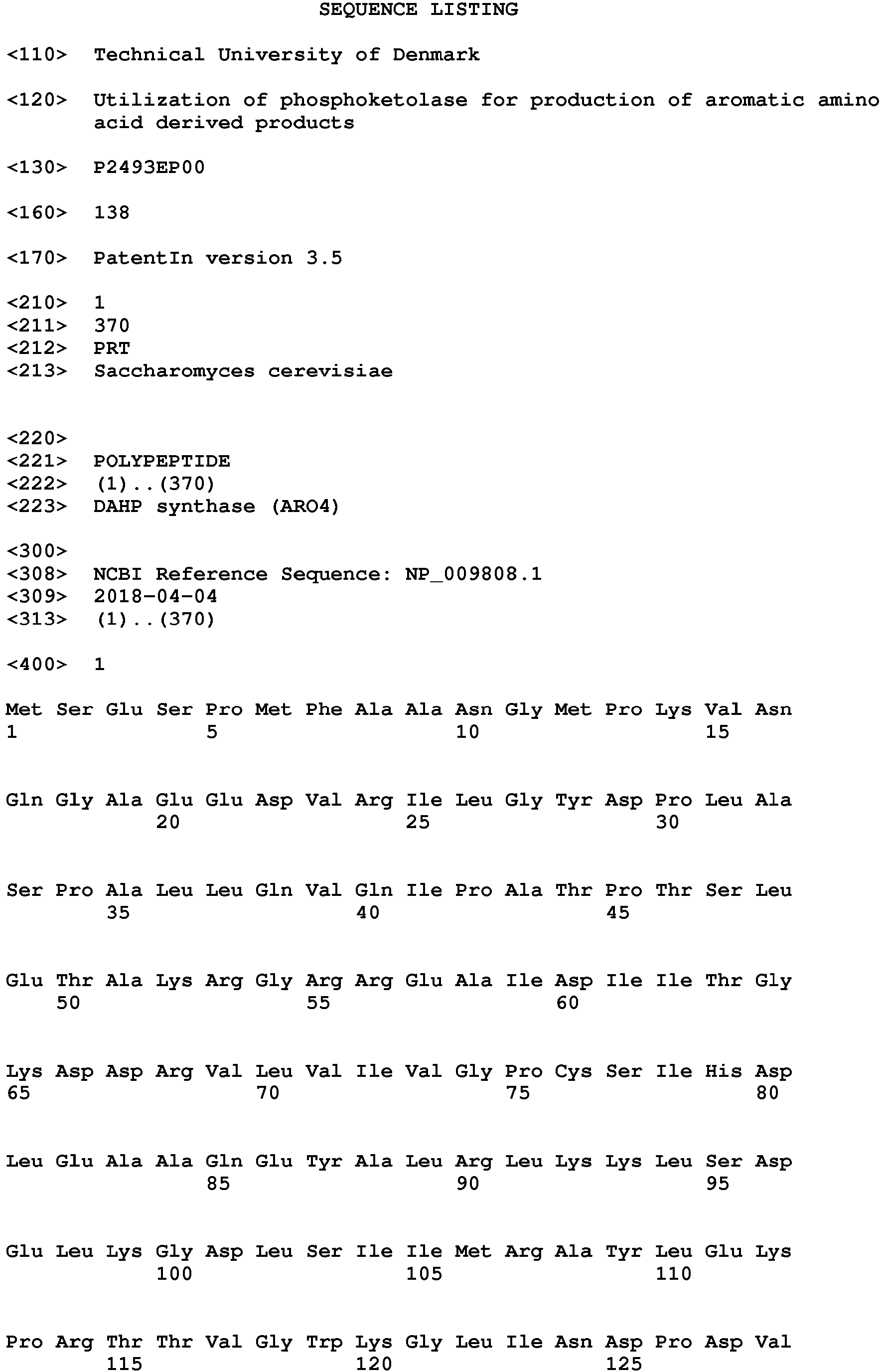


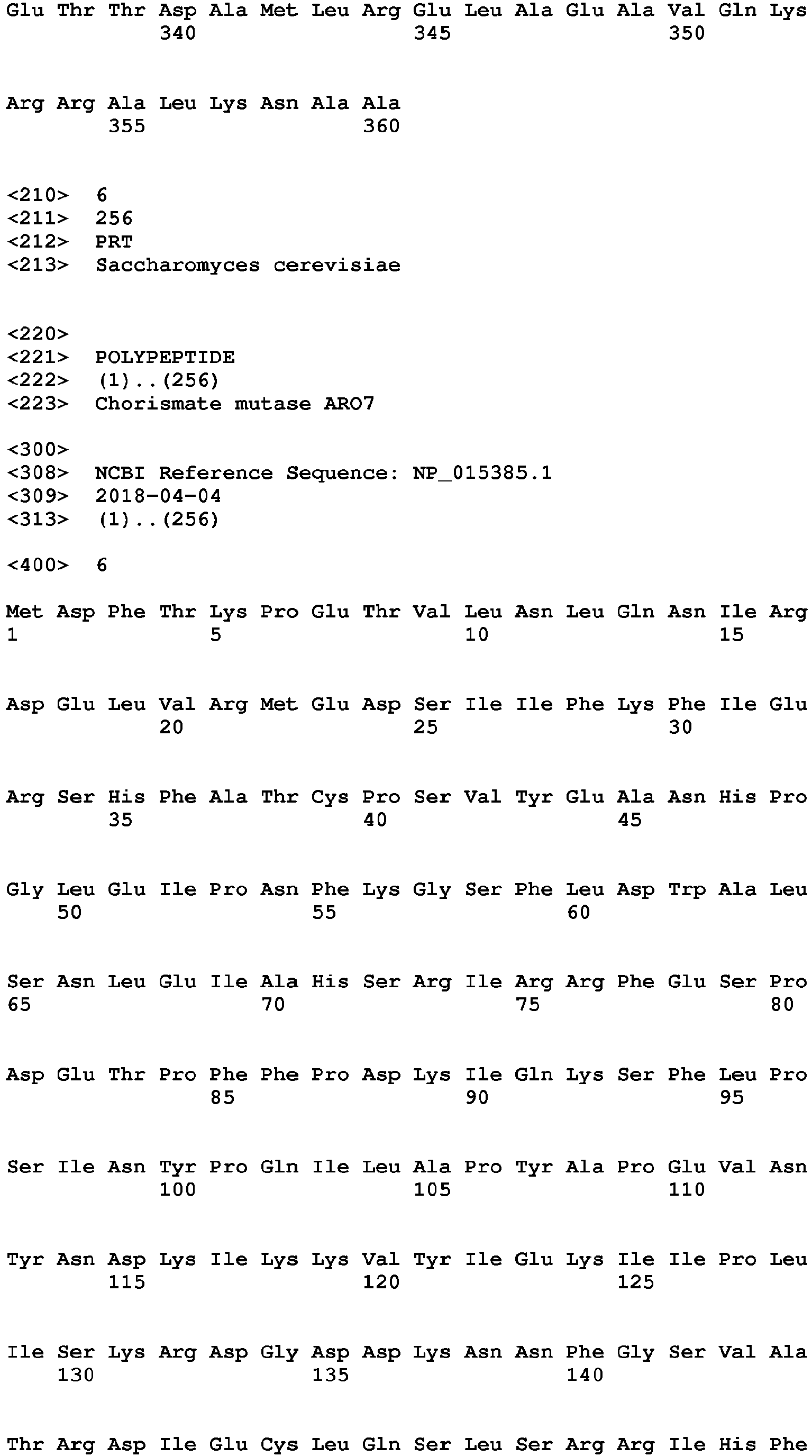


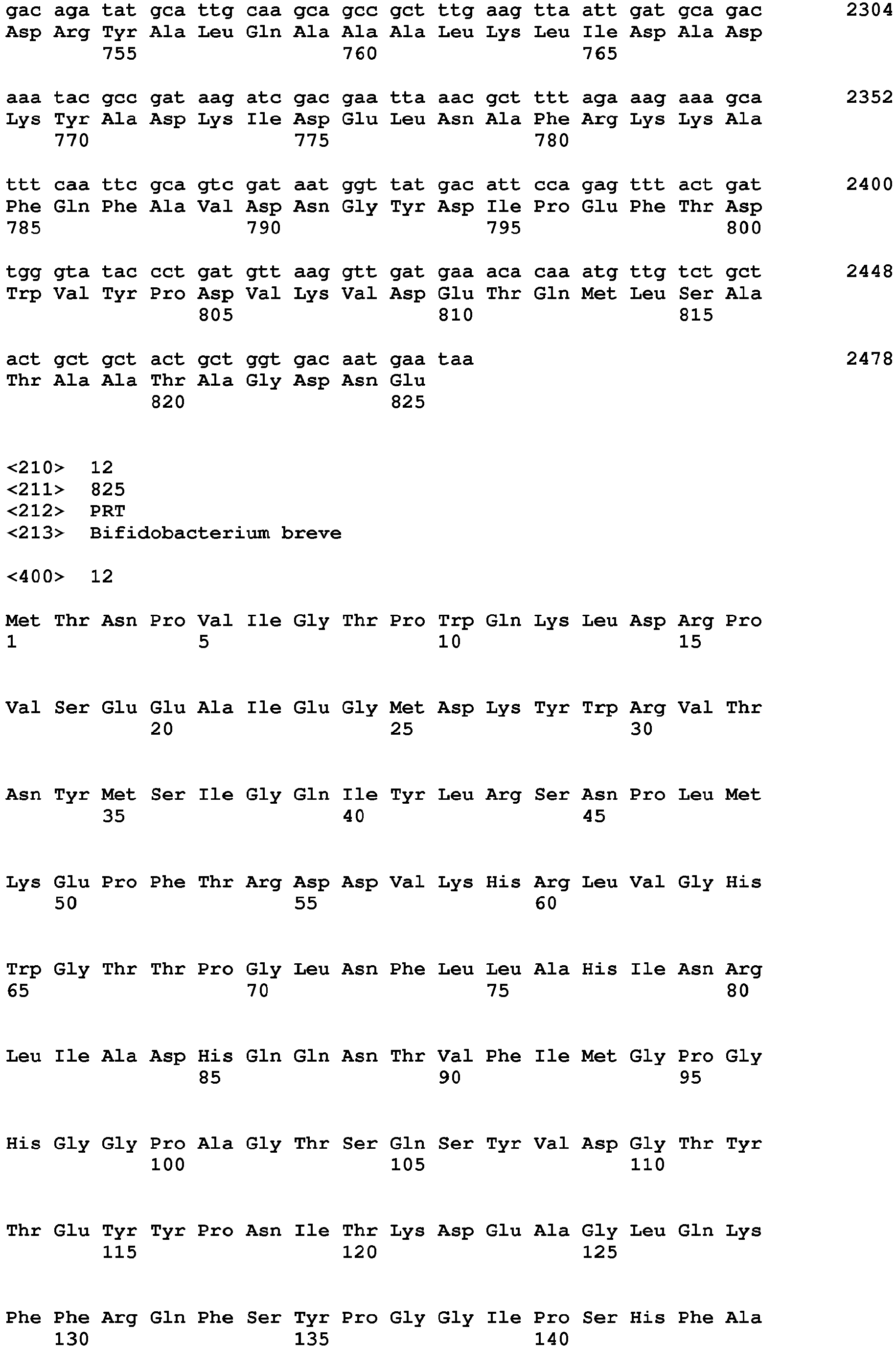


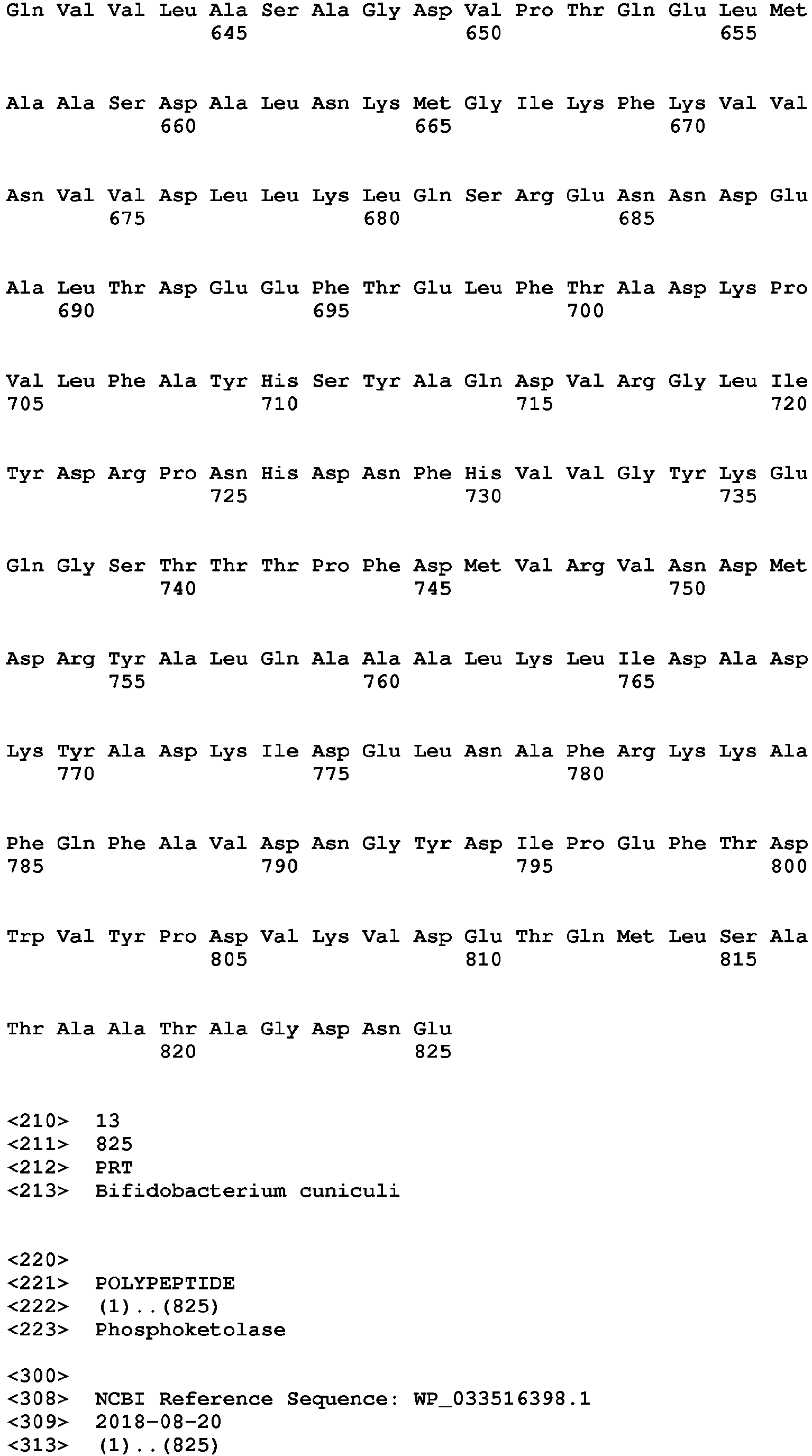


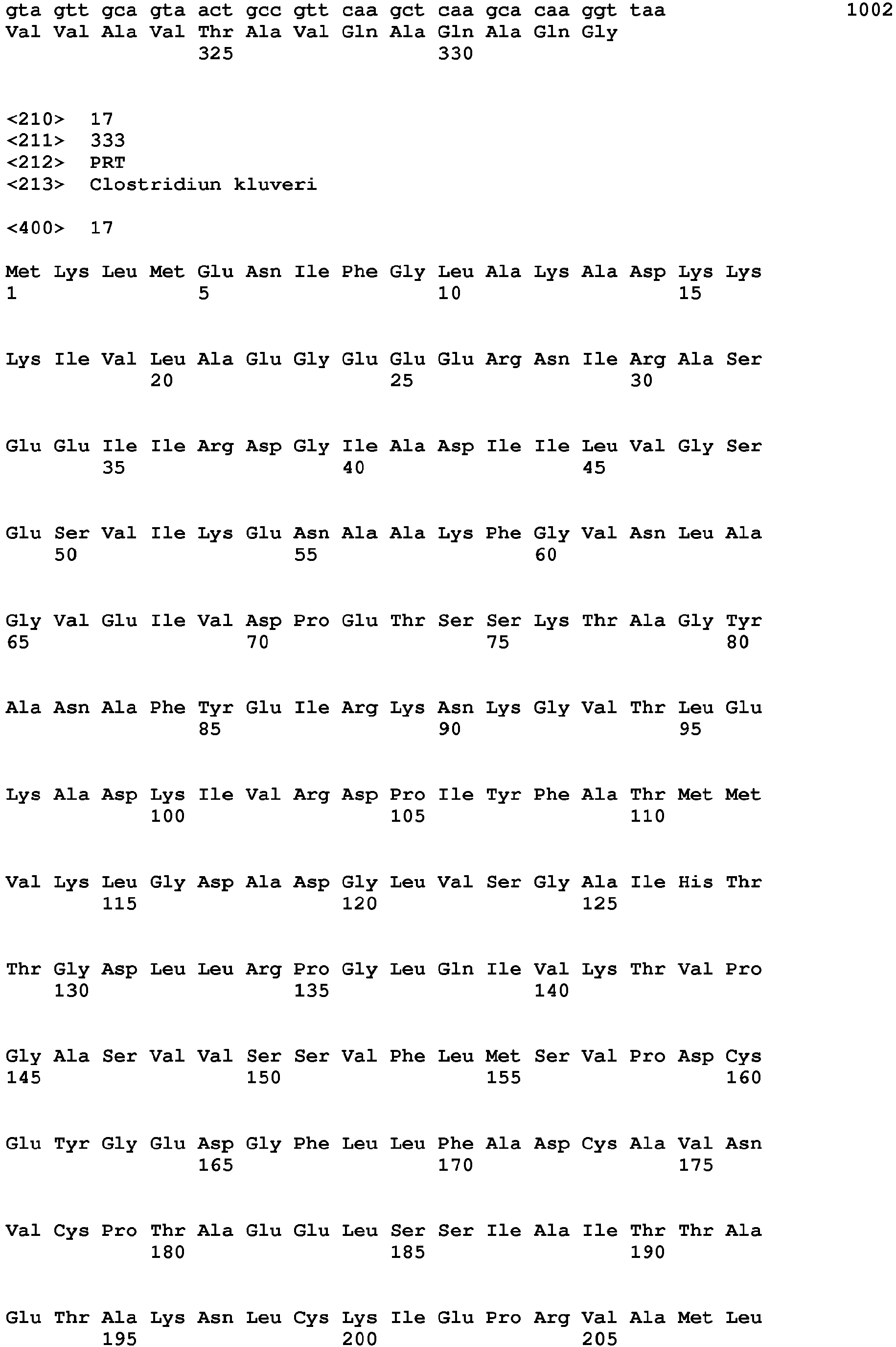


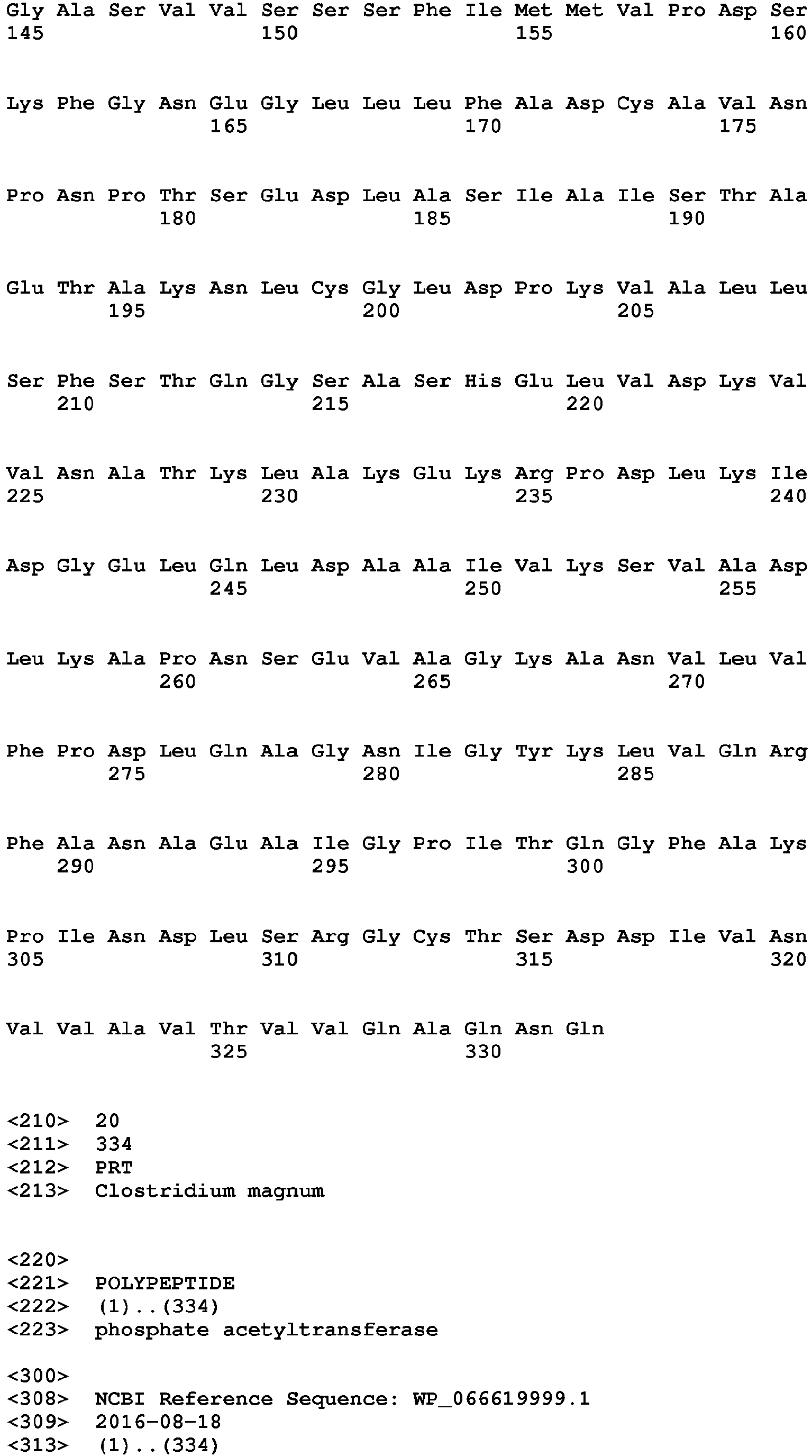


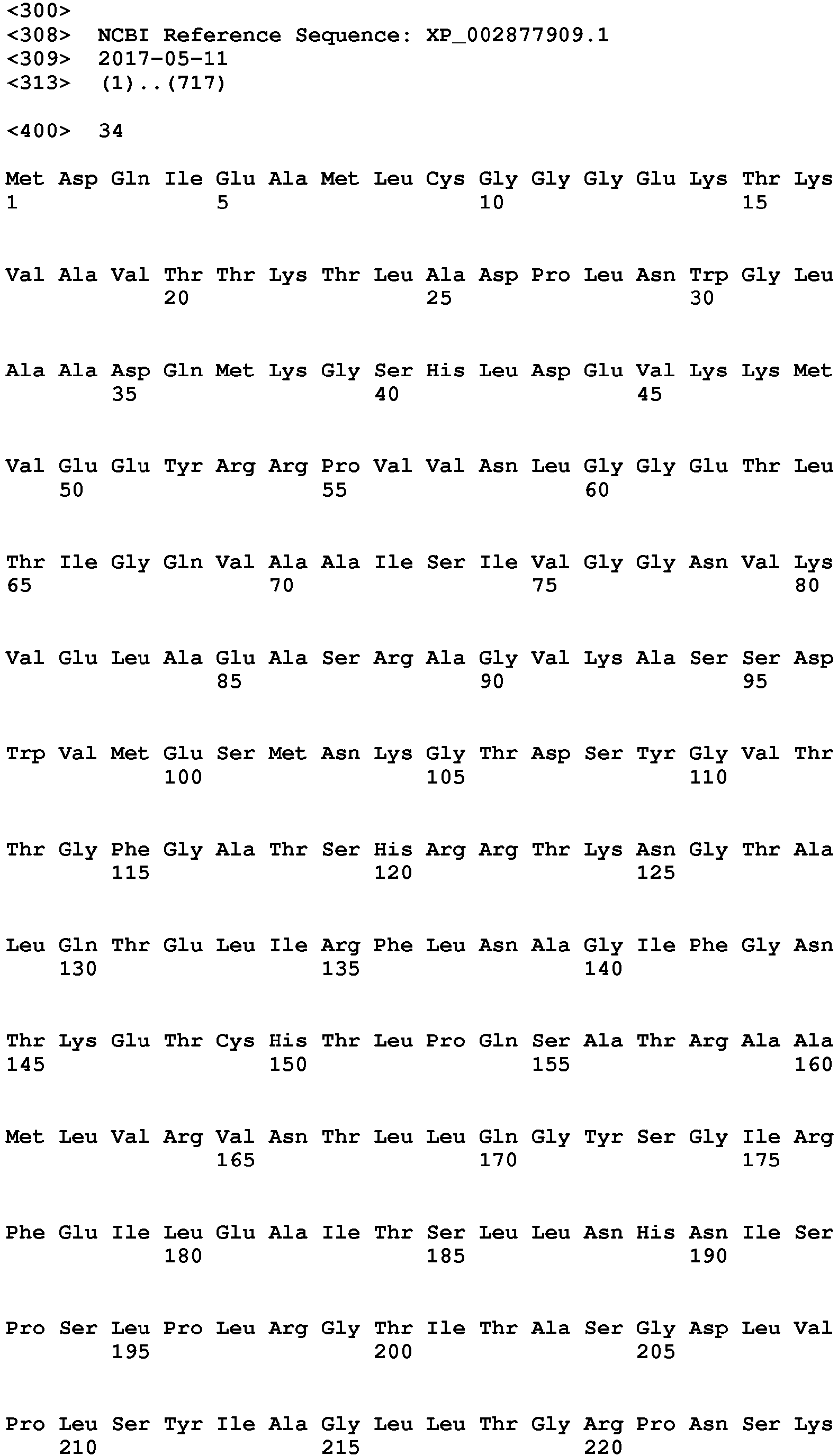


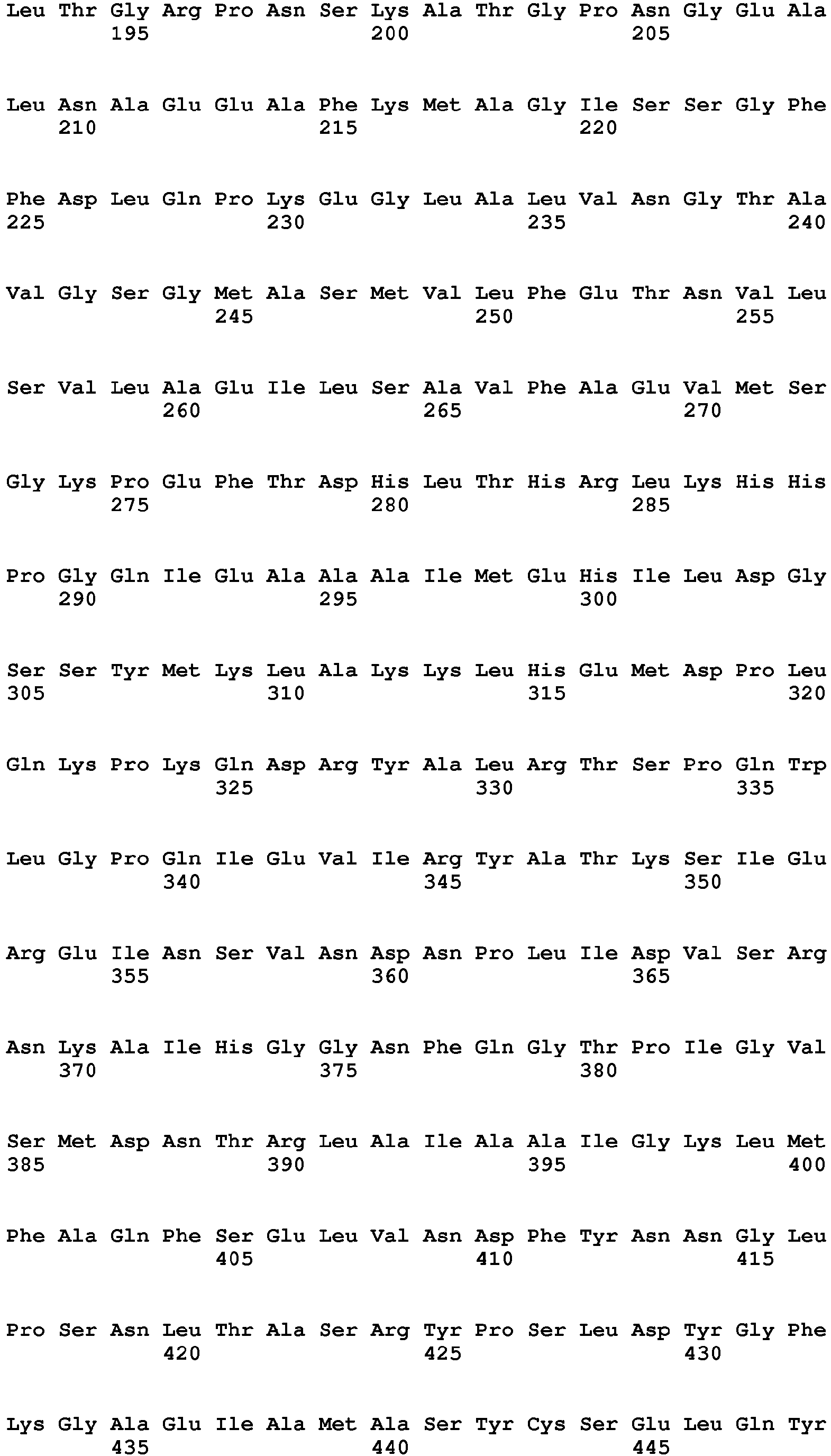


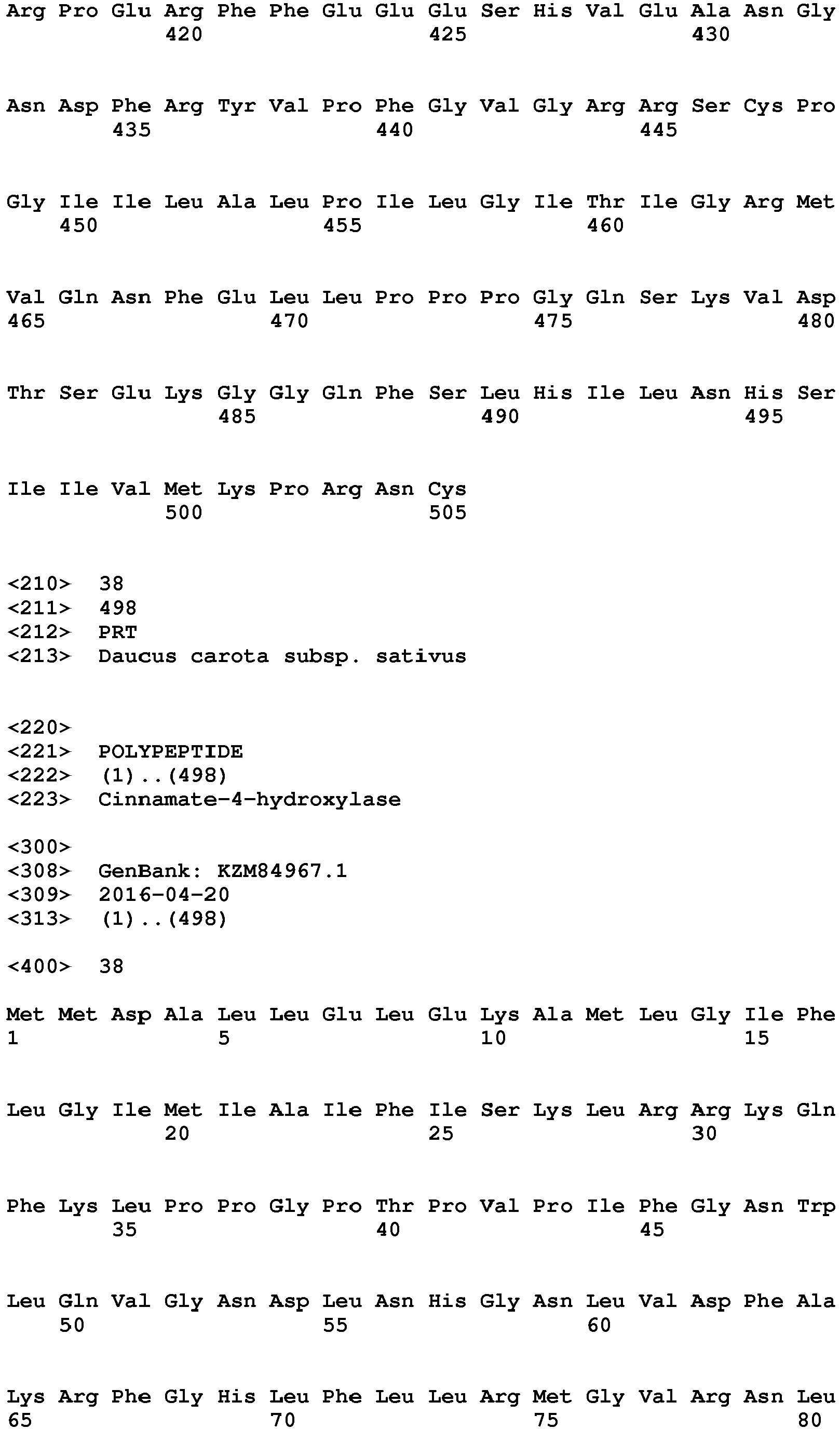


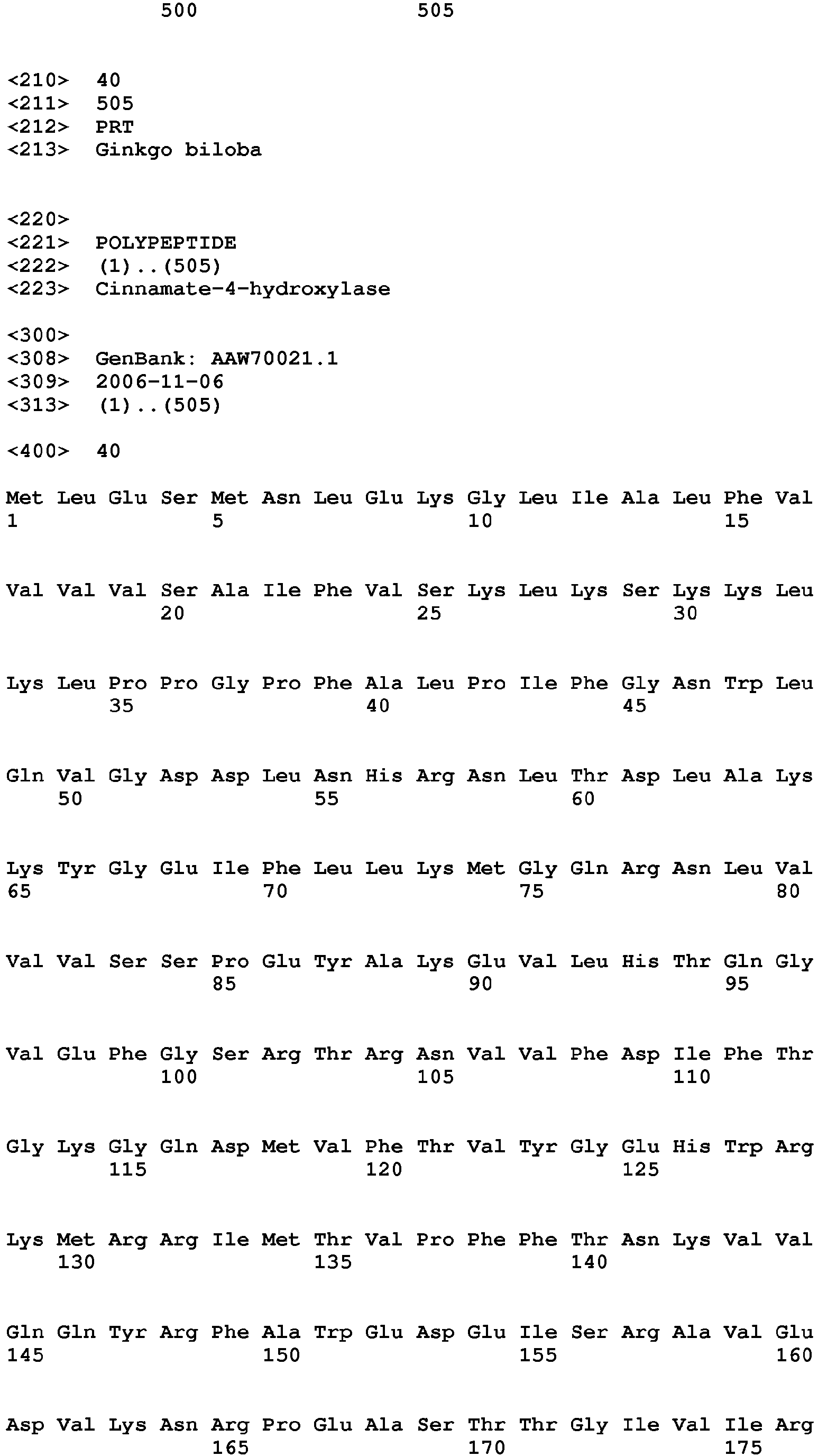


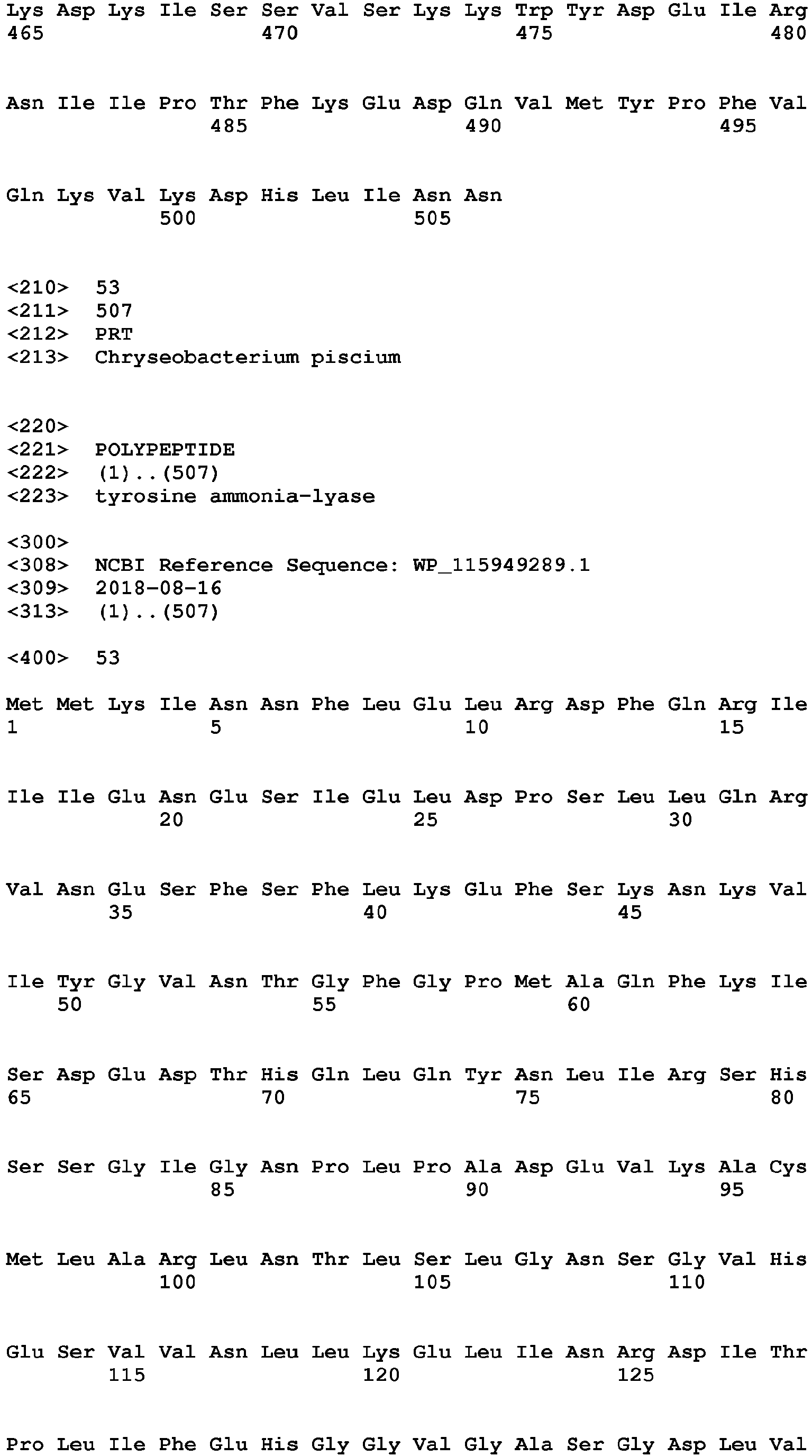

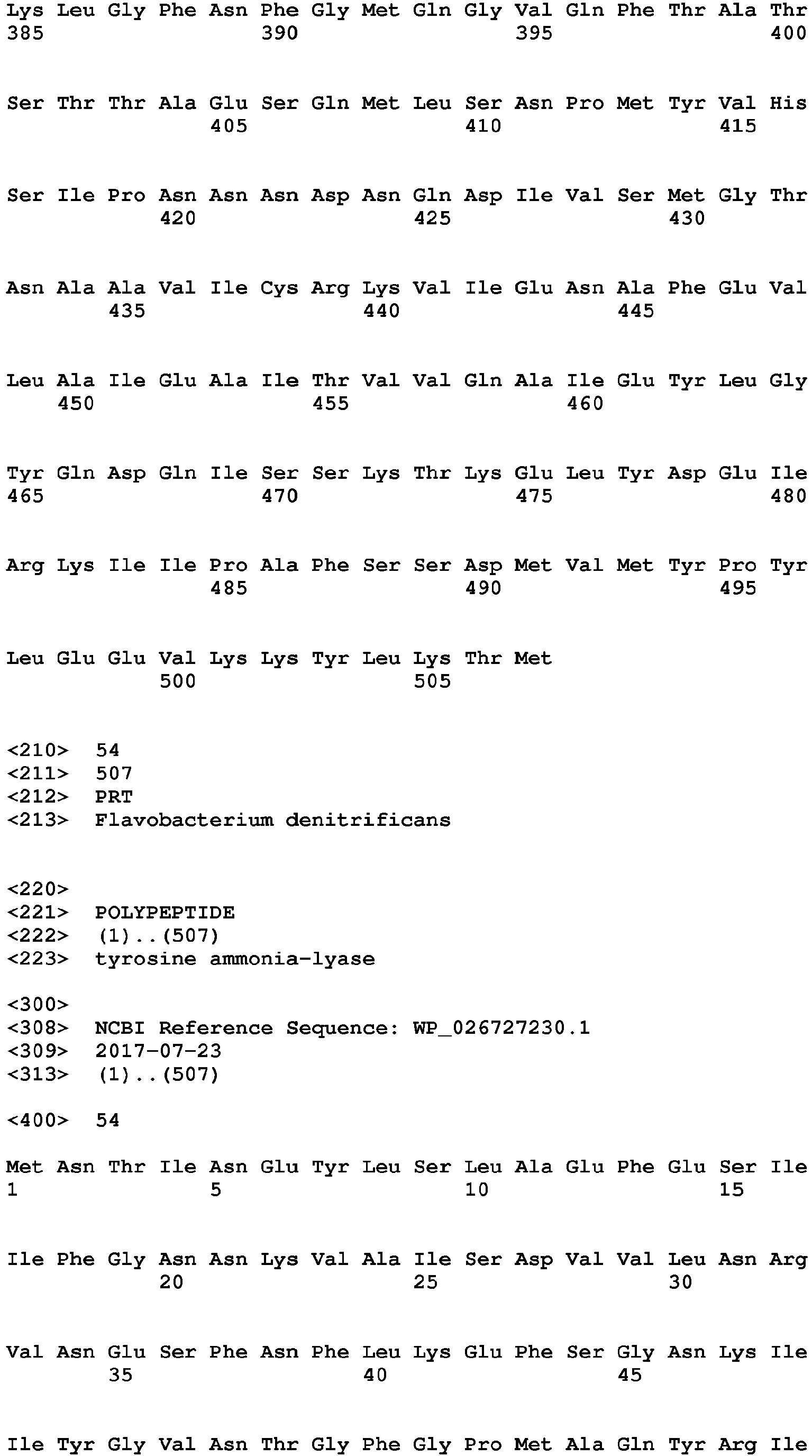


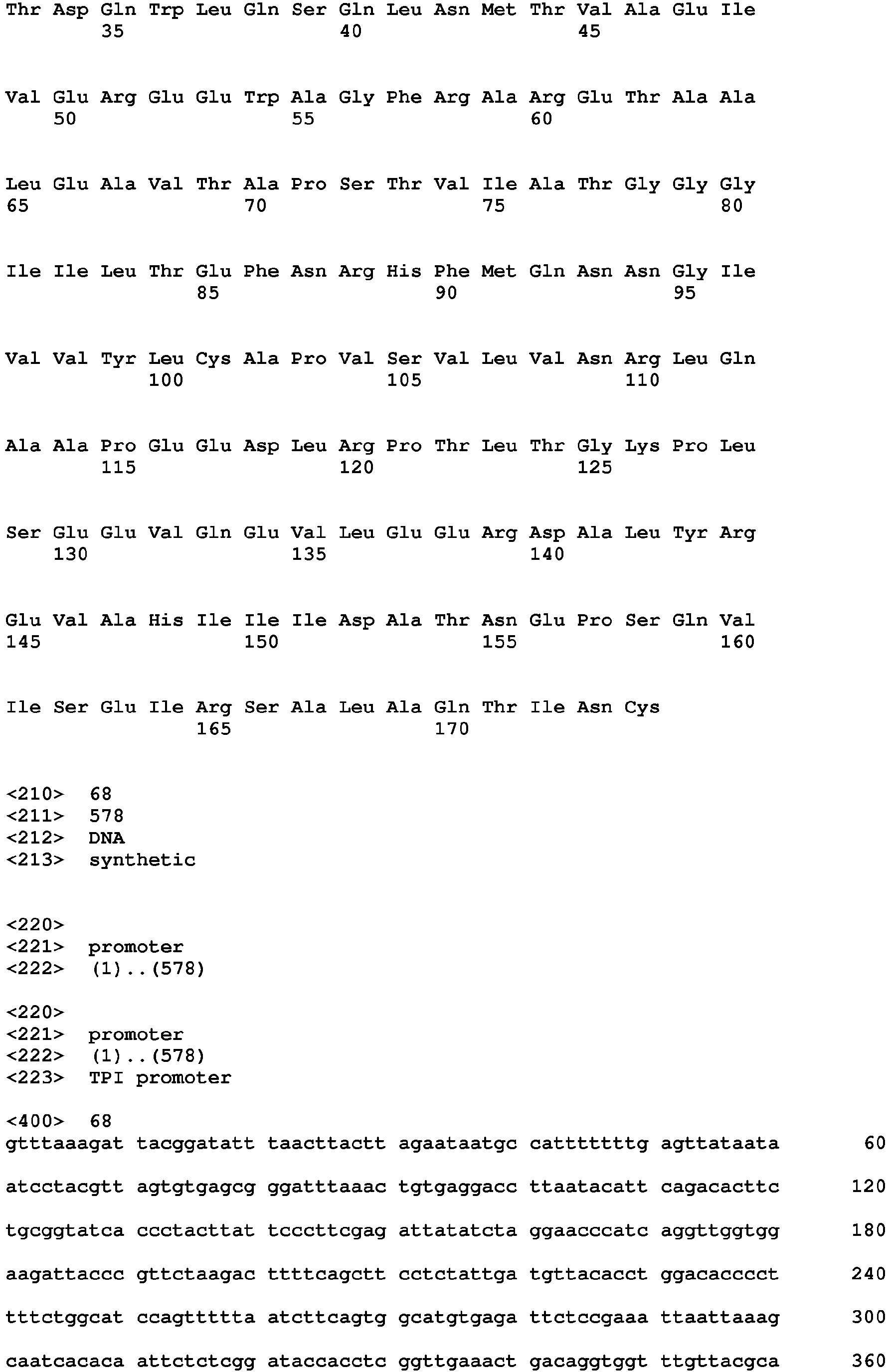


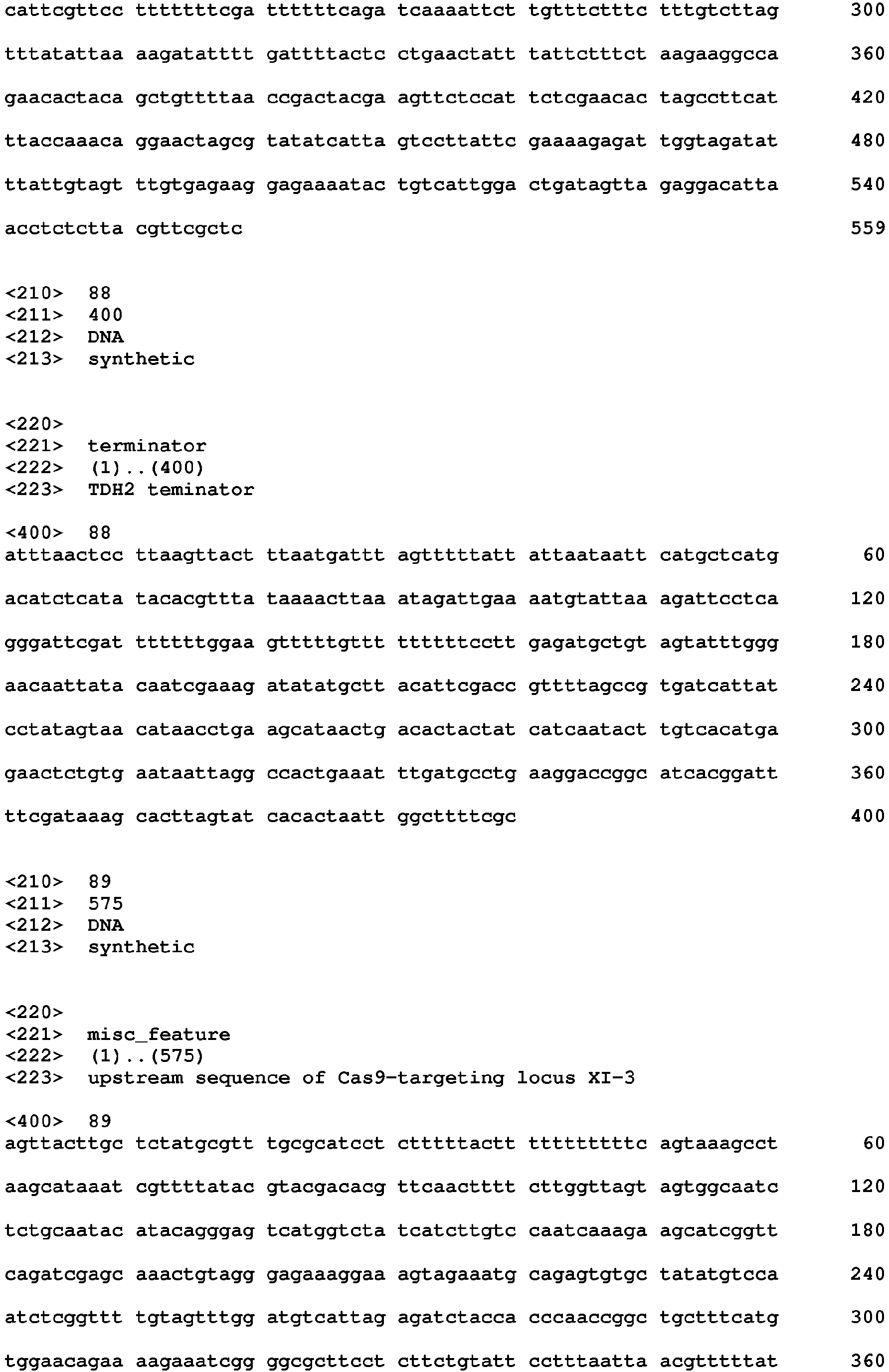


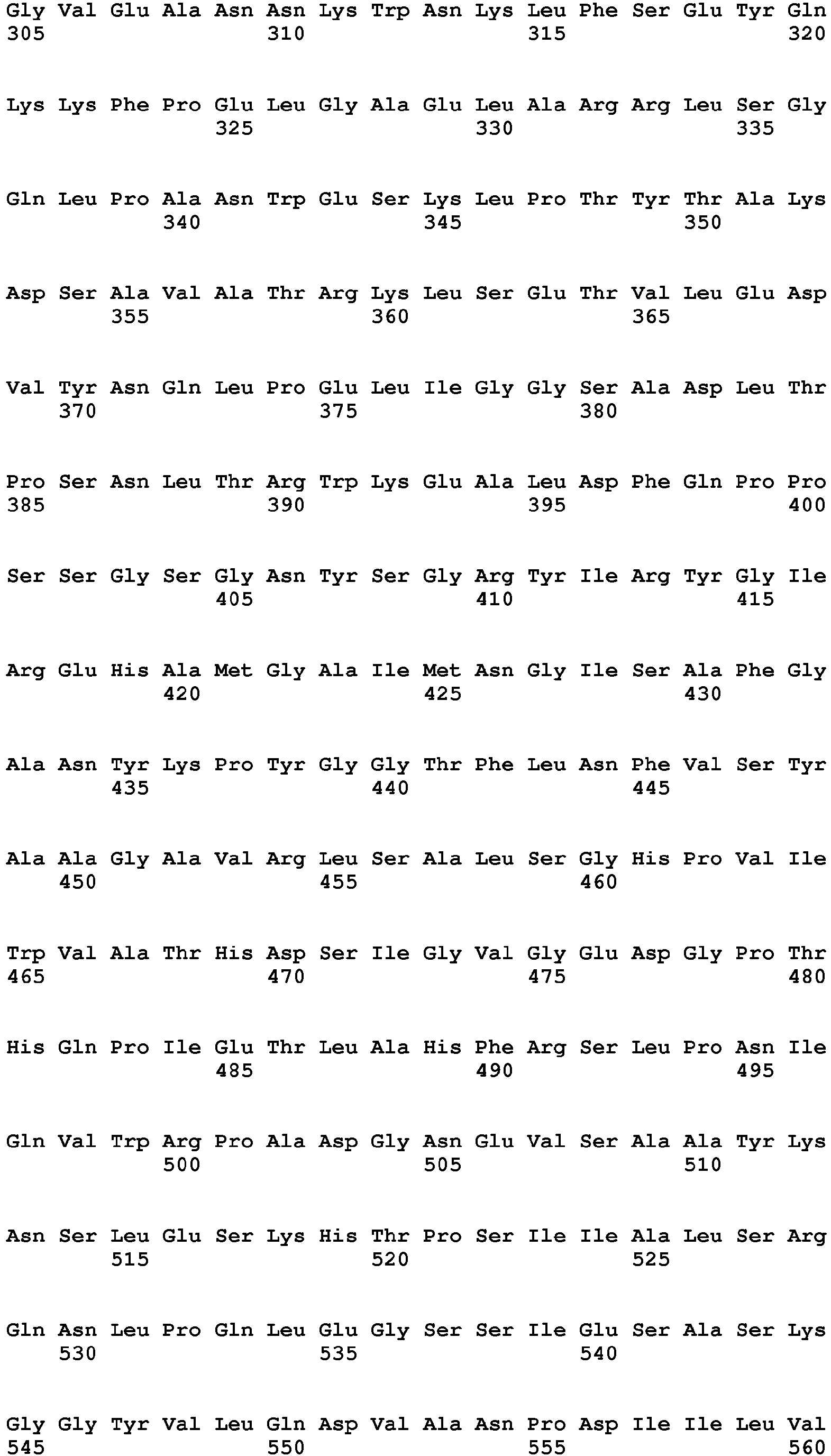

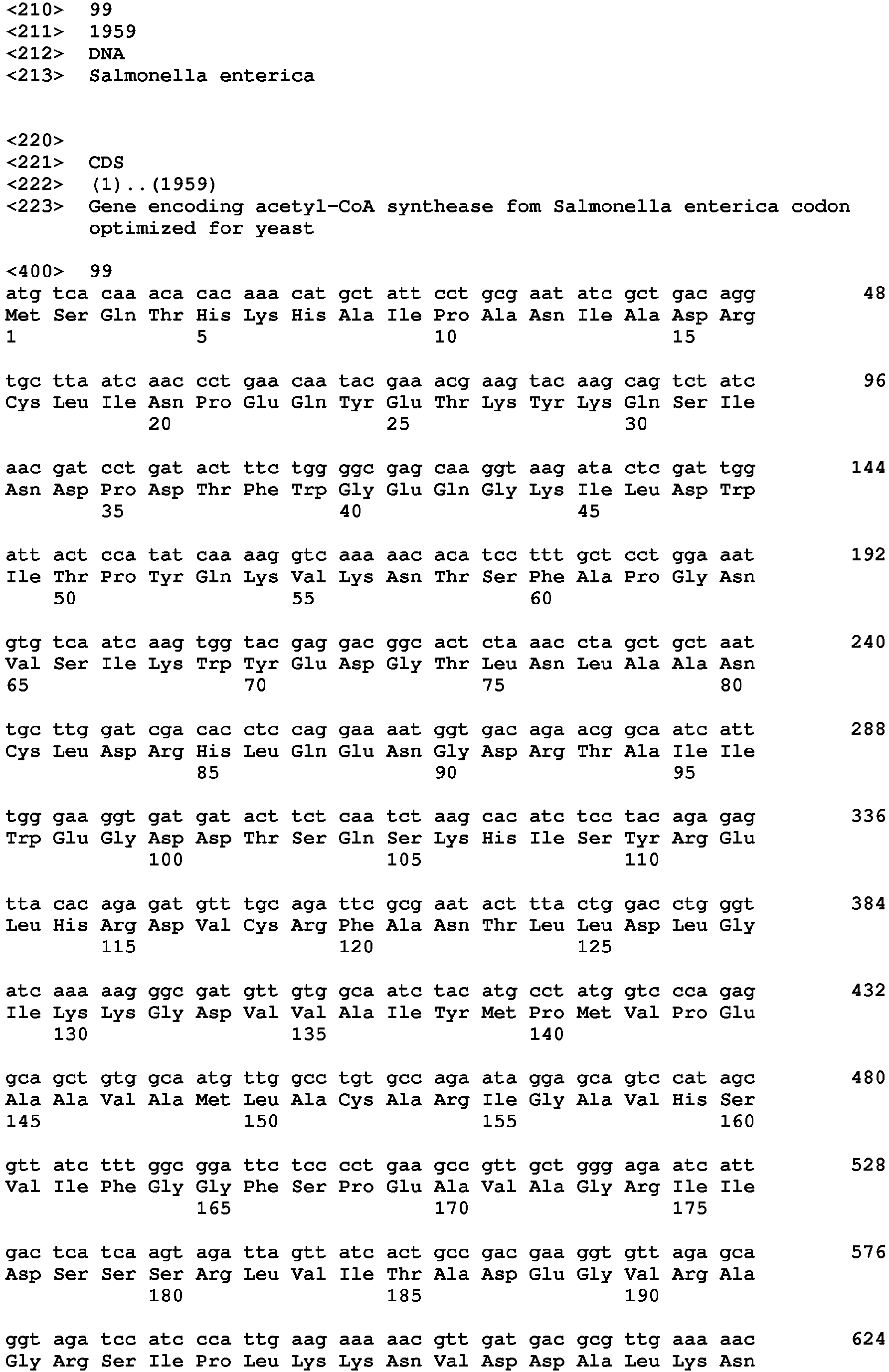


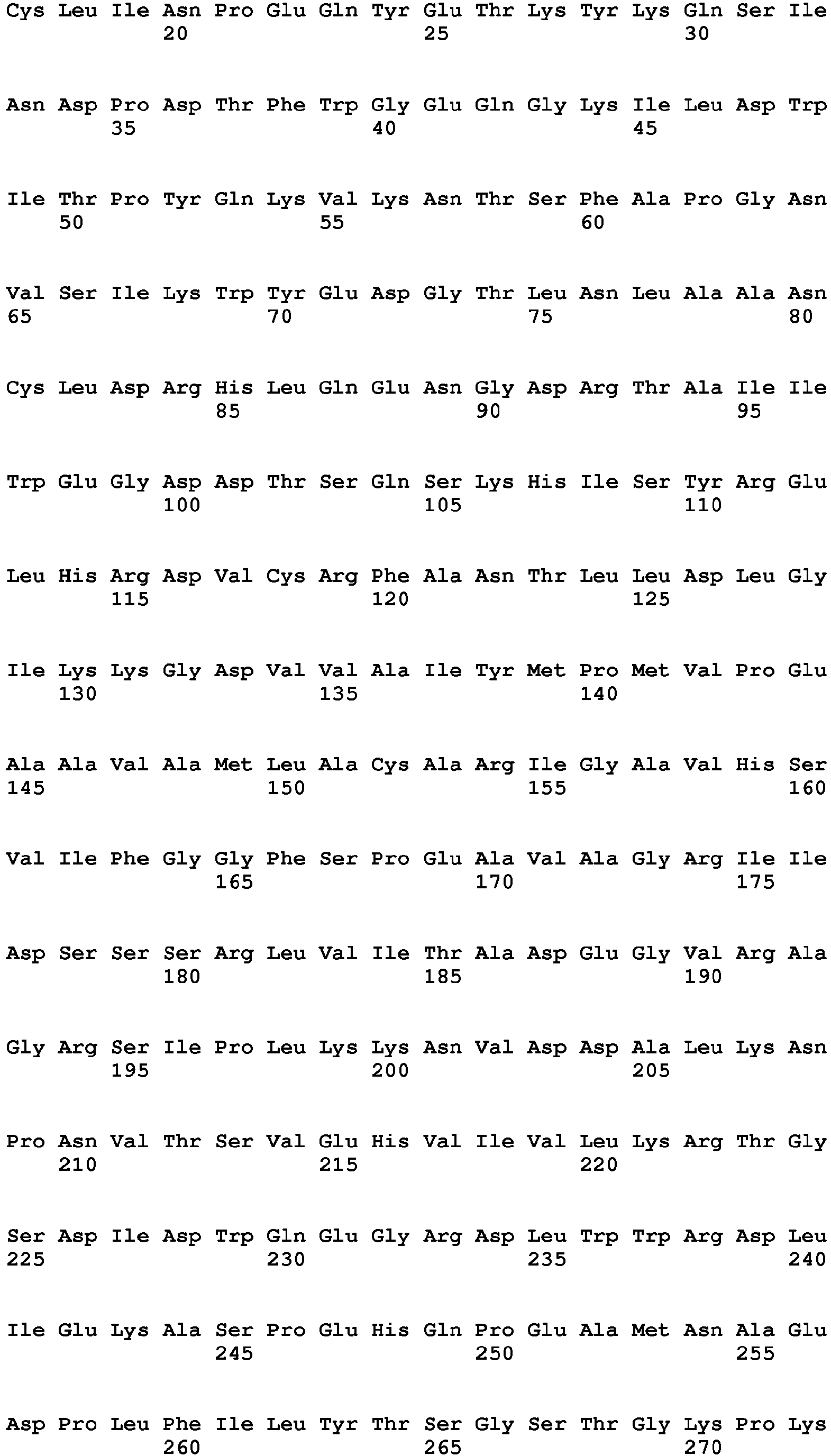


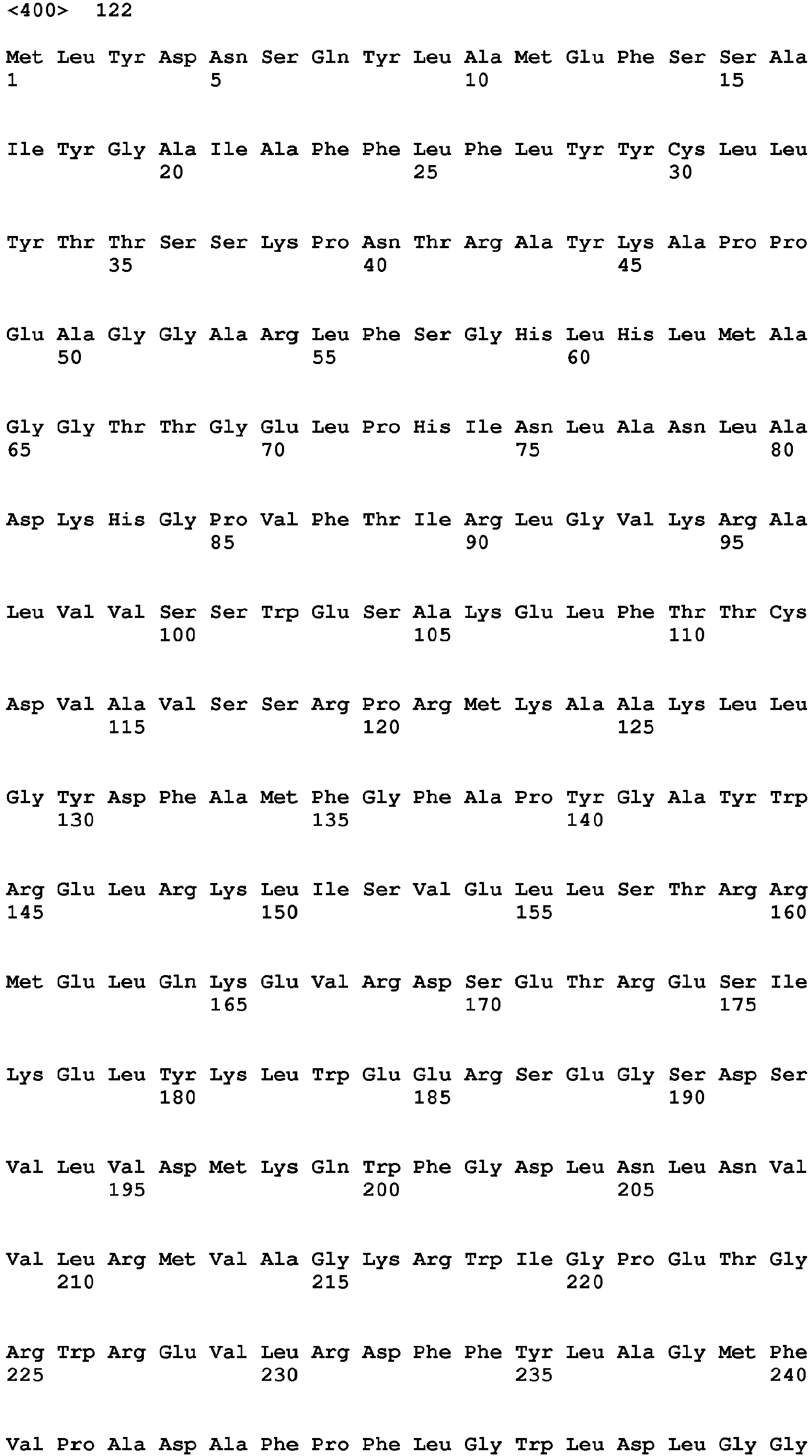


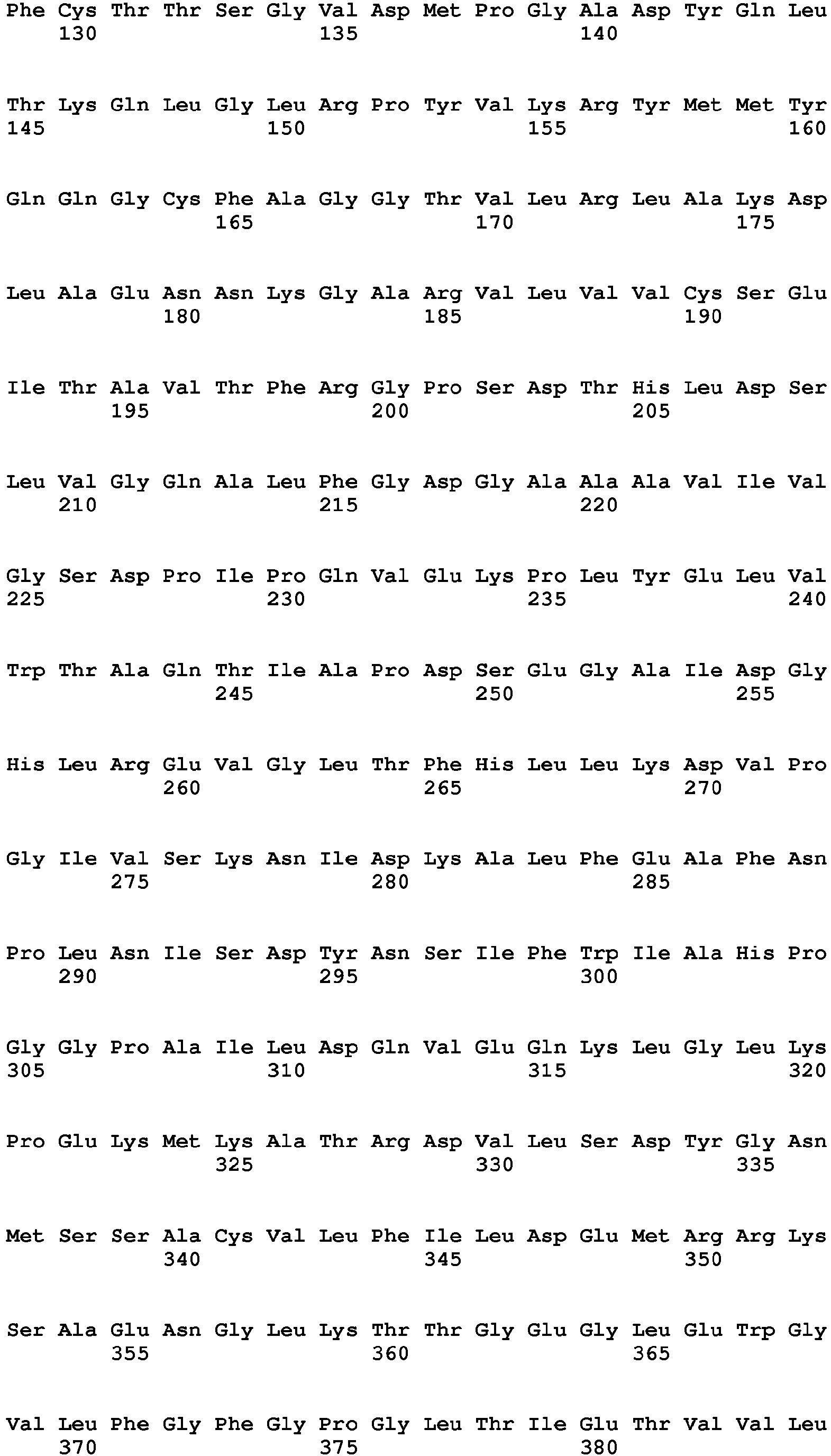


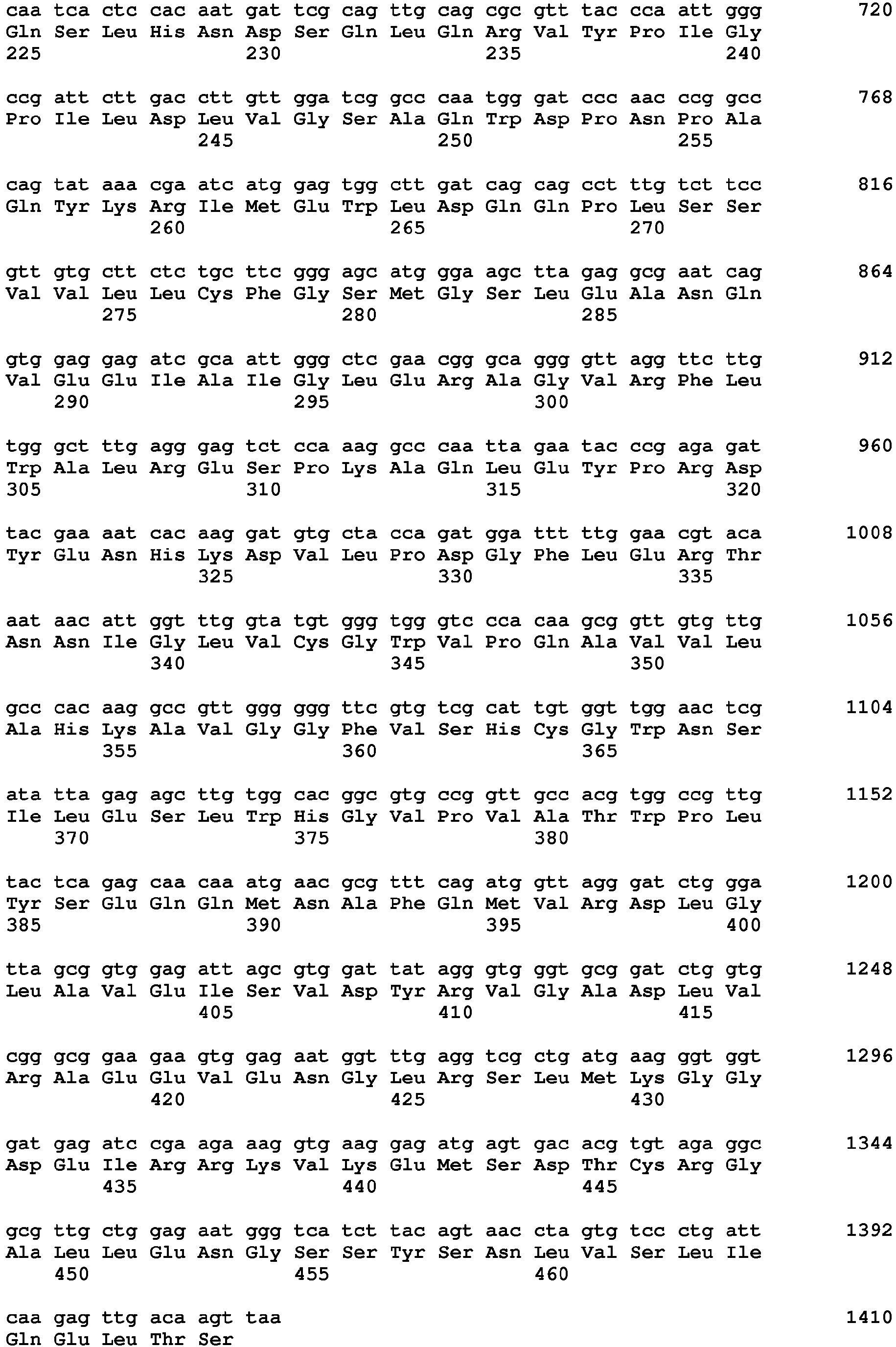

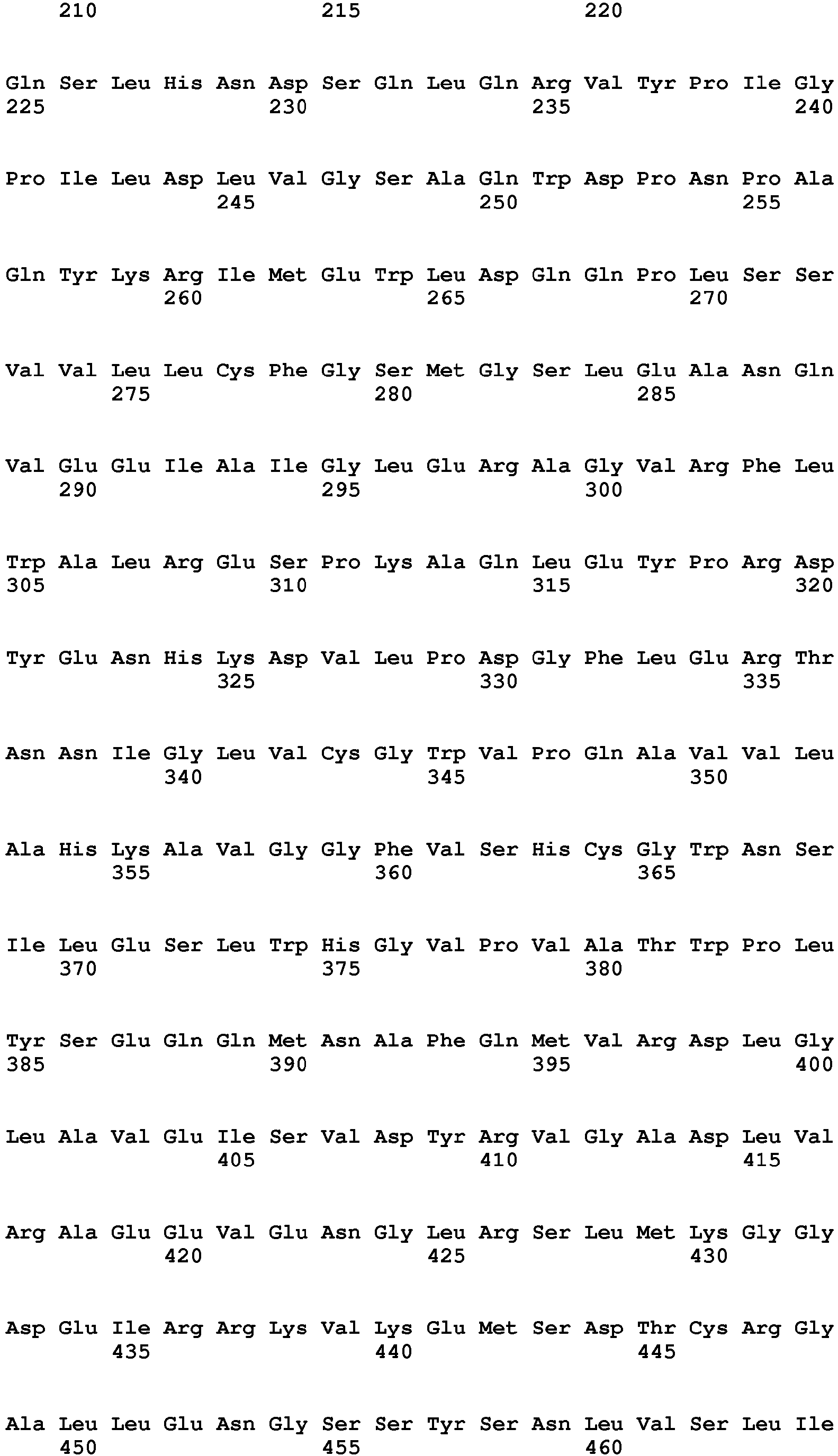

Claims (15)
- A genetically modified microorganism for enhanced production of aromatic amino acid derivatives, wherein said microorganism is capable of expressing enhanced levels ofa. 3-deoxy-D-arabino-heptulosonate-7-phosphate synthase activity (E.C.2.5.1.54) andb. chorismate mutase activity (E.C.5.4.99.5)compared to a parent microorganism from which said genetically modified microorganism was derived; and wherein said genetically modified microorganism comprises transgenes encoding polypeptides having enzymatic activity ofc. phosphoketolase (E.C. 4.1.2.22) andd. phosphate acetyltransferase (E.C.2.3.1.8);
- The genetically modified microorganism according to claim 1, wherein said genetically modified microorganism is further capable of expressing enhanced levels of prephenate dehydratase activity (E.C.4.2.1.51) compared to a parent microorganism from which said genetically modified microorganism was derived.
- The genetically modified microorganism according to claims 1 or 2, wherein one or more genes encoding a polypeptide having enzymatic activity of glycerol-3-phosphate phosphatase (E.C.3.1.3.21) are deleted in said genetically modified microorganism.
- The genetically modified microorganism according to any one of claims 1 to 3, wherein said genetically modified microorganism further comprises transgenes encoding polypeptides having enzymatic activity of phenylalanine ammonia-lyase (E.C.4.3.1.24) and cinnamate-4-hydroxylase (E.C.1.14.13.11).
- The genetically modified microorganism according to claim 4, wherein said genetically modified microorganism is further capable of expressing (i) enhanced amounts of electron transporter protein cytochrome b5 and (ii) enhanced levels of cytochrome P450 reductase activity (E.C.1.6.2.4), compared to a parent microorganism from which said genetically modified microorganism was derived.
- The genetically modified microorganism according to any one of claims 1 to 5, wherein one or more genes encoding polypeptides having phenylpyruvate decarboxylase (E.C.4.1.1.43) activity or pyruvate decarboxylase (E.C.4.1.1.1) activity are deleted in said genetically modified microorganism.
- The genetically modified microorganism according to any one of claims 1 to 6, wherein said genetically modified microorganism comprises a transgene encoding a polypeptide having feedback resistant 3-deoxy-D-arabino-heptulosonate-7-phosphate synthase activity.
- The genetically modified microorganism according to any one of claims 1 to 7, wherein said genetically modified microorganism comprises a transgene encoding a polypeptide having feedback resistant chorismate mutase activity.
- The genetically modified microorganism according to any one of claims 1 to 8, wherein the amino acid sequence of said polypeptide having phosphoketolase (E.C. 4.1.2.22) activity has at least 80% sequence identity to SEQ ID NO: 12; and wherein the amino acid sequence of said polypeptide having phosphate acetyltransferase (E.C.2.3.1.8) activity has at least 80% sequence identity to SEQ ID NO: 17.
- The genetically modified microorganism according to any one of claims 2 to 9, wherein said genetically modified microorganism expresses a transgene encoding a polypeptide having prephenate dehydratase activity, wherein said transgene has at least 80% sequence identity to SEQ ID NO: 22.
- The genetically modified microorganism according to any one of claims 1 to 10, wherein the microorganism is a species of Saccharomyces.
- Use of the genetically modified microorganism according to any one of claims 1-11 for the production of an aromatic amino acid derivative.
- The use according to claim 12, wherein said aromatic amino acid derivative is selected from the group comprising p-coumaric acid, baicalin, baicalein, wogonin, daidzein, and puerarin.
- A method for producing an aromatic amino acid derivative comprising the steps of:a. introducing a genetically modified microorganism according to any one of claims 1-13 into a growth medium to produce a culture;b. providing a substrate for the production of an aromatic amino acid derivative to said culture, and culturing said culture;c. recovering said aromatic amino acid derivative produced by said culture, and optionally purifying the recovered aromatic amino acid derivative.
- The method according to claim 14, wherein said aromatic amino acid derivative is selected from the group comprising p-coumaric acid, baicalin, baicalein, wogonin, daidzein, and puerarin.
Priority Applications (1)
| Application Number | Priority Date | Filing Date | Title |
|---|---|---|---|
| EP18207629.9A EP3656857A1 (en) | 2018-11-21 | 2018-11-21 | Utilization of phosphoketolase for production of aromatic amino acid derived products |
Applications Claiming Priority (1)
| Application Number | Priority Date | Filing Date | Title |
|---|---|---|---|
| EP18207629.9A EP3656857A1 (en) | 2018-11-21 | 2018-11-21 | Utilization of phosphoketolase for production of aromatic amino acid derived products |
Publications (1)
| Publication Number | Publication Date |
|---|---|
| EP3656857A1 true EP3656857A1 (en) | 2020-05-27 |
Family
ID=64426806
Family Applications (1)
| Application Number | Title | Priority Date | Filing Date |
|---|---|---|---|
| EP18207629.9A Withdrawn EP3656857A1 (en) | 2018-11-21 | 2018-11-21 | Utilization of phosphoketolase for production of aromatic amino acid derived products |
Country Status (1)
| Country | Link |
|---|---|
| EP (1) | EP3656857A1 (en) |
Cited By (4)
| Publication number | Priority date | Publication date | Assignee | Title |
|---|---|---|---|---|
| CN114317304A (en) * | 2021-12-21 | 2022-04-12 | 浙江工业大学 | Construction method and application of engineering strain for producing chlorogenic acid by saccharomyces cerevisiae |
| CN114763368A (en) * | 2021-01-14 | 2022-07-19 | 中国科学院大连化学物理研究所 | Direct photochemical method for halogenation modification of aromatic amino acid |
| CN116333900A (en) * | 2021-12-15 | 2023-06-27 | 中国科学院大连化学物理研究所 | A method for improving the supply of yeast strain NADPH and FADH2, engineering bacteria and application thereof |
| WO2023164985A1 (en) * | 2022-03-02 | 2023-09-07 | 中国科学院深圳先进技术研究院 | Genetically engineered bacterium for synthesizing p-coumaric acid and derivative thereof, method for constructing same and use thereof |
Citations (1)
| Publication number | Priority date | Publication date | Assignee | Title |
|---|---|---|---|---|
| WO2018203947A2 (en) * | 2017-02-06 | 2018-11-08 | Zymergen Inc. | Engineered biosynthetic pathways for production of tyramine by fermentation |
-
2018
- 2018-11-21 EP EP18207629.9A patent/EP3656857A1/en not_active Withdrawn
Patent Citations (1)
| Publication number | Priority date | Publication date | Assignee | Title |
|---|---|---|---|---|
| WO2018203947A2 (en) * | 2017-02-06 | 2018-11-08 | Zymergen Inc. | Engineered biosynthetic pathways for production of tyramine by fermentation |
Non-Patent Citations (10)
| Title |
|---|
| ANGELICA RODRIGUEZ ET AL: "Establishment of a yeast platform strain for production of p-coumaric acid through metabolic engineering of aromatic amino acid biosynthesis", METABOLIC ENGINEERING, vol. 31, 1 September 2015 (2015-09-01), US, pages 181 - 188, XP055338973, ISSN: 1096-7176, DOI: 10.1016/j.ymben.2015.08.003 * |
| BERGMAN ET AL.: "Functional expression and evaluation of heterologous phosphoketolases in Saccharomyces cerevisiae", AMB EXPRESS, vol. 6, 2016, pages 115 |
| FRANK KOOPMAN ET AL: "De novo production of the flavonoid naringenin in engineered Saccharomyces cerevisiae", MICROBIAL CELL FACTORIES,, vol. 11, no. 1, 8 December 2012 (2012-12-08), pages 155, XP021136156, ISSN: 1475-2859, DOI: 10.1186/1475-2859-11-155 * |
| GIETZ; WOODS: "Transformation of yeast by lithium acetate/single-stranded carrier DNA/polyethylene glycol method", METHODS ENZYMOL, vol. 350, 2002, pages 87 - 96, XP008068319 |
| LUTTIK M A H ET AL: "Alleviation of feedback inhibition in Saccharomyces cerevisiae aromatic amino acid biosynthesis: Quantification of metabolic impact", METABOLIC ENGINEERING, ACADEMIC PRESS, US, vol. 10, no. 3-4, 1 May 2008 (2008-05-01), pages 141 - 153, XP022715254, ISSN: 1096-7176, [retrieved on 20080220], DOI: 10.1016/J.YMBEN.2008.02.002 * |
| MANS ET AL.: "CRISPR/Cas9: a molecular Swiss army knife for simultaneous introduction of multiple genetic modifications in Saccharomyces cerevisiae", FEMS YEAST RES, vol. 15, no. 2, 2015, pages fov004, XP002762726 |
| MEADOWS ET AL.: "Rewriting yeast central carbon metabolism for industrial isoprenoid production", NATURE, vol. 537, no. 7622, 2016, pages 694 - 697 |
| RODRIGUEZ ET AL.: "Establishment of a yeast platform strain for production of p-coumaic acid through metabolic engineering of aromatic amino acid biosynthesis", METABOLIC ENGINEERING, vol. 31, 2015, pages 181 - 188, XP055338973, DOI: doi:10.1016/j.ymben.2015.08.003 |
| VERDUYN ET AL.: "Effect of benzoic acid on metabolic fluxes in yeasts: a continuous-culture study on the regulation of respiration and alcoholic fermentation", YEAST, vol. 8, no. 7, 1992, pages 501 - 517, XP008082716, DOI: doi:10.1002/yea.320080703 |
| ZHOU ET AL.: "Modular pathway engineering of diterpenoid synthases and the mevalonic acid pathway for miltiradiene production", J AM CHEM SOC., vol. 134, no. 6, 2012, pages 3234 - 3241, XP055058678, DOI: doi:10.1021/ja2114486 |
Cited By (6)
| Publication number | Priority date | Publication date | Assignee | Title |
|---|---|---|---|---|
| CN114763368A (en) * | 2021-01-14 | 2022-07-19 | 中国科学院大连化学物理研究所 | Direct photochemical method for halogenation modification of aromatic amino acid |
| CN114763368B (en) * | 2021-01-14 | 2024-03-12 | 中国科学院大连化学物理研究所 | A direct photochemical method for halogenation modification of aromatic amino acids |
| CN116333900A (en) * | 2021-12-15 | 2023-06-27 | 中国科学院大连化学物理研究所 | A method for improving the supply of yeast strain NADPH and FADH2, engineering bacteria and application thereof |
| CN114317304A (en) * | 2021-12-21 | 2022-04-12 | 浙江工业大学 | Construction method and application of engineering strain for producing chlorogenic acid by saccharomyces cerevisiae |
| CN114317304B (en) * | 2021-12-21 | 2024-03-15 | 浙江工业大学 | Construction method and application of chlorogenic acid-producing engineering strain of Saccharomyces cerevisiae |
| WO2023164985A1 (en) * | 2022-03-02 | 2023-09-07 | 中国科学院深圳先进技术研究院 | Genetically engineered bacterium for synthesizing p-coumaric acid and derivative thereof, method for constructing same and use thereof |
Similar Documents
| Publication | Publication Date | Title |
|---|---|---|
| US10392635B2 (en) | Production of tetrahydrocannabinolic acid in yeast | |
| JP5528108B2 (en) | Metabolically modified cells for producing pinosylvin | |
| EP3475417B1 (en) | Compositions and methods for making benzylisoquinoline alkaloids, morphinan alkaloids, thebaine, and derivatives thereof | |
| US20240409976A1 (en) | Method for the biosynthesis of diosmin and/or hesperidin in a microorganism | |
| JP6099623B2 (en) | Host cells and methods for isobutanol production | |
| US20080286844A1 (en) | Metabolically Engineered Cells for the Production of Resveratrol or an Oligomeric or Glycosidically-Bound Derivative Thereof | |
| US12188067B2 (en) | Method for biosynthesising diosmetin and/or hesperetin in a microorganism | |
| US10954534B2 (en) | Production of cannabigerolic acid in yeast | |
| Jiang et al. | Raising the production of phloretin by alleviation of by-product of chalcone synthase in the engineered yeast | |
| EP4516900A1 (en) | Nerolidol synthase and use thereof | |
| US12460239B2 (en) | UDP-glycosyltransferase variants and uses thereof | |
| US11293038B2 (en) | Production of cannabinoids in yeast | |
| US20150291986A1 (en) | Itaconic acid and itaconate methylester production | |
| JP7487099B2 (en) | Pea (Pisum sativum) kaurene oxidase for highly efficient production of rebaudioside | |
| CN110869503A (en) | Methionine producing yeast | |
| SG11202111698SA (en) | Kaurenoic acid 13-hydroxylase (kah) variants and uses thereof | |
| WO2020165178A1 (en) | Method for biosynthesising eriodictyol and/or luteolin in a yeast | |
| CN114317304B (en) | Construction method and application of chlorogenic acid-producing engineering strain of Saccharomyces cerevisiae | |
| US20250019727A1 (en) | Method for the biosynthesis of caffeic acid and ferulic acid | |
| WO2013061571A1 (en) | Method for producing isobutanol and recombinant microorganism capable of producing isobutanol | |
| SG11202107656TA (en) | Abc transporters for the high efficiency production of rebaudiosides | |
| KR101351989B1 (en) | Method for Preparing Yeast Producing 2,3-butanediol | |
| CN121005671A (en) | A recombinant engineered bacterium for producing pyranone derivatives, its construction method and application | |
| CN121343789A (en) | A genetically engineered bacterium for producing (-)-limonene, (-)-carvacrol and (-)-carvone and its applications | |
| JP2023007916A (en) | Method for producing yeast body containing pyridoxal phosphate |
Legal Events
| Date | Code | Title | Description |
|---|---|---|---|
| PUAI | Public reference made under article 153(3) epc to a published international application that has entered the european phase |
Free format text: ORIGINAL CODE: 0009012 |
|
| STAA | Information on the status of an ep patent application or granted ep patent |
Free format text: STATUS: THE APPLICATION HAS BEEN PUBLISHED |
|
| AK | Designated contracting states |
Kind code of ref document: A1 Designated state(s): AL AT BE BG CH CY CZ DE DK EE ES FI FR GB GR HR HU IE IS IT LI LT LU LV MC MK MT NL NO PL PT RO RS SE SI SK SM TR |
|
| AX | Request for extension of the european patent |
Extension state: BA ME |
|
| STAA | Information on the status of an ep patent application or granted ep patent |
Free format text: STATUS: THE APPLICATION IS DEEMED TO BE WITHDRAWN |
|
| 18D | Application deemed to be withdrawn |
Effective date: 20201128 |