EP3654224A1 - Aircraft integrated modular avionics inter-partition communications simulation modeling language extension - Google Patents
Aircraft integrated modular avionics inter-partition communications simulation modeling language extension Download PDFInfo
- Publication number
- EP3654224A1 EP3654224A1 EP19208609.8A EP19208609A EP3654224A1 EP 3654224 A1 EP3654224 A1 EP 3654224A1 EP 19208609 A EP19208609 A EP 19208609A EP 3654224 A1 EP3654224 A1 EP 3654224A1
- Authority
- EP
- European Patent Office
- Prior art keywords
- simulation model
- simulation
- extension
- partitions
- software
- Prior art date
- Legal status (The legal status is an assumption and is not a legal conclusion. Google has not performed a legal analysis and makes no representation as to the accuracy of the status listed.)
- Granted
Links
Images

Classifications
-
- B—PERFORMING OPERATIONS; TRANSPORTING
- B64—AIRCRAFT; AVIATION; COSMONAUTICS
- B64F—GROUND OR AIRCRAFT-CARRIER-DECK INSTALLATIONS SPECIALLY ADAPTED FOR USE IN CONNECTION WITH AIRCRAFT; DESIGNING, MANUFACTURING, ASSEMBLING, CLEANING, MAINTAINING OR REPAIRING AIRCRAFT, NOT OTHERWISE PROVIDED FOR; HANDLING, TRANSPORTING, TESTING OR INSPECTING AIRCRAFT COMPONENTS, NOT OTHERWISE PROVIDED FOR
- B64F5/00—Designing, manufacturing, assembling, cleaning, maintaining or repairing aircraft, not otherwise provided for; Handling, transporting, testing or inspecting aircraft components, not otherwise provided for
-
- G—PHYSICS
- G06—COMPUTING OR CALCULATING; COUNTING
- G06F—ELECTRIC DIGITAL DATA PROCESSING
- G06F30/00—Computer-aided design [CAD]
- G06F30/10—Geometric CAD
- G06F30/15—Vehicle, aircraft or watercraft design
-
- G—PHYSICS
- G06—COMPUTING OR CALCULATING; COUNTING
- G06F—ELECTRIC DIGITAL DATA PROCESSING
- G06F30/00—Computer-aided design [CAD]
- G06F30/20—Design optimisation, verification or simulation
-
- G—PHYSICS
- G06—COMPUTING OR CALCULATING; COUNTING
- G06F—ELECTRIC DIGITAL DATA PROCESSING
- G06F30/00—Computer-aided design [CAD]
- G06F30/30—Circuit design
- G06F30/32—Circuit design at the digital level
- G06F30/33—Design verification, e.g. functional simulation or model checking
- G06F30/3308—Design verification, e.g. functional simulation or model checking using simulation
Definitions
- Exemplary embodiments pertain to communications between aircraft systems and more particularly to inter-partition communications simulation modeling language extension for aircraft systems simulations.
- the system includes a processor communicatively coupled to a memory, the processor configured to define, by a modeling language, a simulation model, define a simulation model extension, the simulation model extension comprising at least one sampling port communication module and at least one queueing port communication module, and add the simulation model extension to the simulation model.
- further embodiments may include that the processor is further configured to run a simulation using the simulation model extension and the simulation model.
- simulation model comprises a model in the loop (MIL) simulation.
- simulation model comprises a software in the loop (SIL) simulation.
- simulation model comprises a plurality of partitions.
- further embodiments may include that the plurality of partitions comprise function specific modules.
- further embodiments may include that the simulation model extension can be accessed by each of the plurality of partitions.
- further embodiments may include that the plurality of partitions access the simulation model extension by subscribing to the at least one sampling port.
- further embodiments may include that the plurality of partitions access the simulation model extension by subscribing to the at least one queueing port.
- further embodiments may include that the processor is further configured to cause at least one component of the system to be manufactured based at least in part on one or more results of the simulation.
- the method includes defining, by a modeling language, a simulation model, defining a simulation model extension, the simulation model extension comprising at least one sampling port communication module and at least one queueing port communication module, and adding the simulation model extension to the simulation model.
- further embodiments of the method may include running a simulation using the simulation model extension and the simulation model.
- further embodiments of the method may include that the simulation model comprises a model in the loop (MIL) simulation.
- MIL model in the loop
- further embodiments of the method may include that the simulation model comprises a software in the loop (SIL) simulation.
- SIL software in the loop
- further embodiments of the method may include that the simulation model comprises a plurality of partitions.
- further embodiments of the method may include that the plurality of partitions comprise functional specific modules.
- further embodiments of the method may include that the simulation model extension can be accessed by each of the plurality of partitions.
- further embodiments of the method may include that the plurality of partitions access the simulation model extension by subscribing to the at least one sampling port.
- further embodiments of the method may include causing at least one component of the system to be manufactured based at least in part on one or more results of the simulation.
- processors 21a, 21b, 21c, etc. collectively or generically referred to as processor(s) 21.
- processors 21 may include a reduced instruction set computer (RISC) microprocessor.
- RISC reduced instruction set computer
- processors 21 are coupled to system memory 34 (RAM) and various other components via a system bus 33.
- RAM system memory
- ROM Read only memory
- BIOS basic input/output system
- FIG. 1 further depicts an input/output (I/O) adapter 27 and a network adapter 26 coupled to the system bus 33.
- I/O adapter 27 may be a small computer system interface (SCSI) adapter that communicates with a hard disk 23 and/or tape storage drive 25 or any other similar component.
- I/O adapter 27, hard disk 23, and tape storage device 25 are collectively referred to herein as mass storage 24.
- Operating system 40 for execution on the processing system 100 may be stored in mass storage 24.
- a network communications adapter 26 interconnects bus 33 with an outside network 36 enabling data processing system 100 to communicate with other such systems.
- a screen (e.g., a display monitor) 35 is connected to system bus 33 by display adaptor 32, which may include a graphics adapter to improve the performance of graphics intensive applications and a video controller.
- adapters 27, 26, and 32 may be connected to one or more I/O busses that are connected to system bus 33 via an intermediate bus bridge (not shown).
- Suitable I/O buses for connecting peripheral devices such as hard disk controllers, network adapters, and graphics adapters typically include common protocols, such as the Peripheral Component Interconnect (PCI).
- PCI Peripheral Component Interconnect
- Additional input/output devices are shown as connected to system bus 33 via user interface adapter 28 and display adapter 32.
- a keyboard 29, mouse 30, and speaker 31 all interconnected to bus 33 via user interface adapter 28, which may include, for example, a Super I/O chip integrating multiple device adapters into a single integrated circuit.
- the processing system 100 includes a graphics processing unit 41.
- Graphics processing unit 41 is a specialized electronic circuit designed to manipulate and alter memory to accelerate the creation of images in a frame buffer intended for output to a display.
- Graphics processing unit 41 is very efficient at manipulating computer graphics and image processing and has a highly parallel structure that makes it more effective than general-purpose CPUs for algorithms where processing of large blocks of data is done in parallel.
- the processing system 100 described herein is merely exemplary and not intended to limit the application, uses, and/or technical scope of the present disclosure, which can be embodied in various forms known in the art.
- the system 100 includes processing capability in the form of processors 21, storage capability including system memory 34 and mass storage 24, input means such as keyboard 29 and mouse 30, and output capability including speaker 31 and display 35.
- processing capability in the form of processors 21, storage capability including system memory 34 and mass storage 24, input means such as keyboard 29 and mouse 30, and output capability including speaker 31 and display 35.
- a portion of system memory 34 and mass storage 24 collectively store an operating system coordinate the functions of the various components shown in FIG. 1.
- FIG. 1 is merely a non-limiting example presented for illustrative and explanatory purposes.
- ARINC 653 is a software specification for space and time partitioning in safety-critical avionics real-time operating system (RTOS). It allows the hosting of multiple applications of different software criticality levels on the same hardware in the context of an integrated modular avionics architecture.
- RTOS safety-critical avionics real-time operating system
- a common computing platform provides a concurrency of operation where each application partition is allocated a certain number of milliseconds of execution time through a cycle.
- the modular nature provides for many partitions where, for example, a radio system is assigned to one partition, a fire protection system is assigned to another partition, and a navigation system, for example, is assigned yet another partition. Each partition is allocated a time slice in the operating system.
- API application programming interface
- APEX Application Executive
- an ARINC 653 APEX API for inter-partition communications using sampling and queueing ports as an extension to a modeling language is provided.
- An extension is a software component that adds a specific feature to an existing computer program.
- Embodiments provide fidelity to Model in the Loop (MIL) simulations and Software in the Loop (SIL) simulations.
- embodiments includes an encoding/decoding of model data signals generated into/from the targeted communications data structures as defined by ARINC 653 avionics application software standard interface.
- a modeling language extension is provided that mimics the underlying software architecture for ARINC-653 APEX API for inter-partition communications.
- FIG. 2a depicts a software extension 200 for inter-partition communications according to one or more embodiments.
- sampling port create service request 202 given a sampling port name, maximum message size, port direction, and refresh period, will create the underlying data structures necessary to support the other sampling port facilities of the software extension 200 as well as assign and return a unique sampling port identifier and a return code containing indication of any errors.
- This sampling port create service request 202 will mimic the ARINC 653 CREATE_SAMPLING_PORT service request in the modeled environment.
- the software extension 200 sampling message encode facility 204 given separate model application dependent data signals will combine them into a message reference for subsequent input to the software extension 200 sampling message write service request 206.
- sampling message write service request 206 given a sampling port identifier, message reference, and message length, will write the message to the sampling port as well as return a return code containing indication of any errors.
- This sampling message write service request 206 will mimic the ARINC 653 WRITE_SAMPLING_MESSAGE service request in the modeled environment.
- sampling message read service request 208 given a sampling port identifier and message reference, will read the sampling port message and return the message length, message validity, and a return code containing indication of any errors.
- This sampling message read service request 208 will mimic the ARINC 653 READ_SAMPLING_MESSAGE service request in the modeled environment.
- the software extension 200 sampling message decode facility 210 given a model reference obtained from software extension 200 sampling message read service request 208 will decode a message into separate model application dependent data signals.
- sampling port get port identifier service request 212 given a sampling port name will return the sampling port identifier and a return code containing indication of any errors.
- This sampling port get port identifier service request 212 will mimic the ARINC 653 GET_SAMPLING_PORT_ID service request in the modeled environment.
- sampling port get port status service request 214 given a sampling port identifier will return the sampling port status and a return code containing indication of any errors.
- This sampling port get port status service request 214 will mimic the ARINC 653 GET_SAMPLING_PORT_STATUS service request in the modeled environment.
- the software extension 200 sampling message encode facility 204 and the software extension 200 sampling message decode facility 210 provide for a method of translation between the model signal data and the software extension 200 sampling port write and read service requests.
- FIG. 2b depicts the software extension 200 for inter-partition communications according to one or more embodiments.
- the software extension 200 queueing port create service request 222 given a queueing port name, maximum size, message range, port direction, and queuing discipline, will create the underlying data structures necessary to support the other queueing port facilities of the software extension 200 as well as assign and return a unique sampling port identifier and a return code containing indication of any errors.
- This queueing port create service request 222 will mimic the ARINC 653 CREATE_QUEUING_PORT service request in the modeled environment.
- the software extension 200 queueing message encode facility 224 given separate model application dependent data signals will combine them into a message reference for subsequent input to the software extension 200 queueing message send service request 226.
- the software extension 200 queueing message send service request 226 given a queueing port identifier, message reference, message length, and timeout, will send the message to the queueing port as well as return a return code containing indication of any errors.
- This queueing message send service request 226 will mimic the ARINC 653 SEND_QUEUING_MESSAGE service request in the modeled environment.
- the software extension 200 queueing message receive service request 228 given a sampling port identifier, message reference, length, and time out, will read the queueing port message and return the a return code containing indication of any errors.
- This queueing message receive service request 228 will mimic the ARINC 653 RECEIVE_QUEUING_MESSAGE service request in the modeled environment.
- the software extension 200 queueing message decode facility 230 given a model reference obtained from software extension 200 queueing message receive service request 228 will decode a message into separate model application dependent data signals.
- the software extension 200 queueing port get port identifier service request 232 given a queueing port name will return the sampling port identifier and a return code containing indication of any errors.
- This queueing port get port identifier service request 232 will mimic the ARINC 653 GET_QUEUING_PORT_ID service request in the modeled environment.
- the software extension 200 queueing port get port status service request 234 given a sampling port identifier will return the queueing port status and a return code containing indication of any errors.
- This queueing port get port status service request 234 will mimic the ARINC 653 GET_QUEUING_PORT_STATUS service request in the modeled environment.
- the software extension 200 queueing port clear service request 236 given a sampling port identifier will clear the indicated queue and return a return code containing indication of any errors.
- This queueing port clear service request 236 will mimic the ARINC 653 CLEAR QUEUING PORT service request in the modeled environment.
- the software extension 200 queueing message encode facility 224 and the software extension 200 queueing message decode facility 230 provide for a method of translation between the model signal data and the software extension 200 queuing service requests.
- the software extension 200 can be implemented on a graphical programming environment such as, for example, SIMULINKTM.
- the definition of a message structure for packing (encoding) and unpacking (decoding) can be implemented as a mask in SIMULINKTM, for example.
- the software extension 200 can be implemented using any of the components of the processing system 100 found in FIG. 1 .
- the software extension 200 provides for a sampling mechanism for a simulation that can mimic the operations of aircraft systems interactions.
- Current modeling languages only provide for purely discrete signals or an aggregation of discrete signals that in no way mimics the message transmission discipline provided for by ARINC 653 between the different parts of the modeled partition.
- the software extension 200 allows the sampling ports to be sent a periodic / synchronous message which mimics the ARINC 653 definitions.
- the software extension 200 provides for a queuing mechanism for a simulation that can mimic the operations of aircraft systems interactions.
- Current modeling languages only provide for purely discrete signals or an aggregation of discrete signals that in no way mimics the first in first out queuing or priority queuing disciplines provided for by ARINC 653 between the different parts of the modeled partitions.
- the software extension 200 allows the queueing ports to be sent a burst of aperiodic / asynchronous messages without any of the messages being lost and the receiving ports are not required to read these messages in real time which mimics the ARINC 653 definitions.
- the software extension 200 can be implemented in a modeling/simulation software for the modeling/simulation of aircraft operations and assist with design of an aircraft.
- the results of the simulations can be used in manufacturing and design of aircraft components.
- a simulation result might indicate an airflow issue within an exhaust system of an aircraft. This issue can be addressed by adjusting an airflow in various components in the exhaust system of the aircraft.
- the simulation results can thus be utilized for design and manufacturing components of the aircraft. Tolerances of some machinery can be adjusted automatically based on the results of the modeling/simulations. These tolerances can be later utilized for manufacturing of aircraft components.
- FIG. 3 depicts a flow diagram of a method for modeling language extension for inter-partition communication according to one or more embodiments.
- the method 300 begins at process step 302 by defining, by a modeling language, a simulation model.
- the method 300 includes defining a simulation model extension, the simulation model extension including at least one sampling port communication module and at least one queueing port communication module.
- the method 300 includes adding the simulation model extension to the simulation model.
- the queuing discipline can be either one of First In First Out (FIFO) or a Priority based queuing discipline.
Landscapes
- Engineering & Computer Science (AREA)
- Physics & Mathematics (AREA)
- Geometry (AREA)
- Theoretical Computer Science (AREA)
- General Physics & Mathematics (AREA)
- Computer Hardware Design (AREA)
- Evolutionary Computation (AREA)
- General Engineering & Computer Science (AREA)
- Aviation & Aerospace Engineering (AREA)
- Computational Mathematics (AREA)
- Automation & Control Theory (AREA)
- Mathematical Analysis (AREA)
- Mathematical Optimization (AREA)
- Pure & Applied Mathematics (AREA)
- Transportation (AREA)
- Manufacturing & Machinery (AREA)
- Debugging And Monitoring (AREA)
Abstract
Description
- Exemplary embodiments pertain to communications between aircraft systems and more particularly to inter-partition communications simulation modeling language extension for aircraft systems simulations.
- During systems and software model based design, it can be advantageous to communicate within models in a way that mimics the underlying software architecture that will exist on an aircraft. Because aircraft and other large modular systems require a large number of resources to construct, some manufacturers have turned to software modeling based design to test the function of the different systems within an aircraft before beginning construction. Typically, this model based design simulates the individual systems present on the aircraft but does not use a standardized communications scheme between each system.
- Disclosed is a system. The system includes a processor communicatively coupled to a memory, the processor configured to define, by a modeling language, a simulation model, define a simulation model extension, the simulation model extension comprising at least one sampling port communication module and at least one queueing port communication module, and add the simulation model extension to the simulation model.
- In addition to one or more of the features described above, or as an alternative to any of the foregoing embodiments, further embodiments may include that the processor is further configured to run a simulation using the simulation model extension and the simulation model.
- In addition to one or more of the features described above, or as an alternative to any of the foregoing embodiments, further embodiments may include that the simulation model comprises a model in the loop (MIL) simulation.
- In addition to one or more of the features described above, or as an alternative to any of the foregoing embodiments, further embodiments may include that the simulation model comprises a software in the loop (SIL) simulation.
- In addition to one or more of the features described above, or as an alternative to any of the foregoing embodiments, further embodiments may include that the simulation model comprises a plurality of partitions.
- In addition to one or more of the features described above, or as an alternative to any of the foregoing embodiments, further embodiments may include that the plurality of partitions comprise function specific modules.
- In addition to one or more of the features described above, or as an alternative to any of the foregoing embodiments, further embodiments may include that the simulation model extension can be accessed by each of the plurality of partitions.
- In addition to one or more of the features described above, or as an alternative to any of the foregoing embodiments, further embodiments may include that the plurality of partitions access the simulation model extension by subscribing to the at least one sampling port.
- In addition to one or more of the features described above, or as an alternative to any of the foregoing embodiments, further embodiments may include that the plurality of partitions access the simulation model extension by subscribing to the at least one queueing port.
- In addition to one or more of the features described above, or as an alternative to any of the foregoing embodiments, further embodiments may include that the processor is further configured to cause at least one component of the system to be manufactured based at least in part on one or more results of the simulation.
- Also disclosed is a method. The method includes defining, by a modeling language, a simulation model, defining a simulation model extension, the simulation model extension comprising at least one sampling port communication module and at least one queueing port communication module, and adding the simulation model extension to the simulation model.
- In addition to one or more of the features described above, or as an alternative to any of the foregoing embodiments, further embodiments of the method may include running a simulation using the simulation model extension and the simulation model.
- In addition to one or more of the features described above, or as an alternative to any of the foregoing embodiments, further embodiments of the method may include that the simulation model comprises a model in the loop (MIL) simulation.
- In addition to one or more of the features described above, or as an alternative to any of the foregoing embodiments, further embodiments of the method may include that the simulation model comprises a software in the loop (SIL) simulation.
- In addition to one or more of the features described above, or as an alternative to any of the foregoing embodiments, further embodiments of the method may include that the simulation model comprises a plurality of partitions.
- In addition to one or more of the features described above, or as an alternative to any of the foregoing embodiments, further embodiments of the method may include that the plurality of partitions comprise functional specific modules.
- In addition to one or more of the features described above, or as an alternative to any of the foregoing embodiments, further embodiments of the method may include that the simulation model extension can be accessed by each of the plurality of partitions.
- In addition to one or more of the features described above, or as an alternative to any of the foregoing embodiments, further embodiments of the method may include that the plurality of partitions access the simulation model extension by subscribing to the at least one sampling port.
- In addition to one or more of the features described above, or as an alternative to any of the foregoing embodiments, further embodiments of the method may include causing at least one component of the system to be manufactured based at least in part on one or more results of the simulation.
- The following descriptions should not be considered limiting in any way. With reference to the accompanying drawings, like elements are numbered alike:
-
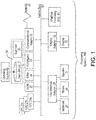
FIG. 1 depicts a block diagram of a computer system for use in implementing one or more embodiments of the disclosure; -
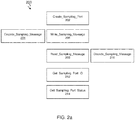
FIG. 2a depicts a software extension for inter-partition communications according to one or more embodiments of the disclosure; -
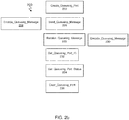
FIG. 2b depicts a software extension for inter-partition communications according to one or more embodiments of the disclosure; and -
FIG. 3 is a process flow of a method in accordance with an embodiment of the disclosure. - A detailed description of one or more embodiments of the disclosed apparatus and method are presented herein by way of exemplification and not limitation with reference to the Figures.
- Referring to
FIG. 1 , there is shown an embodiment of aprocessing system 100 for implementing the teachings herein. In this embodiment, thesystem 100 has one or more central processing units (processors) 21a, 21b, 21c, etc. (collectively or generically referred to as processor(s) 21). In one or more embodiments, each processor 21 may include a reduced instruction set computer (RISC) microprocessor. Processors 21 are coupled to system memory 34 (RAM) and various other components via asystem bus 33. Read only memory (ROM) 22 is coupled to thesystem bus 33 and may include a basic input/output system (BIOS), which controls certain basic functions ofsystem 100. -
FIG. 1 further depicts an input/output (I/O)adapter 27 and anetwork adapter 26 coupled to thesystem bus 33. I/O adapter 27 may be a small computer system interface (SCSI) adapter that communicates with ahard disk 23 and/ortape storage drive 25 or any other similar component. I/O adapter 27,hard disk 23, andtape storage device 25 are collectively referred to herein asmass storage 24.Operating system 40 for execution on theprocessing system 100 may be stored inmass storage 24. Anetwork communications adapter 26interconnects bus 33 with anoutside network 36 enablingdata processing system 100 to communicate with other such systems. A screen (e.g., a display monitor) 35 is connected tosystem bus 33 bydisplay adaptor 32, which may include a graphics adapter to improve the performance of graphics intensive applications and a video controller. In one embodiment,adapters system bus 33 via an intermediate bus bridge (not shown). Suitable I/O buses for connecting peripheral devices such as hard disk controllers, network adapters, and graphics adapters typically include common protocols, such as the Peripheral Component Interconnect (PCI). Additional input/output devices are shown as connected tosystem bus 33 via user interface adapter 28 anddisplay adapter 32. Akeyboard 29,mouse 30, andspeaker 31 all interconnected tobus 33 via user interface adapter 28, which may include, for example, a Super I/O chip integrating multiple device adapters into a single integrated circuit. - In exemplary embodiments, the
processing system 100 includes agraphics processing unit 41.Graphics processing unit 41 is a specialized electronic circuit designed to manipulate and alter memory to accelerate the creation of images in a frame buffer intended for output to a display. In general,graphics processing unit 41 is very efficient at manipulating computer graphics and image processing and has a highly parallel structure that makes it more effective than general-purpose CPUs for algorithms where processing of large blocks of data is done in parallel. Theprocessing system 100 described herein is merely exemplary and not intended to limit the application, uses, and/or technical scope of the present disclosure, which can be embodied in various forms known in the art. - Thus, as configured in
FIG. 1 , thesystem 100 includes processing capability in the form of processors 21, storage capability includingsystem memory 34 andmass storage 24, input means such askeyboard 29 andmouse 30, and outputcapability including speaker 31 anddisplay 35. In one embodiment, a portion ofsystem memory 34 andmass storage 24 collectively store an operating system coordinate the functions of the various components shown inFIG. 1. FIG. 1 is merely a non-limiting example presented for illustrative and explanatory purposes. - Turning now to an overview of technologies that are more specifically relevant to aspects of the disclosure, ARINC 653 is a software specification for space and time partitioning in safety-critical avionics real-time operating system (RTOS). It allows the hosting of multiple applications of different software criticality levels on the same hardware in the context of an integrated modular avionics architecture. For integrated modular avionics, a common computing platform provides a concurrency of operation where each application partition is allocated a certain number of milliseconds of execution time through a cycle. The modular nature provides for many partitions where, for example, a radio system is assigned to one partition, a fire protection system is assigned to another partition, and a navigation system, for example, is assigned yet another partition. Each partition is allocated a time slice in the operating system. In order to decouple the real-time operating system platform from the application software, the ARINC 653 defines an application programming interface (API) called Application Executive (APEX).
- Turning now to an overview of the aspects of the disclosure, an ARINC 653 APEX API for inter-partition communications using sampling and queueing ports as an extension to a modeling language is provided. An extension is a software component that adds a specific feature to an existing computer program. During systems and software model based design, communicating within models in a way that mimics the underlying software architecture can be advantageous. Embodiments provide fidelity to Model in the Loop (MIL) simulations and Software in the Loop (SIL) simulations. Also, embodiments includes an encoding/decoding of model data signals generated into/from the targeted communications data structures as defined by ARINC 653 avionics application software standard interface. In essence, a modeling language extension is provided that mimics the underlying software architecture for ARINC-653 APEX API for inter-partition communications.
- Turning now to a more detailed description of aspects of the present invention,
FIG. 2a depicts asoftware extension 200 for inter-partition communications according to one or more embodiments. - The
software extension 200 sampling port createservice request 202 given a sampling port name, maximum message size, port direction, and refresh period, will create the underlying data structures necessary to support the other sampling port facilities of thesoftware extension 200 as well as assign and return a unique sampling port identifier and a return code containing indication of any errors. This sampling port createservice request 202 will mimic the ARINC 653 CREATE_SAMPLING_PORT service request in the modeled environment. - The
software extension 200 sampling message encodefacility 204 given separate model application dependent data signals will combine them into a message reference for subsequent input to thesoftware extension 200 sampling messagewrite service request 206. - The
software extension 200 sampling messagewrite service request 206 given a sampling port identifier, message reference, and message length, will write the message to the sampling port as well as return a return code containing indication of any errors. This sampling messagewrite service request 206 will mimic the ARINC 653 WRITE_SAMPLING_MESSAGE service request in the modeled environment. - The
software extension 200 sampling message readservice request 208 given a sampling port identifier and message reference, will read the sampling port message and return the message length, message validity, and a return code containing indication of any errors. This sampling message readservice request 208 will mimic the ARINC 653 READ_SAMPLING_MESSAGE service request in the modeled environment. - The
software extension 200 samplingmessage decode facility 210 given a model reference obtained fromsoftware extension 200 sampling message readservice request 208 will decode a message into separate model application dependent data signals. - The
software extension 200 sampling port get portidentifier service request 212 given a sampling port name will return the sampling port identifier and a return code containing indication of any errors. This sampling port get portidentifier service request 212 will mimic the ARINC 653 GET_SAMPLING_PORT_ID service request in the modeled environment. - The
software extension 200 sampling port get portstatus service request 214 given a sampling port identifier will return the sampling port status and a return code containing indication of any errors. This sampling port get portstatus service request 214 will mimic the ARINC 653 GET_SAMPLING_PORT_STATUS service request in the modeled environment. - The
software extension 200 sampling message encodefacility 204 and thesoftware extension 200 samplingmessage decode facility 210 provide for a method of translation between the model signal data and thesoftware extension 200 sampling port write and read service requests. -
FIG. 2b depicts thesoftware extension 200 for inter-partition communications according to one or more embodiments. - The
software extension 200 queueing port createservice request 222 given a queueing port name, maximum size, message range, port direction, and queuing discipline, will create the underlying data structures necessary to support the other queueing port facilities of thesoftware extension 200 as well as assign and return a unique sampling port identifier and a return code containing indication of any errors. This queueing port createservice request 222 will mimic the ARINC 653 CREATE_QUEUING_PORT service request in the modeled environment. - The
software extension 200 queueing message encodefacility 224 given separate model application dependent data signals will combine them into a message reference for subsequent input to thesoftware extension 200 queueing message sendservice request 226. - The
software extension 200 queueing message sendservice request 226 given a queueing port identifier, message reference, message length, and timeout, will send the message to the queueing port as well as return a return code containing indication of any errors. This queueing message sendservice request 226 will mimic the ARINC 653 SEND_QUEUING_MESSAGE service request in the modeled environment. - The
software extension 200 queueing message receiveservice request 228 given a sampling port identifier, message reference, length, and time out, will read the queueing port message and return the a return code containing indication of any errors. This queueing message receiveservice request 228 will mimic the ARINC 653 RECEIVE_QUEUING_MESSAGE service request in the modeled environment. - The
software extension 200 queueingmessage decode facility 230 given a model reference obtained fromsoftware extension 200 queueing message receiveservice request 228 will decode a message into separate model application dependent data signals. - The
software extension 200 queueing port get portidentifier service request 232 given a queueing port name will return the sampling port identifier and a return code containing indication of any errors. This queueing port get portidentifier service request 232 will mimic the ARINC 653 GET_QUEUING_PORT_ID service request in the modeled environment. - The
software extension 200 queueing port get port status service request 234 given a sampling port identifier will return the queueing port status and a return code containing indication of any errors. This queueing port get port status service request 234 will mimic the ARINC 653 GET_QUEUING_PORT_STATUS service request in the modeled environment. - The
software extension 200 queueing portclear service request 236 given a sampling port identifier will clear the indicated queue and return a return code containing indication of any errors. This queueing portclear service request 236 will mimic the ARINC 653 CLEAR QUEUING PORT service request in the modeled environment. - The
software extension 200 queueing message encodefacility 224 and thesoftware extension 200 queueingmessage decode facility 230 provide for a method of translation between the model signal data and thesoftware extension 200 queuing service requests. - In one or more embodiments, the
software extension 200 can be implemented on a graphical programming environment such as, for example, SIMULINK™. The definition of a message structure for packing (encoding) and unpacking (decoding) can be implemented as a mask in SIMULINK™, for example. In one or more embodiments, thesoftware extension 200 can be implemented using any of the components of theprocessing system 100 found inFIG. 1 . - In one or more embodiments, the
software extension 200 provides for a sampling mechanism for a simulation that can mimic the operations of aircraft systems interactions. Current modeling languages only provide for purely discrete signals or an aggregation of discrete signals that in no way mimics the message transmission discipline provided for by ARINC 653 between the different parts of the modeled partition. Thesoftware extension 200 allows the sampling ports to be sent a periodic / synchronous message which mimics the ARINC 653 definitions. - In one or more embodiments, the
software extension 200 provides for a queuing mechanism for a simulation that can mimic the operations of aircraft systems interactions. Current modeling languages only provide for purely discrete signals or an aggregation of discrete signals that in no way mimics the first in first out queuing or priority queuing disciplines provided for by ARINC 653 between the different parts of the modeled partitions. Thesoftware extension 200 allows the queueing ports to be sent a burst of aperiodic / asynchronous messages without any of the messages being lost and the receiving ports are not required to read these messages in real time which mimics the ARINC 653 definitions. - In one or more embodiments, the
software extension 200 can be implemented in a modeling/simulation software for the modeling/simulation of aircraft operations and assist with design of an aircraft. The results of the simulations can be used in manufacturing and design of aircraft components. For example, a simulation result might indicate an airflow issue within an exhaust system of an aircraft. This issue can be addressed by adjusting an airflow in various components in the exhaust system of the aircraft. The simulation results can thus be utilized for design and manufacturing components of the aircraft. Tolerances of some machinery can be adjusted automatically based on the results of the modeling/simulations. These tolerances can be later utilized for manufacturing of aircraft components. -
FIG. 3 depicts a flow diagram of a method for modeling language extension for inter-partition communication according to one or more embodiments. The method 300 begins atprocess step 302 by defining, by a modeling language, a simulation model. Atblock 304, the method 300 includes defining a simulation model extension, the simulation model extension including at least one sampling port communication module and at least one queueing port communication module. And atblock 306, the method 300 includes adding the simulation model extension to the simulation model. - Additional processes may also be included. It should be understood that the processes depicted in
FIG. 3 represent illustrations and that other processes may be added or existing processes may be removed, modified, or rearranged without departing from the scope and spirit of the present disclosure. - In one or more embodiments, the queuing discipline can be either one of First In First Out (FIFO) or a Priority based queuing discipline.
- The term "about" is intended to include the degree of error associated with measurement of the particular quantity based upon the equipment available at the time of filing the application. For example, "about" can include a range of ± 8% or 5%, or 2% of a given value.
- The terminology used herein is for the purpose of describing particular embodiments only and is not intended to be limiting of the present disclosure. As used herein, the singular forms "a", "an" and "the" are intended to include the plural forms as well, unless the context clearly indicates otherwise. It will be further understood that the terms "comprises" and/or "comprising," when used in this specification, specify the presence of stated features, integers, steps, operations, elements, and/or components, but do not preclude the presence or addition of one or more other features, integers, steps, operations, element components, and/or groups thereof.
- While the present disclosure has been described with reference to an exemplary embodiment or embodiments, it will be understood by those skilled in the art that various changes may be made and equivalents may be substituted for elements thereof without departing from the scope of the present disclosure. In addition, many modifications may be made to adapt a particular situation or material to the teachings of the present disclosure without departing from the essential scope thereof. Therefore, it is intended that the present disclosure not be limited to the particular embodiment disclosed as the best mode contemplated for carrying out this present disclosure, but that the present disclosure will include all embodiments falling within the scope of the claims.
Claims (15)
- A method for enabling simulation of interactions among subsystems and between subsystems and a system during design by implementing a modeling language extension for inter-partition communication, the method comprising:defining, by a modeling language, a simulation model;defining a simulation model extension, the simulation model extension comprising:at least one sampling port communication module; andat least one queueing port communication module;adding the simulation model extension to the simulation model.
- The method of Claim 1, further comprising:
running a simulation using the simulation model extension and the simulation model. - The method of Claim 1 or 2, wherein the simulation model comprises a model in the loop (MIL) simulation.
- The method of Claim 1, 2 or 3, wherein the simulation model comprises a software in the loop (SIL) simulation.
- The method of any preceding Claim, wherein the simulation model comprises a plurality of partitions.
- The method of Claim 5, wherein the plurality of partitions comprise functional specific modules.
- The method of Claim 5 or 6, wherein the simulation model extension can be accessed by each of the plurality of partitions.
- The method of Claim 7, wherein the plurality of partitions access the simulation model extension by subscribing to the at least one sampling port.
- The method of any preceding Claim further comprising:running a simulation using the simulation model extension and the simulation model; andcausing at least one component of the system to be manufactured based at least in part on one or more results of the simulation.
- A system for enabling simulation of interactions among subsystems and between subsystems and a system during design by implementing a modeling language extension for inter-partition communication, the system comprising:
a processor communicatively coupled to a memory, the processor configured to:define, by a modeling language, a simulation model;define a simulation model extension, the simulation model extension comprising:at least one sampling port communication module; andat least one queueing port communication module;add the simulation model extension to the simulation model. - The system of Claim 10, wherein the processor is further configured to:
run a simulation using the simulation model extension and the simulation model. - The system of Claim 10 or 11, wherein the simulation model comprises a model in the loop (MIL) simulation and/or a software in the loop (SIL) simulation.
- The system of Claim 10, 11 or 12, wherein the simulation model comprises a plurality of partitions; optionally wherein the plurality of partitions comprise function specific modules.
- The system of Claim 13, wherein the simulation model extension can be accessed by each of the plurality of partitions; optionally wherein the plurality of partitions access the simulation model extension by subscribing to the at least one sampling port.
- The system of Claim 11, wherein the processor is configured to:run a simulation using the simulation model extension and the simulation model; andcause at least one component of the system to be manufactured based at least in part on one or more results of the simulation.
Applications Claiming Priority (1)
| Application Number | Priority Date | Filing Date | Title |
|---|---|---|---|
| US16/188,512 US11192662B2 (en) | 2018-11-13 | 2018-11-13 | Aircraft integrated modular avionics inter-partition communications simulation modeling language extension |
Publications (2)
| Publication Number | Publication Date |
|---|---|
| EP3654224A1 true EP3654224A1 (en) | 2020-05-20 |
| EP3654224B1 EP3654224B1 (en) | 2025-04-30 |
Family
ID=68581260
Family Applications (1)
| Application Number | Title | Priority Date | Filing Date |
|---|---|---|---|
| EP19208609.8A Active EP3654224B1 (en) | 2018-11-13 | 2019-11-12 | AIRCRAFT INTEGRATED MODULAR AVIONICS INTERPARTITION COMMUNICATION SIMULATION MODELING LANGUAGE EXTENSION |
Country Status (2)
| Country | Link |
|---|---|
| US (1) | US11192662B2 (en) |
| EP (1) | EP3654224B1 (en) |
Citations (1)
| Publication number | Priority date | Publication date | Assignee | Title |
|---|---|---|---|---|
| US20130166271A1 (en) * | 2010-07-06 | 2013-06-27 | Torkel Danielsson | Simulating and testing avionics |
Family Cites Families (12)
| Publication number | Priority date | Publication date | Assignee | Title |
|---|---|---|---|---|
| US20070288885A1 (en) * | 2006-05-17 | 2007-12-13 | The Mathworks, Inc. | Action languages for unified modeling language model |
| US9511877B2 (en) * | 2006-08-09 | 2016-12-06 | Angela Masson | Electronic kit bag |
| FR2950449A1 (en) | 2009-09-23 | 2011-03-25 | Eurocopter France | REAL TIME SIMULATION HIGHLY REPRESENTATIVE OF AN AVIONIC SYSTEM |
| US8670964B2 (en) * | 2009-10-15 | 2014-03-11 | American Gnc Corporation | Gyrocompass modeling and simulation system (GMSS) and method thereof |
| US20140288896A1 (en) * | 2009-10-15 | 2014-09-25 | American Gnc Corporation | Gyrocompass modeling and simulation system (GMSS) and method thereof |
| US9063800B2 (en) * | 2010-05-26 | 2015-06-23 | Honeywell International Inc. | Automated method for decoupling avionics application software in an IMA system |
| WO2011159209A1 (en) | 2010-06-17 | 2011-12-22 | Saab Ab | Distributed avionics |
| KR101694305B1 (en) * | 2012-04-17 | 2017-01-09 | 한국전자통신연구원 | Method and appratus for setting aeronautic system compatible with the arinc 653 standard |
| US10050765B2 (en) * | 2016-01-08 | 2018-08-14 | Ge Aviation Systems Llc | Providing an interface for an avionics data transfer system |
| WO2018104929A1 (en) * | 2016-12-07 | 2018-06-14 | Arilou Information Security Technologies Ltd. | System and method for using signal waveform analysis for detecting a change in a wired network |
| US20200389469A1 (en) * | 2017-12-24 | 2020-12-10 | Arilou Information Security Technologies Ltd. | System and method for tunnel-based malware detection |
| US11106838B2 (en) * | 2018-04-09 | 2021-08-31 | The Boeing Company | Systems, methods, and apparatus to generate an integrated modular architecture model |
-
2018
- 2018-11-13 US US16/188,512 patent/US11192662B2/en active Active
-
2019
- 2019-11-12 EP EP19208609.8A patent/EP3654224B1/en active Active
Patent Citations (1)
| Publication number | Priority date | Publication date | Assignee | Title |
|---|---|---|---|---|
| US20130166271A1 (en) * | 2010-07-06 | 2013-06-27 | Torkel Danielsson | Simulating and testing avionics |
Non-Patent Citations (4)
| Title |
|---|
| ABHISHEK DUBEY ET AL: "A Real-Time Component Framework: Experience with CCM and ARINC-653", OBJECT/COMPONENT/SERVICE-ORIENTED REAL-TIME DISTRIBUTED COMPUTING (ISORC), 2010 13TH IEEE INTERNATIONAL SYMPOSIUM ON, IEEE, PISCATAWAY, NJ, USA, 5 May 2010 (2010-05-05), pages 143 - 150, XP031686162, ISBN: 978-1-4244-7083-9 * |
| CORRARO GIANLUCA ET AL: "A novel approach for the development and coding of avionics functionalities for IMA architectures", 2018 IEEE/AIAA 37TH DIGITAL AVIONICS SYSTEMS CONFERENCE (DASC), IEEE, 23 September 2018 (2018-09-23), pages 1 - 8, XP033469423, DOI: 10.1109/DASC.2018.8569824 * |
| JULIEN DELANGE ET AL: "Validate, simulate, and implement ARINC653 systems using the AADL", ADA LETTERS, ACM, NEW YORK, NY, US, vol. 29, no. 3, 1 November 2009 (2009-11-01), pages 31 - 44, XP058374713, ISSN: 1094-3641, DOI: 10.1145/1653616.1647435 * |
| ZHAO YONGWANG ET AL: "Event-based formalization of safety-critical operating system standards: An experience report on ARINC 653 using Event-B", 2015 IEEE 26TH INTERNATIONAL SYMPOSIUM ON SOFTWARE RELIABILITY ENGINEERING (ISSRE), IEEE, 2 November 2015 (2015-11-02), pages 281 - 292, XP032850020, DOI: 10.1109/ISSRE.2015.7381821 * |
Also Published As
| Publication number | Publication date |
|---|---|
| US11192662B2 (en) | 2021-12-07 |
| EP3654224B1 (en) | 2025-04-30 |
| US20200148390A1 (en) | 2020-05-14 |
Similar Documents
| Publication | Publication Date | Title |
|---|---|---|
| Prisaznuk | ARINC 653 role in integrated modular avionics (IMA) | |
| EP2591419B1 (en) | Simulating and testing avionics | |
| US10409632B2 (en) | Emulation of hardware components based on interrupt design | |
| US11347531B2 (en) | Generalized virtualization platform for systems using hardware abstraction software layers | |
| CN112166428B (en) | Methods for event-based simulation of systems | |
| EP2743830A1 (en) | Flexible data communication among partitions in integrated modular avionics | |
| CN115879323A (en) | Automatic driving simulation test method, electronic device and computer readable storage medium | |
| US12393641B2 (en) | Methods for utilizing solver hardware for solving partial differential equations | |
| US20030101040A1 (en) | Hardware simulation using a test scenario manager | |
| CN101303673B (en) | Interface board, simulator, synchronization method and synchronization program | |
| EP3654224B1 (en) | AIRCRAFT INTEGRATED MODULAR AVIONICS INTERPARTITION COMMUNICATION SIMULATION MODELING LANGUAGE EXTENSION | |
| US20030093258A1 (en) | Method and apparatus for efficient simulation of memory mapped device access | |
| CN120317210A (en) | A wafer-level chip simulation method, device, equipment and storage medium | |
| CN111950219B (en) | Method, apparatus, device and medium for implementing a simulator | |
| Nam et al. | Guaranteeing the end-to-end latency of an IMA system with an increasing workload | |
| US7447618B2 (en) | Method and system for ASIC simulation | |
| CN116723191A (en) | Method and system for performing data stream acceleration calculations using acceleration devices | |
| CN117251118B (en) | Virtual NVMe simulation and integration supporting method and system | |
| CN113919136A (en) | Simulation method and device for comprehensive task processor | |
| Buzdalov | Simulation of AADL models with software-in-the-loop execution | |
| Mason et al. | Device drivers in time and space partitioned operating systems | |
| JP2001318805A (en) | Test method and test system for embedded system | |
| Anand et al. | Hard Real-Time Delay (RTD) Estimation and Analysis for Safety-Critical System | |
| US12039298B2 (en) | Method for configuring model components of a system model | |
| Ren et al. | Design and Modelling of Distributed Integrated Modular Avionics (IMA) on an eVTOL Aircraft |
Legal Events
| Date | Code | Title | Description |
|---|---|---|---|
| PUAI | Public reference made under article 153(3) epc to a published international application that has entered the european phase |
Free format text: ORIGINAL CODE: 0009012 |
|
| STAA | Information on the status of an ep patent application or granted ep patent |
Free format text: STATUS: THE APPLICATION HAS BEEN PUBLISHED |
|
| AK | Designated contracting states |
Kind code of ref document: A1 Designated state(s): AL AT BE BG CH CY CZ DE DK EE ES FI FR GB GR HR HU IE IS IT LI LT LU LV MC MK MT NL NO PL PT RO RS SE SI SK SM TR |
|
| AX | Request for extension of the european patent |
Extension state: BA ME |
|
| STAA | Information on the status of an ep patent application or granted ep patent |
Free format text: STATUS: REQUEST FOR EXAMINATION WAS MADE |
|
| 17P | Request for examination filed |
Effective date: 20201120 |
|
| RBV | Designated contracting states (corrected) |
Designated state(s): AL AT BE BG CH CY CZ DE DK EE ES FI FR GB GR HR HU IE IS IT LI LT LU LV MC MK MT NL NO PL PT RO RS SE SI SK SM TR |
|
| STAA | Information on the status of an ep patent application or granted ep patent |
Free format text: STATUS: EXAMINATION IS IN PROGRESS |
|
| 17Q | First examination report despatched |
Effective date: 20220216 |
|
| GRAP | Despatch of communication of intention to grant a patent |
Free format text: ORIGINAL CODE: EPIDOSNIGR1 |
|
| STAA | Information on the status of an ep patent application or granted ep patent |
Free format text: STATUS: GRANT OF PATENT IS INTENDED |
|
| INTG | Intention to grant announced |
Effective date: 20241125 |
|
| GRAS | Grant fee paid |
Free format text: ORIGINAL CODE: EPIDOSNIGR3 |
|
| GRAA | (expected) grant |
Free format text: ORIGINAL CODE: 0009210 |
|
| STAA | Information on the status of an ep patent application or granted ep patent |
Free format text: STATUS: THE PATENT HAS BEEN GRANTED |
|
| AK | Designated contracting states |
Kind code of ref document: B1 Designated state(s): AL AT BE BG CH CY CZ DE DK EE ES FI FR GB GR HR HU IE IS IT LI LT LU LV MC MK MT NL NO PL PT RO RS SE SI SK SM TR |
|
| REG | Reference to a national code |
Ref country code: CH Ref legal event code: EP Ref country code: GB Ref legal event code: FG4D |
|
| REG | Reference to a national code |
Ref country code: IE Ref legal event code: FG4D |
|
| REG | Reference to a national code |
Ref country code: DE Ref legal event code: R096 Ref document number: 602019069268 Country of ref document: DE |
|
| REG | Reference to a national code |
Ref country code: NL Ref legal event code: MP Effective date: 20250430 |
|
| REG | Reference to a national code |
Ref country code: AT Ref legal event code: MK05 Ref document number: 1790709 Country of ref document: AT Kind code of ref document: T Effective date: 20250430 |
|
| PG25 | Lapsed in a contracting state [announced via postgrant information from national office to epo] |
Ref country code: PT Free format text: LAPSE BECAUSE OF FAILURE TO SUBMIT A TRANSLATION OF THE DESCRIPTION OR TO PAY THE FEE WITHIN THE PRESCRIBED TIME-LIMIT Effective date: 20250901 Ref country code: ES Free format text: LAPSE BECAUSE OF FAILURE TO SUBMIT A TRANSLATION OF THE DESCRIPTION OR TO PAY THE FEE WITHIN THE PRESCRIBED TIME-LIMIT Effective date: 20250430 Ref country code: FI Free format text: LAPSE BECAUSE OF FAILURE TO SUBMIT A TRANSLATION OF THE DESCRIPTION OR TO PAY THE FEE WITHIN THE PRESCRIBED TIME-LIMIT Effective date: 20250430 |
|
| REG | Reference to a national code |
Ref country code: LT Ref legal event code: MG9D |
|
| PG25 | Lapsed in a contracting state [announced via postgrant information from national office to epo] |
Ref country code: GR Free format text: LAPSE BECAUSE OF FAILURE TO SUBMIT A TRANSLATION OF THE DESCRIPTION OR TO PAY THE FEE WITHIN THE PRESCRIBED TIME-LIMIT Effective date: 20250731 Ref country code: NO Free format text: LAPSE BECAUSE OF FAILURE TO SUBMIT A TRANSLATION OF THE DESCRIPTION OR TO PAY THE FEE WITHIN THE PRESCRIBED TIME-LIMIT Effective date: 20250730 |
|
| PG25 | Lapsed in a contracting state [announced via postgrant information from national office to epo] |
Ref country code: PL Free format text: LAPSE BECAUSE OF FAILURE TO SUBMIT A TRANSLATION OF THE DESCRIPTION OR TO PAY THE FEE WITHIN THE PRESCRIBED TIME-LIMIT Effective date: 20250430 Ref country code: NL Free format text: LAPSE BECAUSE OF FAILURE TO SUBMIT A TRANSLATION OF THE DESCRIPTION OR TO PAY THE FEE WITHIN THE PRESCRIBED TIME-LIMIT Effective date: 20250430 |
|
| PG25 | Lapsed in a contracting state [announced via postgrant information from national office to epo] |
Ref country code: BG Free format text: LAPSE BECAUSE OF FAILURE TO SUBMIT A TRANSLATION OF THE DESCRIPTION OR TO PAY THE FEE WITHIN THE PRESCRIBED TIME-LIMIT Effective date: 20250430 |
|
| PG25 | Lapsed in a contracting state [announced via postgrant information from national office to epo] |
Ref country code: HR Free format text: LAPSE BECAUSE OF FAILURE TO SUBMIT A TRANSLATION OF THE DESCRIPTION OR TO PAY THE FEE WITHIN THE PRESCRIBED TIME-LIMIT Effective date: 20250430 |
|
| PG25 | Lapsed in a contracting state [announced via postgrant information from national office to epo] |
Ref country code: AT Free format text: LAPSE BECAUSE OF FAILURE TO SUBMIT A TRANSLATION OF THE DESCRIPTION OR TO PAY THE FEE WITHIN THE PRESCRIBED TIME-LIMIT Effective date: 20250430 |
|
| PG25 | Lapsed in a contracting state [announced via postgrant information from national office to epo] |
Ref country code: RS Free format text: LAPSE BECAUSE OF FAILURE TO SUBMIT A TRANSLATION OF THE DESCRIPTION OR TO PAY THE FEE WITHIN THE PRESCRIBED TIME-LIMIT Effective date: 20250731 |
|
| PG25 | Lapsed in a contracting state [announced via postgrant information from national office to epo] |
Ref country code: IS Free format text: LAPSE BECAUSE OF FAILURE TO SUBMIT A TRANSLATION OF THE DESCRIPTION OR TO PAY THE FEE WITHIN THE PRESCRIBED TIME-LIMIT Effective date: 20250830 |
|
| PG25 | Lapsed in a contracting state [announced via postgrant information from national office to epo] |
Ref country code: LV Free format text: LAPSE BECAUSE OF FAILURE TO SUBMIT A TRANSLATION OF THE DESCRIPTION OR TO PAY THE FEE WITHIN THE PRESCRIBED TIME-LIMIT Effective date: 20250430 |
|
| PGFP | Annual fee paid to national office [announced via postgrant information from national office to epo] |
Ref country code: DE Payment date: 20251022 Year of fee payment: 7 |
|
| PGFP | Annual fee paid to national office [announced via postgrant information from national office to epo] |
Ref country code: GB Payment date: 20251023 Year of fee payment: 7 |
|
| PG25 | Lapsed in a contracting state [announced via postgrant information from national office to epo] |
Ref country code: DK Free format text: LAPSE BECAUSE OF FAILURE TO SUBMIT A TRANSLATION OF THE DESCRIPTION OR TO PAY THE FEE WITHIN THE PRESCRIBED TIME-LIMIT Effective date: 20250430 Ref country code: SM Free format text: LAPSE BECAUSE OF FAILURE TO SUBMIT A TRANSLATION OF THE DESCRIPTION OR TO PAY THE FEE WITHIN THE PRESCRIBED TIME-LIMIT Effective date: 20250430 |
|
| PGFP | Annual fee paid to national office [announced via postgrant information from national office to epo] |
Ref country code: FR Payment date: 20251022 Year of fee payment: 7 |
|
| PG25 | Lapsed in a contracting state [announced via postgrant information from national office to epo] |
Ref country code: CZ Free format text: LAPSE BECAUSE OF FAILURE TO SUBMIT A TRANSLATION OF THE DESCRIPTION OR TO PAY THE FEE WITHIN THE PRESCRIBED TIME-LIMIT Effective date: 20250430 |
|
| PG25 | Lapsed in a contracting state [announced via postgrant information from national office to epo] |
Ref country code: EE Free format text: LAPSE BECAUSE OF FAILURE TO SUBMIT A TRANSLATION OF THE DESCRIPTION OR TO PAY THE FEE WITHIN THE PRESCRIBED TIME-LIMIT Effective date: 20250430 |
|
| PG25 | Lapsed in a contracting state [announced via postgrant information from national office to epo] |
Ref country code: SK Free format text: LAPSE BECAUSE OF FAILURE TO SUBMIT A TRANSLATION OF THE DESCRIPTION OR TO PAY THE FEE WITHIN THE PRESCRIBED TIME-LIMIT Effective date: 20250430 Ref country code: RO Free format text: LAPSE BECAUSE OF FAILURE TO SUBMIT A TRANSLATION OF THE DESCRIPTION OR TO PAY THE FEE WITHIN THE PRESCRIBED TIME-LIMIT Effective date: 20250430 |
|
| PG25 | Lapsed in a contracting state [announced via postgrant information from national office to epo] |
Ref country code: IT Free format text: LAPSE BECAUSE OF FAILURE TO SUBMIT A TRANSLATION OF THE DESCRIPTION OR TO PAY THE FEE WITHIN THE PRESCRIBED TIME-LIMIT Effective date: 20250430 |
|
| REG | Reference to a national code |
Ref country code: DE Ref legal event code: R097 Ref document number: 602019069268 Country of ref document: DE |
|
| PLBE | No opposition filed within time limit |
Free format text: ORIGINAL CODE: 0009261 |
|
| STAA | Information on the status of an ep patent application or granted ep patent |
Free format text: STATUS: NO OPPOSITION FILED WITHIN TIME LIMIT |
|
| REG | Reference to a national code |
Ref country code: CH Ref legal event code: L10 Free format text: ST27 STATUS EVENT CODE: U-0-0-L10-L00 (AS PROVIDED BY THE NATIONAL OFFICE) Effective date: 20260311 |
|
| 26N | No opposition filed |
Effective date: 20260202 |
|
| REG | Reference to a national code |
Ref country code: CH Ref legal event code: H13 Free format text: ST27 STATUS EVENT CODE: U-0-0-H10-H13 (AS PROVIDED BY THE NATIONAL OFFICE) Effective date: 20260623 |
|
| PG25 | Lapsed in a contracting state [announced via postgrant information from national office to epo] |
Ref country code: LT Free format text: LAPSE BECAUSE OF FAILURE TO SUBMIT A TRANSLATION OF THE DESCRIPTION OR TO PAY THE FEE WITHIN THE PRESCRIBED TIME-LIMIT Effective date: 20250430 |
|
| PG25 | Lapsed in a contracting state [announced via postgrant information from national office to epo] |
Ref country code: MC Free format text: LAPSE BECAUSE OF FAILURE TO SUBMIT A TRANSLATION OF THE DESCRIPTION OR TO PAY THE FEE WITHIN THE PRESCRIBED TIME-LIMIT Effective date: 20250430 |
|
| PG25 | Lapsed in a contracting state [announced via postgrant information from national office to epo] |
Ref country code: LU Free format text: LAPSE BECAUSE OF NON-PAYMENT OF DUE FEES Effective date: 20251112 Ref country code: CH Free format text: LAPSE BECAUSE OF NON-PAYMENT OF DUE FEES Effective date: 20251130 |
|
| PG25 | Lapsed in a contracting state [announced via postgrant information from national office to epo] |
Ref country code: SE Free format text: LAPSE BECAUSE OF FAILURE TO SUBMIT A TRANSLATION OF THE DESCRIPTION OR TO PAY THE FEE WITHIN THE PRESCRIBED TIME-LIMIT Effective date: 20250430 |