EP3646851A2 - Anti-aging composition comprising lactic acid bacteria-derived extracellular vesicle - Google Patents
Anti-aging composition comprising lactic acid bacteria-derived extracellular vesicle Download PDFInfo
- Publication number
- EP3646851A2 EP3646851A2 EP18824818.1A EP18824818A EP3646851A2 EP 3646851 A2 EP3646851 A2 EP 3646851A2 EP 18824818 A EP18824818 A EP 18824818A EP 3646851 A2 EP3646851 A2 EP 3646851A2
- Authority
- EP
- European Patent Office
- Prior art keywords
- composition
- lactic acid
- acid bacteria
- aging
- spp
- Prior art date
- Legal status (The legal status is an assumption and is not a legal conclusion. Google has not performed a legal analysis and makes no representation as to the accuracy of the status listed.)
- Pending
Links
- JVTAAEKCZFNVCJ-UHFFFAOYSA-N lactic acid Chemical compound CC(O)C(O)=O JVTAAEKCZFNVCJ-UHFFFAOYSA-N 0.000 title claims abstract description 146
- 239000000203 mixture Substances 0.000 title claims abstract description 89
- 239000004310 lactic acid Substances 0.000 title claims abstract description 73
- 235000014655 lactic acid Nutrition 0.000 title claims abstract description 73
- 241000894006 Bacteria Species 0.000 title claims abstract description 70
- 230000003712 anti-aging effect Effects 0.000 title claims abstract description 34
- 102000000380 Matrix Metalloproteinase 1 Human genes 0.000 claims abstract description 14
- 108010016113 Matrix Metalloproteinase 1 Proteins 0.000 claims abstract description 14
- 102000008186 Collagen Human genes 0.000 claims abstract description 10
- 108010035532 Collagen Proteins 0.000 claims abstract description 10
- 229920001436 collagen Polymers 0.000 claims abstract description 10
- 230000037303 wrinkles Effects 0.000 claims abstract description 10
- 230000001965 increasing effect Effects 0.000 claims abstract description 9
- 230000037394 skin elasticity Effects 0.000 claims abstract description 8
- 230000009467 reduction Effects 0.000 claims abstract description 7
- 230000037380 skin damage Effects 0.000 claims abstract description 5
- 239000002537 cosmetic Substances 0.000 claims description 10
- 240000006024 Lactobacillus plantarum Species 0.000 claims description 9
- 235000013965 Lactobacillus plantarum Nutrition 0.000 claims description 8
- 229940072205 lactobacillus plantarum Drugs 0.000 claims description 8
- 238000005199 ultracentrifugation Methods 0.000 claims description 8
- 241000186660 Lactobacillus Species 0.000 claims description 6
- 229940039696 lactobacillus Drugs 0.000 claims description 6
- 239000004480 active ingredient Substances 0.000 claims description 5
- 241000192001 Pediococcus Species 0.000 claims description 4
- 241000186000 Bifidobacterium Species 0.000 claims description 3
- 241000194036 Lactococcus Species 0.000 claims description 3
- 241000192132 Leuconostoc Species 0.000 claims description 3
- 230000000694 effects Effects 0.000 abstract description 19
- 239000004615 ingredient Substances 0.000 abstract description 7
- 239000013543 active substance Substances 0.000 abstract description 4
- 210000004027 cell Anatomy 0.000 description 28
- 210000003491 skin Anatomy 0.000 description 17
- 238000009472 formulation Methods 0.000 description 16
- 210000001808 exosome Anatomy 0.000 description 15
- 239000000243 solution Substances 0.000 description 14
- 230000003013 cytotoxicity Effects 0.000 description 11
- 231100000135 cytotoxicity Toxicity 0.000 description 11
- -1 sphingomyelin Chemical compound 0.000 description 11
- 238000012360 testing method Methods 0.000 description 11
- LFQSCWFLJHTTHZ-UHFFFAOYSA-N Ethanol Chemical compound CCO LFQSCWFLJHTTHZ-UHFFFAOYSA-N 0.000 description 10
- 239000006210 lotion Substances 0.000 description 10
- XLYOFNOQVPJJNP-UHFFFAOYSA-N water Chemical compound O XLYOFNOQVPJJNP-UHFFFAOYSA-N 0.000 description 10
- PUPZLCDOIYMWBV-UHFFFAOYSA-N (+/-)-1,3-Butanediol Chemical compound CC(O)CCO PUPZLCDOIYMWBV-UHFFFAOYSA-N 0.000 description 9
- PEDCQBHIVMGVHV-UHFFFAOYSA-N Glycerine Chemical compound OCC(O)CO PEDCQBHIVMGVHV-UHFFFAOYSA-N 0.000 description 9
- 238000000034 method Methods 0.000 description 9
- 206010040954 Skin wrinkling Diseases 0.000 description 8
- 239000006071 cream Substances 0.000 description 8
- 102000002274 Matrix Metalloproteinases Human genes 0.000 description 7
- 108010000684 Matrix Metalloproteinases Proteins 0.000 description 7
- 210000002950 fibroblast Anatomy 0.000 description 7
- 210000004379 membrane Anatomy 0.000 description 7
- 239000012528 membrane Substances 0.000 description 7
- 239000008213 purified water Substances 0.000 description 7
- 239000000126 substance Substances 0.000 description 7
- DNIAPMSPPWPWGF-UHFFFAOYSA-N Propylene glycol Chemical compound CC(O)CO DNIAPMSPPWPWGF-UHFFFAOYSA-N 0.000 description 6
- 102000004169 proteins and genes Human genes 0.000 description 6
- 108090000623 proteins and genes Proteins 0.000 description 6
- 102000029816 Collagenase Human genes 0.000 description 5
- 108060005980 Collagenase Proteins 0.000 description 5
- 239000007864 aqueous solution Substances 0.000 description 5
- 238000005119 centrifugation Methods 0.000 description 5
- 229960002424 collagenase Drugs 0.000 description 5
- 235000014113 dietary fatty acids Nutrition 0.000 description 5
- 239000000194 fatty acid Substances 0.000 description 5
- 229930195729 fatty acid Natural products 0.000 description 5
- 238000001914 filtration Methods 0.000 description 5
- 238000004519 manufacturing process Methods 0.000 description 5
- 239000006228 supernatant Substances 0.000 description 5
- 229940058015 1,3-butylene glycol Drugs 0.000 description 4
- 239000002202 Polyethylene glycol Substances 0.000 description 4
- VYPSYNLAJGMNEJ-UHFFFAOYSA-N Silicium dioxide Chemical compound O=[Si]=O VYPSYNLAJGMNEJ-UHFFFAOYSA-N 0.000 description 4
- 244000269722 Thea sinensis Species 0.000 description 4
- 230000032683 aging Effects 0.000 description 4
- 230000001580 bacterial effect Effects 0.000 description 4
- 235000019437 butane-1,3-diol Nutrition 0.000 description 4
- 230000008568 cell cell communication Effects 0.000 description 4
- 210000000170 cell membrane Anatomy 0.000 description 4
- 230000000052 comparative effect Effects 0.000 description 4
- 235000011187 glycerol Nutrition 0.000 description 4
- 235000009569 green tea Nutrition 0.000 description 4
- 229920001223 polyethylene glycol Polymers 0.000 description 4
- 230000009759 skin aging Effects 0.000 description 4
- QTBSBXVTEAMEQO-UHFFFAOYSA-N Acetic acid Chemical compound CC(O)=O QTBSBXVTEAMEQO-UHFFFAOYSA-N 0.000 description 3
- RTZKZFJDLAIYFH-UHFFFAOYSA-N Diethyl ether Chemical compound CCOCC RTZKZFJDLAIYFH-UHFFFAOYSA-N 0.000 description 3
- XEKOWRVHYACXOJ-UHFFFAOYSA-N Ethyl acetate Chemical compound CCOC(C)=O XEKOWRVHYACXOJ-UHFFFAOYSA-N 0.000 description 3
- 230000004663 cell proliferation Effects 0.000 description 3
- 239000001913 cellulose Substances 0.000 description 3
- 229920002678 cellulose Polymers 0.000 description 3
- 235000010980 cellulose Nutrition 0.000 description 3
- KRKNYBCHXYNGOX-UHFFFAOYSA-N citric acid Chemical compound OC(=O)CC(O)(C(O)=O)CC(O)=O KRKNYBCHXYNGOX-UHFFFAOYSA-N 0.000 description 3
- 230000002900 effect on cell Effects 0.000 description 3
- 238000005516 engineering process Methods 0.000 description 3
- 238000005259 measurement Methods 0.000 description 3
- 230000003020 moisturizing effect Effects 0.000 description 3
- 235000016709 nutrition Nutrition 0.000 description 3
- 239000002674 ointment Substances 0.000 description 3
- 239000000843 powder Substances 0.000 description 3
- 239000002244 precipitate Substances 0.000 description 3
- 230000008569 process Effects 0.000 description 3
- 230000035755 proliferation Effects 0.000 description 3
- 239000007921 spray Substances 0.000 description 3
- PRAKJMSDJKAYCZ-UHFFFAOYSA-N squalane Chemical compound CC(C)CCCC(C)CCCC(C)CCCCC(C)CCCC(C)CCCC(C)C PRAKJMSDJKAYCZ-UHFFFAOYSA-N 0.000 description 3
- DNIAPMSPPWPWGF-GSVOUGTGSA-N (R)-(-)-Propylene glycol Chemical compound C[C@@H](O)CO DNIAPMSPPWPWGF-GSVOUGTGSA-N 0.000 description 2
- TZCPCKNHXULUIY-RGULYWFUSA-N 1,2-distearoyl-sn-glycero-3-phosphoserine Chemical compound CCCCCCCCCCCCCCCCCC(=O)OC[C@H](COP(O)(=O)OC[C@H](N)C(O)=O)OC(=O)CCCCCCCCCCCCCCCCC TZCPCKNHXULUIY-RGULYWFUSA-N 0.000 description 2
- 241000416162 Astragalus gummifer Species 0.000 description 2
- 241000186012 Bifidobacterium breve Species 0.000 description 2
- 241001608472 Bifidobacterium longum Species 0.000 description 2
- 241000186015 Bifidobacterium longum subsp. infantis Species 0.000 description 2
- LCGLNKUTAGEVQW-UHFFFAOYSA-N Dimethyl ether Chemical compound COC LCGLNKUTAGEVQW-UHFFFAOYSA-N 0.000 description 2
- 238000002965 ELISA Methods 0.000 description 2
- 241000194032 Enterococcus faecalis Species 0.000 description 2
- 241000194031 Enterococcus faecium Species 0.000 description 2
- 102000004190 Enzymes Human genes 0.000 description 2
- 108090000790 Enzymes Proteins 0.000 description 2
- 102000010834 Extracellular Matrix Proteins Human genes 0.000 description 2
- 108010037362 Extracellular Matrix Proteins Proteins 0.000 description 2
- ZWZWYGMENQVNFU-UHFFFAOYSA-N Glycerophosphorylserin Natural products OC(=O)C(N)COP(O)(=O)OCC(O)CO ZWZWYGMENQVNFU-UHFFFAOYSA-N 0.000 description 2
- KFZMGEQAYNKOFK-UHFFFAOYSA-N Isopropanol Chemical compound CC(C)O KFZMGEQAYNKOFK-UHFFFAOYSA-N 0.000 description 2
- 240000001046 Lactobacillus acidophilus Species 0.000 description 2
- 244000199885 Lactobacillus bulgaricus Species 0.000 description 2
- 241000186604 Lactobacillus reuteri Species 0.000 description 2
- 241000218588 Lactobacillus rhamnosus Species 0.000 description 2
- 241000186612 Lactobacillus sakei Species 0.000 description 2
- GUBGYTABKSRVRQ-QKKXKWKRSA-N Lactose Natural products OC[C@H]1O[C@@H](O[C@H]2[C@H](O)[C@@H](O)C(O)O[C@@H]2CO)[C@H](O)[C@@H](O)[C@H]1O GUBGYTABKSRVRQ-QKKXKWKRSA-N 0.000 description 2
- 241000192130 Leuconostoc mesenteroides Species 0.000 description 2
- ACFGRWJEQJVZTM-LEJBHHMKSA-L Magnesium L-ascorbic acid-2-phosphate Chemical compound [Mg+2].OC[C@H](O)[C@H]1OC(=O)C(OP([O-])([O-])=O)=C1O ACFGRWJEQJVZTM-LEJBHHMKSA-L 0.000 description 2
- ATUOYWHBWRKTHZ-UHFFFAOYSA-N Propane Chemical compound CCC ATUOYWHBWRKTHZ-UHFFFAOYSA-N 0.000 description 2
- 108010087230 Sincalide Proteins 0.000 description 2
- 244000057717 Streptococcus lactis Species 0.000 description 2
- 241000194020 Streptococcus thermophilus Species 0.000 description 2
- CZMRCDWAGMRECN-UGDNZRGBSA-N Sucrose Chemical compound O[C@H]1[C@H](O)[C@@H](CO)O[C@@]1(CO)O[C@@H]1[C@H](O)[C@@H](O)[C@H](O)[C@@H](CO)O1 CZMRCDWAGMRECN-UGDNZRGBSA-N 0.000 description 2
- 229930006000 Sucrose Natural products 0.000 description 2
- QAOWNCQODCNURD-UHFFFAOYSA-L Sulfate Chemical compound [O-]S([O-])(=O)=O QAOWNCQODCNURD-UHFFFAOYSA-L 0.000 description 2
- 229920001615 Tragacanth Polymers 0.000 description 2
- XLOMVQKBTHCTTD-UHFFFAOYSA-N Zinc monoxide Chemical compound [Zn]=O XLOMVQKBTHCTTD-UHFFFAOYSA-N 0.000 description 2
- SHGAZHPCJJPHSC-YCNIQYBTSA-N all-trans-retinoic acid Chemical compound OC(=O)\C=C(/C)\C=C\C=C(/C)\C=C\C1=C(C)CCCC1(C)C SHGAZHPCJJPHSC-YCNIQYBTSA-N 0.000 description 2
- 210000002469 basement membrane Anatomy 0.000 description 2
- 239000000440 bentonite Substances 0.000 description 2
- 229910000278 bentonite Inorganic materials 0.000 description 2
- SVPXDRXYRYOSEX-UHFFFAOYSA-N bentoquatam Chemical compound O.O=[Si]=O.O=[Al]O[Al]=O SVPXDRXYRYOSEX-UHFFFAOYSA-N 0.000 description 2
- SESFRYSPDFLNCH-UHFFFAOYSA-N benzyl benzoate Chemical compound C=1C=CC=CC=1C(=O)OCC1=CC=CC=C1 SESFRYSPDFLNCH-UHFFFAOYSA-N 0.000 description 2
- 230000005540 biological transmission Effects 0.000 description 2
- 230000000903 blocking effect Effects 0.000 description 2
- 239000007853 buffer solution Substances 0.000 description 2
- 238000010609 cell counting kit-8 assay Methods 0.000 description 2
- 239000003795 chemical substances by application Substances 0.000 description 2
- HVYWMOMLDIMFJA-DPAQBDIFSA-N cholesterol Chemical compound C1C=C2C[C@@H](O)CC[C@]2(C)[C@@H]2[C@@H]1[C@@H]1CC[C@H]([C@H](C)CCCC(C)C)[C@@]1(C)CC2 HVYWMOMLDIMFJA-DPAQBDIFSA-N 0.000 description 2
- 238000000354 decomposition reaction Methods 0.000 description 2
- 238000000502 dialysis Methods 0.000 description 2
- 239000003814 drug Substances 0.000 description 2
- 238000002296 dynamic light scattering Methods 0.000 description 2
- 230000002500 effect on skin Effects 0.000 description 2
- 210000001163 endosome Anatomy 0.000 description 2
- 229940088598 enzyme Drugs 0.000 description 2
- 210000002744 extracellular matrix Anatomy 0.000 description 2
- 150000004665 fatty acids Chemical class 0.000 description 2
- 239000000835 fiber Substances 0.000 description 2
- 238000001997 free-flow electrophoresis Methods 0.000 description 2
- 239000013538 functional additive Substances 0.000 description 2
- 239000000499 gel Substances 0.000 description 2
- BXWNKGSJHAJOGX-UHFFFAOYSA-N hexadecan-1-ol Chemical compound CCCCCCCCCCCCCCCCO BXWNKGSJHAJOGX-UHFFFAOYSA-N 0.000 description 2
- 230000001939 inductive effect Effects 0.000 description 2
- 239000008101 lactose Substances 0.000 description 2
- 150000002632 lipids Chemical class 0.000 description 2
- 239000012931 lyophilized formulation Substances 0.000 description 2
- 230000035764 nutrition Effects 0.000 description 2
- 239000003921 oil Substances 0.000 description 2
- 235000019198 oils Nutrition 0.000 description 2
- 150000007524 organic acids Chemical class 0.000 description 2
- 235000005985 organic acids Nutrition 0.000 description 2
- 238000004806 packaging method and process Methods 0.000 description 2
- 150000003904 phospholipids Chemical class 0.000 description 2
- 239000013641 positive control Substances 0.000 description 2
- 238000002360 preparation method Methods 0.000 description 2
- 230000002829 reductive effect Effects 0.000 description 2
- 229930002330 retinoic acid Natural products 0.000 description 2
- 230000028327 secretion Effects 0.000 description 2
- 239000000377 silicon dioxide Substances 0.000 description 2
- IZTQOLKUZKXIRV-YRVFCXMDSA-N sincalide Chemical compound C([C@@H](C(=O)N[C@@H](CCSC)C(=O)NCC(=O)N[C@@H](CC=1C2=CC=CC=C2NC=1)C(=O)N[C@@H](CCSC)C(=O)N[C@@H](CC(O)=O)C(=O)N[C@@H](CC=1C=CC=CC=1)C(N)=O)NC(=O)[C@@H](N)CC(O)=O)C1=CC=C(OS(O)(=O)=O)C=C1 IZTQOLKUZKXIRV-YRVFCXMDSA-N 0.000 description 2
- 239000005720 sucrose Substances 0.000 description 2
- 235000000346 sugar Nutrition 0.000 description 2
- 150000008163 sugars Chemical class 0.000 description 2
- 239000004094 surface-active agent Substances 0.000 description 2
- 239000000725 suspension Substances 0.000 description 2
- 239000000454 talc Substances 0.000 description 2
- 229910052623 talc Inorganic materials 0.000 description 2
- 210000001519 tissue Anatomy 0.000 description 2
- 239000000196 tragacanth Substances 0.000 description 2
- 235000010487 tragacanth Nutrition 0.000 description 2
- 229940116362 tragacanth Drugs 0.000 description 2
- 229960001727 tretinoin Drugs 0.000 description 2
- 229930003231 vitamin Natural products 0.000 description 2
- 239000011782 vitamin Substances 0.000 description 2
- 229940088594 vitamin Drugs 0.000 description 2
- 235000013343 vitamin Nutrition 0.000 description 2
- 239000001993 wax Substances 0.000 description 2
- 230000037373 wrinkle formation Effects 0.000 description 2
- FYGDTMLNYKFZSV-URKRLVJHSA-N (2s,3r,4s,5s,6r)-2-[(2r,4r,5r,6s)-4,5-dihydroxy-2-(hydroxymethyl)-6-[(2r,4r,5r,6s)-4,5,6-trihydroxy-2-(hydroxymethyl)oxan-3-yl]oxyoxan-3-yl]oxy-6-(hydroxymethyl)oxane-3,4,5-triol Chemical compound O[C@@H]1[C@@H](O)[C@H](O)[C@@H](CO)O[C@H]1OC1[C@@H](CO)O[C@@H](OC2[C@H](O[C@H](O)[C@H](O)[C@H]2O)CO)[C@H](O)[C@H]1O FYGDTMLNYKFZSV-URKRLVJHSA-N 0.000 description 1
- BWSWZBCSFZAYOB-CABCVRRESA-N (2s,4r)-1-dodecanoyl-4-hydroxypyrrolidine-2-carboxylic acid Chemical compound CCCCCCCCCCCC(=O)N1C[C@H](O)C[C@H]1C(O)=O BWSWZBCSFZAYOB-CABCVRRESA-N 0.000 description 1
- YYGNTYWPHWGJRM-UHFFFAOYSA-N (6E,10E,14E,18E)-2,6,10,15,19,23-hexamethyltetracosa-2,6,10,14,18,22-hexaene Chemical compound CC(C)=CCCC(C)=CCCC(C)=CCCC=C(C)CCC=C(C)CCC=C(C)C YYGNTYWPHWGJRM-UHFFFAOYSA-N 0.000 description 1
- WNWHHMBRJJOGFJ-UHFFFAOYSA-N 16-methylheptadecan-1-ol Chemical class CC(C)CCCCCCCCCCCCCCCO WNWHHMBRJJOGFJ-UHFFFAOYSA-N 0.000 description 1
- JKMHFZQWWAIEOD-UHFFFAOYSA-N 2-[4-(2-hydroxyethyl)piperazin-1-yl]ethanesulfonic acid Chemical compound OCC[NH+]1CCN(CCS([O-])(=O)=O)CC1 JKMHFZQWWAIEOD-UHFFFAOYSA-N 0.000 description 1
- RFVNOJDQRGSOEL-UHFFFAOYSA-N 2-hydroxyethyl octadecanoate Chemical compound CCCCCCCCCCCCCCCCCC(=O)OCCO RFVNOJDQRGSOEL-UHFFFAOYSA-N 0.000 description 1
- NIXOWILDQLNWCW-UHFFFAOYSA-N Acrylic acid Chemical compound OC(=O)C=C NIXOWILDQLNWCW-UHFFFAOYSA-N 0.000 description 1
- 229920001817 Agar Polymers 0.000 description 1
- GUBGYTABKSRVRQ-XLOQQCSPSA-N Alpha-Lactose Chemical compound O[C@@H]1[C@@H](O)[C@@H](O)[C@@H](CO)O[C@H]1O[C@@H]1[C@@H](CO)O[C@H](O)[C@H](O)[C@H]1O GUBGYTABKSRVRQ-XLOQQCSPSA-N 0.000 description 1
- 229920002498 Beta-glucan Polymers 0.000 description 1
- 241001474374 Blennius Species 0.000 description 1
- YDNKGFDKKRUKPY-JHOUSYSJSA-N C16 ceramide Natural products CCCCCCCCCCCCCCCC(=O)N[C@@H](CO)[C@H](O)C=CCCCCCCCCCCCCC YDNKGFDKKRUKPY-JHOUSYSJSA-N 0.000 description 1
- 108010029697 CD40 Ligand Proteins 0.000 description 1
- 102100032937 CD40 ligand Human genes 0.000 description 1
- 102100025222 CD63 antigen Human genes 0.000 description 1
- 208000024172 Cardiovascular disease Diseases 0.000 description 1
- 102000012422 Collagen Type I Human genes 0.000 description 1
- 108010022452 Collagen Type I Proteins 0.000 description 1
- 102000004127 Cytokines Human genes 0.000 description 1
- 108090000695 Cytokines Proteins 0.000 description 1
- FBPFZTCFMRRESA-FSIIMWSLSA-N D-Glucitol Natural products OC[C@H](O)[C@H](O)[C@@H](O)[C@H](O)CO FBPFZTCFMRRESA-FSIIMWSLSA-N 0.000 description 1
- 206010013786 Dry skin Diseases 0.000 description 1
- 102000016942 Elastin Human genes 0.000 description 1
- 108010014258 Elastin Proteins 0.000 description 1
- 241000196324 Embryophyta Species 0.000 description 1
- 102000005593 Endopeptidases Human genes 0.000 description 1
- 108010059378 Endopeptidases Proteins 0.000 description 1
- IMROMDMJAWUWLK-UHFFFAOYSA-N Ethenol Chemical group OC=C IMROMDMJAWUWLK-UHFFFAOYSA-N 0.000 description 1
- 229920001917 Ficoll Polymers 0.000 description 1
- 108010010803 Gelatin Proteins 0.000 description 1
- 102000013382 Gelatinases Human genes 0.000 description 1
- 108010026132 Gelatinases Proteins 0.000 description 1
- WQZGKKKJIJFFOK-GASJEMHNSA-N Glucose Natural products OC[C@H]1OC(O)[C@H](O)[C@@H](O)[C@@H]1O WQZGKKKJIJFFOK-GASJEMHNSA-N 0.000 description 1
- 108010051696 Growth Hormone Proteins 0.000 description 1
- 102000018997 Growth Hormone Human genes 0.000 description 1
- 239000007995 HEPES buffer Substances 0.000 description 1
- 101000934368 Homo sapiens CD63 antigen Proteins 0.000 description 1
- 101000613251 Homo sapiens Tumor susceptibility gene 101 protein Proteins 0.000 description 1
- 235000013956 Lactobacillus acidophilus Nutrition 0.000 description 1
- 235000013960 Lactobacillus bulgaricus Nutrition 0.000 description 1
- 239000000232 Lipid Bilayer Substances 0.000 description 1
- 102000000422 Matrix Metalloproteinase 3 Human genes 0.000 description 1
- 108010052285 Membrane Proteins Proteins 0.000 description 1
- 206010027476 Metastases Diseases 0.000 description 1
- 241001465754 Metazoa Species 0.000 description 1
- 102000036436 Metzincins Human genes 0.000 description 1
- 108091007161 Metzincins Proteins 0.000 description 1
- CRJGESKKUOMBCT-VQTJNVASSA-N N-acetylsphinganine Chemical compound CCCCCCCCCCCCCCC[C@@H](O)[C@H](CO)NC(C)=O CRJGESKKUOMBCT-VQTJNVASSA-N 0.000 description 1
- 102000035195 Peptidases Human genes 0.000 description 1
- 108091005804 Peptidases Proteins 0.000 description 1
- 206010051246 Photodermatosis Diseases 0.000 description 1
- 229920003171 Poly (ethylene oxide) Polymers 0.000 description 1
- 239000004952 Polyamide Substances 0.000 description 1
- 239000004372 Polyvinyl alcohol Substances 0.000 description 1
- 108010067787 Proteoglycans Proteins 0.000 description 1
- 102000003800 Selectins Human genes 0.000 description 1
- 108090000184 Selectins Proteins 0.000 description 1
- 206010040867 Skin hypertrophy Diseases 0.000 description 1
- 229920002385 Sodium hyaluronate Polymers 0.000 description 1
- 229920002125 Sokalan® Polymers 0.000 description 1
- HVUMOYIDDBPOLL-XWVZOOPGSA-N Sorbitan monostearate Chemical compound CCCCCCCCCCCCCCCCCC(=O)OC[C@@H](O)[C@H]1OC[C@H](O)[C@H]1O HVUMOYIDDBPOLL-XWVZOOPGSA-N 0.000 description 1
- 229920002472 Starch Polymers 0.000 description 1
- 235000014897 Streptococcus lactis Nutrition 0.000 description 1
- ULUAUXLGCMPNKK-UHFFFAOYSA-N Sulfobutanedioic acid Chemical compound OC(=O)CC(C(O)=O)S(O)(=O)=O ULUAUXLGCMPNKK-UHFFFAOYSA-N 0.000 description 1
- BHEOSNUKNHRBNM-UHFFFAOYSA-N Tetramethylsqualene Natural products CC(=C)C(C)CCC(=C)C(C)CCC(C)=CCCC=C(C)CCC(C)C(=C)CCC(C)C(C)=C BHEOSNUKNHRBNM-UHFFFAOYSA-N 0.000 description 1
- 108700031126 Tetraspanins Proteins 0.000 description 1
- 102000043977 Tetraspanins Human genes 0.000 description 1
- 102000004887 Transforming Growth Factor beta Human genes 0.000 description 1
- 108090001012 Transforming Growth Factor beta Proteins 0.000 description 1
- 102100040879 Tumor susceptibility gene 101 protein Human genes 0.000 description 1
- HCHKCACWOHOZIP-UHFFFAOYSA-N Zinc Chemical compound [Zn] HCHKCACWOHOZIP-UHFFFAOYSA-N 0.000 description 1
- 238000002835 absorbance Methods 0.000 description 1
- 239000008272 agar Substances 0.000 description 1
- XAGFODPZIPBFFR-UHFFFAOYSA-N aluminium Chemical compound [Al] XAGFODPZIPBFFR-UHFFFAOYSA-N 0.000 description 1
- 229910052782 aluminium Inorganic materials 0.000 description 1
- WNROFYMDJYEPJX-UHFFFAOYSA-K aluminium hydroxide Chemical compound [OH-].[OH-].[OH-].[Al+3] WNROFYMDJYEPJX-UHFFFAOYSA-K 0.000 description 1
- 125000003277 amino group Chemical group 0.000 description 1
- 230000019552 anatomical structure morphogenesis Effects 0.000 description 1
- 230000033115 angiogenesis Effects 0.000 description 1
- 210000004102 animal cell Anatomy 0.000 description 1
- 230000000844 anti-bacterial effect Effects 0.000 description 1
- 239000003963 antioxidant agent Substances 0.000 description 1
- 230000003078 antioxidant effect Effects 0.000 description 1
- 239000003213 antiperspirant Substances 0.000 description 1
- 230000001640 apoptogenic effect Effects 0.000 description 1
- 239000003899 bactericide agent Substances 0.000 description 1
- 229960002903 benzyl benzoate Drugs 0.000 description 1
- WQZGKKKJIJFFOK-VFUOTHLCSA-N beta-D-glucose Chemical compound OC[C@H]1O[C@@H](O)[C@H](O)[C@@H](O)[C@@H]1O WQZGKKKJIJFFOK-VFUOTHLCSA-N 0.000 description 1
- 229940004120 bifidobacterium infantis Drugs 0.000 description 1
- 229940009291 bifidobacterium longum Drugs 0.000 description 1
- 230000004071 biological effect Effects 0.000 description 1
- 239000013060 biological fluid Substances 0.000 description 1
- 210000004369 blood Anatomy 0.000 description 1
- 239000008280 blood Substances 0.000 description 1
- 230000017531 blood circulation Effects 0.000 description 1
- 235000014121 butter Nutrition 0.000 description 1
- AIYUHDOJVYHVIT-UHFFFAOYSA-M caesium chloride Chemical compound [Cl-].[Cs+] AIYUHDOJVYHVIT-UHFFFAOYSA-M 0.000 description 1
- 239000000378 calcium silicate Substances 0.000 description 1
- 229910052918 calcium silicate Inorganic materials 0.000 description 1
- OYACROKNLOSFPA-UHFFFAOYSA-N calcium;dioxido(oxo)silane Chemical compound [Ca+2].[O-][Si]([O-])=O OYACROKNLOSFPA-UHFFFAOYSA-N 0.000 description 1
- 230000009400 cancer invasion Effects 0.000 description 1
- 229960001631 carbomer Drugs 0.000 description 1
- 238000004113 cell culture Methods 0.000 description 1
- 210000002583 cell-derived microparticle Anatomy 0.000 description 1
- 229940106189 ceramide Drugs 0.000 description 1
- ZVEQCJWYRWKARO-UHFFFAOYSA-N ceramide Natural products CCCCCCCCCCCCCCC(O)C(=O)NC(CO)C(O)C=CCCC=C(C)CCCCCCCCC ZVEQCJWYRWKARO-UHFFFAOYSA-N 0.000 description 1
- 229940081733 cetearyl alcohol Drugs 0.000 description 1
- 229960000541 cetyl alcohol Drugs 0.000 description 1
- 150000005827 chlorofluoro hydrocarbons Chemical class 0.000 description 1
- 235000012000 cholesterol Nutrition 0.000 description 1
- 229940096422 collagen type i Drugs 0.000 description 1
- 239000003086 colorant Substances 0.000 description 1
- 239000002826 coolant Substances 0.000 description 1
- 239000012531 culture fluid Substances 0.000 description 1
- 235000015140 cultured milk Nutrition 0.000 description 1
- 230000001086 cytosolic effect Effects 0.000 description 1
- 238000002784 cytotoxicity assay Methods 0.000 description 1
- 231100000263 cytotoxicity test Toxicity 0.000 description 1
- 230000006378 damage Effects 0.000 description 1
- 230000003247 decreasing effect Effects 0.000 description 1
- 210000004207 dermis Anatomy 0.000 description 1
- 238000001085 differential centrifugation Methods 0.000 description 1
- 239000003085 diluting agent Substances 0.000 description 1
- 201000010099 disease Diseases 0.000 description 1
- 208000037265 diseases, disorders, signs and symptoms Diseases 0.000 description 1
- 229940079593 drug Drugs 0.000 description 1
- 210000004177 elastic tissue Anatomy 0.000 description 1
- 229920002549 elastin Polymers 0.000 description 1
- 239000003974 emollient agent Substances 0.000 description 1
- 239000003995 emulsifying agent Substances 0.000 description 1
- 239000000839 emulsion Substances 0.000 description 1
- 210000003527 eukaryotic cell Anatomy 0.000 description 1
- 210000001723 extracellular space Anatomy 0.000 description 1
- 239000000284 extract Substances 0.000 description 1
- 238000000855 fermentation Methods 0.000 description 1
- 230000004151 fermentation Effects 0.000 description 1
- 235000021105 fermented cheese Nutrition 0.000 description 1
- 235000021107 fermented food Nutrition 0.000 description 1
- 239000000706 filtrate Substances 0.000 description 1
- 239000000796 flavoring agent Substances 0.000 description 1
- 239000006260 foam Substances 0.000 description 1
- 235000013305 food Nutrition 0.000 description 1
- 235000013355 food flavoring agent Nutrition 0.000 description 1
- 239000008273 gelatin Substances 0.000 description 1
- 229920000159 gelatin Polymers 0.000 description 1
- 235000019322 gelatine Nutrition 0.000 description 1
- 235000011852 gelatine desserts Nutrition 0.000 description 1
- 238000002523 gelfiltration Methods 0.000 description 1
- 230000002068 genetic effect Effects 0.000 description 1
- 239000008103 glucose Substances 0.000 description 1
- 229930182478 glucoside Natural products 0.000 description 1
- 150000008131 glucosides Chemical class 0.000 description 1
- 150000004676 glycans Chemical class 0.000 description 1
- 239000000122 growth hormone Substances 0.000 description 1
- 239000008269 hand cream Substances 0.000 description 1
- UBHWBODXJBSFLH-UHFFFAOYSA-N hexadecan-1-ol;octadecan-1-ol Chemical compound CCCCCCCCCCCCCCCCO.CCCCCCCCCCCCCCCCCCO UBHWBODXJBSFLH-UHFFFAOYSA-N 0.000 description 1
- MTNDZQHUAFNZQY-UHFFFAOYSA-N imidazoline Chemical class C1CN=CN1 MTNDZQHUAFNZQY-UHFFFAOYSA-N 0.000 description 1
- 230000002401 inhibitory effect Effects 0.000 description 1
- 230000005764 inhibitory process Effects 0.000 description 1
- 239000001023 inorganic pigment Substances 0.000 description 1
- 102000006495 integrins Human genes 0.000 description 1
- 108010044426 integrins Proteins 0.000 description 1
- 230000003834 intracellular effect Effects 0.000 description 1
- NBQNWMBBSKPBAY-UHFFFAOYSA-N iodixanol Chemical compound IC=1C(C(=O)NCC(O)CO)=C(I)C(C(=O)NCC(O)CO)=C(I)C=1N(C(=O)C)CC(O)CN(C(C)=O)C1=C(I)C(C(=O)NCC(O)CO)=C(I)C(C(=O)NCC(O)CO)=C1I NBQNWMBBSKPBAY-UHFFFAOYSA-N 0.000 description 1
- 229960004359 iodixanol Drugs 0.000 description 1
- 230000001788 irregular Effects 0.000 description 1
- SUMDYPCJJOFFON-UHFFFAOYSA-N isethionic acid Chemical compound OCCS(O)(=O)=O SUMDYPCJJOFFON-UHFFFAOYSA-N 0.000 description 1
- 210000003734 kidney Anatomy 0.000 description 1
- 229940039695 lactobacillus acidophilus Drugs 0.000 description 1
- 229940004208 lactobacillus bulgaricus Drugs 0.000 description 1
- 229940001882 lactobacillus reuteri Drugs 0.000 description 1
- 229940069445 licorice extract Drugs 0.000 description 1
- 230000000670 limiting effect Effects 0.000 description 1
- 239000007788 liquid Substances 0.000 description 1
- 229940057995 liquid paraffin Drugs 0.000 description 1
- 238000000464 low-speed centrifugation Methods 0.000 description 1
- 229920002521 macromolecule Polymers 0.000 description 1
- 239000000463 material Substances 0.000 description 1
- 230000007246 mechanism Effects 0.000 description 1
- 239000002609 medium Substances 0.000 description 1
- 230000034217 membrane fusion Effects 0.000 description 1
- 108020004999 messenger RNA Proteins 0.000 description 1
- 230000009401 metastasis Effects 0.000 description 1
- 108091070501 miRNA Proteins 0.000 description 1
- 239000002679 microRNA Substances 0.000 description 1
- 244000005700 microbiome Species 0.000 description 1
- 238000001000 micrograph Methods 0.000 description 1
- 239000011859 microparticle Substances 0.000 description 1
- CQDGTJPVBWZJAZ-UHFFFAOYSA-N monoethyl carbonate Chemical compound CCOC(O)=O CQDGTJPVBWZJAZ-UHFFFAOYSA-N 0.000 description 1
- JXTPJDDICSTXJX-UHFFFAOYSA-N n-Triacontane Natural products CCCCCCCCCCCCCCCCCCCCCCCCCCCCCC JXTPJDDICSTXJX-UHFFFAOYSA-N 0.000 description 1
- VVGIYYKRAMHVLU-UHFFFAOYSA-N newbouldiamide Natural products CCCCCCCCCCCCCCCCCCCC(O)C(O)C(O)C(CO)NC(=O)CCCCCCCCCCCCCCCCC VVGIYYKRAMHVLU-UHFFFAOYSA-N 0.000 description 1
- 102000039446 nucleic acids Human genes 0.000 description 1
- 108020004707 nucleic acids Proteins 0.000 description 1
- 150000007523 nucleic acids Chemical class 0.000 description 1
- CKQVRZJOMJRTOY-UHFFFAOYSA-N octadecanoic acid;propane-1,2,3-triol Chemical compound OCC(O)CO.CCCCCCCCCCCCCCCCCC(O)=O CKQVRZJOMJRTOY-UHFFFAOYSA-N 0.000 description 1
- WWZKQHOCKIZLMA-UHFFFAOYSA-N octanoic acid Chemical compound CCCCCCCC(O)=O WWZKQHOCKIZLMA-UHFFFAOYSA-N 0.000 description 1
- 239000012860 organic pigment Substances 0.000 description 1
- 239000005022 packaging material Substances 0.000 description 1
- 239000012188 paraffin wax Substances 0.000 description 1
- 239000006072 paste Substances 0.000 description 1
- 230000008506 pathogenesis Effects 0.000 description 1
- 239000008188 pellet Substances 0.000 description 1
- 239000008194 pharmaceutical composition Substances 0.000 description 1
- WVDDGKGOMKODPV-ZQBYOMGUSA-N phenyl(114C)methanol Chemical compound O[14CH2]C1=CC=CC=C1 WVDDGKGOMKODPV-ZQBYOMGUSA-N 0.000 description 1
- 230000008845 photoaging Effects 0.000 description 1
- 239000000419 plant extract Substances 0.000 description 1
- 229920002647 polyamide Polymers 0.000 description 1
- 229920000642 polymer Polymers 0.000 description 1
- 229920001282 polysaccharide Polymers 0.000 description 1
- 239000005017 polysaccharide Substances 0.000 description 1
- 229920001296 polysiloxane Polymers 0.000 description 1
- 229920000136 polysorbate Polymers 0.000 description 1
- 229920002451 polyvinyl alcohol Polymers 0.000 description 1
- 239000003755 preservative agent Substances 0.000 description 1
- 230000002335 preservative effect Effects 0.000 description 1
- 230000002265 prevention Effects 0.000 description 1
- 102000004196 processed proteins & peptides Human genes 0.000 description 1
- 108090000765 processed proteins & peptides Proteins 0.000 description 1
- 210000001236 prokaryotic cell Anatomy 0.000 description 1
- AAEVYOVXGOFMJO-UHFFFAOYSA-N prometryn Chemical compound CSC1=NC(NC(C)C)=NC(NC(C)C)=N1 AAEVYOVXGOFMJO-UHFFFAOYSA-N 0.000 description 1
- 239000001294 propane Substances 0.000 description 1
- 239000003380 propellant Substances 0.000 description 1
- 239000012474 protein marker Substances 0.000 description 1
- 230000008521 reorganization Effects 0.000 description 1
- 238000011160 research Methods 0.000 description 1
- 210000003296 saliva Anatomy 0.000 description 1
- 229940071089 sarcosinate Drugs 0.000 description 1
- FSYKKLYZXJSNPZ-UHFFFAOYSA-N sarcosine Chemical compound C[NH2+]CC([O-])=O FSYKKLYZXJSNPZ-UHFFFAOYSA-N 0.000 description 1
- 210000004761 scalp Anatomy 0.000 description 1
- 210000002955 secretory cell Anatomy 0.000 description 1
- 238000004062 sedimentation Methods 0.000 description 1
- 238000000926 separation method Methods 0.000 description 1
- 239000012679 serum free medium Substances 0.000 description 1
- 230000008591 skin barrier function Effects 0.000 description 1
- 230000036620 skin dryness Effects 0.000 description 1
- 239000000344 soap Substances 0.000 description 1
- 239000001509 sodium citrate Substances 0.000 description 1
- NLJMYIDDQXHKNR-UHFFFAOYSA-K sodium citrate Chemical compound O.O.[Na+].[Na+].[Na+].[O-]C(=O)CC(O)(CC([O-])=O)C([O-])=O NLJMYIDDQXHKNR-UHFFFAOYSA-K 0.000 description 1
- 229940010747 sodium hyaluronate Drugs 0.000 description 1
- YWIVKILSMZOHHF-QJZPQSOGSA-N sodium;(2s,3s,4s,5r,6r)-6-[(2s,3r,4r,5s,6r)-3-acetamido-2-[(2s,3s,4r,5r,6r)-6-[(2r,3r,4r,5s,6r)-3-acetamido-2,5-dihydroxy-6-(hydroxymethyl)oxan-4-yl]oxy-2-carboxy-4,5-dihydroxyoxan-3-yl]oxy-5-hydroxy-6-(hydroxymethyl)oxan-4-yl]oxy-3,4,5-trihydroxyoxane-2- Chemical compound [Na+].CC(=O)N[C@H]1[C@H](O)O[C@H](CO)[C@@H](O)[C@@H]1O[C@H]1[C@H](O)[C@@H](O)[C@H](O[C@H]2[C@@H]([C@@H](O[C@H]3[C@@H]([C@@H](O)[C@H](O)[C@H](O3)C(O)=O)O)[C@H](O)[C@@H](CO)O2)NC(C)=O)[C@@H](C(O)=O)O1 YWIVKILSMZOHHF-QJZPQSOGSA-N 0.000 description 1
- 239000002904 solvent Substances 0.000 description 1
- 229950011392 sorbitan stearate Drugs 0.000 description 1
- 239000000600 sorbitol Substances 0.000 description 1
- 150000003408 sphingolipids Chemical class 0.000 description 1
- 230000002269 spontaneous effect Effects 0.000 description 1
- 229940032094 squalane Drugs 0.000 description 1
- 229940031439 squalene Drugs 0.000 description 1
- TUHBEKDERLKLEC-UHFFFAOYSA-N squalene Natural products CC(=CCCC(=CCCC(=CCCC=C(/C)CCC=C(/C)CC=C(C)C)C)C)C TUHBEKDERLKLEC-UHFFFAOYSA-N 0.000 description 1
- 239000008107 starch Substances 0.000 description 1
- 235000019698 starch Nutrition 0.000 description 1
- 239000008223 sterile water Substances 0.000 description 1
- 108091007196 stromelysin Proteins 0.000 description 1
- 239000000375 suspending agent Substances 0.000 description 1
- ZRKFYGHZFMAOKI-QMGMOQQFSA-N tgfbeta Chemical compound C([C@H](NC(=O)[C@H](C(C)C)NC(=O)CNC(=O)[C@H](CCC(O)=O)NC(=O)[C@H](CCCNC(N)=N)NC(=O)[C@H](CC(N)=O)NC(=O)[C@H](CC(C)C)NC(=O)[C@H]([C@@H](C)O)NC(=O)[C@H](CCC(O)=O)NC(=O)[C@H]([C@@H](C)O)NC(=O)[C@H](CC(C)C)NC(=O)CNC(=O)[C@H](C)NC(=O)[C@H](CO)NC(=O)[C@H](CCC(N)=O)NC(=O)[C@@H](NC(=O)[C@H](C)NC(=O)[C@H](C)NC(=O)[C@@H](NC(=O)[C@H](CC(C)C)NC(=O)[C@@H](N)CCSC)C(C)C)[C@@H](C)CC)C(=O)N[C@@H]([C@@H](C)O)C(=O)N[C@@H](C(C)C)C(=O)N[C@@H](CC=1C=CC=CC=1)C(=O)N[C@@H](C)C(=O)N1[C@@H](CCC1)C(=O)N[C@@H]([C@@H](C)O)C(=O)N[C@@H](CC(N)=O)C(=O)N[C@@H](CCC(O)=O)C(=O)N[C@@H](C)C(=O)N[C@@H](CC=1C=CC=CC=1)C(=O)N[C@@H](CCCNC(N)=N)C(=O)N[C@@H](C)C(=O)N[C@@H](CC(C)C)C(=O)N1[C@@H](CCC1)C(=O)N1[C@@H](CCC1)C(=O)N[C@@H](CCCNC(N)=N)C(=O)N[C@@H](CCC(O)=O)C(=O)N[C@@H](CCCNC(N)=N)C(=O)N[C@@H](CO)C(=O)N[C@@H](CCCNC(N)=N)C(=O)N[C@@H](CC(C)C)C(=O)N[C@@H](CC(C)C)C(O)=O)C1=CC=C(O)C=C1 ZRKFYGHZFMAOKI-QMGMOQQFSA-N 0.000 description 1
- 230000001225 therapeutic effect Effects 0.000 description 1
- 125000003396 thiol group Chemical group [H]S* 0.000 description 1
- 230000017423 tissue regeneration Effects 0.000 description 1
- 238000012546 transfer Methods 0.000 description 1
- LADGBHLMCUINGV-UHFFFAOYSA-N tricaprin Chemical compound CCCCCCCCCC(=O)OCC(OC(=O)CCCCCCCCC)COC(=O)CCCCCCCCC LADGBHLMCUINGV-UHFFFAOYSA-N 0.000 description 1
- 238000000108 ultra-filtration Methods 0.000 description 1
- 239000006097 ultraviolet radiation absorber Substances 0.000 description 1
- 210000002700 urine Anatomy 0.000 description 1
- 235000015112 vegetable and seed oil Nutrition 0.000 description 1
- 239000008158 vegetable oil Substances 0.000 description 1
- 238000012795 verification Methods 0.000 description 1
- 230000029663 wound healing Effects 0.000 description 1
- 229920001285 xanthan gum Polymers 0.000 description 1
- 239000000230 xanthan gum Substances 0.000 description 1
- 235000010493 xanthan gum Nutrition 0.000 description 1
- 229940082509 xanthan gum Drugs 0.000 description 1
- 239000011701 zinc Substances 0.000 description 1
- 229910052725 zinc Inorganic materials 0.000 description 1
- 239000011787 zinc oxide Substances 0.000 description 1
Images


Classifications
-
- A—HUMAN NECESSITIES
- A61—MEDICAL OR VETERINARY SCIENCE; HYGIENE
- A61K—PREPARATIONS FOR MEDICAL, DENTAL OR TOILETRY PURPOSES
- A61K8/00—Cosmetics or similar toiletry preparations
- A61K8/02—Cosmetics or similar toiletry preparations characterised by special physical form
- A61K8/14—Liposomes; Vesicles
-
- A—HUMAN NECESSITIES
- A61—MEDICAL OR VETERINARY SCIENCE; HYGIENE
- A61K—PREPARATIONS FOR MEDICAL, DENTAL OR TOILETRY PURPOSES
- A61K8/00—Cosmetics or similar toiletry preparations
- A61K8/18—Cosmetics or similar toiletry preparations characterised by the composition
- A61K8/96—Cosmetics or similar toiletry preparations characterised by the composition containing materials, or derivatives thereof of undetermined constitution
- A61K8/99—Cosmetics or similar toiletry preparations characterised by the composition containing materials, or derivatives thereof of undetermined constitution from microorganisms other than algae or fungi, e.g. protozoa or bacteria
-
- A—HUMAN NECESSITIES
- A61—MEDICAL OR VETERINARY SCIENCE; HYGIENE
- A61Q—SPECIFIC USE OF COSMETICS OR SIMILAR TOILETRY PREPARATIONS
- A61Q17/00—Barrier preparations; Preparations brought into direct contact with the skin for affording protection against external influences, e.g. sunlight, X-rays or other harmful rays, corrosive materials, bacteria or insect stings
- A61Q17/04—Topical preparations for affording protection against sunlight or other radiation; Topical sun tanning preparations
-
- A—HUMAN NECESSITIES
- A61—MEDICAL OR VETERINARY SCIENCE; HYGIENE
- A61Q—SPECIFIC USE OF COSMETICS OR SIMILAR TOILETRY PREPARATIONS
- A61Q19/00—Preparations for care of the skin
- A61Q19/08—Anti-ageing preparations
-
- A—HUMAN NECESSITIES
- A61—MEDICAL OR VETERINARY SCIENCE; HYGIENE
- A61K—PREPARATIONS FOR MEDICAL, DENTAL OR TOILETRY PURPOSES
- A61K2800/00—Properties of cosmetic compositions or active ingredients thereof or formulation aids used therein and process related aspects
- A61K2800/74—Biological properties of particular ingredients
- A61K2800/78—Enzyme modulators, e.g. Enzyme agonists
- A61K2800/782—Enzyme inhibitors; Enzyme antagonists
Definitions
- the present disclosure relates to an anti-aging composition
- an anti-aging composition comprising as an effective ingredient an extracellular vesicle derived from a lactic acid bacteria.
- MMP Matrix metalloproteinase
- MMP is a zinc -containing endopeptidase enzyme capable of decomposing macromolecules such as collagen, proteoglycan and gelatin, and is largely classified into collagenase, gelatinase, stromelysin and membrane type MMP. Since MMP induces skin aging, if it is inhibited, an effect of wrinkle treatment and prevention can be expected. In addition, MMP promotes angiogenesis, cancer invasion and metastasis by decomposition of basement membrane.
- Collagen present in the dermis of the skin accounts for about 70-80% of the dry weight of the skin, and is known to control skin elasticity with elastin, which is an elastic fiber.
- MMP plays an important role in the reduction of collagen, which is involved in the decomposition of extracellular matrix and basement membrane. It has been reported that the activity of the enzyme is increased by aging or ultraviolet rays, and that the inhibition of MMP reduced skin aging phenomena, such as skin thickening and wrinkle formation, induced by aging or ultraviolet rays ( Inomata S et al., J. Invest. Dermatol., 120 (1): 128-134, 2003 ).
- the extracellular vesicles are small vesicles having a membrane structure, the diameter ranging from about 20 nm to about 5 ⁇ m, and are heterogeneous in their size and composition.
- the extracellular vesicles include many different types including exosomes (about 30-100 nm), ectosomes, microvesicles (about 100-1,000 nm), microparticles, apoptotic bodies (about 1-5 ⁇ m) and others.
- microvesicles are membrane vesicles with irregular shapes of about 100 to 1,000 nm and known to germinate toward the outside of the plasma (originate from the plasma membrane) and to contain markers, including integrin, selectin, CD40 ligand, etc., and phospholipids, including phosphatidylserine.
- exosomes are the smallest membrane vesicles having a cup shape of about 30 to 100 nm ( ⁇ 200 nm), and are known to germinate from the inside of late endosomes (originating from endosomes) and to generally contain markers, including CD63, tetraspanin of CD9, TSG101 and ESCRT, and phospholipids including cholesterol, sphingomyelin, ceramide, and phosphatidylserine.
- markers including CD63, tetraspanin of CD9, TSG101 and ESCRT, and phospholipids including cholesterol, sphingomyelin, ceramide, and phosphatidylserine.
- extracellular vesicles reflect the state of secretory cells (donor cells), and exhibit various biological activities depending on the cells from which the vesicles are secreted.
- the extracellular vesicles play an important role in cell-to-cell communication by transferring genetic material and proteins between cells.
- Prokaryotic or eukaryotic cells are also known to secrete extracellular vesicles ( Camussi, G., Deregibus, M. C., Bruno, S., Cantaluppi, V., & Biancone, L. (2010). Exosomes/microvesicles as a mechanism of cell-to-cell communication. Kidney International, 78(9), 838-848 ; Bang, Stephan, and Thomas Thum. "Exosomes: New players in cell-cell communication.” The International Journal of Biochemistry & Cell Biology 44.11 (2012): 2060-2064 ; Kim, D. K., Lee, J., Simpson, R. J., Lotvall, J., & Gho, Y. S.
- Lactic acid bacterium which is a representative microorganism useful for human body, is a bacterium that decomposes sugars such as glucose or lactose to produce organic acids such as lactic acid and acetic acid, and is used to manufacture fermented foods such as fermented milk, cheese and butter through a fermentation process to produce organic acids from sugars.
- sugars such as glucose or lactose
- organic acids such as lactic acid and acetic acid
- fermented foods such as fermented milk, cheese and butter through a fermentation process to produce organic acids from sugars.
- the related prior art includes Korean Patent Laid-Open No. 10-2011-0025603 .
- the present disclosure aims to provide an anti-aging composition
- an anti-aging composition comprising as an effective ingredient an extracellular vesicle, which is a complex physiologically active substance derived from a lactic acid bacterium.
- the present disclosure aims to provide a method for producing an anti-aging composition comprising as an effective ingredient an extracellular vesicle derived from a lactic acid bacterium.
- the technology disclosed herein provides an anti-aging composition comprising as an active ingredient an extracellular vesicle derived from a lactic acid bacterium.
- the lactic acid bacterium may be at least one selected from the group consisting of Bifidobacterium spp., Latobacillus spp., Streptocuccus spp., Leuconostoc spp., Pediococcus spp. and Lactococcus spp. strains.
- the lactic acid bacterium may be a strain of Latobacillus spp.
- the strain of Latobacillus spp. may be Lactobacillus plantarum.
- the extracellular vesicle may be isolated from a lactic acid bacteria culture solution.
- the extracellular vesicle may be an exosome-like vesicle.
- the exosome-like vesicle may have a diameter of 20 to 200 nm.
- the extracellular vesicle may be precipitated by an ultracentrifugation of 100,000 x g or higher of a lactic acid bacteria culture.
- the composition may be one that inhibits the expression of the MMP-1 enzyme.
- the composition may be one that inhibits the expression of MMP-1 enzyme induced by ultraviolet light.
- the composition may have at least one properties selected from the group consisting of (a) improving skin wrinkles; (b) increasing skin elasticity; (c) suppressing collagen reduction; and (d) preventing ultraviolet light-induced skin damage.
- the composition may be an external skin application composition.
- the composition may be a cosmetic composition.
- the technology disclosed in the present specification has provides an anti-aging composition comprising as an effective ingredient an extracellular vesicle, which is a complex physiologically active substance derived from a lactic acid bacterium.
- the technology disclosed in the present specification provides a method for producing an anti-aging composition comprising as an effective ingredient an extracellular vesicle derived from a lactic acid bacterium.
- the present disclosure provides an anti-aging composition
- an anti-aging composition comprising as an active ingredient an extracellular vesicle derived from lactic acid bacteria.
- the present disclosure provides an anti-aging method comprising applying an effective amount of an extracellular vesicle derived from lactic acid bacteria for anti-aging to a subject in need thereof.
- the present disclosure provides an extracellular vesicle derived from lactic acid bacteria for anti-aging of a subject.
- the present disclosure provides a non-therapeutic use of an extracellular vesicle derived from lactic acid bacteria for anti-aging of a subject.
- the present disclosure provides a use of an extracellular vesicle derived from lactic acid bacteria in manufacturing a composition for anti-aging of a subject.
- the ant-aging may be skin ant-aging.
- the lactic acid bacteria-derived extracellular vesicle may be applied or administered to or coated on a subject in the form of a pharmaceutical composition, an external skin application composition, a cosmetic composition or a food composition.
- the lactic acid bacteria-derived extracellular vesicle may be applied to a skin or scalp of a subject.
- active ingredient refers to a component that can exhibit the desired activity alone or with a carrier, etc. which is inactive itself.
- the lactic acid bacteria can be used without limitation, either as an isolated strain or a variety of commercially available lactic acid bacteria.
- the lactic acid bacteria may be one obtained from green tea.
- the lactic acid bacteria may be at least one selected from the group consisting of Bifidobacterium spp., Latobacillus spp., Streptocuccus spp., Leuconostoc spp., Pediococcus spp. and Lactococcus spp., and a strain of the Lactobacillus genus may be preferable in terms of increasing the yield of extracellular vesicles including exosome.
- the lactic acid bacteria may be at least one selected from the group consisting of Bifidobacterium breve ( B. breve ), Bifidobacterium longum (B. longum), Bifidobacterium infantis (B. infantis), Lactobacillus bulgaricus (L. bulgaricus), Lactobacillus reuteri (L. reuteri), Lactobacillus rhamnosus (L. rhamnosus), Lactobacillus plantarum (L. plantarum), Lactobacillus sakei (L. sakei), Lactobacillus acidophilus (L. acidophilus), Streptococcus thermophilus (S.
- B. breve Bifidobacterium longum
- B. infantis Bifidobacterium infantis
- Lactobacillus bulgaricus L. bulgaricus
- Lactobacillus reuteri Lactobacillus rhamnosus
- Lactobacillus plantarum L.
- Lactobacillus plantarum may be the most preferable in terms of increasing the yield of extracellular vesicles including exosome. Lactobacillus plantarum increases the yield of exosomes.
- the lactic acid bacteria may be Lactobacillus plantarum APsulloc 331262 (KCCM 11179P) .
- an extracellular vesicle refers to a vesicle secreted from cells and released into the extracellular space.
- the inside and the outside of the vesicle are distinguished by a lipid bilayer, and the vesicle has plasma membrane lipids, plasma membrane proteins, nucleic acids, and cytoplasmic components that can be used to indirectly understand the nature and state of cells.
- the extracellular vesicle can bind to other cells or tissues to deliver membrane components, mRNAs, miRNAs, proteins (growth hormone, cytokine, etc.), and transfer these substances to the recipient cells to act as extracellular transporters mediating cell-to-cell communication.
- exosome-like vesicle refers to a nanosized extracellular vesicle and the term is used in the broadest concept, including not only a nanosized exosome but also a vesicle similar in a nanosized vesicular structure and a composition with the exosome.
- the extracellular vesicle may be isolated in a lactic acid bacteria culture.
- the isolated extracellular vesicle may be physically separated, wholly or partially, from the existing tissues or cells.
- the extracellular vesicle may have a diameter of 20 to 500 nm. In another aspect, the extracellular vesicle may have a diameter of at least 20 nm, at least 30 nm, at least 40 nm, at least 50 nm, at least 60 nm, at least 70 nm, at least 80 nm, at least 90 nm or at least 100 nm, or 500 nm or less, 450 nm or less, 400 nm or less, 350 nm or less, 300 nm or less, 250 nm or less, 200 nm or less, 150 nm or less or 100 nm or less.
- the extracellular vesicle may be an exosome-like vesicle.
- the exosome-like vesicle may have a diameter of 20 to 200 nm. In another aspect, the exosome-like vesicle may have a diameter of at least 20 nm, at least 30 nm, at least 40 nm, at least 50 nm, at least 60 nm, at least 70 nm, at least 80 nm, at least 90 nm, or at least 100 nm, or 200 nm or less, 190 nm or less, 180 nm or less, 170 nm or less, 160 or less, 150 nm or less, 140 nm or less, 130 nm or less, 120 nm or less, 110 nm or less or 100 nm or less.
- the extracellular vesicle may be an exosome.
- the extracellular vesicle may be one that precipitates in ultracentrifugation of lactic acid bacteria culture at 100,000 x g or higher, specifically 100,000 to 200,000 x g, or 100,000 to 150,000 x g, or 150,000 to 200,000 x g.
- the extracellular vesicle may be one in which the membrane component is chemically or physically modified, for example, to efficiently perform a desired function in a target cell.
- the membrane component of the extracellular vesicle may be modified by a chemical method using a thiol group (-SH) or an amine group (-NH 2 ), or the membrane component of the extracellular vesicle may be modified chemically by a chemical bonding of a target inducing substance, a cell membrane fusion substance or polyethylene glycol to the extracellular vesicle
- the extracellular vesicle may be separated by using at least one method selected from the group consisting of centrifugation, ultracentrifugation, differential centrifugation, equilibrium density centrifugation, density gradient, filtration, dialysis and free-flow electrophoresis but not limited thereto.
- Density gradient is the method that is most commonly used in distinguishing substances of different densities. Specific examples of this method include those performed by using density gradient materials such as ficoll, glycerol, sucrose, cesium chloride and iodixanol but are not limited thereto.
- density gradient can be used with ultracentrifugation and the like.
- gel filtration or ultrafiltration may be used to screen extracellular vesicles.
- dialysis may be used instead of filtration to remove molecules of a small size.
- free-flow electrophoresis may be used.
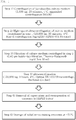
- the extracellular vesicle may be prepared by a method comprising: (1) centrifuging the culture of the lactic acid bacteria to obtain a supernatant; (2) filtering the obtained supernatant; and (3) ultra-centrifugating the obtained filtrate to obtain a precipitate, wherein the lactic acid bacteria-derived extracellular vesicle exhibits effective activity.
- the centrifugation in (1) above may be performed at 1,000 to 20,000 x g, or 1,500 to 20,000 x g, or 1,500 to 15,000 x g, or 1,500 to 10,000 x g for 30 to 60 minutes.
- the centrifugation may be performed stepwise by changing the speed or time.
- the centrifugation may be performed at a low speed of 1,500 to 2,000 x g to separate and remove the lactic acid bacteria strain from the culture, and then at a high speed of 10,000 to 20,000 x g to further remove the cells or cell-related debris and residues, etc.
- the filtration in (2) above be performed with a filter having a size of 0.3 to 0.5 ⁇ m.
- the purity of the centrifuged culture solution may be increased through the filtration.
- the ultracentrifugation in (3) above may be performed at 100,000 x g or higher, specifically 100,000 to 200,000 x g, or 100,000 to 150,000 x g, or 150,000 to 200,000 x g for 1 to 5 hours.
- suspending the obtained precipitate may be further included.
- anti-aging means a use for preventing, delaying, and/or improving aging caused by internal factors, including genetic factors, and external factors, including ultraviolet rays, etc.
- anti-aging means preventing and delaying, or improving and alleviating skin changes due to aging, such as skin thickness increase, skin barrier damage, skin elasticity reduction, wrinkle formation, increase in the depth or number of wrinkles, skin dryness, skin roughness and ultraviolet light-induced skin damage.
- the composition may be an anti-aging composition against photoaging.
- the composition may be an anti-aging composition that improves skin wrinkles or increases skin elasticity.
- the composition has the effect of preventing or blocking the generation of wrinkles by delaying the wrinkle generation timing as much as possible, or alleviating or improving wrinkles that have already been generated.
- the composition has the effect of preventing or blocking skin elasticity reduction, or increasing or improving skin elasticity.
- the composition may inhibit the expression of collagenase, or reduce the activity of collagenase that is minimally expressed by the composition of the present specification.
- the composition may also have specific effects on substances such as up-stream enzymes or proteins that reduce the expression or activity of collagenase.
- MMP-1 is a proteolytic enzyme in the skin that degrades collagen type I, which is an extracellular matrix, and functions as an important protein for intercellular morphogenesis, wound healing, tissue regeneration and reorganization.
- collagen type I which is an extracellular matrix
- MMP-1 binds to collagen and then cuts collagen to cause skin aging such as wrinkle generation and reduction of elasticity.
- the composition according to the present disclosure has the effect of preventing, delaying and/or improving skin aging by inhibiting the activity of MMP-1, which is a collagenase.
- the composition may be a lyophilized formulation contained in a ready-to-use sealed package or in a packaging container.
- the present disclosure also provides an anti-aging kit, comprising a composition comprising as an active ingredient a lactic acid bacteria-derived extracellular vesicle and having a lyophilized formulation; and sterile water or purified water.
- the kit may be a kit contained in a sealed packaging material or in a packaging container so that it can be used readily (ready-to-use).
- the composition may be an external skin application composition, wherein the external skin application composition refers to anything that may be externally applied to a skin and may comprise various formulations of pharmaceuticals.
- the composition may be in the form of ointments, lotions, gels, creams, sprays, suspensions, emulsions, patches, etc., but is not limited thereto.
- the composition may be a cosmetic composition.
- the cosmetic composition may further contain, in addition to lactic acid bacteria-derived extracellular vesicles, a functional additive and components included in a general cosmetic composition.
- the functional additive may include a component selected from the group containing water-soluble vitamins, oil-soluble vitamins, polymer peptides, polymeric polysaccharides, sphingolipids and seaweed extracts.
- the formulation of the cosmetic compositions is not particularly limited and may be appropriately selected according to the purpose.
- the cosmetic composition may be prepared in at least one formulation selected from the group containing skin lotion, skin softener, skin toner, astringent, lotion, milky lotion, moisturizing lotion, nutrition lotion, massage cream, nutritional cream, moisturizing cream, hand cream, foundation, essence, nutrition essence, pack, soap, cleansing foam, cleansing lotion, cleansing cream, body lotion and body cleanser, but is not limited thereto.
- the formulation of the present disclosure is a paste, cream or gel, animal fiber, plant fiber, wax, paraffin, starch, tragacanth, cellulose derivative, polyethylene glycol, silicone, bentonite, silica, talc or zinc oxide may be used as a carrier component.
- lactose, talc, silica, aluminum hydroxide, calcium silicate or polyamide powder may be used as a carrier component.
- a propellant such as chlorofluorohydrocarbon, propane or dimethyl ether may be further included.
- a solvent, a solvating agent or an emulsifier is used as a carrier component, and examples thereof include water, ethanol, isopropanol, ethyl carbonate, ethyl acetate, benzyl alcohol, benzyl benzoate, propylene glycol, 1,3-butyl glycol oil, glycerol aliphatic ester, polyethylene glycol or sorbitan fatty acid ester.
- a liquid diluent such as water, ethanol and propylene glycol
- a suspending agent such as ethoxylated isostearyl alcohol, polyoxyethylene sorbitol ester and polyoxyethylene sorbitan ester
- microlite cellulose, aluminum metahydroxide, bentonite, agar, tragacanth, etc. may be used as a carrier component.
- the formulation of the present disclosure is an surfactant-containing cleansing
- aliphatic alcohol sulfate, aliphatic alcohol ether sulfate, sulfosuccinate monoester, isethionate, imidazolinium derivative, methyltaurate, sarcosinate, fatty acid amide ether sulfates, alkylamido betaines, aliphatic alcohols, fatty acid glycerides, fatty acid diethanolamides, vegetable oils, linolenic derivatives or ethoxylated glycerol fatty acid esters may be used as a carrier component.
- Lactobacillus strain obtained from green tea was used as lactic acid bacteria, and extracellular vesicles containing exosome were isolated therefore. More specifically, Lactobacillus plantarum APsulloc 331261 (Accession No.: KCCM11179P) was used to prepare extracellular vesicles derived from lactic acid bacteria.
- Lactic acid bacterial cells were prepared by using the Lactobacillus plantarum APsulloc 331261 (Accession No.: KCCM11179P) strain used in Example 1 and used in the following test.
- the lactic acid bacterial cells used in the present Comparative Example mean the intact cells that have not undergone a process of separating the extracellular vesicles.
- Test Example 1 Verification of Extracellular Vesicle (EV) Derived from Lactic Acid Bacteria
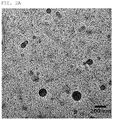
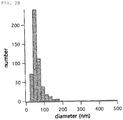
- the shape and size of the extracellular vesicles from the lactic acid bacteria isolated in Example 1 were analyzed by a transmission electron microscope and dynamic light scattering (DLS), and the result showed that extracellular vesicles were generally circular and had a diameter of about 20 to 200 nm (see FIGS. 2A and 2B ).
- the result showed that the isolated extracellular vesicles had a diameter of about 20 to 200 nm and an average diameter of about 50 to 60 nm, more specifically, 55.46 nm.
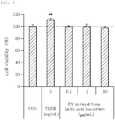
- the extracellular vesicles (0.1 to 10 ⁇ g / ml) derived from the lactic acid bacteria isolated in Example 1 were treated with human fibroblast (Hs68) to verify the effect on cell proliferation and cytotoxicity.
- human fibroblast Hs68 was cultured in a CO 2 incubator, treated with the extracellular vesicles isolated from green tea-derived lactic acid bacteria in Example 1 at 0.1 ⁇ g/ml, 1 ⁇ g/ml, and 10 ⁇ g/ml for 48 hours under the serum-free conditions.
- a positive control was treated with 5 ng/ml of TGF- ⁇ .
- the cells were further cultured for 2 hours after exchanging the medium with the one containing 5% CCK-8 solution. Finally, the absorbance at 450 nm wavelength was measured to calculate the cell proliferation and cytotoxicity in comparison with the control group.
- the result verified that the extracellular vesicles derived from the lactic acid bacteria did not affect the cell proliferation and were stable in the absence of cytotoxicity.
- the extracellular vesicles (0.1-10 ⁇ g/ml) derived from the lactic acid bacteria isolated in Example 1 were treated with human fibroblast (Hs68) to verify the effect on the expression of MMP-1 protein, which is secreted extracellularly.
- human fibroblast Hs68 was cultured in a 6-well plate at 1.8 ⁇ 10 5 cells/2 mL per well for 24 hours. After substituting a serum-free medium, the cells were further cultured for 6 hours, and then stimulated with UVB 20 mJ/cm 2 . The cells were then treated with the extracellular vesicles derived from the green tea-derived lactic acid bacteria isolated in Example 1 at 0.1 ⁇ g/ml and 1 ⁇ g/ml, and the positive control was treated with 1 ⁇ M of retinoic acid (RA). After 48 hours of 5% CCK-8 solution treatment, the culture solutions were collected and the amount of MMP-1 was measured by ELISA. In addition, in order to correct the difference in the amount of the cells between the groups, the MMP-1 ELISA results were normalized to the cell proliferation and cytotoxicity results described above.
- the result verified that the extracellular vesicles derived from the lactic acid bacteria significantly decreased the expression of the extracellularly secreted MMP-1 enzyme and thus had an anti-aging effect.
- the result verified that the extracellular vesicles derived from the lactic acid bacteria repressed ultraviolet light-induced skin damage and thus had a skin-protecting effect against ultraviolet rays.
- human fibroblast Hs68 was cultured in a 5% CO 2 incubator at 37°C, and the extracellular vesicles derived from the lactic acid bacteria isolated in Example 1 and the lactic acid bacteria prepared in Comparative Example 1 were respectively incubated at 1-20 ⁇ g/ml for 72 hours. Then, the supernatants were collected, and LDH activity was measured. The cytotoxicity was measured by using the PierceTM LDH Cytotoxicity Assay Kit according to the manufacturer's instructions.
- the result showed that the extracellular vesicles derived from the lactic acid bacteria, when treated at a concentration higher than a specific concentration, significantly reduced the cytotoxicity in comparison with the case where the intact cells of lactic acid bacteria were used.
- Table 1 Component Content (wt. %) Extracellular vesicles derived from the lactic acid bacteria of Example 1 2.00 Glycerin 8.00 Butylene glycol 4.00 Liquid paraffin 15.00 Beta glucan 7.00 Carbomer 0.10 Caprylic/capric triglyceride 3.00 Squalane 1.00 Cetearyl glucoside 1.50 Sorbitan stearate 0.40 Cetearyl alcohol 1.00 Wax 4.00 Purified water Balance Sum 100.00
- a cosmetic solution formulation was prepared in a conventional manner according to the composition shown in Table 2 below.
- Table 2 Component Content (wt. %) Extracellular vesicles derived from the lactic acid bacteria of Example 1 2.00 Hydroxyethylene cellulose (2% aqueous solution) 12.00 Xanthan gum (2% aqueous solution) 2.00 1,3-butylene glycol 6.00 Concentrated glycerin 4.00 Sodium hyaluronate (1% aqueous solution) 5.00 Purified water Balance Sum 100.00
- a lotion was prepared in a conventional manner according to the composition shown in Table 3 below.
- Table 3 Component Content (wt. %) Extracellular vesicles derived from the lactic acid bacteria of Example 1 2.00 L-ascorbic acid-2-phosphate magnesium salt 1. 00 Water-soluble collagen (1% aqueous solution) 1.00 Sodium citrate 0.10 Citric acid 0.05 Licorice extract 0.20 1,3-butylene glycol 3.00 Purified water Balance Sum 100.00
- a cream was prepared in a conventional manner according to the composition shown in Table 4 below.
- Table 4 Component Content (wt. %) Extracellular vesicles derived from the lactic acid bacteria of Example 1 2.00 Polyethylene glycol monostearate 2.00 Self-emulsifying monostearic acid glycerin 5.00 Cetyl alcohol 4.00 Squalene 6.00 Tri-2-ethylhexane glyceryl 6.00 Sphingoglycolipids 1.00 1,3-butylene glycol 7.00 Purified water Balance Sum 100.00
- a pack was prepared in a conventional manner according to the composition shown in Table 5 below.
- Table 5 Component Content (wt. %) Extracellular vesicles derived from the lactic acid bacteria of Example 1 2.00 Polyvinyl alcohol 13.00 L-ascorbic acid-2-phosphate magnesium salt 1.00 Lauroyl hydroxyproline 1.00 Water-soluble collagen (1% aqueous solution) 2.00 1,3-butylene glycol 3.00 Ethanol 5.00 Purified water Balance Sum 100.00
Landscapes
- Health & Medical Sciences (AREA)
- Life Sciences & Earth Sciences (AREA)
- Veterinary Medicine (AREA)
- Animal Behavior & Ethology (AREA)
- General Health & Medical Sciences (AREA)
- Public Health (AREA)
- Dermatology (AREA)
- Epidemiology (AREA)
- Birds (AREA)
- Engineering & Computer Science (AREA)
- Biotechnology (AREA)
- Tropical Medicine & Parasitology (AREA)
- Gerontology & Geriatric Medicine (AREA)
- Medicines Containing Material From Animals Or Micro-Organisms (AREA)
- Cosmetics (AREA)
Abstract
Description
- The present disclosure relates to an anti-aging composition comprising as an effective ingredient an extracellular vesicle derived from a lactic acid bacteria.
- Matrix metalloproteinase (hereinafter referred to as "MMP") is a zinc -containing endopeptidase enzyme capable of decomposing macromolecules such as collagen, proteoglycan and gelatin, and is largely classified into collagenase, gelatinase, stromelysin and membrane type MMP. Since MMP induces skin aging, if it is inhibited, an effect of wrinkle treatment and prevention can be expected. In addition, MMP promotes angiogenesis, cancer invasion and metastasis by decomposition of basement membrane.
- Collagen present in the dermis of the skin accounts for about 70-80% of the dry weight of the skin, and is known to control skin elasticity with elastin, which is an elastic fiber. MMP plays an important role in the reduction of collagen, which is involved in the decomposition of extracellular matrix and basement membrane. It has been reported that the activity of the enzyme is increased by aging or ultraviolet rays, and that the inhibition of MMP reduced skin aging phenomena, such as skin thickening and wrinkle formation, induced by aging or ultraviolet rays (Inomata S et al., J. Invest. Dermatol., 120 (1): 128-134, 2003).
- Meanwhile, most animal cells have the ability to secrete extracellular vesicles of intracellular origin with various sizes and components, and these extracellular vesicles are found in all biological fluids including blood, urine, saliva, and cell culture fluids (Loyer X, Vion AC, Tedgui A, Boulanger CM. Microvesicles as cell-cell messengers in cardiovascular diseases. Circ Res 2014; 114: 345-53; Ohno S, Ishikawa A, Kuroda M. Roles of exosomes and microvesicles in disease pathogenesis. Adv Drug Deliv Rev 2013; 65: 398-401).
- The extracellular vesicles are small vesicles having a membrane structure, the diameter ranging from about 20 nm to about 5 µm, and are heterogeneous in their size and composition. The extracellular vesicles include many different types including exosomes (about 30-100 nm), ectosomes, microvesicles (about 100-1,000 nm), microparticles, apoptotic bodies (about 1-5 µm) and others.
- The different types of extracellular vesicles are distinguished according to their origin, diameter, density in sucrose, shape, sedimentation rate, lipid composition, protein marker or secretion mode (whether the secretion is by a signal (inducible) or spontaneous (constitutive)). For example, microvesicles are membrane vesicles with irregular shapes of about 100 to 1,000 nm and known to germinate toward the outside of the plasma (originate from the plasma membrane) and to contain markers, including integrin, selectin, CD40 ligand, etc., and phospholipids, including phosphatidylserine. Meanwhile, exosomes are the smallest membrane vesicles having a cup shape of about 30 to 100 nm (<200 nm), and are known to germinate from the inside of late endosomes (originating from endosomes) and to generally contain markers, including CD63, tetraspanin of CD9, TSG101 and ESCRT, and phospholipids including cholesterol, sphingomyelin, ceramide, and phosphatidylserine.
- These extracellular vesicles reflect the state of secretory cells (donor cells), and exhibit various biological activities depending on the cells from which the vesicles are secreted. The extracellular vesicles play an important role in cell-to-cell communication by transferring genetic material and proteins between cells.
- Prokaryotic or eukaryotic cells are also known to secrete extracellular vesicles (Camussi, G., Deregibus, M. C., Bruno, S., Cantaluppi, V., & Biancone, L. (2010). Exosomes/microvesicles as a mechanism of cell-to-cell communication. Kidney International, 78(9), 838-848; Bang, Claudia, and Thomas Thum. "Exosomes: New players in cell-cell communication." The International Journal of Biochemistry & Cell Biology 44.11 (2012): 2060-2064; Kim, D. K., Lee, J., Simpson, R. J., Lotvall, J., & Gho, Y. S. (2015, April), EVpedia: A community web resource for prokaryotic and eukaryotic extracellular vesicles research. Seminars in Cell & Developmental Biology (Vol. 40, pp. 4-7). Academic Press; Kim, J. H., Lee, J., Park, J., & Gho, Y. S. (2015, April). Gram-negative and Gram-positive bacterial extracellular vesicles. Seminars in Cell & Developmental Biology (Vol. 40, pp. 97-104). Academic Press).
- Lactic acid bacterium, which is a representative microorganism useful for human body, is a bacterium that decomposes sugars such as glucose or lactose to produce organic acids such as lactic acid and acetic acid, and is used to manufacture fermented foods such as fermented milk, cheese and butter through a fermentation process to produce organic acids from sugars. However, the anti-aging effect of extracellular vesicles, which are complex physiologically active substances derived from lactic acid bacteria, has not been disclosed. The related prior art includes Korean Patent Laid-Open No.
10-2011-0025603 - In one aspect, the present disclosure aims to provide an anti-aging composition comprising as an effective ingredient an extracellular vesicle, which is a complex physiologically active substance derived from a lactic acid bacterium.
- In another aspect, the present disclosure aims to provide a method for producing an anti-aging composition comprising as an effective ingredient an extracellular vesicle derived from a lactic acid bacterium.
- In one aspect, the technology disclosed herein provides an anti-aging composition comprising as an active ingredient an extracellular vesicle derived from a lactic acid bacterium.
- In one exemplary embodiment, the lactic acid bacterium may be at least one selected from the group consisting of Bifidobacterium spp., Latobacillus spp., Streptocuccus spp., Leuconostoc spp., Pediococcus spp. and Lactococcus spp. strains.
- In one exemplary embodiment, the lactic acid bacterium may be a strain of Latobacillus spp.
- In one exemplary embodiment, the strain of Latobacillus spp. may be Lactobacillus plantarum.
- In an exemplary embodiment, the extracellular vesicle may be isolated from a lactic acid bacteria culture solution.
- In an exemplary embodiment, the extracellular vesicle may be an exosome-like vesicle.
- In an exemplary embodiment, the exosome-like vesicle may have a diameter of 20 to 200 nm.
- In an exemplary embodiment, the extracellular vesicle may be precipitated by an ultracentrifugation of 100,000 x g or higher of a lactic acid bacteria culture.
- In an exemplary embodiment, the composition may be one that inhibits the expression of the MMP-1 enzyme.
- In an exemplary embodiment, the composition may be one that inhibits the expression of MMP-1 enzyme induced by ultraviolet light.
- In an exemplary embodiment, the composition may have at least one properties selected from the group consisting of (a) improving skin wrinkles; (b) increasing skin elasticity; (c) suppressing collagen reduction; and (d) preventing ultraviolet light-induced skin damage.
- In an exemplary embodiment, the composition may be an external skin application composition.
- In an exemplary embodiment, the composition may be a cosmetic composition.
- In one aspect, the technology disclosed in the present specification has provides an anti-aging composition comprising as an effective ingredient an extracellular vesicle, which is a complex physiologically active substance derived from a lactic acid bacterium.
- In another aspect, the technology disclosed in the present specification provides a method for producing an anti-aging composition comprising as an effective ingredient an extracellular vesicle derived from a lactic acid bacterium.
-
-
FIG. 1 shows the steps of the process of separating extracellular vesicles from lactic acid bacteria according to one embodiment of the present specification. -
FIG. 2A shows a transmission electron microscope image of lactic acid bacteria-derived extracellular vesicles according to one test example of the present specification. -
FIG. 2B shows the result of the measurement of the extracellular vesicle size derived from lactic acid bacteria according to one test example of the present specification. -
FIG. 3 shows the result of the measurement of the effect on cell proliferation and cytotoxicity of dermal fibroblasts treated with lactic acid bacteria-derived extracellular vesicles according to a test example of the present specification (**, p <0.01). -
FIG. 4 shows the result of the measurement of the effect on the expression of MMP-1 protein of lactic acid bacteria-derived extracellular vesicles treated with dermal fibroblasts according to a test example of the present specification (**, p <0.01). -
FIG. 5 shows the results of comparing the effect on cytotoxicity of lactic acid bacteria-derived extracellular vesicles with that of lactic acid bacteria cells according to one test example of the present specification. - Hereinafter, the present disclosure will be described in detail.
- In one aspect, the present disclosure provides an anti-aging composition comprising as an active ingredient an extracellular vesicle derived from lactic acid bacteria.
- In another aspect, the present disclosure provides an anti-aging method comprising applying an effective amount of an extracellular vesicle derived from lactic acid bacteria for anti-aging to a subject in need thereof.
- In another aspect, the present disclosure provides an extracellular vesicle derived from lactic acid bacteria for anti-aging of a subject.
- In another aspect, the present disclosure provides a non-therapeutic use of an extracellular vesicle derived from lactic acid bacteria for anti-aging of a subject.
- In another aspect, the present disclosure provides a use of an extracellular vesicle derived from lactic acid bacteria in manufacturing a composition for anti-aging of a subject.
- In an exemplary embodiment, the ant-aging may be skin ant-aging.
- In an exemplary embodiment, the lactic acid bacteria-derived extracellular vesicle may be applied or administered to or coated on a subject in the form of a pharmaceutical composition, an external skin application composition, a cosmetic composition or a food composition.
- In an exemplary embodiment, the lactic acid bacteria-derived extracellular vesicle may be applied to a skin or scalp of a subject.
- As used herein, the term "active ingredient" refers to a component that can exhibit the desired activity alone or with a carrier, etc. which is inactive itself.
- In the present specification, the lactic acid bacteria can be used without limitation, either as an isolated strain or a variety of commercially available lactic acid bacteria.
- In an exemplary embodiment, the lactic acid bacteria may be one obtained from green tea.
- In one exemplary embodiment, the lactic acid bacteria may be at least one selected from the group consisting of Bifidobacterium spp., Latobacillus spp., Streptocuccus spp., Leuconostoc spp., Pediococcus spp. and Lactococcus spp., and a strain of the Lactobacillus genus may be preferable in terms of increasing the yield of extracellular vesicles including exosome.
- In one exemplary embodiment, the lactic acid bacteria may be at least one selected from the group consisting of Bifidobacterium breve (B. breve), Bifidobacterium longum (B. longum), Bifidobacterium infantis (B. infantis), Lactobacillus bulgaricus (L. bulgaricus), Lactobacillus reuteri (L. reuteri), Lactobacillus rhamnosus (L. rhamnosus), Lactobacillus plantarum (L. plantarum), Lactobacillus sakei (L. sakei), Lactobacillus acidophilus (L. acidophilus), Streptococcus thermophilus (S. thermophilus), Streptococcus faecium (S. faecium), Streptococcus faecalis (S. faecalis), Leuconostoc mesenteroides (L. mesenteroides), Pediococcus cerevisiae (P. cerevisiae), and Lactococcus lactis (L. lactis), and Lactobacillus plantarum may be the most preferable in terms of increasing the yield of extracellular vesicles including exosome. Lactobacillus plantarum increases the yield of exosomes.
- In an exemplary embodiment, the lactic acid bacteria may be Lactobacillus plantarum APsulloc 331262 (KCCM 11179P) .
- As used herein, the term "an extracellular vesicle" refers to a vesicle secreted from cells and released into the extracellular space. The inside and the outside of the vesicle are distinguished by a lipid bilayer, and the vesicle has plasma membrane lipids, plasma membrane proteins, nucleic acids, and cytoplasmic components that can be used to indirectly understand the nature and state of cells. The extracellular vesicle can bind to other cells or tissues to deliver membrane components, mRNAs, miRNAs, proteins (growth hormone, cytokine, etc.), and transfer these substances to the recipient cells to act as extracellular transporters mediating cell-to-cell communication.
- As used herein, the term "exosome-like vesicle" refers to a nanosized extracellular vesicle and the term is used in the broadest concept, including not only a nanosized exosome but also a vesicle similar in a nanosized vesicular structure and a composition with the exosome.
- In an exemplary embodiment, the extracellular vesicle may be isolated in a lactic acid bacteria culture. The isolated extracellular vesicle may be physically separated, wholly or partially, from the existing tissues or cells.
- In an exemplary embodiment, the extracellular vesicle may have a diameter of 20 to 500 nm. In another aspect, the extracellular vesicle may have a diameter of at least 20 nm, at least 30 nm, at least 40 nm, at least 50 nm, at least 60 nm, at least 70 nm, at least 80 nm, at least 90 nm or at least 100 nm, or 500 nm or less, 450 nm or less, 400 nm or less, 350 nm or less, 300 nm or less, 250 nm or less, 200 nm or less, 150 nm or less or 100 nm or less.
- In an exemplary embodiment, the extracellular vesicle may be an exosome-like vesicle.
- In an exemplary embodiment, the exosome-like vesicle may have a diameter of 20 to 200 nm. In another aspect, the exosome-like vesicle may have a diameter of at least 20 nm, at least 30 nm, at least 40 nm, at least 50 nm, at least 60 nm, at least 70 nm, at least 80 nm, at least 90 nm, or at least 100 nm, or 200 nm or less, 190 nm or less, 180 nm or less, 170 nm or less, 160 or less, 150 nm or less, 140 nm or less, 130 nm or less, 120 nm or less, 110 nm or less or 100 nm or less.
- In an exemplary embodiment, the extracellular vesicle may be an exosome.
- In an exemplary embodiment, the extracellular vesicle may be one that precipitates in ultracentrifugation of lactic acid bacteria culture at 100,000 x g or higher, specifically 100,000 to 200,000 x g, or 100,000 to 150,000 x g, or 150,000 to 200,000 x g.
- In an exemplary embodiment, the extracellular vesicle may be one in which the membrane component is chemically or physically modified, for example, to efficiently perform a desired function in a target cell. For example, the membrane component of the extracellular vesicle may be modified by a chemical method using a thiol group (-SH) or an amine group (-NH2), or the membrane component of the extracellular vesicle may be modified chemically by a chemical bonding of a target inducing substance, a cell membrane fusion substance or polyethylene glycol to the extracellular vesicle
- In an exemplary embodiment, the extracellular vesicle may be separated by using at least one method selected from the group consisting of centrifugation, ultracentrifugation, differential centrifugation, equilibrium density centrifugation, density gradient, filtration, dialysis and free-flow electrophoresis but not limited thereto.
- Density gradient is the method that is most commonly used in distinguishing substances of different densities. Specific examples of this method include those performed by using density gradient materials such as ficoll, glycerol, sucrose, cesium chloride and iodixanol but are not limited thereto. In one aspect, density gradient can be used with ultracentrifugation and the like. In another aspect, gel filtration or ultrafiltration may be used to screen extracellular vesicles. In another aspect, dialysis may be used instead of filtration to remove molecules of a small size. In another aspect, free-flow electrophoresis may be used.
- In an exemplary embodiment, the extracellular vesicle may be prepared by a method comprising: (1) centrifuging the culture of the lactic acid bacteria to obtain a supernatant; (2) filtering the obtained supernatant; and (3) ultra-centrifugating the obtained filtrate to obtain a precipitate, wherein the lactic acid bacteria-derived extracellular vesicle exhibits effective activity.
- In an exemplary embodiment, the centrifugation in (1) above may be performed at 1,000 to 20,000 x g, or 1,500 to 20,000 x g, or 1,500 to 15,000 x g, or 1,500 to 10,000 x g for 30 to 60 minutes. At this time, the centrifugation may be performed stepwise by changing the speed or time. For example, the centrifugation may be performed at a low speed of 1,500 to 2,000 x g to separate and remove the lactic acid bacteria strain from the culture, and then at a high speed of 10,000 to 20,000 x g to further remove the cells or cell-related debris and residues, etc.
- In an exemplary embodiment, the filtration in (2) above be performed with a filter having a size of 0.3 to 0.5 µm. The purity of the centrifuged culture solution may be increased through the filtration.
- In an exemplary embodiment, the ultracentrifugation in (3) above may be performed at 100,000 x g or higher, specifically 100,000 to 200,000 x g, or 100,000 to 150,000 x g, or 150,000 to 200,000 x g for 1 to 5 hours.
- In an exemplary embodiment, after (3) and (4) above, suspending the obtained precipitate may be further included.
- As used herein, the term "anti-aging" means a use for preventing, delaying, and/or improving aging caused by internal factors, including genetic factors, and external factors, including ultraviolet rays, etc. For example, "anti-aging" means preventing and delaying, or improving and alleviating skin changes due to aging, such as skin thickness increase, skin barrier damage, skin elasticity reduction, wrinkle formation, increase in the depth or number of wrinkles, skin dryness, skin roughness and ultraviolet light-induced skin damage.
- In an exemplary embodiment, the composition may be an anti-aging composition against photoaging.
- In an exemplary embodiment, the composition may be an anti-aging composition that improves skin wrinkles or increases skin elasticity. Specifically, the composition has the effect of preventing or blocking the generation of wrinkles by delaying the wrinkle generation timing as much as possible, or alleviating or improving wrinkles that have already been generated. In addition, the composition has the effect of preventing or blocking skin elasticity reduction, or increasing or improving skin elasticity.
- In an exemplary embodiment, the composition may inhibit the expression of collagenase, or reduce the activity of collagenase that is minimally expressed by the composition of the present specification. In another aspect, the composition may also have specific effects on substances such as up-stream enzymes or proteins that reduce the expression or activity of collagenase.
- MMP-1 is a proteolytic enzyme in the skin that degrades collagen type I, which is an extracellular matrix, and functions as an important protein for intercellular morphogenesis, wound healing, tissue regeneration and reorganization. However, when a person is aged or exposed to ultraviolet rays, the production of MMP-1 is increased in the body and MMP-1 binds to collagen and then cuts collagen to cause skin aging such as wrinkle generation and reduction of elasticity. The composition according to the present disclosure has the effect of preventing, delaying and/or improving skin aging by inhibiting the activity of MMP-1, which is a collagenase.
- In an exemplary embodiment, the composition may be a lyophilized formulation contained in a ready-to-use sealed package or in a packaging container.
- The present disclosure also provides an anti-aging kit, comprising a composition comprising as an active ingredient a lactic acid bacteria-derived extracellular vesicle and having a lyophilized formulation; and sterile water or purified water. The kit may be a kit contained in a sealed packaging material or in a packaging container so that it can be used readily (ready-to-use).
- In an exemplary embodiment, the composition may be an external skin application composition, wherein the external skin application composition refers to anything that may be externally applied to a skin and may comprise various formulations of pharmaceuticals. For example, the composition may be in the form of ointments, lotions, gels, creams, sprays, suspensions, emulsions, patches, etc., but is not limited thereto.
- In an exemplary embodiment, the composition may be a cosmetic composition.
- The cosmetic composition may further contain, in addition to lactic acid bacteria-derived extracellular vesicles, a functional additive and components included in a general cosmetic composition. The functional additive may include a component selected from the group containing water-soluble vitamins, oil-soluble vitamins, polymer peptides, polymeric polysaccharides, sphingolipids and seaweed extracts. Other ingredients that may be included in the composition include an oil component, a moisturizing agent, an emollient, a surfactant, an organic or inorganic pigment, an organic powder, an ultraviolet absorber, a preservative, a bactericide, an antioxidant, a plant extract, a pH regulator, an alcohol, a coloring agent, a flavoring agent, a blood circulation accelerator, a cooling agent, an antiperspirant agent and purified water.
- The formulation of the cosmetic compositions is not particularly limited and may be appropriately selected according to the purpose. For example, the cosmetic composition may be prepared in at least one formulation selected from the group containing skin lotion, skin softener, skin toner, astringent, lotion, milky lotion, moisturizing lotion, nutrition lotion, massage cream, nutritional cream, moisturizing cream, hand cream, foundation, essence, nutrition essence, pack, soap, cleansing foam, cleansing lotion, cleansing cream, body lotion and body cleanser, but is not limited thereto.
- When the formulation of the present disclosure is a paste, cream or gel, animal fiber, plant fiber, wax, paraffin, starch, tragacanth, cellulose derivative, polyethylene glycol, silicone, bentonite, silica, talc or zinc oxide may be used as a carrier component.
- When the formulation of the present disclosure is a powder or a spray, lactose, talc, silica, aluminum hydroxide, calcium silicate or polyamide powder may be used as a carrier component. In the case of a spray, in particular, a propellant such as chlorofluorohydrocarbon, propane or dimethyl ether may be further included.
- When the formulation of the present disclosure is a solution or an, a solvent, a solvating agent or an emulsifier is used as a carrier component, and examples thereof include water, ethanol, isopropanol, ethyl carbonate, ethyl acetate, benzyl alcohol, benzyl benzoate, propylene glycol, 1,3-butyl glycol oil, glycerol aliphatic ester, polyethylene glycol or sorbitan fatty acid ester.
- When the formulation of the present disclosure is a suspension, a liquid diluent such as water, ethanol and propylene glycol; a suspending agent such as ethoxylated isostearyl alcohol, polyoxyethylene sorbitol ester and polyoxyethylene sorbitan ester; microlite cellulose, aluminum metahydroxide, bentonite, agar, tragacanth, etc. may be used as a carrier component.
- When the formulation of the present disclosure is an surfactant-containing cleansing, aliphatic alcohol sulfate, aliphatic alcohol ether sulfate, sulfosuccinate monoester, isethionate, imidazolinium derivative, methyltaurate, sarcosinate, fatty acid amide ether sulfates, alkylamido betaines, aliphatic alcohols, fatty acid glycerides, fatty acid diethanolamides, vegetable oils, linolenic derivatives or ethoxylated glycerol fatty acid esters may be used as a carrier component.
- Hereinafter, the present disclosure will be described in more detail with reference to Examples. It would be obvious to one of ordinary skill in the art that these Examples are merely illustrative of the present disclosure and that the scope of the present disclosure is not construed as being limited by these Examples.
- In this Example, a Lactobacillus strain obtained from green tea was used as lactic acid bacteria, and extracellular vesicles containing exosome were isolated therefore. More specifically, Lactobacillus plantarum APsulloc 331261 (Accession No.: KCCM11179P) was used to prepare extracellular vesicles derived from lactic acid bacteria.
- (Step 1) The culture solution of the cultured Lactobacillus strain was centrifuged at 1,800 x g at 4°C for 20 minutes to separate and remove the Lactobacillus strain from the culture solution. In other words, the cells and the supernatant were separated through a low-speed centrifugation process.
- (Step 2) The culture solution centrifuged in
Step 1 was centrifuged at 10,000 x g for 20 minutes at 4°C by using a high-speed centrifuge to further remove the cells or cell-related debris and residues. - (Step 3) The culture solution centrifuged in Step 2 was filtered through a 0.45 µm bottle-top filter to increase the purity of the culture solution.
- (Step 4) The extracellular vesicles containing exosome were separated by ultracentrifugation at 150,000 x g for 3 hours at 4°C.
- (Step 5) After removing the supernatant obtained in Step 4 through the ultracentrifugation, the remaining pellet of the extracellular vesicle containing exosome was resuspended in a buffer solution (HEPES buffer).
- (Step 6) The extracellular vesicle (EV) containing exosomes resuspended in the buffer solution in
Step 5 was stored at -70°C and used in the following test (seeFIG. 1 ) . - Lactic acid bacterial cells were prepared by using the Lactobacillus plantarum APsulloc 331261 (Accession No.: KCCM11179P) strain used in Example 1 and used in the following test. In other words, the lactic acid bacterial cells used in the present Comparative Example mean the intact cells that have not undergone a process of separating the extracellular vesicles.
- The shape and size of the extracellular vesicles from the lactic acid bacteria isolated in Example 1 were analyzed by a transmission electron microscope and dynamic light scattering (DLS), and the result showed that extracellular vesicles were generally circular and had a diameter of about 20 to 200 nm (see
FIGS. 2A and2B ). In addition, the result showed that the isolated extracellular vesicles had a diameter of about 20 to 200 nm and an average diameter of about 50 to 60 nm, more specifically, 55.46 nm. - The extracellular vesicles (0.1 to 10 µg / ml) derived from the lactic acid bacteria isolated in Example 1 were treated with human fibroblast (Hs68) to verify the effect on cell proliferation and cytotoxicity.
- Specifically, human fibroblast Hs68 was cultured in a CO2 incubator, treated with the extracellular vesicles isolated from green tea-derived lactic acid bacteria in Example 1 at 0.1 µg/ml, 1 µg/ml, and 10 µg/ml for 48 hours under the serum-free conditions. A positive control was treated with 5 ng/ml of TGF-β. Then, the cells were further cultured for 2 hours after exchanging the medium with the one containing 5% CCK-8 solution. Finally, the absorbance at 450 nm wavelength was measured to calculate the cell proliferation and cytotoxicity in comparison with the control group.
- As shown in
FIG. 3 , the result verified that the extracellular vesicles derived from the lactic acid bacteria did not affect the cell proliferation and were stable in the absence of cytotoxicity. - The extracellular vesicles (0.1-10 µg/ml) derived from the lactic acid bacteria isolated in Example 1 were treated with human fibroblast (Hs68) to verify the effect on the expression of MMP-1 protein, which is secreted extracellularly.
- Specifically, human fibroblast Hs68 was cultured in a 6-well plate at 1.8 × 10⁵ cells/2 mL per well for 24 hours. After substituting a serum-free medium, the cells were further cultured for 6 hours, and then stimulated with
UVB 20 mJ/cm2. The cells were then treated with the extracellular vesicles derived from the green tea-derived lactic acid bacteria isolated in Example 1 at 0.1 µg/ml and 1 µg/ml, and the positive control was treated with 1 µM of retinoic acid (RA). After 48 hours of 5% CCK-8 solution treatment, the culture solutions were collected and the amount of MMP-1 was measured by ELISA. In addition, in order to correct the difference in the amount of the cells between the groups, the MMP-1 ELISA results were normalized to the cell proliferation and cytotoxicity results described above. - As shown in
FIG. 4 , the result verified that the extracellular vesicles derived from the lactic acid bacteria significantly decreased the expression of the extracellularly secreted MMP-1 enzyme and thus had an anti-aging effect. In addition, the result verified that the extracellular vesicles derived from the lactic acid bacteria repressed ultraviolet light-induced skin damage and thus had a skin-protecting effect against ultraviolet rays. - The effect of on cytotoxicity was compared between the extracellular vesicles derived from the lactic acid bacteria isolated in Example 1 and the lactic acid bacteria prepared in Comparative Example 1.
- Specifically, human fibroblast Hs68 was cultured in a 5% CO2 incubator at 37°C, and the extracellular vesicles derived from the lactic acid bacteria isolated in Example 1 and the lactic acid bacteria prepared in Comparative Example 1 were respectively incubated at 1-20 µg/ml for 72 hours. Then, the supernatants were collected, and LDH activity was measured. The cytotoxicity was measured by using the Pierce™ LDH Cytotoxicity Assay Kit according to the manufacturer's instructions.
- As shown in
FIG. 5 , the result showed that the extracellular vesicles derived from the lactic acid bacteria, when treated at a concentration higher than a specific concentration, significantly reduced the cytotoxicity in comparison with the case where the intact cells of lactic acid bacteria were used. - The examples the formulation of the composition according to one aspect of the present specification are described below, but various other formulations are also applicable. These examples are not intended to be limiting, but to illustrate specifically.
- An ointment was prepared in a conventional manner according to the composition shown in Table 1 below.
Table 1 Component Content (wt. %) Extracellular vesicles derived from the lactic acid bacteria of Example 1 2.00 Glycerin 8.00 Butylene glycol 4.00 Liquid paraffin 15.00 Beta glucan 7.00 Carbomer 0.10 Caprylic/capric triglyceride 3.00 Squalane 1.00 Cetearyl glucoside 1.50 Sorbitan stearate 0.40 Cetearyl alcohol 1.00 Wax 4.00 Purified water Balance Sum 100.00 - A cosmetic solution formulation was prepared in a conventional manner according to the composition shown in Table 2 below.
Table 2 Component Content (wt. %) Extracellular vesicles derived from the lactic acid bacteria of Example 1 2.00 Hydroxyethylene cellulose (2% aqueous solution) 12.00 Xanthan gum (2% aqueous solution) 2.00 1,3-butylene glycol 6.00 Concentrated glycerin 4.00 Sodium hyaluronate (1% aqueous solution) 5.00 Purified water Balance Sum 100.00 - A lotion was prepared in a conventional manner according to the composition shown in Table 3 below.
Table 3 Component Content (wt. %) Extracellular vesicles derived from the lactic acid bacteria of Example 1 2.00 L-ascorbic acid-2- phosphate magnesium salt 1. 00 Water-soluble collagen (1% aqueous solution) 1.00 Sodium citrate 0.10 Citric acid 0.05 Licorice extract 0.20 1,3-butylene glycol 3.00 Purified water Balance Sum 100.00 - A cream was prepared in a conventional manner according to the composition shown in Table 4 below.
Table 4 Component Content (wt. %) Extracellular vesicles derived from the lactic acid bacteria of Example 1 2.00 Polyethylene glycol monostearate 2.00 Self-emulsifying monostearic acid glycerin 5.00 Cetyl alcohol 4.00 Squalene 6.00 Tri-2-ethylhexane glyceryl 6.00 Sphingoglycolipids 1.00 1,3-butylene glycol 7.00 Purified water Balance Sum 100.00 - A pack was prepared in a conventional manner according to the composition shown in Table 5 below.
Table 5 Component Content (wt. %) Extracellular vesicles derived from the lactic acid bacteria of Example 1 2.00 Polyvinyl alcohol 13.00 L-ascorbic acid-2-phosphate magnesium salt 1.00 Lauroyl hydroxyproline 1.00 Water-soluble collagen (1% aqueous solution) 2.00 1,3-butylene glycol 3.00 Ethanol 5.00 Purified water Balance Sum 100.00 - So far, specific portions of the present disclosure have been described in detail. It will be obvious to one of ordinary skill in the art that this specific description is only a preferred embodiment and that the scope of the present disclosure is not limited thereby. Accordingly, the actual scope of the present disclosure will be defined by the appended claims and their equivalents.
Claims (13)
- An anti-aging composition comprising as an active ingredient an extracellular vesicle derived from lactic acid bacteria.
- The anti-aging composition of claim 1,
wherein the lactic acid bacteria are at least one selected from the group consisting of Bifidobacterium spp., Latobacillus spp., Streptocuccus spp., Leuconostoc spp., Pediococcus spp. and Lactococcus spp. - The anti-aging composition of claim 2,
wherein the lactic acid bacteria are a strain of Lactobacillus spp. - The anti-aging composition of claim 3,
wherein the strain of Lactobacillus spp. is Lactobacillus plantarum. - The anti-aging composition of claim 1,
wherein the extracellular vesicle is separated from a lactic acid bacteria culture solution. - The anti-aging composition of claim 1,
wherein the extracellular vesicle is an exosome-like vesicle. - The anti-aging composition of claim 6,
wherein the exosome-like vesicle has a diameter of 20 to 200 nm. - The anti-aging composition of claim 1,
wherein the extracellular vesicle is precipitated by ultracentrifugation of a lactic acid bacteria culture solution at 100,000 x g or higher. - The anti-aging composition of claim 1,
wherein the composition inhibits the expression of the MMP-1 enzyme. - The anti-aging composition of claim 1,
wherein the composition inhibits the expression of the MMP-1 enzyme induced by ultraviolet light - The anti-aging composition of claim 1,
wherein the composition has at least one of the following properties:(a) improving skin wrinkles;(b) increasing skin elasticity;(c) suppressing collagen reduction; and(d) preventing ultraviolet light-induced skin damage. - The anti-aging composition of claim 1,
wherein the composition is an external skin application composition. - The anti-aging composition of claim 1,
wherein the composition is a cosmetic composition.
Applications Claiming Priority (2)
| Application Number | Priority Date | Filing Date | Title |
|---|---|---|---|
| KR1020170082464A KR102348048B1 (en) | 2017-06-29 | 2017-06-29 | Anti-aging composition comprising extracellular vesicles derived from lactic acid bacteria |
| PCT/KR2018/007166 WO2019004673A2 (en) | 2017-06-29 | 2018-06-25 | Anti-aging composition comprising lactic acid bacteria-derived extracellular vesicle |
Publications (2)
| Publication Number | Publication Date |
|---|---|
| EP3646851A2 true EP3646851A2 (en) | 2020-05-06 |
| EP3646851A4 EP3646851A4 (en) | 2021-04-07 |
Family
ID=64742411
Family Applications (1)
| Application Number | Title | Priority Date | Filing Date |
|---|---|---|---|
| EP18824818.1A Pending EP3646851A4 (en) | 2017-06-29 | 2018-06-25 | ANTI-AGING COMPOSITION WITH LACTIC ACID BACTERIA-DERIVED EXTRACELLULAR VESICLES |
Country Status (4)
| Country | Link |
|---|---|
| EP (1) | EP3646851A4 (en) |
| KR (1) | KR102348048B1 (en) |
| CN (1) | CN111225659B (en) |
| WO (1) | WO2019004673A2 (en) |
Cited By (5)
| Publication number | Priority date | Publication date | Assignee | Title |
|---|---|---|---|---|
| JP2022072433A (en) * | 2020-10-29 | 2022-05-17 | オリザ油化株式会社 | Percutaneous water evaporation inhibitor |
| WO2022255553A1 (en) * | 2021-06-03 | 2022-12-08 | 주식회사 엠디헬스케어 | Composition for preventing or treating eye diseases comprising extracellular vesicles derived from lactobacillus paracasei |
| KR20230055378A (en) * | 2021-10-18 | 2023-04-25 | (주) 네이처인트로 | Hybrid liposome conjugated extracellular vesicles derived lactic acid bacteria and coenzyme q10 liposome and the use thereof |
| EP4183264A4 (en) * | 2020-07-14 | 2024-08-14 | Liscure Biosciences Co., Ltd. | Composition for treating brain disease comprising pediococcus inopinatus or extracellular vesicles derived therefrom as active ingredient |
| EP4349353A4 (en) * | 2021-06-03 | 2025-06-25 | MD Healthcare Inc. | VESICLE DERIVED FROM LACTOBACILLUS RHAMNOSUS AND ITS USES |
Families Citing this family (30)
| Publication number | Priority date | Publication date | Assignee | Title |
|---|---|---|---|---|
| MY204586A (en) * | 2019-04-17 | 2024-09-05 | Biogaia Ab | Therapeutic microvesicles of probiotic bacteria |
| KR102558281B1 (en) * | 2020-03-04 | 2023-07-25 | 주식회사 엠디헬스케어 | Composition for regulating stem cell function comprising Lactobacillus Bacteria-derived extracellular vesicles as an active ingredient |
| KR102290979B1 (en) * | 2020-03-23 | 2021-08-20 | 한국콜마주식회사 | Vesicle composition comprising insoluble effective ingredients with improved stability, and cosmetic composition comprising the same |
| KR102248258B1 (en) * | 2020-05-04 | 2021-05-04 | 주식회사 바이오에프디엔씨 | Composition for skin improvement comprising green tea plant cell-derived exosomes as an active ingredient |
| KR102430604B1 (en) * | 2020-09-08 | 2022-08-09 | 주식회사 바이오솔루션 | composition for anti-aging comprising extracellular vesicle derived from lactic acid bacteria |
| WO2022055250A1 (en) * | 2020-09-08 | 2022-03-17 | 주식회사 바이오솔루션 | Method for manufacturing microorganism-derived extracellular vesicles having improved yield, and composition for improving skin condition comprising extracellular vesicles manufactured thereby |
| KR102376516B1 (en) * | 2020-09-08 | 2022-03-21 | 주식회사 바이오솔루션 | method for producing microbial-derived extracellular vesicle with improved yield and composition for improving skin condition comprising extracellular vesicle produced by the method thereof |
| KR102253418B1 (en) * | 2020-10-08 | 2021-05-18 | (주)지에프씨생명과학 | Composition comprising an exosome derived from skin lactic acid bacteria as an active ingredient |
| CN116867479A (en) * | 2021-02-22 | 2023-10-10 | 韩国外泌体生技有限公司 | Cosmetic composition containing exosomes derived from black yeast |
| CN115305211A (en) * | 2021-05-07 | 2022-11-08 | 葡萄王生技股份有限公司 | Probiotic exosomes and their uses |
| US20240269201A1 (en) * | 2021-06-03 | 2024-08-15 | Md Healthcare Inc. | Lactobacillus acidophilus-derived vesicles and use thereof |
| WO2022255744A1 (en) * | 2021-06-03 | 2022-12-08 | 주식회사 엠디헬스케어 | Lactobacillus plantarum-derived vesicle and use thereof |
| KR102661178B1 (en) * | 2021-06-03 | 2024-04-29 | 주식회사 엠디헬스케어 | Composition for Prevention or Treatment of Ocular Diseases Comprising Extracellular Vesicles derived from Lactobacillus paracasei |
| US20240261345A1 (en) * | 2021-06-07 | 2024-08-08 | Md Healthcare Inc. | Composition for preventing or treating inflammatory diseases or cancer, comprising leuconostoc bacteria-derived vesicles |
| KR20230008997A (en) * | 2021-07-08 | 2023-01-17 | 주식회사 래디안 | Cosmetic composition comprising extracellular vesicles and lysate derived from yeast |
| CN115161254B (en) * | 2022-03-11 | 2024-09-27 | 中国农业大学 | Method for improving yield of extracellular vesicles of lactic acid bacteria |
| CN115161215B (en) * | 2022-03-11 | 2024-12-27 | 中国农业大学 | A kind of bifidobacterium fermentation method and application thereof |
| AU2023277074A1 (en) * | 2022-05-27 | 2024-12-19 | Asahi Group Holdings, Ltd. | Fpr2 agonist containing outer membrane vesicles derived from lactic acid bacterium |
| KR102773839B1 (en) | 2022-08-31 | 2025-02-27 | 주식회사 래디안 | Composition for improving skin condition comprising probiotics extracellular vesicles and preparation method thereof |
| KR102485314B1 (en) * | 2022-09-22 | 2023-01-09 | 주식회사 에이바이오머티리얼즈 | Cosmetic composition comprising fermented shea butter and exosome derived from lactic acid bacteria |
| KR102892019B1 (en) * | 2023-04-11 | 2025-11-26 | 황진옥 | Liposome composition for improving skin conditions containing lactic acid bacteria-derived exosomes as an active ingredient and method for preparing the same |
| CN116948921B (en) * | 2023-09-19 | 2023-12-26 | 黑龙江省科学院微生物研究所 | Lactobacillus plantarum and application of exosome thereof |
| KR102928079B1 (en) * | 2024-09-19 | 2026-02-20 | 주식회사 다산씨엔텍 | Lactobacillus plantarum ds0037 strain from fresh ginseng, exosome-like nanovesicles prepared therefrom, and anti-aging compositions comprising the same compositions |
| KR102853896B1 (en) * | 2025-03-31 | 2025-09-03 | 주식회사 제이투케이바이오 | Exosome derived from Lactobacillus plantarum J2K-1225 (KCTC 16253BP) strain isolated from ginseng and cosmetic composition for skin whitening using the same |
| KR102853898B1 (en) * | 2025-04-29 | 2025-09-03 | 주식회사 제이투케이바이오 | Exosome derived from Fructobacillus fructosus J2K-247 (KCTC 16265BP) strain isolated from Euphorbia marginata and cosmetic composition for alleviating inflammation using the same |
| KR102874901B1 (en) * | 2025-05-12 | 2025-10-23 | 주식회사 코씨드바이오팜 | A cosmetic composition comprising exosomes isolated from a culture medium of Lactiplantibacillus plantarum derived from hydrangea |
| CN120442485B (en) * | 2025-05-22 | 2026-03-17 | 浙江省农业科学院 | A method for extracting probiotic-derived extracellular vesicles |
| KR102907079B1 (en) * | 2025-05-23 | 2026-01-05 | 주식회사 아로니안 | Composition for improving skin health with RX149 MicroExo, which is a mixture of exosomes derived from Lactobacillus plantarum JCRE71 and white tomato extract |
| KR102918699B1 (en) | 2025-06-13 | 2026-01-29 | 주식회사 제이투케이바이오 | Exosome derived from Lacticaseibacillus rhamnosus J2K-144 (KCTC 16281BP) isolated from Jeju green powder tea and cosmetic composition for skin moisturizing using the same |
| CN121154499B (en) * | 2025-11-21 | 2026-02-27 | 广东万禧生物科技有限公司 | A whitening and anti-aging composition containing peony and its preparation method |
Family Cites Families (11)
| Publication number | Priority date | Publication date | Assignee | Title |
|---|---|---|---|---|
| FR2912916B1 (en) * | 2007-02-26 | 2009-05-22 | Oreal | COSMETIC OR DERMATOLOGICAL COMPOSITION COMPRISING A CELL CULTURE MEDIUM |
| WO2011027956A2 (en) | 2009-09-04 | 2011-03-10 | 주식회사이언메딕스 | Extracellular vesicles derived from gram-positive bacteria, and disease model using same |
| KR101629525B1 (en) * | 2010-01-11 | 2016-06-13 | 이화여자대학교 산학협력단 | Composition comprising extracellular vesicles derived from fermented food, and use thereof |
| KR101263068B1 (en) * | 2010-04-08 | 2014-04-21 | 경희대학교 산학협력단 | Composition for Inhibiting Skin Aging |
| KR101784940B1 (en) * | 2010-08-31 | 2017-10-12 | (주)아모레퍼시픽 | Cosmetic composition for improving skin elasticity |
| KR101492003B1 (en) * | 2013-04-29 | 2015-02-23 | 주식회사한국야쿠르트 | Probiotics of Lactobacillus plantarum HY7714 for skin wrinkle inhibitory and moisurizing effects and use of thereof as skin anti-wrinkle or moisturizing products |
| KR20160110232A (en) * | 2015-03-11 | 2016-09-21 | 주식회사 엠디헬스케어 | Composition for Prevention or Treatment of Inflammatory disease Comprising Extracellular Vesicles Derived from Lactic acid bacteria |
| WO2016144139A2 (en) * | 2015-03-11 | 2016-09-15 | 주식회사 엠디헬스케어 | Composition for preventing or treating inflammatory diseases, comprising lactic acid bacteria-derived extracellular vesicles as active ingredients |
| KR101716428B1 (en) * | 2015-03-24 | 2017-03-15 | 주식회사 코리아나화장품 | Cosmetic composition containing fermentative extract of hippocampus coronatus as active ingredient |
| KR102394638B1 (en) * | 2015-09-30 | 2022-05-09 | (주)아모레퍼시픽 | Composition comprising lactic acid bacteria derived extracellular vesicles for preventing hair loss or promoting hair growth |
| KR102623439B1 (en) * | 2016-01-29 | 2024-01-11 | (주)아모레퍼시픽 | Anti-fungal composition comprising lactobacillus plantarum |
-
2017
- 2017-06-29 KR KR1020170082464A patent/KR102348048B1/en active Active
-
2018
- 2018-06-25 EP EP18824818.1A patent/EP3646851A4/en active Pending
- 2018-06-25 WO PCT/KR2018/007166 patent/WO2019004673A2/en not_active Ceased
- 2018-06-25 CN CN201880043963.6A patent/CN111225659B/en active Active
Cited By (7)
| Publication number | Priority date | Publication date | Assignee | Title |
|---|---|---|---|---|
| EP4183264A4 (en) * | 2020-07-14 | 2024-08-14 | Liscure Biosciences Co., Ltd. | Composition for treating brain disease comprising pediococcus inopinatus or extracellular vesicles derived therefrom as active ingredient |
| JP2022072433A (en) * | 2020-10-29 | 2022-05-17 | オリザ油化株式会社 | Percutaneous water evaporation inhibitor |
| JP2025081651A (en) * | 2020-10-29 | 2025-05-27 | オリザ油化株式会社 | Trans epidermal water loss inhibitor |
| WO2022255553A1 (en) * | 2021-06-03 | 2022-12-08 | 주식회사 엠디헬스케어 | Composition for preventing or treating eye diseases comprising extracellular vesicles derived from lactobacillus paracasei |
| EP4349353A4 (en) * | 2021-06-03 | 2025-06-25 | MD Healthcare Inc. | VESICLE DERIVED FROM LACTOBACILLUS RHAMNOSUS AND ITS USES |
| KR20230055378A (en) * | 2021-10-18 | 2023-04-25 | (주) 네이처인트로 | Hybrid liposome conjugated extracellular vesicles derived lactic acid bacteria and coenzyme q10 liposome and the use thereof |
| KR102596743B1 (en) | 2021-10-18 | 2023-11-02 | (주) 네이처인트로 | Hybrid liposome conjugated extracellular vesicles derived lactic acid bacteria and coenzyme q10 liposome and the use thereof |
Also Published As
| Publication number | Publication date |
|---|---|
| EP3646851A4 (en) | 2021-04-07 |
| WO2019004673A3 (en) | 2019-02-21 |
| CN111225659A (en) | 2020-06-02 |
| KR20190002079A (en) | 2019-01-08 |
| WO2019004673A2 (en) | 2019-01-03 |
| KR102348048B1 (en) | 2022-01-10 |
| CN111225659B (en) | 2023-04-28 |
Similar Documents
| Publication | Publication Date | Title |
|---|---|---|
| KR102348048B1 (en) | Anti-aging composition comprising extracellular vesicles derived from lactic acid bacteria | |
| KR102394638B1 (en) | Composition comprising lactic acid bacteria derived extracellular vesicles for preventing hair loss or promoting hair growth | |
| KR102335710B1 (en) | Immunomodulatory composition comprising extracellular vesicles derived from lactic acid bacteria | |
| KR102475129B1 (en) | Anti-aging composition comprising ginseng derived exosome like vesicles | |
| KR102139472B1 (en) | Anti-aging composition comprising functional peptides and fermented products | |
| KR102157970B1 (en) | Cosmetic composition containing lactic acid bacteria fermented extract of germinated sprout for skin barrier reinforcement | |
| KR20190079514A (en) | Cosmetic composition for skin moisturizing comprising fermented aloe as effective component | |
| KR101908976B1 (en) | A cosmetic composition containing lactobacillus-fermented extract for improving atopic dermatitis | |
| KR20230089492A (en) | A cosmetic composition for skin improvement, containing fermented goat`s milk exosome, which has the effect of improving wrinkles and recovering skin wounds, as an active ingredient. | |
| KR20210066996A (en) | Antibacterial or skin moisturizing composition comprising extracellular vesicles derived from lactic acid bacteria | |
| KR102759649B1 (en) | A cosmetic composition comprising exosomes from lactic acid bacteria derived from camellia flower, and method for manufacturing the same | |
| KR20230060146A (en) | Composition for sebum control and skin barrier improvement comprising lactic acid bacteria ferment lysate | |
| WO2017052242A1 (en) | Lightening composition comprising ginseng-derived exosome-like vesicles | |
| KR20230089484A (en) | A cosmetic composition for skin improvement, containing fermented Centella asiatica exosome, which has the effect of improving wrinkles and recovering skin wounds, as an active ingredient. | |
| KR20230089487A (en) | A cosmetic composition for skin improvement, containing fermented Paeonia lactiflora exosome, which has the effect of improving wrinkles and recovering skin wounds, as an active ingredient. | |
| KR20230089482A (en) | A cosmetic composition for skin improvement containing fermented red ginseng exosome, which has the effect of improving wrinkles and recovering skin wounds, as an active ingredient | |
| KR20230089486A (en) | A cosmetic composition for skin improvement, containing fermented kefir exosome, which has the effect of improving wrinkles and recovering skin wounds, as an active ingredient. | |
| KR101951646B1 (en) | A cosmetic composition comprising marinobacter-fermented spirulina extract for antioxydant and skin winkle improvement | |
| HK40019760B (en) | Anti-aging composition comprising lactic acid bacteria-derived extracellular vesicle | |
| HK40019760A (en) | Anti-aging composition comprising lactic acid bacteria-derived extracellular vesicle | |
| KR101648130B1 (en) | Method for producing microorganism lamella construct and composition comprising microorganism lamella construct | |
| KR102838295B1 (en) | Composition for skin regeneration, skin moisturizing, skin aging improvement, skin elasticity improvement, skin wrinkle prevention and improvement comprising Limosilactobacillus fermentum MG5368 | |
| KR20230089490A (en) | A cosmetic composition for skin improvement, containing fermented Betula platyphylla exosome, which has the effect of improving wrinkles and recovering skin wounds, as an active ingredient. | |
| KR20230089489A (en) | A cosmetic composition for skin improvement, containing fermented water lily(Nymphaea tetragona) exosome, which has the effect of improving wrinkles and recovering skin wounds, as an active ingredient. | |
| KR20230089491A (en) | A cosmetic composition for skin improvement, containing fermented Betula platyphylla exosome, which has the effect of improving wrinkles and recovering skin wounds, as an active ingredient. |
Legal Events
| Date | Code | Title | Description |
|---|---|---|---|
| STAA | Information on the status of an ep patent application or granted ep patent |
Free format text: STATUS: THE INTERNATIONAL PUBLICATION HAS BEEN MADE |
|
| PUAI | Public reference made under article 153(3) epc to a published international application that has entered the european phase |
Free format text: ORIGINAL CODE: 0009012 |
|
| STAA | Information on the status of an ep patent application or granted ep patent |
Free format text: STATUS: REQUEST FOR EXAMINATION WAS MADE |
|
| 17P | Request for examination filed |
Effective date: 20191205 |
|
| AK | Designated contracting states |
Kind code of ref document: A2 Designated state(s): AL AT BE BG CH CY CZ DE DK EE ES FI FR GB GR HR HU IE IS IT LI LT LU LV MC MK MT NL NO PL PT RO RS SE SI SK SM TR |
|
| AX | Request for extension of the european patent |
Extension state: BA ME |
|
| DAV | Request for validation of the european patent (deleted) | ||
| DAX | Request for extension of the european patent (deleted) | ||
| A4 | Supplementary search report drawn up and despatched |
Effective date: 20210305 |
|
| RIC1 | Information provided on ipc code assigned before grant |
Ipc: A61K 8/14 20060101ALI20210301BHEP Ipc: A61K 8/99 20170101AFI20210301BHEP Ipc: A61Q 17/04 20060101ALI20210301BHEP Ipc: A61Q 19/08 20060101ALI20210301BHEP Ipc: A61Q 19/00 20060101ALI20210301BHEP |
|
| STAA | Information on the status of an ep patent application or granted ep patent |
Free format text: STATUS: EXAMINATION IS IN PROGRESS |
|
| 17Q | First examination report despatched |
Effective date: 20230210 |