EP3640802A1 - Procédé et dispositif d'évaluation de performances d'es pour serveur cache - Google Patents
Procédé et dispositif d'évaluation de performances d'es pour serveur cache Download PDFInfo
- Publication number
- EP3640802A1 EP3640802A1 EP18893319.6A EP18893319A EP3640802A1 EP 3640802 A1 EP3640802 A1 EP 3640802A1 EP 18893319 A EP18893319 A EP 18893319A EP 3640802 A1 EP3640802 A1 EP 3640802A1
- Authority
- EP
- European Patent Office
- Prior art keywords
- disk
- cache servers
- load
- category
- data
- Prior art date
- Legal status (The legal status is an assumption and is not a legal conclusion. Google has not performed a legal analysis and makes no representation as to the accuracy of the status listed.)
- Granted
Links
Images
Classifications
-
- G—PHYSICS
- G06—COMPUTING OR CALCULATING; COUNTING
- G06F—ELECTRIC DIGITAL DATA PROCESSING
- G06F11/00—Error detection; Error correction; Monitoring
- G06F11/30—Monitoring
- G06F11/34—Recording or statistical evaluation of computer activity, e.g. of down time, of input/output operation ; Recording or statistical evaluation of user activity, e.g. usability assessment
- G06F11/3409—Recording or statistical evaluation of computer activity, e.g. of down time, of input/output operation ; Recording or statistical evaluation of user activity, e.g. usability assessment for performance assessment
- G06F11/3433—Recording or statistical evaluation of computer activity, e.g. of down time, of input/output operation ; Recording or statistical evaluation of user activity, e.g. usability assessment for performance assessment for load management
-
- G—PHYSICS
- G06—COMPUTING OR CALCULATING; COUNTING
- G06F—ELECTRIC DIGITAL DATA PROCESSING
- G06F11/00—Error detection; Error correction; Monitoring
- G06F11/30—Monitoring
- G06F11/3003—Monitoring arrangements specially adapted to the computing system or computing system component being monitored
- G06F11/3041—Monitoring arrangements specially adapted to the computing system or computing system component being monitored where the computing system component is an input/output interface
-
- G—PHYSICS
- G06—COMPUTING OR CALCULATING; COUNTING
- G06F—ELECTRIC DIGITAL DATA PROCESSING
- G06F11/00—Error detection; Error correction; Monitoring
- G06F11/30—Monitoring
- G06F11/34—Recording or statistical evaluation of computer activity, e.g. of down time, of input/output operation ; Recording or statistical evaluation of user activity, e.g. usability assessment
- G06F11/3452—Performance evaluation by statistical analysis
-
- G—PHYSICS
- G06—COMPUTING OR CALCULATING; COUNTING
- G06F—ELECTRIC DIGITAL DATA PROCESSING
- G06F11/00—Error detection; Error correction; Monitoring
- G06F11/30—Monitoring
- G06F11/34—Recording or statistical evaluation of computer activity, e.g. of down time, of input/output operation ; Recording or statistical evaluation of user activity, e.g. usability assessment
- G06F11/3466—Performance evaluation by tracing or monitoring
- G06F11/3495—Performance evaluation by tracing or monitoring for systems
-
- H—ELECTRICITY
- H04—ELECTRIC COMMUNICATION TECHNIQUE
- H04L—TRANSMISSION OF DIGITAL INFORMATION, e.g. TELEGRAPHIC COMMUNICATION
- H04L41/00—Arrangements for maintenance, administration or management of data switching networks, e.g. of packet switching networks
- H04L41/14—Network analysis or design
-
- H—ELECTRICITY
- H04—ELECTRIC COMMUNICATION TECHNIQUE
- H04L—TRANSMISSION OF DIGITAL INFORMATION, e.g. TELEGRAPHIC COMMUNICATION
- H04L67/00—Network arrangements or protocols for supporting network services or applications
- H04L67/50—Network services
- H04L67/56—Provisioning of proxy services
- H04L67/568—Storing data temporarily at an intermediate stage, e.g. caching
Definitions
- the present disclosure generally relates to the field of content delivery network technology and, more particularly, relates to a method and device for evaluating IO performance of cache servers.
- Service providers provide services, such as web browsing and video streaming, to users through CDN systems.
- the services may be implemented through multiple cache servers working together in a CDN system.
- the cache servers may locally cache data resources provided by the service source stations. When users want to acquire these data resources, the corresponding data resources may be obtained directly from the cache servers, without requiring to access the service source stations.
- a cache server In the process of providing services to users, a cache server relies on a large number of disks to cache the data resources. Disk IO performance thus becomes the key point that limits the user access speed. Nonetheless, excessive disk IO resources will also increase the equipment cost of a cache server. Therefore, to reduce the cost and improve user access efficiency, the disk IO performance of a cache server may be evaluated and further adjusted based on the evaluation result.
- a specialized disk IO performance evaluation program is generally used to test a to-be-evaluated cache server, to determine whether the disk IO performance of the cache server meets the service requirements. If the service requirements are not met, the disk IO configuration of the cache server is then adjusted.
- the test result is easily affected by a large number of factors, such as the current service status, network status, and device status. For instance, events such as really light access traffic by the current users, network fluctuations at the moment of testing, or short-term failure(s) of hardware devices may all change the test result to some extent. Accordingly, by using the above test result, the disk IO configuration of the cache server may not be accurately adjusted.
- the embodiments of the present disclosure provide a method and device for evaluating IO performance of cache servers.
- the technical solutions are as follows:
- a method for evaluating IO performance of cache servers includes:
- collecting the basic data of all the to-be-evaluated cache servers includes:
- filtering the basic data of all the to-be-evaluated cache servers, and classifying cache servers whose basic data have the same data characteristics into one category includes:
- statistically analyzing the basic data of cache servers of each category, to obtain the evaluation indexes for the cache servers of each category includes:
- determining, according to the evaluation indexes for the cache servers of each category, the disk IO configuration requirements for the cache servers of each category includes:
- determining, according to the load evaluation index and the disk capacity evaluation index, the disk capacity configuration requirement for the cache servers of the current category includes:
- determining, according to the disk load algorithm evaluation index, the disk load algorithm configuration requirement for the cache servers of the current category includes:
- a device for evaluating IO performance of cache servers includes:
- collection module is specifically configured to:
- classification module is specifically configured to:
- calculation module is specifically configured to:
- evaluation module is specifically configured to:
- evaluation module is specifically configured to:
- evaluation module is specifically configured to:
- the beneficial effects brought by the technical solutions provided by the embodiments of the present disclosure include:
- basic data of all to-be-evaluated cache servers are collected, where the basic data includes at least service data, disk configuration, load data, and performance data;
- the basic data is filtered, and cache servers whose basic data have the same data characteristics are classified into one category;
- the basic data of cache servers of each category is statistically analyzed, to obtain evaluation indexes for the cache servers of each category;
- the disk IO configuration requirements for the cache servers of each category are determined, where the disk IO configuration requirements include at least a disk capacity configuration requirement and a disk load algorithm configuration requirement.
- cache servers with the same data characteristics are classified into one category, and all cache servers that have the same type of CDN services with the similar load characteristics and performance characteristics may be evaluated as a whole.
- the impact of abnormal data on the evaluation result during the evaluation process may be reduced, which may not only improve the accuracy of the evaluation result, but also allow the evaluation to be conducted for different CDN services.
- the embodiments of the present disclosure provide a method for evaluating IO performance of cache servers.
- the method may be applied to an evaluation device in a CDN system.
- the evaluation device may be an evaluation server or other evaluation devices.
- Cache servers in a CDN system store files such as videos, audios, text, and images to provide users with various types of services. Cache servers of the same service type generally have similar IO characteristics. Accordingly, cache servers under a same CDN cluster may be classified according to the IO characteristics. The IO performance evaluation may be then conducted concurrently for the same type of cache servers.
- One application scenario of the disclosed embodiments may include: collecting data from all to-be-evaluated cache servers; classifying all the to-be-evaluated cache servers according to the collected data; for cache servers of each category, obtaining evaluation indexes for the cache servers according to the previously collected data; and generalizing a load characteristic and a performance characteristic of the cache servers of each category by using the evaluation indexes, so as to determine the disk IO configuration requirements for the cache servers.
- the evaluation method of the present disclosure may consider the IO performance requirements as a whole from the service type aspect when the cache servers provide the same type of service, which is beneficial to the uniform adjustment of cache servers that provide the same application service, thereby facilitating the management and operation.
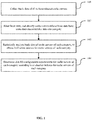
- Step 101 Collect basic data of all to-be-evaluated cache servers.
- the basic data includes at least service data, disk configuration, load data, and performance data.
- the evaluation device in a CDN system when evaluating the IO performance of cache servers, the evaluation device in a CDN system first determines all cache servers that need to be evaluated, and then respectively acquires the disk configuration of each to-be-evaluated cache server, and collects service data, load data, and performance data from the respective log file of each to-be-evaluated cache server.
- the service data may include service type, channel bandwidth, the number of requests, and the like for the service(s) provided by a cache server;
- the disk configuration may include disk type (e.g., STAT, IDE, SCSI, SAS), the number of disks, and the like;
- the load data may include IOPS (Input/Output Operations Per Second), IO throughput, IO queue length, and the like; while the performance data may include IO delay, disk load, IO waiting time, and the like.
- the load pressure and resource consumption of a cache server are proportional to the oscillation of the traffic.
- the process of Step 101 may be specifically as follows: acquiring disk configuration and service data of each cache server from all the to-be-evaluated cache servers; determining, according to the service data, a moment with the heaviest traffic, for a cache server, corresponding to the service data; and determining load data and performance data of the cache server for the moment with the heaviest traffic.
- the evaluation device first acquires the disk configuration of the cache server, acquires the service data of the cache server from the log file of the cache server, determines the moment with the heaviest traffic for the cache server according to the channel bandwidth and the number of requests in the service data, and then determines, from the log file, the load data and the performance data of the cache server for the moment with the heaviest traffic.
- the evaluation device adopts the above processing method to obtain the respective service data, disk configuration, and load data and performance data for the moment with the heaviest traffic one by one for each to-be-evaluated cache server.
- a cache server collects instant service data, load data, and performance data every minute and records the collected data in the log file.
- the disk configuration of a cache server since the disk configuration of a cache server does not change frequently, the disk configuration of the cache server only needs to be collected once at the beginning of the evaluation.
- the service data at each minute may be acquired. Based on the service data at each minute, the specific time for the moment with the heaviest traffic may be determined. Eventually, based on the specific time for the moment with the heaviest traffic, the corresponding load data and performance data may be obtained from the log file.
- Step 102 Filter the basic data of all the to-be-evaluated cache servers, and classify cache servers whose basic data have the same data characteristics into one category.
- the evaluation device after acquiring the service data, disk configuration, load data, and performance data of each to-be-evaluated cache server, the evaluation device filters out, from all the to-be-evaluated cache servers, cache servers whose basic data have the same data characteristics, and classifies these cache servers into one category. This helps to prevent the basic data with different data characteristics from interfering each other in the later analysis, which affects the evaluation result.
- the disk load and performance of a cache server are relevant to the service traffic, evaluation time, service type, and disk configuration.
- the process of Step 102 may be specifically as follows: determining, according to the service data, a service traffic range, an evaluation time range, and a corresponding service type of each to-be-evaluated cache server; and classifying all the to-be-evaluated cache servers based on the service traffic range, the evaluation time range, the service type, and the disk configuration of each to-be-evaluated cache server.
- the evaluation device after obtaining the respective service data, disk configuration, and load data and performance data for the moment with the heaviest traffic for each to-be-evaluated cache device, the evaluation device further determines the service traffic range, the evaluation time range, and the service type of that cache server based on the respective service data of each to-be-evaluated cache server. Thereafter, by using the service traffic range, the evaluation time range, the service type, and the disk configuration as the filtering criteria, the to-be-evaluated cache servers may be then classified. Generally, the to-be-evaluated cache servers having the same or similar service traffic ranges, evaluation time ranges, and service types, and at the same time having the same disk configuration are classified into the same category.
- Cache servers of different service types have different service traffic ranges. The larger the service traffic, the heavier the load of a cache server, and the greater the resource consumption. Cache servers with the same load may have different performance due to the different disk configurations on these cache servers. Therefore, the above-described classification method may classify cache servers that have the approximate loads and have the same disk configuration into the one group, which is beneficial to the inductive calculation of the load data and performance data of the same service type.
- Step 103 Statistically analyze the basic data of cache servers of each category, to obtain evaluation indexes for the cache servers of each category.
- the evaluation device after all the to-be-evaluated cache servers are classified into several categories, for the cache servers of each category, the evaluation device respectively collects the basic data for the cache servers of that category, analyzes the basic data after the data collection, to get various types of evaluation indexes for the cache servers of that category eventually.
- the process of collecting and analyzing the basic data of cache servers of each category to obtain the evaluation indexes for the cache servers of each category may be specifically as follows: for the cache servers of each category, obtaining the load data and the performance data for all cache servers under the current category; calculating the corresponding means, peak values, and distributions of the load data and the performance data as the evaluation indexes for the cache servers of the current category.
- the evaluation indexes include at least a load evaluation index and a performance evaluation index, where the performance evaluation index includes at least a disk capacity evaluation index and a disk load algorithm evaluation index.
- the load evaluation index may be calculated according to the load data, while the disk capacity evaluation index and the disk load algorithm evaluation index may be calculated according to the performance data. Accordingly, after the classification of all the to-be-evaluated cache servers, the evaluation device selects cache servers of any category based on the result of the classification, pools together the previously obtained load data and performance data of all the cache servers under that category, and then calculates the corresponding mean, peak value, and distribution for each type of load data and the corresponding mean, peak value, and distribution for each type of performance data. The results obtained through the calculation are used as the evaluation indexes of the cache servers of that category. It is to be understood that according to actual needs, the evaluation device may perform the above processing on all the classified cache servers or on cache servers of a specified certain category.
- IOPS_read and IOPS_write For instance, for the IOPS-related load data, there are specific load data: IOPS_read and IOPS_write. Based on the IOPS_read and IOPS_write of each cache server under each category, the mean and peak value of the IOPS_read and the IOPS_write (i.e., the mean avg IOPS_r , the peak value max IOPS_r , the mean avg IOPS_w , the peak value max IOPS_w ) of all the cache servers in the corresponding category may be calculated. The above means and the peak values of IOPS read and IOPS write are then used as the load evaluation index for the cache servers of each category.
- the mean and peak value of the IOPS_read and the IOPS_write i.e., the mean avg IOPS_r , the peak value max IOPS_r , the mean avg IOPS_w , the peak value max IOP
- IO delay-related performance data there are specific performance data: IO delay and IO usage.
- the mean and peak value of the IO delays i.e., the mean avgiowait, the peak value maxiowait
- the IO usage high, medium, or low
- the IO usage distribution of all cache servers in the corresponding category i.e., the proportion of cache servers with a low IO usage (X iowait ⁇ 5), the proportion of cache servers with a medium IO usage (5 ⁇ X iowait ⁇ 15), the proportion of cache servers with a high IO usage (X iowait ⁇ 15)
- the mean and the peak value of the IO delays and the IO usage distribution are then used as the disk capacity evaluation index for the cache servers of each category.
- disk load-related performance data there are specific performance data: disk load, disk usage, and multi-disk balancing degree.
- the mean and peak value of the disk loads of all the cache servers in the corresponding category i.e., the mean avg util , the peak value max util
- the disk usage (high, medium, or low) of the cache server may be determined.
- the disk usage distribution of all cache servers in the corresponding category i.e., the proportion of cache servers with a low disk usage (X util ⁇ 25%), the proportion of cache servers with a medium disk usage (25% ⁇ X util ⁇ 50%), and the proportion of cache servers with a high disk usage (X util ⁇ 50%)
- the disk load standard deviation between the multiple disks in the cache server may be calculated according to the disk load of each disk in the cache server.
- the multi-disk balancing degree (high, medium, or low) of a cache server may be determined.
- the multi-disk balancing degree distribution of all cache servers in the corresponding category i.e., the proportion of cache servers with a low multi-disk balancing degree (X util ⁇ 5%), the proportion of cache servers with a medium multi-disk balancing degree (5% ⁇ X util ⁇ 10%), and the proportion of cache servers with a high multi-disk balancing degree (X util ⁇ 10%)
- the mean and the peak value of the disk usage, the disk usage distribution, and the multi-disk balancing degree distribution may be then used as the disk capacity evaluation index for the cache servers of each category.
- load evaluation index and performance evaluation index may refer to Table 1. It is to be noted that, in general, if one type of load evaluation index is high, the other types of load evaluation indexes may also be high; and if one type of load evaluation index is low, the other types of load evaluation indexes will also be low. The relationship between various types of performance evaluation indexes is similar. Accordingly, in real applications, every type of load evaluation index and performance evaluation index shown in Table 1 may be obtained, or only certain types of load evaluation index and performance evaluation index may be obtained.
- a specific method for calculating the above-described peak values includes: pooling together the same type of load data or performance data of all cache servers under the current category, sorting the corresponding cache servers according to the numerical values from large to small, and determining a range for the number of cache servers used for data selection.
- the number of cache servers used for data selection may account for 10% of the total number of all cache servers under the current category. After determining the specific number of cache servers for data selection, starting from the cache server corresponding to the largest value, the number of cache servers in the current category are sequentially selected according to the above-described order. The corresponding load data or performance data for these cache servers may be summed to obtain the total number, which is then divided by the number of cache servers used for data selection.
- max is the peak value for a type of evaluation index
- x i is the load data or performance data, corresponding to that type of evaluation index, of the i-th cache server participating in the calculation under the current category
- the cache servers are ranked as: x5>x10>x8>x7>x4>x9>x1>x6>x3>x2.
- a specific method for calculating the above-described means includes: pooling together and summing the same type of load data or performance data of all cache servers under the current category, and dividing the obtained total number by the number of all cache servers under the current category.
- avg is the mean of one type of evaluation index
- x i is the load data or performance data, corresponding to that type of evaluation index, of the i-th cache server under the current category
- n is the number of all cache servers under the current category.
- Step 104 Determine disk IO configuration requirements for the cache servers of each category according to the evaluation indexes for the cache servers of each category.
- the disk IO configuration requirements include at least a disk capacity configuration requirement and a disk load algorithm configuration requirement.
- the evaluation device determines the disk IO configuration requirements, including the disk capacity configuration requirement and the disk load algorithm configuration requirement, of the cache servers of each category according to the specific evaluation indexes.
- the process of determining the disk IO configuration requirements for the cache servers of each category according to the evaluation indexes for the cache servers of each category may be specifically as follows: determining the disk capacity configuration requirement for cache servers of a current category according to the load evaluation index and the disk capacity evaluation index; and determining the disk load algorithm configuration requirement for the cache servers of the current category according to the disk load algorithm evaluation index.
- the disk capacity configuration requirement includes at least: capacity to-be-expanded, capacity to-be-reduced, and no capacity change; and the disk load algorithm configuration requirement includes at least: adjusting the algorithm and maintaining the algorithm.
- the load evaluation index and the disk capacity evaluation index may be used together to determine whether the disk capacity configuration requirement for the cache servers of the current category is "capacity to-be-expanded", “capacity to-be-reduced", or "no capacity change”.
- the standard deviation of the disk load between multiple disks on a same cache server i.e., the multi-disk balancing degree
- the multi-disk balancing degree may explain whether the load balancing algorithm between the multiple disks on the cache server is reasonable.
- the proportions of each kind of multi-disk balancing degree (high, medium, low, see Table 1 for details) among all the cache servers of the current category may be determined, so that it may be determined whether the disk load algorithm configuration requirement for the cache servers of the current category is "adjusting the algorithm” or "maintaining the algorithm”.
- the process of determining the disk capacity configuration requirement for the cache servers of the current category according to the load evaluation index and the disk capacity evaluation index may be specifically as follows: determining a load characteristic of the cache servers of the current category according to the load evaluation index, and determining a disk capacity characteristic of the cache servers of the current category according to the disk capacity evaluation index; if the load characteristic is "saturated”, determining that the disk capacity configuration requirement for the cache servers of the current category is "capacity to-be-expanded”; if the load characteristic is "unsaturated” and the disk capacity characteristic is "excessive”, determining that the disk capacity configuration requirement for the cache servers of the current category is "capacity to-be-reduced”; and if the load characteristic is "unsaturated” and the disk capacity characteristic is "not excessive",
- the evaluation device may first determine the load characteristic of the cache servers of the current category through the load evaluation index.
- the load characteristic may be generally expressed as “saturated” (greater than or equal to the load upper limit) or “unsaturated” (less than the load upper limit). If the load characteristic is "saturated", then the disk capacity characteristic of the cache servers of the current category is usually insufficient. Accordingly, there is no need to evaluate the disk capacity characteristic at this moment, and the disk capacity configuration requirement for the cache servers of the current category may be directly determined as "capacity to-be-expanded".
- the disk capacity characteristic of the cache servers of the current category may be either “excessive” or “not excessive”. Accordingly, there is a need to further determine, through the disk capacity evaluation index, which condition the disk capacity characteristic of the cache servers of the current category belongs to. If the disk capacity characteristic is "excessive”, it may be determined that the disk capacity configuration requirement for the cache servers of the current category is "capacity to-be-reduced”. If the disk capacity characteristic is "not excessive”, it may be then determined that the disk capacity configuration requirement for the cache servers of the current category is "no capacity change".
- the process of determining the disk load algorithm configuration requirement for the cache servers of the current category according to the disk load algorithm evaluation index may be specifically as follows: determining, according to the disk load algorithm evaluation index, the proportion of cache servers, among all the cache servers of the current category, whose multi-disk balancing degrees are at a low level; if the proportion of cache servers whose multi-disk balancing degrees are at a low level is less than or equal to a threshold, determining that the disk load algorithm configuration requirement for the cache servers of the current category is "maintaining the algorithm”; and if the proportion of cache servers whose multi-disk balancing degrees are at a low level is greater than the threshold, determining that the disk load algorithm configuration requirement for the cache servers of the current category is "adjusting the algorithm".
- the evaluation device obtains the disk load algorithm evaluation index
- the high multi-disk balancing degree (at a high level) and the medium multi-disk balancing degree (at a medium level) both indicate that the load on the multiple disks is balanced, and thus there is no need to adjust the disk load algorithm. Accordingly, there is only a need to determine the proportion of cache servers with a low multi-disk balancing degree (i.e., at a low level), and then determine whether the proportion is less than or equal to a preset threshold.
- the proportion of cache servers with a low multi-disk balancing degree is less than or equal to the threshold, it means that most of the cache servers of the current category have a high or medium multi-disk balancing degree, and the load on multiple disks is balanced for most of the cache servers. Accordingly, for all the cache servers of the current category as a whole, there is no need to adjust the disk load algorithm. Therefore, the disk load algorithm configuration requirement for the cache servers of the current category is determined to be "maintaining the algorithm".
- the proportion of cache servers with a low multi-disk balancing degree is greater than the threshold, it means that most of the cache servers of the current category have a low multi-disk balancing degree, and the load on multiple disks is not balanced for most of the cache servers. Accordingly, for all the cache servers of the current category as a whole, there is a need to adjust the disk load algorithm. Therefore, the disk load algorithm configuration requirement for the cache servers of the current category is determined to be "adjusting the algorithm".
- the foregoing content is illustrated by way of example of one evaluation cycle.
- the present disclosure may also determine the changing trends for the evaluation indexes of the cache servers of each category through multiple evaluation cycles to further determine the disk IO configuration requirements for the cache servers of each category. For instance, take one day as an evaluation cycle. After the evaluation indexes for the cache servers of a certain category are obtained for 10 consecutive days, a same type of evaluation index for the cache servers of that category within 10 days is compared, to determine whether the changing trend for that evaluation index is rising, falling, or remaining stable. Then, according to the changing trends of all the evaluation indexes for the cache servers of the category, the disk IO configuration requirements for the cache servers of that category may be determined.
- basic data of all to-be-evaluated cache servers are collected, where the basic data includes at least service data, disk configuration, load data, and performance data; the basic data is filtered, and cache servers whose basic data have the same data characteristics are classified into one category; the basic data of cache servers of each category is statistically analyzed, to obtain evaluation indexes for the cache servers of each category; according to the evaluation indexes for the cache servers of each category, the disk IO configuration requirements for the cache servers of each category are determined, where the disk IO configuration requirements include at least a disk capacity configuration requirement and a disk load algorithm configuration requirement.
- cache servers with the same data characteristics are classified into one category, and all cache servers that have the same type of CDN services with the similar load characteristics and performance characteristics may be evaluated as a whole.
- the impact of abnormal data on the evaluation result during the evaluation process may be reduced, which may not only improve the accuracy of the evaluation result, but also allow the evaluation to be conducted for different CDN services.
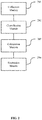
- the embodiments of the present disclosure further provide a device for evaluating IO performance of cache servers. As shown in FIG. 2 , the device includes:
- the collection module 201 is specifically configured to:
- the classification module 202 is specifically configured to:
- calculation module 203 is specifically configured to:
- the evaluation module 204 is specifically configured to:
- the evaluation module 204 is specifically configured to:
- the evaluation module 204 is specifically configured to:
- each embodiment may be implemented by means of software plus a necessary general hardware platform, and apparently, by means of hardware as well.
- the technical solutions, or essentially the parts that contribute to the existing technologies may be embodied in the form of a software product.
- the computer software product may be stored in a computer-readable storage medium, such as a ROM/RAM, a magnetic disc, an optical disc, etc., and include a series of instructions that cause a computing device (which may be a personal computer, a server, or a network device, etc.) to implement each embodiment or methods described in certain parts of each embodiment.
Landscapes
- Engineering & Computer Science (AREA)
- Theoretical Computer Science (AREA)
- General Engineering & Computer Science (AREA)
- Physics & Mathematics (AREA)
- Quality & Reliability (AREA)
- General Physics & Mathematics (AREA)
- Computer Hardware Design (AREA)
- Computing Systems (AREA)
- Bioinformatics & Cheminformatics (AREA)
- Life Sciences & Earth Sciences (AREA)
- Mathematical Physics (AREA)
- Bioinformatics & Computational Biology (AREA)
- Evolutionary Biology (AREA)
- Probability & Statistics with Applications (AREA)
- Signal Processing (AREA)
- Computer Networks & Wireless Communication (AREA)
- Debugging And Monitoring (AREA)
- Memory System Of A Hierarchy Structure (AREA)
Applications Claiming Priority (2)
| Application Number | Priority Date | Filing Date | Title |
|---|---|---|---|
| CN201810905036.2A CN109062768B (zh) | 2018-08-09 | 2018-08-09 | 缓存服务器的io性能评估方法和装置 |
| PCT/CN2018/101750 WO2020029328A1 (fr) | 2018-08-09 | 2018-08-22 | Procédé et dispositif d'évaluation de performances d'es pour serveur cache |
Publications (3)
| Publication Number | Publication Date |
|---|---|
| EP3640802A1 true EP3640802A1 (fr) | 2020-04-22 |
| EP3640802A4 EP3640802A4 (fr) | 2021-01-27 |
| EP3640802B1 EP3640802B1 (fr) | 2022-02-16 |
Family
ID=64683167
Family Applications (1)
| Application Number | Title | Priority Date | Filing Date |
|---|---|---|---|
| EP18893319.6A Not-in-force EP3640802B1 (fr) | 2018-08-09 | 2018-08-22 | Procédé et dispositif d'évaluation de performances d'e/s pour serveur cache |
Country Status (4)
| Country | Link |
|---|---|
| US (1) | US11106561B2 (fr) |
| EP (1) | EP3640802B1 (fr) |
| CN (1) | CN109062768B (fr) |
| WO (1) | WO2020029328A1 (fr) |
Families Citing this family (11)
| Publication number | Priority date | Publication date | Assignee | Title |
|---|---|---|---|---|
| CN111930299B (zh) * | 2020-06-22 | 2024-01-26 | 中国建设银行股份有限公司 | 分配存储单元的方法及相关设备 |
| CN112039689B (zh) * | 2020-07-21 | 2023-09-08 | 网宿科技股份有限公司 | 网络设备性能评估方法、装置、设备及存储介质 |
| CN112363879B (zh) * | 2020-11-20 | 2024-11-01 | 上海连尚网络科技有限公司 | 缓存服务器性能测试方法、装置、设备和介质 |
| CN113010576B (zh) * | 2021-03-19 | 2025-07-22 | 中国建设银行股份有限公司 | 云计算系统容量评估的方法、装置、设备和存储介质 |
| CN113419993B (zh) * | 2021-05-19 | 2024-06-04 | 北京达佳互联信息技术有限公司 | 读写请求处理方法、装置、电子设备及存储介质 |
| CN115048266A (zh) * | 2022-06-16 | 2022-09-13 | 平安银行股份有限公司 | 存储端口组i/o性能分析方法、可读存储介质及服务器 |
| CN117093429B (zh) * | 2023-08-18 | 2024-04-26 | 上海皿鎏数字科技有限公司 | 一种服务器稳定性评价方法及系统 |
| WO2025101714A1 (fr) | 2023-11-09 | 2025-05-15 | W. L. Gore & Associates, Inc. | Échafaudage de renforcement avec revêtement hydrophile ignifuge |
| CN117666963B (zh) * | 2023-12-13 | 2024-07-19 | 湖南承希科技有限公司 | 一种cpu云计算平台的数据io加速方法 |
| CN117873847B (zh) * | 2023-12-20 | 2024-11-22 | 北京比格大数据有限公司 | 软件性能数据采集方法及装置 |
| CN118796647B (zh) * | 2024-09-13 | 2024-11-19 | 福建省大数据集团泉州有限公司 | 一种基于多源数据融合的政务系统运维方法及系统 |
Family Cites Families (21)
| Publication number | Priority date | Publication date | Assignee | Title |
|---|---|---|---|---|
| US7437270B2 (en) * | 2006-03-30 | 2008-10-14 | Intel Corporation | Performance state management |
| CN101197876B (zh) * | 2006-12-06 | 2012-02-29 | 中兴通讯股份有限公司 | 一种对消息类业务数据进行多维分析的方法和系统 |
| US8639748B2 (en) | 2010-09-01 | 2014-01-28 | Edgecast Networks, Inc. | Optimized content distribution based on metrics derived from the end user |
| CN102801550A (zh) | 2011-05-27 | 2012-11-28 | 北京邮电大学 | 一种内容分发网络管理方法及装置 |
| US8903993B2 (en) * | 2012-06-01 | 2014-12-02 | International Business Machines Corporation | Performance analysis using anonymous aggregated data |
| SE537197C2 (sv) * | 2012-10-05 | 2015-03-03 | Elastisys Ab | Metod, nod och datorprogram för möjliggörande av automatiskanpassning av resursenheter |
| CN104252411B (zh) * | 2013-06-27 | 2017-08-04 | 北京神州泰岳软件股份有限公司 | 一种系统压力分析方法及设备 |
| US9672473B2 (en) * | 2014-08-11 | 2017-06-06 | Dell Products, Lp | Apparatus and method for system profile learning in an information handling system |
| US10339023B2 (en) * | 2014-09-25 | 2019-07-02 | Intel Corporation | Cache-aware adaptive thread scheduling and migration |
| CN104270371A (zh) * | 2014-10-13 | 2015-01-07 | 无锡云捷科技有限公司 | 一种基于模糊逻辑的cdn缓存服务器选择方法 |
| WO2016183028A2 (fr) * | 2015-05-10 | 2016-11-17 | Apl Software Inc. | Procédés et architecture pour de meilleures performances d'ordinateur |
| US9798474B2 (en) * | 2015-09-25 | 2017-10-24 | International Business Machines Corporation | Software-defined storage system monitoring tool |
| CN105786681B (zh) * | 2016-02-18 | 2019-03-26 | 中国科学院计算技术研究所 | 数据中心的服务器性能评估及服务器更新方法 |
| US10114779B2 (en) * | 2016-04-22 | 2018-10-30 | Dell Products L.P. | Isolating a redirected USB device to a set of applications |
| CN105912454B (zh) * | 2016-04-25 | 2018-09-11 | 网易(杭州)网络有限公司 | 一种系统健康评测方法及装置 |
| CN107659595B (zh) * | 2016-07-25 | 2021-06-25 | 阿里巴巴集团控股有限公司 | 一种评估分布式集群处理指定业务的能力的方法和装置 |
| CN106445759A (zh) * | 2016-10-28 | 2017-02-22 | 浪潮软件集团有限公司 | 一种通用的云服务器测试方法 |
| US11632304B2 (en) * | 2016-10-31 | 2023-04-18 | Hewlett Packard Enterprise Development Lp | Methods and systems for characterizing computing system performance using peer-derived performance severity and symptom severity models |
| CN106886485B (zh) * | 2017-02-28 | 2020-10-09 | 深圳市华傲数据技术有限公司 | 系统容量分析预测方法及装置 |
| CN107797847A (zh) * | 2017-09-25 | 2018-03-13 | 联想(北京)有限公司 | 用于配置服务器集群的方法和装置 |
| CN108009077A (zh) * | 2017-11-30 | 2018-05-08 | 三盟科技股份有限公司 | 一种基于大数据环境的业务运行状态评估算法及系统 |
-
2018
- 2018-08-09 CN CN201810905036.2A patent/CN109062768B/zh not_active Expired - Fee Related
- 2018-08-22 EP EP18893319.6A patent/EP3640802B1/fr not_active Not-in-force
- 2018-08-22 US US16/348,044 patent/US11106561B2/en not_active Expired - Fee Related
- 2018-08-22 WO PCT/CN2018/101750 patent/WO2020029328A1/fr not_active Ceased
Also Published As
| Publication number | Publication date |
|---|---|
| EP3640802B1 (fr) | 2022-02-16 |
| EP3640802A4 (fr) | 2021-01-27 |
| WO2020029328A1 (fr) | 2020-02-13 |
| US11106561B2 (en) | 2021-08-31 |
| US20200264964A1 (en) | 2020-08-20 |
| CN109062768B (zh) | 2020-09-18 |
| CN109062768A (zh) | 2018-12-21 |
Similar Documents
| Publication | Publication Date | Title |
|---|---|---|
| EP3640802B1 (fr) | Procédé et dispositif d'évaluation de performances d'e/s pour serveur cache | |
| US20130036122A1 (en) | Assessing application performance with an operational index | |
| CN107240033B (zh) | 一种电力识别模型的构建方法及系统 | |
| US20150286661A1 (en) | Database capacity estimation for database sizing | |
| CN118538247A (zh) | 切换通讯模块音频通道的方法及装置 | |
| CN118312324B (zh) | 一种gpu集群服务管理系统及调度方法 | |
| CN118796950B (zh) | 一种基于大数据的信息收集系统 | |
| CN113760640A (zh) | 监控日志处理方法、装置、设备及存储介质 | |
| US11381635B2 (en) | Method of operating a server apparatus for delivering website content, server apparatus and device in communication with server apparatus | |
| CN118484314B (zh) | 一种分布式学习资源管理系统 | |
| CN118282854A (zh) | 一种业务负载迁移方法、装置、设备及机器可读存储介质 | |
| CN108595666A (zh) | 动态计算新闻采集服务资源的方法、信息数据处理终端 | |
| CN120596515A (zh) | 索引优化方法、装置、电子设备以及存储介质 | |
| CN113177060A (zh) | 一种管理sql语句的方法、装置及设备 | |
| CN118138716A (zh) | 基于多服务器负载响应的视频监控智能推流方法及装置 | |
| CN117130851A (zh) | 一种高性能计算集群运行效率评价方法及系统 | |
| CN108536525B (zh) | 一种宿主机调度方法及装置 | |
| CN118657615B (zh) | 一种元宇宙银行空间内实时交易管理系统 | |
| CN116069595A (zh) | 一种基于日志的运维监控方法 | |
| CN112214290B (zh) | 日志信息处理方法、边缘节点、中心节点和系统 | |
| CN107066337A (zh) | 资源平衡性的确定方法、装置、设备以及存储介质 | |
| CN116418749B (zh) | 一种动态调整权重的负载均衡方法及装置 | |
| CN118939243B (zh) | 一种用于快速实现业务的物流供应链低代码开发平台 | |
| CN119917549B (zh) | 基于云计算的健康大数据平台架构优化方法及系统 | |
| CN120892477B (zh) | 基于doa的数据多中心化管理方法及系统 |
Legal Events
| Date | Code | Title | Description |
|---|---|---|---|
| STAA | Information on the status of an ep patent application or granted ep patent |
Free format text: STATUS: UNKNOWN |
|
| STAA | Information on the status of an ep patent application or granted ep patent |
Free format text: STATUS: THE INTERNATIONAL PUBLICATION HAS BEEN MADE |
|
| PUAI | Public reference made under article 153(3) epc to a published international application that has entered the european phase |
Free format text: ORIGINAL CODE: 0009012 |
|
| STAA | Information on the status of an ep patent application or granted ep patent |
Free format text: STATUS: REQUEST FOR EXAMINATION WAS MADE |
|
| 17P | Request for examination filed |
Effective date: 20190701 |
|
| AK | Designated contracting states |
Kind code of ref document: A1 Designated state(s): AL AT BE BG CH CY CZ DE DK EE ES FI FR GB GR HR HU IE IS IT LI LT LU LV MC MK MT NL NO PL PT RO RS SE SI SK SM TR |
|
| AX | Request for extension of the european patent |
Extension state: BA ME |
|
| RIN1 | Information on inventor provided before grant (corrected) |
Inventor name: ZHANG, XU Inventor name: CHEN, XIAOWEI Inventor name: PAN, ZHIHUAI Inventor name: ZHENG, YAJUAN Inventor name: LEI, WEI Inventor name: JIANG, YUE |
|
| A4 | Supplementary search report drawn up and despatched |
Effective date: 20210113 |
|
| RIC1 | Information provided on ipc code assigned before grant |
Ipc: G06F 11/30 20060101AFI20201222BHEP Ipc: G06F 11/34 20060101ALI20201222BHEP |
|
| GRAP | Despatch of communication of intention to grant a patent |
Free format text: ORIGINAL CODE: EPIDOSNIGR1 |
|
| STAA | Information on the status of an ep patent application or granted ep patent |
Free format text: STATUS: GRANT OF PATENT IS INTENDED |
|
| DAV | Request for validation of the european patent (deleted) | ||
| DAX | Request for extension of the european patent (deleted) | ||
| INTG | Intention to grant announced |
Effective date: 20210920 |
|
| GRAS | Grant fee paid |
Free format text: ORIGINAL CODE: EPIDOSNIGR3 |
|
| GRAA | (expected) grant |
Free format text: ORIGINAL CODE: 0009210 |
|
| STAA | Information on the status of an ep patent application or granted ep patent |
Free format text: STATUS: THE PATENT HAS BEEN GRANTED |
|
| AK | Designated contracting states |
Kind code of ref document: B1 Designated state(s): AL AT BE BG CH CY CZ DE DK EE ES FI FR GB GR HR HU IE IS IT LI LT LU LV MC MK MT NL NO PL PT RO RS SE SI SK SM TR |
|
| REG | Reference to a national code |
Ref country code: GB Ref legal event code: FG4D |
|
| REG | Reference to a national code |
Ref country code: CH Ref legal event code: EP |
|
| REG | Reference to a national code |
Ref country code: DE Ref legal event code: R096 Ref document number: 602018031068 Country of ref document: DE |
|
| REG | Reference to a national code |
Ref country code: AT Ref legal event code: REF Ref document number: 1469322 Country of ref document: AT Kind code of ref document: T Effective date: 20220315 |
|
| REG | Reference to a national code |
Ref country code: IE Ref legal event code: FG4D |
|
| REG | Reference to a national code |
Ref country code: LT Ref legal event code: MG9D |
|
| REG | Reference to a national code |
Ref country code: NL Ref legal event code: MP Effective date: 20220216 |
|
| REG | Reference to a national code |
Ref country code: AT Ref legal event code: MK05 Ref document number: 1469322 Country of ref document: AT Kind code of ref document: T Effective date: 20220216 |
|
| PG25 | Lapsed in a contracting state [announced via postgrant information from national office to epo] |
Ref country code: SE Free format text: LAPSE BECAUSE OF FAILURE TO SUBMIT A TRANSLATION OF THE DESCRIPTION OR TO PAY THE FEE WITHIN THE PRESCRIBED TIME-LIMIT Effective date: 20220216 Ref country code: RS Free format text: LAPSE BECAUSE OF FAILURE TO SUBMIT A TRANSLATION OF THE DESCRIPTION OR TO PAY THE FEE WITHIN THE PRESCRIBED TIME-LIMIT Effective date: 20220216 Ref country code: PT Free format text: LAPSE BECAUSE OF FAILURE TO SUBMIT A TRANSLATION OF THE DESCRIPTION OR TO PAY THE FEE WITHIN THE PRESCRIBED TIME-LIMIT Effective date: 20220616 Ref country code: NO Free format text: LAPSE BECAUSE OF FAILURE TO SUBMIT A TRANSLATION OF THE DESCRIPTION OR TO PAY THE FEE WITHIN THE PRESCRIBED TIME-LIMIT Effective date: 20220516 Ref country code: NL Free format text: LAPSE BECAUSE OF FAILURE TO SUBMIT A TRANSLATION OF THE DESCRIPTION OR TO PAY THE FEE WITHIN THE PRESCRIBED TIME-LIMIT Effective date: 20220216 Ref country code: LT Free format text: LAPSE BECAUSE OF FAILURE TO SUBMIT A TRANSLATION OF THE DESCRIPTION OR TO PAY THE FEE WITHIN THE PRESCRIBED TIME-LIMIT Effective date: 20220216 Ref country code: HR Free format text: LAPSE BECAUSE OF FAILURE TO SUBMIT A TRANSLATION OF THE DESCRIPTION OR TO PAY THE FEE WITHIN THE PRESCRIBED TIME-LIMIT Effective date: 20220216 Ref country code: ES Free format text: LAPSE BECAUSE OF FAILURE TO SUBMIT A TRANSLATION OF THE DESCRIPTION OR TO PAY THE FEE WITHIN THE PRESCRIBED TIME-LIMIT Effective date: 20220216 Ref country code: BG Free format text: LAPSE BECAUSE OF FAILURE TO SUBMIT A TRANSLATION OF THE DESCRIPTION OR TO PAY THE FEE WITHIN THE PRESCRIBED TIME-LIMIT Effective date: 20220516 |
|
| PG25 | Lapsed in a contracting state [announced via postgrant information from national office to epo] |
Ref country code: PL Free format text: LAPSE BECAUSE OF FAILURE TO SUBMIT A TRANSLATION OF THE DESCRIPTION OR TO PAY THE FEE WITHIN THE PRESCRIBED TIME-LIMIT Effective date: 20220216 Ref country code: LV Free format text: LAPSE BECAUSE OF FAILURE TO SUBMIT A TRANSLATION OF THE DESCRIPTION OR TO PAY THE FEE WITHIN THE PRESCRIBED TIME-LIMIT Effective date: 20220216 Ref country code: GR Free format text: LAPSE BECAUSE OF FAILURE TO SUBMIT A TRANSLATION OF THE DESCRIPTION OR TO PAY THE FEE WITHIN THE PRESCRIBED TIME-LIMIT Effective date: 20220517 Ref country code: FI Free format text: LAPSE BECAUSE OF FAILURE TO SUBMIT A TRANSLATION OF THE DESCRIPTION OR TO PAY THE FEE WITHIN THE PRESCRIBED TIME-LIMIT Effective date: 20220216 Ref country code: AT Free format text: LAPSE BECAUSE OF FAILURE TO SUBMIT A TRANSLATION OF THE DESCRIPTION OR TO PAY THE FEE WITHIN THE PRESCRIBED TIME-LIMIT Effective date: 20220216 |
|
| PG25 | Lapsed in a contracting state [announced via postgrant information from national office to epo] |
Ref country code: IS Free format text: LAPSE BECAUSE OF FAILURE TO SUBMIT A TRANSLATION OF THE DESCRIPTION OR TO PAY THE FEE WITHIN THE PRESCRIBED TIME-LIMIT Effective date: 20220617 |
|
| PG25 | Lapsed in a contracting state [announced via postgrant information from national office to epo] |
Ref country code: SM Free format text: LAPSE BECAUSE OF FAILURE TO SUBMIT A TRANSLATION OF THE DESCRIPTION OR TO PAY THE FEE WITHIN THE PRESCRIBED TIME-LIMIT Effective date: 20220216 Ref country code: SK Free format text: LAPSE BECAUSE OF FAILURE TO SUBMIT A TRANSLATION OF THE DESCRIPTION OR TO PAY THE FEE WITHIN THE PRESCRIBED TIME-LIMIT Effective date: 20220216 Ref country code: RO Free format text: LAPSE BECAUSE OF FAILURE TO SUBMIT A TRANSLATION OF THE DESCRIPTION OR TO PAY THE FEE WITHIN THE PRESCRIBED TIME-LIMIT Effective date: 20220216 Ref country code: EE Free format text: LAPSE BECAUSE OF FAILURE TO SUBMIT A TRANSLATION OF THE DESCRIPTION OR TO PAY THE FEE WITHIN THE PRESCRIBED TIME-LIMIT Effective date: 20220216 Ref country code: DK Free format text: LAPSE BECAUSE OF FAILURE TO SUBMIT A TRANSLATION OF THE DESCRIPTION OR TO PAY THE FEE WITHIN THE PRESCRIBED TIME-LIMIT Effective date: 20220216 Ref country code: CZ Free format text: LAPSE BECAUSE OF FAILURE TO SUBMIT A TRANSLATION OF THE DESCRIPTION OR TO PAY THE FEE WITHIN THE PRESCRIBED TIME-LIMIT Effective date: 20220216 |
|
| REG | Reference to a national code |
Ref country code: DE Ref legal event code: R097 Ref document number: 602018031068 Country of ref document: DE |
|
| PG25 | Lapsed in a contracting state [announced via postgrant information from national office to epo] |
Ref country code: AL Free format text: LAPSE BECAUSE OF FAILURE TO SUBMIT A TRANSLATION OF THE DESCRIPTION OR TO PAY THE FEE WITHIN THE PRESCRIBED TIME-LIMIT Effective date: 20220216 |
|
| PLBE | No opposition filed within time limit |
Free format text: ORIGINAL CODE: 0009261 |
|
| STAA | Information on the status of an ep patent application or granted ep patent |
Free format text: STATUS: NO OPPOSITION FILED WITHIN TIME LIMIT |
|
| 26N | No opposition filed |
Effective date: 20221117 |
|
| PG25 | Lapsed in a contracting state [announced via postgrant information from national office to epo] |
Ref country code: SI Free format text: LAPSE BECAUSE OF FAILURE TO SUBMIT A TRANSLATION OF THE DESCRIPTION OR TO PAY THE FEE WITHIN THE PRESCRIBED TIME-LIMIT Effective date: 20220216 |
|
| REG | Reference to a national code |
Ref country code: DE Ref legal event code: R119 Ref document number: 602018031068 Country of ref document: DE |
|
| PG25 | Lapsed in a contracting state [announced via postgrant information from national office to epo] |
Ref country code: MC Free format text: LAPSE BECAUSE OF FAILURE TO SUBMIT A TRANSLATION OF THE DESCRIPTION OR TO PAY THE FEE WITHIN THE PRESCRIBED TIME-LIMIT Effective date: 20220216 |
|
| REG | Reference to a national code |
Ref country code: CH Ref legal event code: PL |
|
| GBPC | Gb: european patent ceased through non-payment of renewal fee |
Effective date: 20220822 |
|
| PG25 | Lapsed in a contracting state [announced via postgrant information from national office to epo] |
Ref country code: LU Free format text: LAPSE BECAUSE OF NON-PAYMENT OF DUE FEES Effective date: 20220822 Ref country code: LI Free format text: LAPSE BECAUSE OF NON-PAYMENT OF DUE FEES Effective date: 20220831 Ref country code: CH Free format text: LAPSE BECAUSE OF NON-PAYMENT OF DUE FEES Effective date: 20220831 |
|
| REG | Reference to a national code |
Ref country code: BE Ref legal event code: MM Effective date: 20220831 |
|
| PG25 | Lapsed in a contracting state [announced via postgrant information from national office to epo] |
Ref country code: IT Free format text: LAPSE BECAUSE OF FAILURE TO SUBMIT A TRANSLATION OF THE DESCRIPTION OR TO PAY THE FEE WITHIN THE PRESCRIBED TIME-LIMIT Effective date: 20220216 Ref country code: IE Free format text: LAPSE BECAUSE OF NON-PAYMENT OF DUE FEES Effective date: 20220822 Ref country code: FR Free format text: LAPSE BECAUSE OF NON-PAYMENT OF DUE FEES Effective date: 20220831 Ref country code: DE Free format text: LAPSE BECAUSE OF NON-PAYMENT OF DUE FEES Effective date: 20230301 |
|
| PG25 | Lapsed in a contracting state [announced via postgrant information from national office to epo] |
Ref country code: BE Free format text: LAPSE BECAUSE OF NON-PAYMENT OF DUE FEES Effective date: 20220831 |
|
| PG25 | Lapsed in a contracting state [announced via postgrant information from national office to epo] |
Ref country code: GB Free format text: LAPSE BECAUSE OF NON-PAYMENT OF DUE FEES Effective date: 20220822 |
|
| PG25 | Lapsed in a contracting state [announced via postgrant information from national office to epo] |
Ref country code: HU Free format text: LAPSE BECAUSE OF FAILURE TO SUBMIT A TRANSLATION OF THE DESCRIPTION OR TO PAY THE FEE WITHIN THE PRESCRIBED TIME-LIMIT; INVALID AB INITIO Effective date: 20180822 |
|
| PG25 | Lapsed in a contracting state [announced via postgrant information from national office to epo] |
Ref country code: CY Free format text: LAPSE BECAUSE OF FAILURE TO SUBMIT A TRANSLATION OF THE DESCRIPTION OR TO PAY THE FEE WITHIN THE PRESCRIBED TIME-LIMIT Effective date: 20220216 |
|
| PG25 | Lapsed in a contracting state [announced via postgrant information from national office to epo] |
Ref country code: MK Free format text: LAPSE BECAUSE OF FAILURE TO SUBMIT A TRANSLATION OF THE DESCRIPTION OR TO PAY THE FEE WITHIN THE PRESCRIBED TIME-LIMIT Effective date: 20220216 |
|
| PG25 | Lapsed in a contracting state [announced via postgrant information from national office to epo] |
Ref country code: MT Free format text: LAPSE BECAUSE OF FAILURE TO SUBMIT A TRANSLATION OF THE DESCRIPTION OR TO PAY THE FEE WITHIN THE PRESCRIBED TIME-LIMIT Effective date: 20220216 |
|
| PG25 | Lapsed in a contracting state [announced via postgrant information from national office to epo] |
Ref country code: TR Free format text: LAPSE BECAUSE OF FAILURE TO SUBMIT A TRANSLATION OF THE DESCRIPTION OR TO PAY THE FEE WITHIN THE PRESCRIBED TIME-LIMIT Effective date: 20220216 |