EP3638641B1 - Compacted polyhalite and potash mixture and a process for the production thereof - Google Patents
Compacted polyhalite and potash mixture and a process for the production thereof Download PDFInfo
- Publication number
- EP3638641B1 EP3638641B1 EP18817032.8A EP18817032A EP3638641B1 EP 3638641 B1 EP3638641 B1 EP 3638641B1 EP 18817032 A EP18817032 A EP 18817032A EP 3638641 B1 EP3638641 B1 EP 3638641B1
- Authority
- EP
- European Patent Office
- Prior art keywords
- particles
- polyhalite
- potash
- mixture
- screener
- Prior art date
- Legal status (The legal status is an assumption and is not a legal conclusion. Google has not performed a legal analysis and makes no representation as to the accuracy of the status listed.)
- Active
Links
Images
Classifications
-
- C—CHEMISTRY; METALLURGY
- C05—FERTILISERS; MANUFACTURE THEREOF
- C05D—INORGANIC FERTILISERS NOT COVERED BY SUBCLASSES C05B, C05C; FERTILISERS PRODUCING CARBON DIOXIDE
- C05D1/00—Fertilisers containing potassium
- C05D1/005—Fertilisers containing potassium post-treatment
-
- C—CHEMISTRY; METALLURGY
- C05—FERTILISERS; MANUFACTURE THEREOF
- C05D—INORGANIC FERTILISERS NOT COVERED BY SUBCLASSES C05B, C05C; FERTILISERS PRODUCING CARBON DIOXIDE
- C05D1/00—Fertilisers containing potassium
-
- C—CHEMISTRY; METALLURGY
- C05—FERTILISERS; MANUFACTURE THEREOF
- C05D—INORGANIC FERTILISERS NOT COVERED BY SUBCLASSES C05B, C05C; FERTILISERS PRODUCING CARBON DIOXIDE
- C05D9/00—Other inorganic fertilisers
- C05D9/02—Other inorganic fertilisers containing trace elements
-
- C—CHEMISTRY; METALLURGY
- C05—FERTILISERS; MANUFACTURE THEREOF
- C05G—MIXTURES OF FERTILISERS COVERED INDIVIDUALLY BY DIFFERENT SUBCLASSES OF CLASS C05; MIXTURES OF ONE OR MORE FERTILISERS WITH MATERIALS NOT HAVING A SPECIFIC FERTILISING ACTIVITY, e.g. PESTICIDES, SOIL-CONDITIONERS, WETTING AGENTS; FERTILISERS CHARACTERISED BY THEIR FORM
- C05G5/00—Fertilisers characterised by their form
- C05G5/10—Solid or semi-solid fertilisers, e.g. powders
- C05G5/12—Granules or flakes
Definitions
- the present invention relates to the field of fertilizers, specifically to production of compacted polyhalite and potash mixture to act as a fertilizer.
- plants need nutrients (nitrogen, potassium, calcium, zinc, magnesium, iron, manganese, etc.) which normally can be found in the soil.
- nutrients nitrogen, potassium, calcium, zinc, magnesium, iron, manganese, etc.
- fertilizers are needed to achieve a desired plant growth as these can enhance the growth of plants.
- Fertilizers typically provide, in varying proportions, three main macronutrients:
- slow release fertilizers SRF
- controlled release fertilizers CRF
- slow release fertilizers and controlled release fertilizers differ in many ways: The technology they use, the release mechanism, longevity, release controlling factors and more.
- Solid fertilizers include granules, prills, crystals and powders.
- a prilled fertilizer is a type of granular fertilizer that is nearly spherical made by solidifying free-falling droplets in air or a fluid medium.
- Most controlled-release fertilizers (CRFs) used in commercial nurseries are prilled fertilizers that have been coated with sulfur or a polymer. These products have been developed to allow a slow release of nutrients into the root zone throughout crop development.
- Polyhalite is an evaporite mineral, a hydrated sulfate of potassium, calcium and magnesium with formula: K 2 Ca 2 Mg(SO 4 ) 4 ⁇ 2H 2 O. Polyhalite is used as a fertilizer since it contains four important nutrients and is low in chloride:
- Potash refers to potassium compounds and potassium-bearing materials, the most common being potassium chloride (KCl). Potassium is the third major plant and crop nutrient after nitrogen and phosphorus. It has been used since antiquity as a soil fertilizer (about 90% of current use). Elemental potassium does not occur in nature because it reacts violently with water. As part of various compounds, potassium makes up about 2.6% of the weight of the Earth's crust and is the seventh most abundant element, similar in abundance to sodium at approximately 1.8% of the crust. Potash is important for agriculture because it improves water retention, yield, nutrient value, taste, color, texture and disease resistance of food crops. It has wide application to fruit and vegetables, rice, wheat and other grains, sugar, corn, soybeans, palm oil and cotton, all of which benefit from the nutrient's quality enhancing properties.
- KCl potassium chloride
- DE102007049182B3 discloses a procedure for producing potassium-magnesium-fertilizers and filling materials suitable for dry filling, from polymineralic raw potassium salt with a clay content of up to 20%, comprises: fragmenting the dry raw salt that is comminuted to a maximum particle size of less than 4 mm, by sieving to 3-6 particle fractions; separating the individual strong magnetic clay containing fractions and non-magnetic fractions in a magnetic field; and separating a potassium concentrate containing 18-24% of potassium oxide and a by-product consisting of halite (sodium chloride).
- Procedure for producing potassium-magnesium-fertilizers and filling materials suitable for dry filling, from polymineralic raw potassium salt with a clay content of up to 20% comprises: fragmenting the dry raw salt that is comminuted to a maximum particle size of less than 4 mm, by sieving to 3-6 particle fractions; separating the individual strong magnetic clay containing fractions and non-magnetic fractions, which contain the potassium- and magnesium mineral and the halite portion of the raw salts, in a magnetic field; subsequently concentrating the non-magnetic fractions (poor in clay); and separating to a potassium concentrate containing 18-24% of potassium oxide and a by-product consisting of halite (sodium chloride) in a flotation carrying alkaline solution with a flotation agent, which is indifferent compared to the mineral constituent.
- WO2016051130A1 discloses a method for manufacturing a pelletised mineral product, the method comprising :in a first mixing step, forming a first mixture by mixing the evaporite mineral with non- gelatinised starch under conditions that are insufficient to substantially gelatinise the starch;in a second mixing step, forming a second mixture by mixing the first mixture under conditions that are sufficient to substantially gelatinise the starch comprised within the first mixture; and forming the second mixture into pellets.
- a process for the compaction of Polyhalite with a Potash comprising: mixing a feed of polyhalite with a feed of said Potash in a mixer to yield a mixture; compacting said mixture in a compactor to yield masses; crushing said masses in a crusher to yield particles; and screening said particles in a screener to yield different particles in three different sizes: oversized particles which undergo a second crushing process and are retuned to said screener for screening, undersized particles which are transferred to said mixer for further mixing, and desired size granular particles which are transferred to a polish screener.
- the process may be a wet process including the addition of a binder.
- the binder may be added to the mixer with said feed of polyhalite and said feed of Potash.
- the binder may be selected from the group including starch, bentonite, sodium silicate, lignosulfonates, molasses, hydrated lime, bitumen, Portland cement, clay, acids (nitric, hydrochloric, phosphoric, sulphuric), cellulose gum, sucrose, water, water glass, cements, Fly Ash, Potassium and Sodium Silicate, MgO, CaO, Alganite, Geo-polymers, oils and waxes and the like, or a combination thereof.
- a process for the compaction of a polyhalite and potash mixture (the mixture may also be referred to as "PotahPlus ® ").
- a compacted polyhalite and potash mixture there is provided a compacted polyhalite and potash mixture.
- a process for mixing Potash with Polyhalite wherein the concentration of Potash in the mixture may be in the range between 0%- 95% w/w Potash.
- the process may preferably include compacting of 50%w standard Potash and 50%w Polyhalite.
- the compaction may a dry compaction and according to other embodiments, the compaction may be a wet compaction.
- the binder may include but not limited to any suitable material or compound that may mechanically and/or chemically hold or draw other materials together to form a cohesive whole, including, for example, organic or inorganic binders, such as, starch, bentonite, sodium silicate, lignosulfonates, molasses, hydrated lime, bitumen, Portland cement, clay, acids (nitric, hydrochloric, phosphoric, sulphuric), cellulose gum, sucrose, water, water glass, cements, Fly Ash, Potassium and Sodium Silicate, MgO, CaO, Alganite, Geo-polymers, oils and waxesand the like, or a combination thereof.
- organic or inorganic binders such as, starch, bentonite, sodium silicate, lignosulfonates, molasses, hydrated lime, bitumen, Portland cement, clay, acids (nitric, hydrochloric, phosphoric, sulphuric), cellulose gum, sucrose, water, water
- the binder may be added in a concentration ranging between 0.5 - 20% w/w, preferably between 3-7% w/w.
- the addition of a binder to the process improves the compaction process, enhances the strength of the resulting granules (also referred to herein as flakes) and diminishes the abrasion of the final product, e.g., when the final resulting product is transported).
- the resulting product may have a low abrasion level.
- the compaction when the compaction is a wet compaction, in addition to the binder, water may be added as well. According to some embodiments, the compaction may be conducted at high feeding temperatures. In addition, the quality of the compacted product may be higher as the Potash level increases.
- the dry compaction process may include the following steps:
- a binder in the dry process, optionally a binder may be added in a concentration of between 0.01-7% w/w, preferably between 1-5% w/w, most preferably between 2-4% w/w.
- oil may be added to the resulting granules, e.g., to improve the rheology of the product and diminish dust formation. For example in an amount between 3000-5000 ppm, preferably 3000 ppm.
- any suitable oil may be used, including for example, mineral oil or similar, slack wax or similar, paraffin wax or similar or mixture of them
- the process may include unique conditions to enable to effective compaction of Potash and Polyhalite, including high temperatures ranging from 80 to 190°C preferably 160 ° C and high force conditions ranging from 45 to 100 kN/cm, preferably 55 kN/cm and Flack thickness between 1.4 mm to 33 mm .
- the desired size of the flakes is between 1-6 mm, most preferably between 2-4 mm.
- the present invention allows for the effective compaction of polyhalite which is difficult to compact under regular conditions due to the difficulty in achieving deformation of polyhalite particles.
- the process of the present invention may also be effective when Potash is replaced with Potassium Nitrate and/or Potassium Sulphate.
- the Phosphates compounds or Potassium Nitrate will be added to Polyhalite and the unique conditions described herein enable to overcome the difficulties of compacting Polyhalite and to effectively provide compacted granules of polyhalite with potash, phosphate compounds or potassium Nitrate or Potassium Sulfate optionally with addition of a binder.
- the process may include wet compaction, wherein the process is carried out in a temperature ranging from room temperature ( ⁇ 25°C) to 100°C
- the process includes the following steps:
- wet process 100 may include a binder preparation step 108.
- the desired sized particles leaving screener 214 may go through a polishing screener 216 to undergo an additional, finer, screening process. 1 to 6 mm preferable 2 mm to 4 mm According to some demonstrative embodiments, from polishing screener 216 there may be yielded particles in 3 different size ranges:
- Oversized particles 234 may go through a crushing procedure to be crushed to a desired size.
- the yield from glazer 218 is to be packaged as the final product 220.
Landscapes
- Chemical & Material Sciences (AREA)
- Organic Chemistry (AREA)
- Chemical Kinetics & Catalysis (AREA)
- Inorganic Chemistry (AREA)
- Life Sciences & Earth Sciences (AREA)
- Pest Control & Pesticides (AREA)
- Processing Of Solid Wastes (AREA)
- Fertilizers (AREA)
- Disintegrating Or Milling (AREA)
- Cultivation Of Plants (AREA)
- Crushing And Grinding (AREA)
Description
- The present invention relates to the field of fertilizers, specifically to production of compacted polyhalite and potash mixture to act as a fertilizer.
- To grow properly, plants need nutrients (nitrogen, potassium, calcium, zinc, magnesium, iron, manganese, etc.) which normally can be found in the soil. Sometimes fertilizers are needed to achieve a desired plant growth as these can enhance the growth of plants.
- This growth of plants is met in two ways, the traditional one being additives that provide nutrients. The second mode by which some fertilizers act is to enhance the effectiveness of the soil by modifying its water retention and aeration. Fertilizers typically provide, in varying proportions, three main macronutrients:
- Nitrogen (N): leaf growth;
- Phosphorus (P): Development of roots, flowers, seeds, fruit;
- Potassium (K): Strong stem growth, movement of water in plants, promotion of flowering and fruiting;
- three secondary macronutrients: calcium (Ca), magnesium (Mg), and sulphur (S);
- micronutrients: copper (Cu), iron (Fe), manganese (Mn), molybdenum (Mo), zinc (Zn), boron (B), and of occasional significance there are silicon (Si), cobalt (Co), and vanadium (V) plus rare mineral catalysts.
- The most reliable and effective way to make the availability of nutrients coincide with plant requirements is by controlling their release into the soil solution, using slow release or controlled release fertilizers.
- Both slow release fertilizers (SRF) and controlled release fertilizers (CRF) supply nutrients gradually. Yet, slow release fertilizers and controlled release fertilizers differ in many ways: The technology they use, the release mechanism, longevity, release controlling factors and more.
- Solid fertilizers include granules, prills, crystals and powders. A prilled fertilizer is a type of granular fertilizer that is nearly spherical made by solidifying free-falling droplets in air or a fluid medium. Most controlled-release fertilizers (CRFs) used in commercial nurseries are prilled fertilizers that have been coated with sulfur or a polymer. These products have been developed to allow a slow release of nutrients into the root zone throughout crop development.
- Polyhalite is an evaporite mineral, a hydrated sulfate of potassium, calcium and magnesium with formula: K2Ca2Mg(SO4)4·2H2O. Polyhalite is used as a fertilizer since it contains four important nutrients and is low in chloride:
- 48% SO3 as sulfate
- 14% K2O
- 6% MgO
- 17% CaO
- Potash refers to potassium compounds and potassium-bearing materials, the most common being potassium chloride (KCl). Potassium is the third major plant and crop nutrient after nitrogen and phosphorus. It has been used since antiquity as a soil fertilizer (about 90% of current use). Elemental potassium does not occur in nature because it reacts violently with water. As part of various compounds, potassium makes up about 2.6% of the weight of the Earth's crust and is the seventh most abundant element, similar in abundance to sodium at approximately 1.8% of the crust. Potash is important for agriculture because it improves water retention, yield, nutrient value, taste, color, texture and disease resistance of food crops. It has wide application to fruit and vegetables, rice, wheat and other grains, sugar, corn, soybeans, palm oil and cotton, all of which benefit from the nutrient's quality enhancing properties.
-
DE102007049182B3 discloses a procedure for producing potassium-magnesium-fertilizers and filling materials suitable for dry filling, from polymineralic raw potassium salt with a clay content of up to 20%, comprises: fragmenting the dry raw salt that is comminuted to a maximum particle size of less than 4 mm, by sieving to 3-6 particle fractions; separating the individual strong magnetic clay containing fractions and non-magnetic fractions in a magnetic field; and separating a potassium concentrate containing 18-24% of potassium oxide and a by-product consisting of halite (sodium chloride). Procedure for producing potassium-magnesium-fertilizers and filling materials suitable for dry filling, from polymineralic raw potassium salt with a clay content of up to 20%, comprises: fragmenting the dry raw salt that is comminuted to a maximum particle size of less than 4 mm, by sieving to 3-6 particle fractions; separating the individual strong magnetic clay containing fractions and non-magnetic fractions, which contain the potassium- and magnesium mineral and the halite portion of the raw salts, in a magnetic field; subsequently concentrating the non-magnetic fractions (poor in clay); and separating to a potassium concentrate containing 18-24% of potassium oxide and a by-product consisting of halite (sodium chloride) in a flotation carrying alkaline solution with a flotation agent, which is indifferent compared to the mineral constituent. -
WO2016051130A1 discloses a method for manufacturing a pelletised mineral product, the method comprising :in a first mixing step, forming a first mixture by mixing the evaporite mineral with non- gelatinised starch under conditions that are insufficient to substantially gelatinise the starch;in a second mixing step, forming a second mixture by mixing the first mixture under conditions that are sufficient to substantially gelatinise the starch comprised within the first mixture; and forming the second mixture into pellets. - According to some demonstrative embodiments, there is provided herein a process for the compaction of Polyhalite with a Potash, wherein said process comprising: mixing a feed of polyhalite with a feed of said Potash in a mixer to yield a mixture; compacting said mixture in a compactor to yield masses; crushing said masses in a crusher to yield particles; and screening said particles in a screener to yield different particles in three different sizes: oversized particles which undergo a second crushing process and are retuned to said screener for screening, undersized particles which are transferred to said mixer for further mixing, and desired size granular particles which are transferred to a polish screener. According to some embodiments, the process may be a wet process including the addition of a binder.
- According to some embodiments, the binder may be added to the mixer with said feed of polyhalite and said feed of Potash.
- According to some embodiments, the binder may be selected from the group including starch, bentonite, sodium silicate, lignosulfonates, molasses, hydrated lime, bitumen, Portland cement, clay, acids (nitric, hydrochloric, phosphoric, sulphuric), cellulose gum, sucrose, water, water glass, cements, Fly Ash, Potassium and Sodium Silicate, MgO, CaO, Alganite, Geo-polymers, oils and waxes and the like, or a combination thereof.
- According to some embodiments, the process is a dry process wherein said mixture is heated in a heater after being mixed in said mixer.
- According to some demonstrative embodiments, there is provided a process for the compaction of a polyhalite and potash mixture (the mixture may also be referred to as "PotahPlus®").
- According to some demonstrative embodiments, there is provided a compacted polyhalite and potash mixture.
- According to some embodiments, there is provided herein a process for mixing Potash with Polyhalite, wherein the concentration of Potash in the mixture may be in the range between 0%- 95% w/w Potash.
- According to some embodiments, the process may preferably include compacting of 50%w standard Potash and 50%w Polyhalite.
- According to some embodiments, the compaction may a dry compaction and according to other embodiments, the compaction may be a wet compaction.
- According to some embodiments, the compaction process may include the addition of a binder.
- According to some embodiments, the binder, as referred to herein, may include but not limited to any suitable material or compound that may mechanically and/or chemically hold or draw other materials together to form a cohesive whole, including, for example, organic or inorganic binders, such as, starch, bentonite, sodium silicate, lignosulfonates, molasses, hydrated lime, bitumen, Portland cement, clay, acids (nitric, hydrochloric, phosphoric, sulphuric), cellulose gum, sucrose, water, water glass, cements, Fly Ash, Potassium and Sodium Silicate, MgO, CaO, Alganite, Geo-polymers, oils and waxesand the like, or a combination thereof.
- According to some demonstrative embodiments, the binder may be added in a concentration ranging between 0.5 - 20% w/w, preferably between 3-7% w/w.
- According to some demonstrative embodiments, the addition of a binder to the process improves the compaction process, enhances the strength of the resulting granules (also referred to herein as flakes) and diminishes the abrasion of the final product, e.g., when the final resulting product is transported). According to some embodiments, the resulting product may have a low abrasion level.
- According to some embodiments, when the compaction is a wet compaction, in addition to the binder, water may be added as well. According to some embodiments, the compaction may be conducted at high feeding temperatures. In addition, the quality of the compacted product may be higher as the Potash level increases.
- According to some demonstrative embodiments, the dry compaction process may include the following steps:
- Mixing Potash with Polyhalite, optionally with an organic or inorganic binder like gum guar, polymers geo-polymers acids or basic additives, and other additives may be added at this stage as well;
- The mixture may be heated to a temperature between 80-180 °C, preferably 160°C.
- Feeding the mixture into a compactor to provide compacted flakes; Grinding of the flakes;
- Sieving of the grinded flakes; and
- According to some embodiments, after sieving there are three types of yield:
- 1. Desired sized flakes - between 14 - 33 mm thickness, S.G. between 1.9 to 2.4 g/cm3. According to some embodiments, the desired size of the flakes (also referred to herein as "particles" or "granules") is between 1-6 mm, most preferably between 2-4 mm.
- 2. Oversized (OS) flakes - are returned to the grinding stage, e.g., between 4-20% w/w of the total resulting flakes.
- 3. Undersized (US) flakes - are returned to the mixture for compaction, e.g., between 10 to 70% w/w of the total resulting flakes.
- According to some embodiments, in the dry process, optionally a binder may be added in a concentration of between 0.01-7% w/w, preferably between 1-5% w/w, most preferably between 2-4% w/w.
- According to some embodiments, oil may be added to the resulting granules, e.g., to improve the rheology of the product and diminish dust formation. For example in an amount between 3000-5000 ppm, preferably 3000 ppm. According to some embodiments, any suitable oil may be used, including for example, mineral oil or similar, slack wax or similar, paraffin wax or similar or mixture of them
- According to some demonstrative embodiments, the process may include unique conditions to enable to effective compaction of Potash and Polyhalite, including high temperatures ranging from 80 to 190°C preferably 160°C and high force conditions ranging from 45 to 100 kN/cm, preferably 55 kN/cm and Flack thickness between 1.4 mm to 33 mm . According to some embodiments, the desired size of the flakes is between 1-6 mm, most preferably between 2-4 mm.
- According to some demonstrative embodiments, the present invention allows for the effective compaction of polyhalite which is difficult to compact under regular conditions due to the difficulty in achieving deformation of polyhalite particles.
- According to some embodiments the addition of Potash, Phosphate compounds or Potassium Nitrate to Polyhalite and the unique conditions described herein enable to overcome the difficulties of compacting Polyhalite and to effectively provide compacted granules of with addition of phosphate compounds, Potassium Nitrate or Potassium Sulfate
- According to some demonstrative embodiments, the process of the present invention may also be effective when Potash is replaced with Potassium Nitrate and/or Potassium Sulphate. In these cases the Phosphates compounds or Potassium Nitrate will be added to Polyhalite and the unique conditions described herein enable to overcome the difficulties of compacting Polyhalite and to effectively provide compacted granules of polyhalite with potash, phosphate compounds or potassium Nitrate or Potassium Sulfate optionally with addition of a binder.
- According to some embodiments, the process may include wet compaction, wherein the process is carried out in a temperature ranging from room temperature (~25°C) to 100°C
- According to these embodiments, in wet compaction the process includes the following steps:
- Mixing Potash with Polyhalite, optionally with a binder suspension at room temperature;
- Feeding the mixture into a compactor to provide wet compacted flakes; Grinding of the flakes;
- Sieving of the grinded flakes; and
- According to some embodiments, after sieving there are three types of yield:
- 1. Desired sized flakes -from 1.4 to 33 mm thickness, S.G. between 1.9 to 2.4 g/cm3
- 2. Oversized (OS) flakes - are returned to the grinding stage, e.g., between 4-20% of the yield.
- 3. Undersized (US) flakes - are returned to the mixture for compaction According to these embodiments, the wet compaction process includes heating the desired size granules in order to evaporate any water residues from the granules, resulting in dry granules. According to some embodiments, the granules are heated to a temperature of between 100-160°C, preferably 140°C.
- According to some embodiments the wet compaction process allows for the compaction of polyhalite at high concentrations from 10% to 100%, preferably 59% of polyhalite.
- According to some embodiments, the binder suspension may include a binder which is immersed in water, wherein the binder in the wet process is preferably fly ash, calcium oxide and/or calcium hydroxide.
- According to some embodiments, to the resulting flakes additives may be added, including for examples, nutrients, minerals, coating materials, sustained release compounds and the like.
- According to some embodiments, the nutrients may include:
- Nitrogen (N): leaf growth;
- Phosphorus (P): Development of roots, flowers, seeds, fruit;
- Potassium (K): Strong stem growth, movement of water in plants, promotion of flowering and fruiting;
- three secondary macronutrients: calcium (Ca), magnesium (Mg), and sulphur (S);
- micronutrients: copper (Cu), iron (Fe), manganese (Mn), molybdenum (Mo), zinc (Zn), boron (B), and of occasional significance there are silicon (Si), cobalt (Co), and vanadium (V) plus rare mineral catalysts.
- According to some embodiments, the mixture of the present invention may also include additional fertilizer besides Potash and Polyhalite.
- According to some demonstrative embodiments, the term "fertilizer" may include any material of natural or synthetic origin that is applied to soils or to plant tissues to supply one or more plant nutrients essential to the growth of plants, including, for example, Single nutrient ("straight") fertilizers such as Ammonium nitrate, Urea, calcium ammonium nitrate, superphosphate, e.g., "Single superphosphate" (SSP), phosphogypsum, Triple superphosphate (TSP) or a mixture thereof; Multinutrient fertilizers such as Binary (NP, NK, PK) fertilizers, e.g., monoammonium phosphate (MAP) and/or diammonium phosphate (DAP), NPK fertilizers which are three-component fertilizers providing nitrogen, phosphorus, and potassium; fertilizers which include one or more of the main micronutrients sources of iron, manganese, boron, molybdenum, zinc, and copper and the like; Compound fertilizers, e.g., which contain N, P, and K; Organic fertilizers such as peat, animal wastes, plant wastes from agriculture, and sewage sludge; and/or Other elements such as calcium, magnesium, and sulfur.
- According to some embodiments, the fertilizer preferably includes one or more of nitrogen fertilizers such as ammonia, anhydrous ammonium nitrate, urea and sodium nitrate; Phosphate fertilizers; Potassium fertilizers, such as Potash, potassium chloride, potassium sulfate, potassium carbonate, or potassium nitrate
- According to some embodiments, the fertilizer is preferably Ammonium Sulphate.
- According to some demonstrative embodiments, the sieving is done using a siever having opening with a diameter of between 1.4-4.5 mm preferably between 2-4 mm, most preferably 3.4 mm.
- According to some embodiments, the mixing is performed in a blade blender and/or any other suitable devise capable of having a rotation speed that creates a swirling motion for a perfect homogenization and a high blending precision, e.g., a Ploughshare ® Mixer.
- According to some embodiments, the resulting flakes/granules may be glazed and further coated with a suitable coating. For example, the coatings may include biodegradable coatings, sustained release coatings, controlled release coatings, oily coatings, wax coatings.
- The resulting Polyhalite and potash mixture may include the following properties as detailed in table 1
Table 1 Chemical Properties Concentration Potassium (K2O) 37.0% Min. Sulphur (SO3) 23.0 % Min. Magnesium (MgO) 2.7% Min. Calcium (CaO) 8.1% Min. H2O 1.0% max - The resulting Polyhalite and potash compacted product mixture may include the following particle size distribution as detailed in table 2
Table 2 Particle size distribution Mesh Size (mm) Typical Retained Range (%) 4.00 5 - 15 2.80 50 - 80 2.36 75 - 95 2.00 90 - 99 1.00 99 minimum - The resulting Polyhalite and potash mixture may include the following properties as detailed in table 3
Table 3 Physical & Chemical properties Bulk Density 1.34 T/m3 pH Neutral - Reference is now made to
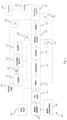
Figure 1 which depicts awet process 100 for the compaction of Polyhalite and Potash in accordance with some demonstrative embodiments described herein. - As shown in
Fig. 1 ,wet process 100 may include a binder preparation step 108. - According to some embodiments, preparation step 108 can include the following steps: binder heating, mixing, grinding, activation, dissolution and curing,
- Step 106 depicts the addition of the binder to a pre-mixer 110, in which the pre-mixer 110 saves the homogenous composition of the binder mixture.
- According to some embodiments, the binder is then added to a
mixer 112 to which a feed ofPolyhalite 102 is added together with a feed ofPotash 104. - According to some embodiments, in
mixer 112 the Polyhalite, Potash and binder are homogenously mixed together to create a Polyhalite/Potash wet mixture ("the mixture"). - According to some embodiments, the mixture may then be transferred to a
compactor 114 to undergo compaction. The compactor may work in the follow conditions: high or low temperatures ranging from 80 to 190oC preferable 150°C and high force conditions ranging from 45 to 100 kN/cm, preferable 55 kN/cm and Flack thickness between 4mm to 40mm . According to some embodiments, the mixture leavescompactor 114 as compacted masses which are then transferred to acrusher 116, and the masses are then crushed to finer particles in a size ranging from 0.1mm to 20 mm - According to some embodiments, the particles may undergo primary screening in a
screener 118 with multiple decks between 1 mm to 6 mm, preferably 1, 2 and 5 mm. - According to some demonstrative embodiments, from
screener 118 there may be yielded particles in 3 different size ranges: - 1. Oversized particles 138 (also referred to herein as "OS") having a size diameter of more than 6 mm.
- 2.Undersized particles 134 (Also referred to herein as "US") having a size diameter between of below 1 mm.
- 3.Desired sized particles having a size diameter of between 1 to 6 mm
- According to some embodiments
undersized particles 134 and/or any dust that may be formed while passing throughscreener 118 can be separately granulated and/or introduced back to the process, e.g., tomixer 112 to be mixed again with the mixture. The range of theundersized particles 134 and/or any dust that may be formed while passing throughscreener 118 can be between 0.1 to 1 mm. -
Oversized particles 138 may go at least one crushing procedure to be crushed to a desired size. - For example,
OS 138 may be transferred tocrusher 120 and undergo a secondary screening in screener 122. Any particles having a desired size ranging between 0.1mm to 20 mm that may result from screener 122 may be added back toscreener 118. - Oversized particles 142 that result from screener 122 may undergo additional crushing in
crusher 124, wherein particles yielded fromcrusher 124 are added back toscreener 118 for further processing. - According to some embodiments, the differences between
crusher - According to some embodiments, the desired sized
particles leaving screener 118 may go through a process of drying to drying any residual moisture from the particles and to yield dry particles. - The dry particles are then transferred to a polishing
screener 128 to undergo an additional, finer, screening process 1 mm to 6 mm preferably 2mm to 4 mm. According to some demonstrative embodiments, from polishingscreener 128 there may be yielded particles in 3 different size ranges: - 1. Oversized particles 140 (also referred to herein as "OS") having a size diameter over 6 mm
- 2. Undersized particles 136 (Also referred to herein as "US") having a size diameter under 1 mm
- 3.Final particles having a size diameter of 1 to 6 mm, preferably 2-4.75 mm.
- According to some demonstrative embodiments the
undersized particles 136 may be transferred back tomixer 112 to be mixed again with the mixture. - Oversized particles 140 may go through a crushing procedure to be crushed to a desired size.
- For example, OS 140 may undergo crushing in
crusher 124, wherein particles yielded fromcrusher 124 are added back toscreener 118 for further processing. - According to some embodiments, the final particles yielded from polishing
screener 128 may go through a process of glazing inglazer 130. According to some embodiments, the grazing system may prevent the abrasion and dust pollution during the transport.Glazer 130 may include a rotary drum, a drying can, various types of dryers, e.g., fluid bed dryer, or others - The yield from
glazer 130 is to be packaged as the final product 132 - Reference is now made to
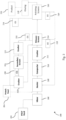
Figure 2 which depicts a dry process 200 for the compaction of Polyhalite and Potash in accordance with some demonstrative embodiments described herein. - As shown in
Fig. 2 , dry process 200 may include a feed ofPolyhalite 202 which is added together with a feed ofPotash 204 to amixer 206. According to some embodiments, inmixer 206 the Polyhalite and Potash are homogenously mixed together to create a Polyhalite/Potash dry mixture ("the dry mixture"). - According to some embodiments, the dry mixture may then be transferred to a
Heater 208 to heat the material to compacting process between 80 to 190 degrees, preferably 170 degrees. - According to some embodiments, the heated dry mixture may then be transferred to a compactor 210 to undergo compaction and yield compacted masses. According to some embodiments, the compaction parameters amy include high temperatures ranging from 80 to 190°C preferably 150°C and high force conditions ranging from 45 to 100 kN/cm, preferable 55 kN/cm and Flack thickness between 14mm to 37 mm.
- According to some embodiments, the compacted masses are then transferred to a
crusher 212, and the masses are then crushed to finer particles - According to some embodiments, the particles may undergo primary screening in a
screener 214 with multiple decks between 1 mm to 6 mm, preferable 1, 2 and 5 mm. - According to some demonstrative embodiments, from
screener 214 there may be yielded particles in 3 different size ranges: - 1. Oversized particles 232 (also referred to herein as "OS") having a size diameter of having a size diameter of more than 6 mm.
- 2.Undersized particles 228 (Also referred to herein as "US") having a size diameter of less than 1 mm.
- 3.Desired sized particles having a size diameter between 1 to 6 mm
- According to some embodiments
undersized particles 228 and/or any dust that may be formed while passing throughscreener 214 can be separately granulated and/or introduced back to the process, e.g., tomixer 206 orheater 208. The range of theundersized particles 228 and/or any dust that may be formed while passing throughscreener 214 can be between 0.1 to 1 mm. - According to some demonstrative embodiments the
undersized particles 228 may be transferred back toheater 208. -
Oversized particles 232 may go at least one crushing procedure to be crushed to a desired size. - For example,
OS 232 may be transferred tocrusher 222 and undergo a secondary screening inscreener 224. Any particles having a desired size ranging between 1 to 6 mm preferable 2 mm to 4 mm that may result fromscreener 224 may be added back toscreener 214. -
Oversized particles 236 that result fromscreener 224 may undergo additional crushing in crusher 226, wherein particles yielded from crusher 226 are added back toscreener 214 for further processing. - According to some embodiments, the differences between
crusher 222 and 226 may be the kind of crusher and operational parameters. - According to some embodiments, the desired sized
particles leaving screener 214 may go through a polishingscreener 216 to undergo an additional, finer, screening process. 1 to 6 mm preferable 2 mm to 4 mm According to some demonstrative embodiments, from polishingscreener 216 there may be yielded particles in 3 different size ranges: - 1. Oversized particles 234 (also referred to herein as "OS") having a size diameter higher than 6 mm
- 2. Undersized particles 230 (Also referred to herein as "US") having a size diameter lower than 1 mm
- 3. Final particles having a size diameter of 1-6 mm, preferably between 2-4 mm.
- According to some demonstrative embodiments the
undersized particles 230 may be transferred back toheater 208. -
Oversized particles 234 may go through a crushing procedure to be crushed to a desired size. - For example,
OS 234 may undergo crushing in crusher 226, wherein particles yielded from crusher 226 are added back toscreener 214 for further processing. - According to some embodiments, the final particles yielded from polishing
screener 216 may go through a process of glazing inglazer 218. According to some embodiments, the glazing system may prevent the abrasion and dust pollution during the transport.Glazer 218 may include a rotary drum, and dryer, can be used various types of dryers, e.g., fluid bed dryer, rotary dryer or others - The yield from
glazer 218 is to be packaged as thefinal product 220. - The following conditions were set:
Feeding material 1. 50%w Polyhalite standard grade 2. 50%w Potash standard grade Equipment Units Value/Description Feed Temp °C 160-170 Feed Rate ton/h 40 Motor power kW 710 Roll Width mm 800 Roll speed [RPM] 18 Linear speed [m/s] 0.94 Roll Diameter [cm] 1000 Flake specific weight g/cm3 >2.263 Pressure Ratio 0.9 Off load Gap [mm] 16 Working Gap [mm] 20 Force [kN/c 44 Specific force [kN/(c 2.6-3.1 Specific Pressing Force kN/cm 54.4-59 Screw Speed rpm 93-96 Recycle Ratio High (preferably estimated based on the flakes' size) 1st Crusher Speed rpm 473-1500 2st Crusher Speed rpm 473-1599 Hammer Speed 500-1500 Dust trap system Filter/cyclon - Specification of the resulting product
Granulometry 2-4 mm %H2O <0.1% Abrasion (-12) <30% Abrasion (-32) <19% Single Strength >2 kgForce/granule Dust after abrasion (%) 1.35 Caking (Kg/cake) <8 Environmental dust <0.05
Claims (5)
- A process for the compaction of Polyhalite with Potash, wherein said process comprising:mixing a feed of polyhalite with a feed of said Potash in a mixer to yield a mixture;compacting said mixture in a compactor to yield masses;crushing said masses in a crusher to yield particles; andscreening said particles in a screener to yield particles in three different sizes: oversized fine particles which undergo a second crushing process and are retuned to said screener for screening, undersized fine particles which are transferred to said mixer for further mixing and compacting, and desired size fine particles which are transferred to a polish screener for glazing and oiling
- The process of claim 1, wherein said process is a wet process including the addition of a binder.
- The process of claim 2, wherein said binder is added to the mixer with said feed of polyhalite and said feed of Potash.
- The process of claim 3, wherein said binder is selected from the group including starch, bentonite, sodium silicate, lignosulfonates, molasses, hydrated lime, bitumen, Portland cement, clay, acids (nitric, hydrochloric, phosphoric, sulphuric), cellulose gum, sucrose, water, water glass, cements, Fly Ash, Potassium and Sodium Silicate, MgO, CaO, Alganite, Geo-polymers, oils and waxes and the like, or a combination thereof.
- The process of claim 1 wherein said process is a dry process wherein said mixture is heated in a heater after being mixed in said mixer.
Applications Claiming Priority (2)
| Application Number | Priority Date | Filing Date | Title |
|---|---|---|---|
| US201762519903P | 2017-06-15 | 2017-06-15 | |
| PCT/IL2018/050639 WO2018229757A1 (en) | 2017-06-15 | 2018-06-12 | Compacted polyhalite and potash mixture and a process for the production thereof |
Publications (4)
| Publication Number | Publication Date |
|---|---|
| EP3638641A1 EP3638641A1 (en) | 2020-04-22 |
| EP3638641A4 EP3638641A4 (en) | 2021-03-31 |
| EP3638641B1 true EP3638641B1 (en) | 2023-10-25 |
| EP3638641B9 EP3638641B9 (en) | 2023-12-06 |
Family
ID=64660302
Family Applications (1)
| Application Number | Title | Priority Date | Filing Date |
|---|---|---|---|
| EP18817032.8A Active EP3638641B9 (en) | 2017-06-15 | 2018-06-12 | Compacted polyhalite and potash mixture and a process for the production thereof |
Country Status (8)
| Country | Link |
|---|---|
| US (1) | US10934225B2 (en) |
| EP (1) | EP3638641B9 (en) |
| CL (1) | CL2019003604A1 (en) |
| CO (1) | CO2019015080A2 (en) |
| ES (1) | ES2964035T3 (en) |
| IL (1) | IL271481B2 (en) |
| PL (1) | PL3638641T3 (en) |
| WO (1) | WO2018229757A1 (en) |
Families Citing this family (17)
| Publication number | Priority date | Publication date | Assignee | Title |
|---|---|---|---|---|
| IL276686B2 (en) | 2018-02-27 | 2024-08-01 | Dead Sea Works Ltd | Potash dust granulation process |
| IL277452B2 (en) * | 2018-11-23 | 2024-04-01 | ICL Europe Cooperatief UA | Granules of polyhalite and potash |
| EP3883693A4 (en) * | 2018-11-23 | 2022-08-24 | ICL Europe Cooperatief U.A. | COMPACTED POLYHALITE AND METHOD FOR PRODUCING IT |
| US20220298084A1 (en) * | 2019-08-22 | 2022-09-22 | Icl Europe Cooperatief U.A. | Granules of polyhalite, potash and ammonium sulphate and a compaction process for the production thereof |
| CN113518769A (en) * | 2019-09-24 | 2021-10-19 | 艾斯尔欧洲合作社公司 | Particulate matter of polyhalite and urea |
| GB2616186B (en) * | 2019-10-25 | 2024-05-29 | Anglo American Woodsmith Ltd | Composite Fertiliser Systems |
| IL294104B2 (en) * | 2020-01-03 | 2026-03-01 | ICL Europe Cooperatief UA | A polyhalite and sop granule and a process for the production thereof |
| WO2021152572A1 (en) * | 2020-01-27 | 2021-08-05 | Icl Europe Cooperatief U.A. | A granule of polyhalite and ammonium sulphate and a compaction process for the production thereof |
| EP4097069A4 (en) * | 2020-01-27 | 2024-02-21 | ICL Europe Cooperatief U.A. | A fertilizer granule of polyhalite and potassium sulphate and a compaction process for the production thereof |
| IL294086B1 (en) * | 2020-01-27 | 2026-04-01 | Icl Europe Coop Ua | Granules of polyhalite and urea and a compaction process for the production thereof |
| CN115038679A (en) * | 2020-02-21 | 2022-09-09 | 奥斯特拉营养康复技术有限公司 | Slow release potassium and sulphur fertilizers and method for making same |
| CN115551821A (en) * | 2020-05-24 | 2022-12-30 | 艾斯尔欧洲合作社公司 | Fertilizer granules of polyhalite and molten urea and granulation process for their production |
| CN115697944B (en) * | 2020-06-10 | 2025-02-11 | 泰森德洛集团公司 | Mixed fertilizer granules |
| US20230312429A1 (en) * | 2020-08-13 | 2023-10-05 | Icl Europe Cooperatief U.A. | Granules of polyhalite and phosphogypsum and a process for the production thereof |
| EP4008705A1 (en) | 2020-12-04 | 2022-06-08 | K+S Aktiengesellschaft | Method for the preparation of granules containing potassium, magnesium and sulphate |
| EP4267538A4 (en) * | 2020-12-28 | 2024-10-30 | ICL Europe Cooperatief U.A. | GRANULES FROM POLYHALITE AND DOLOMITE |
| WO2022175936A1 (en) * | 2021-02-16 | 2022-08-25 | Icl Europe Cooperatief U.A. | Kaoline binders for fertilizers |
Family Cites Families (4)
| Publication number | Priority date | Publication date | Assignee | Title |
|---|---|---|---|---|
| DE102007049182B3 (en) * | 2007-10-13 | 2009-05-14 | Kali-Umwelttechnik Gmbh | Producing potassium-magnesium-fertilizer and filling material, from polymineralic raw potassium salt, comprises e.g. fragmenting dry raw salt by sieving to different fractions and separating to magnetic and non-magnetic fractions |
| MA38481B1 (en) * | 2013-03-14 | 2017-12-29 | Mosaic Co | Fertilizer composition and process for its preparation |
| DE102013004597A1 (en) * | 2013-03-15 | 2014-09-18 | K-Utec Ag Salt Technologies | Process for press granulation of non-ductile salts |
| GB2530757B (en) * | 2014-09-30 | 2019-04-24 | York Potash Ltd | Pelletising process |
-
2018
- 2018-06-12 US US16/623,074 patent/US10934225B2/en active Active
- 2018-06-12 EP EP18817032.8A patent/EP3638641B9/en active Active
- 2018-06-12 ES ES18817032T patent/ES2964035T3/en active Active
- 2018-06-12 IL IL271481A patent/IL271481B2/en unknown
- 2018-06-12 PL PL18817032.8T patent/PL3638641T3/en unknown
- 2018-06-12 WO PCT/IL2018/050639 patent/WO2018229757A1/en not_active Ceased
-
2019
- 2019-12-09 CL CL2019003604A patent/CL2019003604A1/en unknown
- 2019-12-30 CO CONC2019/0015080A patent/CO2019015080A2/en unknown
Also Published As
| Publication number | Publication date |
|---|---|
| WO2018229757A1 (en) | 2018-12-20 |
| CL2019003604A1 (en) | 2020-11-06 |
| ES2964035T3 (en) | 2024-04-03 |
| US20200157014A1 (en) | 2020-05-21 |
| CA3066985A1 (en) | 2018-12-20 |
| PL3638641T3 (en) | 2024-03-04 |
| IL271481B2 (en) | 2024-01-01 |
| US10934225B2 (en) | 2021-03-02 |
| EP3638641A1 (en) | 2020-04-22 |
| IL271481A (en) | 2020-01-30 |
| CO2019015080A2 (en) | 2020-01-17 |
| EP3638641A4 (en) | 2021-03-31 |
| BR112019026669A2 (en) | 2020-06-30 |
| IL271481B1 (en) | 2023-09-01 |
| EP3638641B9 (en) | 2023-12-06 |
Similar Documents
| Publication | Publication Date | Title |
|---|---|---|
| EP3638641B9 (en) | Compacted polyhalite and potash mixture and a process for the production thereof | |
| US20220162133A1 (en) | Polyhalite and potash granules | |
| US12195409B2 (en) | Compacted Polyhalite and a process for the production thereof | |
| US20220298084A1 (en) | Granules of polyhalite, potash and ammonium sulphate and a compaction process for the production thereof | |
| IL271960B2 (en) | Granulated polyhalite and potash mixture and a process for the production thereof | |
| IL294104B1 (en) | Polyhalite and sulfate of potash granule and process for its creation | |
| EP3758836B1 (en) | Potash dust granulation process | |
| WO2022043985A1 (en) | A granule of polyhalite and phosphate rock and a compaction process for the production thereof | |
| US20230250037A1 (en) | Granules of polyhalite and urea and a compaction process for the production thereof | |
| US20230016469A1 (en) | A fertilizer granule of polyhalite and potassium sulphate and a compaction process for the production thereof | |
| US12049432B2 (en) | Granule of polyhalite and phosphate rock and a compaction process for the production thereof | |
| EP4419493A1 (en) | A granule of kieserite and a process for the production thereof | |
| EA044470B1 (en) | POLYHALITE AND POTASH GRANULES | |
| BR112020020079B1 (en) | POLYHALITE AND POTASSIUM GRANULES | |
| BR112019026669B1 (en) | PROCESS FOR COMPACTING POLYLITE WITH POTASSE |
Legal Events
| Date | Code | Title | Description |
|---|---|---|---|
| STAA | Information on the status of an ep patent application or granted ep patent |
Free format text: STATUS: THE INTERNATIONAL PUBLICATION HAS BEEN MADE |
|
| PUAI | Public reference made under article 153(3) epc to a published international application that has entered the european phase |
Free format text: ORIGINAL CODE: 0009012 |
|
| STAA | Information on the status of an ep patent application or granted ep patent |
Free format text: STATUS: REQUEST FOR EXAMINATION WAS MADE |
|
| 17P | Request for examination filed |
Effective date: 20191114 |
|
| AK | Designated contracting states |
Kind code of ref document: A1 Designated state(s): AL AT BE BG CH CY CZ DE DK EE ES FI FR GB GR HR HU IE IS IT LI LT LU LV MC MK MT NL NO PL PT RO RS SE SI SK SM TR |
|
| AX | Request for extension of the european patent |
Extension state: BA ME |
|
| DAV | Request for validation of the european patent (deleted) | ||
| DAX | Request for extension of the european patent (deleted) | ||
| A4 | Supplementary search report drawn up and despatched |
Effective date: 20210225 |
|
| RIC1 | Information provided on ipc code assigned before grant |
Ipc: C05D 1/00 20060101AFI20210219BHEP Ipc: C05D 9/02 20060101ALI20210219BHEP |
|
| RIC1 | Information provided on ipc code assigned before grant |
Ipc: C05D 9/02 20060101ALI20230329BHEP Ipc: C05D 1/00 20060101AFI20230329BHEP |
|
| GRAP | Despatch of communication of intention to grant a patent |
Free format text: ORIGINAL CODE: EPIDOSNIGR1 |
|
| STAA | Information on the status of an ep patent application or granted ep patent |
Free format text: STATUS: GRANT OF PATENT IS INTENDED |
|
| INTG | Intention to grant announced |
Effective date: 20230616 |
|
| GRAS | Grant fee paid |
Free format text: ORIGINAL CODE: EPIDOSNIGR3 |
|
| GRAA | (expected) grant |
Free format text: ORIGINAL CODE: 0009210 |
|
| STAA | Information on the status of an ep patent application or granted ep patent |
Free format text: STATUS: THE PATENT HAS BEEN GRANTED |
|
| AK | Designated contracting states |
Kind code of ref document: B1 Designated state(s): AL AT BE BG CH CY CZ DE DK EE ES FI FR GB GR HR HU IE IS IT LI LT LU LV MC MK MT NL NO PL PT RO RS SE SI SK SM TR |
|
| REG | Reference to a national code |
Ref country code: GB Ref legal event code: FG4D |
|
| REG | Reference to a national code |
Ref country code: CH Ref legal event code: EP |
|
| REG | Reference to a national code |
Ref country code: DE Ref legal event code: R096 Ref document number: 602018060074 Country of ref document: DE |
|
| REG | Reference to a national code |
Ref country code: CH Ref legal event code: PK Free format text: BERICHTIGUNG B9 |
|
| REG | Reference to a national code |
Ref country code: IE Ref legal event code: FG4D |
|
| P01 | Opt-out of the competence of the unified patent court (upc) registered |
Effective date: 20231201 |
|
| REG | Reference to a national code |
Ref country code: LT Ref legal event code: MG9D |
|
| REG | Reference to a national code |
Ref country code: NL Ref legal event code: MP Effective date: 20231025 |
|
| REG | Reference to a national code |
Ref country code: AT Ref legal event code: MK05 Ref document number: 1624513 Country of ref document: AT Kind code of ref document: T Effective date: 20231025 |
|
| PG25 | Lapsed in a contracting state [announced via postgrant information from national office to epo] |
Ref country code: NL Free format text: LAPSE BECAUSE OF FAILURE TO SUBMIT A TRANSLATION OF THE DESCRIPTION OR TO PAY THE FEE WITHIN THE PRESCRIBED TIME-LIMIT Effective date: 20231025 |
|
| REG | Reference to a national code |
Ref country code: ES Ref legal event code: FG2A Ref document number: 2964035 Country of ref document: ES Kind code of ref document: T3 Effective date: 20240403 |
|
| PG25 | Lapsed in a contracting state [announced via postgrant information from national office to epo] |
Ref country code: GR Free format text: LAPSE BECAUSE OF FAILURE TO SUBMIT A TRANSLATION OF THE DESCRIPTION OR TO PAY THE FEE WITHIN THE PRESCRIBED TIME-LIMIT Effective date: 20240126 |
|
| PG25 | Lapsed in a contracting state [announced via postgrant information from national office to epo] |
Ref country code: IS Free format text: LAPSE BECAUSE OF FAILURE TO SUBMIT A TRANSLATION OF THE DESCRIPTION OR TO PAY THE FEE WITHIN THE PRESCRIBED TIME-LIMIT Effective date: 20240225 |
|
| PG25 | Lapsed in a contracting state [announced via postgrant information from national office to epo] |
Ref country code: LT Free format text: LAPSE BECAUSE OF FAILURE TO SUBMIT A TRANSLATION OF THE DESCRIPTION OR TO PAY THE FEE WITHIN THE PRESCRIBED TIME-LIMIT Effective date: 20231025 |
|
| PG25 | Lapsed in a contracting state [announced via postgrant information from national office to epo] |
Ref country code: AT Free format text: LAPSE BECAUSE OF FAILURE TO SUBMIT A TRANSLATION OF THE DESCRIPTION OR TO PAY THE FEE WITHIN THE PRESCRIBED TIME-LIMIT Effective date: 20231025 |
|
| PG25 | Lapsed in a contracting state [announced via postgrant information from national office to epo] |
Ref country code: LT Free format text: LAPSE BECAUSE OF FAILURE TO SUBMIT A TRANSLATION OF THE DESCRIPTION OR TO PAY THE FEE WITHIN THE PRESCRIBED TIME-LIMIT Effective date: 20231025 Ref country code: IS Free format text: LAPSE BECAUSE OF FAILURE TO SUBMIT A TRANSLATION OF THE DESCRIPTION OR TO PAY THE FEE WITHIN THE PRESCRIBED TIME-LIMIT Effective date: 20240225 Ref country code: GR Free format text: LAPSE BECAUSE OF FAILURE TO SUBMIT A TRANSLATION OF THE DESCRIPTION OR TO PAY THE FEE WITHIN THE PRESCRIBED TIME-LIMIT Effective date: 20240126 Ref country code: BG Free format text: LAPSE BECAUSE OF FAILURE TO SUBMIT A TRANSLATION OF THE DESCRIPTION OR TO PAY THE FEE WITHIN THE PRESCRIBED TIME-LIMIT Effective date: 20240125 Ref country code: AT Free format text: LAPSE BECAUSE OF FAILURE TO SUBMIT A TRANSLATION OF THE DESCRIPTION OR TO PAY THE FEE WITHIN THE PRESCRIBED TIME-LIMIT Effective date: 20231025 Ref country code: PT Free format text: LAPSE BECAUSE OF FAILURE TO SUBMIT A TRANSLATION OF THE DESCRIPTION OR TO PAY THE FEE WITHIN THE PRESCRIBED TIME-LIMIT Effective date: 20240226 |
|
| PG25 | Lapsed in a contracting state [announced via postgrant information from national office to epo] |
Ref country code: SE Free format text: LAPSE BECAUSE OF FAILURE TO SUBMIT A TRANSLATION OF THE DESCRIPTION OR TO PAY THE FEE WITHIN THE PRESCRIBED TIME-LIMIT Effective date: 20231025 Ref country code: RS Free format text: LAPSE BECAUSE OF FAILURE TO SUBMIT A TRANSLATION OF THE DESCRIPTION OR TO PAY THE FEE WITHIN THE PRESCRIBED TIME-LIMIT Effective date: 20231025 Ref country code: NO Free format text: LAPSE BECAUSE OF FAILURE TO SUBMIT A TRANSLATION OF THE DESCRIPTION OR TO PAY THE FEE WITHIN THE PRESCRIBED TIME-LIMIT Effective date: 20240125 Ref country code: LV Free format text: LAPSE BECAUSE OF FAILURE TO SUBMIT A TRANSLATION OF THE DESCRIPTION OR TO PAY THE FEE WITHIN THE PRESCRIBED TIME-LIMIT Effective date: 20231025 Ref country code: HR Free format text: LAPSE BECAUSE OF FAILURE TO SUBMIT A TRANSLATION OF THE DESCRIPTION OR TO PAY THE FEE WITHIN THE PRESCRIBED TIME-LIMIT Effective date: 20231025 |
|
| PG25 | Lapsed in a contracting state [announced via postgrant information from national office to epo] |
Ref country code: DK Free format text: LAPSE BECAUSE OF FAILURE TO SUBMIT A TRANSLATION OF THE DESCRIPTION OR TO PAY THE FEE WITHIN THE PRESCRIBED TIME-LIMIT Effective date: 20231025 |
|
| PG25 | Lapsed in a contracting state [announced via postgrant information from national office to epo] |
Ref country code: CZ Free format text: LAPSE BECAUSE OF FAILURE TO SUBMIT A TRANSLATION OF THE DESCRIPTION OR TO PAY THE FEE WITHIN THE PRESCRIBED TIME-LIMIT Effective date: 20231025 |
|
| REG | Reference to a national code |
Ref country code: DE Ref legal event code: R097 Ref document number: 602018060074 Country of ref document: DE |
|
| PG25 | Lapsed in a contracting state [announced via postgrant information from national office to epo] |
Ref country code: SK Free format text: LAPSE BECAUSE OF FAILURE TO SUBMIT A TRANSLATION OF THE DESCRIPTION OR TO PAY THE FEE WITHIN THE PRESCRIBED TIME-LIMIT Effective date: 20231025 |
|
| PG25 | Lapsed in a contracting state [announced via postgrant information from national office to epo] |
Ref country code: SM Free format text: LAPSE BECAUSE OF FAILURE TO SUBMIT A TRANSLATION OF THE DESCRIPTION OR TO PAY THE FEE WITHIN THE PRESCRIBED TIME-LIMIT Effective date: 20231025 Ref country code: SK Free format text: LAPSE BECAUSE OF FAILURE TO SUBMIT A TRANSLATION OF THE DESCRIPTION OR TO PAY THE FEE WITHIN THE PRESCRIBED TIME-LIMIT Effective date: 20231025 Ref country code: RO Free format text: LAPSE BECAUSE OF FAILURE TO SUBMIT A TRANSLATION OF THE DESCRIPTION OR TO PAY THE FEE WITHIN THE PRESCRIBED TIME-LIMIT Effective date: 20231025 Ref country code: IT Free format text: LAPSE BECAUSE OF FAILURE TO SUBMIT A TRANSLATION OF THE DESCRIPTION OR TO PAY THE FEE WITHIN THE PRESCRIBED TIME-LIMIT Effective date: 20231025 Ref country code: EE Free format text: LAPSE BECAUSE OF FAILURE TO SUBMIT A TRANSLATION OF THE DESCRIPTION OR TO PAY THE FEE WITHIN THE PRESCRIBED TIME-LIMIT Effective date: 20231025 Ref country code: DK Free format text: LAPSE BECAUSE OF FAILURE TO SUBMIT A TRANSLATION OF THE DESCRIPTION OR TO PAY THE FEE WITHIN THE PRESCRIBED TIME-LIMIT Effective date: 20231025 Ref country code: CZ Free format text: LAPSE BECAUSE OF FAILURE TO SUBMIT A TRANSLATION OF THE DESCRIPTION OR TO PAY THE FEE WITHIN THE PRESCRIBED TIME-LIMIT Effective date: 20231025 |
|
| PLBE | No opposition filed within time limit |
Free format text: ORIGINAL CODE: 0009261 |
|
| STAA | Information on the status of an ep patent application or granted ep patent |
Free format text: STATUS: NO OPPOSITION FILED WITHIN TIME LIMIT |
|
| 26N | No opposition filed |
Effective date: 20240726 |
|
| PG25 | Lapsed in a contracting state [announced via postgrant information from national office to epo] |
Ref country code: SI Free format text: LAPSE BECAUSE OF FAILURE TO SUBMIT A TRANSLATION OF THE DESCRIPTION OR TO PAY THE FEE WITHIN THE PRESCRIBED TIME-LIMIT Effective date: 20231025 |
|
| PG25 | Lapsed in a contracting state [announced via postgrant information from national office to epo] |
Ref country code: SI Free format text: LAPSE BECAUSE OF FAILURE TO SUBMIT A TRANSLATION OF THE DESCRIPTION OR TO PAY THE FEE WITHIN THE PRESCRIBED TIME-LIMIT Effective date: 20231025 |
|
| PG25 | Lapsed in a contracting state [announced via postgrant information from national office to epo] |
Ref country code: MC Free format text: LAPSE BECAUSE OF FAILURE TO SUBMIT A TRANSLATION OF THE DESCRIPTION OR TO PAY THE FEE WITHIN THE PRESCRIBED TIME-LIMIT Effective date: 20231025 |
|
| REG | Reference to a national code |
Ref country code: CH Ref legal event code: PL |
|
| PG25 | Lapsed in a contracting state [announced via postgrant information from national office to epo] |
Ref country code: LU Free format text: LAPSE BECAUSE OF NON-PAYMENT OF DUE FEES Effective date: 20240612 |
|
| PG25 | Lapsed in a contracting state [announced via postgrant information from national office to epo] |
Ref country code: IE Free format text: LAPSE BECAUSE OF NON-PAYMENT OF DUE FEES Effective date: 20240612 |
|
| PG25 | Lapsed in a contracting state [announced via postgrant information from national office to epo] |
Ref country code: BE Free format text: LAPSE BECAUSE OF NON-PAYMENT OF DUE FEES Effective date: 20240630 Ref country code: CH Free format text: LAPSE BECAUSE OF NON-PAYMENT OF DUE FEES Effective date: 20240630 |
|
| REG | Reference to a national code |
Ref country code: BE Ref legal event code: MM Effective date: 20240630 |
|
| PGFP | Annual fee paid to national office [announced via postgrant information from national office to epo] |
Ref country code: PL Payment date: 20250602 Year of fee payment: 8 Ref country code: DE Payment date: 20250618 Year of fee payment: 8 |
|
| PGFP | Annual fee paid to national office [announced via postgrant information from national office to epo] |
Ref country code: GB Payment date: 20250618 Year of fee payment: 8 |
|
| PGFP | Annual fee paid to national office [announced via postgrant information from national office to epo] |
Ref country code: FR Payment date: 20250626 Year of fee payment: 8 |
|
| PG25 | Lapsed in a contracting state [announced via postgrant information from national office to epo] |
Ref country code: FI Free format text: LAPSE BECAUSE OF FAILURE TO SUBMIT A TRANSLATION OF THE DESCRIPTION OR TO PAY THE FEE WITHIN THE PRESCRIBED TIME-LIMIT Effective date: 20231025 |
|
| PGFP | Annual fee paid to national office [announced via postgrant information from national office to epo] |
Ref country code: ES Payment date: 20250728 Year of fee payment: 8 |
|
| PG25 | Lapsed in a contracting state [announced via postgrant information from national office to epo] |
Ref country code: CY Free format text: LAPSE BECAUSE OF FAILURE TO SUBMIT A TRANSLATION OF THE DESCRIPTION OR TO PAY THE FEE WITHIN THE PRESCRIBED TIME-LIMIT; INVALID AB INITIO Effective date: 20180612 |
|
| PG25 | Lapsed in a contracting state [announced via postgrant information from national office to epo] |
Ref country code: HU Free format text: LAPSE BECAUSE OF FAILURE TO SUBMIT A TRANSLATION OF THE DESCRIPTION OR TO PAY THE FEE WITHIN THE PRESCRIBED TIME-LIMIT; INVALID AB INITIO Effective date: 20180612 |
|
| REG | Reference to a national code |
Ref country code: DE Ref legal event code: R081 Ref document number: 602018060074 Country of ref document: DE Owner name: CLEVELAND POTASH LIMITED, GB Free format text: FORMER OWNER: ICL EUROPE COOPERATIEF U.A., AMSTERDAM, NL |
|
| REG | Reference to a national code |
Ref country code: GB Ref legal event code: 732E Free format text: REGISTERED BETWEEN 20260312 AND 20260318 |