EP3637083A1 - Failure diagnosis method for power train components - Google Patents
Failure diagnosis method for power train components Download PDFInfo
- Publication number
- EP3637083A1 EP3637083A1 EP19183188.2A EP19183188A EP3637083A1 EP 3637083 A1 EP3637083 A1 EP 3637083A1 EP 19183188 A EP19183188 A EP 19183188A EP 3637083 A1 EP3637083 A1 EP 3637083A1
- Authority
- EP
- European Patent Office
- Prior art keywords
- power train
- vehicle
- failure diagnosis
- failure
- train components
- Prior art date
- Legal status (The legal status is an assumption and is not a legal conclusion. Google has not performed a legal analysis and makes no representation as to the accuracy of the status listed.)
- Ceased
Links
Images







Classifications
-
- B—PERFORMING OPERATIONS; TRANSPORTING
- B60—VEHICLES IN GENERAL
- B60W—CONJOINT CONTROL OF VEHICLE SUB-UNITS OF DIFFERENT TYPE OR DIFFERENT FUNCTION; CONTROL SYSTEMS SPECIALLY ADAPTED FOR HYBRID VEHICLES; ROAD VEHICLE DRIVE CONTROL SYSTEMS FOR PURPOSES NOT RELATED TO THE CONTROL OF A PARTICULAR SUB-UNIT
- B60W50/00—Details of control systems for road vehicle drive control not related to the control of a particular sub-unit, e.g. process diagnostic or vehicle driver interfaces
- B60W50/02—Ensuring safety in case of control system failures, e.g. by diagnosing, circumventing or fixing failures
- B60W50/0205—Diagnosing or detecting failures; Failure detection models
-
- G—PHYSICS
- G01—MEASURING; TESTING
- G01M—TESTING STATIC OR DYNAMIC BALANCE OF MACHINES OR STRUCTURES; TESTING OF STRUCTURES OR APPARATUS, NOT OTHERWISE PROVIDED FOR
- G01M17/00—Testing of vehicles
- G01M17/007—Wheeled or endless-tracked vehicles
-
- G—PHYSICS
- G07—CHECKING-DEVICES
- G07C—TIME OR ATTENDANCE REGISTERS; REGISTERING OR INDICATING THE WORKING OF MACHINES; GENERATING RANDOM NUMBERS; VOTING OR LOTTERY APPARATUS; ARRANGEMENTS, SYSTEMS OR APPARATUS FOR CHECKING NOT PROVIDED FOR ELSEWHERE
- G07C5/00—Registering or indicating the working of vehicles
- G07C5/02—Registering or indicating driving, working, idle, or waiting time only
-
- G—PHYSICS
- G05—CONTROLLING; REGULATING
- G05B—CONTROL OR REGULATING SYSTEMS IN GENERAL; FUNCTIONAL ELEMENTS OF SUCH SYSTEMS; MONITORING OR TESTING ARRANGEMENTS FOR SUCH SYSTEMS OR ELEMENTS
- G05B23/00—Testing or monitoring of control systems or parts thereof
- G05B23/02—Electric testing or monitoring
- G05B23/0205—Electric testing or monitoring by means of a monitoring system capable of detecting and responding to faults
- G05B23/0218—Electric testing or monitoring by means of a monitoring system capable of detecting and responding to faults characterised by the fault detection method dealing with either existing or incipient faults
- G05B23/0243—Electric testing or monitoring by means of a monitoring system capable of detecting and responding to faults characterised by the fault detection method dealing with either existing or incipient faults model based detection method, e.g. first-principles knowledge model
- G05B23/0245—Electric testing or monitoring by means of a monitoring system capable of detecting and responding to faults characterised by the fault detection method dealing with either existing or incipient faults model based detection method, e.g. first-principles knowledge model based on a qualitative model, e.g. rule based; if-then decisions
-
- B—PERFORMING OPERATIONS; TRANSPORTING
- B60—VEHICLES IN GENERAL
- B60W—CONJOINT CONTROL OF VEHICLE SUB-UNITS OF DIFFERENT TYPE OR DIFFERENT FUNCTION; CONTROL SYSTEMS SPECIALLY ADAPTED FOR HYBRID VEHICLES; ROAD VEHICLE DRIVE CONTROL SYSTEMS FOR PURPOSES NOT RELATED TO THE CONTROL OF A PARTICULAR SUB-UNIT
- B60W50/00—Details of control systems for road vehicle drive control not related to the control of a particular sub-unit, e.g. process diagnostic or vehicle driver interfaces
- B60W50/04—Monitoring the functioning of the control system
- B60W50/045—Monitoring control system parameters
-
- F—MECHANICAL ENGINEERING; LIGHTING; HEATING; WEAPONS; BLASTING
- F02—COMBUSTION ENGINES; HOT-GAS OR COMBUSTION-PRODUCT ENGINE PLANTS
- F02D—CONTROLLING COMBUSTION ENGINES
- F02D11/00—Arrangements for, or adaptations to, non-automatic engine control initiation means, e.g. operator initiated
- F02D11/06—Arrangements for, or adaptations to, non-automatic engine control initiation means, e.g. operator initiated characterised by non-mechanical control linkages, e.g. fluid control linkages or by control linkages with power drive or assistance
- F02D11/10—Arrangements for, or adaptations to, non-automatic engine control initiation means, e.g. operator initiated characterised by non-mechanical control linkages, e.g. fluid control linkages or by control linkages with power drive or assistance of the electric type
- F02D11/107—Safety-related aspects
-
- F—MECHANICAL ENGINEERING; LIGHTING; HEATING; WEAPONS; BLASTING
- F02—COMBUSTION ENGINES; HOT-GAS OR COMBUSTION-PRODUCT ENGINE PLANTS
- F02D—CONTROLLING COMBUSTION ENGINES
- F02D41/00—Electrical control of supply of combustible mixture or its constituents
- F02D41/0025—Controlling engines characterised by use of non-liquid fuels, pluralities of fuels, or non-fuel substances added to the combustible mixtures
- F02D41/0047—Controlling exhaust gas recirculation [EGR]
- F02D41/005—Controlling exhaust gas recirculation [EGR] according to engine operating conditions
- F02D41/0052—Feedback control of engine parameters, e.g. for control of air/fuel ratio or intake air amount
-
- F—MECHANICAL ENGINEERING; LIGHTING; HEATING; WEAPONS; BLASTING
- F02—COMBUSTION ENGINES; HOT-GAS OR COMBUSTION-PRODUCT ENGINE PLANTS
- F02D—CONTROLLING COMBUSTION ENGINES
- F02D41/00—Electrical control of supply of combustible mixture or its constituents
- F02D41/02—Circuit arrangements for generating control signals
- F02D41/021—Introducing corrections for particular conditions exterior to the engine
- F02D41/0215—Introducing corrections for particular conditions exterior to the engine in relation with elements of the transmission
-
- F—MECHANICAL ENGINEERING; LIGHTING; HEATING; WEAPONS; BLASTING
- F02—COMBUSTION ENGINES; HOT-GAS OR COMBUSTION-PRODUCT ENGINE PLANTS
- F02D—CONTROLLING COMBUSTION ENGINES
- F02D41/00—Electrical control of supply of combustible mixture or its constituents
- F02D41/02—Circuit arrangements for generating control signals
- F02D41/14—Introducing closed-loop corrections
- F02D41/1401—Introducing closed-loop corrections characterised by the control or regulation method
- F02D41/1405—Neural network control
-
- F—MECHANICAL ENGINEERING; LIGHTING; HEATING; WEAPONS; BLASTING
- F02—COMBUSTION ENGINES; HOT-GAS OR COMBUSTION-PRODUCT ENGINE PLANTS
- F02D—CONTROLLING COMBUSTION ENGINES
- F02D41/00—Electrical control of supply of combustible mixture or its constituents
- F02D41/22—Safety or indicating devices for abnormal conditions
-
- F—MECHANICAL ENGINEERING; LIGHTING; HEATING; WEAPONS; BLASTING
- F02—COMBUSTION ENGINES; HOT-GAS OR COMBUSTION-PRODUCT ENGINE PLANTS
- F02D—CONTROLLING COMBUSTION ENGINES
- F02D41/00—Electrical control of supply of combustible mixture or its constituents
- F02D41/24—Electrical control of supply of combustible mixture or its constituents characterised by the use of digital means
- F02D41/2406—Electrical control of supply of combustible mixture or its constituents characterised by the use of digital means using essentially read only memories
- F02D41/2425—Particular ways of programming the data
- F02D41/2429—Methods of calibrating or learning
- F02D41/2451—Methods of calibrating or learning characterised by what is learned or calibrated
-
- G—PHYSICS
- G01—MEASURING; TESTING
- G01M—TESTING STATIC OR DYNAMIC BALANCE OF MACHINES OR STRUCTURES; TESTING OF STRUCTURES OR APPARATUS, NOT OTHERWISE PROVIDED FOR
- G01M13/00—Testing of machine parts
- G01M13/02—Gearings; Transmission mechanisms
- G01M13/028—Acoustic or vibration analysis
-
- G—PHYSICS
- G01—MEASURING; TESTING
- G01M—TESTING STATIC OR DYNAMIC BALANCE OF MACHINES OR STRUCTURES; TESTING OF STRUCTURES OR APPARATUS, NOT OTHERWISE PROVIDED FOR
- G01M15/00—Testing of engines
- G01M15/04—Testing internal-combustion engines
- G01M15/12—Testing internal-combustion engines by monitoring vibrations
-
- G—PHYSICS
- G05—CONTROLLING; REGULATING
- G05B—CONTROL OR REGULATING SYSTEMS IN GENERAL; FUNCTIONAL ELEMENTS OF SUCH SYSTEMS; MONITORING OR TESTING ARRANGEMENTS FOR SUCH SYSTEMS OR ELEMENTS
- G05B23/00—Testing or monitoring of control systems or parts thereof
- G05B23/02—Electric testing or monitoring
- G05B23/0205—Electric testing or monitoring by means of a monitoring system capable of detecting and responding to faults
- G05B23/0218—Electric testing or monitoring by means of a monitoring system capable of detecting and responding to faults characterised by the fault detection method dealing with either existing or incipient faults
- G05B23/0224—Process history based detection method, e.g. whereby history implies the availability of large amounts of data
- G05B23/024—Quantitative history assessment, e.g. mathematical relationships between available data; Functions therefor; Principal component analysis [PCA]; Partial least square [PLS]; Statistical classifiers, e.g. Bayesian networks, linear regression or correlation analysis; Neural networks
-
- G—PHYSICS
- G06—COMPUTING OR CALCULATING; COUNTING
- G06N—COMPUTING ARRANGEMENTS BASED ON SPECIFIC COMPUTATIONAL MODELS
- G06N20/00—Machine learning
-
- G—PHYSICS
- G06—COMPUTING OR CALCULATING; COUNTING
- G06N—COMPUTING ARRANGEMENTS BASED ON SPECIFIC COMPUTATIONAL MODELS
- G06N3/00—Computing arrangements based on biological models
- G06N3/02—Neural networks
- G06N3/08—Learning methods
-
- B—PERFORMING OPERATIONS; TRANSPORTING
- B60—VEHICLES IN GENERAL
- B60W—CONJOINT CONTROL OF VEHICLE SUB-UNITS OF DIFFERENT TYPE OR DIFFERENT FUNCTION; CONTROL SYSTEMS SPECIALLY ADAPTED FOR HYBRID VEHICLES; ROAD VEHICLE DRIVE CONTROL SYSTEMS FOR PURPOSES NOT RELATED TO THE CONTROL OF A PARTICULAR SUB-UNIT
- B60W50/00—Details of control systems for road vehicle drive control not related to the control of a particular sub-unit, e.g. process diagnostic or vehicle driver interfaces
- B60W2050/0062—Adapting control system settings
- B60W2050/0075—Automatic parameter input, automatic initialising or calibrating means
- B60W2050/0083—Setting, resetting, calibration
- B60W2050/0088—Adaptive recalibration
-
- F—MECHANICAL ENGINEERING; LIGHTING; HEATING; WEAPONS; BLASTING
- F02—COMBUSTION ENGINES; HOT-GAS OR COMBUSTION-PRODUCT ENGINE PLANTS
- F02D—CONTROLLING COMBUSTION ENGINES
- F02D2200/00—Input parameters for engine control
- F02D2200/02—Input parameters for engine control the parameters being related to the engine
- F02D2200/025—Engine noise, e.g. determined by using an acoustic sensor
-
- F—MECHANICAL ENGINEERING; LIGHTING; HEATING; WEAPONS; BLASTING
- F02—COMBUSTION ENGINES; HOT-GAS OR COMBUSTION-PRODUCT ENGINE PLANTS
- F02D—CONTROLLING COMBUSTION ENGINES
- F02D41/00—Electrical control of supply of combustible mixture or its constituents
- F02D41/22—Safety or indicating devices for abnormal conditions
- F02D41/221—Safety or indicating devices for abnormal conditions relating to the failure of actuators or electrically driven elements
-
- G—PHYSICS
- G05—CONTROLLING; REGULATING
- G05B—CONTROL OR REGULATING SYSTEMS IN GENERAL; FUNCTIONAL ELEMENTS OF SUCH SYSTEMS; MONITORING OR TESTING ARRANGEMENTS FOR SUCH SYSTEMS OR ELEMENTS
- G05B2219/00—Program-control systems
- G05B2219/20—Pc systems
- G05B2219/24—Pc safety
- G05B2219/24065—Real time diagnostics
-
- G—PHYSICS
- G05—CONTROLLING; REGULATING
- G05B—CONTROL OR REGULATING SYSTEMS IN GENERAL; FUNCTIONAL ELEMENTS OF SUCH SYSTEMS; MONITORING OR TESTING ARRANGEMENTS FOR SUCH SYSTEMS OR ELEMENTS
- G05B2219/00—Program-control systems
- G05B2219/30—Nc systems
- G05B2219/37—Measurements
- G05B2219/37434—Measuring vibration of machine or workpiece or tool
Definitions
- the technologies are for navigation or audio manipulation mainly through voice recognition, and application manipulation through smartphone interlocking.
Landscapes
- Engineering & Computer Science (AREA)
- Automation & Control Theory (AREA)
- Mechanical Engineering (AREA)
- Physics & Mathematics (AREA)
- General Engineering & Computer Science (AREA)
- General Physics & Mathematics (AREA)
- Chemical & Material Sciences (AREA)
- Combustion & Propulsion (AREA)
- Theoretical Computer Science (AREA)
- Transportation (AREA)
- Human Computer Interaction (AREA)
- Evolutionary Computation (AREA)
- Artificial Intelligence (AREA)
- Mathematical Physics (AREA)
- Software Systems (AREA)
- Data Mining & Analysis (AREA)
- Computing Systems (AREA)
- Biophysics (AREA)
- Health & Medical Sciences (AREA)
- Life Sciences & Earth Sciences (AREA)
- Biomedical Technology (AREA)
- Computational Linguistics (AREA)
- General Health & Medical Sciences (AREA)
- Molecular Biology (AREA)
- Computer Vision & Pattern Recognition (AREA)
- Medical Informatics (AREA)
- Acoustics & Sound (AREA)
- Testing And Monitoring For Control Systems (AREA)
- Combined Controls Of Internal Combustion Engines (AREA)
Abstract
Description
- This application claims priority to and the benefit of Korean Patent Application No.
10-2018-0121109, filed on October 11, 2018 - The present disclosure relates to a failure diagnosis method for power train components.
- The statements in this section merely provide background information related to the present disclosure and may not constitute prior art.
- The human brain is made up of a number of nerve cells called neurons, each of which is linked to hundreds or thousands of other neurons through a linkage called synapse. Each neuron receives electrical and chemical signals from other neurons connected to it through a dendrite, and these signals are polymerized in a cell body. If a polymerized value is greater than a threshold, that is, the neuron-specific threshold, the neuron is activated to transmit its output to adjacent neurons via an axon. Information exchange between neurons is performed in parallel, and this information exchange function is enhanced by learning.
- "Artificial Intelligence (AI)" is the highest superordinate concept in the technical structure of this field, in order to make computers or robots think and act like humans by imitating our human brain and neural networks.
- Although the research on the control system based on the learning related to the artificial intelligence has been continuously carried out in the auto industry, until now, it has been applied only to the technology of combining the speaker recognition (voice recognition) technology and the mobile IT technology for vehicles.
- In other words, the technologies are for navigation or audio manipulation mainly through voice recognition, and application manipulation through smartphone interlocking.
- In general, since an automobile is made with tens of thousands of parts, it is not easy to identify the fault symptoms and accurately determine which part is failed among the enormous parts.
- Therefore, if the failure diagnosis of automobile components is carried out using artificial intelligence based on deep learning, it will be possible to recognize and repair faulty components more accurately and quickly.
- The foregoing is intended merely to aid in the understanding of the background of the present disclosure, and is not intended to mean that the present disclosure falls within the purview of the related art that is already known to those skilled in the art.
- The present disclosure has been made to solve the above problems and to provide a failure diagnosis method for power train components of an automobile using artificial intelligence based on deep learning.
- A failure diagnosis method for power train components according to the present disclosure may include: establishing, by a server, a diagnosis model based on vibration big data indicative of failure of power train components; classifying and modeling, by the server, failed components among the power train components by using feature vectors extracted from the vibration big data; initiating, by a controller of a vehicle, failure diagnosis on power train components of the vehicle by an input command or setting of a driver; and diagnosing, by the controller of the vehicle, a failure of the power train components of the vehicle by comparing a feature vector corresponding to power train vibration of the vehicle measured during traveling of the vehicle with the vibration big data modeled in the diagnosis model.
- The diagnosing the failure of the power train components may be based on a failure probability of the power train components of the vehicle calculated through deep learning after data preprocessing of the feature vector on the power train vibration measured during traveling of the vehicle.
- The method may further include performing a NVH (Noise, Vibration and Harshness) performance evaluation by applying a combustion control learning value when it is determined that the power train components of the vehicle are not failed.
- In another form, the method may include performing, by an engine controller, an active combustion control by changing combustion control variables depending on the outcome of the NVH performance evaluation.
- In other form, the method includes determining whether the NVH performance is improved or not by receiving the driver's evaluation result after performed the active combustion control.
- The driver may be informed of the possibility of a failed component other than the power train components when the evaluation result from the driver indicates that the NVH performance is not improved.
- The initiating failure diagnosis may be automatically performed after the vehicle travels a predetermined distance.
- The driver may be informed that it is switched to a traveling mode to diagnose the failure of the power train components of the vehicle after initiating the failure diagnosis.
- In accordance with the failure diagnosis method for power train components according to the present disclosure, by using the established deep learning model to diagnose failure according to power train vibration characteristics, it is possible to identify components that may be failed accurately and quickly.
- Accordingly, failure diagnosis can be reduced or minimized and thus accurate and quick troubleshooting can be performed.
- In addition, NVH performance can be improved through the active combustion control.
- Further areas of applicability will become apparent from the description provided herein. It should be understood that the description and specific examples are intended for purposes of illustration only and are not intended to limit the scope of the present disclosure.
- In order that the disclosure may be well understood, there will now be described various forms thereof, given by way of example, reference being made to the accompanying drawings, in which:
-
FIG. 1 schematically shows a system configuration for implementing a failure diagnosis method for power train components; -
FIG. 2 is a flowchart illustrating the failure diagnosis method for the power train components; -
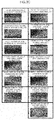
FIGS. 3A ,3B , and3C respectively show an example of feature vector extraction by the developed deep learning model; -
FIGS. 4A ,4B , and4C respectively show a model establishing step in the configuration of the failure diagnosis method for the power train components; -
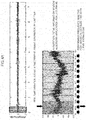
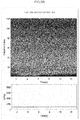
FIGS. 5A ,5B ,5C , and5D respectively show a failure diagnosis step in the configuration of the failure diagnosis method for the power train components; -
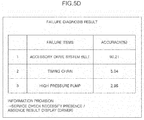
FIG. 6 shows an example of the failure diagnosis results byFIG. 5A to 5D ; -
FIGS. 7A , and7B show an active combustion control step in the configuration of the failure diagnosis method for the power train components; and -
FIG. 8 shows an example of the active combustion control results byFIG. 7A andFIG. 7B . - The drawings described herein are for illustration purposes only and are not intended to limit the scope of the present disclosure in any way.
- The following description is merely exemplary in nature and is not intended to limit the present disclosure, application, or uses. It should be understood that throughout the drawings, corresponding reference numerals indicate like or corresponding parts and features.
- Exemplary forms of the present disclosure may be modified in various forms and the range of the present disclosure should not be construed as limited to the exemplary forms detailed below. The present exemplary forms are provided to more fully describe the present disclosure to those skilled in the art. Thus, the shape, and the like of an element in a drawing can be exaggerated to emphasize a clearer description. It should be noted that the same components in each drawing are denoted by the same reference numerals. Detailed descriptions of known features and configurations that may unnecessarily obscure the gist of the present disclosure are omitted.
-
FIG. 1 schematically shows a system configuration for implementing a failure diagnosis method for a power train component in one form of the present disclosure; andFIG. 2 sequentially shows the failure diagnosis method the power train component according to one aspect of the present disclosure. - Hereinafter, referring to
FIGS. 1 and2 , a failure diagnosis method for power train components will be described in detail. - In order to implement the failure diagnosis method for the power train component, a vehicle may be equipped with a vibration sensor, an indoor microphone, a failure diagnosis AI of the power train components, and an engine controller such as ECU (engine control unit).
- A vibration signal of a power train may be extracted through the vibration sensor, and a pure power train characteristic signal may be determined based on the failure diagnosis AI of the power train components to diagnose whether the power train components is failed or not.
- In addition, when a power train is not failed, the engine controller may perform an active combustion control to respond to NVH, and the indoor microphone measures a driver's voice command and an indoor NVH level. Further, it may be linked with speaker recognition technology to determine whether NVH is improved.
- Here, the failure diagnosis AI of the power train components is referred to as an artificial intelligence controller which implements a power train failure diagnosis algorithm or may correspond to a learning model based on deep learning. The controller for the failure diagnosis algorithm may be embodied in a hardware manner (e.g., a processor), a software manner, or combination of the hardware and the software manner (i.e., a series of commands), which process at least one function or operation. The present Application uses a well-known controller (e.g., a processor or a series of commands) to process vibration big data of powertrain components.
- The power train failure diagnosis learning model based on the deep learning may be developed by collecting the vibration big data that occurred during the development of the NVH performance in the power train development stage and collecting the vibration big data related to the failure generated in the field.
- That is, information about the cause of the failure by type and vibration information big data may be collected to create a learning model based on the deep learning through a central server, and a feature vector learning model may be established for each type.
- The central server may generate the feature vector learning model for each type of power train failure based on a high performance GPU, and classify and model the model by type for the type of power train, failure cause extraction and detailed failure components.
- That is, the failure diagnosis method for power train components according to the present disclosure may include a diagnosis model establishing step, a failure diagnosis initiating step, a failure diagnosis step and an active combustion control step, and will be described sequentially through
FIG. 2 . - At the laboratory level, a deep learning model may be applied, which is established by the input of the engine driving condition determination signal such as a power train vibration signal and a RPM by the diagnosis model establishing step S11.
- Further, the guidance for failure diagnosis initiation may be performed S12.
- The failure diagnosis initiation may allow the driver to directly input the initiation command, which a voice recognition technology may be applied to.
- In addition, it may automatically initiated after traveling a certain travel distance based on a travel distance and guide the failure diagnosis entrance to a driver.
- The guidance of the failure diagnosis initiation may include traveling mode (RPM and acceleration condition, and so on) switching guidance for power train failure diagnosis.
- When the failure diagnosis control is initiated after the guidance, a failure diagnosis AI of power train components may receive and store the vibration signal measured by the vibration sensor and preprocess the stored vibration signal as data S13.
- The data preprocessing may perform Time/Amplitude/Frequency formatting algorithm (Normalization) to apply a failure diagnosis learning model and perform data processing by applying Zero Padding and white nose.
- The failure diagnosis may be performed based on the deep learning model developed after the data preprocessing S14.
- That is, depending on whether the preprocessed vibration signal of the power train during current traveling is corresponded to any one of the atypical signals of the power train based on abnormal vibration big data by components collected in the diagnosis model establishing step or not, it may be determined that the power train is failed S16 or the power train is not failed S21.
- When the failure is determined, a probability such as the first grade, second grade and third grade results may be output, and the information related to follow-up actions for repair request items such as service urgency grade and cycle may be provided.
- When the power train is not failed in the step 21, for NVH (Noise, Vibration and Harshness) problems recognized by the driver, it may be determined whether the NVH has deteriorated due to the durability progress.
- For this, the NVH evaluation may be performed by applying the combustion control learning value S22.
- Depending on the evaluation results of the step S22, the active combustion control may be performed by changing the combustion control related to the durability progress S23.
- The combustion control learning value also may depend on the NVH model learned in the development stage, and the improvement work may be completed to target NVH level depending on optimal combination of combustion control variables by applying this.
- Further, after performing the change of the combustion control as like this, the evaluation result of the driver may be reflected S24.
- That is, the satisfaction and dissatisfaction through evaluation input such as driver's voice recognition may be determined, and the change to the control variables proposed by the step S23 may be maintained when it is satisfied, but it may be guided that there is a possibility that a component other than the power train may be failed so that a careful inspection can be performed, when it is dissatisfied.
- Describing in more detail by steps, the diagnosis model establishing step may be modeled by the same process as
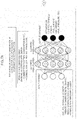
FIG. 3A to FIG. 3C . As a result, first, the feature vector by the deep learning model may be extracted as shown inFIG. 4A to 4C . - The diagnosis model establishing may generate a frame by unit time by measuring the real time vibration signal firstly.
- In addition, the N partition detail information window algorithm for unit frame may be applied.
- Then, the frequency analysis for each detailed time data (level extraction) may be performed, and the Log Mel filter postprocessing for the frequency characteristics (low frequency band ∼ high frequency band) efficiency increase of the power train may be performed.
- Further, after processing an individual data feature extraction by time progress, it may be integrated into one learning model.
- A learning model based on the feature vector (parameter) using the vibration big data collected at the time of occurrence of the same failure shape may generated, which may be always updated.
- The failure diagnosis step, as referenced in
FIG. 5A to FIG. 5D , may extract the feature vector when an abnormal signal of an unknown NVH is input during traveling, and perform the failure diagnosis AI analysis to derive a failure diagnosis result and provide the derived information. - As also referenced in
FIG. 6 , the failure items and probability may be provided. - On the other hand, when it is determined that the power train is not failed by the step S21, as referenced in
FIG. 7A andFIG. 7B , the NVH problem area by the combustion and optimization combination may be determined to perform the active control of the engine control variables. -
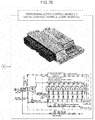
FIG. 8 shows that the NVH performance is improved as a result of such active combustion control. - As described above, the present disclosure collects the big data of power train vibration that occurred during NVH performance development and models the feature vector of vibration by failure of each component type, and in the power train failure diagnosis, the deep learning is performed by the data in which the feature vector of the measured power train vibration is modeled to derive and guide failure probability by components, so that the failure diagnosis of the power train components can be achieved more quickly and accurately.
- Although the present disclosure has been described with reference to the drawings, it is to be understood that the present disclosure is not limited to the disclosed exemplary forms, and it will be apparent to those skilled in the art that various changes and modifications may be made without departing from the spirit and scope of the present disclosure.
Claims (8)
- A failure diagnosis method for power train components, comprising:establishing, by a server, a diagnosis model based on vibration big data indicative of failure of power train components ;classifying and modeling, by the server, failed components among the power train components by using feature vectors extracted from the vibration big data;initiating, by a controller of a vehicle, failure diagnosis on power train components of the vehicle by an input command or a setting of a driver; anddiagnosing, by the controller, a failure of the power train components of the vehicle by comparing a feature vector corresponding to power train vibration of the vehicle measured during traveling of the vehicle with the vibration big data modeled in the diagnosis model.
- The failure diagnosis method of claim 1, wherein diagnosing failure of the power train components is based on a failure probability of the power train components of the vehicle calculated through deep learning after data preprocessing of the feature vector on the power train vibration measured during traveling of the vehicle.
- The failure diagnosis method of claim 2, further comprising: performing a Noise, Vibration and Harshness (NVH) performance evaluation by applying a combustion control learning value when it is determined that the power train components of the vehicle are not failed.
- The failure diagnosis method of claim 3, further comprising: performing, by an engine controller, an active combustion control by changing combustion control variables based on an outcome of the NVH performance evaluation.
- The failure diagnosis method of claim 4, further comprising: determining whether the NVH performance is improved or not by receiving an evaluation result from a driver after performed the active combustion control.
- The failure diagnosis method of claim 5, wherein the driver is informed of a possibility of a failed component other than the power train components when the evaluation result from the driver indicates that the NVH performance is not improved.
- The failure diagnosis method of claim 1, wherein initiating the failure diagnosis is automatically performed after the vehicle travels a predetermined distance.
- The failure diagnosis method of claim 7, wherein a driver of the vehicle is informed that it is switched to a traveling mode to diagnose the failure of the power train components of the vehicle after initiating the failure diagnosis.
Applications Claiming Priority (1)
| Application Number | Priority Date | Filing Date | Title |
|---|---|---|---|
| KR1020180121109A KR20200041098A (en) | 2018-10-11 | 2018-10-11 | Diagnosis method of failure for power train components |
Publications (1)
| Publication Number | Publication Date |
|---|---|
| EP3637083A1 true EP3637083A1 (en) | 2020-04-15 |
Family
ID=67137599
Family Applications (1)
| Application Number | Title | Priority Date | Filing Date |
|---|---|---|---|
| EP19183188.2A Ceased EP3637083A1 (en) | 2018-10-11 | 2019-06-28 | Failure diagnosis method for power train components |
Country Status (4)
| Country | Link |
|---|---|
| US (1) | US20200118358A1 (en) |
| EP (1) | EP3637083A1 (en) |
| KR (1) | KR20200041098A (en) |
| CN (1) | CN111045411A (en) |
Cited By (7)
| Publication number | Priority date | Publication date | Assignee | Title |
|---|---|---|---|---|
| EP3667664A1 (en) * | 2018-12-13 | 2020-06-17 | Hyundai Motor Company | Noise data artificial intelligence apparatus and pre-conditioning method for identifying source of problematic noise |
| CN111626144A (en) * | 2020-05-08 | 2020-09-04 | 湖南挚新科技发展有限公司 | Impact feature vector construction method and device, terminal equipment and storage medium |
| CN112083709A (en) * | 2020-08-26 | 2020-12-15 | 深圳市元征科技股份有限公司 | Vehicle diagnosis method, system, terminal device and storage medium |
| CN112365628A (en) * | 2020-10-30 | 2021-02-12 | 北京理工大学 | Fault diagnosis method and device of hybrid power system |
| US20220266692A1 (en) * | 2021-02-24 | 2022-08-25 | Hyundai Motor Company | Apparatus and method for diagnosing damage to drive-train hardware of vehicle |
| WO2023035009A1 (en) * | 2021-09-03 | 2023-03-09 | Continental Automotive Systems, Inc. | Data driven explainable method and system for predictive maintenance |
| DE102023108765A1 (en) | 2023-04-05 | 2024-10-10 | Audi Aktiengesellschaft | Method and monitoring system for monitoring a component in a motor vehicle |
Families Citing this family (11)
| Publication number | Priority date | Publication date | Assignee | Title |
|---|---|---|---|---|
| KR102791604B1 (en) * | 2018-12-12 | 2025-04-08 | 현대자동차주식회사 | A device and method for detecting noise source based big data |
| KR102726697B1 (en) * | 2019-12-11 | 2024-11-06 | 현대자동차주식회사 | System and Method for providing driving information based on big data |
| DE102020204944A1 (en) | 2020-04-20 | 2021-10-21 | Robert Bosch Gesellschaft mit beschränkter Haftung | Method and system for diagnosing a condition of a component |
| US20220101063A1 (en) * | 2020-09-29 | 2022-03-31 | Samsung Electronics Co., Ltd. | Method and apparatus for analyzing neural network performance |
| CN112162545B (en) * | 2020-10-21 | 2021-12-14 | 长安大学 | Automobile fault diagnosis method and system |
| JP2022100163A (en) | 2020-12-23 | 2022-07-05 | トヨタ自動車株式会社 | Sound source estimation server, sound source estimation system, sound source estimation device, and method for estimating sound source |
| US11711259B2 (en) * | 2021-02-12 | 2023-07-25 | Zebra Technologies Corporation | Method, system and apparatus for detecting device malfunctions |
| CN115452392B (en) * | 2021-11-30 | 2023-08-08 | 广州汽车集团股份有限公司 | Acoustic diagnosis method and system for vehicle engine fault |
| CN115031994B (en) * | 2022-06-08 | 2023-05-02 | 昆山市易泰汽车科技有限公司 | Vehicle endurance test method and system |
| US12391263B2 (en) * | 2022-06-21 | 2025-08-19 | Rivian Ip Holdings, Llc | Vehicle diagnostic information communications |
| CN118072416A (en) * | 2024-04-24 | 2024-05-24 | 中汽研(天津)汽车工程研究院有限公司 | Intelligent vehicle-mounted acoustic vibration analysis and diagnosis system based on deep learning |
Citations (6)
| Publication number | Priority date | Publication date | Assignee | Title |
|---|---|---|---|---|
| EP0819925A2 (en) * | 1996-07-15 | 1998-01-21 | Toyota Jidosha Kabushiki Kaisha | A preignition detection apparatus |
| EP1250577A1 (en) * | 1999-12-15 | 2002-10-23 | Swantech L.L.C. | Distributed stress wave analysis system |
| WO2014144036A1 (en) * | 2013-03-15 | 2014-09-18 | Angel Enterprise Systems, Inc. | Engine analysis and diagnostic system |
| EP3327419A1 (en) * | 2016-11-29 | 2018-05-30 | STS Defence Limited | Engine health diagnostic apparatus and method |
| CN108445868A (en) * | 2018-03-26 | 2018-08-24 | 安徽省爱夫卡电子科技有限公司 | A kind of automobile intelligent fault diagnosis system and method based on modern signal processing technology |
| US10223842B1 (en) * | 2017-10-30 | 2019-03-05 | Hyundai Motor Company | System for controlling remotely connected vehicle |
Family Cites Families (44)
| Publication number | Priority date | Publication date | Assignee | Title |
|---|---|---|---|---|
| JP2717665B2 (en) * | 1988-05-31 | 1998-02-18 | 株式会社豊田中央研究所 | Combustion prediction determination device for internal combustion engine |
| US5041976A (en) * | 1989-05-18 | 1991-08-20 | Ford Motor Company | Diagnostic system using pattern recognition for electronic automotive control systems |
| US5361628A (en) * | 1993-08-02 | 1994-11-08 | Ford Motor Company | System and method for processing test measurements collected from an internal combustion engine for diagnostic purposes |
| US5566092A (en) * | 1993-12-30 | 1996-10-15 | Caterpillar Inc. | Machine fault diagnostics system and method |
| US5732382A (en) * | 1996-11-06 | 1998-03-24 | Ford Global Technologies, Inc. | Method for identifying misfire events of an internal combustion engine |
| US6131444A (en) * | 1998-09-15 | 2000-10-17 | Chrysler Corporation | Misfire detection using a dynamic neural network with output feedback |
| US6240343B1 (en) * | 1998-12-28 | 2001-05-29 | Caterpillar Inc. | Apparatus and method for diagnosing an engine using computer based models in combination with a neural network |
| US6481271B1 (en) * | 2000-03-16 | 2002-11-19 | Ford Motor Company | Method to correct vehicle vibration during an assembly process |
| IL144010A (en) * | 2001-06-26 | 2006-04-10 | Engines Pdm Ltd | Universal diagnostic method and system for engines |
| US20030088346A1 (en) * | 2001-10-27 | 2003-05-08 | Vetronix Corporation | Noise, vibration and harshness analyzer |
| US6853951B2 (en) * | 2001-12-07 | 2005-02-08 | Battelle Memorial Institute | Methods and systems for analyzing the degradation and failure of mechanical systems |
| US20040143398A1 (en) * | 2003-01-03 | 2004-07-22 | Nelson Mitchell C. | Method and system for monitoring vibration and/or mechanical waves in mechanical systems |
| US7225108B2 (en) * | 2004-12-06 | 2007-05-29 | Caterpillar Inc | Cross correlation diagnostics tool for vibration analysis |
| US7194383B2 (en) * | 2004-12-06 | 2007-03-20 | Caterpillar Inc | Vibration analysis system and method for a machine |
| FR2898411B1 (en) * | 2006-03-08 | 2008-05-16 | Inst Francais Du Petrole | REAL-TIME ESTIMATION METHOD OF ENGINE COMBUSTION PARAMETERS FROM VIBRATORY SIGNALS |
| US7593796B2 (en) * | 2006-11-27 | 2009-09-22 | Toyota Motor Engineering & Manufacturing North America, Inc. | Torque estimator for internal combustion engine |
| US7785230B2 (en) * | 2007-05-18 | 2010-08-31 | Ford Global Technologies, Llc | Variable displacement engine powertrain fuel economy mode |
| US7900509B2 (en) * | 2008-08-06 | 2011-03-08 | Ford Global Technologies, Llc | Methods for variable displacement engine diagnostics |
| US8131484B2 (en) * | 2010-03-15 | 2012-03-06 | Sergey Kirillov | Method for preprocessing vibro-sensor signals for engine diagnostics and device for carrying out thereof |
| CN101839805A (en) * | 2010-03-19 | 2010-09-22 | 同济大学 | Method for quality inspection of active fault and diagnosis of intelligent fault of engine |
| WO2012009718A1 (en) * | 2010-07-16 | 2012-01-19 | Cummins Inc. | Fault detection and response techniques |
| CN102539159A (en) * | 2010-12-24 | 2012-07-04 | 中国船舶研究设计中心 | Fault diagnosis method for valve mechanism of diesel engine |
| JP5888033B2 (en) * | 2012-03-16 | 2016-03-16 | トヨタ自動車株式会社 | Control device for hybrid vehicle |
| CN102661866A (en) * | 2012-05-11 | 2012-09-12 | 天津工业大学 | Engine fault identification method based on time-domain energy and support vector machine |
| CN104832640B (en) * | 2014-07-29 | 2017-10-10 | 北汽福田汽车股份有限公司 | Vehicle shift control method, system under failure and the vehicle with it |
| CN104568446A (en) * | 2014-09-27 | 2015-04-29 | 芜湖扬宇机电技术开发有限公司 | A method of engine fault diagnosis |
| US20160245209A1 (en) * | 2015-02-19 | 2016-08-25 | General Electric Company | Signal recording of knocking conditions using a knock sensor |
| US10054043B2 (en) * | 2015-04-07 | 2018-08-21 | General Electric Company | Systems and methods for estimating a time of an engine event |
| CN104949840A (en) * | 2015-05-05 | 2015-09-30 | 天津大学 | Diesel engine fault diagnosis method based on vibration analysis |
| US20160370255A1 (en) * | 2015-06-16 | 2016-12-22 | GM Global Technology Operations LLC | System and method for detecting engine events with an acoustic sensor |
| CN105319071B (en) * | 2015-09-21 | 2017-11-07 | 天津大学 | Diesel Engine Fuel System Fault Diagnosis method based on least square method supporting vector machine |
| US20170184043A1 (en) * | 2015-12-29 | 2017-06-29 | General Electric Company | System and method to verify installation of asymmetric piston |
| EP3397935B1 (en) * | 2015-12-30 | 2019-11-13 | Ford Otomotiv Sanayi A. S. | Vibration and noise mapping system and method |
| CN107449613B (en) * | 2016-05-30 | 2019-07-16 | 上海汽车集团股份有限公司 | Method and device for detecting the cause of vehicle starting failure |
| CN106408687B (en) * | 2016-11-24 | 2019-04-05 | 沈阳航空航天大学 | A kind of automobile engine fault early warning method based on machine learning method |
| CN106778828B (en) * | 2016-11-28 | 2020-05-15 | 哈尔滨工程大学 | Multi-fault identification method of diesel fuel system based on simplified Bayesian model |
| CN106502238A (en) * | 2016-11-30 | 2017-03-15 | 北京航空航天大学 | A kind of solid-liquid power aircraft fault diagnosis system |
| CN108398271A (en) * | 2017-02-07 | 2018-08-14 | 山东云舜智能科技有限公司 | A kind of engine state monitor method based on vibration and nerual network technique |
| US20180293814A1 (en) * | 2017-04-05 | 2018-10-11 | GM Global Technology Operations LLC | Method to classify system performance and detect environmental information |
| KR101889049B1 (en) | 2017-08-11 | 2018-08-21 | (주)다이매틱스 | Vehicle diagnosis method and apparatus using artificial intelligence based on deep learning |
| KR102324776B1 (en) * | 2017-10-16 | 2021-11-10 | 현대자동차주식회사 | Method for diagnosing noise cause of vehicle |
| KR102383461B1 (en) * | 2017-10-17 | 2022-04-06 | 현대자동차주식회사 | Engine Sound Color Control Method based on Engine Dynamic Characteristic with Artificial Intelligence and Vehicle thereof |
| WO2019099228A1 (en) * | 2017-11-14 | 2019-05-23 | Tula Technology, Inc. | Machine learning for misfire detection in a dynamic firing level modulation controlled engine of a vehicle |
| KR102406182B1 (en) * | 2018-01-30 | 2022-06-07 | 현대자동차주식회사 | Vehicle predictive control system and method based on big data |
-
2018
- 2018-10-11 KR KR1020180121109A patent/KR20200041098A/en not_active Ceased
-
2019
- 2019-05-31 US US16/427,533 patent/US20200118358A1/en not_active Abandoned
- 2019-06-25 CN CN201910557124.2A patent/CN111045411A/en active Pending
- 2019-06-28 EP EP19183188.2A patent/EP3637083A1/en not_active Ceased
Patent Citations (6)
| Publication number | Priority date | Publication date | Assignee | Title |
|---|---|---|---|---|
| EP0819925A2 (en) * | 1996-07-15 | 1998-01-21 | Toyota Jidosha Kabushiki Kaisha | A preignition detection apparatus |
| EP1250577A1 (en) * | 1999-12-15 | 2002-10-23 | Swantech L.L.C. | Distributed stress wave analysis system |
| WO2014144036A1 (en) * | 2013-03-15 | 2014-09-18 | Angel Enterprise Systems, Inc. | Engine analysis and diagnostic system |
| EP3327419A1 (en) * | 2016-11-29 | 2018-05-30 | STS Defence Limited | Engine health diagnostic apparatus and method |
| US10223842B1 (en) * | 2017-10-30 | 2019-03-05 | Hyundai Motor Company | System for controlling remotely connected vehicle |
| CN108445868A (en) * | 2018-03-26 | 2018-08-24 | 安徽省爱夫卡电子科技有限公司 | A kind of automobile intelligent fault diagnosis system and method based on modern signal processing technology |
Cited By (12)
| Publication number | Priority date | Publication date | Assignee | Title |
|---|---|---|---|---|
| EP3667664A1 (en) * | 2018-12-13 | 2020-06-17 | Hyundai Motor Company | Noise data artificial intelligence apparatus and pre-conditioning method for identifying source of problematic noise |
| US11494643B2 (en) | 2018-12-13 | 2022-11-08 | Hyundai Motor Company | Noise data artificial intelligence apparatus and pre-conditioning method for identifying source of problematic noise |
| CN111626144A (en) * | 2020-05-08 | 2020-09-04 | 湖南挚新科技发展有限公司 | Impact feature vector construction method and device, terminal equipment and storage medium |
| CN111626144B (en) * | 2020-05-08 | 2023-08-29 | 湖南挚新科技发展有限公司 | Impact feature vector construction method, device, terminal equipment and storage medium |
| CN112083709A (en) * | 2020-08-26 | 2020-12-15 | 深圳市元征科技股份有限公司 | Vehicle diagnosis method, system, terminal device and storage medium |
| CN112083709B (en) * | 2020-08-26 | 2022-05-10 | 深圳市元征科技股份有限公司 | Vehicle diagnosis method, system, terminal device and storage medium |
| CN112365628A (en) * | 2020-10-30 | 2021-02-12 | 北京理工大学 | Fault diagnosis method and device of hybrid power system |
| CN112365628B (en) * | 2020-10-30 | 2021-12-28 | 北京理工大学 | Fault diagnosis method and device of hybrid power system |
| US20220266692A1 (en) * | 2021-02-24 | 2022-08-25 | Hyundai Motor Company | Apparatus and method for diagnosing damage to drive-train hardware of vehicle |
| US11642963B2 (en) * | 2021-02-24 | 2023-05-09 | Hyundai Motor Company | Apparatus and method for diagnosing damage to drive-train hardware of vehicle |
| WO2023035009A1 (en) * | 2021-09-03 | 2023-03-09 | Continental Automotive Systems, Inc. | Data driven explainable method and system for predictive maintenance |
| DE102023108765A1 (en) | 2023-04-05 | 2024-10-10 | Audi Aktiengesellschaft | Method and monitoring system for monitoring a component in a motor vehicle |
Also Published As
| Publication number | Publication date |
|---|---|
| KR20200041098A (en) | 2020-04-21 |
| CN111045411A (en) | 2020-04-21 |
| US20200118358A1 (en) | 2020-04-16 |
Similar Documents
| Publication | Publication Date | Title |
|---|---|---|
| US20200118358A1 (en) | Failure diagnosis method for power train components | |
| CN110949398B (en) | Method for detecting abnormal driving behavior of first-vehicle drivers in vehicle formation driving | |
| US10852732B2 (en) | Deep learning based self-driving car, deep learning based self-driving control device, and deep learning based self-driving control method | |
| CN114585983B (en) | Method, device and system for detecting abnormal operation state of equipment | |
| US11137322B2 (en) | Diagnosing method of engine condition and diagnostic modeling method thereof | |
| US11404066B2 (en) | Device and method for providing voice recognition service based on artificial intelligence | |
| Angkititrakul et al. | Modeling and adaptation of stochastic driver-behavior model with application to car following | |
| CN111114556A (en) | Lane change intention identification method based on LSTM under multi-source exponential weighting loss | |
| US12236969B2 (en) | Method for processing sound used in speech recognition robot | |
| CN112820321A (en) | Remote intelligent audio diagnosis system, method, equipment and medium for oil pumping unit | |
| US11620519B2 (en) | Big data-based driving information provision system and method thereof | |
| US11315349B2 (en) | Method, apparatus and device for identifying passenger state in unmanned vehicle, and storage medium | |
| CN114331214A (en) | Domain-adaptive bearing voiceprint fault diagnosis method and system based on reinforcement learning | |
| Zou et al. | Inverse reinforcement learning via neural network in driver behavior modeling | |
| KR102717465B1 (en) | CNN(Convolutional Neural Network) based audio source recognition system and method using incremental machine learning scheme | |
| CN115923833A (en) | Vehicle anthropomorphic decision-making control method, device, vehicle and storage medium | |
| KR102050426B1 (en) | Autonomous driving control apparatus and method based on driver model | |
| CN116198511B (en) | Vehicle control parameter configuration method and system | |
| CN121524740A (en) | Vehicle off-line testing methods, devices, equipment, storage media and program products | |
| CN114997748A (en) | New energy automobile operation safety risk prediction method and system based on model fusion | |
| Wu et al. | Multi-head attention machine learning for fault classification in mixed autonomous and human-driven vehicle platoons | |
| KR20230149071A (en) | System and method for predicting dangerous driving behavior using spiking neural network | |
| Kordes et al. | Automatic Fault Detection using Cause and Effect Rules for In-vehicle Networks. | |
| Mumcuoglu et al. | Air pressure system failures detection using LSTM-autoencoder | |
| US12535784B1 (en) | Vehicle control systems including neural network control policies with non-linear H-infinity robustness |
Legal Events
| Date | Code | Title | Description |
|---|---|---|---|
| PUAI | Public reference made under article 153(3) epc to a published international application that has entered the european phase |
Free format text: ORIGINAL CODE: 0009012 |
|
| STAA | Information on the status of an ep patent application or granted ep patent |
Free format text: STATUS: THE APPLICATION HAS BEEN PUBLISHED |
|
| AK | Designated contracting states |
Kind code of ref document: A1 Designated state(s): AL AT BE BG CH CY CZ DE DK EE ES FI FR GB GR HR HU IE IS IT LI LT LU LV MC MK MT NL NO PL PT RO RS SE SI SK SM TR |
|
| AX | Request for extension of the european patent |
Extension state: BA ME |
|
| STAA | Information on the status of an ep patent application or granted ep patent |
Free format text: STATUS: REQUEST FOR EXAMINATION WAS MADE |
|
| 17P | Request for examination filed |
Effective date: 20201009 |
|
| RBV | Designated contracting states (corrected) |
Designated state(s): AL AT BE BG CH CY CZ DE DK EE ES FI FR GB GR HR HU IE IS IT LI LT LU LV MC MK MT NL NO PL PT RO RS SE SI SK SM TR |
|
| STAA | Information on the status of an ep patent application or granted ep patent |
Free format text: STATUS: EXAMINATION IS IN PROGRESS |
|
| 17Q | First examination report despatched |
Effective date: 20210315 |
|
| RAP3 | Party data changed (applicant data changed or rights of an application transferred) |
Owner name: HYUNDAI MOTOR COMPANY Owner name: KIA CORPORATION |
|
| STAA | Information on the status of an ep patent application or granted ep patent |
Free format text: STATUS: THE APPLICATION HAS BEEN REFUSED |
|
| 18R | Application refused |
Effective date: 20230202 |