FIELD OF THE INVENTION
-
The invention relates to a method of pre-surgical risk stratification of a prostate cancer subject. Moreover, the invention relates to a diagnostic kit, to a use of the diagnostic kit in a method of pre-surgical risk stratification of a prostate cancer subject, to a use of a gene expression profile for phosphodiesterase 4D variant 7 (PDE4D7) and a gene expression profile for DExH-box helicase 9 (DHX9) in pre-surgical risk stratification of a prostate cancer subject, and to a corresponding computer program product.
BACKGROUND OF THE INVENTION
-
Cancer is a class of diseases in which a group of cells displays uncontrolled growth, invasion and sometimes metastasis. These three malignant properties of cancers differentiate them from benign tumors, which are self-limited and do not invade or metastasize. Prostate Cancer (PCa) is the most commonly-occurring non-skin malignancy in men, with an estimated 1.1 million new cases diagnosed world-wide in 2012 (see Ferlay J. et al., GLOBOCAN 2012 v1.0, Cancer Incidence and Mortality Worldwide: IARC CancerBase No. 11 [Internet], Lyon, France, International Agency for Research on Cancer, 2013).
-
Due to ageing populations, the incidence of PCa will further increase in the coming years (see
Quon H. et al., "Dramatic increase in prostate cancer cases by 2021", BJU International, Vol. 108, No. 11, pages 1734 to 1738, 2011). Routine diagnosis by determination of blood levels of the prostate-specific antigen (PSA), digital rectal exam (DRE) and transrectal ultrasound analysis (TRUS) leads to significant first-line overdiagnosis of non-cancerous, benign prostate conditions (see
Bangma C.H. et al., "Overdiagnosis and overtreatment of early detected prostate cancer", World Journal of Urology, Vol. 25, No. 1, pages 3 to 9, 2007, and
Schroder F.H. et al., "Screening and Prostate-Cancer Mortality in a Randomized European Study", The New England Journal of Medicine, Vol. 360, No. 13, pages 1320 to 1328, 2009): of the approximately 1 million prostate biopsies annually performed in the U.S. alone to find about 250,000 new cases, about 75% are done unnecessarily, incurring both substantial complications (urosepsis, bleedings, urinary retention) in patients and total cost of>USD 2 billion (~USD 2,100 per biopsy procedure). At least 4 out of 100 men with a negative biopsy are likely to be hospitalized due to side-effects and 9 out of 10,000 biopsied patients are at risk of dying from the currently used procedure (see
Nam R.K. et al., "Increasing hospital admission rates for urological complications after transrectal ultrasound guided biopsy", Journal of Urology, Vol. 183, No. 3, pages 963 to 968, 2010).
-
Of the approximately 250,000 newly detected PCa cases in the U.S. per year, about 200,000 are initially characterized as localized disease (see
Snyder C.F. et al., "How does initial treatment choice affect short-term and long-term costs for clinically localized prostate cancer?", Cancer, Vol. 116, No. 23, pages 5391 to 5399, 2010, and
Cooperberg M.R. et al., "Contemporary trends in low risk prostate cancer: risk assessment and treatment", Journal of Urology, Vol. 173, No. 3, Pt. 2, pages 14 to 19, 2007), i.e. as cancer confined to the prostate organ. This condition is to a certain extent curable by primary treatment approaches, such as radiation therapy or, in particular, the partial or total removal of the prostate by surgery (prostatectomy). However, these interventions typically come with serious side effects, particularly urinary incontinence and/or erectile dysfunctions as very frequent consequences of prostatectomy. Up to 50% of men undergoing radical prostatectomy develop urinary incontinence. Studies have shown that, one year after surgery, between 15% and 50% of men still report such problems. Erection problems likewise are serious side effects of radical prostatectomy (RP). Only about half of the operated men are able to regain some of their ability to have erections. Furthermore, all routinely applied treatments for localized PCa are expensive (typically in the order of USD 20-30,000) and incur total direct costs of USD 5 billion in the U.S. each year.
-
Among the ~200,000 men in the United States with clinically localized disease at diagnosis, up to 50% have very-low- or low-risk cancer (see
Bangma C.H. and Roobol M.J., "Defining and predicting indolent and low prostate cancer", Critical Reviews in Oncology/Hematology, Vol. 83, No. 2, pages 235 to 241, 2012). Accordingly, the NCCN (National Comprehensive Cancer Network) recently revised their PCa treatment guidelines to expand active surveillance (AS) as a gentle and convenient treatment alternative for patients with such low risk disease (see www.nccn.org). By referring appropriate patients to AS, the quality of life for such patients is significantly improved as compared with men having undergone primary treatment and the 5-year cost for AS is reported to be less than USD 10,000 per patient (see Snyder C.F. et al.).
-
Moreover, in case surgery (vs. AS) is selected as the treatment of choice for a given patient, it is of significant advantage to stratify for the extent of surgery according to the potential aggressiveness of the patient's tumor. For instance, nerve-sparing operation techniques could be more generally applied for men with predicted low-risk disease to minimize potency-related adverse effects of radical prostatectomy. Likewise, according to the European Association of Urology (EAU)'s latest Prostate Cancer Guidelines, extended lymph node dissection is recommended in case of a predicted high-risk cancer despite the fact that the procedure is complex, time-consuming and associated with higher complication rates as compared with more limited procedures (see
Heidenreich A. et al., "Guidelines on Prostate Cancer", European Association of Urology, 2012). Consequently, while less limited lymph node dissection has shown to miss about 50% of lymph node metastases (see
Heidenreich A. et al., "Extended pelvic lymphadenectomy in patients undergoing radical prostatectomy: high incidence of lymph node metastasis", Journal of Urology, Vol. 167, No. 4, pages 1681 to 1686, 2002, and
Bader P. et al, "Is a limited lymph node dissection and adequate staging procedure for prostate cancer?", Journal of Urology, Vo. 168, No. 2, pages 514 to 518, 2002), the management of men with localized prostate cancer requires highly accurate pre-surgical predictions of the aggressiveness potential of an individual tumor to provide most optimal care for each patient.
SUMMARY OF THE INVENTION
-
It is an object of the invention to provide a method of pre-surgical risk stratification of a prostate cancer subject, which may allow making better pre-surgical predictions of the aggressiveness potential of an individual tumor. It is a further object of the invention to provide a diagnostic kit, a use of the diagnostic kit in a method of pre-surgical risk stratification of a prostate cancer subject, a use of a gene expression profile for phosphodiesterase 4D variant 7 (PDE4D7) and a gene expression profile for DExH-box helicase 9 (DHX9) in pre-surgical risk stratification of a prostate cancer subject, and a corresponding computer program product.
-
In a first aspect of the present invention, a method of pre-surgical risk stratification of a prostate cancer subject is presented, comprising:
- determining a gene expression profile for phosphodiesterase 4D variant 7 (PDE4D7) in a biological sample obtained from the subject,
- determining a gene expression profile for DExH-box helicase 9 (DHX9) in the same or another biological sample obtained from the subject, and
- determining a pre-surgical prognostic risk score for the subject based on the gene expression profile for PDE4D7 and the gene expression profile for DHX9.
-
The cAMP signaling pathway is known to play an important role in both the development and progression of prostate cancer (see
Merkle D. and Hoffmann R., "Roles of cAMP and cAMP-dependent protein kinase in the progression of prostate cancer: Cross-talk with the androgen receptor", Cellular Signalling, Vol. 23, No. 3, pages 507-515, 2011). While a family of adenylate cyclases is responsible for the synthesis of cAMP, cyclic nucleotide phosphodiesterases (PDEs) appear to represent the only cellular mechanism for its destruction. PDEs provide both signal termination and, importantly, the compartmentalization of cAMP signaling within the 3D matrix of cells. This is achieved through the spatially discrete destruction of cAMP via sub-populations of distinct PDE iso forms sequestered by localized anchor proteins/signalosomes (see, for example,
Conti M. and Beavo J., "Biochemistry and physiology of cyclic nucleotide phosphodiesterases: essential components in cyclic nucleotide signaling", Annual Review of Biochemistry, Vol. 76, pages 481-511, 2007). Thus changes in the expression and/or activity of distinct PDE iso forms can alter downstream signaling pathways during disease development and progression, providing potential targets for novel biomarkers and for targeted therapeutic intervention. Indeed, alterations in the expression of members of the cAMP-degrading PDE4 family appear to be associated with a number of different diseases, including stroke, acrodysostosis, schizophrenia, and COPD. Recently, it was shown that down-regulation of a particular PDE4 isoform (PDE4D7) may have an impact on prostate cancer (see, for example,
Böttcher R. et al., "Human phosphodiesterase 4D7 (PDE4D7) expression is increased in TMPRSS2-ERG positive primary prostate cancer and independently adds to a reduced risk of post-surgical disease progression", British Journal of Cancer, Vol. 113, No. 10, pages 1502-1511, 2015). PDE4D7 isoform is a so-called long isoform as it contains both the UCR1 and UCR2 regulatory domains. UCR1 is found in long, but not short, PDE4 iso forms and allows for regulation by various protein kinases, including PKA and MK2 and also determines the functional outcome of catalytic unit phosphorylation by ERK. Functionally, it provides part of the cellular desensitization system to cAMP and enables cross-talk between signaling pathways that lead to the activation of ERK and AMPK, for example.
-
Emerging evidence demonstrates that human helicases like DHX9 could act as hubs in the cellular networks to coordinate cellular stress responses to maintain cellular homeostasis for survival or to trigger cell death. Interestingly, it has recently been shown that a range of human cancer cell lines are susceptive to suppression of DHX9 helicase activity in vitro and in vivo. Gene expression profiling of tumor cells after DHX9 suppression revealed the de-regulation of a range of pathways involved in tumor development or progression. Further, DHX9 has lately been described as a major player in resolving R-loop-associated DNA damage which supports maintenance of genomic stability. Disruption of this process may lead to cancer development and progression due to rearrangements on the genomic level, a phenomenon that has been demonstrated in many cancers. These recent findings are very much supported by data created by the inventors, which show a significant association of DHX9 gene expression to time to prostate cancer relapse in a clinical prostate cancer patient cohort with longitudinal follow-up (unpublished data).
-
The inventors have identified and confirmed an interaction between PDE4D7 and the helicase DHX9 in prostate cancer cells. In addition, it could be shown that the N-terminal domain of DHX9 is phosphorylated in vitro by cAMP-dependent protein kinase A (PKA). This raises the question whether this post-translation modification by PKA has any regulatory influence on the activity or cellular localization of DHX9 and whether the interaction with PDE4D7 affects the phosphorylation by regulating cyclic AMP in the micro-domain of DHX9. By this, PDE4D7 as newly identified interactor of DHX9 might play a crucial role in controlling directly or indirectly the function of DHX9 in prostate cancer development.
-
By determining a pre-surgical prognostic risk score for a prostate cancer subject based on the gene expression profiles for both PDE4D7 and DHX9, additional molecular information representing the biology of the disease is obtained. The prognostic power of PDE4D7 and DHX9 is utilized in pre-surgical patient risk assessment by determining a pre-surgical prognostic risk score that is based on the gene expression profiles for both PDE4D7 and DHX9. This may allow for an improved stratification of the subject in a pre-surgical setting that may result in better primary treatment decisions. For instance, the pre-surgical prognostic risk score may allow to make better recommendations on whether to select active surveillance vs. active intervention, e.g., radical prostatectomy, for certain sub-populations of prostate cancer patients.
-
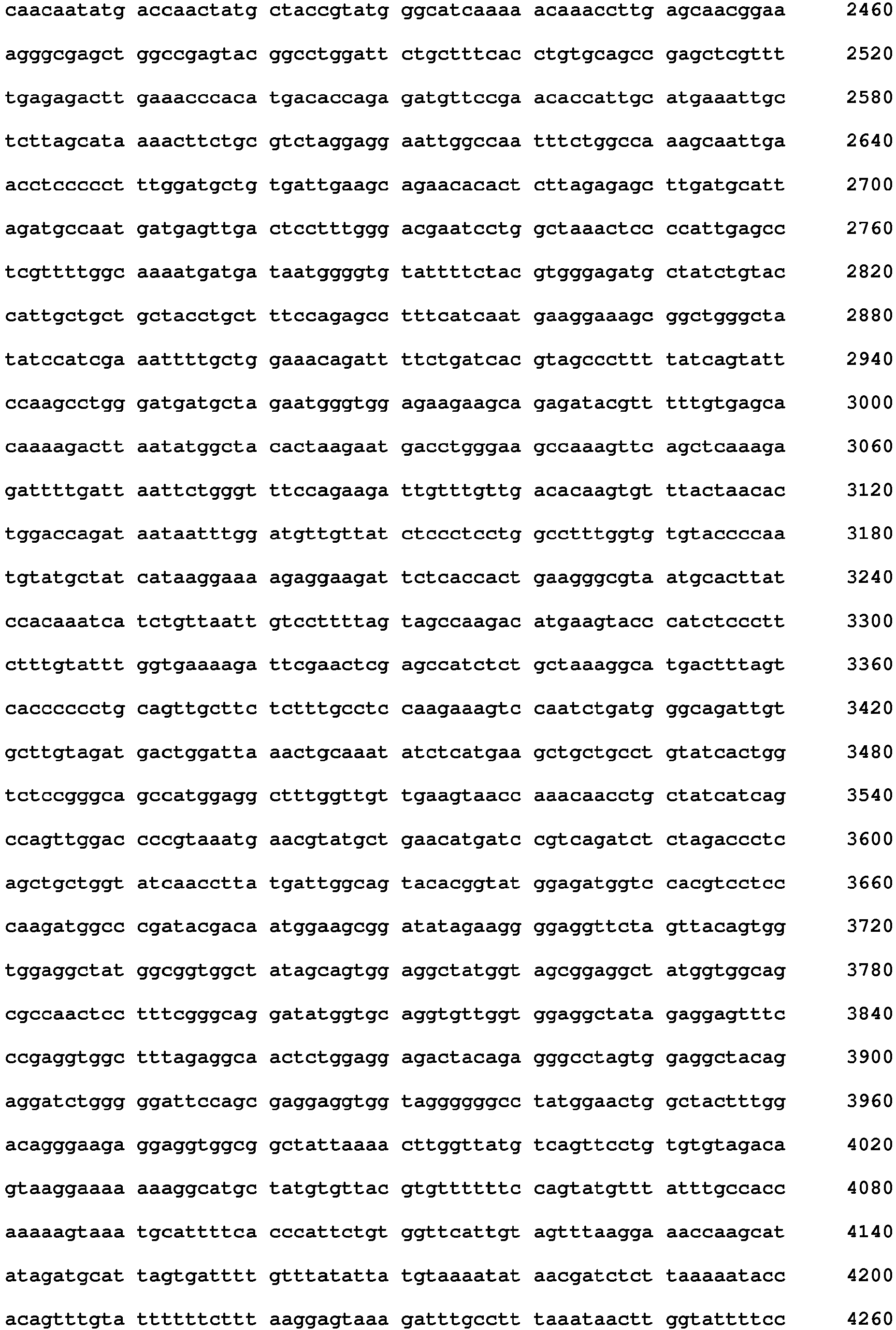
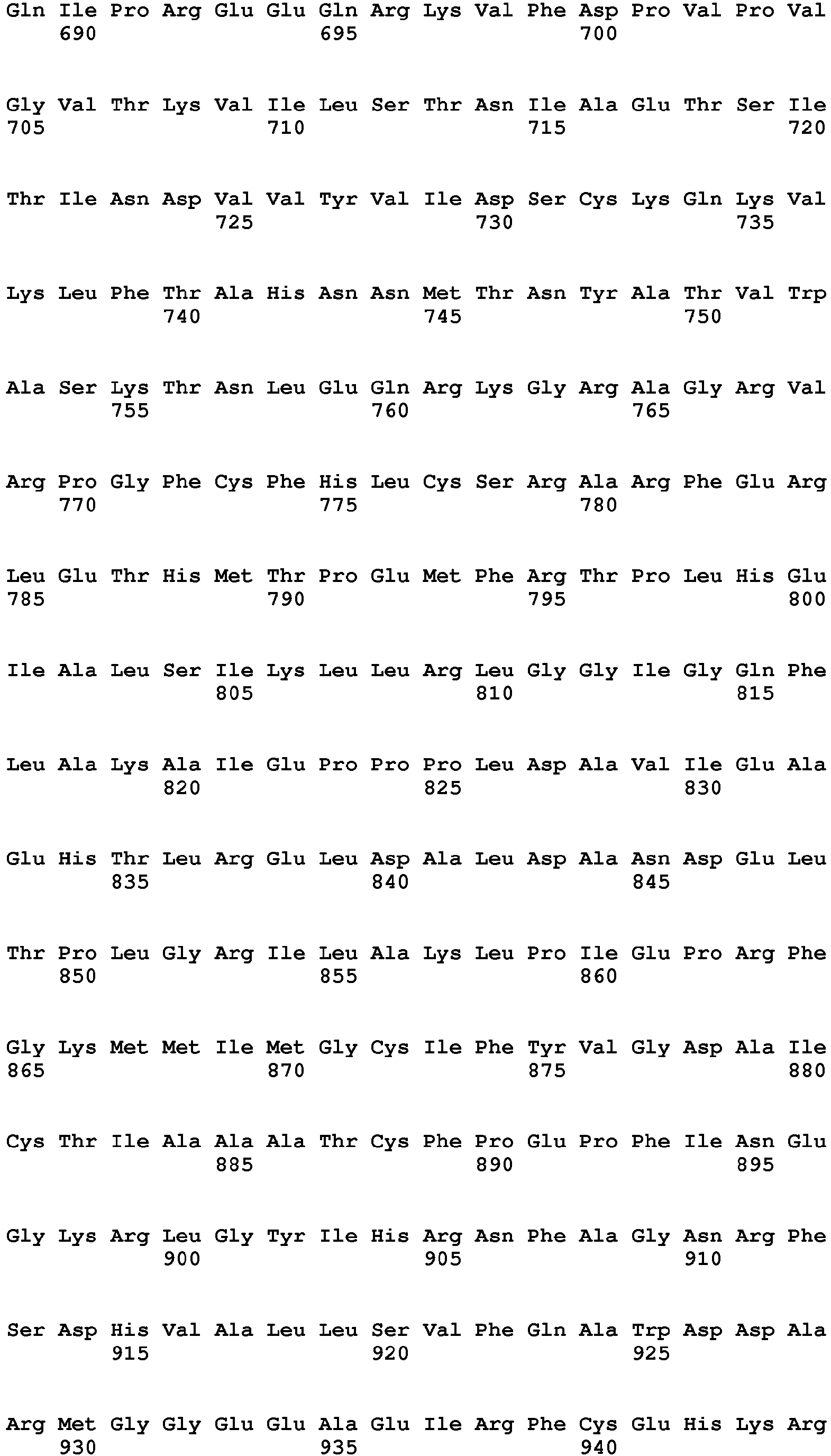
The term "phosphodiesterase 4D7" or "PDE4D7" refers to the splice variant 7 of the human phosphodiesterase PDE4D, i.e., the human phosphodiesterase PDE4D7 gene, for example, to the sequence as defined in NCBI Reference Sequence: NM -001165899.1, specifically, to the nucleotide sequence as set forth in SEQ ID NO: 19, which corresponds to the sequence of the above indicated NCBI Reference Sequence of the PDE4D7 transcript, and also relates to the corresponding amino acid sequence for example as set forth in SEQ ID NO:20, which corresponds to the protein sequence defined in NCBI Protein Accession Reference Sequence NP-001159371.1 encoding the PDE4D7 polypeptide. The term "phosphodiesterase 4D7" or "PDE4D7" also relates to the amplicon that can be generated by the primer pair PDE4D7-forward (SEQ ID NO:21) and the PDE4D7-reverse (SEQ ID NO:22) and can be detected by probe SEQ ID NO:23.
-
The PDE4D7 polypeptide can also be detected with primer pair PDE4D7-2_forward (SEQ ID NO:24) and the PDE4D7 -reverse (SEQ ID NO:25) and can be detected by probe SEQ ID NO:26.
-
The term "PDE4D7" also comprises nucleotide sequences showing a high degree of homology to PDE4D7, e.g., nucleic acid sequences being at least 75%, 80%, 85%, 90%, 91%, 92%, 93%, 94%, 95%, 96%, 97%, 98% or 99% identical to the sequence as set forth in SEQ ID NO:19 or amino acid sequences being at least 75%, 80%, 85%, 90%, 91%, 92%, 93%, 94%, 95%, 96%, 97%, 98% or 99% identical to the sequence as set forth in SEQ ID NO:20 or nucleic acid sequences encoding amino acid sequences being at least 75%, 80%, 85%, 90%, 91%, 92%, 93%, 94%, 95%, 96%, 97%, 98% or 99% identical to the sequence as set forth in SEQ ID NO:20 or amino acid sequences being encoded by nucleic acid sequences being at least 75%, 80%, 85%, 90%, 91%, 92%, 93%, 94%, 95%, 96%, 97%, 98% or 99% identical to the sequence as set forth in SEQ ID NO:19.
-
The term "DExH-box helicase 9" or "DHX9" refers to refers to the human DExH-box helicase 9 gene, for example, to the sequence as defined in NCBI Reference Sequence: NM -001357.4 (Ensembl: ENSG00000135829), specifically, to the nucleotide sequence as set forth in SEQ ID NO:74, which corresponds to the sequence of the above indicated NCBI Reference Sequence of the DHX9 transcript, and also relates to the corresponding amino acid sequence for example as set forth in SEQ ID NO:75, which corresponds to the protein sequence defined in NCBI Protein Accession Reference Sequence NP-001348.2 encoding the DHX9 polypeptide.
-
The term "DHX9" also comprises nucleotide sequences showing a high degree of homology to DHX9, e.g., nucleic acid sequences being at least 75%, 80%, 85%, 90%, 91%, 92%, 93%, 94%, 95%, 96%, 97%, 98% or 99% identical to the sequence as set forth in SEQ ID NO:74 or amino acid sequences being at least 75%, 80%, 85%, 90%, 91%, 92%, 93%, 94%, 95%, 96%, 97%, 98% or 99% identical to the sequence as set forth in SEQ ID NO:75 or nucleic acid sequences encoding amino acid sequences being at least 75%, 80%, 85%, 90%, 91%, 92%, 93%, 94%, 95%, 96%, 97%, 98% or 99% identical to the sequence as set forth in SEQ ID NO:75 or amino acid sequences being encoded by nucleic acid sequences being at least 75%, 80%, 85%, 90%, 91%, 92%, 93%, 94%, 95%, 96%, 97%, 98% or 99% identical to the sequence as set forth in SEQ ID NO:74.
-
The term "biological sample" or "sample obtained from a subject" refers to any biological material obtained via suitable methods known to the person skilled in the art from a subject, e.g., a prostate cancer patient. The biological sample used may be collected in a clinically acceptable manner, e.g., in a way that nucleic acids (in particular RNA) or proteins are preserved.
-
The biological sample(s) may include body tissue and/or a fluid, such as, but not limited to, blood, sweat, and urine. Furthermore, the biological sample may contain a cell extract derived from or a cell population including an epithelial cell, such as a cancerous epithelial cell or an epithelial cell derived from tissue suspected to be cancerous. The biological sample may contain a cell population derived from a glandular tissue, e.g., the sample may be derived from the prostate of a male subject. Additionally, cells may be purified from obtained body tissues and fluids if necessary, and then used as the biological sample. In some realizations, the sample may be a tissue sample, a urine sample, a urine sediment sample, a blood sample, a saliva sample, a semen sample, a sample including circulating tumor cells, extracellular vesicles, a sample containing prostate secreted exosomes, or cell lines or cancer cell line.
-
In one particular realization, biopsy or resections samples may be obtained and/or used. Such samples may include cells or cell lysates.
-
It is also conceivable that the content of a biological sample is submitted to an enrichment step. For instance, a sample may be contacted with ligands specific for the cell membrane or organelles of certain cell types, e.g., prostate cells, functionalized for example with magnetic particles. The material concentrated by the magnetic particles may subsequently be used for detection and analysis steps as described herein above or below.
-
Furthermore, cells, e.g., tumor cells, may be enriched via filtration processes of fluid or liquid samples, e.g., blood, urine, etc. Such filtration processes may also be combined with enrichment steps based on ligand specific interactions as described herein above.
-
The term "prostate cancer" refers to a cancer of the prostate gland in the male reproductive system, which occurs when cells of the prostate mutate and begin to multiply out of control. Typically, prostate cancer is linked to an elevated level of prostate-specific antigen (PSA). In one embodiment of the present invention the term "prostate cancer" relates to a cancer showing PSA levels above 4.0. In another embodiment the term relates to cancer showing PSA levels above 2.0. The term "PSA level" refers to the concentration of PSA in the blood in ng/ml.
-
The term "non-progressive prostate cancer state" means that a sample of an individual does not show parameter values indicating "biochemical recurrence" and/or "clinical recurrence".
-
The term "progressive prostate cancer state" means that a sample of an individual shows parameter values indicating "biochemical recurrence" and/or "clinical recurrence".
-
The term "biochemical recurrence" generally refers to recurrent biological values of increased PSA indicating the presence of prostate cancer cells in a sample. However, it is also possible to use other markers that can be used in the detection of the presence or that rise suspicion of such presence.
-
The term "clinical recurrence" refers to the presence of clinical signs indicating the presence of tumor cells as measured, for example using in vivo imaging.
-
The term "prognosticating prostate cancer" as used herein refers to the prediction of the course or outcome of a diagnosed or detected prostate cancer, e.g., during a certain period of time, during a treatment or after a treatment. The term also refers to a determination of chance of survival or recovery from the disease, as well as to a prediction of the expected survival time of a subject. A prognosis may, specifically, involve establishing the likelihood for survival of a subject during a period of time into the future, such as 6 months, 1 year, 2 years, 3 years, 5 years, 10 years or any other period of time.
-
It is preferred that the gene expression profile for PDE4D7 and the gene expression profile for DHX9 are combined with a regression function that had been derived from a population of prostate cancer subjects.
-
Regression analysis helps one understand how the typical value of the dependent variable (or "criterion variable") changes when any one of the independent variables is varied, while the other independent variables are held fixed. This relationship between the dependent variable and the independent variables is captured in the regression function, which can be used to predict the dependent variable given the values of the independent variables. The dependent variable can be, for example, a binary variable, such as biochemical recurrence within 5 years after surgery. In this case, the regression is a logistic regression that is based on a logit function of the independent variables, which, here, comprise or consist of the gene expression profile for PDE4D7 and the gene expression profile for DHX9. By means of the regression function, an improved prediction of e.g. the 5-year risk of biochemical recurrence after surgery may be possible.
-
It is preferred that the method further comprises:
- proposing a primary treatment for the subject based on the pre-surgical prognostic risk score, wherein the primary treatment is selected from the group consisting of:
- (i) at least a partial prostatectomy; (ii) an active therapy selected from radiation treatment, hormone therapy, chemotherapy, and a combination thereof; and (iii) active surveillance.
-
The various national and international guidelines recommend different treatments for a prostate cancer subject depending on the risk of future disease progression and life expectancy. For example, for men with very low and low risk prostate cancer active surveillance (AS) is generally recommended, whereas for high risk cancer a radical prostatectomy could be indicated. However, the known clinical risk descriptors do not delineate effectively either the extent of the disease or its aggressiveness for all patients. For instance, it has been found that in the National Comprehensive Cancer Network (NCCN) very low and low risk groups, there is a significant sub-group of patients population with a risk of 10 to 25% cancer recurrence after primary treatment. Likewise, it is known that in the intermediate risk group there is a sub-population with low risk of biochemical progression. By basing the proposing of a primary treatment for the subject on the pre-surgical prognostic risk score, better recommendations on e.g. whether to select active surveillance vs. active intervention, e.g., radical prostatectomy, may be made for certain sub-populations of prostate cancer patients.
-
It is further preferred that the method comprises:
- normalizing the gene expression profile for PDE4D7 and/or the gene expression profile for DHX9 with respect to one or more reference genes selected from the group consisting of: Homo sapiens hypoxanthine phosphoribosyltransferase 1 (HPRT1), Tubulin-Alpha-lb (TUBA1B), Homo sapiens pumilio RNA-Binding Family Member (PUM1), and Homo sapiens TATA box binding protein (TBP), wherein the pre-surgical prognostic risk score is determined based on the normalized gene expression profile(s).
-
By normalizing the gene expression profile(s) with respect to one or more reference genes and by determining the pre-surgical prognostic risk score based on the normalized gene expression profile(s), variability in the determination of the pre-surgical prognostic risk score can be reduced. This enables differentiation between real variations in gene expression profiles and variations due to the measurement processes. In this respect, it has been found that HPRT1, TUBA1B, PUM1, and TBP are particularly well suited as reference genes for normalizing the PDE4D7 and/or DHX9 gene expression profile(s).
-
The gene expression profile(s) may be determined by detecting mRNA expression using one or more primers and/or probes and/or one or more sets thereof. Moreover, the gene expression profile(s) may be determined by an amplification based method and/or microarray analysis and/or RNA sequencing. The determining of the gene expression profile(s) may include performing Real-Time Quantitative Polymerase Chain Reaction (RT-qPCR) on RNA extracted from the biological sample. In other embodiments, the gene expression profile(S) are determined by RNA sequencing, conventional PCR (using, e.g., end point analysis by gel electrophoresis), or multiplex-PCR. In the case of RT-qPCR, the determining of the gene expression profile(s) may include determining a threshold cycle (Ct) value for PDE4D7 and/or DHX9 and each of the one or more reference genes. The PCR may be performed with at least one primer and/or probe for measuring a reference gene selected from HPRT1, TUBA1B, PUM1, and TBP.
-
It is preferred that the one or more reference genes comprise at least two, or at least three, or all of HPRT1, TUBA1B, PUM1, and TBP.
-
Other reference genes which may be additionally or alternatively used for normalizing the PDE4D7 and/or DHX9 gene expression profile(s) include: Homo sapiens actin, beta, mRNA (ACTB); Homo sapiens 60S acidic ribosomal phosphoprotein P0 mRNA (RPLP0); Polymerase (RNA) II (DNA Directed) Polypeptide A, 220kDa (POLR2A); Beta-2-Microglobulin (B2M); and Aminolevulinate-Delta-Synthase (ALAS-1).
-
In some preferred embodiments, the normalized gene expression profile(s) for PDE4D7 and/or DHX9 are transformed to a predefined range of values, for example, a range of 1 to 5, using (a) suitable transform function(s). The transform function(s) has/have preferably been derived from the correspondingly normalized gene expression profile(s) e.g., the gene expression profile(s) normalized with respect to all of HPRT1, TUBA1B, PUM1, and TBP, for PDE4D7 and/or for DHX9, for biological samples derived from a population of prostate cancer subjects (which advantageously may be the same population as employed for deriving the regression function). In one preferred realization, a transform function can be a linear transformation that transform the normalized gene expression profile into the predefined range of values. Such a transformation can be determined by considering the frequency distribution of the normalized gene expression profile values for e.g. PDE4D7 (or for DHX9) for the biological samples of the population of prostate cancer subjects and by determining the transformation that transforms the frequency distribution into the desired range. By making use of such a transform function, the gene expression profile can be expressed in a way that is intuitive to a user, such as in a small positive value range. This is similar to other categories used in the clinical routine, e.g., in histo-pathology grading (Gleason) or multi-parametric MRI radiology scoring (PIRADS).
-
In one particular realization, the transformed normalized gene expression profile is determined as follows:
where "TNGEP" is the transformed normalized gene expression profile, "GENE-norm" is the normalized PDE4D7 or DHX9 gene expression profile value, and A and B are variables and are suitably chosen to map "GENE-norm" to the desired value range.
-
It is particularly preferred that the determining of the gene expression profile for PDE4D7 and/or the gene expression profile for DHX9 comprises performing RT-qPCR on RNA extracted from the biological sample(s), wherein a Cq value is determined for PDE4D7 and/or DHX9 and for each of the one or more reference genes, and wherein the determining of the pre-surgical risk score includes normalizing the Cq value for PDE4D7 and/or DHX9 using the Cq value for each of the one or more reference genes and computing the pre-surgical risk score based on the normalized Cq value(s).
-
For example, the normalized Cq value for PDE4D7 may be generated by applying the following:
where N(Cq
PDE4D7) is the normalized genes expression profile value (quantification cycle, Cq) of PDE4D7, Mean(Cq
ref-genes) is the arithmetic mean of the PCR Cq values of the one or more reference gene, and C
qPDE4D7 is the PCR Cq value of PDE4D7. Likewise, the normalized Cq value for DHX9 may be generated by applying the following:
where N(C
qDHx9) is the normalized genes expression profile value (quantification cycle, Cq) of DHX9, Mean(C
qref-genes) is the arithmetic mean of the PCR Cq values of the one or more reference gene, and C
qDHX9 is the PCR Cq value of DHX9.
-
In a further aspect of the present invention, a diagnostic kit is presented, comprising:
- at least one primer and/or probe for determining the gene expression profile for phosphodiesterase 4D variant 7 (PDE4D7) in a biological sample obtained from a prostate cancer subject;
- at least one primer and/or probe for determining the gene expression profile for DExH-box helicase 9 (DHX9) in the same or another biological sample obtained from the subject; and
- optionally, at least one primer and/or probe for determining the gene expression profile for one or more reference genes selected from the group consisting of:
Homo sapiens hypoxanthine phosphoribosyltransferase 1 (HPRT1), Tubulin-Alpha-lb (TUBA1B) Homo sapiens pumilio RNA-Binding Family Member (PUM1), and Homo sapiens TATA box binding protein (TBP); and - optionally, instructions for computing a pre-surgical prognostic risk score based on the gene expression profile for PDE4D7 and the gene expression profile for DHX9, the instructions optionally being stored on a computer program product which, when executed by a computer, perform a method comprising:
- determining the pre-surgical prognostic risk score for the subject based on the gene expression profile for PDE4D7 and the gene expression profile for DHX9 the gene expression profile for PDE4D7 and the gene expression profile for DHX9 are combined with a regression function that had been derived from a population of prostate cancer subjects.
-
In a further aspect of the present invention, a use of the diagnostic kit as defined in claim 7 or 8 in a method of pre-surgical risk stratification of a prostate cancer subject is presented.
-
In a further aspect of the present invention, a use of a gene expression profile for phosphodiesterase 4D variant 7 (PDE4D7) and a gene expression profile for DExH-box helicase 9 (DHX9) in pre-surgical risk stratification of a prostate cancer subject is presented, comprising:
- determining the gene expression profile for PDE4D7 in a biological sample obtained from the subject,
- determining the gene expression profile for DHX9 in the same or another biological sample obtained from the subject, and
- determining a pre-surgical prognostic risk score for the subject based on the gene expression profile for PDE4D7 and the gene expression profile for DHX9.
-
It is preferred that the gene expression profile for PDE4D7 and the gene expression profile for DHX9 are combined with a regression function that had been derived from a population of prostate cancer subjects.
-
In a further aspect of the present invention, a computer program product is presented comprising instructions which, when the program is executed by a computer, cause the computer to carry out a method comprising:
- determining a pre-surgical prognostic risk score for a prostate cancer subject based on a gene expression profile for phosphodiesterase 4D variant 7 (PDE4D7) and a gene expression profile for DExH-box helicase 9 (DHX9), wherein the gene expression profile for PDE4D7 had been determined in a biological sample obtained from the subject and the gene expression profile for DHX9 had been determined in the same or another biological sample obtained from the subject.
-
It is preferred that the gene expression profile for PDE4D7 and the gene expression profile for DHX9 are combined with a regression function that had been derived from a population of prostate cancer subjects.
-
It shall be understood that the method of claim 1, the diagnostic kit of claim 7, the use of the diagnostic kit of claim 9, the use of a gene expression profile of claim 10, and the computer program of claim 12 have similar and/or identical preferred embodiments, in particular, as defined in the dependent claims.
-
It shall be understood that a preferred embodiment of the present invention can also be any combination of the dependent claims or above embodiments with the respective independent claim.
-
These and other aspects of the invention will be apparent from and elucidated with reference to the embodiments described hereinafter.
BRIEF DESCRIPTION OF THE DRAWINGS
-
In the following drawings:
- Fig. 1 shows schematically and exemplarily a flowchart of an embodiment of a method of pre-surgical risk stratification of a prostate cancer subject,
- Fig. 2 shows results of a ROC curve analysis of 5-year biochemical recurrence (BCR) after prostate cancer surgery in the RP patient cohort,
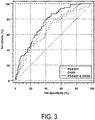
- Fig. 3 shows results of a ROC curve analysis of 10-year clinical recurrence (CR) after prostate cancer surgery in the RP patient cohort, and
- Fig. 4 shows results of a ROC curve analysis of 10-year prostate cancer specific death after prostate cancer surgery in the RP patient cohort.
DETAILED DESCRIPTION OF EMBODIMENTS
Overview of pre-surgical risk stratification
-
Fig. 1 shows schematically and exemplarily a flowchart of an embodiment of a method of pre-surgical risk stratification of a prostate cancer subject.
-
The method begins at step S100.
-
At step S102, one or more biological sample(s) is/are obtained from each of a first set of patients (subjects) diagnosed with prostate cancer. Preferably, monitoring prostate cancer has been performed for these prostate cancer patients over a period of time, such as at least one year, or at least two years, or about five years, after obtaining the biological sample.
-
At step S104, gene expression profiles for PDE4D7 and for DHX9 are obtained for a same or different biological sample(s) obtained from each of the first set of patients, e.g., by performing RT-qPCR (real-time quantitative PCR) on RNA extracted from each biological sample. The exemplary gene expression profiles include an expression level (e.g., value) for PDE4D7 and for DHX9 which can be normalized using value(s) for each of a set of reference genes, such as HPRT1, TUBA1B, PUM1, and/or TBP. In one realization, the gene expression profile value of PDE4D7 and of DHX9 is normalized to with respect to one or more reference genes selected from the group consisting of HPRT1, TUBA1B, PUM1, and TBP, e.g., at least one, or at least two, or at least three, or, preferably, all of these reference genes.
-
At step S106, a regression function for assigning a pre-surgical prognostic risk score is determined, based on the gene expression profiles for PDE4D7 and for DHX9 obtained for at least some of the biological samples obtained for the first set of patients and respective results obtained from the monitoring. In one possible realization, the normalized gene expression profile(s) for PDE4D7 and/or DHX9 are first transformed into a predefined range of values, such as the above-mentioned range of 1 to 5, using (a) suitable transform function(s). As mentioned above, such a transformation can be determined by considering the frequency distribution of the normalized gene expression profile values for e.g. PDE4D7 (or for DHX9) for biological samples of a population of prostate cancer subjects (here, the first set of patients) and by determining the transformation that transforms the frequency distribution into the desired range. In one particular realization, the normalized transformed gene expression profile value(s) is/are determined as specified in Eq. (1) above.
-
At step S108, one or more biological sample(s) is/are obtained from a patient (subject or individual). The patient can be a new patient or one of the first set.
-
At step S110, gene expression profiles are obtained for PDE4D7 and DHX9, e.g., by performing PCR on the biological sample. In one realization, the gene expression profile values of PDE4D7 and of DHX9 are normalized to with respect to one or more reference genes selected from the group consisting of HPRT1, TUBA1B, PUM1, and TBP, e.g., at least one, or at least two, or at least three, or, preferably, all of these reference genes. This is substantially the same as in step S104. Moreover, the normalized gene expression profile(s) for PDE4D7 and/or DHX9 can be pretransformed as described with respect to step S106.
-
Other reference genes which may be additionally or alternatively used in steps S104 and S110 include: Homo sapiens actin, beta, mRNA (ACTB); Homo sapiens 60S acidic ribosomal phosphoprotein P0 mRNA (RPLP0); Polymerase (RNA) II (DNA Directed) Polypeptide A, 220kDa (POLR2A); Beta-2-Microglobulin (B2M); and Aminolevulinate-Delta-Synthase (ALAS-1).
-
At step S112, a pre-surgical prognostic risk score is determined for the patient with the regression function based on the gene expression profiles for PDE4D7 and DHX9. This will be described in more detail later in the description. To make the pre-surgical prognostic score intuitive for the user, it may also be determined such that its values fall into a predefined value range, such as the range from 1 to 5. This can either be achieved already with the regression function itself or by means of a suitable subsequent transformation that transforms the output values of the regression function into the desired value range. Again, this is similar to other categories used in the clinical routine, e.g., in histo-pathology grading (Gleason) or multi-parametric MRI radiology scoring (PIRADS).
-
At S114, a therapy recommendation may be provided, e.g., to the patient or his or her guardian, to a doctor, or to another healthcare worker, based on the pre-surgical prognostic risk score. To this end, the pre-surgical prognostic risk score may be categorized into one of a predefined set of risk groups, based on the value of the pre-surgical prognostic risk score. Providing a therapy recommendation may include one or more of: a) proposing a therapy for the patient based on the assigned risk group, with at least two of the risk groups being associated with different therapies, b) computing a disease progression risk prediction of the patient before or after prostate surgery; and c) computing a therapy response prediction for the patient before or after prostate surgery. Example therapies include at least a partial prostatectomy, an active therapy selected from radiation treatment, chemotherapy, and a combination thereof, and observation alone, i.e., without performing prostatectomy or active therapy (i.e., active surveillance).
-
The method ends at S116.
-
Each of the risk groups may be associated with a respective proposed therapy, which differs in its aggressiveness. Each proposed therapy may be based on the results of the patients from the first set that were assigned to that risk group and is one which is predicted to provide the least aggressive therapy which does not exceed a threshold clinical risk for development of prostate cancer. In some cases, this enables a new patient to be assigned to a risk group associated with a less aggressive proposed therapy than would be the case for other risk profiling methods, such as that using the Gleason score, the NCCN risk categories, or the pre-surgical CAPRA score.
-
In one embodiment, the gene expression profiles at steps S104 and S110 are determined by detecting mRNA expression using one or more primers and/or probes and/or one or more sets thereof.
-
A detailed description of PDE4D7, DHX9 and the one or more reference genes including their Transcript ID (NCBI RefSeq) and the corresponding amino acid sequences for the primer pair and probe are shown in TABLE 1. This table also shows, for each gene, a sense primer, and antisense primer, and a probe sequence that specifically binds to the amplicon.
TABLE 1: Exemplary primer and probe nucleic acid sequences | Gene Name | Exemplary NCBI RefSeq | Exemplary Protein Accession | Sense Primer | Antisense primer | Probe Sequence |
| PDE4D7 | NM -001165 899.1 (SEQ ID NO: 19) | NP-001159 371.1 (SEQ ID NO:20) | | | |
| | | |
| DHX9 | NM-00135 7.4 (SEQ ID NO:74) | NP-00134 8.2 (SEQ ID NO:75) | to be individually designed | to be individually designed | to be individually designed |
| HPRT1 | NM-000 19 4.2 (SEQ ID NO:34) | NP-000185. 1 (SEQ ID NO:35) | | | |
| TUBA1B | NM-00608 2.2 (SEQ ID NO:39) | NP-006073. 2 (SEQ ID NO:40) | | | |
| PUM1 | NM-001020 658.1 (SEQ ID NO: 44); NM-01467 6.2 (SEQ ID NO:45) | NP 001018 494.1 (SEQ ID NO: 46); NP-05549 1.1 (SEQ ID NO:47) | | | |
| TBP | NM-00319 4.4 (SEQ ID NO:51) | NP-00318 5.1 (SEQ ID NO:52) | | | |
| ACTB | NM-00110 1.3 SEQ ID NO:56) | NP-00109 2.1 (SEQ ID NO:57) | | | |
| RPLPO | NM-00100 2.3 (SEQ ID NO:61) | NP-44450 5.1/NP-000 993.1 (SEQ ID NO:62/63) | | | |
| ALAS-1 | NM-00068 8.5/NM-199 166.2 (SEQ ID NO:67/68) | NP-00067 9.1/NP-954 635.1 (SEQ ID NO:69/70) | | | |
-
Instead of using RT-qPCR, the gene expression profiles for PDE4D7 and/or DHX9 at steps S104 and S110 may be determined in other embodiments by other means, for example, by performing RNA next-generation sequencing (NGS RNAseq) according to standard methods (Illumina, Inc.). In this case, the described transformations to a predefined value range may also be performed on the gene expression profile(s) provided by NGS RNAseq.
-
To explore the prognostic power of PDE4D7 and DHX9 in pre-surgical patient risk assessment, the correlation to disease recurrence was investigated.
-
A combination model based on the gene expression profiles of PDE4D7 and DHX9 was developed in a surgery cohort and the model was validated for different longitudinal clinical outcomes. The results show that the combination of the gene expression profiles for both PDE4D7 and DHX9 in an improved pre-surgical prognostic risk score may allow for better patient stratification in order to optimize primary treatment decisions.
EXAMPLES
Patient cohort and samples
-
A radical prostatectomy (RP) patient cohort, with the demographics shown in TABLE 2, was employed. For the RP patient cohort, a small biopsy punch (approximately 1 millimeter by 2 millimeters) of tissue was collected of a representative tumor area from the resected prostate from 575 patients who had been consecutively operated on between 2000 and 2004 at a single high-volume clinical center in Germany.
TABLE 2: Demographics of the radical prostatectomy (RP) patient cohort | Surgery: 2000-2004 | Parameter | RP cohort (#575) |
| Demographic & Clinical Range (median) | Age (at RP) | 41.3-79.2 (62.7) |
| Preoperative PSA | 0.18-120.0 (7.1) |
| Percentage tumor in biopsy | 0.2-80.0 (10.3) |
| Prostate Volume | 9-244 (42) |
| PSA density | 0.01-24.0 (0.18) |
| CAPRA-S Risk Category No. of patients (percentage) | Low Risk (CAPRA-S 0-2) | 275 (47.8%) |
| Intermediate Risk (CAPRA-S 3-5) | 220 (38.3%) |
| High Risk (CAPRA-S > 5) | 80 (13.9%) |
| Post-Surgery Pathology No. of patients (percentage) | Pathology Gleason 3+3 (GG1) | 190 (33%) |
| Pathology Gleason 3+4 (GG2) | 288 (50.1%) |
| Pathology Gleason 4+3 (GG3) | 73 (12.7%) |
| Pathology Gleason >=4+4 (≥GG4) | 24 (4.2%) |
| pT2 | 331 (57.6%) |
| pT3 | 244 (42.4%) |
| pT4 | 0 (0%) |
| | Positive Surgical Margins | 211 (36.7%) |
| Extra-Capsular Extension (=T3a) | 151 (26.3%) |
| Positive Seminal Vesicle Invasion | 95 (16.5%) |
| Positive Lymph Node Invasion | 20 (3.5%) |
| Follow-up Months | Mean | 104.3 |
| IQR median | 120 |
| Outcome No. of events / total no. of patients (percentage) | <5y BCR | 184/512 (35.9%) |
| <10y BCR | 228/428 (53.3%) |
| <5y CR | 49/503 (9.7%) |
| <10y CR | 64/356 (18.0%) |
| Salvage Treatment No. of events / total no. of patients (percentage) | <5y SRT | 141/506 (27.9%) |
| <10y SRT | 178/405 (44.0%) |
| <5y SADT | 79/498 (15.9%) |
| <10y SADT | 118/370 (31.9%) |
| Mortality No. of events / total no. of patients (percentage) | <5y PCSS | 14/483 (2.9%) |
| <10y PCSS | 26/321 (8.1%) |
| <5y OS | 27/496 (5.4%) |
| <10y OS | 54/349 (15.5%) |
-
For patient age, preoperative PSA, percentage of tumor in biopsy, prostate volume, and PSA density, the minimum and maximum values in the cohort are shown, while the median values are depicted in parentheses. For the CAPRA-S risk categories, the number of patients and percentage per risk group are shown. Post-surgical pathology is represented by the pathology Gleason scores and Gleason grade groups, the pathology stages, the surgical margin status after prostatectomy, the tumor invasion status of the seminal vesicles and pelvic lymph nodes (by number and percentage of patients). In this respect, it is noted that the extracapsular extension was not provided as a primary parameter but was derived from pathology stage pT3a. The follow-up demonstrates the mean and median follow-up periods in months after surgery for all patients. The outcome category illustrates the cumulative 5- and 10-year biochemical recurrence (BCR) and clinical recurrence to metastases (CR) post-surgical primary treatment. The treatment category lists the cumulative 5- and 10-year start to salvage radiation therapy (SRT) or salvage androgen deprivation therapy (SADT) after surgery. Mortality is shown as prostate cancer specific survival (PCSS) as well as overall survival (OS). For all outcomes, the number of men experiencing the outcome per total number of men with the respective 5- or 10-year follow are shown, wherein the percentage of events is given in parentheses.
Laboratory methods
-
All used laboratory methods including oligonucleotide primers and probes for RT-qPCR (quantitative real-time PCR), RNA extraction, and quality control and procedures to include/discard samples from the statistical analysis were as described previously in Böttcher R. et al. or, in the case of DHX9, were based on RNA next-generation sequencing (NGS RNAseq) according to standard methods (Illumina, Inc.). The primers and probes used for the RT-qPCR to measure the genes of interest as well as the reference genes are also given in TABLE 1. In the case of NGS RNAseq, the resulting FastQ files were aligned to the human genome and processed according to standard methods. For each gene a gene expression value in the form of a TPM (transcript per kilobase million; see http://www.rnaseqblog.com/rpkm-fpkm-and-tpm-clearly-explained (retrieved October 7, 2018)) as obtained.
RESULTS
Logistic regression modeling of PDE4D7 and DHX9 expression
-
The expression values for PDE4D7 and DHX9 were used in logistic regression modeling to create a combination model. As shown in TABLE 1 below, the dependent variable was taken as the 5-year biochemical recurrence (BCR) after prostate cancer surgery in a sub-cohort of 481 patients (169 events; 35.14%) of the RP patient cohort with complete 5-year outcome histories. The logit(p) regression function was transformed to p=1/(1+e^(-logit(p)) in order to calculate the probability p for an individual patient to experience a biochemical relapse within 5 years after surgery. TABLES 2 to 6 show the results of the logistic regression modeling to combine the expression values of PDE4D7 and DHX9. TABLE 1 describes the inputs for the logistic regression modeling in terms of cohort size (#481) and the number of positive cases with 5-year biochemical recurrence (BCR) and negative cases without 5-year BCR. TABLE 2 provides information about the model fit and TABLE 3 outlines the coefficients (or weights) of the regression model with the respective statistics. TABLE 4 gives ab overview on the odds ratios for PDE4D7 and DHX9 while TABLES 5 and 6 outline the data of a classification table and a ROC curve analysis for the "PDE4D7 & DHX9" regression model.
TABLE 1: Input of the logistic regression modeling. | Dependent Y | 5-year biochemical recurrence (BCR) |
| Method | Enter |
| Sample Size | 481 |
| Positive casesa | 169 (35.14%) |
| Negative casesb | 312 (64.86%) |
a 5-year BCR = 1
b 5-year BCR = 0 |
TABLE 2: Overall model fit. | Null model - 2 Log Likelihood | 623.645 |
| Full model - 2 Log Likelihood | 557.901 |
| Chi-squared | 65.744 |
| DF | 2 |
| Significance level | P < 0.0001 |
| Cox & Snell R2 | 0.1278 |
| Nagelkerte R2 | 0.1758 |
TABLE 3: Coefficients and standard errors. | Variable | Coefficient | Std. error | Wald | P |
| PDE4D7 | -0.98799 | 0.17158 | 33.1574 | < 0.0001 |
| DHX9 | -0.75891 | 0.17095 | 19.7082 | < 0.0001 |
| Constant | 7.96032 | 1.38277 | 33.1409 | < 0.0001 |
TABLE 4: Odd ratios and 95% confidence intervals. | Variable | Odds ratio | 95% CI |
| PDE4D7 | 0.3723 | 0.2660 to 0.5212 |
| DHX9 | 0.4682 | 0.3349 to 0.6545 |
TABLE 5: Classification table (cut-off value p = 0.5). | Actual group | Predicted group | Percent correct |
| 0 | 1 |
| Y = 0 | 277 | 35 | 88.78% |
| Y = 1 | 116 | 53 | 31.36% |
| Percentage of cases correctly classified | 68.61% |
TABLE 6: ROC curve analysis. | Area under the ROC curve (AUC) | 0.713 |
| Standard error | 0.0241 |
| 95% confidence interval | 0.670 to 0.753 |
Validation of the combination model for different longitudinal clinical outcomes
-
The combination model was tested to predict various clinically relevant endpoints after surgery, like biochemical recurrence (BCR), clinical recurrence (progression to local and/or distant metastases) (CR), and prostate cancer specific death. The prognostic power of the combination model was compared to the prognostic power of just PDE4D7 or DHX9 for the same various clinically relevant endpoints.
-
Fig. 2 shows results of a ROC curve analysis of 5-year biochemical recurrence (BCR) after prostate cancer surgery for a sub-cohort (#481) of patients of the RP patient cohort with complete 5-year follow-up (see also TABLE 7). As detailed in TABLE 8, the 5-year AUCs (area under the curve) were calculated as 0.659 for PDE4D7 alone, as 0.624 for DHX9 alone, and as 0.713 for the combination model (indicated as "PDE4D7 & DHX9" in
Fig. 2 and TABLE 8). The standard error was 0.0254 (PDE4D7), 0.0280 (DHX9) and 0.0242 (PDE4D7 & DHX9), respectively, the 95% confidence interval was 0.615 to 0.702 (PDE4D7), 0.579 to 0.667 (DHX9) and 0.670 to 0.753 (PDE4D7 & DHX9), respectively. TABLE 9 shows a pairwise comparison of the ROC curves. As can be seen, the AUCs of PDE4D7 alone and of the combination model PDE4D7 & DHX9 were tested to be significantly different (p = 0.0022). The same held true even in a slightly more significant manner for the AUCs of DHX9 alone and of the combination model PDE4D7 & DHX9 (p = 0.0008).
TABLE 7: Sub-cohort. | Variable 1 | PDE4D7 |
| Variable 2 | DHX9 |
| Variable 3 | PDE4D7 & DHX9 |
| Classification variable | 5 year BCR |
| Sample Size | 481 |
| Positive casesa | 169 (35.14%) |
| Negative casesb | 312 (64.86%) |
a 5-year BCR = 1
b 5-year BCR = 0 |
TABLE 8: ROC curve analysis. | Variable | AUC | Std. errorc | 95% CId |
| PDE4D7 | 0.659 | 0.0254 | 0.615 to 0.702 |
| DHX9 | 0.624 | 0.0280 | 0.579 to 0.667 |
| PDE4D7 & DHX9 | 0.713 | 0.0242 | 0.670 to 0.753 |
TABLE 9: Pairwise comparison of ROC curves. | PDE4D7 ~ DHX9 |
| Difference between areas | 0.0352 |
| Standard errorc | 0.0392 |
| 95% confidence interval | -0.0416 to 0.112 |
| z statistic | 0.899 |
| Significance level | p = 0.3687 |
| PDE4D7 ~ PDE4D7 & DHX9 |
| Difference between areas | 0.0538 |
| Standard errorc | 0.0176 |
| 95% confidence interval | 0.0193 to 0.0883 |
| z statistic | 3.058 |
| Significance level | p = 0.0022 |
| DHX9 ~ PDE4D7 & DHX9 |
| Difference between areas | 0.0890 |
| Standard errorc | 0.0265 |
| 95% confidence interval | 0.0372 to 0.141 |
| z statistic | 3.365 |
| Significance level | p = 0.0008 |
-
Fig. 3 shows results of a ROC curve analysis of 10-year clinical recurrence (CR) after prostate cancer surgery for a sub-cohort (#335) of patients of the RP patient cohort with complete 10-year follow-up (see also TABLE 10). As detailed in TABLE 11, the 10-year AUCs (area under the curve) were calculated as 0.666 for PDE4D7 alone, as 0.691 for DHX9 alone, and as 0.748 for the combination model (indicated as "PDE4D7 & DHX9" in
Fig. 3 and TABLE 11). The standard error was 0.0364 (PDE4D7), 0.0384 (DHX9) and 0.0314 (PDE4D7 & DHX9), respectively, the 95% confidence interval was 0.613 to 0.717 (PDE4D7), 0.639 to 0.740 (DHX9) and 0.698 to 0.794 (PDE4D7 & DHX9), respectively. TABLE 12 shows a pairwise comparison of the ROC curves. As can be seen, the AUCs of PDE4D7 alone and of the combination model PDE4D7 & DHX9 were tested to be significantly different (p = 0.0039).
TABLE 10: Sub-cohort. | Variable 1 | PDE4D7 |
| Variable 2 | DHX9 |
| Variable 3 | PDE4D7 & DHX9 |
| Classification variable | 10 year clinical recurrence (CR) |
| Sample Size | 335 |
| Positive casesa | 61 (18.21%) |
| Negative casesb | 274 (81.79%) |
a 10-year CR = 1
b 10-year CR = 0 |
TABLE 11: ROC curve analysis. | Variable | AUC | Std. errorc | 95% CId |
| PDE4D7 | 0.666 | 0.0364 | 0.613 to 0.717 |
| DHX9 | 0.691 | 0.0384 | 0.639 to 0.740 |
| PDE4D7 & DHX9 | 0.748 | 0.0314 | 0.698 to 0.794 |
c DeLong E.R. et al.
b Binomial exact |
TABLE 12: Pairwise comparison of ROC curves. | PDE4D7 ∼ DHX9 |
| Difference between areas | 0.0249 |
| Standard errorc | 0.0573 |
| 95% confidence interval | -0.0873 to 0.137 |
| z statistic | 0.435 |
| Significance level | p = 0.6635 |
| PDE4D7 ∼ PDE4D7 & DHX9 |
| Difference between areas | 0.0816 |
| Standard errorc | 0.0283 |
| 95% confidence interval | 0.0262 to 0.137 |
| z statistic | 2.888 |
| Significance level | p = 0.0039 |
| DHX9 ∼ PDE4D7 & DHX9 |
| Difference between areas | 0.0567 |
| Standard errorc | 0.0361 |
| 95% confidence interval | -0.0141 to 0.128 |
| z statistic | 1.569 |
| Significance level | p = 0.1166 |
-
Fig. 4 shows results of a ROC curve analysis of 10-year prostate cancer specific death after prostate cancer surgery for a sub-cohort (#302) of patients of the RP patient cohort with complete 10-year follow-up (see also TABLE 13). As detailed in TABLE 14, the 10-year AUCs (area under the curve) were calculated as 0.729 for PDE4D7 alone, as 0.622 for DHX9 alone, and as 0.754 for the combination model (indicated as "PDE4D7 & DHX9" in
Fig. 4 and TABLE 14). The standard error was 0.0588 (PDE4D7), 0.0593 (DHX9) and 0.0481 (PDE4D7 & DHX9), respectively, the 95% confidence interval was 0.676 to 0.779 (PDE4D7), 0.564 to 0.676 (DHX9) and 0.702 to 0.802 (PDE4D7 & DHX9), respectively. TABLE 15 shows a pairwise comparison of the ROC curves. As can be seen, the AUCs of DHX9 alone and of the combination model PDE4D7 & DHX9 were tested to be significantly different (p = 0.0403).
TABLE 13: Sub-cohort. | Variable 1 | PDE4D7 |
| Variable 2 | DHX9 |
| Variable 3 | PDE4D7 & DHX9 |
| Classification variable | 10-year prostate cancer specific death |
| Sample Size | 302 |
| Positive casesa | 25 (8.28%) |
| Negative casesb | 277 (91.72%) |
a 1 0-year PCSS = 1
b 1 0-year PCSS = 0 |
TABLE 14: ROC curve analysis. | Variable | AUC | Std. errorc | 95% CId |
| PDE4D7 | 0.729 | 0.0588 | 0.676 to 0.779 |
| DHX9 | 0.622 | 0.0593 | 0.564 to 0.676 |
| PDE4D7 & DHX9 | 0.754 | 0.0481 | 0.702 to 0.802 |
c DeLong E.R. et al.
b Binomial exact |
TABLE 15: Pairwise comparison of ROC curves. | PDE4D7 ∼ DHX9 |
| Difference between areas | 0.108 |
| Standard errorc | 0.0909 |
| 95% confidence interval | -0.0702 to 0.286 |
| z statistic | 1.188 |
| Significance level | p = 0.2349 |
| PDE4D7 ∼ PDE4D7 & DHX9 |
| Difference between areas | 0.0249 |
| Standard errorc | 0.0356 |
| 95% confidence interval | -0.0448 to 0.0946 |
| z statistic | 0.700 |
| Significance level | p = 0.4836 |
| DHX9 ∼ PDE4D7 & DHX9 |
| Difference between areas | 0.133 |
| Standard errorc | 0.0648 |
| 95% confidence interval | 0.00585 to 0.260 |
| z statistic | 2.050 |
| Significance level | p = 0.0403 |
-
The provided results demonstrate that the use of the combination logistic regression model of PDE4D7 with DHX9 gene expression values to predict 5-year post-surgical biochemical recurrence improves the area under the curve (AUC) in ROC analysis between 2.5% (for prostate cancer specific death as endpoint) and 8% (for clinical recurrence as endpoint) compared to using PDE4D7 alone as a prognostic marker.
Discussion
-
Treatment decisions in primary, localized prostate cancer are largely subject to a combination of the risk of future disease progression and life expectancy. The provided data illustrate that the use of a combination of PDE4D7 and DHX9 in a pre-surgical risk score adds value compared to using PDE4D7 as a prognostic marker alone. Thus, DHX9 may be adding prognostic value to PDE4D7 in clinical prediction models for disease specific outcomes like post-surgical progression to biochemical relapse or clinical recurrence to metastases as well as to the prediction of cancer specific survival to support treatment decision making.
-
Other variations to the disclosed realizations can be understood and effected by those skilled in the art in practicing the claimed invention, from a study of the drawings, the disclosure, and the appended claims.
-
In the claims, the word "comprising" does not exclude other elements or steps, and the indefinite article "a" or "an" does not exclude a plurality.
-
One or more steps of the method illustrated in Fig. 1 may be implemented in a computer program product that may be executed on a computer. The computer program product may comprise a non-transitory computer-readable recording medium on which a control program is recorded (stored), such as a disk, hard drive, or the like. Common forms of non-transitory computer-readable media include, for example, floppy disks, flexible disks, hard disks, magnetic tape, or any other magnetic storage medium, CD-ROM, DVD, or any other optical medium, a RAM, a PROM, an EPROM, a FLASH-EPROM, or other memory chip or cartridge, or any other non-transitory medium from which a computer can read and use.
-
Alternatively, the one or more steps of the method may be implemented in transitory media, such as a transmittable carrier wave in which the control program is embodied as a data signal using transmission media, such as acoustic or light waves, such as those generated during radio wave and infrared data communications, and the like.
-
The exemplary method may be implemented on one or more general purpose computers, special purpose computer(s), a programmed microprocessor or microcontroller and peripheral integrated circuit elements, an ASIC or other integrated circuit, a digital signal processor, a hardwired electronic or logic circuit such as a discrete element circuit, a programmable logic device such as a PLD, PLA, FPGA, Graphical card CPU (GPU), or PAL, or the like. In general, any device, capable of implementing a finite state machine that is in turn capable of implementing the flowchart shown in Fig. 1, can be used to implement one or more steps of the method of risk stratification for therapy selection in a patient with prostate cancer is illustrated. As will be appreciated, while the steps of the method may all be computer implemented, in some embodiments one or more of the steps may be at least partially performed manually.
-
The computer program instructions may also be loaded onto a computer, other programmable data processing apparatus, or other devices to cause a series of operational steps to be performed on the computer, other programmable apparatus or other devices to produce a computer implemented process such that the instructions which execute on the computer or other programmable apparatus provide processes for implementing the functions/acts specified herein.
-
While the invention has described so far based on the gene expression profile for PDE4D7, which can include an expression level (e.g., value) for PDE4D7 which can be normalized using value(s) for each of a set of reference genes, the gene expression profile may further include expression information from other PDE4D variants. For example, the other PDE4D variant(s) may include one or more of PDE4D1, PDE4D2, PDE4D3, PDE4D4, PDE4D5, PDE4D6, PDE4D8 and PDE4D9. The diagnostic kit may then additionally comprise at least one primer and/or probe for determining the gene expression profile for each of the other PDE4D variant(s) in the biological sample obtained from the prostate cancer subject. Preferably, however, only the gene expression profile for PDE4D7, in particular, an expression level (e.g., value) for PDE4D7 which can be normalized using value(s) for each of a set of reference genes, is employed.
-
The term "phosphodiesterase 4D1" or "PDE4D1" relates to the splice variant 1 of the human phosphodiesterase PDE4D, i.e., the human phosphodiesterase PDE4D1 gene, for example, to the sequence as defined in NCBI Reference Sequence: NM-001197222.1, specifically, to the nucleotide sequence as set forth in SEQ ID NO:1, which corresponds to the sequence of the above indicated NCBI Reference Sequence of the PDE4D1 transcript, and also relates to the corresponding amino acid sequence for example as set forth in SEQ ID NO:2, which corresponds to the protein sequence defined in NCBI Protein Accession Reference Sequence NP-001184151.1 encoding the PDE4D1 polypeptide. The term "phosphodiesterase 4D1" or "PDE4D1" also relates to the amplicon that can be generated by the primer pair PDE1D1D2-forward (SEQ ID NO:3) and the PDE1D1D2 reverse (SEQ ID NO:4) and can be detected by probe SEQ ID NO:5.
-
The term "phosphodiesterase 4D2" or "PDE4D2" refers to the splice variant 2 of the human phosphodiesterase PDE4D, i.e., the human phosphodiesterase PDE4D2 gene, for example, to the sequence as defined in NCBI Reference Sequence: NM-001197221.1, specifically, to the nucleotide sequence as set forth in SEQ ID NO:6, which corresponds to the sequence of the above indicated NCBI Reference Sequence of the PDE4D2 transcript, and also relates to the corresponding amino acid sequence for example as set forth in SEQ ID NO:7, which corresponds to the protein sequence defined in NCBI Protein Accession Reference Sequence NP-001184150.1 encoding the PDE4D2 polypeptide.
-
The term "phosphodiesterase 4D3" or "PDE4D3" refers to the splice variant 3 of the human phosphodiesterase PDE4D, i.e., the human phosphodiesterase PDE4D3 gene, for example, to the sequence as defined in NCBI Reference Sequence: NM-006203.4, specifically, to the nucleotide sequence as set forth in SEQ ID NO:8, which corresponds to the sequence of the above indicated NCBI Reference Sequence of the PDE4D3 transcript, and also relates to the corresponding amino acid sequence for example as set forth in SEQ ID NO:9, which corresponds to the protein sequence defined in NCBI Protein Accession Reference Sequence NP-006194.2 encoding the PDE4D3 polypeptide.
-
The term "phosphodiesterase 4D4" or "PDE4D4" refers to the splice variant 4 of the human phosphodiesterase PDE4D, i.e., the human phosphodiesterase PDE4D4 gene, for example, to the sequence as defined in NCBI Reference Sequence: NM-001104631.1, specifically, to the nucleotide sequence as set forth in SEQ ID NO: 10, which corresponds to the sequence of the above indicated NCBI Reference Sequence of the PDE4D4 transcript, and also relates to the corresponding amino acid sequence for example as set forth in SEQ ID NO: 11, which corresponds to the protein sequence defined in NCBI Protein Accession Reference Sequence NP-001098101.1 encoding the PDE4D4 polypeptide.
-
The term "phosphodiesterase 4D5" or "PDE4D5" refers to the splice variant 5 of the human phosphodiesterase PDE4D, i.e., the human phosphodiesterase PDE4D5 gene, for example, to the sequence as defined in NCBI Reference Sequence: NM -001197218.1, specifically, to the nucleotide sequence as set forth in SEQ ID NO:12, which corresponds to the sequence of the above indicated NCBI Reference Sequence of the PDE4D5 transcript, and also relates to the corresponding amino acid sequence for example as set forth in SEQ ID NO: 13, which corresponds to the protein sequence defined in NCBI Protein Accession Reference Sequence NP001184147.1 encoding the PDE4D5 polypeptide. The term "phosphodiesterase 4D5" or "PDE4D5" also relates to the amplicon that can be generated by the primer pair PDE4D5-forward (SEQ ID NO: 14) and the PDE4D5-reverse (SEQ ID NO: 15) and can be detected by probe SEQ ID NO: 16.
-
The term "phosphodiesterase 4D6" or "PDE4D6" refers to the splice variant 6 of the human phosphodiesterase PDE4D, i.e., the human phosphodiesterase PDE4D6 gene, for example, to the sequence as defined in NCBI Reference Sequence: NM-001197223.1, specifically, to the nucleotide sequence as set forth in SEQ ID NO: 17, which corresponds to the sequence of the above indicated NCBI Reference Sequence of the PDE4D6 transcript, and also relates to the corresponding amino acid sequence for example as set forth in SEQ ID NO: 18, which corresponds to the protein sequence defined in NCBI Protein Accession Reference Sequence NP-001184152.1 encoding the PDE4D6 polypeptide.
-
The term "phosphodiesterase 4D8" or "PDE4D8" relates to the splice variant 8 of the human phosphodiesterase PDE4D, i.e., the human phosphodiesterase PDE4D8 gene, for example, to the sequence as defined in NCBI Reference Sequence: NM-001197219.1, specifically, to the nucleotide sequence as set forth in SEQ ID NO:27, which corresponds to the sequence of the above indicated NCBI Reference Sequence of the PDE4D8 transcript, and also relates to the corresponding amino acid sequence for example as set forth in SEQ ID NO:28, which corresponds to the protein sequence defined in NCBI Protein Accession Reference Sequence NP-001184148.1 encoding the PDE4D8 polypeptide.
-
The term "phosphodiesterase 4D9" or "PDE4D9" relates to the splice variant 9 of the human phosphodiesterase PDE4D, i.e., the human phosphodiesterase PDE4D9 gene, for example, to the sequence as defined in NCBI Reference Sequence: NM-001197220.1, specifically, to the nucleotide sequence as set forth in SEQ ID NO:29, which corresponds to the sequence of the above indicated NCBI Reference Sequence of the PDE4D9 transcript, and also relates to the corresponding amino acid sequence for example as set forth in SEQ ID NO:30 which corresponds to the protein sequence defined in NCBI Protein Accession Reference Sequence NP-001184149.1 encoding the PDE4D9 polypeptide. The term "phosphodiesterase 4D9" or "PDE4D9" also relates to the amplicon that can be generated by the primer pair PDE4D9-forward (SEQ ID NO:31) and the PDE4D9_reverse (SEQ ID NO:32) and can be detected by probe SEQ ID NO:33.
-
The terms "PDE4D1," "PDE4D2," "PDE4D3," "PDE4D4," "PDE4D5," "PDE4D6," "PDE4D8," and "PDE4D9" also comprises nucleotide sequences showing a high degree of homology to PDE4D1, PDE4D2, PDE4D3, PDE4D4, PDE4D5, PDE4D6, PDE4D8 and PDE4D9 respectively, e.g., nucleic acid sequences being at least 75%, 80%, 85%, 90%, 91%, 92%, 93%, 94%, 95%, 96%, 97%, 98% or 99% identical to the sequence as set forth in SEQ ID NOs: 1, 6, 8, 10, 12, 17, 27 or 29 respectively or amino acid sequences being at least 75%, 80%, 85%, 90%, 91%, 92%, 93%, 94%, 95%, 96%, 97%, 98% or 99% identical to the sequence as set forth in SEQ ID NO:2, 7, 9, 11, 13, 18, 28 or 30 respectively or nucleic acid sequences encoding amino acid sequences being at least 75%, 80%, 85%, 90%, 91%, 92%, 93%, 94%, 95%, 96%, 97%, 98% or 99% identical to the sequence as set forth in SEQ ID NO:2, 7, 9, 11, 13, 18, 28 or 30 or amino acid sequences being encoded by nucleic acid sequences being at least 75%, 80%, 85%, 90%, 91%, 92%, 93%, 94%, 95%, 96%, 97%, 98% or 99% identical to the sequence as set forth in SEQ ID NO: 1, 6, 8, 10, 12, 17, 27 or 29.
-
Any reference signs in the claims should not be construed as limiting the scope.
-
The invention relates to a method of pre-surgical risk stratification of a prostate cancer subject, comprising determining a gene expression profile for phosphodiesterase 4D variant 7 (PDE4D7) in a biological sample obtained from the subject, determining a gene expression profile for DExH-box helicase 9 (DHX9) in the same or another biological sample obtained from the subject, and determining a pre-surgical prognostic risk score for the subject based on the gene expression profile for PDE4D7 and the gene expression profile for DHX9. This may allow for an improved stratification of the subject in a pre-surgical setting that may result in better primary treatment decisions. For instance, the pre-surgical prognostic risk score may allow to make better recommendations on whether to select active surveillance vs. active intervention, e.g., radical prostatectomy, for certain sub-populations of prostate cancer patients.
The attached Sequence Listing, entitled 2018PF00399Sequence Listing_ST25 is incorporated herein by reference, in its entirety.
-