EP3632723A1 - Vehicular irritant detection and mitigation system - Google Patents
Vehicular irritant detection and mitigation system Download PDFInfo
- Publication number
- EP3632723A1 EP3632723A1 EP19200254.1A EP19200254A EP3632723A1 EP 3632723 A1 EP3632723 A1 EP 3632723A1 EP 19200254 A EP19200254 A EP 19200254A EP 3632723 A1 EP3632723 A1 EP 3632723A1
- Authority
- EP
- European Patent Office
- Prior art keywords
- vehicle
- irritant
- vehicles
- airborne
- data
- Prior art date
- Legal status (The legal status is an assumption and is not a legal conclusion. Google has not performed a legal analysis and makes no representation as to the accuracy of the status listed.)
- Granted
Links
Images

Classifications
-
- B—PERFORMING OPERATIONS; TRANSPORTING
- B60—VEHICLES IN GENERAL
- B60H—ARRANGEMENTS OF HEATING, COOLING, VENTILATING OR OTHER AIR-TREATING DEVICES SPECIALLY ADAPTED FOR PASSENGER OR GOODS SPACES OF VEHICLES
- B60H1/00—Heating, cooling or ventilating devices
- B60H1/00642—Control systems or circuits; Control members or indication devices for heating, cooling or ventilating devices
- B60H1/00735—Control systems or circuits characterised by their input, i.e. by the detection, measurement or calculation of particular conditions, e.g. signal treatment, dynamic models
- B60H1/008—Control systems or circuits characterised by their input, i.e. by the detection, measurement or calculation of particular conditions, e.g. signal treatment, dynamic models the input being air quality
-
- B—PERFORMING OPERATIONS; TRANSPORTING
- B60—VEHICLES IN GENERAL
- B60W—CONJOINT CONTROL OF VEHICLE SUB-UNITS OF DIFFERENT TYPE OR DIFFERENT FUNCTION; CONTROL SYSTEMS SPECIALLY ADAPTED FOR HYBRID VEHICLES; ROAD VEHICLE DRIVE CONTROL SYSTEMS FOR PURPOSES NOT RELATED TO THE CONTROL OF A PARTICULAR SUB-UNIT
- B60W50/00—Details of control systems for road vehicle drive control not related to the control of a particular sub-unit, e.g. process diagnostic or vehicle driver interfaces
- B60W50/0098—Details of control systems ensuring comfort, safety or stability not otherwise provided for
-
- B—PERFORMING OPERATIONS; TRANSPORTING
- B60—VEHICLES IN GENERAL
- B60H—ARRANGEMENTS OF HEATING, COOLING, VENTILATING OR OTHER AIR-TREATING DEVICES SPECIALLY ADAPTED FOR PASSENGER OR GOODS SPACES OF VEHICLES
- B60H1/00—Heating, cooling or ventilating devices
- B60H1/00642—Control systems or circuits; Control members or indication devices for heating, cooling or ventilating devices
- B60H1/00735—Control systems or circuits characterised by their input, i.e. by the detection, measurement or calculation of particular conditions, e.g. signal treatment, dynamic models
- B60H1/00764—Control systems or circuits characterised by their input, i.e. by the detection, measurement or calculation of particular conditions, e.g. signal treatment, dynamic models the input being a vehicle driving condition, e.g. speed
- B60H1/00771—Control systems or circuits characterised by their input, i.e. by the detection, measurement or calculation of particular conditions, e.g. signal treatment, dynamic models the input being a vehicle driving condition, e.g. speed the input being a vehicle position or surrounding, e.g. GPS-based position or tunnel
-
- B—PERFORMING OPERATIONS; TRANSPORTING
- B60—VEHICLES IN GENERAL
- B60H—ARRANGEMENTS OF HEATING, COOLING, VENTILATING OR OTHER AIR-TREATING DEVICES SPECIALLY ADAPTED FOR PASSENGER OR GOODS SPACES OF VEHICLES
- B60H1/00—Heating, cooling or ventilating devices
- B60H1/00642—Control systems or circuits; Control members or indication devices for heating, cooling or ventilating devices
- B60H1/00985—Control systems or circuits characterised by display or indicating devices, e.g. voice simulators
-
- B—PERFORMING OPERATIONS; TRANSPORTING
- B60—VEHICLES IN GENERAL
- B60Q—ARRANGEMENT OF SIGNALLING OR LIGHTING DEVICES, THE MOUNTING OR SUPPORTING THEREOF OR CIRCUITS THEREFOR, FOR VEHICLES IN GENERAL
- B60Q9/00—Arrangement or adaptation of signal devices not provided for in one of main groups B60Q1/00 - B60Q7/00, e.g. haptic signalling
-
- E—FIXED CONSTRUCTIONS
- E05—LOCKS; KEYS; WINDOW OR DOOR FITTINGS; SAFES
- E05F—DEVICES FOR MOVING WINGS INTO OPEN OR CLOSED POSITION; CHECKS FOR WINGS; WING FITTINGS NOT OTHERWISE PROVIDED FOR, CONCERNED WITH THE FUNCTIONING OF THE WING
- E05F15/00—Power-operated mechanisms for wings
- E05F15/70—Power-operated mechanisms for wings with automatic actuation
-
- G—PHYSICS
- G08—SIGNALLING
- G08G—TRAFFIC CONTROL SYSTEMS
- G08G1/00—Traffic control systems for road vehicles
- G08G1/09—Arrangements for giving variable traffic instructions
- G08G1/0962—Arrangements for giving variable traffic instructions having an indicator mounted inside the vehicle, e.g. giving voice messages
- G08G1/0967—Systems involving transmission of highway information, e.g. weather, speed limits
- G08G1/096708—Systems involving transmission of highway information, e.g. weather, speed limits where the received information might be used to generate an automatic action on the vehicle control
- G08G1/096725—Systems involving transmission of highway information, e.g. weather, speed limits where the received information might be used to generate an automatic action on the vehicle control where the received information generates an automatic action on the vehicle control
-
- G—PHYSICS
- G08—SIGNALLING
- G08G—TRAFFIC CONTROL SYSTEMS
- G08G1/00—Traffic control systems for road vehicles
- G08G1/09—Arrangements for giving variable traffic instructions
- G08G1/0962—Arrangements for giving variable traffic instructions having an indicator mounted inside the vehicle, e.g. giving voice messages
- G08G1/0967—Systems involving transmission of highway information, e.g. weather, speed limits
- G08G1/096766—Systems involving transmission of highway information, e.g. weather, speed limits where the system is characterised by the origin of the information transmission
- G08G1/096775—Systems involving transmission of highway information, e.g. weather, speed limits where the system is characterised by the origin of the information transmission where the origin of the information is a central station
-
- B—PERFORMING OPERATIONS; TRANSPORTING
- B60—VEHICLES IN GENERAL
- B60H—ARRANGEMENTS OF HEATING, COOLING, VENTILATING OR OTHER AIR-TREATING DEVICES SPECIALLY ADAPTED FOR PASSENGER OR GOODS SPACES OF VEHICLES
- B60H1/00—Heating, cooling or ventilating devices
- B60H1/00642—Control systems or circuits; Control members or indication devices for heating, cooling or ventilating devices
- B60H1/00814—Control systems or circuits characterised by their output, for controlling particular components of the heating, cooling or ventilating installation
- B60H1/00821—Control systems or circuits characterised by their output, for controlling particular components of the heating, cooling or ventilating installation the components being ventilating, air admitting or air distributing devices
- B60H1/00835—Damper doors, e.g. position control
- B60H1/00849—Damper doors, e.g. position control for selectively commanding the induction of outside or inside air
-
- B—PERFORMING OPERATIONS; TRANSPORTING
- B60—VEHICLES IN GENERAL
- B60W—CONJOINT CONTROL OF VEHICLE SUB-UNITS OF DIFFERENT TYPE OR DIFFERENT FUNCTION; CONTROL SYSTEMS SPECIALLY ADAPTED FOR HYBRID VEHICLES; ROAD VEHICLE DRIVE CONTROL SYSTEMS FOR PURPOSES NOT RELATED TO THE CONTROL OF A PARTICULAR SUB-UNIT
- B60W2556/00—Input parameters relating to data
- B60W2556/45—External transmission of data to or from the vehicle
-
- B—PERFORMING OPERATIONS; TRANSPORTING
- B60—VEHICLES IN GENERAL
- B60W—CONJOINT CONTROL OF VEHICLE SUB-UNITS OF DIFFERENT TYPE OR DIFFERENT FUNCTION; CONTROL SYSTEMS SPECIALLY ADAPTED FOR HYBRID VEHICLES; ROAD VEHICLE DRIVE CONTROL SYSTEMS FOR PURPOSES NOT RELATED TO THE CONTROL OF A PARTICULAR SUB-UNIT
- B60W2710/00—Output or target parameters relating to a particular sub-units
- B60W2710/30—Auxiliary equipments
-
- E—FIXED CONSTRUCTIONS
- E05—LOCKS; KEYS; WINDOW OR DOOR FITTINGS; SAFES
- E05Y—INDEXING SCHEME ASSOCIATED WITH SUBCLASSES E05D AND E05F, RELATING TO CONSTRUCTION ELEMENTS, ELECTRIC CONTROL, POWER SUPPLY, POWER SIGNAL OR TRANSMISSION, USER INTERFACES, MOUNTING OR COUPLING, DETAILS, ACCESSORIES, AUXILIARY OPERATIONS NOT OTHERWISE PROVIDED FOR, APPLICATION THEREOF
- E05Y2900/00—Application of doors, windows, wings or fittings thereof
- E05Y2900/50—Application of doors, windows, wings or fittings thereof for vehicles
- E05Y2900/53—Type of wing
- E05Y2900/55—Windows
Definitions
- the present application generally relates to irritant detection and reaction systems and, in particular, vehicular systems and methods for detecting or anticipating odors or other irritants and pre-emptively reacting to expected irritant events.
- Airborne irritants like dust, pollen, odors, and the like, can sometimes enter the cabin on a vehicle through open windows or through the air vents. Once in the cabin, the vehicle occupants must wait until the air outside the vehicle no longer contains the irritant and the replace the cabin air with fresh air from outside. This is typically done by opening the air vents to the external air and running the fan, or by opening windows.
- the present application describes a method of mitigating irritants during travel in a vehicle.
- the method may include determining an airborne irritant is present external to the vehicle; and based on the determination that the airborne irritant is present external to the vehicle, automatically causing an irritant mitigation action within the vehicle.
- the present application describes an irritant mitigation system for a vehicle.
- the system may include a processor; and memory storing program executable instructions that, when executed by the processor, cause the processor to determine that an airborne irritant is present external to the vehicle, and based on the determination that the airborne irritant is present external to the vehicle, automatically cause an irritant mitigation action within the vehicle.
- the present application describes an irritant mitigation system for a vehicle.
- the system may include a server in data communication with the vehicle and a plurality of other vehicles, the server having a processor and memory storing program executable instructions that, when executed by the processor, cause the processor to receive vehicle data from a plurality of other vehicles; determine, from the vehicle data, that the airborne irritant is likely to be present external to the vehicle; and send a notification to the vehicle advising of the airborne irritant likely to be present external to the vehicle.
- the terms “about”, “approximately”, and “substantially” are meant to cover variations that may exist in the upper and lower limits of the ranges of values, such as variations in properties, parameters, and dimensions. In a non-limiting example, the terms “about”, “approximately”, and “substantially” may mean plus or minus 10 percent or less.
- the phrase "at least one of ... or" is intended to cover any one or more of the listed elements, including any one of the listed elements alone, any sub-combination, or all of the elements, without necessarily excluding any additional elements, and without necessarily requiring all of the elements.
- Automobiles of various types typically include air circulation system that bring external air into the cabin.
- the air circulation system often includes air filters to remove particulate matter. Vents on the air circulation system may be manipulated between open and closed settings. In a closed setting, external air may be blocked from entering the vehicle and air within the cabin may be recirculated if the air system fan is operating. In an open setting, air external to the vehicle may enter the air circulation system to be added to and mixed with the cabin air.
- window is used in its broadest sense to include any portion of the vehicle cabin that may be opened or closed while travelling and that, when open exposes the cabin to the external environment. This may include a "moonroof' or “sunroof', whether opaque or transparent. It may further include a roof of a convertible automobile.
- Airborne irritants from the environment external to the vehicle.
- airborne irritants There are many types of airborne irritants.
- an odor may be present external to the vehicle. Examples of unpleasant odors that may be commonly encountered include skunks, smoke, sulfur, manure, organic garbage, and the like.
- Other irritants may include airborne particles, like dust or chemicals or pollen.
- Another example of an airborne irritant is excessive noise, such as from construction or the like.
- the vehicle occupants When an airborne irritant is encountered during travel, the vehicle occupants typically close any open windows and/or close any open air vents to prevent further ingress of the irritant to the cabin of the vehicle. However, before the vehicle occupants take such action manually, the irritant has typically entered the cabin in sufficient quantity to irritate the occupants. In the case of an odor, for example, once the odor has entered the cabin closing the vents and windows may have the unpleasant effect of trapping the odor in the confined air of the cabin until the vehicle has passed through the area of the smell such that the cabin air can be purged by opening the vents and/or windows to replace the cabin air with external air.
- the present application describes systems and method to detect or anticipate occurrence of an airborne irritant external to the vehicle and to take reactive action.
- the reactive action may include notifying the vehicle occupants and/or taking an automated irritant mitigation action, such as closing vents and/or windows that are open.
- occurrence of an irritant is determined using one or more irritant detectors.
- the irritant may be detected in or outside the vehicle using the one or more irritant detectors.
- the irritant may be detected by an odor detector in the case of smells.
- the odor detector may include chemosensors and/or gas chromatography, in some cases.
- the occurrence of an irritant is detected or inferred based on data from other vehicles in the vicinity of a first vehicle, and an irritant message is sent to the first vehicle to cause it to take reactive action.
- the data from the other vehicles may include actual irritant measurements using irritant detector(s) associated with those vehicles.
- the data from the other vehicles may include data correlated with occurrence of an irritant, such as closing of windows and/or vents. Using this crowd-sourced data from nearby vehicles, the location of a likely irritant may be identified. Mapping functions may be used to determine that the first vehicle is likely to pass through the location of the likely irritant. By sending a message to the first vehicle regarding the likely irritant, reactive measures may be taken in advance of arrival at the location of the irritant.
- the vehicle 100 includes a controller 102.
- the controller 102 may include one or more processors, memory, executable program instructions, and various input, output, and communications subsystems.
- the vehicle 100 may include one or more wireless antennas 114 to enable wireless communication with remote devices, including through cellular data communications, wireless local area networks, dedicated short-range communications (DSRC), or any other wireless communications protocol.
- the controller 102 may be implemented by, or a part of, the vehicle electronic computer system that controls various aspects of the vehicle operation and a plurality of sensors that gather vehicle data.
- the vehicle 100 includes one or more irritant detectors 104.
- the vehicle 100 shows an internal irritant detector 104a and an external irritant detector 104b.
- the irritant detectors 104 may be odor detectors, air quality sensors, particular sensors, noise (e.g. decibel meter) sensors, pollen sensors, or any other irritant sensor.
- the vehicle may include a display 106, such as a dashboard LCD or LED screen and/or icons that may be selectively illuminated in the dashboard, and one or more speakers 108 through which alerts and other sounds can be played.
- the vehicle 100 further includes operable windows 110, such as the side windows and/or any sunroof or moonroof, for examples, and air vents 112 for controlling whether cabin air circulation system is closed to external air or open to external air.
- the controller 102 is electrically coupled to the display 106, the speakers 108, the windows 110 and the air vents 112 and is capable of causing output through the display 106 and or speakers 108, and is capable of causing changes in the state of the windows 110 and/or the air vents 112. It will be appreciated that there may be various electronic or electro-mechanical systems that directly control elements of the vehicle 100 but which may operate in response to commands or messages from the controller 102.
- the irritant detectors 104 may provide irritant sensor data to the controller 102, which may determine whether an irritant is present and detected at more than a threshold level. If so, its detection may trigger reactive operations. More than one threshold may be set to trigger different operations, i.e . irritant mitigation actions. For example at a first threshold, a warning message may be output to alert the vehicle occupants. At a higher second threshold, an operation such as closing open windows or closing open vents may be triggered. In some cases, the measurement-to-threshold comparison may occur within the irritant detector 104 itself, which may then output a signal to the controller 102 indicating whether the threshold has been exceeded.
- the controller may determine whether there is a differential between the measured irritant levels at the two detectors that indicates presence of an external irritant that has not yet resulted in presence of an internal irritant. This situation may result in reactive operations such as closing of vents or closing of windows to prevent the external irritant from entering the cabin. Conversely, if an internal irritant is detected and the external irritant detector does not show the presence of the irritant, then the vents and/or windows may be opened to flush the cabin air.
- Opening of windows may be subject to a determination that the external temperature or humidity is no higher or lower than preset levels to prevent extreme temperature changes, and may be subject to a determination that no precipitation event (e.g. rain or snow) is currently occurring.
- no precipitation event e.g. rain or snow
- the controller 102 may determine not to output any warnings or change the state of any windows or vents.
- the direct measurement of irritants is a reliable mechanism for determining that an irritant is present and taking reactive action.
- it may be advantageous to provide for anticipatory reaction based on determination that the vehicle will encounter an irritant before it actual encounters the airborne irritant.
- Such an anticipatory irritant detection system and method may be used in place of direct irritant measurement or may be used in addition to direct irritant measurement.
- FIG. 2 diagrammatically illustrates an example system 200 for irritant detection and reaction.
- the system includes a first vehicle 202 in wireless communication with a remote server 204.
- the system further includes a plurality of vehicles 208 that are also in wireless communication with the remote server 204.
- the remote server 204 may include one or more computing devices connected to one or more wired and/or wireless networks 206, such as the Internet and one or more public land mobile networks (e.g. cellular data networks), and configured for data communication with the first vehicle 202 and the plurality of vehicles 208.
- wired and/or wireless networks 206 such as the Internet and one or more public land mobile networks (e.g. cellular data networks)
- the remote server 204 may include one or more processors, memory, and processor-executable instructions that, when executed, cause the processors to carry out one or more of the operations described herein.
- the processor-executable instructions may be in the form of modules, applications, or other computer programs, and may be standalone programs or incorporated into larger programs relating to vehicles.
- the remote server 204 may include a mapping program 210 and an irritant predictor program 212.
- the mapping program 210 may, when executed, receive GPS or other location data from the vehicles 202, 208, and/or trajectory data, and may determine one or more vehicle paths in a mapped environment.
- the mapping program 210 may include storage of, or access to, a geographic information system (GIS) for terrestrial roadway geography information.
- GIS geographic information system
- the mapping program 210 may interface with one or more third party GIS system, such as Google MapsTM, or with governmental mapping or traffic data systems.
- the irritant predictor program 212 may, when executed, receive vehicle data from the plurality of vehicles 208 and, based on that data, may determine whether an irritant is likely present. In concert with the mapping program 210, the irritant predictor program 212 may determine the location of the likely irritant.
- the remote server 204 may base the determination of whether an irritant is present in a location on irritant detection by the plurality of vehicles 208.
- the plurality of vehicles 208 may periodically or opportunistically report vehicle data to the remote server 204.
- the vehicle data from one of the vehicles may include GPS coordinates for the vehicle. It may further include orientation and/or trajectory data.
- the vehicle data may further include one or more irritant measurements.
- the irritant measurements may include direct measurement data from one or more irritant detectors in the vehicle, or may include a higher-level abstraction of the irritant level in the vicinity of the vehicle ( e . g . none, very low, low, moderate, high, very high). Additional data may be provided regarding the vehicle, such as the location of the detector (internal or external or both), and status information regarding the states of windows and vents on the vehicle.
- the remote server 204 may determine, from the vehicle data reported by the plurality vehicles, that an irritant is likely present in a particular location.
- the threshold for such a determination may be tuned based on the sensitivity and accuracy desired for a particular application. For example, the remote server 204 may based the determination on at least a minimum number of vehicles ( e . g . 4 or more) within a threshold distance of each other ( e . g . 500m) and within a time window ( e . g . 1 minute), each reporting a high or very high level of airborne irritant. It will be understood that the foregoing parameters are merely examples.
- the remote server 204 may determine whether there are other vehicles with which it can communicate that are in the same area or are on a trajectory towards the same area.
- the range of the search may be tuned to be appropriate for a particular application. In some examples, the range may be based on the time within which vehicles may be expected to reach the area given the current speed of traffic in an associated roadway.
- the remote server 204 may send those vehicles, such as the first vehicle 202, an irritant message.
- the irritant message may simply include a signal indicating a likely irritant event.
- additional information may be provided, such as the nature of the irritant, the level of any irritant measurements or an average thereof, the location of the expected irritant, the time of determination of the likely irritant by the remote server, or other such data.
- the first vehicle 202 receives the irritant message and may then determine whether to take reactive measures to mitigate exposure to the irritant.
- the reactive measures may include notifying the vehicle occupants and/or automatically closing windows or vents, for example.
- the measures may be staged based on the level of expected irritant reported by the remote server 204.
- the measures may further be conditional on the current state of the vehicle systems. For example, if the windows and vents are closed, then no mitigation measures may be required.
- the measures may include altering a route in a navigation function, so as to avoid the location of the upcoming irritant, if possible.
- the remote server 204 may send a proposed altered route, or the reactive measures may include signaling a navigation module in the vehicle of the location of the upcoming irritant to enable the navigation module to plan around the expected irritant.
- the remote server 204 may base the determination of whether an irritant is present in a location on vehicle data other than direct irritant measurements.
- the vehicle data from the plurality of vehicles 208 includes information regarding the status of the vents and/or windows in those vehicles. For instance, vehicle data may include location and data indicating a change in open/closed status of a window or a vent.
- the vehicle data from the plurality of vehicle 208 may be analyzed and a determination may be made that a significant percentage of vehicles all present in or proximate to a location have acted to close windows and/or vents to prevent external air from entering the respective cabins.
- the remote server 204 may determine that a likely irritant is present in that area and may send irritant messages to vehicles approaching the area.
- the determination of whether vehicle data is correlated to, or indicative of, the presence of an irritant may be carried out using pre-design logic rules.
- a machine learning algorithm may be used, and may be initialized using a set of training data.
- artificial intelligence may be used to implement the irritant predictor program 212.
- a feedback mechanism and Bayesian inference or other machine learning techniques may be used to improve the performance of the irritant predictor program 212.
- the determination may combine more than one type of vehicle data in determining that there is a likely irritant at the location.
- the vehicle data may include state changes in windows and state changes in vents.
- the vehicle data may further include irritant measurements from one or more irritant detectors.
- the vehicle data may be combined with data regarding the location obtained from a third party or government source.
- Such third party data may indicate the presence of an event or industry that may correlate to the irritant.
- the location may be one for which there is active road construction, which could be a source of dust, noise, or odor.
- the location may be proximate a pulp-and-paper mill or a garbage dump, either of which may be a source of strong odors. Types of other non-vehicle data will be appreciated by those ordinarily skilled in the art.
- FIG. 3 shows an example method 300 for mitigating airborne irritants in a vehicular context.
- Parts of the method 300 may be implemented by a remote server in communication with a plurality of vehicles.
- Parts of the method 300 may be implemented by a vehicle approaching a location determines to have a likely airborne irritant.
- the method 300 may include receiving vehicle data from a plurality of vehicles in operation 302.
- vehicle data may include location data and/or trajectory information for a particular vehicle. It may further include vehicle status or status change information relating to the cabin air environment. That may include irritant measurements, external or internal. It may include information about changes in whether windows or vents are open or closed.
- a likely irritant is determined to be present at a particular location.
- the determination is based on the vehicle data received from the plurality of vehicles.
- the determination may include a likely intensity determination that indicates the level of irritation likely to be caused by the irritant, which may be determined based on actual measurements in the vehicle data or the strength of the correlation discernable in the vehicle data for the plurality of vehicles.
- a vehicle may be identified based on a determination that the vehicle is on a path to intersect the location. That determination may be based on data received regarding the current vehicle location, trajectory and/or geographic roadway information.
- a time or distance window may be applied in searching for nearby vehicles. For instance, the search to identify nearby vehicles may first be confined to a distance metric, such as vehicles within 1 km, as an example. The search may then further be restricted based on trajectory and/or roadway information to those vehicles moving in a direction at least generally towards the location or that are projected to pass within a particular distance of the location, such as 50 or 100 meters.
- a time metric may be used, such as confining the search to vehicles that are projected to pass within a particular distance of the location in the next 5 minutes, for example. Other constraints and parameters may be used.
- the general principle is to identify, from vehicle position, trajectory and roadway information, those vehicles that appear likely to pass near the location of the irritant in the relatively near future.
- an assessment may optionally be made as to whether those vehicles are already protected from the irritant. For example, vehicle data may be available that indicates that one of the vehicles has its windows closed and its vents closed to external air. In some cases, it may be determined that no irritant message, i.e . notification or warning, need be sent to that vehicle. However, in other cases, the notification may still be sent for the purpose of warning vehicle occupants not to open windows or vents.
- the irritant message is sent to the vehicles identified in operation 306, subject to any excluded by operation 308.
- one of the identified vehicles receives the irritant message and, in operation 316 in this example, that vehicle determines the status of its windows and vents.
- the vehicle may evaluate whether it is vulnerable to the potential irritant based on the status of its windows and vents in operation 318. If not vulnerable, e . g . windows and vents are closed, then the vehicle may take no action or may take only a lower level mitigation action such as outputting a visual or auditory notification regarding the likely airborne irritant. If vulnerable, then in operation 320 the vehicle causes a mitigation action. In some implementations, this includes outputting a visual and/or auditory warning notification to alert the vehicle occupants to the possible irritant. In some cases, it may alternatively or additionally include causing the closing of a vent or at least one of the windows.
- Example embodiments of the present application are not limited to any particular operating system, system architecture, mobile device architecture, server architecture, or computer programming language.
Landscapes
- Engineering & Computer Science (AREA)
- Mechanical Engineering (AREA)
- Physics & Mathematics (AREA)
- Thermal Sciences (AREA)
- Human Computer Interaction (AREA)
- Automation & Control Theory (AREA)
- General Physics & Mathematics (AREA)
- Life Sciences & Earth Sciences (AREA)
- Atmospheric Sciences (AREA)
- Transportation (AREA)
- Radar, Positioning & Navigation (AREA)
- Remote Sensing (AREA)
- Traffic Control Systems (AREA)
Abstract
Description
- The present application generally relates to irritant detection and reaction systems and, in particular, vehicular systems and methods for detecting or anticipating odors or other irritants and pre-emptively reacting to expected irritant events.
- Airborne irritants, like dust, pollen, odors, and the like, can sometimes enter the cabin on a vehicle through open windows or through the air vents. Once in the cabin, the vehicle occupants must wait until the air outside the vehicle no longer contains the irritant and the replace the cabin air with fresh air from outside. This is typically done by opening the air vents to the external air and running the fan, or by opening windows.
- It has been proposed to put an odor sensor in a vehicle to detect offensive odors, such as smoke, within the vehicle so as to then purge the cabin air. This type of system is aimed at automated taxi or rental vehicles where one passenger may cause an odor in the vehicle that should be purged from the cabin air before the next passenger uses the vehicle. However, such systems do not address the problem of external smells entering the cabin and polluting the air in the vehicle, at which point the vehicle occupants are exposed to the odor or other irritants and it is too late to prevent exposure. Purging the interior air once a smell or other irritant is detected in the cabin only introduces further smelly air into the cabin.
- It would be advantageous to provide for systems and methods of detecting and reacting to airborne irritants.
- Reference will now be made, by way of example, to the accompanying drawings which show example embodiments of the present application, and in which:
-
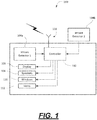
Figure 1 shows a block diagram of an example vehicle having a system to mitigate against airborne irritants; -
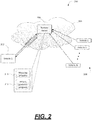
Figure 2 diagrammatically shows an example of a system for anticipatory identification of likely airborne irritants; and -
Figure 3 shows, in flowchart form, one example method for advance action against expected airborne irritants in a vehicle. - Similar reference numerals may have been used in different figures to denote similar components.
- In a first aspect, the present application describes a method of mitigating irritants during travel in a vehicle. The method may include determining an airborne irritant is present external to the vehicle; and based on the determination that the airborne irritant is present external to the vehicle, automatically causing an irritant mitigation action within the vehicle.
- In another aspect, the present application describes an irritant mitigation system for a vehicle. The system may include a processor; and memory storing program executable instructions that, when executed by the processor, cause the processor to determine that an airborne irritant is present external to the vehicle, and based on the determination that the airborne irritant is present external to the vehicle, automatically cause an irritant mitigation action within the vehicle.
- In yet a further aspect, the present application describes an irritant mitigation system for a vehicle. The system may include a server in data communication with the vehicle and a plurality of other vehicles, the server having a processor and memory storing program executable instructions that, when executed by the processor, cause the processor to receive vehicle data from a plurality of other vehicles; determine, from the vehicle data, that the airborne irritant is likely to be present external to the vehicle; and send a notification to the vehicle advising of the airborne irritant likely to be present external to the vehicle.
- Other aspects and features of the present application will be understood by those of ordinary skill in the art from a review of the following description of examples in conjunction with the accompanying figures.
- In the present application, the terms "about", "approximately", and "substantially" are meant to cover variations that may exist in the upper and lower limits of the ranges of values, such as variations in properties, parameters, and dimensions. In a non-limiting example, the terms "about", "approximately", and "substantially" may mean plus or minus 10 percent or less.
- In the present application, the term "and/or" is intended to cover all possible combinations and sub-combinations of the listed elements, including any one of the listed elements alone, any sub-combination, or all of the elements, and without necessarily excluding additional elements.
- In the present application, the phrase "at least one of ... or..." is intended to cover any one or more of the listed elements, including any one of the listed elements alone, any sub-combination, or all of the elements, without necessarily excluding any additional elements, and without necessarily requiring all of the elements.
- Automobiles of various types typically include air circulation system that bring external air into the cabin. The air circulation system often includes air filters to remove particulate matter. Vents on the air circulation system may be manipulated between open and closed settings. In a closed setting, external air may be blocked from entering the vehicle and air within the cabin may be recirculated if the air system fan is operating. In an open setting, air external to the vehicle may enter the air circulation system to be added to and mixed with the cabin air.
- In addition, vehicle occupants may choose to travel with one or more windows partially or fully open, which allows large quantities of external air to enter the cabin without filtering. The term "window" is used in its broadest sense to include any portion of the vehicle cabin that may be opened or closed while travelling and that, when open exposes the cabin to the external environment. This may include a "moonroof' or "sunroof', whether opaque or transparent. It may further include a roof of a convertible automobile.
- Vehicles travelling on the roadway may occasionally encounter airborne irritants from the environment external to the vehicle. There are many types of airborne irritants. For example, an odor may be present external to the vehicle. Examples of unpleasant odors that may be commonly encountered include skunks, smoke, sulfur, manure, organic garbage, and the like. Other irritants may include airborne particles, like dust or chemicals or pollen. Another example of an airborne irritant is excessive noise, such as from construction or the like.
- When an airborne irritant is encountered during travel, the vehicle occupants typically close any open windows and/or close any open air vents to prevent further ingress of the irritant to the cabin of the vehicle. However, before the vehicle occupants take such action manually, the irritant has typically entered the cabin in sufficient quantity to irritate the occupants. In the case of an odor, for example, once the odor has entered the cabin closing the vents and windows may have the unpleasant effect of trapping the odor in the confined air of the cabin until the vehicle has passed through the area of the smell such that the cabin air can be purged by opening the vents and/or windows to replace the cabin air with external air.
- The present application describes systems and method to detect or anticipate occurrence of an airborne irritant external to the vehicle and to take reactive action. The reactive action may include notifying the vehicle occupants and/or taking an automated irritant mitigation action, such as closing vents and/or windows that are open.
- In some implementations, occurrence of an irritant is determined using one or more irritant detectors. The irritant may be detected in or outside the vehicle using the one or more irritant detectors. For example, the irritant may be detected by an odor detector in the case of smells. The odor detector may include chemosensors and/or gas chromatography, in some cases.
- In some implementations, the occurrence of an irritant is detected or inferred based on data from other vehicles in the vicinity of a first vehicle, and an irritant message is sent to the first vehicle to cause it to take reactive action. In some cases, the data from the other vehicles may include actual irritant measurements using irritant detector(s) associated with those vehicles. In some cases, the data from the other vehicles may include data correlated with occurrence of an irritant, such as closing of windows and/or vents. Using this crowd-sourced data from nearby vehicles, the location of a likely irritant may be identified. Mapping functions may be used to determine that the first vehicle is likely to pass through the location of the likely irritant. By sending a message to the first vehicle regarding the likely irritant, reactive measures may be taken in advance of arrival at the location of the irritant.
- Reference is now made to
Figure 1 , which shows, in block diagram form, asimplified vehicle 100. Thevehicle 100 includes acontroller 102. Thecontroller 102 may include one or more processors, memory, executable program instructions, and various input, output, and communications subsystems. Thevehicle 100 may include one or morewireless antennas 114 to enable wireless communication with remote devices, including through cellular data communications, wireless local area networks, dedicated short-range communications (DSRC), or any other wireless communications protocol. Thecontroller 102 may be implemented by, or a part of, the vehicle electronic computer system that controls various aspects of the vehicle operation and a plurality of sensors that gather vehicle data. - The
vehicle 100 includes one or more irritant detectors 104. In this example, thevehicle 100 shows an internalirritant detector 104a and an externalirritant detector 104b. In various implementations, the irritant detectors 104 may be odor detectors, air quality sensors, particular sensors, noise (e.g. decibel meter) sensors, pollen sensors, or any other irritant sensor. - The vehicle may include a
display 106, such as a dashboard LCD or LED screen and/or icons that may be selectively illuminated in the dashboard, and one ormore speakers 108 through which alerts and other sounds can be played. Thevehicle 100 further includesoperable windows 110, such as the side windows and/or any sunroof or moonroof, for examples, andair vents 112 for controlling whether cabin air circulation system is closed to external air or open to external air. Thecontroller 102 is electrically coupled to thedisplay 106, thespeakers 108, thewindows 110 and theair vents 112 and is capable of causing output through thedisplay 106 and orspeakers 108, and is capable of causing changes in the state of thewindows 110 and/or the air vents 112. It will be appreciated that there may be various electronic or electro-mechanical systems that directly control elements of thevehicle 100 but which may operate in response to commands or messages from thecontroller 102. - The irritant detectors 104 may provide irritant sensor data to the
controller 102, which may determine whether an irritant is present and detected at more than a threshold level. If so, its detection may trigger reactive operations. More than one threshold may be set to trigger different operations, i.e. irritant mitigation actions. For example at a first threshold, a warning message may be output to alert the vehicle occupants. At a higher second threshold, an operation such as closing open windows or closing open vents may be triggered. In some cases, the measurement-to-threshold comparison may occur within the irritant detector 104 itself, which may then output a signal to thecontroller 102 indicating whether the threshold has been exceeded. - In an embodiment in which there is the internal
irritant detector 104a and the externalirritant detector 104b, the controller may determine whether there is a differential between the measured irritant levels at the two detectors that indicates presence of an external irritant that has not yet resulted in presence of an internal irritant. This situation may result in reactive operations such as closing of vents or closing of windows to prevent the external irritant from entering the cabin. Conversely, if an internal irritant is detected and the external irritant detector does not show the presence of the irritant, then the vents and/or windows may be opened to flush the cabin air. Opening of windows may be subject to a determination that the external temperature or humidity is no higher or lower than preset levels to prevent extreme temperature changes, and may be subject to a determination that no precipitation event (e.g. rain or snow) is currently occurring. In some examples, if an irritant is detected by the external irritant detector and the same or similar levels of irritant are detected by the internal irritant detector, then it may be too late to take any reactive measures and thecontroller 102 may determine not to output any warnings or change the state of any windows or vents. - It will be appreciated that the direct measurement of irritants is a reliable mechanism for determining that an irritant is present and taking reactive action. However, it will also be appreciated that it may be advantageous to provide for anticipatory reaction based on determination that the vehicle will encounter an irritant before it actual encounters the airborne irritant. Such an anticipatory irritant detection system and method may be used in place of direct irritant measurement or may be used in addition to direct irritant measurement.
- Reference is now made to
Figure 2 , which diagrammatically illustrates anexample system 200 for irritant detection and reaction. The system includes afirst vehicle 202 in wireless communication with aremote server 204. The system further includes a plurality ofvehicles 208 that are also in wireless communication with theremote server 204. Theremote server 204 may include one or more computing devices connected to one or more wired and/orwireless networks 206, such as the Internet and one or more public land mobile networks (e.g. cellular data networks), and configured for data communication with thefirst vehicle 202 and the plurality ofvehicles 208. - The
remote server 204 may include one or more processors, memory, and processor-executable instructions that, when executed, cause the processors to carry out one or more of the operations described herein. The processor-executable instructions may be in the form of modules, applications, or other computer programs, and may be standalone programs or incorporated into larger programs relating to vehicles. - As an example, the
remote server 204 may include amapping program 210 and anirritant predictor program 212. Themapping program 210 may, when executed, receive GPS or other location data from thevehicles mapping program 210 may include storage of, or access to, a geographic information system (GIS) for terrestrial roadway geography information. In some cases, themapping program 210 may interface with one or more third party GIS system, such as Google Maps™, or with governmental mapping or traffic data systems. - The
irritant predictor program 212 may, when executed, receive vehicle data from the plurality ofvehicles 208 and, based on that data, may determine whether an irritant is likely present. In concert with themapping program 210, theirritant predictor program 212 may determine the location of the likely irritant. - In a first example, the
remote server 204 may base the determination of whether an irritant is present in a location on irritant detection by the plurality ofvehicles 208. The plurality ofvehicles 208 may periodically or opportunistically report vehicle data to theremote server 204. The vehicle data from one of the vehicles may include GPS coordinates for the vehicle. It may further include orientation and/or trajectory data. The vehicle data may further include one or more irritant measurements. The irritant measurements may include direct measurement data from one or more irritant detectors in the vehicle, or may include a higher-level abstraction of the irritant level in the vicinity of the vehicle (e.g. none, very low, low, moderate, high, very high). Additional data may be provided regarding the vehicle, such as the location of the detector (internal or external or both), and status information regarding the states of windows and vents on the vehicle. - The
remote server 204 may determine, from the vehicle data reported by the plurality vehicles, that an irritant is likely present in a particular location. The threshold for such a determination may be tuned based on the sensitivity and accuracy desired for a particular application. For example, theremote server 204 may based the determination on at least a minimum number of vehicles (e.g. 4 or more) within a threshold distance of each other (e.g. 500m) and within a time window (e.g. 1 minute), each reporting a high or very high level of airborne irritant. It will be understood that the foregoing parameters are merely examples. - If the
remote server 204 identifies a likely irritant, then it may determine whether there are other vehicles with which it can communicate that are in the same area or are on a trajectory towards the same area. The range of the search may be tuned to be appropriate for a particular application. In some examples, the range may be based on the time within which vehicles may be expected to reach the area given the current speed of traffic in an associated roadway. - Having identified vehicles that may be expected to enter the area in a specific time range (e.g. in the next two minutes), the
remote server 204 may send those vehicles, such as thefirst vehicle 202, an irritant message. The irritant message may simply include a signal indicating a likely irritant event. In some implementations, additional information may be provided, such as the nature of the irritant, the level of any irritant measurements or an average thereof, the location of the expected irritant, the time of determination of the likely irritant by the remote server, or other such data. - The
first vehicle 202 receives the irritant message and may then determine whether to take reactive measures to mitigate exposure to the irritant. As noted above, the reactive measures may include notifying the vehicle occupants and/or automatically closing windows or vents, for example. The measures may be staged based on the level of expected irritant reported by theremote server 204. The measures may further be conditional on the current state of the vehicle systems. For example, if the windows and vents are closed, then no mitigation measures may be required. In one example, the measures may include altering a route in a navigation function, so as to avoid the location of the upcoming irritant, if possible. Theremote server 204 may send a proposed altered route, or the reactive measures may include signaling a navigation module in the vehicle of the location of the upcoming irritant to enable the navigation module to plan around the expected irritant. - In a second example, the
remote server 204 may base the determination of whether an irritant is present in a location on vehicle data other than direct irritant measurements. In a particular example, the vehicle data from the plurality ofvehicles 208 includes information regarding the status of the vents and/or windows in those vehicles. For instance, vehicle data may include location and data indicating a change in open/closed status of a window or a vent. At theremote server 204, the vehicle data from the plurality ofvehicle 208 may be analyzed and a determination may be made that a significant percentage of vehicles all present in or proximate to a location have acted to close windows and/or vents to prevent external air from entering the respective cabins. This may be indicative of an irritant present in the location that prompted the occupants of the significant percentage of vehicles to cause that state change. Accordingly, theremote server 204 may determine that a likely irritant is present in that area and may send irritant messages to vehicles approaching the area. - The determination of whether vehicle data is correlated to, or indicative of, the presence of an irritant may be carried out using pre-design logic rules. In some instances, a machine learning algorithm may be used, and may be initialized using a set of training data. In some cases, artificial intelligence may be used to implement the
irritant predictor program 212. For example, a feedback mechanism and Bayesian inference or other machine learning techniques may be used to improve the performance of theirritant predictor program 212. - The determination may combine more than one type of vehicle data in determining that there is a likely irritant at the location. For example, the vehicle data may include state changes in windows and state changes in vents. In another example the vehicle data may further include irritant measurements from one or more irritant detectors. In yet another example, the vehicle data may be combined with data regarding the location obtained from a third party or government source. Such third party data may indicate the presence of an event or industry that may correlate to the irritant. For example, the location may be one for which there is active road construction, which could be a source of dust, noise, or odor. As another example, the location may be proximate a pulp-and-paper mill or a garbage dump, either of which may be a source of strong odors. Types of other non-vehicle data will be appreciated by those ordinarily skilled in the art.
- Reference is now made to
Figure 3 , which shows anexample method 300 for mitigating airborne irritants in a vehicular context. Parts of themethod 300 may be implemented by a remote server in communication with a plurality of vehicles. Parts of themethod 300 may be implemented by a vehicle approaching a location determines to have a likely airborne irritant. - The
method 300 may include receiving vehicle data from a plurality of vehicles inoperation 302. The vehicle data may include location data and/or trajectory information for a particular vehicle. It may further include vehicle status or status change information relating to the cabin air environment. That may include irritant measurements, external or internal. It may include information about changes in whether windows or vents are open or closed. - In
operation 304, a likely irritant is determined to be present at a particular location. The determination is based on the vehicle data received from the plurality of vehicles. The determination may include a likely intensity determination that indicates the level of irritation likely to be caused by the irritant, which may be determined based on actual measurements in the vehicle data or the strength of the correlation discernable in the vehicle data for the plurality of vehicles. - Once a likely irritant is identified as being present in a location, vehicles approaching the location are identified in
operation 306. A vehicle may be identified based on a determination that the vehicle is on a path to intersect the location. That determination may be based on data received regarding the current vehicle location, trajectory and/or geographic roadway information. A time or distance window may be applied in searching for nearby vehicles. For instance, the search to identify nearby vehicles may first be confined to a distance metric, such as vehicles within 1 km, as an example. The search may then further be restricted based on trajectory and/or roadway information to those vehicles moving in a direction at least generally towards the location or that are projected to pass within a particular distance of the location, such as 50 or 100 meters. In some cases, a time metric may be used, such as confining the search to vehicles that are projected to pass within a particular distance of the location in the next 5 minutes, for example. Other constraints and parameters may be used. The general principle is to identify, from vehicle position, trajectory and roadway information, those vehicles that appear likely to pass near the location of the irritant in the relatively near future. - Once the vehicles are identified in
operation 306, inoperation 310 an assessment may optionally be made as to whether those vehicles are already protected from the irritant. For example, vehicle data may be available that indicates that one of the vehicles has its windows closed and its vents closed to external air. In some cases, it may be determined that no irritant message, i.e. notification or warning, need be sent to that vehicle. However, in other cases, the notification may still be sent for the purpose of warning vehicle occupants not to open windows or vents. - In
operation 312, the irritant message is sent to the vehicles identified inoperation 306, subject to any excluded by operation 308. - At
operation 314, one of the identified vehicles receives the irritant message and, inoperation 316 in this example, that vehicle determines the status of its windows and vents. The vehicle may evaluate whether it is vulnerable to the potential irritant based on the status of its windows and vents inoperation 318. If not vulnerable, e.g. windows and vents are closed, then the vehicle may take no action or may take only a lower level mitigation action such as outputting a visual or auditory notification regarding the likely airborne irritant. If vulnerable, then inoperation 320 the vehicle causes a mitigation action. In some implementations, this includes outputting a visual and/or auditory warning notification to alert the vehicle occupants to the possible irritant. In some cases, it may alternatively or additionally include causing the closing of a vent or at least one of the windows. - Example embodiments of the present application are not limited to any particular operating system, system architecture, mobile device architecture, server architecture, or computer programming language.
- It will be understood that the applications, modules, routines, processes, threads, or other software components implementing the described method/process may be realized using standard computer programming techniques and languages. The present application is not limited to particular processors, computer languages, computer programming conventions, data structures, or other such implementation details. Those skilled in the art will recognize that the described processes may be implemented as a part of computer-executable code stored in volatile or non-volatile memory, as part of an application-specific integrated chip (ASIC), etc.
- Certain adaptations and modifications of the described embodiments can be made. Therefore, the above discussed embodiments are considered to be illustrative and not restrictive.
Claims (15)
- A method of mitigating irritants during travel in a vehicle, the method comprising:determining an airborne irritant is present external to the vehicle; andbased on the determination that the airborne irritant is present external to the vehicle, automatically causing an irritant mitigation action within the vehicle.
- The method of claim 1, wherein the irritant mitigation action includes one or more of:displaying a notification signaling presence of the airborne irritant;outputting an audio notification signaling presence of the airborne irritant;closing a window of the vehicle; orclosing an air vent of the vehicle.
- The method of claim 1 or 2, wherein the vehicle includes an irritant detector to sense irritants external to the vehicle, and wherein determining includes receiving a signal from the irritant detector indicating presence of the airborne irritant.
- The method of claim 3, wherein the vehicle further includes an internal irritant detector to sense irritants inside the vehicle, and wherein determining includes determining a differential between irritant levels measured inside the vehicle and outside the vehicle.
- The method of any previous claim, wherein determining includes receiving a notification from a remote server advising that the airborne irritant is likely to be present external to the vehicle.
- The method of claim 5, further comprising the remote server receiving vehicle data from a plurality of other vehicles and determining, from the vehicle data, that the airborne irritant is likely to be present external to the vehicle.
- The method of claim 6, wherein the vehicle data includes irritant detector measurements from the plurality of other vehicles.
- The method of claim 6 or 7, wherein the vehicle data includes data regarding changes in window or vent status within the plurality of other vehicles, and wherein determining, from the vehicle data, that the airborne irritant is present external to the vehicle includes determining that the changes in window or vent status within the plurality of other vehicles is indicative of the likely presence of the airborne irritant.
- The method of any of claims 6 to 8, further comprising determining, from the vehicle data, a location associated with the other vehicles, identifying one or more vehicles within threshold range of the location, and sending the notification to said one or more vehicles, wherein said one or more vehicles includes the vehicle.
- The method of claim 9, wherein identifying includes determining a set of vehicles within a distance of the location, selecting a subset of the set of vehicles based on a trajectory determined for each of the vehicles in the set, wherein the subset includes said one or more vehicles.
- An irritant mitigation system for a vehicle, the system comprising:a processor; andmemory storing program executable instructions that, when executed by the processor, cause the processor to perform the method of any of claims 1 to 10.
- The irritant mitigation system of claim 11, further comprising a remote server to receive vehicle data from a plurality of other vehicles and determine, from the vehicle data, that the airborne irritant is likely to be present external to the vehicle, and to send a notification to the vehicle advising of the airborne irritant likely to be present external to the vehicle.
- An irritant mitigation system for a vehicle, the system comprising:
a server in data communication with the vehicle and a plurality of other vehicles, the server having a processor and memory storing program executable instructions that, when executed by the processor, cause the processor to:receive vehicle data from a plurality of other vehicles;determine, from the vehicle data, that the airborne irritant is likely to be present external to the vehicle; andsend a notification to the vehicle advising of the airborne irritant likely to be present external to the vehicle. - The irritant mitigation system of claim 13, wherein the vehicle data includes irritant detector measurements from the plurality of other vehicles and/or wherein the vehicle data includes data regarding changes in window or vent status within the plurality of other vehicles, and wherein the processor is to determine that an airborne irritant is likely present by determining that the changes in window or vent status within the plurality of other vehicles is indicative of the likely presence of the airborne irritant.
- The irritant mitigation system of claim 13 or 14, wherein the instructions, when executed by the processor, further cause the processor to determine, from the vehicle data, a location associated with the other vehicles, identify one or more vehicles within threshold range of the location, and send the notification to said one or more vehicles, wherein said one or more vehicles includes the vehicle, and optionally wherein the processor is to identify the one or more vehicles by determining a set of vehicles within a distance of the location, and selecting a subset of the set of vehicles based on a trajectory determined for each of the vehicles in the set, and wherein the subset includes said one or more vehicles.
Applications Claiming Priority (1)
| Application Number | Priority Date | Filing Date | Title |
|---|---|---|---|
| US16/149,250 US11021168B2 (en) | 2018-10-02 | 2018-10-02 | Vehicular irritant detection and mitigation system |
Publications (2)
| Publication Number | Publication Date |
|---|---|
| EP3632723A1 true EP3632723A1 (en) | 2020-04-08 |
| EP3632723B1 EP3632723B1 (en) | 2023-08-09 |
Family
ID=68084687
Family Applications (1)
| Application Number | Title | Priority Date | Filing Date |
|---|---|---|---|
| EP19200254.1A Active EP3632723B1 (en) | 2018-10-02 | 2019-09-27 | Vehicular irritant detection and mitigation system |
Country Status (3)
| Country | Link |
|---|---|
| US (1) | US11021168B2 (en) |
| EP (1) | EP3632723B1 (en) |
| CA (1) | CA3053966C (en) |
Cited By (2)
| Publication number | Priority date | Publication date | Assignee | Title |
|---|---|---|---|---|
| FR3111098A1 (en) * | 2020-06-09 | 2021-12-10 | Valeo Systemes Thermiques | Air quality management system for a motor vehicle interior |
| EP4079548A1 (en) * | 2021-04-23 | 2022-10-26 | Microjet Technology Co., Ltd. | In-car air pollution prevention system |
Families Citing this family (5)
| Publication number | Priority date | Publication date | Assignee | Title |
|---|---|---|---|---|
| US10933716B2 (en) * | 2019-03-22 | 2021-03-02 | Ford Global Technologies, Llc | Autonomous vehicle and method of purging an odor from a passenger cabin of such a vehicle |
| US11546734B2 (en) * | 2021-05-17 | 2023-01-03 | Ford Global Technologies, Llc | Providing security via vehicle-based surveillance of neighboring vehicles |
| JP7584382B2 (en) * | 2021-09-29 | 2024-11-15 | 本田技研工業株式会社 | Warning system and control program |
| TWI824358B (en) | 2021-12-20 | 2023-12-01 | 研能科技股份有限公司 | Method of notifying in-car air pollution |
| WO2025125895A1 (en) * | 2023-12-12 | 2025-06-19 | Aryballe | Olfactive sensors and remediation systems |
Citations (5)
| Publication number | Priority date | Publication date | Assignee | Title |
|---|---|---|---|---|
| KR100482508B1 (en) * | 2003-05-09 | 2005-04-14 | 현대자동차주식회사 | Air extractor grille for working together airconditioner device in automobile |
| DE102016105135A1 (en) * | 2015-03-26 | 2016-09-29 | Ford Global Technologies, Llc | Data analysis of in-vehicle particulate matter sensors |
| US20160318368A1 (en) * | 2015-04-29 | 2016-11-03 | International Business Machines Corporation | Automatic Vehicle Climate Control Based on Predicted Air Quality |
| DE102016014223A1 (en) * | 2016-11-30 | 2017-05-18 | Daimler Ag | A method of assisting a vehicle occupant in improving air quality in an interior of a vehicle |
| DE102017220350A1 (en) * | 2016-12-06 | 2018-06-07 | Mahle International Gmbh | Method for operating a ventilation device of a vehicle |
Family Cites Families (12)
| Publication number | Priority date | Publication date | Assignee | Title |
|---|---|---|---|---|
| DE2449589C2 (en) * | 1974-10-18 | 1984-09-20 | Kernforschungszentrum Karlsruhe Gmbh, 7500 Karlsruhe | Process for the removal of decomposition products from extraction agents used for the reprocessing of spent nuclear fuel and / or breeding material |
| JPH04173424A (en) | 1990-11-07 | 1992-06-22 | Zexel Corp | Purifying system for air in vehicle |
| JP4023256B2 (en) * | 2002-08-28 | 2007-12-19 | 株式会社デンソー | Car interior deodorizer |
| WO2007064269A1 (en) | 2005-12-01 | 2007-06-07 | Volvo Lastvagnar Ab | A system for automatically controlling air intake in a vehicle |
| JP5626000B2 (en) * | 2011-02-23 | 2014-11-19 | 日産自動車株式会社 | Vehicle air conditioning system |
| WO2015012826A1 (en) * | 2013-07-24 | 2015-01-29 | Intel Corporation | Adaptive interior air quality control apparatus and methods for vehicle compartment |
| JP2016113088A (en) * | 2014-12-17 | 2016-06-23 | シャープ株式会社 | Vehicular air cleaner |
| CN205168902U (en) * | 2015-11-21 | 2016-04-20 | 深圳市易特科信息技术有限公司 | A unmanned vehicles for environment toxic gas detects |
| US9773419B1 (en) * | 2016-03-24 | 2017-09-26 | International Business Machines Corporation | Pre-positioning aerial drones |
| DE202017102495U1 (en) * | 2016-05-02 | 2017-08-07 | Google Inc. | Sharing vehicle settings data |
| US10286918B2 (en) | 2016-08-31 | 2019-05-14 | Denso International America, Inc. | In-cabin air quality sensing and purge system for autonomous vehicles |
| US10282625B1 (en) * | 2018-10-01 | 2019-05-07 | Eric John Wengreen | Self-driving vehicle systems and methods |
-
2018
- 2018-10-02 US US16/149,250 patent/US11021168B2/en active Active
-
2019
- 2019-09-04 CA CA3053966A patent/CA3053966C/en active Active
- 2019-09-27 EP EP19200254.1A patent/EP3632723B1/en active Active
Patent Citations (5)
| Publication number | Priority date | Publication date | Assignee | Title |
|---|---|---|---|---|
| KR100482508B1 (en) * | 2003-05-09 | 2005-04-14 | 현대자동차주식회사 | Air extractor grille for working together airconditioner device in automobile |
| DE102016105135A1 (en) * | 2015-03-26 | 2016-09-29 | Ford Global Technologies, Llc | Data analysis of in-vehicle particulate matter sensors |
| US20160318368A1 (en) * | 2015-04-29 | 2016-11-03 | International Business Machines Corporation | Automatic Vehicle Climate Control Based on Predicted Air Quality |
| DE102016014223A1 (en) * | 2016-11-30 | 2017-05-18 | Daimler Ag | A method of assisting a vehicle occupant in improving air quality in an interior of a vehicle |
| DE102017220350A1 (en) * | 2016-12-06 | 2018-06-07 | Mahle International Gmbh | Method for operating a ventilation device of a vehicle |
Cited By (2)
| Publication number | Priority date | Publication date | Assignee | Title |
|---|---|---|---|---|
| FR3111098A1 (en) * | 2020-06-09 | 2021-12-10 | Valeo Systemes Thermiques | Air quality management system for a motor vehicle interior |
| EP4079548A1 (en) * | 2021-04-23 | 2022-10-26 | Microjet Technology Co., Ltd. | In-car air pollution prevention system |
Also Published As
| Publication number | Publication date |
|---|---|
| CA3053966A1 (en) | 2020-04-02 |
| CA3053966C (en) | 2026-01-20 |
| US11021168B2 (en) | 2021-06-01 |
| US20200101980A1 (en) | 2020-04-02 |
| EP3632723B1 (en) | 2023-08-09 |
Similar Documents
| Publication | Publication Date | Title |
|---|---|---|
| CA3053966C (en) | Vehicular irritant detection and mitigation system | |
| US11007846B2 (en) | Auto-isolate vehicular climate system | |
| US11833882B2 (en) | Sensor and data platforms for vehicle environmental quality management | |
| US10828959B2 (en) | Controlling in-vehicle air quality | |
| US10226982B2 (en) | Automatic vehicle climate control based on predicted air quality | |
| CN102039896B (en) | Identification assessment and response to environmental conditions while in an automobile | |
| CN111152623A (en) | Vehicle-mounted air conditioner control method, vehicle-mounted air conditioner control system and device | |
| US20230314149A1 (en) | Reactive Operations To Air Pollution | |
| CN110774855B (en) | Method and device for detecting odor disturbances in a vehicle | |
| US11383580B2 (en) | Apparatus and method for controlling vehicle | |
| CN106627579A (en) | Coordination test in vehicle queue | |
| CN113910861B (en) | Vehicle air circulation control method and device based on information fusion | |
| KR20180101881A (en) | Customized air conditioning system and way for vehicle driver | |
| CN114734771A (en) | In-vehicle air quality guarantee method and system based on visual identification | |
| CN105788329A (en) | Unmanned vehicle awning automatically opening method and automatic awning opening unmanned vehicle | |
| JP2023047762A (en) | Air conditioning controller | |
| US11816988B2 (en) | Mobility information provision system, server, and vehicle | |
| CN114132144A (en) | Method, device and equipment for controlling internal and external circulation of automobile air conditioner and storage medium | |
| US12344275B2 (en) | Systems and methods for avoidance of external odors in a vehicle | |
| US10967707B2 (en) | Automatic ventilation system and method for vehicles | |
| KR20220133037A (en) | System and method for managing external air inflow when odor is detected | |
| CN102445211B (en) | The method that navigation screen automatically switches | |
| CN119616687A (en) | System and method for detecting and mitigating hazardous gases and air quality degradation in the vicinity of a vehicle | |
| JP2018048833A (en) | Vehicle-mounted function proposal method and vehicle-mounted function proposal system | |
| KR102529394B1 (en) | Apparatus and method for preventing the inflow of exhaust gas |
Legal Events
| Date | Code | Title | Description |
|---|---|---|---|
| PUAI | Public reference made under article 153(3) epc to a published international application that has entered the european phase |
Free format text: ORIGINAL CODE: 0009012 |
|
| STAA | Information on the status of an ep patent application or granted ep patent |
Free format text: STATUS: THE APPLICATION HAS BEEN PUBLISHED |
|
| AK | Designated contracting states |
Kind code of ref document: A1 Designated state(s): AL AT BE BG CH CY CZ DE DK EE ES FI FR GB GR HR HU IE IS IT LI LT LU LV MC MK MT NL NO PL PT RO RS SE SI SK SM TR |
|
| AX | Request for extension of the european patent |
Extension state: BA ME |
|
| STAA | Information on the status of an ep patent application or granted ep patent |
Free format text: STATUS: REQUEST FOR EXAMINATION WAS MADE |
|
| 17P | Request for examination filed |
Effective date: 20200916 |
|
| RBV | Designated contracting states (corrected) |
Designated state(s): AL AT BE BG CH CY CZ DE DK EE ES FI FR GB GR HR HU IE IS IT LI LT LU LV MC MK MT NL NO PL PT RO RS SE SI SK SM TR |
|
| STAA | Information on the status of an ep patent application or granted ep patent |
Free format text: STATUS: EXAMINATION IS IN PROGRESS |
|
| 17Q | First examination report despatched |
Effective date: 20210201 |
|
| GRAP | Despatch of communication of intention to grant a patent |
Free format text: ORIGINAL CODE: EPIDOSNIGR1 |
|
| STAA | Information on the status of an ep patent application or granted ep patent |
Free format text: STATUS: GRANT OF PATENT IS INTENDED |
|
| INTG | Intention to grant announced |
Effective date: 20230316 |
|
| P01 | Opt-out of the competence of the unified patent court (upc) registered |
Effective date: 20230518 |
|
| GRAS | Grant fee paid |
Free format text: ORIGINAL CODE: EPIDOSNIGR3 |
|
| GRAA | (expected) grant |
Free format text: ORIGINAL CODE: 0009210 |
|
| STAA | Information on the status of an ep patent application or granted ep patent |
Free format text: STATUS: THE PATENT HAS BEEN GRANTED |
|
| AK | Designated contracting states |
Kind code of ref document: B1 Designated state(s): AL AT BE BG CH CY CZ DE DK EE ES FI FR GB GR HR HU IE IS IT LI LT LU LV MC MK MT NL NO PL PT RO RS SE SI SK SM TR |
|
| REG | Reference to a national code |
Ref country code: GB Ref legal event code: FG4D |
|
| REG | Reference to a national code |
Ref country code: CH Ref legal event code: EP |
|
| REG | Reference to a national code |
Ref country code: DE Ref legal event code: R096 Ref document number: 602019034439 Country of ref document: DE |
|
| REG | Reference to a national code |
Ref country code: IE Ref legal event code: FG4D |
|
| REG | Reference to a national code |
Ref country code: LT Ref legal event code: MG9D |
|
| REG | Reference to a national code |
Ref country code: NL Ref legal event code: MP Effective date: 20230809 |
|
| REG | Reference to a national code |
Ref country code: AT Ref legal event code: MK05 Ref document number: 1597109 Country of ref document: AT Kind code of ref document: T Effective date: 20230809 |
|
| PG25 | Lapsed in a contracting state [announced via postgrant information from national office to epo] |
Ref country code: GR Free format text: LAPSE BECAUSE OF FAILURE TO SUBMIT A TRANSLATION OF THE DESCRIPTION OR TO PAY THE FEE WITHIN THE PRESCRIBED TIME-LIMIT Effective date: 20231110 |
|
| PG25 | Lapsed in a contracting state [announced via postgrant information from national office to epo] |
Ref country code: IS Free format text: LAPSE BECAUSE OF FAILURE TO SUBMIT A TRANSLATION OF THE DESCRIPTION OR TO PAY THE FEE WITHIN THE PRESCRIBED TIME-LIMIT Effective date: 20231209 |
|
| PG25 | Lapsed in a contracting state [announced via postgrant information from national office to epo] |
Ref country code: SE Free format text: LAPSE BECAUSE OF FAILURE TO SUBMIT A TRANSLATION OF THE DESCRIPTION OR TO PAY THE FEE WITHIN THE PRESCRIBED TIME-LIMIT Effective date: 20230809 Ref country code: RS Free format text: LAPSE BECAUSE OF FAILURE TO SUBMIT A TRANSLATION OF THE DESCRIPTION OR TO PAY THE FEE WITHIN THE PRESCRIBED TIME-LIMIT Effective date: 20230809 Ref country code: PT Free format text: LAPSE BECAUSE OF FAILURE TO SUBMIT A TRANSLATION OF THE DESCRIPTION OR TO PAY THE FEE WITHIN THE PRESCRIBED TIME-LIMIT Effective date: 20231211 Ref country code: NO Free format text: LAPSE BECAUSE OF FAILURE TO SUBMIT A TRANSLATION OF THE DESCRIPTION OR TO PAY THE FEE WITHIN THE PRESCRIBED TIME-LIMIT Effective date: 20231109 Ref country code: NL Free format text: LAPSE BECAUSE OF FAILURE TO SUBMIT A TRANSLATION OF THE DESCRIPTION OR TO PAY THE FEE WITHIN THE PRESCRIBED TIME-LIMIT Effective date: 20230809 Ref country code: LV Free format text: LAPSE BECAUSE OF FAILURE TO SUBMIT A TRANSLATION OF THE DESCRIPTION OR TO PAY THE FEE WITHIN THE PRESCRIBED TIME-LIMIT Effective date: 20230809 Ref country code: LT Free format text: LAPSE BECAUSE OF FAILURE TO SUBMIT A TRANSLATION OF THE DESCRIPTION OR TO PAY THE FEE WITHIN THE PRESCRIBED TIME-LIMIT Effective date: 20230809 Ref country code: IS Free format text: LAPSE BECAUSE OF FAILURE TO SUBMIT A TRANSLATION OF THE DESCRIPTION OR TO PAY THE FEE WITHIN THE PRESCRIBED TIME-LIMIT Effective date: 20231209 Ref country code: HR Free format text: LAPSE BECAUSE OF FAILURE TO SUBMIT A TRANSLATION OF THE DESCRIPTION OR TO PAY THE FEE WITHIN THE PRESCRIBED TIME-LIMIT Effective date: 20230809 Ref country code: GR Free format text: LAPSE BECAUSE OF FAILURE TO SUBMIT A TRANSLATION OF THE DESCRIPTION OR TO PAY THE FEE WITHIN THE PRESCRIBED TIME-LIMIT Effective date: 20231110 Ref country code: FI Free format text: LAPSE BECAUSE OF FAILURE TO SUBMIT A TRANSLATION OF THE DESCRIPTION OR TO PAY THE FEE WITHIN THE PRESCRIBED TIME-LIMIT Effective date: 20230809 Ref country code: AT Free format text: LAPSE BECAUSE OF FAILURE TO SUBMIT A TRANSLATION OF THE DESCRIPTION OR TO PAY THE FEE WITHIN THE PRESCRIBED TIME-LIMIT Effective date: 20230809 |
|
| PG25 | Lapsed in a contracting state [announced via postgrant information from national office to epo] |
Ref country code: PL Free format text: LAPSE BECAUSE OF FAILURE TO SUBMIT A TRANSLATION OF THE DESCRIPTION OR TO PAY THE FEE WITHIN THE PRESCRIBED TIME-LIMIT Effective date: 20230809 |
|
| PG25 | Lapsed in a contracting state [announced via postgrant information from national office to epo] |
Ref country code: ES Free format text: LAPSE BECAUSE OF FAILURE TO SUBMIT A TRANSLATION OF THE DESCRIPTION OR TO PAY THE FEE WITHIN THE PRESCRIBED TIME-LIMIT Effective date: 20230809 |
|
| PG25 | Lapsed in a contracting state [announced via postgrant information from national office to epo] |
Ref country code: SM Free format text: LAPSE BECAUSE OF FAILURE TO SUBMIT A TRANSLATION OF THE DESCRIPTION OR TO PAY THE FEE WITHIN THE PRESCRIBED TIME-LIMIT Effective date: 20230809 Ref country code: RO Free format text: LAPSE BECAUSE OF FAILURE TO SUBMIT A TRANSLATION OF THE DESCRIPTION OR TO PAY THE FEE WITHIN THE PRESCRIBED TIME-LIMIT Effective date: 20230809 Ref country code: ES Free format text: LAPSE BECAUSE OF FAILURE TO SUBMIT A TRANSLATION OF THE DESCRIPTION OR TO PAY THE FEE WITHIN THE PRESCRIBED TIME-LIMIT Effective date: 20230809 Ref country code: EE Free format text: LAPSE BECAUSE OF FAILURE TO SUBMIT A TRANSLATION OF THE DESCRIPTION OR TO PAY THE FEE WITHIN THE PRESCRIBED TIME-LIMIT Effective date: 20230809 Ref country code: DK Free format text: LAPSE BECAUSE OF FAILURE TO SUBMIT A TRANSLATION OF THE DESCRIPTION OR TO PAY THE FEE WITHIN THE PRESCRIBED TIME-LIMIT Effective date: 20230809 Ref country code: CZ Free format text: LAPSE BECAUSE OF FAILURE TO SUBMIT A TRANSLATION OF THE DESCRIPTION OR TO PAY THE FEE WITHIN THE PRESCRIBED TIME-LIMIT Effective date: 20230809 Ref country code: SK Free format text: LAPSE BECAUSE OF FAILURE TO SUBMIT A TRANSLATION OF THE DESCRIPTION OR TO PAY THE FEE WITHIN THE PRESCRIBED TIME-LIMIT Effective date: 20230809 |
|
| REG | Reference to a national code |
Ref country code: CH Ref legal event code: PL |
|
| REG | Reference to a national code |
Ref country code: DE Ref legal event code: R097 Ref document number: 602019034439 Country of ref document: DE |
|
| PG25 | Lapsed in a contracting state [announced via postgrant information from national office to epo] |
Ref country code: LU Free format text: LAPSE BECAUSE OF NON-PAYMENT OF DUE FEES Effective date: 20230927 |
|
| REG | Reference to a national code |
Ref country code: BE Ref legal event code: MM Effective date: 20230930 |
|
| PG25 | Lapsed in a contracting state [announced via postgrant information from national office to epo] |
Ref country code: IT Free format text: LAPSE BECAUSE OF FAILURE TO SUBMIT A TRANSLATION OF THE DESCRIPTION OR TO PAY THE FEE WITHIN THE PRESCRIBED TIME-LIMIT Effective date: 20230809 Ref country code: LU Free format text: LAPSE BECAUSE OF NON-PAYMENT OF DUE FEES Effective date: 20230927 Ref country code: MC Free format text: LAPSE BECAUSE OF FAILURE TO SUBMIT A TRANSLATION OF THE DESCRIPTION OR TO PAY THE FEE WITHIN THE PRESCRIBED TIME-LIMIT Effective date: 20230809 |
|
| PLBE | No opposition filed within time limit |
Free format text: ORIGINAL CODE: 0009261 |
|
| STAA | Information on the status of an ep patent application or granted ep patent |
Free format text: STATUS: NO OPPOSITION FILED WITHIN TIME LIMIT |
|
| REG | Reference to a national code |
Ref country code: IE Ref legal event code: MM4A |
|
| PG25 | Lapsed in a contracting state [announced via postgrant information from national office to epo] |
Ref country code: IE Free format text: LAPSE BECAUSE OF NON-PAYMENT OF DUE FEES Effective date: 20230927 |
|
| 26N | No opposition filed |
Effective date: 20240513 |
|
| PG25 | Lapsed in a contracting state [announced via postgrant information from national office to epo] |
Ref country code: CH Free format text: LAPSE BECAUSE OF NON-PAYMENT OF DUE FEES Effective date: 20230930 |
|
| PG25 | Lapsed in a contracting state [announced via postgrant information from national office to epo] |
Ref country code: IE Free format text: LAPSE BECAUSE OF NON-PAYMENT OF DUE FEES Effective date: 20230927 Ref country code: CH Free format text: LAPSE BECAUSE OF NON-PAYMENT OF DUE FEES Effective date: 20230930 Ref country code: SI Free format text: LAPSE BECAUSE OF FAILURE TO SUBMIT A TRANSLATION OF THE DESCRIPTION OR TO PAY THE FEE WITHIN THE PRESCRIBED TIME-LIMIT Effective date: 20230809 |
|
| PG25 | Lapsed in a contracting state [announced via postgrant information from national office to epo] |
Ref country code: BE Free format text: LAPSE BECAUSE OF NON-PAYMENT OF DUE FEES Effective date: 20230930 |
|
| PG25 | Lapsed in a contracting state [announced via postgrant information from national office to epo] |
Ref country code: BG Free format text: LAPSE BECAUSE OF FAILURE TO SUBMIT A TRANSLATION OF THE DESCRIPTION OR TO PAY THE FEE WITHIN THE PRESCRIBED TIME-LIMIT Effective date: 20230809 |
|
| PG25 | Lapsed in a contracting state [announced via postgrant information from national office to epo] |
Ref country code: BG Free format text: LAPSE BECAUSE OF FAILURE TO SUBMIT A TRANSLATION OF THE DESCRIPTION OR TO PAY THE FEE WITHIN THE PRESCRIBED TIME-LIMIT Effective date: 20230809 |
|
| PG25 | Lapsed in a contracting state [announced via postgrant information from national office to epo] |
Ref country code: CY Free format text: LAPSE BECAUSE OF FAILURE TO SUBMIT A TRANSLATION OF THE DESCRIPTION OR TO PAY THE FEE WITHIN THE PRESCRIBED TIME-LIMIT; INVALID AB INITIO Effective date: 20190927 |
|
| PG25 | Lapsed in a contracting state [announced via postgrant information from national office to epo] |
Ref country code: HU Free format text: LAPSE BECAUSE OF FAILURE TO SUBMIT A TRANSLATION OF THE DESCRIPTION OR TO PAY THE FEE WITHIN THE PRESCRIBED TIME-LIMIT; INVALID AB INITIO Effective date: 20190927 |
|
| PGFP | Annual fee paid to national office [announced via postgrant information from national office to epo] |
Ref country code: DE Payment date: 20250919 Year of fee payment: 7 |
|
| PGFP | Annual fee paid to national office [announced via postgrant information from national office to epo] |
Ref country code: GB Payment date: 20250923 Year of fee payment: 7 |
|
| PGFP | Annual fee paid to national office [announced via postgrant information from national office to epo] |
Ref country code: FR Payment date: 20250926 Year of fee payment: 7 |
|
| PG25 | Lapsed in a contracting state [announced via postgrant information from national office to epo] |
Ref country code: TR Free format text: LAPSE BECAUSE OF FAILURE TO SUBMIT A TRANSLATION OF THE DESCRIPTION OR TO PAY THE FEE WITHIN THE PRESCRIBED TIME-LIMIT Effective date: 20230809 |