EP3632453A1 - Muscle quality improvement agent - Google Patents
Muscle quality improvement agent Download PDFInfo
- Publication number
- EP3632453A1 EP3632453A1 EP18805833.3A EP18805833A EP3632453A1 EP 3632453 A1 EP3632453 A1 EP 3632453A1 EP 18805833 A EP18805833 A EP 18805833A EP 3632453 A1 EP3632453 A1 EP 3632453A1
- Authority
- EP
- European Patent Office
- Prior art keywords
- muscle
- nite
- muscle fibers
- type
- modifier
- Prior art date
- Legal status (The legal status is an assumption and is not a legal conclusion. Google has not performed a legal analysis and makes no representation as to the accuracy of the status listed.)
- Granted
Links
Images


Classifications
-
- A—HUMAN NECESSITIES
- A61—MEDICAL OR VETERINARY SCIENCE; HYGIENE
- A61K—PREPARATIONS FOR MEDICAL, DENTAL OR TOILETRY PURPOSES
- A61K35/00—Medicinal preparations containing materials or reaction products thereof with undetermined constitution
- A61K35/66—Microorganisms or materials therefrom
- A61K35/74—Bacteria
- A61K35/741—Probiotics
- A61K35/742—Spore-forming bacteria, e.g. Bacillus coagulans, Bacillus subtilis, clostridium or Lactobacillus sporogenes
-
- A—HUMAN NECESSITIES
- A23—FOODS OR FOODSTUFFS; TREATMENT THEREOF, NOT COVERED BY OTHER CLASSES
- A23K—FODDER
- A23K10/00—Animal feeding-stuffs
- A23K10/10—Animal feeding-stuffs obtained by microbiological or biochemical processes
- A23K10/16—Addition of microorganisms or extracts thereof, e.g. single-cell proteins, to feeding-stuff compositions
-
- A—HUMAN NECESSITIES
- A23—FOODS OR FOODSTUFFS; TREATMENT THEREOF, NOT COVERED BY OTHER CLASSES
- A23K—FODDER
- A23K50/00—Feeding-stuffs specially adapted for particular animals
- A23K50/70—Feeding-stuffs specially adapted for particular animals for birds
- A23K50/75—Feeding-stuffs specially adapted for particular animals for birds for poultry
-
- A—HUMAN NECESSITIES
- A61—MEDICAL OR VETERINARY SCIENCE; HYGIENE
- A61P—SPECIFIC THERAPEUTIC ACTIVITY OF CHEMICAL COMPOUNDS OR MEDICINAL PREPARATIONS
- A61P21/00—Drugs for disorders of the muscular or neuromuscular system
Definitions
- the present invention relates to a muscle modifier that can be used as a pharmaceutical, food, food additive, feed, and feed additive.
- omics technology based on rapid progress of analysis technology and data analysis technology, a relation of intestinal microbiota, that is, intestinal flora, metabolism and physiological function of host animal, and pathology is rapidly becoming clear.
- Non Patent Literature 1 A wide variety of intestinal bacteria inhabit the intestinal tract, interacting with host intestinal cells to form a complex intestinal ecosystem, and maintaining their homeostasis contributes to maintain human health. On the other hand, it has been reported that when the balance is disturbed, it leads to not only intestinal related diseases such as inflammatory bowel disease and colon cancer, but also systemic diseases such as allergies and metabolic diseases (Non Patent Literature 1).
- Non Patent Literature 2 compositions of microbiota in the stools of elderly subjects are grouped according to place of residence and contents of meals, and also the division of the microbiota composition shows significant correlation with determination results of flail, comorbidity, nutritional status, inflammation marker, metabolites in fecal water, and the like.
- Bacillus hisashii NITE BP-863 has been internationally deposited with National Institute of Technology and Evaluation Patent Microorganisms Depositary (NPMD) (2-5-8 Kazusakamatari, Kisarazu-shi, Chiba, Japan, 292-0818) on Jan. 15, 2010 (Accession No. NITE BP-863).
- NPMD National Institute of Technology and Evaluation Patent Microorganisms Depositary
- thermophilic complex bacteria NITE BP-1051 obtained from the complex bacteria ATCC PTA-1773 derived from a high-temperature fermentation product and Bacillus hisashii NITE BP-863 in the subsequent research and development, the inventors have found as a new finding that, after changes in the intestinal microbiota were caused, physiological changes accompanying muscle modification are caused on the administered individual side.
- thermophilic complex bacteria NITE BP-1051 has been internationally deposited with National Institute of Technology and Evaluation Patent Microorganisms Depositary (NPMD) (2-5-8 Kazusakamatari, Kisarazu-shi, Chiba, Japan, 292-0818) on Jan. 18, 2011 (Accession No. NITE BP-1051).
- NPMD National Institute of Technology and Evaluation Patent Microorganisms Depositary
- the muscle modification here is not limited to changes in muscle mass (weight and volume), as exemplified later, but means that changes at a biochemical/molecular biological level are caused in muscle fibers in muscle tissue and cells, for example, through a regulatory mechanism at an expression level of a gene encoding a muscle protein.
- Patent Literature 2 it is claimed that the muscle mass and the action amount of mice are changed by oral administration of Lactobacillus gasseri.
- Non Patent Literature 1 Shingo Fukuda. "Toward understanding and regulation of gut ecosystem by metabologenomics Journal of Japanese Biochemical Society 88.1 (2016): 61-70 .
- Non Patent Literature 2 Claesson, Marcus J., et al. "Gut microbiota composition correlates with diet and health in the elderly. " Nature 488.7410 (2012): 178-184 .
- Non Patent Literature 3 The Strategic Core Technology Advancement Program by Ministry of Economy, Trade and Industry FY 2009 “Development of high-functional fermented feed manufacturing technology using waste marine resources and food processing residues”
- Non Patent Literature 4 Zhou, Xianjian, et al. "Effects of dietary supplementation of probiotics (Bacillus subtilis, Bacillus licheniformis, and Bacillus natto) on broiler muscle development and meat quality. " Turkish Journal of Veterinary and Animal Sciences 39.2 (2015): 203-210 .
- Non Patent Literature 5 Abdulla, Vietnamesem Rasul, et al. "Physico-chemical properties of breast muscle in broiler chickens fed probiotics, antibiotics or antibiotic-probiotic mix.” Journal of Applied Animal Research 45.1 (2017): 64-70 .
- the present invention contributes to solving the above-described problems through the idea of probiotic microorganisms and products derived from the microorganisms.
- the present invention solves the problems with a muscle modifier characterized by causing a qualitative change in muscle fibers of an administered individual by oral administration to a human or animal individual.
- the muscle modifier ensures its functionality by containing a fermentation product by microorganisms, or separated or isolated live cells or dead cells, and a product obtained by an operation such as extraction, separation, replication or processing from the fermentation product, live cells or dead cells.
- a muscle modifier ingestible as live bacteria of Bacillus hisashii NITE BP-863 in an amount equivalent to 10 2 to 10 9 cells/kg of host body weight/day, or dead cells that exhibit functions equivalent to the amount of live cells, and as a secondary product obtained by an operation such as extraction, separation, replication or processing from the live cells or dead cells.
- a muscle modifier ingestible as a fermentation product obtained by adding all or part of the complex bacteria NITE BP-1051 or all or part of the complex bacteria ATCC PTA-1773 to an appropriate fermentation substrate, and passing through a fermentation process, in an amount equivalent to 0.0001 to 10 g/kg of host body weight/day, or live cells or dead cells that exhibit functions equivalent to the amount of fermentation product, and a secondary product obtained by an operation such as extraction, separation, replication or processing from the fermentation product, live cells or dead cells.
- the actual application amount of the muscle modifier is desirably determined according to the state of intestinal microbiota for each animal species and individual.
- the intestinal microbiota of the administered individual changes due to the muscle modifier, then an interaction between a microbial group constituting the intestinal microbiota and intestinal cells via signal molecules changes, and the information is transmitted into a host body, whereby various metabolisms in each tissue in the host body change.
- the muscle modifier based on the present invention increases, for example, the abundance ratio of genus Lactobacillus, Bifidobacterium or Racnospira among the intestinal microbiota of the administered individual, or the abundance ratio of a specific species of these genera, whereby the interaction between the bacteria and intestinal cells via signal molecules changes, and the information is transmitted into a host body, whereby various metabolisms in each tissue in the host body change.
- the muscle modifier based on the present invention decreases, for example, the abundance ratio of genus Clostridium, Streptococcus or Enterococcus among the intestinal microbiota of the administered individual, or the abundance ratio of a specific species of these genera, whereby the interaction between the bacteria and intestinal cells via signal molecules changes, and the information is transmitted into a host body, whereby various metabolisms in each tissue in the host body change.
- Mammalian skeletal muscle fibers are roughly divided into type I (slow muscle) and type II (fast muscle) muscle fibers based on their physiological properties and myosin contained.
- the type I muscle fibers are rich in mitochondria and undergo sustained contraction using oxygen.
- the type II muscle fibers have relatively few mitochondria and undergo instantaneous contraction by glycolysis.
- the type II muscle fibers are further subdivided into IIa, IId/x, and IIb muscle fibers, in which the former has slower muscle characteristics.
- Troponin T is a very effective marker protein in separating muscle fiber types because it expresses (contains) distinct isoforms different from each other, in fast, slow, and myocardial muscle fibers.
- the muscle modifier provided by the present invention shifts the troponin T isoform from fTnT1 type to fTnT3 type in the muscle fibers of the administered animal, the type II muscle fibers can be imparted with slow muscle (IIa-like) characteristics.
- the content of myoglobin in muscle fibers increases as the ratio of the type I muscle fibers and the type IIa muscle fibers increases, and, for example, the muscle modifier provided by the present invention can arbitrarily increase the myoglobin content in the muscle fibers of the administered animal.
- the muscle modifier based on the present invention it is extremely important for the muscle modifier based on the present invention to shift the muscle fibers of the administered animal to type IIa-like characteristics in terms of maintaining motility in daily life.
- the type II muscle fibers degenerate.
- the type I muscle fibers are relatively maintained. Therefore, a decline in motility due to aging becomes apparent not in a relatively slow movement phase like activity in daily life where the type I muscle fibers are mainly used, but in a form of decrease in agility and instantaneousness mainly due to the type II muscle fibers.
- Strength training for the elderly is considered important for the purpose of preventing the decline in motility with aging.
- the strength training for the elderly shows a tendency to muscle hypertrophy in an early stage, but most of these increases in strength are attributed to neural factors.
- the type II muscle fibers when type II muscle fibers are imparted with slow muscle (close to IIa type) characteristics, the type II muscle fibers can be used more effectively even under daily exercise intensity, and bring a positive effect on maintenance of muscle strength in the elderly as a result.
- the muscle modifier based on the present invention brings a positive effect on the maintenance of muscle strength in the elderly, preventive and improving effects on pathological conditions accompanied by muscle atrophy such as sarcopenia, flail, and locomotive syndrome can be expected.
- the muscle modifier based on the present invention shifts fast muscle fibers of the administered animal to type IIa-like characteristics, for example, thereby increasing aerobic motility of livestock animals, contributing to an improvement in metabolism, and bringing an effect of easily producing relatively low fat and reddish meat.
- a high-temperature fermentation product containing complex bacteria ATCC PTA-1773 was prepared by diluting 100 times by volume with tap water and aeration treatment at 60°C for 10 hours or more.
- the prepared lysate containing the complex bacteria ATCC PTA-1773 was mixed into a water supply pipe of a pig breeding facility at a concentration of 0.4% by volume ratio with respect to drinking water, then half of the pigs in the pig breeding facility were fed with drinking water (lysate feeding group), and the other half of the pigs were given drinking water without mixing (control group).
- the thighs of the test pigs were stored at around 0°C for 3 days after slaughter, and then muscle samples were collected and stored frozen at -80°C until analysis.
- Fig. 1 and Fig. 2 show the results of separating proteins by one-dimensional electrophoresis and two-dimensional electrophoresis using 0.6 ⁇ L of the protein extract.
- Proteins that showed different mobilities between muscle proteins prepared from the lysate feeding group containing the complex bacteria ATCC PTA-1773 and the control group were analyzed by mass spectrometry to identify the proteins.
- Fig. 1 shows a protein migration pattern by one-dimensional electrophoresis.
- the band indicated by an arrow is myoglobin, which was increased about 1.6 times in the lysate feeding group as compared to the control group.
- Myoglobin is a protein that transports oxygen to mitochondria, and an increase in myoglobin increases muscle redness, indicating that there are more type I or type IIa muscle fibers rich in mitochondria.
- Fig. 2 shows a part of the protein migration pattern by two-dimensional electrophoresis, in which a particularly different pattern between the lysate feeding group and the control group was obtained.
- fTnT1 and fTnT2 as acidic troponin T were mainly expressed in the control group
- fTnT3 as alkaline troponin T was mainly expressed in the lysate feeding group.
- a bait composed of corn and soybean cake meal as main ingredients and formulated and designed to meet the nutrient requirements specified in the Japanese feeding standard was added with Bacillus hisashii NITE BP-863 (3 ⁇ 10 6 /g) isolated from fermentation product of thermophilic bacteria at a concentration of 0.01% by weight ratio to prepare a feed.
- Muscle samples were stored frozen at -80°C until analysis.
- 20 mg of frozen tissue was pulverized with a freeze crusher and then suspended in 100 ⁇ L of protein extract, and the protein was further extracted with an ultrasonic crusher.
- Fig. 3 shows the results of separating proteins by two-dimensional electrophoresis using 1 to 2 ⁇ L of the protein extract.
- Proteins that showed different mobilities between muscle proteins prepared from the BP-863 feeding group and the control group were analyzed by mass spectrometry to identify the proteins. As a result, the isoform of fast muscle troponin T had changed, and they were classified into the patterns shown in Fig. 3 .
Landscapes
- Life Sciences & Earth Sciences (AREA)
- Health & Medical Sciences (AREA)
- Chemical & Material Sciences (AREA)
- Microbiology (AREA)
- Engineering & Computer Science (AREA)
- Medicinal Chemistry (AREA)
- General Health & Medical Sciences (AREA)
- Veterinary Medicine (AREA)
- Public Health (AREA)
- Pharmacology & Pharmacy (AREA)
- Mycology (AREA)
- Animal Behavior & Ethology (AREA)
- Zoology (AREA)
- Polymers & Plastics (AREA)
- Molecular Biology (AREA)
- General Chemical & Material Sciences (AREA)
- Neurology (AREA)
- Nuclear Medicine, Radiotherapy & Molecular Imaging (AREA)
- Chemical Kinetics & Catalysis (AREA)
- Physical Education & Sports Medicine (AREA)
- Orthopedic Medicine & Surgery (AREA)
- Organic Chemistry (AREA)
- Epidemiology (AREA)
- Bioinformatics & Cheminformatics (AREA)
- Birds (AREA)
- Animal Husbandry (AREA)
- Food Science & Technology (AREA)
- Biochemistry (AREA)
- Physiology (AREA)
- Biotechnology (AREA)
- Biomedical Technology (AREA)
- Medicines Containing Material From Animals Or Micro-Organisms (AREA)
Abstract
Description
- The present invention relates to a muscle modifier that can be used as a pharmaceutical, food, food additive, feed, and feed additive.
- In recent years, with development of comprehensive biological information analysis technology, so-called omics technology, based on rapid progress of analysis technology and data analysis technology, a relation of intestinal microbiota, that is, intestinal flora, metabolism and physiological function of host animal, and pathology is rapidly becoming clear.
- A wide variety of intestinal bacteria inhabit the intestinal tract, interacting with host intestinal cells to form a complex intestinal ecosystem, and maintaining their homeostasis contributes to maintain human health. On the other hand, it has been reported that when the balance is disturbed, it leads to not only intestinal related diseases such as inflammatory bowel disease and colon cancer, but also systemic diseases such as allergies and metabolic diseases (Non Patent Literature 1).
- Also, as epidemiological findings, for example, there has been reported a finding that compositions of microbiota in the stools of elderly subjects are grouped according to place of residence and contents of meals, and also the division of the microbiota composition shows significant correlation with determination results of flail, comorbidity, nutritional status, inflammation marker, metabolites in fecal water, and the like (Non Patent Literature 2).
- On the other hand, the inventors have already found that, in the invention and research that preceded the present invention, complex bacteria ATCC PTA-1773 derived from a high-temperature fermentation product found by themselves and Bacillus hisashii NITE BP-863 are respectively orally administered as probiotics, thereby producing an effect of controlling the intestinal microbiota of the administered individual (Non Patent Literature 3) (Patent Literature 1). The complex bacteria ATCC PTA-1773 derived from a high-temperature fermentation product has been internationally deposited with ATCC (American Type Culture Collection, 10801 University Boulevard Manassas, Virginia 20110-2209 USA) on May 1, 2000 (Accession Number: PTA-1773). In addition, the Bacillus hisashii NITE BP-863 has been internationally deposited with National Institute of Technology and Evaluation Patent Microorganisms Depositary (NPMD) (2-5-8 Kazusakamatari, Kisarazu-shi, Chiba, Japan, 292-0818) on Jan. 15, 2010 (Accession No. NITE BP-863).
- As a result of administration of thermophilic complex bacteria NITE BP-1051 obtained from the complex bacteria ATCC PTA-1773 derived from a high-temperature fermentation product and Bacillus hisashii NITE BP-863 in the subsequent research and development, the inventors have found as a new finding that, after changes in the intestinal microbiota were caused, physiological changes accompanying muscle modification are caused on the administered individual side. Moreover, the thermophilic complex bacteria NITE BP-1051 has been internationally deposited with National Institute of Technology and Evaluation Patent Microorganisms Depositary (NPMD) (2-5-8 Kazusakamatari, Kisarazu-shi, Chiba, Japan, 292-0818) on Jan. 18, 2011 (Accession No. NITE BP-1051).
- The muscle modification here is not limited to changes in muscle mass (weight and volume), as exemplified later, but means that changes at a biochemical/molecular biological level are caused in muscle fibers in muscle tissue and cells, for example, through a regulatory mechanism at an expression level of a gene encoding a muscle protein.
- Regarding the effect that the complex bacteria ATCC PTA-1773 derived from a high-temperature fermentation product, and the thermophilic complex bacteria NITE BP-1051 obtained from PTA-1773 and Bacillus hisashii NITE BP-863 cause muscle modification by oral administration, there is no description in which such an effect can be presumed in patents and documents related to the prior art, and in that respect, it can be said that the technology based on the present invention is a technology different from the prior art.
- Moreover, prior arts which affect the muscle of the administered individual by oral administration of a probiotic microorganism include the followings.
- In
Patent Literature 2, it is claimed that the muscle mass and the action amount of mice are changed by oral administration of Lactobacillus gasseri. - Also, it has been reported that physical properties, pH, and nutrient composition of broiler muscles are affected by, oral administration of three Bacillus species in Non Patent Literature 4, and oral administration of Bacillus subtilis in Non Patent Literature 5, respectively.
- However, all of these prior arts are fundamentally different technologies in that modification of muscle constituent proteins is not targeted, as compared with the muscle modifier of the present invention that achieves muscle modification of an administered individual by oral administration.
-
- Patent Literature 1:
JP 2016-204355 A - Patent Literature 2:
JP 2016-84358 A - Non Patent Literature 1: Shingo Fukuda. "Toward understanding and regulation of gut ecosystem by metabologenomics Journal of Japanese Biochemical Society 88.1 (2016): 61-70.
- Non Patent Literature 2: Claesson, Marcus J., et al. "Gut microbiota composition correlates with diet and health in the elderly. " Nature 488.7410 (2012): 178-184.
- Non Patent Literature 3: The Strategic Core Technology Advancement Program by Ministry of Economy, Trade and Industry FY 2009 "Development of high-functional fermented feed manufacturing technology using waste marine resources and food processing residues"
- Non Patent Literature 4: Zhou, Xianjian, et al. "Effects of dietary supplementation of probiotics (Bacillus subtilis, Bacillus licheniformis, and Bacillus natto) on broiler muscle development and meat quality. " Turkish Journal of Veterinary and Animal Sciences 39.2 (2015): 203-210.
- Non Patent Literature 5: Abdulla, Nazim Rasul, et al. "Physico-chemical properties of breast muscle in broiler chickens fed probiotics, antibiotics or antibiotic-probiotic mix." Journal of Applied Animal Research 45.1 (2017): 64-70.
- As a premise of the present invention, there is a situation in which a problem of, so to speak, "disease reserve", a type of accumulating damage little by little in the daily life, different from "diseases" that are actively treated with drugs or the like, such as chronic fatigue syndrome whose chief complaint and main cause are not clear, and metabolic syndrome as a lifestyle-related disease, has become apparent in modern society.
- As an approach to such "non-disease", improvement of physical function and maintenance of health through food, so-called "a balanced diet leads to a healthy body (Ishoku-dougen)" has been emphasized in recent years. Thus, the emergence of technologies and products that scientifically embody Ishoku-dougen and contribute to maintaining and developing the health of society as a whole is awaited.
- The present invention contributes to solving the above-described problems through the idea of probiotic microorganisms and products derived from the microorganisms.
- The present invention solves the problems with a muscle modifier characterized by causing a qualitative change in muscle fibers of an administered individual by oral administration to a human or animal individual.
- The muscle modifier ensures its functionality by containing a fermentation product by microorganisms, or separated or isolated live cells or dead cells, and a product obtained by an operation such as extraction, separation, replication or processing from the fermentation product, live cells or dead cells.
- In one embodiment of the present invention, it is possible to provide a muscle modifier ingestible as live bacteria of Bacillus hisashii NITE BP-863 in an amount equivalent to 102 to 109 cells/kg of host body weight/day, or dead cells that exhibit functions equivalent to the amount of live cells, and as a secondary product obtained by an operation such as extraction, separation, replication or processing from the live cells or dead cells.
- In one embodiment of the present invention, it is possible to provide a muscle modifier ingestible as a fermentation product obtained by adding all or part of the complex bacteria NITE BP-1051 or all or part of the complex bacteria ATCC PTA-1773 to an appropriate fermentation substrate, and passing through a fermentation process, in an amount equivalent to 0.0001 to 10 g/kg of host body weight/day, or live cells or dead cells that exhibit functions equivalent to the amount of fermentation product, and a secondary product obtained by an operation such as extraction, separation, replication or processing from the fermentation product, live cells or dead cells.
- However, the actual application amount of the muscle modifier is desirably determined according to the state of intestinal microbiota for each animal species and individual.
- For example, it is possible to confirm changes in an intestinal environment due to the administration of muscle modifier by molecular genetic or analytical chemical verification of the intestinal microbiota. Thus, for the administered individual, it is desirable to determine the optimum dose for an individual or a group of individuals growing in a similar environment with reference to the concentration range described above, taking into account such data and the actual physiological findings.
- When it is difficult to conduct such analysis verification, It is desirable to determine a provisional dose with reference to the knowledge in the case of administration to similar subjects, and determine the optimal dose for an individual or a group of individuals growing in a similar environment with reference to the concentration range described above by varying the dose according to the condition of the administered individual after the start of administration, and carefully observing the accompanying improvement in physiological findings.
- It has already been shown by the prior art that all of these muscle modifiers are used for oral administration to a human or animal individual, thereby passing through the upper gastrointestinal tract of the administered individual without losing its activity and reaching the intestinal tract to control the internal microbiota.
- If the intestinal microbiota of the administered individual changes due to the muscle modifier, then an interaction between a microbial group constituting the intestinal microbiota and intestinal cells via signal molecules changes, and the information is transmitted into a host body, whereby various metabolisms in each tissue in the host body change.
- The muscle modifier based on the present invention increases, for example, the abundance ratio of genus Lactobacillus, Bifidobacterium or Racnospira among the intestinal microbiota of the administered individual, or the abundance ratio of a specific species of these genera, whereby the interaction between the bacteria and intestinal cells via signal molecules changes, and the information is transmitted into a host body, whereby various metabolisms in each tissue in the host body change.
- In addition, the muscle modifier based on the present invention decreases, for example, the abundance ratio of genus Clostridium, Streptococcus or Enterococcus among the intestinal microbiota of the administered individual, or the abundance ratio of a specific species of these genera, whereby the interaction between the bacteria and intestinal cells via signal molecules changes, and the information is transmitted into a host body, whereby various metabolisms in each tissue in the host body change.
- Due to the overall change in the abundance of bacteria of each genus and each species including the genera Lactobacillus, Clostridium, and Streptococcus by the muscle modifier based on the present invention, the interaction between the microbial group constituting the intestinal microbiota and the intestinal cells via the signal molecule changed and the information was transmitted into the host body. As a result, a phenomenon that the content of specific protein in the muscle fibers changes is caused, through an action of a muscle-related protein expression signal or the like in cells constituting the muscle fibers.
- Mammalian skeletal muscle fibers are roughly divided into type I (slow muscle) and type II (fast muscle) muscle fibers based on their physiological properties and myosin contained.
- The type I muscle fibers are rich in mitochondria and undergo sustained contraction using oxygen.
- On the other hand, the type II muscle fibers have relatively few mitochondria and undergo instantaneous contraction by glycolysis. The type II muscle fibers are further subdivided into IIa, IId/x, and IIb muscle fibers, in which the former has slower muscle characteristics.
- Troponin T is a very effective marker protein in separating muscle fiber types because it expresses (contains) distinct isoforms different from each other, in fast, slow, and myocardial muscle fibers.
- For example, since the muscle modifier provided by the present invention shifts the troponin T isoform from fTnT1 type to fTnT3 type in the muscle fibers of the administered animal, the type II muscle fibers can be imparted with slow muscle (IIa-like) characteristics.
- Further, it is known that the content of myoglobin in muscle fibers increases as the ratio of the type I muscle fibers and the type IIa muscle fibers increases, and, for example, the muscle modifier provided by the present invention can arbitrarily increase the myoglobin content in the muscle fibers of the administered animal.
- As described above, it is extremely important for the muscle modifier based on the present invention to shift the muscle fibers of the administered animal to type IIa-like characteristics in terms of maintaining motility in daily life.
- As age increases, the type II muscle fibers degenerate. On the other hand, the type I muscle fibers are relatively maintained. Therefore, a decline in motility due to aging becomes apparent not in a relatively slow movement phase like activity in daily life where the type I muscle fibers are mainly used, but in a form of decrease in agility and instantaneousness mainly due to the type II muscle fibers.
- Strength training for the elderly is considered important for the purpose of preventing the decline in motility with aging. The strength training for the elderly shows a tendency to muscle hypertrophy in an early stage, but most of these increases in strength are attributed to neural factors.
- With continuous training, certain hypertrophy of the type II muscle fibers is observed even in the elderly, but most of the daily physical activities of the elderly are actions depending on the type I muscle fibers, and when the training is intermittent, the type II muscle fibers are assumed to be atrophic again without being used.
- In the muscle modifier based on the present invention, when type II muscle fibers are imparted with slow muscle (close to IIa type) characteristics, the type II muscle fibers can be used more effectively even under daily exercise intensity, and bring a positive effect on maintenance of muscle strength in the elderly as a result.
- Thus, when the use of the muscle modifier based on the present invention brings a positive effect on the maintenance of muscle strength in the elderly, preventive and improving effects on pathological conditions accompanied by muscle atrophy such as sarcopenia, flail, and locomotive syndrome can be expected.
- Moreover, the muscle modifier based on the present invention shifts fast muscle fibers of the administered animal to type IIa-like characteristics, for example, thereby increasing aerobic motility of livestock animals, contributing to an improvement in metabolism, and bringing an effect of easily producing relatively low fat and reddish meat.
- Furthermore, physical characteristics derived from the structure of the muscle fibers change, thereby also affecting texture and suppleness of the meat, and as a result, the quality of the meat can be improved.
-
-
Fig. 1 is a protein migration pattern by one-dimensional electrophoresis in Example 1 of the present embodiment. -
Fig. 2 is a part of a protein migration pattern by two-dimensional electrophoresis in Example 1 of the present embodiment. -
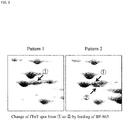
Fig. 3 is a part of a protein migration pattern by two-dimensional electrophoresis of Example 2 of the present embodiment. -
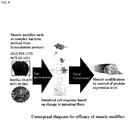
Fig. 4 is a conceptual diagram for an efficacy of a muscle modifier in the present invention. - A high-temperature fermentation product containing complex bacteria ATCC PTA-1773 was prepared by diluting 100 times by volume with tap water and aeration treatment at 60°C for 10 hours or more.
- The prepared lysate containing the complex bacteria ATCC PTA-1773 was mixed into a water supply pipe of a pig breeding facility at a concentration of 0.4% by volume ratio with respect to drinking water, then half of the pigs in the pig breeding facility were fed with drinking water (lysate feeding group), and the other half of the pigs were given drinking water without mixing (control group).
- The thighs of the test pigs were stored at around 0°C for 3 days after slaughter, and then muscle samples were collected and stored frozen at -80°C until analysis.
- For extraction of muscle protein, 130 mg of frozen tissue was pulverized with a freeze crusher and then suspended in 650 µL of protein extract, and the protein was further extracted with an ultrasonic crusher.
-
Fig. 1 andFig. 2 show the results of separating proteins by one-dimensional electrophoresis and two-dimensional electrophoresis using 0.6 µL of the protein extract. - Proteins that showed different mobilities between muscle proteins prepared from the lysate feeding group containing the complex bacteria ATCC PTA-1773 and the control group were analyzed by mass spectrometry to identify the proteins.
-
Fig. 1 shows a protein migration pattern by one-dimensional electrophoresis. The band indicated by an arrow is myoglobin, which was increased about 1.6 times in the lysate feeding group as compared to the control group. - Myoglobin is a protein that transports oxygen to mitochondria, and an increase in myoglobin increases muscle redness, indicating that there are more type I or type IIa muscle fibers rich in mitochondria.
-
Fig. 2 shows a part of the protein migration pattern by two-dimensional electrophoresis, in which a particularly different pattern between the lysate feeding group and the control group was obtained. As a result of mass spectrometry, fTnT1 and fTnT2 as acidic troponin T were mainly expressed in the control group, and fTnT3 as alkaline troponin T was mainly expressed in the lysate feeding group. - From the results in
Fig. 1 andFig. 2 , by feeding the lysate containing the complex bacteria ATCC PTA-1773, the muscle fibers of pig thigh changed from the type II energy metabolism based on the original glycolytic metabolism to the type IIa-like energy metabolism based on the aerobic metabolism with excellent durability, in which energy metabolism by mitochondria was activated by increase in myoglobin. - A bait composed of corn and soybean cake meal as main ingredients and formulated and designed to meet the nutrient requirements specified in the Japanese feeding standard was added with Bacillus hisashii NITE BP-863 (3 × 10⁶/g) isolated from fermentation product of thermophilic bacteria at a concentration of 0.01% by weight ratio to prepare a feed.
- 10-Day male broilers (chunky) were tested and bred for 38 days. The bait prepared in the previous section (BP-863 feeding group) and one having the same formulation but without BP-863 added (control group) were used for ceaseless feeding and free drinking all the time.
- These broilers were slaughtered and disassembled on day 49 to obtain superficial pectoral muscle samples. Muscle samples were stored frozen at -80°C until analysis. For extraction of muscle protein, 20 mg of frozen tissue was pulverized with a freeze crusher and then suspended in 100 µL of protein extract, and the protein was further extracted with an ultrasonic crusher.
-
Fig. 3 shows the results of separating proteins by two-dimensional electrophoresis using 1 to 2 µL of the protein extract. - Proteins that showed different mobilities between muscle proteins prepared from the BP-863 feeding group and the control group were analyzed by mass spectrometry to identify the proteins. As a result, the isoform of fast muscle troponin T had changed, and they were classified into the patterns shown in
Fig. 3 . - All four specimens of the chickens in the control group showed
pattern 1, whereas three of the four specimens of the chickens in the BP-863 feeding group showedpattern 2. - This result revealed that the expression of the isoform of fast muscle troponin T can be controlled by feeding the thermophilic bacteria Bacillus hisashii NITE BP-863.
Claims (3)
- A muscle modifier characterized by causing a qualitative change in muscle fibers of an administered individual by oral administration to a human or animal individual.
- The muscle modifier according to claim 1, comprising at least one of either bacterial body of complex bacteria NITE BP-1051 and complex bacteria ATCC PTA-1773, or a separated, extracted, replicated or processed product derived from the bacterial body or the fermentation product as an active ingredient.
- The muscle modifier according to claim 1, comprising at least one of Bacillus hisashii NITE BP-863, or an extracted, replicated or processed product derived from the bacterial body as an active ingredient.
Applications Claiming Priority (2)
| Application Number | Priority Date | Filing Date | Title |
|---|---|---|---|
| JP2017105116A JP7118344B2 (en) | 2017-05-26 | 2017-05-26 | muscle modifier |
| PCT/JP2018/020245 WO2018216818A1 (en) | 2017-05-26 | 2018-05-25 | Muscle quality improvement agent |
Publications (4)
| Publication Number | Publication Date |
|---|---|
| EP3632453A1 true EP3632453A1 (en) | 2020-04-08 |
| EP3632453A4 EP3632453A4 (en) | 2021-03-03 |
| EP3632453B1 EP3632453B1 (en) | 2024-09-04 |
| EP3632453C0 EP3632453C0 (en) | 2024-09-04 |
Family
ID=64395778
Family Applications (1)
| Application Number | Title | Priority Date | Filing Date |
|---|---|---|---|
| EP18805833.3A Active EP3632453B1 (en) | 2017-05-26 | 2018-05-25 | Muscle quality improvement agent |
Country Status (5)
| Country | Link |
|---|---|
| US (2) | US20210145898A1 (en) |
| EP (1) | EP3632453B1 (en) |
| JP (1) | JP7118344B2 (en) |
| ES (1) | ES2992914T3 (en) |
| WO (1) | WO2018216818A1 (en) |
Families Citing this family (5)
| Publication number | Priority date | Publication date | Assignee | Title |
|---|---|---|---|---|
| JP2020146035A (en) * | 2019-03-08 | 2020-09-17 | 三菱ケミカルフーズ株式会社 | Feed and food |
| JP7535040B2 (en) | 2019-06-03 | 2024-08-15 | アサヒグループホールディングス株式会社 | Walking ability improver |
| CN110862935B (en) * | 2019-08-05 | 2021-04-06 | 浙江佳河绿环境科技有限公司 | High-temperature-resistant bacillus Gongbenniang and high-temperature compost fermentation method |
| JP7753598B2 (en) * | 2021-06-02 | 2025-10-15 | 国立大学法人千葉大学 | Insect larvae feed and method for rearing female larvae using the same |
| WO2024101249A1 (en) * | 2022-11-07 | 2024-05-16 | 日環科学株式会社 | Viral infection inhibitor |
Family Cites Families (8)
| Publication number | Priority date | Publication date | Assignee | Title |
|---|---|---|---|---|
| JP2008113652A (en) | 2006-10-12 | 2008-05-22 | Makoto Tsuchida | Fodder/fertilizer and method for producing the same |
| JP5041228B2 (en) | 2007-10-19 | 2012-10-03 | 日環科学株式会社 | Digestion-enhancing feed, odor-reducing feed, intestinal-type feed, calorie absorption rate-adjusted feed, meat quality-improving feed, immunity-enhancing feed, fertility-improving feed, feed-type water purification agent, multifunctional food |
| JP2011101597A (en) | 2009-09-27 | 2011-05-26 | Saburoku:Kk | Highly functional flatfish and processed product of the same |
| BR112012020003A2 (en) | 2010-02-10 | 2020-08-18 | Japan Eco-Science Co., Ltd. | mixture, dissolution solution and pharmaceutical agent each comprising thermophilic microorganism |
| CN103416585B (en) | 2013-08-20 | 2015-09-30 | 沈阳科丰牧业科技有限公司 | Method for improving production performance and chicken quality of broiler chickens by using microecological preparations for broiler chickens |
| JP6557876B2 (en) | 2014-09-10 | 2019-08-14 | 日環科学株式会社 | Probiotics or prebiotics and their production methods, microbial preparations, health foods and pharmaceuticals |
| JP6339526B2 (en) * | 2015-05-22 | 2018-06-06 | アサヒグループホールディングス株式会社 | Muscle degradation inhibitor |
| JP6150312B2 (en) | 2016-01-26 | 2017-06-21 | 株式会社明治 | Lactic acid bacteria that promote physical activity |
-
2017
- 2017-05-26 JP JP2017105116A patent/JP7118344B2/en active Active
-
2018
- 2018-05-25 ES ES18805833T patent/ES2992914T3/en active Active
- 2018-05-25 WO PCT/JP2018/020245 patent/WO2018216818A1/en not_active Ceased
- 2018-05-25 EP EP18805833.3A patent/EP3632453B1/en active Active
- 2018-05-25 US US16/617,077 patent/US20210145898A1/en not_active Abandoned
-
2022
- 2022-01-14 US US17/575,897 patent/US20220133815A1/en not_active Abandoned
Also Published As
| Publication number | Publication date |
|---|---|
| WO2018216818A1 (en) | 2018-11-29 |
| EP3632453B1 (en) | 2024-09-04 |
| US20220133815A1 (en) | 2022-05-05 |
| EP3632453A4 (en) | 2021-03-03 |
| EP3632453C0 (en) | 2024-09-04 |
| US20210145898A1 (en) | 2021-05-20 |
| ES2992914T3 (en) | 2024-12-19 |
| JP2018199642A (en) | 2018-12-20 |
| JP7118344B2 (en) | 2022-08-16 |
Similar Documents
| Publication | Publication Date | Title |
|---|---|---|
| US20220133815A1 (en) | Muscle-modifying agent | |
| Villageliú et al. | Dopamine production in Enterococcus faecium: a microbial endocrinology-based mechanism for the selection of probiotics based on neurochemical-producing potential | |
| Zhou et al. | Effect of dietary probiotic, Bacillus coagulans, on growth performance, chemical composition, and meat quality of Guangxi Yellow chicken | |
| Chen et al. | Effects of Bacillus subtilis var. natto and Saccharomyces cerevisiae mixed fermented feed on the enhanced growth performance of broilers | |
| Dowarah et al. | Effect of swine based probiotic on performance, diarrhoea scores, intestinal microbiota and gut health of grower-finisher crossbred pigs | |
| Sabo et al. | Bioprospecting of probiotics with antimicrobial activities against Salmonella Heidelberg and that produce B-complex vitamins as potential supplements in poultry nutrition | |
| McReynolds et al. | Efficacy of multistrain direct-fed microbial and phytogenetic products in reducing necrotic enteritis in commercial broilers | |
| Li et al. | Oral administration of Lactobacillus delbrueckii during the suckling phase improves antioxidant activities and immune responses after the weaning event in a piglet model | |
| Chen et al. | Effects of Bacillus subtilis var. natto and Saccharomyces cerevisiae fermented liquid feed on growth performance, relative organ weight, intestinal microflora, and organ antioxidant status in Landes geese | |
| Markowiak et al. | Probiotic microorganisms detoxify ochratoxin A in both a chicken liver cell line and chickens | |
| Ahire et al. | Effect of dietary probiotic Lactobacillus helveticus on growth performance, antioxidant levels, and absorption of essential trace elements in goldfish (Carassius auratus) | |
| Fernandes et al. | Immuno-stimulatory effect and toxicology studies of salt pan bacteria as probiotics to combat shrimp diseases in aquaculture | |
| Ganguly et al. | Effect of three probiotic Bacillus strains supplemented feeds on growth, carcass composition and blood parameters of Clarias magur (Hamilton) | |
| Capcarova et al. | The effect of selected microbial strains on internal milieu of broiler chickens after peroral administration | |
| Soundararajan et al. | Investigating the modulatory effects of Moringa oleifera on the gut microbiota of chicken model through metagenomic approach | |
| Mazanko et al. | Antioxidant and antimutagenic properties of probiotic Lactobacilli determined using LUX-biosensors | |
| Atef et al. | Dietary Bacillus species modulate lipid metabolism-related parameters, growth, water quality, and bacterial load in Nile tilapia (Oreochromis niloticus) | |
| Julendra et al. | Isolation of lactic acid bacteria with cholesterol-lowering activity from digestive tracts of Indonesian native chickens | |
| Kumari VB et al. | Characterization of lactobacillus spp. as probiotic and antidiabetic potential isolated from Boza, traditional fermented beverage in Turkey | |
| Evangelista et al. | Bioprotective potential of lactic acid bacteria for Salmonella biocontrol in vitro | |
| Szmigiel et al. | The influence of Bacillus subtilis 87Y isolated from Eisenia fetida on the growth of pathogenic and probiotic microorganisms | |
| Navale et al. | Dietary supplementation of Lactococcus lactis subsp. lactis BIONCL17752 on growth performance, and gut microbiota of broiler chickens | |
| US11202812B2 (en) | Reducing body fat probiotic strain, composition thereof, and use thereof | |
| Bentahar et al. | Impact of novel probiotic strains isolated from Algerian fermented butter and green tea waste on broilers’ production quality | |
| WO2018034047A1 (en) | Lactic acid bacteria, hypoglycemic agent derived from same, therapeutic agent for diabetes, and food or beverage |
Legal Events
| Date | Code | Title | Description |
|---|---|---|---|
| STAA | Information on the status of an ep patent application or granted ep patent |
Free format text: STATUS: THE INTERNATIONAL PUBLICATION HAS BEEN MADE |
|
| PUAI | Public reference made under article 153(3) epc to a published international application that has entered the european phase |
Free format text: ORIGINAL CODE: 0009012 |
|
| STAA | Information on the status of an ep patent application or granted ep patent |
Free format text: STATUS: REQUEST FOR EXAMINATION WAS MADE |
|
| 17P | Request for examination filed |
Effective date: 20191129 |
|
| AK | Designated contracting states |
Kind code of ref document: A1 Designated state(s): AL AT BE BG CH CY CZ DE DK EE ES FI FR GB GR HR HU IE IS IT LI LT LU LV MC MK MT NL NO PL PT RO RS SE SI SK SM TR |
|
| AX | Request for extension of the european patent |
Extension state: BA ME |
|
| DAV | Request for validation of the european patent (deleted) | ||
| DAX | Request for extension of the european patent (deleted) | ||
| A4 | Supplementary search report drawn up and despatched |
Effective date: 20210201 |
|
| RIC1 | Information provided on ipc code assigned before grant |
Ipc: A61K 35/74 20150101AFI20210126BHEP Ipc: A61P 21/00 20060101ALI20210126BHEP Ipc: A61K 35/742 20150101ALI20210126BHEP |
|
| STAA | Information on the status of an ep patent application or granted ep patent |
Free format text: STATUS: EXAMINATION IS IN PROGRESS |
|
| 17Q | First examination report despatched |
Effective date: 20211018 |
|
| GRAP | Despatch of communication of intention to grant a patent |
Free format text: ORIGINAL CODE: EPIDOSNIGR1 |
|
| STAA | Information on the status of an ep patent application or granted ep patent |
Free format text: STATUS: GRANT OF PATENT IS INTENDED |
|
| INTG | Intention to grant announced |
Effective date: 20240613 |
|
| GRAS | Grant fee paid |
Free format text: ORIGINAL CODE: EPIDOSNIGR3 |
|
| GRAA | (expected) grant |
Free format text: ORIGINAL CODE: 0009210 |
|
| STAA | Information on the status of an ep patent application or granted ep patent |
Free format text: STATUS: THE PATENT HAS BEEN GRANTED |
|
| AK | Designated contracting states |
Kind code of ref document: B1 Designated state(s): AL AT BE BG CH CY CZ DE DK EE ES FI FR GB GR HR HU IE IS IT LI LT LU LV MC MK MT NL NO PL PT RO RS SE SI SK SM TR |
|
| REG | Reference to a national code |
Ref country code: GB Ref legal event code: FG4D |
|
| REG | Reference to a national code |
Ref country code: CH Ref legal event code: EP |
|
| REG | Reference to a national code |
Ref country code: IE Ref legal event code: FG4D |
|
| REG | Reference to a national code |
Ref country code: DE Ref legal event code: R096 Ref document number: 602018074023 Country of ref document: DE |
|
| RAP4 | Party data changed (patent owner data changed or rights of a patent transferred) |
Owner name: NATIONAL UNIVERSITY CORPORATION KANAZAWAUNIVERSITY Owner name: NATIONAL UNIVERSITY CORPORATION CHIBA UNIVERSITY Owner name: KEIYO GAS ENERGY SOLUTION CO., LTD. Owner name: JAPAN ECO-SCIENCE CO. LTD. |
|
| U01 | Request for unitary effect filed |
Effective date: 20241001 |
|
| U07 | Unitary effect registered |
Designated state(s): AT BE BG DE DK EE FI FR IT LT LU LV MT NL PT RO SE SI Effective date: 20241025 |
|
| REG | Reference to a national code |
Ref country code: ES Ref legal event code: FG2A Ref document number: 2992914 Country of ref document: ES Kind code of ref document: T3 Effective date: 20241219 |
|
| PG25 | Lapsed in a contracting state [announced via postgrant information from national office to epo] |
Ref country code: NO Free format text: LAPSE BECAUSE OF FAILURE TO SUBMIT A TRANSLATION OF THE DESCRIPTION OR TO PAY THE FEE WITHIN THE PRESCRIBED TIME-LIMIT Effective date: 20241204 |
|
| PG25 | Lapsed in a contracting state [announced via postgrant information from national office to epo] |
Ref country code: PL Free format text: LAPSE BECAUSE OF FAILURE TO SUBMIT A TRANSLATION OF THE DESCRIPTION OR TO PAY THE FEE WITHIN THE PRESCRIBED TIME-LIMIT Effective date: 20240904 Ref country code: GR Free format text: LAPSE BECAUSE OF FAILURE TO SUBMIT A TRANSLATION OF THE DESCRIPTION OR TO PAY THE FEE WITHIN THE PRESCRIBED TIME-LIMIT Effective date: 20241205 |
|
| PG25 | Lapsed in a contracting state [announced via postgrant information from national office to epo] |
Ref country code: HR Free format text: LAPSE BECAUSE OF FAILURE TO SUBMIT A TRANSLATION OF THE DESCRIPTION OR TO PAY THE FEE WITHIN THE PRESCRIBED TIME-LIMIT Effective date: 20240904 |
|
| PG25 | Lapsed in a contracting state [announced via postgrant information from national office to epo] |
Ref country code: RS Free format text: LAPSE BECAUSE OF FAILURE TO SUBMIT A TRANSLATION OF THE DESCRIPTION OR TO PAY THE FEE WITHIN THE PRESCRIBED TIME-LIMIT Effective date: 20241204 |
|
| PG25 | Lapsed in a contracting state [announced via postgrant information from national office to epo] |
Ref country code: RS Free format text: LAPSE BECAUSE OF FAILURE TO SUBMIT A TRANSLATION OF THE DESCRIPTION OR TO PAY THE FEE WITHIN THE PRESCRIBED TIME-LIMIT Effective date: 20241204 Ref country code: PL Free format text: LAPSE BECAUSE OF FAILURE TO SUBMIT A TRANSLATION OF THE DESCRIPTION OR TO PAY THE FEE WITHIN THE PRESCRIBED TIME-LIMIT Effective date: 20240904 Ref country code: NO Free format text: LAPSE BECAUSE OF FAILURE TO SUBMIT A TRANSLATION OF THE DESCRIPTION OR TO PAY THE FEE WITHIN THE PRESCRIBED TIME-LIMIT Effective date: 20241204 Ref country code: HR Free format text: LAPSE BECAUSE OF FAILURE TO SUBMIT A TRANSLATION OF THE DESCRIPTION OR TO PAY THE FEE WITHIN THE PRESCRIBED TIME-LIMIT Effective date: 20240904 Ref country code: GR Free format text: LAPSE BECAUSE OF FAILURE TO SUBMIT A TRANSLATION OF THE DESCRIPTION OR TO PAY THE FEE WITHIN THE PRESCRIBED TIME-LIMIT Effective date: 20241205 |
|
| PG25 | Lapsed in a contracting state [announced via postgrant information from national office to epo] |
Ref country code: IS Free format text: LAPSE BECAUSE OF FAILURE TO SUBMIT A TRANSLATION OF THE DESCRIPTION OR TO PAY THE FEE WITHIN THE PRESCRIBED TIME-LIMIT Effective date: 20250104 |
|
| PG25 | Lapsed in a contracting state [announced via postgrant information from national office to epo] |
Ref country code: SM Free format text: LAPSE BECAUSE OF FAILURE TO SUBMIT A TRANSLATION OF THE DESCRIPTION OR TO PAY THE FEE WITHIN THE PRESCRIBED TIME-LIMIT Effective date: 20240904 |
|
| PG25 | Lapsed in a contracting state [announced via postgrant information from national office to epo] |
Ref country code: CZ Free format text: LAPSE BECAUSE OF FAILURE TO SUBMIT A TRANSLATION OF THE DESCRIPTION OR TO PAY THE FEE WITHIN THE PRESCRIBED TIME-LIMIT Effective date: 20240904 |
|
| PG25 | Lapsed in a contracting state [announced via postgrant information from national office to epo] |
Ref country code: SK Free format text: LAPSE BECAUSE OF FAILURE TO SUBMIT A TRANSLATION OF THE DESCRIPTION OR TO PAY THE FEE WITHIN THE PRESCRIBED TIME-LIMIT Effective date: 20240904 |
|
| U20 | Renewal fee for the european patent with unitary effect paid |
Year of fee payment: 8 Effective date: 20250515 |
|
| PGFP | Annual fee paid to national office [announced via postgrant information from national office to epo] |
Ref country code: ES Payment date: 20250616 Year of fee payment: 8 |
|
| PLBE | No opposition filed within time limit |
Free format text: ORIGINAL CODE: 0009261 |
|
| STAA | Information on the status of an ep patent application or granted ep patent |
Free format text: STATUS: NO OPPOSITION FILED WITHIN TIME LIMIT |
|
| 26N | No opposition filed |
Effective date: 20250605 |
|
| REG | Reference to a national code |
Ref country code: CH Ref legal event code: H13 Free format text: ST27 STATUS EVENT CODE: U-0-0-H10-H13 (AS PROVIDED BY THE NATIONAL OFFICE) Effective date: 20251223 |
|
| PG25 | Lapsed in a contracting state [announced via postgrant information from national office to epo] |
Ref country code: CH Free format text: LAPSE BECAUSE OF NON-PAYMENT OF DUE FEES Effective date: 20250531 |
|
| GBPC | Gb: european patent ceased through non-payment of renewal fee |
Effective date: 20250525 |
|
| PG25 | Lapsed in a contracting state [announced via postgrant information from national office to epo] |
Ref country code: MC Free format text: LAPSE BECAUSE OF FAILURE TO SUBMIT A TRANSLATION OF THE DESCRIPTION OR TO PAY THE FEE WITHIN THE PRESCRIBED TIME-LIMIT Effective date: 20240904 |
|
| PG25 | Lapsed in a contracting state [announced via postgrant information from national office to epo] |
Ref country code: GB Free format text: LAPSE BECAUSE OF NON-PAYMENT OF DUE FEES Effective date: 20250525 |
|
| PG25 | Lapsed in a contracting state [announced via postgrant information from national office to epo] |
Ref country code: IE Free format text: LAPSE BECAUSE OF NON-PAYMENT OF DUE FEES Effective date: 20250525 |