EP3627380A1 - A method of verifying the acquisition of an individual's biometric data - Google Patents
A method of verifying the acquisition of an individual's biometric data Download PDFInfo
- Publication number
- EP3627380A1 EP3627380A1 EP18196375.2A EP18196375A EP3627380A1 EP 3627380 A1 EP3627380 A1 EP 3627380A1 EP 18196375 A EP18196375 A EP 18196375A EP 3627380 A1 EP3627380 A1 EP 3627380A1
- Authority
- EP
- European Patent Office
- Prior art keywords
- individual
- biometric data
- morphological characteristic
- verification
- image portion
- Prior art date
- Legal status (The legal status is an assumption and is not a legal conclusion. Google has not performed a legal analysis and makes no representation as to the accuracy of the status listed.)
- Granted
Links
Images

Classifications
-
- G—PHYSICS
- G06—COMPUTING OR CALCULATING; COUNTING
- G06V—IMAGE OR VIDEO RECOGNITION OR UNDERSTANDING
- G06V40/00—Recognition of biometric, human-related or animal-related patterns in image or video data
- G06V40/10—Human or animal bodies, e.g. vehicle occupants or pedestrians; Body parts, e.g. hands
- G06V40/12—Fingerprints or palmprints
- G06V40/1347—Preprocessing; Feature extraction
-
- G—PHYSICS
- G06—COMPUTING OR CALCULATING; COUNTING
- G06F—ELECTRIC DIGITAL DATA PROCESSING
- G06F18/00—Pattern recognition
- G06F18/20—Analysing
- G06F18/25—Fusion techniques
- G06F18/251—Fusion techniques of input or preprocessed data
-
- G—PHYSICS
- G06—COMPUTING OR CALCULATING; COUNTING
- G06V—IMAGE OR VIDEO RECOGNITION OR UNDERSTANDING
- G06V10/00—Arrangements for image or video recognition or understanding
- G06V10/70—Arrangements for image or video recognition or understanding using pattern recognition or machine learning
- G06V10/77—Processing image or video features in feature spaces; using data integration or data reduction, e.g. principal component analysis [PCA] or independent component analysis [ICA] or self-organising maps [SOM]; Blind source separation
- G06V10/80—Fusion, i.e. combining data from various sources at the sensor level, preprocessing level, feature extraction level or classification level
- G06V10/803—Fusion, i.e. combining data from various sources at the sensor level, preprocessing level, feature extraction level or classification level of input or preprocessed data
-
- G—PHYSICS
- G06—COMPUTING OR CALCULATING; COUNTING
- G06V—IMAGE OR VIDEO RECOGNITION OR UNDERSTANDING
- G06V40/00—Recognition of biometric, human-related or animal-related patterns in image or video data
- G06V40/10—Human or animal bodies, e.g. vehicle occupants or pedestrians; Body parts, e.g. hands
- G06V40/12—Fingerprints or palmprints
- G06V40/13—Sensors therefor
- G06V40/1306—Sensors therefor non-optical, e.g. ultrasonic or capacitive sensing
-
- G—PHYSICS
- G06—COMPUTING OR CALCULATING; COUNTING
- G06V—IMAGE OR VIDEO RECOGNITION OR UNDERSTANDING
- G06V40/00—Recognition of biometric, human-related or animal-related patterns in image or video data
- G06V40/10—Human or animal bodies, e.g. vehicle occupants or pedestrians; Body parts, e.g. hands
- G06V40/12—Fingerprints or palmprints
- G06V40/1365—Matching; Classification
-
- G—PHYSICS
- G06—COMPUTING OR CALCULATING; COUNTING
- G06V—IMAGE OR VIDEO RECOGNITION OR UNDERSTANDING
- G06V40/00—Recognition of biometric, human-related or animal-related patterns in image or video data
- G06V40/10—Human or animal bodies, e.g. vehicle occupants or pedestrians; Body parts, e.g. hands
- G06V40/12—Fingerprints or palmprints
- G06V40/1382—Detecting the live character of the finger, i.e. distinguishing from a fake or cadaver finger
- G06V40/1394—Detecting the live character of the finger, i.e. distinguishing from a fake or cadaver finger using acquisition arrangements
-
- G—PHYSICS
- G06—COMPUTING OR CALCULATING; COUNTING
- G06V—IMAGE OR VIDEO RECOGNITION OR UNDERSTANDING
- G06V10/00—Arrangements for image or video recognition or understanding
- G06V10/10—Image acquisition
- G06V10/12—Details of acquisition arrangements; Constructional details thereof
- G06V10/14—Optical characteristics of the device performing the acquisition or on the illumination arrangements
- G06V10/143—Sensing or illuminating at different wavelengths
-
- G—PHYSICS
- G06—COMPUTING OR CALCULATING; COUNTING
- G06V—IMAGE OR VIDEO RECOGNITION OR UNDERSTANDING
- G06V40/00—Recognition of biometric, human-related or animal-related patterns in image or video data
- G06V40/70—Multimodal biometrics, e.g. combining information from different biometric modalities
Definitions
- the invention relates to the field of methods of verifying the acquisition of an individual's biometric data.
- biometric data for identifying or authenticating the particular individual requires a biometric database to be constituted beforehand.
- the biometric database contains an identifier and reference biometric data associated with the identifier.
- the biometric data of the particular individual is then compared with the reference biometric data.
- a first type of fraud consists in placing the fingers of two different people on the scanner.
- the scanner is designed to acquire the fingerprints of four fingers on one hand, a fraudulent individual places two fingers on the scanner and asks an accomplice also to place two fingers on the scanner.
- this first type of fraud can be detected by an operator in charge of monitoring enrolment. Nevertheless, it is not impossible that the operator might be an accomplice.
- biometric data it is very complicated to identify fraudulent individuals since only the fingerprints of a small number of fingers are acquired for each fraudulent individual (two fingers out of four in this example), said fingers furthermore often being wrongly positioned on the scanner.
- the verification method begins with a first acquisition step (E1) comprising using a biometric sensor to acquire first biometric data of the particular individual, which data is representative of a first morphological characteristic of the particular individual.
- the particular individual needs to present the camera 6 with the inside face of the same hand 7 that was used for the first acquisition step.
- This camera 6 is referred to as a "context" camera.
- the second verification shows that the fingers 3 do indeed belong to a single hand 7, the second verification is validated. Otherwise, it is invalidated.
- the first acquisition step in addition to acquiring the first biometric data of the particular individual, specifically representative of the fingerprints of four fingers on one hand, the first acquisition step also comprises acquiring third biometric data of the individual, representative of a second morphological characteristic of the finger(s) or of the hand.
Landscapes
- Engineering & Computer Science (AREA)
- Theoretical Computer Science (AREA)
- Physics & Mathematics (AREA)
- General Physics & Mathematics (AREA)
- Multimedia (AREA)
- Human Computer Interaction (AREA)
- Computer Vision & Pattern Recognition (AREA)
- Evolutionary Computation (AREA)
- Artificial Intelligence (AREA)
- Databases & Information Systems (AREA)
- Computing Systems (AREA)
- Health & Medical Sciences (AREA)
- General Health & Medical Sciences (AREA)
- Medical Informatics (AREA)
- Software Systems (AREA)
- Data Mining & Analysis (AREA)
- Life Sciences & Earth Sciences (AREA)
- Bioinformatics & Cheminformatics (AREA)
- Bioinformatics & Computational Biology (AREA)
- Evolutionary Biology (AREA)
- General Engineering & Computer Science (AREA)
- Collating Specific Patterns (AREA)
- Measurement Of The Respiration, Hearing Ability, Form, And Blood Characteristics Of Living Organisms (AREA)
Abstract
Description
- The invention relates to the field of methods of verifying the acquisition of an individual's biometric data.
- Nowadays, biometric data is being used more and more for identifying or authenticating a particular individual who is one of a determined population of reference individuals.
- The use of biometric data for identifying or authenticating the particular individual requires a biometric database to be constituted beforehand. For each reference individual, the biometric database contains an identifier and reference biometric data associated with the identifier. The biometric data of the particular individual is then compared with the reference biometric data.
- Setting up the biometric database requires an "enrolment" campaign to be carried out, i.e. a campaign of registering biometric data for all of the reference individuals of the determined population (or at least for as great as possible a number of reference individuals).
- During the enrolment campaign, it is possible that certain malicious individuals might seek to falsify their enrolment.
- When the biometric data comprises fingerprints from a plurality of fingers of a given hand, e.g. acquired using a fingerprint scanner having an acquisition surface on which the fingers are to be pressed, two main types of fraud are to be feared.
- A first type of fraud consists in placing the fingers of two different people on the scanner. Typically, if the scanner is designed to acquire the fingerprints of four fingers on one hand, a fraudulent individual places two fingers on the scanner and asks an accomplice also to place two fingers on the scanner. Naturally, this first type of fraud can be detected by an operator in charge of monitoring enrolment. Nevertheless, it is not impossible that the operator might be an accomplice. Furthermore, when analyzing biometric data, it is very complicated to identify fraudulent individuals since only the fingerprints of a small number of fingers are acquired for each fraudulent individual (two fingers out of four in this example), said fingers furthermore often being wrongly positioned on the scanner.
- A second type of fraud consists in using a fake finger or a portion of a fake finger, e.g. made out of silicone or gelatin, and having a fingerprint reproduced thereon. Once more, the operator should be able to detect the occurrence of such a fraud, providing the operator is not an accomplice to the fraud.
- An object of the invention is to prevent the occurrence of those types of fraud while acquiring biometric data of an individual.
- In order to achieve this objective, there is provided a method of verifying acquisition of biometric data of an individual, the method comprising:
- a first acquisition step comprising using a biometric sensor to acquire first biometric data of the individual, representative of a first morphological characteristic of the individual;
- a second acquisition step comprising using a camera distinct from the biometric sensor to acquire at least one context image comprising a first image portion representative of said first morphological characteristic and a second image portion representative of an environment of the first morphological characteristic;
- an extraction step comprising extracting second biometric data representative of the first morphological characteristic from the first image portion; and
- a verification step comprising comparing the first biometric data with the second biometric data and analyzing the second image portion.
- The first morphological characteristic of the individual may (but need not necessarily) comprise fingerprints of the individual. Under such circumstances, analyzing the second portion of the image makes it possible to ensure that a fake finger is not used and that the fingers do indeed belong to the same hand of one individual. Comparing the first biometric data with the second biometric data then makes it possible to ensure that the data does indeed correspond, and thus that the first biometric data was acquired without that acquisition being falsified by fraudulent action or by accidental action.
- The invention can be better understood in the light of the following description of particular, non-limiting implementations of the invention.
- Reference is made to the accompanying drawings, in which:
-
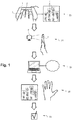
Figure 1 shows the steps of the verification method in a first implementation of the invention; and -
Figure 2 shows the steps of the verification method in a third implementation of the invention. - In a first implementation of the invention, the verification method is performed to verify the integrity of a biometric data acquisition carried out during the enrollment of a particular individual.
- The term "integrity" is used herein to mean that the acquisition has not been falsified either by fraudulent action or by accidental action.
- The particular individual belongs to a determined population of reference individuals. If verifying the integrity of the acquisition is successful, then the particular individual is enrolled in a biometric database as being a reference individual.
- With reference to
Figure 1 , the verification method begins with a first acquisition step (E1) comprising using a biometric sensor to acquire first biometric data of the particular individual, which data is representative of a first morphological characteristic of the particular individual. - In this example, the biometric sensor is a
fingerprint scanner 1 having anacquisition surface 2 on which a predefined number offingers 3 of the same hand are to be applied. - The particular individual is to position the little finger, the ring finger, the middle finger, and the index finger of one hand on the
acquisition surface 2, going from left to right in regular manner and parallel to one another. - The first morphological characteristic is thus constituted by the
fingerprints 4 of these fourfingers 3 of the particular individual. - First biometric data is thus obtained constituted by data characterizing the
fingerprints 4. The first biometric data serves to form fingerprint images, each of which can be considered as being an alternation of crests and valleys. Each fingerprint image also includes a certain number of characteristic points known as "minutiae", which correspond by way of example to the end of a crest or to a crest dividing in two (bifurcation). - Thereafter, the verification method includes a second acquisition step (E2) comprising using a
camera 6 to acquire at least one context image. - In this example, the particular individual needs to present the
camera 6 with the inside face of the same hand 7 that was used for the first acquisition step. Thiscamera 6 is referred to as a "context" camera. - The
camera 6 may be a smartphone camera or a webcam, or indeed any other type of camera. - The
camera 6 has a resolution that is typically equal to five megapixels or ten megapixels. Thecamera 6 includes an autofocus system and a flash system with one or more light-emitting diodes (LEDs). The LEDs are used to illuminate the hand 7 and thus thefingerprints 4 together with their environment while acquiring the context image(s). This illumination serves in particular to increase contrast between the crests and the valleys of the fingerprints, thereby improving the precision and the reliability of the acquisition. - A context image thus shows not only the
fingerprints 4 of thefingers 3 of the reference individual's hand 7, but also the environment of thefingerprints 4, i.e. the entire hand 7 together with a zone surrounding the hand 7. This zone surrounding the hand 7 typically extends to several centimeters beyond the edges of the hand 7. Thus, the context image has a first image portion representative of thefingerprints 4 and a second image portion representative of the environment of thefingerprints 4. Naturally, the first image portion and the second image portion may overlap in part or completely, and may belong to a single context image or to different context images. - Thereafter, the verification method has an extraction step (E3) comprising extracting second biometric data representative of the
fingerprints 4 from the first image portion. Once more, the second biometric data serves to form images of the fingerprints. - The verification method then has a verification step (E4) .
- The verification step begins with first verification consisting in comparing the first biometric data with the second biometric data.
- If the second biometric data corresponds to the first biometric data, i.e. if the comparison shows that both the first data and the second data comes from the same hand 7 of the same individual, then the first verification is validated. Otherwise, it is invalidated.
- The verification step also comprises a second verification that consists in analyzing the second image portion in order to verify that the
fingers 3 do indeed belong to one single hand 7. The analysis consists in particular of studying the outlines of the hand 7 facing thecamera 6 in order to verify that the outlines do indeed correspond to one single hand 7. This second verification is made easier by the fact that the entire hand 7 together with its environment appear in the second image portion. It is thus easier with this larger view to verify whether the fingers of only one hand or of two different hands are present. - If the second verification shows that the
fingers 3 do indeed belong to a single hand 7, the second verification is validated. Otherwise, it is invalidated. - The first and second verifications serve firstly to ensure that the
same fingers 3 are used during the first acquisition step and during the second acquisition step, and secondly that thosefingers 3 do indeed belong to one single hand 7 of a single individual. - The verification step also comprises a third verification consisting in analyzing the second image portion in order to verify that a fake finger or a portion of a fake finger has not been used.
- Since the
camera 6 acquires the entire hand 7 with its fourfingers 3, it serves very effectively to detect a portion of a fake finger corresponding to the last phalanx. Such a fake finger portion gives rise to a discontinuity in the second image portion between phalanges. - If the third verification shows that a fake finger has not been used, the third verification is validated. Otherwise, it is invalidated.
- It should be observed that it is also possible to detect the use of a fake finger or of a portion of a fake finger during the first acquisition step using the
scanner 1. By using a contactless sensor (a camera 6) and a contact sensor (the scanner 1), it is possible to combine the results of fake finger detections performed using both sensors, and thereby further improve the effectiveness of the third verification. - When any one of the three verifications is invalidated, enrolment is blocked (either at Front End level or at Back End level).
- An alarm signal may optionally be generated in order to warn an operator in charge of enrollment that a fraud is taking place. It is also possible to inform some other person, e.g. another operator or some authority (such as the police). It is also possible to attempt to determine the identity of the fraudulent individual(s) from the biometric data acquired or from the images produced by the
camera 6. - If all three verifications are validated, then the integrity of the biometric data acquisition is approved (E5). The particular individual is enrolled. The particular individual is provided with an identification number associated with that individual's biometric data. The particular individual becomes a reference individual enrolled in the biometric database. That individual's biometric data becomes reference biometric data for use in future identifications and authentications.
- The biometric data of the particular individual that is stored in the biometric database is the first biometric data as produced by the
scanner 1. Typically, thescanner 1 is more precise and the first biometric data is of better quality and more reliable than the second biometric data. - There follows a description of a verification method in a second implementation of the invention.
- In this verification method, in addition to acquiring the first biometric data of the particular individual, specifically representative of the fingerprints of four fingers on one hand, the first acquisition step also comprises acquiring third biometric data of the individual, representative of a second morphological characteristic of the finger(s) or of the hand.
- This acquisition also makes use of the fingerprint scanner. The second morphological characteristic is the length or the width of a finger, the lengths or the widths of a plurality of fingers, or indeed the length or the width of the hand of the particular individual.
- Furthermore, during the verification step, the analysis of the second image portion includes a fourth verification. This fourth verification consists in verifying that the second morphological characteristic on the second image portion (acquired during the second acquisition step using the camera), does indeed correspond to the third biometric data (acquired during the first acquisition step, by the scanner). It is thus verified that the length or the width of a finger, or indeed the lengths or the widths of a plurality of fingers, or indeed the length or the width of the hand that is presented in front of the camera does/do indeed correspond to the hand that had its fingers placed on the scanner.
- This analysis of the second image portion serves to verify that the hand presented in front of the camera is indeed the hand of a single individual, with the fourth verification serving to verify that the same hand was indeed placed on the scanner and also presented in front of the camera, and thus in particular to verify that the enrollment is being performed by one and the same particular individual.
- With reference to
Figure 2 there follows a description of the verification method in a third implementation of the invention. - In this verification method, in addition to acquiring the first biometric data of the particular individual by using the
scanner 10, specifically data representative of thefingerprints 11 of fourfingers 12 of a single hand, the first acquisition step (E10) also comprises acquiring fourth biometric data of the particular individual, representative of a third morphological characteristic of the individual. The third morphological characteristic is the shape of theface 13 and/or characteristics of theiris 14 of an eye of the particular individual. In this example, an image is acquired both of theface 13 and of theiris 14 of the particular individual. - This acquisition that is performed during the first acquisition step makes use of the
same acquisition appliance 15, which is an appliance that is portable and mobile. Theacquisition appliance 15 comprises in particular a first camera having a resolution of 500 dots per inch (dpi) operating in the near infrared spectrum and thus particularly well suited to acquiring an image of theiris 14. - Thereafter, during the second acquisition step (E11), the particular individual presents the
hand 16 in front of theacquisition appliance 15 to acquire the first morphological data (fingerprints) and also the second morphological data (the length or the width of afinger 12, or indeed lengths or widths of a plurality offingers 12, or indeed the length or the width of thehand 16 of the particular individual). - Optionally, in the second acquisition step, a second camera of the
acquisition appliance 15 is used that is different from the first camera. The second camera operates in the visible spectrum. - During the second acquisition step (E11), an image of the
face 13 is also captured by theacquisition appliance 15. This image is used to establish fingerprint-face integrity. This verification is a manual verification. - The fourth biometric data may be used to consolidate verification of the acquisition.
- For example, the fourth biometric data may be used to establish the integrity of the
iris 14, i.e. bothiris 14 belongs to thesame face 13. - It is also possible, by making a comparison with the data in the biometric database, to verify that firstly the
face 13 and/or theiris 14 and secondly thefingerprints 11 do indeed belong to one single person. - In the case where no data is available in biometric database, i.e. very first enrolment of the individual, verifications are still performed. These verifications may include the fingerprint-face integrity.
- The fourth biometric data can also be used as reference biometric data and may be associated in the biometric database with the identification number of the particular individual.
- It should be observed that regardless of the implementation of the invention, the "context" camera may also be used for filming and storing a video stream of the enrollment. The stream can be analyzed by a back end system to verify that the enrollment took place regularly. Video analysis software may be used.
- The invention is not limited to the particular implementations described above, but on the contrary covers any variant coming within the ambit of the invention as defined by the claims.
- In this description, the first morphological characteristic that is acquired twice over, i.e. during the first acquisition step (for enrollment and verification) and during the second acquisition step (for verification only), by means of two distinct sensors (scanner and camera), is itself constituted by fingerprints. Nevertheless, it could be constituted by other biometric data: other print(s) involving the lip(s), the iris, the face, etc.
- In this example, the verification method is performed immediately before enrolling a particular individual. Nevertheless, the verification method can also be used before performing any biometric recognition method, and in particular before authenticating or identifying a particular individual.
- The verification method makes it possible to detect a fraud involving the integrity of a biometric data acquisition, however it can also detect an error due to accident, e.g. due to poor understanding on the part of the particular individual or of the operator in charge of enrollment about the operations that need to be carried out for enrollment.
- It should be observed that the verification step, including analyzing the second image portion (i.e. the entire hand and its environment) can be performed automatically by any computer processor means, and also by an operator performing a simple visual comparison (or indeed by combining both of these methods) .
- It should also be observed that the extraction step and the verification step can each be performed equally well at Front End level or at Back End level.
Claims (11)
- A method of verifying acquisition of biometric data of an individual, the method comprising:- a first acquisition step (El; E10) comprising using a biometric sensor (1; 10) to acquire first biometric data of the individual, representative of a first morphological characteristic of the individual;- a second acquisition step (E2; E11) comprising using a camera (6) distinct from the biometric sensor to acquire at least one context image comprising a first image portion representative of said first morphological characteristic and a second image portion representative of an environment of the first morphological characteristic;- an extraction step comprising extracting second biometric data representative of the first morphological characteristic from the first image portion; and- a verification step comprising comparing the first biometric data with the second biometric data and analyzing the second image portion.
- A verification method according to claim 1, wherein the first morphological characteristic comprises at least one fingerprint (4; 11) of at least one finger (3; 12) of the individual.
- A verification method according to claim 2, wherein the first morphological characteristic comprises fingerprints of a plurality of fingers of a single hand (7; 16) of the individual, and wherein, during the verification step, the analysis of the second image portion comprises verifying that the fingers do indeed belong to the same hand.
- A verification method according to claim 2, wherein, during the verification step, the analysis of the second image portion comprises verifying that a fake finger or a portion of a fake finger is not being used.
- A verification method according to claim 2, wherein the first acquisition step further comprises using the biometric sensor (1; 10) to acquire third biometric data of the individual, representative of a second morphological characteristic of the finger(s) or of a hand, and wherein during the verification step, the analysis of the second image portion comprises verifying that the second morphological characteristic on the second image portion does indeed correspond with the third biometric data.
- A verification method according to claim 5, wherein the second morphological characteristic is the length or the width of a finger or indeed the lengths or the widths of a plurality of fingers, or indeed the length or the width of the hand of the individual.
- A verification method according to any one of claims 2 to 6, wherein the biometric sensor is a fingerprint scanner having an acquisition surface (2) on which a predefined number of fingers of one single hand are to be applied.
- A verification method according to any preceding claim, wherein the first acquisition step further comprises acquiring fourth biometric data of the individual, representative of a third morphological characteristic of the individual.
- A verification method according to claim 1, wherein the first morphological characteristic of the individual is a face (13) or an iris (14) of an eye of the individual.
- A verification method according to any preceding claim, wherein the camera includes a LED for illuminating the first morphological characteristic and its environment while acquiring the context image(s).
- A verification method according to any preceding claim, the verification method being followed by enrollment, identification, or authentication of the individual, making use solely of the first biometric data.
Priority Applications (1)
| Application Number | Priority Date | Filing Date | Title |
|---|---|---|---|
| EP18196375.2A EP3627380B1 (en) | 2018-09-24 | 2018-09-24 | A method of verifying the acquisition of an individual's biometric data |
Applications Claiming Priority (1)
| Application Number | Priority Date | Filing Date | Title |
|---|---|---|---|
| EP18196375.2A EP3627380B1 (en) | 2018-09-24 | 2018-09-24 | A method of verifying the acquisition of an individual's biometric data |
Publications (2)
| Publication Number | Publication Date |
|---|---|
| EP3627380A1 true EP3627380A1 (en) | 2020-03-25 |
| EP3627380B1 EP3627380B1 (en) | 2023-09-06 |
Family
ID=63683105
Family Applications (1)
| Application Number | Title | Priority Date | Filing Date |
|---|---|---|---|
| EP18196375.2A Active EP3627380B1 (en) | 2018-09-24 | 2018-09-24 | A method of verifying the acquisition of an individual's biometric data |
Country Status (1)
| Country | Link |
|---|---|
| EP (1) | EP3627380B1 (en) |
Citations (1)
| Publication number | Priority date | Publication date | Assignee | Title |
|---|---|---|---|---|
| US9934421B1 (en) * | 2016-11-23 | 2018-04-03 | Fingerprint Cards Ab | Optical spoof detection |
-
2018
- 2018-09-24 EP EP18196375.2A patent/EP3627380B1/en active Active
Patent Citations (1)
| Publication number | Priority date | Publication date | Assignee | Title |
|---|---|---|---|---|
| US9934421B1 (en) * | 2016-11-23 | 2018-04-03 | Fingerprint Cards Ab | Optical spoof detection |
Non-Patent Citations (3)
| Title |
|---|
| "Serious Games", vol. 3087, 15 May 2004, SPRINGER INTERNATIONAL PUBLISHING, Cham, ISBN: 978-3-642-38979-5, ISSN: 0302-9743, article GIAN LUCA MARCIALIS ET AL: "Fingerprint Verification by Decision-Level Fusion of Optical and Capacitive Sensors", pages: 307 - 317, XP055573462, 032682, DOI: 10.1007/978-3-540-25976-3_28 * |
| ARUN ROSS ET AL: "Handbook of Multibiometrics : Human Recognition Systems", 11 August 2006 (2006-08-11), pages 29 - 54, XP055576384, Retrieved from the Internet <URL:https://www.springer.com/gp/book/9780387222967> [retrieved on 20190402], DOI: 10.1016/j.patcog.2007.09.002 * |
| FAN YANG ET AL: "Information Fusion of Biometrics Based-on Fingerprint, Hand-geometry and Palm-print", 2007 IEEE WORKSHOP ON AUTOMATIC IDENTIFICATION ADVANCED TECHNOLOGIES, 7 June 2007 (2007-06-07), pages 247 - 252, XP055573643, ISBN: 978-1-4244-1300-3, DOI: 10.1109/AUTOID.2007.380628 * |
Also Published As
| Publication number | Publication date |
|---|---|
| EP3627380B1 (en) | 2023-09-06 |
Similar Documents
| Publication | Publication Date | Title |
|---|---|---|
| US11188734B2 (en) | Systems and methods for performing fingerprint based user authentication using imagery captured using mobile devices | |
| US9361507B1 (en) | Systems and methods for performing fingerprint based user authentication using imagery captured using mobile devices | |
| US8265347B2 (en) | Method and system for personal identification using 3D palmprint imaging | |
| JP5998922B2 (en) | Multi-biometric authentication apparatus, multi-biometric authentication system, and multi-biometric authentication program | |
| JP6089872B2 (en) | Image correction apparatus, image correction method, and biometric authentication apparatus | |
| JP6005750B2 (en) | Authentication apparatus and authentication method | |
| US6980669B1 (en) | User authentication apparatus which uses biometrics and user authentication method for use with user authentication apparatus | |
| KR101626837B1 (en) | Method and apparatus for convergence biometric authentication based on finger joint and finger vein | |
| JP2007206991A (en) | Biological information processing apparatus and biological information processing program | |
| CN107111704A (en) | System and method based on biological recognition system fraud detection in iris | |
| JP2015121874A (en) | Biometric authentication apparatus, verification data verification method, and verification data verification computer program | |
| JP6056398B2 (en) | Biometric authentication apparatus, biometric authentication method, and biometric authentication computer program | |
| JP2008198083A (en) | Personal identification device | |
| KR101601187B1 (en) | Device Control Unit and Method Using User Recognition Information Based on Palm Print Image | |
| KR20190129003A (en) | Method for biometric recognition from irises | |
| EP3627380B1 (en) | A method of verifying the acquisition of an individual's biometric data | |
| Aparna et al. | Machine Learning based Iris Recognition Modern Voting System | |
| US10354121B2 (en) | Method for verifying the veracity of a finger | |
| JP5914995B2 (en) | Biological identification device and biological identification method | |
| JP2006072429A (en) | Biological information registration apparatus and individual authentication apparatus | |
| JP7104940B2 (en) | Palmprint authentication device and palmprint authentication method | |
| HK40069201A (en) | Methods and systems for performing fingerprint identification | |
| JP2004280383A (en) | Authentication apparatus, authentication method, computer-readable storage medium, and program | |
| KR102969015B1 (en) | Systems and methods for performing fingerprint based user authentication using imagery captured using mobile devices | |
| US9460335B2 (en) | Method for detecting the reality of venous networks for the purposes of identifying individuals, and biometric recognition method |
Legal Events
| Date | Code | Title | Description |
|---|---|---|---|
| PUAI | Public reference made under article 153(3) epc to a published international application that has entered the european phase |
Free format text: ORIGINAL CODE: 0009012 |
|
| STAA | Information on the status of an ep patent application or granted ep patent |
Free format text: STATUS: THE APPLICATION HAS BEEN PUBLISHED |
|
| AK | Designated contracting states |
Kind code of ref document: A1 Designated state(s): AL AT BE BG CH CY CZ DE DK EE ES FI FR GB GR HR HU IE IS IT LI LT LU LV MC MK MT NL NO PL PT RO RS SE SI SK SM TR |
|
| AX | Request for extension of the european patent |
Extension state: BA ME |
|
| STAA | Information on the status of an ep patent application or granted ep patent |
Free format text: STATUS: REQUEST FOR EXAMINATION WAS MADE |
|
| 17P | Request for examination filed |
Effective date: 20200923 |
|
| RBV | Designated contracting states (corrected) |
Designated state(s): AL AT BE BG CH CY CZ DE DK EE ES FI FR GB GR HR HU IE IS IT LI LT LU LV MC MK MT NL NO PL PT RO RS SE SI SK SM TR |
|
| STAA | Information on the status of an ep patent application or granted ep patent |
Free format text: STATUS: EXAMINATION IS IN PROGRESS |
|
| 17Q | First examination report despatched |
Effective date: 20210607 |
|
| REG | Reference to a national code |
Ref legal event code: R079 Free format text: PREVIOUS MAIN CLASS: G06K0009000000 Ipc: G06F0018250000 Ref country code: DE Ref legal event code: R079 Ref document number: 602018056874 Country of ref document: DE Free format text: PREVIOUS MAIN CLASS: G06K0009000000 Ipc: G06F0018250000 |
|
| GRAP | Despatch of communication of intention to grant a patent |
Free format text: ORIGINAL CODE: EPIDOSNIGR1 |
|
| STAA | Information on the status of an ep patent application or granted ep patent |
Free format text: STATUS: GRANT OF PATENT IS INTENDED |
|
| RIC1 | Information provided on ipc code assigned before grant |
Ipc: G06V 40/12 20220101ALI20230404BHEP Ipc: G06V 40/13 20220101ALI20230404BHEP Ipc: G06V 10/80 20220101ALI20230404BHEP Ipc: G06F 18/25 20230101AFI20230404BHEP |
|
| INTG | Intention to grant announced |
Effective date: 20230421 |
|
| GRAS | Grant fee paid |
Free format text: ORIGINAL CODE: EPIDOSNIGR3 |
|
| GRAA | (expected) grant |
Free format text: ORIGINAL CODE: 0009210 |
|
| STAA | Information on the status of an ep patent application or granted ep patent |
Free format text: STATUS: THE PATENT HAS BEEN GRANTED |
|
| AK | Designated contracting states |
Kind code of ref document: B1 Designated state(s): AL AT BE BG CH CY CZ DE DK EE ES FI FR GB GR HR HU IE IS IT LI LT LU LV MC MK MT NL NO PL PT RO RS SE SI SK SM TR |
|
| REG | Reference to a national code |
Ref country code: GB Ref legal event code: FG4D |
|
| REG | Reference to a national code |
Ref country code: CH Ref legal event code: EP |
|
| REG | Reference to a national code |
Ref country code: DE Ref legal event code: R096 Ref document number: 602018056874 Country of ref document: DE |
|
| REG | Reference to a national code |
Ref country code: IE Ref legal event code: FG4D |
|
| P01 | Opt-out of the competence of the unified patent court (upc) registered |
Effective date: 20230919 |
|
| REG | Reference to a national code |
Ref country code: LT Ref legal event code: MG9D |
|
| REG | Reference to a national code |
Ref country code: NL Ref legal event code: MP Effective date: 20230906 |
|
| PG25 | Lapsed in a contracting state [announced via postgrant information from national office to epo] |
Ref country code: GR Free format text: LAPSE BECAUSE OF FAILURE TO SUBMIT A TRANSLATION OF THE DESCRIPTION OR TO PAY THE FEE WITHIN THE PRESCRIBED TIME-LIMIT Effective date: 20231207 |
|
| PG25 | Lapsed in a contracting state [announced via postgrant information from national office to epo] |
Ref country code: SE Free format text: LAPSE BECAUSE OF FAILURE TO SUBMIT A TRANSLATION OF THE DESCRIPTION OR TO PAY THE FEE WITHIN THE PRESCRIBED TIME-LIMIT Effective date: 20230906 Ref country code: RS Free format text: LAPSE BECAUSE OF FAILURE TO SUBMIT A TRANSLATION OF THE DESCRIPTION OR TO PAY THE FEE WITHIN THE PRESCRIBED TIME-LIMIT Effective date: 20230906 Ref country code: NO Free format text: LAPSE BECAUSE OF FAILURE TO SUBMIT A TRANSLATION OF THE DESCRIPTION OR TO PAY THE FEE WITHIN THE PRESCRIBED TIME-LIMIT Effective date: 20231206 Ref country code: LV Free format text: LAPSE BECAUSE OF FAILURE TO SUBMIT A TRANSLATION OF THE DESCRIPTION OR TO PAY THE FEE WITHIN THE PRESCRIBED TIME-LIMIT Effective date: 20230906 Ref country code: LT Free format text: LAPSE BECAUSE OF FAILURE TO SUBMIT A TRANSLATION OF THE DESCRIPTION OR TO PAY THE FEE WITHIN THE PRESCRIBED TIME-LIMIT Effective date: 20230906 Ref country code: HR Free format text: LAPSE BECAUSE OF FAILURE TO SUBMIT A TRANSLATION OF THE DESCRIPTION OR TO PAY THE FEE WITHIN THE PRESCRIBED TIME-LIMIT Effective date: 20230906 Ref country code: GR Free format text: LAPSE BECAUSE OF FAILURE TO SUBMIT A TRANSLATION OF THE DESCRIPTION OR TO PAY THE FEE WITHIN THE PRESCRIBED TIME-LIMIT Effective date: 20231207 Ref country code: FI Free format text: LAPSE BECAUSE OF FAILURE TO SUBMIT A TRANSLATION OF THE DESCRIPTION OR TO PAY THE FEE WITHIN THE PRESCRIBED TIME-LIMIT Effective date: 20230906 |
|
| REG | Reference to a national code |
Ref country code: AT Ref legal event code: MK05 Ref document number: 1609471 Country of ref document: AT Kind code of ref document: T Effective date: 20230906 |
|
| PG25 | Lapsed in a contracting state [announced via postgrant information from national office to epo] |
Ref country code: NL Free format text: LAPSE BECAUSE OF FAILURE TO SUBMIT A TRANSLATION OF THE DESCRIPTION OR TO PAY THE FEE WITHIN THE PRESCRIBED TIME-LIMIT Effective date: 20230906 |
|
| REG | Reference to a national code |
Ref country code: DE Ref legal event code: R119 Ref document number: 602018056874 Country of ref document: DE |
|
| PG25 | Lapsed in a contracting state [announced via postgrant information from national office to epo] |
Ref country code: IS Free format text: LAPSE BECAUSE OF FAILURE TO SUBMIT A TRANSLATION OF THE DESCRIPTION OR TO PAY THE FEE WITHIN THE PRESCRIBED TIME-LIMIT Effective date: 20240106 |
|
| PG25 | Lapsed in a contracting state [announced via postgrant information from national office to epo] |
Ref country code: AT Free format text: LAPSE BECAUSE OF FAILURE TO SUBMIT A TRANSLATION OF THE DESCRIPTION OR TO PAY THE FEE WITHIN THE PRESCRIBED TIME-LIMIT Effective date: 20230906 |
|
| PG25 | Lapsed in a contracting state [announced via postgrant information from national office to epo] |
Ref country code: ES Free format text: LAPSE BECAUSE OF FAILURE TO SUBMIT A TRANSLATION OF THE DESCRIPTION OR TO PAY THE FEE WITHIN THE PRESCRIBED TIME-LIMIT Effective date: 20230906 |
|
| PG25 | Lapsed in a contracting state [announced via postgrant information from national office to epo] |
Ref country code: SM Free format text: LAPSE BECAUSE OF FAILURE TO SUBMIT A TRANSLATION OF THE DESCRIPTION OR TO PAY THE FEE WITHIN THE PRESCRIBED TIME-LIMIT Effective date: 20230906 Ref country code: RO Free format text: LAPSE BECAUSE OF FAILURE TO SUBMIT A TRANSLATION OF THE DESCRIPTION OR TO PAY THE FEE WITHIN THE PRESCRIBED TIME-LIMIT Effective date: 20230906 Ref country code: IS Free format text: LAPSE BECAUSE OF FAILURE TO SUBMIT A TRANSLATION OF THE DESCRIPTION OR TO PAY THE FEE WITHIN THE PRESCRIBED TIME-LIMIT Effective date: 20240106 Ref country code: ES Free format text: LAPSE BECAUSE OF FAILURE TO SUBMIT A TRANSLATION OF THE DESCRIPTION OR TO PAY THE FEE WITHIN THE PRESCRIBED TIME-LIMIT Effective date: 20230906 Ref country code: EE Free format text: LAPSE BECAUSE OF FAILURE TO SUBMIT A TRANSLATION OF THE DESCRIPTION OR TO PAY THE FEE WITHIN THE PRESCRIBED TIME-LIMIT Effective date: 20230906 Ref country code: CZ Free format text: LAPSE BECAUSE OF FAILURE TO SUBMIT A TRANSLATION OF THE DESCRIPTION OR TO PAY THE FEE WITHIN THE PRESCRIBED TIME-LIMIT Effective date: 20230906 Ref country code: AT Free format text: LAPSE BECAUSE OF FAILURE TO SUBMIT A TRANSLATION OF THE DESCRIPTION OR TO PAY THE FEE WITHIN THE PRESCRIBED TIME-LIMIT Effective date: 20230906 Ref country code: SK Free format text: LAPSE BECAUSE OF FAILURE TO SUBMIT A TRANSLATION OF THE DESCRIPTION OR TO PAY THE FEE WITHIN THE PRESCRIBED TIME-LIMIT Effective date: 20230906 Ref country code: PT Free format text: LAPSE BECAUSE OF FAILURE TO SUBMIT A TRANSLATION OF THE DESCRIPTION OR TO PAY THE FEE WITHIN THE PRESCRIBED TIME-LIMIT Effective date: 20240108 |
|
| REG | Reference to a national code |
Ref country code: CH Ref legal event code: PL |
|
| PG25 | Lapsed in a contracting state [announced via postgrant information from national office to epo] |
Ref country code: LU Free format text: LAPSE BECAUSE OF NON-PAYMENT OF DUE FEES Effective date: 20230924 |
|
| REG | Reference to a national code |
Ref country code: BE Ref legal event code: MM Effective date: 20230930 |
|
| PG25 | Lapsed in a contracting state [announced via postgrant information from national office to epo] |
Ref country code: PL Free format text: LAPSE BECAUSE OF FAILURE TO SUBMIT A TRANSLATION OF THE DESCRIPTION OR TO PAY THE FEE WITHIN THE PRESCRIBED TIME-LIMIT Effective date: 20230906 Ref country code: LU Free format text: LAPSE BECAUSE OF NON-PAYMENT OF DUE FEES Effective date: 20230924 Ref country code: IT Free format text: LAPSE BECAUSE OF FAILURE TO SUBMIT A TRANSLATION OF THE DESCRIPTION OR TO PAY THE FEE WITHIN THE PRESCRIBED TIME-LIMIT Effective date: 20230906 |
|
| PG25 | Lapsed in a contracting state [announced via postgrant information from national office to epo] |
Ref country code: MC Free format text: LAPSE BECAUSE OF FAILURE TO SUBMIT A TRANSLATION OF THE DESCRIPTION OR TO PAY THE FEE WITHIN THE PRESCRIBED TIME-LIMIT Effective date: 20230906 |
|
| REG | Reference to a national code |
Ref country code: IE Ref legal event code: MM4A |
|
| PG25 | Lapsed in a contracting state [announced via postgrant information from national office to epo] |
Ref country code: IE Free format text: LAPSE BECAUSE OF NON-PAYMENT OF DUE FEES Effective date: 20230924 |
|
| PG25 | Lapsed in a contracting state [announced via postgrant information from national office to epo] |
Ref country code: DK Free format text: LAPSE BECAUSE OF FAILURE TO SUBMIT A TRANSLATION OF THE DESCRIPTION OR TO PAY THE FEE WITHIN THE PRESCRIBED TIME-LIMIT Effective date: 20230906 |
|
| PLBE | No opposition filed within time limit |
Free format text: ORIGINAL CODE: 0009261 |
|
| STAA | Information on the status of an ep patent application or granted ep patent |
Free format text: STATUS: NO OPPOSITION FILED WITHIN TIME LIMIT |
|
| PG25 | Lapsed in a contracting state [announced via postgrant information from national office to epo] |
Ref country code: CH Free format text: LAPSE BECAUSE OF NON-PAYMENT OF DUE FEES Effective date: 20230930 |
|
| PG25 | Lapsed in a contracting state [announced via postgrant information from national office to epo] |
Ref country code: MC Free format text: LAPSE BECAUSE OF FAILURE TO SUBMIT A TRANSLATION OF THE DESCRIPTION OR TO PAY THE FEE WITHIN THE PRESCRIBED TIME-LIMIT Effective date: 20230906 Ref country code: IE Free format text: LAPSE BECAUSE OF NON-PAYMENT OF DUE FEES Effective date: 20230924 Ref country code: DK Free format text: LAPSE BECAUSE OF FAILURE TO SUBMIT A TRANSLATION OF THE DESCRIPTION OR TO PAY THE FEE WITHIN THE PRESCRIBED TIME-LIMIT Effective date: 20230906 Ref country code: DE Free format text: LAPSE BECAUSE OF NON-PAYMENT OF DUE FEES Effective date: 20240403 Ref country code: CH Free format text: LAPSE BECAUSE OF NON-PAYMENT OF DUE FEES Effective date: 20230930 Ref country code: SI Free format text: LAPSE BECAUSE OF FAILURE TO SUBMIT A TRANSLATION OF THE DESCRIPTION OR TO PAY THE FEE WITHIN THE PRESCRIBED TIME-LIMIT Effective date: 20230906 |
|
| 26N | No opposition filed |
Effective date: 20240607 |
|
| GBPC | Gb: european patent ceased through non-payment of renewal fee |
Effective date: 20231206 |
|
| PG25 | Lapsed in a contracting state [announced via postgrant information from national office to epo] |
Ref country code: BE Free format text: LAPSE BECAUSE OF NON-PAYMENT OF DUE FEES Effective date: 20230930 |
|
| PG25 | Lapsed in a contracting state [announced via postgrant information from national office to epo] |
Ref country code: GB Free format text: LAPSE BECAUSE OF NON-PAYMENT OF DUE FEES Effective date: 20231206 |
|
| PG25 | Lapsed in a contracting state [announced via postgrant information from national office to epo] |
Ref country code: GB Free format text: LAPSE BECAUSE OF NON-PAYMENT OF DUE FEES Effective date: 20231206 |
|
| PG25 | Lapsed in a contracting state [announced via postgrant information from national office to epo] |
Ref country code: BG Free format text: LAPSE BECAUSE OF FAILURE TO SUBMIT A TRANSLATION OF THE DESCRIPTION OR TO PAY THE FEE WITHIN THE PRESCRIBED TIME-LIMIT Effective date: 20230906 |
|
| PG25 | Lapsed in a contracting state [announced via postgrant information from national office to epo] |
Ref country code: BG Free format text: LAPSE BECAUSE OF FAILURE TO SUBMIT A TRANSLATION OF THE DESCRIPTION OR TO PAY THE FEE WITHIN THE PRESCRIBED TIME-LIMIT Effective date: 20230906 |
|
| PG25 | Lapsed in a contracting state [announced via postgrant information from national office to epo] |
Ref country code: CY Free format text: LAPSE BECAUSE OF FAILURE TO SUBMIT A TRANSLATION OF THE DESCRIPTION OR TO PAY THE FEE WITHIN THE PRESCRIBED TIME-LIMIT; INVALID AB INITIO Effective date: 20180924 |
|
| PG25 | Lapsed in a contracting state [announced via postgrant information from national office to epo] |
Ref country code: HU Free format text: LAPSE BECAUSE OF FAILURE TO SUBMIT A TRANSLATION OF THE DESCRIPTION OR TO PAY THE FEE WITHIN THE PRESCRIBED TIME-LIMIT; INVALID AB INITIO Effective date: 20180924 |
|
| PGFP | Annual fee paid to national office [announced via postgrant information from national office to epo] |
Ref country code: FR Payment date: 20250820 Year of fee payment: 8 |
|
| PG25 | Lapsed in a contracting state [announced via postgrant information from national office to epo] |
Ref country code: TR Free format text: LAPSE BECAUSE OF FAILURE TO SUBMIT A TRANSLATION OF THE DESCRIPTION OR TO PAY THE FEE WITHIN THE PRESCRIBED TIME-LIMIT Effective date: 20230906 |