EP3626734A1 - Polypeptide for regulating energy metabolism and uses thereof - Google Patents
Polypeptide for regulating energy metabolism and uses thereof Download PDFInfo
- Publication number
- EP3626734A1 EP3626734A1 EP17901101.0A EP17901101A EP3626734A1 EP 3626734 A1 EP3626734 A1 EP 3626734A1 EP 17901101 A EP17901101 A EP 17901101A EP 3626734 A1 EP3626734 A1 EP 3626734A1
- Authority
- EP
- European Patent Office
- Prior art keywords
- seq
- peptide
- isap
- mice
- pro
- Prior art date
- Legal status (The legal status is an assumption and is not a legal conclusion. Google has not performed a legal analysis and makes no representation as to the accuracy of the status listed.)
- Granted
Links
Images




Classifications
-
- C—CHEMISTRY; METALLURGY
- C07—ORGANIC CHEMISTRY
- C07K—PEPTIDES
- C07K14/00—Peptides having more than 20 amino acids; Gastrins; Somatostatins; Melanotropins; Derivatives thereof
- C07K14/435—Peptides having more than 20 amino acids; Gastrins; Somatostatins; Melanotropins; Derivatives thereof from animals; from humans
- C07K14/575—Hormones
-
- C—CHEMISTRY; METALLURGY
- C07—ORGANIC CHEMISTRY
- C07K—PEPTIDES
- C07K14/00—Peptides having more than 20 amino acids; Gastrins; Somatostatins; Melanotropins; Derivatives thereof
- C07K14/435—Peptides having more than 20 amino acids; Gastrins; Somatostatins; Melanotropins; Derivatives thereof from animals; from humans
- C07K14/46—Peptides having more than 20 amino acids; Gastrins; Somatostatins; Melanotropins; Derivatives thereof from animals; from humans from vertebrates
- C07K14/47—Peptides having more than 20 amino acids; Gastrins; Somatostatins; Melanotropins; Derivatives thereof from animals; from humans from vertebrates from mammals
-
- C—CHEMISTRY; METALLURGY
- C07—ORGANIC CHEMISTRY
- C07K—PEPTIDES
- C07K7/00—Peptides having 5 to 20 amino acids in a fully defined sequence; Derivatives thereof
- C07K7/04—Linear peptides containing only normal peptide links
- C07K7/08—Linear peptides containing only normal peptide links having 12 to 20 amino acids
-
- A—HUMAN NECESSITIES
- A61—MEDICAL OR VETERINARY SCIENCE; HYGIENE
- A61P—SPECIFIC THERAPEUTIC ACTIVITY OF CHEMICAL COMPOUNDS OR MEDICINAL PREPARATIONS
- A61P1/00—Drugs for disorders of the alimentary tract or the digestive system
- A61P1/16—Drugs for disorders of the alimentary tract or the digestive system for liver or gallbladder disorders, e.g. hepatoprotective agents, cholagogues, litholytics
-
- A—HUMAN NECESSITIES
- A61—MEDICAL OR VETERINARY SCIENCE; HYGIENE
- A61P—SPECIFIC THERAPEUTIC ACTIVITY OF CHEMICAL COMPOUNDS OR MEDICINAL PREPARATIONS
- A61P3/00—Drugs for disorders of the metabolism
-
- A—HUMAN NECESSITIES
- A61—MEDICAL OR VETERINARY SCIENCE; HYGIENE
- A61P—SPECIFIC THERAPEUTIC ACTIVITY OF CHEMICAL COMPOUNDS OR MEDICINAL PREPARATIONS
- A61P3/00—Drugs for disorders of the metabolism
- A61P3/04—Anorexiants; Antiobesity agents
-
- A—HUMAN NECESSITIES
- A61—MEDICAL OR VETERINARY SCIENCE; HYGIENE
- A61P—SPECIFIC THERAPEUTIC ACTIVITY OF CHEMICAL COMPOUNDS OR MEDICINAL PREPARATIONS
- A61P3/00—Drugs for disorders of the metabolism
- A61P3/06—Antihyperlipidemics
-
- A—HUMAN NECESSITIES
- A61—MEDICAL OR VETERINARY SCIENCE; HYGIENE
- A61P—SPECIFIC THERAPEUTIC ACTIVITY OF CHEMICAL COMPOUNDS OR MEDICINAL PREPARATIONS
- A61P3/00—Drugs for disorders of the metabolism
- A61P3/08—Drugs for disorders of the metabolism for glucose homeostasis
- A61P3/10—Drugs for disorders of the metabolism for glucose homeostasis for hyperglycaemia, e.g. antidiabetics
-
- A—HUMAN NECESSITIES
- A61—MEDICAL OR VETERINARY SCIENCE; HYGIENE
- A61P—SPECIFIC THERAPEUTIC ACTIVITY OF CHEMICAL COMPOUNDS OR MEDICINAL PREPARATIONS
- A61P9/00—Drugs for disorders of the cardiovascular system
- A61P9/10—Drugs for disorders of the cardiovascular system for treating ischaemic or atherosclerotic diseases, e.g. antianginal drugs, coronary vasodilators, drugs for myocardial infarction, retinopathy, cerebrovascula insufficiency, renal arteriosclerosis
-
- A—HUMAN NECESSITIES
- A61—MEDICAL OR VETERINARY SCIENCE; HYGIENE
- A61K—PREPARATIONS FOR MEDICAL, DENTAL OR TOILETRY PURPOSES
- A61K38/00—Medicinal preparations containing peptides
Definitions
- the present disclosure relates to the field of biomedicine, and in particular to a peptide that regulates fat metabolism and use thereof in the preparation of a medicament for the treatment of diseases associated with abnormalities in energy metabolism, particularly fat metabolism.
- Obesity is a major and growing health problem worldwide. Obesity is also a risk factor for the development of many common diseases such as atherosclerosis, hypertension, type 2 diabetes, dyslipidemia, coronary heart disease, osteoarthritis and various malignancies. It also causes more serious problems by reducing exercise capacity and quality of life. Occurrence of the obesity and the diseases caused by the obesity are growing in all developed countries.
- Fatty liver refers to a lesion caused by excessive accumulation of fat in hepatocytes. There are many causes of the fatty liver, such as alcoholism, unreasonable diet, and sedentariness. It witnesses increasing incidence in China and constitutes a threat to people's health.
- the current drugs and methods for treating the obesity and the diseases caused by the obesity, including nonalcoholic fatty liver have certain deficiencies, so it needs to develop medicines and methods with better efficacy and lower side effects for the treatment of the obesity and the nonalcoholic fatty liver.
- Osteocalcin is a vitamin K-dependent calcium-binding protein and a non-collagen acidic glycoprotein synthesized and secreted by osteoblasts, the vitamin K-dependent glutamate residue in its molecule is an important functional group for the osteocalcin to bind withCa2+.
- the applicant has unexpectedly discovered peptides derived from OCN and capable of regulating energy metabolism. It has functions of reducing fat absorption, reducing liver fat, reducing blood lipids in peripheral blood, and reducing fat cell volume. It effectively removes accumulated fat in hepatocytes, lowers blood lipid levels, and reduces adipose tissue in the body. It plays a role in the treatment of steatohepatitis, and the control of hypertension and other cardiovascular diseases.
- M1 and M2 may be each independently a peptide segment having no more than 5, 4, 3, 2 or 1 amino acid residues or may be absent;
- Za is Tyr-Leu-X1-X2-X3-X4-Gly-Ala-X5-X6-Pro-X7-Pro-Asp-X8-Leu-Glu-Pro, wherein:
- Za in the peptide is selected from the group consisting of:
- M1 and M2 in the peptide may both be absent.
- Za of the peptide may be YLYQWLGAPVPYPDPLEP, M1 may be absent and M2 may be Arg, i.e., the amino acid sequence of the peptide is set forth in SEQ ID NO. 3.
- Za of the peptide may be YLGASVPSPDPLEP, M1 is absent and M2 is Thr, i.e., the amino acid sequence of the peptide is set forth in SEQ ID NO. 18.
- peptides that regulate energy metabolism may be provided, including at least 6 contiguous amino acids selected from any one of the following sequences and having a total number of amino acid residues of no more than 18, such as no more than 17, 16, 15, or 14:
- Some aspects of the present disclosure relate to pharmaceutically acceptable salts of the peptides of the present disclosure.
- Some aspects of the present disclosure relate to the peptide of the present disclosure, or a pharmaceutically acceptable salt thereof.
- the peptide and the pharmaceutically acceptable salt thereof may have an effect of reducing fat absorption, lowering blood lipid levels, alleviating nonalcoholic fatty liver, and reducing adipose tissue in the body.
- Some aspects of the present disclosure relate to polynucleotides encoding the peptides described above.
- vectors including the polynucleotides described above.
- Some aspects of the present disclosure relate to host cells transfected with the aforementioned vectors and capable of producing the peptide of the present disclosure under conditions in which proteins can be expressed.
- compositions including a therapeutically effective amount of the peptide of the present disclosure described above, or a pharmaceutically acceptable salt thereof.
- the peptide described in the present disclosure or a pharmaceutically acceptable salt or pharmaceutical composition thereof may have an effect of regulating energy metabolism, particularly fat metabolism.
- Some aspects of the present disclosure relate to the use of the peptide of the present disclosure, or a pharmaceutically acceptable salt or pharmaceutical composition thereof, in the preparation of a medicament for the treatment of a disease associated with abnormalities in energy metabolism, more preferably fat metabolism.
- the diseases are those that can benefit from reduced fat absorption, decreased blood lipids, increased fat consumption, or reduced fat accumulation, such as obesity, type 2 diabetes, nonalcoholic fatty liver disease, insulin resistance, hypertriglyceridemia, hyperglycemia, hypercholesterolemia, atherosclerosis, and coronary heart disease.
- Some aspects of the present disclosure relate to a method of treating a disease associated with abnormalities in fat metabolism.
- the method may include administering to a subject in need thereof a therapeutically effective amount of the peptide of the present disclosure, or a pharmaceutically acceptable salt or pharmaceutical composition thereof.
- the diseases are those that can benefit from reduced fat absorption, decreased blood lipids, increased fat consumption, or reduced fat accumulation, such as obesity, type 2 diabetes, nonalcoholic fatty liver disease, insulin resistance, hypertriglyceridemia, hyperglycemia, hypercholesterolemia, atherosclerosis, and coronary heart disease.
- the peptide of the present disclosure can be administered with any of the combinations of medications and methods known for treating diseases associated with abnormalities in fat metabolism.
- the peptide of the present disclosure is used to treat a disease associated with abnormalities in fat metabolism.
- the diseases are those that can benefit from reduced fat absorption, decreased blood lipids, increased fat consumption. or reduced fat accumulation, such as obesity, type 2 diabetes, nonalcoholic fatty liver disease, insulin resistance, hypertriglyceridemia, hypercholesterolemia, atherosclerosis, and coronary heart disease.
- Some aspects of the present disclosure relate to the use of the peptide of the present disclosure, or a pharmaceutically acceptable salt thereof, in the preparation of a health care product for weight loss.
- Some aspects of the present disclosure relate to a health care product for weight loss comprising the peptide of the present disclosure or a pharmaceutically acceptable salt thereof.
- the peptide of the present disclosure can be administered by a variety of conventional means, preferably orally.
- the peptide of the present disclosure can have a direct effect on the absorption of fat, and its oral administration reduces the inconvenience in conventional peptide administration.
- the peptide has fewer residues, which greatly reduces the cost. It has very significant potential advantages as a drug.
- peptide that regulates fat metabolism also referred to as “insulin secretion association peptide (ISAP)” refers to an osteocalcin originated or derived peptide that may regulates energy metabolism and variants of the osteocalcin originated or derived peptide.
- conservative amino acid substitution refers to the substitution of the original amino acid sequence with another amino acid residue having similar properties.
- lysine residues, arginine residues, and histidine residues may be similar in having basic side chains.
- aspartic acid residues and glutamic acid residues may be similar in having acidic side chains.
- amino acid substitutions made in groups of amino acids having similar properties as described above do not cause any change in properties.
- disease associated with abnormal fat metabolism refers to a disease characterized by fat metabolism disorder or a complication thereof caused by genetics or environment or both, such as but not limited to obesity, Type 2 diabetes, nonalcoholic fatty liver disease, insulin resistance, hypertriglyceridemia, hypercholesterolemia, atherosclerosis, and coronary heart disease.
- non-alcoholic fatty liver disease refers to a clinicopathologic syndrome characterized by excessive deposition of fat in hepatocytes due to factors other than alcohols.
- insulin resistance refers to a state in which cells cannot effectively "burn” glucose as functions of the insulin is reduced.
- the body may produce excessive insulin, leading to high blood pressure, abnormal lipidemia, heart diseases and diabetes.
- insulin may not function normally because muscles and adipose tissues cannot recognize an increase of the insulin.
- the Dulbecco's Modified Eagle Medium (DMEM) used in the present disclosure is purchased from Sigma. 10% of Fetal Bovine Serum (FBS), 1% of non-essential amino acids, 1g of glucose, 0.75g of sodium bicarbonate, 0.1g of bovine serum albumin and 1.5ml of4-hydroxyethylpiperazineethanesulfonic acid (HEPES) may be supplemented into 500 ml of the media.
- FBS Fetal Bovine Serum
- HEPES 4-hydroxyethylpiperazineethanesulfonic acid
- 3T3L1 cells may be purchased from American Type Culture Collection (ATCC).
- An amino acid sequence of ISAP 1 may be Tyr-Leu-Gly-Ala-Ser-Val-Pro-Ser-Pro-Asp-Pro-Leu-Glu-Pro-Thr (SEQ ID NO: 18).
- An amino acid sequence of ISAP 2 may be Tyr-Leu-Tyr-Gln-Trp-Leu-Gly-Ala-Ser-Val-Pro-Ser-Pro-Asp-Pro-Leu-Glu-Pro (SEQ ID NO: 2).
- An amino acid sequence of ISAP 3 may be Tyr-Leu-Tyr-Gln-Trp-Leu-Gly-Ala-Ser-Val-Pro-Ser-Pro-Asp-Pro-Leu-Glu-Pro-Arg (SEQ ID NO: 3).
- An amino acid sequence of ISAP 4 may be Ser-Val-Pro-Ser-Pro-Asp-Pro-Leu-Glu-Pro (SEQ ID NO: 15).
- An amino acid sequence of ISAP 5 may be Pro-Ser-Pro-Asp-Pro-Leu-Glu-Pro (SEQ ID NO: 16).
- An amino acid sequence of ISAP 6 may be Pro-Asp-Pro-Leu-Glu-Pro (SEQ ID NO: 14).
- a diet-induced obesity and nonalcoholic fatty liver disease (DIO-NAFLD) mouse model by high fat diet (HFD) feeding may be established.
- Healthy 6-week-old male C57BL/6 mice with specific pathogen free may be purchased from the Experimental Animal Center of Guangdongzhou. A body weight of each mouse may be 18g to 22g. The mice may be divided into two groups, fed and kept in a SPF-grade animal facility of Shenzhen Institutes of Advanced Technology. Mice fed with normal diet (ND) (the ND contains 5% of fat; 53%of carbohydrate; 23% of protein, having total calories of 25 J/g) for 12 weeks may be treated as a control group, and may be allowed to have food and water ad lib.
- ND normal diet
- the other mice may be fed with high fat diet (HFD) (the HFD may be D12451, Research Diets, Inc.) for 12 weeks, and may be allowed to have food and water ad lib. Physiological indexes of the mice may be detected.
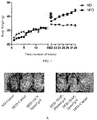
- the mice having an average body weight of more than 40g may suggest the DIO-NAFLD model of mice been established. Comparison of average body weight of the mice of the established model with that of the mice in the control group is shown in FIG 1 .
- the arrow indicates a time point at which the HFD may be started.
- each DIO-NAFLD mouse may be treated with i.p. injection of ISAP 1 for 6 weeks.
- ISAP 1 may be dissolved in saline solution containing 0.01% of BSA.
- DIO-NAFLD mice may be i.p. injected with a dosage of 20pmol/g or 2pmol/g of ISAP 1 once a day.
- OCN mouse OCN
- mice may be prepared and administered to a group of mice similarly as the ISAP 1 at a dosage of 6pmol/g.
- mice may be euthanized by application of 95% CO2, and epididymal fat pads may be obtained from the mice and weighed. Paraffin slices of each epididymal fat pad may be prepared, and an area of adipocytes may be observed by microscopy.
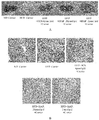
- FIG. 2A shows overall appearances of the epididymal fat pads obtained from the mice in the ND control group, in the HFD control group, and in the group receiving daily i.p. injection of the peptides, wherein the administration of ISAP 1 may significantly reduce the size of the epididymal fat pads as compared with the HFD control group.
- FIG. 2B shows an average mass of the epididymal fat pads obtained from the mice in each group, wherein the administration of ISAP1 may significantly reduce the weight of the epididymal fat pad as compared with the HFD control group.
- FIG. 2C shows H&E staining of the epididymal fat pads obtained from the mice in each group, revealing that the administration of ISAP 1 may significantly reduce sizes of adipocytes as compared with those of the HFD control group.
- FIG. 2D shows average surface areas of each single adipocyte calculated from H&E stained slices under double-blind conditions, indicating that ISAP 1 may significantly reduce the sizes of the adipocytes.
- Statistical analysis may be performed to compare with the HFD control group, wherein *: P ⁇ 0.05, **: P ⁇ 0.01, and ***: P ⁇ 0.001.
- livers may be collected while collecting the adipose tissues, and appearances of the livers may be photographed. A part of liver tissues may be taken for frozen sectioning, stained with oil red O for microscopic observation, and then a same area may be quantitatively analyzed. Results are shown in FIG 3 .
- FIG. 3A shows representative images of liver appearances for five mice selected from each group. The lighter the color is, the higher the fat content is contained. Treatment of HFD and a carrier (HFD+carrier) may result in significant liver fat accumulation, and i.p. injection of ISAP 1 may significantly reduce the liver fat accumulation.
- FIG. 3B shows H&E staining of a liver slice obtained from the mice in each group, wherein a light color represents intracellular stained fat.
- FIG. 3A shows representative images of liver appearances for five mice selected from each group. The lighter the color is, the higher the fat content is contained. Treatment of HFD and a carrier (HFD+carrier) may result in significant liver fat accumulation, and i.p. injection of IS
- 3C shows surface areas of accumulated non-alcoholic fatty liver cells obtained after liver oil red O staining under double-blind conditions from the mice in each group. It is shown that a proportion of fat in the liver of the mice in the ISAPi-treated group is decreased significantly as compared with that of the mice in the HFD control group, indicating that ISAP 1 may reduce the fat content in hepatocytes.
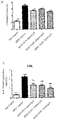
- blood of each mouse may be collected from a tail vein and detected for a level of alanine aminotransferases (ALT), a level of alkaline phosphatases (ALP), a level of aspartate aminotransferases (AST), a serum level of cholesterols, a level of low-density lipoprotein (LDL), and a level of high-density lipoprotein (HDL) using a Roche blood glucose meter (model cobas8000) as per manufacturer's instructions.
- ALT alanine aminotransferases
- ALP alkaline phosphatases
- AST aspartate aminotransferases
- HDL high-density lipoprotein
- mice Six-week-old male wild-type C57BL/6 mice may be divided into four groups, three in each group.
- the mice may be intestinally perfused with 200 ⁇ l sterilized olive oil solution (Sigma), and i.p. injected with OCN and ISAP 1 (6pmol/g) 30 min later. The mice may then be sacrificed 30 minutes later.
- Small intestine samples may be collected. The small intestine sample may be taken from a duodenum to a caecum, divided into3 segments of equal length. After washing with pre-cooled saline solution, a segment close to the duodenum may be frozen and sliced, stained with oil red O and observed for fat absorption.
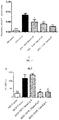
- FIG. 5A shows jejunum samples close to the duodenum segments being frozen and sliced, stained with oil red O and counterstained with hematoxylin.
- FIG. 5B shows oil red O-positive areas shown in FIG. 5A quantified by the ImageJ software under double-blind conditions, and a ratio of the oil red O-positive area to a total area of the intestinal villi in each sample may be calculated. It may be shown that, compared with a saline control group, the treatment of ISAP 1 may effectively reduce the mouse intestinal absorption of the olive oil, and the ISAP 1 -induced reduction in the olive oil absorption may be even more effective than the OCN treatment.
- mice in each group Six-week-old male wild-type C57BL/6 mice may be divided into 6 groups, 6 mice in each group.
- Group #1 may be provided with ND, and groups #2 to #6 may be provided with HFD.
- Group #2 may be fed with HFD and treated as a control group .
- Groups #3 to #6 may be experimental groups, and mice in groups #3 to #6 may be gavaged with OCN, ISAP 1 , ISAP 2 , and ISAP 3 respectively at 2 pmol/g of body weight for 7 weeks. Body weight of each mouse may be monitored and measured once a week. Experimental results are shown in FIG 7A . It may be shown from the figure that a significant weight loss occurred for the mice in the ISAPi-treated group as compared with the mice in the HFD control group. *: P ⁇ 0.05, **: P ⁇ 0.01, ***: P ⁇ 0.001.
- Feces of each mouse may be collected in week 7, baked at 60°C for 3 days to ensure complete dryness. Then, 1 mg of the feces may be collected and soaked in 1 ml of a mixed solution consisting of chloroform and methanol in a ratio of 2:1. The soaked feces may then be disrupted with a tissue homogenizer and centrifuged to obtain a supernatant. The supernatant may be detected for triglyceride by the Roche blood biochemical analyzer. Experimental results are shown in FIG 7B . **: P ⁇ 0.01, ***: P ⁇ 0.001.
- the content of triglyceride in the feces collected from the mice in the ISAPi-treated group may be significantly increased, indicating that gavage of ISAP 1 may significantly reduce absorption of triglycerides through intestinal tracts.
- a method performed herein is relatively the same as the method described in the above-mentioned embodiment 1.
- Experimental results are shown in FIG 6B .
- IASP1 and ISAP 2 are the core domains of OCN and hOCN, respectively.
- IASP1 and ISAP 2 may both interact with the receptor hGPRC6A, suggesting that ISAP 1 and ISAP 2 may have a same function, leading to subsequent signaling and biological events through hGPRC6A.
- the hGPRC6A-expressed Hela cell suspension may be plated at a density of 1.6 ⁇ 105/ml into a 24-well tray, and each well of the tray may be pre-placed with a gelatin-coated coverslip. 0.5mL of media may be added into each well, and the cells may be incubating at 37°C and 5% CO 2 for 24 hours. The cells may be starved for 4 h in serum-free media before any treatment, and then 100 nM of Cy5-OCN, 100 nM of Cy5-hOCN22, and 100 nM of Cy5-ISAP 2 may be added to each well respectively to incubate with the cells at 37°C for 30 minutes. The cells may be fixed by polymethanol for 30 minutes.
- Triton X may be added to incubate with the cells for 10 minutes.
- the cells may be stained with 4',6-diamidino-2-phenylindole (DAPI, Sigma) for 10 seconds as per manufacturer's instructions, and observed and photographed by a fluorescence confocal microscope.
- DAPI 4',6-diamidino-2-phenylindole
- FIG 6C Experimental results are shown in FIG 6C . It can be shown that Cy5-OCN and Cy5-ISAP 2 may be distributed inside the cell, whereas Cy5-hOCN22 may be distributed extracellularly. It is again suggested that both Cy5-OCN and Cy5-ISAP 2 may bind to the receptor and enter the cell through internalization, thereby playing a role in regulating energy metabolism.
- mice Six-week-old male wild-type C57BL/6 mice may be divided into 6 groups, 6 in each group.
- Group #1 may be provided with ND, and groups #2 to #6 may be provided with HFD.
- Group #2 may be treated as a control group.
- Groups #3 to #6 may be treated as experimental groups and may be gavaged with OCN, ISAP 1 , ISAP 2 , and ISAP 3 respectively at 2 pmol/g of body weight daily for 7 weeks. Body weight may be monitored and measured once a week. Experimental results are shown in FIG 7A . It is apparent from the figure that a significant weight loss occurred for the mice in the ISAP 2 -treated group as compared with the HFD control group.
- Feces of the mice may be collected in the 7th week of the experiment and baked at 60°C for 3 days to ensure complete dryness. Then, 1 mg of the feces may be weighed and soaked in 1 ml of a mixed solution containing chloroform and methanol in a ratio of 2:1. The feces with the mixed solution may be disrupted by a tissue homogenizer and centrifuged to obtain a supernatant. The supernatant may be detected for triglyceride by the Roche blood biochemical analyzer. Experimental results are shown in FIG 7B .
- a level of triglyceride in the feces of the ISAP 2 -treated mice may be significantly increased, indicating that gavage of ISAP 2 may significantly reduce the absorption of triglyceride in the intestinal tracts.
- mice Six-week-old male wild-type C57BL/6 mice may be divided into 6 groups, 6 in each group.
- Group #1 may be provided with ND, groups #2 to #6 may be provided with HFD.
- Group #2 may be treated as a control group.
- Groups #3 to #6 may be treated as experimental groups, and may be gavaged with OCN, ISAP 1 , ISAP 2 , and ISAP 3 respectively at 2 pmol/g of body weight daily for 7 weeks. A body weight of each mouse may be monitored and measured once a week. Experimental results are shown in FIG 7A . It is apparent from the figure that a significant weight loss occurred for the mice in the ISAP 3 -treated group as compared with the HFD control group.
- Feces of each mouse may be collected in the 7th week of the experiment, and baked at 60°C for 3 days to ensure complete dryness.1 mg of the feces may be weighed and soaked in 1 ml of a mixed solution containing chloroform and methanol in a ratio of 2:1. The feces in the mixed solution may be disrupted by a tissue homogenizer and centrifuged to obtain a supernatant. The supernatant may be detected for triglyceride by the Roche blood biochemical analyzer. Experimental results are shown in FIG 7B .
- a level of triglyceride in the feces of the mice in the ISAP 3 -treated group may be significantly increased, indicating that gavage of ISAP3 may significantly reduce the absorption of triglyceride in the intestinal tracts.
- Amino acid sequences of ISAP 1 , ISAP 2 , and ISAP 3 may be compared.
- ISAP 2 may have 4 insertions, 2 substitutions, and 1 deletion of amino acid residues, compared with the amino acid sequence of ISAP 1 .
- Amino acid sequences of ISAP 3 may have 4 insertions and 3 substitutions of amino acid residues, as compared with the amino acid sequence of ISAP 1 .
- ISAP 1 may have 4 deletions, 2 substitutions, and 1 insertion of amino acid residues, as compared with ISAP 2 . Therefore, the three peptides can be considered as variants of each other.
- the three sequences may be used as basis, and amino acid substitutions, insertions, and deletions known to those skilled in the art can be performed to the three sequences, with the proviso that the ability of the peptide to regulate energy metabolism is not significantly reduced, such as by no more than 40%, 30%, 20%, or 10%.
- homologous sequences from a variety of biological sources may be compared. Minimal difference may be found among SEQ ID NO. 2: YLYQWLGAPVPYPDPLEP, SEQ ID NO. 4: YLNNGLGAPAPYPDPLEP, SEQ ID NO. 5: YLYQWLGAPVPYPDTLEP, SEQ ID NO.
- the total number of deletions, substitutions and insertions may not exceed 4, such as no more than 3, 2, or 1.
- SEQ ID NO. 1 has only one amino acid residue deleted as compared with SEQ ID NO. 18, so it may be inferred that SEQ ID NO. 1 has functions similar to SEQ ID NO 18.
- ISAP 1 can be seen as having one amino acid insertion at an end of ISAP 2
- ISAP 3 can also be seen as having one amino acid insertion at an end of ISAP 2
- several amino acid residues can be added at the end of the functional peptide, as long as the ability of modified peptides to regulate energy metabolism is not significantly reduced, for example, by no more than 40%, 30%, 20%, or 10%.
- no more than 5 amino acid residues for example 4, 3, 2, 1 or 0 amino acid residues, may be added at the end of the functional peptide.
- ISAP 4 Functions of ISAP 4 , ISAP 5 , and ISAP 6
- mice in 15 male wild-type C57BL/6 mice of 6 weeks old may be divided into 5 groups, 3 in each group. There may be 3 experimental groups, and the mice in the 3 experimental groups may be administered with ISAP 4 , ISAP 5 , and ISAP 6 at 2 pmol/g of body weight respectively.
- the mice in two control groups may be gavaged with equal volume of saline solution daily for one week.
- mice in the three experimental groups may be gavaged with 200 ⁇ l of sterilized olive oil
- the mice in one of the control groups may also be gavaged with 200 ⁇ l of sterilized olive oil
- the mice in the other one of the control groups may further be gavaged with 200 ⁇ l of saline solution.
- each mouse may be euthanized using 95% CO 2 and dissected to obtain small intestines.
- the jejunum near the duodenum may be frozen and sliced, stained with oil red O, and counterstained with hematoxylin.
- An oil red O-positive area may be quantified by the ImageJ software under double-blind conditions and a ratio of the oil red O-positive area to a total area of the intestinal villi may be calculated.
- the oil red O-positive area may be quantified by the ImageJ software under double-blind conditions and the ratio of the oil red O-positive area to the total area of the intestinal villi may be calculated. It can be seen that, compared with the mice in the saline control group, ISAP 4 , ISAP 5 , and ISAP 6 may effectively reduce the absorption of olive oil in the mice, demonstrating that biological functions of ISAP 4 , ISAP 5 , and ISAP 6 may be comparable to those of ISAP 1 , ISAP 2 , and ISAP 3 . Meanwhile, referring to the sequence comparison shown in FIG 8 , it can be seen that SEQ ID NO. 12: PVPYPDPLEP, SEQ ID NO.
- PSPDPLEP are highly similar in sequence, and these sequences may be very conservative in various species. Therefore, they should have similar biological activities, such that these peptides and variants thereof may be considered to have an effect on the absorption and metabolism of fat by oral administration. That is to say, amino acid substitutions, insertions and deletions well known to those skilled in the related art can be performed to the sequences, with the proviso that the ability of modified peptides to regulate energy metabolism is not significantly reduced, for example, by no more than 40%, 30%, 20%, or 10%.
- ISAP 4 , ISAP 5 , and ISAP 6 have shorter sequences, so costs of production may be reduced, and ISAP 4 , ISAP 5 , and ISAP 6 may exhibit better stability, and have great potential for the preparation of drugs for treating diseases associated with abnormal fat metabolism.
Landscapes
- Health & Medical Sciences (AREA)
- Chemical & Material Sciences (AREA)
- Organic Chemistry (AREA)
- Life Sciences & Earth Sciences (AREA)
- General Health & Medical Sciences (AREA)
- Medicinal Chemistry (AREA)
- Engineering & Computer Science (AREA)
- Bioinformatics & Cheminformatics (AREA)
- Pharmacology & Pharmacy (AREA)
- Veterinary Medicine (AREA)
- Public Health (AREA)
- Animal Behavior & Ethology (AREA)
- Nuclear Medicine, Radiotherapy & Molecular Imaging (AREA)
- General Chemical & Material Sciences (AREA)
- Chemical Kinetics & Catalysis (AREA)
- Diabetes (AREA)
- Obesity (AREA)
- Hematology (AREA)
- Gastroenterology & Hepatology (AREA)
- Proteomics, Peptides & Aminoacids (AREA)
- Biophysics (AREA)
- Biochemistry (AREA)
- Molecular Biology (AREA)
- Genetics & Genomics (AREA)
- Cardiology (AREA)
- Child & Adolescent Psychology (AREA)
- Zoology (AREA)
- Vascular Medicine (AREA)
- Toxicology (AREA)
- Urology & Nephrology (AREA)
- Heart & Thoracic Surgery (AREA)
- Endocrinology (AREA)
- Emergency Medicine (AREA)
- Medicines That Contain Protein Lipid Enzymes And Other Medicines (AREA)
- Peptides Or Proteins (AREA)
- Micro-Organisms Or Cultivation Processes Thereof (AREA)
- Immunology (AREA)
- Epidemiology (AREA)
Abstract
Description
- The present disclosure relates to the field of biomedicine, and in particular to a peptide that regulates fat metabolism and use thereof in the preparation of a medicament for the treatment of diseases associated with abnormalities in energy metabolism, particularly fat metabolism.
- Obesity is a major and growing health problem worldwide. Obesity is also a risk factor for the development of many common diseases such as atherosclerosis, hypertension,
type 2 diabetes, dyslipidemia, coronary heart disease, osteoarthritis and various malignancies. It also causes more serious problems by reducing exercise capacity and quality of life. Occurrence of the obesity and the diseases caused by the obesity are growing in all developed countries. - Fatty liver refers to a lesion caused by excessive accumulation of fat in hepatocytes. There are many causes of the fatty liver, such as alcoholism, unreasonable diet, and sedentariness. It witnesses increasing incidence in China and constitutes a threat to people's health.
- However, the current drugs and methods for treating the obesity and the diseases caused by the obesity, including nonalcoholic fatty liver, have certain deficiencies, so it needs to develop medicines and methods with better efficacy and lower side effects for the treatment of the obesity and the nonalcoholic fatty liver.
- Osteocalcin (OCN) is a vitamin K-dependent calcium-binding protein and a non-collagen acidic glycoprotein synthesized and secreted by osteoblasts, the vitamin K-dependent glutamate residue in its molecule is an important functional group for the osteocalcin to bind withCa2+.
- The applicant has unexpectedly discovered peptides derived from OCN and capable of regulating energy metabolism. It has functions of reducing fat absorption, reducing liver fat, reducing blood lipids in peripheral blood, and reducing fat cell volume. It effectively removes accumulated fat in hepatocytes, lowers blood lipid levels, and reduces adipose tissue in the body. It plays a role in the treatment of steatohepatitis, and the control of hypertension and other cardiovascular diseases.
- Some aspects of the present disclosure relate to a peptide that regulates energy metabolism, and the peptide may be represented by formula M1-Za-M2, wherein:
M1 and M2 may be each independently a peptide segment having no more than 5, 4, 3, 2 or 1 amino acid residues or may be absent;
Za is Tyr-Leu-X1-X2-X3-X4-Gly-Ala-X5-X6-Pro-X7-Pro-Asp-X8-Leu-Glu-Pro,
wherein: - X1 may be Tyr, Asn, Asp or absent;
- X2 may be Gln, Asn, His, Pro, Ser or absent;
- X3 may be Trp, Gly or absent;
- X4 may be Leu or absent;
- X5 may be Pro or Ser;
- X6 may be Ala or Val;
- X7 may be Tyr or Ser; and
- X8 may be Thr or Pro; and
- Za may optionally have amino acid substitutions, insertions or deletions and a total number of the amino acid substitutions, insertions and deletions is no more than 4, preferably no more than 3, more preferably no more than 2, and most preferably no more than 1.
- According to some embodiments of the present disclosure, Za in the peptide is selected from the group consisting of:
- SEQ ID NO. 1: YLGASVPSPDPLEP;
- SEQ ID NO. 2: YLYQWLGAPVPYPDPLEP;
- SEQ ID NO. 4: YLNNGLGAPAPYPDPLEP;
- SEQ ID NO. 5: YLYQWLGAPVPYPDTLEP;
- SEQ ID NO. 6: YLYQWLGAPVPYPDPLEP;
- SEQ ID NO. 7: YLDHWLGAPAPYPDPLEP;
- SEQ ID NO. 8: YLDPGLGAPAPYPDPLEP;
- SEQ ID NO. 9: YLDHGLGAPAPYPDPLEP;
- SEQ ID NO. 10: YLDQGLGAPAPAPDPLEP, and
- SEQ ID NO. 11: YLDSGLGAPVPYPDPLEP.
- According to other embodiments of the present disclosure, M1 and M2 in the peptide may both be absent. Alternatively, in still other embodiments, Za of the peptide may be YLYQWLGAPVPYPDPLEP, M1 may be absent and M2 may be Arg, i.e., the amino acid sequence of the peptide is set forth in SEQ ID NO. 3. Alternatively, in still other embodiments, Za of the peptide may be YLGASVPSPDPLEP, M1 is absent and M2 is Thr, i.e., the amino acid sequence of the peptide is set forth in SEQ ID NO. 18.
- According still another aspect of the present disclosure, other peptides that regulate energy metabolism may be provided, including at least 6 contiguous amino acids selected from any one of the following sequences and having a total number of amino acid residues of no more than 18, such as no more than 17, 16, 15, or 14:
- SEQ ID NO. 1: YLGASVPSPDPLEP;
- SEQ ID NO. 2: YLYQWLGAPVPYPDPLEP;
- SEQ ID NO. 3: YLYQWLGAPVPYPDPLEPR;
- SEQ ID NO. 4: YLNNGLGAPAPYPDPLEP;
- SEQ ID NO. 5: YLYQWLGAPVPYPDTLEP;
- SEQ ID NO. 6: YLYQWLGAPVPYPDPLEP;
- SEQ ID NO. 7: YLDHWLGAPAPYPDPLEP;
- SEQ ID NO. 8: YLDPGLGAPAPYPDPLEP;
- SEQ ID NO. 9: YLDHGLGAPAPYPDPLEP;
- SEQ ID NO. 10: YLDQGLGAPAPAPDPLEP; and
- SEQ ID NO. 11: YLDSGLGAPVPYPDPLEP.
- Further, it may include any one of the following:
- SEQ ID NO. 12: PVPYPDPLEP;
- SEQ ID NO. 13: PYPDPLEP;
- SEQ ID NO. 14: PDPLEP;
- SEQ ID NO. 15: SVPSPDPLEP; and
- SEQ ID NO. 16: PSPDPLEP.
- Further, it may be:
- SEQ ID NO. 12: PVPYPDPLEP;
- SEQ ID NO. 13: PYPDPLEP;
- SEQ ID NO. 14: PDPLEP;
- SEQ ID NO. 15: SVPSPDPLEP; and
- SEQ ID NO. 16: PSPDPLEP.
- Some aspects of the present disclosure relate to pharmaceutically acceptable salts of the peptides of the present disclosure.
- Some aspects of the present disclosure relate to the peptide of the present disclosure, or a pharmaceutically acceptable salt thereof. The peptide and the pharmaceutically acceptable salt thereof may have an effect of reducing fat absorption, lowering blood lipid levels, alleviating nonalcoholic fatty liver, and reducing adipose tissue in the body.
- Some aspects of the present disclosure relate to polynucleotides encoding the peptides described above.
- Some aspects of the present disclosure relate to vectors including the polynucleotides described above.
- Some aspects of the present disclosure relate to host cells transfected with the aforementioned vectors and capable of producing the peptide of the present disclosure under conditions in which proteins can be expressed.
- Some aspects of the present disclosure relate to pharmaceutical compositions including a therapeutically effective amount of the peptide of the present disclosure described above, or a pharmaceutically acceptable salt thereof.
- The peptide described in the present disclosure or a pharmaceutically acceptable salt or pharmaceutical composition thereof may have an effect of regulating energy metabolism, particularly fat metabolism.
- Some aspects of the present disclosure relate to the use of the peptide of the present disclosure, or a pharmaceutically acceptable salt or pharmaceutical composition thereof, in the preparation of a medicament for the treatment of a disease associated with abnormalities in energy metabolism, more preferably fat metabolism. The diseases are those that can benefit from reduced fat absorption, decreased blood lipids, increased fat consumption, or reduced fat accumulation, such as obesity,
type 2 diabetes, nonalcoholic fatty liver disease, insulin resistance, hypertriglyceridemia, hyperglycemia, hypercholesterolemia, atherosclerosis, and coronary heart disease. - Some aspects of the present disclosure relate to a method of treating a disease associated with abnormalities in fat metabolism. The method may include administering to a subject in need thereof a therapeutically effective amount of the peptide of the present disclosure, or a pharmaceutically acceptable salt or pharmaceutical composition thereof. The diseases are those that can benefit from reduced fat absorption, decreased blood lipids, increased fat consumption, or reduced fat accumulation, such as obesity,
type 2 diabetes, nonalcoholic fatty liver disease, insulin resistance, hypertriglyceridemia, hyperglycemia, hypercholesterolemia, atherosclerosis, and coronary heart disease. - In some embodiments, the peptide of the present disclosure, or a pharmaceutically acceptable salt or pharmaceutical composition thereof, can be administered with any of the combinations of medications and methods known for treating diseases associated with abnormalities in fat metabolism.
- In some embodiments, the peptide of the present disclosure, or a pharmaceutically acceptable salt or pharmaceutical composition thereof, is used to treat a disease associated with abnormalities in fat metabolism. The diseases are those that can benefit from reduced fat absorption, decreased blood lipids, increased fat consumption. or reduced fat accumulation, such as obesity,
type 2 diabetes, nonalcoholic fatty liver disease, insulin resistance, hypertriglyceridemia, hypercholesterolemia, atherosclerosis, and coronary heart disease. - Some aspects of the present disclosure relate to the use of the peptide of the present disclosure, or a pharmaceutically acceptable salt thereof, in the preparation of a health care product for weight loss.
- Some aspects of the present disclosure relate to a health care product for weight loss comprising the peptide of the present disclosure or a pharmaceutically acceptable salt thereof.
- In some embodiments, the peptide of the present disclosure, or a pharmaceutically acceptable salt or pharmaceutical composition thereof, can be administered by a variety of conventional means, preferably orally.
- The peptide of the present disclosure can have a direct effect on the absorption of fat, and its oral administration reduces the inconvenience in conventional peptide administration. The peptide has fewer residues, which greatly reduces the cost. It has very significant potential advantages as a drug.
-
-
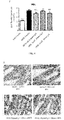
FIG. 1 shows body weight comparison of a model of C57BL/6 mice having a diet-induced-obesity and nonalcoholic fatty liver disease (DIO-NAFLD) generated by feeding with high fat diet (HFD) for 12 weeks with mice of a normal control group fed with normal diet (ND). -
FIG. 2 shows, after intraperitoneal (i.p.) injection of various concentrations of insulin secretion association peptide 1 (ISAP1) and OCN (mouse OCN) into DIO-NAFLD mice fed with the HFD for 6 consecutive weeks, an effect of ISAP1 on the mice, compared with mice in a control group (fed with the HFD only), whereinFIG. 2A shows an effect of daily i.p. injection of the various concentrations of ISAP1 and OCN on a size of an epididymal fat pad of a DIO-NAFLD mouse fed with the HFD, comparing with that of a mouse fed with the HFD only (a HFD control group) and a mouse with ND only (a ND control group);FIG. 2B shows average mass of the epididymal fat pads obtained from the mice in each group;FIG. 2C shows hematoxylin and eosin (H&E) staining of an epididymal fat pad tissue slice obtained from the mice in each group; andFIG. 2D shows average surface areas of adipocytes calculated based on the H&E staining of the epididymal fat pad tissue slice under double-blind conditions (according to statistical analysis, ***: P<0.001, compared with the HFD control group). -
FIG. 3 shows, after injection of various concentrations ISAP1 and OCN into the DIO-NAFLD mice fed with the HFD for 6 consecutive weeks, an effect of ISAP1 on livers of the mice, compared with mice in a control group (fed with the HFD only), whereinFIG. 3A shows representative images of liver appearances obtained from the mice selected from each group;FIG. 3B shows H&E staining of liver tissue slices obtained from the mice in each group; andFIG. 3C shows surface areas of accumulated nonalcoholic fatty liver cells of the mice from each group after liver oil red O staining under double-blind conditions (according to statistical analysis, *: P<0.05, **: P<0.01, and ***: P<0.001, compared with the HFD control group), wherein each group includes six mice. -
FIG. 4 shows, after i.p. injection of various concentrations of ISAP1 and OCN into DIO-NAFLD mice fed with the HFD for 6 consecutive weeks, an effect of ISAP1 on the mice, compared with mice in a control group (fed with the HFD only), whereinFIG. 4A shows an effect on a level of alanine aminotransferases (ALT);FIG. 4B shows an effect on a level of alkaline phosphatases (ALP);FIG. 4C shows an effect on a level of aspartate aminotransferases (AST);FIG. 4D shows an effect on a level of serum total cholesterols (TC);FIG. 4E shows an effect on a level of low density lipoprotein (LDL); andFIG. 4F shows an effect on a level of high density lipoprotein (HDL) (according to statistical analysis, *: P<0.05, **: P<0.01, and ***: P<0.001, compared with the HFD control group; and, #: P<0.05, ##: P<0.01, and ###: P<0.001, compared with the ND control group). -
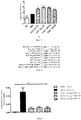
FIG. 5 shows an effect of gavage of ISAP1 and OCN on absorption of fat through small intestines. Wild type C57BL/6 mice fed with the ND may be gavaged with sterile olive oil, followed by i.p. inject of ISAP1 andOCN 30 min later, and may be sacrificed 30 min later.FIG 5A shows frozen sections of jejunum segments near duodenum segments obtained from the mice, stained with oil red O and counterstained with hematoxylin;FIG. 5B shows quantification of oil red O positive areas by an ImageJ software under double-blind conditions, and shows a ratio of the positive areas to a total area of intestinal villi (according to statistical analysis, ***: P<0.001, N=3, compared with the ratio for the mice treated with normal saline and the sterile olive oil.). -
FIG. 6 shows binding of ISAP1 to human G coupled protein receptor family C,group 6, subtype A (hGPRC6A) and internalization, and shows binding of ISAP2 to human hGPRC6A and internalization, whereinFIG. 6A shows overexpression of hGPRC6A in Hela cells;FIG. 6B shows binding of ISAP1, OCN and OCN-22 to cell membranes of the Hela cells with hGPRC6A overexpressed, and shows binding of ISAP2, human OCN (hOCN) and human OCN-22 (hOCN-22) to the cell membranes of the Hela cells with hGPRC6A overexpressed; andFIG. 6C shows effects of Cy-5-labeled OCN (Cy5-OCN), Cy-5-labeled OCN-22 (Cy5-OCN22), and Cy-5-labeled ISAP2 (Cy5-ISAP2) on GPRC6A internalization in the Hela cells with GPRC6A overexpressed. -
FIG. 7 shows an effect of gavaging OCN, ISAP1, ISAP2, and ISAP3 for 7 weeks on the mice, whereinFIG. 7A shows the effect on body weights of the mice; andFIG. 7B shows comparison of levels of triglyceride in feces of the mice in each group. -
FIG 8 shows comparison of the sequences of various ISAPs from various species. -
FIG. 9 shows an effect of gavaging ISAP4, ISAP5, and ISAP6 on absorption of fat through small intestines. Fifteen wild type C57/b mice may be fed with the ND and divided into five groups, three in each group, wherein three out of the five groups may be experimental groups, and the other two groups may be control groups. Mice in the three experimental groups may be gavaged with ISAP4, ISAP5, and ISAP6 for a week, and mice in the two control groups gavaged with saline solution for a week. Afterwards, the three experimental groups and one of the two control groups may be gavaged with sterile olive oil, and the other one of the two control groups may be gavaged with saline solution. All the mice may be sacrificed, and small intestine samples which may be jejunum segments near duodenum segments may be obtained from the mice. The samples may be frozen and sliced, and stained with oil red O and counterstained with hematoxylin. Oil red O positive areas may be quantified by an ImageJ software under double-blind conditions, and a ratio of areas of the oil red O positive areas to a total area of intestinal villi may be calculated (according to statistical analysis,***: p< 0.001,and n=3, compared with the mice treated with "normal saline + the olive oil"). - As used herein, the term "peptide that regulates fat metabolism" (also referred to as "insulin secretion association peptide (ISAP)" refers to an osteocalcin originated or derived peptide that may regulates energy metabolism and variants of the osteocalcin originated or derived peptide.
- The term "conservative amino acid substitution" as used herein refers to the substitution of the original amino acid sequence with another amino acid residue having similar properties. For example, lysine residues, arginine residues, and histidine residues may be similar in having basic side chains. Furthermore, aspartic acid residues and glutamic acid residues may be similar in having acidic side chains. Furthermore, asparagine residues, glutamine residues, serine residues, threonine residues, tyrosine residues and cysteine residues may be similar in having uncharged polar side chains, and glycine residues, alanine residues, valine residues, leucine residues, isoleucine residues, proline residues, tryptophan residues, phenylalanine residues, and thionine residues may be similar in having non-polar side chains. Further, tyrosine residues, phenylalanine residues, tryptophan residues, and histidine residues may be similar in having aromatic side chains. Thus, it will be apparent to the skilled in the related art that amino acid substitutions made in groups of amino acids having similar properties as described above do not cause any change in properties.
- Full names and abbreviations of the amino acids used in the present disclosure are listed hereafter:
Full name Three-letter abbreviation One-letter abbreviation Serine Ser S Threonine Thr T Asparagine Asn N Glutamine Gln Q Tyrosine Tyr Y Cysteine Cys C Aspartic acid Asp D Glutamate Glu E Histidine His H Lysine Lys K Arginine Arg R Glycine Gly G Alanine Ala A Valine Val V Leucine Leu L Isoleucine Ile I Phenylalanine Phe F Methionine Met M Proline Pro P Tryptophan Trp W - The term "disease associated with abnormal fat metabolism" as used herein refers to a disease characterized by fat metabolism disorder or a complication thereof caused by genetics or environment or both, such as but not limited to obesity,
Type 2 diabetes, nonalcoholic fatty liver disease, insulin resistance, hypertriglyceridemia, hypercholesterolemia, atherosclerosis, and coronary heart disease. - The term "non-alcoholic fatty liver disease" as used herein refers to a clinicopathologic syndrome characterized by excessive deposition of fat in hepatocytes due to factors other than alcohols.
- The term "insulin resistance" as used herein refers to a state in which cells cannot effectively "burn" glucose as functions of the insulin is reduced. When insulin resistance is at a high level, the body may produce excessive insulin, leading to high blood pressure, abnormal lipidemia, heart diseases and diabetes. Especially in a case of
type 2 diabetes, insulin may not function normally because muscles and adipose tissues cannot recognize an increase of the insulin. - Terms not explicitly defined herein have meanings as commonly understood by the skilled in the related art.
- The Dulbecco's Modified Eagle Medium (DMEM) used in the present disclosure is purchased from Sigma. 10% of Fetal Bovine Serum (FBS), 1% of non-essential amino acids, 1g of glucose, 0.75g of sodium bicarbonate, 0.1g of bovine serum albumin and 1.5ml of4-hydroxyethylpiperazineethanesulfonic acid (HEPES) may be supplemented into 500 ml of the media.
- 3T3L1 cells may be purchased from American Type Culture Collection (ATCC).
- An amino acid sequence of ISAP1 may be Tyr-Leu-Gly-Ala-Ser-Val-Pro-Ser-Pro-Asp-Pro-Leu-Glu-Pro-Thr (SEQ ID NO: 18). An amino acid sequence of ISAP2 may be Tyr-Leu-Tyr-Gln-Trp-Leu-Gly-Ala-Ser-Val-Pro-Ser-Pro-Asp-Pro-Leu-Glu-Pro (SEQ ID NO: 2). An amino acid sequence of ISAP3 may be Tyr-Leu-Tyr-Gln-Trp-Leu-Gly-Ala-Ser-Val-Pro-Ser-Pro-Asp-Pro-Leu-Glu-Pro-Arg (SEQ ID NO: 3). An amino acid sequence of ISAP4 may be Ser-Val-Pro-Ser-Pro-Asp-Pro-Leu-Glu-Pro (SEQ ID NO: 15). An amino acid sequence of ISAP5 may be Pro-Ser-Pro-Asp-Pro-Leu-Glu-Pro (SEQ ID NO: 16). An amino acid sequence of ISAP6 may be Pro-Asp-Pro-Leu-Glu-Pro (SEQ ID NO: 14).
- All the animal experiments have been approved by the Animal Ethics Committee of the Institute of Advanced Technology of the Chinese Academy of Sciences, in accordance with the requirements of the Ethics Committee.
- Healthy 6-week-old male C57BL/6 mice with specific pathogen free (SPF) may be purchased from the Experimental Animal Center of Guangdong Province. A body weight of each mouse may be 18g to 22g. The mice may be divided into two groups, fed and kept in a SPF-grade animal facility of Shenzhen Institutes of Advanced Technology. Mice fed with normal diet (ND) (the ND contains 5% of fat; 53%of carbohydrate; 23% of protein, having total calories of 25 J/g) for 12 weeks may be treated as a control group, and may be allowed to have food and water ad lib. The other mice may be fed with high fat diet (HFD) (the HFD may be D12451, Research Diets, Inc.) for 12 weeks, and may be allowed to have food and water ad lib. Physiological indexes of the mice may be detected. The mice having an average body weight of more than 40g may suggest the DIO-NAFLD model of mice been established. Comparison of average body weight of the mice of the established model with that of the mice in the control group is shown in
FIG 1 . The arrow indicates a time point at which the HFD may be started. - When the body weight of each mouse fed with the HFD is more than 40g, and when the blood glucose level of the each mouse is above 10mMol, each DIO-NAFLD mouse may be treated with i.p. injection of ISAP1 for 6 weeks. There may be 6 mice in each group. ISAP1 may be dissolved in saline solution containing 0.01% of BSA. DIO-NAFLD mice may be i.p. injected with a dosage of 20pmol/g or 2pmol/g of ISAP1 once a day. OCN (mouse OCN) may be prepared and administered to a group of mice similarly as the ISAP1 at a dosage of 6pmol/g. 6 weeks later, the mice may be euthanized by application of 95% CO2, and epididymal fat pads may be obtained from the mice and weighed. Paraffin slices of each epididymal fat pad may be prepared, and an area of adipocytes may be observed by microscopy.
- Experimental results are shown in
FIG 2 .FIG. 2A shows overall appearances of the epididymal fat pads obtained from the mice in the ND control group, in the HFD control group, and in the group receiving daily i.p. injection of the peptides, wherein the administration of ISAP1 may significantly reduce the size of the epididymal fat pads as compared with the HFD control group.FIG. 2B shows an average mass of the epididymal fat pads obtained from the mice in each group, wherein the administration of ISAP1 may significantly reduce the weight of the epididymal fat pad as compared with the HFD control group.FIG. 2C shows H&E staining of the epididymal fat pads obtained from the mice in each group, revealing that the administration of ISAP1 may significantly reduce sizes of adipocytes as compared with those of the HFD control group.FIG. 2D shows average surface areas of each single adipocyte calculated from H&E stained slices under double-blind conditions, indicating that ISAP1 may significantly reduce the sizes of the adipocytes. Statistical analysis may be performed to compare with the HFD control group, wherein *: P < 0.05, **: P < 0.01, and ***: P < 0.001. - In the step 2.1, livers may be collected while collecting the adipose tissues, and appearances of the livers may be photographed. A part of liver tissues may be taken for frozen sectioning, stained with oil red O for microscopic observation, and then a same area may be quantitatively analyzed. Results are shown in
FIG 3 .FIG. 3A shows representative images of liver appearances for five mice selected from each group. The lighter the color is, the higher the fat content is contained. Treatment of HFD and a carrier (HFD+carrier) may result in significant liver fat accumulation, and i.p. injection of ISAP1 may significantly reduce the liver fat accumulation.FIG. 3B shows H&E staining of a liver slice obtained from the mice in each group, wherein a light color represents intracellular stained fat.FIG. 3C shows surface areas of accumulated non-alcoholic fatty liver cells obtained after liver oil red O staining under double-blind conditions from the mice in each group. It is shown that a proportion of fat in the liver of the mice in the ISAPi-treated group is decreased significantly as compared with that of the mice in the HFD control group, indicating that ISAP1 may reduce the fat content in hepatocytes. - In the step 2.1, before sacrificing the mice, blood of each mouse may be collected from a tail vein and detected for a level of alanine aminotransferases (ALT), a level of alkaline phosphatases (ALP), a level of aspartate aminotransferases (AST), a serum level of cholesterols, a level of low-density lipoprotein (LDL), and a level of high-density lipoprotein (HDL) using a Roche blood glucose meter (model cobas8000) as per manufacturer's instructions. Experimental results are shown in
FIG 4 . ISAP1 may be effective in reducing the ALT, the ALP, the AST, the cholesterols, and the LDL even at the dosage of 2pmol/g, comparing with the HFD control group. - It can be seen from the above results that i.p. injection of ISAP1 can significantly affect the fat metabolism in mice, reduce fat accumulation in hepatocytes and adipose cells, improve the fat metabolism, and effectively alleviate progression of the nonalcoholic fatty liver disease.
-
- 1) Cell plating: A Hela cell suspension may be plated at a density of 1.6 × 10⁵cells/mL into a 6-well tray with 2 mL of DMEM per well, incubating at 37°C and 5% CO2 for 24 hours.
- 2) A vector carrying hGPRC6A (pReceiver-M61) may be transfected into the Hela cells for overexpression, using Lipofectamine 2000 (Invitrogen) as per manufacturer's instructions, and media containing the vector may be replaced by normal media 4 hours after the transfection.
- 3) 48 hours after the transfection, the media may be discarded. The cells attached on a bottom of each well may be washed twice with sterile PBS, and 300 µl of TRIzol solution may be added into each well. Cellular RNAs may be extracted as per RNAiso Plus (TaKaRa) instructions, and after a DNase treatment, may be reversely transcribed into cDNAs using DNAEngine and a SuperScriptTM (Invitrogen, Canada) kit. The cDNAs may be used as a template, and real-time monitoring and analysis may be performed to fluorescent PCR products at various time points using a SYBR Green (Light Cycler Roche, Germany) method to detect expression levels of the hGPRC6A. If necessary, screening using puromycin may be performed to obtain a cell strain with stable expression of the hGPRC6A. The selected cell strain may then be detected for its gene expression by qPCR. As shown in
FIG 6A , hGPRC6A may be stably expressed in a large amount in the selected Hela cells. - Experimental results are shown in
Figure 6B . Compared with OCN, affinity of the ISAP1 binding to the hGPRC6A may be consistent with that of the OCN binding to the hGPRC6A. Although hOCN-22 may bind to hGPRC6A, but affinity between hOCN-22 and hGPRC6A may be 10 times lower than that between ISAP1 and hGPRC6A, suggesting that ISAP1 may be a core domain of OCN to interact with the receptor hGPRC6A. - Six-week-old male wild-type C57BL/6 mice may be divided into four groups, three in each group. The mice may be intestinally perfused with 200 µl sterilized olive oil solution (Sigma), and i.p. injected with OCN and ISAP1 (6pmol/g) 30 min later. The mice may then be sacrificed 30 minutes later. Small intestine samples may be collected. The small intestine sample may be taken from a duodenum to a caecum, divided into3 segments of equal length. After washing with pre-cooled saline solution, a segment close to the duodenum may be frozen and sliced, stained with oil red O and observed for fat absorption.
- Results of the experiment are shown in
FIG 5 .FIG. 5A shows jejunum samples close to the duodenum segments being frozen and sliced, stained with oil red O and counterstained with hematoxylin.FIG. 5B shows oil red O-positive areas shown inFIG. 5A quantified by the ImageJ software under double-blind conditions, and a ratio of the oil red O-positive area to a total area of the intestinal villi in each sample may be calculated. It may be shown that, compared with a saline control group, the treatment of ISAP1 may effectively reduce the mouse intestinal absorption of the olive oil, and the ISAP1-induced reduction in the olive oil absorption may be even more effective than the OCN treatment. - Six-week-old male wild-type C57BL/6 mice may be divided into 6 groups, 6 mice in each group. Group #1 may be provided with ND, and
groups # 2 to #6 may be provided with HFD.Group # 2 may be fed with HFD and treated as a control group .Groups #3 to #6 may be experimental groups, and mice in groups #3 to #6 may be gavaged with OCN, ISAP1, ISAP2, and ISAP3 respectively at 2 pmol/g of body weight for 7 weeks. Body weight of each mouse may be monitored and measured once a week. Experimental results are shown inFIG 7A . It may be shown from the figure that a significant weight loss occurred for the mice in the ISAPi-treated group as compared with the mice in the HFD control group. *: P < 0.05, **: P < 0.01, ***: P < 0.001. - Feces of each mouse may be collected in week 7, baked at 60°C for 3 days to ensure complete dryness. Then, 1 mg of the feces may be collected and soaked in 1 ml of a mixed solution consisting of chloroform and methanol in a ratio of 2:1. The soaked feces may then be disrupted with a tissue homogenizer and centrifuged to obtain a supernatant. The supernatant may be detected for triglyceride by the Roche blood biochemical analyzer. Experimental results are shown in
FIG 7B . **: P < 0.01, ***: P < 0.001. Compared with the HFD control group, the content of triglyceride in the feces collected from the mice in the ISAPi-treated group may be significantly increased, indicating that gavage of ISAP1 may significantly reduce absorption of triglycerides through intestinal tracts. -
- 1) Cell plating: A Hela cell suspension may be plated at a density of 1.6 × 10⁵/mL into a 6-well tray with 2 ml of DMEM media per well, incubating at 37°C and 5% CO2 for 24 hours.
- 2) A vector carrying hPGRC6A (pReceiver-M61) may be transfected into the Hela cells for overexpression, using Lipofectamine 2000 (Invitrogen) as per manufacturer's instructions, and the media containing the vector may be replaced by normal media 4 hours after the transfection.
- 3) 48 hours after the transfection, the media may be discarded. The Hela cells attached to a bottom of each well of the tray may be washed twice with sterile PBS, and 300 µl of TRIzol solution may be added into each well. Cellular RNAs may be extracted as per RNAiso Plus (TaKaRa) instructions. After a treatment with DNase, the extracted cellular RNAs reversely transcribed into cDNAs using DNA Engine and a SuperScriptTM (Invitrogen, Canada) kit. The cDNAs may be used as a template, and real-time monitoring and analysis may be performed to fluorescent PCR products at various time points using a SYBR Green (Light Cycler Roche, Germany) method to detect expression levels of hGPRC6A. If necessary, screening using puromycin may be performed to obtain a cell strain with stable expression of hGPRC6A, and the cell strain may be detected for its gene expression by qPCR. Experimental results are shown in
FIG 6A . Human GPRC6A is stably expressed substantially in the selected Hela cells. - A method performed herein is relatively the same as the method described in the above-mentioned embodiment 1. Experimental results are shown in
FIG 6B . Compared with hOCN, the ability of ISAP2 binding with cell membranes may be consistent with that of hOCN binding with the cell membranes, whereas hOCN-22 may not show such ability. Accompanying with the results of 3.2 in Embodiment 1,it may be suggested that IASP1 and ISAP2 are the core domains of OCN and hOCN, respectively. IASP1 and ISAP2 may both interact with the receptor hGPRC6A, suggesting that ISAP1 and ISAP2 may have a same function, leading to subsequent signaling and biological events through hGPRC6A. - The hGPRC6A-expressed Hela cell suspension may be plated at a density of 1.6 × 10⁵/ml into a 24-well tray, and each well of the tray may be pre-placed with a gelatin-coated coverslip. 0.5mL of media may be added into each well, and the cells may be incubating at 37°C and 5% CO2 for 24 hours. The cells may be starved for 4 h in serum-free media before any treatment, and then 100 nM of Cy5-OCN, 100 nM of Cy5-hOCN22, and 100 nM of Cy5-ISAP2 may be added to each well respectively to incubate with the cells at 37°C for 30 minutes. The cells may be fixed by polymethanol for 30 minutes. Afterwards, Triton X may be added to incubate with the cells for 10 minutes. The cells may be stained with 4',6-diamidino-2-phenylindole (DAPI, Sigma) for 10 seconds as per manufacturer's instructions, and observed and photographed by a fluorescence confocal microscope. Experimental results are shown in
FIG 6C . It can be shown that Cy5-OCN and Cy5-ISAP2 may be distributed inside the cell, whereas Cy5-hOCN22 may be distributed extracellularly. It is again suggested that both Cy5-OCN and Cy5-ISAP2 may bind to the receptor and enter the cell through internalization, thereby playing a role in regulating energy metabolism. - Six-week-old male wild-type C57BL/6 mice may be divided into 6 groups, 6 in each group. Group #1 may be provided with ND, and
groups # 2 to #6 may be provided with HFD.Group # 2 may be treated as a control group. Groups #3 to #6 may be treated as experimental groups and may be gavaged with OCN, ISAP1, ISAP2, and ISAP3 respectively at 2 pmol/g of body weight daily for 7 weeks. Body weight may be monitored and measured once a week. Experimental results are shown inFIG 7A . It is apparent from the figure that a significant weight loss occurred for the mice in the ISAP2-treated group as compared with the HFD control group. - Feces of the mice may be collected in the 7th week of the experiment and baked at 60°C for 3 days to ensure complete dryness. Then, 1 mg of the feces may be weighed and soaked in 1 ml of a mixed solution containing chloroform and methanol in a ratio of 2:1. The feces with the mixed solution may be disrupted by a tissue homogenizer and centrifuged to obtain a supernatant. The supernatant may be detected for triglyceride by the Roche blood biochemical analyzer. Experimental results are shown in
FIG 7B . Compared with the HFD control group, a level of triglyceride in the feces of the ISAP2-treated mice may be significantly increased, indicating that gavage of ISAP2 may significantly reduce the absorption of triglyceride in the intestinal tracts. - Six-week-old male wild-type C57BL/6 mice may be divided into 6 groups, 6 in each group. Group #1 may be provided with ND,
groups # 2 to #6 may be provided with HFD.Group # 2 may be treated as a control group. Groups #3 to #6 may be treated as experimental groups, and may be gavaged with OCN, ISAP1, ISAP2, and ISAP3 respectively at 2 pmol/g of body weight daily for 7 weeks. A body weight of each mouse may be monitored and measured once a week. Experimental results are shown inFIG 7A . It is apparent from the figure that a significant weight loss occurred for the mice in the ISAP3-treated group as compared with the HFD control group. - Feces of each mouse may be collected in the 7th week of the experiment, and baked at 60°C for 3 days to ensure complete dryness.1 mg of the feces may be weighed and soaked in 1 ml of a mixed solution containing chloroform and methanol in a ratio of 2:1. The feces in the mixed solution may be disrupted by a tissue homogenizer and centrifuged to obtain a supernatant. The supernatant may be detected for triglyceride by the Roche blood biochemical analyzer. Experimental results are shown in
FIG 7B . Compared with the HFD control group, a level of triglyceride in the feces of the mice in the ISAP3-treated group may be significantly increased, indicating that gavage of ISAP3 may significantly reduce the absorption of triglyceride in the intestinal tracts. - Amino acid sequences of ISAP1, ISAP2, and ISAP3 may be compared. ISAP2 may have 4 insertions, 2 substitutions, and 1 deletion of amino acid residues, compared with the amino acid sequence of ISAP1. Amino acid sequences of ISAP3 may have 4 insertions and 3 substitutions of amino acid residues, as compared with the amino acid sequence of ISAP1. ISAP1 may have 4 deletions, 2 substitutions, and 1 insertion of amino acid residues, as compared with ISAP2. Therefore, the three peptides can be considered as variants of each other. It may be presumed that, the three sequences may be used as basis, and amino acid substitutions, insertions, and deletions known to those skilled in the art can be performed to the three sequences, with the proviso that the ability of the peptide to regulate energy metabolism is not significantly reduced, such as by no more than 40%, 30%, 20%, or 10%.Referring to
FIG 8 , homologous sequences from a variety of biological sources may be compared. Minimal difference may be found among SEQ ID NO. 2: YLYQWLGAPVPYPDPLEP, SEQ ID NO. 4: YLNNGLGAPAPYPDPLEP, SEQ ID NO. 5: YLYQWLGAPVPYPDTLEP, SEQ ID NO. 6: YLYQWLGAPVPYPDPLEP, SEQ ID NO. 7: YLDHWLGAPAPYPDPLEP, SEQ ID NO. 8: YLDPGLGAPAPYPDPLEP, SEQ ID NO.9: YLDHGLGAPAPYPDPLEP, SEQ ID NO. 10: YLDQGLGAPAPAPDPLEP, and SEQ ID NO. 11: YLDSGLGAPVPYPDPLEP. In most cases, when comparing every two sequence, the difference may be no more than four amino acid substitutions. It is therefore presumed that peptides having the above-listed sequences may have similar biological functions and should also be within the scope of the present disclosure. Preferably, the total number of deletions, substitutions and insertions may not exceed 4, such as no more than 3, 2, or 1. Further, SEQ ID NO. 1 has only one amino acid residue deleted as compared with SEQ ID NO. 18, so it may be inferred that SEQ ID NO. 1 has functions similar to SEQ ID NO 18. - Further, compared with ISAP2, ISAP1 can be seen as having one amino acid insertion at an end of ISAP2, and ISAP3 can also be seen as having one amino acid insertion at an end of ISAP2. It may be indicated that several amino acid residues can be added at the end of the functional peptide, as long as the ability of modified peptides to regulate energy metabolism is not significantly reduced, for example, by no more than 40%, 30%, 20%, or 10%. Preferably no more than 5 amino acid residues, for example 4, 3, 2, 1 or 0 amino acid residues, may be added at the end of the functional peptide.
- Effects of acute gavage of ISAP4, ISAP5, and ISAP6 on intestinal absorption of fat in normal mice may be studied.
- 15 male wild-type C57BL/6 mice of 6 weeks old may be divided into 5 groups, 3 in each group. There may be 3 experimental groups, and the mice in the 3 experimental groups may be administered with ISAP4, ISAP5, and ISAP6 at 2 pmol/g of body weight respectively. The mice in two control groups may be gavaged with equal volume of saline solution daily for one week. On the 8th day of the experiment, 30 minutes after gavage with ISAP4, ISAP5, ISAP6, and the saline solution respectively, the mice in the three experimental groups may be gavaged with 200 µl of sterilized olive oil, the mice in one of the control groups may also be gavaged with 200 µl of sterilized olive oil, and the mice in the other one of the control groups may further be gavaged with 200 µl of saline solution. 50 min later, each mouse may be euthanized using 95% CO2 and dissected to obtain small intestines. The jejunum near the duodenum may be frozen and sliced, stained with oil red O, and counterstained with hematoxylin. An oil red O-positive area may be quantified by the ImageJ software under double-blind conditions and a ratio of the oil red O-positive area to a total area of the intestinal villi may be calculated. Statistical analysis may be performed to compare with the mince in the saline + olive oil group. ***: p< 0.001. N=3.
- Experimental results are shown in
FIG 9 . The oil red O-positive area may be quantified by the ImageJ software under double-blind conditions and the ratio of the oil red O-positive area to the total area of the intestinal villi may be calculated. It can be seen that, compared with the mice in the saline control group, ISAP4, ISAP5, and ISAP6 may effectively reduce the absorption of olive oil in the mice, demonstrating that biological functions of ISAP4, ISAP5, and ISAP6 may be comparable to those of ISAP1, ISAP2, and ISAP3. Meanwhile, referring to the sequence comparison shown inFIG 8 , it can be seen that SEQ ID NO. 12: PVPYPDPLEP, SEQ ID NO. 15: SVPSPDPLEP, SEQ ID NO. 13: PYPDPLEP and SEQ ID NO. 16: PSPDPLEP are highly similar in sequence, and these sequences may be very conservative in various species. Therefore, they should have similar biological activities, such that these peptides and variants thereof may be considered to have an effect on the absorption and metabolism of fat by oral administration. That is to say, amino acid substitutions, insertions and deletions well known to those skilled in the related art can be performed to the sequences, with the proviso that the ability of modified peptides to regulate energy metabolism is not significantly reduced, for example, by no more than 40%, 30%, 20%, or 10%. Moreover, ISAP4, ISAP5, and ISAP6 have shorter sequences, so costs of production may be reduced, and ISAP4, ISAP5, and ISAP6 may exhibit better stability, and have great potential for the preparation of drugs for treating diseases associated with abnormal fat metabolism. - All publications and patents mentioned herein are hereby incorporated by reference in their entirety, as if each individual publication or patent is specifically and individually incorporated by reference. In case of conflict, the present application, including any definitions herein, shall prevail.
- Although some specific embodiments of the present disclosure have been clearly disclosed herein, the above specification is illustrative rather than restrictive. For those skilled in the art, many variations of the present disclosure will be apparent by reading the description and appended claims. The full scope of the present disclosure should be determined by referring to the claims, the full scope of their equivalents, and the description and such variations.


Claims (19)
- A peptide for regulating energy metabolism, comprising a formula of M1-Za-M2, wherein:
Each of M1 and M2 is independently a peptide segment having no more than 5, 4, 3, 2 or 1 amino acid residues or are absent;
Za is Tyr-Leu-X1-X2-X3-X4-Gly-Ala-X5-X6-Pro-X7-Pro-Asp-X8- Leu-Glu-Pro, wherein:X1 is Tyr, Asn, Asp or is absent;X2 is Gln, Asn, His, Pro, Ser or is absent;X3 is Trp, Gly or is absent;X4 is Leu or is absent;X5 is Pro or Ser;X6 is Ala or Val;X7 is Tyr or Ser; andX8 is Thr or Pro; andthe Za is able to have amino acid substitutions, insertions or deletions, and the total number of amino acid substitutions, insertions and deletions is equal to or less than 4. - The peptide according to claim 1, wherein the Za is selected from the group consisting of:SEQ ID NO. 1: YLGASVPSPDPLEP;SEQ ID NO. 2: YLYQWLGAPVPYPDPLEP;SEQ ID NO. 4: YLNNGLGAPAPYPDPLEP;SEQ ID NO. 5: YLYQWLGAPVPYPDTLEP;SEQ ID NO. 6: YLYQWLGAPVPYPDPLEP;SEQ ID NO. 7: YLDHWLGAPAPYPDPLEP;SEQ ID NO. 8: YLDPGLGAPAPYPDPLEP;SEQ ID NO. 9: YLDHGLGAPAPYPDPLEP;SEQ ID NO. 10: YLDQGLGAPAPAPDPLEP; andSEQ ID NO. 11: YLDSGLGAPVPYPDPLEP.
- The peptide according to claim 2, wherein the M1 and M2 are both absent.
- The peptide according to claim 2, wherein the Za is YLYQWLGAPVPYPDPLEP, the M1 is absent and the M2 is Arg; or the Za is YLGASVPSPDPLEP, the M1 is absent, and the M2 is Thr.
- A peptide for regulating energy metabolism, comprising at least 6 contiguous amino acids of the peptide according to claim 3, wherein a total number of amino acid residues of the peptide is no more than 18.
- The peptide according to claim 5, comprising one of:SEQ ID NO. 12: PVPYPDPLEP,SEQ ID NO. 13: PYPDPLEP,SEQ ID NO. 14: PDPLEP,SEQ ID NO. 15: SVPSPDPLEP,SEQ ID NO. 16: PSPDPLEP.
- The peptide according to claim 6, wherein the peptide is one of:SEQ ID NO. 12: PVPYPDPLEP,SEQ ID NO. 13: PYPDPLEP,SEQ ID NO. 14: PDPLEP,SEQ ID NO. 15: SVPSPDPLEP,SEQ ID NO. 16: PSPDPLEP.
- A pharmaceutically acceptable salt of the peptide according to any one of claims 1 to 7.
- A polynucleotide, encoding the peptide according to any one of claims 1 to 7.
- A vector, comprising the polynucleotide according to claim 9.
- A host cell, transfected with the vector according to claim 10 and capable of producing the peptide according to any one of claims 1 to 7 under conditions in which proteins can be expressed.
- A pharmaceutical composition, comprising a therapeutically effective amount of the peptide according to any one of claims 1 to 7 or the pharmaceutically acceptable salt according to claim 8.
- Use of the peptide according to any one of claims 1 to 7, or the pharmaceutically acceptable salt according to claim 8, or the pharmaceutical composition according to claim 12 in the preparation of a medicament for treating a disease associated with abnormal energy metabolism.
- Use of the peptide according to any one of claims 1 to 7, or the pharmaceutically acceptable salt according to claim 8, or the pharmaceutical composition according to claim 12 in the preparation of a medicament for treating a disease associated with abnormal fat metabolism.
- The use according to claim 14, wherein the disease is a disease that is able to benefit from reduced fat absorption, decreased blood lipids, increased fat consumption, or reduced fat accumulation.
- The use according to claim 15, wherein the disease comprises obesity, type II diabetes, nonalcoholic fatty liver disease, insulin resistance, hypertriglyceridemia, hypercholesterolemia, atherosclerosis, and coronary heart disease.
- The peptide according to any one of claims 1 to 7, or the pharmaceutically acceptable salt according to claim 8, or the pharmaceutical composition according to claim 12, able to be administered orally.
- Use of the peptide according to any one of claims 1 to 7, or the pharmaceutically acceptable salt according to claim 8 in the preparation of a health care product for weight loss.
- A health care product for weight loss, comprising an effective amount of the peptide according to any one of claims 1 to 7 or the pharmaceutically acceptable salt according to claim 8.
Applications Claiming Priority (1)
| Application Number | Priority Date | Filing Date | Title |
|---|---|---|---|
| PCT/CN2017/076886 WO2018165936A1 (en) | 2017-03-16 | 2017-03-16 | Polypeptide for regulating energy metabolism and uses thereof |
Publications (3)
| Publication Number | Publication Date |
|---|---|
| EP3626734A1 true EP3626734A1 (en) | 2020-03-25 |
| EP3626734A4 EP3626734A4 (en) | 2020-12-02 |
| EP3626734B1 EP3626734B1 (en) | 2026-02-18 |
Family
ID=63522689
Family Applications (1)
| Application Number | Title | Priority Date | Filing Date |
|---|---|---|---|
| EP17901101.0A Active EP3626734B1 (en) | 2017-03-16 | 2017-03-16 | Polypeptide for regulating energy metabolism and uses thereof |
Country Status (5)
| Country | Link |
|---|---|
| US (2) | US11098083B2 (en) |
| EP (1) | EP3626734B1 (en) |
| JP (1) | JP7030834B2 (en) |
| KR (1) | KR102432962B1 (en) |
| WO (1) | WO2018165936A1 (en) |
Families Citing this family (4)
| Publication number | Priority date | Publication date | Assignee | Title |
|---|---|---|---|---|
| CN117050142A (en) * | 2022-05-05 | 2023-11-14 | 中国科学院深圳先进技术研究院 | A kind of ovary-targeting polypeptide and its derivatives and applications |
| CN116178498B (en) * | 2023-03-16 | 2025-04-01 | 赛克赛斯生物科技股份有限公司 | A self-assembling polypeptide and its application |
| CN120535646A (en) * | 2024-02-26 | 2025-08-26 | 中科浩瀚航生物科技(深圳)有限公司 | A fusion polypeptide and its application |
| CN118726572B (en) * | 2024-07-23 | 2025-09-02 | 南京市第一医院 | Aortic dissection diagnosis marker group and application thereof |
Family Cites Families (21)
| Publication number | Priority date | Publication date | Assignee | Title |
|---|---|---|---|---|
| DE69026875T2 (en) * | 1989-02-10 | 1996-11-14 | Teijin Ltd | IMMUNE DETERMINATION OF HUMAN OSTEOCALCIN, REAGENT AND SET THEREFOR |
| JP2559907B2 (en) * | 1990-12-27 | 1996-12-04 | 帝人株式会社 | Antibodies against human osteocalcin fragments |
| JP3894381B2 (en) * | 1996-04-10 | 2007-03-22 | 株式会社ペプチド研究所 | Anti-Glu ▲ 17 ▼ -osteocalcin antibody |
| US7666424B2 (en) * | 2001-10-17 | 2010-02-23 | Sloan-Kettering Institute For Cancer Research | Methods of preparing and using single chain anti-tumor antibodies |
| CH695985A5 (en) * | 2002-01-21 | 2006-11-15 | Straumann Holding Ag | Surface-modified implants. |
| US20050186636A1 (en) * | 2003-10-23 | 2005-08-25 | Yang Daniel S. | Method of rational-based drug design using osteocalcin |
| JP2008525381A (en) * | 2004-12-23 | 2008-07-17 | ノボ ノルディスク ヘルス ケア アクチェンゲゼルシャフト | Reduction of the amount of protein contaminants in a composition comprising a vitamin K-dependent protein of interest |
| NZ575804A (en) * | 2006-09-13 | 2012-01-12 | Univ Columbia | Undercarboxylated/uncarboxylated osteocalcin increases beta-cell proliferation, insulin secretion, insulin sensitivity, glucose tolerance and decreases fat mass |
| CN101610780A (en) * | 2006-09-13 | 2009-12-23 | 纽约市哥伦比亚大学托管会 | Undercarboxylated/uncarboxylated osteocalcin enhances β-cell proliferation, insulin secretion, insulin sensitivity, glucose tolerance and reduces fat mass |
| EP2344200A2 (en) * | 2008-09-19 | 2011-07-20 | Nektar Therapeutics | Modified therapeutics peptides, methods of their preparation and use |
| US8883739B2 (en) * | 2010-01-19 | 2014-11-11 | The Trustees Of Columbia University In The City Of New York | Osteocalcin as a treatment for male reproductive disorders |
| AU2011311997A1 (en) * | 2010-02-26 | 2013-04-04 | Astute Medical, Inc. | Methods and compositions for diagnosis and prognosis of renal injury and renal failure |
| TW201138808A (en) | 2010-05-03 | 2011-11-16 | Bristol Myers Squibb Co | Serum albumin binding molecules |
| CN102241757B (en) * | 2011-05-04 | 2013-08-21 | 吉林医药学院 | Polypeptide analogue of human osteocalcin |
| CN104109207B (en) * | 2013-04-17 | 2017-12-12 | 上海市肺科医院 | Nano antibody of the anti-Surfactant protein A of lung targeted characteristic and preparation method thereof |
| CN103554249A (en) * | 2013-10-25 | 2014-02-05 | 中国科学院深圳先进技术研究院 | Complete antigen of AG15 polypeptide as well as preparation method and antibody thereof |
| EP3226889A4 (en) * | 2014-11-19 | 2018-11-21 | The Trustees of Columbia University in the City of New York | Osteocalcin as a treatment for frailty associated with aging |
| JP2017039652A (en) * | 2015-08-18 | 2017-02-23 | 国立大学法人九州大学 | Edible composition for prevention or improvement of metabolic syndrome |
| CN106892975B (en) * | 2017-03-16 | 2021-12-21 | 深圳先进技术研究院 | Polypeptide for regulating glycometabolism and application thereof |
| WO2018165933A1 (en) * | 2017-03-16 | 2018-09-20 | 深圳先进技术研究院 | Polypeptide for regulating saccharometabolism and uses thereof |
| CN107011427B (en) * | 2017-03-16 | 2020-06-12 | 深圳先进技术研究院 | Polypeptides for regulating energy metabolism and their uses |
-
2017
- 2017-03-16 WO PCT/CN2017/076886 patent/WO2018165936A1/en not_active Ceased
- 2017-03-16 JP JP2019550656A patent/JP7030834B2/en active Active
- 2017-03-16 EP EP17901101.0A patent/EP3626734B1/en active Active
- 2017-03-16 KR KR1020197029172A patent/KR102432962B1/en active Active
-
2019
- 2019-09-16 US US16/572,584 patent/US11098083B2/en active Active
-
2021
- 2021-06-25 US US17/359,370 patent/US11566048B2/en active Active
Also Published As
| Publication number | Publication date |
|---|---|
| WO2018165936A1 (en) | 2018-09-20 |
| KR20190126110A (en) | 2019-11-08 |
| US11098083B2 (en) | 2021-08-24 |
| US20200102350A1 (en) | 2020-04-02 |
| KR102432962B1 (en) | 2022-08-12 |
| US20210395307A1 (en) | 2021-12-23 |
| JP7030834B2 (en) | 2022-03-07 |
| US11566048B2 (en) | 2023-01-31 |
| EP3626734B1 (en) | 2026-02-18 |
| JP2020509768A (en) | 2020-04-02 |
| EP3626734A4 (en) | 2020-12-02 |
Similar Documents
| Publication | Publication Date | Title |
|---|---|---|
| CN107011427B (en) | Polypeptides for regulating energy metabolism and their uses | |
| US11566048B2 (en) | Peptide that regulates fat metabolism and method for regulating fat metabolism | |
| Chikamatsu et al. | Albumin-fused long-acting FGF21 analogue for the treatment of non-alcoholic fatty liver disease | |
| Wang et al. | Low-frequency intermittent hypoxia suppresses subcutaneous adipogenesis and induces macrophage polarization in lean mice | |
| Shen et al. | Liposome-encapsulated peptide PDBSN ameliorates high-fat-diet-induced obesity and improves metabolism homeostasis | |
| Chen et al. | Angiotensin-converting enzyme 2 improves hepatic insulin resistance by regulating GABAergic signaling in the liver | |
| CN106892975A (en) | Adjust polypeptide of glycometabolism and application thereof | |
| Chang et al. | Yeast hydrolysate ameliorates dexamethasone-induced muscle atrophy by suppressing MuRF-1 expression in C2C12 cells and C57BL/6 mice | |
| EP3119414B1 (en) | Ostreolysin for use in the treatment of overweight and obesity | |
| JP6135945B2 (en) | Brown adipocyte differentiation inducer | |
| WO2018028646A1 (en) | Powdered milk formula containing peptide for middle-aged and elderly people and preparing method therefor | |
| JP2017195830A (en) | Food composition for adiposity prevention | |
| Sheikpranbabu et al. | RETRACTED: Pigment epithelium-derived factor inhibits advanced glycation end-product-induced angiogenesis and stimulates apoptosis in retinal endothelial cells | |
| Kim et al. | α-Lipoic acid attenuates coxsackievirus B3-induced ectopic calcification in heart, pancreas, and lung | |
| Zhang et al. | Brown adipose tissue-derived extracellular vesicles regulate hepatocyte mitochondrial activity to alleviate high-fat diet-induced jawbone osteoporosis in mice | |
| JP6336943B2 (en) | Calebin A for hepatic steatosis | |
| EP3116516A1 (en) | Inducing brown fat fate and function | |
| WO2019160103A1 (en) | Hepatic lipid-lowering agent | |
| JP2021534232A (en) | Compositions with anti-fat formation and antioxidant activity and their uses | |
| WO2021205852A1 (en) | Biological function regulating agent, epidermal metabolism promoting agent, fat accumulation inhibiting agent, fat decomposition promoting agent, adiponectin production promoting agent, functional food, cosmetic, and method for producing biological function regulating agent | |
| Zhou et al. | Slc7a11‐Mediated Cystine/Glutamate Antiport Reprograms Macrophage Polarization and Ameliorates Atherosclerosis | |
| CA2793951C (en) | A composition comprising leucine and isoleucine for amelioration of hypoalbuminemia | |
| KR101763474B1 (en) | Calebin a for hepatic steatosis | |
| Haynie | Role of sex differences on cancer cachexia progression and fibrosis during cancer cachexia development | |
| Liu et al. | Golgi-associated TRAF6 as a regulator of protein convertase FURIN for insulin receptor precursor processing |
Legal Events
| Date | Code | Title | Description |
|---|---|---|---|
| STAA | Information on the status of an ep patent application or granted ep patent |
Free format text: STATUS: THE INTERNATIONAL PUBLICATION HAS BEEN MADE |
|
| PUAI | Public reference made under article 153(3) epc to a published international application that has entered the european phase |
Free format text: ORIGINAL CODE: 0009012 |
|
| STAA | Information on the status of an ep patent application or granted ep patent |
Free format text: STATUS: REQUEST FOR EXAMINATION WAS MADE |
|
| 17P | Request for examination filed |
Effective date: 20191015 |
|
| AK | Designated contracting states |
Kind code of ref document: A1 Designated state(s): AL AT BE BG CH CY CZ DE DK EE ES FI FR GB GR HR HU IE IS IT LI LT LU LV MC MK MT NL NO PL PT RO RS SE SI SK SM TR |
|
| AX | Request for extension of the european patent |
Extension state: BA ME |
|
| DAV | Request for validation of the european patent (deleted) | ||
| DAX | Request for extension of the european patent (deleted) | ||
| REG | Reference to a national code |
Ref country code: DE Ref legal event code: R079 Free format text: PREVIOUS MAIN CLASS: C07K0014470000 Ipc: C07K0014575000 |
|
| A4 | Supplementary search report drawn up and despatched |
Effective date: 20201030 |
|
| RIC1 | Information provided on ipc code assigned before grant |
Ipc: A61P 3/06 20060101ALI20201026BHEP Ipc: A61K 38/22 20060101ALI20201026BHEP Ipc: C12N 15/12 20060101ALI20201026BHEP Ipc: C07K 14/575 20060101AFI20201026BHEP Ipc: A61P 3/10 20060101ALI20201026BHEP Ipc: A61P 9/10 20060101ALI20201026BHEP Ipc: A61P 3/04 20060101ALI20201026BHEP Ipc: A61P 3/00 20060101ALI20201026BHEP Ipc: A61K 38/17 20060101ALI20201026BHEP Ipc: A61P 1/16 20060101ALI20201026BHEP |
|
| STAA | Information on the status of an ep patent application or granted ep patent |
Free format text: STATUS: EXAMINATION IS IN PROGRESS |
|
| 17Q | First examination report despatched |
Effective date: 20250320 |
|
| GRAP | Despatch of communication of intention to grant a patent |
Free format text: ORIGINAL CODE: EPIDOSNIGR1 |
|
| STAA | Information on the status of an ep patent application or granted ep patent |
Free format text: STATUS: GRANT OF PATENT IS INTENDED |
|
| INTG | Intention to grant announced |
Effective date: 20250918 |
|
| GRAS | Grant fee paid |
Free format text: ORIGINAL CODE: EPIDOSNIGR3 |
|
| GRAA | (expected) grant |
Free format text: ORIGINAL CODE: 0009210 |
|
| STAA | Information on the status of an ep patent application or granted ep patent |
Free format text: STATUS: THE PATENT HAS BEEN GRANTED |
|
| AK | Designated contracting states |
Kind code of ref document: B1 Designated state(s): AL AT BE BG CH CY CZ DE DK EE ES FI FR GB GR HR HU IE IS IT LI LT LU LV MC MK MT NL NO PL PT RO RS SE SI SK SM TR |
|
| REG | Reference to a national code |
Ref country code: CH Ref legal event code: F10 Free format text: ST27 STATUS EVENT CODE: U-0-0-F10-F00 (AS PROVIDED BY THE NATIONAL OFFICE) Effective date: 20260218 Ref country code: GB Ref legal event code: FG4D |
|
| REG | Reference to a national code |
Ref country code: IE Ref legal event code: FG4D |
|
| REG | Reference to a national code |
Ref country code: DE Ref legal event code: R096 Ref document number: 602017093963 Country of ref document: DE |