EP3623466A1 - Method for producing mesenchymal stem cells, and application thereof - Google Patents
Method for producing mesenchymal stem cells, and application thereof Download PDFInfo
- Publication number
- EP3623466A1 EP3623466A1 EP18798627.8A EP18798627A EP3623466A1 EP 3623466 A1 EP3623466 A1 EP 3623466A1 EP 18798627 A EP18798627 A EP 18798627A EP 3623466 A1 EP3623466 A1 EP 3623466A1
- Authority
- EP
- European Patent Office
- Prior art keywords
- amino acid
- recombinant gelatin
- acid sequence
- differentiation
- mesenchymal stem
- Prior art date
- Legal status (The legal status is an assumption and is not a legal conclusion. Google has not performed a legal analysis and makes no representation as to the accuracy of the status listed.)
- Withdrawn
Links
- 210000002901 mesenchymal stem cell Anatomy 0.000 title claims abstract description 86
- 238000004519 manufacturing process Methods 0.000 title claims abstract description 25
- 108010010803 Gelatin Proteins 0.000 claims abstract description 120
- 229920000159 gelatin Polymers 0.000 claims abstract description 120
- 235000019322 gelatine Nutrition 0.000 claims abstract description 120
- 235000011852 gelatine desserts Nutrition 0.000 claims abstract description 120
- 239000008273 gelatin Substances 0.000 claims abstract description 117
- 210000004027 cell Anatomy 0.000 claims abstract description 105
- 230000004069 differentiation Effects 0.000 claims abstract description 83
- 210000001789 adipocyte Anatomy 0.000 claims abstract description 67
- 102000008186 Collagen Human genes 0.000 claims abstract description 33
- 108010035532 Collagen Proteins 0.000 claims abstract description 33
- 229920001436 collagen Polymers 0.000 claims abstract description 33
- 239000007788 liquid Substances 0.000 claims abstract description 29
- 238000012258 culturing Methods 0.000 claims abstract description 14
- 102000018728 Inhibitor of Differentiation Proteins Human genes 0.000 claims abstract description 10
- 108010052370 Inhibitor of Differentiation Proteins Proteins 0.000 claims abstract description 10
- 125000003275 alpha amino acid group Chemical group 0.000 claims abstract 20
- 238000000034 method Methods 0.000 claims description 57
- 125000000539 amino acid group Chemical group 0.000 claims description 38
- IYMAXBFPHPZYIK-BQBZGAKWSA-N Arg-Gly-Asp Chemical compound NC(N)=NCCC[C@H](N)C(=O)NCC(=O)N[C@@H](CC(O)=O)C(O)=O IYMAXBFPHPZYIK-BQBZGAKWSA-N 0.000 claims description 24
- 210000001185 bone marrow Anatomy 0.000 claims description 11
- 230000021164 cell adhesion Effects 0.000 claims description 9
- 210000000845 cartilage Anatomy 0.000 claims description 7
- 230000001939 inductive effect Effects 0.000 claims description 5
- 108010072041 arginyl-glycyl-aspartic acid Proteins 0.000 claims description 2
- 239000002609 medium Substances 0.000 description 85
- 150000001413 amino acids Chemical group 0.000 description 66
- 230000006698 induction Effects 0.000 description 26
- 235000001014 amino acid Nutrition 0.000 description 19
- 229940024606 amino acid Drugs 0.000 description 19
- 230000009815 adipogenic differentiation Effects 0.000 description 17
- DHMQDGOQFOQNFH-UHFFFAOYSA-N Glycine Chemical compound NCC(O)=O DHMQDGOQFOQNFH-UHFFFAOYSA-N 0.000 description 13
- 238000012423 maintenance Methods 0.000 description 11
- 108090000765 processed proteins & peptides Proteins 0.000 description 11
- 210000002966 serum Anatomy 0.000 description 10
- 239000006144 Dulbecco’s modified Eagle's medium Substances 0.000 description 9
- 238000004113 cell culture Methods 0.000 description 9
- 238000002474 experimental method Methods 0.000 description 9
- 108090000623 proteins and genes Proteins 0.000 description 9
- 210000004271 bone marrow stromal cell Anatomy 0.000 description 8
- 229920001184 polypeptide Polymers 0.000 description 7
- 102000004196 processed proteins & peptides Human genes 0.000 description 7
- 238000010186 staining Methods 0.000 description 7
- 108091003079 Bovine Serum Albumin Proteins 0.000 description 6
- 239000004471 Glycine Substances 0.000 description 6
- 210000001612 chondrocyte Anatomy 0.000 description 6
- LOKCTEFSRHRXRJ-UHFFFAOYSA-I dipotassium trisodium dihydrogen phosphate hydrogen phosphate dichloride Chemical compound P(=O)(O)(O)[O-].[K+].P(=O)(O)([O-])[O-].[Na+].[Na+].[Cl-].[K+].[Cl-].[Na+] LOKCTEFSRHRXRJ-UHFFFAOYSA-I 0.000 description 6
- 238000005516 engineering process Methods 0.000 description 6
- 239000012091 fetal bovine serum Substances 0.000 description 6
- 238000010899 nucleation Methods 0.000 description 6
- 239000002953 phosphate buffered saline Substances 0.000 description 6
- 235000018102 proteins Nutrition 0.000 description 6
- 102000004169 proteins and genes Human genes 0.000 description 6
- 238000002054 transplantation Methods 0.000 description 6
- 235000018417 cysteine Nutrition 0.000 description 5
- XUJNEKJLAYXESH-UHFFFAOYSA-N cysteine Natural products SCC(N)C(O)=O XUJNEKJLAYXESH-UHFFFAOYSA-N 0.000 description 5
- 238000010586 diagram Methods 0.000 description 5
- 239000000463 material Substances 0.000 description 5
- 210000001519 tissue Anatomy 0.000 description 5
- MTCFGRXMJLQNBG-REOHCLBHSA-N (2S)-2-Amino-3-hydroxypropansäure Chemical compound OC[C@H](N)C(O)=O MTCFGRXMJLQNBG-REOHCLBHSA-N 0.000 description 4
- DCXYFEDJOCDNAF-UHFFFAOYSA-N Asparagine Natural products OC(=O)C(N)CC(N)=O DCXYFEDJOCDNAF-UHFFFAOYSA-N 0.000 description 4
- XUJNEKJLAYXESH-REOHCLBHSA-N L-Cysteine Chemical compound SC[C@H](N)C(O)=O XUJNEKJLAYXESH-REOHCLBHSA-N 0.000 description 4
- DCXYFEDJOCDNAF-REOHCLBHSA-N L-asparagine Chemical compound OC(=O)[C@@H](N)CC(N)=O DCXYFEDJOCDNAF-REOHCLBHSA-N 0.000 description 4
- AYFVYJQAPQTCCC-GBXIJSLDSA-N L-threonine Chemical compound C[C@@H](O)[C@H](N)C(O)=O AYFVYJQAPQTCCC-GBXIJSLDSA-N 0.000 description 4
- OUYCCCASQSFEME-QMMMGPOBSA-N L-tyrosine Chemical compound OC(=O)[C@@H](N)CC1=CC=C(O)C=C1 OUYCCCASQSFEME-QMMMGPOBSA-N 0.000 description 4
- MTCFGRXMJLQNBG-UHFFFAOYSA-N Serine Natural products OCC(N)C(O)=O MTCFGRXMJLQNBG-UHFFFAOYSA-N 0.000 description 4
- AYFVYJQAPQTCCC-UHFFFAOYSA-N Threonine Natural products CC(O)C(N)C(O)=O AYFVYJQAPQTCCC-UHFFFAOYSA-N 0.000 description 4
- 239000004473 Threonine Substances 0.000 description 4
- 235000009582 asparagine Nutrition 0.000 description 4
- 229960001230 asparagine Drugs 0.000 description 4
- 210000002449 bone cell Anatomy 0.000 description 4
- 210000004413 cardiac myocyte Anatomy 0.000 description 4
- 238000001514 detection method Methods 0.000 description 4
- VNWKTOKETHGBQD-UHFFFAOYSA-N methane Chemical compound C VNWKTOKETHGBQD-UHFFFAOYSA-N 0.000 description 4
- 235000004400 serine Nutrition 0.000 description 4
- 235000008521 threonine Nutrition 0.000 description 4
- OUYCCCASQSFEME-UHFFFAOYSA-N tyrosine Natural products OC(=O)C(N)CC1=CC=C(O)C=C1 OUYCCCASQSFEME-UHFFFAOYSA-N 0.000 description 4
- 235000002374 tyrosine Nutrition 0.000 description 4
- 102000000503 Collagen Type II Human genes 0.000 description 3
- 108010041390 Collagen Type II Proteins 0.000 description 3
- 241001465754 Metazoa Species 0.000 description 3
- 102000015494 Mitochondrial Uncoupling Proteins Human genes 0.000 description 3
- 108010050258 Mitochondrial Uncoupling Proteins Proteins 0.000 description 3
- 235000010724 Wisteria floribunda Nutrition 0.000 description 3
- 239000007864 aqueous solution Substances 0.000 description 3
- TZSMWSKOPZEMAJ-UHFFFAOYSA-N bis[(2-methoxyphenyl)methyl] carbonate Chemical compound COC1=CC=CC=C1COC(=O)OCC1=CC=CC=C1OC TZSMWSKOPZEMAJ-UHFFFAOYSA-N 0.000 description 3
- 150000001875 compounds Chemical class 0.000 description 3
- 239000003814 drug Substances 0.000 description 3
- 230000000694 effects Effects 0.000 description 3
- 125000001841 imino group Chemical group [H]N=* 0.000 description 3
- 230000001172 regenerating effect Effects 0.000 description 3
- 239000000126 substance Substances 0.000 description 3
- XQQUSYWGKLRJRA-RABCQHRBSA-N (2s)-2-[[(2s)-2-[[(2s)-2-[[(2s)-6-amino-2-[[(2s,3s)-2-amino-3-methylpentanoyl]amino]hexanoyl]amino]-3-methylbutanoyl]amino]propanoyl]amino]-3-methylbutanoic acid Chemical group CC[C@H](C)[C@H](N)C(=O)N[C@@H](CCCCN)C(=O)N[C@@H](C(C)C)C(=O)N[C@@H](C)C(=O)N[C@@H](C(C)C)C(O)=O XQQUSYWGKLRJRA-RABCQHRBSA-N 0.000 description 2
- MWOGMBZGFFZBMK-LJZWMIMPSA-N (2s)-2-[[(2s)-2-[[2-[[(2s,3s)-2-[[(2s)-2-amino-3-(4-hydroxyphenyl)propanoyl]amino]-3-methylpentanoyl]amino]acetyl]amino]-3-hydroxypropanoyl]amino]-5-(diaminomethylideneamino)pentanoic acid Chemical group NC(N)=NCCC[C@@H](C(O)=O)NC(=O)[C@H](CO)NC(=O)CNC(=O)[C@H]([C@@H](C)CC)NC(=O)[C@@H](N)CC1=CC=C(O)C=C1 MWOGMBZGFFZBMK-LJZWMIMPSA-N 0.000 description 2
- 102100032141 Cell death activator CIDE-A Human genes 0.000 description 2
- 101710196996 Cell death activator CIDE-A Proteins 0.000 description 2
- 102000001187 Collagen Type III Human genes 0.000 description 2
- 108010069502 Collagen Type III Proteins 0.000 description 2
- 229920002683 Glycosaminoglycan Polymers 0.000 description 2
- ZDXPYRJPNDTMRX-VKHMYHEASA-N L-glutamine Chemical compound OC(=O)[C@@H](N)CCC(N)=O ZDXPYRJPNDTMRX-VKHMYHEASA-N 0.000 description 2
- 108010076504 Protein Sorting Signals Proteins 0.000 description 2
- 208000018756 Variant Creutzfeldt-Jakob disease Diseases 0.000 description 2
- 238000004458 analytical method Methods 0.000 description 2
- 210000000988 bone and bone Anatomy 0.000 description 2
- 208000005881 bovine spongiform encephalopathy Diseases 0.000 description 2
- 230000004663 cell proliferation Effects 0.000 description 2
- 238000011161 development Methods 0.000 description 2
- 230000018109 developmental process Effects 0.000 description 2
- 201000010099 disease Diseases 0.000 description 2
- 208000037265 diseases, disorders, signs and symptoms Diseases 0.000 description 2
- 238000001839 endoscopy Methods 0.000 description 2
- 239000013604 expression vector Substances 0.000 description 2
- 239000000499 gel Substances 0.000 description 2
- ZDXPYRJPNDTMRX-UHFFFAOYSA-N glutamine Natural products OC(=O)C(N)CCC(N)=O ZDXPYRJPNDTMRX-UHFFFAOYSA-N 0.000 description 2
- 238000001727 in vivo Methods 0.000 description 2
- 239000011159 matrix material Substances 0.000 description 2
- 238000005259 measurement Methods 0.000 description 2
- 239000000203 mixture Substances 0.000 description 2
- 102000039446 nucleic acids Human genes 0.000 description 2
- 108020004707 nucleic acids Proteins 0.000 description 2
- 150000007523 nucleic acids Chemical class 0.000 description 2
- 150000002894 organic compounds Chemical class 0.000 description 2
- 230000035755 proliferation Effects 0.000 description 2
- 238000005215 recombination Methods 0.000 description 2
- 239000000243 solution Substances 0.000 description 2
- 210000000130 stem cell Anatomy 0.000 description 2
- 230000001629 suppression Effects 0.000 description 2
- 230000017423 tissue regeneration Effects 0.000 description 2
- NJAYHLDXCVDTEV-ZJSQCTGTSA-N (12z,15z)-9-hydroxy-10-oxooctadeca-12,15-dienoic acid Chemical compound CC\C=C/C\C=C/CC(=O)C(O)CCCCCCCC(O)=O NJAYHLDXCVDTEV-ZJSQCTGTSA-N 0.000 description 1
- HZHXMUPSBUKRBW-FXQIFTODSA-N (4s)-4-[[2-[[(2s)-2-amino-3-carboxypropanoyl]amino]acetyl]amino]-5-[[(1s)-1-carboxyethyl]amino]-5-oxopentanoic acid Chemical group OC(=O)[C@H](C)NC(=O)[C@H](CCC(O)=O)NC(=O)CNC(=O)[C@@H](N)CC(O)=O HZHXMUPSBUKRBW-FXQIFTODSA-N 0.000 description 1
- 102100022464 5'-nucleotidase Human genes 0.000 description 1
- HRPVXLWXLXDGHG-UHFFFAOYSA-N Acrylamide Chemical compound NC(=O)C=C HRPVXLWXLXDGHG-UHFFFAOYSA-N 0.000 description 1
- 239000004475 Arginine Substances 0.000 description 1
- 229920001342 Bakelite® Polymers 0.000 description 1
- 241000283690 Bos taurus Species 0.000 description 1
- 102000012422 Collagen Type I Human genes 0.000 description 1
- 108010022452 Collagen Type I Proteins 0.000 description 1
- 102000004266 Collagen Type IV Human genes 0.000 description 1
- 108010042086 Collagen Type IV Proteins 0.000 description 1
- 102000012432 Collagen Type V Human genes 0.000 description 1
- 108010022514 Collagen Type V Proteins 0.000 description 1
- 102000029816 Collagenase Human genes 0.000 description 1
- 108060005980 Collagenase Proteins 0.000 description 1
- 108010069514 Cyclic Peptides Proteins 0.000 description 1
- 102000001189 Cyclic Peptides Human genes 0.000 description 1
- 235000009300 Ehretia acuminata Nutrition 0.000 description 1
- 244000046038 Ehretia acuminata Species 0.000 description 1
- 102100037241 Endoglin Human genes 0.000 description 1
- 241000282326 Felis catus Species 0.000 description 1
- WHUUTDBJXJRKMK-UHFFFAOYSA-N Glutamic acid Natural products OC(=O)C(N)CCC(O)=O WHUUTDBJXJRKMK-UHFFFAOYSA-N 0.000 description 1
- QXPRJQPCFXMCIY-NKWVEPMBSA-N Gly-Ala-Pro Chemical compound C[C@@H](C(=O)N1CCC[C@@H]1C(=O)O)NC(=O)CN QXPRJQPCFXMCIY-NKWVEPMBSA-N 0.000 description 1
- 101000678236 Homo sapiens 5'-nucleotidase Proteins 0.000 description 1
- 101000928537 Homo sapiens Delta-like protein 1 Proteins 0.000 description 1
- 101000881679 Homo sapiens Endoglin Proteins 0.000 description 1
- 101000800116 Homo sapiens Thy-1 membrane glycoprotein Proteins 0.000 description 1
- ODKSFYDXXFIFQN-BYPYZUCNSA-P L-argininium(2+) Chemical compound NC(=[NH2+])NCCC[C@H]([NH3+])C(O)=O ODKSFYDXXFIFQN-BYPYZUCNSA-P 0.000 description 1
- CKLJMWTZIZZHCS-REOHCLBHSA-N L-aspartic acid Chemical compound OC(=O)[C@@H](N)CC(O)=O CKLJMWTZIZZHCS-REOHCLBHSA-N 0.000 description 1
- WHUUTDBJXJRKMK-VKHMYHEASA-N L-glutamic acid Chemical compound OC(=O)[C@@H](N)CCC(O)=O WHUUTDBJXJRKMK-VKHMYHEASA-N 0.000 description 1
- HNDVDQJCIGZPNO-YFKPBYRVSA-N L-histidine Chemical compound OC(=O)[C@@H](N)CC1=CN=CN1 HNDVDQJCIGZPNO-YFKPBYRVSA-N 0.000 description 1
- KDXKERNSBIXSRK-YFKPBYRVSA-N L-lysine Chemical compound NCCCC[C@H](N)C(O)=O KDXKERNSBIXSRK-YFKPBYRVSA-N 0.000 description 1
- KDXKERNSBIXSRK-UHFFFAOYSA-N Lysine Natural products NCCCCC(N)C(O)=O KDXKERNSBIXSRK-UHFFFAOYSA-N 0.000 description 1
- 239000004472 Lysine Substances 0.000 description 1
- 208000001145 Metabolic Syndrome Diseases 0.000 description 1
- 208000008589 Obesity Diseases 0.000 description 1
- NPGIHFRTRXVWOY-UHFFFAOYSA-N Oil red O Chemical compound Cc1ccc(C)c(c1)N=Nc1cc(C)c(cc1C)N=Nc1c(O)ccc2ccccc12 NPGIHFRTRXVWOY-UHFFFAOYSA-N 0.000 description 1
- 102000000536 PPAR gamma Human genes 0.000 description 1
- 108010016731 PPAR gamma Proteins 0.000 description 1
- ONIBWKKTOPOVIA-UHFFFAOYSA-N Proline Natural products OC(=O)C1CCCN1 ONIBWKKTOPOVIA-UHFFFAOYSA-N 0.000 description 1
- 102000010498 Receptor Activator of Nuclear Factor-kappa B Human genes 0.000 description 1
- 108010038036 Receptor Activator of Nuclear Factor-kappa B Proteins 0.000 description 1
- 102100033523 Thy-1 membrane glycoprotein Human genes 0.000 description 1
- 201000000690 abdominal obesity-metabolic syndrome Diseases 0.000 description 1
- 238000009825 accumulation Methods 0.000 description 1
- 239000002253 acid Substances 0.000 description 1
- 239000004480 active ingredient Substances 0.000 description 1
- 230000002293 adipogenic effect Effects 0.000 description 1
- 210000000577 adipose tissue Anatomy 0.000 description 1
- 239000003957 anion exchange resin Substances 0.000 description 1
- ODKSFYDXXFIFQN-UHFFFAOYSA-N arginine Natural products OC(=O)C(N)CCCNC(N)=N ODKSFYDXXFIFQN-UHFFFAOYSA-N 0.000 description 1
- 235000003704 aspartic acid Nutrition 0.000 description 1
- 239000004637 bakelite Substances 0.000 description 1
- OQFSQFPPLPISGP-UHFFFAOYSA-N beta-carboxyaspartic acid Natural products OC(=O)C(N)C(C(O)=O)C(O)=O OQFSQFPPLPISGP-UHFFFAOYSA-N 0.000 description 1
- 210000002798 bone marrow cell Anatomy 0.000 description 1
- 125000004432 carbon atom Chemical group C* 0.000 description 1
- 239000003729 cation exchange resin Substances 0.000 description 1
- 150000001768 cations Chemical class 0.000 description 1
- 230000024245 cell differentiation Effects 0.000 description 1
- 239000002458 cell surface marker Substances 0.000 description 1
- 238000002659 cell therapy Methods 0.000 description 1
- 230000008859 change Effects 0.000 description 1
- 239000003638 chemical reducing agent Substances 0.000 description 1
- 230000009816 chondrogenic differentiation Effects 0.000 description 1
- 229960002424 collagenase Drugs 0.000 description 1
- 239000013078 crystal Substances 0.000 description 1
- 230000003247 decreasing effect Effects 0.000 description 1
- 239000003398 denaturant Substances 0.000 description 1
- 238000000432 density-gradient centrifugation Methods 0.000 description 1
- 210000003074 dental pulp Anatomy 0.000 description 1
- 238000013461 design Methods 0.000 description 1
- 230000035194 endochondral ossification Effects 0.000 description 1
- 239000012530 fluid Substances 0.000 description 1
- 239000003205 fragrance Substances 0.000 description 1
- 238000001879 gelation Methods 0.000 description 1
- 235000013922 glutamic acid Nutrition 0.000 description 1
- 239000004220 glutamic acid Substances 0.000 description 1
- 230000036541 health Effects 0.000 description 1
- HNDVDQJCIGZPNO-UHFFFAOYSA-N histidine Natural products OC(=O)C(N)CC1=CN=CN1 HNDVDQJCIGZPNO-UHFFFAOYSA-N 0.000 description 1
- 238000002513 implantation Methods 0.000 description 1
- 208000015181 infectious disease Diseases 0.000 description 1
- 230000002458 infectious effect Effects 0.000 description 1
- 230000028709 inflammatory response Effects 0.000 description 1
- 239000003112 inhibitor Substances 0.000 description 1
- 230000002401 inhibitory effect Effects 0.000 description 1
- 230000003834 intracellular effect Effects 0.000 description 1
- 238000001155 isoelectric focusing Methods 0.000 description 1
- 230000007774 longterm Effects 0.000 description 1
- 210000002540 macrophage Anatomy 0.000 description 1
- 239000003550 marker Substances 0.000 description 1
- 108020004999 messenger RNA Proteins 0.000 description 1
- 238000001000 micrograph Methods 0.000 description 1
- 230000004660 morphological change Effects 0.000 description 1
- ZIUHHBKFKCYYJD-UHFFFAOYSA-N n,n'-methylenebisacrylamide Chemical compound C=CC(=O)NCNC(=O)C=C ZIUHHBKFKCYYJD-UHFFFAOYSA-N 0.000 description 1
- VOFUROIFQGPCGE-UHFFFAOYSA-N nile red Chemical compound C1=CC=C2C3=NC4=CC=C(N(CC)CC)C=C4OC3=CC(=O)C2=C1 VOFUROIFQGPCGE-UHFFFAOYSA-N 0.000 description 1
- 235000020824 obesity Nutrition 0.000 description 1
- 230000009818 osteogenic differentiation Effects 0.000 description 1
- 230000007310 pathophysiology Effects 0.000 description 1
- 210000005059 placental tissue Anatomy 0.000 description 1
- 239000000843 powder Substances 0.000 description 1
- 210000001236 prokaryotic cell Anatomy 0.000 description 1
- 238000003259 recombinant expression Methods 0.000 description 1
- 230000008929 regeneration Effects 0.000 description 1
- 238000011069 regeneration method Methods 0.000 description 1
- 125000001424 substituent group Chemical group 0.000 description 1
- 230000001225 therapeutic effect Effects 0.000 description 1
- 210000003954 umbilical cord Anatomy 0.000 description 1
- 150000004669 very long chain fatty acids Chemical class 0.000 description 1
Images


Classifications
-
- C—CHEMISTRY; METALLURGY
- C12—BIOCHEMISTRY; BEER; SPIRITS; WINE; VINEGAR; MICROBIOLOGY; ENZYMOLOGY; MUTATION OR GENETIC ENGINEERING
- C12N—MICROORGANISMS OR ENZYMES; COMPOSITIONS THEREOF; PROPAGATING, PRESERVING, OR MAINTAINING MICROORGANISMS; MUTATION OR GENETIC ENGINEERING; CULTURE MEDIA
- C12N5/00—Undifferentiated human, animal or plant cells, e.g. cell lines; Tissues; Cultivation or maintenance thereof; Culture media therefor
- C12N5/06—Animal cells or tissues; Human cells or tissues
-
- C—CHEMISTRY; METALLURGY
- C07—ORGANIC CHEMISTRY
- C07K—PEPTIDES
- C07K14/00—Peptides having more than 20 amino acids; Gastrins; Somatostatins; Melanotropins; Derivatives thereof
- C07K14/435—Peptides having more than 20 amino acids; Gastrins; Somatostatins; Melanotropins; Derivatives thereof from animals; from humans
- C07K14/78—Connective tissue peptides, e.g. collagen, elastin, laminin, fibronectin, vitronectin or cold insoluble globulin [CIG]
-
- C—CHEMISTRY; METALLURGY
- C12—BIOCHEMISTRY; BEER; SPIRITS; WINE; VINEGAR; MICROBIOLOGY; ENZYMOLOGY; MUTATION OR GENETIC ENGINEERING
- C12N—MICROORGANISMS OR ENZYMES; COMPOSITIONS THEREOF; PROPAGATING, PRESERVING, OR MAINTAINING MICROORGANISMS; MUTATION OR GENETIC ENGINEERING; CULTURE MEDIA
- C12N5/00—Undifferentiated human, animal or plant cells, e.g. cell lines; Tissues; Cultivation or maintenance thereof; Culture media therefor
- C12N5/06—Animal cells or tissues; Human cells or tissues
- C12N5/0602—Vertebrate cells
- C12N5/0652—Cells of skeletal and connective tissues; Mesenchyme
- C12N5/0662—Stem cells
- C12N5/0663—Bone marrow mesenchymal stem cells (BM-MSC)
-
- A—HUMAN NECESSITIES
- A61—MEDICAL OR VETERINARY SCIENCE; HYGIENE
- A61K—PREPARATIONS FOR MEDICAL, DENTAL OR TOILETRY PURPOSES
- A61K38/00—Medicinal preparations containing peptides
- A61K38/16—Peptides having more than 20 amino acids; Gastrins; Somatostatins; Melanotropins; Derivatives thereof
- A61K38/17—Peptides having more than 20 amino acids; Gastrins; Somatostatins; Melanotropins; Derivatives thereof from animals; from humans
- A61K38/39—Connective tissue peptides, e.g. collagen, elastin, laminin, fibronectin, vitronectin, cold insoluble globulin [CIG]
-
- A—HUMAN NECESSITIES
- A61—MEDICAL OR VETERINARY SCIENCE; HYGIENE
- A61P—SPECIFIC THERAPEUTIC ACTIVITY OF CHEMICAL COMPOUNDS OR MEDICINAL PREPARATIONS
- A61P3/00—Drugs for disorders of the metabolism
- A61P3/04—Anorexiants; Antiobesity agents
-
- C—CHEMISTRY; METALLURGY
- C12—BIOCHEMISTRY; BEER; SPIRITS; WINE; VINEGAR; MICROBIOLOGY; ENZYMOLOGY; MUTATION OR GENETIC ENGINEERING
- C12N—MICROORGANISMS OR ENZYMES; COMPOSITIONS THEREOF; PROPAGATING, PRESERVING, OR MAINTAINING MICROORGANISMS; MUTATION OR GENETIC ENGINEERING; CULTURE MEDIA
- C12N2501/00—Active agents used in cell culture processes, e.g. differentation
- C12N2501/40—Regulators of development
-
- C—CHEMISTRY; METALLURGY
- C12—BIOCHEMISTRY; BEER; SPIRITS; WINE; VINEGAR; MICROBIOLOGY; ENZYMOLOGY; MUTATION OR GENETIC ENGINEERING
- C12N—MICROORGANISMS OR ENZYMES; COMPOSITIONS THEREOF; PROPAGATING, PRESERVING, OR MAINTAINING MICROORGANISMS; MUTATION OR GENETIC ENGINEERING; CULTURE MEDIA
- C12N2533/00—Supports or coatings for cell culture, characterised by material
- C12N2533/50—Proteins
- C12N2533/54—Collagen; Gelatin
Definitions
- the present invention relates to a method for producing a mesenchymal stem cell in which differentiation into an adipocyte is suppressed with a simple step.
- the invention relates to a method for producing a differentiation-induced cell, including a step of culturing the mesenchymal stem cell in which differentiation into an adipocyte is suppressed in a medium for inducing differentiation.
- the invention relates to a mesenchymal stem cell and a differentiation-induced cell produced by the method.
- the invention further relates to an inhibitor of differentiation into an adipocyte.
- a basis of development of obesity and metabolic syndrome associated with adipocyte accumulation in vivo is an inflammatory response by macrophages present in accumulated adipocytes.
- An origin of the adipocytes is mesenchymal stem cells, from which bone cells, chondrocytes, cardiomyocytes, and adipocytes are induced.
- a method for suppressing differentiation of the mesenchymal stem cells is studied.
- Patent Document 1 describes a method for storing a mesenchymal stem cell population using a gel and a matrix having stiffness in a range of 150 to 750 kPa.
- Patent Document 2 describes an adipose differentiation inhibitor containing, as an active ingredient, a cyclic peptide having a sequence similar to one of cysteine-rich domains of RANK (NF- ⁇ B receptor activator).
- Patent Document 3 describes a peptide having a specified amino acid sequence and having an activity of inducing suppression of proliferation and differentiation of human bone marrow stem cells.
- Patent Document 4 describes a polypeptide which is obtained by expressing a polypeptide obtained from a sequence of human Delta1 in a prokaryotic cell with the smallest unit and purifying the polypeptide by using a denaturant and a reducing agent and has stem cell differentiation-inhibiting activity.
- Patent Document 5 describes a cell support formed from a gelatin formed by recombinant (recombinant gelatin) and formed from a porous body having predetermined characteristics.
- Patent Document 1 a gel having a predetermined stiffness is produced by mixing acrylamide and bisacrylamide in a ratio within a predetermined range and gelling, but an operation is complicated.
- Patent Documents 2 to 4 describe that differentiation into adipocytes is suppressed by using a peptide or a polypeptide, but a method for suppressing the differentiation of mesenchymal stem cells into adipocytes with a simpler step is desired.
- the present inventors have intensively studied to achieve the above objects. As a result, it was found that, by culturing a mesenchymal stem cell in a liquid medium in which a recombinant gelatin having an amino acid sequence derived from a partial amino acid sequence of collagen has been dissolved, it is possible to produce a mesenchymal stem cell in which differentiation into an adipocyte is suppressed.
- the invention has been completed based on these findings.
- the method for producing a mesenchymal stem cell it is possible to produce a mesenchymal stem cell in which differentiation into an adipocyte is suppressed with a simple step.
- the method for producing a differentiation-induced cell using the method for producing a mesenchymal stem cell described above, it is possible to produce a desired cell with a simple step.
- the mesenchymal stem cell and the differentiation-induced cell produced by the method of aspects of the invention are useful in regenerative medicine or the like.
- the inhibitor of differentiation into an adipocyte it is possible to produce a mesenchymal stem cell in which differentiation into an adipocyte is suppressed with a simple step.
- the invention relates to a method for producing a mesenchymal stem cell in which differentiation into an adipocyte is suppressed.
- the method includes a step of culturing a mesenchymal stem cell in a liquid medium in which a recombinant gelatin having an amino acid sequence derived from a partial amino acid sequence of collagen has been dissolved.
- differentiation of mesenchymal stem cells into adipocytes can be suppressed.
- mesenchymal stem cells In a case of performing cell therapy using mesenchymal stem cells, it is important to avoid tissue differentiation of mesenchymal stem cells that are susceptible to surrounding microenvironment in vivo in unintended directions (for example, into adipocytes) in terms of ensuring therapeutic effects.
- the cells obtained by the method of an embodiment of the invention can be used for, for example, bone tissue repair or cartilage tissue repair in regenerative medicine.
- a mesenchymal stem cell is cultured in a liquid medium in which a recombinant gelatin having an amino acid sequence derived from a partial amino acid sequence of collagen has been dissolved.
- Timing during which mesenchymal stem cells are cultured in the liquid medium in which a recombinant gelatin has been dissolved is not particularly limited, and may be any of the time of maintenance or expansion culture of the mesenchymal stem cells or the time of differentiation induction culture of mesenchymal stem cells and may also be both of them.
- the mesenchymal stem cell can be cultured in the liquid medium in which a recombinant gelatin has been dissolved.
- the liquid medium in which a recombinant gelatin having an amino acid sequence derived from a partial amino acid sequence of collagen has been dissolved is a liquid medium for maintaining undifferentiation.
- the recombinant gelatin as used herein means a polypeptide or protein-like substance having an amino acid sequence similar to that of gelatin, which is produced by a gene recombination technology. It is preferable that the recombinant gelatin that can be used in the invention has repeats of a sequence represented by Gly-X-Y (where X and Y each independently represent any amino acid residue), which is characteristic to collagen.
- Gly-X-Y where X and Y each independently represent any amino acid residue
- a plurality of the Gly-X-Y sequences may be identical to or different from one another.
- two or more sequences of cell adhesion signals are included in one molecule.
- a gelatin having an amino acid sequence derived from a partial amino acid sequence of human collagen can be used.
- gelatins described in EP1014176B , US6992172B , WO2004/085473A , and WO2008/103041A can be used; however, the examples are not limited to these.
- Preferred examples of the recombinant gelatin that is used in the invention are gelatins of the following embodiments.
- a recombinant gelatin has the original properties of naturally occurring gelatin and thus has excellent biocompatibility. Also, since it is not a substance derived from a natural source, a recombinant gelatin has no risk of bovine spongiform encephalopathy (BSE) or the like, and has an excellent characteristic of being non-infectious. Since the recombinant gelatin does not include animal-derived components, it is possible to culture the mesenchymal stem cells under conditions of non-use of serum (Serum free) and non-use of the animal-derived components (Xeno free). Since a recombinant gelatin is homogeneous compared to naturally occurring gelatin and has a predetermined sequence, it is possible to precisely design a recombinant gelatin.
- BSE bovine spongiform encephalopathy
- the molecular weight of the recombinant gelatin is not particularly limited; however, the molecular weight is preferably from 2,000 to 100,000 (from 2 kDa to 100 kDa), more preferably from 2,500 to 95,000 (from 2.5 kDa to 95 kDa), even more preferably from 5,000 to 90,000 (from 5 kDa to 90 kDa), and most preferably from 10,000 to 90,000 (from 10 kDa to 90 kDa).
- the recombinant gelatin has repeats of a sequence represented by Gly-X-Y, which is characteristic to collagen.
- Gly-X-Y a sequence represented by Gly-X-Y
- a plurality of the Gly-X-Y sequences may be identical to or different from one another.
- Gly represents glycine
- X and Y each independently represent any amino acid (preferably, any arbitrary amino acid other than glycine).
- the sequence represented by Gly-X-Y characteristic to collagen is a highly specific partial structure present in the amino acid compositions and sequences of gelatin and collagen, compared to other proteins.
- glycine accounts for about one-third of the whole composition, and in the amino acid sequence, glycine repeatedly appears at a rate of one in every three amino acid residues.
- Glycine is the simplest amino acid, and there are fewer restrictions to the arrangement in a molecular chain. Thus, glycine greatly contributes to regeneration of the helix structure in the case of gelation.
- the amino acids represented by X and Y include a large proportion of imino acids (proline and oxyproline), and imino acids account for 10% to 45% of the total amount of the amino acids.
- amino acids that account for 80% or more, even more preferably 95% or more, and most preferably 99% or more, of the sequence of the recombinant gelatin constitute the repeating structure of Gly-X-Y.
- polar amino acids that have an electric charge and polar amino acids that are uncharged exist at a ratio of 1:1.
- polar amino acid specifically refers to cysteine, aspartic acid, glutamic acid, histidine, lysine, asparagine, glutamine, serine, threonine, tyrosine, or arginine, and among these, polar uncharged amino acids include cysteine, asparagine, glutamine, serine, threonine, and tyrosine.
- the proportion of polar amino acids among all the amino acids that constitute the recombinant gelatin is 10% to 40%, and preferably 20% to 30%.
- the proportion of uncharged amino acids in the polar amino acids is 5% or more and less than 20%, and preferably 5% or more and less than 10%. It is also preferable that any one kind of amino acid, and preferably two or more kinds of amino acids, of serine, threonine, asparagine, tyrosine, and cysteine are not included in the amino acid sequence.
- the recombinant gelatin used in the invention contains two or more such cell adhesion signals in one molecule.
- sequences of an RGD sequence, a LDV sequence, a REDV sequence, a YIGSR sequence, a PDSGR sequence, a RYVVLPR sequence, a LGTIPG sequence, a RNIAEIIKDI sequence, an IKVAV sequence, a LRE sequence, a DGEA sequence, and a HAV sequence are preferred.
- Even more preferred sequences include an RGD sequence, a YIGSR sequence, a PDSGR sequence, a LGTIPG sequence, an IKVAV sequence, and a HAV sequence, and particularly preferred is an RGD sequence.
- an ERGD sequence is preferred.
- the amount of cell matrix production can be increased.
- GAG glycosaminoglycans
- the number of amino acids between RGD sequences is between 0 and 100, and preferably between 25 and 60, and is not uniform.
- the content of these minimal amino acid sequences is preferably 3 to 50, even more preferably 4 to 30, particularly preferably 5 to 20, and most preferably 12, in one molecule of protein, from the viewpoints of cell adhesion and proliferation properties.
- the proportion of the RGD motifs with respect to the total number of amino acid residues is preferably at least 0.4%.
- each stretch of 350 amino acid residues includes at least one RGD motif.
- the proportion of the RGD motif with respect to the total number of amino acid residues is even more preferably at least 0.6%, still more preferably at least 0.8%, even still more preferably at least 1.0%, further still more preferably at least 1.2%, and most preferably at least 1.5%.
- the number of RGD motifs within a peptide is preferably at least 4, even more preferably at least 6, still more preferably at least 8, and further still more preferably from 12 to 16, per 250 amino acid residues.
- the proportion of 0.4% of the RGD motifs corresponds to at least one RGD sequence per 250 amino acid residues. Since the number of the RGD motifs is an integer, in order to satisfy the characteristic requirement of at least 0.4%, a gelatin molecule containing 251 amino acid residues must include at least two RGD sequences.
- the gelatin of the invention includes at least two RGD sequences per 250 amino acid residues; more preferably includes at least three RGD sequences per 250 amino acid residues; and even more preferably includes at least four RGD sequences per 250 amino acid residues.
- the gelatin includes at least four RGD motifs, preferably at least six RGD motifs, more preferably at least eight RGD motifs, and even more preferably from 12 to 16 RGD motifs.
- the recombinant gelatin may be partially hydrolyzed.
- an amino acid sequence of the recombinant gelatin used in the invention is represented by Formula: A-[(Gly-X-Y) n ] m -B.
- n units of X each independently represent any one amino acid residue
- n units of Y each independently represent any one amino acid residue
- m preferably represents an integer from 2 to 10 and more preferably from 3 to 5.
- n preferably represents an integer from 3 to 100, even more preferably 15 to 70, and most preferably 50 to 65.
- A represents any amino acid residue or amino acid sequence
- B represents any amino acid residue or amino acid sequence.
- n units of Gly-X-Y may be identical to or different from one another.
- the amino acid sequence of the recombinant gelatin used in the invention is represented by Formula: Gly-Ala-Pro-[(Gly-X-Y) 63 ] 3 -Gly (in the formula, 63 units of X each independently represent any one amino acid residue; 63 units of Y each independently represent any one amino acid residue; and 63 units of Gly-X-Y may be identical to or different from one another).
- the naturally occurring collagen as used herein may be any collagen substance that exists in nature; however, the collagen is preferably type I, type II, type III, type IV, or type V collagen.
- the collagen is more preferably type I, type II, or type III collagen.
- the source of the above-mentioned collagens is preferably human, cow, pig, mouse, or rat, and more preferably a human source.
- the isoelectric point of the recombinant gelatin used in the invention is preferably 5 to 10, more preferably 6 to 10, and even more preferably 7 to 9.5.
- the isoelectric point of the recombinant gelatin there is no limitation as long as it is a known method capable of measuring the isoelectric point.
- the isoelectric point can be measured by measuring a pH of a 1 mass% gelatin solution after passing through a mixed crystal column of cation and anion exchange resin, according to an isoelectric focusing method (see Maxey, C.R. (1976); Phitogr. Gelatin 2, Editor Cox, P.J. Academic, London, Engl .).
- the recombinant gelatin is not deaminated.
- the recombinant gelatin does not have a telopeptide.
- the recombinant gelatin is a substantially pure polypeptide produced from a nucleic acid that encodes an amino acid sequence.
- the recombinant gelatin used in the invention is particularly preferably:
- the hydrophilicity value "1/IOB" value of the recombinant gelatin used in the invention is preferably from 0 to 1.0.
- the hydrophilicity value is more preferably from 0 to 0.6, and even more preferably from 0 to 0.4.
- IOB is an index of hydrophilicity/hydrophobicity based on an organic conceptual diagram showing the polarity/non-polarity of organic compounds suggested by FUJITA, Atsushi, and the details thereof are explained in, for example, " Pharmaceutical Bulletin”, Vol. 2, 2, pp. 163-173 (1954 ), “ Kagaku no Ryoiki (Domain of Chemistry)", Vol. 11, 10, pp. 719-725 (1957 ), and " Fragrance Journal", Vol. 50, pp.
- the root of all organic compounds is considered to be methane (CH 4 ), and other compounds are all regarded as derivatives of methane.
- Certain values are set respectively for the number of carbon atoms, substituents, modified parts, rings, and the like of the compounds, and the scores are added to determine the organic values (OV) and the inorganic values (IV). These values are plotted on a graph, with the X-axis representing the organic values and the Y-axis representing the inorganic values.
- the IOB in the organic conceptual diagram means the ratio of the inorganic value (IV) with respect to the organic value (OV) in the organic conceptual diagram, that is, "inorganic value (IV)/organic value (OV)".
- the hydrophilicity/hydrophobicity index represented by the Grand average of hydropathicity (GRAVY) value is preferably 0.3 or lower and -9.0 or higher, and even more preferably 0.0 or lower and -7.0 or higher.
- the Grand average of hydropathicity (GRAVY) value can be obtained by the method in " Gasteiger E., Hoogland C., Gattiker A., Duvaud S., Wilkins M.R., Appel R.D., Bairoch A.; Protein Identification and Analysis Tools on the ExPASy Server; (In) John M. Walker (ed): The Proteomics Protocols Handbook, Humana Press (2005). pp.
- the recombinant gelatin used in the invention can be produced by a gene recombination technology that is known to those ordinarily skilled in the art, and the recombinant gelatin can be produced according to the methods described in, for example, EP1014176A2 , US6992172B , WO2004/085473A , and WO2008/103041A .
- a gene that encodes the amino acid sequence of a predetermined recombinant gelatin is obtained, this is incorporated into an expression vector to produce a recombinant expression vector, and this is introduced into an appropriate host.
- a transformant is produced.
- the transformant thus obtained is cultured in an appropriate medium, and thereby, a recombinant gelatin is produced.
- the recombinant gelatin thus produced is collected from the culture product. Thereby, the recombinant gelatin used in the invention can be obtained.
- the recombinant gelatin is added to the liquid medium during mesenchymal stem cell culture.
- a content of the recombinant gelatin in the liquid medium in which the recombinant gelatin has been dissolved is not particularly limited as long as an effect of the invention can be achieved, but is generally 0.1 ng/mL to 500 ⁇ g/mL, and preferably 1 ng/mL to 300 ⁇ g/mL.
- the content of the recombinant gelatin in the liquid medium in the invention is significantly lower than a peptide content described in the prior art document (the amount is approximately 1/100,000 times).
- the concentration of the recombinant gelatin in the liquid medium in which the recombinant gelatin has been dissolved is not particularly limited, but is preferably 0.01 ⁇ g/mL or more, more preferably 0.02 ⁇ m/mL or more, and even more preferably 0.01 ⁇ g/mL or more, and most preferably 1 ⁇ g/mL or more, in terms of performance of suppressing differentiation into adipocytes.
- the concentration of the recombinant gelatin is preferably less than 500 ⁇ g/mL, more preferably less than 300 ⁇ g/mL, even more preferably less than 50 ⁇ g/mL, and most preferably less than 10 ⁇ g/mL, in terms of a cell proliferation rate.
- the concentration of the recombinant gelatin in the liquid medium in which the recombinant gelatin has been dissolved is preferably 0.01 ⁇ g/mL or more and less than 500 ⁇ g/mL, more preferably 0.02 ⁇ g/mL or more and less than 300 ⁇ g/mL, and even more preferably 1 ⁇ g/mL or more and less than 50 ⁇ g/mL, and most preferably 1 ⁇ g/mL or more and less than 10 ⁇ g/mL.
- the type of liquid medium is not particularly limited as long as the type thereof is a medium that can maintain or expand culture the mesenchymal stem cells.
- examples thereof can include MesenPro (containing 2% serum, Life Technologies), Dulbecco's modified Eagle medium (DMEM)/F12 (containing 20% fetal bovine serum (FBS) (Gibco), Life Technologies), DMEM (containing 10% FBS (Gibco), SIGMA), PRIME-XV XSFM (serum free, JX energy), MSCGM BulletKit (trademark) (Takara Bio), Mesencult-ACF (containing no animal-derived component) and Mesencult-SF (serum free, both Veritas), and MSCGM BullrtKit (containing serum, Lonza).
- MesenPro containing 2% serum, Life Technologies
- DMEM Dulbecco's modified Eagle medium
- F12 containing 20% fetal bovine serum (FBS) (Gibco), Life Technologies
- DMEM
- the mesenchymal stem cell (MSC) used in the invention is a cell having ability to replicate as an undifferentiated cell and having ability to differentiate into a bone cell, chondrocyte, cardiomyocyte, and adipocyte.
- An origin of the mesenchymal stem cell is not particularly limited, and may be a human mesenchymal stem cell or a mesenchymal stem cell derived from a non-human animal such as a mouse, rat, cat, or dog.
- the mesenchymal stem cell can be obtained from various tissue such as bone marrow, cartilage, adipose tissue, placental tissue, umbilical cord tissue, and dental pulp.
- tissue such as bone marrow, cartilage, adipose tissue, placental tissue, umbilical cord tissue, and dental pulp.
- An origin thereof is not particularly limited, but the mesenchymal stem cell is preferably a cell derived from bone marrow cells, a cell derived from cartilage, or a cell derived from fat.
- the mesenchymal stem cell may be an autologous cell of a patient to which administration is performed or a heterologous cell.
- the mesenchymal stem cells can be suitably separated from tissue by a collagenase method.
- the mesenchymal stem cells can be collected using a cell surface marker (such as CD105, CD73, or CD90) as an index.
- culture conditions for culturing the mesenchymal stem cells in the liquid medium in which the recombinant gelatin has been dissolved general cell culture conditions may be selected. Examples thereof include conditions of 37°C and 5% CO 2 . During culture, it is preferable to change the medium at an appropriate interval (preferably once every 1 to 7 days, more preferably once every 3 to 4 days). A culture period is not particularly limited, and the culture can be performed for 1 to 20 days, preferably 3 to 15 days, and more preferably 3 to 10 days.
- a cell culture container such as a plate, a dish, a cell culture flask, and a cell culture bag
- a cell culture bag a gas permeable bag is suitable.
- a large culture tank may be used. Culture can be performed in either an open system or a closed system.
- the mesenchymal stem cell which is produced by the method of an embodiment of the invention and in which differentiation into an adipocyte is suppressed refers to a mesenchymal stem cell in which ability to differentiate into adipocytes is suppressed compared to a mesenchymal stem cell cultured in a liquid medium that does not contain the recombinant gelatin.
- the ability to differentiate into adipocytes can be evaluated by confirming differentiation into adipocytes after performing differentiation induction into adipocytes by culturing mesenchymal stem cells in an adipocyte differentiation induction medium.
- Adipocytes can be detected by using, for example, morphological changes of cells, characteristic properties of adipocytes, or specific markers. Adipocytes accumulate fat in a cell. Accordingly, adipocytes can be detected by staining intracellular fat using Oil Red O.
- examples of the specific markers of (brown) adipocytes include UCP1, Elongation of very long chain fatty acid protein 3 (EVOL3), PPAR gamma coactivatorl-alpha (PGC1A), PRD1-BF1-RIZ1 homologous domain containing 16 (PRDM16), and Cell Death-Inducing DFFA-Like Effector A (CIDEA), and adipocytes can be detected using these as indices.
- the UCP1 is a kind of uncoupling protein.
- a quarantine method detection by an antibody
- detection may be carried out by quantifying its mRNA amount thereof.
- a mesenchymal stem cell produced by the production method of an embodiment of the invention can be used for cell transplantation.
- the cells of an embodiment of the invention can be used for the purpose of cell transplantation at a disease site.
- an incision or an endoscopy can be used as a transplantation method.
- a method for producing a cell including: a step of producing a mesenchymal stem cell in which differentiation into an adipocyte is suppressed by the method of the embodiment of the invention described above; and a step of culturing the mesenchymal stem cell in which differentiation into an adipocyte is suppressed in a medium for inducing differentiation.
- a desired cell can be manufactured, as long as it is a cell which can be differentiation-induced from a mesenchymal stem cell.
- Examples of the cell that can be differentiation-induced from a mesenchymal stem cell can include, but are not limited to, a bone cell, chondrocyte, cardiomyocyte, and adipocyte.
- the differentiation induction medium can be appropriately selected according to a type of a desired cell to be differentiation-induced.
- Lonza Human Mesenchymal Stem Cell Osteogenic Differentiation Medium Bullet Kit or the like can be used.
- Lonza Human Mesenchymal Stem Cell Chondrogenic Differentiation Medium Bullet Kit or the like can be used.
- Lonza Human Mesenchymal Stem Cell Adipogenic Differentiation Medium BulletKit
- PromoCell Mesenchymal Stem Cell Adipogenic Differentiation Medium, or the like can be used.
- Culture conditions for the differentiation induction are the same as the culture conditions for culturing the mesenchymal stem cells in the liquid medium in which the recombinant gelatin has been dissolved.
- a culture period for the differentiation induction is not particularly limited, but is generally 3 to 21 days and preferably 7 to 18 days.
- a differentiation-induced cell produced by the method for producing a cell described above.
- the cell of an embodiment of the invention described above can be used for cell transplantation.
- the differentiation-induced cells of an embodiment of the invention can be used for the purpose of cell transplantation at a disease site.
- a transplantation method an incision or an endoscopy can be used.
- an inhibitor of differentiation into an adipocyte including: a recombinant gelatin having an amino acid sequence derived from a partial amino acid sequence of collagen. Details of the recombinant gelatin are as described in the present specification.
- the recombinant gelatin can be used as an inhibitor of differentiation into an adipocyte, by being dissolved in a liquid medium for culturing the mesenchymal stem cell, as described in the present specification.
- a form of the recombinant gelatin in a case of being provided as an inhibitor of differentiation into an adipocyte is not particularly limited.
- the recombinant gelatin may be provided as a solution or powder, or may also be provided in a state in which the recombinant gelatin is dissolved in a liquid medium.
- CBE3 includes an ERGD sequence.
- Yub2505 was established according to a method described in Reference ( Nasu M, Takayama S, Umezawa A. Endochondral ossification model system: designed cell fate of human epiphyseal chondrocytes during long-term implantation. J. Cell Physiol. 2015; 230: 1376-1388 ).
- UDE BM was established by the following method. Bone marrow fluid was extracted from the bone and cells were collected by density gradient centrifugation. The collected cells were washed with phosphate buffered saline (PBS), seeded in a DMEM (containing 10% FBS) medium, and cultured. Cells adhered to a culture container were collected.
- PBS phosphate buffered saline
- Each cell was maintained and cultured by dispensing 8 mL of MesenPro medium in a culture dish having a diameter of 10 cm.
- the cell seeding amount was set to 1 ⁇ 10 6 cells/culture dish, and a culture period was set to 5 to 7 days.
- the medium was replaced with MesenPro (8 mL). At that time, CBE3 was added to be 28 ng/mL. In Control, PBS (Nacalai Tesque) was added instead of the CBE3. A culture period was set to 7 days.
- the CBE3 was added to each 2 mL medium (MesenPro, DMEM, and PRIME-XV XSFM) to be 28 ng/mL and used (in Control, PBS (Nacalai Tesque) was added instead of the CBE3 and used), subculture was performed to a 6-well plate and pre-culture was performed.
- the cell seeding amount was set to 0.2 ⁇ 10 6 cells/well, and a culture period was set to 3 days.
- the medium was replaced with an adipogenic differentiation induction medium (2 mL), and differentiation induction was started. In this case, differentiation was induced every 3 or 4 days, and the medium and the maintenance medium were alternately replaced with each other. A differentiation induction period was set to 2 weeks.
- the medium was replaced with a maintenance medium (2 mL), and maintenance culture was performed.
- a maintenance culture period was set to 7 days.
- the cells were stained with oil red and 25 screens were photographed with a microscope. Accordingly, differentiation into adipocytes was confirmed.
- BMSC cells were maintained and cultured by dispensing 8 mL of MesenPro medium in a culture dish having a diameter of 10 cm.
- the cell seeding amount was set to 5 ⁇ 10 5 cells/well, and a culture period was set to 6 days.
- the CBE3 was added to 2 mL MesenPro medium to be 0 to 280 ⁇ g/mL and used (in Control, PBS (Nacalai Tesque) was added instead of the CBE3 and used), subculture was performed to a 6-well plate (Falcon TC), and pre-culture was performed.
- the cell seeding amount was set to 1.5 ⁇ 10 5 cells/well, and a culture period was set to 4 days.
- the medium was replaced with a 2 mL adipogenic differentiation induction medium (Lonza/PromoCell), and differentiation induction was started.
- Lonza medium differentiation was induced every 3 or 4 days, and the medium and the maintenance medium were alternately replaced with each other.
- the differentiation induction medium was changed every 3 or 4 days.
- a differentiation induction period was set to 17 days.
- the medium was replaced with a maintenance medium (2 mL), and maintenance culture was performed.
- a maintenance culture period was set to 1 day.
- the cells were stained with oil red and 25 screens were photographed with a microscope (KEYENCE BZ-X700). Accordingly, differentiation into adipocytes was confirmed. Detection objects of 300 ⁇ m 2 or smaller were not counted as adipocytes, and those larger than 300 ⁇ m 2 were counted.
- Figs. 5A to 6B Results of confirming differentiation into adipocytes are shown in Figs. 5A to 6B .
- Fig. 6A and 6B shows results of counting the number of cells differentiated into adipocytes using adipocyte-staining photographs in Figs. 5A and 5B )
- the adipogenic differentiation was suppressed by adding CBE3.
- the addition amount of CBE3 was from 2.8 to 280 ⁇ g/mL, adipogenic differentiation was significantly suppressed.
- Cells were maintained and cultured until passage 5 (fifth passage cell) by dispensing 8 mL MesenPro medium in a culture dish having a diameter of 10 cm.
- the cell seeding amount was set to 0.4 to 1.0 ⁇ 10 6 cells/culture dish, and a culture period was set to 7 days for each passage.
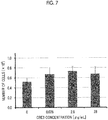
- the CBE3 was added to 2 mL MesenPro medium to be 0 to 28 ⁇ g/mL and used (in Control, PBS (Nacalai Tesque) was added instead of the CBE3 and used), subculture was performed to Passage 6 (sixth passage cell) to 10 cm culture dish (manufactured by Sumitomo Bakelite).
- the cell seeding amount was set to 0.4 ⁇ 10 6 cells/culture dish, and a culture period was set to 7 days. After 7 days, the number of cells was counted using Vi-Cell (BECKMAN COULTER).
Landscapes
- Health & Medical Sciences (AREA)
- Life Sciences & Earth Sciences (AREA)
- Engineering & Computer Science (AREA)
- Chemical & Material Sciences (AREA)
- Organic Chemistry (AREA)
- Biomedical Technology (AREA)
- Zoology (AREA)
- Genetics & Genomics (AREA)
- Wood Science & Technology (AREA)
- Biotechnology (AREA)
- Bioinformatics & Cheminformatics (AREA)
- General Health & Medical Sciences (AREA)
- Biochemistry (AREA)
- Developmental Biology & Embryology (AREA)
- General Engineering & Computer Science (AREA)
- Cell Biology (AREA)
- Microbiology (AREA)
- Biophysics (AREA)
- Molecular Biology (AREA)
- Rheumatology (AREA)
- Toxicology (AREA)
- Gastroenterology & Hepatology (AREA)
- Immunology (AREA)
- Medicinal Chemistry (AREA)
- Hematology (AREA)
- Proteomics, Peptides & Aminoacids (AREA)
- Micro-Organisms Or Cultivation Processes Thereof (AREA)
- Peptides Or Proteins (AREA)
- Materials For Medical Uses (AREA)
- Medicines That Contain Protein Lipid Enzymes And Other Medicines (AREA)
- Medicines Containing Material From Animals Or Micro-Organisms (AREA)
Abstract
Description
- The present invention relates to a method for producing a mesenchymal stem cell in which differentiation into an adipocyte is suppressed with a simple step. The invention relates to a method for producing a differentiation-induced cell, including a step of culturing the mesenchymal stem cell in which differentiation into an adipocyte is suppressed in a medium for inducing differentiation. The invention relates to a mesenchymal stem cell and a differentiation-induced cell produced by the method. The invention further relates to an inhibitor of differentiation into an adipocyte.
- A basis of development of obesity and metabolic syndrome associated with adipocyte accumulation in vivo is an inflammatory response by macrophages present in accumulated adipocytes. An origin of the adipocytes is mesenchymal stem cells, from which bone cells, chondrocytes, cardiomyocytes, and adipocytes are induced. A method for suppressing differentiation of the mesenchymal stem cells is studied.
- Patent Document 1 describes a method for storing a mesenchymal stem cell population using a gel and a matrix having stiffness in a range of 150 to 750 kPa. Patent Document 2 describes an adipose differentiation inhibitor containing, as an active ingredient, a cyclic peptide having a sequence similar to one of cysteine-rich domains of RANK (NF-κB receptor activator). Patent Document 3 describes a peptide having a specified amino acid sequence and having an activity of inducing suppression of proliferation and differentiation of human bone marrow stem cells. Patent Document 4 describes a polypeptide which is obtained by expressing a polypeptide obtained from a sequence of human Delta1 in a prokaryotic cell with the smallest unit and purifying the polypeptide by using a denaturant and a reducing agent and has stem cell differentiation-inhibiting activity.
- On the other hand, gelatin is known as a typical scaffold material in a regenerative medicine. Gelatin has a high biocompatibility and is known as a highly safe material. Gelatin has a high track record of application in medical applications. Patent Document 5 describes a cell support formed from a gelatin formed by recombinant (recombinant gelatin) and formed from a porous body having predetermined characteristics.
-
- Patent Document 1:
JP2015-043780A - Patent Document 2:
JP2014-198686A - Patent Document 3:
JP1991-228683A JP-H3-228683A - Patent Document 4:
JP2007-326834A - Patent Document 5:
WO2011/108537A - In Patent Document 1, a gel having a predetermined stiffness is produced by mixing acrylamide and bisacrylamide in a ratio within a predetermined range and gelling, but an operation is complicated. Patent Documents 2 to 4 describe that differentiation into adipocytes is suppressed by using a peptide or a polypeptide, but a method for suppressing the differentiation of mesenchymal stem cells into adipocytes with a simpler step is desired.
- An object of the invention is to provide a method for producing a mesenchymal stem cell in which differentiation into an adipocyte is suppressed with a simple step and a mesenchymal stem cell produced by the method. Another object of the invention is to provide a method for producing a differentiation-induced cell using the method for producing a mesenchymal stem cell described above, and a differentiation-induced cell produced by the method. Still another object of the invention is to provide an inhibitor of differentiation into an adipocyte.
- The present inventors have intensively studied to achieve the above objects. As a result, it was found that, by culturing a mesenchymal stem cell in a liquid medium in which a recombinant gelatin having an amino acid sequence derived from a partial amino acid sequence of collagen has been dissolved, it is possible to produce a mesenchymal stem cell in which differentiation into an adipocyte is suppressed. The invention has been completed based on these findings.
- That is, according to the invention, the following inventions are provided.
- <1> A method for producing a mesenchymal stem cell, including:
- a step of culturing a mesenchymal stem cell in a liquid medium in which a recombinant gelatin having an amino acid sequence derived from a partial amino acid sequence of collagen has been dissolved,
- in which differentiation into an adipocyte is suppressed.
- <2> The method according to <1>,
in which the recombinant gelatin has repeats of a sequence represented by Gly-X-Y, which is characteristic to collagen,
X and Y each independently represent any one amino acid residue,
a plurality of the Gly-X-Y sequences may be identical to or different from one another, and
a molecular weight of the recombinant gelatin is from 2 kDa to 100 kDa. - <3> The method according to <1> or <2>,
in which the recombinant gelatin has repeats of a sequence represented by Gly-X-Y, which is characteristic to collagen,
X and Y each independently represent any one amino acid residue,
a plurality of the Gly-X-Y sequences may be identical to or different from one another, and
a molecular weight of the recombinant gelatin is from 10 kDa to 90 kDa. - <4> The method according to any one of <1> to <3>,
in which the recombinant gelatin has repeats of a sequence represented by Gly-X-Y, which is characteristic to collagen,
X and Y each independently represent any one amino acid residue,
a plurality of the Gly-X-Y sequences may be identical to or different from one another, and
the recombinant gelatin includes two or more sequences of cell adhesion signals in one molecule. - <5> The method according to <4>,
in which the cell adhesion signal is an amino acid sequence represented by Arg-Gly-Asp. - <6> The method according to any one of <1> to <5>,
in which the amino acid sequence of the recombinant gelatin is represented by the following formula,
A-[(Gly-X-Y)n]m-B,
in the formula, A represents any amino acid residue or amino acid sequence; B represents any amino acid residue or amino acid sequence; n units of X each independently represent any one amino acid residue; n units of Y each independently represent any one amino acid residue; n represents an integer from 3 to 100; m represents an integer from 2 to 10; and n units of Gly-X-Y may be identical to or different from one another. - <7> The method according to any one of <1> to <6>,
in which the amino acid sequence of the recombinant gelatin is represented by the following formula,
Gly-Ala-Pro-[(Gly-X-Y)63]3-Gly,
in the formula, 63 units of X each independently represent any one amino acid residue; 63 units of Y each independently represent any one amino acid residue; and 63 units of Gly-X-Y may be identical to or different from one another. - <8> The method according to any one of <1> to <7>,
in which the recombinant gelatin includes- (1) an amino acid sequence set forth in SEQ ID NO:1; or
- (2) an amino acid sequence having cell adhesiveness and having at least 80% sequence identity with the amino acid sequence set forth in SEQ ID NO:1.
- <9> The method according to any one of <1> to <8>,
in which the mesenchymal stem cell is a bone marrow-derived cell or a cartilage-derived cell. - <10> The method according to any one of <1> to <9>,
in which the liquid medium in which a recombinant gelatin having an amino acid sequence derived from a partial amino acid sequence of collagen has been dissolved is a liquid medium for maintaining undifferentiation. - <11> The method according to any one of <1> to <10>,
in which a concentration of the recombinant gelatin having an amino acid sequence derived from a partial amino acid sequence of collagen in the liquid medium in which the recombinant gelatin has been dissolved is from 0.01 µg/mL to 500 µg/mL. - <12> The method according to any one of <1> to <10>,
in which a concentration of the recombinant gelatin having an amino acid sequence derived from a partial amino acid sequence of collagen in the liquid medium in which the recombinant gelatin has been dissolved is from 0.02 µg/mL to 300 µg/mL. - <13> A method for producing a differentiation-induced cell, including:
- a step of producing a mesenchymal stem cell in which differentiation into an adipocyte is suppressed by the method according to any one of <1> to <12>; and
- a step of culturing the mesenchymal stem cell in which differentiation into an adipocyte is suppressed in a medium for inducing differentiation.
- <14> A mesenchymal stem cell produced by the method according to any one of <1> to <12>.
- <15> A differentiation-induced cell produced by the method according to <13>.
- <16> An inhibitor of differentiation into an adipocyte, including:
a recombinant gelatin having an amino acid sequence derived from a partial amino acid sequence of collagen. - According to the method for producing a mesenchymal stem cell according to an aspect of the invention, it is possible to produce a mesenchymal stem cell in which differentiation into an adipocyte is suppressed with a simple step. According to the method for producing a differentiation-induced cell using the method for producing a mesenchymal stem cell described above, it is possible to produce a desired cell with a simple step. The mesenchymal stem cell and the differentiation-induced cell produced by the method of aspects of the invention are useful in regenerative medicine or the like. According to the inhibitor of differentiation into an adipocyte according to an aspect of the invention, it is possible to produce a mesenchymal stem cell in which differentiation into an adipocyte is suppressed with a simple step.
-
-
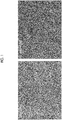
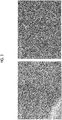
Fig. 1 shows results of confirming differentiation into adipocytes by staining cells with oil red, in a case in which the cells are UDE BM and a medium is MesenPro. -
Fig. 2 shows results of confirming differentiation into adipocytes by staining cells with oil red, in a case in which the cells are UDE BM and a medium is DMEM. -
Fig. 3 shows results of confirming differentiation into adipocytes by staining cells with oil red, in a case in which the cells are UDE BM and a medium is PRIME-XV. -
Fig. 4 shows results of confirming differentiation into adipocytes by staining the cells with oil red, in a case in which the cells are Yub2505 and a medium is PRIME-XV. -
Figs. 5A and 5B show results of confirming differentiation into adipocytes by staining cells, which are cultured with varying an addition amount of a recombinant gelatin in a case in which the cells are BMSC (Lonza: PT-2501) and a medium is MesenPro and then fat-differentiated using an adipogenic differentiation induction medium of Lonza (Fig. 5A ) or PromoCell (Fig. 5B ), with Nile red. -
Figs. 6A and 6B show results of counting the number of cells differentiated into adipocytes, in micrographs ofFigs. 5A and 5B .Fig. 6A shows a case of fat differentiation using an adipogenic differentiation induction medium of Lonza, andFig. 6B shows a case of fat differentiation using an adipogenic differentiation induction medium of PromoCell. -
Fig. 7 shows results of measuring the number of cells by culturing cells with varying an addition amount of a recombinant gelatin, in a case in which the cells are BMSC (Lonza: PT-2501) and a medium is MesenPro. - Hereinafter, embodiments of the invention will be described in detail.
- The invention relates to a method for producing a mesenchymal stem cell in which differentiation into an adipocyte is suppressed. In particular, the method includes a step of culturing a mesenchymal stem cell in a liquid medium in which a recombinant gelatin having an amino acid sequence derived from a partial amino acid sequence of collagen has been dissolved.
- According to the invention, differentiation of mesenchymal stem cells into adipocytes can be suppressed.
- In a case of performing cell therapy using mesenchymal stem cells, it is important to avoid tissue differentiation of mesenchymal stem cells that are susceptible to surrounding microenvironment in vivo in unintended directions (for example, into adipocytes) in terms of ensuring therapeutic effects. The cells obtained by the method of an embodiment of the invention can be used for, for example, bone tissue repair or cartilage tissue repair in regenerative medicine.
- In the invention, a mesenchymal stem cell is cultured in a liquid medium in which a recombinant gelatin having an amino acid sequence derived from a partial amino acid sequence of collagen has been dissolved. Timing during which mesenchymal stem cells are cultured in the liquid medium in which a recombinant gelatin has been dissolved, is not particularly limited, and may be any of the time of maintenance or expansion culture of the mesenchymal stem cells or the time of differentiation induction culture of mesenchymal stem cells and may also be both of them.
- Preferably, at the time of maintenance or expansion culture of the mesenchymal stem cells, the mesenchymal stem cell can be cultured in the liquid medium in which a recombinant gelatin has been dissolved. According to a preferred aspect described above, the liquid medium in which a recombinant gelatin having an amino acid sequence derived from a partial amino acid sequence of collagen has been dissolved is a liquid medium for maintaining undifferentiation. According to a preferred aspect described above, it is possible to suppress differentiation of mesenchymal stem cells into adipocytes, with a simple operation (addition of recombinant gelatin to the differentiation induction medium is not needed) that the recombinant gelatin is added to the medium only at the time of the maintenance or expansion culture of the mesenchymal stem cells.
- The recombinant gelatin as used herein means a polypeptide or protein-like substance having an amino acid sequence similar to that of gelatin, which is produced by a gene recombination technology. It is preferable that the recombinant gelatin that can be used in the invention has repeats of a sequence represented by Gly-X-Y (where X and Y each independently represent any amino acid residue), which is characteristic to collagen. Here, a plurality of the Gly-X-Y sequences may be identical to or different from one another. Preferably, two or more sequences of cell adhesion signals are included in one molecule. Regarding the recombinant gelatin, a gelatin having an amino acid sequence derived from a partial amino acid sequence of human collagen can be used. For example, the gelatins described in
EP1014176B ,US6992172B ,WO2004/085473A , andWO2008/103041A can be used; however, the examples are not limited to these. Preferred examples of the recombinant gelatin that is used in the invention are gelatins of the following embodiments. - A recombinant gelatin has the original properties of naturally occurring gelatin and thus has excellent biocompatibility. Also, since it is not a substance derived from a natural source, a recombinant gelatin has no risk of bovine spongiform encephalopathy (BSE) or the like, and has an excellent characteristic of being non-infectious. Since the recombinant gelatin does not include animal-derived components, it is possible to culture the mesenchymal stem cells under conditions of non-use of serum (Serum free) and non-use of the animal-derived components (Xeno free). Since a recombinant gelatin is homogeneous compared to naturally occurring gelatin and has a predetermined sequence, it is possible to precisely design a recombinant gelatin.
- The molecular weight of the recombinant gelatin is not particularly limited; however, the molecular weight is preferably from 2,000 to 100,000 (from 2 kDa to 100 kDa), more preferably from 2,500 to 95,000 (from 2.5 kDa to 95 kDa), even more preferably from 5,000 to 90,000 (from 5 kDa to 90 kDa), and most preferably from 10,000 to 90,000 (from 10 kDa to 90 kDa).
- It is preferable that the recombinant gelatin has repeats of a sequence represented by Gly-X-Y, which is characteristic to collagen. Here, a plurality of the Gly-X-Y sequences may be identical to or different from one another. In regard to the sequence Gly-X-Y, Gly represents glycine, and X and Y each independently represent any amino acid (preferably, any arbitrary amino acid other than glycine). The sequence represented by Gly-X-Y characteristic to collagen is a highly specific partial structure present in the amino acid compositions and sequences of gelatin and collagen, compared to other proteins. In this partial structure, glycine accounts for about one-third of the whole composition, and in the amino acid sequence, glycine repeatedly appears at a rate of one in every three amino acid residues. Glycine is the simplest amino acid, and there are fewer restrictions to the arrangement in a molecular chain. Thus, glycine greatly contributes to regeneration of the helix structure in the case of gelation. It is preferable that the amino acids represented by X and Y include a large proportion of imino acids (proline and oxyproline), and imino acids account for 10% to 45% of the total amount of the amino acids. Preferably, amino acids that account for 80% or more, even more preferably 95% or more, and most preferably 99% or more, of the sequence of the recombinant gelatin, constitute the repeating structure of Gly-X-Y.
- In general gelatins, polar amino acids that have an electric charge and polar amino acids that are uncharged exist at a ratio of 1:1. Here, the term polar amino acid specifically refers to cysteine, aspartic acid, glutamic acid, histidine, lysine, asparagine, glutamine, serine, threonine, tyrosine, or arginine, and among these, polar uncharged amino acids include cysteine, asparagine, glutamine, serine, threonine, and tyrosine. In regard to the recombinant gelatin used in the invention, the proportion of polar amino acids among all the amino acids that constitute the recombinant gelatin is 10% to 40%, and preferably 20% to 30%. Meanwhile, the proportion of uncharged amino acids in the polar amino acids is 5% or more and less than 20%, and preferably 5% or more and less than 10%. It is also preferable that any one kind of amino acid, and preferably two or more kinds of amino acids, of serine, threonine, asparagine, tyrosine, and cysteine are not included in the amino acid sequence.
- Generally, in regard to polypeptides, minimal amino acid sequences that function as cell adhesion signal sequences are known (for example, "Byotai Seiri (Pathophysiology)", Vol. 9, No. 7 (1990), p. 527, published by Nagai Shoten Co., Ltd.). It is preferable that the recombinant gelatin used in the invention contains two or more such cell adhesion signals in one molecule.
- Regarding specific sequences, from the viewpoint of being applicable to many kinds of adhering cells, sequences of an RGD sequence, a LDV sequence, a REDV sequence, a YIGSR sequence, a PDSGR sequence, a RYVVLPR sequence, a LGTIPG sequence, a RNIAEIIKDI sequence, an IKVAV sequence, a LRE sequence, a DGEA sequence, and a HAV sequence, which are expressed in one-letter codes of amino acids, are preferred. Even more preferred sequences include an RGD sequence, a YIGSR sequence, a PDSGR sequence, a LGTIPG sequence, an IKVAV sequence, and a HAV sequence, and particularly preferred is an RGD sequence. Among RGD sequences, an ERGD sequence is preferred. In a case in which a recombinant gelatin having cell adhesion signal sequences is used, the amount of cell matrix production can be increased. For example, in a case of chondrocyte differentiation in which mesenchymal stem cells are used as cells, the production of glycosaminoglycans (GAG) can be increased.
- In regard to the disposition of RGD sequences in the recombinant gelatin used in the invention, it is preferable that the number of amino acids between RGD sequences is between 0 and 100, and preferably between 25 and 60, and is not uniform.
- The content of these minimal amino acid sequences is preferably 3 to 50, even more preferably 4 to 30, particularly preferably 5 to 20, and most preferably 12, in one molecule of protein, from the viewpoints of cell adhesion and proliferation properties.
- In regard to the recombinant gelatin used in the invention, the proportion of the RGD motifs with respect to the total number of amino acid residues is preferably at least 0.4%. In a case in which a gelatin includes 350 or more amino acid residues, it is preferable that each stretch of 350 amino acid residues includes at least one RGD motif. The proportion of the RGD motif with respect to the total number of amino acid residues is even more preferably at least 0.6%, still more preferably at least 0.8%, even still more preferably at least 1.0%, further still more preferably at least 1.2%, and most preferably at least 1.5%. The number of RGD motifs within a peptide is preferably at least 4, even more preferably at least 6, still more preferably at least 8, and further still more preferably from 12 to 16, per 250 amino acid residues. The proportion of 0.4% of the RGD motifs corresponds to at least one RGD sequence per 250 amino acid residues. Since the number of the RGD motifs is an integer, in order to satisfy the characteristic requirement of at least 0.4%, a gelatin molecule containing 251 amino acid residues must include at least two RGD sequences. Preferably, the gelatin of the invention includes at least two RGD sequences per 250 amino acid residues; more preferably includes at least three RGD sequences per 250 amino acid residues; and even more preferably includes at least four RGD sequences per 250 amino acid residues. According to another embodiment of the gelatin of the invention, the gelatin includes at least four RGD motifs, preferably at least six RGD motifs, more preferably at least eight RGD motifs, and even more preferably from 12 to 16 RGD motifs.
- The recombinant gelatin may be partially hydrolyzed.
- Preferably, an amino acid sequence of the recombinant gelatin used in the invention is represented by Formula: A-[(Gly-X-Y)n]m-B. n units of X each independently represent any one amino acid residue, and n units of Y each independently represent any one amino acid residue, m preferably represents an integer from 2 to 10 and more preferably from 3 to 5. n preferably represents an integer from 3 to 100, even more preferably 15 to 70, and most preferably 50 to 65. A represents any amino acid residue or amino acid sequence, and B represents any amino acid residue or amino acid sequence. n units of Gly-X-Y may be identical to or different from one another.
- More preferably, the amino acid sequence of the recombinant gelatin used in the invention is represented by Formula: Gly-Ala-Pro-[(Gly-X-Y)63]3-Gly (in the formula, 63 units of X each independently represent any one amino acid residue; 63 units of Y each independently represent any one amino acid residue; and 63 units of Gly-X-Y may be identical to or different from one another).
- It is preferable that a plurality of the sequence units of naturally occurring collagen are bonded to the repeating unit. The naturally occurring collagen as used herein may be any collagen substance that exists in nature; however, the collagen is preferably type I, type II, type III, type IV, or type V collagen. The collagen is more preferably type I, type II, or type III collagen. According to another embodiment, the source of the above-mentioned collagens is preferably human, cow, pig, mouse, or rat, and more preferably a human source.
- The isoelectric point of the recombinant gelatin used in the invention is preferably 5 to 10, more preferably 6 to 10, and even more preferably 7 to 9.5. For the measurement of the isoelectric point of the recombinant gelatin, there is no limitation as long as it is a known method capable of measuring the isoelectric point. For example, the isoelectric point can be measured by measuring a pH of a 1 mass% gelatin solution after passing through a mixed crystal column of cation and anion exchange resin, according to an isoelectric focusing method (see Maxey, C.R. (1976); Phitogr. Gelatin 2, Editor Cox, P.J. Academic, London, Engl.).
- Preferably, the recombinant gelatin is not deaminated.
- Preferably, the recombinant gelatin does not have a telopeptide.
- Preferably, the recombinant gelatin is a substantially pure polypeptide produced from a nucleic acid that encodes an amino acid sequence.
- The recombinant gelatin used in the invention is particularly preferably:
- (1) the amino acid sequence set forth in SEQ ID NO:1; or
- (2) an amino acid sequence having cell adhesiveness and having at least 80% (even more preferably at least 90%, particularly preferably at least 95%, and most preferably at least 98%) sequence identity with the amino acid sequence set forth in SEQ ID NO:1.
- The hydrophilicity value "1/IOB" value of the recombinant gelatin used in the invention is preferably from 0 to 1.0. The hydrophilicity value is more preferably from 0 to 0.6, and even more preferably from 0 to 0.4. IOB is an index of hydrophilicity/hydrophobicity based on an organic conceptual diagram showing the polarity/non-polarity of organic compounds suggested by FUJITA, Atsushi, and the details thereof are explained in, for example, "Pharmaceutical Bulletin", Vol. 2, 2, pp. 163-173 (1954), "Kagaku no Ryoiki (Domain of Chemistry)", Vol. 11, 10, pp. 719-725 (1957), and "Fragrance Journal", Vol. 50, pp. 79-82 (1981). To describe briefly, the root of all organic compounds is considered to be methane (CH4), and other compounds are all regarded as derivatives of methane. Certain values are set respectively for the number of carbon atoms, substituents, modified parts, rings, and the like of the compounds, and the scores are added to determine the organic values (OV) and the inorganic values (IV). These values are plotted on a graph, with the X-axis representing the organic values and the Y-axis representing the inorganic values. The IOB in the organic conceptual diagram means the ratio of the inorganic value (IV) with respect to the organic value (OV) in the organic conceptual diagram, that is, "inorganic value (IV)/organic value (OV)". Regarding the details of the organic conceptual diagram, reference can be made to "Shinpan Yuki Gainenzu - Kiso to Oyo - (New Edition Organic Conceptual Diagram - Fundamentals and Applications -)" (written by KODA, Yoshio, et al., Sankyo Shuppan Co., Ltd., 2008). In the present specification, hydrophilicity-and-hydrophobicity is indicated with the "1/IOB" value, which is the reciprocal of IOB. As the "1/IOB" value is smaller (closer to 0), this indicates that the compound is hydrophilic.
- In the recombinant gelatin used in the invention, the hydrophilicity/hydrophobicity index represented by the Grand average of hydropathicity (GRAVY) value is preferably 0.3 or lower and -9.0 or higher, and even more preferably 0.0 or lower and -7.0 or higher. The Grand average of hydropathicity (GRAVY) value can be obtained by the method in "Gasteiger E., Hoogland C., Gattiker A., Duvaud S., Wilkins M.R., Appel R.D., Bairoch A.; Protein Identification and Analysis Tools on the ExPASy Server; (In) John M. Walker (ed): The Proteomics Protocols Handbook, Humana Press (2005). pp. 571-607" and "Gasteiger E., Gattiker A., Hoogland C., Ivanyi I., Appel R.D., Bairoch A.; ExPASy: the proteomics server for in-depth protein knowledge and analysis.; Nucleic Acids Res. 31: 3784-3788 (2003)".
- The recombinant gelatin used in the invention can be produced by a gene recombination technology that is known to those ordinarily skilled in the art, and the recombinant gelatin can be produced according to the methods described in, for example,
EP1014176A2 ,US6992172B ,WO2004/085473A , andWO2008/103041A . Specifically, a gene that encodes the amino acid sequence of a predetermined recombinant gelatin is obtained, this is incorporated into an expression vector to produce a recombinant expression vector, and this is introduced into an appropriate host. Thus, a transformant is produced. The transformant thus obtained is cultured in an appropriate medium, and thereby, a recombinant gelatin is produced. Then, the recombinant gelatin thus produced is collected from the culture product. Thereby, the recombinant gelatin used in the invention can be obtained. - In the invention, the recombinant gelatin is added to the liquid medium during mesenchymal stem cell culture. A content of the recombinant gelatin in the liquid medium in which the recombinant gelatin has been dissolved is not particularly limited as long as an effect of the invention can be achieved, but is generally 0.1 ng/mL to 500 µg/mL, and preferably 1 ng/mL to 300 µg/mL. The content of the recombinant gelatin in the liquid medium in the invention is significantly lower than a peptide content described in the prior art document (the amount is approximately 1/100,000 times). Thus, according to the invention, even with a smaller addition amount, it is possible to achieve an excellent effect (suppression of differentiation into adipocytes). In the invention, it is not needed to coat culture equipment with a recombinant gelatin.
- The concentration of the recombinant gelatin in the liquid medium in which the recombinant gelatin has been dissolved is not particularly limited, but is preferably 0.01 µg/mL or more, more preferably 0.02 µm/mL or more, and even more preferably 0.01 µg/mL or more, and most preferably 1 µg/mL or more, in terms of performance of suppressing differentiation into adipocytes. The concentration of the recombinant gelatin is preferably less than 500 µg/mL, more preferably less than 300 µg/mL, even more preferably less than 50 µg/mL, and most preferably less than 10 µg/mL, in terms of a cell proliferation rate.
- The concentration of the recombinant gelatin in the liquid medium in which the recombinant gelatin has been dissolved is preferably 0.01 µg/mL or more and less than 500 µg/mL, more preferably 0.02 µg/mL or more and less than 300 µg/mL, and even more preferably 1 µg/mL or more and less than 50 µg/mL, and most preferably 1 µg/mL or more and less than 10 µg/mL.
- The type of liquid medium is not particularly limited as long as the type thereof is a medium that can maintain or expand culture the mesenchymal stem cells. For example, examples thereof can include MesenPro (containing 2% serum, Life Technologies), Dulbecco's modified Eagle medium (DMEM)/F12 (containing 20% fetal bovine serum (FBS) (Gibco), Life Technologies), DMEM (containing 10% FBS (Gibco), SIGMA), PRIME-XV XSFM (serum free, JX energy), MSCGM BulletKit (trademark) (Takara Bio), Mesencult-ACF (containing no animal-derived component) and Mesencult-SF (serum free, both Veritas), and MSCGM BullrtKit (containing serum, Lonza).
- The mesenchymal stem cell (MSC) used in the invention is a cell having ability to replicate as an undifferentiated cell and having ability to differentiate into a bone cell, chondrocyte, cardiomyocyte, and adipocyte.
- An origin of the mesenchymal stem cell is not particularly limited, and may be a human mesenchymal stem cell or a mesenchymal stem cell derived from a non-human animal such as a mouse, rat, cat, or dog.
- It is known that the mesenchymal stem cell can be obtained from various tissue such as bone marrow, cartilage, adipose tissue, placental tissue, umbilical cord tissue, and dental pulp. An origin thereof is not particularly limited, but the mesenchymal stem cell is preferably a cell derived from bone marrow cells, a cell derived from cartilage, or a cell derived from fat.
- The mesenchymal stem cell may be an autologous cell of a patient to which administration is performed or a heterologous cell.
- As a method for isolating the mesenchymal stem cells from each tissue, a conventionally known method can be employed. For example, the mesenchymal stem cells can be suitably separated from tissue by a collagenase method. For example, the mesenchymal stem cells can be collected using a cell surface marker (such as CD105, CD73, or CD90) as an index.
- As culture conditions for culturing the mesenchymal stem cells in the liquid medium in which the recombinant gelatin has been dissolved, general cell culture conditions may be selected. Examples thereof include conditions of 37°C and 5% CO2. During culture, it is preferable to change the medium at an appropriate interval (preferably once every 1 to 7 days, more preferably once every 3 to 4 days). A culture period is not particularly limited, and the culture can be performed for 1 to 20 days, preferably 3 to 15 days, and more preferably 3 to 10 days.
- For culture, a cell culture container such as a plate, a dish, a cell culture flask, and a cell culture bag can be used. As the cell culture bag, a gas permeable bag is suitable. In a case in which a large number of cells are required, a large culture tank may be used. Culture can be performed in either an open system or a closed system.
- The mesenchymal stem cell, which is produced by the method of an embodiment of the invention and in which differentiation into an adipocyte is suppressed refers to a mesenchymal stem cell in which ability to differentiate into adipocytes is suppressed compared to a mesenchymal stem cell cultured in a liquid medium that does not contain the recombinant gelatin.
- The ability to differentiate into adipocytes can be evaluated by confirming differentiation into adipocytes after performing differentiation induction into adipocytes by culturing mesenchymal stem cells in an adipocyte differentiation induction medium. Adipocytes can be detected by using, for example, morphological changes of cells, characteristic properties of adipocytes, or specific markers. Adipocytes accumulate fat in a cell. Accordingly, adipocytes can be detected by staining intracellular fat using Oil Red O. In addition, examples of the specific markers of (brown) adipocytes include UCP1, Elongation of very long chain fatty acid protein 3 (EVOL3), PPAR gamma coactivatorl-alpha (PGC1A), PRD1-BF1-RIZ1 homologous domain containing 16 (PRDM16), and Cell Death-Inducing DFFA-Like Effector A (CIDEA), and adipocytes can be detected using these as indices. The UCP1 is a kind of uncoupling protein. For detection of the specific marker, a quarantine method (detection by an antibody) can be used. However, for a protein molecule, detection may be carried out by quantifying its mRNA amount thereof.
- According to the invention, there is provided a mesenchymal stem cell produced by the production method of an embodiment of the invention. The mesenchymal stem cell produced by the method of an embodiment of the invention can be used for cell transplantation. Specifically, the cells of an embodiment of the invention can be used for the purpose of cell transplantation at a disease site. As a transplantation method, an incision or an endoscopy can be used.
- According to the invention, there is provided a method for producing a cell, including: a step of producing a mesenchymal stem cell in which differentiation into an adipocyte is suppressed by the method of the embodiment of the invention described above; and a step of culturing the mesenchymal stem cell in which differentiation into an adipocyte is suppressed in a medium for inducing differentiation. According to the method, a desired cell can be manufactured, as long as it is a cell which can be differentiation-induced from a mesenchymal stem cell. Examples of the cell that can be differentiation-induced from a mesenchymal stem cell can include, but are not limited to, a bone cell, chondrocyte, cardiomyocyte, and adipocyte.
- The differentiation induction medium can be appropriately selected according to a type of a desired cell to be differentiation-induced.
- In a case of performing differentiation induction into the bone cell, Lonza: Human Mesenchymal Stem Cell Osteogenic Differentiation Medium Bullet Kit or the like can be used.
- In a case of performing differentiation induction into the chondrocyte, Lonza: Human Mesenchymal Stem Cell Chondrogenic Differentiation Medium Bullet Kit or the like can be used.
- In a case of performing differentiation induction into the cardiomyocyte, for example, a method described in
JP2009-136209A - In a case of performing differentiation induction into the adipocyte, Lonza: Human Mesenchymal Stem Cell Adipogenic Differentiation Medium BulletKit, PromoCell: Mesenchymal Stem Cell Adipogenic Differentiation Medium, or the like can be used.
- Culture conditions for the differentiation induction (culture conditions other than the medium) are the same as the culture conditions for culturing the mesenchymal stem cells in the liquid medium in which the recombinant gelatin has been dissolved. A culture period for the differentiation induction is not particularly limited, but is generally 3 to 21 days and preferably 7 to 18 days.
- According to the invention, there is further provided a differentiation-induced cell produced by the method for producing a cell described above. The cell of an embodiment of the invention described above can be used for cell transplantation. Specifically, the differentiation-induced cells of an embodiment of the invention can be used for the purpose of cell transplantation at a disease site. As a transplantation method, an incision or an endoscopy can be used.
- According to the invention, there is provided an inhibitor of differentiation into an adipocyte, including: a recombinant gelatin having an amino acid sequence derived from a partial amino acid sequence of collagen. Details of the recombinant gelatin are as described in the present specification. The recombinant gelatin can be used as an inhibitor of differentiation into an adipocyte, by being dissolved in a liquid medium for culturing the mesenchymal stem cell, as described in the present specification. A form of the recombinant gelatin in a case of being provided as an inhibitor of differentiation into an adipocyte is not particularly limited. The recombinant gelatin may be provided as a solution or powder, or may also be provided in a state in which the recombinant gelatin is dissolved in a liquid medium.
- The invention will be described more specifically using the following Examples, but the invention is not limited to the following Examples.
- As a recombinant gelatin, the following CBE3 was prepared (described in
WO2008/103041A ). - CBE3: Molecular weight: 51.6 kD Structure: Gly-Ala-Pro[(Gly-XY)63]3-Gly Number of amino acid residues: 571
- RGD sequence: 12 sequences Imino acid content: 33% Almost 100% of the amino acid residues constitute a repeating structure of Gly-X-Y.
- Serine, threonine, asparagine, tyrosine, and cysteine were not included in the amino acid sequence of CBE3.
- CBE3 includes an ERGD sequence.
- Isoelectric point: 9.34
- GRAVY value: -0.682
- 1/IOB value: 0.323 Amino acid sequence (SEQ ID NO:1 in the Sequence Listing) (Identical to SEQ ID NO:3 disclosed in
WO2008/103041A . However, X at the end was corrected to "P") - Yub2505 (cartilage-derived cells established at the National Center for Child Health and Development (hereinafter, NCCHD))
- Yub2505 was established according to a method described in Reference (Nasu M, Takayama S, Umezawa A. Endochondral ossification model system: designed cell fate of human epiphyseal chondrocytes during long-term implantation. J. Cell Physiol. 2015; 230: 1376-1388).
- UDE BM was established by the following method. Bone marrow fluid was extracted from the bone and cells were collected by density gradient centrifugation. The collected cells were washed with phosphate buffered saline (PBS), seeded in a DMEM (containing 10% FBS) medium, and cultured. Cells adhered to a culture container were collected.
-
- MesenPro (containing 2% serum, Life Technologies): Yub2505, UDE BM
- DMEM/F12 (containing 20% FBS (Gibco), Life Technologies): Yub2505
- DMEM (containing 10% FBS (Gibco), SIGMA): UDE BM
- PRIME-XV XSFM (serum free, JX energy): Yub2505, UDE BM
- Adipogenic differentiation induction medium: Human Mesenchymal Stem Cell Adipogenic Differentiation Medium BulletKit(Lonza)
- 0.1 mass% CBE3 aqueous solution: cellnest (registered trademark) (Fuji Film)
- All of the following cell cultures were performed at 37°C and 5% CO2.
- Each cell was maintained and cultured by dispensing 8 mL of MesenPro medium in a culture dish having a diameter of 10 cm. The cell seeding amount was set to 1×10⁶ cells/culture dish, and a culture period was set to 5 to 7 days.
- The medium was replaced with MesenPro (8 mL). At that time, CBE3 was added to be 28 ng/mL. In Control, PBS (Nacalai Tesque) was added instead of the CBE3. A culture period was set to 7 days.
- The CBE3 was added to each 2 mL medium (MesenPro, DMEM, and PRIME-XV XSFM) to be 28 ng/mL and used (in Control, PBS (Nacalai Tesque) was added instead of the CBE3 and used), subculture was performed to a 6-well plate and pre-culture was performed. The cell seeding amount was set to 0.2×10⁶ cells/well, and a culture period was set to 3 days.
- The medium was replaced with an adipogenic differentiation induction medium (2 mL), and differentiation induction was started. In this case, differentiation was induced every 3 or 4 days, and the medium and the maintenance medium were alternately replaced with each other. A differentiation induction period was set to 2 weeks.
- The medium was replaced with a maintenance medium (2 mL), and maintenance culture was performed. A maintenance culture period was set to 7 days.
- The cells were stained with oil red and 25 screens were photographed with a microscope. Accordingly, differentiation into adipocytes was confirmed.
- Results of confirming differentiation into adipocytes are shown in
Figs. 1 to 4 . - In any combination of a case in which the cells are UDE BM and the medium is MesenPro (
Fig. 1 ), a case in which the cells are UDE BM and the medium is DMEM (Fig. 2 ), a case in which the cells are UDE BM and the medium is PRIME-XV (Fig. 3 ), and a case in which the cells are Yub2505 and the medium is PRIME-XV (Fig. 4 ), in Experiment 1 (CBE3 added), differentiation into adipocytes was suppressed, compared to Experiment 2 (no CBE3 added). - Human bone marrow-derived cells BMSC (Lonza: PT-2501)
- MesenPro (containing 2% serum, Life Technologies)
- Adipogenic differentiation induction medium: Human Mesenchymal Stem Cell Adipogenic Differentiation Medium BulletKit (Lonza), PromoCell:Mesenchymal Stem Cell Adipogenic Differentiation Medium
- 0.1 mass% CBE3 aqueous solution: cellnest (registered trademark) (Fuji Film)
- All of the following cell cultures were performed at 37°C and 5% CO2.
- BMSC cells were maintained and cultured by dispensing 8 mL of MesenPro medium in a culture dish having a diameter of 10 cm. The cell seeding amount was set to 5×10⁵ cells/well, and a culture period was set to 6 days.
- The CBE3 was added to 2 mL MesenPro medium to be 0 to 280 µg/mL and used (in Control, PBS (Nacalai Tesque) was added instead of the CBE3 and used), subculture was performed to a 6-well plate (Falcon TC), and pre-culture was performed. The cell seeding amount was set to 1.5×10⁵ cells/well, and a culture period was set to 4 days.
- The medium was replaced with a 2 mL adipogenic differentiation induction medium (Lonza/PromoCell), and differentiation induction was started. In the Lonza medium, differentiation was induced every 3 or 4 days, and the medium and the maintenance medium were alternately replaced with each other. In the PromoCell medium, the differentiation induction medium was changed every 3 or 4 days. A differentiation induction period was set to 17 days.
- The medium was replaced with a maintenance medium (2 mL), and maintenance culture was performed. A maintenance culture period was set to 1 day.
- The cells were stained with oil red and 25 screens were photographed with a microscope (KEYENCE BZ-X700). Accordingly, differentiation into adipocytes was confirmed. Detection objects of 300 µm2 or smaller were not counted as adipocytes, and those larger than 300 µm2 were counted.
- Results of confirming differentiation into adipocytes are shown in
Figs. 5A to 6B . (Fig. 6A and 6B shows results of counting the number of cells differentiated into adipocytes using adipocyte-staining photographs inFigs. 5A and 5B ) - Even in a case in which the cells were BMSC and the medium was MesenPro or a case in which the adipogenic differentiation induction medium was any of Lonza or PromoCell, the adipogenic differentiation was suppressed by adding CBE3. In a case in which the addition amount of CBE3 was from 2.8 to 280 µg/mL, adipogenic differentiation was significantly suppressed.
-
- Human bone marrow-derived cells BMSC (Lonza: PT-2501)
- Medium used: MesenPro (containing 2% serum, Life Technologies)
- 0.1 mass% CBE3 aqueous solution: cellnest (registered trademark) (Fuji Film)
- All of the following cell cultures were performed at 37°C and 5% CO2.
- Cells were maintained and cultured until passage 5 (fifth passage cell) by dispensing 8 mL MesenPro medium in a culture dish having a diameter of 10 cm. The cell seeding amount was set to 0.4 to 1.0×10⁶ cells/culture dish, and a culture period was set to 7 days for each passage.
- The CBE3 was added to 2 mL MesenPro medium to be 0 to 28 µg/mL and used (in Control, PBS (Nacalai Tesque) was added instead of the CBE3 and used), subculture was performed to Passage 6 (sixth passage cell) to 10 cm culture dish (manufactured by Sumitomo Bakelite). The cell seeding amount was set to 0.4×10⁶ cells/culture dish, and a culture period was set to 7 days. After 7 days, the number of cells was counted using Vi-Cell (BECKMAN COULTER).
-
Fig. 7 shows results of counting the number of cells. At each CBE3 concentration, culture was performed with N=3, and an average value of measurement results is shown. Compared to a case of no CBE3 added, the number of cells after 7 days of culture increased by adding CBE3. The increase in the number of cells peaked at 2.8 µg/mL, and the number of cells showed a decreasing trend at higher concentrations. - International Application 18F00683 Method for Producing Mesenchymal Stem Cell JP18018391 20180511----00070437451800986822 Normal 20180511164909201804121441427380_P1AP101_18_0.app Based on International Reception Patent Cooperation Treaty


Claims (16)
- A method for producing a mesenchymal stem cell, comprising:a step of culturing a mesenchymal stem cell in a liquid medium in which a recombinant gelatin having an amino acid sequence derived from a partial amino acid sequence of collagen has been dissolved,wherein differentiation into an adipocyte is suppressed.
- The method according to claim 1,wherein the recombinant gelatin has repeats of a sequence represented by Gly-X-Y, which is characteristic to collagen,X and Y each independently represent any one amino acid residue,a plurality of the Gly-X-Y sequences may be identical to or different from one another, anda molecular weight of the recombinant gelatin is from 2 kDa to 100 kDa.
- The method according to claim 1 or 2,wherein the recombinant gelatin has repeats of a sequence represented by Gly-X-Y, which is characteristic to collagen,X and Y each independently represent any one amino acid residue,a plurality of the Gly-X-Y sequences may be identical to or different from one another, anda molecular weight of the recombinant gelatin is from 10 kDa to 90 kDa.
- The method according to any one of claims 1 to 3,wherein the recombinant gelatin has repeats of a sequence represented by Gly-X-Y, which is characteristic to collagen,X and Y each independently represent any one amino acid residue,a plurality of the Gly-X-Y sequences may be identical to or different from one another, andthe recombinant gelatin includes two or more sequences of cell adhesion signals in one molecule.
- The method according to claim 4,
wherein the cell adhesion signal is an amino acid sequence represented by Arg-Gly-Asp. - The method according to any one of claims 1 to 5,
wherein the amino acid sequence of the recombinant gelatin is represented by the following formula,
A-[(Gly-X-Y)n]m-B
in the formula, A represents any amino acid residue or amino acid sequence; B represents any amino acid residue or amino acid sequence; n units of X each independently represent any one amino acid residue; n units of Y each independently represent any one amino acid residue; n represents an integer from 3 to 100; m represents an integer from 2 to 10; and n units of Gly-X-Y may be identical to or different from one another. - The method according to any one of claims 1 to 6,
wherein the amino acid sequence of the recombinant gelatin is represented by the following formula,
Gly-Ala-Pro-[(Gly-X-Y)63]3-Gly
in the formula, 63 units of X each independently represent any one amino acid residue; 63 units of Y each independently represent any one amino acid residue; and 63 units of Gly-X-Y may be identical to or different from one another. - The method according to any one of claims 1 to 7,
wherein the recombinant gelatin includes(1) an amino acid sequence set forth in SEQ ID NO: 1, or(2) an amino acid sequence having cell adhesiveness and having at least 80% sequence identity with the amino acid sequence set forth in SEQ ID NO: 1. - The method according to any one of claims 1 to 8,
wherein the mesenchymal stem cell is a bone marrow-derived cell or a cartilage-derived cell. - The method according to any one of claims 1 to 9,
wherein the liquid medium in which a recombinant gelatin having an amino acid sequence derived from a partial amino acid sequence of collagen has been dissolved is a liquid medium for maintaining undifferentiation. - The method according to any one of claims 1 to 10,
wherein a concentration of the recombinant gelatin having an amino acid sequence derived from a partial amino acid sequence of collagen in the liquid medium in which the recombinant gelatin has been dissolved is from 0.01 µg/mL to 500 µg/mL. - The method according to any one of claims 1 to 10,
wherein a concentration of the recombinant gelatin having an amino acid sequence derived from a partial amino acid sequence of collagen in the liquid medium in which the recombinant gelatin has been dissolved is from 0.02 µg/mL to 300 µg/mL. - A method for producing a differentiation-induced cell, comprising:a step of producing a mesenchymal stem cell in which differentiation into an adipocyte is suppressed by the method according to any one of claims 1 to 12; anda step of culturing the mesenchymal stem cell in which differentiation into an adipocyte is suppressed in a medium for inducing differentiation.
- A mesenchymal stem cell produced by the method according to any one of claims 1 to 12.
- A differentiation-induced cell produced by the method according to claim 13.
- An inhibitor of differentiation into an adipocyte, comprising:
a recombinant gelatin having an amino acid sequence derived from a partial amino acid sequence of collagen.
Applications Claiming Priority (2)
| Application Number | Priority Date | Filing Date | Title |
|---|---|---|---|
| JP2017095463 | 2017-05-12 | ||
| PCT/JP2018/018391 WO2018207923A1 (en) | 2017-05-12 | 2018-05-11 | Method for producing mesenchymal stem cells, and application thereof |
Publications (2)
| Publication Number | Publication Date |
|---|---|
| EP3623466A1 true EP3623466A1 (en) | 2020-03-18 |
| EP3623466A4 EP3623466A4 (en) | 2020-08-12 |
Family
ID=64105430
Family Applications (1)
| Application Number | Title | Priority Date | Filing Date |
|---|---|---|---|
| EP18798627.8A Withdrawn EP3623466A4 (en) | 2017-05-12 | 2018-05-11 | METHOD FOR PRODUCING MESENCHYMAL STEM CELLS AND APPLICATION THEREOF |
Country Status (5)
| Country | Link |
|---|---|
| US (1) | US11649274B2 (en) |
| EP (1) | EP3623466A4 (en) |
| JP (1) | JPWO2018207923A1 (en) |
| CN (1) | CN110869495B (en) |
| WO (1) | WO2018207923A1 (en) |
Family Cites Families (17)
| Publication number | Priority date | Publication date | Assignee | Title |
|---|---|---|---|---|
| JPH03228683A (en) | 1989-12-20 | 1991-10-09 | Chemo Sero Therapeut Res Inst | Bioactive peptide ld78alpha, ld78beta, production thereof and recombinant plasmid using same method |
| EP1014176B1 (en) | 1998-12-23 | 2009-04-29 | FUJIFILM Manufacturing Europe B.V. | Silver halide emulsions containing recombinant gelatin-like proteins |
| US6992172B1 (en) * | 1999-11-12 | 2006-01-31 | Fibrogen, Inc. | Recombinant gelatins |
| DE602004026944D1 (en) | 2003-03-28 | 2010-06-10 | Fujifilm Mfg Europe Bv | RGD-enriched gelatin-like proteins to prevent platelet aggregation |
| WO2007035612A2 (en) * | 2005-09-16 | 2007-03-29 | Ordway Research Institute, Inc. | Polyphenol conjugates as rgd-binding compounds and methods of use |
| JP2007326834A (en) | 2006-06-09 | 2007-12-20 | Toray Ind Inc | Polypeptide and base material on which the polypeptide is immobilized |
| ATE551364T1 (en) * | 2007-02-21 | 2012-04-15 | Fujifilm Mfg Europe Bv | NON-NATURAL RECOMBINANT GELATINS WITH ADVANCED FUNCTIONALITY |
| WO2009005769A2 (en) | 2007-06-29 | 2009-01-08 | The Trustees Of The University Of Pennsylvania | Soft gel systems in modulating stem cell development |
| JP5453612B2 (en) | 2007-12-06 | 2014-03-26 | 公益財団法人ヒューマンサイエンス振興財団 | Cardiomyocyte differentiation induction promoter and method of use thereof |
| WO2011006087A1 (en) * | 2009-07-10 | 2011-01-13 | The Regents Of The University Of California | Inhibition of ppar gamma expression in preadipocyte cells by oxysterols |
| KR101744040B1 (en) * | 2010-03-01 | 2017-06-07 | 후지필름 가부시키가이샤 | Cell structure comprising cells and macromolecular blocks having biocompatibility |
| JP5889780B2 (en) * | 2010-03-02 | 2016-03-22 | 富士フイルム株式会社 | Cell support and bone regeneration material |
| HK1202581A1 (en) * | 2012-02-13 | 2015-10-02 | Gamida-Cell Ltd. | Mesenchymal stem cells conditioned medium and methods of generating and using the same |
| JP2013234150A (en) * | 2012-05-09 | 2013-11-21 | Kobe Gakuin | Fat cell differentiation inhibitor |
| JP2014198686A (en) | 2013-03-29 | 2014-10-23 | オリエンタル酵母工業株式会社 | Method of inhibiting fat differentiation |
| KR101535337B1 (en) * | 2013-04-30 | 2015-07-09 | 고려대학교 산학협력단 | Use of human small leucine-zipper protein in adipogenesis |
| JP6586160B2 (en) | 2015-03-18 | 2019-10-02 | 富士フイルム株式会社 | Cartilage regeneration material |
-
2018
- 2018-05-11 JP JP2019517724A patent/JPWO2018207923A1/en active Pending
- 2018-05-11 CN CN201880031304.0A patent/CN110869495B/en active Active
- 2018-05-11 EP EP18798627.8A patent/EP3623466A4/en not_active Withdrawn
- 2018-05-11 WO PCT/JP2018/018391 patent/WO2018207923A1/en not_active Ceased
-
2019
- 2019-11-08 US US16/678,873 patent/US11649274B2/en active Active
Also Published As
| Publication number | Publication date |
|---|---|
| CN110869495B (en) | 2023-06-20 |
| US20200140523A1 (en) | 2020-05-07 |
| CN110869495A (en) | 2020-03-06 |
| EP3623466A4 (en) | 2020-08-12 |
| WO2018207923A1 (en) | 2018-11-15 |
| JPWO2018207923A1 (en) | 2020-03-12 |
| US11649274B2 (en) | 2023-05-16 |
Similar Documents
| Publication | Publication Date | Title |
|---|---|---|
| Zhang et al. | Msx1+ stem cells recruited by bioactive tissue engineering graft for bone regeneration | |
| US20190144525A1 (en) | Cell culture method, medium, and medium kit | |
| EP2377542A2 (en) | Pharmaceutical composition for bone-disease treatment or countering inflammation, comprising cartilage stem cells as an active principle | |
| JP2020124218A (en) | Medium for mesenchymal stem cells | |
| Farrell et al. | A comparison of the osteogenic potential of adult rat mesenchymal stem cells cultured in 2-D and on 3-D collagen glycosaminoglycan scaffolds | |
| Penny et al. | The biology of equine mesenchymal stem cells: phenotypic characterization, cell surface markers and multilineage differentiation | |
| Peinkofer et al. | Persistence of intramyocardially transplanted murine induced pluripotent stem cell-derived cardiomyocytes from different developmental stages | |
| JP7285520B2 (en) | Method for producing skin-derived pluripotent progenitor cells | |
| US20200015475A1 (en) | Cell mass or cell structure-embedding agent, cell mass or cell structure-containing composition, and kit | |
| US11649274B2 (en) | Method for producing mesenchymal stem cell and application of same | |
| JP7360672B2 (en) | Method for producing insulin-producing cells from mesenchymal stem cells, insulin-producing cells, cell structures, and pharmaceutical compositions | |
| EP3848063A1 (en) | Gel formation kit, gel, and gel production method | |
| KR20180129726A (en) | Polymer Scaffolds for Promoting the Cell-cell Adhesion and Method for Cell Culture Using the Same | |
| WO2020086001A1 (en) | An implantable construct, methods of manufacturing, and uses thereof | |
| JP2019510823A (en) | Bone marrow stromal cell-derived extracellular matrix protein extract and use thereof | |
| van Osch et al. | Cells for Cartilage Regeneration | |
| JPWO2019189947A1 (en) | Differentiation induction technology by actin polymerization inhibitor for the production of osteoblasts from human umbilical cord-derived mesenchymal stem cells | |
| Ghabool et al. | Biocompatibility Analysis of Mouse Spleen-Derived Extracellular Matrix | |
| US20220211910A1 (en) | Biological transplantation material | |
| JP5904358B2 (en) | Method for producing parallel fibrous connective tissue | |
| Sachenberg et al. | Spreading and actin cytoskeleton organization of cartilage and bone marrow stromal cells cocultured on various extracellular matrix proteins | |
| Zarean et al. | Investigating the biological activities of mesenchymal stem cells cultured on skeletal muscle-derived coating substrate | |
| HK40112085A (en) | Method for preparing cells for treating diseases, method for promoting migration ability of cells, method for promoting proliferation ability of cells, and cells obtained by these methods | |
| Huang et al. | Functional cartilage tissue engineering with adult stem cells: Current status and future directions | |
| Fernandes | Instructive elements for bone tissue engineering |
Legal Events
| Date | Code | Title | Description |
|---|---|---|---|
| STAA | Information on the status of an ep patent application or granted ep patent |
Free format text: STATUS: THE INTERNATIONAL PUBLICATION HAS BEEN MADE |
|
| PUAI | Public reference made under article 153(3) epc to a published international application that has entered the european phase |
Free format text: ORIGINAL CODE: 0009012 |
|
| STAA | Information on the status of an ep patent application or granted ep patent |
Free format text: STATUS: REQUEST FOR EXAMINATION WAS MADE |
|
| 17P | Request for examination filed |
Effective date: 20191112 |
|
| AK | Designated contracting states |
Kind code of ref document: A1 Designated state(s): AL AT BE BG CH CY CZ DE DK EE ES FI FR GB GR HR HU IE IS IT LI LT LU LV MC MK MT NL NO PL PT RO RS SE SI SK SM TR |
|
| AX | Request for extension of the european patent |
Extension state: BA ME |
|
| RAP1 | Party data changed (applicant data changed or rights of an application transferred) |
Owner name: FUJIFILM CORPORATION |
|
| RIN1 | Information on inventor provided before grant (corrected) |
Inventor name: MURAYA KOJI |
|
| A4 | Supplementary search report drawn up and despatched |
Effective date: 20200713 |
|
| RIC1 | Information provided on ipc code assigned before grant |
Ipc: C12N 5/07 20100101ALI20200708BHEP Ipc: A61K 38/39 20060101ALI20200708BHEP Ipc: C07K 14/78 20060101ALI20200708BHEP Ipc: C12N 5/0775 20100101AFI20200708BHEP Ipc: C12N 5/077 20100101ALI20200708BHEP Ipc: A61P 3/04 20060101ALI20200708BHEP |
|
| DAV | Request for validation of the european patent (deleted) | ||
| DAX | Request for extension of the european patent (deleted) | ||
| RAP3 | Party data changed (applicant data changed or rights of an application transferred) |
Owner name: FUJIFILM CORPORATION |
|
| STAA | Information on the status of an ep patent application or granted ep patent |
Free format text: STATUS: EXAMINATION IS IN PROGRESS |
|
| 17Q | First examination report despatched |
Effective date: 20241015 |
|
| STAA | Information on the status of an ep patent application or granted ep patent |
Free format text: STATUS: THE APPLICATION HAS BEEN WITHDRAWN |
|
| 18W | Application withdrawn |
Effective date: 20241121 |