EP3619985B1 - Funkrufrichtliniendifferenzierung in einem 5g-system - Google Patents
Funkrufrichtliniendifferenzierung in einem 5g-system Download PDFInfo
- Publication number
- EP3619985B1 EP3619985B1 EP18711905.2A EP18711905A EP3619985B1 EP 3619985 B1 EP3619985 B1 EP 3619985B1 EP 18711905 A EP18711905 A EP 18711905A EP 3619985 B1 EP3619985 B1 EP 3619985B1
- Authority
- EP
- European Patent Office
- Prior art keywords
- paging
- amf
- paging policy
- ran
- qosi
- Prior art date
- Legal status (The legal status is an assumption and is not a legal conclusion. Google has not performed a legal analysis and makes no representation as to the accuracy of the status listed.)
- Active
Links
Images





Classifications
-
- H—ELECTRICITY
- H04—ELECTRIC COMMUNICATION TECHNIQUE
- H04W—WIRELESS COMMUNICATION NETWORKS
- H04W28/00—Network traffic management; Network resource management
- H04W28/02—Traffic management, e.g. flow control or congestion control
- H04W28/0268—Traffic management, e.g. flow control or congestion control using specific QoS parameters for wireless networks, e.g. QoS class identifier [QCI] or guaranteed bit rate [GBR]
-
- H—ELECTRICITY
- H04—ELECTRIC COMMUNICATION TECHNIQUE
- H04W—WIRELESS COMMUNICATION NETWORKS
- H04W68/00—User notification, e.g. alerting and paging, for incoming communication, change of service or the like
-
- H—ELECTRICITY
- H04—ELECTRIC COMMUNICATION TECHNIQUE
- H04W—WIRELESS COMMUNICATION NETWORKS
- H04W68/00—User notification, e.g. alerting and paging, for incoming communication, change of service or the like
- H04W68/02—Arrangements for increasing efficiency of notification or paging channel
-
- H—ELECTRICITY
- H04—ELECTRIC COMMUNICATION TECHNIQUE
- H04W—WIRELESS COMMUNICATION NETWORKS
- H04W76/00—Connection management
- H04W76/20—Manipulation of established connections
- H04W76/27—Transitions between radio resource control [RRC] states
-
- H—ELECTRICITY
- H04—ELECTRIC COMMUNICATION TECHNIQUE
- H04W—WIRELESS COMMUNICATION NETWORKS
- H04W8/00—Network data management
- H04W8/02—Processing of mobility data, e.g. registration information at HLR [Home Location Register] or VLR [Visitor Location Register]; Transfer of mobility data, e.g. between HLR, VLR or external networks
- H04W8/08—Mobility data transfer
-
- H—ELECTRICITY
- H04—ELECTRIC COMMUNICATION TECHNIQUE
- H04W—WIRELESS COMMUNICATION NETWORKS
- H04W88/00—Devices specially adapted for wireless communication networks, e.g. terminals, base stations or access point devices
- H04W88/08—Access point devices
-
- H—ELECTRICITY
- H04—ELECTRIC COMMUNICATION TECHNIQUE
- H04W—WIRELESS COMMUNICATION NETWORKS
- H04W88/00—Devices specially adapted for wireless communication networks, e.g. terminals, base stations or access point devices
- H04W88/12—Access point controller devices
-
- H—ELECTRICITY
- H04—ELECTRIC COMMUNICATION TECHNIQUE
- H04W—WIRELESS COMMUNICATION NETWORKS
- H04W88/00—Devices specially adapted for wireless communication networks, e.g. terminals, base stations or access point devices
- H04W88/14—Backbone network devices
-
- H—ELECTRICITY
- H04—ELECTRIC COMMUNICATION TECHNIQUE
- H04B—TRANSMISSION
- H04B7/00—Radio transmission systems, i.e. using radiation field
- H04B7/02—Diversity systems; Multi-antenna system, i.e. transmission or reception using multiple antennas
- H04B7/04—Diversity systems; Multi-antenna system, i.e. transmission or reception using multiple antennas using two or more spaced independent antennas
- H04B7/0413—MIMO systems
Definitions
- the present disclosure generally relates to the process of User Equipment (UE) paging, and more specifically to paging policy differentiation in a Fifth Generation (5G) telecommunication system.
- UE User Equipment
- 5G Fifth Generation
- a network When a network has data that is to be sent to a User Equipment (UE), the network engages in a Network Triggered Service Request. In order to locate the UE, this may involve a function known as "paging," e.g., broadcasting a message to the last known location or locations of a UE and listening for a response.
- paging e.g., broadcasting a message to the last known location or locations of a UE and listening for a response.
- a paging policy may dictate how the paging should be carried out in the registration area in terms of the scope of the paging area (how widely should the page be broadcast), the paging response time (how long should the network wait for the UE to respond), the repetition logic (how many times should the page be made before giving up due to no response from the UE), and other aspects of paging.
- the paging policy may dictate when a paging request message is delivered to the individual base stations or equivalent in the paging area, what the paging priority should be, and whether assistance data for paging information should set.
- One paging policy may be used under one set of circumstances while another paging policy may be used under other circumstances.
- some entity within a network may perform a "paging policy differentiation" function to determine which paging policy to apply for any particular paging request received from the network.
- the Fifth Generation (5G) paging policy differentiation is based primarily on the paging policy defined for a prior technology, Evolved Packet System (EPS).
- EPS Evolved Packet System
- TS Technical Specification
- 3GPP Third Generation Partnership Project
- TS 23.502 Version 15.0.0, Technical Specification Group Services and System Aspects
- Procedures for the 5G System; Stage 2 (Release 15)," herein referred to as "TS 23.502” was copied from the equivalent EPS specification, 3GPP TS 23.401, Version 14.3.0, Technical Specification Group Services and System Aspects; General Packet Radio Service (GPRS) enhancements for Evolved Universal Terrestrial Radio Access Network (E-UTRAN) access (Release 14), herein referred to as "TS 23.401.”
- GPRS General Packet Radio Service
- Figure 1A illustrates some of the functional blocks within a conventional EPS network architecture and the named interfaces between them.
- Figure 1A includes an Home Subscriber Service (HSS), a Mobility Management Entity (MME), a Serving GPRS Support Node (SGSN), a UE, an E-UTRAN node, a Serving Gateway (SGW), and a Packet Data Network (PDN) Gateway (P-GW).
- HSS Home Subscriber Service
- MME Mobility Management Entity
- SGSN Serving GPRS Support Node
- UE Serving GPRS Support Node
- SGW Serving Gateway
- PDN Packet Data Network Gateway
- Step 1B illustrates a conventional EPS network triggered service request process.
- the SGW receives downlink data; in Step 102, the SGW issues a Downlink Data Notification (DDN) to the MME; in Step 104, the MME pages the Evolved or Enhanced Node B (eNB); in Step 106, the eNB pages the UE, which triggers the UE-Triggered Service Request Procedure in Step 108. Once this procedure is complete, downlink data is transferred to the UE via the eNB (Step 110).
- DDN Downlink Data Notification
- eNB Evolved or Enhanced Node B
- the MME can make paging policy differentiation among bearers on its own, based on bearer Quality of Service (QoS) information since it has the bearer QoS information.
- QoS Quality of Service
- a QoS Class Identifier (QCI) value and an Allocation and Retention Priority (ARP) value are two important values.
- QCI QoS Class Identifier
- ARP Allocation and Retention Priority
- the Information Element (IE) for providing paging and service information is described in 3GPP TS 29.274, Section 8.117 Paging and Service Information.
- This IE which is transmitted via the S11 interface from the SGW to the MME, is coded as shown below:
- the EPS Bearer Identifier (EBI) value indicates the EBI for which the Paging and Service Information is provided.
- the EBI field shall be encoded as the EBI field in the EBI IE type (see sub clause 8.8 of TS 29.274).
- the Paging Policy Indication (PPI) flag in octet 6 indicates whether the PPI value in octet 'm' shall be present. If PPI is set to "1" then the PPI value shall be present. If PPI is set to "0” then octet "m" shall not be present.
- PPI Paging Policy Indication
- the PPI value in octet "m” shall be encoded as the Differentiated Services Code Point (DSCP) in Type of Service (TOS) (IPv4) or Textual Convention (TC) (IPv6) information received in the Internet Protocol (IP) payload of the GPRS Tunneling Protocol User Plane (GTP-U) packet from the Packet Gateway (PGW) (see Internet Engineering Task Force (IETF) Request for Comments (RFC) 2474 [65]).
- DSCP Differentiated Services Code Point
- TOS Type of Service
- TC Textual Convention
- IP Internet Protocol
- GTP-U GPRS Tunneling Protocol User Plane
- PGW Packet Gateway
- the IE for indicating paging priority for paging a UE is described in 3GPP TS 36.413, Section 9.2.1.78 Paging Priority.
- This IE is coded as shown below: IE/Group Name Presence Range IE type and reference Semantics description Paging Priority M ENUMERATED (PrioLevel1, PrioLevel2, PrioLevel3, PrioLevel4, PrioLevel5, PrioLevel6, PrioLevel7, PrioLevel8, ...) Lower value codepoint indicates higher priority.
- the IE for providing assistance information for paging optimization is described in 3GPP TS 36.413, Section 9.2.1.103 Assistance Data for Paging. This IE is coded as shown below: IE/Group Name Presence Range IE type and reference Semantics description Assistance Data for Recommended Cells O 9.2.1.104 Assistance Data for CE capable UEs O 9.2.1.108 Paging Attempt Information O 9.2.1.110
- Figure 1C illustrates some of the functional blocks within a 5G network architecture and the named interfaces between them.
- Figure 1C includes an Authentication Server Function (AUSF), a Unified Data Management (UDM) block, a Core Access and Authentication Management Function (AMF), a Session Management Function (SMF), a Policy Control Function (PCF), an Application Function (AF), a UE, a (Radio) Access Network ((R)AN), a User Plane Function (UPF), and a Data Network (DN).
- AUSF Authentication Server Function
- UDM Unified Data Management
- AMF Core Access and Authentication Management Function
- SMF Session Management Function
- PCF Policy Control Function
- AF Application Function
- UE UE
- R Radio Access Network
- UPF User Plane Function
- DN Data Network
- the (R)AN will be hereinafter referred to as "the RAN.”
- the named interfaces are logical connections between entities.
- the 5G system scatters that responsibility among the UPF, the SMF, and the AMF.
- some entities within the 5G system that may perform paging policy differentiation such as the SMF and AMF, do not have access to QoS information.
- the AMF or RAN
- current 5G standards do not specify any mechanism by which the AMF or RAN are provided with QoS information for use for paging differentiation. This despite the fact that, in the EPS systems upon which the current 5G architecture was modeled, the EPS paging differentiation execution point - the MME - is provided with QoS information, which the MME uses to make paging differentiation decisions.
- the subject matter of the present disclosure is directed to delivery of paging policy differentiation information between User Plane Function (UPF) / Session Management Function (SMF) and Authentication Management Function (AMF), e.g., based on new Quality of Service (QoS) mode, i.e., QoS Flow Identifier (QFI), and presents a new way of providing paging policy differentiation information to a Radio Access Network (RAN) in Radio Resource Control (RRC) inactive state.
- QoS Quality of Service
- RAN Radio Access Network
- RRC Radio Resource Control
- a method of paging policy differentiation at an AMF in a Fifth Generation (5G) telecommunications network comprises: receiving, from a SMF, QoS Information (QoSI); in response to receiving the QoSI from the SMF, determining whether a paging policy selection should be performed by the AMF or by a RAN that serves a target User Equipment (UE); in response to determining that the target UE is not in the CM-Connected, RRC-Idle state determining that the paging policy selection should be performed by the AMF; and performing the paging policy selection based at least on the QoSI, and sending a paging message to the RAN according to the selected paging policy; and in response to determining that the target UE is in the CM-Connected, RRC-Idle state: determining that the paging policy selection should be performed by the RAN; and providing paging policy information to the RAN.
- QoSI QoS Information
- the QoSI comprises a QFI.
- receiving the QoSI comprises receiving the QoSI in an N11 message.
- performing the paging policy selection by the AMF comprises: using the received QoSI to determine a 5G QoS Indicator (5QI) value and an Allocation and Retention Priority (ARP) value; and selecting the paging policy based on the 5QI and ARP values.
- 5QI 5G QoS Indicator
- ARP Allocation and Retention Priority
- the paging policy is selected based also on at least one of: a Data Network Name (DNN); a Protocol Data Unit (PDU) session Identifier; and a local configuration.
- DNN Data Network Name
- PDU Protocol Data Unit
- performing the paging policy selection by the AMF comprises selecting the paging policy per International Mobile Subscriber Identity (IMSI) based on at least one of: the QoSI; the DNN; the PDU session identifier; and a mobility pattern.
- IMSI International Mobile Subscriber Identity
- the paging policy comprises a network operator defined profile.
- the network operator defined profile defines at least one of: a paging scope; a waiting time; and a paging repetition logic.
- performing the paging policy selection by the AMF comprises using a value of the QoSI as an index into a table or set of rules for selecting a paging policy.
- the paging policy comprises a paging profile and a paging priority.
- providing paging policy information to the RAN comprises sending, to the RAN, an N2 request message comprising the paging policy information.
- the paging policy information comprises at least one of: the QoSI; and paging priority information.
- a method of paging policy differentiation at a SMF in a 5G telecommunications network comprises: receiving, from a UPF, a data notification comprising QoSI; and in response to receiving the data notification from the UPF, providing the QoSI to an AMF.
- a method of paging policy differentiation at a RAN in a 5G telecommunications network comprises: in response to receiving, from an AMF, a paging message for paging a target UE, paging the target UE; and in response to receiving, from the AMF, paging policy information for the target UE, performing a paging policy selection based at least on the received paging policy information, and paging the target UE according to the selected paging policy.
- performing the paging policy selection based at least on the received paging policy information by the RAN comprises using the paging policy information as an input into a table or set of rules for selecting a paging policy.
- a method of paging policy differentiation at a UPF in a 5G telecommunications network comprises: receiving downlink data for a target UE; and in response to receiving the downlink data, providing a data notification to a SMF, the data notification comprising QoSI.
- a method of paging policy differentiation in a 5G telecommunications network comprises: at a UPF: receiving downlink data for a target UE; and in response to receiving the downlink data, providing a data notification to a SMF, the data notification comprising QoSI; at the SMF: in response to receiving the data notification from the UPF, providing the QoSI to an AMF; at the AMF: in response to receiving the QoSI from the SMF, determining whether a paging policy selection should be performed by the AMF or by a RAN that serves a target UE; in response to determining that the target UE is not in the CM-Connected, RRC-Idle state: determining that the paging policy selection should be performed by the AMF; and performing the paging policy selection based at least on the QoSI, and sending a paging message to the RAN according to the selected paging policy; and in response to determining that the target UE is in
- an AMF in a 5G telecommunications network comprises: one or more processors; and memory storing instructions executable by the one or more processors, whereby the AMF is operable to: receive, from a SMF, QoSI; in response to receiving the QoSI from the SMF, determine whether a paging policy selection should be performed by the AMF or by a RAN that serves a target UE; in response to determining that the target UE is not in the CM-Connected, RRC-Idle state: determine that the paging policy selection should be performed by the AMF; and perform the paging policy selection based at least on the QoSI, and send a paging message to the RAN according to the selected paging policy; and in response to determining that the target UE is in the CM-Connected, RRC-Idle state: determine that the paging policy selection should be performed by the RAN; and provide paging policy information to the RAN.
- the QoSI comprises a QoS Flow Indicator, QFI.
- receiving the QoSI comprises receiving the QoSI in an N11 message.
- determining whether the paging policy selection should be performed by the AMF or by the RAN comprises: determining whether the target UE is in a Connection Management (CM) Connected, RRC Idle state; in response to determining that the target UE is in the CM-Connected, RRC-Idle state, determining that the paging policy selection should be performed by the RAN; and in response to determining that the target UE is not in the CM-Connected, RRC-Idle state, determining that the paging policy selection should be performed by the AMF.
- CM Connection Management
- performing the paging policy selection by the AMF comprises: using the received QoSI to determine a 5QI, value and an ARP value; and selecting a paging policy based on the 5QI and ARP values.
- the paging policy is selected based also on at least one of: a DNN; a PDU session Identifier; and a local configuration.
- performing the paging policy selection by the AMF comprises selecting the paging policy per IMSI based on at least one of: the QoSI; the DNN; the PDU session identifier; and a mobility pattern.
- the paging policy comprises a network operator defined profile.
- the network operator defined profile defines at least one of: a paging scope; a waiting time; and a paging repetition logic.
- performing the paging policy selection by the AMF comprises using a value of the QoSI as an index into a table or set of rules for selecting a paging policy.
- the paging policy comprises a paging profile and a paging priority.
- providing the paging policy information to the RAN comprises sending, to the RAN, an N2 request message comprising the paging policy information.
- the paging policy information comprises at least one of: the QoSI; and paging priority information.
- an AMF in a 5G telecommunications network is adapted to: receive, from a SMF, QoSI; in response to receiving the QoSI from the SMF, determine whether a paging policy selection should be performed by the AMF or by a RAN that serves a target UE; in response to determining that the paging policy selection should be performed by the AMF, perform the paging policy selection based at least on the QoSI, and send a paging message to the RAN according to the selected paging policy; and in response to determining that the paging policy selection should be performed by the RAN, provide paging policy information to the RAN.
- the AMF is further adapted to operate according to the method of any of the embodiments described herein.
- an AMF in a 5G telecommunications network comprises one or more modules whereby the AMF is adapted to: receive, from a SMF, QoSI; in response to receiving the QoSI from the SMF, determine whether a paging policy selection should be performed by the AMF or by a RAN that serves a target UE; in response to determining that the paging policy selection should be performed by the AMF, perform the paging policy selection based at least on the QoSI, and send a paging message to the RAN according to the selected paging policy; and in response to determining that the paging policy selection should be performed by the RAN, provide paging policy information to the RAN.
- the AMF is further adapted to operate according to the method of any of the embodiments described herein.
- a non-transitory computer readable medium stores software instructions that, when executed by one or more processors of an AMF in a 5G telecommunications network cause the AMF to: receive, from a SMF, QoSI; in response to receiving the QoSI from the SMF, determine whether a paging policy selection should be performed by the AMF or by a RAN that serves a target UE; in response to determining that the paging policy selection should be performed by the AMF, perform the paging policy selection based at least on the QoSI, and send a paging message to the RAN according to the selected paging policy; and in response to determining that the paging policy selection should be performed by the RAN, provide paging policy information to the RAN.
- the instructions executed by the one or more processors cause the AMF to operate according to the method of any of the embodiments described herein.
- an AMF in a 5G telecommunications network comprises: means for receiving, from a SMF, QoSI; means for, in response to receiving the QoSI from the SMF, determining whether a paging policy selection should be performed by the AMF or by a RAN that serves a target UE; means for, in response to determining that the paging policy selection should be performed by the AMF, performing the paging policy selection based at least on the QoSI, and sending a paging message to the RAN according to the selected paging policy; and means for, in response to determining that the paging policy selection should be performed by the RAN, providing paging policy information to the RAN.
- a SMF in a 5G telecommunications network comprises: one or more processors; and memory storing instructions executable by the one or more processors, whereby the SMF is operable to: receive, from a UPF, a data notification comprising QoSI; and in response to receiving the data notification from the UPF, provide the QoSI to an AMF.
- the QoSI comprises a QFI.
- a SMF in a 5G telecommunications network is adapted to: receive, from a UPF, a data notification comprising QoSI; and in response to receiving the data notification from the UPF, provide the QoSI to an AMF.
- the QoSI comprises a QFI.
- a SMF in a 5G telecommunications network comprises one or more modules whereby the SMF is adapted to: receive, from a UPF, a data notification comprising QoSI; and in response to receiving the data notification from the UPF, provide the QoSI to an AMF.
- the QoSI comprises a QFI.
- a non-transitory computer readable medium stores software instructions that, when executed by one or more processors of a SMF in a 5G telecommunications network cause the SMF to: receive, from a UPF, a data notification comprising QoSI; and in response to receiving the data notification from the UPF, provide the QoSI to an AMF.
- a SMF in a 5G telecommunications network comprises: means for receiving, from a UPF, a data notification comprising QoSI; and means for, in response to receiving the data notification from the UPF, providing the QoSI to an AMF.
- a RAN in a 5G telecommunications network comprises: one or more processors; and memory storing instructions executable by the one or more processors, whereby the RAN is operable to: in response to receiving, from an AMF a paging message for paging a target UE page the target UE; and in response to receiving, from the AMF, paging policy information for the target UE, perform a paging policy selection based at least on the received paging policy information, and page the target UE according to the selected paging policy.
- performing the paging policy selection based at least on the received paging policy information by the RAN comprises using the paging policy information as an input into a table or set of rules for selecting a paging policy.
- a RAN in a 5G telecommunications network is adapted to: in response to receiving, from an AMF a paging message for paging a target UE, page the target UE; and in response to receiving, from the AMF, paging policy information for the target UE, perform a paging policy selection based at least on the received paging policy information, and page the target UE according to the selected paging policy.
- performing the paging policy selection based at least on the received paging policy information by the RAN comprises using the paging policy information as an input into a table or set of rules for selecting a paging policy.
- a RAN in a 5G telecommunications network comprises one or more modules whereby the RAN is adapted to: in response to receiving, from an AMF a paging message for paging a target UE, paging the target UE; and in response to receiving, from the AMF, paging policy information for the target UE, perform a paging policy selection based at least on the received paging policy information, and page the target UE according to the selected paging policy.
- performing the paging policy selection based at least on the received paging policy information by the RAN comprises using the paging policy information as an input into a table or set of rules for selecting a paging policy.
- a non-transitory computer readable medium stores software instructions that, when executed by one or more processors of a RAN in a 5G telecommunications network cause the RAN to: in response to receiving, from an AMF, a paging message for paging a target UE, page the target UE; and in response to receiving, from the AMF, paging policy information for the target UE, perform a paging policy selection based at least on the received paging policy information, and page the target UE according to the selected paging policy.
- a RAN in a 5G telecommunications network comprises: means for, in response to receiving, from an AMF, a paging message for paging a target UE, paging the target UE; and means for, in response to receiving, from the AMF, paging policy information for the target UE, performing a paging policy selection based at least on the received paging policy information, and paging the target UE according to the selected paging policy.
- a UPF in a 5G telecommunications network comprises: one or more processors; and memory storing instructions executable by the one or more processors, whereby the UPF is operable to: receive downlink data for a target UE; and in response to receiving the downlink data, provide a data notification to a SMF, the data notification comprising QoSI.
- the QoSI comprises a QFI.
- a UPF in a 5G telecommunications network is adapted to: receive downlink data for a target UE; and in response to receiving the downlink data, provide a data notification to a SMF, the data notification comprising QoSI.
- the QoSI comprises a QFI.
- a UPF in a 5G telecommunications network comprises one or more modules, whereby the UPF is adapted to: receive downlink data for a target UE; and in response to receiving the downlink data, provide a data notification to a SMF, the data notification comprising QoSI.
- the QoSI comprises a QFI.
- a non-transitory computer readable medium stores software instructions that, when executed by one or more processors of a UPF in a 5G telecommunications network cause the UPF to: receive downlink data for a target UE; and in response to receiving the downlink data, provide a data notification to a SMF, the data notification comprising QoSI.
- a UPF in a 5G telecommunications network comprises: means for receiving downlink data for a target UE; and means for, in response to receiving the downlink data, providing a data notification to a SMF, the data notification comprising QoSI.
- a network node for performing paging policy differentiation in a 5G telecommunications network comprises: at least one processor; and memory comprising instructions executable by the at least one processor whereby the node is adapted to operate according to any of the methods described herein.
- a network node for performing paging policy differentiation in a 5G telecommunications network is adapted to operate according to any of the methods described herein.
- a network node for performing paging policy differentiation in a 5G telecommunications network comprises: one or more modules whereby the node is adapted to operate according to any of the methods described herein.
- a computer program comprises instructions that, when executed by at least one processor, carry out any of the methods described herein.
- a carrier comprises the computer program described above, wherein the carrier is one of an electrical signal, an optical signal, a radio signal, or a computer readable storage medium.
- a 5G telecommunications network for paging policy differentiation comprises: a UPF that receives downlink data for a target UE; and, in response to receiving the downlink data, provides a data notification to a SMF, the data notification comprising QoSI; an SMF that, in response to receiving the data notification from the UPF, provides the QoSI, to an AMF; an AMF that, in response to receiving the QoSI from the SMF: determines whether a paging policy selection should be performed by the AMF or by a RAN that serves the target UE; in response to determining that the paging policy selection should be performed by the AMF, performs the paging policy selection based at least on the QoSI, and sends the paging message to the RAN according to the selected paging policy; and, in response to determining that the paging policy selection should be performed by the RAN, provides paging policy information to the RAN; and a RAN that, in response to determining that the paging
- Advantages of the proposed solution include that it provides a simple way of carrying paging policy differentiation information and that the RAN is enabled to make paging policy differentiation for Mobile Terminated (MT) signaling without knowing the content of the upper layer MT signaling.
- MT Mobile Terminated
- the subject matter of the present disclosure is directed to delivery of paging policy differentiation information between User Plane Function (UPF) / Session Management Function (SMF) and Authentication Management Function (AMF) and presents a new way of providing paging policy differentiation information to a Radio Access Network (RAN) in Radio Resource Control (RRC) inactive state.
- UPF User Plane Function
- SMF Session Management Function
- AMF Authentication Management Function
- Radio Node As used herein, a "radio node” is either a radio access node or a wireless device.
- Radio Access Node As used herein, a "radio access node” or “radio network node” is any node in a RAN of a cellular communications network that operates to wirelessly transmit and/or receive signals.
- a radio access node include, but are not limited to, a base station (e.g., a New Radio (NR) base station (gNB) in a Third Generation Partnership Project (3GPP) Fifth Generation (5G) NR network or an Enhanced or Evolved Node B (eNB) in a 3GPP Long Term Evolution (LTE) network), a high-power or macro base station, a low-power base station (e.g., a micro base station, a pico base station, a home eNB, or the like), and a relay node.
- a base station e.g., a New Radio (NR) base station (gNB) in a Third Generation Partnership Project (3GPP) Fifth Generation (5G) NR network or an Enhanced or Evolved Node B
- a “core network node” is any type of node in a core network.
- Some examples of a core network node include, e.g., a Mobility Management Entity (MME), a Packet Data Network (PDN) Gateway (P-GW), a Service Capability Exposure Function (SCEF), or the like.
- MME Mobility Management Entity
- PDN Packet Data Network
- SCEF Service Capability Exposure Function
- a “wireless device” is any type of device that has access to (i.e., is served by) a cellular communications network by wirelessly transmitting and/or receiving signals to a radio access node(s).
- a wireless device include, but are not limited to, a User Equipment (UE) in a 3GPP network and a Machine Type Communication (MTC) device.
- UE User Equipment
- MTC Machine Type Communication
- Network Node As used herein, a "network node” is any node that is either part of the RAN or the core network of a cellular communications network/system.
- Figure 1C illustrates some of the functional blocks within a 5G network architecture and the named interfaces between them.
- Figure 1C includes an Authentication Server Function (AUSF), a Unified Data Management (UDM) block, a Core Access and AMF, a SMF, a Policy Control Function (PCF), an Application Function (AF), a UE, a (Radio) Access Network ((R)AN), a UPF, and a Data Network (DN).
- AUSF Authentication Server Function
- UDM Unified Data Management
- PCF Policy Control Function
- AF Application Function
- UE UE
- R Radio Access Network
- DN Data Network
- the (R)AN will be hereinafter referred to as "the RAN.”
- the named interfaces are logical connections between entities.
- the 5G system scatters that responsibility among the UPF, the SMF, and the AMF. This is described in detail in Technical Specification (TS) 23.502, clause 4.2.3.4 Network triggered service request, and will be discussed below.
- EPS Evolved Packet System
- the network triggered service request is used when the network needs to signal a UE (e.g., N1 signaling to the UE, Mobile-Terminated Short Message Service (MT-SMS), Protocol Data Unit (PDU) session User Plane (UP) resource establishment to deliver mobile terminating user data).
- a UE e.g., N1 signaling to the UE, Mobile-Terminated Short Message Service (MT-SMS), Protocol Data Unit (PDU) session User Plane (UP) resource establishment to deliver mobile terminating user data.
- CM-IDLE Connection Management Idle
- CM-CONNECTED Connection Management Connected
- the network sends a Paging Request to the RAN/UE.
- the Paging Request triggers the Service Request procedure in the UE.
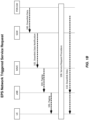
- Asynchronous Communication activated, the network suspends the Service Request procedure with the RAN/UE, and continues the Service Request procedure with the RAN/UE (i.e., synchronizes the session context with the RAN and the UE) when the UE enters CM-CONNECTED state. This process is illustrated in Figure 2 .
- Figure 1D illustrates a conventional 5G network triggered service request process. The steps of Figure 1D are described below:
- the SMF When supporting Paging Policy Differentiation, the SMF indicates in the N11 message the PPI related to the downlink data that triggered the Data Notification message, as described in TS 23.501 clause 5.2.X.
- AMF may receive request message(s) from other network functions which leads to signaling towards UE/RAN, e.g., network initiated detach, SMF initiated PDU session modification. If the UE is in CM-CONNECTED state and the AMF only delivers N1 message towards UE, the flow continues in step 212 below.
- Step 204b The AMF responds to the SMF. If the UE is in CM-IDLE state, and the AMF determines that the UE is not reachable for paging, the AMF shall send an N11 message to the SMF, or other network functions from which AMF received the request message in step 204a, indicating the UE is not reachable.
- Step 204c The SMF responds to the UPF.
- the SMF may notify the UPF about the user plane setup failure.
- Step 206 The AMF sends a Paging message to the RAN node. If the UE is in CM-CONNECTED state, the AMF performs some of the steps of the UE triggered Service Request procedure (described in clause 4.2.3.2 of TS 23.502) to activate the UPC for this PDU session (i.e., establish the radio resources and N3 tunnel). The rest of this procedure is omitted.
- Step 206 If the UE is in RM-REGISTERED state and CM-IDLE and reachable, the AMF sends a Paging message (Non-Access Stratum (NAS) ID for paging, Registration Area list, Paging Discontinuous Reception (DRX) length, PPI) to the RAN node(s) belonging to the Registration Area(s) in which the UE is registered, see TS [37.nnn].
- NAS Non-Access Stratum
- DRX Paging Discontinuous Reception
- Step 208 The RAN node pages the UE. If RAN nodes receive paging messages from the AMF, the UE is paged by the RAN node (see TS 37.331).
- Step 210 The AMF to the SMF: N11 message ACK.
- the AMF supervises the paging procedure with a timer. If the AMF receives no response from the UE to the Paging Request message, the AMF may apply further paging according to any applicable paging strategy described in step 204.
- the AMF If the AMF receives no response from the UE, the AMF considers the UE as unreachable and the SM N2 message cannot be routed to the RAN, so the AMF shall return an "N11 message Reject" with an appropriate "failure cause" (e.g., UE unreachability) to the SMF or other network functions to indicate the failure of "message routing service," unless the AMF is aware of an ongoing Mobility Management (MM) procedure that prevents the UE from responding (i.e., the AMF receives an N14 Context Request message indicating that the UE performs Registration procedure with another AMF). When an "N11 message Reject" is received, SMF informs the UPF.
- MM Mobility Management
- Step 212 When the UE is in the CM-IDLE state, upon reception of paging request, the UE initiates the UE triggered Service Request procedure (clause 4.2.2.2 of TS 23.502). As part of this procedure, the AMF sends N11 message(s) to the SMF(s) associated with the PDU session identified by PDU session ID(s) in MM NAS Service Request message if there is any, but not to the SMF(s) from which it receives the N11 message in step 204a.
- the AMF sends N11 message(s) to the SMF(s) associated with the PDU session identified by PDU session ID(s) in MM NAS Service Request message if there is any, but not to the SMF(s) from which it receives the N11 message in step 204a.
- Step 214 The UPF transmits the buffered downlink data toward the UE via the RAN node which performed the Service Request procedure.
- the network sends downlink signaling if the procedure is triggered due to request from other network entities described in step 204a.
- the AMF may include PPI in Paging Request message as described in TS 23.501 clause 5.2.X.
- Paging strategies may be configured in the AMF for different combinations of Data Network Name (DNN), PPI, PDU Session IDs from the SMF when available (see clause 4.9 of TS 23.501) and other PDU Session context information identified by PDU Session ID received in the N11 message.
- DNN Data Network Name
- PPI PDU Session IDs from the SMF when available (see clause 4.9 of TS 23.501)
- other PDU Session context information identified by PDU Session ID received in the N11 message.
- Paging strategies may include: paging retransmission scheme (e.g., how frequently the paging is repeated or with what time interval); determining whether to send the Paging message to the RAN nodes during certain AMF high load conditions; whether to apply sub-area based paging (e.g., first page in the last known cell-ID or Timing Advance (TA) and retransmission in all registered TAs).
- paging retransmission scheme e.g., how frequently the paging is repeated or with what time interval
- determining whether to send the Paging message to the RAN nodes during certain AMF high load conditions whether to apply sub-area based paging (e.g., first page in the last known cell-ID or Timing Advance (TA) and retransmission in all registered TAs).
- sub-area based paging e.g., first page in the last known cell-ID or Timing Advance (TA) and retransmission in all registered TAs.
- the AMF and the RAN may support further paging optimizations in order to reduce the signaling load and the network resources used to successfully page a UE by one or several of the following means:
- the AMF adds the UE radio capability for paging information in the N2 paging message to the RAN nodes. If the information on recommended cells and RAN nodes for paging is available in the AMF, the AMF shall take that information into account to determine the RAN nodes for paging and, when paging a RAN node, the AMF may transparently convey the information on recommended cells to the RAN node.
- the AMF may include in the N2 paging message(s) the paging attempt count information. The paging attempt count information shall be the same for all RAN nodes selected by the AMF for paging.
- QoS flow in 5G is described in TS 23.501.
- the QoS flow is the finest granularity of QoS differentiation in the PDU session.
- a QoS Flow Indicator (QFI) is used to identify a QoS flow in the 5G system.
- User plane traffic with the same QFI value within a PDU session receives the same traffic forwarding treatment.
- the QFI is carried in an encapsulation header on N3 (i.e., without any changes to the End-to-End (E2E) packet header). It can be applied to PDUs with different types of payload (i.e., IP packets, non-IP PDUs, and Ethernet frames).
- the QFI shall be unique within a PDU session.
- a certain range of QFIs is reserved for A-type QoS flows where the "full" QoS profile will not be used. These QFIs will map directly to standardized 5G QoS Indicators (5QIs) and a default ARP value.
- 5QIs 5G QoS Indicators
- Each QoS flow (Guaranteed Bit Rate (GBR) and Non-GBR) is associated with the following QoS parameters (details are described in clause 5.7.2): 5G 5QI and ARP.
- 5QI is associated with following characteristics: Resource Type (GBR or Non-GBR); Priority level; Packet Delay Budget; and Packet Error Rate.
- GBR QoS flow is in addition associated with the following QoS parameters (details are described in clause 5.7.2): Guaranteed Flow Bit Rate (GFBR) - uplink and downlink; Maximum Flow Bit Rate (MFBR) - uplink and downlink; and Notification control.
- GFBR Guaranteed Flow Bit Rate
- MFBR Maximum Flow Bit Rate
- the paging differentiation specification in 5G is modeled closely upon the EPS model, but whereas the MME has access to QoS information, the paging policy differentiation execution point in 5G - namely, the Core Access and the AMF - does not. Instead, in the 5G network it is the UPF or the SMF, not the AMF, which has the visibility of PDU session carrying different QoS flows.
- 5G introduced the CM-CONNECTED RRC Inactive state and provides that paging shall be carried out by the RAN in this state.
- the AMF is not the paging differentiation execution point and the paging differentiation information needs to be carried all the way to the RAN whenever downlink signaling may trigger RAN paging (e.g., N1 signaling towards a UE or N2 signaling towards the RAN, which will trigger the RAN to invoke the UE).
- RAN paging e.g., N1 signaling towards a UE or N2 signaling towards the RAN, which will trigger the RAN to invoke the UE.
- the Serving Gateway is per UE and is the aggregation point of all PDN connections.
- the SGW has the responsibility to aggregate the paging differentiation information from multiple PGWs at the same time, and pass it to MME for paging differentiation execution. That is, in EPS, the SGW provides all needed paging differentiation information to the MME for use by the MME during paging differentiation.
- the AMF (like the MME), is still the paging differentiation execution point for a UE in CM-IDLE mode, but the AMF is also the aggregation point of paging differentiation information of all PDU sessions.
- the AMF (or RAN) are the paging differentiation execution points in 5G
- current 5G standards do not specify any mechanism by which the AMF or RAN are provided with QoS information for use for paging differentiation. This despite the fact that, in the EPS systems upon which the current 5G architecture was modeled, the EPS paging differentiation execution point - the MME - is provided with QoS information, which the MME uses to make paging differentiation decisions.
- the subject matter of the present disclosure is directed to delivery of paging policy differentiation information between UPF/SMF and AMF using QoS information - e.g., QFI - and presents a new way of providing paging policy differentiation information to a RAN in RRC inactive state.
- QoS information e.g., QFI -
- the AMF determines whether the paging policy selection should be performed by the AMF or by a RAN that serves the target UE. If the paging policy selection should be performed by the AMF, the AMF selects a paging policy and sends a paging message to the RAN according to the selected paging policy. An example in which the AMF selects a paging policy will be described in detail in Figure 2 , below. If the paging policy selection should be performed by the RAN, the AMF provides paging policy information to the RAN, and the RAN performs a paging policy selection based on the received paging policy information and pages the UE according to the selected paging policy.
- determining whether a paging policy selection should be performed by the AMF or by the RAN comprises determining whether the target UE is in a CM-Connected, RRC-Idle state: if the target UE is in the CM-Connected, RRC-Idle state, the paging policy selection should be performed by the RAN, but if the target UE is not in the CM-Connected, RRC-Idle state, the paging policy selection should be performed by the AMF.
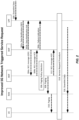
- FIG. 2 illustrates an improved 5G paging procedure according to an embodiment of the present disclosure.
- QoS information is provided by the UPF to the SMF and by the SMF to the AMF.
- the QoS information comprises the QFI value, which is a convenient reference for the kind of information needed by the AMF or RAN to make a proper paging differentiation. That is, in one embodiment the QFI is considered as the paging policy information that is transferred from the UPF to the SMF and to the AMF.
- Step 300 When the UPF receives downlink data of a PDU session and there is no RAN tunnel information stored in UPF for the PDU session, the UPF buffers the downlink data.
- Step 302a UPF to SMF: Data Notification.
- the data notification message contains QFI data.
- the UPF may send a Data Notification message (PDU session ID, Priority, QFI) to the SMF. If the UPF receives additional downlink data packets for a QoS Flow in the same PDU Session with the same or a lower priority than used in any previous Data Notification for this PDU session, the UPF buffers these downlink data packets without sending a new Data Notification.
- PDU session ID Priority
- QFI Data Notification message
- the UPF shall send a Data Notification message to the SMF indicating the higher priority. If the Paging Policy Differentiation feature (as specified in TS 23.501, clause 5.2.X) is supported by the UPF and if it is activated by the SMF for this N4 session, the UPF shall also include the DSCP in TOS (IPv4) / TC (IPv6) value from the IP header of the downlink data packet. Step 302b. The SMF to the UPF: Data Notification ACK. Step 304a. The SMF to the AMF: N11 message.
- this N11 message now contains QFI data.
- the SMF determines the AMF and sends an N11 message (UE Permanent ID, PDU session ID, N2 SM information (QoS profile, CN N3 Tunnel Information), Priority, PPI, QFI) to the AMF including the Priority and PDU Session ID received in the Data Notification message as part of step 302a. If the SMF, while waiting for the user plane Connection to be activated, receives any additional Data Notification message for the same PDU session but with higher priority than indicated in any previous Data Notification for this PDU session, the SMF sends a new N11 message indicating the higher priority and PDU Session ID to the AMF.
- N11 message UE Permanent ID, PDU session ID, N2 SM information (QoS profile, CN N3 Tunnel Information), Priority, PPI, QFI
- the SMF while waiting for the user plane to be activated, receives an N11 message response from an AMF other than the one to which the SMF sent an N11 message, the SMF sends the N11 message to this AMF. If the Registration procedure with AMF change is in progress when the old AMF receives a N11 message, the old AMF may reject N11 message with an indication that the N11 message has been temporarily rejected.
- the SMF indicates in the N11 message the PPI related to the downlink data that triggered the Data Notification message, as described in TS 23.501 clause 5.2.X.
- the AMF may receive request message(s) from other network functions which leads to signaling towards UE/RAN, e.g., network initiated detach, the SMF initiated PDU session modification.
- Step 304b. The AMF responds to the SMF. If the UE is in CM-IDLE state, and the AMF determines that the UE is not reachable for paging, the AMF shall send an N11 message to the SMF, or other network functions from which AMF received the request message in step 304a, indicating the UE is not reachable.
- Step 304c. [Conditional] The SMF responds to the UPF. The SMF may notify the UPF about the user plane setup failure. Step 306.
- the AMF performs a paging policy differentiation function to select a paging policy. This operation may also be referred to as performing a paging policy selection.
- the AMF takes the QFI information into account while performing the paging policy differentiation function. For example, the AMF may use the QFI information to determine a standardized 5QI value and a default ARP value.
- the AMF may formulate the paging policy based on this information and other available information, e.g., stored information related to the PDU session such as DNN, PDU session ID, and local configuration.
- the AMF may find a paging policy/profile per International Mobile Subscriber Identity (IMSI) number series based on input parameters such as QFI, DNN name, PDU session ID, and mobility pattern.
- the paging profile comprises an operator defined profile with paging scope, waiting time, and paging repetition logic.
- Selection matching rule DNN QFI Active time Result 1 Null 1-2 Null Profile 1 Paging Priority x 2 3-7
- the AMF may perform the paging for UE in CM-IDLE mode by sending "Paging Request" to the RAN in step 308, below, based on the paging scope in the paging profile.
- Step 308 The AMF sends Paging message to the RAN node. If the UE is in CM-CONNECTED state, the AMF performs some of the steps of the UE triggered Service Request procedure (TS 23.502, clause 4.2.3.2) to activate the UPC for this PDU session (i.e., establish the radio resources and N3 tunnel). The rest of this procedure is omitted.
- TS 23.502, clause 4.2.3.2 UE triggered Service Request procedure
- Step 308 If the UE is in RM-REGISTERED state and CM-IDLE and reachable, the AMF sends a Paging message (NAS ID for paging, Registration Area list, Paging DRX length, PPI) to the RAN node(s) belonging to the Registration Area(s) in which the UE is registered.
- NAS ID for paging, Registration Area list, Paging DRX length, PPI
- Step 310 The RAN node pages the UE. If RAN nodes receive paging messages from the AMF, the UE is paged by the RAN node, see TS 37.331.
- Step 312. The AMF to the SMF: N11 message ACK.
- the AMF supervises the paging procedure with a timer. If the AMF receives no response from the UE to the Paging Request message, the AMF may apply further paging according to any applicable paging strategy described in step 304.
- the AMF If the AMF receives no response from the UE, the AMF considers the UE as unreachable and the SM N2 message cannot be routed to the RAN, so the AMF shall return an "N11 message Reject" with an appropriate "failure cause" (e.g., UE unreachability) to the SMF or other network functions to indicate the failure of "message routing service," unless the AMF is aware of an ongoing MM procedure that prevents the UE from responding, i.e., the AMF receives an N14 Context Request message indicating that the UE performs Registration procedure with another AMF. When an "N11 message Reject" is received, the SMF informs the UPF.
- an appropriate "failure cause” e.g., UE unreachability
- the UE When the UE is in the CM-IDLE state, upon reception of paging request, the UE initiates the UE triggered Service Request procedure (TS 23.502, clause 4.2.2.2).
- the AMF sends N11 message to the SMF(s) associated with the PDU session identified by PDU session ID(s) in MM NAS Service Request message if there is any, but not to the SMF(s) from which it receives the N11 message in step 304a.
- Step 316 The UPF transmits the buffered downlink data toward UE via RAN node which performed the Service Request procedure.
- the network sends downlink signaling if the procedure is triggered due to request from other network entities.
- IMS IP Multimedia Subsystem
- SIP Session Initiation Protocol
- Figure 3 illustrates an improved 5G paging procedure according to another embodiment of the present disclosure. The steps of Figure 3 are described below:
- the AMF also provides paging priority information in the paging request to the RAN.
- the paging priority either can be part of the paging profile selection logic, or it can be a direct remapping from QFI as independent logic.
- the RAN may be provided with paging policy information in three different ways. First, the RAN may receive data packet directly from the UPF, where the RAN can, based on the known QFI, decide the paging policy. Second, the RAN may receive an N2 request (e.g., a N3 user plane setup request) from the SMF via the AMF where the SMF may provide the QFI information to the RAN.
- N2 request e.g., a N3 user plane setup request
- the RAN may need to receive paging policy information from the AMF.
- the AMF shall deliver the paging policy information with a similar format as QFI so that the RAN can have a unified handling as the first and second scenario.
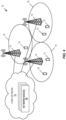
- FIG. 4 illustrates one example of a wireless communication system 10 in which embodiments of the present disclosure may be implemented.
- the wireless communication system 10 may be a cellular communications system such as, for example, a 5G NR network.
- the wireless communication system 10 includes a plurality of wireless communication devices 12 (e.g., conventional UEs, MTC / Machine-to-Machine (M2M) UEs) and a plurality of radio access nodes 14 (e.g., eNBs, 5G base stations which are referred to as gNBs, or other base stations).
- the wireless communication system 10 is organized into cells 16, which are connected to a core network 18 via the corresponding radio access nodes 14.
- the radio access nodes 14 are capable of communicating with the wireless communication devices 12 (also referred to herein as wireless devices 12) along with any additional elements suitable to support communication between wireless communication devices or between a wireless communication device and another communication device (such as a landline telephone).
- the core network 18 includes one or more network node(s) 20.
- the network nodes 20 may comprise, for example, any of the Evolved Packet Core (EPC) nodes shown in Figure 1A and/or any of the nodes shown in Figure 1B .
- EPC Evolved Packet Core
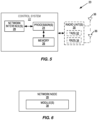
- FIG. 5 is a schematic block diagram of a network node 20 (e.g., a UPF, an SMF, an AMF, or a RAN) according to some embodiments of the present disclosure.
- the network node 20 includes a control system 22 that includes circuitry comprising one or more processors 24 (e.g., Central Processing Units (CPUs), Application Specific Integrated Circuits (ASICs), Digital Signal Processors (DSPs), Field Programmable Gate Arrays (FPGAs), and/or the like) and memory 26.
- processors 24 e.g., Central Processing Units (CPUs), Application Specific Integrated Circuits (ASICs), Digital Signal Processors (DSPs), Field Programmable Gate Arrays (FPGAs), and/or the like
- the control system 22 also includes a network interface 28.
- the network node 20 also includes one or more radio units 30 that each include one or more transmitters 32 and one or more receivers 34 coupled to one or more antennas 36.
- the functionality of the network node 20 described above may be fully or partially implemented in software that is, e.g., stored in the memory 26 and executed by the processor(s) 24.
- FIG. 6 is a schematic block diagram of the network node 20 (which may be, e.g., a UPF, an SMF, an AMF, or a RAN) according to some other embodiments of the present disclosure.
- the network node 20 includes one or more modules 38, each of which is implemented in software.
- the module(s) 38 provide the functionality of the network node 20 described herein.
- FIG. 7 is a schematic block diagram that illustrates a virtualized embodiment of the network node 20 according to some embodiments of the present disclosure.
- a "virtualized" network node is a network node in which at least a portion of the functionality of the network node 20 is implemented as a virtual component (e.g., via a virtual machine(s) executing on a physical processing node(s) in a network(s)).
- the network node 20 optionally includes the control system 22, as described with respect to Figure 5 .
- the network node 20 may also include the one or more radio units 30, as described with respect to Figure 5 .
- the control system 22 (if present) is connected to one or more processing nodes 40 coupled to or included as part of a network(s) 42 via the network interface 28.
- the one or more radio units 30 (if present) are connected to the one or more processing nodes 40 via the network interface(s) 28.
- all of the functionality of the network node 20 described herein may be implemented in the processing nodes 40 (i.e., the network node 20 does not include the control system 22 or the radio unit(s) 30).
- each processing node 40 includes one or more processors 44 (e.g., CPUs, ASICs, DSPs, FPGAs, and/or the like), memory 46, and a network interface 48.
- processors 44 e.g., CPUs, ASICs, DSPs, FPGAs, and/or the like
- functions 50 of the network node 20 described herein are implemented at the one or more processing nodes 40 or distributed across the control system 22 (if present) and the one or more processing nodes 40 in any desired manner.
- some or all of the functions 50 of the network node 20 described herein are implemented as virtual components executed by one or more virtual machines implemented in a virtual environment(s) hosted by the processing node(s) 40.
- additional signaling or communication between the processing node(s) 40 and the control system 22 (if present) or alternatively the radio unit(s) 30 (if present) is used in order to carry out at least some of the desired functions.
- the control system 22 may not be included, in which case the radio unit(s) 30 (if present) communicates directly with the processing node(s) 40 via an appropriate network interface(s).
- higher layer functionality e.g., layer 3 and up and possibly some of layer 2 of the protocol stack
- the network node 20 may be implemented at the processing node(s) 40 as virtual components (i.e., implemented "in the cloud")
- lower layer functionality e.g., layer 1 and possibly some of layer 2 of the protocol stack
- a computer program including instructions which, when executed by the at least one processor 24, 44 causes the at least one processor 24, 44 to carry out the functionality of the network node 20 or a processing node 40 according to any of the embodiments described herein is provided.
- a carrier containing the aforementioned computer program product is provided.
- the carrier is one of an electronic signal, an optical signal, a radio signal, or a computer readable storage medium (e.g., a non-transitory computer readable medium such as the memory 26, 46).
Landscapes
- Engineering & Computer Science (AREA)
- Computer Networks & Wireless Communication (AREA)
- Signal Processing (AREA)
- Databases & Information Systems (AREA)
- Mobile Radio Communication Systems (AREA)
Claims (18)
- Verfahren zur Funkrufrichtliniendifferenzierung an einer Zugangsverwaltungsfunktion, AMF, in einem Telekommunikationsnetzwerk der fünften Generation, 5G, wobei das Verfahren durch Folgendes gekennzeichnet ist:Empfangen (304a, 404) von Dienstqualitätsinformationen, QoS-Informationen, QoSI, von einer Sitzungsverwaltungsfunktion, SMF;in Reaktion auf das Empfangen der QoSI von der SMF, Bestimmen auf der Basis dessen, ob eine Ziel-Benutzereinrichtung, UE, in einem Verbindungsverwaltung-Verbunden, CM-Verbunden, Funkressourcensteuerungs-Ruhezustand, RRC-Ruhezustand, ist, ob eine Funkrufrichtlinienauswahl von der AMF oder von einem Funkzugangsknoten, RAN, der die Ziel-UE bedient, durchgeführt werden sollte;in Reaktion auf ein Bestimmen, dass die Ziel-UE nicht in dem CM-Verbunden, RRC-Ruhezustand ist:Bestimmen, dass die Funkrufrichtlinienauswahl von der AMF durchgeführt werden sollte; undDurchführen der Funkrufrichtlinienauswahl (306) zumindest basierend auf den QoSI und Senden (308) einer Funkrufnachricht gemäß der ausgewählten Funkrufrichtlinie an den RAN; undin Reaktion auf ein Bestimmen, dass die Ziel-UE in dem CM-Verbunden, RRC-Ruhezustand ist:Bestimmen, dass die Funkrufrichtlinienauswahl vom RAN durchgeführt werden sollte; undBereitstellen (408) von Funkrufrichtlinieninformationen für den RAN.
- Verfahren nach Anspruch 1, wobei die QoSI einen QoS-Flussindikator, QFI, umfassen.
- Verfahren nach Anspruch 1, wobei das Empfangen der QoSI Empfangen der QoSI in einer N11-Nachricht umfasst.
- Verfahren nach Anspruch 1, wobei das Durchführen der Funkrufrichtlinienauswahl durch die AMF Folgendes umfasst:Verwenden der empfangenen QoSI, um einen 5G-QoS-Indikator-Wert, 5QI-Wert, und einen Zuweisungs- und Aufbewahrungsprioritätswert, ARP-Wert, zu bestimmen; undAuswählen der Funkrufrichtlinie basierend auf dem 5QI- und dem ARP-Wert.
- Verfahren nach Anspruch 4, wobei die Funkrufrichtlinie auch basierend auf mindestens einem von Folgenden ausgewählt wird: einem Datennetzwerknamen, DNN; einer Protokolldateneinheits-Sitzungskennung, PDU-Sitzungskennung, und einer lokalen Konfiguration.
- Verfahren nach Anspruch 5, wobei das Durchführen der Funkrufrichtlinienauswahl durch die AMF Auswählen der Funkrufrichtlinie pro internationaler Mobilfunkteilnehmeridentität, IMSI, basierend auf mindestens einem von Folgenden umfasst: den QoSI; dem DNN; der PDU-Sitzungskennung und einem Mobilitätsmuster.
- Verfahren nach Anspruch 1, wobei die Funkrufrichtlinie ein netzwerkbetreiberdefiniertes Profil umfasst.
- Verfahren nach Anspruch 7, wobei das netzwerkbetreiberdefiniertes Profil mindestens eines von Folgenden definiert: einen Funkrufbereich; eine Wartezeit und eine Funkrufwiederholungslogik.
- Verfahren nach Anspruch 1, wobei das Durchführen der Funkrufrichtlinienauswahl durch die AMF Verwenden eines Wertes der QoSI als einen Index in einer Tabelle oder einem Satz von Regeln zum Auswählen einer Funkrufrichtlinie umfasst.
- Verfahren nach Anspruch 1, wobei die Funkrufrichtlinie ein Funkrufprofil und eine Funkrufpriorität umfasst.
- Verfahren nach Anspruch 1, wobei das Bereitstellen von Funkrufrichtlinieninformationen für den RAN Senden einer N2-Anforderungsnachricht mit den Funkrufrichtlinieninformationen an den RAN umfasst.
- Verfahren nach Anspruch 11, wobei die Funkrufrichtlinieninformationen mindestens eines von Folgenden umfassen: die QoSI und Funkrufprioritätsinformationen.
- Verfahren zur Funkrufrichtliniendifferenzierung in einem Telekommunikationsnetzwerk der fünften Generation, 5G, wobei das Verfahren durch Folgendes gekennzeichnet ist:an einer Benutzerebenen-Funktion, UPF:Empfangen (300, 400) von Downlink-Daten für eine Ziel-Benutzereinrichtung, UE; undin Reaktion auf das Empfangen der Downlink-Daten Bereitstellen (302a, 402a) einer Datenbenachrichtigung für eine Sitzungsverwaltungsfunktion, SMF, wobei die Datenbenachrichtigung Dienstqualitätsinformationen, QoS-Informationen, QoSI, umfasst;an der SMF:
in Reaktion auf das Empfangen der Datenbenachrichtigung von der UPF Bereitstellen (304a, 404) der QoSI für eine Zugangsverwaltungsfunktion, AMF;an der AMF:
in Reaktion auf das Empfangen der QoSI von der SMF Bestimmen auf der Basis dessen, ob eine Ziel-Benutzereinrichtung, UE, in einem Verbindungsverwaltung-Verbunden, CM-Verbunden, Funkressourcensteuerungs-Ruhezustand, RRC-Ruhezustand, ist, ob eine Funkrufrichtlinienauswahl von der AMF oder von einem Funkzugangsknoten, RAN, der die Ziel-UE bedient, durchgeführt werden sollte;in Reaktion auf ein Bestimmen, dass die Ziel-UE nicht in dem CM-Verbunden, RRC-Ruhezustand ist:
Bestimmen, dass die Funkrufrichtlinienauswahl von der AMF durchgeführt werden sollte; und Durchführen der Funkrufrichtlinienauswahl (306) zumindest basierend auf den QoSI und Senden (308) einer Funkrufnachricht gemäß der ausgewählten Funkrufrichtlinie an den RAN; undin Reaktion auf ein Bestimmen, dass die Ziel-UE in dem CM-Verbunden, RRC-Ruhezustand ist:
Bestimmen, dass die Funkrufrichtlinienauswahl vom RAN durchgeführt werden sollte; und Bereitstellen (408) von Funkrufrichtlinieninformationen für den RAN;am RAN:in Reaktion auf das Empfangen (308) der Funkrufnachricht von der AMF Rufen (310) der Ziel-UE per Funk; undin Reaktion auf das Empfangen (408) von Funkrufrichtlinieninformationen von der AMF Durchführen (410) der Funkrufrichtlinienauswahl zumindest basierend auf den empfangenen Funkrufrichtlinieninformationen und Rufen (412) der Ziel-UE per Funk gemäß der ausgewählten Funkrufrichtlinie. - Zugangsverwaltungsfunktion, AMF, in einem Telekommunikationsnetzwerk der fünften Generation, 5G, wobei die AMF zu Folgendem ausgelegt ist und die AMF durch Folgendes gekennzeichnet ist:Empfangen (304a, 404) von Dienstqualitätsinformationen, QoS-Informationen, QoSI, von einer Sitzungsverwaltungsfunktion, SMF;in Reaktion auf das Empfangen der QoSI von der SMF Bestimmen auf der Basis dessen, ob eine Ziel-Benutzereinrichtung, UE, in einem Verbindungsverwaltung-Verbunden, CM-Verbunden, Funkressourcensteuerungs-Ruhezustand, RRC-Ruhezustand, ist, ob eine Funkrufrichtlinienauswahl von der AMF oder von einem Funkzugangsknoten, RAN, der die Ziel-UE bedient, durchgeführt werden sollte;in Reaktion auf ein Bestimmen, dass die Ziel-UE nicht im CM-Verbunden, RRC-Ruhezustand ist:
Bestimmen, dass die Funkrufrichtlinienauswahl von der AMF durchgeführt werden sollte; und Durchführen der Funkrufrichtlinienauswahl (306) zumindest basierend auf den QoSI und Senden (308) einer Funkrufnachricht gemäß der ausgewählten Funkrufrichtlinie an den RAN; undin Reaktion auf ein Bestimmen, dass die Ziel-UE in dem CM-Verbunden, RRC-Ruhezustand ist:
Bestimmen, dass die Funkrufrichtlinienauswahl vom RAN durchgeführt werden sollte; und Bereitstellen (408) von Funkrufrichtlinieninformationen für den RAN. - AMF nach Anspruch 14, wobei die AMF ferner so ausgelegt ist, dass sie gemäß dem Verfahren nach einem der Ansprüche 2 bis 12 funktioniert.
- Netzwerkknoten (20) zum Durchführen von Funkrufrichtliniendifferenzierung in einem Telekommunikationsnetzwerk der fünften Generation, 5G, wobei der Netzwerkknoten Folgendes umfasst:
ein oder mehrere Module (38), wobei der Knoten (20) so ausgelegt ist, dass er gemäß dem Verfahren nach einem der Ansprüche 1 bis 12 funktioniert. - Computerprogramm, umfassend Anweisungen, die bei Ausführung durch mindestens einen Prozessor das Verfahren nach einem der Ansprüche 1 bis 12 durchführen.
- Datenträger, umfassend das Computerprogramm nach Anspruch 17, wobei der Datenträger eines von einem elektrischen Signal, einem optischen Signal, einem Funksignal oder einem computerlesbaren Speichermedium ist.
Applications Claiming Priority (2)
| Application Number | Priority Date | Filing Date | Title |
|---|---|---|---|
| US201762502122P | 2017-05-05 | 2017-05-05 | |
| PCT/EP2018/056504 WO2018202351A1 (en) | 2017-05-05 | 2018-03-15 | Paging policy differentiation in 5g system |
Publications (2)
| Publication Number | Publication Date |
|---|---|
| EP3619985A1 EP3619985A1 (de) | 2020-03-11 |
| EP3619985B1 true EP3619985B1 (de) | 2025-01-22 |
Family
ID=61691488
Family Applications (1)
| Application Number | Title | Priority Date | Filing Date |
|---|---|---|---|
| EP18711905.2A Active EP3619985B1 (de) | 2017-05-05 | 2018-03-15 | Funkrufrichtliniendifferenzierung in einem 5g-system |
Country Status (5)
| Country | Link |
|---|---|
| US (1) | US11064457B2 (de) |
| EP (1) | EP3619985B1 (de) |
| CN (2) | CN110622589B (de) |
| MX (1) | MX2019012914A (de) |
| WO (1) | WO2018202351A1 (de) |
Families Citing this family (36)
| Publication number | Priority date | Publication date | Assignee | Title |
|---|---|---|---|---|
| EP3419378A1 (de) * | 2017-06-19 | 2018-12-26 | Industrial Technology Research Institute | Verfahren zur standortverfolgung und zugehörige vorrichtung mit verwendung davon |
| WO2019033402A1 (zh) * | 2017-08-18 | 2019-02-21 | Oppo广东移动通信有限公司 | 用于寻呼的方法、接入网设备、终端设备和核心网设备 |
| CN110139360B (zh) * | 2018-02-08 | 2022-04-01 | 大唐移动通信设备有限公司 | 一种寻呼策略确定方法、装置、ran网元及核心网网元 |
| CN110167068A (zh) | 2018-02-14 | 2019-08-23 | 华为技术有限公司 | 一种处理服务质量QoS参数的方法、网元、系统及存储介质 |
| CN116366567A (zh) | 2018-02-14 | 2023-06-30 | 华为技术有限公司 | 一种处理服务质量QoS参数的方法、网元、系统及存储介质 |
| EP3701738A4 (de) | 2018-05-18 | 2020-12-09 | NEC Corporation | Verfahren zur synchronisierung des status eines benutzergeräts in einem kommunikationsnetz |
| CN110519712B (zh) * | 2018-05-21 | 2020-11-17 | 中国移动通信有限公司研究院 | 信息处理方法及装置、网元及存储介质 |
| US11399304B2 (en) | 2018-09-28 | 2022-07-26 | Ofinno, Llc | Packet duplication by core network |
| US11212720B2 (en) * | 2018-10-16 | 2021-12-28 | Mediatek Inc. | 5GSM handling on invalid PDU session |
| US11005715B2 (en) | 2018-12-21 | 2021-05-11 | T-Moblle USA, Inc. | Latency-sensitive network-traffic quality of service |
| US11044194B2 (en) * | 2019-02-28 | 2021-06-22 | T-Mobile Usa, Inc. | QoS for latency-sensitive network-traffic flows |
| CN112423314B (zh) * | 2019-08-21 | 2022-05-10 | 华为技术有限公司 | 通知服务质量信息的方法、设备及系统 |
| CN111800857B (zh) | 2019-08-27 | 2023-01-03 | 维沃移动通信有限公司 | 一种寻呼方法和设备 |
| US12224944B2 (en) * | 2019-10-30 | 2025-02-11 | Telefonaktiebolaget Lm Ericsson (Publ) | Nodes and methods for enabling user plane traffic classification in a communications system |
| KR102505706B1 (ko) * | 2019-11-06 | 2023-03-03 | 엘지전자 주식회사 | 무선 통신 시스템에서 단말 및 기지국의 신호 송수신 방법 및 장치 |
| US11224009B2 (en) * | 2019-12-30 | 2022-01-11 | Oracle International Corporation | Methods, systems, and computer readable media for enabling transport quality of service (QoS) in 5G networks |
| WO2021155957A1 (en) * | 2020-02-07 | 2021-08-12 | Telefonaktiebolaget Lm Ericsson (Publ) | Paging and signaling optimisation |
| US12255780B2 (en) | 2020-04-16 | 2025-03-18 | Telefonaktiebolaget Lm Ericsson (Publ) | User plane based exposure |
| WO2021209140A1 (en) * | 2020-04-16 | 2021-10-21 | Telefonaktiebolaget Lm Ericsson (Publ) | Technique for paging a radio device |
| EP4136897A4 (de) * | 2020-04-16 | 2024-01-10 | Qualcomm Incorporated | Lösung zur anzeige des status einer ordnungsgemäss verlassenen pdu-sitzung |
| CN116076124B (zh) * | 2020-08-07 | 2025-09-16 | 索尼集团公司 | 寻呼控制节点、会话控制节点以及控制方法 |
| CN114126047B (zh) * | 2020-08-28 | 2023-02-03 | 大唐移动通信设备有限公司 | 一种寻呼方法及装置 |
| JP7573737B2 (ja) | 2020-09-28 | 2024-10-25 | 中興通訊股▲ふん▼有限公司 | ページングキャリア選択のための方法および装置 |
| US20240057034A1 (en) * | 2020-12-21 | 2024-02-15 | Samsung Electronics Co., Ltd. | Method and system for grouping of paging in wireless network |
| CN114979963A (zh) * | 2021-02-25 | 2022-08-30 | 华为技术有限公司 | 组播/广播业务的通信方法、装置及系统 |
| CN114071790B (zh) * | 2021-12-16 | 2023-05-12 | 中国联合网络通信集团有限公司 | 通信方法、装置、设备及存储介质 |
| US20250097158A1 (en) * | 2022-01-25 | 2025-03-20 | Lg Electronics Inc. | Method for effectively supporting qos of ai and ml services |
| US12185407B2 (en) | 2022-05-04 | 2024-12-31 | Cisco Technology, Inc. | Providing adaptive transition between an inactive state and an idle state |
| WO2024000518A1 (zh) * | 2022-06-30 | 2024-01-04 | 北京小米移动软件有限公司 | 信息处理方法、装置、通信设备及存储介质 |
| US12225503B2 (en) | 2022-07-15 | 2025-02-11 | Dell Products L.P. | Adaptive paging in wireless communication networks |
| US12369139B2 (en) | 2022-08-12 | 2025-07-22 | Dell Products L.P. | Adaptive paging in wireless communication networks |
| EP4362574A1 (de) * | 2022-10-26 | 2024-05-01 | Nokia Technologies Oy | Paging-aktualisierungsanzeige für verbesserte paging-strategie |
| US20240147417A1 (en) * | 2022-11-01 | 2024-05-02 | T-Mobile Innovations Llc | Dynamic mechanism to improve subscriber level paging success rate in long term evolution and new radio networks |
| WO2024172726A1 (en) * | 2023-02-14 | 2024-08-22 | Telefonaktiebolaget Lm Ericsson (Publ) | Systems and methods for signaling paging differentiation parameters |
| WO2025025122A1 (zh) * | 2023-07-31 | 2025-02-06 | 北京小米移动软件有限公司 | 消息接收方法、装置 |
| WO2025074388A1 (en) * | 2023-10-04 | 2025-04-10 | Jio Platforms Limited | Systems and methods for executing paging operations |
Family Cites Families (21)
| Publication number | Priority date | Publication date | Assignee | Title |
|---|---|---|---|---|
| US9544873B2 (en) * | 2008-05-14 | 2017-01-10 | Qualcomm Incorporated | Paging with QoS in a wireless communication system |
| US8902827B2 (en) * | 2009-04-21 | 2014-12-02 | Htc Corporation | Relay for handling data forwarding in a wireless communication system and related method for controlling the same |
| US8515465B2 (en) * | 2009-09-02 | 2013-08-20 | Telefonaktiebolaget L M Ericsson (Publ) | Solution for paging differentiation in communication network |
| US9191917B2 (en) * | 2010-06-21 | 2015-11-17 | Telefonaktiebolaget L M Ericsson (Publ) | Method and arrangement for paging in a wireless communications system |
| WO2013187814A1 (en) * | 2012-06-13 | 2013-12-19 | Telefonaktiebolaget L M Ericsson (Publ) | A method and node for paging in a radio access network |
| EP2870808A1 (de) * | 2012-07-09 | 2015-05-13 | Telefonaktiebolaget LM Ericsson (Publ) | Verfahren und knoten für funkruf in einem funkzugangsnetzwerk |
| US9655159B2 (en) * | 2012-08-31 | 2017-05-16 | Qualcomm Incorporated | Managing guaranteed bit rate quality of service resource allocation based on guaranteed bit rate data activity on a link |
| US8755808B2 (en) * | 2012-09-28 | 2014-06-17 | Alcatel Lucent | Method and apparatus for paging policy adaptation in a wireless network |
| US9820328B2 (en) * | 2014-06-24 | 2017-11-14 | Intel Corporation | Apparatuses, methods, and systems to reduce handover latency in an integrated wireless local area network and cellular network |
| US10117219B2 (en) * | 2014-08-22 | 2018-10-30 | Qualcomm Incorporated | Wireless network page transmission and response |
| CN111182599B (zh) * | 2015-03-27 | 2022-02-18 | 阿尔卡特朗讯 | 用户设备以及网络元件 |
| US10681637B2 (en) * | 2015-07-15 | 2020-06-09 | Lg Electronics Inc. | Method and apparatus for transmitting and receiving data, by terminal, in wireless communication system |
| CN106612545B (zh) * | 2015-10-23 | 2020-07-31 | 中国移动通信集团广东有限公司 | 一种寻呼方法、p-cscf、s-gw以及寻呼网络系统 |
| KR102371203B1 (ko) * | 2015-10-30 | 2022-03-07 | 삼성전자 주식회사 | 이동 통신 시스템에서 페이징 메시지를 송수신하는 방법 및 장치 |
| US11444850B2 (en) * | 2016-05-02 | 2022-09-13 | Huawei Technologies Co., Ltd. | Method and apparatus for communication network quality of service capability exposure |
| CN113556811B (zh) * | 2016-05-13 | 2024-04-05 | 北京三星通信技术研究有限公司 | 一种轻连接控制的方法及设备 |
| EP3516922B1 (de) * | 2016-09-30 | 2021-07-14 | Samsung Electronics Co., Ltd. | Verfahren und vorrichtung zur herstellung von dualer konnektivität zur übertragung von daten in einer neuen funkkommunikationsarchitektur |
| WO2018084621A1 (ko) * | 2016-11-04 | 2018-05-11 | 엘지전자 주식회사 | 단말의 rrc 상태 전환 방법 및 이를 지원하는 장치 |
| US10462840B2 (en) * | 2017-01-09 | 2019-10-29 | Huawei Technologies Co., Ltd. | System and methods for session management |
| GB2559397A (en) * | 2017-02-03 | 2018-08-08 | Nec Corp | Communication system |
| US20190007992A1 (en) * | 2017-07-03 | 2019-01-03 | Electronics And Telecommunications Research Institute | Network triggered service request method and user equipment (ue) triggered service request method |
-
2018
- 2018-03-15 CN CN201880029603.0A patent/CN110622589B/zh active Active
- 2018-03-15 CN CN202210749371.4A patent/CN115102588B/zh active Active
- 2018-03-15 US US15/771,740 patent/US11064457B2/en active Active
- 2018-03-15 WO PCT/EP2018/056504 patent/WO2018202351A1/en not_active Ceased
- 2018-03-15 EP EP18711905.2A patent/EP3619985B1/de active Active
- 2018-03-15 MX MX2019012914A patent/MX2019012914A/es unknown
Also Published As
| Publication number | Publication date |
|---|---|
| CN115102588B (zh) | 2024-05-14 |
| CN110622589B (zh) | 2022-07-15 |
| WO2018202351A1 (en) | 2018-11-08 |
| CN110622589A (zh) | 2019-12-27 |
| US20190082417A1 (en) | 2019-03-14 |
| MX2019012914A (es) | 2020-01-14 |
| US11064457B2 (en) | 2021-07-13 |
| CN115102588A (zh) | 2022-09-23 |
| EP3619985A1 (de) | 2020-03-11 |
Similar Documents
| Publication | Publication Date | Title |
|---|---|---|
| EP3619985B1 (de) | Funkrufrichtliniendifferenzierung in einem 5g-system | |
| US11375471B2 (en) | Method for performing service request procedure and apparatus therefor in wireless communication system | |
| US10624004B2 (en) | Serving node relocating method in wireless communication system and device for same | |
| US10849028B2 (en) | Method for determining EMM mode in wireless communication system, and apparatus therefor | |
| EP3606115B1 (de) | Verfahren zur interaktion zwischen schichten in einem drahtloskommunikationssystem und vorrichtung dafür | |
| US10187910B2 (en) | Method and apparatus for resuming RRC connection in wireless communication system | |
| US10856265B2 (en) | Method for selecting resource operation preferred by user in wireless communication system and device for same | |
| US10631266B2 (en) | Mobile-terminated data control method in wireless communication system and device therefor | |
| US10716161B2 (en) | Method for resuming connection in wireless communication system and device for same | |
| US10575278B2 (en) | Method for controlling idle-mode signaling reduction of terminal in wireless communication system and apparatus for the same | |
| US10602380B2 (en) | Method for selecting data transmission mode in wireless communication system and apparatus therefor | |
| US10681767B2 (en) | Method and apparatus for performing RRC connection resume in wireless communication system | |
| US20200178048A1 (en) | V2x communication support method in wireless communication system | |
| US20190230723A1 (en) | Method for performing service request procedure in wireless communication system and device therefor | |
| US20170339609A1 (en) | Method and apparatus for determining pdu session identity in wireless communication system | |
| US10932224B2 (en) | Method and user equipment for receiving data, and method and base station for transmitting data | |
| US20190021130A1 (en) | Method for changing connection mode and mobility management entity |
Legal Events
| Date | Code | Title | Description |
|---|---|---|---|
| STAA | Information on the status of an ep patent application or granted ep patent |
Free format text: STATUS: UNKNOWN |
|
| STAA | Information on the status of an ep patent application or granted ep patent |
Free format text: STATUS: THE INTERNATIONAL PUBLICATION HAS BEEN MADE |
|
| PUAI | Public reference made under article 153(3) epc to a published international application that has entered the european phase |
Free format text: ORIGINAL CODE: 0009012 |
|
| STAA | Information on the status of an ep patent application or granted ep patent |
Free format text: STATUS: REQUEST FOR EXAMINATION WAS MADE |
|
| 17P | Request for examination filed |
Effective date: 20191029 |
|
| AK | Designated contracting states |
Kind code of ref document: A1 Designated state(s): AL AT BE BG CH CY CZ DE DK EE ES FI FR GB GR HR HU IE IS IT LI LT LU LV MC MK MT NL NO PL PT RO RS SE SI SK SM TR |
|
| AX | Request for extension of the european patent |
Extension state: BA ME |
|
| DAV | Request for validation of the european patent (deleted) | ||
| DAX | Request for extension of the european patent (deleted) | ||
| STAA | Information on the status of an ep patent application or granted ep patent |
Free format text: STATUS: EXAMINATION IS IN PROGRESS |
|
| 17Q | First examination report despatched |
Effective date: 20210823 |
|
| GRAP | Despatch of communication of intention to grant a patent |
Free format text: ORIGINAL CODE: EPIDOSNIGR1 |
|
| STAA | Information on the status of an ep patent application or granted ep patent |
Free format text: STATUS: GRANT OF PATENT IS INTENDED |
|
| GRAJ | Information related to disapproval of communication of intention to grant by the applicant or resumption of examination proceedings by the epo deleted |
Free format text: ORIGINAL CODE: EPIDOSDIGR1 |
|
| STAA | Information on the status of an ep patent application or granted ep patent |
Free format text: STATUS: EXAMINATION IS IN PROGRESS |
|
| INTG | Intention to grant announced |
Effective date: 20240913 |
|
| GRAP | Despatch of communication of intention to grant a patent |
Free format text: ORIGINAL CODE: EPIDOSNIGR1 |
|
| STAA | Information on the status of an ep patent application or granted ep patent |
Free format text: STATUS: GRANT OF PATENT IS INTENDED |
|
| INTC | Intention to grant announced (deleted) | ||
| INTG | Intention to grant announced |
Effective date: 20241018 |
|
| GRAS | Grant fee paid |
Free format text: ORIGINAL CODE: EPIDOSNIGR3 |
|
| GRAA | (expected) grant |
Free format text: ORIGINAL CODE: 0009210 |
|
| STAA | Information on the status of an ep patent application or granted ep patent |
Free format text: STATUS: THE PATENT HAS BEEN GRANTED |
|
| AK | Designated contracting states |
Kind code of ref document: B1 Designated state(s): AL AT BE BG CH CY CZ DE DK EE ES FI FR GB GR HR HU IE IS IT LI LT LU LV MC MK MT NL NO PL PT RO RS SE SI SK SM TR |
|
| REG | Reference to a national code |
Ref country code: GB Ref legal event code: FG4D |
|
| REG | Reference to a national code |
Ref country code: CH Ref legal event code: EP |
|
| REG | Reference to a national code |
Ref country code: IE Ref legal event code: FG4D |
|
| REG | Reference to a national code |
Ref country code: DE Ref legal event code: R096 Ref document number: 602018078650 Country of ref document: DE |
|
| PGFP | Annual fee paid to national office [announced via postgrant information from national office to epo] |
Ref country code: DE Payment date: 20250327 Year of fee payment: 8 |
|
| PGFP | Annual fee paid to national office [announced via postgrant information from national office to epo] |
Ref country code: GB Payment date: 20250327 Year of fee payment: 8 |
|
| REG | Reference to a national code |
Ref country code: NL Ref legal event code: MP Effective date: 20250122 |
|
| PG25 | Lapsed in a contracting state [announced via postgrant information from national office to epo] |
Ref country code: NL Free format text: LAPSE BECAUSE OF FAILURE TO SUBMIT A TRANSLATION OF THE DESCRIPTION OR TO PAY THE FEE WITHIN THE PRESCRIBED TIME-LIMIT Effective date: 20250122 |
|
| PG25 | Lapsed in a contracting state [announced via postgrant information from national office to epo] |
Ref country code: RS Free format text: LAPSE BECAUSE OF FAILURE TO SUBMIT A TRANSLATION OF THE DESCRIPTION OR TO PAY THE FEE WITHIN THE PRESCRIBED TIME-LIMIT Effective date: 20250422 |
|
| PG25 | Lapsed in a contracting state [announced via postgrant information from national office to epo] |
Ref country code: FI Free format text: LAPSE BECAUSE OF FAILURE TO SUBMIT A TRANSLATION OF THE DESCRIPTION OR TO PAY THE FEE WITHIN THE PRESCRIBED TIME-LIMIT Effective date: 20250122 |
|
| PG25 | Lapsed in a contracting state [announced via postgrant information from national office to epo] |
Ref country code: PL Free format text: LAPSE BECAUSE OF FAILURE TO SUBMIT A TRANSLATION OF THE DESCRIPTION OR TO PAY THE FEE WITHIN THE PRESCRIBED TIME-LIMIT Effective date: 20250122 |
|
| PG25 | Lapsed in a contracting state [announced via postgrant information from national office to epo] |
Ref country code: ES Free format text: LAPSE BECAUSE OF FAILURE TO SUBMIT A TRANSLATION OF THE DESCRIPTION OR TO PAY THE FEE WITHIN THE PRESCRIBED TIME-LIMIT Effective date: 20250122 |
|
| REG | Reference to a national code |
Ref country code: LT Ref legal event code: MG9D |
|
| PG25 | Lapsed in a contracting state [announced via postgrant information from national office to epo] |
Ref country code: NO Free format text: LAPSE BECAUSE OF FAILURE TO SUBMIT A TRANSLATION OF THE DESCRIPTION OR TO PAY THE FEE WITHIN THE PRESCRIBED TIME-LIMIT Effective date: 20250422 Ref country code: IS Free format text: LAPSE BECAUSE OF FAILURE TO SUBMIT A TRANSLATION OF THE DESCRIPTION OR TO PAY THE FEE WITHIN THE PRESCRIBED TIME-LIMIT Effective date: 20250522 |
|
| REG | Reference to a national code |
Ref country code: AT Ref legal event code: MK05 Ref document number: 1762419 Country of ref document: AT Kind code of ref document: T Effective date: 20250122 |
|
| PG25 | Lapsed in a contracting state [announced via postgrant information from national office to epo] |
Ref country code: HR Free format text: LAPSE BECAUSE OF FAILURE TO SUBMIT A TRANSLATION OF THE DESCRIPTION OR TO PAY THE FEE WITHIN THE PRESCRIBED TIME-LIMIT Effective date: 20250122 |
|
| PG25 | Lapsed in a contracting state [announced via postgrant information from national office to epo] |
Ref country code: LV Free format text: LAPSE BECAUSE OF FAILURE TO SUBMIT A TRANSLATION OF THE DESCRIPTION OR TO PAY THE FEE WITHIN THE PRESCRIBED TIME-LIMIT Effective date: 20250122 Ref country code: PT Free format text: LAPSE BECAUSE OF FAILURE TO SUBMIT A TRANSLATION OF THE DESCRIPTION OR TO PAY THE FEE WITHIN THE PRESCRIBED TIME-LIMIT Effective date: 20250522 |
|
| PG25 | Lapsed in a contracting state [announced via postgrant information from national office to epo] |
Ref country code: BG Free format text: LAPSE BECAUSE OF FAILURE TO SUBMIT A TRANSLATION OF THE DESCRIPTION OR TO PAY THE FEE WITHIN THE PRESCRIBED TIME-LIMIT Effective date: 20250122 Ref country code: GR Free format text: LAPSE BECAUSE OF FAILURE TO SUBMIT A TRANSLATION OF THE DESCRIPTION OR TO PAY THE FEE WITHIN THE PRESCRIBED TIME-LIMIT Effective date: 20250423 |
|
| PG25 | Lapsed in a contracting state [announced via postgrant information from national office to epo] |
Ref country code: AT Free format text: LAPSE BECAUSE OF FAILURE TO SUBMIT A TRANSLATION OF THE DESCRIPTION OR TO PAY THE FEE WITHIN THE PRESCRIBED TIME-LIMIT Effective date: 20250122 |
|
| PG25 | Lapsed in a contracting state [announced via postgrant information from national office to epo] |
Ref country code: SE Free format text: LAPSE BECAUSE OF FAILURE TO SUBMIT A TRANSLATION OF THE DESCRIPTION OR TO PAY THE FEE WITHIN THE PRESCRIBED TIME-LIMIT Effective date: 20250122 |
|
| PG25 | Lapsed in a contracting state [announced via postgrant information from national office to epo] |
Ref country code: SM Free format text: LAPSE BECAUSE OF FAILURE TO SUBMIT A TRANSLATION OF THE DESCRIPTION OR TO PAY THE FEE WITHIN THE PRESCRIBED TIME-LIMIT Effective date: 20250122 |
|
| PG25 | Lapsed in a contracting state [announced via postgrant information from national office to epo] |
Ref country code: DK Free format text: LAPSE BECAUSE OF FAILURE TO SUBMIT A TRANSLATION OF THE DESCRIPTION OR TO PAY THE FEE WITHIN THE PRESCRIBED TIME-LIMIT Effective date: 20250122 |
|
| PG25 | Lapsed in a contracting state [announced via postgrant information from national office to epo] |
Ref country code: MC Free format text: LAPSE BECAUSE OF FAILURE TO SUBMIT A TRANSLATION OF THE DESCRIPTION OR TO PAY THE FEE WITHIN THE PRESCRIBED TIME-LIMIT Effective date: 20250122 |
|
| PG25 | Lapsed in a contracting state [announced via postgrant information from national office to epo] |
Ref country code: IT Free format text: LAPSE BECAUSE OF FAILURE TO SUBMIT A TRANSLATION OF THE DESCRIPTION OR TO PAY THE FEE WITHIN THE PRESCRIBED TIME-LIMIT Effective date: 20250122 |
|
| PG25 | Lapsed in a contracting state [announced via postgrant information from national office to epo] |
Ref country code: CZ Free format text: LAPSE BECAUSE OF FAILURE TO SUBMIT A TRANSLATION OF THE DESCRIPTION OR TO PAY THE FEE WITHIN THE PRESCRIBED TIME-LIMIT Effective date: 20250122 Ref country code: EE Free format text: LAPSE BECAUSE OF FAILURE TO SUBMIT A TRANSLATION OF THE DESCRIPTION OR TO PAY THE FEE WITHIN THE PRESCRIBED TIME-LIMIT Effective date: 20250122 |
|
| REG | Reference to a national code |
Ref country code: DE Ref legal event code: R097 Ref document number: 602018078650 Country of ref document: DE |
|
| PG25 | Lapsed in a contracting state [announced via postgrant information from national office to epo] |
Ref country code: RO Free format text: LAPSE BECAUSE OF FAILURE TO SUBMIT A TRANSLATION OF THE DESCRIPTION OR TO PAY THE FEE WITHIN THE PRESCRIBED TIME-LIMIT Effective date: 20250122 |
|
| REG | Reference to a national code |
Ref country code: CH Ref legal event code: H13 Free format text: ST27 STATUS EVENT CODE: U-0-0-H10-H13 (AS PROVIDED BY THE NATIONAL OFFICE) Effective date: 20251023 |
|
| PG25 | Lapsed in a contracting state [announced via postgrant information from national office to epo] |
Ref country code: SK Free format text: LAPSE BECAUSE OF FAILURE TO SUBMIT A TRANSLATION OF THE DESCRIPTION OR TO PAY THE FEE WITHIN THE PRESCRIBED TIME-LIMIT Effective date: 20250122 |
|
| PG25 | Lapsed in a contracting state [announced via postgrant information from national office to epo] |
Ref country code: LU Free format text: LAPSE BECAUSE OF NON-PAYMENT OF DUE FEES Effective date: 20250315 |
|
| PLBE | No opposition filed within time limit |
Free format text: ORIGINAL CODE: 0009261 |
|
| STAA | Information on the status of an ep patent application or granted ep patent |
Free format text: STATUS: NO OPPOSITION FILED WITHIN TIME LIMIT |