EP3619680B1 - System und verfahren zur bildneuausrichtung - Google Patents
System und verfahren zur bildneuausrichtung Download PDFInfo
- Publication number
- EP3619680B1 EP3619680B1 EP17908270.6A EP17908270A EP3619680B1 EP 3619680 B1 EP3619680 B1 EP 3619680B1 EP 17908270 A EP17908270 A EP 17908270A EP 3619680 B1 EP3619680 B1 EP 3619680B1
- Authority
- EP
- European Patent Office
- Prior art keywords
- image
- predetermined
- text
- orientation
- rotated
- Prior art date
- Legal status (The legal status is an assumption and is not a legal conclusion. Google has not performed a legal analysis and makes no representation as to the accuracy of the status listed.)
- Not-in-force
Links
Images




Classifications
-
- G—PHYSICS
- G06—COMPUTING OR CALCULATING; COUNTING
- G06T—IMAGE DATA PROCESSING OR GENERATION, IN GENERAL
- G06T7/00—Image analysis
- G06T7/70—Determining position or orientation of objects or cameras
- G06T7/73—Determining position or orientation of objects or cameras using feature-based methods
-
- G—PHYSICS
- G06—COMPUTING OR CALCULATING; COUNTING
- G06F—ELECTRIC DIGITAL DATA PROCESSING
- G06F18/00—Pattern recognition
- G06F18/20—Analysing
- G06F18/21—Design or setup of recognition systems or techniques; Extraction of features in feature space; Blind source separation
- G06F18/214—Generating training patterns; Bootstrap methods, e.g. bagging or boosting
- G06F18/2148—Generating training patterns; Bootstrap methods, e.g. bagging or boosting characterised by the process organisation or structure, e.g. boosting cascade
-
- G—PHYSICS
- G06—COMPUTING OR CALCULATING; COUNTING
- G06T—IMAGE DATA PROCESSING OR GENERATION, IN GENERAL
- G06T3/00—Geometric image transformations in the plane of the image
- G06T3/60—Rotation of whole images or parts thereof
-
- G—PHYSICS
- G06—COMPUTING OR CALCULATING; COUNTING
- G06V—IMAGE OR VIDEO RECOGNITION OR UNDERSTANDING
- G06V10/00—Arrangements for image or video recognition or understanding
- G06V10/20—Image preprocessing
- G06V10/24—Aligning, centring, orientation detection or correction of the image
- G06V10/242—Aligning, centring, orientation detection or correction of the image by image rotation, e.g. by 90 degrees
-
- G—PHYSICS
- G06—COMPUTING OR CALCULATING; COUNTING
- G06V—IMAGE OR VIDEO RECOGNITION OR UNDERSTANDING
- G06V30/00—Character recognition; Recognising digital ink; Document-oriented image-based pattern recognition
- G06V30/40—Document-oriented image-based pattern recognition
- G06V30/41—Analysis of document content
- G06V30/418—Document matching, e.g. of document images
-
- G—PHYSICS
- G06—COMPUTING OR CALCULATING; COUNTING
- G06T—IMAGE DATA PROCESSING OR GENERATION, IN GENERAL
- G06T2207/00—Indexing scheme for image analysis or image enhancement
- G06T2207/10—Image acquisition modality
- G06T2207/10004—Still image; Photographic image
-
- G—PHYSICS
- G06—COMPUTING OR CALCULATING; COUNTING
- G06T—IMAGE DATA PROCESSING OR GENERATION, IN GENERAL
- G06T2207/00—Indexing scheme for image analysis or image enhancement
- G06T2207/20—Special algorithmic details
- G06T2207/20081—Training; Learning
-
- G—PHYSICS
- G06—COMPUTING OR CALCULATING; COUNTING
- G06T—IMAGE DATA PROCESSING OR GENERATION, IN GENERAL
- G06T2207/00—Indexing scheme for image analysis or image enhancement
- G06T2207/30—Subject of image; Context of image processing
- G06T2207/30176—Document
Definitions
- This disclosure generally relates to approaches and techniques for image re-orientation.
- a computing system for image re-orientation comprises the features as defined in claim 1.
- the image at least may include document information.
- the document may be a driver's license.
- the predetermined orientation range may comprise a configurable degree of deviation from an upright orientation.
- the predetermined orientation range may comprise 15 degrees from an upright orientation.
- the positive samples may include image portions comprising at least one of title, serial number, or date oriented within 15 degrees from an upright orientation.
- the negative samples may include image portions that do not have title, serial number, or date orientated within 15 degrees from an upright orientation.
- the negative samples may include at least one of: images portions without title, serial number, or date; image portions comprising title, serial number, or date oriented more than 15 degrees from an upright orientation, or images comprising non-document text.
- rotating the received image by the predetermined angle and re-applying the trained model to the rotated image may comprise performing the following one or more rotations in a same direction until determining that the rotated image comprises at least some text of the predetermined type in the predetermined orientation range: rotating the image by 90 degrees from the original orientation and re-applying the trained model to determine if the rotated image comprises at least some text in the predetermined orientation range, rotating the image by 180 degrees from the original orientation and re-applying the trained model to determine if the rotated image comprises at least some text in the predetermined orientation range, and rotating the image by 270 degrees from the original orientation and re-applying the trained model to determine if the rotated image comprises at least some text in the predetermined orientation range.
- An image re-orientation method comprises the features as defined in claim 6.
- image orientation correction depends on image orientation information (e.g., Exif information) stored in the header of an image file.
- image orientation information e.g., Exif information
- PNG image formats
- a computing system may be configured to obtain positive and negative samples and train a model with the obtained positive and negative samples.
- the same computing system or another computing system having obtained the trained model may apply the trained model to perform image re-orientation.
- the image can be rotated automatically and determined by the model to achieve re-orientation.
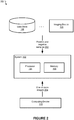
- FIG. 1 illustrates an example environment 100 for image re-orientation, in accordance with various embodiments.
- the example environment 100 can comprise at least one computing system 102 that includes one or more processors 104 and memory 106.
- the memory 106 may be non-transitory and computer-readable.
- the memory 106 may store instructions that, when executed by the one or more processors 104, cause the one or more processors 104 to perform various operations described herein.
- the environment 100 may also include a computing device 110 (e.g., a cellphone, a tablet, a computer, etc.) coupled to the system 102.
- the computing device 110 may have image storage and/or image capture functions.
- the environment 100 may further include one or more data stores (e.g., data store 108) and one or more imaging devices (e.g., imaging device 109) that are accessible to the system 102.
- the data store 108 may store one or more positive and/or negative samples described below with reference to FIGs. 3A-B
- the imaging device 109 may capture one or more positive and/or negative samples.
- the system 102 and the computing device 110 may be integrated in a single device or system.
- the system 102 and the computing device 110 may operate as separate devices.
- the computing device 110 may be a mobile device and the system 102 may be a server.
- the data store(s) may be anywhere accessible to the system 102, for example, in the memory 106, in the computing device 110, in another device (e.g., network storage device) coupled to the system 102, or another storage location (e.g., cloud-based storage system, network file system, etc.), etc.
- system 102 the computing device 110, the data store 108, and/or the imaging device 109 may be able to communicate with one another through one or more wired or wireless networks (e.g., the Internet) through which data can be communicated.
- wired or wireless networks e.g., the Internet
- FIG. 2 illustrates an example system 200 for image re-orientation, in accordance with various embodiments.
- the system 102 may obtain one or more positive and/or negative samples 202 from the data store 108 and/or the imaging device 109.
- the positive and negative samples may include document information, the document including a citizen identification, a passport page, a driver's license, a name card, a receipt, an invoice, a photo of a person or scene, etc.
- one or more images or image portions can be used as the positive and/or negative samples.
- a positive sample and a negative sample may be located on the same image or different images.
- Positive samples include image portions of a predetermined type oriented within a predetermined orientation range (e.g., 15 degrees of deviation) from an upright orientation.
- the predetermined type includes at least one of a title, a serial number or a date, and may be a type that can be used to identify the documents.
- the predetermined orientation range may also be pre-set by a user, for example, plus and minus 15 degrees of deviation from an upright orientation.
- the predetermined type and orientation range may be configurable.
- the negative samples may include all the samples that are not positive samples. The negative samples do not include any of the predetermined type (e.g., title, serial number, date, etc.) oriented within the predetermined orientation range (e.g., 15 degrees).
- the negative samples may include: images portions that do not include title, serial number, or date; image portions that do not have any title, serial number, or date oriented within the predetermined orientation range (e.g., 15 degrees) from an upright orientation; and/or images comprising merely non-document text (e.g., an image capturing a portion of a newspaper, a photo of a person or scene, etc.).
- positive samples if rotated beyond the predetermined orientation range, can be used as negative samples.
- the predetermined orientation range may be suitable for text recognition by human, computer program, and/or machine. Positive and negative samples are described below with reference to FIGs. 3A-B , and a predetermined orientation range is described below with reference to FIG. 3C .
- the system 102 may train a model with the positive and negative samples.
- the model may include various computer vision functions (e.g., Cascade Classifier of OpenCV or another function of another software module).
- the trained model can detect if a given image comprises image portions (e.g., title, serial number, date, etc.) consistent with (e.g., closer to) the positive samples or the negative samples.
- image portions e.g., title, serial number, date, etc.
- the degree of consistency may be determined based on a confidence level of how close the given image (or one or more portions of the given image) is to the positive or negative samples.
- the accuracy of the trained model can be verified with additional positive and/or negative samples.
- the model can be constructed as follows: 1) extract LBP (Local Binary Pattern) features (e.g., title, serial number, date, etc.) from human-annotated positive and negative samples (e.g., samples determined by human as positive or negative), and 2) train a cascade classifier based on the extracted LBP features.
- LBP Local Binary Pattern
- a user may operate the computing device 110 to submit one or more images 204 to the system 102.
- information sent and received between devices can be transmitted over one or more computer networks (e.g., local area network, the Internet, etc.).
- the one or more images 204 may at least include document information, such as information on a citizen identification, a passport page, a driver's license, a name card, a receipt, an invoice, etc.
- the one or more images 204 may be uploaded to the system 102 for identity verification, profile establishment, etc.
- the one or more images 204 may be processed (or executed) using the trained model.
- the system 102 or another system having obtained the trained model may: receive the image in an original orientation and apply the trained model to the received image to determine if the received image comprises at least some text in a predetermined orientation range consistent with the positive samples.
- the trained classifier described above may be used to scan over the received image to search for one or more sub-regions of the received image, the sub-region comprising at least similar text(s) as the positive samples.
- the system applies the trained model to the received image to detect if the received image comprises at least some text of the predetermined type including at least one of a title, a serial number or a date in the predetermined orientation range (e.g., within 15 degrees from an upright orientation) consistent with the positive samples.
- the system may rotate the image by a predetermined angle (e.g., 15, 30, 45, 60, or 90 degrees) and re-apply the trained model to the rotated image to determine if the rotated image comprises at least some text in the predetermined orientation range.
- the system performs the rotation and determination for one or more times, until the system determines that the rotated image comprises at least some text of the predetermined type in the predetermined orientation range consistent with the positive samples or that the received imaged is rotated a predetermined number of degrees.
- the predetermined number of degrees can be preset by a user.
- the predetermined number of degrees can be 360 degrees.
- the predetermined number of degrees can be a number of degrees by which the last rotation will be at before the image is rotated 360 degrees. For example, if the image is rotated 90 degrees each time, the predetermined number of degrees can be 270 degrees. For another example, if the image is rotated 30 degrees each time, the predetermined number of degrees can be 330 degrees.
- the system is able to determine whether the image contains the predetermined-type text that can be oriented within the predetermined orientation range.
- the system may retain the image's current orientation. If none of the rotated images are determined to comprise at least some text of the predetermined type in the predetermined orientation range at each of the predetermined number of rotations, the system may determine the image as a non-document image.
- rotating the received image by the predetermined angle and re-applying the trained model to the rotated image may comprise performing the following one or more rotations in the same direction (clockwise or anticlockwise) until determining that the rotated image comprises at least some text of the predetermined type in the predetermined orientation range: rotating the image by 90 degrees from the original orientation and re-applying the trained model to determine if the rotated image comprises at least some text in the predetermined orientation range; rotating the image by 180 degrees from the original orientation and re-applying the trained model to determine if the rotated image comprises at least some text in the predetermined orientation range; and rotating the image by 270 degrees from the original orientation and re-applying the trained model to determine if the rotated image comprises at least some text in the predetermined orientation range.
- a rotation example is described below with reference to FIG. 3D .
- FIG. 3A illustrates an image sample 300 for model training, in accordance with various embodiments.
- the description of FIG. 3A is intended to be illustrative and may be modified in various ways according to the implementation.
- the sample 300 may be provided by a data store (e.g., the data store 108) and/or an imaging device (e.g., the imaging device 109) and accessed by a computing system or device (e.g., the system 102).
- the positive sample may be presented through a display screen of the system 102.
- the positive sample may be provided to a software application running on the system 102 to train a model.
- the sample 300 may comprise positive and/or negative samples.
- a positive sample includes images or image portions capturing at least some text in a predetermined orientation range (e.g., within 15 degrees of deviation from the upright orientation).
- the text comprises title, serial number, and/or date.
- the negative samples includes images or image portions that do not include title, serial number, and date in the predetermined orientation range. As shown in FIG.
- the document as an image sample can be a driver's license, including a document title 302, a plate number, a name, a vehicle type, an address, a vehicle purpose description, a vehicle model, a vehicle registration number 304 (e.g., expressed as a serial number), an engine code, a registration date 306, an issue date, and a photo or stamp. Since the driver's license is orientated upright in this example, the document title 302, the vehicle registration number 304, and the registration date 306 are all within the predetermined orientation range and can be used as positive samples. Other information (e.g., image portion 308 including the plate number, the vehicle type, the name, the address, the vehicle purpose description, and the vehicle model) can be used as negative samples.
- image portion 308 including the plate number, the vehicle type, the name, the address, the vehicle purpose description, and the vehicle model
- the title 302 is "Driver's License”
- the vehicle registration number is a combination of letter and number of a fixed length
- the date is a combination of numbers in a fixed range.
- predetermined text type e.g., title, vehicle registration number, and date
- the positive samples are not limited to title, vehicle registration, and registration date.
- Other information e.g., other texts with a predictable format and content
- FIG. 3B illustrates a negative sample 310 for model training, in accordance with various embodiments.
- the description of FIG. 3B is intended to be illustrative and may be modified in various ways according to the implementation.
- the negative sample 310 may be provided by a data store (e.g., the data store 108) and/or an imaging device (e.g., the imaging device 109) and accessed by a computing system or device (e.g., the system 102).
- the negative sample may be presented through a display screen of the system 102.
- the negative sample may be provided to a software application running on the system 102 to train a model.
- the negative samples may include images or image portions oriented outside the predetermined orientation range (e.g., more than 15 degrees clockwise or anticlockwise from an upright orientation).
- the title 312, vehicle registration number 314, and registration date 316 are almost upside-down and can be used as negative samples.
- FIG. 3C illustrates an example predetermined orientation range 320, in accordance with various embodiments.
- the description of FIG. 3C is intended to be illustrative and may be modified in various ways according to the implementation.
- the example orientation range 320 may include a clockwise/anticlockwise deviation from an upright orientation.
- the degree of deviation may be predetermined and configurable (e.g., 8, 10, 15, 20, or 30 degrees).
- An basis for predetermining the degree of deviation may be an acceptable orientation range for recognizing text in the images. Accordingly, the image 321 oriented upright, the image 322 orientated at +15 degrees from upright and the image 323 orientated at -15 degrees from upright both fall within the predetermined orientation range.
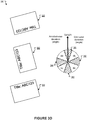
- FIG. 3D illustrates example rotations in an image re-orientation process 330, in accordance with various embodiments.
- the description of FIG. 3D is intended to be illustrative and may be modified in various ways according to the implementation.
- the degree of rotation described below may be another angle other than 90 degrees (e.g., 15, 30, 45, or 60 degrees).
- the image re-orientation process 330 may be presented through a display screen of the system 102.
- the image re-orientation process 330 may be implemented by the system 102 (e.g., by a software application running on the system 102, the software comprising the trained model described above).
- the computing device 110 may upload an image (e.g., image 331) with its original orientation to the system 102.
- the system 102 may determine that the image 331 does not comprise any text or any predetermined type of text in the predetermined orientation range (e.g., up to 15 degrees from upright). Accordingly, the system 102 may rotate the image 331 by 90 degrees to obtain the image 332.
- the system 102 may determine that the image 332 does not comprise any text or any predetermined type of text in the predetermined orientation range. Accordingly, the system 102 may rotate the image 332 by another 90 degrees to obtain the image 333.
- the system 102 may determine that the image 333 comprises some predetermined-type text (e.g., the title) in the predetermined orientation range and retain the current orientation of the image 333.
- the uploaded image 331 is re-orientated to image 333 with improved readability.
- an image orientation in a certain orientation range (e.g., orientation range 341, 342, 343, or 344 that are rotationally symmetric by 90 degrees) can be re-orientated by the rotation method discussed above. Images in other orientations (e.g., orientation range 345, 346, 347, or 348 that are rotationally symmetric by 90 degrees) may not be re-orientated even by the rotation method. To the extent that the readability is maintained, arbitrarily increasing the predetermined orientation range (e.g., the orientation range 341) can allow more images to be re-oriented. Images that cannot be re-oriented by the methods described herein may be filtered out and processed manually.
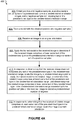
- FIG. 4A illustrates a flowchart of an example method 400, according to various embodiments of the present disclosure.
- the method 400 may be implemented in various environments including, for example, the environment 100 of FIG. 1 .
- the operations of method 400 presented below are intended to be illustrative. Depending on the implementation, the example method 400 may include additional, fewer, or alternative steps performed in various orders or in parallel.
- the example method 400 may be implemented in various computing systems or devices including one or more processors of one or more servers.
- a positive sample includes text of a predetermined type in a predetermined orientation ranges, and a negative sample does not include text of the predetermined type in the predetermined orientation range.
- a model is trained with the obtained positive and negative samples.
- an image in an original orientation is received.
- the trained model is applied to the received image to determine if the received image comprises at least some text of the predetermined type in the predetermined orientation range consistent with the positive samples.
- the image is rotated by a predetermined angle and the trained model is re-applied to the rotated image to determine if the rotated image comprises at least some text of the predetermined type in the predetermined orientation range.
- the block 410 may be performed for one or more times, until determining that the rotated image comprises at least some text of the predetermined type in the predetermined orientation range consistent with the positive samples or that the received image is rotated a predetermined number of degrees.
- the image's current orientation is retained. The block 412 may be performed after the block 408 and/or after the block 410.
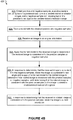
- FIG. 4B illustrates a flowchart of an example method 420, according to various embodiments of the present disclosure.
- the method 420 may be implemented in various environments including, for example, the environment 100 of FIG. 1 .
- the operations of method 420 presented below are intended to be illustrative. Depending on the implementation, the example method 420 may include additional, fewer, or alternative steps performed in various orders or in parallel.
- the example method 420 may be implemented in various computing systems or devices including one or more processors of one or more servers.
- a positive sample includes text of a predetermined type in a predetermined orientation ranges, and a negative sample does not include text of the predetermined type in the predetermined orientation range.
- a model is trained with the obtained positive and negative samples.
- an image in an original orientation is received.
- the trained model is applied to the received image to determine if the received image is consistent with the positive samples or negative samples.
- the image is rotated by a predetermined angle and the trained model is re-applied to the rotated image to determine if the rotated image is consistent with the positive or negative samples, until determining that the rotated image is consistent with the positive samples or the image is rotated a predetermined number of degrees.
- the block 430 may be performed for one or more times, until determining that the rotated image comprises at least some text of the predetermined type in the predetermined orientation range consistent with the positive samples or that the received image is rotated a predetermined number of degrees.
- the block 430 may comprise performing the following one or more rotations in a same direction: rotating the image by 90 degrees from the original orientation and re-applying the trained model to determine if the rotated image is consistent with the positive or negative samples; rotating the image by 180 degrees from the original orientation and re-applying the trained model to determine if the rotated image is consistent with the positive or negative samples; and rotating the image by 270 degrees from the original orientation and re-applying the trained model to determine if the rotated image is consistent with the positive or negative samples.
- each rotation is described as 90 degrees here, it should be appreciated that the degree of rotation is not limited to certain angles and can be configurable or preset as discussed above.
- the degree of rotation may be another angle other than 90 degrees (e.g., 15, 30, 45, or 60 degrees). Applying large rotation angles (e.g., 90 degrees) offers higher efficiency and shorter processing time, and applying smaller rotation angles (e.g., 30 degrees) offers greater alignment with the upright orientation. Thus, the degree of rotation can be configured depending on the requirement for processing time and tolerance for the upright alignment.
- the image's current orientation is retained. The block 432 may be performed after the block 428 and/or after the block 430.
- the techniques described herein are implemented by one or more special-purpose computing devices.
- the special-purpose computing devices may be hard-wired to perform the techniques, or may include circuitry or digital electronic devices such as one or more application-specific integrated circuits (ASICs) or field programmable gate arrays (FPGAs) that are persistently programmed to perform the techniques, or may include one or more hardware processors programmed to perform the techniques pursuant to program instructions in firmware, memory, other storage, or a combination.
- ASICs application-specific integrated circuits
- FPGAs field programmable gate arrays
- Such special-purpose computing devices may also combine custom hard-wired logic, ASICs, or FPGAs with custom programming to accomplish the techniques.
- the special-purpose computing devices may be desktop computer systems, server computer systems, portable computer systems, handheld devices, networking devices or any other device or combination of devices that incorporate hard-wired and/or program logic to implement the techniques.
- Computing device(s) are generally controlled and coordinated by operating system software.
- Conventional operating systems control and schedule computer processes for execution, perform memory management, provide file system, networking, I/O services, and provide a user interface functionality, such as a graphical user interface ("GUI”), among other things.
- GUI graphical user interface
- FIG. 5 is a block diagram that illustrates a computer system 500 upon which any of the embodiments described herein may be implemented.
- the system 500 may correspond to the system 102 described above.
- the computer system 500 includes a bus 502 or other communication mechanism for communicating information, one or more hardware processors 504 coupled with bus 502 for processing information.
- Hardware processor(s) 504 may be, for example, one or more general purpose microprocessors.
- the processor(s) 504 may correspond to the processor 104 described above.
- the computer system 500 also includes a main memory 506, such as a random access memory (RAM), cache and/or other dynamic storage devices, coupled to bus 502 for storing information and instructions to be executed by processor 504.
- Main memory 506 also may be used for storing temporary variables or other intermediate information during execution of instructions to be executed by processor 504. Such instructions, when stored in storage media accessible to processor 504, render computer system 500 into a special-purpose machine that is customized to perform the operations specified in the instructions.
- the computer system 500 further includes a read only memory (ROM) 508 or other static storage device coupled to bus 502 for storing static information and instructions for processor 504.
- ROM read only memory
- a storage device 510 such as a magnetic disk, optical disk, or USB thumb drive (Flash drive), etc., is provided and coupled to bus 502 for storing information and instructions.
- the main memory 506, the ROM 508, and/or the storage 510 may correspond to the memory 106 described above.
- the computer system 500 may implement the techniques described herein using customized hard-wired logic, one or more ASICs or FPGAs, firmware and/or program logic which in combination with the computer system causes or programs computer system 500 to be a special-purpose machine. According to one embodiment, the techniques herein are performed by computer system 500 in response to processor(s) 504 executing one or more sequences of one or more instructions contained in main memory 506. Such instructions may be read into main memory 506 from another storage medium, such as storage device 510. Execution of the sequences of instructions contained in main memory 506 causes processor(s) 504 to perform the process steps described herein. In alternative embodiments, hard-wired circuitry may be used in place of or in combination with software instructions.
- the main memory 506, the ROM 508, and/or the storage 510 may include non-transitory storage media.
- non-transitory media refers to any media that store data and/or instructions that cause a machine to operate in a specific fashion. Such non-transitory media may comprise non-volatile media and/or volatile media.
- Non-volatile media includes, for example, optical or magnetic disks, such as storage device 510.
- Volatile media includes dynamic memory, such as main memory 506.
- non-transitory media include, for example, a floppy disk, a flexible disk, hard disk, solid state drive, magnetic tape, or any other magnetic data storage medium, a CD-ROM, any other optical data storage medium, any physical medium with patterns of holes, a RAM, a PROM, and EPROM, a FLASH-EPROM, NVRAM, any other memory chip or cartridge, and networked versions of the same.
- the computer system 500 also includes a communication interface 518 coupled to bus 502.
- Communication interface 518 provides a two-way data communication coupling to one or more network links that are connected to one or more local networks.
- communication interface 518 may be an integrated services digital network (ISDN) card, cable modem, satellite modem, or a modem to provide a data communication connection to a corresponding type of telephone line.
- ISDN integrated services digital network
- communication interface 518 may be a local area network (LAN) card to provide a data communication connection to a compatible LAN (or WAN component to communicated with a WAN).
- LAN local area network
- Wireless links may also be implemented.
- communication interface 518 sends and receives electrical, electromagnetic or optical signals that carry digital data streams representing various types of information.
- the computer system 500 can send messages and receive data, including program code, through the network(s), network link and communication interface 518.
- a server might transmit a requested code for an application program through the Internet, the ISP, the local network and the communication interface 518.
- the received code may be executed by processor 504 as it is received, and/or stored in storage device 510, or other non-volatile storage for later execution.
- processors may be temporarily configured (e.g., by software) or permanently configured to perform the relevant operations.
- processors may constitute processor-implemented engines that operate to perform one or more operations or functions described herein.
- the methods described herein may be at least partially processor-implemented, with a particular processor or processors being an example of hardware.
- a particular processor or processors being an example of hardware.
- the operations of a method may be performed by one or more processors or processor-implemented engines.
- the one or more processors may also operate to support performance of the relevant operations in a "cloud computing" environment or as a "software as a service” (SaaS).
- SaaS software as a service
- at least some of the operations may be performed by a group of computers (as examples of machines including processors), with these operations being accessible via a network (e.g., the Internet) and via one or more appropriate interfaces (e.g., an Application Program Interface (API)).
- API Application Program Interface
- processors or processor-implemented engines may be located in a single geographic location (e.g., within a home environment, an office environment, or a server farm). In other example embodiments, the processors or processor-implemented engines may be distributed across a number of geographic locations.
Landscapes
- Engineering & Computer Science (AREA)
- Theoretical Computer Science (AREA)
- Physics & Mathematics (AREA)
- General Physics & Mathematics (AREA)
- Computer Vision & Pattern Recognition (AREA)
- Multimedia (AREA)
- Artificial Intelligence (AREA)
- Data Mining & Analysis (AREA)
- Life Sciences & Earth Sciences (AREA)
- Bioinformatics & Cheminformatics (AREA)
- Bioinformatics & Computational Biology (AREA)
- Evolutionary Biology (AREA)
- Evolutionary Computation (AREA)
- General Engineering & Computer Science (AREA)
- Image Analysis (AREA)
- Character Input (AREA)
Claims (15)
- Informatiksystem zur Bildneuausrichtung, umfassend:einen Anweisungen speichernden Arbeitsspeicher; undeinen oder mehrere Prozessoren, die mit dem Arbeitsspeicher in Verbindung stehen, wobei der eine oder die mehreren Prozessoren konfiguriert sind, um bei Ausführung der Anweisungen zu bewirken, dass das System Folgendes tut:positive und negative Muster erhält, wobei ein positives Muster einen Bildabschnitt einschließt, der Text eines vorgegebenen Typs in einem vorgegebenen Ausrichtungsbereich einschließt, und ein negatives Muster einen Bildabschnitt einschließt, der keinen Text des vorgegebenen Typs in dem vorgegebenen Ausrichtungsbereich einschließt, wobei der vorgegebene Typ mindestens einer von einem Titel, einer Seriennummer oder einem Datum einschließt;ein Modell mit den erhaltenen positiven und negativen Mustern trainiert;ein Bild in einer Originalausrichtung empfängt;das trainierte Modell auf das empfangene Bild anwendet, um festzustellen, ob das empfangene Bild mindestens einen Teil des Textes des vorgegebenen Typs in dem vorgegebenen Ausrichtungsbereich, der mit den positiven Mustern übereinstimmt, umfasst;in Reaktion auf das Bestimmen, dass das empfangene Bild keinen Text des vorgegebenen Typs in dem vorgegebenen Ausrichtungsbereich umfasst, das Bild um einen vorgegebenen Winkel dreht und das trainierte Modell erneut auf das gedrehte Bild anwendet, um festzustellen, ob das gedrehte Bild mindestens einen Teil des Textes des vorgegebenen Typs in dem vorgegebenen Ausrichtungsbereich umfasst, bis zum Bestimmen, dass das gedrehte Bild mindestens einen Teil des Textes des vorgegebenen Typs in dem vorgegebenen Ausrichtungsbereich, der mit den positiven Mustern übereinstimmt, umfasst oder dass das empfangene Bild um eine vorgegebene Anzahl von Graden gedreht ist; undin Reaktion auf das Bestimmen, dass das empfangene oder gedrehte Bild mindestens einen Teil des Textes des vorgegebenen Typs in dem vorgegebenen Ausrichtungsbereich umfasst, die aktuelle Ausrichtung des Bildes beibehält.
- System nach Anspruch 1, wobei das Bild mindestens Dokumentinformationen einschließt.
- System nach Anspruch 1 oder Anspruch 2, wobei:
der vorgegebene Ausrichtungsbereich einen konfigurierbaren Abweichungsgrad von einer aufrechten Ausrichtung umfasst. - System nach einem der Ansprüche 1-3, wobei:die positiven Muster Bildabschnitte einschließen, umfassend mindestens einen von Titel, Seriennummer oder Datum, ausgerichtet innerhalb von 15 Grad von einer aufrechten Ausrichtung; unddie negativen Muster Bildabschnitte einschließen, aufweisend keinen von Titel, Seriennummer oder Datum, ausgerichtet innerhalb von 15 Grad von der aufrechten Ausrichtung.
- System nach einem der Ansprüche 1-4, wobei das Drehen des empfangenen Bildes um den vorgegebenen Winkel und das erneute Anwenden des trainierten Modells auf das gedrehte Bild bis zum Bestimmen, dass das gedrehte Bild mindestens einen Teil des Textes des vorgegebenen Typs in dem vorgegebenen Ausrichtungsbereich, der mit den positiven Mustern übereinstimmt, umfasst oder dass das empfangene Bild um eine vorgegebene Anzahl von Graden gedreht ist, wobei der eine oder die mehreren Prozessoren weiter konfiguriert sind, um zu bewirken, dass das System die folgende eine oder mehrere Drehungen in dieselbe Richtung durchführt:Drehen des Bildes um 90 Grad von der Originalausrichtung und erneutes Anwenden des trainierten Modells, um festzustellen, ob das gedrehte Bild mindestens einen Teil des Textes in dem vorgegebenen Ausrichtungsbereich umfasst;Drehen des Bildes um 180 Grad von der Originalausrichtung und erneutes Anwenden des trainierten Modells, um festzustellen, ob das gedrehte Bild mindestens einen Teil des Textes in dem vorgegebenen Ausrichtungsbereich umfasst; undDrehen des Bildes um 270 Grad von der Originalausrichtung und erneutes Anwenden des trainierten Modells, um festzustellen, ob das gedrehte Bild mindestens einen Teil des Textes in dem vorgegebenen Ausrichtungsbereich umfasst.
- Bildneuausrichtungsverfahren, ausgeübt von einem Computer, umfassend:Erhalten von positiven und negativen Mustern, wobei ein positives Muster einen Bildabschnitt einschließt, der Text eines vorgegebenen Typs in einem vorgegebenen Ausrichtungsbereich einschließt, und ein negatives Muster einen Bildabschnitt einschließt, der keinen Text des vorgegebenen Typs in dem vorgegebenen Ausrichtungsbereich einschließt, wobei der vorgegebene Typ mindestens einen von einem Titel, einer Seriennummer oder einem Datum einschließt;Trainieren eines Modells mit den erhaltenen positiven und negativen Mustern;Empfangen eines Bildes in einer Originalausrichtung;Anwenden des trainierten Modells auf das empfangene Bild, um festzustellen, ob das empfangene Bild mindestens einen Teil des Texts des vorgegebenen Typs in dem vorgegebenen Ausrichtungsbereich, der mit den positiven Mustern übereinstimmt, umfasst;in Reaktion auf das Bestimmen, dass das empfangene Bild keinen Text des vorgegebenen Typs in dem vorgegebenen Ausrichtungsbereich umfasst, Drehen des Bildes um einen vorgegebenen Winkel und erneutes Anwenden des trainierten Modells auf das gedrehte Bild, um festzustellen, ob das gedrehte Bild mindestens einen Teil des Textes des vorgegebenen Typs in dem vorgegebenen Ausrichtungsbereich umfasst, bis zum Bestimmen, dass das gedrehte Bild mindestens einen Teil des Textes des vorgegebenen Typs in dem vorgegebenen Ausrichtungsbereich, der mit den positiven Mustern übereinstimmt, umfasst oder dass das empfangene Bild um eine vorgegebene Anzahl von Graden gedreht ist; undin Reaktion auf das Bestimmen, dass das empfangene oder gedrehte Bild mindestens einen Teil des Textes des vorgegebenen Typs in dem vorgegebenen Ausrichtungsbereich umfasst, Beibehalten der aktuellen Ausrichtung des Bildes.
- Verfahren nach Anspruch 6, wobei das Bild mindestens Dokumentinformationen einschließt.
- Verfahren nach Anspruch 6 oder Anspruch 7, wobei:
der vorgegebene Ausrichtungsbereich einen konfigurierbaren Abweichungsgrad von einer aufrechten Ausrichtung umfasst. - Verfahren nach einem der Ansprüche 6-8, wobei:die positiven Muster Bildabschnitte einschließen, umfassend mindestens einen von Titel, Seriennummer oder Datum, ausgerichtet innerhalb von 15 Grad von einer aufrechten Ausrichtung; unddie negativen Muster Bildabschnitte einschließen, aufweisend keinen von Titel, Seriennummer oder Datum, ausgerichtet innerhalb von 15 Grad von der aufrechten Ausrichtung.
- Verfahren nach einem der Ansprüche 6-9, wobei das Drehen des empfangenen Bildes um den vorgegebenen Winkel und das erneute Anwenden des trainierten Modells auf das gedrehte Bild bis zum Bestimmen, dass das gedrehte Bild mindestens einen Teil des Textes des vorgegebenen Typs in dem vorgegebenen Ausrichtungsbereich, der mit den positiven Mustern übereinstimmt, umfasst oder dass das empfangene Bild um eine vorgegebene Anzahl von Graden gedreht ist, das Durchführen der folgenden einen oder mehreren Drehungen in dieselbe Richtung umfasst:Drehen des Bildes um 90 Grad von der Originalausrichtung und erneutes Anwenden des trainierten Modells, um festzustellen, ob das gedrehte Bild mindestens einen Teil des Textes in dem vorgegebenen Ausrichtungsbereich umfasst;Drehen des Bildes um 180 Grad von der Originalausrichtung und erneutes Anwenden des trainierten Modells, um festzustellen, ob das gedrehte Bild mindestens einen Teil des Textes in dem vorgegebenen Ausrichtungsbereich umfasst; undDrehen des Bildes um 270 Grad von der Originalausrichtung und erneutes Anwenden des trainierten Modells, um festzustellen, ob das gedrehte Bild mindestens einen Teil des Textes in dem vorgegebenen Ausrichtungsbereich umfasst.
- Nichttransitorisches, computerlesbares Medium, umfassend Anweisungen zur Bildneuausrichtung, das bei Ausführung durch einen oder mehrere Prozessoren eines elektronischen Systems bewirkt, dass das elektronische System Folgendes tut:positive und negative Muster erhält, wobei ein positives Muster einen Bildabschnitt einschließt, der Text eines vorgegebenen Typs in einem vorgegebenen Ausrichtungsbereich einschließt, und ein negatives Muster einen Bildabschnitt einschließt, der keinen Text des vorgegebenen Typs in dem vorgegebenen Ausrichtungsbereich einschließt, wobei der vorgegebene Typ mindestens einen von einem Titel, einer Seriennummer oder einem Datum einschließt;ein Modell mit den erhaltenen positiven und negativen Mustern trainiert;ein Bild in einer Originalausrichtung empfängt;das trainierte Modell auf das empfangene Bild anwendet, um festzustellen, ob das empfangene Bild mindestens einen Teil des Textes des vorgegebenen Typs in dem vorgegebenen Ausrichtungsbereich, der mit den positiven Mustern übereinstimmt, umfasst;in Reaktion auf das Bestimmen, dass das empfangene Bild keinen Text des vorgegebenen Typs in dem vorgegebenen Ausrichtungsbereich umfasst, das Bild um einen vorgegebenen Winkel dreht und das trainierte Modell erneut auf das gedrehte Bild anwendet, um festzustellen, ob das gedrehte Bild mindestens einen Teil des Textes des vorgegebenen Typs in dem vorgegebenen Ausrichtungsbereich umfasst, bis zum Bestimmen, dass das gedrehte Bild mindestens einen Teil des Textes des vorgegebenen Typs in dem vorgegebenen Ausrichtungsbereich, der mit den positiven Mustern übereinstimmt, umfasst oder dass das empfangene Bild um eine vorgegebene Anzahl von Graden gedreht ist; undin Reaktion auf das Bestimmen, dass das empfangene oder gedrehte Bild mindestens einen Teil des Textes des vorgegebenen Typs in dem vorgegebenen Ausrichtungsbereich umfasst, die aktuelle Ausrichtung des Bildes beibehält.
- Nichttransitorisches, computerlesbares Medium nach Anspruch 11, wobei das Bild mindestens Dokumentinformationen einschließt.
- Nichttransitorisches, computerlesbares Medium nach Anspruch 11 oder Anspruch 12, wobei:
der vorgegebene Ausrichtungsbereich einen konfigurierbaren Abweichungsgrad von einer aufrechten Ausrichtung umfasst. - Nichttransitorisches, computerlesbares Medium nach einem der Ansprüche 11-13, wobei:die positiven Muster Bildabschnitte einschließen, umfassend mindestens einen von Titel, Seriennummer oder Datum, ausgerichtet innerhalb von 15 Grad von einer aufrechten Ausrichtung; unddie negativen Muster Bildabschnitte einschließen, aufweisend keinen von Titel, Seriennummer oder Datum, ausgerichtet innerhalb von 15 Grad von der aufrechten Ausrichtung.
- Nichttransitorisches, computerlesbares Medium nach einem der Ansprüche 11-14, wobei das Drehen des empfangenen Bildes um den vorgegebenen Winkel und das erneute Anwenden des trainierten Modells auf das gedrehte Bild bis zum Bestimmen, dass das gedrehte Bild mindestens einen Teil des Textes des vorgegebenen Typs in dem vorgegebenen Ausrichtungsbereich, der mit den positiven Mustern übereinstimmt, umfasst oder dass das empfangene Bild um eine vorgegebene Anzahl von Graden gedreht ist, wobei die Anweisungen weiter konfiguriert sind, um zu bewirken, dass ein elektronisches System die folgende eine oder mehrere Drehungen in dieselbe Richtung durchführt:Drehen des Bildes um 90 Grad von der Originalausrichtung und erneutes Anwenden des trainierten Modells, um festzustellen, ob das gedrehte Bild mindestens einen Teil des Textes in dem vorgegebenen Ausrichtungsbereich umfasst;Drehen des Bildes um 180 Grad von der Originalausrichtung und erneutes Anwenden des trainierten Modells, um festzustellen, ob das gedrehte Bild mindestens einen Teil des Textes in dem vorgegebenen Ausrichtungsbereich umfasst; undDrehen des Bildes um 270 Grad von der Originalausrichtung und erneutes Anwenden des trainierten Modells, um festzustellen, ob das gedrehte Bild mindestens einen Teil des Textes in dem vorgegebenen Ausrichtungsbereich umfasst.
Applications Claiming Priority (1)
| Application Number | Priority Date | Filing Date | Title |
|---|---|---|---|
| PCT/CN2017/083191 WO2018201441A1 (en) | 2017-05-05 | 2017-05-05 | System and method for image re-orientation |
Publications (3)
| Publication Number | Publication Date |
|---|---|
| EP3619680A1 EP3619680A1 (de) | 2020-03-11 |
| EP3619680A4 EP3619680A4 (de) | 2020-05-13 |
| EP3619680B1 true EP3619680B1 (de) | 2022-01-05 |
Family
ID=64015320
Family Applications (1)
| Application Number | Title | Priority Date | Filing Date |
|---|---|---|---|
| EP17908270.6A Not-in-force EP3619680B1 (de) | 2017-05-05 | 2017-05-05 | System und verfahren zur bildneuausrichtung |
Country Status (4)
| Country | Link |
|---|---|
| US (1) | US10452942B2 (de) |
| EP (1) | EP3619680B1 (de) |
| CN (1) | CN110603541B (de) |
| WO (1) | WO2018201441A1 (de) |
Families Citing this family (7)
| Publication number | Priority date | Publication date | Assignee | Title |
|---|---|---|---|---|
| US11003937B2 (en) * | 2019-06-26 | 2021-05-11 | Infrrd Inc | System for extracting text from images |
| CN110309874B (zh) * | 2019-06-28 | 2024-02-06 | 创新先进技术有限公司 | 负样本筛选模型训练方法、数据筛选方法和数据匹配方法 |
| US11682135B2 (en) | 2019-11-29 | 2023-06-20 | GE Precision Healthcare LLC | Systems and methods for detecting and correcting orientation of a medical image |
| US11295437B2 (en) * | 2020-07-24 | 2022-04-05 | Alipay Labs (singapore) Pte. Ltd. | Authentication method and system |
| CN113126869B (zh) * | 2021-03-30 | 2022-03-18 | 华东计算技术研究所(中国电子科技集团公司第三十二研究所) | 基于国产bmc芯片的kvm图像高速重定向的实现方法及系统 |
| CN113868459B (zh) * | 2021-06-25 | 2025-09-12 | 之江实验室 | 模型训练方法、跨模态表征方法、无监督图像文本匹配方法及装置 |
| US12118688B1 (en) * | 2023-12-05 | 2024-10-15 | Illuscio, Inc. | Systems and methods for automatically correcting the orientation of three-dimensional models |
Family Cites Families (18)
| Publication number | Priority date | Publication date | Assignee | Title |
|---|---|---|---|---|
| US8508643B2 (en) * | 2003-01-17 | 2013-08-13 | Hewlett-Packard Development Company, L.P. | Method and system for processing an image |
| US8320708B2 (en) * | 2004-04-02 | 2012-11-27 | K-Nfb Reading Technology, Inc. | Tilt adjustment for optical character recognition in portable reading machine |
| JP4607633B2 (ja) * | 2005-03-17 | 2011-01-05 | 株式会社リコー | 文字方向識別装置、画像形成装置、プログラム、記憶媒体および文字方向識別方法 |
| US8094892B2 (en) * | 2007-11-19 | 2012-01-10 | Arcsoft, Inc. | Automatic photo orientation detection |
| US8422783B2 (en) * | 2008-06-25 | 2013-04-16 | Sharp Laboratories Of America, Inc. | Methods and systems for region-based up-scaling |
| US8744171B1 (en) * | 2009-04-29 | 2014-06-03 | Google Inc. | Text script and orientation recognition |
| US8718365B1 (en) * | 2009-10-29 | 2014-05-06 | Google Inc. | Text recognition for textually sparse images |
| US9418304B2 (en) * | 2011-06-29 | 2016-08-16 | Qualcomm Incorporated | System and method for recognizing text information in object |
| US9367770B2 (en) * | 2011-08-30 | 2016-06-14 | Digimarc Corporation | Methods and arrangements for identifying objects |
| CN102855501B (zh) * | 2012-07-26 | 2015-12-02 | 北京锐安科技有限公司 | 一种多方向物体图像识别方法 |
| US8896533B2 (en) * | 2012-10-29 | 2014-11-25 | Lenova (Singapore) Pte. Ltd. | Display directional sensing |
| US9165207B2 (en) * | 2013-02-25 | 2015-10-20 | Google Inc. | Screenshot orientation detection |
| US9152860B2 (en) * | 2013-05-10 | 2015-10-06 | Tantrum Street LLC | Methods and apparatus for capturing, processing, training, and detecting patterns using pattern recognition classifiers |
| CN105825243A (zh) * | 2015-01-07 | 2016-08-03 | 阿里巴巴集团控股有限公司 | 证件图像检测方法及设备 |
| CN105868758B (zh) * | 2015-01-21 | 2019-12-17 | 阿里巴巴集团控股有限公司 | 图像中文本区域检测方法、装置及电子设备 |
| CN104992403B (zh) * | 2015-07-07 | 2017-05-03 | 方玉明 | 一种基于视觉相似度度量的混合操作算子图像重定向方法 |
| US9367736B1 (en) * | 2015-09-01 | 2016-06-14 | Amazon Technologies, Inc. | Text detection using features associated with neighboring glyph pairs |
| CN106485193A (zh) * | 2015-09-02 | 2017-03-08 | 富士通株式会社 | 文档图像的方向检测装置及方法 |
-
2017
- 2017-05-05 EP EP17908270.6A patent/EP3619680B1/de not_active Not-in-force
- 2017-05-05 CN CN201780090455.9A patent/CN110603541B/zh active Active
- 2017-05-05 WO PCT/CN2017/083191 patent/WO2018201441A1/en not_active Ceased
-
2018
- 2018-05-25 US US15/990,570 patent/US10452942B2/en active Active
Non-Patent Citations (1)
| Title |
|---|
| None * |
Also Published As
| Publication number | Publication date |
|---|---|
| CN110603541B (zh) | 2023-04-25 |
| WO2018201441A1 (en) | 2018-11-08 |
| CN110603541A (zh) | 2019-12-20 |
| US20180322357A1 (en) | 2018-11-08 |
| EP3619680A1 (de) | 2020-03-11 |
| US10452942B2 (en) | 2019-10-22 |
| EP3619680A4 (de) | 2020-05-13 |
Similar Documents
| Publication | Publication Date | Title |
|---|---|---|
| EP3619680B1 (de) | System und verfahren zur bildneuausrichtung | |
| JP6255486B2 (ja) | 情報認識のための方法及びシステム | |
| US11481683B1 (en) | Machine learning models for direct homography regression for image rectification | |
| US11106894B2 (en) | Image processing apparatus | |
| CN110059689B (zh) | 样本集构建方法、装置、计算机设备和存储介质 | |
| US10929597B2 (en) | Techniques and systems for storing and protecting signatures and images in electronic documents | |
| CN110516672B (zh) | 卡证信息识别方法、装置及终端 | |
| JP2017108401A5 (ja) | スマートフォンベースの方法、スマートフォン及びコンピュータ可読媒体 | |
| CN110956149B (zh) | 宠物身份核验方法、装置、设备及计算机可读存储介质 | |
| WO2016127478A1 (zh) | 一种图像处理方法、装置和终端 | |
| CN111914775A (zh) | 活体检测方法、装置、电子设备及存储介质 | |
| CN103198311B (zh) | 基于拍摄的图像来识别字符的方法及装置 | |
| CN111698428B (zh) | 一种文档拍摄的方法、装置、电子设备和存储介质 | |
| CN108846385B (zh) | 基于卷积-反卷积神经网络的图像识别、校正方法和装置 | |
| CN110751105A (zh) | 一种手指图像采集方法、装置及存储介质 | |
| WO2018233171A1 (zh) | 单证信息录入的方法、装置、计算机设备及存储介质 | |
| US11176363B2 (en) | System and method of training a classifier for determining the category of a document | |
| CN109598270B (zh) | 扭曲文字的识别方法及装置、存储介质及处理器 | |
| CN113221897B (zh) | 图像矫正方法、图像文本识别方法、身份验证方法及装置 | |
| WO2018121414A1 (zh) | 电子设备、目标图像识别方法及装置 | |
| CN114120344B (zh) | 文本确定方法、装置、计算机设备和存储介质 | |
| CN110660091A (zh) | 一种图像配准处理方法、装置和拍照批改作业系统 | |
| US10032073B1 (en) | Detecting aspect ratios of document pages on smartphone photographs by learning camera view angles | |
| CN113596315B (zh) | 动态场景补偿的拍照方法及摄像装置 | |
| CN113516598A (zh) | 图像校正方法、装置和服务器 |
Legal Events
| Date | Code | Title | Description |
|---|---|---|---|
| STAA | Information on the status of an ep patent application or granted ep patent |
Free format text: STATUS: THE INTERNATIONAL PUBLICATION HAS BEEN MADE |
|
| PUAI | Public reference made under article 153(3) epc to a published international application that has entered the european phase |
Free format text: ORIGINAL CODE: 0009012 |
|
| STAA | Information on the status of an ep patent application or granted ep patent |
Free format text: STATUS: REQUEST FOR EXAMINATION WAS MADE |
|
| 17P | Request for examination filed |
Effective date: 20191203 |
|
| AK | Designated contracting states |
Kind code of ref document: A1 Designated state(s): AL AT BE BG CH CY CZ DE DK EE ES FI FR GB GR HR HU IE IS IT LI LT LU LV MC MK MT NL NO PL PT RO RS SE SI SK SM TR |
|
| AX | Request for extension of the european patent |
Extension state: BA ME |
|
| A4 | Supplementary search report drawn up and despatched |
Effective date: 20200408 |
|
| RIC1 | Information provided on ipc code assigned before grant |
Ipc: G06T 7/00 20170101AFI20200403BHEP Ipc: G06T 7/73 20170101ALI20200403BHEP |
|
| DAV | Request for validation of the european patent (deleted) | ||
| DAX | Request for extension of the european patent (deleted) | ||
| GRAP | Despatch of communication of intention to grant a patent |
Free format text: ORIGINAL CODE: EPIDOSNIGR1 |
|
| STAA | Information on the status of an ep patent application or granted ep patent |
Free format text: STATUS: GRANT OF PATENT IS INTENDED |
|
| INTG | Intention to grant announced |
Effective date: 20210118 |
|
| GRAJ | Information related to disapproval of communication of intention to grant by the applicant or resumption of examination proceedings by the epo deleted |
Free format text: ORIGINAL CODE: EPIDOSDIGR1 |
|
| STAA | Information on the status of an ep patent application or granted ep patent |
Free format text: STATUS: REQUEST FOR EXAMINATION WAS MADE |
|
| INTC | Intention to grant announced (deleted) | ||
| GRAP | Despatch of communication of intention to grant a patent |
Free format text: ORIGINAL CODE: EPIDOSNIGR1 |
|
| STAA | Information on the status of an ep patent application or granted ep patent |
Free format text: STATUS: GRANT OF PATENT IS INTENDED |
|
| INTG | Intention to grant announced |
Effective date: 20210726 |
|
| GRAS | Grant fee paid |
Free format text: ORIGINAL CODE: EPIDOSNIGR3 |
|
| GRAA | (expected) grant |
Free format text: ORIGINAL CODE: 0009210 |
|
| STAA | Information on the status of an ep patent application or granted ep patent |
Free format text: STATUS: THE PATENT HAS BEEN GRANTED |
|
| AK | Designated contracting states |
Kind code of ref document: B1 Designated state(s): AL AT BE BG CH CY CZ DE DK EE ES FI FR GB GR HR HU IE IS IT LI LT LU LV MC MK MT NL NO PL PT RO RS SE SI SK SM TR |
|
| REG | Reference to a national code |
Ref country code: GB Ref legal event code: FG4D |
|
| REG | Reference to a national code |
Ref country code: CH Ref legal event code: EP |
|
| REG | Reference to a national code |
Ref country code: AT Ref legal event code: REF Ref document number: 1461241 Country of ref document: AT Kind code of ref document: T Effective date: 20220115 |
|
| REG | Reference to a national code |
Ref country code: DE Ref legal event code: R096 Ref document number: 602017052133 Country of ref document: DE |
|
| REG | Reference to a national code |
Ref country code: IE Ref legal event code: FG4D |
|
| REG | Reference to a national code |
Ref country code: LT Ref legal event code: MG9D |
|
| REG | Reference to a national code |
Ref country code: NL Ref legal event code: MP Effective date: 20220105 |
|
| REG | Reference to a national code |
Ref country code: AT Ref legal event code: MK05 Ref document number: 1461241 Country of ref document: AT Kind code of ref document: T Effective date: 20220105 |
|
| PG25 | Lapsed in a contracting state [announced via postgrant information from national office to epo] |
Ref country code: NL Free format text: LAPSE BECAUSE OF FAILURE TO SUBMIT A TRANSLATION OF THE DESCRIPTION OR TO PAY THE FEE WITHIN THE PRESCRIBED TIME-LIMIT Effective date: 20220105 |
|
| PG25 | Lapsed in a contracting state [announced via postgrant information from national office to epo] |
Ref country code: SE Free format text: LAPSE BECAUSE OF FAILURE TO SUBMIT A TRANSLATION OF THE DESCRIPTION OR TO PAY THE FEE WITHIN THE PRESCRIBED TIME-LIMIT Effective date: 20220105 Ref country code: RS Free format text: LAPSE BECAUSE OF FAILURE TO SUBMIT A TRANSLATION OF THE DESCRIPTION OR TO PAY THE FEE WITHIN THE PRESCRIBED TIME-LIMIT Effective date: 20220105 Ref country code: PT Free format text: LAPSE BECAUSE OF FAILURE TO SUBMIT A TRANSLATION OF THE DESCRIPTION OR TO PAY THE FEE WITHIN THE PRESCRIBED TIME-LIMIT Effective date: 20220505 Ref country code: NO Free format text: LAPSE BECAUSE OF FAILURE TO SUBMIT A TRANSLATION OF THE DESCRIPTION OR TO PAY THE FEE WITHIN THE PRESCRIBED TIME-LIMIT Effective date: 20220405 Ref country code: LT Free format text: LAPSE BECAUSE OF FAILURE TO SUBMIT A TRANSLATION OF THE DESCRIPTION OR TO PAY THE FEE WITHIN THE PRESCRIBED TIME-LIMIT Effective date: 20220105 Ref country code: HR Free format text: LAPSE BECAUSE OF FAILURE TO SUBMIT A TRANSLATION OF THE DESCRIPTION OR TO PAY THE FEE WITHIN THE PRESCRIBED TIME-LIMIT Effective date: 20220105 Ref country code: ES Free format text: LAPSE BECAUSE OF FAILURE TO SUBMIT A TRANSLATION OF THE DESCRIPTION OR TO PAY THE FEE WITHIN THE PRESCRIBED TIME-LIMIT Effective date: 20220105 Ref country code: BG Free format text: LAPSE BECAUSE OF FAILURE TO SUBMIT A TRANSLATION OF THE DESCRIPTION OR TO PAY THE FEE WITHIN THE PRESCRIBED TIME-LIMIT Effective date: 20220405 |
|
| PG25 | Lapsed in a contracting state [announced via postgrant information from national office to epo] |
Ref country code: PL Free format text: LAPSE BECAUSE OF FAILURE TO SUBMIT A TRANSLATION OF THE DESCRIPTION OR TO PAY THE FEE WITHIN THE PRESCRIBED TIME-LIMIT Effective date: 20220105 Ref country code: LV Free format text: LAPSE BECAUSE OF FAILURE TO SUBMIT A TRANSLATION OF THE DESCRIPTION OR TO PAY THE FEE WITHIN THE PRESCRIBED TIME-LIMIT Effective date: 20220105 Ref country code: GR Free format text: LAPSE BECAUSE OF FAILURE TO SUBMIT A TRANSLATION OF THE DESCRIPTION OR TO PAY THE FEE WITHIN THE PRESCRIBED TIME-LIMIT Effective date: 20220406 Ref country code: FI Free format text: LAPSE BECAUSE OF FAILURE TO SUBMIT A TRANSLATION OF THE DESCRIPTION OR TO PAY THE FEE WITHIN THE PRESCRIBED TIME-LIMIT Effective date: 20220105 Ref country code: AT Free format text: LAPSE BECAUSE OF FAILURE TO SUBMIT A TRANSLATION OF THE DESCRIPTION OR TO PAY THE FEE WITHIN THE PRESCRIBED TIME-LIMIT Effective date: 20220105 |
|
| PG25 | Lapsed in a contracting state [announced via postgrant information from national office to epo] |
Ref country code: IS Free format text: LAPSE BECAUSE OF FAILURE TO SUBMIT A TRANSLATION OF THE DESCRIPTION OR TO PAY THE FEE WITHIN THE PRESCRIBED TIME-LIMIT Effective date: 20220505 |
|
| REG | Reference to a national code |
Ref country code: DE Ref legal event code: R097 Ref document number: 602017052133 Country of ref document: DE |
|
| PG25 | Lapsed in a contracting state [announced via postgrant information from national office to epo] |
Ref country code: SM Free format text: LAPSE BECAUSE OF FAILURE TO SUBMIT A TRANSLATION OF THE DESCRIPTION OR TO PAY THE FEE WITHIN THE PRESCRIBED TIME-LIMIT Effective date: 20220105 Ref country code: SK Free format text: LAPSE BECAUSE OF FAILURE TO SUBMIT A TRANSLATION OF THE DESCRIPTION OR TO PAY THE FEE WITHIN THE PRESCRIBED TIME-LIMIT Effective date: 20220105 Ref country code: RO Free format text: LAPSE BECAUSE OF FAILURE TO SUBMIT A TRANSLATION OF THE DESCRIPTION OR TO PAY THE FEE WITHIN THE PRESCRIBED TIME-LIMIT Effective date: 20220105 Ref country code: EE Free format text: LAPSE BECAUSE OF FAILURE TO SUBMIT A TRANSLATION OF THE DESCRIPTION OR TO PAY THE FEE WITHIN THE PRESCRIBED TIME-LIMIT Effective date: 20220105 Ref country code: DK Free format text: LAPSE BECAUSE OF FAILURE TO SUBMIT A TRANSLATION OF THE DESCRIPTION OR TO PAY THE FEE WITHIN THE PRESCRIBED TIME-LIMIT Effective date: 20220105 Ref country code: CZ Free format text: LAPSE BECAUSE OF FAILURE TO SUBMIT A TRANSLATION OF THE DESCRIPTION OR TO PAY THE FEE WITHIN THE PRESCRIBED TIME-LIMIT Effective date: 20220105 |
|
| PLBE | No opposition filed within time limit |
Free format text: ORIGINAL CODE: 0009261 |
|
| STAA | Information on the status of an ep patent application or granted ep patent |
Free format text: STATUS: NO OPPOSITION FILED WITHIN TIME LIMIT |
|
| PG25 | Lapsed in a contracting state [announced via postgrant information from national office to epo] |
Ref country code: AL Free format text: LAPSE BECAUSE OF FAILURE TO SUBMIT A TRANSLATION OF THE DESCRIPTION OR TO PAY THE FEE WITHIN THE PRESCRIBED TIME-LIMIT Effective date: 20220105 |
|
| 26N | No opposition filed |
Effective date: 20221006 |
|
| REG | Reference to a national code |
Ref country code: CH Ref legal event code: PL |
|
| REG | Reference to a national code |
Ref country code: BE Ref legal event code: MM Effective date: 20220531 |
|
| PG25 | Lapsed in a contracting state [announced via postgrant information from national office to epo] |
Ref country code: MC Free format text: LAPSE BECAUSE OF FAILURE TO SUBMIT A TRANSLATION OF THE DESCRIPTION OR TO PAY THE FEE WITHIN THE PRESCRIBED TIME-LIMIT Effective date: 20220105 Ref country code: LU Free format text: LAPSE BECAUSE OF NON-PAYMENT OF DUE FEES Effective date: 20220505 Ref country code: LI Free format text: LAPSE BECAUSE OF NON-PAYMENT OF DUE FEES Effective date: 20220531 Ref country code: CH Free format text: LAPSE BECAUSE OF NON-PAYMENT OF DUE FEES Effective date: 20220531 |
|
| PG25 | Lapsed in a contracting state [announced via postgrant information from national office to epo] |
Ref country code: SI Free format text: LAPSE BECAUSE OF FAILURE TO SUBMIT A TRANSLATION OF THE DESCRIPTION OR TO PAY THE FEE WITHIN THE PRESCRIBED TIME-LIMIT Effective date: 20220105 |
|
| PG25 | Lapsed in a contracting state [announced via postgrant information from national office to epo] |
Ref country code: IE Free format text: LAPSE BECAUSE OF NON-PAYMENT OF DUE FEES Effective date: 20220505 |
|
| PG25 | Lapsed in a contracting state [announced via postgrant information from national office to epo] |
Ref country code: BE Free format text: LAPSE BECAUSE OF NON-PAYMENT OF DUE FEES Effective date: 20220531 |
|
| PG25 | Lapsed in a contracting state [announced via postgrant information from national office to epo] |
Ref country code: IT Free format text: LAPSE BECAUSE OF FAILURE TO SUBMIT A TRANSLATION OF THE DESCRIPTION OR TO PAY THE FEE WITHIN THE PRESCRIBED TIME-LIMIT Effective date: 20220105 |
|
| PG25 | Lapsed in a contracting state [announced via postgrant information from national office to epo] |
Ref country code: MK Free format text: LAPSE BECAUSE OF FAILURE TO SUBMIT A TRANSLATION OF THE DESCRIPTION OR TO PAY THE FEE WITHIN THE PRESCRIBED TIME-LIMIT Effective date: 20220105 Ref country code: CY Free format text: LAPSE BECAUSE OF FAILURE TO SUBMIT A TRANSLATION OF THE DESCRIPTION OR TO PAY THE FEE WITHIN THE PRESCRIBED TIME-LIMIT Effective date: 20220105 |
|
| PG25 | Lapsed in a contracting state [announced via postgrant information from national office to epo] |
Ref country code: HU Free format text: LAPSE BECAUSE OF FAILURE TO SUBMIT A TRANSLATION OF THE DESCRIPTION OR TO PAY THE FEE WITHIN THE PRESCRIBED TIME-LIMIT; INVALID AB INITIO Effective date: 20170505 |
|
| PG25 | Lapsed in a contracting state [announced via postgrant information from national office to epo] |
Ref country code: TR Free format text: LAPSE BECAUSE OF FAILURE TO SUBMIT A TRANSLATION OF THE DESCRIPTION OR TO PAY THE FEE WITHIN THE PRESCRIBED TIME-LIMIT Effective date: 20220105 |
|
| PGFP | Annual fee paid to national office [announced via postgrant information from national office to epo] |
Ref country code: GB Payment date: 20240521 Year of fee payment: 8 |
|
| PGFP | Annual fee paid to national office [announced via postgrant information from national office to epo] |
Ref country code: DE Payment date: 20240521 Year of fee payment: 8 |
|
| PGFP | Annual fee paid to national office [announced via postgrant information from national office to epo] |
Ref country code: FR Payment date: 20240527 Year of fee payment: 8 |
|
| PG25 | Lapsed in a contracting state [announced via postgrant information from national office to epo] |
Ref country code: MT Free format text: LAPSE BECAUSE OF FAILURE TO SUBMIT A TRANSLATION OF THE DESCRIPTION OR TO PAY THE FEE WITHIN THE PRESCRIBED TIME-LIMIT Effective date: 20220105 |
|
| REG | Reference to a national code |
Ref country code: DE Ref legal event code: R119 Ref document number: 602017052133 Country of ref document: DE |
|
| GBPC | Gb: european patent ceased through non-payment of renewal fee |
Effective date: 20250505 |
|
| PG25 | Lapsed in a contracting state [announced via postgrant information from national office to epo] |
Ref country code: GB Free format text: LAPSE BECAUSE OF NON-PAYMENT OF DUE FEES Effective date: 20250505 |
|
| PG25 | Lapsed in a contracting state [announced via postgrant information from national office to epo] |
Ref country code: DE Free format text: LAPSE BECAUSE OF NON-PAYMENT OF DUE FEES Effective date: 20251202 |
|
| PG25 | Lapsed in a contracting state [announced via postgrant information from national office to epo] |
Ref country code: FR Free format text: LAPSE BECAUSE OF NON-PAYMENT OF DUE FEES Effective date: 20250531 |