EP3618847B1 - Gap junction intercellular communication modulators and their use for the treatment of diabetic eye disease - Google Patents
Gap junction intercellular communication modulators and their use for the treatment of diabetic eye disease Download PDFInfo
- Publication number
- EP3618847B1 EP3618847B1 EP18723456.2A EP18723456A EP3618847B1 EP 3618847 B1 EP3618847 B1 EP 3618847B1 EP 18723456 A EP18723456 A EP 18723456A EP 3618847 B1 EP3618847 B1 EP 3618847B1
- Authority
- EP
- European Patent Office
- Prior art keywords
- compound
- treatment
- diabetic
- prevention according
- danegaptide
- Prior art date
- Legal status (The legal status is an assumption and is not a legal conclusion. Google has not performed a legal analysis and makes no representation as to the accuracy of the status listed.)
- Active
Links
Images



Classifications
-
- A—HUMAN NECESSITIES
- A61—MEDICAL OR VETERINARY SCIENCE; HYGIENE
- A61K—PREPARATIONS FOR MEDICAL, DENTAL OR TOILETRY PURPOSES
- A61K38/00—Medicinal preparations containing peptides
- A61K38/04—Peptides having up to 20 amino acids in a fully defined sequence; Derivatives thereof
- A61K38/08—Peptides having 5 to 11 amino acids
-
- A—HUMAN NECESSITIES
- A61—MEDICAL OR VETERINARY SCIENCE; HYGIENE
- A61K—PREPARATIONS FOR MEDICAL, DENTAL OR TOILETRY PURPOSES
- A61K31/00—Medicinal preparations containing organic active ingredients
- A61K31/33—Heterocyclic compounds
- A61K31/395—Heterocyclic compounds having nitrogen as a ring hetero atom, e.g. guanethidine or rifamycins
- A61K31/40—Heterocyclic compounds having nitrogen as a ring hetero atom, e.g. guanethidine or rifamycins having five-membered rings with one nitrogen as the only ring hetero atom, e.g. sulpiride, succinimide, tolmetin, buflomedil
-
- A—HUMAN NECESSITIES
- A61—MEDICAL OR VETERINARY SCIENCE; HYGIENE
- A61K—PREPARATIONS FOR MEDICAL, DENTAL OR TOILETRY PURPOSES
- A61K31/00—Medicinal preparations containing organic active ingredients
- A61K31/33—Heterocyclic compounds
- A61K31/395—Heterocyclic compounds having nitrogen as a ring hetero atom, e.g. guanethidine or rifamycins
- A61K31/40—Heterocyclic compounds having nitrogen as a ring hetero atom, e.g. guanethidine or rifamycins having five-membered rings with one nitrogen as the only ring hetero atom, e.g. sulpiride, succinimide, tolmetin, buflomedil
- A61K31/4025—Heterocyclic compounds having nitrogen as a ring hetero atom, e.g. guanethidine or rifamycins having five-membered rings with one nitrogen as the only ring hetero atom, e.g. sulpiride, succinimide, tolmetin, buflomedil not condensed and containing further heterocyclic rings, e.g. cromakalim
-
- A—HUMAN NECESSITIES
- A61—MEDICAL OR VETERINARY SCIENCE; HYGIENE
- A61P—SPECIFIC THERAPEUTIC ACTIVITY OF CHEMICAL COMPOUNDS OR MEDICINAL PREPARATIONS
- A61P3/00—Drugs for disorders of the metabolism
- A61P3/08—Drugs for disorders of the metabolism for glucose homeostasis
- A61P3/10—Drugs for disorders of the metabolism for glucose homeostasis for hyperglycaemia, e.g. antidiabetics
-
- A—HUMAN NECESSITIES
- A61—MEDICAL OR VETERINARY SCIENCE; HYGIENE
- A61P—SPECIFIC THERAPEUTIC ACTIVITY OF CHEMICAL COMPOUNDS OR MEDICINAL PREPARATIONS
- A61P9/00—Drugs for disorders of the cardiovascular system
- A61P9/10—Drugs for disorders of the cardiovascular system for treating ischaemic or atherosclerotic diseases, e.g. antianginal drugs, coronary vasodilators, drugs for myocardial infarction, retinopathy, cerebrovascula insufficiency, renal arteriosclerosis
Definitions
- the present invention relates to gap junction intercellular communication (GJIC) modulators and their use of the treatment or prevention of diabetic eye disease, and more particularly to their use for the treatment or prevention of diabetic retinopathy and diabetic macular edema.
- GJIC gap junction intercellular communication
- the present invention further relates to pharmaceutical compositions adapted for the delivery of gap junction intercellular communication modulators to the eye.
- gap junctions are specialized regions of the cell membrane that contain clusters of hundreds to thousands of densely packed channels that directly connect the cytoplasm of two adjacent cells.
- the gap junction channels are composed of two hemichannels, or connexons, provided by each of two neighbouring cells. Each connexon, in turn, is made up of six proteins called connexins.
- Diabetic retinopathy is the leading cause of vision loss and blindness among working-age adults.
- Retinal vascular cell loss is a characteristic hallmark of early diabetic retinopathy. It is known that accelerated retinal vascular cell loss is, at least in part, due to high glucose-induced apoptosis.
- a particular problem with these conditions is that the early stages of diabetic retinopathy usually have limited or no symptoms. Thus, the disease often progresses unnoticed until it affects vision. Bleeding from abnormal retinal blood vessels can cause the appearance of "floating" spots. These spots sometimes clear on their own. This means that without prompt treatment, bleeding often recurs, increasing the risk of permanent vision loss. If diabetic macular edema (DME) occurs, it can cause blurred vision. A further problem is that vision lost to diabetic retinopathy may be irreversible.
- DME diabetic macular edema
- Late stage diabetic retinopathy or DME can be treated with several therapies that may be used alone or in combination. Generally these therapies target the growth factors produced in late stage diabetic retinopathy.
- the therapies include anti-VEGF injection therapy in which anti-VEGF drugs are injected into the vitreous gel to block a protein called vascular endothelial growth factor (VEGF), which can stimulate abnormal blood vessels to grow and leak fluid. Blocking VEGF can slow down (brake) abnormal blood vessel growth and decrease fluid in the retina.
- Available anti-VEGF drugs include Avastin (bevacizumab), Lucentis (ranibizumab), and Eylea (aflibercept) and all three drugs are safe and effective for treating most people with DME.
- the present invention relates compounds that are gap junction intercellular communication (GJIC) modulators for use in methods of treatment or prevention of diabetic eye disease, and in particular in the treatment or prevention of diabetic retinopathy and diabetic macular edema, typically in human patients.
- GJIC gap junction intercellular communication
- the present invention is particularly concerned with the treatment or prevention of early stages diabetic retinopathy.
- Gap junction intercellular communication GJIC
- the present invention concerns its involvement with apoptotic cell death and pericyte migration in the diabetic retina.
- Gap junction channels allow the passage of ions, nutrients, and other signaling molecules (up to 1 kD) between neighboring cells.
- connexin 43 (Cx43)-mediated GJIC plays a critical role in regulating cell growth, vascular tightness and cell death in the retina, and is thus an integral factor in maintaining retinal vascular homeostasis. Cx43 is abundantly expressed in the retina, which suggests a substantial amount of gap junction coupling.
- Cx43 expression is downregulated and its functionality is impaired, thereby compromising GJIC activity in retinal vascular cells.
- high glucose- and diabetes-induced Cx43 downregulation and decreased GJIC activity plays a critical role in the increased vascular cell death in the retinas of diabetic mice, rats, and humans exhibiting a significant increase in the number of acellular capillaries and pericyte loss.
- the efficacy of mode of delivery of danegaptide was determined in an intravitreal injection route and a systemic delivery route using an osmotic pump.
- the present invention provides a GJIC modulator compound as described herein for use in a method for the treatment or prevention of diabetic eye disease in a human subject, the method comprising administering to the subject a therapeutically effective amount of said GJIC modulator compound; or a pharmaceutically acceptable salt thereof.
- the GJIC modulator compound is selected from (2S,4R)-1-(2-aminoacetyl)-4-benzoylamino-pyrrolidine-2-carboxylic acid and Ac-DTyr-DPro-DHyp-Gly-DAla-Gly-NH 2 ; or a pharmaceutically acceptable salt or hydrate thereof.
- the GJIC modulator compounds are for use in the treatment or prevention of early diabetic retinopathy and diabetic macular edema. This is advantageous as many present forms of treatment of diabetic retinopathy are focussed on the treatment of advanced stages of the disease, such as proliferative diabetic retinopathy (PDR), in which growth factors secreted by the retina trigger the proliferation of new blood vessels.
- PDR proliferative diabetic retinopathy
- the present invention provides an approach for the treatment or prevention of diabetic eye disease at a point before this advanced stage of the condition.
- the present invention provides pharmaceutical compositions adapted for the delivery of GJIC modulator compounds to the eye.
- the GJIC modulator compounds described herein may enable cells to protect themselves during diabetic eye disease. Without wishing to be bound to any particular theory, the inventors speculate that the compounds may have stabilizing effects on the cells, reducing the tendency for mitochondria to become leaky and/or reducing the tendency for cells to develop a leaky outer cell membrane and/or improving the intercellular coupling of cells. The compounds may result in better coupling between cells, enabling the cells to share available energy (ATP) and enable intercellular signalling, including calcium signalling.
- ATP available energy
- the present invention provides the use of a compound selected from: (2S,4R)-1-(2-aminoacetyl)-4-benzoylamino-pyrrolidine-2-carboxylic acid; and Ac-DTyr-DPro-DHyp-Gly-DAla-Gly-NH 2 ; or a pharmaceutically acceptable salt or hydrate thereof, for the preparation of a medicament for the treatment or prevention of early stage diabetic eye disease or diabetic macular edema in a human subject, the method comprising administering to the subject a therapeutically effective amount of the compound, or a pharmaceutically acceptable salt or hydrate thereof.
- the present invention provides a method of treating or preventing early stage diabetic eye disease or diabetic macular edema in a human subject, the method comprising administering to the human subject a therapeutically effective amount of the compound, or a pharmaceutically acceptable salt or hydrate thereof, wherein the compound is selected from: (2S,4R)-1-(2-aminoacetyl)-4-benzoylamino-pyrrolidine-2-carboxylic acid; and Ac-DTyr-DPro-DHyp-Gly-DAla-Gly-NH 2 ; or a pharmaceutically acceptable salt or hydrate thereof.
- the present invention provides a pharmaceutical composition comprising a GJIC modulator compound as described herein for use in a method as described herein, the pharmaceutical composition comprising said GJIC modulator compound and a pharmaceutically acceptable excipient.
- the GJIC modulator is for administration in an eye drop formulation, via a contact lens, via a nasal spray or via injection, e.g. intravitreal injection.
- Systemic administration e.g. through the use of tablets or capsules, is also possible.
- peptide herein designates a chain of two or more amino acid moieties (amino acid residues) that are linked by means of a peptide bond.
- peptides may contain one or more naturally occurring amino acids and/or one or more non-naturally occurring amino acids.
- naturally occurring amino acid refers to one of the following 20 amino acids: Ala (A), Cys (C), Ser (S), Thr (T), Asp (D), Glu (E), Asn (N), Gln (Q), His (H), Arg (R), Lys (K), Ile (I), Leu (L), Met (M), Val (V), Phe (F), Tyr (Y), Trp (W), Gly (G), and Pro (P).
- amino acids In naturally occurring peptide molecules these amino acids (with the exception of Gly, which lacks a chiral centre) generally occur in the form of L-amino acid residues, but compounds suitable for use in the present invention include peptides comprising D-amino acid residues (such as Ac-DTyr-DPro-DHyp-Gly-DAla-Gly-NH 2 ).
- Hyp refers to 4-hydroxyproline.
- the compounds for use in the present invention may contain two or more asymmetric atoms (also referred to as chiral centers), giving rise to the possibility of the occurrence of diastereomers.
- Compounds suited for use in the present invention include such diastereomers.
- vascular cells includes endothelial cells and pericytes.
- Diabetic eye disease are a group of eye conditions that affect people with diabetes. These conditions include diabetic retinopathy, diabetic macular edema (DME), cataract, and glaucoma. All forms of diabetic eye disease have the potential to cause severe vision loss and blindness and, as such, are a serious complication of diabetes. Diabetic retinopathy involves changes to retinal blood vessels that can cause them to bleed or leak fluid, distorting vision. Diabetic retinopathy is the most common cause of vision loss among people with diabetes and a leading cause of blindness among working-age adults. DME is a consequence of diabetic retinopathy that causes swelling in the area of the retina called the macula.
- Diabetic retinopathy can cause blood vessels in the retina to leak fluid or haemorrhage (bleed), distorting vision. In its most advanced stage, new abnormal blood vessels proliferate (increase in number) on the surface of the retina, which can lead to scarring and cell loss in the retina.
- the present invention targets the role of gap junctions
- the present invention is concerned with the treatment or prevention of patients with early stage diabetic retinopathy, i.e. stages 1 to 3 above, more preferably stage 1 and 2 above, and still more preferably stage 1 above or as a preventative therapy for patients having type 1 or type 2 diabetes who are at risk of developing diabetic eye disease, that occur before the release of substantial levels of growth factors that trigger the proliferation of new blood vessel in stages 4 and/or 3 of proliferative diabetic retinopathy.
- Diabetic macular edema is the build-up of fluid (edema) in a region of the retina called the macula.
- the macula is important for the sharp, straight-ahead vision that is used for reading, recognizing faces, and driving.
- DME is the most common cause of vision loss among people with diabetic retinopathy. About half of all people with diabetic retinopathy will develop DME. Although it is more likely to occur as diabetic retinopathy worsens, DME can happen at any stage of the disease.
- the diabetic patients who are at risk of diabetic eye disease include those with all types of diabetes (type 1, type 2, and gestational).
- the risk of developing diabetic eye disease increases the longer a person has diabetes.
- the risk of developing diabetic eye disease increases the longer a person has diabetes.
- between 40 and 45 percent of Americans diagnosed with diabetes have some stage of diabetic retinopathy, although only about half are aware of it.
- Women who develop or have diabetes during pregnancy may have rapid onset or worsening of diabetic retinopathy. Accordingly, the present invention may be used for the treatment of all of these patient types.
- the medical uses and methods of the present invention may be employed for the preventative use in patients being brought into glycaemic control.
- the eye tissues may have become used to the high glucose availability and become stressed as normal glucose levels are achieved.
- the present invention may be used to as a protective treatment as patients are being brought into glycaemic control.
- the early stages of diabetic retinopathy usually have no symptoms. The disease often progresses unnoticed until it affects vision. Bleeding from abnormal retinal blood vessels can cause the appearance of "floating" spots. These spots sometimes clear on their own. But without prompt treatment, bleeding often recurs, increasing the risk of permanent vision loss. If DME occurs, it can cause blurred vision.
- Diabetic retinopathy and DME may be detected during a comprehensive dilated eye examination that may include visual acuity testing (the use of an eye chart test measures a person's ability to see at various distances), tonometry (the measurement of pressure inside the eye, pupil dilation (in which drops placed on the eye's surface dilate (widen) the pupil, allowing a physician to examine the retina and optic nerve) and/or optical coherence tomography (OCT), a technique similar to ultrasound that uses light waves instead of sound waves to capture images of tissues inside the body. OCT provides detailed images of tissues that can be penetrated by light, such as the eye.
- OCT optical coherence tomography
- a comprehensive dilated eye examination also allows the doctor to check the retina for changes to blood vessels, leaking blood vessels or warning signs of leaky blood vessels, such as fatty deposits, swelling of the macula (DME), changes in the lens and/or damage to nerve tissue.
- a fluorescein angiogram may be used to look for damaged or leaky blood vessels.
- a fluorescent dye is injected into the bloodstream, often into an arm vein. Pictures of the retinal blood vessels are taken as the dye reaches the eye.
- Various routes of administration may be employed in connection with the methodology of the present invention, including, but not limited to, intraocular injection, systemic administration, oral administration, nasal spray, eye drops, or contact lenses.
- attainment of a concentration of the administered compound (or pharmaceutically acceptable salt or hydrate thereof) in the plasma of the subject in the range of from 50 nM to 5 ⁇ M may be desirable.
- concentrations of 50-100nM of the GJIC modulator compounds were reached in the microenvironment of the retinal vessels.
- this may be achieved when a plasma concentration of 50-100 nM was targeted by osmotic pump, or by local injection into the eye targeting a higher concentration in corpus vitreum, allowing for a concentration gradient towards the retinal vessels.
- An example of a compound well suited for use in accordance with the present invention is 1-(2-aminoacetyl)-4-benzoylamino-pyrrolidine-2-carboxylic acid, such as the (2S,4R) diastereomer thereof [i.e. (2S,4R)-1-(2-aminoacetyl)-4-benzoylamino-pyrrolidine-2-carboxylic acid], or a pharmaceutically acceptable salt or hydrate thereof.
- An example of an alternative name for this compound is (2S, 4R)-1-(2-aminoacetyl)-4-benzamidopyrrolidine-2-carboxylic acid.
- danegaptide and rotigaptide, respectively.
- danegaptide hydrochloride danegaptide hydrochloride
- GJIC modulator compound may be administered in the methods described herein, either concurrently or sequentially.
- salts of compounds suited for use in accordance with the invention having an acidic moiety can be formed using organic or inorganic bases.
- Suitable salts formed with bases include metal salts, such as alkali metal or alkaline earth metal salts, for example sodium, potassium, or magnesium salts; ammonia salts and organic amine salts, such as those formed with morpholine, thiomorpholine, piperidine, pyrrolidine, a mono-, di- or tri-lower alkylamine ( e.g ., ethyl-tert-butyl-, diethyl-, diisopropyl-, triethyl-, tributyl- or dimethylpropylamine), or a mono-, di- or trihydroxy lower alkylamine ( e.g ., mono-, di- or triethanolamine).
- metal salts such as alkali metal or alkaline earth metal salts, for example sodium, potassium, or magnesium salts
- salts also can be formed.
- a compound suited for use in accordance with the invention contains a basic moiety (as in the case of, e.g., 1-(2-aminoacetyl)-4-benzoylamino-pyrrolidine-2-carboxylic acid and the recited diastereomers thereof)
- salts may be formed using organic or inorganic acids.
- salts can be formed from the following acids: acetic, propionic, lactic, citric, tartaric, succinic, fumaric, maleic, malonic, mandelic, malic, phthalic, hydrochloric, hydrobromic, phosphoric, nitric, sulfuric, methanesulfonic, napthalenesulfonic, benzenesulfonic, toluenesulfonic or camphorsulfonic.
- acids acetic, propionic, lactic, citric, tartaric, succinic, fumaric, maleic, malonic, mandelic, malic, phthalic, hydrochloric, hydrobromic, phosphoric, nitric, sulfuric, methanesulfonic, napthalenesulfonic, benzenesulfonic, toluenesulfonic or camphorsulfonic.
- Other known pharmaceutically acceptable acids may also be employed.
- Compounds, or pharmaceutically acceptable salts or hydrates thereof, employed in accordance with the present invention may be administered in the form of appropriate pharmaceutical compositions, which can be administered via any acceptable method known in the art, either singly or in combination.
- compositions of relevance in the present context may comprise a compound as disclosed herein for use in accordance with the invention in admixture with one or more pharmaceutically acceptable carriers, diluents, vehicles or excipients.
- the pharmaceutical compositions used in accordance with the present invention may be adapted for administration of the compound in eye drops, contact lenses, nasal spray, intravitreally or systemically, e.g. by administration in the form of tablets or capsules.
- Useful formulations may include formulations that provide sustained release of the compounds of the present teachings. These may be particularly useful for subsequent administration (after the first administration).
- the compositions are preferably in the form of liquid formulations, and methods for their preparation are generally described in " Remington's Pharmaceutical Sciences", 17th Ed., Alfonso R. Gennaro (Ed.), Mark Publishing Company, Easton, PA, U.S.A., 1985 .
- Such compositions generally contain an effective amount of the one or more active compounds of the present teachings, together with a suitable carrier in order to provide the dosage in a form compatible with the route of administration selected.
- the carrier is in the form of a vehicle, a diluent, a buffering agent, a tonicity adjusting agent, a preservative and/or a stabilizer.
- the excipients constituting the carrier must be compatible with the active pharmaceutical ingredient(s) and are preferably capable of stabilizing the compounds without being deleterious to the subject being treated.
- a form of repository or sustained-release formulation can be used so that therapeutically effective amounts of the preparation are delivered into the bloodstream over many hours or days following administration of the compound or composition, e.g., by transdermal injection or deposition.
- Formulations suitable for sustained release may comprise biodegradable polymers, such as L-lactic acid, D-lactic acid, DL-lactic acid, glycolide, glycolic acid, and isomers thereof.
- the carrier or diluent can include any sustained release material known in the art, such as glyceryl monostearate or glyceryl distearate, alone or mixed with a wax.
- sustained release formulations can include, but are not limited to, formulations that include at least one of the compounds disclosed herein combined with liposomes, microspheres, emulsions or micelles and liquid stabilizers.
- the doses the compounds and compositions of the present invention required for the desired therapeutic effects will depend upon on the potency of the compound, the particular composition, used and the route of administration selected.
- the compounds will typically be administrated in the range of about 0.001 g to 10 g per patient per day.
- the compounds can be administered in the range from about 1 mg to about 1000 mg per patient per day, from about 10 mg to about 100 mg per patient per day, or about 50 mg per patient per day.
- Administration of a compound (or pharmaceutical salt or hydrate thereof) in accordance with the invention may be conducted in a single unit dosage form (e.g. in the form of a bolus) or as a continuous therapy in the form of multiple doses over time. Alternatively, continuous infusion systems or slow release depot formulations may be employed. Two or more compounds for use in accordance with the invention (or pharmaceutical compositions thereof) may be co-administered simultaneously or sequentially in any order. In addition, the compounds and compositions may be administered in a similar manner for prophylactic purposes, for example if a diabetic patient deemed to be at risk of developing diabetic retinopathy or diabetic macular edema. Ultimately, the best dosing regimen will be decided by the attending physician for each patient individually.
- Conditions which may be treated or prevented in accordance with the present invention using compounds as specified herein include diabetic retinopathy (and particular early stage diabetic retinopathy) and diabetic macular edema, especially in a human subject.
- one or more of the compounds, or pharmaceutically acceptable salts or hydrates thereof may be administered to an individual in need thereof in a therapeutically effective amount.
- a therapeutically effective amount refers to an amount that is capable of reducing the symptoms of a given cerebrovascular condition or pathology, and preferably which is capable of partly or wholly normalizing physiological responses in a subject with the condition or pathology. Reduction of symptoms or normalization of physiological responses can be determined using methods known in the art and can vary with a given condition or pathology. The effective amount will be determined by the skilled person taking into account such factors as potency of the drug, age and constitution of the patient, body weight, pharmacokinetic profile of the drug, and in general the drug will be prescribed for each patient or group of patients.
- the effective amount of the compound can be at least about 10 ⁇ g/kg body weight/day, such as at least about 100 ⁇ g/kg body weight/day, at least about 300 ⁇ g/body weight/day, and at least about 1000 ⁇ g/kg body weight/day.
- the effective amount of the compound or dimer can be at most about 100 mg/kg body weight/day, such as at most about 50 mg/kg body weight/day and at most about 10 mg/kg body weight/day. It is expected that the effective amount of the compound will be about 100 ⁇ g/kg body weight/day, about 300 ⁇ g/kg body weight/day or about 1000 ⁇ g/kg body weight.
- the thirty-six rats were injected with STZ to induce diabetes for 15 weeks.
- the remaining six animals served as non-diabetic controls. After 15 weeks of diabetes, the animals were killed and retinas were isolated.
- the glucose concentration in blood and urine were checked after 2 or 3 days after STZ injection to confirm diabetes status in the animals. Blood glucose levels were measured in each animal 2-3 times weekly and at the time of death.
- the diabetic group represented rats with blood glucose levels of >350 mg/dL.
- the diabetic rats received NPH insulin injection as needed to maintain blood glucose levels.
- the enucleated eyes were placed in 10% formalin for at least 24 hrs. The eyes were then cut in half with a razor blade, and the retinas were isolated and placed into 0.5M glycine for 24-48 hrs.
- RTD was performed as described in Kuwabara & Cogan (Studies of retinal vascular patterns. I. Normal architecture. Archives of ophthalmology 1960;64:904-911 ). Each retina went through a series of washes with 3% trypsin, and the non-vascular mass of the retina was removed. The retinal capillary network was then isolated and mounted onto a silane-coated slide.
- RTDs were stained with periodic acid-Schiff and hematoxylin as described in Bobbie et al. (Reduced connexin 43 expression and its effect on the development of vascular lesions in retinas of diabetic mice. Investigative ophthalmology & visual science 2010;51:3758-3763 ).
- Ten representative fields were imaged using a digital camera attached to a microscope and the images were analyzed for AC and PL.
- Apoptotic pericytes were identified as PL based on prominent histological characteristics, including basement membrane protrusion as empty shell. Capillaries devoid of both pericytes and endothelial cells were considered as AC.
- Rat retinal endothelial cells were grown for 3, 5, and 7 days in normal (N; 5mM) or HG (30mM) medium; in parallel, cells grown in HG medium were exposed for 3, 5, and 7 days to 100 nM Danegaptide (DG), an AAP10 analogue, which stabilizes Cx43 mediated cell coupling.
- DG Danegaptide
- cells grown in N medium were treated with a Cx43 blocker (negative control) which inhibits GJ coupling, or a positive control AAP10, protecting GJIC.
- SLDT scrape load dye transfer
- cells were assessed for apoptosis and cell monolayer permeability by differential dye staining assay and in vitro permeability assay, respectively.
- results from this study suggest that administration of a gap junction coupler is protective against retinal vascular cell death in the retina.
- results indicate that reduced cell-cell coupling and compromised GJIC activity in the diabetic retinas contribute, at least in part, to increased retinal vascular cell death as observed in diabetic retinopathy.
- the results in the present application therefore show that improving cell-cell coupling could be a used as strategy in treating or preventing retinal vascular cell loss associated with the pathogenesis of diabetic retinopathy or diabetic macular edema.
- DR diabetic retinopathy
- danegaptide a Cx43 gap junction coupler
- two concentrations 200 nM or 1000 nM
- RTD retinal trypsin digestion
- PAS Hematoxylin and Periodic Acid Schiff's
- danegaptide was injected intravitreally in the follow-up study to determine the effect of improved cell coupling on retinal vascular cell death. Additionally, danegaptide was administered systemically using osmotic pumps. The number of rats used in this study was at least 6 per group. Overall, rats were divided into 6 groups: wild type (WT) control rats, STZ-induced diabetic rats, diabetic rats intravitreally injected with danegaptide, diabetic rats intravitreally injected with water, diabetic rats systemically delivered with danegaptide, and diabetic rats systemically delivered with water. Diabetes was induced via STZ for 15 weeks and at the end of the study, retinas were isolated and subjected to RTD for analyses of AC and PL.
- WT wild type
- the retinal vasculature showed a significant decrease in the development of AC in diabetic rats treated either via intravitreal injections or systemically with danegaptide (134 ⁇ 28% of control, p ⁇ 0.01 and 133 ⁇ 37% of control, p ⁇ 0.001, respectively) compared to those of diabetic rats (296 ⁇ 26% of control, p ⁇ 0.001).
- retinal capillaries of diabetic rats treated intravitreally or systemically with danegaptide exhibited a significant decrease in the number of PL (112 ⁇ 62% of control, p ⁇ 0.01 and 103 ⁇ 65% of control, p ⁇ 0.005, respectively) compared to those of diabetic rats (335 ⁇ 40%, p ⁇ 0.005). Findings from this study indicate that improved cell-cell coupling are protective against retinal vascular cell death associated with diabetic retinopathy.
- danegaptide was administered intravitreally or via osmotic pumps in rats.
- 60 male Sprague Dawley rats were randomly assigned into six groups, each consisting of 10 rats: non-diabetic rats, diabetic rats, diabetic rats intravitreally injected with DG (1000 nM concentration), diabetic rats intravitreally injected with sterile water as vehicle, diabetic rats treated systemically with DG (70 mg/mL to achieve 100 nM plasma DG concentration) via osmotic pumps, and diabetic rats treated systemically via osmotic pump with sterile water as control.
- Diabetes was induced for 15 weeks and at the end of the study all animals were examined and subsequently sacrificed and their retinas were examined for (i) in vivo permeability (IVP), (ii) RTD, and (iii) optical coherence tomography (OCT) for analyses of vascular leakage, AC and PL, and retinal thickness, respectively.
- IVP in vivo permeability
- RTD RTD
- OCT optical coherence tomography
- retinal capillary networks of diabetic rats treated intravitreally with DG exhibited a significant decrease in vascular leakage compared to those of diabetic rats treated intravitreally with water as control (149 ⁇ 22% of control vs 241 ⁇ 14% of control, p ⁇ 0.001) ( Figures 3 , 4 ).
- retinal capillary networks of diabetic rats treated systemically with DG exhibited a significant decrease in vascular leakage compared to those of diabetic rats treated systemically with water as control (143 ⁇ 14% of control vs 224 ⁇ 14% of control, p ⁇ 0.001) ( Figures 3 , 4 ).
- the transcriptomic effects of danegaptide in an in vitro diabetic retinopathy model were investigated to 1) reveal transcriptomic changes in diabetic-like conditions with or without danegaptide and 2) associate functional effects previously observed to transcriptomic modifications and 3) identify pathways involved in danegaptide effects on relevant cells under diabetes-like conditions.
- Primary retinal endothelial cells from rats were plated for in vitro experiments under four experiments conditions, Normal Glucose medium (NG), High Glucose medium (HG), High Glucose medium + Danegaptide 100nM (HG_DG100) and High Glucose medium + Danegaptide 1000nM (HG_DG1000). The samples were assessed at four time points (4 hours after plating, 1 day after plating, 3 days after plating and 5 days after plating).
- danegaptide induces changes in gene expression in HG cells and for some genes reverses changes induced by HG as compared to NG conditions.
- the experiments also confirmed that danegaptide induces changes in gene expression in cells exposed to high glucose and that danegaptide reverses expression of some genes differentially expressed in high glucose conditions compared to normal glucose conditions ( Figures 5 and 6 ).
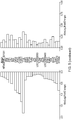
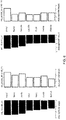
- Figures 5 and 6 describe transcriptomal changes at 4 hours and 1 day, using two different method of analysis (DESeq2 and NOISeqBIO). The data shows that the pattern of transcriptomal changes alters with time.
- Fscn3 an actin-bundling protein downregulated in HG versus NG and reverse by danegaptide
- Fscn3 is commonly downregulated in cells exposed to high glucose, associated with myosins and Cadherins, and implicated in GlcNac process altered in diabetic retinopathy.
- Tpcn2 a gene that may play a role in human diabetes is downregulated in HG versus NG and reversed by danegaptide at 4h and interact with ESR1 which is involved in Sp3-dependent diabetic retinopathy pathways.
Landscapes
- Health & Medical Sciences (AREA)
- Life Sciences & Earth Sciences (AREA)
- Veterinary Medicine (AREA)
- Public Health (AREA)
- Medicinal Chemistry (AREA)
- Pharmacology & Pharmacy (AREA)
- Chemical & Material Sciences (AREA)
- Animal Behavior & Ethology (AREA)
- General Health & Medical Sciences (AREA)
- Engineering & Computer Science (AREA)
- Bioinformatics & Cheminformatics (AREA)
- Epidemiology (AREA)
- Diabetes (AREA)
- Nuclear Medicine, Radiotherapy & Molecular Imaging (AREA)
- General Chemical & Material Sciences (AREA)
- Organic Chemistry (AREA)
- Chemical Kinetics & Catalysis (AREA)
- Gastroenterology & Hepatology (AREA)
- Proteomics, Peptides & Aminoacids (AREA)
- Immunology (AREA)
- Hematology (AREA)
- Emergency Medicine (AREA)
- Endocrinology (AREA)
- Obesity (AREA)
- Cardiology (AREA)
- Vascular Medicine (AREA)
- Heart & Thoracic Surgery (AREA)
- Urology & Nephrology (AREA)
- Medicines That Contain Protein Lipid Enzymes And Other Medicines (AREA)
- Pharmaceuticals Containing Other Organic And Inorganic Compounds (AREA)
- Peptides Or Proteins (AREA)
Description
- The present invention relates to gap junction intercellular communication (GJIC) modulators and their use of the treatment or prevention of diabetic eye disease, and more particularly to their use for the treatment or prevention of diabetic retinopathy and diabetic macular edema. The present invention further relates to pharmaceutical compositions adapted for the delivery of gap junction intercellular communication modulators to the eye.
- There is increasing recognition that intercellular communication is essential for cellular homeostasis, proliferation and differentiation. Such communication is believed to be facilitated by gap junctions. These structures are thought to be a route for coupling cells and permitting "cross-talk". The cross-talk between gap junctions is referred to as "gap junctional intercellular communication" (GJIC). Generally, gap junctions are specialized regions of the cell membrane that contain clusters of hundreds to thousands of densely packed channels that directly connect the cytoplasm of two adjacent cells. The gap junction channels are composed of two hemichannels, or connexons, provided by each of two neighbouring cells. Each connexon, in turn, is made up of six proteins called connexins.
- Diabetic retinopathy is the leading cause of vision loss and blindness among working-age adults. Retinal vascular cell loss is a characteristic hallmark of early diabetic retinopathy. It is known that accelerated retinal vascular cell loss is, at least in part, due to high glucose-induced apoptosis.
- A particular problem with these conditions is that the early stages of diabetic retinopathy usually have limited or no symptoms. Thus, the disease often progresses unnoticed until it affects vision. Bleeding from abnormal retinal blood vessels can cause the appearance of "floating" spots. These spots sometimes clear on their own. This means that without prompt treatment, bleeding often recurs, increasing the risk of permanent vision loss. If diabetic macular edema (DME) occurs, it can cause blurred vision. A further problem is that vision lost to diabetic retinopathy may be irreversible.
- Late stage diabetic retinopathy or DME can be treated with several therapies that may be used alone or in combination. Generally these therapies target the growth factors produced in late stage diabetic retinopathy. The therapies include anti-VEGF injection therapy in which anti-VEGF drugs are injected into the vitreous gel to block a protein called vascular endothelial growth factor (VEGF), which can stimulate abnormal blood vessels to grow and leak fluid. Blocking VEGF can slow down (brake) abnormal blood vessel growth and decrease fluid in the retina. Available anti-VEGF drugs include Avastin (bevacizumab), Lucentis (ranibizumab), and Eylea (aflibercept) and all three drugs are safe and effective for treating most people with DME. However, most patients require monthly anti-VEGF injections for the first six months of treatment. Thereafter, injections are needed less often: typically three to four during the second six months of treatment, about four during the second year of treatment, two in the third year, one in the fourth year, and none in the fifth year. Dilated eye exams may be needed less often as the disease stabilizes. However, all of these treatments need to be administered by an eye care professional and require administration by injection.
- Accordingly, there is a need in the art for further treatments for diabetic eye disease, and especially early stage diabetic retinopathy and diabetic macular edema.
- Broadly, the present invention relates compounds that are gap junction intercellular communication (GJIC) modulators for use in methods of treatment or prevention of diabetic eye disease, and in particular in the treatment or prevention of diabetic retinopathy and diabetic macular edema, typically in human patients. In some preferred aspects, the present invention is particularly concerned with the treatment or prevention of early stages diabetic retinopathy.
- Although the role of gap junction intercellular communication (GJIC) has been extensively studied in various tissues, the present invention concerns its involvement with apoptotic cell death and pericyte migration in the diabetic retina. Gap junction channels allow the passage of ions, nutrients, and other signaling molecules (up to 1 kD) between neighboring cells. Importantly, connexin 43 (Cx43)-mediated GJIC plays a critical role in regulating cell growth, vascular tightness and cell death in the retina, and is thus an integral factor in maintaining retinal vascular homeostasis. Cx43 is abundantly expressed in the retina, which suggests a substantial amount of gap junction coupling. However, under high glucose and diabetic conditions, Cx43 expression is downregulated and its functionality is impaired, thereby compromising GJIC activity in retinal vascular cells. Moreover, high glucose- and diabetes-induced Cx43 downregulation and decreased GJIC activity plays a critical role in the increased vascular cell death in the retinas of diabetic mice, rats, and humans exhibiting a significant increase in the number of acellular capillaries and pericyte loss.
- In the experiments described herein, we have shown that administration of a gap junction modulator, danegaptide (2S,4R)-1-(2-aminoacetyl)-4-benzoylamino-pyrrolidine-2-carboxylic acid (J. Med. Chem. 52(4): 908-911, 2009), prevents cell-cell GJ uncoupling under high glucose condition and prevents high glucose-induced apoptosis in retinal vascular cells. The experiments described herein further investigated whether these protective effects seen in vitro translate in an in vivo model of diabetes. In particular, the results disclosed in the present application investigated whether administration of danegaptide can prevent the development of acellular capillaries and pericyte loss in the retinas of diabetic rats. Three different in vitro systems were tested that informed on cell coupling, permeability as surrogate for vascular tightness/vascular leakage and apoptosis.
- Moreover, it is known that blood vessels, including those present in the eye, are composed of two interacting cell types, see Song et al. Neuro-Oncology, July 2005, 453-464. Thus, endothelial cells form an inner lining of the vessel wall, while pericytes surround the surface of the vascular tube, supporting and maintaining vessel growth and help to inhibit leakage from the vessel. Pericytes are therefore functionally significant because when vessels lose pericytes, they become haemorrhagic and hyperdilated, leading to conditions such as edema, and diabetic retinopathy, and ultimately blindness. In addition to the effect of GJIC modulators on retinal endothelial cells, the present application shows that pericyte loss in a rat diabetic retinopathy model can be significantly decreased by administration of a GJIC modulator.
- Furthermore, the efficacy of mode of delivery of danegaptide was determined in an intravitreal injection route and a systemic delivery route using an osmotic pump.
- Accordingly, in a first aspect, the present invention provides a GJIC modulator compound as described herein for use in a method for the treatment or prevention of diabetic eye disease in a human subject, the method comprising administering to the subject a therapeutically effective amount of said GJIC modulator compound; or a pharmaceutically acceptable salt thereof.
- The GJIC modulator compound is selected from (2S,4R)-1-(2-aminoacetyl)-4-benzoylamino-pyrrolidine-2-carboxylic acid and Ac-DTyr-DPro-DHyp-Gly-DAla-Gly-NH2; or a pharmaceutically acceptable salt or hydrate thereof.
- The GJIC modulator compounds are for use in the treatment or prevention of early diabetic retinopathy and diabetic macular edema. This is advantageous as many present forms of treatment of diabetic retinopathy are focussed on the treatment of advanced stages of the disease, such as proliferative diabetic retinopathy (PDR), in which growth factors secreted by the retina trigger the proliferation of new blood vessels. Thus, the present invention provides an approach for the treatment or prevention of diabetic eye disease at a point before this advanced stage of the condition.
- In a further aspect, the present invention provides pharmaceutical compositions adapted for the delivery of GJIC modulator compounds to the eye.
- The GJIC modulator compounds described herein may enable cells to protect themselves during diabetic eye disease. Without wishing to be bound to any particular theory, the inventors speculate that the compounds may have stabilizing effects on the cells, reducing the tendency for mitochondria to become leaky and/or reducing the tendency for cells to develop a leaky outer cell membrane and/or improving the intercellular coupling of cells. The compounds may result in better coupling between cells, enabling the cells to share available energy (ATP) and enable intercellular signalling, including calcium signalling.
- In a further aspect, the present invention provides the use of a compound selected from:
(2S,4R)-1-(2-aminoacetyl)-4-benzoylamino-pyrrolidine-2-carboxylic acid; and Ac-DTyr-DPro-DHyp-Gly-DAla-Gly-NH2; or a pharmaceutically acceptable salt or hydrate thereof, for the preparation of a medicament for the treatment or prevention of early stage diabetic eye disease or diabetic macular edema in a human subject, the method comprising administering to the subject a therapeutically effective amount of the compound, or a pharmaceutically acceptable salt or hydrate thereof. - In a further aspect, the present invention provides a method of treating or preventing early stage diabetic eye disease or diabetic macular edema in a human subject, the method comprising administering to the human subject a therapeutically effective amount of the compound, or a pharmaceutically acceptable salt or hydrate thereof, wherein the compound is selected from:
(2S,4R)-1-(2-aminoacetyl)-4-benzoylamino-pyrrolidine-2-carboxylic acid; and Ac-DTyr-DPro-DHyp-Gly-DAla-Gly-NH2; or a pharmaceutically acceptable salt or hydrate thereof. - In a further aspect, the present invention provides a pharmaceutical composition comprising a GJIC modulator compound as described herein for use in a method as described herein, the pharmaceutical composition comprising said GJIC modulator compound and a pharmaceutically acceptable excipient. Preferably, the GJIC modulator is for administration in an eye drop formulation, via a contact lens, via a nasal spray or via injection, e.g. intravitreal injection. Systemic administration, e.g. through the use of tablets or capsules, is also possible.
- Embodiments of the present invention will now be described by way of example and not limitation with reference to the accompanying figures. However, various further aspects and embodiments of the present invention will be apparent to those skilled in the art in view of the present disclosure.
- "and/or" where used herein is to be taken as specific disclosure of each of the two specified features or components with or without the other. For example "A and/or B" is to be taken as specific disclosure of each of (i) A, (ii) B and (iii) A and B, just as if each is set out individually herein.
- Unless context dictates otherwise, the descriptions and definitions of the features set out above are not limited to any particular aspect or embodiment of the invention and apply equally to all aspects and embodiments which are described.
-
-
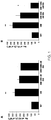
Figure 1 . Effect of 200 or 1000nM danegaptide (DG) intravitreal injections against AC and PL development in diabetic rat eyes. The numbers of (A) AC and (B) PL were significantly increased in diabetic rat retinas compared to those of non-diabetic rat retinas (** = p<0.01). Intravitreal injection of 1000 nM danegaptide in diabetic rat retinas significantly reduced the number of PL compared to that of untreated diabetic rat retinas (* = p<0.05). The number of AC was decreased in the danegaptide treated groups but fell short of statistical significance possibly due to low number of animals (n=3). -
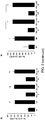
Figure 2 . Effect of danegaptide (DG) on the development of AC and PL in diabetic rat retinas. Representative images showing retinal vascular networks from (A) WT, (B) DM, (C) DM + intravitreal injection (IV) of 1000 nM DG, (D) DM + IV of dH20, (E) DM + osmotic pump (OP) DG, and (F) DM + OP dH20 rats. AC (arrows); PL (open arrows). Graphical illustration showing cumulative RTD data demonstrates that the number of (G) AC and (H) PL is significantly increased in diabetic rat retinas compared to those of non-diabetic rat retinas. Importantly, intravitreally (IV) injection of danegaptide significantly reduced the number of AC and PL compared to IV injection of water as control in diabetic rat retinas. Moreover, systemic delivery of danegaptide via osmotic pumps (OP) significantly reduced the number of AC and PL compared to systemic delivery of water via OP in diabetic rat retinas. Improving cell-cell coupling prevented the development of AC and PL in the danegaptide treated retinas (** = p<0.001; * = p<0.01; n=6-9 animals per group). -
Figure 3 . Effect of danegaptide (DG) on retinal vascular leakage. Graphical illustration showing cumulative IVP data demonstrates that retinal vascular leakage is significantly increased in diabetic rat retinas compared to those of non-diabetic rat retinas. Importantly, intravitreally (IV) injection of DG significantly reduced vascular leakage compared to IV injection of water as control in diabetic rat retinas. Moreover, systemic delivery of DG via osmotic pumps (OP) significantly reduced vascular leakage compared to systemic delivery of water via OP in diabetic rat retinas. Improving cell-cell coupling prevented diabetes-induced vascular leakage in the DG treated retinas. (** = p<0.001; n=8-10 animals per group). -
Figure 4 . Effect of danegaptide (DG) on retinal vascular permeability. Representative images of the retinal whole mounts show capillary networks of (A) wild type (WT), (B) diabetic (DM), (C) DM + intravitreal injection (IV) of 1000 nM DG, (D) DM + IV of dH20), (E) DM + osmotic pump (OP) DG and (F) DM+ OP dH2O rats. Improving cell-cell coupling prevented diabetes-induced vascular leakage in the DG treated retinas. Scale bar = 50 µm. -
Figure 5 . Danegaptide reverse some changes in genes expression at 4h with NOISeqBIO. Dark grey bars refer to down-regulation of transcripts. Light grey bars refer to up-regulation of transcripts. Thresholds: Padj<0.05. -
Figure 6 : Danegaptide reverse some changes in genes expression at 4h (left) and 1d (right) with DESeq2. Black bars refer to down-regulated genes. White bars refer to up-regulated genes. Thresholds: Padj<0.05 - Unless specified otherwise, the following definitions are provided for specific terms.
- In the present description and claims the standard three-letter and one-letter codes for natural amino acids are used. The term "peptide" herein designates a chain of two or more amino acid moieties (amino acid residues) that are linked by means of a peptide bond. In general, peptides may contain one or more naturally occurring amino acids and/or one or more non-naturally occurring amino acids.
- In the present context, the term "naturally occurring amino acid" refers to one of the following 20 amino acids: Ala (A), Cys (C), Ser (S), Thr (T), Asp (D), Glu (E), Asn (N), Gln (Q), His (H), Arg (R), Lys (K), Ile (I), Leu (L), Met (M), Val (V), Phe (F), Tyr (Y), Trp (W), Gly (G), and Pro (P). In naturally occurring peptide molecules these amino acids (with the exception of Gly, which lacks a chiral centre) generally occur in the form of L-amino acid residues, but compounds suitable for use in the present invention include peptides comprising D-amino acid residues (such as Ac-DTyr-DPro-DHyp-Gly-DAla-Gly-NH2).
- Amino acid three letter codes are as used in the art. Hyp refers to 4-hydroxyproline.
- The compounds for use in the present invention may contain two or more asymmetric atoms (also referred to as chiral centers), giving rise to the possibility of the occurrence of diastereomers. Compounds suited for use in the present invention include such diastereomers.
- As used herein, the term "vascular cells" includes endothelial cells and pericytes.
- Diabetic eye disease are a group of eye conditions that affect people with diabetes. These conditions include diabetic retinopathy, diabetic macular edema (DME), cataract, and glaucoma. All forms of diabetic eye disease have the potential to cause severe vision loss and blindness and, as such, are a serious complication of diabetes. Diabetic retinopathy involves changes to retinal blood vessels that can cause them to bleed or leak fluid, distorting vision. Diabetic retinopathy is the most common cause of vision loss among people with diabetes and a leading cause of blindness among working-age adults. DME is a consequence of diabetic retinopathy that causes swelling in the area of the retina called the macula.
- Chronically high blood sugar from diabetes is associated with damage to the tiny blood vessels in the retina, leading to diabetic retinopathy. The retina detects light and converts it to signals sent through the optic nerve to the brain. Diabetic retinopathy can cause blood vessels in the retina to leak fluid or haemorrhage (bleed), distorting vision. In its most advanced stage, new abnormal blood vessels proliferate (increase in number) on the surface of the retina, which can lead to scarring and cell loss in the retina.
- It is generally accepted that diabetic retinopathy progresses through four stages, see https://nei.nih.gov/health/diabetic/retinopathy:
- 1. Mild non-proliferative retinopathy. Small areas of balloon-like swelling in the retina's tiny blood vessels, called microaneurysms, occur at this earliest stage of the disease. These microaneurysms may leak fluid into the retina.
- 2. Moderate non-proliferative retinopathy. As the disease progresses, blood vessels that nourish the retina may swell and distort. They may also lose their ability to transport blood. Both conditions cause characteristic changes to the appearance of the retina and may contribute to DME.
- 3. Severe non-proliferative retinopathy. Many more blood vessels are blocked, depriving blood supply to areas of the retina. These areas secrete growth factors that signal the retina to grow new blood vessels.
- 4. Proliferative diabetic retinopathy (PDR). At this advanced stage, growth factors secreted by the retina trigger the proliferation of new blood vessels, which grow along the inside surface of the retina and into the vitreous gel, the fluid that fills the eye. The new blood vessels are fragile, which makes them more likely to leak and bleed. Accompanying scar tissue can contract and cause retinal detachment, the pulling away of the retina from underlying tissue, like wallpaper peeling away from a wall. Retinal detachment can lead to permanent vision loss.
- As the present invention targets the role of gap junctions, in preferred aspects, the present invention is concerned with the treatment or prevention of patients with early stage diabetic retinopathy, i.e. stages 1 to 3 above, more preferably
stage 1 and 2 above, and still more preferablystage 1 above or as a preventative therapy forpatients having type 1 or type 2 diabetes who are at risk of developing diabetic eye disease, that occur before the release of substantial levels of growth factors that trigger the proliferation of new blood vessel in stages 4 and/or 3 of proliferative diabetic retinopathy. - Diabetic macular edema (DME) is the build-up of fluid (edema) in a region of the retina called the macula. The macula is important for the sharp, straight-ahead vision that is used for reading, recognizing faces, and driving. DME is the most common cause of vision loss among people with diabetic retinopathy. About half of all people with diabetic retinopathy will develop DME. Although it is more likely to occur as diabetic retinopathy worsens, DME can happen at any stage of the disease.
- The diabetic patients who are at risk of diabetic eye disease include those with all types of diabetes (
type 1, type 2, and gestational). The risk of developing diabetic eye disease increases the longer a person has diabetes. By way of example, between 40 and 45 percent of Americans diagnosed with diabetes have some stage of diabetic retinopathy, although only about half are aware of it. Women who develop or have diabetes during pregnancy may have rapid onset or worsening of diabetic retinopathy. Accordingly, the present invention may be used for the treatment of all of these patient types. - In addition, the medical uses and methods of the present invention may be employed for the preventative use in patients being brought into glycaemic control. In such treatment, when a patient with chronically high blood glucose levels is brought into glycaemic control, the eye tissues may have become used to the high glucose availability and become stressed as normal glucose levels are achieved. Accordingly, the present invention may be used to as a protective treatment as patients are being brought into glycaemic control.
- These patients are at risk of experiencing worsening of diabetic retinopathy and could be protected as blood glucose is being brought under control.
- The early stages of diabetic retinopathy usually have no symptoms. The disease often progresses unnoticed until it affects vision. Bleeding from abnormal retinal blood vessels can cause the appearance of "floating" spots. These spots sometimes clear on their own. But without prompt treatment, bleeding often recurs, increasing the risk of permanent vision loss. If DME occurs, it can cause blurred vision.
- Diabetic retinopathy and DME may be detected during a comprehensive dilated eye examination that may include visual acuity testing (the use of an eye chart test measures a person's ability to see at various distances), tonometry (the measurement of pressure inside the eye, pupil dilation (in which drops placed on the eye's surface dilate (widen) the pupil, allowing a physician to examine the retina and optic nerve) and/or optical coherence tomography (OCT), a technique similar to ultrasound that uses light waves instead of sound waves to capture images of tissues inside the body. OCT provides detailed images of tissues that can be penetrated by light, such as the eye. A comprehensive dilated eye examination also allows the doctor to check the retina for changes to blood vessels, leaking blood vessels or warning signs of leaky blood vessels, such as fatty deposits, swelling of the macula (DME), changes in the lens and/or damage to nerve tissue. In cases where vascular leakage DME or severe diabetic retinopathy is suspected, a fluorescein angiogram may be used to look for damaged or leaky blood vessels. In this test, a fluorescent dye is injected into the bloodstream, often into an arm vein. Pictures of the retinal blood vessels are taken as the dye reaches the eye. There is a close translational link between the vascular leakage data we have generated in rats and this same method may be used to diagnose vascular leakage in humans.
- Various routes of administration may be employed in connection with the methodology of the present invention, including, but not limited to, intraocular injection, systemic administration, oral administration, nasal spray, eye drops, or contact lenses.
- In this connection, attainment of a concentration of the administered compound (or pharmaceutically acceptable salt or hydrate thereof) in the plasma of the subject in the range of from 50 nM to 5 µM may be desirable. The in vitro studies provided herein showed that an optimal effect was observed when concentrations of 50-100nM of the GJIC modulator compounds were reached in the microenvironment of the retinal vessels. By way of example, this may be achieved when a plasma concentration of 50-100 nM was targeted by osmotic pump, or by local injection into the eye targeting a higher concentration in corpus vitreum, allowing for a concentration gradient towards the retinal vessels. These data teach that effective doses to be administered to reach 50-100 nM in the microenvironment of the retinal tissues.
- An example of a compound well suited for use in accordance with the present invention is 1-(2-aminoacetyl)-4-benzoylamino-pyrrolidine-2-carboxylic acid, such as the (2S,4R) diastereomer thereof [i.e. (2S,4R)-1-(2-aminoacetyl)-4-benzoylamino-pyrrolidine-2-carboxylic acid], or a pharmaceutically acceptable salt or hydrate thereof. An example of an alternative name for this compound is (2S, 4R)-1-(2-aminoacetyl)-4-benzamidopyrrolidine-2-carboxylic acid.
- Other diastereomers of the latter compound (i.e. the 2S4S, 2R4R, 2S4R or 2R4S diastereomers) may also be value for use in the context of the present invention. Another compound (peptide) suited for use in the present invention is Ac-DTyr-DPro-DHyp-Gly-DAla-Gly-NH2 (vide supra).
- Particular forms of these compounds may also be referred to as danegaptide and rotigaptide, respectively.
- Pharmaceutically acceptable salt of danegaptide include danegaptide hydrochloride.
- It will be appreciated that the compounds described herein may be used in combination. For example, more than one GJIC modulator compound may be administered in the methods described herein, either concurrently or sequentially.
- Pharmaceutically acceptable salts of compounds suited for use in accordance with the invention having an acidic moiety can be formed using organic or inorganic bases. Suitable salts formed with bases include metal salts, such as alkali metal or alkaline earth metal salts, for example sodium, potassium, or magnesium salts; ammonia salts and organic amine salts, such as those formed with morpholine, thiomorpholine, piperidine, pyrrolidine, a mono-, di- or tri-lower alkylamine (e.g., ethyl-tert-butyl-, diethyl-, diisopropyl-, triethyl-, tributyl- or dimethylpropylamine), or a mono-, di- or trihydroxy lower alkylamine (e.g., mono-, di- or triethanolamine). Internal salts also can be formed. When a compound suited for use in accordance with the invention contains a basic moiety (as in the case of, e.g., 1-(2-aminoacetyl)-4-benzoylamino-pyrrolidine-2-carboxylic acid and the recited diastereomers thereof), salts may be formed using organic or inorganic acids. For example, salts can be formed from the following acids: acetic, propionic, lactic, citric, tartaric, succinic, fumaric, maleic, malonic, mandelic, malic, phthalic, hydrochloric, hydrobromic, phosphoric, nitric, sulfuric, methanesulfonic, napthalenesulfonic, benzenesulfonic, toluenesulfonic or camphorsulfonic. Other known pharmaceutically acceptable acids may also be employed. As already mentioned (vide supra), a preferred salt form of the (2S,4R) diastereomer of 1-(2-aminoacetyl)-4-benzoylamino-pyrrolidine-2-carboxylic acid is the hydrochloride monohydrate.
- Compounds, or pharmaceutically acceptable salts or hydrates thereof, employed in accordance with the present invention may be administered in the form of appropriate pharmaceutical compositions, which can be administered via any acceptable method known in the art, either singly or in combination.
- Pharmaceutical compositions of relevance in the present context may comprise a compound as disclosed herein for use in accordance with the invention in admixture with one or more pharmaceutically acceptable carriers, diluents, vehicles or excipients. In general, the pharmaceutical compositions used in accordance with the present invention may be adapted for administration of the compound in eye drops, contact lenses, nasal spray, intravitreally or systemically, e.g. by administration in the form of tablets or capsules.
- Useful formulations may include formulations that provide sustained release of the compounds of the present teachings. These may be particularly useful for subsequent administration (after the first administration). The compositions are preferably in the form of liquid formulations, and methods for their preparation are generally described in "Remington's Pharmaceutical Sciences", 17th Ed., Alfonso R. Gennaro (Ed.), Mark Publishing Company, Easton, PA, U.S.A., 1985. Such compositions generally contain an effective amount of the one or more active compounds of the present teachings, together with a suitable carrier in order to provide the dosage in a form compatible with the route of administration selected. Preferably, the carrier is in the form of a vehicle, a diluent, a buffering agent, a tonicity adjusting agent, a preservative and/or a stabilizer. The excipients constituting the carrier must be compatible with the active pharmaceutical ingredient(s) and are preferably capable of stabilizing the compounds without being deleterious to the subject being treated.
- A form of repository or sustained-release formulation can be used so that therapeutically effective amounts of the preparation are delivered into the bloodstream over many hours or days following administration of the compound or composition, e.g., by transdermal injection or deposition. Formulations suitable for sustained release may comprise biodegradable polymers, such as L-lactic acid, D-lactic acid, DL-lactic acid, glycolide, glycolic acid, and isomers thereof. Similarly, the carrier or diluent can include any sustained release material known in the art, such as glyceryl monostearate or glyceryl distearate, alone or mixed with a wax.
- Other sustained release formulations can include, but are not limited to, formulations that include at least one of the compounds disclosed herein combined with liposomes, microspheres, emulsions or micelles and liquid stabilizers.
- The doses the compounds and compositions of the present invention required for the desired therapeutic effects will depend upon on the potency of the compound, the particular composition, used and the route of administration selected. The compounds will typically be administrated in the range of about 0.001 g to 10 g per patient per day. For example, the compounds can be administered in the range from about 1 mg to about 1000 mg per patient per day, from about 10 mg to about 100 mg per patient per day, or about 50 mg per patient per day.
- Administration of a compound (or pharmaceutical salt or hydrate thereof) in accordance with the invention may be conducted in a single unit dosage form (e.g. in the form of a bolus) or as a continuous therapy in the form of multiple doses over time. Alternatively, continuous infusion systems or slow release depot formulations may be employed. Two or more compounds for use in accordance with the invention (or pharmaceutical compositions thereof) may be co-administered simultaneously or sequentially in any order. In addition, the compounds and compositions may be administered in a similar manner for prophylactic purposes, for example if a diabetic patient deemed to be at risk of developing diabetic retinopathy or diabetic macular edema. Ultimately, the best dosing regimen will be decided by the attending physician for each patient individually.
- Conditions which may be treated or prevented in accordance with the present invention using compounds as specified herein include diabetic retinopathy (and particular early stage diabetic retinopathy) and diabetic macular edema, especially in a human subject.
- According to the invention, one or more of the compounds, or pharmaceutically acceptable salts or hydrates thereof (e.g. in the form of an appropriate pharmaceutical composition), may be administered to an individual in need thereof in a therapeutically effective amount.
- As used herein, "a therapeutically effective amount" refers to an amount that is capable of reducing the symptoms of a given cerebrovascular condition or pathology, and preferably which is capable of partly or wholly normalizing physiological responses in a subject with the condition or pathology. Reduction of symptoms or normalization of physiological responses can be determined using methods known in the art and can vary with a given condition or pathology. The effective amount will be determined by the skilled person taking into account such factors as potency of the drug, age and constitution of the patient, body weight, pharmacokinetic profile of the drug, and in general the drug will be prescribed for each patient or group of patients.
- The effective amount of the compound can be at least about 10 µg/kg body weight/day, such as at least about 100 µg/kg body weight/day, at least about 300 µg/body weight/day, and at least about 1000 µg/kg body weight/day. On the other hand, the effective amount of the compound or dimer can be at most about 100 mg/kg body weight/day, such as at most about 50 mg/kg body weight/day and at most about 10 mg/kg body weight/day. It is expected that the effective amount of the compound will be about 100 µg/kg body weight/day, about 300 µg/kg body weight/day or about 1000 µg/kg body weight.
- The experiments provided in the in vitro system described herein dose finding as performed in the in vitro system (cell coupling assay/SLDT) show that a concentration of 50-100 nM is optimal in the microenvironment and the in vivo pilot study showed that 100 nM injections were better than 200 nM injections.
- Compounds (peptides) for use in accordance with the present invention may suitably be synthesized by means of solid-phase or solution-phase synthesis. In this context, reference may be made, for example, to Fields et al., "Principles and practice of solid-phase peptide synthesis", Synthetic Peptides (2002, 2nd Edition).
- With regard to the preparation of 1-(2-aminoacetyl)-4-benzoylamino-pyrrolidine-2-carboxylic acid, such as the (2S,4R) diastereomer thereof, suitable methods of synthesis and purification thereof are described in
WO2007/078990 , in which the (2S,4R) isomer is denoted "Compound 2" (WO2007/078990 is incorporated by reference in its entirety). - An example of a useful salt form of the (2S,4R) diastereomer is the hydrochloride monohydrate, the preparation of which is described in
WO 2008/079266 , and which is also referred to in the present description as Compound X (WO 2008/079266 is incorporated by reference in its entirety). - With regard to Ac-DTyr-DPro-DHyp-Gly-DAla-Gly-NH2, the solid-phase synthesis and purification thereof are described in
WO01/62775 WO01/62775 - All animal studies were performed according to the ARVO Statement for the Use of Animals in Ophthalmic and Vision Research. In the pilot study to determine the optimal concentration of danegaptide, twelve Sprague-Dawley male rats, each weighing 200 g, were used. Nine of the twelve rats were injected intraperitoneally with streptozotocin (STZ) (55 mg/kg body weight) to induce diabetes for 6 weeks. The remaining 3 animals served as non-diabetic controls. After 6 weeks of diabetes, the animals were killed and retinas were isolated. In the follow-up study to determine the effect of 1000 nM danegaptide on the number of AC and PL, thirty-six Sprague-Dawley male rats, each weighing 200 g, were used. Thirty of the thirty-six rats were injected with STZ to induce diabetes for 15 weeks. The remaining six animals served as non-diabetic controls. After 15 weeks of diabetes, the animals were killed and retinas were isolated. The glucose concentration in blood and urine were checked after 2 or 3 days after STZ injection to confirm diabetes status in the animals. Blood glucose levels were measured in each animal 2-3 times weekly and at the time of death. The diabetic group represented rats with blood glucose levels of >350 mg/dL. The diabetic rats received NPH insulin injection as needed to maintain blood glucose levels.
- The enucleated eyes were placed in 10% formalin for at least 24 hrs. The eyes were then cut in half with a razor blade, and the retinas were isolated and placed into 0.5M glycine for 24-48 hrs. RTD was performed as described in Kuwabara & Cogan (Studies of retinal vascular patterns. I. Normal architecture. Archives of ophthalmology 1960;64:904-911). Each retina went through a series of washes with 3% trypsin, and the non-vascular mass of the retina was removed. The retinal capillary network was then isolated and mounted onto a silane-coated slide.
- RTDs were stained with periodic acid-Schiff and hematoxylin as described in Bobbie et al. (Reduced connexin 43 expression and its effect on the development of vascular lesions in retinas of diabetic mice. Investigative ophthalmology & visual science 2010;51:3758-3763). Ten representative fields were imaged using a digital camera attached to a microscope and the images were analyzed for AC and PL. Apoptotic pericytes were identified as PL based on prominent histological characteristics, including basement membrane protrusion as empty shell. Capillaries devoid of both pericytes and endothelial cells were considered as AC.
- Rat retinal endothelial cells (RRECs) were grown for 3, 5, and 7 days in normal (N; 5mM) or HG (30mM) medium; in parallel, cells grown in HG medium were exposed for 3, 5, and 7 days to 100 nM Danegaptide (DG), an AAP10 analogue, which stabilizes Cx43 mediated cell coupling. In addition, cells grown in N medium were treated with a Cx43 blocker (negative control) which inhibits GJ coupling, or a positive control AAP10, protecting GJIC. To determine GJIC, scrape load dye transfer (SLDT) assay was performed at the three time points. Similarly, cells were assessed for apoptosis and cell monolayer permeability by differential dye staining assay and in vitro permeability assay, respectively.
- RRECs treated with danegaptide showed preserved GJIC, decreased cell death, and reduced cell monolayer permeability. SLDT assay indicated that cells grown under HG conditions and exposed to danegaptide for 3, 5, and 7 days preserved GJIC. Similarly, danegaptide rescued cells from HG-induced apoptosis at all three time points. Additionally, cell monolayer permeability was significantly decreased by day 5. When cells grown in N medium were exposed to control AAP10, no changes in apoptosis or permeability were noted. Cells exposed to Cx43 blocker which decreased cell coupling showed excess apoptosis and cell monolayer permeability. These findings suggest that prevention of HG-mediated compromised cell-cell coupling may be a useful strategy for inhibiting apoptosis and excess vascular permeability associated with diabetic retinopathy.
- The results shown in
Figures 1 and2 demonstrate that administration of danegaptide, a Cx43 gap junction coupler, prevents the development of AC and PL in diabetic rat retinas. The improved cell-cell coupling promoted by the GJIC modulator compounds, via intravitreal injection or systemic delivery of danegaptide, protected against retinal vascular cell death in diabetic rat retinas. - The findings from this study suggest that administration of a gap junction coupler is protective against retinal vascular cell death in the retina. Moreover, results indicate that reduced cell-cell coupling and compromised GJIC activity in the diabetic retinas contribute, at least in part, to increased retinal vascular cell death as observed in diabetic retinopathy. The results in the present application therefore show that improving cell-cell coupling could be a used as strategy in treating or preventing retinal vascular cell loss associated with the pathogenesis of diabetic retinopathy or diabetic macular edema.
- In diabetic retinopathy (DR), cell-cell coupling appears to be compromised, leading to retinal vascular cell death and the development of retinal vascular lesions. This study is evaluated whether administration of a gap junction modulator is protective against retinal vascular cell death in the retinas of diabetic rats.
- To determine the optimal concentration of danegaptide (DG), a Cx43 gap junction coupler, two concentrations (200 nM or 1000 nM) were tested via intravitreal injections in streptozotocin (STZ)-induced diabetic rats. Diabetes was induced via STZ for 6 weeks and at the end of the study, eyes were enucleated, and retinas subjected to retinal trypsin digestion (RTD) for isolation of capillary networks and stained with Hematoxylin and Periodic Acid Schiff's (PAS) reagent to analyze the number of acellular capillaries (AC) and pericyte loss (PL). Based on this pilot study, 1000 nM danegaptide was injected intravitreally in the follow-up study to determine the effect of improved cell coupling on retinal vascular cell death. Additionally, danegaptide was administered systemically using osmotic pumps. The number of rats used in this study was at least 6 per group. Overall, rats were divided into 6 groups: wild type (WT) control rats, STZ-induced diabetic rats, diabetic rats intravitreally injected with danegaptide, diabetic rats intravitreally injected with water, diabetic rats systemically delivered with danegaptide, and diabetic rats systemically delivered with water. Diabetes was induced via STZ for 15 weeks and at the end of the study, retinas were isolated and subjected to RTD for analyses of AC and PL.
- The retinal vasculature showed a significant decrease in the development of AC in diabetic rats treated either via intravitreal injections or systemically with danegaptide (134±28% of control, p<0.01 and 133±37% of control, p<0.001, respectively) compared to those of diabetic rats (296±26% of control, p<0.001). Likewise, retinal capillaries of diabetic rats treated intravitreally or systemically with danegaptide exhibited a significant decrease in the number of PL (112±62% of control, p<0.01 and 103±65% of control, p<0.005, respectively) compared to those of diabetic rats (335±40%, p<0.005). Findings from this study indicate that improved cell-cell coupling are protective against retinal vascular cell death associated with diabetic retinopathy.
- To determine if improvement in Cx43-mediated gap junction intercellular communication (GJIC) prevents retinal vascular cell death and excess retinal vascular permeability, danegaptide was administered intravitreally or via osmotic pumps in rats. 60 male Sprague Dawley rats were randomly assigned into six groups, each consisting of 10 rats: non-diabetic rats, diabetic rats, diabetic rats intravitreally injected with DG (1000 nM concentration), diabetic rats intravitreally injected with sterile water as vehicle, diabetic rats treated systemically with DG (70 mg/mL to achieve 100 nM plasma DG concentration) via osmotic pumps, and diabetic rats treated systemically via osmotic pump with sterile water as control. Diabetes was induced for 15 weeks and at the end of the study all animals were examined and subsequently sacrificed and their retinas were examined for (i) in vivo permeability (IVP), (ii) RTD, and (iii) optical coherence tomography (OCT) for analyses of vascular leakage, AC and PL, and retinal thickness, respectively.
- To determine the effect of improved cell-cell coupling on retinal vascular permeability under hyperglycemic stress, extravasation of FITC-dextran was assessed in the retinal capillaries following FITC-dextran tail vein injection performed shortly before animals were sacrificed. The retinal capillary networks of the diabetic rats exhibited increased vascular leakage compared to those of the non-diabetic rats (214±17% of control vs 100±22% of control, p<0.001). Importantly, retinal capillary networks of diabetic rats treated intravitreally with DG exhibited a significant decrease in vascular leakage compared to those of diabetic rats treated intravitreally with water as control (149±22% of control vs 241±14% of control, p<0.001) (
Figures 3 ,4 ). Similarly, retinal capillary networks of diabetic rats treated systemically with DG exhibited a significant decrease in vascular leakage compared to those of diabetic rats treated systemically with water as control (143±14% of control vs 224±14% of control, p<0.001) (Figures 3 ,4 ). Moreover, there was no significant difference in vascular leakage between diabetic rats treated with intravitreal injections of DG and diabetic rats treated systemically with DG. - The transcriptomic effects of danegaptide in an in vitro diabetic retinopathy model were investigated to 1) reveal transcriptomic changes in diabetic-like conditions with or without danegaptide and 2) associate functional effects previously observed to transcriptomic modifications and 3) identify pathways involved in danegaptide effects on relevant cells under diabetes-like conditions. Primary retinal endothelial cells from rats were plated for in vitro experiments under four experiments conditions, Normal Glucose medium (NG), High Glucose medium (HG), High Glucose medium + Danegaptide 100nM (HG_DG100) and High Glucose medium + Danegaptide 1000nM (HG_DG1000). The samples were assessed at four time points (4 hours after plating, 1 day after plating, 3 days after plating and 5 days after plating).
- These experiments showed that danegaptide induces changes in gene expression in HG cells and for some genes reverses changes induced by HG as compared to NG conditions. The experiments also confirmed that danegaptide induces changes in gene expression in cells exposed to high glucose and that danegaptide reverses expression of some genes differentially expressed in high glucose conditions compared to normal glucose conditions (
Figures 5 and6 ). These figures describe transcriptomal changes at 4 hours and 1 day, using two different method of analysis (DESeq2 and NOISeqBIO). The data shows that the pattern of transcriptomal changes alters with time. In particular, the experiments found that Fscn3 (an actin-bundling protein downregulated in HG versus NG and reverse by danegaptide) is commonly downregulated in cells exposed to high glucose, associated with myosins and Cadherins, and implicated in GlcNac process altered in diabetic retinopathy. Also Tpcn2, a gene that may play a role in human diabetes is downregulated in HG versus NG and reversed by danegaptide at 4h and interact with ESR1 which is involved in Sp3-dependent diabetic retinopathy pathways. Several transcripts like Dnm1l, Nucb2, Trmt10a were all down-regulated atday 1 under HG conditions and danegaptide generally increased the expression of these transcripts indicating possible protective effects from HG stress (Figure 6 ). At 1d, the experiments found that Cacybp gene is downregulated in HG versus NG and reversed by danegaptide. This gene interacts in functions with SIN3A, a major upstream regulator of the hyperglycemia-induced Ang2 pathway leading to diabetic retinopathy.
Claims (11)
- A compound selected from:(2S,4R)-1-(2-aminoacetyl)-4-benzoylamino-pyrrolidine-2-carboxylic acid; and Ac-DTyr-DPro-DHyp-Gly-DAla-Gly-NH2; or a pharmaceutically acceptable salt or hydrate thereof,for use in a method for treating or preventing early stage diabetic retinopathy or diabetic macular edema in a human subject, the method comprising administering to the subject a therapeutically effective amount of the compound, or a pharmaceutically acceptable salt or hydrate thereof.
- The compound for use in a method of treatment or prevention according to claim 1, wherein the compound is (2S,4R)-1-(2-aminoacetyl)-4-benzoylamino-pyrrolidine-2-carboxylic acid, or a pharmaceutically acceptable salt or hydrate thereof.
- The compound for use in a method of treatment or prevention according to claim 1, wherein the method is for the prevention of early stage diabetic retinopathy or diabetic macular edema in a human subject.
- The compound for use in a method of treatment or prevention according to any one of claims 1 to 3, wherein the diabetic retinopathy is mild non-proliferative retinopathy or moderate non-proliferative retinopathy.
- The compound for use in a method of treatment or prevention according to claim 1 or claim 2, wherein the compound is for use in treating or preventing diabetic macular edema.
- The compound for use in a method of treatment or prevention according to claim 1 or claim 2, wherein the compound is for preventative treatment of a patient with a chronically high blood glucose level as the patient is brought into glycaemic control.
- The compound for use in a method of treatment or prevention according to any one of the preceding claims, wherein the compound inhibits pericyte loss in the retina.
- The compound for use in a method of treatment or prevention according to any one of the preceding claims, wherein the compound inhibits vascular leakage in the retina.
- The compound for use in a method of treatment or prevention according to any one of the preceding claims, wherein the compound inhibits apoptosis of retinal endothelial cells.
- The compound for use in a method of treatment or prevention according to any one of the preceding claims, wherein the patient has type 1 diabetes, type 2 diabetes or gestational diabetes.
- The compound for use in a method of treatment or prevention according to any one of the preceding claims, wherein a concentration of the administered compound, or pharmaceutically acceptable salt or hydrate thereof, of 50-100nM is reached in the microenvironment of the retinal vessels.
Applications Claiming Priority (2)
| Application Number | Priority Date | Filing Date | Title |
|---|---|---|---|
| US201762502322P | 2017-05-05 | 2017-05-05 | |
| PCT/EP2018/061537 WO2018202865A1 (en) | 2017-05-05 | 2018-05-04 | Gap junction intercellular communication modulators and their use for the treatment of diabetic eye disease |
Publications (2)
| Publication Number | Publication Date |
|---|---|
| EP3618847A1 EP3618847A1 (en) | 2020-03-11 |
| EP3618847B1 true EP3618847B1 (en) | 2021-04-07 |
Family
ID=62143137
Family Applications (1)
| Application Number | Title | Priority Date | Filing Date |
|---|---|---|---|
| EP18723456.2A Active EP3618847B1 (en) | 2017-05-05 | 2018-05-04 | Gap junction intercellular communication modulators and their use for the treatment of diabetic eye disease |
Country Status (8)
| Country | Link |
|---|---|
| US (1) | US11324799B2 (en) |
| EP (1) | EP3618847B1 (en) |
| JP (1) | JP6989864B2 (en) |
| CN (1) | CN110709096B (en) |
| DK (1) | DK3618847T3 (en) |
| ES (1) | ES2870106T3 (en) |
| IL (1) | IL270311B (en) |
| WO (1) | WO2018202865A1 (en) |
Cited By (1)
| Publication number | Priority date | Publication date | Assignee | Title |
|---|---|---|---|---|
| WO2023118366A1 (en) * | 2021-12-22 | 2023-06-29 | Breye Therapeutics Aps | Gap junction modulators and their use for the treatment of age-related macular degeneration |
Families Citing this family (2)
| Publication number | Priority date | Publication date | Assignee | Title |
|---|---|---|---|---|
| WO2023105417A1 (en) * | 2021-12-06 | 2023-06-15 | Breye Therapeutics Aps | Danegaptide formulation for applicatoin in the eye |
| WO2025229109A1 (en) | 2024-05-01 | 2025-11-06 | Breye Therapeutics Aps | Danegaptide compositions, processes, and uses thereof |
Family Cites Families (73)
| Publication number | Priority date | Publication date | Assignee | Title |
|---|---|---|---|---|
| US4462943A (en) | 1980-11-24 | 1984-07-31 | E. R. Squibb & Sons, Inc. | Carboxyalkyl amino acid derivatives of various substituted prolines |
| DE3273628D1 (en) | 1981-08-03 | 1986-11-13 | Squibb & Sons Inc | Phosphonamidate compounds |
| DE3360065D1 (en) | 1982-03-08 | 1985-03-28 | Schering Corp | Carboxyalkyl dipeptides, processes for their production and pharmaceutical compositions containing them |
| US4514391A (en) | 1983-07-21 | 1985-04-30 | E. R. Squibb & Sons, Inc. | Hydroxy substituted peptide compounds |
| US4560506A (en) | 1984-05-25 | 1985-12-24 | E. R. Squibb & Sons, Inc. | Mercaptocycloalkylcarbonyl and mercaptoarylcarbonyl dipeptides |
| DE3588094T2 (en) | 1984-09-12 | 1996-08-22 | Rhone Poulenc Rorer Pharma | Antihypertensive derivatives |
| JPS61148198A (en) | 1984-12-22 | 1986-07-05 | Ajinomoto Co Inc | Novel tripeptide compound and sweetener |
| JPS6259296A (en) | 1985-09-10 | 1987-03-14 | Green Cross Corp:The | Peptide derivative |
| EP0566157A1 (en) | 1986-06-20 | 1993-10-20 | Schering Corporation | Neutral metalloendopeptidase inhibitors in the treatment of hypertension |
| EP0254032A3 (en) | 1986-06-20 | 1990-09-05 | Schering Corporation | Neutral metalloendopeptidase inhibitors in the treatment of hypertension |
| US4849525A (en) | 1987-09-21 | 1989-07-18 | E. R. Squibb & Sons, Inc. | Phosphinylcycloalkylcarbonyl and phosphinylcycloalkenylcarbonyl dipeptides |
| US5120859A (en) | 1989-09-22 | 1992-06-09 | Genentech, Inc. | Chimeric amino acid analogues |
| FR2700166B1 (en) | 1993-01-07 | 1995-02-17 | Rhone Poulenc Rorer Sa | Pyrrolidine derivatives, their preparation and the drugs containing them. |
| BR9408019A (en) | 1993-11-09 | 1997-08-26 | Merck & Co Inc | A compound useful composition for increasing the endogenous production or release of growth hormone in a human or an animal and for the treatment of osteoporosis. Processes to increase the levels of growth hormone in a human or an animal and the effectiveness of feeding to promote the growth to increase milk production and improve the quality of cattle carcass to treat or prevent a selected condition to treat osteoporosis and to prepare a compost |
| DE4408531A1 (en) | 1994-03-14 | 1995-09-28 | Hoechst Ag | PNA synthesis using an amino protecting group labile to weak acids |
| GB9409150D0 (en) | 1994-05-09 | 1994-06-29 | Black James Foundation | Cck and gastrin receptor ligands |
| US5491164A (en) | 1994-09-29 | 1996-02-13 | Merck & Co., Inc. | Inhibitors of farnesyl-protein transferase |
| AU2722297A (en) | 1996-04-03 | 1997-10-22 | Merck & Co., Inc. | Piperidines, pyrrolidines and hexahydro-1h-azepines promote release of growth hormone |
| BR9713465A (en) | 1996-08-28 | 2000-03-28 | Procter & Gamble | Cytically substituted amine metallotprotease inhibitors |
| WO1998010653A1 (en) | 1996-09-13 | 1998-03-19 | Merck & Co., Inc. | Piperidines, pyrrolidines and hexahydro-1h-azepines promote release of growth hormone |
| NZ335276A (en) | 1996-10-18 | 2000-09-29 | Vertex Pharma | Inhibitors of serine proteases, particularly hepatitis C virus (HCV) NS3 (Non Structural Protein 3) protease |
| WO1998025897A1 (en) | 1996-12-12 | 1998-06-18 | Merck & Co., Inc. | Piperidines, pyrrolidines and hexahydro-1h-azepines promote release of growth hormone |
| AU758160B2 (en) | 1997-08-22 | 2003-03-20 | Kaken Pharmaceutical Co., Ltd. | Novel amide derivatives |
| US6399629B1 (en) | 1998-06-01 | 2002-06-04 | Microcide Pharmaceuticals, Inc. | Efflux pump inhibitors |
| US6242422B1 (en) | 1998-10-22 | 2001-06-05 | Idun Pharmacueticals, Inc. | (Substituted)Acyl dipeptidyl inhibitors of the ice/ced-3 family of cysteine proteases |
| KR20020087041A (en) | 1999-07-28 | 2002-11-21 | 아벤티스 파마슈티칼스 프로덕츠 인크. | Substituted oxoazaheterocyclyl compounds |
| IL148972A0 (en) | 1999-10-14 | 2002-11-10 | Curis Inc | Mediators of hedgehog signaling pathways, compositions and uses related thereto |
| US6552016B1 (en) | 1999-10-14 | 2003-04-22 | Curis, Inc. | Mediators of hedgehog signaling pathways, compositions and uses related thereto |
| EP1228061A4 (en) | 1999-11-12 | 2004-12-15 | Guilford Pharm Inc | DIPEPTIDYL PEPTIDASE IV INHIBITORS, METHOD FOR THE PRODUCTION AND USE THEREOF |
| DE60107803T2 (en) | 2000-02-23 | 2006-01-19 | Zealand Pharma A/S | NEW ANTIARRYTHMIC PEPTIDES |
| WO2002077017A2 (en) | 2001-02-22 | 2002-10-03 | Zealand Pharma A/S | Medical uses of intercellular communication facilitating compounds |
| AU2001251147A1 (en) | 2000-03-31 | 2001-10-15 | Dupont Pharmaceuticals Company | Succinoylamino heterocycles as inhibitors of abeta protein production |
| AU2001253633A1 (en) | 2000-04-17 | 2001-10-30 | Idun Pharmaceuticals, Inc. | Inhibitors of the ice/ced-3 family of cysteine proteases |
| WO2001083517A1 (en) | 2000-05-03 | 2001-11-08 | Tularik Inc. | Stat4 and stat6 binding dipeptide derivatives |
| CA2412215A1 (en) | 2000-06-16 | 2001-12-27 | Curis, Inc. | Angiogenesis-modulating compositions and uses |
| AR029851A1 (en) | 2000-07-21 | 2003-07-16 | Dendreon Corp | NEW PEPTIDES AS INHIBITORS OF NS3-SERINA PROTEASA DEL VIRUS DE HEPATITIS C |
| US20020068702A1 (en) | 2000-07-21 | 2002-06-06 | Marguerita Lim-Wilby | Novel peptides as NS3-serine protease inhibitors of hepatitis C virus |
| US7244721B2 (en) | 2000-07-21 | 2007-07-17 | Schering Corporation | Peptides as NS3-serine protease inhibitors of hepatitis C virus |
| US7012066B2 (en) | 2000-07-21 | 2006-03-14 | Schering Corporation | Peptides as NS3-serine protease inhibitors of hepatitis C virus |
| ES2623711T3 (en) | 2000-10-13 | 2017-07-12 | Curis, Inc. | Hedgehog antagonists, procedures and related uses |
| US6376514B1 (en) | 2000-10-17 | 2002-04-23 | The Procter & Gamble Co. | Substituted six-membered heterocyclic compounds useful for treating multidrug resistance and compositions and methods thereof |
| FR2816838B1 (en) | 2000-11-17 | 2004-12-03 | Oreal | USE OF DERIVATIVES OF 2-OXOTHIAZOLIDINE-4-CARBOXYLIC ACID AS PRODESQUAMANTS |
| CA2446380A1 (en) | 2001-05-08 | 2002-11-14 | Yale University | Proteomimetic compounds and methods |
| WO2003013571A1 (en) | 2001-08-10 | 2003-02-20 | Palatin Technologies, Inc. | Peptidomimetics of biologically active metallopeptides |
| MXPA04007163A (en) | 2002-01-23 | 2004-10-29 | Schering Corp | Proline compounds as ns3-serine protease inhibitors for use in treatment of hepatites c virus infection. |
| EP1480999A2 (en) | 2002-02-08 | 2004-12-01 | Idun Pharmaceuticals | (substituted)acyl dipeptidyl inhibitors of the ice/ced-3 family of cysteine proteases |
| CA2491041A1 (en) | 2002-07-02 | 2004-01-15 | Novartis Ag | Peptide inhibitors of smac protein binding to inhibitor of apoptosis proteins (iap) |
| AU2003265853A1 (en) | 2002-08-29 | 2004-03-19 | Curis, Inc. | Hedgehog antagonists, methods and uses related thereto |
| EP1567487A4 (en) | 2002-11-15 | 2005-11-16 | Bristol Myers Squibb Co | Open chain prolyl urea-related modulators of androgen receptor function |
| RU2005119978A (en) | 2002-11-25 | 2006-01-27 | Зилэнд Фарма А/С (Dk) | PEPTIDE MODULATORS OF CRACKED CONTACTS |
| PL377633A1 (en) | 2003-04-03 | 2006-02-06 | Merck Patent Gmbh | Carbonyl compounds |
| EP1622870A2 (en) | 2003-05-05 | 2006-02-08 | Prosidion Ltd. | Glutaminyl based dp iv-inhibitors |
| WO2005037214A2 (en) | 2003-10-14 | 2005-04-28 | Intermune, Inc. | Macrocyclic carboxylic acids and acylsulfonamides as inhibitors of hcv replication |
| CN1528745A (en) | 2003-10-21 | 2004-09-15 | 山东大学 | Pyrrolidine matrix metalloproteinase inhibitor and preparation method thereof |
| EP1742914A1 (en) | 2004-02-27 | 2007-01-17 | Schering Corporation | Cyclobutenedione groups-containing compounds as inhibitors of hepatitis c virus ns3 serine protease |
| KR101166342B1 (en) | 2004-03-15 | 2012-07-18 | 얀센 파마슈티카 엔.브이. | Novel compounds as opioid receptor modulators |
| EP1749007A2 (en) | 2004-03-30 | 2007-02-07 | Intermune, Inc. | Macrocyclic compounds as inhibitors of viral replication |
| EP1604977A1 (en) | 2004-06-02 | 2005-12-14 | Faust Pharmaceuticals | CIS pyrrolidinyl derivatives and their uses |
| KR20070034119A (en) | 2004-07-16 | 2007-03-27 | 길리애드 사이언시즈, 인코포레이티드 | Antiviral compounds |
| US7820699B2 (en) | 2005-04-27 | 2010-10-26 | Hoffmann-La Roche Inc. | Cyclic amines |
| US7622496B2 (en) | 2005-12-23 | 2009-11-24 | Zealand Pharma A/S | Modified lysine-mimetic compounds |
| JP2010506841A (en) | 2006-10-13 | 2010-03-04 | リライアント・ファーマシューティカルズ・インコーポレイテッド | Treatment with antiarrhythmic drugs and omega-3 fatty acids and combinations thereof |
| US20100168443A1 (en) | 2006-11-02 | 2010-07-01 | University Of Virginia Patent Foundation | Ethoid-Containing Compounds, Methods for Preparing Ethoid-Containing Compounds, and Methods of Use |
| ES2558856T3 (en) | 2006-12-21 | 2016-02-09 | Zealand Pharma A/S | Synthesis of pyrrolidine compounds |
| WO2008079412A2 (en) | 2006-12-22 | 2008-07-03 | The Trustees Of Columbia University In The City Of New York | Methods and compositions to treat arrhythmias |
| US20100298225A1 (en) | 2007-07-15 | 2010-11-25 | Bjarne Due Larsen | Peptide gap junction modulators |
| WO2012088425A2 (en) | 2010-12-22 | 2012-06-28 | University Of Pittsburgh - Of The Commonwealth System Of Higher Education | Gap junction-enhancing agents for treatment of necrotizing enterocolitis and inflammatory bowel disease |
| BR112013023724A2 (en) | 2011-03-15 | 2019-09-24 | Univ Utah Res Found | methods for treating disease or symptom, screening for an agent or a combination of agents, and for determining the effectiveness of an agent and treatment |
| WO2013163423A1 (en) | 2012-04-25 | 2013-10-31 | Musc Foundation For Research Development | Compositions and methods for wound healing and tissue repair |
| WO2015017034A1 (en) | 2013-08-02 | 2015-02-05 | Gourdie Robert G | Methods of treating a cancer through targeted disruption of alpha connexin 43-zonula occludens-1 (zo-1) interaction |
| RU2016133980A (en) * | 2014-01-23 | 2018-03-01 | Экебиа Терапьютикс, Инк. | COMPOSITIONS AND METHODS FOR TREATING EYE DISEASES |
| WO2016029191A2 (en) * | 2014-08-22 | 2016-02-25 | Auckland Uniservices Limited | Channel modulators |
| GB201512139D0 (en) | 2015-07-10 | 2015-08-19 | Zealand Pharma As | Methods of treatment |
-
2018
- 2018-05-04 ES ES18723456T patent/ES2870106T3/en active Active
- 2018-05-04 WO PCT/EP2018/061537 patent/WO2018202865A1/en not_active Ceased
- 2018-05-04 JP JP2020512083A patent/JP6989864B2/en active Active
- 2018-05-04 US US16/609,963 patent/US11324799B2/en active Active
- 2018-05-04 CN CN201880029193.XA patent/CN110709096B/en active Active
- 2018-05-04 EP EP18723456.2A patent/EP3618847B1/en active Active
- 2018-05-04 DK DK18723456.2T patent/DK3618847T3/en active
-
2019
- 2019-10-30 IL IL270311A patent/IL270311B/en unknown
Non-Patent Citations (1)
| Title |
|---|
| None * |
Cited By (1)
| Publication number | Priority date | Publication date | Assignee | Title |
|---|---|---|---|---|
| WO2023118366A1 (en) * | 2021-12-22 | 2023-06-29 | Breye Therapeutics Aps | Gap junction modulators and their use for the treatment of age-related macular degeneration |
Also Published As
| Publication number | Publication date |
|---|---|
| ES2870106T3 (en) | 2021-10-26 |
| US20200054602A1 (en) | 2020-02-20 |
| US11324799B2 (en) | 2022-05-10 |
| IL270311B (en) | 2021-07-29 |
| WO2018202865A1 (en) | 2018-11-08 |
| CN110709096B (en) | 2023-10-31 |
| JP2020518678A (en) | 2020-06-25 |
| JP6989864B2 (en) | 2022-02-03 |
| CN110709096A (en) | 2020-01-17 |
| DK3618847T3 (en) | 2021-05-25 |
| EP3618847A1 (en) | 2020-03-11 |
Similar Documents
| Publication | Publication Date | Title |
|---|---|---|
| EP2662088A2 (en) | Anti-connexin compounds and uses thereof | |
| AU2015294371B2 (en) | Ang-(1-7) derivative oligopeptides and methods for using and producing the same | |
| EP3338788A1 (en) | Methods and copositions for preventing or treating opthalmic conditions | |
| CN101743015A (en) | The use of substances for the treatment of loss of eyesight in humans with glaucoma and other degenerative eye diseases | |
| US11324799B2 (en) | Gap junction intercellular communication modulators and their use for the treatment of diabetic eye disease | |
| AU2018210241A1 (en) | Therapeutic and neuroprotective peptides | |
| US20080207499A1 (en) | Rage-related methods for treating and preventing diabetic retinopathy | |
| JP2022524094A (en) | Methods for the Treatment of Diseases Using Retinal Pigment Epithelium Derived Factors (PEDF) | |
| US20200246417A1 (en) | Angio-3 for treatment of retinal angiogenic diseases | |
| EP3448388B1 (en) | Dipeptidyl peptidase-4 inhibitors for topical eye treatment of retinal neurodegenerative diseases | |
| EP4674425A1 (en) | Composition for treating diabetic retinopathy, comprising peptide | |
| Wang et al. | Effects of JIP3 on epileptic seizures: evidence from temporal lobe epilepsy patients, kainic-induced acute seizures and pentylenetetrazole-induced kindled seizures | |
| WO2014025127A1 (en) | Composition containing c-peptide for preventing or treating disorders caused by diabetic vascular leakage | |
| AU2026201537A1 (en) | Alginate-based microcapsulation for the delivery of alpha-CGRP in cardiovascular diseases | |
| EP4452260B1 (en) | Gap junction modulators and their use for the treatment of age-related macular degeneration | |
| US20220401408A1 (en) | Compositions and methods for rescuing retinal and choroidal structure and function | |
| KR101752961B1 (en) | Composition for Treatment of Diabetic Retinopathy Comprising in Inhibitor of Integrin alpha3 or beta1 and Screening Method for the Composition | |
| TWI744683B (en) | Short synthetic peptide and their uses for treating retinal degenerative diseases and/or tissue injuries | |
| US20220257711A1 (en) | PEPTOID-PEPTIDE HYBRID, NMEG-aCGRP, AND ITS USE IN CARDIOVASCULAR DISEASES | |
| KR20200113511A (en) | Composition for prevention, improving or treatment of chronic pain comprising PAT4 | |
| US20260097092A1 (en) | Pharmaceutical composition containing mitochondria-targeting compound as active ingredient for treating macular degeneration | |
| AU2018200149B2 (en) | Anti-connexin compounds and uses thereof | |
| US20070098709A1 (en) | Methods for treating and preventing diabetic retinopathy | |
| AU2013216578A1 (en) | Anti-connexin compounds and uses thereof | |
| KR20210145231A (en) | Short synthetic peptides and use for the treatment of retinal degenerative diseases and/or tissue damage |
Legal Events
| Date | Code | Title | Description |
|---|---|---|---|
| STAA | Information on the status of an ep patent application or granted ep patent |
Free format text: STATUS: UNKNOWN |
|
| STAA | Information on the status of an ep patent application or granted ep patent |
Free format text: STATUS: THE INTERNATIONAL PUBLICATION HAS BEEN MADE |
|
| PUAI | Public reference made under article 153(3) epc to a published international application that has entered the european phase |
Free format text: ORIGINAL CODE: 0009012 |
|
| STAA | Information on the status of an ep patent application or granted ep patent |
Free format text: STATUS: REQUEST FOR EXAMINATION WAS MADE |
|
| 17P | Request for examination filed |
Effective date: 20191031 |
|
| AK | Designated contracting states |
Kind code of ref document: A1 Designated state(s): AL AT BE BG CH CY CZ DE DK EE ES FI FR GB GR HR HU IE IS IT LI LT LU LV MC MK MT NL NO PL PT RO RS SE SI SK SM TR |
|
| AX | Request for extension of the european patent |
Extension state: BA ME |
|
| DAV | Request for validation of the european patent (deleted) | ||
| DAX | Request for extension of the european patent (deleted) | ||
| GRAP | Despatch of communication of intention to grant a patent |
Free format text: ORIGINAL CODE: EPIDOSNIGR1 |
|
| STAA | Information on the status of an ep patent application or granted ep patent |
Free format text: STATUS: GRANT OF PATENT IS INTENDED |
|
| INTG | Intention to grant announced |
Effective date: 20201214 |
|
| GRAS | Grant fee paid |
Free format text: ORIGINAL CODE: EPIDOSNIGR3 |
|
| GRAA | (expected) grant |
Free format text: ORIGINAL CODE: 0009210 |
|
| STAA | Information on the status of an ep patent application or granted ep patent |
Free format text: STATUS: THE PATENT HAS BEEN GRANTED |
|
| AK | Designated contracting states |
Kind code of ref document: B1 Designated state(s): AL AT BE BG CH CY CZ DE DK EE ES FI FR GB GR HR HU IE IS IT LI LT LU LV MC MK MT NL NO PL PT RO RS SE SI SK SM TR |
|
| REG | Reference to a national code |
Ref country code: GB Ref legal event code: FG4D |
|
| REG | Reference to a national code |
Ref country code: AT Ref legal event code: REF Ref document number: 1378795 Country of ref document: AT Kind code of ref document: T Effective date: 20210415 Ref country code: CH Ref legal event code: EP |
|
| REG | Reference to a national code |
Ref country code: DE Ref legal event code: R096 Ref document number: 602018015232 Country of ref document: DE |
|
| REG | Reference to a national code |
Ref country code: IE Ref legal event code: FG4D |
|
| REG | Reference to a national code |
Ref country code: DK Ref legal event code: T3 Effective date: 20210521 |
|
| REG | Reference to a national code |
Ref country code: LT Ref legal event code: MG9D |
|
| REG | Reference to a national code |
Ref country code: NL Ref legal event code: MP Effective date: 20210407 Ref country code: AT Ref legal event code: MK05 Ref document number: 1378795 Country of ref document: AT Kind code of ref document: T Effective date: 20210407 |
|
| REG | Reference to a national code |
Ref country code: ES Ref legal event code: FG2A Ref document number: 2870106 Country of ref document: ES Kind code of ref document: T3 Effective date: 20211026 |
|
| PG25 | Lapsed in a contracting state [announced via postgrant information from national office to epo] |
Ref country code: NL Free format text: LAPSE BECAUSE OF FAILURE TO SUBMIT A TRANSLATION OF THE DESCRIPTION OR TO PAY THE FEE WITHIN THE PRESCRIBED TIME-LIMIT Effective date: 20210407 Ref country code: BG Free format text: LAPSE BECAUSE OF FAILURE TO SUBMIT A TRANSLATION OF THE DESCRIPTION OR TO PAY THE FEE WITHIN THE PRESCRIBED TIME-LIMIT Effective date: 20210707 Ref country code: AT Free format text: LAPSE BECAUSE OF FAILURE TO SUBMIT A TRANSLATION OF THE DESCRIPTION OR TO PAY THE FEE WITHIN THE PRESCRIBED TIME-LIMIT Effective date: 20210407 Ref country code: FI Free format text: LAPSE BECAUSE OF FAILURE TO SUBMIT A TRANSLATION OF THE DESCRIPTION OR TO PAY THE FEE WITHIN THE PRESCRIBED TIME-LIMIT Effective date: 20210407 Ref country code: HR Free format text: LAPSE BECAUSE OF FAILURE TO SUBMIT A TRANSLATION OF THE DESCRIPTION OR TO PAY THE FEE WITHIN THE PRESCRIBED TIME-LIMIT Effective date: 20210407 Ref country code: LT Free format text: LAPSE BECAUSE OF FAILURE TO SUBMIT A TRANSLATION OF THE DESCRIPTION OR TO PAY THE FEE WITHIN THE PRESCRIBED TIME-LIMIT Effective date: 20210407 |
|
| PG25 | Lapsed in a contracting state [announced via postgrant information from national office to epo] |
Ref country code: GR Free format text: LAPSE BECAUSE OF FAILURE TO SUBMIT A TRANSLATION OF THE DESCRIPTION OR TO PAY THE FEE WITHIN THE PRESCRIBED TIME-LIMIT Effective date: 20210708 Ref country code: IS Free format text: LAPSE BECAUSE OF FAILURE TO SUBMIT A TRANSLATION OF THE DESCRIPTION OR TO PAY THE FEE WITHIN THE PRESCRIBED TIME-LIMIT Effective date: 20210807 Ref country code: LV Free format text: LAPSE BECAUSE OF FAILURE TO SUBMIT A TRANSLATION OF THE DESCRIPTION OR TO PAY THE FEE WITHIN THE PRESCRIBED TIME-LIMIT Effective date: 20210407 Ref country code: NO Free format text: LAPSE BECAUSE OF FAILURE TO SUBMIT A TRANSLATION OF THE DESCRIPTION OR TO PAY THE FEE WITHIN THE PRESCRIBED TIME-LIMIT Effective date: 20210707 Ref country code: PL Free format text: LAPSE BECAUSE OF FAILURE TO SUBMIT A TRANSLATION OF THE DESCRIPTION OR TO PAY THE FEE WITHIN THE PRESCRIBED TIME-LIMIT Effective date: 20210407 Ref country code: SE Free format text: LAPSE BECAUSE OF FAILURE TO SUBMIT A TRANSLATION OF THE DESCRIPTION OR TO PAY THE FEE WITHIN THE PRESCRIBED TIME-LIMIT Effective date: 20210407 Ref country code: PT Free format text: LAPSE BECAUSE OF FAILURE TO SUBMIT A TRANSLATION OF THE DESCRIPTION OR TO PAY THE FEE WITHIN THE PRESCRIBED TIME-LIMIT Effective date: 20210809 Ref country code: RS Free format text: LAPSE BECAUSE OF FAILURE TO SUBMIT A TRANSLATION OF THE DESCRIPTION OR TO PAY THE FEE WITHIN THE PRESCRIBED TIME-LIMIT Effective date: 20210407 |
|
| REG | Reference to a national code |
Ref country code: DE Ref legal event code: R097 Ref document number: 602018015232 Country of ref document: DE |
|
| PG25 | Lapsed in a contracting state [announced via postgrant information from national office to epo] |
Ref country code: LU Free format text: LAPSE BECAUSE OF NON-PAYMENT OF DUE FEES Effective date: 20210504 Ref country code: MC Free format text: LAPSE BECAUSE OF FAILURE TO SUBMIT A TRANSLATION OF THE DESCRIPTION OR TO PAY THE FEE WITHIN THE PRESCRIBED TIME-LIMIT Effective date: 20210407 Ref country code: CZ Free format text: LAPSE BECAUSE OF FAILURE TO SUBMIT A TRANSLATION OF THE DESCRIPTION OR TO PAY THE FEE WITHIN THE PRESCRIBED TIME-LIMIT Effective date: 20210407 Ref country code: SM Free format text: LAPSE BECAUSE OF FAILURE TO SUBMIT A TRANSLATION OF THE DESCRIPTION OR TO PAY THE FEE WITHIN THE PRESCRIBED TIME-LIMIT Effective date: 20210407 Ref country code: RO Free format text: LAPSE BECAUSE OF FAILURE TO SUBMIT A TRANSLATION OF THE DESCRIPTION OR TO PAY THE FEE WITHIN THE PRESCRIBED TIME-LIMIT Effective date: 20210407 Ref country code: EE Free format text: LAPSE BECAUSE OF FAILURE TO SUBMIT A TRANSLATION OF THE DESCRIPTION OR TO PAY THE FEE WITHIN THE PRESCRIBED TIME-LIMIT Effective date: 20210407 Ref country code: SK Free format text: LAPSE BECAUSE OF FAILURE TO SUBMIT A TRANSLATION OF THE DESCRIPTION OR TO PAY THE FEE WITHIN THE PRESCRIBED TIME-LIMIT Effective date: 20210407 |
|
| REG | Reference to a national code |
Ref country code: BE Ref legal event code: MM Effective date: 20210531 |
|
| PLBE | No opposition filed within time limit |
Free format text: ORIGINAL CODE: 0009261 |
|
| STAA | Information on the status of an ep patent application or granted ep patent |
Free format text: STATUS: NO OPPOSITION FILED WITHIN TIME LIMIT |
|
| 26N | No opposition filed |
Effective date: 20220110 |
|
| PG25 | Lapsed in a contracting state [announced via postgrant information from national office to epo] |
Ref country code: IE Free format text: LAPSE BECAUSE OF NON-PAYMENT OF DUE FEES Effective date: 20210504 |
|
| PG25 | Lapsed in a contracting state [announced via postgrant information from national office to epo] |
Ref country code: IS Free format text: LAPSE BECAUSE OF FAILURE TO SUBMIT A TRANSLATION OF THE DESCRIPTION OR TO PAY THE FEE WITHIN THE PRESCRIBED TIME-LIMIT Effective date: 20210807 Ref country code: AL Free format text: LAPSE BECAUSE OF FAILURE TO SUBMIT A TRANSLATION OF THE DESCRIPTION OR TO PAY THE FEE WITHIN THE PRESCRIBED TIME-LIMIT Effective date: 20210407 |
|
| PG25 | Lapsed in a contracting state [announced via postgrant information from national office to epo] |
Ref country code: BE Free format text: LAPSE BECAUSE OF NON-PAYMENT OF DUE FEES Effective date: 20210531 |
|
| P01 | Opt-out of the competence of the unified patent court (upc) registered |
Effective date: 20230502 |
|
| PG25 | Lapsed in a contracting state [announced via postgrant information from national office to epo] |
Ref country code: CY Free format text: LAPSE BECAUSE OF FAILURE TO SUBMIT A TRANSLATION OF THE DESCRIPTION OR TO PAY THE FEE WITHIN THE PRESCRIBED TIME-LIMIT Effective date: 20210407 |
|
| PG25 | Lapsed in a contracting state [announced via postgrant information from national office to epo] |
Ref country code: HU Free format text: LAPSE BECAUSE OF FAILURE TO SUBMIT A TRANSLATION OF THE DESCRIPTION OR TO PAY THE FEE WITHIN THE PRESCRIBED TIME-LIMIT; INVALID AB INITIO Effective date: 20180504 |
|
| PG25 | Lapsed in a contracting state [announced via postgrant information from national office to epo] |
Ref country code: MK Free format text: LAPSE BECAUSE OF FAILURE TO SUBMIT A TRANSLATION OF THE DESCRIPTION OR TO PAY THE FEE WITHIN THE PRESCRIBED TIME-LIMIT Effective date: 20210407 |
|
| PG25 | Lapsed in a contracting state [announced via postgrant information from national office to epo] |
Ref country code: MT Free format text: LAPSE BECAUSE OF FAILURE TO SUBMIT A TRANSLATION OF THE DESCRIPTION OR TO PAY THE FEE WITHIN THE PRESCRIBED TIME-LIMIT Effective date: 20210407 |
|
| PG25 | Lapsed in a contracting state [announced via postgrant information from national office to epo] |
Ref country code: TR Free format text: LAPSE BECAUSE OF FAILURE TO SUBMIT A TRANSLATION OF THE DESCRIPTION OR TO PAY THE FEE WITHIN THE PRESCRIBED TIME-LIMIT Effective date: 20210407 |
|
| REG | Reference to a national code |
Ref country code: CH Ref legal event code: U11 Free format text: ST27 STATUS EVENT CODE: U-0-0-U10-U11 (AS PROVIDED BY THE NATIONAL OFFICE) Effective date: 20260601 |
|
| PGFP | Annual fee paid to national office [announced via postgrant information from national office to epo] |
Ref country code: ES Payment date: 20260601 Year of fee payment: 9 |
|
| PGFP | Annual fee paid to national office [announced via postgrant information from national office to epo] |
Ref country code: DK Payment date: 20260519 Year of fee payment: 9 Ref country code: GB Payment date: 20260518 Year of fee payment: 9 |
|
| PGFP | Annual fee paid to national office [announced via postgrant information from national office to epo] |
Ref country code: IT Payment date: 20260525 Year of fee payment: 9 |
|
| PGFP | Annual fee paid to national office [announced via postgrant information from national office to epo] |
Ref country code: DE Payment date: 20260519 Year of fee payment: 9 |
|
| PGFP | Annual fee paid to national office [announced via postgrant information from national office to epo] |
Ref country code: CH Payment date: 20260601 Year of fee payment: 9 |
|
| PGFP | Annual fee paid to national office [announced via postgrant information from national office to epo] |
Ref country code: FR Payment date: 20260519 Year of fee payment: 9 |