EP3616723B1 - Use of nicotinic acid or prazosin for treating myopia - Google Patents
Use of nicotinic acid or prazosin for treating myopia Download PDFInfo
- Publication number
- EP3616723B1 EP3616723B1 EP19749168.1A EP19749168A EP3616723B1 EP 3616723 B1 EP3616723 B1 EP 3616723B1 EP 19749168 A EP19749168 A EP 19749168A EP 3616723 B1 EP3616723 B1 EP 3616723B1
- Authority
- EP
- European Patent Office
- Prior art keywords
- choroidal
- myopia
- blood flow
- thickness
- prazosin
- Prior art date
- Legal status (The legal status is an assumption and is not a legal conclusion. Google has not performed a legal analysis and makes no representation as to the accuracy of the status listed.)
- Active
Links
Images


Classifications
-
- A—HUMAN NECESSITIES
- A61—MEDICAL OR VETERINARY SCIENCE; HYGIENE
- A61K—PREPARATIONS FOR MEDICAL, DENTAL OR TOILETRY PURPOSES
- A61K31/00—Medicinal preparations containing organic active ingredients
- A61K31/33—Heterocyclic compounds
- A61K31/395—Heterocyclic compounds having nitrogen as a ring hetero atom, e.g. guanethidine or rifamycins
- A61K31/435—Heterocyclic compounds having nitrogen as a ring hetero atom, e.g. guanethidine or rifamycins having six-membered rings with one nitrogen as the only ring hetero atom
- A61K31/44—Non condensed pyridines; Hydrogenated derivatives thereof
- A61K31/455—Nicotinic acids, e.g. niacin; Derivatives thereof, e.g. esters, amides
-
- A—HUMAN NECESSITIES
- A61—MEDICAL OR VETERINARY SCIENCE; HYGIENE
- A61K—PREPARATIONS FOR MEDICAL, DENTAL OR TOILETRY PURPOSES
- A61K9/00—Medicinal preparations characterised by special physical form
- A61K9/0012—Galenical forms characterised by the site of application
- A61K9/0048—Eye, e.g. artificial tears
-
- A—HUMAN NECESSITIES
- A61—MEDICAL OR VETERINARY SCIENCE; HYGIENE
- A61K—PREPARATIONS FOR MEDICAL, DENTAL OR TOILETRY PURPOSES
- A61K31/00—Medicinal preparations containing organic active ingredients
- A61K31/33—Heterocyclic compounds
- A61K31/395—Heterocyclic compounds having nitrogen as a ring hetero atom, e.g. guanethidine or rifamycins
- A61K31/495—Heterocyclic compounds having nitrogen as a ring hetero atom, e.g. guanethidine or rifamycins having six-membered rings with two or more nitrogen atoms as the only ring heteroatoms, e.g. piperazine or tetrazines
- A61K31/505—Pyrimidines; Hydrogenated pyrimidines, e.g. trimethoprim
- A61K31/517—Pyrimidines; Hydrogenated pyrimidines, e.g. trimethoprim ortho- or peri-condensed with carbocyclic ring systems, e.g. quinazoline, perimidine
-
- A—HUMAN NECESSITIES
- A61—MEDICAL OR VETERINARY SCIENCE; HYGIENE
- A61K—PREPARATIONS FOR MEDICAL, DENTAL OR TOILETRY PURPOSES
- A61K35/00—Medicinal preparations containing materials or reaction products thereof with undetermined constitution
-
- A—HUMAN NECESSITIES
- A61—MEDICAL OR VETERINARY SCIENCE; HYGIENE
- A61K—PREPARATIONS FOR MEDICAL, DENTAL OR TOILETRY PURPOSES
- A61K36/00—Medicinal preparations of undetermined constitution containing material from algae, lichens, fungi or plants, or derivatives thereof, e.g. traditional herbal medicines
- A61K36/18—Magnoliophyta (angiosperms)
- A61K36/185—Magnoliopsida (dicotyledons)
- A61K36/23—Apiaceae or Umbelliferae (Carrot family), e.g. dill, chervil, coriander or cumin
- A61K36/236—Ligusticum (licorice-root)
-
- A—HUMAN NECESSITIES
- A61—MEDICAL OR VETERINARY SCIENCE; HYGIENE
- A61K—PREPARATIONS FOR MEDICAL, DENTAL OR TOILETRY PURPOSES
- A61K36/00—Medicinal preparations of undetermined constitution containing material from algae, lichens, fungi or plants, or derivatives thereof, e.g. traditional herbal medicines
- A61K36/18—Magnoliophyta (angiosperms)
- A61K36/185—Magnoliopsida (dicotyledons)
- A61K36/48—Fabaceae or Leguminosae (Pea or Legume family); Caesalpiniaceae; Mimosaceae; Papilionaceae
- A61K36/488—Pueraria (kudzu)
-
- A—HUMAN NECESSITIES
- A61—MEDICAL OR VETERINARY SCIENCE; HYGIENE
- A61K—PREPARATIONS FOR MEDICAL, DENTAL OR TOILETRY PURPOSES
- A61K36/00—Medicinal preparations of undetermined constitution containing material from algae, lichens, fungi or plants, or derivatives thereof, e.g. traditional herbal medicines
- A61K36/18—Magnoliophyta (angiosperms)
- A61K36/185—Magnoliopsida (dicotyledons)
- A61K36/53—Lamiaceae or Labiatae (Mint family), e.g. thyme, rosemary or lavender
- A61K36/537—Salvia (sage)
-
- A—HUMAN NECESSITIES
- A61—MEDICAL OR VETERINARY SCIENCE; HYGIENE
- A61P—SPECIFIC THERAPEUTIC ACTIVITY OF CHEMICAL COMPOUNDS OR MEDICINAL PREPARATIONS
- A61P27/00—Drugs for disorders of the senses
- A61P27/02—Ophthalmic agents
-
- A—HUMAN NECESSITIES
- A61—MEDICAL OR VETERINARY SCIENCE; HYGIENE
- A61P—SPECIFIC THERAPEUTIC ACTIVITY OF CHEMICAL COMPOUNDS OR MEDICINAL PREPARATIONS
- A61P27/00—Drugs for disorders of the senses
- A61P27/02—Ophthalmic agents
- A61P27/10—Ophthalmic agents for accommodation disorders, e.g. myopia
-
- A—HUMAN NECESSITIES
- A61—MEDICAL OR VETERINARY SCIENCE; HYGIENE
- A61K—PREPARATIONS FOR MEDICAL, DENTAL OR TOILETRY PURPOSES
- A61K9/00—Medicinal preparations characterised by special physical form
- A61K9/0012—Galenical forms characterised by the site of application
- A61K9/0019—Injectable compositions; Intramuscular, intravenous, arterial, subcutaneous administration; Compositions to be administered through the skin in an invasive manner
Definitions
- the present invention relates to nicotinic acid or prazosin for use in treating axial myopia caused by scleral hypoxia by increasing the volume of choroidal blood flow.
- a choroid plays an important role in refractive development and myopia occurrence. It has been found through a large number of animal experiments that the choroidal thickness is thinned when the myopia is formed. Similar results are observed in human population, and the choroidal thickness of a hypermetropic human population is significantly thicker than that of each of emmetropic and myopic human populations. Our research team has found that, the thinning of the choroidal thickness occurs in addition to changing of an ocular anterior segment when human eyes are adjusted for looking the close, but the mechanism of this change is not well understood.
- a sclera is a final effector for the occurrence and development of myopia, where after the myopia occurs, collagen fibers of the sclera become thinner and have a disordered arrangement, the scleral collagen is reduced, and the sclera is thinned.
- its regulatory mechanisms and trigger factors are still unclear.
- the whole scleral tissue is taken as a research object, such that the information derived from different cell sources is mixed and cannot accurately reveal cell-specific changes, and thus it is difficult to accurately explain the regulation mechanism of collagen synthesis in a scleral fibroblast.
- H IF-1 ⁇ hypoxia-inducible factor 1 ⁇
- Hypoxia of the scleral tissue may be a cause for extracellular matrix remodeling and myopia.
- the sclera belongs to a connective tissue, which itself has fewer blood vessels, and a large part of oxygen is derived from choroidal vessels.
- the choroid is mainly composed of a vascular network, so changing of its thickness is likely to result from regulation of choroidal blood flow.
- the function of the choroid is mainly supplying nutrients and oxygen to a retina and participating in regulation of scleral growth.
- CN 1 500 494 relates to a composite preparation for the treatment of myopia, hyperopia, strabismus and amblyopia, characterized in that the composite preparation comprises zinc sulfate (10-25 wt.%), Vitamin B1 (25-30 wt.%), Vitamin B2 (5-10 wt.%), Vitamin B6 (10-15 wt.%), and Niacin (15-25 wt.%).
- CN 1 878 569 relates to methods and compositions for the treatment of conditions including ocular, stress-associated, and neurodegenerative conditions in a mammal using a composition which directly or indirectly stimulates alpha 2 adrenoreceptor agonist activity with a minimum of sedation or other side effects.
- CN 1 309 971 relates to an eye drop for treating myopia with said eye drop comprising Dibazol or Anisodamine, Inosine, vitamin B1, Adenosine Tripholsphate and vitamin B12.
- the water solvent of said eye drop is deionized water, 0.9% physiological saline or their mixture, into which ethanol or polyol in 2-18 % as stabilizer and preservative in 0.25-1 % may be added.
- CN 1 128 656 relates to eyedrops is prepd. from anisodamine, sodium hyaluronate and antiseptics for the treatment of myopia of youngsters caused by unproperly using of the eyes and fatigue of vision.
- WO 02/24191 relates to the use of NO synthase substrate and/or NO donor, or inducible NO synthase induce inhibitor and/or inducible NO synthase activity inhibitor for the preparation of drugs for treating or preventing myopia.
- WO 00/54773 relates to compositions comprising at least one dopamine agonist in combination with at least one nitric oxide donor for treating and/or preventing sexual dysfunctions and/or enhancing sexual responses in patients. and for treating or preventing neurodegenerative diseases, mitochondrial diseases, spinal cord injury, central or psychostimulant addiction, senile dementia, circulatory disorders, cardiovascular disorders, hyperprolactinaemia or myopia.
- WO 2016/171282 relates to an agent for preventing myopia and a myopia progression inhibitor. Specifically, it relates to an agent for preventing myopia or myopia progression inhibitor containing, as an active ingredient, a compound having a specific structural formula or a pharmacologically acceptable salt thereof.
- an objective of the present invention is to provide compounds for use in treating axial myopia caused by scleral hypoxia by increasing the volume of choroidal blood flow.
- the drug that directly dilates a blood vessel or vascular smooth muscle is nicotinic acid.
- the ⁇ -adrenergic receptor blocker is prazosin.
- Hypoxia of the scleral tissue may be a cause for extracellular matrix remodeling and myopia.
- the sclera belongs to a connective tissue, which itself has fewer blood vessels, and a large part of oxygen is derived from choroidal vessels.
- the choroid is mainly composed of a vascular network, so changing of its thickness is likely to result from regulation of choroidal blood flow.
- the function of the choroid is mainly supplying nutrients and oxygen to a retina and participating in regulation of scleral growth. Therefore, we have experimentally proved that the decrease of the volume of choroidal blood flow causes scleral hypoxia, thereby leading to myopia.
- the myopia caused by scleral hypoxia is treated by increasing the volume of choroidal blood flow.
- the oxygen supply to the sclera is increased, thereby increasing the volume of choroidal blood flow to achieve treatment of the axial myopia caused by scleral hypoxia.
- the mechanism is as follows:
- One class is drugs that can compete for receptors with catecholamine to exert an effect of blocking the ⁇ -receptor, which work fast and act for a short duration due to the not very strong binding of them to the ⁇ -receptor, and are called short-acting ⁇ -receptor blockers. They are also known as competitive ⁇ -receptor blockers. Commonly used is phentolamine (Regitine).
- the other class is drugs that covalently bind to the ⁇ -receptor, have strong binding and features of having a strong receptor blocking action, long action time and the like, and are called long-acting class ⁇ -receptor blockers. They are also known as non-competitive ⁇ -receptor blockers, such as prazosin.
- nicotinic acid Naacin, NA
- FDM + Vehicle vs. FDM + NA 0.1 mg
- the eye axis also has the corresponding effect of suppression, 0.17 ⁇ 0.05 vs. 0.10 ⁇ 0.06 mm , p ⁇ 0.01, FIG.
- ⁇ - blocker an ⁇ - adrenergic receptor blocker ( ⁇ - blocker): prazosin (Prazosin, Pr) , where on 2 weeks after form deprivation, an obvious myopia is produced, and 10 ⁇ M of prazosin can effectively suppress the form deprivation, F DM + Vehicle vs. FDM + Pr (10 ⁇ M): - 5.98 ⁇ 2.22 vs. -3.26 ⁇ 2.22 D, p ⁇ 0.01, FIG. 6A ; the eye axis also has the corresponding effect of suppression, 0.17 ⁇ 0.05 vs. 0.10 ⁇ 0.06 mm, p ⁇ 0.01 , FIG.
- ⁇ - blocker prazosin (Prazosin, Pr)
- the myopia caused by scleral hypoxia can be treated by increasing the volume of choroidal blood flow through expansion of the choroid via a drug that dilates the blood vessels.
Landscapes
- Health & Medical Sciences (AREA)
- Life Sciences & Earth Sciences (AREA)
- Natural Medicines & Medicinal Plants (AREA)
- Medicinal Chemistry (AREA)
- Chemical & Material Sciences (AREA)
- Veterinary Medicine (AREA)
- Public Health (AREA)
- General Health & Medical Sciences (AREA)
- Animal Behavior & Ethology (AREA)
- Pharmacology & Pharmacy (AREA)
- Epidemiology (AREA)
- Engineering & Computer Science (AREA)
- Ophthalmology & Optometry (AREA)
- General Chemical & Material Sciences (AREA)
- Organic Chemistry (AREA)
- Nuclear Medicine, Radiotherapy & Molecular Imaging (AREA)
- Chemical Kinetics & Catalysis (AREA)
- Bioinformatics & Cheminformatics (AREA)
- Biotechnology (AREA)
- Botany (AREA)
- Medical Informatics (AREA)
- Alternative & Traditional Medicine (AREA)
- Microbiology (AREA)
- Mycology (AREA)
- Pharmaceuticals Containing Other Organic And Inorganic Compounds (AREA)
- Acyclic And Carbocyclic Compounds In Medicinal Compositions (AREA)
- Medicines That Contain Protein Lipid Enzymes And Other Medicines (AREA)
- Medicines Containing Plant Substances (AREA)
- Medicinal Preparation (AREA)
Description
- The present invention relates to nicotinic acid or prazosin for use in treating axial myopia caused by scleral hypoxia by increasing the volume of choroidal blood flow.
- A choroid plays an important role in refractive development and myopia occurrence. It has been found through a large number of animal experiments that the choroidal thickness is thinned when the myopia is formed. Similar results are observed in human population, and the choroidal thickness of a hypermetropic human population is significantly thicker than that of each of emmetropic and myopic human populations. Our research team has found that, the thinning of the choroidal thickness occurs in addition to changing of an ocular anterior segment when human eyes are adjusted for looking the close, but the mechanism of this change is not well understood.
- A sclera is a final effector for the occurrence and development of myopia, where after the myopia occurs, collagen fibers of the sclera become thinner and have a disordered arrangement, the scleral collagen is reduced, and the sclera is thinned. However, its regulatory mechanisms and trigger factors are still unclear. There are many types of cells in the sclera. In the past research, the whole scleral tissue is taken as a research object, such that the information derived from different cell sources is mixed and cannot accurately reveal cell-specific changes, and thus it is difficult to accurately explain the regulation mechanism of collagen synthesis in a scleral fibroblast. Our team has found that expression of a scleral hypoxia-inducible factor 1α (H IF-1α) is up-regulated when the myopia occurs, and returned back to normal when the myopia is recovered, suggesting that the scleral tissue is in an anoxic state when the myopia occurs.
- Hypoxia of the scleral tissue may be a cause for extracellular matrix remodeling and myopia. The sclera belongs to a connective tissue, which itself has fewer blood vessels, and a large part of oxygen is derived from choroidal vessels. The choroid is mainly composed of a vascular network, so changing of its thickness is likely to result from regulation of choroidal blood flow. The function of the choroid is mainly supplying nutrients and oxygen to a retina and participating in regulation of scleral growth.
-
CN 1 500 494 relates to a composite preparation for the treatment of myopia, hyperopia, strabismus and amblyopia, characterized in that the composite preparation comprises zinc sulfate (10-25 wt.%), Vitamin B1 (25-30 wt.%), Vitamin B2 (5-10 wt.%), Vitamin B6 (10-15 wt.%), and Niacin (15-25 wt.%). -
CN 1 878 569 relates to methods and compositions for the treatment of conditions including ocular, stress-associated, and neurodegenerative conditions in a mammal using a composition which directly or indirectly stimulatesalpha 2 adrenoreceptor agonist activity with a minimum of sedation or other side effects. -
CN 1 309 971 relates to an eye drop for treating myopia with said eye drop comprising Dibazol or Anisodamine, Inosine, vitamin B1, Adenosine Tripholsphate and vitamin B12. The water solvent of said eye drop is deionized water, 0.9% physiological saline or their mixture, into which ethanol or polyol in 2-18 % as stabilizer and preservative in 0.25-1 % may be added. -
CN 1 128 656 relates to eyedrops is prepd. from anisodamine, sodium hyaluronate and antiseptics for the treatment of myopia of youngsters caused by unproperly using of the eyes and fatigue of vision. -
WO 02/24191 -
WO 00/54773 -
WO 2016/171282 relates to an agent for preventing myopia and a myopia progression inhibitor. Specifically, it relates to an agent for preventing myopia or myopia progression inhibitor containing, as an active ingredient, a compound having a specific structural formula or a pharmacologically acceptable salt thereof. - In order to remedy the deficiencies of the prior art, an objective of the present invention is to provide compounds for use in treating axial myopia caused by scleral hypoxia by increasing the volume of choroidal blood flow.
- The present invention is apparent from the appendant claim.
- The drug that directly dilates a blood vessel or vascular smooth muscle is nicotinic acid.
- The α-adrenergic receptor blocker is prazosin.
-
-
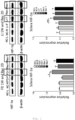
FIG. 1 shows the change of the scleral hypoxia-inducible factor 1α (HIF-1α) when myopia occurs; NC-L: Normal control left eye, NC-R: Normal control right eyed-F: Form-deprived fellow eye, FD-T: Form-deprived test eye, I-F: Minus-lens induced fellow eye, I-T: Minus-lens induced test eye, Rec-F: Recovered fellow eye, Rec-T: Recovered test eye. -
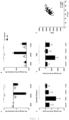
FIG. 2 is a diagram that shows the choroidal thickness and blood flow of spontaneous myopia and hyperopia; A: diagram of choroid thickness, B:diagram of choroidal blood flow, C: correlation between choroidal thickness and choroidal blood flow. Control: a normal group, Myopia: a spontaneous myopia group, Choroidal Thickness (ChT): choroidal thickness, Chorodal blood flow (ChBF): volume of choroidal blood flow. -
FIG. 3 is a diagram showing various parameters for 7 days of form deprivation and a recovery period: A: a diagram showing the difference of binocular refractions, B: a diagram showing the difference of binocular axial lengths, C: a diagram showing the difference of binocular choroidal thicknesses, D: a diagram showing the difference of binocular choroidal blood flows, E: Correlation between choroidal thickness and choroidal blood flow. Base: Before the test,Control7D: 7 days of a normal group,FD7D: 7 days of formal deprivation,Control11D: 11 days of a normal group, R-FD: 4 days after form deprivation, Choroidal Thickness (ChT): choroidal thickness, Chorodal blood flow (ChBF): choroidal blood flow. -
FIG. 4 is a diagram showing various parameters for 7 days of lens-induction and a recovery period: A: a diagram showing the difference of binocular refractions, B: a diagram showing the difference of binocular axial lengths, C: a diagram showing the difference of binocular choroidal thicknesses, D: a diagram showing the difference of binocular choroidal blood flows, E: Correlation between choroidal thickness and choroidal blood flow. Base: Before the test,Plano7D: 7 days of plano lens, LIM7D: 7 days of minus lens, R-Plano: 4 days with the plano lens removed, R-LIM: 4 days after the minus lens is removed, Choroidal Thickness (ChT): Choroidal thickness, Chorodal blood flow (ChBF): Choroidal blood flow. -
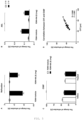
FIG. 5 is a schematic diagram showing the results for the effect of the drug (nicotinic acid) that directly dilates a blood vessel or vascular smooth muscle on form deprivation: Where A: a diagram showing the difference of binocular refractions, B: a diagram showing the difference of binocular axial lengths, C: a diagram showing binocular choroidal blood flows, D: Correlation between choroidal thickness and choroidal blood flow. Vehicle: Solvent, NA: nicotinic acid, ChT: choroidal thickness, Chorodal blood flow (ChBF): choroidal blood flow, ChBF Signal Points: signal points in the choroidal blood flow. -
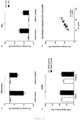
FIG. 6 is schematic diagram showing the results for the effect of the α-adrenergic receptor blocker (α-blocker: prazosin) on form deprivation: A: a diagram showing the difference of binocular refractions, B: a diagram showing the difference of binocular axial lengths, C: a diagram showing binocular choroidal blood flows, D: Correlation between choroidal thickness and choroidal blood flow. Vehicle: Solvent, Pr: prazosin, ChT: choroidal thickness, Chorodal blood flow (ChBF: choroidal blood flow, ChBF Signal Points: signal points in the choroidal blood flow. - In order to explain the present invention more clearly, the specific embodiments are described below, and the specific embodiments do not limit the scope of the present invention.
- Hypoxia of the scleral tissue may be a cause for extracellular matrix remodeling and myopia. The sclera belongs to a connective tissue, which itself has fewer blood vessels, and a large part of oxygen is derived from choroidal vessels. The choroid is mainly composed of a vascular network, so changing of its thickness is likely to result from regulation of choroidal blood flow. The function of the choroid is mainly supplying nutrients and oxygen to a retina and participating in regulation of scleral growth. Therefore, we have experimentally proved that the decrease of the volume of choroidal blood flow causes scleral hypoxia, thereby leading to myopia.
-
- (1) We conduct form deprivation or lens induction of 3week-aged guinea pigs, and find that expression of a scleral hypoxia-inducible factor 1α (HIF-1α) in a test eye is up-regulated when the myopia occurs, and returned back to normal when the myopia is recovered (
FIG. 1 ), suggesting that the scleral tissue is in an anoxic state when the myopia occurs. - (2) Through detection of the choroids of 3-week-aged spontaneous myopia guinea pigs (refractive power: -5.94 ± 1.28 Diopter) and normal guinea pigs (refractive power: +3.36 ± 0.80 Diopter), we find that the choroidal thickness is significantly thinned and the blood flow is significantly reduced in the spontaneous myopia guinea pigs as compared with the normal guinea pigs.(normal group vs. spontaneous myopia group: choroid thickness: 67.65 ± 3.58 µm vs. 50.60 ± 3.14 µm, P < 0.01; choroidal blood flow: 35825.89 ± 2445.03 vs. 25633.22 ± 1665.09, P < 0.01). Also there is a high correlation between the choroidal thickness and the choroidal blood flow (R = 0.9346, p < 0.001), as shown in detail in
FIG. 2 . - (3) We conduct form deprivation for 7 days on the 3 week-aged guinea pigs (Form deprivation, FD) to produce an obvious myopia, and the myopia is significantly recovered 4 days after the deprivation factors are removed. (Base vs. FD 7D: 5.46 ± 0.65D vs. 1.00 ± 1.13D, p < 0.01; FD vs. R-FD: 1.00 ± 1.13D vs. 2.73 ± 0.63D, p < 0.05), and the eye axis has a corresponding response. The choroidal thickness is significantly thinned or the blood flow is significantly reduced on day FD7 and is statistically significant (normal group vs. FD group vs. R-FD: choroid thickness 69.8 ± 13.2 µm vs. 64.3 ± 11.3 µm vs. 77.0 ± 12.1 µm; choroidal blood flow:36548 ± 6368 vs. 32448 ± 5815 vs. 38706 ± 6356), and there is a high correlation between the choroidal thickness and the choroidal blood flow (R = 0.9053, p < 0.001), as shown in detail in
FIG. 3 . - (4) We conduct lens-induction for 7 days on the 3week-aged guinea pigs (Lens induced, LI) to produce an obvious myopia, and the myopia is significantly recovered 4 days after the induction factors are removed. (Base vs. LI 7D: 5.70 ± 0.25D vs. 1.11 ± 0.59D, p < 0.001; LI 7D vs. R-LIM: 1.11 ± 0.59D vs. 3.54 ± 0.43D, p < 0.001), and the eye axis has a corresponding response. The choroidal thickness is significantly thinned or the blood flow is significantly reduced on day LI7 and is statistically significant (normal group vs. LI group vs. R-LI: choroid thickness 73.1 ± 10.0 µm vs. 68.2 ± 7.9 µm vs. 74.6 ± 8.6 µm; choroidal blood flow:40887 ± 5116 vs. 38975 ± 3931 vs. 41965 ± 4012), and there is a high correlation between the choroidal thickness and the choroidal blood flow (R = 0.6353, p < 0.001), as shown in detail in
FIG. 4 . - We find that the decrease of the volume of choroidal blood flow causes scleral hypoxia, thereby leading to myopia. Through the above experiments, we believe that myopia can be effectively controlled by increasing blood flow and increasing oxygen supply through expansion of the choroid.
- Therefore, in the present invention, the myopia caused by scleral hypoxia is treated by increasing the volume of choroidal blood flow.
- In the present invention, by expanding the choroid via a drug, the oxygen supply to the sclera is increased, thereby increasing the volume of choroidal blood flow to achieve treatment of the axial myopia caused by scleral hypoxia.
- The present invention can effectively control myopia by increasing blood flow and increasing oxygen supply through expansion of the choroid via the following drugs:
- 1. a drug that directly dilates a blood vessel or vascular smooth muscle: nicotinic acid;
- 2. a α-adrenergic receptor blocker (α- blocker): prazosin.
- The mechanism is as follows:
- 1. The drug that expands the choroid is a drug that directly dilates a blood vessel or vascular smooth muscle.
Principle: it has a direct relaxation effect on the vascular smooth muscle, reduces peripheral resistance and has a vasodilating effect. - 2. the drug that expands the choroid is a α-adrenergic receptor blocker.
Principle: an α-receptor blocker refers to a blocker that selectively binds to a α-adrenoceptor, does not agonize or attenuate agonization of adrenergic receptors, but can block the binding of corresponding neurotransmitters and drugs to the α-receptor to produce an anti-adrenergic effect. By effects of blocking the α1 receptor of the vascular smooth muscle and directly dilating the vascular smooth muscle, the blood vessels are dilated and the resistance is reduced. - One class is drugs that can compete for receptors with catecholamine to exert an effect of blocking the α-receptor, which work fast and act for a short duration due to the not very strong binding of them to the α-receptor, and are called short-acting α-receptor blockers. They are also known as competitive α-receptor blockers. Commonly used is phentolamine (Regitine). The other class is drugs that covalently bind to the α-receptor, have strong binding and features of having a strong receptor blocking action, long action time and the like, and are called long-acting class α-receptor blockers. They are also known as non-competitive α-receptor blockers, such as prazosin.
- As shown in
FIG. 5 , we use a drug that directly dilate a blood vessel or a vascular smooth muscle: nicotinic acid (Niacin, NA), where on 2 weeks after form deprivation an obvious myopia is produced, and 0.1 mg of nicotinic acid can effectively suppress the form deprivation, FDM + Vehicle vs. FDM + NA (0.1 mg): -5.43 ± 1.69 vs. -3.43 ± 1.80 D, p < 0.01,FIG. 5A ; the eye axis also has the corresponding effect of suppression, 0.17 ± 0.05 vs. 0.10 ± 0.06 mm , p < 0.01,FIG. 5B ; on 2 weeks after form deprivation the blood flow in the test eye is significantly reduced and statistically significant, fellow eye vs. test eye:45.38 ± 6.22 vs. 36.62 ± 4.47X10 3, p < 0.001, and after periocular injection of 0.1 mg nicotinic acid, there is no statistical difference between two eyes,FIG. 5C ; and there is a high correlation between the choroidal blood flow and the choroidal thickness (R = 0.949, p < 0.001), as shown in detail inFIG. 5D . - As shown in
FIG. 6 , we use an α- adrenergic receptor blocker (α- blocker): prazosin (Prazosin, Pr) , where on 2 weeks after form deprivation, an obvious myopia is produced, and 10 µM of prazosin can effectively suppress the form deprivation, F DM + Vehicle vs. FDM + Pr (10 µM): - 5.98 ± 2.22 vs. -3.26 ± 2.22 D, p < 0.01,FIG. 6A ; the eye axis also has the corresponding effect of suppression, 0.17 ± 0.05 vs. 0.10 ± 0.06 mm, p < 0.01 ,FIG. 6B ; on 2 weeks after form deprivation, the blood flow of the test eye is significantly reduced and statistically significant, fellow eye vs. test eye: 42.50 ± 8.05 vs. 35.79 ± 6.76X10 3 , p < 0.001), and after periocular injection of 0.1 ml of 10 µM prazosin, the reduction of choroidal blood flow is significantly inhibited, FDM + Vehicle vs. FDM + Pr (10 µM): 35.79 ± 6.76 vs. 37.01 ± 6.26X10 3, p < 0.05,FIG. 6C ; and there is a high correlation between the choroidal blood flow and the choroidal thickness (R = 0.919, p < 0.001),FIG. 6D . - Therefore, we have demonstrated that, the myopia caused by scleral hypoxia can be treated by increasing the volume of choroidal blood flow through expansion of the choroid via a drug that dilates the blood vessels.
- The above description is only a preferred embodiment of the present invention, and the claimed scope of the present invention is not limited to the above embodiments, and all the technical solutions under the inventive concept belong to the claimed scope of the present invention.
Claims (1)
- Nicotinic acid or prazosin for use in treating axial myopia caused by scleral hypoxia by increasing the volume of choroidal blood flow.
Applications Claiming Priority (2)
| Application Number | Priority Date | Filing Date | Title |
|---|---|---|---|
| CN201810787541 | 2018-07-18 | ||
| PCT/CN2019/079184 WO2020015377A1 (en) | 2018-07-18 | 2019-03-22 | Method for treating myopia and application thereof in preparing drug |
Publications (4)
| Publication Number | Publication Date |
|---|---|
| EP3616723A1 EP3616723A1 (en) | 2020-03-04 |
| EP3616723A4 EP3616723A4 (en) | 2020-03-25 |
| EP3616723B1 true EP3616723B1 (en) | 2024-08-07 |
| EP3616723C0 EP3616723C0 (en) | 2024-08-07 |
Family
ID=69163863
Family Applications (1)
| Application Number | Title | Priority Date | Filing Date |
|---|---|---|---|
| EP19749168.1A Active EP3616723B1 (en) | 2018-07-18 | 2019-03-22 | Use of nicotinic acid or prazosin for treating myopia |
Country Status (6)
| Country | Link |
|---|---|
| US (2) | US20200022908A1 (en) |
| EP (1) | EP3616723B1 (en) |
| JP (1) | JP7039606B2 (en) |
| CN (1) | CN110933933B (en) |
| SG (1) | SG11201907400YA (en) |
| WO (1) | WO2020015377A1 (en) |
Families Citing this family (4)
| Publication number | Priority date | Publication date | Assignee | Title |
|---|---|---|---|---|
| JP6917103B1 (en) * | 2021-05-17 | 2021-08-11 | 株式会社坪田ラボ | Eye drops for suppressing myopia |
| CN115414357B (en) * | 2022-08-30 | 2023-09-22 | 天津医科大学眼科医院 | Application of an amide compound in the preparation of drugs for preventing and treating myopia |
| WO2024048750A1 (en) * | 2022-08-31 | 2024-03-07 | 株式会社坪田ラボ | α1 BLOCKER-CONTAINING EYEDROPS FOR INHIBITING MYOPIA PROGRESSION |
| US20250295935A1 (en) * | 2023-09-07 | 2025-09-25 | NeuroRays, LLC | Identification and Prevention of Myopia |
Family Cites Families (15)
| Publication number | Priority date | Publication date | Assignee | Title |
|---|---|---|---|---|
| CN1128656A (en) * | 1995-10-04 | 1996-08-14 | 姚作玉 | Application of anisodamine for prepn. of eye drops for curing pyopia |
| WO2000054773A1 (en) * | 1999-03-12 | 2000-09-21 | Nitromed, Inc. | Dopamine agonists in combination with nitric oxide donors, compositions and methods of use |
| AU2000275035A1 (en) * | 2000-09-20 | 2002-04-02 | Yong Guang Pharmaceutical Co., Ltd. | Therapeutic and prophylactic drugs of myopia |
| CN1132584C (en) * | 2001-02-19 | 2003-12-31 | 尹卫平 | Myopia treating eye drop |
| CN1231226C (en) * | 2002-11-18 | 2005-12-14 | 张淑清 | Compound formulation for myopia, hypermetropia, strabismus and amblyopia |
| CN1878569A (en) * | 2003-09-12 | 2006-12-13 | 阿勒根公司 | Methods and compositions for treating pain and other alpha2-adrenergic mediated disorders |
| US20060264442A1 (en) * | 2005-05-18 | 2006-11-23 | Allergan, Inc. | Methods for the treatment of ocular and neurodegenerative conditions in a mammal |
| EP2042179A1 (en) * | 2007-09-26 | 2009-04-01 | sanofi-aventis | Novel therapeutic uses of adrenergic alpha-1 receptor antagonists |
| CN102552091A (en) * | 2012-02-08 | 2012-07-11 | 梁杰 | Liquid eyeliner with effect of promoting eyelash growth |
| RU2635185C2 (en) * | 2013-12-17 | 2017-11-09 | Иван Дмитриевич Захаров | Pharmaceutical preparation for prevention and treatment of progressive myopia |
| ES2863601T3 (en) * | 2014-09-17 | 2021-10-11 | Panoptica Inc | Ocular formulations for drug delivery and protection of the anterior segment of the eye |
| WO2016171282A1 (en) * | 2015-04-24 | 2016-10-27 | 学校法人慶應義塾 | Agent for preventing myopia and myopia progression inhibitor |
| CN107320725B (en) * | 2017-06-29 | 2020-10-09 | 温州医科大学 | Method for inhibiting myopia and application of prepared medicine |
| CA3070556A1 (en) * | 2017-07-20 | 2019-01-24 | Alan Laboratories, Inc. | Compositions and methods for treatment of myopia |
| WO2019038361A1 (en) * | 2017-08-25 | 2019-02-28 | Sulfateq B.V. | Medicaments for the treatment of vasoconstriction related diseases or disorders |
-
2019
- 2019-03-22 US US16/486,785 patent/US20200022908A1/en not_active Abandoned
- 2019-03-22 WO PCT/CN2019/079184 patent/WO2020015377A1/en not_active Ceased
- 2019-03-22 JP JP2019545920A patent/JP7039606B2/en active Active
- 2019-03-22 CN CN201980002034.5A patent/CN110933933B/en active Active
- 2019-03-22 SG SG11201907400YA patent/SG11201907400YA/en unknown
- 2019-03-22 EP EP19749168.1A patent/EP3616723B1/en active Active
-
2021
- 2021-09-30 US US17/490,797 patent/US20220016023A1/en not_active Abandoned
Non-Patent Citations (1)
| Title |
|---|
| WU HAO ET AL: "Scleral hypoxia is a target for myopia control", PROCEEDINGS OF THE NATIONAL ACADEMY OF SCIENCES, vol. 115, no. 30, 9 July 2018 (2018-07-09), XP055902520, ISSN: 0027-8424, DOI: 10.1073/pnas.1721443115 * |
Also Published As
| Publication number | Publication date |
|---|---|
| EP3616723A4 (en) | 2020-03-25 |
| SG11201907400YA (en) | 2020-02-27 |
| EP3616723A1 (en) | 2020-03-04 |
| JP7039606B2 (en) | 2022-03-22 |
| CN110933933A (en) | 2020-03-27 |
| WO2020015377A1 (en) | 2020-01-23 |
| EP3616723C0 (en) | 2024-08-07 |
| JP2020529965A (en) | 2020-10-15 |
| US20200022908A1 (en) | 2020-01-23 |
| CN110933933B (en) | 2022-12-27 |
| US20220016023A1 (en) | 2022-01-20 |
Similar Documents
| Publication | Publication Date | Title |
|---|---|---|
| EP3681500B1 (en) | Use of pilocarpine hydrochloride for the treatment of presbyopia | |
| US5459133A (en) | Methods and products for treating presbyopia | |
| EP1100480B1 (en) | Muscarinic antagonists in the treatment of presbyopia | |
| US20220016023A1 (en) | Method for treating myopia and application in preparation of medicament | |
| CN116785286B (en) | Use of penehyclidine in the treatment or prevention of vision-damaging ocular disorders | |
| JP2020158545A (en) | Use of selected anticholinergic zwitterions | |
| KR0147838B1 (en) | Treatment and control of ocular development | |
| CA2058768C (en) | Treatment and control of ocular development | |
| Ohkubo et al. | Vascular reactivities of simian ophthalmic and ciliary arteries | |
| CN107320725A (en) | A kind of method for suppressing myopia and the application for preparing medicine | |
| CN116459251B (en) | An ophthalmic preparation containing cevimeline and its preparation method and application | |
| WO2018054489A1 (en) | Pharmacological treatment of myopia | |
| HK40081663A (en) | Use of pilocarpine hydrochloride for the treatment of ocular conditions | |
| EP4458356A1 (en) | Composition and use thereof in preparation of medicament for treating presbyopia | |
| Mehani et al. | COMPARISION OF THE ADVERSE EFFECTS PROFILE OF TRAVOPROST VS BRIMONIDINE/TIMOLOL IN PATIENTS OF PRIMARY OPEN ANGLE GLAUCOMA IN CENTRAL IDIAN POPULATION OF BHOPAL | |
| CA2369054C (en) | Treatment and control of ocular development | |
| HK40034331B (en) | Use of pilocarpine hydrochloride for the treatment of presbyopia | |
| HK40034331A (en) | Use of pilocarpine hydrochloride for the treatment of presbyopia | |
| Wudka et al. | Beta irradiation as an adjunct to glaucoma surgery in the Negro. Wilfred E. Fry | |
| MXPA01000803A (en) | Cholinergic agents in the treatment of presbyopia |
Legal Events
| Date | Code | Title | Description |
|---|---|---|---|
| STAA | Information on the status of an ep patent application or granted ep patent |
Free format text: STATUS: UNKNOWN |
|
| STAA | Information on the status of an ep patent application or granted ep patent |
Free format text: STATUS: THE INTERNATIONAL PUBLICATION HAS BEEN MADE |
|
| PUAI | Public reference made under article 153(3) epc to a published international application that has entered the european phase |
Free format text: ORIGINAL CODE: 0009012 |
|
| STAA | Information on the status of an ep patent application or granted ep patent |
Free format text: STATUS: REQUEST FOR EXAMINATION WAS MADE |
|
| 17P | Request for examination filed |
Effective date: 20190814 |
|
| AK | Designated contracting states |
Kind code of ref document: A1 Designated state(s): AL AT BE BG CH CY CZ DE DK EE ES FI FR GB GR HR HU IE IS IT LI LT LU LV MC MK MT NL NO PL PT RO RS SE SI SK SM TR |
|
| AX | Request for extension of the european patent |
Extension state: BA ME |
|
| RIN1 | Information on inventor provided before grant (corrected) |
Inventor name: ZHAO, FEI Inventor name: ZHOU, XIANGTIAN Inventor name: ZHANG, GUOYUN Inventor name: ZHANG, SEN Inventor name: QU, JIA Inventor name: ZHOU, XUAN |
|
| A4 | Supplementary search report drawn up and despatched |
Effective date: 20200221 |
|
| RIC1 | Information provided on ipc code assigned before grant |
Ipc: A61K 31/455 20060101ALI20200217BHEP Ipc: A61P 27/10 20060101ALI20200217BHEP Ipc: A61K 36/236 20060101ALI20200217BHEP Ipc: A61K 31/517 20060101AFI20200217BHEP Ipc: A61K 36/537 20060101ALI20200217BHEP |
|
| DAV | Request for validation of the european patent (deleted) | ||
| DAX | Request for extension of the european patent (deleted) | ||
| STAA | Information on the status of an ep patent application or granted ep patent |
Free format text: STATUS: EXAMINATION IS IN PROGRESS |
|
| 17Q | First examination report despatched |
Effective date: 20220404 |
|
| REG | Reference to a national code |
Ref country code: DE Ref legal event code: R079 Free format text: PREVIOUS MAIN CLASS: A61K0045000000 Ipc: A61K0031517000 Ref document number: 602019056596 Country of ref document: DE |
|
| GRAP | Despatch of communication of intention to grant a patent |
Free format text: ORIGINAL CODE: EPIDOSNIGR1 |
|
| STAA | Information on the status of an ep patent application or granted ep patent |
Free format text: STATUS: GRANT OF PATENT IS INTENDED |
|
| RIC1 | Information provided on ipc code assigned before grant |
Ipc: A61K 36/488 20060101ALI20240311BHEP Ipc: A61K 36/537 20060101ALI20240311BHEP Ipc: A61K 36/236 20060101ALI20240311BHEP Ipc: A61P 27/10 20060101ALI20240311BHEP Ipc: A61K 31/455 20060101ALI20240311BHEP Ipc: A61K 31/517 20060101AFI20240311BHEP |
|
| INTG | Intention to grant announced |
Effective date: 20240403 |
|
| GRAS | Grant fee paid |
Free format text: ORIGINAL CODE: EPIDOSNIGR3 |
|
| GRAA | (expected) grant |
Free format text: ORIGINAL CODE: 0009210 |
|
| STAA | Information on the status of an ep patent application or granted ep patent |
Free format text: STATUS: THE PATENT HAS BEEN GRANTED |
|
| AK | Designated contracting states |
Kind code of ref document: B1 Designated state(s): AL AT BE BG CH CY CZ DE DK EE ES FI FR GB GR HR HU IE IS IT LI LT LU LV MC MK MT NL NO PL PT RO RS SE SI SK SM TR |
|
| REG | Reference to a national code |
Ref country code: GB Ref legal event code: FG4D |
|
| REG | Reference to a national code |
Ref country code: CH Ref legal event code: EP |
|
| REG | Reference to a national code |
Ref country code: IE Ref legal event code: FG4D |
|
| REG | Reference to a national code |
Ref country code: DE Ref legal event code: R096 Ref document number: 602019056596 Country of ref document: DE |
|
| U01 | Request for unitary effect filed |
Effective date: 20240904 |
|
| U07 | Unitary effect registered |
Designated state(s): AT BE BG DE DK EE FI FR IT LT LU LV MT NL PT RO SE SI Effective date: 20240917 |
|
| PG25 | Lapsed in a contracting state [announced via postgrant information from national office to epo] |
Ref country code: NO Free format text: LAPSE BECAUSE OF FAILURE TO SUBMIT A TRANSLATION OF THE DESCRIPTION OR TO PAY THE FEE WITHIN THE PRESCRIBED TIME-LIMIT Effective date: 20241107 |
|
| PG25 | Lapsed in a contracting state [announced via postgrant information from national office to epo] |
Ref country code: PL Free format text: LAPSE BECAUSE OF FAILURE TO SUBMIT A TRANSLATION OF THE DESCRIPTION OR TO PAY THE FEE WITHIN THE PRESCRIBED TIME-LIMIT Effective date: 20240807 Ref country code: GR Free format text: LAPSE BECAUSE OF FAILURE TO SUBMIT A TRANSLATION OF THE DESCRIPTION OR TO PAY THE FEE WITHIN THE PRESCRIBED TIME-LIMIT Effective date: 20241108 |
|
| PG25 | Lapsed in a contracting state [announced via postgrant information from national office to epo] |
Ref country code: IS Free format text: LAPSE BECAUSE OF FAILURE TO SUBMIT A TRANSLATION OF THE DESCRIPTION OR TO PAY THE FEE WITHIN THE PRESCRIBED TIME-LIMIT Effective date: 20241207 |
|
| PG25 | Lapsed in a contracting state [announced via postgrant information from national office to epo] |
Ref country code: HR Free format text: LAPSE BECAUSE OF FAILURE TO SUBMIT A TRANSLATION OF THE DESCRIPTION OR TO PAY THE FEE WITHIN THE PRESCRIBED TIME-LIMIT Effective date: 20240807 |
|
| PG25 | Lapsed in a contracting state [announced via postgrant information from national office to epo] |
Ref country code: RS Free format text: LAPSE BECAUSE OF FAILURE TO SUBMIT A TRANSLATION OF THE DESCRIPTION OR TO PAY THE FEE WITHIN THE PRESCRIBED TIME-LIMIT Effective date: 20241107 Ref country code: ES Free format text: LAPSE BECAUSE OF FAILURE TO SUBMIT A TRANSLATION OF THE DESCRIPTION OR TO PAY THE FEE WITHIN THE PRESCRIBED TIME-LIMIT Effective date: 20240807 |
|
| PG25 | Lapsed in a contracting state [announced via postgrant information from national office to epo] |
Ref country code: RS Free format text: LAPSE BECAUSE OF FAILURE TO SUBMIT A TRANSLATION OF THE DESCRIPTION OR TO PAY THE FEE WITHIN THE PRESCRIBED TIME-LIMIT Effective date: 20241107 Ref country code: PL Free format text: LAPSE BECAUSE OF FAILURE TO SUBMIT A TRANSLATION OF THE DESCRIPTION OR TO PAY THE FEE WITHIN THE PRESCRIBED TIME-LIMIT Effective date: 20240807 Ref country code: NO Free format text: LAPSE BECAUSE OF FAILURE TO SUBMIT A TRANSLATION OF THE DESCRIPTION OR TO PAY THE FEE WITHIN THE PRESCRIBED TIME-LIMIT Effective date: 20241107 Ref country code: IS Free format text: LAPSE BECAUSE OF FAILURE TO SUBMIT A TRANSLATION OF THE DESCRIPTION OR TO PAY THE FEE WITHIN THE PRESCRIBED TIME-LIMIT Effective date: 20241207 Ref country code: HR Free format text: LAPSE BECAUSE OF FAILURE TO SUBMIT A TRANSLATION OF THE DESCRIPTION OR TO PAY THE FEE WITHIN THE PRESCRIBED TIME-LIMIT Effective date: 20240807 Ref country code: GR Free format text: LAPSE BECAUSE OF FAILURE TO SUBMIT A TRANSLATION OF THE DESCRIPTION OR TO PAY THE FEE WITHIN THE PRESCRIBED TIME-LIMIT Effective date: 20241108 Ref country code: ES Free format text: LAPSE BECAUSE OF FAILURE TO SUBMIT A TRANSLATION OF THE DESCRIPTION OR TO PAY THE FEE WITHIN THE PRESCRIBED TIME-LIMIT Effective date: 20240807 |
|
| U20 | Renewal fee for the european patent with unitary effect paid |
Year of fee payment: 7 Effective date: 20250225 |
|
| PG25 | Lapsed in a contracting state [announced via postgrant information from national office to epo] |
Ref country code: SM Free format text: LAPSE BECAUSE OF FAILURE TO SUBMIT A TRANSLATION OF THE DESCRIPTION OR TO PAY THE FEE WITHIN THE PRESCRIBED TIME-LIMIT Effective date: 20240807 |
|
| PG25 | Lapsed in a contracting state [announced via postgrant information from national office to epo] |
Ref country code: CZ Free format text: LAPSE BECAUSE OF FAILURE TO SUBMIT A TRANSLATION OF THE DESCRIPTION OR TO PAY THE FEE WITHIN THE PRESCRIBED TIME-LIMIT Effective date: 20240807 |
|
| PG25 | Lapsed in a contracting state [announced via postgrant information from national office to epo] |
Ref country code: SK Free format text: LAPSE BECAUSE OF FAILURE TO SUBMIT A TRANSLATION OF THE DESCRIPTION OR TO PAY THE FEE WITHIN THE PRESCRIBED TIME-LIMIT Effective date: 20240807 |
|
| PGFP | Annual fee paid to national office [announced via postgrant information from national office to epo] |
Ref country code: GB Payment date: 20250324 Year of fee payment: 7 |
|
| PLBE | No opposition filed within time limit |
Free format text: ORIGINAL CODE: 0009261 |
|
| STAA | Information on the status of an ep patent application or granted ep patent |
Free format text: STATUS: NO OPPOSITION FILED WITHIN TIME LIMIT |
|
| 26N | No opposition filed |
Effective date: 20250508 |
|
| PG25 | Lapsed in a contracting state [announced via postgrant information from national office to epo] |
Ref country code: MC Free format text: LAPSE BECAUSE OF FAILURE TO SUBMIT A TRANSLATION OF THE DESCRIPTION OR TO PAY THE FEE WITHIN THE PRESCRIBED TIME-LIMIT Effective date: 20240807 |
|
| REG | Reference to a national code |
Ref country code: CH Ref legal event code: H13 Free format text: ST27 STATUS EVENT CODE: U-0-0-H10-H13 (AS PROVIDED BY THE NATIONAL OFFICE) Effective date: 20251023 |
|
| PG25 | Lapsed in a contracting state [announced via postgrant information from national office to epo] |
Ref country code: CH Free format text: LAPSE BECAUSE OF NON-PAYMENT OF DUE FEES Effective date: 20250331 |
|
| PG25 | Lapsed in a contracting state [announced via postgrant information from national office to epo] |
Ref country code: IE Free format text: LAPSE BECAUSE OF NON-PAYMENT OF DUE FEES Effective date: 20250322 |