EP3614291A1 - System und verfahren für anonymisierte datenspeicher - Google Patents
System und verfahren für anonymisierte datenspeicher Download PDFInfo
- Publication number
- EP3614291A1 EP3614291A1 EP19192449.7A EP19192449A EP3614291A1 EP 3614291 A1 EP3614291 A1 EP 3614291A1 EP 19192449 A EP19192449 A EP 19192449A EP 3614291 A1 EP3614291 A1 EP 3614291A1
- Authority
- EP
- European Patent Office
- Prior art keywords
- data
- anonymized
- anonymized data
- repository
- pii
- Prior art date
- Legal status (The legal status is an assumption and is not a legal conclusion. Google has not performed a legal analysis and makes no representation as to the accuracy of the status listed.)
- Granted
Links
Images




Classifications
-
- G—PHYSICS
- G06—COMPUTING OR CALCULATING; COUNTING
- G06F—ELECTRIC DIGITAL DATA PROCESSING
- G06F21/00—Security arrangements for protecting computers, components thereof, programs or data against unauthorised activity
- G06F21/60—Protecting data
- G06F21/62—Protecting access to data via a platform, e.g. using keys or access control rules
- G06F21/6218—Protecting access to data via a platform, e.g. using keys or access control rules to a system of files or objects, e.g. local or distributed file system or database
- G06F21/6245—Protecting personal data, e.g. for financial or medical purposes
- G06F21/6254—Protecting personal data, e.g. for financial or medical purposes by anonymising data, e.g. decorrelating personal data from the owner's identification
-
- H—ELECTRICITY
- H04—ELECTRIC COMMUNICATION TECHNIQUE
- H04L—TRANSMISSION OF DIGITAL INFORMATION, e.g. TELEGRAPHIC COMMUNICATION
- H04L63/00—Network architectures or network communication protocols for network security
- H04L63/04—Network architectures or network communication protocols for network security for providing a confidential data exchange among entities communicating through data packet networks
- H04L63/0407—Network architectures or network communication protocols for network security for providing a confidential data exchange among entities communicating through data packet networks wherein the identity of one or more communicating identities is hidden
- H04L63/0421—Anonymous communication, i.e. the party's identifiers are hidden from the other party or parties, e.g. using an anonymizer
Definitions
- the present disclosure relates generally to data repositories and, more particularly, to anonymized data repositories.
- Cloud computing relates to the sharing of computing resources that are generally accessed via the Internet.
- a cloud computing infrastructure allows users, such as individuals and/or enterprises, to access a shared pool of computing resources, such as servers, storage devices, networks, applications, and/or other computing based services. By doing so, users are able to access computing resources on demand that are located at remote locations, which resources may be used to perform a variety computing functions (e.g., storing and/or processing large quantities of computing data).
- cloud computing provides flexibility in accessing cloud computing resources without accruing large up-front costs, such as purchasing expensive network equipment or investing large amounts of time in establishing a private network infrastructure. Instead, by utilizing cloud computing resources, users are able redirect their resources to focus on their enterprise's core functions.
- SaaS software as a service
- PaaS platform as a service
- SaaS is a delivery model that provides software as a service rather than an end product. Instead of utilizing a local network or individual software installations, software is typically licensed on a subscription basis, hosted on a remote machine, and accessed by client customers as needed. For example, users are generally able to access a variety of enterprise and/or information technology (IT)-related software via a web browser.
- PaaS acts an extension of SaaS that goes beyond providing software services by offering customizability and expandability features to meet a user's needs.
- PaaS can provide a cloud-based developmental platform for users to develop, modify, and/or customize applications and/or automating enterprise operations without maintaining network infrastructure and/or allocating computing resources normally associated with these functions.
- PII Personally Identifiable Information
- the amount of cloud-based data collected and stored in today's cloud computing solutions, such as cloud-based repositories may be orders of magnitude greater than what was historically collected and stored.
- Users tasked with automating and/or troubleshooting enterprise, IT, and/or other organization-related functions e.g., incident tracking and/or help desk-related functions
- cloned data repositories may be created.
- Information Technology (IT) networks may include a number of computing devices, server systems, databases, and the like that generate, collect, and store information. As increasing amounts of data representing vast resources become available, it becomes increasingly difficult to analyze the data, interact with the data, and/or provide reports for the data.
- the current embodiments enable customized systems and methods to anonymize such data, creating anonymized clones of certain databases, including cloud-based databases. More specifically, the techniques described herein may include data transformations that transform the Personally Identifiable Information (PII) in a non-anonymized data repository into information that no longer identifies the individual or entity and saves the transformed information in the anonymized data repository clone or instance.
- the newly anonymized data repository include a desired k-anonymity based on an 1-diversity input value, as further described below.
- computing system refers to an electronic computing device that includes, but is not limited to a computer, virtual machine, virtual container, host, server, laptop, and/or mobile device, or to a plurality of electronic computing devices working together to perform the function described as being performed on or by the computing system.
- medium refers to one or more non-transitory, computer-readable physical media that together store the contents described as being stored thereon. Embodiments may include nonvolatile secondary storage, read-only memory (ROM), and/or random-access memory (RAM).
- application refers to one or more computing modules, programs, processes, workloads, threads and/or a set of computing instructions executed by a computing system.
- Example embodiments of an application include software modules, software objects, software instances and/or other types of executable code.
- PII Personally Identifiable Information
- HIPAA Health Insurance Portability and Accountability Act
- EU European Union
- Directive 95/46/EC Directive 95/46/EC
- data anonymization refers to the removal of PII from a data set to create an anonymous dataset.
- the techniques described herein may use 1-diversity and k-anonymity as measure of anonymity.
- 1-diversity measures include 1 so that if you let a q*-block be a set of tuples such that its non-sensitive values generalize to q*, a q*-block is 1-diverse if it contains 1 "well represented" values for the sensitive attribute S.
- a table is 1-diverse, if every q*-block in it is 1-diverse.
- a q ⁇ -block has at least 1 ⁇ 2 different sensitive values such that the 1 most frequent values (in the q ⁇ -block) have roughly the same frequency.
- Datasets may be set to be "k-anonymous" when for any given quasi-identifier (e.g., one or more columns in a database table or combination of columns), a record is indistinguishable from k-1 others.
- Present embodiments are directed creating one or more anonymized data repository clones or instances from a non-anonymized data repository. More specifically, the techniques described herein may include data transformations, such as one-way data transformations that transform PII in a non-anonymized data repository into information that no longer identifies an individual or entity (i.e., anonymous data), and saves the transformed information in the anonymized data repository clone or instance.
- data transformations such as one-way data transformations that transform PII in a non-anonymized data repository into information that no longer identifies an individual or entity (i.e., anonymous data)
- one-way data transformations may include data masking and/or data morphing, as well as one-way functions, such as cryptographic hash functions, Rabin functions, elliptic curve functions, and the like, that transform an input (e.g., character string, number, data array, and so on) into an output data such that retrieving the original input from the output data may be computationally "hard”, e.g., non-deterministic polynomial-time (NP) hard, NP complete, or in general, too computationally intensive to be practical. Applying the one-way data transformations may thus render the input data anonymous.
- one-way functions such as cryptographic hash functions, Rabin functions, elliptic curve functions, and the like
- the user may input an 1-diversity value for a given data set.
- the techniques described herein may then derive a minimum K-value (e.g., K-anonymity value), achievable for the data set.
- K-anonymity value e.g., K-anonymity value
- the user may decide, for example, based on the derived K-value, to add synthetic data to further anonymize the data set.
- the non-anonymous data may then be anonymized based on user selection, including the use of masking, grouping, and/or data morphing, such that the anonymized data cannot be used to, for example, to recreate the PII In the original non-anonymous data.
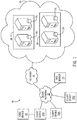
- FIG. 1 a schematic diagram of an embodiment of a computing system 10, such as a cloud computing system, in which embodiments of the present disclosure may operate, is illustrated.
- the computing system 10 may include a client network 12, a network 14 (e.g., the Internet), and a cloud-based platform 16.
- the cloud-based platform 16 may be a configuration management database (CMDB) platform.
- CMDB configuration management database
- the client network 12 may be a local private network, such as local area network (LAN) that includes a variety of network devices that include, but are not limited to, switches, servers, and routers.
- LAN local area network
- the client network 12 represents an enterprise network that could include one or more LANs, virtual networks, data centers 18, and/or other remote networks. As shown in FIG. 1 , the client network 12 is able to connect to one or more client devices 20A, 20B, and 20C so that the client devices are able to communicate with each other and/or with the network hosting the platform 16.
- the client devices 20 may be computing systems and/or other types of computing devices generally referred to as Internet of Things (IoT) devices that access cloud computing services, for example, via a web browser application or via an edge device 22 that may act as a gateway between the client devices 20 and the platform 16.
- FIG. 1 also illustrates that the client network 12 includes a management, instrumentation, and discovery (MID) server 24 that facilitates communication of data between the network hosting the platform 16, other external applications, data sources, and services, and the client network 12.
- the client network 12 may also include a connecting network device (e.g., a gateway or router) or a combination of devices that implement a customer firewall or intrusion protection system.
- FIG. 1 illustrates that client network 12 is coupled to the network 14, which may include one or more computing networks, such as other LANs, wide area networks (WAN), the Internet, and/or other remote networks, in order to transfer data between the client devices 20 and the network hosting the platform 16.
- Each of the computing networks within network 14 may contain wired and/or wireless programmable devices that operate in the electrical and/or optical domain.
- network 14 may include wireless networks, such as cellular networks (e.g., Global System for Mobile Communications (GSM) based cellular network), WiFi® networks (WIFI is a registered trademark owned by Wi-Fi Alliance Corporation), and/or other suitable radio-based networks.
- GSM Global System for Mobile Communications
- WIFI Wireless Fidelity
- the network 14 may also employ any number of network communication protocols, such as Transmission Control Protocol (TCP) and Internet Protocol (IP). Although not explicitly shown in FIG. 1 , network 14 may include a variety of network devices, such as servers, routers, network switches, and/or other network hardware devices configured to transport data over the network 14.
- TCP Transmission Control Protocol
- IP Internet Protocol
- network 14 may include a variety of network devices, such as servers, routers, network switches, and/or other network hardware devices configured to transport data over the network 14.
- the network hosting the platform 16 may be a remote network (e.g., a cloud network) that is able to communicate with the client devices 20 via the client network 12 and network 14.
- the network hosting the platform 16 provides additional computing resources to the client devices 20 and/or the client network 12.
- users of the client devices 20 are able to build and execute applications for various enterprise, IT, and/or other organization-related functions.
- the network hosting the platform 16 is implemented on the one or more data centers 18, where each data center could correspond to a different geographic location.
- Each of the data centers 18 includes a plurality of virtual servers 26 (also referred to herein as application nodes, application servers, virtual server instances, application instances, or application server instances), where each virtual server 26 can be implemented on a physical computing system, such as a single electronic computing device (e.g., a single physical hardware server) or across multiple-computing devices (e.g., multiple physical hardware servers).
- virtual servers 26 include, but are not limited to a web server (e.g., a unitary Apache installation), an application server (e.g., unitary Java® Virtual Machine), and/or a database server, e.g., a unitary MySQL® catalog (MySQL® is a registered trademark owned by MySQL AB A COMPANY).
- the virtual servers 26 may store or access a variety of data, including data that may have Personally Identifiable Information (PII).
- PII Personally Identifiable Information
- names, identification data, addresses, medical history, financial history, credit history, employment history, and so on may be considered PII in certain jurisdictions.
- certain regulations such as the United States' Health Insurance Portability and Accountability Act (HIPAA), the European Union (EU) data directives, and the like, may specify that some data is to be considered as PII.
- HIPAA Health Insurance Portability and Accountability Act
- EU European Union
- network operators may choose to configure the data centers 18 using a variety of computing infrastructures.
- one or more of the data centers 18 are configured using a multi-instance cloud architecture to provide every customer its own unique customer instance or instances.
- a multi-instance cloud architecture could provide each customer instance with its own dedicated application server and dedicated database server.
- the multi-instance cloud architecture could deploy a single physical or virtual server 26 and/or other combinations of physical and/or virtual servers 26, such as one or more dedicated web servers, one or more dedicated application servers, and one or more database servers, for each customer instance.
- multi-instance cloud architecture multiple customer instances could be installed on one or more respective hardware servers, where each customer instance is allocated certain portions of the physical server resources, such as computing memory, storage, and processing power. By doing so, each customer instance has its own unique software stack that provides the benefit of data isolation, relatively less downtime for customers to access the platform 16, and customer-driven upgrade schedules.
- An example of implementing a customer instance within a multi-instance cloud architecture will be discussed in more detail below with reference to FIG. 2 .
- FIG. 2 is a schematic diagram of an embodiment of a multi-instance cloud architecture 40 where embodiments of the present disclosure may operate.
- FIG. 2 illustrates that the multi-instance cloud architecture 100 includes the client network 12 and the network 14 that connect to two (e.g., paired) data centers 18A and 18B that may be geographically separated from one another.
- network environment and service provider cloud infrastructure client instance 102 (also referred to herein as a simply client instance 102) is associated with (e.g., supported and enabled by) dedicated virtual servers 26 (e.g., virtual servers 26A, 26B, 26C, and 26D) and dedicated database servers (e.g., virtual database servers 104A and 104B).
- dedicated virtual servers 26 e.g., virtual servers 26A, 26B, 26C, and 26D
- dedicated database servers e.g., virtual database servers 104A and 104B
- the virtual servers 26A, 26B, 26C, 26D and virtual database servers 104A, 104B are not shared with other client instances but are specific to the respective client instance 102.
- Other embodiments of the multi-instance cloud architecture 100 could include other types of dedicated virtual servers, such as a web server.
- the client instance 102 could be associated with (e.g., supported and enabled by) the dedicated virtual servers 26A, 26B, 26C, 26D, dedicated virtual database servers 104A, 104B, and additional dedicated virtual web servers (not shown in FIG. 2 ).
- the virtual servers 26A, 26B, 26C, 26D and virtual database servers 104A, 104B are allocated to two different data centers 18A, 18B, where one of the data centers 18 acts as a backup data center 18.
- data center 18A acts as a primary data center 18A that includes a primary pair of virtual servers 26A, 26B and the primary virtual database server 104A associated with the client instance 102
- data center 18B acts as a secondary data center 18B to back up the primary data center 18A for the client instance 102.
- the secondary data center 18B includes a secondary pair of virtual servers 26C, 26D and a secondary virtual database server 104B.
- the primary virtual database server 104A is able to replicate data to the secondary virtual database server 104B.
- the primary virtual database server 104A may replicate data to the secondary virtual database server 104B using, e.g., a Master-Master MySQL Binlog replication operation.
- the replication of data between data could be implemented by performing full backups weekly and daily incremental backups in both data centers 18A, 18B. Having both a primary data center 18A and secondary data center 18B allows data traffic that typically travels to the primary data center 18A for the client instance 102 to be diverted to the second data center 18B during a failure and/or maintenance scenario.
- a database server such as the servers 104A and/or 104B, may include non-anonymized data 106 having PII. That is, the non-anonymized data 106 may be a data set that may have both non-PII but also PII records.
- the techniques described herein may transform the non-anonymized data 106 into anonymized data 108. For example, data masking, data morphing, data grouping, and the like, may be applied to the non-anonymized data 106 to create the anonymized data 108.
- the anonymized data 108 may then be used by other processes.
- the anonymized data 108 may be used for deep learning, for statistical analysis, for model building (e.g., building neural networks, data mining models, state vector machine models, statistical models, and so on), and the like, useful in deriving information for a variety of purposes, including business, finance, medical, engineering, construction, and so on. It is also to be understood that the techniques described herein work with any type of database, virtual or otherwise.
- the non-anonymized data 106 may reside in one database (physical and/or virtual database) and then be converted to anonymized data 108 and stored in a second different database (physical and/or virtual database) and/or also stored in the first database.
- the anonymization techniques may be executed in a server that may be communicatively coupled with and/or that includes the first database, and then the anonymized data 108 may be saved in the first and/or second database also communicatively coupled to the server, such as the servers 104A, 104B.
- FIGS. 1 and 2 illustrate specific embodiments of a cloud computing system 10 and a multi-instance cloud architecture 100, respectively, the disclosure is not limited to the specific embodiments illustrated in FIGS. 1 and 2 .
- FIG. 1 illustrates that the platform 16 is implemented using data centers
- other embodiments of the platform 16 are not limited to data centers and can utilize other types of remote network infrastructures.
- other embodiments of the present disclosure may combine one or more different virtual servers into a single virtual server.
- the virtual servers 26A, 26B, 26C, 26D and virtual database servers 104A, 104B may be combined into a single virtual server.
- FIGS. 1 and 2 are only examples to facilitate ease of description and explanation of discrete or functional concepts and are not intended to limit the disclosure to the specific examples illustrated therein.
- FIGS. 1 and 2 incorporate computing systems of various types (e.g., servers, workstations, client devices, laptops, tablet computers, cellular telephones, and so forth) throughout.
- computing systems of various types (e.g., servers, workstations, client devices, laptops, tablet computers, cellular telephones, and so forth) throughout.
- a brief, high level overview of components typically found in such systems is provided.
- the present overview is intended to merely provide a high-level, generalized view of components typical in such computing systems and should not be viewed as limiting in terms of components discussed or omitted from discussion.
- the present approach may be implemented using one or more processor-based systems such as shown in FIG. 3 .
- applications and/or databases utilized in the present approach stored, employed, and/or maintained on such processor-based systems.
- such systems as shown in FIG. 3 may be present in a distributed computing environment, a networked environment, or other multi-computer platform or architecture.
- systems such as that shown in FIG. 3 may be used in supporting or communicating with one or more virtual environments or computational instances on which the present approach may be implemented.
- FIG. 3 generally illustrates a block diagram of example components of a computing system 200 and their potential interconnections or communication paths, such as along one or more busses.
- the computing system 200 may include various hardware components such as, but not limited to, one or more processors 202, one or more busses 204, memory 206, input devices 208, a power source 210, a network interface 212, a user interface 214, and/or other computer components useful in performing the functions described herein.
- the one or more processors 202 may include one or more microprocessors capable of performing instructions stored in the memory 206. Additionally or alternatively, the one or more processors 202 may include application-specific integrated circuits (ASICs), field-programmable gate arrays (FPGAs), and/or other devices designed to perform some or all of the functions discussed herein without calling instructions from the memory 206.
- ASICs application-specific integrated circuits
- FPGAs field-programmable gate arrays
- the one or more busses 204 includes suitable electrical channels to provide data and/or power between the various components of the computing system 200.
- the memory 206 may include any tangible, non-transitory, and computer-readable storage media. Although shown as a single block in FIG. 1 , the memory 206 can be implemented using multiple physical units of the same or different types in one or more physical locations.
- the input devices 208 correspond to structures to input data and/or commands to the one or more processor 202.
- the input devices 208 may include a mouse, touchpad, touchscreen, keyboard and the like.
- the power source 210 can be any suitable source for power of the various components of the computing device 200, such as line power and/or a battery source.
- the network interface 212 includes one or more transceivers capable of communicating with other devices over one or more networks (e.g., a communication channel).
- the network interface 212 may provide a wired network interface or a wireless network interface.
- a user interface 214 may include a display that is configured to display text or images transferred to it from the one or more processors 202.
- the user interface 214 may include other devices for interfacing with a user, such as lights (e.g., LEDs), speakers, and the like.
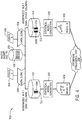
- a master dataset 302 includes the non-anonymous data 106.
- the master dataset 302 may be communicatively coupled to the servers 104 and/or included in the servers 104.
- a user such as an information technologist, may create one or more configuration files, such as configuration files A 304, B 306, suitable for anonymizing the non-anonymous data 106.
- the configuration files A 304 and B 306 may each define a different subset of data in the master dataset 302 to use.
- the configuration files A 304 and B 306 may include tables, views (e.g., SQL-based views), columns, rows, and the like, to anonymize via the techniques described herein. It is also to be understood that a graphical user interface (GUI), for example, displayable via the user interface 214 may be used to enable the user to input desired anonymization data such as the data subset of the non-anonymized data 106 to use, the type of anonymization to use as further described below, and so on. The GUI may also be used to collect the input data that may then result in the configuration files A 304 and B 306.
- GUI graphical user interface
- the user input for anonymization may include an 1-diversity value to strive for once the data is anonymized.
- the 1-diversity value may be used by the server 104 to derive or to attempt to derive a k-anonymized dataset such that each set of k similar records in the k-anonymized dataset will have at least 1 different or diverse representations for each identifying value (e.g., PII cell). More specifically, combinations of attributes within the data may be used to identify individuals. For example, a statistic given is that 87% of the population of the United States may be uniquely identified by gender, date of birth, and 5-digit zip code.
- a similar concept is "1-diversity.” If one has a group of k different records that all share a particular quasi-identifier, an attacker usually cannot identify an individual based on the quasi-identifier. But if the value the attacker is interested in, in, for example the individual's medical diagnosis, is the same for every value in the group, then the individual may be identified. In one example there may be 7 different values in a group, and the attacker doesn't know which one of them is the person called Adam, but since the attacker knows that all of them are flagged with a diagnosis of cancer, the data has "leaked" that Adam has cancer. This type of attack is usually referred to as a "homogeneity attack.” The distribution of target values within a group may be referred herein as "1-diversity".
- a definition for an 1-diversity value may state that if you let a q*-block be a set of tuples such that its non-sensitive values generalize to q*.
- a q*-block is 1-diverse if it contains 1 "well represented" values for the sensitive attribute S.
- a table is 1-diverse, if every q*-block in it is 1-diverse.
- the 1-diversity value inputted by the user may be then used to derive a minimum k-value that could be realized when creating the anonymized data 108 from the non-anonymized data 106, thus helping enable anonymity and preventing homogeneity attacks.
- the techniques described herein may, in one embodiment, use clustering techniques to group the data selected for anonymization. The grouped data may then be analyzed to determine a minimum k-value to achieve the desired 1-diversity value. For example, the group may be anonymized as desired by the user and then a minimum k-value and 1-diversity value may be computed.
- the user inputs may also include a type of transformation to apply to the data for anonymization.
- the user may desire to apply a data masking.
- data masking the format of data remains mostly the same; but the data values are changed.
- the data may be altered in a number of ways, including encryption, character shuffling, and character or word substitution, to provide for a one-way data transformation. Whatever one-way data transformation is chosen, the values are changed in some way that prevents retrieving the original data from the now-transformed data. For example, every character in a name may be replaced by the single 'special' character, such as '*' (or multiple special characters).
- the user may also desire to apply data morphing.
- data morphing the format of the data may change, while the data values may also change.
- data may be encrypted, the data may be processed using a hash function, and so on, to provide for a one-way data transformation.
- Data grouping may also be used to provide anonymization.
- grouping a data record may be changed to reflect an inclusive group that the record belongs to.
- related fields in the PII data are grouped into a single field in the anonymized data. For example, data records, "United States”, “Mexico", and "Canada” may be all changed to say "North America” because they all are in the North American group of countries.
- data morphing and data grouping may be one-way data transformations.
- the user may use the GUI and/or the configuration files A 304, B 306 to extract and clone data via an anonymization clone process 308 from the dataset 302 into datasets 310 and 312 as anonymized data 108A and 108B.
- the non-anonymized data 108 may be divided into more than one anonymized data sets, such as datasets 310 and 312.
- the anonymized data sets may include data (e.g. columns, rows) that have been transformed via one-way data transformations, as well as data that have not been transformed and contain data originally found in the non-anonymized data 106. As illustrated columns 314, 316, and 318 contain PII in the original dataset 106 and are thus shown as anonymized in the datasets 310, 312.
- model generation processes 320 and 322 may result in the creation of model A 324 and model B 326, respectively.
- the model generation processes 320 and 322 may include a variety of modeling process that may be applied for data analysis, such as statistical modeling, deep learning, neural network modeling, state vector machine (SVM) modeling, data mining modeling, physical modeling (e.g., thermodynamic modeling, finite element analysis modeling), and so on.
- SVM state vector machine
- the models 324, 326 are created, the models may be used by an enterprise intelligence unit 328 to derive a variety of results, such as medical results, business results, engineering results, econometric results, and so on.
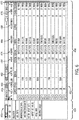
- FIG. 5 is a flowchart depicting an embodiment of a process 400 suitable for creating an anonymized clone from a non-anonymized data repository.
- the process 400 may be implemented as executable computer instructions or code executable, for example, via physical and/or virtual servers 26.
- the process 400 may first receive (block 402) a request for the creation of an anonymized data 108.
- a request to create an anonymized clone having anonymized data 108 may be received.
- the request may include a database table having PII columns to anonymize, a view (e.g., SQL-based view), a set of columns, rows, and so on, which may be based on the non-anonymized data 106.
- a view e.g., SQL-based view
- the request may also include data transformations to apply to the PII columns, such as data masking, data morphing, data grouping, and so on.
- the request may additionally include a desired 1-diversity value and/or k-anonymity value for the anonymized data 108.
- the process 400 may then determine (block 404) an anonymity value based on the request. For example, if the user requests a desired 1-diversity value, the process 400 may then determine a minimum k-anonymity value that could be achieved with the current data 106. The process 400 may additionally verify that the selected 1-diversity value would be possible given the data set to be anonymized, e.g., data 106. If the selected 1-diversity value(s) is not feasible (decision 406), the process 400 may then inform (block 408) the user. The user may then change the request and resubmit the request (block 402) for example, to include the addition of synthetic data.
- the user may request the addition of synthetic data (e.g., data created with random values) so that the desired anonymization values are reached.
- synthetic data e.g., data created with random values
- the process 400 may then apply certain anonymization techniques, e.g., data masking, data morphing, data grouping, or a combination thereof, to the selected column(s) of the non-anonymized data 106. Accordingly, the process 400 may create (block 410) one or more anonymous repositories (e.g., datasets 310, 312) and the selected anonymization techniques may be used to anonymize the data 106 into the anonymized data 108 and store (block 412) the now anonymized data 108 in the anonymized repositories. It is to be noted that the anonymized data 108 may additionally or alternatively be stored in a temporary memory (e.g., RAM, temporary file, and so on). As mentioned earlier, the anonymized repository may be used for a variety of purposes, including medical analysis, business analysis, engineering analysis, econometrical analysis, and so on. By providing for anonymous data 108, the analysis may comply with privacy laws and regulatory entities in various jurisdictions.
- certain anonymization techniques e.g., data masking, data morphing
- the creation of the anonymous data 108 may be done as part of a software component.
- the software component may be a function, a class, a module, and so on, that may execute the process 400.
- the software component may take as input the configuration files 304, 306, the 1-diversity value, the k-anonymity value, the type of anonymity transformation to apply (e.g., data mapping, data morphing, and/or data grouping) and so on, and then as output create the anonymized data 108.
- the software component may be used as part of any software process that would benefit from anonymization. By calling the software component, a variety of processes may more easily derive the anonymized data 108.
- FIG. 6 is a screenshot of an embodiment of a graphical user interface (GUI) 450 showing a view of certain non-anonymized data 452 which may be stored, for example, in the dataset 302.
- the non-anonymized data 452 illustrated may be a data portion of the non-anonymized data 106.
- a first section 454 may be used to navigate the non-anonymized data 452 while second section 456 may be used to display various columns and rows of the non-anonymized data 452.
- columns 458, 460, 462, 464, 466, 468, 470, and 472 contain data that may remain non-anonymous, while column 474 contains PII that would benefit from anonymity.
- the user may select one or more columns, rows, and the like to anonymize via the techniques described herein.
- the user may select column 474 (and other columns) and then select a type of anonymization technique to use, such as data masking, data morphing, data grouping, or a combination thereof.
- the user may also enter an 1-diversity value to be achieved by the anonymization for the resulting anonymized data 108.
- a computing system such as the virtual server may then analyze the data 452 to determine a minimum k-anonymity value that could be provided by the data 452.
- the user may then opt to proceed with the anonymization or opt to add synthetic data to the anonymization to increase the 1-diversity and/or k-anonymity values.
- the virtual server 26 may then anonymize the data, as shown in FIG. 7 .
- FIG. 7 is a screenshot of an embodiment of a graphical user interface (GUI) 500 showing a view of certain anonymized data 502 based on the non-anonymous data 452. More specifically, FIG. 7 shows the results of data masking with a single character '*' used as a mask over the column 474. Also shown are non-anonymized columns 458, 460, 462, 464, 466, 468, 470, and 472 that did not undergo anonymization, and are thus readable. Now anonymized, the data 502 may be compliant with a variety of privacy regulations, including HIPAA, the EU's data protection directives, and the like. The data 502 may then be further distributed to enterprise intelligence units 328, for example, for data analysis.
- GUI graphical user interface
Landscapes
- Engineering & Computer Science (AREA)
- Computer Security & Cryptography (AREA)
- Health & Medical Sciences (AREA)
- Theoretical Computer Science (AREA)
- General Health & Medical Sciences (AREA)
- Bioethics (AREA)
- General Engineering & Computer Science (AREA)
- Computer Hardware Design (AREA)
- Medical Informatics (AREA)
- Databases & Information Systems (AREA)
- Software Systems (AREA)
- Physics & Mathematics (AREA)
- General Physics & Mathematics (AREA)
- Signal Processing (AREA)
- Computer Networks & Wireless Communication (AREA)
- Computing Systems (AREA)
- Information Retrieval, Db Structures And Fs Structures Therefor (AREA)
Priority Applications (1)
| Application Number | Priority Date | Filing Date | Title |
|---|---|---|---|
| EP22152462.2A EP4009213B1 (de) | 2018-08-23 | 2019-08-20 | System und verfahren für anonymisierte datenspeicher |
Applications Claiming Priority (1)
| Application Number | Priority Date | Filing Date | Title |
|---|---|---|---|
| US16/110,312 US10970418B2 (en) | 2018-08-23 | 2018-08-23 | System and method for anonymized data repositories |
Related Child Applications (2)
| Application Number | Title | Priority Date | Filing Date |
|---|---|---|---|
| EP22152462.2A Division-Into EP4009213B1 (de) | 2018-08-23 | 2019-08-20 | System und verfahren für anonymisierte datenspeicher |
| EP22152462.2A Division EP4009213B1 (de) | 2018-08-23 | 2019-08-20 | System und verfahren für anonymisierte datenspeicher |
Publications (2)
| Publication Number | Publication Date |
|---|---|
| EP3614291A1 true EP3614291A1 (de) | 2020-02-26 |
| EP3614291B1 EP3614291B1 (de) | 2022-03-02 |
Family
ID=67659394
Family Applications (2)
| Application Number | Title | Priority Date | Filing Date |
|---|---|---|---|
| EP22152462.2A Active EP4009213B1 (de) | 2018-08-23 | 2019-08-20 | System und verfahren für anonymisierte datenspeicher |
| EP19192449.7A Active EP3614291B1 (de) | 2018-08-23 | 2019-08-20 | System und verfahren für anonymisierte datenspeicher |
Family Applications Before (1)
| Application Number | Title | Priority Date | Filing Date |
|---|---|---|---|
| EP22152462.2A Active EP4009213B1 (de) | 2018-08-23 | 2019-08-20 | System und verfahren für anonymisierte datenspeicher |
Country Status (4)
| Country | Link |
|---|---|
| US (2) | US10970418B2 (de) |
| EP (2) | EP4009213B1 (de) |
| AU (2) | AU2019219705B2 (de) |
| CA (1) | CA3051738C (de) |
Cited By (1)
| Publication number | Priority date | Publication date | Assignee | Title |
|---|---|---|---|---|
| EP3955150A1 (de) * | 2020-08-13 | 2022-02-16 | Anyline GmbH | Anonymisierender textueller inhalt in bildtrainingsdaten |
Families Citing this family (86)
| Publication number | Priority date | Publication date | Assignee | Title |
|---|---|---|---|---|
| US12288233B2 (en) | 2016-04-01 | 2025-04-29 | OneTrust, LLC | Data processing systems and methods for integrating privacy information management systems with data loss prevention tools or other tools for privacy design |
| US10678945B2 (en) | 2016-06-10 | 2020-06-09 | OneTrust, LLC | Consent receipt management systems and related methods |
| US11227247B2 (en) | 2016-06-10 | 2022-01-18 | OneTrust, LLC | Data processing systems and methods for bundled privacy policies |
| US11354435B2 (en) | 2016-06-10 | 2022-06-07 | OneTrust, LLC | Data processing systems for data testing to confirm data deletion and related methods |
| US11410106B2 (en) | 2016-06-10 | 2022-08-09 | OneTrust, LLC | Privacy management systems and methods |
| US11481710B2 (en) | 2016-06-10 | 2022-10-25 | OneTrust, LLC | Privacy management systems and methods |
| US11625502B2 (en) | 2016-06-10 | 2023-04-11 | OneTrust, LLC | Data processing systems for identifying and modifying processes that are subject to data subject access requests |
| US10997318B2 (en) | 2016-06-10 | 2021-05-04 | OneTrust, LLC | Data processing systems for generating and populating a data inventory for processing data access requests |
| US11651104B2 (en) | 2016-06-10 | 2023-05-16 | OneTrust, LLC | Consent receipt management systems and related methods |
| US11651106B2 (en) | 2016-06-10 | 2023-05-16 | OneTrust, LLC | Data processing systems for fulfilling data subject access requests and related methods |
| US11222139B2 (en) | 2016-06-10 | 2022-01-11 | OneTrust, LLC | Data processing systems and methods for automatic discovery and assessment of mobile software development kits |
| US11475136B2 (en) | 2016-06-10 | 2022-10-18 | OneTrust, LLC | Data processing systems for data transfer risk identification and related methods |
| US12591828B2 (en) | 2016-06-10 | 2026-03-31 | OneTrust, LLC | Data processing systems for fulfilling data subject access requests and related methods |
| US11403377B2 (en) | 2016-06-10 | 2022-08-02 | OneTrust, LLC | Privacy management systems and methods |
| US11295316B2 (en) | 2016-06-10 | 2022-04-05 | OneTrust, LLC | Data processing systems for identity validation for consumer rights requests and related methods |
| US10284604B2 (en) | 2016-06-10 | 2019-05-07 | OneTrust, LLC | Data processing and scanning systems for generating and populating a data inventory |
| US10909488B2 (en) | 2016-06-10 | 2021-02-02 | OneTrust, LLC | Data processing systems for assessing readiness for responding to privacy-related incidents |
| US11366909B2 (en) | 2016-06-10 | 2022-06-21 | OneTrust, LLC | Data processing and scanning systems for assessing vendor risk |
| US11188862B2 (en) | 2016-06-10 | 2021-11-30 | OneTrust, LLC | Privacy management systems and methods |
| US11438386B2 (en) | 2016-06-10 | 2022-09-06 | OneTrust, LLC | Data processing systems for data-transfer risk identification, cross-border visualization generation, and related methods |
| US11636171B2 (en) | 2016-06-10 | 2023-04-25 | OneTrust, LLC | Data processing user interface monitoring systems and related methods |
| US11188615B2 (en) | 2016-06-10 | 2021-11-30 | OneTrust, LLC | Data processing consent capture systems and related methods |
| US10740487B2 (en) | 2016-06-10 | 2020-08-11 | OneTrust, LLC | Data processing systems and methods for populating and maintaining a centralized database of personal data |
| US10318761B2 (en) | 2016-06-10 | 2019-06-11 | OneTrust, LLC | Data processing systems and methods for auditing data request compliance |
| US11461500B2 (en) | 2016-06-10 | 2022-10-04 | OneTrust, LLC | Data processing systems for cookie compliance testing with website scanning and related methods |
| US11520928B2 (en) | 2016-06-10 | 2022-12-06 | OneTrust, LLC | Data processing systems for generating personal data receipts and related methods |
| US11416798B2 (en) | 2016-06-10 | 2022-08-16 | OneTrust, LLC | Data processing systems and methods for providing training in a vendor procurement process |
| US11675929B2 (en) | 2016-06-10 | 2023-06-13 | OneTrust, LLC | Data processing consent sharing systems and related methods |
| US11562097B2 (en) | 2016-06-10 | 2023-01-24 | OneTrust, LLC | Data processing systems for central consent repository and related methods |
| US11416590B2 (en) | 2016-06-10 | 2022-08-16 | OneTrust, LLC | Data processing and scanning systems for assessing vendor risk |
| US12381915B2 (en) | 2016-06-10 | 2025-08-05 | OneTrust, LLC | Data processing systems and methods for performing assessments and monitoring of new versions of computer code for compliance |
| US11354434B2 (en) | 2016-06-10 | 2022-06-07 | OneTrust, LLC | Data processing systems for verification of consent and notice processing and related methods |
| US11134086B2 (en) | 2016-06-10 | 2021-09-28 | OneTrust, LLC | Consent conversion optimization systems and related methods |
| US10685140B2 (en) | 2016-06-10 | 2020-06-16 | OneTrust, LLC | Consent receipt management systems and related methods |
| US12299065B2 (en) | 2016-06-10 | 2025-05-13 | OneTrust, LLC | Data processing systems and methods for dynamically determining data processing consent configurations |
| US11416589B2 (en) | 2016-06-10 | 2022-08-16 | OneTrust, LLC | Data processing and scanning systems for assessing vendor risk |
| US11727141B2 (en) | 2016-06-10 | 2023-08-15 | OneTrust, LLC | Data processing systems and methods for synching privacy-related user consent across multiple computing devices |
| US11222142B2 (en) | 2016-06-10 | 2022-01-11 | OneTrust, LLC | Data processing systems for validating authorization for personal data collection, storage, and processing |
| US11544667B2 (en) | 2016-06-10 | 2023-01-03 | OneTrust, LLC | Data processing systems for generating and populating a data inventory |
| US11392720B2 (en) | 2016-06-10 | 2022-07-19 | OneTrust, LLC | Data processing systems for verification of consent and notice processing and related methods |
| US10846433B2 (en) | 2016-06-10 | 2020-11-24 | OneTrust, LLC | Data processing consent management systems and related methods |
| US11586700B2 (en) | 2016-06-10 | 2023-02-21 | OneTrust, LLC | Data processing systems and methods for automatically blocking the use of tracking tools |
| US12136055B2 (en) | 2016-06-10 | 2024-11-05 | OneTrust, LLC | Data processing systems for identifying, assessing, and remediating data processing risks using data modeling techniques |
| US12118121B2 (en) | 2016-06-10 | 2024-10-15 | OneTrust, LLC | Data subject access request processing systems and related methods |
| US11294939B2 (en) | 2016-06-10 | 2022-04-05 | OneTrust, LLC | Data processing systems and methods for automatically detecting and documenting privacy-related aspects of computer software |
| US11418492B2 (en) | 2016-06-10 | 2022-08-16 | OneTrust, LLC | Data processing systems and methods for using a data model to select a target data asset in a data migration |
| US12045266B2 (en) | 2016-06-10 | 2024-07-23 | OneTrust, LLC | Data processing systems for generating and populating a data inventory |
| US10909265B2 (en) | 2016-06-10 | 2021-02-02 | OneTrust, LLC | Application privacy scanning systems and related methods |
| US11416109B2 (en) | 2016-06-10 | 2022-08-16 | OneTrust, LLC | Automated data processing systems and methods for automatically processing data subject access requests using a chatbot |
| US12052289B2 (en) | 2016-06-10 | 2024-07-30 | OneTrust, LLC | Data processing systems for data-transfer risk identification, cross-border visualization generation, and related methods |
| US10013577B1 (en) | 2017-06-16 | 2018-07-03 | OneTrust, LLC | Data processing systems for identifying whether cookies contain personally identifying information |
| EP3695562A4 (de) | 2017-10-15 | 2021-06-23 | Network Perception, Inc. | Systeme und verfahren für datenschutzbewahrende genaue analyse von netzwerkpfaden |
| US10970418B2 (en) * | 2018-08-23 | 2021-04-06 | Servicenow, Inc. | System and method for anonymized data repositories |
| US10803202B2 (en) | 2018-09-07 | 2020-10-13 | OneTrust, LLC | Data processing systems for orphaned data identification and deletion and related methods |
| US11544409B2 (en) | 2018-09-07 | 2023-01-03 | OneTrust, LLC | Data processing systems and methods for automatically protecting sensitive data within privacy management systems |
| US12001572B2 (en) * | 2019-05-13 | 2024-06-04 | Snap One, Llc | Systems and methods for generating artificial automation data to protect actual automation data |
| US11334683B2 (en) * | 2019-07-25 | 2022-05-17 | Pearson Education, Inc. | Method for a multi-country data pipeline to protect personally identifying information |
| US11483294B2 (en) | 2019-08-28 | 2022-10-25 | University Of Maryland, Baltimore County | Method for anonymizing network data using differential privacy |
| US11263347B2 (en) * | 2019-12-03 | 2022-03-01 | Truata Limited | System and method for improving security of personally identifiable information |
| US20210271685A1 (en) | 2020-02-28 | 2021-09-02 | Clumio, Inc. | Data preservation using a time-series data lake |
| WO2022011142A1 (en) | 2020-07-08 | 2022-01-13 | OneTrust, LLC | Systems and methods for targeted data discovery |
| WO2022026564A1 (en) | 2020-07-28 | 2022-02-03 | OneTrust, LLC | Systems and methods for automatically blocking the use of tracking tools |
| US11475165B2 (en) | 2020-08-06 | 2022-10-18 | OneTrust, LLC | Data processing systems and methods for automatically redacting unstructured data from a data subject access request |
| WO2022060860A1 (en) | 2020-09-15 | 2022-03-24 | OneTrust, LLC | Data processing systems and methods for detecting tools for the automatic blocking of consent requests |
| US12566885B2 (en) | 2020-09-21 | 2026-03-03 | OneTrust, LLC | Data processing systems and methods for automatically detecting target data transfers and target data processing |
| US12265896B2 (en) | 2020-10-05 | 2025-04-01 | OneTrust, LLC | Systems and methods for detecting prejudice bias in machine-learning models |
| WO2022099023A1 (en) | 2020-11-06 | 2022-05-12 | OneTrust, LLC | Systems and methods for identifying data processing activities based on data discovery results |
| CN112543223B (zh) * | 2020-11-11 | 2024-05-10 | 广州鲁邦通物联网科技股份有限公司 | 一种物联网系统 |
| CN114692191A (zh) * | 2020-12-30 | 2022-07-01 | 华为技术有限公司 | 一种数据脱敏方法、装置及存储系统 |
| US20220222671A1 (en) * | 2021-01-08 | 2022-07-14 | Reach Enterprises, Inc. | Currency, Transaction Management, and Cyber Security Systems Enabling Multiple Entity Split Exchange |
| US11687528B2 (en) | 2021-01-25 | 2023-06-27 | OneTrust, LLC | Systems and methods for discovery, classification, and indexing of data in a native computing system |
| WO2022170047A1 (en) | 2021-02-04 | 2022-08-11 | OneTrust, LLC | Managing custom attributes for domain objects defined within microservices |
| US11494515B2 (en) | 2021-02-08 | 2022-11-08 | OneTrust, LLC | Data processing systems and methods for anonymizing data samples in classification analysis |
| US11601464B2 (en) | 2021-02-10 | 2023-03-07 | OneTrust, LLC | Systems and methods for mitigating risks of third-party computing system functionality integration into a first-party computing system |
| WO2022178089A1 (en) | 2021-02-17 | 2022-08-25 | OneTrust, LLC | Managing custom workflows for domain objects defined within microservices |
| WO2022178219A1 (en) | 2021-02-18 | 2022-08-25 | OneTrust, LLC | Selective redaction of media content |
| EP4305539A1 (de) | 2021-03-08 | 2024-01-17 | OneTrust, LLC | Datenübertragungserkennungs- und -analysesysteme und zugehörige verfahren |
| US11562078B2 (en) | 2021-04-16 | 2023-01-24 | OneTrust, LLC | Assessing and managing computational risk involved with integrating third party computing functionality within a computing system |
| US12387003B2 (en) * | 2021-05-26 | 2025-08-12 | Business Objects Software Ltd. | Data anonymization for cloud analytics |
| US12153704B2 (en) | 2021-08-05 | 2024-11-26 | OneTrust, LLC | Computing platform for facilitating data exchange among computing environments |
| US12242642B2 (en) * | 2021-11-03 | 2025-03-04 | Disney Enterprises, Inc. | Privacy protection for enterprise systems |
| US11620142B1 (en) | 2022-06-03 | 2023-04-04 | OneTrust, LLC | Generating and customizing user interfaces for demonstrating functions of interactive user environments |
| US12045533B2 (en) * | 2022-10-19 | 2024-07-23 | Capital One Services, Llc | Content sharing with spatial-region specific controls to facilitate individualized presentations in a multi-viewer session |
| CN118673522A (zh) * | 2023-03-17 | 2024-09-20 | 戴尔产品有限公司 | 用于数据匿名化的方法、电子设备和计算机程序产品 |
| US12562887B2 (en) * | 2023-12-13 | 2026-02-24 | Disney Enterprises, Inc. | Data protection using pseudonymization and anonymization |
| US20260064885A1 (en) * | 2024-08-29 | 2026-03-05 | Wells Fargo Bank, N.A. | Data fabrication |
Family Cites Families (29)
| Publication number | Priority date | Publication date | Assignee | Title |
|---|---|---|---|---|
| US6321229B1 (en) | 1999-02-26 | 2001-11-20 | Hewlett-Packard Company | Method and apparatus for using an information model to organize an information repository into a hierarchy of information |
| US7020706B2 (en) | 2002-06-17 | 2006-03-28 | Bmc Software, Inc. | Method and system for automatically updating multiple servers |
| US7194728B1 (en) | 2002-11-18 | 2007-03-20 | Bmc Software, Inc. | System and method for packaging updates |
| US7925981B2 (en) | 2003-05-14 | 2011-04-12 | Hewlett-Packard Development Company, L.P. | Systems and methods for managing web services via a framework of interfaces |
| US7133884B1 (en) | 2003-11-26 | 2006-11-07 | Bmc Software, Inc. | Unobtrusive point-in-time consistent copies |
| US8612408B2 (en) | 2004-12-21 | 2013-12-17 | Bmc Software, Inc. | System and method for business service management |
| US7593548B2 (en) | 2005-12-15 | 2009-09-22 | Microsoft Corporation | Secure and anonymous storage and accessibility for sensitive data |
| US7716353B2 (en) | 2005-12-21 | 2010-05-11 | Bmc Software, Inc. | Web services availability cache |
| US8555287B2 (en) | 2006-08-31 | 2013-10-08 | Bmc Software, Inc. | Automated capacity provisioning method using historical performance data |
| US8646093B2 (en) | 2009-03-31 | 2014-02-04 | Bmc Software, Inc. | Method and system for configuration management database software license compliance |
| US9122536B2 (en) | 2009-12-30 | 2015-09-01 | Bmc Software, Inc. | Automating application provisioning for heterogeneous datacenter environments |
| US9805322B2 (en) | 2010-06-24 | 2017-10-31 | Bmc Software, Inc. | Application blueprint and deployment model for dynamic business service management (BSM) |
| US8832652B2 (en) | 2010-03-26 | 2014-09-09 | Bmc Software, Inc. | Method for customizing software applications |
| US8402127B2 (en) | 2010-06-28 | 2013-03-19 | Bmc Software, Inc. | System and method for offering virtual private clouds within a public cloud environment |
| US20140208437A1 (en) | 2011-08-25 | 2014-07-24 | Nec Corporation | Anonymization device, anonymization method and recording medium recording program therefor |
| TW201331770A (zh) * | 2012-01-31 | 2013-08-01 | Ibm | 在資料組中保存隱私的方法與系統 |
| EP2653984A1 (de) | 2012-04-18 | 2013-10-23 | Software AG | Verfahren und System zur Anonymisierung von Daten während des Exports |
| US9122552B2 (en) | 2012-06-29 | 2015-09-01 | Bmc Software, Inc. | Hybrid cloud infrastructures |
| WO2014080297A2 (en) | 2012-11-12 | 2014-05-30 | EPI-USE Systems, Ltd. | Secure data copying |
| US9645833B2 (en) | 2012-12-31 | 2017-05-09 | Bmc Software, Inc. | Additive independent object modification |
| US9317327B2 (en) | 2013-02-28 | 2016-04-19 | Bmc Software, Inc. | Computing infrastructure planning |
| US9098322B2 (en) | 2013-03-15 | 2015-08-04 | Bmc Software, Inc. | Managing a server template |
| US9654473B2 (en) | 2013-06-28 | 2017-05-16 | Bmc Software, Inc. | Authentication proxy agent |
| US9535737B2 (en) | 2015-01-30 | 2017-01-03 | Bladelogic, Inc. | Dynamic virtual port provisioning |
| CN109564616A (zh) | 2016-06-30 | 2019-04-02 | 飞索科技有限公司 | 个人信息去标识化方法及装置 |
| CN109964228B (zh) * | 2016-09-21 | 2023-03-28 | 万事达卡国际股份有限公司 | 用于数据双重匿名化的方法和系统 |
| US10970418B2 (en) * | 2018-08-23 | 2021-04-06 | Servicenow, Inc. | System and method for anonymized data repositories |
| US10929186B2 (en) * | 2018-12-12 | 2021-02-23 | Servicenow, Inc. | Control token and hierarchical dynamic control |
| US11507692B2 (en) * | 2019-12-31 | 2022-11-22 | Servicenow, Inc. | System and method for improved anonymized data repositories |
-
2018
- 2018-08-23 US US16/110,312 patent/US10970418B2/en active Active
-
2019
- 2019-08-12 CA CA3051738A patent/CA3051738C/en active Active
- 2019-08-19 AU AU2019219705A patent/AU2019219705B2/en active Active
- 2019-08-20 EP EP22152462.2A patent/EP4009213B1/de active Active
- 2019-08-20 EP EP19192449.7A patent/EP3614291B1/de active Active
-
2021
- 2021-03-31 US US17/301,353 patent/US11615211B2/en active Active
- 2021-08-03 AU AU2021212009A patent/AU2021212009B2/en active Active
Non-Patent Citations (2)
| Title |
|---|
| E. M. KERKRI ET AL: "An approach for integrating heterogeneous information sources in a medical data warehouse", JOURNAL OF MEDICAL SYSTEMS, vol. 25, no. 3, 1 January 2001 (2001-01-01), pages 167 - 176, XP055038699, ISSN: 0148-5598, DOI: 10.1023/A:1010728915998 * |
| K G RAVIKUMAR: "A Survey on Recent Trends, Process and Development in Data Masking for Testing", IJCSI INTERNATIONAL JOURNAL OF COMPUTER SCIENCE ISSUES ISSN, 15 March 2011 (2011-03-15), pages 1694 - 814, XP055350766, Retrieved from the Internet <URL:http://www.ijcsi.org/papers/IJCSI-8-2-535-544.pdf> [retrieved on 20170301] * |
Cited By (3)
| Publication number | Priority date | Publication date | Assignee | Title |
|---|---|---|---|---|
| EP3955150A1 (de) * | 2020-08-13 | 2022-02-16 | Anyline GmbH | Anonymisierender textueller inhalt in bildtrainingsdaten |
| WO2022034202A1 (en) | 2020-08-13 | 2022-02-17 | Anyline Gmbh | Anonymizing textual content in image training data |
| US12443751B2 (en) | 2020-08-13 | 2025-10-14 | Anyline Gmbh | Anonymizing textual content in image training data |
Also Published As
| Publication number | Publication date |
|---|---|
| US20210248270A1 (en) | 2021-08-12 |
| AU2019219705B2 (en) | 2021-05-06 |
| EP3614291B1 (de) | 2022-03-02 |
| CA3051738C (en) | 2024-02-20 |
| EP4009213A1 (de) | 2022-06-08 |
| CA3051738A1 (en) | 2020-02-23 |
| US20200065521A1 (en) | 2020-02-27 |
| AU2021212009B2 (en) | 2022-12-08 |
| US10970418B2 (en) | 2021-04-06 |
| AU2019219705A1 (en) | 2020-03-12 |
| AU2021212009A1 (en) | 2021-08-26 |
| EP4009213B1 (de) | 2023-10-04 |
| US11615211B2 (en) | 2023-03-28 |
Similar Documents
| Publication | Publication Date | Title |
|---|---|---|
| US11615211B2 (en) | System and method for anonymized data repositories | |
| US11507692B2 (en) | System and method for improved anonymized data repositories | |
| US12021873B2 (en) | Cloud least identity privilege and data access framework | |
| US10972506B2 (en) | Policy enforcement for compute nodes | |
| US11636104B2 (en) | Analytics center having a natural language query (NLQ) interface | |
| Seenivasan | ETL (extract, transform, load) best practices | |
| CN113678117A (zh) | 提供协作智能和约束计算的数据隐私管道 | |
| JP7828701B2 (ja) | セキュアなデータ分析 | |
| Maheshbhai | Advancements in cloud database migration: Current innovations and future prospects for scalable and secure transitions | |
| US11379560B2 (en) | Systems and methods for license analysis | |
| EP4016352B1 (de) | System und verfahren zur maskierung von sensiblen daten an der quelle | |
| Zhang et al. | SaC‐FRAPP: a scalable and cost‐effective framework for privacy preservation over big data on cloud | |
| US11720406B2 (en) | System and method for determining and tracking cloud capacity metrics | |
| EP3104310A1 (de) | System und verfahren zur erzeugung einer dienstvorgangimplementierung | |
| Pasupuleti et al. | Intelligent Cloud-Native Architectures for Secure, Scalable, and AI-Driven Digital Transformation in Retail and Insurance Domains | |
| US11388168B2 (en) | Data governance operations in highly distributed data platforms | |
| US11500874B2 (en) | Systems and methods for linking metric data to resources | |
| US11223529B1 (en) | Methods for inventorying and securing public cloud databases and devices thereof | |
| US12368716B1 (en) | Verifying translated access controls for application modernization | |
| US12132804B2 (en) | Runtime module conversion | |
| Shashi | Google Cloud SQL | |
| Obiri | Scalable Enterprise Decision-Support and Business Intelligence Platforms Using Containerized AI Workflows on Kubernetes–Openstack Infrastructure | |
| Manibharathi et al. | Survey of challenges in encrypted data storage in cloud computing and big data |
Legal Events
| Date | Code | Title | Description |
|---|---|---|---|
| PUAI | Public reference made under article 153(3) epc to a published international application that has entered the european phase |
Free format text: ORIGINAL CODE: 0009012 |
|
| STAA | Information on the status of an ep patent application or granted ep patent |
Free format text: STATUS: THE APPLICATION HAS BEEN PUBLISHED |
|
| AK | Designated contracting states |
Kind code of ref document: A1 Designated state(s): AL AT BE BG CH CY CZ DE DK EE ES FI FR GB GR HR HU IE IS IT LI LT LU LV MC MK MT NL NO PL PT RO RS SE SI SK SM TR |
|
| AX | Request for extension of the european patent |
Extension state: BA ME |
|
| STAA | Information on the status of an ep patent application or granted ep patent |
Free format text: STATUS: REQUEST FOR EXAMINATION WAS MADE |
|
| STAA | Information on the status of an ep patent application or granted ep patent |
Free format text: STATUS: EXAMINATION IS IN PROGRESS |
|
| 17P | Request for examination filed |
Effective date: 20200417 |
|
| RBV | Designated contracting states (corrected) |
Designated state(s): AL AT BE BG CH CY CZ DE DK EE ES FI FR GB GR HR HU IE IS IT LI LT LU LV MC MK MT NL NO PL PT RO RS SE SI SK SM TR |
|
| 17Q | First examination report despatched |
Effective date: 20200515 |
|
| RAP1 | Party data changed (applicant data changed or rights of an application transferred) |
Owner name: SERVICENOW, INC. |
|
| GRAP | Despatch of communication of intention to grant a patent |
Free format text: ORIGINAL CODE: EPIDOSNIGR1 |
|
| STAA | Information on the status of an ep patent application or granted ep patent |
Free format text: STATUS: GRANT OF PATENT IS INTENDED |
|
| INTG | Intention to grant announced |
Effective date: 20210520 |
|
| GRAJ | Information related to disapproval of communication of intention to grant by the applicant or resumption of examination proceedings by the epo deleted |
Free format text: ORIGINAL CODE: EPIDOSDIGR1 |
|
| STAA | Information on the status of an ep patent application or granted ep patent |
Free format text: STATUS: EXAMINATION IS IN PROGRESS |
|
| INTC | Intention to grant announced (deleted) | ||
| GRAP | Despatch of communication of intention to grant a patent |
Free format text: ORIGINAL CODE: EPIDOSNIGR1 |
|
| STAA | Information on the status of an ep patent application or granted ep patent |
Free format text: STATUS: GRANT OF PATENT IS INTENDED |
|
| INTG | Intention to grant announced |
Effective date: 20211105 |
|
| GRAS | Grant fee paid |
Free format text: ORIGINAL CODE: EPIDOSNIGR3 |
|
| GRAA | (expected) grant |
Free format text: ORIGINAL CODE: 0009210 |
|
| STAA | Information on the status of an ep patent application or granted ep patent |
Free format text: STATUS: THE PATENT HAS BEEN GRANTED |
|
| AK | Designated contracting states |
Kind code of ref document: B1 Designated state(s): AL AT BE BG CH CY CZ DE DK EE ES FI FR GB GR HR HU IE IS IT LI LT LU LV MC MK MT NL NO PL PT RO RS SE SI SK SM TR |
|
| REG | Reference to a national code |
Ref country code: GB Ref legal event code: FG4D |
|
| REG | Reference to a national code |
Ref country code: CH Ref legal event code: EP Ref country code: AT Ref legal event code: REF Ref document number: 1472854 Country of ref document: AT Kind code of ref document: T Effective date: 20220315 |
|
| REG | Reference to a national code |
Ref country code: DE Ref legal event code: R096 Ref document number: 602019012043 Country of ref document: DE |
|
| REG | Reference to a national code |
Ref country code: IE Ref legal event code: FG4D |
|
| REG | Reference to a national code |
Ref country code: NL Ref legal event code: FP |
|
| REG | Reference to a national code |
Ref country code: LT Ref legal event code: MG9D |
|
| PG25 | Lapsed in a contracting state [announced via postgrant information from national office to epo] |
Ref country code: SE Free format text: LAPSE BECAUSE OF FAILURE TO SUBMIT A TRANSLATION OF THE DESCRIPTION OR TO PAY THE FEE WITHIN THE PRESCRIBED TIME-LIMIT Effective date: 20220302 Ref country code: RS Free format text: LAPSE BECAUSE OF FAILURE TO SUBMIT A TRANSLATION OF THE DESCRIPTION OR TO PAY THE FEE WITHIN THE PRESCRIBED TIME-LIMIT Effective date: 20220302 Ref country code: NO Free format text: LAPSE BECAUSE OF FAILURE TO SUBMIT A TRANSLATION OF THE DESCRIPTION OR TO PAY THE FEE WITHIN THE PRESCRIBED TIME-LIMIT Effective date: 20220602 Ref country code: LT Free format text: LAPSE BECAUSE OF FAILURE TO SUBMIT A TRANSLATION OF THE DESCRIPTION OR TO PAY THE FEE WITHIN THE PRESCRIBED TIME-LIMIT Effective date: 20220302 Ref country code: HR Free format text: LAPSE BECAUSE OF FAILURE TO SUBMIT A TRANSLATION OF THE DESCRIPTION OR TO PAY THE FEE WITHIN THE PRESCRIBED TIME-LIMIT Effective date: 20220302 Ref country code: ES Free format text: LAPSE BECAUSE OF FAILURE TO SUBMIT A TRANSLATION OF THE DESCRIPTION OR TO PAY THE FEE WITHIN THE PRESCRIBED TIME-LIMIT Effective date: 20220302 Ref country code: BG Free format text: LAPSE BECAUSE OF FAILURE TO SUBMIT A TRANSLATION OF THE DESCRIPTION OR TO PAY THE FEE WITHIN THE PRESCRIBED TIME-LIMIT Effective date: 20220602 |
|
| REG | Reference to a national code |
Ref country code: AT Ref legal event code: MK05 Ref document number: 1472854 Country of ref document: AT Kind code of ref document: T Effective date: 20220302 |
|
| PG25 | Lapsed in a contracting state [announced via postgrant information from national office to epo] |
Ref country code: PL Free format text: LAPSE BECAUSE OF FAILURE TO SUBMIT A TRANSLATION OF THE DESCRIPTION OR TO PAY THE FEE WITHIN THE PRESCRIBED TIME-LIMIT Effective date: 20220302 Ref country code: LV Free format text: LAPSE BECAUSE OF FAILURE TO SUBMIT A TRANSLATION OF THE DESCRIPTION OR TO PAY THE FEE WITHIN THE PRESCRIBED TIME-LIMIT Effective date: 20220302 Ref country code: GR Free format text: LAPSE BECAUSE OF FAILURE TO SUBMIT A TRANSLATION OF THE DESCRIPTION OR TO PAY THE FEE WITHIN THE PRESCRIBED TIME-LIMIT Effective date: 20220603 Ref country code: FI Free format text: LAPSE BECAUSE OF FAILURE TO SUBMIT A TRANSLATION OF THE DESCRIPTION OR TO PAY THE FEE WITHIN THE PRESCRIBED TIME-LIMIT Effective date: 20220302 |
|
| PG25 | Lapsed in a contracting state [announced via postgrant information from national office to epo] |
Ref country code: SM Free format text: LAPSE BECAUSE OF FAILURE TO SUBMIT A TRANSLATION OF THE DESCRIPTION OR TO PAY THE FEE WITHIN THE PRESCRIBED TIME-LIMIT Effective date: 20220302 Ref country code: SK Free format text: LAPSE BECAUSE OF FAILURE TO SUBMIT A TRANSLATION OF THE DESCRIPTION OR TO PAY THE FEE WITHIN THE PRESCRIBED TIME-LIMIT Effective date: 20220302 Ref country code: RO Free format text: LAPSE BECAUSE OF FAILURE TO SUBMIT A TRANSLATION OF THE DESCRIPTION OR TO PAY THE FEE WITHIN THE PRESCRIBED TIME-LIMIT Effective date: 20220302 Ref country code: PT Free format text: LAPSE BECAUSE OF FAILURE TO SUBMIT A TRANSLATION OF THE DESCRIPTION OR TO PAY THE FEE WITHIN THE PRESCRIBED TIME-LIMIT Effective date: 20220704 Ref country code: EE Free format text: LAPSE BECAUSE OF FAILURE TO SUBMIT A TRANSLATION OF THE DESCRIPTION OR TO PAY THE FEE WITHIN THE PRESCRIBED TIME-LIMIT Effective date: 20220302 Ref country code: CZ Free format text: LAPSE BECAUSE OF FAILURE TO SUBMIT A TRANSLATION OF THE DESCRIPTION OR TO PAY THE FEE WITHIN THE PRESCRIBED TIME-LIMIT Effective date: 20220302 Ref country code: AT Free format text: LAPSE BECAUSE OF FAILURE TO SUBMIT A TRANSLATION OF THE DESCRIPTION OR TO PAY THE FEE WITHIN THE PRESCRIBED TIME-LIMIT Effective date: 20220302 |
|
| PG25 | Lapsed in a contracting state [announced via postgrant information from national office to epo] |
Ref country code: IS Free format text: LAPSE BECAUSE OF FAILURE TO SUBMIT A TRANSLATION OF THE DESCRIPTION OR TO PAY THE FEE WITHIN THE PRESCRIBED TIME-LIMIT Effective date: 20220702 Ref country code: AL Free format text: LAPSE BECAUSE OF FAILURE TO SUBMIT A TRANSLATION OF THE DESCRIPTION OR TO PAY THE FEE WITHIN THE PRESCRIBED TIME-LIMIT Effective date: 20220302 |
|
| REG | Reference to a national code |
Ref country code: DE Ref legal event code: R097 Ref document number: 602019012043 Country of ref document: DE |
|
| PLBE | No opposition filed within time limit |
Free format text: ORIGINAL CODE: 0009261 |
|
| STAA | Information on the status of an ep patent application or granted ep patent |
Free format text: STATUS: NO OPPOSITION FILED WITHIN TIME LIMIT |
|
| PG25 | Lapsed in a contracting state [announced via postgrant information from national office to epo] |
Ref country code: DK Free format text: LAPSE BECAUSE OF FAILURE TO SUBMIT A TRANSLATION OF THE DESCRIPTION OR TO PAY THE FEE WITHIN THE PRESCRIBED TIME-LIMIT Effective date: 20220302 |
|
| 26N | No opposition filed |
Effective date: 20221205 |
|
| PG25 | Lapsed in a contracting state [announced via postgrant information from national office to epo] |
Ref country code: SI Free format text: LAPSE BECAUSE OF FAILURE TO SUBMIT A TRANSLATION OF THE DESCRIPTION OR TO PAY THE FEE WITHIN THE PRESCRIBED TIME-LIMIT Effective date: 20220302 |
|
| PG25 | Lapsed in a contracting state [announced via postgrant information from national office to epo] |
Ref country code: MC Free format text: LAPSE BECAUSE OF FAILURE TO SUBMIT A TRANSLATION OF THE DESCRIPTION OR TO PAY THE FEE WITHIN THE PRESCRIBED TIME-LIMIT Effective date: 20220302 |
|
| REG | Reference to a national code |
Ref country code: CH Ref legal event code: PL |
|
| PG25 | Lapsed in a contracting state [announced via postgrant information from national office to epo] |
Ref country code: LU Free format text: LAPSE BECAUSE OF NON-PAYMENT OF DUE FEES Effective date: 20220820 Ref country code: LI Free format text: LAPSE BECAUSE OF NON-PAYMENT OF DUE FEES Effective date: 20220831 Ref country code: CH Free format text: LAPSE BECAUSE OF NON-PAYMENT OF DUE FEES Effective date: 20220831 |
|
| REG | Reference to a national code |
Ref country code: BE Ref legal event code: MM Effective date: 20220831 |
|
| PG25 | Lapsed in a contracting state [announced via postgrant information from national office to epo] |
Ref country code: IT Free format text: LAPSE BECAUSE OF FAILURE TO SUBMIT A TRANSLATION OF THE DESCRIPTION OR TO PAY THE FEE WITHIN THE PRESCRIBED TIME-LIMIT Effective date: 20220302 Ref country code: IE Free format text: LAPSE BECAUSE OF NON-PAYMENT OF DUE FEES Effective date: 20220820 |
|
| PG25 | Lapsed in a contracting state [announced via postgrant information from national office to epo] |
Ref country code: BE Free format text: LAPSE BECAUSE OF NON-PAYMENT OF DUE FEES Effective date: 20220831 |
|
| PG25 | Lapsed in a contracting state [announced via postgrant information from national office to epo] |
Ref country code: HU Free format text: LAPSE BECAUSE OF FAILURE TO SUBMIT A TRANSLATION OF THE DESCRIPTION OR TO PAY THE FEE WITHIN THE PRESCRIBED TIME-LIMIT; INVALID AB INITIO Effective date: 20190820 |
|
| PG25 | Lapsed in a contracting state [announced via postgrant information from national office to epo] |
Ref country code: CY Free format text: LAPSE BECAUSE OF FAILURE TO SUBMIT A TRANSLATION OF THE DESCRIPTION OR TO PAY THE FEE WITHIN THE PRESCRIBED TIME-LIMIT Effective date: 20220302 |
|
| PG25 | Lapsed in a contracting state [announced via postgrant information from national office to epo] |
Ref country code: MK Free format text: LAPSE BECAUSE OF FAILURE TO SUBMIT A TRANSLATION OF THE DESCRIPTION OR TO PAY THE FEE WITHIN THE PRESCRIBED TIME-LIMIT Effective date: 20220302 |
|
| PG25 | Lapsed in a contracting state [announced via postgrant information from national office to epo] |
Ref country code: MT Free format text: LAPSE BECAUSE OF FAILURE TO SUBMIT A TRANSLATION OF THE DESCRIPTION OR TO PAY THE FEE WITHIN THE PRESCRIBED TIME-LIMIT Effective date: 20220302 |
|
| PGFP | Annual fee paid to national office [announced via postgrant information from national office to epo] |
Ref country code: NL Payment date: 20250825 Year of fee payment: 7 |
|
| PGFP | Annual fee paid to national office [announced via postgrant information from national office to epo] |
Ref country code: DE Payment date: 20250827 Year of fee payment: 7 |
|
| PGFP | Annual fee paid to national office [announced via postgrant information from national office to epo] |
Ref country code: GB Payment date: 20250826 Year of fee payment: 7 |
|
| PGFP | Annual fee paid to national office [announced via postgrant information from national office to epo] |
Ref country code: FR Payment date: 20250825 Year of fee payment: 7 |
|
| PG25 | Lapsed in a contracting state [announced via postgrant information from national office to epo] |
Ref country code: TR Free format text: LAPSE BECAUSE OF FAILURE TO SUBMIT A TRANSLATION OF THE DESCRIPTION OR TO PAY THE FEE WITHIN THE PRESCRIBED TIME-LIMIT Effective date: 20220302 |