EP3612553B1 - An improved method for high level production of crm - Google Patents
An improved method for high level production of crm Download PDFInfo
- Publication number
- EP3612553B1 EP3612553B1 EP18773868.7A EP18773868A EP3612553B1 EP 3612553 B1 EP3612553 B1 EP 3612553B1 EP 18773868 A EP18773868 A EP 18773868A EP 3612553 B1 EP3612553 B1 EP 3612553B1
- Authority
- EP
- European Patent Office
- Prior art keywords
- crm
- medium
- acid
- amino acids
- strain
- Prior art date
- Legal status (The legal status is an assumption and is not a legal conclusion. Google has not performed a legal analysis and makes no representation as to the accuracy of the status listed.)
- Active
Links
Images

Classifications
-
- A—HUMAN NECESSITIES
- A61—MEDICAL OR VETERINARY SCIENCE; HYGIENE
- A61K—PREPARATIONS FOR MEDICAL, DENTAL OR TOILETRY PURPOSES
- A61K39/00—Medicinal preparations containing antigens or antibodies
- A61K39/385—Haptens or antigens, bound to carriers
-
- C—CHEMISTRY; METALLURGY
- C07—ORGANIC CHEMISTRY
- C07K—PEPTIDES
- C07K14/00—Peptides having more than 20 amino acids; Gastrins; Somatostatins; Melanotropins; Derivatives thereof
- C07K14/195—Peptides having more than 20 amino acids; Gastrins; Somatostatins; Melanotropins; Derivatives thereof from bacteria
- C07K14/34—Peptides having more than 20 amino acids; Gastrins; Somatostatins; Melanotropins; Derivatives thereof from bacteria from Corynebacterium (G)
-
- A—HUMAN NECESSITIES
- A61—MEDICAL OR VETERINARY SCIENCE; HYGIENE
- A61K—PREPARATIONS FOR MEDICAL, DENTAL OR TOILETRY PURPOSES
- A61K39/00—Medicinal preparations containing antigens or antibodies
- A61K39/02—Bacterial antigens
- A61K39/05—Actinobacteria, e.g. Actinomyces, Streptomyces, Nocardia, Bifidobacterium, Gardnerella, Corynebacterium; Propionibacterium
-
- C—CHEMISTRY; METALLURGY
- C12—BIOCHEMISTRY; BEER; SPIRITS; WINE; VINEGAR; MICROBIOLOGY; ENZYMOLOGY; MUTATION OR GENETIC ENGINEERING
- C12N—MICROORGANISMS OR ENZYMES; COMPOSITIONS THEREOF; PROPAGATING, PRESERVING, OR MAINTAINING MICROORGANISMS; MUTATION OR GENETIC ENGINEERING; CULTURE MEDIA
- C12N1/00—Microorganisms; Compositions thereof; Processes of propagating, maintaining or preserving microorganisms or compositions thereof; Processes of preparing or isolating a composition containing a microorganism; Culture media therefor
- C12N1/20—Bacteria; Culture media therefor
-
- C—CHEMISTRY; METALLURGY
- C12—BIOCHEMISTRY; BEER; SPIRITS; WINE; VINEGAR; MICROBIOLOGY; ENZYMOLOGY; MUTATION OR GENETIC ENGINEERING
- C12N—MICROORGANISMS OR ENZYMES; COMPOSITIONS THEREOF; PROPAGATING, PRESERVING, OR MAINTAINING MICROORGANISMS; MUTATION OR GENETIC ENGINEERING; CULTURE MEDIA
- C12N9/00—Enzymes; Proenzymes; Compositions thereof; Processes for preparing, activating, inhibiting, separating or purifying enzymes
- C12N9/10—Transferases (2.)
- C12N9/1048—Glycosyltransferases (2.4)
- C12N9/1077—Pentosyltransferases (2.4.2)
-
- C—CHEMISTRY; METALLURGY
- C12—BIOCHEMISTRY; BEER; SPIRITS; WINE; VINEGAR; MICROBIOLOGY; ENZYMOLOGY; MUTATION OR GENETIC ENGINEERING
- C12P—FERMENTATION OR ENZYME-USING PROCESSES TO SYNTHESISE A DESIRED CHEMICAL COMPOUND OR COMPOSITION OR TO SEPARATE OPTICAL ISOMERS FROM A RACEMIC MIXTURE
- C12P21/00—Preparation of peptides or proteins
Definitions
- the present invention relates to an improved method for the production of CRM 197 with high yield using engineered Corynebacterium diphtheriae strain having increased copy number of CRM 197 gene.
- CRM 197 is a genetically detoxified form of diphtheria toxin. A single mutation at position 52, substituting glutamic acid for glycine, causes the loss of ADP-ribosyltransferase activity of the native toxin. The structural basis of CRM 197 for the lack of toxicity has been elucidated and is widely used as a carrier protein for conjugate vaccines.
- CRM 197 like diphtheria toxin, is a single polypeptide chain of 535 amino acids (58.4 KD) consisting of two subunits (linked by disulfide bridges).
- CRM 197 is used as a carrier protein in a number of approved conjugate vaccines such as Haemophilus influenza type b conjugate marketed under the trade name Hibtiter TM, 13-valent pneumococcal polysaccharide conjugate marketed under the trade name PREVNAR 13 ® and the like.
- conjugate vaccines such as Haemophilus influenza type b conjugate marketed under the trade name Hibtiter TM, 13-valent pneumococcal polysaccharide conjugate marketed under the trade name PREVNAR 13 ® and the like.
- the media contains amino acids which effectively replace the animal derived component i.e. casein hydrolysate.
- the amino acids include glutamic acid, cystine, proline, tryptophan, leucine, valine, methionine, and glycine.
- Rappuoli et al; Applied and Environmental Microbiology 1983 Vol. 46(3):560-564 have disclosed that the nontandem double lysogens were stable and capable of giving high yields of CRM 197 , up to threefold higher than monolysogens.
- European Patent No. 1 849 860 B1 disclosed the use of proteinaceous material of non animal origin, such as proteins from soy beans, cotton seeds, potatoes, etc., as a medium constituent for the cultivation of pathogenic bacteria.
- US Patent No. 6,962,803 B2 disclosed a method of purifying diphtheria toxin by means of fermenting a microorganism strain capable of producing diphtheria toxin, said method comprising adding glucose to a growing culture whereby the addition of glucose maintains microorganism growth effective to support diphtheria toxin production. It further disclosed that in addition to a carbon source, there are other minimum nutritional requirements for growth which include trace metals, phosphate, a nitrogen source, generally casamino acids and yeast extract.
- US Patent Application Publication No. 2011/0097359 A1 disclosed a media for culturing a strain of Corynebacterium diphtheriae to produce a level of diphtheria toxin or an analog thereof, wherein the medium is substantiality free of animal derived products and comprises: water; a carbohydrate source; a nitrogen source; and a number of free amino acids in an initial concentration wherein the initial concentration of each free amino acid is not limiting for the level of production of the diphtheria toxin or the analog thereof. Further discloses that the carbohydrate source is free of glucose.
- WO 2006/100108 A1 disclosed a fermentation process comprising a step of growing a strain of Corynebacterium diphtheriae in a medium within the fermenter under conditions of agitation sufficient to maintain a homogenous culture and limited aeration such that pO2 within the culture falls to less than 4% for the majority of the fermentation step. Further disclosed that the pH within the fermenter is held between 7.0 and 7.8 by the degree of aeration without requiring addition of acid or base.
- the CRM 197 process is generally sensitive to small changes in process components as well as process parameters.
- the CRM 197 production from Corynebacterium diphtheriae is exercised across the globe albeit with limited success for commercial realization. None of the above references disclosed method of producing CRM 197 with high yields such as >150 mg/l using engineered Corynebacterium diphtheriae strain.
- the inventors of the present invention have developed a metabolic flux model for high yield production of CRM 197 using engineered Corynebacterium diphtheriae strain.
- Yet another objective of the present invention is to provide an improved process for the high level production of CRM 197 which is cost effective and can be used for manufacturing conjugate vaccines.
- the present invention provides an improved method for the production of CRM 197 with high yield using engineered Corynebacterium diphtheriae strain having increased copy number of CRM 197 gene, wherein the method comprises growing the strain in a fermentation medium comprising one or more amino acids and is free of animal derived components.
- the present invention provides an improved method for the production of CRM 197 which method comprises culturing the engineered Corynebacterium diphtheriae strain having increased copy number of CRM 197 gene in a fermentation medium which is free of animal derived components and comprises more than 10 amino acids and supplementing the medium with nutrients.
- the present invention also provides an improved method for the production of CRM 197 which method comprises culturing the engineered Corynebacterium diphtheriae strain having increased copy number of CRM 197 gene in a fermentation medium which is free of animal derived components and comprises more than 10 amino acids and supplementing the medium with nutrients based on metabolic flux model.
- the present invention provides an improved method for the production of CRM 197 with high yield using engineered Corynebacterium diphtheriae strain having increased copy number of CRM 197 gene, wherein the method comprises growing the strain in a fermentation medium comprising more than 10 amino acids and is free of animal derived components.
- Engineered Corynebacterium diphtheriae strain (C7Ep) of the present invention refers to the Corynebacterium diphtheriae having episomally placed multiple copies of CRM 197 gene regulated by the same mechanism that of host CRM 197 gene and the said strain's genetic background is single lysogen.
- amino acids used in the present invention are selected from Alanine, Arginine, Aspartic acid, Cysteine, Glutamic acid, Glutamine, Glycine, Histidine, Isoleucine, Leucine, Lysine, Methionine, Phenyl alanine, Proline, Serine, Threonine, Tryptophan, Valine and its salts and each amino acid is used in an amount of about 0.05 to 2 g/l.
- Plackett Burman designs are experimental designs for investigating the dependence of some measured quantity on a number of independent variables (factors), in such a way as to minimize the variance of the estimates of these dependencies using a limited number of experiments.
- the outcome showed amino acid such as Aspartic acid, Glutamine, Glycine isoleucine leucine, valine and at a temperature of 35 to 36 °C have positive impact on the CRM 197 synthesis and amino acids such as Alanine, Isoleucine and at temperature of 35 to 36 °C have negative effect in the synthesis of CRM 197 .
- Several levels of Design of experiments were carried out at different concentrations to achieve high level production of CRM 197 .
- the use of tyrosine and asparagine resulted in decrease in the overall yield of CRM 197 and hence these amino acids are not part of the invention.
- the fermentation medium contains combination of Phenyl alanine, Arginine and one or more other amino acids wherein the amount of Phenyl alanine and Arginine used is about less than about 1g/L.
- the fermentation medium comprise combination of Phenyl alanine, Arginine and one or more other amino acids wherein amount of Phenyl alanine is about 0.25 to 0.75g/l and Arginine is about 0.1 to 0.5 g/l.
- the present invention provides an improved method for the production of CRM 197 using engineered Corynebacterium diphtheriae strain having increased copy number of CRM 197 gene, wherein the method comprises growing the strain in a fermentation medium comprising more than 10 amino acids, supplementing the medium with vitamins in the range of about 0.05 to 20 mg per liter, wherein the medium is free of animal derived components.
- amino acids, vitamins, trace elements and the like are added as nutrients to the fermentation medium during the cultivation.
- Various nutrients used in the present invention as supplements include vitamins selected from Nicotinic acid, Thiamine, Pantothenic acid, Biotin, Riboflavin, FolicAcid; Pimelic acid; phosphate, a nitrogen source and trace metals and the like and each vitamin is used in an amount in the range from about 0.05 to 20 mg per liter.
- the fermentation medium used in the present invention is a non-defferated and completely free from animal derived components. Further, the medium is also devoid of traditional meat based Loeffler media and casamino acid based defferated low iron YC media.
- the components of fermentation medium of the present invention comprises Yeast Extract, Veg.Peptone, Potassium-dihydrogen phosphate (KH 2 PO 4 ), Tryptophan, Glucose, YC Trace salt solution.
- the medium composition for the cultivation of engineered Corynebacterium diphtheriae strain having increased copy number of CRM 197 gene comprises base fermentation medium comprising Yeast Extract, Veg.Peptone, Potassium-dihydrogen phosphate (KH 2 PO 4 ), Tryptophan, Glucose, YC Trace salt solution; one or more amino acids, vitamins, trace elements and the like.
- Suitable trace metals include Potassium, Magnesium, Calcium, Chloride, Choline, Copper, Manganese, Sulfate, Zinc and the like.
- the present invention provides an improved method for the production of CRM 197 using engineered Corynebacterium diphtheriae strain having increased copy number of CRM 197 gene, wherein the method comprises supplementing the fermentation medium with nutrients based on metabolic flux model.
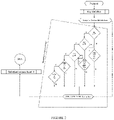
- Metabolic flux model refers to the complete network of Heat Transfer, Mass Transfer, Oxygen transfer rate (OTR), Oxygen uptake rate (OUR) and Ion transfer kinetics wherein OTR is being maintained by means of agitation, back pressure and pump in pure oxygen. This model is depicted in Figure 2 .
- This model is created on the basis of online data interpretation of hydrogen ions accumulations in the process as a primary variable which is followed by the dissolved oxygen, oxygen to CO 2 conversion along with the heat liberated in the process.
- the model works on the carbon source limitation conditions. The carbon source is pulsed and the response is evaluated in the process. The corrective action was taken on hydrogen ions generation based on the response. Then the feed was optimized to get a steady pH and dissolved oxygen (DO) and heat transfer rate (For eg pH of 7.4; residual DO of > 2 to 20; Heat transfer rate HTR).
- DO dissolved oxygen
- HTR Heat transfer rate
- the method comprises supplementing the medium with glucose during the entire fermentation process.
- the present invention does not involve the use of maltose as a carbon source and deferration step.
- CRM 197 produced according to the present invention can be used for manufacturing conjugate vaccines such as pneumococcal conjugate, typhoid conjugate, Hib conjugate and the like.
- the present invention provides an improved method for the production of CRM 197 which method comprises culturing the engineered Corynebacterium diphtheriae strain having increased copy number of CRM 197 gene in a fermentation medium which is free of animal derived components and comprises more than 10 amino acids and supplementing the medium with nutrients based on metabolic flux model, wherein the amino acids are selected from Alanine, Arginine, Aspartic acid, Cysteine, Glutamic acid, Glutamine, Glycine, Histidine, Isoleucine, Leucine, Lysine, Methionine, Phenyl alanine, Proline, Serine, Threonine, Tryptophan, Valine and its salts.
- the amino acids are selected from Alanine, Arginine, Aspartic acid, Cysteine, Glutamic acid, Glutamine, Glycine, Histidine, Isoleucine, Leucine, Lysine, Methionine, Phenyl alanine, Proline, Serine, Threonine, Try
- the present invention provides an improved method for the production of CRM 197 which method comprises culturing the engineered Corynebacterium diphtheriae strain having increased copy number of CRM 197 gene in a fermentation medium which is free of animal derived components and comprises more than 10 amino acids, wherein each amino acid is used in an amount of about 0.05 to 2 g/l.
- the present invention provides an improved method for the production of CRM 197 which method comprises culturing the engineered Corynebacterium diphtheriae strain having increased copy number of CRM 197 gene in a fermentation medium which is free of animal derived components and comprises more than 10 amino acids and supplementing the medium with nutrients based on metabolic flux model, wherein each amino acid is used in an amount of about 0.05 to 2 g/l.
- the present invention provides an improved method for the production of CRM 197 which method comprises culturing the engineered Corynebacterium diphtheriae strain having increased copy number of CRM 197 gene in a fermentation medium which is free of animal derived components and comprises base media, more than 10 amino acids and supplementing the medium with nutrients based on metabolic flux model, wherein each amino acid is used in an amount of about 0.05 to 2 g/l.
- the present invention provides an improved method for the production of CRM 197 which method comprises culturing the engineered Corynebacterium diphtheriae strain having increased copy number of CRM 197 gene in a fermentation medium which is free of animal derived components and comprises more than 10 amino acids and supplementing the medium with nutrients based on metabolic flux model, wherein the amino acids are selected from Alanine, Arginine, Aspartic acid, Cysteine, Glutamic acid, Glutamine, Glycine, Histidine, Isoleucine, Leucine, Lysine, Methionine, Phenyl alanine, Proline, Serine, Threonine, Tryptophan, Valine and its salts wherein each amino acid is used in an amount of about 0.05 to 2 g/l.
- the present invention provides an improved method for the production of CRM 197 which method comprises culturing the engineered Corynebacterium diphtheriae strain having increased copy number of CRM 197 gene in a fermentation medium which is free of animal derived components and comprises more than 10 amino acids, wherein the amino acids are selected from Alanine, Arginine, Aspartic acid, Cysteine, Glutamic acid, Glutamine, Glycine, Histidine, Isoleucine, Leucine, Lysine, Methionine, Phenyl alanine, Proline, Serine, Threonine, Tryptophan, Valine and its salts wherein each amino acid is used in an amount of about 0.05 to 2 g/l.
- the present invention provides an improved method for the production of CRM 197 which method comprises
- temperature is maintained in the range from 30 to 40 °C and pH is maintained at 7.0 to 8.0, preferably 7.4 to 7.6 using 20% orthophosphoric acid, 12.5% ammonium hydroxide.
- the fermentation process is carried out for a period of 15 to 24 hours, preferably 16 to 20 hours.
- the present invention provides fermentation composition and process which is devoid of tyrosine and asparagine.
- the process of the present invention is devoid of casamino acid based defferated low iron YC media, maltose as a carbon source and deferration step.
- the present invention provides an improved method for the production of CRM 197 which method comprises culturing the engineered Corynebacterium diphtheriae strain having increased copy number of CRM 197 gene in a fermentation medium which is free of animal derived components and contains combination of Phenyl alanine, Arginine in an amount of about less than Ig/L and one or more other amino acids.
- the present invention provides an improved method for the production of CRM 197 which method comprises culturing the engineered Corynebacterium diphtheriae strain having increased copy number of CRM 197 gene in a fermentation medium which is free of animal derived components and comprises more than 10 amino acids and supplementing the medium with nutrients based on metabolic flux model, wherein the yield of CRM 197 obtained is more than 150 mg/L.
- the present invention enables making a conjugate vaccine which comprises conjugating polysaccharides from Salmonella typhi, Streptococcus pneumoniae, meningococcus, Haemophilus influenzae with CRM 197 prepared according to the present invention.
- the present invention provides an improved method for the production of CRM 197 with high yield using engineered Corynebacterium diphtheriae strain having increased copy number of CRM 197 gene, wherein the method comprises growing the strain in media free of animal derived components comprising more than 10 amino acids and supplementing the medium with nutrients based on metabolic flux model.
- the present invention provides an improved method for the production of CRM 197 with yields such as 150mg/L, 200mg/L, 300mg/L, 500mg/L, Ig/L, 1.5g/L, 2 g/L, 2.5g/L, 3g/L, 3.5g/L, 4g/l, 4.5g/L, and 5g/L.
- the present invention provides an engineered Corynebacterium diphtheriae strain C7 ( ⁇ 197) wherein pBE33 plasmid was transferred by electroporation.
- the CRM 197 produced according to the present invention has been quantified with Immuno-Capture Enzyme Linked Immuno-Sorbent Assay (IC-ELISA).
- Corynebacterium diphtheriae C7 ( ⁇ -197) ATCC 53821, the gene encoding for CRMi97 exists as single copy and mutant CRM 197 protein is secreted into the culture media under iron regulation.
- the yield of CRM 197 increases three-fold in Corynebacterium diphtheriae C7 strain that have two copies of the corynephage-beta (ATCC 39255). This suggests that gene copy number is linked to increased productivity.
- In order to make CRM 197 production from Corynebacterium diphtheriae commercially viable it is desired to increase the expression level. Integrating more copy number into bacterial genome is technically challenging.
- the multi copy phage integrants are genetically unstable and lose the additional copies of the CRM gene.
- the present inventors intended to improve the expression levels of the CRM 197 by increasing the gene copies of CRM 197 delivered on plasmids having an antibiotic selection marker, along with the native regulatory elements of CRM 197 . Accordingly, the inventors have developed Corynebacterium diphtheriae strain having increased copy number of CRM 197 gene, evaluated the strain's stability. The modified strain had higher levels of CRM 197 expression compared to un modified Corynebacterium strains.
- a vector that can stably replicate in Corynebacterium diphtheriae C7 ( ⁇ 197) was prepared. Isolation of Native plasmid from Corynebacterium C7 diphtheriae has been carried out using large plasmid isolation protocol as described in T.C Currier et al., Anal Biochem. 1976; 76(2): 431441 . Using the native plasmid DNA preparation, 1.87Kb origin of replication (oriR) was amplified. Simultaneously, 1.033Kb kanR sequence was amplified using pUC4-KIXX template DNA and blunt end ligated to oriR to generate pBE30.
- ITR 1.87Kb origin of replication
- the pBE33 plasmid was transferred by electroporation following the procedures optimized for Corynebacterium diphtheriae C7 ( ⁇ 197).
- the transformed Corynebacterium diphtheriae C7 ( ⁇ 197) (pBE33) colonies were confirmed by specific colony PCR and plasmid isolation and restriction digestion.
- Expression of CRM 197 in colonies was analyzed by SDS-PAGE and Western blotting.
- the CRM 197 in the media was quantified by ELISA and HPLC and were presented as concentration of CRM 197 expressed per liter of the culture media.
- CRM 197 Production of CRM 197 with engineered Corynebacterium diphtheriae C7Ep strain on base medium - free of animal derived components.
- Corynebacterium diphtheriae C7Ep strain was used for this process.
- a two-step cultivation was followed for inoculum preparation in shake flask.
- Media for shake flask cultivation comprises of Yeast Extract (YE) 10 g/L, Veg. Peptone 15g/L, KH2PO4 4.3g/L, Tryptophan 50mg/L, Glucose 4.0g/L, Nicotinic acid 0.8 mg/L, Pimelic acid 0.08 mg/L, CuSO 4 . 5H 2 O 25 mg/L, ZnSO 4 . 5H 2 O 12.5 mg/L, MnCl 2 . 4H 2 O 6.25 mg/L, Cystine 0.5 g/L, Kanamycin 25 mg/L, Glucose 4.0 g/L.
- Medium for fermenter cultivation comprises of YE 15g/L, Veg.Peptone 30 g/L, KH 2 PO 4 4.3g/L, Tryptophan 50mg/L, Nicotinic acid 0.8 mg/L, Pimelic acid 0.08 mg/L, CuSO 4 . 5H 2 O 25 mg/L, ZnSO 4 . 5H 2 O 12.5 mg/L, MnCl 2 . 4H 2 O 6.25 mg/L, Cystine 0.5 g/L, Kanamycin 25mg/L, Glucose 4.0 g/L.
- the culture was stirred at 300 RPM throughout the batch. Temperature was maintained at 35 °C and pH was maintained at 7.4 using 20% orthophosphoric acid and 5 N NaOH. The culture was aerated using 1.0 wm air. Culture was enriched with oxygen to maintain Dissolved Oxygen (DO) level to 20%. After first few hours, DO levels keeps falling below 20% when limit of O 2 enrichment is reached. The DO level for rest of the batch remains close to zero with rise towards end hours. When residual glucose in the broth falls below 0.5 g/L, 40% glucose feed was given with 2 g/L/hr. Batch was harvested after 14 hrs of cultivation when cell densities reached about 90 units of OD 600nm. The foam in the reactor was controlled by 30% organic antifoam. The CRM 197 production was reached to a titer of 60 to 65 mg/L of fermentation broth.
- Medium for fermenter cultivation comprises of YE 15 g/L, Veg. Peptone 30 g/L, KH 2 PO 4 4.3g/L, Tryptophan 50mg/L, Nicotinic acid 0.8 mg/L, Pimelic acid 0.08 mg/L, CuSO 4 . 5H 2 O 25 mg/L, ZnSO 4 . 5H 2 O 12.5 mg/L, MnCl 2 . 4H 2 O 6.25 mg/L, Cystine 0.5 g/L, Kanamycin 25mg/L, Glucose 4.0 g/L.
- the culture was stirred at 300 RPM throughout the batch. Temperature was maintained at 35 °C and pH was maintained at 7.4 using 20% orthophosphoric acid and 12.5% ammonium hydroxide. The culture was aerated using 1.0 wm air. Culture was enriched with oxygen to maintain DO level to 20%.
- a model was introduced which follows the metabolic rate of conversion in the given point of time, this model takes the input from the online parameter of residual DO in correspondence with the changes with respect to pH, CO 2 , heat generation. In log phase, DO levels keeps falling below 20% despite O 2 enrichment limit has reached. The DO level for rest of the batch remains close to zero with rise towards end hours. When residual glucose in the broth fall below 0.5 g/L, 40% glucose feed was fed in order to justify the metabolic flux model. Batch was harvested after 14 hrs of cultivation when cell densities reached about 90 units of OD 600nm. The foam in the reactor was controlled by 30% organic antifoam. The CRM 197 production was reached to a titer of 150 mg/L of fermentation broth.
- a three-step cultivation was followed for inoculum preparation. First two steps were done in the shake flasks.
- Medium for shake flask cultivation comprises of YE 10 g/L, Veg.Peptone 15g/L, KH 2 PO 4 4.3g/L, Tryptophan 50mg/L, Glucose 4.0g/L, YC Trace salt solution 2 ml/L, Cystine supplement 1 ml/L, Kanamycin 25mg/L, Glucose 4.0 g/L.
- the base medium composition for seed fermenter was YE 15g/L, Veg.Peptone 30 g/L, KH 2 PO 4 4.3 g/L, Tryptophan 50mg/L, Nicotinic acid 0.8 mg/L, Pimelic acid 0.08 mg/L, CuSO 4 . 5H 2 O 25 mg/L, ZnSO 4 . 5H 2 O 12.5 mg/L, MnCl 2 . 4H 2 O 6.25 mg/L, Cystine 0.5 g/L, Kanamycin 25mg/L, Glucose 4.0 g/L
Landscapes
- Health & Medical Sciences (AREA)
- Chemical & Material Sciences (AREA)
- Life Sciences & Earth Sciences (AREA)
- Organic Chemistry (AREA)
- Engineering & Computer Science (AREA)
- Genetics & Genomics (AREA)
- General Health & Medical Sciences (AREA)
- Zoology (AREA)
- Wood Science & Technology (AREA)
- Medicinal Chemistry (AREA)
- Bioinformatics & Cheminformatics (AREA)
- Microbiology (AREA)
- Biotechnology (AREA)
- Biochemistry (AREA)
- General Engineering & Computer Science (AREA)
- Molecular Biology (AREA)
- Biomedical Technology (AREA)
- Mycology (AREA)
- Public Health (AREA)
- Pharmacology & Pharmacy (AREA)
- Veterinary Medicine (AREA)
- Animal Behavior & Ethology (AREA)
- Immunology (AREA)
- Epidemiology (AREA)
- Tropical Medicine & Parasitology (AREA)
- Virology (AREA)
- Proteomics, Peptides & Aminoacids (AREA)
- Gastroenterology & Hepatology (AREA)
- Biophysics (AREA)
- Chemical Kinetics & Catalysis (AREA)
- General Chemical & Material Sciences (AREA)
- Micro-Organisms Or Cultivation Processes Thereof (AREA)
- Preparation Of Compounds By Using Micro-Organisms (AREA)
- Forging (AREA)
- Manufacture Of Electron Tubes, Discharge Lamp Vessels, Lead-In Wires, And The Like (AREA)
- Peptides Or Proteins (AREA)
Description
- The present invention relates to an improved method for the production of CRM197 with high yield using engineered Corynebacterium diphtheriae strain having increased copy number of CRM197 gene.
- CRM197 is a genetically detoxified form of diphtheria toxin. A single mutation at position 52, substituting glutamic acid for glycine, causes the loss of ADP-ribosyltransferase activity of the native toxin. The structural basis of CRM197 for the lack of toxicity has been elucidated and is widely used as a carrier protein for conjugate vaccines. CRM197, like diphtheria toxin, is a single polypeptide chain of 535 amino acids (58.4 KD) consisting of two subunits (linked by disulfide bridges).
- CRM197 is used as a carrier protein in a number of approved conjugate vaccines such as Haemophilus influenza type b conjugate marketed under the trade name Hibtiter TM, 13-valent pneumococcal polysaccharide conjugate marketed under the trade name PREVNAR 13® and the like.
- Ruth M. Drew et al., Bacteriol. 1951 Nov; 62 (5): 549-59; disclosed a chemically defined media suitable for the production of high titer diphtherial toxin and summarized the amino acid requirements of Corynebacterium diphtheriae, Toronto strain of Park-Williams no. 8. The media contains amino acids which effectively replace the animal derived component i.e. casein hydrolysate. The amino acids include glutamic acid, cystine, proline, tryptophan, leucine, valine, methionine, and glycine.
- Rappuoli et al; Applied and Environmental Microbiology 1983 Vol. 46(3):560-564 have disclosed that the nontandem double lysogens were stable and capable of giving high yields of CRM197, up to threefold higher than monolysogens.
- R Fass. et al., Applied Microbiology and Biotechnology; April 1995, Volume 43(1): 83-88; disclosed a high-density growth approach to produce mutated diphtheria toxin from two strains of Corynebacterium diphtheriae: C7 (β) (tox-201, tox-9) and C7 (β)(tox-107). The procedure involves the use of a modified, non-deferrated growth medium that provided fast and high-density growth of the bacteria, and which, when associated with simultaneous depletion of glucose and iron, enhanced the toxin production. Oxygen-enriched air was supplied to enable the bacteria to grow to a cell density giving an absorbance of 70 at 600 nm (15-20 g/L dry weight). The maximum toxin concentration in the culture supernatant was 150 mg/l.
- Parag P.Nagarkar et al., Journal of Applied Microbiology 2002, 92, 215-220; disclosed the amino acid utilization pattern during growth of Corynebacterium diphtheriae and showed that only four of the nine amino acids tested, namely cystine, histidine, aspartate and methionine, were critical for growth and toxin production by Corynebacterium diphtheriae.
-
European Patent No. 1 849 860 B1 disclosed the use of proteinaceous material of non animal origin, such as proteins from soy beans, cotton seeds, potatoes, etc., as a medium constituent for the cultivation of pathogenic bacteria. -
US Patent No. 6,962,803 B2 disclosed a method of purifying diphtheria toxin by means of fermenting a microorganism strain capable of producing diphtheria toxin, said method comprising adding glucose to a growing culture whereby the addition of glucose maintains microorganism growth effective to support diphtheria toxin production. It further disclosed that in addition to a carbon source, there are other minimum nutritional requirements for growth which include trace metals, phosphate, a nitrogen source, generally casamino acids and yeast extract. -
US Patent Application Publication No. 2011/0097359 A1 disclosed a media for culturing a strain of Corynebacterium diphtheriae to produce a level of diphtheria toxin or an analog thereof, wherein the medium is substantiality free of animal derived products and comprises: water; a carbohydrate source; a nitrogen source; and a number of free amino acids in an initial concentration wherein the initial concentration of each free amino acid is not limiting for the level of production of the diphtheria toxin or the analog thereof. Further discloses that the carbohydrate source is free of glucose. -
WO 2006/100108 A1 disclosed a fermentation process comprising a step of growing a strain of Corynebacterium diphtheriae in a medium within the fermenter under conditions of agitation sufficient to maintain a homogenous culture and limited aeration such that pO2 within the culture falls to less than 4% for the majority of the fermentation step. Further disclosed that the pH within the fermenter is held between 7.0 and 7.8 by the degree of aeration without requiring addition of acid or base. - The CRM197 process is generally sensitive to small changes in process components as well as process parameters. The CRM197 production from Corynebacterium diphtheriae is exercised across the globe albeit with limited success for commercial realization. None of the above references disclosed method of producing CRM197 with high yields such as >150 mg/l using engineered Corynebacterium diphtheriae strain. The inventors of the present invention have developed a metabolic flux model for high yield production of CRM197 using engineered Corynebacterium diphtheriae strain.
- It is the main objective of the present invention to provide an improved process for the high level production of CRM197.
- Yet another objective of the present invention is to provide an improved process for the high level production of CRM197 which is cost effective and can be used for manufacturing conjugate vaccines.
- The present invention provides an improved method for the production of CRM197 with high yield using engineered Corynebacterium diphtheriae strain having increased copy number of CRM197 gene, wherein the method comprises growing the strain in a fermentation medium comprising one or more amino acids and is free of animal derived components.
- The present invention provides an improved method for the production of CRM197 which method comprises culturing the engineered Corynebacterium diphtheriae strain having increased copy number of CRM197 gene in a fermentation medium which is free of animal derived components and comprises more than 10 amino acids and supplementing the medium with nutrients.
- The present invention also provides an improved method for the production of CRM197 which method comprises culturing the engineered Corynebacterium diphtheriae strain having increased copy number of CRM197 gene in a fermentation medium which is free of animal derived components and comprises more than 10 amino acids and supplementing the medium with nutrients based on metabolic flux model.
-
-
Figure 1 - Construction of a plasmid designated as pBE33 -
Figure 2 - The metabolic flux balance model flow chart. - The present invention provides an improved method for the production of CRM197 with high yield using engineered Corynebacterium diphtheriae strain having increased copy number of CRM197 gene, wherein the method comprises growing the strain in a fermentation medium comprising more than 10 amino acids and is free of animal derived components.
- Engineered Corynebacterium diphtheriae strain (C7Ep) of the present invention refers to the Corynebacterium diphtheriae having episomally placed multiple copies of CRM197 gene regulated by the same mechanism that of host CRM197 gene and the said strain's genetic background is single lysogen.
- The amino acids used in the present invention are selected from Alanine, Arginine, Aspartic acid, Cysteine, Glutamic acid, Glutamine, Glycine, Histidine, Isoleucine, Leucine, Lysine, Methionine, Phenyl alanine, Proline, Serine, Threonine, Tryptophan, Valine and its salts and each amino acid is used in an amount of about 0.05 to 2 g/l.
- The effect of amino acids, vitamins and the process conditions for the production of CRM197 has been studied. It has been found that certain amino acids have shown negative effect on the growth of bacteria. However, it is found that the production of CRM197 is increased if more than 10 amino acids are used in an optimum concentration. The concentration of amino acids is optimized using Plackett Burman design of experiments.
- Plackett Burman designs are experimental designs for investigating the dependence of some measured quantity on a number of independent variables (factors), in such a way as to minimize the variance of the estimates of these dependencies using a limited number of experiments. The outcome showed amino acid such as Aspartic acid, Glutamine, Glycine isoleucine leucine, valine and at a temperature of 35 to 36 °C have positive impact on the CRM197 synthesis and amino acids such as Alanine, Isoleucine and at temperature of 35 to 36 °C have negative effect in the synthesis of CRM197. Several levels of Design of experiments were carried out at different concentrations to achieve high level production of CRM197 . The use of tyrosine and asparagine resulted in decrease in the overall yield of CRM197 and hence these amino acids are not part of the invention.
- In a preferred embodiment of the present invention, the fermentation medium contains combination of Phenyl alanine, Arginine and one or more other amino acids wherein the amount of Phenyl alanine and Arginine used is about less than about 1g/L.
- In a more preferred embodiment of the present invention, the fermentation medium comprise combination of Phenyl alanine, Arginine and one or more other amino acids wherein amount of Phenyl alanine is about 0.25 to 0.75g/l and Arginine is about 0.1 to 0.5 g/l.
- The present invention provides an improved method for the production of CRM197 using engineered Corynebacterium diphtheriae strain having increased copy number of CRM197 gene, wherein the method comprises growing the strain in a fermentation medium comprising more than 10 amino acids, supplementing the medium with vitamins in the range of about 0.05 to 20 mg per liter, wherein the medium is free of animal derived components.
- In another embodiment of the present invention, amino acids, vitamins, trace elements and the like are added as nutrients to the fermentation medium during the cultivation.
- Various nutrients used in the present invention as supplements include vitamins selected from Nicotinic acid, Thiamine, Pantothenic acid, Biotin, Riboflavin, FolicAcid; Pimelic acid; phosphate, a nitrogen source and trace metals and the like and each vitamin is used in an amount in the range from about 0.05 to 20 mg per liter.
- The fermentation medium used in the present invention is a non-defferated and completely free from animal derived components. Further, the medium is also devoid of traditional meat based Loeffler media and casamino acid based defferated low iron YC media. The components of fermentation medium of the present invention comprises Yeast Extract, Veg.Peptone, Potassium-dihydrogen phosphate (KH2PO4), Tryptophan, Glucose, YC Trace salt solution.
- In another embodiment of the present invention, the medium composition for the cultivation of engineered Corynebacterium diphtheriae strain having increased copy number of CRM197 gene comprises base fermentation medium comprising Yeast Extract, Veg.Peptone, Potassium-dihydrogen phosphate (KH2PO4), Tryptophan, Glucose, YC Trace salt solution; one or more amino acids, vitamins, trace elements and the like.
- Suitable trace metals include Potassium, Magnesium, Calcium, Chloride, Choline, Copper, Manganese, Sulfate, Zinc and the like.
- The present invention provides an improved method for the production of CRM197 using engineered Corynebacterium diphtheriae strain having increased copy number of CRM197 gene, wherein the method comprises supplementing the fermentation medium with nutrients based on metabolic flux model.
- Metabolic flux model refers to the complete network of Heat Transfer, Mass Transfer, Oxygen transfer rate (OTR), Oxygen uptake rate (OUR) and Ion transfer kinetics wherein OTR is being maintained by means of agitation, back pressure and pump in pure oxygen. This model is depicted in
Figure 2 . - This model is created on the basis of online data interpretation of hydrogen ions accumulations in the process as a primary variable which is followed by the dissolved oxygen, oxygen to CO2 conversion along with the heat liberated in the process. For example the model works on the carbon source limitation conditions. The carbon source is pulsed and the response is evaluated in the process. The corrective action was taken on hydrogen ions generation based on the response. Then the feed was optimized to get a steady pH and dissolved oxygen (DO) and heat transfer rate (For eg pH of 7.4; residual DO of > 2 to 20; Heat transfer rate HTR).
- In an embodiment of the present invention, the method comprises supplementing the medium with glucose during the entire fermentation process.
- The present invention does not involve the use of maltose as a carbon source and deferration step.
- CRM197 produced according to the present invention can be used for manufacturing conjugate vaccines such as pneumococcal conjugate, typhoid conjugate, Hib conjugate and the like.
- In yet another embodiment, the present invention provides an improved method for the production of CRM197 which method comprises culturing the engineered Corynebacterium diphtheriae strain having increased copy number of CRM197 gene in a fermentation medium which is free of animal derived components and comprises more than 10 amino acids and supplementing the medium with nutrients based on metabolic flux model, wherein the amino acids are selected from Alanine, Arginine, Aspartic acid, Cysteine, Glutamic acid, Glutamine, Glycine, Histidine, Isoleucine, Leucine, Lysine, Methionine, Phenyl alanine, Proline, Serine, Threonine, Tryptophan, Valine and its salts.
- In yet another embodiment, the present invention provides an improved method for the production of CRM197 which method comprises culturing the engineered Corynebacterium diphtheriae strain having increased copy number of CRM197 gene in a fermentation medium which is free of animal derived components and comprises more than 10 amino acids, wherein each amino acid is used in an amount of about 0.05 to 2 g/l.
- In yet another embodiment, the present invention provides an improved method for the production of CRM197 which method comprises culturing the engineered Corynebacterium diphtheriae strain having increased copy number of CRM197 gene in a fermentation medium which is free of animal derived components and comprises more than 10 amino acids and supplementing the medium with nutrients based on metabolic flux model, wherein each amino acid is used in an amount of about 0.05 to 2 g/l.
- In yet another embodiment, the present invention provides an improved method for the production of CRM197 which method comprises culturing the engineered Corynebacterium diphtheriae strain having increased copy number of CRM197 gene in a fermentation medium which is free of animal derived components and comprises base media, more than 10 amino acids and supplementing the medium with nutrients based on metabolic flux model, wherein each amino acid is used in an amount of about 0.05 to 2 g/l.
- In yet another embodiment, the present invention provides an improved method for the production of CRM197 which method comprises culturing the engineered Corynebacterium diphtheriae strain having increased copy number of CRM197 gene in a fermentation medium which is free of animal derived components and comprises more than 10 amino acids and supplementing the medium with nutrients based on metabolic flux model, wherein the amino acids are selected from Alanine, Arginine, Aspartic acid, Cysteine, Glutamic acid, Glutamine, Glycine, Histidine, Isoleucine, Leucine, Lysine, Methionine, Phenyl alanine, Proline, Serine, Threonine, Tryptophan, Valine and its salts wherein each amino acid is used in an amount of about 0.05 to 2 g/l.
- In yet another embodiment, the present invention provides an improved method for the production of CRM197 which method comprises culturing the engineered Corynebacterium diphtheriae strain having increased copy number of CRM197 gene in a fermentation medium which is free of animal derived components and comprises more than 10 amino acids, wherein the amino acids are selected from Alanine, Arginine, Aspartic acid, Cysteine, Glutamic acid, Glutamine, Glycine, Histidine, Isoleucine, Leucine, Lysine, Methionine, Phenyl alanine, Proline, Serine, Threonine, Tryptophan, Valine and its salts wherein each amino acid is used in an amount of about 0.05 to 2 g/l.
- In a preferred embodiment, the present invention provides an improved method for the production of CRM197 which method comprises
- i) culturing the engineered Corynebacterium diphtheriae strain having increased copy number of CRM197 gene in a fermentation medium which is free of animal derived components and comprises base media and more than 10 amino acids selected from Alanine, Arginine, Aspartic acid, Cysteine, Glutamic acid, Glutamine, Glycine, Histidine, Isoleucine, Leucine, Lysine, Methionine, Phenyl alanine, Proline, Serine, Threonine, Tryptophan, Valine and its salts and
- ii) supplementing the medium with glucose and nutrients based on metabolic flux model.
- In yet another embodiment, during the fermentation process temperature is maintained in the range from 30 to 40 °C and pH is maintained at 7.0 to 8.0, preferably 7.4 to 7.6 using 20% orthophosphoric acid, 12.5% ammonium hydroxide. The fermentation process is carried out for a period of 15 to 24 hours, preferably 16 to 20 hours.
- In an embodiment, the present invention provides fermentation composition and process which is devoid of tyrosine and asparagine. In an embodiment, the process of the present invention is devoid of casamino acid based defferated low iron YC media, maltose as a carbon source and deferration step.
- The present invention provides an improved method for the production of CRM197 which method comprises culturing the engineered Corynebacterium diphtheriae strain having increased copy number of CRM197 gene in a fermentation medium which is free of animal derived components and contains combination of Phenyl alanine, Arginine in an amount of about less than Ig/L and one or more other amino acids.
- In an embodiment, the present invention provides an improved method for the production of CRM197 which method comprises culturing the engineered Corynebacterium diphtheriae strain having increased copy number of CRM197 gene in a fermentation medium which is free of animal derived components and comprises more than 10 amino acids and supplementing the medium with nutrients based on metabolic flux model, wherein the yield of CRM197 obtained is more than 150 mg/L.
- In an embodiment, the present invention enables making a conjugate vaccine which comprises conjugating polysaccharides from Salmonella typhi, Streptococcus pneumoniae, meningococcus, Haemophilus influenzae with CRM197 prepared according to the present invention.
- The present invention provides an improved method for the production of CRM197 with high yield using engineered Corynebacterium diphtheriae strain having increased copy number of CRM197 gene, wherein the method comprises growing the strain in media free of animal derived components comprising more than 10 amino acids and supplementing the medium with nutrients based on metabolic flux model.
- In an embodiment, the present invention provides an improved method for the production of CRM197 with yields such as 150mg/L, 200mg/L, 300mg/L, 500mg/L, Ig/L, 1.5g/L, 2 g/L, 2.5g/L, 3g/L, 3.5g/L, 4g/l, 4.5g/L, and 5g/L.
- In an embodiment, the present invention provides an engineered Corynebacterium diphtheriae strain C7 (β 197) wherein pBE33 plasmid was transferred by electroporation.
- The CRM197 produced according to the present invention has been quantified with Immuno-Capture Enzyme Linked Immuno-Sorbent Assay (IC-ELISA).
- Development of Engineered Corynebacterium diphtheriae strain having increased copy number of CRM197 gene on an expression vector plasmid.
- Corynebacterium diphtheriae C7 (β-197)
ATCC 53821, the gene encoding for CRMi97 exists as single copy and mutant CRM197 protein is secreted into the culture media under iron regulation. The yield of CRM197 increases three-fold in Corynebacterium diphtheriae C7 strain that have two copies of the corynephage-beta (ATCC 39255). This suggests that gene copy number is linked to increased productivity. In order to make CRM197 production from Corynebacterium diphtheriae commercially viable it is desired to increase the expression level. Integrating more copy number into bacterial genome is technically challenging. The multi copy phage integrants are genetically unstable and lose the additional copies of the CRM gene. The present inventors intended to improve the expression levels of the CRM197 by increasing the gene copies of CRM197 delivered on plasmids having an antibiotic selection marker, along with the native regulatory elements of CRM197. Accordingly, the inventors have developed Corynebacterium diphtheriae strain having increased copy number of CRM197 gene, evaluated the strain's stability. The modified strain had higher levels of CRM197 expression compared to un modified Corynebacterium strains. - The present invention is more specifically illustrated with reference to the examples given below. However, it should be understood that the present invention is not limited by an example in any manner but includes variations thereof within the parameters described herein, as can be known to those well-versed in the art.
- A vector that can stably replicate in Corynebacterium diphtheriae C7 (β 197) was prepared. Isolation of Native plasmid from Corynebacterium C7 diphtheriae has been carried out using large plasmid isolation protocol as described in T.C Currier et al., Anal Biochem. 1976; 76(2): 431441. Using the native plasmid DNA preparation, 1.87Kb origin of replication (oriR) was amplified. Simultaneously, 1.033Kb kanR sequence was amplified using pUC4-KIXX template DNA and blunt end ligated to oriR to generate pBE30. Further a 2.13 Kb gene sequence of CRMi97 comprising pTox promoter region (Boyd et al., 1988), cru and predicted terminator sequence was amplified from Corynebacterium diphtheriae C7 (β 197) genomic DNA and cloned into the unique Spel restriction site designed in the pBE30. The GAG mutation in this amplicon was verified by allele specific PCR assay (Pushnova et al., Analytical Biochemistry. 1998; 260: 24 to 29) and DNA sequencing. The plasmid thus obtained was designated as pBE33 (
Figure 1 ). - The pBE33 plasmid was transferred by electroporation following the procedures optimized for Corynebacterium diphtheriae C7 (β 197). The transformed Corynebacterium diphtheriae C7 (β 197) (pBE33) colonies were confirmed by specific colony PCR and plasmid isolation and restriction digestion. Expression of CRM197 in colonies was analyzed by SDS-PAGE and Western blotting. The CRM197 in the media was quantified by ELISA and HPLC and were presented as concentration of CRM197 expressed per liter of the culture media.
- Corynebacterium diphtheriae C7Ep strain was used for this process. A two-step cultivation was followed for inoculum preparation in shake flask. Media for shake flask cultivation comprises of Yeast Extract (YE) 10 g/L, Veg. Peptone 15g/L, KH2PO4 4.3g/L, Tryptophan 50mg/L, Glucose 4.0g/L, Nicotinic acid 0.8 mg/L, Pimelic acid 0.08 mg/L, CuSO4. 5H2O 25 mg/L, ZnSO4. 5H2O 12.5 mg/L, MnCl2. 4H2O 6.25 mg/L, Cystine 0.5 g/L, Kanamycin 25 mg/L, Glucose 4.0 g/L.
- To a 20 L fermenter medium, 5% inoculum was added to start the process. Medium for fermenter cultivation comprises of YE 15g/L, Veg.Peptone 30 g/L, KH2PO4 4.3g/L, Tryptophan 50mg/L, Nicotinic acid 0.8 mg/L, Pimelic acid 0.08 mg/L, CuSO4. 5H2O 25 mg/L, ZnSO4. 5H2O 12.5 mg/L, MnCl2. 4H2O 6.25 mg/L, Cystine 0.5 g/L, Kanamycin 25mg/L, Glucose 4.0 g/L.
- The culture was stirred at 300 RPM throughout the batch. Temperature was maintained at 35 °C and pH was maintained at 7.4 using 20% orthophosphoric acid and 5 N NaOH. The culture was aerated using 1.0 wm air. Culture was enriched with oxygen to maintain Dissolved Oxygen (DO) level to 20%. After first few hours, DO levels keeps falling below 20% when limit of O2 enrichment is reached. The DO level for rest of the batch remains close to zero with rise towards end hours. When residual glucose in the broth falls below 0.5 g/L, 40% glucose feed was given with 2 g/L/hr. Batch was harvested after 14 hrs of cultivation when cell densities reached about 90 units of OD 600nm. The foam in the reactor was controlled by 30% organic antifoam. The CRM197 production was reached to a titer of 60 to 65 mg/L of fermentation broth.
- A fermentation run under similar conditions using unengineered Corynebacterium diphtheriae C7 CRM197 strain produced about 35 to 40 mg/L of CRM197 which is less than engineered strain. This shows the influence of the extra gene copies towards increased production of the CRM197.
- Production of CRM197 with engineered Corynebacterium diphtheriae C7Ep strain on base media free of animal derived components by following the metabolic flux balance model. Corynebacterium diphtheriae C7Ep strain was used for this process. A two-step cultivation was followed for inoculum preparation in shake flask. Media for shake flask cultivation comprises of YE 10 g/L, Veg. Peptone 15g/L, KH2PO4 4.3g/L, Tryptophan 50mg/L, Glucose 4.0g/L Nicotinic acid 0.8 mg/L, Pimelic acid 0.08 mg/L, CuSO4. 5H2O 25 mg/L, ZnSO4. 5H2O 12.5 mg/L, MnCl2. 4H2O 6.25 mg/L, Cystine 0.5 g/L, Kanamycin 25mg/L, Glucose 4.0 g/L.
- To a 20 L fermenter medium, 5% inoculum was added to start the process. Medium for fermenter cultivation comprises of YE 15 g/L, Veg. Peptone 30 g/L, KH2PO4 4.3g/L, Tryptophan 50mg/L, Nicotinic acid 0.8 mg/L, Pimelic acid 0.08 mg/L, CuSO4. 5H2O 25 mg/L, ZnSO4. 5H2O 12.5 mg/L, MnCl2. 4H2O 6.25 mg/L, Cystine 0.5 g/L, Kanamycin 25mg/L, Glucose 4.0 g/L.
- The culture was stirred at 300 RPM throughout the batch. Temperature was maintained at 35 °C and pH was maintained at 7.4 using 20% orthophosphoric acid and 12.5% ammonium hydroxide. The culture was aerated using 1.0 wm air. Culture was enriched with oxygen to maintain DO level to 20%. A model was introduced which follows the metabolic rate of conversion in the given point of time, this model takes the input from the online parameter of residual DO in correspondence with the changes with respect to pH, CO2, heat generation. In log phase, DO levels keeps falling below 20% despite O2 enrichment limit has reached. The DO level for rest of the batch remains close to zero with rise towards end hours. When residual glucose in the broth fall below 0.5 g/L, 40% glucose feed was fed in order to justify the metabolic flux model. Batch was harvested after 14 hrs of cultivation when cell densities reached about 90 units of OD 600nm. The foam in the reactor was controlled by 30% organic antifoam. The CRM197 production was reached to a titer of 150 mg/L of fermentation broth.
- A three-step cultivation was followed for inoculum preparation. First two steps were done in the shake flasks. Medium for shake flask cultivation comprises of YE 10 g/L, Veg.Peptone 15g/L, KH2PO4 4.3g/L, Tryptophan 50mg/L, Glucose 4.0g/L, YC Trace salt solution 2 ml/L,
Cystine supplement 1 ml/L, Kanamycin 25mg/L, Glucose 4.0 g/L. - The base medium composition for seed fermenter was YE 15g/L, Veg.Peptone 30 g/L, KH2PO4 4.3 g/L, Tryptophan 50mg/L, Nicotinic acid 0.8 mg/L, Pimelic acid 0.08 mg/L, CuSO4. 5H2O 25 mg/L, ZnSO4. 5H2O 12.5 mg/L, MnCl2. 4H2O 6.25 mg/L, Cystine 0.5 g/L, Kanamycin 25mg/L, Glucose 4.0 g/L
- Given below is the fermenter medium composition (Table I) and the ingredients which has been designed following the Placket Burmann design.
Table I S. No Media components Quantity ' Units S. No Media components Quantity Units 1 Alanine 0.1 g/L 18 Valine 1 g/L 2 Arginine 0.1 g/L 19 Potassium 2 g/L 3 Aspartic acid 0.5 g/L 20 Magnesium 1 g/L 4 Cysteine 0.5 g/L 21 Thiamine 0.1 mg/L 5 Glutamic acid 1 g/L 22 Biotin 4 mg/L 6 Glutamine 0.1 g/L 23 Calcium 2 mg/L 7 Glycine 0.5 g/L 24 Chloride 0.5 mg/L 8 Histidine 1 g/L 25 Choline 0.1 mg/L 9 Isoleucine 1 g/L 26 Copper 10 mg/L 10 Leucine 0.5 g/L 27 Folic Acid 1.6 mg/ L 11 Lysine 0.1 g/L 28 Manganese 1 mg/L 12 Methionine 1 g/L 29 Nicotinamic Acid 100 mg/L 13 Phenyl alanine 0.5 g/L 30 Pantothenic Acid 50 mg/L 14 Proline 0.1 g/L 31 Pimelic acid 20 mg/L 15 Serine 0.1 g/L 32 Riboflavin 50 mg/L 16 Threonine 0.1 g/L 33 Sulfate 20 mg/L 17 Tryptophan 0.1 g/L 34 Zinc 7 mg/L - To a 20 L fermenter with above components with the base medium (YE 15 g/L, Veg.Peptone 30 g/L, KH2PO4 4.3 g/L, Tryptophan 50 mg/L, Nicotinic acid 0.8 mg/L, Pimelic acid 0.08 mg/L, CuSO4. 5H2O 25 mg/L, ZnSO4. 5H2O 12.5 mg/L, MnCl2. 4H2O 6.25 mg/L, Cystine 0.5 g/L, Kanamycin 25mg/L, Glucose 4.0 g/L.), 5% inoculum from seed fermenter was added to start the process. Temperature was maintained at 35 °C and pH was maintained at 7.4 to 7.6 using 20% orthophosphoric acid, 12.5% ammonium hydroxide, and model based on metabolic flux (
Figure 2 ) modulation of glucose feeding and OTR. The culture was aerated using 1.0 wm air. Culture was enriched with oxygen to maintain DO level to 20%. In log phase, DO levels keeps falling below 20% despite O2 enrichment limit has reached. The DO level for rest of the batch remains close to zero with rise towards end hours. When residual glucose in the broth falls below 0.5 g/L, feed with 40% glucose solution was given at 4.5 g/L/hr. Intermittently vitamins and trace elements were supplemented at following levels; Nicotinic acid 6.425 mg/L, Pimelic acid 0.465 mg/L, CuSO4. 5H2O 25 mg/L, ZnSO4. 5H2O 12.5 mg/L, MnCl2. 4H2O 6.25 mg/L, Thiamine 0.08 mg/L, Pantothenic acid 0.25 mg/L, Biotin 0.006 mg/L, Riboflavin 0.3 mg/L, Folic Acid 0.06 mg/L . The batch was harvested after 18 hrs of cultivation when cell densities reached about 132 units of OD 600nm. The foam in the reactor was controlled by 30% organic antifoam. The CRM197 production reached a titer of 450 to 500 mg/L of fermentation broth.
Claims (15)
- An improved method for the production of CRM197 with high yield using engineered Corynebacterium diphtheriae strain having increased copy number of CRM197 gene, wherein the method comprises growing the strain in a non-defferated fermentation medium comprising more than 10 amino acids other than tyrosine and asparagine and being free of animal derived components, wherein no maltose is used as a carbon source.
- The method as claimed in claim 1, wherein the method comprises supplementing the medium with nutrients.
- The method as claimed in claim 2, wherein the supplement with nutrients is based on metabolic flux model.
- The method as claimed in claim 1, wherein the amino acids are selected from Alanine, Arginine, Aspartic acid, Cysteine, Glutamic acid, Glutamine, Glycine, Histidine, Isoleucine, Leucine, Lysine, Methionine, Phenyl alanine, Proline, Serine, Threonine, Tryptophan, Valine and its salts.
- The method as claimed in claim 4, wherein each amino acid is used in an amount of 0.05 to 2 g/l.
- The method as claimed in claim 1, wherein the fermentation medium contains combination of Phenyl alanine, Arginine and other amino acids wherein amount of Phenyl alanine and Arginine is less than 1 g/L.
- The method as claimed in claim 2, wherein the nutrients are selected from vitamins such as Nicotinic acid, Thiamine, Pantothenic acid, Biotin, Riboflavin, FolicAcid; pimelic acid; phosphate, a nitrogen source and trace metals.
- The method as claimed in any of the preceding claims, wherein the fermentation medium is completely free from animal derived components.
- The method as claimed in any of the preceding claims, wherein the fermentation medium comprises base fermentation media comprising Yeast Extract, Veg.Peptone, Potassium-dihydrogen phosphate (KH2PO4), Tryptophan, Glucose, YC Trace salt solution.
- The method as claimed in any of the preceding claims, wherein the method comprises supplementing the medium with glucose during the entire fermentation process.
- An improved method for the production of CRM197 wherein the method comprises:i) culturing the engineered Corynebacterium diphtheriae strain having increased copy number of CRM197 gene in a non-defferated fermentation medium which is free of animal derived components and comprises base media and more than 10 amino acids selected from Alanine, Arginine, Aspartic acid, Cysteine, Glutamic acid, Glutamine, Glycine, Histidine, Isoleucine, Leucine, Lysine, Methionine, Phenyl alanine, Proline, Serine, Threonine, Tryptophan, Valine and its salts andii) supplementing the medium with glucose and nutrients based on metabolic flux model, wherein no maltose is used as a carbon source.
- An improved method for the production of CRM197, which method comprises culturing the engineered Corynebacterium diphtheriae strain having increased copy number of CRM197 gene in a non-defferated fermentation medium which is free of animal derived components and comprises more than 10 amino acids other than tyrosine and asparagine and supplementing the medium with nutrients based on metabolic flux model, wherein each amino acid is used in an amount of 0.05 to 2 g/l, wherein no maltose is used as a carbon source.
- The method as claimed in any of the preceding claims, wherein the fermentation is carried out at a temperature between 30 to 40 °C and at a pH in the range of 7.0 to 8.0. preferably 7.4 to 7.6
- The method as claimed in any of the preceding claims, wherein the yield of CRM197 obtained is more than 150 mg/L, 200 mg/L, 300 mg/L, 500 mg/L.
- A method for manufacturing conjugate vaccine which comprises conjugating polysaccharides from Salmonella typhi, Streptococcus pneumoniae, Haemophilus influenzae with CRM197 prepared according to any of the preceding claims.
Priority Applications (4)
| Application Number | Priority Date | Filing Date | Title |
|---|---|---|---|
| RS20220813A RS63551B1 (en) | 2017-04-22 | 2018-04-19 | IMPROVED PROCEDURE FOR HIGH LEVEL CRM PRODUCTION |
| HRP20221060TT HRP20221060T1 (en) | 2017-04-22 | 2018-04-19 | An improved method for high level production of crm |
| SM20220356T SMT202200356T1 (en) | 2017-04-22 | 2018-04-19 | An improved method for high level production of crm |
| SI201830744T SI3612553T1 (en) | 2017-04-22 | 2018-04-19 | Improved process for high-throughput production of CRM |
Applications Claiming Priority (2)
| Application Number | Priority Date | Filing Date | Title |
|---|---|---|---|
| IN201741014335 | 2017-04-22 | ||
| PCT/IN2018/050235 WO2018193475A2 (en) | 2017-04-22 | 2018-04-19 | An improved method for high level production of crm |
Publications (2)
| Publication Number | Publication Date |
|---|---|
| EP3612553A2 EP3612553A2 (en) | 2020-02-26 |
| EP3612553B1 true EP3612553B1 (en) | 2022-06-08 |
Family
ID=63678648
Family Applications (1)
| Application Number | Title | Priority Date | Filing Date |
|---|---|---|---|
| EP18773868.7A Active EP3612553B1 (en) | 2017-04-22 | 2018-04-19 | An improved method for high level production of crm |
Country Status (31)
| Country | Link |
|---|---|
| US (1) | US11098089B2 (en) |
| EP (1) | EP3612553B1 (en) |
| JP (1) | JP7161493B2 (en) |
| KR (1) | KR102637436B1 (en) |
| CN (1) | CN110741013B (en) |
| AU (1) | AU2018255959B2 (en) |
| BR (1) | BR112019022093A2 (en) |
| CL (1) | CL2019003003A1 (en) |
| CO (1) | CO2019011643A2 (en) |
| CU (1) | CU24668B1 (en) |
| CY (1) | CY1125525T1 (en) |
| DK (1) | DK3612553T3 (en) |
| EA (1) | EA201992527A1 (en) |
| ES (1) | ES2926535T3 (en) |
| HR (1) | HRP20221060T1 (en) |
| HU (1) | HUE059629T2 (en) |
| IL (1) | IL270075B2 (en) |
| LT (1) | LT3612553T (en) |
| MX (1) | MX2019012563A (en) |
| MY (1) | MY194242A (en) |
| PH (1) | PH12019550214A1 (en) |
| PL (1) | PL3612553T3 (en) |
| PT (1) | PT3612553T (en) |
| RS (1) | RS63551B1 (en) |
| SA (1) | SA519410306B1 (en) |
| SG (1) | SG11201909765XA (en) |
| SI (1) | SI3612553T1 (en) |
| SM (1) | SMT202200356T1 (en) |
| UA (1) | UA127497C2 (en) |
| WO (1) | WO2018193475A2 (en) |
| ZA (1) | ZA201906270B (en) |
Families Citing this family (5)
| Publication number | Priority date | Publication date | Assignee | Title |
|---|---|---|---|---|
| AU2019341723C1 (en) | 2018-09-23 | 2026-01-22 | Biological E Limited | Purified capsular polysaccharides of Streptococcus pneumoniae |
| CN113755380A (en) * | 2021-09-23 | 2021-12-07 | 艾美卫信生物药业(浙江)有限公司 | Strain culture medium for fermentation production of diphtheria toxin CRM197 protein, preparation method and strain recovery culture method |
| CN115058474B (en) * | 2022-05-23 | 2025-02-14 | 艾美坚持生物制药有限公司 | A fermentation culture method for increasing the yield of CRM197 protein |
| USD1055994S1 (en) | 2023-01-02 | 2024-12-31 | Samsung Electronics Co., Ltd. | Refrigerator |
| CN119716089B (en) * | 2024-12-27 | 2025-12-09 | 浙江毓昌生物技术有限公司 | CRM197 protein specificity neutralization detection method based on high expression |
Family Cites Families (11)
| Publication number | Priority date | Publication date | Assignee | Title |
|---|---|---|---|---|
| ES2231770T3 (en) * | 1993-03-05 | 2005-05-16 | Wyeth Holdings Corporation | NEW PLASMIDS FOR THE PRODUCTION OF CRM PROTEIN AND DIFTERIC TOXIN. |
| US20040087020A1 (en) | 1997-05-28 | 2004-05-06 | Chiron S.P.A. | Culture medium with yeast or soy bean extract as amino acid source and no protein complexes of animal origin |
| EP1849860B1 (en) | 1997-05-28 | 2010-11-17 | Novartis Vaccines and Diagnostics S.r.l. | Process for preparing an immunogenic factor of Corynebacterium diphtheriae using a culture medium with yeast extract as aminoacid source and no protein complexes of animal origin |
| GB9904582D0 (en) | 1999-02-26 | 1999-04-21 | Nycomed Imaging As | Process |
| JP2007513613A (en) | 2003-12-12 | 2007-05-31 | サノフィ パストゥール リミテッド | Production of diphtheria toxin |
| GB0505996D0 (en) | 2005-03-23 | 2005-04-27 | Glaxosmithkline Biolog Sa | Fermentation process |
| AU2010201410B2 (en) | 2010-03-30 | 2015-04-30 | Pelican Technology Holdings, Inc. | High level expression of recombinant CRM197 |
| GB2495341B (en) | 2011-11-11 | 2013-09-18 | Novartis Ag | Fermentation methods and their products |
| FR2992656B1 (en) * | 2012-07-02 | 2016-10-07 | Sanofi Pasteur | METHOD FOR PRODUCING ANTIGENS HAEMOPHILUS INFLUENZAE TYPE B |
| ITMI20130142A1 (en) * | 2013-01-31 | 2014-08-01 | Biosynth Srl | GLYCOCOUGUGAR VACCINES INCLUDING BASIC UNITS OF AN EXPRIMENT MOLECULAR CONSTRUCTED MULTIPLE EPITHOPES INCORPORATED |
| JP6473460B2 (en) * | 2014-03-03 | 2019-02-20 | スカラブ ゲノミクス, エルエルシー | Enhanced production of recombinant CRM197 in E. coli |
-
2018
- 2018-04-19 EA EA201992527A patent/EA201992527A1/en unknown
- 2018-04-19 HU HUE18773868A patent/HUE059629T2/en unknown
- 2018-04-19 SG SG11201909765X patent/SG11201909765XA/en unknown
- 2018-04-19 PL PL18773868.7T patent/PL3612553T3/en unknown
- 2018-04-19 EP EP18773868.7A patent/EP3612553B1/en active Active
- 2018-04-19 UA UAA201911302A patent/UA127497C2/en unknown
- 2018-04-19 CU CU2019000083A patent/CU24668B1/en unknown
- 2018-04-19 MY MYPI2019006169A patent/MY194242A/en unknown
- 2018-04-19 MX MX2019012563A patent/MX2019012563A/en unknown
- 2018-04-19 KR KR1020197033074A patent/KR102637436B1/en active Active
- 2018-04-19 CN CN201880026461.2A patent/CN110741013B/en active Active
- 2018-04-19 ES ES18773868T patent/ES2926535T3/en active Active
- 2018-04-19 WO PCT/IN2018/050235 patent/WO2018193475A2/en not_active Ceased
- 2018-04-19 LT LTEPPCT/IN2018/050235T patent/LT3612553T/en unknown
- 2018-04-19 AU AU2018255959A patent/AU2018255959B2/en active Active
- 2018-04-19 US US16/606,958 patent/US11098089B2/en active Active
- 2018-04-19 RS RS20220813A patent/RS63551B1/en unknown
- 2018-04-19 PT PT187738687T patent/PT3612553T/en unknown
- 2018-04-19 JP JP2019557469A patent/JP7161493B2/en active Active
- 2018-04-19 IL IL270075A patent/IL270075B2/en unknown
- 2018-04-19 DK DK18773868.7T patent/DK3612553T3/en active
- 2018-04-19 HR HRP20221060TT patent/HRP20221060T1/en unknown
- 2018-04-19 SM SM20220356T patent/SMT202200356T1/en unknown
- 2018-04-19 BR BR112019022093-3A patent/BR112019022093A2/en active Search and Examination
- 2018-04-19 SI SI201830744T patent/SI3612553T1/en unknown
-
2019
- 2019-09-23 ZA ZA2019/06270A patent/ZA201906270B/en unknown
- 2019-10-16 PH PH12019550214A patent/PH12019550214A1/en unknown
- 2019-10-16 SA SA519410306A patent/SA519410306B1/en unknown
- 2019-10-21 CO CONC2019/0011643A patent/CO2019011643A2/en unknown
- 2019-10-21 CL CL2019003003A patent/CL2019003003A1/en unknown
-
2022
- 2022-09-02 CY CY20221100587T patent/CY1125525T1/en unknown
Also Published As
Similar Documents
| Publication | Publication Date | Title |
|---|---|---|
| EP2102337B1 (en) | A microorganism of corynebacterium genus having enhanced l-lysine productivity and a method of producing l-lysine using the same | |
| US11098089B2 (en) | Method for high level production of CRM197 | |
| JP5756259B2 (en) | Corynebacterium genus having improved L-lysine production ability and method for producing L-lysine using the same | |
| RU2588657C2 (en) | Microorganism for producing simultaneously l-amino acid and riboflavin and method for production of l-amino acid and riboflavin using said method | |
| EP2115135B1 (en) | A microorganism of corynebacterium genus having enhanced l-lysine productivity and a method of producing l-lysine using the same | |
| JP5897197B2 (en) | Production method of useful substances | |
| KR20140007504A (en) | Method for production of natural l-cysteine by fermentation | |
| CN103497979B (en) | The glyoxylate bypass of the change of the amino acid and chemicals aspartate-derived for improved production | |
| JP2004236660A (en) | Microbe strain, plasmid for fermentative production of l-methionine, method for preparing microbe strain, and method for producing l-methionine | |
| DK2089525T3 (en) | OXYR GENETIC GENES FROM CORYNEFORM BACTERIA | |
| US20020146783A1 (en) | Process for preparing O-acetyl-L serine by fermentation | |
| EP3119875B1 (en) | Microorganisms producing l-amino acids and process for producing l-amino acids using the same | |
| CA3060723C (en) | An improved method for high level production of crm197 | |
| EP1924694B1 (en) | Method for producing amino acids using micro-organisms | |
| EA045614B1 (en) | IMPROVED LARGE SCALE PRODUCTION METHOD CRM197 | |
| OA20586A (en) | An improved method for high level production of CRM | |
| KR100816472B1 (en) | Corynebacterium lacking glutamate ABC-type transporter activity and method for producing L-lysine using same | |
| KR100628394B1 (en) | Production of alanine requirement strains by deletion of alanine aminotransferase gene of Corynebacterium and method of producing L-lysine using the same | |
| WO2008075855A1 (en) | Escherichia coli variety producing l-threonine and method for fabricating the same |
Legal Events
| Date | Code | Title | Description |
|---|---|---|---|
| STAA | Information on the status of an ep patent application or granted ep patent |
Free format text: STATUS: UNKNOWN |
|
| STAA | Information on the status of an ep patent application or granted ep patent |
Free format text: STATUS: THE INTERNATIONAL PUBLICATION HAS BEEN MADE |
|
| PUAI | Public reference made under article 153(3) epc to a published international application that has entered the european phase |
Free format text: ORIGINAL CODE: 0009012 |
|
| STAA | Information on the status of an ep patent application or granted ep patent |
Free format text: STATUS: REQUEST FOR EXAMINATION WAS MADE |
|
| 17P | Request for examination filed |
Effective date: 20191113 |
|
| AK | Designated contracting states |
Kind code of ref document: A2 Designated state(s): AL AT BE BG CH CY CZ DE DK EE ES FI FR GB GR HR HU IE IS IT LI LT LU LV MC MK MT NL NO PL PT RO RS SE SI SK SM TR |
|
| AX | Request for extension of the european patent |
Extension state: BA ME |
|
| DAV | Request for validation of the european patent (deleted) | ||
| DAX | Request for extension of the european patent (deleted) | ||
| GRAP | Despatch of communication of intention to grant a patent |
Free format text: ORIGINAL CODE: EPIDOSNIGR1 |
|
| GRAJ | Information related to disapproval of communication of intention to grant by the applicant or resumption of examination proceedings by the epo deleted |
Free format text: ORIGINAL CODE: EPIDOSDIGR1 |
|
| GRAJ | Information related to disapproval of communication of intention to grant by the applicant or resumption of examination proceedings by the epo deleted |
Free format text: ORIGINAL CODE: EPIDOSDIGR1 |
|
| GRAP | Despatch of communication of intention to grant a patent |
Free format text: ORIGINAL CODE: EPIDOSNIGR1 |
|
| INTG | Intention to grant announced |
Effective date: 20211021 |
|
| INTC | Intention to grant announced (deleted) | ||
| GRAJ | Information related to disapproval of communication of intention to grant by the applicant or resumption of examination proceedings by the epo deleted |
Free format text: ORIGINAL CODE: EPIDOSDIGR1 |
|
| GRAP | Despatch of communication of intention to grant a patent |
Free format text: ORIGINAL CODE: EPIDOSNIGR1 |
|
| INTG | Intention to grant announced |
Effective date: 20211203 |
|
| INTC | Intention to grant announced (deleted) | ||
| GRAP | Despatch of communication of intention to grant a patent |
Free format text: ORIGINAL CODE: EPIDOSNIGR1 |
|
| STAA | Information on the status of an ep patent application or granted ep patent |
Free format text: STATUS: GRANT OF PATENT IS INTENDED |
|
| INTG | Intention to grant announced |
Effective date: 20220223 |
|
| GRAS | Grant fee paid |
Free format text: ORIGINAL CODE: EPIDOSNIGR3 |
|
| GRAA | (expected) grant |
Free format text: ORIGINAL CODE: 0009210 |
|
| STAA | Information on the status of an ep patent application or granted ep patent |
Free format text: STATUS: THE PATENT HAS BEEN GRANTED |
|
| AK | Designated contracting states |
Kind code of ref document: B1 Designated state(s): AL AT BE BG CH CY CZ DE DK EE ES FI FR GB GR HR HU IE IS IT LI LT LU LV MC MK MT NL NO PL PT RO RS SE SI SK SM TR |
|
| REG | Reference to a national code |
Ref country code: AT Ref legal event code: REF Ref document number: 1496878 Country of ref document: AT Kind code of ref document: T Effective date: 20220615 Ref country code: CH Ref legal event code: EP |
|
| REG | Reference to a national code |
Ref country code: DE Ref legal event code: R096 Ref document number: 602018036544 Country of ref document: DE |
|
| REG | Reference to a national code |
Ref country code: IE Ref legal event code: FG4D |
|
| REG | Reference to a national code |
Ref country code: RO Ref legal event code: EPE |
|
| REG | Reference to a national code |
Ref country code: FI Ref legal event code: FGE Ref country code: DK Ref legal event code: T3 Effective date: 20220824 |
|
| REG | Reference to a national code |
Ref country code: NL Ref legal event code: FP |
|
| REG | Reference to a national code |
Ref country code: PT Ref legal event code: SC4A Ref document number: 3612553 Country of ref document: PT Date of ref document: 20220908 Kind code of ref document: T Free format text: AVAILABILITY OF NATIONAL TRANSLATION Effective date: 20220902 |
|
| REG | Reference to a national code |
Ref country code: SE Ref legal event code: TRGR |
|
| REG | Reference to a national code |
Ref country code: NO Ref legal event code: T2 Effective date: 20220608 |
|
| REG | Reference to a national code |
Ref country code: ES Ref legal event code: FG2A Ref document number: 2926535 Country of ref document: ES Kind code of ref document: T3 Effective date: 20221026 Ref country code: GR Ref legal event code: EP Ref document number: 20220401750 Country of ref document: GR Effective date: 20221010 |
|
| REG | Reference to a national code |
Ref country code: SK Ref legal event code: T3 Ref document number: E 40474 Country of ref document: SK |
|
| REG | Reference to a national code |
Ref country code: HR Ref legal event code: T1PR Ref document number: P20221060 Country of ref document: HR |
|
| REG | Reference to a national code |
Ref country code: EE Ref legal event code: FG4A Ref document number: E022693 Country of ref document: EE Effective date: 20220906 |
|
| REG | Reference to a national code |
Ref country code: HU Ref legal event code: AG4A Ref document number: E059629 Country of ref document: HU |
|
| REG | Reference to a national code |
Ref country code: DE Ref legal event code: R097 Ref document number: 602018036544 Country of ref document: DE |
|
| PLBE | No opposition filed within time limit |
Free format text: ORIGINAL CODE: 0009261 |
|
| STAA | Information on the status of an ep patent application or granted ep patent |
Free format text: STATUS: NO OPPOSITION FILED WITHIN TIME LIMIT |
|
| REG | Reference to a national code |
Ref country code: HR Ref legal event code: ODRP Ref document number: P20221060 Country of ref document: HR Payment date: 20230404 Year of fee payment: 6 |
|
| 26N | No opposition filed |
Effective date: 20230310 |
|
| P01 | Opt-out of the competence of the unified patent court (upc) registered |
Effective date: 20230519 |
|
| REG | Reference to a national code |
Ref country code: AT Ref legal event code: UEP Ref document number: 1496878 Country of ref document: AT Kind code of ref document: T Effective date: 20220608 |
|
| REG | Reference to a national code |
Ref country code: HR Ref legal event code: ODRP Ref document number: P20221060 Country of ref document: HR Payment date: 20240415 Year of fee payment: 7 |
|
| PGFP | Annual fee paid to national office [announced via postgrant information from national office to epo] |
Ref country code: SI Payment date: 20250403 Year of fee payment: 8 |
|
| REG | Reference to a national code |
Ref country code: HR Ref legal event code: ODRP Ref document number: P20221060 Country of ref document: HR Payment date: 20250408 Year of fee payment: 8 |
|
| PGFP | Annual fee paid to national office [announced via postgrant information from national office to epo] |
Ref country code: IT Payment date: 20240621 Year of fee payment: 8 |
|
| PGFP | Annual fee paid to national office [announced via postgrant information from national office to epo] |
Ref country code: NL Payment date: 20250403 Year of fee payment: 8 |
|
| PGFP | Annual fee paid to national office [announced via postgrant information from national office to epo] |
Ref country code: LU Payment date: 20250411 Year of fee payment: 8 |
|
| PGFP | Annual fee paid to national office [announced via postgrant information from national office to epo] |
Ref country code: SM Payment date: 20250507 Year of fee payment: 8 |
|
| PGFP | Annual fee paid to national office [announced via postgrant information from national office to epo] |
Ref country code: MC Payment date: 20250415 Year of fee payment: 8 |
|
| PGFP | Annual fee paid to national office [announced via postgrant information from national office to epo] |
Ref country code: FI Payment date: 20250403 Year of fee payment: 8 |
|
| PGFP | Annual fee paid to national office [announced via postgrant information from national office to epo] |
Ref country code: DE Payment date: 20250410 Year of fee payment: 8 |
|
| PGFP | Annual fee paid to national office [announced via postgrant information from national office to epo] |
Ref country code: GB Payment date: 20250411 Year of fee payment: 8 Ref country code: DK Payment date: 20250411 Year of fee payment: 8 |
|
| PGFP | Annual fee paid to national office [announced via postgrant information from national office to epo] |
Ref country code: LT Payment date: 20250403 Year of fee payment: 8 |
|
| PGFP | Annual fee paid to national office [announced via postgrant information from national office to epo] |
Ref country code: HU Payment date: 20250407 Year of fee payment: 8 Ref country code: IS Payment date: 20250407 Year of fee payment: 8 Ref country code: NO Payment date: 20250424 Year of fee payment: 8 |
|
| PGFP | Annual fee paid to national office [announced via postgrant information from national office to epo] |
Ref country code: AL Payment date: 20250425 Year of fee payment: 8 Ref country code: BE Payment date: 20250403 Year of fee payment: 8 |
|
| PGFP | Annual fee paid to national office [announced via postgrant information from national office to epo] |
Ref country code: HR Payment date: 20250408 Year of fee payment: 8 |
|
| PGFP | Annual fee paid to national office [announced via postgrant information from national office to epo] |
Ref country code: LV Payment date: 20250403 Year of fee payment: 8 Ref country code: PT Payment date: 20250403 Year of fee payment: 8 |
|
| PGFP | Annual fee paid to national office [announced via postgrant information from national office to epo] |
Ref country code: FR Payment date: 20250411 Year of fee payment: 8 Ref country code: EE Payment date: 20250407 Year of fee payment: 8 |
|
| PGFP | Annual fee paid to national office [announced via postgrant information from national office to epo] |
Ref country code: MT Payment date: 20250414 Year of fee payment: 8 Ref country code: BG Payment date: 20250408 Year of fee payment: 8 Ref country code: GR Payment date: 20250411 Year of fee payment: 8 |
|
| PGFP | Annual fee paid to national office [announced via postgrant information from national office to epo] |
Ref country code: CH Payment date: 20250501 Year of fee payment: 8 |
|
| PGFP | Annual fee paid to national office [announced via postgrant information from national office to epo] |
Ref country code: AT Payment date: 20250411 Year of fee payment: 8 |
|
| PGFP | Annual fee paid to national office [announced via postgrant information from national office to epo] |
Ref country code: TR Payment date: 20250409 Year of fee payment: 8 |
|
| PGFP | Annual fee paid to national office [announced via postgrant information from national office to epo] |
Ref country code: IE Payment date: 20250404 Year of fee payment: 8 |
|
| PGFP | Annual fee paid to national office [announced via postgrant information from national office to epo] |
Ref country code: SE Payment date: 20250408 Year of fee payment: 8 |
|
| PGFP | Annual fee paid to national office [announced via postgrant information from national office to epo] |
Ref country code: ES Payment date: 20250714 Year of fee payment: 8 |
|
| PGFP | Annual fee paid to national office [announced via postgrant information from national office to epo] |
Ref country code: PL Payment date: 20250408 Year of fee payment: 8 |
|
| PGFP | Annual fee paid to national office [announced via postgrant information from national office to epo] |
Ref country code: MK Payment date: 20250411 Year of fee payment: 8 |
|
| PGFP | Annual fee paid to national office [announced via postgrant information from national office to epo] |
Ref country code: CY Payment date: 20250407 Year of fee payment: 8 |
|
| PGFP | Annual fee paid to national office [announced via postgrant information from national office to epo] |
Ref country code: RO Payment date: 20260323 Year of fee payment: 9 |
|
| PGFP | Annual fee paid to national office [announced via postgrant information from national office to epo] |
Ref country code: RS Payment date: 20260323 Year of fee payment: 9 |
|
| PGFP | Annual fee paid to national office [announced via postgrant information from national office to epo] |
Ref country code: CZ Payment date: 20260320 Year of fee payment: 9 |
|
| PGFP | Annual fee paid to national office [announced via postgrant information from national office to epo] |
Ref country code: SK Payment date: 20260320 Year of fee payment: 9 |
|
| REG | Reference to a national code |
Ref country code: CH Ref legal event code: U11 Free format text: ST27 STATUS EVENT CODE: U-0-0-U10-U11 (AS PROVIDED BY THE NATIONAL OFFICE) Effective date: 20260501 |