EP3610878A1 - Composition for preventing or treating chronic renal transplant dysfunction comprising bisphosphonate - Google Patents
Composition for preventing or treating chronic renal transplant dysfunction comprising bisphosphonate Download PDFInfo
- Publication number
- EP3610878A1 EP3610878A1 EP18784636.5A EP18784636A EP3610878A1 EP 3610878 A1 EP3610878 A1 EP 3610878A1 EP 18784636 A EP18784636 A EP 18784636A EP 3610878 A1 EP3610878 A1 EP 3610878A1
- Authority
- EP
- European Patent Office
- Prior art keywords
- acid
- bisphosphonate
- food composition
- composition according
- pharmaceutical composition
- Prior art date
- Legal status (The legal status is an assumption and is not a legal conclusion. Google has not performed a legal analysis and makes no representation as to the accuracy of the status listed.)
- Granted
Links
Images


Classifications
-
- A—HUMAN NECESSITIES
- A61—MEDICAL OR VETERINARY SCIENCE; HYGIENE
- A61P—SPECIFIC THERAPEUTIC ACTIVITY OF CHEMICAL COMPOUNDS OR MEDICINAL PREPARATIONS
- A61P13/00—Drugs for disorders of the urinary system
- A61P13/12—Drugs for disorders of the urinary system of the kidneys
-
- A—HUMAN NECESSITIES
- A61—MEDICAL OR VETERINARY SCIENCE; HYGIENE
- A61K—PREPARATIONS FOR MEDICAL, DENTAL OR TOILETRY PURPOSES
- A61K31/00—Medicinal preparations containing organic active ingredients
- A61K31/66—Phosphorus compounds
- A61K31/675—Phosphorus compounds having nitrogen as a ring hetero atom, e.g. pyridoxal phosphate
-
- A—HUMAN NECESSITIES
- A23—FOODS OR FOODSTUFFS; TREATMENT THEREOF, NOT COVERED BY OTHER CLASSES
- A23L—FOODS, FOODSTUFFS OR NON-ALCOHOLIC BEVERAGES, NOT OTHERWISE PROVIDED FOR; PREPARATION OR TREATMENT THEREOF
- A23L33/00—Modifying nutritive qualities of foods; Dietetic products; Preparation or treatment thereof
- A23L33/10—Modifying nutritive qualities of foods; Dietetic products; Preparation or treatment thereof using additives
-
- A—HUMAN NECESSITIES
- A61—MEDICAL OR VETERINARY SCIENCE; HYGIENE
- A61K—PREPARATIONS FOR MEDICAL, DENTAL OR TOILETRY PURPOSES
- A61K31/00—Medicinal preparations containing organic active ingredients
- A61K31/66—Phosphorus compounds
- A61K31/662—Phosphorus acids or esters thereof having P—C bonds, e.g. foscarnet, trichlorfon
- A61K31/663—Compounds having two or more phosphorus acid groups or esters thereof, e.g. clodronic acid, pamidronic acid
-
- A—HUMAN NECESSITIES
- A61—MEDICAL OR VETERINARY SCIENCE; HYGIENE
- A61P—SPECIFIC THERAPEUTIC ACTIVITY OF CHEMICAL COMPOUNDS OR MEDICINAL PREPARATIONS
- A61P43/00—Drugs for specific purposes, not provided for in groups A61P1/00-A61P41/00
-
- A—HUMAN NECESSITIES
- A23—FOODS OR FOODSTUFFS; TREATMENT THEREOF, NOT COVERED BY OTHER CLASSES
- A23V—INDEXING SCHEME RELATING TO FOODS, FOODSTUFFS OR NON-ALCOHOLIC BEVERAGES AND LACTIC OR PROPIONIC ACID BACTERIA USED IN FOODSTUFFS OR FOOD PREPARATION
- A23V2002/00—Food compositions, function of food ingredients or processes for food or foodstuffs
-
- A—HUMAN NECESSITIES
- A23—FOODS OR FOODSTUFFS; TREATMENT THEREOF, NOT COVERED BY OTHER CLASSES
- A23V—INDEXING SCHEME RELATING TO FOODS, FOODSTUFFS OR NON-ALCOHOLIC BEVERAGES AND LACTIC OR PROPIONIC ACID BACTERIA USED IN FOODSTUFFS OR FOOD PREPARATION
- A23V2200/00—Function of food ingredients
- A23V2200/30—Foods, ingredients or supplements having a functional effect on health
- A23V2200/306—Foods, ingredients or supplements having a functional effect on health having an effect on bone mass, e.g. osteoporosis prevention
Definitions
- the present invention relates to a composition for preventing or treating chronic allograft dysfunction, comprising bisphosphonate which is used as a therapeutic agent for osteoporosis.
- kidney disease A state of kidney damage or reduced kidney function which lasts more than three months is called chronic kidney disease.
- continuous hemodialysis or peritoneal dialysis is required, and kidney transplantation is needed for the treatment thereof.
- kidney function often deteriorates again due to allograft dysfunction caused after transplantation surgery.
- Allograft dysfunction is a type of rejection reaction in organ transplantation, which may develop from several months after transplantation.
- the function of the transplanted kidney is reduced, and thus there is a need to receive again continuous peritoneal dialysis or hemodialysis.
- Such allograft dysfunction is largely divided into acute allograft dysfunction and chronic allograft dysfunction ( Ryan J. G. et. al., Med. Cli. N. Am. (2016) 100: 487-503 ).
- the acute allograft dysfunction occurs within 6 months after surgery, with symptoms such as hyperacute rejection, thrombosis, urine leak, and ureteral obstruction.
- Mass administration of an immunosuppressive agent such as adrenocortical hormone is used as a therapeutic method therefor.
- the chronic allograft dysfunction which occurs slowly from months to years after surgery, is rarely treated with mass administration of an immunosuppressive agent.
- An object of the present invention is to provide a pharmaceutical composition for preventing or treating chronic allograft dysfunction, comprising bisphosphonate as an active ingredient.
- chronic allograft dysfunction collectively refers to a gradual decrease in the function of a transplanted tissue or organ which occurs after tissue or organ transplantation surgery, and preferably means development of allograft dysfunction 6 months or longer after the transplantation surgery.
- the tissue or organ may be preferably kidney, bone marrow, heart, cornea, intestine, liver, lung, pancreas, skin, or the like, with kidney being more preferable.
- the tissue or organ is not limited thereto as long as the tissue or organ is transplantable.
- bisphosphonate collectively refers to compounds which are structural analogues of pyrophosphate, with the P-O-P-group of the pyrophosphate being replaced by an enzymatically stable P-C-P-group. Substitution of hydrogen atoms at C-atoms of the P-C-P-group makes it possible to prepare bisphosphonates having various structural elements and characteristics.
- Known bisphosphonates approved for clinical use include minodronate, alendronate, etidronate, clodronate, risedronate, tiludronate, ibandronate, incadronate, minodronate, olpadronate, neridronate, EB-1053, and the like, and such bisphosphonates are widely known and used as therapeutic agents for osteoporosis.
- the present invention provides a pharmaceutical composition for preventing or treating chronic allograft dysfunction, comprising bisphosphonate as an active ingredient.
- the bisphosphonate is preferably used for the treatment of osteoporosis, and is more preferably risedronate (risedronic acid), ibandronate (ibandronic acid), etidronate (etidronic acid), alendronate (alendronic acid), pamidronate (pamidronic acid), clodronate (clodronic acid), tiludronate (tiludronic acid), incadronate (incadronic acid), minodronate (minodronic acid), olpadronate (olpadronic acid), neridronate (neridronic acid), EB-1053, or the like, with risedronate (risedronic acid), ibandronate (ibandronic acid), etidronate (etidronic acid), alendronate (alendronic acid), and pamidronate (pamidronic acid) being even more preferable.
- the bisphosphonate is not limited thereto as long as the bisphospho
- the allograft dysfunction is an adverse effect caused by transplantation of any tissue or organ selected from the group consisting of kidney, bone marrow, heart, cornea, intestine, liver, lung, pancreas, skin, and the like, and means a gradual decrease in the function of a transplanted tissue or organ after transplantation surgery.
- the pharmaceutical composition increases a long-term survival of 10 years or longer after transplantation surgery
- the pharmaceutical composition may be formulated in various forms including suspensions, powders, granules, tablets, sustained release preparations, injections, ointments, eye drops, and the like.
- the pharmaceutical composition may be characterized by being in the form of capsules, tablets, granules, injections, ointments, powders, or beverages, and the pharmaceutical composition may be characterized by being targeted to humans.
- the pharmaceutical composition may be formulated in the form of oral preparations such as powders, granules, capsules, tablets, and aqueous suspensions, preparations for external use, suppositories, and sterile injectable solutions, respectively, according to conventional methods, and used.
- the pharmaceutical composition is not limited thereto.
- the pharmaceutical composition of the present invention may further comprise a pharmaceutically acceptable carrier.
- a binder, a glidant, a disintegrant, an excipient, a solubilizer, a dispersant, a stabilizer, a suspending agent, a pigment, a flavor, and the like may be used for oral administration; a buffer, a preserving agent, a pain-relieving agent, a solubilizer, an isotonic agent, a stabilizer, and the like may be used in admixture for injections; and a base, an excipient, a lubricant, a preserving agent, and the like may be used for topical administration.
- the preparations of the pharmaceutical composition of the present invention may be prepared in various ways by being mixed with the pharmaceutically acceptable carrier as described above.
- the pharmaceutical composition may be formulated in the form of tablets, troches, capsules, elixirs, suspensions, syrups, wafers, or the like.
- the pharmaceutical composition may be formulated in the form of unit dosage ampoules or multiple dosage forms.
- the pharmaceutical composition may be formulated into solutions, suspensions, tablets, capsules, sustained-release preparations, or the like.
- diluents suitable for making preparations, lactose, dextrose, sucrose, sorbitol, mannitol, xylitol, erythritol, maltitol, starch, gum acacia, alginate, gelatin, calcium phosphate, calcium silicate, cellulose, methyl cellulose, microcrystalline cellulose, polyvinylpyrrolidone, water, methyl hydroxybenzoate, propyl hydroxybenzoate, talc, magnesium stearate, mineral oil, or the like may be used.
- a filler, an anti-coagulant, a lubricant, a wetting agent, a fragrance, an emulsifier, a preservative, and the like may further be included.
- the route of administration of the pharmaceutical composition of the present invention includes, but is not limited to, oral, intravenous, intramuscular, intraarterial, intramedullary, intradural, intracardiac, transdermal, subcutaneous, intraperitoneal, intranasal, intestinal, topical, sublingual, or rectal route. Oral or parenteral administration is preferred. As used herein, the term "parenteral” includes subcutaneous, intradermal, intravenous, intramuscular, intraarticular, intrabursal, intrasternal, intradural, intralesional, and intracranial injection or infusion techniques.
- the pharmaceutical composition of the present invention may also be administered in the form of suppositories for rectal administration.
- the pharmaceutical composition of the present invention may vary depending on a variety of factors, including activity of a certain compound used, the patient's age, body weight, general health status, sex, diet, time of administration, route of administration, rate of excretion, drug combination, and severity of a certain disease to be prevented or treated.
- a dose of the pharmaceutical composition may vary depending on the patient's condition, body weight, severity of disease, drug form, route of administration, and duration, and may be appropriately selected by those skilled in the art.
- the pharmaceutical composition may be administered in an amount of 0.0001 to 50 mg/kg or 0.001 to 50 mg/kg, per day. Administration may be made once a day or several times a day. The dose is not intended to limit the scope of the invention in any way.
- the pharmaceutical composition according to the present invention may be formulated in the form of pills, sugar-coated tablets, capsules, liquids, gels, syrups, slurries, or suspensions.
- the present invention provides a food composition for preventing or ameliorating chronic allograft dysfunction, comprising bisphosphonate as an active ingredient.
- the bisphosphonate is preferably used for the treatment of osteoporosis, and is more preferably any one or more selected from the group risedronate (risedronic acid), ibandronate (ibandronic acid), etidronate (etidronic acid), alendronate (alendronic acid), pamidronate (pamidronic acid), clodronate (clodronic acid), tiludronate (tiludronic acid), incadronate (incadronic acid), minodronate (minodronic acid), olpadronate (olpadronic acid), neridronate (neridronic acid), EB-1053, and the like.
- the bisphosphonate is not limited thereto as long as the bisphosphonate is used for the treatment of osteoporosis.
- the allograft dysfunction is an adverse effect caused by transplantation of any tissue or organ selected from the group consisting of kidney, bone marrow, heart, cornea, intestine, liver, lung, pancreas, skin, and the like, and means a gradual decrease in the function of a transplanted tissue or organ after transplantation surgery.
- the food composition increases a long-term survival after transplantation surgery, and may be formulated in the form of capsules, tablets, granules, powders, beverages, or the like.
- the food composition may be used in various foods, for example, beverages, gums, teas, vitamin complexes, health supplements, and the like, and may be used in the form of pills, powders, granules, infusions, tablets, capsules, or beverages.
- the bisphosphonate may be added, in general, in an amount of 0.01 to 15% by weight of the total food weight in a case of the food composition of the present invention, and may be added in an amount corresponding to a proportion of 0.02 to 10 g, and preferably 0.3 to 1 g based on 100 mL in a case of a health beverage composition.
- the food composition of the present invention may further comprise food additives conventional in the art, such as flavoring agents, flavors, coloring agents, fillers, and stabilizers.
- food additives conventional in the art, such as flavoring agents, flavors, coloring agents, fillers, and stabilizers.
- the food composition according to the present invention there is no particular limitation on ingredients added in addition to the bisphosphonate as an essential ingredient, and the food composition may contain, as additional ingredients, various flavoring agents or natural carbohydrates, or the like, as in conventional foods.
- the natural carbohydrate include conventional sugars including monosaccharides such as glucose and fructose; disaccharides such as maltose and sucrose; polysaccharides such as dextrin and cyclodextrin; and the like, and sugar alcohols including xylitol, sorbitol, erythritol, and the like.
- natural flavoring agents thaumatin, stevia extract (for example, rebaudioside A and glycyrrhizin)
- synthetic flavoring agents sacharin, aspartame, and the like
- a proportion of the natural carbohydrate is generally about 1 to 20 g, and preferably about 5 to 12 g per 100 mL of the composition of the present invention.
- the food composition of the present invention may further contain various nutrients, vitamins, minerals (electrolytes), flavors such as synthetic flavors and natural flavors, coloring agents and fillers (cheese, chocolate, or the like), pectic acid and salts thereof, alginic acid and salts thereof, organic acids, protective colloidal thickening agents, pH adjusting agents, stabilizing agents, preservatives, glycerin, alcohol, carbonizing agents as used in carbonated beverages, and
- the present invention provides a method for preventing or treating chronic allograft dysfunction, comprising a step of administering, to a subject in need of treatment, the pharmaceutical composition according to any one of claims 1 to 6 so as to prevent or treat chronic allograft dysfunction.
- the pharmaceutical composition is administered to the subject in an amount of 0.0001 to 50 mg/kg or 0.001 to 50 mg/kg per day.
- the present invention provides a use of the pharmaceutical composition according to any one of claims 1 to 6, for the prevention or treatment of chronic allograft dysfunction.
- the pharmaceutical composition is administered to a subject in need of treatment in an amount of 0.0001 to 50 mg/kg or 0.001 to 50 mg/kg per day.
- the present invention provides a food composition for preventing or ameliorating chronic allograft dysfunction, comprising a step of causing a subject in need of amelioration to ingest the food composition according to any one of claims 7 to 12 so as to prevent or ameliorate chronic allograft dysfunction.
- the food composition contains bisphosphonate in an amount of 0.01 to 15% by weight of the total food weight. In another embodiment of the present invention, the food composition contains bisphosphonate in an amount corresponding to a proportion of 0.02 to 10 g, and preferably 0.3 to 1 g based on 100 mL.
- the present invention provides a use of the food composition according to any one of claims 7 to 12, for the prevention or amelioration of chronic allograft dysfunction.
- the food composition contains bisphosphonate in an amount of 0.01 to 15% by weight of the total food weight. In another embodiment of the present invention, the food composition contains bisphosphonate in an amount corresponding to a proportion of 0.02 to 10 g, and preferably 0.3 to 1 g based on 100 mL.
- composition for preventing or treating chronic allograft dysfunction, comprising bisphosphonate, according to the present invention has an excellent prophylactic and/or therapeutic effect on chronic allograft dysfunction caused by a gradual decrease in the function of a transplanted tissue or organ which occurs after tissue or organ transplantation surgery, and thus is expected to be able to remarkably increase a long-term survival after transplantation surgery.
- the present invention relates to a composition for preventing or treating chronic allograft dysfunction, comprising bisphosphonate which is used as a therapeutic agent for osteoporosis.
- the composition for preventing or treating chronic allograft dysfunction, comprising bisphosphonate, according to the present invention has an excellent prophylactic and/or therapeutic effect on chronic allograft dysfunction caused by a gradual decrease in the function of a transplanted tissue or organ which occurs after tissue or organ transplantation surgery, and thus is expected to be able to remarkably increase a long-term survival after transplantation surgery.
- the present invention relates to a composition for preventing or treating chronic allograft dysfunction, comprising bisphosphonate which is used as a therapeutic agent for osteoporosis.
Landscapes
- Health & Medical Sciences (AREA)
- Life Sciences & Earth Sciences (AREA)
- Chemical & Material Sciences (AREA)
- Veterinary Medicine (AREA)
- Medicinal Chemistry (AREA)
- Pharmacology & Pharmacy (AREA)
- Animal Behavior & Ethology (AREA)
- General Health & Medical Sciences (AREA)
- Public Health (AREA)
- Engineering & Computer Science (AREA)
- Epidemiology (AREA)
- Mycology (AREA)
- Nutrition Science (AREA)
- Food Science & Technology (AREA)
- Polymers & Plastics (AREA)
- Chemical Kinetics & Catalysis (AREA)
- Bioinformatics & Cheminformatics (AREA)
- General Chemical & Material Sciences (AREA)
- Nuclear Medicine, Radiotherapy & Molecular Imaging (AREA)
- Organic Chemistry (AREA)
- Urology & Nephrology (AREA)
- Pharmaceuticals Containing Other Organic And Inorganic Compounds (AREA)
- Coloring Foods And Improving Nutritive Qualities (AREA)
- Medicinal Preparation (AREA)
Abstract
Description
- The present invention relates to a composition for preventing or treating chronic allograft dysfunction, comprising bisphosphonate which is used as a therapeutic agent for osteoporosis.
- A state of kidney damage or reduced kidney function which lasts more than three months is called chronic kidney disease. In this case, continuous hemodialysis or peritoneal dialysis is required, and kidney transplantation is needed for the treatment thereof. In a case of such organ transplantation, kidney function often deteriorates again due to allograft dysfunction caused after transplantation surgery. Allograft dysfunction is a type of rejection reaction in organ transplantation, which may develop from several months after transplantation. In a case where allograft dysfunction occurs, the function of the transplanted kidney is reduced, and thus there is a need to receive again continuous peritoneal dialysis or hemodialysis.
- Such allograft dysfunction is largely divided into acute allograft dysfunction and chronic allograft dysfunction (Ryan J. G. et. al., Med. Cli. N. Am. (2016) 100: 487-503). The acute allograft dysfunction occurs within 6 months after surgery, with symptoms such as hyperacute rejection, thrombosis, urine leak, and ureteral obstruction. Mass administration of an immunosuppressive agent such as adrenocortical hormone is used as a therapeutic method therefor. However, the chronic allograft dysfunction, which occurs slowly from months to years after surgery, is rarely treated with mass administration of an immunosuppressive agent. Thus, in the United States, one-year survival is 96%, but a long-term survival after kidney transplantation is sharply decreasing with 81% of 5-year survival and 59% of 10-year survival. However, development of effective therapeutic agents therefor is insufficient (USRDS data, 2009). Accordingly, development of effective therapeutic or prophylactic agents for chronic allograft dysfunction is expected to be able to remarkably increase long-term survival probabilities of kidney transplant patients (Leonardo V. R. et. al., Transplantation Rev. (2016) in press).
- The present invention has been made to solve the above-mentioned problems in the prior art. An object of the present invention is to provide a pharmaceutical composition for preventing or treating chronic allograft dysfunction, comprising bisphosphonate as an active ingredient.
- However, the technical problem to be solved by the present invention is not limited to the above-mentioned problems, and other problems which are not mentioned will be clearly understood by those skilled in the art from the following description.
- Hereinafter, various embodiments described herein are described with reference to the drawings. In the following description, for thorough understanding of the present invention, various specific details are set forth, such as specific configurations, compositions, processes, and the like. However, certain embodiments may be practiced without one or more of these specific details, or in combination with other known methods and configurations. In other instances, known processes and preparation techniques have not been described in particular detail in order not to unnecessarily obscure the present invention. Reference throughout this specification to "one embodiment" or "an embodiment" means that a particular feature, configuration, composition, or characteristic described in connection with the embodiment is included in one or more embodiments of the present invention. Thus, the appearances of the phrase "in one embodiment" or "an embodiment" in various places throughout this specification are not necessarily referring to the same embodiment of the present invention. Additionally, the particular features, configurations, compositions, or characteristics may be combined in any suitable manner in one or more embodiments.
- Unless otherwise specified in the specification, all the scientific and technical terms used in the specification have the same meanings as commonly understood by those skilled in the technical field to which the present invention pertains.
- As used herein, the term "chronic allograft dysfunction" collectively refers to a gradual decrease in the function of a transplanted tissue or organ which occurs after tissue or organ transplantation surgery, and preferably means development of allograft dysfunction 6 months or longer after the transplantation surgery. However, the term is not limited thereto unless the function is acutely decreased. The tissue or organ may be preferably kidney, bone marrow, heart, cornea, intestine, liver, lung, pancreas, skin, or the like, with kidney being more preferable. However, the tissue or organ is not limited thereto as long as the tissue or organ is transplantable.
- As used herein, the term "bisphosphonate" collectively refers to compounds which are structural analogues of pyrophosphate, with the P-O-P-group of the pyrophosphate being replaced by an enzymatically stable P-C-P-group. Substitution of hydrogen atoms at C-atoms of the P-C-P-group makes it possible to prepare bisphosphonates having various structural elements and characteristics. Known bisphosphonates approved for clinical use include minodronate, alendronate, etidronate, clodronate, risedronate, tiludronate, ibandronate, incadronate, minodronate, olpadronate, neridronate, EB-1053, and the like, and such bisphosphonates are widely known and used as therapeutic agents for osteoporosis.
- The present invention provides a pharmaceutical composition for preventing or treating chronic allograft dysfunction, comprising bisphosphonate as an active ingredient.
- In an embodiment of the present invention, the bisphosphonate is preferably used for the treatment of osteoporosis, and is more preferably risedronate (risedronic acid), ibandronate (ibandronic acid), etidronate (etidronic acid), alendronate (alendronic acid), pamidronate (pamidronic acid), clodronate (clodronic acid), tiludronate (tiludronic acid), incadronate (incadronic acid), minodronate (minodronic acid), olpadronate (olpadronic acid), neridronate (neridronic acid), EB-1053, or the like, with risedronate (risedronic acid), ibandronate (ibandronic acid), etidronate (etidronic acid), alendronate (alendronic acid), and pamidronate (pamidronic acid) being even more preferable. However, the bisphosphonate is not limited thereto as long as the bisphosphonate is used for the treatment of osteoporosis.
- In another embodiment of the present invention, the allograft dysfunction is an adverse effect caused by transplantation of any tissue or organ selected from the group consisting of kidney, bone marrow, heart, cornea, intestine, liver, lung, pancreas, skin, and the like, and means a gradual decrease in the function of a transplanted tissue or organ after transplantation surgery.
- In yet another embodiment of the present invention, the pharmaceutical composition increases a long-term survival of 10 years or longer after transplantation surgery, and the pharmaceutical composition may be formulated in various forms including suspensions, powders, granules, tablets, sustained release preparations, injections, ointments, eye drops, and the like.
- In the present invention, the pharmaceutical composition may be characterized by being in the form of capsules, tablets, granules, injections, ointments, powders, or beverages, and the pharmaceutical composition may be characterized by being targeted to humans. The pharmaceutical composition may be formulated in the form of oral preparations such as powders, granules, capsules, tablets, and aqueous suspensions, preparations for external use, suppositories, and sterile injectable solutions, respectively, according to conventional methods, and used. However, the pharmaceutical composition is not limited thereto. The pharmaceutical composition of the present invention may further comprise a pharmaceutically acceptable carrier. As the pharmaceutically acceptable carrier, a binder, a glidant, a disintegrant, an excipient, a solubilizer, a dispersant, a stabilizer, a suspending agent, a pigment, a flavor, and the like may be used for oral administration; a buffer, a preserving agent, a pain-relieving agent, a solubilizer, an isotonic agent, a stabilizer, and the like may be used in admixture for injections; and a base, an excipient, a lubricant, a preserving agent, and the like may be used for topical administration. The preparations of the pharmaceutical composition of the present invention may be prepared in various ways by being mixed with the pharmaceutically acceptable carrier as described above. For example, for oral administration, the pharmaceutical composition may be formulated in the form of tablets, troches, capsules, elixirs, suspensions, syrups, wafers, or the like. For injections, the pharmaceutical composition may be formulated in the form of unit dosage ampoules or multiple dosage forms. Alternatively, the pharmaceutical composition may be formulated into solutions, suspensions, tablets, capsules, sustained-release preparations, or the like.
- Meanwhile, as examples of carriers, diluents, or excipients suitable for making preparations, lactose, dextrose, sucrose, sorbitol, mannitol, xylitol, erythritol, maltitol, starch, gum acacia, alginate, gelatin, calcium phosphate, calcium silicate, cellulose, methyl cellulose, microcrystalline cellulose, polyvinylpyrrolidone, water, methyl hydroxybenzoate, propyl hydroxybenzoate, talc, magnesium stearate, mineral oil, or the like may be used. In addition, a filler, an anti-coagulant, a lubricant, a wetting agent, a fragrance, an emulsifier, a preservative, and the like may further be included.
- The route of administration of the pharmaceutical composition of the present invention includes, but is not limited to, oral, intravenous, intramuscular, intraarterial, intramedullary, intradural, intracardiac, transdermal, subcutaneous, intraperitoneal, intranasal, intestinal, topical, sublingual, or rectal route. Oral or parenteral administration is preferred. As used herein, the term "parenteral" includes subcutaneous, intradermal, intravenous, intramuscular, intraarticular, intrabursal, intrasternal, intradural, intralesional, and intracranial injection or infusion techniques. The pharmaceutical composition of the present invention may also be administered in the form of suppositories for rectal administration.
- The pharmaceutical composition of the present invention may vary depending on a variety of factors, including activity of a certain compound used, the patient's age, body weight, general health status, sex, diet, time of administration, route of administration, rate of excretion, drug combination, and severity of a certain disease to be prevented or treated. A dose of the pharmaceutical composition may vary depending on the patient's condition, body weight, severity of disease, drug form, route of administration, and duration, and may be appropriately selected by those skilled in the art. The pharmaceutical composition may be administered in an amount of 0.0001 to 50 mg/kg or 0.001 to 50 mg/kg, per day. Administration may be made once a day or several times a day. The dose is not intended to limit the scope of the invention in any way. The pharmaceutical composition according to the present invention may be formulated in the form of pills, sugar-coated tablets, capsules, liquids, gels, syrups, slurries, or suspensions.
- In addition, the present invention provides a food composition for preventing or ameliorating chronic allograft dysfunction, comprising bisphosphonate as an active ingredient.
- In an embodiment of the present invention, the bisphosphonate is preferably used for the treatment of osteoporosis, and is more preferably any one or more selected from the group risedronate (risedronic acid), ibandronate (ibandronic acid), etidronate (etidronic acid), alendronate (alendronic acid), pamidronate (pamidronic acid), clodronate (clodronic acid), tiludronate (tiludronic acid), incadronate (incadronic acid), minodronate (minodronic acid), olpadronate (olpadronic acid), neridronate (neridronic acid), EB-1053, and the like. However, the bisphosphonate is not limited thereto as long as the bisphosphonate is used for the treatment of osteoporosis.
- In still yet another embodiment of the present invention, the allograft dysfunction is an adverse effect caused by transplantation of any tissue or organ selected from the group consisting of kidney, bone marrow, heart, cornea, intestine, liver, lung, pancreas, skin, and the like, and means a gradual decrease in the function of a transplanted tissue or organ after transplantation surgery.
- In still yet another embodiment of the present invention, the food composition increases a long-term survival after transplantation surgery, and may be formulated in the form of capsules, tablets, granules, powders, beverages, or the like.
- In the present invention, the food composition may be used in various foods, for example, beverages, gums, teas, vitamin complexes, health supplements, and the like, and may be used in the form of pills, powders, granules, infusions, tablets, capsules, or beverages. Here, for an amount of the bisphosphonate in the food or beverage, the bisphosphonate may be added, in general, in an amount of 0.01 to 15% by weight of the total food weight in a case of the food composition of the present invention, and may be added in an amount corresponding to a proportion of 0.02 to 10 g, and preferably 0.3 to 1 g based on 100 mL in a case of a health beverage composition.
- The food composition of the present invention may further comprise food additives conventional in the art, such as flavoring agents, flavors, coloring agents, fillers, and stabilizers. In the food composition according to the present invention, there is no particular limitation on ingredients added in addition to the bisphosphonate as an essential ingredient, and the food composition may contain, as additional ingredients, various flavoring agents or natural carbohydrates, or the like, as in conventional foods. Examples of the natural carbohydrate include conventional sugars including monosaccharides such as glucose and fructose; disaccharides such as maltose and sucrose; polysaccharides such as dextrin and cyclodextrin; and the like, and sugar alcohols including xylitol, sorbitol, erythritol, and the like. As flavoring agents other than those mentioned above, natural flavoring agents (thaumatin, stevia extract (for example, rebaudioside A and glycyrrhizin)) and synthetic flavoring agents (saccharin, aspartame, and the like) may be advantageously used. A proportion of the natural carbohydrate is generally about 1 to 20 g, and preferably about 5 to 12 g per 100 mL of the composition of the present invention.
- In addition to the above-mentioned ingredients, the food composition of the present invention may further contain various nutrients, vitamins, minerals (electrolytes), flavors such as synthetic flavors and natural flavors, coloring agents and fillers (cheese, chocolate, or the like), pectic acid and salts thereof, alginic acid and salts thereof, organic acids, protective colloidal thickening agents, pH adjusting agents, stabilizing agents, preservatives, glycerin, alcohol, carbonizing agents as used in carbonated beverages, and the like. These components may be used independently or in combination. Although a proportion of such additives is not so important, the proportion is generally selected from a range of 0 to about 20 parts by weight per 100 parts by weight of the composition of the present invention.
- In addition, the present invention provides a method for preventing or treating chronic allograft dysfunction, comprising a step of administering, to a subject in need of treatment, the pharmaceutical composition according to any one of
claims 1 to 6 so as to prevent or treat chronic allograft dysfunction. - In an embodiment of the present invention, the pharmaceutical composition is administered to the subject in an amount of 0.0001 to 50 mg/kg or 0.001 to 50 mg/kg per day.
- In addition, the present invention provides a use of the pharmaceutical composition according to any one of
claims 1 to 6, for the prevention or treatment of chronic allograft dysfunction. - In an embodiment, the pharmaceutical composition is administered to a subject in need of treatment in an amount of 0.0001 to 50 mg/kg or 0.001 to 50 mg/kg per day.
- In addition, the present invention provides a food composition for preventing or ameliorating chronic allograft dysfunction, comprising a step of causing a subject in need of amelioration to ingest the food composition according to any one of claims 7 to 12 so as to prevent or ameliorate chronic allograft dysfunction.
- In an embodiment of the present invention, the food composition contains bisphosphonate in an amount of 0.01 to 15% by weight of the total food weight. In another embodiment of the present invention, the food composition contains bisphosphonate in an amount corresponding to a proportion of 0.02 to 10 g, and preferably 0.3 to 1 g based on 100 mL.
- In addition, the present invention provides a use of the food composition according to any one of claims 7 to 12, for the prevention or amelioration of chronic allograft dysfunction.
- In an embodiment of the present invention, the food composition contains bisphosphonate in an amount of 0.01 to 15% by weight of the total food weight. In another embodiment of the present invention, the food composition contains bisphosphonate in an amount corresponding to a proportion of 0.02 to 10 g, and preferably 0.3 to 1 g based on 100 mL.
- The composition for preventing or treating chronic allograft dysfunction, comprising bisphosphonate, according to the present invention has an excellent prophylactic and/or therapeutic effect on chronic allograft dysfunction caused by a gradual decrease in the function of a transplanted tissue or organ which occurs after tissue or organ transplantation surgery, and thus is expected to be able to remarkably increase a long-term survival after transplantation surgery.
-
-
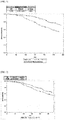
FIG. 1 illustrates results obtained by identifying an average survival probability (~ 300 months) for the entire bisphosphonate experimental group according to an embodiment of the present invention. -
FIG. 2 illustrates results obtained by identifying a long-term survival probability for an alendronate-administered group according to an embodiment of the present invention. -
FIG. 3 illustrates results obtained by identifying a long-term survival probability for an etidronate-administered group according to an embodiment of the present invention. -
FIG. 4 illustrates results obtained by identifying a long-term survival probability for a pamidronate-administered group according to an embodiment of the present invention. -
FIG. 5 illustrates results obtained by identifying a long-term survival probability for a risedronate-administered group according to an embodiment of the present invention. -
FIG. 6 illustrates results obtained by identifying an average survival probability for etidronate-, ibandronate-, and pamidronate-administered groups according to an embodiment of the present invention. - The present invention relates to a composition for preventing or treating chronic allograft dysfunction, comprising bisphosphonate which is used as a therapeutic agent for osteoporosis. The composition for preventing or treating chronic allograft dysfunction, comprising bisphosphonate, according to the present invention has an excellent prophylactic and/or therapeutic effect on chronic allograft dysfunction caused by a gradual decrease in the function of a transplanted tissue or organ which occurs after tissue or organ transplantation surgery, and thus is expected to be able to remarkably increase a long-term survival after transplantation surgery.
- Hereinafter, the present invention will be described in more detail by way of examples. These examples are only for describing the present invention in more detail, and it will be apparent to those skilled in the art that according to the gist of the present invention, the scope of the present invention is not limited by these examples.
- In order to identify a role of bisphosphonate in chronic allograft dysfunction, among 4,000 patients who had undergone kidney transplantation (KT) at the Yonsei University Health System from April 1979 to June 2016, studies were conducted on 3,939 patients, except for those for whom bisphosphonate was used before transplantation and data was lost. Among the patients to be studied, 3,022 patients (control group) were not subjected to bisphosphonate, and the remaining 917 patients were subjected to bisphosphonate one year after the surgery. A renal function test (glomerular filtration rate; GFR) was performed on the patients at the time of being subjected to bisphosphonate, and 866 patients with a test result of 30 mL/min/1.73 m2 or higher were designated as an experimental group. Graft survivals of the control and experimental groups were analyzed using propensity score matching (PSM). All statistical analyses of the examples were performed using IBM PSS statistics ver. 21 (IBM Korea Corporation, Seoul, Korea) and MedCalc Ver. 11.6 (MedCalc Software). "p < 0.05" was determined as significant. As bisphosphonates, risedronate (risedronic acid), ibandronate (ibandronic acid), etidronate (etidronic acid), alendronate (alendronic acid), and pamidronate (pamidronic acid) were used. Risedronate was used for 559, ibandronate for 16, etidronate for 13, alendronate for 245, and pamidronate for 33. Dosage and frequency of administration were used according to respective conventional administration methods. The results are illustrated in
FIGS. 1 to 6 . - As illustrated in
FIG. 1 , it was identified that until 100 months, no large difference in survival probability is observed between the experimental group to which bisphosphonate has been administered and the control group to which no bisphosphonate is administered; and after that, a difference in survival probability gradually increases therebetween. From this, it was found that administration of bisphosphonate has little effect on a short-term survival probability, but results in a remarkable increase in survival probability over the long term. - In addition, as illustrated in
FIGS. 2 to 6 , even in the results obtained by identifying long-term survival probabilities with administration of the respective bisphosphonates, it was identified that no difference is observed in the short-term survival probability, but a remarkable difference is observed in the long-term survival probability. - From the above results, it was found that in a case where bisphosphonate, which has been previously used as a therapeutic agent for osteoporosis, is administered to patients who have undergone kidney transplantation, the incidence of chronic allograft dysfunction is remarkably decreased, and thus a long-term survival of kidney transplant patients can be remarkably increased, which makes it possible to identify that bisphosphonate can be used for the prevention or treatment of chronic allograft dysfunction.
- Although the present invention has been described in detail with respect to specific parts, it will be apparent to those skilled in the art that such particular description is only for preferred embodiments and does not limit the scope of the present invention. Therefore, the substantial scope of the present invention will be defined by the appended claims and equivalents thereof.
- The present invention relates to a composition for preventing or treating chronic allograft dysfunction, comprising bisphosphonate which is used as a therapeutic agent for osteoporosis.
Claims (22)
- A pharmaceutical composition for preventing or treating chronic allograft dysfunction, comprising as an active ingredient:
bisphosphonate. - The pharmaceutical composition according to claim 1,
wherein the bisphosphonate is used for the treatment of osteoporosis. - The pharmaceutical composition according to claim 2,
wherein the bisphosphonate is any one or more selected from the group consisting of risedronate (risedronic acid), ibandronate (ibandronic acid), etidronate (etidronic acid), alendronate (alendronic acid), pamidronate (pamidronic acid), clodronate (clodronic acid), tiludronate (tiludronic acid), incadronate (incadronic acid), minodronate (minodronic acid), olpadronate (olpadronic acid), and neridronate (neridronic acid). - The pharmaceutical composition according to claim 1,
wherein the allograft dysfunction is caused by transplantation of any tissue or organ selected from the group consisting of kidney, bone marrow, heart, cornea, intestine, liver, lung, pancreas, and skin. - The pharmaceutical composition according to claim 1,
wherein the pharmaceutical composition increases a long-term survival after transplantation surgery. - The pharmaceutical composition according to claim 1,
wherein the pharmaceutical composition is in the form of suspensions, powders, granules, tablets, sustained release preparations, injections, ointments, or eye drops. - A food composition for preventing or ameliorating chronic allograft dysfunction, comprising as an active ingredient:
bisphosphonate. - The food composition according to claim 7,
wherein the bisphosphonate is used for the treatment of osteoporosis. - The food composition according to claim 8,
wherein the bisphosphonates is any one or more selected from the group consisting of risedronate (risedronic acid), ibandronate (ibandronic acid), etidronate (etidronic acid), alendronate (alendronic acid), pamidronate (pamidronic acid), clodronate (clodronic acid), tiludronate (tiludronic acid), incadronate (incadronic acid), minodronate (minodronic acid), olpadronate (olpadronic acid), and neridronate (neridronic acid). - The food composition according to claim 7,
wherein the allograft dysfunction is caused by transplantation of any tissue or organ selected from the group consisting of kidney, bone marrow, heart, cornea, intestine, liver, lung, pancreas, and skin. - The food composition according to claim 7,
wherein the food composition increases a long-term survival after transplantation surgery. - The food composition according to claim 7,
wherein the food composition is in the form of capsules, tablets, granules, powders, or beverages. - A method for preventing or treating chronic allograft dysfunction, comprising:
a step of administering, to a subject in need of treatment, the pharmaceutical composition according to any one of claims 1 to 6 so as to prevent or treat chronic allograft dysfunction. - The method according to claim 13,
wherein the pharmaceutical composition is administered to the subject in an amount of 0.0001 to 50 mg/kg or 0.001 to 50 mg/kg per day. - A use of the pharmaceutical composition according to any one of claims 1 to 6, for the prevention or treatment of chronic allograft dysfunction.
- The use according to claim 15,
wherein the pharmaceutical composition is administered to a subject in need of treatment in an amount of 0.0001 to 50 mg/kg or 0.001 to 50 mg/kg per day. - A food composition for preventing or ameliorating chronic allograft dysfunction, comprising:
a step of causing a subject in need of amelioration to ingest the food composition according to any one of claims 7 to 12 so as to prevent or ameliorate chronic allograft dysfunction. - The food composition according to claim 17,
wherein the food composition contains bisphosphonate in an amount of 0.01 to 15% by weight of the total food weight. - The food composition according to claim 17,
wherein the food composition contains bisphosphonate in an amount corresponding to a proportion of 0.02 to 10 g, and preferably 0.3 to 1 g based on 100 mL. - A use of the food composition according to any one of claims 7 to 12, for the prevention or amelioration of chronic allograft dysfunction.
- The use according to claim 20,
wherein the food composition contains bisphosphonate in an amount of 0.01 to 15% by weight of the total food weight. - The use according to claim 20,
wherein the food composition contains bisphosphonate in an amount corresponding to a proportion of 0.02 to 10 g, and preferably 0.3 to 1 g based on 100 mL.
Applications Claiming Priority (2)
| Application Number | Priority Date | Filing Date | Title |
|---|---|---|---|
| KR1020170048564A KR20180115979A (en) | 2017-04-14 | 2017-04-14 | Composition for treating and preventing of chronic allograft dysfuction comprising bisphosphonate |
| PCT/KR2018/004360 WO2018190685A1 (en) | 2017-04-14 | 2018-04-13 | Composition for preventing or treating chronic renal transplant dysfunction comprising bisphosphonate |
Publications (3)
| Publication Number | Publication Date |
|---|---|
| EP3610878A1 true EP3610878A1 (en) | 2020-02-19 |
| EP3610878A4 EP3610878A4 (en) | 2021-01-06 |
| EP3610878B1 EP3610878B1 (en) | 2024-10-23 |
Family
ID=63792711
Family Applications (1)
| Application Number | Title | Priority Date | Filing Date |
|---|---|---|---|
| EP18784636.5A Active EP3610878B1 (en) | 2017-04-14 | 2018-04-13 | Composition for preventing or treating chronic renal transplant dysfunction comprising bisphosphonate |
Country Status (6)
| Country | Link |
|---|---|
| US (1) | US11554129B2 (en) |
| EP (1) | EP3610878B1 (en) |
| JP (1) | JP7164887B2 (en) |
| KR (1) | KR20180115979A (en) |
| CN (1) | CN110520132B (en) |
| WO (1) | WO2018190685A1 (en) |
Family Cites Families (5)
| Publication number | Priority date | Publication date | Assignee | Title |
|---|---|---|---|---|
| AR018611A1 (en) * | 1999-05-12 | 2001-11-28 | Gador Sa | A PROCEDURE APPLICABLE TO MEDICAL PREPARATIONS OF BISPHOSPHONATES AND ITS FORMULATIONS, FOR THE TREATMENT OF IMPERFECT OSTEOGENESIS |
| DK1296689T3 (en) * | 2000-06-20 | 2005-11-28 | Novartis Ag | Process for administration of bisphosphonates |
| US7288535B2 (en) * | 2002-05-02 | 2007-10-30 | Osteoscreen, Inc. | Methods and compositions for stimulating bone growth using nitric oxide releasing bisphosphonate conjugates |
| CA2509328A1 (en) * | 2002-12-10 | 2004-06-24 | University Of Miami | Radioablation of hemolymphopoietic cell populations |
| WO2017210611A1 (en) * | 2016-06-03 | 2017-12-07 | Biovinc, Llc. | Bisphosphonate quinolone conjugates and uses thereof |
-
2017
- 2017-04-14 KR KR1020170048564A patent/KR20180115979A/en not_active Ceased
-
2018
- 2018-04-13 US US16/604,766 patent/US11554129B2/en active Active
- 2018-04-13 CN CN201880025108.2A patent/CN110520132B/en active Active
- 2018-04-13 JP JP2019555020A patent/JP7164887B2/en active Active
- 2018-04-13 EP EP18784636.5A patent/EP3610878B1/en active Active
- 2018-04-13 WO PCT/KR2018/004360 patent/WO2018190685A1/en not_active Ceased
Also Published As
| Publication number | Publication date |
|---|---|
| KR20180115979A (en) | 2018-10-24 |
| JP2020516618A (en) | 2020-06-11 |
| CN110520132A (en) | 2019-11-29 |
| US20200101092A1 (en) | 2020-04-02 |
| US11554129B2 (en) | 2023-01-17 |
| WO2018190685A1 (en) | 2018-10-18 |
| EP3610878B1 (en) | 2024-10-23 |
| CN110520132B (en) | 2023-04-28 |
| JP7164887B2 (en) | 2022-11-02 |
| EP3610878A4 (en) | 2021-01-06 |
Similar Documents
| Publication | Publication Date | Title |
|---|---|---|
| EP2324835B1 (en) | Composition of dialysis liquid comprising crystallisation inhibitor substances | |
| PT1339411E (en) | Use of zoledronic acid for pain treatment | |
| EP2478909B1 (en) | Pharmaceutical compositions comprising bisphosphonate derivatives and high-dose cholecalciferol | |
| US6676970B2 (en) | Subcutaneous osteoporosis compositions | |
| CZ389897A3 (en) | Use of biphosphonates for preparing a pharmaceutical preparation | |
| EP3318261A1 (en) | Use of zoledronic acid to prepare drug treating fatty liver disease | |
| EP1539195B1 (en) | Glucooligosaccharide prebiotics for the prevention of diabetes | |
| US20160106766A1 (en) | Solid composition for oral administration containing ibandronic acid or a pharmaceutically acceptable salt thereof and vitamin d | |
| AU2001261283B2 (en) | Use of Zolendronate for the manufacture of a medicament for the treatment of bone metabolism diseases | |
| US11554129B2 (en) | Composition for treating chronic renal transplant dysfunction comprising bisphosphonate | |
| AU2001261283A1 (en) | Use of zolendronate for the manufacture of a medicament for the treatment of bone metabolism diseases | |
| KR102049233B1 (en) | Composition for treating and preventing of chronic allograft dysfuction comprising bisphosphonate | |
| KR20190131465A (en) | Composition for treating and preventing of chronic allograft dysfuction comprising bisphosphonate | |
| US6709674B2 (en) | Injectable pamidronate disodium | |
| US8324189B2 (en) | Use of zolendronate for the manufacture of a medicament for the treatment of bone metabolism diseases | |
| US20070066567A1 (en) | Use of phospholipid arachidonic acids for increasing muscle mass in humans | |
| WO2010084111A2 (en) | Pharmaceutical composition of ibandronate sodium salt or a hydrate thereof | |
| CN108159005B (en) | Composition for injection | |
| US20090170815A1 (en) | Alendronate oral liquid formulations | |
| JP2020516618A5 (en) |
Legal Events
| Date | Code | Title | Description |
|---|---|---|---|
| STAA | Information on the status of an ep patent application or granted ep patent |
Free format text: STATUS: THE INTERNATIONAL PUBLICATION HAS BEEN MADE |
|
| PUAI | Public reference made under article 153(3) epc to a published international application that has entered the european phase |
Free format text: ORIGINAL CODE: 0009012 |
|
| STAA | Information on the status of an ep patent application or granted ep patent |
Free format text: STATUS: REQUEST FOR EXAMINATION WAS MADE |
|
| 17P | Request for examination filed |
Effective date: 20191017 |
|
| AK | Designated contracting states |
Kind code of ref document: A1 Designated state(s): AL AT BE BG CH CY CZ DE DK EE ES FI FR GB GR HR HU IE IS IT LI LT LU LV MC MK MT NL NO PL PT RO RS SE SI SK SM TR |
|
| AX | Request for extension of the european patent |
Extension state: BA ME |
|
| DAV | Request for validation of the european patent (deleted) | ||
| DAX | Request for extension of the european patent (deleted) | ||
| A4 | Supplementary search report drawn up and despatched |
Effective date: 20201203 |
|
| RIC1 | Information provided on ipc code assigned before grant |
Ipc: A61P 43/00 20060101ALI20201127BHEP Ipc: A61P 13/12 20060101ALI20201127BHEP Ipc: A61K 31/663 20060101AFI20201127BHEP Ipc: A23L 33/10 20160101ALI20201127BHEP |
|
| STAA | Information on the status of an ep patent application or granted ep patent |
Free format text: STATUS: EXAMINATION IS IN PROGRESS |
|
| 17Q | First examination report despatched |
Effective date: 20230731 |
|
| GRAP | Despatch of communication of intention to grant a patent |
Free format text: ORIGINAL CODE: EPIDOSNIGR1 |
|
| STAA | Information on the status of an ep patent application or granted ep patent |
Free format text: STATUS: GRANT OF PATENT IS INTENDED |
|
| INTG | Intention to grant announced |
Effective date: 20240524 |
|
| GRAS | Grant fee paid |
Free format text: ORIGINAL CODE: EPIDOSNIGR3 |
|
| GRAA | (expected) grant |
Free format text: ORIGINAL CODE: 0009210 |
|
| STAA | Information on the status of an ep patent application or granted ep patent |
Free format text: STATUS: THE PATENT HAS BEEN GRANTED |
|
| P01 | Opt-out of the competence of the unified patent court (upc) registered |
Free format text: CASE NUMBER: APP_49734/2024 Effective date: 20240902 |
|
| AK | Designated contracting states |
Kind code of ref document: B1 Designated state(s): AL AT BE BG CH CY CZ DE DK EE ES FI FR GB GR HR HU IE IS IT LI LT LU LV MC MK MT NL NO PL PT RO RS SE SI SK SM TR |
|
| REG | Reference to a national code |
Ref country code: GB Ref legal event code: FG4D |
|
| REG | Reference to a national code |
Ref country code: CH Ref legal event code: EP |
|
| REG | Reference to a national code |
Ref country code: DE Ref legal event code: R096 Ref document number: 602018075763 Country of ref document: DE |
|
| REG | Reference to a national code |
Ref country code: IE Ref legal event code: FG4D |
|
| REG | Reference to a national code |
Ref country code: LT Ref legal event code: MG9D |
|
| REG | Reference to a national code |
Ref country code: NL Ref legal event code: MP Effective date: 20241023 |
|
| REG | Reference to a national code |
Ref country code: AT Ref legal event code: MK05 Ref document number: 1734280 Country of ref document: AT Kind code of ref document: T Effective date: 20241023 |
|
| PG25 | Lapsed in a contracting state [announced via postgrant information from national office to epo] |
Ref country code: NL Free format text: LAPSE BECAUSE OF FAILURE TO SUBMIT A TRANSLATION OF THE DESCRIPTION OR TO PAY THE FEE WITHIN THE PRESCRIBED TIME-LIMIT Effective date: 20241023 |
|
| PG25 | Lapsed in a contracting state [announced via postgrant information from national office to epo] |
Ref country code: NL Free format text: LAPSE BECAUSE OF FAILURE TO SUBMIT A TRANSLATION OF THE DESCRIPTION OR TO PAY THE FEE WITHIN THE PRESCRIBED TIME-LIMIT Effective date: 20241023 |
|
| PG25 | Lapsed in a contracting state [announced via postgrant information from national office to epo] |
Ref country code: HR Free format text: LAPSE BECAUSE OF FAILURE TO SUBMIT A TRANSLATION OF THE DESCRIPTION OR TO PAY THE FEE WITHIN THE PRESCRIBED TIME-LIMIT Effective date: 20241023 Ref country code: IS Free format text: LAPSE BECAUSE OF FAILURE TO SUBMIT A TRANSLATION OF THE DESCRIPTION OR TO PAY THE FEE WITHIN THE PRESCRIBED TIME-LIMIT Effective date: 20250223 Ref country code: PT Free format text: LAPSE BECAUSE OF FAILURE TO SUBMIT A TRANSLATION OF THE DESCRIPTION OR TO PAY THE FEE WITHIN THE PRESCRIBED TIME-LIMIT Effective date: 20250224 |
|
| PG25 | Lapsed in a contracting state [announced via postgrant information from national office to epo] |
Ref country code: FI Free format text: LAPSE BECAUSE OF FAILURE TO SUBMIT A TRANSLATION OF THE DESCRIPTION OR TO PAY THE FEE WITHIN THE PRESCRIBED TIME-LIMIT Effective date: 20241023 |
|
| PG25 | Lapsed in a contracting state [announced via postgrant information from national office to epo] |
Ref country code: BG Free format text: LAPSE BECAUSE OF FAILURE TO SUBMIT A TRANSLATION OF THE DESCRIPTION OR TO PAY THE FEE WITHIN THE PRESCRIBED TIME-LIMIT Effective date: 20241023 |
|
| PG25 | Lapsed in a contracting state [announced via postgrant information from national office to epo] |
Ref country code: ES Free format text: LAPSE BECAUSE OF FAILURE TO SUBMIT A TRANSLATION OF THE DESCRIPTION OR TO PAY THE FEE WITHIN THE PRESCRIBED TIME-LIMIT Effective date: 20241023 |
|
| PG25 | Lapsed in a contracting state [announced via postgrant information from national office to epo] |
Ref country code: NO Free format text: LAPSE BECAUSE OF FAILURE TO SUBMIT A TRANSLATION OF THE DESCRIPTION OR TO PAY THE FEE WITHIN THE PRESCRIBED TIME-LIMIT Effective date: 20250123 |
|
| PG25 | Lapsed in a contracting state [announced via postgrant information from national office to epo] |
Ref country code: AT Free format text: LAPSE BECAUSE OF FAILURE TO SUBMIT A TRANSLATION OF THE DESCRIPTION OR TO PAY THE FEE WITHIN THE PRESCRIBED TIME-LIMIT Effective date: 20241023 Ref country code: LV Free format text: LAPSE BECAUSE OF FAILURE TO SUBMIT A TRANSLATION OF THE DESCRIPTION OR TO PAY THE FEE WITHIN THE PRESCRIBED TIME-LIMIT Effective date: 20241023 Ref country code: GR Free format text: LAPSE BECAUSE OF FAILURE TO SUBMIT A TRANSLATION OF THE DESCRIPTION OR TO PAY THE FEE WITHIN THE PRESCRIBED TIME-LIMIT Effective date: 20250124 |
|
| PG25 | Lapsed in a contracting state [announced via postgrant information from national office to epo] |
Ref country code: PL Free format text: LAPSE BECAUSE OF FAILURE TO SUBMIT A TRANSLATION OF THE DESCRIPTION OR TO PAY THE FEE WITHIN THE PRESCRIBED TIME-LIMIT Effective date: 20241023 |
|
| PG25 | Lapsed in a contracting state [announced via postgrant information from national office to epo] |
Ref country code: RS Free format text: LAPSE BECAUSE OF FAILURE TO SUBMIT A TRANSLATION OF THE DESCRIPTION OR TO PAY THE FEE WITHIN THE PRESCRIBED TIME-LIMIT Effective date: 20250123 |
|
| PG25 | Lapsed in a contracting state [announced via postgrant information from national office to epo] |
Ref country code: SM Free format text: LAPSE BECAUSE OF FAILURE TO SUBMIT A TRANSLATION OF THE DESCRIPTION OR TO PAY THE FEE WITHIN THE PRESCRIBED TIME-LIMIT Effective date: 20241023 |
|
| PG25 | Lapsed in a contracting state [announced via postgrant information from national office to epo] |
Ref country code: DK Free format text: LAPSE BECAUSE OF FAILURE TO SUBMIT A TRANSLATION OF THE DESCRIPTION OR TO PAY THE FEE WITHIN THE PRESCRIBED TIME-LIMIT Effective date: 20241023 |
|
| PG25 | Lapsed in a contracting state [announced via postgrant information from national office to epo] |
Ref country code: EE Free format text: LAPSE BECAUSE OF FAILURE TO SUBMIT A TRANSLATION OF THE DESCRIPTION OR TO PAY THE FEE WITHIN THE PRESCRIBED TIME-LIMIT Effective date: 20241023 |
|
| PG25 | Lapsed in a contracting state [announced via postgrant information from national office to epo] |
Ref country code: RO Free format text: LAPSE BECAUSE OF FAILURE TO SUBMIT A TRANSLATION OF THE DESCRIPTION OR TO PAY THE FEE WITHIN THE PRESCRIBED TIME-LIMIT Effective date: 20241023 |
|
| REG | Reference to a national code |
Ref country code: DE Ref legal event code: R097 Ref document number: 602018075763 Country of ref document: DE |
|
| PG25 | Lapsed in a contracting state [announced via postgrant information from national office to epo] |
Ref country code: SK Free format text: LAPSE BECAUSE OF FAILURE TO SUBMIT A TRANSLATION OF THE DESCRIPTION OR TO PAY THE FEE WITHIN THE PRESCRIBED TIME-LIMIT Effective date: 20241023 |
|
| PG25 | Lapsed in a contracting state [announced via postgrant information from national office to epo] |
Ref country code: CZ Free format text: LAPSE BECAUSE OF FAILURE TO SUBMIT A TRANSLATION OF THE DESCRIPTION OR TO PAY THE FEE WITHIN THE PRESCRIBED TIME-LIMIT Effective date: 20241023 |
|
| PG25 | Lapsed in a contracting state [announced via postgrant information from national office to epo] |
Ref country code: IT Free format text: LAPSE BECAUSE OF FAILURE TO SUBMIT A TRANSLATION OF THE DESCRIPTION OR TO PAY THE FEE WITHIN THE PRESCRIBED TIME-LIMIT Effective date: 20241023 |
|
| PLBE | No opposition filed within time limit |
Free format text: ORIGINAL CODE: 0009261 |
|
| STAA | Information on the status of an ep patent application or granted ep patent |
Free format text: STATUS: NO OPPOSITION FILED WITHIN TIME LIMIT |
|
| PG25 | Lapsed in a contracting state [announced via postgrant information from national office to epo] |
Ref country code: SE Free format text: LAPSE BECAUSE OF FAILURE TO SUBMIT A TRANSLATION OF THE DESCRIPTION OR TO PAY THE FEE WITHIN THE PRESCRIBED TIME-LIMIT Effective date: 20241023 |
|
| 26N | No opposition filed |
Effective date: 20250724 |
|
| REG | Reference to a national code |
Ref country code: CH Ref legal event code: H13 Free format text: ST27 STATUS EVENT CODE: U-0-0-H10-H13 (AS PROVIDED BY THE NATIONAL OFFICE) Effective date: 20251125 |
|
| PG25 | Lapsed in a contracting state [announced via postgrant information from national office to epo] |
Ref country code: LU Free format text: LAPSE BECAUSE OF NON-PAYMENT OF DUE FEES Effective date: 20250413 |
|
| PG25 | Lapsed in a contracting state [announced via postgrant information from national office to epo] |
Ref country code: MC Free format text: LAPSE BECAUSE OF FAILURE TO SUBMIT A TRANSLATION OF THE DESCRIPTION OR TO PAY THE FEE WITHIN THE PRESCRIBED TIME-LIMIT Effective date: 20241023 |
|
| REG | Reference to a national code |
Ref country code: BE Ref legal event code: MM Effective date: 20250430 |
|
| PG25 | Lapsed in a contracting state [announced via postgrant information from national office to epo] |
Ref country code: BE Free format text: LAPSE BECAUSE OF NON-PAYMENT OF DUE FEES Effective date: 20250430 |
|
| PG25 | Lapsed in a contracting state [announced via postgrant information from national office to epo] |
Ref country code: CH Free format text: LAPSE BECAUSE OF NON-PAYMENT OF DUE FEES Effective date: 20250430 |
|
| PG25 | Lapsed in a contracting state [announced via postgrant information from national office to epo] |
Ref country code: IE Free format text: LAPSE BECAUSE OF NON-PAYMENT OF DUE FEES Effective date: 20250413 |
|
| PG25 | Lapsed in a contracting state [announced via postgrant information from national office to epo] |
Ref country code: CY Free format text: LAPSE BECAUSE OF FAILURE TO SUBMIT A TRANSLATION OF THE DESCRIPTION OR TO PAY THE FEE WITHIN THE PRESCRIBED TIME-LIMIT Effective date: 20241023 |
|
| PG25 | Lapsed in a contracting state [announced via postgrant information from national office to epo] |
Ref country code: LT Free format text: LAPSE BECAUSE OF FAILURE TO SUBMIT A TRANSLATION OF THE DESCRIPTION OR TO PAY THE FEE WITHIN THE PRESCRIBED TIME-LIMIT Effective date: 20241023 |
|
| PGFP | Annual fee paid to national office [announced via postgrant information from national office to epo] |
Ref country code: GB Payment date: 20260624 Year of fee payment: 9 |
|
| PGFP | Annual fee paid to national office [announced via postgrant information from national office to epo] |
Ref country code: DE Payment date: 20260622 Year of fee payment: 9 |
|
| PGFP | Annual fee paid to national office [announced via postgrant information from national office to epo] |
Ref country code: FR Payment date: 20260625 Year of fee payment: 9 |