EP3608165A1 - Safety seat for children and preparation process therefor - Google Patents
Safety seat for children and preparation process therefor Download PDFInfo
- Publication number
- EP3608165A1 EP3608165A1 EP18860430.0A EP18860430A EP3608165A1 EP 3608165 A1 EP3608165 A1 EP 3608165A1 EP 18860430 A EP18860430 A EP 18860430A EP 3608165 A1 EP3608165 A1 EP 3608165A1
- Authority
- EP
- European Patent Office
- Prior art keywords
- seat
- headrest
- leather
- fabric
- frame
- Prior art date
- Legal status (The legal status is an assumption and is not a legal conclusion. Google has not performed a legal analysis and makes no representation as to the accuracy of the status listed.)
- Granted
Links
Images



Classifications
-
- B—PERFORMING OPERATIONS; TRANSPORTING
- B60—VEHICLES IN GENERAL
- B60N—SEATS SPECIALLY ADAPTED FOR VEHICLES; VEHICLE PASSENGER ACCOMMODATION NOT OTHERWISE PROVIDED FOR
- B60N2/00—Seats specially adapted for vehicles; Arrangement or mounting of seats in vehicles
- B60N2/70—Upholstery springs ; Upholstery
- B60N2/7017—Upholstery springs ; Upholstery characterised by the manufacturing process; manufacturing upholstery or upholstery springs not otherwise provided for
-
- B—PERFORMING OPERATIONS; TRANSPORTING
- B60—VEHICLES IN GENERAL
- B60N—SEATS SPECIALLY ADAPTED FOR VEHICLES; VEHICLE PASSENGER ACCOMMODATION NOT OTHERWISE PROVIDED FOR
- B60N2/00—Seats specially adapted for vehicles; Arrangement or mounting of seats in vehicles
- B60N2/24—Seats specially adapted for vehicles; Arrangement or mounting of seats in vehicles for particular purposes or particular vehicles
- B60N2/26—Seats specially adapted for vehicles; Arrangement or mounting of seats in vehicles for particular purposes or particular vehicles for children
-
- B—PERFORMING OPERATIONS; TRANSPORTING
- B60—VEHICLES IN GENERAL
- B60N—SEATS SPECIALLY ADAPTED FOR VEHICLES; VEHICLE PASSENGER ACCOMMODATION NOT OTHERWISE PROVIDED FOR
- B60N2/00—Seats specially adapted for vehicles; Arrangement or mounting of seats in vehicles
- B60N2/24—Seats specially adapted for vehicles; Arrangement or mounting of seats in vehicles for particular purposes or particular vehicles
- B60N2/26—Seats specially adapted for vehicles; Arrangement or mounting of seats in vehicles for particular purposes or particular vehicles for children
- B60N2/28—Seats readily mountable on, and dismountable from, existing seats or other parts of the vehicle
- B60N2/2851—Seats readily mountable on, and dismountable from, existing seats or other parts of the vehicle provided with head-rests
-
- B—PERFORMING OPERATIONS; TRANSPORTING
- B60—VEHICLES IN GENERAL
- B60N—SEATS SPECIALLY ADAPTED FOR VEHICLES; VEHICLE PASSENGER ACCOMMODATION NOT OTHERWISE PROVIDED FOR
- B60N2/00—Seats specially adapted for vehicles; Arrangement or mounting of seats in vehicles
- B60N2/24—Seats specially adapted for vehicles; Arrangement or mounting of seats in vehicles for particular purposes or particular vehicles
- B60N2/26—Seats specially adapted for vehicles; Arrangement or mounting of seats in vehicles for particular purposes or particular vehicles for children
- B60N2/28—Seats readily mountable on, and dismountable from, existing seats or other parts of the vehicle
- B60N2/2881—Upholstery, padded or cushioned members therefor
-
- B—PERFORMING OPERATIONS; TRANSPORTING
- B60—VEHICLES IN GENERAL
- B60N—SEATS SPECIALLY ADAPTED FOR VEHICLES; VEHICLE PASSENGER ACCOMMODATION NOT OTHERWISE PROVIDED FOR
- B60N2/00—Seats specially adapted for vehicles; Arrangement or mounting of seats in vehicles
- B60N2/68—Seat frames
-
- B—PERFORMING OPERATIONS; TRANSPORTING
- B60—VEHICLES IN GENERAL
- B60N—SEATS SPECIALLY ADAPTED FOR VEHICLES; VEHICLE PASSENGER ACCOMMODATION NOT OTHERWISE PROVIDED FOR
- B60N2/00—Seats specially adapted for vehicles; Arrangement or mounting of seats in vehicles
- B60N2/68—Seat frames
- B60N2/682—Joining means
Definitions
- This invention relates to a safety seat, in particularly to a child safety seat and its manufacturing process.
- the existing child safety seats are usually assembled with shock-absorbing material such as EPS (expandable polystyrene) wrapped with cloth cover and plastic parts.
- shock-absorbing materials such as EPS are hard, and the cloth cover for wrapping is thin, the children still under physical development will be annoyed and crying because of uncomfortable sitting, and they will not sit securely on the seat; in this case, it is very dangerous when the car is moving, and the consequence is even worse than that resulting from sitting without wearing a seat belt.
- EPS expandable polystyrene
- the Chinese patent discloses an adjustment mechanism for adjusting the headrest height of child safety seats, and the child safety seat includes a seat body and a headrest.
- the headrest is slidably mounted on the seat body to slide up and down.
- the adjustment mechanism includes an actuator and a locking device, wherein the locking device is releasably locking the headrest at a preselected height, and the actuator is used to release the locking device through its own action, so that the height of the headrest can be adjusted.
- the actuator is located between the headrest and the seat body, and extends out to the headrest.
- the locking device includes the first component mounted on the seat body and the second component mounted on the headrest, wherein the second component releasably engages with the first component.
- This invention mainly solves the deficiencies in the prior art, and provides a child safety seat and its manufacturing process with high compactness, excellent comfort, convenient assembly and high firmness.
- the said split type headrest frame body comprises an upper headrest frame body and a lower headrest frame body, the said upper headrest frame body is provided with an insertion rod, the said lower headrest frame body is provided with a slot, the said insertion rod is inserted downward into the slot, and the contact surface of the bottom of the said upper headrest frame body is in movable contact with the contact surface of the bottom of the lower headrest frame body.
- the said shell positioning ribs comprise curved shell positioning ribs, the outer side of the said curved shell positioning ribs is provided with an outwardly protruding curved shell positioning head, and the said curved shell positioning head mates with the headrest positioning slot in a snap-fit manner.
- the said seat frame comprises a seat frame body distributed in a " ⁇ " shape, the middle of the back side of the said seat frame body is provided with a plurality of continuously distributed seat frame studs, the edge of the said seat frame studs is provided with a plurality of seat frame positioning ribs fixed to the seat frame body, and the upper and lower parts of the middle of the back side of the said seat frame body are respectively provided with seat frame embedded nuts; the side walls of the back side of the said seat frame body are respectively provided with a plurality of curved seat frame positioning ribs, and the outer side of the said curved seat frame positioning ribs is provided with a seat frame positioning slot;
- the said seat shell includes a seat shell body in a " ⁇ " shape, the inner wall of the said seat shell body is provided with seat shell embedded nut mounting holes that match the seat frame embedded nuts, the inner wall of the said seat shell body is provided with seat shell studs that match the seat frame studs, and both sides of the inner wall of the said seat shell body are respectively provided with seat shell positioning ribs that mate with the seat frame positioning slot in a snap-fit manner.
- the above structure solves the positioning problem well, ensures good assembly effect, and realizes convenient assembly.
- a method for manufacturing child safety seats which is carried out as follows:
- the production includes the following steps:
Landscapes
- Engineering & Computer Science (AREA)
- Mechanical Engineering (AREA)
- Aviation & Aerospace Engineering (AREA)
- Transportation (AREA)
- Health & Medical Sciences (AREA)
- Child & Adolescent Psychology (AREA)
- General Health & Medical Sciences (AREA)
- Manufacturing & Machinery (AREA)
- Seats For Vehicles (AREA)
Abstract
Description
- This invention relates to a safety seat, in particularly to a child safety seat and its manufacturing process.
- The existing child safety seats are usually assembled with shock-absorbing material such as EPS (expandable polystyrene) wrapped with cloth cover and plastic parts. As shock-absorbing materials such as EPS are hard, and the cloth cover for wrapping is thin, the children still under physical development will be annoyed and crying because of uncomfortable sitting, and they will not sit securely on the seat; in this case, it is very dangerous when the car is moving, and the consequence is even worse than that resulting from sitting without wearing a seat belt. With the improvement of people's living standards and the development of the transportation system, self-driving travel is more and more common. There are great market prospects and an important application value for the research and development of child safety seats, which are safe and comfortable for children and will not make children fatigue easily after long-time sitting.
- The Chinese patent (Patent No.
201510083301.X - This invention mainly solves the deficiencies in the prior art, and provides a child safety seat and its manufacturing process with high compactness, excellent comfort, convenient assembly and high firmness.
- This invention solves the above technical problems mainly through the following technical solution:
- A child safety seat comprising a headrest frame assembly and a seat frame assembly, and the said seat frame assembly is matedly connected with the headrest frame assembly;
- The said headrest frame assembly includes a headrest frame, the inner wall of the said headrest frame is provided with headrest polyurethane soft foam, the said headrest polyurethane soft foam extends toward the outer wall of both sides of the headrest frame to form an everted rim, and the outer wall of the said headrest frame is provided with a headrest shell;
- The said seat frame assembly includes a seat frame, the inner wall of the said seat frame is provided with seat polyurethane soft foam, the said seat polyurethane soft foam extends toward the outer wall of both sides of the seat frame to form an everted rim, and the outer wall of the said seat frame is provided with a seat shell;
- Both the headrest polyurethane soft foam and the seat polyurethane soft foam are covered with a surface layer.
- Preferably, the said split type headrest frame body comprises an upper headrest frame body and a lower headrest frame body, the said upper headrest frame body is provided with an insertion rod, the said lower headrest frame body is provided with a slot, the said insertion rod is inserted downward into the slot, and the contact surface of the bottom of the said upper headrest frame body is in movable contact with the contact surface of the bottom of the lower headrest frame body.
- Preferably, the said shell positioning ribs comprise curved shell positioning ribs, the outer side of the said curved shell positioning ribs is provided with an outwardly protruding curved shell positioning head, and the said curved shell positioning head mates with the headrest positioning slot in a snap-fit manner.
- Preferably, the said seat frame comprises a seat frame body distributed in a "∼" shape, the middle of the back side of the said seat frame body is provided with a plurality of continuously distributed seat frame studs, the edge of the said seat frame studs is provided with a plurality of seat frame positioning ribs fixed to the seat frame body, and the upper and lower parts of the middle of the back side of the said seat frame body are respectively provided with seat frame embedded nuts; the side walls of the back side of the said seat frame body are respectively provided with a plurality of curved seat frame positioning ribs, and the outer side of the said curved seat frame positioning ribs is provided with a seat frame positioning slot;
- The said seat shell includes a seat shell body in a "∼" shape, the inner wall of the said seat shell body is provided with seat shell embedded nut mounting holes that match the seat frame embedded nuts, the inner wall of the said seat shell body is provided with seat shell studs that match the seat frame studs, and both sides of the inner wall of the said seat shell body are respectively provided with seat shell positioning ribs that mate with the seat frame positioning slot in a snap-fit manner.
- The above structure solves the positioning problem well, ensures good assembly effect, and realizes convenient assembly. The function of the shell embedded nut mounting holes: the screws pass through the plastic shell mounting holes and are fixed to the frame; in essence, it is a hole through which the screw connects the frame with the plastic shell of the headrest in a fixed manner. The same is true for the seat shell embedded nut mounting holes.
- A method for manufacturing child safety seats, which is carried out as follows:
- (I) Mold component:
It includes the upper mold and the lower mold, and a mold cavity is formed by the upper mold and the lower mold. When molding, place the headrest frame or the seat frame in the lower mold and fix it to the lower mold, and then position the lower mold and the upper mold;
The parting line of the mold design is within the product assembly boundary line. When assembling, just cut off the excess fabric to avoid the fixing of the excess fabric;
A mold parting line is provided in the assembly boundary line, and the parallel distance between the mold parting line and the assembly boundary line is 12-15 mm;
The vertical distance from the assembly boundary line to the edge of the frame is 5-6 mm, and the horizontal distance from the assembly boundary line to the edge of the frame is 5-6 mm; the frame described here includes a headrest frame or a seat frame;
The projection area of the mold parting line of the mold structure on the parting surface is smaller than the projection area of the polyurethane foam part on the parting surface, which may cause difficulty in mold release. The headrest frame telescopic structure is adopted, which can solve the problem that the frame cannot be placed in the lower mold; - (II) Selection of headrest frame or seat frame material:
The headrest frame or the seat frame material is one or a mixture of metal materials, non-metal materials or natural materials; - (III) Composition of headrest polyurethane soft foam and seat polyurethane soft foam (by mass part):
Polyol composition CW 5585/103 C-A : 10 parts, isocyanate composition CW 5585/102 C-B: 5-7 parts; - (IV) Surface layer selection:
- The surface layer material is fabric or leather or a combination thereof, and the covering material has no stitches, and its surface is smooth with touch and physiological comfort;
- Through treatment with the "three-proofing" technology, the surface material has excellent oil repellency, superior water repellency, remarkable dry stain resistance, and excellent washing fastness, making the use and maintenance of the safety seat more convenient and easy;
- To achieve the air tightness requirements, the TPU film is usually laminated on the back side of the fabric;
- The TPU film is featured by air tightness, softness, high resilience, high tensile strength and firm adhesion, and the thickness is selected from 0.05 to 0.08 mm; hot melt adhesive is sprayed on the back side of the fabric, then the back side is coated with the TPU film, and they are bonded through a high temperature of 150 degrees Celsius and rolling to form the composite of fabric and film, so that the composite has air tightness;
- ① Selection and treatment of fabric when the surface material is fabric:
- When foaming, the fabric needs to be vacuum-stretched on the mold, so the fabric needs to be airtight and has good ductility;
- The fabric used is usually a double-layer fabric made of two high-strength and high-elastic materials (that is, 95% 70D polyester and 5% 40D spandex) knitted with a 36-needle double-sided circular knitting machine;
- After manufacturing and setting, the fabric has the warp and weft ductility, good hand feeling, high strength, good elasticity, pilling resistance, wrinkle resistance, etc. It not only meets the production requirements of ductility and stretching, but also improves the comfort of the safety seat;
- The weight of the fabric is generally 370g/m2;
- The "three-proofing" fabric has outstanding oil repellency, which prevents oily stains from penetrating into and entering the interior of the fabric, maintains long-lasting cleanliness of the surface covering layer that is exposed outside and often in contact with children, and reduces washing times; with superior water repellency, the surface covering layer of the seat has excellent water-repellent effect and prevents water-soluble dirt staining, making the seat not easily soiled by milk, children's perspiration or saliva; with significant dry stain resistance, surface dust and dry stains are easy to shake off and brush off; with excellent washability and dry-cleaning resistance, the fabric can maintain high protection performance after being washed, ironed and dried many times;
- After dyeing the fabric, remove all processing aids, such as wetting agents, dyes, slurry residues, softeners and other surfactants, and then carry out the impregnation process; add 20-60g/l CP-SLA and 0.5g/l W-DN additives into the groove, then impregnate the fabric in the groove of the setting machine at the temperature of 20 degrees Celsius, dry the fabric fast at the drying temperature of 110-170 degrees Celsius, and carry out a series of related processes such as napping, sanding, mechanical finishing, baking and steaming, so that the fabric has superior water repellency, significant dry staining resistance, good oil repellency and other advantages;
- ② Selection and treatment of leather when the surface material is leather:
- The surface material can be leather, including real leather and artificial leather;
- The leather surface material is fine, exquisite, elegant, warm, full in appearance, windproof and breathable. It has a certain degree of water resistance and its another advantage is good wear resistance. When leather is used as the surface covering layer, the seat is not only aesthetic and decent with excellent hand feeling and comfort, but also easier to maintain and clean;
- Due to its lack of ductility, the leather is not suitable for direct foam molding. The process of compounding high-elastic knitted fabric with the back side of leather can retain the appearance advantages and characteristics of the leather; meanwhile, the added high elasticity satisfies production requirements;
- Due to the scarcity and limited designs and colors of real leather, we can also use composite artificial leather instead of leather; composite artificial leather includes TPU, PU and PVC; according to design needs, two or more layers of PU, PU or PVC are compounded with hot melt glue, or the artificial leather is used as the surface layer, the fiber fabric is used as the bottom layer, and the two layers are glued together; to use artificial leather instead of real leather as the surface covering layer can not only replace high-quality natural leather products in a large amount and save plenty of natural leather resources, costs and energy consumption, but also give full play to the advantages of artificial leather, such as bright color, diversified patterns and styles, beautiful appearance, high tensile strength, high compressive strength, wear resistance, small deformation, good flexibility, and protection against moisture, dust and mildew, thus greatly facilitating the maintenance, cleaning and use of safety seats, and increasing the life cycle of the product;
- ① Selection and treatment of fabric when the surface material is fabric:
- The production includes the following steps:
- I. Take a single layer of soft leather, which is finished to form the surface layer of the composite leather;
- II. Take another layer of leather or fiber fabric matching the size of the surface leather layer, apply a layer of hot melt adhesive to the back side of the surface leather layer, and feed the adhesive side of the leather and the carbon fiber fabric into the press roller for press forming to form composite leather; the number of layers to be composited can be selected according to requirements;
- III. Finishing;
According to the product design requirements, the leather thickness is 0.4 mm~2 mm, and the tensile load of the leather in each direction is greater than 180N; the tearing load in each direction is greater than 9N; the density requirement is greater than 900g/m2; the elongation at break of the leather is greater than 350%; - (V) Assembly:
According to the structural requirements of the child safety seat, the composite material composed of the surface layer material, the soft polyurethane foam and the frame is considered as a part assembly, which is installed on the frame parts of the child safety seat or directly attached to the shell to form a child safety seat. -
-
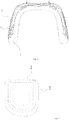
Figure 1 is a schematic view of this invention; -
Figure 2 is a schematic view of the mold parting line in this invention; -
Figure 3 is a schematic view of the headrest frame in this invention; -
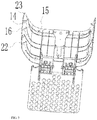
Figure 4 is a schematic view of the headrest shell in this invention; -
Figure 5 is a schematic view of the headrest frame assembly in this invention; -
Figure 6 is a schematic view of the disengagement structure of the split type headrest frame in this invention; -
Figure 7 is a schematic view of the engagement structure of the split type headrest frame in this invention; -
Figure 8 is a schematic view of the seat frame in this invention; -
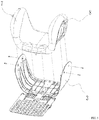
Figure 9 is a schematic view of the seat shell in this invention; -
Figure 10 is a schematic view of the seat frame assembly in this invention. - The technical solution of this invention will be further specifically described below by way of embodiments and with reference to the accompanying drawings.
- Embodiment 1: As shown in
Figures 1, 2 ,3 ,4 ,5 ,6, 7 ,8, 9 and10 , a child safety seat comprising a headrest frame assembly and a seat frame assembly, and the said seat frame assembly is matedly connected with the headrest frame assembly;- The said headrest frame assembly includes a headrest frame 1, the inner wall of the said headrest frame 1 is provided with headrest polyurethane
soft foam 2, the said headrest polyurethanesoft foam 2 extends toward the outer wall of both sides of the headrest frame 1 to form an everted rim, and the outer wall of the said headrest frame 1 is provided with aheadrest shell 3; - The said seat frame assembly includes a
seat frame 4, the inner wall of the saidseat frame 4 is provided with seat polyurethane soft foam, the said seat polyurethane soft foam extends toward the outer wall of both sides of theseat frame 4 to form an everted rim, and the outer wall of the saidseat frame 4 is provided with a seat shell 6; - Both the headrest polyurethane
soft foam 2 and the seat polyurethane soft foam are covered with asurface layer 7.
studs 9, the left and right sides of the outer wall of the said headrest frame body 8 are respectively provided with a plurality of headrest curved positioningribs 10, the outer side of the said headrest curved positioningribs 10 is provided with aheadrest positioning slot 11, the upper side of the middle part of the outer wall of the headrest frame body 8 is provided with amold positioning rod 12 protruding outwardly and obliquely, and the left and right sides of the said headrest frame body 8 are respectively provided with snap-inpositioning pieces 13;
The saidheadrest shell 3 includes aheadrest shell body 14 distributed in a "U" shape, the inner wall of the saidheadrest shell body 14 is provided with shell embeddednut mounting holes 15 that match the embeddedstuds 9 of the headrest frame, and the left and right sides of the inner wall of the saidheadrest shell body 14 are respectively provided withshell positioning ribs 16 that match theheadrest positioning slot 11.
The said split type headrest frame body comprises an upperheadrest frame body 17 and a lowerheadrest frame body 18, the said upperheadrest frame body 17 is provided with aninsertion rod 19, the said lowerheadrest frame body 18 is provided with a slot 20, the saidinsertion rod 19 is inserted downward into the slot 20, and the contact surface of the bottom of the said upperheadrest frame body 17 is in movable contact with the contact surface of the bottom of the lowerheadrest frame body 18.
The saidshell positioning ribs 16 comprise curvedshell positioning ribs 22, the outer side of the said curvedshell positioning ribs 22 is provided with an outwardly protruding curvedshell positioning head 23, and the said curvedshell positioning head 23 mates with theheadrest positioning slot 11 in a snap-fit manner.
The saidseat frame 4 comprises aseat frame body 24 distributed in a "∼" shape, the middle of the back side of the saidseat frame body 24 is provided with a plurality of continuously distributedseat frame studs 25, the edge of the saidseat frame studs 25 is provided with a plurality of seatframe positioning ribs 26 fixed to theseat frame body 24, and the upper and lower parts of the middle of the back side of the saidseat frame body 24 are respectively provided with seat frame embedded nuts 27; the side walls of the back side of the saidseat frame body 24 are respectively provided with a plurality of curved seatframe positioning ribs 28, and the outer side of the said curved seatframe positioning ribs 28 is provided with a seatframe positioning slot 29;
The said seat shell 6 includes aseat shell body 30 distributed in a "∼" shape, the inner wall of the saidseat shell body 30 is provided with seat shell embeddednut mounting holes 31 that match the seat frame embedded nuts 27, the inner wall of the saidseat shell body 30 is provided withseat shell studs 32 that match theseat frame studs 25, and both sides of the inner wall of the saidseat shell body 30 are respectively provided with seatshell positioning ribs 33 that mate with the seatframe positioning slot 29 in a snap-fit manner.
A method for manufacturing child safety seats, which is carried out as follows:- (I) Mold component:
- It includes the upper mold and the lower mold, and a mold cavity is formed by the upper mold and the lower mold. When molding, place the headrest frame or the seat frame in the lower mold and fix it to the lower mold, and then position the lower mold and the upper mold;
- The parting line of the mold design is within the product assembly boundary line. When assembling, just cut off the excess fabric to avoid the fixing of the excess fabric;
- A mold parting line is provided in the assembly boundary line, and the parallel distance between the mold parting line and the assembly boundary line is 12 mm;
- The vertical distance from the assembly boundary line to the edge of the frame is 5 mm, and the horizontal distance from the assembly boundary line to the edge of the frame is 5 mm; the frame described here includes a headrest frame or a seat frame;
- The projection area of the mold parting line of the mold structure on the parting surface is smaller than the projection area of the polyurethane foam part on the parting surface, which may cause difficulty in mold release. The headrest frame telescopic structure is adopted, which can solve the problem that the frame cannot be placed in the lower mold;
- (II) Selection of headrest frame or seat frame material:
The headrest frame or the seat frame material is one or a mixture of metal materials, non-metal materials or natural materials; - (III) Composition of headrest polyurethane soft foam and seat polyurethane soft foam (by mass part):
Polyol composition CW 5585/103 C-A : 10 parts, isocyanate composition CW 5585/102 C-B: 5 parts; - (IV) Surface layer selection:
- The surface layer material is fabric or leather or a combination thereof, and the covering material has no stitches, and its surface is smooth with touch and physiological comfort;
- Through treatment with the "three-proofing" technology, the surface material has excellent oil repellency, superior water repellency, remarkable dry stain resistance, and excellent washing fastness, making the use and maintenance of the safety seat more convenient and easy;
- To achieve the air tightness requirements, the TPU film is usually laminated on the back side of the fabric;
- The TPU film is featured by air tightness, softness, high resilience, high tensile strength and firm adhesion, and the thickness of 0.05 mm is selected; hot melt adhesive is sprayed on the back side of the fabric, then the back side is coated with the TPU film, and they are bonded through a high temperature of 150 degrees Celsius and rolling to form the composite of fabric and film, so that the composite has air tightness;
- ① Selection and treatment of fabric when the surface material is fabric:
- When foaming, the fabric needs to be vacuum-stretched on the mold, so the fabric needs to be airtight and has good ductility;
- The fabric used is usually a double-layer fabric made of two high-strength and high-elastic materials (that is, 95% 70D polyester and 5% 40D spandex) knitted with a 36-needle double-sided circular knitting machine;
- After manufacturing and setting, the fabric has the warp and weft ductility, good hand feeling, high strength, good elasticity, pilling resistance, wrinkle resistance, etc. It not only meets the production requirements of ductility and stretching, but also improves the comfort of the safety seat;
- The weight of the fabric is generally 370g/m2;
- The "three-proofing" fabric has outstanding oil repellency, which prevents oily stains from penetrating into and entering the interior of the fabric, maintains long-lasting cleanliness of the surface covering layer that is exposed outside and often in contact with children, and reduces washing times; with superior water repellency, the surface covering layer of the seat has excellent water-repellent effect and prevents water-soluble dirt staining, making the seat not easily soiled by milk, children's perspiration or saliva; with significant dry stain resistance, surface dust and dry stains are easy to shake off and brush off; with excellent washability and dry-cleaning resistance, the fabric can maintain high protection performance after being washed, ironed and dried many times;
- After dyeing the fabric, remove all processing aids, such as wetting agents, dyes, slurry residues, softeners and other surfactants, and then carry out the impregnation process; add 20g/l CP-SLA and 0.5g/l W-DN additives into the groove, then impregnate the fabric in the groove of the setting machine at the temperature of 20 degrees Celsius, dry the fabric fast at the drying temperature of 110 degrees Celsius, and carry out a series of related processes such as napping, sanding, mechanical finishing, baking and steaming, so that the fabric has superior water repellency, significant dry staining resistance, good oil repellency and other advantages;
- ② Selection and treatment of leather when the surface material is leather:
- The surface material can be leather, including real leather and artificial leather;
- The leather surface material is fine, exquisite, elegant, warm, full in appearance, windproof and breathable. It has a certain degree of water resistance and its another advantage is good wear resistance. When leather is used as the surface covering layer, the seat is not only aesthetic and decent with excellent hand feeling and comfort, but also easier to maintain and clean;
- Due to its lack of ductility, the leather is not suitable for direct foam molding. The process of compounding high-elastic knitted fabric with the back side of leather can retain the appearance advantages and characteristics of the leather; meanwhile, the added high elasticity satisfies production requirements;
- Due to the scarcity and limited designs and colors of real leather, we can also use composite artificial leather instead of leather; composite artificial leather includes TPU, PU and PVC; according to design needs, two or more layers of PU, PU or PVC are compounded with hot melt glue, or the artificial leather is used as the surface layer, the fiber fabric is used as the bottom layer, and the two layers are glued together; to use artificial leather instead of real leather as the surface covering layer can not only replace high-quality natural leather products in a large amount and save plenty of natural leather resources, costs and energy consumption, but also give full play to the advantages of artificial leather, such as bright color, diversified patterns and styles, beautiful appearance, high tensile strength, high compressive strength, wear resistance, small deformation, good flexibility, and protection against moisture, dust and mildew, thus greatly facilitating the maintenance, cleaning and use of safety seats, and increasing the life cycle of the product;
- The production includes the following steps:
- I. Take a single layer of soft leather, which is finished to form the surface layer of the composite leather;
- II. Take another layer of leather or fiber fabric matching the size of the surface leather layer, apply a layer of hot melt adhesive to the back side of the surface leather layer, and feed the adhesive side of the leather and the carbon fiber fabric into the press roller for press forming to form composite leather; the number of layers to be composited can be selected according to requirements;
- III. Finishing;
According to the product design requirements, the leather thickness is 0.4 mm, and the tensile load of the leather in each direction is greater than 180N; the tearing load in each direction is greater than 9N; the density requirement is greater than 900g/m2; the elongation at break of the leather is greater than 350%; - (V) Assembly:
According to the structural requirements of the child safety seat, the composite material composed of the surface layer material, the soft polyurethane foam and the frame is considered as a part assembly, which is installed on the frame parts of the child safety seat or directly attached to the shell to form a child safety seat.
- ① Selection and treatment of fabric when the surface material is fabric:
- The said headrest frame assembly includes a headrest frame 1, the inner wall of the said headrest frame 1 is provided with headrest polyurethane
- [0021] Embodiment 2: A method for manufacturing child safety seats, which is carried out as follows:
- (I) Mold component:
- It includes the upper mold and the lower mold, and a mold cavity is formed by the upper mold and the lower mold. When molding, place the headrest frame or the seat frame in the lower mold and fix it to the lower mold, and then position the lower mold and the upper mold;
- The parting line of the mold design is within the product assembly boundary line. When assembling, just cut off the excess fabric to avoid the fixing of the excess fabric;
- A mold parting line is provided in the assembly boundary line, and the parallel distance between the mold parting line and the assembly boundary line is 14 mm;
- The vertical distance from the assembly boundary line to the edge of the frame is 5.5 mm, and the horizontal distance from the assembly boundary line to the edge of the frame is 5.5 mm; the frame described here includes a headrest frame or a seat frame;
The projection area of the mold parting line of the mold structure on the parting surface is smaller than the projection area of the polyurethane foam part on the parting surface, which may cause difficulty in mold release. The headrest frame telescopic structure is adopted, which can solve the problem that the frame cannot be placed in the lower mold;
- (II) Selection of headrest frame or seat frame material:
The headrest frame or the seat frame material is one or a mixture of metal materials, non-metal materials or natural materials; - (III) Composition of headrest polyurethane soft foam and seat polyurethane soft foam (by mass part):
Polyol composition CW 5585/103 C-A : 10 parts, isocyanate composition CW 5585/102 C-B: 6 parts; - (IV) Surface layer selection:
- The surface layer material is fabric or leather or a combination thereof, and the covering material has no stitches, and its surface is smooth with touch and physiological comfort;
- Through treatment with the "three-proofing" technology, the surface material has excellent oil repellency, superior water repellency, remarkable dry stain resistance, and excellent washing fastness, making the use and maintenance of the safety seat more convenient and easy;
- To achieve the air tightness requirements, the TPU film is usually laminated on the back side of the fabric;
- The TPU film is featured by air tightness, softness, high resilience, high tensile strength and firm adhesion, and the thickness of 0.06 mm is selected; hot melt adhesive is sprayed on the back side of the fabric, then the back side is coated with the TPU film, and they are bonded through a high temperature of 150 degrees Celsius and rolling to form the composite of fabric and film, so that the composite has air tightness;
- ① Selection and treatment of fabric when the surface material is fabric:
- When foaming, the fabric needs to be vacuum-stretched on the mold, so the fabric needs to be airtight and has good ductility;
- The fabric used is usually a double-layer fabric made of two high-strength and high-elastic materials (that is, 95% 70D polyester and 5% 40D spandex) knitted with a 36-needle double-sided circular knitting machine;
- After manufacturing and setting, the fabric has the warp and weft ductility, good hand feeling, high strength, good elasticity, pilling resistance, wrinkle resistance, etc. It not only meets the production requirements of ductility and stretching, but also improves the comfort of the safety seat;
- The weight of the fabric is generally 370g/m2;
- The "three-proofing" fabric has outstanding oil repellency, which prevents oily stains from penetrating into and entering the interior of the fabric, maintains long-lasting cleanliness of the surface covering layer that is exposed outside and often in contact with children, and reduces washing times; with superior water repellency, the surface covering layer of the seat has excellent water-repellent effect and prevents water-soluble dirt staining, making the seat not easily soiled by milk, children's perspiration or saliva; with significant dry stain resistance, surface dust and dry stains are easy to shake off and brush off; with excellent washability and dry-cleaning resistance, the fabric can maintain high protection performance after being washed, ironed and dried many times;
- After dyeing the fabric, remove all processing aids, such as wetting agents, dyes, slurry residues, softeners and other surfactants, and then carry out the impregnation process; add 40g/l CP-SLA and 0.5g/l W-DN additives into the groove, then impregnate the fabric in the groove of the setting machine at the temperature of 20 degrees Celsius, dry the fabric fast at the drying temperature of 150 degrees Celsius, and carry out a series of related processes such as napping, sanding, mechanical finishing, baking and steaming, so that the fabric has superior water repellency, significant dry staining resistance, good oil repellency and other advantages;
- ② Selection and treatment of leather when the surface material is leather:
- The surface material can be leather, including real leather and artificial leather;
- The leather surface material is fine, exquisite, elegant, warm, full in appearance, windproof and breathable. It has a certain degree of water resistance and its another advantage is good wear resistance. When leather is used as the surface covering layer, the seat is not only aesthetic and decent with excellent hand feeling and comfort, but also easier to maintain and clean;
- Due to its lack of ductility, the leather is not suitable for direct foam molding. The process of compounding high-elastic knitted fabric with the back side of leather can retain the appearance advantages and characteristics of the leather; meanwhile, the added high elasticity satisfies production requirements;
- Due to the scarcity and limited designs and colors of real leather, we can also use composite artificial leather instead of leather; composite artificial leather includes TPU, PU and PVC; according to design needs, two or more layers of PU, PU or PVC are compounded with hot melt glue, or the artificial leather is used as the surface layer, the fiber fabric is used as the bottom layer, and the two layers are glued together; to use artificial leather instead of real leather as the surface covering layer can not only replace high-quality natural leather products in a large amount and save plenty of natural leather resources, costs and energy consumption, but also give full play to the advantages of artificial leather, such as bright color, diversified patterns and styles, beautiful appearance, high tensile strength, high compressive strength, wear resistance, small deformation, good flexibility, and protection against moisture, dust and mildew, thus greatly facilitating the maintenance, cleaning and use of safety seats, and increasing the life cycle of the product;
- The production includes the following steps:
- I. Take a single layer of soft leather, which is finished to form the surface layer of the composite leather;
- II. Take another layer of leather or fiber fabric matching the size of the surface leather layer, apply a layer of hot melt adhesive to the back side of the surface leather layer, and feed the adhesive side of the leather and the carbon fiber fabric into the press roller for press forming to form composite leather; the number of layers to be composited can be selected according to requirements;
- III. Finishing;
According to the product design requirements, the leather thickness is 1 mm, and the tensile load of the leather in each direction is greater than 180N; the tearing load in each direction is greater than 9N; the density requirement is greater than 900g/m2; the elongation at break of the leather is greater than 350%; - (V) Assembly:
According to the structural requirements of the child safety seat, the composite material composed of the surface layer material, the soft polyurethane foam and the frame is considered as a part assembly, which is installed on the frame parts of the child safety seat or directly attached to the shell to form a child safety seat.
- ① Selection and treatment of fabric when the surface material is fabric:
- (I) Mold component:
- [0022] Embodiment 3: A method for manufacturing child safety seats, which is carried out as follows:
- (I) Mold component:
- It includes the upper mold and the lower mold, and a mold cavity is formed by the upper mold and the lower mold. When molding, place the headrest frame or the seat frame in the lower mold and fix it to the lower mold, and then position the lower mold and the upper mold;
- The parting line of the mold design is within the product assembly boundary line. When assembling, just cut off the excess fabric to avoid the fixing of the excess fabric;
- A mold parting line is provided in the assembly boundary line, and the parallel distance between the mold parting line and the assembly boundary line is 15 mm;
- The vertical distance from the assembly boundary line to the edge of the frame is 6 mm, and the horizontal distance from the assembly boundary line to the edge of the frame is 6 mm; the frame described here includes a headrest frame or a seat frame;
The projection area of the mold parting line of the mold structure on the parting surface is smaller than the projection area of the polyurethane foam part on the parting surface, which may cause difficulty in mold release. The headrest frame telescopic structure is adopted, which can solve the problem that the frame cannot be placed in the lower mold;
- (II) Selection of headrest frame or seat frame material:
The headrest frame or the seat frame material is one or a mixture of metal materials, non-metal materials or natural materials; - (III) Composition of headrest polyurethane soft foam and seat polyurethane soft foam (by mass part):
Polyol composition CW 5585/103 C-A : 10 parts, isocyanate composition CW 5585/102 C-B: 7 parts; - (IV) Surface layer selection:
- The surface layer material is fabric or leather or a combination thereof, and the covering material has no stitches, and its surface is smooth with touch and physiological comfort; Through treatment with the "three-proofing" technology, the surface material has excellent oil repellency, superior water repellency, remarkable dry stain resistance, and excellent washing fastness, making the use and maintenance of the safety seat more convenient and easy;
- To achieve the air tightness requirements, the TPU film is usually laminated on the back side of the fabric;
- The TPU film is featured by air tightness, softness, high resilience, high tensile strength and firm adhesion, and the thickness of 0.08 mm is selected; hot melt adhesive is sprayed on the back side of the fabric, then the back side is coated with the TPU film, and they are bonded through a high temperature of 150 degrees Celsius and rolling to form the composite of fabric and film, so that the composite has air tightness;
- ① Selection and treatment of fabric when the surface material is fabric:
- When foaming, the fabric needs to be vacuum-stretched on the mold, so the fabric needs to be airtight and has good ductility;
- The fabric used is usually a double-layer fabric made of two high-strength and high-elastic materials (that is, 95% 70D polyester and 5% 40D spandex) knitted with a 36-needle double-sided circular knitting machine;
- After manufacturing and setting, the fabric has the warp and weft ductility, good hand feeling, high strength, good elasticity, pilling resistance, wrinkle resistance, etc. It not only meets the production requirements of ductility and stretching, but also improves the comfort of the safety seat;
- The weight of the fabric is generally 370g/m2;
- The "three-proofing" fabric has outstanding oil repellency, which prevents oily stains from penetrating into and entering the interior of the fabric, maintains long-lasting cleanliness of the surface covering layer that is exposed outside and often in contact with children, and reduces washing times; with superior water repellency, the surface covering layer of the seat has excellent water-repellent effect and prevents water-soluble dirt staining, making the seat not easily soiled by milk, children's perspiration or saliva; with significant dry stain resistance, surface dust and dry stains are easy to shake off and brush off; with excellent washability and dry-cleaning resistance, the fabric can maintain high protection performance after being washed, ironed and dried many times;
- After dyeing the fabric, remove all processing aids, such as wetting agents, dyes, slurry residues, softeners and other surfactants, and then carry out the impregnation process; add 60g/l CP-SLA and 0.5g/l W-DN additives into the groove, then impregnate the fabric in the groove of the setting machine at the temperature of 20 degrees Celsius, dry the fabric fast at the drying temperature of 170 degrees Celsius, and carry out a series of related processes such as napping, sanding, mechanical finishing, baking and steaming, so that the fabric has superior water repellency, significant dry staining resistance, good oil repellency and other advantages;
- ② Selection and treatment of leather when the surface material is leather:
- The surface material can be leather, including real leather and artificial leather;
- The leather surface material is fine, exquisite, elegant, warm, full in appearance, windproof and breathable. It has a certain degree of water resistance and its another advantage is good wear resistance. When leather is used as the surface covering layer, the seat is not only aesthetic and decent with excellent hand feeling and comfort, but also easier to maintain and clean;
- Due to its lack of ductility, the leather is not suitable for direct foam molding. The process of compounding high-elastic knitted fabric with the back side of leather can retain the appearance advantages and characteristics of the leather; meanwhile, the added high elasticity satisfies production requirements;
- Due to the scarcity and limited designs and colors of real leather, we can also use composite artificial leather instead of leather; composite artificial leather includes TPU, PU and PVC; according to design needs, two or more layers of PU, PU or PVC are compounded with hot melt glue, or the artificial leather is used as the surface layer, the fiber fabric is used as the bottom layer, and the two layers are glued together; to use artificial leather instead of real leather as the surface covering layer can not only replace high-quality natural leather products in a large amount and save plenty of natural leather resources, costs and energy consumption, but also give full play to the advantages of artificial leather, such as bright color, diversified patterns and styles, beautiful appearance, high tensile strength, high compressive strength, wear resistance, small deformation, good flexibility, and protection against moisture, dust and mildew, thus greatly facilitating the maintenance, cleaning and use of safety seats, and increasing the life cycle of the product;
- The production includes the following steps:
- I. Take a single layer of soft leather, which is finished to form the surface layer of the composite leather;
- II. Take another layer of leather or fiber fabric matching the size of the surface leather layer, apply a layer of hot melt adhesive to the back side of the surface leather layer, and feed the adhesive side of the leather and the carbon fiber fabric into the press roller for press forming to form composite leather; the number of layers to be composited can be selected according to requirements;
- III. Finishing;
According to the product design requirements, the leather thickness is 2 mm, and the tensile load of the leather in each direction is greater than 180N; the tearing load in each direction is greater than 9N; the density requirement is greater than 900g/m2; the elongation at break of the leather is greater than 350%; - (V) Assembly:
According to the structural requirements of the child safety seat, the composite material composed of the surface layer material, the soft polyurethane foam and the frame is considered as a part assembly, which is installed on the frame parts of the child safety seat or directly attached to the shell to form a child safety seat.
- ① Selection and treatment of fabric when the surface material is fabric:
- (I) Mold component:
The said headrest shell includes a headrest shell body distributed in a "U" shape, the inner wall of the said headrest shell body is provided with shell embedded nut mounting holes that match the embedded studs of the headrest frame, and the left and right sides of the inner wall of the said headrest shell body are respectively provided with shell positioning ribs that match the headrest positioning slot.
Claims (6)
- A child safety seat, characterized in that it comprises a headrest frame assembly and a seat frame assembly, and the said seat frame assembly is matedly connected with the headrest frame assembly;
The said headrest frame assembly includes a headrest frame (1), the inner wall of the said headrest frame (1) is provided with headrest polyurethane soft foam (2), the said headrest polyurethane soft foam (2) extends toward the outer wall of both sides of the headrest frame (1) to form an everted rim, and the outer wall of the said headrest frame (1) is provided with a headrest shell (3);
The said seat frame assembly includes a seat frame (4), the inner wall of the said seat frame (4) is provided with seat polyurethane soft foam, the said seat polyurethane soft foam extends toward the outer wall of both sides of the seat frame (4) to form an everted rim, and the outer wall of the said seat frame (4) is provided with a seat shell (6);
Both the headrest polyurethane soft foam (2) and the seat polyurethane soft foam are covered with a surface layer (7). - A child safety seat according to Claim 1, characterized in that the said headrest frame (1) comprises a headrest frame body (8) distributed in a "U" shape, the headrest frame body (8) is divided into an integrated headrest frame body or a split headrest frame body, the left side, the middle and the right side of the outer wall of the said headrest frame body (8) are respectively provided with a plurality of headrest frame embedded studs (9), the left and right sides of the outer wall of the said headrest frame body (8) are respectively provided with a plurality of headrest curved positioning ribs (10), the outer side of the said headrest curved positioning ribs (10) is provided with a headrest positioning slot (11), the upper side of the middle part of the outer wall of the headrest frame body (8) is provided with a mold positioning rod (12) protruding outwardly and obliquely, and the left and right sides of the said headrest frame body (8) are respectively provided with snap-in positioning pieces (13);
The said headrest shell (3) includes a headrest shell body (14) distributed in a "U" shape, the inner wall of the said headrest shell body (14) is provided with shell embedded nut mounting holes (15) that match the embedded studs (9) of the headrest frame, and the left and right sides of the inner wall of the said headrest shell body (14 are respectively provided with shell positioning ribs (16) that match the headrest positioning slot (11). - A child safety seat according to Claim 2, characterized in that the said split type headrest frame body comprises an upper headrest frame body (17) and a lower headrest frame body (18), the said upper headrest frame body (17) is provided with an insertion rod (19), the said lower headrest frame body (18) is provided with a slot (20), the said insertion rod (19) is inserted downward into the slot (20), and the contact surface of the bottom of the said upper headrest frame body (17) is in movable contact with the contact surface of the bottom of the lower headrest frame body (18).
- A child safety seat according to Claim 2, characterized in that the said shell positioning ribs (16) comprise curved shell positioning ribs (22), the outer side of the said curved shell positioning ribs (22) is provided with an outwardly protruding curved shell positioning head (23), and the said curved shell positioning head (23) mates with the headrest positioning slot (11) in a snap-fit manner.
- A child safety seat according to Claim 1, characterized in that the said seat frame (4) comprises a seat frame body (24) distributed in a "∼" shape, the middle of the back side of the said seat frame body (24) is provided with a plurality of continuously distributed seat frame studs (25), the edge of the said seat frame studs (25) is provided with a plurality of seat frame positioning ribs (26) fixed to the seat frame body (24, and the upper and lower parts of the middle of the back side of the said seat frame body (24) are respectively provided with seat frame embedded nuts (27); the side walls of the back side of the said seat frame body (24 are respectively provided with a plurality of curved seat frame positioning ribs (28), and the outer side of the said curved seat frame positioning ribs (28 is provided with a seat frame positioning slot (29);
The said seat shell (6) includes a seat shell body (30) distributed in a "∼" shape, the inner wall of the said seat shell body (30) is provided with seat shell embedded nut mounting holes (31) that match the seat frame embedded nuts (27), the inner wall of the said seat shell body (30) is provided with seat shell studs (32) that match the seat frame studs (25), and both sides of the inner wall of the said seat shell body (30) are respectively provided with seat shell positioning ribs (33) that mate with the seat frame positioning slot (29) in a snap-fit manner. - A method for manufacturing child safety seats according to Claim 1 or 2, characterized in that it is carried out as follows:(I) Mold component:It includes the upper mold and the lower mold, and a mold cavity is formed by the upper mold and the lower mold. When molding, place the headrest frame or the seat frame in the lower mold and fix it to the lower mold, and then position the lower mold and the upper mold;The parting line of the mold design is within the product assembly boundary line. When assembling, just cut off the excess fabric to avoid the fixing of the excess fabric;A mold parting line is provided in the assembly boundary line, and the parallel distance between the mold parting line and the assembly boundary line is 12-15 mm;The vertical distance from the assembly boundary line to the edge of the frame is 5-6 mm, and the horizontal distance from the assembly boundary line to the edge of the frame is 5-6 mm; the frame described here includes a headrest frame or a seat frame;The projection area of the mold parting line of the mold structure on the parting surface is smaller than the projection area of the polyurethane foam part on the parting surface, which may cause difficulty in mold release. The headrest frame telescopic structure is adopted, which can solve the problem that the frame cannot be placed in the lower mold;(II) Selection of headrest frame or seat frame material:
The headrest frame or the seat frame material is one or a mixture of metal materials, non-metal materials or natural materials;(III) Composition of headrest polyurethane soft foam and seat polyurethane soft foam (by mass part):
Polyol composition CW 5585/103 C-A : 10 parts, isocyanate composition CW 5585/102 C-B: 5-7 parts;(IV) Surface layer selection:The surface layer material is fabric or leather or a combination thereof, and the covering material has no stitches, and its surface is smooth with touch and physiological comfort;Through treatment with the "three-proofing" technology, the surface material has excellent oil repellency, superior water repellency, remarkable dry stain resistance, and excellent washing fastness, making the use and maintenance of the safety seat more convenient and easy;To achieve the air tightness requirements, the TPU film is usually laminated on the back side of the fabric;The TPU film is featured by air tightness, softness, high resilience, high tensile strength and firm adhesion, and the thickness is selected from 0.05 to 0.08 mm; hot melt adhesive is sprayed on the back side of the fabric, then the back side is coated with the TPU film, and they are bonded through a high temperature of 150 degrees Celsius and rolling to form the composite of fabric and film, so that the composite has air tightness;① Selection and treatment of fabric when the surface material is fabric:When foaming, the fabric needs to be vacuum-stretched on the mold, so the fabric needs to be airtight and has good ductility;The fabric used is usually a double-layer fabric made of two high-strength and high-elastic materials (that is, 95% 70D polyester and 5% 40D spandex) knitted with a 36-needle double-sided circular knitting machine;After manufacturing and setting, the fabric has the warp and weft ductility, good hand feeling, high strength, good elasticity, pilling resistance, wrinkle resistance, etc. It not only meets the production requirements of ductility and stretching, but also improves the comfort of the safety seat;The weight of the fabric is generally 370g/m2;
The "three-proofing" fabric has outstanding oil repellency, which prevents oily stains from penetrating into and entering the interior of the fabric, maintains long-lasting cleanliness of the surface covering layer that is exposed outside and often in contact with children, and reduces washing times; with superior water repellency, the surface covering layer of the seat has excellent water-repellent effect and prevents water-soluble dirt staining, making the seat not easily soiled by milk, children's perspiration or saliva; with significant dry stain resistance, surface dust and dry stains are easy to shake off and brush off; with excellent washability and dry-cleaning resistance, the fabric can maintain high protection performance after being washed, ironed and dried many times;After dyeing the fabric, remove all processing aids, such as wetting agents, dyes, slurry residues, softeners and other surfactants, and then carry out the impregnation process; add 20-60g/l CP-SLA and 0.5g/l W-DN additives into the groove, then impregnate the fabric in the groove of the setting machine at the temperature of 20 degrees Celsius, dry the fabric fast at the drying temperature of 110-170 degrees Celsius, and carry out a series of related processes such as napping, sanding, mechanical finishing, baking and steaming, so that the fabric has superior water repellency, significant dry staining resistance, good oil repellency and other advantages;② Selection and treatment of leather when the surface material is leather:The surface material can be leather, including real leather and artificial leather;The leather surface material is fine, exquisite, elegant, warm, full in appearance, windproof and breathable. It has a certain degree of water resistance and its another advantage is good wear resistance. When leather is used as the surface covering layer, the seat is not only aesthetic and decent with excellent hand feeling and comfort, but also easier to maintain and clean;Due to its lack of ductility, the leather is not suitable for direct foam molding. The process of compounding high-elastic knitted fabric with the back side of leather can retain the appearance advantages and characteristics of the leather; meanwhile, the added high elasticity satisfies production requirements;
Due to the scarcity and limited designs and colors of real leather, we can also use composite artificial leather instead of leather; composite artificial leather includes TPU, PU and PVC; according to design needs, two or more layers of PU, PU or PVC are compounded with hot melt glue, or the artificial leather is used as the surface layer, the fiber fabric is used as the bottom layer, and the two layers are glued together; to use artificial leather instead of real leather as the surface covering layer can not only replace high-quality natural leather products in a large amount and save plenty of natural leather resources, costs and energy consumption, but also give full play to the advantages of artificial leather, such as bright color, diversified patterns and styles, beautiful appearance, high tensile strength, high compressive strength, wear resistance, small deformation, good flexibility, and protection against moisture, dust and mildew, thus greatly facilitating the maintenance, cleaning and use of safety seats, and increasing the life cycle of the product;The production includes the following steps:I. Take a single layer of soft leather, which is finished to form the surface layer of the composite leather;II. Take another layer of leather or fiber fabric matching the size of the surface leather layer, apply a layer of hot melt adhesive to the back side of the surface leather layer, and feed the adhesive side of the leather and the carbon fiber fabric into the press roller for press forming to form composite leather; the number of layers to be composited can be selected according to requirements;III. Finishing;
According to the product design requirements, the leather thickness is 0.4 mm~2 mm, and the tensile load of the leather in each direction is greater than 180N; the tearing load in each direction is greater than 9N; the density requirement is greater than 900g/m2; the elongation at break of the leather is greater than 350%;(V) Assembly:
According to the structural requirements of the child safety seat, the composite material composed of the surface layer material, the soft polyurethane foam and the frame is considered as a part assembly, which is installed on the frame parts of the child safety seat or directly attached to the shell to form a child safety seat.
Priority Applications (1)
| Application Number | Priority Date | Filing Date | Title |
|---|---|---|---|
| PL18860430T PL3608165T3 (en) | 2017-09-27 | 2018-09-25 | Safety seat for children and preparation process therefor |
Applications Claiming Priority (2)
| Application Number | Priority Date | Filing Date | Title |
|---|---|---|---|
| CN201710889436.4A CN107813742B (en) | 2017-09-27 | 2017-09-27 | A child safety seat and its preparation process |
| PCT/CN2018/107231 WO2019062688A1 (en) | 2017-09-27 | 2018-09-25 | Safety seat for children and preparation process therefor |
Publications (3)
| Publication Number | Publication Date |
|---|---|
| EP3608165A1 true EP3608165A1 (en) | 2020-02-12 |
| EP3608165A4 EP3608165A4 (en) | 2020-07-01 |
| EP3608165B1 EP3608165B1 (en) | 2021-08-18 |
Family
ID=61607226
Family Applications (1)
| Application Number | Title | Priority Date | Filing Date |
|---|---|---|---|
| EP18860430.0A Active EP3608165B1 (en) | 2017-09-27 | 2018-09-25 | Safety seat for children and preparation process therefor |
Country Status (8)
| Country | Link |
|---|---|
| US (1) | US11186208B2 (en) |
| EP (1) | EP3608165B1 (en) |
| JP (1) | JP6938675B2 (en) |
| KR (1) | KR102380770B1 (en) |
| CN (1) | CN107813742B (en) |
| ES (1) | ES2898267T3 (en) |
| PL (1) | PL3608165T3 (en) |
| WO (1) | WO2019062688A1 (en) |
Cited By (1)
| Publication number | Priority date | Publication date | Assignee | Title |
|---|---|---|---|---|
| US11801778B2 (en) | 2020-09-17 | 2023-10-31 | Wonderland Switzerland Ag | Child safety seat having a headrest |
Families Citing this family (7)
| Publication number | Priority date | Publication date | Assignee | Title |
|---|---|---|---|---|
| CN107813742B (en) * | 2017-09-27 | 2024-02-02 | 布童安全科技(宁波)有限公司 | A child safety seat and its preparation process |
| CN109278603B (en) * | 2018-08-29 | 2024-05-24 | 布童安全科技(宁波)有限公司 | A gas strut reinforcement device for a vehicle-mounted child safety seat |
| WO2021236443A1 (en) | 2020-05-18 | 2021-11-25 | Stryker Corporation | Patient support apparatus and accessories therefor |
| US11940233B2 (en) | 2021-01-21 | 2024-03-26 | Cisco Technology, Inc. | Graphene and carbon nanotube based thermal management device |
| WO2023230791A1 (en) | 2022-05-30 | 2023-12-07 | 京东方科技集团股份有限公司 | Pixel circuit and driving method therefor, display substrate, and display device |
| CN119036738A (en) * | 2024-08-29 | 2024-11-29 | 延锋国际座椅系统有限公司 | Mold for manufacturing foamed article, method, foamed article, and vehicle seat |
| CN120245846B (en) * | 2025-06-06 | 2025-08-15 | 象山华杰塑业有限公司 | Automobile foaming headrest assembly |
Family Cites Families (34)
| Publication number | Priority date | Publication date | Assignee | Title |
|---|---|---|---|---|
| US6648416B2 (en) * | 1998-08-13 | 2003-11-18 | Richard W. O'Connor | Headrest |
| US7920102B2 (en) * | 1999-12-15 | 2011-04-05 | Automotive Technologies International, Inc. | Vehicular heads-up display system |
| JP4472127B2 (en) * | 2000-06-28 | 2010-06-02 | コンビ株式会社 | child seat |
| US6464294B1 (en) * | 2001-06-08 | 2002-10-15 | Cosco Management, Inc. | Headrest for juvenile vehicle seat |
| JP2004121384A (en) * | 2002-09-30 | 2004-04-22 | Namba Press Works Co Ltd | Seat of vehicle |
| US20060267386A1 (en) * | 2005-05-31 | 2006-11-30 | Said Nakhla | Juvenile transport product and method |
| US7452031B2 (en) * | 2006-11-10 | 2008-11-18 | Evenflo Company, Inc. | Multi-adjustable child seat with detachable softgoods attachment |
| US8038209B2 (en) * | 2009-05-20 | 2011-10-18 | Cosco Management, Inc. | Energy-dissipation system |
| US8096613B2 (en) * | 2009-07-15 | 2012-01-17 | Meeker R&D | Head retaining foam liner for car seat |
| CN201863737U (en) | 2010-11-03 | 2011-06-15 | 重庆晨昊汽车零部件有限公司 | Car seat with adsorption function |
| CN202463624U (en) | 2012-01-13 | 2012-10-03 | 保定延锋江森汽车座椅有限公司 | Automobile seat headrest packing tool |
| CN102582482B (en) * | 2012-03-01 | 2014-01-01 | 清华大学 | Turnover integral chair for children |
| US9114739B2 (en) * | 2012-05-14 | 2015-08-25 | Graco Children's Products Inc. | Child car seat with height adjustable head rest and adjustment mechanism for same |
| CN202686018U (en) * | 2012-05-31 | 2013-01-23 | 好孩子儿童用品有限公司 | Children vehicle seat |
| US8905476B2 (en) * | 2012-08-15 | 2014-12-09 | Evenflo Company, Inc. | Adjustment mechanism for juvenile product |
| AU2013327388A1 (en) * | 2012-10-01 | 2015-05-21 | Hbg Ip Holding Pty Limited | Energy attenuation system for a child safety seat |
| US9211820B2 (en) * | 2012-11-01 | 2015-12-15 | Graco Children's Products Inc. | Child safety seat with side impact energy redirection |
| US20150175036A1 (en) * | 2013-12-23 | 2015-06-25 | Paul Gaudreau, JR. | Child car seats and related methods |
| EP2913222B1 (en) | 2014-02-28 | 2020-01-22 | Britax Römer Kindersicherheit GmbH | Child safety seat |
| JP6380118B2 (en) * | 2015-01-16 | 2018-08-29 | トヨタ紡織株式会社 | Headrest |
| CN204506615U (en) * | 2015-02-04 | 2015-07-29 | 麦克英孚(宁波)婴童用品有限公司 | A kind of child safety seat and headrest thereof |
| FR3034725B1 (en) | 2015-04-10 | 2017-05-26 | Cera Tsc | HEADREST FOR THE SEAT OF A MOTOR VEHICLE |
| JP6488851B2 (en) * | 2015-04-21 | 2019-03-27 | トヨタ紡織株式会社 | Manufacturing method of headrest |
| CN204547857U (en) | 2015-04-28 | 2015-08-12 | 宁波西博恩新材料科技有限公司 | A kind of safety comfortable type automotive seat based on polyurethane buffering material |
| US20160362025A1 (en) * | 2015-06-15 | 2016-12-15 | Recaro Child Safety Llc | Seat with multiple strap mechanism for securing a headrest |
| CN204774752U (en) * | 2015-07-18 | 2015-11-18 | 厦门理工学院 | Headrest adjustment mechanism of children's safety seat |
| CN105015377B (en) * | 2015-07-24 | 2017-07-04 | 杭州龙生儿童用品有限公司 | A kind of automobile children safety chair |
| CA2945466C (en) * | 2015-10-20 | 2019-05-07 | Wonderland Nurserygoods Company Limited | Child safety seat |
| CN107199922A (en) * | 2016-03-16 | 2017-09-26 | 珠海阳光儿童用品有限公司 | Head rest adjusting device, seat main body and seat |
| DE202017003248U1 (en) * | 2017-06-20 | 2017-07-12 | BRITAX RÖMER Kindersicherheit GmbH | Newborn insert for a child seat |
| US10875426B2 (en) * | 2017-09-26 | 2020-12-29 | Dorel Juvenile Group, Inc. | Adjustable headrest for juvenile vehicle seat |
| CN107813742B (en) | 2017-09-27 | 2024-02-02 | 布童安全科技(宁波)有限公司 | A child safety seat and its preparation process |
| CN207403611U (en) * | 2017-09-27 | 2018-05-25 | 杭州乐檬实业有限公司 | A kind of child safety seat |
| US11447047B2 (en) * | 2019-01-10 | 2022-09-20 | Wonderland Switzerland Ag | Child safety seat |
-
2017
- 2017-09-27 CN CN201710889436.4A patent/CN107813742B/en active Active
-
2018
- 2018-09-25 WO PCT/CN2018/107231 patent/WO2019062688A1/en not_active Ceased
- 2018-09-25 ES ES18860430T patent/ES2898267T3/en active Active
- 2018-09-25 JP JP2019560345A patent/JP6938675B2/en active Active
- 2018-09-25 KR KR1020197025563A patent/KR102380770B1/en active Active
- 2018-09-25 US US16/498,754 patent/US11186208B2/en active Active
- 2018-09-25 EP EP18860430.0A patent/EP3608165B1/en active Active
- 2018-09-25 PL PL18860430T patent/PL3608165T3/en unknown
Cited By (2)
| Publication number | Priority date | Publication date | Assignee | Title |
|---|---|---|---|---|
| US11801778B2 (en) | 2020-09-17 | 2023-10-31 | Wonderland Switzerland Ag | Child safety seat having a headrest |
| DE102021124002B4 (en) | 2020-09-17 | 2024-07-18 | Wonderland Switzerland Ag | CHILD SAFETY SEAT WITH HEADREST |
Also Published As
| Publication number | Publication date |
|---|---|
| CN107813742B (en) | 2024-02-02 |
| EP3608165B1 (en) | 2021-08-18 |
| CN107813742A (en) | 2018-03-20 |
| US20210107383A1 (en) | 2021-04-15 |
| ES2898267T3 (en) | 2022-03-04 |
| JP2020518509A (en) | 2020-06-25 |
| EP3608165A4 (en) | 2020-07-01 |
| PL3608165T3 (en) | 2021-12-27 |
| US11186208B2 (en) | 2021-11-30 |
| KR102380770B1 (en) | 2022-03-29 |
| WO2019062688A1 (en) | 2019-04-04 |
| KR20200014264A (en) | 2020-02-10 |
| JP6938675B2 (en) | 2021-09-22 |
Similar Documents
| Publication | Publication Date | Title |
|---|---|---|
| EP3608165B1 (en) | Safety seat for children and preparation process therefor | |
| KR101755837B1 (en) | Artificial leather fabric for ventilating seat and manufacturing method thereof | |
| US20110000003A1 (en) | Wetsuit made with a non-absorbent and quick drying fabric | |
| TW201531424A (en) | Bicycle saddle and manufacturing method thereof | |
| CN105433452A (en) | Bra cup | |
| CN201571509U (en) | Partition-combined brassiere cup | |
| JPH09238707A (en) | Shoe upper and synthetic leather shoe | |
| CN112971227A (en) | Latex foam and vertical foam combined mold cup and preparation method thereof | |
| JP5081282B2 (en) | Foundation and other clothing | |
| CN205251013U (en) | Child dinning chair cushion | |
| CN211185901U (en) | Latex foam and vertical foam combined mold cup | |
| CN212438021U (en) | Washable high-breathability 3D mattress | |
| US10485271B2 (en) | Bra cup and manufacturing method thereof | |
| ITTO960253A1 (en) | MOTOR VEHICLE SEAT WITH QUICKLY REMOVABLE AUXILIARY MAT. | |
| CN113303526B (en) | Waistcoat | |
| CN111216356A (en) | Manufacturing method of 3D printing garment fabric and ready-made garment manufactured by same | |
| CN202035489U (en) | Bra | |
| CN220546048U (en) | Zipper detachable down primary-secondary mattress adopting organic cotton fabric | |
| CN214595186U (en) | Sofa and high-elastic sofa cushion | |
| WO2020075580A1 (en) | Foam molded product and method for producing foam molded product | |
| CN110025159A (en) | The outer removable sofa of frame handrail | |
| CN202436125U (en) | Bra | |
| CN212650405U (en) | Multifunctional underwear | |
| JP3122739U (en) | Cosmetic cover for stool furniture | |
| KR20190067358A (en) | Mattress combination sofa with air cushion |
Legal Events
| Date | Code | Title | Description |
|---|---|---|---|
| STAA | Information on the status of an ep patent application or granted ep patent |
Free format text: STATUS: THE INTERNATIONAL PUBLICATION HAS BEEN MADE |
|
| PUAI | Public reference made under article 153(3) epc to a published international application that has entered the european phase |
Free format text: ORIGINAL CODE: 0009012 |
|
| STAA | Information on the status of an ep patent application or granted ep patent |
Free format text: STATUS: REQUEST FOR EXAMINATION WAS MADE |
|
| 17P | Request for examination filed |
Effective date: 20190910 |
|
| AK | Designated contracting states |
Kind code of ref document: A1 Designated state(s): AL AT BE BG CH CY CZ DE DK EE ES FI FR GB GR HR HU IE IS IT LI LT LU LV MC MK MT NL NO PL PT RO RS SE SI SK SM TR |
|
| AX | Request for extension of the european patent |
Extension state: BA ME |
|
| A4 | Supplementary search report drawn up and despatched |
Effective date: 20200604 |
|
| RIC1 | Information provided on ipc code assigned before grant |
Ipc: B60N 2/26 20060101AFI20200528BHEP Ipc: B60N 2/70 20060101ALI20200528BHEP Ipc: B60N 2/68 20060101ALI20200528BHEP Ipc: B60N 2/28 20060101ALI20200528BHEP |
|
| STAA | Information on the status of an ep patent application or granted ep patent |
Free format text: STATUS: EXAMINATION IS IN PROGRESS |
|
| 17Q | First examination report despatched |
Effective date: 20200902 |
|
| DAV | Request for validation of the european patent (deleted) | ||
| DAX | Request for extension of the european patent (deleted) | ||
| GRAP | Despatch of communication of intention to grant a patent |
Free format text: ORIGINAL CODE: EPIDOSNIGR1 |
|
| STAA | Information on the status of an ep patent application or granted ep patent |
Free format text: STATUS: GRANT OF PATENT IS INTENDED |
|
| RIC1 | Information provided on ipc code assigned before grant |
Ipc: B60N 2/68 20060101ALI20210312BHEP Ipc: B60N 2/28 20060101ALI20210312BHEP Ipc: B60N 2/70 20060101ALI20210312BHEP Ipc: B60N 2/26 20060101AFI20210312BHEP |
|
| INTG | Intention to grant announced |
Effective date: 20210416 |
|
| GRAS | Grant fee paid |
Free format text: ORIGINAL CODE: EPIDOSNIGR3 |
|
| GRAA | (expected) grant |
Free format text: ORIGINAL CODE: 0009210 |
|
| STAA | Information on the status of an ep patent application or granted ep patent |
Free format text: STATUS: THE PATENT HAS BEEN GRANTED |
|
| AK | Designated contracting states |
Kind code of ref document: B1 Designated state(s): AL AT BE BG CH CY CZ DE DK EE ES FI FR GB GR HR HU IE IS IT LI LT LU LV MC MK MT NL NO PL PT RO RS SE SI SK SM TR |
|
| REG | Reference to a national code |
Ref country code: GB Ref legal event code: FG4D |
|
| REG | Reference to a national code |
Ref country code: CH Ref legal event code: EP |
|
| REG | Reference to a national code |
Ref country code: DE Ref legal event code: R096 Ref document number: 602018022188 Country of ref document: DE |
|
| REG | Reference to a national code |
Ref country code: AT Ref legal event code: REF Ref document number: 1421355 Country of ref document: AT Kind code of ref document: T Effective date: 20210915 Ref country code: IE Ref legal event code: FG4D |
|
| RAP2 | Party data changed (patent owner data changed or rights of a patent transferred) |
Owner name: BUTONG SAFETY TECHNOLOGY (NINGBO) CO., LTD, |
|
| REG | Reference to a national code |
Ref country code: LT Ref legal event code: MG9D |
|
| REG | Reference to a national code |
Ref country code: NL Ref legal event code: FP |
|
| REG | Reference to a national code |
Ref country code: AT Ref legal event code: MK05 Ref document number: 1421355 Country of ref document: AT Kind code of ref document: T Effective date: 20210818 |
|
| PG25 | Lapsed in a contracting state [announced via postgrant information from national office to epo] |
Ref country code: AT Free format text: LAPSE BECAUSE OF FAILURE TO SUBMIT A TRANSLATION OF THE DESCRIPTION OR TO PAY THE FEE WITHIN THE PRESCRIBED TIME-LIMIT Effective date: 20210818 Ref country code: BG Free format text: LAPSE BECAUSE OF FAILURE TO SUBMIT A TRANSLATION OF THE DESCRIPTION OR TO PAY THE FEE WITHIN THE PRESCRIBED TIME-LIMIT Effective date: 20211118 Ref country code: LT Free format text: LAPSE BECAUSE OF FAILURE TO SUBMIT A TRANSLATION OF THE DESCRIPTION OR TO PAY THE FEE WITHIN THE PRESCRIBED TIME-LIMIT Effective date: 20210818 Ref country code: NO Free format text: LAPSE BECAUSE OF FAILURE TO SUBMIT A TRANSLATION OF THE DESCRIPTION OR TO PAY THE FEE WITHIN THE PRESCRIBED TIME-LIMIT Effective date: 20211118 Ref country code: PT Free format text: LAPSE BECAUSE OF FAILURE TO SUBMIT A TRANSLATION OF THE DESCRIPTION OR TO PAY THE FEE WITHIN THE PRESCRIBED TIME-LIMIT Effective date: 20211220 Ref country code: HR Free format text: LAPSE BECAUSE OF FAILURE TO SUBMIT A TRANSLATION OF THE DESCRIPTION OR TO PAY THE FEE WITHIN THE PRESCRIBED TIME-LIMIT Effective date: 20210818 Ref country code: FI Free format text: LAPSE BECAUSE OF FAILURE TO SUBMIT A TRANSLATION OF THE DESCRIPTION OR TO PAY THE FEE WITHIN THE PRESCRIBED TIME-LIMIT Effective date: 20210818 Ref country code: SE Free format text: LAPSE BECAUSE OF FAILURE TO SUBMIT A TRANSLATION OF THE DESCRIPTION OR TO PAY THE FEE WITHIN THE PRESCRIBED TIME-LIMIT Effective date: 20210818 Ref country code: RS Free format text: LAPSE BECAUSE OF FAILURE TO SUBMIT A TRANSLATION OF THE DESCRIPTION OR TO PAY THE FEE WITHIN THE PRESCRIBED TIME-LIMIT Effective date: 20210818 |
|
| PG25 | Lapsed in a contracting state [announced via postgrant information from national office to epo] |
Ref country code: LV Free format text: LAPSE BECAUSE OF FAILURE TO SUBMIT A TRANSLATION OF THE DESCRIPTION OR TO PAY THE FEE WITHIN THE PRESCRIBED TIME-LIMIT Effective date: 20210818 Ref country code: GR Free format text: LAPSE BECAUSE OF FAILURE TO SUBMIT A TRANSLATION OF THE DESCRIPTION OR TO PAY THE FEE WITHIN THE PRESCRIBED TIME-LIMIT Effective date: 20211119 |
|
| REG | Reference to a national code |
Ref country code: ES Ref legal event code: FG2A Ref document number: 2898267 Country of ref document: ES Kind code of ref document: T3 Effective date: 20220304 |
|
| PG25 | Lapsed in a contracting state [announced via postgrant information from national office to epo] |
Ref country code: DK Free format text: LAPSE BECAUSE OF FAILURE TO SUBMIT A TRANSLATION OF THE DESCRIPTION OR TO PAY THE FEE WITHIN THE PRESCRIBED TIME-LIMIT Effective date: 20210818 |
|
| REG | Reference to a national code |
Ref country code: CH Ref legal event code: PL |
|
| REG | Reference to a national code |
Ref country code: DE Ref legal event code: R097 Ref document number: 602018022188 Country of ref document: DE |
|
| REG | Reference to a national code |
Ref country code: BE Ref legal event code: MM Effective date: 20210930 |
|
| PG25 | Lapsed in a contracting state [announced via postgrant information from national office to epo] |
Ref country code: SM Free format text: LAPSE BECAUSE OF FAILURE TO SUBMIT A TRANSLATION OF THE DESCRIPTION OR TO PAY THE FEE WITHIN THE PRESCRIBED TIME-LIMIT Effective date: 20210818 Ref country code: SK Free format text: LAPSE BECAUSE OF FAILURE TO SUBMIT A TRANSLATION OF THE DESCRIPTION OR TO PAY THE FEE WITHIN THE PRESCRIBED TIME-LIMIT Effective date: 20210818 Ref country code: RO Free format text: LAPSE BECAUSE OF FAILURE TO SUBMIT A TRANSLATION OF THE DESCRIPTION OR TO PAY THE FEE WITHIN THE PRESCRIBED TIME-LIMIT Effective date: 20210818 Ref country code: MC Free format text: LAPSE BECAUSE OF FAILURE TO SUBMIT A TRANSLATION OF THE DESCRIPTION OR TO PAY THE FEE WITHIN THE PRESCRIBED TIME-LIMIT Effective date: 20210818 Ref country code: EE Free format text: LAPSE BECAUSE OF FAILURE TO SUBMIT A TRANSLATION OF THE DESCRIPTION OR TO PAY THE FEE WITHIN THE PRESCRIBED TIME-LIMIT Effective date: 20210818 Ref country code: CZ Free format text: LAPSE BECAUSE OF FAILURE TO SUBMIT A TRANSLATION OF THE DESCRIPTION OR TO PAY THE FEE WITHIN THE PRESCRIBED TIME-LIMIT Effective date: 20210818 Ref country code: AL Free format text: LAPSE BECAUSE OF FAILURE TO SUBMIT A TRANSLATION OF THE DESCRIPTION OR TO PAY THE FEE WITHIN THE PRESCRIBED TIME-LIMIT Effective date: 20210818 |
|
| PLBE | No opposition filed within time limit |
Free format text: ORIGINAL CODE: 0009261 |
|
| STAA | Information on the status of an ep patent application or granted ep patent |
Free format text: STATUS: NO OPPOSITION FILED WITHIN TIME LIMIT |
|
| 26N | No opposition filed |
Effective date: 20220519 |
|
| PG25 | Lapsed in a contracting state [announced via postgrant information from national office to epo] |
Ref country code: LU Free format text: LAPSE BECAUSE OF NON-PAYMENT OF DUE FEES Effective date: 20210925 Ref country code: IE Free format text: LAPSE BECAUSE OF NON-PAYMENT OF DUE FEES Effective date: 20210925 Ref country code: BE Free format text: LAPSE BECAUSE OF NON-PAYMENT OF DUE FEES Effective date: 20210930 |
|
| PG25 | Lapsed in a contracting state [announced via postgrant information from national office to epo] |
Ref country code: SI Free format text: LAPSE BECAUSE OF FAILURE TO SUBMIT A TRANSLATION OF THE DESCRIPTION OR TO PAY THE FEE WITHIN THE PRESCRIBED TIME-LIMIT Effective date: 20210818 Ref country code: LI Free format text: LAPSE BECAUSE OF NON-PAYMENT OF DUE FEES Effective date: 20210930 Ref country code: CH Free format text: LAPSE BECAUSE OF NON-PAYMENT OF DUE FEES Effective date: 20210930 |
|
| REG | Reference to a national code |
Ref country code: DE Ref legal event code: R081 Ref document number: 602018022188 Country of ref document: DE Owner name: BUTONG SAFETY TECHNOLOGY (NINGBO) CO., LTD, NI, CN Free format text: FORMER OWNER: HANGZHOU YUEMENG INDUSTRY CO., LTD., HANGZHOU, ZHEJIANG, CN Ref country code: DE Ref legal event code: R082 Ref document number: 602018022188 Country of ref document: DE Representative=s name: LIESEGANG & PARTNER MBB RECHTSANWAELTE, DE Ref country code: DE Ref legal event code: R082 Ref document number: 602018022188 Country of ref document: DE Representative=s name: LIESEGANG & ROESSEL RECHTSANWALTS GMBH & CO. K, DE |
|
| REG | Reference to a national code |
Ref country code: GB Ref legal event code: 732E Free format text: REGISTERED BETWEEN 20230511 AND 20230517 |
|
| REG | Reference to a national code |
Ref country code: NL Ref legal event code: PD Owner name: BUTONG SAFETY TECHNOLOGY (NINGBO) CO., LTD; CN Free format text: DETAILS ASSIGNMENT: CHANGE OF OWNER(S), ASSIGNMENT; FORMER OWNER NAME: HANGZHOU YUEMENG INDUSTRY CO., LTD. Effective date: 20230607 |
|
| PG25 | Lapsed in a contracting state [announced via postgrant information from national office to epo] |
Ref country code: CY Free format text: LAPSE BECAUSE OF FAILURE TO SUBMIT A TRANSLATION OF THE DESCRIPTION OR TO PAY THE FEE WITHIN THE PRESCRIBED TIME-LIMIT Effective date: 20210818 |
|
| PG25 | Lapsed in a contracting state [announced via postgrant information from national office to epo] |
Ref country code: HU Free format text: LAPSE BECAUSE OF FAILURE TO SUBMIT A TRANSLATION OF THE DESCRIPTION OR TO PAY THE FEE WITHIN THE PRESCRIBED TIME-LIMIT; INVALID AB INITIO Effective date: 20180925 |
|
| PG25 | Lapsed in a contracting state [announced via postgrant information from national office to epo] |
Ref country code: MK Free format text: LAPSE BECAUSE OF FAILURE TO SUBMIT A TRANSLATION OF THE DESCRIPTION OR TO PAY THE FEE WITHIN THE PRESCRIBED TIME-LIMIT Effective date: 20210818 |
|
| PG25 | Lapsed in a contracting state [announced via postgrant information from national office to epo] |
Ref country code: MT Free format text: LAPSE BECAUSE OF FAILURE TO SUBMIT A TRANSLATION OF THE DESCRIPTION OR TO PAY THE FEE WITHIN THE PRESCRIBED TIME-LIMIT Effective date: 20210818 |
|
| PGFP | Annual fee paid to national office [announced via postgrant information from national office to epo] |
Ref country code: PL Payment date: 20250912 Year of fee payment: 8 Ref country code: NL Payment date: 20250926 Year of fee payment: 8 Ref country code: IT Payment date: 20250912 Year of fee payment: 8 |
|
| PGFP | Annual fee paid to national office [announced via postgrant information from national office to epo] |
Ref country code: GB Payment date: 20250912 Year of fee payment: 8 |
|
| PGFP | Annual fee paid to national office [announced via postgrant information from national office to epo] |
Ref country code: FR Payment date: 20250930 Year of fee payment: 8 |
|
| PG25 | Lapsed in a contracting state [announced via postgrant information from national office to epo] |
Ref country code: TR Free format text: LAPSE BECAUSE OF FAILURE TO SUBMIT A TRANSLATION OF THE DESCRIPTION OR TO PAY THE FEE WITHIN THE PRESCRIBED TIME-LIMIT Effective date: 20210818 |
|
| PGFP | Annual fee paid to national office [announced via postgrant information from national office to epo] |
Ref country code: DE Payment date: 20251015 Year of fee payment: 8 |
|
| PGFP | Annual fee paid to national office [announced via postgrant information from national office to epo] |
Ref country code: ES Payment date: 20251001 Year of fee payment: 8 |