EP3602288B1 - Verfahren zur bereitstellung von dynamischen automatischen antworten an einer vermittlungsassistenzanwendung - Google Patents
Verfahren zur bereitstellung von dynamischen automatischen antworten an einer vermittlungsassistenzanwendung Download PDFInfo
- Publication number
- EP3602288B1 EP3602288B1 EP19707905.6A EP19707905A EP3602288B1 EP 3602288 B1 EP3602288 B1 EP 3602288B1 EP 19707905 A EP19707905 A EP 19707905A EP 3602288 B1 EP3602288 B1 EP 3602288B1
- Authority
- EP
- European Patent Office
- Prior art keywords
- automated assistant
- application
- schema file
- context specific
- specific schema
- Prior art date
- Legal status (The legal status is an assumption and is not a legal conclusion. Google has not performed a legal analysis and makes no representation as to the accuracy of the status listed.)
- Active
Links
Images

Classifications
-
- G—PHYSICS
- G06—COMPUTING OR CALCULATING; COUNTING
- G06F—ELECTRIC DIGITAL DATA PROCESSING
- G06F9/00—Arrangements for program control, e.g. control units
- G06F9/06—Arrangements for program control, e.g. control units using stored programs, i.e. using an internal store of processing equipment to receive or retain programs
- G06F9/44—Arrangements for executing specific programs
- G06F9/451—Execution arrangements for user interfaces
- G06F9/453—Help systems
-
- G—PHYSICS
- G06—COMPUTING OR CALCULATING; COUNTING
- G06F—ELECTRIC DIGITAL DATA PROCESSING
- G06F9/00—Arrangements for program control, e.g. control units
- G06F9/06—Arrangements for program control, e.g. control units using stored programs, i.e. using an internal store of processing equipment to receive or retain programs
- G06F9/44—Arrangements for executing specific programs
- G06F9/451—Execution arrangements for user interfaces
-
- G—PHYSICS
- G06—COMPUTING OR CALCULATING; COUNTING
- G06F—ELECTRIC DIGITAL DATA PROCESSING
- G06F16/00—Information retrieval; Database structures therefor; File system structures therefor
- G06F16/30—Information retrieval; Database structures therefor; File system structures therefor of unstructured textual data
- G06F16/33—Querying
- G06F16/332—Query formulation
- G06F16/3329—Natural language query formulation
-
- G—PHYSICS
- G06—COMPUTING OR CALCULATING; COUNTING
- G06F—ELECTRIC DIGITAL DATA PROCESSING
- G06F16/00—Information retrieval; Database structures therefor; File system structures therefor
- G06F16/30—Information retrieval; Database structures therefor; File system structures therefor of unstructured textual data
- G06F16/33—Querying
- G06F16/3331—Query processing
- G06F16/3332—Query translation
- G06F16/3334—Selection or weighting of terms from queries, including natural language queries
-
- G—PHYSICS
- G06—COMPUTING OR CALCULATING; COUNTING
- G06F—ELECTRIC DIGITAL DATA PROCESSING
- G06F16/00—Information retrieval; Database structures therefor; File system structures therefor
- G06F16/30—Information retrieval; Database structures therefor; File system structures therefor of unstructured textual data
- G06F16/33—Querying
- G06F16/3331—Query processing
- G06F16/334—Query execution
- G06F16/3344—Query execution using natural language analysis
-
- G—PHYSICS
- G06—COMPUTING OR CALCULATING; COUNTING
- G06F—ELECTRIC DIGITAL DATA PROCESSING
- G06F40/00—Handling natural language data
- G06F40/20—Natural language analysis
-
- G—PHYSICS
- G06—COMPUTING OR CALCULATING; COUNTING
- G06F—ELECTRIC DIGITAL DATA PROCESSING
- G06F40/00—Handling natural language data
- G06F40/20—Natural language analysis
- G06F40/205—Parsing
-
- G—PHYSICS
- G06—COMPUTING OR CALCULATING; COUNTING
- G06F—ELECTRIC DIGITAL DATA PROCESSING
- G06F40/00—Handling natural language data
- G06F40/20—Natural language analysis
- G06F40/205—Parsing
- G06F40/216—Parsing using statistical methods
-
- G—PHYSICS
- G06—COMPUTING OR CALCULATING; COUNTING
- G06F—ELECTRIC DIGITAL DATA PROCESSING
- G06F40/00—Handling natural language data
- G06F40/30—Semantic analysis
-
- G—PHYSICS
- G06—COMPUTING OR CALCULATING; COUNTING
- G06Q—INFORMATION AND COMMUNICATION TECHNOLOGY [ICT] SPECIALLY ADAPTED FOR ADMINISTRATIVE, COMMERCIAL, FINANCIAL, MANAGERIAL OR SUPERVISORY PURPOSES; SYSTEMS OR METHODS SPECIALLY ADAPTED FOR ADMINISTRATIVE, COMMERCIAL, FINANCIAL, MANAGERIAL OR SUPERVISORY PURPOSES, NOT OTHERWISE PROVIDED FOR
- G06Q30/00—Commerce
- G06Q30/06—Buying, selling or leasing transactions
- G06Q30/0601—Electronic shopping [e-shopping]
-
- G—PHYSICS
- G10—MUSICAL INSTRUMENTS; ACOUSTICS
- G10L—SPEECH ANALYSIS TECHNIQUES OR SPEECH SYNTHESIS; SPEECH RECOGNITION; SPEECH OR VOICE PROCESSING TECHNIQUES; SPEECH OR AUDIO CODING OR DECODING
- G10L15/00—Speech recognition
- G10L15/22—Procedures used during a speech recognition process, e.g. man-machine dialogue
-
- B—PERFORMING OPERATIONS; TRANSPORTING
- B62—LAND VEHICLES FOR TRAVELLING OTHERWISE THAN ON RAILS
- B62D—MOTOR VEHICLES; TRAILERS
- B62D1/00—Steering controls, i.e. means for initiating a change of direction of the vehicle
- B62D1/02—Steering controls, i.e. means for initiating a change of direction of the vehicle vehicle-mounted
- B62D1/16—Steering columns
- B62D1/18—Steering columns yieldable or adjustable, e.g. tiltable
- B62D1/184—Mechanisms for locking columns at selected positions
-
- B—PERFORMING OPERATIONS; TRANSPORTING
- B62—LAND VEHICLES FOR TRAVELLING OTHERWISE THAN ON RAILS
- B62D—MOTOR VEHICLES; TRAILERS
- B62D1/00—Steering controls, i.e. means for initiating a change of direction of the vehicle
- B62D1/02—Steering controls, i.e. means for initiating a change of direction of the vehicle vehicle-mounted
- B62D1/16—Steering columns
- B62D1/18—Steering columns yieldable or adjustable, e.g. tiltable
- B62D1/185—Steering columns yieldable or adjustable, e.g. tiltable adjustable by axial displacement, e.g. telescopically
-
- B—PERFORMING OPERATIONS; TRANSPORTING
- B62—LAND VEHICLES FOR TRAVELLING OTHERWISE THAN ON RAILS
- B62D—MOTOR VEHICLES; TRAILERS
- B62D1/00—Steering controls, i.e. means for initiating a change of direction of the vehicle
- B62D1/02—Steering controls, i.e. means for initiating a change of direction of the vehicle vehicle-mounted
- B62D1/16—Steering columns
- B62D1/18—Steering columns yieldable or adjustable, e.g. tiltable
- B62D1/19—Steering columns yieldable or adjustable, e.g. tiltable incorporating energy-absorbing arrangements, e.g. by being yieldable or collapsible
- B62D1/195—Yieldable supports for the steering column
-
- G—PHYSICS
- G06—COMPUTING OR CALCULATING; COUNTING
- G06F—ELECTRIC DIGITAL DATA PROCESSING
- G06F16/00—Information retrieval; Database structures therefor; File system structures therefor
- G06F16/30—Information retrieval; Database structures therefor; File system structures therefor of unstructured textual data
- G06F16/33—Querying
- G06F16/332—Query formulation
-
- G—PHYSICS
- G06—COMPUTING OR CALCULATING; COUNTING
- G06F—ELECTRIC DIGITAL DATA PROCESSING
- G06F16/00—Information retrieval; Database structures therefor; File system structures therefor
- G06F16/30—Information retrieval; Database structures therefor; File system structures therefor of unstructured textual data
- G06F16/33—Querying
- G06F16/332—Query formulation
- G06F16/3322—Query formulation using system suggestions
- G06F16/3323—Query formulation using system suggestions using document space presentation or visualization, e.g. category, hierarchy or range presentation and selection
-
- G—PHYSICS
- G06—COMPUTING OR CALCULATING; COUNTING
- G06F—ELECTRIC DIGITAL DATA PROCESSING
- G06F16/00—Information retrieval; Database structures therefor; File system structures therefor
- G06F16/30—Information retrieval; Database structures therefor; File system structures therefor of unstructured textual data
- G06F16/33—Querying
- G06F16/332—Query formulation
- G06F16/3325—Reformulation based on results of preceding query
- G06F16/3326—Reformulation based on results of preceding query using relevance feedback from the user, e.g. relevance feedback on documents, documents sets, document terms or passages
-
- G—PHYSICS
- G06—COMPUTING OR CALCULATING; COUNTING
- G06F—ELECTRIC DIGITAL DATA PROCESSING
- G06F16/00—Information retrieval; Database structures therefor; File system structures therefor
- G06F16/30—Information retrieval; Database structures therefor; File system structures therefor of unstructured textual data
- G06F16/33—Querying
- G06F16/3331—Query processing
-
- G—PHYSICS
- G06—COMPUTING OR CALCULATING; COUNTING
- G06F—ELECTRIC DIGITAL DATA PROCESSING
- G06F16/00—Information retrieval; Database structures therefor; File system structures therefor
- G06F16/30—Information retrieval; Database structures therefor; File system structures therefor of unstructured textual data
- G06F16/33—Querying
- G06F16/3331—Query processing
- G06F16/334—Query execution
- G06F16/3343—Query execution using phonetics
-
- G—PHYSICS
- G06—COMPUTING OR CALCULATING; COUNTING
- G06F—ELECTRIC DIGITAL DATA PROCESSING
- G06F16/00—Information retrieval; Database structures therefor; File system structures therefor
- G06F16/30—Information retrieval; Database structures therefor; File system structures therefor of unstructured textual data
- G06F16/33—Querying
- G06F16/3331—Query processing
- G06F16/334—Query execution
- G06F16/3346—Query execution using probabilistic model
-
- G—PHYSICS
- G06—COMPUTING OR CALCULATING; COUNTING
- G06F—ELECTRIC DIGITAL DATA PROCESSING
- G06F16/00—Information retrieval; Database structures therefor; File system structures therefor
- G06F16/30—Information retrieval; Database structures therefor; File system structures therefor of unstructured textual data
- G06F16/33—Querying
- G06F16/3331—Query processing
- G06F16/334—Query execution
- G06F16/3347—Query execution using vector based model
-
- G—PHYSICS
- G06—COMPUTING OR CALCULATING; COUNTING
- G06F—ELECTRIC DIGITAL DATA PROCESSING
- G06F16/00—Information retrieval; Database structures therefor; File system structures therefor
- G06F16/30—Information retrieval; Database structures therefor; File system structures therefor of unstructured textual data
- G06F16/33—Querying
- G06F16/338—Presentation of query results
-
- G—PHYSICS
- G06—COMPUTING OR CALCULATING; COUNTING
- G06F—ELECTRIC DIGITAL DATA PROCESSING
- G06F16/00—Information retrieval; Database structures therefor; File system structures therefor
- G06F16/30—Information retrieval; Database structures therefor; File system structures therefor of unstructured textual data
- G06F16/35—Clustering; Classification
- G06F16/353—Clustering; Classification into predefined classes
-
- G—PHYSICS
- G06—COMPUTING OR CALCULATING; COUNTING
- G06F—ELECTRIC DIGITAL DATA PROCESSING
- G06F16/00—Information retrieval; Database structures therefor; File system structures therefor
- G06F16/30—Information retrieval; Database structures therefor; File system structures therefor of unstructured textual data
- G06F16/38—Retrieval characterised by using metadata, e.g. metadata not derived from the content or metadata generated manually
- G06F16/383—Retrieval characterised by using metadata, e.g. metadata not derived from the content or metadata generated manually using metadata automatically derived from the content
-
- G—PHYSICS
- G06—COMPUTING OR CALCULATING; COUNTING
- G06F—ELECTRIC DIGITAL DATA PROCESSING
- G06F16/00—Information retrieval; Database structures therefor; File system structures therefor
- G06F16/30—Information retrieval; Database structures therefor; File system structures therefor of unstructured textual data
- G06F16/38—Retrieval characterised by using metadata, e.g. metadata not derived from the content or metadata generated manually
- G06F16/387—Retrieval characterised by using metadata, e.g. metadata not derived from the content or metadata generated manually using geographical or spatial information, e.g. location
-
- G—PHYSICS
- G06—COMPUTING OR CALCULATING; COUNTING
- G06F—ELECTRIC DIGITAL DATA PROCESSING
- G06F3/00—Input arrangements for transferring data to be processed into a form capable of being handled by the computer; Output arrangements for transferring data from processing unit to output unit, e.g. interface arrangements
- G06F3/16—Sound input; Sound output
- G06F3/167—Audio in a user interface, e.g. using voice commands for navigating, audio feedback
Definitions
- Humans may engage in human-to-computer dialogs with interactive software applications referred to herein as "automated assistants” (also referred to as “digital agents,” “chatbots,” “interactive personal assistants,” “intelligent personal assistants,” “conversational agents,” etc.).
- automated assistants also referred to as “digital agents,” “chatbots,” “interactive personal assistants,” “intelligent personal assistants,” “conversational agents,” etc.
- humans which when they interact with automated assistants may be referred to as “users”
- spoken natural language input i.e. utterances
- textual e.g., typed
- Some automated assistants can act as an interface between a user and an application with which a user is intending to control. For example, a user can provide a command to initialize an application that is separate from the automated assistant. The automated assistant can communicate the command to the application and thereafter receive a response from the application, which can then be provided back to the user.
- the automated assistant can exhibit latency when searching for a suitable application to invoke.
- computational resources and network resources can be wasted when an automated assistant invokes an incorrect application.
- an automated assistant can be pre-loaded with responses for the user to more readily receive.
- a device that hosts the automated assistant can operate inefficiently when loaded with an extensive amount of responses at one time.
- the automated assistant can exhibit latency when tasked with repeatedly accessing content over a network each time the automated assistant is queried by a user.
- Document US 2017/300831 A1 describes a method for invoking an agent during a dialog between a user and an automated assistant directed to receiving, during a human-to-automated assistant dialog, natural language input of the user that indicates a desire to engage an agent, but that fails to indicate a particular agent to be engaged. Further directed to selecting a particular agent from a plurality of available agents, and transmitting an invocation request to the selected particular agent.
- Document US 2016/350280 A1 is directed to natural language processing.
- An input interface of a computing device receives input (e.g., speech input) and generates a digital signal corresponding to that input.
- Text corresponding to the digital signal is obtained, and the text is processed using each of a context-free and a context-specific linguistic model to generate linguistic processing results for that text.
- the text and linguistic processing results may be processed using a natural-language understanding (NLU) model to generate an NLU recognition result corresponding to the input received at the input interface.
- NLU natural-language understanding
- the text and the linguistic processing results may also be annotated and used to train a NLU model.
- the linguistic processing results may relate to, e.g., the tokenization of portions of the text, the normalization of portions of the text, sequences of normalizations for portions of the text, and rankings and prioritization of the linguistic processing results.
- the present disclosure is generally directed to methods for providing context specific schema files that allow an automated assistant to facilitate human-to-computer dialogs between a user and an application (sometimes referred to as a "third party application") that is separate from the automated assistant.
- a context specific schema file can be provided to one or more devices that direct the activities of the automated assistant.
- the context specific schema files can identify entry points through which a user can access an application through an automated assistant.
- An entry point can include one or more actions that are specified by user to the automated assistant.
- a ride sharing application can be associated with a context-specific schema file that identifies an action of ordering a ride to a destination.
- FIG. 1 illustrates a system 100 for providing context specific schema files to an automated assistant 104 to allow the automated assistant 104 to more readily facilitate interactions between a user and an application 138.
- the automated assistant 104 can operate as part of an assistant application that is provided at one or more computing devices, such as a client device 116 ( e.g., a cellular phone or a standalone speaker device), and/or a remote computing device 112, such as a server device 102.
- a user can interact with the automated assistant 104 via an assistant interface, which can be a microphone, a camera, a touch screen display, a user interface, and/or any other apparatus capable of providing an interface between a user and an application.
- a user can initialize the automated assistant 104 by providing a verbal, textual, or a graphical input to the assistant interface to cause the automated assistant 104 to perform a function (e.g., provide data, control a peripheral device, access an agent, etc.).
- the client device 116 can include a display device, which can be a display panel that includes a touch interface for receiving touch inputs and/or gestures for allowing a user to control applications of the client device 116 via the touch interface.
- the client device 116 can be in communication with the remote computing device 112 over one or more networks 114, such as the Internet.
- the client device 116 can offload computational tasks to the remote computing device 112 in order to conserve computational resources at the client device 116.
- the remote computing device 112 can host the automated assistant 104, and the client device 116 can transmit inputs received at one or more assistant interfaces to the remote computing device 112.
- the automated assistant 104 can be hosted at the client device 116.
- all or less than all aspects of the automated assistant 104 can be implemented on the client device 116.
- aspects of the automated assistant 104 are implemented via a local assistant application of the client device 116 and interface with the remote computing device 112 that implements other aspects of the automated assistant 104.
- the remote computing device 112 can optionally serve a plurality of users and their associated assistant applications via multiple threads.
- the local assistant application can be an application that is separate from an operating system of the client device 116 ( e.g., installed "on top" of the operating system) - or can alternatively be implemented directly by the operating system of the first client device 116 ( e.g., considered an application of, but integral with, the operating system).
- the remote computing device 112 can include a voice to text engine 120 that can process audio data received at an assistant interface to identify the text embodied in the audio data.
- the process for converting the audio data to text can include a speech recognition algorithm, which can employ neural networks, word2vec algorithms, and/or statistical models for identifying groups of audio data corresponding to words or phrases.
- the text converted from the audio data can be parsed by a text parser engine 108 and made available to the automated assistant 104 as textual data that can be used to generate and/or identify command phrases from the user and/or an application 138 hosted at a remote computing device 136.
- the automated assistant 104 can mediate interactions between a user and the application 138 that is accessible to the client device 116 and the automated assistant 104. Mediating interactions can include, but is not limited to, receiving commands from the user at the automated assistant 104 for invoking the application 138 to fulfill or respond to the commands.
- user data 106 and/or contextual data 122 can be collected at the client device 116, the server device 102, and/or any other device that can be associated with the user.
- User data 106 and/or contextual data 122 can be collected by one or more applications or devices that are integral with or accessible to the client device 116.
- contextual data 122 can include data corresponding to temporal data, location data, event data, social network data, media data, and/or any other data that can be relevant to interactions between the user and the automated assistant 104.
- user data 106 can include account information, message information, calendar information, user preferences, historical interaction data between the user and the automated assistant 104, application data associated with applications that are accessible to the client device 116, and/or any other data that can be associated with a user.
- the user can invoke the automated assistant 104 by providing a natural language input to an assistant interface 118 at the client device 116.
- the natural language input can include, "Assistant, open my game application so that I can play.”
- the natural language input can refer to the application 138, which can be a third party application that is provided by an entity that is different than an entity that is providing the automated assistant 104.
- the application 138 can be provided by the same entity that is providing the automated assistant 104.
- the automated assistant 104 can employ an application engine 126.
- the application engine 126 can use or access the user data 106 and/or the contextual data 122 in order to search, filter, and/or rank applications that are accessible to the client device 116 and/or the automated assistant 104.
- the contextual data 122 can identify a specific gaming application that the user most recently accessed, therefore that specific gaming application can be identified by the automated assistant 104 in response to receiving the natural language input.
- the automated assistant 104 can determine whether there are any cached or received schema files 110 available to the automated assistant 104 and associated with the identified application 138.
- the application engine 126 can manage a storage or table of schema files 110, along with a status of one or more schema files 110.
- a schema file 110 can be considered active or inactive depending on a variety of factors. Such factors can include a version of the application 138 that is installed on or accessible to the client device 116, contextual data 122 and/or user data 106 associated with the application 138, data from the remote device 136 that hosts the application 138, contents of the schema files 110, and/or any other information that can be associated with the application 138.
- the automated assistant 104 can access schema files 140 at the application 138 or remote device 136.
- the schema files 140 can be provided to the automated assistant 104 and/or the client device 116 by the application 138. Schema files can be provided to the automated assistant 104 and/or the client 116 when the user downloads a version of the application 138 at the client device 116.
- the schema files 140 can be provided to the client device 116 and/or the automated assistant 104 in response to one or more requests for the schema files 140 from the client device 116 and/or the automated assistant 104.
- the automated assistant 104 can access a context specific schema file 110 associated with the application 138 and determine a response to the input from the user using the context specific schema file 110.
- the automated assistant 104 can access multiple contact specific schema files 110 associated with the application, and search through the schema files 110 to identify a schema file 110 that is most relevant to the input from the user. For example, searching through the schema files 110 can include comparing content of the input from the user with trigger data 132 provided in the schema files 110. Therefore, trigger data 132 that is most correlated to the input from the user can be used to select a corresponding schema file 110. For instance, a correlation between the input from the user and the trigger data 132 in the schema file 110 can be based on a comparison between text generated from input from the user and text provided in the trigger data 132.
- data generated from an input received at the assistant interface 118 can be provided to the application 138, which can identify one or more schema files 140 provided to the automated assistant 104 based on the received data.
- the application 138 can search or filter the schema files 140 based on the receive data in order to identify a reduced number of schema files 140 that can be considered active by the automated assistant 104.
- the data from the automated assistant 104 can be used to search the schema files for trigger data 132 and/or intent data 134.
- Intent data 134 can correspond to one or more commands or actions that can be performed by the application 138. Therefore, any actions or commands specified by the user in an input received at the assistant interface 118 can be used to identify specific schema files 140.
- the automated assistant 104 when the automated assistant 104 has received one or more schema files 140 from the application 138, the automated assistant 104 can determine a response to be provided to the user. The response can be based on trigger data 132, which can correspond to data to be supplied to a function for execution by the application 138. For example, when the automated assistant 104 receives input data corresponding to the user input, "Assistant, open my game application so that I can play," the automated assistant 104 can identify one or more slots that should be filled by supplemental data from the user.
- the automated assistant can generate a response requesting the supplemental data, such as, "Ok, what type of game would you like to play?"
- the user can provide the supplemental data (e.g., "I would like to play chess.”), which can be converted to one or more slot values.
- the automated assistant 104 can provide the slot values back to the application 138 in order for application 138 to complete performance of the action that the user was intending to invoke.
- trigger data 132 can include data to be incorporated into a response from the automated assistant 104.
- the automated assistant 104 can search the schema file 140 for trigger data 132 associated with the user input.
- the automated assistant can use the received schema file 140 and identify types of games that can be played using the game application. The types of games can then be identified in the response that is provided back to the user at the assistant interface 118 ( e.g., would you like to play chess, go, or checkers?).
- the automated assistant 104 can access one or more schema files 140, or store one or more schema files 110, based on a state or status of the automated assistant 104 and/or the application 138.
- the application 138 can store or manage one or more status identifiers 142, which can correspond to a number of active context specific schema files 140 and/or schema files 110 that are accessible to the automated assistant 104.
- status identifiers 142 can correspond to a number of active context specific schema files 140 and/or schema files 110 that are accessible to the automated assistant 104.
- different context specific schema files 140 can be active or inactive, and therefore a status associated with the context specific schema files 140 can change.
- a first status can be associated with the application 138, and a first set of schema files can be active or otherwise accessible to the automated assistant 104.
- the application 138 has performed an initial operation in response to being accessed by the automated assistant 104, the status associated with the application 138 can change to a second status.
- the second status can be associated with a second set of schema files, which can be active or otherwise accessible to the automated assistant 104 subsequent to the application 138 performing the initial operation.
- the initial operation can be processing a selection of a type of game to be played by the user through the application 138.
- the second set of schema files can include one or more schema files 140 that include intent data 134 for actions such initializing game play of the selected type of game.
- the first set of schema files can include at least one schema file that is not included in the second set of schema files.
- Each schema file can be a JSON file and/or any other file that can include a list or a table of data that can be used by an automated assistant 104 when responding to a user.
- the application 138 can be a game application, navigation application, ride sharing application, social networking application, media application, shopping application, search application, communication application, and/or any other application that can be accessed by an automated assistant.
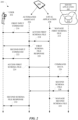
- FIG. 2 provides a diagram 200 that illustrates how an automated assistant 206 can manage multiple context specific schema files for enabling the automated assistant 206 to mediate interactions between a user 202 and an application.
- the automated assistant 206 can correspond to the automated assistant 104
- the server application 210 can correspond to the application 138
- the local application 208 can correspond to an application that is associated with application 138 and loaded onto the client device 116.
- the context specific schema files can originate at a local application 208, and/or a remote device 212 such as a server device that hosts a server application 210 that is accessible to the local application 208.
- the automated assistant 206 will be able to interact with the local application 208 without necessarily contacting the server application 210. This can reduce latency that would otherwise be exhibited at the computing device 204 when the automated assistant 206 and/or the local application 208 communicate with non-local devices in order to respond to a request from the user 202.
- the application corresponding to FIG. 2 can refer to a complete or full installation of an application.
- the user 202 can provide a first input command 216 to the automated assistant 206 via an assistant interface at the computing device 204.
- the local application 208 can correspond to a partial installation of a ride sharing application.
- the first input command 216 can therefore be, "Assistant, order a ride for me.”
- the automated assistant 206 can access a storage device available to the computing device 204 to determine whether any schema files are active at the computing device 204. Because the first schema file 214 was provided with the local application 208, the first schema file 214 can be identified by the automated assistant 206 as an active schema file.
- the computing device 204 can store multiple different schema files associated with multiple different applications. Therefore, in order for the automated assistant 206 to identify a schema file that corresponds to the first input command 216, the automated assistant 206 can compare contents of the first input command 216 to contents of the available schema files. The schema files can thereafter be ranked or filtered according to how similar their contents are to the content of the first input command 216. A schema file that is ranked highest, or is isolated from the filtering process, can be accessed in order to identify slot values and/or the filament data that can be used to respond to the user.
- the automated assistant 206 can generate a response to the user 202 using the schema file.
- contents of the first schema file 214 can be used to generate a first schema file response 220, which can be provided back to the user 202.
- contents of the first schema file 214 can include intent data that can act as entry points for invoking the local application 208, as well as fulfillment data that can provide information from which the automated assistant 206 can respond to queries from the user 202.
- the automated assistant 206 can provide a first schema file response 220 back to the user 202.
- the first schema file response 220 can be a response transmitted through an automated assistant interface with content that is based on the response of content from the first schema file 214.
- the automated assistant 206 can provide a first schema file response 220 such as, for example, "Ok, 'select a type of ride.'”
- a first schema file response 220 such as, for example, "Ok, 'select a type of ride.'”
- the automated assistant 206 is able to compile responsive content from a schema file without invoking the server application 210 and/or any other device that is separate from the computing device 204. This can reduce latency that would otherwise be exhibited by the automated assistant 206 when communicating over a network with one or more other network devices, such as the remote device 212.
- the user 202 can provide a second input command 222 to the automated assistant 206.
- the user 202 can provide the details necessary for the local application 208 to perform an action identified in the first schema file 214.
- the details can include, for instance, the location for the user 202 to be picked up, the destination for the user 202 to be dropped off, and/or any other information that the local application 208 can require for performing the action. Therefore, at the time the user 202 provides the second input command 222, the local application 208 and/or the automated assistant 206 can be operating in a different context.
- the different context can correspond to a waiting period when the ride has been ordered and is on the way to the user 202 to pick up the user 202.
- the automated assistant 206 and/or the local application 208 can generate an identifier for the context in which the local application 208 and/or the automated assistant 206 are operating.
- the identifier can be transmitted to the server application 210, and/or be used by the local application 208, in order to identify a schema file that corresponds to the context.
- the automated assistant 206 and/or the local application 208 can search through one or more schema files stored at the computing device 204 to identify a schema file that is most relevant to the context in which the automated assistant 206 and/or the location application 208 are operating.
- the automated assistant 206 can compare content of the second input command 222 to content of the first schema file 214 in order to determine whether to access a different schema file.
- the second input command 222 can include a natural language input such as, "Assistant, what is the status of my ride?"
- the automated assistant 206 and/or the local application 208 can access the first schema file 224 to determine whether the first schema file includes responsive content that will satisfy the second input command 222. If the first schema file 214 includes responsive content that satisfies the second input command 222, the automated assistant 206 can generate a response for the user 202 based on the responsive content of the first schema file 214. However, if the first schema file 214 does not include responsive content that is capable of satisfying the second input command 222, the automated assistant and/or the local application 208 can retrieve a different schema file for providing responsive content.
- the automated assistant 206 and/or the local application 208 can communicate command data 226 to the server application 210.
- the command data 226 can be associated with the second and input command 222, and therefore identify one or more actions that the user 202 is requesting the local application 208 to perform.
- the command data 226 can identify a context in which the automated assistant 206 and/or the local application 208 are operating.
- the server application 210 can identify one or more schema files to provide to the automated assistant 206 and/or the local application 208.
- Any subsequent schema file provided to the automated assistant 206 and/or the local application 208 can further the interaction between the user 202 and the local application 208, without having to immediately communicate with a remote device.
- the server application 210 can identify and/or transmit a second schema file 228, which can be provided to the automated assistant 206 and/or the local application 208.
- the first schema file 214 and/or the second schema file 228 can include at least some amount a different content.
- the second schema file 228 can identify at least one action that the first schema file 214 is void of or is otherwise not identified within.
- the local application 208 can manage the second schema file 230.
- the automated assistant can compare content from the second input command 222 to content from the second schema file 228.
- the second input command 222 can be, for example, "Assistant, what is the status of my ride," and the second schema file 228 can identify an action corresponding to a status check for an incoming ride.
- the second schema file 228 can include intent data (e.g., "intents: 'status'; 'price'; 'driver';) corresponding to actions that the local application 208 can perform as well as fulfillment data, which can include a list of words or phrases (e.g., "fulfillment: 'status': 'your ride will arrive at 5:42 PM'; 'price': 'your ride will cost $14.04'; 'driver': 'your driver is Alfred';) that can be used to respond the second input command 222.
- intent data e.g., "intents: 'status'; 'price'; 'driver';”
- fulfillment data can include a list of words or phrases (e.g., "fulfillment: 'status': 'your ride will arrive at 5:42 PM'; 'price': 'your ride will cost $14.04'; 'driver': 'your driver is Alfred';) that can
- the automated assistant 206 can access the second schema file 228 in order to identify a correspondence between contents of the second input command 222 (e.g., "status") with contents of the second schema file 228 (e.g., "fulfillment: 'status'”).
- the correspondence can be used to generate responsive content that can be used to provide a response to the second input command 222.
- the fulfilment data, "your ride will arrive at 5:42 PM” can correspond to the intent data, "action,” which can both be identified in the second schema file 228. Therefore, the automated assistant 206 can provide a second schema file response 232 based on the correspondence.
- the second schema file response 232 provided by the automated assistant 206 can be, "Ok, your ride will arrive at 5:42 PM.” Should the user 202 decide to provide subsequent input commands that correspond to intents identified in the second schema file 228, the automated assistant 206 can provide responses to the user 202 without contacting the server application 210. As a result, latency exhibited by the automated assistant 206 and/or the local application 208 can be mitigated or eliminated by providing one or more schema files that can be dynamically updated based on a context of an interaction between the user 202 and an automated assistant 206.
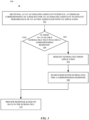
- FIG. 3 illustrates a method 300 for providing a response to a user of an automated assistant based on a schema file that is accessible to the automated assistant.
- the method 300 can be performed by one or more applications and/or devices suitable for interacting with an automated assistant.
- the method 300 can include an operation 302 of receiving, at an automated assistant interface, a command.
- the command can correspond to a request for an automated assistant to initiate performance of an action associated with an application.
- the automated assistant interface can be located at a computing device and include one or more of a microphone, a touch display, a camera, a sensor, and/or any other application or device capable of receiving inputs from a user.
- the command can correspond to a spoken natural language input that is received at a microphone of the computing device.
- the spoken natural language input can be, for instance, "Assistant, please order more office supplies.”
- the command can be intended for an application that is accessible to the automated assistant or the computing device.
- the application can be any application capable of being controlled by an automated assistant or other application.
- the application can be a shopping application capable of being controlled by an automated assistant that is being operated at the direction of the user.
- the application can be associated with one or more context specific schema files that can be made accessible to the automated assistant.
- the context specific schema files can identify trigger words or phrases that can be used by the user to invoke the automated assistant to interact with the application.
- the context specific schema files can also include response data corresponding to content that can be used by the automated assistant to respond to the user on behalf of the application.
- the context specific schema files can also include intent data, which can identify actions that can be performed by the application upon request by the automated assistant.
- the command provided by the user can include content corresponding to a context specific schema file that is associated with the application and available to the automated assistant.
Landscapes
- Engineering & Computer Science (AREA)
- Theoretical Computer Science (AREA)
- Physics & Mathematics (AREA)
- General Physics & Mathematics (AREA)
- General Engineering & Computer Science (AREA)
- Computational Linguistics (AREA)
- Software Systems (AREA)
- Artificial Intelligence (AREA)
- Audiology, Speech & Language Pathology (AREA)
- Health & Medical Sciences (AREA)
- Human Computer Interaction (AREA)
- General Health & Medical Sciences (AREA)
- Data Mining & Analysis (AREA)
- Databases & Information Systems (AREA)
- Business, Economics & Management (AREA)
- Mathematical Physics (AREA)
- Multimedia (AREA)
- Accounting & Taxation (AREA)
- Finance (AREA)
- Development Economics (AREA)
- Economics (AREA)
- Marketing (AREA)
- Strategic Management (AREA)
- General Business, Economics & Management (AREA)
- Probability & Statistics with Applications (AREA)
- Acoustics & Sound (AREA)
- Stored Programmes (AREA)
- Information Retrieval, Db Structures And Fs Structures Therefor (AREA)
Claims (13)
- Verfahren (400), das durch einen oder mehrere Prozessoren implementiert wird, wobei das Verfahren Folgendes umfasst:Bestimmen (402), dass eine Anwendung (208) an einer Rechenvorrichtung (116, 204) verfügbar ist, durch eine entfernte Rechenvorrichtung (112, 212), wobei die Rechenvorrichtung (116, 204) einen automatisierten Assistenten (206) beinhaltet, der dazu konfiguriert ist, Durchführung einer Aktion durch die Anwendung zu vermitteln;Bereitstellen (404) einer ersten kontextspezifischen Schemadatei (140, 214) an die Rechenvorrichtung (116, 204) durch die entfernte Rechenvorrichtung (112, 212) als Reaktion auf das Bestimmen, dass die Anwendung (208) an der Rechenvorrichtung (116, 204) verfügbar ist, wobei die erste kontextspezifische Schemadatei (140, 214) reaktionsfähigen Inhalt beinhaltet, der in Erwartung bereitgestellt wird, dass der automatisierte Assistent (206) eine Anfrage (216) für die Anwendung (208) erhält, um die Aktion durchzuführen;Bestimmen (406), dass der automatisierte Assistent (206) die Anfrage (216) für die Anwendung (208) erhalten hat (302), um die Aktion durchzuführen, durch die entfernte Rechenvorrichtung (112, 212);Empfangen von Befehlsdaten (226), die einen Kontext identifizieren, in dem der automatisierte Assistent (206) und die Anwendung (208) arbeiten, durch die entfernte Rechenvorrichtung (112, 212); undBereitstellen (228) einer zweiten kontextspezifischen Schemadatei (228), die dem identifizierten Kontext der Rechenvorrichtung zugeordnet ist, durch die entfernte Rechenvorrichtung (112, 212) als Reaktion auf das Bestimmen (406), dass der automatisierte Assistent (206) die Anfrage (216) für die Anwendung (208) empfangen hat (302), um die Aktion durchzuführen, wobei die zweite kontextspezifische Schemadatei (228) anderen reaktionsfähigen Inhalt beinhaltet, der in Erwartung bereitgestellt wird, dass der automatisierte Assistent (206) eine separate Anfrage (222) empfängt, die der durch die Anwendung (208) durchgeführten Aktion zugeordnet ist.
- Verfahren nach Anspruch 1, wobei die Rechenvorrichtung (116, 204) eine automatisierte Assistentenschnittstelle (118) beinhaltet und der reaktionsfähige Inhalt Daten natürlicher Sprache beinhaltet, die durch den automatisierten Assistenten (206) ausgegeben werden sollen.
- Verfahren nach Anspruch 1, wobei die erste kontextspezifische Schemadatei (140, 214) mehrere unterschiedliche Aktionen identifiziert, die durch die Anwendung (208) durchgeführt und über den automatisierten Assistenten (206) initialisiert werden können.
- Verfahren nach Anspruch 1, ferner umfassend:
Modifizieren eines Statusbezeichners (142), um anzugeben, dass mindestens die erste kontextspezifische Schemadatei (140, 214) und die zweite kontextspezifische Schemadatei für den automatischen Assistenten (206) zugänglich sind. - Verfahren nach Anspruch 4, wobei der Statusbezeichner ferner angibt, dass eine andere kontextspezifische Schemadatei, die der Anwendung (208) zugeordnet ist, von der Rechenvorrichtung (116, 204) aus unzugänglich ist.
- Verfahren nach Anspruch 1, wobei der automatisierte Assistent (206) dazu konfiguriert ist, Kontaktieren einer entfernten Vorrichtung (136), die der Anwendung (208) zugeordnet ist, als Reaktion auf das Empfangen der separaten Anfrage zu umgehen und eine Antwort (232) auf die separate Anfrage gemäß der zweiten kontextspezifischen Schemadatei bereitzustellen.
- Verfahren, das durch einen oder mehrere Prozessoren implementiert wird, wobei das Verfahren Folgendes umfasst:Empfangen einer ersten kontextspezifischen Schemadatei (140, 214), die durch eine entfernte Rechenvorrichtung (112, 212) bereitgestellt wird, auf einer Rechenvorrichtung (116, 204);Empfangen (302) einer ersten Anfrage für einen automatisierten Assistenten (206), um Durchführung einer Aktion durch eine Anwendung (208) zu vermitteln, die von dem automatisierten Assistenten (206) getrennt ist, an einer automatisierten Assistentenschnittstelle (118);Bestimmen (304), ob die erste kontextspezifische Schemadatei (140, 214) für den automatisierten Assistenten (206) zugänglich ist und Inhalt beinhaltet, der der durch die Anwendung (208) durchzuführenden Aktion entspricht, durch den automatisierten Assistenten (206), wobei die erste kontextspezifische Schemadatei (140, 214) dazu konfiguriert ist, den automatisierten Assistenten (206) in die Lage zu versetzen, Antworten im Auftrag von der Anwendung (208) bereitzustellen;wenn der automatisierte Assistent (206) bestimmt, dass die erste kontextspezifische Schemadatei (140, 214) zugänglich ist und Inhalt bereitstellt, der der durch die Anwendung (208) durchzuführenden Aktion (408) entspricht:Veranlassen (310) der Anwendung (208), Durchführung der Aktion zu initialisieren;Empfangen einer zweiten kontextspezifischen Schemadatei (228), die durch die entfernte Rechenvorrichtung (112, 212) bereitgestellt wird, an der Rechenvorrichtung (116, 204) als Reaktion darauf, dass die entfernte Rechenvorrichtung (112, 212) bestimmt (406), dass der automatisierte Assistent (206) die erste Anfrage (216) empfangen hat, und Empfangen von Befehlsdaten (226), die einen Kontext identifizieren, in dem der automatisierte Assistent (206) und die Anwendung (208) operieren, durch die entfernte Rechenvorrichtung (112, 212), wobei die zweite kontextspezifische Schemadatei (228) dem identifizierten Kontext zugeordnet ist und anderen reaktionsfähigen Inhalt beinhaltet, der in Erwartung bereitgestellt wird, dass die automatisierte Assistentenschnittstelle (118) eine zweite Anfrage (222) empfängt, die der durch die Anwendung (208) durchgeführten Aktion zugeordnet ist.
- Verfahren nach Anspruch 7, Empfangen der zweiten Anfrage für den automatisierten Assistenten (206), um Durchführung einer anderen Aktion durch die Anwendung (208) zu vermitteln, an der automatisierten Assistentenschnittstelle (118), wenn der automatisierte Assistent (206) bestimmt (304), dass die Inhalte der ersten kontextspezifischen Schemadatei (140, 214) und der zweiten kontextspezifischen Schemadatei (228) nicht in der Lage sind, die zweite Anfrage zu erfüllen:
Erzeugen (306) einer Schemadateianfrage (226), wobei die Schemadateianfrage (226) einer Abfrage zum Abrufen einer anderen kontextspezifischen Schemadatei zum Erfüllen der zweiten Anfrage entspricht. - Verfahren nach Anspruch 8, wenn der automatische Assistent (206) bestimmt, dass die Inhalte der ersten kontextspezifischen Schemadatei (140, 214) und der zweiten kontextspezifischen Schemadatei (228) nicht in der Lage sind, die zweite Anfrage zu erfüllen:Empfangen der anderen kontextspezifischen Schemadatei undErzeugen einer separaten Antwort gemäß anderem reaktionsfähigem Inhalt, der in der anderen kontextspezifischen Schemadatei bereitgestellt wird.
- Verfahren nach Anspruch 8, wobei die Schemadateianfrage (226) Kontextdaten (122) beinhaltet, umfassend Daten, die für die Interaktion zwischen dem Benutzer (202) und dem automatisierten Assistenten (206), der einen Kontext identifiziert, in dem der automatisierte Assistent (206) die zweite Anfrage (222) empfangen hat, relevant sind.
- Verfahren nach Anspruch 7, wenn der automatisierte Assistent (206) bestimmt, dass die Inhalte der ersten kontextspezifischen Schemadatei (140, 214) und der zweiten kontextspezifischen Schemadatei (228) frei von Inhalt sind, der der durch die Anwendung (208) durchzuführenden Aktion entspricht:
Erzeugen (306) einer Schemadateianfrage (226), wobei die Schemadateianfrage einer Abfrage zum Abrufen einer anderen kontextspezifischen Schemadatei entspricht, die einen Inhalt beinhaltet, der der durch die Anwendung (208) durchzuführenden Aktion entspricht. - Verfahren nach Anspruch 11, wenn der automatisierte Assistent (206) bestimmt, dass die Inhalte der ersten kontextspezifischen Schemadatei (140, 214) und der zweiten kontextspezifischen Schemadatei (228) frei von Inhalt sind, der der durch die Anwendung (208) durchzuführenden Aktion entspricht:Empfangen der anderen kontextspezifischen Schemadatei undVeranlassen der Anwendung (208), Durchführung der Aktion mindestens basierend auf anderem reaktionsfähigem Inhalt, der in der anderen kontextspezifischen Schemadatei bereitgestellt wird, zu initialisieren.
- Verfahren nach Anspruch 7, wobei das Bestimmen, ob die erste kontextspezifische Schemadatei (140, 214) für den automatischen Assistenten (206) zugänglich ist, Folgendes beinhaltet:Zugreifen auf einen Dateispeicher (526), der eine oder mehrere kontextspezifische Schemadateien beinhaltet, undVergleichen von Anfrageninhalt aus der ersten Anfrage mit Schemadateiinhalt aus der einen oder den mehreren kontextspezifischen Schemadateien.
Applications Claiming Priority (2)
| Application Number | Priority Date | Filing Date | Title |
|---|---|---|---|
| US201862621431P | 2018-01-24 | 2018-01-24 | |
| PCT/US2019/014745 WO2019147667A1 (en) | 2018-01-24 | 2019-01-23 | Systems, methods, and apparatus for providing dynamic auto-responses at a mediating assistant application |
Publications (2)
| Publication Number | Publication Date |
|---|---|
| EP3602288A1 EP3602288A1 (de) | 2020-02-05 |
| EP3602288B1 true EP3602288B1 (de) | 2025-03-05 |
Family
ID=65576645
Family Applications (1)
| Application Number | Title | Priority Date | Filing Date |
|---|---|---|---|
| EP19707905.6A Active EP3602288B1 (de) | 2018-01-24 | 2019-01-23 | Verfahren zur bereitstellung von dynamischen automatischen antworten an einer vermittlungsassistenzanwendung |
Country Status (4)
| Country | Link |
|---|---|
| US (3) | US11474841B2 (de) |
| EP (1) | EP3602288B1 (de) |
| CN (2) | CN111771189B (de) |
| WO (1) | WO2019147667A1 (de) |
Families Citing this family (3)
| Publication number | Priority date | Publication date | Assignee | Title |
|---|---|---|---|---|
| EP3602288B1 (de) | 2018-01-24 | 2025-03-05 | Google LLC | Verfahren zur bereitstellung von dynamischen automatischen antworten an einer vermittlungsassistenzanwendung |
| US11762937B2 (en) * | 2019-11-29 | 2023-09-19 | Ricoh Company, Ltd. | Information processing apparatus, information processing system, and method of processing information |
| CN119948559A (zh) * | 2022-07-25 | 2025-05-06 | 三星电子株式会社 | 由语音助手提供自然发音的系统及其方法 |
Family Cites Families (8)
| Publication number | Priority date | Publication date | Assignee | Title |
|---|---|---|---|---|
| US9318108B2 (en) * | 2010-01-18 | 2016-04-19 | Apple Inc. | Intelligent automated assistant |
| US10679605B2 (en) * | 2010-01-18 | 2020-06-09 | Apple Inc. | Hands-free list-reading by intelligent automated assistant |
| US10223411B2 (en) | 2013-03-06 | 2019-03-05 | Nuance Communications, Inc. | Task assistant utilizing context for improved interaction |
| US10108603B2 (en) * | 2015-06-01 | 2018-10-23 | Nuance Communications, Inc. | Processing natural language text with context-specific linguistic model |
| US10884503B2 (en) * | 2015-12-07 | 2021-01-05 | Sri International | VPA with integrated object recognition and facial expression recognition |
| KR102494643B1 (ko) | 2016-04-18 | 2023-02-06 | 구글 엘엘씨 | 적절한 에이전트의 자동화된 어시스턴트 호출 |
| US20180129484A1 (en) * | 2016-11-04 | 2018-05-10 | Microsoft Technology Licensing, Llc | Conversational user interface agent development environment |
| EP3602288B1 (de) | 2018-01-24 | 2025-03-05 | Google LLC | Verfahren zur bereitstellung von dynamischen automatischen antworten an einer vermittlungsassistenzanwendung |
-
2019
- 2019-01-23 EP EP19707905.6A patent/EP3602288B1/de active Active
- 2019-01-23 US US16/326,814 patent/US11474841B2/en active Active
- 2019-01-23 CN CN201980014410.2A patent/CN111771189B/zh active Active
- 2019-01-23 WO PCT/US2019/014745 patent/WO2019147667A1/en not_active Ceased
- 2019-01-23 CN CN202410592279.0A patent/CN118426897A/zh active Pending
-
2022
- 2022-10-13 US US17/965,054 patent/US11875165B2/en active Active
-
2023
- 2023-12-12 US US18/537,190 patent/US12254333B2/en active Active
Also Published As
| Publication number | Publication date |
|---|---|
| US20210342168A1 (en) | 2021-11-04 |
| CN111771189B (zh) | 2024-06-07 |
| US20240111554A1 (en) | 2024-04-04 |
| WO2019147667A1 (en) | 2019-08-01 |
| CN118426897A (zh) | 2024-08-02 |
| US20230029783A1 (en) | 2023-02-02 |
| EP3602288A1 (de) | 2020-02-05 |
| CN111771189A (zh) | 2020-10-13 |
| US11474841B2 (en) | 2022-10-18 |
| US12254333B2 (en) | 2025-03-18 |
| US11875165B2 (en) | 2024-01-16 |
Similar Documents
| Publication | Publication Date | Title |
|---|---|---|
| US12506698B2 (en) | Initializing a conversation with an automated agent via selectable graphical element | |
| US12437764B2 (en) | Initializing non-assistant background actions, via an automated assistant, while accessing a non-assistant application | |
| US12254333B2 (en) | Systems, methods, and apparatus for providing dynamic auto-responses at a mediating assistant application | |
| US11790004B2 (en) | Systems, methods, and apparatuses for providing assistant deep links to effectuate third-party dialog session transfers | |
| EP4121843B1 (de) | Erfüllung von aktionsfähigen anforderungen vor einem benutzer, der einen bestimmten autovervollständigten vorschlag zur vervollständigung einer aktuellen benutzereingabe ausgewählten benutzer bestimmt | |
| EP3942399B1 (de) | Automatisierter assistent zur erzeugung, als reaktion auf eine anfrage eines benutzers, von anwendungseingabeinhalt mithilfe von anwendungsdaten von anderen quellen | |
| US20250147780A1 (en) | Disparate sourcing of tree data structures for searching and suggesting application services | |
| CN114675773B (zh) | 来自车辆中的用户的自动助理输入的条件准备 | |
| CN115668140A (zh) | 当使用默认建议模型不合理时使用临时机器学习模型生成能够选择的建议 |
Legal Events
| Date | Code | Title | Description |
|---|---|---|---|
| STAA | Information on the status of an ep patent application or granted ep patent |
Free format text: STATUS: UNKNOWN |
|
| STAA | Information on the status of an ep patent application or granted ep patent |
Free format text: STATUS: THE INTERNATIONAL PUBLICATION HAS BEEN MADE |
|
| PUAI | Public reference made under article 153(3) epc to a published international application that has entered the european phase |
Free format text: ORIGINAL CODE: 0009012 |
|
| STAA | Information on the status of an ep patent application or granted ep patent |
Free format text: STATUS: REQUEST FOR EXAMINATION WAS MADE |
|
| 17P | Request for examination filed |
Effective date: 20191029 |
|
| AK | Designated contracting states |
Kind code of ref document: A1 Designated state(s): AL AT BE BG CH CY CZ DE DK EE ES FI FR GB GR HR HU IE IS IT LI LT LU LV MC MK MT NL NO PL PT RO RS SE SI SK SM TR |
|
| AX | Request for extension of the european patent |
Extension state: BA ME |
|
| RAP1 | Party data changed (applicant data changed or rights of an application transferred) |
Owner name: GOOGLE LLC |
|
| STAA | Information on the status of an ep patent application or granted ep patent |
Free format text: STATUS: EXAMINATION IS IN PROGRESS |
|
| 17Q | First examination report despatched |
Effective date: 20201124 |
|
| DAV | Request for validation of the european patent (deleted) | ||
| DAX | Request for extension of the european patent (deleted) | ||
| GRAP | Despatch of communication of intention to grant a patent |
Free format text: ORIGINAL CODE: EPIDOSNIGR1 |
|
| STAA | Information on the status of an ep patent application or granted ep patent |
Free format text: STATUS: GRANT OF PATENT IS INTENDED |
|
| RIC1 | Information provided on ipc code assigned before grant |
Ipc: G06F 40/20 20200101ALI20240809BHEP Ipc: G06F 3/16 20060101ALI20240809BHEP Ipc: G06F 9/451 20180101AFI20240809BHEP |
|
| INTG | Intention to grant announced |
Effective date: 20240906 |
|
| GRAS | Grant fee paid |
Free format text: ORIGINAL CODE: EPIDOSNIGR3 |
|
| GRAA | (expected) grant |
Free format text: ORIGINAL CODE: 0009210 |
|
| STAA | Information on the status of an ep patent application or granted ep patent |
Free format text: STATUS: THE PATENT HAS BEEN GRANTED |
|
| P01 | Opt-out of the competence of the unified patent court (upc) registered |
Free format text: CASE NUMBER: APP_55/2025 Effective date: 20250102 |
|
| AK | Designated contracting states |
Kind code of ref document: B1 Designated state(s): AL AT BE BG CH CY CZ DE DK EE ES FI FR GB GR HR HU IE IS IT LI LT LU LV MC MK MT NL NO PL PT RO RS SE SI SK SM TR |
|
| REG | Reference to a national code |
Ref country code: GB Ref legal event code: FG4D |
|
| REG | Reference to a national code |
Ref country code: CH Ref legal event code: EP |
|
| REG | Reference to a national code |
Ref country code: DE Ref legal event code: R096 Ref document number: 602019066817 Country of ref document: DE |
|
| REG | Reference to a national code |
Ref country code: IE Ref legal event code: FG4D |
|
| PG25 | Lapsed in a contracting state [announced via postgrant information from national office to epo] |
Ref country code: RS Free format text: LAPSE BECAUSE OF FAILURE TO SUBMIT A TRANSLATION OF THE DESCRIPTION OR TO PAY THE FEE WITHIN THE PRESCRIBED TIME-LIMIT Effective date: 20250605 |
|
| PG25 | Lapsed in a contracting state [announced via postgrant information from national office to epo] |
Ref country code: FI Free format text: LAPSE BECAUSE OF FAILURE TO SUBMIT A TRANSLATION OF THE DESCRIPTION OR TO PAY THE FEE WITHIN THE PRESCRIBED TIME-LIMIT Effective date: 20250305 |
|
| REG | Reference to a national code |
Ref country code: NL Ref legal event code: MP Effective date: 20250305 |
|
| PG25 | Lapsed in a contracting state [announced via postgrant information from national office to epo] |
Ref country code: ES Free format text: LAPSE BECAUSE OF FAILURE TO SUBMIT A TRANSLATION OF THE DESCRIPTION OR TO PAY THE FEE WITHIN THE PRESCRIBED TIME-LIMIT Effective date: 20250305 |
|
| REG | Reference to a national code |
Ref country code: LT Ref legal event code: MG9D |
|
| PG25 | Lapsed in a contracting state [announced via postgrant information from national office to epo] |
Ref country code: NO Free format text: LAPSE BECAUSE OF FAILURE TO SUBMIT A TRANSLATION OF THE DESCRIPTION OR TO PAY THE FEE WITHIN THE PRESCRIBED TIME-LIMIT Effective date: 20250605 |
|
| PG25 | Lapsed in a contracting state [announced via postgrant information from national office to epo] |
Ref country code: HR Free format text: LAPSE BECAUSE OF FAILURE TO SUBMIT A TRANSLATION OF THE DESCRIPTION OR TO PAY THE FEE WITHIN THE PRESCRIBED TIME-LIMIT Effective date: 20250305 |
|
| PG25 | Lapsed in a contracting state [announced via postgrant information from national office to epo] |
Ref country code: LV Free format text: LAPSE BECAUSE OF FAILURE TO SUBMIT A TRANSLATION OF THE DESCRIPTION OR TO PAY THE FEE WITHIN THE PRESCRIBED TIME-LIMIT Effective date: 20250305 |
|
| PG25 | Lapsed in a contracting state [announced via postgrant information from national office to epo] |
Ref country code: BG Free format text: LAPSE BECAUSE OF FAILURE TO SUBMIT A TRANSLATION OF THE DESCRIPTION OR TO PAY THE FEE WITHIN THE PRESCRIBED TIME-LIMIT Effective date: 20250305 Ref country code: GR Free format text: LAPSE BECAUSE OF FAILURE TO SUBMIT A TRANSLATION OF THE DESCRIPTION OR TO PAY THE FEE WITHIN THE PRESCRIBED TIME-LIMIT Effective date: 20250606 |
|
| REG | Reference to a national code |
Ref country code: AT Ref legal event code: MK05 Ref document number: 1773534 Country of ref document: AT Kind code of ref document: T Effective date: 20250305 |
|
| PG25 | Lapsed in a contracting state [announced via postgrant information from national office to epo] |
Ref country code: NL Free format text: LAPSE BECAUSE OF FAILURE TO SUBMIT A TRANSLATION OF THE DESCRIPTION OR TO PAY THE FEE WITHIN THE PRESCRIBED TIME-LIMIT Effective date: 20250305 |
|
| PG25 | Lapsed in a contracting state [announced via postgrant information from national office to epo] |
Ref country code: SE Free format text: LAPSE BECAUSE OF FAILURE TO SUBMIT A TRANSLATION OF THE DESCRIPTION OR TO PAY THE FEE WITHIN THE PRESCRIBED TIME-LIMIT Effective date: 20250305 |
|
| PG25 | Lapsed in a contracting state [announced via postgrant information from national office to epo] |
Ref country code: SM Free format text: LAPSE BECAUSE OF FAILURE TO SUBMIT A TRANSLATION OF THE DESCRIPTION OR TO PAY THE FEE WITHIN THE PRESCRIBED TIME-LIMIT Effective date: 20250305 |
|
| PG25 | Lapsed in a contracting state [announced via postgrant information from national office to epo] |
Ref country code: PT Free format text: LAPSE BECAUSE OF FAILURE TO SUBMIT A TRANSLATION OF THE DESCRIPTION OR TO PAY THE FEE WITHIN THE PRESCRIBED TIME-LIMIT Effective date: 20250707 |
|
| PG25 | Lapsed in a contracting state [announced via postgrant information from national office to epo] |
Ref country code: IT Free format text: LAPSE BECAUSE OF FAILURE TO SUBMIT A TRANSLATION OF THE DESCRIPTION OR TO PAY THE FEE WITHIN THE PRESCRIBED TIME-LIMIT Effective date: 20250305 Ref country code: PL Free format text: LAPSE BECAUSE OF FAILURE TO SUBMIT A TRANSLATION OF THE DESCRIPTION OR TO PAY THE FEE WITHIN THE PRESCRIBED TIME-LIMIT Effective date: 20250305 |
|
| PG25 | Lapsed in a contracting state [announced via postgrant information from national office to epo] |
Ref country code: AT Free format text: LAPSE BECAUSE OF FAILURE TO SUBMIT A TRANSLATION OF THE DESCRIPTION OR TO PAY THE FEE WITHIN THE PRESCRIBED TIME-LIMIT Effective date: 20250305 |
|
| PG25 | Lapsed in a contracting state [announced via postgrant information from national office to epo] |
Ref country code: CZ Free format text: LAPSE BECAUSE OF FAILURE TO SUBMIT A TRANSLATION OF THE DESCRIPTION OR TO PAY THE FEE WITHIN THE PRESCRIBED TIME-LIMIT Effective date: 20250305 Ref country code: EE Free format text: LAPSE BECAUSE OF FAILURE TO SUBMIT A TRANSLATION OF THE DESCRIPTION OR TO PAY THE FEE WITHIN THE PRESCRIBED TIME-LIMIT Effective date: 20250305 |
|
| PG25 | Lapsed in a contracting state [announced via postgrant information from national office to epo] |
Ref country code: RO Free format text: LAPSE BECAUSE OF FAILURE TO SUBMIT A TRANSLATION OF THE DESCRIPTION OR TO PAY THE FEE WITHIN THE PRESCRIBED TIME-LIMIT Effective date: 20250305 |
|
| PG25 | Lapsed in a contracting state [announced via postgrant information from national office to epo] |
Ref country code: SK Free format text: LAPSE BECAUSE OF FAILURE TO SUBMIT A TRANSLATION OF THE DESCRIPTION OR TO PAY THE FEE WITHIN THE PRESCRIBED TIME-LIMIT Effective date: 20250305 |
|
| PG25 | Lapsed in a contracting state [announced via postgrant information from national office to epo] |
Ref country code: IS Free format text: LAPSE BECAUSE OF FAILURE TO SUBMIT A TRANSLATION OF THE DESCRIPTION OR TO PAY THE FEE WITHIN THE PRESCRIBED TIME-LIMIT Effective date: 20250705 |
|
| REG | Reference to a national code |
Ref country code: DE Ref legal event code: R097 Ref document number: 602019066817 Country of ref document: DE |
|
| PLBE | No opposition filed within time limit |
Free format text: ORIGINAL CODE: 0009261 |
|
| STAA | Information on the status of an ep patent application or granted ep patent |
Free format text: STATUS: NO OPPOSITION FILED WITHIN TIME LIMIT |
|
| PG25 | Lapsed in a contracting state [announced via postgrant information from national office to epo] |
Ref country code: DK Free format text: LAPSE BECAUSE OF FAILURE TO SUBMIT A TRANSLATION OF THE DESCRIPTION OR TO PAY THE FEE WITHIN THE PRESCRIBED TIME-LIMIT Effective date: 20250305 |
|
| REG | Reference to a national code |
Ref country code: CH Ref legal event code: L10 Free format text: ST27 STATUS EVENT CODE: U-0-0-L10-L00 (AS PROVIDED BY THE NATIONAL OFFICE) Effective date: 20260114 |
|
| 26N | No opposition filed |
Effective date: 20251208 |