EP3597656B1 - Stevioside m crystal form, preparation method therefor and use thereof - Google Patents
Stevioside m crystal form, preparation method therefor and use thereof Download PDFInfo
- Publication number
- EP3597656B1 EP3597656B1 EP18767849.5A EP18767849A EP3597656B1 EP 3597656 B1 EP3597656 B1 EP 3597656B1 EP 18767849 A EP18767849 A EP 18767849A EP 3597656 B1 EP3597656 B1 EP 3597656B1
- Authority
- EP
- European Patent Office
- Prior art keywords
- stevioside
- crystal form
- suspension solution
- white solid
- present
- Prior art date
- Legal status (The legal status is an assumption and is not a legal conclusion. Google has not performed a legal analysis and makes no representation as to the accuracy of the status listed.)
- Active
Links
Images




Classifications
-
- C—CHEMISTRY; METALLURGY
- C07—ORGANIC CHEMISTRY
- C07H—SUGARS; DERIVATIVES THEREOF; NUCLEOSIDES; NUCLEOTIDES; NUCLEIC ACIDS
- C07H15/00—Compounds containing hydrocarbon or substituted hydrocarbon radicals directly attached to hetero atoms of saccharide radicals
- C07H15/20—Carbocyclic rings
- C07H15/24—Condensed ring systems having three or more rings
-
- A—HUMAN NECESSITIES
- A23—FOODS OR FOODSTUFFS; TREATMENT THEREOF, NOT COVERED BY OTHER CLASSES
- A23L—FOODS, FOODSTUFFS OR NON-ALCOHOLIC BEVERAGES, NOT OTHERWISE PROVIDED FOR; PREPARATION OR TREATMENT THEREOF
- A23L27/00—Spices; Flavouring agents or condiments; Artificial sweetening agents; Table salts; Dietetic salt substitutes; Preparation or treatment thereof
- A23L27/30—Artificial sweetening agents
- A23L27/33—Artificial sweetening agents containing sugars or derivatives
- A23L27/36—Terpene glycosides
-
- C—CHEMISTRY; METALLURGY
- C07—ORGANIC CHEMISTRY
- C07H—SUGARS; DERIVATIVES THEREOF; NUCLEOSIDES; NUCLEOTIDES; NUCLEIC ACIDS
- C07H1/00—Processes for the preparation of sugar derivatives
- C07H1/06—Separation; Purification
-
- C—CHEMISTRY; METALLURGY
- C07—ORGANIC CHEMISTRY
- C07H—SUGARS; DERIVATIVES THEREOF; NUCLEOSIDES; NUCLEOTIDES; NUCLEIC ACIDS
- C07H15/00—Compounds containing hydrocarbon or substituted hydrocarbon radicals directly attached to hetero atoms of saccharide radicals
- C07H15/20—Carbocyclic rings
- C07H15/24—Condensed ring systems having three or more rings
- C07H15/256—Polyterpene radicals
-
- A—HUMAN NECESSITIES
- A23—FOODS OR FOODSTUFFS; TREATMENT THEREOF, NOT COVERED BY OTHER CLASSES
- A23V—INDEXING SCHEME RELATING TO FOODS, FOODSTUFFS OR NON-ALCOHOLIC BEVERAGES AND LACTIC OR PROPIONIC ACID BACTERIA USED IN FOODSTUFFS OR FOOD PREPARATION
- A23V2002/00—Food compositions, function of food ingredients or processes for food or foodstuffs
-
- C—CHEMISTRY; METALLURGY
- C07—ORGANIC CHEMISTRY
- C07B—GENERAL METHODS OF ORGANIC CHEMISTRY; APPARATUS THEREFOR
- C07B2200/00—Indexing scheme relating to specific properties of organic compounds
- C07B2200/13—Crystalline forms, e.g. polymorphs
Definitions
- the present invention relates to the field of sweeteners, in particular to a novel crystal form of stevioside M and a preparation method therefor.
- Stevia rebaudiana is native to the Amanbai Mountains bordering Brazil and Paraguay in South America. It is a plant with high sweetness.
- the white powdered stevioside extracted from Stevia rebaudiana is a natural, high sweetness, zero-calorie sweetener and natural sugar substitute.
- Stevioside is the third-best-selling product in the international high-intensity sweetener market.
- the first-generation stevioside is mainly mixed sugars, but it is often accompanied by a bitter taste.
- the second generation of stevioside is mainly high-purity stevioside A, and has been widely used in foods, health care products and medicines.
- stevioside compounds which are used on the market further include stevioside B, stevioside C, stevioside D and stevioside M.
- stevioside D and stevioside M have the best taste, and have no post-bitter taste of stevioside A, and have been approved by the FDA as a novel sweetener.
- Stevioside M also known as Rebaudioside M or Rebaudioside X, Reb M
- Stevioside M is present in Stevia rebaudian in trace amounts (0.05% to 0.5% by weight).
- Patent CN 104151378 A discloses a method of purifying stevioside M. However, due to the low content of natural stevioside M, most studies on stevioside M have turned to enzyme conversion or synthesis processes.
- Patent CN 104726523 A discloses a method for producing stevioside M using stevioside A and sucrose as raw materials with the use of the tomato UDP-glycosyltransferase and the potato sucrose synthase.
- Patent CN 104163839 A discloses a method in which a stevioside C is used as a substrate and a substitution reaction with a compound R1 under the action of silver carbonate is performed to obtain an intermediate Ac-Reb M, followed by hydrolysis to obtain a stevioside M product.
- Patent CN 103397064 A discloses a method of producing stevioside M, wherein, using stevioside A or stevioside D as a substrate in the presence of a glucosyl donor, under the catalysis of UDP-glucosyltransferase and/or recombinant cells containing UDP-glucosyltransferase, the substrate reacts to form a stevioside M.
- the above method has the disadvantages of high production cost, harsh reaction conditions, and difficulty in preparing high-purity stevioside M.
- Crystal Stevioside M has poor water solubility and solubility qualities in beverage formulations.
- the stevioside M having a content of 75% to 90% has a solubility of from 0.1% to 0.15% in water at room temperature.
- Patent CN 105722533 A reports the improvement of stevioside M solubility by a combination of stevioside D and at least one surfactant.
- an amorphous composition of stevioside M and stevioside D can increase the solubility of stevioside M to 0.3% (w/w).
- the water solubility of the stevioside M is slightly increased, the stability of the composition is unpleasant due to its amorphous nature.
- the crystal form A of stevioside D disclosed in the patent CN 105037458 A has the advantages of high crystallinity, good water solubility and high chemical stability. At present, studies on the crystal forms of stevioside A, stevioside B, stevioside C and stevioside D have been reported, and the crystal form of stevioside M with the best taste has never been reported.
- US 2015/0344512 A1 discloses a process for purifying one or more steviol glycosides from a solution of steviol glycosides, a sweetener compositions and sweetened compositions containing one or more steviol glycosides, including Reb X, and methods for preparing the same. It does not disclose a crystalline form of stevioside M.
- WO 2016/023103 A1 discloses a method for purifying Reb M including crystallization, wherein the Reb M is dissolving in a mixed solvent of methanol and isopropanol alcohol at 65°C, 67°C or 75°C respectively.
- EP 3 101 139 A1 and CN 103 757 074 A discloses a method for preparing Rebaudioside M.
- WO 2016/130609 A1 discloses a process for producing terpenoid glycosides by recombinant microorganisms and recovering the produced glycosides for use in various food products and beverages.
- WO 2018/029272 A1 discloses a method for purifying rebaudioside M with a first qpueous crystallization and a second ethanol crystallization and to a composition comprising rebaudioside M obtainable by the method.
- US 2015/017284 A1 discloses a disordered crystalline composition comprising rebaudioside M and rebaudioside D.
- the present invention intends to provide a novel crystal form of stevioside M.
- Another object of the present invention is to provide a method for the preparation of the novel crystal form of stevioside M.
- a further object of the present invention is to provide a use of the novel crystal form of stevioside M.
- the present invention provides a crystal form A of stevioside M, in an X-ray powder diffraction method using Cu-K ⁇ , the crystal form A has distinct characteristic diffraction peaks at about 4.30, 6.57, 8.04, 16.31, 17.57 and 20.91, with the 2 ⁇ angles expressed in degrees.
- the crystal form A has an X-ray powder diffraction (XRPD) pattern as shown in Figure 1 , and a 2 ⁇ value expressed in degrees with an error range of ⁇ 1°, and an interplanar spacing d expressed in ⁇ and a relative intensity of the diffraction peaks expressed in percentage having the following characteristics: 2 ⁇ angle d relative intensity% 3.51 25.12 14.4 4.30 20.54 63.7 5.27 16.75 17.7 6.57 13.44 54.4 8.04 10.99 100.0 13.43 6.59 28.8 14.61 6.06 39.9 16.31 5.43 59.5 17.57 5.04 87.7 18.34 4.83 40.8 19.25 4.61 22.5 19.75 4.49 32.1 20.91 4.24 42.6 22.56 3.94 31.5 23.67 3.76 19.5 3.51 25.12 14.4 4.30 20.54 63.7 5.27 16.75 17.7 6.57 13.44 54.4 8.04 10.99 100.0 13.43 6.59 28.8
- the crystal form A has a differential scanning calorimetry pattern as shown in Figure 2 , and has characteristic endothermic peaks in the interval of about 30-160 °C and 210-250 °C.
- thermogravimetric analysis of the crystal form A begins to decompose at 250 ⁇ 20 °C.
- the crystal form A has a dynamic moisture adsorption profile as shown in Figure 4 .
- the mass percentage of moisture absorption is 0-9.4% within a relative humidity of 0-40%, and the mass percentage of moisture absorption is 9.4-14.0% within a relative humidity of 40-80%.
- the crystal form A has characteristic peaks at least at 3391 cm -1 , 2922 cm -1 , 1727 cm -1 , 1639 cm -1 , 1446 cm -1 , 1365 cm -1 , 1228 cm -1 , 1202 cm -1 , 1074 cm -1 , 1032 cm -1 , 991 cm -1 , 891 cm -1 , 637 cm -1 and 560 cm -1 in an infrared spectrum with an error range of ⁇ 2 cm -1 .
- a method for producing a crystal form A of Stevioside M as described above which is a mixed crystallization method of one or two or more of a suspension method, a solution evaporation method or a cooling method, comprising the following steps:
- a third aspect of the present invention provides a use of the crystal form A of stevioside M provided by the present invention as described above for the preparation of foods, health care products and medicines.
- it provides a use of the crystal form A of stevioside M provided by the present invention as described above in a composition.
- the composition is selected from the group consisting of: a food composition, a beverage composition, a health care product composition, and a pharmaceutical composition.
- the preparation method of the crystal form A of stevioside M provided by the invention has the advantages of simple process and easy operation, and the obtained product has high crystallinity, low hygroscopicity and high stability.
- the present inventors After an extensive and in-depth study, the present inventors have for the first time developed a crystal form A of stevioside M, and the crystal form A has high crystallinity, good chemical stability and low hygroscopicity, and its preparation process is simple, efficient and of a good repeatability, and it can realize large-scale industrial production. On this basis, the inventors complete the present invention.
- the term “about” means that the value can vary by no more than 1% from the recited value.
- the expression “about 100” includes 99, 100 and all values between 99 and 101 (such as, 99.1, 99.2, 99.3, 99.4, etc.).
- the term "about” means that the recited value varies by no more than 2°, for example about X°, which means X ⁇ 2°, preferably X ⁇ 1°.
- the terms “containing” or “including (comprising)” may be open, semi-closed and closed. In other words, the terms also include “essentially consisting of” or “consisting of”.
- compound of the present invention or “the crystal form of the present invention” or “the crystal form A of the compound of the present invention”, as used herein, can be used interchangeably to refer to a crystalline compound having the formula I and the X-ray diffraction characteristic peaks as described in the first aspect of the present invention.
- the compound of the present invention can be used as sweeteners.
- the present invention also provides a composition comprising a crystal form A compound of the present invention, i.e., a sweetener composition.
- the composition comprises a variety of different products such as food compositions, beverage compositions, and pharmaceutical compositions.
- the content (wt%) of the compound of the present invention is from 0.1 to 99%, preferably from 1 to 90%, more preferably, from 2 to 50%, based on the total weight of the sweetener composition or product.
- sweeteners such as lactose, fructose, sucrose, glucose, trehalose or combinations thereof may also be included in the sweetener composition of the present invention.
- the sweetener composition contains no sucrose or a small amount of sucrose, and in the sweetener composition, the sucrose content (wt%) ⁇ 5, preferably ⁇ 2, more preferably ⁇ 1.
- XRPD X-ray powder diffraction analysis
- DSC differential scanning calorimetry analysis
- TG thermogravimetric analysis
- DFS dynamic moisture adsorption analysis
- the XRPD pattern shows that the crystal form A of stevioside M obtained in the above examples has good crystallinity.
- the diffraction pattern obtained from a particular crystal form is often characteristic. Due to differences in crystallization conditions, particle size, relative content of the mixture, and other test conditions, the diffraction pattern may produce a preferred orientation effect, resulting in a change in the relative intensity of certain bands (especially at low angles) in the spectrum. Therefore, the relative intensities of the diffraction peaks are not characteristic for the crystals that are targeted, and it is more important to note the position of the peaks rather than their relative intensities when determining whether they are the same as the known crystal forms.
- the overall concept should be maintained when determining whether the crystal forms are the same, because it is not that a diffraction line represents a phase, but a specific set of "d-I/I1" data represents a phase. It should also be noted that in the identification of the mixture, some of the diffraction lines are missing due to factors such as a decrease in content. At this time, it is not necessary to rely on all the bands observed in the high-purity sample, and even a band may be characteristic for a given crystal.
- DSC analysis It was tested using a DSC 8500 type differential scanning calorimeter from Platinum Elmer, USA, with a nitrogen atmosphere at a heating rate of 10 degrees Celsius/minute. The analysis results are shown in Figure 2 .
- TG analysis It was tested using the Netzsch TG 209F3 type thermogravimetric analyzer from NETZSCH, Germany. The temperature range was 30-400 °C, the scanning rate was 10 K/min, and the purge gas was 25 mL/min. The analysis results are shown in Figure 3 .
- DVS analysis It was measured using DVS Intrinsic type dynamic moisture adsorption instrument from British SMS instrument company, measuring temperature: 25 °C; relative humidity: 0-95%. The analysis results are shown in Figure 4 .
- the crystal form A of stevioside M prepared in the above examples is significantly less hygroscopic than the amorphous form and the crystal form B of stevioside M at 25 °C and 40% RH.
- the comparison results are shown in Figure 6 and Table 1.
- the crystal form A of stevioside M is less hygroscopic than amorphism under normal storage (40%-80% RH).
- Table 1 sample name hygroscopicity hygroscopic mass change (0%-40%RH) hygroscopic mass change (40%-80%RH) crystal form A of stevioside M 40% RH, 9.4% of water absorption; 80% RH, 14.0% of water absorption 9.4% 4.6% crystal form B of stevioside M 40% RH, 15.3% of water absorption 80% RH, 17.4% of water absorption 15.3% 2.1% amorphism of stevioside M 40% RH, 11.0% of water absorption 80% RH, 19.2% of water absorption 11.0% 8.2%
- the crystal form A of stevioside M prepared in the above examples was subjected to XRPD analysis after drying at 105 °C for one day, and the analysis results are shown in Figure 7 . It can be seen from Figure 7 that the crystal form is unchanged, and the crystal form has good stability under high temperature conditions.
- the crystal form B of stevioside M is extremely unstable under high temperature conditions, and which is amorphous after drying for one day at 105 °C, and the analysis results are shown in Figure 8 .
- the crystal form A of stevioside M prepared in the above examples was stored at 25 °C and RH 60% for half a year, and the analysis results are shown in Figure 9 . It can be seen from Figure 9 that the crystal form is unchanged, indicating that the crystal form has good physical stability under normal storage conditions.
- HPLC analysis It was determined using a 1260 infinity liquid chromatograph from Agilent Technologies, Inc., USA.
- Sample solution preparation method 25-50 mg of stevioside M sample was accurately weighed, and added into a 25 ml volumetric flask, then water-acetonitrile (7:3, v/v) solution was added, dissolved to volume.
- Preparation method of sodium phosphate buffer (specification: 10 mmol/L, pH: 2.6): dissolving 2.76 g of sodium dihydrogen phosphate into 2 liters of water, adding phosphoric acid, and the pH was adjusted to 2.6.
- Chromatographic column Luna 5 ⁇ C18(2) 100A column from Phenomenex. Injection volume: 5 ⁇ l.
- the analysis results are shown in Figure 10 .
- the crystal form A of stevioside M prepared in the above examples has good chemical stability, and the HPLC analysis shows that the content is reduced by less than 0.2% after storage for half a year at 40 °C and RH 75%, indicating that the crystal form has good chemical stability under high humidity conditions.
- the crystal form A of stevioside M prepared in the above examples has good reproducibility and is stable in water solubility, and has a maximum solubility of about 3 mg/mL, and the equilibrium solubility is about 2 mg/mL at 24 hours.
- the powder dissolution profiles of the two batches of crystal form A of stevioside M prepared by the examples are shown in Figure 11 .
- the water solubility of crystal form A is similar to that of the stevioside D-stevioside M amorphous composition (about 3 mg/mL) disclosed in Patent CN 105722533 A , and both of which can stably increase the water solubility by 2-3 times.
- the stevioside M raw material used in the above examples was supplied by Shandong Zhucheng Haotian Pharmaceutical Co., Ltd.
Landscapes
- Chemical & Material Sciences (AREA)
- Organic Chemistry (AREA)
- Life Sciences & Earth Sciences (AREA)
- Health & Medical Sciences (AREA)
- Engineering & Computer Science (AREA)
- Molecular Biology (AREA)
- General Health & Medical Sciences (AREA)
- Genetics & Genomics (AREA)
- Biotechnology (AREA)
- Biochemistry (AREA)
- Proteomics, Peptides & Aminoacids (AREA)
- Nutrition Science (AREA)
- Food Science & Technology (AREA)
- Polymers & Plastics (AREA)
- Saccharide Compounds (AREA)
- Seasonings (AREA)
- Medicinal Preparation (AREA)
Description
- The present invention relates to the field of sweeteners, in particular to a novel crystal form of stevioside M and a preparation method therefor.
- Stevia rebaudiana is native to the Amanbai Mountains bordering Brazil and Paraguay in South America. It is a plant with high sweetness. The white powdered stevioside extracted from Stevia rebaudiana is a natural, high sweetness, zero-calorie sweetener and natural sugar substitute. Stevioside is the third-best-selling product in the international high-intensity sweetener market. The first-generation stevioside is mainly mixed sugars, but it is often accompanied by a bitter taste. The second generation of stevioside is mainly high-purity stevioside A, and has been widely used in foods, health care products and medicines. With the increasing popularity of stevioside A, other glycosides in Stevia rebaudiana have also gradually received attention. Currently, in addition to stevioside A, stevioside compounds which are used on the market further include stevioside B, stevioside C, stevioside D and stevioside M. Among them, stevioside D and stevioside M have the best taste, and have no post-bitter taste of stevioside A, and have been approved by the FDA as a novel sweetener.
- Stevioside M (also known as Rebaudioside M or Rebaudioside X, Reb M), (13-[(2-O-β-D- pyranoglucosyl -3-O-β-D- pyranoglucosyl -β-D-pyranoglucosyl)oxyl]- ent- kauran -16- en -19-oic acid-[(2-O-β-D-pyranoglucosyl-3-O-β-D-pyranoglucosyl-β-D-pyranoglucosyl) ester] is isolated from Stevia rebaudiana.
- Stevioside M is present in Stevia rebaudian in trace amounts (0.05% to 0.5% by weight). Patent
CN 104151378 A discloses a method of purifying stevioside M. However, due to the low content of natural stevioside M, most studies on stevioside M have turned to enzyme conversion or synthesis processes. PatentCN 104726523 A discloses a method for producing stevioside M using stevioside A and sucrose as raw materials with the use of the tomato UDP-glycosyltransferase and the potato sucrose synthase. PatentCN 104163839 A discloses a method in which a stevioside C is used as a substrate and a substitution reaction with a compound R1 under the action of silver carbonate is performed to obtain an intermediate Ac-Reb M, followed by hydrolysis to obtain a stevioside M product. PatentCN 103397064 A discloses a method of producing stevioside M, wherein, using stevioside A or stevioside D as a substrate in the presence of a glucosyl donor, under the catalysis of UDP-glucosyltransferase and/or recombinant cells containing UDP-glucosyltransferase, the substrate reacts to form a stevioside M. The above method has the disadvantages of high production cost, harsh reaction conditions, and difficulty in preparing high-purity stevioside M. - Crystal Stevioside M has poor water solubility and solubility qualities in beverage formulations. The stevioside M having a content of 75% to 90% has a solubility of from 0.1% to 0.15% in water at room temperature. Patent
CN 105722533 A reports the improvement of stevioside M solubility by a combination of stevioside D and at least one surfactant. Among them, an amorphous composition of stevioside M and stevioside D can increase the solubility of stevioside M to 0.3% (w/w). Although the water solubility of the stevioside M is slightly increased, the stability of the composition is unpleasant due to its amorphous nature. - It is well known that different crystal forms may cause differences in color, morphology, stability, hygroscopicity and solubility, which in turn affect the storage conditions, appearance and taste of the food. The different crystal form of the stevioside compound has a great influence on its taste, stability, hygroscopicity and solubility. Patents
CN 103739639 A andCN 103739640 A report two crystal forms of stevioside A, wherein the crystal form 7 has the advantages of good taste and low hygroscopicity, and the crystal form 9 has the advantages of high stability and high water solubility. The crystal form A of stevioside D disclosed in the patentCN 105037458 A has the advantages of high crystallinity, good water solubility and high chemical stability. At present, studies on the crystal forms of stevioside A, stevioside B, stevioside C and stevioside D have been reported, and the crystal form of stevioside M with the best taste has never been reported. -
US 2015/0344512 A1 discloses a process for purifying one or more steviol glycosides from a solution of steviol glycosides, a sweetener compositions and sweetened compositions containing one or more steviol glycosides, including Reb X, and methods for preparing the same. It does not disclose a crystalline form of stevioside M. -
WO 2016/023103 A1 discloses a method for purifying Reb M including crystallization, wherein the Reb M is dissolving in a mixed solvent of methanol and isopropanol alcohol at 65°C, 67°C or 75°C respectively. -
EP 3 101 139 A1 andCN 103 757 074 A discloses a method for preparing Rebaudioside M. -
WO 2016/130609 A1 discloses a process for producing terpenoid glycosides by recombinant microorganisms and recovering the produced glycosides for use in various food products and beverages. - Indra Prakash et al. "Development of Next Gereneation Stevia Sweetener: Rebaudioside M", FOODS, vol. 3, no. 1, 2014, pages 162-175, XP055737952 discloses a purificaton method of amorphous Rebaudioside M.
-
WO 2018/029272 A1 discloses a method for purifying rebaudioside M with a first qpueous crystallization and a second ethanol crystallization and to a composition comprising rebaudioside M obtainable by the method. -
US 2015/017284 A1 discloses a disordered crystalline composition comprising rebaudioside M and rebaudioside D. - There is an urgent need in the art to provide a crystal form of stevioside M having better performance, such as a new crystal form having good crystallinity, good water solubility, high chemical stability and good taste. At the same time, there is an urgent need to provide a preparation method and a use for the above crystal forms.
- The present invention is defined by the appended claims. The description that follows is subject to this limitation. All aspects and embodiments which are labelled "aspect of the present invention" but not covered by the claims are merely aspects of the present disclosure and do not form part of the invention.
- The present invention intends to provide a novel crystal form of stevioside M.
- Another object of the present invention is to provide a method for the preparation of the novel crystal form of stevioside M.
- A further object of the present invention is to provide a use of the novel crystal form of stevioside M.
- In a first aspect of the present invention, it provides a crystal form A of stevioside M, in an X-ray powder diffraction method using Cu-Kα, the crystal form A has distinct characteristic diffraction peaks at about 4.30, 6.57, 8.04, 16.31, 17.57 and 20.91, with the 2θ angles expressed in degrees.
- In another preferred embodiment, the crystal form A has an X-ray powder diffraction (XRPD) pattern as shown in
Figure 1 , and a 2θ value expressed in degrees with an error range of ±1°, and an interplanar spacing d expressed in Å and a relative intensity of the diffraction peaks expressed in percentage having the following characteristics:2θ angle d relative intensity% 3.51 25.12 14.4 4.30 20.54 63.7 5.27 16.75 17.7 6.57 13.44 54.4 8.04 10.99 100.0 13.43 6.59 28.8 14.61 6.06 39.9 16.31 5.43 59.5 17.57 5.04 87.7 18.34 4.83 40.8 19.25 4.61 22.5 19.75 4.49 32.1 20.91 4.24 42.6 22.56 3.94 31.5 23.67 3.76 19.5 3.51 25.12 14.4 4.30 20.54 63.7 5.27 16.75 17.7 6.57 13.44 54.4 8.04 10.99 100.0 13.43 6.59 28.8 - In another preferred embodiment, the crystal form A has a differential scanning calorimetry pattern as shown in
Figure 2 , and has characteristic endothermic peaks in the interval of about 30-160 °C and 210-250 °C. - In another preferred embodiment, the thermogravimetric analysis of the crystal form A begins to decompose at 250 ± 20 °C.
- In another preferred embodiment, the crystal form A has a dynamic moisture adsorption profile as shown in
Figure 4 . The mass percentage of moisture absorption is 0-9.4% within a relative humidity of 0-40%, and the mass percentage of moisture absorption is 9.4-14.0% within a relative humidity of 40-80%. - In another preferred embodiment, the crystal form A has characteristic peaks at least at 3391 cm-1, 2922 cm-1, 1727 cm-1, 1639 cm-1, 1446 cm-1, 1365 cm-1, 1228 cm-1, 1202 cm-1, 1074 cm-1, 1032 cm-1, 991 cm-1, 891 cm-1, 637 cm-1 and 560 cm-1 in an infrared spectrum with an error range of ± 2 cm-1.
- In a second aspect of the present invention, it provides a method for producing a crystal form A of Stevioside M as described above, which is a mixed crystallization method of one or two or more of a suspension method, a solution evaporation method or a cooling method, comprising the following steps:
- (1) suspending: mixing stevioside M with a solvent for 0.1-48 h in a temperature range of 0-100 °C to obtain a suspension solution; and preferably one of steps (2) or (3) with
- step (2) being cooling: filtering the suspension solution in step (1) while hot, and cooling the filtrate to a temperature range of 0-30 °C until a large amount of white solid is precipitated to obtain a suspension solution; or
- step (3) being volatilization: after filtering the suspension solution in step (1), volatilized in a temperature range of 0-100°C under a vacuum pressure less than or equal to 0.1 MPa, until a large amount of white solid is precipitated to obtain a suspension solution; and
- (4) filtration: filtering or centrifuging the suspension solution in step (1), (2) or (3) in a temperature range of 0-100 °C to obtain a white solid, which is dried to obtain a crystal form A of stevioside M;
- wherein
- the dry matter purity of the stevioside M in step (1) is in a range of 20-100%; and
- the solvent in step (1) is: one or two or more of methanol, ethanol, 1-propanol, acetonitrile, acetone, methyl ethyl ketone, methyl acetate, ethyl formate, ethyl acetate, methyl ter-butyl ether, tetrahydrofuran, nitromethane and methylbenzene, or a mixed solvent of the above solvent and water.
- In a third aspect of the present invention, it provides a use of the crystal form A of stevioside M provided by the present invention as described above for the preparation of foods, health care products and medicines.
- In another preferred embodiment, it provides a use of the crystal form A of stevioside M provided by the present invention as described above in a composition.
- In another preferred embodiment, the composition is selected from the group consisting of: a food composition, a beverage composition, a health care product composition, and a pharmaceutical composition.
- The preparation method of the crystal form A of stevioside M provided by the invention has the advantages of simple process and easy operation, and the obtained product has high crystallinity, low hygroscopicity and high stability.
- It should be understood that, within the scope of the present invention, each technical feature of the present invention described above and in the following (as examples) may be combined with each other to form a new or preferred technical solution, which is not listed here due to space limitations.
-
-
Figure 1 is an X-ray powder diffraction (XRPD) pattern of the crystal form A of stevioside M provided by the present invention; -
Figure 2 is a differential scanning calorimetry (DSC) pattern of the crystal form A of stevioside M provided by the present invention; -
Figure 3 is a thermogravimetric analysis (TG) pattern of the crystal form A of stevioside M provided by the present invention; -
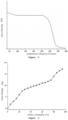
Figure 4 is a dynamic vapor sorption (DVS) pattern of the crystal form A of stevioside M provided by the present invention; -
Figure 5 is an infrared (IR) diagram of the crystal form A of stevioside M provided by the present invention; -
Figure 6 is a comparison diagram of hygroscopicity (DVS) for the crystal form A, the crystal form B and the amorphism of stevioside M provided by the present invention; -
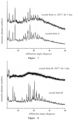
Figure 7 is a comparison diagram of X-ray powder diffraction (XRPD) of the crystal form A of stevioside M provided by the present invention before and after drying; -
Figure 8 is a comparison diagram of X-ray powder diffraction (XRPD) of the crystal form B of stevioside M provided by the present invention before and after drying; -
Figure 9 is a comparison diagram of X-ray powder diffraction (XRPD) of the crystal form A of stevioside M provided by the present invention stored at 25 °C and a relative humidity of 60% for half a year; -
Figure 10 is a high performance liquid chromatography (HPLC) comparison diagram of the crystal form A of stevioside M provided by the present invention stored at 40 °C and a relative humidity of 75% for half a year; -
Figure 11 is a powder dissolution profile of the crystal form A of stevioside M provided by the present invention. - After an extensive and in-depth study, the present inventors have for the first time developed a crystal form A of stevioside M, and the crystal form A has high crystallinity, good chemical stability and low hygroscopicity, and its preparation process is simple, efficient and of a good repeatability, and it can realize large-scale industrial production. On this basis, the inventors complete the present invention.
- All technical and scientific terms used herein have the same meaning as commonly understood by the skilled in the art to which this invention belongs, unless otherwise defined.
- As used herein, when used in reference to a particular recited value, the term "about" means that the value can vary by no more than 1% from the recited value. For example, as used herein, the expression "about 100" includes 99, 100 and all values between 99 and 101 (such as, 99.1, 99.2, 99.3, 99.4, etc.).
- For a characteristic diffraction peak represented by a 2 theta angle, the term "about" means that the recited value varies by no more than 2°, for example about X°, which means X ± 2°, preferably X ± 1°.
- As used herein, the terms "containing" or "including (comprising)" may be open, semi-closed and closed. In other words, the terms also include "essentially consisting of" or "consisting of".
- The term "compound of the present invention" or "the crystal form of the present invention" or "the crystal form A of the compound of the present invention", as used herein, can be used interchangeably to refer to a crystalline compound having the formula I and the X-ray diffraction characteristic peaks as described in the first aspect of the present invention. The compound of the present invention can be used as sweeteners.
- The present invention also provides a composition comprising a crystal form A compound of the present invention, i.e., a sweetener composition.
- In a preferred embodiment of the present invention, the composition comprises a variety of different products such as food compositions, beverage compositions, and pharmaceutical compositions.
- In a preferred embodiment, the content (wt%) of the compound of the present invention is from 0.1 to 99%, preferably from 1 to 90%, more preferably, from 2 to 50%, based on the total weight of the sweetener composition or product.
- Other sweeteners such as lactose, fructose, sucrose, glucose, trehalose or combinations thereof may also be included in the sweetener composition of the present invention.
- In a preferred embodiment, the sweetener composition contains no sucrose or a small amount of sucrose, and in the sweetener composition, the sucrose content (wt%) ≤ 5, preferably ≤ 2, more preferably ≤1.
- The present invention is further illustrated below in conjunction with specific embodiments. It is to be understood that the examples are not intended to limit the scope of the present invention. The experimental methods in the following examples which do not specify the specific conditions are usually in accordance with conventional conditions or according to the conditions recommended by the manufacturer. Percentages and parts are by weight unless otherwise stated.
- 20 g of stevioside M having a matter purity of 99.5% was added to 100 mL of acetone at room temperature, stirred for 12 h, and filtered to obtain a white solid. The white solid was dried under vacuum at 25 °C to give a crystal form A of stevioside M.
- 20 g of stevioside M having a matter purity of 99.5% was added to 100 mL of acetonitrile at room temperature, stirred for 24 h, and filtered to obtain a white solid. The white solid was dried under vacuum at 25 °C to give a crystal form A of stevioside M.
- 20 g of stevioside M having a matter purity of 99.5% was added to 100 mL of ethanol at 50 °C, stirred for 1 h, and filtered to obtain a white solid. The white solid was dried under vacuum at 25 °C to give a crystal form A of stevioside M.
- 10 g of stevioside M having a matter purity of 50.2% was added to 1.5 L of methanol at 50 °C, and stirred for 1 h. The filtrate after filtration was volatilized at 25 °C under vacuum pressure less than 0.5 MPa until the solvent volume was less than 50 mL, it was filtered, and the white solid was dried under vacuum at 25 °C to obtain a crystal form A of stevioside M.
- 10 g of stevioside M having a matter purity of 50.2% was added to 1 L of ethanol at 50 °C, stirred for 1 h, and the filtrate after filtration was volatilized at 50 °C until the solvent volume was less than 50 mL, it was filtered, and the white solid was blast dried at 50 °C to obtain a crystal form A of stevioside M.
- 10 g of stevioside M having a matter purity of 40% was added to 900 mL of ethanol-water (2:1, v/v) solution at 50 °C, stirred for 0.5 h, and the filtrate after filtration was volatilized at 50 °C under vacuum pressure less than 0.5 MPa until the solvent volume was less than 50 mL, it was filtered, and the white solid was dried under vacuum at 25 °C to obtain a crystal form A of stevioside M.
- 10 g of stevioside M having a matter purity of 60% was added to 500 mL of ethanol-water (1:1, v/v) solution at 80 °C, stirred for 0.5 h, and the filtered filtrate while hot was naturally cooled. After standing for 12 h, a large amount of solids were precipitated, and then filtered, and the white solid was dried under vacuum at 25 °C to obtain a crystal form A of stevioside M.
- 10 g of stevioside M having a matter purity of 80% was added to 1 L of ethanol-water (1:1, v/v) solution at 50 °C, stirred for 0.5 h, and the filtered filtrate while hot was reduced to 30 °C at a cooling rate of 1 °C/h, and after the solid was precipitated, then filtered, and the white solid was dried under vacuum at 25 °C to obtain a crystal form A of stevioside M.
- 10 g of stevioside M having a matter purity of 60% was added to 500 mL of ethanol-water (1:1, v/v) solution at 80 °C, stirred for 0.5 h, and 0.1 g of stevioside M having a matter purity of 95% was added to the filtered filtrate while hot, followed by naturally cooling to room temperature, and the solid was precipitated after standing for 12 hours, and then filtered, and the white solid was dried under vacuum at 25 °C to obtain a crystal form A of stevioside M.
- 20 g of crystal form A of stevioside M having a matter purity of 99.5% was added to 100 mL of water at room temperature, and stirred for 12 h, filtered to obtain a white solid, which is a crystal form B of stevioside M.
- X-ray powder diffraction analysis (XRPD), differential scanning calorimetry analysis (DSC), thermogravimetric analysis (TG), dynamic moisture adsorption analysis (DVS) and the like were made for the crystal form A of stevioside M prepared in the above examples. XRPD analysis: It was tested at room temperature using a Bruker D8 advance type diffractometer from Bruker Instruments, Germany, Cu-Kα ray (λ = 1.5418 Å) was used, the 2θ angle was scanned from 3 to 40 degrees, and the scanning speed was 0.2 degrees/second. The analysis results are shown in
Figure 1 . The XRPD pattern shows that the crystal form A of stevioside M obtained in the above examples has good crystallinity. - In the sample powder X-ray powder diffraction pattern, the diffraction pattern obtained from a particular crystal form is often characteristic. Due to differences in crystallization conditions, particle size, relative content of the mixture, and other test conditions, the diffraction pattern may produce a preferred orientation effect, resulting in a change in the relative intensity of certain bands (especially at low angles) in the spectrum. Therefore, the relative intensities of the diffraction peaks are not characteristic for the crystals that are targeted, and it is more important to note the position of the peaks rather than their relative intensities when determining whether they are the same as the known crystal forms. In addition, it should be noted that the overall concept should be maintained when determining whether the crystal forms are the same, because it is not that a diffraction line represents a phase, but a specific set of "d-I/I1" data represents a phase. It should also be noted that in the identification of the mixture, some of the diffraction lines are missing due to factors such as a decrease in content. At this time, it is not necessary to rely on all the bands observed in the high-purity sample, and even a band may be characteristic for a given crystal.
- DSC analysis: It was tested using a DSC 8500 type differential scanning calorimeter from Platinum Elmer, USA, with a nitrogen atmosphere at a heating rate of 10 degrees Celsius/minute. The analysis results are shown in
Figure 2 . - TG analysis: It was tested using the Netzsch TG 209F3 type thermogravimetric analyzer from NETZSCH, Germany. The temperature range was 30-400 °C, the scanning rate was 10 K/min, and the purge gas was 25 mL/min. The analysis results are shown in
Figure 3 . - DVS analysis: It was measured using DVS Intrinsic type dynamic moisture adsorption instrument from British SMS instrument company, measuring temperature: 25 °C; relative humidity: 0-95%. The analysis results are shown in
Figure 4 . The crystal form A of stevioside M prepared in the above examples is significantly less hygroscopic than the amorphous form and the crystal form B of stevioside M at 25 °C and 40% RH. The comparison results are shown inFigure 6 and Table 1. At the same time, the crystal form A of stevioside M is less hygroscopic than amorphism under normal storage (40%-80% RH).Table 1 sample name hygroscopicity hygroscopic mass change (0%-40%RH) hygroscopic mass change (40%-80%RH) crystal form A of stevioside M 40% RH, 9.4% of water absorption; 80% RH, 14.0% of water absorption 9.4% 4.6% crystal form B of stevioside M 40% RH, 15.3% of water absorption 80% RH, 17.4% of water absorption15.3% 2.1% amorphism of stevioside M 40% RH, 11.0% of water absorption 80% RH, 19.2% of water absorption11.0% 8.2% - The crystal form A of stevioside M prepared in the above examples was subjected to XRPD analysis after drying at 105 °C for one day, and the analysis results are shown in
Figure 7 . It can be seen fromFigure 7 that the crystal form is unchanged, and the crystal form has good stability under high temperature conditions. The crystal form B of stevioside M is extremely unstable under high temperature conditions, and which is amorphous after drying for one day at 105 °C, and the analysis results are shown inFigure 8 . - The crystal form A of stevioside M prepared in the above examples was stored at 25 °C and
RH 60% for half a year, and the analysis results are shown inFigure 9 . It can be seen fromFigure 9 that the crystal form is unchanged, indicating that the crystal form has good physical stability under normal storage conditions. - HPLC analysis: It was determined using a 1260 infinity liquid chromatograph from Agilent Technologies, Inc., USA. Sample solution preparation method: 25-50 mg of stevioside M sample was accurately weighed, and added into a 25 ml volumetric flask, then water-acetonitrile (7:3, v/v) solution was added, dissolved to volume. Preparation method of sodium phosphate buffer (specification: 10 mmol/L, pH: 2.6): dissolving 2.76 g of sodium dihydrogen phosphate into 2 liters of water, adding phosphoric acid, and the pH was adjusted to 2.6. Chromatographic column: Luna 5µ C18(2) 100A column from Phenomenex. Injection volume: 5 µl. Flow rate: 1.0 mL/min. Column temperature: 40 °C. Detector: UV detection at 210 nm. The elution gradient is shown as follows:
time (minutes) sodium phosphate buffer (specification: 10 mmol/L, pH: 2.6)% acetonitrile % 0.00 80 20 2.00 80 20 10.00 60 40 15.00 60 40 21.00 80 20 24.00 80 20 - The analysis results are shown in
Figure 10 . The crystal form A of stevioside M prepared in the above examples has good chemical stability, and the HPLC analysis shows that the content is reduced by less than 0.2% after storage for half a year at 40 °C and RH 75%, indicating that the crystal form has good chemical stability under high humidity conditions. - The crystal form A of stevioside M prepared in the above examples has good reproducibility and is stable in water solubility, and has a maximum solubility of about 3 mg/mL, and the equilibrium solubility is about 2 mg/mL at 24 hours. The powder dissolution profiles of the two batches of crystal form A of stevioside M prepared by the examples are shown in
Figure 11 . The water solubility of crystal form A is similar to that of the stevioside D-stevioside M amorphous composition (about 3 mg/mL) disclosed in PatentCN 105722533 A , and both of which can stably increase the water solubility by 2-3 times. - The stevioside M raw material used in the above examples was supplied by Shandong Zhucheng Haotian Pharmaceutical Co., Ltd.
- It should also be understood that, after reading the above teachings of the present invention, those skilled in the art can make various changes or modifications, equivalents of which falls in the scope of claims as defined in the appended claims.
Claims (5)
- A crystal form A of stevioside M, wherein the structure is as shown in Formula I,

- The crystal form A of stevioside M of claim 1, wherein the crystal form A has an X-ray powder diffraction (XRPD) pattern as shown in Figure 1, and a 2θ value expressed in degrees with an error range of ±1°, an interplanar spacing d expressed in Å and a relative intensity of the diffraction peaks expressed in percentage having the following characteristics:
2θ angle (±1°) d(Å) relative intensity % 3.51 25.12 14.4 4.30 20.54 63.7 5.27 16.75 17.7 6.57 13.44 54.4 8.04 10.99 100.0 13.43 6.59 28.8 14.61 6.06 39.9 16.31 5.43 59.5 17.57 5.04 87.7 18.34 4.83 40.8 19.25 4.61 22.5 19.75 4.49 32.1 20.91 4.24 42.6 22.56 3.94 31.5 23.67 3.76 19.5 . - The crystal form A of stevioside M of claim 1, wherein the crystal form A also has one or more characteristics selected from the group consisting of:(1) the crystal form A has a differential scanning calorimetry pattern as shown in Figure 2;(2) the crystal form A has a thermogravimetric analysis pattern as shown in Figure 3;(3) the crystal form A has a dynamic moisture adsorption profile as shown in Figure 4;(4) the crystal form A has an infrared spectrum as shown in Figure 5.
- A method for producing the crystal form A of stevioside M of any one of claims 1-3, which is a mixed crystallization method of one or two or more of a suspension method, a solution evaporation method or a cooling method, comprising the following steps:(1) suspending: mixing stevioside M having a dry matter purity in a range of 20-100% with a solvent for 0.1-48 h in a temperature range of 0-100
° C to obtain a suspension solution; the solvent in step (1) is: one or two or more of methanol, ethanol, 1-propanol, acetonitrile, acetone, methyl ethyl ketone, methyl acetate, ethyl formate, ethyl acetate, methyl ter-butyl ether, tetrahydrofuran, nitromethane and methylbenzene, or a mixed solvent of the above solvent and water; and preferably one of steps (2) or (3) with(2) being cooling: filtering the suspension solution in step (1) while hot, and cooling the filtrate to a temperature range of 0-30 °C until a large amount of white solid is precipitated to obtain a suspension
solution; or(3) being volatilization: after filtering the suspension solution in step (1), volatilized in a temperature range of 0-100 °C under a vacuum pressure less than or equal to 0.1 MPa, until a large amount of white solid is precipitated to obtain a suspension solution; and(4) filtration: filtering or centrifuging the suspension solution in step (1), (2) or (3) in a temperature range of 0-100 °C to obtain a white solid, which is dried to obtain the crystal form A of stevioside M. - A composition, comprising the crystal form A of stevioside M of any one of claims 1-3.
Applications Claiming Priority (2)
| Application Number | Priority Date | Filing Date | Title |
|---|---|---|---|
| CN201710157466.6A CN106866757B (en) | 2017-03-16 | 2017-03-16 | Steviol M glycoside crystal form and preparation method and use |
| PCT/CN2018/079010 WO2018166475A1 (en) | 2017-03-16 | 2018-03-14 | Stevioside m crystal form, preparation method therefor and use thereof |
Publications (3)
| Publication Number | Publication Date |
|---|---|
| EP3597656A1 EP3597656A1 (en) | 2020-01-22 |
| EP3597656A4 EP3597656A4 (en) | 2020-12-09 |
| EP3597656B1 true EP3597656B1 (en) | 2025-06-18 |
Family
ID=59172411
Family Applications (1)
| Application Number | Title | Priority Date | Filing Date |
|---|---|---|---|
| EP18767849.5A Active EP3597656B1 (en) | 2017-03-16 | 2018-03-14 | Stevioside m crystal form, preparation method therefor and use thereof |
Country Status (5)
| Country | Link |
|---|---|
| US (1) | US11059843B2 (en) |
| EP (1) | EP3597656B1 (en) |
| JP (1) | JP6896877B2 (en) |
| CN (1) | CN106866757B (en) |
| WO (1) | WO2018166475A1 (en) |
Families Citing this family (7)
| Publication number | Priority date | Publication date | Assignee | Title |
|---|---|---|---|---|
| US11878992B2 (en) | 2016-08-09 | 2024-01-23 | Dsm Ip Assets B.V. | Crystallization of steviol glycosides |
| EP3577229A4 (en) | 2017-02-03 | 2020-12-23 | Codexis, Inc. | MANIPULATED GLYCOSYL TRANSFERASES AND METHOD FOR STEVIOL GLYCOSIDE GLUCOSYLATION |
| CN106866757B (en) * | 2017-03-16 | 2020-06-26 | 诸城市浩天药业有限公司 | Steviol M glycoside crystal form and preparation method and use |
| US12077556B2 (en) | 2018-05-17 | 2024-09-03 | The Coca-Cola Company | Process for preparing concentrated solutions of steviol glycosides, and uses |
| BR112021001661A8 (en) | 2018-07-30 | 2022-08-09 | Codexis Inc | Modified glyclytransferase, modified polynucleotide, vector, host cell, methods to produce at least one modified glyclytransferase, to produce at least one variant of sucrose synthase, to glycosillation of a substrate, to produce refudiosido, refudiosidade A and/or regaudiosido I, and regradiosido D, COMPOSITION, MODIFIED SUCROSE SYNTHASE, AT LEAST ONE REBAUDIOSIDE, REBAUDIOSIDE M, REBAUDIOSIDE A, REBAUDIOSIDE I, E, REBAUDIOSIDE D. |
| MX2022011329A (en) * | 2020-03-13 | 2022-10-07 | Amyris Inc | REBAUDIOSIDE M. SWEETENER COMPOSITIONS. |
| CN112760302B (en) * | 2020-12-23 | 2022-08-26 | 中化健康产业发展有限公司 | Glycosyltransferase StUGT capable of catalyzing rebaudioside A to generate rebaudioside D |
Family Cites Families (17)
| Publication number | Priority date | Publication date | Assignee | Title |
|---|---|---|---|---|
| KR20200000478A (en) * | 2008-10-03 | 2020-01-02 | 모리타 가가쿠 고교 가부시키가이샤 | New steviol glycoside |
| US20150344512A1 (en) * | 2011-12-19 | 2015-12-03 | Purecircle Usa Inc. | Methods of purifying steviol glycosides and uses of the same |
| BR112014014965B1 (en) * | 2011-12-19 | 2021-01-05 | The Coca-Cola Company | drink comprising glycosides |
| US10905146B2 (en) | 2013-07-12 | 2021-02-02 | The Coca-Cola Company | Compositions for improving rebaudioside M solubility |
| CN103397064B (en) | 2013-08-14 | 2015-04-15 | 苏州汉酶生物技术有限公司 | Method for preparing rebaudioside M through enzyme method |
| CN103757074B (en) * | 2014-01-16 | 2015-12-02 | 苏州汉酶生物技术有限公司 | A kind of enzyme process prepares the method for rebaudioside M |
| CA2937426C (en) * | 2014-01-28 | 2023-03-21 | Pepsico Inc. | Rebaudioside m enzymatic preparation method |
| CN103739640B (en) | 2014-01-30 | 2016-08-17 | 诸城市浩天药业有限公司 | A kind of stevioside A glycosides crystal and its production and use |
| CN103739639B (en) | 2014-01-30 | 2016-10-19 | 诸城市浩天药业有限公司 | A kind of stevioside A glycoside crystal and its preparation method and application |
| CN104163839A (en) * | 2014-07-04 | 2014-11-26 | 苏州景泓生物技术有限公司 | Process for preparing rebaudioside M |
| CN104151378A (en) * | 2014-08-12 | 2014-11-19 | 济南汉定生物工程有限公司 | Rebaudioside M purification method |
| CN104341470A (en) * | 2014-10-17 | 2015-02-11 | 成都华高瑞甜科技有限公司 | Synthesis method of rebaudioside M, intermediate product of rebaudioside M and synthesis method of intermediate product of rebaudioside M |
| CN107404911A (en) * | 2015-02-10 | 2017-11-28 | 谱赛科美国股份有限公司 | Rebaudiodside A M biosynthesis production and recovery method |
| CN104726523B (en) | 2015-03-28 | 2018-08-10 | 南京工业大学 | Method for preparing rebaudioside M by enzyme method |
| CN105037458B (en) | 2015-07-23 | 2018-12-28 | 诸城市浩天药业有限公司 | A kind of stevioside D glycosides crystal form A, preparation method and its application |
| US11878992B2 (en) * | 2016-08-09 | 2024-01-23 | Dsm Ip Assets B.V. | Crystallization of steviol glycosides |
| CN106866757B (en) * | 2017-03-16 | 2020-06-26 | 诸城市浩天药业有限公司 | Steviol M glycoside crystal form and preparation method and use |
-
2017
- 2017-03-16 CN CN201710157466.6A patent/CN106866757B/en active Active
-
2018
- 2018-03-14 JP JP2019551388A patent/JP6896877B2/en active Active
- 2018-03-14 WO PCT/CN2018/079010 patent/WO2018166475A1/en not_active Ceased
- 2018-03-14 EP EP18767849.5A patent/EP3597656B1/en active Active
- 2018-03-14 US US16/494,681 patent/US11059843B2/en active Active
Also Published As
| Publication number | Publication date |
|---|---|
| US11059843B2 (en) | 2021-07-13 |
| CN106866757A (en) | 2017-06-20 |
| EP3597656A4 (en) | 2020-12-09 |
| CN106866757B (en) | 2020-06-26 |
| WO2018166475A1 (en) | 2018-09-20 |
| JP6896877B2 (en) | 2021-06-30 |
| EP3597656A1 (en) | 2020-01-22 |
| US20200010497A1 (en) | 2020-01-09 |
| JP2020512317A (en) | 2020-04-23 |
Similar Documents
| Publication | Publication Date | Title |
|---|---|---|
| EP3597656B1 (en) | Stevioside m crystal form, preparation method therefor and use thereof | |
| EP3327025B1 (en) | Crystalline form a of rebaudioside d, and preparation method and application therefor | |
| CA2687841C (en) | Stevioside polymorphic and amorphous forms, methods for their formulation, and uses | |
| CA2784810C (en) | Rebaudioside a composition and method for purifying rebaudioside a | |
| CN108753871B (en) | Double-enzyme method for preparing stevioside derivative rebaudioside A1G and application thereof | |
| CN105693791A (en) | Rebaudioside crystal form A, preparation method, food compound and application | |
| WO2017161985A1 (en) | Crystal form of rebaudioside b and preparation process therefor and use thereof | |
| WO2017161986A1 (en) | Steviol c-glycoside crystal, preparation method for same, and uses thereof | |
| CN116903687B (en) | A steviol glycoside RA1G crystal form H4, its preparation method and uses | |
| CN111423480B (en) | A kind of crystal form X of rebaudioside E, its preparation method and use | |
| WO2015113369A1 (en) | Stevioside a glycoside crystal, preparation method therefor, and uses thereof | |
| CN105669794A (en) | Rebaudioside B sodium salt crystal form A, and preparation method, food composition and application thereof | |
| CN107188800A (en) | Stevia rebaudianum alcohol crystals, its preparation method and application with crystal formation A forms | |
| WO2020001516A1 (en) | Stevioside derivative rebaudioside a1g, preparation, purification and application thereof | |
| CN111410672A (en) | Rebaudioside crystal in crystal form B, preparation method and application | |
| CN118221753A (en) | Stevioside RI glycoside crystal form A and preparation method and application thereof | |
| CN116813679A (en) | Stevioside RN crystal form H1 and preparation method and application thereof | |
| CN107556350A (en) | Rubusoside crystal, its preparation method, food compositions and application with crystal formation A forms | |
| TW202223097A (en) | Method for preparing transfructosylated steviol glycoside using microorganism of genus arthrobacter | |
| CN108424939A (en) | A method of preparing steviol list glucose ester and its crystal form A form crystal | |
| JPWO2020090948A1 (en) | Cyclic-di-AMP sodium salt crystals | |
| CN112135834A (en) | Hydrate crystals of 3',3'-cGAMP |
Legal Events
| Date | Code | Title | Description |
|---|---|---|---|
| STAA | Information on the status of an ep patent application or granted ep patent |
Free format text: STATUS: THE INTERNATIONAL PUBLICATION HAS BEEN MADE |
|
| PUAI | Public reference made under article 153(3) epc to a published international application that has entered the european phase |
Free format text: ORIGINAL CODE: 0009012 |
|
| STAA | Information on the status of an ep patent application or granted ep patent |
Free format text: STATUS: REQUEST FOR EXAMINATION WAS MADE |
|
| 17P | Request for examination filed |
Effective date: 20191015 |
|
| AK | Designated contracting states |
Kind code of ref document: A1 Designated state(s): AL AT BE BG CH CY CZ DE DK EE ES FI FR GB GR HR HU IE IS IT LI LT LU LV MC MK MT NL NO PL PT RO RS SE SI SK SM TR |
|
| AX | Request for extension of the european patent |
Extension state: BA ME |
|
| DAV | Request for validation of the european patent (deleted) | ||
| DAX | Request for extension of the european patent (deleted) | ||
| A4 | Supplementary search report drawn up and despatched |
Effective date: 20201110 |
|
| RIC1 | Information provided on ipc code assigned before grant |
Ipc: C07H 1/06 20060101ALI20201104BHEP Ipc: A23L 33/125 20160101ALI20201104BHEP Ipc: A23L 27/30 20160101ALI20201104BHEP Ipc: A23L 2/60 20060101ALI20201104BHEP Ipc: C07H 15/256 20060101AFI20201104BHEP |
|
| P01 | Opt-out of the competence of the unified patent court (upc) registered |
Effective date: 20230517 |
|
| STAA | Information on the status of an ep patent application or granted ep patent |
Free format text: STATUS: EXAMINATION IS IN PROGRESS |
|
| 17Q | First examination report despatched |
Effective date: 20240328 |
|
| GRAP | Despatch of communication of intention to grant a patent |
Free format text: ORIGINAL CODE: EPIDOSNIGR1 |
|
| STAA | Information on the status of an ep patent application or granted ep patent |
Free format text: STATUS: GRANT OF PATENT IS INTENDED |
|
| INTG | Intention to grant announced |
Effective date: 20250225 |
|
| GRAS | Grant fee paid |
Free format text: ORIGINAL CODE: EPIDOSNIGR3 |
|
| GRAA | (expected) grant |
Free format text: ORIGINAL CODE: 0009210 |
|
| STAA | Information on the status of an ep patent application or granted ep patent |
Free format text: STATUS: THE PATENT HAS BEEN GRANTED |
|
| AK | Designated contracting states |
Kind code of ref document: B1 Designated state(s): AL AT BE BG CH CY CZ DE DK EE ES FI FR GB GR HR HU IE IS IT LI LT LU LV MC MK MT NL NO PL PT RO RS SE SI SK SM TR |
|
| REG | Reference to a national code |
Ref country code: GB Ref legal event code: FG4D |
|
| REG | Reference to a national code |
Ref country code: CH Ref legal event code: EP |
|
| REG | Reference to a national code |
Ref country code: DE Ref legal event code: R096 Ref document number: 602018082680 Country of ref document: DE |
|
| REG | Reference to a national code |
Ref country code: CH Ref legal event code: EP |
|
| REG | Reference to a national code |
Ref country code: IE Ref legal event code: FG4D Ref country code: NL Ref legal event code: FP |
|
| PG25 | Lapsed in a contracting state [announced via postgrant information from national office to epo] |
Ref country code: FI Free format text: LAPSE BECAUSE OF FAILURE TO SUBMIT A TRANSLATION OF THE DESCRIPTION OR TO PAY THE FEE WITHIN THE PRESCRIBED TIME-LIMIT Effective date: 20250618 |
|
| REG | Reference to a national code |
Ref country code: LT Ref legal event code: MG9D |
|
| PG25 | Lapsed in a contracting state [announced via postgrant information from national office to epo] |
Ref country code: NO Free format text: LAPSE BECAUSE OF FAILURE TO SUBMIT A TRANSLATION OF THE DESCRIPTION OR TO PAY THE FEE WITHIN THE PRESCRIBED TIME-LIMIT Effective date: 20250918 Ref country code: GR Free format text: LAPSE BECAUSE OF FAILURE TO SUBMIT A TRANSLATION OF THE DESCRIPTION OR TO PAY THE FEE WITHIN THE PRESCRIBED TIME-LIMIT Effective date: 20250919 |
|
| PG25 | Lapsed in a contracting state [announced via postgrant information from national office to epo] |
Ref country code: BG Free format text: LAPSE BECAUSE OF FAILURE TO SUBMIT A TRANSLATION OF THE DESCRIPTION OR TO PAY THE FEE WITHIN THE PRESCRIBED TIME-LIMIT Effective date: 20250618 |
|
| PG25 | Lapsed in a contracting state [announced via postgrant information from national office to epo] |
Ref country code: HR Free format text: LAPSE BECAUSE OF FAILURE TO SUBMIT A TRANSLATION OF THE DESCRIPTION OR TO PAY THE FEE WITHIN THE PRESCRIBED TIME-LIMIT Effective date: 20250618 |
|
| PG25 | Lapsed in a contracting state [announced via postgrant information from national office to epo] |
Ref country code: RS Free format text: LAPSE BECAUSE OF FAILURE TO SUBMIT A TRANSLATION OF THE DESCRIPTION OR TO PAY THE FEE WITHIN THE PRESCRIBED TIME-LIMIT Effective date: 20250918 |
|
| PG25 | Lapsed in a contracting state [announced via postgrant information from national office to epo] |
Ref country code: LV Free format text: LAPSE BECAUSE OF FAILURE TO SUBMIT A TRANSLATION OF THE DESCRIPTION OR TO PAY THE FEE WITHIN THE PRESCRIBED TIME-LIMIT Effective date: 20250618 |
|
| PG25 | Lapsed in a contracting state [announced via postgrant information from national office to epo] |
Ref country code: PT Free format text: LAPSE BECAUSE OF FAILURE TO SUBMIT A TRANSLATION OF THE DESCRIPTION OR TO PAY THE FEE WITHIN THE PRESCRIBED TIME-LIMIT Effective date: 20251020 |
|
| REG | Reference to a national code |
Ref country code: AT Ref legal event code: MK05 Ref document number: 1804109 Country of ref document: AT Kind code of ref document: T Effective date: 20250618 |
|
| PG25 | Lapsed in a contracting state [announced via postgrant information from national office to epo] |
Ref country code: IS Free format text: LAPSE BECAUSE OF FAILURE TO SUBMIT A TRANSLATION OF THE DESCRIPTION OR TO PAY THE FEE WITHIN THE PRESCRIBED TIME-LIMIT Effective date: 20251018 |
|
| PG25 | Lapsed in a contracting state [announced via postgrant information from national office to epo] |
Ref country code: AT Free format text: LAPSE BECAUSE OF FAILURE TO SUBMIT A TRANSLATION OF THE DESCRIPTION OR TO PAY THE FEE WITHIN THE PRESCRIBED TIME-LIMIT Effective date: 20250618 Ref country code: SM Free format text: LAPSE BECAUSE OF FAILURE TO SUBMIT A TRANSLATION OF THE DESCRIPTION OR TO PAY THE FEE WITHIN THE PRESCRIBED TIME-LIMIT Effective date: 20250618 |
|
| PG25 | Lapsed in a contracting state [announced via postgrant information from national office to epo] |
Ref country code: CZ Free format text: LAPSE BECAUSE OF FAILURE TO SUBMIT A TRANSLATION OF THE DESCRIPTION OR TO PAY THE FEE WITHIN THE PRESCRIBED TIME-LIMIT Effective date: 20250618 |
|
| PG25 | Lapsed in a contracting state [announced via postgrant information from national office to epo] |
Ref country code: PL Free format text: LAPSE BECAUSE OF FAILURE TO SUBMIT A TRANSLATION OF THE DESCRIPTION OR TO PAY THE FEE WITHIN THE PRESCRIBED TIME-LIMIT Effective date: 20250618 |
|
| PG25 | Lapsed in a contracting state [announced via postgrant information from national office to epo] |
Ref country code: EE Free format text: LAPSE BECAUSE OF FAILURE TO SUBMIT A TRANSLATION OF THE DESCRIPTION OR TO PAY THE FEE WITHIN THE PRESCRIBED TIME-LIMIT Effective date: 20250618 |
|
| PG25 | Lapsed in a contracting state [announced via postgrant information from national office to epo] |
Ref country code: RO Free format text: LAPSE BECAUSE OF FAILURE TO SUBMIT A TRANSLATION OF THE DESCRIPTION OR TO PAY THE FEE WITHIN THE PRESCRIBED TIME-LIMIT Effective date: 20250618 Ref country code: SK Free format text: LAPSE BECAUSE OF FAILURE TO SUBMIT A TRANSLATION OF THE DESCRIPTION OR TO PAY THE FEE WITHIN THE PRESCRIBED TIME-LIMIT Effective date: 20250618 |
|
| PG25 | Lapsed in a contracting state [announced via postgrant information from national office to epo] |
Ref country code: ES Free format text: LAPSE BECAUSE OF FAILURE TO SUBMIT A TRANSLATION OF THE DESCRIPTION OR TO PAY THE FEE WITHIN THE PRESCRIBED TIME-LIMIT Effective date: 20250618 |