EP3595356B1 - Überlastungsbenachrichtigungssystem und verfahren - Google Patents
Überlastungsbenachrichtigungssystem und verfahren Download PDFInfo
- Publication number
- EP3595356B1 EP3595356B1 EP19174672.6A EP19174672A EP3595356B1 EP 3595356 B1 EP3595356 B1 EP 3595356B1 EP 19174672 A EP19174672 A EP 19174672A EP 3595356 B1 EP3595356 B1 EP 3595356B1
- Authority
- EP
- European Patent Office
- Prior art keywords
- target
- area
- congestion
- network area
- information
- Prior art date
- Legal status (The legal status is an assumption and is not a legal conclusion. Google has not performed a legal analysis and makes no representation as to the accuracy of the status listed.)
- Active
Links
Images



Classifications
-
- H—ELECTRICITY
- H04—ELECTRIC COMMUNICATION TECHNIQUE
- H04L—TRANSMISSION OF DIGITAL INFORMATION, e.g. TELEGRAPHIC COMMUNICATION
- H04L47/00—Traffic control in data switching networks
- H04L47/10—Flow control; Congestion control
- H04L47/12—Avoiding congestion; Recovering from congestion
-
- H—ELECTRICITY
- H04—ELECTRIC COMMUNICATION TECHNIQUE
- H04L—TRANSMISSION OF DIGITAL INFORMATION, e.g. TELEGRAPHIC COMMUNICATION
- H04L45/00—Routing or path finding of packets in data switching networks
- H04L45/02—Topology update or discovery
- H04L45/028—Dynamic adaptation of the update intervals, e.g. event-triggered updates
-
- H—ELECTRICITY
- H04—ELECTRIC COMMUNICATION TECHNIQUE
- H04L—TRANSMISSION OF DIGITAL INFORMATION, e.g. TELEGRAPHIC COMMUNICATION
- H04L67/00—Network arrangements or protocols for supporting network services or applications
- H04L67/01—Protocols
- H04L67/02—Protocols based on web technology, e.g. hypertext transfer protocol [HTTP]
- H04L67/025—Protocols based on web technology, e.g. hypertext transfer protocol [HTTP] for remote control or remote monitoring of applications
-
- H—ELECTRICITY
- H04—ELECTRIC COMMUNICATION TECHNIQUE
- H04W—WIRELESS COMMUNICATION NETWORKS
- H04W28/00—Network traffic management; Network resource management
- H04W28/02—Traffic management, e.g. flow control or congestion control
-
- H—ELECTRICITY
- H04—ELECTRIC COMMUNICATION TECHNIQUE
- H04W—WIRELESS COMMUNICATION NETWORKS
- H04W28/00—Network traffic management; Network resource management
- H04W28/02—Traffic management, e.g. flow control or congestion control
- H04W28/0247—Traffic management, e.g. flow control or congestion control based on conditions of the access network or the infrastructure network
-
- H—ELECTRICITY
- H04—ELECTRIC COMMUNICATION TECHNIQUE
- H04W—WIRELESS COMMUNICATION NETWORKS
- H04W36/00—Hand-off or reselection arrangements
- H04W36/24—Reselection being triggered by specific parameters
- H04W36/30—Reselection being triggered by specific parameters by measured or perceived connection quality data
-
- G—PHYSICS
- G06—COMPUTING OR CALCULATING; COUNTING
- G06F—ELECTRIC DIGITAL DATA PROCESSING
- G06F17/00—Digital computing or data processing equipment or methods, specially adapted for specific functions
- G06F17/10—Complex mathematical operations
Definitions
- Embodiments of the present invention relate to the field of communications technologies, and more specifically, to a congestion notification system and method.
- a service provided by an application server for user equipment in the area is affected. For example, a service transmission delay increases, service bearer establishment fails, and a transmission rate is limited. Because the application server cannot perceive a congestion status, the application server continues performing downlink data transmission, which causes a waste of a network resource and may lead to a failure to properly use some important services due to a poor network condition.
- the present invention is defined by the system of independent claim 1, by the method of independent claim 4, by the computer program product of independent claim 8, 11 and 12, and by the computer-readable storage medium of independent claim 13, 14 and 15. Additional features of the invention are presented in the dependent claims. In the following, parts of the description and drawing referring to embodiments, which are not covered by the claims are not presented as embodiments of the invention, but as examples useful for understanding the invention.
- embodiments of the present invention provide a congestion notification method, a related device, and a system, so that an application server can learn in time a case in which congestion occurs. Therefore, the application server may adjust, according to the congestion situation, a related service in an area corresponding to the congestion situation.
- an embodiment of the present invention provides a congestion notification method, where the method includes: receiving, by a network side device, a congestion status that is of a target network area from a RAN congestion awareness function RCAF entity, where the target network area is a network area involved in an application service provided by a target application server; and sending, by the network side device, the congestion status of the target network area to the target application server.
- the method before the receiving, by a network side device, a congestion status that is of a target network area and that is sent by a RAN congestion awareness function RCAF entity, the method further includes: receiving, by the network side device, a first congestion query request sent by the target application server, where the first congestion query request includes information about a target area, and the first congestion query request is used to request to acquire a congestion status of the target area; determining, by the network side device according to the information about the target area, an identifier that is of the target network area and that is related to the target area; and sending, by the network side device, a second congestion query request to the RCAF entity, where the second congestion query request includes the identifier of the target network area, and the second congestion query request is used to request to acquire the congestion status of the target network area.
- the information about the target area is information about a target geographic area, where the information about the target geographic area is information about an area that is not divided by an operator and that cannot be identified by the network side device.
- the determining, by the network side device according to the information about the target area, an identifier that is of the target network area and that is related to the target area includes: determining, by the network side device according to a mapping relationship between the information about the target geographic area and the identifier of the target network area, the identifier that is of the target network area and that corresponds to the information about the target geographic area.
- the determining, by the network side device according to the information about the target area, an identifier that is of the target network area and that is related to the target area includes: sending, by the network side device, the information about the target geographic area to an interworking function IWF entity; and receiving, by the network side device, the identifier that is of the target network area and that is sent by the IWF entity.
- the first congestion query request further includes service content description information of a target application; and the method further includes: determining, by the network side device according to the service content description information of the target application, a congestion status of an application that is in the target network area and that matches the target application, and sending, to the target application server, the congestion status of the application that is in the target network area and that matches the target application.
- the service content description information of the target application is an identifier of the target application, or an identifier of a group corresponding to the target application.
- the network side device is a service capability exposure function SCEF entity, or the network side device is a policy and charging rules function PCRF entity.
- an embodiment of the present invention provides a congestion notification method, where the method includes: sending, by an application server, a congestion query request to a network side device, where the congestion query request includes information about a target area, and the congestion query request is used to request to acquire a congestion status of the target area; receiving, by the application server, a congestion status that is of a target network area and that is related to the target area and sent by the network side device; and adjusting, by the application server, a running status of an application according to the congestion status of the target network area.
- the information about the target area is an identifier of the target network area; or the information about the target area is information about a target geographic area, where the information about the target geographic area is information about an area that is not divided by an operator and that cannot be identified by the network side device.
- the congestion query request further includes service content description information of a target application
- the method further includes: receiving, by the application server, a congestion status of an application that is in the target network area and that matches the target application, where the congestion status is sent by the network side device.
- the service content description information of the target application is an identifier of the target application, or an identifier of a group corresponding to the target application.
- an embodiment of the present invention provides a congestion notification method, where the method includes: acquiring, by a RAN congestion awareness function RCAF entity, an identifier of a target network area, where the target network area is a network area involved in an application service provided by a target application server; acquiring, by the RCAF entity, a congestion status of the target network area; and sending, by the RCAF entity, the congestion status of the target network area to a network side device.
- acquiring, by the RAN congestion awareness function RCAF entity, the target network area includes: receiving, by the RCAF entity, a congestion query request sent by the network side device, where the congestion query request includes the identifier of the target network area, and the congestion query request is used to request to acquire the congestion status of the target network area.
- acquiring, by the radio access network awareness function RCAF unit, the target network area includes: determining, by the RCAF unit, the identifier of the target network area from a subscription list, where the subscription list includes information that is about a network area and that can provide a congestion status.
- an embodiment of the present invention provides a congestion notification method, where the method includes: receiving, by an interworking function IWF entity, information that is about a target geographic area and that is sent by a network side device, where the information about the target geographic area is information about an area that is not divided by an operator and that cannot be identified by the network side device; determining, by the IWF entity according to a mapping relationship between an identifier of a target network area and the information about the target geographic area, the identifier that is of the target network area and that corresponds to the information about the target geographic area; and sending, by the IWF entity, the identifier of the target network area to the network side device.
- an embodiment of the present invention provides a network side device, where the network side device includes: a receiving unit, configured to receive a congestion status that is of a target network area and that is sent by a RAN congestion awareness function RCAF entity, where the target network area is a network area involved in an application service provided by a target application server; and a sending unit, configured to send the congestion status of the target network area to the target application server.
- the receiving unit is further configured to receive a first congestion query request sent by the target application server, where the first congestion query request includes information about a target area, and the first congestion query request is used to request to acquire a congestion status of the target area; and the network side device further includes: a determining unit, where the determining unit is configured to determine, according to the information about the target area, an identifier that is of the target network area and that is related to the target area; and the sending unit is further configured to send a second congestion query request to the RCAF entity, where the second congestion query request includes the identifier of the target network area, and the second congestion query request is used to request to acquire the congestion status of the target network area.
- the information about the target area is information about a target geographic area, where the information about the target geographic area is information about an area that is not divided by an operator and that cannot be identified by the network side device.
- the determining unit is specifically configured to determine, according to a mapping relationship between the information about the target geographic area and the identifier of the target network area, the identifier that is of the target network area and that corresponds to the information about the target geographic area.
- the determining unit is specifically configured to send the information about the target geographic area to an interworking function IWF entity by using the sending unit; and the determining unit is specifically configured to determine that the identifier of the target network area is received by the receiving unit from the IWF entity.
- the first congestion query request further includes service content description information of a target application; the determining unit is further configured to determine, according to the service content description information of the target application, a congestion status of an application that is in the target network area and that matches the target application; and the sending unit is further configured to send, to the target application server, the congestion status of the application that is in the target network area and that matches the target application.
- the service content description information of the target application is an identifier of the target application, or an identifier of a group corresponding to the target application.
- the network side device is a service capability exposure function SCEF entity, or the network side device is a policy and charging rules function PCRF entity.
- an embodiment of the present invention provides an application server, where the application server includes: a sending unit, configured to send a congestion query request to a network side device, where the congestion query request includes information about a target area, and the congestion query request is used to request to acquire a congestion status of the target area; a receiving unit, configured to receive a congestion status that is of a target network area and that is related to the target area and sent by the network side device; and a determining unit, configured to adjust a running status of an application according to the congestion status of the target network area.
- the information about the target area is an identifier of the target network area; or the information about the target area is information about a target geographic area, where the information about the target geographic area is information about an area that is not divided by an operator and that cannot be identified by the network side device.
- the congestion query request further includes service content description information of a target application
- the receiving unit is further configured to receive a congestion status of an application that is in the target network area and that matches the target application, where the congestion status is sent by the network side device.
- the service content description information of the target application is an identifier of the target application, or an identifier of a group corresponding to the target application.
- an embodiment of the present invention provides a RAN congestion awareness function RCAF entity, where the RCAF entity includes: an acquiring unit, configured to acquire an identifier of a target network area, where the target network area is a network area involved in an application service provided by a target application server, where the acquiring unit is further configured to acquire a congestion status of the target network area; and a sending unit, configured to send the congestion status of the target network area to a network side device.
- the acquiring unit is specifically configured to receive a congestion query request sent by the network side device, where the congestion query request includes the identifier of the target network area, and the congestion query request is used to request to acquire the congestion status of the target network area.
- the acquiring unit is specifically configured to determine the identifier of the target network area from a subscription list, where the subscription list includes information that is about a network area and that can provide a congestion status.
- an embodiment of the present invention provides an interworking function IWF entity, where the IWF entity includes: a receiving unit, configured to receive information that is about a target geographic area and that is sent by a network side device, where the information about the target geographic area is information about an area that is not divided by an operator and that cannot be identified by the network side device; a determining unit, configured to determine, according to a mapping relationship between an identifier of a target network area and the information about the target geographic area, the identifier that is of the target network area and that corresponds to the information about the target geographic area; and a sending unit, configured to send the identifier of the target network area to the network side device.
- an embodiment of the present invention provides a network side device, where the network side device includes: a receiver, configured to receive a congestion status that is of a target network area and that is sent by a RAN congestion awareness function RCAF entity, where the target network area is a network area involved in an application service provided by a target application server; and a transmitter, configured to send the congestion status of the target network area to the target application server.
- the receiver is further configured to receive a first congestion query request sent by the target application server, where the first congestion query request includes information about a target area, and the first congestion query request is used to request to acquire a congestion status of the target area; and the network side device further includes: a processor, where the processor is configured to determine, according to the information about the target area, an identifier that is of the target network area and that is related to the target area; and the transmitter is further configured to send a second congestion query request to the RCAF entity, where the second congestion query request includes the identifier of the target network area, and the second congestion query request is used to request to acquire the congestion status of the target network area.
- the information about the target area is information about a target geographic area, where the information about the target geographic area is information about an area that is not divided by an operator and that cannot be identified by the network side device.
- the processor is specifically configured to determine, according to a mapping relationship between the information about the target geographic area and the identifier of the target network area, the identifier that is of the target network area and that corresponds to the information about the target geographic area.
- the processor is specifically configured to send the information about the target geographic area to an interworking function IWF entity by using the transmitter; and the processor is specifically configured to determine that the identifier of the target network area is received by the receiver from the IWF entity.
- the first congestion query request further includes service content description information of a target application; the processor is further configured to determine, according to the service content description information of the target application, a congestion status of an application that is in the target network area and that matches the target application; and the transmitter is further configured to send, to the target application server, the congestion status of the application that is in the target network area and that matches the target application.
- the service content description information of the target application is an identifier of the target application, or an identifier of a group corresponding to the target application.
- the network side device is a service capability exposure function SCEF entity, or the network side device is a policy and charging rules function PCRF entity.
- an embodiment of the present invention provides an application server, where the application server includes: a transmitter, configured to send a congestion query request to a network side device, where the congestion query request includes information about a target area, and the congestion query request is used to request to acquire a congestion status of the target area; a receiver, configured to receive a congestion status that is of a target network area and that is related to the target area and sent by the network side device; and a processor, configured to adjust a running status of an application according to the congestion status of the target network area.
- the information about the target area is an identifier of the target network area; or the information about the target area is information about a target geographic area, where the information about the target geographic area is information about an area that is not divided by an operator and that cannot be identified by the network side device.
- the congestion query request further includes service content description information of a target application
- the receiver is further configured to receive a congestion status of an application that is in the target network area and that matches the target application, where the congestion status is sent by the network side device.
- the service content description information of the target application is an identifier of the target application, or an identifier of a group corresponding to the target application.
- an embodiment of the present invention provides a RAN congestion awareness function RCAF entity, where the RCAF entity includes: a processor, configured to acquire an identifier of a target network area, where the target network area is a network area involved in an application service provided by a target application server, where the processor is further configured to acquire a congestion status of the target network area; and a transmitter, configured to send the congestion status of the target network area to a network side device.
- the RCAF entity further includes: a receiver, where the receiver is configured to receive a congestion query request sent by the network side device, the congestion query request includes the identifier of the target network area, and the congestion query request is used to request to acquire the congestion status of the target network area; and the processor is specifically configured to determine the identifier of the target network area according to the congestion query request.
- the processor is specifically configured to determine the identifier of the target network area from a subscription list, where the subscription list includes information that is about a network area and that can provide a congestion status.
- an embodiment of the present invention provides an interworking function IWF entity, where the IWF entity includes: a receiver, configured to receive information that is about a target geographic area and that is sent by a network side device, where the information about the target geographic area is information about an area that is not divided by an operator and that cannot be identified by the network side device; a processor, configured to determine, according to a mapping relationship between an identifier of a target network area and the information about the target geographic area, the identifier that is of the target network area and that corresponds to the information about the target geographic area; and a transmitter, configured to send the identifier of the target network area to the network side device.
- an embodiment of the present invention provides a congestion notification system, where the system includes: any network side device according to the ninth aspect to the seventh possible implementation manner of the ninth aspect and any RAN congestion awareness function RCAF entity according to the eleventh aspect to the second possible implementation manner of the eleventh aspect.
- the system further includes: the interworking function IWF entity according to the twelfth aspect.
- a network side device may directly send the congestion status to a target application server configured to provide an application service for the target network area.
- the target application server may adjust, in time according to the congestion status, a running status of an application corresponding to the target network area.
- a measure may be applied for, such as improving quality of service, reducing transmission bandwidth, or suspending a transmission service. In this way, a waste of a network resource may be reduced or user experience may be improved.
- User equipment (English: User Equipment, "UE” for short), also referred to as a mobile terminal (English: Mobile Terminal, “MT” for short), mobile user equipment, and the like, may communicate with one or more core networks by using a radio access network (for example, English: Radio Access Network, "RAN” for short).
- the user equipment may be a mobile terminal, such as a mobile phone (also referred to as a "cellular” phone) and a computer with a mobile terminal.
- the user equipment may be a portable, pocket-sized, handheld, computer built-in, or in-vehicle mobile apparatus.
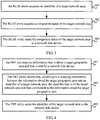
- FIG. 1 is a schematic flowchart of a congestion notification method according to an embodiment of the present invention.
- a network side device receives a congestion status that is of a target network area and that is sent by a RAN congestion awareness function (English: RAN Congestion Awareness Function, "RCAF" for short) entity, where the target network area is a network area involved in an application service provided by a target application server.
- a RAN congestion awareness function English: RAN Congestion Awareness Function, "RCAF” for short
- the network side device sends the congestion status of the target network area to the target application server.
- a network side device may directly send the congestion status to a target application server configured to provide an application service for the target network area.
- the target application server may adjust, in time according to the congestion status, a running status of an application corresponding to the target network area.
- a measure may be applied for, such as improving quality of service (English: Quality of Service, "QoS" for short), reducing transmission bandwidth, or suspending a transmission service. In this way, a waste of a network resource may be reduced or user experience may be improved.
- the method before the network side device receives the congestion status that is of the target network area and that is sent by the RCAF entity, the method further includes: receiving, by the network side device, a first congestion query request sent by the target application server, where the first congestion query request includes information about a target area, and the first congestion query request is used to request to acquire a congestion status of the target area; determining, by the network side device according to the information about the target area, an identifier that is of the target network area and that is related to the target area; and sending, by the network side device, a second congestion query request to the RCAF entity, where the second congestion query request includes the identifier of the target network area, and the second congestion query request is used to request to acquire the congestion status of the target network area.
- the information about the target area may be the identifier of the target network area or information about a target geographic area.
- the information about the target area is information about an area involved in an application service provided by the application server.
- the information about the target network area is information about an area, such as a cell or a tracking area, that is divided by an operator and that can be identified by the network side device.
- the information about the target geographic area is information about an area that is not divided by an operator and that cannot be identified by the network side device, such as longitude and latitude information and a street name.
- the network side device may directly determine identifier of the target network area. In a case in which the information about the target area is the information about the target geographic area, the network side device needs to determine the identifier of the target network area according to the information about the target geographic area.
- the determining, by the network side device according to the information about the target area, an identifier that is of the target network area and that is related to the target area includes: determining, by the network side device according to a mapping relationship between the information about the target geographic area and the identifier of the target network area, the identifier that is of the target network area and that corresponds to the information about the target geographic area.
- the determining, by the network side device according to the information about the target area, an identifier that is of the target network area and that is related to the target area includes: sending, by the network side device, the information about the target geographic area to an interworking function (English: Inter Working Function, "IWF" for short) entity; and receiving, by the network side device, the identifier that is of the target network area and that is sent by the IWF entity.
- an interworking function English: Inter Working Function, "IWF" for short
- the network side device may send a network area query request message to the IWF entity, where the network area query request message includes the information about the target geographic area.
- the IWF entity may send a network area query response message to the network side device, where the network area query response message includes the identifier of the target network area.
- the first congestion query request may further include service content description information of a target application.
- the network side device determines, according to the service content description information of the target application, a congestion status of an application that is in the target network area and that matches the target application, and sends, to the target application server, the congestion status of the application that is in the target network area and that matches the target application.
- the service content description information of the target application is an identifier of the target application, or an identifier of a group corresponding to the target application.
- the network side device is a service capability exposure function (English: Service Capability Exposure Function, "SCEF” for short) entity, or the network side device is a policy and charging rules function (English: Policy and Charging Rule Function, "PCRF” for short) entity.
- SCEF Service Capability Exposure Function
- PCRF Policy and Charging Rule Function
- the RCAF entity mentioned in this embodiment of the present invention may also be referred to as an RCAF unit
- the SCEF entity mentioned in this embodiment of the present invention may also be referred to as an SCEF unit
- the IWF entity mentioned in this embodiment of the present invention may also be referred to as an IWF unit.
- FIG. 2 is a schematic flowchart of a congestion notification method according to an embodiment of the present invention.
- An application server sends a congestion query request to a network side device, where the congestion query request includes information about a target area, the congestion query request is used to request to acquire a congestion status of the target area, and the target area is an area involved in an application service provided by the application server.
- the application server receives a congestion status that is of a target network area and that is related to the target area and sent by the network side device.
- the application server adjusts a running status of an application according to the congestion status of the target network area.
- an application server may acquire in time a congestion status of a network area involved in a provided application service.
- the application server may adjust in time a running status of a service according to the congestion status.
- a measure may be applied for, such as improving QoS, reducing transmission bandwidth, or suspending a transmission service. In this way, a waste of a network resource may be reduced or user experience may be improved.
- the information about the target area is an identifier of the target network area; or the information about the target area is information about a target geographic area.
- the information about the target network area is information about an area, such as a cell or a tracking area, that is divided by an operator and that can be identified by the network side device.
- the information about the target geographic area is information about an area that is not divided by an operator and that cannot be identified by the network side device, such as longitude and latitude information and a street name.
- the congestion query request further includes service content description information of a target application.
- the application server receives a congestion status of an application that is in the target network area and that matches the target application, where the congestion status is sent by the network side device.
- the service content description information of the target application is an identifier of the target application, or an identifier of a group corresponding to the target application.
- the network side device is an SCEF entity, or the network side device is a PCRF entity.
- FIG. 3 is a schematic flowchart of a congestion notification method according to an embodiment of the present invention.
- An RCAF entity acquires an identifier of a target network area, where the target network area is a network area involved in an application service provided by a target application server.
- the RCAF entity acquires a congestion status of the target network area.
- the RCAF entity sends the congestion status of the target network area to a network side device.
- an RCAF entity may send in time a congestion status of a specific area to a network side device, so that the network side device forwards the congestion status of the area to a corresponding application server.
- the corresponding application server may adjust in time a running status of a service according to the congestion status. For example, a measure may be applied for, such as improving QoS, reducing transmission bandwidth, or suspending a transmission service. In this way, a waste of a network resource may be reduced or user experience may be improved.
- that the RCAF entity acquires the identifier of the target network area includes: receiving, by the RCAF entity, a congestion query request sent by the network side device, where the congestion query request includes the identifier of the target network area, and the congestion query request is used to request to acquire the congestion status of the target network area.
- that the RCAF entity acquires the identifier of the target network area includes: determining, by the RCAF entity, the identifier of the target network area from a subscription list, where the subscription list includes information that is about a network area and that can provide a congestion status.
- the information that is about the network area and that may be included in the subscription list includes: information about an application server corresponding to the network area (for example, an identifier of a corresponding application server) and related information of the network area (for example, an identifier of the network area).
- the network side device is an SCEF entity, or the network side device is a PCRF entity.
- FIG. 4 is a schematic flowchart of a congestion notification method according to an embodiment of the present invention.
- An IWF entity receives information that is about a target geographic area and that is sent by a network side device, where the information about the target geographic area is information about an area that is not divided by an operator and that cannot be identified by the network side device.
- the IWF entity determines, according to a mapping relationship between the information about the target geographic area and a target network area, the identifier that is of the target network area and that corresponds to the information about the target geographic area.
- the IWF entity sends the identifier of the target network area to the network side device.
- an IWF entity may convert information about a geographic area that cannot be identified by a network side device into an identifier of a network area that can be identified by the network side device. In this way, assistance may be provided for the network side device in determining a network area in which congestion occurs.
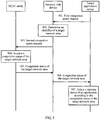
- FIG. 5 is a schematic flowchart of a congestion notification method according to an embodiment of the present invention.
- a target application server sends a first congestion query request to a network side device, where the first congestion query request includes information about a target area, the first congestion query request is used to request to acquire a congestion status of the target area, and the target area is an area involved in an application service provided by the application server.
- the information about the target area is an identifier of a target network area; or the information about the target area is information about a target geographic area.
- the identifier of the target network area is an identifier of an area, such as a cell or a tracking area, that is divided by an operator and that can be identified by a network side device.
- the information about the target geographic area is information about an area that is not divided by an operator and that cannot be identified by the network side device, such as longitude and latitude information and a street name.
- the network side device may acquire an identifier of the target application server, so as to determine the target application server according to the identifier of the target application server.
- the identifier of the target application server is used to identify the target application server.
- the identifier of the target application server may be a name of the target application server, the identifier of the target application server may also be an Internet Protocol (English: Internet Protocol, "IP” for short) address of the target application server, the identifier of the target application server may also be a Media Access Control (English: Media Access Control, "MAC” for short) address of the target application server, and so on.
- the network side device determines an identifier of a target network area according to the first congestion query request.
- the network side device may determine, according to a mapping relationship between the identifier of the target network area and the information about the target geographic area, the identifier that is of the target network area and that corresponds to the information about the target geographic area.
- the network side device in a case in which the information about the target area is the information about the target geographic area, the network side device sends the information about the target geographic area to an IWF; the network side device receives the identifier that is of the target network area and that is sent by the IWF.
- the IWF may determine, according to a mapping relationship between the identifier of the target network area and the information about the target geographic area, the identifier that is of the target network area and that corresponds to the information about the target geographic area.
- the network side device may directly determine the identifier of the target network area.
- the network side device sends a second congestion query request to an RCAF entity, where the second congestion query request includes the identifier of the target network area, and the second congestion query request is used to request to acquire a congestion status of the target network area.
- the RCAF entity acquires the congestion status of the target network area.
- the RCAF entity queries a user equipment list of a corresponding area by using a mobility management entity (English: Mobility Management Entity, "MME" for short). Specifically, the RCAF entity may send, to the MME, a congestion area corresponding to related information of the congestion area. The MME returns a user equipment identifier list of the congestion area corresponding to the related information of the congestion area. The RCAF entity determines, according to the user equipment identifier list, a congestion situation of the congestion area corresponding to the related information of the congestion area. If the RCAF entity determines that congestion occurs in the target network area, the RCAF determines that the congestion status of the target network area includes a congestion level. If the RCAF entity determines that congestion is to occur in the target network area, the RCAF entity may determine that the congestion status of the target network area includes a predicted congestion level or other information (for example, time at which congestion may occur).
- MME Mobility Management Entity
- the RCAF entity sends the congestion status of the target network area to the network side device.
- the network side device sends the congestion status of the target network area to the target application server.
- the target application server adjusts a running status of an application according to the target congestion status.
- the first congestion query request may further include service content description information of a target application.
- the network side device determines, according to the service content description information of the target application, a congestion status of an application that is in the target network area and that matches the target application, and sends, to the target application server, the congestion status of the application that is in the target network area and that matches the target application.
- the service content description information of the target application is an identifier of the target application, or an identifier of a group corresponding to the target application.
- the network side device is an SCEF entity, or the network side device is a PCRF entity.
- a network side device may directly send the congestion status to a corresponding application server.
- the application server may adjust in time a running status of a corresponding application service according to the congestion status.
- a measure may be applied for, such as improving quality of service (English: Quality of Service, "QoS" for short), reducing transmission bandwidth, or suspending a transmission service. In this way, a waste of a network resource may be reduced or user experience may be improved.
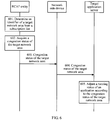
- FIG. 6 is a schematic flowchart of a congestion notification method according to another embodiment of the present invention.
- An RCAF entity determines an identifier of a target network area from a subscription list, where the subscription list includes information that is about a network area and that can provide a congestion status.
- the information that is about the network area and that may be included in the subscription list includes: information about an application server corresponding to the network area (for example, an identifier of a corresponding application server) and related information of the network area (for example, an identifier of the network area).
- the subscription list may be sent by the application server to the RCAF entity by using a subscription message.
- the subscription message may include the related information of the network area (for example, the identifier of the network area), the information about the application server corresponding to the network area (for example, the identifier of the corresponding application server), and the like.
- the subscription list may also be preconfigured and stored in the RCAF entity.
- the RCAF entity acquires a congestion status of the target network area.
- the RCAF entity queries a user equipment list of a corresponding area by using a mobility management entity (English: Mobility Management Entity, "MME" for short). Specifically, the RCAF entity may send, to the MME, a congestion area corresponding to related information of the congestion area. The MME returns a user equipment identifier list of the congestion area corresponding to the related information of the congestion area. The RCAF entity determines, according to the user equipment identifier list, a congestion situation of the congestion area corresponding to the related information of the congestion area. If the RCAF entity determines that congestion occurs in the target network area, the RCAF entity determines that the congestion status of the target network area includes a congestion level. If the RCAF entity determines that congestion is to occur in the target network area, the RCAF entity may determine that the congestion status of the target network area includes a predicted congestion level or other information (for example, time at which congestion may occur).
- MME Mobility Management Entity
- the RCAF entity sends the congestion status of the target network area to a network side device.
- the network side device sends the congestion status of the target network area to a target application server, where the target network area is a network area involved in an application service provided by the target application server.
- the network side device Before sending the congestion status of the target network area to the target application server, the network side device needs to determine an application server corresponding to the target network area.
- the network side device may determine, by using multiple methods, a target application server corresponding to the target network area.
- a correspondence between the network area and the application server may be stored in the network side device, and the network side device may determine the target application server according to the correspondence between the network area and the application server.
- the subscription list stored in the RCAF entity may include the correspondence between the network area and the corresponding application server.
- the RCAF entity When sending the congestion status of the target network area to the network side device, the RCAF entity sends, to the network side device, related information (for example, an identifier of the target application server) of the target application server corresponding to the target network area.
- the network side device may determine the target application server according to the related information of the target application server sent by the RCAF entity.
- the target application server adjusts a running status of an application according to the congestion status of the target network area.
- the network side device may further acquire service content description information of a target application, where the service content description information of the target application is used to indicate at least one of the following: the target application and target user equipment corresponding to the target application.
- the network side device may match the target application with a service flow or user equipment that is in a network area affected by congestion and that corresponds to the target application.
- the service content description information of the target application may be sent by the target application server to the network side device.
- the network side device is an SCEF, or the network side device is a PCRF.
- an RCAF entity may monitor a congestion status of a target network area according to a subscription list, and send in time the congestion status of the target network area to a network side device in a case in which congestion occurs in the target network area.
- the network side device may directly send the congestion status to a corresponding application server.
- the application server may adjust in time a running status of a corresponding application service according to the congestion status.
- a measure may be applied for, such as improving quality of service (English: Quality of Service, "QoS" for short), reducing transmission bandwidth, or suspending a transmission service. In this way, a waste of a network resource may be reduced or user experience may be improved.
- FIG. 7 is a structural block diagram of a network side device according to an embodiment of the present invention.
- a network side device 700 includes a receiving unit 701 and a sending unit 702.
- the receiving unit 701 is configured to receive a congestion status that is of a target network area and that is sent by an RCAF entity, where the target network area is a network area involved in an application service provided by a target application server.
- the sending unit 702 is configured to send the congestion status of the target network area to the target application server.
- the network side device 700 shown in FIG. 7 may directly send the congestion status to a target application server configured to provide an application service for the target network area.
- the target application server may adjust, in time according to the congestion status, a running status of an application corresponding to the target network area.
- a measure may be applied for, such as improving quality of service (English: Quality of Service, "QoS" for short), reducing transmission bandwidth, or suspending a transmission service. In this way, a waste of a network resource may be reduced or user experience may be improved.
- the receiving unit 701 is further configured to receive a first congestion query request sent by the target application server, where the first congestion query request includes information about a target area, and the first congestion query request is used to request to acquire a congestion status of the target area.
- the network side device further includes: a determining unit 703.
- the determining unit 703 is configured to determine, according to the information about the target area, an identifier that is of the target network area and that is related to the target area.
- the sending unit 702 is further configured to send a second congestion query request to the RCAF entity, where the second congestion query request includes the identifier of the target network area, and the second congestion query request is used to request to acquire the congestion status of the target network area.
- the information about the target area is information about a target geographic area, where the information about the target geographic area is information about an area that is not divided by an operator and that cannot be identified by the network side device.
- the determining unit 703 is specifically configured to determine, according to a mapping relationship between the information about the target geographic area and the identifier of the target network area, the identifier that is of the target network area and that corresponds to the information about the target geographic area.
- the determining unit 703 is specifically configured to send the information about the target geographic area to an IWF entity by using the sending unit 702.
- the determining unit 703 is specifically configured to determine that the identifier of the target network area is received by the receiving unit 701 from the IWF entity.
- the first congestion query request further includes service content description information of a target application.
- the determining unit 703 is further configured to determine, according to the service content description information of the target application, a congestion status of an application that is in the target network area and that matches the target application.
- the sending unit 702 is further configured to send, to the target application server, the congestion status of the application that is in the target network area and that matches the target application.
- the service content description information of the target application is an identifier of the target application, or an identifier of a group corresponding to the target application.
- the network side device 700 is an SCEF entity, or the network side device is a PCRF entity.
- FIG. 8 is a structural block diagram of an application server according to an embodiment of the present invention.
- an application server 800 includes a sending unit 801, a receiving unit 802, and a determining unit 803.
- the sending unit 801 is configured to send a congestion query request to a network side device, where the congestion query request includes information about a target area, and the congestion query request is used to request to acquire a congestion status of the target area.
- the receiving unit 802 is configured to receive a congestion status that is of a target network area and that is related to the target area and sent by the network side device.
- the determining unit 803 is configured to adjust a running status of an application according to the congestion status of the target network area.
- the application server 800 shown in FIG 8 may acquire in time a congestion status of a network area involved in a provided application service. In this way, the application server may adjust in time a running status of a service according to the congestion status. For example, a measure may be applied for, such as improving QoS, reducing transmission bandwidth, or suspending a transmission service. In this way, a waste of a network resource may be reduced or user experience may be improved.
- the information about the target area is an identifier of the target network area; or the information about the target area is information about a target geographic area, where the information about the target geographic area is information about an area that is not divided by an operator and that cannot be identified by the network side device.
- the congestion query request further includes service content description information of a target application
- the receiving unit 802 is further configured to receive a congestion status of an application that is in the target network area and that matches the target application, where the congestion status is sent by the network side device.
- the service content description information of the target application is an identifier of the target application, or an identifier of a group corresponding to the target application.
- FIG. 9 is a structural block diagram of an RCAF entity according to an embodiment of the present invention.
- an RCAF entity 900 includes an acquiring unit 901 and a sending unit 902.
- the acquiring unit 901 is configured to acquire an identifier of a target network area, where the target network area is a network area involved in an application service provided by a target application server.
- the acquiring unit 901 is further configured to acquire a congestion status of the target network area.
- the sending unit 902 is configured to send the congestion status of the target network area to a network side device.
- the RCAF entity 900 shown in FIG 9 may send in time a congestion status of a specific area to a network side device, so that the network side device forwards the congestion status of the area to a corresponding application server.
- the corresponding application server may adjust in time a running status of a service according to the congestion status. For example, a measure may be applied for, such as improving QoS, reducing transmission bandwidth, or suspending a transmission service. In this way, a waste of a network resource may be reduced or user experience may be improved.
- the acquiring unit 901 is specifically configured to receive a congestion query request sent by the network side device, where the congestion query request includes the identifier of the target network area, and the congestion query request is used to request to acquire the congestion status of the target network area.
- the acquiring unit 902 is specifically configured to determine the identifier of the target network area from a subscription list, where the subscription list includes information that is about a network area and that can provide a congestion status.
- FIG. 10 is a structural block diagram of an IWF entity according to an embodiment of the present invention.
- an IWF entity 1000 includes a receiving unit 1001, a determining unit 1002, and a sending unit 1003.
- the receiving unit 1001 is configured to receive information that is about a target geographic area and that is sent by a network side device, where the information about the target geographic area is information about an area that is not divided by an operator and that cannot be identified by the network side device.
- the determining unit 1002 is configured to determine, according to a mapping relationship between an identifier of a target network area and the information about the target geographic area, the identifier that is of the target network area and that corresponds to the information about the target geographic area.
- the sending unit 1003 is configured to send the identifier of the target network area to the network side device.
- the IWF entity 1000 shown in FIG. 10 may convert information about a geographic area that cannot be identified by a network side device into an identifier of a network area that can be identified by the network side device. In this way, assistance may be provided for the network side device in determining a network area in which congestion occurs.
- FIG. 11 is a structural block diagram of a network side device according to an embodiment of the present invention. As shown in FIG. 11 , a network side device 1100 includes a receiver 1101 and a receiver 1102.
- the receiver 1101 is configured to receive a congestion status that is of a target network area and that is sent by an RCAF entity, where the target network area is a network area involved in an application service provided by a target application server.
- the transmitter 1102 is configured to send the congestion status of the target network area to the target application server.
- the network side device 1100 shown in FIG. 11 may directly send the congestion status to a target application server configured to provide an application service for the target network area.
- the target application server may adjust, in time according to the congestion status, a running status of an application corresponding to the target network area.
- a measure may be applied for, such as improving quality of service (English: Quality of Service, "QoS" for short), reducing transmission bandwidth, or suspending a transmission service. In this way, a waste of a network resource may be reduced or user experience may be improved.
- the receiver 1101 is further configured to receive a first congestion query request sent by the target application server, where the first congestion query request includes information about a target area, and the first congestion query request is used to request to acquire a congestion status of the target area.
- the network side device further includes: a processor 1103.
- the processor 1103 is configured to determine, according to the information about the target area, an identifier that is of the target network area and that is related to the target area.
- the transmitter 1102 is further configured to send a second congestion query request to the RCAF entity, where the second congestion query request includes the identifier of the target network area, and the second congestion query request is used to request to acquire the congestion status of the target network area.
- the information about the target area is information about a target geographic area, where the information about the target geographic area is information about an area that is not divided by an operator and that cannot be identified by the network side device.
- the processor 1103 is specifically configured to determine, according to a mapping relationship between the information about the target geographic area and the identifier of the target network area, the identifier that is of the target network area and that corresponds to the information about the target geographic area.
- the processor 1103 is specifically configured to send the information about the target geographic area to an IWF entity by using the transmitter 1102.
- the processor 1103 is specifically configured to determine that the identifier of the target network area is received by the receiver 1101 from the IWF entity.
- the first congestion query request further includes service content description information of a target application
- the processor 1103 is further configured to determine, according to the service content description information of the target application, a congestion status of an application that is in the target network area and that matches the target application.
- the transmitter 1102 is further configured to send, to the target application server, the congestion status of the application that is in the target network area and that matches the target application.
- the service content description information of the target application is an identifier of the target application, or an identifier of a group corresponding to the target application.
- the network side device is an SCEF entity, or the network side device is a PCRF entity.
- FIG 12 is a structural block diagram of an application server according to an embodiment of the present invention.
- an application server 1200 includes a transmitter 1201, a receiver 1202, and a processor 1203.
- the transmitter 1201 is configured to send a congestion query request to a network side device, where the congestion query request includes information about a target area, and the congestion query request is used to request to acquire a congestion status of the target area.
- the receiver 1202 is configured to receive a congestion status that is of a target network area and that is related to the target area and sent by the network side device.
- the processor 1203 is configured to adjust a running status of an application according to the congestion status of the target network area.
- the application server 1200 shown in FIG. 12 may acquire in time a congestion status of a network area involved in a provided application service. In this way, the application server may adjust in time a running status of a service according to the congestion status. For example, a measure may be applied for, such as improving QoS, reducing transmission bandwidth, or suspending a transmission service. In this way, a waste of a network resource may be reduced or user experience may be improved.
- the information about the target area is an identifier of the target network area; or the information about the target area is information about a target geographic area, where the information about the target geographic area is information about an area that is not divided by an operator and that cannot be identified by the network side device.
- the congestion query request further includes service content description information of a target application
- the receiver 1202 is further configured to receive a congestion status of an application that is in the target network area and that matches the target application, where the congestion status is sent by the network side device.
- the service content description information of the target application is an identifier of the target application, or an identifier of a group corresponding to the target application.
- FIG. 13 is a structural block diagram of an RCAF entity according to an embodiment of the present invention.
- an RCAF entity 1300 includes a processor 1301 and a transmitter 1302.
- the processor 1301 is configured to acquire an identifier of a target network area, where the target network area is a network area involved in an application service provided by a target application server.
- the processor 1301 is further configured to acquire a congestion status of the target network area.
- the transmitter 1302 is configured to send the congestion status of the target network area to a network side device.
- the RCAF entity 1300 shown in FIG. 13 may send in time a congestion status of a specific area to a network side device, so that the network side device forwards the congestion status of the area to a corresponding application server.
- the corresponding application server may adjust in time a running status of a service according to the congestion status. For example, a measure may be applied for, such as improving QoS, reducing transmission bandwidth, or suspending a transmission service. In this way, a waste of a network resource may be reduced or user experience may be improved.
- the RCAF entity 1300 further includes: a receiver 1303.
- the receiver 1303 is configured to receive a congestion query request sent by the network side device, where the congestion query request includes the identifier of the target network area, and the congestion query request is used to request to acquire the congestion status of the target network area.
- the processor 1301 is specifically configured to determine the identifier of the target network area according to the congestion query request.
- the processor 1301 is specifically configured to determine the identifier of the target network area from a subscription list, where the subscription list includes information that is about a network area and that can provide a congestion status.
- FIG. 14 is a structural block diagram of an IWF entity according to an embodiment of the present invention.
- an IWF entity 1400 includes a receiver 1401, a processor 1402, and a transmitter 1403.
- the receiver 1401 is configured to receive information that is about a target geographic area and that is sent by a network side device, where the information about the target geographic area is information about an area that is not divided by an operator and that cannot be identified by the network side device.
- the processor 1402 is configured to determine, according to a mapping relationship between an identifier of a target network area and the information about the target geographic area, the identifier that is of the target network area and that corresponds to the information about the target geographic area.
- the transmitter 1403 is configured to send the identifier of the target network area to the network side device.
- the IWF entity 1400 shown in FIG. 14 may convert information about a geographic area that cannot be identified by a network side device into an identifier of a network area that can be identified by the network side device. In this way, assistance may be provided for the network side device in determining a network area in which congestion occurs.
- FIG. 15 is a schematic diagram of a congestion notification system according to an embodiment of the present invention.
- a system 1500 includes an RCAF entity 1501 and a network side device 1502.
- the RCAF entity 1501 in the system 1500 is the RCAF entity shown in FIG. 13 .
- the network side device 1502 in the system 1500 is the network side device shown in FIG. 11 .
- a network side device may directly send the congestion status to a target application server configured to provide an application service for the target network area.
- the target application server may adjust, in time according to the congestion status, a running status of an application corresponding to the target network area.
- a measure may be applied for, such as improving quality of service (English: Quality of Service, "QoS" for short), reducing transmission bandwidth, or suspending a transmission service. In this way, a waste of a network resource may be reduced or user experience may be improved.
- system shown in FIG. 15 may further include an IWF entity 1503.
- the IWF entity 1503 in the system 1500 may be the IWF entity shown in FIG. 14 .
- the disclosed system, apparatus, and method may be implemented in other manners.
- the described apparatus embodiment is merely exemplary.
- the unit division is merely logical function division and may be another division in actual implementation.
- a plurality of units or components may be combined or integrated into another system, or some features may be ignored or not performed.
- the displayed or discussed mutual couplings or direct couplings or communication connections may be implemented through some interfaces.
- the indirect couplings or communication connections between the apparatuses or units may be implemented in electronic, mechanical, or other forms.
- the units described as separate parts may or may not be physically separate, and parts displayed as units may or may not be physical units, may be located in one position, or may be distributed on a plurality of network units. Some or all of the units may be selected according to actual needs to achieve the objectives of the solutions of the embodiments.
- functional units in the embodiments of the present invention may be integrated into one processing unit, or each of the units may exist alone physically, or two or more units are integrated into one unit.
- the functions When the functions are implemented in the form of a software functional unit and sold or used as an independent product, the functions may be stored in a computer-readable storage medium. Based on such an understanding, the technical solutions of the present invention essentially, or the part contributing to the prior art, or a part of the technical solutions may be implemented in a form of a software product.
- the software product is stored in a storage medium and includes several instructions for instructing a computer device (which may be a personal computer, a server, or a network device) or a processor to perform all or a part of the steps of the methods described in the embodiments of the present invention.
- the foregoing storage medium includes: any medium that can store program code, such as a USB flash drive, a removable hard disk, a read-only memory (ROM, Read-Only Memory), a random access memory (RAM, Random Access Memory), a magnetic disk, or an optical disc.
- program code such as a USB flash drive, a removable hard disk, a read-only memory (ROM, Read-Only Memory), a random access memory (RAM, Random Access Memory), a magnetic disk, or an optical disc.
Landscapes
- Engineering & Computer Science (AREA)
- Computer Networks & Wireless Communication (AREA)
- Signal Processing (AREA)
- Mobile Radio Communication Systems (AREA)
- Telephonic Communication Services (AREA)
- Software Systems (AREA)
- Theoretical Computer Science (AREA)
- General Physics & Mathematics (AREA)
- General Engineering & Computer Science (AREA)
- Physics & Mathematics (AREA)
- Artificial Intelligence (AREA)
- Computer Vision & Pattern Recognition (AREA)
- Data Mining & Analysis (AREA)
- Evolutionary Computation (AREA)
- Medical Informatics (AREA)
- Computing Systems (AREA)
- Mathematical Physics (AREA)
Claims (15)
- Überlastungsbenachrichtigungssystem, umfassend eine Dienstfähigkeitsexpositions-Funktionsentität, eine Überlastungserkennungs-Funktionsentität für ein Funkzugangsnetzwerk, RAN, und einen Anwendungsserver, wobei der Anwendungsserver ausgelegt ist zum:Senden (201) einer ersten Überlastungsabfrageanforderung an die Dienstfähigkeitsexpositions-Funktionsentität; wobei die erste Überlastungsabfrageanforderung Informationen über einen Zielbereich umfasst;Empfangen (202) eines Überlastungsstatus eines Zielnetzwerkbereichs von der Dienstfähigkeitsexpositions-Funktionsentität; wobei der Zielnetzwerkbereich, im Zusammenhang mit dem Zielbereich, ein Netzwerkbereich ist, der an einem durch den Anwendungsserver bereitgestellten Anwendungsdienst beteiligt ist; undEinstellen (203) eines Ausführungsstatus einer Anwendung entsprechend dem Überlastungsstatus des Zielbereichs;wobei die Dienstfähigkeitsexpositions-Funktionsentität ausgelegt ist zum:Empfangen der ersten Überlastungsabfrageanforderung vom Anwendungsserver;Bestimmen, entsprechend den Informationen über den Zielbereich, einer Kennung des Zi elnetzwerkberei chs;Senden einer zweiten Überlastungsabfrageanforderung an die RAN-Überlastungserkennungs-Funktionsentität; wobei die zweite Überlastungsabfrageanforderung die Kennung des Zielnetzwerkbereichs umfasst;Empfangen (101) des Überlastungsstatus des Zielnetzwerkbereichs von der RAN-Überlastungserkennungs-Funktionsentität; undSenden (102) des Überlastungsstatus des Zielnetzwerkbereichs an den Anwendungsserver;wobei die RAN-Überlastungserkennungs-Funktionsentität ausgelegt ist zum:Empfangen der zweiten Überlastungsabfrageanforderung von der Dienstfähigkeitsexpositions-Funktionsentität;Erfassen (302) des Überlastungsstatus des Zielnetzwerkbereichs; undSenden (303) des Überlastungsstatus des Zielnetzwerkbereichs an die Dienstfähigkeitsexpositions-Funktionsentität.
- System nach Anspruch 1, wobei die Informationen über den Zielbereich Informationen über einen geografischen Zielbereich sind, und wobei die Informationen über den geografischen Zielbereich Informationen über einen Bereich sind, der nicht durch einen Betreiber geteilt ist und der nicht durch die Dienstfähigkeitsexpositions-Funktionsentität identifiziert werden kann.
- System nach Ansprüchen 1 oder 2, wobei die Dienstfähigkeitsexpositions-Funktionsentität spezifisch ausgelegt ist zum:
Bestimmen, entsprechend einer Abbildungsbeziehung zwischen den Informationen über den geografischen Zielbereich und der Kennung des Zielnetzwerkbereichs, der Kennung, die die des Zielnetzwerkbereichs ist und die den Informationen über den geografischen Zielbereich entspricht. - Überlastungsbenachrichtigungsverfahren, dadurch gekennzeichnet, dass das Verfahren Folgendes umfasst:Empfangen, durch eine Dienstfähigkeitsexpositions-Funktionsentität, einer ersten Überlastungsabfrageanforderung von einem Anwendungsserver, wobei die erste Überlastungsabfrageanforderung Informationen über einen Zielbereich umfasst, und wobei die erste Überlastungsabfrageanforderung verwendet wird, um anzufordern, einen Überlastungsstatus des Zielbereichs zu erfassen;Bestimmen, durch die Dienstfähigkeitsexpositions-Funktionsentität entsprechend den Informationen über den Zielbereich, einer Kennung, die die eines Zielnetzwerkbereichs ist und die im Zusammenhang mit dem Zielbereich steht, wobei der Zielnetzwerkbereich ein Netzwerkbereich ist, der an einem durch den Anwendungsserver bereitgestellten Anwendungsdienst beteiligt ist;Senden, durch die Dienstfähigkeitsexpositions-Funktionsentität, einer zweiten Überlastungsabfrageanforderung an eine Überlastungserkennungs-Funktionsentität eines Funkzugangsnetzwerks, RAN, wobei die zweite Überlastungsabfrageanforderung die Kennung des Zielnetzwerkbereichs umfasst und wobei die zweite Überlastungsabfrageanforderung verwendet wird, um anzufordern, einen Überlastungsstatus des Zielnetzwerkbereichs zu erfassen;Empfangen, durch die RAN-Überlastungserkennungs-Funktionsentität, der zweiten Überlastungsabfrageanforderung von der Dienstfähigkeitsexpositions-Funktionsentität;Erfassen (302), durch die RAN-Überlastungserkennungs-Funktionsentität, des Überlastungsstatus des Zielnetzwerkbereichs; undSenden (303), durch die RAN-Überlastungserkennungs-Funktionsentität, des Überlastungsstatus des Zielnetzwerkbereichs an die Dienstfähigkeitsexpositions-Funktionsentität;Empfangen (101), durch die Dienstfähigkeitsexpositions-Funktionsentität, des Überlastungsstatus des Zielnetzwerkbereichs von der RAN-Überlastungserkennungs-Funktionsentität; undSenden (102), durch die Dienstfähigkeitsexpositions-Funktionsentität, des Überlastungsstatus des Zielnetzwerkbereichs an den Anwendungsserver.
- Verfahren nach Anspruch 4, wobei das Verfahren ferner Folgendes umfasst:Empfangen (202), durch den Anwendungsserver, des Überlastungsstatus des Zielnetzwerkbereichs; undEinstellen (203), durch den Anwendungsserver, eines Ausführungsstatus einer Anwendung entsprechend dem Überlastungsstatus des Zielnetzwerkbereichs.
- Verfahren nach Ansprüchen 4 oder 5, wobei die Informationen über den Zielbereich Informationen über einen geografischen Zielbereich sind, und wobei die Informationen über den geografischen Zielbereich Informationen über einen Bereich sind, der nicht durch einen Betreiber geteilt ist und der nicht durch die Dienstfähigkeitsexpositions-Funktionsentität identifiziert werden kann.
- Verfahren nach einem der Ansprüche 4 bis 6, wobei das Bestimmen, durch die Dienstfähigkeitsexpositions-Funktionsentität entsprechend den Informationen über den Zielbereich, einer Kennung, die die des Zielnetzwerkbereichs ist und die im Zusammenhang mit dem Zielbereich steht, Folgendes umfasst:
Bestimmen, durch die Dienstfähigkeitsexpositions-Funktionsentität, entsprechend einer Abbildungsbeziehung zwischen den Informationen über den geografischen Zielbereich und der Kennung des Zielnetzwerkbereichs, der Kennung, die die des Zielnetzwerkbereichs ist und die den Informationen über den geografischen Zielbereich entspricht. - Computerprogrammprodukt, umfassend Anweisungen, die, wenn das Programm durch einen Computer ausgeführt wird, den Computer veranlassen, die folgenden Schritte auszuführen:Empfangen einer ersten Überlastungsabfrageanforderung von einem Anwendungsserver, wobei die erste Überlastungsabfrageanforderung Informationen über einen Zielbereich umfasst, und wobei die erste Überlastungsabfrageanforderung verwendet wird, um anzufordern, einen Überlastungsstatus des Zielbereichs zu erfassen;Bestimmen entsprechend den Informationen über den Zielbereich, einer Kennung, die die eines Zielnetzwerkbereichs ist und die im Zusammenhang mit dem Zielbereich steht, wobei der Zielnetzwerkbereich ein Netzwerkbereich ist, der an einem durch den Anwendungsserver bereitgestellten Anwendungsdienst beteiligt ist;Senden einer zweiten Überlastungsabfrageanforderung an eine Überlastungserkennungs-Funktionsentität eines Funkzugangsnetzwerks, RAN, wobei die zweite Überlastungsabfrageanforderung die Kennung des Zielnetzwerkbereichs umfasst und wobei die zweite Überlastungsabfrageanforderung verwendet wird, um anzufordern, einen Überlastungsstatus des Zielnetzwerkbereichs zu erfassen;Empfangen (101) des Überlastungsstatus des Zielnetzwerkbereichs von der RAN-Überlastungserkennungs-Funktionsentität; undSenden (102) des Überlastungsstatus des Zielnetzwerkbereichs an den Anwendungsserver.
- Computerprogramm nach Anspruch 8, wobei die Informationen über den Zielbereich Informationen über einen geografischen Zielbereich sind.
- Computerprogramm nach Ansprüchen 8 oder 9, wobei das Bestimmen, entsprechend den Informationen über den Zielbereich, einer Kennung, die die eines Zielnetzwerkbereichs ist und die im Zusammenhang mit dem Zielbereich steht, Folgendes umfasst:
Bestimmen, entsprechend einer Abbildungsbeziehung zwischen den Informationen über den geografischen Zielbereich und der Kennung des Zielnetzwerkbereichs, der Kennung, die die des Zielnetzwerkbereichs ist und die den Informationen über den geografischen Zielbereich entspricht. - Computerprogrammprodukt, umfassend Anweisungen, die, wenn das Programm durch einen Computer ausgeführt wird, den Computer veranlassen, die folgenden Schritte auszuführen:Senden (201) einer Überlastungsabfrageanforderung an eine Dienstfähigkeitsexpositions-Funktionsentität, wobei die Überlastungsabfrageanforderung Informationen über einen Zielbereich umfasst, und wobei die Überlastungsabfrageanforderung verwendet wird, um anzufordern, einen Überlastungsstatus des Zielbereichs zu erfassen;Empfangen (202) eines Überlastungsstatus, der von einem Zielnetzwerkbereich ist und der in Zusammenhang mit dem Zielbereich von der Dienstfähigkeitsexpositions-Funktionsentität steht; undEinstellen (203) eines Ausführungsstatus einer Anwendung entsprechend dem Überlastungsstatus des Zielnetzwerkbereichs.
- Computerprogrammprodukt, umfassend Anweisungen, die, wenn das Programm durch einen Computer ausgeführt wird, den Computer veranlassen, die folgenden Schritte auszuführen:Empfangen einer Überlastungsabfrageanforderung von einer Dienstfähigkeitsexpositions-Funktionsentität, wobei die Überlastungsabfrageanforderung eine Kennung eines Zielnetzwerkbereichs umfasst und wobei die Überlastungsabfrageanforderung verwendet wird, um anzufordern, einen Überlastungsstatus des Zielnetzwerkbereichs zu erfassen, wobei der Zielnetzwerkbereich ein Netzwerkbereich ist, der an einem durch einen Zielanwendungsserver bereitgestellten Anwendungsdienst beteiligt ist;Erfassen (302) des Überlastungsstatus des Zielnetzwerkbereichs; undSenden (303) des Überlastungsstatus des Zielnetzwerkbereichs an die Dienstfähigkeitsexpositions-Funktionsentität.
- Computerlesbares Speichermedium, umfassend Anweisungen, die, wenn sie durch einen Computer ausgeführt werden, den Computer veranlassen, die folgenden Schritte auszuführen:Empfangen einer ersten Überlastungsabfrageanforderung von einem Anwendungsserver, wobei die erste Überlastungsabfrageanforderung Informationen über einen Zielbereich umfasst, und wobei die erste Überlastungsabfrageanforderung verwendet wird, um anzufordern, einen Überlastungsstatus des Zielbereichs zu erfassen;Bestimmen entsprechend den Informationen über den Zielbereich, einer Kennung, die die eines Zielnetzwerkbereichs ist und die im Zusammenhang mit dem Zielbereich steht, wobei der Zielnetzwerkbereich ein Netzwerkbereich ist, der an einem durch den Anwendungsserver bereitgestellten Anwendungsdienst beteiligt ist;Senden einer zweiten Überlastungsabfrageanforderung an eine Überlastungserkennungs-Funktionsentität eines Funkzugangsnetzwerks, RAN, wobei die zweite Überlastungsabfrageanforderung die Kennung des Zielnetzwerkbereichs umfasst und wobei die zweite Überlastungsabfrageanforderung verwendet wird, um anzufordern, einen Überlastungsstatus des Zielnetzwerkbereichs zu erfassen;Empfangen (101) des Überlastungsstatus des Zielnetzwerkbereichs von der RAN-Überlastungserkennungs-Funktionsentität; undSenden (102) des Überlastungsstatus des Zielnetzwerkbereichs an den Anwendungsserver.
- Computerlesbares Speichermedium, umfassend Anweisungen, die, wenn sie durch einen Computer ausgeführt werden, den Computer veranlassen, die folgenden Schritte auszuführen:Senden (201) einer Überlastungsabfrageanforderung an eine Dienstfähigkeitsexpositions-Funktionsentität, wobei die Überlastungsabfrageanforderung Informationen über einen Zielbereich umfasst, und wobei die Überlastungsabfrageanforderung verwendet wird, um anzufordern, einen Überlastungsstatus des Zielbereichs zu erfassen;Empfangen (202) eines Überlastungsstatus, der von einem Zielnetzwerkbereich ist und der in Zusammenhang mit dem Zielbereich von der Dienstfähigkeitsexpositions-Funktionsentität steht; undEinstellen (203) eines Ausführungsstatus einer Anwendung entsprechend dem Überlastungsstatus des Zielnetzwerkbereichs.
- Computerlesbares Speichermedium, umfassend Anweisungen, die, wenn sie durch einen Computer ausgeführt werden, den Computer veranlassen, die folgenden Schritte auszuführen:Empfangen einer Überlastungsabfrageanforderung von einer Dienstfähigkeitsexpositions-Funktionsentität, wobei die Überlastungsabfrageanforderung eine Kennung eines Zielnetzwerkbereichs umfasst und wobei die Überlastungsabfrageanforderung verwendet wird, um anzufordern, einen Überlastungsstatus des Zielnetzwerkbereichs zu erfassen, wobei der Zielnetzwerkbereich ein Netzwerkbereich ist, der an einem durch einen Zielanwendungsserver bereitgestellten Anwendungsdienst beteiligt ist;Erfassen (302) des Überlastungsstatus des Zielnetzwerkbereichs; undSenden (303) des Überlastungsstatus des Zielnetzwerkbereichs an die Dienstfähigkeitsexpositions-Funktionsentität.
Priority Applications (1)
| Application Number | Priority Date | Filing Date | Title |
|---|---|---|---|
| EP19174672.6A EP3595356B1 (de) | 2014-11-10 | 2014-11-10 | Überlastungsbenachrichtigungssystem und verfahren |
Applications Claiming Priority (3)
| Application Number | Priority Date | Filing Date | Title |
|---|---|---|---|
| PCT/CN2014/090750 WO2016074138A1 (zh) | 2014-11-10 | 2014-11-10 | 拥塞通知方法、相关设备和系统 |
| EP14905854.7A EP3177063B1 (de) | 2014-11-10 | 2014-11-10 | Überlastungsbenachrichtigungsverfahren, zugehörige vorrichtung und system |
| EP19174672.6A EP3595356B1 (de) | 2014-11-10 | 2014-11-10 | Überlastungsbenachrichtigungssystem und verfahren |
Related Parent Applications (2)
| Application Number | Title | Priority Date | Filing Date |
|---|---|---|---|
| EP14905854.7A Division EP3177063B1 (de) | 2014-11-10 | 2014-11-10 | Überlastungsbenachrichtigungsverfahren, zugehörige vorrichtung und system |
| EP14905854.7A Division-Into EP3177063B1 (de) | 2014-11-10 | 2014-11-10 | Überlastungsbenachrichtigungsverfahren, zugehörige vorrichtung und system |
Publications (2)
| Publication Number | Publication Date |
|---|---|
| EP3595356A1 EP3595356A1 (de) | 2020-01-15 |
| EP3595356B1 true EP3595356B1 (de) | 2021-06-30 |
Family
ID=55953544
Family Applications (2)
| Application Number | Title | Priority Date | Filing Date |
|---|---|---|---|
| EP19174672.6A Active EP3595356B1 (de) | 2014-11-10 | 2014-11-10 | Überlastungsbenachrichtigungssystem und verfahren |
| EP14905854.7A Active EP3177063B1 (de) | 2014-11-10 | 2014-11-10 | Überlastungsbenachrichtigungsverfahren, zugehörige vorrichtung und system |
Family Applications After (1)
| Application Number | Title | Priority Date | Filing Date |
|---|---|---|---|
| EP14905854.7A Active EP3177063B1 (de) | 2014-11-10 | 2014-11-10 | Überlastungsbenachrichtigungsverfahren, zugehörige vorrichtung und system |
Country Status (5)
| Country | Link |
|---|---|
| US (3) | US10303518B2 (de) |
| EP (2) | EP3595356B1 (de) |
| CN (3) | CN110177382B (de) |
| ES (1) | ES2745570T3 (de) |
| WO (1) | WO2016074138A1 (de) |
Families Citing this family (9)
| Publication number | Priority date | Publication date | Assignee | Title |
|---|---|---|---|---|
| KR20160140827A (ko) * | 2014-03-31 | 2016-12-07 | 콘비다 와이어리스, 엘엘씨 | M2m 서비스 층과 3gpp 네트워크 사이의 과부하 제어 및 조율 |
| EP3595356B1 (de) * | 2014-11-10 | 2021-06-30 | Huawei Technologies Co., Ltd. | Überlastungsbenachrichtigungssystem und verfahren |
| EP3266188B1 (de) * | 2015-03-02 | 2020-09-02 | Convida Wireless, LLC | Netzwerk- und anwendungsverwaltung mit verwendung von dienstschichtfähigkeiten |
| US10785696B2 (en) | 2016-06-21 | 2020-09-22 | Huawei Technologies Co., Ltd. | Systems and methods for user plane path selection, reselection, and notification of user plane changes |
| US10972552B2 (en) | 2016-09-30 | 2021-04-06 | Huawei Technologies Co., Ltd. | Method and system for user plane path selection |
| CN106254263B (zh) * | 2016-09-30 | 2019-09-20 | 北京邮电大学 | 底层网络拥塞状态信息的获取方法、装置及系统 |
| US10531420B2 (en) | 2017-01-05 | 2020-01-07 | Huawei Technologies Co., Ltd. | Systems and methods for application-friendly protocol data unit (PDU) session management |
| WO2022052110A1 (en) | 2020-09-14 | 2022-03-17 | Telefonaktiebolaget Lm Ericsson (Publ) | Method and apparatus for determining a poor network quality area |
| US12149986B2 (en) * | 2021-02-18 | 2024-11-19 | Lg Electronics Inc. | Method and apparatus for QoE reporting in a wireless communication system |
Family Cites Families (12)
| Publication number | Priority date | Publication date | Assignee | Title |
|---|---|---|---|---|
| CN102197664B (zh) * | 2008-11-07 | 2014-07-16 | 艾利森电话股份有限公司 | 在用户设备中触发基于位置的事件的方法 |
| CN103548381B (zh) * | 2011-12-08 | 2016-12-28 | 华为技术有限公司 | 一种拥塞控制方法及装置 |
| CN103391529B (zh) * | 2012-05-07 | 2018-03-13 | 中兴通讯股份有限公司 | 业务推送方法及装置 |
| JP6138058B2 (ja) * | 2012-07-02 | 2017-05-31 | パナソニック インテレクチュアル プロパティ コーポレーション オブ アメリカPanasonic Intellectual Property Corporation of America | サーバ及び通信端末 |
| EP2731373A1 (de) * | 2012-11-13 | 2014-05-14 | NTT DoCoMo, Inc. | Verfahren und Vorrichtung zur Überlastungsbenachrichtigung |
| KR102099650B1 (ko) * | 2013-03-11 | 2020-05-15 | 삼성전자 주식회사 | 이동통신 네트워크의 혼잡 상황 제어 방법 및 장치 |
| WO2014198710A1 (en) * | 2013-06-12 | 2014-12-18 | Telefonaktiebolaget L M Ericsson (Publ) | A node and method for ran congestion status handling |
| KR20160140827A (ko) * | 2014-03-31 | 2016-12-07 | 콘비다 와이어리스, 엘엘씨 | M2m 서비스 층과 3gpp 네트워크 사이의 과부하 제어 및 조율 |
| US9485685B2 (en) * | 2014-06-13 | 2016-11-01 | Telefonaktiebolaget Lm Ericsson (Publ) | Congestion monitoring of mobile entities |
| WO2016055094A1 (en) * | 2014-10-07 | 2016-04-14 | Telefonaktiebolaget L M Ericsson (Publ) | Monitoring an ability of a high latency wireless device to receive downlink data |
| EP3595356B1 (de) | 2014-11-10 | 2021-06-30 | Huawei Technologies Co., Ltd. | Überlastungsbenachrichtigungssystem und verfahren |
| US9843517B2 (en) * | 2015-05-14 | 2017-12-12 | Qualcomm Incorporated | Dynamically adjusting network services stratum parameters based on access and/or connectivity stratum utilization and/or congestion information |
-
2014
- 2014-11-10 EP EP19174672.6A patent/EP3595356B1/de active Active
- 2014-11-10 CN CN201910514760.7A patent/CN110177382B/zh active Active
- 2014-11-10 EP EP14905854.7A patent/EP3177063B1/de active Active
- 2014-11-10 CN CN201480031449.2A patent/CN105794258B/zh active Active
- 2014-11-10 ES ES14905854T patent/ES2745570T3/es active Active
- 2014-11-10 WO PCT/CN2014/090750 patent/WO2016074138A1/zh not_active Ceased
- 2014-11-10 CN CN201910514593.6A patent/CN110177381B/zh active Active
-
2017
- 2017-05-09 US US15/590,728 patent/US10303518B2/en active Active
-
2019
- 2019-05-13 US US16/410,742 patent/US10680952B2/en active Active
-
2020
- 2020-05-28 US US16/886,230 patent/US11245626B2/en active Active
Non-Patent Citations (1)
| Title |
|---|
| None * |
Also Published As
| Publication number | Publication date |
|---|---|
| EP3177063A1 (de) | 2017-06-07 |
| US20190332434A1 (en) | 2019-10-31 |
| CN105794258A (zh) | 2016-07-20 |
| US11245626B2 (en) | 2022-02-08 |
| US20170242730A1 (en) | 2017-08-24 |
| CN110177381B (zh) | 2023-10-13 |
| CN110177382A (zh) | 2019-08-27 |
| EP3595356A1 (de) | 2020-01-15 |
| US20200366609A1 (en) | 2020-11-19 |
| US10680952B2 (en) | 2020-06-09 |
| EP3177063A4 (de) | 2017-10-04 |
| CN105794258B (zh) | 2019-07-09 |
| CN110177381A (zh) | 2019-08-27 |
| WO2016074138A1 (zh) | 2016-05-19 |
| CN110177382B (zh) | 2021-09-21 |
| EP3177063B1 (de) | 2019-06-26 |
| ES2745570T3 (es) | 2020-03-02 |
| US10303518B2 (en) | 2019-05-28 |
Similar Documents
| Publication | Publication Date | Title |
|---|---|---|
| US11245626B2 (en) | Congestion notification method, related device, and system | |
| EP3462781B1 (de) | Datenübertragung | |
| EP3422752B1 (de) | Verfahren und vorrichtung zur verarbeitung von datenpaketen | |
| EP3343981A1 (de) | Zugangskontrollverfahren, benutzerausrüstung und netzwerkvorrichtung | |
| EP3681182B1 (de) | Verfahren, gerät und vorrichtung zum bestimmen des zustands eines endgerätes | |
| EP3720179B1 (de) | Datenverarbeitungsverfahren und -vorrichtung | |
| EP3099025B1 (de) | Verfahren zur initiierung von lokaler routenkommunikation, basisstationsvorrichtung und endgerätevorrichtung | |
| EP3614707A1 (de) | Zustandsumschaltverfahren und -vorrichtung | |
| CN114080056B (zh) | 一种会话更新方法、终端和网络侧设备 | |
| US11419027B2 (en) | User plane link establishment method, base station, and mobility management device | |
| US20180069919A1 (en) | System, method, and device for providing application service | |
| US10129079B2 (en) | Telecommunications system and method | |
| RU2016146711A (ru) | Способ передачи данных нисходящей линии связи, сетевой элемент управления мобильностью, устройство сети доступа и обслуживающий шлюз | |
| EP3195528A1 (de) | Anwendungssteuerungsvernetzung in einem netzwerk | |
| EP3174321A1 (de) | Lipa-sitzungserkennungsverfahren, vorrichtung und system sowie computerspeichermedium | |
| WO2017193363A1 (zh) | 业务数据流发送方法及装置 | |
| US20150139095A1 (en) | Method to address infrequent transmission |
Legal Events
| Date | Code | Title | Description |
|---|---|---|---|
| PUAI | Public reference made under article 153(3) epc to a published international application that has entered the european phase |
Free format text: ORIGINAL CODE: 0009012 |
|
| STAA | Information on the status of an ep patent application or granted ep patent |
Free format text: STATUS: REQUEST FOR EXAMINATION WAS MADE |
|
| 17P | Request for examination filed |
Effective date: 20190515 |
|
| AC | Divisional application: reference to earlier application |
Ref document number: 3177063 Country of ref document: EP Kind code of ref document: P |
|
| AK | Designated contracting states |
Kind code of ref document: A1 Designated state(s): AL AT BE BG CH CY CZ DE DK EE ES FI FR GB GR HR HU IE IS IT LI LT LU LV MC MK MT NL NO PL PT RO RS SE SI SK SM TR |
|
| RAP1 | Party data changed (applicant data changed or rights of an application transferred) |
Owner name: HUAWEI TECHNOLOGIES CO., LTD. |
|
| RIC1 | Information provided on ipc code assigned before grant |
Ipc: H04W 36/00 20090101ALI20201126BHEP Ipc: H04W 28/02 20090101AFI20201126BHEP Ipc: G06F 17/10 20060101ALN20201126BHEP Ipc: H04L 12/759 20130101ALI20201126BHEP Ipc: H04W 36/08 20090101ALN20201126BHEP Ipc: H04L 29/08 20060101ALI20201126BHEP Ipc: H04L 12/801 20130101ALI20201126BHEP Ipc: G06F 9/50 20060101ALI20201126BHEP Ipc: H04L 12/751 20130101ALN20201126BHEP Ipc: H04L 29/06 20060101ALN20201126BHEP |
|
| GRAP | Despatch of communication of intention to grant a patent |
Free format text: ORIGINAL CODE: EPIDOSNIGR1 |
|
| STAA | Information on the status of an ep patent application or granted ep patent |
Free format text: STATUS: GRANT OF PATENT IS INTENDED |
|
| INTG | Intention to grant announced |
Effective date: 20210113 |
|
| GRAS | Grant fee paid |
Free format text: ORIGINAL CODE: EPIDOSNIGR3 |
|
| GRAA | (expected) grant |
Free format text: ORIGINAL CODE: 0009210 |
|
| STAA | Information on the status of an ep patent application or granted ep patent |
Free format text: STATUS: THE PATENT HAS BEEN GRANTED |
|
| AC | Divisional application: reference to earlier application |
Ref document number: 3177063 Country of ref document: EP Kind code of ref document: P |
|
| AK | Designated contracting states |
Kind code of ref document: B1 Designated state(s): AL AT BE BG CH CY CZ DE DK EE ES FI FR GB GR HR HU IE IS IT LI LT LU LV MC MK MT NL NO PL PT RO RS SE SI SK SM TR |
|
| REG | Reference to a national code |
Ref country code: CH Ref legal event code: EP |
|
| REG | Reference to a national code |
Ref country code: DE Ref legal event code: R096 Ref document number: 602014078543 Country of ref document: DE Ref country code: AT Ref legal event code: REF Ref document number: 1407555 Country of ref document: AT Kind code of ref document: T Effective date: 20210715 |
|
| REG | Reference to a national code |
Ref country code: IE Ref legal event code: FG4D |
|
| REG | Reference to a national code |
Ref country code: NL Ref legal event code: FP |
|
| REG | Reference to a national code |
Ref country code: LT Ref legal event code: MG9D |
|
| PG25 | Lapsed in a contracting state [announced via postgrant information from national office to epo] |
Ref country code: HR Free format text: LAPSE BECAUSE OF FAILURE TO SUBMIT A TRANSLATION OF THE DESCRIPTION OR TO PAY THE FEE WITHIN THE PRESCRIBED TIME-LIMIT Effective date: 20210630 Ref country code: FI Free format text: LAPSE BECAUSE OF FAILURE TO SUBMIT A TRANSLATION OF THE DESCRIPTION OR TO PAY THE FEE WITHIN THE PRESCRIBED TIME-LIMIT Effective date: 20210630 Ref country code: BG Free format text: LAPSE BECAUSE OF FAILURE TO SUBMIT A TRANSLATION OF THE DESCRIPTION OR TO PAY THE FEE WITHIN THE PRESCRIBED TIME-LIMIT Effective date: 20210930 |
|
| REG | Reference to a national code |
Ref country code: AT Ref legal event code: MK05 Ref document number: 1407555 Country of ref document: AT Kind code of ref document: T Effective date: 20210630 |
|
| PG25 | Lapsed in a contracting state [announced via postgrant information from national office to epo] |
Ref country code: NO Free format text: LAPSE BECAUSE OF FAILURE TO SUBMIT A TRANSLATION OF THE DESCRIPTION OR TO PAY THE FEE WITHIN THE PRESCRIBED TIME-LIMIT Effective date: 20210930 Ref country code: LV Free format text: LAPSE BECAUSE OF FAILURE TO SUBMIT A TRANSLATION OF THE DESCRIPTION OR TO PAY THE FEE WITHIN THE PRESCRIBED TIME-LIMIT Effective date: 20210630 Ref country code: SE Free format text: LAPSE BECAUSE OF FAILURE TO SUBMIT A TRANSLATION OF THE DESCRIPTION OR TO PAY THE FEE WITHIN THE PRESCRIBED TIME-LIMIT Effective date: 20210630 Ref country code: RS Free format text: LAPSE BECAUSE OF FAILURE TO SUBMIT A TRANSLATION OF THE DESCRIPTION OR TO PAY THE FEE WITHIN THE PRESCRIBED TIME-LIMIT Effective date: 20210630 Ref country code: GR Free format text: LAPSE BECAUSE OF FAILURE TO SUBMIT A TRANSLATION OF THE DESCRIPTION OR TO PAY THE FEE WITHIN THE PRESCRIBED TIME-LIMIT Effective date: 20211001 |
|
| PG25 | Lapsed in a contracting state [announced via postgrant information from national office to epo] |
Ref country code: EE Free format text: LAPSE BECAUSE OF FAILURE TO SUBMIT A TRANSLATION OF THE DESCRIPTION OR TO PAY THE FEE WITHIN THE PRESCRIBED TIME-LIMIT Effective date: 20210630 Ref country code: ES Free format text: LAPSE BECAUSE OF FAILURE TO SUBMIT A TRANSLATION OF THE DESCRIPTION OR TO PAY THE FEE WITHIN THE PRESCRIBED TIME-LIMIT Effective date: 20210630 Ref country code: SK Free format text: LAPSE BECAUSE OF FAILURE TO SUBMIT A TRANSLATION OF THE DESCRIPTION OR TO PAY THE FEE WITHIN THE PRESCRIBED TIME-LIMIT Effective date: 20210630 Ref country code: CZ Free format text: LAPSE BECAUSE OF FAILURE TO SUBMIT A TRANSLATION OF THE DESCRIPTION OR TO PAY THE FEE WITHIN THE PRESCRIBED TIME-LIMIT Effective date: 20210630 Ref country code: AT Free format text: LAPSE BECAUSE OF FAILURE TO SUBMIT A TRANSLATION OF THE DESCRIPTION OR TO PAY THE FEE WITHIN THE PRESCRIBED TIME-LIMIT Effective date: 20210630 Ref country code: SM Free format text: LAPSE BECAUSE OF FAILURE TO SUBMIT A TRANSLATION OF THE DESCRIPTION OR TO PAY THE FEE WITHIN THE PRESCRIBED TIME-LIMIT Effective date: 20210630 Ref country code: PT Free format text: LAPSE BECAUSE OF FAILURE TO SUBMIT A TRANSLATION OF THE DESCRIPTION OR TO PAY THE FEE WITHIN THE PRESCRIBED TIME-LIMIT Effective date: 20211102 Ref country code: RO Free format text: LAPSE BECAUSE OF FAILURE TO SUBMIT A TRANSLATION OF THE DESCRIPTION OR TO PAY THE FEE WITHIN THE PRESCRIBED TIME-LIMIT Effective date: 20210630 |
|
| PG25 | Lapsed in a contracting state [announced via postgrant information from national office to epo] |
Ref country code: PL Free format text: LAPSE BECAUSE OF FAILURE TO SUBMIT A TRANSLATION OF THE DESCRIPTION OR TO PAY THE FEE WITHIN THE PRESCRIBED TIME-LIMIT Effective date: 20210630 |
|
| REG | Reference to a national code |
Ref country code: DE Ref legal event code: R097 Ref document number: 602014078543 Country of ref document: DE |
|
| PG25 | Lapsed in a contracting state [announced via postgrant information from national office to epo] |
Ref country code: DK Free format text: LAPSE BECAUSE OF FAILURE TO SUBMIT A TRANSLATION OF THE DESCRIPTION OR TO PAY THE FEE WITHIN THE PRESCRIBED TIME-LIMIT Effective date: 20210630 |
|
| PLBE | No opposition filed within time limit |
Free format text: ORIGINAL CODE: 0009261 |
|
| STAA | Information on the status of an ep patent application or granted ep patent |
Free format text: STATUS: NO OPPOSITION FILED WITHIN TIME LIMIT |
|
| PG25 | Lapsed in a contracting state [announced via postgrant information from national office to epo] |
Ref country code: AL Free format text: LAPSE BECAUSE OF FAILURE TO SUBMIT A TRANSLATION OF THE DESCRIPTION OR TO PAY THE FEE WITHIN THE PRESCRIBED TIME-LIMIT Effective date: 20210630 |
|
| 26N | No opposition filed |
Effective date: 20220331 |
|
| PG25 | Lapsed in a contracting state [announced via postgrant information from national office to epo] |
Ref country code: MC Free format text: LAPSE BECAUSE OF FAILURE TO SUBMIT A TRANSLATION OF THE DESCRIPTION OR TO PAY THE FEE WITHIN THE PRESCRIBED TIME-LIMIT Effective date: 20210630 |
|
| REG | Reference to a national code |
Ref country code: CH Ref legal event code: PL |
|
| GBPC | Gb: european patent ceased through non-payment of renewal fee |
Effective date: 20211110 |
|
| PG25 | Lapsed in a contracting state [announced via postgrant information from national office to epo] |
Ref country code: LU Free format text: LAPSE BECAUSE OF NON-PAYMENT OF DUE FEES Effective date: 20211110 Ref country code: BE Free format text: LAPSE BECAUSE OF NON-PAYMENT OF DUE FEES Effective date: 20211130 |
|
| REG | Reference to a national code |
Ref country code: BE Ref legal event code: MM Effective date: 20211130 |
|
| PG25 | Lapsed in a contracting state [announced via postgrant information from national office to epo] |
Ref country code: LI Free format text: LAPSE BECAUSE OF NON-PAYMENT OF DUE FEES Effective date: 20211130 Ref country code: CH Free format text: LAPSE BECAUSE OF NON-PAYMENT OF DUE FEES Effective date: 20211130 |
|
| PG25 | Lapsed in a contracting state [announced via postgrant information from national office to epo] |
Ref country code: IE Free format text: LAPSE BECAUSE OF NON-PAYMENT OF DUE FEES Effective date: 20211110 Ref country code: GB Free format text: LAPSE BECAUSE OF NON-PAYMENT OF DUE FEES Effective date: 20211110 |
|
| PG25 | Lapsed in a contracting state [announced via postgrant information from national office to epo] |
Ref country code: FR Free format text: LAPSE BECAUSE OF NON-PAYMENT OF DUE FEES Effective date: 20211130 |
|
| PG25 | Lapsed in a contracting state [announced via postgrant information from national office to epo] |
Ref country code: LT Free format text: LAPSE BECAUSE OF FAILURE TO SUBMIT A TRANSLATION OF THE DESCRIPTION OR TO PAY THE FEE WITHIN THE PRESCRIBED TIME-LIMIT Effective date: 20210630 |
|
| P01 | Opt-out of the competence of the unified patent court (upc) registered |
Effective date: 20230524 |
|
| PG25 | Lapsed in a contracting state [announced via postgrant information from national office to epo] |
Ref country code: CY Free format text: LAPSE BECAUSE OF FAILURE TO SUBMIT A TRANSLATION OF THE DESCRIPTION OR TO PAY THE FEE WITHIN THE PRESCRIBED TIME-LIMIT Effective date: 20210630 |
|
| PG25 | Lapsed in a contracting state [announced via postgrant information from national office to epo] |
Ref country code: HU Free format text: LAPSE BECAUSE OF FAILURE TO SUBMIT A TRANSLATION OF THE DESCRIPTION OR TO PAY THE FEE WITHIN THE PRESCRIBED TIME-LIMIT; INVALID AB INITIO Effective date: 20141110 |
|
| PG25 | Lapsed in a contracting state [announced via postgrant information from national office to epo] |
Ref country code: MK Free format text: LAPSE BECAUSE OF FAILURE TO SUBMIT A TRANSLATION OF THE DESCRIPTION OR TO PAY THE FEE WITHIN THE PRESCRIBED TIME-LIMIT Effective date: 20210630 |
|
| PG25 | Lapsed in a contracting state [announced via postgrant information from national office to epo] |
Ref country code: MT Free format text: LAPSE BECAUSE OF FAILURE TO SUBMIT A TRANSLATION OF THE DESCRIPTION OR TO PAY THE FEE WITHIN THE PRESCRIBED TIME-LIMIT Effective date: 20210630 |
|
| PGFP | Annual fee paid to national office [announced via postgrant information from national office to epo] |
Ref country code: NL Payment date: 20251003 Year of fee payment: 12 |
|
| PG25 | Lapsed in a contracting state [announced via postgrant information from national office to epo] |
Ref country code: TR Free format text: LAPSE BECAUSE OF FAILURE TO SUBMIT A TRANSLATION OF THE DESCRIPTION OR TO PAY THE FEE WITHIN THE PRESCRIBED TIME-LIMIT Effective date: 20210630 |
|
| PGFP | Annual fee paid to national office [announced via postgrant information from national office to epo] |
Ref country code: DE Payment date: 20250930 Year of fee payment: 12 |
|
| PGFP | Annual fee paid to national office [announced via postgrant information from national office to epo] |
Ref country code: IT Payment date: 20251022 Year of fee payment: 12 |