EP3594350A1 - Method for producing polyhydroxyalkanoate using 2-hydroxyisocaproate-coa transferase - Google Patents
Method for producing polyhydroxyalkanoate using 2-hydroxyisocaproate-coa transferase Download PDFInfo
- Publication number
- EP3594350A1 EP3594350A1 EP18760488.9A EP18760488A EP3594350A1 EP 3594350 A1 EP3594350 A1 EP 3594350A1 EP 18760488 A EP18760488 A EP 18760488A EP 3594350 A1 EP3594350 A1 EP 3594350A1
- Authority
- EP
- European Patent Office
- Prior art keywords
- gene encoding
- amino acid
- acid sequence
- recombinant microorganism
- monomer
- Prior art date
- Legal status (The legal status is an assumption and is not a legal conclusion. Google has not performed a legal analysis and makes no representation as to the accuracy of the status listed.)
- Pending
Links
- 239000005014 poly(hydroxyalkanoate) Substances 0.000 title claims abstract description 103
- 229920000903 polyhydroxyalkanoate Polymers 0.000 title claims abstract description 103
- 238000004519 manufacturing process Methods 0.000 title claims abstract description 52
- 102000004357 Transferases Human genes 0.000 title claims abstract description 27
- 108090000992 Transferases Proteins 0.000 title claims abstract description 27
- 108090000623 proteins and genes Proteins 0.000 claims abstract description 157
- 239000000178 monomer Substances 0.000 claims abstract description 115
- 244000005700 microbiome Species 0.000 claims abstract description 85
- 125000003118 aryl group Chemical group 0.000 claims abstract description 82
- 108010010718 poly(3-hydroxyalkanoic acid) synthase Proteins 0.000 claims abstract description 40
- 150000001413 amino acids Chemical group 0.000 claims description 77
- ZSLZBFCDCINBPY-ZSJPKINUSA-N acetyl-CoA Chemical compound O[C@@H]1[C@H](OP(O)(O)=O)[C@@H](COP(O)(=O)OP(O)(=O)OCC(C)(C)[C@@H](O)C(=O)NCCC(=O)NCCSC(=O)C)O[C@H]1N1C2=NC=NC(N)=C2N=C1 ZSLZBFCDCINBPY-ZSJPKINUSA-N 0.000 claims description 52
- IWYDHOAUDWTVEP-UHFFFAOYSA-M mandelate Chemical compound [O-]C(=O)C(O)C1=CC=CC=C1 IWYDHOAUDWTVEP-UHFFFAOYSA-M 0.000 claims description 28
- VOXXWSYKYCBWHO-UHFFFAOYSA-M 3-phenyllactate Chemical compound [O-]C(=O)C(O)CC1=CC=CC=C1 VOXXWSYKYCBWHO-UHFFFAOYSA-M 0.000 claims description 26
- PJWIPEXIFFQAQZ-PUFIMZNGSA-N 7-phospho-2-dehydro-3-deoxy-D-arabino-heptonic acid Chemical compound OP(=O)(O)OC[C@@H](O)[C@@H](O)[C@H](O)CC(=O)C(O)=O PJWIPEXIFFQAQZ-PUFIMZNGSA-N 0.000 claims description 25
- 241000252867 Cupriavidus metallidurans Species 0.000 claims description 25
- FWMNVWWHGCHHJJ-SKKKGAJSSA-N 4-amino-1-[(2r)-6-amino-2-[[(2r)-2-[[(2r)-2-[[(2r)-2-amino-3-phenylpropanoyl]amino]-3-phenylpropanoyl]amino]-4-methylpentanoyl]amino]hexanoyl]piperidine-4-carboxylic acid Chemical compound C([C@H](C(=O)N[C@H](CC(C)C)C(=O)N[C@H](CCCCN)C(=O)N1CCC(N)(CC1)C(O)=O)NC(=O)[C@H](N)CC=1C=CC=CC=1)C1=CC=CC=C1 FWMNVWWHGCHHJJ-SKKKGAJSSA-N 0.000 claims description 24
- 230000035772 mutation Effects 0.000 claims description 24
- LVRFTAZAXQPQHI-UHFFFAOYSA-N 2-hydroxy-4-methylvaleric acid Chemical group CC(C)CC(O)C(O)=O LVRFTAZAXQPQHI-UHFFFAOYSA-N 0.000 claims description 20
- NYHNVHGFPZAZGA-UHFFFAOYSA-N 2-hydroxyhexanoic acid Chemical compound CCCCC(O)C(O)=O NYHNVHGFPZAZGA-UHFFFAOYSA-N 0.000 claims description 17
- JKRDADVRIYVCCY-UHFFFAOYSA-N 2-hydroxyoctanoic acid Chemical compound CCCCCCC(O)C(O)=O JKRDADVRIYVCCY-UHFFFAOYSA-N 0.000 claims description 17
- 108010001539 D-lactate dehydrogenase Proteins 0.000 claims description 16
- 102100023319 Dihydrolipoyl dehydrogenase, mitochondrial Human genes 0.000 claims description 16
- 229910052799 carbon Inorganic materials 0.000 claims description 16
- OKTJSMMVPCPJKN-UHFFFAOYSA-N Carbon Chemical compound [C] OKTJSMMVPCPJKN-UHFFFAOYSA-N 0.000 claims description 15
- 101150089463 fldH gene Proteins 0.000 claims description 15
- AYOLELPCNDVZKZ-UHFFFAOYSA-M 3-hydroxy-3-phenylpropionate Chemical compound [O-]C(=O)CC(O)C1=CC=CC=C1 AYOLELPCNDVZKZ-UHFFFAOYSA-M 0.000 claims description 14
- 102000004190 Enzymes Human genes 0.000 claims description 14
- 108090000790 Enzymes Proteins 0.000 claims description 14
- FJKROLUGYXJWQN-UHFFFAOYSA-N 4-hydroxybenzoic acid Chemical compound OC(=O)C1=CC=C(O)C=C1 FJKROLUGYXJWQN-UHFFFAOYSA-N 0.000 claims description 12
- 108010000898 Chorismate mutase Proteins 0.000 claims description 12
- 108010035004 Prephenate Dehydrogenase Proteins 0.000 claims description 12
- 238000012258 culturing Methods 0.000 claims description 12
- 238000000034 method Methods 0.000 claims description 11
- 241000589774 Pseudomonas sp. Species 0.000 claims description 10
- 241000193830 Bacillus <bacterium> Species 0.000 claims description 9
- 241000589516 Pseudomonas Species 0.000 claims description 9
- VKVOJYUPJRVDPP-UHFFFAOYSA-N 2,2-dihydroxy-2-phenylacetic acid Chemical compound OC(=O)C(O)(O)C1=CC=CC=C1 VKVOJYUPJRVDPP-UHFFFAOYSA-N 0.000 claims description 8
- 102100026105 3-ketoacyl-CoA thiolase, mitochondrial Human genes 0.000 claims description 8
- 108010003902 Acetyl-CoA C-acyltransferase Proteins 0.000 claims description 8
- 241000423301 Clostridioides difficile 630 Species 0.000 claims description 8
- 108010008456 D-mandelate dehydrogenase Proteins 0.000 claims description 8
- 241000630665 Hada Species 0.000 claims description 8
- 108010090410 L-mandelate dehydrogenase Proteins 0.000 claims description 8
- 108091000039 acetoacetyl-CoA reductase Proteins 0.000 claims description 8
- JNJCEALGCZSIGB-UHFFFAOYSA-N 2-hydroxy-4-phenylbutanoic acid Chemical compound OC(=O)C(O)CCC1=CC=CC=C1 JNJCEALGCZSIGB-UHFFFAOYSA-N 0.000 claims description 7
- 150000001875 compounds Chemical class 0.000 claims description 6
- 229940090248 4-hydroxybenzoic acid Drugs 0.000 claims description 5
- 101150044161 tyrR gene Proteins 0.000 claims description 5
- CKLJMWTZIZZHCS-REOHCLBHSA-N L-aspartic acid Chemical compound OC(=O)[C@@H](N)CC(O)=O CKLJMWTZIZZHCS-REOHCLBHSA-N 0.000 claims description 4
- 108010042687 Pyruvate Oxidase Proteins 0.000 claims description 4
- 102000019259 Succinate Dehydrogenase Human genes 0.000 claims description 4
- 108010012901 Succinate Dehydrogenase Proteins 0.000 claims description 4
- 108090000340 Transaminases Proteins 0.000 claims description 4
- 102000016540 Tyrosine aminotransferases Human genes 0.000 claims description 4
- 108010042606 Tyrosine transaminase Proteins 0.000 claims description 4
- 108010081577 aldehyde dehydrogenase (NAD(P)+) Proteins 0.000 claims description 4
- 235000003704 aspartic acid Nutrition 0.000 claims description 4
- OQFSQFPPLPISGP-UHFFFAOYSA-N beta-carboxyaspartic acid Natural products OC(=O)C(N)C(C(O)=O)C(O)=O OQFSQFPPLPISGP-UHFFFAOYSA-N 0.000 claims description 4
- 108010008221 formate C-acetyltransferase Proteins 0.000 claims description 4
- 102000014898 transaminase activity proteins Human genes 0.000 claims description 4
- 238000012217 deletion Methods 0.000 claims description 3
- 230000037430 deletion Effects 0.000 claims description 3
- 229920002988 biodegradable polymer Polymers 0.000 abstract description 2
- 239000004621 biodegradable polymer Substances 0.000 abstract description 2
- 241000588724 Escherichia coli Species 0.000 description 96
- VOXXWSYKYCBWHO-QMMMGPOBSA-N (S)-3-phenyllactic acid Chemical compound OC(=O)[C@@H](O)CC1=CC=CC=C1 VOXXWSYKYCBWHO-QMMMGPOBSA-N 0.000 description 49
- 210000004027 cell Anatomy 0.000 description 37
- 230000015572 biosynthetic process Effects 0.000 description 34
- RGJOEKWQDUBAIZ-IBOSZNHHSA-N CoASH Chemical compound O[C@@H]1[C@H](OP(O)(O)=O)[C@@H](COP(O)(=O)OP(O)(=O)OCC(C)(C)[C@@H](O)C(=O)NCCC(=O)NCCS)O[C@H]1N1C2=NC=NC(N)=C2N=C1 RGJOEKWQDUBAIZ-IBOSZNHHSA-N 0.000 description 30
- WHBMMWSBFZVSSR-UHFFFAOYSA-M 3-hydroxybutyrate Chemical compound CC(O)CC([O-])=O WHBMMWSBFZVSSR-UHFFFAOYSA-M 0.000 description 29
- WHBMMWSBFZVSSR-UHFFFAOYSA-N R3HBA Natural products CC(O)CC(O)=O WHBMMWSBFZVSSR-UHFFFAOYSA-N 0.000 description 29
- 230000014509 gene expression Effects 0.000 description 29
- WQZGKKKJIJFFOK-GASJEMHNSA-N Glucose Natural products OC[C@H]1OC(O)[C@H](O)[C@@H](O)[C@@H]1O WQZGKKKJIJFFOK-GASJEMHNSA-N 0.000 description 28
- 239000008103 glucose Substances 0.000 description 28
- RGJOEKWQDUBAIZ-UHFFFAOYSA-N coenzime A Natural products OC1C(OP(O)(O)=O)C(COP(O)(=O)OP(O)(=O)OCC(C)(C)C(O)C(=O)NCCC(=O)NCCS)OC1N1C2=NC=NC(N)=C2N=C1 RGJOEKWQDUBAIZ-UHFFFAOYSA-N 0.000 description 27
- 239000005516 coenzyme A Substances 0.000 description 27
- 229940093530 coenzyme a Drugs 0.000 description 27
- KDTSHFARGAKYJN-UHFFFAOYSA-N dephosphocoenzyme A Natural products OC1C(O)C(COP(O)(=O)OP(O)(=O)OCC(C)(C)C(O)C(=O)NCCC(=O)NCCS)OC1N1C2=NC=NC(N)=C2N=C1 KDTSHFARGAKYJN-UHFFFAOYSA-N 0.000 description 27
- 239000013598 vector Substances 0.000 description 27
- 229920000642 polymer Polymers 0.000 description 26
- 101001027074 Azotobacter chroococcum mcd 1 Flavodoxin A Proteins 0.000 description 23
- 238000004458 analytical method Methods 0.000 description 21
- 101100297400 Rhizobium meliloti (strain 1021) phaAB gene Proteins 0.000 description 19
- 239000002609 medium Substances 0.000 description 18
- 239000000758 substrate Substances 0.000 description 18
- 108020004414 DNA Proteins 0.000 description 17
- 229920001577 copolymer Polymers 0.000 description 17
- 229920000728 polyester Polymers 0.000 description 17
- IWYDHOAUDWTVEP-SSDOTTSWSA-M (R)-mandelate Chemical compound [O-]C(=O)[C@H](O)C1=CC=CC=C1 IWYDHOAUDWTVEP-SSDOTTSWSA-M 0.000 description 14
- 101100002724 Thermus thermophilus aroH gene Proteins 0.000 description 14
- 101150076125 aroG gene Proteins 0.000 description 14
- 239000013612 plasmid Substances 0.000 description 14
- 108091008146 restriction endonucleases Proteins 0.000 description 13
- COLNVLDHVKWLRT-QMMMGPOBSA-N L-phenylalanine Chemical compound OC(=O)[C@@H](N)CC1=CC=CC=C1 COLNVLDHVKWLRT-QMMMGPOBSA-N 0.000 description 12
- 230000004907 flux Effects 0.000 description 12
- 241000987364 Clostridium botulinum A str. ATCC 3502 Species 0.000 description 11
- 108091028043 Nucleic acid sequence Proteins 0.000 description 11
- 241000187432 Streptomyces coelicolor Species 0.000 description 11
- 239000012634 fragment Substances 0.000 description 11
- 101150023849 pheA gene Proteins 0.000 description 11
- DGAQECJNVWCQMB-PUAWFVPOSA-M Ilexoside XXIX Chemical compound C[C@@H]1CC[C@@]2(CC[C@@]3(C(=CC[C@H]4[C@]3(CC[C@@H]5[C@@]4(CC[C@@H](C5(C)C)OS(=O)(=O)[O-])C)C)[C@@H]2[C@]1(C)O)C)C(=O)O[C@H]6[C@@H]([C@H]([C@@H]([C@H](O6)CO)O)O)O.[Na+] DGAQECJNVWCQMB-PUAWFVPOSA-M 0.000 description 10
- 101100463818 Pseudomonas oleovorans phaC1 gene Proteins 0.000 description 10
- 238000000855 fermentation Methods 0.000 description 10
- 230000004151 fermentation Effects 0.000 description 10
- 239000011734 sodium Substances 0.000 description 10
- 229910052708 sodium Inorganic materials 0.000 description 10
- 101100280476 Streptococcus pneumoniae (strain ATCC BAA-255 / R6) fabM gene Proteins 0.000 description 9
- 101150046540 phaA gene Proteins 0.000 description 9
- 101150110984 phaB gene Proteins 0.000 description 9
- 238000002360 preparation method Methods 0.000 description 9
- 102000004169 proteins and genes Human genes 0.000 description 9
- 150000001491 aromatic compounds Chemical class 0.000 description 8
- 238000006243 chemical reaction Methods 0.000 description 8
- 238000012269 metabolic engineering Methods 0.000 description 8
- 230000037353 metabolic pathway Effects 0.000 description 8
- 238000013518 transcription Methods 0.000 description 8
- 230000035897 transcription Effects 0.000 description 8
- JVNVHNHITFVWIX-KZKUDURGSA-N (E)-cinnamoyl-CoA Chemical compound O=C([C@H](O)C(C)(COP(O)(=O)OP(O)(=O)OC[C@@H]1[C@H]([C@@H](O)[C@@H](O1)N1C2=NC=NC(N)=C2N=C1)OP(O)(O)=O)C)NCCC(=O)NCCSC(=O)\C=C\C1=CC=CC=C1 JVNVHNHITFVWIX-KZKUDURGSA-N 0.000 description 7
- JVNVHNHITFVWIX-WBHAVQPBSA-N Cinnamoyl-CoA Natural products S(C(=O)/C=C/c1ccccc1)CCNC(=O)CCNC(=O)[C@@H](O)C(CO[P@](=O)(O[P@@](=O)(OC[C@H]1[C@@H](OP(=O)(O)O)[C@@H](O)[C@H](n2c3ncnc(N)c3nc2)O1)O)O)(C)C JVNVHNHITFVWIX-WBHAVQPBSA-N 0.000 description 7
- 230000003247 decreasing effect Effects 0.000 description 7
- 235000018102 proteins Nutrition 0.000 description 7
- 238000003786 synthesis reaction Methods 0.000 description 7
- JVGVDSSUAVXRDY-UHFFFAOYSA-N 3-(4-hydroxyphenyl)lactic acid Chemical compound OC(=O)C(O)CC1=CC=C(O)C=C1 JVGVDSSUAVXRDY-UHFFFAOYSA-N 0.000 description 6
- 235000001014 amino acid Nutrition 0.000 description 6
- 238000000126 in silico method Methods 0.000 description 6
- 238000000338 in vitro Methods 0.000 description 6
- 238000001727 in vivo Methods 0.000 description 6
- 230000004060 metabolic process Effects 0.000 description 6
- 229960005190 phenylalanine Drugs 0.000 description 6
- 241001430312 Amycolatopsis orientalis Species 0.000 description 5
- 108091026890 Coding region Proteins 0.000 description 5
- 229940024606 amino acid Drugs 0.000 description 5
- -1 aromatic amino acid Chemical class 0.000 description 5
- 238000010367 cloning Methods 0.000 description 5
- 230000001276 controlling effect Effects 0.000 description 5
- 101150015424 dmd gene Proteins 0.000 description 5
- 239000013604 expression vector Substances 0.000 description 5
- 230000002103 transcriptional effect Effects 0.000 description 5
- 108010080376 3-Deoxy-7-Phosphoheptulonate Synthase Proteins 0.000 description 4
- 241000193163 Clostridioides difficile Species 0.000 description 4
- NGHMDNPXVRFFGS-IUYQGCFVSA-N D-erythrose 4-phosphate Chemical compound O=C[C@H](O)[C@H](O)COP(O)(O)=O NGHMDNPXVRFFGS-IUYQGCFVSA-N 0.000 description 4
- 241001149408 Rhodotorula graminis Species 0.000 description 4
- 230000000694 effects Effects 0.000 description 4
- BTNMPGBKDVTSJY-UHFFFAOYSA-N keto-phenylpyruvic acid Chemical compound OC(=O)C(=O)CC1=CC=CC=C1 BTNMPGBKDVTSJY-UHFFFAOYSA-N 0.000 description 4
- 101150041530 ldha gene Proteins 0.000 description 4
- 230000002503 metabolic effect Effects 0.000 description 4
- 239000013600 plasmid vector Substances 0.000 description 4
- 229920001791 ((R)-3-Hydroxybutanoyl)(n-2) Polymers 0.000 description 3
- QHHKKMYHDBRONY-RMNRSTNRSA-N 3-hydroxybutanoyl-CoA Chemical compound O[C@@H]1[C@H](OP(O)(O)=O)[C@@H](COP(O)(=O)OP(O)(=O)OCC(C)(C)[C@@H](O)C(=O)NCCC(=O)NCCSC(=O)CC(O)C)O[C@H]1N1C2=NC=NC(N)=C2N=C1 QHHKKMYHDBRONY-RMNRSTNRSA-N 0.000 description 3
- YHXHKYRQLYQUIH-UHFFFAOYSA-M 4-hydroxymandelate Chemical compound [O-]C(=O)C(O)C1=CC=C(O)C=C1 YHXHKYRQLYQUIH-UHFFFAOYSA-M 0.000 description 3
- 241000589158 Agrobacterium Species 0.000 description 3
- 101710194359 Cinnamoyl-CoA:phenyllactate CoA-transferase Proteins 0.000 description 3
- 101100462488 Phlebiopsis gigantea p2ox gene Proteins 0.000 description 3
- 230000003213 activating effect Effects 0.000 description 3
- 101150014383 adhE gene Proteins 0.000 description 3
- 101150005925 aspC gene Proteins 0.000 description 3
- 230000001580 bacterial effect Effects 0.000 description 3
- 239000013611 chromosomal DNA Substances 0.000 description 3
- 239000003623 enhancer Substances 0.000 description 3
- 210000003527 eukaryotic cell Anatomy 0.000 description 3
- 101150019247 fldA gene Proteins 0.000 description 3
- 101150018523 frdB gene Proteins 0.000 description 3
- 238000000099 in vitro assay Methods 0.000 description 3
- 230000002401 inhibitory effect Effects 0.000 description 3
- 230000005764 inhibitory process Effects 0.000 description 3
- 230000000670 limiting effect Effects 0.000 description 3
- 238000004895 liquid chromatography mass spectrometry Methods 0.000 description 3
- 239000002207 metabolite Substances 0.000 description 3
- 230000037361 pathway Effects 0.000 description 3
- 239000003208 petroleum Substances 0.000 description 3
- 230000000704 physical effect Effects 0.000 description 3
- 101150060030 poxB gene Proteins 0.000 description 3
- 210000001236 prokaryotic cell Anatomy 0.000 description 3
- 230000010076 replication Effects 0.000 description 3
- 238000001228 spectrum Methods 0.000 description 3
- 230000009466 transformation Effects 0.000 description 3
- 101150028338 tyrB gene Proteins 0.000 description 3
- 108010030844 2-methylcitrate synthase Proteins 0.000 description 2
- AYOLELPCNDVZKZ-UHFFFAOYSA-N 3-hydroxy-3-phenylpropionic acid Chemical compound OC(=O)CC(O)C1=CC=CC=C1 AYOLELPCNDVZKZ-UHFFFAOYSA-N 0.000 description 2
- 108010021809 Alcohol dehydrogenase Proteins 0.000 description 2
- 102000007698 Alcohol dehydrogenase Human genes 0.000 description 2
- 241001136167 Anaerotignum propionicum Species 0.000 description 2
- 101100259583 Bacillus subtilis (strain 168) tyrS2 gene Proteins 0.000 description 2
- 241000894006 Bacteria Species 0.000 description 2
- 101000644386 Brevibacillus parabrevis Phenylalanine racemase [ATP-hydrolyzing] Proteins 0.000 description 2
- UXVMQQNJUSDDNG-UHFFFAOYSA-L Calcium chloride Chemical compound [Cl-].[Cl-].[Ca+2] UXVMQQNJUSDDNG-UHFFFAOYSA-L 0.000 description 2
- HEDRZPFGACZZDS-UHFFFAOYSA-N Chloroform Chemical compound ClC(Cl)Cl HEDRZPFGACZZDS-UHFFFAOYSA-N 0.000 description 2
- 101000906861 Chondromyces crocatus ATP-dependent tyrosine adenylase Proteins 0.000 description 2
- 241000193470 Clostridium sporogenes Species 0.000 description 2
- AEMRFAOFKBGASW-UHFFFAOYSA-N Glycolic acid Chemical compound OCC(O)=O AEMRFAOFKBGASW-UHFFFAOYSA-N 0.000 description 2
- 102000003960 Ligases Human genes 0.000 description 2
- 108090000364 Ligases Proteins 0.000 description 2
- CSNNHWWHGAXBCP-UHFFFAOYSA-L Magnesium sulfate Chemical compound [Mg+2].[O-][S+2]([O-])([O-])[O-] CSNNHWWHGAXBCP-UHFFFAOYSA-L 0.000 description 2
- 238000005481 NMR spectroscopy Methods 0.000 description 2
- 108091034117 Oligonucleotide Proteins 0.000 description 2
- 229920000331 Polyhydroxybutyrate Polymers 0.000 description 2
- 208000037534 Progressive hemifacial atrophy Diseases 0.000 description 2
- 108020005091 Replication Origin Proteins 0.000 description 2
- 101100066772 Rhodobacter capsulatus (strain ATCC BAA-309 / NBRC 16581 / SB1003) nifF gene Proteins 0.000 description 2
- 102100029989 SHC SH2 domain-binding protein 1 Human genes 0.000 description 2
- 229960000723 ampicillin Drugs 0.000 description 2
- AVKUERGKIZMTKX-NJBDSQKTSA-N ampicillin Chemical compound C1([C@@H](N)C(=O)N[C@H]2[C@H]3SC([C@@H](N3C2=O)C(O)=O)(C)C)=CC=CC=C1 AVKUERGKIZMTKX-NJBDSQKTSA-N 0.000 description 2
- 230000003115 biocidal effect Effects 0.000 description 2
- 230000033228 biological regulation Effects 0.000 description 2
- 239000001110 calcium chloride Substances 0.000 description 2
- 229910001628 calcium chloride Inorganic materials 0.000 description 2
- 125000004432 carbon atom Chemical group C* 0.000 description 2
- 230000003197 catalytic effect Effects 0.000 description 2
- 229960005091 chloramphenicol Drugs 0.000 description 2
- WIIZWVCIJKGZOK-RKDXNWHRSA-N chloramphenicol Chemical compound ClC(Cl)C(=O)N[C@H](CO)[C@H](O)C1=CC=C([N+]([O-])=O)C=C1 WIIZWVCIJKGZOK-RKDXNWHRSA-N 0.000 description 2
- 229940114081 cinnamate Drugs 0.000 description 2
- 238000003776 cleavage reaction Methods 0.000 description 2
- 238000009833 condensation Methods 0.000 description 2
- 230000005494 condensation Effects 0.000 description 2
- 238000010276 construction Methods 0.000 description 2
- 238000007796 conventional method Methods 0.000 description 2
- 238000002425 crystallisation Methods 0.000 description 2
- 230000008025 crystallization Effects 0.000 description 2
- 238000002474 experimental method Methods 0.000 description 2
- 238000005227 gel permeation chromatography Methods 0.000 description 2
- 229920001519 homopolymer Polymers 0.000 description 2
- 125000002887 hydroxy group Chemical group [H]O* 0.000 description 2
- 230000001939 inductive effect Effects 0.000 description 2
- BPHPUYQFMNQIOC-NXRLNHOXSA-N isopropyl beta-D-thiogalactopyranoside Chemical compound CC(C)S[C@@H]1O[C@H](CO)[C@H](O)[C@H](O)[C@H]1O BPHPUYQFMNQIOC-NXRLNHOXSA-N 0.000 description 2
- 229930027917 kanamycin Natural products 0.000 description 2
- 229960000318 kanamycin Drugs 0.000 description 2
- SBUJHOSQTJFQJX-NOAMYHISSA-N kanamycin Chemical compound O[C@@H]1[C@@H](O)[C@H](O)[C@@H](CN)O[C@@H]1O[C@H]1[C@H](O)[C@@H](O[C@@H]2[C@@H]([C@@H](N)[C@H](O)[C@@H](CO)O2)O)[C@H](N)C[C@@H]1N SBUJHOSQTJFQJX-NOAMYHISSA-N 0.000 description 2
- 229930182823 kanamycin A Natural products 0.000 description 2
- JVTAAEKCZFNVCJ-UHFFFAOYSA-N lactic acid Chemical compound CC(O)C(O)=O JVTAAEKCZFNVCJ-UHFFFAOYSA-N 0.000 description 2
- VIWKEBOLLIEAIL-FBMOWMAESA-N lactoyl-CoA Chemical compound O[C@@H]1[C@H](OP(O)(O)=O)[C@@H](COP(O)(=O)OP(O)(=O)OCC(C)(C)[C@@H](O)C(=O)NCCC(=O)NCCSC(=O)C(O)C)O[C@H]1N1C2=NC=NC(N)=C2N=C1 VIWKEBOLLIEAIL-FBMOWMAESA-N 0.000 description 2
- 239000003550 marker Substances 0.000 description 2
- 230000007246 mechanism Effects 0.000 description 2
- 239000000203 mixture Substances 0.000 description 2
- 150000007523 nucleic acids Chemical group 0.000 description 2
- 239000002773 nucleotide Substances 0.000 description 2
- 125000003729 nucleotide group Chemical group 0.000 description 2
- 238000005457 optimization Methods 0.000 description 2
- 230000002018 overexpression Effects 0.000 description 2
- 238000012017 passive hemagglutination assay Methods 0.000 description 2
- 101150048611 phaC gene Proteins 0.000 description 2
- DTBNBXWJWCWCIK-UHFFFAOYSA-K phosphonatoenolpyruvate Chemical compound [O-]C(=O)C(=C)OP([O-])([O-])=O DTBNBXWJWCWCIK-UHFFFAOYSA-K 0.000 description 2
- 230000000379 polymerizing effect Effects 0.000 description 2
- 229920001184 polypeptide Polymers 0.000 description 2
- 102000004196 processed proteins & peptides Human genes 0.000 description 2
- 108090000765 processed proteins & peptides Proteins 0.000 description 2
- 238000000746 purification Methods 0.000 description 2
- 230000001105 regulatory effect Effects 0.000 description 2
- 230000004044 response Effects 0.000 description 2
- 230000007017 scission Effects 0.000 description 2
- 238000012216 screening Methods 0.000 description 2
- 230000003248 secreting effect Effects 0.000 description 2
- 230000028327 secretion Effects 0.000 description 2
- 238000004088 simulation Methods 0.000 description 2
- NBPUSGBJDWCHKC-UHFFFAOYSA-M sodium 3-hydroxybutyrate Chemical compound [Na+].CC(O)CC([O-])=O NBPUSGBJDWCHKC-UHFFFAOYSA-M 0.000 description 2
- 230000009469 supplementation Effects 0.000 description 2
- 239000012815 thermoplastic material Substances 0.000 description 2
- 229910021654 trace metal Inorganic materials 0.000 description 2
- WBYWAXJHAXSJNI-VOTSOKGWSA-M trans-cinnamate Chemical compound [O-]C(=O)\C=C\C1=CC=CC=C1 WBYWAXJHAXSJNI-VOTSOKGWSA-M 0.000 description 2
- 238000012546 transfer Methods 0.000 description 2
- 238000013519 translation Methods 0.000 description 2
- 229910019626 (NH4)6Mo7O24 Inorganic materials 0.000 description 1
- WHBMMWSBFZVSSR-GSVOUGTGSA-N (R)-3-hydroxybutyric acid Chemical compound C[C@@H](O)CC(O)=O WHBMMWSBFZVSSR-GSVOUGTGSA-N 0.000 description 1
- JVTAAEKCZFNVCJ-UWTATZPHSA-M (R)-lactate Chemical compound C[C@@H](O)C([O-])=O JVTAAEKCZFNVCJ-UWTATZPHSA-M 0.000 description 1
- NGEWQZIDQIYUNV-BYPYZUCNSA-N (S)-2-hydroxy-3-methylbutyric acid Chemical compound CC(C)[C@H](O)C(O)=O NGEWQZIDQIYUNV-BYPYZUCNSA-N 0.000 description 1
- LVRFTAZAXQPQHI-YFKPBYRVSA-N (S)-2-hydroxy-4-methylpentanoic acid Chemical compound CC(C)C[C@H](O)C(O)=O LVRFTAZAXQPQHI-YFKPBYRVSA-N 0.000 description 1
- AFENDNXGAFYKQO-VKHMYHEASA-N (S)-2-hydroxybutyric acid Chemical compound CC[C@H](O)C(O)=O AFENDNXGAFYKQO-VKHMYHEASA-N 0.000 description 1
- KIUMMUBSPKGMOY-UHFFFAOYSA-N 3,3'-Dithiobis(6-nitrobenzoic acid) Chemical compound C1=C([N+]([O-])=O)C(C(=O)O)=CC(SSC=2C=C(C(=CC=2)[N+]([O-])=O)C(O)=O)=C1 KIUMMUBSPKGMOY-UHFFFAOYSA-N 0.000 description 1
- OSJPPGNTCRNQQC-UWTATZPHSA-N 3-phospho-D-glyceric acid Chemical compound OC(=O)[C@H](O)COP(O)(O)=O OSJPPGNTCRNQQC-UWTATZPHSA-N 0.000 description 1
- KIUMMUBSPKGMOY-UHFFFAOYSA-L 5-[(3-carboxylato-4-nitrophenyl)disulfanyl]-2-nitrobenzoate Chemical compound C1=C([N+]([O-])=O)C(C(=O)[O-])=CC(SSC=2C=C(C(=CC=2)[N+]([O-])=O)C([O-])=O)=C1 KIUMMUBSPKGMOY-UHFFFAOYSA-L 0.000 description 1
- 241000588986 Alcaligenes Species 0.000 description 1
- 101001047922 Amycolatopsis orientalis 4-hydroxymandelate synthase Proteins 0.000 description 1
- 244000063299 Bacillus subtilis Species 0.000 description 1
- 235000014469 Bacillus subtilis Nutrition 0.000 description 1
- 239000002028 Biomass Substances 0.000 description 1
- SOHRHDQIVSZYCX-UHFFFAOYSA-N CC1C(C)N=B1 Chemical compound CC1C(C)N=B1 SOHRHDQIVSZYCX-UHFFFAOYSA-N 0.000 description 1
- KRKNYBCHXYNGOX-UHFFFAOYSA-K Citrate Chemical compound [O-]C(=O)CC(O)(CC([O-])=O)C([O-])=O KRKNYBCHXYNGOX-UHFFFAOYSA-K 0.000 description 1
- 108010071536 Citrate (Si)-synthase Proteins 0.000 description 1
- 102000006732 Citrate synthase Human genes 0.000 description 1
- 108020004705 Codon Proteins 0.000 description 1
- 108700010070 Codon Usage Proteins 0.000 description 1
- 241000186216 Corynebacterium Species 0.000 description 1
- 108010051219 Cre recombinase Proteins 0.000 description 1
- 241000701022 Cytomegalovirus Species 0.000 description 1
- 102000053602 DNA Human genes 0.000 description 1
- 102000012410 DNA Ligases Human genes 0.000 description 1
- 108010061982 DNA Ligases Proteins 0.000 description 1
- 241000196324 Embryophyta Species 0.000 description 1
- 241000305071 Enterobacterales Species 0.000 description 1
- 241000588722 Escherichia Species 0.000 description 1
- 241001522878 Escherichia coli B Species 0.000 description 1
- 241000620209 Escherichia coli DH5[alpha] Species 0.000 description 1
- 241001646716 Escherichia coli K-12 Species 0.000 description 1
- 241001302584 Escherichia coli str. K-12 substr. W3110 Species 0.000 description 1
- 241000701959 Escherichia virus Lambda Species 0.000 description 1
- 108091029865 Exogenous DNA Proteins 0.000 description 1
- 108700039691 Genetic Promoter Regions Proteins 0.000 description 1
- 239000007836 KH2PO4 Substances 0.000 description 1
- 241000194041 Lactococcus lactis subsp. lactis Species 0.000 description 1
- 108090000856 Lyases Proteins 0.000 description 1
- 102000004317 Lyases Human genes 0.000 description 1
- 241001465754 Metazoa Species 0.000 description 1
- 101100301239 Myxococcus xanthus recA1 gene Proteins 0.000 description 1
- 229910004835 Na2B4O7 Inorganic materials 0.000 description 1
- 101150012394 PHO5 gene Proteins 0.000 description 1
- 229910019142 PO4 Inorganic materials 0.000 description 1
- 102000045595 Phosphoprotein Phosphatases Human genes 0.000 description 1
- 108700019535 Phosphoprotein Phosphatases Proteins 0.000 description 1
- 108091000080 Phosphotransferase Proteins 0.000 description 1
- IHPVFYLOGNNZLA-UHFFFAOYSA-N Phytoalexin Natural products COC1=CC=CC=C1C1OC(C=C2C(OCO2)=C2OC)=C2C(=O)C1 IHPVFYLOGNNZLA-UHFFFAOYSA-N 0.000 description 1
- 239000004793 Polystyrene Substances 0.000 description 1
- 241000232299 Ralstonia Species 0.000 description 1
- 108010091086 Recombinases Proteins 0.000 description 1
- 102000018120 Recombinases Human genes 0.000 description 1
- GJLUGLKKLPHWPU-SYLRIUJSSA-N S-[2-[3-[[(2R)-4-[[[(2R,3S,4R,5R)-5-(6-aminopurin-9-yl)-4-hydroxy-3-phosphonooxyoxolan-2-yl]methoxy-hydroxyphosphoryl]oxy-hydroxyphosphoryl]oxy-2-hydroxy-3,3-dimethylbutanoyl]amino]propanoylamino]ethyl] (E)-4-methylpent-2-enethioate Chemical compound O[C@@H]1[C@H](OP(O)(O)=O)[C@@H](COP(O)(=O)OP(O)(=O)OCC(C)(C)[C@@H](O)C(=O)NCCC(=O)NCCSC(=O)/C=C/C(C)C)O[C@H]1N1C2=NC=NC(N)=C2N=C1 GJLUGLKKLPHWPU-SYLRIUJSSA-N 0.000 description 1
- 240000004808 Saccharomyces cerevisiae Species 0.000 description 1
- 241000293869 Salmonella enterica subsp. enterica serovar Typhimurium Species 0.000 description 1
- 241000607715 Serratia marcescens Species 0.000 description 1
- VYPSYNLAJGMNEJ-UHFFFAOYSA-N Silicium dioxide Chemical compound O=[Si]=O VYPSYNLAJGMNEJ-UHFFFAOYSA-N 0.000 description 1
- 235000014969 Streptococcus diacetilactis Nutrition 0.000 description 1
- 241000201081 Streptomyces maritimus Species 0.000 description 1
- 108700005078 Synthetic Genes Proteins 0.000 description 1
- 101100492609 Talaromyces wortmannii astC gene Proteins 0.000 description 1
- 101710195626 Transcriptional activator protein Proteins 0.000 description 1
- 108700019146 Transgenes Proteins 0.000 description 1
- 241000700605 Viruses Species 0.000 description 1
- 101150116772 aatA gene Proteins 0.000 description 1
- 238000002835 absorbance Methods 0.000 description 1
- 239000002253 acid Substances 0.000 description 1
- 125000001931 aliphatic group Chemical group 0.000 description 1
- 239000003242 anti bacterial agent Substances 0.000 description 1
- PYMYPHUHKUWMLA-WDCZJNDASA-N arabinose Chemical compound OC[C@@H](O)[C@@H](O)[C@H](O)C=O PYMYPHUHKUWMLA-WDCZJNDASA-N 0.000 description 1
- PYMYPHUHKUWMLA-UHFFFAOYSA-N arabinose Natural products OCC(O)C(O)C(O)C=O PYMYPHUHKUWMLA-UHFFFAOYSA-N 0.000 description 1
- SRBFZHDQGSBBOR-UHFFFAOYSA-N beta-D-Pyranose-Lyxose Natural products OC1COC(O)C(O)C1O SRBFZHDQGSBBOR-UHFFFAOYSA-N 0.000 description 1
- WQZGKKKJIJFFOK-VFUOTHLCSA-N beta-D-glucose Chemical compound OC[C@H]1O[C@@H](O)[C@H](O)[C@@H](O)[C@@H]1O WQZGKKKJIJFFOK-VFUOTHLCSA-N 0.000 description 1
- 230000003570 biosynthesizing effect Effects 0.000 description 1
- 230000006696 biosynthetic metabolic pathway Effects 0.000 description 1
- 238000004587 chromatography analysis Methods 0.000 description 1
- 230000002759 chromosomal effect Effects 0.000 description 1
- 210000000349 chromosome Anatomy 0.000 description 1
- 230000002860 competitive effect Effects 0.000 description 1
- 239000002299 complementary DNA Substances 0.000 description 1
- ARUVKPQLZAKDPS-UHFFFAOYSA-L copper(II) sulfate Chemical compound [Cu+2].[O-][S+2]([O-])([O-])[O-] ARUVKPQLZAKDPS-UHFFFAOYSA-L 0.000 description 1
- 229910000366 copper(II) sulfate Inorganic materials 0.000 description 1
- 239000013078 crystal Substances 0.000 description 1
- 125000004122 cyclic group Chemical group 0.000 description 1
- 101150100742 dapL gene Proteins 0.000 description 1
- 230000002950 deficient Effects 0.000 description 1
- 238000013461 design Methods 0.000 description 1
- MNNHAPBLZZVQHP-UHFFFAOYSA-N diammonium hydrogen phosphate Chemical compound [NH4+].[NH4+].OP([O-])([O-])=O MNNHAPBLZZVQHP-UHFFFAOYSA-N 0.000 description 1
- 229910000388 diammonium phosphate Inorganic materials 0.000 description 1
- 238000000113 differential scanning calorimetry Methods 0.000 description 1
- UQGFMSUEHSUPRD-UHFFFAOYSA-N disodium;3,7-dioxido-2,4,6,8,9-pentaoxa-1,3,5,7-tetraborabicyclo[3.3.1]nonane Chemical compound [Na+].[Na+].O1B([O-])OB2OB([O-])OB1O2 UQGFMSUEHSUPRD-UHFFFAOYSA-N 0.000 description 1
- 239000012153 distilled water Substances 0.000 description 1
- 238000004520 electroporation Methods 0.000 description 1
- 238000004945 emulsification Methods 0.000 description 1
- 230000002255 enzymatic effect Effects 0.000 description 1
- 238000009585 enzyme analysis Methods 0.000 description 1
- LYCAIKOWRPUZTN-UHFFFAOYSA-N ethylene glycol Natural products OCCO LYCAIKOWRPUZTN-UHFFFAOYSA-N 0.000 description 1
- 238000001400 expression cloning Methods 0.000 description 1
- 238000000605 extraction Methods 0.000 description 1
- 229930003935 flavonoid Natural products 0.000 description 1
- 150000002215 flavonoids Chemical class 0.000 description 1
- 235000017173 flavonoids Nutrition 0.000 description 1
- 235000013305 food Nutrition 0.000 description 1
- 239000005350 fused silica glass Substances 0.000 description 1
- 238000002290 gas chromatography-mass spectrometry Methods 0.000 description 1
- 238000003209 gene knockout Methods 0.000 description 1
- 238000007429 general method Methods 0.000 description 1
- 239000001963 growth medium Substances 0.000 description 1
- 125000000487 histidyl group Chemical group [H]N([H])C(C(=O)O*)C([H])([H])C1=C([H])N([H])C([H])=N1 0.000 description 1
- 101150027052 hmo gene Proteins 0.000 description 1
- 150000001261 hydroxy acids Chemical class 0.000 description 1
- WGCNASOHLSPBMP-UHFFFAOYSA-N hydroxyacetaldehyde Natural products OCC=O WGCNASOHLSPBMP-UHFFFAOYSA-N 0.000 description 1
- 230000002779 inactivation Effects 0.000 description 1
- 230000010354 integration Effects 0.000 description 1
- BAUYGSIQEAFULO-UHFFFAOYSA-L iron(2+) sulfate (anhydrous) Chemical compound [Fe+2].[O-]S([O-])(=O)=O BAUYGSIQEAFULO-UHFFFAOYSA-L 0.000 description 1
- 229910000359 iron(II) sulfate Inorganic materials 0.000 description 1
- 101150109249 lacI gene Proteins 0.000 description 1
- 235000014655 lactic acid Nutrition 0.000 description 1
- 239000004310 lactic acid Substances 0.000 description 1
- 229920005610 lignin Polymers 0.000 description 1
- 229910052943 magnesium sulfate Inorganic materials 0.000 description 1
- SQQMAOCOWKFBNP-UHFFFAOYSA-L manganese(II) sulfate Chemical compound [Mn+2].[O-]S([O-])(=O)=O SQQMAOCOWKFBNP-UHFFFAOYSA-L 0.000 description 1
- 229910000357 manganese(II) sulfate Inorganic materials 0.000 description 1
- 108020004999 messenger RNA Proteins 0.000 description 1
- 238000006241 metabolic reaction Methods 0.000 description 1
- 238000006140 methanolysis reaction Methods 0.000 description 1
- 150000004702 methyl esters Chemical class 0.000 description 1
- 229910000402 monopotassium phosphate Inorganic materials 0.000 description 1
- KHPXUQMNIQBQEV-UHFFFAOYSA-N oxaloacetic acid Chemical compound OC(=O)CC(=O)C(O)=O KHPXUQMNIQBQEV-UHFFFAOYSA-N 0.000 description 1
- 101150028586 panE gene Proteins 0.000 description 1
- 238000004091 panning Methods 0.000 description 1
- 239000002245 particle Substances 0.000 description 1
- 229930015704 phenylpropanoid Natural products 0.000 description 1
- 125000001474 phenylpropanoid group Chemical group 0.000 description 1
- 239000010452 phosphate Substances 0.000 description 1
- 239000008363 phosphate buffer Substances 0.000 description 1
- 102000020233 phosphotransferase Human genes 0.000 description 1
- 239000000280 phytoalexin Substances 0.000 description 1
- 150000001857 phytoalexin derivatives Chemical class 0.000 description 1
- 229920003023 plastic Polymers 0.000 description 1
- 239000004033 plastic Substances 0.000 description 1
- 230000008488 polyadenylation Effects 0.000 description 1
- 238000006116 polymerization reaction Methods 0.000 description 1
- 229920002223 polystyrene Polymers 0.000 description 1
- GNSKLFRGEWLPPA-UHFFFAOYSA-M potassium dihydrogen phosphate Chemical compound [K+].OP(O)([O-])=O GNSKLFRGEWLPPA-UHFFFAOYSA-M 0.000 description 1
- 239000002243 precursor Substances 0.000 description 1
- 238000000197 pyrolysis Methods 0.000 description 1
- 239000011347 resin Substances 0.000 description 1
- 229920005989 resin Polymers 0.000 description 1
- 238000007151 ring opening polymerisation reaction Methods 0.000 description 1
- 102220017320 rs59139861 Human genes 0.000 description 1
- SHJSMZQAXRYSOA-UFTIVKCMSA-N s-[2-[3-[[(2r)-4-[[[(2r,3s,4r,5r)-5-(6-aminopurin-9-yl)-4-hydroxy-3-phosphonooxyoxolan-2-yl]methoxy-hydroxyphosphoryl]oxy-hydroxyphosphoryl]oxy-2-hydroxy-3,3-dimethylbutanoyl]amino]propanoylamino]ethyl] 2-hydroxy-2-phenylethanethioate Chemical compound O=C([C@H](O)C(C)(COP(O)(=O)OP(O)(=O)OC[C@@H]1[C@H]([C@@H](O)[C@@H](O1)N1C2=NC=NC(N)=C2N=C1)OP(O)(O)=O)C)NCCC(=O)NCCSC(=O)C(O)C1=CC=CC=C1 SHJSMZQAXRYSOA-UFTIVKCMSA-N 0.000 description 1
- 229930000044 secondary metabolite Natural products 0.000 description 1
- 230000037432 silent mutation Effects 0.000 description 1
- 238000000638 solvent extraction Methods 0.000 description 1
- 241000894007 species Species 0.000 description 1
- 238000006467 substitution reaction Methods 0.000 description 1
- 230000002194 synthesizing effect Effects 0.000 description 1
- 230000001988 toxicity Effects 0.000 description 1
- 231100000419 toxicity Toxicity 0.000 description 1
- 238000001890 transfection Methods 0.000 description 1
- 241000701161 unidentified adenovirus Species 0.000 description 1
- XLYOFNOQVPJJNP-UHFFFAOYSA-N water Chemical compound O XLYOFNOQVPJJNP-UHFFFAOYSA-N 0.000 description 1
- NWONKYPBYAMBJT-UHFFFAOYSA-L zinc sulfate Chemical compound [Zn+2].[O-]S([O-])(=O)=O NWONKYPBYAMBJT-UHFFFAOYSA-L 0.000 description 1
- 229910000368 zinc sulfate Inorganic materials 0.000 description 1
- 239000011686 zinc sulphate Substances 0.000 description 1
Images







Classifications
-
- C—CHEMISTRY; METALLURGY
- C12—BIOCHEMISTRY; BEER; SPIRITS; WINE; VINEGAR; MICROBIOLOGY; ENZYMOLOGY; MUTATION OR GENETIC ENGINEERING
- C12N—MICROORGANISMS OR ENZYMES; COMPOSITIONS THEREOF; PROPAGATING, PRESERVING, OR MAINTAINING MICROORGANISMS; MUTATION OR GENETIC ENGINEERING; CULTURE MEDIA
- C12N9/00—Enzymes; Proenzymes; Compositions thereof; Processes for preparing, activating, inhibiting, separating or purifying enzymes
- C12N9/10—Transferases (2.)
- C12N9/13—Transferases (2.) transferring sulfur containing groups (2.8)
-
- C—CHEMISTRY; METALLURGY
- C12—BIOCHEMISTRY; BEER; SPIRITS; WINE; VINEGAR; MICROBIOLOGY; ENZYMOLOGY; MUTATION OR GENETIC ENGINEERING
- C12N—MICROORGANISMS OR ENZYMES; COMPOSITIONS THEREOF; PROPAGATING, PRESERVING, OR MAINTAINING MICROORGANISMS; MUTATION OR GENETIC ENGINEERING; CULTURE MEDIA
- C12N9/00—Enzymes; Proenzymes; Compositions thereof; Processes for preparing, activating, inhibiting, separating or purifying enzymes
- C12N9/0004—Oxidoreductases (1.)
- C12N9/0006—Oxidoreductases (1.) acting on CH-OH groups as donors (1.1)
-
- C—CHEMISTRY; METALLURGY
- C08—ORGANIC MACROMOLECULAR COMPOUNDS; THEIR PREPARATION OR CHEMICAL WORKING-UP; COMPOSITIONS BASED THEREON
- C08G—MACROMOLECULAR COMPOUNDS OBTAINED OTHERWISE THAN BY REACTIONS ONLY INVOLVING UNSATURATED CARBON-TO-CARBON BONDS
- C08G63/00—Macromolecular compounds obtained by reactions forming a carboxylic ester link in the main chain of the macromolecule
- C08G63/68—Polyesters containing atoms other than carbon, hydrogen and oxygen
- C08G63/688—Polyesters containing atoms other than carbon, hydrogen and oxygen containing sulfur
-
- C—CHEMISTRY; METALLURGY
- C08—ORGANIC MACROMOLECULAR COMPOUNDS; THEIR PREPARATION OR CHEMICAL WORKING-UP; COMPOSITIONS BASED THEREON
- C08G—MACROMOLECULAR COMPOUNDS OBTAINED OTHERWISE THAN BY REACTIONS ONLY INVOLVING UNSATURATED CARBON-TO-CARBON BONDS
- C08G63/00—Macromolecular compounds obtained by reactions forming a carboxylic ester link in the main chain of the macromolecule
- C08G63/68—Polyesters containing atoms other than carbon, hydrogen and oxygen
- C08G63/688—Polyesters containing atoms other than carbon, hydrogen and oxygen containing sulfur
- C08G63/6882—Polyesters containing atoms other than carbon, hydrogen and oxygen containing sulfur derived from hydroxy carboxylic acids
-
- C—CHEMISTRY; METALLURGY
- C12—BIOCHEMISTRY; BEER; SPIRITS; WINE; VINEGAR; MICROBIOLOGY; ENZYMOLOGY; MUTATION OR GENETIC ENGINEERING
- C12N—MICROORGANISMS OR ENZYMES; COMPOSITIONS THEREOF; PROPAGATING, PRESERVING, OR MAINTAINING MICROORGANISMS; MUTATION OR GENETIC ENGINEERING; CULTURE MEDIA
- C12N15/00—Mutation or genetic engineering; DNA or RNA concerning genetic engineering, vectors, e.g. plasmids, or their isolation, preparation or purification; Use of hosts therefor
- C12N15/09—Recombinant DNA-technology
- C12N15/11—DNA or RNA fragments; Modified forms thereof; Non-coding nucleic acids having a biological activity
- C12N15/52—Genes encoding for enzymes or proenzymes
-
- C—CHEMISTRY; METALLURGY
- C12—BIOCHEMISTRY; BEER; SPIRITS; WINE; VINEGAR; MICROBIOLOGY; ENZYMOLOGY; MUTATION OR GENETIC ENGINEERING
- C12N—MICROORGANISMS OR ENZYMES; COMPOSITIONS THEREOF; PROPAGATING, PRESERVING, OR MAINTAINING MICROORGANISMS; MUTATION OR GENETIC ENGINEERING; CULTURE MEDIA
- C12N15/00—Mutation or genetic engineering; DNA or RNA concerning genetic engineering, vectors, e.g. plasmids, or their isolation, preparation or purification; Use of hosts therefor
- C12N15/09—Recombinant DNA-technology
- C12N15/63—Introduction of foreign genetic material using vectors; Vectors; Use of hosts therefor; Regulation of expression
-
- C—CHEMISTRY; METALLURGY
- C12—BIOCHEMISTRY; BEER; SPIRITS; WINE; VINEGAR; MICROBIOLOGY; ENZYMOLOGY; MUTATION OR GENETIC ENGINEERING
- C12N—MICROORGANISMS OR ENZYMES; COMPOSITIONS THEREOF; PROPAGATING, PRESERVING, OR MAINTAINING MICROORGANISMS; MUTATION OR GENETIC ENGINEERING; CULTURE MEDIA
- C12N9/00—Enzymes; Proenzymes; Compositions thereof; Processes for preparing, activating, inhibiting, separating or purifying enzymes
- C12N9/10—Transferases (2.)
-
- C—CHEMISTRY; METALLURGY
- C12—BIOCHEMISTRY; BEER; SPIRITS; WINE; VINEGAR; MICROBIOLOGY; ENZYMOLOGY; MUTATION OR GENETIC ENGINEERING
- C12N—MICROORGANISMS OR ENZYMES; COMPOSITIONS THEREOF; PROPAGATING, PRESERVING, OR MAINTAINING MICROORGANISMS; MUTATION OR GENETIC ENGINEERING; CULTURE MEDIA
- C12N9/00—Enzymes; Proenzymes; Compositions thereof; Processes for preparing, activating, inhibiting, separating or purifying enzymes
- C12N9/10—Transferases (2.)
- C12N9/1025—Acyltransferases (2.3)
- C12N9/1029—Acyltransferases (2.3) transferring groups other than amino-acyl groups (2.3.1)
-
- C—CHEMISTRY; METALLURGY
- C12—BIOCHEMISTRY; BEER; SPIRITS; WINE; VINEGAR; MICROBIOLOGY; ENZYMOLOGY; MUTATION OR GENETIC ENGINEERING
- C12P—FERMENTATION OR ENZYME-USING PROCESSES TO SYNTHESISE A DESIRED CHEMICAL COMPOUND OR COMPOSITION OR TO SEPARATE OPTICAL ISOMERS FROM A RACEMIC MIXTURE
- C12P7/00—Preparation of oxygen-containing organic compounds
- C12P7/62—Carboxylic acid esters
-
- C—CHEMISTRY; METALLURGY
- C12—BIOCHEMISTRY; BEER; SPIRITS; WINE; VINEGAR; MICROBIOLOGY; ENZYMOLOGY; MUTATION OR GENETIC ENGINEERING
- C12P—FERMENTATION OR ENZYME-USING PROCESSES TO SYNTHESISE A DESIRED CHEMICAL COMPOUND OR COMPOSITION OR TO SEPARATE OPTICAL ISOMERS FROM A RACEMIC MIXTURE
- C12P7/00—Preparation of oxygen-containing organic compounds
- C12P7/62—Carboxylic acid esters
- C12P7/625—Polyesters of hydroxy carboxylic acids
-
- C—CHEMISTRY; METALLURGY
- C12—BIOCHEMISTRY; BEER; SPIRITS; WINE; VINEGAR; MICROBIOLOGY; ENZYMOLOGY; MUTATION OR GENETIC ENGINEERING
- C12Y—ENZYMES
- C12Y101/00—Oxidoreductases acting on the CH-OH group of donors (1.1)
- C12Y101/01—Oxidoreductases acting on the CH-OH group of donors (1.1) with NAD+ or NADP+ as acceptor (1.1.1)
- C12Y101/01036—Acetoacetyl-CoA reductase (1.1.1.36)
-
- C—CHEMISTRY; METALLURGY
- C12—BIOCHEMISTRY; BEER; SPIRITS; WINE; VINEGAR; MICROBIOLOGY; ENZYMOLOGY; MUTATION OR GENETIC ENGINEERING
- C12Y—ENZYMES
- C12Y113/00—Oxidoreductases acting on single donors with incorporation of molecular oxygen (oxygenases) (1.13)
- C12Y113/11—Oxidoreductases acting on single donors with incorporation of molecular oxygen (oxygenases) (1.13) with incorporation of two atoms of oxygen (1.13.11)
- C12Y113/11046—4-Hydroxymandelate synthase (1.13.11.46)
-
- C—CHEMISTRY; METALLURGY
- C12—BIOCHEMISTRY; BEER; SPIRITS; WINE; VINEGAR; MICROBIOLOGY; ENZYMOLOGY; MUTATION OR GENETIC ENGINEERING
- C12Y—ENZYMES
- C12Y203/00—Acyltransferases (2.3)
- C12Y203/01—Acyltransferases (2.3) transferring groups other than amino-acyl groups (2.3.1)
-
- C—CHEMISTRY; METALLURGY
- C12—BIOCHEMISTRY; BEER; SPIRITS; WINE; VINEGAR; MICROBIOLOGY; ENZYMOLOGY; MUTATION OR GENETIC ENGINEERING
- C12Y—ENZYMES
- C12Y205/00—Transferases transferring alkyl or aryl groups, other than methyl groups (2.5)
- C12Y205/01—Transferases transferring alkyl or aryl groups, other than methyl groups (2.5) transferring alkyl or aryl groups, other than methyl groups (2.5.1)
- C12Y205/01054—3-Deoxy-7-phosphoheptulonate synthase (2.5.1.54)
-
- C—CHEMISTRY; METALLURGY
- C12—BIOCHEMISTRY; BEER; SPIRITS; WINE; VINEGAR; MICROBIOLOGY; ENZYMOLOGY; MUTATION OR GENETIC ENGINEERING
- C12Y—ENZYMES
- C12Y208/00—Transferases transferring sulfur-containing groups (2.8)
- C12Y208/03—CoA-transferases (2.8.3)
-
- C—CHEMISTRY; METALLURGY
- C12—BIOCHEMISTRY; BEER; SPIRITS; WINE; VINEGAR; MICROBIOLOGY; ENZYMOLOGY; MUTATION OR GENETIC ENGINEERING
- C12Y—ENZYMES
- C12Y402/00—Carbon-oxygen lyases (4.2)
- C12Y402/01—Hydro-lyases (4.2.1)
- C12Y402/01051—Prephenate dehydratase (4.2.1.51)
-
- C—CHEMISTRY; METALLURGY
- C12—BIOCHEMISTRY; BEER; SPIRITS; WINE; VINEGAR; MICROBIOLOGY; ENZYMOLOGY; MUTATION OR GENETIC ENGINEERING
- C12Y—ENZYMES
- C12Y504/00—Intramolecular transferases (5.4)
- C12Y504/99—Intramolecular transferases (5.4) transferring other groups (5.4.99)
- C12Y504/99005—Chorismate mutase (5.4.99.5)
Definitions
- the present invention relates to a method for producing polyhydroxyalkanoate having an aromatic monomer or a long-chain 2-hydroxyalkanoate (2-HA) monomer. More particularly, the present invention relates to a recombinant microorganism which is introduced with a gene encoding a 2-hydroxyisocaproate-CoA transferase and a gene encoding polyhydroxyalkanoate synthase and is capable of producing polyhydroxyalkanoate having an aromatic monomer or a long-chain 2-hydroxyalkanoate (2-HA) monomer, and a method for producing polyhydroxyalkanoate having an aromatic monomer or a long-chain 2-HA monomer using the recombinant microorganism.
- PHAs Polyhydroxyalkanoates
- PHAs are classified into short-chain-length PHAs having a short carbon number and medium-chain-length PHAs having a long carbon number depending on the length of the side chain.
- Various PHAs have been synthesized through recombinant microorganisms produced by cloning PHA synthetic genes derived from microorganisms such as Ralstonia eutropha, Pseudomonas and Bacillus ( Qi et al., FEMS Microbiol. Lett., 157:155, 1997 ; Qi et al., FEMS Microbiol. Lett., 167:89, 1998 ; Langenbach et al., FEMS Microbiol. Lett., 150:303, 1997 ; WO 01/55436 ; US 6,143,952 ; WO 98/54329 ; WO 99/61624 ).
- PHAs having short side chains such as PHBs, which are homopolymers of R-3-hydroxy butyric acid, are thermoplastic materials of crystals and are readily broken due to the low elasticity thereof.
- MCL-PHAs with long side chains have higher elasticity.
- PHBs first became known about 70 years ago (Lemoigne & Roukhelman, 1925).
- These copolymers can be represented by poly(3HB-co-3-HX), wherein X represents 3-hydroxyalkanoate, or alkanoate or alkenoate having 6 or more carbon atoms.
- a particular example of a copolymer of two particular monomers is poly(3HB-co-3-hydroxyhexanoate) ( Brandl et al., Int. J. Biol. Macromol. 11:49, 1989 ; Amos & McInerney, Arch. Microbiol., 155:103, 1991 ; US 5,292,860 ).
- the biosynthesis of PHAs includes converting hydroxyl acid into hydroxyacyl-CoA through CoA-transferase or CoA-ligase and polymerizing the converted hydroxyacyl-CoA using a PHA synthase.
- the activity for 2-hydroxyacyl-CoA is much lower than the activity for 3-hydroxyacyl-CoA.
- the present inventors have developed a genetically engineered PHA synthase (PhaC1ps6-19) of Pseudomonas sp.
- PhaC1ps6-19 has a wide variety of substrate specificities, and can use lactyl-CoA, which is one kind of 2-hydroxyacyl-CoA, as a substrate.
- synthesis of new PHAs containing different types of 2-hydroxy acids will be made possible by developing a system for converting various kinds of 2-hydroxy acid into 2-hydroxyacyl-CoA.
- the present inventors have made intensive efforts to develop a novel method for biosynthesizing PHAs containing 2-hydroxy acid.
- the present inventors have found that, when screening an enzyme that converts 2-hydroxy acid into 2-hydroxyacyl-CoA using acetyl-CoA and using the enzyme, various kinds of 2-hydroxyacyl-CoA can be produced under in vitro conditions and various PHAs can be produced using the same. Based on this finding, the present invention has been completed.
- a recombinant microorganism obtained by introducing a gene encoding a 2-hydroxyisocaproate-CoA transferase and a gene encoding polyhydroxyalkanoate synthase into a microorganism capable of producing acetyl-CoA from a carbon source, wherein the recombinant microorganism is capable of producing polyhydroxyalkanoate having an aromatic monomer or a long-chain 2-hydroxyalkanoate (2-HA) monomer.
- a method for producing polyhydroxyalkanoate having an aromatic monomer or a long-chain 2-hydroxyalkanoate (2-HA) monomer including (a) culturing the recombinant microorganism to produce polyhydroxyalkanoate having an aromatic monomer or a long-chain 2-hydroxyalkanoate (2-HA) monomer; and (b) recovering the produced polyhydroxyalkanoate having an aromatic monomer or a long-chain 2-hydroxyalkanoate (2-HA) monomer.
- a recombinant microorganism obtained by amplifying a gene encoding a 2-hydroxyisocaproate-CoA transferase, a gene encoding a polyhydroxyalkanoate synthase, a gene encoding a 3-deoxy-D-arabino-heptulosonate-7-phosphate (DAHP) synthase, a gene encoding a chorismate mutase/prephenate dehydrogenase, and a gene encoding a D-lactate dehydrogenase in a microorganism capable of producing acetyl-CoA from a carbon source, wherein the recombinant microorganism is capable of producing polyhydroxyalkanoate having phenyllactate as a monomer.
- DAHP 3-deoxy-D-arabino-heptulosonate-7-phosphate
- a method for producing polyhydroxyalkanoate having phenyllactate as a monomer including: (a) culturing the recombinant microorganism to produce polyhydroxyalkanoate having phenyllactate as a monomer; and (b) recovering the produced polyhydroxyalkanoate having phenyllactate as a monomer.
- a recombinant microorganism obtained by amplifying a gene encoding a 2-hydroxyisocaproate-CoA transferase, a gene encoding a polyhydroxyalkanoate synthase, a gene encoding a 3-deoxy-D-arabino-heptulosonate-7-phosphate (DAHP) synthase, a gene encoding a chorismate mutase/prephenate dehydrogenase, a gene encoding a D-lactate dehydrogenase, a gene encoding a hydroxymandelate synthase, a gene encoding a hydroxymandelate oxidase, and a gene encoding a D-mandelate dehydrogenase in a microorganism capable of producing acetyl-CoA from a carbon source, wherein the recombinant microorganism is capable of producing polyhydroxyal
- a method for producing polyhydroxyalkanoate having mandelate as a monomer including: (a) culturing the recombinant microorganism to produce polyhydroxyalkanoate having mandelate as a monomer; and (b) recovering the produced polyhydroxyalkanoate having mandelate as a monomer.
- Aromatic polyesters are essential plastics which are mainly produced from petroleum.
- the present invention establishes a method of producing a polymer having aromatic polyester or long-chain 2-hydroxyalkanoate as a monomer from glucose in one step through metabolically engineered E. coli expressing a polyhydroxyalkanoate (PHA) synthase and coenzyme A (CoA) transferases that are active toward aromatic monomer.
- PHA polyhydroxyalkanoate
- CoA coenzyme A
- the strain prepared a poly(16.8 mol% D-lactate-co-80.8 mol% 3HB-co-1.6 mol% D-phenyllactate-co-0.8 mol% D-4-hydroxyphenyllactate) polymer in an amount of 12.8 wt% of the dry cell weight using in - vivo -produced cinnamoyl-CoA as a CoA donor.
- the feedback-resistant aroG, pheA and fldH genes in tyrR-deficient E. coli were overexpressed, the competitive metabolic pathways (pflB, poxB, adhE and frdB) were deleted, and the tyrB and aspC genes were further deleted according to in-silico genomic scale metabolic flux analysis.
- the metabolically engineered E. coli produced 1.62 g/L of D-phenyllactate.
- the present invention is directed to a recombinant microorganism obtained by introducing a gene encoding a 2-hydroxyisocaproate-CoA transferase and a gene encoding polyhydroxyalkanoate synthase into a microorganism capable of producing acetyl-CoA from a carbon source, wherein the recombinant microorganism is capable of producing polyhydroxyalkanoate having an aromatic monomer or a long-chain 2-hydroxyalkanoate (2-HA) monomer.
- long-chain 2-HA means 2-hydroxyalkanoate having 6 to 8 carbon atoms.
- the aromatic monomer or long chain 2-HA monomer is selected from the group consisting of 2-hydroxyisocaproate, 2-hydroxyhexanoate, 2-hydroxyoctanoate, phenyllactate, 2-hydroxy-4-phenylbutyrate, 3-hydroxy-3-phenylpropionate, 4-hydroxybenzoic acid and mandelate.
- the polyhydroxyalkanoate synthase is a PHA synthase derived from a strain selected from the group consisting of Ralstonia eutropha, Pseudomonas, Bacillus and Pseudomonas sp. 6-19, or a mutant enzyme of a PHA synthase having an amino acid sequence selected from the following:
- the 2-hydroxyisocaproate-CoA transferase may be hadA derived from Clostridium difficile 630.
- the 2-hydroxyisocaproate-CoA transferase may use acetyl-CoA as a CoA donor.
- the microorganism of the present invention may be further introduced with a gene encoding a ⁇ -ketothiolase involved in 3-hydroxybutyryl-CoA biosynthesis and a gene encoding an acetoacetyl-CoA reductase in order for the microorganism to produce a polymer even without the supply of 3HB from the outside.
- the present invention is directed to a method for producing polyhydroxyalkanoate having an aromatic monomer or a long-chain 2-hydroxyalkanoate (2-HA) monomer including: (a) culturing the recombinant microorganism to produce polyhydroxyalkanoate having an aromatic monomer or a long-chain 2-hydroxyalkanoate (2-HA) monomer; and (b) recovering the produced polyhydroxyalkanoate having an aromatic monomer or a long-chain 2-hydroxyalkanoate (2-HA) monomer.
- Pct propionyl-CoA transferase
- Pctcp Pct540
- the mutant of Pctcp has been successfully applied to the in-vivo production of polyesters including various hydroxy acids such as glycolic acid, lactic acid, 2-hydroxybutyric acid, 2-hydroxyisovalerate and 2-hydroxy acid. For this reason, it can be considered that Pct540 has a broad substrate spectrum with respect to the carbon number and the hydroxyl group position.
- the cinnamoyl-CoA:phenyllactate CoA-transferase (FldA) of Clostridium sporogenes has been reported to be able to convert phenyllactate into phenyllactyl-CoA using cinnamoyl-CoA as a CoA donor ( Dickert, S. et al., Eur. J. Biochem. 267: 3874, 2000 ). Since cinnamoyl-CoA is a non-natural metabolite of E. coli, FldA derived from Clostridium botulinum A str. ATCC 3502, which has 99.0% homology with FldA of C.
- acetyl-CoA which is a metabolite abundant in cells, is used as a CoA donor.
- FldA of C. botulinum A str. ATCC 3502 was found to have no catalytic activity to produce phenyllactyl-CoA using acetyl-CoA as a CoA donor.
- Streptomyces coelicolor 4-coumarate:CoA ligase (4CL) plays a key role in the metabolism of phenylpropanoids which produce precursors of secondary metabolites of plants such as lignin, flavonoids and phytoalexins ( Kaneko, M. et al., J. Bacteriol., 185:20, 2003 ). Therefore, in one embodiment of the present invention, a biosynthetic pathway for synthesizing cinnamoyl-CoA from cinnamate was designed by introducing 4CL.
- 4CL mutants were used to convert cinnamate into cinnamoyl-CoA, and cinnamoyl-CoA was used as a CoA donor for FldA to form phenyllactyl-CoA.
- phenyllactyl-CoA was successfully synthesized through successive in-vitro reactions of 4CL and FldA.
- 4CL and FldA could be used for the production of phenyllactyl-CoA and the production of aromatic polyesters.
- another promising aromatic monomer, 4-hydroxyphenyllactate was also converted into 4-hydroxyphenyllactyl-CoA by successive in-vitro reactions of 4CL variants with FldA.
- Pseudomonas sp. MBEL 6-19 PHA synthase (PhaCPs6-19) mutants were expressed in E. coli XL1-Blue overexpressing AroGfbr, PAL, 4CL, FldA and Pct540.
- the prepared recombinant strains were cultured in a MR medium supplemented with 20 g/L of glucose, 1 g/L of D-phenyllactate and 1 g/L of sodium 3-hydroxybutyrate (3HB).
- Sodium 3-hydroxybutyrate (3HB) was converted through Pct540 into 3HB-CoA, which is a preferred substrate of PhaC, and was added to enhance the production of the polymer since it allowed the production of sufficient amounts of PHAs.
- E. coli XL1-Blue expressing other PHA synthase mutants can produce various amounts of poly(D-lactate-co-3HB-co-D-phenyllactate) having different monomer compositions.
- PhaC1437 having four amino acid substitutions produced poly(18.3 mol% D-lactate-co-76.9 mol% 3HB-co-4.8 mol% D-phenyllactate) in an amount of 7.8% by weight of dry cell weight, which means that PhaC1437 is the most suitable PhaC mutant.
- E. coli was engineered in vivo to produce D-phenyllactate from glucose.
- the biosynthesis of aromatic compounds begins with the synthesis of 3-deoxy-D-arabino-heptulosonate-7-phosphate (DAHP), which is produced by condensation between phosphoenolpyruvate (PEP) and erythrose-4-phosphate (E4P) by DAHP synthase.
- DAHP 3-deoxy-D-arabino-heptulosonate-7-phosphate
- PPA phenylpyruvate
- FldH D-lactate dehydrogenase
- ATCC 3502 produced 0.372 g/L of D-phenyllactate from 15.2 g/L of glucose.
- the overexpression of PAL, 4CL, FldA, Pct540 and PhaC1437 of the strain increased poly(16.8 mol% D-lactate-co-80.8 mol% 3HB-co-1.6 mol% D-phenyllactate-co-0.8 mol% D-4-hydroxyphenyllactate) to 12.8 wt% of the dry cell weight.
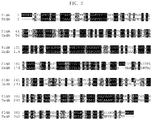
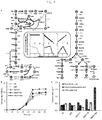
- the present invention uses acetyl-CoA as a CoA donor to find an enzyme having a broad aromatic substrate spectrum. Sequence similarity analysis was performed to identify homologous enzymes for FldA, and 2-isocaprenoyl-CoA:2-hydroxyisocapronate CoA-transferase (HadA) of Clostridium difficile having an amino acid sequence identity of 48% or more with FldA among various FldAs having different origins was screened ( FIG. 2 ).
- HadA it has been investigated whether or not HadA can use acetyl-CoA as a CoA donor, since HadA is an enzyme known to convert CoA into 2-hydroxyisocaproate using isocaprenoyl-CoA as a CoA donor ( FIG. 3 ).
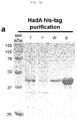
- FIG. 4 the results of in vitro enzyme analysis showed that HadA can activate phenyllactate into phenyllactyl-CoA using acetyl-CoA as a CoA donor ( FIG. 4 ).
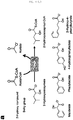
- HadA can convert mandelate, 4-hydroxymandelate, phenyllactate, 4-hydroxyphenyllactate, 2-hydroxy-4-phenylbutyrate, 3-hydroxy-3-phenylpropionate and 4-hydoxybenzoic acid to the corresponding CoA derivatives ( FIGS. 4 and 5 ). Therefore, HadA has the potential to more efficiently produce various aromatic polyesters using acetyl-CoA as a CoA donor.
- the yield was increased by metabolically engineering an E. coli XL1-Blue strain expressing AroGfbr, PheAfbr and FldH producing a small amount (0.372 g/L) of D-phenyllactate from glucose.
- E. coli XL1-Blue strain which did not delete TyrR.
- E. coli XB201T was constructed by deleting poxB (a gene encoding a pyruvate oxidase), pflB (a gene encoding a pyruvate formate lyase), adhE (a gene encoding an acetaldehyde dehydrogenase/alcohol dehydrogenase) and frdB (a gene encoding a fumarate reductase) from E. Coli XBT.
- poxB a gene encoding a pyruvate oxidase
- pflB a gene encoding a pyruvate formate lyase
- adhE a gene encoding an acetaldehyde dehydrogenase/alcohol dehydrogenase
- frdB a gene encoding a fumarate reductase
- coli strain XB201T expressing AroGfbr, PheAfbr and FldH produced 0.55 g/L of D-phenyllactate from 15.7 g/L of glucose, which indicates a yield 10% higher than that of E. coli XBT.
- metabolic engineering analysis according to in-silico genome scale metabolism flux analysis was performed to further increase the production of D-phenyllactate ( FIG. 6 ).
- a tyrB gene encoding a tyrosine aminotransferase and an aspC gene encoding an aspartic acid aminotransferase were removed from the E. coli strain XB201T to reduce the L-phenylalanine biosynthesis and thereby enhance the carbon flow to D-phenyllactate.
- E. coli strain XB201T A tyrB gene encoding a tyrosine aminotransferase and an aspC gene encoding an aspartic acid aminotransferase were removed from the E. coli strain XB201T to reduce the L-phenylalanine biosynthesis and thereby enhance the carbon flow to D-phenyllactate.
- coli strain XB201TBA expressing AroGfbr, PheAfbr and FldH produced 1.62 g/L of D-phenyllactate from 18.5 g/L of glucose, resulting in a great increase in yield, which corresponds to 4.35 times higher than the D-phenyllactate production of the E. Coli XL1 blue strain.
- the present invention is directed to a recombinant microorganism obtained by introducing a gene encoding a 2-hydroxyisocaproate-CoA transferase, a gene encoding a polyhydroxyalkanoate synthase, a gene encoding a DAHP (3-deoxy-D-arabino-heptulosonate-7-phosphate) synthase, a gene encoding a chorismate mutase/prephenate dehydrogenase, and a gene encoding a D-lactate dehydrogenase into a microorganism capable of producing acetyl-CoA from a carbon source, wherein the recombinant microorganism is capable of producing polyhydroxyalkanoate having phenyllactate as a monomer.
- the 2-hydroxyisocaproate-CoA transferase may be HadA derived from Clostridium difficile 630 and the polyhydroxyalkanoate synthase is a PHA synthase derived from a strain selected from the group consisting of Ralstonia eutropha, Pseudomonas, Bacillus and Pseudomonas sp. 6-19, or a mutant enzyme of a PHA synthase having an amino acid sequence selected from the following:
- the gene encoding the DAHP (3-deoxy-D-arabino-heptulosonate-7-phosphate) synthase is a gene encoding the amino acid sequence represented by SEQ ID NO: 8
- the gene encoding chorismate mutase/prephenate dehydrogenase may be a gene encoding the amino acid sequence represented by SEQ ID NO: 9
- the gene encoding D-lactate dehydrogenase may be a gene encoding the amino acid sequence represented by SEQ ID NO: 10.
- the introduced gene encoding D-lactate dehydrogenase may be a fldH gene which replaces the ldhA gene.
- the microorganism of the present invention may be further introduced with a gene encoding a ⁇ -ketothiolase and a gene encoding an acetoacetyl-CoA reductase involved in 3-hydroxybutyryl-CoA biosynthesis in order for the microorganism to produce a polymer even without external supply of sodium 3HB.
- the expression amounts of the gene (phaA) encoding a ⁇ -ketothiolase and the gene (phaB) encoding an acetoacetyl-CoA reductase, which are introduced in the present invention are regulated through the strength (intensity) of the promoter, the mole fraction of the D-phenyllactate monomer contained in PHA can be controlled.
- the recombinant microorganism has a deletion of at least one gene selected from the group consisting of a tyrR gene, a gene encoding a pyruvate oxidase, a gene encoding a pyruvate formate lyase, a gene encoding an acetaldehyde dehydrogenase, a gene encoding a fumarate reductase, a gene encoding a tyrosine aminotransferase, and a gene encoding an aspartic acid aminotransferase.
- a tyrR gene a gene encoding a pyruvate oxidase
- a gene encoding a pyruvate formate lyase a gene encoding an acetaldehyde dehydrogenase
- a gene encoding a fumarate reductase a gene encoding a tyrosine amino
- the present invention is directed to a method for producing polyhydroxyalkanoate having phenyllactate as a monomer including: (a) culturing the recombinant microorganism to produce polyhydroxyalkanoate having phenyllactate as a monomer; and (b) recovering the produced polyhydroxyalkanoate having phenyllactate as a monomer.
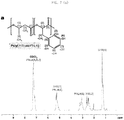
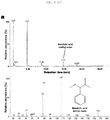
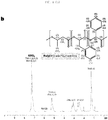
- coli XB201TBAL expressing AroGfbr, PheAfbr, FldH, PhaC1437 and HadA was cultured in a medium containing 1 g/L of sodium 3HB and 0.5 g/L of D-mandelate, poly(55.2 mol% 3HB-co-43 mol% D-phenyllactate-co-1.8 mol% D-mandelate) was produced in an amount of 11.6 wt% of the dry cell weight ( FIGS. 8A and 8B ).
- an aromatic copolymer containing D-mandelate was successfully prepared using D-mandelate as a substrate, and then D-mandelate was prepared in vivo by metabolic engineering.
- HmaS hydroxymandelate synthase derived from Amycolatopsis orientalis
- Hmo hydroxymandelate oxidase
- Dmd D-mandelate dehydrogenase
- poly(92.9 mol% of 3HB-co-6.3 mol% D-phenyllactate-co-0.8 mol% D-mandelate) was prepared in an amount of 16.4 wt% of the dry cell weight.
- the present invention is directed to a recombinant microorganism obtained by introducing a gene encoding a 2-hydroxyisocaproate-CoA transferase, a gene encoding a polyhydroxyalkanoate synthase, a gene encoding a DAHP (3-deoxy-D-arabino-heptuloonate-7-phosphate) synthase, a gene encoding a chorismate mutase/prephenate dehydrogenase, a gene encoding a D-lactate dehydrogenase, a gene encoding a hydroxymandelate synthase, a gene encoding a hydroxymandelate oxidase, and a gene encoding a D-mandelate dehydrogenase into a microorganism capable of producing acetyl-CoA from a carbon source, wherein the recombinant microorganism is capable of producing polyhydroxyalkanoate
- the 2-hydroxyisocaproate-CoA transferase may be hadA derived from Clostridium difficile 630 and the polyhydroxyalkanoate synthase may be a PHA synthase derived from a strain selected from the group consisting of Ralstonia eutropha, Pseudomonas, Bacillus and Pseudomonas sp. 6-19, or a mutant enzyme of a PHA synthase having an amino acid sequence selected from the following:
- the gene encoding the DAHP (3-deoxy-D-arabino-heptulosonate-7-phosphate) synthase may be a gene encoding the amino acid sequence represented by SEQ ID NO: 8
- the gene encoding chorismate mutase/prephenate dehydrogenase may be a gene encoding the amino acid sequence represented by SEQ ID NO: 9
- the gene encoding D-lactate dehydrogenase may be a gene encoding the amino acid sequence represented by SEQ ID NO: 10.
- the gene encoding hydroxymandelate synthase may be a gene encoding the amino acid sequence represented by SEQ ID NO: 11
- the gene encoding hydroxymandelate oxidase may be a gene encoding the amino acid sequence represented by SEQ ID NO: 12
- the gene encoding D-mandelate dehydrogenase may be a gene encoding the amino acid sequence represented by SEQ ID NO: 13.
- the microorganism of the present invention may be further introduced with genes encoding a ⁇ -ketothiolase and a gene encoding an acetoacetyl-CoA reductase involved in 3-hydroxybutyryl-CoA biosynthesis in order for the microorganism to produce a polymer even without the external supplementation of sodium 3HB.
- the present invention is directed to a method for producing polyhydroxyalkanoate having mandelate as a monomer including: (a) culturing the recombinant microorganism to produce polyhydroxyalkanoate having mandelate as a monomer; and (b) recovering the produced polyhydroxyalkanoate having mandelate as a monomer.
- polymer productivity was identified using long-chain 2-HA monomers such as 2-hydroxyisocaproate (2HIC), 2-hydroxyhexanoate (2HH) and 2-hydroxyoctanoate (2HO) as monomers.
- long-chain 2-HA monomers such as 2-hydroxyisocaproate (2HIC), 2-hydroxyhexanoate (2HH) and 2-hydroxyoctanoate (2HO) as monomers.
- the present invention is directed to a method for producing polyhydroxyalkanoate having, as a monomer, a compound selected from the group consisting of 2-hydroxyisocaproate, 2-hydroxyhexanoate and 2-hydroxyoctanoate, including: (a) culturing the recombinant microorganism capable of producing polyhydroxyalkanoate having an aromatic monomer or a long-chain 2-HA monomer in a medium containing a compound selected from the group consisting of 2-hydroxyisocaproate, 2-hydroxyhexanoate and 2-hydroxyoctanoate; and (b) recovering polyhydroxyalkanoate containing, as a monomer, a compound selected from the group consisting of 2-hydroxyisocaproate, 2-hydroxyhexanoate and 2-hydroxyoctanoate.
- the aromatic polymer production system of the present invention identified a novel CoA-transferase having a wide range of substrates for activating an aromatic compound into a CoA derivative thereof and established PHA synthase mutants capable of polymerizing aromatic CoA derivatives thereof and a pathway to over-produce aromatic monomers in vivo through the design and optimization of metabolisms.
- such a system can be used in the preparation of various aromatic polymers.
- HadA or related enzymes
- PHA synthases can be engineered to accommodate the desired aromatic monomers.
- the bacterial platform system developed in the present invention can contribute to establishment of a bioprocess for the production of aromatic polyesters from renewable non-food biomass.
- the term "vector” means a DNA product containing a DNA sequence operably linked to a control sequence capable of expressing DNA in a suitable host.
- the vector may be a plasmid, a phage particle or a simple potential genome insert. Once the vector is transformed with an appropriate host, it may replicate and function independently of the genome of the host, or may often be integrated with the genome itself. Since the plasmid is the most commonly used type of vector, the terms “plasmid” and “vector” are sometimes used interchangeably throughout the specification of the present invention. For the purpose of the present invention, a plasmid vector is preferably used.
- a typical plasmid vector that can be used for this purpose includes (a) a replication origin to efficiently conduct replication so as to include several to several hundred plasmid vectors per host cell, (b) an antibiotic resistance gene to screen a host cell transformed with the plasmid vector, and (c) a restriction enzyme cleavage site into which a foreign DNA fragment is inserted. Even if an appropriate restriction enzyme cleavage site is not present, the vector and foreign DNA can be easily ligated using a synthetic oligonucleotide adapter or a linker according to a conventional method.
- the vector should be transformed into an appropriate host cell.
- the preferred host cells are prokaryotic cells.
- Suitable prokaryotic host cells include E. coli DH5 ⁇ , E. coli JM101, E. coli K12, E. coli W3110, E. coli X1776, E. coli XL-1 Blue (Stratagene), E. coli B, E. coli B21 and the like.
- E. coli strains such as FMB101, NM522, NM538 and NM539, as well as the species and genera of other prokaryotes, and the like, can also be used.
- E. coli strains such as FMB101, NM522, NM538 and NM539, as well as the species and genera of other prokaryotes, and the like, can also be used.
- E. coli strains such as FMB101, NM522, NM538 and NM539, as well as the species and genera of other prokaryotes,
- the genus Agrobacterium strains such as Agrobacterium A4, Bacillus strains such as Bacillus subtilis, other enterobacteria such as Salmonella typhimurium or Serratia marcescens, and various Pseudomonas genus strains can be used as host cells.
- Transformation of prokaryotic cells can be easily carried out using a calcium chloride method described in the section 1.82 of Sambrook et al., supra.
- electroporation Neumann, et al., EMBO J., 1: 841, 1982 ) can be used for transformation of these cells.
- the vector used for overexpression of the gene according to the present invention may be any expression vector known in the art and is preferably a pET-based vector (Novagen).
- a pET-based vector When cloning is performed using the pET-based vector, histidine groups are bonded to the ends of the expressed protein, so that the protein can be effectively purified.
- the expressed protein can be isolated from the cloned gene through a general method known in the art and can be specifically isolated using a chromatographic method using Ni-NTA His-conjugated resin (Novagen).
- the recombinant vector may be pET-SLTI66, and the host cell may be E. coli or Agrobacterium.
- control sequence means a DNA sequence essential for the expression of a coding sequence operably linked to a particular host organism.
- a control sequence includes promoters for conducting transcription, any operator sequences for controlling such transcription, sequences for encoding suitable mRNA ribosome-binding sites, and sequences for controlling the termination of transcription and translation.
- control sequences suitable for prokaryotes include promoters, optionally operator sequences and ribosome binding sites.
- Eukaryotic cells include promoters, polyadenylation signals and enhancers. The factor that has the greatest impact on the expression level of the gene in the plasmid is a promoter.
- SR ⁇ promoters cytomegalovirus-derived promoters and the like are preferably used as promoters for high expression.
- Any of a wide variety of expression control sequences may be used for the vector in order to express the DNA sequences of the present invention.
- Useful expression control sequences include, for example, the early and late promoters of SV40 or adenovirus, the lac system, the trp system, the TAC or TRC system, T3 and T7 promoters, the major operator and promoter regions of phage lambda, control regions of fd code proteins, promoters of 3-phosphoglycerate kinase or other glycol lyases, promoters of the phosphatase, such as Pho5, promoters of yeast alpha-mating systems and other sequences known to control gene expression of prokaryotic or eukaryotic cells or viruses and various combinations thereof.
- the T7 promoter may be useful for expressing proteins of the present invention in E. coli.
- nucleic acid sequence When a nucleic acid sequence is aligned with another nucleic acid sequence based on a functional relationship, it is "operably linked” thereto.
- This may be gene(s) and control sequence(s) linked in such a way so as to enable gene expression when a suitable molecule (e.g., a transcriptional activator protein) is linked to the control sequence(s).
- a suitable molecule e.g., a transcriptional activator protein
- DNA for a pre-sequence or secretory leader is operably linked to DNA for a polypeptide, when expressed as a pre-protein involved in the secretion of the polypeptide; and a promoter or enhancer is operably linked to a coding sequence when it affects the transcription of the sequence; or a ribosome-binding site is operably linked to a coding sequence when it affects the transcription of the sequence; or the ribosome-binding site is operably linked to a coding sequence when positioned to facilitate translation.
- "operably linked” means that the linked DNA sequence is in contact therewith, or that a secretory leader is in contact therewith and is present in the reading frame. However, the enhancer need not be in contact therewith.
- the linkage of these sequences is carried out by ligation (linkage) at convenient restriction enzyme sites. When no such site exists, a synthetic oligonucleotide adapter or a linker according to a conventional method is used.
- the term "expression vector” commonly refers to a recombinant carrier, into which a fragment of heterologous DNA is inserted, and generally means a fragment of double-stranded DNA.
- the heterologous DNA means exogenous DNA that is not naturally found in the host cell. Once an expression vector is present in a host cell, it can replicate independently of the host chromosomal DNA, and several copies of the vector and inserted (heterologous) DNA thereof can be produced.
- the gene in order to increase the expression level of a transgene in a host cell, the gene should be operably linked to a transcriptional/translational expression control sequence that functions in a selected expression host.
- the expression control sequence and the corresponding gene are included in one recombinant vector containing both a bacterial selection marker and a replication origin.
- the recombinant vector should further include a useful expression marker in the eukaryotic expression host.
- transfected or transformed by the recombinant vector described above constitutes another aspect of the present invention.
- transfection means introducing DNA into a host and making the DNA replicable by an extrachromosomal factor or chromosomal integration.
- transformation means that an expression vector is accommodated by the host cell, regardless of whether or not any coding sequence is actually expressed.
- the relative strength of the sequence, controllability, and compatibility with the DNA sequences of the present invention should be considered, particularly in relation to possible secondary structures.
- the single cell host may be selected in consideration of factors such as the selected vector, the toxicity of the product encoded by the DNA sequence of the present invention, secretion characteristics, the ability to accurately fold proteins, culture and fermentation factors, and ease of purification of the product encoded by the DNA sequence according to the present invention.
- factors such as the selected vector, the toxicity of the product encoded by the DNA sequence of the present invention, secretion characteristics, the ability to accurately fold proteins, culture and fermentation factors, and ease of purification of the product encoded by the DNA sequence according to the present invention.
- those skilled in the art can select various vector/expression control sequences/host combinations capable of expressing the DNA sequences of the present invention in fermentation or large animal cultures.
- a screening method for cloning the cDNA of the protein according to the present invention through expression cloning a binding method, a panning method, a film e
- Escherichia coli was used as a recombinant microorganism.
- any microorganism can be used without limitation so long as it is capable of producing acetyl-CoA from a carbon source.
- the microorganism include the genera Alcaligenes, Pseudomonas, Escherichia, Ralstonia, Bacillus and Corynebacterium and the like.
- MBEL 6-19 phaC P s6-19 variant ( phaC1437 ; E130D, S325T, S477G, Q481K), Clostridium propionicum pct Cp variant ( pct540 ; V193A, silent mutations: T78C, T669C, A1125G, T1158C), transcriptional terminator of the R.
- eutropha PHA biosynthesis operon promoter R. eutropha phaCAB genes, transcriptional terminator of the R. eutropha PHA biosynthesis operon, Ap R 5 pCnAB pCnCAB derivative; R. eutropha PHA biosynthesis operon promoter, R. eutropha phaAB ; Ap R 7 pPs619C143 7-HadA pBluescript II KS(+) derivative; R. eutropha PHA biosynthesis operon promoter, Pseudomonas sp.
- Clostridium difficile hadA gene, transcriptional terminator of the R. eutropha PHA biosynthesis operon; Ap R The present invention pET22b-hisPCT540 pET22b(+) derivative; T7 promoter, the C . propionicum pct540 gene; Ap R The present invention pET22b-his4CL pET22b(+) derivative; promoter,the S. coelicolor gene; Ap R The present invention pET22b-his4CL(A294 G) pET22b(+) derivative; promoter, the S.
- A294G gene coelicolor (A294G) gene
- Ap R The present invention pET22b-hisFldA pET22b(+) derivative; promoter,the C . botulinum A str. ATCC 3502 fldA gene; Ap R The present invention pKM212-AroG fbr pKM212-MCS derivative; tac promoter, the E. coli feedback resistant aroG (D146N) gene; Km R The present invention pKM212-AroG fbr PAL pKM212-MCSderivative; tac promoter, the E.
- the present invention pKM212-AroG fbr PheA fbr pKM212-MCS derivative; tac promoter, the E. coli feedback resistant aroG (D146N) and pheA (T326P) genes; Km R The present invention pKM212-GPE-PhaAB pKM212-MCS derivative; tac promoter, the E. coli feedback resistant aroG (D146N), pheA (T326P), R. eutropha PHA biosynthesis operon promoter, R.
- Km R The present invention pKM212-GPE-100PhaAB pKM212-MCS derivative; tac promoter, the E. coli feedback resistant aroG (D146N), pheA (T326P), BBa_J23100 promoter, R. eutropha phaA and phaB genes; Km R The present invention pKM212-GPE-105PhaAB pKM212-MCS derivative; tac promoter, the E. coli feedback resistant aroG (D146N), pheA(T326P), BBa_J23105 promoter, R.
- Km R The present invention pKM212-GPE-114PhaAB pKM212-MCS derivative; tac promoter, the E. coli feedback resistant aroG (D146N), pheA(T326P), BBa_J23114 promoter, R. eutropha phaA and phaB genes; Km R The present invention pKM212-GPE-109PhaAB pKM212-MCS derivative; tac promoter, the E. coli feedback resistant aroG (D146N), pheA (T326P), BBa_J23109 promoter, R.
- eutropha phaA and phaB genes Km R
- A294G gene A294G gene
- Cm R The present invention pACYC-4CL(A294G) FldA pACYC 184KS derivative; trc promoter, the S. coelicolor (A294G) and the C. botulinum A str. ATCC 3502 fldA genes; Cm R The present invention pACYC-4CL(A294G) FldAH pACYC 184KS derivative; trc promoter, the S. coelicolor (A294G), and the C. botulinum A str.
- Km R The present invention pKM212-HmaSHmoD md pKM212-MCS derivative; tac promoter, the A. orientalis hmaS and S. coelicolor hmo and Rhodotorula graminis dmd genes; Km R The present invention pKA312-MCS pKA32-MCS derivative; tac promoter, R. eutropha PHA biosynthesis genes transcription terminator; Cm R 7 pKA312-PanE pKA312-MCS derivative; tac promoter, Lactococcus lactis subsp.
- lactis 111403 panE gene Cm R 7 pKA312-AroG fbr PheA f br pKA312-MCS derivative; tac promoter, the E. coli feedback resistant aroG (D146N) and pheA (T326P) genes; Cm R The present invention pMtrcFldH pMtrc9 derivative; trc promoter, the C. botulinum A str. ATCC 3502 fldH gene; Ap R The present invention 1 Datsenko, K. A. & Wanner, B. P Natl Acad Sci USA 97:6640, 2000 . 2 Lee, K. H.
- PCR was performed using the chromosomal DNA of Clostridium difficile 630 strain as a template, and HadA-hisF and HadA-hisR as primers to produce a his_HadA gene fragment encoding a 2-hydroxyisocaproate-CoA transferase having a his-tag at the C terminus thereof.
- the his_HadA fragment thus produced and the pET22b plasmid, which conducted strong gene expression of the T7 promoter, were treated with restriction enzymes (NdeI and NotI) and then the his_HadA fragment cleaved with the restriction enzyme was ligated with the pET22b plasmid using a T4 DNA ligase to produce pET22b_hisHadA as a recombinant plasmid ( FIG. 2 ).
- the pET22b_hisHadA was introduced into E. coli XL1-Blue (Stratagene Cloning Systems, USA), cultured and added with IPTG to induce HadA expression. Then, HadA was purified in the culture medium using His-tag in a Ni-NTA spin kit (Quiagen, Germany) ( FIG. 3A ).
- HadA is capable of using acetyl-CoA as a donor and of using mandelate, 4-hydroxymandelate, phenyllactate, 4-hydroxyphenyllactate, 2-hydroxy-4-phenylbutyrate, 3-hydroxy-3-phenylpropionate and 4-hydroxybenzoic acid as substrates for conversion to the corresponding CoA derivatives.
- FIG. 5 shows the molecular formulae of CoA conversion reactions of various substrates that can be converted by HadA.
- Example 3 Production of recombinant strain with increased aromatic monomer production
- E. coli was engineered to produce D-phenyllactate from glucose in vivo.
- the biosynthesis of aromatic compounds begins with the synthesis of 3-deoxy-D-arabino-heptulosonate-7-phosphate (DAHP), which is synthesized by the condensation of phosphoenolpyruvate (PEP) and erythrose-4-phosphate (E4P).
- DAHP 3-deoxy-D-arabino-heptulosonate-7-phosphate
- PPA phenylpyruvate
- FldH D-lactate dehydrogenase
- the metabolic pathway for aromatic compound biosynthesis is known to be controlled by various inhibition mechanisms in a complicated manner.
- a PCR product was obtained from a 3-deoxy-D-arabino-heptulosonate-7-phosphate synthase gene (aroG), which is a feedback-inhibiting resistance mutant, using AroG-F and AroG-R as primers and using pTyr-a plasmid as a template ( Na, D. et al., Nature Biotechnol. 31: 170, 2013 ), and the PCR product was ligated to pKM212-MCS with restriction enzymes site (EcoRI/HidIII) ( Park, SJ et al., Metab. Eng. 20:20, 2013 ) to produce pKM212-AroGfbr.
- aroG 3-deoxy-D-arabino-heptulosonate-7-phosphate synthase gene
- the pKM212-AroGfbrPheAfbr plasmid was constructed as follows. First, a DNA fragment of 991 bp was amplified by PCR from the genomic DNA of E. coli using PheA-F and PheAmut-R as primers of a single mutated nucleotide (T976G). Second, a DNA fragment of 200 bp was amplified from the genomic DNA of E. coli using PheA-R and PheAmut-F as primers of a single mutated nucleotide (A976C).
- a DNA fragment of 1161 bp was amplified by overlap PCR using PheA-F and PheA-R as primers and two mixed fragments as templates.
- the PCR product was ligated to the pKM212-AroGfbr produced above using a restriction enzyme (HindIII).
- D-lactate dehydrogenase (fldH) of C. botulinum A str. ATCC 3502 was used for construction of pACYC-FldH.
- the codon usage of fldH genes was optimized for E. coli and the fldH gene optimized for E. coli was amplified using FldH-F and FldH-R as primers and pUC57-FldHopt (GenScript, Piscataway, NJ, USA) as a template.
- the PCR product was ligated with pTrc99A (Pharmacia, Biotech, Sweden) using restriction enzymes (BamHI/HindIII) to construct pTrc-FldH.
- the fldH gene combined with the trc promoter and the rrnB terminator was amplified through PCR using Trc-F and Ter-R as primers and pTrc-FldH as a template.
- the amplified PCR product was ligated with pACYC184KS (Korean Patent Laid-Open No. 2015-0142304 ) using restriction enzymes (XhoI/SacI) to obtain pACYC-FldH.
- the pKM212-AroGfbrPheAfbr and pACYC-FldH thus produced were introduced into E. coli XL1-Blue to produce a recombinant E. coli expressing AroGfbr, PheAfbr and FldH.
- the E. coli produced 0.372 g/L of D-phenyllactate when cultured in MR medium containing 15.2 g/L of glucose.
- the MR medium contained 6.67 g of KH 2 PO 4 , 4 g of (NH 4 ) 2 HPO 4 , 0.8 g of MgSO 4 •7H 2 O, 0.8 g of citrate and 5 ml of a trace metal solution per liter, and the trace metal solution contained 0.5 M HCl: 10 g of FeSO 4 •7H 2 O, 2 g of CaCl 2 , 2.2 g of ZnSO 4 •7H 2 O, 0.5 g of MnSO 4 •4H 2 O, 1 g of CuSO 4 •5H 2 O, 0.1 g of (NH 4 ) 6 Mo 7 O 24 •4H 2 O and 0.02 g of Na 2 B 4 O 7 •10H 2 O.
- E. coli XL1-Blue strains expressing AroGfbr, PheAfbr and FldH, producing small amounts of D-phenyllactate (0.372 g/L) from glucose were increased through metabolic engineering.
- E. coli XBT strains expressing AroGfbr, PheAfbr and FldH were produced by deleting TyrR, which is a double transcription regulator that performs regulation to inhibit aromatic amino acid biosynthesis.
- the E. coli XBT strain was cultured in an MR medium containing 16.4 g/L of glucose. As a result, the strain produced 0.5 g/L of D-phenyllactate, which corresponded to productivity of 30% higher than the E. coli XL1-blue strain from which tyrR was not deleted.
- E. coli XB201T was constructed by deleting poxB (a gene encoding a pyruvate oxidase), pflB (a gene encoding a pyruvate formate lyase), adhE (a gene encoding an acetaldehyde dehydrogenase/alcohol dehydrogenase) and frdB (a gene encoding a fumarate reductase) from E. Coli XBT.
- the E. coli XB201T strain produced 0.55 g/L of D-phenyllactate from 15.7 g/L of glucose, which corresponded to a yield 10% higher than that of E. coli XBT.
- metabolic engineering analysis according to in-silico genome scale metabolism flux analysis was performed to further increase the production of D-phenyllactate.
- the E. coli iJO1366 genome scale model which consists of 2251 metabolism reactions and 1135 metabolites, was used, and the effects of central and aromatic amino acid biosynthesis on the production of D-phenyllactate were investigated.
- a heterologous metabolic reaction of D-phenyllactate biosynthesis (fldH gene) was further added to the model and the flux was fixed to zero to reflect the gene knockout in the model. The rate of D-phenyllactate production was maximized to a target function, while the central amino acid and aromatic amino acid biosynthesis reaction flux values were gradually increased from a minimum value to a maximum value.
- the glucose reaction rate was set at 10 mmol per 1g of the dry cell weight on an hourly basis. All simulations were run in a Python environment using the Gurobi Optimizer 6.0 and the GurobiPy package (Gurobi Optimization, Inc. Houston, Tex.). Reading, writing and execution of COBRA-compliant SBML files were conducted using COBRApy32.
- a tyrB gene encoding a tyrosine aminotransferase and an aspC gene encoding an aspartic acid aminotransferase were removed from the E. coli strain XB201T to reduce the L-phenylalanine biosynthesis and thereby enhance the carbon flow to D-phenyllactate.
- PCR was performed using HadA-sbF and HadA-ndR as primers and the chromosomal DNA of Clostridium difficile 630 strain as a template, to produce a hadA gene fragment encoding a hydroxyisocaproate-CoA transferase.
- the amplified PCR product was ligated with p619C1437-pct540 ( Yang, T. H. et al. Biotechnol. Bioeng. 105: 150, 2010 ) using restriction enzymes (SbfI/NdeI) to obtain p619C1437-HadA.
- the obtained p619C1437-HadA was introduced into E. coli XB201TBAL to prepare recombinant E. coli expressing AroGfbr, PheAfbr, FldH, PhaC1437 and HadA.
- the E. coli was cultured in MR medium containing 20 g/L of glucose and 1 g/L of sodium 3HB to obtain poly(52.1 mol% 3HB-co-47.9 mol% D-phenyllactate) in an amount of 15.8 wt% of the dry cell weight ( FIG. 7 ).
- poly(52.3 mol% 3HB-co-47.7 mol% D-phenyllactate) was produced in an amount of 24.3% by weight of dry cell weight through fed-batch fermentation ( FIGS. 10A and 10B ).
- Example 5 Preparation of polyhydroxyalkanoate containing various aromatic monomers using recombinant strain
- E. coli XB201TBAL expressing AroGfbr, PheAfbr, FldH, PhaC1437 and HadA were cultured in an MR medium containing 1 g/L of sodium 3HB and 0.5 g/L of D-mandelate.
- poly(55.2 mol% 3HB-co-43.0 mol% D-phenyllactate-co-1.8 mol% D-mandelate) was produced in an amount of 11.6 wt% of the dry cell weight ( FIGS. 8A and 8B ), thereby successfully preparing an aromatic polymer containing D-mandelate using D-mandelate as a substrate.
- D-mandelate was prepared in vivo through metabolic engineering.
- a hydroxymandelate synthase (HmaS) derived from Amycolatopsis orientalis, a hydroxymandelate oxidase (Hmo) of S. coelicolor, and D-mandelate dehydrogenase (Dmd) of Rhodotorula graminis were expressed in E. coli XB201TBAL expressing AroGfbr, PheAfbr, FldH, PhaC1437 and HadA in order to produce D-mandelate from glucose.
- the plasmid pUC57-HmaSopt was prepared by using the hydroxymandelate synthase gene (hmaS) of A. orientalis and cloning the codon into a synthetic vector in E. coli (GenScript, Piscataway, NJ, USA).
- the pUC57-HmaSopt was ligated to pKM212-MCS using a restriction enzyme (EcoRI/KpnI).
- EcoRI/KpnI a restriction enzyme
- the codon-optimized hmo gene (GenScript, Piscataway, NJ, USA) was synthesized using the hydroxymandelate oxidase gene (hmo) of S. coelicolor and was amplified through PCR using Hmo-F and Hmo-R as primers.
- the PCR product was ligated with pKM212-HmaS using restriction enzymes (KpnI/BamHI) to construct pKM212-HmaSHmo.
- pKM212-HmaSHmoDmd In order to construct pKM212-HmaSHmoDmd, pUC57-Dmd containing the E. coli codon-optimized dmd gene was synthesized (GenScript, Piscataway, NJ, USA) and an E. coli codon-optimized R. graminis D-mandelate dehydrogenase gene (dmd) was amplified through PCR using Dmd-F and Dmd-R as primers. The PCR product was ligated with pKM212-HmaSHmo using restriction enzymes (BamHI/SbfI) to prepare pKM212-HmaSHmoDmd.
- restriction enzymes BamHI/SbfI
- the prepared pKM212-HmaSHmoDmd was introduced into E. coli XB201TBAL expressing AroGfbr, PheAfbr, FldH, PhaC1437 and HadA to construct a recombinant strain having the potential to produce mandelate.
- the constructed recombinant strain having the potential to produce mandelate was cultured in a medium containing 20 g/L of glucose and 1 g/L of sodium 3HB.
- poly(92.9 mol% 3HB-co-6.3 mol% D-phenyllactate-co-0.8 mol% D-mandelate) was produced in an amount of 16.4 wt% of the dry cell weight.
- Example 7 Preparation of polyhydroxyalkanoate containing aromatic monomers with various mole fractions through synthetic-promoter-based flux control
- the XB201TBAL strain expressing AroGfbr, PheAfbr, FldH, PhaC1437 and HadA produced poly(86.2 mol% 3HB-co-13.8 mol% D-phenyllactate) from 20 g/L of glucose in an amount of 18.0 wt% of the dry cell weight.
- the production of aromatic PHAs having various monomer mole fractions important for industrial applications was attempted by controlling the metabolic flux catalyzed by PhaAB using the synthetic Anderson promoter (http://parts.igem.org/).
- pH-stat culturing of the E. coli strain XB201TBAL expressing AroGfbr, PheAfbr, FldH, HadA, PhaC1437 and PhaAB under the promoter BBa_J23114 was performed without the supply of 3HB.
- poly(67.6 mol% 3HB-co-32.4 mol% D-phenyllactate) with a polymer content of 43.8 wt% of the dry cell weight was produced at 2.5 g/L ( FIGS. 10C and 10D ).
- the gene expression system was optimized by replacing the ldhA gene of the E. coli XB201TBA chromosome with the fldH gene.
- the expression of the fldH gene was increased by replacing the natural promoter of the ldhA gene with a strong trc promoter.
- Fed-batch fermentation including feeding glucose using a pulse feeding method was performed. The E.
- coli strain XB201TBAF expressing AroGfbr, PheAfbr, FldH, HadA, PhaC1437 and PhaAB under the promoter BBa_J23114 produced 13.9 g/L of poly(69.1 mol% 3HB-co-38.1 mol% D-phenyllactate) with a polymer content of 55.0 wt% of the dry cell weight through fed-batch fermentation ( FIGS. 10E and 10F ), and the production amount of 13.9 g/L was 5.56 times higher than 2.5 g/L, which is the amount produced by the E.
- the polyhydroxyalkanoate (PHA) content and monomer composition were determined through GC or GC-MS.
- the collected cells were washed three times with distilled water and lyophilized for 24 hours, and the PHA of the lyophilized cells was converted to the corresponding hydroxymethylester through acid-catalyzed methanolysis.
- the resulting methylester was purified using a GC apparatus (Agilent 6890N, Agilent, USA) equipped with an Agilent 7683 automatic injector, a frame ionization detector and a fused silica capillary column (ATTM-Wax, 30 m, ID 0.53 mm, thickness 1.20 ⁇ m, Alltech, USA).
- the polymer was extracted through chloroform extraction and purified in cells using solvent extraction.
- the structure, molecular weight and thermal properties of the polymer were measured using nuclear magnetic resonance (NMR), gel permeation chromatography (GPC) and differential scanning calorimetry (DSC).
- FIG. 7 shows the results of analysis of poly(3HB-co-D-phenyllactate) produced by E. coli XB201TBAL
- FIG. 8 shows the results of analysis of poly(3HB-co-D-phenyllactate-co-D-mandelate) produced by E. coli XB201TBAL.
- the poly(52.1 mol% 3HB-co-47.9 mol% D-phenyllactate) was amorphous, and, as the mole fraction of D-phenyllactate in the copolymer increased, the Tg increased significantly to 23.86°C, in spite of the decreased molecular weight thereof. Also, the copolymer containing an aromatic compound in the polymer had decreased crystallinity. It is considered that the aromatic ring of the polymer interferes with the crystallization of P(3HB) (induced by stereochemistry). P(3HB) exhibited high brittleness due to strong crystallinity, whereas the resulting copolymer caused improved mechanical toughness due to lowered crystallinity and increased Tg.
- a biodegradable polymer containing an aromatic monomer or a long-chain 2-HA monomer can be prepared.
Landscapes
- Chemical & Material Sciences (AREA)
- Organic Chemistry (AREA)
- Health & Medical Sciences (AREA)
- Life Sciences & Earth Sciences (AREA)
- Engineering & Computer Science (AREA)
- Genetics & Genomics (AREA)
- Zoology (AREA)
- Wood Science & Technology (AREA)
- Bioinformatics & Cheminformatics (AREA)
- General Engineering & Computer Science (AREA)
- Biochemistry (AREA)
- General Health & Medical Sciences (AREA)
- Biotechnology (AREA)
- Microbiology (AREA)
- Biomedical Technology (AREA)
- Molecular Biology (AREA)
- Medicinal Chemistry (AREA)
- Chemical Kinetics & Catalysis (AREA)
- General Chemical & Material Sciences (AREA)
- Physics & Mathematics (AREA)
- Biophysics (AREA)
- Plant Pathology (AREA)
- Polymers & Plastics (AREA)
- Preparation Of Compounds By Using Micro-Organisms (AREA)
- Micro-Organisms Or Cultivation Processes Thereof (AREA)
Abstract
Description
- The present invention relates to a method for producing polyhydroxyalkanoate having an aromatic monomer or a long-chain 2-hydroxyalkanoate (2-HA) monomer. More particularly, the present invention relates to a recombinant microorganism which is introduced with a gene encoding a 2-hydroxyisocaproate-CoA transferase and a gene encoding polyhydroxyalkanoate synthase and is capable of producing polyhydroxyalkanoate having an aromatic monomer or a long-chain 2-hydroxyalkanoate (2-HA) monomer, and a method for producing polyhydroxyalkanoate having an aromatic monomer or a long-chain 2-HA monomer using the recombinant microorganism.
- Polyhydroxyalkanoates (PHAs) are biological polyesters synthesized by a variety of microorganisms. These polymers are biodegradable and biocompatible thermoplastic materials, can be utilized in a variety of industrial biomedical applications because the properties thereof are similar to petroleum-based polymers, and are produced from renewable sources (Lee, S. Y. Biotechnol. Bioeng. 49:1 1996).
- PHAs are classified into short-chain-length PHAs having a short carbon number and medium-chain-length PHAs having a long carbon number depending on the length of the side chain. Various PHAs have been synthesized through recombinant microorganisms produced by cloning PHA synthetic genes derived from microorganisms such as Ralstonia eutropha, Pseudomonas and Bacillus (Qi et al., FEMS Microbiol. Lett., 157:155, 1997; Qi et al., FEMS Microbiol. Lett., 167:89, 1998; Langenbach et al., FEMS Microbiol. Lett., 150:303, 1997;
WO 01/55436 US 6,143,952 ;WO 98/54329 WO 99/61624 - PHAs having short side chains such as PHBs, which are homopolymers of R-3-hydroxy butyric acid, are thermoplastic materials of crystals and are readily broken due to the low elasticity thereof. On the other hand, MCL-PHAs with long side chains have higher elasticity. PHBs first became known about 70 years ago (Lemoigne & Roukhelman, 1925). On the other hand, MCL-PHAs relatively recently became known (deSmet et al., J. Bacteriol. 154:870-78 1983). These copolymers can be represented by poly(3HB-co-3-HX), wherein X represents 3-hydroxyalkanoate, or alkanoate or alkenoate having 6 or more carbon atoms. A particular example of a copolymer of two particular monomers is poly(3HB-co-3-hydroxyhexanoate) (Brandl et al., Int. J. Biol. Macromol. 11:49, 1989; Amos & McInerney, Arch. Microbiol., 155:103, 1991;
US 5,292,860 ). - The biosynthesis of PHAs includes converting hydroxyl acid into hydroxyacyl-CoA through CoA-transferase or CoA-ligase and polymerizing the converted hydroxyacyl-CoA using a PHA synthase. In the case of natural PHA synthase, the activity for 2-hydroxyacyl-CoA is much lower than the activity for 3-hydroxyacyl-CoA. However, recently, the present inventors have developed a genetically engineered PHA synthase (PhaC1ps6-19) of Pseudomonas sp. 6-19 so as to use lactyl-CoA, which is a kind of 2-hydroxyacyl-CoA, as a substrate (
WO 08/062996 - Accordingly, the present inventors have made intensive efforts to develop a novel method for biosynthesizing PHAs containing 2-hydroxy acid. As a result, the present inventors have found that, when screening an enzyme that converts 2-hydroxy acid into 2-hydroxyacyl-CoA using acetyl-CoA and using the enzyme, various kinds of 2-hydroxyacyl-CoA can be produced under in vitro conditions and various PHAs can be produced using the same. Based on this finding, the present invention has been completed.
- Therefore, it is one object of the present invention to provide a recombinant microorganism capable of producing polyhydroxyalkanoate having an aromatic monomer or a long-chain 2-hydroxyalkanoate (2-HA) monomer.
- It is another object of the present invention to provide a method for producing polyhydroxyalkanoate having an aromatic monomer or a long-chain 2-HA monomer using the recombinant microorganism.
- In accordance with one aspect of the present invention, provided is a recombinant microorganism obtained by introducing a gene encoding a 2-hydroxyisocaproate-CoA transferase and a gene encoding polyhydroxyalkanoate synthase into a microorganism capable of producing acetyl-CoA from a carbon source, wherein the recombinant microorganism is capable of producing polyhydroxyalkanoate having an aromatic monomer or a long-chain 2-hydroxyalkanoate (2-HA) monomer.
- In accordance with another aspect of the present invention, provided is a method for producing polyhydroxyalkanoate having an aromatic monomer or a long-chain 2-hydroxyalkanoate (2-HA) monomer including (a) culturing the recombinant microorganism to produce polyhydroxyalkanoate having an aromatic monomer or a long-chain 2-hydroxyalkanoate (2-HA) monomer; and (b) recovering the produced polyhydroxyalkanoate having an aromatic monomer or a long-chain 2-hydroxyalkanoate (2-HA) monomer.
- In accordance with another aspect of the present invention, provided is a recombinant microorganism obtained by amplifying a gene encoding a 2-hydroxyisocaproate-CoA transferase, a gene encoding a polyhydroxyalkanoate synthase, a gene encoding a 3-deoxy-D-arabino-heptulosonate-7-phosphate (DAHP) synthase, a gene encoding a chorismate mutase/prephenate dehydrogenase, and a gene encoding a D-lactate dehydrogenase in a microorganism capable of producing acetyl-CoA from a carbon source, wherein the recombinant microorganism is capable of producing polyhydroxyalkanoate having phenyllactate as a monomer.
- In accordance with another aspect of the present invention, provided is a method for producing polyhydroxyalkanoate having phenyllactate as a monomer including: (a) culturing the recombinant microorganism to produce polyhydroxyalkanoate having phenyllactate as a monomer; and (b) recovering the produced polyhydroxyalkanoate having phenyllactate as a monomer.
- In accordance with another aspect of the present invention, provided is a recombinant microorganism obtained by amplifying a gene encoding a 2-hydroxyisocaproate-CoA transferase, a gene encoding a polyhydroxyalkanoate synthase, a gene encoding a 3-deoxy-D-arabino-heptulosonate-7-phosphate (DAHP) synthase, a gene encoding a chorismate mutase/prephenate dehydrogenase, a gene encoding a D-lactate dehydrogenase, a gene encoding a hydroxymandelate synthase, a gene encoding a hydroxymandelate oxidase, and a gene encoding a D-mandelate dehydrogenase in a microorganism capable of producing acetyl-CoA from a carbon source, wherein the recombinant microorganism is capable of producing polyhydroxyalkanoate having mandelate as a monomer.
- In accordance with another aspect of the present invention, provided is a method for producing polyhydroxyalkanoate having mandelate as a monomer including: (a) culturing the recombinant microorganism to produce polyhydroxyalkanoate having mandelate as a monomer; and (b) recovering the produced polyhydroxyalkanoate having mandelate as a monomer.
- Reference will now be made in detail to the preferred embodiments of the present invention, examples of which are illustrated in the accompanying drawings. Wherever possible, the same reference numbers will be used throughout the drawings to refer to the same or like parts.
-
FIG. 1 shows the biosynthesis metabolic pathway of the aromatic polyester according to the present invention, whereinFIG. 1A shows a metabolic pathway when FldA (cinnamoyl-CoA:phenyllactate CoA-transferase) is used, andFIG. 1B shows a metabolic pathway when HadA (2-hydroxyisocaproate-CoA transferase) is used; -
FIG. 2 shows the results of comparison of amino acid sequence homology between HadA and FldA; -
FIGS. 3A shows the results of purification of HadA using His-tag, andFIG. 3B shows the results of identification as to whether or not HadA is capable of using acetyl-CoA as a CoA donor; -
FIG. 4 shows the results of in-vitro assays, followed by LC-MS analysis identifying whether or not HadA is capable of converting mandelate, 4-hydroxymandelate, phenyllactate, 4-hydroxyphenyllactate, 2-hydroxy-4-phenylbutyrate, 3-hydroxy-3-phenylpropionate and 4-hydoxybenzoic acid to the corresponding CoA derivatives using acetyl-CoA as a CoA donor; -
FIG. 5 shows molecular formulae of CoA conversion reactions of various substrates that can be carried out using HadA; -
FIG. 6 shows the results of metabolic engineering analysis according to in-silico genome scale metabolism flux analysis to increase the production of D-phenyllactate; -
FIG. 7 shows the results of analysis of poly(3HB-co-D-phenyllactate) produced by E. coli XB201TBAL; -
FIG. 8 shows the results of analysis of poly(3HB-co-D-phenyllactate-co-3-hydroxy-3-phenylpropionate) and poly(3HB-co-D-phenyllactate-co-D-mandelate) produced by E. coli XB201TBAL; -
FIG. 9 shows the results of production of poly(3HB-coD-phenyllactate) in an E. coli XB201TBAL strain expressing PhaAB under five types of promoters having different strengths; and -
FIGS. 10A and 10B show results of production of poly(3HB-co-D-phenyllactate) through fed-batch fermentation of the E. coli XB201TBAL strain expressing AroGfbr, PheAfbr, FldH, HadA and PhaC1437 in an MR medium containing 3HB,FIGS. 10C and 10D show the results of production of poly(3HB-co-D-phenyllactate) through fed-batch fermentation of the E. coli XB201TBAL strain expressing AroGfbr, PheAfbr, FldH, HadA, PhaC1437 and PhaAB under the promoter BBa_J23114, without addition of 3HB, andFIGS. 10E and 10F show the results of production of poly(3HB-co-D-phenyllactate) through fed-batch fermentation of the E. coli XB201TBAF strain expressing AroGfbr, PheAfbr, FldH, HadA, and PhaAB under the promoter of PhaC1437, without external addition of 3HB. - Unless defined otherwise, all technical and scientific terms used herein have the same meanings as appreciated by those skilled in the field to which the present invention pertains. In general, the nomenclature used herein is well-known in the art and is ordinarily used.
- Aromatic polyesters are essential plastics which are mainly produced from petroleum. The present invention establishes a method of producing a polymer having aromatic polyester or long-chain 2-hydroxyalkanoate as a monomer from glucose in one step through metabolically engineered E. coli expressing a polyhydroxyalkanoate (PHA) synthase and coenzyme A (CoA) transferases that are active toward aromatic monomer.
- In one embodiment of the present invention, in order to produce PHA containing phenyllactate as an aromatic polyester, cinnamoyl-CoA:phenyllactate CoA-transferase (FldA) and 4-coumarate:CoA ligase (4CL), which were found to have activity through in vitro analysis, were expressed together with a PHA synthase in the D-phenyllactate-producing E. coli strain. The strain prepared a poly(16.8 mol% D-lactate-co-80.8 mol% 3HB-co-1.6 mol% D-phenyllactate-co-0.8 mol% D-4-hydroxyphenyllactate) polymer in an amount of 12.8 wt% of the dry cell weight using in-vivo-produced cinnamoyl-CoA as a CoA donor.
- However, since the utilization range of aromatic substrate of the phenyllactate CoA-transferase (FldA) is very narrow, 2-isocaprenoyl-CoA:2-hydroxyisocaproate CoA-transferase (HadA) that can produce a variety of kinds of aromatic hydroxyacyl CoA using acetyl-CoA as a CoA donor was identified, selected and used for the production of aromatic PHA. In order to mass-produce aromatic PHAs containing a high mole fraction of D-phenyllactate, an optimal metabolic pathway was first designed to over-produce the D-phenyllactate monomer.
- In one embodiment of the present invention, in order to produce a metabolically engineered E. coli having a metabolic pathway optimal for the production of D-phenyllactate, the feedback-resistant aroG, pheA and fldH genes in tyrR-deficient E. coli were overexpressed, the competitive metabolic pathways (pflB, poxB, adhE and frdB) were deleted, and the tyrB and aspC genes were further deleted according to in-silico genomic scale metabolic flux analysis. The metabolically engineered E. coli produced 1.62 g/L of D-phenyllactate. When HadA and PHA synthases were expressed in the D-phenyllactate-overproducing strain, poly(52.1 mol% 3HB-co-47.9 mol% D-phenyllactate) was produced in an amount of 15.8 wt% of the dry cell weight. Also, the potential of preparing various aromatic polyesters was confirmed by preparing polyesters including 4-hydroxyphenyllactate, mandelate and 3-hydroxy-3-phenylpropionate.
- Therefore, in one aspect, the present invention is directed to a recombinant microorganism obtained by introducing a gene encoding a 2-hydroxyisocaproate-CoA transferase and a gene encoding polyhydroxyalkanoate synthase into a microorganism capable of producing acetyl-CoA from a carbon source, wherein the recombinant microorganism is capable of producing polyhydroxyalkanoate having an aromatic monomer or a long-chain 2-hydroxyalkanoate (2-HA) monomer.
- In the present invention, long-chain 2-HA means 2-hydroxyalkanoate having 6 to 8 carbon atoms.
- In the present invention, the aromatic monomer or long chain 2-HA monomer is selected from the group consisting of 2-hydroxyisocaproate, 2-hydroxyhexanoate, 2-hydroxyoctanoate, phenyllactate, 2-hydroxy-4-phenylbutyrate, 3-hydroxy-3-phenylpropionate, 4-hydroxybenzoic acid and mandelate.
- In the present invention, the polyhydroxyalkanoate synthase is a PHA synthase derived from a strain selected from the group consisting of Ralstonia eutropha, Pseudomonas, Bacillus and Pseudomonas sp. 6-19, or a mutant enzyme of a PHA synthase having an amino acid sequence selected from the following:
- an amino acid sequence having at least one mutation selected from the group consisting of E130D, S325T, L412M, S477R, S477H, S477F, S477Y, S477G, Q481M, Q481K and Q481R in the amino acid sequence of SEQ ID NO: 2;
- an amino acid sequence (C1335) having mutations of E130D, S325T, L412M, S477G and Q481M in the amino acid sequence of SEQ ID NO: 2;
- an amino acid sequence (C1310) having mutations of E130D, S477F and Q481K in the amino acid sequence of SEQ ID NO: 2; and
- an amino acid sequence (C1312) having mutations of E130D, S477F and Q481R in the amino acid sequence of SEQ ID NO: 2.
- In the present invention, the 2-hydroxyisocaproate-CoA transferase may be hadA derived from Clostridium difficile 630.
- In the present invention, the 2-hydroxyisocaproate-CoA transferase may use acetyl-CoA as a CoA donor.
- The microorganism of the present invention may be further introduced with a gene encoding a β-ketothiolase involved in 3-hydroxybutyryl-CoA biosynthesis and a gene encoding an acetoacetyl-CoA reductase in order for the microorganism to produce a polymer even without the supply of 3HB from the outside.
- In another aspect, the present invention is directed to a method for producing polyhydroxyalkanoate having an aromatic monomer or a long-chain 2-hydroxyalkanoate (2-HA) monomer including: (a) culturing the recombinant microorganism to produce polyhydroxyalkanoate having an aromatic monomer or a long-chain 2-hydroxyalkanoate (2-HA) monomer; and (b) recovering the produced polyhydroxyalkanoate having an aromatic monomer or a long-chain 2-hydroxyalkanoate (2-HA) monomer.
- In one embodiment of the present invention, it was confirmed whether or not Pct (propionyl-CoA transferase) used for the synthesis of polyhydroxyalkanoate is capable of activating phenyllactate and mandelate with phenyllactyl-CoA and mandelyl-CoA, respectively. The mutant of Pctcp (Pct540) has been successfully applied to the in-vivo production of polyesters including various hydroxy acids such as glycolic acid, lactic acid, 2-hydroxybutyric acid, 2-hydroxyisovalerate and 2-hydroxy acid. For this reason, it can be considered that Pct540 has a broad substrate spectrum with respect to the carbon number and the hydroxyl group position. However, it has been confirmed that Pct540 does not have catalytic activity for phenyllactate and mandelate. Thus, in the present invention, an attempt was made to find a novel CoA-transferase capable of activating CoA derivatives corresponding to aromatic compounds for the production of aromatic copolymers.
- The cinnamoyl-CoA:phenyllactate CoA-transferase (FldA) of Clostridium sporogenes has been reported to be able to convert phenyllactate into phenyllactyl-CoA using cinnamoyl-CoA as a CoA donor (Dickert, S. et al., Eur. J. Biochem. 267: 3874, 2000). Since cinnamoyl-CoA is a non-natural metabolite of E. coli, FldA derived from Clostridium botulinum A str. ATCC 3502, which has 99.0% homology with FldA of C. sporogenes, was tested in order to confirm whether or not acetyl-CoA, which is a metabolite abundant in cells, is used as a CoA donor. However, FldA of C. botulinum A str. ATCC 3502 was found to have no catalytic activity to produce phenyllactyl-CoA using acetyl-CoA as a CoA donor.
- Meanwhile, it is known that Streptomyces coelicolor 4-coumarate:CoA ligase (4CL) plays a key role in the metabolism of phenylpropanoids which produce precursors of secondary metabolites of plants such as lignin, flavonoids and phytoalexins (Kaneko, M. et al., J. Bacteriol., 185:20, 2003). Therefore, in one embodiment of the present invention, a biosynthetic pathway for synthesizing cinnamoyl-CoA from cinnamate was designed by introducing 4CL. 4CL mutants were used to convert cinnamate into cinnamoyl-CoA, and cinnamoyl-CoA was used as a CoA donor for FldA to form phenyllactyl-CoA. As a result, phenyllactyl-CoA was successfully synthesized through successive in-vitro reactions of 4CL and FldA. These results demonstrated that 4CL and FldA could be used for the production of phenyllactyl-CoA and the production of aromatic polyesters. Similarly, it could be confirmed that another promising aromatic monomer, 4-hydroxyphenyllactate, was also converted into 4-hydroxyphenyllactyl-CoA by successive in-vitro reactions of 4CL variants with FldA.
- In the production of non-natural polyesters, it is important to select mutants of the PHA synthase for polymerization of the corresponding CoA substrate. Therefore, in order to investigate the performance of various PHA synthases, Pseudomonas sp. MBEL 6-19 PHA synthase (PhaCPs6-19) mutants were expressed in E. coli XL1-Blue overexpressing AroGfbr, PAL, 4CL, FldA and Pct540. The prepared recombinant strains were cultured in a MR medium supplemented with 20 g/L of glucose, 1 g/L of D-phenyllactate and 1 g/L of sodium 3-hydroxybutyrate (3HB). Sodium 3-hydroxybutyrate (3HB) was converted through Pct540 into 3HB-CoA, which is a preferred substrate of PhaC, and was added to enhance the production of the polymer since it allowed the production of sufficient amounts of PHAs. E. coli XL1-Blue expressing other PHA synthase mutants can produce various amounts of poly(D-lactate-co-3HB-co-D-phenyllactate) having different monomer compositions.
- As a result of the above experiment, among the PhaC mutants, PhaC1437 having four amino acid substitutions (E130D, S325T, S477G and Q481K) produced poly(18.3 mol% D-lactate-co-76.9 mol% 3HB-co-4.8 mol% D-phenyllactate) in an amount of 7.8% by weight of dry cell weight, which means that PhaC1437 is the most suitable PhaC mutant.
- Next, E. coli was engineered in vivo to produce D-phenyllactate from glucose. The biosynthesis of aromatic compounds begins with the synthesis of 3-deoxy-D-arabino-heptulosonate-7-phosphate (DAHP), which is produced by condensation between phosphoenolpyruvate (PEP) and erythrose-4-phosphate (E4P) by DAHP synthase. The produced DAHP is converted into phenylpyruvate (PPA) which is then converted into D-phenyllactate by D-lactate dehydrogenase (FldH) (
FIG. 1 ). The metabolic pathway for aromatic compound biosynthesis is known to be controlled in a complicated manner through various inhibiting mechanisms. The expression of the DAHP synthase encoded by aroG and the chorismate mutase/prephenate dehydrogenase encoded by pheA is inhibited by L-phenylalanine (Ribe, D. E. et al., J. Bacteriol. 127:1085, 1976). - In the present invention, feedback-inhibiting resistant mutants, AroGfbr [AroG (D146N)] and PheAfbr [PheA (T326P)], were constructed to release feedback inhibition by L-phenylalanine (Zhou, H. Y. et al., Bioresour. Technol. 101:4151, 2010; Kikuchi, Y. et al., Appl. Environ. Microbiol. 63:761, 1997). E. coli XL1-Blue expressing AroGfbr, PheAfbr and FldH of C. botulinum A str. ATCC 3502 produced 0.372 g/L of D-phenyllactate from 15.2 g/L of glucose. The overexpression of PAL, 4CL, FldA, Pct540 and PhaC1437 of the strain increased poly(16.8 mol% D-lactate-co-80.8 mol% 3HB-co-1.6 mol% D-phenyllactate-co-0.8 mol% D-4-hydroxyphenyllactate) to 12.8 wt% of the dry cell weight. There are two problems in producing an aromatic PHA containing D-phenyllactate. The first problem is that the efficiency of polymer synthesis and the content of aromatic monomer are very low. This is considered to be due to inefficiency of FldA using cinnamoyl-CoA as a CoA donor. The second problem is that the monomer spectrum of aromatic PHA is very narrow. The results of in vitro enzymatic analysis showed that FldA can transfer CoA to phenyllactate and 4-hydroxyphenyllactate, but cannot transfer the same to substrates such as mandelate, 2-hydroxy-4-phenylbutyrate, 3-hydroxy-3-phenylpropionate and 4-hydroxybenzoic acid.
- In order to solve these problems, the present invention uses acetyl-CoA as a CoA donor to find an enzyme having a broad aromatic substrate spectrum. Sequence similarity analysis was performed to identify homologous enzymes for FldA, and 2-isocaprenoyl-CoA:2-hydroxyisocapronate CoA-transferase (HadA) of Clostridium difficile having an amino acid sequence identity of 48% or more with FldA among various FldAs having different origins was screened (
FIG. 2 ). In the present invention, it has been investigated whether or not HadA can use acetyl-CoA as a CoA donor, since HadA is an enzyme known to convert CoA into 2-hydroxyisocaproate using isocaprenoyl-CoA as a CoA donor (FIG. 3 ). Interestingly, the results of in vitro enzyme analysis showed that HadA can activate phenyllactate into phenyllactyl-CoA using acetyl-CoA as a CoA donor (FIG. 4 ). - In addition, LC-MS analysis after in vitro assays showed that HadA can convert mandelate, 4-hydroxymandelate, phenyllactate, 4-hydroxyphenyllactate, 2-hydroxy-4-phenylbutyrate, 3-hydroxy-3-phenylpropionate and 4-hydoxybenzoic acid to the corresponding CoA derivatives (
FIGS. 4 and5 ). Therefore, HadA has the potential to more efficiently produce various aromatic polyesters using acetyl-CoA as a CoA donor. - Next, in order to increase the production amount of aromatic monomers by metabolic engineering, the yield was increased by metabolically engineering an E. coli XL1-Blue strain expressing AroGfbr, PheAfbr and FldH producing a small amount (0.372 g/L) of D-phenyllactate from glucose. The E. coli XBT strain expressing AroGfbr, PheAfbr and FldH, which deleted TyrR, which is a double transcriptional regulatory factor that performs regulation to inhibit aromatic amino acid biosynthesis, was constructed and the E. coli XBT strain produced 0.5 g/L of D-phenyllactate from 16.4 g/L of glucose and thus showed 30% higher productivity than the E. coli XL1-Blue strain which did not delete TyrR. In order to remove the pathway competing with D-phenyllactate biosynthesis, E. coli XB201T was constructed by deleting poxB (a gene encoding a pyruvate oxidase), pflB (a gene encoding a pyruvate formate lyase), adhE (a gene encoding an acetaldehyde dehydrogenase/alcohol dehydrogenase) and frdB (a gene encoding a fumarate reductase) from E. Coli XBT. The E. coli strain XB201T expressing AroGfbr, PheAfbr and FldH produced 0.55 g/L of D-phenyllactate from 15.7 g/L of glucose, which indicates a
yield 10% higher than that of E. coli XBT. - In addition, metabolic engineering analysis according to in-silico genome scale metabolism flux analysis was performed to further increase the production of D-phenyllactate (
FIG. 6 ). A tyrB gene encoding a tyrosine aminotransferase and an aspC gene encoding an aspartic acid aminotransferase were removed from the E. coli strain XB201T to reduce the L-phenylalanine biosynthesis and thereby enhance the carbon flow to D-phenyllactate. As a result, E. coli strain XB201TBA expressing AroGfbr, PheAfbr and FldH produced 1.62 g/L of D-phenyllactate from 18.5 g/L of glucose, resulting in a great increase in yield, which corresponds to 4.35 times higher than the D-phenyllactate production of the E. Coli XL1 blue strain. - When E. coli XB201TBAL expressing AroGfbr, PheAfbr, FldH, PhaC1437 and HadA were cultured in a medium containing 20 g/L glucose and 1 g/L sodium 3HB, poly(52.1 mol% 3HB-co-47.9 mol% D-phenyllactate) was produced in an amount of 15.8 wt% of the dry cell weight (
FIG. 7 ). - In another aspect, the present invention is directed to a recombinant microorganism obtained by introducing a gene encoding a 2-hydroxyisocaproate-CoA transferase, a gene encoding a polyhydroxyalkanoate synthase, a gene encoding a DAHP (3-deoxy-D-arabino-heptulosonate-7-phosphate) synthase, a gene encoding a chorismate mutase/prephenate dehydrogenase, and a gene encoding a D-lactate dehydrogenase into a microorganism capable of producing acetyl-CoA from a carbon source, wherein the recombinant microorganism is capable of producing polyhydroxyalkanoate having phenyllactate as a monomer.
- In the present invention, the 2-hydroxyisocaproate-CoA transferase may be HadA derived from Clostridium difficile 630 and the polyhydroxyalkanoate synthase is a PHA synthase derived from a strain selected from the group consisting of Ralstonia eutropha, Pseudomonas, Bacillus and Pseudomonas sp. 6-19, or a mutant enzyme of a PHA synthase having an amino acid sequence selected from the following:
- an amino acid sequence having at least one mutation selected from the group consisting of E130D, S325T, L412M, S477R, S477H, S477F, S477Y, S477G, Q481M, Q481K and Q481R in an amino acid sequence of SEQ ID NO: 2;
- an amino acid sequence (C1335) having mutations of E130D, S325T, L412M, S477G and Q481M in the amino acid sequence of SEQ ID NO: 2;
- an amino acid sequence (C1310) having mutations of E130D, S477F and Q481K in the amino acid sequence of SEQ ID NO: 2; and
- an amino acid sequence (C1312) having mutations of E130D, S477F and Q481R in the amino acid sequence of SEQ ID NO: 2.
- In the present invention, the gene encoding the DAHP (3-deoxy-D-arabino-heptulosonate-7-phosphate) synthase is a gene encoding the amino acid sequence represented by SEQ ID NO: 8, the gene encoding chorismate mutase/prephenate dehydrogenase may be a gene encoding the amino acid sequence represented by SEQ ID NO: 9, and the gene encoding D-lactate dehydrogenase may be a gene encoding the amino acid sequence represented by SEQ ID NO: 10.
- In the present invention, the introduced gene encoding D-lactate dehydrogenase may be a fldH gene which replaces the ldhA gene.
- The microorganism of the present invention may be further introduced with a gene encoding a β-ketothiolase and a gene encoding an acetoacetyl-CoA reductase involved in 3-hydroxybutyryl-CoA biosynthesis in order for the microorganism to produce a polymer even without external supply of sodium 3HB.
- When the expression amounts of the gene (phaA) encoding a β-ketothiolase and the gene (phaB) encoding an acetoacetyl-CoA reductase, which are introduced in the present invention, are regulated through the strength (intensity) of the promoter, the mole fraction of the D-phenyllactate monomer contained in PHA can be controlled.
- In one embodiment of the present invention, five different plasmids which express phaA and phaB with five types of promoters having different strengths were constructed and introduced into XB201TBAL strains expressing AroGfbr, PheAfbr, FldH, PhaC1437 and HadA. It was confirmed that, as phaA and phaB expression decreased, the mole fraction of the phenyllactate monomer increased (
FIGS. 9A and 9B and Table 7). These results suggest that aromatic polyesters having various mole fractions of aromatic monomers can be produced by controlling the metabolic flux. - In the present invention, the recombinant microorganism has a deletion of at least one gene selected from the group consisting of a tyrR gene, a gene encoding a pyruvate oxidase, a gene encoding a pyruvate formate lyase, a gene encoding an acetaldehyde dehydrogenase, a gene encoding a fumarate reductase, a gene encoding a tyrosine aminotransferase, and a gene encoding an aspartic acid aminotransferase.
- In another aspect, the present invention is directed to a method for producing polyhydroxyalkanoate having phenyllactate as a monomer including: (a) culturing the recombinant microorganism to produce polyhydroxyalkanoate having phenyllactate as a monomer; and (b) recovering the produced polyhydroxyalkanoate having phenyllactate as a monomer.
- In order to identify whether or not the method described above can be used for the preparation of various aromatic polymers, experimentation was conducted using mandelate as a monomer. The reason for this is that polymandelate, which is a homopolymer of mandelate, is a pyrolysis-resistant polymer having a relatively high Tg of 100°C, and has properties similar to those of polystyrene. Polymandelate is chemically synthesized through ring-opening polymerization of a cyclic dimer of mandelate produced in the petroleum industry. When E. coli XB201TBAL expressing AroGfbr, PheAfbr, FldH, PhaC1437 and HadA was cultured in a medium containing 1 g/L of sodium 3HB and 0.5 g/L of D-mandelate, poly(55.2 mol% 3HB-co-43 mol% D-phenyllactate-co-1.8 mol% D-mandelate) was produced in an amount of 11.6 wt% of the dry cell weight (
FIGS. 8A and8B ). In the present invention, an aromatic copolymer containing D-mandelate was successfully prepared using D-mandelate as a substrate, and then D-mandelate was prepared in vivo by metabolic engineering. A hydroxymandelate synthase (HmaS) derived from Amycolatopsis orientalis, a hydroxymandelate oxidase (Hmo) of S. coelicolor and a D-mandelate dehydrogenase (Dmd) of Rhodotorula graminis were expressed in E. coli XB201TBAL expressing AroGfbr, PheAfbr, FldH, PhaC1437 and HadA in order to produce an aromatic copolymer containing D-mandelate from glucose. When the engineered strains were cultured in a medium containing 20 g/L of glucose and 1 g/L of sodium 3HB, poly(92.9 mol% of 3HB-co-6.3 mol% D-phenyllactate-co-0.8 mol% D-mandelate) was prepared in an amount of 16.4 wt% of the dry cell weight. - In another aspect, the present invention is directed to a recombinant microorganism obtained by introducing a gene encoding a 2-hydroxyisocaproate-CoA transferase, a gene encoding a polyhydroxyalkanoate synthase, a gene encoding a DAHP (3-deoxy-D-arabino-heptuloonate-7-phosphate) synthase, a gene encoding a chorismate mutase/prephenate dehydrogenase, a gene encoding a D-lactate dehydrogenase, a gene encoding a hydroxymandelate synthase, a gene encoding a hydroxymandelate oxidase, and a gene encoding a D-mandelate dehydrogenase into a microorganism capable of producing acetyl-CoA from a carbon source, wherein the recombinant microorganism is capable of producing polyhydroxyalkanoate having mandelate as a monomer.
- In the present invention, the 2-hydroxyisocaproate-CoA transferase may be hadA derived from Clostridium difficile 630 and the polyhydroxyalkanoate synthase may be a PHA synthase derived from a strain selected from the group consisting of Ralstonia eutropha, Pseudomonas, Bacillus and Pseudomonas sp. 6-19, or a mutant enzyme of a PHA synthase having an amino acid sequence selected from the following:
- an amino acid sequence having at least one mutation selected from the group consisting of E130D, S325T, L412M, S477R, S477H, S477F, S477Y, S477G, Q481M, Q481K and Q481R in an amino acid sequence of SEQ ID NO: 2;
- an amino acid sequence (C1335) having mutations of E130D, S325T, L412M, S477G and Q481M in the amino acid sequence of SEQ ID NO: 2;
- an amino acid sequence (C1310) having mutations of E130D, S477F and Q481K in the amino acid sequence of SEQ ID NO: 2; and
- an amino acid sequence (C1312) having mutations of E130D, S477F and Q481R in the amino acid sequence of SEQ ID NO: 2.
- In the present invention, the gene encoding the DAHP (3-deoxy-D-arabino-heptulosonate-7-phosphate) synthase may be a gene encoding the amino acid sequence represented by SEQ ID NO: 8, the gene encoding chorismate mutase/prephenate dehydrogenase may be a gene encoding the amino acid sequence represented by SEQ ID NO: 9, and the gene encoding D-lactate dehydrogenase may be a gene encoding the amino acid sequence represented by SEQ ID NO: 10.
- In the present invention, the gene encoding hydroxymandelate synthase may be a gene encoding the amino acid sequence represented by SEQ ID NO: 11, the gene encoding hydroxymandelate oxidase may be a gene encoding the amino acid sequence represented by SEQ ID NO: 12, and the gene encoding D-mandelate dehydrogenase may be a gene encoding the amino acid sequence represented by SEQ ID NO: 13.
- The microorganism of the present invention may be further introduced with genes encoding a β-ketothiolase and a gene encoding an acetoacetyl-CoA reductase involved in 3-hydroxybutyryl-CoA biosynthesis in order for the microorganism to produce a polymer even without the external supplementation of sodium 3HB.
- In another aspect, the present invention is directed to a method for producing polyhydroxyalkanoate having mandelate as a monomer including: (a) culturing the recombinant microorganism to produce polyhydroxyalkanoate having mandelate as a monomer; and (b) recovering the produced polyhydroxyalkanoate having mandelate as a monomer.
- Further, in the present invention, in order to confirm the possibility of the production of polyhydroxyalkanoate containing various long-chain 2-HA using the recombinant strain of the present invention, polymer productivity was identified using long-chain 2-HA monomers such as 2-hydroxyisocaproate (2HIC), 2-hydroxyhexanoate (2HH) and 2-hydroxyoctanoate (2HO) as monomers. As a result, it was identified that copolymers containing 2-hydroxyisocaproate, 2-hydroxyhexanoate or 2-hydroxyoctanoate were produced and that, as the concentration of 2-HA contained in the medium increased, the mole fraction of the monomer contained in the copolymer increased (Tables 4, 5 and 6).
- Accordingly, in another aspect, the present invention is directed to a method for producing polyhydroxyalkanoate having, as a monomer, a compound selected from the group consisting of 2-hydroxyisocaproate, 2-hydroxyhexanoate and 2-hydroxyoctanoate, including: (a) culturing the recombinant microorganism capable of producing polyhydroxyalkanoate having an aromatic monomer or a long-chain 2-HA monomer in a medium containing a compound selected from the group consisting of 2-hydroxyisocaproate, 2-hydroxyhexanoate and 2-hydroxyoctanoate; and (b) recovering polyhydroxyalkanoate containing, as a monomer, a compound selected from the group consisting of 2-hydroxyisocaproate, 2-hydroxyhexanoate and 2-hydroxyoctanoate.
- In the present invention, production of an aromatic polymer was identified using 3-hydroxy-3-phenylpropionate (3HPh) as another aromatic monomer capable of producing PHA. When the E. coli strain XB201TBA was cultured in a medium containing 20 g/L of glucose, 0.5 g/L of 3-hydroxy-3-phenylpropionic acid and 1 g/L of sodium 3HB, poly(33.3 mol% 3HB-co-18 mol% D-phenyllactate-co-48.7 mol% 3HPh) was produced in an amount of 14.7 wt% of dry cell weight (
FIGS. 8C and8D ). These results suggest that the HadA and the mutated PHA syntheses developed in the present invention can be widely used for the production of various aromatic polyesters. - Finally, the physical properties of aromatic PHAs produced by metabolically engineered E. coli were investigated. The poly(52.1 mol% 3HB-co-47.9 mol% D-phenyllactate) was amorphous, and, as the mole fraction of D-phenyllactate in the copolymer increased, the Tg increased significantly to 23.86°C, although the molecular weight was decreased. Also, the copolymer containing an aromatic compound in the polymer had decreased crystallinity. It is considered that the aromatic ring of the polymer interferes with the crystallization of P(3HB). P(3HB) has high brittleness due to the strong crystallinity thereof, whereas the resulting copolymer has improved mechanical toughness due to decreased crystallinity and increased Tg.
- In the present invention, a bacterial platform system was developed for the production of various aromatic polyesters. The aromatic polymer production system of the present invention identified a novel CoA-transferase having a wide range of substrates for activating an aromatic compound into a CoA derivative thereof and established PHA synthase mutants capable of polymerizing aromatic CoA derivatives thereof and a pathway to over-produce aromatic monomers in vivo through the design and optimization of metabolisms.
- As evidenced using several aromatic monomers in various embodiments of the present invention, such a system can be used in the preparation of various aromatic polymers. For example, according to the present invention, HadA (or related enzymes) and PHA synthases can be engineered to accommodate the desired aromatic monomers. The bacterial platform system developed in the present invention can contribute to establishment of a bioprocess for the production of aromatic polyesters from renewable non-food biomass.
- As used herein, the term "vector" means a DNA product containing a DNA sequence operably linked to a control sequence capable of expressing DNA in a suitable host. The vector may be a plasmid, a phage particle or a simple potential genome insert. Once the vector is transformed with an appropriate host, it may replicate and function independently of the genome of the host, or may often be integrated with the genome itself. Since the plasmid is the most commonly used type of vector, the terms "plasmid" and "vector" are sometimes used interchangeably throughout the specification of the present invention. For the purpose of the present invention, a plasmid vector is preferably used. A typical plasmid vector that can be used for this purpose includes (a) a replication origin to efficiently conduct replication so as to include several to several hundred plasmid vectors per host cell, (b) an antibiotic resistance gene to screen a host cell transformed with the plasmid vector, and (c) a restriction enzyme cleavage site into which a foreign DNA fragment is inserted. Even if an appropriate restriction enzyme cleavage site is not present, the vector and foreign DNA can be easily ligated using a synthetic oligonucleotide adapter or a linker according to a conventional method.
- After ligation, the vector should be transformed into an appropriate host cell. In the present invention, the preferred host cells are prokaryotic cells. Suitable prokaryotic host cells include E. coli DH5α, E. coli JM101, E. coli K12, E. coli W3110, E. coli X1776, E. coli XL-1 Blue (Stratagene), E. coli B, E. coli B21 and the like. However, E. coli strains such as FMB101, NM522, NM538 and NM539, as well as the species and genera of other prokaryotes, and the like, can also be used. In addition to the E. coli mentioned above, the genus Agrobacterium strains such as Agrobacterium A4, Bacillus strains such as Bacillus subtilis, other enterobacteria such as Salmonella typhimurium or Serratia marcescens, and various Pseudomonas genus strains can be used as host cells.
- Transformation of prokaryotic cells can be easily carried out using a calcium chloride method described in the section 1.82 of Sambrook et al., supra. Alternatively, electroporation (Neumann, et al., EMBO J., 1: 841, 1982) can be used for transformation of these cells.
- The vector used for overexpression of the gene according to the present invention may be any expression vector known in the art and is preferably a pET-based vector (Novagen). When cloning is performed using the pET-based vector, histidine groups are bonded to the ends of the expressed protein, so that the protein can be effectively purified. The expressed protein can be isolated from the cloned gene through a general method known in the art and can be specifically isolated using a chromatographic method using Ni-NTA His-conjugated resin (Novagen). In the present invention, the recombinant vector may be pET-SLTI66, and the host cell may be E. coli or Agrobacterium.
- As used herein, the term "expression control sequence" means a DNA sequence essential for the expression of a coding sequence operably linked to a particular host organism. Such a control sequence includes promoters for conducting transcription, any operator sequences for controlling such transcription, sequences for encoding suitable mRNA ribosome-binding sites, and sequences for controlling the termination of transcription and translation. For example, control sequences suitable for prokaryotes include promoters, optionally operator sequences and ribosome binding sites. Eukaryotic cells include promoters, polyadenylation signals and enhancers. The factor that has the greatest impact on the expression level of the gene in the plasmid is a promoter. SRα promoters, cytomegalovirus-derived promoters and the like are preferably used as promoters for high expression. Any of a wide variety of expression control sequences may be used for the vector in order to express the DNA sequences of the present invention. Useful expression control sequences include, for example, the early and late promoters of SV40 or adenovirus, the lac system, the trp system, the TAC or TRC system, T3 and T7 promoters, the major operator and promoter regions of phage lambda, control regions of fd code proteins, promoters of 3-phosphoglycerate kinase or other glycol lyases, promoters of the phosphatase, such as Pho5, promoters of yeast alpha-mating systems and other sequences known to control gene expression of prokaryotic or eukaryotic cells or viruses and various combinations thereof. The T7 promoter may be useful for expressing proteins of the present invention in E. coli.
- When a nucleic acid sequence is aligned with another nucleic acid sequence based on a functional relationship, it is "operably linked" thereto. This may be gene(s) and control sequence(s) linked in such a way so as to enable gene expression when a suitable molecule (e.g., a transcriptional activator protein) is linked to the control sequence(s). For example, DNA for a pre-sequence or secretory leader is operably linked to DNA for a polypeptide, when expressed as a pre-protein involved in the secretion of the polypeptide; and a promoter or enhancer is operably linked to a coding sequence when it affects the transcription of the sequence; or a ribosome-binding site is operably linked to a coding sequence when it affects the transcription of the sequence; or the ribosome-binding site is operably linked to a coding sequence when positioned to facilitate translation. Generally, "operably linked" means that the linked DNA sequence is in contact therewith, or that a secretory leader is in contact therewith and is present in the reading frame. However, the enhancer need not be in contact therewith. The linkage of these sequences is carried out by ligation (linkage) at convenient restriction enzyme sites. When no such site exists, a synthetic oligonucleotide adapter or a linker according to a conventional method is used.
- As used herein, the term "expression vector" commonly refers to a recombinant carrier, into which a fragment of heterologous DNA is inserted, and generally means a fragment of double-stranded DNA. Herein, the heterologous DNA means exogenous DNA that is not naturally found in the host cell. Once an expression vector is present in a host cell, it can replicate independently of the host chromosomal DNA, and several copies of the vector and inserted (heterologous) DNA thereof can be produced.
- As is well known in the art, in order to increase the expression level of a transgene in a host cell, the gene should be operably linked to a transcriptional/translational expression control sequence that functions in a selected expression host. Preferably, the expression control sequence and the corresponding gene are included in one recombinant vector containing both a bacterial selection marker and a replication origin. When the host cell is a eukaryotic cell, the recombinant vector should further include a useful expression marker in the eukaryotic expression host.
- The host cell transfected or transformed by the recombinant vector described above constitutes another aspect of the present invention. As used herein, the term "transfection" means introducing DNA into a host and making the DNA replicable by an extrachromosomal factor or chromosomal integration. As used herein, the term "transformation" means that an expression vector is accommodated by the host cell, regardless of whether or not any coding sequence is actually expressed.
- It should be understood that not all vectors function identically in expressing the DNA sequences of the present invention. Likewise, not all hosts function identically for the same expression system. However, those skilled in the art will be able to make appropriate selections from among a variety of vectors, expression control sequences and hosts without excessive burden of experimentation and without departing from the scope of the present invention. For example, selection of a vector should be carried out in consideration of a host because the vector should be replicated therein. The number of replications of the vector, the ability to control the number of replications, and the expression of other proteins encoded by the corresponding vector, such as the expression of antibiotic markers, should also be considered. In selecting the expression control sequence, a number of factors should be considered. For example, the relative strength of the sequence, controllability, and compatibility with the DNA sequences of the present invention should be considered, particularly in relation to possible secondary structures. The single cell host may be selected in consideration of factors such as the selected vector, the toxicity of the product encoded by the DNA sequence of the present invention, secretion characteristics, the ability to accurately fold proteins, culture and fermentation factors, and ease of purification of the product encoded by the DNA sequence according to the present invention. Within the scope of these factors, those skilled in the art can select various vector/expression control sequences/host combinations capable of expressing the DNA sequences of the present invention in fermentation or large animal cultures. As a screening method for cloning the cDNA of the protein according to the present invention through expression cloning, a binding method, a panning method, a film emulsion method or the like can be applied.
- Hereinafter, the present invention will be described in more detail with reference to the following examples. However, it will be obvious to those skilled in the art that the following examples are provided only for illustration of the present invention and should not be construed as limiting the scope of the present invention.
- In the following examples, Escherichia coli was used as a recombinant microorganism. However, any microorganism can be used without limitation so long as it is capable of producing acetyl-CoA from a carbon source. Examples of the microorganism include the genera Alcaligenes, Pseudomonas, Escherichia, Ralstonia, Bacillus and Corynebacterium and the like.
- The recombinant strains, plasmids and primers used or produced in the present invention are shown in Tables 1 to 3.
[Table 1] Strain name Characteristics Origin XL1-B1ue recA1 endA1 gyrA96 thi-1 hsdR17 supE44 relA1 lac [F' proAB lacIqZΔM15 Tn10 (TetR)] Stratagenea BL21(DE3) BL21(DE3) F-ompT hsdSB (rB-mB-) gal dcm (DE3) Invitrogenb XBT XL1-Blue ΔtyrR the present invention XB201T XL1-Blue ΔtyrR ΔpοxB ΔpflB ΔadhE ΔfrdB the present invention XB201TB XL1-Blue ΔtyrR ΔpοxB ΔpflB ΔadhE ΔfrdBΔtyrB the present invention XB201TBA XL1-Blue ΔtyrR ΔpoxB ΔpflB ΔadhE ΔfrdB ΔtyrB ΔaspC the present invention XB201TBAL XL1-B1ue ΔtyrR ΔpοxB ΔpflB ΔadhE ΔfrdB ΔtyrB ΔaspCΔldhA the present invention XB201TBAF XL1-Blue ΔtyrRΔpoxBΔpflBΔadhEΔfrdBΔtyrBΔaspCΔldhA::Ptrc-fldH-rrnBT the present invention [Table 2] Plasmid Characteristics Abbreviations: Ap, ampicillin; Km, kanamycin; Cm, chloramphenicol; R, resistance. Origin pKD46 λ-Red recombinase under arabinose inducible araBAD promoter, temperature sensitive origin; ApR 1 pJW168 lox66-cat-lox71 cassette; CmRApR 2 pMloxC Cre-recombinase under IPTG inducible lacUV5 promoter, temperature sensitive origin; ApR 3 pMtrc9 pMloxC derivative; trc promoter downstream of lox66-cat-lox71 cassette; ApR pKM212-MCS pBBR1MCS2 derivative; promoter, PHA biosynthesis genes transcription terminator; KmR 4 pET-22b(+) Expression vector, T7 promoter; ApR Novagenc pPs619C143 7Pct540 pBluescript II KS(+) derivative; Ralstonia eutropha PHA biosynthesis operon promoter, Pseudomonas sp. MBEL 6-19 phaC Ps6-19 variant (phaC1437; E130D, S325T, S477G, Q481K), Clostridium propionicum pctCp variant (pct540; V193A, silent mutations: T78C, T669C, A1125G, T1158C), transcriptional terminator of the R. eutropha PHA biosynthesis operon; ApR 5 pPs619C1wt Pct540 pPs619C1437Pct540 derivative; phaC1437 was replaced by phaC1 Ps6-19 wild type; ApR 6 pPs619C120 2Pct540 pPs619C1437Pct540 derivative; phaC1437 was replaced by phaC1202 (E130D, Q481K); ApR 5 pPs619C130 1Pct540 pPs619C1437Pct540 derivative; phaC1437 was replaced by phaC1301 (E130D, S325T, Q481K); ApR 5 pPs619C131 0Pct540 pPs619C1437Pct540 derivative; phaC1437 was replaced by phaC1310 (E130D, S477F, Q481K); ApR 5 pPs619C143 9Pct540 pPs619C1437Pct540 derivative; phaC1437 was replaced by phaC1439 (E130D, S325T, S477F, Q481K); ApR 5 pCnCAB pBluescript II KS(+) derivative; R. eutropha PHA biosynthesis operon promoter, R. eutropha phaCAB genes, transcriptional terminator of the R. eutropha PHA biosynthesis operon, ApR 5 pCnAB pCnCAB derivative; R. eutropha PHA biosynthesis operon promoter, R. eutropha phaAB; Ap R7 pPs619C143 7-HadA pBluescript II KS(+) derivative; R. eutropha PHA biosynthesis operon promoter, Pseudomonas sp. MBEL 6-19 phaC Ps6-19variant (phaC1437; E130D, S325T, S477G, Q481K), Clostridium difficile hadA gene, transcriptional terminator of the R. eutropha PHA biosynthesis operon; ApR The present invention pET22b-hisPCT540 pET22b(+) derivative; T7 promoter, the C. propionicum pct540 gene; ApR The present invention pET22b-his4CL pET22b(+) derivative; promoter,the S. coelicolor gene; ApR The present invention pET22b-his4CL(A294 G) pET22b(+) derivative; promoter, the S. coelicolor (A294G) gene; ApR The present invention pET22b-hisFldA pET22b(+) derivative; promoter,the C. botulinum A str. ATCC 3502 fldA gene; ApR The present invention pKM212-AroGfbr pKM212-MCS derivative; tac promoter, the E. coli feedback resistant aroG(D146N) gene; KmR The present invention pKM212-AroGfbrPAL pKM212-MCSderivative; tac promoter, the E. coli feedback resistant aroG(D146N) and Streptomyces maritimus PALgenes; KmR The present invention pKM212-AroGfbrPheAfbr pKM212-MCS derivative; tac promoter, the E. coli feedback resistant aroG(D146N) and pheA(T326P) genes; KmR The present invention pKM212-GPE-PhaAB pKM212-MCS derivative; tac promoter, the E. coli feedback resistant aroG(D146N), pheA(T326P), R. eutropha PHA biosynthesis operon promoter, R. eutropha phaA and phaB genes; KmR The present invention pKM212-GPE-100PhaAB pKM212-MCS derivative; tac promoter, the E. coli feedback resistant aroG(D146N), pheA(T326P), BBa_J23100 promoter, R. eutropha phaA and phaB genes; KmR The present invention pKM212-GPE-105PhaAB pKM212-MCS derivative; tac promoter, the E. coli feedback resistant aroG(D146N), pheA(T326P), BBa_J23105 promoter, R. eutropha phaA and phaB genes; KmR The present invention pKM212-GPE-114PhaAB pKM212-MCS derivative; tac promoter, the E. coli feedback resistant aroG(D146N), pheA(T326P), BBa_J23114 promoter, R. eutropha phaA and phaB genes; KmR The present invention pKM212-GPE-109PhaAB pKM212-MCS derivative; tac promoter, the E. coli feedback resistant aroG(D146N), pheA(T326P), BBa_J23109 promoter, R. eutropha phaA and phaB genes; KmR The present invention pKM212-GPE-103PhaAB pKM212-MCS derivative; tac promoter, the E. coli feedback resistant aroG(D146N), pheA(T326P), The present invention BBa_J23103 promoter, R. eutropha phaA and phaB genes; KmR pTrc-FldH pTrc99A derivative; trc promoter, the C. botulinum A str. ATCC 3502 fldH gene; ApR The present invention pACYC 184K S pACYC184 derivative; MCS of pBluescript II KS in XbaI and NaeI site of pACYC 184; CmR Patent pACYC-FldH pACYC184KS derivative; trc promoter, the C. botulinum A str. ATCC 3502 fldH gene; CmR The present invention pACYC-4CL(A294G) pACYC 184KS derivative; trc promoter, the S. coelicolor (A294G) gene; CmR The present invention pACYC-4CL(A294G) FldA pACYC 184KS derivative; trc promoter, the S. coelicolor (A294G) and the C. botulinum A str. ATCC 3502 fldA genes; CmR The present invention pACYC-4CL(A294G) FldAH pACYC 184KS derivative; trc promoter, the S. coelicolor (A294G), and the C. botulinum A str. ATCC 3502 fldA and fldH genes; CmR The present invention pET22b-hisHadA pET22b(+) derivative; promoter, the C. difficile A str. ATCC hadA genes; ApR The present invention pKM212-HmaS pKM212-MCS derivative; tac promoter, the Amycolatopsis orientalis hmaS gene; KmR The present invention pKM212-HmaSHmo pKM212-MCS derivative; tac promoter, the A. orientalis hmaS and S. coelicolor hmo genes; KmR The present invention pKM212-HmaSHmoD md pKM212-MCS derivative; tac promoter, the A. orientalis hmaS and S. coelicolor hmo and Rhodotorula graminis dmd genes; KmR The present invention pKA312-MCS pKA32-MCS derivative; tac promoter, R. eutropha PHA biosynthesis genes transcription terminator; CmR 7 pKA312-PanE pKA312-MCS derivative; tac promoter, Lactococcus lactis subsp. lactis 111403 panE gene; CmR 7 pKA312-AroGfbrPheAf br pKA312-MCS derivative; tac promoter, the E. coli feedback resistant aroG(D146N) and pheA(T326P) genes; CmR The present invention pMtrcFldH pMtrc9 derivative; trc promoter, the C. botulinum A str. ATCC 3502 fldH gene; ApR The present invention 1 Datsenko, K. A. & Wanner, B. P Natl Acad Sci USA 97:6640, 2000.
2 Lee, K. H. et al., .
3 Palmeros, B. et al. Gene 247:255, 2000.
4 Park, S. J. et al., .
5 Yang, T. H. et al. Biotechnol Bioeng 105:150, 2010.
6 Yang, T. H. et al., Appl Microbiol Biotechnol 90:603, 2011.
7 Choi, S. Y. et al., Nat Biotechnol 34:435, 2016.
8 Knobloch, K. H. & Hahlbrock, K., Archives of Biochemistry and Biophysics 184: 237, 1977.
9 Kaneko, M. et al., J Bacteriol 185:20, 2003.[Table 3] Primer Sequence SEQ ID NO Pcthis-F CGCGCATATGAGAAAGGTTCCCATTATTAC 14 Pcthis-R 
15 4CLhis-F TACAGAATTCATGTTCCGCAGCGAGTACGC 16 4CLhis-R 
17 4CLmut-F TACATCGTCAGCGGCGCC 18 4CLmut-R GGCGCCGCTGACGATGTA 19 FldAhis-F CGCGCATATGGAAAACAATGCAAACATGTT 20 FldAhis-R 
21 AroG-F CGCGGAATTCATGAATTATCAGAACGACGA 22 AroG-R TATTAAGCTTTTACCCGCGACGCGCTTTTA 23 PheA-F 
24 PheA-R CGCGAAGCTTTCAGGTTGGATCAACAGGCA 25 PheAmut-F ACAATCTGATTATGCCCCGTCTGGAATCAC 26 PheAmut-R GTGATTCCAGACGGGGCATAATCAGATTGT 27 PAL-Kp-F 
28 PAL-Sal-R CGCTGTCGACTTATCACTTGTCATCGTCAT 29 FldH-F TATAGGATCCATGAAAATCCTGGCGTATTGCG 30 FldH-R CGCGAAGCTTTTATTTACAAACGCGCTGGT 31 Trc-F CGCGCTCGAGGCTGTTGACAATTAATCATC 32 Ter-R CGCGGAGCTCTGTAGAAACGCAAAAAGGCC 33 FldA-F 
34 
FldA-R TATGCCTGCAGGTTAGTGATGGTGATGGTGGT 35 FldH-sbF 
36 FldH-hiR CGCGAAGCTTTTATTTACAAACGCGCTGGT 37 HadA-hisF CGGCCATATGCTTTTAGAAGGAGTTAAAGT 38 HadA-hisR 
39 HadA-sbF 
40 HadA-ndR CGCGCATATGTTAATATCTTACAACTTTAC 41 HadA-sbmR 
42 HadA-sbmR TATACCTGCAGGTTAATATCTTACAACTTTAC 43 Hmo-F 
44 Hmo-R TATAGGATCCTTATCCATGGCTCCTATCTCGGT 45 Dmd-F 
46 Dmd-R TATGCCTGCAGGTTATGCAGCAGATGACGGCGCAAA 47 PanE-F 
48 PanE-R CGCGCCTGCAGGTTATTTTGCTTTTAATAACTCTTC 59 PheA-kpR TATTGGTACCTCAGGTTGGATCAACAGGCA 50 tyrRKO-F 
51 tyrRKO-R 
52 tyrRKO-EXF 
53 tyrRKO-EXR 
54 poxBKO-F 
55 poxBKO-R 
56 poxBKO-EXF 
57 poxBKO-EXR 
58 pflBKO-F 
59 pflBKO-R 
60 pflBKO-EXF 
61 pflBKO-EXR 
62 adhEKO-F 
63 
adhEKO-R 
64 adhEKO-EXF 
65 adhEKO-EXR 
66 frdBKO-F 
67 tyrBKO-F 
68 tyrBKO-R 
69 tyrBKO-EXF 
70 tyrBKO-EXR 
71 aspCKO-F 
72 aspCKO-R 
73 aspCKO-EXF 
74 aspCKO-EXR 
75 PhaAB-BamF TATAGGATCCCGGGCAAGTACCTTGCCGAC 76 PhaAB-sbR TATCAAGCTTTCAGCCCATATGCAGGCCGC 77 100-Kpn-F 
78 PhaB-Bam-R TATTGGATCCTCAGCCCATATGCAGGCCGC 79 105-Kpn-F 
80 114-Kpn-F 
81 109-Kpn-F 
82 103-Kpn-F 
83 ldhAKO-F 
84 ldhAKO-R 
85 ldhAKO-EXF 
86 ldhAKO-EXR 
87 ldhArep-R 
88 - An enzyme using acetyl-CoA as a CoA donor and having a broad spectrum of aromatic substrates was found. Sequence similarity analysis was performed to identify homologous enzymes for FldA, and 2-isocaprenoyl-CoA:2-hydroxyisocaproate CoA-transferase of Clostridium difficile (HadA, SEQ ID NO: 1), which has an amino acid sequence identity of 48% or more with FldA, was screened from various FldAs having different origins (
FIG. 2 ). - In order to produce a recombinant vector containing a gene encoding HadA, PCR was performed using the chromosomal DNA of Clostridium difficile 630 strain as a template, and HadA-hisF and HadA-hisR as primers to produce a his_HadA gene fragment encoding a 2-hydroxyisocaproate-CoA transferase having a his-tag at the C terminus thereof.
- Next, the his_HadA fragment thus produced and the pET22b plasmid, which conducted strong gene expression of the T7 promoter, were treated with restriction enzymes (NdeI and NotI) and then the his_HadA fragment cleaved with the restriction enzyme was ligated with the pET22b plasmid using a T4 DNA ligase to produce pET22b_hisHadA as a recombinant plasmid (
FIG. 2 ). - The pET22b_hisHadA was introduced into E. coli XL1-Blue (Stratagene Cloning Systems, USA), cultured and added with IPTG to induce HadA expression. Then, HadA was purified in the culture medium using His-tag in a Ni-NTA spin kit (Quiagen, Germany) (
FIG. 3A ). - In order to identify whether or not HadA is capable of using acetyl-CoA as a donor, in-vitro assays were performed using HadA prepared in Example 1.
- 10 µg of HadA was added to 50 mM phosphate buffer (pH 7.5) containing 0.1 mM acetyl-CoA and a 10 mM substrate, and the reaction was carried out at 30°C for 10 minutes. After the reaction, 0.1 mM oxaloacetic acid, 5 µg of citrate synthase and 0.5 mM 5.5'-dithiobis-(2-nitrobenzoic acid) (DTNB) were added. Then, the amount of released CoA was analyzed by measuring the absorbance at 412 nm (
FIG. 3B ). - Analysis of the resulting aliphatic and aromatic acyl-CoA was performed on LC-MS (Agilent 1100 series and LC/MSD VL, Agilent) equipped with an Eclipse XDB-C18 column (5 µm, 4.6 x 150 mm, Agilent).
- As a result, as can be seen from
FIG. 4 , HadA is capable of using acetyl-CoA as a donor and of using mandelate, 4-hydroxymandelate, phenyllactate, 4-hydroxyphenyllactate, 2-hydroxy-4-phenylbutyrate, 3-hydroxy-3-phenylpropionate and 4-hydroxybenzoic acid as substrates for conversion to the corresponding CoA derivatives. -
FIG. 5 shows the molecular formulae of CoA conversion reactions of various substrates that can be converted by HadA. - E. coli was engineered to produce D-phenyllactate from glucose in vivo. The biosynthesis of aromatic compounds begins with the synthesis of 3-deoxy-D-arabino-heptulosonate-7-phosphate (DAHP), which is synthesized by the condensation of phosphoenolpyruvate (PEP) and erythrose-4-phosphate (E4P). The produced DAHP is converted into phenylpyruvate (PPA), which is then converted into D-phenyllactate through D-lactate dehydrogenase (FldH) (
FIG. 1 ). The metabolic pathway for aromatic compound biosynthesis is known to be controlled by various inhibition mechanisms in a complicated manner. The expression of the DAHP synthase encoded by aroG and the chorismate mutase/prephenate dehydrogenase encoded by pheA is inhibited by L-phenylalanine (Ribe, D. E. et al., J. Bacteriol. 127:1085, 1976). - In the present invention, feedback-inhibition-resistant mutants, AroGfbr [AroG (D146N)] and PheAfbr [PheA (T326P)], were constructed to release the feedback inhibition by L-phenylalanine (Zhou, H. Y. et al., Bioresour. Technol. 101:4151, 2010; Kikuchi, Y. et al., Appl. Environ. Microbiol. 63:761, 1997). E. coli XL1-Blue expressing AroGfbr, PheAfbr and FldH of C. botulinum A str. ATCC 3502 was produced.
- In order to construct pKM212-AroGfbr, a PCR product was obtained from a 3-deoxy-D-arabino-heptulosonate-7-phosphate synthase gene (aroG), which is a feedback-inhibiting resistance mutant, using AroG-F and AroG-R as primers and using pTyr-a plasmid as a template (Na, D. et al., Nature Biotechnol. 31: 170, 2013), and the PCR product was ligated to pKM212-MCS with restriction enzymes site (EcoRI/HidIII) (Park, SJ et al., Metab. Eng. 20:20, 2013) to produce pKM212-AroGfbr.
- The pKM212-AroGfbrPheAfbr plasmid was constructed as follows. First, a DNA fragment of 991 bp was amplified by PCR from the genomic DNA of E. coli using PheA-F and PheAmut-R as primers of a single mutated nucleotide (T976G). Second, a DNA fragment of 200 bp was amplified from the genomic DNA of E. coli using PheA-R and PheAmut-F as primers of a single mutated nucleotide (A976C).
- Then, a DNA fragment of 1161 bp was amplified by overlap PCR using PheA-F and PheA-R as primers and two mixed fragments as templates. The PCR product was ligated to the pKM212-AroGfbr produced above using a restriction enzyme (HindIII).
- D-lactate dehydrogenase (fldH) of C. botulinum A str. ATCC 3502 was used for construction of pACYC-FldH. The codon usage of fldH genes was optimized for E. coli and the fldH gene optimized for E. coli was amplified using FldH-F and FldH-R as primers and pUC57-FldHopt (GenScript, Piscataway, NJ, USA) as a template.
- The PCR product was ligated with pTrc99A (Pharmacia, Biotech, Sweden) using restriction enzymes (BamHI/HindIII) to construct pTrc-FldH. Next, the fldH gene combined with the trc promoter and the rrnB terminator was amplified through PCR using Trc-F and Ter-R as primers and pTrc-FldH as a template. The amplified PCR product was ligated with pACYC184KS (Korean Patent Laid-Open No.
2015-0142304 - The pKM212-AroGfbrPheAfbr and pACYC-FldH thus produced were introduced into E. coli XL1-Blue to produce a recombinant E. coli expressing AroGfbr, PheAfbr and FldH.
- The E. coli produced 0.372 g/L of D-phenyllactate when cultured in MR medium containing 15.2 g/L of glucose.
- The MR medium contained 6.67 g of KH2PO4, 4 g of (NH4)2HPO4, 0.8 g of MgSO4•7H2O, 0.8 g of citrate and 5 ml of a trace metal solution per liter, and the trace metal solution contained 0.5 M HCl: 10 g of FeSO4•7H2O, 2 g of CaCl2, 2.2 g of ZnSO4•7H2O, 0.5 g of MnSO4•4H2O, 1 g of CuSO4•5H2O, 0.1 g of (NH4)6Mo7O24•4H2O and 0.02 g of Na2B4O7•10H2O.
- In order to increase the production amount of aromatic monomers through metabolic engineering, the yields of E. coli XL1-Blue strains expressing AroGfbr, PheAfbr and FldH, producing small amounts of D-phenyllactate (0.372 g/L) from glucose, were increased through metabolic engineering. E. coli XBT strains expressing AroGfbr, PheAfbr and FldH were produced by deleting TyrR, which is a double transcription regulator that performs regulation to inhibit aromatic amino acid biosynthesis.
- The deletion of the tyrR gene in E. coli expressing AroGfbr, PheAfbr and FldH was carried out using a one-step inactivation method (Datsenko, K. A. et al., Proc. Natl Acad Sci. USA 97: 6640, 2000).
- The E. coli XBT strain was cultured in an MR medium containing 16.4 g/L of glucose. As a result, the strain produced 0.5 g/L of D-phenyllactate, which corresponded to productivity of 30% higher than the E. coli XL1-blue strain from which tyrR was not deleted.
- In order to remove the pathway colliding with D-phenyllactate synthesis, E. coli XB201T was constructed by deleting poxB (a gene encoding a pyruvate oxidase), pflB (a gene encoding a pyruvate formate lyase), adhE (a gene encoding an acetaldehyde dehydrogenase/alcohol dehydrogenase) and frdB (a gene encoding a fumarate reductase) from E. Coli XBT.
- The E. coli XB201T strain produced 0.55 g/L of D-phenyllactate from 15.7 g/L of glucose, which corresponded to a
yield 10% higher than that of E. coli XBT. - In addition, metabolic engineering analysis according to in-silico genome scale metabolism flux analysis was performed to further increase the production of D-phenyllactate.
- For in-silico flux response analysis, the E. coli iJO1366 genome scale model, which consists of 2251 metabolism reactions and 1135 metabolites, was used, and the effects of central and aromatic amino acid biosynthesis on the production of D-phenyllactate were investigated. In order to reflect the same in the XB201T strain of the present invention, a heterologous metabolic reaction of D-phenyllactate biosynthesis (fldH gene) was further added to the model and the flux was fixed to zero to reflect the gene knockout in the model. The rate of D-phenyllactate production was maximized to a target function, while the central amino acid and aromatic amino acid biosynthesis reaction flux values were gradually increased from a minimum value to a maximum value. During the simulation, the glucose reaction rate was set at 10 mmol per 1g of the dry cell weight on an hourly basis. All simulations were run in a Python environment using the Gurobi Optimizer 6.0 and the GurobiPy package (Gurobi Optimization, Inc. Houston, Tex.). Reading, writing and execution of COBRA-compliant SBML files were conducted using COBRApy32.
- As a result, as shown in
FIG. 6 , a tyrB gene encoding a tyrosine aminotransferase and an aspC gene encoding an aspartic acid aminotransferase were removed from the E. coli strain XB201T to reduce the L-phenylalanine biosynthesis and thereby enhance the carbon flow to D-phenyllactate. - The E. coli strain XB201TBA prepared, as a result of the in-silico flux response analysis, was found to produce 1.62 g/L of D-phenyllactate from 18.5 g/L of glucose, resulting in a great increase in yield, namely 4.35 times higher than the D-phenyllactate production of the E. Coli XL1-blue strain expressing AroGfbr, PheAfbr and FldH.
- In order to prevent the formation of D-lactate in XB201TBA, the ldhA gene was further deleted to prepare XB201TBAL strain. In order to prepare polyhydroxyalkanoate containing aromatic monomers, PhaC1437 and HadA were expressed in the E. coli XB201TBAL strain.
- In order to prepare a recombinant vector containing genes encoding PhaC1437 and HadA, PCR was performed using HadA-sbF and HadA-ndR as primers and the chromosomal DNA of Clostridium difficile 630 strain as a template, to produce a hadA gene fragment encoding a hydroxyisocaproate-CoA transferase. The amplified PCR product was ligated with p619C1437-pct540 (Yang, T. H. et al. Biotechnol. Bioeng. 105: 150, 2010) using restriction enzymes (SbfI/NdeI) to obtain p619C1437-HadA. The obtained p619C1437-HadA was introduced into E. coli XB201TBAL to prepare recombinant E. coli expressing AroGfbr, PheAfbr, FldH, PhaC1437 and HadA. The E. coli was cultured in MR medium containing 20 g/L of glucose and 1 g/L of sodium 3HB to obtain poly(52.1 mol% 3HB-co-47.9 mol% D-phenyllactate) in an amount of 15.8 wt% of the dry cell weight (
FIG. 7 ). Also, poly(52.3 mol% 3HB-co-47.7 mol% D-phenyllactate) was produced in an amount of 24.3% by weight of dry cell weight through fed-batch fermentation (FIGS. 10A and 10B ). - In order to identify whether or not the system using E. coli XB201TBAL can be used for the preparation of various aromatic copolymers, experiments were conducted using mandelate as a monomer.
- E. coli XB201TBAL expressing AroGfbr, PheAfbr, FldH, PhaC1437 and HadA were cultured in an MR medium containing 1 g/L of sodium 3HB and 0.5 g/L of D-mandelate. As a result, poly(55.2 mol% 3HB-co-43.0 mol% D-phenyllactate-co-1.8 mol% D-mandelate) was produced in an amount of 11.6 wt% of the dry cell weight (
FIGS. 8A and8B ), thereby successfully preparing an aromatic polymer containing D-mandelate using D-mandelate as a substrate. - Next, D-mandelate was prepared in vivo through metabolic engineering. A hydroxymandelate synthase (HmaS) derived from Amycolatopsis orientalis, a hydroxymandelate oxidase (Hmo) of S. coelicolor, and D-mandelate dehydrogenase (Dmd) of Rhodotorula graminis were expressed in E. coli XB201TBAL expressing AroGfbr, PheAfbr, FldH, PhaC1437 and HadA in order to produce D-mandelate from glucose.
- For construction of pKM212-HmaS, the plasmid pUC57-HmaSopt was prepared by using the hydroxymandelate synthase gene (hmaS) of A. orientalis and cloning the codon into a synthetic vector in E. coli (GenScript, Piscataway, NJ, USA).
- The pUC57-HmaSopt was ligated to pKM212-MCS using a restriction enzyme (EcoRI/KpnI). In order to construct pKM212-HmaSHmo, the codon-optimized hmo gene (GenScript, Piscataway, NJ, USA) was synthesized using the hydroxymandelate oxidase gene (hmo) of S. coelicolor and was amplified through PCR using Hmo-F and Hmo-R as primers. The PCR product was ligated with pKM212-HmaS using restriction enzymes (KpnI/BamHI) to construct pKM212-HmaSHmo.
- In order to construct pKM212-HmaSHmoDmd, pUC57-Dmd containing the E. coli codon-optimized dmd gene was synthesized (GenScript, Piscataway, NJ, USA) and an E. coli codon-optimized R. graminis D-mandelate dehydrogenase gene (dmd) was amplified through PCR using Dmd-F and Dmd-R as primers. The PCR product was ligated with pKM212-HmaSHmo using restriction enzymes (BamHI/SbfI) to prepare pKM212-HmaSHmoDmd.
- The prepared pKM212-HmaSHmoDmd was introduced into E. coli XB201TBAL expressing AroGfbr, PheAfbr, FldH, PhaC1437 and HadA to construct a recombinant strain having the potential to produce mandelate.
- The constructed recombinant strain having the potential to produce mandelate was cultured in a medium containing 20 g/L of glucose and 1 g/L of sodium 3HB. As a result, poly(92.9 mol% 3HB-co-6.3 mol% D-phenyllactate-co-0.8 mol% D-mandelate) was produced in an amount of 16.4 wt% of the dry cell weight.
- The production of an aromatic polymer using 3-hydroxy-3-phenylpropionate (3HPh) as another aromatic monomer was identified. When the E. coli strain XB201TBAL was cultured in a medium containing 20 g/L of glucose, 0.5 g/L of 3-hydroxy-3-phenylpropionic acid and 1 g/L of sodium 3HB, poly(33.3 mol% 3HB-co-18 mol% D-phenyllactate-co-48.7 mol% 3HPh) was produced in an amount of 14.7% by weight of dry cell weight (
FIGS. 8C and8D ). These results suggest that a system using the 2-hydroxyisocaproate-CoA transferase developed in the present invention can be widely used for the production of various aromatic polyesters. - In order to identify whether or not the system using 2-hydroxyisocaproate-CoA transferase of the present invention can be used for the production of polyhydroxyalkanoates containing various long-chain 2-HA, polymer productivity was confirmed using various long-chain 2-HA monomers [2-hydroxyisocaproate (2HIC), 2-hydroxyhexanoate (2HH) and 2-hydroxyoctanoate (2HO)]. E. coli XL1-Blue expressing PhaC1437 and HadA was cultured in an MR medium containing 1 g/L of 3HB, 20 g/L of glucose and different concentrations (0.25, 0.5 and 1 g/L) of long-chain 2-HA. As a result, a copolymer containing hydroxyisocaproate, 2-hydroxyhexanoate or 2-hydroxyoctanoate was prepared. In addition, it was confirmed that, as the concentration of 2-HA contained in the medium increased, the mole fraction of the monomer contained in the copolymer increased (Tables 4, 5 and 6).
[Table 4] 2HIC concentration (g/L) PHA content (wt%) 2HIC (mol%) 3HB (mol%) LA (mol%) 0.25 21.3 ± 0.3 12.4 ± 0.8 83.8 ± 2.3 3.8 ± 3.1 0.5 24.0 ± 0.7 25.8 ± 2.4 70.0 ± 2.4 4.2 ± 1.5 1 35.3 ± 0.3 74.0 ± 14.6 23.2 ± 13.8 2.8 ± 0.9 [Table 5] 2HH concentration (g/L) PHA content (wt%) 2HH (mol%) 3HB (mol%) LA (mol%) 0.25 15.9 ± 0.5 17.2 ± 1.2 63.5 ± 5.8 19.3 ± 4.6 0.5 21.3 ± 5.5 35.1 ± 1.5 39.5 ± 1.0 25.4 ± 1.7 1 23.7 ± 0.3 52.3 ± 2.5 29.4 ± 2.5 18.3 ± 1.8 [Table 6] 2HO concentration (g/L) PHA content (wt%) 2HO (mol%) 3HB (mol%) LA (mol%) 0.25 16.8 ± 1.6 20.3 ± 3.8 72.4 ± 3.8 7.3 ± 0.1 0.5 13.7 ± 0.7 39.3 ± 1.6 54.4 ± 2.5 6.3 ± 1.0 1 16.4 ± 0.4 44.3 ± 1.0 47.1 ± 0.3 8.6 ± 0.8 - In order to produce a strain producing aromatic PHA without the supply of 3HB from the outside, R. eutropha β-ketothiolase (PhaA) and acetoacetyl-CoA reductase (PhaB) were further expressed in an XB201TBAL strain, and whether or not aromatic PHA was prepared from glucose without the external supplementation of 3HB was identified.
- As a result, as expected, the XB201TBAL strain expressing AroGfbr, PheAfbr, FldH, PhaC1437 and HadA produced poly(86.2 mol% 3HB-co-13.8 mol% D-phenyllactate) from 20 g/L of glucose in an amount of 18.0 wt% of the dry cell weight. In addition, the production of aromatic PHAs having various monomer mole fractions important for industrial applications was attempted by controlling the metabolic flux catalyzed by PhaAB using the synthetic Anderson promoter (http://parts.igem.org/). Five different plasmids expressing PhaAB with five different promoters of different strength (SEQ ID NOS: 89-93) were prepared and introduced into XB201TBAL strains expressing AroGfbr, PheAfbr, FldH, PhaC1437 and HadA.
- As PhaAB expression decreased, the mole fraction of D-phenyllactate monomers increased; copolymers having 11.0 mol%, 15.8 mol%, 20.0 mol%, 70.8 mol% and 84.5 mol% of D-phenyllactate could be prepared (
FIGS. 9A and 9B and Table 7); poly(15.5 mol% 3HB-co-84.5 mol% D-phenyllactate) was produced in an amount of 4.3 wt% of the dry cell weight by expressing PhaAB with the BBa_J23103 promoter (FIG. 9B ). These results suggest that aromatic polyesters having various aromatic monomer mole fractions can be produced by controlling the metabolic flux.[Table 7] Synthetic promoters Mole fraction (mol% ± s.d.) Molecular weight (Da) Tg (ºC) 3HB PhLA Mn Mw Mw/Mn BBa_J23100 89.0 ± 0.8 11.0 ± 0.5 24920 50120 2.01 9.41 BBa_J23105 84.2 ± 2.7 15.8 ± 0.4 22470 45460 2.02 10.05 BBa_J23114 80.0 ± 1.8 20.0 ± 1.3 15760 25850 1.64 15.64 BBa_J23109 29.2 ± 1.1 70.8 ± 1.2 2665 4184 1.57 29.04 BBa_J23103 15.5 ± 0.6 84.5 ± 3.3 3569 4588 1.29 33.47 - In this example, pH-stat culturing of the E. coli strain XB201TBAL expressing AroGfbr, PheAfbr, FldH, HadA, PhaC1437 and PhaAB under the promoter BBa_J23114 was performed without the supply of 3HB. After 96 hours of culture, poly(67.6 mol% 3HB-co-32.4 mol% D-phenyllactate) with a polymer content of 43.8 wt% of the dry cell weight was produced at 2.5 g/L (
FIGS. 10C and 10D ). - Also, in order to further improve the production of aromatic polyhydroxyalkanoate, the gene expression system was optimized by replacing the ldhA gene of the E. coli XB201TBA chromosome with the fldH gene. In addition, the expression of the fldH gene was increased by replacing the natural promoter of the ldhA gene with a strong trc promoter. Fed-batch fermentation including feeding glucose using a pulse feeding method was performed. The E. coli strain XB201TBAF expressing AroGfbr, PheAfbr, FldH, HadA, PhaC1437 and PhaAB under the promoter BBa_J23114 produced 13.9 g/L of poly(69.1 mol% 3HB-co-38.1 mol% D-phenyllactate) with a polymer content of 55.0 wt% of the dry cell weight through fed-batch fermentation (
FIGS. 10E and 10F ), and the production amount of 13.9 g/L was 5.56 times higher than 2.5 g/L, which is the amount produced by the E. coli XB201TBAL strain expressing AroGfbr, PheAfbr, FldH, HadA, PhaC1437 and PhaAB under the promoters BBa_J23114, and was much higher than that obtained through fed-batch culture of the E. coli XB201TBAL strain expressing AroGfbr, PheAfbr, FldH, HadA and PhaC1437 in the medium supplemented with glucose and 3HB. These results indicate that the aromatic polyhydroxyalkanoate can be successfully produced at a high concentration through fed-batch fermentation of the engineered strain (E. coli XB201TBAF strain expressing AroGfbr, PheAfbr, FldH, HadA, PhaC1437 and PhaAB under BBa_J23114 promoter). - Finally, the physical properties of aromatic PHAs produced by metabolically engineered E. coli were investigated.
- The polyhydroxyalkanoate (PHA) content and monomer composition were determined through GC or GC-MS. The collected cells were washed three times with distilled water and lyophilized for 24 hours, and the PHA of the lyophilized cells was converted to the corresponding hydroxymethylester through acid-catalyzed methanolysis. The resulting methylester was purified using a GC apparatus (Agilent 6890N, Agilent, USA) equipped with an Agilent 7683 automatic injector, a frame ionization detector and a fused silica capillary column (ATTM-Wax, 30 m, ID 0.53 mm, thickness 1.20 µm, Alltech, USA). The polymer was extracted through chloroform extraction and purified in cells using solvent extraction. The structure, molecular weight and thermal properties of the polymer were measured using nuclear magnetic resonance (NMR), gel permeation chromatography (GPC) and differential scanning calorimetry (DSC).
- As a result,
FIG. 7 shows the results of analysis of poly(3HB-co-D-phenyllactate) produced by E. coli XB201TBAL andFIG. 8 shows the results of analysis of poly(3HB-co-D-phenyllactate-co-D-mandelate) produced by E. coli XB201TBAL. - The poly(52.1 mol% 3HB-co-47.9 mol% D-phenyllactate) was amorphous, and, as the mole fraction of D-phenyllactate in the copolymer increased, the Tg increased significantly to 23.86°C, in spite of the decreased molecular weight thereof. Also, the copolymer containing an aromatic compound in the polymer had decreased crystallinity. It is considered that the aromatic ring of the polymer interferes with the crystallization of P(3HB) (induced by stereochemistry). P(3HB) exhibited high brittleness due to strong crystallinity, whereas the resulting copolymer caused improved mechanical toughness due to lowered crystallinity and increased Tg.
- Although the present invention have been described in detail with reference to specific configurations, those skilled in the art will appreciate that this description relates to preferred embodiments and should not be construed as limiting the scope of the present invention. Therefore, the substantial scope of the present invention is defined by the accompanying filed claims and equivalents thereto.
- According to the present invention, a biodegradable polymer containing an aromatic monomer or a long-chain 2-HA monomer can be prepared.
- Although specific configurations of the present invention have been described in detail, those skilled in the art will appreciate that this detailed description is provided as preferred embodiments and should not be construed as limiting the scope of the present invention. Therefore, the substantial scope of the present invention is defined by the accompanying filed claims and equivalents thereto.
- An electronic file is attached.

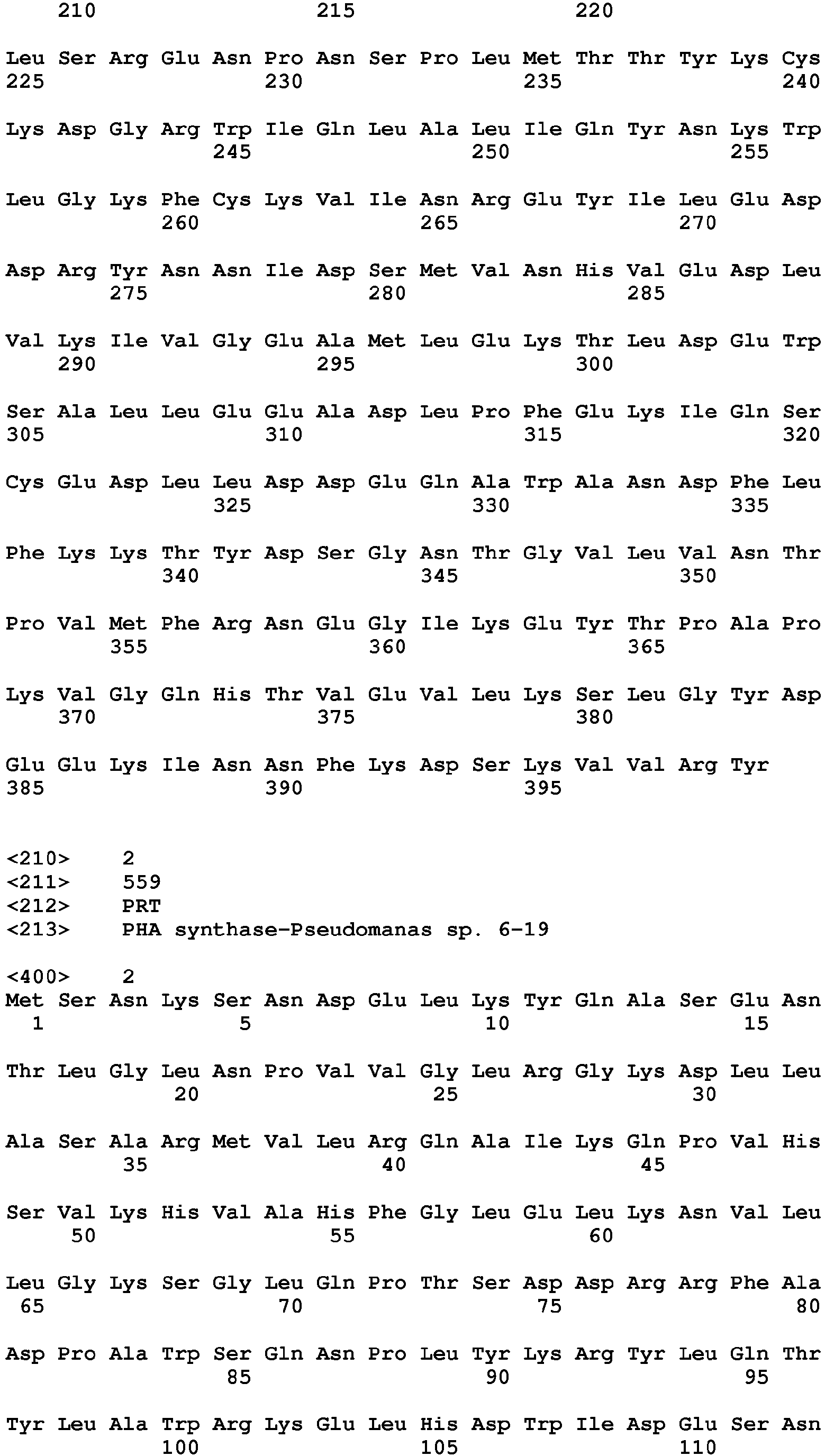
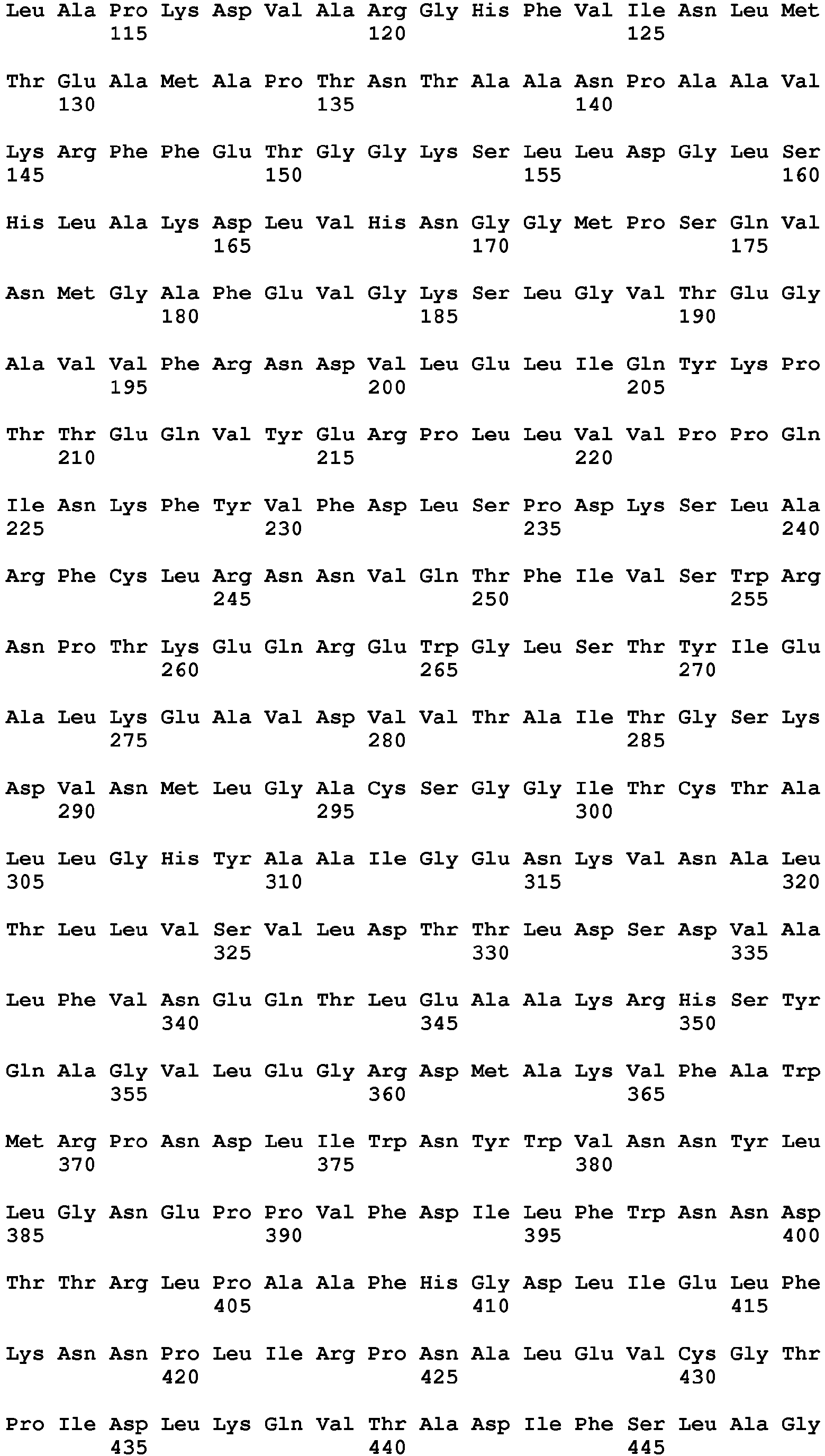




Claims (32)
- A recombinant microorganism obtained by introducing a gene encoding a 2-hydroxyisocaproate-CoA transferase and a gene encoding polyhydroxyalkanoate synthase into a microorganism capable of producing acetyl-CoA from a carbon source, wherein the recombinant microorganism is capable of producing polyhydroxyalkanoate having an aromatic monomer or a long-chain 2-hydroxyalkanoate (2-HA) monomer.
- The recombinant microorganism according to claim 1, wherein the polyhydroxyalkanoate synthase is a PHA synthase derived from a strain selected from the group consisting of Ralstonia eutropha, Pseudomonas, Bacillus and Pseudomonas sp. 6-19, or a mutant enzyme of a PHA synthase having an amino acid sequence selected from the following:an amino acid sequence having at least one mutation selected from the group consisting of E130D, S325T, L412M, S477R, S477H, S477F, S477Y, S477G, Q481M, Q481K and Q481R in an amino acid sequence of SEQ ID NO: 2;an amino acid sequence (C1335) having mutations of E130D, S325T, L412M, S477G and Q481M in the amino acid sequence of SEQ ID NO: 2;an amino acid sequence (C1310) having mutations of E130D, S477F and Q481K in the amino acid sequence of SEQ ID NO: 2; andan amino acid sequence (C1312) having mutations of E130D, S477F and Q481R in the amino acid sequence of SEQ ID NO: 2.
- The recombinant microorganism according to claim 1, wherein the 2-hydroxyisocaproate-CoA transferase is HadA derived from Clostridium difficile 630.
- The recombinant microorganism according to claim 1 or 2, wherein the 2-hydroxyisocaproate-CoA transferase uses acetyl-CoA as a CoA donor.
- The recombinant microorganism according to claim 1, wherein the aromatic monomer or long-chain 2-HA monomer is selected from the group consisting of 2-hydroxyisocaproate, 2-hydroxyhexanoate, 2-hydroxyoctanoate, phenyllactate, 2-hydroxy-4-phenylbutyrate, 3-hydroxy-3-phenylpropionate, 4-hydroxybenzoic acid and mandelate.
- The recombinant microorganism according to claim 1, wherein the recombinant microorganism is further introduced with a gene encoding a β-ketothiolase and a gene encoding an acetoacetyl-CoA reductase.
- A method for producing polyhydroxyalkanoate having an aromatic monomer or a long-chain 2-hydroxyalkanoate (2-HA) monomer comprising:(a) culturing the recombinant microorganism according to any one of claims 1 to 6 to produce polyhydroxyalkanoate having an aromatic monomer or a long-chain 2-HA monomer; and(b) recovering the produced polyhydroxyalkanoate having an aromatic monomer or a long-chain 2-HA monomer.
- The method according to claim 7, wherein the recombinant microorganism is cultured in a medium containing an aromatic monomer or a long-chain 2-HA monomer.
- The method according to claim 7, wherein the aromatic monomer or long-chain 2-HA monomer is selected from the group consisting of 2-hydroxyisocaproate, 2-hydroxyhexanoate, 2-hydroxyoctanoate, phenyllactate, 2-hydroxy-4-phenylbutyrate, 3-hydroxy-3-phenylpropionate, 4-hydroxybenzoic acid and mandelate.
- A recombinant microorganism obtained by introducing a gene encoding a 2-hydroxyisocaproate-CoA transferase, a gene encoding a polyhydroxyalkanoate synthase, a gene encoding a 3-deoxy-D-arabino-heptulosonate-7-phosphate (DAHP) synthase, a gene encoding a chorismate mutase/prephenate dehydrogenase, and a gene encoding a D-lactate dehydrogenase into a microorganism capable of producing acetyl-CoA from a carbon source, wherein the recombinant microorganism is capable of producing polyhydroxyalkanoate having phenyllactate as a monomer.
- The recombinant microorganism according to claim 10, wherein the 2-hydroxyisocaproate-CoA transferase is HadA derived from Clostridium difficile 630.
- The recombinant microorganism according to claim 10, wherein the polyhydroxyalkanoate synthase is a PHA synthase derived from a strain selected from the group consisting of Ralstonia eutropha, Pseudomonas, Bacillus and Pseudomonas sp. 6-19, or a mutant enzyme of a PHA synthase having an amino acid sequence selected from the following:an amino acid sequence having at least one mutation selected from the group consisting of E130D, S325T, L412M, S477R, S477H, S477F, S477Y, S477G, Q481M, Q481K and Q481R in an amino acid sequence of SEQ ID NO: 2;an amino acid sequence (C1335) having mutations of E130D, S325T, L412M, S477G and Q481M in the amino acid sequence of SEQ ID NO: 2;an amino acid sequence (C1310) having mutations of E130D, S477F and Q481K in the amino acid sequence of SEQ ID NO: 2; andan amino acid sequence (C1312) having mutations of E130D, S477F and Q481R in the amino acid sequence of SEQ ID NO: 2.
- The recombinant microorganism according to claim 10, wherein the gene encoding DAHP (3-deoxy-D-arabino-heptulosonate-7-phosphate) synthase is a gene encoding an amino acid sequence represented by SEQ ID NO: 8.
- The recombinant microorganism according to claim 10, wherein the gene encoding chorismate mutase/prephenate dehydrogenase is a gene encoding an amino acid sequence represented by SEQ ID NO: 9.
- The recombinant microorganism according to claim 10, wherein the gene encoding D-lactate dehydrogenase is a gene encoding an amino acid sequence represented by SEQ ID NO: 10.
- The recombinant microorganism according to claim 10, wherein the gene encoding D-lactate dehydrogenase is a fldH gene.
- The recombinant microorganism according to claim 10, wherein the recombinant microorganism is further introduced with a gene encoding a β-ketothiolase and a gene encoding an acetoacetyl-CoA reductase.
- The recombinant microorganism according to claim 10, wherein the recombinant microorganism has a deletion of at least one gene selected from the group consisting of a tyrR gene, a gene encoding a pyruvate oxidase, a gene encoding a pyruvate formate lyase, a gene encoding an acetaldehyde dehydrogenase, a gene encoding a fumarate reductase, a gene encoding a tyrosine aminotransferase, and a gene encoding an aspartic acid aminotransferase.
- A method for producing polyhydroxyalkanoate having phenyllactate as a monomer comprising:(a) culturing the recombinant microorganism according to any one of claims 10 to 18 to produce polyhydroxyalkanoate having phenyllactate as a monomer; and(b) recovering the produced polyhydroxyalkanoate having phenyllactate as a monomer.
- A recombinant microorganism obtained by introducing a gene encoding a 2-hydroxyisocaproate-CoA transferase, a gene encoding a polyhydroxyalkanoate synthase, a gene encoding a 3-deoxy-D-arabino-heptulosonate-7-phosphate (DAHP) synthase, a gene encoding a chorismate mutase/prephenate dehydrogenase, a gene encoding a D-lactate dehydrogenase, a gene encoding a hydroxymandelate synthase, a gene encoding a hydroxymandelate oxidase, and a gene encoding a D-mandelate dehydrogenase into a microorganism capable of producing acetyl-CoA from a carbon source,
wherein the recombinant microorganism is capable of producing polyhydroxyalkanoate having mandelate as a monomer. - The recombinant microorganism according to claim 20, wherein the 2-hydroxyisocaproate-CoA transferase is HadA derived from Clostridium difficile 630.
- The recombinant microorganism according to claim 20, wherein the polyhydroxyalkanoate synthase is a PHA synthase derived from a strain selected from the group consisting of Ralstonia eutropha, Pseudomonas, Bacillus and Pseudomonas sp. 6-19, or a mutant enzyme of a PHA synthase having an amino acid sequence selected from the following:an amino acid sequence having at least one mutation selected from the group consisting of E130D, S325T, L412M, S477R, S477H, S477F, S477Y, S477G, Q481M, Q481K and Q481R in an amino acid sequence of SEQ ID NO: 2;an amino acid sequence (C1335) having mutations of E130D, S325T, L412M, S477G and Q481M in the amino acid sequence of SEQ ID NO: 2;an amino acid sequence (C1310) having mutations of E130D, S477F and Q481K in the amino acid sequence of SEQ ID NO: 2; andan amino acid sequence (C1312) having mutations of E130D, S477F and Q481R in the amino acid sequence of SEQ ID NO: 2.
- The recombinant microorganism according to claim 20, wherein the gene encoding DAHP (3-deoxy-D-arabino-heptulosonate-7-phosphate) synthase is a gene encoding an amino acid sequence represented by SEQ ID NO: 8.
- The recombinant microorganism according to claim 20, wherein the gene encoding chorismate mutase/prephenate dehydrogenase is a gene encoding an amino acid sequence represented by SEQ ID NO: 9.
- The recombinant microorganism according to claim 20, wherein the gene encoding D-lactate dehydrogenase is a gene encoding an amino acid sequence represented by SEQ ID NO: 10.
- The recombinant microorganism according to claim 20, wherein the gene encoding hydroxymandelate synthase is a gene encoding an amino acid sequence represented by SEQ ID NO: 11.
- The recombinant microorganism according to claim 20, wherein the gene encoding hydroxymandelate oxidase is a gene encoding an amino acid sequence represented by SEQ ID NO: 12.
- The recombinant microorganism according to claim 20, wherein the gene encoding D-mandelate dehydrogenase is a gene encoding an amino acid sequence represented by SEQ ID NO: 13.
- The recombinant microorganism according to claim 20, wherein the gene encoding D-lactate dehydrogenase is a fldH gene.
- The recombinant microorganism according to claim 20, wherein the recombinant microorganism is further introduced with a gene encoding a β-ketothiolase and a gene encoding an acetoacetyl-CoA reductase.
- A method for producing polyhydroxyalkanoate having mandelate as a monomer comprising:(a) culturing the recombinant microorganism according to any one of claims 20 to 30 to produce polyhydroxyalkanoate having mandelate as a monomer; and(b) recovering the produced polyhydroxyalkanoate having mandelate as a monomer.
- A method for producing polyhydroxyalkanoate having, as a monomer, a compound selected from the group consisting of 2-hydroxyisocaproate, 2-hydroxyhexanoate and 2-hydroxyoctanoate, comprising:(a) culturing the recombinant microorganism according to any one of claims 1 to 6 in a medium containing a compound selected from the group consisting of 2-hydroxyisocaproate, 2-hydroxyhexanoate and 2-hydroxyoctanoate; and(b) recovering polyhydroxyalkanoate containing, as a monomer, a compound selected from the group consisting of 2-hydroxyisocaproate, 2-hydroxyhexanoate and 2-hydroxyoctanoate.
Applications Claiming Priority (3)
| Application Number | Priority Date | Filing Date | Title |
|---|---|---|---|
| KR20170026266 | 2017-02-28 | ||
| KR1020170172899A KR102036828B1 (en) | 2017-02-28 | 2017-12-15 | Method for Preparing Polyhydroxyalkanoates Using 2-Hydroxyisocaproate-CoA Transferase |
| PCT/KR2018/002305 WO2018159965A1 (en) | 2017-02-28 | 2018-02-26 | Method for producing polyhydroxyalkanoate using 2-hydroxyisocaproate-coa transferase |
Publications (2)
| Publication Number | Publication Date |
|---|---|
| EP3594350A1 true EP3594350A1 (en) | 2020-01-15 |
| EP3594350A4 EP3594350A4 (en) | 2020-12-09 |
Family
ID=63594498
Family Applications (1)
| Application Number | Title | Priority Date | Filing Date |
|---|---|---|---|
| EP18760488.9A Pending EP3594350A4 (en) | 2017-02-28 | 2018-02-26 | METHOD OF PREPARING POLYHYDROXYAL CANOATE USING 2-HYDROXYISOCAPROATE-COA TRANSFERASE |
Country Status (6)
| Country | Link |
|---|---|
| US (1) | US10961521B2 (en) |
| EP (1) | EP3594350A4 (en) |
| JP (1) | JP6854909B2 (en) |
| KR (1) | KR102036828B1 (en) |
| CN (1) | CN110382699B (en) |
| BR (1) | BR112019017457A2 (en) |
Cited By (2)
| Publication number | Priority date | Publication date | Assignee | Title |
|---|---|---|---|---|
| WO2025018562A1 (en) * | 2023-07-14 | 2025-01-23 | 삼성전자주식회사 | Genetically recombinant microorganism producing polyhydroxyalkanoate |
| WO2025018563A1 (en) * | 2023-07-14 | 2025-01-23 | 삼성전자주식회사 | Gene recombinant microorganism producing polyhydroxyalkanoate and method for manufacturing same |
Families Citing this family (2)
| Publication number | Priority date | Publication date | Assignee | Title |
|---|---|---|---|---|
| US20240384311A1 (en) * | 2021-07-09 | 2024-11-21 | The Board Of Trustees Of The Leland Stanford Junior University | Polyhydroxyalkanoates and methods of making thereof |
| WO2024197106A2 (en) * | 2023-03-21 | 2024-09-26 | The Regents Of The University Of California | Continuous polyhydroxyalkanoate production by perchlorate respiring microorganisms |
Family Cites Families (11)
| Publication number | Priority date | Publication date | Assignee | Title |
|---|---|---|---|---|
| JP2777757B2 (en) | 1991-09-17 | 1998-07-23 | 鐘淵化学工業株式会社 | Copolymer and method for producing the same |
| EP0881293A1 (en) | 1997-05-28 | 1998-12-02 | Eidgenössische Technische Hochschule Zürich Institut für Biotechnologie | Production of medium chain length poly-3-hydroxy alkanoates in Escherichia coli, and monomers derived therefrom |
| US6143952A (en) | 1998-03-31 | 2000-11-07 | Regents Of The University Of Minnesota | Modified pseudomonas oleovorans phaC1 nucleic acids encoding bispecific polyhydroxyalkanoate polymerase |
| ATE483023T1 (en) | 1998-05-22 | 2010-10-15 | Metabolix Inc | POLYHYDROXYALKANOOATBIOPOLYMERS |
| US6225438B1 (en) | 2000-01-31 | 2001-05-01 | The Procter & Gamble Company | Medium chain length PHA copolymer and process for producing same |
| EP1765857A2 (en) * | 2004-07-02 | 2007-03-28 | Metanomics GmbH | Process for the production of fine chemicals |
| EP2087025B1 (en) | 2006-11-21 | 2021-02-24 | LG Chem, Ltd. | Copolymer containing 3-hydroxyalkanoate unit and lactate unit, and its manufacturing method |
| US9284566B2 (en) | 2010-11-03 | 2016-03-15 | The Regents Of The University Of California | Biofuel and chemical production by recombinant microorganisms via fermentation of proteinaceous biomass |
| KR101273599B1 (en) * | 2011-06-08 | 2013-06-11 | 한국화학연구원 | Method for Preparing Polyhydroxyalkanoate Containing 2-Hydroxybutyrate |
| JP2015000033A (en) * | 2013-06-14 | 2015-01-05 | 国立大学法人東京工業大学 | Process for producing polyhydroxyalkanoic acid copolymer |
| KR101750855B1 (en) | 2014-06-11 | 2017-06-27 | 한국과학기술원 | Method for Fine-Tuning Gene Expression Using Synthetic Regulatory Small RNA |
-
2017
- 2017-12-15 KR KR1020170172899A patent/KR102036828B1/en active Active
-
2018
- 2018-02-26 EP EP18760488.9A patent/EP3594350A4/en active Pending
- 2018-02-26 JP JP2019545788A patent/JP6854909B2/en active Active
- 2018-02-26 BR BR112019017457A patent/BR112019017457A2/en not_active IP Right Cessation
- 2018-02-26 CN CN201880014308.8A patent/CN110382699B/en active Active
- 2018-02-26 US US16/483,426 patent/US10961521B2/en active Active
Cited By (2)
| Publication number | Priority date | Publication date | Assignee | Title |
|---|---|---|---|---|
| WO2025018562A1 (en) * | 2023-07-14 | 2025-01-23 | 삼성전자주식회사 | Genetically recombinant microorganism producing polyhydroxyalkanoate |
| WO2025018563A1 (en) * | 2023-07-14 | 2025-01-23 | 삼성전자주식회사 | Gene recombinant microorganism producing polyhydroxyalkanoate and method for manufacturing same |
Also Published As
| Publication number | Publication date |
|---|---|
| CN110382699A (en) | 2019-10-25 |
| JP2020508665A (en) | 2020-03-26 |
| JP6854909B2 (en) | 2021-04-07 |
| US20190352622A1 (en) | 2019-11-21 |
| CN110382699B (en) | 2024-04-05 |
| KR20180099447A (en) | 2018-09-05 |
| EP3594350A4 (en) | 2020-12-09 |
| KR102036828B1 (en) | 2019-10-25 |
| BR112019017457A2 (en) | 2020-04-14 |
| US10961521B2 (en) | 2021-03-30 |
Similar Documents
| Publication | Publication Date | Title |
|---|---|---|
| Choi et al. | One-step fermentative production of poly (lactate-co-glycolate) from carbohydrates in Escherichia coli | |
| US9090898B2 (en) | Green process and compositions for producing poly(5HV) and 5 carbon chemicals | |
| JP5626735B2 (en) | Recombinant Ralstonia eutropha having ability to produce polylactic acid or polylactic acid copolymer and method for producing polylactic acid or polylactic acid copolymer using the same | |
| US10961521B2 (en) | Recombinant microorganism for producing polyhydroxyalkanoate | |
| KR101273599B1 (en) | Method for Preparing Polyhydroxyalkanoate Containing 2-Hydroxybutyrate | |
| Yang et al. | Biosynthesis of poly (2‐hydroxyisovalerate‐co‐lactate) by metabolically engineered Escherichia coli | |
| Chae et al. | Biosynthesis of poly (2-hydroxybutyrate-co-lactate) in metabolically engineered Escherichia coli | |
| Choi et al. | Biosynthesis and characterization of poly (d‐lactate‐co‐glycolate‐co‐4‐hydroxybutyrate) | |
| KR20170028189A (en) | Copolymer comprising 3-hydroxypropionate, 2-hydroxybutyrate and lactate as repeating unit and method for preparing the same | |
| KR101774431B1 (en) | Recombinant Microorganism Having Ability Producing Poly(lactate-co-glycolate) and Its Copolymers from Xylose and Preparing Method of Poly(lactate-co-glycolate) and its copolymers Using Thereof | |
| US12571010B2 (en) | Recombinant microorganism for producing poly(3-hydroxybutyrate-co-3-hydroxyvalerate) | |
| KR101575585B1 (en) | Recombinant Microorganism Having Producing Poly(lactate-co-glycolate) from Glucose and Preparing Method of Poly(lactate-co-glycolate) Using Thereof | |
| CN102171356A (en) | Method for polymerising glycolic acid with microorganisms | |
| Mierzati et al. | Monomer-supplying enzymes for polyhydroxyalkanoate biosynthesis | |
| KR20170019788A (en) | Copolymer comprising 4-hydroxybutyrate, 2-hydroxybutyrate and lactate as repeating unit and method for preparing the same | |
| KR20250018302A (en) | Recombinant Escherichia coli strain for production of P(3HP-co-3HB) with high yield and method for producing biodegradable P(3HP-co-3HB) using the same | |
| KR20250092358A (en) | Recombinant microorganism capable of producing polyhydroxyalkanoate and method for producing polyhydroxyalkanoate using the same | |
| JP2025097299A (en) | Recombinant hydrogen-oxidizing bacteria and method for producing polyhydroxyalkanoic acid | |
| Mierzati et al. | 1 Monomer-Supplying | |
| WO2025051835A1 (en) | Biological production of polyhydroxyalkanoates and monomers therefor using engineered pseudomonas cells | |
| KR20260045951A (en) | Recombinant microorganism capable of producing PHA copolymers and method for producing PHA copolymers using the same | |
| JP2025097098A (en) | Polyhydroxyalkanoic acid, recombinant hydrogen-oxidizing bacteria, and method for producing polyhydroxyalkanoic acid | |
| KR20250117284A (en) | Method for Preparing Various Poly(ester Amide) | |
| Park et al. | Identification and Characterization of a New | |
| KR20170027578A (en) | Method for preparing copolymer comprising 4-hydroxybutyrate and lactate as repeating unit using glucose |
Legal Events
| Date | Code | Title | Description |
|---|---|---|---|
| STAA | Information on the status of an ep patent application or granted ep patent |
Free format text: STATUS: THE INTERNATIONAL PUBLICATION HAS BEEN MADE |
|
| PUAI | Public reference made under article 153(3) epc to a published international application that has entered the european phase |
Free format text: ORIGINAL CODE: 0009012 |
|
| STAA | Information on the status of an ep patent application or granted ep patent |
Free format text: STATUS: REQUEST FOR EXAMINATION WAS MADE |
|
| 17P | Request for examination filed |
Effective date: 20190830 |
|
| AK | Designated contracting states |
Kind code of ref document: A1 Designated state(s): AL AT BE BG CH CY CZ DE DK EE ES FI FR GB GR HR HU IE IS IT LI LT LU LV MC MK MT NL NO PL PT RO RS SE SI SK SM TR |
|
| AX | Request for extension of the european patent |
Extension state: BA ME |
|
| DAV | Request for validation of the european patent (deleted) | ||
| DAX | Request for extension of the european patent (deleted) | ||
| REG | Reference to a national code |
Ref country code: DE Ref legal event code: R079 Free format text: PREVIOUS MAIN CLASS: C12N0015630000 Ipc: C12N0009100000 |
|
| A4 | Supplementary search report drawn up and despatched |
Effective date: 20201111 |
|
| RIC1 | Information provided on ipc code assigned before grant |
Ipc: C12P 7/62 20060101ALI20201105BHEP Ipc: C08G 63/688 20060101ALI20201105BHEP Ipc: C12N 9/10 20060101AFI20201105BHEP Ipc: C12N 15/63 20060101ALI20201105BHEP |
|
| STAA | Information on the status of an ep patent application or granted ep patent |
Free format text: STATUS: EXAMINATION IS IN PROGRESS |
|
| 17Q | First examination report despatched |
Effective date: 20231122 |