EP3592384B1 - Antibodies specifically binding to human il-1r7 - Google Patents
Antibodies specifically binding to human il-1r7 Download PDFInfo
- Publication number
- EP3592384B1 EP3592384B1 EP18711275.0A EP18711275A EP3592384B1 EP 3592384 B1 EP3592384 B1 EP 3592384B1 EP 18711275 A EP18711275 A EP 18711275A EP 3592384 B1 EP3592384 B1 EP 3592384B1
- Authority
- EP
- European Patent Office
- Prior art keywords
- antibody
- disease
- seq
- region
- binding
- Prior art date
- Legal status (The legal status is an assumption and is not a legal conclusion. Google has not performed a legal analysis and makes no representation as to the accuracy of the status listed.)
- Active
Links
Images






























Classifications
-
- C—CHEMISTRY; METALLURGY
- C07—ORGANIC CHEMISTRY
- C07K—PEPTIDES
- C07K16/00—Immunoglobulins [IG], e.g. monoclonal or polyclonal antibodies
- C07K16/18—Immunoglobulins [IG], e.g. monoclonal or polyclonal antibodies against material from animals or humans
- C07K16/28—Immunoglobulins [IG], e.g. monoclonal or polyclonal antibodies against material from animals or humans against receptors, cell surface antigens or cell surface determinants
- C07K16/2866—Immunoglobulins [IG], e.g. monoclonal or polyclonal antibodies against material from animals or humans against receptors, cell surface antigens or cell surface determinants against receptors for cytokines, lymphokines, interferons
-
- C—CHEMISTRY; METALLURGY
- C07—ORGANIC CHEMISTRY
- C07K—PEPTIDES
- C07K16/00—Immunoglobulins [IG], e.g. monoclonal or polyclonal antibodies
- C07K16/18—Immunoglobulins [IG], e.g. monoclonal or polyclonal antibodies against material from animals or humans
- C07K16/28—Immunoglobulins [IG], e.g. monoclonal or polyclonal antibodies against material from animals or humans against receptors, cell surface antigens or cell surface determinants
-
- A—HUMAN NECESSITIES
- A61—MEDICAL OR VETERINARY SCIENCE; HYGIENE
- A61K—PREPARATIONS FOR MEDICAL, DENTAL OR TOILETRY PURPOSES
- A61K39/00—Medicinal preparations containing antigens or antibodies
- A61K39/395—Antibodies; Immunoglobulins; Immune serum, e.g. antilymphocytic serum
-
- A—HUMAN NECESSITIES
- A61—MEDICAL OR VETERINARY SCIENCE; HYGIENE
- A61P—SPECIFIC THERAPEUTIC ACTIVITY OF CHEMICAL COMPOUNDS OR MEDICINAL PREPARATIONS
- A61P1/00—Drugs for disorders of the alimentary tract or the digestive system
-
- A—HUMAN NECESSITIES
- A61—MEDICAL OR VETERINARY SCIENCE; HYGIENE
- A61P—SPECIFIC THERAPEUTIC ACTIVITY OF CHEMICAL COMPOUNDS OR MEDICINAL PREPARATIONS
- A61P1/00—Drugs for disorders of the alimentary tract or the digestive system
- A61P1/04—Drugs for disorders of the alimentary tract or the digestive system for ulcers, gastritis or reflux esophagitis, e.g. antacids, inhibitors of acid secretion, mucosal protectants
-
- A—HUMAN NECESSITIES
- A61—MEDICAL OR VETERINARY SCIENCE; HYGIENE
- A61P—SPECIFIC THERAPEUTIC ACTIVITY OF CHEMICAL COMPOUNDS OR MEDICINAL PREPARATIONS
- A61P11/00—Drugs for disorders of the respiratory system
-
- A—HUMAN NECESSITIES
- A61—MEDICAL OR VETERINARY SCIENCE; HYGIENE
- A61P—SPECIFIC THERAPEUTIC ACTIVITY OF CHEMICAL COMPOUNDS OR MEDICINAL PREPARATIONS
- A61P11/00—Drugs for disorders of the respiratory system
- A61P11/06—Antiasthmatics
-
- A—HUMAN NECESSITIES
- A61—MEDICAL OR VETERINARY SCIENCE; HYGIENE
- A61P—SPECIFIC THERAPEUTIC ACTIVITY OF CHEMICAL COMPOUNDS OR MEDICINAL PREPARATIONS
- A61P19/00—Drugs for skeletal disorders
- A61P19/02—Drugs for skeletal disorders for joint disorders, e.g. arthritis, arthrosis
-
- A—HUMAN NECESSITIES
- A61—MEDICAL OR VETERINARY SCIENCE; HYGIENE
- A61P—SPECIFIC THERAPEUTIC ACTIVITY OF CHEMICAL COMPOUNDS OR MEDICINAL PREPARATIONS
- A61P25/00—Drugs for disorders of the nervous system
-
- A—HUMAN NECESSITIES
- A61—MEDICAL OR VETERINARY SCIENCE; HYGIENE
- A61P—SPECIFIC THERAPEUTIC ACTIVITY OF CHEMICAL COMPOUNDS OR MEDICINAL PREPARATIONS
- A61P27/00—Drugs for disorders of the senses
- A61P27/02—Ophthalmic agents
-
- A—HUMAN NECESSITIES
- A61—MEDICAL OR VETERINARY SCIENCE; HYGIENE
- A61P—SPECIFIC THERAPEUTIC ACTIVITY OF CHEMICAL COMPOUNDS OR MEDICINAL PREPARATIONS
- A61P29/00—Non-central analgesic, antipyretic or antiinflammatory agents, e.g. antirheumatic agents; Non-steroidal antiinflammatory drugs [NSAID]
-
- A—HUMAN NECESSITIES
- A61—MEDICAL OR VETERINARY SCIENCE; HYGIENE
- A61P—SPECIFIC THERAPEUTIC ACTIVITY OF CHEMICAL COMPOUNDS OR MEDICINAL PREPARATIONS
- A61P3/00—Drugs for disorders of the metabolism
- A61P3/08—Drugs for disorders of the metabolism for glucose homeostasis
- A61P3/10—Drugs for disorders of the metabolism for glucose homeostasis for hyperglycaemia, e.g. antidiabetics
-
- A—HUMAN NECESSITIES
- A61—MEDICAL OR VETERINARY SCIENCE; HYGIENE
- A61P—SPECIFIC THERAPEUTIC ACTIVITY OF CHEMICAL COMPOUNDS OR MEDICINAL PREPARATIONS
- A61P35/00—Antineoplastic agents
-
- A—HUMAN NECESSITIES
- A61—MEDICAL OR VETERINARY SCIENCE; HYGIENE
- A61P—SPECIFIC THERAPEUTIC ACTIVITY OF CHEMICAL COMPOUNDS OR MEDICINAL PREPARATIONS
- A61P37/00—Drugs for immunological or allergic disorders
- A61P37/02—Immunomodulators
-
- A—HUMAN NECESSITIES
- A61—MEDICAL OR VETERINARY SCIENCE; HYGIENE
- A61P—SPECIFIC THERAPEUTIC ACTIVITY OF CHEMICAL COMPOUNDS OR MEDICINAL PREPARATIONS
- A61P43/00—Drugs for specific purposes, not provided for in groups A61P1/00-A61P41/00
-
- A—HUMAN NECESSITIES
- A61—MEDICAL OR VETERINARY SCIENCE; HYGIENE
- A61P—SPECIFIC THERAPEUTIC ACTIVITY OF CHEMICAL COMPOUNDS OR MEDICINAL PREPARATIONS
- A61P9/00—Drugs for disorders of the cardiovascular system
-
- A—HUMAN NECESSITIES
- A61—MEDICAL OR VETERINARY SCIENCE; HYGIENE
- A61P—SPECIFIC THERAPEUTIC ACTIVITY OF CHEMICAL COMPOUNDS OR MEDICINAL PREPARATIONS
- A61P9/00—Drugs for disorders of the cardiovascular system
- A61P9/10—Drugs for disorders of the cardiovascular system for treating ischaemic or atherosclerotic diseases, e.g. antianginal drugs, coronary vasodilators, drugs for myocardial infarction, retinopathy, cerebrovascula insufficiency, renal arteriosclerosis
-
- A—HUMAN NECESSITIES
- A61—MEDICAL OR VETERINARY SCIENCE; HYGIENE
- A61P—SPECIFIC THERAPEUTIC ACTIVITY OF CHEMICAL COMPOUNDS OR MEDICINAL PREPARATIONS
- A61P9/00—Drugs for disorders of the cardiovascular system
- A61P9/14—Vasoprotectives; Antihaemorrhoidals; Drugs for varicose therapy; Capillary stabilisers
-
- A—HUMAN NECESSITIES
- A61—MEDICAL OR VETERINARY SCIENCE; HYGIENE
- A61K—PREPARATIONS FOR MEDICAL, DENTAL OR TOILETRY PURPOSES
- A61K39/00—Medicinal preparations containing antigens or antibodies
- A61K2039/505—Medicinal preparations containing antigens or antibodies comprising antibodies
-
- A—HUMAN NECESSITIES
- A61—MEDICAL OR VETERINARY SCIENCE; HYGIENE
- A61P—SPECIFIC THERAPEUTIC ACTIVITY OF CHEMICAL COMPOUNDS OR MEDICINAL PREPARATIONS
- A61P37/00—Drugs for immunological or allergic disorders
-
- C—CHEMISTRY; METALLURGY
- C07—ORGANIC CHEMISTRY
- C07K—PEPTIDES
- C07K2317/00—Immunoglobulins specific features
- C07K2317/20—Immunoglobulins specific features characterized by taxonomic origin
- C07K2317/24—Immunoglobulins specific features characterized by taxonomic origin containing regions, domains or residues from different species, e.g. chimeric, humanized or veneered
-
- C—CHEMISTRY; METALLURGY
- C07—ORGANIC CHEMISTRY
- C07K—PEPTIDES
- C07K2317/00—Immunoglobulins specific features
- C07K2317/50—Immunoglobulins specific features characterized by immunoglobulin fragments
- C07K2317/56—Immunoglobulins specific features characterized by immunoglobulin fragments variable (Fv) region, i.e. VH and/or VL
-
- C—CHEMISTRY; METALLURGY
- C07—ORGANIC CHEMISTRY
- C07K—PEPTIDES
- C07K2317/00—Immunoglobulins specific features
- C07K2317/50—Immunoglobulins specific features characterized by immunoglobulin fragments
- C07K2317/56—Immunoglobulins specific features characterized by immunoglobulin fragments variable (Fv) region, i.e. VH and/or VL
- C07K2317/565—Complementarity determining region [CDR]
-
- C—CHEMISTRY; METALLURGY
- C07—ORGANIC CHEMISTRY
- C07K—PEPTIDES
- C07K2317/00—Immunoglobulins specific features
- C07K2317/70—Immunoglobulins specific features characterized by effect upon binding to a cell or to an antigen
- C07K2317/71—Decreased effector function due to an Fc-modification
-
- C—CHEMISTRY; METALLURGY
- C07—ORGANIC CHEMISTRY
- C07K—PEPTIDES
- C07K2317/00—Immunoglobulins specific features
- C07K2317/70—Immunoglobulins specific features characterized by effect upon binding to a cell or to an antigen
- C07K2317/76—Antagonist effect on antigen, e.g. neutralization or inhibition of binding
-
- C—CHEMISTRY; METALLURGY
- C07—ORGANIC CHEMISTRY
- C07K—PEPTIDES
- C07K2317/00—Immunoglobulins specific features
- C07K2317/90—Immunoglobulins specific features characterized by (pharmaco)kinetic aspects or by stability of the immunoglobulin
- C07K2317/92—Affinity (KD), association rate (Ka), dissociation rate (Kd) or EC50 value
Definitions
- the present invention relates to monoclonal antibodies or antigen-binding fragments thereof that specifically bind to human IL-1 R7.
- the invention also relates to uses of said antibodies and to pharmaceutical compositions comprising them.
- IL-1R7 is a coreceptor for IL-18 signaling, which is also known as IL-18 receptor ⁇ -chain.
- IL-18 is classified as one of the members of the IL-1 cytokine superfamily, which acts as an important regulator of innate and acquired immune responses (Garcia et al., 2003; Dinarello et al., 2013). It plays effector and regulatory roles in a variety of early inflammatory responses and is known to be expressed at the sites of chronic inflammation, in autoimmune diseases, in a variety of cancers, and in the context of numerous infectious diseases (Lebel-Binay et al., 2000; Diakowska et al., 2006; Kinjo et al., 2002; Fabbi et al., 2015).
Landscapes
- Health & Medical Sciences (AREA)
- Chemical & Material Sciences (AREA)
- Organic Chemistry (AREA)
- Medicinal Chemistry (AREA)
- Life Sciences & Earth Sciences (AREA)
- General Health & Medical Sciences (AREA)
- Animal Behavior & Ethology (AREA)
- Pharmacology & Pharmacy (AREA)
- Public Health (AREA)
- Veterinary Medicine (AREA)
- Nuclear Medicine, Radiotherapy & Molecular Imaging (AREA)
- General Chemical & Material Sciences (AREA)
- Chemical Kinetics & Catalysis (AREA)
- Bioinformatics & Cheminformatics (AREA)
- Engineering & Computer Science (AREA)
- Immunology (AREA)
- Proteomics, Peptides & Aminoacids (AREA)
- Biophysics (AREA)
- Biochemistry (AREA)
- Molecular Biology (AREA)
- Genetics & Genomics (AREA)
- Rheumatology (AREA)
- Diabetes (AREA)
- Pulmonology (AREA)
- Heart & Thoracic Surgery (AREA)
- Cardiology (AREA)
- Pain & Pain Management (AREA)
- Orthopedic Medicine & Surgery (AREA)
- Physical Education & Sports Medicine (AREA)
- Vascular Medicine (AREA)
- Urology & Nephrology (AREA)
- Epidemiology (AREA)
- Mycology (AREA)
- Ophthalmology & Optometry (AREA)
- Biomedical Technology (AREA)
- Neurology (AREA)
- Neurosurgery (AREA)
- Microbiology (AREA)
- Emergency Medicine (AREA)
- Endocrinology (AREA)
Description
- The present invention relates to monoclonal antibodies or antigen-binding fragments thereof that specifically bind to human IL-1 R7. The invention also relates to uses of said antibodies and to pharmaceutical compositions comprising them.
- IL-1R7 is a coreceptor for IL-18 signaling, which is also known as IL-18 receptor β-chain. IL-18 is classified as one of the members of the IL-1 cytokine superfamily, which acts as an important regulator of innate and acquired immune responses (Garcia et al., 2003; Dinarello et al., 2013). It plays effector and regulatory roles in a variety of early inflammatory responses and is known to be expressed at the sites of chronic inflammation, in autoimmune diseases, in a variety of cancers, and in the context of numerous infectious diseases (Lebel-Binay et al., 2000; Diakowska et al., 2006; Kinjo et al., 2002; Fabbi et al., 2015).
- The IL-18 family of cytokines are synthesized as precursor molecules and cleaved by the enzyme caspase-1 before or during release from the cell. After release from the cell, signaling transduction of IL-18 occurs through receptor-binding. One of its main receptors is IL-1R5, also known as IL-18 receptor a-chain. More specifically, a receptor complex consisting of IL-1R5and IL-1R7 is known to transduce IL-18 signaling (Debets et al., 2000).
- Upon ligand binding, the pro-inflammatory IL-18 signaling cascade continues, leading to activation and transcription of numerous target genes which affect the activation of diverse cell types such as macrophages, dendritic cells, mast cells, B and T cells, fibroblasts and many other cell types. The IL-1 and IL-18 family of cytokines have many parallels, for example the structure of their receptors and the signal transduction pathways utilized. For example, IL-1R5 serves the same function for the IL-18 pathway as IL-1R3 does for the IL-1 family signaling pathways.
- Most IL-1 family members signaling occurs through heterodimeric plasma membrane receptors, and most of them utilize a common signaling chain (IL-1R3) (Riva et al., 2012). Blocking of IL-1R3 leads to problematic results, since IL-1R3 is a receptor for several interleukins and therefore fulfills various functions (proinflammatory as well as anti-inflammatory signaling cascades). Similar to IL-1R3, it is extremely difficult to find antibodies that effectively inhibit the signaling pathway by blocking human IL-1R7. This is demonstrated by the fact that no such effective antibodies are disclosed in the literature.
- There are many antibodies described that inhibit the effects of IL-18 through direct binding to IL-18 (
US 2014/0112915 ;US 2014/0004128 ;US 2013/0101595 ). Nevertheless, previous experience with direct inhibition of IL-18 produced conflicting results. Therefore, other methods for inhibiting the IL-18 signaling pathway were required, for example by blocking its receptor IL-1R5. For this purpose, several antibodies are known (WO 2007/096396 orWO 2007/117577 ). - In recent studies on rheumatoid arthritis, the soluble interleukin-18 receptor complex has been identified as a new biomarker. Moreover, antibodies that bind this complex are also disclosed (S. Takei et al., 2011, Arthritis Res Ther 13, R52).
- Antibodies and IL-18 binding proteins were disclosed (Wu Chengbin et al., J Immunol 2003; Vol.170 (11)), which inhibit both the binding of IL-18 to the IL-18 receptor complex and, more specifically, its binding to IL-1R5.
- Furthermore, a human single-chain antagonistic antibody (scFv), h18-108, was identified, which inhibits IFN-γ production in the myelomonocytic cell line KG-1 by blocking IL-18 binding and subsequent signaling (T. Hamasaki et al., 2005, J. Biochemistry, Vol.138, 4).
- Other studies explore the spatial structure of the IL-18 receptor binding. In this context, the IL-18-neutralizing monoclonal antibody 125-2H is described, which specifically binds to IL-18R5 and inhibits the binding of IL-18 to IL-1R5 receptor expressing cells in-vitro (Wei Hui et al., 2014, FEBS Letters, 588).
- Utilizing the same murine antibody (125-2H) head-to-head with the human antibody ABT-325, the crystal structure analysis of the respective binding complex reveals binding to different IL-18 epitopes, with ABT-325 likely binding near the native IL-18 / IL-1R7 (IL-18Rβ) binding site (A.M. Argiriadi et al.; J.Biol.Chem. Vol. 284, Issue 36).
-
EP3241845 discloses a humanized antibody that specifically binds to IL-1R3, or a fragment or derivative thereof, containing at least a portion of the antibody sufficient to confer IL-1R3 binding specificity. Although these antibodies target a different receptor, they exhibit high homology with the antibodies disclosed herein. - However, IL-1R5 can act as a receptor not only for IL-18 but also for the anti-inflammatory cytokine IL-37. Binding of IL-18 to IL-1R5 leads to pro-inflammatory actions, while binding of IL-37 to IL-1R5 leads to anti-inflammatory actions (Mologora et. al., 2016). Thus, the blocking of the IL-1R5 receptor can be counterproductive in the treatment of patients with an anti-IL-18 modality as it may interfere with other mechanisms that could be beneficial to such patients. The inhibition of IL-1R7 remains therefore the only selective anti-inflammatory intervention.
- Moreover, even though IL-1 R5 is a functional component of the IL-18 receptor, its binding affinity for IL-18 is relatively low and in addition, IL-1R7 is required for high affinity binding of IL-18. Until now, the known antibodies that block IL-1R5 and IL- 1 R7 with the aim of inhibiting IL-18 mediated signaling, do not act with a potency that would allow their use as therapeutic antibodies.
- Expression of IL-1R7 was demonstrated in Th1 cells, elucidating the role of IL-1R7 in Th1 -mediated pathologies (Debets el al., 2000). Debets et al. developed an anti-IL-1R7 mouse antibody (anti-IL-1R7 mAb: TC30-28E3, anti-IL18 mAb: C18.6)., which effectively inhibited IL-18 responses in vitro, demonstrating a critical role of IL-1R7 in IL-18 action. However, the antibody developed by Debets and colleagues is a rat-anti-mouse antibody and was only tested in vitro. The development of a potent antibody with high specificity against human IL-1R7 has proved to be difficult and was not achieved up till now.
- Therefore, there is a need for effective antibodies against the human IL-1R7. This need is solved with the antibodies of the present invention.
- A first aspect of the present invention provides monoclonal antibodies that specifically bind to human IL-1R7, or an antigen-binding fragment thereof or a polypeptide that contains at least a portion of said antibody that is sufficient to confer IL-1R7 binding specificity. The invention also relates to compositions comprising said antibodies and methods of treating an IL-18 mediated disease.
- The term "rabbit" according to the invention means an animal of the members of the taxonomic order Lagomorpha, which includes the families (hares and rabbits) and Ochotonidae (pikas), preferably of genus Oryctolagus. The term "antibody" encompasses the various forms of antibody structures including, but not being limited to, whole antibodies and antibody fragments as long as it shows the properties according to the invention.
- The term "rabbit monoclonal antibody" according to the invention means a monoclonal antibody produced by immunizing a rabbit and isolated from an antibody producing cell of said rabbit as well as such an antibody which is further modified, preferably a humanized antibody, a chimeric antibody, a fragment thereof, or a further genetically engineered and recombinant produced antibody as long as the characteristic properties according to the invention are retained. Preferably the antibody is from a B cell or a rabbit hybridoma cell of said rabbit.
- The term "antibody producing cell" according to the invention means a rabbit B cell which produce antibodies, preferably a B cell or rabbit hybridoma cell.
- "Native antibodies" are usually heterotetrameric glycoproteins composed of two identical light (L) chains and two identical heavy (H) chains. Each light chain is linked to a heavy chain by one covalent disulfide bond, while the number of disulfide linkages varies among the heavy chains of different immunoglobulin isotypes. Each heavy and light chain also has regularly spaced intrachain disulfide bridges. Each heavy chain has at one end a variable domain (VH) followed by a number of constant domains. Each light chain has a variable domain at one end (VL) and a constant domain at its other end. The constant domain of the light chain is aligned with the first constant domain of the heavy chain, and the light- chain variable domain is aligned with the variable domain of the heavy chain. Particular amino acid residues are believed to form an interface between the light chain and heavy chain variable domains.
- "Percent (%) amino acid sequence identity" with respect to a peptide or polypeptide sequence is defined as the percentage of amino acid residues in a candidate sequence that are identical with the amino acid residues in the specific peptide or polypeptide sequence, after aligning the sequences and introducing gaps, if necessary, to achieve the maximum percent sequence identity, and not considering any conservative substitutions as part of the sequence identity. Alignment for purposes of determining percent amino acid sequence identity can be achieved in various ways that are within the skill in the art, for instance, using publicly available computer software such as BLAST, BLAST-2, ALIGN or Megalign (DNASTAR) software.
- The "constant domains (constant parts)" are not involved directly in binding of an antibody to an antigen, but exhibit e.g. also effector functions. The heavy chain constant region gene fragment that corresponds to human IgG1 is called γ1 chain. The heavy chain constant region gene fragment that correspond to human IgG3 is called y3 chain. Human constant γ heavy chains are described in detail by Kabat, E.A. et al., Sequences of Proteins of Immunological Interest, 5th ed., Public Health Service, National Institutes of Health, Bethesda, MD. (1991), and by Brueggemann, M., et al., J. Exp. Med. 166 (1987) 1351 -1361; Love, T.W., et al., Methods Enzymol. 178 (1989) 515-527.
- Constant domains of IgG1 or IgG3 type are glycosylated at Asn297. "
Asn 297" according to the invention means amino acid asparagine located at aboutposition 297 in the Fc region; based on minor sequence variations of antibodies, Asn297 can also be located some amino acids (usually not more than +3 amino acids) upstream or downstream. - The term "antibody effector function(s)" or "effector function" as used herein refers to a function contributed by an Fc effector domain(s) of an IgG (e.g., the Fc region of an immunoglobulin). Such function can be effected by, for example, binding of an Fc effector domain(s) to an Fc receptor on an immune cell with phagocytic or lytic activity or by binding of an Fc effector domain(s) to components of the complement system. Typical effector functions are ADCC, ADCP and CDC.
- An "antibody fragment" refers to a molecule other than an intact antibody that comprises a portion of an intact antibody that binds the antigen to which the intact antibody binds. Examples of antibody fragments include but are not limited to Fv, Fab, Fab', Fab'-SH, F(ab')2; diabodies; linear antibodies; single-chain antibody molecules (e.g. scFv); and multispecific antibodies formed from antibody fragments.
- An "antibody that binds to the same epitope" as a reference antibody refers to an antibody that blocks binding of the reference antibody to its antigen in a competition assay by 50% or more, and conversely, the reference antibody blocks binding of the antibody to its antigen in a competition assay by 50% or more. An exemplary competition assay is provided herein.
- "Antibody-dependent cell-mediated cytotoxicity" and "ADCC" refer to a cell mediated reaction in which nonspecific cytotoxic cells that express FcRs (e.g. Natural Killer (NK) cells, neutrophils, and macrophages) recognize bound antibody on a target cell and subsequently cause lysis of the target cell. The primary cells for mediating ADCC, NK cells, express FcyRIII only, whereas monocytes express FcyRI, FcyRII and FcyRIII. FcR expression on hematopoietic cells is summarized in Table 3 on
page 464 of Ravetch, and Kinet, Annu. Rev. Immunol 9 (1991) 457-492. The term "Antibody-dependent cellular phagocytosis" and "ADCP" refer to a process by which antibody-coated cells are internalized, either in whole or in part, by phagocytic immune cells (e.g., macrophages, neutrophils and dendritic cells) that bind to an immunoglobulin Fc region. - "C1q" is a polypeptide that includes a binding site for the Fc region of an immunoglobulin. C1q together with two serine proteases, C1r and C1s, forms the complex C1, the first component of the complement dependent cytotoxicity (CDC) pathway. Human C1q can be purchased commercially from, e.g. Quidel, San Diego, California.
- The "class" of an antibody refers to the type of constant domain or constant region possessed by its heavy chain. There are five major classes of antibodies: IgA, IgD, IgE, IgG, and Ig, and several of these may be further divided into subclasses (isotypes), e.g., IgG1, IgG2, IgG3, IgG4, IgA1, and IgA2. The heavy chain constant domains that correspond to the different classes of immunoglobulins are called a, δ, ε, γ, and µ, respectively. An "effective amount" of an agent, e.g., a pharmaceutical formulation, refers to an amount effective, at dosages and for periods of time necessary, to achieve the desired therapeutic or prophylactic result.
- The term "Fc region" herein is used to define a C-terminal region of an immunoglobulin heavy chain that contains at least a portion of the constant region. The term includes native sequence Fc regions and variant Fc regions.
- Unless otherwise specified herein, numbering of amino acid residues in the Fc region or constant region is according to the EU numbering system, also called the EU index, as described in Kabat, et al., Sequences of Proteins of Immunological Interest, 5th Ed. Public Health Service, National Institutes of Health, Bethesda, MD (1991).
- A "variant Fc region" comprises an amino acid sequence which differs from that of a "native" or "wildtype" sequence Fc region by virtue of at least one "amino acid modification" as herein defined.
- The term "Fc-variant" as used herein refers to a polypeptide comprising a modification in the Fc domain. The modification can be an addition, deletion, or substitution. Substitutions can include naturally occurring amino acids and non-naturally occurring amino acids. Variants may comprise non-natural amino acids.
- The term "Fc region-containing polypeptide" refers to a polypeptide, such as an antibody or immunoadhesin (see definitions below), which comprises an Fc region.
- The terms "Fc receptor" or "FcR" are used to describe a receptor that binds to the Fc region of an antibody. A FcR which binds an IgG antibody (a gamma receptor) includes receptors of the FcyRI, FcyRII, and FcyRIII subclasses, including allelic variants and alternatively spliced forms of these receptors. FcyRII receptors include FcyRIIA (an "activating receptor") and FcyRIIB (an "inhibiting receptor"), which have similar amino acid sequences that differ primarily in the cytoplasmic domains thereof. Activating receptor FcyRIIA contains an immunoreceptor tyrosine-based activation motif (ITA) in its cytoplasmic domain. Inhibiting receptor FcyRIIB contains an immunoreceptor tyrosine-based inhibition motif (ITIM) in its cytoplasmic domain, (see review in Daeron, M., Annu. Rev. Immunol. 15 (1997) 203-234). FcRs are reviewed in Ravetch, and Kinet, Annu. Rev. Immunol 9 (1991) 457-492; Capel, et al., Immunomethods 4 (1994) 25-34; and de Haas, et al., J. Lab. Clin. Med. 126 (1995) 330-41. Other FcRs, including those to be identified in the future, are encompassed by the term "FcR" herein. The term also includes the neonatal receptor, FcRn, which is responsible for the transfer of maternal IgGs to the fetus (Guyer, et al., J. Immunol. 1 17 (1976) 587 and Kim, et al., J. Immunol. 24 (1994) 249).
- By "IgG Fc ligand" as used herein is meant a molecule, preferably a polypeptide, from any organism that binds to the Fc region of an IgG antibody to form an Fc/Fc ligand complex. Fc ligands include but are not limited to FcyRs, FcRn, C1q, C3, mannan binding lectin, mannose receptor, staphylococcal protein A, streptococcal protein G, and viral FcyR. Fc ligands also include Fc receptor homologs (FcRH), which are a family of Fc receptors that are homologous to the FcyRs (Davis, et al., Immunological Reviews 190 (2002) 123-136, entirely incorporated by reference). Fc ligands may include undiscovered molecules that bind Fc. Particular IgG Fc ligands are FcRn and Fc gamma receptors. By "Fc ligand" as used herein is meant a molecule, preferably a polypeptide, from any organism that binds to the Fc region of an antibody to form an Fc/Fc ligand complex.
- By "Fc gamma receptor", "FcyR" or "FcgammaR" as used herein is meant any member of the family of proteins that bind the IgG antibody Fc region and is encoded by an FcyR gene. In humans this family includes but is not limited to FcyRI (CD64), including isoforms FcyRIA, FcyRIB, and FcyRIC; FcyRII (CD32), including isoforms FcyRIIA (including allotypes H131 and R131 ), FcyRIIB (including FcyRIIB-1 and FcyRIIB-2), and FcyRllc; and FcyRIII (CD16), including isoforms FcyRIIIA (including allotypes V158 and F158) and FcyRIIIb (including allotypes FcyRIIB-NA1 and FcyRIIB-NA2) (Jefferis, et al., Immunol Lett 82(2002) 57-65, entirely incorporated by reference), as well as any undiscovered human FcyRs or FcyR isoforms or allotypes. An FcyR may be from any organism, including but not limited to humans, mice, rats, rabbits, and monkeys. Mouse FcyRs include but are not limited to FcyRI (CD64), FcyRII (CD32), FcyRIII (CD16), and FCYRIII-2 (CD 16-2), as well as any undiscovered mouse FcyRs or FcyR isoforms or allotypes.
- By "FcRn" or "neonatal Fc Receptor" as used herein is meant a protein that binds the IgG antibody Fc region and is encoded at least in part by an FcRn gene. The FcRn may be from any organism, including but not limited to humans, mice, rats, rabbits, and monkeys. As is known in the art, the functional FcRn protein comprises two polypeptides, often referred to as the heavy chain and light chain. The light chain is beta-2-microglobulin and the heavy chain is encoded by the FcRn gene. Unless otherwise noted herein, FcRn or an FcRn protein refers to the complex of FcRn heavy chain with beta-2-microglobulin.
- An "immunoconjugate" means an antibody conjugated to one or more cytotoxic agents, such as a chemotherapeutic agent, a drug, a growth inhibitory agent, a toxin, another antibody or a radioactive isotope.
- The terms "monoclonal antibody" or "monoclonal antibody composition" as used herein refer to a preparation of antibody molecules of a single amino acid composition.
- The term "humanized antibody" or "humanized version of an antibody" refers to antibodies for which both heavy and light chains are humanized as a result of antibody engineering. A humanized chain is typically a chain in which the V-region amino acid sequence has been changed so that, analyzed as a whole, is closer in homology to a human germline sequence than to the germline sequence of the species of origin. Humanization assessment is based on the resulting amino acid sequence and not on the methodology per se.
- The terms "specifically binding, against target, or anti-target antibody ", as used herein, refer to binding of the antibody to the respective antigen (target) or antigen-expressing cell, measured by ELISA, wherein said ELISA preferably comprises coating the respective antigen to a solid support, adding said antibody under conditions to allow the formation of an immune complex with the respective antigen or protein, detecting said immune complex by measuring the Optical Density values (OD) using a secondary antibody binding to an antibody according to the invention and using a peroxidase-mediated color development.
- The term "antigen" according to the invention refers to the antigen used for immunization or a protein comprising said antigen as part of its protein sequence. For example, for immunization a fragment of the extracellular domain of a protein (e.g. the first 20 amino acids) can be used and for detection/assay and the like the extracellular domain of the protein or the full-length protein can be used.
- The term "specifically binding" or "specifically recognized" herein means that an antibody exhibits appreciable affinity for an antigen and, preferably, does not exhibit significant cross-reactivity.
- An antibody that "does not exhibit significant cross-reactivity" is one that will not appreciably bind to an undesirable other protein. Specific binding can be determined according to any art-recognized means for determining such binding, e.g. by competitive binding assays such as ELISA.
- The "variable region (or domain) of an antibody according to the invention" (variable region of a light chain (VL), variable region of a heavy chain (VH)) as used herein denotes each of the pair of light and heavy chain regions which are involved directly in binding the antibody to the antigen. The variable light and heavy chain regions have the same general structure, and each region comprises four framework (FR) regions whose sequences are widely conserved, connected by three complementary determining regions, CDRs.
- The term "antigen-binding portion of an antibody" when used herein refer to the amino acid residues of an antibody which are responsible for antigen-binding. The antigen-binding portion of an antibody comprises preferably amino acid residues from the "complementary determining regions" or "CDRs". The CDR sequences are defined according to Kabat et al, Sequences of Proteins of Immunological Interest, 5th Ed. Public Health Service, National Institutes of Health, Bethesda, Md. (1991). Using this numbering system, the actual linear amino acid sequence may contain fewer or additional amino acids corresponding to a shortening of, or insertion into, a FR or CDR of the variable region. For example, a heavy chain variable region may include a single amino acid insert (residue 52a according to Kabat) after
residue 52 of H2 and inserted residues (e.g. residues 82a, 82b, and 82c, etc. according to Kabat) after heavychain FR residue 82. The Kabat numbering of residues may be determined for a given antibody by alignment at regions of homology of the sequence of the antibody with a "standard" Kabat numbered sequence. - The term "cancer" as used herein may be, for example, lung cancer, non-small cell lung (NSCL) cancer, bronchioloalviolar cell lung cancer, bone cancer, pancreatic cancer, skin cancer, cancer of the head or neck, cutaneous or intraocular melanoma, uterine cancer, ovarian cancer, rectal cancer, cancer of the anal region, stomach cancer, gastric cancer, colon cancer, breast cancer, uterine cancer, carcinoma of the fallopian tubes, carcinoma of the endometrium, carcinoma of the cervix, carcinoma of the vagina, carcinoma of the vulva, Hodgkin's Disease, cancer of the esophagus, cancer of the small intestine, cancer of the endocrine system, cancer of the thyroid gland, cancer of the parathyroid gland, cancer of the adrenal gland, sarcoma of soft tissue, cancer of the urethra, cancer of the penis, prostate cancer, cancer of the bladder, cancer of the kidney or ureter, renal cell carcinoma, carcinoma of the renal pelvis, mesothelioma, hepatocellular cancer, biliary cancer, neoplasms of the central nervous system (CNS), spinal axis tumors, brain stem glioma, glioblastoma multiforme, astrocytomas, schwanomas, ependymonas, medulloblastomas, meningiomas, squamous cell carcinomas, pituitary adenoma, lymphoma, lymphocytic leukemia, including refractory versions of any of the above cancers, or a combination of one or more of the above cancers. Preferably such cancer is a breast cancer, colon cancer, lung cancer, or pancreatic cancer.
- The term "IL-18 related diseases" as used herein includes, but is not limited to, rheumatoid arthritis, osteoarthritis, juvenile chronic arthritis, Lyme arthritis, psoriatic arthritis, reactive arthritis, spondyloarthropathy, lupus (e.g., Systemic Lupus Erythematosus, and Lupus Nephritis), Crohn's disease, ulcerative colitis, inflammatory bowel disease, insulin dependent diabetes mellitus, thyroiditis, asthma, allergic diseases, psoriasis, psoriasis type 1 , psoriasis type 2, scleroderma, graft versus host disease, organ transplant rejection, acute or chronic immune disease associated with organ transplantation, sarcoidosis, atherosclerosis, disseminated intravascular coagulation, Kawasaki's disease, Grave's disease .nephrotic syndrome, chronic fatigue syndrome, Wegener's granulomatosis, Henoch-Schoenlein purpurea, microscopic vasculitis of the kidneys, chronic active hepatitis, uveitis, septic shock, toxic shock syndrome, sepsis syndrome, cachexia, infectious diseases, parasitic diseases, acute transverse myelitis, Huntington's chorea, Parkinson's disease, Alzheimer's disease, stroke, primary biliary cirrhosis, hemolytic anemia, malignancies, heart failure, myocardial infarction, Addison's disease, sporadic, polyglandular deficiency type I and polyglandular deficiency type II, Schmidt' s syndrome, adult respiratory distress syndrome, alopecia, alopecia greata, seronegative arthopathy, arthropathy, Reiter's disease, psoriatic arthropathy, ulcerative colitic arthropathy, enteropathic synovitis, chlamydia, yersinia and salmonella associated arthropathy, spondyloarthopathy, atheromatous disease, arteriosclerosis, atopic allergy, autoimmune bullous disease, pemphigus vulgaris, pemphigus foliaceus, pemphigoid, linear IgA disease, autoimmune haemolytic anemia, Coombs positive haemolytic anemia, acquired pernicious anemia, juvenile pernicious anemia, myalgic encephalitis/Royal Free Disease, chronic mucocutaneous candidiasis, giant cell arteritis, primary sclerosing hepatitis, cryptogenic autoimmune hepatitis, Acquired Immunodeficiency Disease Syndrome, Acquired Immunodeficiency Related Diseases, Hepatitis C, common varied immunodeficiency, common variable hypogammaglobulinemia, dilated cardiomyopathy, female infertility, ovarian failure, premature ovarian failure, fibrotic lung disease, cryptogenic fibrosing alveolitis, post inflammatory interstitial lung disease, interstitial pneumonitis, connective tissue disease associated interstitial lung disease, mixed connective tissue disease associated lung disease, systemic sclerosis associated interstitial lung disease, rheumatoid arthritis associated interstitial lung disease, systemic lupus erythematosus associated lung disease, dermatomyositis/polymyositis associated lung disease, Sjogren's disease associated lung disease, ankylosing spondylitis associated lung disease, vasculitic diffuse lung disease, haemosiderosis associated lung disease, drug-induced interstitial lung disease, radiation fibrosis, bronchiolitis obliterans, chronic eosinophilic pneumonia, lymphocytic infiltrative lung disease, post-infectious interstitial lung disease, gouty arthritis, autoimmune hepatitis, type-1 autoimmune hepatitis, classical autoimmune or lupoid hepatitis, type-2 autoimmune hepatitis, anti-LKM antibody hepatitis, autoimmune mediated hypoglycemia, type B insulin resistance with acanthosis nigricans, hypoparathyroidism, acute immune disease associated with organ transplantation, chronic immune disease associated with organ transplantation, osteoarthrosis, primary sclerosing cholangitis, idiopathic leucopoenia, autoimmune neutropenia, renal disease NOS, glomerulonephritides, microscopic vasulitis of the kidneys, Lyme disease, discoid lupus erythematosus, male infertility idiopathic or NOS, sperm autoimmunity, all subtypes of multiple sclerosis, sympathetic ophthalmia, pulmonary hypertension secondary to connective tissue disease, Goodpasture's syndrome, pulmonary manifestation of polyarteritis nodosa, acute rheumatic fever, rheumatoid spondylitis, Still's disease, systemic sclerosis, Sjogren's syndrome, Takayasu's disease/arteritis, autoimmune thrombocytopenia, idiopathic thrombocytopenia, autoimmune thyroid disease, hyperthyroidism, goitrous autoimmune hypothyroidism or Hashimoto's disease, atrophic autoimmune hypothyroidism, primary myxoedema, phacogenic uveitis, primary vasculitis, vitiligo, acute liver disease, chronic liver diseases, allergy and asthma, mental disorders, depression, schizophrenia, Th2 Type and Th1 Type mediated diseases, Chronic Obstructive Pulmonary Disease (COPD), inflammatory, autoimmune and bone diseases. The term "IL-18 related diseases" further comprises cancer induced modalities such as tumor-induced chronic inflammation.
- Herein disclosed are a monoclonal antibodies, or an antigen-binding fragments thereof, capable of binding to human IL-1R7. As outlined above, the development of such antibodies had proven to be very difficult. Even less, antibodies existed that bind to human IL-1R7 with a specificity and efficiency sufficient to allow for their use as therapeutic agents. The possibility to develop and obtain such antibodies was not expected, due to the previous difficulties experienced in the generation such antibodies.
- Thus, it was very surprising for the inventors to find that the antibodies of the present invention show the beneficial and advantageous characteristics as described and further detailed below.
- In one aspect of the invention, an antibody or antigen-binding fragment comprises a VH region of SEQ ID NO: 1189 comprising a CDR1H region of SEQ ID NO: 309, a CDR2H region of SEQ ID NO: 457 and a CDR3H region of SEQ ID NO: 605, and a VL region of SEQ ID NO: 1198 or 1203 comprising CDR a CDR1L region of SEQ ID NO: 753, a CDR2L region of SEQ ID NO: 901 and a CDR3L region of SEQ ID NO: 1045 or 1205.
- Particularly good effects were achieved when said VH region is SEQ ID NO: 1189 VL region is of SEQ ID NO:1198 or 1203.
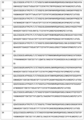
- Further disclosed are antibodies including one of the following combinations of six CDRs of the heavy and light chain sequences as shown in a single row of the following table representing the SEQ ID NOs:
CDRH1 CDRH2 CDRH3 CDRL1 CDRL2 CDRL3 343 491 639 787 935 1083 444 592 740 888 1036 1184 397 545 693 841 989 1137 323 471 619 767 915 1063 309 457 605 753 901 1049 336 484 632 780 928 1076 310 458 606 754 902 1050 335 483 631 779 927 1075 388 536 684 832 980 1128 309 457 605 753 901 1205 335 483 631 779 927 1206 - The effects of such antibodies are, for example their selective binding to IL-1R7 (and not to IL- 1R5) as shown in
Fig. 2 andFig. 3 and their efficiency in IL-18 signaling inhibition as shown inFig. 1 . - According to the invention, a monoclonal antibody, or an antigen-binding fragment thereof is capable of binding to human IL-1R7 and exhibits an inhibition of IL-18 signaling of at least 30 %, in an IL-18 functional assay as described in Example 1.
- Preferably, said inhibition of IL-18 signaling is at least 35%, preferably 40%, 50%, 60%, 70%, 80% and most preferred 90%, in an IL-18 functional assay.
- Disclosed is a monoclonal antibody, or an antigen-binding fragment thereof is capable of binding to human IL-1R7 and exhibits a binding specificity to cells expressing human IL-1R7 receptor of more than 10.000 RFU (Relative Fluorescence Units) in an huIL-1R7 cell binding assay as described in Example 2. Preferably, said binding specificity is more than 20.000 RFU, more preferably more than 30.000 RFU, 40.000 RFU, 50.000 RFU, 60.000 RFU, 70.000 RFU, 80.000 RFU, 90.000 RFU, and most preferred more than 100.000 RFU.
- These values illustrate the particular high efficiency of the antibodies according to the invention in binding to the IL-1R7 receptor and inhibiting IL-18 signaling. It further highlights their potency for use in the treatment of diseases, wherein IL-18 signaling shall be reduced.
- As detailed in the introduction, the IL-18 pathway is highly regulated and previous experience with inhibition through IL-18 directly produced conflicting results: There were pro-inflammatory effects described that are related to IL-18 activity with signaling through IL-1R5 and IL-1R7. There were also strong anti-inflammatory effects described that are related to IL-37 activity with signaling through IL-1R5 and another receptor IL-1R8 (TIR8/SIGIRR). This means that IL-1R5 can act as a receptor not only for IL-18 but also for the anti-inflammatory cytokine IL-37 and that the blocking of the IL-1R5 receptor can constitute a risk for patients with reduced immune response.
- The inhibition of IL-1R7 is therefore, the only selective anti-inflammatory intervention without the risk to interfere with other mechanisms that may not be beneficial for patients treated with an anti-IL-18 modality.
- It will therefore be particularly appreciated in the field that the antibodies according to the invention show a very strong binding to the IL-1R7 receptor and a very weak binding to the IL-1R5 receptor.
- The antibodies according to the invention may exhibit a binding specificity to cells expressing human IL-1R5 receptor of less than 1 .000 RFU in an huIL-1R5 cell binding assay as described in Example 2.
- Preferably, said binding specificity to cells expressing human IL-1R5 receptor is less than 1.000 RFU, 800 RFU, more preferably less than 700 RFU, 600 RFU, 500 RFU, 400 RFU, 300 RFU, 200 RFU, 100 RFU.
- In a preferred embodiment, the antibody of the invention is a rabbit/human chimeric antibody. In a further preferred version, the antibody is a humanized antibody.
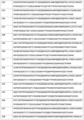
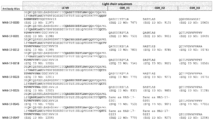
- The amino acid sequences of several humanized antibodies are shown in
Figure 10 . Most favorable effects were found for the humanized antibodies having a heavy chain variable region (VH) as shown in SEQ ID NO: 1185-1193 and a light chain variable region (VL) as shown in SEQ ID NO: 1194-1204. Disclosed are the humanized antibodies that include one of the following combinations of heavy chain and light chain variable regions: VH of SEQ ID NO: 1185 and VL of SEQ ID NO: 1194; VH of SEQ ID NO: 1186 and VL of SEQ ID NO: 1195; VH of SEQ ID NO: 1187 and VL of SEQ ID NO: 1196; VH of SEQ ID NO: 1188 and VL of SEQ ID NO: 1197; VH of SEQ ID NO: 1189 and VL of SEQ ID NO: 1198; VH of SEQ ID NO: 1190 and VL of SEQ ID NO: 1199; VH of SEQ ID NO: 1191 and VL of SEQ ID NO: 1200; VH of SEQ ID NO: 1192 and VL of SEQ ID NO: 1201 ; VH of SEQ ID NO: 1193 and VL of SEQ ID NO: 1202; VH of SEQ ID NO:1189 and VL of SEQ ID NO: 1203, and VH of SEQ ID NO: 1192 and VL of SEQ ID NO: 1204. - According to the preferred therapeutic application of the antibodies according to the invention, the effector functions (such as ADCC, CDC and ADCP) of the antibodies of the invention are reduced or lacking. Therefore, the antibodies of the invention avoid unwanted depletion of immune cells and reduce the risk of adverse events, e.g. opportunistic infections.
- In one embodiment, the antibody according to the invention comprises one or more mutations that reduce the interactions with the FcR receptor.
- It is preferred that an antibody according to the invention exhibits a reduced affinity to the human Fcγ receptors compared to the wildtype IgG Fcγ. This can lead to a reduced signaling through the human Fcγ receptor compared to the wildtype IgG Fcγ receptor signaling.
- In one specific embodiment, the antibody according to the invention comprises at least amino acid substitutions at L234A and L235A of the human IgG1 Fc region. In another embodiment, the antibody may comprise at least amino acid substitutions at S228P and L235E of the human IgG4 Fc region.
- Additionally, an antibody according to the invention may be used in the treatment of a IL-18 mediated disease.
- Purified preparations of antibodies of the invention may be incorporated into pharmaceutical compositions for use in the treatment of human disease and disorders as such as those outlined below. Typically, such compositions further comprise a pharmaceutically acceptable (i.e., inert) carrier as known and called for by acceptable pharmaceutical practice. Examples of such carriers include sterilized carrier such as saline Ringers solution or dextrose solution, buffered with suitable buffers to a pH within the range of 5 to 8. Pharmaceutical compositions for injection or continuous infusion are suitably free of visible particulate matter and may comprise between 0.1 ng to 100 mg of antibody, typically between 5 mg and 35 mg of antibody. In any case, pharmaceutical composition according to the invention comprise a pharmaceutically acceptable carrier and a therapeutically effective amount of the antibody according to the invention. Methods for the preparation of such pharmaceutical compositions are well known o those skilled in the art.
- Effective doses and treatment regimen for administering the antibody of the invention are generally determined empirically and are dependent on factors such as the age, weight and health status of the patient and disease to be treated. Such factors are within the purview of the attending physician. In general, they will be between 1mg and 1000mg. In one embodiment, the dosing regimen for treating a human patient is administered i.v. or s.c. 1 time per week or 1 time every 4 weeks or 1 times every 3 months. Compositions of the present invention may also be used once or even prophylactically.
- Depending on the disease or disorder to be treated the pharmaceutical composition comprising a therapeutic active amount of the antibody of the invention may be used simultaneously, separately or sequentially with an effective amount of another medicament such as other anti-inflammatory or anti-tumor agents.
- The disease treated with an antibody or pharmaceutical composition according to the invention may be an immune disease or an autoimmune disease or an inflammatory or an autoinflammatory disease or a cardiovascular disease. The disease may also be an inflammasome-mediated disease.
- A disease treated with an antibody or pharmaceutical composition according to the invention can be a disease selected from the group of
diseases comprising type - The present invention also comprises a method of treating an IL-18 mediated disease in a patient. Such method comprises the administration of a pharmaceutically effective amount of the antibody or a pharmaceutical composition according to the invention to a patient.
- The method may be applied in cases in which the patient has not responded to anti-TNF therapy.
- The method may also be used in the treatment of an immune disease or an autoimmune disease or an inflammatory or an autoinflammatory disease or a cardiovascular disease. An inflammasome-mediated disease may also be treated with the method according to the invention.
- In another aspect of the invention, the disease that is treated with the present method is one selected from the group of
diseases comprising type - The following examples are used in conjunction with the figures and tables to illustrate the invention.
-
- 1. Cultivate HEK-Blue™ cells (InvivoGen; Cat.no.: hkb-hmil18) according to manufacturer's protocol.
- 2. Seed out 12.5k HEK-Blue™ cells in 15 µL medium per well into a clear cell-culture treated 384 well plate with flat bottom.
- 3. Add 5 µL of B-cell supernatant or standard antibody dilution series to each well.
- 4. Incubate for 1 hour at 37 °C/5 % C02.
- 5. Add 5 µL of a 0.1 mg/ml hulL-18 solution to each well.
- 6. Incubate overnight at 37 °C/5 % C02.
- 7. Add 20 µL QUANTI-Blue™ (1 pouch dissolved in 50 ml) into a new clear non-binding plate.
- 8. Add 5 µL of HEK-Blue™ cell supernatant and incubate at 37 °C/5 % C02 for 45 min.
- 9. Determine SEAP levels using a spectrophotometer at 620-655 nm.
-
- 1. Seed an adequate amount of HEK293 cells transfected with huIL-1R7 or hulL-1R5 (1000 to 2000 cells/well) in 20 µl medium into a black 384well plate with clear bottom.
- 2. Incubate plates for 4 h at 37°C and 5% C02
- 3. Add 5 µl B-cell supernatants or standard antibody dilution series to the cells.
- 4. Incubate plates overnight at 37°C and 5% CO2.
- 5. Wash plate 3x with 25 µL PBS and add 20 µL of an appropriate detection antibody (assay conc. 0.8 µg/ml).
- 6. Incubate
plate 4 hrs at 37°C and 5% C02 in the dark. - 7. Add 5 µl of a 25µg/ml Hoechst solution and cover with aluminum foil. While incubating cells for 10 min at RT shortly spin down plates for 10 sec 300xg.
- 8. Analyze binding of antibodies to cells with a CellInsight™ High Content Screening Platform.
- Binding of humanized anti-IL1R7-IgG1 -LALA monoclonal antibodies to human IL1R7 protein was tested in a biochemical ELISA. Recombinant human-IL1R7-Fc protein (MAB Discovery) was incubated in a 384-well Nunc™ MaxiSorp™ plate at a concentration of 0,5 g/ml in PBS for one hour at room temperature. After washing three times with wash buffer (PBS, 0.1 % Tween), plates were blocked with PBS, 2% BSA, 0.05% Tween for one hour at room temperature. Plates were washed again three times with wash buffer and antibodies at concentrations ranging from 10 µg/ml to 6 pg/ml in PBS, 0.5% BSA, 0.05% Tween were incubated for one hour at room temperature. After 3 washes in wash buffer, wells were incubated with 12,5µl of a 1:5000 dilution of anti-human peroxidase-linked, species specific F(ab)2 Fragment from goat (AbD Serotec) in ELISA buffer for one hour at room temperature. Wells were washed six times with wash buffer and 15µl/well TMB substrate solution (Invitrogen) were added. After 30 minutes at room temperature 15µl Stop solution (1 M HCl) were added per well and absorbance at 450 and 620 nm wavelength was measured using a Tecan M1000 microplate reader. Fitting curves and EC50 calculation were obtained by using Excel (Microsoft) and XLfit (IDBS). As shown in
figure 5 EC50 binding values ranged between 2,1 ng/ml to 4,5 ng/ml. - To determine the potency of humanized anti-IL1R7 IgG1-LALA monoclonal antibodies in binding to cell-expressed human IL1R7, HEK-293 cells were transfected with DNA encoding human-IL1R7. 48h after transfection, 2000 cells were seeded in 20µl DMEM containing 10% FBS, 1x Pen/Strep in a cell-culture treated, clear bottom 384-well plate. Antibodies were added to final concentrations ranging from 10 µg/ml to 2 pg/ml in 5µl medium. After 24h cells were washed three times with 25µl wash buffer (PBS, 0,05% Tween) before Alexa-Fluor-488-conjugated goat anti-human-lgG (Jackson Laboratories) were added at a concentration of 0,8 µg/ml in 20µl medium. Four hours later, 5µl Hoechst dye in medium was added to a final concentration of 5µg/ml. Fluorescent cell binding signals were measured using a CellInsight automated high content imager (Thermo Fisher Scientific). Fitting curves and EC50 calculation were obtained by using Excel (Microsoft) and XLfit (IDBS).
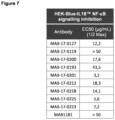
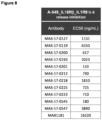
Figure 6 summarizes the EC50 binding values ranging from 1,7 to 8,3 ng/ml. - The ability of humanized, monoclonal a-IL1R7 IgG1-LALA antibodies to interfere with IL-18 induced NF-κB signalling was tested using HEK-Blue-IL18™ reporter cells (InvivoGen). Cells were seeded in 15µl DMEM, 10 % FCS, 1 % Pen/Strep at a cell density of 12500 cells/well in a 384-well tissue culture plate. Antibodies were added for final antibody concentrations ranging from 50 to 0,024 µg/ml and incubated for 1h. Human IL-18 was added at a final concentration of 100 pg/ml and cells were incubated for 24 h. 5µl of the medium supernatant of each well were transferred to a white, clear bottom 384-well plate containing 20µl of 2x QUANTI-Blue™ reagent (InvivoGen). After 45 minutes incubation at 37°C and 5% CO2, optical density at a wavelength of 655 nm was measured reflecting NF-κB dependent activation of phosphatase secretion. Fitting curves and EC50 calculation were obtained by using Excel (Microsoft) and XLfit (IDBS). EC50 values in
figure 7 indicate the potency of anti-IL1R7 antibodies to induce NF-κB signaling in the HEK-Blue-IL18™ reporter cells. - A-549_IL18Rb_IL1R9 cells were stimulated with hIL-18 to test the ability of humanized, monoclonal anti-IL1R7 IgG1-LALA antibodies to inhibit IL-18 induced IL-6 cytokine release. Cells were plated in F-12K Nutrient Mixture Kaighn's Modification + 10% FCS in 384-well cell culture plates at a density of 12500 cells/well. After 24h cells were washed 3x with Cell wash buffer (PBS, 0,05% Tween) and 15µl medium and 10µl antibodies were added for final antibody concentrations ranging from 33,3 to 0,016 µg/ml. 1h later, human IL18 was added to a final concentration of 10 ng/ml and cells were incubated for 6h. IL-6 concentrations in cell culture supernatants were quantified using a human-IL6 DuoSet ELISA kit from R&D Systems. Fitting curves and EC50 calculation were obtained by using Excel (Microsoft) and XLfit (IDBS).
Figure 8 summarizes the EC50 values ranging from 133 to 6350 ng/ml. - The ability of humanized, monoclonal anti-IL1R7 IgG1-LALA antibodies to inhibit IL-18 induced release of IFN- γ was tested using KG-1 myeloblast cells. KG-1 cells were seeded at a density of 6750 cells/well in 15µl RPMI 1640 medium containing 20% FBS and 2mM L-Glutamine in a 384-well cell culture plate. Antibodies were added to a final concentration of 1,4 µg/ml or for dose titration experiments in a range of 5000 to 0,03 ng/ml. After 1 hour of incubation, human IL-18 (
final concentration 5 ng/ml) and TNF-a (final concentration 10 ng/ml) were added and cells were incubated for 48h at 37°C and 5% C02. IFN-γ concentrations in the medium supernatant was quantified using a human-IFN-γ ELISA kit from R&D Systems.Figure 9A summarizes the measured IFN-γ concentrations after treatment of KG-1 cells with 1,4 µg/ml antibody.Figure 9B shows IFN-γ release EC50 inhibition values determined in dose titration experiments. Fitting curves and EC50 calculation were obtained by using Excel (Microsoft) and XLfit (IDBS). -
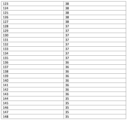
Fig.1 : IL-18 functional assay
Shown are the results of experiments that were performed as detailed in Example 1.
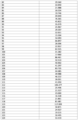
Fig. 2 : huIL-1R7 cell binding assay
Results of experiments are shown that were performed in accordance with Example 2.
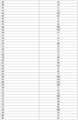
Fig. 3 : huIL-1R5 cell binding assay
Shown are the results of experiments that were carried out as detailed in Example 2.
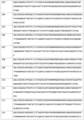
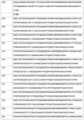
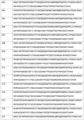
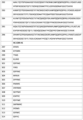
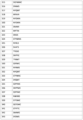
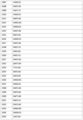
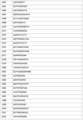
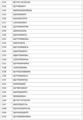
Fig. 4 : Sequences (amino acids in one letter code)
Complete sequences of Variable Regions (VR):
Heavy chain: VH complete: SEQ ID NO: 1 -148
Light chain: VL complete: SEQ ID NO: 149-296
Complementary Determining Regions (CDR):Heavy Chain: CDR-H1: SEQ ID NO: 297-444 CDR-H2: SEQ ID NO: 445-592 CDR-H3: SEQ ID NO: 593-740 Light Chain: CDR-L1: SEQ ID NO: 741 -888 CDR-L2: SEQ ID NO: 889-1036 CDR-L3: SEQ ID NO: 1037-1184, 1205, 1206
Fig. 5 : Binding of humanized a-IL1R7 antibodies to human IL-1R7 in a biochemical ELISA
Shown are the results of experiments that were carried out as detailed in Example 3. Binding of humanized anti-IL-1R7 IgG1-LALA antibodies to recombinant human IL-1R7 protein was tested in biochemical ELISA. EC50 binding values range from 2,1 ng/ml to 4,5 ng/ml.
Fig. 6 : Binding of humanized a-IL1R7 antibodies to HEK-293-hIL1R7 cells
Shown are the results of experiments that were carried out as detailed in Example 4. Binding of humanized anti-IL-1R7 IgG1-LALA antibodies to cell surface expressed human IL1R7 was tested using HEK-293 cells transfected with DNA encoding human-IL1R7. EC50 binding values range from 1,7 to 8,3 ng/ml.
Fig. 7 : Neutralization of IL-18 induced NF-kB signaling in a HEK-Blue-IL18™ reporter cell line
Shown are the results of experiments that were carried out as detailed in Example 5. HEK-Blue-IL18™ reporter cells, stimulated with 100 pg/ml human IL-18 were treated with increasing concentrations of humanized, monoclonal a-IL1R7 IgG1-LALA antibodies to interfere with IL-18 induced NF-κB signaling. Inhibition EC50 values range between 3,2 and > 50 µg/ml.
Fig. 8 : Neutralization of IL18-induced IL-6 release by A-549_IL18Rb_IL1 R9 cells
Shown are the results of experiments that were carried out as detailed in Example 6. Neutralization of IL-18 induced secretion of IL-6 has been tested using A-549_IL18Rb_IL1R9 cells. Cells were incubated with increasing concentrations of humanized, monoclonal a-IL1R7 IgG1-LALA antibodies or a reference mouse-a-hIL1R7 antibody from R&D Systems (MAB1181) together with 10 ng/ml IL-18 for 6h. IL-6 release in the culture supernatant was quantified by ELISA.
Fig. 9 : Neutralization of IL-18 induced IFN-g release by KG-1 myeloblasts
Shown are the results of experiments that were carried out as detailed in Example 7. KG-1 myeloblasts were treated with humanized, monoclonal a-IL1R7 IgG1-LALA antibodies or a reference mouse-a-hIL1 R7 antibody from R&D Systems (MAB1181) to test their ability to block hIL-18 induced IFN-γ release.Figure 9A shows inhibition of IFN-γ release at an antibody concentration of 1,4 µg/ml. InFigure 9B the inhibition EC50 values from antibody dose titration (5000 to 0,03 ng/ml) experiments are shown.
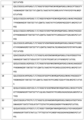
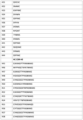
Fig. 10 : Sequences of humanized antibodies
Complete sequences of variable regions and the respective CDRs
Claims (7)
- A monoclonal antibody, or an antigen-binding fragment thereof, capable of binding to human IL-1 R7, wherein the antibody comprisesa) a VH region of SEQ ID NO: 1189 and comprises a CDR1H region of SEQ ID NO: 309, a CDR2H region of SEQ ID NO: 457 and a CDR3H region of SEQ ID NO: 605, andb) a VL region of SEQ ID NO: 1198 or 1203 and comprises a CDR1L region of SEQ ID NO: 753, a CDR2L region of SEQ ID NO: 901 and a CDR3L region of SEQ ID NO: 1049 or 1205.
- Antibody or antigen-binding fragment according to claim 1, wherein the antibody is a rabbit/human chimeric antibody.
- Antibody or antigen-binding fragment according to any one of the previous claims, exhibiting a reduced affinity to the human Fcy receptors compared to the wildtype IgG Fcy.
- Antibody or antigen-binding fragment according to any one of the previous claims, wherein signaling through the human Fcy receptor is reduced compared to the wildtype IgG Fcy receptor signaling.
- Antibody or antigen-binding fragment according to any of the previous claims for use in the treatment of an IL-18 mediated disease, which is an immune disease or an autoimmune disease or an inflammatory or an autoinflammatory disease or a cardiovascular disease.
- The antibody or antigen-binding fragment for use according to claim 5, wherein the disease is selected from the group consisting of type 1 or 2 diabetes, inflammatory bowel disease, Crohn's disease (CD); ulcerative colitis (UC), multiple sclerosis, sarcoidosis, Giant Cell arthritis (GCA), age-related macular degeneration (AMD), chronic obstructive pulmonary disease (COPD), adult onset Still's Disease (AOSD), systemic juvenile idiopathic arthritis (SJIA), severe asthma, Uvenitis, Geographic Atrophy, atherosclerosis and tumor-induced chronic inflammation.
- A pharmaceutical composition comprising a pharmaceutically acceptable carrier and a therapeutically effective amount of the antibody or antigen-binding fragment according to any one of claims 1-4.
Priority Applications (2)
| Application Number | Priority Date | Filing Date | Title |
|---|---|---|---|
| EP25181485.1A EP4623992A3 (en) | 2017-03-09 | 2018-03-09 | Antibodies specifically binding to human il-1r7 |
| SI201831264T SI3592384T1 (en) | 2017-03-09 | 2018-03-09 | Antibodies specifically binding to human il-1r7 |
Applications Claiming Priority (2)
| Application Number | Priority Date | Filing Date | Title |
|---|---|---|---|
| EP17160191 | 2017-03-09 | ||
| PCT/EP2018/055934 WO2018162724A1 (en) | 2017-03-09 | 2018-03-09 | Antibodies specifically binding to human il-1r7 |
Related Child Applications (1)
| Application Number | Title | Priority Date | Filing Date |
|---|---|---|---|
| EP25181485.1A Division EP4623992A3 (en) | 2017-03-09 | 2018-03-09 | Antibodies specifically binding to human il-1r7 |
Publications (2)
| Publication Number | Publication Date |
|---|---|
| EP3592384A1 EP3592384A1 (en) | 2020-01-15 |
| EP3592384B1 true EP3592384B1 (en) | 2025-07-02 |
Family
ID=58265918
Family Applications (2)
| Application Number | Title | Priority Date | Filing Date |
|---|---|---|---|
| EP18711275.0A Active EP3592384B1 (en) | 2017-03-09 | 2018-03-09 | Antibodies specifically binding to human il-1r7 |
| EP25181485.1A Pending EP4623992A3 (en) | 2017-03-09 | 2018-03-09 | Antibodies specifically binding to human il-1r7 |
Family Applications After (1)
| Application Number | Title | Priority Date | Filing Date |
|---|---|---|---|
| EP25181485.1A Pending EP4623992A3 (en) | 2017-03-09 | 2018-03-09 | Antibodies specifically binding to human il-1r7 |
Country Status (14)
| Country | Link |
|---|---|
| US (1) | US11352432B2 (en) |
| EP (2) | EP3592384B1 (en) |
| JP (1) | JP7046089B2 (en) |
| CN (2) | CN110382002B (en) |
| AU (1) | AU2018232883B2 (en) |
| CA (1) | CA3055256A1 (en) |
| DK (1) | DK3592384T3 (en) |
| ES (1) | ES3042097T3 (en) |
| FI (1) | FI3592384T3 (en) |
| LT (1) | LT3592384T (en) |
| PT (1) | PT3592384T (en) |
| SI (1) | SI3592384T1 (en) |
| WO (1) | WO2018162724A1 (en) |
| ZA (1) | ZA201905341B (en) |
Families Citing this family (19)
| Publication number | Priority date | Publication date | Assignee | Title |
|---|---|---|---|---|
| CN114929741A (en) * | 2019-12-04 | 2022-08-19 | 免疫医疗有限公司 | Antibodies against LIF and uses thereof |
| MX2022007353A (en) | 2019-12-17 | 2022-09-19 | Univ Texas | NOVEL DDR1 ANTIBODIES AND THEIR USES. |
| US20230235055A1 (en) * | 2020-07-28 | 2023-07-27 | The Board Of Regents Of The University Of Texas System | Monoclonal antibodies against lilrb1 for diagnostic and therapeutic use |
| CN112142841B (en) * | 2020-09-27 | 2022-03-22 | 江苏荃信生物医药股份有限公司 | Novel anti-human IL-17A monoclonal antibody, kit containing same and detection method thereof |
| WO2022081900A1 (en) * | 2020-10-15 | 2022-04-21 | Bioincept, Llc | Systems, compositions and methods of determining viability of embryos using the same |
| WO2022256739A2 (en) * | 2021-06-04 | 2022-12-08 | Nonagen Therapeutics Corporation | Antibody specific for bcl-6 and methods of use |
| EP4463183A4 (en) * | 2022-01-11 | 2026-01-14 | Univ Texas | ANTIBODIES AGAINST CD94 AND CHIMERIC ANTIGEN RECEPTOR AND METHOD FOR USE THEREMISSION |
| JP2025537484A (en) | 2022-10-21 | 2025-11-18 | ダイアゴナル・セラピューティクス・インコーポレイテッド | Heteromeric agonist antibodies against IL-18 receptor |
| CN115819580B (en) * | 2022-11-23 | 2023-09-05 | 武汉爱博泰克生物科技有限公司 | High-affinity rabbit monoclonal antibody aiming at human IL-12 and application thereof |
| CN115960236B (en) * | 2023-01-05 | 2024-08-06 | 江苏荃信生物医药股份有限公司 | ELISA analysis method for quantitatively detecting content of anti-human interleukin 4 receptor alpha monoclonal antibody in serum |
| CN116355094B (en) * | 2023-02-21 | 2023-10-20 | 武汉爱博泰克生物科技有限公司 | Monoclonal antibody against interleukin 12 of mouse and preparation method |
| CN119569860B (en) * | 2023-09-07 | 2025-11-18 | 菲鹏生物股份有限公司 | An anti-P24 antibody and its application |
| CN117467004B (en) * | 2023-10-09 | 2024-06-21 | 武汉爱博泰克生物科技有限公司 | Anti-human calomelin rabbit monoclonal antibody and application thereof |
| CN117603357B (en) * | 2023-11-29 | 2024-09-03 | 武汉爱博泰克生物科技有限公司 | Rabbit monoclonal antibody against human progesterone receptor and its application |
| WO2025147472A1 (en) * | 2024-01-02 | 2025-07-10 | Phanes Therapeutics, Inc. | Anti-611-ctf p95her2 antibodies and uses thereof |
| CN120860241A (en) * | 2024-04-29 | 2025-10-31 | 成都百利多特生物药业有限责任公司 | Anti-human DLL3 antibody-camptothecine drug conjugate and medical application thereof |
| CN118240074A (en) * | 2024-04-30 | 2024-06-25 | 杭州旭科生物技术有限公司 | Monoclonal antibody against HIV p24 antigen and its application and product |
| CN118465262B (en) * | 2024-07-09 | 2024-10-15 | 浙江康佰裕生物科技有限公司 | A method for determining the residual retroviral vector in cell preparations |
| CN118930648B (en) * | 2024-08-22 | 2025-02-28 | 武汉爱博泰克生物科技有限公司 | Rabbit monoclonal antibody against human PAX8 protein, antibody conjugate and its application |
Citations (1)
| Publication number | Priority date | Publication date | Assignee | Title |
|---|---|---|---|---|
| WO2018206565A1 (en) * | 2017-05-08 | 2018-11-15 | Mab Discovery Gmbh | Anti-il-1r3 antibodies for use in inflammatory conditions |
Family Cites Families (16)
| Publication number | Priority date | Publication date | Assignee | Title |
|---|---|---|---|---|
| PL356836A1 (en) | 2000-02-10 | 2004-07-12 | Abbott Laboratories | Antibodies that bind human interleukin-18 and methods of making and using |
| RU2415871C2 (en) * | 2005-03-31 | 2011-04-10 | Байомедикс Инк. | Monoclonal anti-cd20-antibody |
| LT2336315T (en) * | 2005-12-01 | 2017-11-10 | Nuevolution A/S | Enzymatic encoding methods for efficient synthesis of large libraries |
| EP1987066B1 (en) | 2006-02-22 | 2010-12-29 | University of Zürich | Methods for treating demyelinating diseases |
| US7615220B2 (en) * | 2006-04-07 | 2009-11-10 | Regeneron Pharmaceuticals, Inc. | High affinity human antibodies to human IL-18 receptor |
| JP2011508219A (en) * | 2007-12-19 | 2011-03-10 | シンギュレックス・インコーポレイテッド | Single molecule scanning analyzer and method of use thereof |
| HRP20241467T1 (en) * | 2008-06-25 | 2025-01-03 | Novartis Ag | STABLE AND SOLUBLE VEGF-INHIBITING ANTIBODIES |
| CN105808956A (en) * | 2009-10-19 | 2016-07-27 | 提拉诺斯公司 | Integrated health data capture and analysis system |
| CA2822515C (en) | 2010-12-20 | 2023-04-25 | Medimmune Limited | Anti-il-18 antibodies and their uses |
| US9376489B2 (en) | 2012-09-07 | 2016-06-28 | Novartis Ag | IL-18 binding molecules |
| JP2016540770A (en) * | 2013-12-06 | 2016-12-28 | フワン・ピーティーワイ・リミテッド | How to treat neoplasm |
| WO2016199964A1 (en) * | 2015-06-10 | 2016-12-15 | 주식회사 이뮨메드 | Antibody specifically binding to isolated vimentin-derived peptide, or binding fragment of peptide |
| PT3219727T (en) * | 2016-03-17 | 2021-01-21 | Tillotts Pharma Ag | Anti-tnf alpha-antibodies and functional fragments thereof |
| EP3241845A1 (en) * | 2016-05-06 | 2017-11-08 | MAB Discovery GmbH | Humanized anti-il-1r3 antibodies |
| TWI887510B (en) * | 2020-12-22 | 2025-06-21 | 美商基利科學股份有限公司 | 6-substituted indole compounds |
| TWI838670B (en) * | 2020-12-22 | 2024-04-11 | 美商基利科學股份有限公司 | Substituted indole compounds |
-
2018
- 2018-03-09 ES ES18711275T patent/ES3042097T3/en active Active
- 2018-03-09 CN CN201880016830.XA patent/CN110382002B/en active Active
- 2018-03-09 FI FIEP18711275.0T patent/FI3592384T3/en active
- 2018-03-09 EP EP18711275.0A patent/EP3592384B1/en active Active
- 2018-03-09 JP JP2019548412A patent/JP7046089B2/en active Active
- 2018-03-09 US US16/492,381 patent/US11352432B2/en active Active
- 2018-03-09 LT LTEPPCT/EP2018/055934T patent/LT3592384T/en unknown
- 2018-03-09 WO PCT/EP2018/055934 patent/WO2018162724A1/en not_active Ceased
- 2018-03-09 DK DK18711275.0T patent/DK3592384T3/en active
- 2018-03-09 CN CN202511058299.0A patent/CN120842411A/en active Pending
- 2018-03-09 EP EP25181485.1A patent/EP4623992A3/en active Pending
- 2018-03-09 AU AU2018232883A patent/AU2018232883B2/en active Active
- 2018-03-09 PT PT187112750T patent/PT3592384T/en unknown
- 2018-03-09 SI SI201831264T patent/SI3592384T1/en unknown
- 2018-03-09 CA CA3055256A patent/CA3055256A1/en active Pending
-
2019
- 2019-08-13 ZA ZA2019/05341A patent/ZA201905341B/en unknown
Patent Citations (1)
| Publication number | Priority date | Publication date | Assignee | Title |
|---|---|---|---|---|
| WO2018206565A1 (en) * | 2017-05-08 | 2018-11-15 | Mab Discovery Gmbh | Anti-il-1r3 antibodies for use in inflammatory conditions |
Also Published As
| Publication number | Publication date |
|---|---|
| DK3592384T3 (en) | 2025-09-15 |
| CN120842411A (en) | 2025-10-28 |
| WO2018162724A1 (en) | 2018-09-13 |
| SI3592384T1 (en) | 2025-11-28 |
| EP4623992A3 (en) | 2025-12-24 |
| EP4623992A2 (en) | 2025-10-01 |
| US11352432B2 (en) | 2022-06-07 |
| US20210130478A1 (en) | 2021-05-06 |
| CN110382002B (en) | 2025-08-15 |
| CN110382002A (en) | 2019-10-25 |
| LT3592384T (en) | 2025-10-10 |
| NZ756707A (en) | 2024-07-05 |
| EP3592384A1 (en) | 2020-01-15 |
| AU2018232883B2 (en) | 2024-10-17 |
| ZA201905341B (en) | 2021-10-27 |
| ES3042097T3 (en) | 2025-11-18 |
| FI3592384T3 (en) | 2025-09-29 |
| PT3592384T (en) | 2025-10-01 |
| JP2020510013A (en) | 2020-04-02 |
| CA3055256A1 (en) | 2018-09-13 |
| JP7046089B2 (en) | 2022-04-01 |
| AU2018232883A1 (en) | 2019-09-19 |
Similar Documents
| Publication | Publication Date | Title |
|---|---|---|
| US11352432B2 (en) | Antibodies specifically binding to human IL-1R7 | |
| US12240898B2 (en) | Monoclonal anti-IL-1RAcP antibodies | |
| CA3118238C (en) | Homodimeric bispecific antibody, preparation method therefor and use thereof | |
| EP2483310B1 (en) | Bispecific death receptor agonistic antibodies | |
| CN112334486B (en) | Compositions and methods for treating cancer | |
| EP3241845A1 (en) | Humanized anti-il-1r3 antibodies | |
| WO2016179518A2 (en) | Prostate specific membrane antigen (psma) bispecific binding agents and uses thereof | |
| US20240010695A1 (en) | Fusions of mutant interleukin-10 polypeptides with antigen binding molecules for modulating immune cell function | |
| CN115461367A (en) | Anti-OX40 antibody and use thereof | |
| EP3241847A1 (en) | Her-2 binding antibodies | |
| JP2019528046A (en) | Anti-IL-22R antibody | |
| JP2026510546A (en) | Multispecific antibodies and their use | |
| CN119768426A (en) | Antibodies targeting IL3 | |
| HK40069979A (en) | Monoclonal anti-il-1racp antibodies | |
| TW202602939A (en) | A multispecific antibody T cell connector | |
| HK40040395A (en) | Compositions and methods for treating cancer | |
| HK40040395B (en) | Compositions and methods for treating cancer |
Legal Events
| Date | Code | Title | Description |
|---|---|---|---|
| STAA | Information on the status of an ep patent application or granted ep patent |
Free format text: STATUS: UNKNOWN |
|
| STAA | Information on the status of an ep patent application or granted ep patent |
Free format text: STATUS: THE INTERNATIONAL PUBLICATION HAS BEEN MADE |
|
| PUAI | Public reference made under article 153(3) epc to a published international application that has entered the european phase |
Free format text: ORIGINAL CODE: 0009012 |
|
| STAA | Information on the status of an ep patent application or granted ep patent |
Free format text: STATUS: REQUEST FOR EXAMINATION WAS MADE |
|
| 17P | Request for examination filed |
Effective date: 20191001 |
|
| AK | Designated contracting states |
Kind code of ref document: A1 Designated state(s): AL AT BE BG CH CY CZ DE DK EE ES FI FR GB GR HR HU IE IS IT LI LT LU LV MC MK MT NL NO PL PT RO RS SE SI SK SM TR |
|
| AX | Request for extension of the european patent |
Extension state: BA ME |
|
| DAV | Request for validation of the european patent (deleted) | ||
| DAX | Request for extension of the european patent (deleted) | ||
| STAA | Information on the status of an ep patent application or granted ep patent |
Free format text: STATUS: EXAMINATION IS IN PROGRESS |
|
| 17Q | First examination report despatched |
Effective date: 20201008 |
|
| GRAP | Despatch of communication of intention to grant a patent |
Free format text: ORIGINAL CODE: EPIDOSNIGR1 |
|
| STAA | Information on the status of an ep patent application or granted ep patent |
Free format text: STATUS: GRANT OF PATENT IS INTENDED |
|
| INTG | Intention to grant announced |
Effective date: 20250127 |
|
| GRAS | Grant fee paid |
Free format text: ORIGINAL CODE: EPIDOSNIGR3 |
|
| GRAA | (expected) grant |
Free format text: ORIGINAL CODE: 0009210 |
|
| STAA | Information on the status of an ep patent application or granted ep patent |
Free format text: STATUS: THE PATENT HAS BEEN GRANTED |
|
| AK | Designated contracting states |
Kind code of ref document: B1 Designated state(s): AL AT BE BG CH CY CZ DE DK EE ES FI FR GB GR HR HU IE IS IT LI LT LU LV MC MK MT NL NO PL PT RO RS SE SI SK SM TR |
|
| REG | Reference to a national code |
Ref country code: GB Ref legal event code: FG4D |
|
| REG | Reference to a national code |
Ref country code: DE Ref legal event code: R081 Ref document number: 602018083158 Country of ref document: DE Owner name: MAB DISCOVERY GMBH, DE Free format text: FORMER OWNER: ANMELDERANGABEN UNKLAR / UNVOLLSTAENDIG, 80297 MUENCHEN, DE Ref country code: DE Ref legal event code: R081 Ref document number: 602018083158 Country of ref document: DE Owner name: MAB DISCOVERY GMBH, DE Free format text: FORMER OWNER: MAB DISCOVERY GMBH, 82061 NEURIED, DE |
|
| REG | Reference to a national code |
Ref country code: CH Ref legal event code: EP |
|
| REG | Reference to a national code |
Ref country code: DE Ref legal event code: R096 Ref document number: 602018083158 Country of ref document: DE |
|
| REG | Reference to a national code |
Ref country code: IE Ref legal event code: FG4D |
|
| RAP4 | Party data changed (patent owner data changed or rights of a patent transferred) |
Owner name: MAB DISCOVERY GMBH |
|
| REG | Reference to a national code |
Ref country code: DK Ref legal event code: T3 Effective date: 20250912 |
|
| REG | Reference to a national code |
Ref country code: FI Ref legal event code: FGE |
|
| REG | Reference to a national code |
Ref country code: PT Ref legal event code: SC4A Ref document number: 3592384 Country of ref document: PT Date of ref document: 20251001 Kind code of ref document: T Free format text: AVAILABILITY OF NATIONAL TRANSLATION Effective date: 20250925 |
|
| REG | Reference to a national code |
Ref country code: SE Ref legal event code: TRGR |
|
| REG | Reference to a national code |
Ref country code: NL Ref legal event code: FP |
|
| REG | Reference to a national code |
Ref country code: EE Ref legal event code: FG4A Ref document number: E025296 Country of ref document: EE Effective date: 20250926 |
|
| REG | Reference to a national code |
Ref country code: ES Ref legal event code: FG2A Ref document number: 3042097 Country of ref document: ES Kind code of ref document: T3 Effective date: 20251118 |
|
| P01 | Opt-out of the competence of the unified patent court (upc) registered |
Free format text: CASE NUMBER: UPC_APP_0010579_3592384/2025 Effective date: 20251022 |
|
| PG25 | Lapsed in a contracting state [announced via postgrant information from national office to epo] |
Ref country code: IS Free format text: LAPSE BECAUSE OF FAILURE TO SUBMIT A TRANSLATION OF THE DESCRIPTION OR TO PAY THE FEE WITHIN THE PRESCRIBED TIME-LIMIT Effective date: 20251102 |
|
| PG25 | Lapsed in a contracting state [announced via postgrant information from national office to epo] |
Ref country code: NO Free format text: LAPSE BECAUSE OF FAILURE TO SUBMIT A TRANSLATION OF THE DESCRIPTION OR TO PAY THE FEE WITHIN THE PRESCRIBED TIME-LIMIT Effective date: 20251002 |
|
| PG25 | Lapsed in a contracting state [announced via postgrant information from national office to epo] |
Ref country code: HR Free format text: LAPSE BECAUSE OF FAILURE TO SUBMIT A TRANSLATION OF THE DESCRIPTION OR TO PAY THE FEE WITHIN THE PRESCRIBED TIME-LIMIT Effective date: 20250702 |
|
| PG25 | Lapsed in a contracting state [announced via postgrant information from national office to epo] |
Ref country code: GR Free format text: LAPSE BECAUSE OF FAILURE TO SUBMIT A TRANSLATION OF THE DESCRIPTION OR TO PAY THE FEE WITHIN THE PRESCRIBED TIME-LIMIT Effective date: 20251003 |
|
| PG25 | Lapsed in a contracting state [announced via postgrant information from national office to epo] |
Ref country code: CZ Free format text: LAPSE BECAUSE OF FAILURE TO SUBMIT A TRANSLATION OF THE DESCRIPTION OR TO PAY THE FEE WITHIN THE PRESCRIBED TIME-LIMIT Effective date: 20250702 |
|
| PG25 | Lapsed in a contracting state [announced via postgrant information from national office to epo] |
Ref country code: PL Free format text: LAPSE BECAUSE OF FAILURE TO SUBMIT A TRANSLATION OF THE DESCRIPTION OR TO PAY THE FEE WITHIN THE PRESCRIBED TIME-LIMIT Effective date: 20250702 |
|
| PG25 | Lapsed in a contracting state [announced via postgrant information from national office to epo] |
Ref country code: RS Free format text: LAPSE BECAUSE OF FAILURE TO SUBMIT A TRANSLATION OF THE DESCRIPTION OR TO PAY THE FEE WITHIN THE PRESCRIBED TIME-LIMIT Effective date: 20251002 |
|
| REG | Reference to a national code |
Ref country code: CH Ref legal event code: U11 Free format text: ST27 STATUS EVENT CODE: U-0-0-U10-U11 (AS PROVIDED BY THE NATIONAL OFFICE) Effective date: 20260401 |
|
| PG25 | Lapsed in a contracting state [announced via postgrant information from national office to epo] |
Ref country code: SM Free format text: LAPSE BECAUSE OF FAILURE TO SUBMIT A TRANSLATION OF THE DESCRIPTION OR TO PAY THE FEE WITHIN THE PRESCRIBED TIME-LIMIT Effective date: 20250702 |
|
| PGFP | Annual fee paid to national office [announced via postgrant information from national office to epo] |
Ref country code: SE Payment date: 20260319 Year of fee payment: 9 |
|
| PGFP | Annual fee paid to national office [announced via postgrant information from national office to epo] |
Ref country code: GB Payment date: 20260324 Year of fee payment: 9 Ref country code: LT Payment date: 20260220 Year of fee payment: 9 |
|
| PGFP | Annual fee paid to national office [announced via postgrant information from national office to epo] |
Ref country code: DE Payment date: 20260226 Year of fee payment: 9 Ref country code: DK Payment date: 20260324 Year of fee payment: 9 |
|
| PGFP | Annual fee paid to national office [announced via postgrant information from national office to epo] |
Ref country code: AT Payment date: 20260320 Year of fee payment: 9 |
|
| PGFP | Annual fee paid to national office [announced via postgrant information from national office to epo] |
Ref country code: LU Payment date: 20260319 Year of fee payment: 9 Ref country code: FI Payment date: 20260323 Year of fee payment: 9 Ref country code: BE Payment date: 20260319 Year of fee payment: 9 Ref country code: IT Payment date: 20260324 Year of fee payment: 9 |
|
| PGFP | Annual fee paid to national office [announced via postgrant information from national office to epo] |
Ref country code: NL Payment date: 20260319 Year of fee payment: 9 |
|
| PGFP | Annual fee paid to national office [announced via postgrant information from national office to epo] |
Ref country code: FR Payment date: 20260320 Year of fee payment: 9 |
|
| PGFP | Annual fee paid to national office [announced via postgrant information from national office to epo] |
Ref country code: PT Payment date: 20260226 Year of fee payment: 9 |
|
| PGFP | Annual fee paid to national office [announced via postgrant information from national office to epo] |
Ref country code: MT Payment date: 20260227 Year of fee payment: 9 |
|
| PG25 | Lapsed in a contracting state [announced via postgrant information from national office to epo] |
Ref country code: SK Free format text: LAPSE BECAUSE OF FAILURE TO SUBMIT A TRANSLATION OF THE DESCRIPTION OR TO PAY THE FEE WITHIN THE PRESCRIBED TIME-LIMIT Effective date: 20250702 |
|
| PGFP | Annual fee paid to national office [announced via postgrant information from national office to epo] |
Ref country code: EE Payment date: 20260330 Year of fee payment: 9 Ref country code: LV Payment date: 20260316 Year of fee payment: 9 |
|
| PGFP | Annual fee paid to national office [announced via postgrant information from national office to epo] |
Ref country code: SI Payment date: 20260226 Year of fee payment: 9 |
|
| PGFP | Annual fee paid to national office [announced via postgrant information from national office to epo] |
Ref country code: BG Payment date: 20260324 Year of fee payment: 9 |
|
| PLBE | No opposition filed within time limit |
Free format text: ORIGINAL CODE: 0009261 |
|
| STAA | Information on the status of an ep patent application or granted ep patent |
Free format text: STATUS: NO OPPOSITION FILED WITHIN TIME LIMIT |