EP3592351B1 - 1-piperidinepropionic acid for treating a fibrosing disease - Google Patents
1-piperidinepropionic acid for treating a fibrosing disease Download PDFInfo
- Publication number
- EP3592351B1 EP3592351B1 EP18715258.2A EP18715258A EP3592351B1 EP 3592351 B1 EP3592351 B1 EP 3592351B1 EP 18715258 A EP18715258 A EP 18715258A EP 3592351 B1 EP3592351 B1 EP 3592351B1
- Authority
- EP
- European Patent Office
- Prior art keywords
- fibrosis
- disease
- pharmaceutical composition
- use according
- salt
- Prior art date
- Legal status (The legal status is an assumption and is not a legal conclusion. Google has not performed a legal analysis and makes no representation as to the accuracy of the status listed.)
- Active
Links
Images

Classifications
-
- A—HUMAN NECESSITIES
- A61—MEDICAL OR VETERINARY SCIENCE; HYGIENE
- A61K—PREPARATIONS FOR MEDICAL, DENTAL OR TOILETRY PURPOSES
- A61K31/00—Medicinal preparations containing organic active ingredients
- A61K31/33—Heterocyclic compounds
- A61K31/395—Heterocyclic compounds having nitrogen as a ring hetero atom, e.g. guanethidine or rifamycins
- A61K31/435—Heterocyclic compounds having nitrogen as a ring hetero atom, e.g. guanethidine or rifamycins having six-membered rings with one nitrogen as the only ring hetero atom
- A61K31/44—Non condensed pyridines; Hydrogenated derivatives thereof
- A61K31/445—Non condensed piperidines, e.g. piperocaine
- A61K31/4453—Non condensed piperidines, e.g. piperocaine only substituted in position 1, e.g. propipocaine, diperodon
-
- A—HUMAN NECESSITIES
- A61—MEDICAL OR VETERINARY SCIENCE; HYGIENE
- A61P—SPECIFIC THERAPEUTIC ACTIVITY OF CHEMICAL COMPOUNDS OR MEDICINAL PREPARATIONS
- A61P1/00—Drugs for disorders of the alimentary tract or the digestive system
- A61P1/16—Drugs for disorders of the alimentary tract or the digestive system for liver or gallbladder disorders, e.g. hepatoprotective agents, cholagogues, litholytics
-
- A—HUMAN NECESSITIES
- A61—MEDICAL OR VETERINARY SCIENCE; HYGIENE
- A61P—SPECIFIC THERAPEUTIC ACTIVITY OF CHEMICAL COMPOUNDS OR MEDICINAL PREPARATIONS
- A61P11/00—Drugs for disorders of the respiratory system
-
- A—HUMAN NECESSITIES
- A61—MEDICAL OR VETERINARY SCIENCE; HYGIENE
- A61P—SPECIFIC THERAPEUTIC ACTIVITY OF CHEMICAL COMPOUNDS OR MEDICINAL PREPARATIONS
- A61P13/00—Drugs for disorders of the urinary system
- A61P13/12—Drugs for disorders of the urinary system of the kidneys
-
- A—HUMAN NECESSITIES
- A61—MEDICAL OR VETERINARY SCIENCE; HYGIENE
- A61P—SPECIFIC THERAPEUTIC ACTIVITY OF CHEMICAL COMPOUNDS OR MEDICINAL PREPARATIONS
- A61P17/00—Drugs for dermatological disorders
-
- A—HUMAN NECESSITIES
- A61—MEDICAL OR VETERINARY SCIENCE; HYGIENE
- A61P—SPECIFIC THERAPEUTIC ACTIVITY OF CHEMICAL COMPOUNDS OR MEDICINAL PREPARATIONS
- A61P35/00—Antineoplastic agents
- A61P35/04—Antineoplastic agents specific for metastasis
-
- A—HUMAN NECESSITIES
- A61—MEDICAL OR VETERINARY SCIENCE; HYGIENE
- A61P—SPECIFIC THERAPEUTIC ACTIVITY OF CHEMICAL COMPOUNDS OR MEDICINAL PREPARATIONS
- A61P37/00—Drugs for immunological or allergic disorders
- A61P37/02—Immunomodulators
- A61P37/06—Immunosuppressants, e.g. drugs for graft rejection
-
- A—HUMAN NECESSITIES
- A61—MEDICAL OR VETERINARY SCIENCE; HYGIENE
- A61P—SPECIFIC THERAPEUTIC ACTIVITY OF CHEMICAL COMPOUNDS OR MEDICINAL PREPARATIONS
- A61P43/00—Drugs for specific purposes, not provided for in groups A61P1/00-A61P41/00
Definitions
- the present description relates to 1-piperidinepropionic acid for use in the treatment of chronic fibrosing diseases, wherein said acid is administered by parenteral, oral, nasal, aerosol, sublingual or systemic administration.
- SerpinB3 is a member of the serine protease inhibitor family (Serpins), physiologically expressed in squamous epithelia ( Kato et al, Anticancer Res. 1996; 199616(4B):2149-2153 ).
- SerpinB3 inhibitors for the treatment of diseases characterized by abnormal cell proliferation, such as tumors, is known in the literature ( JP2009242345 ).
- JP2009242345 the document teaches the use of a specific inhibitor, 1-piperidinepropionic acid, or of a salt thereof, for the treatment of skin tumors.
- SerpinB3 molecule expression Various pathological effects linked to SerpinB3 molecule expression are described in the literature, like the induction of activation of various factors, such as pro-oncogenic molecules (e.g., Myc, ⁇ -catenin and TGF ⁇ ), anti-apoptotic effects, cell proliferation increase, activation of inflammatory cytokines (e.g., IL-6 and TNF- ⁇ ), inhibition of intratumor infiltration of natural killer cells, etc.
- pro-oncogenic molecules e.g., Myc, ⁇ -catenin and TGF ⁇
- anti-apoptotic effects e.g., cell proliferation increase
- activation of inflammatory cytokines e.g., IL-6 and TNF- ⁇
- inhibition of intratumor infiltration of natural killer cells etc.
- Fibrosing diseases are chronic pathologies, with a different genesis, characterized by various types of cellular or extracellular infiltrates determining a progressive destruction of the parenchyma, which is replaced by fibrous tissue, causing a progressive damage to organ anatomy.
- the Authors of the present invention have identified, as effective target for the treatment of fibrosing diseases, the molecule SerpinB3.
- object of the invention is 1-piperidinepropionic acid or a salt thereof, or compositions comprising it for use in the treatment of fibrosing diseases, wherein said acid is administered by parenteral, oral, nasal, aerosol, sublingual or systemic administration.
- Fibrosing diseases Fibrosing diseases.
- the term fibrosing diseases in the present description has the meaning commonly used by the technician in the field. According to scientific literature, fibrosing diseases are chronic pathologies with a different genesis, characterized by various types of cellular or extracellular infiltrates determining a progressive destruction of the parenchyma, which is replaced by fibrous tissue, causing a progressive damage to the anatomical structure of the organ.
- Various examples of fibrosing diseases are provided in the detailed description of the invention.
- 1-piperidinepropionic acid (herein also referred to as PPA) (CAS Registry Number: 26371-07-3) also denominated 1-Piperidine-propanoic acid or 3-(1-Piperidinyl)propionic acid, or piperidinepropionic acid, is an amino acid of formula
- SerpinB3 known as Squamous Cell Carcinoma Antigen, SCCA1, belonging to ov-serpins, it is normally expressed in squamous epithelia, but is found hyper-expressed in neoplastic cells of epithelial origin and in hepatocarcinoma. Serpins are a family of serine protease inhibitors involved in many biological functions and in cell homeostasis control processes. SerpinB3 can affect cell mobility, invasivity, proliferation and death itself.
- the present invention provides for the first time an agent effective in the treatment of fibrosing diseases.
- the Authors of the invention have in fact discovered and demonstrated that 1-piperidinepropionic acid is effective in the treatment of fibrosing diseases, wherein said acid is administered by parenteral, oral, nasal, aerosol, sublingual or systemic administration.
- Data obtained on transgenic mice show in fact how the treatment with this substance, following treatments with compounds inducing the onset of fibrosing pathologies, leads to a visible reduction of tissue damage and fibrotic state of the tissue analyzed.
- Example 3 there are reported in detail the experimental data demonstrating the effectiveness of 1-piperidinepropionic acid as active ingredient with therapeutic effect for the treatment of fibrosing diseases.
- chronic fibrosing diseases chronic and non-chronic ones, are meant all those diseases commonly defined as such by the technician in the field.
- a nonlimiting example of such diseases includes fatty liver, steatohepatitis, hepatic cirrhosis, idiopathic pulmonary fibrosis, connective tissue disease, Immunoglobulin IgG4 sclerosing diseases, sclerosing cholangitis, nephrogenic systemic fibrosis, kidney fibrosis, muscular fibrosis, scleroderma, scleredema, graft versus host disease, eosinophilic fasciitis, scleromyxedema.
- 1-piperidinpropionic acid may be replaced by or in combination with a pharmaceutically acceptable salt thereof.
- connective tissue disease are meant those systemic autoimmune rheumatic diseases commonly denominated “connective tissue disease”, which are characterized by a frequent involvement of the musculoskeletal apparatus, with autoimmune pathogenesis and a broad tissue involvement.
- connective tissue disease a process of inflammation / fibrosis of lung parenchyma, hollow viscera (specifically, esophagus) and derma is frequently found, leading to progressive stiffening and organ damage.
- Immunoglobulin IgG4 sclerosing diseases are meant those pathological sclerosing forms characterized by high serum levels of Immunoglobulins G4, having swelling (volume increase) of organs involved, a variable degree of fibrosis and an infiltrate enriched in IgG4-positive plasma cells.
- the main form is autoimmune pancreatitis, but the disease can affect any organ, such as, e.g., salivary glands, orbits, retroperitoneum.
- Primitive sclerosing cholangitis is a biliary system disease causing chronic inflammation and progressive fibrosis of biliary ducts. Over time, this process causes progressive damage to the liver, down to cirrhosis.
- Nephrogenic systemic fibrosis or nephrogenic fibrosing dermopathy, is a rare and serious syndrome causing fibrosis of skin, joints, eyes and internal organs. Patients develop wide areas of hardened skin, with fibrotic nodules. It can also cause joint contractures, with entailed pain and limitation of motion. In its gravest form it can cause a serious systemic fibrosis affecting internal organs, among which lungs, heart and liver.
- tissue self-repair generates fibrosis. If tissue damage persists and becomes chronic, as in case of muscular dystrophies, or in the ageing process, the repair becomes uncontrolled and can lead to replacement of muscle fibers with a nonfunctional fibrotic mass, and development of muscular fibrosis.
- Vascular stem cells following a damage, can change their destiny and generate matrix-depositing cells (by endothelial to mesenchymal, or EndoMT transition).
- 1-piperidinepropionic acid is used to reduce hepatic damage, by reducing the inflammatory component and the activation of the cell component accountable for fibrosis in patients suffering from steatohepatitis.
- 1-piperidinepropionic acid can be used in the treatment of chronic sclerosing diseases, such as hepatic cirrhosis and idiopathic pulmonary fibrosis.
- chronic sclerosing diseases such as hepatic cirrhosis and idiopathic pulmonary fibrosis.
- the active ingredient acts by slowing down the inflammatory process, and of progressive fibrosis underlying such pathologies.
- the Authors of the invention have observed that 1-piperidinepropionic acid is able to reduce chronic damage and the development of fibrosis in the liver, as it significantly reduces inflammation and the activation of hepatic stellate cells, which are the main effectors of the fibrogenetic process.
- the Authors of the invention have in fact observed, as reported in Example 4, that 1-piperidinepropionic acid significantly reduces the levels of alpha-SMA, which is the reference marker for stellate cell activation.
- 1-piperidinepropionic acid is used to significantly reduce the synthesis of chemokine MCP1 (monocyte chemoattractant protein 1) which is one of the main factors accountable for the recruitment of monocytes concurring to the inflammation and fibrogenesis process.
- chemokine MCP1 monocyte chemoattractant protein 1
- PPA dosage could be established by the physician on the basis of the weight, health state, gender and age of the patient to be treated.
- said active ingredient could be administered in a unit dose of between 0.01 mg and 10mg y, preferably between 0.05 mg and 5 mg, even more preferably between 0.1 mg and 1 mg.
- Object of the invention is also a pharmaceutical composition for use in the treatment of fibrosing diseases as defined above, comprising 1-piperidinepropionic acid or a salt thereof and at least one pharmaceutically acceptable carrier, wherein said composition is administered by parenteral, oral, nasal, aerosol, sublingual or systemic administration.
- the composition according to the present description could comprise from 0.01 mg to 10 mg y, preferably from 0.05 mg to 5 mg, even more preferably from 0.1 mg to 1mg of PPA as unit dose, and one or more doses (or fractions of doses) of said composition could be administered to the patient.
- the composition could be suitably metered according to the opinion of the doctor in charge.
- the composition according to the invention could be a composition for parenteral, oral, nasal, aerosol, systemic administration, and could be formulated in the form of suspension, spray, granules, powder, solution, capsule, tablet, pill, lyophilized product, lozenge, intramuscular or intravenous injection according to conventional pharmaceutical formulation techniques, with suitable excipients, carriers, preservatives, diluents and the like.
- Such further components for the formulation of the pharmaceutical composition could be selected from technological excipients or adjuvants used in common pharmaceutical, cosmetics practice, or in food industry.
- the excipients used could belong to the categories of diluents, solubilizers, disgregants, binders, lubricants, surfactants, sliding and antiadhering agents.
- the composition can also contain flavorings, coloring agents and preservatives of common use in the pharmaceutical industry.
- PPA effect was also assessed in a murine model of fibrosing disease, in particular an experimental model of non-alcoholic steatohepatitis, which is a condition in which a fatty liver, associated with inflammation and fibrosis production, causes, among other things, a high risk of neoplastic transformation.
- a murine model of fibrosing disease in particular an experimental model of non-alcoholic steatohepatitis, which is a condition in which a fatty liver, associated with inflammation and fibrosis production, causes, among other things, a high risk of neoplastic transformation.
- SerpinB3-transgenic mice and the respective wild-type (C57BL/7) strain were used, fed for 8 weeks with a methionine- and choline- deficient diet (MCD), which constitutes a recognized steatohepatitis induction model, or with a normal diet.
- MCD methionine- and choline- deficient diet
- MCD diet-treated transgenic and control mice groups starting from Week 4 were administered daily by intraperitoneal route, PPA (0.01 ⁇ g/g), or Curcumin (a molecule with a recognized anti-inflammatory and anti-fibrotic activity in animal models) as control, at standard concentrations (0.2mg/g).
- mice Upon being sacrificed, the livers of MCD diet-fed mice exhibited a more marked steatosis, associated with a higher relative liver weight, compared to mice MCD diet-fed, but treated with PPA or curcumin, especially SerpinB3-transgenic ones (this experiment is described in detail in Example 3 below).
- HT29 tumor cells constitutively expressing SerpinB3, were used. 65 ⁇ 10 5 cells/well were seeded into 6-well plates and kept 24 hours prior to treatment in modified McCoy medium (Sigma-Aldrich, Milan, Italy) supplemented with heat-inactivated 10% fetal calf serum, (Sigma-Aldrich, Milan, Italy), 100 U/ mL penicillin, 100 mg / ml streptomycin, and 20 mM L-glutamine (Sigma-Aldrich, Milan, Italy).
- PPA (1'-piperidinepropionic acid) was added, at a concentration of 100 ng/ml alone or in combination with recombinant SerpinB3 (SB3) at a concentration of 200 ng /ml, whereas the medium alone (untreated HT-29 cells) was added into control wells. After 24 hours of treatment cells were harvested, and extraction of total cell RNA and reverse transcription were performed according to standard protocols.
- mRNA SerpinB3 levels were measured by real-time PCR (sense: 5'-GCA AAT GCT CCA GAA GAA AG-3'; reverse 5'-CGA GGC AAA ATGAAAA AGA TG-3') and the results were normalized on the basis of data obtained with housekeeping HPRT1 (sense 5'-TCAGGCAGTATAATCC AAAGATGGT-3'; reverse 5'-CTTCGTGGGGTCCTTTTCAC-3').
- MCD methionine- and choline- deficient diet
- PPA a methionine- and choline- deficient diet
- Curcumin a molecule with a recognized anti-inflammatory and anti-fibrotic activity in animal models
- both wild-type and SerpinB3 transgenic mice exhibited a higher relative liver weight (liver weight/body weight) after MCD diet, compared to mice treated with the same diet, in which, starting from Week 4, PPA (ppa) or Curcumin (cur) had been administered. This effect was more evident in transgenic mice.
- PPA effect was evaluated in this context as well, where primary monocytes incubated 1 week with SerpinB3 at a concentration of 200ng/ml alone, or in association with PPA (100ng/ml) were used. Monocytes kept in culture medium and monocytes treated with PPA alone at the same concentrations were used as controls.
Landscapes
- Health & Medical Sciences (AREA)
- Pharmacology & Pharmacy (AREA)
- Veterinary Medicine (AREA)
- Public Health (AREA)
- General Health & Medical Sciences (AREA)
- Chemical & Material Sciences (AREA)
- Animal Behavior & Ethology (AREA)
- Medicinal Chemistry (AREA)
- Life Sciences & Earth Sciences (AREA)
- General Chemical & Material Sciences (AREA)
- Nuclear Medicine, Radiotherapy & Molecular Imaging (AREA)
- Chemical Kinetics & Catalysis (AREA)
- Organic Chemistry (AREA)
- Bioinformatics & Cheminformatics (AREA)
- Engineering & Computer Science (AREA)
- Immunology (AREA)
- Gastroenterology & Hepatology (AREA)
- Epidemiology (AREA)
- Oncology (AREA)
- Pulmonology (AREA)
- Urology & Nephrology (AREA)
- Transplantation (AREA)
- Dermatology (AREA)
- Pharmaceuticals Containing Other Organic And Inorganic Compounds (AREA)
- Medicinal Preparation (AREA)
- Hydrogenated Pyridines (AREA)
- Medicines That Contain Protein Lipid Enzymes And Other Medicines (AREA)
Description
- The present description relates to 1-piperidinepropionic acid for use in the treatment of chronic fibrosing diseases, wherein said acid is administered by parenteral, oral, nasal, aerosol, sublingual or systemic administration.
- SerpinB3 is a member of the serine protease inhibitor family (Serpins), physiologically expressed in squamous epithelia (Kato et al, Anticancer Res. 1996; 199616(4B):2149-2153). The use of SerpinB3 inhibitors for the treatment of diseases characterized by abnormal cell proliferation, such as tumors, is known in the literature (
JP2009242345 - Various pathological effects linked to SerpinB3 molecule expression are described in the literature, like the induction of activation of various factors, such as pro-oncogenic molecules (e.g., Myc, β-catenin and TGFβ), anti-apoptotic effects, cell proliferation increase, activation of inflammatory cytokines (e.g., IL-6 and TNF-α), inhibition of intratumor infiltration of natural killer cells, etc.
- Fibrosing diseases are chronic pathologies, with a different genesis, characterized by various types of cellular or extracellular infiltrates determining a progressive destruction of the parenchyma, which is replaced by fibrous tissue, causing a progressive damage to organ anatomy.
- To date, no effective drugs are available for the treatment of fibrosing diseases.
- A series of possible therapeutic targets have been identified, yet to this day active ingredients actually effective in the treatment of said pathologies have not been singled out.
- Lunardi et al. "Overexpression of SERPIN B3 promotes epithelial proliferation and lung fibrosis in mice", Laboratory Investigation (2011) 91, 945-954, compares various features in SB3 expressing transgenic mice and Wild type mice upon induction of fibrosis with bleomycin insult, and describes how the over expression of Serpin B3 promotes epithelial proliferation and lung fibrosis in the mouse.
- Since fibrosing diseases are one of the main causes of morbidity and mortality in the Western world, it is evident how the singling out of active ingredients effective in the treatment of such diseases be of marked interest in the medical field.
- The Authors of the present invention have identified, as effective target for the treatment of fibrosing diseases, the molecule SerpinB3.
- In fact, the Authors have demonstrated, in murine models, that the administration of 1-piperidinepropionic acid is able to inhibit the progression of fibrosing diseases, wherein said acid is administered by parenteral, oral, nasal, aerosol, sublingual or systemic administration.
- Therefore, object of the invention is 1-piperidinepropionic acid or a salt thereof, or compositions comprising it for use in the treatment of fibrosing diseases, wherein said acid is administered by parenteral, oral, nasal, aerosol, sublingual or systemic administration.
- Fibrosing diseases. The term fibrosing diseases in the present description has the meaning commonly used by the technician in the field. According to scientific literature, fibrosing diseases are chronic pathologies with a different genesis, characterized by various types of cellular or extracellular infiltrates determining a progressive destruction of the parenchyma, which is replaced by fibrous tissue, causing a progressive damage to the anatomical structure of the organ. Various examples of fibrosing diseases are provided in the detailed description of the invention.
-

- SerpinB3: known as Squamous Cell Carcinoma Antigen, SCCA1, belonging to ov-serpins, it is normally expressed in squamous epithelia, but is found hyper-expressed in neoplastic cells of epithelial origin and in hepatocarcinoma. Serpins are a family of serine protease inhibitors involved in many biological functions and in cell homeostasis control processes. SerpinB3 can affect cell mobility, invasivity, proliferation and death itself.
-
-
Figure 1 shows the pattern of SerpinB3 expression following treatment with exogenous SerpinB3, and following PPA addition; PPA proved able to significantly reduce serpinB3 expression, both constitutive and after induction from exogenous treatment. -
Figure 2 shows some histograms related to mice liver weight increase due to morphological modifications at the histological level, characterized by a relevant steatosis and presence of lobular damage; the weight is reduced after treatment both with PPA and Curcumin, used as reference compound. -
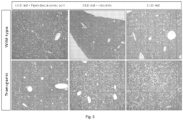
Figure 3 shows histological sections of liver of mice treated with methionine and choline as described in Example 2. The figure shows that there are evident morphological modifications at the histological level, characterized by a relevant steatosis and presence of lobular damage, in the liver of transgenic mice treated with methionine and choline, and that these modifications are instead reduced after treatment both with PPA and with Curcumin. -
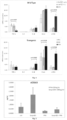
Figure 4 shows the pattern of mRNA expression of wild mice treated with PPA, curcumin, compared to a control strain. -
Figure 5 shows the pattern of mRNA expression of transgenic mice treated with PPA, curcumin, compared to a control strain. - Therefore, the present invention provides for the first time an agent effective in the treatment of fibrosing diseases. The Authors of the invention have in fact discovered and demonstrated that 1-piperidinepropionic acid is effective in the treatment of fibrosing diseases, wherein said acid is administered by parenteral, oral, nasal, aerosol, sublingual or systemic administration. Data obtained on transgenic mice show in fact how the treatment with this substance, following treatments with compounds inducing the onset of fibrosing pathologies, leads to a visible reduction of tissue damage and fibrotic state of the tissue analyzed. In Example 3 below, there are reported in detail the experimental data demonstrating the effectiveness of 1-piperidinepropionic acid as active ingredient with therapeutic effect for the treatment of fibrosing diseases. By chronic fibrosing diseases, chronic and non-chronic ones, are meant all those diseases commonly defined as such by the technician in the field. A nonlimiting example of such diseases includes fatty liver, steatohepatitis, hepatic cirrhosis, idiopathic pulmonary fibrosis, connective tissue disease, Immunoglobulin IgG4 sclerosing diseases, sclerosing cholangitis, nephrogenic systemic fibrosis, kidney fibrosis, muscular fibrosis, scleroderma, scleredema, graft versus host disease, eosinophilic fasciitis, scleromyxedema. In one embodiment of the invention, 1-piperidinpropionic acid may be replaced by or in combination with a pharmaceutically acceptable salt thereof. By "connective tissue disease" are meant those systemic autoimmune rheumatic diseases commonly denominated "connective tissue disease", which are characterized by a frequent involvement of the musculoskeletal apparatus, with autoimmune pathogenesis and a broad tissue involvement. In particular, in scleroderma a process of inflammation / fibrosis of lung parenchyma, hollow viscera (specifically, esophagus) and derma is frequently found, leading to progressive stiffening and organ damage.
- By "Immunoglobulin IgG4 sclerosing diseases" are meant those pathological sclerosing forms characterized by high serum levels of Immunoglobulins G4, having swelling (volume increase) of organs involved, a variable degree of fibrosis and an infiltrate enriched in IgG4-positive plasma cells. The main form is autoimmune pancreatitis, but the disease can affect any organ, such as, e.g., salivary glands, orbits, retroperitoneum.
- Primitive sclerosing cholangitis is a biliary system disease causing chronic inflammation and progressive fibrosis of biliary ducts. Over time, this process causes progressive damage to the liver, down to cirrhosis.
- Nephrogenic systemic fibrosis, or nephrogenic fibrosing dermopathy, is a rare and serious syndrome causing fibrosis of skin, joints, eyes and internal organs. Patients develop wide areas of hardened skin, with fibrotic nodules. It can also cause joint contractures, with entailed pain and limitation of motion. In its gravest form it can cause a serious systemic fibrosis affecting internal organs, among which lungs, heart and liver.
- (Chronic) kidney fibrosis exhibits a progression and accumulation of fibrosis in the renal parenchyma that is markedly variable from patient to patient, even in the presence of the same underlying nephropathies and comorbidities, yet its mechanisms are still not known.
- In chronic muscle diseases, tissue self-repair generates fibrosis. If tissue damage persists and becomes chronic, as in case of muscular dystrophies, or in the ageing process, the repair becomes uncontrolled and can lead to replacement of muscle fibers with a nonfunctional fibrotic mass, and development of muscular fibrosis. Vascular stem cells, following a damage, can change their destiny and generate matrix-depositing cells (by endothelial to mesenchymal, or EndoMT transition).
- In one embodiment of the invention, 1-piperidinepropionic acid is used to reduce hepatic damage, by reducing the inflammatory component and the activation of the cell component accountable for fibrosis in patients suffering from steatohepatitis.
- According to a further aspect of the present invention, 1-piperidinepropionic acid can be used in the treatment of chronic sclerosing diseases, such as hepatic cirrhosis and idiopathic pulmonary fibrosis. Without being bound to theory, it is believed that the active ingredient acts by slowing down the inflammatory process, and of progressive fibrosis underlying such pathologies.
- The Authors of the invention have observed that 1-piperidinepropionic acid is able to reduce chronic damage and the development of fibrosis in the liver, as it significantly reduces inflammation and the activation of hepatic stellate cells, which are the main effectors of the fibrogenetic process. The Authors of the invention have in fact observed, as reported in Example 4, that 1-piperidinepropionic acid significantly reduces the levels of alpha-SMA, which is the reference marker for stellate cell activation.
- According to a further embodiment of the present invention, 1-piperidinepropionic acid is used to significantly reduce the synthesis of chemokine MCP1 (monocyte chemoattractant protein 1) which is one of the main factors accountable for the recruitment of monocytes concurring to the inflammation and fibrogenesis process.
- The Authors of the invention also demonstrated that 1-piperidinepropionic acid is able to block the release of cytokine soluble receptor CD163 (sCD163) induced by SerpinB3 in primary human monocytes.
- PPA dosage could be established by the physician on the basis of the weight, health state, gender and age of the patient to be treated.
- In one embodiment, said active ingredient could be administered in a unit dose of between 0.01 mg and 10mg y, preferably between 0.05 mg and 5 mg, even more preferably between 0.1 mg and 1 mg.
- Object of the invention is also a pharmaceutical composition for use in the treatment of fibrosing diseases as defined above, comprising 1-piperidinepropionic acid or a salt thereof and at least one pharmaceutically acceptable carrier, wherein said composition is administered by parenteral, oral, nasal, aerosol, sublingual or systemic administration.
- By way of example, the composition according to the present description could comprise from 0.01 mg to 10 mg y, preferably from 0.05 mg to 5 mg, even more preferably from 0.1 mg to 1mg of PPA as unit dose, and one or more doses (or fractions of doses) of said composition could be administered to the patient. Alternatively, the composition could be suitably metered according to the opinion of the doctor in charge.
- The composition according to the invention could be a composition for parenteral, oral, nasal, aerosol, systemic administration, and could be formulated in the form of suspension, spray, granules, powder, solution, capsule, tablet, pill, lyophilized product, lozenge, intramuscular or intravenous injection according to conventional pharmaceutical formulation techniques, with suitable excipients, carriers, preservatives, diluents and the like. Such further components for the formulation of the pharmaceutical composition could be selected from technological excipients or adjuvants used in common pharmaceutical, cosmetics practice, or in food industry. The excipients used could belong to the categories of diluents, solubilizers, disgregants, binders, lubricants, surfactants, sliding and antiadhering agents.
- In one embodiment, the composition can also contain flavorings, coloring agents and preservatives of common use in the pharmaceutical industry.
- In accordance with the invention, experiments were conducted on PPA activity on murine models of fibrosing pathologies.
- The experiments conducted by the Authors of the invention demonstrated that very low PPA concentrations (100 ng/ml) are able to inhibit SerpinB3 synthesis in certain cell lines (e.g., HT-29 line) constitutively expressing this serpin.
- PPA effect was also assessed in a murine model of fibrosing disease, in particular an experimental model of non-alcoholic steatohepatitis, which is a condition in which a fatty liver, associated with inflammation and fibrosis production, causes, among other things, a high risk of neoplastic transformation. In the study, both SerpinB3-transgenic mice and the respective wild-type (C57BL/7) strain were used, fed for 8 weeks with a methionine- and choline- deficient diet (MCD), which constitutes a recognized steatohepatitis induction model, or with a normal diet. MCD diet-treated transgenic and control mice groups starting from Week 4, were administered daily by intraperitoneal route, PPA (0.01 µg/g), or Curcumin (a molecule with a recognized anti-inflammatory and anti-fibrotic activity in animal models) as control, at standard concentrations (0.2mg/g).
- Upon being sacrificed, the livers of MCD diet-fed mice exhibited a more marked steatosis, associated with a higher relative liver weight, compared to mice MCD diet-fed, but treated with PPA or curcumin, especially SerpinB3-transgenic ones (this experiment is described in detail in Example 3 below).
- In both PPA-treated strains, a marked reduction of alpha-SMA, a marker of activation of stellate cells, which are the main components involved in hepatic fibrogenesis, was recorded. Moreover, in SerpinB3-transgenic mice a significant decrease of inflammatory cytokine IL-1beta and of Mcp1 molecule, involved in macrophage recruitment, was also recorded during inflammation, whereas TNF-alpha increase was non-evident, unlike what observed in wild-type mice subjected to MCD and treated with PPA (Example 3). It is important to point out that the effects observed on the reduction of the inflammatory response were obtained also with curcumin, used as control, but with effective PPA doses 20.000 times lower.
- The anti-inflammatory effect of PPA was also confirmed on primary human monocyte lines, in which, in preliminary results, the Authors had documented that SerpinB3 addition (200ng/ml) induces the release of cytokine soluble receptor CD163 (sCD163), a recently described molecule, increased in a wide range of inflammatory diseases and produced by monocytes. The results obtained documented that sDC163 release in the culture medium after one week of stimulation with SerpinB3 is markedly reduced in the presence of PPA at 100ng/ml (this experiment is described in detail in Example 3 below).
- HT29 tumor cells, constitutively expressing SerpinB3, were used. 65×105 cells/well were seeded into 6-well plates and kept 24 hours prior to treatment in modified McCoy medium (Sigma-Aldrich, Milan, Italy) supplemented with heat-inactivated 10% fetal calf serum, (Sigma-Aldrich, Milan, Italy), 100 U/ mL penicillin, 100 mg / ml streptomycin, and 20 mM L-glutamine (Sigma-Aldrich, Milan, Italy).
- Then, PPA (1'-piperidinepropionic acid) was added, at a concentration of 100 ng/ml alone or in combination with recombinant SerpinB3 (SB3) at a concentration of 200 ng /ml, whereas the medium alone (untreated HT-29 cells) was added into control wells. After 24 hours of treatment cells were harvested, and extraction of total cell RNA and reverse transcription were performed according to standard protocols. mRNA SerpinB3 levels were measured by real-time PCR (sense: 5'-GCA AAT GCT CCA GAA GAA AG-3'; reverse 5'-CGA GGC AAA ATGAAAA AGA TG-3') and the results were normalized on the basis of data obtained with housekeeping HPRT1 (sense 5'-TCAGGCAGTATAATCC AAAGATGGT-3'; reverse 5'-CTTCGTGGGGTCCTTTTCAC-3').
- From an assessment of
Figure 1 , it clearly emerges that SerpinB3 expression proved to be increased by the treatment with exogenous SerpinB3, and PPA addition proved able to significantly reduce its expression, both constitutive and after induction from the exogenous treatment. - To assess PPA effect as SerpinB3 inhibitor in an experimental murine model of steatohepatitis (NASH), a condition with a high risk of hepatic tumor, both SerpinB3-transgenic mice and the respective wild-type (C57BL/7) strain were used.
- The animals were fed for 8 weeks with a methionine- and choline- deficient diet (MCD), a recognized steatohepatitis induction model, or with a normal diet. MCD diet-treated transgenic and control mice groups, starting from Week 4, were administered daily, by intraperitoneal route, PPA (0.01 µg/g), or Curcumin (a molecule with a recognized anti-inflammatory and anti-fibrotic activity in animal models) as control, at the standard concentration of 0.2mg/g.
- Upon being sacrificed, both wild-type and SerpinB3 transgenic mice exhibited a higher relative liver weight (liver weight/body weight) after MCD diet, compared to mice treated with the same diet, in which, starting from Week 4, PPA (ppa) or Curcumin (cur) had been administered. This effect was more evident in transgenic mice.
- As can be seen from
Figure 3 , to these macroscopic findings there were associated morphological modifications at the histological level, characterized by relevant steatosis and presence of lobular damage, especially in transgenic mice liver, which proved reduced after treatment both with PPA and with Curcumin. - As to the profile of genes involved in inflammation and fibrosis, in both of the PPA-treated strains a marked reduction of alpha-SMA, a marker of stellate cell activation, was recorded.
- Moreover, in SerpinB3 transgenic mice, also a significant decrease of IL-1beta and molecule Mcp1, involved in macrophage recruitment to inflammation, was recorded, whereas TNF-alpha increase proved not evident, unlike what observed in wild-type mice subjected to MCD and treated with PPA (
Figure 4 ). - Preliminary results obtained in the Authors' laboratory documented that in primary human monocytes SerpinB3 induces the release of cytokine soluble receptor CD163 (sCD163), a recently described molecule, increased in a wide range of inflammatory diseases and produced by monocytes.
- PPA effect was evaluated in this context as well, where primary monocytes incubated 1 week with SerpinB3 at a concentration of 200ng/ml alone, or in association with PPA (100ng/ml) were used. Monocytes kept in culture medium and monocytes treated with PPA alone at the same concentrations were used as controls.
- The results obtained documented that sDC163 release in the culture medium after 1 week of stimulation with SerpinB3 is markedly reduced in the presence of PPA. Moreover, this molecule also reduces the spontaneous release of sCD163, observed in untreated monocytes (
Figure 5 ).
Claims (9)
Applications Claiming Priority (2)
| Application Number | Priority Date | Filing Date | Title |
|---|---|---|---|
| IT102017000026858A IT201700026858A1 (en) | 2017-03-10 | 2017-03-10 | USE OF INHIBITORS OF SERIN PROTEASIS, IN PARTICULAR OF SERPINB3 |
| PCT/IB2018/051554 WO2018163119A1 (en) | 2017-03-10 | 2018-03-09 | 1-piperidinepropionic acid for treating a fibrosing disease |
Publications (2)
| Publication Number | Publication Date |
|---|---|
| EP3592351A1 EP3592351A1 (en) | 2020-01-15 |
| EP3592351B1 true EP3592351B1 (en) | 2023-05-10 |
Family
ID=59521424
Family Applications (1)
| Application Number | Title | Priority Date | Filing Date |
|---|---|---|---|
| EP18715258.2A Active EP3592351B1 (en) | 2017-03-10 | 2018-03-09 | 1-piperidinepropionic acid for treating a fibrosing disease |
Country Status (5)
| Country | Link |
|---|---|
| US (1) | US11628163B2 (en) |
| EP (1) | EP3592351B1 (en) |
| ES (1) | ES2948284T3 (en) |
| IT (1) | IT201700026858A1 (en) |
| WO (1) | WO2018163119A1 (en) |
Families Citing this family (3)
| Publication number | Priority date | Publication date | Assignee | Title |
|---|---|---|---|---|
| WO2021013921A1 (en) * | 2019-07-25 | 2021-01-28 | Universita' Degli Studi Di Padova | The serpinb3 inhibitor piperidinpropionic acid for tumor treatment |
| CN117062594A (en) * | 2021-04-21 | 2023-11-14 | 株式会社资生堂 | cosmetic |
| IT202200014593A1 (en) * | 2022-07-12 | 2024-01-12 | Univ Degli Studi Padova | PROTEASE-ACTIVATED RECEPTOR 2 (PAR2) INHIBITOR AND ITS USES |
Family Cites Families (5)
| Publication number | Priority date | Publication date | Assignee | Title |
|---|---|---|---|---|
| SE0401763D0 (en) * | 2004-07-05 | 2004-07-05 | Astrazeneca Ab | Compounds |
| BRPI0808089A2 (en) * | 2007-02-28 | 2014-07-15 | Conatus Pharmaceuticals Inc | METHOD TO TREAT LIVER DISEASE, TO REDUCE A HIGH LEVEL OF A LIVER ENZYME, TO INHIBIT A TNF-ALPHA SIGNALING RULE, TO REDUCE A LIVER DAMAGE TO APPLY EXCESSIVE IN A LIVER CELL, AND TO INHIBIT HEPATITE C VIRUS REPLICATION. |
| JP5300302B2 (en) | 2008-03-31 | 2013-09-25 | 株式会社 資生堂 | SCCA-1 production inhibitor comprising 1-piperidinepropionic acid and / or a salt thereof as an active ingredient |
| JP2012240911A (en) * | 2011-05-13 | 2012-12-10 | Shiseido Co Ltd | Anti-wrinkle agent, matrix metalloprotenase (mmp) inhibitor and/or laminin 5 production promoter, each comprising 1-piperidine propionate |
| SG11201405830VA (en) * | 2012-03-27 | 2014-10-30 | Genentech Inc | Methods of prognosing, diagnosing and treating idiopathic pulmonary fibrosis |
-
2017
- 2017-03-10 IT IT102017000026858A patent/IT201700026858A1/en unknown
-
2018
- 2018-03-09 WO PCT/IB2018/051554 patent/WO2018163119A1/en not_active Ceased
- 2018-03-09 US US16/491,858 patent/US11628163B2/en active Active
- 2018-03-09 ES ES18715258T patent/ES2948284T3/en active Active
- 2018-03-09 EP EP18715258.2A patent/EP3592351B1/en active Active
Also Published As
| Publication number | Publication date |
|---|---|
| US20210137905A1 (en) | 2021-05-13 |
| EP3592351A1 (en) | 2020-01-15 |
| WO2018163119A1 (en) | 2018-09-13 |
| ES2948284T3 (en) | 2023-09-07 |
| IT201700026858A1 (en) | 2018-09-10 |
| US11628163B2 (en) | 2023-04-18 |
Similar Documents
| Publication | Publication Date | Title |
|---|---|---|
| US9078864B2 (en) | Agonists for antimicrobial peptide systems | |
| US11666545B2 (en) | Treatment or prevention of cardiovascular events via the administration of a colchicine derivative | |
| CA2909349C (en) | Use of a multi-agent composition for treatment of cancer | |
| JP2021522247A (en) | Use of neutrophil elastase inhibitors in liver disease | |
| JP7202892B2 (en) | Prophylactic and therapeutic agent for non-alcoholic fatty liver disease | |
| US11628163B2 (en) | 1-piperidinepropionic acid for treating a fibrosing disease | |
| JP2020504129A (en) | Combination therapy for non-alcoholic steatohepatitis (NASH) and liver fibrosis | |
| JP6878596B2 (en) | FXR agonist combination | |
| JP2023549849A5 (en) | ||
| EP3028704B1 (en) | Combinations of methotrexate and simvastatin for use in the treatment of osteosarcoma | |
| Tang et al. | PACAP inhibit the release and cytokine activity of HMGB1 and improve the survival during lethal endotoxemia | |
| US8652540B2 (en) | Method of using rhein for treating fibrotic conditions and tumors | |
| EP4218788B1 (en) | Peptides for use in the treatment of non-alcoholic steatohepatitis | |
| KR20230081687A (en) | Uses of microsomal triglyceride transfer protein inhibitors for treating fibrotic diseases | |
| KR20220038339A (en) | Treatment comprising a SGLT inhibitor, for example a SGLT 1/2 inhibitor | |
| US10918609B2 (en) | Pharmaceutical composition for preventing or treating arthritis or inflammatory disease containing 2-methoxy-4-(3-(4-methoxyphenyl)propyl-1-en-1-yl)phenol as active ingredient | |
| AU2020376223B2 (en) | Combination therapy having antioxydant properties | |
| KR20150126595A (en) | Uses and methods for the treatment of liver diseases or conditions | |
| WO2014063660A1 (en) | Naringenin and asiatic acid combination treatment of fibrosis | |
| RU2721409C1 (en) | Pharmaceutical combinations of histone deacetylase inhibitor and proteasome inhibitor or immunomodulatory drug for treating blood cancer | |
| KR20230080335A (en) | Uses of etravirine for treating metabolic and fibrotic diseases | |
| JP2023548942A (en) | Pharmaceutical composition for the prevention or treatment of wounds or scars containing benzbromarone | |
| KR20210015849A (en) | Combinations containing Tropexor and Senicriviroc | |
| WO2020158890A1 (en) | Fibrosis drug | |
| TWI827310B (en) | Use of isothiocyanate structural modified compound for preventing or treating liver disease |
Legal Events
| Date | Code | Title | Description |
|---|---|---|---|
| STAA | Information on the status of an ep patent application or granted ep patent |
Free format text: STATUS: UNKNOWN |
|
| STAA | Information on the status of an ep patent application or granted ep patent |
Free format text: STATUS: THE INTERNATIONAL PUBLICATION HAS BEEN MADE |
|
| PUAI | Public reference made under article 153(3) epc to a published international application that has entered the european phase |
Free format text: ORIGINAL CODE: 0009012 |
|
| STAA | Information on the status of an ep patent application or granted ep patent |
Free format text: STATUS: REQUEST FOR EXAMINATION WAS MADE |
|
| 17P | Request for examination filed |
Effective date: 20190924 |
|
| AK | Designated contracting states |
Kind code of ref document: A1 Designated state(s): AL AT BE BG CH CY CZ DE DK EE ES FI FR GB GR HR HU IE IS IT LI LT LU LV MC MK MT NL NO PL PT RO RS SE SI SK SM TR |
|
| AX | Request for extension of the european patent |
Extension state: BA ME |
|
| DAV | Request for validation of the european patent (deleted) | ||
| DAX | Request for extension of the european patent (deleted) | ||
| STAA | Information on the status of an ep patent application or granted ep patent |
Free format text: STATUS: EXAMINATION IS IN PROGRESS |
|
| 17Q | First examination report despatched |
Effective date: 20200903 |
|
| GRAP | Despatch of communication of intention to grant a patent |
Free format text: ORIGINAL CODE: EPIDOSNIGR1 |
|
| STAA | Information on the status of an ep patent application or granted ep patent |
Free format text: STATUS: GRANT OF PATENT IS INTENDED |
|
| INTG | Intention to grant announced |
Effective date: 20221207 |
|
| GRAS | Grant fee paid |
Free format text: ORIGINAL CODE: EPIDOSNIGR3 |
|
| GRAA | (expected) grant |
Free format text: ORIGINAL CODE: 0009210 |
|
| STAA | Information on the status of an ep patent application or granted ep patent |
Free format text: STATUS: THE PATENT HAS BEEN GRANTED |
|
| AK | Designated contracting states |
Kind code of ref document: B1 Designated state(s): AL AT BE BG CH CY CZ DE DK EE ES FI FR GB GR HR HU IE IS IT LI LT LU LV MC MK MT NL NO PL PT RO RS SE SI SK SM TR |
|
| REG | Reference to a national code |
Ref country code: GB Ref legal event code: FG4D |
|
| REG | Reference to a national code |
Ref country code: AT Ref legal event code: REF Ref document number: 1566047 Country of ref document: AT Kind code of ref document: T Effective date: 20230515 Ref country code: CH Ref legal event code: EP |
|
| REG | Reference to a national code |
Ref country code: DE Ref legal event code: R096 Ref document number: 602018049579 Country of ref document: DE |
|
| REG | Reference to a national code |
Ref country code: IE Ref legal event code: FG4D |
|
| REG | Reference to a national code |
Ref country code: LT Ref legal event code: MG9D |
|
| REG | Reference to a national code |
Ref country code: ES Ref legal event code: FG2A Ref document number: 2948284 Country of ref document: ES Kind code of ref document: T3 Effective date: 20230907 |
|
| REG | Reference to a national code |
Ref country code: NL Ref legal event code: MP Effective date: 20230510 |
|
| REG | Reference to a national code |
Ref country code: AT Ref legal event code: MK05 Ref document number: 1566047 Country of ref document: AT Kind code of ref document: T Effective date: 20230510 |
|
| PG25 | Lapsed in a contracting state [announced via postgrant information from national office to epo] |
Ref country code: SE Free format text: LAPSE BECAUSE OF FAILURE TO SUBMIT A TRANSLATION OF THE DESCRIPTION OR TO PAY THE FEE WITHIN THE PRESCRIBED TIME-LIMIT Effective date: 20230510 Ref country code: PT Free format text: LAPSE BECAUSE OF FAILURE TO SUBMIT A TRANSLATION OF THE DESCRIPTION OR TO PAY THE FEE WITHIN THE PRESCRIBED TIME-LIMIT Effective date: 20230911 Ref country code: NO Free format text: LAPSE BECAUSE OF FAILURE TO SUBMIT A TRANSLATION OF THE DESCRIPTION OR TO PAY THE FEE WITHIN THE PRESCRIBED TIME-LIMIT Effective date: 20230810 Ref country code: NL Free format text: LAPSE BECAUSE OF FAILURE TO SUBMIT A TRANSLATION OF THE DESCRIPTION OR TO PAY THE FEE WITHIN THE PRESCRIBED TIME-LIMIT Effective date: 20230510 Ref country code: AT Free format text: LAPSE BECAUSE OF FAILURE TO SUBMIT A TRANSLATION OF THE DESCRIPTION OR TO PAY THE FEE WITHIN THE PRESCRIBED TIME-LIMIT Effective date: 20230510 |
|
| PG25 | Lapsed in a contracting state [announced via postgrant information from national office to epo] |
Ref country code: RS Free format text: LAPSE BECAUSE OF FAILURE TO SUBMIT A TRANSLATION OF THE DESCRIPTION OR TO PAY THE FEE WITHIN THE PRESCRIBED TIME-LIMIT Effective date: 20230510 Ref country code: PL Free format text: LAPSE BECAUSE OF FAILURE TO SUBMIT A TRANSLATION OF THE DESCRIPTION OR TO PAY THE FEE WITHIN THE PRESCRIBED TIME-LIMIT Effective date: 20230510 Ref country code: LV Free format text: LAPSE BECAUSE OF FAILURE TO SUBMIT A TRANSLATION OF THE DESCRIPTION OR TO PAY THE FEE WITHIN THE PRESCRIBED TIME-LIMIT Effective date: 20230510 Ref country code: LT Free format text: LAPSE BECAUSE OF FAILURE TO SUBMIT A TRANSLATION OF THE DESCRIPTION OR TO PAY THE FEE WITHIN THE PRESCRIBED TIME-LIMIT Effective date: 20230510 Ref country code: IS Free format text: LAPSE BECAUSE OF FAILURE TO SUBMIT A TRANSLATION OF THE DESCRIPTION OR TO PAY THE FEE WITHIN THE PRESCRIBED TIME-LIMIT Effective date: 20230910 Ref country code: HR Free format text: LAPSE BECAUSE OF FAILURE TO SUBMIT A TRANSLATION OF THE DESCRIPTION OR TO PAY THE FEE WITHIN THE PRESCRIBED TIME-LIMIT Effective date: 20230510 Ref country code: GR Free format text: LAPSE BECAUSE OF FAILURE TO SUBMIT A TRANSLATION OF THE DESCRIPTION OR TO PAY THE FEE WITHIN THE PRESCRIBED TIME-LIMIT Effective date: 20230811 |
|
| PG25 | Lapsed in a contracting state [announced via postgrant information from national office to epo] |
Ref country code: FI Free format text: LAPSE BECAUSE OF FAILURE TO SUBMIT A TRANSLATION OF THE DESCRIPTION OR TO PAY THE FEE WITHIN THE PRESCRIBED TIME-LIMIT Effective date: 20230510 |
|
| PG25 | Lapsed in a contracting state [announced via postgrant information from national office to epo] |
Ref country code: SK Free format text: LAPSE BECAUSE OF FAILURE TO SUBMIT A TRANSLATION OF THE DESCRIPTION OR TO PAY THE FEE WITHIN THE PRESCRIBED TIME-LIMIT Effective date: 20230510 |
|
| PG25 | Lapsed in a contracting state [announced via postgrant information from national office to epo] |
Ref country code: SM Free format text: LAPSE BECAUSE OF FAILURE TO SUBMIT A TRANSLATION OF THE DESCRIPTION OR TO PAY THE FEE WITHIN THE PRESCRIBED TIME-LIMIT Effective date: 20230510 Ref country code: SK Free format text: LAPSE BECAUSE OF FAILURE TO SUBMIT A TRANSLATION OF THE DESCRIPTION OR TO PAY THE FEE WITHIN THE PRESCRIBED TIME-LIMIT Effective date: 20230510 Ref country code: RO Free format text: LAPSE BECAUSE OF FAILURE TO SUBMIT A TRANSLATION OF THE DESCRIPTION OR TO PAY THE FEE WITHIN THE PRESCRIBED TIME-LIMIT Effective date: 20230510 Ref country code: EE Free format text: LAPSE BECAUSE OF FAILURE TO SUBMIT A TRANSLATION OF THE DESCRIPTION OR TO PAY THE FEE WITHIN THE PRESCRIBED TIME-LIMIT Effective date: 20230510 Ref country code: DK Free format text: LAPSE BECAUSE OF FAILURE TO SUBMIT A TRANSLATION OF THE DESCRIPTION OR TO PAY THE FEE WITHIN THE PRESCRIBED TIME-LIMIT Effective date: 20230510 Ref country code: CZ Free format text: LAPSE BECAUSE OF FAILURE TO SUBMIT A TRANSLATION OF THE DESCRIPTION OR TO PAY THE FEE WITHIN THE PRESCRIBED TIME-LIMIT Effective date: 20230510 |
|
| REG | Reference to a national code |
Ref country code: DE Ref legal event code: R097 Ref document number: 602018049579 Country of ref document: DE |
|
| PLBE | No opposition filed within time limit |
Free format text: ORIGINAL CODE: 0009261 |
|
| STAA | Information on the status of an ep patent application or granted ep patent |
Free format text: STATUS: NO OPPOSITION FILED WITHIN TIME LIMIT |
|
| 26N | No opposition filed |
Effective date: 20240213 |
|
| PG25 | Lapsed in a contracting state [announced via postgrant information from national office to epo] |
Ref country code: SI Free format text: LAPSE BECAUSE OF FAILURE TO SUBMIT A TRANSLATION OF THE DESCRIPTION OR TO PAY THE FEE WITHIN THE PRESCRIBED TIME-LIMIT Effective date: 20230510 |
|
| PG25 | Lapsed in a contracting state [announced via postgrant information from national office to epo] |
Ref country code: SI Free format text: LAPSE BECAUSE OF FAILURE TO SUBMIT A TRANSLATION OF THE DESCRIPTION OR TO PAY THE FEE WITHIN THE PRESCRIBED TIME-LIMIT Effective date: 20230510 |
|
| REG | Reference to a national code |
Ref country code: CH Ref legal event code: PL |
|
| PG25 | Lapsed in a contracting state [announced via postgrant information from national office to epo] |
Ref country code: BG Free format text: LAPSE BECAUSE OF FAILURE TO SUBMIT A TRANSLATION OF THE DESCRIPTION OR TO PAY THE FEE WITHIN THE PRESCRIBED TIME-LIMIT Effective date: 20230510 |
|
| PG25 | Lapsed in a contracting state [announced via postgrant information from national office to epo] |
Ref country code: LU Free format text: LAPSE BECAUSE OF NON-PAYMENT OF DUE FEES Effective date: 20240309 |
|
| PG25 | Lapsed in a contracting state [announced via postgrant information from national office to epo] |
Ref country code: MC Free format text: LAPSE BECAUSE OF FAILURE TO SUBMIT A TRANSLATION OF THE DESCRIPTION OR TO PAY THE FEE WITHIN THE PRESCRIBED TIME-LIMIT Effective date: 20230510 |
|
| PG25 | Lapsed in a contracting state [announced via postgrant information from national office to epo] |
Ref country code: MC Free format text: LAPSE BECAUSE OF FAILURE TO SUBMIT A TRANSLATION OF THE DESCRIPTION OR TO PAY THE FEE WITHIN THE PRESCRIBED TIME-LIMIT Effective date: 20230510 Ref country code: LU Free format text: LAPSE BECAUSE OF NON-PAYMENT OF DUE FEES Effective date: 20240309 Ref country code: BG Free format text: LAPSE BECAUSE OF FAILURE TO SUBMIT A TRANSLATION OF THE DESCRIPTION OR TO PAY THE FEE WITHIN THE PRESCRIBED TIME-LIMIT Effective date: 20230510 |
|
| REG | Reference to a national code |
Ref country code: BE Ref legal event code: MM Effective date: 20240331 |
|
| PG25 | Lapsed in a contracting state [announced via postgrant information from national office to epo] |
Ref country code: BE Free format text: LAPSE BECAUSE OF NON-PAYMENT OF DUE FEES Effective date: 20240331 |
|
| PG25 | Lapsed in a contracting state [announced via postgrant information from national office to epo] |
Ref country code: IE Free format text: LAPSE BECAUSE OF NON-PAYMENT OF DUE FEES Effective date: 20240309 |
|
| PG25 | Lapsed in a contracting state [announced via postgrant information from national office to epo] |
Ref country code: IE Free format text: LAPSE BECAUSE OF NON-PAYMENT OF DUE FEES Effective date: 20240309 Ref country code: BE Free format text: LAPSE BECAUSE OF NON-PAYMENT OF DUE FEES Effective date: 20240331 Ref country code: CH Free format text: LAPSE BECAUSE OF NON-PAYMENT OF DUE FEES Effective date: 20240331 |
|
| PGFP | Annual fee paid to national office [announced via postgrant information from national office to epo] |
Ref country code: ES Payment date: 20250429 Year of fee payment: 8 |
|
| PG25 | Lapsed in a contracting state [announced via postgrant information from national office to epo] |
Ref country code: CY Free format text: LAPSE BECAUSE OF FAILURE TO SUBMIT A TRANSLATION OF THE DESCRIPTION OR TO PAY THE FEE WITHIN THE PRESCRIBED TIME-LIMIT; INVALID AB INITIO Effective date: 20180309 |
|
| PG25 | Lapsed in a contracting state [announced via postgrant information from national office to epo] |
Ref country code: HU Free format text: LAPSE BECAUSE OF FAILURE TO SUBMIT A TRANSLATION OF THE DESCRIPTION OR TO PAY THE FEE WITHIN THE PRESCRIBED TIME-LIMIT; INVALID AB INITIO Effective date: 20180309 |
|
| PG25 | Lapsed in a contracting state [announced via postgrant information from national office to epo] |
Ref country code: TR Free format text: LAPSE BECAUSE OF FAILURE TO SUBMIT A TRANSLATION OF THE DESCRIPTION OR TO PAY THE FEE WITHIN THE PRESCRIBED TIME-LIMIT Effective date: 20230510 |
|
| PGFP | Annual fee paid to national office [announced via postgrant information from national office to epo] |
Ref country code: GB Payment date: 20260324 Year of fee payment: 9 |
|
| PGFP | Annual fee paid to national office [announced via postgrant information from national office to epo] |
Ref country code: DE Payment date: 20260319 Year of fee payment: 9 |
|
| PGFP | Annual fee paid to national office [announced via postgrant information from national office to epo] |
Ref country code: IT Payment date: 20260303 Year of fee payment: 9 |
|
| PGFP | Annual fee paid to national office [announced via postgrant information from national office to epo] |
Ref country code: FR Payment date: 20260320 Year of fee payment: 9 |