EP3588622A1 - Disc fuse - Google Patents
Disc fuse Download PDFInfo
- Publication number
- EP3588622A1 EP3588622A1 EP19181654.5A EP19181654A EP3588622A1 EP 3588622 A1 EP3588622 A1 EP 3588622A1 EP 19181654 A EP19181654 A EP 19181654A EP 3588622 A1 EP3588622 A1 EP 3588622A1
- Authority
- EP
- European Patent Office
- Prior art keywords
- terminal
- substrate
- fuse
- disc
- inner edge
- Prior art date
- Legal status (The legal status is an assumption and is not a legal conclusion. Google has not performed a legal analysis and makes no representation as to the accuracy of the status listed.)
- Granted
Links
Images



Classifications
-
- H—ELECTRICITY
- H01—ELECTRIC ELEMENTS
- H01H—ELECTRIC SWITCHES; RELAYS; SELECTORS; EMERGENCY PROTECTIVE DEVICES
- H01H85/00—Protective devices in which the current flows through a part of fusible material and this current is interrupted by displacement of the fusible material when this current becomes excessive
- H01H85/02—Details
- H01H85/04—Fuses, i.e. expendable parts of the protective device, e.g. cartridges
- H01H85/05—Component parts thereof
- H01H85/055—Fusible members
- H01H85/08—Fusible members characterised by the shape or form of the fusible member
-
- H—ELECTRICITY
- H01—ELECTRIC ELEMENTS
- H01H—ELECTRIC SWITCHES; RELAYS; SELECTORS; EMERGENCY PROTECTIVE DEVICES
- H01H69/00—Apparatus or processes for the manufacture of emergency protective devices
- H01H69/02—Manufacture of fuses
-
- H—ELECTRICITY
- H01—ELECTRIC ELEMENTS
- H01H—ELECTRIC SWITCHES; RELAYS; SELECTORS; EMERGENCY PROTECTIVE DEVICES
- H01H85/00—Protective devices in which the current flows through a part of fusible material and this current is interrupted by displacement of the fusible material when this current becomes excessive
- H01H85/02—Details
- H01H85/0241—Structural association of a fuse and another component or apparatus
-
- H—ELECTRICITY
- H01—ELECTRIC ELEMENTS
- H01H—ELECTRIC SWITCHES; RELAYS; SELECTORS; EMERGENCY PROTECTIVE DEVICES
- H01H85/00—Protective devices in which the current flows through a part of fusible material and this current is interrupted by displacement of the fusible material when this current becomes excessive
- H01H85/02—Details
- H01H85/04—Fuses, i.e. expendable parts of the protective device, e.g. cartridges
- H01H85/041—Fuses, i.e. expendable parts of the protective device, e.g. cartridges characterised by the type
-
- H—ELECTRICITY
- H01—ELECTRIC ELEMENTS
- H01H—ELECTRIC SWITCHES; RELAYS; SELECTORS; EMERGENCY PROTECTIVE DEVICES
- H01H85/00—Protective devices in which the current flows through a part of fusible material and this current is interrupted by displacement of the fusible material when this current becomes excessive
- H01H85/02—Details
- H01H85/04—Fuses, i.e. expendable parts of the protective device, e.g. cartridges
- H01H85/05—Component parts thereof
- H01H85/055—Fusible members
-
- H—ELECTRICITY
- H01—ELECTRIC ELEMENTS
- H01H—ELECTRIC SWITCHES; RELAYS; SELECTORS; EMERGENCY PROTECTIVE DEVICES
- H01H85/00—Protective devices in which the current flows through a part of fusible material and this current is interrupted by displacement of the fusible material when this current becomes excessive
- H01H85/02—Details
- H01H85/04—Fuses, i.e. expendable parts of the protective device, e.g. cartridges
- H01H85/05—Component parts thereof
- H01H85/143—Electrical contacts; Fastening fusible members to such contacts
-
- H—ELECTRICITY
- H01—ELECTRIC ELEMENTS
- H01H—ELECTRIC SWITCHES; RELAYS; SELECTORS; EMERGENCY PROTECTIVE DEVICES
- H01H85/00—Protective devices in which the current flows through a part of fusible material and this current is interrupted by displacement of the fusible material when this current becomes excessive
- H01H85/02—Details
- H01H85/20—Bases for supporting the fuse; Separate parts thereof
-
- H—ELECTRICITY
- H01—ELECTRIC ELEMENTS
- H01M—PROCESSES OR MEANS, e.g. BATTERIES, FOR THE DIRECT CONVERSION OF CHEMICAL ENERGY INTO ELECTRICAL ENERGY
- H01M50/00—Constructional details or processes of manufacture of the non-active parts of electrochemical cells other than fuel cells, e.g. hybrid cells
- H01M50/50—Current conducting connections for cells or batteries
- H01M50/572—Means for preventing undesired use or discharge
- H01M50/574—Devices or arrangements for the interruption of current
- H01M50/581—Devices or arrangements for the interruption of current in response to temperature
-
- H—ELECTRICITY
- H01—ELECTRIC ELEMENTS
- H01M—PROCESSES OR MEANS, e.g. BATTERIES, FOR THE DIRECT CONVERSION OF CHEMICAL ENERGY INTO ELECTRICAL ENERGY
- H01M50/00—Constructional details or processes of manufacture of the non-active parts of electrochemical cells other than fuel cells, e.g. hybrid cells
- H01M50/50—Current conducting connections for cells or batteries
- H01M50/572—Means for preventing undesired use or discharge
- H01M50/574—Devices or arrangements for the interruption of current
- H01M50/583—Devices or arrangements for the interruption of current in response to current, e.g. fuses
-
- H—ELECTRICITY
- H01—ELECTRIC ELEMENTS
- H01H—ELECTRIC SWITCHES; RELAYS; SELECTORS; EMERGENCY PROTECTIVE DEVICES
- H01H85/00—Protective devices in which the current flows through a part of fusible material and this current is interrupted by displacement of the fusible material when this current becomes excessive
- H01H85/02—Details
- H01H85/0241—Structural association of a fuse and another component or apparatus
- H01H2085/025—Structural association with a binding post of a storage battery
-
- H—ELECTRICITY
- H01—ELECTRIC ELEMENTS
- H01M—PROCESSES OR MEANS, e.g. BATTERIES, FOR THE DIRECT CONVERSION OF CHEMICAL ENERGY INTO ELECTRICAL ENERGY
- H01M2200/00—Safety devices for primary or secondary batteries
- H01M2200/10—Temperature sensitive devices
- H01M2200/103—Fuse
-
- H—ELECTRICITY
- H01—ELECTRIC ELEMENTS
- H01M—PROCESSES OR MEANS, e.g. BATTERIES, FOR THE DIRECT CONVERSION OF CHEMICAL ENERGY INTO ELECTRICAL ENERGY
- H01M2220/00—Batteries for particular applications
- H01M2220/30—Batteries in portable systems, e.g. mobile phone, laptop
-
- Y—GENERAL TAGGING OF NEW TECHNOLOGICAL DEVELOPMENTS; GENERAL TAGGING OF CROSS-SECTIONAL TECHNOLOGIES SPANNING OVER SEVERAL SECTIONS OF THE IPC; TECHNICAL SUBJECTS COVERED BY FORMER USPC CROSS-REFERENCE ART COLLECTIONS [XRACs] AND DIGESTS
- Y02—TECHNOLOGIES OR APPLICATIONS FOR MITIGATION OR ADAPTATION AGAINST CLIMATE CHANGE
- Y02E—REDUCTION OF GREENHOUSE GAS [GHG] EMISSIONS, RELATED TO ENERGY GENERATION, TRANSMISSION OR DISTRIBUTION
- Y02E60/00—Enabling technologies; Technologies with a potential or indirect contribution to GHG emissions mitigation
- Y02E60/10—Energy storage using batteries
Definitions
- the disclosure relates generally to the field of circuit protection devices, and more particularly to a disc fuse suitable for use in battery cells.
- Many electronic devices are powered by battery packs that include pluralities of individual battery cells (e.g., cylindrical lithium-ion secondary batteries) that are connected to one another in a parallel or series arrangement to achieve a desired voltage output. If excessive current is allowed to flow between a battery pack and an electronic device during charging or discharging of the battery pack, the electronic device and/or the battery pack may be damaged.
- various devices are used for providing overcurrent protection in battery packs. These include various positive temperature coefficient (PTC) devices and fuse devices adapted to mitigate current in the event of a fault condition.
- PTC positive temperature coefficient
- fuse devices adapted to mitigate current in the event of a fault condition.
- such devices are associated with numerous shortcomings, including low hold currents, inability to permanently disable faulty battery cells, and space requirements that increase the overall size of a battery pack.
- an overcurrent condition e.g., an internal short within a cell of the battery pack
- an overcurrent condition e.g., an internal short within a cell of the battery pack
- An exemplary embodiment of a disc fuse in accordance with the present disclosure may include an electrically insulating substrate having a via formed therethrough extending between a first surface and a second surface of the substrate, an electrically conductive first terminal disposed on the first surface of the substrate, and an electrically conductive second terminal disposed on the second surface of the substrate, the second terminal including an outer portion having an inner edge defining a through-hole in the second terminal, the second terminal further including a fuse portion extending from the inner edge, the fuse portion comprising a fusible element terminating in a contact pad, wherein the substrate provides an electrically insulating barrier between the first terminal and the second terminal and wherein the via provides an electrical connection between the first terminal and the contact pad.
- An exemplary embodiment of a method in accordance with the present disclosure may include providing an electrically insulating substrate having a via formed therethrough extending between a first surface and a second surface of the substrate, disposing an electrically conductive first terminal on the first surface of the substrate, and disposing an electrically conductive second terminal on the second surface of the substrate, the second terminal including an outer portion having an inner edge defining a through-hole in the second terminal, the second terminal further including a fuse portion extending from the inner edge, the fuse portion comprising a fusible element terminating in a contact pad, wherein the substrate provides an electrically insulating barrier between the first terminal and the second terminal and wherein the via provides an electrical connection between the first terminal and the contact pad.
- FIGS. 1A-C a top view, a side view, and an exploded view of a disc fuse 10 in accordance with an exemplary embodiment of the present disclosure is shown.
- terms such as “top,” “bottom,” “upper,” “lower,” “above,” “below,” “vertical,” “radial,” “outer,” and “inner” may be used herein to describe the relative positions and orientations of the disc fuse 10 and various elements thereof, all with respect to the geometry and orientation of the disc fuse 10 as it appears in FIGS. 1A-C .
- Said terminology will include the words specifically mentioned, derivatives thereof, and words of similar import.
- the exemplary disc fuse 10 illustrated in FIGS. 1A-C may include several layers of electrically-conductive and electrically-insulating material disposed in a vertically stacked arrangement and configured to provide one or more overcurrent-protected electrical pathways extending through the disc fuse 10.
- the disc fuse 10 may include an electrically insulating substrate 12, an electrically conductive first or lower terminal 14 disposed on a first or bottom surface of the substrate 12, an electrically conductive second or upper terminal 16 disposed on a second or top surface of the substrate 12, and an electrically insulating, protective conformal coating 18 disposed on a top surface of the upper terminal 16.
- Each of the layers of the disc fuse 10 is illustrated as having an annular shape with a central through-hole formed therein to provide the assembled disc fuse 10 with a central through-hole 20 for allowing battery gases to be vented therethrough.
- This is not intended to be limiting, and it is contemplated that the various layers of the disc fuse 10 may have a variety of alternative shapes without departing from the scope of the present disclosure.
- various embodiments of the disc fuse 10 are contemplated in which one or more of the layers of the disc fuse 10 may be rectangular, oval, or irregular in shape, and/or may not have a central through-hole formed therein.
- the substrate 12 may be formed of a glass-reinforced epoxy laminate material such as FR-4. This is not intended to be limiting, and it is contemplated that the substrate 12 may alternatively be formed of various other electrically-insulating materials, including, but not limited to, various plastics and composites.
- the substrate 12 may have a diameter D s in a range between 13.8 millimeters and 14.8 millimeters.
- the substrate 12 may have vias 24, 26 formed therethrough, with each via 24, 26 extending from the top surface of the substrate 12 to the bottom surface of the substrate 12.
- sidewalls 28, 30 of the vias 24, 26 may be plated or coated with an electrically-conductive material (e.g., tin, copper, nickel, etc.) using an electrolytic plating process, for example.
- the vias 24, 26 may be completely or partially filled with an electrically-conductive material.
- the vias 24, 26 may thus provide electrically-conductive pathways extending vertically through the substrate 12.
- the substrate 12 is illustrated as having two circular vias 24, 26, with each of the vias 24, 26 located radially intermediate the through-hole 22 and the periphery of the substrate 12.
- the number, shapes, and locations of the vias 24, 26 may be may be varied.
- the substrate 12 may alternatively include only one via or more than two vias.
- one or more of the vias may be rectangular, triangular, or irregular in shape.
- the lower terminal 14 of the disc fuse 10 may be formed of an electrically-conductive material and may have an annular shape defining a through-hole 32 (as described above).
- the through-hole 32 may be substantially aligned with (e.g., coaxial with) the through-hole 22 in the substrate 12.
- the lower terminal 14 may be disposed in contact with, and in some embodiments, may be coupled to, the lower termini of the vias 24, 26 in electrical communication therewith.
- the lower terminal 14 may be formed of copper that is laminate cladded onto the bottom surface of the substrate 12. This is not intended to be limiting, and it is contemplated that the lower terminal 14 may be formed of various other conductive materials, including, but not limited to, nickel, silver, gold, etc. In various embodiments, the lower terminal 14 may be deposited on the bottom surface of substrate 12 using various processes, including, but not limited to, one or more of printing, electrolytic deposition, and photolithography. Certain features of the lower terminal 14 may be defined using various etching processes. In various other embodiments, the lower terminal 14 may be an independent structure that is formed entirely separately from the substrate 12 and subsequently disposed in flat abutment with, and optionally affixed to, the bottom surface of the substrate 12. In a non-limiting embodiment, the lower terminal 14 may have a diameter D lt in a range between 13.4 millimeters and 14.4 millimeters, where D lt is less than the diameter D s of the substrate.
- the upper terminal 16 of the disc fuse 10 may be formed of an electrically-conductive material and may include an outer portion 34 having an annular shape defining a through-hole 36 (as described above).
- the through-hole 36 may be substantially aligned with (e.g., coaxial with) the through-hole 22 in the substrate 12.
- the upper terminal 16 may further include fuse portions 38, 40 extending from an inner edge of the outer portion 34.
- the fuse portions 38, 40 may be substantially coplanar with the outer portion 34 and may each include a fusible element 38a, 40a that terminates in a respective connecting pad 38b, 40b.
- the fusible elements 38a, 40a are each shown as having a curvilinear shape that extends along, and is spaced radially apart from, the inner edge of the outer portion 34. This is not intended to be limiting, and it is contemplated that one or both of the fusible elements 38a, 40a may have a variety of different shapes, configurations, and/or orientations relative to those shown. While the upper terminal 16 is shown as having two fuse portions 38, 40, alternative embodiments of the disc fuse 10 are contemplated in which the upper terminal 16 includes only one or more than two fuse portions.
- the connecting pads 38b, 40b of the fuse portions 38, 40 may be disposed in contact with, and in some embodiments, may be coupled to, the upper termini of the vias 24, 26, respectively, in electrical communication therewith.
- the connecting pads 38b, 40b which are shown as having an annular shape, may include respective through-holes 42, 44 that may be filled or plated with the same electrically conductive material that fills or plates the vias 24, 26 as described above.
- the connecting pads 38b, 40b may be entirely solid (i.e., without the through-holes 42, 44 extending therethrough) and may be disposed in contact with, and optionally connected to, the conductive material that fills or plates the vias 24, 26 (described above).
- the upper terminal 16 may be formed of copper that is laminate cladded onto the top surface of the substrate 12. This is not intended to be limiting, and it is contemplated that the upper terminal 16 may be formed of various other conductive materials, including, but not limited to, nickel, silver, gold, etc. In various embodiments, the upper terminal 16 may be deposited on the substrate 12 using various processes, including, but not limited to, one or more of printing, electrolytic deposition, and photolithography. In various embodiments, certain features of the upper terminal 16, including the fuse portions 38, 40, may be defined using various etching processes.
- the upper terminal 16 may be an independent structure that is formed entirely separately from the substrate 12 and subsequently disposed in flat abutment with, and optionally affixed to, the upper surface of the substrate 12.
- the upper terminal 16 may have a diameter D ut in a range between 13.4 millimeters and 14.4 millimeters, where D ut is less than the diameter D s of the substrate.
- the fusible elements 38a, 40a of the fuse portions 38, 40 may be configured to melt or otherwise separate when an amount of current flowing through the fusible elements 38a, 40a exceeds a predetermined value.
- This predetermined value may be referred to as the "rating" or "capacity" of the disc fuse 10.
- the rating of the disc fuse 10 may depend on various factors, including, but not limited to, the dimensions of the fusible elements 38a, 40a and the material(s) from which the fusible elements 38a, 40a are formed. For example, a lower rating may be achieved by making the fusible elements 38a, 40a thinner and/or narrower. Additionally, referring to the alternative embodiment of the disc fuse 10 shown in FIG.
- one or more dissimilar metal spots 46, 48 can be applied to one or both of the fusible elements 38a, 40a at areas where it may be desirable for the fusible elements 38a, 40a to separate in the event of a fault condition (e.g., at the longitudinal centers of the fusible elements 38a, 40a).
- the dissimilar metal spots 46, 48 may be formed of one or more of nickel, indium, silver, and tin, for example.
- the dissimilar metal spots 46, 48 may have a lower melting temperature than that of the base metal of fusible elements 38a, 40a (e.g., copper).
- the dissimilar metal spots 46, 48 may therefore melt more quickly than the fusible elements 38a, 40a and may diffuse into the base metal of the fusible elements 38a, 40a.
- the base metal and the dissimilar metals are chosen such that the diffusion of one into the other results in an intermetallic phase with a lower melting temperature and higher resistance than those of the base metal, which causes the fusible elements 38a, 40a to melt at lower overcurrent levels than would occur in the absence of the dissimilar metal spots 46, 48.
- the conformal coating 18 of the disc fuse 10 may be formed of an electrically-insulating material and may have an annular shape defining a through-hole 50 (as described above).
- the conformal coating 18 may cover the fusible elements 38a, 40a and may shield the fusible elements 38a, 40a from particulate matter and other contaminates that could otherwise damage or affect the operational characteristics of the fusible elements 38a, 40a.
- the conformal coating 18 may be an electrically insulating epoxy that is printed, sprayed or otherwise applied to the top surfaces of the upper terminal 16 and the substrate 12.
- the conformal coating 18 may be an independent, self-supporting member (e.g., a separate disc formed of electrically insulating material) that is affixed to the upper terminal 16 and/or the substrate 12.
- the conformal coating 18 may be coaxial with the upper terminal 16 and may have a diameter D cc in a range between 11.2 millimeters and 11.5 millimeters, where D cc is smaller than the diameter D ut of the upper terminal such that an annular, radially-outermost contact portion 52 ( FIG. 1A ) of the outer portion 34 is exposed for facilitating electrical connection of the upper terminal 16 to another circuit component (e.g., a top cap of a cylindrical battery cell).
- D cc in a range between 11.2 millimeters and 11.5 millimeters
- the conformal coating 18 may cover substantially the entirety of the upper terminal 16 expect for one or more discrete areas where the conformal coating 18 may be cut, etched, or otherwise removed to expose an underlying surface of the outer portion 34.
- Further embodiments of disc fuse 10 are also contemplated in which a lower surface of the lower terminal 14 is provided with a conformal coating similar to the conformal coating 18.
- the disc fuse 10 may be installed in a cylindrical battery cell (not shown) with the exposed portion 52 of the upper terminal 16 electrically connected to a top cap of the cylindrical battery cell and with the lower terminal 14 electrically connected to a bottom cap of the cylindrical battery cell.
- current may flow from the bottom cap to the lower terminal 14, through the vias 24, 26, to the connecting pads 38b, 40b, through the fusible elements 38a, 40a, to the outer portion 34, and finally to the upper terminal 16. Current my also flow through these elements in reverse order (e.g., if the battery cell is being charged).
- the amount current flowing through the fusible elements 38a, 40a may exceed the rating or capacity of the disc fuse 10, in which case the fusible elements 38a, 40a may separate.
- Current flowing through the disc fuse 10 and between the bottom cap and the top cap of the battery cell is thereby permanently arrested, thus preventing or mitigating damage to connected electrical elements and/or devices.
- the fuse portions 38, 40 of the disc fuse 10 shown in FIGS. 1A-1C are disposed in an electrically parallel arrangement. This is not intended to be limiting, and various alternative embodiments of the disc fuse 10 are contemplated in which the fuse portions may be arranged electrically in series with one another.
- FIG. 3 an exemplary alternative embodiment of the disc fuse 10 is shown in which the lower terminal 14 and the upper terminal 16 each include a single fuse portion 38, 40 that are connected electrically in series with one another by the via 24 in the substrate 12.
- the lower terminal 14 in this exemplary embodiment of the disc fuse 10 may be provided with a conformal coating 60 disposed on a bottom surface thereof, wherein the conformal coating 60 may be substantially similar to the conformal coating 18 described above.
Landscapes
- Chemical & Material Sciences (AREA)
- Chemical Kinetics & Catalysis (AREA)
- Electrochemistry (AREA)
- General Chemical & Material Sciences (AREA)
- Engineering & Computer Science (AREA)
- Manufacturing & Machinery (AREA)
- Power Engineering (AREA)
- Fuses (AREA)
Abstract
Description
- The disclosure relates generally to the field of circuit protection devices, and more particularly to a disc fuse suitable for use in battery cells.
- Many electronic devices are powered by battery packs that include pluralities of individual battery cells (e.g., cylindrical lithium-ion secondary batteries) that are connected to one another in a parallel or series arrangement to achieve a desired voltage output. If excessive current is allowed to flow between a battery pack and an electronic device during charging or discharging of the battery pack, the electronic device and/or the battery pack may be damaged. Thus, various devices are used for providing overcurrent protection in battery packs. These include various positive temperature coefficient (PTC) devices and fuse devices adapted to mitigate current in the event of a fault condition. However, such devices are associated with numerous shortcomings, including low hold currents, inability to permanently disable faulty battery cells, and space requirements that increase the overall size of a battery pack.
- In view of the foregoing, it is desirable to provide a mechanism for rapidly arresting current flowing between a battery pack and an electronic device upon the occurrence of an overcurrent condition (e.g., an internal short within a cell of the battery pack) while also facilitating high hold currents during normal operation. It is further desirable to provide such a mechanism that can be implemented in individual cells of a battery pack to facilitate robust and expeditious response to overcurrent conditions in a manner that permanently disables faulty battery cells. It is further desirable to implement such a mechanism in a manner that does not increase the size of a battery pack.
- It is with respect to these and other considerations that the present improvements may be useful.
- This Summary is provided to introduce a selection of concepts in a simplified form that are further described below in the Detailed Description. This Summary is not intended to identify key features or essential features of the claimed subject matter, nor is it intended as an aid in determining the scope of the claimed subject matter.
- An exemplary embodiment of a disc fuse in accordance with the present disclosure may include an electrically insulating substrate having a via formed therethrough extending between a first surface and a second surface of the substrate, an electrically conductive first terminal disposed on the first surface of the substrate, and an electrically conductive second terminal disposed on the second surface of the substrate, the second terminal including an outer portion having an inner edge defining a through-hole in the second terminal, the second terminal further including a fuse portion extending from the inner edge, the fuse portion comprising a fusible element terminating in a contact pad, wherein the substrate provides an electrically insulating barrier between the first terminal and the second terminal and wherein the via provides an electrical connection between the first terminal and the contact pad.
- Another exemplary embodiment of a disc fuse in accordance with the present disclosure may include an annular, electrically insulating substrate having a via formed therethrough extending between a first surface and a second surface of the substrate, an annular, electrically conductive first terminal disposed on the first surface of the substrate, the first terminal coaxial with the substrate and having a diameter small than a diameter of the substrate, an electrically conductive second terminal disposed on the second surface of the substrate, the second terminal coaxial with the substrate and having a diameter small than the diameter of the substrate, the second terminal including an annular outer portion having an inner edge defining a through-hole in the second terminal, the second terminal further including first and second fuse portions extending from the inner edge, each of the first and second fuse portions being coplanar with the outer portion and comprising a fusible element terminating in a contact pad, and an annular, electrically insulating conformal coating disposed on the second terminal and covering the fusible elements of the first and second fuse portions, wherein the substrate provides an electrically insulating barrier between the first terminal and the second terminal and wherein the via provides an electrical connection between the first terminal and the contact pad.
- An exemplary embodiment of a method in accordance with the present disclosure may include providing an electrically insulating substrate having a via formed therethrough extending between a first surface and a second surface of the substrate, disposing an electrically conductive first terminal on the first surface of the substrate, and disposing an electrically conductive second terminal on the second surface of the substrate, the second terminal including an outer portion having an inner edge defining a through-hole in the second terminal, the second terminal further including a fuse portion extending from the inner edge, the fuse portion comprising a fusible element terminating in a contact pad, wherein the substrate provides an electrically insulating barrier between the first terminal and the second terminal and wherein the via provides an electrical connection between the first terminal and the contact pad.
-
-
FIG. 1A is a top view illustrating a disc fuse in accordance with an exemplary embodiment of the present disclosure; -
FIG. 1B is a side view illustrating the disc fuse shown inFIG. 1A ; -
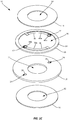
FIG. 1C is an exploded view illustrating the disc fuse shown inFIG. 1A ; -
FIG. 2 is an exploded view illustrating an alternative embodiment of the disc fuse shown inFIG. 1A ; -
FIG. 3 is an exploded view illustrating another alternative embodiment of the disc fuse shown inFIG. 1A . - Embodiments of a disc fuse and methods for manufacturing the same in accordance with the present disclosure will be described more fully hereinafter with reference to the accompanying drawings, in which preferred embodiments of the disc fuse and the accompanying method are presented. The disc fuse and the accompanying method of the present disclosure may, however, be embodied in many different forms and should not be construed as being limited to the specific embodiments set forth herein. Rather, these embodiments are provided so that this disclosure will convey certain exemplary aspects of the disc fuse and the accompanying method to those skilled in the art. In the drawings, like numbers refer to like elements throughout unless otherwise noted.
- Referring to
FIGS. 1A-C , a top view, a side view, and an exploded view of adisc fuse 10 in accordance with an exemplary embodiment of the present disclosure is shown. For the sake of convenience and clarity, terms such as "top," "bottom," "upper," "lower," "above," "below," "vertical," "radial," "outer," and "inner" may be used herein to describe the relative positions and orientations of thedisc fuse 10 and various elements thereof, all with respect to the geometry and orientation of thedisc fuse 10 as it appears inFIGS. 1A-C . Said terminology will include the words specifically mentioned, derivatives thereof, and words of similar import. - The
exemplary disc fuse 10 illustrated inFIGS. 1A-C may include several layers of electrically-conductive and electrically-insulating material disposed in a vertically stacked arrangement and configured to provide one or more overcurrent-protected electrical pathways extending through thedisc fuse 10. For example, thedisc fuse 10 may include an electricallyinsulating substrate 12, an electrically conductive first orlower terminal 14 disposed on a first or bottom surface of thesubstrate 12, an electrically conductive second orupper terminal 16 disposed on a second or top surface of thesubstrate 12, and an electrically insulating, protectiveconformal coating 18 disposed on a top surface of theupper terminal 16. Each of the layers of thedisc fuse 10 is illustrated as having an annular shape with a central through-hole formed therein to provide the assembleddisc fuse 10 with a central through-hole 20 for allowing battery gases to be vented therethrough. This is not intended to be limiting, and it is contemplated that the various layers of thedisc fuse 10 may have a variety of alternative shapes without departing from the scope of the present disclosure. For example, various embodiments of thedisc fuse 10 are contemplated in which one or more of the layers of thedisc fuse 10 may be rectangular, oval, or irregular in shape, and/or may not have a central through-hole formed therein. - The
substrate 12, which may have an annular shape defining a through-hole 22 (as described above), may be formed of an electrically insulating material. In a particular embodiment, thesubstrate 12 may be formed of a glass-reinforced epoxy laminate material such as FR-4. This is not intended to be limiting, and it is contemplated that thesubstrate 12 may alternatively be formed of various other electrically-insulating materials, including, but not limited to, various plastics and composites. In a non-limiting embodiment, thesubstrate 12 may have a diameter D s in a range between 13.8 millimeters and 14.8 millimeters. - The
substrate 12 may havevias substrate 12 to the bottom surface of thesubstrate 12. As will be described in greater detail below,sidewalls vias vias vias substrate 12. Thesubstrate 12 is illustrated as having twocircular vias vias hole 22 and the periphery of thesubstrate 12. This is not intended to be limiting, and in various alternative embodiments of thedisc fuse 10 the number, shapes, and locations of thevias substrate 12 may alternatively include only one via or more than two vias. In some embodiments, one or more of the vias may be rectangular, triangular, or irregular in shape. - The
lower terminal 14 of thedisc fuse 10 may be formed of an electrically-conductive material and may have an annular shape defining a through-hole 32 (as described above). The through-hole 32 may be substantially aligned with (e.g., coaxial with) the through-hole 22 in thesubstrate 12. Thelower terminal 14 may be disposed in contact with, and in some embodiments, may be coupled to, the lower termini of thevias - In a particular embodiment, the
lower terminal 14 may be formed of copper that is laminate cladded onto the bottom surface of thesubstrate 12. This is not intended to be limiting, and it is contemplated that thelower terminal 14 may be formed of various other conductive materials, including, but not limited to, nickel, silver, gold, etc. In various embodiments, thelower terminal 14 may be deposited on the bottom surface ofsubstrate 12 using various processes, including, but not limited to, one or more of printing, electrolytic deposition, and photolithography. Certain features of thelower terminal 14 may be defined using various etching processes. In various other embodiments, thelower terminal 14 may be an independent structure that is formed entirely separately from thesubstrate 12 and subsequently disposed in flat abutment with, and optionally affixed to, the bottom surface of thesubstrate 12. In a non-limiting embodiment, thelower terminal 14 may have a diameter D lt in a range between 13.4 millimeters and 14.4 millimeters, where D lt is less than the diameter D s of the substrate. - The
upper terminal 16 of thedisc fuse 10 may be formed of an electrically-conductive material and may include anouter portion 34 having an annular shape defining a through-hole 36 (as described above). The through-hole 36 may be substantially aligned with (e.g., coaxial with) the through-hole 22 in thesubstrate 12. Theupper terminal 16 may further includefuse portions outer portion 34. Thefuse portions outer portion 34 and may each include afusible element pad fusible elements outer portion 34. This is not intended to be limiting, and it is contemplated that one or both of thefusible elements upper terminal 16 is shown as having twofuse portions disc fuse 10 are contemplated in which theupper terminal 16 includes only one or more than two fuse portions. - The connecting
pads fuse portions vias pads holes vias pads holes vias 24, 26 (described above). - In a particular embodiment, the
upper terminal 16 may be formed of copper that is laminate cladded onto the top surface of thesubstrate 12. This is not intended to be limiting, and it is contemplated that theupper terminal 16 may be formed of various other conductive materials, including, but not limited to, nickel, silver, gold, etc. In various embodiments, theupper terminal 16 may be deposited on thesubstrate 12 using various processes, including, but not limited to, one or more of printing, electrolytic deposition, and photolithography. In various embodiments, certain features of theupper terminal 16, including thefuse portions upper terminal 16 may be an independent structure that is formed entirely separately from thesubstrate 12 and subsequently disposed in flat abutment with, and optionally affixed to, the upper surface of thesubstrate 12. In a non-limiting embodiment, theupper terminal 16 may have a diameter D ut in a range between 13.4 millimeters and 14.4 millimeters, where D ut is less than the diameter D s of the substrate. - The
fusible elements fuse portions fusible elements disc fuse 10. The rating of thedisc fuse 10 may depend on various factors, including, but not limited to, the dimensions of thefusible elements fusible elements fusible elements disc fuse 10 shown inFIG. 2 , one or moredissimilar metal spots fusible elements fusible elements fusible elements dissimilar metal spots dissimilar metal spots fusible elements dissimilar metal spots fusible elements fusible elements fusible elements dissimilar metal spots - Referring again to
FIGS. 1A-1C , theconformal coating 18 of thedisc fuse 10 may be formed of an electrically-insulating material and may have an annular shape defining a through-hole 50 (as described above). Theconformal coating 18 may cover thefusible elements fusible elements fusible elements conformal coating 18 may be an electrically insulating epoxy that is printed, sprayed or otherwise applied to the top surfaces of theupper terminal 16 and thesubstrate 12. In other embodiments, theconformal coating 18 may be an independent, self-supporting member (e.g., a separate disc formed of electrically insulating material) that is affixed to theupper terminal 16 and/or thesubstrate 12. - The
conformal coating 18 may be coaxial with theupper terminal 16 and may have a diameter D cc in a range between 11.2 millimeters and 11.5 millimeters, where D cc is smaller than the diameter D ut of the upper terminal such that an annular, radially-outermost contact portion 52 (FIG. 1A ) of theouter portion 34 is exposed for facilitating electrical connection of theupper terminal 16 to another circuit component (e.g., a top cap of a cylindrical battery cell). This is not intended to be limiting, and it is contemplated that in various other embodiments theconformal coating 18 may cover substantially the entirety of theupper terminal 16 expect for one or more discrete areas where theconformal coating 18 may be cut, etched, or otherwise removed to expose an underlying surface of theouter portion 34. Further embodiments ofdisc fuse 10 are also contemplated in which a lower surface of thelower terminal 14 is provided with a conformal coating similar to theconformal coating 18. - In a typical implementation, the
disc fuse 10 may be installed in a cylindrical battery cell (not shown) with the exposedportion 52 of theupper terminal 16 electrically connected to a top cap of the cylindrical battery cell and with thelower terminal 14 electrically connected to a bottom cap of the cylindrical battery cell. During normal operation, current may flow from the bottom cap to thelower terminal 14, through thevias pads fusible elements outer portion 34, and finally to theupper terminal 16. Current my also flow through these elements in reverse order (e.g., if the battery cell is being charged). In the event of an overcurrent condition, the amount current flowing through thefusible elements disc fuse 10, in which case thefusible elements disc fuse 10 and between the bottom cap and the top cap of the battery cell is thereby permanently arrested, thus preventing or mitigating damage to connected electrical elements and/or devices. - The
fuse portions disc fuse 10 shown inFIGS. 1A-1C are disposed in an electrically parallel arrangement. This is not intended to be limiting, and various alternative embodiments of thedisc fuse 10 are contemplated in which the fuse portions may be arranged electrically in series with one another. For example, referring toFIG. 3 , an exemplary alternative embodiment of thedisc fuse 10 is shown in which thelower terminal 14 and theupper terminal 16 each include asingle fuse portion substrate 12. It will be noted that thelower terminal 14 in this exemplary embodiment of thedisc fuse 10 may be provided with aconformal coating 60 disposed on a bottom surface thereof, wherein theconformal coating 60 may be substantially similar to theconformal coating 18 described above. - As used herein, an element or step recited in the singular and proceeded with the word "a" or "an" should be understood as not excluding plural elements or steps, unless such exclusion is explicitly recited. Furthermore, references to "one embodiment" of the present disclosure are not intended to be interpreted as excluding the existence of additional embodiments that also incorporate the recited features.
- While the present disclosure makes reference to certain embodiments, numerous modifications, alterations and changes to the described embodiments are possible without departing from the sphere and scope of the present disclosure, as defined in the appended claim(s). Accordingly, it is intended that the present disclosure not be limited to the described embodiments, but that it has the full scope defined by the language of the following claims, and equivalents thereof.
Claims (15)
- A disc fuse comprising:an electrically insulating substrate having a via formed therethrough extending between a first surface and a second surface of the substrate;an electrically conductive first terminal disposed on the first surface of the substrate; andan electrically conductive second terminal disposed on the second surface of the substrate, the second terminal including an outer portion having an inner edge defining a through-hole in the second terminal, the second terminal further including a fuse portion extending from the inner edge, the fuse portion comprising a fusible element terminating in a contact pad;wherein the substrate provides an electrically insulating barrier between the first terminal and the second terminal and wherein the via provides an electrical connection between the first terminal and the contact pad.
- The disc fuse of claim 1, further comprising an electrically insulating conformal coating disposed on the second terminal and covering the fusible element.
- The disc fuse of claim 1, wherein the fuse portion is coplanar with the outer portion.
- The disc fuse of claim 1, wherein the substrate, the first terminal, and the second terminal are annular.
- The disc fuse of claim 4, wherein the substrate, the first terminal, and the second terminal are coaxial, and wherein the first terminal and the second terminal have diameters that are smaller than a diameter of the substrate.
- The disc fuse of claim 1, wherein the contact pad is annular, and wherein the via and the contact pad are at least partially filled with an electrically conductive material.
- The disc fuse of claim 1, wherein the fuse portion is a first fuse portion and wherein the first terminal includes an outer portion having an inner edge defining a through-hole in the first terminal, the disc fuse further comprising a second fuse portion extending from the inner edge of the outer portion of the first terminal.
- The disc fuse of claim 1, wherein the second terminal is annular and wherein the fusible element has a curvilinear shape that extends along, and is spaced radially apart from, the inner edge of the outer portion.
- A method of forming a disc fuse comprising:providing an electrically insulating substrate having a via formed therethrough extending between a first surface and a second surface of the substrate;disposing an electrically conductive first terminal on the first surface of the substrate; anddisposing an electrically conductive second terminal on the second surface of the substrate, the second terminal including an outer portion having an inner edge defining a through-hole in the second terminal, the second terminal further including a fuse portion extending from the inner edge, the fuse portion comprising a fusible element terminating in a contact pad;wherein the substrate provides an electrically insulating barrier between the first terminal and the second terminal and wherein the via provides an electrical connection between the first terminal and the contact pad.
- The method of claim 12, further comprising disposing an electrically insulating conformal coating on the second terminal covering the fusible element.
- The method of claim 12, wherein the contact pad is annular, the method further comprising at least partially filling the via and the contact pad with an electrically conductive material.
- The method of claim 12, wherein disposing the second terminal on the second surface of the substrate comprises laminating an electrically conductive material onto the second surface of the substrate and etching the electrically conductive material to define the outer portion and the fuse portion.
- The method of claim 12, wherein the fuse portion is coplanar with the outer portion.
- The method of claim 12, wherein the second terminal is annular and wherein the fusible element has a curvilinear shape that extends along, and is spaced radially apart from, the inner edge of the outer portion.
- The method of claim 12, wherein the substrate, the first terminal, and the second terminal are annular and are coaxial with one another, and wherein the first terminal and the second terminal have diameters that are smaller than a diameter of the substrate.
Applications Claiming Priority (1)
| Application Number | Priority Date | Filing Date | Title |
|---|---|---|---|
| US16/014,334 US10573480B2 (en) | 2018-06-21 | 2018-06-21 | Disc fuse |
Publications (2)
| Publication Number | Publication Date |
|---|---|
| EP3588622A1 true EP3588622A1 (en) | 2020-01-01 |
| EP3588622B1 EP3588622B1 (en) | 2023-10-18 |
Family
ID=67001621
Family Applications (1)
| Application Number | Title | Priority Date | Filing Date |
|---|---|---|---|
| EP19181654.5A Active EP3588622B1 (en) | 2018-06-21 | 2019-06-21 | Disc fuse |
Country Status (4)
| Country | Link |
|---|---|
| US (2) | US10573480B2 (en) |
| EP (1) | EP3588622B1 (en) |
| JP (1) | JP7346785B2 (en) |
| CN (1) | CN110634720B (en) |
Cited By (5)
| Publication number | Priority date | Publication date | Assignee | Title |
|---|---|---|---|---|
| FR3116647A1 (en) * | 2020-11-25 | 2022-05-27 | Commissariat A L'energie Atomique Et Aux Energies Alternatives | System with at least one mobile unit |
| WO2022146139A1 (en) | 2020-12-30 | 2022-07-07 | Technische Universiteit Delft | Fused button battery |
| NL2027247B1 (en) * | 2020-12-30 | 2022-07-21 | Academisch Ziekenhuis Groningen | Fused button battery |
| EP4632893A1 (en) | 2024-04-09 | 2025-10-15 | Rijksuniversiteit Groningen | Fused button battery |
| WO2025216630A1 (en) | 2024-04-09 | 2025-10-16 | Rijksuniversiteit Groningen | Fused button battery |
Families Citing this family (7)
| Publication number | Priority date | Publication date | Assignee | Title |
|---|---|---|---|---|
| JP1673639S (en) * | 2020-03-11 | 2020-11-30 | ||
| JP1678224S (en) * | 2020-03-11 | 2021-02-01 | ||
| JP1682616S (en) * | 2020-05-13 | 2021-04-05 | ||
| JP1679297S (en) * | 2020-05-13 | 2021-02-15 | ||
| JP1686595S (en) * | 2020-09-03 | 2021-05-31 | ||
| JP1686594S (en) * | 2020-09-03 | 2021-05-31 | ||
| JP1686593S (en) * | 2020-09-03 | 2021-05-31 |
Citations (3)
| Publication number | Priority date | Publication date | Assignee | Title |
|---|---|---|---|---|
| EP1126534A1 (en) * | 2000-02-16 | 2001-08-22 | Samsung SDI Co. Ltd. | Sealed battery |
| US20040241536A1 (en) * | 2003-05-26 | 2004-12-02 | Samsung Sdi Co., Ltd. | Rechargeable battery |
| CN106207252A (en) * | 2016-08-31 | 2016-12-07 | 深圳路科技有限公司 | Lithium ion battery disc, cylindrical fuse device |
Family Cites Families (17)
| Publication number | Priority date | Publication date | Assignee | Title |
|---|---|---|---|---|
| US2060464A (en) * | 1933-05-01 | 1936-11-10 | Royal Electric Company Inc | Fuse |
| US3962667A (en) * | 1972-07-26 | 1976-06-08 | Rte Corporation | Combination fuse and bushing |
| US4652848A (en) * | 1986-06-06 | 1987-03-24 | Northern Telecom Limited | Fusible link |
| JP3812865B2 (en) * | 1998-09-21 | 2006-08-23 | 矢崎総業株式会社 | Electrical circuit safety device |
| JP2002245923A (en) | 2001-02-20 | 2002-08-30 | Link Information System Co Ltd | Fuse |
| JP2002319389A (en) * | 2001-04-23 | 2002-10-31 | Shin Kobe Electric Mach Co Ltd | Terminal structure of lead-acid battery |
| US6902434B2 (en) * | 2002-07-23 | 2005-06-07 | Cooper Technologies Company | Battery fuse bus bar assembly |
| US6855008B1 (en) * | 2003-10-06 | 2005-02-15 | Royal Die & Stamping Co., Inc. | Fuse holder with adjustable terminals |
| WO2005088665A2 (en) * | 2004-03-05 | 2005-09-22 | Littelfuse, Inc. | Low profile automotive fuse |
| US6932650B1 (en) * | 2004-03-25 | 2005-08-23 | Royal Die & Stamping Co., Inc. | Fused battery terminal connector |
| US7172462B1 (en) * | 2005-08-15 | 2007-02-06 | Yazaki North America, Inc. | Fuse |
| US7837745B2 (en) * | 2007-04-24 | 2010-11-23 | International Battery, Inc. | High energy cell fusible link |
| US20090027821A1 (en) * | 2007-07-26 | 2009-01-29 | Littelfuse, Inc. | Integrated thermistor and metallic element device and method |
| US7924137B2 (en) * | 2007-09-10 | 2011-04-12 | Cooper Technologies Company | Battery fuse assembly |
| JP5886059B2 (en) * | 2012-01-27 | 2016-03-16 | 三洋電機株式会社 | Rectangular secondary battery and manufacturing method thereof |
| TWI629703B (en) * | 2012-08-31 | 2018-07-11 | 太谷電子日本合同公司 | Protective components, electrical devices, secondary cells and gaskets |
| US9460882B2 (en) * | 2013-03-14 | 2016-10-04 | Littelfuse, Inc. | Laminated electrical fuse |
-
2018
- 2018-06-21 US US16/014,334 patent/US10573480B2/en active Active
-
2019
- 2019-06-21 JP JP2019115676A patent/JP7346785B2/en active Active
- 2019-06-21 CN CN201910547577.7A patent/CN110634720B/en active Active
- 2019-06-21 EP EP19181654.5A patent/EP3588622B1/en active Active
- 2019-11-10 US US16/679,212 patent/US10847335B2/en active Active
Patent Citations (3)
| Publication number | Priority date | Publication date | Assignee | Title |
|---|---|---|---|---|
| EP1126534A1 (en) * | 2000-02-16 | 2001-08-22 | Samsung SDI Co. Ltd. | Sealed battery |
| US20040241536A1 (en) * | 2003-05-26 | 2004-12-02 | Samsung Sdi Co., Ltd. | Rechargeable battery |
| CN106207252A (en) * | 2016-08-31 | 2016-12-07 | 深圳路科技有限公司 | Lithium ion battery disc, cylindrical fuse device |
Cited By (6)
| Publication number | Priority date | Publication date | Assignee | Title |
|---|---|---|---|---|
| FR3116647A1 (en) * | 2020-11-25 | 2022-05-27 | Commissariat A L'energie Atomique Et Aux Energies Alternatives | System with at least one mobile unit |
| EP4006944A1 (en) * | 2020-11-25 | 2022-06-01 | Commissariat à l'Energie Atomique et aux Energies Alternatives | Switchable electrical connection system |
| WO2022146139A1 (en) | 2020-12-30 | 2022-07-07 | Technische Universiteit Delft | Fused button battery |
| NL2027247B1 (en) * | 2020-12-30 | 2022-07-21 | Academisch Ziekenhuis Groningen | Fused button battery |
| EP4632893A1 (en) | 2024-04-09 | 2025-10-15 | Rijksuniversiteit Groningen | Fused button battery |
| WO2025216630A1 (en) | 2024-04-09 | 2025-10-16 | Rijksuniversiteit Groningen | Fused button battery |
Also Published As
| Publication number | Publication date |
|---|---|
| US10847335B2 (en) | 2020-11-24 |
| CN110634720A (en) | 2019-12-31 |
| JP2019220469A (en) | 2019-12-26 |
| JP7346785B2 (en) | 2023-09-20 |
| US10573480B2 (en) | 2020-02-25 |
| EP3588622B1 (en) | 2023-10-18 |
| US20200075284A1 (en) | 2020-03-05 |
| US20190393011A1 (en) | 2019-12-26 |
| CN110634720B (en) | 2024-08-09 |
Similar Documents
| Publication | Publication Date | Title |
|---|---|---|
| EP3588622B1 (en) | Disc fuse | |
| EP1973180B1 (en) | Protection circuit board for secondary battery | |
| JP5385218B2 (en) | Usage of secondary battery | |
| US8076751B2 (en) | Circuit protection device including resistor and fuse element | |
| EP2988313B1 (en) | Protective device | |
| US8871378B2 (en) | Secondary battery including a cap assembly having a protection circuit assembly | |
| CN105453211A (en) | Protective element and battery pack | |
| KR101122790B1 (en) | Secondary Battery | |
| US9023218B2 (en) | Method of making fusible links | |
| US20190189382A1 (en) | Fusible link in battery module voltage sensing circuit | |
| CN105845848B (en) | Power battery top cover | |
| JP2023103285A (en) | Flexible printed circuit board with electronic components and battery wiring module | |
| US20030064257A1 (en) | Secondary batteries having a protective circuit | |
| CN106207252B (en) | Lithium ion battery disc, cylindrical fuse device | |
| US8043735B2 (en) | Rechargeable battery, printed circuit board therefor, and method of fabricating the same | |
| EP2822063B1 (en) | Protection apparatus for a battery pack and method of manufacturing the protection apparatus | |
| TW201511059A (en) | Protection element and package in which protection element is mounted | |
| KR20220020106A (en) | Battery apparatus and method of manufacturing the same | |
| US20030099077A1 (en) | Multi-layer structure of a battery protection device | |
| US20060202794A1 (en) | Resettable over-current protection device and method for producing the same | |
| KR101108179B1 (en) | Secondary Battery and Manufacturing Method Thereof | |
| JP2014164867A (en) | Protection element and electronic apparatus | |
| WO2025022880A1 (en) | Protective element and battery pack | |
| KR20230148204A (en) | Limited-Selection of Wire Bond Fuses for Electrochemical Cells |
Legal Events
| Date | Code | Title | Description |
|---|---|---|---|
| PUAI | Public reference made under article 153(3) epc to a published international application that has entered the european phase |
Free format text: ORIGINAL CODE: 0009012 |
|
| STAA | Information on the status of an ep patent application or granted ep patent |
Free format text: STATUS: REQUEST FOR EXAMINATION WAS MADE |
|
| 17P | Request for examination filed |
Effective date: 20190621 |
|
| AK | Designated contracting states |
Kind code of ref document: A1 Designated state(s): AL AT BE BG CH CY CZ DE DK EE ES FI FR GB GR HR HU IE IS IT LI LT LU LV MC MK MT NL NO PL PT RO RS SE SI SK SM TR |
|
| AX | Request for extension of the european patent |
Extension state: BA ME |
|
| REG | Reference to a national code |
Ref legal event code: R079 Free format text: PREVIOUS MAIN CLASS: H01M0002340000 Ipc: H01H0085080000 Ref country code: DE Ref document number: 602019039468 Country of ref document: DE |
|
| GRAP | Despatch of communication of intention to grant a patent |
Free format text: ORIGINAL CODE: EPIDOSNIGR1 |
|
| STAA | Information on the status of an ep patent application or granted ep patent |
Free format text: STATUS: GRANT OF PATENT IS INTENDED |
|
| RIC1 | Information provided on ipc code assigned before grant |
Ipc: H01M 50/583 20210101ALI20230426BHEP Ipc: H01M 50/581 20210101ALI20230426BHEP Ipc: H01H 85/08 20060101AFI20230426BHEP |
|
| INTG | Intention to grant announced |
Effective date: 20230515 |
|
| GRAS | Grant fee paid |
Free format text: ORIGINAL CODE: EPIDOSNIGR3 |
|
| GRAA | (expected) grant |
Free format text: ORIGINAL CODE: 0009210 |
|
| STAA | Information on the status of an ep patent application or granted ep patent |
Free format text: STATUS: THE PATENT HAS BEEN GRANTED |
|
| AK | Designated contracting states |
Kind code of ref document: B1 Designated state(s): AL AT BE BG CH CY CZ DE DK EE ES FI FR GB GR HR HU IE IS IT LI LT LU LV MC MK MT NL NO PL PT RO RS SE SI SK SM TR |
|
| REG | Reference to a national code |
Ref country code: GB Ref legal event code: FG4D |
|
| REG | Reference to a national code |
Ref country code: CH Ref legal event code: EP |
|
| REG | Reference to a national code |
Ref country code: IE Ref legal event code: FG4D |
|
| REG | Reference to a national code |
Ref country code: DE Ref legal event code: R096 Ref document number: 602019039468 Country of ref document: DE |
|
| P01 | Opt-out of the competence of the unified patent court (upc) registered |
Effective date: 20231027 |
|
| REG | Reference to a national code |
Ref country code: LT Ref legal event code: MG9D |
|
| REG | Reference to a national code |
Ref country code: NL Ref legal event code: MP Effective date: 20231018 |
|
| REG | Reference to a national code |
Ref country code: AT Ref legal event code: MK05 Ref document number: 1623221 Country of ref document: AT Kind code of ref document: T Effective date: 20231018 |
|
| PG25 | Lapsed in a contracting state [announced via postgrant information from national office to epo] |
Ref country code: NL Free format text: LAPSE BECAUSE OF FAILURE TO SUBMIT A TRANSLATION OF THE DESCRIPTION OR TO PAY THE FEE WITHIN THE PRESCRIBED TIME-LIMIT Effective date: 20231018 |
|
| PG25 | Lapsed in a contracting state [announced via postgrant information from national office to epo] |
Ref country code: GR Free format text: LAPSE BECAUSE OF FAILURE TO SUBMIT A TRANSLATION OF THE DESCRIPTION OR TO PAY THE FEE WITHIN THE PRESCRIBED TIME-LIMIT Effective date: 20240119 |
|
| PG25 | Lapsed in a contracting state [announced via postgrant information from national office to epo] |
Ref country code: IS Free format text: LAPSE BECAUSE OF FAILURE TO SUBMIT A TRANSLATION OF THE DESCRIPTION OR TO PAY THE FEE WITHIN THE PRESCRIBED TIME-LIMIT Effective date: 20240218 |
|
| PG25 | Lapsed in a contracting state [announced via postgrant information from national office to epo] |
Ref country code: LT Free format text: LAPSE BECAUSE OF FAILURE TO SUBMIT A TRANSLATION OF THE DESCRIPTION OR TO PAY THE FEE WITHIN THE PRESCRIBED TIME-LIMIT Effective date: 20231018 |
|
| PG25 | Lapsed in a contracting state [announced via postgrant information from national office to epo] |
Ref country code: AT Free format text: LAPSE BECAUSE OF FAILURE TO SUBMIT A TRANSLATION OF THE DESCRIPTION OR TO PAY THE FEE WITHIN THE PRESCRIBED TIME-LIMIT Effective date: 20231018 |
|
| PG25 | Lapsed in a contracting state [announced via postgrant information from national office to epo] |
Ref country code: ES Free format text: LAPSE BECAUSE OF FAILURE TO SUBMIT A TRANSLATION OF THE DESCRIPTION OR TO PAY THE FEE WITHIN THE PRESCRIBED TIME-LIMIT Effective date: 20231018 |
|
| PG25 | Lapsed in a contracting state [announced via postgrant information from national office to epo] |
Ref country code: LT Free format text: LAPSE BECAUSE OF FAILURE TO SUBMIT A TRANSLATION OF THE DESCRIPTION OR TO PAY THE FEE WITHIN THE PRESCRIBED TIME-LIMIT Effective date: 20231018 Ref country code: IS Free format text: LAPSE BECAUSE OF FAILURE TO SUBMIT A TRANSLATION OF THE DESCRIPTION OR TO PAY THE FEE WITHIN THE PRESCRIBED TIME-LIMIT Effective date: 20240218 Ref country code: GR Free format text: LAPSE BECAUSE OF FAILURE TO SUBMIT A TRANSLATION OF THE DESCRIPTION OR TO PAY THE FEE WITHIN THE PRESCRIBED TIME-LIMIT Effective date: 20240119 Ref country code: ES Free format text: LAPSE BECAUSE OF FAILURE TO SUBMIT A TRANSLATION OF THE DESCRIPTION OR TO PAY THE FEE WITHIN THE PRESCRIBED TIME-LIMIT Effective date: 20231018 Ref country code: BG Free format text: LAPSE BECAUSE OF FAILURE TO SUBMIT A TRANSLATION OF THE DESCRIPTION OR TO PAY THE FEE WITHIN THE PRESCRIBED TIME-LIMIT Effective date: 20240118 Ref country code: AT Free format text: LAPSE BECAUSE OF FAILURE TO SUBMIT A TRANSLATION OF THE DESCRIPTION OR TO PAY THE FEE WITHIN THE PRESCRIBED TIME-LIMIT Effective date: 20231018 Ref country code: PT Free format text: LAPSE BECAUSE OF FAILURE TO SUBMIT A TRANSLATION OF THE DESCRIPTION OR TO PAY THE FEE WITHIN THE PRESCRIBED TIME-LIMIT Effective date: 20240219 |
|
| PG25 | Lapsed in a contracting state [announced via postgrant information from national office to epo] |
Ref country code: SE Free format text: LAPSE BECAUSE OF FAILURE TO SUBMIT A TRANSLATION OF THE DESCRIPTION OR TO PAY THE FEE WITHIN THE PRESCRIBED TIME-LIMIT Effective date: 20231018 Ref country code: RS Free format text: LAPSE BECAUSE OF FAILURE TO SUBMIT A TRANSLATION OF THE DESCRIPTION OR TO PAY THE FEE WITHIN THE PRESCRIBED TIME-LIMIT Effective date: 20231018 Ref country code: PL Free format text: LAPSE BECAUSE OF FAILURE TO SUBMIT A TRANSLATION OF THE DESCRIPTION OR TO PAY THE FEE WITHIN THE PRESCRIBED TIME-LIMIT Effective date: 20231018 Ref country code: NO Free format text: LAPSE BECAUSE OF FAILURE TO SUBMIT A TRANSLATION OF THE DESCRIPTION OR TO PAY THE FEE WITHIN THE PRESCRIBED TIME-LIMIT Effective date: 20240118 Ref country code: LV Free format text: LAPSE BECAUSE OF FAILURE TO SUBMIT A TRANSLATION OF THE DESCRIPTION OR TO PAY THE FEE WITHIN THE PRESCRIBED TIME-LIMIT Effective date: 20231018 Ref country code: HR Free format text: LAPSE BECAUSE OF FAILURE TO SUBMIT A TRANSLATION OF THE DESCRIPTION OR TO PAY THE FEE WITHIN THE PRESCRIBED TIME-LIMIT Effective date: 20231018 |
|
| PG25 | Lapsed in a contracting state [announced via postgrant information from national office to epo] |
Ref country code: DK Free format text: LAPSE BECAUSE OF FAILURE TO SUBMIT A TRANSLATION OF THE DESCRIPTION OR TO PAY THE FEE WITHIN THE PRESCRIBED TIME-LIMIT Effective date: 20231018 |
|
| REG | Reference to a national code |
Ref country code: DE Ref legal event code: R097 Ref document number: 602019039468 Country of ref document: DE |
|
| PG25 | Lapsed in a contracting state [announced via postgrant information from national office to epo] |
Ref country code: CZ Free format text: LAPSE BECAUSE OF FAILURE TO SUBMIT A TRANSLATION OF THE DESCRIPTION OR TO PAY THE FEE WITHIN THE PRESCRIBED TIME-LIMIT Effective date: 20231018 |
|
| PG25 | Lapsed in a contracting state [announced via postgrant information from national office to epo] |
Ref country code: SK Free format text: LAPSE BECAUSE OF FAILURE TO SUBMIT A TRANSLATION OF THE DESCRIPTION OR TO PAY THE FEE WITHIN THE PRESCRIBED TIME-LIMIT Effective date: 20231018 |
|
| PG25 | Lapsed in a contracting state [announced via postgrant information from national office to epo] |
Ref country code: SM Free format text: LAPSE BECAUSE OF FAILURE TO SUBMIT A TRANSLATION OF THE DESCRIPTION OR TO PAY THE FEE WITHIN THE PRESCRIBED TIME-LIMIT Effective date: 20231018 Ref country code: SK Free format text: LAPSE BECAUSE OF FAILURE TO SUBMIT A TRANSLATION OF THE DESCRIPTION OR TO PAY THE FEE WITHIN THE PRESCRIBED TIME-LIMIT Effective date: 20231018 Ref country code: RO Free format text: LAPSE BECAUSE OF FAILURE TO SUBMIT A TRANSLATION OF THE DESCRIPTION OR TO PAY THE FEE WITHIN THE PRESCRIBED TIME-LIMIT Effective date: 20231018 Ref country code: IT Free format text: LAPSE BECAUSE OF FAILURE TO SUBMIT A TRANSLATION OF THE DESCRIPTION OR TO PAY THE FEE WITHIN THE PRESCRIBED TIME-LIMIT Effective date: 20231018 Ref country code: EE Free format text: LAPSE BECAUSE OF FAILURE TO SUBMIT A TRANSLATION OF THE DESCRIPTION OR TO PAY THE FEE WITHIN THE PRESCRIBED TIME-LIMIT Effective date: 20231018 Ref country code: DK Free format text: LAPSE BECAUSE OF FAILURE TO SUBMIT A TRANSLATION OF THE DESCRIPTION OR TO PAY THE FEE WITHIN THE PRESCRIBED TIME-LIMIT Effective date: 20231018 Ref country code: CZ Free format text: LAPSE BECAUSE OF FAILURE TO SUBMIT A TRANSLATION OF THE DESCRIPTION OR TO PAY THE FEE WITHIN THE PRESCRIBED TIME-LIMIT Effective date: 20231018 |
|
| PLBE | No opposition filed within time limit |
Free format text: ORIGINAL CODE: 0009261 |
|
| STAA | Information on the status of an ep patent application or granted ep patent |
Free format text: STATUS: NO OPPOSITION FILED WITHIN TIME LIMIT |
|
| 26N | No opposition filed |
Effective date: 20240719 |
|
| PG25 | Lapsed in a contracting state [announced via postgrant information from national office to epo] |
Ref country code: SI Free format text: LAPSE BECAUSE OF FAILURE TO SUBMIT A TRANSLATION OF THE DESCRIPTION OR TO PAY THE FEE WITHIN THE PRESCRIBED TIME-LIMIT Effective date: 20231018 |
|
| PG25 | Lapsed in a contracting state [announced via postgrant information from national office to epo] |
Ref country code: SI Free format text: LAPSE BECAUSE OF FAILURE TO SUBMIT A TRANSLATION OF THE DESCRIPTION OR TO PAY THE FEE WITHIN THE PRESCRIBED TIME-LIMIT Effective date: 20231018 |
|
| PG25 | Lapsed in a contracting state [announced via postgrant information from national office to epo] |
Ref country code: MC Free format text: LAPSE BECAUSE OF FAILURE TO SUBMIT A TRANSLATION OF THE DESCRIPTION OR TO PAY THE FEE WITHIN THE PRESCRIBED TIME-LIMIT Effective date: 20231018 |
|
| REG | Reference to a national code |
Ref country code: CH Ref legal event code: PL |
|
| PG25 | Lapsed in a contracting state [announced via postgrant information from national office to epo] |
Ref country code: LU Free format text: LAPSE BECAUSE OF NON-PAYMENT OF DUE FEES Effective date: 20240621 |
|
| GBPC | Gb: european patent ceased through non-payment of renewal fee |
Effective date: 20240621 |
|
| PG25 | Lapsed in a contracting state [announced via postgrant information from national office to epo] |
Ref country code: IE Free format text: LAPSE BECAUSE OF NON-PAYMENT OF DUE FEES Effective date: 20240621 |
|
| PG25 | Lapsed in a contracting state [announced via postgrant information from national office to epo] |
Ref country code: BE Free format text: LAPSE BECAUSE OF NON-PAYMENT OF DUE FEES Effective date: 20240630 Ref country code: CH Free format text: LAPSE BECAUSE OF NON-PAYMENT OF DUE FEES Effective date: 20240630 |
|
| PG25 | Lapsed in a contracting state [announced via postgrant information from national office to epo] |
Ref country code: FR Free format text: LAPSE BECAUSE OF NON-PAYMENT OF DUE FEES Effective date: 20240630 |
|
| PG25 | Lapsed in a contracting state [announced via postgrant information from national office to epo] |
Ref country code: GB Free format text: LAPSE BECAUSE OF NON-PAYMENT OF DUE FEES Effective date: 20240621 |
|
| REG | Reference to a national code |
Ref country code: BE Ref legal event code: MM Effective date: 20240630 |
|
| PGFP | Annual fee paid to national office [announced via postgrant information from national office to epo] |
Ref country code: DE Payment date: 20250402 Year of fee payment: 7 |
|
| PG25 | Lapsed in a contracting state [announced via postgrant information from national office to epo] |
Ref country code: FI Free format text: LAPSE BECAUSE OF FAILURE TO SUBMIT A TRANSLATION OF THE DESCRIPTION OR TO PAY THE FEE WITHIN THE PRESCRIBED TIME-LIMIT Effective date: 20231019 |
|
| PG25 | Lapsed in a contracting state [announced via postgrant information from national office to epo] |
Ref country code: CY Free format text: LAPSE BECAUSE OF FAILURE TO SUBMIT A TRANSLATION OF THE DESCRIPTION OR TO PAY THE FEE WITHIN THE PRESCRIBED TIME-LIMIT; INVALID AB INITIO Effective date: 20190621 |
|
| PG25 | Lapsed in a contracting state [announced via postgrant information from national office to epo] |
Ref country code: HU Free format text: LAPSE BECAUSE OF FAILURE TO SUBMIT A TRANSLATION OF THE DESCRIPTION OR TO PAY THE FEE WITHIN THE PRESCRIBED TIME-LIMIT; INVALID AB INITIO Effective date: 20190621 |