EP3586477B1 - Verfahren und system zur bereitstellung einer begrenzten verteilung einer digitalen mediendatei - Google Patents
Verfahren und system zur bereitstellung einer begrenzten verteilung einer digitalen mediendatei Download PDFInfo
- Publication number
- EP3586477B1 EP3586477B1 EP18758341.4A EP18758341A EP3586477B1 EP 3586477 B1 EP3586477 B1 EP 3586477B1 EP 18758341 A EP18758341 A EP 18758341A EP 3586477 B1 EP3586477 B1 EP 3586477B1
- Authority
- EP
- European Patent Office
- Prior art keywords
- digital media
- media file
- rights
- server
- copies
- Prior art date
- Legal status (The legal status is an assumption and is not a legal conclusion. Google has not performed a legal analysis and makes no representation as to the accuracy of the status listed.)
- Active
Links
Images



Classifications
-
- H—ELECTRICITY
- H04—ELECTRIC COMMUNICATION TECHNIQUE
- H04L—TRANSMISSION OF DIGITAL INFORMATION, e.g. TELEGRAPHIC COMMUNICATION
- H04L9/00—Cryptographic mechanisms or cryptographic arrangements for secret or secure communications; Network security protocols
- H04L9/32—Cryptographic mechanisms or cryptographic arrangements for secret or secure communications; Network security protocols including means for verifying the identity or authority of a user of the system or for message authentication, e.g. authorization, entity authentication, data integrity or data verification, non-repudiation, key authentication or verification of credentials
- H04L9/321—Cryptographic mechanisms or cryptographic arrangements for secret or secure communications; Network security protocols including means for verifying the identity or authority of a user of the system or for message authentication, e.g. authorization, entity authentication, data integrity or data verification, non-repudiation, key authentication or verification of credentials involving a third party or a trusted authority
- H04L9/3213—Cryptographic mechanisms or cryptographic arrangements for secret or secure communications; Network security protocols including means for verifying the identity or authority of a user of the system or for message authentication, e.g. authorization, entity authentication, data integrity or data verification, non-repudiation, key authentication or verification of credentials involving a third party or a trusted authority using tickets or tokens, e.g. Kerberos
-
- G—PHYSICS
- G06—COMPUTING OR CALCULATING; COUNTING
- G06F—ELECTRIC DIGITAL DATA PROCESSING
- G06F21/00—Security arrangements for protecting computers, components thereof, programs or data against unauthorised activity
- G06F21/60—Protecting data
- G06F21/62—Protecting access to data via a platform, e.g. using keys or access control rules
- G06F21/6209—Protecting access to data via a platform, e.g. using keys or access control rules to a single file or object, e.g. in a secure envelope, encrypted and accessed using a key, or with access control rules appended to the object itself
-
- G—PHYSICS
- G06—COMPUTING OR CALCULATING; COUNTING
- G06F—ELECTRIC DIGITAL DATA PROCESSING
- G06F21/00—Security arrangements for protecting computers, components thereof, programs or data against unauthorised activity
- G06F21/60—Protecting data
- G06F21/602—Providing cryptographic facilities or services
-
- G—PHYSICS
- G06—COMPUTING OR CALCULATING; COUNTING
- G06F—ELECTRIC DIGITAL DATA PROCESSING
- G06F21/00—Security arrangements for protecting computers, components thereof, programs or data against unauthorised activity
- G06F21/60—Protecting data
- G06F21/64—Protecting data integrity, e.g. using checksums, certificates or signatures
-
- H—ELECTRICITY
- H04—ELECTRIC COMMUNICATION TECHNIQUE
- H04L—TRANSMISSION OF DIGITAL INFORMATION, e.g. TELEGRAPHIC COMMUNICATION
- H04L9/00—Cryptographic mechanisms or cryptographic arrangements for secret or secure communications; Network security protocols
- H04L9/32—Cryptographic mechanisms or cryptographic arrangements for secret or secure communications; Network security protocols including means for verifying the identity or authority of a user of the system or for message authentication, e.g. authorization, entity authentication, data integrity or data verification, non-repudiation, key authentication or verification of credentials
- H04L9/3236—Cryptographic mechanisms or cryptographic arrangements for secret or secure communications; Network security protocols including means for verifying the identity or authority of a user of the system or for message authentication, e.g. authorization, entity authentication, data integrity or data verification, non-repudiation, key authentication or verification of credentials using cryptographic hash functions
- H04L9/3239—Cryptographic mechanisms or cryptographic arrangements for secret or secure communications; Network security protocols including means for verifying the identity or authority of a user of the system or for message authentication, e.g. authorization, entity authentication, data integrity or data verification, non-repudiation, key authentication or verification of credentials using cryptographic hash functions involving non-keyed hash functions, e.g. modification detection codes [MDCs], MD5, SHA or RIPEMD
-
- G—PHYSICS
- G06—COMPUTING OR CALCULATING; COUNTING
- G06F—ELECTRIC DIGITAL DATA PROCESSING
- G06F21/00—Security arrangements for protecting computers, components thereof, programs or data against unauthorised activity
- G06F21/10—Protecting distributed programs or content, e.g. vending or licensing of copyrighted material ; Digital rights management [DRM]
- G06F21/101—Protecting distributed programs or content, e.g. vending or licensing of copyrighted material ; Digital rights management [DRM] by binding digital rights to specific entities
- G06F21/1014—Protecting distributed programs or content, e.g. vending or licensing of copyrighted material ; Digital rights management [DRM] by binding digital rights to specific entities to tokens
-
- G—PHYSICS
- G06—COMPUTING OR CALCULATING; COUNTING
- G06F—ELECTRIC DIGITAL DATA PROCESSING
- G06F2221/00—Indexing scheme relating to security arrangements for protecting computers, components thereof, programs or data against unauthorised activity
- G06F2221/21—Indexing scheme relating to G06F21/00 and subgroups addressing additional information or applications relating to security arrangements for protecting computers, components thereof, programs or data against unauthorised activity
- G06F2221/2107—File encryption
-
- G—PHYSICS
- G06—COMPUTING OR CALCULATING; COUNTING
- G06F—ELECTRIC DIGITAL DATA PROCESSING
- G06F2221/00—Indexing scheme relating to security arrangements for protecting computers, components thereof, programs or data against unauthorised activity
- G06F2221/21—Indexing scheme relating to G06F21/00 and subgroups addressing additional information or applications relating to security arrangements for protecting computers, components thereof, programs or data against unauthorised activity
- G06F2221/2137—Time limited access, e.g. to a computer or data
-
- G—PHYSICS
- G06—COMPUTING OR CALCULATING; COUNTING
- G06F—ELECTRIC DIGITAL DATA PROCESSING
- G06F2221/00—Indexing scheme relating to security arrangements for protecting computers, components thereof, programs or data against unauthorised activity
- G06F2221/21—Indexing scheme relating to G06F21/00 and subgroups addressing additional information or applications relating to security arrangements for protecting computers, components thereof, programs or data against unauthorised activity
- G06F2221/2141—Access rights, e.g. capability lists, access control lists, access tables, access matrices
-
- G—PHYSICS
- G06—COMPUTING OR CALCULATING; COUNTING
- G06Q—INFORMATION AND COMMUNICATION TECHNOLOGY [ICT] SPECIALLY ADAPTED FOR ADMINISTRATIVE, COMMERCIAL, FINANCIAL, MANAGERIAL OR SUPERVISORY PURPOSES; SYSTEMS OR METHODS SPECIALLY ADAPTED FOR ADMINISTRATIVE, COMMERCIAL, FINANCIAL, MANAGERIAL OR SUPERVISORY PURPOSES, NOT OTHERWISE PROVIDED FOR
- G06Q2220/00—Business processing using cryptography
- G06Q2220/10—Usage protection of distributed data files
- G06Q2220/18—Licensing
-
- H—ELECTRICITY
- H04—ELECTRIC COMMUNICATION TECHNIQUE
- H04L—TRANSMISSION OF DIGITAL INFORMATION, e.g. TELEGRAPHIC COMMUNICATION
- H04L2209/00—Additional information or applications relating to cryptographic mechanisms or cryptographic arrangements for secret or secure communication H04L9/00
- H04L2209/60—Digital content management, e.g. content distribution
- H04L2209/603—Digital right managament [DRM]
-
- H—ELECTRICITY
- H04—ELECTRIC COMMUNICATION TECHNIQUE
- H04L—TRANSMISSION OF DIGITAL INFORMATION, e.g. TELEGRAPHIC COMMUNICATION
- H04L63/00—Network architectures or network communication protocols for network security
- H04L63/04—Network architectures or network communication protocols for network security for providing a confidential data exchange among entities communicating through data packet networks
- H04L63/0428—Network architectures or network communication protocols for network security for providing a confidential data exchange among entities communicating through data packet networks wherein the data content is protected, e.g. by encrypting or encapsulating the payload
-
- H—ELECTRICITY
- H04—ELECTRIC COMMUNICATION TECHNIQUE
- H04L—TRANSMISSION OF DIGITAL INFORMATION, e.g. TELEGRAPHIC COMMUNICATION
- H04L9/00—Cryptographic mechanisms or cryptographic arrangements for secret or secure communications; Network security protocols
- H04L9/32—Cryptographic mechanisms or cryptographic arrangements for secret or secure communications; Network security protocols including means for verifying the identity or authority of a user of the system or for message authentication, e.g. authorization, entity authentication, data integrity or data verification, non-repudiation, key authentication or verification of credentials
- H04L9/3236—Cryptographic mechanisms or cryptographic arrangements for secret or secure communications; Network security protocols including means for verifying the identity or authority of a user of the system or for message authentication, e.g. authorization, entity authentication, data integrity or data verification, non-repudiation, key authentication or verification of credentials using cryptographic hash functions
-
- H—ELECTRICITY
- H04—ELECTRIC COMMUNICATION TECHNIQUE
- H04L—TRANSMISSION OF DIGITAL INFORMATION, e.g. TELEGRAPHIC COMMUNICATION
- H04L9/00—Cryptographic mechanisms or cryptographic arrangements for secret or secure communications; Network security protocols
- H04L9/50—Cryptographic mechanisms or cryptographic arrangements for secret or secure communications; Network security protocols using hash chains, e.g. blockchains or hash trees
Definitions
- the present technology relates to digital documents in general and, specifically, to a method of and a system for providing limited distribution of a digital media file.
- Digital media for example digital books (“eBooks”)
- eBooks digital books
- a common problem of this industry is the unauthorized copying and distribution of the digital media.
- DRM formats are various access control technologies that are used to restrict the usage of digital media in different ways. For example, some DRM formats restrict access to copy functionalities, which restricts what can be done with the digital media.
- DRM formats are not generally universally accepted.
- DRM When used in a vertical market, for example, DRM often limits the portability of the digital media to other platforms outside of the vertical market.
- US 2017/0116693 A1 describes systems and methods for decentralizing commerce and rights management for digital assets using blockchain rights ledger.
- a processor receives a first new block created and distributed by a first blockchain management device, updates a decentralized blocking rights ledger with the first new block, obtains an encrypted digital media work, generates a digital representation of the digital media work, locates a platform license transaction corresponding to the digital representation, decrypts an encrypted content key using a private key of a public and private key pair associated with the platform, decrypts content from the digital media work using the decrypted content key, and plays back the decrypted content.
- US 2017/0048217 A1 describes a system and a method for achieving authorization in confidential group communications in terms of an ordered list of data blocks representing a tamper-resistant chronological account of group membership updates. This method permits ad-hoc and decentralized group definition, dynamic and decentralized membership updates, open sharing, tamper resistance, and tracking of membership history. There are many applications of these techniques. One such application is enabling end-to-end encryption of instant messaging, content sharing, and streamed media.
- US 20150127940 A1 describes a method, performed by a computer device, that includes receiving an indication that a first user has acquired rights to access a digital content; generating a key for the digital content; encrypting the digital content using the generated key to generate encrypted digital content; obtaining a first passcode; and providing the first passcode and the encrypted digital content to a user device associated with the first user.
- the method further includes receiving, from the user device, a request for the key, wherein the request includes the first passcode; determining that the first passcode is valid; determining that the key has not expired; and providing the key to the user device, in response to determining that the first passcode is valid and that the key has not expired.
- the present technology integrates the digital right (the copyright) of a digital work, for example an eBook, into an existing distributed database called blockchain.
- Information about ownership or access rights, as well as a key for decrypting an encrypted copy are encapsulated into a code to manage the digital rights which are then recorded to the blockchain.
- the blockchain provides a secure and accessible transaction record of ownership or rights, encapsulated separately from the digital document. As such, encrypted copies can be moved between devices or systems, but remain accessible to the rightful owner. This ensures that copyrights of the eBook are protected, while keeping the digital file portable and cost efficient.
- the present technology provides systems and methods to support copyright management (creating, assigning, securing and modifying) of digital rights. For example, when a user buys an eBook, the digital media will activate the digital rights private and public keys, including in some cases a smart contract, in the blockchain and link the digital right to that user digital document representing the eBook. When a user opens their purchased eBook, the digital media validates through the blockchain its right of use by validating private and public keys. When the user wants to resell their digital right (the user wishes to sell their eBook to another user), a payment notification will be sent to the buyer email address and after processing the payment, the payment processor will send a notification to the blockchain in order to modify the private key and link it to the new owner of the digital right.
- copyright management creating, assigning, securing and modifying
- a "server” is a computer program that is running on appropriate hardware and is capable of receiving requests (e.g. from client devices) over a network, and carrying out those requests, or causing those requests to be carried out.
- the hardware may be one physical computer or one physical computer system, but neither is required to be the case with respect to the present technology.
- the use of the expression a "server” is not intended to mean that every task (e.g. received instructions or requests) or any particular task will have been received, carried out, or caused to be carried out, by the same server (i.e.
- user device is any computer hardware that is capable of running software appropriate to the relevant task at hand.
- user devices include personal computers (desktops, laptops, netbooks, etc.), smartphones, and tablets, as well as network equipment such as routers, switches, and gateways.
- network equipment such as routers, switches, and gateways.
- a device acting as a user device in the present context is not precluded from acting as a server to other user devices.
- the use of the expression "a user device” does not preclude multiple client devices being used in receiving/sending, carrying out or causing to be carried out any task or request, or the consequences of any task or request, or steps of any method described herein.
- a “database” is any structured collection of data, irrespective of its particular structure, the database management software, or the computer hardware on which the data is stored, implemented or otherwise rendered available for use.
- a database may reside on the same hardware as the process that stores or makes use of the information stored in the database or it may reside on separate hardware, such as a dedicated server or plurality of servers.
- information includes information of any nature or kind whatsoever capable of being stored in a database.
- information includes, but is not limited to audiovisual works (images, movies, sound records, presentations etc.), data (location data, numerical data, etc.), text (opinions, comments, questions, messages, etc.), documents, spreadsheets, etc.
- first, second, third, etc. have been used as adjectives only for the purpose of allowing for distinction between the nouns that they modify from one another, and not for the purpose of describing any particular relationship between those nouns.
- first server and third server is not intended to imply any particular order, type, chronology, hierarchy or ranking (for example) of/between the server, nor is their use (by itself) intended imply that any “second server” must necessarily exist in any given situation.
- references to a "first" element and a “second” element does not preclude the two elements from being the same actual real-world element.
- a "first" server and a “second” server may be the same software and/or hardware, in other cases they may be different software and/or hardware.
- a blockchain is a distributed database, meaning "a database in which storage devices are not all attached to a common processor. It may be stored in multiple computers, located in the same physical location; or may be dispersed over a network of interconnected computers" (source Wikipedia) or over any other devices, for example, over one or more devices of an internet of things.
- Implementations of the present technology each have at least one of the above-mentioned object and/or aspects, but do not necessarily have all of them. It should be understood that some aspects of the present technology that have resulted from attempting to attain the above-mentioned object may not satisfy this object and/or may satisfy other objects not specifically recited herein.
- processor may be provided through the use of dedicated hardware as well as hardware capable of executing software in association with appropriate software.
- the functions may be provided by a single dedicated processor, by a single shared processor, or by a plurality of individual processors, some of which may be shared.
- the processor may be a general purpose processor, such as a central processing unit (CPU) or a processor dedicated to a specific purpose, such as a graphics processing unit (GPU).
- CPU central processing unit
- GPU graphics processing unit
- processor or “controller” should not be construed to refer exclusively to hardware capable of executing software, and may implicitly include, without limitation, digital signal processor (DSP) hardware, network processor, application specific integrated circuit (ASIC), field programmable gate array (FPGA), read-only memory (ROM) for storing software, random access memory (RAM), and non-volatile storage.
- DSP digital signal processor
- ASIC application specific integrated circuit
- FPGA field programmable gate array
- ROM read-only memory
- RAM random access memory
- non-volatile storage Other hardware, conventional and/or custom, may also be included.
- FIG. 1 there is illustrated a system 100 suitable for implementing non-limiting embodiments of the present technology. It is to be expressly understood that the system 100 is depicted as merely as an illustrative implementation of the present technology and the following is intended to be only a description of illustrative examples of the present technology. This description is not intended to define the scope or set forth the bounds of the present technology.
- the system 100 includes an electronic device 110.
- the electronic device 110 is typically associated with a user (not depicted) and, as such, is also referred to as a "user device". It should be noted that the fact that the electronic device 110 is associated with the user does not need to suggest or imply any mode of operation - such as a need to log in, a need to be registered or the like.
- the electronic or user device 110 is used to represent two distinct parties utilizing an electronic device such as the user device 110: both an end user referred to as an "originator” and an end user simply referred to as "user.” While these are two different types of persons or companies utilizing the user device 110, there is no substantial difference between the device 110 used by the two parties.
- the implementation of the electronic device 110 is not particularly limited, but as an example, the electronic device 110 may be implemented as a personal computer (desktops, laptops, netbooks, etc.), a wireless electronic device (a cell phone, a smartphone, a tablet and the like), as well as network equipment (a router, a switch, or a gateway).
- the electronic device 110 includes at least a processor 112 for executing software, and a memory module 114.
- the particular details of neither the processor 112 nor the memory module 114 are especially limiting, and will not be described further herein.
- the system 100 includes a communication network 120.
- the communication network 120 can be implemented as the Internet. In other embodiments of the present technology, the communication network 120 can be implemented differently, such as any wide-area communication network, local-area communication network, a private communication network and the like.
- the electronic device 110 is coupled to the communication network 120 via a communication link. How the communication link is implemented is not particularly limited and will depend on how the electronic device 110 is implemented.
- the system 100 also includes a server 130 connected to the network 120.
- the server 130 can be implemented as a conventional computer server.
- the server 130 can be implemented in any other suitable hardware and/or software and/or firmware or a combination thereof.
- the server 130 is a single server.
- the functionality of the server 130 may be distributed and implemented via multiple servers.
- the server 130 is coupled to the communication network 120 via a communication link (not separately numbered). How the communication link is implemented is not particularly limited and will depend on how the server 130 is implemented.
- the server 130 is operatively coupled to a memory module 134.
- Memory module 134 may encompass one or more storage media and generally provide a place to store computer code (e.g., software and/or firmware).
- the memory module 134 can be implemented in various ways, including but not limited to: tangible computer-readable storage media including Read-Only Memory (ROM) and/or Random-Access Memory (RAM), one or more fixed storage devices such as hard disk drives (HDDs), solid-state drives (SSDs), flash-memory cards (e.g., Secured Digital or SD cards, embedded MultiMediaCard or eMMD cards).
- the memory module 134 could be replaced by a stand alone database operatively connected to the server 130, via the network 120 or directly connected to the server 130.
- the memory module 134 stores inter alia a series of computer-readable instructions, which instructions when executed cause the processor 132 of the server 130 to execute the various operations and methods described herein.
- the system 100 includes a database 150 for data storage external to the user device 110 and the server 130 (but operatively connected thereto).
- the database 150 could be implemented as a cloud storage service.
- the database 150 could be one or more memory modules of a server or other computer-implemented system.
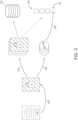
- Both the user device 110 and the server 130 are operatively connected to a rights blockchain 140 via the network 120. While the blockchain 140 is identified as a part of the physical system 100, it should be noted that the blockchain 140 is in fact a large dataset acting as an open ledger for recording transactions, supported in servers and databases in a decentralized fashion.
- the server 130 is connected, via the network 120, to the blockchain 140 through any one of many computer devices accessing or supporting the blockchain 140.
- a blockchain is typically managed by a peer-to-peer network collectively adhering to a protocol for validating new blocks. Once recorded, the data in any given block cannot be altered retroactively without the alteration of all subsequent blocks, which requires a consensus of the network majority.
- Blockchains on a distributed network with sufficiently restrictive rules for creating valid blocks are fairly secure against unauthorized changes to the data stored in them. This makes blockchains particularly useful for recording transactions.
- the inventors have determined that such secure recording of transactions can help address the issues discussed above with respect to distributing media that is protected by copyright (for example), without resorting to some of the prior art Digital Rights Management (DRM) technologies with the inconveniences described above.
- DRM Digital Rights Management
- the blockchain 140 is illustrated as a separate entity from the server 130, but it is contemplated that the server 130 may host a portion of the blockchain 140 in some implementations.
- the blockchain 140 used in the present technology can be either a public or private blockchain.
- the blockchain 140 can also be implemented as a blockchain maintained solely for the purposes of the present technology, as a private or public blockchain, or can be integrated into an existing blockchain entity, including but not limited to: Ethereum, Bitnation, and any other blockchain developed using blockchain platform development such as Hyperledger, Nuco, etc.
- the methods described herein provide a way to distribute digital works, generally subject to copyright, in a way that allows approved users to access the digital work, while aiding in prevention of prohibited copying or distribution.
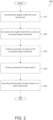
- the method 200 is executed by the processor 132 of the server 130.
- the memory module 134 stores computer executable instructions, the instructions when executed cause the processor 132 to execute the method 200.
- Step 210 receiving, by the server from an originator, the digital media file to be distributed
- the method 200 starts at step 210, where the server 130 receives a digital media file from an originator using the user device 110.
- the server 130 hosts a user interface, for example a web portal or platform, which the originator accesses using a web browser run on the user device 110.
- the server 130 could receive the digital media file via a file transfer protocol (FTP).
- FTP file transfer protocol
- the server 130 could receive the digital media file from the database 150, the originator having uploaded the digital media document to the database 150 from the user device 100.
- the digital media file described herein generally applies to a digital literary document or work, such as an eBook in ePub3 format, but need not be so limited.
- the present technology can be applied to eBooks of different formats including but not limited to: any ePub format, Microsoft Word, Adobe PDF, Amazon digital file, Apple iBooks, and Open XML.
- the digital media file could also be one or any number of different artistic works in electronic form. These works could include but are not limited to: audio books, digital music files, digital sound recordings in general, software and software code, poems, theses, other literary works, motion pictures, digitized visual arts such as paintings or drawings, digital photographs, industrial designs, and graphic designs.
- the originator of the digital media file will generally be assumed to be an author of the work of the digital media file herein, but this is not necessarily the case.
- the originator could be the copyright owner, copyright assignee, or the exclusive licensee, for example.
- the originator could be a publishing company that wishes to distribute electronic copies of an eBook containing a work of literature to which the publishing company owns the copyright. It is also contemplated, for example, that the originator could be a library which has procured the rights to lend copies of a particular eBook to its library members.
- the server 130 could query the user device 110 as to whether the digital media file should be stored on the server 130 (in the memory module 134) and/or in the external database 150 upon receipt of the digital media file. If the originator sends, via the user device 110, a confirmation that the digital media file should be stored by the server 130, the server 130 could then save the digital media file to the memory module 134. In some implementations, the server 130 could store the digital media file in the database 150. It is also contemplated that in some embodiments of the method 200, the server 130 could query the user device 110 as to whether the digital media file should be stored or recorded to the blockchain 140. The digital media file could be recorded to a single block of the blockchain 140. In some cases, the digital media file could be partitioned into subpackets of data and recorded to different blocks on the blockchain 140. The method 200 would then further include creating an assembly key for reassembling the subpackets into the complete digital media file.
- the method 200 then proceeds to executing step 220.
- Step 220 - encrypting, by the server, the digital media file to create an encrypted digital media file
- step 220 the server 130 encrypts the digital media file to create an encrypted version of the digital media file.
- the encryption can be carried out in a variety of methods, including but not limited to: AES, Triple DES, RSA, Blowfish, and Twofish.
- the digital media file could be partitioned into subpackets and recorded to the blockchain 140. It is contemplated that each of the subpackets of the digital media file could also be separately encrypted and then recorded to the blockchain 140. In such a case, each encrypted subpacket would have corresponding public and private keys, in addition to the assembly key for reassembling the digital media file. As will be described in more detail below, the public key for each one of the subpackets could be separately recorded to the blockchain 140.
- the encryption of the digital media file could include separately encrypting portions of the digital media file.
- each chapter could be separately encrypted, allowing for the originator to provide access rights to only some of the portions of the digital media file.
- the digital media file could be a music album, and the encryption could be carried out separately for each song of that album.
- the method 200 then proceeds to executing step 230.
- Step 230 creating, by the server, a plurality of copies of the encrypted digital media file
- the server 130 creates multiple copies of the encrypted digital media file.
- the number of copies made in the method 200 corresponds to the number of copies that the originator desires to allow to circulate, as will be described in more detail below.
- the copies could be made by the user device 110, and then encrypted.
- the method 200 then proceeds to executing step 240.
- Step 240 creating, by the server, a plurality of rights tokens, a quantity of the plurality of rights tokens being equal to a quantity of the plurality of copies of the encrypted digital media file
- the method 200 continues when the server 130 creates a plurality of rights tokens.
- token should be understood, in the context of the present technology, simply as a representation of a set of data linked to the right to access a given copy of the digital media file.
- token is used to reflect the exchangeable but unitary nature of the present technology to cryptocurrency, but it should be noted that the present technology is not cryptocurrency nor does it necessarily utilize the same methods, code and/or technology.
- One rights token is created for each one of the encrypted copies of the digital media file, and the total quantity of rights tokens matches the number of encrypted copies.
- Each token contains a key for decrypting a corresponding one of the encrypted copies, and identifying information related to access rights for the encrypted copy.
- each token contains ownership information (who ever is allowed to decrypt the encrypted copy), and the key, password, or code necessary to decrypt it.
- ownership information who ever is allowed to decrypt the encrypted copy
- the key, password, or code necessary to decrypt it It should be noted that the "ownership" recorded in the rights tokens are not limited to full, legal ownership, but may instead represent temporary access.
- the "ownership" detailed in the rights tokens could represent the user who has “checked out” the file and who has temporary access rights.
- the server 130 could query the user device 110 to determine a desired number of copies of the digital media file to allow for distribution, and the number of rights tokens and encrypted copies created then corresponds to that desired number of copies. It is also contemplated that the server 130 could query the user device 110 at earlier steps in the method 200.
- the key described herein is not meant to be limiting.
- the key of the rights token is a public key which has a corresponding private key embedded in the encrypted document.
- the encrypted copy can then be decrypted when the correct public key is extracted from the rights token.
- the key received from the blockchain 140 (when attempting to decrypt the encrypted copy) is a hashed version of the Public key.
- the private key, incorporated with or encapsulated in the encrypted copy, is used to derived the public key from the hashed version.
- the method 200 could further include encapsulating a smart contract into the encrypted copies and/or the rights tokens.
- the smart contract for each digital media file includes code for managing its digital rights.
- the different controls that could be included in the smart contract for a given digital media file, or for a portion of the encrypted copies of a given digital media file include (but are not limited to): expiry dates, limits on reselling, and limits on loaning or gifting. This will be described in more detail below.
- the smart contracts are written in a JavaScript-style language called Solidity, but this is not meant to be limited. It is contemplated that different languages could be employed, including but not limited to: Java, Python, CSS, PHP, Ruby, C++, C, Shell, C#, Objective C, VmL, Go, and Perl.
- the server 130 further receives, from the originator, information related to the desired controls to be placed on the plurality of encrypted copies to be embodied by the smart contract.
- the server 130 could receive the control information with the initial submission of the digital media file in step 210.
- the method 200 could also include querying the user device 110 about desired controls, and the originator, via the user device 110, could provide the control information in response to the query.
- the control information (received or requested from the user device 110) could any number of variables related to access and use of one or more of the copies of the digital media file.
- the method 200 would then further include creating the smart contract for managing distribution of the plurality of copies of the digital media file based on and including the control information.
- the method 200 would then continue with encapsulating the smart contract each one of the rights tokens.
- Encapsulating the smart contract into the rights tokens is generally performed using database commands.
- the specific commands generally could vary, depending on, for example, the database type the blockchain is using for a specific implementation. It is contemplated that the smart contract could be encapsulated with its corresponding encrypted copy in some non-limiting implementations.
- the “smart contract” may not be active code stored to the blockchain 140 (such as in the style of Blockchain 2.0). Rather, it should be understood that the smart contract could, in some implementations, be limitations or conditions encoded into the rights token and/or encrypted document, without being an active, code-based smart contract in the blockchain 140.
- the smart contract could indicate an end date for the access rights for the digital media file.
- the method 200 would then further include receiving a request to access a given copy of the digital media file from an electronic device of an end consumer, determining that the request was sent after the end date recorded in the smart contract; and sending an indication to the end user device that the given copy of the digital media file cannot be accessed.
- the method 200 then proceeds to step 250.
- Step 250 recording, by the server via the network, the plurality of rights tokens to a rights blockchain representative of actions related to distribution of the plurality of copies of the encrypted the digital media file
- the server 130 records, via the network 120, the rights tokens to the rights blockchain 140.
- the blockchain 140 is an open (but encrypted) distributed ledger representative of actions related to distribution of the plurality of copies of the encrypted the digital media file, wherein the ownership of access rights for a particular digital work (and transactions related thereto) can be recorded and verified.
- the rights tokens are recorded to one or more new blocks 142 of the blockchain 140, (see Figure 3 ).
- the blockchain 140 also serves as a storage and access point for the decryption data.
- utilizing the blockchain 140 allows both verification of the ownership or access rights and accessing the decryption key to be done in a compact manner. Further, by connecting the decryption information with the confirmation of ownership/access rights, the process of transferring the rights and the decryption key is also facilitated.
- the ownership for each encrypted copy is assigned to the originator (as the originator is still the copyright holder at this time).
- the originator also receives the encrypted copies, or indications of the stored encrypted copies when the method 200 has completed.
- the originator may also request that at least one encrypted copy to be stored directly to the rights blockchain 140.
- the method 200 could include, in some cases, recording one or more encrypted copy to a block of the blockchain 140.
- the server 130 could determine that a file size of the encrypted copy exceeds a storage capacity of a block of the rights blockchain 140 and that the encrypted copy needs to be partitioned into multiple files in order to be recorded to the blockchain 140.
- the method 200 could then include subdividing the digital media file into a plurality of subpackets of information and encrypting each of subpackets of information.
- the encryption could be carried out using the same methods as encrypting the full digital media file, or a different method could be used depending on the specific implementation or file. In such a case, each one of the subpackets would have a corresponding rights token (including its public key).
- the method 200 would then include the server 130 creating an assembly key for reassembling the subpackets of information into a full document.
- the method 200 would then continue with recording the subpackets of information to the rights blockchain 140 over multiple blocks of the rights blockchain 140.
- the assembly key would be incorporated into the corresponding rights token for that encrypted copy.
- the digital media file itself could be first partitioned into subpackets, each subpacket then being encrypted and recorded to the blockchain 140.
- the public key for each one of the subpackets would be separately recorded to the blockchain 140 in its own rights token.
- the rights tokens corresponding to all of the subpackets would be linked, and ownership of all such rights tokens would be recorded for the originator.
- the owner of the digital media file would have secure access to the stored digital media file via the blockchain 140 (in addition to the encrypted copies created for distribution by the method 200).
- the number of rights tokens created is equal to the limited number of encrypted copies the originator desired to have to securely distribute.
- the tokens may be exchanged (bought and sold) but they cannot be added (without recommencing the method 200).
- the originator is provided with a limited number of copies for distribution of the digital media file. If the originator decides to create more encrypted copies to increase distribution, similar to a second printing for physical book distribution, the method 200 can be recommenced and performed in addition iterations.
- the method 200 can then terminate. Alternatively, the method 200 can further include additional steps such as those that follow.
- the encrypted copies can be stored in or by various systems.
- the server 130 could record the plurality of the encrypted copies to the rights blockchain 140.
- the method 200 further includes storing the encrypted copies to the memory 134 of the server 130. It is also contemplated that the method could further include storing, via the network 120, the encrypted copies to the external database 150 operatively connected to the network 120. In some such implementations, the method 200 could further include recording a link to the copies stored in the database 150 to the rights blockchain 140, either with or separate from the rights token.
- the method 200 could also include querying the originator as to a desired storage location for the encrypted copies, as well as a desired number of encrypted copies to be made.
- the server 130 could query the originator, via the user device 110, for various options related to the distribution or the desired controls (as discussed above).
- some implementations of the smart contract could indicate an end date for access rights, as discussed above. It is contemplated that the originator could be queried by the server 130 as to a desired end date at various steps in the method 200. In some implementations, a start date or a limited period of use could be controlled or indicated in the smart contract.
- the method 200 could also include querying the originator, via the user device 110, as to whether any end users are to be allowed any one of the encrypted copies to be shared on any one of various social media platforms. Upon receiving a positive confirmation from the user device 110 to allow the encrypted copies to be shared on one or more social media platforms, the method 200 could further include encoding at least one encrypted copy of the digital media file for sharing over one or more social networking platforms. It is contemplated that the permissions to share on a social media platform could be incorporated into the smart contract.
- the method 200 could also include querying the originator, via the user device 110, whether to allow the encrypted copies to be rented, shared, or loaned. In such implementations, the method 200 could further include querying the originator about a desired price for loaning, a percentage of that price to be sent to the originator, to who the copy can be loaned, etc. It is also contemplated that the permissions for sharing or loaning could be incorporated into the smart contract.
- the method 200 could also include querying the originator, via the user device 110, as to whether an end user should be allowed to give away or gift their encrypted copy. This querying could further include querying to whom the end user is allowed to gift their encrypted copy. It is also contemplated that the permissions for gifting an encrypted copy could be incorporated into the corresponding smart contract.
- the originator has now been provided with a limited set of encrypted copies of the digital media file to distribute, where the rights are managed by the rights tokens recorded to the rights blockchain 140.
- the originator is generally recorded as the "owner" of each of the encrypted copies, and is now free to sell, rent, loan, share or gift each of the encrypted copies.
- the server 130 receives, from the reader 110, a request to access a given copy of the encrypted digital media file, the request including user identifying information related to the consumer utilizing the reader device 110.
- the request could be received in various ways. For example, upon opening the encrypted copy on the reader device 110, the reader device 110 could automatically send a request to the server 130 for the decryption key in order to display a decrypted version of the encrypted digital media file.
- the steps described above could take place automatically, or nearly.
- the application for reading an eBook could prompt the reader to enter information, such as a password, in order to confirm identity information and the run the verification and decrypting in the background.
- the method 200 could include additional or different steps, either to perform additional functions and/or to perform the steps described above. Additionally, certain steps could be performed in an assortment of different sequences, depending on for example user preferences, and is not limited to the order set forth in the explanation above.
- FIG. 4 there is depicted a flow chart of a method 300, the method 300 being implemented in accordance with additional non-limiting embodiments of the present technology.
- the method 300 is executed by the user device 110, where the processor 112 executes the method 300.
- the instructions for method 300 could be saved to the memory module 114 of the user device 110. It is also contemplated that the instructions for the method 300 could be provided to the user device 110 via the network 120.
- the user operating the user device 110 is distinct from the user discussed in regards to the method 200.
- the operator of the user device 110 of the method 300 is an end user or consumer of at least one copy of the digital media file, for example a reader of an eBook, encrypted copies of the eBook having been created and distributed using the method 200 above.
- the user device 110 of the method 300 will be referred to as a "reader device” 110, to distinguish from the above.
- Step 310 - sending a request, by the user device to a server via the network, to gain access to the copy of the digital media file
- the method 300 begins with step 310, when the reader device 110 sends a request to gain access to the copy of the digital media file to a server, either the server 130 or some other server operatively connected to the blockchain 140, via the network 120.
- the request from the reader device 110 includes either a payment or payment information in order to purchase the access rights for the encrypted copy of the digital media file.
- the request could include subscription information for an electronic library system.
- the request can be sent from the reader device 110 via an online platform or portal.
- the method 300 then proceeds to step 320.
- Step 320 receiving, from the server, an indication of an encrypted version of the copy of the digital media file
- the method 300 continues with step 320, where the reader device 110 receives an indication of an encrypted version of the copy of the digital media file from the server of step 310.
- the indication is any one of: a website address for accessing the encrypted version of the copy via the network 120, a website address for downloading the encrypted version of the copy to the reader device 110, and the encrypted version of the copy to be stored to the reader device 110.
- step 330 The method 300 then proceeds to step 330
- Step 330 receiving, from the server, a confirmation of access rights including information for exchanging a rights token associated with the copy, the rights token including at least a key for decrypting the encrypted version
- the method 300 continues with step 330, with the reader device 110 receiving, from the server, a confirmation of access rights.
- This confirmation generally includes information for exchanging the rights token associated with the copy.
- this information and/or confirmation includes the proof of payment from the step 310.
- the request of step 310 includes, for instance, subscription information for an eBook library, the information could include a confirmation of access rights based on the subscription.
- step 340 The method 300 then proceeds to step 340
- Step 340 - causing, by an application of the user device, a rights blockchain to be updated to record the exchanging of the rights token
- the method 300 continues with step 340, causing, by an application of the reader device 110, the rights blockchain 140 to be updated to record the exchanging of the rights token.
- the rights blockchain 140 By recording the exchange of the rights token to the rights blockchain 140, the ownership or access rights are transferred.
- access is controlled by confirming ownership through the blockchain 140 (and retrieving the decryption key therefrom once confirmed).
- the new owner or borrower can subsequently access/open/decrypt their purchased or borrowed copy of the digital media file thereafter.
- exchanging the rights token includes recording that the rights token has been withdrawn from the previous owner, and recording rights token as having been given to the new owner, thereby adding new ownership information to the rights token's transaction history in the blockchain 140.
- step 350 The method 300 then proceeds to step 350
- Step 350 retrieving, from the blockchain over the network, the key for decrypting the encrypted version
- step 340 the reader device 110 retrieves the decryption key for decrypting the encrypted version from the blockchain 140 over the network 120, now that the rights token has transferred ownership.
- the decryption key encapsulated in the rights token may not be simply a decryption key, but may be part of a public/private key pair, or may be a code or password, for example, for decrypting the encrypted version.
- the method 300 can then terminate.
- the method 300 could include additional or different steps, either to perform additional functions and/or to perform the steps described above. Additionally, certain steps could be performed in an assortment of different sequences, depending on for example user preferences, and is not limited to the order set forth in the explanation above.
- FIG. 5 there is depicted a flow chart of a method 400 implemented in accordance with non-limiting embodiments of the present technology.
- the method 400 is executed by the server 130, where the processor 132 executes the method 400 and the instructions for method 400 are generally saved to the memory module 134.
- the user device 110 of the method 400 is the device 110 belonging or being used by the end consumer, and will therefore be referred to as the reader device 110, in the context of the method 400.
- Step 410 - receiving a request, by the server from the user device, to gain access to the copy of the digital media file
- the method 400 starts at step 410, where the server 130 receives a request from the reader device 110 to gain access to an encrypted copy of the digital media file.
- the server 130 hosts a web application or portal which the reader accesses via a web browser application of the reader device 110.
- the request could include various types of information, including but not limited to: information identifying the digital media file to which the reader desires to gain access, identifying information related to the reader and/or the reader device, and subscription information.
- the reader could utilize an application for document reading resident on the reader device 110.
- the reader device 110 would act as the server 130 and the server 130 would therefore not required.
- the code could be integrated into the digital document itself. In such cases, there would be no need to access the server 130 and nor to have a specific application residing on the reader device 110. The reader would simply open their browser to open the digital file and the code within the digital media file copy would perform the same tasks as if it were the server 130.
- the method 400 then proceeds to step 420.
- Step 420 - retrieving, by the server, an encrypted version of the copy of the digital media file from at least one of at least one block of a rights blockchain, and a database connected to the server via the network
- the method 400 continues at step 420, with the server 130 (or the user device 110) retrieving an encrypted copy of the digital media file.
- the encrypted copy is retrieved from either the database 150 (connected to the server 130 or the user device 110 via the network 120) or from one or more blocks of the rights blockchain 140.
- the server 130 could also recover the encrypted copy from the memory module 134 of the server 130.
- the encrypted copies of the digital media file may be recorded directly to the blockchain 140 (either in one block, or across different blocks depending on the file size). In some other cases, it may be preferable, either for the originator or for the final users, for one or more of the encrypted copies to be stored to the external database 150.
- retrieving the encrypted file could include sending the encrypted copy of the digital media file to the reader device 110. It is also contemplated that the server 130 or the blockchain 140 could provide a link to the reader device 110 for the reader device 110 to retrieve the encrypted copy from the database 150, an other cloud or remote storage service, etc.
- the method 400 then proceeds to step 430.
- Step 430 - determining, by the server, that a user of the user device has access rights for the copy of the digital media file, the determining including retrieving information from a rights token associated with the copy of the digital media file, the rights token including at least a key for decrypting the encrypted version
- the method 400 continues at step 430, when the server 130 determines that the reader of the reader device 110 has access rights for the digital media file copy.
- the server 130 determines the access rights by querying and/or receiving confirmation from the blockchain 140.
- the server 130 or the user device 110 using an application will determined if the public key matches the private key and determines the access rights. If the access rights are not provided (the keys do not match), reader will not be able to access the document as it will remain encrypted. If the reader has access rights (the keys match), the document will be decrypted by the server 130 or the application on the user device 110. It is contemplated that the document could contain the code to manage some portion of the above.
- Step 430 further includes retrieving information from the rights token associated with the copy of the digital media file.
- the rights token includes a key for decrypting the encrypted copy, which can only be extracted from the blockchain 140 when the server 130 determines that the ownership information of the rights token matches the user and/or user device 110 attempting to retrieve the key.
- the method 400 then proceeds to step 440.
- Step 440 - causing the user device 110 to display a decrypted copy of the digital media file
- the method 400 continues at step 440 with causing the reader device 110 to display a decrypted copy of the digital media file.
- the server 130 can send a decrypted version to the reader device 110, but generally the file would need to be provided in a way as to avoid copying or sharing of the decrypted version. More generally, the server 130 can provide the key to the reader device 110, as discussed above, such that the reader device 110 can decrypt and show the decrypted version. In some implementations, the key could only be active while the server 130 and the reader device 110 are actively connected. In some implementations, the reader device 110 could display a version of the decrypted document online, accessible to the reader device 110 through a browsing application for example, while not saving or sending the decrypted document itself (for example, similar to a streaming service).
- the method 400 can then terminate.
- the method 400 could include additional or different steps, either to perform additional functions and/or to perform the steps described above. Additionally, certain steps could be performed in an assortment of different sequences, depending on for example user preferences, and is not limited to the order set forth in the explanation above.
- the signals can be sent-received using optical means (such as a fibre-optic connection), electronic means (such as using wired or wireless connection), and mechanical means (such as pressure-based, temperature based or any other suitable physical parameter based).
- optical means such as a fibre-optic connection
- electronic means such as using wired or wireless connection
- mechanical means such as pressure-based, temperature based or any other suitable physical parameter based
Landscapes
- Engineering & Computer Science (AREA)
- Computer Security & Cryptography (AREA)
- Theoretical Computer Science (AREA)
- Software Systems (AREA)
- General Engineering & Computer Science (AREA)
- Computer Hardware Design (AREA)
- Physics & Mathematics (AREA)
- General Physics & Mathematics (AREA)
- General Health & Medical Sciences (AREA)
- Health & Medical Sciences (AREA)
- Bioethics (AREA)
- Computer Networks & Wireless Communication (AREA)
- Signal Processing (AREA)
- Storage Device Security (AREA)
- Multimedia (AREA)
- Technology Law (AREA)
Claims (10)
- Computerimplementiertes Verfahren (200) zum Begrenzen einer Verteilung einer digitalen Mediendatei, wobei das Verfahren (200) durch einen Server (130) durchgeführt wird, der mit einem Netzwerk (120) verbunden ist, wobei der Server (130) Speicher (134) umfasst, wobei das Verfahren (200) Folgendes umfasst:Empfangen (210) der zu verteilenden digitalen Mediendatei durch den Server (130) von einem Ersteller; undVerschlüsseln (220) der digitalen Mediendatei durch den Server (130), um eine verschlüsselte digitale Mediendatei zu erzeugen; undDefinieren eines Schlüssels zum Entschlüsseln der verschlüsselten digitalen Mediendatei durch den Server;Erzeugen (230) einer Vielzahl von Kopien der verschlüsselten digitalen Mediendatei durch den Server (130);Erzeugen (240) einer Vielzahl von Rechte-Token durch den Server (130), wobei eine Menge der Vielzahl von Rechte-Token gleich einer Menge der Vielzahl von Kopien der verschlüsselten digitalen Mediendatei ist, wobei jedes der Rechte-Token mindestens Folgendes enthält:den definierten Schlüssel zum Entschlüsseln einer entsprechenden einen der Vielzahl von Kopien der verschlüsselten digitalen Mediendatei,Identifizieren von Informationen betreffend Zugriffsrechte für die digitale Mediendatei;Registrieren (250) der Vielzahl von Rechte-Token in einer Rechte-Blockchain (140) durch den Server (130) über das Netzwerk (120), wobei die Rechte-Blockchain (140) repräsentativ für Aktionen ist, die die Verteilung der Vielzahl von Kopien der verschlüsselten digitalen Mediendatei betreffen;Empfangen einer Anforderung durch den Server (130) von dem Ersteller, mindestens eine Kopie der Vielzahl von Kopien der verschlüsselten digitalen Mediendatei in der Rechte-Blockchain (140) zu speichern;Bestimmen, dass eine Dateigröße der mindestens einen Kopie eine Speicherkapazität eines Blocks der Rechte-Blockchain (140) überschreitet, durch den Server (130);Aufteilen der digitalen Mediendatei in eine Vielzahl von Teilpaketen von Informationen durch den Server (130);Verschlüsseln jedes der Vielzahl von Teilpaketen von Informationen durch den Server (130); Erzeugen eines Zusammensetzungsschlüssels zum Wiederzusammensetzen der Vielzahl von Teilpaketen von Informationen durch den Server (130); undRegistrieren der Vielzahl von Teilpaketen von Informationen in der Rechte-Blockchain (140) durch den Server (130) über das Netzwerk (120), wobei die Vielzahl von Teilpaketen von Informationen über eine Vielzahl von Blöcken der Rechte-Blockchain (140) hinweg registriert wird; undwobei:
ein entsprechendes eines der Vielzahl von Rechte-Token ferner den Zusammensetzungsschlüssel für die mindestens eine Kopie beinhaltet. - Computerimplementiertes Verfahren (200) nach Anspruch 1, ferner umfassend:Empfangen von Informationen betreffend gewünschte Steuerungen durch den Server (130) von dem Ersteller, die der Vielzahl von Kopien der digitalen Mediendatei aufzuerlegen sind;Erzeugen eines intelligenten Vertrags zum Verwalten der Verteilung der Vielzahl von Kopien der digitalen Mediendatei, wobei der intelligente Vertrag mindestens die Informationen betreffend die gewünschte Steuerungen beinhaltet; und wobei: der intelligente Vertrag in jedes der Rechte-Token eingebettet ist.
- Computerimplementiertes Verfahren (200) nach Anspruch 2, wobei:der intelligente Vertrag ein Enddatum für die Zugriffsrechte für die digitale Mediendatei angibt; unddas Verfahren (200) ferner Folgendes umfasst:Empfangen einer Anforderung zum Zugreifen auf eine gegebene Kopie der digitalen Mediendatei von einer Benutzervorrichtung (110) ;Bestimmen, dass die Anforderung nach dem in dem intelligenten Vertrag registrierten Enddatum gesendet wurde; undSenden einer Angabe an die Benutzervorrichtung (110), dass auf die gegebene Kopie der digitalen Mediendatei nicht zugegriffen werden kann.
- Computerimplementiertes Verfahren (200) nach Anspruch 1, ferner umfassend:
Empfangen von Informationen betreffend eine gewünschte Anzahl von Kopien der digitalen Mediendatei von dem Ersteller, um eine Verteilung zu ermöglichen; und wobei:
die Menge der erzeugten Rechte-Token der gewünschten Anzahl von Kopien der digitalen Mediendatei entspricht. - Verfahren (200) nach Anspruch 1, ferner umfassend Registrieren der Vielzahl von Kopien der verschlüsselten digitalen Mediendatei in der Rechte-Blockchain (140).
- Verfahren (200) nach Anspruch 1, ferner umfassend Speichern der Vielzahl von Kopien der verschlüsselten digitalen Mediendatei in den Speicher (134) des Servers (130).
- Verfahren (200) nach Anspruch 1, ferner umfassend Speichern der Vielzahl von Kopien der verschlüsselten digitalen Mediendatei über das Netzwerk (120) in eine Datenbank (150) außerhalb des Servers (130), wobei die Datenbank (150) mit dem Netzwerk (120) wirkverbunden ist.
- Verfahren (200) nach Anspruch 7, ferner umfassend Registrieren einer Verknüpfung zu mindestens einer der Vielzahl von Kopien, die in der Datenbank (150) gespeichert ist, in mindestens einem Block der Rechte-Blockchain (140).
- Verfahren (200) nach Anspruch 1, ferner umfassend Codieren mindestens einer der Vielzahl von Kopien der verschlüsselten digitalen Mediendatei zum Teilen über eine Plattform eines sozialen Netzwerks.
- Server (130), umfassend:eine Netzwerkkommunikationsschnittstelle zur Zwei-Wege-Kommunikation über ein Netzwerk (120);Speicher (134) zum Speichern von Anweisungen; undeinen Prozessor (132), der mit dem Speicher (134) und der Netzwerkkommunikationsschnittstelle wirkverbunden ist, wobei der Prozessor (132) dazu konfiguriert ist, die Anweisungen für Folgendes auszuführen:Empfangen (210) einer zu verteilenden digitalen Mediendatei von einem Ersteller; undVerschlüsseln (220) der digitalen Mediendatei, um eine verschlüsselte digitale Mediendatei zu erzeugen; undDefinieren eines Schlüssels zum Entschlüsseln der verschlüsselten digitalen Mediendatei;Erzeugen (230) einer Vielzahl von Kopien der verschlüsselten digitalen Mediendatei;Erzeugen (240) einer Vielzahl von Rechte-Token, wobei eine Menge der Vielzahl von Rechte-Token gleich einer Menge der Vielzahl von Kopien der verschlüsselten digitalen Mediendatei ist, wobei jedes der Rechte-Token mindestens Folgendes enthält:den definierten Schlüssel zum Entschlüsseln einer entsprechenden einen der Vielzahl von Kopien der verschlüsselten digitalen Mediendatei, undIdentifizieren von Informationen betreffend Zugriffsrechte für die digitale Mediendatei;Registrieren (250) der Vielzahl von Rechte-Token in einer Rechte-Blockchain (140) über das Netzwerk (120), wobei die Rechte-Blockchain (140) repräsentativ für Aktionen ist, die die Verteilung der Vielzahl von Kopien der verschlüsselten digitalen Mediendatei betreffen;Empfangen einer Anforderung von dem Ersteller, mindestens eine Kopie der Vielzahl von Kopien der verschlüsselten digitalen Mediendatei in der Rechte-Blockchain (140) zu speichern;Bestimmen, dass eine Dateigröße der mindestens einen Kopie eine Speicherkapazität eines Blocks der Rechte-Blockchain (140) überschreitet;Aufteilen der digitalen Mediendatei in eine Vielzahl von Teilpaketen von Informationen;Verschlüsseln jedes der Vielzahl von Teilpaketen von Informationen;Erzeugen eines Zusammensetzungsschlüssels zum Wiederzusammensetzen der Vielzahl von Teilpaketen von Informationen; undRegistrieren der Vielzahl von Teilpaketen von Informationen in der Rechte-Blockchain (140) über das Netzwerk (120), wobei die Vielzahl von Teilpaketen von Informationen über eine Vielzahl von Blöcken der Rechte-Blockchain (140) hinweg registriert wird; undwobei:
ein entsprechendes eines der Vielzahl von Rechte-Token ferner den Zusammensetzungsschlüssel für die mindestens eine Kopie beinhaltet.
Applications Claiming Priority (2)
| Application Number | Priority Date | Filing Date | Title |
|---|---|---|---|
| CA2958668A CA2958668A1 (en) | 2017-02-23 | 2017-02-23 | Methods and apparatus for integrating digital rights management into an existing blockchain |
| PCT/IB2018/051119 WO2018154489A1 (en) | 2017-02-23 | 2018-02-22 | Method of and system for providing limited distribution of a digital media file |
Publications (4)
| Publication Number | Publication Date |
|---|---|
| EP3586477A1 EP3586477A1 (de) | 2020-01-01 |
| EP3586477A4 EP3586477A4 (de) | 2021-01-13 |
| EP3586477C0 EP3586477C0 (de) | 2025-04-23 |
| EP3586477B1 true EP3586477B1 (de) | 2025-04-23 |
Family
ID=63246083
Family Applications (1)
| Application Number | Title | Priority Date | Filing Date |
|---|---|---|---|
| EP18758341.4A Active EP3586477B1 (de) | 2017-02-23 | 2018-02-22 | Verfahren und system zur bereitstellung einer begrenzten verteilung einer digitalen mediendatei |
Country Status (5)
| Country | Link |
|---|---|
| US (2) | US11321426B2 (de) |
| EP (1) | EP3586477B1 (de) |
| CA (2) | CA2958668A1 (de) |
| ES (1) | ES3033336T3 (de) |
| WO (1) | WO2018154489A1 (de) |
Families Citing this family (47)
| Publication number | Priority date | Publication date | Assignee | Title |
|---|---|---|---|---|
| US11539701B2 (en) | 2017-06-12 | 2022-12-27 | British Telecommunications Public Limited Company | Network access point |
| WO2018228950A1 (en) | 2017-06-12 | 2018-12-20 | British Telecommunications Public Limited Company | Home network access |
| GB2565411A (en) * | 2017-06-12 | 2019-02-13 | British Telecomm | Improved hardware security module management |
| EP3639497B1 (de) | 2017-06-12 | 2025-11-26 | British Telecommunications public limited company | Erweiterbarer netzwerkzugang |
| EP3639466B1 (de) | 2017-06-12 | 2022-05-11 | British Telecommunications public limited company | Zugang mit expandierbarem kryptographischem schlüssel |
| US11475422B2 (en) * | 2018-03-28 | 2022-10-18 | Bank Of America Corporation | Blockchain-based property management |
| US11295402B2 (en) | 2018-03-28 | 2022-04-05 | Bank Of America Corporation | Blockchain-based property repair |
| US10452699B1 (en) * | 2018-04-30 | 2019-10-22 | Innoplexus Ag | System and method for executing access transactions of documents related to drug discovery |
| WO2019227225A1 (en) * | 2018-05-30 | 2019-12-05 | Skrumble Technologies Inc. | Systems and methods for establishing communications via blockchain |
| GB201811263D0 (en) * | 2018-07-10 | 2018-08-29 | Netmaster Solutions Ltd | A method and system for managing digital using a blockchain |
| US11276059B2 (en) * | 2018-07-31 | 2022-03-15 | Molten Inc. | System and method for autonomous sustenance of digital assets |
| SG11202101670WA (en) * | 2018-08-28 | 2021-03-30 | Operem Inc | Method for licensing proprietary rights using a blockchain |
| US12450593B2 (en) | 2018-11-02 | 2025-10-21 | Verona Holdings Sezc | Integrating cryptographic tokens representing real world items into media streams |
| US12154086B2 (en) | 2018-11-02 | 2024-11-26 | Verona Holdings Sezc | Tokenization platform |
| US12469023B2 (en) | 2018-11-02 | 2025-11-11 | Verona Holdings Sezc | Configuring a set of digital tokens with a temporal attribute that determines a timing of redemption of the set of digital tokens for a corresponding set of items |
| AU2019372344A1 (en) | 2018-11-02 | 2021-05-27 | William Edward Quigley | A tokenization platform |
| FR3088791B1 (fr) * | 2018-11-15 | 2022-03-04 | Bull Sas | Plateforme decentralisee de gestion de secrets perfectionnee |
| US20220004657A1 (en) * | 2018-11-15 | 2022-01-06 | Trade Examination Technologies, Inc. | Secure and accountable data access |
| US11368441B2 (en) * | 2019-01-29 | 2022-06-21 | Mastercard International Incorporated | Method and system for general data protection compliance via blockchain |
| CN109871666B (zh) * | 2019-01-31 | 2020-09-15 | 阿里巴巴集团控股有限公司 | 一种基于区块链的版权流转方法及装置 |
| US11297500B2 (en) * | 2019-04-16 | 2022-04-05 | Research Foundation Of The City University Of New York | Authenticating digital evidence |
| CN112114739A (zh) * | 2019-06-21 | 2020-12-22 | 伊姆西Ip控股有限责任公司 | 用于管理数据对象的方法、设备和计算机程序产品 |
| US11252166B2 (en) | 2019-07-31 | 2022-02-15 | Advanced New Technologies Co., Ltd. | Providing data authorization based on blockchain |
| US11251963B2 (en) * | 2019-07-31 | 2022-02-15 | Advanced New Technologies Co., Ltd. | Blockchain-based data authorization method and apparatus |
| JP7652765B2 (ja) | 2019-09-26 | 2025-03-27 | ヤクブ シリフカ,ルカシュ | スマートコントラクトアーキテクチャを有する分散台帳貸し付けシステム並びにその方法 |
| CN110826103B (zh) * | 2019-11-13 | 2023-07-21 | 腾讯科技(深圳)有限公司 | 基于区块链的文档权限处理方法、装置、设备及存储介质 |
| WO2021100885A1 (ko) * | 2019-11-18 | 2021-05-27 | 주식회사 헤세그 | 블록체인을 이용한 미디어유통시스템 및 이의 동작방법 |
| US11190346B2 (en) * | 2019-11-19 | 2021-11-30 | Lenovo Enterprise Solutions (Singapore) Pte. Ltd. | Secure device ownership transfer using an ephemeral device transfer token generated using elliptic curve cryptography |
| US11310051B2 (en) | 2020-01-15 | 2022-04-19 | Advanced New Technologies Co., Ltd. | Blockchain-based data authorization method and apparatus |
| US11366915B2 (en) * | 2020-04-21 | 2022-06-21 | Ledgendd Technologies Inc. | Method and system for document authorization and distribution |
| US10771243B1 (en) | 2020-04-29 | 2020-09-08 | Ecosteer Srl | Multicast encryption scheme for data-ownership platform |
| US12406036B2 (en) | 2020-05-20 | 2025-09-02 | New H3C Technologies Co., Ltd. | Method and apparatus for monitoring software license information and adding information block into an information chain, and server and storage medium |
| KR102208399B1 (ko) * | 2020-07-07 | 2021-01-27 | 박재용 | 개인 ip 보호 시스템 및 그 방법 |
| AT524620B1 (de) * | 2020-12-07 | 2025-07-15 | Insitu Software Gmbh | Verfahren zum Migrieren einer IT-Anwendung |
| US11568376B2 (en) | 2020-09-08 | 2023-01-31 | Flexa Network Inc. | Assignment of conditional access rights to assignable tokens based on an interaction |
| JP7609980B2 (ja) * | 2020-09-22 | 2025-01-07 | ケヤビ・データ・コーポレイション | 暗号化ファイル制御 |
| US11876903B2 (en) | 2020-12-09 | 2024-01-16 | International Business Machines Corporation | Decentralized broadcast encryption and key generation facility |
| US11144978B1 (en) * | 2021-02-25 | 2021-10-12 | Mythical, Inc. | Systems and methods to support custom bundling of virtual items within an online game |
| US11997218B2 (en) * | 2021-03-02 | 2024-05-28 | International Business Machines Corporation | Decentralized, dynamic media key block for broadcast encryption |
| CA3177552A1 (en) * | 2021-03-26 | 2022-09-26 | William Edward Quigley | Token-facilitated ticketing, token-facilitated pre-sale campaigns, and digital rights management for digital tokens |
| US12536311B2 (en) * | 2021-07-09 | 2026-01-27 | Sasha Aps | Providing a share statement linked to a digital identifier of an image |
| EP4420059A4 (de) | 2021-10-22 | 2025-08-06 | William Edward Quigley | Crawling und clustering von verteilten ledger-daten, push-basierte werbung mit digitalen token und intelligente vertragshinterlegung zur verringerung des risikos für digitalen token-verkauf |
| US20230177185A1 (en) * | 2021-11-23 | 2023-06-08 | Book.Io, Inc. | Systems and methods for providing secure access to digital assets |
| US12450373B2 (en) * | 2022-10-26 | 2025-10-21 | Nuvolo Technologies Corporation | Document protection mechanism |
| US20250005187A1 (en) * | 2022-11-23 | 2025-01-02 | Book.Io, Inc. | Systems and methods for providing secure access to digital assets |
| US20250233851A1 (en) * | 2024-01-17 | 2025-07-17 | Bank Of America Corporation | System and method for requesting data transfers in a blockchain network |
| US12452066B2 (en) * | 2024-01-17 | 2025-10-21 | Bank Of America Corporation | System and method for allocating transfer of data from a data file |
Family Cites Families (7)
| Publication number | Priority date | Publication date | Assignee | Title |
|---|---|---|---|---|
| US8839005B2 (en) * | 2006-09-13 | 2014-09-16 | Sandisk Technologies Inc. | Apparatus for transferring licensed digital content between users |
| US20140115327A1 (en) * | 2012-10-22 | 2014-04-24 | Microsoft Corporation | Trust services data encryption for multiple parties |
| US9338148B2 (en) * | 2013-11-05 | 2016-05-10 | Verizon Patent And Licensing Inc. | Secure distributed information and password management |
| US9871775B2 (en) | 2015-08-10 | 2018-01-16 | Cisco Technology, Inc. | Group membership block chain |
| US20170116693A1 (en) * | 2015-10-27 | 2017-04-27 | Verimatrix, Inc. | Systems and Methods for Decentralizing Commerce and Rights Management for Digital Assets Using a Blockchain Rights Ledger |
| US10728301B1 (en) * | 2015-12-21 | 2020-07-28 | Highwinds Holdings, Inc. | Cryptographic content delivery network |
| US10108812B2 (en) * | 2016-01-28 | 2018-10-23 | Nasdaq, Inc. | Systems and methods for securing and disseminating time sensitive information using a blockchain |
-
2017
- 2017-02-23 CA CA2958668A patent/CA2958668A1/en not_active Abandoned
-
2018
- 2018-02-22 US US16/486,445 patent/US11321426B2/en active Active
- 2018-02-22 CA CA3053736A patent/CA3053736C/en active Active
- 2018-02-22 EP EP18758341.4A patent/EP3586477B1/de active Active
- 2018-02-22 ES ES18758341T patent/ES3033336T3/es active Active
- 2018-02-22 WO PCT/IB2018/051119 patent/WO2018154489A1/en not_active Ceased
-
2022
- 2022-04-11 US US17/717,210 patent/US20220237265A1/en not_active Abandoned
Also Published As
| Publication number | Publication date |
|---|---|
| US20200380090A1 (en) | 2020-12-03 |
| WO2018154489A1 (en) | 2018-08-30 |
| CA3053736C (en) | 2020-01-14 |
| EP3586477A1 (de) | 2020-01-01 |
| EP3586477A4 (de) | 2021-01-13 |
| ES3033336T3 (en) | 2025-08-01 |
| CA2958668A1 (en) | 2018-08-23 |
| US11321426B2 (en) | 2022-05-03 |
| EP3586477C0 (de) | 2025-04-23 |
| CA3053736A1 (en) | 2018-08-30 |
| US20220237265A1 (en) | 2022-07-28 |
Similar Documents
| Publication | Publication Date | Title |
|---|---|---|
| US20220237265A1 (en) | Method and system for providing limited distribution of a digital media file | |
| US20230108366A1 (en) | Systems for encryption using blockchain distributed ledgers | |
| US11645369B2 (en) | Blockchain digital rights management streaming library | |
| CN108804879B (zh) | 用于内容和服务共享的方法和系统 | |
| CN102073826B (zh) | 利用轻量级数字水印添加组件的数字版权管理的系统和方法 | |
| US8839005B2 (en) | Apparatus for transferring licensed digital content between users | |
| US20060117090A1 (en) | System to allow content sharing | |
| US20080065552A1 (en) | Marketplace for Transferring Licensed Digital Content | |
| AU2017387766A1 (en) | Kernel event triggers | |
| JP2005536951A (ja) | デジタル機器においてデジタル文書にセキュリティ保護を施す装置、システムおよび方法 | |
| JP2013527533A (ja) | コンテンツを提供するための方法および装置 | |
| US9374226B2 (en) | Protection method and system for distributing digital files whether new, second-hand, for rental, exchange or transfer | |
| US8966651B2 (en) | Digital rights management (DRM) locker | |
| JP2011065592A (ja) | 著作物販売方法及びシステム | |
| US8099606B2 (en) | Data storage apparatus, data providing system and data providing method | |
| CN1759363A (zh) | 数字内容的分发和权利管理 | |
| JP2010503925A (ja) | ライセンスされたデジタルコンテンツのユーザ間での転送 | |
| HK40019903A (en) | Method of and system for providing limited distribution of a digital media file | |
| HK40019903B (en) | Method of and system for providing limited distribution of a digital media file | |
| WO2007074548A1 (ja) | 著作権管理システム、並びにこれに用いる鍵管理サーバ及びクライアント端末 | |
| KR101552136B1 (ko) | 멀티미디어 콘텐츠 배포와 결제 시스템 및 이를 이용한 콘텐츠의 배포와 결제방법 | |
| US9152636B2 (en) | Content protection system in storage media and method of the same | |
| US20130047271A1 (en) | Author Authorization of Electronic Works | |
| AU2023250177A1 (en) | Network platform for the distribution of media content | |
| KR20140130283A (ko) | Drm 방식으로 암호화된 컨텐츠를 이용하는 단말 장치 및 방법 |
Legal Events
| Date | Code | Title | Description |
|---|---|---|---|
| STAA | Information on the status of an ep patent application or granted ep patent |
Free format text: STATUS: THE INTERNATIONAL PUBLICATION HAS BEEN MADE |
|
| PUAI | Public reference made under article 153(3) epc to a published international application that has entered the european phase |
Free format text: ORIGINAL CODE: 0009012 |
|
| STAA | Information on the status of an ep patent application or granted ep patent |
Free format text: STATUS: REQUEST FOR EXAMINATION WAS MADE |
|
| 17P | Request for examination filed |
Effective date: 20190905 |
|
| AK | Designated contracting states |
Kind code of ref document: A1 Designated state(s): AL AT BE BG CH CY CZ DE DK EE ES FI FR GB GR HR HU IE IS IT LI LT LU LV MC MK MT NL NO PL PT RO RS SE SI SK SM TR |
|
| AX | Request for extension of the european patent |
Extension state: BA ME |
|
| DAV | Request for validation of the european patent (deleted) | ||
| DAX | Request for extension of the european patent (deleted) | ||
| REG | Reference to a national code |
Ref country code: HK Ref legal event code: DE Ref document number: 40019903 Country of ref document: HK |
|
| A4 | Supplementary search report drawn up and despatched |
Effective date: 20201210 |
|
| RIC1 | Information provided on ipc code assigned before grant |
Ipc: G06F 21/64 20130101ALI20201204BHEP Ipc: H04L 12/24 20060101ALI20201204BHEP Ipc: H04L 29/06 20060101ALN20201204BHEP Ipc: G06F 21/62 20130101ALI20201204BHEP Ipc: H04L 9/00 20060101ALI20201204BHEP Ipc: G06Q 20/12 20120101ALI20201204BHEP Ipc: H04L 9/32 20060101ALI20201204BHEP Ipc: G06F 21/10 20130101AFI20201204BHEP |
|
| STAA | Information on the status of an ep patent application or granted ep patent |
Free format text: STATUS: EXAMINATION IS IN PROGRESS |
|
| 17Q | First examination report despatched |
Effective date: 20210629 |
|
| REG | Reference to a national code |
Ref country code: DE Ref legal event code: R079 Ref country code: DE Ref legal event code: R079 Ref document number: 602018081321 Country of ref document: DE Free format text: PREVIOUS MAIN CLASS: H04L0012240000 Ipc: G06F0021100000 |
|
| GRAP | Despatch of communication of intention to grant a patent |
Free format text: ORIGINAL CODE: EPIDOSNIGR1 |
|
| STAA | Information on the status of an ep patent application or granted ep patent |
Free format text: STATUS: GRANT OF PATENT IS INTENDED |
|
| RIC1 | Information provided on ipc code assigned before grant |
Ipc: H04L 9/32 20060101ALI20250204BHEP Ipc: G06Q 20/12 20120101ALI20250204BHEP Ipc: H04L 9/40 20220101ALI20250204BHEP Ipc: H04L 9/00 20060101ALI20250204BHEP Ipc: G06F 21/64 20130101ALI20250204BHEP Ipc: G06F 21/62 20130101ALI20250204BHEP Ipc: G06F 21/10 20130101AFI20250204BHEP |
|
| GRAS | Grant fee paid |
Free format text: ORIGINAL CODE: EPIDOSNIGR3 |
|
| GRAA | (expected) grant |
Free format text: ORIGINAL CODE: 0009210 |
|
| STAA | Information on the status of an ep patent application or granted ep patent |
Free format text: STATUS: THE PATENT HAS BEEN GRANTED |
|
| INTG | Intention to grant announced |
Effective date: 20250220 |
|
| AK | Designated contracting states |
Kind code of ref document: B1 Designated state(s): AL AT BE BG CH CY CZ DE DK EE ES FI FR GB GR HR HU IE IS IT LI LT LU LV MC MK MT NL NO PL PT RO RS SE SI SK SM TR |
|
| REG | Reference to a national code |
Ref country code: GB Ref legal event code: FG4D |
|
| REG | Reference to a national code |
Ref country code: CH Ref legal event code: EP |
|
| REG | Reference to a national code |
Ref country code: DE Ref legal event code: R096 Ref document number: 602018081321 Country of ref document: DE |
|
| REG | Reference to a national code |
Ref country code: IE Ref legal event code: FG4D |
|
| U01 | Request for unitary effect filed |
Effective date: 20250522 |
|
| U07 | Unitary effect registered |
Designated state(s): AT BE BG DE DK EE FI FR IT LT LU LV MT NL PT RO SE SI Effective date: 20250606 |
|
| REG | Reference to a national code |
Ref country code: ES Ref legal event code: FG2A Ref document number: 3033336 Country of ref document: ES Kind code of ref document: T3 Effective date: 20250801 |
|
| PG25 | Lapsed in a contracting state [announced via postgrant information from national office to epo] |
Ref country code: NO Free format text: LAPSE BECAUSE OF FAILURE TO SUBMIT A TRANSLATION OF THE DESCRIPTION OR TO PAY THE FEE WITHIN THE PRESCRIBED TIME-LIMIT Effective date: 20250723 Ref country code: GR Free format text: LAPSE BECAUSE OF FAILURE TO SUBMIT A TRANSLATION OF THE DESCRIPTION OR TO PAY THE FEE WITHIN THE PRESCRIBED TIME-LIMIT Effective date: 20250724 |
|
| PG25 | Lapsed in a contracting state [announced via postgrant information from national office to epo] |
Ref country code: PL Free format text: LAPSE BECAUSE OF FAILURE TO SUBMIT A TRANSLATION OF THE DESCRIPTION OR TO PAY THE FEE WITHIN THE PRESCRIBED TIME-LIMIT Effective date: 20250423 |
|
| PG25 | Lapsed in a contracting state [announced via postgrant information from national office to epo] |
Ref country code: HR Free format text: LAPSE BECAUSE OF FAILURE TO SUBMIT A TRANSLATION OF THE DESCRIPTION OR TO PAY THE FEE WITHIN THE PRESCRIBED TIME-LIMIT Effective date: 20250423 |
|
| PG25 | Lapsed in a contracting state [announced via postgrant information from national office to epo] |
Ref country code: RS Free format text: LAPSE BECAUSE OF FAILURE TO SUBMIT A TRANSLATION OF THE DESCRIPTION OR TO PAY THE FEE WITHIN THE PRESCRIBED TIME-LIMIT Effective date: 20250723 |
|
| PG25 | Lapsed in a contracting state [announced via postgrant information from national office to epo] |
Ref country code: IS Free format text: LAPSE BECAUSE OF FAILURE TO SUBMIT A TRANSLATION OF THE DESCRIPTION OR TO PAY THE FEE WITHIN THE PRESCRIBED TIME-LIMIT Effective date: 20250823 |
|
| PG25 | Lapsed in a contracting state [announced via postgrant information from national office to epo] |
Ref country code: SM Free format text: LAPSE BECAUSE OF FAILURE TO SUBMIT A TRANSLATION OF THE DESCRIPTION OR TO PAY THE FEE WITHIN THE PRESCRIBED TIME-LIMIT Effective date: 20250423 |
|
| PG25 | Lapsed in a contracting state [announced via postgrant information from national office to epo] |
Ref country code: CZ Free format text: LAPSE BECAUSE OF FAILURE TO SUBMIT A TRANSLATION OF THE DESCRIPTION OR TO PAY THE FEE WITHIN THE PRESCRIBED TIME-LIMIT Effective date: 20250423 |
|
| PG25 | Lapsed in a contracting state [announced via postgrant information from national office to epo] |
Ref country code: SK Free format text: LAPSE BECAUSE OF FAILURE TO SUBMIT A TRANSLATION OF THE DESCRIPTION OR TO PAY THE FEE WITHIN THE PRESCRIBED TIME-LIMIT Effective date: 20250423 |