EP3585442B1 - Therapy of small-cell lung cancer (sclc) with a topoisomerase-i inhibiting antibody-drug conjugate (adc) targeting trop-2 - Google Patents
Therapy of small-cell lung cancer (sclc) with a topoisomerase-i inhibiting antibody-drug conjugate (adc) targeting trop-2 Download PDFInfo
- Publication number
- EP3585442B1 EP3585442B1 EP18758120.2A EP18758120A EP3585442B1 EP 3585442 B1 EP3585442 B1 EP 3585442B1 EP 18758120 A EP18758120 A EP 18758120A EP 3585442 B1 EP3585442 B1 EP 3585442B1
- Authority
- EP
- European Patent Office
- Prior art keywords
- antibody
- adc
- trop
- cancer
- patients
- Prior art date
- Legal status (The legal status is an assumption and is not a legal conclusion. Google has not performed a legal analysis and makes no representation as to the accuracy of the status listed.)
- Active
Links
Images










Classifications
-
- C—CHEMISTRY; METALLURGY
- C07—ORGANIC CHEMISTRY
- C07K—PEPTIDES
- C07K16/00—Immunoglobulins [IG], e.g. monoclonal or polyclonal antibodies
- C07K16/18—Immunoglobulins [IG], e.g. monoclonal or polyclonal antibodies against material from animals or humans
- C07K16/28—Immunoglobulins [IG], e.g. monoclonal or polyclonal antibodies against material from animals or humans against receptors, cell surface antigens or cell surface determinants
- C07K16/30—Immunoglobulins [IG], e.g. monoclonal or polyclonal antibodies against material from animals or humans against receptors, cell surface antigens or cell surface determinants from tumour cells
-
- A—HUMAN NECESSITIES
- A61—MEDICAL OR VETERINARY SCIENCE; HYGIENE
- A61K—PREPARATIONS FOR MEDICAL, DENTAL OR TOILETRY PURPOSES
- A61K31/00—Medicinal preparations containing organic active ingredients
- A61K31/13—Amines
- A61K31/135—Amines having aromatic rings, e.g. ketamine, nortriptyline
- A61K31/137—Arylalkylamines, e.g. amphetamine, epinephrine, salbutamol, ephedrine or methadone
-
- A—HUMAN NECESSITIES
- A61—MEDICAL OR VETERINARY SCIENCE; HYGIENE
- A61K—PREPARATIONS FOR MEDICAL, DENTAL OR TOILETRY PURPOSES
- A61K31/00—Medicinal preparations containing organic active ingredients
- A61K31/185—Acids; Anhydrides, halides or salts thereof, e.g. sulfur acids, imidic, hydrazonic or hydroximic acids
- A61K31/19—Carboxylic acids, e.g. valproic acid
- A61K31/195—Carboxylic acids, e.g. valproic acid having an amino group
- A61K31/197—Carboxylic acids, e.g. valproic acid having an amino group the amino and the carboxyl groups being attached to the same acyclic carbon chain, e.g. gamma-aminobutyric acid [GABA], beta-alanine, epsilon-aminocaproic acid or pantothenic acid
- A61K31/198—Alpha-amino acids, e.g. alanine or edetic acid [EDTA]
-
- A—HUMAN NECESSITIES
- A61—MEDICAL OR VETERINARY SCIENCE; HYGIENE
- A61K—PREPARATIONS FOR MEDICAL, DENTAL OR TOILETRY PURPOSES
- A61K31/00—Medicinal preparations containing organic active ingredients
- A61K31/21—Esters, e.g. nitroglycerine, selenocyanates
- A61K31/255—Esters, e.g. nitroglycerine, selenocyanates of sulfoxy acids or sulfur analogues thereof
-
- A—HUMAN NECESSITIES
- A61—MEDICAL OR VETERINARY SCIENCE; HYGIENE
- A61K—PREPARATIONS FOR MEDICAL, DENTAL OR TOILETRY PURPOSES
- A61K31/00—Medicinal preparations containing organic active ingredients
- A61K31/33—Heterocyclic compounds
- A61K31/395—Heterocyclic compounds having nitrogen as a ring hetero atom, e.g. guanethidine or rifamycins
- A61K31/40—Heterocyclic compounds having nitrogen as a ring hetero atom, e.g. guanethidine or rifamycins having five-membered rings with one nitrogen as the only ring hetero atom, e.g. sulpiride, succinimide, tolmetin, buflomedil
- A61K31/407—Heterocyclic compounds having nitrogen as a ring hetero atom, e.g. guanethidine or rifamycins having five-membered rings with one nitrogen as the only ring hetero atom, e.g. sulpiride, succinimide, tolmetin, buflomedil condensed with other heterocyclic ring systems, e.g. ketorolac, physostigmine
-
- A—HUMAN NECESSITIES
- A61—MEDICAL OR VETERINARY SCIENCE; HYGIENE
- A61K—PREPARATIONS FOR MEDICAL, DENTAL OR TOILETRY PURPOSES
- A61K31/00—Medicinal preparations containing organic active ingredients
- A61K31/33—Heterocyclic compounds
- A61K31/395—Heterocyclic compounds having nitrogen as a ring hetero atom, e.g. guanethidine or rifamycins
- A61K31/41—Heterocyclic compounds having nitrogen as a ring hetero atom, e.g. guanethidine or rifamycins having five-membered rings with two or more ring hetero atoms, at least one of which being nitrogen, e.g. tetrazole
- A61K31/4164—1,3-Diazoles
- A61K31/4184—1,3-Diazoles condensed with carbocyclic rings, e.g. benzimidazoles
-
- A—HUMAN NECESSITIES
- A61—MEDICAL OR VETERINARY SCIENCE; HYGIENE
- A61K—PREPARATIONS FOR MEDICAL, DENTAL OR TOILETRY PURPOSES
- A61K31/00—Medicinal preparations containing organic active ingredients
- A61K31/33—Heterocyclic compounds
- A61K31/395—Heterocyclic compounds having nitrogen as a ring hetero atom, e.g. guanethidine or rifamycins
- A61K31/435—Heterocyclic compounds having nitrogen as a ring hetero atom, e.g. guanethidine or rifamycins having six-membered rings with one nitrogen as the only ring hetero atom
- A61K31/44—Non condensed pyridines; Hydrogenated derivatives thereof
- A61K31/445—Non condensed piperidines, e.g. piperocaine
- A61K31/4523—Non condensed piperidines, e.g. piperocaine containing further heterocyclic ring systems
- A61K31/4535—Non condensed piperidines, e.g. piperocaine containing further heterocyclic ring systems containing a heterocyclic ring having sulfur as a ring hetero atom, e.g. pizotifen
-
- A—HUMAN NECESSITIES
- A61—MEDICAL OR VETERINARY SCIENCE; HYGIENE
- A61K—PREPARATIONS FOR MEDICAL, DENTAL OR TOILETRY PURPOSES
- A61K31/00—Medicinal preparations containing organic active ingredients
- A61K31/33—Heterocyclic compounds
- A61K31/395—Heterocyclic compounds having nitrogen as a ring hetero atom, e.g. guanethidine or rifamycins
- A61K31/495—Heterocyclic compounds having nitrogen as a ring hetero atom, e.g. guanethidine or rifamycins having six-membered rings with two or more nitrogen atoms as the only ring heteroatoms, e.g. piperazine or tetrazines
- A61K31/505—Pyrimidines; Hydrogenated pyrimidines, e.g. trimethoprim
- A61K31/513—Pyrimidines; Hydrogenated pyrimidines, e.g. trimethoprim having oxo groups directly attached to the heterocyclic ring, e.g. cytosine
-
- A—HUMAN NECESSITIES
- A61—MEDICAL OR VETERINARY SCIENCE; HYGIENE
- A61K—PREPARATIONS FOR MEDICAL, DENTAL OR TOILETRY PURPOSES
- A61K31/00—Medicinal preparations containing organic active ingredients
- A61K31/33—Heterocyclic compounds
- A61K31/395—Heterocyclic compounds having nitrogen as a ring hetero atom, e.g. guanethidine or rifamycins
- A61K31/495—Heterocyclic compounds having nitrogen as a ring hetero atom, e.g. guanethidine or rifamycins having six-membered rings with two or more nitrogen atoms as the only ring heteroatoms, e.g. piperazine or tetrazines
- A61K31/505—Pyrimidines; Hydrogenated pyrimidines, e.g. trimethoprim
- A61K31/517—Pyrimidines; Hydrogenated pyrimidines, e.g. trimethoprim ortho- or peri-condensed with carbocyclic ring systems, e.g. quinazoline, perimidine
-
- A—HUMAN NECESSITIES
- A61—MEDICAL OR VETERINARY SCIENCE; HYGIENE
- A61K—PREPARATIONS FOR MEDICAL, DENTAL OR TOILETRY PURPOSES
- A61K31/00—Medicinal preparations containing organic active ingredients
- A61K31/33—Heterocyclic compounds
- A61K31/555—Heterocyclic compounds containing heavy metals, e.g. hemin, hematin, melarsoprol
-
- A—HUMAN NECESSITIES
- A61—MEDICAL OR VETERINARY SCIENCE; HYGIENE
- A61K—PREPARATIONS FOR MEDICAL, DENTAL OR TOILETRY PURPOSES
- A61K31/00—Medicinal preparations containing organic active ingredients
- A61K31/70—Carbohydrates; Sugars; Derivatives thereof
- A61K31/7042—Compounds having saccharide radicals and heterocyclic rings
- A61K31/7052—Compounds having saccharide radicals and heterocyclic rings having nitrogen as a ring hetero atom, e.g. nucleosides, nucleotides
- A61K31/706—Compounds having saccharide radicals and heterocyclic rings having nitrogen as a ring hetero atom, e.g. nucleosides, nucleotides containing six-membered rings with nitrogen as a ring hetero atom
- A61K31/7064—Compounds having saccharide radicals and heterocyclic rings having nitrogen as a ring hetero atom, e.g. nucleosides, nucleotides containing six-membered rings with nitrogen as a ring hetero atom containing condensed or non-condensed pyrimidines
- A61K31/7068—Compounds having saccharide radicals and heterocyclic rings having nitrogen as a ring hetero atom, e.g. nucleosides, nucleotides containing six-membered rings with nitrogen as a ring hetero atom containing condensed or non-condensed pyrimidines having oxo groups directly attached to the pyrimidine ring, e.g. cytidine, cytidylic acid
-
- A—HUMAN NECESSITIES
- A61—MEDICAL OR VETERINARY SCIENCE; HYGIENE
- A61K—PREPARATIONS FOR MEDICAL, DENTAL OR TOILETRY PURPOSES
- A61K47/00—Medicinal preparations characterised by the non-active ingredients used, e.g. carriers or inert additives; Targeting or modifying agents chemically bound to the active ingredient
- A61K47/50—Medicinal preparations characterised by the non-active ingredients used, e.g. carriers or inert additives; Targeting or modifying agents chemically bound to the active ingredient the non-active ingredient being chemically bound to the active ingredient, e.g. polymer-drug conjugates
- A61K47/51—Medicinal preparations characterised by the non-active ingredients used, e.g. carriers or inert additives; Targeting or modifying agents chemically bound to the active ingredient the non-active ingredient being chemically bound to the active ingredient, e.g. polymer-drug conjugates the non-active ingredient being a modifying agent
- A61K47/68—Medicinal preparations characterised by the non-active ingredients used, e.g. carriers or inert additives; Targeting or modifying agents chemically bound to the active ingredient the non-active ingredient being chemically bound to the active ingredient, e.g. polymer-drug conjugates the non-active ingredient being a modifying agent the modifying agent being an antibody, an immunoglobulin or a fragment thereof, e.g. an Fc-fragment
- A61K47/6801—Drug-antibody or immunoglobulin conjugates defined by the pharmacologically or therapeutically active agent
- A61K47/6803—Drugs conjugated to an antibody or immunoglobulin, e.g. cisplatin-antibody conjugates
-
- A—HUMAN NECESSITIES
- A61—MEDICAL OR VETERINARY SCIENCE; HYGIENE
- A61K—PREPARATIONS FOR MEDICAL, DENTAL OR TOILETRY PURPOSES
- A61K47/00—Medicinal preparations characterised by the non-active ingredients used, e.g. carriers or inert additives; Targeting or modifying agents chemically bound to the active ingredient
- A61K47/50—Medicinal preparations characterised by the non-active ingredients used, e.g. carriers or inert additives; Targeting or modifying agents chemically bound to the active ingredient the non-active ingredient being chemically bound to the active ingredient, e.g. polymer-drug conjugates
- A61K47/51—Medicinal preparations characterised by the non-active ingredients used, e.g. carriers or inert additives; Targeting or modifying agents chemically bound to the active ingredient the non-active ingredient being chemically bound to the active ingredient, e.g. polymer-drug conjugates the non-active ingredient being a modifying agent
- A61K47/68—Medicinal preparations characterised by the non-active ingredients used, e.g. carriers or inert additives; Targeting or modifying agents chemically bound to the active ingredient the non-active ingredient being chemically bound to the active ingredient, e.g. polymer-drug conjugates the non-active ingredient being a modifying agent the modifying agent being an antibody, an immunoglobulin or a fragment thereof, e.g. an Fc-fragment
- A61K47/6801—Drug-antibody or immunoglobulin conjugates defined by the pharmacologically or therapeutically active agent
- A61K47/6803—Drugs conjugated to an antibody or immunoglobulin, e.g. cisplatin-antibody conjugates
- A61K47/68037—Drugs conjugated to an antibody or immunoglobulin, e.g. cisplatin-antibody conjugates the drug being a camptothecin [CPT] or derivatives
-
- A—HUMAN NECESSITIES
- A61—MEDICAL OR VETERINARY SCIENCE; HYGIENE
- A61K—PREPARATIONS FOR MEDICAL, DENTAL OR TOILETRY PURPOSES
- A61K47/00—Medicinal preparations characterised by the non-active ingredients used, e.g. carriers or inert additives; Targeting or modifying agents chemically bound to the active ingredient
- A61K47/50—Medicinal preparations characterised by the non-active ingredients used, e.g. carriers or inert additives; Targeting or modifying agents chemically bound to the active ingredient the non-active ingredient being chemically bound to the active ingredient, e.g. polymer-drug conjugates
- A61K47/51—Medicinal preparations characterised by the non-active ingredients used, e.g. carriers or inert additives; Targeting or modifying agents chemically bound to the active ingredient the non-active ingredient being chemically bound to the active ingredient, e.g. polymer-drug conjugates the non-active ingredient being a modifying agent
- A61K47/68—Medicinal preparations characterised by the non-active ingredients used, e.g. carriers or inert additives; Targeting or modifying agents chemically bound to the active ingredient the non-active ingredient being chemically bound to the active ingredient, e.g. polymer-drug conjugates the non-active ingredient being a modifying agent the modifying agent being an antibody, an immunoglobulin or a fragment thereof, e.g. an Fc-fragment
- A61K47/6835—Medicinal preparations characterised by the non-active ingredients used, e.g. carriers or inert additives; Targeting or modifying agents chemically bound to the active ingredient the non-active ingredient being chemically bound to the active ingredient, e.g. polymer-drug conjugates the non-active ingredient being a modifying agent the modifying agent being an antibody, an immunoglobulin or a fragment thereof, e.g. an Fc-fragment the modifying agent being an antibody or an immunoglobulin bearing at least one antigen-binding site
- A61K47/6851—Medicinal preparations characterised by the non-active ingredients used, e.g. carriers or inert additives; Targeting or modifying agents chemically bound to the active ingredient the non-active ingredient being chemically bound to the active ingredient, e.g. polymer-drug conjugates the non-active ingredient being a modifying agent the modifying agent being an antibody, an immunoglobulin or a fragment thereof, e.g. an Fc-fragment the modifying agent being an antibody or an immunoglobulin bearing at least one antigen-binding site the antibody targeting a determinant of a tumour cell
-
- A—HUMAN NECESSITIES
- A61—MEDICAL OR VETERINARY SCIENCE; HYGIENE
- A61K—PREPARATIONS FOR MEDICAL, DENTAL OR TOILETRY PURPOSES
- A61K47/00—Medicinal preparations characterised by the non-active ingredients used, e.g. carriers or inert additives; Targeting or modifying agents chemically bound to the active ingredient
- A61K47/50—Medicinal preparations characterised by the non-active ingredients used, e.g. carriers or inert additives; Targeting or modifying agents chemically bound to the active ingredient the non-active ingredient being chemically bound to the active ingredient, e.g. polymer-drug conjugates
- A61K47/51—Medicinal preparations characterised by the non-active ingredients used, e.g. carriers or inert additives; Targeting or modifying agents chemically bound to the active ingredient the non-active ingredient being chemically bound to the active ingredient, e.g. polymer-drug conjugates the non-active ingredient being a modifying agent
- A61K47/68—Medicinal preparations characterised by the non-active ingredients used, e.g. carriers or inert additives; Targeting or modifying agents chemically bound to the active ingredient the non-active ingredient being chemically bound to the active ingredient, e.g. polymer-drug conjugates the non-active ingredient being a modifying agent the modifying agent being an antibody, an immunoglobulin or a fragment thereof, e.g. an Fc-fragment
- A61K47/6835—Medicinal preparations characterised by the non-active ingredients used, e.g. carriers or inert additives; Targeting or modifying agents chemically bound to the active ingredient the non-active ingredient being chemically bound to the active ingredient, e.g. polymer-drug conjugates the non-active ingredient being a modifying agent the modifying agent being an antibody, an immunoglobulin or a fragment thereof, e.g. an Fc-fragment the modifying agent being an antibody or an immunoglobulin bearing at least one antigen-binding site
- A61K47/6851—Medicinal preparations characterised by the non-active ingredients used, e.g. carriers or inert additives; Targeting or modifying agents chemically bound to the active ingredient the non-active ingredient being chemically bound to the active ingredient, e.g. polymer-drug conjugates the non-active ingredient being a modifying agent the modifying agent being an antibody, an immunoglobulin or a fragment thereof, e.g. an Fc-fragment the modifying agent being an antibody or an immunoglobulin bearing at least one antigen-binding site the antibody targeting a determinant of a tumour cell
- A61K47/6857—Medicinal preparations characterised by the non-active ingredients used, e.g. carriers or inert additives; Targeting or modifying agents chemically bound to the active ingredient the non-active ingredient being chemically bound to the active ingredient, e.g. polymer-drug conjugates the non-active ingredient being a modifying agent the modifying agent being an antibody, an immunoglobulin or a fragment thereof, e.g. an Fc-fragment the modifying agent being an antibody or an immunoglobulin bearing at least one antigen-binding site the antibody targeting a determinant of a tumour cell the tumour determinant being from lung cancer cell
Definitions
- the present invention is related to an anti-Trop-2 antibody-drug conjugate (ADC) comprising SN-38 conjugated to an anti-Trop-2 antibody, for use in a method of treating small cell lung cancer (SCLC), and to cisplatin or carboplatin for use in a method of treating small cell lung cancer (SCLC).
- the antibody may be attached to 1-12, 1-6, 1-5, 6-8 or 7-8 copies of drug moiety or drug-linker moiety per antibody or fragment.
- the combination of ADC and other therapeutic modality exhibits a synergistic effect and is more effective to induce cancer cell death than either ADC or other therapeutic modality alone, or the sum of the effects of ADC and other therapeutic modality administered individually.
- subcutaneous administration of the anti-Trop-2 ADC does not result in unacceptable localized toxicity at the site of administration and in alternative embodiments of the invention as defined in the claims, the ADC may be administered intravenously or subcutaneously.
- SCLC Small-cell lung cancer
- first-line therapy of stage IV SCLC is palliative yet has a high initial response rate of 60-75%
- the outcome usually is poor, with a median progression-free survival (PFS) of only 5.5 months and a median overall survival (OS) of ⁇ 10 months ( Foster et al., 2011, Cancer 117:1262-71 ; Wolfson et al., 2011, Int J Radiat Oncol Biol Phys 81:77-84 ) with platinum-based chemotherapy ( Fruh et al., 2013, Ann Oncol 24(6):vi99-105 ).
- PFS median progression-free survival
- OS median overall survival
- Second-line therapy has been poorer, such as ⁇ 10%, and with a median survival of only 4 or 5 months after second- or third-line chemotherapy ( Hurwitz et al., 2009, Oncologist 14:986-94 ; Schneider, 2008, J Natl Compr Canc Netw 6:323-31 ), especially when there is resistance to first-line treatment (i.e., response duration ⁇ 3 months).
- irinotecan, taxanes, vinorelbine, and gemcitabine also are given frequently to patients with chemosensitive recurrent disease ( Furuse et al., 1996, Oncology 53:169-72 ; Smit et al., 1998, Br J Cancer 77:347-51 ; Sandler, 2001, Oncology (Williston Park) 15:11-2 ; van der Lee et al., 2001, Ann Oncol 12:557-61 ).
- Irinotecan has shown very low or no responses and a median time to progression (TTP) of 1.7 months, while a median OS of 4.6 months also has been reported ( Pallis et al., 2009, Lung Cancer 65:187-91 ).
- Gemcitabine has not given any objective response, and resulted in a median TTP of 6 weeks and a median OS of 6.4 months, while pemetrexed achieved 2 responses among 43 patients (ORR, 4%) ( Jalal et al., 2009, J Thorac Oncol 4:93-6 ).
- ORR 46%
- US 2016/0193357 A1 is related to therapeutic immunoconjugates comprising SN-38 attached to an anti-Trop-2 antibody.
- WO 2016/172427A1 is related to compositions and methods of use of anti-Trop-2 antibodies or an antigen-binding fragment thereof to isolate, enrich, detect, diagnose and/or characterize circulating tumor cells (CTCs) from patients with a Trop-2 positive cancer.
- CTCs circulating tumor cells
- an anti-Trop-2 antibody-drug conjugate comprising SN-38 conjugated to an anti-Trop-2 antibody, for use in a method of treating small cell lung cancer (SCLC), wherein the method comprises administering to a human patient with SCLC (i) the anti-Trop-2 antibody-drug conjugate (ADC) and (ii) cisplatin or carboplatin, wherein the ADC is administered as a second-line or later therapy to patients who have received previous cancer treatment for the SCLC, wherein the anti-Trop-2 antibody is a humanized RS7 antibody comprising the light chain CDR sequences CDR1 (KASQDVSIAVA, SEQ ID NO:1); CDR2 (SASYRYT, SEQ ID NO:2); and CDR3 (QQHYITPLT, SEQ ID NO:3) and the heavy chain CDR sequences CDR1 (NYGMN, SEQ ID NO:4); CDR2 (WINTY
- the problem underlying the present invention is solved in a second aspect by cisplatin or carboplatin for use in a method of treating small cell lung cancer (SCLC), wherein the method comprises administering to a human patient with SCLC (i) an anti-Trop-2 antibody-drug conjugate (ADC) comprising SN-38 conjugated to an anti-Trop-2 antibody and (ii) cisplatin or carboplatin, wherein the ADC is administered as a second-line or later therapy to patients who have received previous cancer treatment for the SCLC, wherein the anti-Trop-2 antibody is a humanized RS7 antibody comprising the light chain CDR sequences CDR1 (KASQDVSIAVA, SEQ ID NO:1); CDR2 (SASYRYT, SEQ ID NO:2); and CDR3 (QQHYITPLT, SEQ ID NO:3) and the heavy chain CDR sequences CDR1 (NYGMN, SEQ ID NO:4); CDR2 (WINTYTGEPTYTDDFKG, SEQ
- the cancer is metastatic (mSCLC).
- the ADC is administered as a second-line or later therapy to patients who have previously relapsed from or been resistant to treatment with a standard anti-cancer agent.
- the patient has previously relapsed from or been resistant to treatment with topotecan or irinotecan.
- the SCLC is resistant to chemotherapy with platinum-containing agents.
- the SCLC is sensitive to chemotherapy with platinum-containing agents.
- the ADC is administered at a dosage of between 6 mg/kg and 12 mg/kg.
- the dosage is between 8 mg/kg to 10 mg/kg.
- the treatment results in a reduction in tumor size of at least 15%, at least 20%, at least 30%, or at least 40%.
- the method further comprises reducing in size or eliminating the metastases.
- the ADC dosage is administered to the human subject once or twice a week on a schedule with a cycle selected from the group consisting of: (i) weekly; (ii) every other week; (iii) one week of therapy followed by two, three or four weeks off; (iv) two weeks of therapy followed by one, two, three or four weeks off; (v) three weeks of therapy followed by one, two, three, four or five weeks off; (vi) four weeks of therapy followed by one, two, three, four or five weeks off; (vii) five weeks of therapy followed by one, two, three, four or five weeks off; and (viii) monthly; preferably the cycle is repeated 4, 6, 8, 10, 12, 16 or 20 times.
- the ADC is administered in combination with one or more therapeutic modalities selected from the group consisting of an unconjugated antibody, an immunoconjugate, gene therapy, chemotherapy, a therapeutic peptide, cytokine therapy, localized radiation therapy, interference RNA therapy, a drug, a toxin and a cytokine, preferably the drug, toxin or chemotherapeutic agent is selected from the group consisting of 5-fluorouracil, afatinib, aplidin, azaribine, anastrozole, anthracyclines, axitinib, AVL-101, AVL-291, bendamustine, bleomycin, bortezomib, bosutinib, bryostatin-1, busulfan, calicheamycin, camptothecin, 10-hydroxycamptothecin, carmustine, celebrex, chlorambucil, Cox-2 inhibitors, iri
- the ADC is administered to the human patient who has undergone surgery or who is scheduled for surgery.
- the invention as defined in the claims provides substantially improved treatment over the standard of care for SCLC, with greater efficacy and only manageable toxicities when used at preferred dosages discussed in detail below.
- the ADC is used alone or as a combination therapy with one or more other therapeutic modalities, such as surgery, radiation therapy, chemotherapy, immunomodulators, cytokines, chemotherapeutic agents, pro-apoptotic agents, anti-angiogenic agents, cytotoxic agents, drugs, toxins, radionuclides, RNAi, siRNA, a second antibody or antibody fragment, or an immunoconjugate.
- the ADC is administered to the human patient who has undergone surgery or who is scheduled for surgery, Preferably, the combination of ADC and other therapeutic modality or surgery is more efficacious than either alone, or the sum of the effects of individual treatments.
- the anti-Trop-2 antibody is a humanized RS7 antibody (see, e.g., U.S. Patent No. 7,238,785 ), comprising the light chain CDR sequences CDR1 (KASQDVSIAVA, SEQ ID NO:1); CDR2 (SASYRYT, SEQ ID NO:2); and CDR3 (QQHYITPLT, SEQ ID NO:3) and the heavy chain CDR sequences CDR1 (NYGMN, SEQ ID NO:4); CDR2 (WINTYTGEPTYTDDFKG, SEQ ID NO:5) and CDR3 (GGFGSSYWYFDV, SEQ ID NO:6).
- the drug conjugated to the antibody is SN-38 (see, e.g., U.S. Patent No. 9,028,833 ).
- the antibody moiety may be a monoclonal antibody, an antigen-binding antibody fragment, a bispecific or other multivalent antibody, or other antibody-based molecule.
- the antibody can be of various isotypes, preferably human IgG1, IgG2, IgG3 or IgG4, more preferably comprising human IgG1 hinge and constant region sequences.
- the antibody is a chimeric antibody. More preferably, the antibody may be designed or selected to comprise human constant region sequences that belong to specific allotypes, which may result in reduced immunogenicity when the ADC is administered to a human subject.
- Preferred allotypes for administration include a non-G1m1 allotype (nG1m1), such as G1m3, G1m3,1, G1m3,2 or G 1m3, 1,2. More preferably, the allotype is selected from the group consisting of the nG1m1, G1m3, nG1m1,2 and Km3 allotypes ( Jefferies and Lefranc, 2009, mAbs 1(4): 1-7 ).
- the drug to be conjugated to the antibody or antibody fragment may be selected from the group consisting of an anthracycline, a camptothecin, a tubulin inhibitor, a maytansinoid, a calicheamycin, an auristatin, a nitrogen mustard, an ethylenimine derivative, an alkyl sulfonate, a nitrosourea, a triazene, a folic acid analog, a taxane, a COX-2 inhibitor, a pyrimidine analog, a purine analog, an antibiotic, an enzyme inhibitor, an epipodophyllotoxin, a platinum coordination complex, a vinca alkaloid, a substituted urea, a methyl hydrazine derivative, an adrenocortical suppressant, a hormone antagonist, an antimetabolite, an alkylating agent, an antimitotic, an anti-angiogenic agent, a tyros
- Specific drugs of use may be selected from the group consisting of 5-fluorouracil, afatinib, aplidin, azaribine, anastrozole, anthracyclines, axitinib, AVL-101, AVL-291, bendamustine, bleomycin, bortezomib, bosutinib, bryostatin-1, busulfan, calicheamycin, camptothecin, carboplatin, 10-hydroxycamptothecin, carmustine, celecoxib, chlorambucil, cisplatinum, COX-2 inhibitors, irinotecan (CPT-11), SN-38, carboplatin, cladribine, camptothecans, crizotinib, cyclophosphamide, cytarabine, dacarbazine, dasatinib, dinaciclib, docetaxel, dactinomycin, daunorubicin, DM1,
- Preferred optimal dosing of the ADCs may include a dosage of between 4 mg/kg and 18 mg/kg, preferably given either weekly, twice weekly or every other week.
- the optimal dosing schedule may include treatment cycles of two consecutive weeks of therapy followed by one, two, three or four weeks of rest, or alternating weeks of therapy and rest, or one week of therapy followed by two, three or four weeks of rest, or three weeks of therapy followed by one, two, three or four weeks of rest, or four weeks of therapy followed by one, two, three or four weeks of rest, or five weeks of therapy followed by one, two, three, four or five weeks of rest, or administration once every two weeks, once every three weeks or once a month.
- Treatment may be extended for any number of cycles, preferably at least 2, at least 4, at least 6, at least 8, at least 10, at least 12, at least 14, or at least 16 cycles.
- Exemplary dosages of use may include 1 mg/kg, 2 mg/kg, 3 mg/kg, 4 mg/kg, 5 mg/kg, 6 mg/kg, 7 mg/kg, 8 mg/kg, 9 mg/kg, 10 mg/kg, 11 mg/kg, 12 mg/kg, 13 mg/kg, 14 mg/kg, 15 mg/kg, 16 mg/kg, 17 mg/kg, 18 mg/kg, 19 mg/kg, 20 mg/kg, 22 mg/kg and 24 mg/kg.
- Preferred dosages are 4, 6, 8, 9, 10, 12, 14, 16 or 18 mg/kg.
- More preferred dosages are 6-12, 6-8, 7-8, 8-10, 10-12 or 8-12 mg/kg.
- factors such as age, general health, specific organ function or weight, as well as effects of prior therapy on specific organ systems (e.g., bone marrow) may be considered in selecting an optimal dosage of ADC, and that the dosage and/or frequency of administration may be increased or decreased during the course of therapy.
- the dosage may be repeated as needed, with evidence of tumor shrinkage observed after as few as 4 to 8 doses.
- the optimized dosages and schedules of administration disclosed herein show unexpected superior efficacy and reduced toxicity in human subjects, which could not have been predicted from animal model studies.
- the superior efficacy allows treatment of tumors that were previously found to be resistant to one or more standard anti-cancer therapies. More surprisingly, the treatment has been found effective in tumors that were previously resistant to camptothecins, such as irinotecan, the parent compound of SN-38.
- camptothecins such as irinotecan
- an antibody refers to a full-length (i.e., naturally occurring or formed by normal immunoglobulin gene fragment recombinatorial processes) immunoglobulin molecule (e.g., an IgG antibody) or an immunologically active (i.e., specifically binding) portion of an immunoglobulin molecule, like an antibody fragment.
- immunoglobulin molecule e.g., an IgG antibody
- immunologically active i.e., specifically binding
- an antibody fragment is a portion of an antibody such as F(ab') 2 , Fab', Fab, Fv, sFv and the like.
- Antibody fragments may also include single domain antibodies and IgG4 half-molecules, as discussed below. Regardless of structure, an antibody fragment binds with the same antigen that is recognized by the full-length antibody.
- the term "antibody fragment” also includes isolated fragments consisting of the variable regions of antibodies, such as the "Fv” fragments consisting of the variable regions of the heavy and light chains and recombinant single chain polypeptide molecules in which light and heavy variable regions are connected by a peptide linker ("scFv proteins").
- a chimeric antibody is a recombinant protein that contains the variable domains including the complementarity determining regions (CDRs) of an antibody derived from one species, preferably a rodent antibody, while the constant domains of the antibody molecule are derived from those of a human antibody.
- the constant domains of the chimeric antibody may be derived from that of other species, such as a cat or dog.
- a humanized antibody is a recombinant protein in which the CDRs from an antibody from one species; e.g., a rodent antibody, are transferred from the heavy and light variable chains of the rodent antibody into human heavy and light variable domains (e.g., framework region sequences).
- the constant domains of the antibody molecule are derived from those of a human antibody.
- a limited number of framework region amino acid residues from the parent (rodent) antibody may be substituted into the human antibody framework region sequences.
- a human antibody is, e.g., an antibody obtained from transgenic mice that have been "engineered” to produce specific human antibodies in response to antigenic challenge.
- elements of the human heavy and light chain loci are introduced into strains of mice derived from embryonic stem cell lines that contain targeted disruptions of the endogenous murine heavy chain and light chain loci.
- the transgenic mice can synthesize human antibodies specific for particular antigens, and the mice can be used to produce human antibody-secreting hybridomas. Methods for obtaining human antibodies from transgenic mice are described by Green et al., Nature Genet. 7:13 (1994 ), Lonberg et al., Nature 368:856 (1994 ), and Taylor et al., Int. Immun. 6:579 (1994 ).
- a fully human antibody also can be constructed by genetic or chromosomal transfection methods, as well as phage display technology, all of which are known in the art. See for example, McCafferty et al., Nature 348:552-553 (1990 ) for the production of human antibodies and fragments thereof in vitro, from immunoglobulin variable domain gene repertoires from unimmunized donors.
- antibody variable domain genes are cloned in-frame into either a major or minor coat protein gene of a filamentous bacteriophage, and displayed as functional antibody fragments on the surface of the phage particle.
- the filamentous particle contains a single-stranded DNA copy of the phage genome, selections based on the functional properties of the antibody also result in selection of the gene encoding the antibody exhibiting those properties. In this way, the phage mimics some of the properties of the B cell.
- Phage display can be performed in a variety of formats, for review, see e.g. Johnson and Chiswell, Current Opinion in Structural Biology 3:5564-571 (1993 ). Human antibodies may also be generated by in vitro activated B cells. See U.S. Pat. Nos. 5,567,610 and 5,229,275 .
- a therapeutic agent is a compound, molecule or atom which is administered separately, concurrently or sequentially with an antibody moiety or conjugated to an antibody moiety, i.e., antibody or antibody fragment, or a subfragment, and is useful in the treatment of a disease.
- therapeutic agents include antibodies, antibody fragments, drugs, toxins, nucleases, hormones, immunomodulators, pro-apoptotic agents, anti-angiogenic agents, boron compounds, photoactive agents or dyes and radioisotopes. Therapeutic agents of use are described in more detail below.
- An immunoconjugate is an antibody, antibody fragment or fusion protein conjugated to at least one therapeutic and/or diagnostic agent.
- a multispecific antibody is an antibody that can bind simultaneously to at least two targets that are of different structure, e.g., two different antigens, two different epitopes on the same antigen, or a hapten and/or an antigen or epitope.
- Multispecific, multivalent antibodies are constructs that have more than one binding site, and the binding sites are of different specificity.
- bispecific antibody is an antibody that can bind simultaneously to two different targets.
- Bispecific antibodies bsAb
- bispecific antibody fragments bsFab
- bsAb bispecific antibodies
- bsFab bispecific antibody fragments
- a variety of bispecific fusion proteins can be produced using molecular engineering.
- the anti-Trop-2 antibody is a humanized RS7 antibody (see, e.g., U.S. Patent No. 7,238,785 ), comprising the light chain CDR sequences CDR1 (KASQDVSIAVA, SEQ ID NO:1); CDR2 (SASYRYT, SEQ ID NO:2); and CDR3 (QQHYITPLT, SEQ ID NO:3) and the heavy chain CDR sequences CDR1 (NYGMN, SEQ ID NO:4); CDR2 (WINTYTGEPTYTDDFKG, SEQ ID NO:5) and CDR3 (GGFGSSYWYFDV, SEQ ID NO:6).
- CDR1 KASQDVSIAVA, SEQ ID NO:1
- CDR2 SASYRYT, SEQ ID NO:2
- CDR3 QQHYITPLT, SEQ ID NO:3
- CDR1 NYGMN, SEQ ID NO:4
- CDR2 WINTYTGEPTYTDDFKG, SEQ ID NO:5
- the RS7 antibody was a murine IgG 1 raised against a crude membrane preparation of a human primary squamous cell lung carcinoma.
- the RS7 antibody recognizes a 46-48 kDa glycoprotein, characterized as cluster 13.
- the antigen was designated as EGP-1 (epithelial glycoprotein-1), but is also referred to as Trop-2.
- Trop-2 is a type-I transmembrane protein and has been cloned from both human ( Fornaro et al., Int J Cancer 1995; 62:610-8 ) and mouse cells ( Sewedy et al., Int J Cancer 1998; 75:324-30 ).
- human Trop-2 In addition to its role as a tumor-associated calcium signal transducer ( Ripani et al., Int J Cancer 1998;76:671-6 ), the expression of human Trop-2 was shown to be necessary for tumorigenesis and invasiveness of colon cancer cells, which could be effectively reduced with a polyclonal antibody against the extracellular domain of Trop-2 ( Wang et al., Mol Cancer Ther 2008;7:280-5 ).
- RS7 MAb detects antigen on a variety of tumor types, with limited binding to normal human tissue (Stein et al., 1990).
- Trop-2 is expressed primarily by carcinomas such as carcinomas of the lung, stomach, urinary bladder, breast, ovary, uterus, and prostate.
- Localization and therapy studies using radiolabeled murine RS7 MAb in animal models have demonstrated tumor targeting and therapeutic efficacy (Stein et al., 1990; Stein et al., 1991).
- the RS7 MAb is rapidly internalized into target cells (Stein et al., 1993).
- the internalization rate constant for RS7 MAb is intermediate between the internalization rate constants of two other rapidly internalizing MAbs, which have been demonstrated to be useful for immunotoxin production.
- Id. It is well documented that internalization of immunotoxin conjugates is a requirement for anti-tumor activity.
- Pastan et al., Cell 47:641, 1986 Internalization of drug immunoconjugates has been described as a major factor in anti-tumor efficacy.
- Yang et al., Proc. Nat'l Acad. Sci. USA 85: 1189, 1988 Thus, the RS7 antibody exhibits several important properties for therapeutic applications.
- hRS7 antibody is the antibody for use according to the present invention as defined in the claims
- other anti-Trop-2 antibodies are known and/or publicly available.
- humanized or human antibodies are preferred for reduced immunogenicity, in alternative embodiments a chimeric antibody may be of use.
- methods of antibody humanization are well known in the art and may be utilized to convert an available murine or chimeric antibody into a humanized form.
- Anti-Trop-2 antibodies are commercially available from a number of sources and include LS-C126418, LS-C178765, LS-C126416, LS-C126417 (LifeSpan BioSciences, Inc., Seattle, WA); 10428-MM01, 10428-MM02, 10428-R001, 10428-R030 (Sino Biological Inc., Beijing, China); MR54 (eBioscience, San Diego, CA); sc-376181, sc-376746, Santa Cruz Biotechnology (Santa Cruz, CA); MM0588-49D6, (Novus Biologicals, Littleton, CO); ab79976, and ab89928 (ABCAM ® , Cambridge, MA).
- anti-Trop-2 antibodies have been disclosed in the patent literature.
- U.S. Publ. No. 2013/0089872 discloses anti-Trop-2 antibodies K5-70 (Accession No. FERM BP-11251), K5-107 (Accession No. FERM BP-11252), K5-116-2-1 (Accession No. FERM BP-11253), T6-16 (Accession No. FERM BP-11346), and T5-86 (Accession No. FERM BP-11254), deposited with the International Patent Organism Depositary, Tsukuba, Japan.
- U.S. Patent No. 5,840,854 disclosed the anti-Trop-2 monoclonal antibody BR110 (ATCC No. HB11698).
- U.S. Patent No. 7,420,040 disclosed an anti-Trop-2 antibody produced by hybridoma cell line AR47A6.4.2, deposited with the IDAC (International Depository Authority of Canada, Winnipeg, Canada) as accession number 141205-05.
- U.S. Patent No. 7,420,041 disclosed an anti-Trop-2 antibody produced by hybridoma cell line AR52A301.5, deposited with the IDAC as accession number 141205-03.
- U.S. Publ. No. 2013/0122020 disclosed anti-Trop-2 antibodies 3E9, 6G11, 7E6, 15E2, 18B1. Hybridomas encoding a representative antibody were deposited with the American Type Culture Collection (ATCC), Accession Nos. PTA-12871 and PTA-12872.
- Patent No. 8,715,662 discloses anti-Trop-2 antibodies produced by hybridomas deposited at the AID-ICLC (Genoa, Italy) with deposit numbers PD 08019, PD 08020 and PD 08021.
- U.S. Patent Application Publ. No. 20120237518 discloses anti-Trop-2 antibodies 77220, KM4097 and KM4590.
- U.S. Patent No. 8,309,094 discloses antibodies A1 and A3, identified by sequence listing.
- Non-patent publication Lipinski et al. (1981, Proc Natl. Acad Sci USA, 78:5147-50 ) disclosed anti-Trop-2 antibodies 162-25.3 and 162-46.2.
- anti-Trop-2 antibodies are known in the art and/or publicly available. As discussed below, methods for preparing antibodies against known antigens were routine in the art. The sequence of the human Trop-2 protein was also known in the art (see, e.g., GenBank Accession No. CAA54801.1). Methods for producing humanized, human or chimeric antibodies were also known. The person of ordinary skill, reading the instant disclosure in light of general knowledge in the art, would have been able to make and use the genus of anti-Trop-2 antibodies in the ADCs.
- anti-Trop-2 antibodies have been disclosed for immunotherapeutics other than ADCs.
- the murine IgG2a antibody edrecolomab (PANOREX ® ) has been used for treatment of colorectal cancer, although the murine antibody is not well suited for human clinical use ( Baeuerle & Gires, 2007, Br. J Cancer 96:417-423 ). Low-dose subcutaneous administration of ecrecolomab was reported to induce humoral immune responses against the vaccine antigen (Baeuerle & Gires, 2007).
- Adecatumumab (MT201), a fully human anti-Trop-2 antibody, has been used in metastatic breast cancer and early-stage prostate cancer and is reported to act through ADCC and CDC activity (Baeuerle & Gires, 2007).
- MT110 a single-chain anti-Trop-2/anti-CD3 bispecific antibody construct has reported efficacy against ovarian cancer (Baeuerle & Gires, 2007).
- Catumaxomab a hybrid mouse/rat antibody with binding affinity for Trop-2, CD3 and Fc receptor, was reported to be active against ovarian cancer (Baeuerle & Gires, 2007).
- Non-limiting methods and compositions for preparing immunoconjugates comprising a camptothecin therapeutic agent attached to an antibody or antigen-binding antibody fragment are described below.
- the solubility of the drug is enhanced by placing a defined polyethyleneglycol (PEG) moiety (i.e., a PEG containing a defined number of monomeric units) between the drug and the antibody, wherein the defined PEG is a low molecular weight PEG, preferably containing 1-30 monomeric units, more preferably containing 1-12 monomeric units, most preferably containing 6-8 monomeric units.
- PEG polyethyleneglycol
- a first linker may connect the drug at one end and may terminate with an acetylene or an azide group at the other end.
- This first linker may comprise a defined PEG moiety with an azide or acetylene group at one end and a different reactive group, such as carboxylic acid or hydroxyl group, at the other end.
- Said bifunctional defined PEG may be attached to the amine group of an amino alcohol, and the hydroxyl group of the latter may be attached to the hydroxyl group on the drug in the form of a carbonate.
- non-azide (or acetylene) moiety of said defined bifunctional PEG is optionally attached to the N-terminus of an L-amino acid or a polypeptide, with the C-terminus attached to the amino group of amino alcohol, and the hydroxy group of the latter is attached to the hydroxyl group of the drug in the form of carbonate or carbamate, respectively.
- a second linker comprising an antibody-coupling group and a reactive group complementary to the azide (or acetylene) group of the first linker, namely acetylene (or azide), may react with the drug-(first linker) conjugate via acetylene-azide cycloaddition reaction to furnish a final bifunctional drug product that is useful for conjugating to disease-targeting antibodies.
- the antibody-coupling group is preferably either a thiol or a thiol-reactive group.
- the 10-hydroxyl group of CPT analogs is alternatively protected as an ester or carbonate, other than 'BOC', such that the bifunctional CPT is conjugated to an antibody without prior deprotection of this protecting group.
- the protecting group is readily deprotected under physiological pH conditions after the bioconjugate is administered.
- the azide part may be on L2 with the acetylene part on L3.
- L2 may contain acetylene, with L3 containing azide.
- ⁇ Click chemistry' refers to a copper (+1)-catalyzed cycloaddition reaction between an acetylene moiety and an azide moiety ( Kolb HC and Sharpless KB, Drug Discov Today 2003; 8: 1128-37 ), although alternative forms of click chemistry are known and may be used. Click chemistry takes place in aqueous solution at near-neutral pH conditions, and is thus amenable for drug conjugation. The advantage of click chemistry is that it is chemoselective, and complements other well-known conjugation chemistries such as the thiol-maleimide reaction.
- MAb is a disease-targeting antibody
- L2 is a component of the cross-linker comprising an antibody-coupling moiety and one or more of acetylene (or azide) groups
- L1 comprises a defined PEG with azide (or acetylene) at one end, complementary to the acetylene (or azide) moiety in L2, and a reactive group such as carboxylic acid or hydroxyl group at the other end
- AA is an L-amino acid
- m is an integer with values of 0, 1, 2, 3, or 4
- A' is an additional spacer, selected from the group of ethanolamine, 4-hydroxybenzyl alcohol, 4-aminobenzyl alcohol, or substituted or unsubstituted ethylenediamine.
- the L amino acids of ⁇ AA' are selected from alanine, arginine, asparagine, aspartic acid, cysteine, glutamine, glutamic acid, glycine, histidine, isoleucine, leucine, lysine, methionine, phenylalanine, proline, serine, threonine, tryptophan, tyrosine, and valine. If the A' group contains hydroxyl, it is linked to the hydroxyl group or amino group of the drug in the form of a carbonate or carbamate, respectively.
- A' is a substituted ethanolamine derived from an L-amino acid, wherein the carboxylic acid group of the amino acid is replaced by a hydroxymethyl moiety.
- A' may be derived from any one of the following L-amino acids: alanine, arginine, asparagine, aspartic acid, cysteine, glutamine, glutamic acid, glycine, histidine, isoleucine, leucine, lysine, methionine, phenylalanine, proline, serine, threonine, tryptophan, tyrosine, and valine.
- m is 0, A' is L-valinol, and the drug is exemplified by SN-38.
- m is 1 and represented by a derivatized L-lysine, A' is L-valinol, and the drug is exemplified by SN-38.
- an amide bond is first formed between the carboxylic acid of an amino acid such as lysine and the amino group of valinol, using orthogonal protecting groups for the lysine amino groups.
- the protecting group on the N-terminus of lysine is removed, keeping the protecting group on the side chain of lysine intact, and the N-terminus is coupled to the carboxyl group on the defined PEG with azide (or acetylene) at the other end.
- the hydroxyl group of valinol is then attached to the 20-chloroformate derivative of 10-hydroxy-protected SN-38, and this intermediate is coupled to an L2 component carrying the antibody-binding moiety as well as the complementary acetylene (or azide) group involved in the click cycloaddition chemistry.
- removal of protecting groups at both lysine side chain and SN-38 gives the product of this example.
- the small MW SN-38 product namely valinol-SN-38 carbonate, generated after intracellular proteolysis, has the additional pathway of liberation of intact SN-38 through intramolecular cyclization involving the amino group of valinol and the carbonyl of the carbonate.
- A' of the general formula 1 is A-OH, whereby A-OH is a collapsible moiety such as 4-aminobenzyl alcohol or a substituted 4-aminobenzyl alcohol substituted with a C 1 -C 10 alkyl group at the benzylic position, and the latter, via its amino group, is attached to an L-amino acid or a polypeptide comprising up to four L-amino acid moieties; wherein the N-terminus is attached to a cross-linker terminating in the antibody-binding group.
- A-OH is a collapsible moiety such as 4-aminobenzyl alcohol or a substituted 4-aminobenzyl alcohol substituted with a C 1 -C 10 alkyl group at the benzylic position, and the latter, via its amino group, is attached to an L-amino acid or a polypeptide comprising up to four L-amino acid moieties; wherein the N-terminus is attached to a cross-
- Single amino acid of AA may be selected from any one of the following L-amino acids: alanine, arginine, asparagine, aspartic acid, cysteine, glutamine, glutamic acid, glycine, histidine, isoleucine, leucine, lysine, methionine, phenylalanine, proline, serine, threonine, tryptophan, tyrosine, and valine.
- the substituent R on 4-aminobenzyl alcohol moiety is hydrogen or an alkyl group selected from C1-C10 alkyl groups.
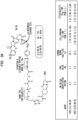
- MAb-CL2A-SN-38 (shown below) realized in the present invention as defined in the claims.
- the structure differs from the linker MAb-CL2-SN-38 in the substitution of a single lysine residue for a Phe-Lys dipeptide found in the CL2 linker.
- the Phe-Lys dipeptide was designed as a cathepsin B cleavage site for lysosomal enzyme, which was considered to be important for intracellular release of bound drug.
- immunoconjugates comprising a CL2A linker are apparently more efficacious in vivo than those comprising a CL2 linker.
- AA comprises a polypeptide moiety, preferably a di, tri or tetrapeptide, that is cleavable by intracellular peptidase.
- polypeptide moiety preferably a di, tri or tetrapeptide, that is cleavable by intracellular peptidase. Examples are: Ala-Leu, Leu-Ala-Leu, and Ala-Leu-Ala-Leu (SEQ ID NO: 9) (Trouet et al., 1982).
- the L1 component of the conjugate contains a defined polyethyleneglycol (PEG) spacer with 1-30 repeating monomeric units.
- PEG polyethyleneglycol
- PEG is a defined PEG with 1-12 repeating monomeric units.
- the introduction of PEG may involve using heterobifunctionalized PEG derivatives which are available commercially.
- the heterobifunctional PEG may contain an azide or acetylene group.
- L2 has a plurality of acetylene (or azide) groups, ranging from 2-40, but preferably 2-20, and more preferably 2-5, and a single antibody-binding moiety.
- the 'L2' component is appended to 2 acetylenic groups, resulting in the attachment of two azide-appended SN-38 molecules.
- the bonding to MAb may involve a succinimide.
- the bifunctional drug contains a thiol-reactive moiety as the antibody-binding group
- the thiols on the antibody are generated on the lysine groups of the antibody using a thiolating reagent.
- Methods for introducing thiol groups onto antibodies by modifications of MAb's lysine groups are well known in the art ( Wong in Chemistry of protein conjugation and cross-linking, CRC Press, Inc., Boca Raton, FL (1991), pp 20-22 ).
- mild reduction of interchain disulfide bonds on the antibody Willner et al., Bioconjugate Chem.
- the chemotherapeutic moiety is selected from the group consisting of doxorubicin (DOX), epirubicin, morpholinodoxorubicin (morpholino-DOX), cyanomorpholino-doxorubicin (cyanomorpholino-DOX), 2-pyrrolino-doxorubicin (2-PDOX), Pro-2PDOX, CPT, 10-hydroxy camptothecin, topotecan, lurtotecan, 9-aminocamptothecin, 9-nitrocamptothecin, taxanes, geldanamycin, ansamycins, and epothilones.
- the antibody links to at least one chemotherapeutic moiety; preferably 1 to about 12 chemotherapeutic moieties; most preferably about 6 to about 8 chemotherapeutic moieties.
- the linker component ⁇ L2' may comprise a thiol group that reacts with a thiol-reactive residue introduced at one or more lysine side chain amino groups of said antibody.
- the antibody is pre-derivatized with a thiol-reactive group such as a maleimide, vinylsulfone, bromoacetamide, or iodoacetamide by procedures well described in the art.
- CPT drug-linkers can be prepared wherein CPT additionally has a 10-hydroxyl group.
- This process involves, but is not limited to, the protection of the 10-hydroxyl group as a t- butyloxycarbonyl (BOC) derivative, followed by the preparation of the penultimate intermediate of the drug-linker conjugate.
- BOC t- butyloxycarbonyl
- removal of the BOC group requires treatment with strong acid such as trifluoroacetic acid (TFA).
- TFA trifluoroacetic acid
- the CPT 20-O-linker carbonate, containing protecting groups to be removed is also susceptible to cleavage, thereby giving rise to unmodified CPT.
- An alternative approach involves protecting the CPT analog's 10-hydroxy position with a group other than 'BOC', such that the the final product is ready for conjugation to antibodies without a need for deprotecting the 10-OH protecting group.
- the 10-hydroxy protecting group which converts the 10-OH into a phenolic carbonate or a phenolic ester, is readily deprotected by physiological pH conditions or by esterases after in vivo administration of the conjugate.
- the faster removal of a phenolic carbonate at the 10 position vs. a tertiary carbonate at the 20 position of 10-hydroxycamptothecin under physiological condition has been described by He et al. ( He et al., Bioorganic & Medicinal Chemistry 12: 4003-4008 (2004 )).
- a 10-hydroxy protecting group on SN-38 can be ⁇ COR' where R can be a substituted alkyl such as "N(CH 3 ) 2 -(CH 2 ) n -" where n is 1-10 and wherein the terminal amino group is optionally in the form of a quaternary salt for enhanced aqueous solubility, or a simple alkyl residue such as "CH 3 -(CH 2 ) n -" where n is 0-10, or it can be an alkoxy moiety such as “CH 3 -(CH 2 )n-O-" where n is 0-10, or "N(CH 3 ) 2 -(CH 2 ) n -O-" where n is 2-10, or "R 1 O-(CH 2 -CH 2 -O) n -CH 2 -CH 2 -O-" where R 1 is ethyl or methyl and n is an integer with values of 0-10.
- 10-hydroxy derivatives are readily prepared by treatment with the chloroformate of the chosen reagent, if the final derivative is to be a carbonate.
- the 10-hydroxy-containing camptothecin such as SN-38 is treated with a molar equivalent of the chloroformate in dimethylformamide using triethylamine as the base. Under these conditions, the 20-OH position is unaffected.
- the acid chloride of the chosen reagent is used.
- the bifunctional drug moiety [L2]-[L1]-[AA] m -[A-X]-Drug is first prepared, followed by the conjugation of the bifunctional drug moiety to the antibody (indicated herein as "MAb").
- cross-linker [L1]-[AA] m -[A-OH]
- [L1]-[AA] m -[A-OH] is attached to drug's hydroxyl or amino group, and this is followed by attachment to the L1 moiety, by taking recourse to the reaction between azide (or acetylene) and acetylene (or azide) groups in L1 and L2 via click chemistry.
- the antibody is a monoclonal antibody (MAb).
- the antibody may be a multivalent and/or multispecific MAb.
- the antibody may be in intact, fragment (Fab, Fab', F(ab) 2 , F(ab') 2 ), or sub-fragment (single-chain constructs) form, or of an IgG1, IgG2a, IgG3, IgG4, IgA isotype, or submolecules therefrom.
- monoclonal antibodies can be obtained by injecting mice with a composition comprising an antigen, removing the spleen to obtain B-lymphocytes, fusing the B-lymphocytes with myeloma cells to produce hybridomas, cloning the hybridomas, selecting positive clones which produce antibodies to the antigen, culturing the clones that produce antibodies to the antigen, and isolating the antibodies from the hybridoma cultures.
- MAbs can be isolated and purified from hybridoma cultures by a variety of well-established techniques. Such isolation techniques include affinity chromatography with Protein-A or Protein-G Sepharose, size-exclusion chromatography, and ion-exchange chromatography. See, for example, Coligan at pages 2.7.1-2.7.12 and pages 2.9.1-2.9.3. Also, see Baines et al., "Purification of Immunoglobulin G (IgG)," in METHODS IN MOLECULAR BIOLOGY, VOL. 10, pages 79-104 (The Humana Press, Inc. 1992 ).
- V ⁇ and V H antigen-binding V ⁇ (variable light chain) and V H (variable heavy chain) sequences for an antibody of interest may be obtained by a variety of molecular cloning procedures, such as RT-PCR, 5'-RACE, and cDNA library screening.
- the V genes of a MAb from a cell that expresses a murine MAb can be cloned by PCR amplification and sequenced. To confirm their authenticity, the cloned V L and V H genes can be expressed in cell culture as a chimeric Ab as described by Orlandi et al., (Proc. Natl. Acad.
- a humanized MAb can then be designed and constructed as described by Leung et al. (Mol. Immunol., 32: 1413 (1995 )).
- cDNA can be prepared from any known hybridoma line or transfected cell line producing a murine MAb by general molecular cloning techniques ( Sambrook et al., Molecular Cloning, A laboratory manual, 2nd Ed (1989 )).
- the V ⁇ sequence for the MAb may be amplified using the primers VK1BACK and VK1FOR (Orlandi et al., 1989) or the extended primer set described by Leung et al. (BioTechniques, 15: 286 (1993 )).
- V H sequences can be amplified using the primer pair VH1BACK/VH1FOR (Orlandi et al., 1989) or the primers annealing to the constant region of murine IgG described by Leung et al. (Hybridoma, 13:469 (1994 )).
- Humanized V genes can be constructed by a combination of long oligonucleotide template syntheses and PCR amplification as described by Leung et al. (Mol. Immunol., 32: 1413 (1995 )).
- PCR products for V ⁇ can be subcloned into a staging vector, such as a pBR327-based staging vector, VKpBR, that contains an Ig promoter, a signal peptide sequence and convenient restriction sites.
- PCR products for V H can be subcloned into a similar staging vector, such as the pBluescript-based VHpBS.
- Expression cassettes containing the V ⁇ and V H sequences together with the promoter and signal peptide sequences can be excised from VKpBR and VHpBS and ligated into appropriate expression vectors, such as pKh and pG1g, respectively ( Leung et al., Hybridoma, 13:469 (1994 )).
- the expression vectors can be co-transfected into an appropriate cell and supernatant fluids monitored for production of a chimeric, humanized or human MAb.
- the V ⁇ and V H expression cassettes can be excised and subcloned into a single expression vector, such as pdHL2, as described by Gillies et al. (J. Immunol. Methods 125:191 (1989 ) and also shown in Losman et al., Cancer, 80:2660 (1997 )).
- expression vectors may be transfected into host cells that have been pre-adapted for transfection, growth and expression in serum-free medium.
- Exemplary cell lines that may be used include the Sp/EEE, Sp/ESF and Sp/ESF-X cell lines (see, e.g., U.S. Patent Nos. 7,531,327 ; 7,537,930 and 7,608,425 ). These exemplary cell lines are based on the Sp2/0 myeloma cell line, transfected with a mutant Bcl-EEE gene, exposed to methotrexate to amplify transfected gene sequences and pre-adapted to serum-free cell line for protein expression.
- a chimeric antibody is a recombinant protein in which the variable regions of a human antibody have been replaced by the variable regions of, for example, a mouse antibody, including the complementarity-determining regions (CDRs) of the mouse antibody.
- Chimeric antibodies exhibit decreased immunogenicity and increased stability when administered to a subject.
- CDRs complementarity-determining regions
- the ADCs may include an antibody or fragment thereof that binds to Trop-2.
- the anti-Trop-2 antibody may is a humanized RS7 antibody (see, e.g., U.S. Patent No.
- 7,238,785 comprising the light chain CDR sequences CDR1 (KASQDVSIAVA, SEQ ID NO:1); CDR2 (SASYRYT, SEQ ID NO:2); and CDR3 (QQHYITPLT, SEQ ID NO:3) and the heavy chain CDR sequences CDR1 (NYGMN, SEQ ID NO:4); CDR2 (WINTYTGEPTYTDDFKG, SEQ ID NO:5) and CDR3 (GGFGSSYWYFDV, SEQ ID NO:6).
- CDR1 KASQDVSIAVA, SEQ ID NO:1
- CDR2 SASYRYT, SEQ ID NO:2
- CDR3 QQHYITPLT, SEQ ID NO:3
- CDR1 NYGMN, SEQ ID NO:4
- CDR2 WINTYTGEPTYTDDFKG, SEQ ID NO:5
- CDR3 GGFGSSYWYFDV, SEQ ID NO:6
- a chimeric or murine monoclonal antibody may be humanized by transferring the mouse CDRs from the heavy and light variable chains of the mouse immunoglobulin into the corresponding variable domains of a human antibody.
- the mouse framework regions (FR) in the chimeric monoclonal antibody are also replaced with human FR sequences.
- additional modification might be required in order to restore the original affinity of the murine antibody. This can be accomplished by the replacement of one or more human residues in the FR regions with their murine counterparts to obtain an antibody that possesses good binding affinity to its epitope.
- residues for substitution include FR residues that are located within 1, 2, or 3 Angstroms of a CDR residue side chain, that are located adjacent to a CDR sequence, or that are predicted to interact with a CDR residue.
- the phage display technique may be used to generate human antibodies (e.g., Dantas-Barbosa et al., 2005, Genet. Mol. Res. 4:126-40 ).
- Human antibodies may be generated from normal humans or from humans that exhibit a particular disease state, such as cancer (Dantas-Barbosa et al., 2005).
- the advantage to constructing human antibodies from a diseased individual is that the circulating antibody repertoire may be biased towards antibodies against disease-associated antigens.
- RNAs were converted to cDNAs and used to make Fab cDNA libraries using specific primers against the heavy and light chain immunoglobulin sequences ( Marks et al., 1991, J. Mol. Biol. 222:581-97 ).
- Human antibodies may also be generated by in vitro activated B-cells. See U.S. Patent Nos. 5,567,610 and 5,229,275 . The skilled artisan will realize that these techniques are exemplary and any known method for making and screening human antibodies or antibody fragments may be utilized.
- transgenic animals that have been genetically engineered to produce human antibodies may be used to generate antibodies against essentially any immunogenic target, using standard immunization protocols.
- Methods for obtaining human antibodies from transgenic mice are disclosed by Green et al., Nature Genet. 7:13 (1994 ), Lonberg et al., Nature 368:856 (1994 ), and Taylor et al., Int. Immun. 6:579 (1994 ).
- a non-limiting example of such a system is the XENOMOUSE ® ( e.g. , Green et al., 1999, J. Immunol. Methods 231:11-23 ) from Abgenix (Fremont, CA).
- the mouse antibody genes have been inactivated and replaced by functional human antibody genes, while the remainder of the mouse immune system remains intact.
- the XENOMOUSE ® was transformed with germline-configured YACs (yeast artificial chromosomes) that contained portions of the human IgH and Igkappa loci, including the majority of the variable region sequences, along with accessory genes and regulatory sequences.
- the human variable region repertoire may be used to generate antibody producing B-cells, which may be processed into hybridomas by known techniques.
- a XENOMOUSE ® immunized with a target antigen will produce human antibodies by the normal immune response, which may be harvested and/or produced by standard techniques discussed above.
- a variety of strains of XENOMOUSE ® are available, each of which is capable of producing a different class of antibody.
- Transgenically produced human antibodies have been shown to have therapeutic potential, while retaining the pharmacokinetic properties of normal human antibodies (Green et al., 1999).
- the skilled artisan will realize that the claimed compositions and methods are not limited to use of the XENOMOUSE ® system but may utilize any transgenic animal that has been genetically engineered to produce human antibodies.
- the target cancer may express one or more target tumor-associated antigens (TAAs).
- TAAs tumor-associated antigens
- antibodies that may be of use for therapy of cancer include, but are not limited to, LL1 (anti-CD74), LL2 or RFB4 (anti-CD22), veltuzumab (hA20, anti-CD20), rituxumab (anti-CD20), obinutuzumab (GA101, anti-CD20), lambrolizumab (anti-PD-1 receptor), nivolumab (anti-PD-1 receptor), ipilimumab (anti-CTLA-4), RS7 (anti-epithelial glycoprotein-1 (EGP-1, also known as Trop-2)), PAM4 or KC4 (both anti-mucin), MN-14 (anti-carcinoembryonic antigen (CEA, also known as CD66e or CEACAM5), MN-15 or MN-3 (anti-CEACAM6), Mu-9 (anti-colon
- Such anti-TAA antibodies are known in the art (e.g., U.S. Patent Nos. 5,686,072 ; 5,874,540 ; 6,107,090 ; 6,183,744 ; 6,306,393 ; 6,653,104 ; 6,730,300 ; 6,899,864 ; 6,926,893 ; 6,962,702 ; 7,074,403 ; 7,230,084 ; 7,238,785 ; 7,238,786 ; 7,256,004 ; 7,282,567 ; 7,300,655 ; 7,312,318 ; 7,585,491 ; 7,612,180 ; 7,642,239 ; and U.S. Patent Application Publ. No.
- hPAM4 U.S. Patent No. 7,282,567
- hA20 U.S. Patent No. 7,151,164
- hA19 U.S. Patent No. 7,109,304
- hIMMU-31 U.S. Patent No. 7,300,655
- hLL1 U.S. Patent No. 7,312,318
- hLL2 U.S. Patent No. 5,789,554
- hMu-9 U.S. Patent No. 7,387,772
- hL243 U.S. Patent No.
- hMN-14 U.S. Patent No. 6,676,924
- hMN-15 U.S. Patent No. 8,287,865
- hR1 U.S. Patent No. 9,441,043
- hRS7 U.S. Patent No. 7,238,785
- hMN-3 U.S. Patent No. 7,541,440
- AB-PG1-XG1-026 U.S. Patent Application 11/983,372 , deposited as ATCC PTA-4405 and PTA-4406) and D2/B ( WO 2009/130575 ).
- tumor-associated antigens include carbonic anhydrase IX, B7, CCL19, CCL21, CSAp, HER-2/neu, BrE3, CD1, CD1a, CD2, CD3, CD4, CD5, CD8, CD11A, CD14, CD15, CD16, CD18, CD19, CD20 (e.g., C2B8, hA20, 1F5 MAbs), CD21, CD22, CD23, CD25, CD29, CD30, CD32b, CD33, CD37, CD38, CD40, CD40L, CD44, CD45, CD46, CD47, CD52, CD54, CD55, CD59, CD64, CD67, CD70, CD74, CD79a, CD80, CD83, CD95, CD126, CD133, CD138, CD147, CD154, CEACAM5, CEACAM6, CTLA-4, alpha-fetoprotein (AFP), VEGF (e.g., AVASTIN ® , fibronectin splice
- Cancer stem cells which are ascribed to be more therapy-resistant precursor malignant cell populations ( Hill and Perris, J. Natl. Cancer Inst. 2007; 99:1435-40 ), have antigens that can be targeted in certain cancer types, such as CD133 in prostate cancer ( Maitland et al., Ernst Schering Found. Sympos. Proc. 2006; 5:155-79 ), non-small-cell lung cancer ( Donnenberg et al., J. Control Release 2007; 122(3):385-91 ), and glioblastoma ( Beier et al., Cancer Res. 2007; 67(9):4010-5 ), and CD44 in colorectal cancer ( Dalerba er al., Proc. Natl. Acad.
- pancreatic cancer Li et al., Cancer Res. 2007; 67(3): 1030-7
- head and neck squamous cell carcinoma Prince et al., Proc. Natl. Acad. Sci. USA 2007; 104(3)973-8
- Another useful target for breast cancer therapy is the LIV-1 antigen described by Taylor et al. (Biochem. J. 2003; 375:51-9 ).
- Checkpoint inhibitor antibodies have been used in cancer therapy. Immune checkpoints refer to inhibitory pathways in the immune system that are responsible for maintaining self-tolerance and modulating the degree of immune system response to minimize peripheral tissue damage. However, tumor cells can also activate immune system checkpoints to decrease the effectiveness of immune response against tumor tissues. Exemplary checkpoint inhibitor antibodies against cytotoxic T-lymphocyte antigen 4 (CTLA4, also known as CD152), programmed cell death protein 1 (PD1, also known as CD279) and programmed cell death 1 ligand 1 (PD-L1, also known as CD274), may be used in combination with one or more other agents to enhance the effectiveness of immune response against disease cells, tissues or pathogens.
- CTL4 cytotoxic T-lymphocyte antigen 4
- PD1 programmed cell death protein 1
- PD-L1 programmed cell death 1 ligand 1
- anti-PD1 antibodies include lambrolizumab (MK-3475, MERCK), nivolumab (BMS-936558, BRISTOL-MYERS SQUIBB), AMP-224 (MERCK), and pidilizumab (CT-011, CURETECH LTD.).
- Anti-PD1 antibodies are commercially available, for example from ABCAM ® (AB137132), BIOLEGEND ® (EH12.2H7, RMP1-14) and AFFYMETRIX EBIOSCIENCE (J105, J116, MIH4).
- anti-PD-L1 antibodies include MDX-1105 (MEDAREX), MEDI4736 (MEDIMMUNE) MPDL3280A (GENENTECH) and BMS-936559 (BRISTOL-MYERS SQUIBB).
- Anti-PD-L1 antibodies are also commercially available, for example from AFFYMETRIX EBIOSCIENCE (MIH1).
- Exemplary anti-CTLA4 antibodies include ipilimumab (Bristol-Myers Squibb) and tremelimumab (PFIZER).
- Anti-PD1 antibodies are commercially available, for example from ABCAM ® (AB 134090), SINO BIOLOGICAL INC.
- Ipilimumab has recently received FDA approval for treatment of metastatic melanoma (Wada et al., 2013, J Transl Med 11:89).
- Macrophage migration inhibitory factor is an important regulator of innate and adaptive immunity and apoptosis. It has been reported that CD74 is the endogenous receptor for MIF ( Leng et al., 2003, J Exp Med 197:1467-76 ). The therapeutic effect of antagonistic anti-CD74 antibodies on MIF-mediated intracellular pathways may be of use for treatment of a broad range of disease states, such as cancers of the bladder, prostate, breast, lung, and colon (e.g., Meyer-Siegler et al., 2004, BMC Cancer 12:34 ; Shachar & Haran, 2011, Leuk Lymphoma 52:1446-54 ). Milatuzumab (hLL1) is an exemplary anti-CD74 antibody of therapeutic use for treatment of MIF-mediated diseases.
- hLL1 Milatuzumab
- Antibodies of use may be commercially obtained from a wide variety of known sources.
- a variety of antibody secreting hybridoma lines are available from the American Type Culture Collection (ATCC, Manassas, VA).
- ATCC American Type Culture Collection
- VA Manassas
- a large number of antibodies against various disease targets, including tumor-associated antigens, have been deposited at the ATCC and/or have published variable region sequences and are available for use in the claimed methods and compositions. See, e.g., U.S. Patent Nos.
- antibody sequences or antibody-secreting hybridomas against almost any disease-associated antigen may be obtained by a simple search of the ATCC, NCBI and/or USPTO databases for antibodies against a selected disease-associated target of interest.
- the antigen binding domains of the cloned antibodies may be amplified, excised, ligated into an expression vector, transfected into an adapted host cell and used for protein production, using standard techniques well known in the art.
- Immunogenicity of therapeutic antibodies is associated with increased risk of infusion reactions and decreased duration of therapeutic response ( Baert et al., 2003, N Engl J Med 348:602-08 ).
- the extent to which therapeutic antibodies induce an immune response in the host may be determined in part by the allotype of the antibody ( Stickler et al., 2011, Genes and Immunity 12:213-21 ).
- Antibody allotype is related to amino acid sequence variations at specific locations in the constant region sequences of the antibody.
- the allotypes of IgG antibodies containing a heavy chain ⁇ -type constant region are designated as Gm allotypes ( 1976, J Immunol 117:1056-59 ).
- G1m1 For the common IgG1 human antibodies, the most prevalent allotype is G1m1 ( Stickler et al., 2011, Genes and Immunity 12:213-21 ). However, the G1m3 allotype also occurs frequently in Caucasians (Stickler et al., 2011). It has been reported that G1m1 antibodies contain allotypic sequences that tend to induce an immune response when administered to non-G1m1 (nG1m1) recipients, such as G1m3 patients (Stickler et al., 2011). Non-G1m1 allotype antibodies are not as immunogenic when administered to G1m1 patients (Stickler et al., 2011).
- the human G 1m 1 allotype comprises the amino acids aspartic acid at Kabat position 356 and leucine at Kabat position 358 in the CH3 sequence of the heavy chain IgG1.
- the nG1m1 allotype comprises the amino acids glutamic acid at Kabat position 356 and methionine at Kabat position 358.
- Both G1m1 and nG1ml allotypes comprise a glutamic acid residue at Kabat position 357 and the allotypes are sometimes referred to as DEL and EEM allotypes.
- a non-limiting example of the heavy chain constant region sequences for G1m1 and nG 1m 1 allotype antibodies is shown below for the exemplary antibodies rituximab (SEQ ID NO:7) and veltuzumab (SEQ ID NO:8).
- veltuzumab and rituximab are, respectively, humanized and chimeric IgG1 antibodies against CD20, of use for therapy of a wide variety of hematological malignancies and/or autoimmune diseases.
- Table 1 compares the allotype sequences of rituximab vs. veltuzumab.
- rituximab (G1m17,1) is a DEL allotype IgG1, with an additional sequence variation at Kabat position 214 (heavy chain CH1) of lysine in rituximab vs. arginine in veltuzumab.
- veltuzumab is less immunogenic in subjects than rituximab (see, e.g., Morchhauser et al., 2009, J Clin Oncol 27:3346-53 ; Goldenberg et al., 2009, Blood 113:1062-70 ; Robak & Robak, 2011, BioDrugs 25:13-25 ), an effect that has been attributed to the difference between humanized and chimeric antibodies.
- the difference in allotypes between the EEM and DEL allotypes likely also accounts for the lower immunogenicity of veltuzumab. Table 1. Allotypes of Rituximab vs.
- Veltuzumab Heavy chain position and associated allotypes Complete allotype 214 (allotype) 356 / 358 (allotype) 431 (allotype) Rituximab G1m17,1 K 17 D / L 1 A - Veltuzumab G1m3 R 3 E / M - A -
- the allotype of the antibody In order to reduce the immunogenicity of therapeutic antibodies in individuals of nG1m1 genotype, it is desirable to select the allotype of the antibody to correspond to the G1m3 allotype, characterized by arginine at Kabat 214, and the nG1m1,2 null-allotype, characterized by glutamic acid at Kabat position 356, methionine at Kabat position 358 and alanine at Kabat position 431. Surprisingly, it was found that repeated subcutaneous administration of G1m3 antibodies over a long period of time did not result in a significant immune response.
- the human IgG4 heavy chain in common with the G1m3 allotype has arginine at Kabat 214, glutamic acid at Kabat 356, methionine at Kabat 359 and alanine at Kabat 431. Since immunogenicity appears to relate at least in part to the residues at those locations, use of the human IgG4 heavy chain constant region sequence for therapeutic antibodies is also a preferred embodiment. Combinations of G1m3 IgG1 antibodies with IgG4 antibodies may also be of use for therapeutic administration.
- Nanobodies are single-domain antibodies of about 12-15 kDa in size (about 110 amino acids in length). Nanobodies can selectively bind to target antigens, like full-size antibodies, and have similar affinities for antigens. However, because of their much smaller size, they may be capable of better penetration into solid tumors. The smaller size also contributes to the stability of the nanobody, which is more resistant to pH and temperature extremes than full size antibodies (Van Der Linden et al., 1999, Biochim Biophys Act 1431:37-46 ).
- Single-domain antibodies were originally developed following the discovery that camelids (camels, alpacas, llamas) possess fully functional antibodies without light chains (e.g., Hamsen et al., 2007, Appl Microbiol Biotechnol 77:13-22 ).
- the heavy-chain antibodies consist of a single variable domain (V HH ) and two constant domains (C H 2 and C H 3).
- V HH variable domain
- C H 2 and C H 3 constant domains
- nanobodies may be developed and used as multivalent and/or bispecific constructs.
- Target antigens such as IL-6R, vWF, TNF, RSV, RANKL, IL-17A & F and IgE (e.g., ABLYNX ® , Ghent, Belgium), with potential clinical use in cancer and other disorders (e.g., Saerens et al., 2008, Curr Opin Pharmacol 8:600-8 ; Muyldermans, 2013, Ann Rev Biochem 82:775-97 ; Ibanez et al., 2011, J Infect Dis 203:1063-72 ).
- target antigens such as IL-6R, vWF, TNF, RSV, RANKL, IL-17A & F and IgE (e.g., ABLYNX ® , Ghent, Belgium)
- nanobodies The plasma half-life of nanobodies is shorter than that of full-size antibodies, with elimination primarily by the renal route. Because they lack an Fc region, they do not exhibit complement dependent cytotoxicity.
- Nanobodies may be produced by immunization of camels, llamas, alpacas or sharks with target antigen, following by isolation of mRNA, cloning into libraries and screening for antigen binding.
- Nanobody sequences may be humanized by standard techniques (e.g., Jones et al., 1986, Nature 321: 522 , Riechmann et al., 1988, Nature 332: 323 , Verhoeyen et al., 1988, Science 239: 1534 , Carter et al., 1992, Proc. Nat'l Acad. Sci. USA 89: 4285 , Sandhu, 1992, Crit. Rev. Biotech. 12: 437 , Singer et al., 1993, J. Immun. 150: 2844 ). Humanization is relatively straight-forward because of the high homology between camelid and human FR sequences.
- the ADCs disclosed herein may comprise nanobodies for targeted delivery of conjugated drug to targeted cancer cells.
- Nanobodies of use are disclosed, for example, in U.S. Patent Nos. 7,807,162 ; 7,939,277 ; 8,188,223 ; 8,217,140 ; 8,372,398 ; 8,557,965 ; 8,623,361 and 8,629,244 .)
- Antibody fragments are antigen binding portions of an antibody, such as F(ab') 2 , Fab', F(ab) 2 , Fab, Fv, sFv, scFv and the like. Antibody fragments which recognize specific epitopes can be generated by known techniques. F(ab') 2 fragments, for example, can be produced by pepsin digestion of the antibody molecule. These and other methods are described, for example, by Goldenberg, U.S. Pat. Nos. 4,036,945 and 4,331,647 and references contained therein. Also, see Nisonoff et al., Arch Biochem. Biophys. 89: 230 (1960 ); Porter, Biochem. J.
- Fab' expression libraries can be constructed ( Huse et al., 1989, Science, 246:1274-1281 ) to allow rapid and easy identification of monoclonal Fab' fragments with the desired specificity.
- a single chain Fv molecule comprises a VL domain and a VH domain.
- the VL and VH domains associate to form a target binding site. These two domains are further covalently linked by a peptide linker (L).
- L peptide linker
- a scFv molecule is denoted as either VL-L-VH if the VL domain is the N-terminal part of the scFv molecule, or as VH-L-VL if the VH domain is the N-terminal part of the scFv molecule.
- VHH Single domain antibodies
- Single domain antibodies may be obtained, for example, from camels, alpacas or llamas by standard immunization techniques.
- the VHH may have potent antigen-binding capacity and can interact with novel epitopes that are inaccessible to conventional VH-VL pairs.
- Alpaca serum IgG contains about 50% camelid heavy chain only IgG antibodies (HCAbs) (Maass et al., 2007).
- Alpacas may be immunized with known antigens, such as TNF- ⁇ , and VHHs can be isolated that bind to and neutralize the target antigen (Maass et al., 2007).
- PCR primers that amplify virtually all alpaca VHH coding sequences have been identified and may be used to construct alpaca VHH phage display libraries, which can be used for antibody fragment isolation by standard biopanning techniques well known in the art (Maass et al., 2007).
- An antibody fragment can also be prepared by proteolytic hydrolysis of a full-length antibody or by expression in E. coli or another host of the DNA coding for the fragment.
- An antibody fragment can be obtained by pepsin or papain digestion of full-length antibodies by conventional methods.
- an antibody fragment can be produced by enzymatic cleavage of antibodies with pepsin to provide an approximate 100 kD fragment denoted F(ab') 2 .
- This fragment can be further cleaved using a thiol reducing agent, and optionally a blocking group for the sulfhydryl groups resulting from cleavage of disulfide linkages, to produce an approximate 50 Kd Fab' monovalent fragment.
- an enzymatic cleavage using papain produces two monovalent Fab fragments and an Fc fragment directly.
- cleaving antibodies such as separation of heavy chains to form monovalent light-heavy chain fragments, further cleavage of fragments, or other enzymatic, chemical or genetic techniques may also be used, so long as the fragments bind to the antigen that is recognized by the intact antibody.
- Bispecific antibodies are useful in a number of biomedical applications. For instance, a bispecific antibody with binding sites for a tumor cell surface antigen and for a T-cell surface receptor can direct the lysis of specific tumor cells by T cells. Bispecific antibodies recognizing gliomas and the CD3 epitope on T cells have been successfully used in treating brain tumors in human patients ( Nitta, et al. Lancet. 1990; 355:368-371 ). A particular example is an anti-CD3 X anti-Trop-2 antibody.
- an anti-CD3 antibody or fragment thereof may be attached to an antibody or fragment against a B-cell associated antigen, such as anti-CD3 X anti-CD19, anti-CD3 X anti-CD20, anti-CD3 X anti-CD22, anti-CD3 X anti-HLA-DR or anti-CD3 X anti-CD74.
- a B-cell associated antigen such as anti-CD3 X anti-CD19, anti-CD3 X anti-CD20, anti-CD3 X anti-CD22, anti-CD3 X anti-HLA-DR or anti-CD3 X anti-CD74.
- Bispecific antibodies can be produced by the quadroma method, which involves the fusion of two different hybridomas, each producing a monoclonal antibody recognizing a different antigenic site ( Milstein and Cuello, Nature, 1983; 305:537-540 ).
- bispecific antibodies Another method for producing bispecific antibodies uses heterobifunctional crosslinkers to chemically tether two different monoclonal antibodies ( Staerz, et al. Nature, 1985; 314:628-631 ; Perez, et al. Nature, 1985; 316:354-356 ). Bispecific antibodies can also be produced by reduction of each of two parental monoclonal antibodies to the respective half molecules, which are then mixed and allowed to reoxidize to obtain the hybrid structure ( Staerz and Bevan. Proc Natl Acad Sci USA. 1986; 83:1453-1457 ). Another alternative involves chemically cross-linking two or three separately purified Fab' fragments using appropriate linkers. (See, e.g., European Patent Application 0453082 ).
- Other methods include improving the efficiency of generating hybrid hybridomas by gene transfer of distinct selectable markers via retrovirus-derived shuttle vectors into respective parental hybridomas, which are fused subsequently ( DeMonte, et al. Proc Natl Acad Sci USA. 1990, 87:2941-2945 ); or transfection of a hybridoma cell line with expression plasmids containing the heavy and light chain genes of a different antibody.
- Cognate V H and V L domains can be joined with a peptide linker of appropriate composition and length (usually consisting of more than 12 amino acid residues) to form a single-chain Fv (scFv) with binding activity.
- a peptide linker of appropriate composition and length usually consisting of more than 12 amino acid residues
- Methods of manufacturing scFvs are disclosed in U.S. Pat. No. 4,946,778 and U.S. Pat. No. 5,132,405 .
- Reduction of the peptide linker length to less than 12 amino acid residues prevents pairing of V H and V L domains on the same chain and forces pairing of V H and V L domains with complementary domains on other chains, resulting in the formation of functional multimers.
- Polypeptide chains of V H and V L domains that are joined with linkers between 3 and 12 amino acid residues form predominantly dimers (termed diabodies). With linkers between 0 and 2 amino acid residues, trimers (termed triabody) and tetramers (termed tetrabody) are favored, but the exact patterns of oligomerization appear to depend on the composition as well as the orientation of V-domains (V H -linker-V L or V L -linker-V H ), in addition to the linker length.
- the technique utilizes complementary protein binding domains, referred to as anchoring domains (AD) and dimerization and docking domains (DDD), which bind to each other and allow the assembly of complex structures, ranging from dimers, trimers, tetramers, quintamers and hexamers. These form stable complexes in high yield without requirement for extensive purification.
- DNL technique allows the assembly of monospecific, bispecific or multispecific antibodies. Any of the techniques known in the art for making bispecific or multispecific antibodies may be utilized in the practice of the presently claimed methods.
- Antibodies or fragments thereof may be conjugated to one or more therapeutic or diagnostic agents.
- the therapeutic agents do not need to be the same but can be different, e.g. a drug and a radioisotope.
- 131 I can be incorporated into a tyrosine of an antibody or fusion protein and a drug attached to an epsilon amino group of a lysine residue.
- Therapeutic and diagnostic agents also can be attached, for example to reduced SH groups and/or to carbohydrate side chains. Many methods for making covalent or non-covalent conjugates of therapeutic or diagnostic agents with antibodies or fusion proteins are known in the art and any such known method may be utilized.
- a therapeutic or diagnostic agent can be attached at the hinge region of a reduced antibody component via disulfide bond formation.
- such agents can be attached using a heterobifunctional cross-linker, such as N -succinyl 3-(2-pyridyldithio)propionate (SPDP). Yu et al., Int. J. Cancer 56: 244 (1994 ). General techniques for such conjugation are well-known in the art.
- the therapeutic or diagnostic agent can be conjugated via a carbohydrate moiety in the Fc region of the antibody.
- the carbohydrate group can be used to increase the loading of the same agent that is bound to a thiol group, or the carbohydrate moiety can be used to bind a different therapeutic or diagnostic agent.
- the Fc region may be absent if the antibody used as the antibody component of the immunoconjugate is an antibody fragment.
- a carbohydrate moiety into the light chain variable region of a full length antibody or antibody fragment. See, for example, Leung et al., J. Immunol. 154: 5919 (1995 ); Hansen et al., U.S. Patent No. 5,443,953 (1995 ), Leung et al., U.S. patent No. 6,254,868 .
- the engineered carbohydrate moiety is used to attach the therapeutic or diagnostic agent.
- click chemistry reaction An alternative method for attaching carrier moieties to a targeting molecule involves use of click chemistry reactions.
- the click chemistry approach was originally conceived as a method to rapidly generate complex substances by joining small subunits together in a modular fashion. (See, e.g., Kolb et al., 2004, Angew Chem Int Ed 40:3004-31 ; Evans, 2007, Aust J Chem 60:384-95 .)
- Various forms of click chemistry reaction are known in the art, such as the Huisgen 1,3-dipolar cycloaddition copper catalyzed reaction ( Tomoe et al., 2002, J Organic Chem 67:3057-64 ), which is often referred to as the "click reaction.”
- Other alternatives include cycloaddition reactions such as the Diels-Alder, nucleophilic substitution reactions (especially to small strained rings like epoxy and aziridine compounds), carbonyl chemistry formation of urea compounds and reactions involving carbon-carbon double bonds, such
- the azide alkyne Huisgen cycloaddition reaction uses a copper catalyst in the presence of a reducing agent to catalyze the reaction of a terminal alkyne group attached to a first molecule.
- a second molecule comprising an azide moiety
- the azide reacts with the activated alkyne to form a 1,4-disubstituted 1,2,3-triazole.
- the copper catalyzed reaction occurs at room temperature and is sufficiently specific that purification of the reaction product is often not required.
- a copper-free click reaction has been proposed for covalent modification of biomolecules.
- the copper-free reaction uses ring strain in place of the copper catalyst to promote a [3 + 2] azide-alkyne cycloaddition reaction (Id.)
- cyclooctyne is an 8-carbon ring structure comprising an internal alkyne bond.
- the closed ring structure induces a substantial bond angle deformation of the acetylene, which is highly reactive with azide groups to form a triazole.
- cyclooctyne derivatives may be used for copper-free click reactions (Id.)
- the TCO-labeled CC49 antibody was administered to mice bearing colon cancer xenografts, followed 1 day later by injection of 111 In-labeled tetrazine probe ( Id .)
- the reaction of radiolabeled probe with tumor localized antibody resulted in pronounced radioactivity localization in the tumor, as demonstrated by SPECT imaging of live mice three hours after injection of radiolabeled probe, with a tumor-to-muscle ratio of 13:1 ( Id .)
- the results confirmed the in vivo chemical reaction of the TCO and tetrazine-labeled molecules.
- the preferred conjugation protocol is based on a thiol-maleimide, a thiol-vinylsulfone, a thiol-bromoacetamide, or a thiol-iodoacetamide reaction that is facile at neutral or acidic pH. This obviates the need for higher pH conditions for conjugations as, for instance, would be necessitated when using active esters. Further details of exemplary conjugation protocols are described below in the Examples section.
- the instant disclosure relates to a method of treating a subject, comprising administering to a subject a therapeutically effective amount of an antibody-drug conjugate (ADC) as described herein.
- ADC antibody-drug conjugate
- Diseases that may be treated with the ADCs described herein include, but are not limited to B-cell malignancies (e.g., non-Hodgkin's lymphoma, mantle cell lymphoma, multiple myeloma, Hodgkin's lymphoma, diffuse large B cell lymphoma, Burkitt lymphoma, follicular lymphoma, acute lymphocytic leukemia, chronic lymphocytic leukemia, hairy cell leukemia) using, for example an anti-CD22 antibody such as the hLL2 MAb (epratuzumab, see U.S.
- B-cell malignancies e.g., non-Hodgkin's lymphoma, mantle cell lymphoma,
- Patent No. 6,183,744 against another CD22 epitope (hRFB4) or antibodies against other B cell antigens, such as CD19, CD20, CD21, CD22, CD23, CD37, CD40, CD40L, CD52, CD74, CD80 or HLA-DR.
- Other diseases include, but are not limited to, adenocarcinomas of endodermally-derived digestive system epithelia, cancers such as breast cancer and non-small cell lung cancer, and other carcinomas, sarcomas, glial tumors, myeloid leukemias, etc.
- antibodies against an antigen e.g., an oncofetal antigen, produced by or associated with a malignant solid tumor or hematopoietic neoplasm, e.g., a gastrointestinal, stomach, colon, esophageal, liver, breast, pancreatic, liver, prostate, ovarian, testicular, brain, bone, urothelial or lymphatic tumor, a sarcoma or a melanoma, are advantageously used.
- an antigen e.g., an oncofetal antigen
- a malignant solid tumor or hematopoietic neoplasm e.g., a gastrointestinal, stomach, colon, esophageal, liver, breast, pancreatic, liver, prostate, ovarian, testicular, brain, bone, urothelial or lymphatic tumor, a sarcoma or a melanoma
- Such therapeutics can be given once or repeatedly, depending on the disease state and tolerability of the conjugate, and can also be used optionally in combination with other therapeutic modalities, external radiation, radioimmunotherapy, immunotherapy, chemotherapy, antisense therapy, interference RNA therapy, gene therapy, and the like. Each combination will be adapted to the tumor type, stage, patient condition and prior therapy, and other factors considered by the managing physician.
- the term "subject” refers to any animal (i.e., vertebrates and invertebrates) including, but not limited to mammals, including humans. It is not intended that the term be limited to a particular age or sex. Thus, adult and newborn subjects, as well as fetuses, whether male or female, are encompassed by the term. Doses given herein are for humans, but can be adjusted to the size of other mammals, as well as children, in accordance with weight or square meter size.
- Therapeutic conjugates comprising an anti-Trop-2 antibody such as the hRS7 MAb can be used to treat carcinomas such as carcinomas of the esophagus, pancreas, lung, stomach, colon and rectum, urinary bladder, breast, ovary, uterus, kidney and prostate, as disclosed in U.S. Patent No. 7,238,785 ; 7,517,964 and 8,084,583 .
- An hRS7 antibody is a humanized antibody that comprises light chain complementarity-determining region (CDR) sequences CDR1 (KASQDVSIAVA, SEQ ID NO:1); CDR2 (SASYRYT, SEQ ID NO:2); and CDR3 (QQHYITPLT, SEQ ID NO:3) and heavy chain CDR sequences CDR1 (NYGMN, SEQ ID NO:4); CDR2 (WINTYTGEPTYTDDFKG, SEQ ID NO:5) and CDR3 (GGFGSSYWYFDV, SEQ ID NO:6)
- CDR1 KASQDVSIAVA, SEQ ID NO:1
- CDR2 SASYRYT, SEQ ID NO:2
- CDR3 QQHYITPLT, SEQ ID NO:3
- CDR1 NYGMN, SEQ ID NO:4
- CDR2 WINTYTGEPTYTDDFKG, SEQ ID NO:5
- CDR3 GGFGSSYWYFDV, SEQ ID NO:6
- the antibodies that may be used in the treatment of human disease are human or humanized (CDR-grafted) versions of antibodies; although murine and chimeric versions of antibodies can be used. Same species IgG molecules as delivery agents are mostly preferred to minimize immune responses. This is particularly important when considering repeat treatments. For humans, a human or humanized IgG antibody is less likely to generate an anti-IgG immune response from patients.
- Antibodies such as hLL1 and hLL2 rapidly internalize after binding to internalizing antigen on target cells, which means that the chemotherapeutic drug being carried is rapidly internalized into cells as well. However, antibodies that have slower rates of internalization can also be used to effect selective therapy.
- a therapeutic agent used in combination with the ADC may comprise one or more isotopes.
- Radioactive isotopes useful for treating diseased tissue include, but are not limited to- 111 In, 177 Lu, 212 Bi, 213 Bi, 211 At, 62 Cu, 67 Cu, 90 Y, 125 I, 131 I, 32 P, 33 P, 47 Sc, 111 Ag, 67 Ga, 142 Pr, 153 Sm, 161 Tb, 166 Dy, 166 Ho, 186 Re, 188 Re, 189 Re, 212 Pb, 223 Ra, 225 Ac, 59 Fe, 75 Se, 77 As, 89 Sr, 99 Mo, 105 Rh, 109 Pd, 143 Pr, 149 Pm, 169 Er, 194 Ir, 198 Au, 199 Au, 227 Th and 211 Pb.
- the therapeutic radionuclide preferably has a decay-energy in the range of 20 to 6,000 keV, preferably in the ranges 60 to 200 keV for an Auger emitter, 100-2,500 keV for a beta emitter, and 4,000-6,000 keV for an alpha emitter.
- Maximum decay energies of useful beta-particle-emitting nuclides are preferably 20-5,000 keV, more preferably 100-4,000 keV, and most preferably 500-2,500 keV. Also preferred are radionuclides that substantially decay with Auger-emitting particles.
- beta-particle-emitting nuclides are preferably ⁇ 1,000 keV, more preferably ⁇ 100 keV, and most preferably ⁇ 70 keV. Also preferred are radionuclides that substantially decay with generation of alpha-particles.
- Such radionuclides include, but are not limited to: Dy-152, At-211, Bi-212, Ra-223, Rn-219, Po-215, Bi-211, Ac-225, Fr-221, At-217, Bi-213, Th-227 and Fm-255. Decay energies of useful alpha-particle-emitting radionuclides are preferably 2,000-10,000 keV, more preferably 3,000-8,000 keV, and most preferably 4,000-7,000 keV.
- radioisotopes of use include 11 C, 13 N, 15 O, 75 Br, 198 Au, 224 Ac, 126 I, 133 I, 77 Br, 113m In, 95 Ru, 97 Ru, 103 Ru, 105 Ru, 107 Hg, 203 Hg, 121m Te, 122m Te, 125m Te, 165 Tm, 167 Tm, 168 Tm, 197 Pt, 109 Pd, 105 Rh, 142 Pr, 143 Pr, 161 Tb, 166 Ho, 199 Au, 57 Co, 58 Co, 51 Cr, 59 Fe, 75 Se, 201 Tl, 225 Ac, 76 Br, 169 Yb, and the like.
- Radionuclides and other metals may be delivered, for example, using chelating groups attached to an antibody or conjugate.
- Macrocyclic chelates such as NOTA, DOTA, and TETA are of use with a variety of metals and radiometals, most particularly with radionuclides of gallium, yttrium and copper, respectively.
- metal-chelate complexes can be made very stable by tailoring the ring size to the metal of interest.
- Other ring-type chelates, such as macrocyclic polyethers for complexing 223 Ra may be used.
- Therapeutic agents of use in the present invention as defined in the claims also include, for example, chemotherapeutic drugs such as vinca alkaloids, anthracyclines, epidophyllotoxins, taxanes, antimetabolites, tyrosine kinase inhibitors, alkylating agents, antibiotics, Cox-2 inhibitors, antimitotics, antiangiogenic and proapoptotic agents, particularly doxorubicin, methotrexate, taxol, other camptothecins, and others from these and other classes of anticancer agents, and the like.
- chemotherapeutic drugs such as vinca alkaloids, anthracyclines, epidophyllotoxins, taxanes, antimetabolites, tyrosine kinase inhibitors, alkylating agents, antibiotics, Cox-2 inhibitors, antimitotics, antiangiogenic and proapoptotic agents, particularly doxorubicin, methotrexate, taxol, other camptothecins,
- cancer chemotherapeutic drugs include nitrogen mustards, alkyl sulfonates, nitrosoureas, triazenes, folic acid analogs, pyrimidine analogs, purine analogs, platinum coordination complexes, hormones, and the like.
- Suitable chemotherapeutic agents are described in REMINGTON'S PHARMACEUTICAL SCIENCES, 19th Ed. (Mack Publishing Co. 1995 ), and in GOODMAN AND GII,MAN'S THE PHARMACOLOGICAL BASIS OF THERAPEUTICS, 7th Ed. (MacMillan Publishing Co. 1985 ), as well as revised editions of these publications.
- Other suitable chemotherapeutic agents, such as experimental drugs are known to those of skill in the art.
- Exemplary drugs of use include, but are not limited to, 5-fluorouracil, afatinib, aplidin, azaribine, anastrozole, anthracyclines, axitinib, AVL-101, AVL-291, bendamustine, bleomycin, bortezomib, bosutinib, bryostatin-1, busulfan, calicheamycin, camptothecin, carboplatin, 10-hydroxycamptothecin, carmustine, celecoxib, chlorambucil, cisplatin (CDDP), Cox-2 inhibitors, irinotecan (CPT-11), SN-38, carboplatin, cladribine, camptothecans, crizotinib, cyclophosphamide, cytarabine, dacarbazine, dasatinib, dinaciclib, docetaxel, dactinomycin, daunorubicin,
- Such agents may be part of the conjugates described herein or may alternatively be administered in combination with the described conjugates, either prior to, simultaneously with or after the conjugate.
- one or more therapeutic naked antibodies as are known in the art may be used in combination with the described conjugates. Exemplary therapeutic naked antibodies are described above.
- a therapeutic agent to be used in combination with the ADC which is a DNA-breaking antibody conjugate is a microtubule inhibitor, such as a vinca alkaloid, a taxanes, a maytansinoid or an auristatin.
- Exemplary known microtubule inhibitors include paclitaxel, vincristine, vinblastine, mertansine, epothilone, docetaxel, discodermolide, combrestatin, podophyllotoxin, CI-980, phenylahistins, steganacins, curacins, 2-methoxy estradiol, E7010, methoxy benzenesuflonamides, vinorelbine, vinflunine, vindesine, dolastatins, spongistatin, rhizoxin, tasidotin, halichondrins, hemiasterlins, cryptophycin 52, MMAE and eribulin mesylate.
- a therapeutic agent to be used in combination with the ADC which is a DNA-breaking ADC is a PARP inhibitor, such as olaparib, talazoparib (BMN-673), rucaparib, veliparib, CEP 9722, MK 4827, BGB-290, ABT-888, AG014699, BSI-201, CEP-8983 or 3-aminobenzamide.
- a PARP inhibitor such as olaparib, talazoparib (BMN-673), rucaparib, veliparib, CEP 9722, MK 4827, BGB-290, ABT-888, AG014699, BSI-201, CEP-8983 or 3-aminobenzamide.
- a therapeutic agent used in combination with the ADC is a tyrosine kinase inhibitor, such as such as ibrutinib (PCI-32765), PCI-45292, CC-292 (AVL-292), ONO-4059, GDC-0834, LFM-A13 or RN486.
- a tyrosine kinase inhibitor such as such as ibrutinib (PCI-32765), PCI-45292, CC-292 (AVL-292), ONO-4059, GDC-0834, LFM-A13 or RN486.
- a therapeutic agent used in combination with the ADC is a PI3K inhibitor, such as idelalisib, Wortmannin, demethoxyviridin, perifosine, PX-866, IPI-145 (duvelisib), BAY 80-6946, BEZ235, RP6530, TGR1202, SF1126, INK1117, GDC-0941, BKM120, XL147, XI,765, Palomid 529, GSK1059615, ZSTK474, PWT33597, IC87114, TG100-115, CAL263, PI-103, GNE477, CUDC-907, AEZS-136 or LY294002.
- PI3K inhibitor such as idelalisib, Wortmannin, demethoxyviridin, perifosine, PX-866, IPI-145 (duvelisib), BAY 80-6946, BEZ235, RP6530, TGR1202, SF
- Therapeutic agents that may be used in concert with camptothecin conjugates also may comprise toxins conjugated to targeting moieties.
- Toxins that may be used in this regard include ricin, abrin, ribonuclease (RNase), DNase I, ranpirnase, Staphylococcal enterotoxin-A, pokeweed antiviral protein, gelonin, diphtheria toxin, Pseudomonas exotoxin, and Pseudomonas endotoxin.
- RNase ribonuclease
- DNase I DNase I
- ranpirnase Staphylococcal enterotoxin-A
- pokeweed antiviral protein pokeweed antiviral protein
- gelonin gelonin
- diphtheria toxin diphtheria toxin
- Pseudomonas exotoxin Pseudomonas endotoxin.
- Additional toxins suitable for use herein
- Immunomodulators of use may be selected from a cytokine, a stem cell growth factor, a lymphotoxin, a hematopoietic factor, a colony stimulating factor (CSF), an interferon (IFN), erythropoietin, thrombopoietin and a combination thereof.
- CSF colony stimulating factor
- IFN interferon
- lymphotoxins such as tumor necrosis factor (TNF), hematopoietic factors, such as interleukin (IL), colony stimulating factor, such as granulocyte-colony stimulating factor (G-CSF) or granulocyte macrophage-colony stimulating factor (GM-CSF), interferon, such as interferons- ⁇ , - ⁇ , - ⁇ or - ⁇ , and stem cell growth factor, such as that designated "S1 factor”.
- TNF tumor necrosis factor
- IL interleukin
- colony stimulating factor such as granulocyte-colony stimulating factor (G-CSF) or granulocyte macrophage-colony stimulating factor (GM-CSF)
- interferon such as interferons- ⁇ , - ⁇ , - ⁇ or - ⁇
- stem cell growth factor such as that designated "S1 factor”.
- cytokines include growth hormones such as human growth hormone, N-methionyl human growth hormone, and bovine growth hormone; parathyroid hormone; thyroxine; insulin; proinsulin; relaxin; prorelaxin; glycoprotein hormones such as follicle stimulating hormone (FSH), thyroid stimulating hormone (TSH), and luteinizing hormone (LH); hepatic growth factor; prostaglandin, fibroblast growth factor; prolactin; placental lactogen, OB protein; tumor necrosis factor- ⁇ and - ⁇ ; mullerian-inhibiting substance; mouse gonadotropin-associated peptide; inhibin; activin; vascular endothelial growth factor; integrin; thrombopoietin (TPO); nerve growth factors such as NGF- ⁇ ; platelet-growth factor; transforming growth factors (TGFs) such as TGF- ⁇ and TGF- ⁇ ; insulin-like growth factor-I and -II; erythropoie
- Chemokines of use include RANTES, MCAF, MIP1-alpha, MIP1-Beta and IP-10.
- the ADC may be used in combination with one or more other therapeutic agents, such as a second antibody, second antibody fragment, second immunoconjugate, radionuclide, toxin, drug, chemotherapeutic agent, radiation therapy, chemokine, cytokine, immunomodulator, enzyme, hormone, oligonucleotide, RNAi or siRNA.
- additional therapeutic agents may be administered separately, in combination with, or attached to the subject antibody-drug immunoconjugates.
- Suitable routes of administration of the conjugates for use in accordance with the present invention as defined in the claims include, without limitation, oral, parenteral, subcutaneous, rectal, transmucosal, intestinal administration, intramuscular, intramedullary, intrathecal, direct intraventricular, intravenous, intravitreal, intraperitoneal, intranasal, or intraocular injections.
- the preferred routes of administration are parenteral.
- Immunoconjugates can be formulated according to known methods to prepare pharmaceutically useful compositions, whereby the immunoconjugate is combined in a mixture with a pharmaceutically suitable excipient.
- Sterile phosphate-buffered saline is one example of a pharmaceutically suitable excipient.
- Other suitable excipients are well-known to those in the art. See, for example, Ansel et al., PHARMACEUTICAL DOSAGE FORMS AND DRUG DELIVERY SYSTEMS, 5th Edition (Lea & Febiger 1990 ), and Gennaro (ed.), REMINGTON'S PHARMACEUTICAL SCIENCES, 18th Edition (Mack Publishing Company 1990 ), and revised editions thereof.
- the immunoconjugate is formulated in Good's biological buffer (pH 6-7), using a buffer selected from the group consisting of N-(2-acetamido)-2-aminoethanesulfonic acid (ACES); N-(2-acetamido)iminodiacetic acid (ADA); N,N-bis(2-hydroxyethyl)-2-aminoethanesulfonic acid (BES); 4-(2-hydroxyethyl)piperazine-1-ethanesulfonic acid (HEPES); 2-(N-morpholino)ethanesulfonic acid (MES); 3-(N-morpholino)propanesulfonic acid (MOPS); 3-(N-morpholinyl)-2-hydroxypropanesulfonic acid (MOPSO); and piperazine-N,N'-bis(2-ethanesulfonic acid) [Pipes].
- a buffer selected from the group consisting of N-(2-acetamido)-2-aminoethane
- More preferred buffers are MES or MOPS, preferably in the concentration range of 20 to 100 mM, more preferably about 25 mM. Most preferred is 25 mM MES, pH 6.5.
- the formulation may further comprise 25 mM trehalose and 0.01% v/v polysorbate 80 as excipients, with the final buffer concentration modified to 22.25 mM as a result of added excipients.
- the preferred method of storage is as a lyophilized formulation of the conjugates, stored in the temperature range of -20 °C to 2 °C, with the most preferred storage at 2 °C to 8 °C.
- the immunoconjugate can be formulated for intravenous administration via, for example, bolus injection, slow infusion or continuous infusion.
- the antibody of the present invention is infused over a period of less than about 4 hours, and more preferably, over a period of less than about 3 hours.
- the first 25-50 mg could be infused within 30 minutes, preferably even 15 min, and the remainder infused over the next 2-3 hrs.
- Formulations for injection can be presented in unit dosage form, e.g., in ampoules or in multidose containers, with an added preservative.
- the compositions can take such forms as suspensions, solutions or emulsions in oily or aqueous vehicles, and can contain formulatory agents such as suspending, stabilizing and/or dispersing agents.
- the active ingredient can be in powder form for constitution with a suitable vehicle, e.g., sterile pyrogen-free water, before use.
- Control release preparations can be prepared through the use of polymers to complex or adsorb the immunoconjugate.
- biocompatible polymers include matrices of poly(ethylene-co-vinyl acetate) and matrices of a polyanhydride copolymer of a stearic acid dimer and sebacic acid. Sherwood et al., Bio/Technology 10: 1446 (1992 ). The rate of release of an immunoconjugate from such a matrix depends upon the molecular weight of the immunoconjugate, the amount of immunoconjugate within the matrix, and the size of dispersed particles. Saltzman et al., Biophys. J.
- the dosage of an administered immunoconjugate for humans will vary depending upon such factors as the patient's age, weight, height, sex, general medical condition and previous medical history. It may be desirable to provide the recipient with a dosage of immunoconjugate that is in the range of from about 1 mg/kg to 24 mg/kg as a single intravenous infusion, although a lower or higher dosage also may be administered as circumstances dictate.
- the dosage may be repeated as needed, for example, once per week for 4-10 weeks, once per week for 8 weeks, or once per week for 4 weeks.
- Preferred dosages may include, but are not limited to, 1 mg/kg, 2 mg/kg, 3 mg/kg, 4 mg/kg, 5 mg/kg, 6 mg/kg, 7 mg/kg, 8 mg/kg, 9 mg/kg, 10 mg/kg, 11 mg/kg, 12 mg/kg, 13 mg/kg, 14 mg/kg, 15 mg/kg, 16 mg/kg, 17 mg/kg, 18 mg/kg, 19 mg/kg, 20 mg/kg, 22 mg/kg and 24 mg/kg. Any amount in the range of 1 to 24 mg/kg may be used. However, in preferred embodiments, the dosage range may be 4 to 16 mg/kg, 6 to 12 mg/kg or 8 to 10 mg/kg.
- the dosage is preferably administered multiple times, once or twice a week.
- a minimum dosage schedule of 4 weeks, more preferably 8 weeks, more preferably 16 weeks or longer may be used.
- the schedule of administration may comprise administration once or twice a week, on a cycle selected from the group consisting of: (i) weekly; (ii) every other week; (iii) one week of therapy followed by two, three or four weeks off; (iv) two weeks of therapy followed by one, two, three or four weeks off; (v) three weeks of therapy followed by one, two, three, four or five week off; (vi) four weeks of therapy followed by one, two, three, four or five week off; (vii) five weeks of therapy followed by one, two, three, four or five week off; and (viii) monthly.
- the cycle may be repeated 4, 6, 8, 10, 12, 16 or 20 times or more.
- an immunoconjugate may be administered as one dosage every 2 or 3 weeks, repeated for a total of at least 3 dosages. Or, twice per week for 4-6 weeks. If the dosage is lowered to approximately 200-300 mg/m 2 (340 mg per dosage for a 1.7-m patient, or 4.9 mg/kg for a 70 kg patient), it may be administered once or even twice weekly for 4 to 10 weeks. Alternatively, the dosage schedule may be decreased, namely every 2 or 3 weeks for 2-3 months. It has been determined, however, that even higher doses, such as 12 mg/kg once weekly or once every 2-3 weeks can be administered by slow i.v. infusion, for repeated dosing cycles. The dosing schedule can optionally be repeated at other intervals and dosage may be given through various parenteral routes, with appropriate adjustment of the dose and schedule.
- immunoconjugates disclosed herein but not subject to the invention as defined in the claims are of use for therapy of cancer.
- cancers include, but are not limited to, carcinoma, lymphoma, glioblastoma, melanoma, sarcoma, and leukemia, myeloma, or lymphoid malignancies.
- squamous cell cancer e.g., epithelial squamous cell cancer
- Ewing sarcoma e.g., Ewing sarcoma
- Wilms tumor astrocytomas
- lung cancer including small-cell lung cancer, non-small cell lung cancer, adenocarcinoma of the lung and squamous carcinoma of the lung, cancer of the peritoneum, gastric or stomach cancer including gastrointestinal cancer, pancreatic cancer, glioblastoma multiforme, cervical cancer, ovarian cancer, liver cancer, bladder cancer, hepatoma, hepatocellular carcinoma, neuroendocrine tumors, medullary thyroid cancer, differentiated thyroid carcinoma, breast cancer, ovarian cancer, colon cancer, rectal cancer, endometrial cancer or uterine carcinoma, salivary gland carcinoma, kidney or renal cancer, prostate cancer, vulvar cancer, anal carcinoma, penile carcinoma, as well as head-and-neck cancer.
- squamous cell cancer e.g.,
- cancer includes primary malignant cells or tumors (e.g., those whose cells have not migrated to sites in the subject's body other than the site of the original malignancy or tumor) and secondary malignant cells or tumors (e.g., those arising from metastasis, the migration of malignant cells or tumor cells to secondary sites that are different from the site of the original tumor).
- primary malignant cells or tumors e.g., those whose cells have not migrated to sites in the subject's body other than the site of the original malignancy or tumor
- secondary malignant cells or tumors e.g., those arising from metastasis, the migration of malignant cells or tumor cells to secondary sites that are different from the site of the original tumor.
- cancers or malignancies include, but are not limited to: Acute Childhood Lymphoblastic Leukemia, Acute Lymphoblastic Leukemia, Acute Lymphocytic Leukemia, Acute Myeloid Leukemia, Adrenocortical Carcinoma, Adult (Primary) Hepatocellular Cancer, Adult (Primary) Liver Cancer, Adult Acute Lymphocytic Leukemia, Adult Acute Myeloid Leukemia, Adult Hodgkin's Lymphoma, Adult Lymphocytic Leukemia, Adult Non-Hodgkin's Lymphoma, Adult Primary Liver Cancer, Adult Soft Tissue Sarcoma, AIDS-Related Lymphoma, AIDS-Related Malignancies, Anal Cancer, Astrocytoma, Bile Duct Cancer, Bladder Cancer, Bone Cancer, Brain Stem Glioma, Brain Tumors, Breast Cancer, Cancer of the Renal Pelvis and Ureter, Central Nervous System (Primary) Lymphoma,
- compositions disclosed herein but not subject to the invention as defined in the claims may be used to treat malignant or premalignant conditions and to prevent progression to a neoplastic or malignant state, including but not limited to those disorders described above.
- Such uses are indicated in conditions known or suspected of preceding progression to neoplasia or cancer, in particular, where non-neoplastic cell growth consisting of hyperplasia, metaplasia, or most particularly, dysplasia has occurred (for review of such abnormal growth conditions, see Robbins and Angell, Basic Pathology, 2d Ed., W. B. Saunders Co., Philadelphia, pp. 68-79 (1976 )).
- Dysplasia is frequently a forerunner of cancer, and is found mainly in the epithelia. It is the most disorderly form of non-neoplastic cell growth, involving a loss in individual cell uniformity and in the architectural orientation of cells. Dysplasia characteristically occurs where there exists chronic irritation or inflammation.
- Dysplastic disorders which can be treated include, but are not limited to, anhidrotic ectodermal dysplasia, anterofacial dysplasia, asphyxiating thoracic dysplasia, atriodigital dysplasia, bronchopulmonary dysplasia, cerebral dysplasia, cervical dysplasia, chondroectodermal dysplasia, cleidocranial dysplasia, congenital ectodermal dysplasia, craniodiaphysial dysplasia, craniocarpotarsal dysplasia, craniometaphysial dysplasia, dentin dysplasia, diaphysial dysplasia, ectodermal dysplasia, enamel dysplasia, encephalo-ophthalmic dysplasia, dysplasia epiphysialis hemimelia, dysplasia epiphysialis multiplex, dysplasia epiphysialis punctata, epi
- Additional pre-neoplastic disorders which can be treated include, but are not limited to, benign dysproliferative disorders (e.g., benign tumors, fibrocystic conditions, tissue hypertrophy, intestinal polyps or adenomas, and esophageal dysplasia), leukoplakia, keratoses, Bowen's disease, Farmer's Skin, solar cheilitis, and solar keratosis.
- the method of the invention is used to inhibit growth, progression, and/or metastasis of cancers, in particular those listed above.
- Additional hyperproliferative diseases, disorders, and/or conditions include, but are not limited to, progression, and/or metastases of malignancies and related disorders such as leukemia (including acute leukemias; e.g., acute lymphocytic leukemia, acute myelocytic leukemia [including myeloblastic, promyelocytic, myelomonocytic, monocytic, and erythroleukemia]) and chronic leukemias (e.g., chronic myelocytic [granulocytic] leukemia and chronic lymphocytic leukemia), polycythemia vera, lymphomas (e.g., Hodgkin's disease and non-Hodgkin's disease), multiple myeloma, Waldenström's macroglobulinemia, heavy chain disease, and solid tumors including, but not limited to, sarcomas and carcinomas such as fibrosarcoma, myxosarcoma, liposarcoma
- Autoimmune diseases that may be treated with immunoconjugates may include acute and chronic immune thrombocytopenias, dermatomyositis, Sydenham's chorea, myasthenia gravis, systemic lupus erythematosus, lupus nephritis, rheumatic fever, polyglandular syndromes, bullous pemphigoid, diabetes mellitus, Henoch-Schonlein purpura, post-streptococcal nephritis, erythema nodosum, Takayasu's arteritis, ANCA-associated vasculitides, Addison's disease, rheumatoid arthritis, multiple sclerosis, sarcoidosis, ulcerative colitis, erythema multiforme, IgA nephropathy, polyarteritis nodosa, ankylosing spondylitis, Goodpasture's syndrome, thromboang
- kits containing components suitable for treating cancer in a patient may contain at least one drug-conjugated antibody as described herein. If the composition containing components for administration is not formulated for delivery via the alimentary canal, such as by oral delivery, a device capable of delivering the kit components through some other route may be included.
- a device capable of delivering the kit components through some other route may be included.
- the kit components may be packaged together or separated into two or more containers.
- the containers may be vials that contain sterile, lyophilized formulations of a composition that are suitable for reconstitution.
- a kit may also contain one or more buffers suitable for reconstitution and/or dilution of other reagents.
- Other containers that may be used include, but are not limited to, a pouch, tray, box, tube, or the like.
- Kit components may be packaged and maintained sterilely within the containers. Another component that can be included is instructions to a person using a kit for its use.
- Example 1 Targeted Therapy of GI Cancers with IMMU-132 (Sacituzumab Govitecan), an Anti-Trop-2-SN-38 Antibody Drug Conjugate (ADC)
- Trop-2 is a tumor-associated glycoprotein highly prevalent in many epithelial cancers. Its elevated expression has been linked to more aggressive disease and a poor prognosis.
- pancreatic cancer patients that were treated (5 at 8, 7 at 10, and 3 at 12 mg/kg), 7 had SD as best response for a median TTP of 15.0 wks.
- 8 had CT assessment, showing 1 PR with a TTP of 30+ wks, and 4 with SD of 17.4+, 21.9, 26.3, and 29.9 wks.
- 3 have had CT assessment, all with SD (1 with 19% target lesion reduction and an ongoing TTP of 29+ wks).
- Neutropenia was the principal dose-limiting toxicity, with fatigue, diarrhea, nausea, and vomiting as other commonly reported toxicities.
- the toxicity profile from 75 patients in the full trial showed only 17.3% and 2.7% Grade 3 and Grade 4 neutropenia, respectively, and just 6.7% Grade 3 diarrhea.
- IMMU-132 showed a high therapeutic index in patients with diverse relapsed metastatic GI cancers. It has a moderately-toxic drug conjugated to an internalizing, cancer-selective mAb, which can be given repeatedly over many months once weekly ⁇ 2 in a 21-day cycle.
- the humanized RS7 (hRS7) anti-Trop-2 antibody was produced as described in U.S. Patent No. 7,238,785 .
- SN-38 attached to a CL2A linker was produced and conjugated to hRS7 (anti-Trop-2), hPAM4 (anti-MLTCSac), hA20 (anti-CD20) or hMN-14 (anti-CEACAM5) antibodies according to U.S. Patent 7,999,083 .
- the conjugation protocol resulted in a ratio of about 6 SN-38 molecules attached per antibody molecule.
- FIG. 1 shows a Capan 1 pancreatic tumor model, wherein specific CL2A-SN-38 conjugates of hRS7 (anti-Trop-2), hPAM4 (anti-MUC-5ac), and hMN-14 (anti-CEACAM5) antibodies showed better efficacies than control hA20-CL2A-SN-38 conjugate (anti-CD20) and untreated control.
- the specific hRS7-CL2A-SN-38 showed better therapeutic efficacy than control treatments ( FIG. 2 ).
- hRS7 SN-38-anti-Trop-2
- CL2-SN-38 and CL2A-SN-38 were conjugated to the anti-Trop-2-humanized antibody, hRS7.
- the immunoconjugates were characterized in vitro for stability, binding, and cytotoxicity. Efficacy was tested in five different human solid tumor-xenograft models that expressed Trop-2 antigen. Toxicity was assessed in mice and in Cynomolgus monkeys.
- the hRS7 conjugates of the two SN-38 derivatives were equivalent in drug substitution ( ⁇ 6), cell binding ( K d ⁇ 1.2 nmol/L), cytotoxicity (IC 50 ⁇ 2.2 nmol/L), and serum stability in vitro ( t / 1 ⁇ 2 ⁇ 20 hours). Exposure of cells to the ADC demonstrated signaling pathways leading to PARP cleavage, but differences versus free SN-38 in p53 and p21 upregulation were noted.
- the anti-Trop-2 hRS7-CL2A-SN-38 ADC provided significant and specific antitumor effects against a range of human solid tumor types. It was well tolerated in monkeys, with tissue Trop-2 expression similar to humans, at clinically relevant doses.
- human cancer xenograft models including non-small cell lung carcinoma, pancreatic, colorectal, and squamous cell lung carcinomas, all at nontoxic doses (e.g., ⁇ 3.2 mg/kg cumulative SN-38 equivalent dose).
- Trop-2 is widely expressed in many epithelial cancers, but also some normal tissues, and therefore a dose escalation study in Cynomolgus monkeys was performed to assess the clinical safety of this conjugate.
- Monkeys tolerated 24 mg SN-38 equivalents/kg with only minor, reversible, toxicities. Given its tumor-targeting and safety profile, hRS7-SN-38 provides a significant improvement in the management of solid tumors responsive to irinotecan.
- SN-38 immunoconjugates and irinotecan are shown in SN-38 equivalents. Based on a mean SN-38/IgG substitution ratio of 6, a dose of 500 ⁇ g ADC to a 20-g mouse (25 mg/kg) contains 0.4 mg/kg of SN-38. Irinotecan doses are likewise shown as SN-38 equivalents (i.e., 40 mg irinotecan/kg is equivalent to 24 mg/kg of SN-38).
- Tumor volume was determined by measurements in 2 dimensions using calipers, with volumes defined as: L ⁇ w 2 /2, where L is the longest dimension of the tumor and w is the shortest. Tumors ranged in size between 0.10 and 0.47 cm 3 when therapy began. Treatment regimens, dosages, and number of animals in each experiment are described in the Results.
- the lyophilized hRS7-CL2A-SN-38 and control ADC were reconstituted and diluted as required in sterile saline. All reagents were administered intraperitoneally (0.1 mL), except irinotecan, which was administered intravenously.
- the dosing regimen was influenced by our prior investigations, where the ADC was given every 4 days or twice weekly for varying lengths of time ( Moon et al., 2008, J Med Chem 51:6916-26 ; Govindan et al., 2009, Clin Chem Res 15:6052-61 ). This dosing frequency reflected a consideration of the conjugate's serum half-life in vitro, to allow a more continuous exposure to the ADC.
- 111 In-radiolabeled hRS7-CL2A-SN-38 and hRS7 IgG were injected into nude mice bearing s.c. SK-MES-1 tumors ( ⁇ 0.3 cm 3 ).
- One group was injected intravenously with 20 ⁇ Ci (250- ⁇ g protein) of 111 In-hRS7-CL2A-SN-38, whereas another group received 20 ⁇ Ci (250- ⁇ g protein) of 111 In-hRS7 IgG.
- mice 5 per timepoint
- mice were anesthetized, bled via intracardiac puncture, and then euthanized.
- mice were sorted into 4 groups each to receive 2-mL i.p. injections of either a sodium acetate buffer control or 3 different doses of hRS7-CL2A-SN-38 (4, 8, or 12 mg/kg of SN-38) on days 0 and 3 followed by blood and serum collection, as described in Results.
- Cynomolgus monkeys (3 male and 3 female; 2.5-4.0 kg) were administered 2 different doses of hRS7-CL2A-SN-38. Dosages, times, and number of monkeys bled for evaluation of possible hematologic toxicities and serum chemistries are described in the Results.
- hRS7-CL2A and hRS7-CL2-SN-38 were compared in mice bearing COLO 205 ( FIG. 3B ) or Capan-1 tumors ( FIG. 3C ), using 0.4 mg or 0.2 mg/kg SN-38 twice weekly ⁇ 4 weeks, respectively, and with starting tumors of 0.25 cm 3 size in both studies.
- Both the hRS7-CL2A and CL2-SN-38 conjugates significantly inhibited tumor growth compared to untreated (AUC 14days P ⁇ 0.002 vs. saline in COLO 205 model; AUC 21days P ⁇ 0.001 vs.
- hRS7-CL2A-SN-38 had IC 50 values in the nmol/L range against several different solid tumor lines ( Table 2 ) .
- the IC 50 with free SN-38 was lower than the conjugate in all cell lines.
- the IC 50 ratio of the ADC versus free SN-38 was lower in the higher Trop-2-expressing cells, most likely reflecting the enhanced ability to internalize the drug when more antigen is present.
- SN-38 is known to activate several signaling pathways in cells, leading to apoptosis (e.g., Cusack et al., 2001, Cancer Res 61 :3535-40 ; Liu et al. 2009, Cancer Lett 274:47-53 ; Lagadec et al., 2008, Br J Cancer 98:335-44 ).
- Our initial studies examined the expression of 2 proteins involved in early signaling events (p21 Waf1/Cip1 and p53) and 1 late apoptotic event [cleavage of poly-ADP-ribose polymerase (PARP)] in vitro (not shown).
- PARP poly-ADP-ribose polymerase
- the MTD of irinotecan (24 mg SN-38/kg, q2dx5) was as effective as hRS7-CL2-SN-38 in COLO 205 cells, because mouse serum can more efficiently convert irinotecan to SN-38 ( Morton et al., 2000, Cancer Res 60:4206-10 ) than human serum, but the SN-38 dose in irinotecan (2,400 ⁇ g cumulative) was 37.5-fold greater than with the conjugate (64 ⁇ g total).
- mice bearing BxPC-3 human pancreatic tumors FIG. 4D
- Biodistribution of hRS7-CL2A-SN-38 The biodistributions of hRS7-CL2A-SN-38 or unconjugated hRS7 IgG were compared in mice bearing SK-MES-1 human squamous cell lung carcinoma xenografts (not shown), using the respective 111 In-labeled substrates. A pharmacokinetic analysis was performed to determine the clearance of hRS7-CL2A-SN-38 relative to unconjugated hRS7 (not shown). The ADC cleared faster than the equivalent amount of unconjugated hRS7, with the ADC exhibiting ⁇ 40% shorter half-life and mean residence time. Nonetheless, this had a minimal impact on tumor uptake (not shown).
- tumor uptake in a group of animals that first received a predose of 0.2 mg/kg (250 ⁇ g protein) of the hRS7 ADC 3 days before the injection of the 111 In-labeled antibody was examined.
- Tumor uptake of 111 In-hRS7-CL2A-SN-38 in predosed mice was substantially reduced at every timepoint in comparison to animals that did not receive the predose (e.g., at 72 hours, predosed tumor uptake was 12.5% ⁇ 3.8% ID/g vs.
- ALT levels were also above the normal range (>77 U/L) within 7 days of treatment ( FIG. 5B ) and with evidence of normalization by Day 15. Livers from all these mice did not show histologic evidence of tissue damage (not shown). In terms of renal function, only glucose and chloride levels were somewhat elevated in the treated groups. At 2 ⁇ 8 mg/kg, 5 of 7 mice had slightly elevated glucose levels (range of 273-320 mg/dL, upper end of normal 263 mg/dL) that returned to normal by 15 days postinjection.
- chloride levels were slightly elevated, ranging from 116 to 127 mmol/L (upper end of normal range 115 mmol/L) in the 2 highest dosage groups (57% in the 2 ⁇ 8 mg/kg group and 100% of the mice in the 2 ⁇ 12 mg/kg group), and remained elevated out to 15 days postinjection.
- This also could be indicative of gastrointestinal toxicity, because most chloride is obtained through absorption by the gut; however, at termination, there was no histologic evidence of tissue damage in any organ system examined (not shown).
- mice do not express Trop-2 identified by hRS7, a more suitable model was required to determine the potential of the hRS7 conjugate for clinical use.
- Immunohistology studies revealed binding in multiple tissues in both humans and Cynomolgus monkeys (breast, eye, gastrointestinal tract, kidney, lung, ovary, fallopian tube, pancreas, parathyroid, prostate, salivary gland, skin, thymus, thyroid, tonsil, ureter, urinary bladder, and uterus; not shown). Based on this cross-reactivity, a tolerability study was performed in monkeys.
- Histopathology of the animals necropsied on day 11 (8 days after last injection) showed microscopic changes in hematopoietic organs (thymus, mandibular and mesenteric lymph nodes, spleen, and bone marrow), gastrointestinal organs (stomach, duodenum, jejunum, ileum, cecum, colon, and rectum), female reproductive organs (ovary, uterus, and vagina), and at the injection site. These changes ranged from minimal to moderate and were fully reversed at the end of the recovery period (day 32) in all tissues, except in the thymus and gastrointestinal tract, which were trending towards full recovery at this later timepoint (not shown).
- the MTD for hRS7-CL2A-SN-38 lies between 2 ⁇ 0.96 and 1.92 mg SN-38/kg, which represents a human equivalent dose of 2 ⁇ 0.3 to 0.6 mg/kg SN-38.
- Trop-2 is a protein expressed on many epithelial tumors, including lung, breast, colorectal, pancreas, prostate, and ovarian cancers, making it a potentially important target for delivering cytotoxic agents ( Ohmachi et al., 2006, Clin Cancer Res 12:3057-63 ; Fong et al., 2008, Br J Cancer 99:1290-95 ; Cubas et al., 2009, Biochim Biophys Acta 1796:309-14 ).
- the RS7 antibody internalizes when bound to Trop-2 ( Shih et al., 1995, Cancer Res 55:5857s-63s ), which enables direct intracellular delivery of cytotoxics.
- SN-38 is a potent topoisomerase-I inhibitor, with IC 50 values in the nanomolar range in several cell lines. It is the active form of the prodrug, irinotecan, that is used for the treatment of colorectal cancer, and which also has activity in lung, breast, and brain cancers. We reasoned that a directly targeted SN-38, in the form of an ADC, would be a significantly improved therapeutic over CPT-11, by overcoming the latter's low and patient-variable bioconversion to active SN-38 ( Mathijssen et al., 2001, Clin Cancer Res 7:2182-94 ).
- ENZ-2208 utilizes a branched PEG to link about 3.5 to 4 molecules of SN-38 per PEG, whereas NK012 is a micelle nanoparticle containing 20% SN-38 by weight.
- this disparity i.e., ratio of potency with free vs. conjugated SN-38
- Trop-2 expression levels increased in the tumor cells, suggesting an advantage to targeted delivery of the drug.
- both the CL2- and CL2A-SN-38 forms of hRS7-SN-38 yielded a t / 1 ⁇ 2 , of ⁇ 20 hours, which is in contrast to the short t / 1 ⁇ 2 , of 12.3 minutes reported for ENZ-2208 ( Zhao et al., 2008, Bioconjug Chem 19:849-59 ), but similar to the 57% release of SN-38 from NK012 under physiological conditions after 24 hours ( Koizumi et al., 2006, Cancer Res 66:10048-56 ).
- hRS7-SN-38 Treatment of tumor-bearing mice with hRS7-SN-38 (either with CL2-SN-38 or CL2A-SN-38) significantly inhibited tumor growth in 5 different tumor models. In 4 of them, tumor regressions were observed, and in the case of Calu-3, all mice receiving the highest dose of hRS7-SN-38 were tumor-free at the conclusion of study. Unlike in humans, irinotecan is very efficiently converted to SN-38 by a plasma esterase in mice, with a greater than 50% conversion rate, and yielding higher efficacy in mice than in humans ( Morton et al., 2000, Cancer Res 60:4206-10 ; Furman et al., 1999, J Clin Oncol 17:1815-24 ).
- hRS7-SN-38 was significantly better in controlling tumor growth. Only when irinotecan was administered at its MTD of 24 mg/kg q2dx5 (37.5-fold more SN-38) did it equal the effectiveness of hRS7-SN-38. In patients, we would expect this advantage to favor hRS7-CL2A-SN-38 even more, because the bioconversion of irinotecan would be substantially lower.
- Trop-2 recognized by hRS7 is not expressed in mice, it was important to perform toxicity studies in monkeys that have a similar tissue expression of Trop-2 as humans. Monkeys tolerated 0.96 mg/kg/dose ( ⁇ 12 mg/m 2 ) with mild and reversible toxicity, which extrapolates to a human dose of ⁇ 0.3 mg/kg/dose ( ⁇ 11 mg/m 2 ). In a Phase I clinical trial of NK012, patients with solid tumors tolerated 28 mg/m 2 of SN-38 every 3 weeks with Grade 4 neutropenia as dose-limiting toxicity (DLT; Hamaguchi et al., 2010, Clin Cancer Res 16:5058-66 ).
- Phase I clinical trials with ENZ-2208 revealed dose-limiting febrile neutropenia, with a recommendation to administer 10 mg/m 2 every 3 weeks or 16 mg/m 2 if patients were administered G-CSF ( Kurzrock et al., AACR-NCI-EORTC International Conference on Molecular Targets and Cancer Therapeutics; 2009 Nov 15-19; Boston, MA ; Poster No C216; Patnaik et al., AACR-NCI-EORTC International Conference on Molecular Targets and Cancer Therapeutics; 2009 Nov 15-19; Boston, MA ; Poster No C221).
- a new antibody-drug conjugate was made by conjugating paclitaxel (TAXOL ® ) to the hRS7 anti-human Trop-2 antibody (hRS7-paclitaxel).
- the final product had a mean drug to antibody substitution ratio of 2.2.
- This ADC was tested in vitro using two different Trop-2-postive cell lines as targets: BxPC-3 (human pancreatic adenocarcinoma) and MDA-MB-468 (human triple negative breast carcinoma).
- BxPC-3 human pancreatic adenocarcinoma
- MDA-MB-468 human triple negative breast carcinoma
- hRS7-SN-38 and free SN-38 were also tested at a range of 3.84 ⁇ 10 -12 to 2.5 ⁇ 10 -7 M. Plates were incubated at 37°C for 96 h. After this incubation period, an MTS substrate was added to all of the plates and read for color development at half-hour intervals until untreated control wells had an OD 492nm reading of approximately 1.0. Growth inhibition was measured as a percent of growth relative to untreated cells using Microsoft Excel and Prism software (non-linear regression to generate sigmoidal dose response curves which yield IC 50 -values).
- the hRS7-paclitaxel ADC exhibited cytotoxic activity in the MDA-MB-468 breast cell line ( FIG. 6 ), with an IC 50 -value approximately 4.5-fold higher than hRS7-SN-38.
- the free paclitaxel was much more potent than the free SN-38 ( FIG. 6 ) . While the IC 50 for free SN-38 was 1.54 ⁇ 10 -9 M, the IC 50 for free paclitaxel was less than 6.1 ⁇ 10 -11 M.
- Similar results were obtained for the BxPC-3 pancreatic cell line ( FIG. 7 ) in which the hRS7-paclitaxel ADC had an IC 50 -value approximately 2.8-fold higher than the hRS7-SN-38 ADC.
- MAB650 the Trop-2 positive human gastric carcinoma
- NCI-N87 the Trop-2 positive human gastric carcinoma
- Cells (1.5 ⁇ 10 5 /well) were plated into 96-well plates the day before the binding assay. The following morning, a dose/response curve was generated with 162-46.2, MAB650, and murine RS7 (0.03 to 66 nM).
- a novel anti-Trop-2 ADC was made with SN-38 and MAB650, yielding a mean drug to antibody substitution ratio of 6.89. Cytotoxicity assays were performed to compare the MAB650-SN-38 and hRS7-SN-38 ADCs using two different human pancreatic adenocarcinoma cell lines (BxPC-3 and Capan-1) and a human triple negative breast carcinoma cell line (MDA-MB-468) as targets.
- hRS7-SN-38 and MAB650-SN-38 had similar growth-inhibitory effects with IC 50 -values in the low nM range which is typical for SN-38-ADCs in these cell lines.
- the hRS7-SN-38 ADC showed an IC 50 of 3.5 nM, compared to 4.1 nM for the MAB650-SN-38 ADC and 1.0 nM for free SN-38.
- FIG. 8A human Capan-1 pancreatic adenocarcinoma cell line
- FIG. 8A the human Capan-1 pancreatic adenocarcinoma cell line showed an IC 50 of 3.5 nM, compared to 4.1 nM for the MAB650-SN-38 ADC and 1.0 nM for free SN-38.
- the human BxPC-3 pancreatic adenocarcinoma cell line FIG.
- the hRS7-SN-38 ADC showed an IC 50 of 2.6 nM, compared to 3.0 nM for the MAB650-SN-38 ADC and 1.0 nM for free SN-38.
- the hRS7-SN-38 ADC showed an IC 50 of 3.6 nM, compared to 4.1 nM for the MAB650-SN-38 ADC and 4.3 nM for free SN-38.
- a novel anti-Trop-2 ADC was made with SN-38 and 162-46.2, yielding a drug to antibody substitution ratio of 6.14. Cytotoxicity assays were performed to compare the 162-46.2-SN-38 and hRS7-SN-38 ADCs using two different Trop-2-postive cell lines as targets, the BxPC-3 human pancreatic adenocarcinoma and the MDA-MB-468 human triple negative breast carcinoma.
- the 162-46.2-SN-38 ADC had a similar IC 50 -values when compared to hRS7-SN-38.
- hRS7-SN-38 had an IC 50 of 5.8 nM, compared to 10.6 nM for 162-46.2-SN-38 and 1.6 nM for free SN-38.
- MDA-MB-468 human breast adenocarcinoma cell line
- hRS7-SN-38 had an IC 50 of 3.9 nM, compared to 6.1 nM for 162-46.2-SN-38 and 0.8 nM for free SN-38.
- the free antibodies alone showed little cytotoxicity to either Trop-2 positive cancer cell line.
- the present Example reports results from a phase I clinical trial and ongoing phase II extension with IMMU-132, an ADC of the internalizing, humanized, hRS7 anti-Trop-2 antibody conjugated by a pH-sensitive linker to SN-38 (mean drug-antibody ratio 7.6).
- Trop-2 is a type I transmembrane, calcium-transducing, protein expressed at high density ( ⁇ 1 ⁇ 10 5 ), frequency, and specificity by many human carcinomas, with limited normal tissue expression.
- Preclinical studies in nude mice bearing Capan-1 human pancreatic tumor xenografts have revealed IMMU-132 is capable of delivering as much as 120-fold more SN-38 to tumor than derived from a maximally tolerated irinotecan therapy.
- the present Example reports the initial Phase I trial of 25 patients who had failed multiple prior therapies (some including topoisomerase-I/II inhibiting drugs), and the ongoing Phase II extension now reporting on 69 patients, including in colorectal (CRC), small-cell and non-small cell lung (SCLC, NSCLC, respectively), triple-negative breast (TNBC), pancreatic (PDC), esophageal, and other cancers.
- CRC colorectal
- SCLC small-cell and non-small cell lung
- NSCLC non-small cell lung
- TNBC triple-negative breast
- PDC pancreatic
- esophageal esophageal
- Trop-2 was not detected in serum, but was strongly expressed ( ⁇ 2 + ) in most archived tumors.
- IMMU-132 was given on days 1 and 8 in repeated 21-day cycles, starting at 8 mg/kg/dose, then 12 and 18 mg/kg before dose-limiting neutropenia.
- neutropenia ⁇ G3 occurred in 28% (4% G4).
- Plasma CEA and CA19-9 correlated with responses. No anti-hRS7 or anti-SN-38 antibodies were detected despite dosing over months.
- the conjugate cleared from the serum within 3 days, consistent with in vivo animal studies where 50% of the SN-38 was released daily, with >95% of the SN-38 in the serum being bound to the IgG in a non-glucoronidated form, and at concentrations as much as 100-fold higher than SN-38 reported in patients given irinotecan.
- Table 3 A summary of the dosing regiment and patient poll is provided in Table 3.
- Table 3. Clinical Trial Parameters
- Dosing regimen Once weekly for 2 weeks administered every 21 days for up to 8 cycles. In the initial enrollment, the planned dose was delayed and reduced if ⁇ G2 treatment-related toxicity; protocol was amended to dose delay and reduction only in the event of ⁇ G3 toxicity.
- Exemplary partial responses to the anti-Trop-2 ADC were confirmed by CT data (not shown).
- CT data As an exemplary PR in CRC, a 62 year-old woman first diagnosed with CRC underwent a primary hemicolectomy. Four months later, she had a hepatic resection for liver metastases and received 7 mos of treatment with FOLFOX and 1 mo 5FU. She presented with multiple lesions primarily in the liver (3+ Trop-2 by immunohistology), entering the hRS7-SN-38 trial at a starting dose of 8 mg/kg about 1 year after initial diagnosis. On her first CT assessment, a PR was achieved, with a 37% reduction in target lesions (not shown). The patient continued treatment, achieving a maximum reduction of 65% decrease after 10 months of treatment (not shown) with decrease in CEA from 781 ng/mL to 26.5 ng/mL), before progressing 3 months later.
- a 65 year-old male was diagnosed with stage IIIB NSCLC (sq. cell).
- Initial treatment of carboplatin/etoposide (3 mo) in concert with 7000 cGy XRT resulted in a response lasting 10 mo.
- the primary toxicity was a manageable neutropenia, with few Grade 3 toxicities.
- IMMU-132 showed evidence of activity (PR and durable SD) in relapsed/refractory patients with triple-negative breast cancer, small cell lung cancer, non-small cell lung cancer, colorectal cancer and esophageal cancer, including patients with a previous history of relapsing on topoisomerase-I inhibitor therapy. These results show efficacy of the anti-Trop-2 ADC in a wide range of cancers that are resistant to existing therapies.
- the anti-CEACAM5 humanized MAb, hMN-14 also known as labetuzumab
- the anti-CD22 humanized MAb, hLL2 also known as epratuzumab
- the anti-CD20 humanized MAb, hA20 also known as veltuzumab
- the anti-EGP-1 humanized MAb, hRS7, and anti-mucin humanized MAb, hPAM4 also known as clivatuzumab
- Each antibody was reduced with dithiothreitol (DTT), used in a 50-to-70-fold molar excess, in 40 mM PBS, pH 7.4, containing 5.4 mM EDTA, at 37 °C (bath) for 45 min.
- DTT dithiothreitol
- the reduced product was purified by size-exclusion chromatography and/or diafiltration, and was buffer-exchanged into a suitable buffer at pH 6.5.
- the thiol content was determined by Ellman's assay, and was in the 6.5-to-8.5 SH/IgG range.
- the antibodies were reduced with Tris (2-carboxyethyl) phosphine (TCEP) in phosphate buffer at pH in the range of 5-7, followed by in situ conjugation.
- TCEP Tris (2-carboxyethyl) phosphine
- the reduced MAb was reacted with ⁇ 10-to-15-fold molar excess of CL2A-SN-38 using DMSO at 7-15 % v/v as co-solvent, and incubating for 20 min at ambient temperature.
- the conjugate was purified by centrifuged SEC, passage through a hydrophobic column, and finally by ultrafiltration-diafiltration.
- the product was assayed for SN-38 by absorbance at 366 nm and correlating with standard values, while the protein concentration was deduced from absorbance at 280 nm, corrected for spillover of SN-38 absorbance at this wavelength. This way, the SN-38/MAb substitution ratios were determined.
- the purified conjugates were stored as lyophilized formulations in glass vials, capped under vacuum and stored in a -20 °C freezer.
- MSR molar substitution ratios
- cisplatinum is one of the main chemotherapeutics used in combination with irinotecan in advanced small-cell lung cancer (SCLC)
- SCLC advanced small-cell lung cancer
- mice Female C.B.-17 SCID mice were injected s.c. with a tumor suspension made from of DMS 53 stock tumors (20% w/v) plus cells harvested from tissue culture (5 ⁇ 10 6 cells per mouse) mixed 1: 1 with matrigel. Once tumors reached a mean tumor volume of 0.270 ⁇ 0.048 cm 3 , the animals were divided up into nine different treatment groups of 9 mice each. Three groups of mice received IMMU-132 (500, 250 or 100 ⁇ g i.p.) while a control group received a non-tumor targeting antibody-drug conjugate made with h679, a humanized antihistamine-succinyl-glycine IgG (h679-SN-38; 500 ⁇ g i.p.).
- IMMU-132 500, 250 or 100 ⁇ g i.p.
- IMMU-132 Mean tumor volumes for the various groups are shown in FIG. 12 . All three doses of IMMU-132 provided a significant antitumor effect compared to saline control animals ( P ⁇ 0.0161; AUC one-tailed t -test). Therapy with the highest dose of IMMU-132 (500 ⁇ g) produced significantly greater tumor regressions in tumor-bearing mice compared to all the monotherapy groups, including control h679-SN-38 ( P ⁇ 0.0032; AUC two-tailed t -test).
- P 0.0983; AUC two-tailed t-test
- P 0.0002, AUC two-tailed t -test.
- the combination group had tumors that were ⁇ 6.2-fold smaller than those in the cisplatinum monotherapy group (0.123 ⁇ 0.040 cm 3 vs. 0.758 ⁇ 0.240 cm 3 , respectively; P ⁇ 0.0001, two-tailed t -test).
- mice treated with the weekly schedule of IMMU-132 (250 ⁇ g) combined with cisplatinum had significantly smaller tumors than animals treated with only IMMU-132 (250 ⁇ g) even though in the monotherapy group IMMU-132 was administered twice weekly ( P ⁇ 0.0001, AUC two-tailed t -test).
- the combination of IMMU-132 plus cisplatinum proved to be superior to all the other groups including IMMU-132 plus carboplatin combination and high dose IMMU-132 (500 ⁇ g) monotherapy treatment groups ( P ⁇ 0.0066, AUC two-tailed t -test).
- mice bearing DMS 53 tumors exhibited cachexia ( FIG. 15 ) with weights dropping on average greater than 15% from the start.
- the animal's body weight dropped 16.9% ⁇ 3.4%.
- mice began to gain weight again.
- mice lost their greatest weight by day 38 (15.3% ⁇ 5.6%), after which, they began to regain this lost weight as the tumors regressed with the mice returning to 100% of starting weight by day 58.
- the tumors regressed to 0.128 ⁇ 0.0.018 cm 3 from a starting size of 0.270 ⁇ 0.050 cm 3 on day 27.
- Topotecan a topoisomerase I inhibitor
- mSCLC metastatic small-cell lung cancer
- ADC novel antibody-drug conjugate
- sacituzumab govitecan comprised of an antibody targeting Trop-2 and containing the active metabolite of irinotecan, SN-38 (also a topoisomerase I inhibitor)
- SN-38 also a topoisomerase I inhibitor
- Sacituzumab govitecan was administered intravenously at an initial infusion rate of 50 mg/h, completed within 3 h (subsequent infusions completed within 60-90 min).
- Premedications e.g., diphenhydramine, acetaminophen, and dexamethasone
- Doses of 8 or 10 mg/kg were given on days 1 and 8 of a 21-day cycle, with contingencies to delay (maximum of 2 weeks).
- Toxicities were managed by supportive hematopoietic growth-factor therapy for blood cell reduction, dose delays and/or modification as specified in the protocol (e.g., 25% of prior dose), or by standard medical practice. Treatment was continued until disease progression, initiation of alternative anticancer therapy, unacceptable toxicity, or withdrawal of consent.
- the primary endpoint was the proportion of patients with a confirmed objective response, assessed approximately every 8 weeks until disease progression, by each institution's radiology group or a contracted local radiology service. Objective responses were assessed by Response Evaluation Criteria in Solid Tumors, version 1.1 (RECIST 1.1) ( Eisenhauer et al., 2009, Eur J Cancer 45:228-47 ). Partial (PR) or complete responses (CR) required confirmation within 4 to 6 weeks after the initial response. Clinical benefit rate (CBR) is defined as those patients with an objective response plus stable disease (SD) ⁇ 4 months. Survival was monitored every 3 months until death or withdrawal of consent.
- SD stable disease
- the protocol provided that objective response rates (ORR) were determined for patients who received ⁇ 2 doses (1 cycle) and had their initial 8-week CT assessment. Duration of response is defined in accordance to RECIST 1.1 criteria, with those having an objective response marked from time of the first evidence of response until progression, while stable disease duration is marked from the start of treatment until progression. PFS and OS are defined from the start of treatment until an objective assessment of progression was determined (PFS) or death (OS). Duration of response, PFS, and OS were estimated by Kaplan-Meier methods, with 95% confidence intervals (CI), using MedCalc Statistical Software, version 16.4.3 (Ostend, Belgium).
- Assay sensitivity is 50 ng/mL for the ADC and the IgG, and 170 ng/mL for anti-SN-38 antibody.
- the initial doses in 15 patients were given at a starting dose of 8 mg/kg; 10 mg/kg was the starting dose for the next 38 patients. Between the 2 dose groups, 25 patients received ⁇ 10 doses ( ⁇ 5 cycles), and 2 received 62 and 63 doses (>30 cycles). The median treatment duration was 2.5 months (range, 1 to 23). Neutropenia (grade ⁇ 2) was the only indication for dose reduction, and was recorded in 29% (11/38) patients at the 10 mg/kg dose level after a median of 2.5 doses (range, 1 to 9). Two of the fifteen patients (13%) treated at 8 mg/kg had reductions, one after 2 doses and another after 41 doses (20 cycles). Once reduced, additional reductions were infrequent. No treatment-related deaths were observed.
- FIG. 16 provides a series of graphic representations of the responses, including a waterfall plot of the best percentage change in the diameter sum of the target lesions for the 43 patients ( FIG. 16A ), a graph showing the duration of the responses for those achieving PR or SD status ( FIG. 16B ), and a plot tracking the response changes of the patients with PR and SD over time ( FIG. 16C ) .
- FIG. 18 A patient given sacituzumab govitecan after relapsing to first-line carboplatin plus etoposide therapy is presented in FIG. 18 .
- FIG. 19 Another example with considerable tumor reduction is shown in FIG. 19 .
- Immunohistochemical Staining of Tumor Specimens - Archival tumor specimens were obtained from 29 patients, but four were inadequate for review, leaving 25 assessable tumors, of which 92% were positive, with two (8%) having strong (3+) and thirteen (52%) moderate (2+) staining. Twenty-three of these patients had an objective response assessment. There were five with confirmed PR and two unconfirmed PR in this group; five had 2+ staining, while the other two were 1+ (not shown), suggesting that higher expression provided better responses.
- topotecan shows some promise in this second-line setting in patients who relapsed after showing sensitivity to a platinum-based chemotherapy, but with considerable hematological toxicity.
- Lara et al. 2015, J Thorac Oncol 10:110-5
- platinum-sensitivity is not strongly associated with improved PFS and OS following treatment with topotecan, which is its currently approved indication.
- topotecan and SN-38 are inhibitors of the DNA topoisomerase I enzyme, which is responsible for relaxing a supercoiled DNA helix when DNA is synthesized by stabilizing the DNA complex, causing accumulation of single strand DNA breaks ( Takimoto & Arbuck, 1966, Camptothecins. In: Chabner & Long (Eds.). Cancer Chemotherapy and Biotherapy. Second ed. Philadelphia: Lippincott-Raven; p. 463-84 ), sacituzumab govitecan showed activity in patients who relapsed after topotecan therapy.
- topotecan resistance or relapse may not be a contraindication for administering sacituzumab govitecan, and because of being similarly active in patients who were chemoresistant to cisplatin and etoposide, may be of particular value as a second-line therapeutic in patients with metastatic SCLC regardless of chemosensitivity status.
- Nivolumab alone achieved a 10% response rate, while the combination had response rates of 19 to 23%, and a disease-control rate of 32% ( Antonia et al., 2016, Lancet Oncol 17:883-95 ).
- a recent study of ipilimumab with or without chemotherapy in SCLC failed to confirm these results ( Reck et al., 2016, J Clin Oncol 34:3740-48 ).
- sacituzumab govitecan may have activity in patients failing therapy with immune checkpoint inhibitors, we are studying this further, especially because of evidence showing such responses after therapy with an immune checkpoint inhibitor in patients with other cancer types ( Bardia et al., 2017, J Clin Oncol 35:2141-48 ; Faltas et al., 2016, Clin Genitourin Cancer 14:e75-9 ; Heist et al., 2017, J Clin Oncol 35:2790-97 ; Tagawa et al., 2017, J Clin Oncol 35:abstract 327 ).
Landscapes
- Health & Medical Sciences (AREA)
- Life Sciences & Earth Sciences (AREA)
- Chemical & Material Sciences (AREA)
- Medicinal Chemistry (AREA)
- General Health & Medical Sciences (AREA)
- Animal Behavior & Ethology (AREA)
- Pharmacology & Pharmacy (AREA)
- Epidemiology (AREA)
- Bioinformatics & Cheminformatics (AREA)
- Public Health (AREA)
- Veterinary Medicine (AREA)
- Engineering & Computer Science (AREA)
- Immunology (AREA)
- Cell Biology (AREA)
- Organic Chemistry (AREA)
- Molecular Biology (AREA)
- Biochemistry (AREA)
- Genetics & Genomics (AREA)
- Proteomics, Peptides & Aminoacids (AREA)
- Biophysics (AREA)
- Emergency Medicine (AREA)
- Oncology (AREA)
- Pulmonology (AREA)
- Pharmaceuticals Containing Other Organic And Inorganic Compounds (AREA)
- Medicines Containing Antibodies Or Antigens For Use As Internal Diagnostic Agents (AREA)
- Medicines That Contain Protein Lipid Enzymes And Other Medicines (AREA)
- Medicinal Preparation (AREA)
- Acyclic And Carbocyclic Compounds In Medicinal Compositions (AREA)
- Peptides Or Proteins (AREA)
Applications Claiming Priority (3)
| Application Number | Priority Date | Filing Date | Title |
|---|---|---|---|
| US201762463316P | 2017-02-24 | 2017-02-24 | |
| US15/820,708 US10413539B2 (en) | 2012-12-13 | 2017-11-22 | Therapy for metastatic urothelial cancer with the antibody-drug conjugate, sacituzumab govitecan (IMMU-132) |
| PCT/US2018/019025 WO2018156634A1 (en) | 2017-02-24 | 2018-02-21 | Therapy of small-cell lung cancer (sclc) with a topoisomerase-i inhibiting antibody-drug conjugate (adc) targeting trop-2 |
Publications (4)
| Publication Number | Publication Date |
|---|---|
| EP3585442A1 EP3585442A1 (en) | 2020-01-01 |
| EP3585442A4 EP3585442A4 (en) | 2020-09-09 |
| EP3585442C0 EP3585442C0 (en) | 2023-10-11 |
| EP3585442B1 true EP3585442B1 (en) | 2023-10-11 |
Family
ID=63253429
Family Applications (1)
| Application Number | Title | Priority Date | Filing Date |
|---|---|---|---|
| EP18758120.2A Active EP3585442B1 (en) | 2017-02-24 | 2018-02-21 | Therapy of small-cell lung cancer (sclc) with a topoisomerase-i inhibiting antibody-drug conjugate (adc) targeting trop-2 |
Country Status (8)
| Country | Link |
|---|---|
| EP (1) | EP3585442B1 (enExample) |
| JP (1) | JP7188837B2 (enExample) |
| CN (1) | CN110392580A (enExample) |
| CA (1) | CA3043766A1 (enExample) |
| ES (1) | ES2966466T3 (enExample) |
| PL (1) | PL3585442T3 (enExample) |
| RU (1) | RU2019124477A (enExample) |
| WO (1) | WO2018156634A1 (enExample) |
Families Citing this family (7)
| Publication number | Priority date | Publication date | Assignee | Title |
|---|---|---|---|---|
| WO2021143741A1 (zh) * | 2020-01-15 | 2021-07-22 | 北京海步医药科技有限公司 | 靶向多肽-药物缀合物及其用途 |
| TWI861509B (zh) * | 2021-06-11 | 2024-11-11 | 美商基利科學股份有限公司 | Mcl-1抑制劑與抗體藥物接合物之組合 |
| CN114288265B (zh) * | 2021-11-24 | 2026-03-31 | 宁波市第一医院 | 一种包含顺铂-亚油酸和sn38-亚油酸的纳米颗粒、制备方法及应用 |
| WO2023208341A1 (en) | 2022-04-27 | 2023-11-02 | ITM Isotope Technologies Munich SE | Combination treatment of small-cell lung cancer |
| CN117180447A (zh) * | 2023-04-23 | 2023-12-08 | 中山大学肿瘤防治中心(中山大学附属肿瘤医院、中山大学肿瘤研究所) | Immu-132在制备用于治疗结直肠癌药物中的应用 |
| CA3221834A1 (en) * | 2023-06-30 | 2025-06-17 | Sichuan Kelun-Biotech Biopharmaceutical Co., Ltd. | Combination therapies for the treatment of non-small cell lung cancer |
| WO2025199464A1 (en) * | 2024-03-22 | 2025-09-25 | Eisai R&D Management Co., Ltd. | Anti-trop2 antibody-drug conjugates and methods of use |
Family Cites Families (6)
| Publication number | Priority date | Publication date | Assignee | Title |
|---|---|---|---|---|
| US9770517B2 (en) * | 2002-03-01 | 2017-09-26 | Immunomedics, Inc. | Anti-Trop-2 antibody-drug conjugates and uses thereof |
| US20130029909A1 (en) * | 2009-09-15 | 2013-01-31 | John Ryan | Treatment of cancer |
| US10137196B2 (en) * | 2012-12-13 | 2018-11-27 | Immunomedics, Inc. | Dosages of immunoconjugates of antibodies and SN-38 for improved efficacy and decreased toxicity |
| US9492566B2 (en) * | 2012-12-13 | 2016-11-15 | Immunomedics, Inc. | Antibody-drug conjugates and uses thereof |
| EP3286224A4 (en) * | 2015-04-22 | 2018-11-14 | Immunomedics, Inc. | Isolation, detection, diagnosis and/or characterization of circulating trop-2-positive cancer cells |
| PT3313443T (pt) * | 2015-06-25 | 2023-08-30 | Immunomedics Inc | Combinação de anticorpos anti-hla-dr ou anti-trop-2 com inibidores de microtúbulos, inibidores de parp, inibidores de bruton quinase ou inibidores de fosfoinositídeo 3-quinase melhora significativamente o resultado terapêutico no cancro |
-
2018
- 2018-02-21 PL PL18758120.2T patent/PL3585442T3/pl unknown
- 2018-02-21 EP EP18758120.2A patent/EP3585442B1/en active Active
- 2018-02-21 JP JP2019542544A patent/JP7188837B2/ja active Active
- 2018-02-21 WO PCT/US2018/019025 patent/WO2018156634A1/en not_active Ceased
- 2018-02-21 RU RU2019124477A patent/RU2019124477A/ru unknown
- 2018-02-21 CN CN201880017528.6A patent/CN110392580A/zh active Pending
- 2018-02-21 ES ES18758120T patent/ES2966466T3/es active Active
- 2018-02-21 CA CA3043766A patent/CA3043766A1/en active Pending
Also Published As
| Publication number | Publication date |
|---|---|
| JP2020508292A (ja) | 2020-03-19 |
| CA3043766A1 (en) | 2018-08-30 |
| ES2966466T3 (es) | 2024-04-22 |
| EP3585442C0 (en) | 2023-10-11 |
| CN110392580A (zh) | 2019-10-29 |
| RU2019124477A (ru) | 2021-03-24 |
| RU2019124477A3 (enExample) | 2021-03-30 |
| WO2018156634A1 (en) | 2018-08-30 |
| EP3585442A1 (en) | 2020-01-01 |
| PL3585442T3 (pl) | 2024-03-11 |
| EP3585442A4 (en) | 2020-09-09 |
| JP7188837B2 (ja) | 2022-12-13 |
Similar Documents
| Publication | Publication Date | Title |
|---|---|---|
| US10744129B2 (en) | Therapy of small-cell lung cancer (SCLC) with a topoisomerase-I inhibiting antibody-drug conjugate (ADC) targeting Trop-2 | |
| US11052081B2 (en) | Therapy for metastatic urothelial cancer with the antibody-drug conjugate, sacituzumab govitecan (IMMU-132) | |
| US20240352147A1 (en) | Efficacy of anti-trop-2-sn-38 antibody drug conjugates for therapy of tumors relapsed/refractory to checkpoint inhibitors | |
| US10918734B2 (en) | Treatment of high Trop-2 expressing triple negative breast cancer (TNBC) with sacituzumab govitecan (IMMU-132) overcomes homologous recombination repair (HRR) rescue mediated by Rad51 | |
| US11439620B2 (en) | Synergistic effect of anti-trop-2 antibody-drug conjugate in combination therapy for triple-negative breast cancer when used with microtubule inhibitors or PARP inhibitors | |
| US10799597B2 (en) | Subcutaneous administration of antibody-drug conjugates for cancer therapy | |
| US10918721B2 (en) | Dosages of immunoconjugates of antibodies and SN-38 for improved efficacy and decreased toxicity | |
| JP7188837B2 (ja) | Trop-2を標的化するトポイソメラーゼ-i阻害抗体-薬物コンジュゲート(adc)による小細胞肺癌(sclc)の療法 | |
| EP3548088A1 (en) | Therapy for metastatic urothelial cancer with the antibody-drug conjugate, sacituzumab govitecan (immu-132) | |
| US12364761B2 (en) | Dosages of immunoconjugates of antibodies and SN-38 for improved efficacy and decreased toxicity | |
| US20240180892A1 (en) | Therapy for metastatic urothelial cancer with the antibody-drug conjugate, sacituzumab govitecan (immu-132) | |
| HK40011767A (en) | Therapy of small-cell lung cancer (sclc) with a topoisomerase-i inhibiting antibody-drug conjugate (adc) targeting trop-2 |
Legal Events
| Date | Code | Title | Description |
|---|---|---|---|
| STAA | Information on the status of an ep patent application or granted ep patent |
Free format text: STATUS: THE INTERNATIONAL PUBLICATION HAS BEEN MADE |
|
| PUAI | Public reference made under article 153(3) epc to a published international application that has entered the european phase |
Free format text: ORIGINAL CODE: 0009012 |
|
| STAA | Information on the status of an ep patent application or granted ep patent |
Free format text: STATUS: REQUEST FOR EXAMINATION WAS MADE |
|
| 17P | Request for examination filed |
Effective date: 20190924 |
|
| AK | Designated contracting states |
Kind code of ref document: A1 Designated state(s): AL AT BE BG CH CY CZ DE DK EE ES FI FR GB GR HR HU IE IS IT LI LT LU LV MC MK MT NL NO PL PT RO RS SE SI SK SM TR |
|
| AX | Request for extension of the european patent |
Extension state: BA ME |
|
| DAV | Request for validation of the european patent (deleted) | ||
| DAX | Request for extension of the european patent (deleted) | ||
| A4 | Supplementary search report drawn up and despatched |
Effective date: 20200810 |
|
| RIC1 | Information provided on ipc code assigned before grant |
Ipc: A61K 31/33 20060101ALI20200804BHEP Ipc: A61K 31/4184 20060101ALI20200804BHEP Ipc: A61K 31/517 20060101ALI20200804BHEP Ipc: A61K 31/137 20060101ALI20200804BHEP Ipc: A61K 31/255 20060101ALI20200804BHEP Ipc: A61K 47/68 20170101AFI20200804BHEP Ipc: A61K 31/7068 20060101ALI20200804BHEP Ipc: A61K 31/4535 20060101ALI20200804BHEP Ipc: A61K 31/407 20060101ALI20200804BHEP Ipc: C07K 16/30 20060101ALI20200804BHEP Ipc: A61K 31/198 20060101ALI20200804BHEP Ipc: A61K 31/555 20060101ALI20200804BHEP Ipc: A61K 31/138 20060101ALI20200804BHEP Ipc: A61K 31/513 20060101ALI20200804BHEP |
|
| STAA | Information on the status of an ep patent application or granted ep patent |
Free format text: STATUS: EXAMINATION IS IN PROGRESS |
|
| 17Q | First examination report despatched |
Effective date: 20220907 |
|
| GRAP | Despatch of communication of intention to grant a patent |
Free format text: ORIGINAL CODE: EPIDOSNIGR1 |
|
| STAA | Information on the status of an ep patent application or granted ep patent |
Free format text: STATUS: GRANT OF PATENT IS INTENDED |
|
| INTG | Intention to grant announced |
Effective date: 20230502 |
|
| GRAS | Grant fee paid |
Free format text: ORIGINAL CODE: EPIDOSNIGR3 |
|
| GRAA | (expected) grant |
Free format text: ORIGINAL CODE: 0009210 |
|
| STAA | Information on the status of an ep patent application or granted ep patent |
Free format text: STATUS: THE PATENT HAS BEEN GRANTED |
|
| AK | Designated contracting states |
Kind code of ref document: B1 Designated state(s): AL AT BE BG CH CY CZ DE DK EE ES FI FR GB GR HR HU IE IS IT LI LT LU LV MC MK MT NL NO PL PT RO RS SE SI SK SM TR |
|
| REG | Reference to a national code |
Ref country code: GB Ref legal event code: FG4D |
|
| REG | Reference to a national code |
Ref country code: CH Ref legal event code: EP |
|
| REG | Reference to a national code |
Ref country code: DE Ref legal event code: R096 Ref document number: 602018059183 Country of ref document: DE |
|
| REG | Reference to a national code |
Ref country code: IE Ref legal event code: FG4D |
|
| U01 | Request for unitary effect filed |
Effective date: 20231110 |
|
| U07 | Unitary effect registered |
Designated state(s): AT BE BG DE DK EE FI FR IT LT LU LV MT NL PT SE SI Effective date: 20231116 |
|
| REG | Reference to a national code |
Ref country code: NO Ref legal event code: T2 Effective date: 20231011 |
|
| REG | Reference to a national code |
Ref country code: GR Ref legal event code: EP Ref document number: 20230402594 Country of ref document: GR Effective date: 20240209 |
|
| U20 | Renewal fee for the european patent with unitary effect paid |
Year of fee payment: 7 Effective date: 20240108 |
|
| REG | Reference to a national code |
Ref country code: SK Ref legal event code: T3 Ref document number: E 43349 Country of ref document: SK |
|
| PG25 | Lapsed in a contracting state [announced via postgrant information from national office to epo] |
Ref country code: IS Free format text: LAPSE BECAUSE OF FAILURE TO SUBMIT A TRANSLATION OF THE DESCRIPTION OR TO PAY THE FEE WITHIN THE PRESCRIBED TIME-LIMIT Effective date: 20240211 |
|
| REG | Reference to a national code |
Ref country code: ES Ref legal event code: FG2A Ref document number: 2966466 Country of ref document: ES Kind code of ref document: T3 Effective date: 20240422 |
|
| PG25 | Lapsed in a contracting state [announced via postgrant information from national office to epo] |
Ref country code: IS Free format text: LAPSE BECAUSE OF FAILURE TO SUBMIT A TRANSLATION OF THE DESCRIPTION OR TO PAY THE FEE WITHIN THE PRESCRIBED TIME-LIMIT Effective date: 20240211 |
|
| PG25 | Lapsed in a contracting state [announced via postgrant information from national office to epo] |
Ref country code: RS Free format text: LAPSE BECAUSE OF FAILURE TO SUBMIT A TRANSLATION OF THE DESCRIPTION OR TO PAY THE FEE WITHIN THE PRESCRIBED TIME-LIMIT Effective date: 20231011 Ref country code: HR Free format text: LAPSE BECAUSE OF FAILURE TO SUBMIT A TRANSLATION OF THE DESCRIPTION OR TO PAY THE FEE WITHIN THE PRESCRIBED TIME-LIMIT Effective date: 20231011 |
|
| REG | Reference to a national code |
Ref country code: DE Ref legal event code: R097 Ref document number: 602018059183 Country of ref document: DE |
|
| PG25 | Lapsed in a contracting state [announced via postgrant information from national office to epo] |
Ref country code: SM Free format text: LAPSE BECAUSE OF FAILURE TO SUBMIT A TRANSLATION OF THE DESCRIPTION OR TO PAY THE FEE WITHIN THE PRESCRIBED TIME-LIMIT Effective date: 20231011 Ref country code: RO Free format text: LAPSE BECAUSE OF FAILURE TO SUBMIT A TRANSLATION OF THE DESCRIPTION OR TO PAY THE FEE WITHIN THE PRESCRIBED TIME-LIMIT Effective date: 20231011 |
|
| PLBE | No opposition filed within time limit |
Free format text: ORIGINAL CODE: 0009261 |
|
| STAA | Information on the status of an ep patent application or granted ep patent |
Free format text: STATUS: NO OPPOSITION FILED WITHIN TIME LIMIT |
|
| 26N | No opposition filed |
Effective date: 20240712 |
|
| PG25 | Lapsed in a contracting state [announced via postgrant information from national office to epo] |
Ref country code: MC Free format text: LAPSE BECAUSE OF FAILURE TO SUBMIT A TRANSLATION OF THE DESCRIPTION OR TO PAY THE FEE WITHIN THE PRESCRIBED TIME-LIMIT Effective date: 20231011 |
|
| U20 | Renewal fee for the european patent with unitary effect paid |
Year of fee payment: 8 Effective date: 20250107 |
|
| PG25 | Lapsed in a contracting state [announced via postgrant information from national office to epo] |
Ref country code: CY Free format text: LAPSE BECAUSE OF FAILURE TO SUBMIT A TRANSLATION OF THE DESCRIPTION OR TO PAY THE FEE WITHIN THE PRESCRIBED TIME-LIMIT; INVALID AB INITIO Effective date: 20180221 |
|
| PG25 | Lapsed in a contracting state [announced via postgrant information from national office to epo] |
Ref country code: HU Free format text: LAPSE BECAUSE OF FAILURE TO SUBMIT A TRANSLATION OF THE DESCRIPTION OR TO PAY THE FEE WITHIN THE PRESCRIBED TIME-LIMIT; INVALID AB INITIO Effective date: 20180221 |
|
| PGFP | Annual fee paid to national office [announced via postgrant information from national office to epo] |
Ref country code: IE Payment date: 20251209 Year of fee payment: 9 |
|
| PGFP | Annual fee paid to national office [announced via postgrant information from national office to epo] |
Ref country code: PL Payment date: 20251212 Year of fee payment: 9 |
|
| U20 | Renewal fee for the european patent with unitary effect paid |
Year of fee payment: 9 Effective date: 20260106 |
|
| REG | Reference to a national code |
Ref country code: CH Ref legal event code: U11 Free format text: ST27 STATUS EVENT CODE: U-0-0-U10-U11 (AS PROVIDED BY THE NATIONAL OFFICE) Effective date: 20260301 |
|
| PGFP | Annual fee paid to national office [announced via postgrant information from national office to epo] |
Ref country code: GB Payment date: 20260106 Year of fee payment: 9 |
|
| PGFP | Annual fee paid to national office [announced via postgrant information from national office to epo] |
Ref country code: ES Payment date: 20260311 Year of fee payment: 9 |
|
| PGFP | Annual fee paid to national office [announced via postgrant information from national office to epo] |
Ref country code: NO Payment date: 20260211 Year of fee payment: 9 |
|
| PGFP | Annual fee paid to national office [announced via postgrant information from national office to epo] |
Ref country code: TR Payment date: 20260219 Year of fee payment: 9 |
|
| PGFP | Annual fee paid to national office [announced via postgrant information from national office to epo] |
Ref country code: CH Payment date: 20260301 Year of fee payment: 9 Ref country code: CZ Payment date: 20260130 Year of fee payment: 9 |
|
| PGFP | Annual fee paid to national office [announced via postgrant information from national office to epo] |
Ref country code: GR Payment date: 20260114 Year of fee payment: 9 |
|
| PGFP | Annual fee paid to national office [announced via postgrant information from national office to epo] |
Ref country code: SK Payment date: 20260113 Year of fee payment: 9 |