EP3585378B1 - Flavanones for use in treating visceral hypersensitivity - Google Patents
Flavanones for use in treating visceral hypersensitivity Download PDFInfo
- Publication number
- EP3585378B1 EP3585378B1 EP18706271.6A EP18706271A EP3585378B1 EP 3585378 B1 EP3585378 B1 EP 3585378B1 EP 18706271 A EP18706271 A EP 18706271A EP 3585378 B1 EP3585378 B1 EP 3585378B1
- Authority
- EP
- European Patent Office
- Prior art keywords
- composition
- hesperidin
- disclosed
- naringin
- low grade
- Prior art date
- Legal status (The legal status is an assumption and is not a legal conclusion. Google has not performed a legal analysis and makes no representation as to the accuracy of the status listed.)
- Revoked
Links
Images

Classifications
-
- A—HUMAN NECESSITIES
- A61—MEDICAL OR VETERINARY SCIENCE; HYGIENE
- A61K—PREPARATIONS FOR MEDICAL, DENTAL OR TOILETRY PURPOSES
- A61K31/00—Medicinal preparations containing organic active ingredients
- A61K31/33—Heterocyclic compounds
- A61K31/335—Heterocyclic compounds having oxygen as the only ring hetero atom, e.g. fungichromin
- A61K31/35—Heterocyclic compounds having oxygen as the only ring hetero atom, e.g. fungichromin having six-membered rings with one oxygen as the only ring hetero atom
- A61K31/352—Heterocyclic compounds having oxygen as the only ring hetero atom, e.g. fungichromin having six-membered rings with one oxygen as the only ring hetero atom condensed with carbocyclic rings, e.g. methantheline
- A61K31/353—3,4-Dihydrobenzopyrans, e.g. chroman, catechin
-
- A—HUMAN NECESSITIES
- A61—MEDICAL OR VETERINARY SCIENCE; HYGIENE
- A61K—PREPARATIONS FOR MEDICAL, DENTAL OR TOILETRY PURPOSES
- A61K31/00—Medicinal preparations containing organic active ingredients
- A61K31/70—Carbohydrates; Sugars; Derivatives thereof
- A61K31/7042—Compounds having saccharide radicals and heterocyclic rings
- A61K31/7048—Compounds having saccharide radicals and heterocyclic rings having oxygen as a ring hetero atom, e.g. leucoglucosan, hesperidin, erythromycin, nystatin, digitoxin or digoxin
-
- A—HUMAN NECESSITIES
- A61—MEDICAL OR VETERINARY SCIENCE; HYGIENE
- A61K—PREPARATIONS FOR MEDICAL, DENTAL OR TOILETRY PURPOSES
- A61K36/00—Medicinal preparations of undetermined constitution containing material from algae, lichens, fungi or plants, or derivatives thereof, e.g. traditional herbal medicines
- A61K36/18—Magnoliophyta (angiosperms)
- A61K36/185—Magnoliopsida (dicotyledons)
- A61K36/75—Rutaceae (Rue family)
- A61K36/752—Citrus, e.g. lime, orange or lemon
-
- A—HUMAN NECESSITIES
- A61—MEDICAL OR VETERINARY SCIENCE; HYGIENE
- A61K—PREPARATIONS FOR MEDICAL, DENTAL OR TOILETRY PURPOSES
- A61K45/00—Medicinal preparations containing active ingredients not provided for in groups A61K31/00 - A61K41/00
- A61K45/06—Mixtures of active ingredients without chemical characterisation, e.g. antiphlogistics and cardiaca
-
- A—HUMAN NECESSITIES
- A61—MEDICAL OR VETERINARY SCIENCE; HYGIENE
- A61P—SPECIFIC THERAPEUTIC ACTIVITY OF CHEMICAL COMPOUNDS OR MEDICINAL PREPARATIONS
- A61P1/00—Drugs for disorders of the alimentary tract or the digestive system
-
- A—HUMAN NECESSITIES
- A61—MEDICAL OR VETERINARY SCIENCE; HYGIENE
- A61P—SPECIFIC THERAPEUTIC ACTIVITY OF CHEMICAL COMPOUNDS OR MEDICINAL PREPARATIONS
- A61P1/00—Drugs for disorders of the alimentary tract or the digestive system
- A61P1/06—Anti-spasmodics, e.g. drugs for colics, esophagic dyskinesia
-
- A—HUMAN NECESSITIES
- A61—MEDICAL OR VETERINARY SCIENCE; HYGIENE
- A61P—SPECIFIC THERAPEUTIC ACTIVITY OF CHEMICAL COMPOUNDS OR MEDICINAL PREPARATIONS
- A61P29/00—Non-central analgesic, antipyretic or antiinflammatory agents, e.g. antirheumatic agents; Non-steroidal antiinflammatory drugs [NSAID]
-
- A—HUMAN NECESSITIES
- A61—MEDICAL OR VETERINARY SCIENCE; HYGIENE
- A61K—PREPARATIONS FOR MEDICAL, DENTAL OR TOILETRY PURPOSES
- A61K2300/00—Mixtures or combinations of active ingredients, wherein at least one active ingredient is fully defined in groups A61K31/00 - A61K41/00
Definitions
- the present invention relates to a combination of (a) hesperidin, and (b) naringin or naringenin, for use in the treatment of microbial dysbiosis and chronic low grade systemic inflammation as defined in the claims.
- Compositions of the invention are particularly useful in the treatment of microbial dysbiosis in an elderly subject having irritable bowel syndrome or age-associated low grade systemic inflammation of the gut, but lacking spasmodic intestinal contractions.
- Abdominal indefinite complaint or abdominal discomfort is a common problem in our daily lives. Abdominal discomfort is often caused by functional gastrointestinal disorders.
- Functional gastrointestinal disorders are characterized by chronic or recurrent gastrointestinal symptoms which are not explained by any organic, i.e. structural or biochemical, abnormality.
- functional disorders should be distinguished from morphological or organic disorders in which the organ structures have been abnormally changed, for example in patients with inflammatory bowel disease (IBD).
- IBD inflammatory bowel disease
- IBS irritable bowel syndrome
- IBS is an archetype disorder of functional gastrointestinal disorders with no underlying organic abnormality. IBS patients report continued lower gastrointestinal symptoms such as abnormal bowel movement, abdominal pain, abdominal bloating and abdominal discomfort, as well as upper gastrointestinal symptoms such as epigastric pain, hypochondriac pain, nausea, anorexia, vomiting, and heartburn.
- Irritable bowel syndrome is thought to be a multifactorial disorder, symptoms are partially explained by inflammation, infection, gut motility, changed microflora, enhanced visceral sensitivity, brain-gut axis disturbances, increased intestinal permeability, and more, but no single mechanism can explain all IBS cases. Further, some patient with IBS also have spasmodic intestinal contractions, whereas other IBS patients lack these spasmodic intestinal contractions.
- VHS visceral hypersensitivity
- VHS results from dysregulation of the bidirectional communication between the gut with its enteric nervous system and the brain, the gut-brain axis (GBA), which can be modulated by various psychosocial and environmental factors.
- GAA gut-brain axis
- Patients with IBS are often treated by medication that targets individual symptoms, resulting in limited treatment efficacy and the absence of a universal drug that fits all.
- VHS is also present in aging subjects, characterised by a state of chronic low grade systemic inflammation.
- the cause of this condition probably resides in age-associated microbial dysbiosis
- WO-A-2015/006863 teaches the use of a citrus peel extract containing hesperidin for the treatment of chronic inflammatory disorders, including inflammatory bowel disease (IBD) and irritable bowel syndrome (IBS).
- IBD inflammatory bowel disease
- IBS irritable bowel syndrome
- mandarin orange peel contains mainly hesperidin, as well as small amounts of hesperetin and narirutin. It however does not disclose a combination of hesperidin with naringin or naringenir Jiayi Chen et al. disclose in BIOMEDICAL CHROMATOGRAPHY, 28(10), 2014, p.
- a combination of (a) hesperidin, and (b) naringin or naringenin can be used to treat microbial dysbiosis and chronic low grade systemic inflammation in elderly subjects with microbial dysbiosis and chronic low grade systemic inflammation by promoting the growth of butyrate-producing bacteria in the gut and improving the immune system .
- these products can be obtained easily from natural products, such as citrus fruits.
- Hesperidin (also referred to herein as hesperitin-7-rutinoside) is a flavanone, a subclass of the flavonoids that is most abundant in the fruit of immature citrus fruits and in the peels of mature citrus fruits, and exhibits a wide range of physiological activity. Hesperidin is known to have vasodilative, hypotensive, anti-oxidative, anti-inflammatory, carcinostatic and prebiotic activities (e.g. EP0956867 , WO199847534 , WO200115553 , US2002037855 , US2003078231 , etc.). Hesperidin is metabolized to its aglycone hesperitin by the gut microbiota, resulting in an increased bioavailability.
- Naringin is a flavanone, a subclass of the flavonoids found in grapes and citrus fruits. Naringin is known to possess numerous biological properties such as antioxidant, anti-inflammatory, anti-apoptotic and anti-carcinogenic activities (e.g. WO200126467 , US2002037855 , WO05094864A2 , etc.). Naringin is metabolized to its aglycone naringenin by the gut microbiota, resulting in an increased bioavailability.
- Flavonoids are polyphenolic compounds with diverse beneficial biochemical effects, including anti-oxidative, and anti-inflammatory activities that can modulate immune responses. Furthermore, some particular flavonoids can affect the microbiota composition and activity.
- the invention provides a combination of (a) hesperidin, and (b) naringin or naringenin for use in treating microbial dysbiosis and chronic low grade systemic inflammation in elderly subjects with microbial dysbiosis and chronic low grade systemic inflammation by promoting the growth of butyrate-producing bacteria in the gut and improving the immune system.
- the combination of (a) hesperidin, and (b) naringin or naringenin provides a synergistic effect.
- Hesperidin also referred to herein as hesperitin-7-rutinoside
- hesperitin-7-rutinoside is a flavonoid, specifically a flavanone, which is commonly found in several plants, including citrus fruits (e.g. oranges, grapefruit) and roots from valerian species.
- citrus fruits e.g. oranges, grapefruit
- the compound described herein for use in the invention may originate from any plant and may refer to the native glycoside hesperidin.
- R 1 in the compound la is hydrogen or a saccharide consisting of 1 to 5 rhamnose and/or glucose units.
- R 1 in the compound la is rhamnoglucosyl.
- naringin or naringenin for use in the treatment of visceral hypersensitivity.
- the present invention provides a composition comprising a combination of hesperidin and naringin or naringenin for use in treating microbial dysbiosis and chronic low grade systemic inflammation in elderly subjects with microbial dysbiosis and chronic low grade systemic inflammation by promoting the growth of butyrate-producing bacteria in the gut and improving the immune system.
- said naringin or naringenin is present in the composition in an amount of 1:10 to 1:35 in comparison to the weight of the compound of Formula I (or subformulae).
- the weight of naringin or naringenin is about 3% to 7% of the weight of the compound la, in particular about 5%.
- Said composition is preferably an oral composition in the form of a liquid, solution, tablet, lozenge, dissolvable film, suspension, dietary gel, capsule, chewable or syrup.
- composition for use which is enantiomerically enriched for formula II wherein R 1 and are as defined herein.
- composition wherein said composition is enantiomerically enriched for formula IIa wherein R 1 is as defined herein.
- hesperidin is present in an amount of 50 mg to 1500 mg per unit dosage of said composition.
- Naringin or naringenin are preferably present in an amount of 2.5 mg to 150 mg per unit dosage of said composition.
- naringin or naringenin can in particular be present in the composition in an amount of 5 mg to 100 mg, more in particular in an amount of 15 mg to 50 mg.
- the compositions as disclosed herein are administered once daily. Therefore, also disclosed herein is that the compositions as disclosed herein are administered in a daily dosage comprising the amounts mentioned herein as unit dosages.
- VHS visceral hypersensitivity
- R1 as present in the compounds described herein is hydrogen or a saccharide consisting of 1 to 5 rhamnose and/or glucose units; in particular 1 to 3; more in particular 1 or 2 rhamnose and/or glucose units.
- R1 is rhamnoglucosyl; more in particular said compound is hesperidin.
- R1 is hydrogen; more in particular said compound is hesperitin.
- R1 is glucosyl; more in particular said compound is hesperitin 7-glucoside, e.g. as described in Nielsen et al. (J Nutr 2006, 136:404-408 ).
- said compound is glucosyl hesperidin, e.g. as described in Yamada et al. (Biosci Biotechnol Biochem 2006, 70:1386-94 ).
- the compounds for use of the present invention are selected from hesperidin, diosmin, and neohesperidin, or their aglycon forms hesperitin neohesperitin, and diosmetin.
- said compound is hesperidin or hesperitin, in particular hesperidin.
- hesperidin is extracted from the whole fruit of sweet oranges (immature dried fruit).
- An extracted liquid is retrieved following alkaline extraction.
- This liquid is treated with sulfuric acid (H 2 SO 4 ) to obtain hesperitin-7-rutinoside 2S, which is eventually treated with a mixture of H 2 SO 4 and sodium hydroxide (NaOH) to obtain the finished hesperitin-7-rutinoside 2S.
- H 2 SO 4 sulfuric acid
- NaOH sodium hydroxide
- the invention provides a combination of (a) hesperidin, and (b) naringin or naringenin for use in treating microbial dysbiosis and chronic low grade systemic inflammation in elderly subjects with microbial dysbiosis and chronic low grade systemic inflammation by promoting the growth of butyrate-producing bacteria in the gut and improving the immune system.
- a further embodiment provides a composition comprising hesperidin or a combination of hesperidin and naringin or naringenin for use in treating microbial dysbiosis and chronic low grade systemic inflammation in elderly subjects with microbial dysbiosis and chronic low grade systemic inflammation by promoting the growth of butyrate-producing bacteria in the gut and improving the immune system.
- compositions for oral administration include but are not limited to:
- the composition for use according to the invention is an oral composition in the form of a liquid powdered beverage, solution, tablet, lozenge, dissolvable film, suspension, dietary gel, capsule, chewable or syrup.
- composition can comprises an isolated compound as described above or the composition has been enriched for the compound as described above.
- the composition as described above comprises a compound as described above and a bulking agent.
- the bulking agent is preferably of natural origin. Examples of bulking agents suitable for the method of administration are known to the person skilled in the art.
- the bulking agent is a saccharide, including mono-, oligo- and polysaccharides; in particular a sugar or natural gum.
- the bulking agent is selected from the below list described for pharmaceutical carriers.
- compositions comprising a compound as described above, wherein the composition is a pharmaceutical composition further comprising a pharmaceutically acceptable carrier.
- pharmaceutical carriers include but are not limited to D-mannitol, sorbitol, sucrose, galactose, cellulose, other sugars, other saccharides, other oligosaccharides and/or polysaccharides, gelatin, guar gum, Arabic gum, agar agar, xanthan gum, locust bean gum, starch, starch fragments, dextrins, British gum and any mixture thereof.
- the pharmaceutical acceptable carrier is of natural origin.
- compositions comprising a compound as described above, wherein the composition is in a form suitable for sublingual and/or buccal administration, wherein the composition is in the form of a liquid solution, (disintegrating) tablet, lozenge, dissolvable film, suspension, (dietary) gel, capsule, chewable or syrup.
- Tablets' refer to a dosage form comprising a mixture of one or more active substances including inner filler substances such as, desintegrants, binding agents, lubricants, glidants, antiadherents, flavors, coloring agents etc.
- 'Disintegrating tablets' are tablets with a specific composition that quickly disintegrates when getting in contact with saliva in the mouth or with water. These tablets may have the same composition as regular tablets, however, added with components optimized for disintegration time, e.g. by adding desintegrants.
- Capsules' consist of a thin layer outer wall, made from a substance that dissolves in the stomach and/or intestinal fluid, e.g. gelatin, agar etc. Capsules can be filled with the active substance as a dry powder, or as a fluid consisting of different solutions etc. that contain the active ingredient.
- 'Syrups' are sweetened, flavored, viscose solution that contains a certain concentration of the active substance, which can be diluted into a food or drink.
- Dietary gels' refers to highly viscous aqueous solutions of active substances that may be added with flavoring and coloring agents in the presence of a gelling agent such as gelatin, agar, acacia gums and others. This mixture of components is presented as a slowly flowing or semi-solid substance.
- Lozenges' refer to hardened mixtures of the active ingredient and additional substances that slowly dissolve when getting into contact with the saliva in the mouth, elaborating a prolonged exposure of the active substance with the buccal mucosa. Lozenges often contain flavoring and sweeteners to increase palatability.
- the active ingredient can be applied in any form as disclosed herein.
- the dosage form of the active ingredient may be provided as, e.g., a powder beverage mix, beverage syrup, a liquid beverage, a ready-to-eat bar or drink product, a capsule, a liquid capsule, a tablet, a caplet, a lozenge, a chewable tablet, dissolvable film, a dietary gel, or syrup.
- composition comprising a compound as disclosed herein, wherein the composition is a food, beverage, or supplement composition for a food composition, for example a nutrition bar or a ready to drink powdered beverage.
- composition comprising a compound as disclosed herein, wherein the composition is a food, beverage, or supplement composition for a food or a beverage, for example a nutrition bar or drinks, used as medical food.
- compositions comprising a compound as disclosed herein, wherein the composition is in a form suitable for sublingual and/or buccal administration, wherein the composition is a food, beverage, or a supplement composition for a food or a beverage, for example a nutrition bar.
- Hesperitin-7-rutinoside after extraction without enantiomeric enrichment is a mixture of an Rand S-anantiomers, the R:S molar ratio of which is between 1:1 and 1:5, depending on its 15 source.
- a mixture of R- and S-enantiomers which has a molar ratio of 1;1 is also known as a racemic mixture.
- Hesperidin may refer to racemic hesperidin, preferably to enantiomerically enriched hesperidin, more preferably hesperidin which is enantiomerically enriched in (2S)-hesperidin. With 'enantiomerically enriched' is meant that the hesperidin has an excess of one enantiomer over the other.
- Enantiomeric enrichment can be achieved amongst other 20 methods known by a person skilled in the art by selection of the botanic source of hesperidin, and/or stereochemical separation techniques, such as capillary electrophoresis (CE). It has been observed that the compounds as disclosed herein have an increased bioavailability when enantiomerically enriched.
- CE capillary electrophoresis
- composition for use being enantiomerically enriched for formula II wherein R 1 and are as defined herein.
- composition as disclosed herein, wherein said composition is enantiomerically enriched for formula IIa wherein R 1 is as defined herein.
- the optimal dose of the compounds as disclosed herein for humans, preferably human adults, can be derived using the FDA recommendations for translating to the human equivalent dose (HED) from animal studies. This recommendation translates the dosages used for animal studies to dosages per day for the general population (i.e. average human adults).
- HED human equivalent dose
- the compound as disclosed herein is administered (to a human adult) once daily in an amount of approximately 50-1500 mg.
- the ingredient is preferably administered during the morning.
- the daily administration of hesperidin from 100 mg to 1000 mg; in particular from 150 mg to 750 mg.
- the daily administration of hesperidin from 100 mg to 1000 mg; in particular from 150 mg to 750 mg.
- compositions in unit dosages wherein a compound of formula I, la, II or IIa is present per unit dosage in an amount as described above for daily administration.
- hesperidin can be present in an amount of 50 mg to 1500 mg per unit dosage of the composition of the ivnention.
- naringin or naringenin can be present in an amount of 2.5 mg to 150 mg per unit dosage of the composition of the invention.
- the subject to be treated is preferably a mammal, in particular a human.
- the subject has irritable bowel syndrome but lacks spasmodic intestinal contractions.
- the compound, the combination or the composition indicated herein, in particular hesperidin in combination with naringin or naringenin are also useful to:
- a Simulator of the Human Intestinal Microbial Ecosystem was used. Two identical units of the SHIME were operated in parallel (TWINSHIME) according to Molly et al (Microbial Ecology in Health and Disease 1994, 7:191-200 ).
- 500 mg orange fruit extract comprising 380 mg Hesperidin (enriched for the 2S form) or a control was administered in the simulator each day for 3 weeks.
- the effect of the composition containing Hesperidin was studied by monitoring short chain fatty acids (SCFA) and lactate production, additionally qPCR analysis was performed to determine the gut microbial composition.
- SCFA short chain fatty acids
- Each group received oral test substance (capsules) or placebo (capsules) daily for 12 weeks.
- Test substance or placebo was taken each day just before breakfast. Measurement of fecal calprotectin and fecal short-chain fatty acids (SCFA) was performed at baseline and 12 weeks after initiation of the treatments.
- SCFA fecal short-chain fatty acids
- test substance containing Hesperidin was able to improve SCFA profiles and calprotectin levels in elderly subjects with chronic low grade systemic inflammation of the gut and age-associated microbioal dysbiosis.
- Table 1 Effect of test substance on SCFA profiles and fecal calprotectin in subjects at risk for metabolic syndrome
- Test substance Placebo P-value Baseline 12 weeks
- Baseline 12 weeks Calprotectin (ng/mL) 32.9 ⁇ 7.8 2 42.5 ⁇ 7.6 47.5 ⁇ 8.7 37.1 ⁇ 8.4 0.05
- Acetate / total SCFA ratio 0.61 ⁇ 0.01 0.62 ⁇ 0.01 0.61 ⁇ 0.01 0.60 ⁇ 0.02 0.249 Propionate / total SCFA ratio 0.20 ⁇ 0.01 0.20 ⁇ 0.01 0.21 ⁇ 0.01 0.20 ⁇ 0.01 0.079
- Butyrate / total SCFA ratio 0.19 ⁇ 0.01 0.18 ⁇ 0.01 0.18 ⁇ 0.01 0.20 ⁇ 0.01 0.812 Butyrate / acetate ratio 0.32
- Subjects were recruited from 2 different patient populations.
- the subjects were randomly allocated to the following two treatment groups.
- test substance each group received oral test substance (capsules) or placebo (capsules) daily for 8 weeks.
- Test substance or placebo was taken each day just before breakfast.
- Measurements of fecal calprotectin, fecal short-chain fatty acids (SCFA), microbiota composition, systemic immune response and disease symptoms were performed at baseline and 8 weeks after initiation of the treatments.
- Results showed a decrease in fecal calprotectin, a SCFA shift towards butyrate, an increase in Clostridium cluster XIVa, an improved gut barrier function, reduction of gut leakiness, a lowered immune response and improvements in IBS symptoms, including a decrease of visceral pain.
- IBS patients without spasmodic intestinal contractions were randomly allocated to the following two treatment groups.
- Test substance or placebo was taken each day just before breakfast. Measurements of disease symptoms were performed using the Gastrointestinal Symptom Rating Scale (GSRS)-IBS questionnaire and the symptoms diary. The GSRS questionnaire was filled in at baseline, after 4 weeks and after 8 weeks of supplementation. The symptoms diary was filled in daily for duration of 9 weeks (starting one week prior to supplementation until the end of the study).
- GSRS Gastrointestinal Symptom Rating Scale
- Results showed improvements in visceral hypersensitivity in subjects treated with the composition of the invention vs. placebo.
Landscapes
- Health & Medical Sciences (AREA)
- Life Sciences & Earth Sciences (AREA)
- Chemical & Material Sciences (AREA)
- General Health & Medical Sciences (AREA)
- Medicinal Chemistry (AREA)
- Pharmacology & Pharmacy (AREA)
- Animal Behavior & Ethology (AREA)
- Public Health (AREA)
- Veterinary Medicine (AREA)
- Epidemiology (AREA)
- Organic Chemistry (AREA)
- General Chemical & Material Sciences (AREA)
- Chemical Kinetics & Catalysis (AREA)
- Nuclear Medicine, Radiotherapy & Molecular Imaging (AREA)
- Engineering & Computer Science (AREA)
- Bioinformatics & Cheminformatics (AREA)
- Natural Medicines & Medicinal Plants (AREA)
- Molecular Biology (AREA)
- Pain & Pain Management (AREA)
- Rheumatology (AREA)
- Biotechnology (AREA)
- Alternative & Traditional Medicine (AREA)
- Botany (AREA)
- Medical Informatics (AREA)
- Microbiology (AREA)
- Mycology (AREA)
- Pharmaceuticals Containing Other Organic And Inorganic Compounds (AREA)
- Biochemistry (AREA)
- Genetics & Genomics (AREA)
Description
- The present invention relates to a combination of (a) hesperidin, and (b) naringin or naringenin, for use in the treatment of microbial dysbiosis and chronic low grade systemic inflammation as defined in the claims. Compositions of the invention are particularly useful in the treatment of microbial dysbiosis in an elderly subject having irritable bowel syndrome or age-associated low grade systemic inflammation of the gut, but lacking spasmodic intestinal contractions.
- Abdominal indefinite complaint or abdominal discomfort is a common problem in our daily lives. Abdominal discomfort is often caused by functional gastrointestinal disorders. Functional gastrointestinal disorders are characterized by chronic or recurrent gastrointestinal symptoms which are not explained by any organic, i.e. structural or biochemical, abnormality. In general, functional disorders should be distinguished from morphological or organic disorders in which the organ structures have been abnormally changed, for example in patients with inflammatory bowel disease (IBD).
- A typical example of a functional gastrointestinal disorder is irritable bowel syndrome (IBS).
- IBS is an archetype disorder of functional gastrointestinal disorders with no underlying organic abnormality. IBS patients report continued lower gastrointestinal symptoms such as abnormal bowel movement, abdominal pain, abdominal bloating and abdominal discomfort, as well as upper gastrointestinal symptoms such as epigastric pain, hypochondriac pain, nausea, anorexia, vomiting, and heartburn.
- Irritable bowel syndrome is thought to be a multifactorial disorder, symptoms are partially explained by inflammation, infection, gut motility, changed microflora, enhanced visceral sensitivity, brain-gut axis disturbances, increased intestinal permeability, and more, but no single mechanism can explain all IBS cases. Further, some patient with IBS also have spasmodic intestinal contractions, whereas other IBS patients lack these spasmodic intestinal contractions.
- At present, visceral hypersensitivity (VHS) is considered as an important mechanism influencing the intensity of IBS, and is observed in 30-60% of all IBS patients. Some of these IBS patients suffering from visceral hypersensitivity will have intestinal spasmodic contractions, whereas others won't. VHS refers to an increased sensitivity to peripheral stimuli (mechanical, thermal, chemical and other) and is manifested through the development of pain, motor and/or secretory disturbances in response to a sub-threshold stimulus. Visceral hyperalgesia (the phenomenon whereby usually non-painful stimuli are appreciated as being painful) is one manifestation of VHS. VHS results from dysregulation of the bidirectional communication between the gut with its enteric nervous system and the brain, the gut-brain axis (GBA), which can be modulated by various psychosocial and environmental factors. Patients with IBS are often treated by medication that targets individual symptoms, resulting in limited treatment efficacy and the absence of a universal drug that fits all. In addition, there are only very few compositions known for the treatment of VHS in IBS patients.
- VHS is also present in aging subjects, characterised by a state of chronic low grade systemic inflammation. The cause of this condition probably resides in age-associated microbial dysbiosis
- There is thus a continuing need for identifying novel options for the treatment of visceral hypersensitivity. In addition, active agents against VHS are generally synthetically created drugs. In view of the current patient's or consumer's focus on natural products and their aversion for synthetically created drugs, the identification of naturally-derived products for the treatment of VHS would be especially beneficial. Therefore, there is a continuing need for naturally-derived products for use in the treatment of VHS with IBS patients or an ageing population with microbial dysbiosis and systemic low grade inflammation.
-
WO-A-2015/006863 teaches the use of a citrus peel extract containing hesperidin for the treatment of chronic inflammatory disorders, including inflammatory bowel disease (IBD) and irritable bowel syndrome (IBS). This document further discloses that mandarin orange peel contains mainly hesperidin, as well as small amounts of hesperetin and narirutin. It however does not disclose a combination of hesperidin with naringin or naringenir Jiayi Chen et al. disclose in BIOMEDICAL CHROMATOGRAPHY, 28(10), 2014, p. 1384-1392 that the Chinese oral decoction Zhi-Shao-San, containing Aurantii Fructus Immaturus and Paeoniae Radix Alba 1:1, has been used since centuries for treating irritable bowel syndrome (IBS). It decreases visceral hypersensitivity. Shu-Qi Li et al. disclose in METABOLITES, 3(4), 2013, p. 867-880 the Chaihu-Shu-Gan-San (CSGS) aqueous extract for oral administration for use in the treatment of IBS. It contains nine compounds which are major contributors to the antioxidant activity of CSGS, including i.a. naringin, hesperidin and neohesperidin. These documents do not disclose an effect on dysbiosis or chronic inflammation, and are silent on elderly patients. - It has surprisingly been found that a combination of (a) hesperidin, and (b) naringin or naringenin can be used to treat microbial dysbiosis and chronic low grade systemic inflammation in elderly subjects with microbial dysbiosis and chronic low grade systemic inflammation by promoting the growth of butyrate-producing bacteria in the gut and improving the immune system . Although not required, these products can be obtained easily from natural products, such as citrus fruits.
- Hesperidin (also referred to herein as hesperitin-7-rutinoside) is a flavanone, a subclass of the flavonoids that is most abundant in the fruit of immature citrus fruits and in the peels of mature citrus fruits, and exhibits a wide range of physiological activity. Hesperidin is known to have vasodilative, hypotensive, anti-oxidative, anti-inflammatory, carcinostatic and prebiotic activities (e.g.
EP0956867 ,WO199847534 WO200115553 US2002037855 ,US2003078231 , etc.). Hesperidin is metabolized to its aglycone hesperitin by the gut microbiota, resulting in an increased bioavailability. - Naringin is a flavanone, a subclass of the flavonoids found in grapes and citrus fruits. Naringin is known to possess numerous biological properties such as antioxidant, anti-inflammatory, anti-apoptotic and anti-carcinogenic activities (e.g.
WO200126467 US2002037855 ,WO05094864A2 - Some particular health benefits attributed to citrus consumption have been correlated with the presence of some specific flavonoids. Flavonoids are polyphenolic compounds with diverse beneficial biochemical effects, including anti-oxidative, and anti-inflammatory activities that can modulate immune responses. Furthermore, some particular flavonoids can affect the microbiota composition and activity.
- Therefore, in a first aspect, the invention provides a combination of (a) hesperidin, and (b) naringin or naringenin for use in treating microbial dysbiosis and chronic low grade systemic inflammation in elderly subjects with microbial dysbiosis and chronic low grade systemic inflammation by promoting the growth of butyrate-producing bacteria in the gut and improving the immune system. The combination of (a) hesperidin, and (b) naringin or naringenin provides a synergistic effect.
- Also disclosed herein (but not part of the claimed invention) is the use of a compound of formula

- R1 is hydrogen or a saccharide consisting of 1 to 5 monosaccharide units; and
- represents a single or double bond;

- for use in the treatment of visceral hypersensitivity; in particular for use in the treatment of visceral hypersensitivity in patients suffering from IBS but lacking spasmodic intestional contractions and in elderly subjects with microbial dysbiosis and systemic low grade inflammation.
- Hesperidin (also referred to herein as hesperitin-7-rutinoside) is a flavonoid, specifically a flavanone, which is commonly found in several plants, including citrus fruits (e.g. oranges, grapefruit) and roots from valerian species. Here, the compound described herein for use in the invention may originate from any plant and may refer to the native glycoside hesperidin.
- Furthermore, disclosed herein is the use of a compound as indicated above, wherein said compound is of formula la

- Also disclosed herein is that R1 in the compound la, is hydrogen or a saccharide consisting of 1 to 5 rhamnose and/or glucose units.
- Furthermore disclosed is that R1 in the compound la, is rhamnoglucosyl.
- Furthermore, disclosed herein is a combination of (a) a compound as disclosed herein, and (b) naringin or naringenin, for use in the treatment of visceral hypersensitivity.
- In a further embodiment, the present invention provides a composition comprising a combination of hesperidin and naringin or naringenin for use in treating microbial dysbiosis and chronic low grade systemic inflammation in elderly subjects with microbial dysbiosis and chronic low grade systemic inflammation by promoting the growth of butyrate-producing bacteria in the gut and improving the immune system.
- Also disclosed herein is, said naringin or naringenin is present in the composition in an amount of 1:10 to 1:35 in comparison to the weight of the compound of Formula I (or subformulae). In a further disclosure, the weight of naringin or naringenin is about 3% to 7% of the weight of the compound la, in particular about 5%.
- Said composition is preferably an oral composition in the form of a liquid, solution, tablet, lozenge, dissolvable film, suspension, dietary gel, capsule, chewable or syrup.
- Furthermore, disclosed herein is said composition for use, which is enantiomerically enriched for formula II
 are as defined herein.
- Also disclosed herein is the use (supra) of said composition, wherein said composition is enantiomerically enriched for formula IIa

- In a further embodiment, hesperidin is present in an amount of 50 mg to 1500 mg per unit dosage of said composition. Naringin or naringenin are preferably present in an amount of 2.5 mg to 150 mg per unit dosage of said composition.
- Disclosed herein is that naringin or naringenin can in particular be present in the composition in an amount of 5 mg to 100 mg, more in particular in an amount of 15 mg to 50 mg. Preferably, the compositions as disclosed herein are administered once daily. Therefore, also disclosed herein is that the compositions as disclosed herein are administered in a daily dosage comprising the amounts mentioned herein as unit dosages.
- Also disclosed herein are the compounds, the combinations or the compositions described herein for use in the treatment of visceral hypersensitivity in a subject having irritable bowel syndrome but lacking spasmodic intestinal contractions.
- Furthermore disclosed herein are the compounds, combinations and compositions as disclosed herein for use in the treatment of pain in a subject having irritable bowel syndrome. Furthermore disclosed herein are the compounds, combinations and compositions as disclosed herein for use in the treatment of VHS in an elderly subject having chronic low grade systemic inflammation but lacking spasmodic intestinal contractions.
- With specific reference now to the figures, it is stressed that the particulars shown are by way of example and for purposes of illustrative discussion of the different embodiments of the present invention only. They are presented in the cause of providing what is believed to be the most useful and readily description of the principles and conceptual aspects of the invention. In this regard no attempt is made to show structural details of the invention in more detail than is necessary for a fundamental understanding of the invention. The description taken with the drawings making apparent to those skilled in the art how the several forms of the invention may be embodied in practice.
-
Fig. 1 : SCFA concentrations in the different colon compartments. White bars: treatment group, black bars: control. -
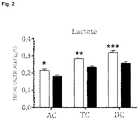
Fig. 2 : Lactate production during the SHIME experiment. White bars: treatment group, black bars: control. -
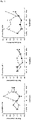
Fig. 3 : Relative abundance of Escherichia rectale/Clostridium coccoides in the different colon compartments. White bullets: treatment group, black bullets: control. - As described herein before, disclosed herein (but not part of the claimed invention) is the use of a compound of formula |

- R1 is hydrogen or a saccharide consisting of 1 to 5 monosaccharide units; and
- represents a single or double bond;

- for use in the treatment of visceral hypersensitivity; in particular for use in the treatment of visceral hypersensitivity in patients suffering from IBS but lacking spasmodic intestinal contractions and in elderly subjects with microbial dysbiosis and systemic low grade inflammation.
- The term "visceral hypersensitivity" (VHS) as used herein refers to an increased sensitivity to peripheral stimuli (mechanical, thermal, chemical and other) and is manifested through the development of pain, motor and/or secretory disturbances in response to a sub-threshold stimulus.
- In a second aspect, disclosed herein (but not part of the claimed invention) is the use of a compound as indicated above, whereir
said compound is of formula Ia
- In a certain disclosure, R1 as present in the compounds described herein, is hydrogen or a saccharide consisting of 1 to 5 rhamnose and/or glucose units; in particular 1 to 3; more in particular 1 or 2 rhamnose and/or glucose units. In a particular embodiment, R1 is rhamnoglucosyl; more in particular said compound is hesperidin. In another particular embodiment, R1 is hydrogen; more in particular said compound is hesperitin. In another particular embodiment, R1 is glucosyl; more in particular said compound is hesperitin 7-glucoside, e.g. as described in Nielsen et al. (J Nutr 2006, 136:404-408). In yet another particular embodiment, said compound is glucosyl hesperidin, e.g. as described in Yamada et al. (Biosci Biotechnol Biochem 2006, 70:1386-94).
- Also disclosed herein (but not part of the claimed invention) are the compounds for use of the present invention are selected from hesperidin, diosmin, and neohesperidin, or their aglycon forms hesperitin neohesperitin, and diosmetin. In a further embodiment, said compound is hesperidin or hesperitin, in particular hesperidin.
- In a certain production method, hesperidin is extracted from the whole fruit of sweet oranges (immature dried fruit). An extracted liquid is retrieved following alkaline extraction. This liquid is treated with sulfuric acid (H2SO4) to obtain hesperitin-7-rutinoside 2S, which is eventually treated with a mixture of H2SO4 and sodium hydroxide (NaOH) to obtain the finished hesperitin-7-rutinoside 2S.
- As described herein before, the invention provides a combination of (a) hesperidin, and (b) naringin or naringenin for use in treating microbial dysbiosis and chronic low grade systemic inflammation in elderly subjects with microbial dysbiosis and chronic low grade systemic inflammation by promoting the growth of butyrate-producing bacteria in the gut and improving the immune system.
- A further embodiment provides a composition comprising hesperidin or a combination of hesperidin and naringin or naringenin for use in treating microbial dysbiosis and chronic low grade systemic inflammation in elderly subjects with microbial dysbiosis and chronic low grade systemic inflammation by promoting the growth of butyrate-producing bacteria in the gut and improving the immune system.
- Studies have shown good bioavailability of hesperidin and analogues described herein as well as naringin or naringenin when administered orally. It is therefore a non-claimed aspect of the disclosure to provide compounds and compositions comprising the compounds described herein that can be orally administered, for use in the treatment of visceral hypersensitivity. Preferred compositions for oral administration include but are not limited to:
- Sub-lingual films, tablets, or lozenges (tablets that slowly dissolve in the mouth) that ensure uptake of the compounds described herein through sublingual and/or buccal mucosa, bypassing the intestinal microflora and hepatic circulation.
- Composition of citrus fruit or peel extract comprising the compounds described herein, which is active when taken orally in typical dosage forms like capsules, beverages, and food products.
- In a particular embodiment, the composition for use according to the invention is an oral composition in the form of a liquid powdered beverage, solution, tablet, lozenge, dissolvable film, suspension, dietary gel, capsule, chewable or syrup.
- Also disclosed herein is that said composition can comprises an isolated compound as described above or the composition has been enriched for the compound as described above. In another disclosure, the composition as described above comprises a compound as described above and a bulking agent. The bulking agent is preferably of natural origin. Examples of bulking agents suitable for the method of administration are known to the person skilled in the art. Preferably, the bulking agent is a saccharide, including mono-, oligo- and polysaccharides; in particular a sugar or natural gum. In a further embodiment, the bulking agent is selected from the below list described for pharmaceutical carriers.
- Also disclosed herein is a composition comprising a compound as described above, wherein the composition is a pharmaceutical composition further comprising a pharmaceutically acceptable carrier. Examples of pharmaceutical carriers are known to the person skilled in the art and include but are not limited to D-mannitol, sorbitol, sucrose, galactose, cellulose, other sugars, other saccharides, other oligosaccharides and/or polysaccharides, gelatin, guar gum, Arabic gum, agar agar, xanthan gum, locust bean gum, starch, starch fragments, dextrins, British gum and any mixture thereof. Preferably, the pharmaceutical acceptable carrier is of natural origin.
- In another aspect, disclosed herein is a composition comprising a compound as described above, wherein the composition is in a form suitable for sublingual and/or buccal administration, wherein the composition is in the form of a liquid solution, (disintegrating) tablet, lozenge, dissolvable film, suspension, (dietary) gel, capsule, chewable or syrup.
- 'Tablets' refer to a dosage form comprising a mixture of one or more active substances including inner filler substances such as, desintegrants, binding agents, lubricants, glidants, antiadherents, flavors, coloring agents etc.
- 'Disintegrating tablets' are tablets with a specific composition that quickly disintegrates when getting in contact with saliva in the mouth or with water. These tablets may have the same composition as regular tablets, however, added with components optimized for disintegration time, e.g. by adding desintegrants.
- 'Capsules' consist of a thin layer outer wall, made from a substance that dissolves in the stomach and/or intestinal fluid, e.g. gelatin, agar etc. Capsules can be filled with the active substance as a dry powder, or as a fluid consisting of different solutions etc. that contain the active ingredient.
- 'Syrups' are sweetened, flavored, viscose solution that contains a certain concentration of the active substance, which can be diluted into a food or drink.
- 'Dietary gels' refers to highly viscous aqueous solutions of active substances that may be added with flavoring and coloring agents in the presence of a gelling agent such as gelatin, agar, acacia gums and others. This mixture of components is presented as a slowly flowing or semi-solid substance.
- 'Lozenges' refer to hardened mixtures of the active ingredient and additional substances that slowly dissolve when getting into contact with the saliva in the mouth, elaborating a prolonged exposure of the active substance with the buccal mucosa. Lozenges often contain flavoring and sweeteners to increase palatability.
- The active ingredient can be applied in any form as disclosed herein. For instance, the dosage form of the active ingredient may be provided as, e.g., a powder beverage mix, beverage syrup, a liquid beverage, a ready-to-eat bar or drink product, a capsule, a liquid capsule, a tablet, a caplet, a lozenge, a chewable tablet, dissolvable film, a dietary gel, or syrup.
- Also disclosed herein is a composition comprising a compound as disclosed herein, wherein the composition is a food, beverage, or supplement composition for a food composition, for example a nutrition bar or a ready to drink powdered beverage.
- Further disclosed herein is a composition comprising a compound as disclosed herein, wherein the composition is a food, beverage, or supplement composition for a food or a beverage, for example a nutrition bar or drinks, used as medical food.
- Further disclosed herein is a composition comprising a compound as disclosed herein, wherein the composition is in a form suitable for sublingual and/or buccal administration, wherein the composition is a food, beverage, or a supplement composition for a food or a beverage, for example a nutrition bar.
- Hesperitin-7-rutinoside after extraction without enantiomeric enrichment, is a mixture of an Rand S-anantiomers, the R:S molar ratio of which is between 1:1 and 1:5, depending on its 15 source. A mixture of R- and S-enantiomers which has a molar ratio of 1;1 is also known as a racemic mixture. Hesperidin may refer to racemic hesperidin, preferably to enantiomerically enriched hesperidin, more preferably hesperidin which is enantiomerically enriched in (2S)-hesperidin. With 'enantiomerically enriched' is meant that the hesperidin has an excess of one enantiomer over the other. Enantiomeric enrichment can be achieved amongst other 20 methods known by a person skilled in the art by selection of the botanic source of hesperidin, and/or stereochemical separation techniques, such as capillary electrophoresis (CE). It has been observed that the compounds as disclosed herein have an increased bioavailability when enantiomerically enriched.
- Therefore, also disclosed herein is said composition for use being enantiomerically enriched for formula II
 are as defined herein.
- Furthermore disclosed herein is a composition as disclosed herein, wherein said composition is enantiomerically enriched for formula IIa

- The optimal dose of the compounds as disclosed herein (formula I, la, II or IIa) for humans, preferably human adults, can be derived using the FDA recommendations for translating to the human equivalent dose (HED) from animal studies. This recommendation translates the dosages used for animal studies to dosages per day for the general population (i.e. average human adults).
- Disclosed herein is that the compound as disclosed herein is administered (to a human adult) once daily in an amount of approximately 50-1500 mg. The ingredient is preferably administered during the morning.
- Further disclosed herein is the daily administration of the compound of formula I, la, II or IIa in an amount of 50 mg to 1500 mg. Disclosed herein is the daily administration of hesperidin from 100 mg to 1000 mg; in particular from 150 mg to 750 mg. As yet another particular disclosure from 400 mg to 600 mg; in particular from 450 mg to 550 mg. As a further disclosure from 250 mg to 1000 mg.
- Also disclosed herein is a composition in unit dosages, wherein a compound of formula I, la, II or IIa is present per unit dosage in an amount as described above for daily administration.
- In a further embodiment, hesperidin can be present in an amount of 50 mg to 1500 mg per unit dosage of the composition of the ivnention. Furthermore, naringin or naringenin can be present in an amount of 2.5 mg to 150 mg per unit dosage of the composition of the invention.
- The subject to be treated is preferably a mammal, in particular a human. In a particular embodiment, the subject has irritable bowel syndrome but lacks spasmodic intestinal contractions.
- Furthermore disclosed herein are the compounds, combinations and compositions disclosed herein for the treatment of pain; in particular for the treatment of pain in a subject having IBS; more in particular for the treatment of abdominal pain in a subject having IBS.
- The compound, the combination or the composition indicated herein, in particular hesperidin in combination with naringin or naringenin are also useful to:
- improve the intestinal function, by modulating the intestinal microbiota composition, more in specific promote the growth of butyrate-producing bacteria, such as Clostridium cluster XIVa, more in particular Escherichia rectale or Clostridium coccoides.
- Enhance the intestinal barrier function
- Lower fecal calprotectin
- Increase the production of lactate and lower the pH in the intestinal lumen
- Improve IBS symptoms, more specific IBS lacking spasmodic intestinal contractions.
- Lower the pathogen pressure in the gut
- Improve the gut barrier function and the immune system
- To study the effect of the composition of the invention on the gut microbiota, a Simulator of the Human Intestinal Microbial Ecosystem (SHIME) was used. Two identical units of the SHIME were operated in parallel (TWINSHIME) according to Molly et al (Microbial Ecology in Health and Disease 1994, 7:191-200).. 500 mg orange fruit extract comprising 380 mg Hesperidin (enriched for the 2S form) or a control was administered in the simulator each day for 3 weeks. The effect of the composition containing Hesperidin was studied by monitoring short chain fatty acids (SCFA) and lactate production, additionally qPCR analysis was performed to determine the gut microbial composition.
- Daily in vitro digestion of the composition of the invention in the SHIME showed an increase in butyrate and total SCFA (TSCFA) in the colon. SCFA concentrations during the SHIME experiment are presented in
figure 1 (white bars: treatment with composition containing Hesperidin; black bars: administration of control composition). - During the three week treatment period, lactate concentrations showed a stronger increase with the composition of the invention compared to the control SHIME run. This is shown in
figure 2 (white bars: treatment with composition containing Hesperidin; black bars: administration of control composition). - As shown in
figure 3 , after one week of treatment with the composition containing Hesperidin, up to 2.5 fold butyrate producing bacteria growth was observed in the descending colon (DC). ,Major increases were observed for Clostridium cluster XIVa, in particular E. rectale and C. coccoides, This effect persisted during the wash out phase. These data are shown infigure 3 (white points: treatment with composition containing Hesperidin; black points: administration of control composition). - Subjects in an age bracket between 65 and 75 years old with chronic low grade systemic inflammation of the gut were randomly allocated to the following two treatment groups.
- Group 1: Test substance (Citrus Sinensis extract) containing 75% of Hesperidin 2S, 500 mg/day
- Group 2: Matching placebo (Cellulose), 500 mg/day
- Each group received oral test substance (capsules) or placebo (capsules) daily for 12 weeks.
- Test substance or placebo was taken each day just before breakfast. Measurement of fecal calprotectin and fecal short-chain fatty acids (SCFA) was performed at baseline and 12 weeks after initiation of the treatments.
- As shown in Table 1, the test substance containing Hesperidin was able to improve SCFA profiles and calprotectin levels in elderly subjects with chronic low grade systemic inflammation of the gut and age-associated microbioal dysbiosis.
Table 1. Effect of test substance on SCFA profiles and fecal calprotectin in subjects at risk for metabolic syndrome Test substance Placebo P-value Baseline 12 weeks Baseline 12 weeks Calprotectin (ng/mL) 32.9 ± 7.82 42.5 ± 7.6 47.5 ± 8.7 37.1 ± 8.4 0.05 Acetate / total SCFA ratio 0.61 ± 0.01 0.62 ± 0.01 0.61 ± 0.01 0.60 ± 0.02 0.249 Propionate / total SCFA ratio 0.20 ± 0.01 0.20 ± 0.01 0.21 ± 0.01 0.20 ± 0.01 0.079 Butyrate / total SCFA ratio 0.19 ± 0.01 0.18 ± 0.01 0.18 ± 0.01 0.20 ± 0.01 0.812 Butyrate / acetate ratio 0.32 ± 0.02 0.29 ± 0.02 0.31 ± 0.03 0.35 ± 0.02 0.031 - Subjects were recruited from 2 different patient populations.
- Population 1: 30 patients with quiescent ulcerative colitis, calprotectin levels 50-150 µg/g feces and age 18-70 years.
- Population 2:
The second group consisted of: 30 patients with irritable bowel syndrome, calprotectin levels 15-150 µg/g feces and age 18-70 years. - The subjects were randomly allocated to the following two treatment groups.
- Group 1: Test substance: 500 mg of citrus extract comprising 375 mg hesperidine and 25mg of naringin per day
- Group 2: Matching placebo: 500 mg maltodextrin per day
- Each group received oral test substance (capsules) or placebo (capsules) daily for 8 weeks. Test substance or placebo was taken each day just before breakfast. Measurements of fecal calprotectin, fecal short-chain fatty acids (SCFA), microbiota composition, systemic immune response and disease symptoms were performed at baseline and 8 weeks after initiation of the treatments.
- Results showed a decrease in fecal calprotectin, a SCFA shift towards butyrate, an increase in Clostridium cluster XIVa, an improved gut barrier function, reduction of gut leakiness, a lowered immune response and improvements in IBS symptoms, including a decrease of visceral pain.
- IBS patients without spasmodic intestinal contractions (included using the Bristol stool chart and the GSRS-IBS questionnaire) were randomly allocated to the following two treatment groups.
- Group 1: Test substance as in example 3
- Group 2: Matching placebo as in example 3
- Each group received oral test substance (capsules) or placebo (capsules) daily for 8 weeks.
- Test substance or placebo was taken each day just before breakfast. Measurements of disease symptoms were performed using the Gastrointestinal Symptom Rating Scale (GSRS)-IBS questionnaire and the symptoms diary. The GSRS questionnaire was filled in at baseline, after 4 weeks and after 8 weeks of supplementation. The symptoms diary was filled in daily for duration of 9 weeks (starting one week prior to supplementation until the end of the study).
- Results showed improvements in visceral hypersensitivity in subjects treated with the composition of the invention vs. placebo.
Claims (5)
- A combination of (a) hesperidin, and (b) naringin or naringenin for use in treating microbial dysbiosis and chronic low grade systemic inflammation in elderly subjects with microbial dysbiosis and chronic low grade systemic inflammation by promoting the growth of butyrate-producing bacteria in the gut and improving the immune system.
- A composition comprising a combination of hesperidin and naringin or naringenin for use in treating microbial dysbiosis and chronic low grade systemic inflammation in elderly subjects with microbial dysbiosis and chronic low grade systemic inflammation by promoting the growth of butyrate-producing bacteria in the gut and improving the immune system.
- The composition for use according to claim 2, wherein said composition is an oral composition in the form of a liquid, powdered beverage, solution, tablet, lozenge, dissolvable film, suspension, dietary gel, capsule, chewable or syrup.
- The composition for use according to claim 3, wherein hesperidin is present in an amount of 50 mg to 1500 mg per unit dosage of said composition.
- The composition for use according to claim 4, wherein said naringin or naringenin is present in an amount of 2.5 mg to 150 mg per unit dosage of said composition.
Applications Claiming Priority (2)
| Application Number | Priority Date | Filing Date | Title |
|---|---|---|---|
| EP17157905 | 2017-02-24 | ||
| PCT/EP2018/054543 WO2018154064A1 (en) | 2017-02-24 | 2018-02-23 | Flavanones for use in treating visceral hypersensitivity |
Publications (2)
| Publication Number | Publication Date |
|---|---|
| EP3585378A1 EP3585378A1 (en) | 2020-01-01 |
| EP3585378B1 true EP3585378B1 (en) | 2022-04-27 |
Family
ID=58191309
Family Applications (1)
| Application Number | Title | Priority Date | Filing Date |
|---|---|---|---|
| EP18706271.6A Revoked EP3585378B1 (en) | 2017-02-24 | 2018-02-23 | Flavanones for use in treating visceral hypersensitivity |
Country Status (7)
| Country | Link |
|---|---|
| US (1) | US11141420B2 (en) |
| EP (1) | EP3585378B1 (en) |
| KR (2) | KR20220011815A (en) |
| ES (1) | ES2923651T3 (en) |
| LU (1) | LU100887B1 (en) |
| PL (1) | PL3585378T3 (en) |
| WO (1) | WO2018154064A1 (en) |
Family Cites Families (11)
| Publication number | Priority date | Publication date | Assignee | Title |
|---|---|---|---|---|
| JP2001524087A (en) | 1997-04-18 | 2001-11-27 | クリンゲ ファーマ ジーエムビーエイチ | Stabilized drugs containing cysteinyl derivatives |
| EP0956867A1 (en) | 1998-05-12 | 1999-11-17 | Franz-Peter Dr. Liebel | Use of flavonoid glycosides, tanning agents and microorganisms for the therapy and prophylaxis of diabetes mellitus |
| CN1384713A (en) | 1999-08-27 | 2002-12-11 | 密执安州大学 | Dietary food supplement containing natural cyclooxygenase inhibitors |
| CA2382727A1 (en) | 1999-10-08 | 2001-04-19 | Ontogen Corporation | Methods of enhancing chemotherapy with the use of an imidazole |
| US20020037855A1 (en) | 2000-05-05 | 2002-03-28 | Fritz Stanislaus | Stabilized medicament containing cysteinyl derivatives |
| US20030078231A1 (en) | 2001-06-22 | 2003-04-24 | Wilburn Michael D. | Orthomolecular sulpho-adenosylmethionine derivatives with antioxidant properties |
| WO2005094864A2 (en) | 2004-03-30 | 2005-10-13 | Max-Planck Gesellschaft zur Förderung der Wissenschaften e.V. | Treatment of hedgehog- and wnt-secreting tumors with inhibitors of lipoprotein particle biogenesis |
| CN101474275B (en) * | 2008-11-11 | 2012-01-25 | 深圳海王药业有限公司 | Preparation method and application of Chinese medicine extract for 'prescription for treating diarrhoea with abdominal pain' |
| CN101623366B (en) | 2009-07-18 | 2012-09-05 | 南京师范大学 | Composition for curing gastrointestinal functional disorders, preparation method thereof and application thereof in preparing drugs for curing gastrointestinal functional disorders |
| CN102416062B (en) * | 2010-12-06 | 2014-02-26 | 成都中医药大学 | New application of immature bitter orange or immature bitter orange extract |
| WO2015006863A1 (en) * | 2013-07-16 | 2015-01-22 | Vasudevan Harish | Method of extracting flavonoids and/or polyphenols from dried and powdered orange peels, compositions therefrom, and methods of treatment of diseases associated with chronic inflammation |
-
2018
- 2018-02-23 LU LU100887A patent/LU100887B1/en active IP Right Grant
- 2018-02-23 KR KR1020227001803A patent/KR20220011815A/en not_active Ceased
- 2018-02-23 PL PL18706271.6T patent/PL3585378T3/en unknown
- 2018-02-23 KR KR1020187022532A patent/KR20190083979A/en not_active Ceased
- 2018-02-23 WO PCT/EP2018/054543 patent/WO2018154064A1/en not_active Ceased
- 2018-02-23 ES ES18706271T patent/ES2923651T3/en active Active
- 2018-02-23 EP EP18706271.6A patent/EP3585378B1/en not_active Revoked
- 2018-02-23 US US16/487,695 patent/US11141420B2/en active Active
Non-Patent Citations (36)
| Title |
|---|
| ALAM M. ASHRAFUL ET AL: "Effect of Citrus Flavonoids, Naringin and Naringenin, on Metabolic Syndrome and Their Mechanisms of Action", ADVANCES IN NUTRITION, AMERICAN SOCIETY FOR NUTRITION, UNITED STATES, vol. 5, no. 4, 1 July 2014 (2014-07-01), United States , pages 404 - 417, XP093024953, ISSN: 2161-8313, DOI: 10.3945/an.113.005603 |
| ANONYMOUS GENEVA: "Men, Ageing and Health Achieving health across the life span", 1 January 2001 (2001-01-01), pages 1 - 63, XP055780266, Retrieved from the Internet <URL:https://apps.who.int/iris/bitstream/handle/10665/66941/WHO_NMH_NPH_01.2.pdf;jsessioni> [retrieved on 20210226] * |
| ANONYMOUS: "Naringin", WIKIPEDIA, 17 February 2023 (2023-02-17), pages 1 - 4, XP093024937, Retrieved from the Internet <URL:https://en.wikipedia.org/wiki/Naringin> [retrieved on 20230217] |
| ANONYMOUS: "Targeting the biome with a new nutritional", NUTRITIONINSIGHT.COM, 24 October 2017 (2017-10-24), pages 1 - 3, XP093024935, Retrieved from the Internet <URL:https://www.nutritioninsight.com/video/targeting-the-biome-with-a-new-nutritional.html> [retrieved on 20230217] |
| ANONYMOUS: "White Paper MicrobiomeX® supports the immune system and improves the gut defences through a unique cross-talk between citrus flavonoids and the gut microbiome", MICROBIOMEX FLAVOBIOTICS® FOR GUT DEFENSE & IMMUNE SUPPORT, 1 January 2019 (2019-01-01), pages 1 - 8, XP093024877 |
| ANONYMOUS: "Whitepaper MicrobiomeX® improves gut barrier function and lowers gut inflammation by positively changing the gut microbiome composition", MICROBIOMEX, FLAVOBIOTIC FOR ENHANCING THE GUT'S IMMUNE FUNCTION, BIOACTOR, 1 August 2017 (2017-08-01), pages 1 - 4, XP093024893 |
| CHEN ET AL.: "Development of determination of four analytes of Zhi-Shao-San decoction using LC-MS/MS and its application to comparative pharmacokinetics in normal and irritable bowel syndrome rat plasma", BIOMED. CHROMATOGR., vol. 28, 2014, pages 1384 - 1392, XP055395024, DOI: 10.1002/bmc.3180 |
| CLAUDIO FRANCESCHI ET AL: "Inflamm‐aging: An Evolutionary Perspective on Immunosenescence", ANNALS OF THE NEW YORK ACADEMY OF SCIENCES, NEW YORK ACADEMY OF SCIENCES., US, vol. 908, no. 1, 25 January 2006 (2006-01-25), US , pages 244 - 254, XP071392180, ISSN: 0077-8923, DOI: 10.1111/j.1749-6632.2000.tb06651.x |
| D27 - (POST PUBLISHED): GUIDELINES FOR SUBMITTING A THESIS AT THE UNIVERSITY OF MAASTRICHT HTTPS://LIBRARY.MAASTRICHTUNIVERSITY.NL/RESEARCH/SHARING- OUTPUT/SUBMIT-DOCTORAL-THESISDISSERTATION/ CURRENT LINK: HTTPS://LIBRARY.MAASTRICHTUNIVERSITY.NL/RESE |
| D28 - (NARCIS DATABASE) HTTPS://NETHERLANDS.OPENAIRE.EU/SEARCH/PUBLICATION?PID=10.26481%2FDIS.2017 0317BS |
| D29 - (OAISTER DATABASE) HTTPS://OAISTER.ON.WORLDCAT.ORG/SEARCH/DETAIL/1363310988?QUERYSTRING=NUTRITION D29 AL%20INTERVENTIONS%20FOCUSING%20ON%20GASTROINTESTINAL%20AND%20METABO LIC%20HEALTH&CLUSTER RESULTS=TRUE&GROUPVARIANTRECORDS=FALSE |
| D30 - EMBARGO LIMITATIONS INCLUDED IN THE LICENSE TO DEPOSIT IN A DIGITAL REPOSITORY |
| D31 - REGULATION GOVERNING THE ATTAINMENT OF DOCTORAL DEGREES. MAASTRICHT UNIVERSITY 2018 |
| D32 - THE ANNOUNCEMENT FROM MAASTRICHT UNIVERSITY OF THE LECTURE OF THE THESIS HTTPS://WWW.MAASTRICHTUNIVERSITY.NL/EVENTS/PHD-CONFERRAL-MS-BOUKE-NH-SALDEN- MSC |
| D33 - HACASPECT, MAGAZINE FOR GENERAL PRACTITIONERS AND SPECIALISTS JULY 2017 PUBLISHING THE LECTURE OF THE THESIS |
| D34 - "MEGAMUCOSATM" MUCOSA SUPPORT FORMULA, MICROBIOME LABS, HTTPS://SIMPLYNUTRIENTS.COM/CONTENT/PDFS/MEGAMUCOSA- HANDOUT.PDF?SRSLTID=AFMBOORRYCHJGAY0CJF7555UGUFXS8N- 3CWBHNYSAOFJLWPUZK59BVNK |
| D34A - EVIDENCE OF THE DATE THAT WAS ACCESSIBLE ON THE INTERNET |
| D35 - Examples A-C |
| D36 - Screenshot wayback machine (internet archive) |
| E. BIAGI ET AL.: "Ageing and gut microbes: Perspectives for health maintenance and longevity", PHARMACOLOGICAL RESEARCH, vol. 69, 2013, pages 11 - 20, XP055280226, DOI: 10.1016/j.phrs.2012.10.005 |
| GORINSTEIN S. ET AL: "Determination of naringin and hesperidin in citrus fruit by high-performance liquid chromatography. The antioxidant potential of citrus fruit", ACTA CHROMATOGRAPHICA, no. 17, 1 January 2006 (2006-01-01), pages 108 - 124, XP093024941 |
| HAYASHI HIDENORI ET AL: "Molecular analysis of fecal microbiota in elderly individuals using 16S rDNA library and T-RFLP.", MICROBIOLOGY AND IMMUNOLOGY, vol. 47, no. 8, 2003, pages 557 - 570, XP003017194, ISSN: 0385-5600 * |
| HIDENORI HAYASI ET AL.: "Molecular Analysis of Fecal Microbiota in Elderly Individual Using 16S rDNA library and T-RFLP", MICROBIOL. IMMUNOL., vol. 47, 2003, pages 557 - 570, XP003017194 |
| KIICHIRO KAWAGUCHI ET AL: "Colony Stimulating Factor-Inducing Activity of Hesperidin", PLANTA MEDICA, vol. 65, no. 04, 1 May 1999 (1999-05-01), DE, pages 365 - 366, XP055715961, ISSN: 0032-0943, DOI: 10.1055/s-2006-960788 * |
| MAACHI M. ET AL: "Systemic low-grade inflammation is related to both circulating and adipose tissue TNFα, leptin and IL-6 levels in obese women", INTERNATIONAL JOURNAL OF OBESITY, NATURE PUBLISHING GROUP UK, LONDON, vol. 28, no. 8, 1 August 2004 (2004-08-01), London, pages 993 - 997, XP093024868, ISSN: 0307-0565, DOI: 10.1038/sj.ijo.0802718 |
| Microbiomex - Flavobiotics for gut defense and immune support White paper * |
| ORIMO HAJIME ET AL: "Reviewing the definition of "elderly"", GERIATRICS AND GERONTOLOGY INTERNATIONAL, WILEY-BLACKWELL PUBLISHING ASIA, AU, vol. 6, no. 3, 1 September 2006 (2006-09-01), AU , pages 149 - 158, XP093024871, ISSN: 1444-1586, DOI: 10.1111/j.1447-0594.2006.00341.x |
| PÉREZ LAURA M. ET AL: "‘Adipaging’: ageing and obesity share biological hallmarks related to a dysfunctional adipose tissue", THE JOURNAL OF PHYSIOLOGY, WILEY-BLACKWELL PUBLISHING LTD., GB, vol. 594, no. 12, 15 June 2016 (2016-06-15), GB , pages 3187 - 3207, XP093024945, ISSN: 0022-3751, DOI: 10.1113/JP271691 |
| POULLIS ANDREW ET AL: "Bowel inflammation as measured by fecal calprotectin: A link between lifestyle factors and colorectal cancer risk", CANCER EPIDEMIOLOGY, BIOMARKERS & PREVENTION, AMERICAN ASSOCIATION FOR CANCER RESEARCH, vol. 13, no. 2, 1 January 2004 (2004-01-01), pages 279 - 284, XP093024951, ISSN: 1055-9965, DOI: 10.1158/1055-9965.EPI-03-0160 |
| S. G. PARKAR ET AL.: "The potential influence of fruit polyphenols on colonic microflora and human gut health", INTERNATIONAL JOURNAL OF FOOD MICROBIOLOGY, vol. 124, 2008, pages 295 - 298, XP022672917, DOI: 10.1016/j.ijfoodmicro.2008.03.017 |
| SALDEN B.N.H.: "Nutritional interventions focusing on gastrointestinal and metabolic health", ACADEMIC THESES, LEIDEN UNIVERSITY, 1 January 2017 (2017-01-01), pages 138 - 158, XP093024924 |
| SALDEN BOUKE NICOLETTE HUBERTUS: " Nutritional interventions focusing on gastrointestinal and metabolic health", DOCTORAL DISSERTATION, MAASTRICHT UNIVERSITY, vol. 23, no. 1217, pages 390 - 405, XP093270024, ISBN: 978-94-6333-129-6, Retrieved from the Internet <URL:https://cris.maastrichtuniversity.nl/ws/portalfiles/portal/11183241/c5603.pdf> DOI: 10.26481/dis.20170317bs |
| SATYA PRAKASH ET AL: "Gut microbiota: next frontier in understanding human health and development of biotherapeutics", BIOLOGICS: TARGETS AND THERAPY, pages 71 - 86, XP055382179, DOI: 10.2147/BTT.S19099 |
| SHENGYONG MAO: "Effects of six flavonoid compounds addition on short-chain fatty acids production and human fecal microbial community change during in vitro fermentation", AFRICAN JOURNAL OF MICROBIOLOGY RESEARCH, vol. 5, no. 26, 16 November 2011 (2011-11-16), pages 4484 - 4491, XP093024946, DOI: 10.5897/AJMR11.291 |
| TCHKONIA TAMARA ET AL: "Fat tissue, aging, and cellular senescence : Fat tissue and aging", AGING CELL, BLACKWELL PUBLISHING,, GB, vol. 9, no. 5, 1 October 2010 (2010-10-01), GB , pages 667 - 684, XP093024943, ISSN: 1474-9718, DOI: 10.1111/j.1474-9726.2010.00608.x |
| WIKIPEDIA: "Hesperidin", WIKIPEDIA, 28 December 2022 (2022-12-28), pages 1 - 5, XP093024930, Retrieved from the Internet <URL:https://en.wikipedia.org/wiki/Hesperidin> [retrieved on 20230217] |
Also Published As
| Publication number | Publication date |
|---|---|
| KR20190083979A (en) | 2019-07-15 |
| US11141420B2 (en) | 2021-10-12 |
| US20200230165A1 (en) | 2020-07-23 |
| ES2923651T3 (en) | 2022-09-29 |
| KR20220011815A (en) | 2022-01-28 |
| WO2018154064A1 (en) | 2018-08-30 |
| PL3585378T3 (en) | 2022-10-17 |
| EP3585378A1 (en) | 2020-01-01 |
| LU100887B1 (en) | 2018-12-18 |
| LU100887A1 (en) | 2018-11-27 |
Similar Documents
| Publication | Publication Date | Title |
|---|---|---|
| US6932990B2 (en) | Carbohydrate absorption inhibitor and method for manufacturing the same | |
| JP7008909B2 (en) | Compositions containing cannabidiol or cannabis extract and caffeine and their applications | |
| US8568804B2 (en) | Muscadine compositions with improved anti-oxidant activity | |
| US8512771B2 (en) | Method of preparing a muscadine pomace extract | |
| BR112020001069A2 (en) | method for producing flavonoid clathrate | |
| WO2006074278A2 (en) | Compositions for treating diabetes or obesity | |
| US20090269424A1 (en) | Peripheral blood flow-improving composition | |
| KR101514860B1 (en) | Composition comprising sesamin component and quercetin glycoside | |
| CN102448437B (en) | Compositions and methods for alleviating hyposalivation and for providing oral comfort | |
| US9132162B2 (en) | Muscadine compositions with anti-oxidant activity | |
| WO2013186220A1 (en) | Compositions comprising hesperidin and/or apigenin i.a. for medical use or for use in treatment of sleeping disorders | |
| US11141420B2 (en) | Flavanones for use in treating visceral hypersensitivity | |
| JP6679845B2 (en) | Beverage | |
| US20050181083A1 (en) | Diet food product | |
| KR102807589B1 (en) | Composition for preventing or treating tic disorder, tourette's disorder or obsessive-compulsive disorder | |
| KR20070095338A (en) | Liver function improvers | |
| JP5356667B2 (en) | Composition having normalizing effect on body clock | |
| JP6698034B2 (en) | Oral composition for improving systemic symptoms such as chills | |
| KR101627546B1 (en) | Protocatechuic acid derivatives with lipase inhibition activity and use therof | |
| KR102681562B1 (en) | Composition for preventing, ameliorating or treating tuberculosis disease comprising Astilbe rubra var. rubra extract as effective component | |
| WO2025119974A1 (en) | Naringin or naringenin for improving sleep quality | |
| JP7530200B2 (en) | Skin redness relief agent | |
| EP2813233B1 (en) | Composition comprising natural extracts | |
| WO2024074864A1 (en) | Process for preparing a beverage based on natural sweeteners using natural extract s of fruit and medicinal herbs | |
| US9974823B2 (en) | Composition comprising natural extracts |
Legal Events
| Date | Code | Title | Description |
|---|---|---|---|
| STAA | Information on the status of an ep patent application or granted ep patent |
Free format text: STATUS: UNKNOWN |
|
| STAA | Information on the status of an ep patent application or granted ep patent |
Free format text: STATUS: THE INTERNATIONAL PUBLICATION HAS BEEN MADE |
|
| PUAI | Public reference made under article 153(3) epc to a published international application that has entered the european phase |
Free format text: ORIGINAL CODE: 0009012 |
|
| STAA | Information on the status of an ep patent application or granted ep patent |
Free format text: STATUS: REQUEST FOR EXAMINATION WAS MADE |
|
| 17P | Request for examination filed |
Effective date: 20190919 |
|
| AK | Designated contracting states |
Kind code of ref document: A1 Designated state(s): AL AT BE BG CH CY CZ DE DK EE ES FI FR GB GR HR HU IE IS IT LI LT LU LV MC MK MT NL NO PL PT RO RS SE SI SK SM TR |
|
| AX | Request for extension of the european patent |
Extension state: BA ME |
|
| DAV | Request for validation of the european patent (deleted) | ||
| DAX | Request for extension of the european patent (deleted) | ||
| STAA | Information on the status of an ep patent application or granted ep patent |
Free format text: STATUS: EXAMINATION IS IN PROGRESS |
|
| 17Q | First examination report despatched |
Effective date: 20200724 |
|
| TPAC | Observations filed by third parties |
Free format text: ORIGINAL CODE: EPIDOSNTIPA |
|
| TPAC | Observations filed by third parties |
Free format text: ORIGINAL CODE: EPIDOSNTIPA |
|
| GRAP | Despatch of communication of intention to grant a patent |
Free format text: ORIGINAL CODE: EPIDOSNIGR1 |
|
| STAA | Information on the status of an ep patent application or granted ep patent |
Free format text: STATUS: GRANT OF PATENT IS INTENDED |
|
| RIC1 | Information provided on ipc code assigned before grant |
Ipc: A61P 29/00 20060101ALI20220124BHEP Ipc: A61P 1/06 20060101ALI20220124BHEP Ipc: A61P 1/00 20060101ALI20220124BHEP Ipc: A61K 36/752 20060101ALI20220124BHEP Ipc: A61K 45/06 20060101ALI20220124BHEP Ipc: A61K 31/7048 20060101ALI20220124BHEP Ipc: A61K 31/353 20060101ALI20220124BHEP Ipc: A61K 31/352 20060101AFI20220124BHEP |
|
| INTG | Intention to grant announced |
Effective date: 20220211 |
|
| GRAS | Grant fee paid |
Free format text: ORIGINAL CODE: EPIDOSNIGR3 |
|
| GRAA | (expected) grant |
Free format text: ORIGINAL CODE: 0009210 |
|
| STAA | Information on the status of an ep patent application or granted ep patent |
Free format text: STATUS: THE PATENT HAS BEEN GRANTED |
|
| AK | Designated contracting states |
Kind code of ref document: B1 Designated state(s): AL AT BE BG CH CY CZ DE DK EE ES FI FR GB GR HR HU IE IS IT LI LT LU LV MC MK MT NL NO PL PT RO RS SE SI SK SM TR |
|
| REG | Reference to a national code |
Ref country code: GB Ref legal event code: FG4D |
|
| REG | Reference to a national code |
Ref country code: CH Ref legal event code: EP |
|
| REG | Reference to a national code |
Ref country code: DE Ref legal event code: R096 Ref document number: 602018034485 Country of ref document: DE |
|
| REG | Reference to a national code |
Ref country code: AT Ref legal event code: REF Ref document number: 1486391 Country of ref document: AT Kind code of ref document: T Effective date: 20220515 |
|
| REG | Reference to a national code |
Ref country code: IE Ref legal event code: FG4D |
|
| REG | Reference to a national code |
Ref country code: NL Ref legal event code: FP |
|
| REG | Reference to a national code |
Ref country code: LT Ref legal event code: MG9D |
|
| REG | Reference to a national code |
Ref country code: AT Ref legal event code: MK05 Ref document number: 1486391 Country of ref document: AT Kind code of ref document: T Effective date: 20220427 |
|
| REG | Reference to a national code |
Ref country code: ES Ref legal event code: FG2A Ref document number: 2923651 Country of ref document: ES Kind code of ref document: T3 Effective date: 20220929 |
|
| PG25 | Lapsed in a contracting state [announced via postgrant information from national office to epo] |
Ref country code: SE Free format text: LAPSE BECAUSE OF FAILURE TO SUBMIT A TRANSLATION OF THE DESCRIPTION OR TO PAY THE FEE WITHIN THE PRESCRIBED TIME-LIMIT Effective date: 20220427 Ref country code: PT Free format text: LAPSE BECAUSE OF FAILURE TO SUBMIT A TRANSLATION OF THE DESCRIPTION OR TO PAY THE FEE WITHIN THE PRESCRIBED TIME-LIMIT Effective date: 20220829 Ref country code: NO Free format text: LAPSE BECAUSE OF FAILURE TO SUBMIT A TRANSLATION OF THE DESCRIPTION OR TO PAY THE FEE WITHIN THE PRESCRIBED TIME-LIMIT Effective date: 20220727 Ref country code: LT Free format text: LAPSE BECAUSE OF FAILURE TO SUBMIT A TRANSLATION OF THE DESCRIPTION OR TO PAY THE FEE WITHIN THE PRESCRIBED TIME-LIMIT Effective date: 20220427 Ref country code: HR Free format text: LAPSE BECAUSE OF FAILURE TO SUBMIT A TRANSLATION OF THE DESCRIPTION OR TO PAY THE FEE WITHIN THE PRESCRIBED TIME-LIMIT Effective date: 20220427 Ref country code: GR Free format text: LAPSE BECAUSE OF FAILURE TO SUBMIT A TRANSLATION OF THE DESCRIPTION OR TO PAY THE FEE WITHIN THE PRESCRIBED TIME-LIMIT Effective date: 20220728 Ref country code: FI Free format text: LAPSE BECAUSE OF FAILURE TO SUBMIT A TRANSLATION OF THE DESCRIPTION OR TO PAY THE FEE WITHIN THE PRESCRIBED TIME-LIMIT Effective date: 20220427 Ref country code: BG Free format text: LAPSE BECAUSE OF FAILURE TO SUBMIT A TRANSLATION OF THE DESCRIPTION OR TO PAY THE FEE WITHIN THE PRESCRIBED TIME-LIMIT Effective date: 20220727 Ref country code: AT Free format text: LAPSE BECAUSE OF FAILURE TO SUBMIT A TRANSLATION OF THE DESCRIPTION OR TO PAY THE FEE WITHIN THE PRESCRIBED TIME-LIMIT Effective date: 20220427 |
|
| PG25 | Lapsed in a contracting state [announced via postgrant information from national office to epo] |
Ref country code: RS Free format text: LAPSE BECAUSE OF FAILURE TO SUBMIT A TRANSLATION OF THE DESCRIPTION OR TO PAY THE FEE WITHIN THE PRESCRIBED TIME-LIMIT Effective date: 20220427 Ref country code: LV Free format text: LAPSE BECAUSE OF FAILURE TO SUBMIT A TRANSLATION OF THE DESCRIPTION OR TO PAY THE FEE WITHIN THE PRESCRIBED TIME-LIMIT Effective date: 20220427 Ref country code: IS Free format text: LAPSE BECAUSE OF FAILURE TO SUBMIT A TRANSLATION OF THE DESCRIPTION OR TO PAY THE FEE WITHIN THE PRESCRIBED TIME-LIMIT Effective date: 20220827 |
|
| REG | Reference to a national code |
Ref country code: DE Ref legal event code: R026 Ref document number: 602018034485 Country of ref document: DE |
|
| PLBI | Opposition filed |
Free format text: ORIGINAL CODE: 0009260 |
|
| PG25 | Lapsed in a contracting state [announced via postgrant information from national office to epo] |
Ref country code: SM Free format text: LAPSE BECAUSE OF FAILURE TO SUBMIT A TRANSLATION OF THE DESCRIPTION OR TO PAY THE FEE WITHIN THE PRESCRIBED TIME-LIMIT Effective date: 20220427 Ref country code: SK Free format text: LAPSE BECAUSE OF FAILURE TO SUBMIT A TRANSLATION OF THE DESCRIPTION OR TO PAY THE FEE WITHIN THE PRESCRIBED TIME-LIMIT Effective date: 20220427 Ref country code: RO Free format text: LAPSE BECAUSE OF FAILURE TO SUBMIT A TRANSLATION OF THE DESCRIPTION OR TO PAY THE FEE WITHIN THE PRESCRIBED TIME-LIMIT Effective date: 20220427 Ref country code: EE Free format text: LAPSE BECAUSE OF FAILURE TO SUBMIT A TRANSLATION OF THE DESCRIPTION OR TO PAY THE FEE WITHIN THE PRESCRIBED TIME-LIMIT Effective date: 20220427 Ref country code: DK Free format text: LAPSE BECAUSE OF FAILURE TO SUBMIT A TRANSLATION OF THE DESCRIPTION OR TO PAY THE FEE WITHIN THE PRESCRIBED TIME-LIMIT Effective date: 20220427 Ref country code: CZ Free format text: LAPSE BECAUSE OF FAILURE TO SUBMIT A TRANSLATION OF THE DESCRIPTION OR TO PAY THE FEE WITHIN THE PRESCRIBED TIME-LIMIT Effective date: 20220427 |
|
| PLAB | Opposition data, opponent's data or that of the opponent's representative modified |
Free format text: ORIGINAL CODE: 0009299OPPO |
|
| PLAX | Notice of opposition and request to file observation + time limit sent |
Free format text: ORIGINAL CODE: EPIDOSNOBS2 |
|
| 26 | Opposition filed |
Opponent name: ZBM PATENTS, S.L. Effective date: 20230126 |
|
| R26 | Opposition filed (corrected) |
Opponent name: ZBM PATENTS, S.L. Effective date: 20230126 |
|
| PG25 | Lapsed in a contracting state [announced via postgrant information from national office to epo] |
Ref country code: AL Free format text: LAPSE BECAUSE OF FAILURE TO SUBMIT A TRANSLATION OF THE DESCRIPTION OR TO PAY THE FEE WITHIN THE PRESCRIBED TIME-LIMIT Effective date: 20220427 |
|
| PG25 | Lapsed in a contracting state [announced via postgrant information from national office to epo] |
Ref country code: SI Free format text: LAPSE BECAUSE OF FAILURE TO SUBMIT A TRANSLATION OF THE DESCRIPTION OR TO PAY THE FEE WITHIN THE PRESCRIBED TIME-LIMIT Effective date: 20220427 |
|
| PLBB | Reply of patent proprietor to notice(s) of opposition received |
Free format text: ORIGINAL CODE: EPIDOSNOBS3 |
|
| P01 | Opt-out of the competence of the unified patent court (upc) registered |
Effective date: 20230619 |
|
| PG25 | Lapsed in a contracting state [announced via postgrant information from national office to epo] |
Ref country code: MC Free format text: LAPSE BECAUSE OF FAILURE TO SUBMIT A TRANSLATION OF THE DESCRIPTION OR TO PAY THE FEE WITHIN THE PRESCRIBED TIME-LIMIT Effective date: 20220427 |
|
| REG | Reference to a national code |
Ref country code: CH Ref legal event code: PL |
|
| PG25 | Lapsed in a contracting state [announced via postgrant information from national office to epo] |
Ref country code: LU Free format text: LAPSE BECAUSE OF NON-PAYMENT OF DUE FEES Effective date: 20230223 Ref country code: LI Free format text: LAPSE BECAUSE OF NON-PAYMENT OF DUE FEES Effective date: 20230228 Ref country code: CH Free format text: LAPSE BECAUSE OF NON-PAYMENT OF DUE FEES Effective date: 20230228 |
|
| REG | Reference to a national code |
Ref country code: IE Ref legal event code: MM4A |
|
| PG25 | Lapsed in a contracting state [announced via postgrant information from national office to epo] |
Ref country code: IE Free format text: LAPSE BECAUSE OF NON-PAYMENT OF DUE FEES Effective date: 20230223 |
|
| PGFP | Annual fee paid to national office [announced via postgrant information from national office to epo] |
Ref country code: ES Payment date: 20240301 Year of fee payment: 7 Ref country code: NL Payment date: 20240226 Year of fee payment: 7 |
|
| PGFP | Annual fee paid to national office [announced via postgrant information from national office to epo] |
Ref country code: PL Payment date: 20240220 Year of fee payment: 7 |
|
| PG25 | Lapsed in a contracting state [announced via postgrant information from national office to epo] |
Ref country code: BG Free format text: LAPSE BECAUSE OF FAILURE TO SUBMIT A TRANSLATION OF THE DESCRIPTION OR TO PAY THE FEE WITHIN THE PRESCRIBED TIME-LIMIT Effective date: 20220427 |
|
| PG25 | Lapsed in a contracting state [announced via postgrant information from national office to epo] |
Ref country code: BG Free format text: LAPSE BECAUSE OF FAILURE TO SUBMIT A TRANSLATION OF THE DESCRIPTION OR TO PAY THE FEE WITHIN THE PRESCRIBED TIME-LIMIT Effective date: 20220427 |
|
| PGFP | Annual fee paid to national office [announced via postgrant information from national office to epo] |
Ref country code: DE Payment date: 20250227 Year of fee payment: 8 |
|
| PGFP | Annual fee paid to national office [announced via postgrant information from national office to epo] |
Ref country code: BE Payment date: 20250227 Year of fee payment: 8 |
|
| PGFP | Annual fee paid to national office [announced via postgrant information from national office to epo] |
Ref country code: FR Payment date: 20250225 Year of fee payment: 8 |
|
| PGFP | Annual fee paid to national office [announced via postgrant information from national office to epo] |
Ref country code: IT Payment date: 20250220 Year of fee payment: 8 Ref country code: GB Payment date: 20250227 Year of fee payment: 8 |
|
| RDAF | Communication despatched that patent is revoked |
Free format text: ORIGINAL CODE: EPIDOSNREV1 |
|
| REG | Reference to a national code |
Ref country code: DE Ref legal event code: R064 Ref document number: 602018034485 Country of ref document: DE Ref country code: DE Ref legal event code: R103 Ref document number: 602018034485 Country of ref document: DE |
|
| PG25 | Lapsed in a contracting state [announced via postgrant information from national office to epo] |
Ref country code: CY Free format text: LAPSE BECAUSE OF FAILURE TO SUBMIT A TRANSLATION OF THE DESCRIPTION OR TO PAY THE FEE WITHIN THE PRESCRIBED TIME-LIMIT; INVALID AB INITIO Effective date: 20180223 |
|
| PG25 | Lapsed in a contracting state [announced via postgrant information from national office to epo] |
Ref country code: HU Free format text: LAPSE BECAUSE OF FAILURE TO SUBMIT A TRANSLATION OF THE DESCRIPTION OR TO PAY THE FEE WITHIN THE PRESCRIBED TIME-LIMIT; INVALID AB INITIO Effective date: 20180223 |
|
| RDAG | Patent revoked |
Free format text: ORIGINAL CODE: 0009271 |
|
| STAA | Information on the status of an ep patent application or granted ep patent |
Free format text: STATUS: PATENT REVOKED |
|
| REG | Reference to a national code |
Ref country code: NL Ref legal event code: MM Effective date: 20250301 Ref country code: CH Ref legal event code: N12 Free format text: ST27 STATUS EVENT CODE: U-0-0-N10-N12 (AS PROVIDED BY THE NATIONAL OFFICE) Effective date: 20251008 |
|
| 27W | Patent revoked |
Effective date: 20250701 |
|
| GBPR | Gb: patent revoked under art. 102 of the ep convention designating the uk as contracting state |
Effective date: 20250701 |
|
| PG25 | Lapsed in a contracting state [announced via postgrant information from national office to epo] |
Ref country code: NL Free format text: LAPSE BECAUSE OF NON-PAYMENT OF DUE FEES Effective date: 20250301 |
|
| PG25 | Lapsed in a contracting state [announced via postgrant information from national office to epo] |
Ref country code: TR Free format text: LAPSE BECAUSE OF FAILURE TO SUBMIT A TRANSLATION OF THE DESCRIPTION OR TO PAY THE FEE WITHIN THE PRESCRIBED TIME-LIMIT Effective date: 20220427 |