EP3576369B1 - Sitzungstransferbasiertes planungsverfahren und server - Google Patents
Sitzungstransferbasiertes planungsverfahren und server Download PDFInfo
- Publication number
- EP3576369B1 EP3576369B1 EP18757467.8A EP18757467A EP3576369B1 EP 3576369 B1 EP3576369 B1 EP 3576369B1 EP 18757467 A EP18757467 A EP 18757467A EP 3576369 B1 EP3576369 B1 EP 3576369B1
- Authority
- EP
- European Patent Office
- Prior art keywords
- address
- media server
- target
- server
- candidate
- Prior art date
- Legal status (The legal status is an assumption and is not a legal conclusion. Google has not performed a legal analysis and makes no representation as to the accuracy of the status listed.)
- Active
Links
Images


Classifications
-
- H—ELECTRICITY
- H04—ELECTRIC COMMUNICATION TECHNIQUE
- H04L—TRANSMISSION OF DIGITAL INFORMATION, e.g. TELEGRAPHIC COMMUNICATION
- H04L65/00—Network arrangements, protocols or services for supporting real-time applications in data packet communication
- H04L65/1066—Session management
-
- H—ELECTRICITY
- H04—ELECTRIC COMMUNICATION TECHNIQUE
- H04N—PICTORIAL COMMUNICATION, e.g. TELEVISION
- H04N21/00—Selective content distribution, e.g. interactive television or video on demand [VOD]
- H04N21/60—Network structure or processes for video distribution between server and client or between remote clients; Control signalling between clients, server and network components; Transmission of management data between server and client, e.g. sending from server to client commands for recording incoming content stream; Communication details between server and client
- H04N21/63—Control signaling related to video distribution between client, server and network components; Network processes for video distribution between server and clients or between remote clients, e.g. transmitting basic layer and enhancement layers over different transmission paths, setting up a peer-to-peer communication via Internet between remote STB's; Communication protocols; Addressing
- H04N21/643—Communication protocols
- H04N21/64322—IP
-
- G—PHYSICS
- G06—COMPUTING OR CALCULATING; COUNTING
- G06F—ELECTRIC DIGITAL DATA PROCESSING
- G06F16/00—Information retrieval; Database structures therefor; File system structures therefor
- G06F16/90—Details of database functions independent of the retrieved data types
- G06F16/95—Retrieval from the web
- G06F16/953—Querying, e.g. by the use of web search engines
-
- H—ELECTRICITY
- H04—ELECTRIC COMMUNICATION TECHNIQUE
- H04L—TRANSMISSION OF DIGITAL INFORMATION, e.g. TELEGRAPHIC COMMUNICATION
- H04L61/00—Network arrangements, protocols or services for addressing or naming
- H04L61/50—Address allocation
- H04L61/5007—Internet protocol [IP] addresses
-
- H—ELECTRICITY
- H04—ELECTRIC COMMUNICATION TECHNIQUE
- H04L—TRANSMISSION OF DIGITAL INFORMATION, e.g. TELEGRAPHIC COMMUNICATION
- H04L65/00—Network arrangements, protocols or services for supporting real-time applications in data packet communication
- H04L65/1066—Session management
- H04L65/1083—In-session procedures
-
- H—ELECTRICITY
- H04—ELECTRIC COMMUNICATION TECHNIQUE
- H04L—TRANSMISSION OF DIGITAL INFORMATION, e.g. TELEGRAPHIC COMMUNICATION
- H04L67/00—Network arrangements or protocols for supporting network services or applications
- H04L67/01—Protocols
- H04L67/10—Protocols in which an application is distributed across nodes in the network
- H04L67/1001—Protocols in which an application is distributed across nodes in the network for accessing one among a plurality of replicated servers
- H04L67/1004—Server selection for load balancing
-
- H—ELECTRICITY
- H04—ELECTRIC COMMUNICATION TECHNIQUE
- H04L—TRANSMISSION OF DIGITAL INFORMATION, e.g. TELEGRAPHIC COMMUNICATION
- H04L67/00—Network arrangements or protocols for supporting network services or applications
- H04L67/01—Protocols
- H04L67/10—Protocols in which an application is distributed across nodes in the network
- H04L67/1097—Protocols in which an application is distributed across nodes in the network for distributed storage of data in networks, e.g. transport arrangements for network file system [NFS], storage area networks [SAN] or network attached storage [NAS]
-
- H—ELECTRICITY
- H04—ELECTRIC COMMUNICATION TECHNIQUE
- H04L—TRANSMISSION OF DIGITAL INFORMATION, e.g. TELEGRAPHIC COMMUNICATION
- H04L67/00—Network arrangements or protocols for supporting network services or applications
- H04L67/50—Network services
- H04L67/60—Scheduling or organising the servicing of application requests, e.g. requests for application data transmissions using the analysis and optimisation of the required network resources
- H04L67/63—Routing a service request depending on the request content or context
-
- H—ELECTRICITY
- H04—ELECTRIC COMMUNICATION TECHNIQUE
- H04L—TRANSMISSION OF DIGITAL INFORMATION, e.g. TELEGRAPHIC COMMUNICATION
- H04L69/00—Network arrangements, protocols or services independent of the application payload and not provided for in the other groups of this subclass
- H04L69/16—Implementation or adaptation of Internet protocol [IP], of transmission control protocol [TCP] or of user datagram protocol [UDP]
-
- H—ELECTRICITY
- H04—ELECTRIC COMMUNICATION TECHNIQUE
- H04L—TRANSMISSION OF DIGITAL INFORMATION, e.g. TELEGRAPHIC COMMUNICATION
- H04L2101/00—Indexing scheme associated with group H04L61/00
- H04L2101/60—Types of network addresses
- H04L2101/618—Details of network addresses
- H04L2101/622—Layer-2 addresses, e.g. medium access control [MAC] addresses
Definitions
- This invention relates to the field of communications technologies, and in particular, to a session migration-based scheduling method and a server.
- CN 105 933 399 A (LETV HOLDING CO LTD, LESHI INTERNET INFORMATION & TECH CORP), 7 September 2016 (2016-09-07), relates to the field of Internet technologies, and more particularly, to a method and system for implementing a content distribution network based on SDN (Software Defined Network).
- SDN Software Defined Network
- a terminal initiates a request to a first media server to obtain media content.
- the first media server After a first request of the terminal arrives at the first media server, the first media server returns a 302 address (namely, a link address of a second media server) to the terminal if the first media server misses the media content.
- the terminal automatically initiates a request to the new second media server. If the second media server has required content, the second media server sends the content to the terminal. If the second media server does not have the required content, the second media server returns another 302 address for redirection or returns a 404 address (indicating that the content does not exist, and communication ends).
- a terminal initiates a request to a first media server to obtain media content. If required content does not exist in the first media server locally, the first media server obtains the content from a second media server. The second media server locally hits the content, and sends the content to the first media server. Then the first media server forwards the received content to the terminal.
- serviceable resources of the server need to be consumed, and overall performance of external services is degraded.
- Embodiments of this application provide a session migration-based scheduling method to reduce an information exchange between a server and a terminal and an information exchange between servers, and reduce a delay between the terminal and the server, so as to save server resources and improve service quality.
- a first aspect of the embodiments of this application provides a session migration-based scheduling method, including: receiving, by a first media server, a service request that is sent by a terminal and that is used to obtain target content required by the terminal, where the service request includes a destination address, the destination address is an address of the first media server, and the destination address includes a destination internet protocol IP address and a destination hardware MAC address; querying, by the first media server in a database based on the service request, an IP address of a server in which the target content is located, where the IP address of the server in which the target content is located is a target IP address; determining, by the first media server, the target IP address based on a candidate IP address fed back by the database; and if the target IP address is different from the destination IP address, determining, by the first media server, that the first media server misses the target content, and sending the service request to a second media server, where an IP address of the second media server is the target IP address.
- the determining, by the first media server, the target IP address based on a candidate IP address fed back by the database includes: receiving, by the first media server, a candidate IP address fed back by the database, where the candidate IP address includes at least one IP address; and if the at least one candidate IP address includes the IP address of the first media server, determining, by the first media server, the IP address of the first media server as the target IP address; or if the at least one candidate IP address does not include the IP address of the first media server, determining, by the first media server, any one of the candidate IP address as the target IP address.
- a process in which the first media server determines the target IP address is detailed, and implementability and operability of this embodiment of this application are improved.
- the method further includes: discarding, by the first media server, a candidate IP address that is not determined as the target IP address.
- a process of processing a candidate IP address that is not selected is clarified, so that steps of this embodiment of this application are more complete.
- the method further includes: discarding, by the first media server, a candidate IP address that is not determined as the target IP address.
- a process of processing a candidate IP address that is not selected is clarified, so that steps of this embodiment of this application are more complete.
- the determining, by the first media server, that the first media server misses the target content, and sending the service request to a second media server includes: determining, by the first media server, that the first media server misses the target content; modifying, by the first media server, a destination MAC address of the service request to a MAC address of the second media server; and sending, by the first media server, the modified service request to the second media server.
- a specific operation process in which the first media server sends the service request is detailed, and implementability and operability of this embodiment of this application are improved.
- the method further includes: if the target IP address is the same as the IP address of the first media server, determining, by the first media server, that the first media server hits the target content, and sending the target content to the terminal.
- the target IP address is the same as the IP address of the first media server
- determining, by the first media server, that the first media server hits the target content is sent to the terminal.
- a second aspect of the embodiments of this application provides a session migration-based scheduling method, including: receiving, by a second media server, a service request sent by a first media server, where the service request is used to obtain target content required by a terminal, the service request includes a destination address, the destination address includes a destination IP address and a destination MAC address, and the destination address is an address of the second media server; querying, by the second media server, a target IP address in a database based on the service request, where the target IP address is an IP address of a server in which the target content is located; determining, by the second media server, the target IP address based on a candidate IP address fed back by the database; and if the target IP address is the same as an IP address of the second media server, determining, by the second media server, that the second media server hits the target content, and sending the target content to the terminal.
- the second media server receives the service request sent by the first media server, so that a delay between the terminal and the second media server
- the receiving, by a second media server, a service request sent by a first media server includes: receiving, by the second media server, the service request sent by the first media server; and modifying, by the second media server, the destination IP address of the service request to the IP address of the second media server.
- a specific operation process in which the second media server receives the service request is detailed, and implementability and operability of this embodiment of this application are improved.
- the determining, by the second media server, the target IP address based on a candidate IP address fed back by the database includes: receiving, by the second media server, at least one candidate IP address fed back by the database; and if the at least one candidate IP address includes the IP address of the second media server, determining, by the second media server, the IP address of the second media server as the target IP address; or if the at least one candidate IP address does not include the IP address of the second media server, determining, by the second media server, any one of the candidate IP address as the target IP address.
- a process in which the second media server determines the target IP address is detailed, and implementability and operability of this embodiment of this application are improved.
- the method further includes: discarding, by the second media server, a candidate IP address that is not determined as the target IP address.
- a process of processing a candidate IP address that is not selected is clarified, so that steps of this embodiment of this application are more complete.
- the method further includes: discarding, by the second media server, a candidate IP address that is not determined as the target IP address.
- a process of processing a candidate IP address that is not selected is clarified, so that steps of this embodiment of this application are more complete.
- the determining, by the second media server, that the second media server hits the target content, and sending the target content to the terminal includes: determining, by the second media server, that the second media server hits the target content; modifying, by the second media server, a source IP address of the target content to an IP address of the first media server, where the source IP address is used by the terminal to continue to communicate with the first media server; and sending, by the second media server, the modified target content to the terminal.
- a process of processing the target content after the second media server hits the target content is added, so that the terminal continues to communicate with the first media server, and this embodiment of this application is more logical.
- a third aspect of the embodiments of this application provides a session migration-based scheduling method, including: obtaining, by a terminal, an IP address of a first media server; sending, by the terminal, a service request to the first media server, where the service request is used to obtain target content required by the terminal; and receiving, by the terminal, the target content sent by a second media server.
- the service request of the terminal is sent to the first media server, and the target content sent by the second media server is received, so that an information exchange between a server and the terminal and an information exchange between the servers are reduced, thereby saving server resources and improving service quality.
- the obtaining, by a terminal, an IP address of a first media server includes: querying, by the terminal, an IP address corresponding to a domain name of a media server in a scheduling server; and receiving, by the terminal, the IP address that is of the first media server and that is fed back by the scheduling server.
- a specific process of obtaining the IP address of the first media server is clarified, and implementability and completeness of this embodiment of this application are improved.
- the method further includes: receiving, by the terminal, the target content sent by the first media server.
- the method further includes: receiving, by the terminal, the target content sent by the first media server.
- a process in which the terminal receives the target content is provided, so that steps of this embodiment of this application are more complete.
- a fourth aspect of the embodiments of this application provides a server, where the server is a first media server, and includes: a receiving unit, configured to receive a service request sent by a terminal, where the service request is used to obtain target content required by the terminal, the service request includes a destination address, the destination address includes a destination IP address and a destination MAC address, and the destination address is an address of the first media server; a query unit, configured to query a target IP address in a database based on the service request, where the target IP address is an IP address of a server in which the target content is located; a first processing unit, configured to determine the target IP address based on a candidate IP address fed back by the database; and a second processing unit, configured to: if the target IP address is different from an IP address of the first media server, determine that the first media server misses the target content, and send the service request to a second media server, where an IP address of the second media server is the target IP address.
- the service request of the terminal is sent
- the first processing unit includes: a receiving subunit, configured to receive at least one candidate IP address fed back by the database; a first determining subunit, configured to: if the at least one candidate IP address includes the IP address of the first media server, determine the IP address of the first media server as the target IP address; and a second determining subunit, configured to: if the at least one candidate IP address does not include the IP address of the first media server, determine any one of the candidate IP address as the target IP address.
- a process in which the first media server determines the target IP address is detailed, and implementability and operability of this embodiment of this application are improved.
- the first processing unit further includes: one or two discarding subunits, configured to discard a candidate IP address that is not determined as the target IP address.
- the first processing unit further includes: one or two discarding subunits, configured to discard a candidate IP address that is not determined as the target IP address.
- the first processing unit further includes: a second discarding subunit, configured to discard a candidate IP address that is not determined as the target IP address.
- a process of processing a candidate IP address that is not selected is clarified, so that steps of this embodiment of this application are more complete.
- the second processing unit includes: a third determining subunit, configured to determine that the first media server misses the target content; a modification subunit, configured to modify a destination MAC address of the service request to a MAC address of the second media server; and a sending subunit, configured to send the modified service request to the second media server.
- a specific operation process in which the first media server sends the service request is detailed, and implementability and operability of this embodiment of this application are improved.
- the server further includes: a third processing unit, configured to: if the target IP address is the same as the IP address of the first media server, determine that the first media server hits the target content, and send the target content to the terminal.
- a third processing unit configured to: if the target IP address is the same as the IP address of the first media server, determine that the first media server hits the target content, and send the target content to the terminal.
- a fifth aspect of the embodiments of this application provides a server, where the server is a second media server, and includes: a receiving unit, configured to receive a service request sent by a first media server, where the service request is used to obtain target content required by a terminal, the service request includes a destination address, the destination address includes a destination IP address and a destination MAC address, and the destination address is an address of the second media server; a query unit, configured to query a target IP address in a database based on the service request, where the target IP address is an IP address of a server in which the target content is located; a first processing unit, configured to determine the target IP address based on a candidate IP address fed back by the database; and a second processing unit, configured to: if the target IP address is the same as an IP address of the second media server, determine that the second media server hits the target content, and send the target content to the terminal.
- the second media server receives the service request sent by the first media server, so that a delay between the terminal
- the receiving unit includes: a first receiving subunit, configured to receive the service request sent by the first media server; and a first modification subunit, configured to modify the destination IP address of the service request to the IP address of the second media server.
- a specific operation process in which the second media server receives the service request is detailed, and implementability and operability of this embodiment of this application are improved.
- the first processing unit includes: a second receiving subunit, configured to receive at least one candidate IP address fed back by the database; a first determining subunit, configured to: if the at least one candidate IP address includes the IP address of the second media server, determine the IP address of the second media server as the target IP address; and a second determining subunit, configured to: if the at least one candidate IP address does not include the IP address of the second media server, determine any one of the candidate IP address as the target IP address.
- a process in which the second media server determines the target IP address is detailed, and implementability and operability of this embodiment of this application are improved.
- the first processing unit further includes: a first discarding subunit, configured to discard a candidate IP address that is not determined as the target IP address.
- a process of processing a candidate IP address that is not selected is clarified, so that steps of this embodiment of this application are more complete.
- the first processing unit further includes: a second discarding subunit, configured to discard a candidate IP address that is not determined as the target IP address.
- a process of processing a candidate IP address that is not selected is clarified, so that steps of this embodiment of this application are more complete.
- the second processing unit includes: a third determining subunit, configured to determine that the second media server hits the target content; a second modification subunit, configured to modify a source IP address of the target content to an IP address of the first media server, where the source IP address is used by the terminal to continue to communicate with the first media server; and a sending subunit, configured to send the modified target content to the terminal.
- a process of processing the target content after the second media server hits the target content is added, so that the terminal continues to communicate with the first media server, and this embodiment of this application is more logical.
- a sixth aspect of the embodiments of this application provides a terminal, including: an obtaining unit, configured to obtain an IP address of a first media server; a sending unit, configured to send a service request to the first media server, where the service request is used to obtain target content required by the terminal; and a first receiving unit, configured to receive the target content sent by a second media server.
- the service request of the terminal is sent to the first media server, and the target content sent by the second media server is received, so that an information exchange between a server and the terminal and an information exchange between the servers are reduced, thereby saving server resources and improving service quality.
- the obtaining unit includes: a query subunit, configured to query an IP address corresponding to a domain name of a media server in a scheduling server; and a receiving subunit, configured to receive the IP address that is of the first media server and that is fed back by the scheduling server.
- a specific process of obtaining the IP address of the first media server is clarified, and implementability and completeness of this embodiment of this application are improved.
- the terminal further includes: a second receiving unit, configured to receive the target content sent by the first media server.
- a process in which the terminal receives the target content is provided, so that steps of this embodiment of this application are more complete.
- a seventh aspect of the embodiments of this application provides a computer-readable storage medium, where the computer-readable storage medium stores an instruction, and when the instruction is run on a computer, the computer performs the method according to the foregoing aspects.
- An eighth aspect of the embodiments of this application provides a computer program product including an instruction, where when the computer program product is run on a computer, the computer performs the method according to the foregoing aspects.
- the first media server receives the service request sent by the terminal, where the service request is used to obtain the target content required by the terminal, the service request includes the destination address, the destination address includes the destination internet protocol IP address and the destination hardware MAC address, and the destination address is the address of the first media server; the first media server queries the target IP address in the database based on the service request, where the target IP address is the IP address of the server in which the target content is located; the first media server determines the target IP address based on the candidate IP address fed back by the database; and if the target IP address is different from the IP address of the first media server, the first media server determines that the first media server misses the target content, and sends the service request to the second media server, where the IP address of the second media server is the target IP address.
- the first media server determines that the first media server misses the target content, and sends the service request to the second media server, where the IP address of the second media server is the target IP address.
- Embodiments of this application provide a session migration-based scheduling method to reduce an information exchange between a server and a terminal and an information exchange between servers, and reduce a delay between the terminal and the server, so as to save server resources and improve service quality.
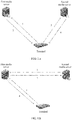
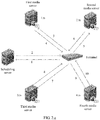
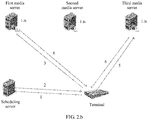
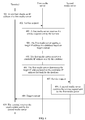
- the embodiments of this application may be applied to network architectures shown in FIG. 2.a and FIG. 2.b .
- segments are stored in different servers in a distributed manner.
- One piece of media content includes several small segment files 1.ts, 2.ts, 3.ts, 4.ts, and the like, and these small segment files are stored in different servers in a distributed manner.
- the terminal needs to interact with a plurality of servers, as shown in step 3 to step 10 in FIG. 2.a .
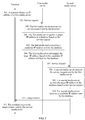
- an embodiment of a session migration-based scheduling method in this embodiment of this application includes the following steps.
- the terminal obtains an IP address of a first media server.
- the terminal queries a domain name of a media server in a scheduling server.
- the scheduling server randomly selects a media server based on the domain name input by the terminal, and sends an IP address of the media server to the terminal.
- a domain name is a symbolized address solution developed based on an IP address.
- Each domain name corresponds to a specific IP address.
- the domain name is formed by well-known symbols, such as letters, digits, characters, or words in a particular manner.
- the IP address is a digital identifier, and this does not conform to daily use habits of people. Therefore, the IP address is difficult to remember and write during use.
- people When searching for a resource, people usually enter a domain name.
- the IP address is represented by using binary numbers. Each IP address has a length of 32 bits and includes four numbers less than 256, and the numbers are separated by dots.
- an IP address of the scheduling server is 10.0.0.100
- an IP address of the terminal is 10.0.0.99.
- the IP addresses of the scheduling server and the terminal may be other values. This is not specifically limited herein.
- one IP address may correspond to a plurality of domain names, and one domain name may also correspond to a plurality of IP addresses.
- the scheduling server receives a destination domain name input by the terminal. The scheduling server queries a corresponding IP address based on the destination domain name. When there are a plurality of IP addresses corresponding to the destination domain name, the scheduling server randomly selects one IP address, and feeds back the IP address to the terminal. For example, the scheduling server randomly selects the IP address of the first media server based on the destination domain name, and returns the IP address to the terminal. In this embodiment of this application, the IP address of the first media server is 10.0.0.101.
- the terminal sends a service request to the first media server.
- the terminal sends the service request to the first media server.
- the service request is used to obtain target content required by the terminal.
- the service request carries an ID (identifier) of the target content.
- Each ID uniquely corresponds to one piece of target content.
- the ID of the target content required by the terminal is A1.ts.
- the ID may be in another form, for example, B1.ts or C1.ts. This is not specifically limited herein.
- the service request further includes a destination address.
- the destination address is used to access a target server.
- the destination address of the service request sent by the terminal to the first media server is an address of the first media server.
- the first media server receives the service request sent by the terminal.
- the first media server receives the service request sent by the terminal.
- the service request is used to obtain the target content required by the terminal.
- the first media server queries a target IP address in a database based on the service request.
- the first media server obtains the ID of the target content from the service request, and sends a query request carrying the ID to the database, to query the target IP address.
- the target IP address is an IP address of a server in which the target content required by the terminal is located.
- the first media server obtains the ID A1.ts of the target content from the service request, and sends a query request to the database.
- the query request carries the ID A1.ts of the target content, to query a target IP address corresponding to A1.ts.
- mapping relationship between the target content and the IP address of the server storing the target content there is a mapping relationship between the target content and the IP address of the server storing the target content, and the mapping relationship is stored in the database. After the database receives the query request of the first media server, the mapping relationship between the target content and the IP address of the server storing the target content is searched for the corresponding IP address of the server based on the ID that is of the required target content and that is included in the service request.
- the ID corresponds to at least one candidate IP address.
- the first media server receives a candidate IP address sent by the database.
- the first media server After a candidate IP address corresponding to the target content is found and the database sends the candidate IP address to the first media server, the first media server receives the candidate IP address sent by the database.
- the first media server determines the target IP address based on the candidate IP address fed back by the database.
- the first media server receives at least one candidate IP address fed back by the database. If the at least one candidate IP address includes the IP address of the first media server, the first media server determines the IP address of the first media server as the target IP address. If the at least one candidate IP address does not include the IP address of the first media server, the first media server determines any one of the candidate IP address as the target IP address.
- the database when it is found that a server in which A1.ts is located corresponds to three candidate IP addresses, and the candidate IP addresses do not include the IP address of the first media server, the database sends the three candidate IP addresses 10.0.0.102, 10.0.0.150, and 10.0.0.151 of the server in which A1.ts is located to the first media server.
- the first media server randomly selects one candidate IP address as the target IP address.
- 10.0.0.102 is determined as the target IP address.
- the IP address 10.0.0.102 is an IP address of a second media server.
- the database sends the three candidate IP addresses 10.0.0.101, 10.0.0.150, and 10.0.0.151 of the server in which A1.ts of the target content is located to the first media server. Because the candidate IP addresses include the IP address 10.0.0.101 of the first media server, the first media server determines 10.0.0.101 as the target IP address.
- the first media server may delete the other candidate IP addresses that are not selected, and reserve only the target IP address.
- the first media server may alternatively achieve a similar effect in another manner.
- the first media server may shield the other candidate IP addresses that are not selected. This is not specifically limited herein.
- the first media server determines that the first media server misses target content, and sends the service request to a second media server, where an IP address of the second media server is the target IP address.
- the first media server determines that the target content does not exist locally, determines that the first media server misses the target content, and sends the service request to the second media server corresponding to the target IP address.
- the first media server includes a session migration module, and sends the service request to the second media server by using the session migration module.
- the session migration module modifies the service request, and modifies a destination MAC address of the service request from a MAC address of the first media server to a MAC address of the second media server.
- the first media server determines that the first media server hits the target content, and sends the target content to the terminal.
- the second media server receives the service request sent by the first media server.
- the second media server receives the service request sent by the first media server.
- the service request is used to obtain the target content required by the terminal.
- the second media server modifies a destination IP address (namely, the IP address 10.0.0.101 of the first media server) of the service request to the IP address (10.0.0.102) of the second media server. After the modification is completed, the second media server considers that the service request is sent by the terminal to the second media server, in other words, the service request is valid.
- the session migration module of the first media server modifies the destination MAC address of the service request
- a session migration module of the second media server modifies the destination IP address of the service request
- the session migration module of the first media server may modify both the destination IP address and the destination MAC address. This may be selected based on an actual situation and is not specifically limited herein.
- the second media server queries the target IP address in the database based on the service request.
- the second media server obtains the ID of the target content from the service request, and sends a query request carrying the ID to the database, to query the target IP address.
- the target IP address is the IP address of the server in which the target content required by the terminal is located.
- the second media server obtains the ID A1.ts of the target content from the service request, and sends a query request to the database.
- the query request carries the ID A1.ts of the target content, to query a target IP address corresponding to A1.ts.
- mapping relationship between the target content and the IP address of the server storing the target content there is the mapping relationship between the target content and the IP address of the server storing the target content, and the mapping relationship is stored in the database. After the database receives the query request of the second media server, the mapping relationship between the target content and the IP address of the server storing the target content is searched for the corresponding IP address of the server based on the ID that is of the required target content and that is included in the service request.
- the ID corresponds to at least one candidate IP address.
- the second media server receives a candidate IP address sent by the database.
- the second media server receives at least one candidate IP address fed back by the database. If the at least one candidate IP address includes the IP address of the second media server, the second media server determines the IP address of the second media server as the target IP address. If the at least one candidate IP address does not include the IP address of the second media server, the second media server determines any one of the candidate IP address as the target IP address. If there is a mapping relationship in the second media server, the database preferably determines the IP address of the second media server as a candidate IP address.
- the database when it is found that the server in which A1.ts is located corresponds to three candidate IP addresses, and the candidate IP addresses include the IP address of the second media server, the database sends the three candidate IP addresses 10.0.0.102, 10.0.0.155, and 10.0.0.156 of the server in which A1.ts of the target content is located to the second media server. Because the candidate IP addresses include the IP address 10.0.0.102 of the second media server, the second media server determines 10.0.0.102 as the target IP address.
- the database sends the three candidate IP addresses 10.0.0.103, 10.0.0.155, and 10.0.0.156 of the server in which A1.ts is located to the second media server.
- the second media server randomly selects one candidate IP address as the target IP address.
- 10.0.0.103 is determined as the target IP address.
- the IP address 10.0.0.103 is an IP address of a third media server.
- the second media server may delete the other candidate IP addresses that are not selected, and reserve only the target IP address.
- the second media server may alternatively achieve a similar effect in another manner.
- the second media server may shield the other candidate IP addresses that are not selected. This is not specifically limited herein.
- the second media server determines that the second media server hits the target content, and sends the target content to the terminal.
- the second media server determines that the second media server hits the target content.
- the second media server modifies a source IP address of the target content to the IP address of the first media server, where the source IP address is used by the terminal to continue to communicate with the first media server.
- the second media server sends the modified target content to the terminal.
- the target content required by the terminal includes a plurality of pieces of segment content, and these pieces of segment content are stored in different servers in a distributed manner, for example, the target content required by the terminal includes A1.ts, A2.ts, and A3.ts
- the terminal continues to request required A2.ts and A3.ts from the first media server after the terminal obtains A1.ts, step 302 to step 311 are repeated.
- A2.ts may not be stored in the second media server. Instead, A2.ts may be stored in a third media server or another media server. However, from a perspective of the terminal, all content data is sent by the first media server, until the terminal obtains complete target content.
- the terminal receives the target content sent by the second media server.
- the terminal receives the target content sent by the second media server.
- the source IP address of the target content is the IP address of the first media server.
- the terminal determines, based on the source IP address of the target content, that the target content is sent by the first media server, and continues to request other content from the first media server.
- the first media server receives the service request that is sent by the terminal and that is used to obtain the target content, determines that the required content does not exist in the first media server, and sends the service request to the second media server storing the target content.
- the second media server sends the content required by the terminal to the terminal.
- an information exchange between the first media server and the terminal and an information exchange between the first media server and the second media server are reduced, and a delay between the terminal and the second media server is reduced, thereby saving server resources and improving service quality.
- the following describes a specific procedure of an embodiment of this application. Referring to FIG. 4 , when content required by a terminal is stored in a plurality of media servers, another embodiment of a session migration-based scheduling method in this embodiment of this application includes the following steps.
- the terminal obtains an IP address of a first media server.
- the terminal queries a domain name of a media server in a scheduling server.
- the scheduling server randomly selects a media server based on the domain name input by the terminal, and sends an IP address of the media server to the terminal.
- a domain name is a symbolized address solution developed based on an IP address.
- Each domain name corresponds to a specific IP address.
- the domain name is formed by well-known symbols, such as letters, digits, characters, or words in a particular manner.
- the IP address is a digital identifier, and this does not conform to daily use habits of people. Therefore, the IP address is difficult to remember and write during use.
- people When searching for a resource, people usually enter a domain name.
- the IP address is represented by using binary numbers. Each IP address has a length of 32 bits and includes four numbers less than 256, and the numbers are separated by dots.
- an IP address of the scheduling server is 10.0.0.100
- an IP address of the terminal is 10.0.0.99.
- the IP addresses of the scheduling server and the terminal may be other values. This is not specifically limited herein.
- one IP address may correspond to a plurality of domain names, and one domain name may also correspond to a plurality of IP addresses.
- the scheduling server receives a destination domain name input by the terminal. The scheduling server queries a corresponding IP address based on the destination domain name. When there are a plurality of IP addresses corresponding to the destination domain name, the scheduling server randomly selects one IP address, and feeds back the IP address to the terminal. For example, the scheduling server randomly selects the IP address of the first media server based on the destination domain name, and returns the IP address to the terminal. In this embodiment of this application, the IP address of the first media server is 10.0.0.101.
- the terminal sends a service request to the first media server.
- the terminal sends the service request to the first media server.
- the service request is used to obtain target content required by the terminal.
- the service request carries an ID of the target content.
- Each ID uniquely corresponds to one piece of target content.
- the ID of the target content required by the terminal is A1.ts.
- the ID may be in another form, for example, B1.ts or C1.ts. This is not specifically limited herein.
- the service request further includes a destination address.
- the destination address is used to access a target server.
- the destination address of the service request sent by the terminal to the first media server is an address of the first media server.
- the first media server receives the service request sent by the terminal.
- the first media server receives the service request sent by the terminal.
- the service request is used to obtain the target content required by the terminal.
- the first media server queries a target IP address in the database based on the target content.
- the first media server obtains the ID of the target content from the service request, and sends a query request carrying the ID to the database, to query the target IP address.
- the target IP address is an IP address of a server in which the target content required by the terminal is located.
- the first media server obtains the ID A1.ts of the target content from the service request, and sends a query request to the database.
- the query request carries the ID A1.ts of the target content, to query a target IP address corresponding to A1.ts.
- mapping relationship between the target content and the IP address of the server storing the target content there is a mapping relationship between the target content and the IP address of the server storing the target content, and the mapping relationship is stored in the database. After the database receives the query request of the first media server, the mapping relationship between the target content and the IP address of the server storing the target content is searched for the corresponding IP address of the server based on the ID that is of the required target content and that is included in the service request.
- the ID corresponds to at least one candidate IP address.
- the first media server receives a candidate IP address sent by the database.
- the first media server After a candidate IP address corresponding to the target content is found and the database sends the candidate IP address to the first media server, the first media server receives the candidate IP address sent by the database.
- the first media server determines the target IP address based on the candidate IP address fed back by the database.
- the first media server receives at least one candidate IP address fed back by the database. If the at least one candidate IP address includes the IP address of the first media server, the first media server determines any candidate IP address different from the IP address of the first media server as the target IP address. If the at least one candidate IP address does not include the IP address of the first media server, the first media server determines any one of the candidate IP address as the target IP address.
- the database when it is found that a server in which A1.ts is located corresponds to three candidate IP addresses, and the candidate IP addresses do not include the IP address of the first media server, the database sends the three candidate IP addresses 10.0.0.102, 10.0.0.150, and 10.0.0.151 of the server in which A1.ts is located to the first media server.
- the first media server randomly selects one candidate IP address as the target IP address.
- 10.0.0.102 is determined as the target IP address.
- the IP address 10.0.0.102 is an IP address of a second media server.
- the database sends the three candidate IP addresses 10.0.0.101, 10.0.0.102, and 10.0.0.151 of the server in which A1.ts of the target content is located to the first media server. Because the candidate IP addresses include the IP address 10.0.0.101 of the first media server, the first media server determines 10.0.0.102 as the target IP address.
- the first media server may delete the other candidate IP addresses that are not selected, and reserve only the target IP address.
- the first media server may alternatively achieve a similar effect in another manner.
- the first media server may shield the other candidate IP addresses that are not selected. This is not specifically limited herein.
- the first media server sends the service request to a second media server, where an IP address of the second media server is the target IP address.
- the first media server After determining that the target content does not exist locally or the target content is incomplete, and determining that the first media server misses the target content, the first media server sends the service request to the second media server corresponding to the target IP address.
- the first media server includes a session migration module, and sends the service request to the second media server by using the session migration module.
- the session migration module modifies the service request, and modifies a destination MAC address of the service request from a MAC address of the first media server to a MAC address of the second media server.
- the first media server determines that the first media server hits the target content, and sends the target content to the terminal.
- the second media server receives the service request sent by the first media server.
- the second media server receives the service request sent by the first media server.
- the service request is used to obtain the target content required by the terminal.
- the second media server modifies a destination IP address (namely, the IP address 10.0.0.101 of the first media server) of the service request to the IP address (10.0.0.102) of the second media server. After the modification is completed, the second media server considers that the service request is sent by the terminal to the second media server, in other words, the service request is valid.
- the session migration module of the first media server modifies the destination MAC address of the service request
- a session migration module of the second media server modifies the destination IP address of the service request
- the session migration module of the first media server may modify both the destination IP address and the destination MAC address. This may be selected based on an actual situation and is not specifically limited herein.
- the second media server determines that the second media server hits the target content, and sends the target content to the terminal.
- the second media server determines that the second media server hits the target content.
- the second media server modifies a source IP address of the target content to the IP address of the first media server, where the source IP address is used by the terminal to continue to communicate with the first media server.
- the second media server sends the modified target content to the terminal.
- the terminal receives the target content sent by the second media server.
- the terminal receives the target content sent by the second media server.
- the source IP address of the target content is the IP address of the first media server.
- the terminal determines, based on the source IP address of the target content, that the target content is sent by the first media server, and continues to request other content from the first media server.
- the first media server receives the service request that is sent by the terminal and that is used to obtain the target content, determines that the required content does not exist in the first media server, and sends the service request to the second media server storing the target content.
- the second media server sends the content required by the terminal to the terminal.
- an information exchange between the first media server and the terminal and an information exchange between the first media server and the second media server are reduced, and a delay between the terminal and the second media server is reduced, thereby saving server resources, and improving service quality.
- the first processing unit 503 may include:
- the first processing unit 503 may further include: a first discarding subunit 5034, configured to discard a candidate IP address that is not determined as the target IP address.
- a first discarding subunit 5034 configured to discard a candidate IP address that is not determined as the target IP address.
- the first processing unit 503 may further include: a second discarding subunit 5035, configured to discard a candidate IP address that is not determined as the target IP address.
- a second discarding subunit 5035 configured to discard a candidate IP address that is not determined as the target IP address.
- the second processing unit 504 may further include:
- the server may further include: a third processing unit 505, configured to: if the target IP address is the same as the IP address of the first media server, determine that the first media server hits the target content, and send the target content to the terminal.
- a third processing unit 505 configured to: if the target IP address is the same as the IP address of the first media server, determine that the first media server hits the target content, and send the target content to the terminal.
- the first media server sends the service request of the terminal to the second media server, so that an information exchange between the first media server and the terminal is reduced, thereby saving server resources, and improving service quality.
- an embodiment of a second media server includes:
- the receiving unit 601 may include:
- the first processing unit 603 may include:
- the first processing unit 603 may further include: a first discarding subunit 6034, configured to discard a candidate IP address that is not determined as the target IP address.
- a fourth processing unit 508 may further include: a second discarding subunit 6035, configured to discard a candidate IP address that is not determined as the target IP address.
- the second processing unit 604 may further include:
- the second media server receives the service request sent by the first media server, so that a delay between the terminal and the second media server is reduced, thereby saving server resources, and improving service quality.
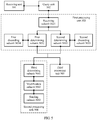
- FIG. 7 is a schematic structural diagram of a server 700 according to an embodiment of this application.
- the server 700 may vary considerably depending on different configurations or performance, and may include one or more processors (Central processing units, CPU) 701 (for example, one or more processors), a memory 709, and one or more storage media 708 (for example, one or more mass storage devices) storing an application program 707 or data 706.
- the memory 709 and the storage medium 708 may be a transitory or persistent storage.
- a program stored in the storage medium 708 may include one or more modules (not shown), and each module may include a series of instructions for performing operations on the server.
- the processor 701 may be configured to communicate with the storage medium 708, and execute the series of instructions in the storage medium 708 for performing operations on the server 700.
- the server 700 may further include one or more power supplies 702, one or more wired or wireless network interfaces 703, one or more input/output interfaces 704, and/or one or more operating systems 705, for example, Windows ServerTM, Mac OS XTM, UnixTM, LinuxTM, or FreeBSDTM. It may be understood by persons skilled in the art that, a server structure shown in FIG. 7 does not constitute any limitation on the server, and the server may include more or fewer components than those shown in the figure, or some components are combined, or a different component deployment is used.
- the components of the server are specifically described below with reference to FIG. 7 .
- the memory 709 may be configured to store a software program and a module.
- the processor 701 runs the software program and the module that are stored in the memory 709, to perform various function applications of the server and data processing.
- the memory 709 may mainly include a program storage area and a data storage area.
- the program storage area may store an operating system, an application program required by at least one function (such as a sound play function and an image play function), and the like.
- the data storage area may store data (such as audio data or an address book) created based on use of the server, and the like.
- the memory 709 may include a high speed random access memory, and may further include a non-volatile memory, such as at least one magnetic disk storage device, a flash storage device, or another volatile solid storage device.
- a program of a provided transmission rate adjustment mechanism and a received data stream are stored in the memory 709, and the processor 701 invokes the program and the data stream from the memory 709 when needed.
- the processor 701 is a control center of the server, and may perform segmented scheduling based on a specified scheduling method.
- the processor 701 connects all parts of the entire server by using various interfaces and lines.
- the processor 701 By running or executing a software program and/or a module stored in the memory 709 and invoking data stored in the memory 709, the processor 701 performs various functions and data processing of the server, to adjust a transmission rate.
- the processor 701 includes a session migration function, and stores and restores a TCP connection in a form of a kernel module.
- the kernel module is simplified.
- the kernel module is responsible only for providing an interface or a channel for obtaining and setting socket information. All complex logic, such as migration control, migration information encapsulation and parsing, and information transmission, is implemented in a user mode, to improve flexibility and reduce development and maintenance difficulty.
- a session migration function module includes a TCP migration component, and can implement a TCP active connection and migration from one server to another server.
- the TCP migration component includes two parts: a user mode LIB library and the kernel module.
- the user mode LIB library is responsible for encapsulating an application platform interface (Application platform interface, API) and providing the application platform interface for a TCP server for invocation.
- the user mode LIB library further includes a user mode module handoff svc, configured to provide a handoff message transmission channel and control management.
- the kernel module includes a handoff module and a packet control module.
- the handoff module is responsible for obtaining socket information from a kernel and setting the socket information.
- the packet control module is an auxiliary module, configured to register a netfilter hook netfilter hook, and responsible for forwarding a packet to a specified server or discarding a packet.
- the processor 701 may include one or more processing units.
- the processor 701 is configured to perform step 302 to step 311 in FIG. 3 . Details are not described herein again.
- the processor 701 is configured to perform step 402 to step 409 in FIG. 4 . Details are not described herein again.
- All or some of the foregoing embodiments may be implemented by using software, hardware, firmware, or any combination thereof.
- the embodiments may be implemented completely or partially in a form of a computer program product.
- the computer program product includes one or more computer instructions.
- the computer may be a general-purpose computer, a dedicated computer, a computer network, or other programmable apparatuses.
- the computer instructions may be stored in a computer-readable storage medium or may be transmitted from a computer-readable storage medium to another computer-readable storage medium.
- the computer instructions may be transmitted from a website, computer, server, or data center to another website, computer, server, or data center in a wired (for example, a coaxial cable, an optical fiber, or a digital subscriber line (DSL)) or wireless (for example, infrared, radio, or microwave) manner.
- a wired for example, a coaxial cable, an optical fiber, or a digital subscriber line (DSL)
- wireless for example, infrared, radio, or microwave
- the computer-readable storage medium may be any usable medium accessible by a computer, or a data storage device, such as a server or a data center, integrating one or more usable media.
- the usable medium may be a magnetic medium (for example, a floppy disk, a hard disk, or a magnetic tape), an optical medium (for example, a DVD), a semiconductor medium (for example, a solid state disk (SSD)), or the like.
- the disclosed system, apparatus, and method may be implemented in other manners.
- the described apparatus embodiment is merely an example.
- the unit division is merely logical function division and may be other division in actual implementation.
- a plurality of units or components may be combined or integrated into another system, or some features may be ignored or not performed.
- the displayed or discussed mutual couplings or direct couplings or communication connections may be implemented by using some interfaces.
- the indirect couplings or communication connections between the apparatuses or units may be implemented in electronic, mechanical, or other forms.
- the units described as separate parts may or may not be physically separate, and parts displayed as units may or may not be physical units, may be located in one position, or may be distributed on a plurality of network units. Some or all of the units may be selected based on actual requirements to achieve the objectives of the solutions of the embodiments.
- functional units in the embodiments of this application may be integrated into one processing unit, or each of the units may exist alone physically, or two or more units are integrated into one unit.
- the integrated unit may be implemented in a form of hardware, or may be implemented in a form of a software functional unit.
- the integrated unit When the integrated unit is implemented in the form of a software functional unit and sold or used as an independent product, the integrated unit may be stored in a computer-readable storage medium. Based on such an understanding, the technical solutions of this application essentially, or the part contributing to the prior art, or all or some of the technical solutions may be implemented in the form of a software product.
- the computer software product is stored in a storage medium and includes several instructions for instructing a computer device (which may be a personal computer, a server, or a network device) to perform all or some of the steps of the methods described in the embodiments of this application.
- the foregoing storage medium includes: any medium that can store program code, such as a USB flash drive, a removable hard disk, a read-only memory (Read-Only Memory, ROM), a random access memory (Random Access Memory, RAM), a magnetic disk, or an optical disc.
- program code such as a USB flash drive, a removable hard disk, a read-only memory (Read-Only Memory, ROM), a random access memory (Random Access Memory, RAM), a magnetic disk, or an optical disc.
Landscapes
- Engineering & Computer Science (AREA)
- Signal Processing (AREA)
- Computer Networks & Wireless Communication (AREA)
- Multimedia (AREA)
- Business, Economics & Management (AREA)
- General Business, Economics & Management (AREA)
- Databases & Information Systems (AREA)
- Theoretical Computer Science (AREA)
- Physics & Mathematics (AREA)
- General Engineering & Computer Science (AREA)
- General Physics & Mathematics (AREA)
- Data Mining & Analysis (AREA)
- Computer Security & Cryptography (AREA)
- Computer And Data Communications (AREA)
- Data Exchanges In Wide-Area Networks (AREA)
- Information Transfer Between Computers (AREA)
Claims (18)
- Sitzungsmigrationsbasiertes Ablaufsteuerungsverfahren, das Folgendes umfasst:Empfangen (303), durch einen ersten Medienserver, einer durch ein Terminal gesendeten Dienstanforderung, wobei die Dienstanforderung verwendet wird, um einen durch das Terminal benötigten Zielinhalt zu erhalten, wobei die Dienstanforderung eine Zieladresse umfasst, die Zieladresse eine Ziel-Internetprotokoll(IP)-Adresse und eine Zielhardware-MAC-Adresse umfasst, und die Zieladresse eine Adresse des ersten Medienservers ist;Abfragen (304), durch den ersten Medienserver, einer Ziel-IP-Adresse in einer Datenbank basierend auf der Dienstanforderung, wobei die Ziel-IP-Adresse eine IP-Adresse eines Servers ist, auf dem sich der Zielinhalt befindet;Bestimmen (306), durch den ersten Medienserver, der Ziel-IP-Adresse basierend auf einer durch die Datenbank zurückgemeldeten Kandidaten-IP-Adresse; undwenn sich die Ziel-IP-Adresse von einer IP-Adresse des ersten Medienservers unterscheidet, Bestimmen (307), durch den ersten Medienserver, dass der erste Medienserver den Zielinhalt verfehlt, und Senden (307) der Dienstanforderung an einen zweiten Medienserver, wobei eine IP-Adresse des zweiten Medienservers die Ziel-IP-Adresse ist.
- Ablaufsteuerungsverfahren nach Anspruch 1, wobei das Bestimmen (306), durch den ersten Medienserver, der Ziel-IP-Adresse basierend auf einer durch die Datenbank zurückgemeldeten Kandidaten-IP-Adresse Folgendes umfasst:Empfangen (305), durch den ersten Medienserver, mindestens einer durch die Datenbank zurückgemeldeten Kandidaten-IP-Adresse; undwenn die mindestens eine Kandidaten-IP-Adresse die IP-Adresse des ersten Medienservers umfasst, Bestimmen, durch den ersten Medienserver, der IP-Adresse des ersten Medienservers als die Ziel-IP-Adresse; oderwenn die mindestens eine Kandidaten-IP-Adresse nicht die IP-Adresse des ersten Medienservers umfasst, Bestimmen, durch den ersten Medienserver, einer der Kandidaten-IP-Adressen als die Ziel-IP-Adresse.
- Ablaufsteuerungsverfahren nach Anspruch 2, wobei nach dem Bestimmen (306), durch den ersten Medienserver, der IP-Adresse des ersten Medienservers als die Ziel-IP-Adresse, das Verfahren ferner Folgendes umfasst:
Verwerfen, durch den ersten Medienserver, einer Kandidaten-IP-Adresse, die nicht als die Ziel-IP-Adresse bestimmt ist. - Ablaufsteuerungsverfahren nach Anspruch 2, wobei nach dem Bestimmen (306), durch den ersten Medienserver, einer der Kandidaten-IP-Adressen als die Ziel-IP-Adresse das Verfahren ferner Folgendes umfasst:
Verwerfen, durch den ersten Medienserver, einer Kandidaten-IP-Adresse, die nicht als die Ziel-IP-Adresse bestimmt ist. - Ablaufsteuerungsverfahren nach Anspruch 1, wobei das Bestimmen (307), durch den ersten Medienserver, dass der erste Medienserver den Zielinhalt verfehlt, und das Senden (307) der Dienstanforderung an einen zweiten Medienserver Folgendes umfasst:Bestimmen, durch den ersten Medienserver, dass der erste Medienserver den Zielinhalt verfehlt;Ändern, durch den ersten Medienserver, einer Ziel-MAC-Adresse der Dienstanforderung in eine MAC-Adresse des zweiten Medienservers; undSenden, durch den ersten Medienserver, der geänderten Dienstanforderung an den zweiten Medienserver.
- Ablaufsteuerungsverfahren nach Anspruch 1, wobei nach dem Bestimmen (306), durch den ersten Medienserver, der Ziel-IP-Adresse basierend auf einer durch die Datenbank zurückgemeldeten Kandidaten-IP-Adresse das Verfahren ferner Folgendes umfasst:
wenn die Ziel-IP-Adresse mit der IP-Adresse des ersten Medienservers übereinstimmt, Bestimmen, durch den ersten Medienserver, dass der erste Medienserver den Zielinhalt erreicht, und Senden des Zielinhalts an das Terminal. - Sitzungsmigrationsbasiertes Ablaufsteuerungsverfahren, das Folgendes umfasst:Empfangen (308), durch einen zweiten Medienserver, einer durch einen ersten Medienserver gesendeten Dienstanforderung, wobei die Dienstanforderung verwendet wird, um den durch ein Terminal benötigten Zielinhalt zu erhalten, wobei die Dienstanforderung eine Zieladresse umfasst, die Zieladresse eine Ziel-Internetprotokoll(IP)-Adresse und eine Ziel-MAC-Adresse umfasst, und die Zieladresse eine Adresse des zweiten Medienservers ist;Abfragen (309), durch den zweiten Medienserver, einer Ziel-IP-Adresse in einer Datenbank basierend auf der Dienstanforderung, wobei die Ziel-IP-Adresse eine IP-Adresse eines Servers ist, auf dem sich der Zielinhalt befindet;Bestimmen, durch den zweiten Medienserver, der Ziel-IP-Adresse basierend auf einer durch die Datenbank zurückgemeldeten Kandidaten-IP-Adresse; undwenn die Ziel-IP-Adresse mit einer IP-Adresse des zweiten Medienservers übereinstimmt, Bestimmen (311), durch den zweiten Medienserver, dass der zweite Medienserver den Zielinhalt erreicht, und Senden (311) des Zielinhalts an das Terminal.
- Ablaufsteuerungsverfahren nach Anspruch 7, wobei das Empfangen (308), durch einen zweiten Medienserver, einer durch einen ersten Medienserver gesendeten Dienstanforderung Folgendes umfasst:Empfangen, durch den zweiten Medienserver, der durch den ersten Medienserver gesendeten Dienstanforderung; undÄndern, durch den zweiten Medienserver, der Ziel-IP-Adresse der Dienstanforderung in die IP-Adresse des zweiten Medienservers.
- Ablaufsteuerungsverfahren nach Anspruch 7, wobei das Bestimmen, durch den zweiten Medienserver, der Ziel-IP-Adresse basierend auf einer durch die Datenbank zurückgemeldeten Kandidaten-IP-Adresse Folgendes umfasst:Empfangen, durch den zweiten Medienserver, von mindestens einer durch die Datenbank zurückgemeldeten Kandidaten-IP-Adresse; undwenn die mindestens eine Kandidaten-IP-Adresse die IP-Adresse des zweiten Medienservers umfasst, Bestimmen, durch den zweiten Medienserver, der IP-Adresse des zweiten Medienservers als die Ziel-IP-Adresse; oderwenn die mindestens eine Kandidaten-IP-Adresse nicht die IP-Adresse des zweiten Medienservers umfasst, Bestimmen, durch den zweiten Medienserver, einer der Kandidaten-IP-Adressen als die Ziel-IP-Adresse.
- Ablaufsteuerungsverfahren nach Anspruch 9, wobei nach dem Bestimmen, durch den zweiten Medienserver, der IP-Adresse des zweiten Medienservers als die Ziel-IP-Adresse das Verfahren ferner Folgendes umfasst:
Verwerfen, durch den zweiten Medienserver, einer Kandidaten-IP-Adresse, die nicht als die Ziel-IP-Adresse bestimmt ist. - Ablaufsteuerungsverfahren nach Anspruch 9, wobei nach dem Bestimmen, durch den zweiten Medienserver, einer der Kandidaten-IP-Adressen als die Ziel-IP-Adresse das Verfahren ferner Folgendes umfasst:
Verwerfen, durch den zweiten Medienserver, einer Kandidaten-IP-Adresse, die nicht als die Ziel-IP-Adresse bestimmt ist. - Ablaufsteuerungsverfahren nach Anspruch 7, wobei das Bestimmen (311), durch den zweiten Medienserver, dass der zweite Medienserver den Zielinhalt erreicht, und das Senden (311) des Zielinhalts an das Terminal Folgendes umfasst:Bestimmen, durch den zweiten Medienserver, dass der zweite Medienserver den Zielinhalt erreicht;Ändern, durch den zweiten Medienserver, einer Quell-IP-Adresse des Zielinhalts in eine IP-Adresse des ersten Medienservers, wobei die Quell-IP-Adresse durch das Terminal verwendet wird, um die Kommunikation mit dem ersten Medienserver fortzusetzen; undSenden, durch den zweiten Medienserver, des geänderten Zielinhalts an das Terminal.
- Server, wobei der Server ein erster Medienserver ist und Folgendes umfasst:eine Empfangseinheit (501), die konfiguriert ist, um eine durch ein Terminal gesendete Dienstanforderung zu empfangen, wobei die Dienstanforderung verwendet wird, um den durch das Terminal benötigten Zielinhalt zu erhalten, wobei die Dienstanforderung eine Zieladresse umfasst, die Zieladresse eine Ziel-Internetprotokoll(IP)-Adresse und eine Ziel-MAC-Adresse umfasst, und die Zieladresse eine Adresse des ersten Medienservers ist;eine Abfrageeinheit (502), die konfiguriert ist, um eine Ziel-IP-Adresse in einer Datenbank basierend auf der Dienstanforderung abzufragen, wobei die Ziel-IP-Adresse eine IP-Adresse eines Servers ist, auf dem sich der Zielinhalt befindet;eine erste Verarbeitungseinheit (503), die konfiguriert ist, um die Ziel-IP-Adresse basierend auf einer durch die Datenbank zurückgemeldeten Kandidaten-IP-Adresse zu bestimmen; undeine zweite Verarbeitungseinheit (504), die für Folgendes konfiguriert ist: wenn sich die Ziel-IP-Adresse von einer IP-Adresse des ersten Medienservers unterscheidet, Bestimmen, dass der erste Medienserver den Zielinhalt verfehlt, und Senden der Dienstanforderung an einen zweiten Medienserver, wobei eine IP-Adresse des zweiten Medienservers die Ziel-IP-Adresse ist.
- Server nach Anspruch 13, wobei die erste Verarbeitungseinheit Folgendes umfasst:eine Empfangsuntereinheit (5031), die konfiguriert ist, um mindestens eine durch die Datenbank zurückgemeldete Kandidaten-IP-Adresse zu empfangen;eine erste Bestimmungsuntereinheit (5032), die für Folgendes konfiguriert ist: wenn die mindestens eine Kandidaten-IP-Adresse die IP-Adresse des ersten Medienservers umfasst, Bestimmen der IP-Adresse des ersten Medienservers als die Ziel-IP-Adresse; undeine zweite Bestimmungsuntereinheit (5033), die für Folgendes konfiguriert ist: wenn die mindestens eine Kandidaten-IP-Adresse nicht die IP-Adresse des ersten Medienservers umfasst, Bestimmen einer der Kandidaten-IP-Adressen als die Ziel-IP-Adresse.
- Server nach Anspruch 14, wobei die erste Verarbeitungseinheit (503) ferner Folgendes umfasst:
eine erste Verwerfungsuntereinheit (5034), die konfiguriert ist, um eine Kandidaten-IP-Adresse, die nicht durch die erste Bestimmungsuntereinheit (5302) als die Ziel-IP-Adresse bestimmt ist, zu verwerfen. - Server nach Anspruch 14, wobei die erste Verarbeitungseinheit ferner Folgendes umfasst:
eine zweite Verwerfungsuntereinheit (5035), die konfiguriert ist, um eine Kandidaten-IP-Adresse, die nicht durch die zweite Bestimmungsuntereinheit (5303) als die Ziel-IP-Adresse bestimmt ist, zu verwerfen. - Server nach Anspruch 13, wobei die zweite Verarbeitungseinheit Folgendes umfasst:eine dritte Bestimmungsuntereinheit (5041), die konfiguriert ist, um zu bestimmen, dass der erste Medienserver den Zielinhalt verfehlt;eine Änderungsuntereinheit (5042), die konfiguriert ist, um eine Ziel-MAC-Adresse der Dienstanforderung in eine MAC-Adresse des zweiten Medienservers zu ändern; undeine Sendungsuntereinheit (5043), die konfiguriert ist, um die geänderte Dienstanforderung an den zweiten Medienserver zu senden.
- Server nach Anspruch 13, wobei der Server ferner Folgendes umfasst:
eine dritte Verarbeitungseinheit (505), die für Folgendes konfiguriert ist: wenn die Ziel-IP-Adresse mit der IP-Adresse des ersten Medienservers übereinstimmt, Bestimmen, dass der erste Medienserver den Zielinhalt erreicht, und Senden des Zielinhalts an das Terminal.
Applications Claiming Priority (2)
| Application Number | Priority Date | Filing Date | Title |
|---|---|---|---|
| CN201710101630.1A CN108494720B (zh) | 2017-02-23 | 2017-02-23 | 一种基于会话迁移的调度方法及服务器 |
| PCT/CN2018/076975 WO2018153345A1 (zh) | 2017-02-23 | 2018-02-22 | 一种基于会话迁移的调度方法及服务器 |
Publications (3)
| Publication Number | Publication Date |
|---|---|
| EP3576369A1 EP3576369A1 (de) | 2019-12-04 |
| EP3576369A4 EP3576369A4 (de) | 2020-01-08 |
| EP3576369B1 true EP3576369B1 (de) | 2021-04-07 |
Family
ID=63253119
Family Applications (1)
| Application Number | Title | Priority Date | Filing Date |
|---|---|---|---|
| EP18757467.8A Active EP3576369B1 (de) | 2017-02-23 | 2018-02-22 | Sitzungstransferbasiertes planungsverfahren und server |
Country Status (4)
| Country | Link |
|---|---|
| US (1) | US11431765B2 (de) |
| EP (1) | EP3576369B1 (de) |
| CN (1) | CN108494720B (de) |
| WO (1) | WO2018153345A1 (de) |
Families Citing this family (6)
| Publication number | Priority date | Publication date | Assignee | Title |
|---|---|---|---|---|
| CN113612735B (zh) * | 2021-07-15 | 2022-09-02 | 中国联合网络通信集团有限公司 | 安全存储系统 |
| CN115695301A (zh) * | 2021-07-29 | 2023-02-03 | 中兴通讯股份有限公司 | 待传输报文的发送方法及装置、存储介质及电子装置 |
| CN113992414B (zh) * | 2021-10-28 | 2024-06-14 | 马上消费金融股份有限公司 | 数据的访问方法、装置及设备 |
| CN116069991B (zh) * | 2023-01-10 | 2025-08-15 | 中国工商银行股份有限公司 | 服务器数据获取方法、装置、计算机设备和存储介质 |
| CN116996579B (zh) * | 2023-09-27 | 2024-02-27 | 联通在线信息科技有限公司 | 基于复用302地址提高分片请求下载速度的方法及系统 |
| CN117768467B (zh) * | 2024-01-12 | 2024-05-24 | 腾讯科技(深圳)有限公司 | 数据传输方法、装置、计算机设备及计算机可读存储介质 |
Family Cites Families (19)
| Publication number | Priority date | Publication date | Assignee | Title |
|---|---|---|---|---|
| CN101557423A (zh) * | 2009-05-07 | 2009-10-14 | 北京邮电大学 | 一种实现流媒体内容服务的系统和方法 |
| US10419533B2 (en) * | 2010-03-01 | 2019-09-17 | Genghiscomm Holdings, LLC | Edge server selection for device-specific network topologies |
| US20120089700A1 (en) * | 2010-10-10 | 2012-04-12 | Contendo, Inc. | Proxy server configured for hierarchical caching and dynamic site acceleration and custom object and associated method |
| WO2011157150A2 (zh) * | 2011-05-31 | 2011-12-22 | 华为技术有限公司 | 数据处理方法、缓存节点、协作控制器及系统 |
| CN102255811B (zh) * | 2011-07-14 | 2014-03-12 | 华为技术有限公司 | 一种获取节点间代价的方法,设备和系统 |
| EP2753077A4 (de) * | 2011-09-21 | 2015-05-20 | Nec Corp | Inhaltsbereitstellungssystem, cache-server und verfahren zur inhaltsbereitstellung |
| US8990509B2 (en) * | 2012-09-24 | 2015-03-24 | Hewlett-Packard Development Company, L.P. | Accelerated path selection based on number of write requests and sequential trend |
| CN102932678A (zh) * | 2012-10-31 | 2013-02-13 | 华为技术有限公司 | 媒体内容调度方法、系统及装置 |
| CN103841142B (zh) * | 2012-11-23 | 2017-06-20 | 华为技术有限公司 | 一种会话迁移的方法、装置及系统 |
| US9130970B2 (en) * | 2012-11-26 | 2015-09-08 | Go Daddy Operating Company, LLC | Systems for accelerating content delivery via DNS overriding |
| CN103905526A (zh) * | 2014-03-05 | 2014-07-02 | 深圳市同洲电子股份有限公司 | 一种调度方法及服务器 |
| CN104980416A (zh) * | 2014-07-31 | 2015-10-14 | 腾讯科技(深圳)有限公司 | 一种内容分布网络中的数据访问方法、装置和系统 |
| US10530738B2 (en) * | 2014-08-07 | 2020-01-07 | Citrix Systems, Inc. | DNS resolution replay for bare domain names that map to “A” records |
| CN104967590B (zh) * | 2014-09-18 | 2017-10-27 | 腾讯科技(深圳)有限公司 | 一种传输通信消息的方法、装置和系统 |
| WO2016069592A1 (en) * | 2014-10-27 | 2016-05-06 | Level 3 Communications, Llc | Content delivery systems and methods |
| US20160182668A1 (en) * | 2014-12-18 | 2016-06-23 | Limelight Networks, Inc. | Acceleration nodes for improving web traffic quality of service |
| CN106790324B (zh) * | 2015-11-20 | 2020-06-16 | 华为技术有限公司 | 内容分发方法、虚拟服务器管理方法、云平台和系统 |
| KR102293001B1 (ko) * | 2016-03-03 | 2021-08-24 | 에스케이텔레콤 주식회사 | 컨텐츠 제공 및 캐싱 방법, 이를 위한 프로그램을 기록한 컴퓨터 판독 가능한 기록매체 |
| CN105933399A (zh) * | 2016-04-18 | 2016-09-07 | 乐视控股(北京)有限公司 | 基于sdn的内容分发网络的实现方法和系统 |
-
2017
- 2017-02-23 CN CN201710101630.1A patent/CN108494720B/zh active Active
-
2018
- 2018-02-22 WO PCT/CN2018/076975 patent/WO2018153345A1/zh not_active Ceased
- 2018-02-22 EP EP18757467.8A patent/EP3576369B1/de active Active
-
2019
- 2019-08-20 US US16/545,227 patent/US11431765B2/en active Active
Non-Patent Citations (1)
| Title |
|---|
| None * |
Also Published As
| Publication number | Publication date |
|---|---|
| WO2018153345A1 (zh) | 2018-08-30 |
| US11431765B2 (en) | 2022-08-30 |
| CN108494720B (zh) | 2021-02-12 |
| EP3576369A4 (de) | 2020-01-08 |
| US20190379709A1 (en) | 2019-12-12 |
| CN108494720A (zh) | 2018-09-04 |
| EP3576369A1 (de) | 2019-12-04 |
Similar Documents
| Publication | Publication Date | Title |
|---|---|---|
| EP3576369B1 (de) | Sitzungstransferbasiertes planungsverfahren und server | |
| US11363105B2 (en) | Determining a target service based on a service discovery request | |
| US11258667B2 (en) | Network management method and related device | |
| EP2933986B1 (de) | Computerimplementiertes verfahren und computerprogrammprodukt zur verarbeitung von benannten entitätsanfragen mittels einer gepufferten funktionalität in einem domänennamensystem | |
| US11025724B2 (en) | Transport of control data in proxy-based network communications | |
| US12591463B2 (en) | Data transmission method and data transmission server | |
| CN112202673B (zh) | 一种配置方法及装置 | |
| WO2019237594A1 (zh) | 会话保持方法、装置、计算机设备及存储介质 | |
| WO2019128240A1 (zh) | 一种数据路由方法以及终端 | |
| CN111324843A (zh) | 一种前端请求处理方法、装置、设备及可读存储介质 | |
| US20200382465A1 (en) | Client subnet efficiency by equivalence class aggregation | |
| JP7094276B2 (ja) | 通信制御方法および通信システム | |
| WO2021051747A1 (zh) | 数据更新方法、系统、装置、电子设备及计算机存储介质 | |
| JP2021511702A (ja) | アプリケーションプログラミングインタフェースapi要求を伝送するための方法及び装置 | |
| CN115225606A (zh) | 一种容器云平台的跨网络协议的域名访问方法和系统 | |
| CN115242882A (zh) | 一种基于传输层路由访问k8s容器环境的方法及装置 | |
| WO2019201072A1 (zh) | Cdn业务调度处理方法及cdn服务器 | |
| US10455039B2 (en) | Method and router for sending and processing data | |
| EP4331211B1 (de) | Konsistentes hashing für kommunikationsvorrichtungen | |
| EP4057577A1 (de) | Adressierungsverfahren, adressierungssystem und adressierungsvorrichtung | |
| US20250291770A1 (en) | Seamless NFS Server Pod Addition | |
| CN114979284A (zh) | 一种5g消息调度方法、装置及系统 | |
| EP3435629A1 (de) | Transport von steuerdaten in proxy-basierter netzwerkkommunikation |
Legal Events
| Date | Code | Title | Description |
|---|---|---|---|
| STAA | Information on the status of an ep patent application or granted ep patent |
Free format text: STATUS: THE INTERNATIONAL PUBLICATION HAS BEEN MADE |
|
| PUAI | Public reference made under article 153(3) epc to a published international application that has entered the european phase |
Free format text: ORIGINAL CODE: 0009012 |
|
| STAA | Information on the status of an ep patent application or granted ep patent |
Free format text: STATUS: REQUEST FOR EXAMINATION WAS MADE |
|
| 17P | Request for examination filed |
Effective date: 20190826 |
|
| AK | Designated contracting states |
Kind code of ref document: A1 Designated state(s): AL AT BE BG CH CY CZ DE DK EE ES FI FR GB GR HR HU IE IS IT LI LT LU LV MC MK MT NL NO PL PT RO RS SE SI SK SM TR |
|
| AX | Request for extension of the european patent |
Extension state: BA ME |
|
| RIC1 | Information provided on ipc code assigned before grant |
Ipc: H04N 21/00 20110101ALI20191128BHEP Ipc: H04L 29/08 20060101AFI20191128BHEP |
|
| A4 | Supplementary search report drawn up and despatched |
Effective date: 20191209 |
|
| DAV | Request for validation of the european patent (deleted) | ||
| DAX | Request for extension of the european patent (deleted) | ||
| REG | Reference to a national code |
Ref country code: DE Ref legal event code: R079 Ref document number: 602018015305 Country of ref document: DE Free format text: PREVIOUS MAIN CLASS: H04L0029060000 Ipc: H04L0029080000 |
|
| GRAP | Despatch of communication of intention to grant a patent |
Free format text: ORIGINAL CODE: EPIDOSNIGR1 |
|
| STAA | Information on the status of an ep patent application or granted ep patent |
Free format text: STATUS: GRANT OF PATENT IS INTENDED |
|
| RIC1 | Information provided on ipc code assigned before grant |
Ipc: H04N 21/643 20110101ALI20200918BHEP Ipc: H04L 29/08 20060101AFI20200918BHEP |
|
| INTG | Intention to grant announced |
Effective date: 20201012 |
|
| GRAS | Grant fee paid |
Free format text: ORIGINAL CODE: EPIDOSNIGR3 |
|
| GRAA | (expected) grant |
Free format text: ORIGINAL CODE: 0009210 |
|
| STAA | Information on the status of an ep patent application or granted ep patent |
Free format text: STATUS: THE PATENT HAS BEEN GRANTED |
|
| AK | Designated contracting states |
Kind code of ref document: B1 Designated state(s): AL AT BE BG CH CY CZ DE DK EE ES FI FR GB GR HR HU IE IS IT LI LT LU LV MC MK MT NL NO PL PT RO RS SE SI SK SM TR |
|
| REG | Reference to a national code |
Ref country code: GB Ref legal event code: FG4D |
|
| REG | Reference to a national code |
Ref country code: AT Ref legal event code: REF Ref document number: 1381170 Country of ref document: AT Kind code of ref document: T Effective date: 20210415 Ref country code: CH Ref legal event code: EP |
|
| REG | Reference to a national code |
Ref country code: DE Ref legal event code: R096 Ref document number: 602018015305 Country of ref document: DE |
|
| REG | Reference to a national code |
Ref country code: IE Ref legal event code: FG4D |
|
| REG | Reference to a national code |
Ref country code: LT Ref legal event code: MG9D |
|
| REG | Reference to a national code |
Ref country code: NL Ref legal event code: MP Effective date: 20210407 Ref country code: AT Ref legal event code: MK05 Ref document number: 1381170 Country of ref document: AT Kind code of ref document: T Effective date: 20210407 |
|
| PG25 | Lapsed in a contracting state [announced via postgrant information from national office to epo] |
Ref country code: LT Free format text: LAPSE BECAUSE OF FAILURE TO SUBMIT A TRANSLATION OF THE DESCRIPTION OR TO PAY THE FEE WITHIN THE PRESCRIBED TIME-LIMIT Effective date: 20210407 Ref country code: HR Free format text: LAPSE BECAUSE OF FAILURE TO SUBMIT A TRANSLATION OF THE DESCRIPTION OR TO PAY THE FEE WITHIN THE PRESCRIBED TIME-LIMIT Effective date: 20210407 Ref country code: FI Free format text: LAPSE BECAUSE OF FAILURE TO SUBMIT A TRANSLATION OF THE DESCRIPTION OR TO PAY THE FEE WITHIN THE PRESCRIBED TIME-LIMIT Effective date: 20210407 Ref country code: AT Free format text: LAPSE BECAUSE OF FAILURE TO SUBMIT A TRANSLATION OF THE DESCRIPTION OR TO PAY THE FEE WITHIN THE PRESCRIBED TIME-LIMIT Effective date: 20210407 Ref country code: BG Free format text: LAPSE BECAUSE OF FAILURE TO SUBMIT A TRANSLATION OF THE DESCRIPTION OR TO PAY THE FEE WITHIN THE PRESCRIBED TIME-LIMIT Effective date: 20210707 Ref country code: NL Free format text: LAPSE BECAUSE OF FAILURE TO SUBMIT A TRANSLATION OF THE DESCRIPTION OR TO PAY THE FEE WITHIN THE PRESCRIBED TIME-LIMIT Effective date: 20210407 |
|
| REG | Reference to a national code |
Ref country code: DE Ref legal event code: R079 Ref document number: 602018015305 Country of ref document: DE Free format text: PREVIOUS MAIN CLASS: H04L0029080000 Ipc: H04L0065000000 |
|
| PG25 | Lapsed in a contracting state [announced via postgrant information from national office to epo] |
Ref country code: LV Free format text: LAPSE BECAUSE OF FAILURE TO SUBMIT A TRANSLATION OF THE DESCRIPTION OR TO PAY THE FEE WITHIN THE PRESCRIBED TIME-LIMIT Effective date: 20210407 Ref country code: NO Free format text: LAPSE BECAUSE OF FAILURE TO SUBMIT A TRANSLATION OF THE DESCRIPTION OR TO PAY THE FEE WITHIN THE PRESCRIBED TIME-LIMIT Effective date: 20210707 Ref country code: PL Free format text: LAPSE BECAUSE OF FAILURE TO SUBMIT A TRANSLATION OF THE DESCRIPTION OR TO PAY THE FEE WITHIN THE PRESCRIBED TIME-LIMIT Effective date: 20210407 Ref country code: PT Free format text: LAPSE BECAUSE OF FAILURE TO SUBMIT A TRANSLATION OF THE DESCRIPTION OR TO PAY THE FEE WITHIN THE PRESCRIBED TIME-LIMIT Effective date: 20210809 Ref country code: RS Free format text: LAPSE BECAUSE OF FAILURE TO SUBMIT A TRANSLATION OF THE DESCRIPTION OR TO PAY THE FEE WITHIN THE PRESCRIBED TIME-LIMIT Effective date: 20210407 Ref country code: SE Free format text: LAPSE BECAUSE OF FAILURE TO SUBMIT A TRANSLATION OF THE DESCRIPTION OR TO PAY THE FEE WITHIN THE PRESCRIBED TIME-LIMIT Effective date: 20210407 Ref country code: GR Free format text: LAPSE BECAUSE OF FAILURE TO SUBMIT A TRANSLATION OF THE DESCRIPTION OR TO PAY THE FEE WITHIN THE PRESCRIBED TIME-LIMIT Effective date: 20210708 Ref country code: IS Free format text: LAPSE BECAUSE OF FAILURE TO SUBMIT A TRANSLATION OF THE DESCRIPTION OR TO PAY THE FEE WITHIN THE PRESCRIBED TIME-LIMIT Effective date: 20210807 |
|
| REG | Reference to a national code |
Ref country code: DE Ref legal event code: R097 Ref document number: 602018015305 Country of ref document: DE |
|
| PG25 | Lapsed in a contracting state [announced via postgrant information from national office to epo] |
Ref country code: SM Free format text: LAPSE BECAUSE OF FAILURE TO SUBMIT A TRANSLATION OF THE DESCRIPTION OR TO PAY THE FEE WITHIN THE PRESCRIBED TIME-LIMIT Effective date: 20210407 Ref country code: RO Free format text: LAPSE BECAUSE OF FAILURE TO SUBMIT A TRANSLATION OF THE DESCRIPTION OR TO PAY THE FEE WITHIN THE PRESCRIBED TIME-LIMIT Effective date: 20210407 Ref country code: CZ Free format text: LAPSE BECAUSE OF FAILURE TO SUBMIT A TRANSLATION OF THE DESCRIPTION OR TO PAY THE FEE WITHIN THE PRESCRIBED TIME-LIMIT Effective date: 20210407 Ref country code: DK Free format text: LAPSE BECAUSE OF FAILURE TO SUBMIT A TRANSLATION OF THE DESCRIPTION OR TO PAY THE FEE WITHIN THE PRESCRIBED TIME-LIMIT Effective date: 20210407 Ref country code: SK Free format text: LAPSE BECAUSE OF FAILURE TO SUBMIT A TRANSLATION OF THE DESCRIPTION OR TO PAY THE FEE WITHIN THE PRESCRIBED TIME-LIMIT Effective date: 20210407 Ref country code: ES Free format text: LAPSE BECAUSE OF FAILURE TO SUBMIT A TRANSLATION OF THE DESCRIPTION OR TO PAY THE FEE WITHIN THE PRESCRIBED TIME-LIMIT Effective date: 20210407 Ref country code: EE Free format text: LAPSE BECAUSE OF FAILURE TO SUBMIT A TRANSLATION OF THE DESCRIPTION OR TO PAY THE FEE WITHIN THE PRESCRIBED TIME-LIMIT Effective date: 20210407 |
|
| PLBE | No opposition filed within time limit |
Free format text: ORIGINAL CODE: 0009261 |
|
| STAA | Information on the status of an ep patent application or granted ep patent |
Free format text: STATUS: NO OPPOSITION FILED WITHIN TIME LIMIT |
|
| 26N | No opposition filed |
Effective date: 20220110 |
|
| PG25 | Lapsed in a contracting state [announced via postgrant information from national office to epo] |
Ref country code: IS Free format text: LAPSE BECAUSE OF FAILURE TO SUBMIT A TRANSLATION OF THE DESCRIPTION OR TO PAY THE FEE WITHIN THE PRESCRIBED TIME-LIMIT Effective date: 20210807 Ref country code: AL Free format text: LAPSE BECAUSE OF FAILURE TO SUBMIT A TRANSLATION OF THE DESCRIPTION OR TO PAY THE FEE WITHIN THE PRESCRIBED TIME-LIMIT Effective date: 20210407 |
|
| PG25 | Lapsed in a contracting state [announced via postgrant information from national office to epo] |
Ref country code: IT Free format text: LAPSE BECAUSE OF FAILURE TO SUBMIT A TRANSLATION OF THE DESCRIPTION OR TO PAY THE FEE WITHIN THE PRESCRIBED TIME-LIMIT Effective date: 20210407 |
|
| PG25 | Lapsed in a contracting state [announced via postgrant information from national office to epo] |
Ref country code: MC Free format text: LAPSE BECAUSE OF FAILURE TO SUBMIT A TRANSLATION OF THE DESCRIPTION OR TO PAY THE FEE WITHIN THE PRESCRIBED TIME-LIMIT Effective date: 20210407 |
|
| REG | Reference to a national code |
Ref country code: CH Ref legal event code: PL |
|
| REG | Reference to a national code |
Ref country code: BE Ref legal event code: MM Effective date: 20220228 |
|
| PG25 | Lapsed in a contracting state [announced via postgrant information from national office to epo] |
Ref country code: LU Free format text: LAPSE BECAUSE OF NON-PAYMENT OF DUE FEES Effective date: 20220222 |
|
| PG25 | Lapsed in a contracting state [announced via postgrant information from national office to epo] |
Ref country code: LI Free format text: LAPSE BECAUSE OF NON-PAYMENT OF DUE FEES Effective date: 20220228 Ref country code: IE Free format text: LAPSE BECAUSE OF NON-PAYMENT OF DUE FEES Effective date: 20220222 Ref country code: CH Free format text: LAPSE BECAUSE OF NON-PAYMENT OF DUE FEES Effective date: 20220228 |
|
| PG25 | Lapsed in a contracting state [announced via postgrant information from national office to epo] |
Ref country code: BE Free format text: LAPSE BECAUSE OF NON-PAYMENT OF DUE FEES Effective date: 20220228 |
|
| PG25 | Lapsed in a contracting state [announced via postgrant information from national office to epo] |
Ref country code: MK Free format text: LAPSE BECAUSE OF FAILURE TO SUBMIT A TRANSLATION OF THE DESCRIPTION OR TO PAY THE FEE WITHIN THE PRESCRIBED TIME-LIMIT Effective date: 20210407 Ref country code: CY Free format text: LAPSE BECAUSE OF FAILURE TO SUBMIT A TRANSLATION OF THE DESCRIPTION OR TO PAY THE FEE WITHIN THE PRESCRIBED TIME-LIMIT Effective date: 20210407 |
|
| PG25 | Lapsed in a contracting state [announced via postgrant information from national office to epo] |
Ref country code: HU Free format text: LAPSE BECAUSE OF FAILURE TO SUBMIT A TRANSLATION OF THE DESCRIPTION OR TO PAY THE FEE WITHIN THE PRESCRIBED TIME-LIMIT; INVALID AB INITIO Effective date: 20180222 |
|
| PG25 | Lapsed in a contracting state [announced via postgrant information from national office to epo] |
Ref country code: MT Free format text: LAPSE BECAUSE OF FAILURE TO SUBMIT A TRANSLATION OF THE DESCRIPTION OR TO PAY THE FEE WITHIN THE PRESCRIBED TIME-LIMIT Effective date: 20210407 |
|
| PG25 | Lapsed in a contracting state [announced via postgrant information from national office to epo] |
Ref country code: TR Free format text: LAPSE BECAUSE OF FAILURE TO SUBMIT A TRANSLATION OF THE DESCRIPTION OR TO PAY THE FEE WITHIN THE PRESCRIBED TIME-LIMIT Effective date: 20210407 |
|
| PGFP | Annual fee paid to national office [announced via postgrant information from national office to epo] |
Ref country code: FR Payment date: 20251231 Year of fee payment: 9 |
|
| PGFP | Annual fee paid to national office [announced via postgrant information from national office to epo] |
Ref country code: GB Payment date: 20260106 Year of fee payment: 9 |
|
| PGFP | Annual fee paid to national office [announced via postgrant information from national office to epo] |
Ref country code: DE Payment date: 20251230 Year of fee payment: 9 |