EP3574042B1 - Improved process for the production of expanded material based on sulfone polymers - Google Patents
Improved process for the production of expanded material based on sulfone polymers Download PDFInfo
- Publication number
- EP3574042B1 EP3574042B1 EP18700303.3A EP18700303A EP3574042B1 EP 3574042 B1 EP3574042 B1 EP 3574042B1 EP 18700303 A EP18700303 A EP 18700303A EP 3574042 B1 EP3574042 B1 EP 3574042B1
- Authority
- EP
- European Patent Office
- Prior art keywords
- polymer
- expanded material
- process according
- virgin
- sulfone
- Prior art date
- Legal status (The legal status is an assumption and is not a legal conclusion. Google has not performed a legal analysis and makes no representation as to the accuracy of the status listed.)
- Active
Links
Images

Classifications
-
- C—CHEMISTRY; METALLURGY
- C08—ORGANIC MACROMOLECULAR COMPOUNDS; THEIR PREPARATION OR CHEMICAL WORKING-UP; COMPOSITIONS BASED THEREON
- C08J—WORKING-UP; GENERAL PROCESSES OF COMPOUNDING; AFTER-TREATMENT NOT COVERED BY SUBCLASSES C08B, C08C, C08F, C08G or C08H
- C08J9/00—Working-up of macromolecular substances to porous or cellular articles or materials; After-treatment thereof
- C08J9/0061—Working-up of macromolecular substances to porous or cellular articles or materials; After-treatment thereof characterized by the use of several polymeric components
-
- B—PERFORMING OPERATIONS; TRANSPORTING
- B29—WORKING OF PLASTICS; WORKING OF SUBSTANCES IN A PLASTIC STATE IN GENERAL
- B29C—SHAPING OR JOINING OF PLASTICS; SHAPING OF MATERIAL IN A PLASTIC STATE, NOT OTHERWISE PROVIDED FOR; AFTER-TREATMENT OF THE SHAPED PRODUCTS, e.g. REPAIRING
- B29C44/00—Shaping by internal pressure generated in the material, e.g. swelling or foaming ; Producing porous or cellular expanded plastics articles
- B29C44/34—Auxiliary operations
- B29C44/3402—Details of processes or apparatus for reducing environmental damage or for working-up compositions comprising inert blowing agents or biodegradable components
-
- B—PERFORMING OPERATIONS; TRANSPORTING
- B29—WORKING OF PLASTICS; WORKING OF SUBSTANCES IN A PLASTIC STATE IN GENERAL
- B29C—SHAPING OR JOINING OF PLASTICS; SHAPING OF MATERIAL IN A PLASTIC STATE, NOT OTHERWISE PROVIDED FOR; AFTER-TREATMENT OF THE SHAPED PRODUCTS, e.g. REPAIRING
- B29C44/00—Shaping by internal pressure generated in the material, e.g. swelling or foaming ; Producing porous or cellular expanded plastics articles
- B29C44/34—Auxiliary operations
- B29C44/36—Feeding the material to be shaped
- B29C44/46—Feeding the material to be shaped into an open space or onto moving surfaces, i.e. to make articles of indefinite length
- B29C44/50—Feeding the material to be shaped into an open space or onto moving surfaces, i.e. to make articles of indefinite length using pressure difference, e.g. by extrusion or by spraying
-
- C—CHEMISTRY; METALLURGY
- C08—ORGANIC MACROMOLECULAR COMPOUNDS; THEIR PREPARATION OR CHEMICAL WORKING-UP; COMPOSITIONS BASED THEREON
- C08J—WORKING-UP; GENERAL PROCESSES OF COMPOUNDING; AFTER-TREATMENT NOT COVERED BY SUBCLASSES C08B, C08C, C08F, C08G or C08H
- C08J9/00—Working-up of macromolecular substances to porous or cellular articles or materials; After-treatment thereof
- C08J9/0066—Use of inorganic compounding ingredients
-
- C—CHEMISTRY; METALLURGY
- C08—ORGANIC MACROMOLECULAR COMPOUNDS; THEIR PREPARATION OR CHEMICAL WORKING-UP; COMPOSITIONS BASED THEREON
- C08J—WORKING-UP; GENERAL PROCESSES OF COMPOUNDING; AFTER-TREATMENT NOT COVERED BY SUBCLASSES C08B, C08C, C08F, C08G or C08H
- C08J9/00—Working-up of macromolecular substances to porous or cellular articles or materials; After-treatment thereof
- C08J9/04—Working-up of macromolecular substances to porous or cellular articles or materials; After-treatment thereof using blowing gases generated by a previously added blowing agent
- C08J9/12—Working-up of macromolecular substances to porous or cellular articles or materials; After-treatment thereof using blowing gases generated by a previously added blowing agent by a physical blowing agent
-
- B—PERFORMING OPERATIONS; TRANSPORTING
- B29—WORKING OF PLASTICS; WORKING OF SUBSTANCES IN A PLASTIC STATE IN GENERAL
- B29K—INDEXING SCHEME ASSOCIATED WITH SUBCLASSES B29B, B29C OR B29D, RELATING TO MOULDING MATERIALS OR TO MATERIALS FOR MOULDS, REINFORCEMENTS, FILLERS OR PREFORMED PARTS, e.g. INSERTS
- B29K2081/00—Use of polymers having sulfur, with or without nitrogen, oxygen or carbon only, in the main chain, as moulding material
- B29K2081/06—PSU, i.e. polysulfones; PES, i.e. polyethersulfones or derivatives thereof
-
- B—PERFORMING OPERATIONS; TRANSPORTING
- B29—WORKING OF PLASTICS; WORKING OF SUBSTANCES IN A PLASTIC STATE IN GENERAL
- B29K—INDEXING SCHEME ASSOCIATED WITH SUBCLASSES B29B, B29C OR B29D, RELATING TO MOULDING MATERIALS OR TO MATERIALS FOR MOULDS, REINFORCEMENTS, FILLERS OR PREFORMED PARTS, e.g. INSERTS
- B29K2105/00—Condition, form or state of moulded material or of the material to be shaped
- B29K2105/04—Condition, form or state of moulded material or of the material to be shaped cellular or porous
- B29K2105/046—Condition, form or state of moulded material or of the material to be shaped cellular or porous with closed cells
-
- B—PERFORMING OPERATIONS; TRANSPORTING
- B29—WORKING OF PLASTICS; WORKING OF SUBSTANCES IN A PLASTIC STATE IN GENERAL
- B29K—INDEXING SCHEME ASSOCIATED WITH SUBCLASSES B29B, B29C OR B29D, RELATING TO MOULDING MATERIALS OR TO MATERIALS FOR MOULDS, REINFORCEMENTS, FILLERS OR PREFORMED PARTS, e.g. INSERTS
- B29K2105/00—Condition, form or state of moulded material or of the material to be shaped
- B29K2105/26—Scrap or recycled material
-
- B—PERFORMING OPERATIONS; TRANSPORTING
- B29—WORKING OF PLASTICS; WORKING OF SUBSTANCES IN A PLASTIC STATE IN GENERAL
- B29K—INDEXING SCHEME ASSOCIATED WITH SUBCLASSES B29B, B29C OR B29D, RELATING TO MOULDING MATERIALS OR TO MATERIALS FOR MOULDS, REINFORCEMENTS, FILLERS OR PREFORMED PARTS, e.g. INSERTS
- B29K2995/00—Properties of moulding materials, reinforcements, fillers, preformed parts or moulds
- B29K2995/0037—Other properties
- B29K2995/0063—Density
-
- C—CHEMISTRY; METALLURGY
- C08—ORGANIC MACROMOLECULAR COMPOUNDS; THEIR PREPARATION OR CHEMICAL WORKING-UP; COMPOSITIONS BASED THEREON
- C08J—WORKING-UP; GENERAL PROCESSES OF COMPOUNDING; AFTER-TREATMENT NOT COVERED BY SUBCLASSES C08B, C08C, C08F, C08G or C08H
- C08J2201/00—Foams characterised by the foaming process
- C08J2201/02—Foams characterised by the foaming process characterised by mechanical pre- or post-treatments
- C08J2201/03—Extrusion of the foamable blend
-
- C—CHEMISTRY; METALLURGY
- C08—ORGANIC MACROMOLECULAR COMPOUNDS; THEIR PREPARATION OR CHEMICAL WORKING-UP; COMPOSITIONS BASED THEREON
- C08J—WORKING-UP; GENERAL PROCESSES OF COMPOUNDING; AFTER-TREATMENT NOT COVERED BY SUBCLASSES C08B, C08C, C08F, C08G or C08H
- C08J2205/00—Foams characterised by their properties
- C08J2205/04—Foams characterised by their properties characterised by the foam pores
- C08J2205/052—Closed cells, i.e. more than 50% of the pores are closed
-
- C—CHEMISTRY; METALLURGY
- C08—ORGANIC MACROMOLECULAR COMPOUNDS; THEIR PREPARATION OR CHEMICAL WORKING-UP; COMPOSITIONS BASED THEREON
- C08J—WORKING-UP; GENERAL PROCESSES OF COMPOUNDING; AFTER-TREATMENT NOT COVERED BY SUBCLASSES C08B, C08C, C08F, C08G or C08H
- C08J2381/00—Characterised by the use of macromolecular compounds obtained by reactions forming in the main chain of the macromolecule a linkage containing sulfur with or without nitrogen, oxygen, or carbon only; Polysulfones; Derivatives of such polymers
- C08J2381/06—Polysulfones; Polyethersulfones
-
- C—CHEMISTRY; METALLURGY
- C08—ORGANIC MACROMOLECULAR COMPOUNDS; THEIR PREPARATION OR CHEMICAL WORKING-UP; COMPOSITIONS BASED THEREON
- C08J—WORKING-UP; GENERAL PROCESSES OF COMPOUNDING; AFTER-TREATMENT NOT COVERED BY SUBCLASSES C08B, C08C, C08F, C08G or C08H
- C08J2400/00—Characterised by the use of unspecified polymers
- C08J2400/30—Polymeric waste or recycled polymer
-
- C—CHEMISTRY; METALLURGY
- C08—ORGANIC MACROMOLECULAR COMPOUNDS; THEIR PREPARATION OR CHEMICAL WORKING-UP; COMPOSITIONS BASED THEREON
- C08J—WORKING-UP; GENERAL PROCESSES OF COMPOUNDING; AFTER-TREATMENT NOT COVERED BY SUBCLASSES C08B, C08C, C08F, C08G or C08H
- C08J2481/00—Characterised by the use of macromolecular compounds obtained by reactions forming in the main chain of the macromolecule a linkage containing sulfur with or without nitrogen, oxygen, or carbon only; Polysulfones; Derivatives of such polymers
- C08J2481/06—Polysulfones; Polyethersulfones
Definitions
- the present invention relates to an improved process for the production of expanded material based on sulfone polymers.
- the field of the invention relates to the production of foams or expanded sulfone polymer, as obtained starting from the corresponding virgin polymer.
- the process comprises carrying out the foaming at a melt temperature which is higher, by from 2 to 20°C, than the temperature at which a closed-cell foam id formed.
- a foaming plastic which comprises a pulverulent solid which acts as cell-opener.
- the process is for the production of an open-cell foam used for sound deadening.
- a nucleating agent is added to a virgin sulfone polymer, for example a synthetic polyethersulfone, which is then brought to melting point.
- An expanding agent is subsequently first injected into the molten product, which is then cooled inside an extruder and, after passing through a spinneret, the polymer thus obtained expands instantaneously, generating the foam or final expanded product.
- the use of a polymer of the group of sulfone polymers is preferred, as this material has thermal-, mechanical- and flame-resistance properties which are particularly desirable for the end-products.
- the polymers of the group of sulfone polymers to which the invention relates are characterized in particular by a glass transition temperature Tg of at least 180°C, as measured according to the standard DIN EN ISO 11357 with DSC (differential scanning calorimetry), under the following conditions:
- the Tg is calculated as maximum flexion of the curve during the glass transition in the second temperature rise.
- the above-mentioned polymers are also preferred due to the intrinsic viscosity value (IV) of at least 30 ml/g, as measured under the following conditions:
- the intrinsic viscosity IV is calculated as ml/g from straight-line regression of the viscosity reduced in relation to the various concentrations to a concentration value equal to 0, as indicated under item 9.1 of the standard DIN EN ISO 1628-1.
- the objective of the present invention is to provide an improved process for the production of expanded material based on sulfone polymers which, unlike the known processes of the same type, allows not only a virgin or synthetic sulfone polymer to be used as starting material, but also a recovered sulfone polymer.
- the objective of the present invention is also to provide an expanded material from sulfone polymer.
- a further objective of the invention is to reduce the cost of the overall production process of expanded material from sulfone polymers, also allowing the recovery of the expanded product obtained in the process, reducing the drawbacks linked to the environmental impact of the same.
- the process of the invention offers the advantage of providing a recovered expanded sulfone polymer, which can be used as raw material for the production of expanded material based on sulfone polymers.
- a nucleating agent is first added to a virgin or synthetic sulfone polymer 1 which is then introduced into an extruder 2, in which the melting temperature of the polymer is reached.
- An expanding agent 3 is then injected into the molten polymeric mass, which, after mixing and subsequent cooling, is passed through a spinneret so as to form a foam 4 consisting of an expanded material of sulfone polymer having a density of 20-200 kg/m 3 .
- the expanded material from sulfone polymer obtained with the process here disclosed and claimed has a closed-cell structure.
- the expanded material has over 80% of closed cells, determined accordingly to the ASTM D 2856 procedure A.
- the closed cells is mandatory characteristics in the field of the application in order to guaranty the best combination of thermal resistance and mechanical performance.
- Polymers suitable for the purpose are polyethersulfone, polysulfone, polyphenylsulfone and polyetherethersulfone.
- a part 5 of expanded sulfone polymer 4 is treated in a grinding device 6, from which grinded material 7 is obtained.
- particles 7 of recovered expanded material having dimensions of 0.1-10 mm.
- the above-mentioned particles 7 are subsequently treated in an agglomeration device 8, which provides for drawing the grinded product through the holes of a die-plate in which the grinded material, for a time in the order of a fraction of a second, and with heating lower than the melting point of the sulfone polymer, is compacted into a dense granule which forms an agglomerate.
- the grinded material 7 obtained in the previous step is fed to an agglomeration chamber using a dosage screw.
- the temperature of the agglomeration process is below the melting point of the grinded polymer 7 and the residence time of the same polymer in the agglomeration chamber is only a fraction of a second.
- the polymeric material that passes through the holes of the die is then cut with rotating knives and is sent by the cooling air into a granulator.
- Viscosity analyses with a capillary tube show that the material 9 obtained from the agglomeration process of the recovery 5 of expanded sulfone material 4 has intrinsic viscosity IV and glass transition temperature Tg values very close to the analogous values of the corresponding starting virgin sulfone polymer 1.
- the recycled polymer described can be effectively used in processes for obtaining expanded sulfone polymers, in combination or in conjunction with the usual starting virgin polymer 1.
- the above-mentioned values relating to the agglomerate 9 obtained with the process of the invention are IV higher than or equal to 30 ml/g and Tg higher than or equal to 180°C.
- the agglomeration product 9 is also characterized by a density higher than or equal to 1,000 Kg/m 3 .
- the density value described is particularly appropriate for the process of the invention, as it is suitable for the gravimetric dosing of the virgin sulfone polymer 1 inside the extruder 2.
- the starting polymer used for the production of the expanded sulfone polymer 4 therefore consists not only of the corresponding virgin sulfone polymer 1, but also the agglomerate 9 obtained by the agglomeration device 8, in a quantity ranging from 20 to 80% by weight with respect to the weight of the corresponding virgin polymer 1.
- an extruder 10 is used instead of the agglomeration device 8 described, in which the grinded product 7 of expanded polymer 4, as obtained from the grinding device 6, is treated.
- the product 11 resulting from the extrusion step 10 is a degassed granulate, also used in combination with the virgin sulfone polymer 1 as raw material sent to the extruder 2 in a quantity ranging from 20 to 80% by weight with respect to the weight of the corresponding virgin sulfone polymer 1.
- said recycled product 9,11 of expanded material 4 is introduced into the above-mentioned extruder 2 in a quantity ranging from 20 to 80% by weight with respect to the weight of virgin polymer 1.
- formulations of the polysulfone foam 3 are provided hereunder, wherein the percentages refer to the weight of the mixture.
- the expanding agent 3 (3.3-3.7%) was added through the injection point.
- the expanded material 4 obtained having a density of 60 Kg/m 3 , has a good cellularity with an average cell size of 0.28 mm and over 95% of closed cells.
- EXAMPLE 2 Use of equal parts of virgin sulfone polymer and agglomerate obtained from expanded material (agglomerate of Example 1)
- the expanding agent 3 (3.3-3.7%) was added through the injection point.
- the expanded material 4 obtained having a density of 60 Kg/m 3 , has a good cellularity with an average cell size of 0.29 mm and over 95% of closed cells.
- EXAMPLE 3 Use of parts of virgin sulfone polymer and granules obtained from the recycling of the expanded material of Example 1 or 2 according to the following quantities expressed in weight %:
- the expanding agent 3 (3.3-3.7%) was added through the injection point.
- the expanding agent 3 (3.3-3.7%) was added through the injection point.
- the expanded material 4 obtained having a density of 60 Kg/m 3 , has a good cellularity with an average cell size of 0.31 mm and over 95% of closed cells.
- the expanding agent 3 (3.3-3.7%) was added through the injection point.
- the expanded material 4 obtained having a density of 60 Kg/m 3 , has a cellularity with an average cell size of 0.34 mm and over 80% of closed cells.
- the recycled polymer 9,11 and the virgin polymer 1 are employed non only equal amounts but also in increasing and decreasing amounts, respectively (% by weight), being said recycled product 9,11 of expanded material (4) introduced into the extruder 2 in a quantity ranging from 20 to 80% by weight and the virgin polymer 1 in a quantity ranging from 80 to 20% by weight.
- the recycled polymer 9,11 is employed in an amount of 20 to 80% by weight, relative to the amount of the virgin polymer 1.
Landscapes
- Chemical & Material Sciences (AREA)
- Health & Medical Sciences (AREA)
- Engineering & Computer Science (AREA)
- Materials Engineering (AREA)
- Chemical Kinetics & Catalysis (AREA)
- Medicinal Chemistry (AREA)
- Polymers & Plastics (AREA)
- Organic Chemistry (AREA)
- Life Sciences & Earth Sciences (AREA)
- Biodiversity & Conservation Biology (AREA)
- Environmental & Geological Engineering (AREA)
- Environmental Sciences (AREA)
- Toxicology (AREA)
- Inorganic Chemistry (AREA)
- Manufacture Of Porous Articles, And Recovery And Treatment Of Waste Products (AREA)
- Addition Polymer Or Copolymer, Post-Treatments, Or Chemical Modifications (AREA)
- Separation, Recovery Or Treatment Of Waste Materials Containing Plastics (AREA)
- Processes Of Treating Macromolecular Substances (AREA)
Description
- The present invention relates to an improved process for the production of expanded material based on sulfone polymers.
- The field of the invention relates to the production of foams or expanded sulfone polymer, as obtained starting from the corresponding virgin polymer.
- The document
US 2004/0167241 discloses a process for the production of an expanded material based on a sulfone polymer, in particular on a polyether sulfone, wherein the virgin material and a nucleating agent are feed into an extruder and melted, followed by the injection of a blowing agent and extrusion. - The process comprises carrying out the foaming at a melt temperature which is higher, by from 2 to 20°C, than the temperature at which a closed-cell foam id formed.
- As variant of the process for producing an open-cell foam can be used a foaming plastic which comprises a pulverulent solid which acts as cell-opener.
- The process is for the production of an open-cell foam used for sound deadening.
- In the process to which the invention refers, a nucleating agent is added to a virgin sulfone polymer, for example a synthetic polyethersulfone, which is then brought to melting point. An expanding agent is subsequently first injected into the molten product, which is then cooled inside an extruder and, after passing through a spinneret, the polymer thus obtained expands instantaneously, generating the foam or final expanded product.
- In the field of application considered in the present invention, the use of a polymer of the group of sulfone polymers is preferred, as this material has thermal-, mechanical- and flame-resistance properties which are particularly desirable for the end-products.
- The polymers of the group of sulfone polymers used for these applications are virgin, i.e. obtained directly from synthesis and have the following structural formula:

Rl=


m = 0.1 - The polymers of the group of sulfone polymers to which the invention relates are characterized in particular by a glass transition temperature Tg of at least 180°C, as measured according to the standard DIN EN ISO 11357 with DSC (differential scanning calorimetry), under the following conditions:
- equilibrium at 0°C
- temperature rise at 20°C/min from 0 to 340°C
- isotherm at 340°C for 5 minutes
- cooling at 20°C/min from 340°C to 0°C
-
isotherm 5 minutes - temperature rise at 20°C/min from 0 to 340°C
- The Tg is calculated as maximum flexion of the curve during the glass transition in the second temperature rise.
- The above-mentioned polymers are also preferred due to the intrinsic viscosity value (IV) of at least 30 ml/g, as measured under the following conditions:
- standard DIN EN ISO 1628-1
- concentration analyzed from 0.008 to 0.013 g/ml
- solvent phenol: tetrachloroethane (60:40)
- Uhbbelold IC capillary
- analysis temperature at 30°C.
- The intrinsic viscosity IV is calculated as ml/g from straight-line regression of the viscosity reduced in relation to the various concentrations to a concentration value equal to 0, as indicated under item 9.1 of the standard DIN EN ISO 1628-1.
- The virgin polymers of the group of sulfone polymers described, however, have the disadvantage of being extremely costly materials. In addition, the processes in which they are used, at times involve the formation of considerable quantities of scraps which must be treated to avoid creating problems of environmental impact.
- The objective of the present invention is to provide an improved process for the production of expanded material based on sulfone polymers which, unlike the known processes of the same type, allows not only a virgin or synthetic sulfone polymer to be used as starting material, but also a recovered sulfone polymer.
- The objective of the present invention is also to provide an expanded material from sulfone polymer.
- A further objective of the invention is to reduce the cost of the overall production process of expanded material from sulfone polymers, also allowing the recovery of the expanded product obtained in the process, reducing the drawbacks linked to the environmental impact of the same.
- These and other objectives are achieved with the process of
claim 1. Preferred embodiments of the invention are evident from the remaining claims. - With respect to the known processes for the production of expanded polymeric material based on sulfone polymers, the process of the invention offers the advantage of providing a recovered expanded sulfone polymer, which can be used as raw material for the production of expanded material based on sulfone polymers.
- Thanks to the invention, it is therefore possible to reduce the quantities of raw material based on virgin sulfone polymer, which is more valuable and costly, with evident advantages with respect to both the cost of the raw material used, and also the problems of environmental impact linked to the production of expanded products based on sulfone polymers.
- These and further objectives, advantages and characteristics are evident from the following description of some preferred embodiments of the process of the invention illustrated, for illustrative and non-limiting purposes, in the figures of the enclosed drawings.
- In these:
-
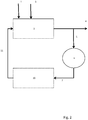
figure 1 illustrates a block scheme of the process of the invention, with recycling of the expanded sulfone polymer treated in an agglomeration step; -
figure 2 illustrates a block scheme of a variant of the process of the invention, with recycling of the expanded sulfone polymer treated in a re-extrusion step. - In the embodiment illustrated in
figure 1 , a nucleating agent is first added to a virgin orsynthetic sulfone polymer 1 which is then introduced into anextruder 2, in which the melting temperature of the polymer is reached. An expandingagent 3 is then injected into the molten polymeric mass, which, after mixing and subsequent cooling, is passed through a spinneret so as to form afoam 4 consisting of an expanded material of sulfone polymer having a density of 20-200 kg/m3. - The expanded material from sulfone polymer obtained with the process here disclosed and claimed, has a closed-cell structure.
- The expanded material has over 80% of closed cells, determined accordingly to the ASTM D 2856 procedure A.
- The closed cells is mandatory characteristics in the field of the application in order to guaranty the best combination of thermal resistance and mechanical performance. The utilization of sulfone polymer with high enough IV,
virgin 1 and recycled 9,11, it is important in order to maintain right strength in the melt to be able to nucleate (with the support of a nucleating agent) in small and stable closed cells the blowingagent 3 that expands at the end of theextruder 2. - Polymers suitable for the purpose are polyethersulfone, polysulfone, polyphenylsulfone and polyetherethersulfone.
- According to the invention, a
part 5 of expandedsulfone polymer 4 is treated in agrinding device 6, from which grindedmaterial 7 is obtained. - From said
grinding device 6 are obtainedparticles 7 of recovered expanded material, having dimensions of 0.1-10 mm. The above-mentioned particles 7 (grinded material) are subsequently treated in anagglomeration device 8, which provides for drawing the grinded product through the holes of a die-plate in which the grinded material, for a time in the order of a fraction of a second, and with heating lower than the melting point of the sulfone polymer, is compacted into a dense granule which forms an agglomerate. - In particular, in the
agglomeration step 8 described, the grindedmaterial 7 obtained in the previous step is fed to an agglomeration chamber using a dosage screw. The heating by friction and high pressure created by forcing the grinded material to pass through the holes of the die, cause the agglomeration of the expanded polymeric material. - The temperature of the agglomeration process is below the melting point of the grinded
polymer 7 and the residence time of the same polymer in the agglomeration chamber is only a fraction of a second. - The polymeric material that passes through the holes of the die is then cut with rotating knives and is sent by the cooling air into a granulator.
- An example of the equipment that can be used in the process of the invention is described in the publications
US 7335008B2 andUS 7927388B2 , but it is to be understood that the process of the invention is in no way limited to this type of equipment. Different types of systems can in fact be used, provided they are compatible with the formation of an agglomerate, starting from expanded sulfone polymer. - Viscosity analyses with a capillary tube, according to the standard DIN EN ISO 1628-1 indicated above, show that the
material 9 obtained from the agglomeration process of therecovery 5 of expandedsulfone material 4 has intrinsic viscosity IV and glass transition temperature Tg values very close to the analogous values of the corresponding startingvirgin sulfone polymer 1. In this way, the recycled polymer described can be effectively used in processes for obtaining expanded sulfone polymers, in combination or in conjunction with the usual startingvirgin polymer 1. In particular, the above-mentioned values relating to theagglomerate 9 obtained with the process of the invention are IV higher than or equal to 30 ml/g and Tg higher than or equal to 180°C. According to an example of the invention, the agglomerated polymer has IV = 30-50 ml/g and Tg=223-228°C. - The
agglomeration product 9 is also characterized by a density higher than or equal to 1,000 Kg/m3. The density value described is particularly appropriate for the process of the invention, as it is suitable for the gravimetric dosing of thevirgin sulfone polymer 1 inside theextruder 2. - According to the invention, the starting polymer used for the production of the expanded
sulfone polymer 4 therefore consists not only of the correspondingvirgin sulfone polymer 1, but also theagglomerate 9 obtained by theagglomeration device 8, in a quantity ranging from 20 to 80% by weight with respect to the weight of thecorresponding virgin polymer 1. - According to the variant illustrated in
figure 2 , anextruder 10 is used instead of theagglomeration device 8 described, in which the grindedproduct 7 of expandedpolymer 4, as obtained from thegrinding device 6, is treated. - In the example described, the
product 11 resulting from theextrusion step 10 is a degassed granulate, also used in combination with thevirgin sulfone polymer 1 as raw material sent to theextruder 2 in a quantity ranging from 20 to 80% by weight with respect to the weight of the correspondingvirgin sulfone polymer 1. - According to the claimed process said recycled
product material 4 is introduced into the above-mentionedextruder 2 in a quantity ranging from 20 to 80% by weight with respect to the weight ofvirgin polymer 1. - Some examples of formulations of the
polysulfone foam 3 are provided hereunder, wherein the percentages refer to the weight of the mixture. - The following components were introduced into the
extruder 2, wherein the quantities are expressed in weight %: - virgin polyethersulfone 1 (PES) (Tg = 227.1°C; IV = 43.4 ml/g; density = 1,300 Kg/m3) (95.2-96.2%)
- talc in powder form as nucleating agent (0.2-1.3% with respect to PES).
- The expanding agent 3 (3.3-3.7%) was added through the injection point.
- The expanded
material 4 obtained, having a density of 60 Kg/m3, has a good cellularity with an average cell size of 0.28 mm and over 95% of closed cells. The compression test carried out according to the standard ASTM DIN 1621-A on a sample having dimensions of 40x25x30 cm, gives a resistance value of 0.687 MPa, and a compression modulus of 34.58 MPa. - The following components were introduced into the
extruder 2, wherein the quantities are expressed in weight %: - virgin polyethersulfone 1 (PES) (Tg = 227.1°C; IV = 43.4 ml/g; density = 1,300 Kg/m3) (47.6-48.3%)
-
agglomeration granule 9 from therecovery 5 of expanded material 4 (Tg =225.8°C; IV = 41.3 ml/g; density = 1,050 Kg/m3) (47.6-48.3%) - talc in powder form as nucleating agent (0.2-1.2% with respect to PES + agglomeration granule).
- The expanding agent 3 (3.3-3.7%) was added through the injection point.
- The expanded
material 4 obtained, having a density of 60 Kg/m3, has a good cellularity with an average cell size of 0.29 mm and over 95% of closed cells. The compression test carried out according to the standard ASTM DIN 1621-A on a sample having dimensions of 40x25x30 cm, gives a resistance value of 0.676 MPa, and a compression modulus of 34.36 MPa. -
virgin polyethersulfone 1 (PES) (Tg = 227.1°C; IV = 43.4 ml/g; density = 1,300 Kg/m3 ) agglomeration granule 9 from therecovery 5 of expanded material 4 (Tg =225.8°C; IV = 41.3 ml/g; density = 1,050 Kg/m3)∼100% ∼0 ∼80% ∼20% ∼60% ∼40% ∼40% ∼60% ∼20% ∼80% - The following components can be introduced into the
extruder 2, wherein the quantities are expressed in weight %: - talc in powder form as nucleating agent (0.2-1.2% with respect to PES + agglomeration granule).
- The expanding agent 3 (3.3-3.7%) was added through the injection point.
- The expanded
material 4 obtained according the above mentioned combinations of virgin polyethersulfone 1 (PES) andagglomeration granule 9 from therecovery 5 of expandedmaterial 4, having a density of 60 Kg/m3, has a good cellularity with an average cell size below 0,3mm and over 95% of closed cells. The compression test carried out according to the standard ASTM DIN 1621-A on a sample having dimensions of 40x25x30 cm, gives a resistance value of about 0,67-0,69 MPa, and a compression modulus of about 34-35 MPa. - The following components were introduced into the
extruder 2, wherein the quantities are expressed in weight %: - virgin polyethersulfone 1 (PES) (Tg = 227.1°C; IV = 43.4 ml/g; density = 1,300 Kg/m3) (47.6-48.3%)
-
re-extrusion granule 11 from therecovery 5 of expanded material 4 (Tg =224.7°C; IV = 32.5 ml/g; density = 1,400 Kg/m3) (47.6-48.3%) - talc in powder form as nucleating agent (0.2-1.2% with respect to PES + re-extrusion granule).
- The expanding agent 3 (3.3-3.7%) was added through the injection point.
- The expanded
material 4 obtained, having a density of 60 Kg/m3, has a good cellularity with an average cell size of 0.31 mm and over 95% of closed cells. The compression test carried out according to the standard ASTM DIN 1621-A on a sample having dimensions of 40x25x30 cm, gives a resistance value of 0.665 MPa, and a compression modulus of 34.0 MPa. - The following components were introduced into the
extruder 2, wherein the quantities are expressed in weight %: - virgin polyethersulfone 1 (PES) (Tg = 227.1°C; IV = 43.4 ml/g; density = 1,300 Kg/m3) (17.6-18.3%)
-
re-extrusion granule 11 from therecovery 5 of expanded material 4 (Tg =224.7°C; IV = 32.5 ml/g; density = 1,400 Kg/m3) (77.6-78.3%) - talc in powder form as nucleating agent (0.2-1.2% with respect to PES + re-extrusion granule).
- The expanding agent 3 (3.3-3.7%) was added through the injection point.
- The expanded
material 4 obtained, having a density of 60 Kg/m3, has a cellularity with an average cell size of 0.34 mm and over 80% of closed cells. The compression test carried out according to the standard ASTM DIN 1621-A on a sample having dimensions of 40x25x30 cm, gives a resistance value of 0.58 MPa, and a compression modulus of 33.5 MPa. - According to the invention, the
recycled polymer virgin polymer 1 are employed non only equal amounts but also in increasing and decreasing amounts, respectively (% by weight), being saidrecycled product extruder 2 in a quantity ranging from 20 to 80% by weight and thevirgin polymer 1 in a quantity ranging from 80 to 20% by weight. - In other words, the
recycled polymer virgin polymer 1.
Claims (9)
- A process for the production of closed cell expanded material based on sulfone polymers, of the type that comprises an extrusion step in an extruder (2) of virgin sulfone polymer (1) with the injection of at least one expanding agent (3) and in the presence of at least one nucleating agent, characterized in that it provides the recycling step of part of said closed cell expanded material (4) which provides a recycled product (9,11), used as raw material to the extruder (2) in combination with said virgin sulfone polymer (1), said recycled polymer (9,11) being employed in an amount of 20 to 80% by weight, relative to the amount of the virgin polymer (1).
- The process according to claim 1, characterized in that said recycled product (9) consists of the product obtained in a grinding step (6) of said closed cell expanded material (4) and in subsequent agglomeration step (8) by drawing the same grinded material (7) obtained in said grinding step (6) through the holes of a die-plate in which said grinded material (7) is compacted into a dense granule which forms an agglomerate.
- The process according to claim 1, characterized in that said recycled product (11) consists of the product obtained in a grinding step (6) of the same closed cell expanded material (4) and in subsequent extrusion step (10) of said grinded material (7) obtained in said grinding step (6).
- The process according to any of the claims from 1 to 3, characterized in that the above-mentioned recycled product (9,11) has the following structural formula:


m = 0.1 - The process according to claim 4, characterized in that said recycled product (9,11) has:- a Tg value of at least 180°C as measured according to the standard DIN EN ISO 11357 with DSC (differential scanning calorimetry), under the following conditions:- equilibrium at 0°C- temperature rise at 20°C/min from 0 to 340°C- isotherm at 340°C for 5 minutes- cooling at 20°C/min from 340°C to 0°C- isotherm 5 minutes- temperature rise at 20°C/min from 0 to 340°C
and- an IV value of at least 30 ml/g as measured according to the standard DIN EN ISO 1628-1 under the following conditions:- concentration analyzed from 0.008 to 0.013 g/ml- solvent phenol: tetrachloroethane (60:40)- Ubbelohde IC capillary- analysis temperature at 30°C and- a density of at least 1000 Kg/m3. - The process according to claim 2 or 3, characterized in that said grinded material (7) obtained in the grinding step of said closed cell expanded material (4) in a grinding device (5) consists of particles of expanded material (4) having a size ranging from 0.1 mm to 10 mm.
- The process according to claim 2, characterized in that said drawing, through the holes of a die-plate in which said grinded material (7) is compacted into a dense granule which forms an agglomerate, is carried out for a time in the order of a fraction of a second and at a temperature lower than the melting temperature of said sulfone polymer.
- The process according to one or more of the previous claims, characterized in that the above-mentioned recycled product (9,11) is a polyethersulfone having:- an IV = 30-50 ml/g as measured according to the standard DIN EN ISO 1628-1 under the following conditions:- concentration analyzed from 0.008 to 0.013 g/ml- solvent phenol: tetrachloroethane (60:40)- Ubbelohde IC capillary- analysis temperature at 30°C
and- Tg = 223-228°C as measured according to the standard DIN EN ISO 11357 with DSC (differential scanning calorimetry), under the following conditions:- equilibrium at 0°C- temperature rise at 20°C/min from 0 to 340°C- isotherm at 340°C for 5 minutes- cooling at 20°C/min from 340°C to 0°C- isotherm 5 minutes- temperature rise at 20°C/min from 0 to 340°C. - The process according to claim 1, characterized in that said sulfone polymer is selected from polysulfone, polyethersulfone, polyphenylsulfone and polyetherethersulfone.
Priority Applications (1)
| Application Number | Priority Date | Filing Date | Title |
|---|---|---|---|
| EP21154376.4A EP3838975A1 (en) | 2017-01-25 | 2018-01-15 | Expanded material based on sulfone polymers |
Applications Claiming Priority (2)
| Application Number | Priority Date | Filing Date | Title |
|---|---|---|---|
| IT102017000007916A IT201700007916A1 (en) | 2017-01-25 | 2017-01-25 | IMPROVED PROCEDURE FOR THE PRODUCTION OF SULFONIC POLYMER EXPANDED MATERIAL |
| PCT/EP2018/050901 WO2018137958A1 (en) | 2017-01-25 | 2018-01-15 | Improved process for the production of expanded material based on sulfone polymers |
Related Child Applications (2)
| Application Number | Title | Priority Date | Filing Date |
|---|---|---|---|
| EP21154376.4A Division-Into EP3838975A1 (en) | 2017-01-25 | 2018-01-15 | Expanded material based on sulfone polymers |
| EP21154376.4A Division EP3838975A1 (en) | 2017-01-25 | 2018-01-15 | Expanded material based on sulfone polymers |
Publications (2)
| Publication Number | Publication Date |
|---|---|
| EP3574042A1 EP3574042A1 (en) | 2019-12-04 |
| EP3574042B1 true EP3574042B1 (en) | 2021-03-10 |
Family
ID=58701820
Family Applications (2)
| Application Number | Title | Priority Date | Filing Date |
|---|---|---|---|
| EP21154376.4A Withdrawn EP3838975A1 (en) | 2017-01-25 | 2018-01-15 | Expanded material based on sulfone polymers |
| EP18700303.3A Active EP3574042B1 (en) | 2017-01-25 | 2018-01-15 | Improved process for the production of expanded material based on sulfone polymers |
Family Applications Before (1)
| Application Number | Title | Priority Date | Filing Date |
|---|---|---|---|
| EP21154376.4A Withdrawn EP3838975A1 (en) | 2017-01-25 | 2018-01-15 | Expanded material based on sulfone polymers |
Country Status (4)
| Country | Link |
|---|---|
| US (2) | US11066532B2 (en) |
| EP (2) | EP3838975A1 (en) |
| IT (1) | IT201700007916A1 (en) |
| WO (1) | WO2018137958A1 (en) |
Family Cites Families (7)
| Publication number | Priority date | Publication date | Assignee | Title |
|---|---|---|---|---|
| US4308352A (en) * | 1981-04-24 | 1981-12-29 | Packaging Industries Group, Inc. | Process of extruding polysulfone foam |
| US5017622A (en) * | 1990-10-16 | 1991-05-21 | The Dow Chemical Company | Sulfone polymer foam produced with aqueous blowing agent |
| DE4207057A1 (en) * | 1992-03-06 | 1993-09-09 | Roehm Gmbh | Expanded foam prodn. from high melting aromatic plastics - comprising mixing molten plastic under pressure with oxygen@-contg. blowing agent, cooling under pressure and expanding melt |
| DE10307736A1 (en) * | 2003-02-24 | 2004-09-02 | Basf Ag | Open-cell foam made of high-melting plastics |
| DE102004008201A1 (en) * | 2004-02-18 | 2005-09-01 | Basf Ag | Process for the production of filler-containing foam boards |
| DE102004035260B4 (en) | 2004-07-21 | 2011-06-01 | Pallmann Maschinenfabrik Gmbh & Co Kg | Apparatus and method for producing pellets, pellets, compounds, composites, agglomerates, granules and the like |
| BR112015008010A2 (en) * | 2012-10-12 | 2017-07-04 | Solvay Specialty Polymers Usa | high temperature sulfone foam materials (hts) |
-
2017
- 2017-01-25 IT IT102017000007916A patent/IT201700007916A1/en unknown
-
2018
- 2018-01-15 WO PCT/EP2018/050901 patent/WO2018137958A1/en not_active Ceased
- 2018-01-15 EP EP21154376.4A patent/EP3838975A1/en not_active Withdrawn
- 2018-01-15 US US16/475,089 patent/US11066532B2/en active Active
- 2018-01-15 EP EP18700303.3A patent/EP3574042B1/en active Active
-
2021
- 2021-06-14 US US17/347,480 patent/US20210324166A1/en not_active Abandoned
Non-Patent Citations (1)
| Title |
|---|
| None * |
Also Published As
| Publication number | Publication date |
|---|---|
| IT201700007916A1 (en) | 2018-07-25 |
| US20190330435A1 (en) | 2019-10-31 |
| WO2018137958A1 (en) | 2018-08-02 |
| US20210324166A1 (en) | 2021-10-21 |
| EP3838975A1 (en) | 2021-06-23 |
| US11066532B2 (en) | 2021-07-20 |
| EP3574042A1 (en) | 2019-12-04 |
Similar Documents
| Publication | Publication Date | Title |
|---|---|---|
| CN109705563B (en) | Flame retardant thermoplastic polyurethane composition and expanded beads thereof | |
| US20100273925A1 (en) | Flameproof expandable styrene polymers, and method for the production thereof | |
| Larsen et al. | Physical extruder foaming of poly (lactic acid)—Processing and foam properties | |
| TW201534447A (en) | Method for recovering expandable plastic material and swellable or expandable plastic material obtained by the method | |
| EP2671911A1 (en) | A foam material with very low thermal conductivity and a process for manufacturing the foam material | |
| KR102872462B1 (en) | Composite masterbatch and recycled PET formed by recycling PET bottles, manufacturing method, and application to foamed shoe materials | |
| EP3573800B1 (en) | Process for the production of a sulfone polymer agglomerate from the recovery of expanded sulfone polymer | |
| KR20110120824A (en) | Cellular polyester made of post-consumer flakes and the use of products made thereof | |
| EP2103411A1 (en) | Side feeding of additives to improve reactive foam extrusion | |
| WO2018082984A1 (en) | Particle foams based on expanded thermoplastic elastomers | |
| JP2009149882A (en) | Polymer blend for thermoplastic cellular material | |
| EP3202824A1 (en) | Polymer powder and method for preparing same | |
| US20210324166A1 (en) | Process for the production of expanded material based on sulfone polymers | |
| CN103975004A (en) | High compressive strength extruded SAN foam | |
| CN112313272A (en) | Polystyrene composition for extruded foam | |
| DE10358804A1 (en) | Expandable styrene polymer granules with bimodal or multimodal molecular weight distribution | |
| EP2780420B1 (en) | A composite product, a method for manufacturing a composite product and its use and a final product | |
| DE10358798A1 (en) | Expandable styrene polymer granules | |
| TWI755759B (en) | Composite masterbatch for manufacturing pet by recycling beverage cans and its preparation method and application of foaming shoe material | |
| Franco-Urquiza et al. | Tensile properties of LDPE/electrical cable waste blends prepared by melt extrusion process | |
| DE112004002167B4 (en) | Expandable styrene polymer granules | |
| Suwannakas et al. | Bioplastic composite foam prepared from poly (lactic acid) and natural wood flour | |
| PL237887B1 (en) | Polymer bitumen and the method of obtaining polymer bitumen | |
| JP5670816B2 (en) | Method for producing polyolefin resin expanded particles | |
| Chen et al. | Influence of azodicarbonamide on physical and mechanical behaviours of thermoplastic blend |
Legal Events
| Date | Code | Title | Description |
|---|---|---|---|
| STAA | Information on the status of an ep patent application or granted ep patent |
Free format text: STATUS: UNKNOWN |
|
| STAA | Information on the status of an ep patent application or granted ep patent |
Free format text: STATUS: THE INTERNATIONAL PUBLICATION HAS BEEN MADE |
|
| PUAI | Public reference made under article 153(3) epc to a published international application that has entered the european phase |
Free format text: ORIGINAL CODE: 0009012 |
|
| STAA | Information on the status of an ep patent application or granted ep patent |
Free format text: STATUS: REQUEST FOR EXAMINATION WAS MADE |
|
| 17P | Request for examination filed |
Effective date: 20190524 |
|
| AK | Designated contracting states |
Kind code of ref document: A1 Designated state(s): AL AT BE BG CH CY CZ DE DK EE ES FI FR GB GR HR HU IE IS IT LI LT LU LV MC MK MT NL NO PL PT RO RS SE SI SK SM TR |
|
| AX | Request for extension of the european patent |
Extension state: BA ME |
|
| RIN1 | Information on inventor provided before grant (corrected) |
Inventor name: BRESSAN, RAFFAELA Inventor name: ALIPERTA, LUIGI Inventor name: SHELTON, ROBERT WAYNE Inventor name: JACKSON, STEPHEN LEONARD |
|
| DAV | Request for validation of the european patent (deleted) | ||
| DAX | Request for extension of the european patent (deleted) | ||
| GRAP | Despatch of communication of intention to grant a patent |
Free format text: ORIGINAL CODE: EPIDOSNIGR1 |
|
| STAA | Information on the status of an ep patent application or granted ep patent |
Free format text: STATUS: GRANT OF PATENT IS INTENDED |
|
| INTG | Intention to grant announced |
Effective date: 20200915 |
|
| GRAS | Grant fee paid |
Free format text: ORIGINAL CODE: EPIDOSNIGR3 |
|
| GRAA | (expected) grant |
Free format text: ORIGINAL CODE: 0009210 |
|
| STAA | Information on the status of an ep patent application or granted ep patent |
Free format text: STATUS: THE PATENT HAS BEEN GRANTED |
|
| AK | Designated contracting states |
Kind code of ref document: B1 Designated state(s): AL AT BE BG CH CY CZ DE DK EE ES FI FR GB GR HR HU IE IS IT LI LT LU LV MC MK MT NL NO PL PT RO RS SE SI SK SM TR |
|
| REG | Reference to a national code |
Ref country code: GB Ref legal event code: FG4D |
|
| REG | Reference to a national code |
Ref country code: AT Ref legal event code: REF Ref document number: 1369757 Country of ref document: AT Kind code of ref document: T Effective date: 20210315 Ref country code: CH Ref legal event code: EP |
|
| REG | Reference to a national code |
Ref country code: IE Ref legal event code: FG4D |
|
| REG | Reference to a national code |
Ref country code: DE Ref legal event code: R096 Ref document number: 602018013700 Country of ref document: DE |
|
| REG | Reference to a national code |
Ref country code: SE Ref legal event code: TRGR |
|
| REG | Reference to a national code |
Ref country code: LT Ref legal event code: MG9D |
|
| PG25 | Lapsed in a contracting state [announced via postgrant information from national office to epo] |
Ref country code: NO Free format text: LAPSE BECAUSE OF FAILURE TO SUBMIT A TRANSLATION OF THE DESCRIPTION OR TO PAY THE FEE WITHIN THE PRESCRIBED TIME-LIMIT Effective date: 20210610 Ref country code: LT Free format text: LAPSE BECAUSE OF FAILURE TO SUBMIT A TRANSLATION OF THE DESCRIPTION OR TO PAY THE FEE WITHIN THE PRESCRIBED TIME-LIMIT Effective date: 20210310 Ref country code: BG Free format text: LAPSE BECAUSE OF FAILURE TO SUBMIT A TRANSLATION OF THE DESCRIPTION OR TO PAY THE FEE WITHIN THE PRESCRIBED TIME-LIMIT Effective date: 20210610 Ref country code: FI Free format text: LAPSE BECAUSE OF FAILURE TO SUBMIT A TRANSLATION OF THE DESCRIPTION OR TO PAY THE FEE WITHIN THE PRESCRIBED TIME-LIMIT Effective date: 20210310 Ref country code: HR Free format text: LAPSE BECAUSE OF FAILURE TO SUBMIT A TRANSLATION OF THE DESCRIPTION OR TO PAY THE FEE WITHIN THE PRESCRIBED TIME-LIMIT Effective date: 20210310 Ref country code: GR Free format text: LAPSE BECAUSE OF FAILURE TO SUBMIT A TRANSLATION OF THE DESCRIPTION OR TO PAY THE FEE WITHIN THE PRESCRIBED TIME-LIMIT Effective date: 20210611 |
|
| REG | Reference to a national code |
Ref country code: AT Ref legal event code: MK05 Ref document number: 1369757 Country of ref document: AT Kind code of ref document: T Effective date: 20210310 |
|
| REG | Reference to a national code |
Ref country code: NL Ref legal event code: MP Effective date: 20210310 |
|
| PG25 | Lapsed in a contracting state [announced via postgrant information from national office to epo] |
Ref country code: RS Free format text: LAPSE BECAUSE OF FAILURE TO SUBMIT A TRANSLATION OF THE DESCRIPTION OR TO PAY THE FEE WITHIN THE PRESCRIBED TIME-LIMIT Effective date: 20210310 Ref country code: LV Free format text: LAPSE BECAUSE OF FAILURE TO SUBMIT A TRANSLATION OF THE DESCRIPTION OR TO PAY THE FEE WITHIN THE PRESCRIBED TIME-LIMIT Effective date: 20210310 |
|
| PG25 | Lapsed in a contracting state [announced via postgrant information from national office to epo] |
Ref country code: NL Free format text: LAPSE BECAUSE OF FAILURE TO SUBMIT A TRANSLATION OF THE DESCRIPTION OR TO PAY THE FEE WITHIN THE PRESCRIBED TIME-LIMIT Effective date: 20210310 |
|
| PG25 | Lapsed in a contracting state [announced via postgrant information from national office to epo] |
Ref country code: SM Free format text: LAPSE BECAUSE OF FAILURE TO SUBMIT A TRANSLATION OF THE DESCRIPTION OR TO PAY THE FEE WITHIN THE PRESCRIBED TIME-LIMIT Effective date: 20210310 Ref country code: AT Free format text: LAPSE BECAUSE OF FAILURE TO SUBMIT A TRANSLATION OF THE DESCRIPTION OR TO PAY THE FEE WITHIN THE PRESCRIBED TIME-LIMIT Effective date: 20210310 Ref country code: CZ Free format text: LAPSE BECAUSE OF FAILURE TO SUBMIT A TRANSLATION OF THE DESCRIPTION OR TO PAY THE FEE WITHIN THE PRESCRIBED TIME-LIMIT Effective date: 20210310 Ref country code: EE Free format text: LAPSE BECAUSE OF FAILURE TO SUBMIT A TRANSLATION OF THE DESCRIPTION OR TO PAY THE FEE WITHIN THE PRESCRIBED TIME-LIMIT Effective date: 20210310 |
|
| PG25 | Lapsed in a contracting state [announced via postgrant information from national office to epo] |
Ref country code: IS Free format text: LAPSE BECAUSE OF FAILURE TO SUBMIT A TRANSLATION OF THE DESCRIPTION OR TO PAY THE FEE WITHIN THE PRESCRIBED TIME-LIMIT Effective date: 20210710 Ref country code: PT Free format text: LAPSE BECAUSE OF FAILURE TO SUBMIT A TRANSLATION OF THE DESCRIPTION OR TO PAY THE FEE WITHIN THE PRESCRIBED TIME-LIMIT Effective date: 20210712 Ref country code: PL Free format text: LAPSE BECAUSE OF FAILURE TO SUBMIT A TRANSLATION OF THE DESCRIPTION OR TO PAY THE FEE WITHIN THE PRESCRIBED TIME-LIMIT Effective date: 20210310 Ref country code: RO Free format text: LAPSE BECAUSE OF FAILURE TO SUBMIT A TRANSLATION OF THE DESCRIPTION OR TO PAY THE FEE WITHIN THE PRESCRIBED TIME-LIMIT Effective date: 20210310 Ref country code: SK Free format text: LAPSE BECAUSE OF FAILURE TO SUBMIT A TRANSLATION OF THE DESCRIPTION OR TO PAY THE FEE WITHIN THE PRESCRIBED TIME-LIMIT Effective date: 20210310 |
|
| REG | Reference to a national code |
Ref country code: DE Ref legal event code: R097 Ref document number: 602018013700 Country of ref document: DE |
|
| PLBE | No opposition filed within time limit |
Free format text: ORIGINAL CODE: 0009261 |
|
| STAA | Information on the status of an ep patent application or granted ep patent |
Free format text: STATUS: NO OPPOSITION FILED WITHIN TIME LIMIT |
|
| PG25 | Lapsed in a contracting state [announced via postgrant information from national office to epo] |
Ref country code: AL Free format text: LAPSE BECAUSE OF FAILURE TO SUBMIT A TRANSLATION OF THE DESCRIPTION OR TO PAY THE FEE WITHIN THE PRESCRIBED TIME-LIMIT Effective date: 20210310 Ref country code: DK Free format text: LAPSE BECAUSE OF FAILURE TO SUBMIT A TRANSLATION OF THE DESCRIPTION OR TO PAY THE FEE WITHIN THE PRESCRIBED TIME-LIMIT Effective date: 20210310 Ref country code: ES Free format text: LAPSE BECAUSE OF FAILURE TO SUBMIT A TRANSLATION OF THE DESCRIPTION OR TO PAY THE FEE WITHIN THE PRESCRIBED TIME-LIMIT Effective date: 20210310 |
|
| 26N | No opposition filed |
Effective date: 20211213 |
|
| PG25 | Lapsed in a contracting state [announced via postgrant information from national office to epo] |
Ref country code: SI Free format text: LAPSE BECAUSE OF FAILURE TO SUBMIT A TRANSLATION OF THE DESCRIPTION OR TO PAY THE FEE WITHIN THE PRESCRIBED TIME-LIMIT Effective date: 20210310 |
|
| PG25 | Lapsed in a contracting state [announced via postgrant information from national office to epo] |
Ref country code: IS Free format text: LAPSE BECAUSE OF FAILURE TO SUBMIT A TRANSLATION OF THE DESCRIPTION OR TO PAY THE FEE WITHIN THE PRESCRIBED TIME-LIMIT Effective date: 20210710 |
|
| PG25 | Lapsed in a contracting state [announced via postgrant information from national office to epo] |
Ref country code: MC Free format text: LAPSE BECAUSE OF FAILURE TO SUBMIT A TRANSLATION OF THE DESCRIPTION OR TO PAY THE FEE WITHIN THE PRESCRIBED TIME-LIMIT Effective date: 20210310 |
|
| REG | Reference to a national code |
Ref country code: CH Ref legal event code: PL |
|
| GBPC | Gb: european patent ceased through non-payment of renewal fee |
Effective date: 20220115 |
|
| REG | Reference to a national code |
Ref country code: BE Ref legal event code: MM Effective date: 20220131 |
|
| PG25 | Lapsed in a contracting state [announced via postgrant information from national office to epo] |
Ref country code: LU Free format text: LAPSE BECAUSE OF NON-PAYMENT OF DUE FEES Effective date: 20220115 Ref country code: GB Free format text: LAPSE BECAUSE OF NON-PAYMENT OF DUE FEES Effective date: 20220115 |
|
| PG25 | Lapsed in a contracting state [announced via postgrant information from national office to epo] |
Ref country code: FR Free format text: LAPSE BECAUSE OF NON-PAYMENT OF DUE FEES Effective date: 20220131 Ref country code: BE Free format text: LAPSE BECAUSE OF NON-PAYMENT OF DUE FEES Effective date: 20220131 |
|
| PG25 | Lapsed in a contracting state [announced via postgrant information from national office to epo] |
Ref country code: LI Free format text: LAPSE BECAUSE OF NON-PAYMENT OF DUE FEES Effective date: 20220131 Ref country code: CH Free format text: LAPSE BECAUSE OF NON-PAYMENT OF DUE FEES Effective date: 20220131 |
|
| PG25 | Lapsed in a contracting state [announced via postgrant information from national office to epo] |
Ref country code: IE Free format text: LAPSE BECAUSE OF NON-PAYMENT OF DUE FEES Effective date: 20220115 |
|
| P01 | Opt-out of the competence of the unified patent court (upc) registered |
Effective date: 20230610 |
|
| PG25 | Lapsed in a contracting state [announced via postgrant information from national office to epo] |
Ref country code: MK Free format text: LAPSE BECAUSE OF FAILURE TO SUBMIT A TRANSLATION OF THE DESCRIPTION OR TO PAY THE FEE WITHIN THE PRESCRIBED TIME-LIMIT Effective date: 20210310 Ref country code: CY Free format text: LAPSE BECAUSE OF FAILURE TO SUBMIT A TRANSLATION OF THE DESCRIPTION OR TO PAY THE FEE WITHIN THE PRESCRIBED TIME-LIMIT Effective date: 20210310 |
|
| PG25 | Lapsed in a contracting state [announced via postgrant information from national office to epo] |
Ref country code: HU Free format text: LAPSE BECAUSE OF FAILURE TO SUBMIT A TRANSLATION OF THE DESCRIPTION OR TO PAY THE FEE WITHIN THE PRESCRIBED TIME-LIMIT; INVALID AB INITIO Effective date: 20180115 |
|
| PG25 | Lapsed in a contracting state [announced via postgrant information from national office to epo] |
Ref country code: MT Free format text: LAPSE BECAUSE OF FAILURE TO SUBMIT A TRANSLATION OF THE DESCRIPTION OR TO PAY THE FEE WITHIN THE PRESCRIBED TIME-LIMIT Effective date: 20210310 |
|
| PG25 | Lapsed in a contracting state [announced via postgrant information from national office to epo] |
Ref country code: TR Free format text: LAPSE BECAUSE OF FAILURE TO SUBMIT A TRANSLATION OF THE DESCRIPTION OR TO PAY THE FEE WITHIN THE PRESCRIBED TIME-LIMIT Effective date: 20210310 |
|
| PGFP | Annual fee paid to national office [announced via postgrant information from national office to epo] |
Ref country code: SE Payment date: 20260127 Year of fee payment: 9 |
|
| PGFP | Annual fee paid to national office [announced via postgrant information from national office to epo] |
Ref country code: DE Payment date: 20260128 Year of fee payment: 9 |
|
| PGFP | Annual fee paid to national office [announced via postgrant information from national office to epo] |
Ref country code: IT Payment date: 20260120 Year of fee payment: 9 |