EP3564875B1 - Wegplanungsverfahren und wearable-vorrichtung - Google Patents
Wegplanungsverfahren und wearable-vorrichtung Download PDFInfo
- Publication number
- EP3564875B1 EP3564875B1 EP18760340.2A EP18760340A EP3564875B1 EP 3564875 B1 EP3564875 B1 EP 3564875B1 EP 18760340 A EP18760340 A EP 18760340A EP 3564875 B1 EP3564875 B1 EP 3564875B1
- Authority
- EP
- European Patent Office
- Prior art keywords
- exercise
- wearer
- information
- route
- target route
- Prior art date
- Legal status (The legal status is an assumption and is not a legal conclusion. Google has not performed a legal analysis and makes no representation as to the accuracy of the status listed.)
- Active
Links
Images

Classifications
-
- A—HUMAN NECESSITIES
- A63—SPORTS; GAMES; AMUSEMENTS
- A63B—APPARATUS FOR PHYSICAL TRAINING, GYMNASTICS, SWIMMING, CLIMBING, OR FENCING; BALL GAMES; TRAINING EQUIPMENT
- A63B24/00—Electric or electronic controls for exercising apparatus of preceding groups; Controlling or monitoring of exercises, sportive games, training or athletic performances
- A63B24/0062—Monitoring athletic performances, e.g. for determining the work of a user on an exercise apparatus, the completed jogging or cycling distance
-
- G—PHYSICS
- G06—COMPUTING OR CALCULATING; COUNTING
- G06Q—INFORMATION AND COMMUNICATION TECHNOLOGY [ICT] SPECIALLY ADAPTED FOR ADMINISTRATIVE, COMMERCIAL, FINANCIAL, MANAGERIAL OR SUPERVISORY PURPOSES; SYSTEMS OR METHODS SPECIALLY ADAPTED FOR ADMINISTRATIVE, COMMERCIAL, FINANCIAL, MANAGERIAL OR SUPERVISORY PURPOSES, NOT OTHERWISE PROVIDED FOR
- G06Q10/00—Administration; Management
- G06Q10/04—Forecasting or optimisation specially adapted for administrative or management purposes, e.g. linear programming or "cutting stock problem"
-
- G—PHYSICS
- G06—COMPUTING OR CALCULATING; COUNTING
- G06Q—INFORMATION AND COMMUNICATION TECHNOLOGY [ICT] SPECIALLY ADAPTED FOR ADMINISTRATIVE, COMMERCIAL, FINANCIAL, MANAGERIAL OR SUPERVISORY PURPOSES; SYSTEMS OR METHODS SPECIALLY ADAPTED FOR ADMINISTRATIVE, COMMERCIAL, FINANCIAL, MANAGERIAL OR SUPERVISORY PURPOSES, NOT OTHERWISE PROVIDED FOR
- G06Q10/00—Administration; Management
- G06Q10/04—Forecasting or optimisation specially adapted for administrative or management purposes, e.g. linear programming or "cutting stock problem"
- G06Q10/047—Optimisation of routes or paths, e.g. travelling salesman problem
-
- A—HUMAN NECESSITIES
- A61—MEDICAL OR VETERINARY SCIENCE; HYGIENE
- A61B—DIAGNOSIS; SURGERY; IDENTIFICATION
- A61B5/00—Measuring for diagnostic purposes; Identification of persons
- A61B5/103—Measuring devices for testing the shape, pattern, colour, size or movement of the body or parts thereof, for diagnostic purposes
- A61B5/11—Measuring movement of the entire body or parts thereof, e.g. head or hand tremor or mobility of a limb
- A61B5/1118—Determining activity level
-
- A—HUMAN NECESSITIES
- A61—MEDICAL OR VETERINARY SCIENCE; HYGIENE
- A61B—DIAGNOSIS; SURGERY; IDENTIFICATION
- A61B5/00—Measuring for diagnostic purposes; Identification of persons
- A61B5/68—Arrangements of detecting, measuring or recording means, e.g. sensors, in relation to patient
- A61B5/6801—Arrangements of detecting, measuring or recording means, e.g. sensors, in relation to patient specially adapted to be attached to or worn on the body surface
- A61B5/6802—Sensor mounted on worn items
-
- A—HUMAN NECESSITIES
- A63—SPORTS; GAMES; AMUSEMENTS
- A63B—APPARATUS FOR PHYSICAL TRAINING, GYMNASTICS, SWIMMING, CLIMBING, OR FENCING; BALL GAMES; TRAINING EQUIPMENT
- A63B24/00—Electric or electronic controls for exercising apparatus of preceding groups; Controlling or monitoring of exercises, sportive games, training or athletic performances
- A63B24/0003—Analysing the course of a movement or motion sequences during an exercise or trainings sequence, e.g. swing for golf or tennis
- A63B24/0006—Computerised comparison for qualitative assessment of motion sequences or the course of a movement
-
- G—PHYSICS
- G01—MEASURING; TESTING
- G01C—MEASURING DISTANCES, LEVELS OR BEARINGS; SURVEYING; NAVIGATION; GYROSCOPIC INSTRUMENTS; PHOTOGRAMMETRY OR VIDEOGRAMMETRY
- G01C22/00—Measuring distance traversed on the ground by vehicles, persons, animals or other moving solid bodies, e.g. using odometers, using pedometers
- G01C22/006—Pedometers
-
- G—PHYSICS
- G06—COMPUTING OR CALCULATING; COUNTING
- G06F—ELECTRIC DIGITAL DATA PROCESSING
- G06F1/00—Details not covered by groups G06F3/00 - G06F13/00 and G06F21/00
- G06F1/16—Constructional details or arrangements
- G06F1/1613—Constructional details or arrangements for portable computers
- G06F1/163—Wearable computers, e.g. on a belt
-
- A—HUMAN NECESSITIES
- A61—MEDICAL OR VETERINARY SCIENCE; HYGIENE
- A61B—DIAGNOSIS; SURGERY; IDENTIFICATION
- A61B2503/00—Evaluating a particular growth phase or type of persons or animals
- A61B2503/10—Athletes
-
- A—HUMAN NECESSITIES
- A61—MEDICAL OR VETERINARY SCIENCE; HYGIENE
- A61B—DIAGNOSIS; SURGERY; IDENTIFICATION
- A61B2505/00—Evaluating, monitoring or diagnosing in the context of a particular type of medical care
- A61B2505/09—Rehabilitation or training
-
- A—HUMAN NECESSITIES
- A61—MEDICAL OR VETERINARY SCIENCE; HYGIENE
- A61B—DIAGNOSIS; SURGERY; IDENTIFICATION
- A61B5/00—Measuring for diagnostic purposes; Identification of persons
- A61B5/01—Measuring temperature of body parts ; Diagnostic temperature sensing, e.g. for malignant or inflamed tissue
-
- A—HUMAN NECESSITIES
- A61—MEDICAL OR VETERINARY SCIENCE; HYGIENE
- A61B—DIAGNOSIS; SURGERY; IDENTIFICATION
- A61B5/00—Measuring for diagnostic purposes; Identification of persons
- A61B5/02—Detecting, measuring or recording for evaluating the cardiovascular system, e.g. pulse, heart rate, blood pressure or blood flow
- A61B5/021—Measuring pressure in heart or blood vessels
-
- A—HUMAN NECESSITIES
- A61—MEDICAL OR VETERINARY SCIENCE; HYGIENE
- A61B—DIAGNOSIS; SURGERY; IDENTIFICATION
- A61B5/00—Measuring for diagnostic purposes; Identification of persons
- A61B5/02—Detecting, measuring or recording for evaluating the cardiovascular system, e.g. pulse, heart rate, blood pressure or blood flow
- A61B5/024—Measuring pulse rate or heart rate
- A61B5/02438—Measuring pulse rate or heart rate with portable devices, e.g. worn by the patient
-
- A—HUMAN NECESSITIES
- A61—MEDICAL OR VETERINARY SCIENCE; HYGIENE
- A61B—DIAGNOSIS; SURGERY; IDENTIFICATION
- A61B5/00—Measuring for diagnostic purposes; Identification of persons
- A61B5/103—Measuring devices for testing the shape, pattern, colour, size or movement of the body or parts thereof, for diagnostic purposes
- A61B5/11—Measuring movement of the entire body or parts thereof, e.g. head or hand tremor or mobility of a limb
- A61B5/1116—Determining posture transitions
- A61B5/1117—Fall detection
-
- A—HUMAN NECESSITIES
- A61—MEDICAL OR VETERINARY SCIENCE; HYGIENE
- A61B—DIAGNOSIS; SURGERY; IDENTIFICATION
- A61B5/00—Measuring for diagnostic purposes; Identification of persons
- A61B5/68—Arrangements of detecting, measuring or recording means, e.g. sensors, in relation to patient
- A61B5/6801—Arrangements of detecting, measuring or recording means, e.g. sensors, in relation to patient specially adapted to be attached to or worn on the body surface
- A61B5/6802—Sensor mounted on worn items
- A61B5/681—Wristwatch-type devices
-
- A—HUMAN NECESSITIES
- A63—SPORTS; GAMES; AMUSEMENTS
- A63B—APPARATUS FOR PHYSICAL TRAINING, GYMNASTICS, SWIMMING, CLIMBING, OR FENCING; BALL GAMES; TRAINING EQUIPMENT
- A63B24/00—Electric or electronic controls for exercising apparatus of preceding groups; Controlling or monitoring of exercises, sportive games, training or athletic performances
- A63B24/0003—Analysing the course of a movement or motion sequences during an exercise or trainings sequence, e.g. swing for golf or tennis
- A63B24/0006—Computerised comparison for qualitative assessment of motion sequences or the course of a movement
- A63B2024/0009—Computerised real time comparison with previous movements or motion sequences of the user
-
- A—HUMAN NECESSITIES
- A63—SPORTS; GAMES; AMUSEMENTS
- A63B—APPARATUS FOR PHYSICAL TRAINING, GYMNASTICS, SWIMMING, CLIMBING, OR FENCING; BALL GAMES; TRAINING EQUIPMENT
- A63B24/00—Electric or electronic controls for exercising apparatus of preceding groups; Controlling or monitoring of exercises, sportive games, training or athletic performances
- A63B24/0062—Monitoring athletic performances, e.g. for determining the work of a user on an exercise apparatus, the completed jogging or cycling distance
- A63B2024/0065—Evaluating the fitness, e.g. fitness level or fitness index
Definitions
- Embodiments of the present invention relate to the field of intelligent terminals, and in particular, to a route planning method and a wearable device.
- mainstream health wearables in the market do not have a function of recommending an exercise route to a user.
- a shortcoming of the service is that because users need to explore the exercise route by themselves, the users cannot find a suitable exercise route within a short time period.
- EP 3 109 595 A1 discloses a wearable device as mentioned above which monitors health data.
- a user can input a specific difficulty level or some other parameters (e.g., input including approximate route length, route location, route elevation changes (hilly, flat, etc.), etc.), wherein the device recommends routes that match or most closely match the user's requested input.
- US 2014/0222330 A1 discloses a system which recommends a route in response to a request from the user to map a route from a first location to a second location.
- the method performed by the system comprises acquiring objective data related to a trip modifier for at least one possible route from the first location to the second location; generating a weighted route recommendation associated with each possible route based on the acquired objective data and the trip modifier; and displaying each possible route and its associated weighted route recommendation on a computing device.
- Embodiments of the present invention provide a route planning method and a wearable device, to recommend a suitable exercise route to a wearer, and improve use experience of the wearer. This problem is solved by the subject matter of the independent claims. Further implementation forms are provided in the dependent claims.
- a first aspect of the embodiments of the present invention provides a route planning method.
- the route planning method includes: first obtaining exercise capability information of a wearer and one or more candidate routes, where the exercise capability information of the wearer refers to historical exercise parameters of the wearer, for example, information such as an average rate, an average heart rate, and average blood pressure obtained when the wearer does exercise, the one or more candidate routes are routes along which exercise can be done and that are within a preset range based on a position of the wearer, the one or more candidate routes include attribute features of the routes, the attribute features include historical exercise capability information, the historical exercise capability information is information calculated according to a first preset rule and based on obtained exercise capability information of a plurality of users having exercised along the one or more candidate routes, exercise capability information corresponding to a route refers to exercise parameters obtained after a historical user does exercise on the route, for example, parameter information such as an average exercise rate, an average heart rate, and average blood pressure of the historical user on the route, and the attribute features of the routes include the historical
- a target route recommended for a wearer is determined in combination with a personal exercise capability of the wearer and attribute features of a plurality of candidate routes, so that the recommended target route meets a basic exercise requirement of the wearer, thereby improving exercise experience of the wearer.
- the method may further include: dividing the one or more candidate routes into k subroutes according to a second preset rule, where a division rule may be performing division based on a fixed length, for example, a segment of every 50 meters is used as a subroute; or may be performing division based on a fixed quantity of subroutes, for example, the one or more candidate routes are evenly divided into 10 subroutes based on a total length of the one or more candidate routes; or may be performing division based on gradients of the one or more candidate routes, for example, a subroute having a gradient greater than 30 degrees in the one or more candidate routes is obtained through separate division; then calculating an attribute feature of each subroute after obtaining the subroutes through division; and finally outputting the target route information including the attribute features of the subroutes of the target route.
- a division rule may be performing division based on a fixed length, for example, a segment of every 50 meters is used as a subroute; or may be performing division based on a fixed quantity of subroutes,
- the output target route is a route A with a total length of 1000 meters, an average rate is 8 kilometers per hour, an average heart rate is 135 times per minute, and an average temperature is 38.5 degrees centigrade.
- the target route includes a subroute having a gradient greater than 30 degrees, a length of the subroute is 100 meters, an average rate is 5 kilometers per hour, an average heart rate is 145 times per minute, and an average temperature is 39 degrees centigrade.
- the wearer can select or determine the target route based on more specific information thereof. If the wearer does not intend to run on a route having a gradient, the wearer may select another route to do exercise, thereby improving user experience.
- the method may further include: obtaining exercise requirement information of the wearer, where the exercise requirement information is information input by the wearer.
- the determining a target route based on the attribute features of the one or more candidate routes and the exercise capability information of the wearer includes: determining the target route based on the attribute features of the one or more candidate routes, the exercise capability information of the wearer, and the exercise requirement information of the wearer.
- the wearer may input the exercise requirement information in advance. In this way, comprehensive recommendation is performed in combination with the exercise requirement information input by the wearer and the exercise capability information, thereby improving use experience of a user.
- the method may further include: obtaining environment information at a first moment, where the first moment is a moment before the wearer does exercise.
- the determining a target route based on the attribute features of the one or more candidate routes and the exercise capability information of the wearer includes: determining the target route based on the attribute features of the one or more candidate routes, the exercise capability information of the wearer, and the environment information at the first moment.
- the environment information such as a route congestion condition and a weather condition before the wearer does exercise may further be obtained, thereby performing more preferable recommendation.
- the method may further include: obtaining environment information at a second moment, where the second moment is a moment at which the wearer does exercise; and determining, based on the environment information at the second moment, whether to adjust the target route selected by the wearer, and outputting adjustment indication information if determining, based on the environment information at the second moment, to adjust the target route selected by the wearer.
- the second moment may be understood as a moment in an exercise process of the wearer.
- an adjustment indication may be output. Specific adjustment may be performed based on completion of the exercise done by the wearer. For example, if a completion degree is 90% in a light rain, the adjustment is accelerating the completion or ending in advance. If a significant incident such as a riot happens nearby, the adjustment is recommending a safe return route, for the wearer to immediately return safely.
- a second aspect of the embodiments of the present invention provides a wearable device, including:
- the wearable device further includes:
- the first obtaining unit is further configured to:
- the wearable device further includes:
- the wearable device further a second obtaining unit, configured to obtain environment information at a second moment, where the second moment is a moment at which the wearer does exercise;
- a third aspect of the embodiments of the present invention provides a computer program product.
- the computer program product includes a computer software instruction.
- the computer software instruction may be loaded by using a processor to implement a procedure in the route planning method according to any one of the first aspect or the possible implementations of the first aspect.
- the exercise capability information of the wearer and the one or more candidate routes are first obtained.
- the one or more candidate routes include the attribute features including the historical exercise capability information.
- the historical exercise capability information is information calculated based on the obtained exercise capability information of the plurality of users having exercised along the one or more candidate routes and according to the first preset rule.
- the target route is determined based on the attribute features of the one or more candidate routes and the exercise capability information of the wearer. Finally, the target route information is output.
- a target route recommended for a wearer is determined in combination with a personal exercise capability of the wearer and attribute features of a plurality of candidate routes, so that the recommended target route meets a basic exercise requirement of the wearer, thereby improving exercise experience of the wearer.
- Embodiments of the present invention provide a route planning method and a wearable device, to recommend a suitable exercise route to a wearer, and improve use experience of the wearer.
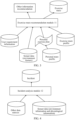
- FIG. 1 is a schematic diagram of a system architecture to which a route planning method is applied according to an embodiment of the present invention.
- the system architecture includes an exercise data analysis module 10, an exercise route recommendation module 11, an incident analysis module 12, and an exercise route real-time adjustment module 13.
- the function modules are described as follows.
- the exercise data analysis module 10 is configured to obtain exercise capability information of a wearer and candidate route information based on data collected by a wearable device.
- the exercise capability information includes a personal exercise profile of the wearer.
- the candidate route information includes exercise route profiles.
- the personal exercise profile includes an exercise-related feature or attribute of the user, for example, includes static features such as a gender, a height, and a weight, and an exercise capability of the user.
- the exercise capability includes information such as an average heart rate and average blood pressure during exercise.
- the exercise route profile includes information such as a length, an altitude, and a gradient of a route, average time that is in historical data and that is spent by a plurality of users to complete exercise on the route, and average heart rate that are in the historical data and that are of the plurality of users during exercise on the route.
- the exercise route recommendation module 11 recommends, based on the personal exercise profile and the candidate exercise route profiles that are obtained by the exercise data analysis module 10, and environment information collected by the wearable device, M most suitable exercise routes from candidate routes to the user for selection, where M is a positive integer greater than or equal to 1.
- the incident analysis module 12 determines, based on other data sources (for example, traffic data, weather data, and news data) and user information and the environment information that are collected by the wearable device of the user, whether an incident occurs.
- data sources for example, traffic data, weather data, and news data
- the exercise route real-time adjustment module 13 adjusts a current exercise route in real time based on the exercise routes recommended by the exercise route recommendation module 11 and the incident analyzed by the incident analysis module 12.
- functions of some of the modules may be implemented by the wearable device, and functions of the other modules are implemented by another user device such as a mobile phone. Then the mobile phone sends an implementation result of the modules to the wearable device, or the mobile phone directly outputs an implementation result of the modules.
- functions of all the modules may be implemented by the wearable device. This is not limited herein.
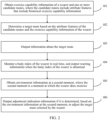
- FIG. 2 is a schematic diagram of an embodiment of a route planning method according to the embodiments of the present invention. The method is performed by a wearable device, and specifically includes the following steps.
- the exercise data analysis module 10 in FIG. 1 in this embodiment of the present invention first needs to obtain the exercise capability information of the wearer, that is, the personal exercise profile in FIG. 1 , and further needs to obtain a plurality of candidate routes.
- the plurality of candidate routes include attribute features that include historical exercise capability information, that is, the exercise route profiles in the embodiment in FIG. 1 .
- positioning may be performed on the wearable device, and then candidate routes within a preset range of the wearable device and suitable for running or walking may be selected in combination with historical user exercise data.
- Forming of the personal exercise profile specifically includes exercise feature defining, user exercise route processing, and user exercise route feature aggregation.
- the exercise feature defining means defining a feature that is of the personal exercise profile and that is used to describe an exercise capability of the user.
- a personal exercise feature of the user u may be: usp i ⁇ ⁇ a speed, blood pressure, a heart rate, a skin temperature, a blood oxygen level, consumed calories... ⁇ .
- the user exercise route processing means processing feature data of exercise routes of a historical user.
- the data of the exercise routes is first extracted based on the defined exercise feature.
- a historical exercise route set of the user u is defined as history_route ( u ).
- Each route r in the set meets a condition r ⁇ history _ route ( u ).
- the defined u sport is extracted from the routes.
- u sport ⁇ a speed, a heart rate, and a skin temperature ⁇ .
- an average speed, an average heart rate, and an average skin temperature of the user during historical exercise on the route are extracted.
- a piece of processed user exercise route data is (8 km/hour, 135/min, 38.5°C), and a set of processed user exercise routes is represented as history _ route _ transform ( u ).
- the user exercise route feature aggregation means performing an aggregation operation on the set of processed user exercise routes, to obtain a user exercise profile.
- the user has two pieces of user route data, (8 km/hour, 135/min, 38.5°C) and (6 km/hour, 145/min, 39.5°C).
- an aggregation function is an average function
- the user exercise profile is represented as (7 km/hour, 140/min, 39°C).
- a depiction of the personal exercise profile of the user is formed.
- the personal exercise profile directly reflects the exercise capability information of the user.
- demographic attributes such as gender, age, and occupation of the user may further be added to the personal exercise profile, to more precisely depict the exercise capability of the user, and more deeply reflect a body index of the user, thereby facilitating subsequent personalized route recommendation.
- the exercise route profile is specifically formed through route feature defining and historical user exercise feature aggregation.
- the route feature defining means defining a feature that is of an exercise route and that affects exercise of the user.
- a route feature of a route is rsp i ⁇ ⁇ a length, a speed, consumed calorie, a gradient, an altitude... ⁇ .
- the route feature of the route includes exercise features of the route, such as a speed, consumed calories, a heart rate, and blood pressure, and further includes attributes of the route, for example, features such as a length, a position, a gradient, and an altitude.
- the historical user exercise feature aggregation means first obtaining personal exercise features of a user who already does exercise on the route, extracting features affecting exercise of the user, such as a speed, consumed calories, a heart rate, blood pressure, and a skin temperature, and then aggregating the extracted features by using an aggregation function, for example, obtaining by using an average function, an average speed, average consumed calories, an average heart rate, average blood pressure, an average skin temperature, and the like when the historical user does exercise on the route.
- aggregation of statistics about male and female may further be performed respectively by using gender features of historical users. In this way, a depiction of an exercise route profile of a route is formed.
- the exercise route profile directly reflects exercise capability information corresponding to the route.
- each exercise route may further be divided into subroutes.
- each exercise route r is divided into k subroutes.
- Attribute features of each subroute r ' include a static feature and an exercise feature.
- the static feature (for example, a length, a gradient, and an altitude) may be directly recorded.
- the exercise feature is obtained by aggregating exercise features corresponding to a large quantity of users. For example, an exercise speed on a subroute needs to be obtained. Exercise speeds of three users on the subroute are 8 km/hour, 9 km/hour, and 10 km/hour. If an average function is used, the exercise speed on the subroute is 9 km/hour.
- a route may be divided into subroutes based on a fixed preset length, or based on a total length of the route and a fixed quantity of subroutes, or based on a gradient of the route in reality. Details are not limited. Subroute division and reflection of attribute features of subroutes can more practically present a specific condition of the route. For example, an overall average gradient of a route is 20 degrees, but the route includes a subroute having a gradient of 50 degrees. If a user does not intend to run on a route having an excessively high gradient when doing exercise, the user may observe attribute features of subroutes of the route, to avoid selecting the route having an excessively high gradient to do exercise, thereby improving exercise experience of the user.
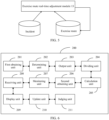
- FIG. 3 is a schematic diagram of a framework of an exercise route recommendation module.
- the module is configured to implement a function of the exercise route recommendation module 11 in FIG. 1 .
- the attribute features of the candidate routes already match the exercise capability information of the wearer, so that a route having a high matching degree in the plurality of candidate routes may be determined as the target route.
- the attribute features of the candidate routes are the exercise route profiles described in the foregoing step.
- the exercise capability information of the wearer is the personal exercise profile described in the foregoing step.
- the exercise route profiles and the personal exercise profile have same exercise features.
- the exercise route profiles include a speed, a heart rate, blood pressure, a skin temperature, and consumed calories
- the personal exercise profile also includes a speed, a heart rate, blood pressure, a skin temperature, and consumed calories.
- same features are matched, so that a route having a highest exercise capability matching degree with the personal exercise profile of the wearer is selected from the plurality of candidate routes, thereby using the route having the highest matching degree as the candidate route.
- area range division may be performed based on the features in the personal exercise profile of the wearer.
- the speed in the personal exercise profile of the wearer is 8 km/hour
- the heart rate is 135/min
- the blood pressure is 190 mmHg
- the skin temperature is 39°C
- the consumed calories are 120 calories.
- the area range division is performed based on the features in the personal exercise profile of the wearer, thereby determining a route in the candidate routes that has feature values in a divided area range as the target route.
- the area range may be divided with a speed of 7 km/hour to 9 km/hour, a heart rate of 125/min to 145/min, blood pressure of 180 mmHg to 200 mmHg, and a skin temperature of 38.5°C to 39.5°C.
- the corresponding candidate route may be used as the target route. Therefore, there may alternatively be a plurality of target routes.
- the target route may alternatively be determined by using a model obtained through machine learning training.
- a data source of the model may be obtained by using exercise capability information of historical users and use experience of the historical users. For example, when selecting a route, most historical users are more inclined to select a route having a high matching degree with heart rates of the users. This represents that when the historical users select the route, a heart rate is a more important feature. Therefore, matching of the feature, the heart rate, may be adjusted in the model to a scoring item having a higher weight. For another example, when selecting a route, most historical users are further inclined to select a route having a high matching degree with blood pressure of the users. This represents that when the historical users select the route, the blood pressure is also an important feature.
- a target route is recommended in the model training manner is merely a target route determining manner in this embodiment of the present invention. During actual application, the target route may alternatively be determined in another model training manner. Details are not limited.
- an advanced exercise plan mode is further set in the wearable device. If the wearer is in a steady stage of an advanced personal exercise plan, during featuring matching, the wearer selects a route by selecting a more smooth area. If the wearer is in a challenge stage of the advanced personal exercise plan, the wearer intensifies some features, for example, an exercise mode, exercise intensity, and exercise duration. Relatively high areas are set for such features to select a route. For example, if a personal exercise plan made by the wearer is intensive training, the wearable device may perform intensive recommendation based on a historical exercise record of the wearer. For example, the last exercise distance is 1000 meters, and a body temperature during exercise is 38.5 degrees centigrade.
- a route corresponding to a distance greater than 1200 meters and a body temperature during exercise greater than 38.7 degrees centigrade may be recommended. In this way, exercise intensity on the recommended route is greater than that on a route selected by the wearer last time.
- the wearable device may perform steady recommendation based on a historical exercise record of the wearer. For example, the last exercise distance is 1000 meters, and a body temperature during exercise is 38.5 degrees centigrade.
- a route corresponding to a distance in a range of 900 to 1100 meters may be recommended, and a body temperature during exercise on the route is in a range of 38.2 to 38.7 degrees centigrade. In this way, intensity on the recommended route is almost the same as that on a route selected by the wearer last time, so that the wearer does exercise more purposefully, and the exercise has more effects.
- this embodiment of the present invention may further include the following step: obtaining exercise requirement information of the wearer, where the exercise requirement information is information input by the wearer.
- the determining a target route is specifically: determining the target route based on the attribute features of the candidate routes, the exercise capability information of the wearer, and the exercise requirement information of the wearer.
- the wearer may further input, based on a personal requirement of the wearer, personal requirement information by using a mobile phone or directly on the wearable device.
- the requirement information may be requirement information of route features, for example, a start position and a final position of a route, a total exercise length, an exercise time period, an altitude, and a route safety degree.
- the wearer may further input requirement information such as exercise intensity. For example, it is required that a speed on the route is at least 10 kilometers per hour, and an altitude is at least 200 meters.
- the requirement information input by the wearer includes an exercise feature such as a speed
- the target route is determined by screening the candidate routes based on the attribute features of the candidate routes, the exercise capability information of the wearer, and the exercise requirement information of the wearer
- limited matching screening is performed by using the exercise requirement information of the wearer a high priority.
- this embodiment of the present invention may further include the following step: obtaining environment information at a first moment, where the first moment is a moment before the wearer does exercise.
- the determining a target route is specifically: determining the target route based on the attribute features of the candidate routes, the exercise capability information of the wearer, and the environment information at the first moment.
- the environment information includes environment features, for example, a current temperature, weather, humidity, a wind speed, and a current time point.
- the target route may alternatively be determined in combination with the currently obtained environment information, the attribute features of the candidate routes, and the exercise capability information of the wearer.
- the current wind speed is relatively large
- a relatively short route may be preferably selected, to avoid a trouble of returning midway due to a rain.
- it is 10 o'clock in the evening
- a route on which there is a relatively large quantity of people currently may be preferably selected, to improve safety during running in the evening, and so on.
- the current environment information may be obtained by using a sensor of the wearable device, by accessing the Internet, by connecting to a mobile phone, or the like. This is not limited herein.
- the target route may alternatively be determined in combination with the currently obtained environment information, the attribute features of the candidate routes, the exercise capability information of the wearer, and the exercise requirement information input by the wearer.
- this embodiment of the present invention may further include the following step: outputting device recommendation information and material supplement recommendation information based on the exercise capability information of the wearer, an attribute feature of the target route, and the environment information at the first moment.
- the device recommendation information may be sports clothes, shoes, a cap, and other apparatuses. For example, there is a light rain currently, and recommendation information of sports clothes and a sports cap that are worn during raining may be output. For example, if average calories consumed by the wearer are relatively high, a current temperature is relatively high, recommendation information such as water supplement may be output to the wearer, so that the user can do exercise more safely.
- the plurality of determined target routes may be sorted by using a preset model.
- the preset model may include experience scores of historical users for the plurality of target routes, and may further include weight scores of exercise features on the routes, thereby obtaining a scoring result of each target route.
- the target routes are sorted in descending order and output based on the scoring results.
- the wearer autonomously performs selection.
- the target routes may further be strategically presented and output. For example, historical scores of the wearer for some target routes are relatively low, and the target routes are not output.
- the route may be preferably output and presented, to improve novelty to the user.
- this embodiment of the present invention further includes the following steps: receiving a first operation instruction, where the first operation instruction is a selection instruction operation performed by the wearer on a plurality of target routes; and displaying, according to the first operation instruction, the target route selected by the wearer, and updating the attribute feature of the target route based on the exercise capability information of the wearer.
- the wearer After the wearer selects a target route, the wearer becomes a historical user of the selected target route. Therefore, the attribute feature of the target route is updated based on the exercise capability information of the wearer, so that more data support is subsequently provided for another user, thereby better recommending a route.
- the updating herein does not mean updating the attribute feature of the target route based on information about exercise capabilities of all wearers, and may mean selective updating, for example, increasing 1 to a quantity of people currently doing exercise on the target route, and updating an average age of the historical users.
- the wearable device collects statistics about exercise features such as a speed and a heart rate when the wearer does exercise on the target route, the wearable device updates an exercise feature of the target route based on the personal exercise features.
- the wearer if determining the target route in step 102 is performed by using a model obtained through the machine learning training, after the wearer selects a target route, the wearer becomes a historical user.
- the wearable device may update the model based on a selection action of the wearer and attribute information of the corresponding selected target route, thereby training data in the model, and improving model applicability.
- this embodiment of the present invention may further include the following step: 104: Monitor a body index of the wearer in real time, and output warning information when the body index of the wearer is abnormal.
- the body index of the wearer may further be detected by using the wearable device in real time.
- body index information such as a heart rate, blood pressure, and a skin temperature of the wearer is detected by using the sensor of the wearable device.
- warning information may be output.
- the warning information may display or output through a voice a specific body index of the wearer having an abnormality, and prompts the wearer to rest or take other treatment measures.
- the wearable device may further monitor, by using an apparatus such as a sensor or a gyroscope, whether the wearer falls to the ground. If the wearable device detects that the wearer falls to the ground, and detects that an abnormality occurs in the body indexes of the wearer, a communications apparatus of the wearable device may directly communicate with a communications apparatus of an emergency contact, and send abnormal information of the wearer to the communications apparatus of the emergency contact.
- an apparatus such as a sensor or a gyroscope
- the wearable device may further adjust the target route. For example, if detecting that a skin temperature of the wearer is excessively high, the wearable device may adjust the target route to a route to a rest stop closest to the wearable device.
- this embodiment of the present invention may further include the following step: 105: Obtain environment information at a second moment, where the second moment is a moment at which the wearer does exercise.
- the wearable device may further obtain current environment information based on a preset period or in real time, for example, whether it begins to rain, whether a current temperature suddenly drops, whether there is a traffic jam, or whether a riot happens on the target route. These environment factors directly affect exercise experience of the wearer. Therefore, the wearer may obtain the current environment information even though the wearer is doing exercise.
- the wearable device may obtain the environment information by accessing the Internet, or from a mobile phone terminal, or from a wearable device of another user who currently does exercise on the target route. Details are not limited.
- FIG. 4 is a schematic diagram of a framework of an incident analysis module. After obtaining data from a plurality of data sources, the incident analysis module analyzes and determines, by using a preset threshold range, whether an event is defined as an incident.
- FIG. 5 is a schematic diagram of a framework of an exercise route real-time adjustment module. After the current environment information is obtained, whether a preset threshold is reached is determined based on the environment information. If the preset threshold is reached, the adjustment indication information of the target route is output. A possible adjustment solution is accelerating or decelerating to complete the current route; changing a route and completing exercise; giving up exercise and moving to a closest safe place; or giving up exercise and returning by the way the wearer comes. A most proper adjustment solution is selected based on completion on the current route and a severity level of an incident (not limited to the following rules).
- Another exercise route may be selected from the candidate routes to adjust the current route.
- the user may be suggested to give up the current exercise route and return by the way the user comes.
- the user may be suggested to give up exercise and move to a closest safe place.
- the wearer may determine, according to an adjustment indication, how to adjust the target route, to complete current exercise, thereby improving exercise experience of the user.
- the wearer may further perform a scoring operation on the selected target route according to an operation instruction. Therefore, the wearable device may further receive the operation instruction, and update the attribute feature of the target route according to the operation instruction and based on a scoring result. In this way, the wearable device recommends a more preferable route to the user next time.
- the wearable device may store the exercise capability information of the wearer and information about attribute features of all routes, thereby performing route planning recommendation, or may not store the exercise capability information of the wearer and information about attribute features of all routes, but may be associated with a mobile phone terminal or cloud, thereby obtaining the exercise capability information of the wearer and attribute feature information of a related route.
- an embodiment of a wearable device 200 in the embodiments of the present invention includes:
- the wearable device further includes:
- the output unit 203 is specifically configured to: output the target route information including the attribute features of the subroutes.
- the first obtaining unit 201 is configured to: obtain exercise requirement information of the wearer before the determining unit 202 determines the target route based on the attribute features of the candidate routes and the exercise capability information of the wearer, where the exercise requirement information is information input by the wearer.
- the determining unit 202 is specifically configured to: determine the target route based on the attribute features of the candidate routes, the exercise capability information of the wearer, and the exercise requirement information of the wearer.
- the wearable device further includes a second obtaining unit 206, configured to obtain environment information at a first moment before the determining unit 202 determines the target route based on the attribute features of the candidate routes and the exercise capability information of the wearer, where the first moment is a moment before the wearer does exercise.
- a second obtaining unit 206 configured to obtain environment information at a first moment before the determining unit 202 determines the target route based on the attribute features of the candidate routes and the exercise capability information of the wearer, where the first moment is a moment before the wearer does exercise.
- the determining unit 202 is specifically configured to: determine the target route based on the attribute features of the candidate routes, the exercise capability information of the wearer, and the environment information at the first moment.
- the wearable device further includes: a monitoring unit 207, configured to monitor a body index of the wearer in real time.
- a monitoring unit 207 configured to monitor a body index of the wearer in real time.
- the output unit 203 is further configured to output warning information when the body index of the wearer is abnormal.
- the wearable device further includes:
- the output unit 203 is further configured to: output device recommendation information and material supplement recommendation information based on the exercise capability information of the wearer, an attribute feature of the target route, and the environment information at the first moment after the second obtaining unit 206 obtains the environment information at the first moment.
- the second obtaining unit 206 is further configured to obtain environment information at a second moment, where the second moment is a moment at which the wearer does exercise.
- a judging unit 211 is configured to determine, based on the environment information at the second moment, whether to adjust the target route selected by the wearer.
- the output unit 203 is further configured to output adjustment indication information when the judging unit determines to adjust the target route selected by the wearer.
- the receiving unit 208 is further configured to receive a second operation instruction, where the second operation instruction is a scoring operation performed by the wearer on the selected target route after completion of the exercise.
- the update unit 209 is configured to update the attribute feature of the target route according to the second operation instruction and based on a scoring result.
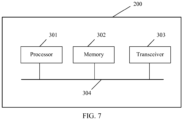
- the wearable device 200 in the embodiment in FIG. 6 further has an embodiment in another form.
- the wearable device 200 includes a processor 301, a memory 302, and a transceiver 303.
- the processor 301, the memory 302, and the transceiver 303 are connected by using a bus 304.
- the transceiver 303 may include a transmitter and a receiver.
- the memory 302 stores a computer instruction.
- the processor 301 executes the computer instruction to implement a procedure of the route planning method in the embodiment in FIG. 2 .
- Various flexible design manners may be used during specific implementation. For corresponding functions of devices, further refer to the method embodiment. This is not limited in this embodiment of the present invention.
- All or some of the foregoing embodiments may be implemented by using software, hardware, firmware, or any combination thereof.
- the embodiments may be implemented completely or partially in a form of a computer program product.
- the computer program product includes one or more computer instructions.
- the computer may be a general-purpose computer, a dedicated computer, a computer network, or other programmable apparatuses.
- the computer instructions may be stored in a computer-readable storage medium or may be transmitted from one computer-readable storage medium to another computer-readable storage medium.
- the computer instructions may be transmitted from a website, computer, server, or data center to another website, computer, server, or data center in a wired (for example, a coaxial cable, an optical fiber, or a digital subscriber line (DSL)) or wireless (for example, infrared, radio, or microwave) manner.
- a wired for example, a coaxial cable, an optical fiber, or a digital subscriber line (DSL)
- wireless for example, infrared, radio, or microwave
- the computer-readable storage medium may be any usable medium accessible by the computer, or a data storage device, such as a server or a data center, integrating one or more usable media.
- the usable medium may be a magnetic medium (for example, a floppy disc, a hard disk, or a magnetic tape), an optical medium (for example, a DVD), a semiconductor medium (for example, a solid state disk Solid State Disk (SSD)), or the like.
- the disclosed system, apparatus, and method may be implemented in other manners.
- the described apparatus embodiment is merely an example.
- the unit division is merely logical function division and may be other division during actual implementation.
- a plurality of units or components may be combined or integrated into another system, or some features may be ignored or not performed.
- the displayed or discussed mutual couplings or direct couplings or communication connections may be implemented by using some interfaces.
- the indirect couplings or communication connections between the apparatuses or units may be implemented in electronic, mechanical, or other forms.
- the units described as separate parts may or may not be physically separate, and parts displayed as units may or may not be physical units, may be located in one position, or may be distributed on a plurality of network units. Some or all of the units may be selected based on actual requirements to achieve the objectives of the solutions of the embodiments.
- functional units in the embodiments of this application may be integrated into one processing unit, or each of the units may exist alone physically, or two or more units are integrated into one unit.
- the integrated unit may be implemented in a form of hardware, or may be implemented in a form of a software functional unit.
- the integrated unit When the integrated unit is implemented in the form of a software functional unit and sold or used as an independent product, the integrated unit may be stored in a computer-readable storage medium. Based on such an understanding, the technical solutions of this application essentially, or the part contributing to the prior art, or all or some of the technical solutions may be implemented in the form of a software product.
- the software product is stored in a storage medium and includes several instructions for instructing a computer device (which may be a personal computer, a server, or a network device) to perform all or some of the steps of the methods described in the embodiments of this application.
- the foregoing storage medium includes any medium that can store program code, such as a USB flash drive, a removable hard disk, a read-only memory (ROM, Read-Only Memory), a random access memory (RAM, Random Access Memory), a magnetic disk, or an optical disc.
- program code such as a USB flash drive, a removable hard disk, a read-only memory (ROM, Read-Only Memory), a random access memory (RAM, Random Access Memory), a magnetic disk, or an optical disc.
Landscapes
- Health & Medical Sciences (AREA)
- Engineering & Computer Science (AREA)
- Life Sciences & Earth Sciences (AREA)
- Physics & Mathematics (AREA)
- Business, Economics & Management (AREA)
- General Health & Medical Sciences (AREA)
- Human Resources & Organizations (AREA)
- Theoretical Computer Science (AREA)
- General Physics & Mathematics (AREA)
- Strategic Management (AREA)
- Economics (AREA)
- Medical Informatics (AREA)
- Pathology (AREA)
- Surgery (AREA)
- Animal Behavior & Ethology (AREA)
- Heart & Thoracic Surgery (AREA)
- Public Health (AREA)
- Veterinary Medicine (AREA)
- Biomedical Technology (AREA)
- Biophysics (AREA)
- Molecular Biology (AREA)
- Physical Education & Sports Medicine (AREA)
- Computer Hardware Design (AREA)
- Physiology (AREA)
- General Business, Economics & Management (AREA)
- Development Economics (AREA)
- Cardiology (AREA)
- Game Theory and Decision Science (AREA)
- Entrepreneurship & Innovation (AREA)
- Marketing (AREA)
- Operations Research (AREA)
- Quality & Reliability (AREA)
- Tourism & Hospitality (AREA)
- Remote Sensing (AREA)
- Dentistry (AREA)
- Oral & Maxillofacial Surgery (AREA)
- Radar, Positioning & Navigation (AREA)
- Human Computer Interaction (AREA)
- General Engineering & Computer Science (AREA)
- Vascular Medicine (AREA)
Claims (8)
- Routenplanungsverfahren, das von einer tragbaren Vorrichtung durchgeführt wird, wobei das Verfahren umfasst:a) Erhalten (Schritt 102) von Trainingsfähigkeitsinformationen des Trägers der tragbaren Vorrichtung und eine oder mehrere Kandidaten-Routen,▪ wobei die Trainingsfähigkeitsinformationen ein persönliches Trainingsprofil des Trägers sind, das durch Definieren von Trainingsmerkmalen, die verwendet werden, um eine Trainingsfähigkeit des Trägers zu beschreiben, Verarbeiten von Benutzer-Trainingsrouten durch Extrahieren der definierten Trainingsmerkmale aus historischen Trainingsrouten des Trägers und Aggregieren der erhaltenen Benutzer-Trainingsroutenmerkmale erhalten wird,▪ wobei die eine oder die mehreren Kandidaten-Routen Attributmerkmale der Routen umfassen, die Attributmerkmale historische Trainingsfähigkeitsinformationen aufweisen und die historischen Trainingsfähigkeitsinformationen Informationen sind, die gemäß einer ersten voreingestellten Regel und basierend auf erhaltenen Trainingsfähigkeitsinformationen einer Vielzahl von Benutzern, die entlang der einen oder mehreren Kandidaten-Routen trainiert haben, berechnet werden;b) Bestimmen (Schritt 102) einer Zielroute basierend auf den Attributmerkmalen der einen oder mehreren Kandidaten-Routen und den Trainingsfähigkeitsinformationen des Trägers;c) Ausgeben (Schritt 103) der Zielrouteninformationen;d.) wobei das Verfahren ferner die folgenden Schritte umfasst:∘ Erfassen (Schritt 104) von Körperindexinformationen in Echtzeit durch einen ersten Sensor der tragbaren Vorrichtung während des Trainings entlang der Zielroute, wobei die Körperindexinformationen die Herzfrequenz, der Blutdruck oder die Hauttemperatur des Trägers sind, und Ausgeben einer Warnung, wenn die Körperindexinformationen abnormal sind;∘ Überwachen unter Verwendung eines zweiten Sensors oder eines Gyroskops, ob der Träger während des Trainings entlang der Zielroute zu Boden fällt, und wenn die tragbare Vorrichtung erfasst, dass der Träger zu Boden fällt und die Körperindexinformationen abnormal sind, Kommunizieren mit einer Kommunikationsvorrichtung eines Notfallkontakts und Senden abnormaler Informationen des Trägers an die Kommunikationsvorrichtung des Notfallkontakts;e.) Erhalten (Schritt 105) von Umgebungsinformationen in Echtzeit oder periodisch in einem voreingestellten Zeitraum zu einem ersten Zeitpunkt durch Zugreifen auf das Internet, von einem Mobiltelefon-Endgerät oder von einer weiteren tragbaren Vorrichtung eines anderen Trägers, der gerade auf der Zielstrecke trainiert,∘ wobei der erste Zeitpunkt ein Zeitpunkt ist, zu dem der Träger entlang der Zielroute trainiert, und die erhaltene Umgebungsinformation ist, ob es einen Stau auf der Zielroute gibt oder ob es auf der Zielroute zu Ausschreitungen kommt;f.) Bestimmen, basierend auf den erhaltenen Umgebungsinformationen, ob ein Zwischenfall aufgetreten ist und eines Schweregrads des Zwischenfalls;g.) wenn bestimmt wird, dass ein Zwischenfall aufgetreten ist, Anpassen der Zielroute basierend auf der Fertigstellung der Zielroute und dem Schweregrad des Zwischenfalls, und Ausgeben (Schritt 106) von Anpassungsinformationen an den Träger.
- Verfahren nach Anspruch 1, wobei das Verfahren nach dem Erhalten (Schritt 101) der Trainingsfähigkeitsinformationen des Trägers und der einen oder mehreren Kandidaten-Routen ferner umfasst:∘ Aufteilen der einen oder mehreren Kandidaten-Routen in k Unterrouten gemäß einer zweiten voreingestellten Regel; und∘ Berechnen eines Attributmerkmals einer jeden Unterroute;und
das Ausgeben (Schritt 103) der Zielrouteninformationen umfasst:∘ Ausgeben der Zielrouteninformationen, die die Attributmerkmale der Unterrouten umfassen. - Verfahren nach Anspruch 1 oder 2, wobei das Verfahren vor dem Bestimmen (Schritt 102) der Zielroute basierend auf den Attributmerkmalen der einen oder mehreren Kandidaten-Routen und den Trainingsfähigkeitsinformationen des Trägers ferner umfasst:∘ Erhalten von Trainingsanforderungsinformationen des Trägers; unddas Bestimmen (Schritt 102) der Zielroute basierend auf den Attributmerkmalen der einen oder mehreren Kandidaten-Routen und den Trainingsfähigkeitsinformationen des Trägers umfasst:∘ Bestimmen der Zielroute basierend auf den Attributmerkmalen der einen oder mehreren Kandidaten-Routen, den Trainingsfähigkeitsinformationen des Trägers und den Trainingsanforderungsinformationen des Trägers.
- Verfahren nach Anspruch 1 oder 2, wobei das Verfahren vor dem Bestimmen (Schritt 102) der Zielroute basierend auf den Attributmerkmalen der einen oder mehreren Kandidaten-Routen und den Trainingsfähigkeitsinformationen des Trägers ferner umfasst:∘ Erhalten von Umgebungsinformationen zu einem zweiten Zeitpunkt, wobei der zweite Zeitpunkt ein Zeitpunkt ist, bevor der Träger trainiert; unddas Bestimmen (Schritt 102) der Zielroute basierend auf den Attributmerkmalen der einen oder mehreren Kandidaten-Routen und den Trainingsfähigkeitsinformationen des Trägers umfasst:o Bestimmen der Zielroute basierend auf den Attributmerkmalen der einen oder mehreren Kandidaten-Routen, den Trainingsfähigkeitsinformationen des Trägers und den Umgebungsinformationen zu dem zweiten Zeitpunkt.
- Verfahren nach Anspruch 4, wobei das Verfahren nach dem Erhalten von Umgebungsinformationen zu dem zweiten Zeitpunkt ferner umfasst:∘ Ausgeben von Ausrüstungs-Empfehlungsinformationen und Materialzusatz-Empfehlungsinformationen basierend auf den Trainingsfähigkeitsinformationen des Trägers, einem Attributmerkmal der Zielroute und den Umgebungsinformationen zu dem zweiten Zeitpunkt.
- Verfahren nach einem der Ansprüche 1 bis 5, wobei das Verfahren nach dem Ausgeben (103) der Zielrouteninformationen ferner umfasst:∘ Empfangen einer ersten Bedienungsanweisung, wobei die erste Bedienungsanweisung eine Auswahlanweisungsbedienung ist, die von dem Träger für eine Vielzahl von Zielrouten durchgeführt wird; und∘ Anzeigen der von dem Träger ausgewählten Zielroute gemäß der ersten Bedienungsanweisung und Aktualisieren des Attributmerkmals der Zielroute basierend auf den Trainingsfähigkeitsinformationen des Trägers.
- Tragbaren Vorrichtung (200), wobei die tragbare Vorrichtung (200) so konfiguriert ist, dass sie eines der Verfahren nach einem der Ansprüche 1 bis 6 durchführt.
- Computerprogrammprodukt , umfassend: eine Computersoftwareanweisung, wobei, wenn die Computersoftwareanweisung durch einen Prozessor einer tragbaren Vorrichtung ausgeführt wird, der Prozessor veranlasst wird, das Verfahren nach einem der Ansprüche 1 bis 6 zu implementieren.
Applications Claiming Priority (2)
| Application Number | Priority Date | Filing Date | Title |
|---|---|---|---|
| CN201710115442.4A CN108510099B (zh) | 2017-02-28 | 2017-02-28 | 一种路径规划的方法及穿戴设备 |
| PCT/CN2018/077267 WO2018157776A1 (zh) | 2017-02-28 | 2018-02-26 | 一种路径规划的方法及穿戴设备 |
Publications (3)
| Publication Number | Publication Date |
|---|---|
| EP3564875A1 EP3564875A1 (de) | 2019-11-06 |
| EP3564875A4 EP3564875A4 (de) | 2020-01-01 |
| EP3564875B1 true EP3564875B1 (de) | 2024-07-31 |
Family
ID=63369763
Family Applications (1)
| Application Number | Title | Priority Date | Filing Date |
|---|---|---|---|
| EP18760340.2A Active EP3564875B1 (de) | 2017-02-28 | 2018-02-26 | Wegplanungsverfahren und wearable-vorrichtung |
Country Status (4)
| Country | Link |
|---|---|
| US (1) | US10709934B2 (de) |
| EP (1) | EP3564875B1 (de) |
| CN (1) | CN108510099B (de) |
| WO (1) | WO2018157776A1 (de) |
Families Citing this family (15)
| Publication number | Priority date | Publication date | Assignee | Title |
|---|---|---|---|---|
| CN109491520B (zh) * | 2018-11-19 | 2022-03-01 | 广东小天才科技有限公司 | 一种基于腕式穿戴设备的久坐提醒方法及腕式穿戴设备 |
| CN109726868B (zh) * | 2018-12-28 | 2021-04-16 | 腾讯科技(深圳)有限公司 | 路径规划方法、装置及存储介质 |
| CN109718530B (zh) * | 2018-12-29 | 2021-08-24 | 咪咕互动娱乐有限公司 | 一种运动路线获取方法及装置、存储介质 |
| CN110245835B (zh) * | 2019-05-17 | 2024-08-20 | 平安科技(深圳)有限公司 | 运动规划方案的修正方法、装置、存储介质及计算机设备 |
| CN110750603B (zh) * | 2019-09-06 | 2022-08-12 | 日立楼宇技术(广州)有限公司 | 楼宇服务预测方法、装置、系统、计算机设备和存储介质 |
| CN113532453B (zh) * | 2020-04-16 | 2024-05-14 | 华为技术有限公司 | 运动路线推荐方法、装置和介质 |
| US20220108781A1 (en) * | 2020-10-07 | 2022-04-07 | Pavé Routes, Llc | Computerized route building system and method |
| CN114377369B (zh) * | 2020-10-20 | 2022-11-29 | 北京机械设备研究所 | 一种用于滑雪板的智能辅助装置 |
| CN114377370B (zh) * | 2020-10-20 | 2023-02-03 | 北京机械设备研究所 | 一种滑雪板的智能控制方法 |
| CN115221250A (zh) * | 2021-04-19 | 2022-10-21 | 华为技术有限公司 | 地图显示的方法及相关设备 |
| CN113546396B (zh) * | 2021-09-22 | 2021-11-23 | 南泽(广东)科技股份有限公司 | 一种基于大数据的数据处理系统及方法 |
| CN114756774B (zh) * | 2022-04-11 | 2026-01-06 | 北京百度网讯科技有限公司 | 出行方案推荐、模型训练方法、装置、设备以及存储介质 |
| KR102486726B1 (ko) * | 2022-06-27 | 2023-01-11 | 아주대학교산학협력단 | 추천 운동 경로정보를 제공하는 방법, 이를 이용하는 서버 및 시스템 |
| CN115374359A (zh) * | 2022-08-26 | 2022-11-22 | 维沃软件技术有限公司 | 推荐方法和电子设备 |
| CN120558237B (zh) * | 2025-07-28 | 2025-11-04 | 浙江德施曼科技智能股份有限公司 | 一种基于门锁的路径引导方法 |
Family Cites Families (11)
| Publication number | Priority date | Publication date | Assignee | Title |
|---|---|---|---|---|
| US7625316B1 (en) * | 2004-04-27 | 2009-12-01 | Performance Health Technologies, Inc. | Position monitoring system |
| US7254516B2 (en) * | 2004-12-17 | 2007-08-07 | Nike, Inc. | Multi-sensor monitoring of athletic performance |
| CA2929927C (en) * | 2009-04-26 | 2018-09-11 | Nike Innovate C.V. | Gps features and functionality in an athletic watch system |
| US20140222330A1 (en) * | 2011-12-27 | 2014-08-07 | Tobias M. Kohlenberg | Integration of contextual and historical data into route determination |
| US9390459B2 (en) * | 2013-08-20 | 2016-07-12 | Sears Brands, L.L.C. | Method and system for user based routing |
| GB201317033D0 (en) * | 2013-09-25 | 2013-11-06 | Naylor David | Selecting routes |
| CN105321135A (zh) * | 2014-07-04 | 2016-02-10 | 北京大学第三医院 | 一种个性化运动处方设计方法和系统 |
| CN107105804B (zh) * | 2014-11-19 | 2020-10-30 | 耐克创新有限合伙公司 | 具有可移除模块的运动带 |
| CN105260799A (zh) * | 2015-10-22 | 2016-01-20 | 海南图语地理信息技术有限公司 | 一种实现基于gis的旅游运动路线规划及定位实景信息的系统和方法 |
| CN105678064B (zh) * | 2015-12-31 | 2019-07-09 | 小米科技有限责任公司 | 健身方案推荐方法及装置 |
| CN106096794A (zh) * | 2016-06-27 | 2016-11-09 | 北京小米移动软件有限公司 | 运动路线的确定方法及装置 |
-
2017
- 2017-02-28 CN CN201710115442.4A patent/CN108510099B/zh active Active
-
2018
- 2018-02-26 EP EP18760340.2A patent/EP3564875B1/de active Active
- 2018-02-26 WO PCT/CN2018/077267 patent/WO2018157776A1/zh not_active Ceased
-
2019
- 2019-08-14 US US16/540,401 patent/US10709934B2/en active Active
Non-Patent Citations (3)
| Title |
|---|
| CASILARI EDOARDO ET AL: "Automatic Fall Detection System Based on the Combined Use of a Smartphone and a Smartwatch | PLOS ONE", 11 November 2015 (2015-11-11), XP055962425, Retrieved from the Internet <URL:https://journals.plos.org/plosone/article?id=10.1371/journal.pone.0140929> [retrieved on 20220919] * |
| DEUTSCH MARKUS ET AL: "A Smartwatch-Based Assistance System for the Elderly Performing Fall Detection, Unusual Inactivity Recognition and Medication Reminding", STUDIES IN HEALTH TECHNOLOGY AND INFORMATICS, 1 January 2016 (2016-01-01), Netherlands, pages 259 - 266, XP055962391, Retrieved from the Internet <URL:https://journals.plos.org/plosone/article?id=10.1371/journal.pone.0140929> [retrieved on 20220919], DOI: 10.3233/978-1-61499-645-3-259 * |
| GJORESKI HRISTIJAN ET AL: "Using Smartwatch as Telecare and Fall Detection Device", 2016 12TH INTERNATIONAL CONFERENCE ON INTELLIGENT ENVIRONMENTS (IE), IEEE, 14 September 2016 (2016-09-14), pages 242 - 245, XP032986737, DOI: 10.1109/IE.2016.55 * |
Also Published As
| Publication number | Publication date |
|---|---|
| US10709934B2 (en) | 2020-07-14 |
| BR112019015295A2 (pt) | 2020-03-03 |
| EP3564875A1 (de) | 2019-11-06 |
| US20190366156A1 (en) | 2019-12-05 |
| EP3564875A4 (de) | 2020-01-01 |
| CN108510099B (zh) | 2022-04-22 |
| WO2018157776A1 (zh) | 2018-09-07 |
| CN108510099A (zh) | 2018-09-07 |
Similar Documents
| Publication | Publication Date | Title |
|---|---|---|
| EP3564875B1 (de) | Wegplanungsverfahren und wearable-vorrichtung | |
| US20240312489A1 (en) | Disparate sensor type event correlation system | |
| US11355160B2 (en) | Multi-source event correlation system | |
| EP3566231B1 (de) | Vorrichtung und verfahren zum auslösen eines sturzrisikoalarms für eine person | |
| US9911045B2 (en) | Event analysis and tagging system | |
| EP2710503B1 (de) | Optische datenerfassung von trainingsdaten zur gesundheitsbewertungsberechnung | |
| EP3227805B1 (de) | Berechnung eines gesundheitsparameters | |
| US9406336B2 (en) | Multi-sensor event detection system | |
| US9401178B2 (en) | Event analysis system | |
| US20220080263A1 (en) | Sports Operating System | |
| US20200387758A1 (en) | Information processing apparatus, information processing method, and program | |
| US20190175106A1 (en) | Health and athletic monitoring system, apparatus and method | |
| KR20190066797A (ko) | 지능정보기술을 활용한 생활밀착형 운동수행분석 및 운동추천 시스템 | |
| Sakthimohan et al. | A Novel Approach to Predicting IPL Player Value and Score Using XGBoost and Ridge Regression | |
| CN111564197A (zh) | 一种体育运动智能分析系统及方法 | |
| US10896759B2 (en) | Intelligent grouping of peers in motivational programs | |
| AU2020101986A4 (en) | AAM-Physical Fitness: ANALYSIS OF PHYSICAL FITNESS AND ACTIVITY LEVEL USING MACHINE LEARNING, DEEP LEARNING PROGRAMMING. | |
| BR112019015295B1 (pt) | Método de planejamento de rota e dispositivo wearable | |
| WO2022060899A1 (en) | Sports operating system | |
| US20250256156A1 (en) | Predicting Whether a User Executed a Golf Shot | |
| US20250275689A1 (en) | System and method for predicting that an individual will fall | |
| KR20250078708A (ko) | 스마트웨어 기반의 개인화 서비스 제공 장치, 방법 및 프로그램 | |
| US20230169531A1 (en) | Method and apparatus for motion data analysis | |
| HK1195961B (en) | Optical data capture of exercise data in furtherance of a health score computation |
Legal Events
| Date | Code | Title | Description |
|---|---|---|---|
| STAA | Information on the status of an ep patent application or granted ep patent |
Free format text: STATUS: THE INTERNATIONAL PUBLICATION HAS BEEN MADE |
|
| PUAI | Public reference made under article 153(3) epc to a published international application that has entered the european phase |
Free format text: ORIGINAL CODE: 0009012 |
|
| STAA | Information on the status of an ep patent application or granted ep patent |
Free format text: STATUS: REQUEST FOR EXAMINATION WAS MADE |
|
| 17P | Request for examination filed |
Effective date: 20190729 |
|
| AK | Designated contracting states |
Kind code of ref document: A1 Designated state(s): AL AT BE BG CH CY CZ DE DK EE ES FI FR GB GR HR HU IE IS IT LI LT LU LV MC MK MT NL NO PL PT RO RS SE SI SK SM TR |
|
| AX | Request for extension of the european patent |
Extension state: BA ME |
|
| A4 | Supplementary search report drawn up and despatched |
Effective date: 20191204 |
|
| RIC1 | Information provided on ipc code assigned before grant |
Ipc: G06Q 10/04 20120101AFI20191128BHEP Ipc: A61B 5/021 20060101ALI20191128BHEP |
|
| DAV | Request for validation of the european patent (deleted) | ||
| DAX | Request for extension of the european patent (deleted) | ||
| STAA | Information on the status of an ep patent application or granted ep patent |
Free format text: STATUS: EXAMINATION IS IN PROGRESS |
|
| 17Q | First examination report despatched |
Effective date: 20210414 |
|
| REG | Reference to a national code |
Ref country code: DE Ref legal event code: R079 Free format text: PREVIOUS MAIN CLASS: G06Q0010040000 Ipc: A61B0005010000 Ref country code: DE Ref legal event code: R079 Ref document number: 602018072441 Country of ref document: DE Free format text: PREVIOUS MAIN CLASS: G06Q0010040000 Ipc: A61B0005010000 |
|
| GRAP | Despatch of communication of intention to grant a patent |
Free format text: ORIGINAL CODE: EPIDOSNIGR1 |
|
| STAA | Information on the status of an ep patent application or granted ep patent |
Free format text: STATUS: GRANT OF PATENT IS INTENDED |
|
| RIC1 | Information provided on ipc code assigned before grant |
Ipc: A61B 5/021 20060101ALI20240306BHEP Ipc: G06Q 10/04 20120101ALI20240306BHEP Ipc: A61B 5/00 20060101ALI20240306BHEP Ipc: A61B 5/11 20060101ALI20240306BHEP Ipc: A61B 5/024 20060101ALI20240306BHEP Ipc: A61B 5/01 20060101AFI20240306BHEP |
|
| INTG | Intention to grant announced |
Effective date: 20240321 |
|
| GRAS | Grant fee paid |
Free format text: ORIGINAL CODE: EPIDOSNIGR3 |
|
| GRAA | (expected) grant |
Free format text: ORIGINAL CODE: 0009210 |
|
| STAA | Information on the status of an ep patent application or granted ep patent |
Free format text: STATUS: THE PATENT HAS BEEN GRANTED |
|
| AK | Designated contracting states |
Kind code of ref document: B1 Designated state(s): AL AT BE BG CH CY CZ DE DK EE ES FI FR GB GR HR HU IE IS IT LI LT LU LV MC MK MT NL NO PL PT RO RS SE SI SK SM TR |
|
| P01 | Opt-out of the competence of the unified patent court (upc) registered |
Free format text: CASE NUMBER: APP_36979/2024 Effective date: 20240620 |
|
| REG | Reference to a national code |
Ref country code: CH Ref legal event code: EP Ref country code: GB Ref legal event code: FG4D |
|
| REG | Reference to a national code |
Ref country code: DE Ref legal event code: R096 Ref document number: 602018072441 Country of ref document: DE |
|
| REG | Reference to a national code |
Ref country code: IE Ref legal event code: FG4D |
|
| REG | Reference to a national code |
Ref country code: LT Ref legal event code: MG9D |
|
| REG | Reference to a national code |
Ref country code: NL Ref legal event code: MP Effective date: 20240731 |
|
| PG25 | Lapsed in a contracting state [announced via postgrant information from national office to epo] |
Ref country code: PT Free format text: LAPSE BECAUSE OF FAILURE TO SUBMIT A TRANSLATION OF THE DESCRIPTION OR TO PAY THE FEE WITHIN THE PRESCRIBED TIME-LIMIT Effective date: 20241202 |
|
| REG | Reference to a national code |
Ref country code: AT Ref legal event code: MK05 Ref document number: 1707686 Country of ref document: AT Kind code of ref document: T Effective date: 20240731 |
|
| PG25 | Lapsed in a contracting state [announced via postgrant information from national office to epo] |
Ref country code: PT Free format text: LAPSE BECAUSE OF FAILURE TO SUBMIT A TRANSLATION OF THE DESCRIPTION OR TO PAY THE FEE WITHIN THE PRESCRIBED TIME-LIMIT Effective date: 20241202 |
|
| PG25 | Lapsed in a contracting state [announced via postgrant information from national office to epo] |
Ref country code: NO Free format text: LAPSE BECAUSE OF FAILURE TO SUBMIT A TRANSLATION OF THE DESCRIPTION OR TO PAY THE FEE WITHIN THE PRESCRIBED TIME-LIMIT Effective date: 20241031 |
|
| PG25 | Lapsed in a contracting state [announced via postgrant information from national office to epo] |
Ref country code: NL Free format text: LAPSE BECAUSE OF FAILURE TO SUBMIT A TRANSLATION OF THE DESCRIPTION OR TO PAY THE FEE WITHIN THE PRESCRIBED TIME-LIMIT Effective date: 20240731 Ref country code: FI Free format text: LAPSE BECAUSE OF FAILURE TO SUBMIT A TRANSLATION OF THE DESCRIPTION OR TO PAY THE FEE WITHIN THE PRESCRIBED TIME-LIMIT Effective date: 20240731 Ref country code: GR Free format text: LAPSE BECAUSE OF FAILURE TO SUBMIT A TRANSLATION OF THE DESCRIPTION OR TO PAY THE FEE WITHIN THE PRESCRIBED TIME-LIMIT Effective date: 20241101 Ref country code: PL Free format text: LAPSE BECAUSE OF FAILURE TO SUBMIT A TRANSLATION OF THE DESCRIPTION OR TO PAY THE FEE WITHIN THE PRESCRIBED TIME-LIMIT Effective date: 20240731 |
|
| PG25 | Lapsed in a contracting state [announced via postgrant information from national office to epo] |
Ref country code: BG Free format text: LAPSE BECAUSE OF FAILURE TO SUBMIT A TRANSLATION OF THE DESCRIPTION OR TO PAY THE FEE WITHIN THE PRESCRIBED TIME-LIMIT Effective date: 20240731 |
|
| PG25 | Lapsed in a contracting state [announced via postgrant information from national office to epo] |
Ref country code: LV Free format text: LAPSE BECAUSE OF FAILURE TO SUBMIT A TRANSLATION OF THE DESCRIPTION OR TO PAY THE FEE WITHIN THE PRESCRIBED TIME-LIMIT Effective date: 20240731 |
|
| PG25 | Lapsed in a contracting state [announced via postgrant information from national office to epo] |
Ref country code: IS Free format text: LAPSE BECAUSE OF FAILURE TO SUBMIT A TRANSLATION OF THE DESCRIPTION OR TO PAY THE FEE WITHIN THE PRESCRIBED TIME-LIMIT Effective date: 20241130 Ref country code: AT Free format text: LAPSE BECAUSE OF FAILURE TO SUBMIT A TRANSLATION OF THE DESCRIPTION OR TO PAY THE FEE WITHIN THE PRESCRIBED TIME-LIMIT Effective date: 20240731 |
|
| PG25 | Lapsed in a contracting state [announced via postgrant information from national office to epo] |
Ref country code: HR Free format text: LAPSE BECAUSE OF FAILURE TO SUBMIT A TRANSLATION OF THE DESCRIPTION OR TO PAY THE FEE WITHIN THE PRESCRIBED TIME-LIMIT Effective date: 20240731 |
|
| PG25 | Lapsed in a contracting state [announced via postgrant information from national office to epo] |
Ref country code: ES Free format text: LAPSE BECAUSE OF FAILURE TO SUBMIT A TRANSLATION OF THE DESCRIPTION OR TO PAY THE FEE WITHIN THE PRESCRIBED TIME-LIMIT Effective date: 20240731 Ref country code: RS Free format text: LAPSE BECAUSE OF FAILURE TO SUBMIT A TRANSLATION OF THE DESCRIPTION OR TO PAY THE FEE WITHIN THE PRESCRIBED TIME-LIMIT Effective date: 20241031 |
|
| PG25 | Lapsed in a contracting state [announced via postgrant information from national office to epo] |
Ref country code: RS Free format text: LAPSE BECAUSE OF FAILURE TO SUBMIT A TRANSLATION OF THE DESCRIPTION OR TO PAY THE FEE WITHIN THE PRESCRIBED TIME-LIMIT Effective date: 20241031 Ref country code: PL Free format text: LAPSE BECAUSE OF FAILURE TO SUBMIT A TRANSLATION OF THE DESCRIPTION OR TO PAY THE FEE WITHIN THE PRESCRIBED TIME-LIMIT Effective date: 20240731 Ref country code: NO Free format text: LAPSE BECAUSE OF FAILURE TO SUBMIT A TRANSLATION OF THE DESCRIPTION OR TO PAY THE FEE WITHIN THE PRESCRIBED TIME-LIMIT Effective date: 20241031 Ref country code: NL Free format text: LAPSE BECAUSE OF FAILURE TO SUBMIT A TRANSLATION OF THE DESCRIPTION OR TO PAY THE FEE WITHIN THE PRESCRIBED TIME-LIMIT Effective date: 20240731 Ref country code: LV Free format text: LAPSE BECAUSE OF FAILURE TO SUBMIT A TRANSLATION OF THE DESCRIPTION OR TO PAY THE FEE WITHIN THE PRESCRIBED TIME-LIMIT Effective date: 20240731 Ref country code: IS Free format text: LAPSE BECAUSE OF FAILURE TO SUBMIT A TRANSLATION OF THE DESCRIPTION OR TO PAY THE FEE WITHIN THE PRESCRIBED TIME-LIMIT Effective date: 20241130 Ref country code: HR Free format text: LAPSE BECAUSE OF FAILURE TO SUBMIT A TRANSLATION OF THE DESCRIPTION OR TO PAY THE FEE WITHIN THE PRESCRIBED TIME-LIMIT Effective date: 20240731 Ref country code: GR Free format text: LAPSE BECAUSE OF FAILURE TO SUBMIT A TRANSLATION OF THE DESCRIPTION OR TO PAY THE FEE WITHIN THE PRESCRIBED TIME-LIMIT Effective date: 20241101 Ref country code: FI Free format text: LAPSE BECAUSE OF FAILURE TO SUBMIT A TRANSLATION OF THE DESCRIPTION OR TO PAY THE FEE WITHIN THE PRESCRIBED TIME-LIMIT Effective date: 20240731 Ref country code: ES Free format text: LAPSE BECAUSE OF FAILURE TO SUBMIT A TRANSLATION OF THE DESCRIPTION OR TO PAY THE FEE WITHIN THE PRESCRIBED TIME-LIMIT Effective date: 20240731 Ref country code: BG Free format text: LAPSE BECAUSE OF FAILURE TO SUBMIT A TRANSLATION OF THE DESCRIPTION OR TO PAY THE FEE WITHIN THE PRESCRIBED TIME-LIMIT Effective date: 20240731 Ref country code: AT Free format text: LAPSE BECAUSE OF FAILURE TO SUBMIT A TRANSLATION OF THE DESCRIPTION OR TO PAY THE FEE WITHIN THE PRESCRIBED TIME-LIMIT Effective date: 20240731 |
|
| PG25 | Lapsed in a contracting state [announced via postgrant information from national office to epo] |
Ref country code: RO Free format text: LAPSE BECAUSE OF FAILURE TO SUBMIT A TRANSLATION OF THE DESCRIPTION OR TO PAY THE FEE WITHIN THE PRESCRIBED TIME-LIMIT Effective date: 20240731 Ref country code: DK Free format text: LAPSE BECAUSE OF FAILURE TO SUBMIT A TRANSLATION OF THE DESCRIPTION OR TO PAY THE FEE WITHIN THE PRESCRIBED TIME-LIMIT Effective date: 20240731 Ref country code: SM Free format text: LAPSE BECAUSE OF FAILURE TO SUBMIT A TRANSLATION OF THE DESCRIPTION OR TO PAY THE FEE WITHIN THE PRESCRIBED TIME-LIMIT Effective date: 20240731 |
|
| PG25 | Lapsed in a contracting state [announced via postgrant information from national office to epo] |
Ref country code: EE Free format text: LAPSE BECAUSE OF FAILURE TO SUBMIT A TRANSLATION OF THE DESCRIPTION OR TO PAY THE FEE WITHIN THE PRESCRIBED TIME-LIMIT Effective date: 20240731 |
|
| PG25 | Lapsed in a contracting state [announced via postgrant information from national office to epo] |
Ref country code: CZ Free format text: LAPSE BECAUSE OF FAILURE TO SUBMIT A TRANSLATION OF THE DESCRIPTION OR TO PAY THE FEE WITHIN THE PRESCRIBED TIME-LIMIT Effective date: 20240731 |
|
| PG25 | Lapsed in a contracting state [announced via postgrant information from national office to epo] |
Ref country code: IT Free format text: LAPSE BECAUSE OF FAILURE TO SUBMIT A TRANSLATION OF THE DESCRIPTION OR TO PAY THE FEE WITHIN THE PRESCRIBED TIME-LIMIT Effective date: 20240731 Ref country code: SK Free format text: LAPSE BECAUSE OF FAILURE TO SUBMIT A TRANSLATION OF THE DESCRIPTION OR TO PAY THE FEE WITHIN THE PRESCRIBED TIME-LIMIT Effective date: 20240731 |
|
| REG | Reference to a national code |
Ref country code: DE Ref legal event code: R097 Ref document number: 602018072441 Country of ref document: DE |
|
| PLBE | No opposition filed within time limit |
Free format text: ORIGINAL CODE: 0009261 |
|
| STAA | Information on the status of an ep patent application or granted ep patent |
Free format text: STATUS: NO OPPOSITION FILED WITHIN TIME LIMIT |
|
| 26N | No opposition filed |
Effective date: 20250501 |
|
| PG25 | Lapsed in a contracting state [announced via postgrant information from national office to epo] |
Ref country code: SE Free format text: LAPSE BECAUSE OF FAILURE TO SUBMIT A TRANSLATION OF THE DESCRIPTION OR TO PAY THE FEE WITHIN THE PRESCRIBED TIME-LIMIT Effective date: 20240731 |
|
| PG25 | Lapsed in a contracting state [announced via postgrant information from national office to epo] |
Ref country code: MC Free format text: LAPSE BECAUSE OF FAILURE TO SUBMIT A TRANSLATION OF THE DESCRIPTION OR TO PAY THE FEE WITHIN THE PRESCRIBED TIME-LIMIT Effective date: 20240731 |
|
| REG | Reference to a national code |
Ref country code: CH Ref legal event code: PL |
|
| PG25 | Lapsed in a contracting state [announced via postgrant information from national office to epo] |
Ref country code: LU Free format text: LAPSE BECAUSE OF NON-PAYMENT OF DUE FEES Effective date: 20250226 |
|
| PG25 | Lapsed in a contracting state [announced via postgrant information from national office to epo] |
Ref country code: CH Free format text: LAPSE BECAUSE OF NON-PAYMENT OF DUE FEES Effective date: 20250228 |
|
| GBPC | Gb: european patent ceased through non-payment of renewal fee |
Effective date: 20250226 |
|
| REG | Reference to a national code |
Ref country code: BE Ref legal event code: MM Effective date: 20250228 |
|
| PG25 | Lapsed in a contracting state [announced via postgrant information from national office to epo] |
Ref country code: GB Free format text: LAPSE BECAUSE OF NON-PAYMENT OF DUE FEES Effective date: 20250226 |
|
| PG25 | Lapsed in a contracting state [announced via postgrant information from national office to epo] |
Ref country code: FR Free format text: LAPSE BECAUSE OF NON-PAYMENT OF DUE FEES Effective date: 20250228 |
|
| PG25 | Lapsed in a contracting state [announced via postgrant information from national office to epo] |
Ref country code: BE Free format text: LAPSE BECAUSE OF NON-PAYMENT OF DUE FEES Effective date: 20250228 |
|
| PG25 | Lapsed in a contracting state [announced via postgrant information from national office to epo] |
Ref country code: IE Free format text: LAPSE BECAUSE OF NON-PAYMENT OF DUE FEES Effective date: 20250226 |
|
| PGFP | Annual fee paid to national office [announced via postgrant information from national office to epo] |
Ref country code: DE Payment date: 20260102 Year of fee payment: 9 |