EP3553669B1 - Verfahren und vorrichtung und system zur wiederherstellung nach einem fehler katastrophe - Google Patents
Verfahren und vorrichtung und system zur wiederherstellung nach einem fehler katastrophe Download PDFInfo
- Publication number
- EP3553669B1 EP3553669B1 EP16925925.6A EP16925925A EP3553669B1 EP 3553669 B1 EP3553669 B1 EP 3553669B1 EP 16925925 A EP16925925 A EP 16925925A EP 3553669 B1 EP3553669 B1 EP 3553669B1
- Authority
- EP
- European Patent Office
- Prior art keywords
- node
- log
- entry
- leader
- voting
- Prior art date
- Legal status (The legal status is an assumption and is not a legal conclusion. Google has not performed a legal analysis and makes no representation as to the accuracy of the status listed.)
- Active
Links
Images





Classifications
-
- H—ELECTRICITY
- H04—ELECTRIC COMMUNICATION TECHNIQUE
- H04L—TRANSMISSION OF DIGITAL INFORMATION, e.g. TELEGRAPHIC COMMUNICATION
- H04L69/00—Network arrangements, protocols or services independent of the application payload and not provided for in the other groups of this subclass
- H04L69/40—Network arrangements, protocols or services independent of the application payload and not provided for in the other groups of this subclass for recovering from a failure of a protocol instance or entity, e.g. service redundancy protocols, protocol state redundancy or protocol service redirection
-
- G—PHYSICS
- G06—COMPUTING OR CALCULATING; COUNTING
- G06F—ELECTRIC DIGITAL DATA PROCESSING
- G06F11/00—Error detection; Error correction; Monitoring
- G06F11/07—Responding to the occurrence of a fault, e.g. fault tolerance
- G06F11/14—Error detection or correction of the data by redundancy in operations
- G06F11/1402—Saving, restoring, recovering or retrying
- G06F11/1415—Saving, restoring, recovering or retrying at system level
- G06F11/142—Reconfiguring to eliminate the error
- G06F11/1425—Reconfiguring to eliminate the error by reconfiguration of node membership
-
- G—PHYSICS
- G06—COMPUTING OR CALCULATING; COUNTING
- G06F—ELECTRIC DIGITAL DATA PROCESSING
- G06F11/00—Error detection; Error correction; Monitoring
- G06F11/07—Responding to the occurrence of a fault, e.g. fault tolerance
- G06F11/14—Error detection or correction of the data by redundancy in operations
- G06F11/1402—Saving, restoring, recovering or retrying
- G06F11/1415—Saving, restoring, recovering or retrying at system level
- G06F11/1438—Restarting or rejuvenating
-
- G—PHYSICS
- G06—COMPUTING OR CALCULATING; COUNTING
- G06F—ELECTRIC DIGITAL DATA PROCESSING
- G06F11/00—Error detection; Error correction; Monitoring
- G06F11/07—Responding to the occurrence of a fault, e.g. fault tolerance
- G06F11/14—Error detection or correction of the data by redundancy in operations
- G06F11/1471—Error detection or correction of the data by redundancy in operations involving logging of persistent data for recovery
-
- H—ELECTRICITY
- H04—ELECTRIC COMMUNICATION TECHNIQUE
- H04L—TRANSMISSION OF DIGITAL INFORMATION, e.g. TELEGRAPHIC COMMUNICATION
- H04L41/00—Arrangements for maintenance, administration or management of data switching networks, e.g. of packet switching networks
- H04L41/06—Management of faults, events, alarms or notifications
- H04L41/0654—Management of faults, events, alarms or notifications using network fault recovery
- H04L41/0659—Management of faults, events, alarms or notifications using network fault recovery by isolating or reconfiguring faulty entities
- H04L41/0661—Management of faults, events, alarms or notifications using network fault recovery by isolating or reconfiguring faulty entities by reconfiguring faulty entities
-
- H—ELECTRICITY
- H04—ELECTRIC COMMUNICATION TECHNIQUE
- H04L—TRANSMISSION OF DIGITAL INFORMATION, e.g. TELEGRAPHIC COMMUNICATION
- H04L41/00—Arrangements for maintenance, administration or management of data switching networks, e.g. of packet switching networks
- H04L41/06—Management of faults, events, alarms or notifications
- H04L41/069—Management of faults, events, alarms or notifications using logs of notifications; Post-processing of notifications
-
- H—ELECTRICITY
- H04—ELECTRIC COMMUNICATION TECHNIQUE
- H04L—TRANSMISSION OF DIGITAL INFORMATION, e.g. TELEGRAPHIC COMMUNICATION
- H04L41/00—Arrangements for maintenance, administration or management of data switching networks, e.g. of packet switching networks
- H04L41/30—Decision processes by autonomous network management units using voting and bidding
-
- G—PHYSICS
- G06—COMPUTING OR CALCULATING; COUNTING
- G06F—ELECTRIC DIGITAL DATA PROCESSING
- G06F21/00—Security arrangements for protecting computers, components thereof, programs or data against unauthorised activity
- G06F21/60—Protecting data
- G06F21/64—Protecting data integrity, e.g. using checksums, certificates or signatures
-
- H—ELECTRICITY
- H04—ELECTRIC COMMUNICATION TECHNIQUE
- H04L—TRANSMISSION OF DIGITAL INFORMATION, e.g. TELEGRAPHIC COMMUNICATION
- H04L41/00—Arrangements for maintenance, administration or management of data switching networks, e.g. of packet switching networks
- H04L41/08—Configuration management of networks or network elements
- H04L41/0895—Configuration of virtualised networks or elements, e.g. virtualised network function or OpenFlow elements
Definitions
- Embodiments of the present invention relate to the communications field, and in particular, to a fault rectification method, device, and system.
- a distributed system is a system model in which components are located on network-connected computers and communication between the components and coordination of operations of the components are implemented by means of message transfer. The components interact with each other to achieve a common goal.
- Component concurrency is one of remarkable features of the distributed system.
- Strong consistency is one of consistency models used in the field of concurrent programming (for example, a distributed shared memory or a distributed transaction).
- a requirement of strong consistency is: All concurrent processes (or nodes, processors, or the like) see all access in a same order.
- a Raft (English: Raft) algorithm is a typical algorithm used to ensure strong consistency. The algorithm is applied to an industry mainstream distributed controller system, such as an OpenDaylight platform (English: OpenDaylight platform, ODL) and an Open Network Operating System (English: Open Network Operating System, ONOS).
- a consistency problem is classified into three sub-problems: leader election, log replication, and security assurance.
- an operation instruction from a client is converted into a log
- the log (used as a basis for subsequent rectification after a system fault occurs) is first stored, and consistency synchronization is performed according to the log.
- a server marks the log as a committed state (the committed state indicates that the log already has consistency in the system, and when more than half of servers in the system have stored the log, consistency can be ensured), and executes the operation instruction.
- An order in which logs are marked as a committed state is an order in which instructions are executed.
- US 2005/132154 A1 discloses a method and system for election of a cluster leader in a storage area network.
- Each node in a grouping of storage area network nodes communicates with each of the nodes on a periodic basis to determine if any of the nodes have failed.
- each node may request a position of cluster leader.
- a pruning protocol is invoked to ensure efficient convergence of a single cluster leader candidate to favor a majority grouping leader candidate to become the new cluster leader.
- a minority grouping leader candidate can become the cluster leader.
- a voting protocol is invoked followed by lock of the quorum disk by the elected cluster leader candidate.
- a fault rectification method, device, and system provided in embodiments of the present invention resolve a problem of a loss of a latest log that may be caused when a quantity of nodes that have the latest log and that are included in the distributed cluster system possibly causes a problem that a node that does not have the latest log is elected as a leader after one of the nodes that have the latest log restarts due to a fault.
- a first aspect of the embodiments of the present invention provides a fault rectification method, applied to a distributed RAFT cluster system having at least 3 nodes including a first node and a second and third nodes, status variables of the nodes and the cluster are maintained on each node that include at least a currentTerm of the RAFT cluster, a votedFor identifying the leader node in the currentTerm, a local value of the last Loglndex processed on that node and a local value of the last LogTerm processed on that node, wherein a quantity of nodes of said distributed RAFT cluster system have a latest log said method to prevent a problem that a candidate node that does not have the latest log is elected as a leader after the nodes that had the latest log restarts due to a fault, wherein the first node and the second node have the latest log before the fault occurs the third node does not have the latest log before the fault occurs, and the method includes: setting a voting status of the first node or any other nodes
- the second node is a leader of the distributed cluster system before the first node restarts due to the fault.
- the leader of the distributed cluster system before the first node restarts due to the fault sends the replicated-log-entry message to the first node, so that a voting right of the first node is restored. This ensures that if the distributed cluster system does not perform a new round of leader election when the first node restarts due to the fault, the system can still operate normally, further improving security of the system.
- the second node is a new leader elected by the distributed cluster system after the first node restarts due to the fault.
- the new leader elected by the distributed cluster system after the first node restarts due to the fault sends the replicated-log-entry message to the first node, so that a voting right of the first node is restored. This ensures that if the distributed cluster system performs a new round of leader election when the first node restarts due to the fault, the system can still operate normally, further improving security of the system.
- the receiving, by the first node, a replicated-log-entry message from the second node, and setting the voting status of the first node to Voting Allowed includes: the replicated-log-entry message comprises a log entry and first identification information to the replicated-log-entry message, where the first identification information is used to indicate whether the log entry includes a last log before the second node becomes the new leader; and confirming, by the first node according to the first identification information, that the log entry includes the last log before the second node becomes the new leader, storing the log entry, and setting the voting status of the first node to Voting Allowed.
- the voting right of the first node is restored only after it is ensured that the first node has received the latest log before the fault occurs, thereby avoiding an security risk problem that is caused when the Raft cluster still continues operating because of being unable to identify that the log is already lost.
- the method further includes: adding the log entry and the first identification information to the replicated-log-entry message, where the first identification information is used to indicate whether the log entry includes the last log before the second node becomes the new leader; and confirming, by the first node according to the first identification information, that the log entry does not include the last log before the second node becomes the leader, storing the log entry, and retaining the voting status of the first node as Voting Not Allowed.
- the first identification information is used to indicate that the log entry does not include the last log before the second node becomes the leader, so that a normal operation can still be performed when a log other than the latest log before the fault occurs (that is, an old log before the fault occurs) is synchronized according to the replicated-log-entry message.
- the setting, by the first node after the first node restarts due to the fault, a voting status of the first node to Voting Not Allowed includes: after the first node starts up, determining that a reason why a log of the first node is empty is that the restart due to the fault results in a log loss, and setting the voting status to Voting Not Allowed.
- the voting status is set to Voting Not Allowed only after it is determined that the reason why a log of the first node is empty is that the restart due to the fault results in a log loss. This ensures that if the system is initializing, the voting status of the first node is not set to Voting Not Allowed, thereby avoiding error occurrence.
- the determining that a reason why a log of the first node is empty is that the restart due to the fault results in a log loss includes: storing, by the first node, second identification information in a non-volatile storage medium, where the second identification information is used to indicate whether the first node has received a first log before from another node in the distributed cluster system or from a client device; and when the first node starts up, confirming, by the first node, that the second identification information indicates that the first node has received before the first log and that a current log of the first node is empty, and determining, by the first node, that the first node loses the log because of the restart due to the fault.
- the second identification information is stored in the non-volatile storage medium, so that the embodiments of the present invention provide a simpler and more secure method to ensure that the voting status is correctly identified and set, avoiding a case in which the system cannot operate normally due to incorrect identification.
- the method further includes: setting an initial value of the second identification information to false, to indicate that the first node starts up for the first time and has not received the first log from the another node in the distributed cluster system or from the client device; and after the first node has received the first log from the another node in the distributed cluster system or from the client device, setting the second identification information to true, to indicate that the first node has received the first log before.
- the second identification information is set to false or true, so that the embodiments of the present invention provide a more concise and specific manner of configuring the second identification information.
- a second aspect of the embodiments of the present invention provides a fault rectification method, applied to a distributed RAFT cluster system having at least 3 nodes including a first node and a second and third nodes, status variables of the nodes and the cluster are maintained on each node that include at least a currentTerm of the RAFT cluster, a votedFor identifying the leader node in the currentTerm, a local value of the last Loglndex processed on that node and a local value of the last LogTerm processed on that node, wherein a quantity of nodes of said distributed RAFT cluster system have a latest log, said method to prevent a problem that a candidate node that does not have the latest log is elected as a leader after the nodes that had the latest log restarts due to a fault, wherein the first node and the second node have the latest log before the fault occurs, the third node does not have the latest log before the fault occurs, and the method includes: the second node becomes a leader after the first node restarts due to the fault;
- the second node is a leader of the distributed cluster system before the first node restarts due to the fault.
- the leader of the distributed cluster system before the first node restarts due to the fault sends the replicated-log-entry message to the first node, so that a voting right of the first node is restored. This ensures that if the distributed cluster system does not perform a new round of leader election when the first node restarts due to the fault, the system can still operate normally, further improving security of the system.
- the second node is a new leader elected by the distributed cluster system after the first node restarts due to the fault.
- the new leader elected by the distributed cluster system after the first node restarts due to the fault sends the replicated-log-entry message to the first node, so that a voting right of the first node is restored. This ensures that if the distributed cluster system performs a new round of leader election when the first node restarts due to the fault, the system can still operate normally, further improving security of the system.
- that the replicated-log-entry message is used to indicate that the first node can vote in leader election includes: the replicated-log-entry message includes a log entry and first identification information, where the first identification information is used to indicate whether the log entry includes a last log before the second node becomes the new leader; and when the first identification information indicates that the log entry includes the last log before the second node becomes the leader, the replicated-log-entry message is used to instruct the first node to store the log entry and set the voting status of the first node to Voting Allowed.
- the voting right of the first node is restored only after it is ensured that the first node has received the latest log before the fault occurs, thereby avoiding an security risk problem that is caused when the Raft cluster still continues operating because of being unable to identify that the log is already lost.
- the method further includes: when the first identification information indicates that the log entry does not include the last log before the second node becomes the leader, the replicated-log-entry message instructs the first node to store the log entry and not to change the voting status of the first node.
- the first identification information is used to indicate that the log entry does not include the last log before the second node becomes the leader, so that a normal operation can still be performed when a log other than the latest log before the fault occurs (that is, an old log before the fault occurs) is synchronized according to the replicated-log-entry message.
- that the second node is a new leader elected by the distributed cluster system after the first node restarts due to the fault includes: after the first node restarts due to the fault, the second node becomes the new leader after obtaining more than half of yes votes in the distributed cluster system, where the more than half of yes votes include a yes vote from the second node itself and a yes vote from the third node, and the second node cannot obtain a yes vote from the first node.
- the first node is set to being unable to participate in voting in leader election, so that the third node that does not have the latest log before the fault occurs cannot be elected as a leader, thereby ensuring that the second node that has the latest log before the fault occurs can be smoothly elected as the leader.
- the method further includes: storing, by the second node, second identification information in a non-volatile storage medium, where the second identification information is used to indicate whether the second node has received the first log before from another node in the distributed cluster system or from a client device; setting an initial value of the second identification information to false, to indicate that the second node starts up for the first time and has not received the first log from the another node in the distributed cluster system or from the client device; and after the second node has received the first log from the another node in the distributed cluster system or from the client device, setting the second identification information to true, to indicate that the second node has received the first log before.
- the second identification information is stored in the non-volatile storage medium, so that the embodiments of the present invention provide a simpler and more secure method to ensure that the voting status is correctly identified and set, avoiding a case in which the system cannot operate normally due to incorrect identification.
- the present invention provides a first network device, configured to serve as a first node in a distributed RAFT cluster system having at least 3 nodes including the first node and a second and a third node, wherein status variables of the nodes and the cluster are maintained on the first node, including at least a currentTerm of the RAFT cluster, a votedFor identifying the leader node in the currentTerm, a local value of the last Loglndex processed on that node and a local value of the last LogTerm processed on that node, , said device to prevent a problem that when a quantity of nodes of said distributed RAFT cluster system have a latest log a candidate node that does not have the latest log is elected as a leader after the node that had the latest log restarts due to a fault, wherein the first node and the second node have the latest log before the fault occurs, the third node does not have the latest log before the fault occurs, wherein the first network device including: a processing unit (504A, 60
- the present invention provides a second network device, configured to serve as a second node in a distributed RAFT cluster system having at least 3 nodes including a first node, the second node and a third node, wherein status variables of the nodes and the cluster are maintained on the second node, including at least a currentTerm of the RAFT cluster, a votedFor identifying the leader node in the currentTerm, a local value of the last Loglndex processed on that node and a local value of the last LogTerm processed on that node, said device to prevent a problem that when a quantity of nodes of said distributed RAFT cluster system have a latest log a candidate node that does not have the latest log is elected as a leader after a node that had the latest log restarts due to a fault, wherein the first node and the second node have the latest log before the fault occurs, the third node does not have the latest log before the fault occurs, wherein the second network device including: a processing unit, configured to confirm
- a network architecture and a service scenario described in the embodiments of the present invention are intended to describe the technical solutions in the embodiments of the present invention more clearly, and do not constitute any limitation on the technical solutions provided in the embodiments of the present invention.
- a person of ordinary skill in the art may understand that with the evolution of network architectures and the emergence of a new service scenario, the technical solutions provided in the embodiments of the present invention are also applicable to a similar technical problem.
- a distributed system is a system model in which components are located on network-connected computers and communication between the components and coordination of operations of the components are implemented by means of message transfer. The components interact with each other to achieve a common goal. Three remarkable features of the distributed system are component concurrency, lack of a global clock, and an independent fault of a component.
- the distributed system includes but is not limited to a service-oriented architecture system, a large-scale multi-player online game, a peer-to-peer application, or the like.
- Strong consistency is one of consistency models used in the field of concurrent programming (for example, a distributed shared memory or a distributed transaction).
- a requirement of strong consistency is: All concurrent processes (or nodes, processors, or the like) see all access in a same order.
- a Raft algorithm is a typical algorithm used to ensure strong consistency. The algorithm is applied to a distributed system, for example, an industry mainstream distributed controller system, such as an OpenDaylight platform (English: OpenDaylight platform, ODL) and an Open Network Operating System (English: Open Network Operating System, ONOS).
- a consistency problem is classified into three sub-problems: leader (English: Leader) election, log replication, and security assurance.
- leader English: Leader
- log replication an operation instruction from a client is converted into a log
- the log (used as a basis for subsequent rectification after a system fault occurs) is first stored, and consistency synchronization is performed according to the log.
- a server marks the log as a committed state (the committed state indicates that the log already has consistency in the system, and when more than half of servers in the system have stored the log, consistency can be ensured), and executes the operation instruction.
- An order in which logs are marked as a committed state is an order in which instructions are executed.
- nodes for example, servers
- nodes in a distributed cluster system are classified into three roles: a leader, a follower (English: follower), and a candidate (English: Candidate).
- a leader is responsible for processing a client (English: client) request, and replicating logs to a follower in an order.
- the follower passively responds to a request, and performs an operation according to different request types and content.
- a candidate is a role in an intermediate state in a process of changing from a follower to a leader.
- the leader ensures, by using log replication logic, that log committing orders of all followers are the same as a log committing order of the leader.
- a time of each node for example, a server in a distributed cluster system is sliced into terms (English: Term).
- Each term includes a leader election time and a time in which an elected leader normally performs a leader operation. There is a maximum of one leader in each term. There is no leader in some terms. This is a case in which election fails.
- a distributed cluster system (referred to as a Raft cluster for short below) based on the Raft algorithm begins to start, all nodes in the system start up as followers, and an election timer is started. If an election timer of a follower expires, it is considered that no server serving as a leader exists in the current system, and a new round of election needs to be initiated. After a node is elected as a leader, the server that serves as the leader needs to broadcast a heartbeat to trigger an election timer of another server that serves as a follower, to restart timing. This is a heartbeat and timeout mechanism of the Raft algorithm.
- Some status variables related to each node in a Raft cluster include the following:
- a log processed by each node in the Raft cluster may be stored in a non-volatile storage medium, for example, a storage medium in which data is not lost upon a power failure, such as a magnetic disk and a hard disk, or may be stored in a volatile storage medium, for example, a storage medium in which data is lost upon a power failure, such as a memory.
- the nodes do not store log data in a non-volatile storage medium such as a magnetic disk, but choose to store the log data in a volatile storage medium. Both reading and writing of the log data are completed in a memory, and a read/write speed is relatively high.
- a Raft cluster includes at least three nodes.
- a quantity of nodes that have a latest log and that are included in the distributed system possibly causes a problem that a node that does not have the latest log is elected as a leader after one of the nodes that have the latest log restarts due to a fault, a problem that the latest log is lost may be caused.
- the quantity of nodes that have the latest log may be M.
- M is a result of rounding N 2 + 1 down to a nearest integer
- N is a quantity of nodes in the Raft cluster
- N is an odd number greater than or equal to 3.
- the Node3 begins to apply for being a leader.
- the Node3 sends a vote request message to both the Node1 and the Node2.
- the vote request message carries local log information of the Node3.
- the local log information includes a lastLogIndex (for example, being a positive integer N) and a lastLogTerm (for example, being a positive integer M).
- LastLogIndexes for example, being N+1
- LastLogIndex being N
- the Node2 compares lastLogIndexes and lastLogTerms of the two nodes Node2 and Node3. If the lastLogTerm of the Node2 is greater, or if the lastLogTerms of the Node2 and the Node3 are the same but the lastLogIndex of the Node2 is greater, it is determined that logs stored by the Node2 itself are more complete, and a vote request is rejected.
- the Node1 compares lastLogIndexes and lastLogTerms of the two nodes Node1 and Node3. Because all information related to a log or the like has been lost (log information is empty) after the Node1 restarts, the lastLogIndex or the lastLogTerm of the Node3 is greater. Therefore, it is determined that logs stored by the Node3 are more complete, and the Node1 accepts the vote request and agrees that the Node3 becomes a leader.
- the Raft cluster has only three nodes, and in this case, the Node3 obtains two yes votes from itself and the Node1, and a quantity of the obtained yes votes is greater than a half of votes (1.5 votes).
- the Node3 is elected as a new leader.
- the new leader synchronizes its log information to the Node1 and the Node2.
- the Node3 does not store the latest log a. Therefore, the latest log a is lost in the entire Raft cluster, resulting in a problem that the Raft cluster is not secure.
- the Node1 when the Node1 serves as a follower and is faulty, all logs including the latest log a are lost.
- the Raft cluster After the Node1 restarts, the Raft cluster is exactly in a leader election process.
- the Node3 sends a vote request message to both the Node1 and the Node2.
- the vote request message carries local log information of the Node3.
- the Node3 determines that logs stored by the Node3 are more complete, and the Node1 accepts a vote request and agrees that the Node3 becomes a leader.
- the Node3 also votes yes for itself.
- the Raft cluster has only three nodes, and in this case, the Node3 obtains two yes votes from itself and the Node1, and a quantity of the obtained votes is greater than a half of votes (1.5 votes). Therefore, the Node3 is elected as a new leader.
- the new leader synchronizes its log information to the Node1 and the Node2.
- the Node3 does not store the latest log a. Therefore, the latest log a is lost in the entire Raft cluster, resulting in a problem that the Raft cluster is not secure.
- the Node2 accepts that the Node3 becomes the new leader, and the Node2 changes to a follower state.
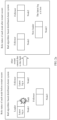
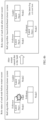
- FIG. 3 is a schematic flowchart of a fault rectification method according to an embodiment of the present invention. The method is applied to a distributed cluster system that is based on a Raft algorithm and that is shown in FIG. 1 .
- a quantity of nodes that have a latest log and that are included in the distributed cluster system possibly causes a problem that a node that does not have the latest log is elected as a leader after one of the nodes that have the latest log restarts due to a fault
- the distributed cluster system includes at least a first node, a second node, and a third node, the first node and the second node have the latest log before the fault occurs, and the third node does not have the latest log before the fault occurs.
- the method may be applied to two scenarios shown in FIG. 2a and FIG. 2b .
- FIG. 1 , FIG. 2a , and FIG. 2b only use an example in which a quantity of nodes in a Raft cluster is 3 for description.
- a quantity of nodes may be greater than or equal to 3, and principles thereof are the same. For brevity, details are not described.
- a solution provided by this embodiment of the present invention includes a 301 part, a 302 part, a 303 part, and a 304 part.
- the 301 part and the 302 part are executed on the first node, and the 303 part and the 304 part are executed on the second node, which are separately described below.
- the first node sets a voting status of the first node to Voting Not Allowed, where the voting status is used to indicate whether the first node can vote in a process in which the distributed cluster system elects a leader.
- a determining condition of setting a voting status of the first node to Voting Not Allowed may be: after the first node starts up and it is determined that a reason why a log of the first node is empty is that the restart due to the fault results in a log loss, setting the voting status to Voting Not Allowed.
- the voting status is set to Voting Allowed. The voting status is set to Voting Not Allowed only after it is determined that the reason why a log of the first node is empty is that the restart due to the fault results in a log loss. This ensures that if the system is initializing, the voting status of the first node is not set to Voting Not Allowed, thereby avoiding error occurrence.
- a method for determining the reason why a log of the first node is empty may be implemented by storing second identification information in a non-volatile storage medium of the first node.
- the second identification information is stored in the non-volatile storage medium, so that the embodiments of the present invention provide a simpler and more secure method to ensure that the voting status is correctly identified and set, avoiding a case in which the system cannot operate normally due to incorrect identification.
- the second identification information is used to indicate whether the first node has received a first log before from another node in the distributed cluster system or from a client device. For example, when the Raft cluster initially starts up, the log of the first node is empty (has never received a log previously), and the second identification information is 0, representing false (English: False) and used to indicate that the first node has not received the first log from another node in the distributed cluster system or from a client device.
- the client device is a client (English: Client) node that is not within the Raft cluster, and may be a network forwarding device, such as a router or a switch, or may be a device such as an application server.
- the second identification information is set to 1, representing true (English: True) and used to indicate that the first node has received the first log before from the another node in the distributed cluster system or from the client device.
- the first node After the first node restarts due to the fault, if the first node confirms that the second identification information is 1 (that is, True) and that a log stored in a memory of the first node is empty, the first node determines that the first node loses the log because of the restart due to the fault.
- the first node After the first node restarts due to the fault, if the first node confirms that the second identification information is 0 (that is, False) and that a log stored in a memory of the first node is empty, the first node determines that the log is empty because the first node starts up for the first time. That is, because when the Raft cluster initially starts up, all nodes in the cluster start up for the first time, the log in the memory is empty.
- the second identification information is set to false or true, so that this embodiment of the present invention provides a more concise and specific manner of configuring the second identification information.
- setting the voting status of the first node that restarts due to the fault to Voting Not Allowed ensures that the third node that does not have the latest log before the fault occurs cannot be elected as a leader in leader election of the Raft cluster, and that the second node that has the latest log before the fault occurs can be elected as the new leader, so that the latest log before the fault occurs can be released (or synchronized) to another node in the Raft cluster, and the latest log before the fault occurs is not lost in the Raft cluster, thereby improving security of the Raft cluster.
- the following uses an example for description.
- the Node1 cannot participate in voting in a leader election process.
- the Node3 can neither obtain a yes vote from the Node1 nor obtain a yes vote from the Node2 (for details, refer to the foregoing description part of the technical problem shown in FIG. 2a ), and can obtain only one yes vote from itself. Because one vote is less than a half of votes (1.5 votes) of the Raft cluster, the Node3 cannot be elected as a leader.
- the Node2 can obtain one vote from itself and one vote from the Node3 (for details about a specific principle for voting yes by the Node3, refer to the foregoing description part of the technical problem shown in FIG. 2a ). There are a total of two votes, and the two votes are greater than a half of votes (1.5 votes). Therefore, the Node2 is elected as a leader, and synchronizes the latest log a to the Node1 and the Node3. As a result, the latest log a is not lost when the Node1 restarts due to the fault.
- the Node3 cannot be elected as a leader. If the Node2 initiates a vote request, the Node2 can obtain one vote from itself and one vote from the Node3 (because the Node2 has the latest log a, the lastLogIndex of the Node2 is greater than the lastLogIndex of the Node3, and the Node3 votes yes for the Node2; and for details about a specific principle, refer to the foregoing description part of the technical problem shown in FIG. 2a or FIG. 2b ). There are a total of two yes votes, and the two votes are greater than a half of votes (1.5 votes). Therefore, the Node2 is elected as a leader, and synchronizes the latest log a to the Node1 and the Node3. As a result, the latest log a is not lost when the Node1 restarts due to the fault.
- the second node becomes a leader. Specifically, after the first node restarts due to the fault, the second node obtains more than half of yes votes in the distributed cluster system and becomes the new leader.
- the more than half of yes votes include a yes vote from the second node itself and a yes vote from the third node, and the second node cannot obtain a yes vote from the first node.
- the first node is set to being unable to participate in voting in leader election, so that the third node that does not have the latest log before the fault occurs cannot be elected as a leader, thereby ensuring that the second node that has the latest log before the fault occurs can be smoothly elected as the leader.
- the second node becomes a leader includes the following three cases, and examples are used below for description.
- the Node2 that serves as a follower is elected as a new leader.
- the Node1 is faulty
- the Node2 and the Node3 cannot receive a heartbeat sent by the Node1 that serves as a leader.
- an election timer expires, a new round of leader election is caused, and the Node2 becomes the new leader.
- the new leader elected by the Raft cluster after the Node1 restarts due to the fault sends a replicated-log-entry message to the Node1, so that a voting right of the Node1 is restored.
- the Raft cluster does not perform a new round of leader election, and the Node2 that serves as a leader continues to serve as the leader (that is, the leader of the distributed cluster system before the first node restarts due to the fault).
- the leader in this case may also be considered as an old leader before the first node restarts due to the fault.
- the old leader sends a replicated-log-entry message that is to be described below to the Node1, so that a voting right of the Node1 is restored. This ensures that if the Raft cluster does not perform a new round of leader election when the Node1 restarts due to a fault, the system can still operate normally, improving security of the system.
- the second node sends a replicated-log-entry message to the first node, where the replicated-log-entry message is used to indicate that the first node can vote in leader election.
- the first node receives the replicated-log-entry message from the second node, and sets the voting status of the first node to Voting Allowed, where the second node is a leader.
- the replicated-log-entry message (English: ReplicatedLogEntry) includes a log entry.
- the second node that serves as the leader synchronizes all of its own log entries to the first node.
- a quantity of replicated-log-entry messages may be equal to a quantity of log entries, or may be less than a quantity of log entries.
- the quantity of log entries is M
- the quantity of replicated-log-entry messages is N
- N is less than or equal to M
- N and M are positive integers greater than or equal to 1.
- N indicates that each replicated-log-entry message includes one log entry.
- each replicated-log-entry message includes multiple log entries (that is, a group of log entries) or one log entry.
- the Node1 receives and stores the latest log a synchronized from the Node2, so that the latest log a is not lost after the Node1 restarts due to a fault.
- a time at which the first node sets the voting status of the first node to Voting Allowed may include the following several cases.
- an N th replicated-log-entry message includes the latest log before the fault occurs
- an X th replicated-log-entry message (X is a positive integer that is greater than or equal to 1 but is less than N) sent by the second node
- the first node sets the voting status to Voting Allowed and restores a voting right in leader election. That is, when the latest log before the fault occurs has not been synchronized to the first node, the voting right of the first node is restored. In this case, if the second node is faulty, the latest log before the fault occurs is lost.
- the first node already has the voting right, in a process of a new round of leader election, the first node votes yes for another node, for example, for the third node. As a result, the third node becomes a new leader.
- the Raft cluster continues operating, but cannot identify that the log is already lost, resulting in a security risk.
- the second node is not faulty, after the voting right is restored, the second node continues to synchronize, to the first node, the latest log before the fault occurs. Therefore, the latest log before the fault occurs is not lost, and no security risk occurs.
- the N th replicated-log-entry message includes the latest log before the fault occurs
- the first node sets the voting status to Voting Allowed and restores a voting right in leader election. That is, when the latest log before the fault occurs has been synchronized to the first node, the voting right of the first node is restored. In this case, if the second node is faulty, the latest log before the fault occurs is not lost, and no security risk occurs.
- first identification information is added to the replicated-log-entry message in the present invention.
- the first identification information is used to indicate whether the log entry carried in the replicated-log-entry message includes a last log before the second node becomes the new leader.
- the replicated-log-entry message is used to instruct the first node to store the log entry and not to change the voting status of the first node. That is, the voting right of the first node is not restored.
- the first identification information is used to indicate that the log entry does not include the last log before the second node becomes the leader, so that a normal operation is still performed when a log other than the latest log before the fault occurs (that is, an old log before the fault occurs) is synchronized according to the replicated-log-entry message.
- the replicated-log-entry message is used to instruct the first node to store the log entry and set the voting status of the first node to Voting Allowed.
- the last log before the second node becomes the leader may be the latest log before the fault occurs, or may be a new log that is newly received after the fault occurs.
- the Node2 sends a ReplicatedLogEntry message Y to the Node1.
- the ReplicatedLogEntry message Y includes the latest log a and a first identification information a.
- the first identification information a indicates that the latest log a is the last log before the Node2 becomes the leader.
- the Node1 After receiving the ReplicatedLogEntry message Y, the Node1 confirms, according to the first identification information a, that the Node1 receives the latest log a, and then the Node1 stores the latest log a, and sets a voting status of the Node1 to Voting Allowed, to restore a voting right of the Node1.
- the Node2 serves as a leader, and when the Node1 restarts due to a fault, receives a log b sent by a client device. Then, the Raft cluster initiates a new round of leader election. After the Node1 restarts due to the fault, the Node2 continues to become a leader by means of the new round of leader election. The log b is the last log before the Node2 becomes the elected new leader. The Node2 sends a ReplicatedLogEntry message Y to the Node1.
- the ReplicatedLogEntry message Y includes the latest log a and the first identification information a.
- the first identification information a indicates that the latest log a is not the last log before the Node2 becomes the leader.
- the Node1 After receiving the ReplicatedLogEntry message Y, the Node1 stores the latest log a, and does not set a voting status of the Node1 to Voting Allowed, that is, does not restore a voting right of the Node1.
- the Node2 continues to send a ReplicatedLogEntry message Z to the Node1.
- the ReplicatedLogEntry message Z includes the log b and a first identification information b.
- the first identification information b indicates that the log b is the last log before the Node2 becomes the leader.
- the Node1 After receiving the ReplicatedLogEntry message Z, the Node1 stores the log b, and sets the voting status of the Node1 to Voting Allowed, that is, restores the voting right of the Node1.
- the log b is merely an example.
- the Node1 may further receive multiple new logs in addition to the log b, for example, a log c and a log d. This is not limited herein. In this case, a principle is the same as that in the foregoing, and details are not described herein again.
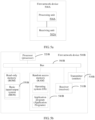
- FIG. 5a shows a possible schematic structural diagram of a first network device to which the foregoing embodiment relates.
- the first network device 500A serves as a first node and is applied to a distributed cluster system, where a quantity of nodes that have a latest log and that are included in the distributed cluster system possibly causes a problem that a node that does not have the latest log is elected as a leader after one of the nodes that have the latest log restarts due to a fault, the distributed cluster system includes at least the first node, a second node, and a third node, the first node and the second node have the latest log before the fault occurs, the third node does not have the latest log before the fault occurs, and the first network device 500A includes:
- the second node is a new leader elected by the distributed cluster system after the first node restarts due to the fault.
- the replicated-log-entry message includes a log entry and first identification information, where the first identification information is used to indicate whether the log entry includes a last log before the second node becomes the new leader.
- the processing unit 504A confirms, according to the first identification information, that the log entry includes the last log before the second node becomes the new leader, stores the log entry, and sets the voting status of the first node to Voting Allowed.
- the first network device 500A further includes a volatile storage unit, where the volatile storage unit is configured to store the log entry.
- processing unit 504A is further configured to: confirm, according to the first identification information, that the log entry does not include the last log before the second node becomes the leader, store the log entry, and retain the voting status of the first node as Voting Not Allowed.
- the processing unit 504A determines that a reason why a log of the first node is empty is that the restart due to the fault results in a log loss, and sets the voting status to Voting Not Allowed.
- the first node further includes a non-volatile storage unit, and the non-volatile storage unit stores second identification information, where the second identification information is used to indicate whether the first node has received a first log before from another node in the distributed cluster system or from a client device.
- the processing unit 504A is configured to confirm that the second identification information indicates that the first node has received the first log before and that a current log of the first node is empty; and the processing unit 504A is configured to determine that the first node loses the log because of the restart due to the fault.
- the first network device 500A in this embodiment of the present invention may implement various implementation functions and steps in the first nodes in embodiments corresponding to the foregoing FIG. 2a to FIG. 4b . For brevity, details are not described herein again.
- FIG. 5b shows another possible schematic structural diagram of a first network device to which the foregoing embodiment relates.
- the first network device 500B includes: a receiver 510B, a processor 520B, a transmitter 530B, a random access memory 540B, a read-only memory 550B, and a bus 560B.
- the processor 520B is coupled to the receiver 510B, the transmitter 530B, the random access memory 540B, and the read-only memory 550B by using the bus 560B.
- the first network device 500 B When it is required to run the first network device 500 B, the first network device 500 B is started by using a basic input/output system built in the read-only memory 550B or by using a bootloader boot system in an embedded system, to boot the first network device 500B to a normal running state. After the first network device 500B enters a normal running state, an application and an operating system run in the random access memory 540B, so that:
- the first network device 500B in this embodiment of the present invention may be corresponding to the first nodes in embodiments corresponding to the foregoing FIG. 2a to FIG. 4b .
- the processor 520B, the receiver 510B, and the like of the first network device 500B may implement functions of and/or various steps and methods implemented by the first nodes in the embodiments corresponding to FIG. 2a to FIG. 4b .
- the processor 520B is configured to execute all operations of the processing unit 504A of the first network device in FIG. 5a .
- the receiver 510B is configured to execute all operations of the receiving unit 502A of the first network device in FIG. 5a .
- the random access memory 540B is configured to execute all operations of the volatile storage unit in FIG. 5a .
- the read-only memory 550B is configured to execute all operations of the non-volatile storage unit in FIG. 5a . For brevity, details are not described herein again.
- this embodiment may also be based on a virtual first network device that is implemented by a general physical server in combination with a network functions virtualization (English: Network Function Virtualization, NFV) technology.
- the virtual first network device may be a virtual machine (English: Virtual Machine, VM) that runs a program used for a fault rectification function.
- the virtual machine is deployed on a hardware device (for example, a physical server).
- the virtual machine is a complete software-simulated computer system that has complete hardware system functions and that runs in a completely isolated environment.
- FIG. 6a shows a possible schematic structural diagram of a second network device to which the foregoing embodiment relates.
- the second network device 600A serves as a second node and is applied to a distributed cluster system, where a quantity of nodes that have a latest log and that are included in the distributed cluster system possibly causes a problem that a node that does not have the latest log is elected as a leader after one of the nodes that have the latest log restarts due to a fault, the distributed cluster system includes at least a first node, the second node, and a third node, the first node and the second node have the latest log before the fault occurs, the third node does not have the latest log before the fault occurs, and the second network device 600A includes:
- the processing unit 604A is configured to confirm that the second node is a new leader elected by the distributed cluster system after the first node restarts due to the fault.
- the replicated-log-entry message includes a log entry and first identification information, where the first identification information is used to indicate whether the log entry includes a last log before the second node becomes the new leader.
- a definition and a description of the first identification information are the same as descriptions in the method embodiments in FIG. 2a to FIG. 4b . For brevity, details are not described herein again.
- the second network device 600A further includes a non-volatile storage unit, and the non-volatile storage unit stores second identification information, where the second identification information is used to indicate whether the second node has received a first log before from another node in the distributed cluster system or from a client device.
- the processing unit 604A is configured to confirm that the second identification information indicates that the second node has received the first log before and that a current log of the second node is empty; and the processing unit 604A is configured to determine that the second node loses the log because of the restart due to the fault.
- the second network device 600A in this embodiment of the present invention may implement various implementation functions and steps in the second nodes in embodiments corresponding to the foregoing FIG. 2a to FIG. 4b . For brevity, details are not described herein again.
- FIG. 6b shows another possible schematic structural diagram of a second network device to which the foregoing embodiment relates.
- the second network device 600B includes: a receiver 610B, a processor 620B, a transmitter 630B, a random access memory 640 B, a read-only memory 650 B, and a bus 660 B.
- the processor 620 B is coupled to the receiver 610 B, the transmitter 630 B, the random access memory 640 B, and the read-only memory 650 B by using the bus 660 B.
- the second network device 600 B When it is required to run the second network device 600 B, the second network device 600 B is started by using a basic input/output system built in the read-only memory 650 B or by using a bootloader boot system in an embedded system, to boot the second network device 600 B to a normal running state. After the second network device 600 B enters a normal running state, an application and an operating system run in the random access memory 640 B, so that:
- the second network device 600B in this embodiment of the present invention may be corresponding to the second nodes in embodiments corresponding to the foregoing FIG. 2a to FIG. 4b .
- the processor 620B, the transmitter 630B, and the like of the second network device 600B may implement functions of and/or various steps and methods implemented by the second nodes in the embodiments corresponding to FIG. 2a to FIG. 4b .
- the processor 620B is configured to execute all operations of the processing unit 604A of the second network device in FIG. 6a
- the transmitter 630B is configured to execute all operations of the sending unit 606A of the second network device in FIG. 6a .
- the read-only memory 650B is configured to execute all operations of the non-volatile storage unit in FIG. 6a . For brevity, details are not described herein again.
- first network device or the second network device in the embodiments of the present invention may be various types of devices with computing and storage capabilities, for example, computer devices such as servers, hosts, or PCs (personal computers, personal computers).
- a network device may alternatively be an SDN (Software Defined Network, software-defined networking) controller.
- FIG. 7 is a schematic diagram of a fault rectification system according to an embodiment of the present invention.
- the system 700 includes a first network device 710 and a second network device 720.
- the first network device 710 is any first network device described above in FIG. 5a and FIG. 5b
- the second network device 720 is any second network device described above in FIG. 6a and FIG. 6b .
- FIG. 5a to FIG. 5b For a detailed description about each device in the system, refer to relevant sections described above in FIG. 5a to FIG. 5b , FIG. 6a to FIG. 6b , and the like. Details are not described herein again.
- sequence numbers of the foregoing processes do not mean execution sequences in various embodiments of the present invention.
- the execution sequences of the processes should be determined according to functions and internal logic of the processes, and should not be construed as any limitation on the implementation processes of the embodiments of the present invention.
- the disclosed system, apparatus, and method may be implemented in other manners.
- the described apparatus embodiment is merely an example.
- the unit division is merely logical function division and may be other division during actual implementation.
- multiple units or components may be combined or integrated into another system, or some features may be ignored or not performed.
- the displayed or discussed mutual couplings or direct couplings or communications connections may be implemented by using some interfaces.
- the indirect couplings or communications connections between the apparatuses or units may be implemented in electronic, mechanical, or other forms.
- the units described as separate parts may or may not be physically separate, and parts displayed as units may or may not be physical units, may be located in one position, or may be distributed on multiple network units. Some or all of the units may be selected according to actual requirements to achieve the objectives of the solutions of the embodiments.
- functional units in the embodiments of the present invention may be integrated into one processing unit, or each of the units may exist alone physically, or two or more units are integrated into one unit.
- the functions When the functions are implemented in the form of a software functional unit and sold or used as an independent product, the functions may be stored in a computer readable storage medium.
- the software product is stored in a storage medium, and includes several instructions for instructing a computer device (which may be a personal computer, a server, or a network device) to perform all or some of the steps of the methods described in the embodiments of the present invention.
- the foregoing storage medium includes: any medium that can store program code, such as a USB flash drive, a removable hard disk, a read-only memory (ROM, Read-Only Memory), a random access memory (RAM, Random Access Memory), or a magnetic disk.
Landscapes
- Engineering & Computer Science (AREA)
- Theoretical Computer Science (AREA)
- Computer Networks & Wireless Communication (AREA)
- Signal Processing (AREA)
- Quality & Reliability (AREA)
- Physics & Mathematics (AREA)
- General Engineering & Computer Science (AREA)
- General Physics & Mathematics (AREA)
- Computer Security & Cryptography (AREA)
- Hardware Redundancy (AREA)
Claims (16)
- Fehlerbehebungsverfahren, das auf ein verteiltes RAFT-Clustersystem angewandt wird, das mindestens 3 Knoten aufweist, umfassend einen ersten Knoten und einen zweiten und einen dritten Knoten, wobei auf jedem Knoten Statusvariablen der Knoten und des Clusters verwaltet werden, die mindestens ein currentTerm des RAFT-Clusters, ein votedFor, das den Führungsknoten in dem currentTerm identifiziert, einen lokalen Wert des letzten LogIndex, das auf diesem Knoten verarbeitet wurde, und einen lokalen Wert des letzten LogTerm, das auf diesem Knoten verarbeitet wurde, umfassen, wobei eine Anzahl von Knoten des verteilten RAFT-Clustersystems ein neuestes Protokoll aufweist, wobei das Verfahren ein Problem zu verhindern hat, dass ein Kandidatenknoten, der nicht das neueste Protokoll aufweist, als eine Führung gewählt wird, nachdem die Knoten, die das neueste Protokoll aufwiesen, aufgrund eines Fehlers neu starten, wobei der erste Knoten und der zweite Knoten das neueste Protokoll aufweisen, bevor der Fehler auftritt, und der dritte Knoten nicht das neueste Protokoll aufweist, bevor der Fehler auftritt, und das Verfahren Folgendes umfasst:Setzen eines Abstimmungsstatus des ersten Knotens oder eines beliebigen anderen Knotens (301) auf "Abstimmung nicht erlaubt", nachdem dieser Knoten neu startet, wobei der Abstimmungsstatus dazu verwendet wird, anzuzeigen, ob der neu gestartete Knoten in einem Prozess abstimmen kann, in dem das verteilte RAFT-Clustersystem eine Führung wählt; undSetzen des Abstimmungsstatus des ersten oder eines beliebigen neu gestarteten Knotens auf "Abstimmung erlaubt", erst nach Empfangen (304), durch diesen Knoten, einer Nachricht über einen replizierten Protokolleintrag von dem zweiten Knoten, wobei der zweite Knoten während oder nach dem RAFT-Wahlprozess als eine Führung fungiert, wobei in dem Cluster jede Nachricht über einen replizierten Protokolleintrag einen Protokolleintrag und erste Identifikationsinformationen umfasst, wobei die ersten Identifikationsinformationen das lokale lastLogIndex und lastLogTerm des sendenden Knotens umfassen, wobei der empfangende Knoten zu bestätigen hat, dass das LogIndex und das LogTerm der empfangenen Protokolleinträge mit dem lastLogIndex und dem lastLogTerm des Protokolleintrags, der in der Nachricht über den replizierten Protokolleintrag empfangen wurde, übereinstimmen, bevor sein Abstimmungsstatus auf "Abstimmung erlaubt" gesetzt werden kann.
- Verfahren nach Anspruch 1, wobei der zweite Knoten eine neue Führung ist, die durch das verteilte RAFT - Clustersystem gewählt wird, nachdem der erste Knoten aufgrund des Fehlers neu startet.
- Verfahren nach Anspruch 2, wobei das Empfangen (304), durch den ersten Knoten, einer Nachricht über den replizierten Protokolleintrag von dem zweiten Knoten und das Setzen des Abstimmungsstatus des ersten Knotens auf "Abstimmung erlaubt" Folgendes umfasst:wobei die Nachricht über den replizierten Protokolleintrag einen Protokolleintrag und erste Identifikationsinformationen umfasst, die ersten Identifikationsinformationen anzeigen, ob der Protokolleintrag ein letztes Protokoll umfasst, bevor der zweite Knoten die neue Führung wird; undBestätigen, durch den ersten Knoten gemäß den ersten Identifikationsinformationen, dass der Protokolleintrag das letzte Protokoll umfasst, bevor der zweite Knoten die neue Führung wird, der Protokolleintrag gespeichert wird und der Abstimmungsstatus des ersten Knotens auf "Abstimmung erlaubt" gesetzt wird.
- Verfahren nach Anspruch 3, wobei das Verfahren ferner Folgendes umfasst:
Bestätigen, durch den ersten Knoten gemäß den ersten Identifikationsinformationen, dass der Protokolleintrag das letzte Protokoll nicht umfasst, bevor der zweite Knoten die neue Führung wird, der Protokolleintrag gespeichert wird und der Abstimmungsstatus des ersten Knotens auf "Abstimmung nicht erlaubt" festgehalten wird. - Verfahren nach Anspruch 1 oder 4, wobei das Setzen, durch den ersten Knoten nachdem der erste Knoten aufgrund des Fehlers neu startet, eines Abstimmungsstatus des ersten Knotens auf "Abstimmung nicht erlaubt" Folgendes umfasst:
nachdem der erste Knoten hochfährt, Bestimmen, dass ein Grund, weshalb ein Protokoll des ersten Knotens leer ist, darin liegt, dass der Neustart aufgrund des Fehlers zu einem Protokollverlust führt, und Setzen des Abstimmungsstatus auf "Abstimmung nicht erlaubt". - Verfahren nach Anspruch 5, wobei das Bestimmen, dass ein Grund, weshalb ein Protokoll des ersten Knotens leer ist, darin liegt, dass der Neustart aufgrund des Fehlers zu einem Protokollverlust führt, Folgendes umfasst: Speichern, durch den ersten Knoten, zweiter Identifikationsinformationen in einem nichtflüchtigen Speichermedium, wobei die zweiten Identifikationsinformationen anzeigen, ob der erste Knoten vorher ein erstes Protokoll von einem anderen Knoten in dem verteilten RAFT - Clustersystem oder von einer Client-Vorrichtung empfangen hat; und
wenn der erste Knoten hochfährt, Bestätigen, durch den ersten Knoten, dass die zweiten Identifikationsinformationen anzeigen, dass der erste Knoten das erste Protokoll vorher empfangen hat und dass ein aktuelles Protokoll des ersten Knotens leer ist, und Bestimmen, durch den ersten Knoten, dass der erste Knoten das Protokoll wegen des Neustarts aufgrund des Fehlers verliert. - Fehlerbehebungsverfahren, das auf ein verteiltes RAFT-Clustersystem angewandt wird, das mindestens 3 Knoten aufweist, umfassend einen ersten Knoten und einen zweiten und einen dritten Knoten, wobei auf jedem Knoten Statusvariablen der Knoten und des Clusters verwaltet werden, die mindestens ein currentTerm des RAFT-Clusters, ein votedFor, das den Führungsknoten in dem currentTerm identifiziert, einen lokalen Wert des letzten LogIndex, das auf diesem Knoten verarbeitet wurde, und einen lokalen Wert des letzten LogTerm, das auf diesem Knoten verarbeitet wurde, umfassen, wobei eine Anzahl von Knoten des verteilten RAFT-Clustersystems ein aktuelles Protokoll aufweist, wobei das Verfahren ein Problem zu verhindern hat, dass ein Kandidatenknoten, der nicht das neueste Protokoll aufweist, als eine Führung gewählt wird, nachdem die Knoten, die das neueste Protokoll aufwiesen, aufgrund eines Fehlers neu starten, wobei der erste Knoten und der zweite Knoten das neueste Protokoll aufweisen, bevor der Fehler auftritt, der dritte Knoten nicht das neueste Protokoll aufweist, bevor der Fehler auftritt, und das Verfahren Folgendes umfasst:der zweite Knoten wird (302) eine Führung, nachdem der erste Knoten aufgrund des Fehlers neu startet; undSenden (303), durch den zweiten Knoten, einer Nachricht über einen replizierten Protokolleintrag an den ersten Knoten, wobei die Nachricht über den replizierten Protokolleintrag anzeigt, dass der erste Knoten bei einer Führungswahl abstimmen kann,wobei in dem Cluster jede Nachricht über einen replizierten Protokolleintrag einen Protokolleintrag und erste Identifikationsinformationen umfasst, wobei die ersten Identifikationsinformationen das lokale lastLogIndex und lastLogTerm des sendenden Knotens umfassen, wobei der empfangende Knoten zu bestätigen hat, dass das LogIndex und das LogTerm der empfangenen Protokolleinträge mit dem lastLogIndex und dem lastLogTerm des Protokolleintrags, der in der Nachricht über den replizierten Protokolleintrag empfangen wurde, übereinstimmen, bevor sein Abstimmungsstatus auf "Abstimmung erlaubt" gesetzt werden kann.
- Verfahren nach Anspruch 7, wobei der zweite Knoten eine neue Führung ist, die durch das verteilte RAFT - Clustersystem gewählt wird, nachdem der erste Knoten aufgrund des Fehlers neu gestartet wird.
- Verfahren nach Anspruch 8, wobei das Anzeigen, durch die Nachricht über den replizierten Protokolleintrag, dass der erste Knoten bei der Führungswahl abstimmen kann, Folgendes umfasst:die Nachricht über den replizierten Protokolleintrag umfasst einen Protokolleintrag und erste Identifikationsinformationen, wobei die ersten Identifikationsinformationen anzeigen, ob der Protokolleintrag das letzte Protokoll umfasst, bevor der zweite Knoten die neue Führung wird; undwenn die ersten Identifikationsinformationen anzeigen, dass der Protokolleintrag das letzte Protokoll umfasst, bevor der zweite Knoten die Führung wird, wird die Nachricht über den replizierten Protokolleintrag dazu verwendet, den ersten Knoten anzuweisen, den Protokolleintrag zu speichern und einen Abstimmungsstatus des ersten Knotens auf "Abstimmung erlaubt" zu setzen.
- Verfahren nach Anspruch 9, wobei das Verfahren ferner Folgendes umfasst:
wenn die ersten Identifikationsinformationen anzeigen, dass der Protokolleintrag das letzte Protokoll nicht umfasst, bevor der zweite Knoten die Führung wird, weist die Nachricht über den replizierten Protokolleintrag den ersten Knoten an, den Protokolleintrag zu speichern und den Abstimmungsstatus des ersten Knotens nicht zu ändern. - Erste Netzvorrichtung (500, 500A, 500B, 710), die dazu konfiguriert ist, als ein erster Knoten in einem verteilten RAFT - Clustersystem zu dienen, das mindestens 3 Knoten aufweist, umfassend den ersten Knoten und einen zweiten und einen dritten Knoten, wobei auf dem ersten Knoten Statusvariablen der Knoten und des Clusters verwaltet werden, die mindestens ein currentTerm des RAFT-Clusters, ein votedFor, das den Führungsknoten in dem currentTerm identifiziert, einen lokalen Wert des letzten LogIndex, das auf diesem Knoten verarbeitet wurde, und einen lokalen Wert des letzten LogTerm, das auf diesem Knoten verarbeitet wurde, umfassen, wobei die Vorrichtung ein Problem zu verhindern hat, dass, wenn eine Anzahl von Knoten des verteilten RAFT-Clustersystems ein neuestes Protokoll aufweist, ein Kandidatenknoten, der nicht das neueste Protokoll aufweist, als eine Führung gewählt wird, nachdem der Knoten, der das neueste Protokoll aufwies, aufgrund eines Fehlers neu startet, wobei der erste Knoten und der zweite Knoten das neueste Protokoll aufweisen, bevor der Fehler auftritt, und der dritte Knoten nicht das neueste Protokoll aufweist, bevor der Fehler auftritt,
wobei die erste Netzvorrichtung Folgendes umfasst:eine Verarbeitungseinheit (504A, 604A), die dazu konfiguriert ist, nachdem der erste Knoten neu startet, einen Abstimmungsstatus des ersten Knotens oder eines beliebigen anderen Knotens auf "Abstimmung nicht erlaubt" zu setzen, wobei der Abstimmungsstatus dazu verwendet wird, anzuzeigen, ob der neu gestartete Knoten bei einem Prozess abstimmen kann, in dem das verteilte RAFT - Clustersystem eine Führung wählt; undeine Empfangseinheit (502A), die dazu konfiguriert ist, eine Nachricht über einen replizierten Protokolleintrag von dem zweiten Knoten zu empfangen, wobei der zweite Knoten während oder nach dem RAFT-Wahlprozess als eine Führung fungiert, wobei die Verarbeitungseinheit (504A, 604A) ferner dazu konfiguriert ist, gemäß der Nachricht über den replizierten Protokolleintrag den Abstimmungsstatus des ersten oder eines beliebigen neu gestarteten Knotens auf "Abstimmung erlaubt" zu setzen, wobei in dem Cluster jede Nachricht über einen replizierten Protokolleintrag einen Protokolleintrag und erste Identifikationsinformationen umfasst, wobei die ersten Identifikationsinformationen das lokale lastLogIndex und lastLogTerm des sendenden Knotens umfassen, wobei der empfangende Knoten zu bestätigen hat, dass das LogIndex und das LogTerm der empfangenen Protokolleinträge mit dem lastLogIndex und dem lastLogTerm des Protokolleintrags, der in der Nachricht über den replizierten Protokolleintrag empfangen wurde, übereinstimmen, bevor sein Abstimmungsstatus auf "Abstimmung erlaubt" gesetzt werden kann. - Erste Netzvorrichtung nach Anspruch 11, wobei die Nachricht über den replizierten Protokolleintrag einen Protokolleintrag und erste Identifikationsinformationen umfasst, wobei die ersten Identifikationsinformationen anzeigen, ob der Protokolleintrag das letzte Protokoll umfasst, bevor der zweite Knoten die neue Führung wird; und
wobei dass die Verarbeitungseinheit (504A, 604A) ferner dazu konfiguriert ist, gemäß der Nachricht über den replizierten Protokolleintrag den Abstimmungsstatus des ersten Knotens auf "Abstimmung erlaubt" zu setzen, Folgendes umfasst:die Verarbeitungseinheit (504A, 604A) bestätigt, gemäß den ersten Identifikationsinformationen, dass der Protokolleintrag das letzte Protokoll umfasst, bevor der zweite Knoten die neue Führung wird, speichert den Protokolleintrag und setzt den Abstimmungsstatus des ersten Knotens auf "Abstimmung erlaubt", wobeider erste Knoten ferner eine flüchtige Speichereinheit umfasst, wobei die flüchtige Speichereinheit dazu konfiguriert ist, den Protokolleintrag zu speichern. - Erstes Netzgerät nach Anspruch 12, wobei die Verarbeitungseinheit (504A, 604A) ferner zu Folgendem konfiguriert ist: Bestätigen, gemäß den ersten Identifikationsinformationen, dass der Protokolleintrag das letzte Protokoll nicht umfasst, bevor der zweite Knoten die Führung wird, Speichern des Protokolleintrags und Festhalten des Abstimmungsstatus des ersten Knotens als "Abstimmung nicht erlaubt".
- Zweite Netzvorrichtung (600, 600A, 600B, 720), die dazu konfiguriert ist, als ein zweiter Knoten in einem verteilten RAFT - Clustersystem zu dienen, das mindestens 3 Knoten aufweist, umfassend einen ersten Knoten, den zweiten Knoten und einen dritten Knoten, wobei auf dem zweiten Knoten Statusvariablen der Knoten und des Clusters verwaltet werden, die mindestens ein currentTerm des RAFT-Clusters, ein votedFor, das den Führungsknoten in dem currentTerm identifiziert, einen lokalen Wert des letzten LogIndex, das auf diesem Knoten verarbeitet wurde, und einen lokalen Wert des letzten LogTerm, das auf diesem Knoten verarbeitet wurde, umfassen, wobei die Vorrichtung ein Problem zu verhindern hat, dass, wenn eine Anzahl von Knoten des verteilten RAFT - Clusters ein neuestes Protokoll aufweist, ein Kandidatenknoten, der nicht das neueste Protokoll aufweist, als eine Führung gewählt wird, nachdem der Knoten, der das neueste Protokoll aufwies, aufgrund eines Fehlers neu startet, wobei der erste Knoten und der zweite Knoten das neueste Protokoll aufweisen, bevor der Fehler auftritt, und der dritte Knoten nicht das neueste Protokoll aufweist, bevor der Fehler auftritt, wobei die zweite Netzvorrichtung Folgendes umfasst:eine Verarbeitungseinheit (504A, 604A), die dazu konfiguriert ist, zu bestätigen, dass der zweite Knoten eine Führung ist, nachdem der erste Knoten aufgrund des Fehlers neu startet; undeine Sendeeinheit (606A), die dazu konfiguriert ist, eine Nachricht über einen replizierten Protokolleintrag an den ersten Knoten zu senden, wobei die Nachricht über den replizierten Protokolleintrag dazu verwendet wird, anzuzeigen, dass der erste Knoten bei der Führungswahl abstimmen kann,wobei in dem Cluster jede Nachricht über einen replizierten Protokolleintrag einen Protokolleintrag und erste Identifikationsinformationen umfasst, wobei die ersten Identifikationsinformationen das lokale lastLogIndex und lastLogTerm des sendenden Knotens umfassen, wobei der empfangende Knoten zu bestätigen hat, dass das LogIndex und das LogTerm der empfangenen Protokolleinträge mit dem lastLogIndex und dem lastLogTerm des Protokolleintrags, der in der Nachricht über den replizierten Protokolleintrag empfangen wurde, übereinstimmen, bevor sein Abstimmungsstatus auf "Abstimmung erlaubt" gesetzt werden kann.
- Zweites Netzgerät nach Anspruch 14, wobei dass eine Verarbeitungseinheit (504A, 604A) dazu konfiguriert ist, zu bestätigen, dass der zweite Knoten eine Führung ist, nachdem der erste Knoten aufgrund des Fehlers neu startet, Folgendes umfasst:
die Verarbeitungseinheit (504A, 604A) ist dazu konfiguriert, zu bestätigen, dass der zweite Knoten eine neue Führung ist, die durch das verteilte RAFT-Clustersystem gewählt ist, nachdem der erste Knoten aufgrund des Fehlers neu startet. - Zweites Netzgerät nach Anspruch 15, wobei dass die Nachricht über den replizierten Protokolleintrag verwendet wird, um anzuzeigen, dass der erste Knoten bei der Führungswahl abstimmen kann, Folgendes umfasst:die Nachricht über den replizierten Protokolleintrag umfasst einen Protokolleintrag und erste Identifikationsinformationen, wobei die ersten Identifikationsinformationen anzeigen, ob der Protokolleintrag das letzte Protokoll umfasst, bevor der zweite Knoten die neue Führung wird; undwenn die ersten Identifikationsinformationen angeben, dass der Protokolleintrag das letzte Protokoll umfasst, bevor der zweite Knoten die Führung wird, wird die Nachricht über den replizierten Protokolleintrag dazu verwendet, den ersten Knoten anzuweisen, den Protokolleintrag zu speichern und einen Abstimmungsstatus des ersten Knotens auf "Abstimmung erlaubt" zu setzen.
Applications Claiming Priority (1)
| Application Number | Priority Date | Filing Date | Title |
|---|---|---|---|
| PCT/CN2016/113848 WO2018120174A1 (zh) | 2016-12-30 | 2016-12-30 | 故障恢复的方法、设备和系统 |
Publications (3)
| Publication Number | Publication Date |
|---|---|
| EP3553669A1 EP3553669A1 (de) | 2019-10-16 |
| EP3553669A4 EP3553669A4 (de) | 2019-10-16 |
| EP3553669B1 true EP3553669B1 (de) | 2024-09-25 |
Family
ID=62706721
Family Applications (1)
| Application Number | Title | Priority Date | Filing Date |
|---|---|---|---|
| EP16925925.6A Active EP3553669B1 (de) | 2016-12-30 | 2016-12-30 | Verfahren und vorrichtung und system zur wiederherstellung nach einem fehler katastrophe |
Country Status (4)
| Country | Link |
|---|---|
| US (1) | US11102084B2 (de) |
| EP (1) | EP3553669B1 (de) |
| CN (1) | CN110431533B (de) |
| WO (1) | WO2018120174A1 (de) |
Families Citing this family (18)
| Publication number | Priority date | Publication date | Assignee | Title |
|---|---|---|---|---|
| US10595363B2 (en) * | 2018-05-11 | 2020-03-17 | At&T Intellectual Property I, L.P. | Autonomous topology management for wireless radio user equipment |
| CN112865995B (zh) * | 2019-11-27 | 2022-10-14 | 上海哔哩哔哩科技有限公司 | 分布式主从系统 |
| CN111538763B (zh) * | 2020-04-24 | 2023-08-15 | 咪咕文化科技有限公司 | 一种确定集群中主节点的方法、电子设备和存储介质 |
| CN114299655B (zh) * | 2020-09-23 | 2023-09-05 | 成都中科信息技术有限公司 | 一种电子投票系统及其工作方法 |
| CN112601216B (zh) * | 2020-12-10 | 2022-06-21 | 苏州浪潮智能科技有限公司 | 一种基于Zigbee的可信平台告警方法与系统 |
| CN113742254B (zh) * | 2021-01-19 | 2025-08-19 | 北京沃东天骏信息技术有限公司 | 内存碎片治理方法、装置和系统 |
| CN113014634B (zh) * | 2021-02-20 | 2023-01-31 | 成都新希望金融信息有限公司 | 集群选举处理方法、装置、设备及存储介质 |
| CN113127565B (zh) * | 2021-04-28 | 2025-06-03 | 联通沃音乐文化有限公司 | 基于外部观察者组的分布式数据库节点同步的方法和装置 |
| US11645014B1 (en) * | 2021-10-26 | 2023-05-09 | Hewlett Packard Enterprise Development Lp | Disaggregated storage with multiple cluster levels |
| US12058208B2 (en) * | 2021-12-06 | 2024-08-06 | Ebay Inc. | Techniques to achieve cache coherency across distributed storage clusters |
| CN114490158B (zh) * | 2022-01-28 | 2025-12-12 | 阿里巴巴(中国)有限公司 | 分布式的容灾系统、服务器节点处理方法、装置及设备 |
| CN114189421B (zh) * | 2022-02-17 | 2022-05-31 | 江西农业大学 | 一种领导者节点选举方法、系统、存储介质及设备 |
| CN114518973B (zh) * | 2022-02-18 | 2024-07-30 | 成都西南信息控制研究院有限公司 | 分布式集群节点宕机重启恢复方法 |
| CN114448996B (zh) * | 2022-03-08 | 2022-11-11 | 南京大学 | 基于计算存储分离框架下的冗余存储资源的共识方法和系统 |
| CN114406409B (zh) * | 2022-03-30 | 2022-07-12 | 中国船级社 | 一种焊接机故障状态的确定方法、装置及设备 |
| CN115766738B (zh) * | 2022-09-27 | 2025-12-16 | 北京同邦卓益科技有限公司 | 基于区块链系统的数据处理方法、装置和相关设备 |
| CN115664915A (zh) * | 2022-10-18 | 2023-01-31 | 苏州浪潮智能科技有限公司 | 一种集群故障处理方法、系统、设备以及存储介质 |
| CN115794478B (zh) * | 2023-02-06 | 2023-06-23 | 天翼云科技有限公司 | 系统配置方法、装置、电子设备及存储介质 |
Citations (1)
| Publication number | Priority date | Publication date | Assignee | Title |
|---|---|---|---|---|
| US20050132154A1 (en) * | 2003-10-03 | 2005-06-16 | International Business Machines Corporation | Reliable leader election in storage area network |
Family Cites Families (10)
| Publication number | Priority date | Publication date | Assignee | Title |
|---|---|---|---|---|
| US7558883B1 (en) * | 2002-06-28 | 2009-07-07 | Microsoft Corporation | Fast transaction commit |
| CN103152434A (zh) * | 2013-03-27 | 2013-06-12 | 江苏辰云信息科技有限公司 | 一种分布式云系统中的领导节点更替方法 |
| US9507843B1 (en) * | 2013-09-20 | 2016-11-29 | Amazon Technologies, Inc. | Efficient replication of distributed storage changes for read-only nodes of a distributed database |
| CN103763155A (zh) * | 2014-01-24 | 2014-04-30 | 国家电网公司 | 分布式云存储系统多服务心跳监测方法 |
| CN103793517B (zh) * | 2014-02-12 | 2017-07-28 | 浪潮电子信息产业股份有限公司 | 一种基于监控机制的文件系统日志转储动态增容方法 |
| US9047246B1 (en) * | 2014-07-31 | 2015-06-02 | Splunk Inc. | High availability scheduler |
| CN104994168B (zh) * | 2015-07-14 | 2018-05-01 | 苏州科达科技股份有限公司 | 分布式存储方法及分布式存储系统 |
| CN105512266A (zh) * | 2015-12-03 | 2016-04-20 | 曙光信息产业(北京)有限公司 | 一种实现分布式数据库操作一致性的方法及装置 |
| CN105511987A (zh) * | 2015-12-08 | 2016-04-20 | 上海爱数信息技术股份有限公司 | 一种强一致性且高可用的分布式任务管理系统 |
| US10503427B2 (en) * | 2017-03-10 | 2019-12-10 | Pure Storage, Inc. | Synchronously replicating datasets and other managed objects to cloud-based storage systems |
-
2016
- 2016-12-30 WO PCT/CN2016/113848 patent/WO2018120174A1/zh not_active Ceased
- 2016-12-30 EP EP16925925.6A patent/EP3553669B1/de active Active
- 2016-12-30 CN CN201680091858.0A patent/CN110431533B/zh active Active
-
2019
- 2019-06-28 US US16/456,679 patent/US11102084B2/en active Active
Patent Citations (1)
| Publication number | Priority date | Publication date | Assignee | Title |
|---|---|---|---|---|
| US20050132154A1 (en) * | 2003-10-03 | 2005-06-16 | International Business Machines Corporation | Reliable leader election in storage area network |
Non-Patent Citations (1)
| Title |
|---|
| 198.169.189.229: "Raft (algorithm)", WIKIPEDIA, 17 December 2015 (2015-12-17), pages 1 - 2, XP093149261, Retrieved from the Internet <URL:https://en.wikipedia.org/w/index.php?title=Raft_(algorithm)&oldid=695678913> [retrieved on 20240408] * |
Also Published As
| Publication number | Publication date |
|---|---|
| WO2018120174A1 (zh) | 2018-07-05 |
| US11102084B2 (en) | 2021-08-24 |
| CN110431533A (zh) | 2019-11-08 |
| US20190386893A1 (en) | 2019-12-19 |
| CN110431533B (zh) | 2021-09-14 |
| EP3553669A1 (de) | 2019-10-16 |
| EP3553669A4 (de) | 2019-10-16 |
Similar Documents
| Publication | Publication Date | Title |
|---|---|---|
| US11102084B2 (en) | Fault rectification method, device, and system | |
| JP6880227B2 (ja) | 合意システムのダウンタイムの回復 | |
| CN113014634B (zh) | 集群选举处理方法、装置、设备及存储介质 | |
| WO2020011283A2 (en) | System and method for deleting node in blockchain network | |
| US7555516B2 (en) | Fast Paxos recovery | |
| JP6731123B1 (ja) | 合意システムのダウンタイムの回復 | |
| US7856502B2 (en) | Cheap paxos | |
| US7249280B2 (en) | Cheap paxos | |
| CN110535680B (zh) | 一种拜占庭容错方法 | |
| US8005888B2 (en) | Conflict fast consensus | |
| US20210320977A1 (en) | Method and apparatus for implementing data consistency, server, and terminal | |
| CN111290834A (zh) | 一种基于云管理平台实现业务高可用的方法、装置及设备 | |
| CN110855793A (zh) | 一种分布式系统共识方法 | |
| CN108810046A (zh) | 一种选举领导者Leader的方法、装置及设备 | |
| CN107124305B (zh) | 节点设备运行方法及节点设备 | |
| EP4191429B1 (de) | Verfahren zur erzielung von cache-kohärenz über verteilte speichercluster hinweg | |
| CN110865907B (zh) | 在主服务器与从服务器之间提供服务冗余的方法和系统 | |
| CN110635941A (zh) | 一种数据库节点集群故障迁移方法与装置 | |
| CN107919977A (zh) | 一种基于Paxos协议的分布式一致性系统的在线扩容、在线缩容的方法和装置 | |
| US20240111747A1 (en) | Optimizing the operation of a microservice cluster | |
| CN111752488B (zh) | 存储集群的管理方法、装置、管理节点及存储介质 | |
| JP2022169072A (ja) | ストレージシステム、ストレージノード仮想計算機復旧方法、及び復旧プログラム | |
| CN113064755B (zh) | 数据恢复方法、装置、设备、介质及程序产品 | |
| EP3811227B1 (de) | Verfahren, vorrichtungen und systeme für nicht-störende aufrüstungen einer verteilten koordinationsmaschine in einer verteilten rechnerumgebung | |
| CN117762474A (zh) | 一种数据库高可用软件管理方法、装置及系统 |
Legal Events
| Date | Code | Title | Description |
|---|---|---|---|
| STAA | Information on the status of an ep patent application or granted ep patent |
Free format text: STATUS: THE INTERNATIONAL PUBLICATION HAS BEEN MADE |
|
| PUAI | Public reference made under article 153(3) epc to a published international application that has entered the european phase |
Free format text: ORIGINAL CODE: 0009012 |
|
| STAA | Information on the status of an ep patent application or granted ep patent |
Free format text: STATUS: REQUEST FOR EXAMINATION WAS MADE |
|
| 17P | Request for examination filed |
Effective date: 20190708 |
|
| A4 | Supplementary search report drawn up and despatched |
Effective date: 20190910 |
|
| AK | Designated contracting states |
Kind code of ref document: A1 Designated state(s): AL AT BE BG CH CY CZ DE DK EE ES FI FR GB GR HR HU IE IS IT LI LT LU LV MC MK MT NL NO PL PT RO RS SE SI SK SM TR |
|
| AX | Request for extension of the european patent |
Extension state: BA ME |
|
| DAV | Request for validation of the european patent (deleted) | ||
| DAX | Request for extension of the european patent (deleted) | ||
| STAA | Information on the status of an ep patent application or granted ep patent |
Free format text: STATUS: EXAMINATION IS IN PROGRESS |
|
| 17Q | First examination report despatched |
Effective date: 20200903 |
|
| GRAP | Despatch of communication of intention to grant a patent |
Free format text: ORIGINAL CODE: EPIDOSNIGR1 |
|
| STAA | Information on the status of an ep patent application or granted ep patent |
Free format text: STATUS: GRANT OF PATENT IS INTENDED |
|
| INTG | Intention to grant announced |
Effective date: 20240507 |
|
| GRAS | Grant fee paid |
Free format text: ORIGINAL CODE: EPIDOSNIGR3 |
|
| GRAA | (expected) grant |
Free format text: ORIGINAL CODE: 0009210 |
|
| STAA | Information on the status of an ep patent application or granted ep patent |
Free format text: STATUS: THE PATENT HAS BEEN GRANTED |
|
| AK | Designated contracting states |
Kind code of ref document: B1 Designated state(s): AL AT BE BG CH CY CZ DE DK EE ES FI FR GB GR HR HU IE IS IT LI LT LU LV MC MK MT NL NO PL PT RO RS SE SI SK SM TR |
|
| REG | Reference to a national code |
Ref country code: GB Ref legal event code: FG4D |
|
| REG | Reference to a national code |
Ref country code: CH Ref legal event code: EP |
|
| REG | Reference to a national code |
Ref country code: DE Ref legal event code: R096 Ref document number: 602016089606 Country of ref document: DE |
|
| REG | Reference to a national code |
Ref country code: IE Ref legal event code: FG4D |
|
| REG | Reference to a national code |
Ref country code: LT Ref legal event code: MG9D |
|
| PG25 | Lapsed in a contracting state [announced via postgrant information from national office to epo] |
Ref country code: NO Free format text: LAPSE BECAUSE OF FAILURE TO SUBMIT A TRANSLATION OF THE DESCRIPTION OR TO PAY THE FEE WITHIN THE PRESCRIBED TIME-LIMIT Effective date: 20241225 |
|
| PG25 | Lapsed in a contracting state [announced via postgrant information from national office to epo] |
Ref country code: GR Free format text: LAPSE BECAUSE OF FAILURE TO SUBMIT A TRANSLATION OF THE DESCRIPTION OR TO PAY THE FEE WITHIN THE PRESCRIBED TIME-LIMIT Effective date: 20241226 Ref country code: FI Free format text: LAPSE BECAUSE OF FAILURE TO SUBMIT A TRANSLATION OF THE DESCRIPTION OR TO PAY THE FEE WITHIN THE PRESCRIBED TIME-LIMIT Effective date: 20240925 |
|
| PG25 | Lapsed in a contracting state [announced via postgrant information from national office to epo] |
Ref country code: BG Free format text: LAPSE BECAUSE OF FAILURE TO SUBMIT A TRANSLATION OF THE DESCRIPTION OR TO PAY THE FEE WITHIN THE PRESCRIBED TIME-LIMIT Effective date: 20240925 |
|
| PG25 | Lapsed in a contracting state [announced via postgrant information from national office to epo] |
Ref country code: LV Free format text: LAPSE BECAUSE OF FAILURE TO SUBMIT A TRANSLATION OF THE DESCRIPTION OR TO PAY THE FEE WITHIN THE PRESCRIBED TIME-LIMIT Effective date: 20240925 |
|
| PG25 | Lapsed in a contracting state [announced via postgrant information from national office to epo] |
Ref country code: RS Free format text: LAPSE BECAUSE OF FAILURE TO SUBMIT A TRANSLATION OF THE DESCRIPTION OR TO PAY THE FEE WITHIN THE PRESCRIBED TIME-LIMIT Effective date: 20241225 |
|
| REG | Reference to a national code |
Ref country code: NL Ref legal event code: MP Effective date: 20240925 |
|
| PG25 | Lapsed in a contracting state [announced via postgrant information from national office to epo] |
Ref country code: RS Free format text: LAPSE BECAUSE OF FAILURE TO SUBMIT A TRANSLATION OF THE DESCRIPTION OR TO PAY THE FEE WITHIN THE PRESCRIBED TIME-LIMIT Effective date: 20241225 Ref country code: NO Free format text: LAPSE BECAUSE OF FAILURE TO SUBMIT A TRANSLATION OF THE DESCRIPTION OR TO PAY THE FEE WITHIN THE PRESCRIBED TIME-LIMIT Effective date: 20241225 Ref country code: LV Free format text: LAPSE BECAUSE OF FAILURE TO SUBMIT A TRANSLATION OF THE DESCRIPTION OR TO PAY THE FEE WITHIN THE PRESCRIBED TIME-LIMIT Effective date: 20240925 Ref country code: GR Free format text: LAPSE BECAUSE OF FAILURE TO SUBMIT A TRANSLATION OF THE DESCRIPTION OR TO PAY THE FEE WITHIN THE PRESCRIBED TIME-LIMIT Effective date: 20241226 Ref country code: FI Free format text: LAPSE BECAUSE OF FAILURE TO SUBMIT A TRANSLATION OF THE DESCRIPTION OR TO PAY THE FEE WITHIN THE PRESCRIBED TIME-LIMIT Effective date: 20240925 Ref country code: BG Free format text: LAPSE BECAUSE OF FAILURE TO SUBMIT A TRANSLATION OF THE DESCRIPTION OR TO PAY THE FEE WITHIN THE PRESCRIBED TIME-LIMIT Effective date: 20240925 |
|
| REG | Reference to a national code |
Ref country code: AT Ref legal event code: MK05 Ref document number: 1727235 Country of ref document: AT Kind code of ref document: T Effective date: 20240925 |
|
| PG25 | Lapsed in a contracting state [announced via postgrant information from national office to epo] |
Ref country code: NL Free format text: LAPSE BECAUSE OF FAILURE TO SUBMIT A TRANSLATION OF THE DESCRIPTION OR TO PAY THE FEE WITHIN THE PRESCRIBED TIME-LIMIT Effective date: 20240925 |
|
| PG25 | Lapsed in a contracting state [announced via postgrant information from national office to epo] |
Ref country code: IS Free format text: LAPSE BECAUSE OF FAILURE TO SUBMIT A TRANSLATION OF THE DESCRIPTION OR TO PAY THE FEE WITHIN THE PRESCRIBED TIME-LIMIT Effective date: 20250125 Ref country code: PT Free format text: LAPSE BECAUSE OF FAILURE TO SUBMIT A TRANSLATION OF THE DESCRIPTION OR TO PAY THE FEE WITHIN THE PRESCRIBED TIME-LIMIT Effective date: 20250127 |
|
| PG25 | Lapsed in a contracting state [announced via postgrant information from national office to epo] |
Ref country code: RO Free format text: LAPSE BECAUSE OF FAILURE TO SUBMIT A TRANSLATION OF THE DESCRIPTION OR TO PAY THE FEE WITHIN THE PRESCRIBED TIME-LIMIT Effective date: 20240925 Ref country code: SM Free format text: LAPSE BECAUSE OF FAILURE TO SUBMIT A TRANSLATION OF THE DESCRIPTION OR TO PAY THE FEE WITHIN THE PRESCRIBED TIME-LIMIT Effective date: 20240925 |
|
| PG25 | Lapsed in a contracting state [announced via postgrant information from national office to epo] |
Ref country code: ES Free format text: LAPSE BECAUSE OF FAILURE TO SUBMIT A TRANSLATION OF THE DESCRIPTION OR TO PAY THE FEE WITHIN THE PRESCRIBED TIME-LIMIT Effective date: 20240925 |
|
| PG25 | Lapsed in a contracting state [announced via postgrant information from national office to epo] |
Ref country code: AT Free format text: LAPSE BECAUSE OF FAILURE TO SUBMIT A TRANSLATION OF THE DESCRIPTION OR TO PAY THE FEE WITHIN THE PRESCRIBED TIME-LIMIT Effective date: 20240925 Ref country code: EE Free format text: LAPSE BECAUSE OF FAILURE TO SUBMIT A TRANSLATION OF THE DESCRIPTION OR TO PAY THE FEE WITHIN THE PRESCRIBED TIME-LIMIT Effective date: 20240925 |
|
| PG25 | Lapsed in a contracting state [announced via postgrant information from national office to epo] |
Ref country code: PL Free format text: LAPSE BECAUSE OF FAILURE TO SUBMIT A TRANSLATION OF THE DESCRIPTION OR TO PAY THE FEE WITHIN THE PRESCRIBED TIME-LIMIT Effective date: 20240925 Ref country code: CZ Free format text: LAPSE BECAUSE OF FAILURE TO SUBMIT A TRANSLATION OF THE DESCRIPTION OR TO PAY THE FEE WITHIN THE PRESCRIBED TIME-LIMIT Effective date: 20240925 |
|
| PG25 | Lapsed in a contracting state [announced via postgrant information from national office to epo] |
Ref country code: IT Free format text: LAPSE BECAUSE OF FAILURE TO SUBMIT A TRANSLATION OF THE DESCRIPTION OR TO PAY THE FEE WITHIN THE PRESCRIBED TIME-LIMIT Effective date: 20240925 Ref country code: SK Free format text: LAPSE BECAUSE OF FAILURE TO SUBMIT A TRANSLATION OF THE DESCRIPTION OR TO PAY THE FEE WITHIN THE PRESCRIBED TIME-LIMIT Effective date: 20240925 |
|
| REG | Reference to a national code |
Ref country code: DE Ref legal event code: R097 Ref document number: 602016089606 Country of ref document: DE |
|
| PG25 | Lapsed in a contracting state [announced via postgrant information from national office to epo] |
Ref country code: MC Free format text: LAPSE BECAUSE OF FAILURE TO SUBMIT A TRANSLATION OF THE DESCRIPTION OR TO PAY THE FEE WITHIN THE PRESCRIBED TIME-LIMIT Effective date: 20240925 |
|
| PG25 | Lapsed in a contracting state [announced via postgrant information from national office to epo] |
Ref country code: DK Free format text: LAPSE BECAUSE OF FAILURE TO SUBMIT A TRANSLATION OF THE DESCRIPTION OR TO PAY THE FEE WITHIN THE PRESCRIBED TIME-LIMIT Effective date: 20240925 |
|
| REG | Reference to a national code |
Ref country code: CH Ref legal event code: PL |
|
| PLBE | No opposition filed within time limit |
Free format text: ORIGINAL CODE: 0009261 |
|
| STAA | Information on the status of an ep patent application or granted ep patent |
Free format text: STATUS: NO OPPOSITION FILED WITHIN TIME LIMIT |
|
| PG25 | Lapsed in a contracting state [announced via postgrant information from national office to epo] |
Ref country code: LU Free format text: LAPSE BECAUSE OF NON-PAYMENT OF DUE FEES Effective date: 20241230 |
|
| GBPC | Gb: european patent ceased through non-payment of renewal fee |
Effective date: 20241230 |
|
| 26N | No opposition filed |
Effective date: 20250626 |
|
| PG25 | Lapsed in a contracting state [announced via postgrant information from national office to epo] |
Ref country code: SE Free format text: LAPSE BECAUSE OF FAILURE TO SUBMIT A TRANSLATION OF THE DESCRIPTION OR TO PAY THE FEE WITHIN THE PRESCRIBED TIME-LIMIT Effective date: 20240925 |
|
| REG | Reference to a national code |
Ref country code: BE Ref legal event code: MM Effective date: 20241231 |
|
| PG25 | Lapsed in a contracting state [announced via postgrant information from national office to epo] |
Ref country code: GB Free format text: LAPSE BECAUSE OF NON-PAYMENT OF DUE FEES Effective date: 20241230 Ref country code: BE Free format text: LAPSE BECAUSE OF NON-PAYMENT OF DUE FEES Effective date: 20241231 |
|
| PG25 | Lapsed in a contracting state [announced via postgrant information from national office to epo] |
Ref country code: FR Free format text: LAPSE BECAUSE OF NON-PAYMENT OF DUE FEES Effective date: 20241231 |
|
| PG25 | Lapsed in a contracting state [announced via postgrant information from national office to epo] |
Ref country code: CH Free format text: LAPSE BECAUSE OF NON-PAYMENT OF DUE FEES Effective date: 20241231 |
|
| PG25 | Lapsed in a contracting state [announced via postgrant information from national office to epo] |
Ref country code: IE Free format text: LAPSE BECAUSE OF NON-PAYMENT OF DUE FEES Effective date: 20241230 |
|
| PGFP | Annual fee paid to national office [announced via postgrant information from national office to epo] |
Ref country code: DE Payment date: 20251104 Year of fee payment: 10 |
|
| PG25 | Lapsed in a contracting state [announced via postgrant information from national office to epo] |
Ref country code: HR Free format text: LAPSE BECAUSE OF FAILURE TO SUBMIT A TRANSLATION OF THE DESCRIPTION OR TO PAY THE FEE WITHIN THE PRESCRIBED TIME-LIMIT Effective date: 20240925 |