EP3553076A1 - Functional polypeptide and application thereof in preparing medicament for prevention and treatment of pulmonary fibrosis - Google Patents
Functional polypeptide and application thereof in preparing medicament for prevention and treatment of pulmonary fibrosis Download PDFInfo
- Publication number
- EP3553076A1 EP3553076A1 EP18865340.6A EP18865340A EP3553076A1 EP 3553076 A1 EP3553076 A1 EP 3553076A1 EP 18865340 A EP18865340 A EP 18865340A EP 3553076 A1 EP3553076 A1 EP 3553076A1
- Authority
- EP
- European Patent Office
- Prior art keywords
- functional polypeptide
- polypeptide
- pulmonary fibrosis
- treatment
- present
- Prior art date
- Legal status (The legal status is an assumption and is not a legal conclusion. Google has not performed a legal analysis and makes no representation as to the accuracy of the status listed.)
- Withdrawn
Links
- 108090000765 processed proteins & peptides Proteins 0.000 title claims abstract description 74
- 229920001184 polypeptide Polymers 0.000 title claims abstract description 71
- 102000004196 processed proteins & peptides Human genes 0.000 title claims abstract description 71
- 208000005069 pulmonary fibrosis Diseases 0.000 title claims abstract description 34
- 239000003814 drug Substances 0.000 title claims description 35
- 230000002265 prevention Effects 0.000 title claims description 10
- 150000001413 amino acids Chemical class 0.000 claims abstract description 21
- 238000006467 substitution reaction Methods 0.000 claims abstract description 9
- 238000007792 addition Methods 0.000 claims abstract description 4
- 238000012217 deletion Methods 0.000 claims abstract description 4
- 230000037430 deletion Effects 0.000 claims abstract description 4
- 125000003275 alpha amino acid group Chemical group 0.000 claims abstract 3
- 229940079593 drug Drugs 0.000 claims description 19
- ISWRGOKTTBVCFA-UHFFFAOYSA-N pirfenidone Chemical compound C1=C(C)C=CC(=O)N1C1=CC=CC=C1 ISWRGOKTTBVCFA-UHFFFAOYSA-N 0.000 claims description 16
- 229960003073 pirfenidone Drugs 0.000 claims description 14
- 239000004480 active ingredient Substances 0.000 claims description 7
- 125000003277 amino group Chemical group 0.000 claims description 7
- 239000002773 nucleotide Substances 0.000 claims description 6
- 125000003729 nucleotide group Chemical group 0.000 claims description 6
- 238000002360 preparation method Methods 0.000 claims description 6
- 239000002243 precursor Substances 0.000 claims description 5
- 230000000694 effects Effects 0.000 abstract description 8
- 108010006654 Bleomycin Proteins 0.000 abstract description 3
- 230000015572 biosynthetic process Effects 0.000 abstract description 3
- 229960001561 bleomycin Drugs 0.000 abstract description 3
- OYVAGSVQBOHSSS-UAPAGMARSA-O bleomycin A2 Chemical compound N([C@H](C(=O)N[C@H](C)[C@@H](O)[C@H](C)C(=O)N[C@@H]([C@H](O)C)C(=O)NCCC=1SC=C(N=1)C=1SC=C(N=1)C(=O)NCCC[S+](C)C)[C@@H](O[C@H]1[C@H]([C@@H](O)[C@H](O)[C@H](CO)O1)O[C@@H]1[C@H]([C@@H](OC(N)=O)[C@H](O)[C@@H](CO)O1)O)C=1N=CNC=1)C(=O)C1=NC([C@H](CC(N)=O)NC[C@H](N)C(N)=O)=NC(N)=C1C OYVAGSVQBOHSSS-UAPAGMARSA-O 0.000 abstract description 3
- 201000009794 Idiopathic Pulmonary Fibrosis Diseases 0.000 description 24
- 208000036971 interstitial lung disease 2 Diseases 0.000 description 24
- 101150005130 Ezy-1 gene Proteins 0.000 description 12
- 210000004072 lung Anatomy 0.000 description 12
- PMMYEEVYMWASQN-DMTCNVIQSA-N Hydroxyproline Chemical compound O[C@H]1CN[C@H](C(O)=O)C1 PMMYEEVYMWASQN-DMTCNVIQSA-N 0.000 description 8
- WSMYVTOQOOLQHP-UHFFFAOYSA-N Malondialdehyde Chemical compound O=CCC=O WSMYVTOQOOLQHP-UHFFFAOYSA-N 0.000 description 8
- PMMYEEVYMWASQN-UHFFFAOYSA-N dl-hydroxyproline Natural products OC1C[NH2+]C(C([O-])=O)C1 PMMYEEVYMWASQN-UHFFFAOYSA-N 0.000 description 8
- 229960002591 hydroxyproline Drugs 0.000 description 8
- 229940118019 malondialdehyde Drugs 0.000 description 8
- FGMPLJWBKKVCDB-UHFFFAOYSA-N trans-L-hydroxy-proline Natural products ON1CCCC1C(O)=O FGMPLJWBKKVCDB-UHFFFAOYSA-N 0.000 description 8
- 241000699670 Mus sp. Species 0.000 description 7
- 238000004458 analytical method Methods 0.000 description 7
- 239000000243 solution Substances 0.000 description 6
- 150000001875 compounds Chemical class 0.000 description 5
- 150000005693 branched-chain amino acids Chemical class 0.000 description 4
- 238000005259 measurement Methods 0.000 description 4
- 238000000034 method Methods 0.000 description 4
- 206010067484 Adverse reaction Diseases 0.000 description 3
- 102000008186 Collagen Human genes 0.000 description 3
- 108010035532 Collagen Proteins 0.000 description 3
- 230000006838 adverse reaction Effects 0.000 description 3
- 210000004027 cell Anatomy 0.000 description 3
- 229920001436 collagen Polymers 0.000 description 3
- 230000003247 decreasing effect Effects 0.000 description 3
- 238000002474 experimental method Methods 0.000 description 3
- 230000008595 infiltration Effects 0.000 description 3
- 238000001764 infiltration Methods 0.000 description 3
- 210000004969 inflammatory cell Anatomy 0.000 description 3
- IAKHMKGGTNLKSZ-INIZCTEOSA-N (S)-colchicine Chemical compound C1([C@@H](NC(C)=O)CC2)=CC(=O)C(OC)=CC=C1C1=C2C=C(OC)C(OC)=C1OC IAKHMKGGTNLKSZ-INIZCTEOSA-N 0.000 description 2
- 241001465754 Metazoa Species 0.000 description 2
- 241000699666 Mus <mouse, genus> Species 0.000 description 2
- FAPWRFPIFSIZLT-UHFFFAOYSA-M Sodium chloride Chemical compound [Na+].[Cl-] FAPWRFPIFSIZLT-UHFFFAOYSA-M 0.000 description 2
- 230000000844 anti-bacterial effect Effects 0.000 description 2
- 238000001962 electrophoresis Methods 0.000 description 2
- 210000002919 epithelial cell Anatomy 0.000 description 2
- 239000000835 fiber Substances 0.000 description 2
- 239000003862 glucocorticoid Substances 0.000 description 2
- 229960003444 immunosuppressant agent Drugs 0.000 description 2
- 239000003018 immunosuppressive agent Substances 0.000 description 2
- 239000007924 injection Substances 0.000 description 2
- 238000002347 injection Methods 0.000 description 2
- 238000001294 liquid chromatography-tandem mass spectrometry Methods 0.000 description 2
- 239000000047 product Substances 0.000 description 2
- 230000000241 respiratory effect Effects 0.000 description 2
- 238000002415 sodium dodecyl sulfate polyacrylamide gel electrophoresis Methods 0.000 description 2
- 238000012916 structural analysis Methods 0.000 description 2
- 208000024891 symptom Diseases 0.000 description 2
- 229940037128 systemic glucocorticoids Drugs 0.000 description 2
- 210000000115 thoracic cavity Anatomy 0.000 description 2
- 206010003694 Atrophy Diseases 0.000 description 1
- 229930105110 Cyclosporin A Natural products 0.000 description 1
- PMATZTZNYRCHOR-CGLBZJNRSA-N Cyclosporin A Chemical compound CC[C@@H]1NC(=O)[C@H]([C@H](O)[C@H](C)C\C=C\C)N(C)C(=O)[C@H](C(C)C)N(C)C(=O)[C@H](CC(C)C)N(C)C(=O)[C@H](CC(C)C)N(C)C(=O)[C@@H](C)NC(=O)[C@H](C)NC(=O)[C@H](CC(C)C)N(C)C(=O)[C@H](C(C)C)NC(=O)[C@H](CC(C)C)N(C)C(=O)CN(C)C1=O PMATZTZNYRCHOR-CGLBZJNRSA-N 0.000 description 1
- 108010036949 Cyclosporine Proteins 0.000 description 1
- 201000004624 Dermatitis Diseases 0.000 description 1
- 108010008165 Etanercept Proteins 0.000 description 1
- 206010016654 Fibrosis Diseases 0.000 description 1
- WQZGKKKJIJFFOK-GASJEMHNSA-N Glucose Natural products OC[C@H]1OC(O)[C@H](O)[C@@H](O)[C@@H]1O WQZGKKKJIJFFOK-GASJEMHNSA-N 0.000 description 1
- 102000006587 Glutathione peroxidase Human genes 0.000 description 1
- 108700016172 Glutathione peroxidases Proteins 0.000 description 1
- 102100026720 Interferon beta Human genes 0.000 description 1
- 108090000467 Interferon-beta Proteins 0.000 description 1
- 208000029523 Interstitial Lung disease Diseases 0.000 description 1
- 229930040373 Paraformaldehyde Natural products 0.000 description 1
- 206010034972 Photosensitivity reaction Diseases 0.000 description 1
- 208000004756 Respiratory Insufficiency Diseases 0.000 description 1
- 102000019197 Superoxide Dismutase Human genes 0.000 description 1
- 108010012715 Superoxide dismutase Proteins 0.000 description 1
- 102000003929 Transaminases Human genes 0.000 description 1
- 108090000340 Transaminases Proteins 0.000 description 1
- 206010000059 abdominal discomfort Diseases 0.000 description 1
- 239000002671 adjuvant Substances 0.000 description 1
- 208000022531 anorexia Diseases 0.000 description 1
- 208000010668 atopic eczema Diseases 0.000 description 1
- 230000037444 atrophy Effects 0.000 description 1
- 230000003385 bacteriostatic effect Effects 0.000 description 1
- 230000009286 beneficial effect Effects 0.000 description 1
- WQZGKKKJIJFFOK-VFUOTHLCSA-N beta-D-glucose Chemical compound OC[C@H]1O[C@@H](O)[C@H](O)[C@@H](O)[C@@H]1O WQZGKKKJIJFFOK-VFUOTHLCSA-N 0.000 description 1
- GJPICJJJRGTNOD-UHFFFAOYSA-N bosentan Chemical compound COC1=CC=CC=C1OC(C(=NC(=N1)C=2N=CC=CN=2)OCCO)=C1NS(=O)(=O)C1=CC=C(C(C)(C)C)C=C1 GJPICJJJRGTNOD-UHFFFAOYSA-N 0.000 description 1
- 229960003065 bosentan Drugs 0.000 description 1
- 239000003153 chemical reaction reagent Substances 0.000 description 1
- 210000000038 chest Anatomy 0.000 description 1
- 230000001684 chronic effect Effects 0.000 description 1
- 229960001338 colchicine Drugs 0.000 description 1
- 238000002648 combination therapy Methods 0.000 description 1
- 239000003246 corticosteroid Substances 0.000 description 1
- 229960001334 corticosteroids Drugs 0.000 description 1
- 231100000433 cytotoxic Toxicity 0.000 description 1
- 230000001472 cytotoxic effect Effects 0.000 description 1
- 230000006378 damage Effects 0.000 description 1
- 206010061428 decreased appetite Diseases 0.000 description 1
- 230000007812 deficiency Effects 0.000 description 1
- 230000008021 deposition Effects 0.000 description 1
- 238000003745 diagnosis Methods 0.000 description 1
- 208000002173 dizziness Diseases 0.000 description 1
- 238000001647 drug administration Methods 0.000 description 1
- 238000005516 engineering process Methods 0.000 description 1
- 229960000403 etanercept Drugs 0.000 description 1
- 238000011156 evaluation Methods 0.000 description 1
- 238000007380 fibre production Methods 0.000 description 1
- 230000004761 fibrosis Effects 0.000 description 1
- 230000003176 fibrotic effect Effects 0.000 description 1
- 239000012467 final product Substances 0.000 description 1
- 239000011521 glass Substances 0.000 description 1
- 239000008103 glucose Substances 0.000 description 1
- 238000003306 harvesting Methods 0.000 description 1
- 238000007490 hematoxylin and eosin (H&E) staining Methods 0.000 description 1
- 238000004128 high performance liquid chromatography Methods 0.000 description 1
- 125000002887 hydroxy group Chemical group [H]O* 0.000 description 1
- 208000027866 inflammatory disease Diseases 0.000 description 1
- 230000005764 inhibitory process Effects 0.000 description 1
- 239000007928 intraperitoneal injection Substances 0.000 description 1
- 210000000265 leukocyte Anatomy 0.000 description 1
- 231100000053 low toxicity Toxicity 0.000 description 1
- 239000000463 material Substances 0.000 description 1
- HYIMSNHJOBLJNT-UHFFFAOYSA-N nifedipine Chemical compound COC(=O)C1=C(C)NC(C)=C(C(=O)OC)C1C1=CC=CC=C1[N+]([O-])=O HYIMSNHJOBLJNT-UHFFFAOYSA-N 0.000 description 1
- 238000001543 one-way ANOVA Methods 0.000 description 1
- 239000013588 oral product Substances 0.000 description 1
- 229940023486 oral product Drugs 0.000 description 1
- 239000012188 paraffin wax Substances 0.000 description 1
- 229920002866 paraformaldehyde Polymers 0.000 description 1
- 230000008506 pathogenesis Effects 0.000 description 1
- 231100000915 pathological change Toxicity 0.000 description 1
- 230000036285 pathological change Effects 0.000 description 1
- 230000001575 pathological effect Effects 0.000 description 1
- 229960001412 pentobarbital Drugs 0.000 description 1
- WEXRUCMBJFQVBZ-UHFFFAOYSA-N pentobarbital Chemical compound CCCC(C)C1(CC)C(=O)NC(=O)NC1=O WEXRUCMBJFQVBZ-UHFFFAOYSA-N 0.000 description 1
- 230000036211 photosensitivity Effects 0.000 description 1
- 239000002504 physiological saline solution Substances 0.000 description 1
- 230000036470 plasma concentration Effects 0.000 description 1
- 239000000843 powder Substances 0.000 description 1
- 125000002924 primary amino group Chemical group [H]N([H])* 0.000 description 1
- 229940002612 prodrug Drugs 0.000 description 1
- 239000000651 prodrug Substances 0.000 description 1
- 230000000750 progressive effect Effects 0.000 description 1
- 230000002685 pulmonary effect Effects 0.000 description 1
- 239000002994 raw material Substances 0.000 description 1
- 238000011160 research Methods 0.000 description 1
- 201000004193 respiratory failure Diseases 0.000 description 1
- 238000010186 staining Methods 0.000 description 1
- 238000007619 statistical method Methods 0.000 description 1
- 238000003786 synthesis reaction Methods 0.000 description 1
- 238000012353 t test Methods 0.000 description 1
- 229940126585 therapeutic drug Drugs 0.000 description 1
- 230000004797 therapeutic response Effects 0.000 description 1
- 210000002105 tongue Anatomy 0.000 description 1
- 231100000331 toxic Toxicity 0.000 description 1
- 230000002588 toxic effect Effects 0.000 description 1
- 210000003437 trachea Anatomy 0.000 description 1
Images


Classifications
-
- A—HUMAN NECESSITIES
- A61—MEDICAL OR VETERINARY SCIENCE; HYGIENE
- A61P—SPECIFIC THERAPEUTIC ACTIVITY OF CHEMICAL COMPOUNDS OR MEDICINAL PREPARATIONS
- A61P11/00—Drugs for disorders of the respiratory system
-
- A—HUMAN NECESSITIES
- A61—MEDICAL OR VETERINARY SCIENCE; HYGIENE
- A61K—PREPARATIONS FOR MEDICAL, DENTAL OR TOILETRY PURPOSES
- A61K31/00—Medicinal preparations containing organic active ingredients
- A61K31/33—Heterocyclic compounds
- A61K31/395—Heterocyclic compounds having nitrogen as a ring hetero atom, e.g. guanethidine or rifamycins
- A61K31/435—Heterocyclic compounds having nitrogen as a ring hetero atom, e.g. guanethidine or rifamycins having six-membered rings with one nitrogen as the only ring hetero atom
- A61K31/44—Non condensed pyridines; Hydrogenated derivatives thereof
- A61K31/4418—Non condensed pyridines; Hydrogenated derivatives thereof having a carbocyclic group directly attached to the heterocyclic ring, e.g. cyproheptadine
-
- A—HUMAN NECESSITIES
- A61—MEDICAL OR VETERINARY SCIENCE; HYGIENE
- A61K—PREPARATIONS FOR MEDICAL, DENTAL OR TOILETRY PURPOSES
- A61K38/00—Medicinal preparations containing peptides
- A61K38/04—Peptides having up to 20 amino acids in a fully defined sequence; Derivatives thereof
- A61K38/10—Peptides having 12 to 20 amino acids
-
- C—CHEMISTRY; METALLURGY
- C07—ORGANIC CHEMISTRY
- C07K—PEPTIDES
- C07K7/00—Peptides having 5 to 20 amino acids in a fully defined sequence; Derivatives thereof
- C07K7/04—Linear peptides containing only normal peptide links
- C07K7/08—Linear peptides containing only normal peptide links having 12 to 20 amino acids
-
- A—HUMAN NECESSITIES
- A61—MEDICAL OR VETERINARY SCIENCE; HYGIENE
- A61K—PREPARATIONS FOR MEDICAL, DENTAL OR TOILETRY PURPOSES
- A61K38/00—Medicinal preparations containing peptides
Definitions
- the current invention belongs to the technical field of medicine, and particularly relates to a functional polypeptide and its application thereof in preparing a medicament for preventing and treating pulmonary fibrosis.
- IPF Idiopathic pulmonary fibrosis
- UPF Usual Interstitial Pneumonia
- cytotoxic drugs are still the main treatment for IPF, but only less than 30% of patients have a therapeutic response, while those drugs show toxic side effects.
- the Guidelines suggest that the vast majority of patients should not be treated with glucocorticoids, cyclosporine A, colchicine, IFN- ⁇ , bosentan or etanercept, nor do they recommend a combination therapy of glucocorticoids and immunosuppressants.
- pirfenidone for the treatment of IPF, which is currently used to treat mild to moderate IPF.
- IPF idiopathic pulmonary fibrosis
- the present invention aims to provide a functional polypeptide; it can significantly inhibit bleomycin-induced pulmonary fibrosis formation, and has a remarkable effect of preventing and treating pulmonary fibrosis.
- the present invention and the described functional polypeptide is a derivative with one or more amino group substitutions at the number 1, 2, 8, 9, 11, 13, and 14 positions of the amino acid sequence shown in SEQ ID No. 1 with the same or similar functional amino groups.
- the invention also provides a nucleotide sequence encoding to the above described functional polypeptide sequence.
- the invention also provides a vector containing the above described nucleotide sequence.
- the invention also provides a host cell containing the above described vector.
- the invention also provides the utility of the above described functional polypeptide, which can be used for preparing a medicament for preventing and treating pulmonary fibrosis, or as an active ingredient for drugs preventing and treating pulmonary fibrosis, or using the functional polypeptide as an optimizable precursor for preventing and treating pulmonary fibrosis, or combination with drugs treating pulmonary fibrosis.
- the specific plan is as follows: The use of the above described functional polypeptide in the preparation of a medicament for the prevention and treatment of pulmonary fibrosis.
- a medicament for the treatment of pulmonary fibrosis containing the polypeptides described in the invention.
- the present invention provides a functional polypeptide which is
- sequence of SEQ ID No. 1 is RTGACFCVIYNGILYP.
- the present invention and the described functional polypeptide is a derivative with one or more amino group substitutions at the number 1, 2, 8, 9, 11, 13, and 14 positions of the amino acid sequence shown in SEQ ID No. 1 with the same or similar functional amino groups. Specifically, it may be selected, but not limited to, one or more of the following substitutions: the first amino acid R in the sequence of SEQ ID No.
- the invention also provides a nucleotide sequence encoding to the above described functional polypeptide sequence.
- the invention also provides a vector containing the above described nucleotide sequence.
- the invention also provides a host cell containing the above described vector.
- the invention also provides the utility of the above described functional polypeptide, which can be used for preparing a medicament for preventing and treating pulmonary fibrosis, or as an active ingredient for drugs preventing and treating pulmonary fibrosis, or using the functional polypeptide as an optimizable precursor for preventing and treating pulmonary fibrosis, or combination with drugs treating pulmonary fibrosis.
- the specific plan is as follows: The use of the above described functional polypeptide in the preparation of a medicament for the prevention and treatment of pulmonary fibrosis.
- the functional polypeptide compound of the present invention can be used in the prevention and treatment of IPF in the following ways:
- a medicament for the treatment of pulmonary fibrosis contains the polypeptide described in the present invention.
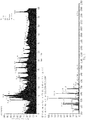
- the functional polypeptide described in the present invention can be synthesized using amino acids as raw materials by polypeptide synthesis equipment according to the amino acid sequence of SEQ ID No. 1, and purified by high performance liquid chromatography. The product can be tested; the results are shown in Figures 1-4 .
- Figure 1 is the LC-MS/MS structural analysis of the functional polypeptide of the present invention
- Figure 2 is a graph showing the analysis results by SDS-PAGE electrophoresis of the functional peptide of the present invention
- Figure 3 is a graph showing the analysis results of the anti-bacterial activity of the functional polypeptide of the present invention. The result shows that the functional polypeptide has a certain bacteriostatic effect
- Figure 4 is a graph showing the growth effects of the functional polypeptide of the present invention on human normal lung epithelial cell BEAS-2B and the results show that the functional polypeptide of the present invention has low toxicity to normal cells.
- the same part of the left middle lobe was taken for the measurement of HYP content in the lung tissue.
- the lung structure of the control group was clear, while the alveolar space of the model group was significantly widened and the alveolar structure was severely damaged and there is severe atrophy collapse, dramatically increased collagen fibers, and infiltration of a large number of inflammatory cells.
- the low, medium and high dose groups of EZY-1 peptide and pirfenidone treated group can reduce alveolar structural damage, reduce collagen fiber production, and inhibit the inflammatory cell infiltration. This demonstrates that the drug treatment gradually reduced pulmonary fibrosis.
Landscapes
- Health & Medical Sciences (AREA)
- Chemical & Material Sciences (AREA)
- Life Sciences & Earth Sciences (AREA)
- Organic Chemistry (AREA)
- Medicinal Chemistry (AREA)
- General Health & Medical Sciences (AREA)
- Public Health (AREA)
- Pharmacology & Pharmacy (AREA)
- Proteomics, Peptides & Aminoacids (AREA)
- Veterinary Medicine (AREA)
- Animal Behavior & Ethology (AREA)
- Engineering & Computer Science (AREA)
- Bioinformatics & Cheminformatics (AREA)
- Molecular Biology (AREA)
- Biochemistry (AREA)
- Biophysics (AREA)
- Genetics & Genomics (AREA)
- Epidemiology (AREA)
- Pulmonology (AREA)
- Chemical Kinetics & Catalysis (AREA)
- General Chemical & Material Sciences (AREA)
- Nuclear Medicine, Radiotherapy & Molecular Imaging (AREA)
- Gastroenterology & Hepatology (AREA)
- Immunology (AREA)
- Medicines That Contain Protein Lipid Enzymes And Other Medicines (AREA)
- Peptides Or Proteins (AREA)
- Micro-Organisms Or Cultivation Processes Thereof (AREA)
Abstract
Description
- The current invention belongs to the technical field of medicine, and particularly relates to a functional polypeptide and its application thereof in preparing a medicament for preventing and treating pulmonary fibrosis.
- Idiopathic pulmonary fibrosis (IPF) is a pulmonary interstitial inflammatory disease with unknown causes. In the 2011 International Guidelines for the Diagnosis and Treatment of IPF, IPF is defined as: a chronic, progressive, and fibrotic interstitial pneumonia, with histology and (or) high-resolution chest CT characteristic of Usual Interstitial Pneumonia (UIP). The main pathological feature of IPF is a mixed co-existence of interstitial and alveolar fibrosis and infiltration of inflammatory cells, with progression to terminal respiratory failure or death within 3 to 8 years after the presentation of symptoms. The etiology and pathogenesis of IPF have not yet been fully elucidated and there is a lack of effective therapeutic drugs and objective and informative prognostic indicators. Corticosteroids or immunosuppressants, cytotoxic drugs are still the main treatment for IPF, but only less than 30% of patients have a therapeutic response, while those drugs show toxic side effects. For the treatment of IPF, the Guidelines suggest that the vast majority of patients should not be treated with glucocorticoids, cyclosporine A, colchicine, IFN-β, bosentan or etanercept, nor do they recommend a combination therapy of glucocorticoids and immunosuppressants.
- The European Union, Japan, Canada, and China have approved the use of pirfenidone for the treatment of IPF, which is currently used to treat mild to moderate IPF. Although pirfenidone has also been approved, there is still some controversy about the treatment of idiopathic pulmonary fibrosis (IPF) using pirfenidone, and the pirfenidone treatment is associated with side effects such as photosensitivity, anorexia, dizziness, elevated levels of transaminase, eczema, abdominal discomfort, and decreased counts of white blood cells, etc. In 2015, the American Thoracic Society (ATS)/European Respiratory Society (ERS)/Japan Respiratory Society (JRS)/Latin American Thoracic Association (ALAT) collectively recommend in the IPF treatment clinical practice guidelines the use of pirfenidone for IPF patients based on certain conditions and intermediate level evidences. Rationale and considerations during implementation: The adverse reactions of pirfenidone are broad; even with the estimated treatment benefits by FVC evaluation; some patients still can't tolerate certain kind of adverse reactions. Therefore, patients should be educated about adverse reactions before starting the treatment. In addition, the current cost of treatment with pirfenidone is high, so this factor must be taken into consideration when making treatment decisions, especially when the patient is directly responsible for the economic burden of treatment. The price of pirfenidone is high in both Europe and Japan. Although this drug has been used clinically, its effect on improving the symptoms or quality of life of patients with IPF and reducing patient mortality is limited. In the future, it is still needed to make definitive conclusions through clinical observations in countries and regions where piraridone is marketed. Therefore, finding new effective drugs for prevention and treatment of IPF remain a hot area in drug research at home and abroad.
- In order to overcome the deficiencies of the prior art, the present invention aims to provide a functional polypeptide; it can significantly inhibit bleomycin-induced pulmonary fibrosis formation, and has a remarkable effect of preventing and treating pulmonary fibrosis.
- In order to solve the above problems, the technical solution adopted by the present invention is as follows:
a functional polypeptide which is - 1) a polypeptide having the amino acid sequence of SEQ ID No. 1; or
- 2) a polypeptide having a substitution or deletion or addition of one or several amino acids from the sequence shown in SEQ ID No. 1 that has the same or similar function.
- As a further solution, the present invention and the described functional polypeptide is a derivative with one or more amino group substitutions at the
number - The invention also provides a nucleotide sequence encoding to the above described functional polypeptide sequence.
- The invention also provides a vector containing the above described nucleotide sequence.
- The invention also provides a host cell containing the above described vector.
- The invention also provides the utility of the above described functional polypeptide, which can be used for preparing a medicament for preventing and treating pulmonary fibrosis, or as an active ingredient for drugs preventing and treating pulmonary fibrosis, or using the functional polypeptide as an optimizable precursor for preventing and treating pulmonary fibrosis, or combination with drugs treating pulmonary fibrosis. The specific plan is as follows:
The use of the above described functional polypeptide in the preparation of a medicament for the prevention and treatment of pulmonary fibrosis. - The use of the above described functional polypeptide as an active ingredient for the drugs of prevention and treatment of pulmonary fibrosis.
- The use of the above described functional polypeptide as of an optimizable precursor for preventing and treating pulmonary fibrosis,.
- The use of the above described functional polypeptide in combination with pirfenidone for the preparation of a medicament for preventing and treating pulmonary fibrosis.
- A medicament for the treatment of pulmonary fibrosis, containing the polypeptides described in the invention.
- Compared with prior arts, the beneficial effects of the present invention are:
- 1. The functional polypeptide of the present invention has a good effect of preventing and treating IPF, and the levels of hydroxyproline (HYP) in the lung tissue and malondialdehyde (MDA) in the plasma were significantly reduced; plasma levels of total superoxide dismutase (T-SOD) and glutathione peroxidase (GSH-PX) were significantly increased;
- 2. The functional polypeptide of the present invention can be used to prepare a medicament, an active ingredient or a prodrug of a drug for preventing and treating IPF;
- 3. The medicine or health care products for preventing and treating pulmonary fibrosis containing the functional polypeptide described in the present invention can be formulated as a powder or an injection or an oral product, and can be used as a final product alone or as an active ingredient to compound with physiological saline solution, glucose solution or other adjuvant solutions, and can also be used in combination with drugs currently used for treating pulmonary fibrosis.
- The present invention will be further described in detail below in conjunction with the drawings and specific embodiments.
-
-
Figure 1 is the LC-MS/MS structural analysis of the functional polypeptide of the present invention; -
Figure 2 is a graph showing the analysis results by SDS-PAGE electrophoresis of the functional peptide of the present invention; -
Figure 3 is a graph showing the analysis results of the anti-bacterial activity of the functional polypeptide of the present invention; -
Figure 4 is a graph showing the growth effects of the functional polypeptide of the present invention on human normal lung epithelial cell BEAS-2B; -
Figure 5 is a graph showing the results of HE staining (×200) of mouse lung tissue sections in the IPF inhibition experiment by EZY-1 polypeptide; wherein, 1. control group; 2. model group; 3. 0.25 mg/kg EZY-1 polypeptide dose group ; 4. 0.5 mg/kg EZY-1 polypeptide dose group; 5. 1.0 mg/kg EZY-1 polypeptide dose group; 6. 50 mg/kg pirfenidone dose group. - The present invention provides a functional polypeptide which is
- 1) a polypeptide having the amino acid sequence of SEQ ID No. 1; or
- 2) a polypeptide having a substitution or deletion or addition of one or several amino acids from the sequence shown in SEQ ID No. 1 that has the same or similar function.
- Wherein the sequence of SEQ ID No. 1 is RTGACFCVIYNGILYP.
- As a further solution, the present invention and the described functional polypeptide is a derivative with one or more amino group substitutions at the
number - The invention also provides a nucleotide sequence encoding to the above described functional polypeptide sequence.
- The invention also provides a vector containing the above described nucleotide sequence.
- The invention also provides a host cell containing the above described vector.
- The invention also provides the utility of the above described functional polypeptide, which can be used for preparing a medicament for preventing and treating pulmonary fibrosis, or as an active ingredient for drugs preventing and treating pulmonary fibrosis, or using the functional polypeptide as an optimizable precursor for preventing and treating pulmonary fibrosis, or combination with drugs treating pulmonary fibrosis. The specific plan is as follows:
The use of the above described functional polypeptide in the preparation of a medicament for the prevention and treatment of pulmonary fibrosis. - The use of the above described functional polypeptide as an active ingredient for the drugs of prevention and treatment of pulmonary fibrosis.
- The use of the above described functional polypeptide as of an optimizable precursor for preventing and treating pulmonary fibrosis,.
- The use of the above described functional polypeptide in combination with pirfenidone for the preparation of a medicament for preventing and treating pulmonary fibrosis.
- The functional polypeptide compound of the present invention can be used in the prevention and treatment of IPF in the following ways:
- Method 1: The functional polypeptide compound of the present invention is orally administered at a dose of 1 to 10 mg/kg once a day for at least 35 days.
- Method 2: The functional polypeptide compound of the present invention is injected from 0.1 to 1 mg/kg once every three days for at least 35 days.
- Method 3: In combination with drugs currently used for treating IPF (for example, pirfenidone), the EZY-1 polypeptide compound is administered orally in an amount of 1 to 10 mg/kg once a day.
- A medicament for the treatment of pulmonary fibrosis contains the polypeptide described in the present invention.
- The following are specific examples of the present invention, and the materials, reagents and the like used in the following examples are all prior art, except those specifically defined in the present invention.
- The functional polypeptide described in the present invention can be synthesized using amino acids as raw materials by polypeptide synthesis equipment according to the amino acid sequence of SEQ ID No. 1, and purified by high performance liquid chromatography. The product can be tested; the results are shown in
Figures 1-4 . -
Figure 1 is the LC-MS/MS structural analysis of the functional polypeptide of the present invention;Figure 2 is a graph showing the analysis results by SDS-PAGE electrophoresis of the functional peptide of the present invention;Figure 3 is a graph showing the analysis results of the anti-bacterial activity of the functional polypeptide of the present invention. The result shows that the functional polypeptide has a certain bacteriostatic effect;Figure 4 is a graph showing the growth effects of the functional polypeptide of the present invention on human normal lung epithelial cell BEAS-2B and the results show that the functional polypeptide of the present invention has low toxicity to normal cells. - Prevention and treatment of pulmonary fibrosis IPF experiment
-
- (1) Animals: SPF grade C57 mice, 22 g ± 2 g, 60 mice, females.
- (2) Grouping
The mice was divided into the following groups using the random digits table: the control group, the model group, the pirfenidone group (50 mg/kg), the EZY-1 polypeptide low dose group (0.25 mg/kg), the EZY-1 polypeptide medium dose group (0.5 mg/kg), the EZY-1 polypeptide high dose group (1.0 mg/kg), 10 animals per group. - (3) After the mice were anesthetized by intraperitoneal injection of 1% sodium pentobarbital at a dose of 50 mg/kg, they are fixed to the operation console on their back. Their tongues were pulled out with tweezers to expose the trachea, and 5 mg/kg Bleomycin was slowly injected under a cold light source magnifying glass. Immediately after the injection, the operation console was erected and rotated for 3 minutes to evenly distribute the drug solution in the lungs. The control group was injected with an equal volume of isotonic saline in the same way as the previous method. After 10 days, the mice were intra-gastrically administered with 0.1 ml/10 g with drugs. The control group and the model group were intra-gastrically administered with an equal volume of isotonic saline. The other groups were intra-gastrically administered with the corresponding dose of the drug for 35 days, once a day.
- (4) Tissue harvest and measurement of indicators:
After 35 days of drug administration, the mice were anesthetized and sacrificed, and the two intact lung tissues were isolated and weighed. The same part of the right upper lobe was taken, fixed with 4% paraformaldehyde for 48 hours, and paraffin sections were generated for Hematoxylin-Eosin (HE) staining for histopathological observations. - The same part of the left middle lobe was taken for the measurement of HYP content in the lung tissue.
- Plasma was collected for the measurement of T-SOD, MDA, and GSH-PX levels. Statistical analysis was performed using SPSS 17.0 software. Measurement data were expressed as mean ± standard deviation (
x ± s). Comparison of the means in multiple samples was performed by one-way ANOVA. Comparison between groups was performed by t test, with P ≤ 0.05 indicating statistically significant differences. -
(1) Analysis of HYP content in mouse lung tissues
The content of hydroxyproline (HYP) in the lung tissue of each group (x ±s) was higher than that in the control group (P<0.01). Compared with the model group, the HYP content in each treated group was significantly lower (P<0.01). See Table 1.
(2) Analysis of plasma T-SOD, MDA, GSH-PX levels in mice, and the results are shown in Table 1.
The results in Table 1 showed that plasma T-SOD, MDA, GSH-PX levels (x ±s) in each group. Compared with the control group, plasma MDA levels increased (P<0.01) in the model group and the low, medium and high-dose groups. Compared with the control group, plasma T-SOD and GSH-PX levels decreased in each other group (P<0.01). Compared with the model group, the plasma MDA levels of each group was significantly decreased (P<0.01). Compared with the model group, the plasma T-SOD and GSH-PX levels of each group increased (P<0.01).Table 1 Comparison of biochemical indicators in each group Group HYP(µg/g lung tissues Wet weight T-SOD(U/mL) MDA(nmal/mL) GSH-PX(active unit) The control group 17.08±1.23 180.98±5.96 3.92±0.34 1102.01±72.23 The Model group 85.36±5.85*# 85.28±13.67*# 25.42±5.64*# 349.99±22.51*# The EZY-1 polypeptide low dose group (0.25 mg/kg) 67.82±6.18*# 128.06±12.75*# 16.63±5.02*# 462.56±68.17*# The EZY-1 polypeptide medium dose group (0.5 mg/kg) 62.80±9.75*# 138.04±7.36*# 9.88±0.92*# 612.56±20.63*# The EZY-1 polypeptide high dose group (1.0 mg/kg) 58.66±7.17*# 140.75±18.58*# 7.96±0.69*# 728.83±38.52*# The pirfenidone group (50 mg/kg) 48.36±5.01*# 156.05±17.32*# 6.52±0.71*# 672.92±98.72*# Compared with the control group: *P<0.01 ; Compared with the model group: #P<0.01.
(3) Analysis of pathological changes of lung tissue, the results are shown inFigure 5 . - As shown in
Fig. 5 , the lung structure of the control group was clear, while the alveolar space of the model group was significantly widened and the alveolar structure was severely damaged and there is severe atrophy collapse, dramatically increased collagen fibers, and infiltration of a large number of inflammatory cells. The low, medium and high dose groups of EZY-1 peptide and pirfenidone treated group can reduce alveolar structural damage, reduce collagen fiber production, and inhibit the inflammatory cell infiltration. This demonstrates that the drug treatment gradually reduced pulmonary fibrosis. - The above embodiments are merely preferred embodiments of the present invention, and the scope of the present invention is not limited thereto. Any insubstantial changes and substitutions made by those skilled in the art based on the present invention belong to the scope of the present invention.

Claims (10)
- A functional polypeptide, characterized in that, which is1) a polypeptide having the amino acid sequence of SEQ ID No. 1; or2) a polypeptide having a substitution or deletion or addition of one or several amino acids from the sequence shown in SEQ ID No. 1 that has the same or similar function.
- A functional polypeptide as claimed in claim 1, characterized in that, functional polypeptide is a derivative with one or more amino group substitutions at the number 1, 2, 8, 9, 11, 13, and 14 positions of the amino acid sequence shown in SEQ ID No. 1 with the same or similar functional amino groups.
- A nucleotide sequence encoding to claimed in Claim 1 described functional polypeptide sequence.
- A vector containing claimed in Claim 3 described nucleotide sequence.
- A host cell containing claimed in Claim 4 described vector.
- The use of the claimed in claim 1 described functional polypeptide in the preparation of a medicament for the prevention and treatment of pulmonary fibrosis.
- The use of the claimed in claim 1 described functional polypeptide as an active ingredient for the drugs of prevention and treatment of pulmonary fibrosis.
- The use of the claimed in claim 1 described functional polypeptide as of an optimizable precursor for preventing and treating pulmonary fibrosis,.
- The use of the claimed in claim 1 described functional polypeptide in combination with pirfenidone for the preparation of a medicament for preventing and treating pulmonary fibrosis.
- A medicament for the treatment of pulmonary fibrosis, characterized in that containing the polypeptides described in the invention.
Applications Claiming Priority (2)
| Application Number | Priority Date | Filing Date | Title |
|---|---|---|---|
| CN201711141671.XA CN107987128B (en) | 2017-11-17 | 2017-11-17 | A functional polypeptide and its application in the preparation of a drug for preventing and treating pulmonary fibrosis |
| PCT/CN2018/091731 WO2019095685A1 (en) | 2017-11-17 | 2018-06-16 | Functional polypeptide and application thereof in preparing medicament for prevention and treatment of pulmonary fibrosis |
Publications (2)
| Publication Number | Publication Date |
|---|---|
| EP3553076A1 true EP3553076A1 (en) | 2019-10-16 |
| EP3553076A4 EP3553076A4 (en) | 2020-05-13 |
Family
ID=62031560
Family Applications (1)
| Application Number | Title | Priority Date | Filing Date |
|---|---|---|---|
| EP18865340.6A Withdrawn EP3553076A4 (en) | 2017-11-17 | 2018-06-16 | FUNCTIONAL POLYPEPTIDE AND ITS USE IN PRODUCING A MEDICINE FOR PREVENTING AND TREATING LUNG FIBROSIS |
Country Status (6)
| Country | Link |
|---|---|
| US (1) | US11225504B2 (en) |
| EP (1) | EP3553076A4 (en) |
| JP (1) | JP6826268B2 (en) |
| CN (1) | CN107987128B (en) |
| AU (1) | AU2018353935B2 (en) |
| WO (1) | WO2019095685A1 (en) |
Families Citing this family (5)
| Publication number | Priority date | Publication date | Assignee | Title |
|---|---|---|---|---|
| CN107987128B (en) | 2017-11-17 | 2019-06-11 | 广东医科大学 | A functional polypeptide and its application in the preparation of a drug for preventing and treating pulmonary fibrosis |
| CN108530519B (en) * | 2018-04-04 | 2020-11-03 | 广东医科大学 | Sixteen-peptide compound and preparation method and application thereof |
| CN108329381B (en) * | 2018-04-04 | 2021-04-23 | 广东医科大学 | A kind of hexadeceptide derived from Kirin cabbage and its application in the preparation of drugs for preventing and treating malignant tumor metastasis |
| CN114409733B (en) * | 2022-01-18 | 2023-10-03 | 中南大学湘雅二医院 | Polypeptide and/or derivative for targeted inhibition of MLKL acetylation and application thereof |
| CN115925807B (en) * | 2022-07-28 | 2026-05-12 | 广东医科大学 | A new use of a functional peptide |
Family Cites Families (5)
| Publication number | Priority date | Publication date | Assignee | Title |
|---|---|---|---|---|
| SG194135A1 (en) * | 2011-04-12 | 2013-11-29 | Matrix Inc Moerae | Compositions and methods for preventing or treating diseases, conditions, or processes characterized by aberrant fibroblast proliferation and extracellular matrix deposition |
| ES2875853T3 (en) * | 2013-03-15 | 2021-11-11 | Univ Texas | Method of treating fibrosis |
| CN106913858B (en) * | 2017-05-02 | 2020-10-27 | 广东医科大学 | Application of Qilincai polypeptide in prevention and treatment of pulmonary fibrosis |
| CN107987128B (en) | 2017-11-17 | 2019-06-11 | 广东医科大学 | A functional polypeptide and its application in the preparation of a drug for preventing and treating pulmonary fibrosis |
| CN108329381B (en) | 2018-04-04 | 2021-04-23 | 广东医科大学 | A kind of hexadeceptide derived from Kirin cabbage and its application in the preparation of drugs for preventing and treating malignant tumor metastasis |
-
2017
- 2017-11-17 CN CN201711141671.XA patent/CN107987128B/en active Active
-
2018
- 2018-06-16 EP EP18865340.6A patent/EP3553076A4/en not_active Withdrawn
- 2018-06-16 US US16/331,995 patent/US11225504B2/en active Active
- 2018-06-16 JP JP2019570612A patent/JP6826268B2/en active Active
- 2018-06-16 WO PCT/CN2018/091731 patent/WO2019095685A1/en not_active Ceased
- 2018-06-16 AU AU2018353935A patent/AU2018353935B2/en not_active Ceased
Also Published As
| Publication number | Publication date |
|---|---|
| US11225504B2 (en) | 2022-01-18 |
| US20210047370A1 (en) | 2021-02-18 |
| JP2020511161A (en) | 2020-04-16 |
| CN107987128A (en) | 2018-05-04 |
| EP3553076A4 (en) | 2020-05-13 |
| WO2019095685A1 (en) | 2019-05-23 |
| AU2018353935B2 (en) | 2020-05-14 |
| JP6826268B2 (en) | 2021-02-03 |
| CN107987128B (en) | 2019-06-11 |
| AU2018353935A1 (en) | 2019-06-06 |
Similar Documents
| Publication | Publication Date | Title |
|---|---|---|
| US11225504B2 (en) | Functional polypeptide and its application thereof in preparing medicament for preventing and treating pulmonary fibrosis | |
| EP2119444B1 (en) | Therapeutic agent for pain disease | |
| CN112641775B (en) | Application of brucea javanica picrol and analogues thereof in treatment of pituitary adenoma | |
| CN115192573B (en) | Application of demethylene berberine hydrochloride in preparation of medicine for treating pulmonary fibrosis | |
| KR102001437B1 (en) | A Pharmaceutical composition for preventing or treating of fibrosis | |
| US10716831B2 (en) | Methods for inhibiting infectious peritonitis | |
| WO2014094546A1 (en) | Use of fusion protein | |
| CN104188973B (en) | Application of alkaloid in preparing pharmaceutical compositions for preventing and treating pulmonary fibrosis | |
| CN110013480A (en) | The application of amleroxanol in the preparation of ionizing radiation-induced radiation lung injury prevention and treatment drugs | |
| CN114432298B (en) | Application of eupatorium lindleyanum sesquiterpene lactone in preparation of medicine for preventing or treating pulmonary fibrosis | |
| CN104231047B (en) | The paclitaxel derivatives and its preparation and use of water-soluble targeted activation | |
| CN113304249B (en) | Application of Thymosin β4 in the Preparation of Drugs for Pulmonary Fibrosis Complicated with Lung Cancer | |
| CN115400117A (en) | Application of wogonin in the preparation of drugs for preventing or treating pulmonary fibrosis | |
| CN114452272B (en) | Application of antimycin in preparation of chronic obstructive pulmonary disease resistant drugs | |
| CN106924274B (en) | Cucurbitane type tetracyclic triterpenoid pulmonary fibrosis resistant application | |
| CN114984026B (en) | Application of glycyrrhetinic acid monosaccharide in preparation of medicines for preventing and treating pulmonary fibrosis | |
| CN119158000B (en) | Medicine for treating pulmonary fibrosis | |
| CN119326751A (en) | Application of 7,8-dihydroxyflavone in the preparation of drugs for preventing and treating pulmonary fibrosis | |
| CN115504970A (en) | A flavonoid derivative for treating myocardial ischemia and its preparation method | |
| KR20240012958A (en) | Composition for anti-obesity comprising HDAC inhibitor | |
| CN117357545A (en) | Application of glycyrrhizin in preparation of medicines for treating kidney injury caused by vancomycin | |
| CN121943922A (en) | Application of cimetidine in the preparation of drugs for the treatment of pulmonary fibrosis | |
| CN113499427A (en) | Application of microcystin-RR in preparation of medicine for preventing or treating lung tissue fibrosis diseases | |
| CN117398399A (en) | Application of 2"-O-galloyl sporoside in the preparation of anti-fibrotic drugs | |
| NEGRONI et al. | Treatment of experimental sub-acute cryptococcosis in the Wistar rat |
Legal Events
| Date | Code | Title | Description |
|---|---|---|---|
| STAA | Information on the status of an ep patent application or granted ep patent |
Free format text: STATUS: UNKNOWN |
|
| STAA | Information on the status of an ep patent application or granted ep patent |
Free format text: STATUS: THE INTERNATIONAL PUBLICATION HAS BEEN MADE |
|
| PUAI | Public reference made under article 153(3) epc to a published international application that has entered the european phase |
Free format text: ORIGINAL CODE: 0009012 |
|
| STAA | Information on the status of an ep patent application or granted ep patent |
Free format text: STATUS: REQUEST FOR EXAMINATION WAS MADE |
|
| 17P | Request for examination filed |
Effective date: 20190515 |
|
| AK | Designated contracting states |
Kind code of ref document: A1 Designated state(s): AL AT BE BG CH CY CZ DE DK EE ES FI FR GB GR HR HU IE IS IT LI LT LU LV MC MK MT NL NO PL PT RO RS SE SI SK SM TR |
|
| AX | Request for extension of the european patent |
Extension state: BA ME |
|
| A4 | Supplementary search report drawn up and despatched |
Effective date: 20200409 |
|
| RIC1 | Information provided on ipc code assigned before grant |
Ipc: A61K 38/10 20060101ALI20200403BHEP Ipc: C07K 7/08 20060101AFI20200403BHEP Ipc: A61P 11/00 20060101ALI20200403BHEP |
|
| DAV | Request for validation of the european patent (deleted) | ||
| DAX | Request for extension of the european patent (deleted) | ||
| STAA | Information on the status of an ep patent application or granted ep patent |
Free format text: STATUS: EXAMINATION IS IN PROGRESS |
|
| 17Q | First examination report despatched |
Effective date: 20211005 |
|
| GRAP | Despatch of communication of intention to grant a patent |
Free format text: ORIGINAL CODE: EPIDOSNIGR1 |
|
| STAA | Information on the status of an ep patent application or granted ep patent |
Free format text: STATUS: GRANT OF PATENT IS INTENDED |
|
| INTG | Intention to grant announced |
Effective date: 20230510 |
|
| STAA | Information on the status of an ep patent application or granted ep patent |
Free format text: STATUS: THE APPLICATION IS DEEMED TO BE WITHDRAWN |
|
| 18D | Application deemed to be withdrawn |
Effective date: 20230921 |