EP3552339B1 - Programmable block cipher with masked inputs - Google Patents
Programmable block cipher with masked inputs Download PDFInfo
- Publication number
- EP3552339B1 EP3552339B1 EP17877778.5A EP17877778A EP3552339B1 EP 3552339 B1 EP3552339 B1 EP 3552339B1 EP 17877778 A EP17877778 A EP 17877778A EP 3552339 B1 EP3552339 B1 EP 3552339B1
- Authority
- EP
- European Patent Office
- Prior art keywords
- block cipher
- data
- output
- mode
- input data
- Prior art date
- Legal status (The legal status is an assumption and is not a legal conclusion. Google has not performed a legal analysis and makes no representation as to the accuracy of the status listed.)
- Active
Links
Images


Classifications
-
- H—ELECTRICITY
- H04—ELECTRIC COMMUNICATION TECHNIQUE
- H04L—TRANSMISSION OF DIGITAL INFORMATION, e.g. TELEGRAPHIC COMMUNICATION
- H04L9/00—Cryptographic mechanisms or cryptographic arrangements for secret or secure communications; Network security protocols
- H04L9/06—Cryptographic mechanisms or cryptographic arrangements for secret or secure communications; Network security protocols the encryption apparatus using shift registers or memories for block-wise or stream coding, e.g. DES systems or RC4; Hash functions; Pseudorandom sequence generators
- H04L9/0618—Block ciphers, i.e. encrypting groups of characters of a plain text message using fixed encryption transformation
- H04L9/0637—Modes of operation, e.g. cipher block chaining [CBC], electronic codebook [ECB] or Galois/counter mode [GCM]
-
- H—ELECTRICITY
- H04—ELECTRIC COMMUNICATION TECHNIQUE
- H04L—TRANSMISSION OF DIGITAL INFORMATION, e.g. TELEGRAPHIC COMMUNICATION
- H04L9/00—Cryptographic mechanisms or cryptographic arrangements for secret or secure communications; Network security protocols
- H04L9/002—Countermeasures against attacks on cryptographic mechanisms
- H04L9/003—Countermeasures against attacks on cryptographic mechanisms for power analysis, e.g. differential power analysis [DPA] or simple power analysis [SPA]
-
- H—ELECTRICITY
- H04—ELECTRIC COMMUNICATION TECHNIQUE
- H04L—TRANSMISSION OF DIGITAL INFORMATION, e.g. TELEGRAPHIC COMMUNICATION
- H04L2209/00—Additional information or applications relating to cryptographic mechanisms or cryptographic arrangements for secret or secure communication H04L9/00
- H04L2209/04—Masking or blinding
- H04L2209/046—Masking or blinding of operations, operands or results of the operations
Definitions
- efficient instan-tiations of the masking sequence of functions can be done using either a binary linear feedback shift register (LFSR); a powering construction; a cellular automata map; or by using a word-oriented LFSR.
- LFSR binary linear feedback shift register
- Rogaway's TBC construction was built from the powering construction over GF(2n).
- the applications utilizing the block cipher may use multiple modes of operation.
- a particular standard e.g., a National Institute of Standards and Technology (NIST) SP-800-38A specification
- modes of operations may each use a block cipher.
- a particular mode of operation may be specified for a certain application.
- the different modes of operation may include, but are not limited to, the Electronic Codebook (ECB) mode of operation, the Cipher Block Chaining (CBC) mode of operation, and the Cipher Feedback (CFB) mode of operation.
- EBC Electronic Codebook
- CBC Cipher Block Chaining
- CFB Cipher Feedback
- the logic components 120 may further receive a mode of operation signal 118 that may indicate a particular mode of operation that is to be performed with the block cipher 130.
- the logic components 120 may be configured based on the mode of operation that is to be performed as indicated by the mode of operation signal 118. For example, selection signals for multiplexers (or other such selection units) of the logic components 120 may be generated based on the mode of operation indicated by the signal 118.
- a Boolean masking operation may be performed based on the selection signals for the multiplexers to generate a masked input signal based on a combination of the mask data 117 and the input data 115.
- the configuring of the logic components 120 with the block cipher 130 may correspond to a mode specific block cipher entity 119.
- the mode specific block cipher entity 119 may include a first portion of the logic components 120 and the block cipher 130 so that a second portion of the logic components 120 are not included in the mode specific block cipher entity 119.
- registers of the logic components 120 may be included in the mode specific block cipher entity 119.
- the second portion of the logic components 120 that are not included in the mode specific block cipher entity 119 may be XOR logic (e.g., XOR logic 340 and 344 as described in conjunction with Fig. 3 ).As described in further detail, unmasked data is not stored in a register of the first portion of the logic components 120 that corresponds to the mode specific block cipher entity 130.
- Fig. 2 is a flow diagram of an example method 200 to program a block cipher.
- the method 200 may be performed by processing logic that may include hardware (e.g., processing device, circuitry, dedicated logic, programmable logic, microcode, hardware of a device, integrated circuit, etc.), software (e.g., instructions run or executed on a processing device), or a combination thereof.
- the method 200 may be performed by the logic components 120 and block cipher 130 of Fig. 1 .
- the architecture 300 may include multiplexers 331, 332, 333, 334, 335, 336, 337, 338, and 339, memory elements or registers 321, 322, 323, 324, and 325, Boolean logic components such as XOR logic (e.g., logic gates) 340, 341, 342, 343, 344, and 345, and a block cipher 320.
- the multiplexers, registers, and XOR logic may correspond to the logic components 120 of Fig. 1 and the block cipher 320 may correspond to the block cipher 130 of Fig. 1 .
- selection signals may be provided to multiplexers to perform the first type of operation to perform an XOR operation between mask data and a plaintext input data to generate the masked plaintext input data that is provided to a block cipher.
- the output of the block cipher may correspond to the encrypted data.
Landscapes
- Engineering & Computer Science (AREA)
- Computer Security & Cryptography (AREA)
- Computer Networks & Wireless Communication (AREA)
- Signal Processing (AREA)
- Storage Device Security (AREA)
- Logic Circuits (AREA)
Description
- Debrup Chakraborty et al.: " A General Construction of Tweakable Block Ciphers and Different Modes of Operations", IEEE TRANSACTIONS ON INFORMATION THEORY, vol 54, no. 5, 1 May 2008 (2008-05.01), pages 1991-2006, XP055537350, USA, ISSN : 0018-9448, DOl: 10.1109/TIT.2008.920247 relates to the generalization of Rogaway's TBC construction by working over a ring R and by the use of a masking sequence of functions. The ring R can be instantiated as either GF(2n) or as2. Further, over GF(2n ), efficient instan-tiations of the masking sequence of functions can be done using either a binary linear feedback shift register (LFSR); a powering construction; a cellular automata map; or by using a word-oriented LFSR. Rogaway's TBC construction was built from the powering construction over GF(2n).

- SHAI, HALEVI: " An observation regarding Jutla's modes of operation", IACR, INTERNATIONAL ASSOCIATION FOR CRYPTOLOGIC RESEARCH, vol. 2001515:150429, 2 April 2001 (2001-04-02), pages 1-14, XP061000160 relates to Jutla's suggestion of two new modes of operation for block ciphers. These modes build on traditional CBC and ECB modes, respectively, but add to them masking of the outputs and inputs. Jutla proved that these masking operations considerably strengthen CBC and ECB modes. In particular, together with a simple checksum, the modified modes ensure not only confidentiality, but also authenticity. Similar modes were also suggested by Gligor and Donescu and by Rogaway.
- Satoh A. ET AL: "A high-speed small RSA encryption LSI with low power dissipation", In: "Computer Vision - ECCV 2020 Workshops : Glasgow, UK, August 23-28, 2020, Proceedings, Part V", 1 January 1998 (1998-01-01), Springer International Publishing, Cham, XP55873863, ISSN: 0302-9743, ISBN: 978-3-030-68238-5, vol. 1396, pages 174-187, relates to A 1024-bit RSA encryption LSI with DES and MD5 functions. An RSA accelerator core implemented in the LSI is 4.9 mm2 in area, and has three 1024-bit adders that perform doubling, squaring, and exponential operations simultaneously. A 1024-bit RSA operation takes 23 msec with 100mA peak current at the maximum frequency of 45 MHz. A 1024-bit RSA key is generated in 0.3 sec by using arithmetic functions supported by the LSI. The throughputs of DES and MD5 at 45 MHz are 18.9 MB/sec and 29.7 MB/sec, respectively.
- The present disclosure will be understood more fully from the detailed description given below and from the accompanying drawings of various implementations of the disclosure.
-
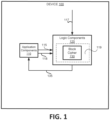
FIG. 1 illustrates an example device including a programmable block cipher with masked inputs in accordance with some embodiments of the present disclosure. -
FIG. 2 is a flow diagram of an example method to program a block cipher with masked inputs in accordance with some embodiments. -
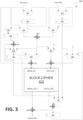
FIG. 3 illustrates a logical representation of an example architecture of a programmable block cipher with Boolean masked inputs in accordance with some embodiments of the present disclosure. -
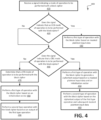
FIG. 4 illustrates a flow diagram of an example method to use a programmable block cipher with masked inputs in accordance with some embodiments of the present disclosure. -
FIG. 5 illustrates a block diagram of an embodiment of a computer system in which some embodiments of the disclosure may operate. - Aspects of the present disclosure are directed to a programmable block cipher with masked inputs. A block cipher may encrypt or decrypt data of a particular size (i.e., a block of data) based on a cryptographic algorithm (e.g., Advanced Encryption Standard (AES), Data Encrypted Standard (DES), Triple DES (TDES), etc.) and a cryptographic key (e.g., a symmetric key). For example, the block cipher may receive a cryptographic key and an input data block and may perform a cryptographic operation with the data block based on the cryptographic key (e.g., encrypt the data block by using the cryptographic key). Thus, the block cipher may perform the cryptographic operation on an input data block of a fixed size.
- A mode of operation may refer to a process that uses the block cipher in various applications (e.g., secure payments or secure communication protocols) to encrypt (or decrypt) input data of an arbitrary length by using the single data block cryptographic operation of the block cipher. For example, the mode of operation may use the block cipher that performs cryptographic operations on a data block of a particular size to generate output data blocks of a larger size than the single data blocks of the block cipher if it were to be utilized without the mode of operation. The mode of operation may utilize the cryptographic operation of the cipher block multiple times to generate the output data block of the larger size. For example, a mode of operation may perform a first operation with a first input and store an output of the first operation in a memory register. Subsequently, a second operation may be performed with a second input and the output of the first operation to generate a second output that may be considered the result of the mode of operation.
- The applications utilizing the block cipher may use multiple modes of operation. For example, a particular standard (e.g., a National Institute of Standards and Technology (NIST) SP-800-38A specification) may define modes of operations that may each use a block cipher. A particular mode of operation may be specified for a certain application. The different modes of operation may include, but are not limited to, the Electronic Codebook (ECB) mode of operation, the Cipher Block Chaining (CBC) mode of operation, and the Cipher Feedback (CFB) mode of operation.
- Aspects of the present disclosure may provide an architecture of a programmable block cipher that may be programmed based on the mode of operation that is to utilize the block cipher. For example, the architecture of a cryptographic component may include the block cipher and logic components (e.g., multiplexers, components to perform an exclusive-or (XOR) Boolean operation, and registers) to receive a signal identifying a particular mode of operation that is to be performed by using the block cipher. Input data may be provided to the block cipher based on the programming of the logic components. Thus, different modes of operation may be performed by utilizing the same block cipher at different times by providing the signal identifying the mode of operation that is to be performed and that is to use the block cipher.
- Furthermore, the logic components may mask the input data that is received by the programmable block cipher. The masking of the input data may correspond to combining the received input data with additional data (e.g., random data) to obfuscate or hide the input data. For example, the cryptographic operation of the block cipher may be performed based on the masked input data. Such masking of the input data may prevent a side channel attack from an attacker (e.g., an unauthorized entity). The side channel attack may be a differential power analysis (DPA) attack where the attacker may seek to obtain a secret value or cryptographic key from an integrated circuit including the block cipher by analyzing the power consumption of the integrated circuit as the secret value or cryptographic key is used in a cryptographic operation by the block cipher. The masking of the input data may reduce susceptibility to a DPA attack as random data is used with the input data, thereby reducing a correlation between the power consumption of the integrated circuit and the cryptographic key.
- Thus, aspects of the present disclosure may provide advantages of using a single block cipher for performing different modes of operation. The use of the single block cipher may reduce the number of instances of a block cipher that is needed in an integrated circuit to perform the modes of operation and thus reducing the size of the integrated circuit. Furthermore, the masking of the inputs may improve security of a cryptographic key used in the cryptographic operations of the block cipher by reducing susceptibility of the integrated circuit to a DPA attack.
-
Fig. 1 illustrates anexample device 100 including a programmable block cipher with masked inputs. Thedevice 100 may include an integrated circuit with a block cipher and logic components of a programmable block cipher with masked inputs. - As shown in
Fig. 1 , thedevice 100 may includeapplication components 110 that may perform functionality corresponding to a particular application (e.g., a mobile payment application, secure communication application, etc.) that may use functionality associated with a cryptographic operation performed by theblock cipher 130. For example, the cryptographic operation may be to encrypt and/or decryptinput data 115 received from theapplication components 110. Theinput data 115 may be received by thelogic components 120 that may mask theinput data 115 based on mask data 117 (e.g., random data). For example, a Boolean operation (e.g., an exclusive-or operation) may be performed between theinput data 115 and themask data 117 to generate masked input data. Thelogic components 120 may further receive a mode ofoperation signal 118 that may indicate a particular mode of operation that is to be performed with theblock cipher 130. Thelogic components 120 may be configured based on the mode of operation that is to be performed as indicated by the mode ofoperation signal 118. For example, selection signals for multiplexers (or other such selection units) of thelogic components 120 may be generated based on the mode of operation indicated by thesignal 118. A Boolean masking operation may be performed based on the selection signals for the multiplexers to generate a masked input signal based on a combination of themask data 117 and theinput data 115. Furthermore, the masked input signal and the mask data may be provided to theblock cipher 130 to perform a cryptographic operation with the masked input data that is generated by thelogic components 120. Furthermore, theblock cipher 130 may update mask data that is received by thelogic components 120. Theblock cipher 130 may generate the output data based on a combination of the mask data and the masked input data. For example, an exclusive-or operation by thelogic components 120 between updated mask data and the masked output data from theblock cipher 320 may result in theoutput data 135 that is provided to theapplication components 110. - The configuring of the
logic components 120 with theblock cipher 130 may correspond to a mode specificblock cipher entity 119. In some embodiments, the mode specificblock cipher entity 119 may include a first portion of thelogic components 120 and theblock cipher 130 so that a second portion of thelogic components 120 are not included in the mode specificblock cipher entity 119. For example, registers of thelogic components 120 may be included in the mode specificblock cipher entity 119. The second portion of thelogic components 120 that are not included in the mode specificblock cipher entity 119 may be XOR logic (e.g.,XOR logic Fig. 3 ).As described in further detail, unmasked data is not stored in a register of the first portion of thelogic components 120 that corresponds to the mode specificblock cipher entity 130. -
Fig. 2 is a flow diagram of anexample method 200 to program a block cipher. Themethod 200 may be performed by processing logic that may include hardware (e.g., processing device, circuitry, dedicated logic, programmable logic, microcode, hardware of a device, integrated circuit, etc.), software (e.g., instructions run or executed on a processing device), or a combination thereof. In some embodiments, themethod 200 may be performed by thelogic components 120 andblock cipher 130 ofFig. 1 . - As shown in
Fig. 2 , themethod 200 may begin with the processing logic receiving a signal indicating a mode of operation associated with a block cipher (block 210). For example, the mode of operation may be received in response to a request to perform a cryptographic operation that is based on the mode of operation. The request may be received from an application that may use an output of a block cipher to encrypt and/or decrypt data. The processing logic may further receive one or more inputs and mask data (block 220). For example, the mask data, input data such as plaintext, and input data such as an initialization vector (IV) may be received. In some embodiments, a secret cryptographic key that is used to perform the cryptographic operation may be received via a separate input than the plaintext and IV. In an alternative embodiment, the block cipher may contain the secret cryptographic key and may use the included secret cryptographic key to perform the cryptographic operation. The mask data may correspond to random numbers or pseudorandom numbers that are generated by a random or pseudorandom circuit. The plaintext may correspond to data that is to be combined with the mask data. For example, the plaintext may correspond to the data that is to be encrypted. The input data may be a ciphertext when the input data corresponds to the data that is to be decrypted. Furthermore, the initialization vector may correspond to a binary sequence that is different for each cryptographic operation. The initialization vector may be a random non-repeating sequence of binary numbers and may also be unpredictable. The processing logic may further configure logic based on the indicated mode of operation to create a mode specific block cipher entity (block 230). The mode specific block cipher entity may correspond to the block cipher with configured logic. For example, the plaintext may be masked with the mask data. The masking operation of the plaintext with the mask data may be an exclusive-or (XOR) Boolean operation between the plaintext and the mask data to generate masked input data that may be stored in a memory element (e.g., a register). Thus, the input data (e.g., the plaintext) may be masked with the mask data before being stored in a memory element of the logic and provided to the block cipher. - Referring to
Fig. 2 , the processing logic may further mask the input data and provide the masked input data to the mode specific block cipher entity (block 240). Furthermore, the processing logic may perform a cryptographic operation with the mode specific block cipher entity based on the masked input data and a current masked state of the mode specific block cipher entity to generate a masked intermediate data with an updated mask data (block 250).The mode specific block cipher entity may perform a cryptographic operation with the masked input data and a cryptographic key stored at the block cipher or received as a separate input from the input data to generate the intermediate data (also referred to as the intermediate output data). The cryptographic operation may be to encrypt the masked input data with the cryptographic key or the decrypt the masked input data with the cryptographic key. Furthermore, the mode specific block cipher entity may update the mask data. For example, the mask data may be updated as the masked input data is changed during the cryptographic operation. The changes to the masked input data may correspond to changes to the mask data. Furthermore, the processing logic may provide an unmasked output with the intermediate masked data and the mask data (block 260). Such an output may be provided based on the configured logic. For example, the configured logic may correspond to multiplexers that are used to select the updated mask data and an output of the mode specific block cipher entity and perform an XOR operation between the updated mask data and the output of the mode specific block cipher entity to generate the unmasked output data. - Further details with regard to the operation of the logic and the block cipher and architecture of the logic with the block cipher that is associated with the mode specific block cipher entity are described in further detail below in conjunction with
Figs. 3 and4 . -
Fig. 3 illustrates a logical representation of anexample architecture 300 of a programmable block cipher with Boolean masked inputs. Thearchitecture 300 may correspond to an architecture of thelogic components 120 andblock cipher 130 of adevice 100 as described in conjunction withFig. 1 . In some embodiments, thearchitecture 300 may correspond to a mode specific block cipher entity when programmed based on a indicated mode of operation. - As shown in
Fig. 3 , thearchitecture 300 may includemultiplexers registers block cipher 320. The multiplexers, registers, and XOR logic may correspond to thelogic components 120 ofFig. 1 and theblock cipher 320 may correspond to theblock cipher 130 ofFig. 1 . - Referring to
Fig. 3 , theblock cipher 320 may receive various input data based on a mode of operation that is to be performed with theblock cipher 320. For example, the input data received by theblock cipher 320 may be a value corresponding to or based on data to be encrypted or decrypted, an initialization vector, or a prior output of theblock cipher 320. Further details of the types of inputs to the block cipher 320 (e.g., the Data In or input data to the block cipher 320) are described in further detail below. The various multiplexers and XOR logic components may be used to combine two different data. For example, input data corresponding to data that is to be encrypted or decrypted may be combined with mask data by being selected by themultiplexers XOR logic 344. Theregister 323 may store mask data and theregister 324 may store an initialization vector. Furthermore, theregister 321 may store an output of theblock cipher 320 and may be provided to themultiplexer 336 so that the output of theblock cipher 320 stored at theregister 321 may be provided as another input to theblock cipher 320. In some embodiments, the output of theblock cipher 320 may be selected by themultiplexer 336 to be combined with another value with the XOR logic 343 and the output of the XOR logic 343 may be provided to theblock cipher 320 for use in a subsequent operation. - Furthermore, the mask output from the
block cipher 320 may be combined with another mask input that is received by thearchitecture 300. For example, the mask output may be generated by theblock cipher 320 and the mask output may be combined with a subsequent mask input that is received by thearchitecture 300 through the use of themultiplexer 338 and XOR logic 1342. - As previously described, logic may be programmed or configured for use with a block cipher to provide different modes of operations. Such modes of operations may include, but are not limited to, ECB, CBC, and CFB. The ECB mode of operation may be a forward cipher operation that is applied to each data block of the plaintext input data or an inverse cipher operation applied to each data block of ciphertext input data. The ECB mode of operation for encryption may be based on the plaintext input data and the cryptographic key used by the block cipher. Thus, the ECB mode of operation may not use a chaining operation where a prior output of the block cipher for a first operation is used as an input or as part of an input for a second operation. For example, to encrypt or decrypt an input data, the ECB mode of operation may perform the cryptographic operation with the block cipher without using an output of the block cipher in a subsequent operation.
- In operation, the ECB mode of operation for encryption may correspond to a single type of operation with the
block cipher 320. For example, thearchitecture 300 may receive plaintext input data that is to be encrypted at themultiplexer 334 and mask data at themultiplexer 333. The plaintext input data may be combined with the mask data by theXOR logic 344 to generate a masked plaintext input data that is provided to theblock cipher 320. The masked plaintext input data may be provided to theblock cipher 320 through the XOR logic 343 that combines the masked plaintext input data with zero values provided by themultiplexer 336. In some embodiments, the use of the zero values with the corresponding XOR logic may effectively disable the XOR logic as the output of the XOR logic may not change the other corresponding input to the XOR Logic. Thus, the zero values may be used as one of the inputs to the XOR logic when the particular XOR logic is not to be used during a particular mode of operation. Furthermore, the mask data may also be provided to theblock cipher 320 from theXOR logic 342 that is combined with the zero values provided by themultiplexer 338. The output of the block cipher 320 (e.g., the masked ciphertext) may be saved or stored in theregister 321. Furthermore, unmasked ciphertext corresponding to the encrypted input data may be generated by combining the saved output of theblock cipher 320 that is stored in theregister 321 and from theXOR logic 341 with the mask data output from the block cipher 320 (e.g., the Mask Out) by using theXOR logic 340. - The CBC and CFB modes of operation for encryption and decryption may use the output of the block cipher from a first operation with the input data of a second operation. For example, to encrypt or decrypt an input data block, a first operation may be used and an output of the block cipher may be combined with additional input data for a second operation and the combined data may be provided to the block cipher to generate second output data. The CBC mode of operation for encryption may thus combine the plaintext input data with the previous ciphertext output data of the block cipher. In some embodiments, for a CBC encryption mode of operation, the first operation may perform an XOR operation between a received initialization vector and a plaintext input data and provide the results of the XOR operation as a first input to the block cipher. For the second operation, the output of the block cipher from the first operation may be combined by an XOR operation with a subsequent plaintext input data and the results may be provided to the block cipher as a second input to generate the output for the encryption mode of operation. Thus, for a CBC mode of operation for encryption, the input to the block cipher for the second operation is based on the ciphertext output from the block cipher from the first operation. For the CFB mode of operation for encryption, the ciphertext from the block cipher may be combined with plaintext input data by an XOR operation. For example, for CFB mode of operation for encryption, the first input may be the initialization vector and a portion of the initialization vector may be concatenated with part of the ciphertext output of the block cipher from the prior operation. Further details with regard to the CBC, and CFB modes of operation for encryption using the programmable block cipher with masked inputs are described below.
- In operation, the CBC mode of operation for encryption may correspond to multiple operations with the
block cipher 320. The multiple operations may include two types of operations. For example, thearchitecture 300 may receive an initialization vector as an input data and may also receive mask data. The initialization vector may be selected by themultiplexer 332 to be stored in theregister 324. The mask data may be selected by themultiplexer 331 to be stored at theregister 323. Next, thearchitecture 300 may receive at themultiplexer 334 plaintext input data that corresponds to the input data that is to be encrypted and may also receive additional mask data at themultiplexer 333. The plaintext input data may be combined with the initialization vector by using the XOR logic 343 to generate the masked plaintext input data which is received by theblock cipher 320. Furthermore, theblock cipher 320 may receive the mask data from the XOR logic 342 (e.g., based on combining the mask data with the zero values frommultiplexer 338 so as not to change the mask data). Subsequently, theblock cipher 320 may generate masked ciphertext output data that is stored at theregister 321. The masked ciphertext data may be received from theXOR logic 341 and combined with the mask data output (e.g., an updated mask) from theblock cipher 320 by using theXOR logic 340 to generate the encrypted plaintext input data or ciphertext. The CBC mode of operation for encryption may further perform subsequent operations with theblock cipher 320 as part of the encryption (or decryption) process. For example, thearchitecture 300 may subsequently receive an additional plaintext input data and additional mask data. The additional plaintext input data may be combined with the additional mask data by theXOR logic 344 to generate an additional masked plaintext input data. The additional masked plaintext input data may also be combined with the output of the previous operation of theblock cipher 320. For example, the XOR logic 343 may receive the additional masked plaintext input data and the masked ciphertext data retrieved from theregister 321 via themultiplexer 336 to generate another input for theblock cipher 320. Furthermore, theblock cipher 320 may also receive the mask data output from the block cipher 320 (e.g., through themultiplexer 338 and subjected to an XOR operation with the additional mask data by the XOR logic 342) when theblock cipher 320 receives the other input for theblock cipher 320 for the second operation. - In operation, the CFB mode of operation may also correspond to multiple operations with the
block cipher 320 where the operations may use the block cipher one or more times. In some embodiments, a first input to the block cipher may be provided and another subsequent input to the block cipher may be associated with a feedback loop corresponding to the output of the block cipher. Thus, a mode of operation may use the block cipher multiple times. For example, a first operation and one or more feedback operations may be performed where the first input is associated with the first operation and the feedback loop is associated with the one or more feedback operations after the first operation. Thearchitecture 300 may receive an initialization vector as an input data that is stored at theregister 324 and may also receive mask data that is stored at theregister 323. Next, thearchitecture 300 may receive plaintext input data and additional mask data at themultiplexers XOR logic 344 may mask the plaintext input data with the additional mask data and store the masked plaintext input data at theregister 322. Furthermore, the XOR logic 343 may combine the initialization vector from theregister 324 with zero values from the multiplexer 335 (e.g., so as to effectively disable the XOR logic) and the output of the XOR logic 343 may be provided to theblock cipher 320. Theblock cipher 320 may thus generate a masked data output (e.g., an intermediate output) that is combined with the masked plaintext input data from theregister 322 by using themultiplexer 337 to select the masked data output and the masked plaintext input data and combine the values with theXOR logic 341 to generate an intermediate value is stored at theregister 321. Next, a second type of operation may be performed by thearchitecture 300 receiving additional plaintext input data and an additional mask data. The mask data output from theblock cipher 320 may be received by theblock cipher 320 through theXOR logic 342. Furthermore, the intermediate value stored at theregister 321 may be provided as an input to theblock cipher 320 by the XOR logic 343. Furthermore, the additional plaintext input data may be stored at theregister 322 and combined with the mask data output of theblock cipher 320 by theXOR logic 341 and the result may be combined with the mask data and the subsequent output of theblock cipher 320. - Furthermore, the
architecture 300 may save the input data (e.g., the plaintext input data) for the CFB mode of operation for encryption and decryption so that the input data may be combined with an output of theblock cipher 320. For example, the input data may be combined with mask data by the XOR logic 345and selected by themultiplexer 339 to be saved or stored at theregister 322. Theregister 325 may receive and store the mask data. For example, amultiplexer 351 may be used to provide the mask data to theregister 325. In some embodiments, the CFB mode of operation may receive the initialization vector, mask data, and plaintext input data in different orders. In a situation where the plaintext input data is received first followed by the mask data, the corresponding masked data (e.g., the masked plaintext input data) may be stored in theregister 322 and its corresponding mask data may be stored at theregister 325. Afterwards, the initialization vector and additional mask data may be received and stored, respectively, at theregisters block cipher 320 as inputs which may generate an encryption based on the inputs. Subsequently, masked data stored at theregister 322 may be used to unmask the masked data stored at theregister 322. In some embodiments, themultiplexer 351 may be used to select between the mask data and an output of theregister 325. Subsequently, the masked input data may be unmasked by theXOR logic 345 receiving the masked input data stored at theregister 322 and the mask data stored at theregister 325 and performing an XOR operation between the received inputs. The unmasked input data may then be stored at theregister 322 to be received by themultiplexer 337 and combined with the output of theblock cipher 320 by theXOR logic 341. Thus, theregister 322 may be used to store masked values (e.g., the masked input data) and unmasked values (e.g., the unmasked input data). -
Fig. 4 illustrates a flow diagram of anexample method 400 to use a programmable block cipher with masked inputs. Themethod 400 may be performed by processing logic that may include hardware (e.g., processing device, circuitry, dedicated logic, programmable logic, microcode, hardware of a device, integrated circuit, etc.), software (e.g., instructions run or executed on a processing device), or a combination thereof. In some embodiments, themethod 400 may be performed by thelogic components 120 andblock cipher 130 ofFig. 1 . - As shown in
Fig. 4 , themethod 400 may begin with the processing logic receiving a signal indicating a mode of operation to be performed with a block cipher (block 410). The signal may indicate whether an ECB, CFB, or CBC mode of operation is to be performed by using a block cipher. The processing logic may subsequently determine whether the signal indicates that an ECB mode of operation is to be performed with the block cipher (block 420). For example, the signal may indicate to encrypt or decrypt data based on the ECB mode of operation. In response to determining that the signal indicates that the ECB mode of operation for encryption is to be performed with the block cipher, the processing logic may perform a first type of operation with a masked plaintext input data (block 430). For example, selection signals may be provided to multiplexers to perform the first type of operation to perform an XOR operation between mask data and a plaintext input data to generate the masked plaintext input data that is provided to a block cipher. The output of the block cipher may correspond to the encrypted data. - Otherwise, if the processing logic determines that the signal does not indicate that the ECB mode of operation is to be performed with the block cipher, the processing logic may determine whether the signal indicates that a CBC mode of operation is to be performed with the block cipher (block 440). If the signal indicates that the CBC mode of operation is to be performed, then the processing logic may perform a first type of operation to generate a ciphertext output from the block cipher based on masked plaintext input data, mask data, and an initialization vector (block 450). For example, as previously described with regard to
Fig. 3 , the masked plaintext input data may be combined with the initialization vector by an XOR operation and the result may be provided to the block cipher. Subsequently, the processing logic may perform a second type of operation with the block cipher based on subsequent masked plaintext input data and the ciphertext output of the first operation (block 460). For example, the output of the block cipher from the prior first type of operation (i.e., an intermediate output) may be combined by an XOR operation with the subsequently received masked plaintext input data and provided to the block cipher as an input data. The output of the block cipher after the second type of operation may correspond to the encrypted data. The second type of operation may be continued to be executed or performed until a last data block of the input has been received and processed. - Referring to
Fig. 4 , if the signal does not indicate that the CBC mode of operation is to be performed, then the processing logic may determine that a CFB mode of operation is to be performed with the block cipher (block 470). The processing logic perform a first type of operation with the block cipher based on an initialization vector (block 480). For example, the block cipher may generate a ciphertext output from a combination of the initialization vector and zero values that are combined with an XOR operation and the ciphertext output of the block cipher may then be combined with plaintext input data with an XOR operation and stored in a register as an intermediate value. Furthermore, the processing logic may configure the logic associated with the block cipher to perform a second type of operation with the block cipher based on the output of the first operation (block 490). For example, the intermediate value corresponding to an output of the first operation that is stored in a register may be subsequently provided as an input to the block cipher to perform the second type of operation. -
Fig. 5 illustrates an example of acomputer system 500 within which a set of instructions, for causing the machine to perform any one or more of the methodologies discussed herein, may be executed. In alternative implementations, the machine may be connected (e.g., networked) to other machines in a LAN, an intranet, an extranet, and/or the Internet. The machine may operate in the capacity of a server or a client machine in client-server network environment, as a peer machine in a peer-to-peer (or distributed) network environment, or as a server or a client machine in a cloud computing infrastructure or environment. - The machine may be a personal computer (PC), a tablet PC, a set-top box (STB), a Personal Digital Assistant (PDA), a cellular telephone, a web appliance, a server, a network router, a switch or bridge, or any machine capable of executing a set of instructions (sequential or otherwise) that specify actions to be taken by that machine. Further, while a single machine is illustrated, the term "machine" shall also be taken to include any collection of machines that individually or jointly execute a set (or multiple sets) of instructions to perform any one or more of the methodologies discussed herein.
- The
example computer system 500 includes aprocessing device 502, a main memory 504 (e.g., read-only memory (ROM), flash memory, dynamic random access memory (DRAM) such as synchronous DRAM (SDRAM) or Rambus DRAM (RDRAM), etc.), a static memory 506 (e.g., flash memory, static random access memory (SRAM), etc.), and adata storage device 518, which communicate with each other via abus 530. -
Processing device 502 represents one or more general-purpose processing devices such as a microprocessor, a central processing unit, or the like. More particularly, the processing device may be complex instruction set computing (CISC) microprocessor, reduced instruction set computing (RISC) microprocessor, very long instruction word (VLIW) microprocessor, or processor implementing other instruction sets, or processors implementing a combination of instruction sets.Processing device 502 may also be one or more special-purpose processing devices such as an application specific integrated circuit (ASIC), a field programmable gate array (FPGA), a digital signal processor (DSP), network processor, or the like. Theprocessing device 502 is configured to executeinstructions 526 for performing the operations and steps discussed herein. - The
computer system 500 may further include a network interface device 508 to communicate over thenetwork 520. Thecomputer system 500 also may include a video display unit 510 (e.g., a liquid crystal display (LCD) or a cathode ray tube (CRT)), an alphanumeric input device 512 (e.g., a keyboard), a cursor control device 614 (e.g., a mouse), agraphics processing unit 522, a signal generation device 516 (e.g., a speaker),graphics processing unit 522,video processing unit 528, andaudio processing unit 532. - The
data storage device 518 may include a machine-readable storage medium 524 (also known as a computer-readable medium) on which is stored one or more sets of instructions orsoftware 526 embodying any one or more of the methodologies or functions described herein. Theinstructions 526 may also reside, completely or at least partially, within themain memory 504 and/or within theprocessing device 502 during execution thereof by thecomputer system 500, themain memory 504 and theprocessing device 502 also constituting machine-readable storage media. - In one implementation, the
instructions 526 include instructions to implement functionality as described herein. While the machine-readable storage medium 524 is shown in an example implementation to be a single medium, the term "machine-readable storage medium" should be taken to include a single medium or multiple media (e.g., a centralized or distributed database, and/or associated caches and servers) that store the one or more sets of instructions. The term "machine-readable storage medium" shall also be taken to include any medium that is capable of storing or encoding a set of instructions for execution by the machine and that cause the machine to perform any one or more of the methodologies of the present disclosure. The term "machine-readable storage medium" shall accordingly be taken to include, but not be limited to, solid-state memories, optical media and magnetic media. - Some portions of the preceding detailed descriptions have been presented in terms of algorithms and symbolic representations of operations on data bits within a computer memory. These algorithmic descriptions and representations are the ways used by those skilled in the data processing arts to most effectively convey the substance of their work to others skilled in the art. An algorithm is here, and generally, conceived to be a self-consistent sequence of operations leading to a desired result. The operations are those requiring physical manipulations of physical quantities. Usually, though not necessarily, these quantities take the form of electrical or magnetic signals capable of being stored, combined, compared, and otherwise manipulated. It has proven convenient at times, principally for reasons of common usage, to refer to these signals as bits, values, elements, symbols, characters, terms, numbers, or the like.
- It should be borne in mind, however, that all of these and similar terms are to be associated with the appropriate physical quantities and are merely convenient labels applied to these quantities. Unless specifically stated otherwise as apparent from the above discussion, it is appreciated that throughout the description, discussions utilizing terms such as "identifying" or "determining" or "executing" or "performing" or "collecting" or "creating" or "sending" or the like, refer to the action and processes of a computer system, or similar electronic computing device, that manipulates and transforms data represented as physical (electronic) quantities within the computer system's registers and memories into other data similarly represented as physical quantities within the computer system memories or registers or other such information storage devices.
- The present disclosure also relates to an apparatus for performing the operations herein. This apparatus may be specially constructed for the intended purposes, or it may comprise a general purpose computer selectively activated or reconfigured by a computer program stored in the computer. Such a computer program may be stored in a computer readable storage medium, such as, but not limited to, any type of disk including floppy disks, optical disks, CD-ROMs, and magnetic-optical disks, read-only memories (ROMs), random access memories (RAMs), EPROMs, EEPROMs, magnetic or optical cards, or any type of media suitable for storing electronic instructions, each coupled to a computer system bus.
- The algorithms and displays presented herein are not inherently related to any particular computer or other apparatus. Various general purpose systems may be used with programs in accordance with the teachings herein, or it may prove convenient to construct a more specialized apparatus to perform the method. The structure for a variety of these systems will appear as set forth in the description below. In addition, the present disclosure is not described with reference to any particular programming language. It will be appreciated that a variety of programming languages may be used to implement the teachings of the disclosure as described herein.
- The present disclosure may be provided as a computer program product, or software, that may include a machine-readable medium having stored thereon instructions, which may be used to program a computer system (or other electronic devices) to perform a process according to the present disclosure. A machine-readable medium includes any mechanism for storing information in a form readable by a machine (e.g., a computer). For example, a machine-readable (e.g., computer-readable) medium includes a machine (e.g., a computer) readable storage medium such as a read only memory ("ROM"), random access memory ("RAM"), magnetic disk storage media, optical storage media, flash memory devices, etc.
- In the foregoing disclosure, implementations of the disclosure have been described with reference to specific example implementations thereof. It will be evident that various modifications may be made thereto without departing from the scope of implementations of the disclosure as set forth in the following claims. The disclosure and drawings are, accordingly, to be regarded in an illustrative sense rather than a restrictive sense.
- The scope of protection is defined by the claims.
Claims (14)
- A method comprising:receiving an indication of a mode of operation to be performed with a block cipher (320), wherein
the receiving comprises receiving a mode of operation signal (118) that indicates the mode of operation that is to be performed with the block cipher (320);configuring logic associated with the block cipher (320) based on the indicated mode of operation to be performed with the block cipher (320);generating selection signals for multiplexers of the logic based on the mode of operation indicated by the mode of operation signal (118);receiving an input data and a mask data;combining the input data with the mask data to generate a masked input data by a XOR operation (344) wherein
the combining comprises performing a masking operation based on the selection signals for the multiplexers to generate the masked input signal based on a combination of the mask data and the input data;performing, in case the indication of mode of operation indicates an ECB mode of operation, a first type of operation to perform an XOR operation (343) between masked input data and zero values; andproviding, by a processing device, output of the XOR operation to the block cipher (320) based on the configured logic; andgenerating an output data with the block cipher (320) based on the output of the XOR operationperforming, in case the indication of mode of operation indicates an CBC mode of operation, a first type of operation to perform a XOR operation (343) between the masked input data and an initialization vector,providing, by a processing device, output of the XOR operation (343) to the block cipher (320) based on the configured logic; andgenerating an output data with the block cipher (320) based on the provided output of the XOR operation [343] andsubsequently performing a second type of operation to perform an XOR operation between a subsequently received mask input data and the output data of the first operationproviding, by a processing device, output of the XOR operation to the block cipher (320) based on the configured logic; andgenerating an output data with the block cipher (320) based on the provided output of the XOR operationperforming, in case the indication of mode of operation indicates an CFB mode of operation, a first type of operation to perform a XOR operation (343) between an initialisation vector and zero values andproviding, by a processing device, output of the XOR operation(343) to the block cipher (320) based on the configured logic; andgenerating an output data with the block cipher (320) based on the output of the XOR operation (343) andgenerating an intermediate value by combining the mask input data and the output data by a XOR operation (341) andperforming a subsequent second type of operation to perform an XOR operation between the intermediate value, generated by the first operation, and subsequent mask input dataandproviding, by a processing device, output of the XOR operation(343) to the block cipher (320) based on the configured logic; andgenerating an output data with the block cipher (320) based on the output of the XOR operation (343). - The method of claim 1, wherein the generating of the output data with the block cipher (320) comprises:
in response to the mode of operation corresponding to a plurality of operations using the block cipher (320), performing a first operation of the plurality of operations by using the block cipher (320) to generate an intermediate output data and performing a second operation of the plurality of operations using the block cipher (320) by providing a combination of the intermediate output data with additional input data to generate the output data. - The method of claim 2, wherein the combination of the intermediate output data with the additional input data is associated with an exclusive-or (XOR) operation between the intermediate output data and the additional input data.
- The method of one of the preceding claims, wherein the same block cipher (320) is used to perform each of the ECB, CBC, and CFB modes of operation based on the configured logic.
- The method of one of the preceding claims, further comprising:providing the mask data to the block cipher (320) to update the mask data based on use of the block cipher (320); andcombining the output of the bock cipher (320) with the updated mask data to generate a second output data.
- The method of one of the preceding claims, wherein the mode of operation is associated with an encryption of the input data by using the block cipher (320) or a decryption of the input data by using the block cipher (320).
- A system comprising: a memory (321-325); and
a processing device, operatively coupled with the memory (321-325), to:receive an indication of a mode of operation to be performed with a block cipher (320), wherein
the receiving comprises receiving a mode of operation signal (118) that indicates the mode of operation that is to be performed with the block cipher (320);configure logic associated with the block cipher (320) based on the indicated mode of operation to be performed with the block cipher (320);generate selection signals for multiplexers of the logic based on the mode of operation indicated by the mode of operation signal (118);receive an input data and a mask data;combine the input data with the mask data to generate a masked input by a XOR operation (344) wherein
the combining comprises performing a masking operation based on the selection signals for the multiplexers to generate the masked input signal based on a combination of the mask data and the input data;perform, in case the indication of mode of operation indicates an ECB mode of operation, a first type of operation to perform an XOR operation (343) between masked input data and zero values; andprovide the output of the XOR operation to the block cipher (320) based on the configured logic; andgenerate an output data with the block cipher (320) based on the output of the XOR operationperform, in case the indication of mode of operation indicates an CBC mode of operation, a first type of operation to perform a XOR operation (343) between the masked input data and an initialization vector,provide the output of the XOR operation (343) to the block cipher (320) based on the configured logic; andgenerate an output data with the block cipher (320) based on the provided output of the XOR operation [343] andsubsequently perform a second type of operation to perform an XOR operation between a subsequently received mask input data and the output data of the first operationprovide the output of the XOR operation to the block cipher (320) based on the configured logic;and generate an output data with the block cipher (320) based on the provided output of the XOR operation perform, in case the indication of mode of operation indicates an CFB mode of operation, a first type of operation to perform a XOR operation (343) between an initialisation vector and zero values andprovide the output of the XOR operation(343) to the block cipher (320) based on the configured logic; andgenerate an output data with the block cipher (320) based on the output of the XOR operation (343) andgenerate an intermediate value by combining the mask input data and the output data by a XOR operation (341) andperform a subsequent second type of operation to perform an XOR operation between the intermediate value, generated by the first operation, and subsequent mask input data andprovide, by a processing device, output of the XOR operation(343) to the block cipher (320) based on the configured logic; andgenerate an output data with the block cipher (320) based on the output of the XOR operation (343). - The system of claim 7, wherein to generate the output data with the block cipher (320), the processing device is further to:in response to the mode of operation corresponding to a plurality of operations using the block cipher (320), perform a first operation of the plurality of operations by using the block cipher (320) to generate an intermediate output data and performing a second operation of the plurality of operations using the block cipher by providing a combination of the intermediate output data with additional input data to generate the output data, in particularwherein the combination of the intermediate output data with the additional input data is associated with an exclusive-or (XOR) operation between the intermediate output data and the additional input data.
- The system of claim 7 or 8, wherein the same block cipher (320) is used to perform each of the ECB, CBC, and CFB modes of operation based on the configured logic.
- The system of one of claims 7 to 9, wherein the processing device is further to:provide the mask data to the block cipher (320) to update the mask data based on use of the block cipher (320); andcombine the output of the bock cipher (320) with the updated mask data to generate a second output data.
- The system of one of claims 7 to 10, wherein the logic comprises multiplexers (339), registers (321-325), and Boolean logic (345) corresponding to an exclusive-or (XOR) operation.
- A non-transitory computer readable medium (524) comprising instructions that, when executed by a processing device, cause the processing device to perform operations comprising:receiving an indication of a mode of operation to be performed with a block cipher (320), wherein
the receiving comprises receiving a mode of operation signal (118) that indicates the mode of operation that is to be performed with the block cipher (320);configuring logic associated with the block cipher (320) based on the indicated mode of operation to be performed with the block cipher (320);generating selection signals for multiplexers of the logic based on the mode of operation indicated by the mode of operation signal (118);receiving an input data and a mask data;combining the input data with the mask data to generate a masked input data by a XOR operation (344) wherein
the combining comprises performing a masking operation based on the selection signals for the multiplexers to generate the masked input signal based on a combination of the mask data and the input data;performing, in case the indication of mode of operation indicates an ECB mode of operation, a first type of operation to perform an XOR operation (343) between masked input data and zero values; andproviding, by a processing device, output of the XOR operation to the block cipher (320) based on the configured logic; andgenerating an output data with the block cipher (320) based on the output of the XOR operationperforming, in case the indication of mode of operation indicates an CBC mode of operation, a first type of operation to perform a XOR operation (343) between the masked input data and an initialization vector,providing, by a processing device, output of the XOR operation (343) to the block cipher (320) based on the configured logic; andgenerating an output data with the block cipher (320) based on the provided output of the XOR operation [343] andsubsequently performing a second type of operation to perform an XOR operation between a subsequently received mask input data and the output data of the first operationproviding the output of the XOR operation to the block cipher (320) based on the configured logic; andgenerating an output data with the block cipher (320) based on the provided output of the XOR operation performing, in case the indication of mode of operation indicates an CFB mode of operation, a first type of operation to perform a XOR operation (343) between an initialisation vector and zero values andproviding, by a processing device, output of the XOR operation(343) to the block cipher (320) based on the configured logic; andgenerating an output data with the block cipher (320) based on the output of the XOR operation (343) andgenerating an intermediate value by combining the mask input data and the output data by a XOR operation (341) andperforming a subsequent second type of operation to perform an XOR operation between the intermediate value, generated by the first operation, and subsequent mask input data andproviding, by a processing device, output of the XOR operation(343) to the block cipher (320) based on the configured logic; andgenerating an output data with the block cipher (320) based on the output of the XOR operation (343). - The non-transitory computer readable medium (524) of claim 12, wherein to generate the output data with the block cipher (320), the operations further comprise:in response to the mode of operation corresponding to a plurality of operations using the block cipher (320), performing a first operation of the plurality of operations by using the block cipher (320) to generate an intermediate output data and performing a second operation of the plurality of operations using the block cipher (320) by providing a combination of the intermediate output data with additional input data to generate the output data, in particularwherein the combination of the intermediate output data with the additional input data is associated with an exclusive-or (XOR) operation between the intermediate output data and the additional input data.
- The non-transitory computer readable medium (524) of claim 12, wherein the same block cipher (320) is used to perform each of the ECB, CBC, and CFB modes of operation based on the configured logic, and/or wherein
the operations further comprising:providing the mask data to the block cipher (320) to update the mask data based on use of the block cipher (320); andcombining the output of the bock cipher (320) with the updated mask data to generate a second output data, and/orwherein the mode of operation is associated with an encryption of the input data by using the block cipher (320) or a decryption of the input data by using the block cipher (320).
Applications Claiming Priority (2)
| Application Number | Priority Date | Filing Date | Title |
|---|---|---|---|
| US201662432505P | 2016-12-09 | 2016-12-09 | |
| PCT/US2017/064434 WO2018106570A1 (en) | 2016-12-09 | 2017-12-04 | Programmable block cipher with masked inputs |
Publications (3)
| Publication Number | Publication Date |
|---|---|
| EP3552339A1 EP3552339A1 (en) | 2019-10-16 |
| EP3552339A4 EP3552339A4 (en) | 2020-04-22 |
| EP3552339B1 true EP3552339B1 (en) | 2024-07-03 |
Family
ID=62491271
Family Applications (1)
| Application Number | Title | Priority Date | Filing Date |
|---|---|---|---|
| EP17877778.5A Active EP3552339B1 (en) | 2016-12-09 | 2017-12-04 | Programmable block cipher with masked inputs |
Country Status (4)
| Country | Link |
|---|---|
| US (1) | US11463236B2 (en) |
| EP (1) | EP3552339B1 (en) |
| CN (1) | CN109804596B (en) |
| WO (1) | WO2018106570A1 (en) |
Families Citing this family (6)
| Publication number | Priority date | Publication date | Assignee | Title |
|---|---|---|---|---|
| DE102018107114A1 (en) * | 2018-03-26 | 2019-09-26 | Infineon Technologies Ag | Side channel hardened operation |
| US11507699B2 (en) * | 2019-09-27 | 2022-11-22 | Intel Corporation | Processor with private pipeline |
| CN114861196A (en) * | 2021-02-03 | 2022-08-05 | 易保网络技术(上海)有限公司 | Data covering and restoring method and system, computer equipment and medium |
| FR3133246B1 (en) | 2022-03-07 | 2025-12-12 | Commissariat Energie Atomique | Method for protection against side-channel attacks |
| US20240007267A1 (en) * | 2022-06-30 | 2024-01-04 | Intel Corporation | Side-channel resistant bulk aes encryption |
| US20250392442A1 (en) * | 2024-06-21 | 2025-12-25 | International Business Machines Corporation | Protection of cryptographic parameters used in cryptographic processing |
Family Cites Families (52)
| Publication number | Priority date | Publication date | Assignee | Title |
|---|---|---|---|---|
| US5631960A (en) * | 1995-08-31 | 1997-05-20 | National Semiconductor Corporation | Autotest of encryption algorithms in embedded secure encryption devices |
| US5768390A (en) * | 1995-10-25 | 1998-06-16 | International Business Machines Corporation | Cryptographic system with masking |
| US5835599A (en) * | 1996-04-15 | 1998-11-10 | Vlsi Technology, Inc. | Muti-cycle non-parallel data encryption engine |
| DE19724072C2 (en) * | 1997-06-07 | 1999-04-01 | Deutsche Telekom Ag | Device for carrying out a block encryption process |
| US6704871B1 (en) * | 1997-09-16 | 2004-03-09 | Safenet, Inc. | Cryptographic co-processor |
| US6708273B1 (en) * | 1997-09-16 | 2004-03-16 | Safenet, Inc. | Apparatus and method for implementing IPSEC transforms within an integrated circuit |
| US6249582B1 (en) | 1997-12-31 | 2001-06-19 | Transcrypt International, Inc. | Apparatus for and method of overhead reduction in a block cipher |
| EP1281254A4 (en) * | 2000-04-20 | 2003-06-04 | Noel D Matchett | Cryptographic system for data encryption standard |
| US20020044651A1 (en) * | 2000-05-16 | 2002-04-18 | Tuvell Walter E. | Method and apparatus for improving the security of cryptographic ciphers |
| JP2002108691A (en) * | 2000-09-29 | 2002-04-12 | Mitsubishi Electric Corp | Semiconductor storage device and method of controlling semiconductor storage device |
| JP2002175689A (en) * | 2000-09-29 | 2002-06-21 | Mitsubishi Electric Corp | Semiconductor integrated circuit device |
| US7242766B1 (en) | 2001-11-21 | 2007-07-10 | Silicon Image, Inc. | Method and system for encrypting and decrypting data using an external agent |
| JP4235174B2 (en) * | 2002-08-08 | 2009-03-11 | パナソニック株式会社 | Encryption / decryption device, encryption device, decryption device, and transmission / reception device |
| US7415109B2 (en) * | 2002-08-23 | 2008-08-19 | Qualcomm Incorporated | Partial encryption and full authentication of message blocks |
| US20040131182A1 (en) * | 2002-09-03 | 2004-07-08 | The Regents Of The University Of California | Block cipher mode of operation for constructing a wide-blocksize block cipher from a conventional block cipher |
| US7336783B2 (en) | 2003-01-24 | 2008-02-26 | Samsung Electronics, C., Ltd. | Cryptographic systems and methods supporting multiple modes |
| KR100583635B1 (en) | 2003-01-24 | 2006-05-26 | 삼성전자주식회사 | Encryption device supporting multiple modes of operation |
| US7542566B2 (en) * | 2003-04-18 | 2009-06-02 | Ip-First, Llc | Apparatus and method for performing transparent cipher block chaining mode cryptographic functions |
| US7536560B2 (en) * | 2003-04-18 | 2009-05-19 | Via Technologies, Inc. | Microprocessor apparatus and method for providing configurable cryptographic key size |
| US8060755B2 (en) * | 2003-04-18 | 2011-11-15 | Via Technologies, Inc | Apparatus and method for providing user-generated key schedule in a microprocessor cryptographic engine |
| US7657757B2 (en) * | 2003-04-30 | 2010-02-02 | Freescale Semiconductor, Inc. | Semiconductor device and method utilizing variable mode control with block ciphers |
| US20060149962A1 (en) * | 2003-07-11 | 2006-07-06 | Ingrian Networks, Inc. | Network attached encryption |
| TWI274281B (en) * | 2003-12-04 | 2007-02-21 | Ip First Llc | Apparatus and method for performing transparent block cipher cryptographic functions |
| FR2875318A1 (en) * | 2004-09-15 | 2006-03-17 | St Microelectronics Sa | PROTECTION OF AN ALGORITHM |
| US8155306B2 (en) * | 2004-12-09 | 2012-04-10 | Intel Corporation | Method and apparatus for increasing the speed of cryptographic processing |
| US7769168B2 (en) * | 2005-03-31 | 2010-08-03 | Microsoft Corporation | Locally interative encryption generating compliant ciphertext for general syntax specifications |
| WO2006120617A1 (en) * | 2005-05-11 | 2006-11-16 | Nxp B.V. | Communication protocol and electronic communication system, in particular authentication control system, as well as corresponding method |
| US7606363B1 (en) * | 2005-07-26 | 2009-10-20 | Rockwell Collins, Inc. | System and method for context switching of a cryptographic engine |
| JP4890976B2 (en) * | 2005-08-31 | 2012-03-07 | キヤノン株式会社 | Cryptographic processing device |
| US7725719B2 (en) * | 2005-11-08 | 2010-05-25 | International Business Machines Corporation | Method and system for generating ciphertext and message authentication codes utilizing shared hardware |
| DE602006020010D1 (en) * | 2005-12-19 | 2011-03-24 | St Microelectronics Sa | Protection of the execution of a DES algorithm |
| KR100837270B1 (en) * | 2006-06-07 | 2008-06-11 | 삼성전자주식회사 | Smart card and its data security method |
| US8538012B2 (en) | 2007-03-14 | 2013-09-17 | Intel Corporation | Performing AES encryption or decryption in multiple modes with a single instruction |
| KR20090131696A (en) * | 2008-06-19 | 2009-12-30 | 삼성전자주식회사 | Encryption / Decryption Devices and Secure Storage Devices Containing the Same |
| EP2382536B1 (en) * | 2009-01-29 | 2018-04-25 | Fortress Applications Ltd. | System and methods for encryption with authentication integrity |
| US20110255689A1 (en) * | 2010-04-15 | 2011-10-20 | Lsi Corporation | Multiple-mode cryptographic module usable with memory controllers |
| TWI437489B (en) * | 2010-05-25 | 2014-05-11 | Via Tech Inc | Microprocessors and operating methods thereof and encryption/decryption methods |
| US20120008768A1 (en) * | 2010-07-08 | 2012-01-12 | Texas Instruments Incorporated | Mode control engine (mce) for confidentiality and other modes, circuits and processes |
| JP5225414B2 (en) * | 2011-03-08 | 2013-07-03 | 株式会社東芝 | Cryptographic operation unit |
| IL214743A0 (en) * | 2011-08-18 | 2012-02-29 | Nds Ltd | Block cipher modes of operation |
| US20140281488A1 (en) * | 2013-03-15 | 2014-09-18 | Aruba Networks, Inc. | System and Method for Offloading Cryptographic Functions to Support a Large Number of Clients in a Wireless Access Point |
| US9461815B2 (en) * | 2013-10-18 | 2016-10-04 | Advanced Micro Devices, Inc. | Virtualized AES computational engine |
| US20160142746A1 (en) * | 2014-11-14 | 2016-05-19 | Thales Avionics, Inc. | Method of encrypting, streaming, and displaying video content using selective encryption |
| US9773432B2 (en) * | 2015-06-27 | 2017-09-26 | Intel Corporation | Lightweight cryptographic engine |
| KR102447476B1 (en) * | 2015-08-20 | 2022-09-27 | 삼성전자주식회사 | Crypto device, storage device having the same, and enc/decryption method thereof |
| WO2017123199A1 (en) * | 2016-01-11 | 2017-07-20 | Visa International Service Association | Fast format-preserving encryption for variable length data |
| US10182399B1 (en) * | 2016-02-22 | 2019-01-15 | Marvell International Ltd. | Receive operation mode reporting and subsequent frame transmission based on transitions between power management modes |
| US20200076594A1 (en) * | 2016-03-30 | 2020-03-05 | The Athena Group, Inc. | Key update for masked keys |
| US10461925B2 (en) * | 2016-09-01 | 2019-10-29 | Cryptography Research, Inc. | Hardware masked substitution box for the data encryption standard |
| US10783279B2 (en) * | 2016-09-01 | 2020-09-22 | Atmel Corporation | Low cost cryptographic accelerator |
| JP6386198B1 (en) * | 2017-02-21 | 2018-09-05 | 三菱電機株式会社 | Encryption device and decryption device |
| EP3584989B1 (en) * | 2018-06-18 | 2023-09-27 | Secure-IC SAS | Tweakable block ciphers for secure data encryption |
-
2017
- 2017-12-04 CN CN201780058963.9A patent/CN109804596B/en active Active
- 2017-12-04 US US16/466,983 patent/US11463236B2/en active Active
- 2017-12-04 EP EP17877778.5A patent/EP3552339B1/en active Active
- 2017-12-04 WO PCT/US2017/064434 patent/WO2018106570A1/en not_active Ceased
Non-Patent Citations (1)
| Title |
|---|
| "Computer Vision - ECCV 2020 Workshops : Glasgow, UK, August 23-28, 2020, Proceedings, Part V", vol. 1396, 1 January 1998, SPRINGER INTERNATIONAL PUBLISHING, Cham, ISBN: 978-3-030-68238-5, ISSN: 0302-9743, article SATOH A. ET AL: "A high-speed small RSA encryption LSI with low power dissipation", pages: 174 - 187, XP055873863, DOI: 10.1007/BFb0030419 * |
Also Published As
| Publication number | Publication date |
|---|---|
| EP3552339A4 (en) | 2020-04-22 |
| WO2018106570A1 (en) | 2018-06-14 |
| CN109804596B (en) | 2023-05-09 |
| CN109804596A (en) | 2019-05-24 |
| US20190349187A1 (en) | 2019-11-14 |
| US11463236B2 (en) | 2022-10-04 |
| EP3552339A1 (en) | 2019-10-16 |
Similar Documents
| Publication | Publication Date | Title |
|---|---|---|
| US11620109B2 (en) | Converting a boolean masked value to an arithmetically masked value for cryptographic operations | |
| US11463236B2 (en) | Programmable block cipher with masked inputs | |
| US8396209B2 (en) | Mechanism for chained output feedback encryption | |
| Chen et al. | High performance data encryption with AES implementation on FPGA | |
| EP3291479B1 (en) | Hardware masked substitution box for the data encryption standard | |
| US11228422B2 (en) | Configuring a device based on a DPA countermeasure | |
| US11101981B2 (en) | Generating a pseudorandom number based on a portion of shares used in a cryptographic operation | |
| EP3935543B1 (en) | Side-channel-attack-resistant memory access on embedded central processing units | |
| EP3776305A1 (en) | Using cryptographic blinding for efficient use of montgomery multiplication | |
| KR20230124021A (en) | Privacy Enhanced Computing with Quarantine Encryption | |
| US8774402B2 (en) | Encryption/decryption apparatus and method using AES rijndael algorithm | |
| WO2020058051A1 (en) | Devices and methods for protecting cryptographic programs | |
| US20240396709A1 (en) | Functions with a pre-charge operation and an evaluation operation | |
| Liu et al. | Reconfigurable Cryptographic Processor | |
| Conti et al. | Design exploration of aes accelerators on fpgas and gpus | |
| Kotegawa et al. | Optimization of hardware implementations with high-level synthesis of authenticated encryption | |
| San et al. | Compact hardware architecture for hummingbird cryptographic algorithm | |
| Ni et al. | A novel design of flexible crypto coprocessor and its application | |
| San et al. | Enhanced FPGA Implementation of the Hummingbird Cryptographic Algorithm | |
| Rabbani et al. | Design of Hummingbird algorithm for advanced crypto systems | |
| Ni et al. | Design and Implementation of Novel Flexible Crypto Coprocessor and Its Application in Security Protocol |
Legal Events
| Date | Code | Title | Description |
|---|---|---|---|
| STAA | Information on the status of an ep patent application or granted ep patent |
Free format text: STATUS: THE INTERNATIONAL PUBLICATION HAS BEEN MADE |
|
| PUAI | Public reference made under article 153(3) epc to a published international application that has entered the european phase |
Free format text: ORIGINAL CODE: 0009012 |
|
| STAA | Information on the status of an ep patent application or granted ep patent |
Free format text: STATUS: REQUEST FOR EXAMINATION WAS MADE |
|
| 17P | Request for examination filed |
Effective date: 20190709 |
|
| AK | Designated contracting states |
Kind code of ref document: A1 Designated state(s): AL AT BE BG CH CY CZ DE DK EE ES FI FR GB GR HR HU IE IS IT LI LT LU LV MC MK MT NL NO PL PT RO RS SE SI SK SM TR |
|
| AX | Request for extension of the european patent |
Extension state: BA ME |
|
| DAV | Request for validation of the european patent (deleted) | ||
| DAX | Request for extension of the european patent (deleted) | ||
| A4 | Supplementary search report drawn up and despatched |
Effective date: 20200325 |
|
| RIC1 | Information provided on ipc code assigned before grant |
Ipc: H04L 9/06 20060101AFI20200319BHEP Ipc: H04L 9/00 20060101ALI20200319BHEP |
|
| STAA | Information on the status of an ep patent application or granted ep patent |
Free format text: STATUS: EXAMINATION IS IN PROGRESS |
|
| 17Q | First examination report despatched |
Effective date: 20211223 |
|
| GRAP | Despatch of communication of intention to grant a patent |
Free format text: ORIGINAL CODE: EPIDOSNIGR1 |
|
| STAA | Information on the status of an ep patent application or granted ep patent |
Free format text: STATUS: GRANT OF PATENT IS INTENDED |
|
| INTG | Intention to grant announced |
Effective date: 20240219 |
|
| GRAS | Grant fee paid |
Free format text: ORIGINAL CODE: EPIDOSNIGR3 |
|
| GRAA | (expected) grant |
Free format text: ORIGINAL CODE: 0009210 |
|
| STAA | Information on the status of an ep patent application or granted ep patent |
Free format text: STATUS: THE PATENT HAS BEEN GRANTED |
|
| AK | Designated contracting states |
Kind code of ref document: B1 Designated state(s): AL AT BE BG CH CY CZ DE DK EE ES FI FR GB GR HR HU IE IS IT LI LT LU LV MC MK MT NL NO PL PT RO RS SE SI SK SM TR |
|
| REG | Reference to a national code |
Ref country code: CH Ref legal event code: EP |
|
| REG | Reference to a national code |
Ref country code: DE Ref legal event code: R096 Ref document number: 602017083089 Country of ref document: DE |
|
| REG | Reference to a national code |
Ref country code: LT Ref legal event code: MG9D |
|
| REG | Reference to a national code |
Ref country code: NL Ref legal event code: MP Effective date: 20240703 |
|
| PG25 | Lapsed in a contracting state [announced via postgrant information from national office to epo] |
Ref country code: PT Free format text: LAPSE BECAUSE OF FAILURE TO SUBMIT A TRANSLATION OF THE DESCRIPTION OR TO PAY THE FEE WITHIN THE PRESCRIBED TIME-LIMIT Effective date: 20241104 |
|
| REG | Reference to a national code |
Ref country code: AT Ref legal event code: MK05 Ref document number: 1700924 Country of ref document: AT Kind code of ref document: T Effective date: 20240703 |
|
| PG25 | Lapsed in a contracting state [announced via postgrant information from national office to epo] |
Ref country code: NL Free format text: LAPSE BECAUSE OF FAILURE TO SUBMIT A TRANSLATION OF THE DESCRIPTION OR TO PAY THE FEE WITHIN THE PRESCRIBED TIME-LIMIT Effective date: 20240703 |
|
| PG25 | Lapsed in a contracting state [announced via postgrant information from national office to epo] |
Ref country code: PT Free format text: LAPSE BECAUSE OF FAILURE TO SUBMIT A TRANSLATION OF THE DESCRIPTION OR TO PAY THE FEE WITHIN THE PRESCRIBED TIME-LIMIT Effective date: 20241104 Ref country code: NL Free format text: LAPSE BECAUSE OF FAILURE TO SUBMIT A TRANSLATION OF THE DESCRIPTION OR TO PAY THE FEE WITHIN THE PRESCRIBED TIME-LIMIT Effective date: 20240703 |
|
| PG25 | Lapsed in a contracting state [announced via postgrant information from national office to epo] |
Ref country code: NO Free format text: LAPSE BECAUSE OF FAILURE TO SUBMIT A TRANSLATION OF THE DESCRIPTION OR TO PAY THE FEE WITHIN THE PRESCRIBED TIME-LIMIT Effective date: 20241003 |
|
| PG25 | Lapsed in a contracting state [announced via postgrant information from national office to epo] |
Ref country code: FI Free format text: LAPSE BECAUSE OF FAILURE TO SUBMIT A TRANSLATION OF THE DESCRIPTION OR TO PAY THE FEE WITHIN THE PRESCRIBED TIME-LIMIT Effective date: 20240703 Ref country code: GR Free format text: LAPSE BECAUSE OF FAILURE TO SUBMIT A TRANSLATION OF THE DESCRIPTION OR TO PAY THE FEE WITHIN THE PRESCRIBED TIME-LIMIT Effective date: 20241004 Ref country code: PL Free format text: LAPSE BECAUSE OF FAILURE TO SUBMIT A TRANSLATION OF THE DESCRIPTION OR TO PAY THE FEE WITHIN THE PRESCRIBED TIME-LIMIT Effective date: 20240703 |
|
| PG25 | Lapsed in a contracting state [announced via postgrant information from national office to epo] |
Ref country code: BG Free format text: LAPSE BECAUSE OF FAILURE TO SUBMIT A TRANSLATION OF THE DESCRIPTION OR TO PAY THE FEE WITHIN THE PRESCRIBED TIME-LIMIT Effective date: 20240703 |
|
| PG25 | Lapsed in a contracting state [announced via postgrant information from national office to epo] |
Ref country code: LV Free format text: LAPSE BECAUSE OF FAILURE TO SUBMIT A TRANSLATION OF THE DESCRIPTION OR TO PAY THE FEE WITHIN THE PRESCRIBED TIME-LIMIT Effective date: 20240703 |
|
| PG25 | Lapsed in a contracting state [announced via postgrant information from national office to epo] |
Ref country code: AT Free format text: LAPSE BECAUSE OF FAILURE TO SUBMIT A TRANSLATION OF THE DESCRIPTION OR TO PAY THE FEE WITHIN THE PRESCRIBED TIME-LIMIT Effective date: 20240703 Ref country code: IS Free format text: LAPSE BECAUSE OF FAILURE TO SUBMIT A TRANSLATION OF THE DESCRIPTION OR TO PAY THE FEE WITHIN THE PRESCRIBED TIME-LIMIT Effective date: 20241103 |
|
| PG25 | Lapsed in a contracting state [announced via postgrant information from national office to epo] |
Ref country code: HR Free format text: LAPSE BECAUSE OF FAILURE TO SUBMIT A TRANSLATION OF THE DESCRIPTION OR TO PAY THE FEE WITHIN THE PRESCRIBED TIME-LIMIT Effective date: 20240703 Ref country code: CZ Free format text: LAPSE BECAUSE OF FAILURE TO SUBMIT A TRANSLATION OF THE DESCRIPTION OR TO PAY THE FEE WITHIN THE PRESCRIBED TIME-LIMIT Effective date: 20240703 |
|
| PG25 | Lapsed in a contracting state [announced via postgrant information from national office to epo] |
Ref country code: ES Free format text: LAPSE BECAUSE OF FAILURE TO SUBMIT A TRANSLATION OF THE DESCRIPTION OR TO PAY THE FEE WITHIN THE PRESCRIBED TIME-LIMIT Effective date: 20240703 Ref country code: RS Free format text: LAPSE BECAUSE OF FAILURE TO SUBMIT A TRANSLATION OF THE DESCRIPTION OR TO PAY THE FEE WITHIN THE PRESCRIBED TIME-LIMIT Effective date: 20241003 |
|
| PG25 | Lapsed in a contracting state [announced via postgrant information from national office to epo] |
Ref country code: RS Free format text: LAPSE BECAUSE OF FAILURE TO SUBMIT A TRANSLATION OF THE DESCRIPTION OR TO PAY THE FEE WITHIN THE PRESCRIBED TIME-LIMIT Effective date: 20241003 Ref country code: PL Free format text: LAPSE BECAUSE OF FAILURE TO SUBMIT A TRANSLATION OF THE DESCRIPTION OR TO PAY THE FEE WITHIN THE PRESCRIBED TIME-LIMIT Effective date: 20240703 Ref country code: NO Free format text: LAPSE BECAUSE OF FAILURE TO SUBMIT A TRANSLATION OF THE DESCRIPTION OR TO PAY THE FEE WITHIN THE PRESCRIBED TIME-LIMIT Effective date: 20241003 Ref country code: LV Free format text: LAPSE BECAUSE OF FAILURE TO SUBMIT A TRANSLATION OF THE DESCRIPTION OR TO PAY THE FEE WITHIN THE PRESCRIBED TIME-LIMIT Effective date: 20240703 Ref country code: IS Free format text: LAPSE BECAUSE OF FAILURE TO SUBMIT A TRANSLATION OF THE DESCRIPTION OR TO PAY THE FEE WITHIN THE PRESCRIBED TIME-LIMIT Effective date: 20241103 Ref country code: HR Free format text: LAPSE BECAUSE OF FAILURE TO SUBMIT A TRANSLATION OF THE DESCRIPTION OR TO PAY THE FEE WITHIN THE PRESCRIBED TIME-LIMIT Effective date: 20240703 Ref country code: GR Free format text: LAPSE BECAUSE OF FAILURE TO SUBMIT A TRANSLATION OF THE DESCRIPTION OR TO PAY THE FEE WITHIN THE PRESCRIBED TIME-LIMIT Effective date: 20241004 Ref country code: FI Free format text: LAPSE BECAUSE OF FAILURE TO SUBMIT A TRANSLATION OF THE DESCRIPTION OR TO PAY THE FEE WITHIN THE PRESCRIBED TIME-LIMIT Effective date: 20240703 Ref country code: ES Free format text: LAPSE BECAUSE OF FAILURE TO SUBMIT A TRANSLATION OF THE DESCRIPTION OR TO PAY THE FEE WITHIN THE PRESCRIBED TIME-LIMIT Effective date: 20240703 Ref country code: CZ Free format text: LAPSE BECAUSE OF FAILURE TO SUBMIT A TRANSLATION OF THE DESCRIPTION OR TO PAY THE FEE WITHIN THE PRESCRIBED TIME-LIMIT Effective date: 20240703 Ref country code: BG Free format text: LAPSE BECAUSE OF FAILURE TO SUBMIT A TRANSLATION OF THE DESCRIPTION OR TO PAY THE FEE WITHIN THE PRESCRIBED TIME-LIMIT Effective date: 20240703 Ref country code: AT Free format text: LAPSE BECAUSE OF FAILURE TO SUBMIT A TRANSLATION OF THE DESCRIPTION OR TO PAY THE FEE WITHIN THE PRESCRIBED TIME-LIMIT Effective date: 20240703 |
|
| REG | Reference to a national code |
Ref country code: DE Ref legal event code: R097 Ref document number: 602017083089 Country of ref document: DE |
|
| PG25 | Lapsed in a contracting state [announced via postgrant information from national office to epo] |
Ref country code: SM Free format text: LAPSE BECAUSE OF FAILURE TO SUBMIT A TRANSLATION OF THE DESCRIPTION OR TO PAY THE FEE WITHIN THE PRESCRIBED TIME-LIMIT Effective date: 20240703 Ref country code: RO Free format text: LAPSE BECAUSE OF FAILURE TO SUBMIT A TRANSLATION OF THE DESCRIPTION OR TO PAY THE FEE WITHIN THE PRESCRIBED TIME-LIMIT Effective date: 20240703 Ref country code: DK Free format text: LAPSE BECAUSE OF FAILURE TO SUBMIT A TRANSLATION OF THE DESCRIPTION OR TO PAY THE FEE WITHIN THE PRESCRIBED TIME-LIMIT Effective date: 20240703 |
|
| PG25 | Lapsed in a contracting state [announced via postgrant information from national office to epo] |
Ref country code: EE Free format text: LAPSE BECAUSE OF FAILURE TO SUBMIT A TRANSLATION OF THE DESCRIPTION OR TO PAY THE FEE WITHIN THE PRESCRIBED TIME-LIMIT Effective date: 20240703 |
|
| PG25 | Lapsed in a contracting state [announced via postgrant information from national office to epo] |
Ref country code: SK Free format text: LAPSE BECAUSE OF FAILURE TO SUBMIT A TRANSLATION OF THE DESCRIPTION OR TO PAY THE FEE WITHIN THE PRESCRIBED TIME-LIMIT Effective date: 20240703 Ref country code: IT Free format text: LAPSE BECAUSE OF FAILURE TO SUBMIT A TRANSLATION OF THE DESCRIPTION OR TO PAY THE FEE WITHIN THE PRESCRIBED TIME-LIMIT Effective date: 20240703 |
|
| PLBE | No opposition filed within time limit |
Free format text: ORIGINAL CODE: 0009261 |
|
| STAA | Information on the status of an ep patent application or granted ep patent |
Free format text: STATUS: NO OPPOSITION FILED WITHIN TIME LIMIT |
|
| 26N | No opposition filed |
Effective date: 20250404 |
|
| PG25 | Lapsed in a contracting state [announced via postgrant information from national office to epo] |
Ref country code: MC Free format text: LAPSE BECAUSE OF FAILURE TO SUBMIT A TRANSLATION OF THE DESCRIPTION OR TO PAY THE FEE WITHIN THE PRESCRIBED TIME-LIMIT Effective date: 20240703 |
|
| REG | Reference to a national code |
Ref country code: CH Ref legal event code: PL |
|
| PG25 | Lapsed in a contracting state [announced via postgrant information from national office to epo] |
Ref country code: LU Free format text: LAPSE BECAUSE OF NON-PAYMENT OF DUE FEES Effective date: 20241204 |
|
| PG25 | Lapsed in a contracting state [announced via postgrant information from national office to epo] |
Ref country code: SE Free format text: LAPSE BECAUSE OF FAILURE TO SUBMIT A TRANSLATION OF THE DESCRIPTION OR TO PAY THE FEE WITHIN THE PRESCRIBED TIME-LIMIT Effective date: 20240703 |
|
| REG | Reference to a national code |
Ref country code: BE Ref legal event code: MM Effective date: 20241231 |
|
| PG25 | Lapsed in a contracting state [announced via postgrant information from national office to epo] |
Ref country code: BE Free format text: LAPSE BECAUSE OF NON-PAYMENT OF DUE FEES Effective date: 20241231 |
|
| PG25 | Lapsed in a contracting state [announced via postgrant information from national office to epo] |
Ref country code: CH Free format text: LAPSE BECAUSE OF NON-PAYMENT OF DUE FEES Effective date: 20241231 |
|
| PG25 | Lapsed in a contracting state [announced via postgrant information from national office to epo] |
Ref country code: IE Free format text: LAPSE BECAUSE OF NON-PAYMENT OF DUE FEES Effective date: 20241204 |
|
| PGFP | Annual fee paid to national office [announced via postgrant information from national office to epo] |
Ref country code: GB Payment date: 20251229 Year of fee payment: 9 |
|
| PGFP | Annual fee paid to national office [announced via postgrant information from national office to epo] |
Ref country code: FR Payment date: 20251226 Year of fee payment: 9 |
|
| PG25 | Lapsed in a contracting state [announced via postgrant information from national office to epo] |
Ref country code: CY Free format text: LAPSE BECAUSE OF FAILURE TO SUBMIT A TRANSLATION OF THE DESCRIPTION OR TO PAY THE FEE WITHIN THE PRESCRIBED TIME-LIMIT; INVALID AB INITIO Effective date: 20171204 |
|
| PGFP | Annual fee paid to national office [announced via postgrant information from national office to epo] |
Ref country code: DE Payment date: 20251229 Year of fee payment: 9 |