EP3545472B1 - Réseaux neuronaux multi-tâches à trajets spécifiques à des tâches - Google Patents
Réseaux neuronaux multi-tâches à trajets spécifiques à des tâches Download PDFInfo
- Publication number
- EP3545472B1 EP3545472B1 EP18705269.1A EP18705269A EP3545472B1 EP 3545472 B1 EP3545472 B1 EP 3545472B1 EP 18705269 A EP18705269 A EP 18705269A EP 3545472 B1 EP3545472 B1 EP 3545472B1
- Authority
- EP
- European Patent Office
- Prior art keywords
- path
- neural network
- layer
- machine learning
- modular
- Prior art date
- Legal status (The legal status is an assumption and is not a legal conclusion. Google has not performed a legal analysis and makes no representation as to the accuracy of the status listed.)
- Active
Links
Images



Classifications
-
- G—PHYSICS
- G06—COMPUTING OR CALCULATING; COUNTING
- G06N—COMPUTING ARRANGEMENTS BASED ON SPECIFIC COMPUTATIONAL MODELS
- G06N3/00—Computing arrangements based on biological models
- G06N3/02—Neural networks
- G06N3/08—Learning methods
- G06N3/086—Learning methods using evolutionary algorithms, e.g. genetic algorithms or genetic programming
-
- G—PHYSICS
- G06—COMPUTING OR CALCULATING; COUNTING
- G06N—COMPUTING ARRANGEMENTS BASED ON SPECIFIC COMPUTATIONAL MODELS
- G06N3/00—Computing arrangements based on biological models
- G06N3/02—Neural networks
- G06N3/04—Architecture, e.g. interconnection topology
- G06N3/044—Recurrent networks, e.g. Hopfield networks
- G06N3/0442—Recurrent networks, e.g. Hopfield networks characterised by memory or gating, e.g. long short-term memory [LSTM] or gated recurrent units [GRU]
-
- G—PHYSICS
- G06—COMPUTING OR CALCULATING; COUNTING
- G06N—COMPUTING ARRANGEMENTS BASED ON SPECIFIC COMPUTATIONAL MODELS
- G06N3/00—Computing arrangements based on biological models
- G06N3/02—Neural networks
- G06N3/04—Architecture, e.g. interconnection topology
- G06N3/045—Combinations of networks
-
- G—PHYSICS
- G06—COMPUTING OR CALCULATING; COUNTING
- G06N—COMPUTING ARRANGEMENTS BASED ON SPECIFIC COMPUTATIONAL MODELS
- G06N3/00—Computing arrangements based on biological models
- G06N3/02—Neural networks
- G06N3/04—Architecture, e.g. interconnection topology
- G06N3/0464—Convolutional networks [CNN, ConvNet]
-
- G—PHYSICS
- G06—COMPUTING OR CALCULATING; COUNTING
- G06N—COMPUTING ARRANGEMENTS BASED ON SPECIFIC COMPUTATIONAL MODELS
- G06N3/00—Computing arrangements based on biological models
- G06N3/02—Neural networks
- G06N3/04—Architecture, e.g. interconnection topology
- G06N3/0495—Quantised networks; Sparse networks; Compressed networks
-
- G—PHYSICS
- G06—COMPUTING OR CALCULATING; COUNTING
- G06N—COMPUTING ARRANGEMENTS BASED ON SPECIFIC COMPUTATIONAL MODELS
- G06N3/00—Computing arrangements based on biological models
- G06N3/02—Neural networks
- G06N3/08—Learning methods
- G06N3/082—Learning methods modifying the architecture, e.g. adding, deleting or silencing nodes or connections
-
- G—PHYSICS
- G06—COMPUTING OR CALCULATING; COUNTING
- G06N—COMPUTING ARRANGEMENTS BASED ON SPECIFIC COMPUTATIONAL MODELS
- G06N3/00—Computing arrangements based on biological models
- G06N3/02—Neural networks
- G06N3/08—Learning methods
- G06N3/09—Supervised learning
-
- G—PHYSICS
- G06—COMPUTING OR CALCULATING; COUNTING
- G06N—COMPUTING ARRANGEMENTS BASED ON SPECIFIC COMPUTATIONAL MODELS
- G06N3/00—Computing arrangements based on biological models
- G06N3/02—Neural networks
- G06N3/08—Learning methods
- G06N3/092—Reinforcement learning
-
- G—PHYSICS
- G06—COMPUTING OR CALCULATING; COUNTING
- G06N—COMPUTING ARRANGEMENTS BASED ON SPECIFIC COMPUTATIONAL MODELS
- G06N3/00—Computing arrangements based on biological models
- G06N3/02—Neural networks
- G06N3/08—Learning methods
- G06N3/096—Transfer learning
-
- G—PHYSICS
- G06—COMPUTING OR CALCULATING; COUNTING
- G06N—COMPUTING ARRANGEMENTS BASED ON SPECIFIC COMPUTATIONAL MODELS
- G06N3/00—Computing arrangements based on biological models
- G06N3/02—Neural networks
- G06N3/08—Learning methods
- G06N3/0985—Hyperparameter optimisation; Meta-learning; Learning-to-learn
-
- G—PHYSICS
- G06—COMPUTING OR CALCULATING; COUNTING
- G06N—COMPUTING ARRANGEMENTS BASED ON SPECIFIC COMPUTATIONAL MODELS
- G06N3/00—Computing arrangements based on biological models
- G06N3/02—Neural networks
- G06N3/04—Architecture, e.g. interconnection topology
- G06N3/044—Recurrent networks, e.g. Hopfield networks
Definitions
- This specification relates to neural networks.
- Neural networks are machine learning models that employ one or more layers of nonlinear units to predict an output for a received input.
- Some neural networks include one or more hidden layers in addition to an output layer. The output of each hidden layer is used as input to the next layer in the network, i.e., the next hidden layer or the output layer.
- Each layer of the network generates an output from a received input in accordance with current values of a respective set of parameters.
- a recurrent neural network is a neural network that receives an input sequence and generates an output sequence from the input sequence.
- a recurrent neural network can use some or all of the internal state of the network from a previous time step in computing an output at a current time step.
- An example of a recurrent neural network is a long short term (LSTM) neural network that includes one or more LSTM memory blocks. Each LSTM memory block can include one or more cells that each include an input gate, a forget gate, and an output gate that allow the cell to store previous states for the cell, e.g., for use in generating a current activation or to be provided to other components of the LSTM neural network.
- LSTM long short term
- Chandra et al. "Evolutionary multi-task learning for modular training of feedforward neural networks", LNCS, 9948, 37-46, 2016 ; Braylan et al., “Reuse of neural modules for general video game playing", AAAI'16 (Proc), 353-359, 2016 ; and Fernando et al., "Evolvable neuronal paths: a novel basis for information and search in the brain", PLoS ONE, 6(8), e23534, 2011 each describe evolutionary-based training of neural networks.
- This specification describes a system implemented as computer programs on one or more computers in one or more locations that allows the same neural network to be used to perform multiple machine learning tasks.
- a system comprising one or more computers and one or more storage devices storing instructions that when executed by the one or more computers cause the one or more computers to implement a super neural network.
- the super neural network comprises a plurality of layers arranged in a stack one after the other.
- Each layer comprises a respective plurality of modular neural networks, and the modular neural networks in each layer are each configured to receive a layer input for the layer and to generate a respective modular output.
- the super neural network also comprises a plurality of sets of one or more output layers, wherein each set of output layers corresponds to a different machine learning task from a plurality of machine learning tasks, and wherein each set of one or more output layers is (collectively) configured to receive a stack output and to generate a neural network output that is specific to the corresponding machine learning task.
- the system also includes a subsystem configured to perform operations comprising: receiving a first network input and data identifying a first machine learning task from the plurality of machine learning tasks to be performed on the first network input; selecting a path through the plurality of layers that is specific to the first machine learning task, the path specifying, for each of the layers, a proper subset of the modular neural networks in the layer that are designated as active when performing the first machine learning task; and causing the super neural network to process the first network input using (i) for each layer, the modular neural networks in the layer that are designated as active by the selected path and (ii) the set of one or more output layers corresponding to the identified first machine learning task.
- examples of the described systems are able to learn and execute multiple tasks effectively.
- the super neural network further comprises: a respective combining layer after each of the plurality of layers in the stack.
- Each combining layer may be configured to receive the modular outputs generated by the currently active modular neural networks in the layer before the combining layer; and combine the modular outputs generated by the currently active modular neural networks to generate a combined output.
- the combined output for each combining layer other than the combining layer that is after the last layer in the stack is the layer input for the layer after the combining layer.
- the combined output for the combining layer that is after the last layer in the stack may be the stack output.
- Each modular neural network may comprise one or more neural network layers followed by a transfer function layer that applies a transfer function to an output of the neural network layers.
- the transfer function may be an element-wise activation function, for example a rectified linear unit function.
- At least one of the modular neural networks may include one or more recurrent neural network layers. Some or all of the recurrent neural network layers may be long-short term memory (LSTM) layers.
- LSTM long-short term memory
- At least one of the modular neural networks may include a convolutional neural network layer. At least one of the modular neural networks may include a fully-connected neural network layer.
- At least two layers may have different numbers of active modular neural networks in the proper subset.
- Each layer may have at least one and no more than a predetermined number of active modular neural networks in the proper subset.
- the operations performed by the subsystem may further comprise: receiving a second network input and data identifying a second, different machine learning task from the plurality of machine learning tasks to be performed on the second network input; selecting a second, different path through the plurality of layers that is specific to the second machine learning task, the second path specifying, for each of the layers, a second proper subset of the modular neural networks in the layer that are designated as active when performing the second machine learning task; and causing the super neural network to process the second network input using (i) for each layer, the modular neural networks in the layer that are designated as active by the second path and (ii) the set of one or more output layers corresponding to the second machine learning task.
- the system consumes fewer computational resources, i.e., memory and processing power, than conventional systems i.e., systems that use a different neural network for each task, while still having a performance that is equivalent to or better than conventional approaches.
- the system does not have to store multiple different neural networks for multiple different machine learning tasks, the system can use less of its storage capacity.
- the system when training the super neural network on a new task, the system effectively makes use of parameter values determined while training the super neural network on previous tasks. Therefore, using the described techniques, the super neural network can be trained more quickly and using fewer computational resources than conventional approaches.
- the system can leverage similarities between tasks to reduce the training time and training complexity for the new task. This allows the super neural network to achieve improved performance on the new task while reducing the training time for the new task as compared to conventional approaches.
- This specification describes a system implemented as computer programs on one or more computers in one or more locations that allows the same neural network to be used to perform multiple different machine learning tasks. Some or all of the tasks may be reinforcement learning tasks, although the techniques described are generally applicable to many different neural network tasks, also including supervised and unsupervised learning, and data classification.
- the multiple machine learning tasks may include multiple different image processing tasks, e.g., one or more different image recognition tasks, where each image recognition task requires the recognition of a different object or pattern in an image, and the tasks generate a classification output for a digital image input.
- the multiple machine learning tasks can include multiple different speech recognition tasks, e.g., multiple hotword detection tasks, where each task requires the recognition of a different hotword or sequence of hotwords, speech recognition tasks that require recognizing speech in different languages, and so on.
- the multiple machine learning tasks may include different robot learning tasks, i.e., tasks that involve selecting actions to be performed by a robot interacting with an environment. That is, some or all of the multiple machine learning tasks may include selecting actions to be performed by the same robot attempting to perform different tasks, different robots attempting to perform the same task, or different robots attempting to perform different tasks.
- a first machine learning task may include a sensorimotor learning task such as locomotion.
- a second machine learning task may include a second sensorimotor learning task such as grasping.
- Subsequent machine learning tasks may include other sensorimotor learning tasks such as active object categorization, or interactive learning tasks such as joint manipulation of an object with a human peer, or linguistic learning tasks.
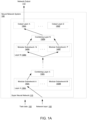
- FIG. 1A shows an example neural network system 100.
- the neural network system 100 is an example of a system implemented as computer programs on one or more computers in one or more locations, in which the systems, components, and techniques described below can be implemented.
- the neural network system 100 is a system that receives a network input 102 and processes the network input 102 using a super neural network 110 to generate a network output 112 for the network input 102.
- the neural network system 100 is capable of receiving network inputs and generating network outputs for multiple different machine learning tasks.
- two machine learning tasks are different if they have different desired outputs for the inputs received for the tasks.
- two image classification tasks can be different if the object categories into which each task requires classifying input images are different.
- two robot learning tasks can be different if the two tasks require generating outputs defining actions to be performed by a robot to reach two different goals.
- the system 100 Because the neural network system 100 is capable of processing inputs for multiple different machine learning tasks, the system 100 also receives task data 152 that specifies which machine learning task is to be performed on the network input 102.
- the super neural network 110 includes multiple layers 130A-130N that are arranged in a stack one after the other.
- Each of the multiple layers includes multiple modular neural networks. That is, although different layers can include different numbers of modular neural networks, each layer includes multiple modular neural networks.
- layer 130A includes modular neural networks 140A-N while layer 130N includes modular neural networks 140M-P.
- the modular neural networks within a given layer are configured to receive a layer input for the layer and to generate a respective modular output. That is, each modular neural network in a given layer receives the same input but may generate a different output. For example, different modular neural networks may have different parameter values.
- each modular neural network includes one or more neural network layers followed by a transfer function layer that applies a transfer function to an output of the plurality of neural network layers.
- the transfer function can be, for example, an element-wise activation function, e.g., a rectified linear unit function or a sigmoid function.
- the modular neural networks may include convolutional neural network layers, fully-connected neural networks, recurrent neural network layers, or a combination of the above.
- Modular neural networks in different layers can include different kinds of neural network layers.
- the modular neural networks in some layers may also include modules that are not neural network layers, e.g., spatial transformer modules, or other kinds of modules that perform operations that are differentiable, with or without trainable parameters.
- the architectures of modular neural networks can differ.
- some modular networks in a given layer may have residual connections while others do not.
- some modular networks in a given layer may have skip connections while others do not.
- some modular networks may include more linear layers than other modular networks in the same layer.
- the super neural network 110 also includes a plurality of output layers 150A-150Z.
- Each set of output layers includes one or more output layers and corresponds to a different machine learning task from the multiple machine learning tasks for which the super neural network can be used.
- output layer 150A is the output layer corresponding to the task identified by the task data 152 and is therefore shown using dashed lines while output layer 150Z does not correspond to the task and is therefore shown using solid lines.
- the super neural network 110 will include a single output layer, e.g., a softmax output layer, that receives the stack output and generates the network output, e.g., and generates the score vector.
- a single output layer e.g., a softmax output layer
- the super neural network 110 will include multiple output layers, with each of the multiple output layers corresponding to a different type of network output and each output layer being configured to receive the stack output and to process the stack output to generate a network output of the corresponding type.
- the super neural network 110 will include two output layers corresponding to the robotic task, one that receives the stack output and generates the policy readout and another that receives the stack output and generates the value function readout.
- the neural network system 100 To determine how to process the network input 102 and to allow the super neural network 110 to be used for multiple tasks, the neural network system 100 maintains data identifying a respective path for each of the tasks that the super neural network 110 is configured to perform.
- the path for a given machine learning task specifies, for each of the layers in the super neural network 110, a proper subset of the modular neural networks in the layer that are designated as active when performing the first machine learning task.
- a given path will include at least one but less than all of the modular neural networks in the layer. Because of the way in which the super neural network 110 has been trained, different machine learning tasks will have different paths through the layers. That is, while different paths may share one or more modular neural networks, two different paths will generally differ by at least one component.
- modular neural networks that are in the path for the task identified by the task data 152 are shown using dashed lines.
- modular neural network 140A, modular neural network 140N, and modular neural network 140P are in the path and are shown using dashed lines while modular neural network 140M is not in the path and is shown using solid lines.
- the system 100 then causes the super neural network 100 to generate the network output 112 for the network input 102 by processing the network input 102 using (i) for each layer, the modular neural networks in the layer that are designated as active by the selected path and (ii) the set of one or more output layers corresponding to the first machine learning task. That is, modular neural networks that are not designated as active by the selected path are not used in processing the network input. In other words, only active modular neural networks receive inputs and generate outputs. Thus, not all of the modular neural networks in the super neural network 110 are used when processing any given network input.
- modular neural network 140N, modular neural network 140P, and output layer 150A are used to process the network input 102 while modular neural network 140M and output layer 150Z are not.
- the super neural network also includes a respective combining layer 132A-132N after each layer of the super neural network 110.
- Each combining layer 132A-132N is configured to, during the processing of the network input 102, receive the modular outputs generated by the currently active modular neural networks in the layer before the combining layer and combine, e.g., sum or average, the modular outputs generated by the currently active modular neural networks to generate a combined output.
- the combined output for each combining layer is the layer input for the layer after the combining layer.
- the combined output for the combining layer that is after the last layer in the stack is the stack output, i.e., the output that is provided to the output layer(s) corresponding to the machine learning task being performed.
- the neural network system 100 trains the super neural network 110 on each of the tasks. In particular, when training the super neural network 110 on a given task, the system determines both (i) the path for the machine learning task and (ii) trained values of the parameters of the modular neural networks in the path and, optionally, the set of one or more output layers for the task.
- the system 100 fixes the parameters of the modular neural networks in the path to the trained values, i.e., so that the values are not modified during later training of the super neural network 110 on different tasks.
- the system 100 holds fixed values of parameters of any modular neural networks that are in paths for any machine learning tasks in the plurality of machine learning tasks for which a path has already been determined.
- the neural network system 100 performs multiple training rounds to update a population of candidate paths for the machine learning task.
- the system serially trains on a pair of candidate paths and then evaluates the pair of candidate paths to determine how to update the population.
- Such a training technique is described in more detail below with reference to FIG. 3 .
- the system trains on a large number of candidate paths in parallel and then determines whether to modify each candidate path.
- Such a training technique is described in more detail below with reference to FIG. 4 .
- FIG. 1B shows an example path through an example of the super neural network 110.
- the super neural network 110 is configured to perform two reinforcement learning tasks, a first task 162 and a second task 164.
- the super neural network 110 receives as input an environment image 160 that is an image of an environment being interacted with by an agent and generates as output a policy readout and a value readout for use in selecting an action to be performed by the agent.
- each task has a different path through the super neural network 110.
- the path for the second task 164 is shown and modular neural networks that are in the path are connected by arrows while modular networks that are not in the path are not connected by an arrow. The combining layers after each layer are also connected by arrows.
- the super neural network 110 uses a subset of the modular networks in each layer, the combining layers, and the output layers for the second task 164 to process the environment image 160.
- the output layers for the first task 162 and the modular networks that are not in the path are not used.
- FIG. 1C shows graphs 170, 180, 190 of various approaches of training neural networks to perform multiple tasks.
- the horizontal axis shows the combined number of generations required to train a neural network to .998 accuracy on two different tasks, which represents the time required for the training.
- a generation in this context refers to training on a fixed amount of training data.
- the vertical axis represents frequency, i.e., how many training attempts achieved the .998 accuracy in the corresponding number of combined generations.
- the graph 170 shows the measurements for an independent control scenario, where two separate fixed-sized networks were trained, one for each task.
- the graph 180 shows the measurements for a fine-tuning control scenario, where a single network was trained on the first task and then fine-tuned to also perform the second task (but without changing the path through the neural network).
- the graph 190 shows the measurements for the scenario described in this specification, where each task was trained to have a corresponding path through a super neural network and the path for the first task was fixed while training for the second task.
- the described scenario results in significantly less time being required to train to achieve the desired accuracy on all of the tasks.
- the independent control scenario has a mean of 195 generates
- the fine-tuning scenario has a mean of 229 generations
- the described scenario has a mean of only 167 generations.
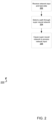
- FIG. 2 is a flow diagram of an example process 200 for processing a network input using a super neural network.
- the process 200 will be described as being performed by a system of one or more computers located in one or more locations.
- a neural network system e.g., the neural network system 100 of FIG. 1A , appropriately programmed, can perform the process 200.
- the system receives a network input for processing by the super neural network and task data identifying a machine learning task to be performed on the network input (step 202).
- the identified machine learning task is one of multiple tasks that the super neural network has been trained to perform.
- the system selects a path through the plurality of layers in the super neural network that is specific to the identified machine learning task (step 204).
- the path specifies, for each of the layers in the super neural network, a proper subset, i.e., less than all, of the modular neural networks in the layer that are designated as active when performing the identified machine learning task.
- the system maintains data specifying, for each of the multiple tasks on which the super neural network has been trained, a respective path corresponding to the task. Because of the manner in which the super neural network has been trained on the machine learning tasks, each task will have a different corresponding path than each other task. That is, while the paths for two tasks may share one or more modular neural networks, the path for one task will generally include at least one modular neural network that is not included in the path for the other task.
- the system then identifies, from the maintained data, the path that corresponds to the identified machine learning task.
- the system causes the super neural network to process the network input in accordance with the selected path for the identified machine learning task (step 206).
- the system causes the super neural network to process the network input using (i) for each layer, the modular neural networks in the layer that are designated as active by the selected path and (ii) the set of one or more output layers corresponding to the identified machine learning task. Modular neural networks that are not designated as active by the selected path are not used when processing the input.
- the system can cause the super neural network to process the network input in accordance with the selected path by configuring the connectivity of the super neural network and then providing the network input for processing by the neural network.
- the system configures the connectivity so that only active modular neural networks receive inputs and generate outputs and so that the one or more output layers corresponding to the identified machine learning task receive the stack output generated by the stack of layers while the other output layers do not receive any input.
- the system can output the network output or a processed output generated from the network output, e.g., for presentation to a user or to another system for immediate use or for storage.
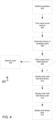
- FIG. 3 is a flow diagram of an example process 300 for training the super neural network on a new machine learning task.
- the process 300 will be described as being performed by a system of one or more computers located in one or more locations.
- a neural network system e.g., the neural network system 100 of FIG. 1A , appropriately programmed, can perform the process 300.
- the system initializes a population of candidate paths (step 302).
- Each of the candidate paths specifies, for each of the layers of the super neural network, a respective proper subset of the modular neural networks in the layer to designate as active when performing the particular machine learning task.
- the system selects a fixed number of candidate paths randomly, subject to certain criteria.
- the criteria can specify that each candidate path should include at least a predetermined minimum number of modular neural networks from each of the layers but no more than a predetermined maximum number of modular neural networks from any given layer.
- the system selects a pair of candidate paths from the population (step 304). For example, the system can select the pair randomly from the population.
- the system trains the super neural network on each of the selected candidate paths (step 306).
- the system trains the super neural network while processing training inputs using only the modular neural networks designated as active by the candidate path and the output layer corresponding to the particular machine learning task, i.e., and not using any modular neural networks that are not designated as active by the candidate path.
- the system trains using only the modular neural networks in the path and the output layer(s) corresponding to the task, only the parameter values of the modular neural networks in the path and the output layer(s) corresponding to the task are adjusted during the training. Additionally, if the candidate path includes any modular neural networks that are in paths for any machine learning tasks in the plurality of machine learning tasks for which a path has already been determined, i.e., in paths for tasks on which the super neural network has already been trained, the system holds fixed the values of parameters of those modular neural networks and does not modify the values during the training.
- the system trains the super neural network on the candidate path for a fixed amount of time or for a fixed number of training iterations using a machine learning training procedure that is appropriate for the machine learning task.
- a machine learning training procedure that is appropriate for the machine learning task.
- the training procedure can be a conventional supervised learning training procedure, e.g., stochastic gradient descent.
- the training procedure can be a conventional reinforcement learning training procedure, e.g., an actor-critic technique, a policy gradient technique, or a deep Q-learning technique.
- the system determines a fitness of each of the candidate paths based on the results of the training (step 308).
- the fitness of a candidate path measures the quality of the outputs being generated using the candidate path.
- the measure of fitness used can be any measure that is appropriate for the machine learning task.
- the fitness can be the negative classification error of the super neural network during that period of training.
- the fitness can be the return accumulated while training the candidate path.
- the return is a time discounted combination, e.g., time discounted sum, of the rewards received while training the path.
- the system determines which of the selected candidate paths has the best fitness (step 310) and replaces the other candidate path in the pair, i.e., the path that does not have the best fitness, with a copy of the best fit candidate path in the population (step 312).
- the system maintains the values of the parameters from the training of the replaced path.
- the system reverts the values of the parameters to the values from before the training of the replaced path began.
- the system then mutates the copy of candidate path having the best fitness to generate a mutated candidate path (step 314).
- the population includes both (i) the best fit candidate path and (ii) the mutated copy of the best fit candidate path, but not (iii) the other candidate path in the pair.
- the system mutates a given candidate path by changing one or more of the active modular neural networks in the candidate path to a different modular neural network.
- the system can mutate a candidate path by determining, for each of the modular neural networks in the candidate path, whether to replace the modular neural network and, in response to determining to replace a modular neural network, designating the modular neural network as inactive and designating another modular neural network in the same layer as active.
- the system picks the different modular neural network randomly from the other modular networks in the same layer.
- the system picks the different modular neural network randomly from a local neighborhood of the modular neural network within the layer.
- the system biases the mutation operator such that currently more globally useful modular networks, i.e., networks that are already in one or more paths for one or more other tasks, are more likely to be slotted into the path for the new task.
- the system determines whether to replace each of the modular neural networks with a probability that is equal to or proportional to 1 divided by a total number of modular neural networks in the first candidate path, i.e., so that each neural network has the same likelihood of being replaced.
- the system can repeatedly perform steps 304-314 for all of the candidate paths in the population to update the population and to adjust the values of the parameters of the super neural network. For example, the system can perform a fixed number of iterations of the steps for each candidate, perform iterations of the steps for a fixed amount of time, or perform iterations of the steps until an error threshold is reached for any of the candidate in the population.
- the system selects the candidate path having the best fitness as the path for the new machine learning task.
- the system also fixes the values of the parameters of the modular neural networks that are designated as active by the selected path, i.e., so that the values are not adjusted during training of the super neural network on subsequent tasks.
- the system re-initializes the values of the parameters, i.e., re-sets the values of the parameters to initial values.
- FIG. 4 is a flow diagram of another example process 400 for training the super neural network on a new machine learning task.
- the process 400 will be described as being performed by a system of one or more computers located in one or more locations.
- a neural network system e.g., the neural network system 100 of FIG. 1 , appropriately programmed, can perform the process 400.
- the system initializes a population of candidate paths (step 402). In particular, the system selects a fixed number of candidate paths randomly, subject to the criteria described above.
- the system then performs steps 404-416 in parallel for each of the candidate paths in the population.
- the system trains the super neural network on a particular candidate path (step 404), i.e., as described above with reference to step 306.
- a particular candidate path i.e., as described above with reference to step 306.
- the parameter values of that modular neural network are updated by both of the paths during the round of training.
- a candidate path includes modular neural networks that are in a path for a task for which the super neural network has already been trained
- the system holds the values of the parameters of that modular neural network fixed while training the super neural network on the candidate path.
- the system determines a fitness of the particular candidate path based on results of the training of the super neural network on the candidate path (step 406), i.e., as described above with reference to step 308.
- the system determines whether any of a subset of other candidate paths in the population has a better fitness than the particular candidate path (step 408).
- the system randomly chooses a fixed number of other candidate paths from the population and compares the fitness of the particular candidate path with the fitnesses of the other candidate paths.
- the system identifies the candidate path in the subset that has the best fitness of the other candidate paths in the subset (step 410) and replaces the particular candidate path with the identified candidate path having the best fitness (step 412).
- the system then mutates the copy of the identified candidate path having the best fitness that was added to the population by changing one or more of the active modular neural networks in the identified candidate path (step 414). In particular, the system mutates the identified candidate path as described above with reference to FIG. 3 .
- the population includes both (i) the identified candidate path having the best fitness and the (ii) the mutated copy of the identified candidate path, but not (iii) the particular candidate path (which has been replaced by the mutated copy).
- the system maintains the candidate path for further training, i.e., does not remove the particular candidate path from the population (step 416).
- the system can repeatedly perform steps 404-416 for all of the candidate paths in the population to update the population and to adjust the values of the parameters of the super neural network. For example, the system can perform a fixed number of iterations of the steps for each candidate, perform iterations of the steps for a fixed amount of time, or perform iterations of the steps until an error threshold is reached for any of the candidate in the population.
- the system performs the steps 404-416 asynchronously with respect to the various candidates in the population. That is, once the system finishes an iteration of steps 404-416 for a given candidate, the system can begin another iteration without waiting to finish the iteration of the steps for other candidates in the population. In these cases, the system can, while a given candidate path is being evaluated, set the fitness of the path to a large negative number to ensure that the candidate path is not selected for mutation while the candidate path is still being evaluated.
- the system selects the candidate path in the population having the best fitness as the path for the new machine learning task.
- the system also fixes the values of the parameters of the modular neural networks that are designated as active by the selected path, i.e., so that the values are not adjusted during training of the super neural network on subsequent tasks.
- the system re-initializes the values of the parameters, i.e., re-sets the values of the parameters to initial values.
- the system performs the process 300 or the process 400 for the multiple tasks in sequence, i.e., trains the super neural network on the tasks one after the other and only one task is being trained on at time.
- the values of the parameters of the modular neural networks in paths for any tasks before the given task in the sequence are held fixed.
- the system performs the process 300 or the process 400 concurrently for multiple tasks, i.e., interleaves training on one task with training on another task.
- multiple tasks when training on multiple tasks at the same time, only the values of the parameters of the modular neural networks in paths for tasks on which the super neural network was trained before training on the multiple tasks are fixed. That is, if training has already finished for one more tasks, the paths for those tasks are fixed, but training on one of the multiple concurrent tasks is allowed to impact the training on others of the multiple concurrent tasks.
- reinforcement learning methods e.g., policy gradient methods
- Embodiments of the subject matter and the functional operations described in this specification can be implemented in digital electronic circuitry, in tangibly-embodied computer software or firmware, in computer hardware, including the structures disclosed in this specification and their structural equivalents, or in combinations of one or more of them.
- Embodiments of the subject matter described in this specification can be implemented as one or more computer programs, i.e., one or more modules of computer program instructions encoded on a tangible non transitory storage medium for execution by, or to control the operation of, data processing apparatus.
- the computer storage medium can be a machine-readable storage device, a machine-readable storage substrate, a random or serial access memory device, or a combination of one or more of them.
- the program instructions can be encoded on an artificially generated propagated signal, e.g., a machine-generated electrical, optical, or electromagnetic signal, that is generated to encode information for transmission to suitable receiver apparatus for execution by a data processing apparatus.
- data processing apparatus refers to data processing hardware and encompasses all kinds of apparatus, devices, and machines for processing data, including by way of example a programmable processor, a computer, or multiple processors or computers.
- the apparatus can also be, or further include, special purpose logic circuitry, e.g., an FPGA (field programmable gate array) or an ASIC (application specific integrated circuit).
- the apparatus can optionally include, in addition to hardware, code that creates an execution environment for computer programs, e.g., code that constitutes processor firmware, a protocol stack, a database management system, an operating system, or a combination of one or more of them.
- a computer program which may also be referred to or described as a program, software, a software application, an app, a module, a software module, a script, or code, can be written in any form of programming language, including compiled or interpreted languages, or declarative or procedural languages; and it can be deployed in any form, including as a stand alone program or as a module, component, subroutine, or other unit suitable for use in a computing environment.
- a program may, but need not, correspond to a file in a file system.
- a program can be stored in a portion of a file that holds other programs or data, e.g., one or more scripts stored in a markup language document, in a single file dedicated to the program in question, or in multiple coordinated files, e.g., files that store one or more modules, sub programs, or portions of code.
- a computer program can be deployed to be executed on one computer or on multiple computers that are located at one site or distributed across multiple sites and interconnected by a data communication network.
- the term “database” is used broadly to refer to any collection of data: the data does not need to be structured in any particular way, or structured at all, and it can be stored on storage devices in one or more locations.
- the index database can include multiple collections of data, each of which may be organized and accessed differently.
- engine is used broadly to refer to a software-based system, subsystem, or process that is programmed to perform one or more specific functions.
- an engine will be implemented as one or more software modules or components, installed on one or more computers in one or more locations. In some cases, one or more computers will be dedicated to a particular engine; in other cases, multiple engines can be installed and running on the same computer or computers.
- the processes and logic flows described in this specification can be performed by one or more programmable computers executing one or more computer programs to perform functions by operating on input data and generating output.
- the processes and logic flows can also be performed by special purpose logic circuitry, e.g., an FPGA or an ASIC, or by a combination of special purpose logic circuitry and one or more programmed computers.
- Computers suitable for the execution of a computer program can be based on general or special purpose microprocessors or both, or any other kind of central processing unit.
- a central processing unit will receive instructions and data from a read only memory or a random access memory or both.
- the essential elements of a computer are a central processing unit for performing or executing instructions and one or more memory devices for storing instructions and data.
- the central processing unit and the memory can be supplemented by, or incorporated in, special purpose logic circuitry.
- a computer will also include, or be operatively coupled to receive data from or transfer data to, or both, one or more mass storage devices for storing data, e.g., magnetic, magneto optical disks, or optical disks. However, a computer need not have such devices.
- a computer can be embedded in another device, e.g., a mobile telephone, a personal digital assistant (PDA), a mobile audio or video player, a game console, a Global Positioning System (GPS) receiver, or a portable storage device, e.g., a universal serial bus (USB) flash drive, to name just a few.
- PDA personal digital assistant
- GPS Global Positioning System
- USB universal serial bus
- Computer readable media suitable for storing computer program instructions and data include all forms of non volatile memory, media and memory devices, including by way of example semiconductor memory devices, e.g., EPROM, EEPROM, and flash memory devices; magnetic disks, e.g., internal hard disks or removable disks; magneto optical disks; and CD ROM and DVD-ROM disks.
- semiconductor memory devices e.g., EPROM, EEPROM, and flash memory devices
- magnetic disks e.g., internal hard disks or removable disks
- magneto optical disks e.g., CD ROM and DVD-ROM disks.
- embodiments of the subject matter described in this specification can be implemented on a computer having a display device, e.g., a CRT (cathode ray tube) or LCD (liquid crystal display) monitor, for displaying information to the user and a keyboard and a pointing device, e.g., a mouse or a trackball, by which the user can provide input to the computer.
- a display device e.g., a CRT (cathode ray tube) or LCD (liquid crystal display) monitor
- keyboard and a pointing device e.g., a mouse or a trackball
- Other kinds of devices can be used to provide for interaction with a user as well; for example, feedback provided to the user can be any form of sensory feedback, e.g., visual feedback, auditory feedback, or tactile feedback; and input from the user can be received in any form, including acoustic, speech, or tactile input.
- a computer can interact with a user by sending documents to and receiving documents from a device that is used by the user; for example, by sending web pages to a web browser on a user's device in response to requests received from the web browser.
- a computer can interact with a user by sending text messages or other forms of message to a personal device, e.g., a smartphone that is running a messaging application, and receiving responsive messages from the user in return.
- Data processing apparatus for implementing machine learning models can also include, for example, special-purpose hardware accelerator units for processing common and compute-intensive parts of machine learning training or production, i.e., inference, workloads.
- Machine learning models can be implemented and deployed using a machine learning framework, .e.g., a TensorFlow framework, a Microsoft Cognitive Toolkit framework, an Apache Singa framework, or an Apache MXNet framework.
- a machine learning framework .e.g., a TensorFlow framework, a Microsoft Cognitive Toolkit framework, an Apache Singa framework, or an Apache MXNet framework.
- Embodiments of the subject matter described in this specification can be implemented in a computing system that includes a back end component, e.g., as a data server, or that includes a middleware component, e.g., an application server, or that includes a front end component, e.g., a client computer having a graphical user interface, a web browser, or an app through which a user can interact with an implementation of the subject matter described in this specification, or any combination of one or more such back end, middleware, or front end components.
- the components of the system can be interconnected by any form or medium of digital data communication, e.g., a communication network. Examples of communication networks include a local area network (LAN) and a wide area network (WAN), e.g., the Internet.
- LAN local area network
- WAN wide area network
- the computing system can include clients and servers.
- a client and server are generally remote from each other and typically interact through a communication network. The relationship of client and server arises by virtue of computer programs running on the respective computers and having a client-server relationship to each other.
- a server transmits data, e.g., an HTML page, to a user device, e.g., for purposes of displaying data to and receiving user input from a user interacting with the device, which acts as a client.
- Data generated at the user device e.g., a result of the user interaction, can be received at the server from the device.
Landscapes
- Engineering & Computer Science (AREA)
- Physics & Mathematics (AREA)
- Theoretical Computer Science (AREA)
- Health & Medical Sciences (AREA)
- Life Sciences & Earth Sciences (AREA)
- Computing Systems (AREA)
- General Physics & Mathematics (AREA)
- Computational Linguistics (AREA)
- Data Mining & Analysis (AREA)
- Evolutionary Computation (AREA)
- General Health & Medical Sciences (AREA)
- Molecular Biology (AREA)
- Biomedical Technology (AREA)
- General Engineering & Computer Science (AREA)
- Biophysics (AREA)
- Mathematical Physics (AREA)
- Software Systems (AREA)
- Artificial Intelligence (AREA)
- Bioinformatics & Cheminformatics (AREA)
- Bioinformatics & Computational Biology (AREA)
- Evolutionary Biology (AREA)
- Physiology (AREA)
- Image Analysis (AREA)
- Feedback Control In General (AREA)
- Manipulator (AREA)
Claims (15)
- Système (100) destiné à exécuter plusieurs tâches d'apprentissage automatique, comprenant un ou plusieurs ordinateurs et un ou plusieurs dispositifs de stockage stockant des instructions qui, lorsqu'elles sont exécutées par les un ou plusieurs ordinateurs, amènent les un ou plusieurs ordinateurs à mettre en œuvre :
un super réseau neuronal entraîné (110) comprenant :une pluralité de couches (130A..N) agencées en pile les unes après les autres, dans lequel chaque couche comprend une pluralité respective de réseaux neuronaux modulaires, et dans lequel les réseaux neuronaux modulaires de chaque couche sont chacun configurés pour recevoir une entrée de couche pour la couche et pour générer une sortie modulaire respective ; etune pluralité d'ensembles d'une ou de plusieurs couches de sortie (150A..Z), dans lequel chaque ensemble de couches de sortie correspond à une tâche d'apprentissage automatique différente parmi une pluralité de tâches d'apprentissage automatique, et dans lequel chaque ensemble d'une ou de plusieurs couches de sortie est configuré pour recevoir une sortie de pile et pour générer une sortie de réseau neuronal (112) qui est spécifique à la tâche d'apprentissage automatique correspondante ;dans lequel la pluralité de tâches d'apprentissage automatique comprend soit i) une pluralité de tâches de reconnaissance d'image dans laquelle chaque tâche de reconnaissance d'image nécessite la reconnaissance d'un objet ou d'un motif différent dans une entrée d'image numérique, et dans lequel la sortie de réseau neuronal comprend une sortie de classification pour l'entrée d'image numérique ; ou ii) une pluralité de tâches de reconnaissance vocale comprenant chacune une tâche de détection de mot clé respective ou comprenant chacune une tâche de reconnaissance vocale dans une langue différente ; ou iii) une pluralité de tâches de commande de machine sensorimotrice, dans lequel une entrée de réseau (102) dans le système comprend des données du monde réel provenant d'un environnement dans lequel la machine fonctionne, et dans lequel la sortie de réseau neuronal comprend une sortie de commande de machine pour commander la machine afin d'effectuer ladite tâche sensorimotrice, dans lequel la machine est un robot ; etun sous-système configuré pour réaliser des opérations comprenant :la réception d'une première entrée de réseau (102) et de données (152) identifiant une première tâche d'apprentissage automatique parmi la pluralité de tâches d'apprentissage automatique à effectuer sur la première entrée de réseau ;la sélection d'un chemin à travers la pluralité de couches qui est spécifique à la première tâche d'apprentissage automatique, le chemin spécifiant, pour chacune des couches, un sous-ensemble comprenant moins de la totalité des réseaux neuronaux modulaires dans la couche qui sont désignés comme actifs lors de l'exécution de la première tâche d'apprentissage automatique ; etle fait d'amener le super réseau neuronal (110) à traiter la première entrée de réseau à l'aide (i) pour chaque couche, des réseaux neuronaux modulaires dans la couche qui sont désignés comme actifs par le chemin sélectionné et non les réseaux neuronaux modulaires dans la couche qui ne sont pas désignés comme actifs par le chemin sélectionné, et (ii) de l'ensemble d'une ou de plusieurs couches de sortie correspondant à la première tâche d'apprentissage automatique identifiée ; et dans lequelle super réseau neuronal (110) a été entraîné sur chaque tâche pour déterminer à la fois le chemin pour la tâche d'apprentissage automatique et les valeurs entraînées des paramètres des réseaux neuronaux modulaires dans le chemin et le système est configuré pour fixer les paramètres des réseaux neuronaux modulaires dans le chemin aux valeurs entraînées ; etle système est configuré pour conserver des données identifiant un chemin respectif pour chacune des tâches que le super réseau neuronal (100) est configuré pour effectuer. - Système selon la revendication 1,
dans lequel le super réseau neuronal comprend également :
une couche de combinaison respective (132A..N) après chacune de la pluralité de couches dans la pile, dans lequel chaque couche de combinaison est configurée pour :recevoir les sorties modulaires générées par les réseaux neuronaux modulaires actuellement actifs dans la couche précédant la couche de combinaison ; etcombiner les sorties modulaires générées par les réseaux neuronaux modulaires actuellement actifs pour générer une sortie combinée, etdans lequel la sortie combinée pour chaque couche de combinaison autre que la couche de combinaison qui se trouve après la dernière couche de la pile est l'entrée de couche pour la couche après la couche de combinaison, et dans lequel la sortie combinée pour la couche de combinaison qui se trouve après la dernière couche de la pile est la sortie de pile. - Système selon l'une quelconque des revendications 1 ou 2, dans lequel chaque réseau neuronal modulaire comprend une ou plusieurs couches de réseau neuronal suivies d'une couche de fonction de transfert qui applique une fonction de transfert à une sortie des couches de réseau neuronal, en particulier dans lequel la fonction de transfert est une fonction d'activation élément par élément, plus particulièrement dans lequel la fonction de transfert est une fonction unitaire linéaire rectifiée.
- Système selon l'une quelconque des revendications 1 à 3, dans lequel au moins l'un des réseaux neuronaux modulaires comporte une ou plusieurs couches de réseau neuronal récurrent, en particulier dans lequel certaines ou toutes les couches de réseau neuronal récurrent sont des couches de mémoire à long/court terme (LSTM) ; et/ou dans lequel au moins l'un des réseaux neuronaux modulaires comporte une couche de réseau neuronal convolutionnel, ou une couche de réseau neuronal entièrement connectée.
- Système selon l'une quelconque des revendications 1 à 4, dans lequel au moins deux couches ont des nombres différents de réseaux neuronaux modulaires actifs dans le sous-ensemble.
- Système selon l'une quelconque des revendications 1 à 5, dans lequel chaque couche présente au moins un et pas plus d'un nombre prédéterminé de réseaux neuronaux modulaires actifs dans le sous-ensemble.
- Système selon l'une quelconque des revendications 1 à 6, dans lequel les opérations comprennent également :la réception d'une seconde entrée de réseau et de données identifiant une seconde tâche d'apprentissage automatique différente parmi la pluralité de tâches d'apprentissage automatique à effectuer sur la seconde entrée de réseau ;la sélection d'un second chemin différent à travers la pluralité de couches qui est spécifique à la seconde tâche d'apprentissage automatique, le second chemin spécifiant, pour chacune des couches, un second sous-ensemble comprenant moins de la totalité des réseaux neuronaux modulaires dans la couche qui sont désignés comme actifs lors de l'exécution de la seconde tâche d'apprentissage automatique ; etle fait d'amener le super réseau neuronal à traiter la seconde entrée de réseau à l'aide (i) pour chaque couche, des réseaux neuronaux modulaires dans la couche qui sont désignés comme actifs par le second chemin et non les réseaux neuronaux modulaires dans la couche qui ne sont pas désignés comme actifs par le second chemin, et (ii) de l'ensemble d'une ou de plusieurs couches de sortie correspondant à la seconde tâche d'apprentissage automatique.
- Procédé mis en œuvre par ordinateur pour entraîner le super réseau neuronal (110) selon l'une quelconque des revendications 1 à 7 sur une tâche d'apprentissage automatique particulière parmi la pluralité de tâches d'apprentissage automatique, le procédé comprenant :la sélection d'une pluralité de chemins candidats à travers la pluralité de couches, chacun des chemins candidats spécifiant, pour chacune des couches, un sous-ensemble respectif comprenant moins de la totalité des réseaux neuronaux modulaires dans la couche qui sont désignés comme actifs lors de l'exécution de la tâche d'apprentissage automatique particulière ;l'entraînement du super réseau neuronal sur chacun de la pluralité de chemins candidats, dans lequel l'entraînement du super réseau neuronal sur chacun de la pluralité de chemins candidats comprend, pour chacun des chemins candidats, l'entraînement du super réseau neuronal tout en traitant les entrées d'entraînement uniquement à l'aide des réseaux neuronaux modulaires désignés comme actifs par les chemins candidats et la couche de sortie correspondant à la tâche d'apprentissage automatique particulière ;la détermination d'une aptitude de chacun de la pluralité de chemins candidats sur la base des résultats de l'entraînement du super réseau neuronal sur le chemin candidat ; etla sélection du chemin candidat présentant la meilleure adéquation comme chemin le mieux adapté à la tâche d'apprentissage automatique particulière ; et dans lequell'entraînement du super réseau neuronal 110 sur une tâche détermine à la fois le chemin pour la tâche d'apprentissage automatique et les valeurs entraînées des paramètres des réseaux neuronaux modulaires dans le chemin.
- Procédé selon la revendication 8, dans lequel la sélection de la pluralité de chemins candidats comprend :la sélection d'un premier chemin candidat et d'un second chemin candidat ;la détermination, à partir de l'entraînement du super réseau neuronal sur le premier chemin candidat et le second chemin candidat, selon laquelle le premier chemin candidat présente une meilleure adéquation que le second chemin candidat ;sur la base de la détermination selon laquelle le premier chemin candidat présente une meilleure adéquation que le second chemin candidat :la mutation du premier chemin candidat en modifiant un ou plusieurs des réseaux neuronaux modulaires actifs dans le premier chemin candidat ; etle remplacement du second chemin candidat par le premier chemin candidat muté.
- Procédé selon la revendication 9, dans lequel la mutation du premier chemin candidat comprend, pour chaque réseau neuronal modulaire désigné comme actif par le premier chemin candidat :la détermination de savoir s'il faut remplacer le réseau neuronal modulaire, en particulier avec une probabilité égale ou proportionnelle à 1 divisé par un nombre total de réseaux neuronaux modulaires dans le premier chemin candidat ; eten réponse à la décision de remplacer le réseau neuronal modulaire, la désignation du réseau neuronal modulaire comme inactif et la désignation d'un autre réseau neuronal modulaire dans la même couche comme actif.
- Procédé selon l'une quelconque des revendications 8 à 10, dans lequel l'entraînement du super réseau neuronal sur chacun de la pluralité de chemins candidats comprend :
l'entraînement du super réseau neuronal sur une pluralité initiale de chemins candidats en parallèle, et dans lequel la sélection de la pluralité de chemins candidats comprend :
pour chaque chemin candidat dans la pluralité initiale :la détermination de savoir si l'un quelconque d'un sous-ensemble d'autres chemins candidats dans la pluralité initiale présente une meilleure adéquation que le chemin candidat ;si l'un quelconque du sous-ensemble présente une meilleure adéquation :l'identification du chemin candidat dans le sous-ensemble qui présente la meilleure adéquation parmi les autres chemins candidats dans le sous-ensemble ;la mutation du chemin candidat identifié en modifiant un ou plusieurs des réseaux neuronaux modulaires actifs dans le chemin candidat identifié ; etla remplacement du chemin candidat par le chemin candidat identifié muté, et en particulier dans lequel la sélection de la pluralité de chemins candidats comprend :
si aucun des chemins candidats du sous-ensemble ne présente une meilleure adéquation :
le maintien du chemin candidat pour un autre entraînement. - Procédé selon la revendication 11, dans lequel, pour chaque chemin candidat dans la pluralité initiale, le sous-ensemble d'autres chemins candidats est choisi de manière aléatoire.
- Procédé selon l'une quelconque des revendications 8 à 12, dans lequel le sous-système est également configuré pour effectuer des opérations comprenant :la réception d'une seconde entrée de réseau et de données identifiant une seconde tâche d'apprentissage automatique différente parmi la pluralité de tâches d'apprentissage automatique à effectuer sur la seconde entrée de réseau ;la sélection d'un second chemin différent à travers la pluralité de couches qui est spécifique à la seconde tâche d'apprentissage automatique, le second chemin spécifiant, pour chacune des couches, un second sous-ensemble comprenant moins de la totalité des réseaux neuronaux modulaires dans la couche qui sont désignés comme actifs lors de l'exécution de la seconde tâche d'apprentissage automatique ; etle fait d'amener le super réseau neuronal à traiter la seconde entrée de réseau à l'aide (i) pour chaque couche, des réseaux neuronaux modulaires dans la couche qui sont désignés comme actifs par le second chemin et non les réseaux neuronaux modulaires dans la couche qui ne sont pas désignés comme actifs par le second chemin, et (ii) de l'ensemble d'une ou de plusieurs couches de sortie correspondant à la seconde tâche d'apprentissage automatique ; etdans lequel l'entraînement du super réseau neuronal sur chacun de la pluralité de chemins candidats comprend : pendant l'entraînement, le maintien de valeurs fixes de paramètres de tout réseau neuronal modulaire qui se trouve dans les chemins les mieux adaptés à toute tâche d'apprentissage automatique dans la pluralité de tâches d'apprentissage automatique pour laquelle un chemin le mieux adapté a déjà été déterminé ;et/ou comprenant également : la fixation de valeurs de paramètres de réseaux neuronaux modulaires qui sont désignés comme actifs par le chemin le mieux adapté pour la tâche d'apprentissage automatique particulière à ne pas ajuster pendant l'entraînement du super réseau neuronal sur d'autres tâches dans la pluralité de tâches d'apprentissage automatique.
- Un ou plusieurs supports de stockage informatique stockant des instructions qui, lorsqu'elles sont exécutées par un ou plusieurs ordinateurs, amènent les un ou plusieurs ordinateurs à réaliser les opérations des procédés selon l'une quelconque des revendications 8 à 13.
- Un ou plusieurs supports de stockage informatique stockant des instructions qui, lorsqu'elles sont exécutées par un ou plusieurs ordinateurs, amènent les un ou plusieurs ordinateurs à mettre en œuvre le super réseau neuronal et le sous-système selon l'une quelconque des revendications 1 à 7.
Applications Claiming Priority (2)
| Application Number | Priority Date | Filing Date | Title |
|---|---|---|---|
| US201762452276P | 2017-01-30 | 2017-01-30 | |
| PCT/US2018/016024 WO2018140969A1 (fr) | 2017-01-30 | 2018-01-30 | Réseaux neuronaux multi-tâches à trajets spécifiques à des tâches |
Publications (2)
| Publication Number | Publication Date |
|---|---|
| EP3545472A1 EP3545472A1 (fr) | 2019-10-02 |
| EP3545472B1 true EP3545472B1 (fr) | 2025-03-19 |
Family
ID=61224569
Family Applications (1)
| Application Number | Title | Priority Date | Filing Date |
|---|---|---|---|
| EP18705269.1A Active EP3545472B1 (fr) | 2017-01-30 | 2018-01-30 | Réseaux neuronaux multi-tâches à trajets spécifiques à des tâches |
Country Status (4)
| Country | Link |
|---|---|
| US (3) | US10748065B2 (fr) |
| EP (1) | EP3545472B1 (fr) |
| CN (1) | CN110168578B (fr) |
| WO (1) | WO2018140969A1 (fr) |
Families Citing this family (37)
| Publication number | Priority date | Publication date | Assignee | Title |
|---|---|---|---|---|
| EP3545472B1 (fr) | 2017-01-30 | 2025-03-19 | DeepMind Technologies Limited | Réseaux neuronaux multi-tâches à trajets spécifiques à des tâches |
| WO2018184193A1 (fr) * | 2017-04-07 | 2018-10-11 | Intel Corporation | Agent d'intelligence artificielle avancé pour modéliser des interactions physiques |
| US11017295B1 (en) * | 2017-05-01 | 2021-05-25 | Perceive Corporation | Device storing ternary weight parameters for machine-trained network |
| EP3467712B1 (fr) * | 2017-10-06 | 2023-04-26 | Sensing Feeling Limited | Procédés et systèmes de traitement de données d'image |
| CN110444214B (zh) * | 2017-11-24 | 2021-08-17 | 深圳市腾讯计算机系统有限公司 | 语音信号处理模型训练方法、装置、电子设备及存储介质 |
| US11138350B2 (en) | 2018-08-09 | 2021-10-05 | Zoox, Inc. | Procedural world generation using tertiary data |
| US11645509B2 (en) * | 2018-09-27 | 2023-05-09 | Salesforce.Com, Inc. | Continual neural network learning via explicit structure learning |
| EP3629246B1 (fr) * | 2018-09-27 | 2022-05-18 | Swisscom AG | Systèmes et procédés de recherche d'architecture neuronale |
| EP3696733B1 (fr) * | 2019-02-13 | 2024-03-27 | Siemens Aktiengesellschaft | Codage et transfert des informations d'apprentissage dépendantes des scènes et des tâches dans des couches de réseaux neuronaux transférables |
| US11126190B2 (en) | 2019-02-13 | 2021-09-21 | Ford Global Technologies Llc | Learning systems and methods |
| DE102019205081A1 (de) * | 2019-04-09 | 2020-10-15 | Robert Bosch Gmbh | Verfahren, Vorrichtung und Computerprogramm zum Betreiben eines tiefen neuronalen Netzes |
| CN110136828A (zh) * | 2019-05-16 | 2019-08-16 | 杭州健培科技有限公司 | 一种基于深度学习实现医学影像多任务辅助诊断的方法 |
| US11699097B2 (en) | 2019-05-21 | 2023-07-11 | Apple Inc. | Machine learning model with conditional execution of multiple processing tasks |
| CN111985637B (zh) * | 2019-05-21 | 2024-09-06 | 苹果公司 | 具有多个处理任务的条件执行的机器学习模型 |
| CN110281949B (zh) * | 2019-06-28 | 2020-12-18 | 清华大学 | 一种自动驾驶统一分层决策方法 |
| US11868871B1 (en) | 2019-08-16 | 2024-01-09 | Perceive Corporation | Circuit for executing stateful neural network |
| CN110490303A (zh) * | 2019-08-19 | 2019-11-22 | 北京小米智能科技有限公司 | 超网络构建方法、使用方法、装置及介质 |
| US12061964B2 (en) * | 2019-09-25 | 2024-08-13 | Deepmind Technologies Limited | Modulating agent behavior to optimize learning progress |
| CN114424215A (zh) * | 2019-09-25 | 2022-04-29 | 谷歌有限责任公司 | 多任务适配器神经网络 |
| CN110807517A (zh) * | 2019-10-30 | 2020-02-18 | 智者四海(北京)技术有限公司 | 用于多任务识别的神经网络系统 |
| CN110782034A (zh) * | 2019-10-31 | 2020-02-11 | 北京小米智能科技有限公司 | 神经网络的训练方法、装置及存储介质 |
| US12271800B2 (en) * | 2019-11-14 | 2025-04-08 | Qualcomm Incorporated | Conditional computation for continual learning |
| EP3828773A1 (fr) * | 2019-11-28 | 2021-06-02 | GoodAI Research s.r.o. | Système d'intelligence artificielle amélioré |
| US20210241067A1 (en) * | 2020-02-05 | 2021-08-05 | Facebook, Inc. | Hyper-Graph Network Decoders for Algebraic Block Codes |
| US11443141B2 (en) | 2020-02-27 | 2022-09-13 | International Business Machines Corporation | Using video tracking technology to create machine learning datasets for tasks |
| CN111582453B (zh) * | 2020-05-09 | 2023-10-27 | 北京百度网讯科技有限公司 | 生成神经网络模型的方法和装置 |
| CN111723910B (zh) * | 2020-06-17 | 2025-12-16 | 腾讯科技(北京)有限公司 | 构建多任务学习模型的方法、装置、电子设备及存储介质 |
| CN116264847A (zh) * | 2020-07-23 | 2023-06-16 | 谷歌有限责任公司 | 用于生成机器学习多任务模型的系统和方法 |
| CN111968635B (zh) * | 2020-08-07 | 2024-03-05 | 北京小米松果电子有限公司 | 语音识别的方法、装置及存储介质 |
| US12572794B2 (en) * | 2020-10-20 | 2026-03-10 | Nvidia Corporation | System and method for automated optimization of a neural network model |
| US12124939B1 (en) | 2020-11-24 | 2024-10-22 | Perceive Corporation | Generation of machine-trained network instructions |
| CN112540620B (zh) * | 2020-12-03 | 2022-10-14 | 西湖大学 | 足式机器人的强化学习方法、装置和电子设备 |
| CN112612604B (zh) * | 2020-12-14 | 2022-03-22 | 上海哔哩哔哩科技有限公司 | 基于Actor模型的任务调度方法、装置 |
| CN112580372A (zh) * | 2020-12-26 | 2021-03-30 | 内蒙古工业大学 | 一种基于Actor-Critic的蒙汉神经机器翻译方法 |
| CN113094495B (zh) * | 2021-04-21 | 2025-07-01 | 上海松鼠课堂人工智能科技有限公司 | 深度强化学习的学习路径演示方法、装置、设备及介质 |
| CN113807496A (zh) * | 2021-05-31 | 2021-12-17 | 华为技术有限公司 | 构建神经网络模型的方法、装置、设备、介质和程序产品 |
| US12056613B2 (en) * | 2022-05-19 | 2024-08-06 | Google Llc | Training neural network systems to perform multiple machine learning tasks |
Family Cites Families (8)
| Publication number | Priority date | Publication date | Assignee | Title |
|---|---|---|---|---|
| CN103345656B (zh) * | 2013-07-17 | 2016-01-20 | 中国科学院自动化研究所 | 一种基于多任务深度神经网络的数据识别方法及装置 |
| JP6327926B2 (ja) * | 2014-04-30 | 2018-05-23 | 国立研究開発法人情報通信研究機構 | 階層型ニューラルネットワークの学習システム及び方法 |
| US10410096B2 (en) * | 2015-07-09 | 2019-09-10 | Qualcomm Incorporated | Context-based priors for object detection in images |
| CN105404877A (zh) * | 2015-12-08 | 2016-03-16 | 商汤集团有限公司 | 基于深度学习和多任务学习的人脸属性预测方法及装置 |
| US10255905B2 (en) * | 2016-06-10 | 2019-04-09 | Google Llc | Predicting pronunciations with word stress |
| US10452974B1 (en) * | 2016-11-02 | 2019-10-22 | Jasmin Cosic | Artificially intelligent systems, devices, and methods for learning and/or using a device's circumstances for autonomous device operation |
| US10192016B2 (en) * | 2017-01-17 | 2019-01-29 | Xilinx, Inc. | Neural network based physical synthesis for circuit designs |
| EP3545472B1 (fr) | 2017-01-30 | 2025-03-19 | DeepMind Technologies Limited | Réseaux neuronaux multi-tâches à trajets spécifiques à des tâches |
-
2018
- 2018-01-30 EP EP18705269.1A patent/EP3545472B1/fr active Active
- 2018-01-30 WO PCT/US2018/016024 patent/WO2018140969A1/fr not_active Ceased
- 2018-01-30 CN CN201880005904.XA patent/CN110168578B/zh active Active
-
2019
- 2019-07-30 US US16/526,240 patent/US10748065B2/en active Active
-
2020
- 2020-08-17 US US16/995,655 patent/US11790238B2/en active Active
-
2023
- 2023-10-16 US US18/487,707 patent/US20240046106A1/en active Pending
Also Published As
| Publication number | Publication date |
|---|---|
| US10748065B2 (en) | 2020-08-18 |
| US20200380372A1 (en) | 2020-12-03 |
| EP3545472A1 (fr) | 2019-10-02 |
| US11790238B2 (en) | 2023-10-17 |
| US20190354868A1 (en) | 2019-11-21 |
| CN110168578B (zh) | 2024-02-06 |
| US20240046106A1 (en) | 2024-02-08 |
| CN110168578A (zh) | 2019-08-23 |
| WO2018140969A1 (fr) | 2018-08-02 |
Similar Documents
| Publication | Publication Date | Title |
|---|---|---|
| EP3545472B1 (fr) | Réseaux neuronaux multi-tâches à trajets spécifiques à des tâches | |
| EP3711000B1 (fr) | Recherche d'une architecture de réseau neuronal régularisée | |
| US11544536B2 (en) | Hybrid neural architecture search | |
| EP4163833A1 (fr) | Conception de modèle de réseau neuronal profond améliorée par rétroaction sur l'évaluation par substitution en temps réel | |
| EP3676765B1 (fr) | Utilisation de représentations hiérarchiques pour une recherche d'architecture de réseau neuronal | |
| CN111406267B (zh) | 使用性能预测神经网络的神经架构搜索 | |
| EP3782080B1 (fr) | Réseaux neuronaux pour apprentissage continu évolutif dans des domaines avec des tâches apprises séquentiellement | |
| CN112052948B (zh) | 一种网络模型压缩方法、装置、存储介质和电子设备 | |
| CN120188141A (zh) | 分布式机器学习编译器优化 | |
| WO2022147583A2 (fr) | Système et procédé de placement optimal d'objets interagissants sur des domaines continus (ou discrétisés ou mélangés) | |
| CN113779396B (zh) | 题目推荐方法和装置、电子设备、存储介质 | |
| US12430551B2 (en) | Reinforcement learning algorithm search | |
| Zhai et al. | Generative neural architecture search | |
| US20230289563A1 (en) | Multi-node neural network constructed from pre-trained small networks | |
| WO2025101527A1 (fr) | Techniques d'apprentissage de co-engagement et de relations sémantiques à l'aide de réseaux neuronaux graphiques | |
| CN118504878A (zh) | 基于强化学习的优化调度方法、装置、设备以及介质 | |
| Yüzgülen | Neural Architecture Search with Zero-Cost Proxies | |
| Kavarakuntla | Performance modelling for scalable deep learning | |
| Nie et al. | SkillGraph: Self-Evolving Multi-Agent Collaboration with Multimodal Graph Topology | |
| WO2025234983A1 (fr) | Auto-détermination nodale basée sur l'énergie libre | |
| CN120781967A (zh) | 自适应推理方法、装置、电子设备、存储介质以及程序产品 | |
| WO2025048805A1 (fr) | Entrée/sortie internodale discrète pour apprentissage automatique | |
| WO2025048803A1 (fr) | Cycles internes dynamiques pour modèles d'apprentissage automatique | |
| WO2025048811A1 (fr) | Évolution de modèles d'apprentissage automatique | |
| CN114418122A (zh) | 机器学习模型的超参数配置方法、装置以及可读存储介质 |
Legal Events
| Date | Code | Title | Description |
|---|---|---|---|
| STAA | Information on the status of an ep patent application or granted ep patent |
Free format text: STATUS: UNKNOWN |
|
| STAA | Information on the status of an ep patent application or granted ep patent |
Free format text: STATUS: THE INTERNATIONAL PUBLICATION HAS BEEN MADE |
|
| PUAI | Public reference made under article 153(3) epc to a published international application that has entered the european phase |
Free format text: ORIGINAL CODE: 0009012 |
|
| STAA | Information on the status of an ep patent application or granted ep patent |
Free format text: STATUS: REQUEST FOR EXAMINATION WAS MADE |
|
| 17P | Request for examination filed |
Effective date: 20190626 |
|
| AK | Designated contracting states |
Kind code of ref document: A1 Designated state(s): AL AT BE BG CH CY CZ DE DK EE ES FI FR GB GR HR HU IE IS IT LI LT LU LV MC MK MT NL NO PL PT RO RS SE SI SK SM TR |
|
| AX | Request for extension of the european patent |
Extension state: BA ME |
|
| RAP1 | Party data changed (applicant data changed or rights of an application transferred) |
Owner name: DEEPMIND TECHNOLOGIES LIMITED |
|
| DAV | Request for validation of the european patent (deleted) | ||
| DAX | Request for extension of the european patent (deleted) | ||
| STAA | Information on the status of an ep patent application or granted ep patent |
Free format text: STATUS: EXAMINATION IS IN PROGRESS |
|
| 17Q | First examination report despatched |
Effective date: 20211020 |
|
| P01 | Opt-out of the competence of the unified patent court (upc) registered |
Effective date: 20230505 |
|
| REG | Reference to a national code |
Ref country code: DE Ref legal event code: R079 Free format text: PREVIOUS MAIN CLASS: G06N0003080000 Ipc: G06N0003086000 Ref country code: DE Ref legal event code: R079 Ref document number: 602018080236 Country of ref document: DE Free format text: PREVIOUS MAIN CLASS: G06N0003080000 Ipc: G06N0003086000 |
|
| GRAP | Despatch of communication of intention to grant a patent |
Free format text: ORIGINAL CODE: EPIDOSNIGR1 |
|
| STAA | Information on the status of an ep patent application or granted ep patent |
Free format text: STATUS: GRANT OF PATENT IS INTENDED |
|
| RIC1 | Information provided on ipc code assigned before grant |
Ipc: G06N 3/0464 20230101ALN20240610BHEP Ipc: G06N 3/044 20230101ALN20240610BHEP Ipc: G06N 3/045 20230101ALI20240610BHEP Ipc: G06N 3/086 20230101AFI20240610BHEP |
|
| INTG | Intention to grant announced |
Effective date: 20240625 |
|
| GRAJ | Information related to disapproval of communication of intention to grant by the applicant or resumption of examination proceedings by the epo deleted |
Free format text: ORIGINAL CODE: EPIDOSDIGR1 |
|
| STAA | Information on the status of an ep patent application or granted ep patent |
Free format text: STATUS: EXAMINATION IS IN PROGRESS |
|
| GRAP | Despatch of communication of intention to grant a patent |
Free format text: ORIGINAL CODE: EPIDOSNIGR1 |
|
| STAA | Information on the status of an ep patent application or granted ep patent |
Free format text: STATUS: GRANT OF PATENT IS INTENDED |
|
| INTC | Intention to grant announced (deleted) | ||
| RIC1 | Information provided on ipc code assigned before grant |
Ipc: G06N 3/0464 20230101ALN20241108BHEP Ipc: G06N 3/044 20230101ALN20241108BHEP Ipc: G06N 3/045 20230101ALI20241108BHEP Ipc: G06N 3/086 20230101AFI20241108BHEP |
|
| INTG | Intention to grant announced |
Effective date: 20241120 |
|
| GRAS | Grant fee paid |
Free format text: ORIGINAL CODE: EPIDOSNIGR3 |
|
| GRAA | (expected) grant |
Free format text: ORIGINAL CODE: 0009210 |
|
| STAA | Information on the status of an ep patent application or granted ep patent |
Free format text: STATUS: THE PATENT HAS BEEN GRANTED |
|
| AK | Designated contracting states |
Kind code of ref document: B1 Designated state(s): AL AT BE BG CH CY CZ DE DK EE ES FI FR GB GR HR HU IE IS IT LI LT LU LV MC MK MT NL NO PL PT RO RS SE SI SK SM TR |
|
| REG | Reference to a national code |
Ref country code: GB Ref legal event code: FG4D |
|
| REG | Reference to a national code |
Ref country code: CH Ref legal event code: EP |
|
| REG | Reference to a national code |
Ref country code: DE Ref legal event code: R096 Ref document number: 602018080236 Country of ref document: DE |
|
| REG | Reference to a national code |
Ref country code: IE Ref legal event code: FG4D |
|
| REG | Reference to a national code |
Ref country code: NL Ref legal event code: FP |
|
| PG25 | Lapsed in a contracting state [announced via postgrant information from national office to epo] |
Ref country code: RS Free format text: LAPSE BECAUSE OF FAILURE TO SUBMIT A TRANSLATION OF THE DESCRIPTION OR TO PAY THE FEE WITHIN THE PRESCRIBED TIME-LIMIT Effective date: 20250619 |
|
| PG25 | Lapsed in a contracting state [announced via postgrant information from national office to epo] |
Ref country code: FI Free format text: LAPSE BECAUSE OF FAILURE TO SUBMIT A TRANSLATION OF THE DESCRIPTION OR TO PAY THE FEE WITHIN THE PRESCRIBED TIME-LIMIT Effective date: 20250319 |
|
| REG | Reference to a national code |
Ref country code: LT Ref legal event code: MG9D |
|
| PG25 | Lapsed in a contracting state [announced via postgrant information from national office to epo] |
Ref country code: NO Free format text: LAPSE BECAUSE OF FAILURE TO SUBMIT A TRANSLATION OF THE DESCRIPTION OR TO PAY THE FEE WITHIN THE PRESCRIBED TIME-LIMIT Effective date: 20250619 |
|
| PG25 | Lapsed in a contracting state [announced via postgrant information from national office to epo] |
Ref country code: HR Free format text: LAPSE BECAUSE OF FAILURE TO SUBMIT A TRANSLATION OF THE DESCRIPTION OR TO PAY THE FEE WITHIN THE PRESCRIBED TIME-LIMIT Effective date: 20250319 |
|
| PG25 | Lapsed in a contracting state [announced via postgrant information from national office to epo] |
Ref country code: LV Free format text: LAPSE BECAUSE OF FAILURE TO SUBMIT A TRANSLATION OF THE DESCRIPTION OR TO PAY THE FEE WITHIN THE PRESCRIBED TIME-LIMIT Effective date: 20250319 |
|
| PG25 | Lapsed in a contracting state [announced via postgrant information from national office to epo] |
Ref country code: BG Free format text: LAPSE BECAUSE OF FAILURE TO SUBMIT A TRANSLATION OF THE DESCRIPTION OR TO PAY THE FEE WITHIN THE PRESCRIBED TIME-LIMIT Effective date: 20250319 Ref country code: GR Free format text: LAPSE BECAUSE OF FAILURE TO SUBMIT A TRANSLATION OF THE DESCRIPTION OR TO PAY THE FEE WITHIN THE PRESCRIBED TIME-LIMIT Effective date: 20250620 |
|
| REG | Reference to a national code |
Ref country code: AT Ref legal event code: MK05 Ref document number: 1777566 Country of ref document: AT Kind code of ref document: T Effective date: 20250319 |
|
| PG25 | Lapsed in a contracting state [announced via postgrant information from national office to epo] |
Ref country code: SE Free format text: LAPSE BECAUSE OF FAILURE TO SUBMIT A TRANSLATION OF THE DESCRIPTION OR TO PAY THE FEE WITHIN THE PRESCRIBED TIME-LIMIT Effective date: 20250319 |
|
| PG25 | Lapsed in a contracting state [announced via postgrant information from national office to epo] |
Ref country code: SM Free format text: LAPSE BECAUSE OF FAILURE TO SUBMIT A TRANSLATION OF THE DESCRIPTION OR TO PAY THE FEE WITHIN THE PRESCRIBED TIME-LIMIT Effective date: 20250319 |
|
| PG25 | Lapsed in a contracting state [announced via postgrant information from national office to epo] |
Ref country code: ES Free format text: LAPSE BECAUSE OF FAILURE TO SUBMIT A TRANSLATION OF THE DESCRIPTION OR TO PAY THE FEE WITHIN THE PRESCRIBED TIME-LIMIT Effective date: 20250319 Ref country code: PT Free format text: LAPSE BECAUSE OF FAILURE TO SUBMIT A TRANSLATION OF THE DESCRIPTION OR TO PAY THE FEE WITHIN THE PRESCRIBED TIME-LIMIT Effective date: 20250721 |
|
| PG25 | Lapsed in a contracting state [announced via postgrant information from national office to epo] |
Ref country code: PL Free format text: LAPSE BECAUSE OF FAILURE TO SUBMIT A TRANSLATION OF THE DESCRIPTION OR TO PAY THE FEE WITHIN THE PRESCRIBED TIME-LIMIT Effective date: 20250319 Ref country code: IT Free format text: LAPSE BECAUSE OF FAILURE TO SUBMIT A TRANSLATION OF THE DESCRIPTION OR TO PAY THE FEE WITHIN THE PRESCRIBED TIME-LIMIT Effective date: 20250319 |
|
| PG25 | Lapsed in a contracting state [announced via postgrant information from national office to epo] |
Ref country code: AT Free format text: LAPSE BECAUSE OF FAILURE TO SUBMIT A TRANSLATION OF THE DESCRIPTION OR TO PAY THE FEE WITHIN THE PRESCRIBED TIME-LIMIT Effective date: 20250319 |
|
| PG25 | Lapsed in a contracting state [announced via postgrant information from national office to epo] |
Ref country code: EE Free format text: LAPSE BECAUSE OF FAILURE TO SUBMIT A TRANSLATION OF THE DESCRIPTION OR TO PAY THE FEE WITHIN THE PRESCRIBED TIME-LIMIT Effective date: 20250319 Ref country code: CZ Free format text: LAPSE BECAUSE OF FAILURE TO SUBMIT A TRANSLATION OF THE DESCRIPTION OR TO PAY THE FEE WITHIN THE PRESCRIBED TIME-LIMIT Effective date: 20250319 |
|
| PG25 | Lapsed in a contracting state [announced via postgrant information from national office to epo] |
Ref country code: RO Free format text: LAPSE BECAUSE OF FAILURE TO SUBMIT A TRANSLATION OF THE DESCRIPTION OR TO PAY THE FEE WITHIN THE PRESCRIBED TIME-LIMIT Effective date: 20250319 |
|
| PG25 | Lapsed in a contracting state [announced via postgrant information from national office to epo] |
Ref country code: SK Free format text: LAPSE BECAUSE OF FAILURE TO SUBMIT A TRANSLATION OF THE DESCRIPTION OR TO PAY THE FEE WITHIN THE PRESCRIBED TIME-LIMIT Effective date: 20250319 |
|
| PG25 | Lapsed in a contracting state [announced via postgrant information from national office to epo] |
Ref country code: IS Free format text: LAPSE BECAUSE OF FAILURE TO SUBMIT A TRANSLATION OF THE DESCRIPTION OR TO PAY THE FEE WITHIN THE PRESCRIBED TIME-LIMIT Effective date: 20250719 |
|
| REG | Reference to a national code |
Ref country code: CH Ref legal event code: W10 Free format text: ST27 STATUS EVENT CODE: U-0-0-W10-W00 (AS PROVIDED BY THE NATIONAL OFFICE) Effective date: 20251105 |
|
| RAP2 | Party data changed (patent owner data changed or rights of a patent transferred) |
Owner name: GDM HOLDING LLC |
|
| REG | Reference to a national code |
Ref country code: DE Ref legal event code: R097 Ref document number: 602018080236 Country of ref document: DE |
|
| PG25 | Lapsed in a contracting state [announced via postgrant information from national office to epo] |
Ref country code: DK Free format text: LAPSE BECAUSE OF FAILURE TO SUBMIT A TRANSLATION OF THE DESCRIPTION OR TO PAY THE FEE WITHIN THE PRESCRIBED TIME-LIMIT Effective date: 20250319 |
|
| PLBE | No opposition filed within time limit |
Free format text: ORIGINAL CODE: 0009261 |
|
| REG | Reference to a national code |
Ref country code: DE Ref legal event code: R081 Ref document number: 602018080236 Country of ref document: DE Owner name: GDM HOLDING LLC (N.D.GES.D.STAATES DELAWARE), , US Free format text: FORMER OWNER: DEEPMIND TECHNOLOGIES LIMITED, LONDON, GB |
|
| STAA | Information on the status of an ep patent application or granted ep patent |
Free format text: STATUS: NO OPPOSITION FILED WITHIN TIME LIMIT |
|
| REG | Reference to a national code |
Ref country code: CH Ref legal event code: L10 Free format text: ST27 STATUS EVENT CODE: U-0-0-L10-L00 (AS PROVIDED BY THE NATIONAL OFFICE) Effective date: 20260128 |
|
| PGFP | Annual fee paid to national office [announced via postgrant information from national office to epo] |
Ref country code: NL Payment date: 20260126 Year of fee payment: 9 |
|
| 26N | No opposition filed |
Effective date: 20251222 |
|
| PGFP | Annual fee paid to national office [announced via postgrant information from national office to epo] |
Ref country code: GB Payment date: 20260127 Year of fee payment: 9 |
|
| PGFP | Annual fee paid to national office [announced via postgrant information from national office to epo] |
Ref country code: DE Payment date: 20260128 Year of fee payment: 9 Ref country code: IE Payment date: 20260127 Year of fee payment: 9 |
|
| PGFP | Annual fee paid to national office [announced via postgrant information from national office to epo] |
Ref country code: FR Payment date: 20260126 Year of fee payment: 9 |