EP3543338A1 - Carrier for biologically relevant molecule immobilization - Google Patents
Carrier for biologically relevant molecule immobilization Download PDFInfo
- Publication number
- EP3543338A1 EP3543338A1 EP17872112.2A EP17872112A EP3543338A1 EP 3543338 A1 EP3543338 A1 EP 3543338A1 EP 17872112 A EP17872112 A EP 17872112A EP 3543338 A1 EP3543338 A1 EP 3543338A1
- Authority
- EP
- European Patent Office
- Prior art keywords
- layer
- carrier
- bio
- substrate
- carboxylic acid
- Prior art date
- Legal status (The legal status is an assumption and is not a legal conclusion. Google has not performed a legal analysis and makes no representation as to the accuracy of the status listed.)
- Granted
Links
Images


Classifications
-
- C—CHEMISTRY; METALLURGY
- C08—ORGANIC MACROMOLECULAR COMPOUNDS; THEIR PREPARATION OR CHEMICAL WORKING-UP; COMPOSITIONS BASED THEREON
- C08J—WORKING-UP; GENERAL PROCESSES OF COMPOUNDING; AFTER-TREATMENT NOT COVERED BY SUBCLASSES C08B, C08C, C08F, C08G or C08H
- C08J7/00—Chemical treatment or coating of shaped articles made of macromolecular substances
- C08J7/04—Coating
- C08J7/06—Coating with compositions not containing macromolecular substances
-
- C—CHEMISTRY; METALLURGY
- C08—ORGANIC MACROMOLECULAR COMPOUNDS; THEIR PREPARATION OR CHEMICAL WORKING-UP; COMPOSITIONS BASED THEREON
- C08G—MACROMOLECULAR COMPOUNDS OBTAINED OTHERWISE THAN BY REACTIONS ONLY INVOLVING UNSATURATED CARBON-TO-CARBON BONDS
- C08G64/00—Macromolecular compounds obtained by reactions forming a carbonic ester link in the main chain of the macromolecule
- C08G64/16—Aliphatic-aromatic or araliphatic polycarbonates
- C08G64/1608—Aliphatic-aromatic or araliphatic polycarbonates saturated
-
- C—CHEMISTRY; METALLURGY
- C08—ORGANIC MACROMOLECULAR COMPOUNDS; THEIR PREPARATION OR CHEMICAL WORKING-UP; COMPOSITIONS BASED THEREON
- C08J—WORKING-UP; GENERAL PROCESSES OF COMPOUNDING; AFTER-TREATMENT NOT COVERED BY SUBCLASSES C08B, C08C, C08F, C08G or C08H
- C08J7/00—Chemical treatment or coating of shaped articles made of macromolecular substances
- C08J7/04—Coating
- C08J7/056—Forming hydrophilic coatings
-
- C—CHEMISTRY; METALLURGY
- C08—ORGANIC MACROMOLECULAR COMPOUNDS; THEIR PREPARATION OR CHEMICAL WORKING-UP; COMPOSITIONS BASED THEREON
- C08K—Use of inorganic or non-macromolecular organic substances as compounding ingredients
- C08K3/00—Use of inorganic substances as compounding ingredients
- C08K3/02—Elements
- C08K3/04—Carbon
-
- C—CHEMISTRY; METALLURGY
- C12—BIOCHEMISTRY; BEER; SPIRITS; WINE; VINEGAR; MICROBIOLOGY; ENZYMOLOGY; MUTATION OR GENETIC ENGINEERING
- C12M—APPARATUS FOR ENZYMOLOGY OR MICROBIOLOGY; APPARATUS FOR CULTURING MICROORGANISMS FOR PRODUCING BIOMASS, FOR GROWING CELLS OR FOR OBTAINING FERMENTATION OR METABOLIC PRODUCTS, i.e. BIOREACTORS OR FERMENTERS
- C12M1/00—Apparatus for enzymology or microbiology
-
- C—CHEMISTRY; METALLURGY
- C12—BIOCHEMISTRY; BEER; SPIRITS; WINE; VINEGAR; MICROBIOLOGY; ENZYMOLOGY; MUTATION OR GENETIC ENGINEERING
- C12N—MICROORGANISMS OR ENZYMES; COMPOSITIONS THEREOF; PROPAGATING, PRESERVING, OR MAINTAINING MICROORGANISMS; MUTATION OR GENETIC ENGINEERING; CULTURE MEDIA
- C12N15/00—Mutation or genetic engineering; DNA or RNA concerning genetic engineering, vectors, e.g. plasmids, or their isolation, preparation or purification; Use of hosts therefor
- C12N15/09—Recombinant DNA-technology
-
- G—PHYSICS
- G01—MEASURING; TESTING
- G01N—INVESTIGATING OR ANALYSING MATERIALS BY DETERMINING THEIR CHEMICAL OR PHYSICAL PROPERTIES
- G01N33/00—Investigating or analysing materials by specific methods not covered by groups G01N1/00 - G01N31/00
- G01N33/48—Biological material, e.g. blood, urine; Haemocytometers
- G01N33/50—Chemical analysis of biological material, e.g. blood, urine; Testing involving biospecific ligand binding methods; Immunological testing
- G01N33/53—Immunoassay; Biospecific binding assay; Materials therefor
-
- G—PHYSICS
- G01—MEASURING; TESTING
- G01N—INVESTIGATING OR ANALYSING MATERIALS BY DETERMINING THEIR CHEMICAL OR PHYSICAL PROPERTIES
- G01N33/00—Investigating or analysing materials by specific methods not covered by groups G01N1/00 - G01N31/00
- G01N33/48—Biological material, e.g. blood, urine; Haemocytometers
- G01N33/50—Chemical analysis of biological material, e.g. blood, urine; Testing involving biospecific ligand binding methods; Immunological testing
- G01N33/53—Immunoassay; Biospecific binding assay; Materials therefor
- G01N33/543—Immunoassay; Biospecific binding assay; Materials therefor with an insoluble carrier for immobilising immunochemicals
-
- G—PHYSICS
- G01—MEASURING; TESTING
- G01N—INVESTIGATING OR ANALYSING MATERIALS BY DETERMINING THEIR CHEMICAL OR PHYSICAL PROPERTIES
- G01N37/00—Details not covered by any other group of this subclass
-
- C—CHEMISTRY; METALLURGY
- C12—BIOCHEMISTRY; BEER; SPIRITS; WINE; VINEGAR; MICROBIOLOGY; ENZYMOLOGY; MUTATION OR GENETIC ENGINEERING
- C12Q—MEASURING OR TESTING PROCESSES INVOLVING ENZYMES, NUCLEIC ACIDS OR MICROORGANISMS; COMPOSITIONS OR TEST PAPERS THEREFOR; PROCESSES OF PREPARING SUCH COMPOSITIONS; CONDITION-RESPONSIVE CONTROL IN MICROBIOLOGICAL OR ENZYMOLOGICAL PROCESSES
- C12Q1/00—Measuring or testing processes involving enzymes, nucleic acids or microorganisms; Compositions therefor; Processes of preparing such compositions
- C12Q1/68—Measuring or testing processes involving enzymes, nucleic acids or microorganisms; Compositions therefor; Processes of preparing such compositions involving nucleic acids
- C12Q1/6813—Hybridisation assays
- C12Q1/6834—Enzymatic or biochemical coupling of nucleic acids to a solid phase
- C12Q1/6837—Enzymatic or biochemical coupling of nucleic acids to a solid phase using probe arrays or probe chips
Definitions
- the present invention relates to a carrier for bio-related molecule immobilization, and a method of producing the same.
- bio-related molecules such as nucleic acids derived from microorganisms
- development has been carried out for various carriers such as microarrays and DNA chips, in which bio-related molecules are immobilized on a surface-treated substrate.
- precise spotting apparatuses are used to spot multiple solutions containing different bio-related molecules individually on the substrate in small spots.
- Carriers for immobilizing bio-related molecules as described above include a carrier which has a polyvalent amine layer on a substrate prepared from various materials and which further has an active ester group thereon (Japanese Patent No. 4764901 and Japanese Patent Application Publication No. 2003-161731 ), a carrier which has an electrostatic layer on a substrate and which further has an active ester group thereon in the same manner (Japanese Patent No. 5735426 ), and a carrier which has an aminoalkylsilane and an active ester group on a substrate in the same manner (Japanese Patent No. 4370874 ).
- the surface treatment of a substrate for immobilizing bio-related molecules has a problem that, for example, a substrate using a polyvalent carboxylic acid such as polyacrylic acid has a high surface wettability, so that the spot diameter of a solution containing bio-related molecules becomes large when the solution is spotted on the substrate.
- improvement in detection sensitivity S/N ratio
- a carrier for bio-related molecule immobilization which includes a resin substrate and has an amino group-containing compound layer and a polyvalent carboxylic acid layer stacked in this order on the substrate, in which a ratio (COO peak intensity)/(C-C peak intensity) of a C1s spectrum as measured on a carrier surface after the stacking by X-ray photoelectron spectroscopy is in a predetermined range.
- the present invention provides a carrier for bio-related molecule immobilization comprising: a resin substrate; an amino group-containing compound layer formed on the resin substrate; and a polyvalent carboxylic acid layer formed on the amino group-containing compound layer, wherein a carboxyl group of the polyvalent carboxylic acid layer is subjected to active esterification, and wherein a ratio (COO peak intensity)/(C-C peak intensity) of a C1s spectrum as measured on a carrier surface before the active esterification by X-ray photoelectron spectroscopy is 0.064 or more and 0.12 or less.
- the first aspect of the present invention provides a method of producing a carrier for bio-related molecule immobilization, the method comprising: forming an amino group-containing compound layer on a resin substrate; forming a polyvalent carboxylic acid layer on the amino group-containing compound layer; and subjecting a carboxyl group of the polyvalent carboxylic acid layer to active esterification, wherein the steps of forming an amino group-containing compound layer and the step of forming a polyvalent carboxylic acid layer are conducted under a condition that a ratio (COO peak intensity)/(C-C peak intensity) of a C1s spectrum as measured on a carrier surface after the formation of the polyvalent carboxylic acid layer by X-ray photoelectron spectroscopy is 0.064 or more and 0.12 or less.
- the carrier for bio-related molecule immobilization is prepared by using a resin substrate, subjecting the substrate to surface treatment to form a polyvalent carboxylic acid layer, and controlling a measured value of a C1s spectrum as measured on a carrier surface by X-ray photoelectron spectroscopy.
- aminoalkylsilanes are widely known.
- a substrate which is subjected to aminoalkylsilane treatment and then is allowed to adsorb a polyvalent carboxylic acid such as polyacrylic acid has a problem that, when a solution containing bio-related molecules is spotted on the surface thereof, the spot diameter becomes large or the spot shape becomes poor.
- a carrier prepared in this manner is inferior in spot shape for a nucleic acid solution, and thus there is a need for developing a technique which makes it possible to keep the spot diameter small so as to prevent the nucleic acid solution from spreading.
- the inventors of the present invention have found that the above problems can be solved by preparing a carrier which includes a resin substrate and has an aminoalkylsilane layer and a polyvalent carboxylic acid layer stacked in this order on the substrate, in which a water repellent resin substrate is used and the amount of aminoalkylsilane introduced is controlled so as to expose the resin substrate in the formation of an aminoalkylsilane layer by surface treatment of the substrate.
- the present invention provides a carrier for bio-related molecule immobilization comprising: a water repellent resin substrate; an aminoalkylsilane layer formed on the resin substrate; and a polyvalent carboxylic acid layer formed on the aminoalkylsilane layer, wherein a carboxyl group of the polyvalent carboxylic acid layer is subjected to active esterification, and wherein the resin substrate is exposed after the formation of the aminoalkylsilane layer.
- the second aspect of the present invention provides a method of producing a carrier for bio-related molecule immobilization, the method comprising: forming an aminoalkylsilane layer on a water repellent resin substrate; forming a polyvalent carboxylic acid layer on the aminoalkylsilane layer; and subjecting a carboxyl group of the polyvalent carboxylic acid layer to active esterification, wherein the step of forming an aminoalkylsilane layer is conducted under a condition that the resin substrate is exposed after the formation of the aminoalkylsilane layer.
- the second aspect of the present invention it is possible to obtain a carrier for bio-related molecule immobilization with a good spot shape by using a water repellent resin substrate and controlling the amount of aminoalkylsilane introduced so as to expose the resin substrate in the formation of an aminoalkylsilane layer by surface treatment of the substrate.
- the first aspect of the present invention uses a resin substrate.
- the type of resin is not particularly limited, it is preferable to use a material having as low autofluorescence as possible because the detection of bio-related molecules such as nucleic acids is often carried out based on fluorescent substances bound to the bio-related molecules.
- the types of resin include polyethylene, polypropylene, cyclic polyolefin, polyisobutylene, polyethylene terephthalate, unsaturated polyester, fluorine-containing resins, polyvinyl chloride, polyvinylidene chloride, polyvinyl acetate, polyvinyl alcohol, polyvinyl acetal, acrylic resins, polyacrylonitrile, polystyrene, acetal resins, polycarbonate, polyamide, phenolic resins, urea-formaldehyde resins, epoxy resins, melamine resins, styrene-acrylonitrile copolymer, acrylonitrile-butadiene styrene copolymer, and organic materials such as polyphenylene oxide and polysulfone, and a mixture resin of two or more kinds from these may be used.
- additional substances capable of improving the performance according to the desired purpose such as improvement of detection sensitivity, may be added as appropriate, and a black pigment
- the material for the resin substrate it is preferable to use a polycarbonate and more preferable to use a polycarbonate containing a carbon black as a black pigment.
- the amount of the carbon black can be determined as appropriate by those skilled in the art, and the material used is one containing a carbon black in the resin in an amount of, for example, 0.1% by weight to 2% by weight, preferably 0.2% by weight to 1% by weight, and more preferably 0.3% by weight to 0.8% by weight.
- an amino group-containing compound layer is formed on the resin substrate described above.
- the amino group-containing compound contained in the amino group-containing compound layer it is possible to use any compound having one or more unsubstituted or substituted amino groups, and it is possible to use compounds containing ammonia, various amines, amino alcohols, aminoalkylsilanes, and the like, for example.
- the above amines include allylamine, monomethylamine, dimethylamine, monoethylamine, diethylamine, ethylenediamine, hexamethylenediamine, and n-propylamine.
- the first aspect of the present invention preferably uses an aminoalkylsilane as the amino group-containing compound.
- the aminoalkylsilane used is one whose alkyl group has 1 to 10 carbon atoms and preferably 2 to 5 carbon atoms, and specifically, the alkyl group can include methyl groups, ethyl groups, propyl groups, butyl groups, and pentyl groups.
- a propyl group is particularly preferable in the first aspect of the present invention.
- the silane of the aminoalkylsilane may be substituted with one or more substituents.
- the silane be substituted with three ethoxy groups.
- the aminoalkylsilane includes 3-aminopropyltriethoxysilane, 3-aminopropyltrimethoxysilane, 3-aminopropyldiethoxymethylsilane, and 3-aminopropyldimethoxyethylsilane.
- 3-aminopropyltriethoxysilane is particularly preferable.
- the amino group-containing compound layer may be formed on at least part of the surface of the substrate, and does not need to cover the entire surface of the substrate.
- an amino group-containing compound layer No particular limitation is imposed on the method of forming an amino group-containing compound layer.
- the types of solvent used can include alcohols such as methanol and ethanol.
- the immersion time and the concentration of the solution of the amino group-containing compound can be set as appropriate by those skilled in the art in consideration of the type of the specific compound used so as to obtain a predetermined peak intensity ratio of the present invention to be described later.
- a polyvalent carboxylic acid layer is further formed on the amino group-containing compound layer described above.
- carboxyl groups are introduced to the surface side of the carrier.
- the type of the polyvalent carboxylic acid used in the first aspect of the present invention it is possible to use a homopolymer or a copolymer of a monomer having a carboxyl group such as polyacrylic acid, polymethacrylic acid, polymaleic acid, polyitaconic acid, and acrylic acid-methacrylic acid copolymers.
- the polyvalent carboxylic acid layer can be firmly bound on the amino group-containing compound layer.
- the polyvalent carboxylic acid layer may be formed on at least part of the surface of the underlying substrate and/or the amino group-containing compound layer, and does not need to cover the entire surface of the substrate and/or the amino group-containing compound layer.
- the method includes a method of immersing the substrate having an amino group-containing compound layer formed thereon in a solution of the polyvalent carboxylic acid.
- the solvent used for the solution of the polyvalent carboxylic acid can be selected as appropriate by those skilled in the art, and it is possible to use water and various types of organic solvents including alcohols such as methanol and ethanol. In the first aspect of the present invention, it is preferable to use an aqueous solution.
- the immersion time, the concentration, and the molecular weight of the solution of the polyvalent carboxylic acid layer can be set as appropriate by those skilled in the art in consideration of the type of the specific polyvalent carboxylic acid so as to obtain a predetermined peak intensity ratio of the present invention to be described later.
- the molecular weight selected is 25,000 to 1,000,000, preferably 50,000 to 500,000, and particularly preferably 100,000 to 200,000
- the concentration selected is 0.1% by weight to 10% by weight, preferably 0.5% by weight to 10% by weight, and particularly preferably 1.0% by weight to 5.0% by weight
- the immersion time selected is 1 minutes to 60 minutes, preferably 5 minutes to 30 minutes, and particularly preferably 10 minutes to 20 minutes.
- a ratio (COO peak intensity)/(C-C peak intensity) (hereinafter simply referred to as the "peak intensity ratio" as well) of a C Is spectrum as measured on the surface of the carrier by X-ray photoelectron spectroscopy is 0.064 or more and 0.12 or less.
- the above peak intensity ratio is preferably 0.064 or more and 0.10 or less, further preferably 0.064 or more and less than 0.10, and particularly preferably 0.070 or more and 0.094 or less.
- the above peak intensity may be in a range of 0.10 or more and 0.12 or less.
- the carrier for bio-related molecule immobilization is prepared such that the peak intensity ratio after the formation of the polyvalent carboxylic acid layer is in the above-described range, it is possible to obtain a DNA chip with high detection sensitivity while keeping small the spot diameter at the time of spotting a solution containing bio-related molecules.
- COO peak intensity means the intensity of the peak derived from the carboxyl groups on the substrate surface measured by C1s spectrum, and represents the measured value for the peak observed in the vicinity of a binding energy of 288.4 eV.
- C-C peak intensity means the intensity of the peak derived from the hydrocarbon groups on the substrate surface measured by C1s spectrum, and represents the measured value for the peak observed in the vicinity of a binding energy of 284.7 eV.
- the above COO peak is considered to be mainly derived from the carboxyl groups of the polyvalent carboxylic acid layer formed on the uppermost layer of the carrier. For this reason, in general, it is possible to adjust the above peak intensity by adjusting the variational factors capable of controlling the formation of the polyvalent carboxylic acid layer. For example, it is possible to adjust the peak intensity ratio by adjusting the concentration of the solution of the polyvalent carboxylic acid used in the step of forming the polyvalent carboxylic acid layer, the immersion time for immersing the substrate in the solution, and the like. It is apparent that the preferable ranges and specific values of the specific concentration and time can be set when those skilled in the art perform appropriate adjustment based on the actual measured value and the like of the peak intensity. The specific and preferable ranges are as described above.
- the above C-C peak is considered to be mainly derived from the resin substrate, the amino group-containing compound layer, and the polyvalent carboxylic acid layer.
- the peak intensity is considered to vary depending on the material of the substrate. Therefore, the peak intensity ratio varies depending on the operating conditions (such as the immersion time and the concentration of the solution) in the steps of forming an amino group-containing compound layer and the step of forming a polyvalent carboxylic acid layer, and is a value specific to the material of the substrate.
- the carboxyl groups of the polyvalent carboxylic acid layer formed as described above are subjected to active esterification.
- active esterification to form active ester groups, it is possible to stably immobilize bio-related molecules when finally spotting a solution of bio-related molecules as a carrier for bio-related molecule immobilization.
- active ester group and a method of forming the same there is no particular limitation thereon and those skilled in the art can appropriately select ones suitable for the application as a carrier for bio-related molecule immobilization.
- the active ester group includes nitrophenyl groups, N-hydroxysuccinimide groups, N-hydroxynorbornene-2,3-dicarboximide groups, succinimide groups, and phthalimide groups.
- N-hydroxysuccinimide groups are preferable.
- the method of forming active ester groups includes active esterification of the carboxyl groups of the polyvalent carboxylic acid layer by immersion in a solution prepared by dissolving a dehydration condensation agent such as 1-ethyl-3-(3-dimethylaminopropyl)carbodiimide hydrochloride and any type of electrophilic group introducing agent corresponding to the active ester group as described above (such as N-hydroxysuccinimide) in a buffer solution.
- a dehydration condensation agent such as 1-ethyl-3-(3-dimethylaminopropyl)carbodiimide hydrochloride
- electrophilic group introducing agent corresponding to the active ester group as described above (such as N-hydroxysuccinimide) in a buffer solution.
- the carrier for bio-related molecule immobilization of the first aspect of the present invention obtained as described above can immobilize bio-related molecules on its surface.
- the bio-related molecules in the first aspect of the present invention are preferably nucleic acids.
- a nucleic acid-containing solution is spotted on a carrier for bio-related molecule immobilization, followed by drying to wash the unreacted nucleic acid solution not bound on the carrier.
- the method of spotting a nucleic acid-containing solution on the carrier includes, but is not particularly limited to, a spotting method including bringing a pin holding a nucleic acid-containing solution into contact with the carrier and a method of spraying by ink-jet a nucleic acid-containing solution on the carrier. It is possible to carry out spotting using any apparatus, method, and the like known to those skilled in the art.
- the nucleic acid immobilization carrier prepared as described above can be used for detecting the presence of target nucleic acids in the test sample.
- DNA is extracted from the test sample and amplified, which is hybridized with nucleic acids on a nucleic acid immobilization carrier (such as a DNA chip or a microarray) for detection.
- a nucleic acid immobilization carrier such as a DNA chip or a microarray
- the method of extracting DNA includes the phenol extraction method, the phenol-chloroform extraction method, the alkali dissolution method, and the boiling method. Examples also include a method of extracting DNA using a commercially available DNA extracting reagent or a nucleic acid automatic extraction apparatus.
- the target region of the extracted DNA is amplified by a nucleic acid amplification method, if necessary.
- the target region is a region of chromosomal DNA which can be amplified by the nucleic acid amplification method, and can be set as appropriate depending on the purpose without particular limitation as long as it is possible to detect the detection target microorganism.
- the target region preferably has a sequence specific to the detection target microorganism, or may have a sequence common to two or more types of microorganisms depending on the purpose.
- the nucleic acid amplification method includes the PCR method (polymerase chain reaction), the SDA method (strand displacement amplification), the LCR method (ligase chain reaction), the LAMP method (loop-mediated isothermal amplification), and the ICAN method (isothermal and chimeric primer-initiated amplification of nucleic acids).
- PCR method polymerase chain reaction
- SDA method strand displacement amplification
- LCR method ligase chain reaction
- LAMP method loop-mediated isothermal amplification
- ICAN method isothermal and chimeric primer-initiated amplification of nucleic acids.
- the length of a target region amplified by the PCR method is usually 80 to 1000 bases and preferably 100 to 500 bases.
- the amplified DNA is detected with the nucleic acid immobilization carrier of the first aspect of the present invention.
- the nucleic acids (probes) immobilized on the carrier are detectors which enable detection by binding only to the target bio-related molecules in the case where various bio-related molecules such as specific genes and proteins are coexistent, and it is thus difficult to make a distinguishment from one another and to make a direct selection.
- the nucleic acid of a specific microorganism as a bio-related molecule.
- the probes used are DNA fragments having a sequence complementary to the base sequence possessed by the nucleic acid of this microorganism, and hybridization with the nucleic acid is carried out.
- DNAs of 1 to 200 bases and preferably 10 to 150 bases are immobilized on the probes. Either single stranded or double stranded DNA can be immobilized.
- the target bio-related molecules are labeled with a fluorescent substance or the like in advance, it is possible to detect the bio-related molecules bound to the probe.
- the solution used for the binding reaction between the bio-related molecules and the probes contains, for example, bio-related molecules as well as a buffer solution prepared by adding SDS (sodium dodecyl sulfate) to citric acid-saline. 2.
- a second aspect of the present invention provides a carrier for bio-related molecule immobilization comprising: a water repellent resin substrate; an aminoalkylsilane layer formed on the resin substrate; and a polyvalent carboxylic acid layer formed on the aminoalkylsilane layer, wherein a carboxyl group of the polyvalent carboxylic acid layer is subjected to active esterification, and wherein the resin substrate is exposed after the formation of the aminoalkylsilane layer.
- the substrate for the carrier used in the second aspect of the present invention is a water repellent resin substrate.
- a water repellent resin means an unhydrophilized resin or a resin which has been hydrophilized but its degree is low. Any type of unhydrophilized resin can be used in the present invention.
- the water repellent resin used in the second aspect of the present invention is preferably an unhydrophilized resin.
- a resin substrate subjected to hydrophilization such as corona treatment or vacuum UV treatment can be used in the second aspect of the present invention as long as the degree of hydrophilization is low.
- the water repellent resin of the second aspect of the present invention has a surface water contact angle of, for example, 66° or more, preferably 70° or more, more preferably 75° or more, and particularly preferably 80° or more.
- the second aspect of the present invention uses a water repellent resin substrate which is not subjected to hydrophilization or which has been subjected to a low degree of hydrophilization to form a carrier with an exposed resin substrate after the formation of the aminoalkylsilane layer as further described later.
- a carrier for bio-related molecule immobilization with a good spot shape.
- the type of resin is not particularly limited as long as the above conditions are satisfied, it is preferable to use a material having as low autofluorescence as possible because the detection of bio-related molecules such as nucleic acids is often carried out based on fluorescent substances bound to the bio-related molecules.
- the types of resin include polyethylene, polypropylene, cyclic polyolefin, polyisobutylene, polyethylene terephthalate, unsaturated polyester, fluorine-containing resins, polyvinyl chloride, polyvinylidene chloride, polyvinyl acetate, polyvinyl alcohol, polyvinyl acetal, acrylic resins, polyacrylonitrile, polystyrene, acetal resins, polycarbonate, polyamide, phenolic resins, urea-formaldehyde resins, epoxy resins, melamine resins, styrene-acrylonitrile copolymer, acrylonitrile-butadiene styrene copolymer, and organic materials such as polyphenylene oxide and polysulfone, and a mixture resin of two or more kinds from these may be used.
- additional substances capable of improving the performance according to the desired purpose such as improvement of detection sensitivity, may be added as appropriate, and a black pigment
- the material for the resin substrate it is preferable to use a polycarbonate and more preferable to use a polycarbonate containing a carbon black as a black pigment.
- the amount of the carbon black can be determined as appropriate by those skilled in the art, and the material used is one containing a carbon black in the resin in an amount of, for example, 0.1% by weight to 2% by weight, preferably 0.2% by weight to 1% by weight, and more preferably 0.3% by weight to 0.8% by weight.
- an aminoalkylsilane layer is formed on the resin substrate described above.
- the aminoalkylsilane used is one whose alkyl group has 1 to 10 carbon atoms and preferably 2 to 5 carbon atoms, and specifically, the alkyl group includes methyl groups, ethyl groups, propyl groups, butyl groups, and pentyl groups.
- a propyl group is particularly preferable in the second aspect of the present invention.
- the silane of the aminoalkylsilane may be substituted with one or more substituents.
- the silane be substituted with three ethoxy groups.
- the aminoalkylsilane includes 3-aminopropyltriethoxysilane, 3 -aminopropyltrimethoxysilane, 3 -aminopropyldiethoxymethylsilane, and 3-aminopropyldimethoxyethylsilane.
- 3-aminopropyltriethoxysilane is particularly preferable.
- the aminoalkylsilane layer in the second aspect of the present invention is merely expressed as a "layer" for convenience based on the relative positional relationship of being formed on the resin substrate.
- the aminoalkylsilane layer may be formed on at least part of the surface of the substrate, and does not mean that the entire surface of the substrate is completely covered. That is, the carrier of the second aspect of the present invention is such that the resin substrate is exposed after the formation of the aminoalkylsilane layer.
- the water repellent resin substrate is exposed after the formation of the aminoalkylsilane layer as described above, it is possible to eventually obtain a carrier for bio-related molecule immobilization with a good spot shape.
- the phrase the resin substrate is exposed in the second aspect of the present invention means that the lower resin of the aminoalkylsilane layer is exposed on part of the surface of the carrier after the formation of the aminoalkylsilane layer.
- One of the methods of detecting resin exposure is a method of detecting the presence of substance components on the surface by surface analysis of the substrate after the formation of the aminoalkylsilane layer.
- the above method of surface analysis can be selected as appropriate by those skilled in the art, and is preferably such a method that the detection depth is in a small range of about 1 to 10 nm.
- Examples thereof include X-ray photoelectron spectroscopy (XPS), Auger electron spectroscopy (AES), and time-of-flight secondary ion mass spectrometry (TOF-SIMS).
- XPS X-ray photoelectron spectroscopy
- TOF-SIMS time-of-flight secondary ion mass spectrometry
- XPS X-ray photoelectron spectroscopy
- XPS X-ray photoelectron spectroscopy
- the aminoalkylsilane layer does not completely cover the resin substrate and thus the resin substrate is exposed based on a predetermined controlled range of the content ratio of silicon obtained by measuring the substrate surface after the formation of the aminoalkylsilane layer by X-ray photoelectron spectroscopy.
- the resin substrate is exposed if the content ratio of silicon is controlled at least in a range of 0.5 to 5.0at%.
- the content ratio of silicon is more preferably 0.8 to 3.0at% and further preferably 1.0 to 2.0at%.
- a water repellent resin substrate for example, a water contact angle of 66° or more
- an aminoalkylsilane layer No particular limitation is imposed on the method of forming an aminoalkylsilane layer.
- the types of solvent used can include alcohols such as methanol and ethanol.
- the immersion time and the concentration of the solution of the aminoalkylsilane can be set as appropriate by those skilled in the art in consideration of the type of the specific compound used so as to obtain a predetermined surface analysis peak or silicon content ratio of the present invention as described above.
- a polyvalent carboxylic acid layer is further formed on the aminoalkylsilane layer described above.
- carboxyl groups are introduced to the surface side of the carrier.
- the type of the polyvalent carboxylic acid used in the second aspect of the present invention it is possible to use a homopolymer or a copolymer of a monomer having a carboxyl group such as polyacrylic acid, polymethacrylic acid, polymaleic acid, polyitaconic acid, and acrylic acid-methacrylic acid copolymers.
- the polyvalent carboxylic acid layer can be firmly bound on the aminoalkylsilane layer.
- the polyvalent carboxylic acid layer may be formed on at least part of the surface of the underlying substrate and/or the aminoalkylsilane layer, and does not need to cover the entire surface of the substrate and/or the aminoalkylsilane layer.
- the polyvalent carboxylic acid layer is formed on the aminoalkylsilane layer due to the amide bond between the carboxyl groups and the amino groups as described above, it is assumed that the resin substrate exposed after the formation of the aminoalkylsilane layer is still exposed after the formation of the polyvalent carboxylic acid layer.
- the method includes a method of immersing the substrate having an aminoalkylsilane layer formed thereon in a solution of the polyvalent carboxylic acid.
- the solvent used for the solution of the polyvalent carboxylic acid can be selected as appropriate by those skilled in the art, and it is possible to use water and various types of organic solvents including alcohols such as methanol and ethanol. In the second aspect of the present invention, it is preferable to use an aqueous solution.
- the immersion time, the concentration, and the molecular weight of the solution of the polyvalent carboxylic acid layer can be set as appropriate by those skilled in the art.
- the molecular weight selected is 25,000 to 1,000,000, preferably 50,000 to 500,000, and particularly preferably 100,000 to 200,000
- the concentration selected is 0.1% by weight to 10% by weight, preferably 0.5% by weight to 10% by weight, and particularly preferably 1.0% by weight to 5.0% by weight
- the immersion time selected is 1 minutes to 60 minutes, preferably 5 minutes to 30 minutes, and particularly preferably 10 minutes to 20 minutes.
- the carboxyl groups of the polyvalent carboxylic acid layer formed as described above are subjected to active esterification.
- the carboxyl groups are subjected to active esterification to form active ester groups, it is possible to stably immobilize nucleic acids at the time of eventually spotting a solution of nucleic acids as a carrier for nucleic acid immobilization.
- active ester group and a method of forming the same there is no particular limitation thereon and those skilled in the art can appropriately select ones suitable for the application as a carrier for nucleic acid immobilization.
- the active ester group includes nitrophenyl groups, N-hydroxysuccinimide groups, N-hydroxynorbornene-2,3-dicarboximide groups, succinimide groups, and phthalimide groups.
- N-hydroxysuccinimide groups are preferable.
- the method of forming active ester groups includes active esterification of the carboxyl groups of the polyvalent carboxylic acid layer by immersion in a solution prepared by dissolving a dehydration condensation agent such as 1-ethyl-3-(3-dimethylaminopropyl)carbodiimide hydrochloride and any type of electrophilic group introducing agent corresponding to the active ester group as described above (such as N-hydroxysuccinimide) in a buffer solution.
- a dehydration condensation agent such as 1-ethyl-3-(3-dimethylaminopropyl)carbodiimide hydrochloride
- electrophilic group introducing agent corresponding to the active ester group as described above (such as N-hydroxysuccinimide) in a buffer solution.
- the carrier for bio-related molecule immobilization of the second aspect of the present invention obtained as described above can immobilize bio-related molecules on its surface.
- the bio-related molecules in the second aspect of the present invention are preferably nucleic acids.
- a nucleic acid-containing solution is spotted on a carrier for bio-related molecule immobilization, followed by washing of the unreacted nucleic acid solution not bound on the carrier.
- the method of spotting a nucleic acid-containing solution on the carrier includes, but is not particularly limited to, a spotting method including bringing a pin holding a nucleic acid-containing solution into contact with the carrier and a method of spraying by ink-jet a nucleic acid-containing solution on the carrier. It is possible to carry out spotting using any apparatus, method, and the like known to those skilled in the art.
- the nucleic acid immobilization carrier prepared as described above can be used for detecting the presence of target nucleic acids in the test sample.
- DNA is extracted from the test sample and amplified, which is hybridized with nucleic acids on a nucleic acid immobilization carrier (such as a DNA chip or a microarray) for detection.
- a nucleic acid immobilization carrier such as a DNA chip or a microarray
- the method of extracting DNA includes the phenol extraction method, the phenol-chloroform extraction method, the alkali dissolution method, and the boiling method. Examples also include a method of extracting DNA using a commercially available DNA extracting reagent or a nucleic acid automatic extraction apparatus.
- the target region of the extracted DNA is amplified by a nucleic acid amplification method, if necessary.
- the target region is a region of chromosomal DNA which can be amplified by the nucleic acid amplification method, and can be set as appropriate depending on the purpose without particular limitation as long as it is possible to detect the detection target microorganism.
- the target region preferably has a sequence specific to the detection target microorganism, or may have a sequence common to two or more types of microorganisms depending on the purpose.
- the nucleic acid amplification method includes the PCR method (polymerase chain reaction), the SDA method (strand displacement amplification), the LCR method (ligase chain reaction), the LAMP method (loop-mediated isothermal amplification), and the ICAN method (isothermal and chimeric primer-initiated amplification of nucleic acids).
- PCR method polymerase chain reaction
- SDA method strand displacement amplification
- LCR method ligase chain reaction
- LAMP method loop-mediated isothermal amplification
- ICAN method isothermal and chimeric primer-initiated amplification of nucleic acids.
- the length of a target region amplified by the PCR method is usually 80 to 1000 bases and preferably 100 to 500 bases.
- the amplified DNA is detected with the nucleic acid immobilization carrier of the second aspect of the present invention.
- the nucleic acids (probes) immobilized on the carrier are detectors which enable detection by binding only to the target bio-related molecules in the case where various bio-related molecules such as specific genes and proteins are coexistent, and it is thus difficult to make a distinguishment from one another and to make a direct selection.
- the nucleic acid of a specific microorganism as a bio-related molecule.
- the probes used are DNA fragments having a sequence complementary to the base sequence possessed by the nucleic acid of this microorganism, and hybridization with the nucleic acid is carried out.
- DNAs of 1 to 200 bases and preferably 10 to 150 bases are immobilized on the probes. Either single stranded or double stranded DNA can be immobilized.
- the target bio-related molecules are labeled with a fluorescent substance or the like in advance, it is possible to detect the bio-related molecules bound to the probe.
- the solution used for the binding reaction between the bio-related molecules and the probes contains, for example, bio-related molecules as well as a buffer solution prepared by adding SDS (sodium dodecyl sulfate) to citric acid-saline.
- a polycarbonate substrate containing a carbon black (manufactured by Shiraishi Kogyo Kaisha, Ltd.) was immersed in a 5-wt% aqueous solution of 3-aminopropyltriethoxysilane (AS solution) for 30 to 120 minutes to introduce amino groups.
- AS solution 3-aminopropyltriethoxysilane
- This substrate into which amino groups were introduced, was immersed in an aqueous solution of polyacrylic acid (PA solution) having a molecular weight of about 150,000, then washed with pure water, and immersed for 10 minutes in an activation solution prepared by dissolving 0.1 M of 1-ethyl-3-(3-dimethylaminopropyl)carbodiimide hydrochloride and 0.05 M of N-hydroxysuccinimide in a 0.1 M phosphate buffer solution (pH 6.8), followed by activation of carboxyl groups to prepare a surface-treated substrate.
- PA solution polyacrylic acid
- activation solution prepared by dissolving 0.1 M of 1-ethyl-3-(3-dimethylaminopropyl)carbodiimide hydrochloride and 0.05 M of N-hydroxysuccinimide in a 0.1 M phosphate buffer solution (pH 6.8), followed by activation of carboxyl groups to prepare a surface-treated substrate.
- Fig. 1 illustrates a C1s spectrum of XPS surface analysis on a substrate after polyacrylic acid treatment of Example 1-4.
- the peak detected in the vicinity of 288.4 eV is the C-C peak considered to be mainly derived from the polycarbonate substrate, and the peak detected in the vicinity of 284.7 eV is the COO peak considered to be derived from the carboxyl groups of the polyvalent carboxylic acid layer.
- a DNA probe solution prepared to 10 mM using a microarray preparation apparatus (MARKS-I manufactured by Koden Industry Co., Ltd.) was spotted on the surface-treated substrate.
- the substrate on which the DNA probe was spotted was heated in an oven at 80°C for 1 hour, and then the spot diameter was measured by observation using a stereomicroscope (Leica EZ4D manufactured by Leica Microsystems, Inc.).
- the substrate was washed with 2 ⁇ SSC/0.2% SDS at room temperature for 10 minutes and at 60°C for 10 minutes to prepare a DNA immobilization substrate.
- Aspergillus fumigatus was cultured on a plate medium, and DNA was extracted from the obtained colonies. This was prepared at a concentration of 50 pg/ ⁇ L as a template DNA, followed by amplification by PCR to obtain a PCR product for evaluation of detection sensitivity.
- Composition of PCR Reaction Solution dH 2 O 8.6 5x Ampdirect® G/C 4.0 5x Amp addition-4 4.0 dNTPs 1.0 Primer 1.0 Cy5-dCTP 0.2 NovaTaq HS DNA polymerase 0.2 Template DNA(50 pg/ ⁇ L) 1.0 Total ( ⁇ L) 20.0 PCR Conditions 95°C 10 Minutes 95°C 30 Seconds 40 Cycles 56°C 30 Seconds 72°C 60 Seconds 72°C 10 Minutes
- a hybridization buffer in an amount of 2 ⁇ L and the PCR product in an amount of 4 ⁇ L were mixed to come into contact with the surface of the prepared DNA immobilization substrate, followed by reaction at 45°C for 60 minutes. After the reaction, the substrate was subjected to sway washing with a 0.5 ⁇ SSC/0.2% SDS solution and then with a 0.5 ⁇ SSC solution twice for 50 cycles each. A cover glass was placed thereon, and a DNA chip detection apparatus (GENOGATE Reader manufactured by Toyo Kohan Co., Ltd.) was used to obtain a fluorescence detection image. The S/N ratio was calculated from the fluorescence intensity value and the background value obtained from each of the spots on the detection image.
- the table below presents the calculated values of the C-C peak intensity and the COO peak intensity and their peak intensity ratios regarding the carrier for nucleic acid immobilization prepared as described above (before ester activation) as well as the S/N ratios and the spot diameters measured after DNA immobilization.
- Example 1-1 Example 1-1
- Example 1-2 Example 1-3
- Example 1-4 Example 1-5
- Example 1-6 Example 1-7
- Example 1-8 Example 1-9
- Example 1-10 Comparative Example 1-2 Comparative Example 1-3 Concentration of AS Solution-Immersion Time 0.5%-10 min 1%-10 min 2%-10 min 5%-10 min 10%-10 min C-C Peak Intensity 3378.6 3330.19 3350.95 3372.51 3308.88 3298.2 3282.56 3281.64 3312.32 3269.62 3194.74 3205.17 3178.55 COO Peak Intensity 192.89 212.93 234.1 225.48 263.88 312.91 289.07 308.9 352.77 393.31 377.98 466.34 444.99 COO
- the mold PCR product was hybridized to evaluate the detection sensitivity of the DNA immobilization substrate.
- the above results were such that it was possible to obtain a DNA chip with high detection sensitivity while keeping the spot diameter small when a nucleic acid solution was spotted on a carrier in which the COO/C-C peak intensity ratio of the substrate surface after the formation of the polyvalent carboxylic acid layer was in a range of 0.064 to 0.12.
- a polycarbonate substrate containing a carbon black (manufactured by Shiraishi Kogyo Kaisha, Ltd., hereinafter the black PC substrate) was prepared, and a contact angle meter (DropMaster 700 manufactured by Kyowa Interface Science, Inc.) was used to measure the water contact angle.
- the black PC substrate was immersed in a 5-wt% aqueous solution of 3-aminopropyltriethoxysilane for 2 hours, then taken out therefrom, washed with pure water, and then dried at 70°C for 2 hours. This substrate was measured with an X-ray photoelectron spectrometer (K-Alpha XPS system manufactured by Thermo Fisher Scientific) to confirm the content ratio of Si.
- a portion not subjected to ESCA measurement was immersed in a 1% aqueous solution of polyacrylic acid for 10 minutes, then taken out therefrom, washed with pure water, and then dried at 80°C for 2 hours.
- This substrate was measured with an X-ray photoelectron spectrometer to obtain a C1s spectrum.
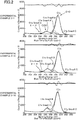
- Fig. 2 illustrates charts after peak separation.
- a portion not subjected to ESCA measurement was activated by immersion for 10 minutes in an activation solution prepared by dissolving 0.1 M of 1-[3-(dimethylamino)propyl]-3-ethylcarbodiimide hydrochloride and 0.1 M of N-hydroxysuccinimide in 200 ml of a 0.1 M phosphate buffer solution (pH 6.8).
- An 30% solution of PEG 300 containing oligo DNA (10 ⁇ M) was spotted on the obtained solid support, followed by heating at 80°C for 1 hour to photograph the spot shape with a stereomicroscope (Leica EZ4D manufactured by Leica Microsystems, Inc.).
- the diameter of each spot was measured on image processing software based on the spot image photographed using a stereomicroscope with a built-in digital camera, and the spot diameter was calculated by averaging the diameters in the X-axis direction and the Y-axis direction.
- a substrate was prepared in the same manner as that of Experimental Example 2-1 except that the immersion time in the aqueous solution of 3-aminopropyltriethoxysilane was changed to 30 minutes.
- a substrate was prepared in the same manner as that of Experimental Example 2-1 except that the concentration of the aqueous solution of 3-aminopropyltriethoxysilane was changed to 1% and the immersion time was changed to 30 minutes.
- a substrate was prepared in the same manner as that of Experimental Example 2-1 except that the concentration of the aqueous solution of 3-aminopropyltriethoxysilane was changed to 0.1% and the immersion time was changed to 30 minutes.
- a substrate was prepared in the same manner as that of Experimental Example 2-1 except that the black PC was changed to a carbon black-free PC.
- a substrate was prepared in the same manner as that of Experimental Example 2-1 except that the black PC was changed to polybutylene terephthalate (PBT).
- PBT polybutylene terephthalate
- a substrate was prepared in the same manner as that of Experimental Example 2-1 except that the black PC was changed to polymethyl methacrylate (PMMA).
- PMMA polymethyl methacrylate
- a substrate was prepared in the same manner as that of Experimental Example 2-1 except that the black PC was changed to polypropylene (PP).
- a substrate was prepared in the same manner as that of Experimental Example 2-1 except that the black PC was changed to polymethylpentene (PMP).
- PMP polymethylpentene
- a substrate was prepared in the same manner as that of Experimental Example 2-1 except that the black PC was changed to a black PC having hydrophilic groups introduced on its surface by corona irradiation.
- a substrate was prepared in the same manner as that of Experimental Example 2-1 except that the black PC was changed to a carbon black-free PC having hydrophilic groups introduced on its surface by corona irradiation.
- a substrate was prepared in the same manner as that of Experimental Example 2-1 except that the black PC was changed to PBT having hydrophilic groups introduced on its surface by corona irradiation.
- a substrate was prepared in the same manner as that of Experimental Example 2-1 except that the black PC was changed to PMMA having hydrophilic groups introduced on its surface by corona irradiation.
- a substrate was prepared in the same manner as that of Experimental Example 2-1 except that the black PC was changed to PP having hydrophilic groups introduced on its surface by corona irradiation.
- a substrate was prepared in the same manner as that of Experimental Example 2-1 except that the black PC was changed to PMP having hydrophilic groups introduced on its surface by corona irradiation.
- a substrate was prepared in the same manner as that of Experimental Example 2-1 except that the black PC was changed to a black PC having hydrophilic groups introduced on its surface by vacuum UV irradiation.
- Table 2 presents the resin substrates used, hydrophilization performed, water contact angles before the surface treatment, content ratios of Si after the formation of the aminoalkylsilane layer, presence or absence of resin peak detection by X-ray photoelectron spectroscopy, spot shapes, and spot diameters.
- Experimental Example 2-1 and Experimental Example 2-10 observed a PC-derived ⁇ - ⁇ Shake-up peak appearing in the vicinity of a binding energy of 292.5 eV in X-ray photoelectron spectroscopy after the formation of the aminoalkylsilane layer. It is presumed from the above facts that the aminoalkylsilane layer was thinly formed and the PC surface was exposed in the substrate prepared under these experimental conditions. On the other hand, Experimental Example 2-16 was unable to observe a ⁇ - ⁇ Shake-up peak. For this reason, it is presumed that, in Experimental Example 2-16, the substrate surface was covered with a thick aminoalkylsilane layer and the PC surface was not exposed.
- the spot shape can be stabilized by controlling the exposure state of the substrate after the formation of the aminoalkylsilane layer and the wettability of the surface of the exposed resin substrate.
- the wettability of the surface of an exposed resin substrate greatly affects the spot shape, and it is possible to obtain good spots without blurring in the case of a substrate which has a thinly formed aminoalkylsilane layer and thus is presumed to have an exposed resin surface, in which the water contact angle of the exposed resin surface is 66.1° or more.
Landscapes
- Health & Medical Sciences (AREA)
- Chemical & Material Sciences (AREA)
- Life Sciences & Earth Sciences (AREA)
- Engineering & Computer Science (AREA)
- Immunology (AREA)
- Organic Chemistry (AREA)
- Biomedical Technology (AREA)
- Medicinal Chemistry (AREA)
- Biotechnology (AREA)
- Molecular Biology (AREA)
- Biochemistry (AREA)
- General Health & Medical Sciences (AREA)
- Bioinformatics & Cheminformatics (AREA)
- Hematology (AREA)
- Urology & Nephrology (AREA)
- Microbiology (AREA)
- Physics & Mathematics (AREA)
- Genetics & Genomics (AREA)
- Wood Science & Technology (AREA)
- Zoology (AREA)
- Polymers & Plastics (AREA)
- Chemical Kinetics & Catalysis (AREA)
- General Physics & Mathematics (AREA)
- Pathology (AREA)
- Analytical Chemistry (AREA)
- General Engineering & Computer Science (AREA)
- Cell Biology (AREA)
- Food Science & Technology (AREA)
- Sustainable Development (AREA)
- Biophysics (AREA)
- Plant Pathology (AREA)
- Apparatus Associated With Microorganisms And Enzymes (AREA)
- Peptides Or Proteins (AREA)
- Measuring Or Testing Involving Enzymes Or Micro-Organisms (AREA)
Abstract
Description
- The present invention relates to a carrier for bio-related molecule immobilization, and a method of producing the same.
- With a demand for safety and soundness of environments and foods, development of techniques for controlling microbial contamination in environmental samples, food ingredients, or products is in progress. As a means for achieving these objects, a method of detecting bio-related molecules such as nucleic acids derived from microorganisms is advantageous in terms of detection sensitivity, specificity, and the like, and development has been carried out for various carriers such as microarrays and DNA chips, in which bio-related molecules are immobilized on a surface-treated substrate. In these carriers, precise spotting apparatuses are used to spot multiple solutions containing different bio-related molecules individually on the substrate in small spots.
- Carriers for immobilizing bio-related molecules as described above include a carrier which has a polyvalent amine layer on a substrate prepared from various materials and which further has an active ester group thereon (Japanese Patent No.
4764901 2003-161731 5735426 4370874 - The surface treatment of a substrate for immobilizing bio-related molecules has a problem that, for example, a substrate using a polyvalent carboxylic acid such as polyacrylic acid has a high surface wettability, so that the spot diameter of a solution containing bio-related molecules becomes large when the solution is spotted on the substrate. Besides, in the present technical field, improvement in detection sensitivity (S/N ratio) is always a demand. As described above, there is a need for developing a technique which makes it possible to further increase the detection sensitivity of bio-related molecules while keeping the spot diameter small so as to prevent the bio-related molecule solution from spreading.
- The inventors of the present invention have found that the above problems can be solved by preparing a carrier for bio-related molecule immobilization which includes a resin substrate and has an amino group-containing compound layer and a polyvalent carboxylic acid layer stacked in this order on the substrate, in which a ratio (COO peak intensity)/(C-C peak intensity) of a C1s spectrum as measured on a carrier surface after the stacking by X-ray photoelectron spectroscopy is in a predetermined range.
- Specifically, in a first aspect, the present invention provides a carrier for bio-related molecule immobilization comprising: a resin substrate; an amino group-containing compound layer formed on the resin substrate; and a polyvalent carboxylic acid layer formed on the amino group-containing compound layer, wherein a carboxyl group of the polyvalent carboxylic acid layer is subjected to active esterification, and wherein a ratio (COO peak intensity)/(C-C peak intensity) of a C1s spectrum as measured on a carrier surface before the active esterification by X-ray photoelectron spectroscopy is 0.064 or more and 0.12 or less.
- In addition, the first aspect of the present invention provides a method of producing a carrier for bio-related molecule immobilization, the method comprising: forming an amino group-containing compound layer on a resin substrate; forming a polyvalent carboxylic acid layer on the amino group-containing compound layer; and subjecting a carboxyl group of the polyvalent carboxylic acid layer to active esterification, wherein the steps of forming an amino group-containing compound layer and the step of forming a polyvalent carboxylic acid layer are conducted under a condition that a ratio (COO peak intensity)/(C-C peak intensity) of a C1s spectrum as measured on a carrier surface after the formation of the polyvalent carboxylic acid layer by X-ray photoelectron spectroscopy is 0.064 or more and 0.12 or less.
- In the first aspect of the present invention, it is possible to obtain a carrier with high detection sensitivity while keeping small the spot diameter at the time of spotting a solution containing bio-related molecules if the carrier for bio-related molecule immobilization is prepared by using a resin substrate, subjecting the substrate to surface treatment to form a polyvalent carboxylic acid layer, and controlling a measured value of a C1s spectrum as measured on a carrier surface by X-ray photoelectron spectroscopy.
- In addition, as described above, there are many known methods and types of surface treatment of a substrate for immobilizing bio-related molecules, and as one representative example for amino group-containing compounds, aminoalkylsilanes are widely known. However, a substrate which is subjected to aminoalkylsilane treatment and then is allowed to adsorb a polyvalent carboxylic acid such as polyacrylic acid has a problem that, when a solution containing bio-related molecules is spotted on the surface thereof, the spot diameter becomes large or the spot shape becomes poor. In particular, in general, it is common to improve the efficiency of forming an aminoalkylsilane layer by hydrophilization of the substrate for the purpose of sufficient surface treatment. However, a carrier prepared in this manner is inferior in spot shape for a nucleic acid solution, and thus there is a need for developing a technique which makes it possible to keep the spot diameter small so as to prevent the nucleic acid solution from spreading.
- The inventors of the present invention have found that the above problems can be solved by preparing a carrier which includes a resin substrate and has an aminoalkylsilane layer and a polyvalent carboxylic acid layer stacked in this order on the substrate, in which a water repellent resin substrate is used and the amount of aminoalkylsilane introduced is controlled so as to expose the resin substrate in the formation of an aminoalkylsilane layer by surface treatment of the substrate.
- Specifically, in a second aspect, the present invention provides a carrier for bio-related molecule immobilization comprising: a water repellent resin substrate; an aminoalkylsilane layer formed on the resin substrate; and a polyvalent carboxylic acid layer formed on the aminoalkylsilane layer, wherein a carboxyl group of the polyvalent carboxylic acid layer is subjected to active esterification, and wherein the resin substrate is exposed after the formation of the aminoalkylsilane layer.
- In addition, the second aspect of the present invention provides a method of producing a carrier for bio-related molecule immobilization, the method comprising: forming an aminoalkylsilane layer on a water repellent resin substrate; forming a polyvalent carboxylic acid layer on the aminoalkylsilane layer; and subjecting a carboxyl group of the polyvalent carboxylic acid layer to active esterification, wherein the step of forming an aminoalkylsilane layer is conducted under a condition that the resin substrate is exposed after the formation of the aminoalkylsilane layer.
- In the second aspect of the present invention, it is possible to obtain a carrier for bio-related molecule immobilization with a good spot shape by using a water repellent resin substrate and controlling the amount of aminoalkylsilane introduced so as to expose the resin substrate in the formation of an aminoalkylsilane layer by surface treatment of the substrate.
-
-
Fig. 1 illustrates a C1s spectrum of XPS surface analysis on a substrate after polyacrylic acid treatment of Example 1-4. The peak detected in the vicinity of 288.4 eV is the C-C peak considered to be mainly derived from the resin substrate, and the peak detected in the vicinity of 284.7 eV is the COO peak considered to be derived from the carboxyl groups of the polyvalent carboxylic acid layer. -
Fig. 2 illustrates C1s spectrum charts for Experimental Examples 2-1, 2-10, and 2-16, obtained in XPS analysis on substrate surfaces after polyacrylic acid adsorption. -
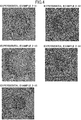
Fig. 3 illustrates actual spot observation images for Experimental Examples 2-1, and 2-10, and 2-16. -
Fig. 4 illustrates actual spot observation images for Experimental Examples 2-11 to 2-15. -
- 1. A first aspect of the present invention provides a carrier for bio-related molecule immobilization comprising: a resin substrate; an amino group-containing compound layer formed on the resin substrate; and a polyvalent carboxylic acid layer formed on the amino group-containing compound layer, wherein a carboxyl group of the polyvalent carboxylic acid layer is subjected to active esterification, and wherein a ratio (COO peak intensity)/(C-C peak intensity) of a C1s spectrum as measured on a carrier surface before the active esterification by X-ray photoelectron spectroscopy is 0.064 or more and 0.12 or less.
- The first aspect of the present invention uses a resin substrate. Although the type of resin is not particularly limited, it is preferable to use a material having as low autofluorescence as possible because the detection of bio-related molecules such as nucleic acids is often carried out based on fluorescent substances bound to the bio-related molecules. Specifically, the types of resin include polyethylene, polypropylene, cyclic polyolefin, polyisobutylene, polyethylene terephthalate, unsaturated polyester, fluorine-containing resins, polyvinyl chloride, polyvinylidene chloride, polyvinyl acetate, polyvinyl alcohol, polyvinyl acetal, acrylic resins, polyacrylonitrile, polystyrene, acetal resins, polycarbonate, polyamide, phenolic resins, urea-formaldehyde resins, epoxy resins, melamine resins, styrene-acrylonitrile copolymer, acrylonitrile-butadiene styrene copolymer, and organic materials such as polyphenylene oxide and polysulfone, and a mixture resin of two or more kinds from these may be used. In addition, additional substances capable of improving the performance according to the desired purpose, such as improvement of detection sensitivity, may be added as appropriate, and a black pigment such as a carbon black may be mixed, for example.
- In the first aspect of the present invention, as the material for the resin substrate, it is preferable to use a polycarbonate and more preferable to use a polycarbonate containing a carbon black as a black pigment. The amount of the carbon black can be determined as appropriate by those skilled in the art, and the material used is one containing a carbon black in the resin in an amount of, for example, 0.1% by weight to 2% by weight, preferably 0.2% by weight to 1% by weight, and more preferably 0.3% by weight to 0.8% by weight.
- In the carrier for bio-related molecule immobilization of the first aspect of the present invention, an amino group-containing compound layer is formed on the resin substrate described above. As the amino group-containing compound contained in the amino group-containing compound layer, it is possible to use any compound having one or more unsubstituted or substituted amino groups, and it is possible to use compounds containing ammonia, various amines, amino alcohols, aminoalkylsilanes, and the like, for example. The above amines include allylamine, monomethylamine, dimethylamine, monoethylamine, diethylamine, ethylenediamine, hexamethylenediamine, and n-propylamine. Among the above, the first aspect of the present invention preferably uses an aminoalkylsilane as the amino group-containing compound. For example, the aminoalkylsilane used is one whose alkyl group has 1 to 10 carbon atoms and preferably 2 to 5 carbon atoms, and specifically, the alkyl group can include methyl groups, ethyl groups, propyl groups, butyl groups, and pentyl groups. Among the above, a propyl group is particularly preferable in the first aspect of the present invention. In addition, the silane of the aminoalkylsilane may be substituted with one or more substituents. For example, it is possible to use one substituted with an alkoxy group (such as a methoxy group, an ethoxy group, a propoxy group, or a butoxy group) having 1 to 5 and preferably 2 to 4 carbon atoms. It is particularly preferable that the silane be substituted with three ethoxy groups. Specifically, the aminoalkylsilane includes 3-aminopropyltriethoxysilane, 3-aminopropyltrimethoxysilane, 3-aminopropyldiethoxymethylsilane, and 3-aminopropyldimethoxyethylsilane. In the first aspect of the present invention, 3-aminopropyltriethoxysilane is particularly preferable. Note that the amino group-containing compound layer may be formed on at least part of the surface of the substrate, and does not need to cover the entire surface of the substrate.
- No particular limitation is imposed on the method of forming an amino group-containing compound layer. For example, it is possible to form an amino group-containing compound layer by immersing the substrate in a solution prepared by dissolving the above-described amino group-containing compound in various solvents. The types of solvent used can include alcohols such as methanol and ethanol. For the purpose of reducing the surface roughness of the substrate to suppress autofluorescence, it is preferable to use water as the solvent and immerse the substrate in an aqueous solution in which the amino group-containing compound is sufficiently hydrolyzed.
- The immersion time and the concentration of the solution of the amino group-containing compound can be set as appropriate by those skilled in the art in consideration of the type of the specific compound used so as to obtain a predetermined peak intensity ratio of the present invention to be described later. For example, it is possible to use a solution of 1% by weight to 10% by weight and preferably 3% by weight to 8% by weight, and it is possible to set the immersion time to 15 minutes to 180 minutes and preferably 30 minutes to 120 minutes.
- In the carrier for bio-related molecule immobilization of the first aspect of the present invention, a polyvalent carboxylic acid layer is further formed on the amino group-containing compound layer described above. When the polyvalent carboxylic acid layer is formed in this manner, carboxyl groups are introduced to the surface side of the carrier. No particular limitation is imposed on the type of the polyvalent carboxylic acid used in the first aspect of the present invention. For example, it is possible to use a homopolymer or a copolymer of a monomer having a carboxyl group such as polyacrylic acid, polymethacrylic acid, polymaleic acid, polyitaconic acid, and acrylic acid-methacrylic acid copolymers. When the carboxyl group of the polyvalent carboxylic acid forms an amide bond with the amino group of the amino group-containing compound layer, the polyvalent carboxylic acid layer can be firmly bound on the amino group-containing compound layer. Note that the polyvalent carboxylic acid layer may be formed on at least part of the surface of the underlying substrate and/or the amino group-containing compound layer, and does not need to cover the entire surface of the substrate and/or the amino group-containing compound layer.
- No particular limitation is imposed on the method of forming a polyvalent carboxylic acid layer. The method includes a method of immersing the substrate having an amino group-containing compound layer formed thereon in a solution of the polyvalent carboxylic acid. The solvent used for the solution of the polyvalent carboxylic acid can be selected as appropriate by those skilled in the art, and it is possible to use water and various types of organic solvents including alcohols such as methanol and ethanol. In the first aspect of the present invention, it is preferable to use an aqueous solution.
- The immersion time, the concentration, and the molecular weight of the solution of the polyvalent carboxylic acid layer can be set as appropriate by those skilled in the art in consideration of the type of the specific polyvalent carboxylic acid so as to obtain a predetermined peak intensity ratio of the present invention to be described later. For example, the molecular weight selected is 25,000 to 1,000,000, preferably 50,000 to 500,000, and particularly preferably 100,000 to 200,000, the concentration selected is 0.1% by weight to 10% by weight, preferably 0.5% by weight to 10% by weight, and particularly preferably 1.0% by weight to 5.0% by weight, and the immersion time selected is 1 minutes to 60 minutes, preferably 5 minutes to 30 minutes, and particularly preferably 10 minutes to 20 minutes.
- As described above, as regards the carrier which includes a resin substrate and has an amino group-containing compound layer and further a polyvalent carboxylic acid layer stacked on the substrate, a ratio (COO peak intensity)/(C-C peak intensity) (hereinafter simply referred to as the "peak intensity ratio" as well) of a C Is spectrum as measured on the surface of the carrier by X-ray photoelectron spectroscopy is 0.064 or more and 0.12 or less. The above peak intensity ratio is preferably 0.064 or more and 0.10 or less, further preferably 0.064 or more and less than 0.10, and particularly preferably 0.070 or more and 0.094 or less. Alternatively, the above peak intensity may be in a range of 0.10 or more and 0.12 or less. When the carrier for bio-related molecule immobilization is prepared such that the peak intensity ratio after the formation of the polyvalent carboxylic acid layer is in the above-described range, it is possible to obtain a DNA chip with high detection sensitivity while keeping small the spot diameter at the time of spotting a solution containing bio-related molecules.
- Note that the "COO peak intensity" described above means the intensity of the peak derived from the carboxyl groups on the substrate surface measured by C1s spectrum, and represents the measured value for the peak observed in the vicinity of a binding energy of 288.4 eV. In addition, the "C-C peak intensity" described above means the intensity of the peak derived from the hydrocarbon groups on the substrate surface measured by C1s spectrum, and represents the measured value for the peak observed in the vicinity of a binding energy of 284.7 eV.
- The above COO peak is considered to be mainly derived from the carboxyl groups of the polyvalent carboxylic acid layer formed on the uppermost layer of the carrier. For this reason, in general, it is possible to adjust the above peak intensity by adjusting the variational factors capable of controlling the formation of the polyvalent carboxylic acid layer. For example, it is possible to adjust the peak intensity ratio by adjusting the concentration of the solution of the polyvalent carboxylic acid used in the step of forming the polyvalent carboxylic acid layer, the immersion time for immersing the substrate in the solution, and the like. It is apparent that the preferable ranges and specific values of the specific concentration and time can be set when those skilled in the art perform appropriate adjustment based on the actual measured value and the like of the peak intensity. The specific and preferable ranges are as described above.
- In addition, the above C-C peak is considered to be mainly derived from the resin substrate, the amino group-containing compound layer, and the polyvalent carboxylic acid layer. In particular, since the resin of the substrate is partially exposed on the surface even after the amino group-containing compound layer and the polyvalent carboxylic acid layer are formed on the resin substrate, the peak intensity is considered to vary depending on the material of the substrate. Therefore, the peak intensity ratio varies depending on the operating conditions (such as the immersion time and the concentration of the solution) in the steps of forming an amino group-containing compound layer and the step of forming a polyvalent carboxylic acid layer, and is a value specific to the material of the substrate.
- In the carrier for bio-related molecule immobilization of the first aspect of the present invention, the carboxyl groups of the polyvalent carboxylic acid layer formed as described above are subjected to active esterification. When the carboxyl groups are subjected to active esterification to form active ester groups, it is possible to stably immobilize bio-related molecules when finally spotting a solution of bio-related molecules as a carrier for bio-related molecule immobilization. As regards the type of active ester group and a method of forming the same, there is no particular limitation thereon and those skilled in the art can appropriately select ones suitable for the application as a carrier for bio-related molecule immobilization. The active ester group includes nitrophenyl groups, N-hydroxysuccinimide groups, N-hydroxynorbornene-2,3-dicarboximide groups, succinimide groups, and phthalimide groups. In the first aspect of the present invention, N-hydroxysuccinimide groups are preferable. The method of forming active ester groups includes active esterification of the carboxyl groups of the polyvalent carboxylic acid layer by immersion in a solution prepared by dissolving a dehydration condensation agent such as 1-ethyl-3-(3-dimethylaminopropyl)carbodiimide hydrochloride and any type of electrophilic group introducing agent corresponding to the active ester group as described above (such as N-hydroxysuccinimide) in a buffer solution.
- The carrier for bio-related molecule immobilization of the first aspect of the present invention obtained as described above can immobilize bio-related molecules on its surface. The bio-related molecules in the first aspect of the present invention are preferably nucleic acids. A nucleic acid-containing solution is spotted on a carrier for bio-related molecule immobilization, followed by drying to wash the unreacted nucleic acid solution not bound on the carrier. Thus, it is possible to obtain a carrier with immobilized nucleic acids. The method of spotting a nucleic acid-containing solution on the carrier includes, but is not particularly limited to, a spotting method including bringing a pin holding a nucleic acid-containing solution into contact with the carrier and a method of spraying by ink-jet a nucleic acid-containing solution on the carrier. It is possible to carry out spotting using any apparatus, method, and the like known to those skilled in the art.
- The nucleic acid immobilization carrier prepared as described above can be used for detecting the presence of target nucleic acids in the test sample. For example, consider the case of using DNA as a nucleic acid. DNA is extracted from the test sample and amplified, which is hybridized with nucleic acids on a nucleic acid immobilization carrier (such as a DNA chip or a microarray) for detection. This makes it possible to confirm the presence or absence of specific microbial contamination in the test sample. The method of extracting DNA includes the phenol extraction method, the phenol-chloroform extraction method, the alkali dissolution method, and the boiling method. Examples also include a method of extracting DNA using a commercially available DNA extracting reagent or a nucleic acid automatic extraction apparatus.
- The target region of the extracted DNA is amplified by a nucleic acid amplification method, if necessary. The target region is a region of chromosomal DNA which can be amplified by the nucleic acid amplification method, and can be set as appropriate depending on the purpose without particular limitation as long as it is possible to detect the detection target microorganism. For example, when the test sample contains cells different in type from the detection target microorganism, the target region preferably has a sequence specific to the detection target microorganism, or may have a sequence common to two or more types of microorganisms depending on the purpose. The nucleic acid amplification method includes the PCR method (polymerase chain reaction), the SDA method (strand displacement amplification), the LCR method (ligase chain reaction), the LAMP method (loop-mediated isothermal amplification), and the ICAN method (isothermal and chimeric primer-initiated amplification of nucleic acids). Among these, it is preferable to use the PCR method. For example, the length of a target region amplified by the PCR method is usually 80 to 1000 bases and preferably 100 to 500 bases.
- The amplified DNA is detected with the nucleic acid immobilization carrier of the first aspect of the present invention. The nucleic acids (probes) immobilized on the carrier are detectors which enable detection by binding only to the target bio-related molecules in the case where various bio-related molecules such as specific genes and proteins are coexistent, and it is thus difficult to make a distinguishment from one another and to make a direct selection. For example, consider the case of detecting the nucleic acid of a specific microorganism as a bio-related molecule. The probes used are DNA fragments having a sequence complementary to the base sequence possessed by the nucleic acid of this microorganism, and hybridization with the nucleic acid is carried out. Usually, DNAs of 1 to 200 bases and preferably 10 to 150 bases are immobilized on the probes. Either single stranded or double stranded DNA can be immobilized. In addition, when the target bio-related molecules are labeled with a fluorescent substance or the like in advance, it is possible to detect the bio-related molecules bound to the probe. The solution used for the binding reaction between the bio-related molecules and the probes contains, for example, bio-related molecules as well as a buffer solution prepared by adding SDS (sodium dodecyl sulfate) to citric acid-saline.
2. In addition, a second aspect of the present invention provides a carrier for bio-related molecule immobilization comprising: a water repellent resin substrate; an aminoalkylsilane layer formed on the resin substrate; and a polyvalent carboxylic acid layer formed on the aminoalkylsilane layer, wherein a carboxyl group of the polyvalent carboxylic acid layer is subjected to active esterification, and wherein the resin substrate is exposed after the formation of the aminoalkylsilane layer. - The substrate for the carrier used in the second aspect of the present invention is a water repellent resin substrate. In the second aspect of the present invention, a water repellent resin means an unhydrophilized resin or a resin which has been hydrophilized but its degree is low. Any type of unhydrophilized resin can be used in the present invention. The water repellent resin used in the second aspect of the present invention is preferably an unhydrophilized resin. However, even a resin substrate subjected to hydrophilization such as corona treatment or vacuum UV treatment can be used in the second aspect of the present invention as long as the degree of hydrophilization is low. Regardless of the presence or absence of hydrophilization, the water repellent resin of the second aspect of the present invention has a surface water contact angle of, for example, 66° or more, preferably 70° or more, more preferably 75° or more, and particularly preferably 80° or more.
- It is common to hydrophilize the resin substrate for the purpose of efficiently forming an aminoalkylsilane layer on a resin substrate. However, the second aspect of the present invention uses a water repellent resin substrate which is not subjected to hydrophilization or which has been subjected to a low degree of hydrophilization to form a carrier with an exposed resin substrate after the formation of the aminoalkylsilane layer as further described later. Thus, it is possible to obtain a carrier for bio-related molecule immobilization with a good spot shape.
- Although the type of resin is not particularly limited as long as the above conditions are satisfied, it is preferable to use a material having as low autofluorescence as possible because the detection of bio-related molecules such as nucleic acids is often carried out based on fluorescent substances bound to the bio-related molecules. Specifically, the types of resin include polyethylene, polypropylene, cyclic polyolefin, polyisobutylene, polyethylene terephthalate, unsaturated polyester, fluorine-containing resins, polyvinyl chloride, polyvinylidene chloride, polyvinyl acetate, polyvinyl alcohol, polyvinyl acetal, acrylic resins, polyacrylonitrile, polystyrene, acetal resins, polycarbonate, polyamide, phenolic resins, urea-formaldehyde resins, epoxy resins, melamine resins, styrene-acrylonitrile copolymer, acrylonitrile-butadiene styrene copolymer, and organic materials such as polyphenylene oxide and polysulfone, and a mixture resin of two or more kinds from these may be used. In addition, additional substances capable of improving the performance according to the desired purpose, such as improvement of detection sensitivity, may be added as appropriate, and a black pigment such as carbon black may be mixed, for example.
- In the second aspect of the present invention, as the material for the resin substrate, it is preferable to use a polycarbonate and more preferable to use a polycarbonate containing a carbon black as a black pigment. The amount of the carbon black can be determined as appropriate by those skilled in the art, and the material used is one containing a carbon black in the resin in an amount of, for example, 0.1% by weight to 2% by weight, preferably 0.2% by weight to 1% by weight, and more preferably 0.3% by weight to 0.8% by weight.
- In the carrier for bio-related molecule immobilization of the second aspect of the present invention, an aminoalkylsilane layer is formed on the resin substrate described above. For example, the aminoalkylsilane used is one whose alkyl group has 1 to 10 carbon atoms and preferably 2 to 5 carbon atoms, and specifically, the alkyl group includes methyl groups, ethyl groups, propyl groups, butyl groups, and pentyl groups. Among the above, a propyl group is particularly preferable in the second aspect of the present invention. In addition, the silane of the aminoalkylsilane may be substituted with one or more substituents. For example, it is possible to use one substituted with an alkoxy group (such as a methoxy group, an ethoxy group, a propoxy group, or a butoxy group) having 1 to 5 and preferably 2 to 4 carbon atoms. It is particularly preferable that the silane be substituted with three ethoxy groups. Specifically, the aminoalkylsilane includes 3-aminopropyltriethoxysilane, 3 -aminopropyltrimethoxysilane, 3 -aminopropyldiethoxymethylsilane, and 3-aminopropyldimethoxyethylsilane. In the second aspect of the present invention, 3-aminopropyltriethoxysilane is particularly preferable.
- The aminoalkylsilane layer in the second aspect of the present invention is merely expressed as a "layer" for convenience based on the relative positional relationship of being formed on the resin substrate. The aminoalkylsilane layer may be formed on at least part of the surface of the substrate, and does not mean that the entire surface of the substrate is completely covered. That is, the carrier of the second aspect of the present invention is such that the resin substrate is exposed after the formation of the aminoalkylsilane layer. In the second aspect of the present invention, since the water repellent resin substrate is exposed after the formation of the aminoalkylsilane layer as described above, it is possible to eventually obtain a carrier for bio-related molecule immobilization with a good spot shape.
- As described above, the phrase the resin substrate is exposed in the second aspect of the present invention means that the lower resin of the aminoalkylsilane layer is exposed on part of the surface of the carrier after the formation of the aminoalkylsilane layer. One of the methods of detecting resin exposure is a method of detecting the presence of substance components on the surface by surface analysis of the substrate after the formation of the aminoalkylsilane layer. Specifically, as an embodiment of the second aspect of the present invention, it is possible to make a judgment that the resin is exposed if a resin-derived peak is detected in surface analysis.
- The above method of surface analysis can be selected as appropriate by those skilled in the art, and is preferably such a method that the detection depth is in a small range of about 1 to 10 nm. Examples thereof include X-ray photoelectron spectroscopy (XPS), Auger electron spectroscopy (AES), and time-of-flight secondary ion mass spectrometry (TOF-SIMS). Among the above, X-ray photoelectron spectroscopy (XPS) is preferable in the second aspect of the present invention. For example, consider the case of using a substrate of polycarbonate resin to measure its surface by X-ray photoelectron spectroscopy after the formation of the aminoalkylsilane layer. It is possible to make a judgment that the polycarbonate is exposed on the substrate surface after the formation of the aminoalkylsilane layer if a π-π Shake-up peak is observed appearing in a range of a binding energy of 291.5 to 293.5 eV in the C1s spectrum, for example in the vicinity of 292.5 eV. Note that it is possible to make a judgment that a peak is present if the presence of a polycarbonate-derived peak is slightly observed in the C1s spectrum.
- In addition, in the second aspect of the present invention, it is possible to make a judgment that the aminoalkylsilane layer does not completely cover the resin substrate and thus the resin substrate is exposed based on a predetermined controlled range of the content ratio of silicon obtained by measuring the substrate surface after the formation of the aminoalkylsilane layer by X-ray photoelectron spectroscopy. In the second aspect of the present invention, it is possible to make a judgment that the resin substrate is exposed if the content ratio of silicon is controlled at least in a range of 0.5 to 5.0at%. The content ratio of silicon is more preferably 0.8 to 3.0at% and further preferably 1.0 to 2.0at%. In general, the higher the hydrophilicity (wettability) of the substrate surface, the easier the formation of the aminoalkylsilane layer, and the higher the content ratio of silicon. Therefore, particularly in the case of using a water repellent resin substrate (for example, a water contact angle of 66° or more), the amount of aminoalkylsilane introduced is suppressed as compared with a hydrophilic resin substrate, and the above-described content ratio of silicon is easily obtained. As a result, it is possible to obtain a carrier with an exposed resin substrate.
- No particular limitation is imposed on the method of forming an aminoalkylsilane layer. For example, it is possible to form an aminoalkylsilane layer by immersing the substrate in a solution prepared by dissolving the aminoalkylsilane in various solvents. The types of solvent used can include alcohols such as methanol and ethanol. For the purpose of reducing the surface roughness of the substrate to suppress autofluorescence, it is preferable to use water as the solvent and immerse the substrate in an aqueous solution in which the aminoalkylsilane is sufficiently hydrolyzed.
- The immersion time and the concentration of the solution of the aminoalkylsilane can be set as appropriate by those skilled in the art in consideration of the type of the specific compound used so as to obtain a predetermined surface analysis peak or silicon content ratio of the present invention as described above. For example, it is possible to use a solution of 0.1% by weight to 10% by weight and preferably 1% by weight to 8% by weight, and it is possible to set the immersion time to 15 minutes to 180 minutes and preferably 30 minutes to 150 minutes.
- In the carrier for nucleic acid immobilization of the second aspect of the present invention, a polyvalent carboxylic acid layer is further formed on the aminoalkylsilane layer described above. When the polyvalent carboxylic acid layer is formed in this manner, carboxyl groups are introduced to the surface side of the carrier. No particular limitation is imposed on the type of the polyvalent carboxylic acid used in the second aspect of the present invention. For example, it is possible to use a homopolymer or a copolymer of a monomer having a carboxyl group such as polyacrylic acid, polymethacrylic acid, polymaleic acid, polyitaconic acid, and acrylic acid-methacrylic acid copolymers. When the carboxyl group of the polyvalent carboxylic acid forms an amide bond with the amino group of the aminoalkylsilane layer, the polyvalent carboxylic acid layer can be firmly bound on the aminoalkylsilane layer. Note that the polyvalent carboxylic acid layer may be formed on at least part of the surface of the underlying substrate and/or the aminoalkylsilane layer, and does not need to cover the entire surface of the substrate and/or the aminoalkylsilane layer. Since the polyvalent carboxylic acid layer is formed on the aminoalkylsilane layer due to the amide bond between the carboxyl groups and the amino groups as described above, it is assumed that the resin substrate exposed after the formation of the aminoalkylsilane layer is still exposed after the formation of the polyvalent carboxylic acid layer.
- No particular limitation is imposed on the method of forming a polyvalent carboxylic acid layer. The method includes a method of immersing the substrate having an aminoalkylsilane layer formed thereon in a solution of the polyvalent carboxylic acid. The solvent used for the solution of the polyvalent carboxylic acid can be selected as appropriate by those skilled in the art, and it is possible to use water and various types of organic solvents including alcohols such as methanol and ethanol. In the second aspect of the present invention, it is preferable to use an aqueous solution.
- The immersion time, the concentration, and the molecular weight of the solution of the polyvalent carboxylic acid layer can be set as appropriate by those skilled in the art. For example, the molecular weight selected is 25,000 to 1,000,000, preferably 50,000 to 500,000, and particularly preferably 100,000 to 200,000, the concentration selected is 0.1% by weight to 10% by weight, preferably 0.5% by weight to 10% by weight, and particularly preferably 1.0% by weight to 5.0% by weight, and the immersion time selected is 1 minutes to 60 minutes, preferably 5 minutes to 30 minutes, and particularly preferably 10 minutes to 20 minutes.
- In the carrier for nucleic acid immobilization of the second aspect of the present invention, the carboxyl groups of the polyvalent carboxylic acid layer formed as described above are subjected to active esterification. When the carboxyl groups are subjected to active esterification to form active ester groups, it is possible to stably immobilize nucleic acids at the time of eventually spotting a solution of nucleic acids as a carrier for nucleic acid immobilization. As regards the type of active ester group and a method of forming the same, there is no particular limitation thereon and those skilled in the art can appropriately select ones suitable for the application as a carrier for nucleic acid immobilization. The active ester group includes nitrophenyl groups, N-hydroxysuccinimide groups, N-hydroxynorbornene-2,3-dicarboximide groups, succinimide groups, and phthalimide groups. In the second aspect of the present invention, N-hydroxysuccinimide groups are preferable. The method of forming active ester groups includes active esterification of the carboxyl groups of the polyvalent carboxylic acid layer by immersion in a solution prepared by dissolving a dehydration condensation agent such as 1-ethyl-3-(3-dimethylaminopropyl)carbodiimide hydrochloride and any type of electrophilic group introducing agent corresponding to the active ester group as described above (such as N-hydroxysuccinimide) in a buffer solution.
- The carrier for bio-related molecule immobilization of the second aspect of the present invention obtained as described above can immobilize bio-related molecules on its surface. The bio-related molecules in the second aspect of the present invention are preferably nucleic acids. A nucleic acid-containing solution is spotted on a carrier for bio-related molecule immobilization, followed by washing of the unreacted nucleic acid solution not bound on the carrier. Thus, it is possible to obtain a carrier with immobilized nucleic acids. The method of spotting a nucleic acid-containing solution on the carrier includes, but is not particularly limited to, a spotting method including bringing a pin holding a nucleic acid-containing solution into contact with the carrier and a method of spraying by ink-jet a nucleic acid-containing solution on the carrier. It is possible to carry out spotting using any apparatus, method, and the like known to those skilled in the art.
- The nucleic acid immobilization carrier prepared as described above can be used for detecting the presence of target nucleic acids in the test sample. For example, consider the case of using DNA as a nucleic acid. DNA is extracted from the test sample and amplified, which is hybridized with nucleic acids on a nucleic acid immobilization carrier (such as a DNA chip or a microarray) for detection. This makes it possible to confirm the presence or absence of specific microbial contamination in the test sample. The method of extracting DNA includes the phenol extraction method, the phenol-chloroform extraction method, the alkali dissolution method, and the boiling method. Examples also include a method of extracting DNA using a commercially available DNA extracting reagent or a nucleic acid automatic extraction apparatus.
- The target region of the extracted DNA is amplified by a nucleic acid amplification method, if necessary. The target region is a region of chromosomal DNA which can be amplified by the nucleic acid amplification method, and can be set as appropriate depending on the purpose without particular limitation as long as it is possible to detect the detection target microorganism. For example, when the test sample contains cells different in type from the detection target microorganism, the target region preferably has a sequence specific to the detection target microorganism, or may have a sequence common to two or more types of microorganisms depending on the purpose. The nucleic acid amplification method includes the PCR method (polymerase chain reaction), the SDA method (strand displacement amplification), the LCR method (ligase chain reaction), the LAMP method (loop-mediated isothermal amplification), and the ICAN method (isothermal and chimeric primer-initiated amplification of nucleic acids). Among these, it is preferable to use the PCR method. For example, the length of a target region amplified by the PCR method is usually 80 to 1000 bases and preferably 100 to 500 bases.
- The amplified DNA is detected with the nucleic acid immobilization carrier of the second aspect of the present invention. The nucleic acids (probes) immobilized on the carrier are detectors which enable detection by binding only to the target bio-related molecules in the case where various bio-related molecules such as specific genes and proteins are coexistent, and it is thus difficult to make a distinguishment from one another and to make a direct selection. For example, consider the case of detecting the nucleic acid of a specific microorganism as a bio-related molecule. The probes used are DNA fragments having a sequence complementary to the base sequence possessed by the nucleic acid of this microorganism, and hybridization with the nucleic acid is carried out. Usually, DNAs of 1 to 200 bases and preferably 10 to 150 bases are immobilized on the probes. Either single stranded or double stranded DNA can be immobilized. In addition, when the target bio-related molecules are labeled with a fluorescent substance or the like in advance, it is possible to detect the bio-related molecules bound to the probe. The solution used for the binding reaction between the bio-related molecules and the probes contains, for example, bio-related molecules as well as a buffer solution prepared by adding SDS (sodium dodecyl sulfate) to citric acid-saline.
- Hereinafter, the aspects of the present invention are described in more detail based on Examples.
- A polycarbonate substrate containing a carbon black (manufactured by Shiraishi Kogyo Kaisha, Ltd.) was immersed in a 5-wt% aqueous solution of 3-aminopropyltriethoxysilane (AS solution) for 30 to 120 minutes to introduce amino groups. This substrate, into which amino groups were introduced, was immersed in an aqueous solution of polyacrylic acid (PA solution) having a molecular weight of about 150,000, then washed with pure water, and immersed for 10 minutes in an activation solution prepared by dissolving 0.1 M of 1-ethyl-3-(3-dimethylaminopropyl)carbodiimide hydrochloride and 0.05 M of N-hydroxysuccinimide in a 0.1 M phosphate buffer solution (pH 6.8), followed by activation of carboxyl groups to prepare a surface-treated substrate. The above procedures were followed to prepare a substrate with a different amount of carboxyl group introduced by changing the concentration of the aqueous solution of polyacrylic acid used for the immersion in a range of 0.5% to 10%, as presented in the table provided later. In addition, the substrate surface after the polyacrylic acid treatment was measured with an X-ray photoelectron spectrometer (K-Alpha XPS system manufactured by Thermo Fisher Scientific) to obtain a C1s spectrum. Measurement was conducted on the intensity of the peak derived from hydrocarbons and obtained in the vicinity of 284.7 eV (C-C peak intensity) and the intensity of the peak derived from carboxyl groups and obtained in the vicinity of 288.4 eV (COO peak intensity). Then, the ratio between them was calculated.
-
Fig. 1 illustrates a C1s spectrum of XPS surface analysis on a substrate after polyacrylic acid treatment of Example 1-4. The peak detected in the vicinity of 288.4 eV is the C-C peak considered to be mainly derived from the polycarbonate substrate, and the peak detected in the vicinity of 284.7 eV is the COO peak considered to be derived from the carboxyl groups of the polyvalent carboxylic acid layer. - A DNA probe solution prepared to 10 mM using a microarray preparation apparatus (MARKS-I manufactured by Koden Industry Co., Ltd.) was spotted on the surface-treated substrate. The substrate on which the DNA probe was spotted was heated in an oven at 80°C for 1 hour, and then the spot diameter was measured by observation using a stereomicroscope (Leica EZ4D manufactured by Leica Microsystems, Inc.). The substrate was washed with 2 × SSC/0.2% SDS at room temperature for 10 minutes and at 60°C for 10 minutes to prepare a DNA immobilization substrate.
- Aspergillus fumigatus was cultured on a plate medium, and DNA was extracted from the obtained colonies. This was prepared at a concentration of 50 pg/µL as a template DNA, followed by amplification by PCR to obtain a PCR product for evaluation of detection sensitivity.
Composition of PCR Reaction Solution dH2O 8.6 5x Ampdirect® G/C 4.0 5x Amp addition-4 4.0 dNTPs 1.0 Primer 1.0 Cy5-dCTP 0.2 NovaTaq HS DNA polymerase 0.2 Template DNA(50 pg/µL) 1.0 Total (µL) 20.0 PCR Conditions 95°C 10 Minutes 95°C 30 Seconds 40 Cycles 56°C 30 Seconds 72°C 60 Seconds 72°C 10 Minutes - A hybridization buffer in an amount of 2 µL and the PCR product in an amount of 4 µL were mixed to come into contact with the surface of the prepared DNA immobilization substrate, followed by reaction at 45°C for 60 minutes. After the reaction, the substrate was subjected to sway washing with a 0.5 × SSC/0.2% SDS solution and then with a 0.5 × SSC solution twice for 50 cycles each. A cover glass was placed thereon, and a DNA chip detection apparatus (GENOGATE Reader manufactured by Toyo Kohan Co., Ltd.) was used to obtain a fluorescence detection image. The S/N ratio was calculated from the fluorescence intensity value and the background value obtained from each of the spots on the detection image.
- The table below presents the calculated values of the C-C peak intensity and the COO peak intensity and their peak intensity ratios regarding the carrier for nucleic acid immobilization prepared as described above (before ester activation) as well as the S/N ratios and the spot diameters measured after DNA immobilization.
Table 1 Comparative Example 1-1 Example 1-1 Example 1-2 Example 1-3 Example 1-4 Example 1-5 Example 1-6 Example 1-7 Example 1-8 Example 1-9 Example 1-10 Comparative Example 1-2 Comparative Example 1-3 Concentration of AS Solution-Immersion Time 5%-60 min 5%-120 min 5%-30 min 5%-60 min 5%-120 min 5%-30 min 5%-60 min 5%-120 min 5%-30 min 5%-60 min 5%-120 min 5%-30 min 5%-120 min Concentration of PA Solution-Immersion Time 0.5%-10 min 1%-10 min 2%-10 min 5%-10 min 10%-10 min C-C Peak Intensity 3378.6 3330.19 3350.95 3372.51 3308.88 3298.2 3282.56 3281.64 3312.32 3269.62 3194.74 3205.17 3178.55 COO Peak Intensity 192.89 212.93 234.1 225.48 263.88 312.91 289.07 308.9 352.77 393.31 377.98 466.34 444.99 COO/C-C Peak Intensity Ratio 0.057 0.064 0.070 0.067 0.080 0.095 0.088 0.094 0.107 0.12 0.118 0.145 0.140 S/N(Af1-1) 5.6 6.8 7.5 7.3 6.6 7.8 7.7 8.3 7.8 7.3 7.9 5.0 4.8 Spot Diameter (um) 148 148 146 139 145 159 162 154 169 176 174 178 191 - The mold PCR product was hybridized to evaluate the detection sensitivity of the DNA immobilization substrate. The above results were such that it was possible to obtain a DNA chip with high detection sensitivity while keeping the spot diameter small when a nucleic acid solution was spotted on a carrier in which the COO/C-C peak intensity ratio of the substrate surface after the formation of the polyvalent carboxylic acid layer was in a range of 0.064 to 0.12.
- A polycarbonate substrate containing a carbon black (manufactured by Shiraishi Kogyo Kaisha, Ltd., hereinafter the black PC substrate) was prepared, and a contact angle meter (DropMaster 700 manufactured by Kyowa Interface Science, Inc.) was used to measure the water contact angle. Next, the black PC substrate was immersed in a 5-wt% aqueous solution of 3-aminopropyltriethoxysilane for 2 hours, then taken out therefrom, washed with pure water, and then dried at 70°C for 2 hours. This substrate was measured with an X-ray photoelectron spectrometer (K-Alpha XPS system manufactured by Thermo Fisher Scientific) to confirm the content ratio of Si. Next, a portion not subjected to ESCA measurement was immersed in a 1% aqueous solution of polyacrylic acid for 10 minutes, then taken out therefrom, washed with pure water, and then dried at 80°C for 2 hours. This substrate was measured with an X-ray photoelectron spectrometer to obtain a C1s spectrum.
Fig. 2 illustrates charts after peak separation. - Next, a portion not subjected to ESCA measurement was activated by immersion for 10 minutes in an activation solution prepared by dissolving 0.1 M of 1-[3-(dimethylamino)propyl]-3-ethylcarbodiimide hydrochloride and 0.1 M of N-hydroxysuccinimide in 200 ml of a 0.1 M phosphate buffer solution (pH 6.8). A 30% solution of PEG 300 containing oligo DNA (10 µM) was spotted on the obtained solid support, followed by heating at 80°C for 1 hour to photograph the spot shape with a stereomicroscope (Leica EZ4D manufactured by Leica Microsystems, Inc.). In addition, the diameter of each spot was measured on image processing software based on the spot image photographed using a stereomicroscope with a built-in digital camera, and the spot diameter was calculated by averaging the diameters in the X-axis direction and the Y-axis direction.
- A substrate was prepared in the same manner as that of Experimental Example 2-1 except that the immersion time in the aqueous solution of 3-aminopropyltriethoxysilane was changed to 30 minutes.
- A substrate was prepared in the same manner as that of Experimental Example 2-1 except that the concentration of the aqueous solution of 3-aminopropyltriethoxysilane was changed to 1% and the immersion time was changed to 30 minutes.
- A substrate was prepared in the same manner as that of Experimental Example 2-1 except that the concentration of the aqueous solution of 3-aminopropyltriethoxysilane was changed to 0.1% and the immersion time was changed to 30 minutes.
- A substrate was prepared in the same manner as that of Experimental Example 2-1 except that the black PC was changed to a carbon black-free PC.
- A substrate was prepared in the same manner as that of Experimental Example 2-1 except that the black PC was changed to polybutylene terephthalate (PBT).
- A substrate was prepared in the same manner as that of Experimental Example 2-1 except that the black PC was changed to polymethyl methacrylate (PMMA).
- A substrate was prepared in the same manner as that of Experimental Example 2-1 except that the black PC was changed to polypropylene (PP).
- A substrate was prepared in the same manner as that of Experimental Example 2-1 except that the black PC was changed to polymethylpentene (PMP).
- A substrate was prepared in the same manner as that of Experimental Example 2-1 except that the black PC was changed to a black PC having hydrophilic groups introduced on its surface by corona irradiation.
- A substrate was prepared in the same manner as that of Experimental Example 2-1 except that the black PC was changed to a carbon black-free PC having hydrophilic groups introduced on its surface by corona irradiation.
- A substrate was prepared in the same manner as that of Experimental Example 2-1 except that the black PC was changed to PBT having hydrophilic groups introduced on its surface by corona irradiation.
- A substrate was prepared in the same manner as that of Experimental Example 2-1 except that the black PC was changed to PMMA having hydrophilic groups introduced on its surface by corona irradiation.
- A substrate was prepared in the same manner as that of Experimental Example 2-1 except that the black PC was changed to PP having hydrophilic groups introduced on its surface by corona irradiation.
- A substrate was prepared in the same manner as that of Experimental Example 2-1 except that the black PC was changed to PMP having hydrophilic groups introduced on its surface by corona irradiation.
- A substrate was prepared in the same manner as that of Experimental Example 2-1 except that the black PC was changed to a black PC having hydrophilic groups introduced on its surface by vacuum UV irradiation.
- Regarding Experimental Examples 2-1 to 2-13, Table 2 presents the resin substrates used, hydrophilization performed, water contact angles before the surface treatment, content ratios of Si after the formation of the aminoalkylsilane layer, presence or absence of resin peak detection by X-ray photoelectron spectroscopy, spot shapes, and spot diameters.
Table 2 Substrate Hydrophilization Treatment Water Contact Angle Before Surface Treatment (°) Si Content Ratio (at%) Resin Peak Detection Spot Shape Spot Diameter (µm) Experimental Example 2-1 Black PC × 82.7 1.89 ○ ○ (Good) 168 Experimental Example2-2 Black PC × 82.7 1.46 - ○ (Good) - Experimental Example2-3 Black PC × 82.7 1.08 - ○ (Good) - Experimental Example2-4 Black PC × 82.7 0.64 - ○ (Good) - Experimental Example 2-5 PC × 79.3 2.22 - ○ (Good) - Experimental Example 2-6 PBT × 76.9 1.52 - ○ (Good) - Experimental Example 2-7 PMMA × 72.8 1.33 - ○ (Good) - Experimental Example 2-8 PP × 98.5 1.23 - ○ (Good) - Experimental Example 2-9 PMP × 106.6 0.81 - ○ (Good) - Experimental Example 2-10 Black PC Corona 65.2 2.66 ○ Δ (Partial Blurring) 382 Experimental Example 2-11 PC Corona 49.1 3.11 - Δ (Partial Blurring) 375 Experimental Example 2-12 PBT Corona 46.6 1.80 - Δ (Partial Blurring) 378 Experimental Example 2-13 PMMA Corona 55.0 1.42 - × (Spot Fusion) 445 Experimental Example 2-14 PP Corona 66.1 1.57 - ○ (Good) 231 Experimental Example 2-15 PMP Corona 72.8 1.56 - ○ (Good) 220 Experimental Example 2-16 Black PC Vacuum UV 46.5 6.00 × ×× (Treatment Film Broken) 871 * "-": Not measured. - As presented in Experimental Examples 2-1, 2-10, and 2-16 of Table 2, the contact angle decreased due to hydrophilization, and the amount of aminoalkylsilane layer introduced (content ratio of Si) increased accordingly. Good spots were obtained in Experimental Example 2-1, whereas the spots blurred in Experimental Example 2-10 and the spot form in Experimental Example 2-16 was as if the treatment film was broken.
- In addition, as illustrated by the C1s spectrum charts of
Fig. 2 , Experimental Example 2-1 and Experimental Example 2-10 observed a PC-derived π-π Shake-up peak appearing in the vicinity of a binding energy of 292.5 eV in X-ray photoelectron spectroscopy after the formation of the aminoalkylsilane layer. It is presumed from the above facts that the aminoalkylsilane layer was thinly formed and the PC surface was exposed in the substrate prepared under these experimental conditions. On the other hand, Experimental Example 2-16 was unable to observe a π-π Shake-up peak. For this reason, it is presumed that, in Experimental Example 2-16, the substrate surface was covered with a thick aminoalkylsilane layer and the PC surface was not exposed. - It is understood from these facts that the aminoalkylsilane layer was thinly formed in Experimental Example 2-1 so that the water repellent substrate was exposed, in which state it was possible to obtain a good spot shape. In addition, it is understood that the hydrophilized substrate was exposed in Experimental Example 2-10, in which state it was possible to obtain good spots but partial blurring occurred. Moreover, it is understood that the substrate in Experimental Example 2-16 was covered with the aminoalkylsilane layer and thus was not exposed, in which state the spot shape was poor.
- It is understood from the above facts that the spot shape can be stabilized by controlling the exposure state of the substrate after the formation of the aminoalkylsilane layer and the wettability of the surface of the exposed resin substrate.
- In addition, as presented by Experimental Examples 2-2 to 2-4 of Table 2, it is possible to prepare a substrate which has exposed resin and has a further thinly-formed aminoalkylsilane layer by changing the immersion time and the concentration of the aqueous solution of 3-aminopropyltriethoxysilane, and it is understood that any of them has a good spot shape and makes it possible to stabilize the spot shape in the same manner as that of Experimental Example 2-1 even in the case of a substrate having a Si content ratio of about 0.64at%.
- Furthermore, as presented by Experimental Examples 2-5 to 2-9 and 2-11 to 2-15 of Table 2, the water contact angles of the unhydrophilized samples were 72.8 to 106.6° and their spot shapes were good. On the other hand, in the hydrophilized samples, the water contact angles decreased to 46.6 to 72.8° and their Si content ratios were 1.42 to 3.11at%. It is presumed that, with a content ratio in this range, a thin aminoalkylsilane layer is formed and the surface of the resin substrate is exposed. The spot shape was good in the case of using a substrate having a water contact angle of 66.1° or more (Experimental Examples 2-14 and 2-15), and blurring occurred in the case of using a substrate having a water contact angle smaller than the above (Experimental Examples 2-11 to 2-13).
- The following is understood from what has been described above. The wettability of the surface of an exposed resin substrate greatly affects the spot shape, and it is possible to obtain good spots without blurring in the case of a substrate which has a thinly formed aminoalkylsilane layer and thus is presumed to have an exposed resin surface, in which the water contact angle of the exposed resin surface is 66.1° or more.
Claims (11)
- A carrier for bio-related bio-related molecule immobilization comprising:a resin substrate;an amino group-containing compound layer formed on the resin substrate; anda polyvalent carboxylic acid layer formed on the amino group-containing compound layer,wherein a carboxyl group of the polyvalent carboxylic acid layer is subjected to active esterification, and wherein a ratio (COO peak intensity)/(C-C peak intensity) of a C1s spectrum as measured on a carrier surface before the active esterification by X-ray photoelectron spectroscopy is 0.064 or more and 0.12 or less.
- The carrier for bio-related molecule immobilization according to claim 1, wherein the amino group-containing compound is an aminoalkylsilane.
- The carrier for bio-related molecule immobilization according to claim 1 or 2, wherein the resin substrate is a polycarbonate containing a black pigment.
- A method of producing a carrier for bio-related molecule immobilization, the method comprising:forming an amino group-containing compound layer on a resin substrate;forming a polyvalent carboxylic acid layer on the amino group-containing compound layer; andsubjecting a carboxyl group of the polyvalent carboxylic acid layer to active esterification,wherein the step of forming an amino group-containing compound layer and the step of forming a polyvalent carboxylic acid layer are conducted under a condition that a ratio (COO peak intensity)/(C-C peak intensity) of a C1s spectrum as measured on a carrier surface after the formation of the polyvalent carboxylic acid layer by X-ray photoelectron spectroscopy is 0.064 or more and 0.12 or less.
- A carrier for bio-related molecule immobilization comprising:a water repellent resin substrate;an aminoalkylsilane layer formed on the resin substrate; anda polyvalent carboxylic acid layer formed on the aminoalkylsilane layer,wherein a carboxyl group of the polyvalent carboxylic acid layer is subjected to active esterification, and wherein the resin substrate is exposed after the formation of the aminoalkylsilane layer.
- The carrier for bio-related molecule immobilization according to claim 5, wherein a water contact angle on a surface of the resin substrate is 66° or more.
- The carrier for bio-related molecule immobilization according to claim 5 or 6, wherein a resin-derived peak is detected in surface analysis of the substrate after the formation of the aminoalkylsilane layer.
- The carrier for bio-related molecule immobilization according to any one of claims 5 to 7, wherein a content ratio of silicon in the substrate surface after the formation of the aminoalkylsilane layer is 0.5 to 5.0at%.
- The carrier for bio-related molecule immobilization according to any one of claims 5 to 8, wherein the resin substrate is a polycarbonate, and wherein a π-π Shake-up peak is detected in a C1s spectrum by X-ray photoelectron spectroscopy on the substrate surface after the formation of the aminoalkylsilane layer.
- The carrier for bio-related molecule immobilization according to any one of claims 5 to 9, wherein the resin substrate is a polycarbonate containing a black pigment.
- A method of producing a carrier for bio-related molecule immobilization, the method comprising:forming an aminoalkylsilane layer on a water repellent resin substrate;forming a polyvalent carboxylic acid layer on the aminoalkylsilane layer; andsubjecting a carboxyl group of the polyvalent carboxylic acid layer to active esterification,wherein the step of forming an aminoalkylsilane layer is conducted under a condition that the resin substrate is exposed after the formation of the aminoalkylsilane layer.
Applications Claiming Priority (3)
| Application Number | Priority Date | Filing Date | Title |
|---|---|---|---|
| JP2016225289A JP2018078864A (en) | 2016-11-18 | 2016-11-18 | Carrier for immobilizing biological molecules |
| JP2016246377A JP6931181B2 (en) | 2016-12-20 | 2016-12-20 | Bio-related molecule immobilization carrier |
| PCT/JP2017/041694 WO2018092908A1 (en) | 2016-11-18 | 2017-11-20 | Carrier for biologically relevant molecule immobilization |
Publications (3)
| Publication Number | Publication Date |
|---|---|
| EP3543338A1 true EP3543338A1 (en) | 2019-09-25 |
| EP3543338A4 EP3543338A4 (en) | 2020-05-06 |
| EP3543338B1 EP3543338B1 (en) | 2025-10-22 |
Family
ID=62145518
Family Applications (1)
| Application Number | Title | Priority Date | Filing Date |
|---|---|---|---|
| EP17872112.2A Active EP3543338B1 (en) | 2016-11-18 | 2017-11-20 | Carrier for biologically relevant molecule immobilization |
Country Status (4)
| Country | Link |
|---|---|
| US (1) | US11312831B2 (en) |
| EP (1) | EP3543338B1 (en) |
| ES (1) | ES3052674T3 (en) |
| WO (1) | WO2018092908A1 (en) |
Family Cites Families (15)
| Publication number | Priority date | Publication date | Assignee | Title |
|---|---|---|---|---|
| US6464848B1 (en) | 1998-09-03 | 2002-10-15 | Nec Corporation | Reference electrode, a biosensor and a measuring apparatus therewith |
| JP3214562B2 (en) * | 1998-09-03 | 2001-10-02 | 日本電気株式会社 | Reference electrode, biosensor and measuring device using the same |
| JP2001108683A (en) * | 1999-10-14 | 2001-04-20 | Fuji Photo Film Co Ltd | Dna fragment fixing solid-phase carrier, dna fragment fixing method, and nucleic-acid fragment detecting method |
| CN1277931C (en) * | 2001-07-24 | 2006-10-04 | 日本电气株式会社 | Enzyme electrode and production method therefor |
| JP2003161731A (en) | 2001-11-27 | 2003-06-06 | Sumitomo Bakelite Co Ltd | Plastic substrate for microchip and manufacturing method and usage method thereof |
| US20050176003A1 (en) | 2001-11-27 | 2005-08-11 | Sumitomo Bakelite Co., Ltd. | Plastic substrate for microchips |
| WO2003046562A1 (en) * | 2001-11-27 | 2003-06-05 | Sumitomo Bakelite Co., Ltd. | Plastic substrate for microchips |
| JP2004097173A (en) | 2002-07-17 | 2004-04-02 | Toyo Kohan Co Ltd | Solid support having electrostatic layer and its use |
| JP4280124B2 (en) * | 2003-07-25 | 2009-06-17 | 東洋鋼鈑株式会社 | Vacuum packed solid support array and manufacturing method thereof |
| JP4370874B2 (en) | 2003-10-21 | 2009-11-25 | 住友ベークライト株式会社 | Microarray substrate |
| KR100580642B1 (en) * | 2004-01-12 | 2006-05-16 | 삼성전자주식회사 | Method of immobilizing biomolecules on a solid substrate with high density by using a substrate having an activated carboxyl group on the surface and a microarray manufactured thereby |
| JP2008249416A (en) * | 2007-03-29 | 2008-10-16 | Toyo Kohan Co Ltd | Board for microarray and microarray using board |
| US8815611B2 (en) * | 2008-04-10 | 2014-08-26 | Corning Incorporated | Surface for label independent detection and method thereof |
| JP4712848B2 (en) * | 2008-09-01 | 2011-06-29 | 信越化学工業株式会社 | Manufacturing method of substrate for producing microarray |
| CN102482717B (en) | 2009-09-10 | 2015-04-01 | 东洋钢钣株式会社 | Carrier for holding nucleic acids |
-
2017
- 2017-11-20 WO PCT/JP2017/041694 patent/WO2018092908A1/en not_active Ceased
- 2017-11-20 US US16/347,600 patent/US11312831B2/en active Active
- 2017-11-20 EP EP17872112.2A patent/EP3543338B1/en active Active
- 2017-11-20 ES ES17872112T patent/ES3052674T3/en active Active
Also Published As
| Publication number | Publication date |
|---|---|
| US20190276598A1 (en) | 2019-09-12 |
| EP3543338A4 (en) | 2020-05-06 |
| ES3052674T3 (en) | 2026-01-12 |
| US11312831B2 (en) | 2022-04-26 |
| EP3543338B1 (en) | 2025-10-22 |
| WO2018092908A1 (en) | 2018-05-24 |
Similar Documents
| Publication | Publication Date | Title |
|---|---|---|
| JP7499241B2 (en) | Low-binding supports for improved solid-phase DNA hybridization and amplification - Patents.com | |
| KR102626963B1 (en) | Protective surface coatings for flow cells | |
| US20210040534A1 (en) | De novo surface preparation and uses thereof | |
| US20070264656A1 (en) | Method of manufacturing probe-immobilized carrier | |
| AU2014284584A1 (en) | Catalyst-free surface functionalization and polymer grafting | |
| JP2004502928A (en) | Improved low fluorescence nylon / glass composite for microanalysis identification applications | |
| EP2476759B1 (en) | Carrier for holding nucleic acids | |
| JP4183256B2 (en) | Nucleic acid amplification reaction product strand separation method, nucleic acid amplification reaction product detection method | |
| EP3543338B1 (en) | Carrier for biologically relevant molecule immobilization | |
| JP6931181B2 (en) | Bio-related molecule immobilization carrier | |
| EP1206579B1 (en) | Preparation of metal oxide supports loaded with biomolecules | |
| JP5157382B2 (en) | Method for detecting RNA sequence | |
| CN101133093A (en) | Sample lysis and coating of reaction surfaces | |
| EP3581930A1 (en) | Carrier for immobilizing bio-related molecules | |
| JP2006017458A (en) | Substrate for biochip, and biochip | |
| CN104805509A (en) | Carboxyl-modified gene chip substrate and preparation method thereof | |
| JP2018078864A (en) | Carrier for immobilizing biological molecules | |
| HK40126742A (en) | Low binding supports for improved solid-phase dna hybridization and amplification | |
| HK40070901A (en) | Low binding supports for improved solid-phase dna hybridization and amplification | |
| HK40073895B (en) | Sequencing method using low binding supports | |
| HK40073895A (en) | Sequencing method using low binding supports |
Legal Events
| Date | Code | Title | Description |
|---|---|---|---|
| STAA | Information on the status of an ep patent application or granted ep patent |
Free format text: STATUS: THE INTERNATIONAL PUBLICATION HAS BEEN MADE |
|
| PUAI | Public reference made under article 153(3) epc to a published international application that has entered the european phase |
Free format text: ORIGINAL CODE: 0009012 |
|
| STAA | Information on the status of an ep patent application or granted ep patent |
Free format text: STATUS: REQUEST FOR EXAMINATION WAS MADE |
|
| 17P | Request for examination filed |
Effective date: 20190425 |
|
| AK | Designated contracting states |
Kind code of ref document: A1 Designated state(s): AL AT BE BG CH CY CZ DE DK EE ES FI FR GB GR HR HU IE IS IT LI LT LU LV MC MK MT NL NO PL PT RO RS SE SI SK SM TR |
|
| AX | Request for extension of the european patent |
Extension state: BA ME |
|
| DAV | Request for validation of the european patent (deleted) | ||
| DAX | Request for extension of the european patent (deleted) | ||
| A4 | Supplementary search report drawn up and despatched |
Effective date: 20200407 |
|
| RIC1 | Information provided on ipc code assigned before grant |
Ipc: G01N 37/00 20060101ALI20200401BHEP Ipc: G01N 33/543 20060101ALI20200401BHEP Ipc: C12M 1/00 20060101ALI20200401BHEP Ipc: C12N 15/09 20060101AFI20200401BHEP Ipc: G01N 33/53 20060101ALI20200401BHEP |
|
| STAA | Information on the status of an ep patent application or granted ep patent |
Free format text: STATUS: EXAMINATION IS IN PROGRESS |
|
| 17Q | First examination report despatched |
Effective date: 20220113 |
|
| REG | Reference to a national code |
Free format text: PREVIOUS MAIN CLASS: C12N0015090000 Ipc: C12N0015100000 Ref country code: DE Ref legal event code: R079 Ref document number: 602017092347 Country of ref document: DE |
|
| GRAP | Despatch of communication of intention to grant a patent |
Free format text: ORIGINAL CODE: EPIDOSNIGR1 |
|
| STAA | Information on the status of an ep patent application or granted ep patent |
Free format text: STATUS: GRANT OF PATENT IS INTENDED |
|
| RIC1 | Information provided on ipc code assigned before grant |
Ipc: G01N 37/00 20060101ALI20250404BHEP Ipc: G01N 33/543 20060101ALI20250404BHEP Ipc: G01N 33/53 20060101ALI20250404BHEP Ipc: C12M 1/00 20060101ALI20250404BHEP Ipc: C08J 7/056 20200101ALI20250404BHEP Ipc: C12N 15/10 20060101AFI20250404BHEP Ipc: C08J 7/06 20060101ALI20250404BHEP |
|
| INTG | Intention to grant announced |
Effective date: 20250512 |
|
| GRAS | Grant fee paid |
Free format text: ORIGINAL CODE: EPIDOSNIGR3 |
|
| GRAA | (expected) grant |
Free format text: ORIGINAL CODE: 0009210 |
|
| STAA | Information on the status of an ep patent application or granted ep patent |
Free format text: STATUS: THE PATENT HAS BEEN GRANTED |
|
| AK | Designated contracting states |
Kind code of ref document: B1 Designated state(s): AL AT BE BG CH CY CZ DE DK EE ES FI FR GB GR HR HU IE IS IT LI LT LU LV MC MK MT NL NO PL PT RO RS SE SI SK SM TR |
|
| REG | Reference to a national code |
Ref country code: CH Ref legal event code: F10 Free format text: ST27 STATUS EVENT CODE: U-0-0-F10-F00 (AS PROVIDED BY THE NATIONAL OFFICE) Effective date: 20251022 Ref country code: GB Ref legal event code: FG4D |
|
| REG | Reference to a national code |
Ref country code: DE Ref legal event code: R096 Ref document number: 602017092347 Country of ref document: DE |
|
| REG | Reference to a national code |
Ref country code: IE Ref legal event code: FG4D |
|
| REG | Reference to a national code |
Ref country code: NL Ref legal event code: FP |
|
| PGFP | Annual fee paid to national office [announced via postgrant information from national office to epo] |
Ref country code: NL Payment date: 20251119 Year of fee payment: 9 |
|
| REG | Reference to a national code |
Ref country code: ES Ref legal event code: FG2A Ref document number: 3052674 Country of ref document: ES Kind code of ref document: T3 Effective date: 20260112 |
|
| PGFP | Annual fee paid to national office [announced via postgrant information from national office to epo] |
Ref country code: IT Payment date: 20251120 Year of fee payment: 9 |
|
| PGFP | Annual fee paid to national office [announced via postgrant information from national office to epo] |
Ref country code: FR Payment date: 20251128 Year of fee payment: 9 |
|
| PGFP | Annual fee paid to national office [announced via postgrant information from national office to epo] |
Ref country code: ES Payment date: 20251203 Year of fee payment: 9 |
|
| REG | Reference to a national code |
Ref country code: LT Ref legal event code: MG9D |
|
| PG25 | Lapsed in a contracting state [announced via postgrant information from national office to epo] |
Ref country code: NO Free format text: LAPSE BECAUSE OF FAILURE TO SUBMIT A TRANSLATION OF THE DESCRIPTION OR TO PAY THE FEE WITHIN THE PRESCRIBED TIME-LIMIT Effective date: 20260122 |
|
| PG25 | Lapsed in a contracting state [announced via postgrant information from national office to epo] |
Ref country code: HR Free format text: LAPSE BECAUSE OF FAILURE TO SUBMIT A TRANSLATION OF THE DESCRIPTION OR TO PAY THE FEE WITHIN THE PRESCRIBED TIME-LIMIT Effective date: 20251022 Ref country code: FI Free format text: LAPSE BECAUSE OF FAILURE TO SUBMIT A TRANSLATION OF THE DESCRIPTION OR TO PAY THE FEE WITHIN THE PRESCRIBED TIME-LIMIT Effective date: 20251022 Ref country code: AT Free format text: LAPSE BECAUSE OF FAILURE TO SUBMIT A TRANSLATION OF THE DESCRIPTION OR TO PAY THE FEE WITHIN THE PRESCRIBED TIME-LIMIT Effective date: 20251022 |
|
| REG | Reference to a national code |
Ref country code: AT Ref legal event code: MK05 Ref document number: 1849169 Country of ref document: AT Kind code of ref document: T Effective date: 20251022 |
|
| PG25 | Lapsed in a contracting state [announced via postgrant information from national office to epo] |
Ref country code: RS Free format text: LAPSE BECAUSE OF FAILURE TO SUBMIT A TRANSLATION OF THE DESCRIPTION OR TO PAY THE FEE WITHIN THE PRESCRIBED TIME-LIMIT Effective date: 20260122 |
|
| PG25 | Lapsed in a contracting state [announced via postgrant information from national office to epo] |
Ref country code: IS Free format text: LAPSE BECAUSE OF FAILURE TO SUBMIT A TRANSLATION OF THE DESCRIPTION OR TO PAY THE FEE WITHIN THE PRESCRIBED TIME-LIMIT Effective date: 20260222 |
|
| PG25 | Lapsed in a contracting state [announced via postgrant information from national office to epo] |
Ref country code: PT Free format text: LAPSE BECAUSE OF FAILURE TO SUBMIT A TRANSLATION OF THE DESCRIPTION OR TO PAY THE FEE WITHIN THE PRESCRIBED TIME-LIMIT Effective date: 20260223 |
|
| PG25 | Lapsed in a contracting state [announced via postgrant information from national office to epo] |
Ref country code: PL Free format text: LAPSE BECAUSE OF FAILURE TO SUBMIT A TRANSLATION OF THE DESCRIPTION OR TO PAY THE FEE WITHIN THE PRESCRIBED TIME-LIMIT Effective date: 20251022 |
|
| PG25 | Lapsed in a contracting state [announced via postgrant information from national office to epo] |
Ref country code: LV Free format text: LAPSE BECAUSE OF FAILURE TO SUBMIT A TRANSLATION OF THE DESCRIPTION OR TO PAY THE FEE WITHIN THE PRESCRIBED TIME-LIMIT Effective date: 20251022 |
|
| PG25 | Lapsed in a contracting state [announced via postgrant information from national office to epo] |
Ref country code: BG Free format text: LAPSE BECAUSE OF FAILURE TO SUBMIT A TRANSLATION OF THE DESCRIPTION OR TO PAY THE FEE WITHIN THE PRESCRIBED TIME-LIMIT Effective date: 20251022 |