EP3540321A1 - Method and system for controlling air conditioner water-chilling unit, and air conditioning system thereof - Google Patents
Method and system for controlling air conditioner water-chilling unit, and air conditioning system thereof Download PDFInfo
- Publication number
- EP3540321A1 EP3540321A1 EP17868927.9A EP17868927A EP3540321A1 EP 3540321 A1 EP3540321 A1 EP 3540321A1 EP 17868927 A EP17868927 A EP 17868927A EP 3540321 A1 EP3540321 A1 EP 3540321A1
- Authority
- EP
- European Patent Office
- Prior art keywords
- standby
- air
- water chilling
- conditioner water
- chilling units
- Prior art date
- Legal status (The legal status is an assumption and is not a legal conclusion. Google has not performed a legal analysis and makes no representation as to the accuracy of the status listed.)
- Granted
Links
Images


Classifications
-
- F—MECHANICAL ENGINEERING; LIGHTING; HEATING; WEAPONS; BLASTING
- F24—HEATING; RANGES; VENTILATING
- F24F—AIR-CONDITIONING; AIR-HUMIDIFICATION; VENTILATION; USE OF AIR CURRENTS FOR SCREENING
- F24F11/00—Control or safety arrangements
- F24F11/62—Control or safety arrangements characterised by the type of control or by internal processing, e.g. using fuzzy logic, adaptive control or estimation of values
- F24F11/63—Electronic processing
- F24F11/65—Electronic processing for selecting an operating mode
-
- F—MECHANICAL ENGINEERING; LIGHTING; HEATING; WEAPONS; BLASTING
- F24—HEATING; RANGES; VENTILATING
- F24F—AIR-CONDITIONING; AIR-HUMIDIFICATION; VENTILATION; USE OF AIR CURRENTS FOR SCREENING
- F24F11/00—Control or safety arrangements
- F24F11/70—Control systems characterised by their outputs; Constructional details thereof
- F24F11/80—Control systems characterised by their outputs; Constructional details thereof for controlling the temperature of the supplied air
- F24F11/83—Control systems characterised by their outputs; Constructional details thereof for controlling the temperature of the supplied air by controlling the supply of heat-exchange fluids to heat-exchangers
-
- B—PERFORMING OPERATIONS; TRANSPORTING
- B60—VEHICLES IN GENERAL
- B60H—ARRANGEMENTS OF HEATING, COOLING, VENTILATING OR OTHER AIR-TREATING DEVICES SPECIALLY ADAPTED FOR PASSENGER OR GOODS SPACES OF VEHICLES
- B60H1/00—Heating, cooling or ventilating devices
- B60H1/32—Cooling devices
- B60H1/3204—Cooling devices using compression
- B60H1/3205—Control means therefor
- B60H1/3219—Control means therefor for improving the response time of a vehicle refrigeration cycle
-
- B—PERFORMING OPERATIONS; TRANSPORTING
- B60—VEHICLES IN GENERAL
- B60H—ARRANGEMENTS OF HEATING, COOLING, VENTILATING OR OTHER AIR-TREATING DEVICES SPECIALLY ADAPTED FOR PASSENGER OR GOODS SPACES OF VEHICLES
- B60H1/00—Heating, cooling or ventilating devices
- B60H1/32—Cooling devices
- B60H1/3204—Cooling devices using compression
- B60H1/3205—Control means therefor
- B60H1/3216—Control means therefor for improving a change in operation duty of a compressor in a vehicle
-
- B—PERFORMING OPERATIONS; TRANSPORTING
- B60—VEHICLES IN GENERAL
- B60H—ARRANGEMENTS OF HEATING, COOLING, VENTILATING OR OTHER AIR-TREATING DEVICES SPECIALLY ADAPTED FOR PASSENGER OR GOODS SPACES OF VEHICLES
- B60H1/00—Heating, cooling or ventilating devices
- B60H1/32—Cooling devices
- B60H1/3204—Cooling devices using compression
- B60H1/323—Cooling devices using compression characterised by comprising auxiliary or multiple systems, e.g. plurality of evaporators, or by involving auxiliary cooling devices
-
- F—MECHANICAL ENGINEERING; LIGHTING; HEATING; WEAPONS; BLASTING
- F24—HEATING; RANGES; VENTILATING
- F24F—AIR-CONDITIONING; AIR-HUMIDIFICATION; VENTILATION; USE OF AIR CURRENTS FOR SCREENING
- F24F11/00—Control or safety arrangements
- F24F11/30—Control or safety arrangements for purposes related to the operation of the system, e.g. for safety or monitoring
-
- F—MECHANICAL ENGINEERING; LIGHTING; HEATING; WEAPONS; BLASTING
- F24—HEATING; RANGES; VENTILATING
- F24F—AIR-CONDITIONING; AIR-HUMIDIFICATION; VENTILATION; USE OF AIR CURRENTS FOR SCREENING
- F24F11/00—Control or safety arrangements
- F24F11/30—Control or safety arrangements for purposes related to the operation of the system, e.g. for safety or monitoring
- F24F11/32—Responding to malfunctions or emergencies
-
- F—MECHANICAL ENGINEERING; LIGHTING; HEATING; WEAPONS; BLASTING
- F24—HEATING; RANGES; VENTILATING
- F24F—AIR-CONDITIONING; AIR-HUMIDIFICATION; VENTILATION; USE OF AIR CURRENTS FOR SCREENING
- F24F11/00—Control or safety arrangements
- F24F11/62—Control or safety arrangements characterised by the type of control or by internal processing, e.g. using fuzzy logic, adaptive control or estimation of values
- F24F11/63—Electronic processing
-
- F—MECHANICAL ENGINEERING; LIGHTING; HEATING; WEAPONS; BLASTING
- F24—HEATING; RANGES; VENTILATING
- F24F—AIR-CONDITIONING; AIR-HUMIDIFICATION; VENTILATION; USE OF AIR CURRENTS FOR SCREENING
- F24F11/00—Control or safety arrangements
- F24F11/62—Control or safety arrangements characterised by the type of control or by internal processing, e.g. using fuzzy logic, adaptive control or estimation of values
- F24F11/63—Electronic processing
- F24F11/64—Electronic processing using pre-stored data
-
- F—MECHANICAL ENGINEERING; LIGHTING; HEATING; WEAPONS; BLASTING
- F24—HEATING; RANGES; VENTILATING
- F24F—AIR-CONDITIONING; AIR-HUMIDIFICATION; VENTILATION; USE OF AIR CURRENTS FOR SCREENING
- F24F2110/00—Control inputs relating to air properties
-
- G—PHYSICS
- G05—CONTROLLING; REGULATING
- G05B—CONTROL OR REGULATING SYSTEMS IN GENERAL; FUNCTIONAL ELEMENTS OF SUCH SYSTEMS; MONITORING OR TESTING ARRANGEMENTS FOR SUCH SYSTEMS OR ELEMENTS
- G05B15/00—Systems controlled by a computer
- G05B15/02—Systems controlled by a computer electric
-
- F—MECHANICAL ENGINEERING; LIGHTING; HEATING; WEAPONS; BLASTING
- F24—HEATING; RANGES; VENTILATING
- F24F—AIR-CONDITIONING; AIR-HUMIDIFICATION; VENTILATION; USE OF AIR CURRENTS FOR SCREENING
- F24F2140/00—Control inputs relating to system states
- F24F2140/40—Damper positions, e.g. open or closed
Definitions
- the present application relates to the technical field of air conditioning, and particularly to a control method and system for two or more air-conditioner water chilling units, and air conditioning system.
- the temperature control of the air conditioning refrigeration system determines a difference between water temperature of the air-conditioner water chilling unit' s own and water temperature of a control target generally by collecting water temperature values, for mechanical start or standby.
- an air-conditioner water chilling unit always reaches the closing condition earlier than other air-conditioner water chilling units, resulting in a short run time of the air-conditioner water chilling unit, a longer run time of other air-conditioner water chilling units, which in turn leads to frequent start and stop of some air-conditioner water chilling units, shortens the service time of air-conditioner water chilling units, and results in a poor overall equilibrium control effect.
- One or more embodiment of this disclosure provides a control method and system for two or more air-conditioner water chilling units, and air conditioning system.
- a plurality of air-conditioner water chilling units When a plurality of air-conditioner water chilling units are used in combination, it can avoid frequent start and stop of the air-conditioner water chilling units, increases the service time of the air-conditioner water chilling units and improves the overall equilibrium control effect.
- One or more embodiment of this disclosure provides a control method for two or more air-conditioner water chilling units, comprising: receiving standby requests generated by the air-conditioner water chilling units based on a standby condition; determining whether or not two or more standby requests are received; generating standby sequence numbers of the air-conditioner water chilling units according to the standby requests in case where two or more standby requests are received; and closing the air-conditioner water chilling units according to a preset rule based on the standby sequence numbers.
- the control method further comprises: determining whether or not the standby request includes a fault protection standby request; if the standby request does not include a fault protection standby request, determining whether or not the number of air-conditioner water chilling units currently started is greater than or equal to two; and if the number of air-conditioner water chilling units currently started is greater than or equal to two, determining whether or not two or more standby requests are received.
- closing the air-conditioner water chilling units according to a preset rule based on the standby sequence numbers comprises: acquiring a month value of the current time; comparing the standby sequence numbers, closing the air-conditioner water chilling units in the order of the standby sequence numbers from small to large when the month value is an odd number, and closing the air-conditioner water chilling units in the order of the standby sequence numbers from large to small when the month value is an even number.
- control method further comprises: if the standby request includes a fault protection standby request, generating a standby sequence number corresponding to the air-conditioner water chilling unit that sends the standby request based on the standby request, and closing the air-conditioner water chilling unit that sends the standby request based on the standby sequence number.
- control method further comprises: if the number of air-conditioner water chilling units currently started is less than two, generating the standby sequence number corresponding to the air-conditioner water chilling unit that sends the standby request based on the standby request, and closing the air-conditioner water chilling unit that sends the standby request based on the standby sequence number.
- generating the standby request based on the standby condition comprises: acquiring a temperature parameter of the air-conditioner water chilling unit that sends the standby request, determining whether or not the temperature parameter of the air-conditioner water chilling unit that sends the standby request meets a first standby condition; generating the standby request when the temperature parameter of the air-conditioner water chilling unit that sends the standby request meets the first standby condition; acquiring a protection parameter of the air-conditioner water chilling unit that sends the standby request; determining whether or not the protection parameter of the air-conditioner water chilling unit that sends the standby request meets the fault protection standby condition; and generating the fault protection standby request when the protection parameter of the air-conditioner water chilling unit that sends the standby request meets the fault protection standby condition.
- One or more embodiment of this disclosure provides a control system for two or more air-conditioner water chilling units, comprising: a receiving module, configured to receive standby requests generated by the air-conditioner water chilling units based on a standby condition ; a first determining module, configured to determine whether or not two or more standby requests are received ; a generating module, configured to generate standby sequence numbers of the air-conditioner water chilling units according to the standby requests in case where two or more standby requests are received ; and a control module, configured to close the air-conditioner water chilling units according to a preset rule based on the standby sequence numbers.
- control system comprises: a second determining module, configured to determine whether or not the standby request includes a fault protection standby request; and a third determining module, configured to determine whether or not the number of air-conditioner water chilling units currently started is greater than or equal to two in case where the standby request does not include a fault protection standby request ; wherein the first determining module is used for, if the number of air-conditioner water chilling units currently started is greater than or equal to two, determining whether or not two or more standby requests are received.
- control system comprises: a first acquiring module, configured to acquire a month value of the current time; a control module, configured to compare the standby sequence numbers, close the air-conditioner water chilling units in the order of the standby sequence numbers from small to large when the month value is an odd number, and close the air-conditioner water chilling units in the order of the standby sequence numbers from large to small when the month value is an even number.
- the generating module is further used for, if the standby request includes a fault protection standby request, generating a standby sequence number corresponding to the air-conditioner water chilling unit that sends the standby request based on the standby request, and the control module is further used for closing the air-conditioner water chilling unit that sends the standby request based on the standby sequence number.
- the generating module is further configured to generate the standby sequence number corresponding to the air-conditioner water chilling unit that sends the standby request based on the standby request in case where the number of air-conditioner water chilling units currently started is less than two, and the control module is further configured to close the air-conditioner water chilling unit that sends the standby request based on the standby sequence number.
- the receiving module comprises: a second acquiring module, configured to acquire a temperature parameter of the air-conditioner water chilling unit that sends the standby request; a first determining module, configured to determine whether or not the temperature parameter of the air-conditioner water chilling unit that sends the standby request meets a first standby condition ; a first generating module, configured to generate the standby request when the temperature parameter of the air-conditioner water chilling unit that sends the standby request meets the first standby condition; a third acquiring module, configured to acquire a protection parameter of the air-conditioner water chilling unit that sends the standby request; a second determining module, configured to determine whether or not the protection parameter of the air-conditioner water chilling unit that sends the standby request meets the fault protection standby condition; and a second generating module, configured to generate the fault protection standby request when the protection parameter of the air-conditioner water chilling unit that sends the standby request meets the fault protection standby condition.
- One or more embodiment of this disclosure provides an air conditioning system, comprising the control system for two or more air-conditioner water chilling units as described in any one of the above.
- One or more embodiment of this disclosure provides a control system for two or more air-conditioner water chilling units comprising: a memory, and a processor coupled to the memory, the processor being configured to perform the control method described in any of the above based on instructions stored in the memory.
- One or more embodiment of this disclosure provides a computer-readable storage medium on which computer program instructions are stored, which, when executed by one or more processors, implement steps of the control method described in any of the above.
- the method and system for two or more air-conditioner water chilling units, and air conditioning system when it is needed to control air-conditioner water chilling units, first receive standby requests generated by air-conditioner water chilling units based on a standby condition; determine whether or not two or more standby requests are received; generate standby sequence numbers of the air-conditioner water chilling units according to the standby requests in case where two or more standby requests are received; and finally close the air-conditioner water chilling units according to a preset rule based on the standby sequence numbers.
- the control purely based on the outlet water temperature, it can avoid frequent start and stop of the air-conditioner water chilling units, and it can increase the service life of the air-conditioner water chilling units.
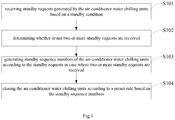
- Fig.1 is a method flowchart of an embodiment of a control method for two or more air-conditioner water chilling units provided by this disclosure, comprising step S101, receiving standby requests generated by the air-conditioner water chilling units based on a standby condition.
- the air-conditioner water chilling unit When it is needed to control the air-conditioner water chilling units, in a turn-on mode of an air-conditioner water chilling unit, when the air-conditioner water chilling unit sends a standby request, first accept the standby request generated by the air-conditioner water chilling unit based on the standby condition.
- the standby request may be that the inlet water temperature of the air-conditioner water chilling unit meets the standby condition, for example, in the refrigeration mode, when the detected inlet water temperature of the air-conditioner water chilling unit is less than a set target inlet water temperature, it is considered the standby condition is met.
- the air-conditioner water chilling unit is in emergency, e.g., if the evaporation temperature of the air-conditioner water chilling unit is low but not yet in fault, it is considered that the standby condition is met.
- the control method further comprises step S102, determining whether or not two or more standby requests are received.
- the standby request at this time does not include a fault protection standby request.
- the control method further comprises step S103,generating standby sequence numbers of the air-conditioner water chilling units according to the standby requests in case where two or more standby requests are received.
- a respective standby sequence number is generated for each unit that sends a standby request according to the standby request in case where two or more standby requests are received.
- the control method further comprises step S104, closing the air-conditioner water chilling units according to a preset rule based on the standby sequence numbers.
- the air-conditioner water chilling units when it is needed to control the air-conditioner water chilling units, first receive standby requests generated by the air-conditioner water chilling units based on a standby condition; determine whether or not two or more standby requests are received; generate standby sequence numbers of the air-conditioner water chilling units according to the standby requests in case where two or more standby requests are received; and finally close the air-conditioner water chilling units according to a preset rule based on the standby sequence numbers.
- the control purely based on the outlet water temperature, it can avoid frequent start and stop of the air-conditioner water chilling units, and it increases the service life of the air-conditioner water chilling units.
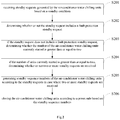
- Fig.2 is a method flowchart of another embodiment of a control method for two or more air-conditioner water chilling units provided by this disclosure, comprising step S201,receiving standby requests generated by the air-conditioner water chilling units based on a standby condition.
- the air-conditioner water chilling unit When it is needed to control the air-conditioner water chilling units, in a turn-on mode of an air-conditioner water chilling unit, when the air-conditioner water chilling unit sends a standby request, first accept the standby request generated by the air-conditioner water chilling unit based on the standby condition.
- the standby request may be that the inlet water temperature of the air-conditioner water chilling unit meets the standby condition, for example, in the refrigeration mode, when the detected inlet water temperature of the air-conditioner water chilling unit is less than a set target inlet water temperature, it is considered the standby condition is met.
- the air-conditioner water chilling unit is in emergency, e.g., if the evaporation temperature of the air-conditioner water chilling unit is low but not yet in fault, it is considered that the standby condition is met.
- the control method further comprises step S202, determining whether or not the standby request includes a fault protection standby request.
- the standby request After receiving the standby requests generated by the air-conditioner water chilling units based on a standby condition, further determine whether or not the standby request includes a fault protection standby request, i.e., the fault protection standby request generated by an air-conditioner water chilling unit in emergency.
- a fault protection standby request i.e., the fault protection standby request generated by an air-conditioner water chilling unit in emergency.
- the control method further comprises step S203, if the standby request does not include a fault protection standby request, determining whether the number of the air-conditioner water chilling units currently started is greater than or equal to two.
- the standby request does not include a fault protection standby request, further determine the number of the air-conditioner water chilling units currently started, i.e., determining whether or not the number of the air-conditioner water chilling units currently started is greater than or equal to two.
- the control method further comprises step S204, if the number of units currently started is greater than or equal to two, determining whether or not two or more standby requests are received.
- the standby request at this time does not include a fault protection standby request.
- the control method further comprises step S205,generating standby sequence numbers of the air-conditioner water chilling units according to the standby requests in case where two or more standby requests are received.
- a respective standby sequence number is generated for each unit that sends a standby request according to the standby request in case where two or more standby requests are received.
- the control method further comprises step S206, closing the air-conditioner water chilling units according to a preset rule based on the standby sequence numbers.
- the air-conditioner water chilling units when it is needed to control the air-conditioner water chilling units, first receive standby requests generated by the air-conditioner water chilling units based on a standby condition; and determine whether or not the standby request includes a fault protection standby request; if the standby request does not include a fault protection standby request, further determine whether the number of the air-conditioner water chilling units currently started is greater than or equal to two; if the number of units currently started is greater than or equal to two, further determine whether or not two or more standby requests are received; generate standby sequence numbers of the air-conditioner water chilling units according to the standby requests in case where two or more standby requests are received; and finally close the air-conditioner water chilling units according to a preset rule based on the standby sequence numbers.
- the control purely based on the outlet water temperature, it can avoid frequent start and stop of the air-conditioner water chilling units, and it increases the service life of the air-conditioner water chilling
- Fig.3 is a method flowchart of another embodiment of a control method for two or more air-conditioner water chilling units provided by this disclosure, comprising step S301,receiving standby requests generated by the air-conditioner water chilling units based on a standby condition.
- the air-conditioner water chilling unit When it is needed to control the air-conditioner water chilling units, in a turn-on mode of an air-conditioner water chilling unit, when the air-conditioner water chilling unit sends a standby request, first accept the standby request generated by the air-conditioner water chilling unit based on the standby condition.
- the standby request may be that the inlet water temperature of the air-conditioner water chilling unit meets the standby condition, for example, in the refrigeration mode, when the detected inlet water temperature of the air-conditioner water chilling unit is less than a set target inlet water temperature, it is considered the standby condition is met.
- the air-conditioner water chilling unit is in emergency, e.g., if the evaporation temperature of the air-conditioner water chilling unit is low but not yet in fault, it is considered that the standby condition is met.
- the control method further comprises step S302, determining whether or not the standby request includes a fault protection standby request.
- the standby request After receiving the standby requests generated by the air-conditioner water chilling units based on a standby condition, further determining whether or not the standby request includes a fault protection standby request, i.e., the fault protection standby request generated by an air-conditioner water chilling unit in emergency.
- a fault protection standby request i.e., the fault protection standby request generated by an air-conditioner water chilling unit in emergency.
- the control method further comprises step S303, if the standby request does not include a fault protection standby request, determining whether or not the number of the air-conditioner water chilling units currently started is greater than or equal to two.
- the standby request does not include a fault protection standby request, further determine the number of the air-conditioner water chilling units currently started, i.e., whether or not the number of the air-conditioner water chilling units currently started is greater than or equal to two.
- the control method further comprises step S304, if the number of air-conditioner water chilling units currently started is greater than or equal to two, determining whether or not two or more standby requests are received.
- the standby request at this time does not include a fault protection standby request.
- the control method further comprises step S305,generating standby sequence numbers of the air-conditioner water chilling units according to the standby requests in case where two or more standby requests are received.
- a respective standby sequence number is generated for each unit that sends a standby request according to the standby request in case where two or more standby requests are received.
- the control method further comprises step S306,acquiring a month value of the current time.
- the control method further comprises step S307, comparing the standby sequence numbers, closing the air-conditioner water chilling units whose standby sequence numbers are smaller when the month value is an odd number, and closing the air-conditioner water chilling units whose standby sequence numbers are larger when the month value is an even number.
- the air-conditioner water chilling units can be closed also according to the month value and the order of the standby sequence number, for example, closing the air-conditioner water chilling units in the order of the standby sequence numbers from small to large when the month value is an odd number, i.e., preferably closing the air-conditioner water chilling units with smaller standby sequence umbers, and closing the air-conditioner water chilling units in the order of the standby sequence numbers from large to small when the month value is an even number, i.e., preferably closing the air-conditioner water chilling units with larger standby sequence umbers.
- the air-conditioner water chilling units when it is needed to control the air-conditioner water chilling units, first receive standby requests generated by the air-conditioner water chilling units based on a standby condition; and determine whether or not the standby request includes a fault protection standby request; if the standby request does not include a fault protection standby request, further determine whether the number of the air-conditioner water chilling units currently started is greater than or equal to two; if the number of units currently started is greater than or equal to two, further determine whether or not two or more standby requests are received; generate standby sequence numbers of the air-conditioner water chilling units according to the standby requests in case where two or more standby requests are received; and finally acquire a month value of the current time; compare the standby sequence numbers, and close the air-conditioner water chilling units whose standby sequence numbers are smaller when the month value is an odd number, and close the air-conditioner water chilling units whose standby sequence numbers are larger when the month value is an even number.
- the standby request
- Fig.4 is a method flowchart of a further embodiment of a control method for two or more air-conditioner water chilling units provided by this disclosure, comprising step S401: receiving standby requests generated by the air-conditioner water chilling units based on a standby condition.
- the air-conditioner water chilling unit When it is needed to control the air-conditioner water chilling units, in a turn-on mode of an air-conditioner water chilling unit, when the air-conditioner water chilling unit sends a standby request, first accept the standby request generated by the air-conditioner water chilling unit based on the standby condition.
- the standby request may be that the inlet water temperature of the air-conditioner water chilling unit meets the standby condition, for example, in the refrigeration mode, when the detected inlet water temperature of the air-conditioner water chilling unit is less than a set target inlet water temperature, it is considered the standby condition is met.
- the air-conditioner water chilling unit is in emergency, e.g., if the evaporation temperature of the air-conditioner water chilling unit is low but not yet in fault, it is considered that the standby condition is met.
- generating the standby request based on the standby condition may comprise: acquiring a temperature parameter of the air-conditioner water chilling unit, determining whether or not the temperature parameter of the air-conditioner water chilling unit meets a first standby condition; generating the standby request of the air-conditioner water chilling unit when the temperature parameter of the air-conditioner water chilling unit meets the first standby condition; acquiring a protection parameter of the air-conditioner water chilling unit; determining whether or not the protection parameter of the air-conditioner water chilling unit meets the fault protection standby condition; and generating a fault protection standby request when the protection parameter of the air-conditioner water chilling unit meets the fault protection standby condition.
- the control method further comprises step S402, determining whether or not the standby request includes a fault protection standby request.
- the standby request After receiving the standby requests generated by the air-conditioner water chilling units based on a standby condition, further determining whether or not the standby request includes a fault protection standby request, i.e., the fault protection standby request generated by an air-conditioner water chilling unit in emergency.
- a fault protection standby request i.e., the fault protection standby request generated by an air-conditioner water chilling unit in emergency.
- the control method further comprises step S403, if the standby request includes the fault protection standby request, generating standby sequence numbers corresponding to the air-conditioner water chilling units that send the standby request based on the standby request.
- the standby request includes the fault protection standby request, it is currently needed to perform fault protection for the air-conditioner water chilling units, and at this time a respective standby sequence number is generated for each unit that sends the standby request based on the received standby requests.
- the control method further comprises step S404,closing the air-conditioner water chilling units that send the standby requests based on the standby sequence numbers.
- the standby request includes the fault protection standby request
- Fig.5 is a method flowchart of still another embodiment of a control method for two or more air-conditioner water chilling units provided by this disclosure, comprising step S501: receiving generated by air-conditioner water chilling units based on a standby condition.
- the air-conditioner water chilling unit When it is needed to control the air-conditioner water chilling units, in a turn-on mode of an air-conditioner water chilling unit, when the air-conditioner water chilling unit sends a standby request, first accept the standby request generated by the air-conditioner water chilling unit based on the standby condition.
- the standby request may be that the inlet water temperature of the air-conditioner water chilling unit meets the standby condition, for example, in the refrigeration mode, when the detected inlet water temperature of the air-conditioner water chilling unit is less than a set target inlet water temperature, it is considered the standby condition is met.
- the air-conditioner water chilling unit is in emergency, e.g., if the evaporation temperature of the air-conditioner water chilling unit is low but not yet in fault, it is considered that the standby condition is met.
- generating the standby request based on the standby condition may comprise: acquiring a temperature parameter of the air-conditioner water chilling unit, determining whether or not the temperature parameter of the air-conditioner water chilling unit meets a first standby condition; generating the standby request of the air-conditioner water chilling unit when the temperature parameter of the air-conditioner water chilling unit meets the first standby condition; acquiring a protection parameter of the air-conditioner water chilling unit; determining whether or not the protection parameter of the air-conditioner water chilling unit meets the fault protection standby condition; and generating a fault protection standby request when the protection parameter of the air-conditioner water chilling unit meets the fault protection standby condition.
- the control method further comprises step S502,determining whether or not the includes a fault protection standby request.
- the standby request After receiving the standby requests generated by the air-conditioner water chilling units based on a standby condition, further determining whether or not the received standby request includes a fault protection standby request, i.e., the fault protection standby request generated by an air-conditioner water chilling unit in emergency.
- a fault protection standby request i.e., the fault protection standby request generated by an air-conditioner water chilling unit in emergency.
- the control method further comprises step S503, if the standby request does not include a fault protection standby request, determining whether the number of the air-conditioner water chilling units currently started is greater than or equal to two.
- the standby request does not include a fault protection standby request, further determine the number of the air-conditioner water chilling units currently started, i.e., whether or not the number of the air-conditioner water chilling units currently started is greater than or equal to two.
- the control method further comprises step S504, if the number of air-conditioner water chilling units currently started is less than two, generating a standby sequence number corresponding to the air-conditioner water chilling unit that send the standby request based on the standby requests.
- the control method further comprises step S505, closing the air-conditioner water chilling unit that send the standby request based on the standby sequence number.
- Fig. 6 is a structural schematic diagram showing an embodiment of a control system for two or more air-conditioner water chilling units provided according to this disclosure, comprising: a receiving module 601 for receiving standby requests generated by the air-conditioner water chilling units based on a standby condition.
- the air-conditioner water chilling unit When it is needed to control the air-conditioner water chilling units, in a turn-on mode of an air-conditioner water chilling unit, when the air-conditioner water chilling unit sends a standby request, first accept the standby request generated by the air-conditioner water chilling unit based on the standby condition.
- the standby request may be that the inlet water temperature of the air-conditioner water chilling unit meets the standby condition, for example, in the refrigeration mode, when the detected inlet water temperature of the air-conditioner water chilling unit is less than a set target inlet water temperature, it is considered the standby condition is met.
- the air-conditioner water chilling unit is in emergency, e.g., if the evaporation temperature of the air-conditioner water chilling unit is low but not yet in fault, it is considered that the standby condition is met.
- the control system further comprises a first determining module 602 for determining whether or not two or more standby requests are received.
- the standby request at this time does not include a fault protection standby request.
- the control system further comprises a generating module 603 for generating standby sequence numbers of the air-conditioner water chilling units according to the standby requests in case where two or more standby requests are received.
- a respective standby sequence number is generated for each air-conditioner water chilling unit that sends a standby request according to the received standby request in case where two or more standby requests are received.
- the control system further comprises a control module 604 for closing the air-conditioner water chilling units according to a preset rule based on the standby sequence numbers.
- the air-conditioner water chilling units when it is needed to control the air-conditioner water chilling units, first receive standby requests generated by the air-conditioner water chilling units based on a standby condition; determine whether or not two or more standby requests are received; generate standby sequence numbers of the air-conditioner water chilling units according to the standby requests in case where two or more standby requests are received; and finally close the air-conditioner water chilling units according to a preset rule based on the standby sequence numbers.
- the control purely based on the outlet water temperature, it can avoid frequent start and stop of the air-conditioner water chilling units, and it increases the service life of the air-conditioner water chilling units.
- Fig. 7 is a schematic diagram showing a structure of another embodiment of a control system for two or more air-conditioner water chilling units provided according to this disclosure, comprising: a receiving module 701 for receiving standby requests generated by the air-conditioner water chilling units based on a standby condition.
- the air-conditioner water chilling unit When it is needed to control the air-conditioner water chilling units, in a turn-on mode of an air-conditioner water chilling unit, when the air-conditioner water chilling unit sends a standby request, first accept the standby request generated by the air-conditioner water chilling unit based on the standby condition.
- the standby request may be that the inlet water temperature of the air-conditioner water chilling unit meets the standby condition, for example, in the refrigeration mode, when the detected inlet water temperature of the air-conditioner water chilling unit is less than a set target inlet water temperature, it is considered the standby condition is met.
- the air-conditioner water chilling unit is in emergency, e.g., if the evaporation temperature of the air-conditioner water chilling unit is low but not yet in fault, it is considered that the standby condition is met.
- the control system further comprises a second determining module 702 for determining whether or not the standby request includes a fault protection standby request.
- the standby request After receiving the standby requests generated by the air-conditioner water chilling units based on a standby condition, further determining whether or not the received standby request includes a fault protection standby request, i.e., the fault protection standby request generated by an air-conditioner water chilling unit in emergency.
- a fault protection standby request i.e., the fault protection standby request generated by an air-conditioner water chilling unit in emergency.
- the control system further comprises a third determining module 703 for, if the standby request does not include a fault protection standby request, determining whether or not the number of the air-conditioner water chilling units currently started is greater than or equal to two.
- the standby request does not include a fault protection standby request, further determining the number of the air-conditioner water chilling units currently started, i.e., whether or not the number of the air-conditioner water chilling units currently started is greater than or equal to two.
- the control system further comprises a first determining module 704, for if the number of air-conditioner water chilling units currently started is greater than or equal to two, determining whether or not two or more standby requests are received.
- the standby request at this time does not include a fault protection standby request.
- the control system further comprises a generating module 705 for generating standby sequence numbers of the air-conditioner water chilling units according to the standby requests in case where two or more standby requests are received.
- a respective standby sequence number is generated for each unit that sends a standby request according to the received standby request in case where two or more standby requests are received.
- the control system further comprises a control module 706 for closing the air-conditioner water chilling units according to a preset rule based on the standby sequence numbers.
- the air-conditioner water chilling units when it is needed to control the air-conditioner water chilling units, first receive standby requests generated by the air-conditioner water chilling units based on a standby condition; and determine whether or not the standby request includes a fault protection standby request; if the standby request does not include a fault protection standby request, further determine whether the number of the air-conditioner water chilling units currently started is greater than or equal to two; if the number of air-conditioner water chilling units currently started is greater than or equal to two, further determine whether or not two or more standby requests are received; generate standby sequence numbers of the air-conditioner water chilling units according to the standby requests in case where two or more standby requests are received; and finally close the air-conditioner water chilling units according to a preset rule based on the standby sequence numbers.
- the control purely based on the outlet water temperature, it can avoid frequent start and stop of the air-conditioner water chilling units, and it increases the service life of the
- Fig. 8 is a schematic diagram showing a structure of another embodiment of a control system for two or more air-conditioner water chilling units provided according to this disclosure, comprising: a receiving module 801 for receiving standby requests generated by the air-conditioner water chilling units based on a standby condition.
- the air-conditioner water chilling unit When it is needed to control the air-conditioner water chilling units, in a turn-on mode of an air-conditioner water chilling unit, when the air-conditioner water chilling unit sends a standby request, first accept the standby request generated by the air-conditioner water chilling unit based on the standby condition.
- the standby request may be that the inlet water temperature of the air-conditioner water chilling unit meets the standby condition, for example, in the refrigeration mode, when the detected inlet water temperature of the air-conditioner water chilling unit is less than a set target inlet water temperature, it is considered the standby condition is met.
- the air-conditioner water chilling unit is in emergency, e.g., if the evaporation temperature of the air-conditioner water chilling unit is low but not yet in fault, it is considered that the standby condition is met.
- the control system further comprises a second determining module 802 for determining whether or not the standby request includes a fault protection standby request.
- the standby request After receiving the standby requests generated by the air-conditioner water chilling units based on a standby condition, further determining whether or not the standby request includes a fault protection standby request, i.e., the fault protection standby request generated by an air-conditioner water chilling unit in emergency.
- a fault protection standby request i.e., the fault protection standby request generated by an air-conditioner water chilling unit in emergency.
- the control system further comprises a third determining module 803 for, if the standby request does not include a fault protection standby request, determining whether or not the number of the air-conditioner water chilling units currently started is greater than or equal to two.
- the standby request does not include a fault protection standby request, further determine the number of the air-conditioner water chilling units currently started, i.e., whether or not the number of the air-conditioner water chilling units currently started is greater than or equal to two.
- the control system further comprises a first determining module 804 for, if the number of air-conditioner water chilling units currently started is greater than or equal to two, determining whether or not two or more standby requests are received.
- the standby request at this time does not include a fault protection standby request.
- the control system further comprises a generating module 805 for generating standby sequence numbers of the air-conditioner water chilling units according to the standby requests in case where two or more standby requests are received.
- a respective standby sequence number is generated for each unit that sends a standby request according to the standby request in case where two or more standby requests are received.
- the control system further comprises a first acquiring module 806 for acquiring a month value of the current time.
- the control system further comprises a control module 807 for comparing the standby sequence numbers, closing the air-conditioner water chilling units whose standby sequence numbers are smaller when the month value is an odd number, and closing the air-conditioner water chilling units whose standby sequence numbers are larger when the month value is an even number.
- the air-conditioner water chilling units can be closed also according to the month value and the order of the standby sequence numbers, for example, closing the air-conditioner water chilling units in the order of the standby sequence numbers from small to large when the month value is an odd number, i.e., preferably closing the air-conditioner water chilling units with smaller standby sequence umbers, and closing the air-conditioner water chilling units in the order of the standby sequence numbers from large to small when the month value is an even number, i.e., preferably closing the air-conditioner water chilling units with larger standby sequence numbers.
- the air-conditioner water chilling units when it is needed to control the air-conditioner water chilling units, first receive standby requests generated by the air-conditioner water chilling units based on a standby condition; and determine whether or not the standby request includes a fault protection standby request; if the standby request does not include a fault protection standby request, further determine whether the number of the air-conditioner water chilling units currently started is greater than or equal to two; if the number of air-conditioner water chilling units currently started is greater than or equal to two, further determine whether or not two or more standby requests are received; generate standby sequence numbers of the air-conditioner water chilling units according to the standby requests in case where two or more standby requests are received; and finally acquire a month value of the current time; compare the standby sequence numbers, and close the air-conditioner water chilling units whose standby sequence numbers are smaller when the month value is an odd number, and close the air-conditioner water chilling units whose standby sequence numbers are larger when the month value is an even number
- Fig. 9 is a schematic diagram showing a structure of another embodiment of a control system for two or more air-conditioner water chilling units provided according to this disclosure, comprising: a receiving module 901 for receiving standby requests generated by the air-conditioner water chilling units based on a standby condition.
- the air-conditioner water chilling unit When it is needed to control the air-conditioner water chilling units, in a turn-on mode of an air-conditioner water chilling unit, when the air-conditioner water chilling unit sends a standby request, first accept the standby request generated by the air-conditioner water chilling unit based on the standby condition.
- the standby request may be that the inlet water temperature of the air-conditioner water chilling unit meets the standby condition, for example, in the refrigeration mode, when the detected inlet water temperature of the air-conditioner water chilling unit is less than a set target inlet water temperature, it is considered the standby condition is met.
- the air-conditioner water chilling unit is in emergency, e.g., if the evaporation temperature of the air-conditioner water chilling unit is low but not yet in fault, it is considered that the standby condition is met.
- generating the standby request based on the standby condition may comprise: a second acquiring module for acquiring a temperature parameter of the air-conditioner water chilling unit that sends the standby request, a first determining module for determining whether or not the temperature parameter of the air-conditioner water chilling unit that sends the standby request meets a first standby condition; a first generating module for generating the standby request of the air-conditioner water chilling unit that sends the standby request when the temperature parameter of the air-conditioner water chilling unit that sends the standby request meets the first standby condition; a third acquiring module for acquiring a protection parameter of the air-conditioner water chilling unit that sends the standby request; a second determining module for determining whether or not the protection parameter of the air-conditioner water chilling unit that sends the standby request meets the fault protection standby condition; and a second generating module for generating a fault protection standby request when the protection parameter of the air-conditioner water chilling unit that sends the standby request
- the control system further comprises a second determining module 902 for determining whether or not the standby request includes a fault protection standby request.
- the standby request After receiving the standby requests generated by the air-conditioner water chilling units based on a standby condition, further determining whether or not the received standby request includes a fault protection standby request, i.e., the fault protection standby request generated by an air-conditioner water chilling unit in emergency.
- a fault protection standby request i.e., the fault protection standby request generated by an air-conditioner water chilling unit in emergency.
- the control system further comprises a generating module 903 for, if the standby request includes the fault protection standby request, generating standby sequence numbers corresponding to the air-conditioner water chilling units that send the standby request based on the standby requests.
- the standby request includes the fault protection standby request, it is needed to perform fault protection for the air-conditioner water chilling units, and at this time a respective standby sequence number is generated for each unit that sends the standby request based on the received standby requests.
- the control system further comprises a control module 904 for closing the air-conditioner water chilling units that send the standby requests based on the standby sequence numbers.
- the standby request includes the fault protection standby request
- Fig. 10 is a schematic diagram showing a structure of a further embodiment of a control system for two or more air-conditioner water chilling units provided according to this disclosure, comprising: a receiving module 1001 for receiving standby requests generated by the air-conditioner water chilling units based on a standby condition.
- the air-conditioner water chilling unit When it is needed to control the air-conditioner water chilling units, in a turn-on mode of an air-conditioner water chilling unit, when the air-conditioner water chilling unit sends a standby request, first accept the standby request generated by the air-conditioner water chilling unit based on the standby condition.
- the standby request may be that the inlet water temperature of the air-conditioner water chilling unit meets the standby condition, for example, in the refrigeration mode, when the detected inlet water temperature of the air-conditioner water chilling unit is less than a set target inlet water temperature, it is considered the standby condition is met.
- the air-conditioner water chilling unit is in emergency, e.g., if the evaporation temperature of the air-conditioner water chilling unit is low but not yet in fault, it is considered that the standby condition is met.
- generating the standby request based on the standby condition may comprise: a second acquiring module for acquiring a temperature parameter of the air-conditioner water chilling unit, a first determining module for determining whether or not the temperature parameter of the air-conditioner water chilling unit meets a first standby condition; a first generating module for generating the standby request of the air-conditioner water chilling unit when the temperature parameter of the air-conditioner water chilling unit meets the first standby condition; a third acquiring module for acquiring a protection parameter of the air-conditioner water chilling unit; a second determining module for determining whether or not the protection parameter of the air-conditioner water chilling unit meets the fault protection standby condition; and a second generating module for generating a fault protection standby request when the protection parameter of the air-conditioner water chilling unit meets the fault protection standby condition.
- the control system further comprises a second determining module 1002 for determining whether or not the standby request includes a fault protection standby request.
- the standby requests generated by the air-conditioner water chilling units based on a standby condition After receiving the standby requests generated by the air-conditioner water chilling units based on a standby condition, further determine whether or not the received standby request includes a fault protection standby request, i.e., the fault protection standby request generated by an air-conditioner water chilling unit in emergency.
- a fault protection standby request i.e., the fault protection standby request generated by an air-conditioner water chilling unit in emergency.
- the control system further comprises a third determining module 1003 for, if the standby request does not include a fault protection standby request, determining whether or not the number of the air-conditioner water chilling units currently started is greater than or equal to two.
- the standby request does not include a fault protection standby request, further determine the number of the air-conditioner water chilling units currently started, i.e., whether the number of the air-conditioner water chilling units currently started is greater than or equal to two.
- the control system further comprises a generating module 1004 for, if the number of air-conditioner water chilling units currently started is less than two, generating standby sequence numbers corresponding to the air-conditioner water chilling units that send the standby requests based on the standby requests.
- the control system further comprises a control module 1005 for closing the air-conditioner water chilling units that send the standby requests based on the standby sequence numbers.
- the functional unit modules described above can be implemented as general processors, Programmable logic controllers (PLC), Digital Signal Processors (DSP), Application Specific Integrated Circuit (ASIC), Field Programmable Gate Arrays (FPGA) or other programmable logic devices, discrete gates or transistor logic devices, discrete hardware components, or any appropriate combinations thereof, for performing the functions described in this disclosure.
- PLC Programmable logic controllers
- DSP Digital Signal Processors
- ASIC Application Specific Integrated Circuit
- FPGA Field Programmable Gate Arrays
- This disclosure further provides an air conditioning system, comprising the control system for two or more air-conditioner water chilling units as described in any one of the above embodiments.
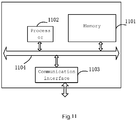
- Fig. 11 is a schematic diagram showing a structure of a still another embodiment of a control system for two or more air-conditioner water chilling units provided according to this disclosure, comprising: a memory 1101 for storing instructions, and a processor 1102 coupled to the memory 1101, the processor 1102 being configured to perform the control method for two or more air-conditioner water chilling units described in any of the above embodiments based on instructions stored in the memory.
- the system further comprises a communication interface 1103 for information interaction with other devices.
- the system further comprises a bus 1104.
- the processor 1102, the communication interface 1103, and the memory 1101 communicate with each other through the bus 1104.
- the memory 1101 may contain a high-speed RAM memory as well as a Non-Volatile Memory (NVM), such as at least one disk memory.
- the memory 1101 can also be a memory array.
- the memory 1101 can also be divided into blocks, and the blocks can be combined into virtual volumes according to a certain rule.
- the processor 1102 can be a Center Processing Unit (CPU), or an Application Specific Integrated Circuit (ASIC), or it may be configured as one or more integrated circuits to implement the embodiments of this disclosure.
- this disclosure further provides a computer-readable storage medium on which computer instructions are stored, which, when executed by the processor, implement the control method for two or more air-conditioner water chilling units in any of the above embodiments.
- this disclosure can take the form of a full hardware embodiment, a full software embodiment, or an embodiment in conjunction with software and hardware.
- this disclosure may take the form of a computer program product that is implemented on one or more computer-usable non-transient storage medium (including but not limited to, disk memory, CD-ROM, optical memory, and so on) that contains computer-usable program codes.
- the method and apparatus of the present application may be implemented in many ways.
- the method and apparatus of the present application can be implemented by software, hardware, firmware or any combination of software, hardware, and firmware.
- the above order of the steps used for the method is for illustration purpose only, and the steps of the method of the present application are not limited to the order specifically described above, unless otherwise specifically stated.
- the present application may also be implemented as a program recorded in the recording medium, which includes machine-readable instructions for implementing the method according to the present application.
- the application also covers the recording medium storing a program for the execution of the method according to the present application.
Landscapes
- Engineering & Computer Science (AREA)
- Mechanical Engineering (AREA)
- Signal Processing (AREA)
- General Engineering & Computer Science (AREA)
- Chemical & Material Sciences (AREA)
- Combustion & Propulsion (AREA)
- Physics & Mathematics (AREA)
- Fuzzy Systems (AREA)
- Mathematical Physics (AREA)
- Thermal Sciences (AREA)
- General Physics & Mathematics (AREA)
- Automation & Control Theory (AREA)
- Life Sciences & Earth Sciences (AREA)
- Atmospheric Sciences (AREA)
- Air Conditioning Control Device (AREA)
Abstract
Description
- This application is based on and claims the priority to the Chinese Patent Application No.
201611002861.9 filed on November 14, 2016 - The present application relates to the technical field of air conditioning, and particularly to a control method and system for two or more air-conditioner water chilling units, and air conditioning system.
- At present, the temperature control of the air conditioning refrigeration system determines a difference between water temperature of the air-conditioner water chilling unit' s own and water temperature of a control target generally by collecting water temperature values, for mechanical start or standby. However, when a plurality of air-conditioner water chilling units share the waterway, due to the existence of installation position deviations of temperature sensor packages, or due to a difference of the temperature sensor packages itself in the detection period, an air-conditioner water chilling unit always reaches the closing condition earlier than other air-conditioner water chilling units, resulting in a short run time of the air-conditioner water chilling unit, a longer run time of other air-conditioner water chilling units, which in turn leads to frequent start and stop of some air-conditioner water chilling units, shortens the service time of air-conditioner water chilling units, and results in a poor overall equilibrium control effect.
- One or more embodiment of this disclosure provides a control method and system for two or more air-conditioner water chilling units, and air conditioning system. When a plurality of air-conditioner water chilling units are used in combination, it can avoid frequent start and stop of the air-conditioner water chilling units, increases the service time of the air-conditioner water chilling units and improves the overall equilibrium control effect.
- One or more embodiment of this disclosure provides a control method for two or more air-conditioner water chilling units, comprising: receiving standby requests generated by the air-conditioner water chilling units based on a standby condition; determining whether or not two or more standby requests are received; generating standby sequence numbers of the air-conditioner water chilling units according to the standby requests in case where two or more standby requests are received; and closing the air-conditioner water chilling units according to a preset rule based on the standby sequence numbers.
- Alternatively, after receiving standby requests generated by the air-conditioner water chilling units based on a standby condition, the control method further comprises: determining whether or not the standby request includes a fault protection standby request; if the standby request does not include a fault protection standby request, determining whether or not the number of air-conditioner water chilling units currently started is greater than or equal to two; and if the number of air-conditioner water chilling units currently started is greater than or equal to two, determining whether or not two or more standby requests are received.
- Alternatively, closing the air-conditioner water chilling units according to a preset rule based on the standby sequence numbers comprises: acquiring a month value of the current time; comparing the standby sequence numbers, closing the air-conditioner water chilling units in the order of the standby sequence numbers from small to large when the month value is an odd number, and closing the air-conditioner water chilling units in the order of the standby sequence numbers from large to small when the month value is an even number.
- Alternatively, the control method further comprises: if the standby request includes a fault protection standby request, generating a standby sequence number corresponding to the air-conditioner water chilling unit that sends the standby request based on the standby request, and closing the air-conditioner water chilling unit that sends the standby request based on the standby sequence number.
- Alternatively, the control method further comprises: if the number of air-conditioner water chilling units currently started is less than two, generating the standby sequence number corresponding to the air-conditioner water chilling unit that sends the standby request based on the standby request, and closing the air-conditioner water chilling unit that sends the standby request based on the standby sequence number.
- Alternatively, generating the standby request based on the standby condition comprises: acquiring a temperature parameter of the air-conditioner water chilling unit that sends the standby request, determining whether or not the temperature parameter of the air-conditioner water chilling unit that sends the standby request meets a first standby condition; generating the standby request when the temperature parameter of the air-conditioner water chilling unit that sends the standby request meets the first standby condition; acquiring a protection parameter of the air-conditioner water chilling unit that sends the standby request; determining whether or not the protection parameter of the air-conditioner water chilling unit that sends the standby request meets the fault protection standby condition; and generating the fault protection standby request when the protection parameter of the air-conditioner water chilling unit that sends the standby request meets the fault protection standby condition.
- One or more embodiment of this disclosure provides a control system for two or more air-conditioner water chilling units, comprising: a receiving module, configured to receive standby requests generated by the air-conditioner water chilling units based on a standby condition ; a first determining module, configured to determine whether or not two or more standby requests are received ; a generating module, configured to generate standby sequence numbers of the air-conditioner water chilling units according to the standby requests in case where two or more standby requests are received ; and a control module, configured to close the air-conditioner water chilling units according to a preset rule based on the standby sequence numbers.
- Alternatively, the control system comprises: a second determining module, configured to determine whether or not the standby request includes a fault protection standby request; and a third determining module, configured to determine whether or not the number of air-conditioner water chilling units currently started is greater than or equal to two in case where the standby request does not include a fault protection standby request ; wherein the first determining module is used for, if the number of air-conditioner water chilling units currently started is greater than or equal to two, determining whether or not two or more standby requests are received.
- Alternatively, the control system comprises: a first acquiring module, configured to acquire a month value of the current time; a control module, configured to compare the standby sequence numbers, close the air-conditioner water chilling units in the order of the standby sequence numbers from small to large when the month value is an odd number, and close the air-conditioner water chilling units in the order of the standby sequence numbers from large to small when the month value is an even number.
- Alternatively, the generating module is further used for, if the standby request includes a fault protection standby request, generating a standby sequence number corresponding to the air-conditioner water chilling unit that sends the standby request based on the standby request, and the control module is further used for closing the air-conditioner water chilling unit that sends the standby request based on the standby sequence number.
- Alternatively, the generating module is further configured to generate the standby sequence number corresponding to the air-conditioner water chilling unit that sends the standby request based on the standby request in case where the number of air-conditioner water chilling units currently started is less than two, and the control module is further configured to close the air-conditioner water chilling unit that sends the standby request based on the standby sequence number.
- Alternatively, the receiving module comprises: a second acquiring module, configured to acquire a temperature parameter of the air-conditioner water chilling unit that sends the standby request; a first determining module, configured to determine whether or not the temperature parameter of the air-conditioner water chilling unit that sends the standby request meets a first standby condition ; a first generating module, configured to generate the standby request when the temperature parameter of the air-conditioner water chilling unit that sends the standby request meets the first standby condition; a third acquiring module, configured to acquire a protection parameter of the air-conditioner water chilling unit that sends the standby request; a second determining module, configured to determine whether or not the protection parameter of the air-conditioner water chilling unit that sends the standby request meets the fault protection standby condition; and a second generating module, configured to generate the fault protection standby request when the protection parameter of the air-conditioner water chilling unit that sends the standby request meets the fault protection standby condition.
- One or more embodiment of this disclosure provides an air conditioning system, comprising the control system for two or more air-conditioner water chilling units as described in any one of the above.
- One or more embodiment of this disclosure provides a control system for two or more air-conditioner water chilling units comprising: a memory, and a processor coupled to the memory, the processor being configured to perform the control method described in any of the above based on instructions stored in the memory.
- One or more embodiment of this disclosure provides a computer-readable storage medium on which computer program instructions are stored, which, when executed by one or more processors, implement steps of the control method described in any of the above.
- As can be learned from the above solutions, the method and system for two or more air-conditioner water chilling units, and air conditioning system, provided by this disclosure, when it is needed to control air-conditioner water chilling units, first receive standby requests generated by air-conditioner water chilling units based on a standby condition; determine whether or not two or more standby requests are received; generate standby sequence numbers of the air-conditioner water chilling units according to the standby requests in case where two or more standby requests are received; and finally close the air-conditioner water chilling units according to a preset rule based on the standby sequence numbers. As Compared with the prior art in which the control purely based on the outlet water temperature, it can avoid frequent start and stop of the air-conditioner water chilling units, and it can increase the service life of the air-conditioner water chilling units.
- The other features of this disclosure and their advantages will become clear through a detailed description of the exemplary embodiments of this disclosure with reference to the following drawings.
- The accompanying drawings here serve to provide a further understanding of this disclosure and constitute a part of this application. The exemplary embodiments of this disclosure and the description thereof serve to explain this disclosure and do not constitute inappropriate limitations to this disclosure, in which:
-
Fig. 1 is a method flowchart showing an embodiment of a control method for two or more air-conditioner water chilling units provided according to this disclosure; -
Fig. 2 is a method flowchart showing another embodiment of a control method for two or more air-conditioner water chilling units provided according to this disclosure; -
Fig. 3 is a method flowchart showing another embodiment of a control method for two or more air-conditioner water chilling units provided according to this disclosure; -
Fig. 4 is a method flowchart showing a further embodiment of a control method for two or more air-conditioner water chilling units provided according to this disclosure; -
Fig. 5 is a method flowchart showing a still another embodiment of a control method for two or more air-conditioner water chilling units provided according to this disclosure; -
Fig. 6 is a structural schematic diagram showing an embodiment of a control system for two or more air-conditioner water chilling units provided according to this disclosure; -
Fig. 7 is a schematic diagram showing a structure of another embodiment of a control system for two or more air-conditioner water chilling units provided according to this disclosure; -
Fig. 8 is a schematic diagram showing a structure of another embodiment of a control system for two or more air-conditioner water chilling units provided according to this disclosure; -
Fig. 9 is a schematic diagram showing a structure of another embodiment of a control system for two or more air-conditioner water chilling units provided according to this disclosure; -
Fig. 10 is a schematic diagram showing a structure of a further embodiment of a control system for two or more air-conditioner water chilling units provided according to this disclosure; and -
Fig. 11 is a schematic diagram showing a structure of a still another embodiment of a control system for two or more air-conditioner water chilling units provided according to this disclosure. - The technical solutions in the embodiments of this disclosure are clearly and completely described in the following with reference to the accompanying drawings in the embodiments of this disclosure. Evidently, the embodiments in the following description are only a part rather than all of the embodiments of this disclosure. Based on the embodiments of this disclosure, all other embodiments obtained by persons of ordinary skill in the art without creative effects shall fall within the protection scope of this disclosure.
-
Fig.1 is a method flowchart of an embodiment of a control method for two or more air-conditioner water chilling units provided by this disclosure, comprising step S101, receiving standby requests generated by the air-conditioner water chilling units based on a standby condition. - When it is needed to control the air-conditioner water chilling units, in a turn-on mode of an air-conditioner water chilling unit, when the air-conditioner water chilling unit sends a standby request, first accept the standby request generated by the air-conditioner water chilling unit based on the standby condition. The standby request may be that the inlet water temperature of the air-conditioner water chilling unit meets the standby condition, for example, in the refrigeration mode, when the detected inlet water temperature of the air-conditioner water chilling unit is less than a set target inlet water temperature, it is considered the standby condition is met. Alternatively, when the air-conditioner water chilling unit is in emergency, e.g., if the evaporation temperature of the air-conditioner water chilling unit is low but not yet in fault, it is considered that the standby condition is met.
- The control method further comprises step S102, determining whether or not two or more standby requests are received.
- Then it is further determined whether or not two or more units send the standby requests . It should be noted that, the standby request at this time does not include a fault protection standby request.
- The control method further comprises step S103,generating standby sequence numbers of the air-conditioner water chilling units according to the standby requests in case where two or more standby requests are received.
- A respective standby sequence number is generated for each unit that sends a standby request according to the standby request in case where two or more standby requests are received.
- The control method further comprises step S104, closing the air-conditioner water chilling units according to a preset rule based on the standby sequence numbers.
- Finally close the air-conditioner water chilling units that send the standby requests according to a preset rule based on the generated standby sequence numbers.
- To sum up, in the above embodiment, when it is needed to control the air-conditioner water chilling units, first receive standby requests generated by the air-conditioner water chilling units based on a standby condition; determine whether or not two or more standby requests are received; generate standby sequence numbers of the air-conditioner water chilling units according to the standby requests in case where two or more standby requests are received; and finally close the air-conditioner water chilling units according to a preset rule based on the standby sequence numbers. As compared with the related art in which the control purely based on the outlet water temperature, it can avoid frequent start and stop of the air-conditioner water chilling units, and it increases the service life of the air-conditioner water chilling units.
-
Fig.2 is a method flowchart of another embodiment of a control method for two or more air-conditioner water chilling units provided by this disclosure, comprising step S201,receiving standby requests generated by the air-conditioner water chilling units based on a standby condition. - When it is needed to control the air-conditioner water chilling units, in a turn-on mode of an air-conditioner water chilling unit, when the air-conditioner water chilling unit sends a standby request, first accept the standby request generated by the air-conditioner water chilling unit based on the standby condition. The standby request may be that the inlet water temperature of the air-conditioner water chilling unit meets the standby condition, for example, in the refrigeration mode, when the detected inlet water temperature of the air-conditioner water chilling unit is less than a set target inlet water temperature, it is considered the standby condition is met. Alternatively, when the air-conditioner water chilling unit is in emergency, e.g., if the evaporation temperature of the air-conditioner water chilling unit is low but not yet in fault, it is considered that the standby condition is met.
- The control method further comprises step S202, determining whether or not the standby request includes a fault protection standby request.
- After receiving the standby requests generated by the air-conditioner water chilling units based on a standby condition, further determine whether or not the standby request includes a fault protection standby request, i.e., the fault protection standby request generated by an air-conditioner water chilling unit in emergency.
- The control method further comprises step S203, if the standby request does not include a fault protection standby request, determining whether the number of the air-conditioner water chilling units currently started is greater than or equal to two.
- If the standby request does not include a fault protection standby request, further determine the number of the air-conditioner water chilling units currently started, i.e., determining whether or not the number of the air-conditioner water chilling units currently started is greater than or equal to two.
- The control method further comprises step S204, if the number of units currently started is greater than or equal to two, determining whether or not two or more standby requests are received.
- If the number of units currently started is greater than or equal to two, further determine whether or not two or more units send the standby requests. It should be noted that, the standby request at this time does not include a fault protection standby request.
- The control method further comprises step S205,generating standby sequence numbers of the air-conditioner water chilling units according to the standby requests in case where two or more standby requests are received.
- A respective standby sequence number is generated for each unit that sends a standby request according to the standby request in case where two or more standby requests are received.
- The control method further comprises step S206, closing the air-conditioner water chilling units according to a preset rule based on the standby sequence numbers.
- Finally close the air-conditioner water chilling units that send the standby requests according to a preset rule based on the generated standby sequence numbers.
- To sum up, in the above embodiment, when it is needed to control the air-conditioner water chilling units, first receive standby requests generated by the air-conditioner water chilling units based on a standby condition; and determine whether or not the standby request includes a fault protection standby request; if the standby request does not include a fault protection standby request, further determine whether the number of the air-conditioner water chilling units currently started is greater than or equal to two; if the number of units currently started is greater than or equal to two, further determine whether or not two or more standby requests are received; generate standby sequence numbers of the air-conditioner water chilling units according to the standby requests in case where two or more standby requests are received; and finally close the air-conditioner water chilling units according to a preset rule based on the standby sequence numbers. As compared with the related art in which the control purely based on the outlet water temperature, it can avoid frequent start and stop of the air-conditioner water chilling units, and it increases the service life of the air-conditioner water chilling units.
-
Fig.3 is a method flowchart of another embodiment of a control method for two or more air-conditioner water chilling units provided by this disclosure, comprising step S301,receiving standby requests generated by the air-conditioner water chilling units based on a standby condition. - When it is needed to control the air-conditioner water chilling units, in a turn-on mode of an air-conditioner water chilling unit, when the air-conditioner water chilling unit sends a standby request, first accept the standby request generated by the air-conditioner water chilling unit based on the standby condition. The standby request may be that the inlet water temperature of the air-conditioner water chilling unit meets the standby condition, for example, in the refrigeration mode, when the detected inlet water temperature of the air-conditioner water chilling unit is less than a set target inlet water temperature, it is considered the standby condition is met. Alternatively, when the air-conditioner water chilling unit is in emergency, e.g., if the evaporation temperature of the air-conditioner water chilling unit is low but not yet in fault, it is considered that the standby condition is met.
- The control method further comprises step S302, determining whether or not the standby request includes a fault protection standby request.
- After receiving the standby requests generated by the air-conditioner water chilling units based on a standby condition, further determining whether or not the standby request includes a fault protection standby request, i.e., the fault protection standby request generated by an air-conditioner water chilling unit in emergency.
- The control method further comprises step S303, if the standby request does not include a fault protection standby request, determining whether or not the number of the air-conditioner water chilling units currently started is greater than or equal to two.
- If the standby request does not include a fault protection standby request, further determine the number of the air-conditioner water chilling units currently started, i.e., whether or not the number of the air-conditioner water chilling units currently started is greater than or equal to two.
- The control method further comprises step S304, if the number of air-conditioner water chilling units currently started is greater than or equal to two, determining whether or not two or more standby requests are received.
- If the number of air-conditioner water chilling units currently started is greater than or equal to two, further determining whether or not two or more units send the standby requests. It should be noted that, the standby request at this time does not include a fault protection standby request.
- The control method further comprises step S305,generating standby sequence numbers of the air-conditioner water chilling units according to the standby requests in case where two or more standby requests are received.
- A respective standby sequence number is generated for each unit that sends a standby request according to the standby request in case where two or more standby requests are received.
- The control method further comprises step S306,acquiring a month value of the current time.
- After generating the standby sequence numbers of the air-conditioner water chilling units according to the standby request in case where two or more standby requests are received, further acquire a month value of the current time.
- The control method further comprises step S307, comparing the standby sequence numbers, closing the air-conditioner water chilling units whose standby sequence numbers are smaller when the month value is an odd number, and closing the air-conditioner water chilling units whose standby sequence numbers are larger when the month value is an even number.
- Compare the standby sequence numbers, close the air-conditioner water chilling units whose standby sequence numbers are smaller when the acquired month value of the current time is an odd number, and close the air-conditioner water chilling units whose standby sequence numbers are larger when the acquired month value of the current time is an even number. The air-conditioner water chilling units can be closed also according to the month value and the order of the standby sequence number, for example, closing the air-conditioner water chilling units in the order of the standby sequence numbers from small to large when the month value is an odd number, i.e., preferably closing the air-conditioner water chilling units with smaller standby sequence umbers, and closing the air-conditioner water chilling units in the order of the standby sequence numbers from large to small when the month value is an even number, i.e., preferably closing the air-conditioner water chilling units with larger standby sequence umbers.
- To sum up, in the above embodiment, when it is needed to control the air-conditioner water chilling units, first receive standby requests generated by the air-conditioner water chilling units based on a standby condition; and determine whether or not the standby request includes a fault protection standby request; if the standby request does not include a fault protection standby request, further determine whether the number of the air-conditioner water chilling units currently started is greater than or equal to two; if the number of units currently started is greater than or equal to two, further determine whether or not two or more standby requests are received; generate standby sequence numbers of the air-conditioner water chilling units according to the standby requests in case where two or more standby requests are received; and finally acquire a month value of the current time; compare the standby sequence numbers, and close the air-conditioner water chilling units whose standby sequence numbers are smaller when the month value is an odd number, and close the air-conditioner water chilling units whose standby sequence numbers are larger when the month value is an even number. As compared with the related art in which the control purely based on the outlet water temperature, it can avoid frequent start and stop of the air-conditioner water chilling units, and it increases the service life of the air-conditioner water chilling units.
-
Fig.4 is a method flowchart of a further embodiment of a control method for two or more air-conditioner water chilling units provided by this disclosure, comprising step S401: receiving standby requests generated by the air-conditioner water chilling units based on a standby condition. - When it is needed to control the air-conditioner water chilling units, in a turn-on mode of an air-conditioner water chilling unit, when the air-conditioner water chilling unit sends a standby request, first accept the standby request generated by the air-conditioner water chilling unit based on the standby condition. The standby request may be that the inlet water temperature of the air-conditioner water chilling unit meets the standby condition, for example, in the refrigeration mode, when the detected inlet water temperature of the air-conditioner water chilling unit is less than a set target inlet water temperature, it is considered the standby condition is met. Alternatively, when the air-conditioner water chilling unit is in emergency, e.g., if the evaporation temperature of the air-conditioner water chilling unit is low but not yet in fault, it is considered that the standby condition is met.
- Specifically, generating the standby request based on the standby condition may comprise: acquiring a temperature parameter of the air-conditioner water chilling unit, determining whether or not the temperature parameter of the air-conditioner water chilling unit meets a first standby condition; generating the standby request of the air-conditioner water chilling unit when the temperature parameter of the air-conditioner water chilling unit meets the first standby condition; acquiring a protection parameter of the air-conditioner water chilling unit; determining whether or not the protection parameter of the air-conditioner water chilling unit meets the fault protection standby condition; and generating a fault protection standby request when the protection parameter of the air-conditioner water chilling unit meets the fault protection standby condition.
- The control method further comprises step S402, determining whether or not the standby request includes a fault protection standby request.
- After receiving the standby requests generated by the air-conditioner water chilling units based on a standby condition, further determining whether or not the standby request includes a fault protection standby request, i.e., the fault protection standby request generated by an air-conditioner water chilling unit in emergency.
- The control method further comprises step S403, if the standby request includes the fault protection standby request, generating standby sequence numbers corresponding to the air-conditioner water chilling units that send the standby request based on the standby request.
- If it is determined that the standby request includes the fault protection standby request, it is currently needed to perform fault protection for the air-conditioner water chilling units, and at this time a respective standby sequence number is generated for each unit that sends the standby request based on the received standby requests.
- The control method further comprises step S404,closing the air-conditioner water chilling units that send the standby requests based on the standby sequence numbers.
- Finally close the air-conditioner water chilling units that send the standby requests according to a preset rule based on the generated standby sequence numbers.
- To sum up, in the above embodiment, further, if it is determined that the standby request includes the fault protection standby request, then generate standby sequence numbers corresponding to the air-conditioner water chilling units that send the standby request based on the standby requests and close the air-conditioner water chilling units that send the standby requests based on the standby sequence numbers.
-
Fig.5 is a method flowchart of still another embodiment of a control method for two or more air-conditioner water chilling units provided by this disclosure, comprising step S501: receiving generated by air-conditioner water chilling units based on a standby condition. - When it is needed to control the air-conditioner water chilling units, in a turn-on mode of an air-conditioner water chilling unit, when the air-conditioner water chilling unit sends a standby request, first accept the standby request generated by the air-conditioner water chilling unit based on the standby condition. The standby request may be that the inlet water temperature of the air-conditioner water chilling unit meets the standby condition, for example, in the refrigeration mode, when the detected inlet water temperature of the air-conditioner water chilling unit is less than a set target inlet water temperature, it is considered the standby condition is met. Alternatively, when the air-conditioner water chilling unit is in emergency, e.g., if the evaporation temperature of the air-conditioner water chilling unit is low but not yet in fault, it is considered that the standby condition is met.
- Specifically, generating the standby request based on the standby condition may comprise: acquiring a temperature parameter of the air-conditioner water chilling unit, determining whether or not the temperature parameter of the air-conditioner water chilling unit meets a first standby condition; generating the standby request of the air-conditioner water chilling unit when the temperature parameter of the air-conditioner water chilling unit meets the first standby condition; acquiring a protection parameter of the air-conditioner water chilling unit; determining whether or not the protection parameter of the air-conditioner water chilling unit meets the fault protection standby condition; and generating a fault protection standby request when the protection parameter of the air-conditioner water chilling unit meets the fault protection standby condition.
- The control method further comprises step S502,determining whether or not the includes a fault protection standby request.
- After receiving the standby requests generated by the air-conditioner water chilling units based on a standby condition, further determining whether or not the received standby request includes a fault protection standby request, i.e., the fault protection standby request generated by an air-conditioner water chilling unit in emergency.
- The control method further comprises step S503, if the standby request does not include a fault protection standby request, determining whether the number of the air-conditioner water chilling units currently started is greater than or equal to two.
- If the standby request does not include a fault protection standby request, further determine the number of the air-conditioner water chilling units currently started, i.e., whether or not the number of the air-conditioner water chilling units currently started is greater than or equal to two.
- The control method further comprises step S504, if the number of air-conditioner water chilling units currently started is less than two, generating a standby sequence number corresponding to the air-conditioner water chilling unit that send the standby request based on the standby requests.
- If it is determined that the number of air-conditioner water chilling units currently started is less than two, then generate a respective standby sequence number corresponding to each unit that sends the standby requests based on the received standby requests.
- The control method further comprises step S505, closing the air-conditioner water chilling unit that send the standby request based on the standby sequence number.
- Finally close the air-conditioner water chilling units that send the standby request according to a preset rule based on the generated standby sequence number.
- To sum up, in the above embodiment, further if it is determined that the number of air-conditioner water chilling units currently started is less than two, then generate a standby sequence number corresponding to the air-conditioner water chilling unit that sends the standby requests based on the standby requests, and close the air-conditioner water chilling units that send the standby request based on the standby sequence numbers.
-
Fig. 6 is a structural schematic diagram showing an embodiment of a control system for two or more air-conditioner water chilling units provided according to this disclosure, comprising: a receivingmodule 601 for receiving standby requests generated by the air-conditioner water chilling units based on a standby condition. - When it is needed to control the air-conditioner water chilling units, in a turn-on mode of an air-conditioner water chilling unit, when the air-conditioner water chilling unit sends a standby request, first accept the standby request generated by the air-conditioner water chilling unit based on the standby condition. The standby request may be that the inlet water temperature of the air-conditioner water chilling unit meets the standby condition, for example, in the refrigeration mode, when the detected inlet water temperature of the air-conditioner water chilling unit is less than a set target inlet water temperature, it is considered the standby condition is met. Alternatively, when the air-conditioner water chilling unit is in emergency, e.g., if the evaporation temperature of the air-conditioner water chilling unit is low but not yet in fault, it is considered that the standby condition is met.
- The control system further comprises a first determining
module 602 for determining whether or not two or more standby requests are received. - Then it is determined whether or not there are two or more air-conditioner water chilling units that send the standby requests. It should be noted that, the standby request at this time does not include a fault protection standby request.
- The control system further comprises a
generating module 603 for generating standby sequence numbers of the air-conditioner water chilling units according to the standby requests in case where two or more standby requests are received. - A respective standby sequence number is generated for each air-conditioner water chilling unit that sends a standby request according to the received standby request in case where two or more standby requests are received.
- The control system further comprises a
control module 604 for closing the air-conditioner water chilling units according to a preset rule based on the standby sequence numbers. - Finally close the air-conditioner water chilling units that send the standby requests according to a preset rule based on the generated standby sequence numbers.
- To sum up, in the above embodiment, when it is needed to control the air-conditioner water chilling units, first receive standby requests generated by the air-conditioner water chilling units based on a standby condition; determine whether or not two or more standby requests are received; generate standby sequence numbers of the air-conditioner water chilling units according to the standby requests in case where two or more standby requests are received; and finally close the air-conditioner water chilling units according to a preset rule based on the standby sequence numbers. As compared with the related art in which the control purely based on the outlet water temperature, it can avoid frequent start and stop of the air-conditioner water chilling units, and it increases the service life of the air-conditioner water chilling units.
-
Fig. 7 is a schematic diagram showing a structure of another embodiment of a control system for two or more air-conditioner water chilling units provided according to this disclosure, comprising: a receivingmodule 701 for receiving standby requests generated by the air-conditioner water chilling units based on a standby condition. - When it is needed to control the air-conditioner water chilling units, in a turn-on mode of an air-conditioner water chilling unit, when the air-conditioner water chilling unit sends a standby request, first accept the standby request generated by the air-conditioner water chilling unit based on the standby condition. The standby request may be that the inlet water temperature of the air-conditioner water chilling unit meets the standby condition, for example, in the refrigeration mode, when the detected inlet water temperature of the air-conditioner water chilling unit is less than a set target inlet water temperature, it is considered the standby condition is met. Alternatively, when the air-conditioner water chilling unit is in emergency, e.g., if the evaporation temperature of the air-conditioner water chilling unit is low but not yet in fault, it is considered that the standby condition is met.
- The control system further comprises a second determining
module 702 for determining whether or not the standby request includes a fault protection standby request. - After receiving the standby requests generated by the air-conditioner water chilling units based on a standby condition, further determining whether or not the received standby request includes a fault protection standby request, i.e., the fault protection standby request generated by an air-conditioner water chilling unit in emergency.
- The control system further comprises a third determining
module 703 for, if the standby request does not include a fault protection standby request, determining whether or not the number of the air-conditioner water chilling units currently started is greater than or equal to two. - If it is determined that the standby request does not include a fault protection standby request, further determining the number of the air-conditioner water chilling units currently started, i.e., whether or not the number of the air-conditioner water chilling units currently started is greater than or equal to two.
- The control system further comprises a first determining
module 704, for if the number of air-conditioner water chilling units currently started is greater than or equal to two, determining whether or not two or more standby requests are received. - If the number of air-conditioner water chilling units currently started is greater than or equal to two, further determining whether or not there are two or more air-conditioner water chilling units that send the standby requests. It should be noted that, the standby request at this time does not include a fault protection standby request.
- The control system further comprises a
generating module 705 for generating standby sequence numbers of the air-conditioner water chilling units according to the standby requests in case where two or more standby requests are received. - A respective standby sequence number is generated for each unit that sends a standby request according to the received standby request in case where two or more standby requests are received.
- The control system further comprises a
control module 706 for closing the air-conditioner water chilling units according to a preset rule based on the standby sequence numbers. - Finally close the air-conditioner water chilling units that send the standby requests according to a preset rule based on the generated standby sequence numbers.
- To sum up, in the above embodiment, when it is needed to control the air-conditioner water chilling units, first receive standby requests generated by the air-conditioner water chilling units based on a standby condition; and determine whether or not the standby request includes a fault protection standby request; if the standby request does not include a fault protection standby request, further determine whether the number of the air-conditioner water chilling units currently started is greater than or equal to two; if the number of air-conditioner water chilling units currently started is greater than or equal to two, further determine whether or not two or more standby requests are received; generate standby sequence numbers of the air-conditioner water chilling units according to the standby requests in case where two or more standby requests are received; and finally close the air-conditioner water chilling units according to a preset rule based on the standby sequence numbers. As compared with the related art in which the control purely based on the outlet water temperature, it can avoid frequent start and stop of the air-conditioner water chilling units, and it increases the service life of the air-conditioner water chilling units.
-
Fig. 8 is a schematic diagram showing a structure of another embodiment of a control system for two or more air-conditioner water chilling units provided according to this disclosure, comprising: a receivingmodule 801 for receiving standby requests generated by the air-conditioner water chilling units based on a standby condition. - When it is needed to control the air-conditioner water chilling units, in a turn-on mode of an air-conditioner water chilling unit, when the air-conditioner water chilling unit sends a standby request, first accept the standby request generated by the air-conditioner water chilling unit based on the standby condition. The standby request may be that the inlet water temperature of the air-conditioner water chilling unit meets the standby condition, for example, in the refrigeration mode, when the detected inlet water temperature of the air-conditioner water chilling unit is less than a set target inlet water temperature, it is considered the standby condition is met. Alternatively, when the air-conditioner water chilling unit is in emergency, e.g., if the evaporation temperature of the air-conditioner water chilling unit is low but not yet in fault, it is considered that the standby condition is met.
- The control system further comprises a second determining
module 802 for determining whether or not the standby request includes a fault protection standby request. - After receiving the standby requests generated by the air-conditioner water chilling units based on a standby condition, further determining whether or not the standby request includes a fault protection standby request, i.e., the fault protection standby request generated by an air-conditioner water chilling unit in emergency.
- The control system further comprises a third determining
module 803 for, if the standby request does not include a fault protection standby request, determining whether or not the number of the air-conditioner water chilling units currently started is greater than or equal to two. - If it is determined that the standby request does not include a fault protection standby request, further determine the number of the air-conditioner water chilling units currently started, i.e., whether or not the number of the air-conditioner water chilling units currently started is greater than or equal to two.
- The control system further comprises a first determining
module 804 for, if the number of air-conditioner water chilling units currently started is greater than or equal to two, determining whether or not two or more standby requests are received. - If it is determined that the number of air-conditioner water chilling units currently started is greater than or equal to two, further determine whether or not there are two or more units that send the standby requests. It should be noted that, the standby request at this time does not include a fault protection standby request.
- The control system further comprises a
generating module 805 for generating standby sequence numbers of the air-conditioner water chilling units according to the standby requests in case where two or more standby requests are received. - A respective standby sequence number is generated for each unit that sends a standby request according to the standby request in case where two or more standby requests are received.
- The control system further comprises a first acquiring
module 806 for acquiring a month value of the current time. - After generating the standby sequence numbers of the air-conditioner water chilling units according to the standby request in case where two or more standby requests are received, further acquiring a month value of the current time.
- The control system further comprises a
control module 807 for comparing the standby sequence numbers, closing the air-conditioner water chilling units whose standby sequence numbers are smaller when the month value is an odd number, and closing the air-conditioner water chilling units whose standby sequence numbers are larger when the month value is an even number. - Compare the standby sequence numbers, close the air-conditioner water chilling units whose standby sequence numbers are smaller when the acquired month value of the current time is an odd number, and close the air-conditioner water chilling units whose standby sequence numbers are larger when the acquired month value of the current time is an even number. The air-conditioner water chilling units can be closed also according to the month value and the order of the standby sequence numbers, for example, closing the air-conditioner water chilling units in the order of the standby sequence numbers from small to large when the month value is an odd number, i.e., preferably closing the air-conditioner water chilling units with smaller standby sequence umbers, and closing the air-conditioner water chilling units in the order of the standby sequence numbers from large to small when the month value is an even number, i.e., preferably closing the air-conditioner water chilling units with larger standby sequence numbers.
- To sum up, in the above embodiment, when it is needed to control the air-conditioner water chilling units, first receive standby requests generated by the air-conditioner water chilling units based on a standby condition; and determine whether or not the standby request includes a fault protection standby request; if the standby request does not include a fault protection standby request, further determine whether the number of the air-conditioner water chilling units currently started is greater than or equal to two; if the number of air-conditioner water chilling units currently started is greater than or equal to two, further determine whether or not two or more standby requests are received; generate standby sequence numbers of the air-conditioner water chilling units according to the standby requests in case where two or more standby requests are received; and finally acquire a month value of the current time; compare the standby sequence numbers, and close the air-conditioner water chilling units whose standby sequence numbers are smaller when the month value is an odd number, and close the air-conditioner water chilling units whose standby sequence numbers are larger when the month value is an even number. As compared with the related art in which the control purely based on the outlet water temperature, it can avoid frequent start and stop of the air-conditioner water chilling units, and it increases the service life of the air-conditioner water chilling units.
-
Fig. 9 is a schematic diagram showing a structure of another embodiment of a control system for two or more air-conditioner water chilling units provided according to this disclosure, comprising: a receivingmodule 901 for receiving standby requests generated by the air-conditioner water chilling units based on a standby condition. - When it is needed to control the air-conditioner water chilling units, in a turn-on mode of an air-conditioner water chilling unit, when the air-conditioner water chilling unit sends a standby request, first accept the standby request generated by the air-conditioner water chilling unit based on the standby condition. The standby request may be that the inlet water temperature of the air-conditioner water chilling unit meets the standby condition, for example, in the refrigeration mode, when the detected inlet water temperature of the air-conditioner water chilling unit is less than a set target inlet water temperature, it is considered the standby condition is met. Alternatively, when the air-conditioner water chilling unit is in emergency, e.g., if the evaporation temperature of the air-conditioner water chilling unit is low but not yet in fault, it is considered that the standby condition is met.
- Specifically, generating the standby request based on the standby condition may comprise: a second acquiring module for acquiring a temperature parameter of the air-conditioner water chilling unit that sends the standby request, a first determining module for determining whether or not the temperature parameter of the air-conditioner water chilling unit that sends the standby request meets a first standby condition; a first generating module for generating the standby request of the air-conditioner water chilling unit that sends the standby request when the temperature parameter of the air-conditioner water chilling unit that sends the standby request meets the first standby condition; a third acquiring module for acquiring a protection parameter of the air-conditioner water chilling unit that sends the standby request; a second determining module for determining whether or not the protection parameter of the air-conditioner water chilling unit that sends the standby request meets the fault protection standby condition; and a second generating module for generating a fault protection standby request when the protection parameter of the air-conditioner water chilling unit that sends the standby request meets the fault protection standby condition.
- The control system further comprises a second determining
module 902 for determining whether or not the standby request includes a fault protection standby request. - After receiving the standby requests generated by the air-conditioner water chilling units based on a standby condition, further determining whether or not the received standby request includes a fault protection standby request, i.e., the fault protection standby request generated by an air-conditioner water chilling unit in emergency.
- The control system further comprises a
generating module 903 for, if the standby request includes the fault protection standby request, generating standby sequence numbers corresponding to the air-conditioner water chilling units that send the standby request based on the standby requests. - if the standby request includes the fault protection standby request, it is needed to perform fault protection for the air-conditioner water chilling units, and at this time a respective standby sequence number is generated for each unit that sends the standby request based on the received standby requests.
- The control system further comprises a
control module 904 for closing the air-conditioner water chilling units that send the standby requests based on the standby sequence numbers. - Finally close the air-conditioner water chilling units that send the standby requests according to a preset rule based on the generated standby sequence numbers.
- To sum up, in the above embodiment, further, if it is determined that the standby request includes the fault protection standby request, then generate standby sequence numbers corresponding to the air-conditioner water chilling units that send the standby request based on the standby requests and close the air-conditioner water chilling units that send the standby requests based on the standby sequence numbers.
-
Fig. 10 is a schematic diagram showing a structure of a further embodiment of a control system for two or more air-conditioner water chilling units provided according to this disclosure, comprising: a receivingmodule 1001 for receiving standby requests generated by the air-conditioner water chilling units based on a standby condition. - When it is needed to control the air-conditioner water chilling units, in a turn-on mode of an air-conditioner water chilling unit, when the air-conditioner water chilling unit sends a standby request, first accept the standby request generated by the air-conditioner water chilling unit based on the standby condition. The standby request may be that the inlet water temperature of the air-conditioner water chilling unit meets the standby condition, for example, in the refrigeration mode, when the detected inlet water temperature of the air-conditioner water chilling unit is less than a set target inlet water temperature, it is considered the standby condition is met. Alternatively, when the air-conditioner water chilling unit is in emergency, e.g., if the evaporation temperature of the air-conditioner water chilling unit is low but not yet in fault, it is considered that the standby condition is met.
- Specifically, generating the standby request based on the standby condition may comprise: a second acquiring module for acquiring a temperature parameter of the air-conditioner water chilling unit, a first determining module for determining whether or not the temperature parameter of the air-conditioner water chilling unit meets a first standby condition; a first generating module for generating the standby request of the air-conditioner water chilling unit when the temperature parameter of the air-conditioner water chilling unit meets the first standby condition; a third acquiring module for acquiring a protection parameter of the air-conditioner water chilling unit; a second determining module for determining whether or not the protection parameter of the air-conditioner water chilling unit meets the fault protection standby condition; and a second generating module for generating a fault protection standby request when the protection parameter of the air-conditioner water chilling unit meets the fault protection standby condition.
- The control system further comprises a second determining
module 1002 for determining whether or not the standby request includes a fault protection standby request. - After receiving the standby requests generated by the air-conditioner water chilling units based on a standby condition, further determine whether or not the received standby request includes a fault protection standby request, i.e., the fault protection standby request generated by an air-conditioner water chilling unit in emergency.
- The control system further comprises a third determining
module 1003 for, if the standby request does not include a fault protection standby request, determining whether or not the number of the air-conditioner water chilling units currently started is greater than or equal to two. - If it is determined that the standby request does not include a fault protection standby request, further determine the number of the air-conditioner water chilling units currently started, i.e., whether the number of the air-conditioner water chilling units currently started is greater than or equal to two.
- The control system further comprises a
generating module 1004 for, if the number of air-conditioner water chilling units currently started is less than two, generating standby sequence numbers corresponding to the air-conditioner water chilling units that send the standby requests based on the standby requests. - If it is determined that the number of air-conditioner water chilling units currently started is less than two, then generate a standby sequence number for each unit that sends the standby requests based on the received standby requests.
- The control system further comprises a
control module 1005 for closing the air-conditioner water chilling units that send the standby requests based on the standby sequence numbers. - Finally close the air-conditioner water chilling units that send the standby requests according to a preset rule based on the generated standby sequence numbers.
- In n the above embodiment, further, if it is determined that the number of air-conditioner water chilling units currently started is less than two, then generate standby sequence numbers corresponding to the air-conditioner water chilling units that send the standby requests based on the standby requests, and close the air-conditioner water chilling units that send the standby request based on the standby sequence numbers.
- The functional unit modules described above can be implemented as general processors, Programmable logic controllers (PLC), Digital Signal Processors (DSP), Application Specific Integrated Circuit (ASIC), Field Programmable Gate Arrays (FPGA) or other programmable logic devices, discrete gates or transistor logic devices, discrete hardware components, or any appropriate combinations thereof, for performing the functions described in this disclosure.
- This disclosure further provides an air conditioning system, comprising the control system for two or more air-conditioner water chilling units as described in any one of the above embodiments.
-
Fig. 11 is a schematic diagram showing a structure of a still another embodiment of a control system for two or more air-conditioner water chilling units provided according to this disclosure, comprising: amemory 1101 for storing instructions, and aprocessor 1102 coupled to thememory 1101, theprocessor 1102 being configured to perform the control method for two or more air-conditioner water chilling units described in any of the above embodiments based on instructions stored in the memory. - As shown in
Fig. 11 , the system further comprises acommunication interface 1103 for information interaction with other devices. At the same time, the system further comprises abus 1104. Theprocessor 1102, thecommunication interface 1103, and thememory 1101 communicate with each other through thebus 1104. - The
memory 1101 may contain a high-speed RAM memory as well as a Non-Volatile Memory (NVM), such as at least one disk memory. Thememory 1101 can also be a memory array. Thememory 1101 can also be divided into blocks, and the blocks can be combined into virtual volumes according to a certain rule. In addition, theprocessor 1102 can be a Center Processing Unit (CPU), or an Application Specific Integrated Circuit (ASIC), or it may be configured as one or more integrated circuits to implement the embodiments of this disclosure. - In an embodiment, this disclosure further provides a computer-readable storage medium on which computer instructions are stored, which, when executed by the processor, implement the control method for two or more air-conditioner water chilling units in any of the above embodiments.
- Those skilled in the art would appreciate that the embodiments of this disclosure can take the form of a full hardware embodiment, a full software embodiment, or an embodiment in conjunction with software and hardware. Furthermore, this disclosure may take the form of a computer program product that is implemented on one or more computer-usable non-transient storage medium (including but not limited to, disk memory, CD-ROM, optical memory, and so on) that contains computer-usable program codes.
- Finally, it should be further noted that in this specification, relational terms such as first and second are used only to distinguish an entity or operation from another entity or operation, without necessarily requiring or implying any such actual relationship or order between those entities or operations. Moreover, the term "including", "comprising" or any other variant thereof is intended to cover non-exclusive inclusions, so that processes, methods, articles or devices that include a range of elements include not only those elements, but also other elements that are not explicitly listed, or that further include elements inherent to these processes, methods, articles or devices. In the absence of additional restrictions, the element defined by the statement "comprising a ..." does not preclude the existence of an additional identical element in the process, method, article or device that includes the elements in question.
- To this end, the present application has been described in detail. In order to avoid shielding the idea of the present application, some details well known in the art are omitted. According to the above description, those skilled in the art can fully understand how to implement the technical solution disclosed here.
- The method and apparatus of the present application may be implemented in many ways. For example, the method and apparatus of the present application can be implemented by software, hardware, firmware or any combination of software, hardware, and firmware. The above order of the steps used for the method is for illustration purpose only, and the steps of the method of the present application are not limited to the order specifically described above, unless otherwise specifically stated. In addition, in some embodiments, the present application may also be implemented as a program recorded in the recording medium, which includes machine-readable instructions for implementing the method according to the present application. Thus, the application also covers the recording medium storing a program for the execution of the method according to the present application.
- Finally, it should be noted that the above embodiments are only used to describe the technical solutions of the present application, instead of limiting them; although the present application is described in detail with reference to advantageous embodiments, those skilled in the art would appreciate that, the specific embodiments of the present application can still be modified or some technical features thereof can be the equivalently replaced, without departing from the spirit of the technical solution of the present application, and all these modifications and replacements shall fall within the scope of the technical solution sought for protection by the present application.
Claims (15)
- A control method for two or more air-conditioner water chilling units, comprising:receiving standby requests generated by the air-conditioner water chilling units based on a standby condition;determining whether or not two or more standby requests are received;generating standby sequence numbers of the air-conditioner water chilling units according to the standby requests in case where two or more standby requests are received; andclosing the air-conditioner water chilling units according to a preset rule based on the standby sequence numbers.
- The control method according to claim 1, after receiving generated by the air-conditioner water chilling units based on a standby condition, further comprising:determining whether or not the standby request includes a fault protection standby request;if the standby request does not include a fault protection standby request, determining whether or not the number of air-conditioner water chilling units currently started is greater than or equal to two; andif the number of air-conditioner water chilling units currently started is greater than or equal to two, determining whether or not two or more standby requests are received.
- The control method according to claim 2, wherein closing the air-conditioner water chilling units according to a preset rule based on the standby sequence numbers comprises:acquiring a month value of the current time;comparing the standby sequence numbers, closing the air-conditioner water chilling units in the order of the standby sequence numbers from small to large when the month value is an odd number, and closing the air-conditioner water chilling units in the order of the standby sequence numbers from large to small when the month value is an even number.
- The control method according to claim 2 or 3, further comprising:if the standby request includes a fault protection standby request, generating a standby sequence number corresponding to the air-conditioner water chilling unit that sends the standby request based on the standby request, andclosing the air-conditioner water chilling unit that sends the standby request based on the standby sequence number.
- The control method according to claim 4, further comprising:if the number of air-conditioner water chilling units currently started is less than two, generating the standby sequence number corresponding to the air-conditioner water chilling unit that sends the standby request based on the standby request, andclosing the air-conditioner water chilling unit that sends the standby request based on the standby sequence number.
- The control method according to claim 5, wherein generating the standby request based on the standby condition comprises:acquiring a temperature parameter of the air-conditioner water chilling unit that sends the standby request,determining whether or not the temperature parameter of the air-conditioner water chilling unit that sends the standby request meets a first standby condition;generating the standby request when the temperature parameter of the air-conditioner water chilling unit that sends the standby request meets the first standby condition;acquiring a protection parameter of the air-conditioner water chilling unit that sends the standby request;determining whether or not the protection parameter of the air-conditioner water chilling unit that sends the standby request meets the fault protection standby condition; andgenerating the fault protection standby request when the protection parameter of the air-conditioner water chilling unit that sends the standby request meets the fault protection standby condition.
- A control system for two or more air-conditioner water chilling units, comprising:a receiving module, configured to receive standby requests generated by the air-conditioner water chilling units based on a standby condition ;a first determining module, configured to determine whether or not two or more standby requests are received ;a generating module, configured to generate standby sequence numbers of the air-conditioner water chilling units according to the standby requests in case where two or more standby requests are received ; anda control module, configured to close the air-conditioner water chilling units according to a preset rule based on the standby sequence numbers .
- The control system according to claim 7, further comprising:a second determining module, configured to determine whether or not the standby request includes a fault protection standby request; anda third determining module, configured to determine whether or not the number of air-conditioner water chilling units currently started is greater than or equal to two in case where the standby request does not include a fault protection standby request ;wherein the first determining module is used for, if the number of air-conditioner water chilling units currently started is greater than or equal to two, determining whether or not two or more standby requests are received .
- The control system according to claim 8, wherein the control module comprises:a first acquiring module, configured to acquire a month value of the current time;a control module, configured to compare the standby sequence numbers, close the air-conditioner water chilling units in the order of the standby sequence numbers from small to large when the month value is an odd number, and close the air-conditioner water chilling units in the order of the standby sequence numbers from large to small when the month value is an even number.
- The control system according to claim 8 or 9, wherein the generating module is further used for, if the standby request includes a fault protection standby request, generating a standby sequence number corresponding to the air-conditioner water chilling unit that sends the standby request based on the standby request, and
the control module is further used for closing the air-conditioner water chilling unit that sends the standby request based on the standby sequence number. - The control system according to claim 10, wherein the generating module is further configured to generate the standby sequence number corresponding to the air-conditioner water chilling unit that sends the standby request based on the standby request in case where the number of air-conditioner water chilling units currently started is less than two, and
the control module is further configured to close the air-conditioner water chilling unit that sends the standby request based on the standby sequence number. - The control system according to claim 11, wherein the receiving module comprises:a second acquiring module, configured to acquire a temperature parameter of the air-conditioner water chilling unit that sends the standby request;a first determining module, configured to determine whether or not the temperature parameter of the air-conditioner water chilling unit that sends the standby request meets a first standby condition ;a first generating module, configured to generate the standby request when the temperature parameter of the air-conditioner water chilling unit that sends the standby request meets the first standby condition;a third acquiring module, configured to acquire a protection parameter of the air-conditioner water chilling unit that sends the standby request;a second determining module, configured to determine whether or not the protection parameter of the air-conditioner water chilling unit that sends the standby request meets the fault protection standby condition; anda second generating module, configured to generate the fault protection standby request when the protection parameter of the air-conditioner water chilling unit that sends the standby request meets the fault protection standby condition.
- An air conditioning system, comprising:
the control system for two or more air-conditioner water chilling units according to any of claims 7-12. - A control system for two or more air-conditioner water chilling units, comprising:
a memory, and a processor coupled to the memory, the processor being configured to perform the control method according to any of claims 1-6 based on instructions stored in the memory. - A computer-readable storage medium on which computer program instructions are stored, which, when executed by one or more processors, implement steps of the control method according to any of claims 1-6.
Applications Claiming Priority (2)
| Application Number | Priority Date | Filing Date | Title |
|---|---|---|---|
| CN201611002861.9A CN106765867B (en) | 2016-11-14 | 2016-11-14 | Control method and system for air conditioner water chilling unit |
| PCT/CN2017/106313 WO2018086439A1 (en) | 2016-11-14 | 2017-10-16 | Method and system for controlling air conditioner water-chilling unit, and air conditioning system thereof |
Publications (3)
| Publication Number | Publication Date |
|---|---|
| EP3540321A1 true EP3540321A1 (en) | 2019-09-18 |
| EP3540321A4 EP3540321A4 (en) | 2019-11-20 |
| EP3540321B1 EP3540321B1 (en) | 2022-05-18 |
Family
ID=58968343
Family Applications (1)
| Application Number | Title | Priority Date | Filing Date |
|---|---|---|---|
| EP17868927.9A Active EP3540321B1 (en) | 2016-11-14 | 2017-10-16 | Method and system for controlling air conditioner water-chilling unit, and air conditioning system thereof |
Country Status (4)
| Country | Link |
|---|---|
| US (1) | US10899199B2 (en) |
| EP (1) | EP3540321B1 (en) |
| CN (1) | CN106765867B (en) |
| WO (1) | WO2018086439A1 (en) |
Families Citing this family (4)
| Publication number | Priority date | Publication date | Assignee | Title |
|---|---|---|---|---|
| CN106765867B (en) | 2016-11-14 | 2018-12-07 | 珠海格力电器股份有限公司 | Control method and system for air conditioner water chilling unit |
| CN114322213A (en) * | 2021-12-28 | 2022-04-12 | 上海美控智慧建筑有限公司 | A polling environment control method, system, electronic device and storage medium |
| CN115479358B (en) * | 2022-09-14 | 2024-07-02 | 小米科技(武汉)有限公司 | Air conditioner control method and device, electronic equipment and storage medium |
| CN118613030A (en) * | 2024-06-24 | 2024-09-06 | 中国联合网络通信集团有限公司 | Control method, device, equipment, medium and product of refrigeration system |
Family Cites Families (25)
| Publication number | Priority date | Publication date | Assignee | Title |
|---|---|---|---|---|
| JPH08247565A (en) * | 1995-03-07 | 1996-09-27 | Daikin Ind Ltd | Heat pump multi system |
| JP4177045B2 (en) * | 2002-08-23 | 2008-11-05 | 三菱電機株式会社 | Elevator control device |
| CN1677956A (en) * | 2004-03-31 | 2005-10-05 | 松下电器产业株式会社 | Resource management device, resource management system, and resource management method |
| KR100626425B1 (en) * | 2004-11-24 | 2006-09-20 | 삼성전자주식회사 | Operation delay control method of air conditioner |
| KR100688203B1 (en) * | 2005-02-25 | 2007-03-02 | 엘지전자 주식회사 | Central control system of multi air conditioner and its power control method |
| JP2009145005A (en) * | 2007-12-17 | 2009-07-02 | Panasonic Corp | Control method of multi-room air conditioner |
| CN101315560A (en) * | 2008-07-10 | 2008-12-03 | 四川长虹电器股份有限公司 | Control method for improving service life of water chilling unit system |
| CN101403556B (en) * | 2008-11-13 | 2011-02-16 | 四川长虹空调有限公司 | Energy regulation control method of dual-system screw type water chilling unit |
| JP4410295B1 (en) * | 2008-12-26 | 2010-02-03 | パナソニック株式会社 | Air conditioner |
| US9172561B2 (en) * | 2009-07-29 | 2015-10-27 | Qualcomm Incorporated | Adaptive transmissions in coordinated multiple point communications |
| CN102003748A (en) | 2009-09-01 | 2011-04-06 | 珠海格力电器股份有限公司 | Modular water chilling unit and intelligent control method thereof |
| CN102147143B (en) * | 2011-04-06 | 2013-06-12 | 深圳达实智能股份有限公司 | On-off optimization control method and device of central air-conditioning system |
| JP5413480B2 (en) * | 2012-04-09 | 2014-02-12 | ダイキン工業株式会社 | Air conditioner |
| JP2014070827A (en) * | 2012-09-28 | 2014-04-21 | Daikin Ind Ltd | Controller for ventilation device |
| JP2013083437A (en) * | 2012-12-26 | 2013-05-09 | Mitsubishi Electric Corp | Air conditioning apparatus and safety management method for the same |
| CN103940023B (en) * | 2013-01-21 | 2018-05-25 | 山东朗进科技股份有限公司 | One kind one drags more air-conditioning expansion valve intelligent control methods |
| JP6440930B2 (en) | 2013-06-20 | 2018-12-19 | 三菱重工サーマルシステムズ株式会社 | Air conditioner and control method of air conditioner |
| US10061288B2 (en) * | 2013-12-05 | 2018-08-28 | Wallflower Labs Inc. | Monitoring and controlling of appliances |
| CN104807136B (en) * | 2014-01-27 | 2018-02-13 | 珠海格力电器股份有限公司 | Compressor operation scheduling method and system and air conditioning unit |
| CN103795233B (en) * | 2014-02-21 | 2016-08-24 | 南京冠亚电源设备有限公司 | A kind of modularity inverter power control method of intelligent start/stop polling mechanism |
| JP6290724B2 (en) * | 2014-06-24 | 2018-03-07 | ヤンマー株式会社 | Chiller system |
| US9753766B2 (en) | 2014-11-25 | 2017-09-05 | Raytheon Company | Apparatus and method for allocating resources using prioritization of requests and updating of requests |
| CN104697128B (en) * | 2015-03-05 | 2017-11-10 | 美的集团股份有限公司 | Air conditioner and its fault detection method |
| CN106322668B (en) * | 2016-08-29 | 2019-01-18 | 珠海格力电器股份有限公司 | Method, device and system for controlling opening/closing of multiple air conditioning units |
| CN106765867B (en) | 2016-11-14 | 2018-12-07 | 珠海格力电器股份有限公司 | Control method and system for air conditioner water chilling unit |
-
2016
- 2016-11-14 CN CN201611002861.9A patent/CN106765867B/en active Active
-
2017
- 2017-10-16 US US16/348,912 patent/US10899199B2/en active Active
- 2017-10-16 WO PCT/CN2017/106313 patent/WO2018086439A1/en not_active Ceased
- 2017-10-16 EP EP17868927.9A patent/EP3540321B1/en active Active
Also Published As
| Publication number | Publication date |
|---|---|
| CN106765867B (en) | 2018-12-07 |
| CN106765867A (en) | 2017-05-31 |
| EP3540321A4 (en) | 2019-11-20 |
| US20190275865A1 (en) | 2019-09-12 |
| US10899199B2 (en) | 2021-01-26 |
| EP3540321B1 (en) | 2022-05-18 |
| WO2018086439A1 (en) | 2018-05-17 |
Similar Documents
| Publication | Publication Date | Title |
|---|---|---|
| EP3001616B1 (en) | Techniques for routing service chain flow packets between virtual machines | |
| EP3540321B1 (en) | Method and system for controlling air conditioner water-chilling unit, and air conditioning system thereof | |
| EP3872409B1 (en) | Method and apparatus for implementing defrosting, and air conditioner outdoor unit | |
| US20150324311A1 (en) | Allocating lanes of a serial computer expansion bus among installed devices | |
| US10437755B2 (en) | Techniques for handling interrupts in a processing unit using virtual processor thread groups | |
| US10127072B2 (en) | Enhanced virtual function capabilities in a virtualized network environment | |
| CN103975314A (en) | Strong ordering, automatic sequencing of device and mutually exclusive transactions across multiple memory regions | |
| US9254849B1 (en) | Device and method for interfacing with a locomotive engine | |
| US20250257735A1 (en) | Fan fault detection method and apparatus, computer device, and storage medium | |
| EP4475021A3 (en) | Control device and control system | |
| TW201516592A (en) | Generic host-based controller latency method and apparatus | |
| US20180039544A1 (en) | Resource access management component and method therefor | |
| WO2022242223A1 (en) | Method and apparatus for measuring indoor temperature, and intelligent air conditioner | |
| US11585550B2 (en) | Control method and control device for air conditioner | |
| CN101639810A (en) | Method and device for accessing PCI memory space | |
| US20160234785A1 (en) | Adaptable power-budget for mobile devices | |
| TW201837767A (en) | Monitoring management system and method | |
| WO2020155788A1 (en) | Data determination method, apparatus and device, and medium | |
| EP3230875B1 (en) | Adaptive memory access to local and non-local memories | |
| US9256278B2 (en) | Devices and methods for multi-core memory | |
| TW201301140A (en) | Electronic device and task control method thereof | |
| US9146776B1 (en) | Systems and methods for controlling flow of message signaled interrupts | |
| CN105653380B (en) | Control method and electronic equipment | |
| US20180349304A1 (en) | Techniques for handling interrupts in a processing unit using interrupt request queues | |
| US20140258750A1 (en) | Control system and method for server |
Legal Events
| Date | Code | Title | Description |
|---|---|---|---|
| STAA | Information on the status of an ep patent application or granted ep patent |
Free format text: STATUS: THE INTERNATIONAL PUBLICATION HAS BEEN MADE |
|
| PUAI | Public reference made under article 153(3) epc to a published international application that has entered the european phase |
Free format text: ORIGINAL CODE: 0009012 |
|
| STAA | Information on the status of an ep patent application or granted ep patent |
Free format text: STATUS: REQUEST FOR EXAMINATION WAS MADE |
|
| 17P | Request for examination filed |
Effective date: 20190514 |
|
| AK | Designated contracting states |
Kind code of ref document: A1 Designated state(s): AL AT BE BG CH CY CZ DE DK EE ES FI FR GB GR HR HU IE IS IT LI LT LU LV MC MK MT NL NO PL PT RO RS SE SI SK SM TR |
|
| AX | Request for extension of the european patent |
Extension state: BA ME |
|
| A4 | Supplementary search report drawn up and despatched |
Effective date: 20191021 |
|
| RIC1 | Information provided on ipc code assigned before grant |
Ipc: F24F 11/65 20180101ALI20191015BHEP Ipc: F24F 11/64 20180101ALI20191015BHEP Ipc: G05B 15/02 20060101ALI20191015BHEP Ipc: F24F 11/32 20180101ALI20191015BHEP Ipc: F24F 11/63 20180101ALI20191015BHEP Ipc: F24F 11/00 20180101AFI20191015BHEP |
|
| DAV | Request for validation of the european patent (deleted) | ||
| DAX | Request for extension of the european patent (deleted) | ||
| GRAP | Despatch of communication of intention to grant a patent |
Free format text: ORIGINAL CODE: EPIDOSNIGR1 |
|
| STAA | Information on the status of an ep patent application or granted ep patent |
Free format text: STATUS: GRANT OF PATENT IS INTENDED |
|
| INTG | Intention to grant announced |
Effective date: 20211214 |
|
| GRAS | Grant fee paid |
Free format text: ORIGINAL CODE: EPIDOSNIGR3 |
|
| GRAA | (expected) grant |
Free format text: ORIGINAL CODE: 0009210 |
|
| STAA | Information on the status of an ep patent application or granted ep patent |
Free format text: STATUS: THE PATENT HAS BEEN GRANTED |
|
| AK | Designated contracting states |
Kind code of ref document: B1 Designated state(s): AL AT BE BG CH CY CZ DE DK EE ES FI FR GB GR HR HU IE IS IT LI LT LU LV MC MK MT NL NO PL PT RO RS SE SI SK SM TR |
|
| REG | Reference to a national code |
Ref country code: GB Ref legal event code: FG4D |
|
| REG | Reference to a national code |
Ref country code: CH Ref legal event code: EP |
|
| REG | Reference to a national code |
Ref country code: IE Ref legal event code: FG4D |
|
| REG | Reference to a national code |
Ref country code: DE Ref legal event code: R096 Ref document number: 602017057727 Country of ref document: DE |
|
| REG | Reference to a national code |
Ref country code: AT Ref legal event code: REF Ref document number: 1493359 Country of ref document: AT Kind code of ref document: T Effective date: 20220615 |
|
| REG | Reference to a national code |
Ref country code: LT Ref legal event code: MG9D |
|
| REG | Reference to a national code |
Ref country code: NL Ref legal event code: MP Effective date: 20220518 |
|
| REG | Reference to a national code |
Ref country code: AT Ref legal event code: MK05 Ref document number: 1493359 Country of ref document: AT Kind code of ref document: T Effective date: 20220518 |
|
| PG25 | Lapsed in a contracting state [announced via postgrant information from national office to epo] |
Ref country code: SE Free format text: LAPSE BECAUSE OF FAILURE TO SUBMIT A TRANSLATION OF THE DESCRIPTION OR TO PAY THE FEE WITHIN THE PRESCRIBED TIME-LIMIT Effective date: 20220518 Ref country code: PT Free format text: LAPSE BECAUSE OF FAILURE TO SUBMIT A TRANSLATION OF THE DESCRIPTION OR TO PAY THE FEE WITHIN THE PRESCRIBED TIME-LIMIT Effective date: 20220919 Ref country code: NO Free format text: LAPSE BECAUSE OF FAILURE TO SUBMIT A TRANSLATION OF THE DESCRIPTION OR TO PAY THE FEE WITHIN THE PRESCRIBED TIME-LIMIT Effective date: 20220818 Ref country code: NL Free format text: LAPSE BECAUSE OF FAILURE TO SUBMIT A TRANSLATION OF THE DESCRIPTION OR TO PAY THE FEE WITHIN THE PRESCRIBED TIME-LIMIT Effective date: 20220518 Ref country code: LT Free format text: LAPSE BECAUSE OF FAILURE TO SUBMIT A TRANSLATION OF THE DESCRIPTION OR TO PAY THE FEE WITHIN THE PRESCRIBED TIME-LIMIT Effective date: 20220518 Ref country code: HR Free format text: LAPSE BECAUSE OF FAILURE TO SUBMIT A TRANSLATION OF THE DESCRIPTION OR TO PAY THE FEE WITHIN THE PRESCRIBED TIME-LIMIT Effective date: 20220518 Ref country code: GR Free format text: LAPSE BECAUSE OF FAILURE TO SUBMIT A TRANSLATION OF THE DESCRIPTION OR TO PAY THE FEE WITHIN THE PRESCRIBED TIME-LIMIT Effective date: 20220819 Ref country code: FI Free format text: LAPSE BECAUSE OF FAILURE TO SUBMIT A TRANSLATION OF THE DESCRIPTION OR TO PAY THE FEE WITHIN THE PRESCRIBED TIME-LIMIT Effective date: 20220518 Ref country code: ES Free format text: LAPSE BECAUSE OF FAILURE TO SUBMIT A TRANSLATION OF THE DESCRIPTION OR TO PAY THE FEE WITHIN THE PRESCRIBED TIME-LIMIT Effective date: 20220518 Ref country code: BG Free format text: LAPSE BECAUSE OF FAILURE TO SUBMIT A TRANSLATION OF THE DESCRIPTION OR TO PAY THE FEE WITHIN THE PRESCRIBED TIME-LIMIT Effective date: 20220818 Ref country code: AT Free format text: LAPSE BECAUSE OF FAILURE TO SUBMIT A TRANSLATION OF THE DESCRIPTION OR TO PAY THE FEE WITHIN THE PRESCRIBED TIME-LIMIT Effective date: 20220518 |
|
| PG25 | Lapsed in a contracting state [announced via postgrant information from national office to epo] |
Ref country code: RS Free format text: LAPSE BECAUSE OF FAILURE TO SUBMIT A TRANSLATION OF THE DESCRIPTION OR TO PAY THE FEE WITHIN THE PRESCRIBED TIME-LIMIT Effective date: 20220518 Ref country code: PL Free format text: LAPSE BECAUSE OF FAILURE TO SUBMIT A TRANSLATION OF THE DESCRIPTION OR TO PAY THE FEE WITHIN THE PRESCRIBED TIME-LIMIT Effective date: 20220518 Ref country code: LV Free format text: LAPSE BECAUSE OF FAILURE TO SUBMIT A TRANSLATION OF THE DESCRIPTION OR TO PAY THE FEE WITHIN THE PRESCRIBED TIME-LIMIT Effective date: 20220518 Ref country code: IS Free format text: LAPSE BECAUSE OF FAILURE TO SUBMIT A TRANSLATION OF THE DESCRIPTION OR TO PAY THE FEE WITHIN THE PRESCRIBED TIME-LIMIT Effective date: 20220918 |
|
| PG25 | Lapsed in a contracting state [announced via postgrant information from national office to epo] |
Ref country code: SM Free format text: LAPSE BECAUSE OF FAILURE TO SUBMIT A TRANSLATION OF THE DESCRIPTION OR TO PAY THE FEE WITHIN THE PRESCRIBED TIME-LIMIT Effective date: 20220518 Ref country code: SK Free format text: LAPSE BECAUSE OF FAILURE TO SUBMIT A TRANSLATION OF THE DESCRIPTION OR TO PAY THE FEE WITHIN THE PRESCRIBED TIME-LIMIT Effective date: 20220518 Ref country code: RO Free format text: LAPSE BECAUSE OF FAILURE TO SUBMIT A TRANSLATION OF THE DESCRIPTION OR TO PAY THE FEE WITHIN THE PRESCRIBED TIME-LIMIT Effective date: 20220518 Ref country code: EE Free format text: LAPSE BECAUSE OF FAILURE TO SUBMIT A TRANSLATION OF THE DESCRIPTION OR TO PAY THE FEE WITHIN THE PRESCRIBED TIME-LIMIT Effective date: 20220518 Ref country code: DK Free format text: LAPSE BECAUSE OF FAILURE TO SUBMIT A TRANSLATION OF THE DESCRIPTION OR TO PAY THE FEE WITHIN THE PRESCRIBED TIME-LIMIT Effective date: 20220518 Ref country code: CZ Free format text: LAPSE BECAUSE OF FAILURE TO SUBMIT A TRANSLATION OF THE DESCRIPTION OR TO PAY THE FEE WITHIN THE PRESCRIBED TIME-LIMIT Effective date: 20220518 |
|
| REG | Reference to a national code |
Ref country code: DE Ref legal event code: R097 Ref document number: 602017057727 Country of ref document: DE |
|
| PLBE | No opposition filed within time limit |
Free format text: ORIGINAL CODE: 0009261 |
|
| STAA | Information on the status of an ep patent application or granted ep patent |
Free format text: STATUS: NO OPPOSITION FILED WITHIN TIME LIMIT |
|
| PG25 | Lapsed in a contracting state [announced via postgrant information from national office to epo] |
Ref country code: AL Free format text: LAPSE BECAUSE OF FAILURE TO SUBMIT A TRANSLATION OF THE DESCRIPTION OR TO PAY THE FEE WITHIN THE PRESCRIBED TIME-LIMIT Effective date: 20220518 |
|
| 26N | No opposition filed |
Effective date: 20230221 |
|
| PG25 | Lapsed in a contracting state [announced via postgrant information from national office to epo] |
Ref country code: SI Free format text: LAPSE BECAUSE OF FAILURE TO SUBMIT A TRANSLATION OF THE DESCRIPTION OR TO PAY THE FEE WITHIN THE PRESCRIBED TIME-LIMIT Effective date: 20220518 Ref country code: MC Free format text: LAPSE BECAUSE OF FAILURE TO SUBMIT A TRANSLATION OF THE DESCRIPTION OR TO PAY THE FEE WITHIN THE PRESCRIBED TIME-LIMIT Effective date: 20220518 |
|
| REG | Reference to a national code |
Ref country code: CH Ref legal event code: PL |
|
| REG | Reference to a national code |
Ref country code: BE Ref legal event code: MM Effective date: 20221031 |
|
| PG25 | Lapsed in a contracting state [announced via postgrant information from national office to epo] |
Ref country code: LU Free format text: LAPSE BECAUSE OF NON-PAYMENT OF DUE FEES Effective date: 20221016 |
|
| P01 | Opt-out of the competence of the unified patent court (upc) registered |
Effective date: 20230530 |
|
| PG25 | Lapsed in a contracting state [announced via postgrant information from national office to epo] |
Ref country code: CH Free format text: LAPSE BECAUSE OF NON-PAYMENT OF DUE FEES Effective date: 20221031 Ref country code: LI Free format text: LAPSE BECAUSE OF NON-PAYMENT OF DUE FEES Effective date: 20221031 |
|
| PG25 | Lapsed in a contracting state [announced via postgrant information from national office to epo] |
Ref country code: BE Free format text: LAPSE BECAUSE OF NON-PAYMENT OF DUE FEES Effective date: 20221031 |
|
| PG25 | Lapsed in a contracting state [announced via postgrant information from national office to epo] |
Ref country code: IE Free format text: LAPSE BECAUSE OF NON-PAYMENT OF DUE FEES Effective date: 20221016 |
|
| PG25 | Lapsed in a contracting state [announced via postgrant information from national office to epo] |
Ref country code: IT Free format text: LAPSE BECAUSE OF FAILURE TO SUBMIT A TRANSLATION OF THE DESCRIPTION OR TO PAY THE FEE WITHIN THE PRESCRIBED TIME-LIMIT Effective date: 20220518 |
|
| PG25 | Lapsed in a contracting state [announced via postgrant information from national office to epo] |
Ref country code: HU Free format text: LAPSE BECAUSE OF FAILURE TO SUBMIT A TRANSLATION OF THE DESCRIPTION OR TO PAY THE FEE WITHIN THE PRESCRIBED TIME-LIMIT; INVALID AB INITIO Effective date: 20171016 |
|
| PG25 | Lapsed in a contracting state [announced via postgrant information from national office to epo] |
Ref country code: CY Free format text: LAPSE BECAUSE OF FAILURE TO SUBMIT A TRANSLATION OF THE DESCRIPTION OR TO PAY THE FEE WITHIN THE PRESCRIBED TIME-LIMIT Effective date: 20220511 |
|
| PG25 | Lapsed in a contracting state [announced via postgrant information from national office to epo] |
Ref country code: MK Free format text: LAPSE BECAUSE OF FAILURE TO SUBMIT A TRANSLATION OF THE DESCRIPTION OR TO PAY THE FEE WITHIN THE PRESCRIBED TIME-LIMIT Effective date: 20220511 |
|
| PG25 | Lapsed in a contracting state [announced via postgrant information from national office to epo] |
Ref country code: MT Free format text: LAPSE BECAUSE OF FAILURE TO SUBMIT A TRANSLATION OF THE DESCRIPTION OR TO PAY THE FEE WITHIN THE PRESCRIBED TIME-LIMIT Effective date: 20220511 |
|
| PG25 | Lapsed in a contracting state [announced via postgrant information from national office to epo] |
Ref country code: BG Free format text: LAPSE BECAUSE OF FAILURE TO SUBMIT A TRANSLATION OF THE DESCRIPTION OR TO PAY THE FEE WITHIN THE PRESCRIBED TIME-LIMIT Effective date: 20220518 |
|
| PG25 | Lapsed in a contracting state [announced via postgrant information from national office to epo] |
Ref country code: BG Free format text: LAPSE BECAUSE OF FAILURE TO SUBMIT A TRANSLATION OF THE DESCRIPTION OR TO PAY THE FEE WITHIN THE PRESCRIBED TIME-LIMIT Effective date: 20220518 |
|
| PGFP | Annual fee paid to national office [announced via postgrant information from national office to epo] |
Ref country code: TR Payment date: 20250908 Year of fee payment: 9 |
|
| PGFP | Annual fee paid to national office [announced via postgrant information from national office to epo] |
Ref country code: GB Payment date: 20250908 Year of fee payment: 9 |
|
| PGFP | Annual fee paid to national office [announced via postgrant information from national office to epo] |
Ref country code: FR Payment date: 20250909 Year of fee payment: 9 |
|
| PGFP | Annual fee paid to national office [announced via postgrant information from national office to epo] |
Ref country code: DE Payment date: 20251020 Year of fee payment: 9 |