EP3540072B1 - Method for detecting whether glucose metabolism is abnormal, and prevention and treatment therefor - Google Patents
Method for detecting whether glucose metabolism is abnormal, and prevention and treatment therefor Download PDFInfo
- Publication number
- EP3540072B1 EP3540072B1 EP16921143.0A EP16921143A EP3540072B1 EP 3540072 B1 EP3540072 B1 EP 3540072B1 EP 16921143 A EP16921143 A EP 16921143A EP 3540072 B1 EP3540072 B1 EP 3540072B1
- Authority
- EP
- European Patent Office
- Prior art keywords
- gpx2
- expression
- alone
- expression level
- diabetes
- Prior art date
- Legal status (The legal status is an assumption and is not a legal conclusion. Google has not performed a legal analysis and makes no representation as to the accuracy of the status listed.)
- Active
Links
Images







Classifications
-
- G—PHYSICS
- G01—MEASURING; TESTING
- G01N—INVESTIGATING OR ANALYSING MATERIALS BY DETERMINING THEIR CHEMICAL OR PHYSICAL PROPERTIES
- G01N33/00—Investigating or analysing materials by specific methods not covered by groups G01N1/00 - G01N31/00
- G01N33/48—Biological material, e.g. blood, urine; Haemocytometers
- G01N33/50—Chemical analysis of biological material, e.g. blood, urine; Testing involving biospecific ligand binding methods; Immunological testing
- G01N33/53—Immunoassay; Biospecific binding assay; Materials therefor
- G01N33/573—Immunoassay; Biospecific binding assay; Materials therefor for enzymes or isoenzymes
-
- G—PHYSICS
- G01—MEASURING; TESTING
- G01N—INVESTIGATING OR ANALYSING MATERIALS BY DETERMINING THEIR CHEMICAL OR PHYSICAL PROPERTIES
- G01N33/00—Investigating or analysing materials by specific methods not covered by groups G01N1/00 - G01N31/00
- G01N33/48—Biological material, e.g. blood, urine; Haemocytometers
- G01N33/50—Chemical analysis of biological material, e.g. blood, urine; Testing involving biospecific ligand binding methods; Immunological testing
- G01N33/68—Chemical analysis of biological material, e.g. blood, urine; Testing involving biospecific ligand binding methods; Immunological testing involving proteins, peptides or amino acids
- G01N33/6893—Chemical analysis of biological material, e.g. blood, urine; Testing involving biospecific ligand binding methods; Immunological testing involving proteins, peptides or amino acids related to diseases not provided for elsewhere
-
- A—HUMAN NECESSITIES
- A61—MEDICAL OR VETERINARY SCIENCE; HYGIENE
- A61K—PREPARATIONS FOR MEDICAL, DENTAL OR TOILETRY PURPOSES
- A61K38/00—Medicinal preparations containing peptides
- A61K38/16—Peptides having more than 20 amino acids; Gastrins; Somatostatins; Melanotropins; Derivatives thereof
- A61K38/43—Enzymes; Proenzymes; Derivatives thereof
- A61K38/44—Oxidoreductases (1)
-
- A—HUMAN NECESSITIES
- A61—MEDICAL OR VETERINARY SCIENCE; HYGIENE
- A61P—SPECIFIC THERAPEUTIC ACTIVITY OF CHEMICAL COMPOUNDS OR MEDICINAL PREPARATIONS
- A61P3/00—Drugs for disorders of the metabolism
- A61P3/08—Drugs for disorders of the metabolism for glucose homeostasis
- A61P3/10—Drugs for disorders of the metabolism for glucose homeostasis for hyperglycaemia, e.g. antidiabetics
-
- C—CHEMISTRY; METALLURGY
- C12—BIOCHEMISTRY; BEER; SPIRITS; WINE; VINEGAR; MICROBIOLOGY; ENZYMOLOGY; MUTATION OR GENETIC ENGINEERING
- C12N—MICROORGANISMS OR ENZYMES; COMPOSITIONS THEREOF; PROPAGATING, PRESERVING, OR MAINTAINING MICROORGANISMS; MUTATION OR GENETIC ENGINEERING; CULTURE MEDIA
- C12N15/00—Mutation or genetic engineering; DNA or RNA concerning genetic engineering, vectors, e.g. plasmids, or their isolation, preparation or purification; Use of hosts therefor
- C12N15/09—Recombinant DNA-technology
- C12N15/63—Introduction of foreign genetic material using vectors; Vectors; Use of hosts therefor; Regulation of expression
- C12N15/79—Vectors or expression systems specially adapted for eukaryotic hosts
- C12N15/85—Vectors or expression systems specially adapted for eukaryotic hosts for animal cells
-
- C—CHEMISTRY; METALLURGY
- C12—BIOCHEMISTRY; BEER; SPIRITS; WINE; VINEGAR; MICROBIOLOGY; ENZYMOLOGY; MUTATION OR GENETIC ENGINEERING
- C12Q—MEASURING OR TESTING PROCESSES INVOLVING ENZYMES, NUCLEIC ACIDS OR MICROORGANISMS; COMPOSITIONS OR TEST PAPERS THEREFOR; PROCESSES OF PREPARING SUCH COMPOSITIONS; CONDITION-RESPONSIVE CONTROL IN MICROBIOLOGICAL OR ENZYMOLOGICAL PROCESSES
- C12Q1/00—Measuring or testing processes involving enzymes, nucleic acids or microorganisms; Compositions therefor; Processes of preparing such compositions
- C12Q1/26—Measuring or testing processes involving enzymes, nucleic acids or microorganisms; Compositions therefor; Processes of preparing such compositions involving oxidoreductase
- C12Q1/28—Measuring or testing processes involving enzymes, nucleic acids or microorganisms; Compositions therefor; Processes of preparing such compositions involving oxidoreductase involving peroxidase
-
- C—CHEMISTRY; METALLURGY
- C12—BIOCHEMISTRY; BEER; SPIRITS; WINE; VINEGAR; MICROBIOLOGY; ENZYMOLOGY; MUTATION OR GENETIC ENGINEERING
- C12Q—MEASURING OR TESTING PROCESSES INVOLVING ENZYMES, NUCLEIC ACIDS OR MICROORGANISMS; COMPOSITIONS OR TEST PAPERS THEREFOR; PROCESSES OF PREPARING SUCH COMPOSITIONS; CONDITION-RESPONSIVE CONTROL IN MICROBIOLOGICAL OR ENZYMOLOGICAL PROCESSES
- C12Q1/00—Measuring or testing processes involving enzymes, nucleic acids or microorganisms; Compositions therefor; Processes of preparing such compositions
- C12Q1/68—Measuring or testing processes involving enzymes, nucleic acids or microorganisms; Compositions therefor; Processes of preparing such compositions involving nucleic acids
-
- C—CHEMISTRY; METALLURGY
- C12—BIOCHEMISTRY; BEER; SPIRITS; WINE; VINEGAR; MICROBIOLOGY; ENZYMOLOGY; MUTATION OR GENETIC ENGINEERING
- C12Y—ENZYMES
- C12Y111/00—Oxidoreductases acting on a peroxide as acceptor (1.11)
- C12Y111/01—Peroxidases (1.11.1)
- C12Y111/01009—Glutathione peroxidase (1.11.1.9)
-
- G—PHYSICS
- G01—MEASURING; TESTING
- G01N—INVESTIGATING OR ANALYSING MATERIALS BY DETERMINING THEIR CHEMICAL OR PHYSICAL PROPERTIES
- G01N2333/00—Assays involving biological materials from specific organisms or of a specific nature
- G01N2333/005—Assays involving biological materials from specific organisms or of a specific nature from viruses
- G01N2333/08—RNA viruses
- G01N2333/18—Togaviridae; Flaviviridae
- G01N2333/183—Flaviviridae, e.g. pestivirus, mucosal disease virus, bovine viral diarrhoea virus, classical swine fever virus (hog cholera virus) or border disease virus
- G01N2333/186—Hepatitis C; Hepatitis NANB
-
- G—PHYSICS
- G01—MEASURING; TESTING
- G01N—INVESTIGATING OR ANALYSING MATERIALS BY DETERMINING THEIR CHEMICAL OR PHYSICAL PROPERTIES
- G01N2333/00—Assays involving biological materials from specific organisms or of a specific nature
- G01N2333/90—Enzymes; Proenzymes
- G01N2333/902—Oxidoreductases (1.)
-
- G—PHYSICS
- G01—MEASURING; TESTING
- G01N—INVESTIGATING OR ANALYSING MATERIALS BY DETERMINING THEIR CHEMICAL OR PHYSICAL PROPERTIES
- G01N2333/00—Assays involving biological materials from specific organisms or of a specific nature
- G01N2333/90—Enzymes; Proenzymes
- G01N2333/902—Oxidoreductases (1.)
- G01N2333/908—Oxidoreductases (1.) acting on hydrogen peroxide as acceptor (1.11)
-
- G—PHYSICS
- G01—MEASURING; TESTING
- G01N—INVESTIGATING OR ANALYSING MATERIALS BY DETERMINING THEIR CHEMICAL OR PHYSICAL PROPERTIES
- G01N2800/00—Detection or diagnosis of diseases
- G01N2800/04—Endocrine or metabolic disorders
-
- G—PHYSICS
- G01—MEASURING; TESTING
- G01N—INVESTIGATING OR ANALYSING MATERIALS BY DETERMINING THEIR CHEMICAL OR PHYSICAL PROPERTIES
- G01N2800/00—Detection or diagnosis of diseases
- G01N2800/04—Endocrine or metabolic disorders
- G01N2800/042—Disorders of carbohydrate metabolism, e.g. diabetes, glucose metabolism
-
- G—PHYSICS
- G01—MEASURING; TESTING
- G01N—INVESTIGATING OR ANALYSING MATERIALS BY DETERMINING THEIR CHEMICAL OR PHYSICAL PROPERTIES
- G01N2800/00—Detection or diagnosis of diseases
- G01N2800/50—Determining the risk of developing a disease
-
- G—PHYSICS
- G01—MEASURING; TESTING
- G01N—INVESTIGATING OR ANALYSING MATERIALS BY DETERMINING THEIR CHEMICAL OR PHYSICAL PROPERTIES
- G01N2800/00—Detection or diagnosis of diseases
- G01N2800/70—Mechanisms involved in disease identification
- G01N2800/7057—(Intracellular) signaling and trafficking pathways
- G01N2800/7066—Metabolic pathways
- G01N2800/7071—Carbohydrate metabolism, e.g. glycolysis, gluconeogenesis
-
- G—PHYSICS
- G01—MEASURING; TESTING
- G01N—INVESTIGATING OR ANALYSING MATERIALS BY DETERMINING THEIR CHEMICAL OR PHYSICAL PROPERTIES
- G01N33/00—Investigating or analysing materials by specific methods not covered by groups G01N1/00 - G01N31/00
- G01N33/48—Biological material, e.g. blood, urine; Haemocytometers
- G01N33/50—Chemical analysis of biological material, e.g. blood, urine; Testing involving biospecific ligand binding methods; Immunological testing
- G01N33/53—Immunoassay; Biospecific binding assay; Materials therefor
- G01N33/576—Immunoassay; Biospecific binding assay; Materials therefor for hepatitis
- G01N33/5767—Immunoassay; Biospecific binding assay; Materials therefor for hepatitis non-A, non-B hepatitis
Definitions
- the present invention is related to a method for detecting carbohydrate metabolism disorder by using glutathione peroxidase 2 (GPx2), and an application for use in the field of preventing and treating type II diabetes.
- GPx2 glutathione peroxidase 2
- the hepatitis C virus is one of the risk factors for diabetes, and can accelerate and increase the risk of developing diabetes in patients.
- Diabetes is a growing problem worldwide. Currently, there are no effective drugs to prevent diabetes. In respect of treatment, although there are hypoglycemic drugs which limitations on their uses. Some medications have limited efficacy; some are prone to cause complications related to hypoglycemia.
- the hepatitis C virus should play a crucial role in insulin resistance and the development of type II diabetes. Exploring this role and its mode of actions will be helpful in understanding the pathogenic mechanism of diabetes and further identify the targets for the prevention and treatment of diabetes.
- WO 2005/058142 A2 discloses a corresponding method.
- the method includes detection of an expression profile of at least three selected genes for which upregulation or downregulation of expression is typical of type II diabetes, wherein GPx2 gene is included in the group of downregulated marker genes. These expression profiles are then used to derive a correlated A3243G mutation level to monitor percent A3243G mutations and derive therefrom whether type II diabetes or insulin resistance is present or not.
- GPx generally plays an important role for the antioxidant defense system of an organism and is useful for treating various diseases caused by reactive oxygen species.
- a selenperoxidase GPx2 mutant with high GPx vigor which has a broad application prospect in biological pharmacy and a production method for such mutant are known from that document.
- WO2005/046718A1 describes a method for detecting a glucose metabolism disorder in a subject (hyperinsulinemic state or Type II diabetes) which is performed on a pancreas sample.
- the present invention is related to a target for preventing and treating diabetes by regulating genes and related factors based on hepatitis C or high-fat food leading to abnormal blood glucose metabolism of a host.
- GPx2 Either hepatitis C virus infection or a high-fat diet will cause a decrease in the expression of GPx2, to decrease in glucose uptake capacity of hepatocytes and to increase in gluconeogenesis in hepatocytes, which causes an increase in blood glucose level leading to diabetes.
- GPx2 is closely related to fatty acid oxidation, glucose tolerance, glucose uptake, and gluconeogenic genes. Since hepatic insulin resistance and an increase in hepatic gluconeogenesis are important pathogenic mechanisms of type II diabetes, the present invention uses the expression of liver GPx2 as a new target for preventing and treating diabetes without causing side effects of hypoglycemia.
- the present invention provides a method for detecting glucose metabolism disorder of a subject, comprising detecting the expression of GPx2 gene (DNA or RNA), the expression level of GPx2 protein, or the activity of GPx2 of a liver sample from the subject; and comparing to the expression level of GPx2 of a normal subject, wherein a significantly lower expression level of GPx2 in the subject than the expression level of GPx2 in the normal subject indicates that the subject is in a state of glucose metabolism disorder.
- glucose metabolism disorder is a state that the blood glucose concentration is higher than a normal range. Therefore, the present invention uses GPx2 as a marker for glucose metabolism disorder.
- GPx2 for preparing a pharmaceutical composition for treating and preventing type II diabetes.
- GPx2 When GPx2 is given at the beginning of a high-fat diet, the expression of gluconeogenesis-related proteins is decreased, and the expression of GLUT (glucose transport protein) is increased. Therefore, GPx2 has the efficacy of preventing type II diabetes.
- Administration of GPx2 after type II diabetes induced by a high-fat diet can also decrease the expression level of gluconeogenesis-related proteins and increase the expression of GLUT. Therefore, GPx2 has the efficacy of treating type II diabetes.
- sample is collected from a biological subject, wherein the sample is selected from tissue from the liver
- the subject described herein is an animal, comprising a human and a mammal.
- the subject is a human.
- the method of the present invention is particularly suitable for high-risk groups of type II diabetes, such as overweight people, activity-averse people, family factors (for example, one of parents or siblings are type II diabetes patients), ethnic factors, and aging people (especially those who are over forty-five year old), people having pre-diabetes (pre-diabetes is blood glucose value in the body is higher than normal, but insufficient to be classified as type II diabetes, if not controlled, it will develop into Type II diabetes), or those who have had gestational diabetes.
- type II diabetes such as overweight people, activity-averse people, family factors (for example, one of parents or siblings are type II diabetes patients), ethnic factors, and aging people (especially those who are over forty-five year old), people having pre-diabetes (pre-diabetes is blood glucose value in the body is higher than normal, but insufficient to be classified as type II diabetes, if not controlled, it will develop into Type II diabetes), or those who have had gestational diabetes.
- liver cells having hepatitis C virus protein expression hepatitis C virus replicons
- the expression level of GPx2 is decreased, the cellular glucose uptake is also decreased, and the gluconeogenesis is significantly increased.
- anti-hepatitis C virus drugs such as Daclatasvir
- transfecting plasmids that overexpress GPx2 to increase the expression level of GPx2 the cellular glucose uptake is effectively increased, and gluconeogenesis is decreased.
- the metabolic mechanism affected by GPx2 can be observed through hepatocytes having no hepatitis C virus replicons and normal expression of GPx2, by transfecting GPx2 siRNA to downregulate the expression of GPx2. It can be learned from the results that addition of GPx2 siRNA can decrease the expression of GPx2, and at the same time affect insulin signaling pathways, reduce glucose uptake by the hepatocytes, and significantly increase gluconeogenesis in the hepatocytes. As shown in Figure 15, Figure 15A shows that the expression of GPx2 is inhibited in Huh7.5 cells treated with GPx2 siRNA, and a decrease in the expression level of GPx2 is detected by Western blotting.
- GLUT1 glucose transporter protein 1
- GLUT2 glucose transporter protein 2
- PEPCK PEPCK
- G6PC G6Pase
- the increase in gluconeogenesis in the hepatocytes is one of the important factors leading to diabetes. Accordingly, GPx2 plays a key role in regulating glucose metabolism by the hepatocytes. Hepatitis C virus induces type II diabetes by affecting the expression of GPx2 in the hepatocytes to cause abnormal glucose metabolism of a host. Therefore, by correcting or enhancing the low expression of GPx2 in hepatocytes, abnormal glucose metabolism can be effectively restored in the hepatocytes.
- composition is suitable for being used as organic or inorganic carriers or excipients for enteral or parenteral administration.
- active ingredients may be combined with, non-toxic, and pharmaceutically acceptable carriers usually used in tablets, pills, capsules, suppositories, solutions, suspensions, and any other suitable forms of carriers.
- the carriers which may be used comprise glucose, lactose, arabic gum, gelatin, mannitol, starch paste, trisilicate, talc, corn starch, keratin, colloidal silicon oxide, potato starch, urea, medium chain triglycerides, dextran, and other carriers suitable for preparing solid, semi-solid or liquid form of formulations.
- adjuvants, stabilizers, thickening agents, colorants, and spices can also be used.
- compositions may be in a form suitable for oral administration, for example, as tablets, lozenges, sugar tablets, aqueous or oily suspensions, loose powder or granules, emulsions, hard or soft capsules, or syrups, or elixirs.
- Compositions or mixtures for oral administration can be prepared according to any methods known in the art of preparation of pharmaceuticals.
- the pharmaceutical compositions may also be sterile injectable suspensions.
- the suspensions can be formulated according to known methods using suitable dispersing agents, wetting agents and suspending agents.
- the sterile injectable solutions can also be sterile injectable solutions or suspensions prepared with non-toxic, gastrointestinal acceptable diluents or solvents.
- Huh7.5 and Huh7.5/Con1 cell replicons were cultured in a Dulbecco's Modified Eagle's medium (DMEM) with a high concentration of glucose, incubated in a 5% carbon dioxide/37 °C incubator, and supplemented with 10% heat-inactivated fetal bovine serum (heat-inactivated FBS), 5% antibiotic-antimycotic solution, 100 U/mL penicillin, 100 ⁇ g/mL streptomycin, and 5% non-essential amino acid solution.
- the cell lines were first subjected to starvation treatment for 24 hours, then fresh medium containing 10% FBS and annonacin was added and in vitro experiments were performed.
- the Con1 cell lines were continuously cultured in a complete medium (containing 0.5 mg/mL of G418).
- a 30 ⁇ g sample of cytolysate was placed on a 10% SDS-polyacrylamide gel, electrophoresis was performed, and transfected to a PVDF membrane. After being blocked, the membrane was separately immersed in a solution containing the target protein GPx2, GLUT1, PCK1 (PEPCK), GLUT2, and G6PC (G6Pase) antibodies (primary antibody), and incubated for two hours, and then washed with PBS containing 0.1% tween 20 for five minutes. Subsequently, the membrane was incubated in the HRP complex secondary antibody for one hour. An enhanced chemiluminescence reagent (ECL) was applied on the membrane for light irradiation to observe the protein distribution.
- ECL enhanced chemiluminescence reagent
- the cells were placed in a six-well plate medium in the amount of 1.2 ⁇ 10 5 cells per well and allowed to grow for one night.
- the GPx2 over-expressing plasmid and siGPx2 (GPx2 siRNA) were transfected to the cells using LipofectAMINE ® at a specifically specified period of time.
- the vehicle was only transfected with pcDNA (a vehicle) or siNC (control siRNA) and served as the control group.
- mice were fed with a high-fat food to induce abnormal glucose metabolism: six-week-old C57BL/6 male mice were kept in a pathogen-free environment for two weeks. All mice were then randomly divided into six groups, at least five mice in each group.
- Group 1 was fed with normal food;
- group 2 was fed with normal food, and the plasmid carrier (50 ⁇ g/plasmid/mouse/week, dissolved in Turbofect) was injected once a week via the tail vein of the mouse;
- group 3 was fed with normal food, and the GPx2 over-expressing plastid (50 ⁇ g/plasmid/mouse/week, dissolved in Turbofect) was injected once a week via the tail vein of the mouse;
- group 4 was fed with food having 30% more fat than normal food;
- group 5 was with fed with a food having 30% more fat than normal food, and the plasmid carrier (50 ⁇ g/plasmid/mouse/week, dissolved in Turbofect) was injected once a week
- mice All mice were sacrificed after 24 weeks, their tissues were collected and divided into three parts: the first part was fixed with 4% formaldehyde and embedded in paraffin for a tissue section study; the second part of the tissues was stored in a tissue RNA sample preservation solution (RNAlater) and placed in an -80 ° C environment for subsequent gene expression detection; the third part of the tissues was stored in liquid nitrogen.
- tissue RNA sample preservation solution RNAlater
- mice Six-week-old C57BL/6 male mice were kept in a pathogen-free environment for two weeks. All mice were then randomly divided into four groups, at least five mice in each group. Group 1 was fed with normal food; group 2 was fed with a food having 30% more fat than normal food; group 3 was fed with a food having 30% more fat than normal food, and the plasmid carrier (50 ⁇ g/plasmid/mouse/week, dissolved in Turbofect) was injected once a week, 16 weeks after the mice began to be fed in the experiment, via the tail vein of each mouse; group 4 was fed with a food having 30% more fat than normal food, and the GPx2 over-expressing plasmid (50 ⁇ g/plasmid/mouse/week, dissolved inn Turbofect) was injected via the tail vein of each mouse once a week, 16 weeks after the mice began to be fed in the experiment.
- the plasmid carrier 50 ⁇ g/plasmid/mouse/week, dissolved in Turbofect
- mice All mice were sacrificed after 48 weeks, their tissues were collected and divided into three parts: the first part was fixed with 4% formaldehyde and embedded in paraffin for a tissue section study; the second part of the tissues was stored in a tissue RNA sample preservation solution (RNAlater) and placed in an -80°C environment for subsequent gene expression detection; the third part of the tissues was stored in liquid nitrogen.
- tissue RNA sample preservation solution RNAlater
- mice fed with high-fat food to induce abnormal glucose metabolism the expression level of hepatic GPx2 was significantly decreased.
- mice All mice were fasted for 12 hours and injected intraperitoneally with glucose (2 g glucose/kg body weight), followed by blood sampling from the tail at 0, 30, 60, and 120 minutes after the glucose injection.
- the blood glucose meter was used to detect blood glucose concentration.
- mice were fed with high-fat food and simultaneously administered with the GPx2 over-expressing plasmid via the tail vein for 24 weeks, glucose tolerance was tested, the mice administered with the GPx2 over-expressing plasmid had a better glucose metabolism condition. As shown in Fig. 3A , after the mice were fed with high-fat food and simultaneously administered with the GPx2 over-expressing plasmid via the tail vein for 24 weeks, glucose tolerance was tested, the mice administered with the GPx2 over-expressing plasmid had a better glucose metabolism condition. As shown in Fig.
- mice after diabetic mice, were successfully induced by a high-fat food for 16 weeks, and 32 weeks after the GPx2 over-expressing plasmids was administered via the tail vein, the results of the intraperitoneal glucose tolerance test (IPGTT) showed that GPx2 was able to improve the carbohydrate metabolism disorder effectively, and the mice administered with GPx2 over-expressing plastid showed a better carbohydrate metabolism condition, comparable to the diabetes-free mice fed with a normal food.
- IPGTT intraperitoneal glucose tolerance test
- the paraffin-embedded liver tissues were cut into 4 ⁇ m sections, microwaved at 100 °C for 30 minutes, and non-specific reactions were blocked.
- the sections were cultured with primary antibodies at 4°C overnight, then rinsed twice with PBS containing 0.2% Tween 20 for 10 minutes.
- the sections were incubated with biotinylated secondary antibodies for one hour and then rinsed twice with PBS containing 0.2% Tween 20 for 10 minutes. Finally, the sections were stained to observe the expression of various proteins.
- Table 1 Groups of hepatitis patients Diagnosis Fasting blood glucose Blood glucose 2 hours after oral administration of glucose glycated hemoglobin Normal blood glucose ⁇ 110 mg/dL and ⁇ 140 mg/dL and ⁇ 5.7 Abnormal glucose tolerance 110 - 126 mg/dL or 140 - 200 mg/dL or 5.7-6.5 Type II diabetes >126 mg/dL or >200mg/dL or >6.5
- genes with expression variations were selected. When patients with abnormal glucose tolerance were compared to those with normal blood glucose, the expressions of 81 genes were increased, and the expressions of 77 genes were decreased; when patients suffering from type II diabetes were compared to those with normal blood glucose, the expressions of 161 genes were increased and the expressions of 99 genes were decreased.
- Type II diabetes patients and normal control group are Type II diabetes patients and normal control group
- GPx2 was closely related to genes related to fatty acid oxidation, glucose tolerance, glucose uptake, and gluconeogenesis.
- HCV Hepatitis C virus
- G6PC G6Pase
- PEPCK The expression level of G6PC (G6Pase) and PEPCK in high-fat food-induced diabetic mice was increased, and the expression level of G6PC (G6Pase) and PEPCK was decreased after the GPx2 over-expressing plasmid was administered, as shown in Figure 14 .
Landscapes
- Health & Medical Sciences (AREA)
- Life Sciences & Earth Sciences (AREA)
- Chemical & Material Sciences (AREA)
- Engineering & Computer Science (AREA)
- Organic Chemistry (AREA)
- General Health & Medical Sciences (AREA)
- Bioinformatics & Cheminformatics (AREA)
- Immunology (AREA)
- Proteomics, Peptides & Aminoacids (AREA)
- Diabetes (AREA)
- Wood Science & Technology (AREA)
- Zoology (AREA)
- Genetics & Genomics (AREA)
- Medicinal Chemistry (AREA)
- Molecular Biology (AREA)
- Biotechnology (AREA)
- Hematology (AREA)
- Biochemistry (AREA)
- Animal Behavior & Ethology (AREA)
- Pharmacology & Pharmacy (AREA)
- General Engineering & Computer Science (AREA)
- Public Health (AREA)
- Veterinary Medicine (AREA)
- Biomedical Technology (AREA)
- Physics & Mathematics (AREA)
- Microbiology (AREA)
- Analytical Chemistry (AREA)
- Biophysics (AREA)
- Urology & Nephrology (AREA)
- Obesity (AREA)
- Nuclear Medicine, Radiotherapy & Molecular Imaging (AREA)
- Gastroenterology & Hepatology (AREA)
- Emergency Medicine (AREA)
- General Chemical & Material Sciences (AREA)
- Endocrinology (AREA)
- Chemical Kinetics & Catalysis (AREA)
- Epidemiology (AREA)
- General Physics & Mathematics (AREA)
- Pathology (AREA)
- Food Science & Technology (AREA)
Description
- The present invention is related to a method for detecting carbohydrate metabolism disorder by using glutathione peroxidase 2 (GPx2), and an application for use in the field of preventing and treating type II diabetes.
- Along with the change in eating habits, the diabetes prevalence has been risen year by year globally, and complications of diabetes have become one of the significant causes of death in human. Recently, there is a lot of evidence showing that the hepatitis C virus is one of the risk factors for diabetes, and can accelerate and increase the risk of developing diabetes in patients.
- Diabetes is a growing problem worldwide. Currently, there are no effective drugs to prevent diabetes. In respect of treatment, although there are hypoglycemic drugs which limitations on their uses. Some medications have limited efficacy; some are prone to cause complications related to hypoglycemia.
- Patients suffering from chronic hepatitis C often have abnormally high blood glucose levels. Sometimes the patients even cause diabetes, but the cause of this phenomenon has not been clarified. Possible causes include activation of the TNF-α system, fatty hepatocytes or fibrotic hepatocytes, leading to insulin resistance, etc. Previous studies have shown that insulin resistance is associated with the progression of hepatitis C, particularly the degree of liver fibrosis. In the case of treating hepatitis C using interferon combined with Ribavirin, the insulin resistance of the patient before treatment has been confirming as one of the critical indicators for predicting the success of the treatment. On the other hand, if the hepatitis C virus is eliminated, the insulin resistance, the function of pancreatic islet β-cells, and the expression of insulin receptors in the liver can be improved. Therefore, the hepatitis C virus should play a crucial role in insulin resistance and the development of type II diabetes. Exploring this role and its mode of actions will be helpful in understanding the pathogenic mechanism of diabetes and further identify the targets for the prevention and treatment of diabetes.
- For identifying a patient likely to have or at risk of developing type II diabetes or insulin resistance, reference is made to document
WO 2005/058142 A2 , which discloses a corresponding method. The method includes detection of an expression profile of at least three selected genes for which upregulation or downregulation of expression is typical of type II diabetes, wherein GPx2 gene is included in the group of downregulated marker genes. These expression profiles are then used to derive a correlated A3243G mutation level to monitor percent A3243G mutations and derive therefrom whether type II diabetes or insulin resistance is present or not. Additionally, from documentCN 104 651 329 A it is further known that GPx generally plays an important role for the antioxidant defense system of an organism and is useful for treating various diseases caused by reactive oxygen species. Furthermore, a selenperoxidase GPx2 mutant with high GPx vigor which has a broad application prospect in biological pharmacy and a production method for such mutant are known from that document. -
WO2005/046718A1 describes a method for detecting a glucose metabolism disorder in a subject (hyperinsulinemic state or Type II diabetes) which is performed on a pancreas sample. - The present invention is related to a target for preventing and treating diabetes by regulating genes and related factors based on hepatitis C or high-fat food leading to abnormal blood glucose metabolism of a host.
- Either hepatitis C virus infection or a high-fat diet will cause a decrease in the expression of GPx2, to decrease in glucose uptake capacity of hepatocytes and to increase in gluconeogenesis in hepatocytes, which causes an increase in blood glucose level leading to diabetes. Taking advantage of a genetic network analysis software, it is finding that GPx2 is closely related to fatty acid oxidation, glucose tolerance, glucose uptake, and gluconeogenic genes. Since hepatic insulin resistance and an increase in hepatic gluconeogenesis are important pathogenic mechanisms of type II diabetes, the present invention uses the expression of liver GPx2 as a new target for preventing and treating diabetes without causing side effects of hypoglycemia.
- Accordingly, the present invention provides a method for detecting glucose metabolism disorder of a subject, comprising detecting the expression of GPx2 gene (DNA or RNA), the expression level of GPx2 protein, or the activity of GPx2 of a liver sample from the subject; and comparing to the expression level of GPx2 of a normal subject, wherein a significantly lower expression level of GPx2 in the subject than the expression level of GPx2 in the normal subject indicates that the subject is in a state of glucose metabolism disorder. In particular, glucose metabolism disorder is a state that the blood glucose concentration is higher than a normal range. Therefore, the present invention uses GPx2 as a marker for glucose metabolism disorder.
- The use of GPx2 for preparing a pharmaceutical composition for treating and preventing type II diabetes is described. When GPx2 is given at the beginning of a high-fat diet, the expression of gluconeogenesis-related proteins is decreased, and the expression of GLUT (glucose transport protein) is increased. Therefore, GPx2 has the efficacy of preventing type II diabetes. Administration of GPx2 after type II diabetes induced by a high-fat diet can also decrease the expression level of gluconeogenesis-related proteins and increase the expression of GLUT. Therefore, GPx2 has the efficacy of treating type II diabetes.
- The "sample" described herein is collected from a biological subject, wherein the sample is selected from tissue from the liver The subject described herein is an animal, comprising a human and a mammal. Preferably the subject is a human.
- The method of the present invention is particularly suitable for high-risk groups of type II diabetes, such as overweight people, activity-averse people, family factors (for example, one of parents or siblings are type II diabetes patients), ethnic factors, and aging people (especially those who are over forty-five year old), people having pre-diabetes (pre-diabetes is blood glucose value in the body is higher than normal, but insufficient to be classified as type II diabetes, if not controlled, it will develop into Type II diabetes), or those who have had gestational diabetes.
- It can be learned from the examples of the present invention that in the liver cells having hepatitis C virus protein expression (hepatitis C virus replicons), the expression level of GPx2 is decreased, the cellular glucose uptake is also decreased, and the gluconeogenesis is significantly increased. Through the administration of anti-hepatitis C virus drugs (such as Daclatasvir) to inhibit the hepatitis C virus protein, or through transfecting plasmids that overexpress GPx2 to increase the expression level of GPx2, the cellular glucose uptake is effectively increased, and gluconeogenesis is decreased.
- The metabolic mechanism affected by GPx2 can be observed through hepatocytes having no hepatitis C virus replicons and normal expression of GPx2, by transfecting GPx2 siRNA to downregulate the expression of GPx2. It can be learned from the results that addition of GPx2 siRNA can decrease the expression of GPx2, and at the same time affect insulin signaling pathways, reduce glucose uptake by the hepatocytes, and significantly increase gluconeogenesis in the hepatocytes. As shown in
Figure 15, Figure 15A shows that the expression of GPx2 is inhibited in Huh7.5 cells treated with GPx2 siRNA, and a decrease in the expression level of GPx2 is detected by Western blotting. The expression levels of GLUT1 (glucose transporter protein 1) and GLUT2 (glucose transporter protein 2) also are decreased; the expression levels of PEPCK and G6PC (G6Pase) in the cells are also significantly increased (Figure 15B ). The increase in gluconeogenesis in the hepatocytes is one of the important factors leading to diabetes. Accordingly, GPx2 plays a key role in regulating glucose metabolism by the hepatocytes. Hepatitis C virus induces type II diabetes by affecting the expression of GPx2 in the hepatocytes to cause abnormal glucose metabolism of a host. Therefore, by correcting or enhancing the low expression of GPx2 in hepatocytes, abnormal glucose metabolism can be effectively restored in the hepatocytes. - Through constructing a GPx2 over-expressing plasmid and administering the plasmid into the mice with a high-fat food via tail vein injection, the effect of GPx2 on blood glucose is observed. It can be found from the results that, as compared to the mice having normal expression of GPx2, an increase in gluconeogenesis in the mice administered with the GPx2 over-expressing plasmid in early stage can be significantly prevented, the abnormal glucose metabolism and blood glucose control are effectively improved, thereby reducing the risk of suffering from diabetes. In addition, when the diabetic mice having abnormal glucose metabolism induced by a high-fat food are treated by administering the GPx2 over-expressing plasmid, the condition of the abnormal glucose metabolism can be effectively improved to achieve the purpose of controlling blood glucose. As shown in
Figure 3B , after a high-fat food successfully induces diabetic mice for 16 weeks, the GPx2 over-expressing plasmid is administered via tail vein injection, abnormal carbohydrate metabolism is effectively improved over 32 weeks. The above results confirm that hepatic GPx2 plays a vital role in affecting blood glucose regulation; correcting or enhancing the expression of hepatic GPx2 can effectively improve abnormal glucose metabolism, thereby achieving the purpose of controlling blood glucose. Therefore, GPx2 not only prevents diabetes but also achieves therapeutic effects when diabetes has already developed. - The composition is suitable for being used as organic or inorganic carriers or excipients for enteral or parenteral administration. For example, active ingredients may be combined with, non-toxic, and pharmaceutically acceptable carriers usually used in tablets, pills, capsules, suppositories, solutions, suspensions, and any other suitable forms of carriers. The carriers which may be used comprise glucose, lactose, arabic gum, gelatin, mannitol, starch paste, trisilicate, talc, corn starch, keratin, colloidal silicon oxide, potato starch, urea, medium chain triglycerides, dextran, and other carriers suitable for preparing solid, semi-solid or liquid form of formulations. Also, adjuvants, stabilizers, thickening agents, colorants, and spices can also be used.
- The composition may be in a form suitable for oral administration, for example, as tablets, lozenges, sugar tablets, aqueous or oily suspensions, loose powder or granules, emulsions, hard or soft capsules, or syrups, or elixirs. Compositions or mixtures for oral administration can be prepared according to any methods known in the art of preparation of pharmaceuticals.
- The pharmaceutical compositions may also be sterile injectable suspensions. The suspensions can be formulated according to known methods using suitable dispersing agents, wetting agents and suspending agents. The sterile injectable solutions can also be sterile injectable solutions or suspensions prepared with non-toxic, gastrointestinal acceptable diluents or solvents.
-
-
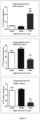
Figure 1 shows the expression level ofGPx2 Log 2 protein analyzed by qPCR; 1A: the expression level of GPx2 of the abnormal glucose tolerance group; 1B: the expression level of GPx2 of the validation group. -
Figure 2 shows the expression level of GPx2, PEPCK, and G6PC (G6Pase) in the livers of the mice fed with a high-fat food for 24 weeks and calculated by using the 2-ΔCT method (compared to GAPDH, presented by folds) (compared to the control group, *:p <0.05; **: p<0.01; ***: p<0.001; compared to the vehicle, ###: p<0.001). -
Figure 3 shows the IPGTT results of the mice after a high-fat food; 3A: the IPGTT results of 24 weeks of high-fat food together with GPx2 over-expression plasmid; 3B: the IPGTT results, the GPx2 over-expressing plastid is administered after type II diabetes is induced by 16 weeks of high-fat food (**: p<0.01 compared to the control group; ##: p<0.01 compared to the vehicle ). -
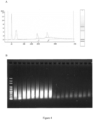
Figure 4 shows the results that confirm the integrity of RNA and cDNA of the histological sections of the liver tissues from patients suffering from the hepatitis C; 4A: the RNA concentration and integrity confirmation map; 4B: the cDNA integrity confirmation map. -
Figure 5 is a graph showing the results of a whole genome expression detection by a microarray chip assay. -
Figure 6 shows the expression of GPx2 in HepG2, Con1, Huh7.5 cell lines. -
Figure 7 shows the expression of GLUT1 and GLUT2 in the Con1 cell line administered with the GPx2 over-expressing plasmid (*: p<0.05 compared to the vehicle; **: p<0.01 compared to the vehicle; #: p<0.05 compared to the control group). -
Figure 8 shows the expression of G6Pase and PEPCK in the Con1 cell administered with the GPx2 over-expressing plasmid (*: p<0.05 compared to the vehicle; **: p<0.01 compared to the vehicle; ##: p<0.01 compared to the control group; ###: p<0.001 compared to the control group). -
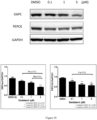
Figure 9 shows the expression of GPx2, GLUT1 and GLUT2 in the Con1 cell lines administered with different concentrations of HCV-specific viral inhibitors (Daclatasvir) (*: p<0.05 compared to DMSO (Daclatasvir concentration 0 pM); **: p<0.01; ***: p<0.001; compared to the effect of different concentrations of Daclatasvir, #: p<0.05; ##: p<0.01). -
Figure 10 shows the expression of G6PC (G6Pase) and PEPCK in the Con1 cell lines administered with different concentrations of the HCV-specific viral inhibitor (Daclatasvir) (compared to DMSO (Daclatasvir concentration is 0 pM); *: p<0.05; p < 0.01; ***: p < 0.001; compared to the effect of different concentrations of Daclatasvir, #: p < 0.05; ##: p < 0.01). -
Figure 11 shows the expression of GPx2 in the liver in the mice with high-fat food for 24 weeks. -
Figure 12 shows the expression of GPx2 in the liver of the mice with high-fat food for 48 weeks. -
Figure 13 shows the expression of GLUT in the liver of the mice with high-fat food for 48 weeks. -
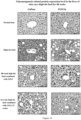
Figure 14 shows the expression of the proteins related to gluconeogenesis in the liver of the mice with high-fat food for 48 weeks. -
Figure 15 shows the expression of GLUT2, G6PC (G6Pase) and PEPCK after the expression of GPx2 is inhibited by GPx2 siRNA treatment. - Huh7.5 and Huh7.5/Con1 cell replicons (genotype 1b) were cultured in a Dulbecco's Modified Eagle's medium (DMEM) with a high concentration of glucose, incubated in a 5% carbon dioxide/37 °C incubator, and supplemented with 10% heat-inactivated fetal bovine serum (heat-inactivated FBS), 5% antibiotic-antimycotic solution, 100 U/mL penicillin, 100 µg/mL streptomycin, and 5% non-essential amino acid solution. The cell lines were first subjected to starvation treatment for 24 hours, then fresh medium containing 10% FBS and annonacin was added and in vitro experiments were performed. The Con1 cell lines were continuously cultured in a complete medium (containing 0.5 mg/mL of G418).
- A 30 µg sample of cytolysate was placed on a 10% SDS-polyacrylamide gel, electrophoresis was performed, and transfected to a PVDF membrane. After being blocked, the membrane was separately immersed in a solution containing the target protein GPx2, GLUT1, PCK1 (PEPCK), GLUT2, and G6PC (G6Pase) antibodies (primary antibody), and incubated for two hours, and then washed with PBS containing 0.1
% tween 20 for five minutes. Subsequently, the membrane was incubated in the HRP complex secondary antibody for one hour. An enhanced chemiluminescence reagent (ECL) was applied on the membrane for light irradiation to observe the protein distribution. - The cells were placed in a six-well plate medium in the amount of 1.2 × 10⁵ cells per well and allowed to grow for one night. The GPx2 over-expressing plasmid and siGPx2 (GPx2 siRNA) were transfected to the cells using LipofectAMINE® at a specifically specified period of time. In addition, the vehicle was only transfected with pcDNA (a vehicle) or siNC (control siRNA) and served as the control group.
- 24 weeks: The mice were fed with a high-fat food to induce abnormal glucose metabolism: six-week-old C57BL/6 male mice were kept in a pathogen-free environment for two weeks. All mice were then randomly divided into six groups, at least five mice in each group.
Group 1 was fed with normal food;group 2 was fed with normal food, and the plasmid carrier (50 µg/plasmid/mouse/week, dissolved in Turbofect) was injected once a week via the tail vein of the mouse;group 3 was fed with normal food, and the GPx2 over-expressing plastid (50 µg/plasmid/mouse/week, dissolved in Turbofect) was injected once a week via the tail vein of the mouse;group 4 was fed with food having 30% more fat than normal food;group 5 was with fed with a food having 30% more fat than normal food, and the plasmid carrier (50 µg/plasmid/mouse/week, dissolved in Turbofect) was injected once a week via the tail vein of the mouse;group 6 was fed with a food having 30% more fat than normal food, and the GPx2 over-expressing plasmid (50 µg/plasmid/mouse/week, dissolved in Turbofect) was injected once a week via the tail vein of the mouse. All mice were sacrificed after 24 weeks, their tissues were collected and divided into three parts: the first part was fixed with 4% formaldehyde and embedded in paraffin for a tissue section study; the second part of the tissues was stored in a tissue RNA sample preservation solution (RNAlater) and placed in an -80 ° C environment for subsequent gene expression detection; the third part of the tissues was stored in liquid nitrogen. - 48 weeks: Six-week-old C57BL/6 male mice were kept in a pathogen-free environment for two weeks. All mice were then randomly divided into four groups, at least five mice in each group.
Group 1 was fed with normal food;group 2 was fed with a food having 30% more fat than normal food;group 3 was fed with a food having 30% more fat than normal food, and the plasmid carrier (50 µg/plasmid/mouse/week, dissolved in Turbofect) was injected once a week, 16 weeks after the mice began to be fed in the experiment, via the tail vein of each mouse;group 4 was fed with a food having 30% more fat than normal food, and the GPx2 over-expressing plasmid (50 µg/plasmid/mouse/week, dissolved inn Turbofect) was injected via the tail vein of each mouse once a week, 16 weeks after the mice began to be fed in the experiment. All mice were sacrificed after 48 weeks, their tissues were collected and divided into three parts: the first part was fixed with 4% formaldehyde and embedded in paraffin for a tissue section study; the second part of the tissues was stored in a tissue RNA sample preservation solution (RNAlater) and placed in an -80°C environment for subsequent gene expression detection; the third part of the tissues was stored in liquid nitrogen. - For those mice fed with high-fat food to induce abnormal glucose metabolism, the expression level of hepatic GPx2 was significantly decreased.
- For those mice feed with a high fat food and simultaneously administered with the GPx2 over-expressing plastid via the tail vein, it was found by qPCR detection that the expression of GPx2 in the liver of the mice having the GPx2 over-expressing plastid was significantly increased and the expression of the genes (PEPCK and G6PC (G6Pase)) related to gluconeogenesis was effectively decreased, as shown in
Figure 2 . - All mice were fasted for 12 hours and injected intraperitoneally with glucose (2 g glucose/kg body weight), followed by blood sampling from the tail at 0, 30, 60, and 120 minutes after the glucose injection. The blood glucose meter was used to detect blood glucose concentration.
- The results are shown in
Fig. 3A , after the mice were fed with high-fat food and simultaneously administered with the GPx2 over-expressing plasmid via the tail vein for 24 weeks, glucose tolerance was tested, the mice administered with the GPx2 over-expressing plasmid had a better glucose metabolism condition. As shown inFig. 3B , after diabetic mice, were successfully induced by a high-fat food for 16 weeks, and 32 weeks after the GPx2 over-expressing plasmids was administered via the tail vein, the results of the intraperitoneal glucose tolerance test (IPGTT) showed that GPx2 was able to improve the carbohydrate metabolism disorder effectively, and the mice administered with GPx2 over-expressing plastid showed a better carbohydrate metabolism condition, comparable to the diabetes-free mice fed with a normal food. - The paraffin-embedded liver tissues were cut into 4 µm sections, microwaved at 100 °C for 30 minutes, and non-specific reactions were blocked. The sections were cultured with primary antibodies at 4°C overnight, then rinsed twice with PBS containing 0.2
% Tween 20 for 10 minutes. The sections were incubated with biotinylated secondary antibodies for one hour and then rinsed twice with PBS containing 0.2% Tween 20 for 10 minutes. Finally, the sections were stained to observe the expression of various proteins. - 48 patients suffering from the hepatitis C were recruited and categorized according to each individual's oral glucose tolerance test and glycated hemoglobin (as shown in Table 1), 19 of them were patients having normal blood glucose, 11 of them were patients with abnormal glucose tolerance, and 18 of them were type II diabetes patients.
Table 1: Groups of hepatitis patients Diagnosis Fasting blood glucose Blood glucose 2 hours after oral administration of glucose glycated hemoglobin Normal blood glucose <110 mg/dL and <140 mg/dL and <5.7 Abnormal glucose tolerance 110 - 126 mg/dL or 140 - 200 mg/dL or 5.7-6.5 Type II diabetes >126 mg/dL or >200mg/dL or >6.5 - Each patient took virus typing analysis to confirm viral genotype and virus quantitative analysis, and 5 patients with normal blood glucose, 3 patients with abnormal glucose tolerance, and 3 patients suffering from type II diabetes who had never taken insulin or oral blood glucose-lowering drugs were randomly selected as samples to perform gene chip assays to screen candidate genes, other samples were used as the validation group for verifying the candidate genes. The basic information of these two sample groups is shown in Table 2.
Table 2 Normal Prediabetes Diabetes p Value Gender (Male/Female) 4/10 6/2 10/5 0.0489 Age (Standard Deviation) 57.3(13.2) 56.8(9.2) 53.9(8.2) 0.6586 BMI (Standard Deviation) 25.2(2.5) 25.3(2.8) 26.4(4.2) 0.6020 GOT (IU/L, Standard Deviation) 118.5(71.1) 103.9(32.3) 108.5(47.1) 0.8291 GPT (IU/L, Standard Deviation) 166.5(70.0) 149.4(30.3) 159.4(68.8) 0.8482 APRI (Standard Deviation) 2.0(1.3) 1.6(0.7) 2.1(1.5) 0.7341 0 minute-AC SUGAR (mg/dL, Standard Deviation) 84.4(8.0) 91.7(10.2) 121.8(29.9) <0.0001 120 minutes-AC SUGAR (mg/dL, Standard Deviation) 128.5(29.5) 125.3(31.5) 255.6(76.9) <0.0001 0 minute-AC Insulin (µIU/mL, Standard Deviation) 4.9(2.9) 7.8(7.1) 18.1(5.4) 0.0300 HbA1C (%, Standard Deviation) 5.3(0.3) 5.8(0.1) 7.0(0.9) <.0001 - Liver sections of each patient were collected, RNA was extracted respectively, RNA concentrations were measured, and then individually converted to cDNA to confirm the integrity. The results are shown in
Figure 4 . - Whole genome expression detection was performed by using microarray chip assays to normalize all chip results, as shown in
Figure 5 . - Then gene expression variations were analyzed. Using a 1.5-fold variation as a threshold, genes with expression variations were selected. When patients with abnormal glucose tolerance were compared to those with normal blood glucose, the expressions of 81 genes were increased, and the expressions of 77 genes were decreased; when patients suffering from type II diabetes were compared to those with normal blood glucose, the expressions of 161 genes were increased and the expressions of 99 genes were decreased.
- Gene network analysis: When patients with abnormal glucose tolerance were compared to patients suffering from type II diabetes, the functions of the genes with expression variations were lipid metabolism, molecular transport, small molecule biochemistry, vitamin and mineral metabolism, etc. The results are shown in Table 3.
Table 3 Abnormal glucose tolerance group and normal control group Description p Value Number of molecules Lipid metabolism 2.44E-13 - 6.33E-03 47 Molecular transport 2.44E-13 - 6.33E-03 35 Small molecule biochemistry 2.44E-13 - 6.33E-03 52 Vitamin and mineral metabolism 3.24E-12 - 5.08E-03 16 Cell growth and proliferation 2.17E-06 - 5.63E-03 38 -
Description p Value Number of molecules Lipid metabolism 1.97E-23 - 1.00E-02 59 Small molecule biochemistry 1.97E-23 - 1.00E-02 64 Vitamin and mineral metabolism 1.97E-23 - 1.00 E-02 32 Molecular transport 8.15E-09 - 1.00E-02 37 Nucleic acid metabolism 2.27E-08 - 1.00E-02 11 - Significantly different candidate genes of GPx2 were obtained after the results of the patients having abnormal glucose tolerance were compared with the results of those who suffer from type II diabetes: when GPx2 was analyzed by qPCR, it was found that GPx2 varied in different degrees depending on the degree of variation in glucose tolerance, as shown in
Figure 1A . When the samples of the validation group were tested by qPCR, it showed that GPx2 still maintained significant variations, and depending on the variations in glucose tolerance, the expression level of GPx2 gene was also decreased, as shown inFigure 1B . - Based on the predictions of the gene network analysis, GPx2 was closely related to genes related to fatty acid oxidation, glucose tolerance, glucose uptake, and gluconeogenesis.
- The role of GPx2 in carbohydrate metabolism
- The role of GPx2 in carbohydrate metabolism was confirmed by cell experiments. Through inhibiting the expression of GPx2, Hepatitis C virus (HCV) allowed HCV to cause carbohydrate metabolism disorder in liver cells (reducing glucose transport and increasing gluconeogenesis), and by increasing the expression of GPx2, the abnormal glucose metabolism caused by HCV was significantly improved.
- Through plasmid transfection and immunoblotting experiments, it was found that the expression of GPx2 in the cells (Con1 cells) having HCV type 1b replicon-related genes was significantly decreased as compared to the cells (HepG2 and Huh7.5) without HCV-related genes, as shown in
Figure 6 . - Previous studies had shown that HCV was able to decrease the expression level of GLUT in the cells (Con1) having the expression of HCV related genes. Therefore, after the present invention increased the expression level of GPx2 by giving the GPx2 over-expressing plasmid, it was found that the expression of GLUT was significantly increased, indicating that GPx2 was able to improve the ability of the cells to transport glucose, as shown in
Figure 7 . - It had been reported that HCV was able to increase the expression level of gluconeogenesis-related genes (G6PC (G6Pase) and PEPCK) in the cells (Con1) having the expression of HCV-related genes. Therefore, after the present invention increased the expression level of GPx2 by giving GPx2 over-expressing plasmid, the expressions of G6PC (G6Pase) and PEPCK were significantly decreased to inhibit gluconeogenesis in the cells, as shown in
Figure 8 . - After the Con1 cells were treated with the HCV-specific viral inhibitor (Daclatasvir) and detected by Western blotting, it was found that as the concentration of the inhibitor increased, the amount of virus decreased to increase the expression of GPx2 and GLUT on concentration-dependent manner, as shown in
Figure 9 . The gluconeogenesis-related proteins G6PC (G6Pase) and PEPCK were also down-regulated by Daclatasvir in a concentration-dependent manner, as shown inFigure 10 . - Through the immunohistostaining results, it was found that the expression of GPx2 was decreased in high-fat food-induced diabetic mice; and after the GPx2 over-expressing plasmid was administered, the expression level of GPx2 was increased, as shown in
Figure 11 . In the experiments of the 48-week high-fat food, the expression of GPx2 was also significantly increased, as shown inFigure 12 . The expression of GLUT was decreased in high-fat food-induced diabetic mice; and the expression of GLUT was increased after the GPx2 over-expressing plasmid was administered, as shown inFigure 13 . The expression level of G6PC (G6Pase) and PEPCK in high-fat food-induced diabetic mice was increased, and the expression level of G6PC (G6Pase) and PEPCK was decreased after the GPx2 over-expressing plasmid was administered, as shown inFigure 14 .
Claims (4)
- A method for detecting a glucose metabolism disorder of a subject, comprising:(a) detecting the expression level of GPx2 (glutathione peroxidase 2) gene alone, the expression level of GPx2 protein alone, or the protein activity of GPx2 alone of a liver sample from the subject; and(b) comparing the expression level of GPx2 gene alone, the expression level of GPx2 protein alone, or the protein activity of GPx2 alone of the liver sample from the subject to the expression level of GPx2 gene alone, the expression level of GPx2 protein alone, or the protein activity of GPx2 alone of a liver sample from a normal subject, wherein a significantly lower expression level of GPx2 gene alone, the expression level of GPx2 protein alone, or the protein activity of GPx2 alone of the liver sample from the subject than the expression level of GPx2 gene alone, the expression level of GPx2 protein alone, or the protein activity of GPx2 alone in the liver sample from the normal subject indicates that the subject is in a state of glucose metabolism disorder, wherein the glucose metabolism disorder is induced by high-fat food.
- The method of claim 1, wherein the subject is an animal, comprising a human and a mammal.
- The method of claim 1, wherein the subject is human.
- The method of claim 1, wherein the subject-is at high risk of developing type II diabetes.
Applications Claiming Priority (1)
| Application Number | Priority Date | Filing Date | Title |
|---|---|---|---|
| PCT/CN2016/105759 WO2018086126A1 (en) | 2016-11-14 | 2016-11-14 | Method for detecting whether glucose metabolism is abnormal, and prevention and treatment therefor |
Publications (3)
| Publication Number | Publication Date |
|---|---|
| EP3540072A1 EP3540072A1 (en) | 2019-09-18 |
| EP3540072A4 EP3540072A4 (en) | 2020-05-20 |
| EP3540072B1 true EP3540072B1 (en) | 2025-02-12 |
Family
ID=62110166
Family Applications (1)
| Application Number | Title | Priority Date | Filing Date |
|---|---|---|---|
| EP16921143.0A Active EP3540072B1 (en) | 2016-11-14 | 2016-11-14 | Method for detecting whether glucose metabolism is abnormal, and prevention and treatment therefor |
Country Status (6)
| Country | Link |
|---|---|
| US (1) | US11439689B2 (en) |
| EP (1) | EP3540072B1 (en) |
| JP (1) | JP7066209B2 (en) |
| KR (1) | KR20190077037A (en) |
| CN (1) | CN110168098A (en) |
| WO (1) | WO2018086126A1 (en) |
Families Citing this family (1)
| Publication number | Priority date | Publication date | Assignee | Title |
|---|---|---|---|---|
| CN103470194B (en) * | 2013-09-07 | 2015-12-23 | 中国石油集团西部钻探工程有限公司 | Casing screw head device is unloaded easily |
Citations (2)
| Publication number | Priority date | Publication date | Assignee | Title |
|---|---|---|---|---|
| WO2005046718A1 (en) * | 2003-11-06 | 2005-05-26 | Ohio University | Diagnosis and hyperinsulinemia and type ii diabetes and protection against same based on genes differentially expressed in pancreas cells (12.1) |
| WO2010005533A2 (en) * | 2008-06-30 | 2010-01-14 | The Johns Hopkins University | Compositions and methods for the treatment of ocular oxidative stress and retinitis pigmentosa |
Family Cites Families (7)
| Publication number | Priority date | Publication date | Assignee | Title |
|---|---|---|---|---|
| CN1256312A (en) * | 1998-10-29 | 2000-06-14 | 复旦大学 | New human glutathione peroxidase and its code sequence, preparation and use |
| NZ591879A (en) | 2003-10-23 | 2012-11-30 | Kineta Two Llc | Detection of mutations in a gene associated with resistance to viral infection, OAS1 |
| WO2005058142A2 (en) * | 2003-12-16 | 2005-06-30 | Emory University | Diabetes diagnostic |
| WO2006056080A1 (en) | 2004-11-29 | 2006-06-01 | Diagnocure Inc. | Gpx2 a specific and sensitive target for lung cancer diagnosis, prognosis and/or theranosis |
| PL2419097T3 (en) | 2009-04-16 | 2014-02-28 | Taisho Pharmaceutical Co Ltd | Pharmaceutical composition comprising (1s)-1,5-anhydro-1-[5-(4-ethoxybenzyl)-2-methoxy-4-methylphenyl]-1-thio-d-glucitol and metformin and uses thereof in the treatment of diabetes |
| CN104651329A (en) | 2014-02-18 | 2015-05-27 | 吉林大学 | Glutathione peroxidase GPX2 mutant containing serine and preparation method of mutant |
| EP3204502B1 (en) * | 2014-10-06 | 2021-04-21 | Memorial Sloan-Kettering Cancer Center | Method to reduce oncogenic potential of induced pluripotent stem cells from aged donors |
-
2016
- 2016-11-14 EP EP16921143.0A patent/EP3540072B1/en active Active
- 2016-11-14 CN CN201680090803.8A patent/CN110168098A/en active Pending
- 2016-11-14 KR KR1020197015338A patent/KR20190077037A/en not_active Ceased
- 2016-11-14 US US16/349,286 patent/US11439689B2/en active Active
- 2016-11-14 JP JP2019525832A patent/JP7066209B2/en active Active
- 2016-11-14 WO PCT/CN2016/105759 patent/WO2018086126A1/en not_active Ceased
Patent Citations (2)
| Publication number | Priority date | Publication date | Assignee | Title |
|---|---|---|---|---|
| WO2005046718A1 (en) * | 2003-11-06 | 2005-05-26 | Ohio University | Diagnosis and hyperinsulinemia and type ii diabetes and protection against same based on genes differentially expressed in pancreas cells (12.1) |
| WO2010005533A2 (en) * | 2008-06-30 | 2010-01-14 | The Johns Hopkins University | Compositions and methods for the treatment of ocular oxidative stress and retinitis pigmentosa |
Also Published As
| Publication number | Publication date |
|---|---|
| EP3540072A1 (en) | 2019-09-18 |
| US11439689B2 (en) | 2022-09-13 |
| EP3540072A4 (en) | 2020-05-20 |
| WO2018086126A1 (en) | 2018-05-17 |
| CN110168098A (en) | 2019-08-23 |
| JP2020513232A (en) | 2020-05-14 |
| JP7066209B2 (en) | 2022-05-13 |
| US20200093897A1 (en) | 2020-03-26 |
| KR20190077037A (en) | 2019-07-02 |
Similar Documents
| Publication | Publication Date | Title |
|---|---|---|
| Porcu et al. | A meta-analysis of thyroid-related traits reveals novel loci and gender-specific differences in the regulation of thyroid function | |
| Ji et al. | Liver‐specific loss of glucose‐regulated protein 78 perturbs the unfolded protein response and exacerbates a spectrum of liver diseases in mice | |
| Dinarello et al. | Role of IL-1β in type 2 diabetes | |
| Wang et al. | Diabetes exacerbates myocardial ischemia/reperfusion injury by down-regulation of microRNA and up-regulation of O-GlcNAcylation | |
| Cai et al. | Viral genotype-specific role of PNPLA3, PPARG, MTTP, and IL28B in hepatitis C virus-associated steatosis | |
| Katz et al. | Erythropoietin treatment leads to reduced blood glucose levels and body mass: insights from murine models | |
| Zimdahl et al. | Influence of common polymorphisms in the SLC5A2 gene on metabolic traits in subjects at increased risk of diabetes and on response to empagliflozin treatment in patients with diabetes | |
| JP2012522013A (en) | Regulated IRES-mediated translation | |
| Setoodeh et al. | Identification of a SLC19A2 nonsense mutation in Persian families with thiamine-responsive megaloblastic anemia | |
| Rotger et al. | Genetic, ethnic, and gender differences in the pharmacokinetics of antiretroviral agents | |
| Feld | Treatment indication and response to standard of care with peginterferon and ribavirin in acute and chronic HCV infection | |
| Negoro et al. | Generation of Caco-2 cells stably expressing CYP3A4· POR· UGT1A1 and CYP3A4· POR· UGT1A1* 6 using a PITCh system | |
| US11439689B2 (en) | Method for detecting whether glucose metabolism is abnormal, and prevention and treatment therefor | |
| Wang et al. | Unveiling EXOC4/SEC8: a key player in enhancing antiviral immunity by inhibiting the FBXL19-STING1-SQSTM1 signaling axis | |
| Rubio‐Cabezas et al. | Permanent neonatal diabetes caused by a homozygous nonsense mutation in the glucokinase gene | |
| CN106267235A (en) | MiR-451 is as the purposes of the target of regulation blood glucose | |
| Mizuta et al. | Whole-body insulin sensitivity index is a highly specific predictive marker for virological response to peginterferon plus ribavirin therapy in chronic hepatitis C patients with genotype 1b and high viral load | |
| TWI620933B (en) | Method of detecting carbohydrate metabolism disorder and the prevention and treatment | |
| KR20240051814A (en) | Composition for predicting sulfonylureas-dependency using gipr marker and method for predicting the same | |
| Chen et al. | Insufficient S-sulfhydration of cAMP-response element binding protein 1 participates in hyperhomocysteinemia or cisplatin induced kidney fibrosis via promoting epithelial-mesenchymal transition | |
| Stephenson et al. | Skeletal muscle mTORC1 activation increases energy expenditure and reduces longevity in mice | |
| US11180539B2 (en) | Pharmaceutical composition or food composition, and method for assessing effect of active ingredient in vivo | |
| Villarroya et al. | Mechanisms of antiretroviral-induced mitochondrial dysfunction in adipocytes and adipose tissue: in-vitro, animal and human adipose tissue studies | |
| Fu et al. | Iron Deficiency Impairs Muscle Stem Cell Proliferation and Skeletal Muscle Regeneration via HIF‐2α Stabilization | |
| Tsang et al. | Regulation of Renal Transporters by Pro-inflammatory Cytokines in Human Proximal Tubular Epithelial Cells: Identification of the Perpetrator and Mechanisms |
Legal Events
| Date | Code | Title | Description |
|---|---|---|---|
| STAA | Information on the status of an ep patent application or granted ep patent |
Free format text: STATUS: THE INTERNATIONAL PUBLICATION HAS BEEN MADE |
|
| PUAI | Public reference made under article 153(3) epc to a published international application that has entered the european phase |
Free format text: ORIGINAL CODE: 0009012 |
|
| STAA | Information on the status of an ep patent application or granted ep patent |
Free format text: STATUS: REQUEST FOR EXAMINATION WAS MADE |
|
| 17P | Request for examination filed |
Effective date: 20190614 |
|
| AK | Designated contracting states |
Kind code of ref document: A1 Designated state(s): AL AT BE BG CH CY CZ DE DK EE ES FI FR GB GR HR HU IE IS IT LI LT LU LV MC MK MT NL NO PL PT RO RS SE SI SK SM TR |
|
| AX | Request for extension of the european patent |
Extension state: BA ME |
|
| DAV | Request for validation of the european patent (deleted) | ||
| DAX | Request for extension of the european patent (deleted) | ||
| A4 | Supplementary search report drawn up and despatched |
Effective date: 20200420 |
|
| RIC1 | Information provided on ipc code assigned before grant |
Ipc: A61K 38/44 20060101ALI20200414BHEP Ipc: A61P 3/10 20060101ALI20200414BHEP Ipc: C12Q 1/28 20060101ALI20200414BHEP Ipc: G01N 33/68 20060101ALI20200414BHEP Ipc: G01N 33/576 20060101ALI20200414BHEP Ipc: C12Q 1/68 20180101AFI20200414BHEP Ipc: G01N 33/50 20060101ALI20200414BHEP |
|
| STAA | Information on the status of an ep patent application or granted ep patent |
Free format text: STATUS: EXAMINATION IS IN PROGRESS |
|
| 17Q | First examination report despatched |
Effective date: 20220224 |
|
| GRAP | Despatch of communication of intention to grant a patent |
Free format text: ORIGINAL CODE: EPIDOSNIGR1 |
|
| STAA | Information on the status of an ep patent application or granted ep patent |
Free format text: STATUS: GRANT OF PATENT IS INTENDED |
|
| INTG | Intention to grant announced |
Effective date: 20240906 |
|
| GRAS | Grant fee paid |
Free format text: ORIGINAL CODE: EPIDOSNIGR3 |
|
| GRAA | (expected) grant |
Free format text: ORIGINAL CODE: 0009210 |
|
| STAA | Information on the status of an ep patent application or granted ep patent |
Free format text: STATUS: THE PATENT HAS BEEN GRANTED |
|
| AK | Designated contracting states |
Kind code of ref document: B1 Designated state(s): AL AT BE BG CH CY CZ DE DK EE ES FI FR GB GR HR HU IE IS IT LI LT LU LV MC MK MT NL NO PL PT RO RS SE SI SK SM TR |
|
| REG | Reference to a national code |
Ref country code: GB Ref legal event code: FG4D |
|
| REG | Reference to a national code |
Ref country code: CH Ref legal event code: EP |
|
| REG | Reference to a national code |
Ref country code: DE Ref legal event code: R096 Ref document number: 602016091230 Country of ref document: DE |
|
| REG | Reference to a national code |
Ref country code: IE Ref legal event code: FG4D |
|
| P01 | Opt-out of the competence of the unified patent court (upc) registered |
Free format text: CASE NUMBER: APP_18015/2025 Effective date: 20250414 |
|
| REG | Reference to a national code |
Ref country code: NL Ref legal event code: MP Effective date: 20250212 |
|
| PG25 | Lapsed in a contracting state [announced via postgrant information from national office to epo] |
Ref country code: RS Free format text: LAPSE BECAUSE OF FAILURE TO SUBMIT A TRANSLATION OF THE DESCRIPTION OR TO PAY THE FEE WITHIN THE PRESCRIBED TIME-LIMIT Effective date: 20250512 |
|
| PG25 | Lapsed in a contracting state [announced via postgrant information from national office to epo] |
Ref country code: FI Free format text: LAPSE BECAUSE OF FAILURE TO SUBMIT A TRANSLATION OF THE DESCRIPTION OR TO PAY THE FEE WITHIN THE PRESCRIBED TIME-LIMIT Effective date: 20250212 |
|
| PG25 | Lapsed in a contracting state [announced via postgrant information from national office to epo] |
Ref country code: PL Free format text: LAPSE BECAUSE OF FAILURE TO SUBMIT A TRANSLATION OF THE DESCRIPTION OR TO PAY THE FEE WITHIN THE PRESCRIBED TIME-LIMIT Effective date: 20250212 |
|
| PG25 | Lapsed in a contracting state [announced via postgrant information from national office to epo] |
Ref country code: ES Free format text: LAPSE BECAUSE OF FAILURE TO SUBMIT A TRANSLATION OF THE DESCRIPTION OR TO PAY THE FEE WITHIN THE PRESCRIBED TIME-LIMIT Effective date: 20250212 |
|
| REG | Reference to a national code |
Ref country code: LT Ref legal event code: MG9D |
|
| PG25 | Lapsed in a contracting state [announced via postgrant information from national office to epo] |
Ref country code: IS Free format text: LAPSE BECAUSE OF FAILURE TO SUBMIT A TRANSLATION OF THE DESCRIPTION OR TO PAY THE FEE WITHIN THE PRESCRIBED TIME-LIMIT Effective date: 20250612 Ref country code: NO Free format text: LAPSE BECAUSE OF FAILURE TO SUBMIT A TRANSLATION OF THE DESCRIPTION OR TO PAY THE FEE WITHIN THE PRESCRIBED TIME-LIMIT Effective date: 20250512 |
|
| PG25 | Lapsed in a contracting state [announced via postgrant information from national office to epo] |
Ref country code: NL Free format text: LAPSE BECAUSE OF FAILURE TO SUBMIT A TRANSLATION OF THE DESCRIPTION OR TO PAY THE FEE WITHIN THE PRESCRIBED TIME-LIMIT Effective date: 20250212 |
|
| PG25 | Lapsed in a contracting state [announced via postgrant information from national office to epo] |
Ref country code: HR Free format text: LAPSE BECAUSE OF FAILURE TO SUBMIT A TRANSLATION OF THE DESCRIPTION OR TO PAY THE FEE WITHIN THE PRESCRIBED TIME-LIMIT Effective date: 20250212 |
|
| PG25 | Lapsed in a contracting state [announced via postgrant information from national office to epo] |
Ref country code: PT Free format text: LAPSE BECAUSE OF FAILURE TO SUBMIT A TRANSLATION OF THE DESCRIPTION OR TO PAY THE FEE WITHIN THE PRESCRIBED TIME-LIMIT Effective date: 20250612 Ref country code: LV Free format text: LAPSE BECAUSE OF FAILURE TO SUBMIT A TRANSLATION OF THE DESCRIPTION OR TO PAY THE FEE WITHIN THE PRESCRIBED TIME-LIMIT Effective date: 20250212 |
|
| PG25 | Lapsed in a contracting state [announced via postgrant information from national office to epo] |
Ref country code: GR Free format text: LAPSE BECAUSE OF FAILURE TO SUBMIT A TRANSLATION OF THE DESCRIPTION OR TO PAY THE FEE WITHIN THE PRESCRIBED TIME-LIMIT Effective date: 20250513 Ref country code: BG Free format text: LAPSE BECAUSE OF FAILURE TO SUBMIT A TRANSLATION OF THE DESCRIPTION OR TO PAY THE FEE WITHIN THE PRESCRIBED TIME-LIMIT Effective date: 20250212 |
|
| REG | Reference to a national code |
Ref country code: AT Ref legal event code: MK05 Ref document number: 1766096 Country of ref document: AT Kind code of ref document: T Effective date: 20250212 |
|
| PG25 | Lapsed in a contracting state [announced via postgrant information from national office to epo] |
Ref country code: SE Free format text: LAPSE BECAUSE OF FAILURE TO SUBMIT A TRANSLATION OF THE DESCRIPTION OR TO PAY THE FEE WITHIN THE PRESCRIBED TIME-LIMIT Effective date: 20250212 |
|
| PG25 | Lapsed in a contracting state [announced via postgrant information from national office to epo] |
Ref country code: SM Free format text: LAPSE BECAUSE OF FAILURE TO SUBMIT A TRANSLATION OF THE DESCRIPTION OR TO PAY THE FEE WITHIN THE PRESCRIBED TIME-LIMIT Effective date: 20250212 |
|
| PG25 | Lapsed in a contracting state [announced via postgrant information from national office to epo] |
Ref country code: DK Free format text: LAPSE BECAUSE OF FAILURE TO SUBMIT A TRANSLATION OF THE DESCRIPTION OR TO PAY THE FEE WITHIN THE PRESCRIBED TIME-LIMIT Effective date: 20250212 |
|
| PG25 | Lapsed in a contracting state [announced via postgrant information from national office to epo] |
Ref country code: IT Free format text: LAPSE BECAUSE OF FAILURE TO SUBMIT A TRANSLATION OF THE DESCRIPTION OR TO PAY THE FEE WITHIN THE PRESCRIBED TIME-LIMIT Effective date: 20250212 |
|
| PG25 | Lapsed in a contracting state [announced via postgrant information from national office to epo] |
Ref country code: AT Free format text: LAPSE BECAUSE OF FAILURE TO SUBMIT A TRANSLATION OF THE DESCRIPTION OR TO PAY THE FEE WITHIN THE PRESCRIBED TIME-LIMIT Effective date: 20250212 |
|
| PG25 | Lapsed in a contracting state [announced via postgrant information from national office to epo] |
Ref country code: EE Free format text: LAPSE BECAUSE OF FAILURE TO SUBMIT A TRANSLATION OF THE DESCRIPTION OR TO PAY THE FEE WITHIN THE PRESCRIBED TIME-LIMIT Effective date: 20250212 Ref country code: CZ Free format text: LAPSE BECAUSE OF FAILURE TO SUBMIT A TRANSLATION OF THE DESCRIPTION OR TO PAY THE FEE WITHIN THE PRESCRIBED TIME-LIMIT Effective date: 20250212 |
|
| PG25 | Lapsed in a contracting state [announced via postgrant information from national office to epo] |
Ref country code: RO Free format text: LAPSE BECAUSE OF FAILURE TO SUBMIT A TRANSLATION OF THE DESCRIPTION OR TO PAY THE FEE WITHIN THE PRESCRIBED TIME-LIMIT Effective date: 20250212 |
|
| PG25 | Lapsed in a contracting state [announced via postgrant information from national office to epo] |
Ref country code: SK Free format text: LAPSE BECAUSE OF FAILURE TO SUBMIT A TRANSLATION OF THE DESCRIPTION OR TO PAY THE FEE WITHIN THE PRESCRIBED TIME-LIMIT Effective date: 20250212 |
|
| REG | Reference to a national code |
Ref country code: DE Ref legal event code: R097 Ref document number: 602016091230 Country of ref document: DE |
|
| PLBE | No opposition filed within time limit |
Free format text: ORIGINAL CODE: 0009261 |
|
| STAA | Information on the status of an ep patent application or granted ep patent |
Free format text: STATUS: NO OPPOSITION FILED WITHIN TIME LIMIT |
|
| PGFP | Annual fee paid to national office [announced via postgrant information from national office to epo] |
Ref country code: DE Payment date: 20251126 Year of fee payment: 10 |
|
| PGFP | Annual fee paid to national office [announced via postgrant information from national office to epo] |
Ref country code: GB Payment date: 20251126 Year of fee payment: 10 |
|
| PGFP | Annual fee paid to national office [announced via postgrant information from national office to epo] |
Ref country code: FR Payment date: 20251125 Year of fee payment: 10 |
|
| 26N | No opposition filed |
Effective date: 20251113 |