EP3539655A1 - Method for preparing precious metal isolated atoms in solution, and applications thereof - Google Patents
Method for preparing precious metal isolated atoms in solution, and applications thereof Download PDFInfo
- Publication number
- EP3539655A1 EP3539655A1 EP16921159.6A EP16921159A EP3539655A1 EP 3539655 A1 EP3539655 A1 EP 3539655A1 EP 16921159 A EP16921159 A EP 16921159A EP 3539655 A1 EP3539655 A1 EP 3539655A1
- Authority
- EP
- European Patent Office
- Prior art keywords
- iii
- chloride
- acid
- palladium
- compound precursor
- Prior art date
- Legal status (The legal status is an assumption and is not a legal conclusion. Google has not performed a legal analysis and makes no representation as to the accuracy of the status listed.)
- Withdrawn
Links
Images

Classifications
-
- B—PERFORMING OPERATIONS; TRANSPORTING
- B22—CASTING; POWDER METALLURGY
- B22F—WORKING METALLIC POWDER; MANUFACTURE OF ARTICLES FROM METALLIC POWDER; MAKING METALLIC POWDER; APPARATUS OR DEVICES SPECIALLY ADAPTED FOR METALLIC POWDER
- B22F9/00—Making metallic powder or suspensions thereof
- B22F9/16—Making metallic powder or suspensions thereof using chemical processes
- B22F9/18—Making metallic powder or suspensions thereof using chemical processes with reduction of metal compounds
- B22F9/24—Making metallic powder or suspensions thereof using chemical processes with reduction of metal compounds starting from liquid metal compounds, e.g. solutions
-
- B—PERFORMING OPERATIONS; TRANSPORTING
- B01—PHYSICAL OR CHEMICAL PROCESSES OR APPARATUS IN GENERAL
- B01J—CHEMICAL OR PHYSICAL PROCESSES, e.g. CATALYSIS OR COLLOID CHEMISTRY; THEIR RELEVANT APPARATUS
- B01J21/00—Catalysts comprising the elements, oxides, or hydroxides of magnesium, boron, aluminium, carbon, silicon, titanium, zirconium, or hafnium
- B01J21/02—Boron or aluminium; Oxides or hydroxides thereof
- B01J21/04—Alumina
-
- B—PERFORMING OPERATIONS; TRANSPORTING
- B01—PHYSICAL OR CHEMICAL PROCESSES OR APPARATUS IN GENERAL
- B01J—CHEMICAL OR PHYSICAL PROCESSES, e.g. CATALYSIS OR COLLOID CHEMISTRY; THEIR RELEVANT APPARATUS
- B01J23/00—Catalysts comprising metals or metal oxides or hydroxides, not provided for in group B01J21/00
- B01J23/38—Catalysts comprising metals or metal oxides or hydroxides, not provided for in group B01J21/00 of noble metals
- B01J23/40—Catalysts comprising metals or metal oxides or hydroxides, not provided for in group B01J21/00 of noble metals of the platinum group metals
-
- B—PERFORMING OPERATIONS; TRANSPORTING
- B01—PHYSICAL OR CHEMICAL PROCESSES OR APPARATUS IN GENERAL
- B01J—CHEMICAL OR PHYSICAL PROCESSES, e.g. CATALYSIS OR COLLOID CHEMISTRY; THEIR RELEVANT APPARATUS
- B01J23/00—Catalysts comprising metals or metal oxides or hydroxides, not provided for in group B01J21/00
- B01J23/38—Catalysts comprising metals or metal oxides or hydroxides, not provided for in group B01J21/00 of noble metals
- B01J23/40—Catalysts comprising metals or metal oxides or hydroxides, not provided for in group B01J21/00 of noble metals of the platinum group metals
- B01J23/42—Platinum
-
- B—PERFORMING OPERATIONS; TRANSPORTING
- B01—PHYSICAL OR CHEMICAL PROCESSES OR APPARATUS IN GENERAL
- B01J—CHEMICAL OR PHYSICAL PROCESSES, e.g. CATALYSIS OR COLLOID CHEMISTRY; THEIR RELEVANT APPARATUS
- B01J23/00—Catalysts comprising metals or metal oxides or hydroxides, not provided for in group B01J21/00
- B01J23/38—Catalysts comprising metals or metal oxides or hydroxides, not provided for in group B01J21/00 of noble metals
- B01J23/40—Catalysts comprising metals or metal oxides or hydroxides, not provided for in group B01J21/00 of noble metals of the platinum group metals
- B01J23/44—Palladium
-
- B—PERFORMING OPERATIONS; TRANSPORTING
- B01—PHYSICAL OR CHEMICAL PROCESSES OR APPARATUS IN GENERAL
- B01J—CHEMICAL OR PHYSICAL PROCESSES, e.g. CATALYSIS OR COLLOID CHEMISTRY; THEIR RELEVANT APPARATUS
- B01J23/00—Catalysts comprising metals or metal oxides or hydroxides, not provided for in group B01J21/00
- B01J23/38—Catalysts comprising metals or metal oxides or hydroxides, not provided for in group B01J21/00 of noble metals
- B01J23/40—Catalysts comprising metals or metal oxides or hydroxides, not provided for in group B01J21/00 of noble metals of the platinum group metals
- B01J23/46—Ruthenium, rhodium, osmium or iridium
-
- B—PERFORMING OPERATIONS; TRANSPORTING
- B01—PHYSICAL OR CHEMICAL PROCESSES OR APPARATUS IN GENERAL
- B01J—CHEMICAL OR PHYSICAL PROCESSES, e.g. CATALYSIS OR COLLOID CHEMISTRY; THEIR RELEVANT APPARATUS
- B01J23/00—Catalysts comprising metals or metal oxides or hydroxides, not provided for in group B01J21/00
- B01J23/38—Catalysts comprising metals or metal oxides or hydroxides, not provided for in group B01J21/00 of noble metals
- B01J23/40—Catalysts comprising metals or metal oxides or hydroxides, not provided for in group B01J21/00 of noble metals of the platinum group metals
- B01J23/46—Ruthenium, rhodium, osmium or iridium
- B01J23/462—Ruthenium
-
- B—PERFORMING OPERATIONS; TRANSPORTING
- B01—PHYSICAL OR CHEMICAL PROCESSES OR APPARATUS IN GENERAL
- B01J—CHEMICAL OR PHYSICAL PROCESSES, e.g. CATALYSIS OR COLLOID CHEMISTRY; THEIR RELEVANT APPARATUS
- B01J23/00—Catalysts comprising metals or metal oxides or hydroxides, not provided for in group B01J21/00
- B01J23/38—Catalysts comprising metals or metal oxides or hydroxides, not provided for in group B01J21/00 of noble metals
- B01J23/40—Catalysts comprising metals or metal oxides or hydroxides, not provided for in group B01J21/00 of noble metals of the platinum group metals
- B01J23/46—Ruthenium, rhodium, osmium or iridium
- B01J23/464—Rhodium
-
- B—PERFORMING OPERATIONS; TRANSPORTING
- B01—PHYSICAL OR CHEMICAL PROCESSES OR APPARATUS IN GENERAL
- B01J—CHEMICAL OR PHYSICAL PROCESSES, e.g. CATALYSIS OR COLLOID CHEMISTRY; THEIR RELEVANT APPARATUS
- B01J23/00—Catalysts comprising metals or metal oxides or hydroxides, not provided for in group B01J21/00
- B01J23/38—Catalysts comprising metals or metal oxides or hydroxides, not provided for in group B01J21/00 of noble metals
- B01J23/40—Catalysts comprising metals or metal oxides or hydroxides, not provided for in group B01J21/00 of noble metals of the platinum group metals
- B01J23/46—Ruthenium, rhodium, osmium or iridium
- B01J23/466—Osmium
-
- B—PERFORMING OPERATIONS; TRANSPORTING
- B01—PHYSICAL OR CHEMICAL PROCESSES OR APPARATUS IN GENERAL
- B01J—CHEMICAL OR PHYSICAL PROCESSES, e.g. CATALYSIS OR COLLOID CHEMISTRY; THEIR RELEVANT APPARATUS
- B01J23/00—Catalysts comprising metals or metal oxides or hydroxides, not provided for in group B01J21/00
- B01J23/38—Catalysts comprising metals or metal oxides or hydroxides, not provided for in group B01J21/00 of noble metals
- B01J23/40—Catalysts comprising metals or metal oxides or hydroxides, not provided for in group B01J21/00 of noble metals of the platinum group metals
- B01J23/46—Ruthenium, rhodium, osmium or iridium
- B01J23/468—Iridium
-
- B—PERFORMING OPERATIONS; TRANSPORTING
- B01—PHYSICAL OR CHEMICAL PROCESSES OR APPARATUS IN GENERAL
- B01J—CHEMICAL OR PHYSICAL PROCESSES, e.g. CATALYSIS OR COLLOID CHEMISTRY; THEIR RELEVANT APPARATUS
- B01J23/00—Catalysts comprising metals or metal oxides or hydroxides, not provided for in group B01J21/00
- B01J23/38—Catalysts comprising metals or metal oxides or hydroxides, not provided for in group B01J21/00 of noble metals
- B01J23/48—Silver or gold
-
- B—PERFORMING OPERATIONS; TRANSPORTING
- B01—PHYSICAL OR CHEMICAL PROCESSES OR APPARATUS IN GENERAL
- B01J—CHEMICAL OR PHYSICAL PROCESSES, e.g. CATALYSIS OR COLLOID CHEMISTRY; THEIR RELEVANT APPARATUS
- B01J23/00—Catalysts comprising metals or metal oxides or hydroxides, not provided for in group B01J21/00
- B01J23/38—Catalysts comprising metals or metal oxides or hydroxides, not provided for in group B01J21/00 of noble metals
- B01J23/48—Silver or gold
- B01J23/50—Silver
-
- B—PERFORMING OPERATIONS; TRANSPORTING
- B01—PHYSICAL OR CHEMICAL PROCESSES OR APPARATUS IN GENERAL
- B01J—CHEMICAL OR PHYSICAL PROCESSES, e.g. CATALYSIS OR COLLOID CHEMISTRY; THEIR RELEVANT APPARATUS
- B01J23/00—Catalysts comprising metals or metal oxides or hydroxides, not provided for in group B01J21/00
- B01J23/38—Catalysts comprising metals or metal oxides or hydroxides, not provided for in group B01J21/00 of noble metals
- B01J23/48—Silver or gold
- B01J23/52—Gold
-
- B—PERFORMING OPERATIONS; TRANSPORTING
- B01—PHYSICAL OR CHEMICAL PROCESSES OR APPARATUS IN GENERAL
- B01J—CHEMICAL OR PHYSICAL PROCESSES, e.g. CATALYSIS OR COLLOID CHEMISTRY; THEIR RELEVANT APPARATUS
- B01J31/00—Catalysts comprising hydrides, coordination complexes or organic compounds
- B01J31/02—Catalysts comprising hydrides, coordination complexes or organic compounds containing organic compounds or metal hydrides
- B01J31/06—Catalysts comprising hydrides, coordination complexes or organic compounds containing organic compounds or metal hydrides containing polymers
-
- B—PERFORMING OPERATIONS; TRANSPORTING
- B01—PHYSICAL OR CHEMICAL PROCESSES OR APPARATUS IN GENERAL
- B01J—CHEMICAL OR PHYSICAL PROCESSES, e.g. CATALYSIS OR COLLOID CHEMISTRY; THEIR RELEVANT APPARATUS
- B01J31/00—Catalysts comprising hydrides, coordination complexes or organic compounds
- B01J31/26—Catalysts comprising hydrides, coordination complexes or organic compounds containing in addition, inorganic metal compounds not provided for in groups B01J31/02 - B01J31/24
- B01J31/28—Catalysts comprising hydrides, coordination complexes or organic compounds containing in addition, inorganic metal compounds not provided for in groups B01J31/02 - B01J31/24 of the platinum group metals, iron group metals or copper
-
- B—PERFORMING OPERATIONS; TRANSPORTING
- B01—PHYSICAL OR CHEMICAL PROCESSES OR APPARATUS IN GENERAL
- B01J—CHEMICAL OR PHYSICAL PROCESSES, e.g. CATALYSIS OR COLLOID CHEMISTRY; THEIR RELEVANT APPARATUS
- B01J37/00—Processes, in general, for preparing catalysts; Processes, in general, for activation of catalysts
- B01J37/02—Impregnation, coating or precipitation
- B01J37/0201—Impregnation
-
- B—PERFORMING OPERATIONS; TRANSPORTING
- B01—PHYSICAL OR CHEMICAL PROCESSES OR APPARATUS IN GENERAL
- B01J—CHEMICAL OR PHYSICAL PROCESSES, e.g. CATALYSIS OR COLLOID CHEMISTRY; THEIR RELEVANT APPARATUS
- B01J37/00—Processes, in general, for preparing catalysts; Processes, in general, for activation of catalysts
- B01J37/02—Impregnation, coating or precipitation
- B01J37/0201—Impregnation
- B01J37/0203—Impregnation the impregnation liquid containing organic compounds
-
- B—PERFORMING OPERATIONS; TRANSPORTING
- B01—PHYSICAL OR CHEMICAL PROCESSES OR APPARATUS IN GENERAL
- B01J—CHEMICAL OR PHYSICAL PROCESSES, e.g. CATALYSIS OR COLLOID CHEMISTRY; THEIR RELEVANT APPARATUS
- B01J37/00—Processes, in general, for preparing catalysts; Processes, in general, for activation of catalysts
- B01J37/02—Impregnation, coating or precipitation
- B01J37/0201—Impregnation
- B01J37/0213—Preparation of the impregnating solution
-
- B—PERFORMING OPERATIONS; TRANSPORTING
- B01—PHYSICAL OR CHEMICAL PROCESSES OR APPARATUS IN GENERAL
- B01J—CHEMICAL OR PHYSICAL PROCESSES, e.g. CATALYSIS OR COLLOID CHEMISTRY; THEIR RELEVANT APPARATUS
- B01J37/00—Processes, in general, for preparing catalysts; Processes, in general, for activation of catalysts
- B01J37/16—Reducing
-
- C—CHEMISTRY; METALLURGY
- C22—METALLURGY; FERROUS OR NON-FERROUS ALLOYS; TREATMENT OF ALLOYS OR NON-FERROUS METALS
- C22B—PRODUCTION AND REFINING OF METALS; PRETREATMENT OF RAW MATERIALS
- C22B11/00—Obtaining noble metals
- C22B11/04—Obtaining noble metals by wet processes
-
- B—PERFORMING OPERATIONS; TRANSPORTING
- B01—PHYSICAL OR CHEMICAL PROCESSES OR APPARATUS IN GENERAL
- B01J—CHEMICAL OR PHYSICAL PROCESSES, e.g. CATALYSIS OR COLLOID CHEMISTRY; THEIR RELEVANT APPARATUS
- B01J2235/00—Indexing scheme associated with group B01J35/00, related to the analysis techniques used to determine the catalysts form or properties
-
- B—PERFORMING OPERATIONS; TRANSPORTING
- B01—PHYSICAL OR CHEMICAL PROCESSES OR APPARATUS IN GENERAL
- B01J—CHEMICAL OR PHYSICAL PROCESSES, e.g. CATALYSIS OR COLLOID CHEMISTRY; THEIR RELEVANT APPARATUS
- B01J2235/00—Indexing scheme associated with group B01J35/00, related to the analysis techniques used to determine the catalysts form or properties
- B01J2235/10—Infrared [IR]
-
- B—PERFORMING OPERATIONS; TRANSPORTING
- B22—CASTING; POWDER METALLURGY
- B22F—WORKING METALLIC POWDER; MANUFACTURE OF ARTICLES FROM METALLIC POWDER; MAKING METALLIC POWDER; APPARATUS OR DEVICES SPECIALLY ADAPTED FOR METALLIC POWDER
- B22F2301/00—Metallic composition of the powder or its coating
- B22F2301/25—Noble metals, i.e. Ag Au, Ir, Os, Pd, Pt, Rh, Ru
- B22F2301/255—Silver or gold
Definitions
- the present invention relates to a method to prepare noble single atom in solution and application thereof.
- Precious metals are widely used materials in modern industry and scientific research. Precious metals and their alloys have excellent electrical and thermal conductivity, oxidation resistance, corrosion resistance, unique catalytic activity, and special magnetic and mechanical properties. They are widely used in aviation, marine, biomedical, iron and steel smelting, petrochemical and electronic equipment.
- Pt-Ir and Pt-Ni alloys are commonly used spark plug materials
- Pt-W, Pt-Rh and Pt-Pd-Rh alloys are commonly used resistance strain materials
- Pt-Pd-Rh three-way catalyst is the main material for treating automobile exhaust.
- Isolated noble metal atoms allow for the full utilization of precious metals.
- the method of synthesizing isolated reduced noble metal atoms in solution has not been reported so far. Because zero-valent precious metal atoms are not charged, as a result, there is no electrostatic repulsion between them.
- the reduced noble metal atoms have a larger degree of freedom of movement in solution than that on solid surface, so isolated zero-valent noble metal atoms will rapidly aggregate to form clusters or nanoparticles in solution. Therefore, the controlled synthesis of isolated noble metal atoms in solution has always been a huge challenge in the field of material science and technology.
- the present invention provides a method to prepare noble metal single atom in solution and application of the material so prepared.
- the detail technical proposal is described below.
- a method to prepare isolated noble single atom in solution the protective agent, the noble metal compound precursor, the reducing agent and the solvent are sufficiently mixed according to a certain ratio; at a certain temperature, isolated noble single atoms are obtained after reduction.
- the isolated noble metal atoms are a platinum group element or a post platinum group element; the platinum group elements consist of palladium, rhodium, ruthenium, osmium, iridium or platinum; and the post platinum group elements consists of silver or gold.
- the noble metal compound precursor is a platinum compound precursor, a palladium compound precursor, a rhodium compound precursor, an iridium compound precursor, a ruthenium compound precursor, an osmium compound precursor, a gold compound precursor, or a silver compound precursor.
- the platinum compound precursor is one of chloroplatinic acid, sodium chloroplatinate, potassium chloroplatinate, platinite chloride, platinum chloride, diethylamine chloride platinum, platinum nitrate, 1, 5-cyclooctadiene dichloride platinum, trichloride (ethylene) potassium platinate, dichloro-tetramine platinum, dinitrile phenyl dichloroplatin, dichloroplatin (triphenyl phosphite) dichloroplatin or ammonium tetrachloroplatinate.
- the palladium compound precursor is one of palladium chloride, palladium nitrate, tetrachloroplatinate, palladium(2+) tetraammine-dichloride, trans-dichlorodiammine palladium (II), palladium(II) acetate, palladium(II) sulfate, palladium(II) trifluoroacetate, palladium(II) acetylacetonate, potassium hexachloropalladate(IV), ammonium hexachloropalladate(IV), palladium tetraammonia (II) acetic acid, sodium tetrachloropalladate(II), potassium tetrachloropalladate(II), ammonium tetrachloropalladate(II), potassium tetracyanopalladate(II) hydrate, potassium tetrabromopalladate(II), palladium pivalate
- the rhodium compound precursor is one of rhodium (III) nitrate, acetyl acetone rhodium (III), Di- ⁇ -chlorotetraethylene dirhodium(I), sodium hexachlororhodate(III), potassium hexachlororhodate(III), ammonium hexachlororhodate(III), rhodium chloride (III), tris(triphenylphosphine)rhodium(I) chloride, trichlorotris(ethylenediamine)rhodium(III), bis(ethylene) rhodium(I) acetylacetonate(I), (acetylacetonato)dicarbonylrhodium(I), dicarbonyl (pentamethylcyclopentadienyl) rhodium(I), and bis(1,5-cyclooctadiene)rhodium(I) tetrafluoroborate.
- the iridium compound precursor is one of hydrogen hexachloroiridate(IV),iridium(III) acetylacetonate, sodium hexachloroiridate(III), potassium hexachloroiridate(III), ammonium hexachloroiridate(IV), potassium hexanitroiridate(III), iridium(III) chloride, iridium(III) bromide, (acetylacetonato) (1,5-cyclooctadiene)iridium(I), (1,5-cyclooctadiene) (hexafluoroacetylacetonato) iridium(I), pentaamminechloroiridium(III) chloride, dichlorotetrakis (2-(2-pyridinyl) phenyl) diiridium(III), (acetylacetonato) dicarbonyliridium(I), bis(1,5-cyclooctadiene)
- the ruthenium compound precursor is one of ruthenium(III) chloride, ruthenium(III) acetylacetonate, ruthenium(III) nitrosyl nitrate solution, hexaammineruthenium(II) chloride, ammonium hexacyanoruthenate(II), potassium hexacyanoruthenate(II), tetrapropylammonium perruthenate, ethylenediaminetetraacetic acid ruthenium(III) chloride, potassium aquapentachlororuthenate(III), ruthenium(III) iodide hydrate, tris(triphenylphosphine) ruthenium(II) dichloride, hexaammineruthenium(III) chloride, dichlorotetrakis (triphenylphosphine)ruthenium(II), dichloro [(2,6,1 0-dodecatriene)-1,12-diyl]
- the osmium compound precursor is one of potassium osmate(VI) dihydrate, potassium hexachloroosmate(IV), ammonium hexachloroosmate(IV), bis(pentamethylcyclopentadienyl)osmium(II), osmium(III) chloride, and pentaammine (trifluoromethanesulfonato)osmium(III) triflate.
- the gold compound precursor is one of potassium gold(III) chloride, sodium dicyanoaurate(I), gold(I) chloride, Chloro(dimethylsulfide)gold(I), gold(III) oxide, Trichloro(pyridine)gold(III), gold(III) chloride, sodium tetrachloroaurate(III), gold(III) chloride, ammonium tetrachloroaurate(III), gold(I) cyanide, chlorocarbonylgold(I), gold(III) bromide, gold(I) iodide, and chloro (triphenylphosphine)gold(I).
- the silver compound precursor is one of silver nitrate, silver lactate, silver citrate, silver chlorate, silver cyanate, silver bromate, silver acetate, silver trifluoroacetate, silver acetylacetonate, potassium dicyanoargentate, silver pentafluoropropionate, silver cyanide, and silver benzoate.
- the reducing agent is one from alcohol compounds, glucose, formic acid, citric acid, tartaric acid, ascorbic acid, hydrazine hydrate, borohydride or hydrogen.
- the reducing agent is one from or mixture of methanol, ethanol, propanol, isopropanol, n-butanol, isobutanol, butanol, tert-butanol, ethylene glycol or glycerol.
- the protective agent is a block copolymer containing siloxane groups and hydrophilic polymers.
- the protective agent is a block copolymer containing siloxane groups and polyether groups.
- the protective agent is a polysiloxane-polyethyleneglycol copolymer.
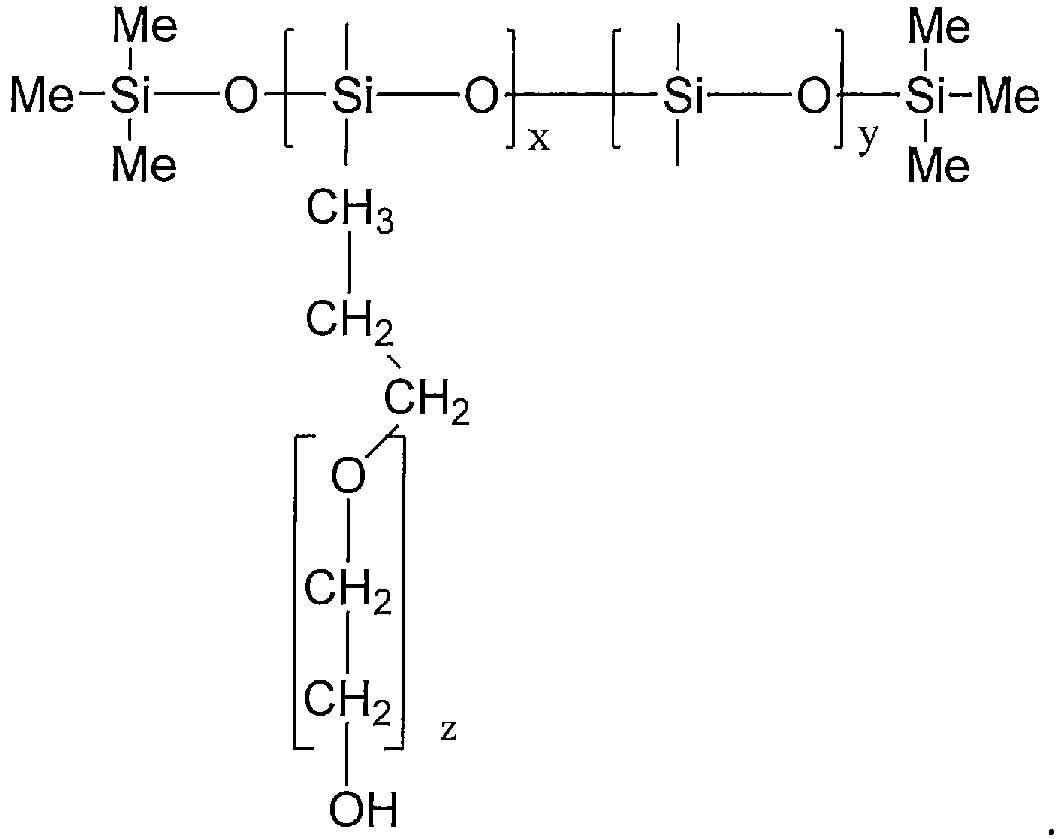
- the protective agent is preferred with structural formula as follows:
- the solvent is an organic or inorganic solvent.
- the inorganic solvent is one from or mixture of water, sulfoxide chloride, thioyl chloride, hydrazine hydrate, thioyl chloride fluoride, hydrochloric acid, nitric acid or sulfuric acid.
- the organic solvent is one from or mixture of aromatic hydrocarbons, aliphatic hydrocarbons, alicyclic hydrocarbons, halogenated hydrocarbons, alcohols, ethers, esters, ketones, aldehydes, carboxylic acids, nitriles, pyridines or phenols.
- the aromatic hydrocarbons is one from or mixture of benzene, toluene, ethylbenzene, xylene, trimethylbenzene, propylene, isopropyl benzene, naphthalene, anthracene or phenanthrene.
- the aliphatic hydrocarbons are one from or mixture of pentane, hexane, heptane, octane, decane, hexane, undecane, dodecane, tridecane, tetradecane, pentadecane, hexadecane, heptadecane, octadecane, nonadecane or eicosane.
- the alicyclic hydrocarbons are one from or mixture of cyclopentane, cyclohexane, cycloheptane, cyclooctane, cyclononane, cyclonontane, cyclohexane, cycloundecane, cyclododecane or cyclotridecane.
- the halogenated hydrocarbons are one from or mixture of chloromethane, methyl bromide, chloroethane, bromoethane, chloropropane, bromobutane, chlorobutane, chloropentane, chlorohexane, bromopentane, chloroheptane, bromoheptane, chlorooctane, chlorooctane, chlorononane, bromooctane, chlorooctane, chlorooctane, chlorooctane, chlorooctane, chlorooctane, chlorooctane, chlorooctane, chlorooctane, chlorooctane, chlorooctane, chlorooctane, chlorooctane, chlorooctane, chlorooctane, chlorooctane, chlorooctane, chloroo
- the alcohols is one from or mixture of methanol, ethanol, propanol, isopropanol, n-butanol, isobutanol, 2-butanol, tert-butanol, ethylene glycol or goycerol.
- the ethers are one from or mixture of ether, dipropyl ether, diisopropyl ether, ethyl butyl ether, dibutyl ether, diamyl ether, diisoamyl ether, dihexyl ether, tetrahydrofuran, 1, 4-dioxane, trimeraldehyde, propylene oxide, dichlorodiethyl ether or dichlorodiisopropyl ether.
- the esters are one from or mixture of methyl formate, ethyl acetate, methyl acetate, propyl acetate, butyl acetate, isopropyl acetate, butyl acetate, butyl acetate, ethyl butyrate, propyl butyrate, methyl acrylate, ethyl acrylate, diethyl ethaneioate, ethyl isobutyrate, Ethyl 2-methylbutyrate, dibutyl sebacate, dimethyl phthalate or dibutyl phthalate.
- the ketones are one from or mixture of acetone, methyl ketone, 2 - pentanone, 3 - pentanone, acetyl acetone, Methyl Isopropyl Ketone, 2 - hexanone, 3 - hexanone, 2 - methyl - 3 - pentanone, Pinacolone, 4 - methyl - 2 - pentanone, 2 - heptyl ketone, cyclopentanone and cyclohexanone, 3-heptanone, 4-heptanone, 2,4-Dimethyl-3-pentanone, ketone, 5 - methyl - 3 - heptyl ketones, 2, 6 - dimethyl - 3 - heptyl ketone, nonyl ketone or the mixture of them.
- the aldehydes are one from or mixture of acetaldehyde, propionaldehyde, acrolein, isobutyraldehyde, butyraldehyde, benzaldehyde, paraldehyde, cinnamaldehyde or crotonaldehyde.
- the carboxylic acids are one from or mixture of formic acid, acetic acid, propionic acid, butyric acid, valeric acid, caproic acid, heptanoic acid, caprylic acid, capric acid, capric acid, oxalic acid, acrylic acid, isobutyric acid, isovaleric acid, tetradecanoic acid or oleic acid.
- the nitriles are one from or mixture of acetonitrile, propionitrile, butyronitrile, isobutyronitrile or acrylonitrile.
- the molar ratio of the amount of the reducing agent to the noble metal compound is from 1 to 107 times.
- the ratio of the amount of the reducing agent to the solvent is 1:105 - 30:1.
- the weight ratio of the isolated noble metal atoms to the protective agent is arbitrary.
- reaction temperature is from -70 to 200 °C.
- reaction time is from 0.5 to 200 hours.
- isolated noble metal atoms-solid medium new material is prepared by immobilizing the isolated noble metal atoms solution on solid, and the preparation method is Impregnation. The details are as follow:
- the loading amount of isolated noble metal atoms is from 0.01 to 50%.
Landscapes
- Chemical & Material Sciences (AREA)
- Chemical Kinetics & Catalysis (AREA)
- Engineering & Computer Science (AREA)
- Organic Chemistry (AREA)
- Materials Engineering (AREA)
- General Chemical & Material Sciences (AREA)
- Manufacturing & Machinery (AREA)
- Mechanical Engineering (AREA)
- Metallurgy (AREA)
- Inorganic Chemistry (AREA)
- Catalysts (AREA)
- Crystallography & Structural Chemistry (AREA)
Abstract
Description
- The present invention relates to a method to prepare noble single atom in solution and application thereof.
- Precious metals are widely used materials in modern industry and scientific research. Precious metals and their alloys have excellent electrical and thermal conductivity, oxidation resistance, corrosion resistance, unique catalytic activity, and special magnetic and mechanical properties. They are widely used in aviation, marine, biomedical, iron and steel smelting, petrochemical and electronic equipment. For example, Pt-Ir and Pt-Ni alloys are commonly used spark plug materials; Pt-W, Pt-Rh and Pt-Pd-Rh alloys are commonly used resistance strain materials; Pt-Pd-Rh three-way catalyst is the main material for treating automobile exhaust.
- However, the high price of precious metals has severely restricted their full use in various fields. For example, in the Pt/Al2O3 catalyst, which is used for the petroleum catalytic reforming, Pt exists in the form of nanoparticles. Hence, most of the Pt atoms are inside the nanoparticles and are not accessible to reactants to catalyze the reaction, resulting in wasting the metals and thus increasing the cost of the catalyst.
- Isolated noble metal atoms allow for the full utilization of precious metals. However, the method of synthesizing isolated reduced noble metal atoms in solution has not been reported so far. Because zero-valent precious metal atoms are not charged, as a result, there is no electrostatic repulsion between them. The reduced noble metal atoms have a larger degree of freedom of movement in solution than that on solid surface, so isolated zero-valent noble metal atoms will rapidly aggregate to form clusters or nanoparticles in solution. Therefore, the controlled synthesis of isolated noble metal atoms in solution has always been a huge challenge in the field of material science and technology.
- The present invention provides a method to prepare noble metal single atom in solution and application of the material so prepared. In order to achieve the object of the present invention, the detail technical proposal is described below.
- A method to prepare isolated noble single atom in solution: the protective agent, the noble metal compound precursor, the reducing agent and the solvent are sufficiently mixed according to a certain ratio; at a certain temperature, isolated noble single atoms are obtained after reduction.
- The isolated noble metal atoms are a platinum group element or a post platinum group element; the platinum group elements consist of palladium, rhodium, ruthenium, osmium, iridium or platinum; and the post platinum group elements consists of silver or gold.
- The noble metal compound precursor is a platinum compound precursor, a palladium compound precursor, a rhodium compound precursor, an iridium compound precursor, a ruthenium compound precursor, an osmium compound precursor, a gold compound precursor, or a silver compound precursor.
- The platinum compound precursor is one of chloroplatinic acid, sodium chloroplatinate, potassium chloroplatinate, platinite chloride, platinum chloride, diethylamine chloride platinum, platinum nitrate, 1, 5-cyclooctadiene dichloride platinum, trichloride (ethylene) potassium platinate, dichloro-tetramine platinum, dinitrile phenyl dichloroplatin, dichloroplatin (triphenyl phosphite) dichloroplatin or ammonium tetrachloroplatinate.
- The palladium compound precursor is one of palladium chloride, palladium nitrate, tetrachloroplatinate, palladium(2+) tetraammine-dichloride, trans-dichlorodiammine palladium (II), palladium(II) acetate, palladium(II) sulfate, palladium(II) trifluoroacetate, palladium(II) acetylacetonate, potassium hexachloropalladate(IV), ammonium hexachloropalladate(IV), palladium tetraammonia (II) acetic acid, sodium tetrachloropalladate(II), potassium tetrachloropalladate(II), ammonium tetrachloropalladate(II), potassium tetracyanopalladate(II) hydrate, potassium tetrabromopalladate(II), palladium pivalate, palladium(II) cyanide, palladium(II) bromide, palladium thiosulfate(II), palladium(II) iodide, sulfonated palladium(II), (1,3-Bis(diphenylphosphino)propane)palladium(II) chloride, Dichloro(1,5-cyclooctadiene)palladium(II), (2,2'-Bipyridine) dichloropalladium(II), [1,2-Bis(diphenylphosphino)ethane]dichloropalladium(II), 1,4-Bis(diphenylphosphino)butane-palladium(II) chloride, and (Ethylenediamine) palladium(II) chloride.
- The rhodium compound precursor is one of rhodium (III) nitrate, acetyl acetone rhodium (III), Di-µ-chlorotetraethylene dirhodium(I), sodium hexachlororhodate(III), potassium hexachlororhodate(III), ammonium hexachlororhodate(III), rhodium chloride (III), tris(triphenylphosphine)rhodium(I) chloride, trichlorotris(ethylenediamine)rhodium(III), bis(ethylene) rhodium(I) acetylacetonate(I), (acetylacetonato)dicarbonylrhodium(I), dicarbonyl (pentamethylcyclopentadienyl) rhodium(I), and bis(1,5-cyclooctadiene)rhodium(I) tetrafluoroborate.
- The iridium compound precursor is one of hydrogen hexachloroiridate(IV),iridium(III) acetylacetonate, sodium hexachloroiridate(III), potassium hexachloroiridate(III), ammonium hexachloroiridate(IV), potassium hexanitroiridate(III), iridium(III) chloride, iridium(III) bromide, (acetylacetonato) (1,5-cyclooctadiene)iridium(I), (1,5-cyclooctadiene) (hexafluoroacetylacetonato) iridium(I), pentaamminechloroiridium(III) chloride, dichlorotetrakis (2-(2-pyridinyl) phenyl) diiridium(III), (acetylacetonato) dicarbonyliridium(I), bis(1,5-cyclooctadiene) iridium(I) tetrafluoroborate, (1,5-cyclooctadiene) (pyridine) (tricyclohexylphosphine)-iridium(I) hexafluorophosphate, and bis[1,2-bis(diphenylphosphino)ethane] carbonylchloroiridium(I).
- The ruthenium compound precursor is one of ruthenium(III) chloride, ruthenium(III) acetylacetonate, ruthenium(III) nitrosyl nitrate solution, hexaammineruthenium(II) chloride, ammonium hexacyanoruthenate(II), potassium hexacyanoruthenate(II), tetrapropylammonium perruthenate, ethylenediaminetetraacetic acid ruthenium(III) chloride, potassium aquapentachlororuthenate(III), ruthenium(III) iodide hydrate, tris(triphenylphosphine) ruthenium(II) dichloride, hexaammineruthenium(III) chloride, dichlorotetrakis (triphenylphosphine)ruthenium(II), dichloro [(2,6,1 0-dodecatriene)-1,12-diyl] ruthenium(IV), dichlorotris(1,10-phenanthroline)ruthenium(II), bis(triphenylphosphine) ruthenium(II) dicarbonyl chloride, and pentaamminechlororuthenium(III) chloride.
- The osmium compound precursor is one of potassium osmate(VI) dihydrate, potassium hexachloroosmate(IV), ammonium hexachloroosmate(IV), bis(pentamethylcyclopentadienyl)osmium(II), osmium(III) chloride, and pentaammine (trifluoromethanesulfonato)osmium(III) triflate.
- The gold compound precursor is one of potassium gold(III) chloride, sodium dicyanoaurate(I), gold(I) chloride, Chloro(dimethylsulfide)gold(I), gold(III) oxide, Trichloro(pyridine)gold(III), gold(III) chloride, sodium tetrachloroaurate(III), gold(III) chloride, ammonium tetrachloroaurate(III), gold(I) cyanide, chlorocarbonylgold(I), gold(III) bromide, gold(I) iodide, and chloro (triphenylphosphine)gold(I).
- The silver compound precursor is one of silver nitrate, silver lactate, silver citrate, silver chlorate, silver cyanate, silver bromate, silver acetate, silver trifluoroacetate, silver acetylacetonate, potassium dicyanoargentate, silver pentafluoropropionate, silver cyanide, and silver benzoate.
- The reducing agent is one from alcohol compounds, glucose, formic acid, citric acid, tartaric acid, ascorbic acid, hydrazine hydrate, borohydride or hydrogen.
- The reducing agent is one from or mixture of methanol, ethanol, propanol, isopropanol, n-butanol, isobutanol, butanol, tert-butanol, ethylene glycol or glycerol.
- The protective agent is a block copolymer containing siloxane groups and hydrophilic polymers.
- The protective agent is a block copolymer containing siloxane groups and polyether groups.
- The protective agent is a polysiloxane-polyethyleneglycol copolymer.
- The protective agent is preferred with structural formula as follows:

- The solvent is an organic or inorganic solvent.
- The inorganic solvent is one from or mixture of water, sulfoxide chloride, thioyl chloride, hydrazine hydrate, thioyl chloride fluoride, hydrochloric acid, nitric acid or sulfuric acid.
- The organic solvent is one from or mixture of aromatic hydrocarbons, aliphatic hydrocarbons, alicyclic hydrocarbons, halogenated hydrocarbons, alcohols, ethers, esters, ketones, aldehydes, carboxylic acids, nitriles, pyridines or phenols.
- The aromatic hydrocarbons is one from or mixture of benzene, toluene, ethylbenzene, xylene, trimethylbenzene, propylene, isopropyl benzene, naphthalene, anthracene or phenanthrene.
- The aliphatic hydrocarbons are one from or mixture of pentane, hexane, heptane, octane, decane, hexane, undecane, dodecane, tridecane, tetradecane, pentadecane, hexadecane, heptadecane, octadecane, nonadecane or eicosane.
- The alicyclic hydrocarbons are one from or mixture of cyclopentane, cyclohexane, cycloheptane, cyclooctane, cyclononane, cyclonontane, cyclohexane, cycloundecane, cyclododecane or cyclotridecane.
- The halogenated hydrocarbons are one from or mixture of chloromethane, methyl bromide, chloroethane, bromoethane, chloropropane, bromobutane, chlorobutane, chloropentane, chlorohexane, bromopentane, chloroheptane, bromoheptane, chlorooctane, chlorooctane, chlorononane, bromooctane, chlorooctane, chlorooctane, chlorooctane, chlorooctane, chlorooctane, chlorooctane, chlorooctane, chlorooctane, chlorooctane, chlorooctane, chlorooctane, chlorobenzene, bromobenzene, chlorotoluene, bromotoluene, chloroethyl benzene or bromoethyl benzene.
- The alcohols is one from or mixture of methanol, ethanol, propanol, isopropanol, n-butanol, isobutanol, 2-butanol, tert-butanol, ethylene glycol or goycerol.
- The ethers are one from or mixture of ether, dipropyl ether, diisopropyl ether, ethyl butyl ether, dibutyl ether, diamyl ether, diisoamyl ether, dihexyl ether, tetrahydrofuran, 1, 4-dioxane, trimeraldehyde, propylene oxide, dichlorodiethyl ether or dichlorodiisopropyl ether.
- The esters are one from or mixture of methyl formate, ethyl acetate, methyl acetate, propyl acetate, butyl acetate, isopropyl acetate, butyl acetate, butyl acetate, ethyl butyrate, propyl butyrate, methyl acrylate, ethyl acrylate, diethyl ethaneioate, ethyl isobutyrate, Ethyl 2-methylbutyrate, dibutyl sebacate, dimethyl phthalate or dibutyl phthalate.
- The ketones are one from or mixture of acetone, methyl ketone, 2 - pentanone, 3 - pentanone, acetyl acetone, Methyl Isopropyl Ketone, 2 - hexanone, 3 - hexanone, 2 - methyl - 3 - pentanone, Pinacolone, 4 - methyl - 2 - pentanone, 2 - heptyl ketone, cyclopentanone and cyclohexanone, 3-heptanone, 4-heptanone, 2,4-Dimethyl-3-pentanone, ketone, 5 - methyl - 3 - heptyl ketones, 2, 6 - dimethyl - 3 - heptyl ketone, nonyl ketone or the mixture of them.
- The aldehydes are one from or mixture of acetaldehyde, propionaldehyde, acrolein, isobutyraldehyde, butyraldehyde, benzaldehyde, paraldehyde, cinnamaldehyde or crotonaldehyde.
- The carboxylic acids are one from or mixture of formic acid, acetic acid, propionic acid, butyric acid, valeric acid, caproic acid, heptanoic acid, caprylic acid, capric acid, capric acid, oxalic acid, acrylic acid, isobutyric acid, isovaleric acid, tetradecanoic acid or oleic acid.
- The nitriles are one from or mixture of acetonitrile, propionitrile, butyronitrile, isobutyronitrile or acrylonitrile.
- The molar ratio of the amount of the reducing agent to the noble metal compound is from 1 to 107 times.
- The ratio of the amount of the reducing agent to the solvent is 1:105 - 30:1.
- The weight ratio of the isolated noble metal atoms to the protective agent is arbitrary.
- The range of reaction temperature is from -70 to 200 °C.
- The range of reaction time is from 0.5 to 200 hours.
- One application of isolated noble metal atoms: the isolated noble metal atoms-solid medium new material is prepared by immobilizing the isolated noble metal atoms solution on solid, and the preparation method is Impregnation. The details are as follow:
- 1) impregnation: fully mixing and impregnating the carrier with isolated noble single atoms solution; and
- 2) removing reductant and the solvent: vacuum under reduced pressure at -30 to 200 °C to remove the reductant and solvent from the isolated noble metal atoms solution.
- The loading amount of isolated noble metal atoms is from 0.01 to 50%.
-
-
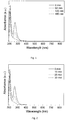
Fig. 1 . UV-visible spectra of examples 1, 4, 5, 6, 7, 8, 9, 10, 11, 12, 13, 14, 15, 16, 17, 18. -
Fig. 2 . UV-visible spectra of example 2. -
Fig. 3 . UV-visible spectra of example 3. -
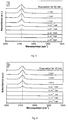
Fig. 4 . Infrared spectrum of CO adsorption on 1 wt% Pt single atom/Al2O3 (example 19). -
Fig. 5 . Infrared spectrum of CO adsorption on 0.01 wt% Pt single atom/Al2O3 (example 20). -
Fig. 6 . Infrared spectrum of CO adsorption on 50 wt% Pt single atom/ Al2O3 (example 21). - The invention will be further described in detail below by taking the synthesis of noble metal platinum monoatoms as an example. The protection of the patent is not limited to the specific embodiments but is limited by the claims.
- Preparation of isolated platinum atoms in solution: 0.6465 g polyethylene glycol-polysiloxane block copolymer, 135 ml ethanol, 10.2 ml water and 4.8 ml chloroplatinic acid solution with a concentration of 0.018404 mol/L are thoroughly mixed, and then the temperature is raised. The chloroplatinic acid is completely reduced under reflux condensation at 105 °C for 3 hours. The UV-visible absorption spectrum (
Fig. 1 ) shows that chloroplatinic acid is completely reduced. (Note: The ultraviolet absorption peak at 265 nm represents the absorption peak of PtCl6 2-, and the disappearance of the ultraviolet absorption peak indicates that chloroplatinic acid is completely reduced.) - Preparation of isolated platinum atoms in solution: 0.6465 g polyethylene glycol-polysiloxane block copolymer, 135 ml ethanol, 10.2 ml water and 4.8 ml chloroplatinic acid solution with a concentration of 0.018404 mol/L are thoroughly mixed, and then the temperature is raised. The chloroplatinic acid is completely reduced under reflux condensation at 200 °C for 30 min. The UV-visible absorption spectrum (
Fig. 2 ) shows that chloroplatinic acid is completely reduced. - Preparation of isolated platinum atoms in solution: 0.6465 g polyethylene glycol-polysiloxane block copolymer, 135 ml ethanol, 10.2 ml water and 4.8 ml chloroplatinic acid solution with a concentration of 0.018404 mol/L are thoroughly mixed, and then the temperature is raised. The chloroplatinic acid is completely reduced under reflux condensation at -70 °C for 200 h. The UV-visible absorption spectrum (
Fig. 3 ) shows that chloroplatinic acid is completely reduced. - Preparation of isolated platinum atoms in solution: 0.0344 g polyethylene glycol-polysiloxane block copolymer, 135 ml ethanol, 10.2 ml water and 4.8 ml chloroplatinic acid solution with a concentration of 0.018404 mol/L (the ratio of Pt single atom to protective reagent is 50wt%) are thoroughly mixed, and then the temperature is raised. The chloroplatinic acid is completely reduced under reflux condensation at 105 °C for 3 hours. The UV-visible absorption spectrum (
Fig. 1 ) shows that chloroplatinic acid is completely reduced. - Preparation of isolated platinum atoms in solution: 1719.92 g polyethylene glycol-polysiloxane block copolymer, 1000 ml ethanol, 100 ml water and 4.8 ml chloroplatinic acid solution with a concentration of 0.018404 mol/L (the ratio of Pt single atom to protective reagent is 0.001wt%) are thoroughly mixed, and then the temperature is raised. The chloroplatinic acid is completely reduced under reflux condensation at 105 °C for 3 hours. The UV-visible absorption spectrum (
Fig. 1 ) shows that chloroplatinic acid is completely reduced. - Preparation of isolated platinum atoms in solution: 0.6465 g polyethylene glycol-polysiloxane block copolymer, 4.05 mg ethanol (the ratio of ethanol to H2PtCl6 is 1:1 mol/mol), 145 ml water (the ratio of ethanol to water is 1:105 mol/mol) and 4.8 ml chloroplatinic acid solution with a concentration of 0.018404 mol/L are thoroughly mixed, and then the temperature is raised. The chloroplatinic acid is completely reduced under reflux condensation at 105 °C for 3 hours. The UV-visible absorption spectrum (
Fig. 1 ) shows that chloroplatinic acid is completely reduced. - Preparation of isolated platinum atoms in solution: 0.6465 g polyethylene glycol-polysiloxane block copolymer, 882 g ethanol (1.14L, the ratio of ethanol to H2PtCl6 is 107:1 mol/mol), 100.2 ml water and 4.8 ml chloroplatinic acid solution with a concentration of 0.018404 mol/L are thoroughly mixed, and then the temperature is raised. The chloroplatinic acid is completely reduced under reflux condensation at 105 °C for 3 hours. The UV-visible absorption spectrum (
Fig. 1 ) shows that chloroplatinic acid is completely reduced. - Preparation of isolated platinum atoms in solution: 0.6465 g polyethylene glycol-polysiloxane block copolymer, 148.5 ml ethanol, 1.02 ml water (the ratio of ethanol to water is 30:1 mol/mol) and 4.8 ml chloroplatinic acid solution with a concentration of 0.018404 mol/L are thoroughly mixed, and then the temperature is raised. The chloroplatinic acid is completely reduced under reflux condensation at 105 °C for 3 hours. The UV-visible absorption spectrum (
Fig. 1 ) shows that chloroplatinic acid is completely reduced. - Preparation of isolated platinum atoms in solution: 0.6465 g polyethylene glycol-polysiloxane block copolymer, 135 ml ethanol, 10.2 ml toluene and 4.8 ml chloroplatinic acid solution with a concentration of 0.018404 mol/L are thoroughly mixed, and then the temperature is raised. The chloroplatinic acid is completely reduced under reflux condensation at 105 °C for 3 hours. The UV-visible absorption spectrum (
Fig. 1 ) shows that chloroplatinic acid is completely reduced. - Preparation of isolated platinum atoms in solution: 0.6465 g polyethylene glycol-polysiloxane block copolymer, 135 ml ethanol, 10.2 ml hexane and 4.8 ml chloroplatinic acid solution with a concentration of 0.018404 mol/L are thoroughly mixed, and then the temperature is raised. The chloroplatinic acid is completely reduced under reflux condensation at 105 °C for 3 hours. The UV-visible absorption spectrum (
Fig. 1 ) shows that chloroplatinic acid is completely reduced. - Preparation of isolated platinum atoms in solution: 0.6465 g polyethylene glycol-polysiloxane block copolymer, 135 ml ethanol, 10.2 ml cyclooctane and 4.8 ml chloroplatinic acid solution with a concentration of 0.018404 mol/L are thoroughly mixed, and then the temperature is raised. The chloroplatinic acid is completely reduced under reflux condensation at 105 °C for 3 hours. The UV-visible absorption spectrum (
Fig. 1 ) shows that chloroplatinic acid is completely reduced. - Preparation of isolated platinum atoms in solution: 0.6465 g polyethylene glycol-polysiloxane block copolymer, 135 ml ethanol, 10.2 ml chlorobutane and 4.8 ml chloroplatinic acid solution with a concentration of 0.018404 mol/L are thoroughly mixed, and then the temperature is raised. The chloroplatinic acid is completely reduced under reflux condensation at 105 °C for 3 hours. The UV-visible absorption spectrum (
Fig. 1 ) shows that chloroplatinic acid is completely reduced. - Preparation of isolated platinum atoms in solution: 0.6465 g polyethylene glycol-polysiloxane block copolymer, 135 ml ethanol, 10.2 ml n-butanol and 4.8 ml chloroplatinic acid solution with a concentration of 0.018404 mol/L are thoroughly mixed, and then the temperature is raised. The chloroplatinic acid is completely reduced under reflux condensation at 105 °C for 3 hours. The UV-visible absorption spectrum (
Fig. 1 ) shows that chloroplatinic acid is completely reduced. - Preparation of isolated platinum atoms in solution: 0.6465 g polyethylene glycol-polysiloxane block copolymer, 135 ml ethanol, 10.2 ml dipropyl ether and 4.8 ml chloroplatinic acid solution with a concentration of 0.018404 mol/L are thoroughly mixed, and then the temperature is raised. The chloroplatinic acid is completely reduced under reflux condensation at 105 °C for 3 hours. The UV-visible absorption spectrum (
Fig. 1 ) shows that chloroplatinic acid is completely reduced. - Preparation of isolated platinum atoms in solution: 0.6465 g polyethylene glycol-polysiloxane block copolymer, 135 ml ethanol, 10.2 ml 2-hexanone and 4.8 ml chloroplatinic acid solution with a concentration of 0.018404 mol/L are thoroughly mixed, and then the temperature is raised. The chloroplatinic acid is completely reduced under reflux condensation at 105 °C for 3 hours. The UV-visible absorption spectrum (
Fig. 1 ) shows that chloroplatinic acid is completely reduced. - Preparation of isolated platinum atoms in solution: 0.6465 g polyethylene glycol-polysiloxane block copolymer, 135 ml ethanol, 10.2 ml butyraldehyde and 4.8 ml chloroplatinic acid solution with a concentration of 0.018404 mol/L are thoroughly mixed, and then the temperature is raised. The chloroplatinic acid is completely reduced under reflux condensation at 105 °C for 3 hours. The UV-visible absorption spectrum (
Fig. 1 ) shows that chloroplatinic acid is completely reduced. - Preparation of isolated platinum atoms in solution: 0.6465 g polyethylene glycol-polysiloxane block copolymer, 135 ml ethanol, 10.2 ml propionic acid and 4.8 ml chloroplatinic acid solution with a concentration of 0.018404 mol/L are thoroughly mixed, and then the temperature is raised. The chloroplatinic acid is completely reduced under reflux condensation at 105 °C for 3 hours. The UV-visible absorption spectrum (
Fig. 1 ) shows that chloroplatinic acid is completely reduced. - Preparation of isolated platinum atoms in solution: 0.6465 g polyethylene glycol-polysiloxane block copolymer, 135 ml ethanol, 10.2 ml propiononitrile and 4.8 ml chloroplatinic acid solution with a concentration of 0.018404 mol/L are thoroughly mixed, and then the temperature is raised. The chloroplatinic acid is completely reduced under reflux condensation at 105 °C for 3 hours. The UV-visible absorption spectrum (
Fig. 1 ) shows that chloroplatinic acid is completely reduced. - Preparation of Al2O3 supported platinum single atom: 1g γ-Al2O3 was added to 87 ml Pt singe atom solution from example 1. The support is impregnated for 1 h. Ethanol and water were removed at 40 °C under vacuum, and the 1wt% Pt single atom/γ-Al2O3 is obtained. The infrared spectrum of CO adsorption on 1wt% Pt single atom/γ-Al2O3 identifies the success of the material preparation.
(explanation: peak between 1800 and 1900 cm-1 is attributed to bridged CO on Pt, and the peak at 2086 cm-1 is attributed to linear adsorption of CO on Pt. Peak between 1800 and 1900 cm-1 is not observed inFig. 4 , which identifies the absence of Pt particles or clusters containing two or more Pt atom. With the increase of CO pressure, there is no blue shift at the peak position at 2086 cm-1, which indicates that platinum exists in the form of single atoms. Based on above, the new material (1wt%Pt single atom/γ-Al2O3) is successfully synthesized.) - Preparation of Al2O3 supported platinum single atom: 100 g γ-Al2O3 was added to 87 ml Pt singe atom solution from example 1. The support is impregnated for 1 h. Ethanol and water were removed at 40 °C under vacuum, and the 0.01wt% Pt single atom/γ-Al2O3 is obtained. The infrared spectrum of CO adsorption on 0.01wt%Pt single atom/γ-Al2O3 shows in
Fig. 5 . - Preparation of Al2O3 supported platinum single atom: 0.1 g γ-Al2O3 was added to 87 ml Pt singe atom solution from example 1. The support is impregnated for 1 h. Ethanol and water were removed at 40 °C under vacuum, and the 0.01wt% Pt single atom/γ-Al2O3 is obtained. The infrared spectrum of CO adsorption on 10wt% Pt single atom/ Al2O3 shows in
Fig. 6 .
Claims (38)
- A method of preparing isolated noble metal single atoms in solution, characterized in that a protective agent, a noble metal compound precursor, a reducing agent and a solvent are sufficiently mixed according to a certain ratio, and isolated noble single atoms are obtained after reaction at a certain temperature.
- The isolated noble single atoms material stable in solution of claim 1 characterized in that the isolated noble metal atoms are platinum group elements or post platinum group elements; the platinum group elements are palladium, rhodium, ruthenium, iridium, ruthenium or platinum; the post platinum group elements are silver or gold.
- The method of claim 1 characterized in that said noble metal compound precursor is a platinum compound precursor, a palladium compound precursor, a rhodium compound precursor, an iridium compound precursor, a ruthenium compound precursor, an osmium compound precursor, a gold compound precursor, or a silver compound precursor.
- The method of claim 3 characterized in that said platinum compound precursor is one of chloroplatinic acid, sodium chloroplatinate, potassium chloroplatinate, platinite chloride, platinum chloride, diethylamine chloride platinum, platinum nitrate, 1, 5-cyclooctadiene dichloride platinum, trichloride (ethylene) potassium platinate, dichloro-tetramine platinum, dinitrile phenyl dichloroplatin, dichloroplatin (triphenyl phosphite) dichloroplatin or ammonium tetrachloroplatinate.
- The method of claim 3 characterized in that said palladium compound precursor is one of palladium chloride, palladium nitrate, tetrachloroplatinate, palladium(2+) tetraammine-dichloride, trans-dichlorodiammine palladium (II), palladium(II) acetate, palladium(II) sulfate, palladium(II) trifluoroacetate, palladium(II) acetylacetonate, potassium hexachloropalladate(IV), ammonium hexachloropalladate(IV), palladium tetraammonia (II) acetic acid, sodium tetrachloropalladate(II), potassium tetrachloropalladate(II), ammonium tetrachloropalladate(II), potassium tetracyanopalladate(II) hydrate, potassium tetrabromopalladate(II), palladium pivalate, palladium(II) cyanide, palladium(II) bromide, palladium thiosulfate(II), palladium(II) iodide, sulfonated palladium(II), (1,3-bis(diphenylphosphino)propane)palladium(II) chloride, dichloro(1,5-cyclooctadiene)palladium(II), (2,2' -Bipyridine) dichloropalladium(II), [1,2-bis(diphenylphosphino)ethane]dichloropalladium(II), 1,4-bis(diphenylphosphino)butane-palladium(II) chloride, and (ethylenediamine) palladium(II) chloride.
- The method of claim 3 characterized in that said rhodium compound precursor is one of rhodium (III) nitrate, acetyl acetone rhodium (III), Di- µ-chlorotetraethylene dirhodium(I), sodium hexachlororhodate(III), potassium hexachlororhodate(III), ammonium hexachlororhodate(III), rhodium chloride (III), tris(triphenylphosphine)rhodium(I) chloride, trichlorotris(ethylenediamine)rhodium(III), bis(ethylene) rhodium(I) acetylacetonate(I), (acetylacetonato)dicarbonylrhodium(I), dicarbonyl (pentamethylcyclopentadienyl) rhodium(I), and bis(1,5-cyclooctadiene)rhodium(I) tetrafluoroborate.
- The method of claim 3 characterized in that said iridium compound precursor is one of hydrogen hexachloroiridate(IV),iridium(III) acetylacetonate, sodium hexachloroiridate(III), potassium hexachloroiridate(III), ammonium hexachloroiridate(IV), potassium hexanitroiridate(III), iridium(III) chloride, iridium(III) bromide, (acetylacetonato) (1,5-cyclooctadiene)iridium(I), (1,5-cyclooctadiene) (hexafluoroacetylacetonato) iridium(I), pentaamminechloroiridium(III) chloride, dichlorotetrakis (2-(2-pyridinyl) phenyl) diiridium(III), (acetylacetonato) dicarbonyliridium(I), bis(1,5-cyclooctadiene) iridium(I) tetrafluoroborate, (1,5-cyclooctadiene) (pyridine) (tricyclohexylphosphine)-iridium(I) hexafluorophosphate, and bis[1,2-bis(diphenylphosphino)ethane] carbonylchloroiridium(I).
- The method of claim 3 characterized in that the ruthenium compound precursor is one of ruthenium(III) chloride, ruthenium(III) acetylacetonate, ruthenium(III) nitrosyl nitrate solution, hexaammineruthenium(II) chloride, ammonium hexacyanoruthenate(II), potassium hexacyanoruthenate(II), tetrapropylammonium perruthenate, ethylenediaminetetraacetic acid ruthenium(III) chloride, potassium aquapentachlororuthenate(III), ruthenium(III) iodide hydrate, tris(triphenylphosphine) ruthenium(II) dichloride, hexaammineruthenium(III) chloride, dichlorotetrakis (triphenylphosphine)ruthenium(II), dichloro[(2,6,10-dodecatriene)-1,12-diyl] ruthenium(IV), dichlorotris(1,10-phenanthroline)ruthenium(II), bis(triphenylphosphine) ruthenium(II) dicarbonyl chloride, and pentaamminechlororuthenium(III) chloride.
- The method of claim 3 characterized in that said osmium compound precursor is one of potassium osmate (VI) dihydrate, potassium hexachloroosmate (IV), ammonium hexachloroosmate (IV), bis(pentamethylcyclopentadienyl)osmium (II), osmium (III) chloride, and pentaammine (trifluoromethanesulfonato)osmium (III) triflate.
- The method of claim 3 characterized in that the gold compound precursor is one of potassium gold(III) chloride, sodium dicyanoaurate(I), gold (I) chloride, Chloro(dimethylsulfide)gold (I), gold (III) oxide, trichloro(pyridine)gold (III), gold (III) chloride, sodium tetrachloroaurate (III), gold (III) chloride, ammonium tetrachloroaurate(III), gold(I) cyanide, chlorocarbonylgold(I), gold(III) bromide, gold(I) iodide, and chloro (triphenylphosphine)gold (I).
- The method of claim 3 characterized in that the silver compound precursor is one of silver nitrate, silver lactate, silver citrate, silver chlorate, silver cyanate, silver bromate, silver acetate, silver trifluoroacetate, silver acetylacetonate, potassium dicyanoargentate, silver pentafluoropropionate, silver cyanide, and silver benzoate.
- The method of claim 1 characterized in that the reducing agent is one from alcohol compounds, glucose, formic acid, citric acid, tartaric acid, ascorbic acid, hydrazine hydrate, borohydride, or hydrogen.
- The method of claim 12 characterized in that the alcohol compounds are one from or mixture of methanol, ethanol, propanol, isopropanol, n-butanol, isobutanol, butanol, tert-butanol, ethylene glycol or glycerol.
- The isolated noble single atoms material stable in solution of claim 1 characterized in that the protective agent is a block copolymer containing siloxane groups and hydrophilic polymers.
- The method of claim 1 characterized in that the protective agent is a block copolymer containing siloxane groups and polyether groups.
- The method of claim 15 characterized in that the block copolymer containing siloxane groups and polyether groups protective agent is a polysiloxane-polyglycol copolymer.
- The method of claim 16, characterized in that said polysiloxane-polyglycol copolymer is a polyethyleneglycol copolymer with a structural formula as follows:
- The method of claim 1, characterized in that said solvent is an organic or inorganic solvent.
- The method of claim 18, characterized in that said inorganic solvent is one from or mixture of water, sulfoxide chloride, thioyl chloride, hydrazine hydrate, thioyl chloride fluoride, hydrochloric acid, nitric acid or sulfuric acid.
- The method of claim 18, characterized in that said organic solvent is one from or mixture of aromatic hydrocarbons, aliphatic hydrocarbons, alicyclic hydrocarbons, halogenated hydrocarbons, alcohols, ethers, esters, ketones, aldehydes, carboxylic acids, nitriles, pyridines, and phenols.
- The method of claim 20, characterized in that said aromatic hydrocarbons are one from or mixture of benzene, toluene, ethylbenzene, xylene, trimethylbenzene, propylene, isopropyl benzene, naphthalene, anthracene, and phenanthrene.
- The method of claim 20, characterized in that said aliphatic hydrocarbons are one from or mixture of pentane, hexane, heptane, octane, decane, hexane, undecane, dodecane, tridecane, tetradecane, pentadecane, hexadecane, heptadecane, octadecane, nonadecane, and eicosane.
- The method of claim 20, characterized in that said alicyclic hydrocarbons are one from or mixture of cyclopentane, cyclohexane, cycloheptane, cyclooctane, cyclononane, cyclonontane, cyclohexane, cycloundecane, cyclododecane, and cyclotridecane.
- The method of claim 20, characterized in that said halogenated hydrocarbons are one from or mixture of chloromethane, methyl bromide, chloroethane, bromoethane, chloropropane, bromobutane, chlorobutane, chloropentane, chlorohexane, bromopentane, chloroheptane, bromoheptane, chlorooctane, chlorooctane, chlorononane, bromooctane, chlorooctane, chlorooctane, chlorooctane, chlorooctane, chlorooctane, chlorooctane, chlorooctane, chlorooctane, chlorooctane, chlorooctane, chlorooctane, chlorobenzene, bromobenzene, chlorotoluene, bromotoluene, chloroethyl benzene, and bromoethyl benzene.
- The method of claim 20, characterized in that said alcohols are one from or mixture of methanol, ethanol, propanol, isopropanol, n-butanol, isobutanol, 2-butanol, tert-butanol, ethylene glycol, and goycerol.
- The method of claim 20, characterized in that said ethers are one from or mixture of ether, dipropyl ether, diisopropyl ether, ethyl butyl ether, dibutyl ether, diamyl ether, diisoamyl ether, dihexyl ether, tetrahydrofuran, 1, 4-dioxane, trimeraldehyde, propylene oxide, dichlorodiethyl ether, and dichlorodiisopropyl ether.
- The method of claim 20, characterized in that said esters are one from or mixture of methyl formate, ethyl acetate, methyl acetate, propyl acetate, butyl acetate, isopropyl acetate, butyl acetate, butyl acetate, ethyl butyrate, propyl butyrate, methyl acrylate, ethyl acrylate, diethyl ethaneioate, ethyl isobutyrate, ethyl 2-methylbutyrate, dibutyl sebacate, dimethyl phthalate, and dibutyl phthalate.
- The method of claim 20, characterized in that said ketones are one from or mixture of acetone, methyl ketone, 2 - pentanone, 3 - pentanone, acetyl acetone, Methyl Isopropyl Ketone, 2 - hexanone, 3 - hexanone, 2 - methyl - 3 - pentanone, Pinacolone, 4 - methyl - 2 - pentanone, 2 - heptyl ketone, cyclopentanone and cyclohexanone, 3-heptanone, 4-heptanone, 2,4-Dimethyl-3-pentanone, ketone, 5 - methyl - 3 - heptyl ketones, 2, 6 - dimethyl - 3 - heptyl ketone, nonyl ketone or the mixture of them.
- The method of claim 20, characterized in that said aldehydes are one from or mixture of acetaldehyde, propionaldehyde, acrolein, isobutyraldehyde, butyraldehyde, benzaldehyde, paraldehyde, cinnamaldehyde or crotonaldehyde.
- The method of claim 20, characterized in that said carboxylic acids are one from or mixture of formic acid, acetic acid, propionic acid, butyric acid, valeric acid, caproic acid, heptanoic acid, caprylic acid, capric acid, capric acid, oxalic acid, acrylic acid, isobutyric acid, isovaleric acid, tetradecanoic acid, and oleic acid.
- The method of claim 20, characterized in that said nitriles are one from or mixture of acetonitrile, propionitrile, butyronitrile, isobutyronitrile, and acrylonitrile.
- The method of claim 1, characterized in that the molar ratio of the amount of the reducing agent to the noble metal compound precursor is from 1 to 107:1.
- The method of claim 1, characterized in that the molar ratio of the amount of the reducing agent to the solvent is 1:105 - 30:1.
- The method of claim 1, characterized in that weight ratio of the isolated noble metal atoms to the protective agent 1 is arbitrary.
- The method of claim 1, characterized in that the range of the reaction temperature is from -70 to 200 °C.
- The method of claim 1, characterized in that the range of reaction time is from 0.5 to 200 hours.
- Application of isolated noble metal atoms, characterized in that the isolated noble metal atoms-solid medium new material is prepared by immobilizing the isolated noble metal atoms solution on solid medium, and the preparation method is impregnation, comprising:1) impregnation: fully mixing and impregnating the solid medium with isolated noble single atoms solution; and2) removing reductant and solvent: vacuum under reduced pressure at -30 to 200 °C to remove the reductant and solvent from the isolated noble metal atoms solution.
- The application of claim 37, characterized in that the loading amount of the isolated noble metal atoms on the isolated noble metal atoms-solid medium material is from 0.01 to 50%.
Applications Claiming Priority (2)
| Application Number | Priority Date | Filing Date | Title |
|---|---|---|---|
| CN201611042175.4A CN108067632B (en) | 2016-11-11 | 2016-11-11 | A kind of method and application of preparing noble metal lone atom in solution |
| PCT/CN2016/000653 WO2018085959A1 (en) | 2016-11-11 | 2016-11-24 | Method for preparing precious metal isolated atoms in solution, and applications thereof |
Publications (2)
| Publication Number | Publication Date |
|---|---|
| EP3539655A1 true EP3539655A1 (en) | 2019-09-18 |
| EP3539655A4 EP3539655A4 (en) | 2020-06-03 |
Family
ID=62110115
Family Applications (1)
| Application Number | Title | Priority Date | Filing Date |
|---|---|---|---|
| EP16921159.6A Withdrawn EP3539655A4 (en) | 2016-11-11 | 2016-11-24 | PROCESS FOR THE PREPARATION OF INSULATED PRECIOUS METAL ATOMS IN SOLUTION, AND APPLICATIONS THEREOF |
Country Status (7)
| Country | Link |
|---|---|
| US (1) | US20210260658A1 (en) |
| EP (1) | EP3539655A4 (en) |
| JP (1) | JP6886018B2 (en) |
| KR (1) | KR20190085956A (en) |
| CN (1) | CN108067632B (en) |
| CA (1) | CA3045348A1 (en) |
| WO (1) | WO2018085959A1 (en) |
Cited By (1)
| Publication number | Priority date | Publication date | Assignee | Title |
|---|---|---|---|---|
| US11179781B2 (en) * | 2018-10-15 | 2021-11-23 | Tripod Nano Technology Corporation | Method of making colloidal platinum nanoparticles |
Families Citing this family (20)
| Publication number | Priority date | Publication date | Assignee | Title |
|---|---|---|---|---|
| CN109719304B (en) * | 2017-10-27 | 2022-08-09 | 中国科学院大连化学物理研究所 | Method for preparing noble metal lone atoms in solution and application |
| CN110465313A (en) * | 2018-05-10 | 2019-11-19 | 中国科学院大连化学物理研究所 | Platinum compounds of zeroth order containing chlorine and preparation method thereof and its application in Si―H addition reaction |
| CN109100402B (en) * | 2018-07-19 | 2020-10-27 | 深圳大学 | Method for depositing platinum monoatomic compound and application |
| CN109550514B (en) * | 2018-11-29 | 2021-08-24 | 江南大学 | A kind of preparation method of M1/M2xP single-atom catalyst |
| CN111250692B (en) * | 2018-11-30 | 2021-11-09 | 中国科学院大连化学物理研究所 | Heteronuclear bimetallic atom material stable in solution |
| CN111250725B (en) * | 2018-11-30 | 2022-09-16 | 中国科学院大连化学物理研究所 | A kind of preparation method of stable heteronuclear bimetallic atomic material in solution |
| CN111496265B (en) * | 2019-01-31 | 2022-09-27 | 中国科学院大连化学物理研究所 | A kind of stable reduced noble metal lone atom material in solution and preparation method |
| CN110026186A (en) * | 2019-04-30 | 2019-07-19 | 太原氦舶新材料有限责任公司 | A kind of monatomic catalyst of metal of activated carbon from activated sludge load and its preparation and application |
| CN110252336A (en) * | 2019-06-05 | 2019-09-20 | 北京氦舶科技有限责任公司 | Monatomic noble metal catalyst and its preparation method and application |
| CN110665546A (en) * | 2019-09-03 | 2020-01-10 | 北京氦舶科技有限责任公司 | Noble metal/amino MOFs selective hydrogenation catalyst, preparation method and application thereof |
| CN110584214B (en) * | 2019-09-25 | 2022-03-22 | 湖北中烟工业有限责任公司 | Composite fragrant essence for low-temperature cigarettes and application thereof |
| CN111135841A (en) * | 2019-12-20 | 2020-05-12 | 北京化工大学 | A kind of preparation method and application of PtCu single-atom alloy nano-catalyst |
| JP7213842B2 (en) * | 2020-04-21 | 2023-01-27 | Eeja株式会社 | Cyanide electrolytic roughening silver plating solution |
| CN114522681B (en) * | 2020-11-23 | 2023-10-13 | 中国科学院大连化学物理研究所 | Method for improving stability of noble metal solitary atoms in hydrogen atmosphere |
| CN113976112B (en) * | 2021-11-04 | 2022-04-29 | 南京工业大学 | Preparation method of gold-based catalyst for acetylene hydrochlorination |
| CN114685801B (en) * | 2022-03-08 | 2022-12-13 | 清华大学 | Precious metal recovery organic polymer and preparation method and application thereof |
| CN115805317B (en) * | 2022-11-22 | 2025-09-12 | 中国科学院宁波材料技术与工程研究所 | A ruthenium-iridium alloy material and its preparation method and application |
| CN118204074A (en) * | 2022-12-14 | 2024-06-18 | 中国科学院大连化学物理研究所 | A cyclic ether-based MOF-stabilized lone atom catalyst and its preparation and application |
| CN116213711B (en) * | 2023-01-10 | 2025-07-25 | 西北工业大学宁波研究院 | Platinum nanocluster and preparation method thereof |
| CN116750726B (en) * | 2023-08-15 | 2023-11-14 | 北京大学口腔医学院 | PtCuTe nano material, preparation method thereof and repair gel |
Family Cites Families (8)
| Publication number | Priority date | Publication date | Assignee | Title |
|---|---|---|---|---|
| US4582817A (en) * | 1981-04-27 | 1986-04-15 | National Distillers And Chemical Corporation | Process for the preparation of alkyl nonadienoate esters |
| CN1180911C (en) * | 2002-06-24 | 2004-12-22 | 中国科学院大连化学物理研究所 | A kind of preparation method of nano precious metal |
| JP2004307455A (en) * | 2003-02-17 | 2004-11-04 | Sekisui Chem Co Ltd | Method for synthesizing zero-valent transition metal complex and organometallic compound using the same as starting material |
| JP2005097642A (en) * | 2003-09-22 | 2005-04-14 | Tanaka Kikinzoku Kogyo Kk | Precious metal-metal oxide composite cluster |
| JP5339066B2 (en) * | 2008-03-21 | 2013-11-13 | 株式会社豊田中央研究所 | Catalyst for purifying automobile exhaust gas and method for producing the same |
| CN103566935A (en) * | 2013-01-08 | 2014-02-12 | 湖南大学 | Preparation method of monatomic dispersion catalyst with high catalytic performance |
| KR101747766B1 (en) * | 2013-03-14 | 2017-06-15 | 고쿠리츠켄큐카이하츠호진 상교기쥬츠 소고켄큐쇼 | Metal complex and supported metal complex having disiloxane as ligand, method for production thereof, and supported metal catalyst prepared by using the same |
| CN108067631B (en) * | 2016-11-11 | 2019-11-08 | 中国科学院大连化学物理研究所 | A solution-stable noble metal lone-atom material |
-
2016
- 2016-11-11 CN CN201611042175.4A patent/CN108067632B/en not_active Expired - Fee Related
- 2016-11-24 WO PCT/CN2016/000653 patent/WO2018085959A1/en not_active Ceased
- 2016-11-24 KR KR1020197016692A patent/KR20190085956A/en not_active Ceased
- 2016-11-24 US US16/349,162 patent/US20210260658A1/en not_active Abandoned
- 2016-11-24 CA CA3045348A patent/CA3045348A1/en not_active Abandoned
- 2016-11-24 EP EP16921159.6A patent/EP3539655A4/en not_active Withdrawn
- 2016-11-24 JP JP2019524403A patent/JP6886018B2/en not_active Expired - Fee Related
Cited By (1)
| Publication number | Priority date | Publication date | Assignee | Title |
|---|---|---|---|---|
| US11179781B2 (en) * | 2018-10-15 | 2021-11-23 | Tripod Nano Technology Corporation | Method of making colloidal platinum nanoparticles |
Also Published As
| Publication number | Publication date |
|---|---|
| JP2019535505A (en) | 2019-12-12 |
| CN108067632A (en) | 2018-05-25 |
| CA3045348A1 (en) | 2018-05-17 |
| WO2018085959A1 (en) | 2018-05-17 |
| EP3539655A4 (en) | 2020-06-03 |
| CN108067632B (en) | 2019-11-08 |
| JP6886018B2 (en) | 2021-06-16 |
| US20210260658A1 (en) | 2021-08-26 |
| KR20190085956A (en) | 2019-07-19 |
Similar Documents
| Publication | Publication Date | Title |
|---|---|---|
| US20210260658A1 (en) | Method for preparing precious metal isolated atoms in solution, and applications thereof | |
| US7772150B2 (en) | Method to prepare nanoparticles on porous mediums | |
| EP3539656A1 (en) | Material comprising precious metal isolated atoms stable in solution | |
| Kim et al. | Shape-and composition-sensitive activity of Pt and PtAu catalysts for formic acid electrooxidation | |
| CN109719304B (en) | Method for preparing noble metal lone atoms in solution and application | |
| US20160036065A1 (en) | Core-shell structured electrocatalysts for fuel cells and production method thereof | |
| US20050065026A1 (en) | Precious metal - metal oxide composite cluster | |
| EP3424619A1 (en) | Multicomponent solid solution microparticles and method for producing same, and catalyst | |
| Kobayshi et al. | Enhanced oxygen reduction reaction activity on the melamine-modified Pt-high-entropy alloy single-crystal lattice stacking surface | |
| Zhang et al. | Metformin mediated facile synthesis of AuPt alloyed nanochains with enhanced electrocatalytic properties for alcohol oxidation | |
| CN111496265B (en) | A kind of stable reduced noble metal lone atom material in solution and preparation method | |
| Li et al. | Facile synthesis of high-quality Pt nanostructures with a controlled aspect ratio for methanol electro-oxidation | |
| WO2017023991A1 (en) | 6-membered cyclic dienes as strongly reducing precursors for the growth of element films by vapor phase deposition | |
| CN115528261A (en) | Platinum-based catalyst and its preparation method and application | |
| CN111250725B (en) | A kind of preparation method of stable heteronuclear bimetallic atomic material in solution | |
| JP4272951B2 (en) | Metal colloid and functional material produced by the metal colloid | |
| CN111250692B (en) | Heteronuclear bimetallic atom material stable in solution | |
| Ohno | Electroless deposition of palladium and platinum | |
| JP2011204432A (en) | Method of manufacturing electrode material for fuel cell material | |
| CN109865534B (en) | Nano Au-based catalyst, preparation method and application | |
| Tu et al. | Synthesis of polymer-stabilized platinum/ruthenium bimetallic colloids and their catalytic properties for selective hydrogenation of crotonaldehyde | |
| Han | Recent Research Progress on the Atomic Layer Deposition of Noble Metal Catalysts for Polymer Electrolyte Membrane Fuel Cell | |
| Alloy | NEW PATENTS | |
| JP2011092896A (en) | Composite material and method for manufacturing the same | |
| JP2007023166A (en) | Process for producing polyphenylene oxides |
Legal Events
| Date | Code | Title | Description |
|---|---|---|---|
| STAA | Information on the status of an ep patent application or granted ep patent |
Free format text: STATUS: THE INTERNATIONAL PUBLICATION HAS BEEN MADE |
|
| PUAI | Public reference made under article 153(3) epc to a published international application that has entered the european phase |
Free format text: ORIGINAL CODE: 0009012 |
|
| STAA | Information on the status of an ep patent application or granted ep patent |
Free format text: STATUS: REQUEST FOR EXAMINATION WAS MADE |
|
| 17P | Request for examination filed |
Effective date: 20190606 |
|
| AK | Designated contracting states |
Kind code of ref document: A1 Designated state(s): AL AT BE BG CH CY CZ DE DK EE ES FI FR GB GR HR HU IE IS IT LI LT LU LV MC MK MT NL NO PL PT RO RS SE SI SK SM TR |
|
| AX | Request for extension of the european patent |
Extension state: BA ME |
|
| DAV | Request for validation of the european patent (deleted) | ||
| DAX | Request for extension of the european patent (deleted) | ||
| A4 | Supplementary search report drawn up and despatched |
Effective date: 20200504 |
|
| RIC1 | Information provided on ipc code assigned before grant |
Ipc: B01J 23/44 20060101ALI20200424BHEP Ipc: B01J 31/06 20060101ALI20200424BHEP Ipc: B01J 23/50 20060101ALI20200424BHEP Ipc: B01J 31/28 20060101ALI20200424BHEP Ipc: B01J 23/46 20060101ALI20200424BHEP Ipc: B01J 23/42 20060101ALI20200424BHEP Ipc: B01J 23/52 20060101ALI20200424BHEP Ipc: B01J 35/00 20060101AFI20200424BHEP |
|
| STAA | Information on the status of an ep patent application or granted ep patent |
Free format text: STATUS: THE APPLICATION IS DEEMED TO BE WITHDRAWN |
|
| 18D | Application deemed to be withdrawn |
Effective date: 20220601 |