EP3538652B1 - Hochstabile protease-resistente e. coli-asparaginase - Google Patents
Hochstabile protease-resistente e. coli-asparaginase Download PDFInfo
- Publication number
- EP3538652B1 EP3538652B1 EP16794993.2A EP16794993A EP3538652B1 EP 3538652 B1 EP3538652 B1 EP 3538652B1 EP 16794993 A EP16794993 A EP 16794993A EP 3538652 B1 EP3538652 B1 EP 3538652B1
- Authority
- EP
- European Patent Office
- Prior art keywords
- protein
- isolated peptide
- asparaginase
- sequence
- cells
- Prior art date
- Legal status (The legal status is an assumption and is not a legal conclusion. Google has not performed a legal analysis and makes no representation as to the accuracy of the status listed.)
- Active
Links
Images



Classifications
-
- C—CHEMISTRY; METALLURGY
- C12—BIOCHEMISTRY; BEER; SPIRITS; WINE; VINEGAR; MICROBIOLOGY; ENZYMOLOGY; MUTATION OR GENETIC ENGINEERING
- C12N—MICROORGANISMS OR ENZYMES; COMPOSITIONS THEREOF; PROPAGATING, PRESERVING, OR MAINTAINING MICROORGANISMS; MUTATION OR GENETIC ENGINEERING; CULTURE MEDIA
- C12N9/00—Enzymes; Proenzymes; Compositions thereof; Processes for preparing, activating, inhibiting, separating or purifying enzymes
- C12N9/14—Hydrolases (3)
- C12N9/78—Hydrolases (3) acting on carbon to nitrogen bonds other than peptide bonds (3.5)
- C12N9/80—Hydrolases (3) acting on carbon to nitrogen bonds other than peptide bonds (3.5) acting on amide bonds in linear amides (3.5.1)
- C12N9/82—Asparaginase (3.5.1.1)
-
- A—HUMAN NECESSITIES
- A21—BAKING; EDIBLE DOUGHS
- A21D—TREATMENT OF FLOUR OR DOUGH FOR BAKING, e.g. BY ADDITION OF MATERIALS; BAKING; BAKERY PRODUCTS
- A21D8/00—Methods for preparing or baking dough
- A21D8/02—Methods for preparing dough; Treating dough prior to baking
- A21D8/04—Methods for preparing dough; Treating dough prior to baking treating dough with microorganisms or enzymes
- A21D8/042—Methods for preparing dough; Treating dough prior to baking treating dough with microorganisms or enzymes with enzymes
-
- A—HUMAN NECESSITIES
- A23—FOODS OR FOODSTUFFS; TREATMENT THEREOF, NOT COVERED BY OTHER CLASSES
- A23L—FOODS, FOODSTUFFS OR NON-ALCOHOLIC BEVERAGES, NOT OTHERWISE PROVIDED FOR; PREPARATION OR TREATMENT THEREOF
- A23L2/00—Non-alcoholic beverages; Dry compositions or concentrates therefor; Preparation or treatment thereof
- A23L2/52—Adding ingredients
- A23L2/66—Proteins
-
- A—HUMAN NECESSITIES
- A23—FOODS OR FOODSTUFFS; TREATMENT THEREOF, NOT COVERED BY OTHER CLASSES
- A23L—FOODS, FOODSTUFFS OR NON-ALCOHOLIC BEVERAGES, NOT OTHERWISE PROVIDED FOR; PREPARATION OR TREATMENT THEREOF
- A23L29/00—Foods or foodstuffs containing additives; Preparation or treatment thereof
- A23L29/06—Enzymes
-
- A—HUMAN NECESSITIES
- A23—FOODS OR FOODSTUFFS; TREATMENT THEREOF, NOT COVERED BY OTHER CLASSES
- A23L—FOODS, FOODSTUFFS OR NON-ALCOHOLIC BEVERAGES, NOT OTHERWISE PROVIDED FOR; PREPARATION OR TREATMENT THEREOF
- A23L33/00—Modifying nutritive qualities of foods; Dietetic products; Preparation or treatment thereof
- A23L33/10—Modifying nutritive qualities of foods; Dietetic products; Preparation or treatment thereof using additives
- A23L33/17—Amino acids, peptides or proteins
- A23L33/18—Peptides; Protein hydrolysates
-
- A—HUMAN NECESSITIES
- A23—FOODS OR FOODSTUFFS; TREATMENT THEREOF, NOT COVERED BY OTHER CLASSES
- A23L—FOODS, FOODSTUFFS OR NON-ALCOHOLIC BEVERAGES, NOT OTHERWISE PROVIDED FOR; PREPARATION OR TREATMENT THEREOF
- A23L7/00—Cereal-derived products; Malt products; Preparation or treatment thereof
- A23L7/10—Cereal-derived products
- A23L7/104—Fermentation of farinaceous cereal or cereal material; Addition of enzymes or microorganisms
-
- A—HUMAN NECESSITIES
- A23—FOODS OR FOODSTUFFS; TREATMENT THEREOF, NOT COVERED BY OTHER CLASSES
- A23L—FOODS, FOODSTUFFS OR NON-ALCOHOLIC BEVERAGES, NOT OTHERWISE PROVIDED FOR; PREPARATION OR TREATMENT THEREOF
- A23L7/00—Cereal-derived products; Malt products; Preparation or treatment thereof
- A23L7/10—Cereal-derived products
- A23L7/104—Fermentation of farinaceous cereal or cereal material; Addition of enzymes or microorganisms
- A23L7/107—Addition or treatment with enzymes not combined with fermentation with microorganisms
-
- A—HUMAN NECESSITIES
- A61—MEDICAL OR VETERINARY SCIENCE; HYGIENE
- A61K—PREPARATIONS FOR MEDICAL, DENTAL OR TOILETRY PURPOSES
- A61K38/00—Medicinal preparations containing peptides
- A61K38/16—Peptides having more than 20 amino acids; Gastrins; Somatostatins; Melanotropins; Derivatives thereof
- A61K38/43—Enzymes; Proenzymes; Derivatives thereof
- A61K38/46—Hydrolases (3)
- A61K38/50—Hydrolases (3) acting on carbon-nitrogen bonds, other than peptide bonds (3.5), e.g. asparaginase
-
- A—HUMAN NECESSITIES
- A61—MEDICAL OR VETERINARY SCIENCE; HYGIENE
- A61K—PREPARATIONS FOR MEDICAL, DENTAL OR TOILETRY PURPOSES
- A61K45/00—Medicinal preparations containing active ingredients not provided for in groups A61K31/00 - A61K41/00
- A61K45/06—Mixtures of active ingredients without chemical characterisation, e.g. antiphlogistics and cardiaca
-
- A—HUMAN NECESSITIES
- A61—MEDICAL OR VETERINARY SCIENCE; HYGIENE
- A61K—PREPARATIONS FOR MEDICAL, DENTAL OR TOILETRY PURPOSES
- A61K47/00—Medicinal preparations characterised by the non-active ingredients used, e.g. carriers or inert additives; Targeting or modifying agents chemically bound to the active ingredient
- A61K47/50—Medicinal preparations characterised by the non-active ingredients used, e.g. carriers or inert additives; Targeting or modifying agents chemically bound to the active ingredient the non-active ingredient being chemically bound to the active ingredient, e.g. polymer-drug conjugates
- A61K47/51—Medicinal preparations characterised by the non-active ingredients used, e.g. carriers or inert additives; Targeting or modifying agents chemically bound to the active ingredient the non-active ingredient being chemically bound to the active ingredient, e.g. polymer-drug conjugates the non-active ingredient being a modifying agent
- A61K47/56—Medicinal preparations characterised by the non-active ingredients used, e.g. carriers or inert additives; Targeting or modifying agents chemically bound to the active ingredient the non-active ingredient being chemically bound to the active ingredient, e.g. polymer-drug conjugates the non-active ingredient being a modifying agent the modifying agent being an organic macromolecular compound, e.g. an oligomeric, polymeric or dendrimeric molecule
- A61K47/59—Medicinal preparations characterised by the non-active ingredients used, e.g. carriers or inert additives; Targeting or modifying agents chemically bound to the active ingredient the non-active ingredient being chemically bound to the active ingredient, e.g. polymer-drug conjugates the non-active ingredient being a modifying agent the modifying agent being an organic macromolecular compound, e.g. an oligomeric, polymeric or dendrimeric molecule obtained otherwise than by reactions only involving carbon-to-carbon unsaturated bonds, e.g. polyureas or polyurethanes
- A61K47/60—Medicinal preparations characterised by the non-active ingredients used, e.g. carriers or inert additives; Targeting or modifying agents chemically bound to the active ingredient the non-active ingredient being chemically bound to the active ingredient, e.g. polymer-drug conjugates the non-active ingredient being a modifying agent the modifying agent being an organic macromolecular compound, e.g. an oligomeric, polymeric or dendrimeric molecule obtained otherwise than by reactions only involving carbon-to-carbon unsaturated bonds, e.g. polyureas or polyurethanes the organic macromolecular compound being a polyoxyalkylene oligomer, polymer or dendrimer, e.g. PEG, PPG, PEO or polyglycerol
-
- A—HUMAN NECESSITIES
- A61—MEDICAL OR VETERINARY SCIENCE; HYGIENE
- A61P—SPECIFIC THERAPEUTIC ACTIVITY OF CHEMICAL COMPOUNDS OR MEDICINAL PREPARATIONS
- A61P35/00—Antineoplastic agents
-
- A—HUMAN NECESSITIES
- A61—MEDICAL OR VETERINARY SCIENCE; HYGIENE
- A61P—SPECIFIC THERAPEUTIC ACTIVITY OF CHEMICAL COMPOUNDS OR MEDICINAL PREPARATIONS
- A61P35/00—Antineoplastic agents
- A61P35/02—Antineoplastic agents specific for leukemia
-
- C—CHEMISTRY; METALLURGY
- C12—BIOCHEMISTRY; BEER; SPIRITS; WINE; VINEGAR; MICROBIOLOGY; ENZYMOLOGY; MUTATION OR GENETIC ENGINEERING
- C12Y—ENZYMES
- C12Y305/00—Hydrolases acting on carbon-nitrogen bonds, other than peptide bonds (3.5)
- C12Y305/01—Hydrolases acting on carbon-nitrogen bonds, other than peptide bonds (3.5) in linear amides (3.5.1)
- C12Y305/01001—Asparaginase (3.5.1.1)
-
- A—HUMAN NECESSITIES
- A23—FOODS OR FOODSTUFFS; TREATMENT THEREOF, NOT COVERED BY OTHER CLASSES
- A23V—INDEXING SCHEME RELATING TO FOODS, FOODSTUFFS OR NON-ALCOHOLIC BEVERAGES AND LACTIC OR PROPIONIC ACID BACTERIA USED IN FOODSTUFFS OR FOOD PREPARATION
- A23V2002/00—Food compositions, function of food ingredients or processes for food or foodstuffs
-
- A—HUMAN NECESSITIES
- A61—MEDICAL OR VETERINARY SCIENCE; HYGIENE
- A61K—PREPARATIONS FOR MEDICAL, DENTAL OR TOILETRY PURPOSES
- A61K38/00—Medicinal preparations containing peptides
-
- C—CHEMISTRY; METALLURGY
- C07—ORGANIC CHEMISTRY
- C07K—PEPTIDES
- C07K2319/00—Fusion polypeptide
- C07K2319/20—Fusion polypeptide containing a tag with affinity for a non-protein ligand
- C07K2319/21—Fusion polypeptide containing a tag with affinity for a non-protein ligand containing a His-tag
-
- Y—GENERAL TAGGING OF NEW TECHNOLOGICAL DEVELOPMENTS; GENERAL TAGGING OF CROSS-SECTIONAL TECHNOLOGIES SPANNING OVER SEVERAL SECTIONS OF THE IPC; TECHNICAL SUBJECTS COVERED BY FORMER USPC CROSS-REFERENCE ART COLLECTIONS [XRACs] AND DIGESTS
- Y02—TECHNOLOGIES OR APPLICATIONS FOR MITIGATION OR ADAPTATION AGAINST CLIMATE CHANGE
- Y02A—TECHNOLOGIES FOR ADAPTATION TO CLIMATE CHANGE
- Y02A50/00—TECHNOLOGIES FOR ADAPTATION TO CLIMATE CHANGE in human health protection, e.g. against extreme weather
- Y02A50/30—Against vector-borne diseases, e.g. mosquito-borne, fly-borne, tick-borne or waterborne diseases whose impact is exacerbated by climate change
Definitions
- the present invention finds application in the medical field and in particular for the treatment of tumors and, more specifically, for the treatment of Acute Lymphoblastic Leukaemia (ALL).
- ALL Acute Lymphoblastic Leukaemia
- ASNases Bacterial type II L-Asparaginases
- L-Asn L-asparagine hydrolysis
- L-Asp L-aspartic acid
- ASNases are also capable of deaminating L-glutamine (L-Gln) releasing L-glutamic acid (L-Glu) and ammonia.
- ASNases are homotetramers of roughly 130-140 kDa.
- An ASNase monomer has two well distinct domains, the N-domain (roughly 230 residues) and the C-domain (roughly 110 residues) connected by an ordered loop.
- each monomer acquires two sets of contacts: one, less extended, that represents the distant dimer, and one, more extended, that represents the intimate dimer.
- the latter dimer is the functional unit of ASNases and each of the two intimate dimers has two active sites at the subunit interface.
- Each active site is built up of residues belonging mainly to each monomer N-domain and, to a lower extent, to the C-domain of a second, cognate monomer.
- the N-domain contains the active site flexible loop (residues 3-27), a peculiar structural element that acts as a lid that closes onto the active site upon substrate binding bringing with it two essential catalytic residues (a Thr and a Tyr).
- ASNases catalytic residues are described by two highly conserved triads (Thr-Asp-Lys and Thr-Tyr-Glu) in which threonines play the main role [1].
- L-Asparaginases have been isolated and described as antiproliferative agents early in the 1950s [2] and, since then, bacteria have been used as a primary source of the enzyme drug.
- ASNases antiproliferative mechanism relies on the prompt removal of L-asparagine from blood and affects mainly tumor cells that are often impaired in the L-Asn de novo biosynthetic pathway.
- tumor cells activate pro-apoptotic and autophagy pathways [3].
- ASNase-based therapy has some limitations that are mainly related to its: (i) metabolic side effects, (ii) high immunogenicity, (iii) low efficacy in adult patients, and (iv) in vivo high instability.
- ASNase immunogenicity is the main limit for its use in adult patients since the adult immune system is more reactive to exogenous molecules than the children's one.
- Escherichia coli Escherichia coli
- ErAII Erwinia chrysanthemi
- EcAII both in native or PEGylated form, is used as a first choice drug; instead, ErAII is used only in case of immune reactions to E. coli-derived ASNases.
- both proteins are characterized by high in vivo instability, short half-life and the need of several administrations to obtain a pharmacological active concentration.
- protein instability is related to an increased likelihood of antibodies production and, in turn, to immune reactions.
- Another aspect to be considered for ASNases clinical application is the molecule susceptibility to protease-mediated degradation.
- Patel et al. [7] described two lysosomal proteases capable of inactivating EcAII by hydrolysis.
- the two proteases are cathepsin B (CTSB) and asparagine endopeptidase (AEP) and can be over-expressed by leukaemia lymphoblasts impairing drug activity and pharmacokinetics.
- CTSB cathepsin B
- AEP asparagine endopeptidase
- ErAII resulted to be sensitive to CTSB proteolytic degradation.
- PEGylated EcAII PEGASPASE
- PEGylated ErAII namely, PEGCRISANTASPASE
- PEGASPASE can cause allergic reactions, even though with reduced frequency compared to the native EcAII, and in addition it can cause hypertriglyceridemia that can result in severe pancreatitis and metabolic dysfunctions.
- PEGASPASE has the same susceptibility to CTSB hydrolysis of the native enzyme, preventing its use for the treatment of ASNase-inactivating tumors.
- the present invention is based on the finding that a variant of Escherichia coli type II L-asparaginase presents particularly desirable properties that make it suitable for an improved ASNase-based therapy for tumors.
- the present invention discloses a variant of the Escherichia coli type II asparaginase, which is characterized by having the sequence of SEQ. ID. N.6.
- the asparaginase enzyme of the invention is disclosed as a medicament and, particularly, as a medicament for the treatment of tumors.
- the references to methods of treatment in the description are to be interpreted as references to the compounds, pharmaceutical compositions and medicaments of the present invention for use in a method for treatment of the human (or animal) body by therapy (or for diagnosis)."
- the use as a medicament is intended for humans and for animals.
- a further object of the invention is represented by a method for the treatment of tumors comprising the step of administering a suitable amount of the disclosed Escherichia coli type II asparaginase to a patient in need thereof.
- the method of treatment is intended for humans and for animals.
- a pharmaceutical preparation comprising the protein of the invention represents a further object of the invention.
- N24S mutant a variant of a Escherichia coli type II asparaginase (N24S mutant), which is characterized by having the amino acid sequence of SEQ. ID. N.6: SEQ. ID. n. 6
- the protein is encoded by the nucleic acid sequence corresponding to SEQ. ID. n. 5: SEQ. ID. n. 5
- the disclosed protein may be chemically modified with a suitable polymer.
- said polymer is represented by polyethylenglycol (PEG).
- asparaginase PEGylation is obtained by covalent conjunction of monomethoxypolyethylene glycol (PEG, molecular weight less than or equal to 5000 Da) to native protein [8].
- Bioconjugation is obtained by mixing the native protein with chemically activated PEG that binds to specific residues on the protein surface.
- the N24S protein of the invention may be encapsulated within red blood cells.
- Encapsulation in red blood cells is a well-known method for safer administration of circulating drugs [9].
- RBCs red blood cells
- GAASPA GAASPA by Eritech.
- the technique of encapsulation consists of a transient osmotic shock of RBCs derived from patient blood.
- RBCs osmotic permeation is done by gradual dialysis and causes transient permeability of cell membrane due to inflating and pores opening. Inflated RBCs are permeable to L-asparaginase that uses the opened pores to enter the cells.
- Encapsulated RBCs are transfused into the patients and, upon haemolysis, L-asparaginase is released into the patient serum.
- RBCs used as bioreactors for L-asparaginase delivery allow for improved stability of the drug as well as reduced immunogenicity due to brief permanence of the free drug in the patient circulatory system.
- the preparation of the protein of the invention comprises the step of culturing suitable host cells, which have been transformed with a vector comprising the encoding sequence corresponding to SEQ. ID. n. 5 in an appropriate medium, followed by the recovery of the extract and purification of the protein.
- suitable hosts may be selected in the group comprising: bacteria, yeast or mammalian cells.
- the host is represented by Escherichia coli.
- the Escherichia coli cell is a cell of the strain BL21(DE3).
- the preparation of the protein includes the use of the sense and anti-sense primers characterized by having the following sequences: SEQ. ID. n. 1 SEQ. ID. n. 2 CAATCTCGAGTTATTATTAGTACTGATTGAAGATCTGCTGG SEQ. ID. n. 3 AACCAAATCT AGC TACACAGTGG SEQ. ID. n. 4 CCACTGTGTA GCT AGATTTGGTTGC
- the asparaginase of the invention is disclosed as a medicament.
- the asparaginase of the invention is intended to be any one of the form:
- the asparaginase finds use as a medicament for the treatment of solid tumors, both primary and secondary.
- solid tumor is used to refer to neoplasia selected in the group comprising: gastrointestinal, lung, breast, prostatic, ovarian, liver, kidney, thyroid, nasopharyngeal tumors, sarcomas, lymphomas and multiple myeloma.
- Patients may be represented by adults or children.
- the protein finds application for the treatment of Acute Lymphoblastic Leukaemia (ALL).
- ALL Acute Lymphoblastic Leukaemia
- Acute Lymphoblastic Leukaemia may be Philadelphia positive (Ph+) or iAMP21 leukaemia.
- the treatment of Acute Lymphoblastic Leukaemia is typically performed on children with an age of less than 18 years.
- the use as a medicament of the protein of the invention is intended not only for humans but also for animals.
- a pharmaceutical preparation comprising the protein of the invention represents a further object of the invention.
- the preparation comprising the protein of the invention is administered intravenously or intramuscularly.
- a suitable pharmaceutical preparation within the purposes of the present invention includes an effective amount of the protein of the invention (N24S) and one of more carriers and/or excipients and/or preservatives acceptable from the pharmaceutical point of view.
- N24S protein of the invention
- the pharmaceutical preparation may be administered according to different posology schemes.
- a pharmaceutical preparation may comprise:
- N24S protein of the invention optionally chemically modified by PEGylation is the protein above disclosed.
- a pharmaceutical preparation of red blood cells with the encapsulated N24S protein of the invention therein does represent a further object of the invention.
- a pharmaceutical preparation may comprise, in addition to the protein of the invention in the forms above mentioned, one or more chemotherapeutic drugs.
- said drug may be selected in the group comprising: aminoglutethimide, amsacrine, anastrozole, asparaginase, bcg, bicalutamide, bleomycin, bortezomib, buserelin, busulfan, camptothecin, capecitabine, carboplatin, carfilzomib, carmustine, chlorambucil, chloroquine, cisplatin, cladribine, clodronate, colchicine, cyclophosphamide, cyproterone, cytarabine, dacarbazine, dactinomycin, daunorubicin, demethoxyviridin, dichloroacetate, dienestrol, diethylstilbestrol, docetaxel, doxorubicin, epirubicin, estradiol, estramustine, etoposide, everolimus, exemestane, filgrastim, fludara
- the protein of the invention is referred to as N24S mutant.
- one Unit of L-Asparaginase is defined as the amount of enzyme needed to convert 1 pmole of substrate into the product in the described conditions.
- N24S mutant has been designed in order to obtain an improved protein.
- the nucleotide sequence of the ansB gene from Escherichia coli strain K-12 substrain MG1655 was obtained from the NCBI Nucleotide database (NCBI Reference sequence: NC_000913.2). The strain was chosen according to Jennings and Beacham [11]. The sequence contains a 63 nucleotides-long leader sequence for the secretory signaling (leader sequence, LS) that was not included in the cloned insert.
- the ansB construct containing 18 codons encoding for 6xHis at its 5', was obtained by PCR using a synthetic version of the full-length gene (pMA EcAnsB, GeneArt) as a template.
- the reaction mixture contained: 1X reaction buffer (Invitrogen), 300 ⁇ M dNTPs (Sigma-Aldrich), 100 ng template (pMA EcAnsB), 300 nM primers (Sigma-Aldrich, Table 1, wherein the underlined letters indicate extra-nucleotides not present in the original sequence), 2.5 U Platinum Pfx DNA polymerase (Invitrogen).
- the reaction volume was 50 ⁇ l.
- the obtained amplification product was used for cloning of the ansB gene in the expression vector.
- the vector containing the ansB gene without LS and with the N-terminus 6xHis tag was used as a template for site-directed mutagenesis.
- the primers used to produce the N24S mutant are reported in Table 2, wherein the bold letters indicate the mutated codon. Underlined letters indicate replaced nucleotides.
- the PCR reaction mix contained: 1X reaction buffer (Agilent), 300 ⁇ M dNTPs (Sigma-Aldrich), 100 ng template, 300 nM primers (Sigma-Aldrich), 2.5 U Pfu Ultra II® DNA polymerase (Agilent). The reaction volume was 50 ⁇ l.
- an Escherichia coli BL21(DE3) ⁇ ansA / ansB strain was used.
- the strain was custom-engineered by Dr. Douglas Scott Merrell (University of the Uniformed Services University of the Health Sciences, Bethesda, MD, USA) to lack the ans A and ans B genes, encoding the E. coli endogenous type I and type II L-asparaginases, respectively.
- Protein over-expression was obtained by autoinduction according to Studier [12].
- the cell extract was applied to a HisTrap 5 ml column equilibrated in NA buffer (50 mM Na-phosphate, 300 mM NaCl, 10 mM ImOH pH 8.0) at a 2.0 ml/min. Proteins were eluted using a step gradient (25, 50, 100, 250, 500 mM ImOH) and 5 ml fractions were collected. Fractions were checked for L-asparaginase activity and analyzed by SDS-PAGE using a 12% acrylamide/bisacrylamide gel. Fractions positive for the activity were pooled and dialyzed versus 50 mM Na-phosphate pH 7.4 using a 50 ml Desalting column (GE Healthcare) equilibrated in the same buffer.
- NA buffer 50 mM Na-phosphate, 300 mM NaCl, 10 mM ImOH pH 8.0
- the eluted protein sample was applied to a 1 ml HiTrap Q XL column equilibrated in QA buffer (50 mM Na-phosphate pH 7.4).
- the flow-through fraction was collected, the bound proteins were eluted using elution buffer with high salt concentration (50 mM Na-phosphate, 1M NaCl pH 7.4) and 10 ml fractions were collected.
- the flow-through and the bound fractions were checked for L-asparaginase activity.
- An aliquot was analyzed by SDS-PAGE using a 12% acrylamide/bis-acrylamide gel. Fractions positive for the enzymatic activity and pure to homogeneity were used for the following experiments.
- Proteins to be used for cytotoxicity assays were dialyzed versus Phosphate Buffered Saline (PBS, 0.01 M Na/K-phosphate buffer, 0.0027 M KCl and 0.137 M NaCl, pH 7.4) using a 50 ml Desalting column. Proteins to be used for crystallization were dialyzed versus 0.03 M Tris-HCl, pH 8.0 using the same column. Samples were also analyzed by SEC on a Superose 12 HR 10/300 column (GE HEALTHCARE) equilibrated in 50 mM Na-phosphate pH 7.4, 100 mM NaCl. Prior to SEC, samples were concentrated using centrifugal filters with the appropriate cut-off (Amicon, Merck Millipore).
- the standard reaction mixture used to measure ammonia release by GDH-coupled reaction contained: 50 mM 4-(2-Hydroxyethyl)piperazine-1-ethanesulfonic acid (HEPES) buffer pH 7.5, 1 mM ⁇ -ketoglutarate ( ⁇ -KG), 0.24 mM NADH, 20 U glutamic acid dehydrogenase and 10 mM L-Asn or 10 mM L-Gln, in a final volume of 0.5 ml.
- the reaction was started by adding enzyme solution (5-300 ⁇ g) and NADH consumption was monitored at 340 nm with a single-ray spectrophotometer.
- the standard protocol for ammonia determination using Nessler's reagent was adjusted for analysis in a 96-well plate. Briefly, a solution containing 50 mM Hepes pH 7.5, 0-10 mM L-Asn or 0-10 mM L-Gln and 5-30 ⁇ g enzyme solution was incubated at 37°C for 15 min for the L-asparaginase activity determination or for 30 min for L-glutaminase activity. The reaction was then stopped adding 0.075 M tricloracetic acid (TCA) on ice for 15 min. After centrifugation (14000 ⁇ g, 15 min), 10 ⁇ l reaction were used for the analysis with Nessler's reagent.
- TCA tricloracetic acid
- Nessler's reagent was diluted 10-fold and 90 ⁇ l of working solution were added to 10 ⁇ l reaction in a final volume of 100 ⁇ l.
- a negative control without enzyme was set up in order to determine the background noise due to spontaneous release of ammonia from the substrates.
- ammonium sulphate (10-0.005 mM) as ammonia source. Each molecule of ammonium sulphate releases 2 molecules of ammonia.
- the kinetic parameter K m was determined by Lineweaver-Burk plot using the Enzyme Kinetic Module 1.1 for Sigma Plot (SPSS Inc.).
- k cat or turn-over number is the number of catalytic events per second.
- K m is the substrate concentration at which the reaction speed is half-maximal.
- k cat / K m is an index of catalytic efficiency at sub-saturating substrate concentration.
- ALL cells Human Acute Lymphoblastic Leukaemia (ALL) cells employed for the experiments are enlisted in Table 3.
- MOLT-4, RS4;11, SD1 and REH cells were performed at the Laboratory of Endocrinology and Obesity - The Saban Research Institute - Children's Hospital, Los Angeles, CA, USA.
- MOLT-4 Human Acute Lymphoblastic Leukaemia cells (MOLT-4, SD1, REH, RS4;11) were grown in RPMI 1640 complete media (10% Fetal Bovine Serum, 2 mM L-glutamine, 50 ⁇ g/ml gentamicin). Cells were cultured in a humidified incubator at 37°C in the presence of 5% CO 2 .
- Trypan blue exclusion-dye count was done at 72 h by a blind observer by triturating cells in the well and by adding 2x trypan blue solution to 10 ⁇ l cell sample in a tube. Only living cells were counted.
- SD1 and REH cell lines were chosen as model systems for the study, as SD1 cells over-express proteases involved in ASNase inactivation, while REH cells do not.
- Protein stability was assayed as T 50 value.
- the enzyme in Na-phosphate 50 mM pH 7.4 was incubated at different temperatures (37, 40, 42, 44, 46, 48, 50, 52, 54, 56, 58, 60, 70°C) for 10 min using a thermal cycler. After incubation, the enzyme solution was cooled on ice and the enzyme activity was measured by nesslerization as previously described. The reaction mix contained 10 mM L-Asn.
- the T 50 value is determined using the Temperature Melting Plot for Sigma Plot (SPSS Inc.).
- the treated enzyme residual activity is expressed as percentage of heat-treated sample versus the untreated one.
- the T 50 obtained value is a good index of protein stability: the higher the T 50 value, the higher the protein stability.
- Confluent SD1 cells were collected by centrifugation (3500 rpm, 5 min, 4°C) and washed twice with PBS. The washed cell pellet was resuspended in lysis buffer (50 mM trisodium acetate buffer, pH 4.5, 5 mM DTT) using a 1 ⁇ 10 6 cells:0.1 ml buffer ratio. Cells were lysed by 4 cycles of freeze-thawing at -80°C. Cell lysate was clarified by centrifugation (8000 rpm, 10 min, 4°C) and whole protein extract was quantified by bicinchoninic acid assay (BCA, Pierce).
- lysis buffer 50 mM trisodium acetate buffer, pH 4.5, 5 mM DTT
- the reaction mixture final volume was 50 ⁇ l and contained: 100 ⁇ g cell lysate and 4 ⁇ g ASNase (i.e., recombinant EcAII wild type and N24S, and Elspar) in 50 mM trisodium acetate buffer, pH 4.5, 5 mM DTT. After 24h incubation at 37°C, samples were added with Bolt® LDS Sample Buffer (4X, ThermoFisher Scientific) and Bolt® Sample Reducing Agent (10X, ThermoFisher Scientific) and boiled at 99°C for 5 min. Protein separation was done by electrophoresis using a precast gradient 4-12% polyacrylamide gel (Bolt® gel, ThermoFisher Scientific). Proteins were transferred onto a nitrocellulose membrane using an iBolt® 2 device (ThermoFisher Scientific). The membrane was stained using Ponceau Red dye.
- ASNase i.e., recombinant EcAII wild type and N24S,
- proteins were transferred from within the gel to a PVDF 0.22 ⁇ m membrane (Millipore).
- the blocked membrane was incubated with an HRP-conjugated anti-His tag antibody (Sigma) diluted 1:7000.
- Escherichia coli type II L-asparaginase N24S mutant was purified as reported above.
- the pure protein fraction was dialyzed versus 30 mM Tris-HCl, pH 8.0 and used for crystallization.
- Crystallization attempts were carried out using a sparse-matrix screening from Molecular Dimensions (MD1-03).
- the crystals were grown at 21°C using the sitting-drop vapor diffusion method and by mixing equal volumes of mother liquor and 4 mg/ml protein solution in a 2 ⁇ l drop.
- the original crystallization condition contained 100 mM HEPES, pH 7.5, 10% w/v PEG 8000, 8% v/v ethylene glycol. In order to improve crystal quality the condition was optimized varying buffer pH and precipitants concentration.
- crystals to be analyzed by X-ray were soaked in 100 ⁇ M L-aspartic acid (L-Asp) dissolved in mother liquor for 10 min.
- L-Asp L-aspartic
- X-ray data were collected at beamline ID-29 at the European Synchrotron Research Facility (ESRF), Grenoble, France [15].
- the data were integrated with Mosflm [16] and merged with SCALA [17].
- the space group was determined with POINTLESS [17].
- the structure was solved by molecular-replacement with PHENIX-MR [18] and using an intimate dimer of L-asparaginase from the structure of E. coli wild-type asparaginase (PDB ID: 3ECA) [19] as a search model.
- Structure refinement was done with PHENIX-REFINE [18] starting from an initial model without ligand and residues belonging to the active-site flexible loop (residues 8-35). At each refinement run, residues were added manually where clear electron density was present.
- Ligands were added with PHENIX-LIGAND FIT and using L-aspartic acid as a search model [20] .
- the vector containing the mutated N-terminus 6xHis tagged Escherichia coli ansB gene was sequenced for the insert (Beckman Coulter) using standard T7 primers. After sequencing, the construct with the designed mutation and devoid of any other random mutation was transformed into E. coli BL21(DE3) ⁇ ansA / ansB chemically competent cells for protein over-expression.
- the N-tagged EcAII wild type and N24S protein eluted in the fractions corresponding to 250 mM ImOH together with some contaminants.
- Pooled and dialyzed fractions 50 mM Na-phosphate pH 7.4 were loaded onto a 1 ml HiTrap Q XL column. The protein eluted in the flow-through fraction, instead all other contaminants eluted within the bound fraction.
- L-asparagine L-Asn
- L-Gln L-glutamine
- the proper tetrameric fold of the protein was assessed by analytic gel-filtration using a Superose 12 HR 10/300 column equilibrated in 50 mM Na-phosphate pH 7.4. The protein eluted as a single, well-shaped peak at a volume of 13.41 ml, corresponding to roughly 136 kDa (data not shown).
- EcAII wild type and the N24S variant were characterized for their kinetic characteristics versus L-Asn and L-Gln.
- the Nesslerization method was employed to determine the enzymes Michaelis constant (K m ). Kinetic parameters are reported in Table 4. Since the Nesslerization method employed to determine EcAII kinetics is not reliable for Vmax extrapolation, the k cat values were calculated using the specific activity of the enzymes for each substrate.
- the wild type enzyme and N24S mutant had a hyperbolic response both versus L-Asn and L-Gln. Apparent kinetic parameters obtained for the wild type protein resemble those published in the literature. The enzymes had a stronger preference for L-Asn than for L-Gln (x111 for N24S and x117 for the wild type protein) as a substrate and similar kinetic parameters.
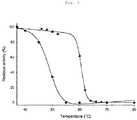
- EcAII wild-type thermal stability protein pure to homogeneity was incubated in 50 mM Na-phospate pH 7.4 at 10 different temperatures (range, 40-70°C) for 10 min. After incubation, the protein was cooled on ice and the residual activity was measured using the Nessler's method in the presence of 10 mM ASN. Residual activity was calculated as a percentage of activity of the heat-treated sample vs. the untreated protein. The melting temperature, defined as the temperature at which the activity is half of the untreated sample after 10 min incubation, was determined as T 50 . EcAII had a T 50 value equal to 49 ⁇ 1.3 °C, the N24S mutant had a T 50 equal to 59 ⁇ 2.2 °C ( Figure 1 ).
- EcAII wild type stability at +4°C was 1-1.5 weeks, N24S mutant stability was tested at 9 weeks and 1 year and no degradation was found on an SDS gel. The time-dependent degradation of the proteins resulted in the enzyme loss of activity.
- Enzyme stability can be evaluated by different methods.
- the former method consists of heat-treatment of the enzyme at different temperatures for a given time (i.e., 10 min), followed by immediate cooling down on ice and, finally, enzyme activity evaluation. It is a good parameter for evaluating the capability of the enzyme to maintain its functional folding when exposed to increasing temperature, consequently, higher T50 values are a good index of the enzyme functional stability.
- EcAII N24S resulted to have a T 50 value 10°C higher than the wild type (59°C vs.
- the variant is capable of maintaining its functional folding in more extreme condition than the wild type enzyme.
- Such a characteristic of the N24S variant is quite a promising indication of its capability of retained activity when administrated as a drug to patients.
- the enzymes residual activity was evaluated upon storage at +4°C.
- the N24S variant displayed 8-times longer stability than the wild type protein, confirming the variant improved biological stability.
- the unfolding rate of wild type and N24S proteins was also evaluated by thermal shift.
- the T 0.5 delta value is lower than the one obtained from residual activity evaluation ( ⁇ , 2.41°C vs. 10°C) indicating that the N24S improved stability is mainly linked to active site stabilization than to stabilization of the tetramer.
- Asparaginases active site plays an essential role in protein stabilization, particularly because of the presence of the active site flexible loop (residues 3-27), a moving structural element that contains essential residues for the catalysis.
- the hypothesis is confirmed by the observation that protein loss of activity is proportional to the presence in SDS PAGE of a degradation band located roughly 3 kDa below the monomer molecular weight.
- the lower band resulted un-reactive to an anti-His tag antibody in western blot, indicating the loss of the protein N-terminus that contains both the 6xHis tag and the active site loop.
- the mutant N24S structure obtained by X-ray analysis resulted to be very similar to the wild type as for global folding (RMS 0.232 ⁇ , calculated using standard pymol alignment) as well as for interface solvation energy (wild type -291.3 kcal/mol, N24S - 290.3 kcal/mol) and solvent accessible area (wild type 14366.0 ⁇ , N24S 14148.9 ⁇ ).
- a significant difference between the wild type and the mutant tetrameric assembly was found in the binding ( ⁇ G int ) and in the dissociation ( ⁇ G diss ) energy.
- the N24S ⁇ G int was calculated to be 10.1 kcal/mol lower than the wild type one (i.e.
- EcAII proteins showed a cytotoxic effect comparable to the commercial Elspar protein on all cell lines but SD1. Actually, EcAII proteins had a nearly 4.30-fold higher cytotoxic effect on SD1 cells at 3.0 U/ml with respect to the commercial enzyme Elspar.
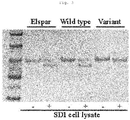
- Wild type and N24S EcAII and Elspar were incubated at 37°C o.n. in the presence of SD1 cell lysate in order to determine their sensitivity to tumor-released proteases. After incubation, proteins in the samples were separated by SDS-PAGE and blotted onto a nitrocellulose membrane. After Ponceau Red staining, a clear degradation band was evident in the wild type and Elspar samples and it was absent in the N24S sample ( Figure 4 ). The experiment was repeated 4 times, always obtaining the same result.
- Single prismatic crystals of the N24S mutant were obtained in 100 mM HEPES, pH 7.5, 5% w/v PEG 8000, 4% v/v ethylene glycol at 21°C after 4 days.
- the condition resulted to be highly reproducible and efficient in producing crystals of good dimensions and well diffracting.
- the crystal described in the present paper diffracted at a resolution of 1.51 ⁇ .
- the crystal asymmetric unit (ASU) contained 2 distinct intimate dimers (namely, A1/C1 and A2/C2); clear electron density corresponding to the L-Asp product was present in all the 4 active sites of the ASU.
- Two of the 4 monomers i.e., A1 and C2 presented clear electron density for residues belonging to the active site flexible loop (residues 3-27), while residues 15-26 were missing in monomers A2 and C1.
- the disclosed asparaginase has shown to preserve the functional parameters compared to the wild-type protein already known.
- the preserved catalytic and anti-proliferative properties of the protein represent a solid basis for its in vivo efficacy.
- the protein of the invention has a much improved long-term stability in culture and upon storage, which represents a promising feature for the development and introduction of the drug in the therapy.
- the protein has IC 50 values that are at least equal or even better than the wild-type.
- the disclosed protein is expected to produce less tumor resistance according to in vitro data.
- proteases resistance represents a huge improvement in the drug characteristics, in view of the fact that tumor-related proteases may to a large extent impair the efficacy of ASNase by degrading it and by unmasking new immunogenic epitopes, thus increasing the risk of antibody production and relapse.
- the present invention also encompasses the possibility of modifying the protein with PEGylation.
- Said chemical modification allows for a further improvement in the N24S mutant features, such as in particular, the stability, including the thermal stability, and the reduced immunogenicity, which, in turn, result in an enhanced safety and efficacy of the drug.
- the present invention also encompasses the possibility of using the GRASPA technology for loading the protein of the invention by encapsulation into red blood cells.
- JECFA Joint FAO/WHO Expert Committee on Food Additives
- the present invention finds additional useful application also in the food industry.
- the enzyme of the invention advantageously reduces the time required to inactivate the acrylamide compared to the other known enzymes.
Landscapes
- Life Sciences & Earth Sciences (AREA)
- Health & Medical Sciences (AREA)
- Engineering & Computer Science (AREA)
- Chemical & Material Sciences (AREA)
- Microbiology (AREA)
- Food Science & Technology (AREA)
- General Health & Medical Sciences (AREA)
- Organic Chemistry (AREA)
- Bioinformatics & Cheminformatics (AREA)
- Nutrition Science (AREA)
- Polymers & Plastics (AREA)
- Medicinal Chemistry (AREA)
- Biotechnology (AREA)
- Zoology (AREA)
- Wood Science & Technology (AREA)
- Pharmacology & Pharmacy (AREA)
- Animal Behavior & Ethology (AREA)
- Genetics & Genomics (AREA)
- Public Health (AREA)
- Veterinary Medicine (AREA)
- Epidemiology (AREA)
- Biochemistry (AREA)
- General Engineering & Computer Science (AREA)
- Molecular Biology (AREA)
- Proteomics, Peptides & Aminoacids (AREA)
- Biomedical Technology (AREA)
- General Chemical & Material Sciences (AREA)
- Chemical Kinetics & Catalysis (AREA)
- Nuclear Medicine, Radiotherapy & Molecular Imaging (AREA)
- Gastroenterology & Hepatology (AREA)
- Mycology (AREA)
- Immunology (AREA)
- Oncology (AREA)
- Hematology (AREA)
- Enzymes And Modification Thereof (AREA)
- Medicines That Contain Protein Lipid Enzymes And Other Medicines (AREA)
- Preparation Of Compounds By Using Micro-Organisms (AREA)
- Micro-Organisms Or Cultivation Processes Thereof (AREA)
- Medicinal Preparation (AREA)
- Coloring Foods And Improving Nutritive Qualities (AREA)
Claims (15)
- Isoliertes Peptid, welches die Sequenz aus SEQ. ID. n. 6 aufweist.
- Isoliertes Peptid nach dem vorhergehenden Anspruch, wobei die Sequenz ferner einen His-Tag am N-Terminus umfasst.
- Isoliertes Peptid aus Anspruch 1, kodiert von der nukleotidischen Sequenz aus SEQ. ID. n. 5.
- Isolierte nukleotidische Sequenz, welche eine Sequenz entsprechend der SEQ. ID. n. 5 aufweist.
- Vektor, umfassend die isolierte nukleotidische Sequenz nach dem vorhergehenden Anspruch.
- Wirtszelle, kloniert mit dem Vektor nach dem vorhergehenden Anspruch.
- Verfahren zur Herstellung des isolierten Peptids aus Anspruch 1, umfassend den Schritt des Kultivierens von Escherichia coli Zellen, welche mit einem Vektor aus Anspruch 5 kloniert wurden, in einem geeigneten Medium, gefolgt von der Gewinnung des Extrakts und Aufreinigung des Proteins.
- Isoliertes Peptid aus Anspruch 1, welches chemisch modifiziert ist durch PEGylierung.
- Isoliertes Peptid aus Anspruch 1 oder 8 zur Verwendung als ein Medikament.
- Isoliertes Peptid nach dem vorhergehenden Anspruch zur Verwendung als ein Medikament in der Behandlung von soliden Tumoren, sowohl primär als auch sekundär.
- Isoliertes Peptid nach dem vorhergehenden Anspruch 9 oder 10 zur Verwendung in der Behandlung von Tumoren, ausgewählt aus der Gruppe umfassend: Magen-Darm-, Lungen-, Brust-, Prostata-, Eierstock-, Leber-, Nieren-, Schilddrüsen-, Nasopharynx-Tumoren, Sarkomen, Lymphomen und multiplem Myelom oder in der Behandlung akuter lymphatischer Leukämie (ALL).
- Isoliertes Peptid nach Anspruch 9 zur Verwendung als ein Medikament für Menschen und Tiere.
- Pharmazeutische Zusammensetzung umfassend das isolierte Peptid nach Anspruch 1 oder 8 und einen von mehreren Trägern und/oder Hilfsstoffen und/oder Konservierungsstoffen, die pharmazeutisch verträglich sind, welche innerhalb roter Blutzellen eingekapselt sein können.
- Pharmazeutische Zusammensetzung nach dem vorhergehenden Anspruch, ferner umfassend ein chemotherapeutisches Medikament.
- Pharmazeutische Zusammensetzung nach dem vorhergehenden Anspruch, wobei das chemotherapeutische Medikament ausgewählt ist aus der Gruppe umfassend: Aminoglutethimid, Amsacrin, Anastrozol, Asparaginase, Bcg, Bicalutamid, Bleomycin, Bortezomib, Buserelin, Busulfan, Campothecin, Capecitabin, Carboplatin, Carfilzomib, Carmustin, Chlorambucil, Chloroquin, Cisplatin, Cladribin, Clodronat, Colchicin, Cyclophosphamid, Cyproteron, Cytarabin, Dacarbazin, Dactinomycin, Daunorubicin, Demethoxyviridin, Dichloroacetat, Dienestrol, Diethylstilbestrol, Docetaxel, Doxorubicin, Epirubicin, Estradiol, Estramustin, Etoposid, Everolimus, Exemestan, Filgrastim, Fludarabin, Fludrocortison, Fluoruracil, Fluoxymesteron, Flutamid, Gemcitabin, Genistein, Goserelin, Hydroxyharnstoff, Idarubicin, Ifosfamid, Imatinib, Interferon, Irinotecan, Ironotecan, Lenalidomid, Letrozol, Leucovorin, Leuprolid, Levamisol, Lomustin, Lonidamin, Mechlorethamin, Medroxyprogestron, Megestrol, Melphalan, Mercaptopurin, Mesna, Metformin, Methotrexat, Mitomycin, Mitotan, Mitoxantron, Nilutamid, Nocodazol, Octreotid, Oxaliplatin, Paclitaxel, Pamidronat, Pemetrexed, Pentostatin, Perifosin, Plicamycin, Pomalidomid, Porfimer, Procarbazin, Raltitrexed, Rituximab, Sorafenib, Streptozocin, Sunitinib, Suramin, Tamoxifen, Temozolomid, Temsirolimus, Teniposid, Testosteron, Thalidomid, Thioguanin, Thiotepa, Titanocen-Dichlorid, Topotecan, Trastuzumab, Tretionin, Vinblastin, Vincristin, Vindesin oder Vinorelbin.
Applications Claiming Priority (1)
| Application Number | Priority Date | Filing Date | Title |
|---|---|---|---|
| PCT/EP2016/076994 WO2018086676A1 (en) | 2016-11-08 | 2016-11-08 | A highly stable, protease-resistant e. coli asparaginase |
Publications (2)
| Publication Number | Publication Date |
|---|---|
| EP3538652A1 EP3538652A1 (de) | 2019-09-18 |
| EP3538652B1 true EP3538652B1 (de) | 2021-11-10 |
Family
ID=57288395
Family Applications (1)
| Application Number | Title | Priority Date | Filing Date |
|---|---|---|---|
| EP16794993.2A Active EP3538652B1 (de) | 2016-11-08 | 2016-11-08 | Hochstabile protease-resistente e. coli-asparaginase |
Country Status (5)
| Country | Link |
|---|---|
| US (1) | US20190270978A1 (de) |
| EP (1) | EP3538652B1 (de) |
| JP (1) | JP6921439B2 (de) |
| CN (1) | CN110462035A (de) |
| WO (1) | WO2018086676A1 (de) |
Family Cites Families (4)
| Publication number | Priority date | Publication date | Assignee | Title |
|---|---|---|---|---|
| WO2000059533A1 (en) * | 1999-04-02 | 2000-10-12 | Children's Hospital Los Angeles | Use of asparaginase and glutaminase to treat autoimmune disease and graft versus host disease |
| WO2007083100A2 (en) * | 2006-01-17 | 2007-07-26 | Cancer Research Technology Limited | Enzyme |
| WO2010015264A1 (en) * | 2008-08-06 | 2010-02-11 | Universita' Degli Studi Di Pavia | L-asparaginase from helicobacter pylori |
| US20160213759A1 (en) * | 2013-09-10 | 2016-07-28 | Board Of Regents, The University Of Texas System | Therapeutic asparaginases |
-
2016
- 2016-11-08 US US16/348,370 patent/US20190270978A1/en not_active Abandoned
- 2016-11-08 WO PCT/EP2016/076994 patent/WO2018086676A1/en not_active Ceased
- 2016-11-08 JP JP2019544769A patent/JP6921439B2/ja not_active Expired - Fee Related
- 2016-11-08 EP EP16794993.2A patent/EP3538652B1/de active Active
- 2016-11-08 CN CN201680091984.6A patent/CN110462035A/zh active Pending
Non-Patent Citations (1)
| Title |
|---|
| None * |
Also Published As
| Publication number | Publication date |
|---|---|
| JP2019535308A (ja) | 2019-12-12 |
| WO2018086676A1 (en) | 2018-05-17 |
| EP3538652A1 (de) | 2019-09-18 |
| CN110462035A (zh) | 2019-11-15 |
| US20190270978A1 (en) | 2019-09-05 |
| JP6921439B2 (ja) | 2021-08-18 |
Similar Documents
| Publication | Publication Date | Title |
|---|---|---|
| EP3078743B1 (de) | Gegenmittel für faktor-xa-hemmer und verfahren zur verwendung davon | |
| EP2414517B1 (de) | Gegenmittel für faktor-xa-hemmer und verwendungsverfahren dafür | |
| DK2601291T3 (en) | new glucose oxidase | |
| WO2015038639A1 (en) | Therapeutic asparaginases | |
| US20190270978A1 (en) | A highly stable, protease-resistant e. coli asparaginase | |
| US20150337284A1 (en) | Factor ix variants | |
| WO2023211896A1 (en) | Genetically encoded systems for generating oxygen in living eukaryotic cells | |
| HK40052336A (en) | Antidotes for factor xa inhibitors and methods of using the same | |
| HK1236989A1 (en) | Antidotes for factor xa inhibitors and methods of using the same | |
| HK1229844B (en) | Antidotes for factor xa inhibitors and methods of using the same | |
| HK1229844A1 (en) | Antidotes for factor xa inhibitors and methods of using the same | |
| HK1210443B (en) | Antidotes for factor xa inhibitors and methods of using the same | |
| HK1143398B (en) | Antidotes for factor xa inhibitors and methods of using the same | |
| HK1162584B (en) | Antidotes for factor xa inhibitors and methods of using the same | |
| HK1215263B (zh) | 作为靶向试剂的gla结构域 |
Legal Events
| Date | Code | Title | Description |
|---|---|---|---|
| STAA | Information on the status of an ep patent application or granted ep patent |
Free format text: STATUS: UNKNOWN |
|
| STAA | Information on the status of an ep patent application or granted ep patent |
Free format text: STATUS: THE INTERNATIONAL PUBLICATION HAS BEEN MADE |
|
| PUAI | Public reference made under article 153(3) epc to a published international application that has entered the european phase |
Free format text: ORIGINAL CODE: 0009012 |
|
| STAA | Information on the status of an ep patent application or granted ep patent |
Free format text: STATUS: REQUEST FOR EXAMINATION WAS MADE |
|
| 17P | Request for examination filed |
Effective date: 20190523 |
|
| AK | Designated contracting states |
Kind code of ref document: A1 Designated state(s): AL AT BE BG CH CY CZ DE DK EE ES FI FR GB GR HR HU IE IS IT LI LT LU LV MC MK MT NL NO PL PT RO RS SE SI SK SM TR |
|
| AX | Request for extension of the european patent |
Extension state: BA ME |
|
| DAV | Request for validation of the european patent (deleted) | ||
| DAX | Request for extension of the european patent (deleted) | ||
| STAA | Information on the status of an ep patent application or granted ep patent |
Free format text: STATUS: EXAMINATION IS IN PROGRESS |
|
| 17Q | First examination report despatched |
Effective date: 20200527 |
|
| REG | Reference to a national code |
Ref country code: DE Ref legal event code: R079 Ref document number: 602016066079 Country of ref document: DE Free format text: PREVIOUS MAIN CLASS: C12N0009820000 Ipc: A21D0008040000 |
|
| RIC1 | Information provided on ipc code assigned before grant |
Ipc: A21D 8/04 20060101AFI20210407BHEP Ipc: A23L 2/66 20060101ALI20210407BHEP Ipc: A61K 38/00 20060101ALI20210407BHEP Ipc: A61K 45/06 20060101ALI20210407BHEP Ipc: A61P 35/02 20060101ALI20210407BHEP Ipc: A61P 35/00 20060101ALI20210407BHEP Ipc: A23L 7/104 20160101ALI20210407BHEP Ipc: C12N 9/82 20060101ALI20210407BHEP |
|
| GRAP | Despatch of communication of intention to grant a patent |
Free format text: ORIGINAL CODE: EPIDOSNIGR1 |
|
| STAA | Information on the status of an ep patent application or granted ep patent |
Free format text: STATUS: GRANT OF PATENT IS INTENDED |
|
| INTG | Intention to grant announced |
Effective date: 20210531 |
|
| GRAS | Grant fee paid |
Free format text: ORIGINAL CODE: EPIDOSNIGR3 |
|
| GRAA | (expected) grant |
Free format text: ORIGINAL CODE: 0009210 |
|
| STAA | Information on the status of an ep patent application or granted ep patent |
Free format text: STATUS: THE PATENT HAS BEEN GRANTED |
|
| AK | Designated contracting states |
Kind code of ref document: B1 Designated state(s): AL AT BE BG CH CY CZ DE DK EE ES FI FR GB GR HR HU IE IS IT LI LT LU LV MC MK MT NL NO PL PT RO RS SE SI SK SM TR |
|
| REG | Reference to a national code |
Ref country code: GB Ref legal event code: FG4D |
|
| REG | Reference to a national code |
Ref country code: AT Ref legal event code: REF Ref document number: 1445209 Country of ref document: AT Kind code of ref document: T Effective date: 20211115 Ref country code: CH Ref legal event code: EP |
|
| REG | Reference to a national code |
Ref country code: DE Ref legal event code: R096 Ref document number: 602016066079 Country of ref document: DE |
|
| REG | Reference to a national code |
Ref country code: IE Ref legal event code: FG4D |
|
| REG | Reference to a national code |
Ref country code: LT Ref legal event code: MG9D |
|
| REG | Reference to a national code |
Ref country code: NL Ref legal event code: MP Effective date: 20211110 |
|
| REG | Reference to a national code |
Ref country code: AT Ref legal event code: MK05 Ref document number: 1445209 Country of ref document: AT Kind code of ref document: T Effective date: 20211110 |
|
| PG25 | Lapsed in a contracting state [announced via postgrant information from national office to epo] |
Ref country code: RS Free format text: LAPSE BECAUSE OF FAILURE TO SUBMIT A TRANSLATION OF THE DESCRIPTION OR TO PAY THE FEE WITHIN THE PRESCRIBED TIME-LIMIT Effective date: 20211110 Ref country code: LT Free format text: LAPSE BECAUSE OF FAILURE TO SUBMIT A TRANSLATION OF THE DESCRIPTION OR TO PAY THE FEE WITHIN THE PRESCRIBED TIME-LIMIT Effective date: 20211110 Ref country code: FI Free format text: LAPSE BECAUSE OF FAILURE TO SUBMIT A TRANSLATION OF THE DESCRIPTION OR TO PAY THE FEE WITHIN THE PRESCRIBED TIME-LIMIT Effective date: 20211110 Ref country code: BG Free format text: LAPSE BECAUSE OF FAILURE TO SUBMIT A TRANSLATION OF THE DESCRIPTION OR TO PAY THE FEE WITHIN THE PRESCRIBED TIME-LIMIT Effective date: 20220210 Ref country code: AT Free format text: LAPSE BECAUSE OF FAILURE TO SUBMIT A TRANSLATION OF THE DESCRIPTION OR TO PAY THE FEE WITHIN THE PRESCRIBED TIME-LIMIT Effective date: 20211110 |
|
| PG25 | Lapsed in a contracting state [announced via postgrant information from national office to epo] |
Ref country code: IS Free format text: LAPSE BECAUSE OF FAILURE TO SUBMIT A TRANSLATION OF THE DESCRIPTION OR TO PAY THE FEE WITHIN THE PRESCRIBED TIME-LIMIT Effective date: 20220310 Ref country code: SE Free format text: LAPSE BECAUSE OF FAILURE TO SUBMIT A TRANSLATION OF THE DESCRIPTION OR TO PAY THE FEE WITHIN THE PRESCRIBED TIME-LIMIT Effective date: 20211110 Ref country code: PT Free format text: LAPSE BECAUSE OF FAILURE TO SUBMIT A TRANSLATION OF THE DESCRIPTION OR TO PAY THE FEE WITHIN THE PRESCRIBED TIME-LIMIT Effective date: 20220310 Ref country code: PL Free format text: LAPSE BECAUSE OF FAILURE TO SUBMIT A TRANSLATION OF THE DESCRIPTION OR TO PAY THE FEE WITHIN THE PRESCRIBED TIME-LIMIT Effective date: 20211110 Ref country code: NO Free format text: LAPSE BECAUSE OF FAILURE TO SUBMIT A TRANSLATION OF THE DESCRIPTION OR TO PAY THE FEE WITHIN THE PRESCRIBED TIME-LIMIT Effective date: 20220210 Ref country code: NL Free format text: LAPSE BECAUSE OF FAILURE TO SUBMIT A TRANSLATION OF THE DESCRIPTION OR TO PAY THE FEE WITHIN THE PRESCRIBED TIME-LIMIT Effective date: 20211110 Ref country code: LV Free format text: LAPSE BECAUSE OF FAILURE TO SUBMIT A TRANSLATION OF THE DESCRIPTION OR TO PAY THE FEE WITHIN THE PRESCRIBED TIME-LIMIT Effective date: 20211110 Ref country code: HR Free format text: LAPSE BECAUSE OF FAILURE TO SUBMIT A TRANSLATION OF THE DESCRIPTION OR TO PAY THE FEE WITHIN THE PRESCRIBED TIME-LIMIT Effective date: 20211110 Ref country code: GR Free format text: LAPSE BECAUSE OF FAILURE TO SUBMIT A TRANSLATION OF THE DESCRIPTION OR TO PAY THE FEE WITHIN THE PRESCRIBED TIME-LIMIT Effective date: 20220211 Ref country code: ES Free format text: LAPSE BECAUSE OF FAILURE TO SUBMIT A TRANSLATION OF THE DESCRIPTION OR TO PAY THE FEE WITHIN THE PRESCRIBED TIME-LIMIT Effective date: 20211110 |
|
| PG25 | Lapsed in a contracting state [announced via postgrant information from national office to epo] |
Ref country code: SM Free format text: LAPSE BECAUSE OF FAILURE TO SUBMIT A TRANSLATION OF THE DESCRIPTION OR TO PAY THE FEE WITHIN THE PRESCRIBED TIME-LIMIT Effective date: 20211110 Ref country code: SK Free format text: LAPSE BECAUSE OF FAILURE TO SUBMIT A TRANSLATION OF THE DESCRIPTION OR TO PAY THE FEE WITHIN THE PRESCRIBED TIME-LIMIT Effective date: 20211110 Ref country code: RO Free format text: LAPSE BECAUSE OF FAILURE TO SUBMIT A TRANSLATION OF THE DESCRIPTION OR TO PAY THE FEE WITHIN THE PRESCRIBED TIME-LIMIT Effective date: 20211110 Ref country code: EE Free format text: LAPSE BECAUSE OF FAILURE TO SUBMIT A TRANSLATION OF THE DESCRIPTION OR TO PAY THE FEE WITHIN THE PRESCRIBED TIME-LIMIT Effective date: 20211110 Ref country code: DK Free format text: LAPSE BECAUSE OF FAILURE TO SUBMIT A TRANSLATION OF THE DESCRIPTION OR TO PAY THE FEE WITHIN THE PRESCRIBED TIME-LIMIT Effective date: 20211110 Ref country code: CZ Free format text: LAPSE BECAUSE OF FAILURE TO SUBMIT A TRANSLATION OF THE DESCRIPTION OR TO PAY THE FEE WITHIN THE PRESCRIBED TIME-LIMIT Effective date: 20211110 |
|
| REG | Reference to a national code |
Ref country code: DE Ref legal event code: R097 Ref document number: 602016066079 Country of ref document: DE |
|
| PLBE | No opposition filed within time limit |
Free format text: ORIGINAL CODE: 0009261 |
|
| STAA | Information on the status of an ep patent application or granted ep patent |
Free format text: STATUS: NO OPPOSITION FILED WITHIN TIME LIMIT |
|
| 26N | No opposition filed |
Effective date: 20220811 |
|
| PG25 | Lapsed in a contracting state [announced via postgrant information from national office to epo] |
Ref country code: AL Free format text: LAPSE BECAUSE OF FAILURE TO SUBMIT A TRANSLATION OF THE DESCRIPTION OR TO PAY THE FEE WITHIN THE PRESCRIBED TIME-LIMIT Effective date: 20211110 |
|
| PG25 | Lapsed in a contracting state [announced via postgrant information from national office to epo] |
Ref country code: SI Free format text: LAPSE BECAUSE OF FAILURE TO SUBMIT A TRANSLATION OF THE DESCRIPTION OR TO PAY THE FEE WITHIN THE PRESCRIBED TIME-LIMIT Effective date: 20211110 |
|
| PG25 | Lapsed in a contracting state [announced via postgrant information from national office to epo] |
Ref country code: MC Free format text: LAPSE BECAUSE OF FAILURE TO SUBMIT A TRANSLATION OF THE DESCRIPTION OR TO PAY THE FEE WITHIN THE PRESCRIBED TIME-LIMIT Effective date: 20211110 |
|
| REG | Reference to a national code |
Ref country code: CH Ref legal event code: PL |
|
| REG | Reference to a national code |
Ref country code: BE Ref legal event code: MM Effective date: 20221130 |
|
| PG25 | Lapsed in a contracting state [announced via postgrant information from national office to epo] |
Ref country code: LI Free format text: LAPSE BECAUSE OF NON-PAYMENT OF DUE FEES Effective date: 20221130 Ref country code: CH Free format text: LAPSE BECAUSE OF NON-PAYMENT OF DUE FEES Effective date: 20221130 |
|
| PG25 | Lapsed in a contracting state [announced via postgrant information from national office to epo] |
Ref country code: LU Free format text: LAPSE BECAUSE OF NON-PAYMENT OF DUE FEES Effective date: 20221108 |
|
| PG25 | Lapsed in a contracting state [announced via postgrant information from national office to epo] |
Ref country code: BE Free format text: LAPSE BECAUSE OF NON-PAYMENT OF DUE FEES Effective date: 20221130 |
|
| PG25 | Lapsed in a contracting state [announced via postgrant information from national office to epo] |
Ref country code: HU Free format text: LAPSE BECAUSE OF FAILURE TO SUBMIT A TRANSLATION OF THE DESCRIPTION OR TO PAY THE FEE WITHIN THE PRESCRIBED TIME-LIMIT; INVALID AB INITIO Effective date: 20161108 |
|
| PG25 | Lapsed in a contracting state [announced via postgrant information from national office to epo] |
Ref country code: CY Free format text: LAPSE BECAUSE OF FAILURE TO SUBMIT A TRANSLATION OF THE DESCRIPTION OR TO PAY THE FEE WITHIN THE PRESCRIBED TIME-LIMIT Effective date: 20211110 |
|
| PG25 | Lapsed in a contracting state [announced via postgrant information from national office to epo] |
Ref country code: MK Free format text: LAPSE BECAUSE OF FAILURE TO SUBMIT A TRANSLATION OF THE DESCRIPTION OR TO PAY THE FEE WITHIN THE PRESCRIBED TIME-LIMIT Effective date: 20211110 |
|
| PG25 | Lapsed in a contracting state [announced via postgrant information from national office to epo] |
Ref country code: MT Free format text: LAPSE BECAUSE OF FAILURE TO SUBMIT A TRANSLATION OF THE DESCRIPTION OR TO PAY THE FEE WITHIN THE PRESCRIBED TIME-LIMIT Effective date: 20211110 |
|
| PGFP | Annual fee paid to national office [announced via postgrant information from national office to epo] |
Ref country code: DE Payment date: 20241125 Year of fee payment: 9 |
|
| PGFP | Annual fee paid to national office [announced via postgrant information from national office to epo] |
Ref country code: GB Payment date: 20241120 Year of fee payment: 9 |
|
| PGFP | Annual fee paid to national office [announced via postgrant information from national office to epo] |
Ref country code: FR Payment date: 20241129 Year of fee payment: 9 |
|
| PGFP | Annual fee paid to national office [announced via postgrant information from national office to epo] |
Ref country code: IE Payment date: 20241125 Year of fee payment: 9 |
|
| PGFP | Annual fee paid to national office [announced via postgrant information from national office to epo] |
Ref country code: IT Payment date: 20241107 Year of fee payment: 9 |
|
| PG25 | Lapsed in a contracting state [announced via postgrant information from national office to epo] |
Ref country code: TR Free format text: LAPSE BECAUSE OF FAILURE TO SUBMIT A TRANSLATION OF THE DESCRIPTION OR TO PAY THE FEE WITHIN THE PRESCRIBED TIME-LIMIT Effective date: 20211110 |